
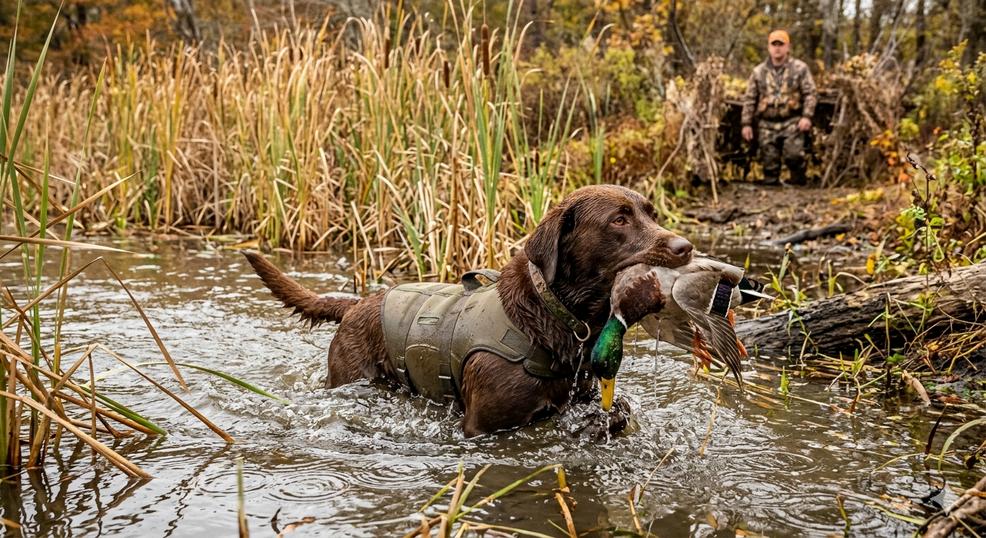
Words by Gemini Editorial Staff | Photography by Outdoors Archive
Tthat exists only at 4:00 AM in a
here is a specific kind of silence flooded timber stand. It is a silence punctuated only by the distant rustle of reeds and the soft lap of water against your waders. For the uninitiated, duck hunting might seem like a chaotic endeavor of mud and noise. But for those who return season after season, it is a calculated game of chess played against one of nature's most wary opponents
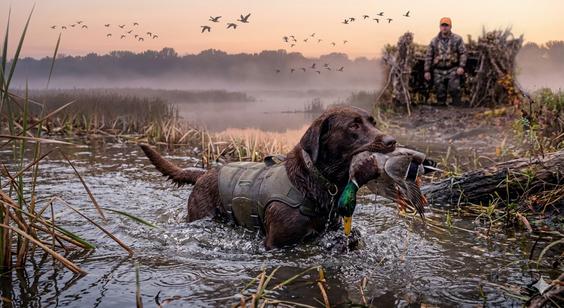
The journey begins long before the first shot is fired. Successful waterfowling is built on a foundation of "The Three C's": Concealment, Calling, and Conservation. Without a proper understanding of each, you are merely an observer in the marsh, not a participant.
"The goal is not to look like a hunter, but to become part of the shoreline itself."
Ducks are gregarious by nature. They seek the safety of numbers. Your decoy spread a collection of plastic or cork replicas is your primary tool of deception. A common mistake for beginners is the 'cluster.' Instead, aim for a 'J-Hook' or 'UShape' layout This leaves an inviting, open 'landing zone' directly in front of your blind, leading the birds exactly where you want them.
• 12-Gauge Shotgun: The industry standard
• Non-Toxic Shot: Essential for environmental protection
• Neoprene Waders: 5mm thickness for winter hunts
• Duck Call: Single reed for versatility.

Concealment is the second pillar. Ducks possess color vision and an uncanny ability to spot movement. If your blind isn't "brushed in" with local vegetation willow, cattails, or corn stalks the birds will 'flare' at seventy yards, sensing the human presence long before you have a chance to call them in.
Calling is where huntingtransitions from
apursuit to a conversation. You aren't just making noise; you are communicating. A high-flying mallard requires a 'Hail Call'— loud, ringing, and rhythmic. As they turn, you transition to the 'Greeting Call ' If they look ready to land, the 'Feed Chuckle' provides the confidence they need to commit.
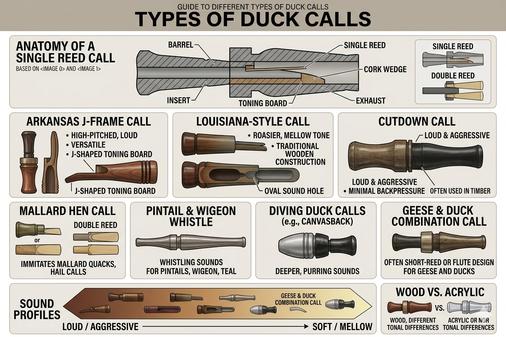
However, the most important skill in calling is knowing when to stop. Often, 'over-calling' is the quickest way to spook a flock. If they are already coming your way, silence is your best friend. Let the decoys do the work.
"Safety is the currency of the blind. Without it, the hunt has no value."
Every duck hunter is a conservationist first. The Federal Duck Stamp program, established in 1934, has protected over six million acres of habitat. By adhering to bag limits and practicing proper firearm safety, we ensure that the migration continues for generations to come.
Muzzle Control: In a crowded blind, your barrel must always point up or out toward the water. Never sweep across your partners
The Swing: Stay in your "lane." Only shoot at birds in your designated window to avoid accidents.

As the sun rises fully above the horizon, the real reward of the hunt reveals itself. It isn't just about the harvest; it’s about the coffee shared in the cold, the bond with a retriever, and the witnessing of a migration that has occurred for millennia.