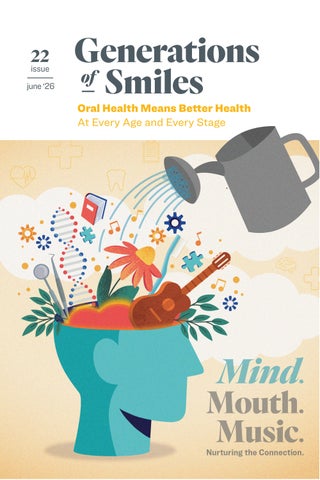
june ‘26
Generations Smiles of
Oral Health Means Better Health At Every Age and Every Stage
Quality care from sea to shining sea.



Diana Do -Yabut, DMD
Haley Southwick, Nurse Practitioner

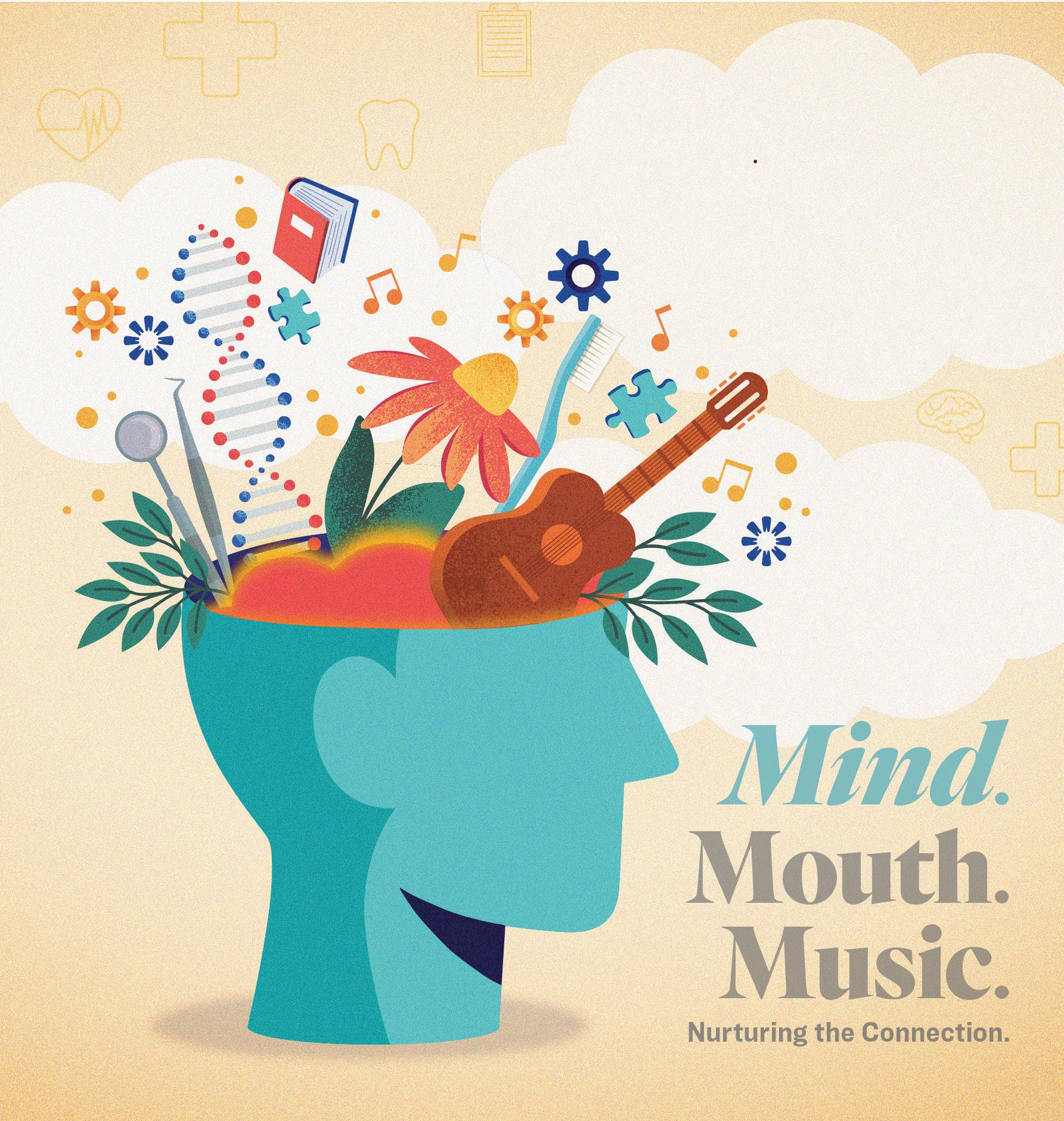
Mind Over (Gray) Matter: How Confidence Affects Oral and Brain Health
Is there a difference between the brain and the mind? The brain is an organ that regulates important bodily systems, while the mind is tied to our thoughts and feelings. Yet, when we talk about either, we sometimes mean both.
What I have found in my years of caring for patients is that the difference doesn’t always, well, make a difference. Feeling mentally healthy leads1 us to take better care of ourselves – which can help protect our physical health.
In this issue of Generations of Smiles, my colleague Karim Zaklama, DDS, shares the way confidence, mood and our psychological approach2 to health affect our overall wellness. Bianca Velayo, DMD, examines the relationship between tooth retention and preventing3 cognitive decline. And we look at how preventive dental visits support4 long-term brain health.
We also look at an emerging new area of study that suggests music5 may play a role in protecting a person’s oral health and their brain health as they age.6
There’s even a celebrity cameo! Dr. Drew Pinsky and Smile Generation dentists discuss the growing appreciation for the Mouth-Body Connection® within the medical and dental fields.
With so many new studies emerging about how our mental outlook affects our oral and brain health outcomes, we can use the power of our mind to work to take better care of ourselves.
Until next time,

Carolyn Ghazal, DDS



Contents
Music is Medicine
Explore how music’s rhythm and melody can boost your mood, reduce dental anxiety, and even support whole-body health.
The Confidence Effect: 3 Ways Caring for Your Health Unleashes Your Inner Strength
Discover how a healthy smile boosts confidence, reduces stress, and transforms self-esteem through simple, actionable oral care habits.
Bridging the Gap: The Link Between Tooth Loss and Brain Health
Learn how tooth loss impacts cognitive function, nutrition, and brain health, and the steps you can take to protect your wellness.
What’s in Your Saliva: A Window Into Your Brain’s Health
Learn how early-detection saliva tests reveal vital biomarkers for brain health, protect your body, and reduce the risk of stroke.
The Mouth-Body Connection® Stars in a Lifetime of Good Health
Dr. Drew leads a compelling exploration of how integrated dental and medical care enhances health outcomes, featuring insights from Smile Generation experts.
page 06 page 14 page 10 page 18 page 20
Music is Medicine









Do dentists dance?
(We hope you know the answer is yes!)
Like most people, dentists appreciate music’s power to move people emotionally as well as physically. But there may be something more inspired at work about the tunes pumping out of your dentist’s office, and many healthcare professionals have seen it for themselves: Music is medicine.
to increase cytokines6 in saliva, proteins that regulate inflammation –including the type associated with periodontal disease7
Anxious about a dental procedure? Consider slipping on a set of headphones and letting the music transport your mind elsewhere. Music-based interventions have been found8 to reduce dental anxiety in patients undergoing restorative dental procedures.
According to studies¹ exploring rhythm’s effect on mental and physical wellbeing, music may have profound benefits for whole-body health.
Music therapy is showing promise in lowering blood pressure2 and may complement the positive effects of exercise for people with heart issues3. Research has also found music may help reduce symptoms of depression4.
When it comes to oral health, keeping the beat can help keep your smile on track. While you brush, play a song that is roughly two minutes5 long. It’s an easy way to boost your mood while ensuring you brush long enough to keep your teeth and gums healthy. Singing along (after you’ve rinsed and spit, of course), might be good for you, too. Singing has been found
Researchers have described the profound effect beloved music9, binaural beats10 and other sound therapies have on patients’ perception of pain and overall dental experience. Music, rhythm and familiar beats can be especially helpful11 for neurodivergent people and people with special needs who otherwise don’t respond well to the physical sensation of toothbrushing or flossing.
Music not only calms the mind, it may protect the brain12: Several clinical trials suggest13 music may slow the progression of Alzheimer’s disease, which affects more than 7.2 million Americans aged 65 and over. Using magnetic resonance imaging (MRI), researchers witnessed structural
changes14 in the brains of people who engaged in music training and active music participation – findings that suggest music’s potential to delay the onset of Alzheimer’s disease and other forms of dementia.
Even for people with advanced dementia, music can stir15 memories in powerful ways. The documentary Alive Inside16 (2014) famously features withdrawn nursing home residents who suddenly light up when hearing a beloved song from their youth.
Music doesn’t even have to be music to have a healing effect: Frequency music, or vibrations that are isolated at specific speeds, may play a role in everything from pain management17 to improved memory.
In a small study18 that exposed people with Alzheimer’s disease to 40-hz audiovisual stimulation, researchers believe they found evidence that people’s brains atrophied, or shrank, less and their memory and sleep improved.
The ever-steady drumbeat of research into music and sound is opening up exciting new possibilities for the Mouth-Body Connection®. While music will never replace brushing, flossing or regular dental visits, it does seem to play a supportive role in helping you feel more confident, more relaxed and more engaged in your health.
So, the next time you visit your dentist, be sure to bring along your favorite playlist. They just may serve as the soundtrack to a healthier you.
SOUND, SCIENCE & REGENERATION
Emerging neuroscience research is exploring how music and soundbased stimulation can support brain health, cognitive function, and overall well-being. The Aoki Foundation, founded by global artist Steve Aoki, supports innovative research focused on brain longevity and regenerative science.
Their mission highlights the growing understanding that long-term wellness is deeply interconnected, linking oral health, inflammation, and cognitive vitality.


The Confidence Effect:
3 Ways Caring for Your Health Unleashes Your Inner Strength
By Karim Zaklama,
DDS
Smart. Friendly. Successful.
People assessing photos of strangers’ faces attribute1 personality traits to the two-dimensional images staring back at them. What are we responding to in these pictures? Researchers increasingly believe that healthy teeth make a difference2 in how we see others.
And, as it turns out, our smiles even play a critical role in our perceptions3 of ourselves.
Call it the “Confidence Effect,” the transformative power of a healthy smile to improve a person’s self-esteem and quality of life. According to a nationwide survey4, “smile satisfaction is one of the top three drivers of self-confidence” in adults in the US, with 91% of people who report excellent oral health assessing their confidence as excellent or very good – and only 37% of people who contend with fair to poor oral health reporting high levels of confidence.
A healthy smile has such an impact on lowering stress and improving confidence that some researchers have even linked5 oral health to mental well-being.

In my own practice, I see the connection between confidence and oral health break down into three categories:
PHYSICAL. The physical health of our mouths – especially when it comes to halitosis, or chronic bad breath – can impact our selfesteem. Taking care of our oral health can impact our breath.
FUNCTIONAL. Oral issues can cause debilitating pain and changes in our ability to eat. Some patients have told me that they’ve avoided social or work engagements because they’re embarrassed about losing a crown in the middle of a meal.
PSYCHOLOGICAL. When we don’t take care of our oral health, we tend not to feel good about our whole selves, either. So, when new moms and others who had been de-prioritizing their own health come into the office, they view it as a small victory in caring for themselves.
You may not have equated going to the dentist with improving your confidence, but – just like those snap judgments we make when we see pictures of others – feeling good about your own smile can have a profound effect on how you see yourself.
Show up for your health. And watch your inner strength break through.
SIMPLE STEPS:3
CONFIDENCE GROWS WHEN PATIENTS TAKE

STEP 1
Build healthy habits.
It is incredible what small habits – such as regular brushing, flossing and dental visits – can do to build emotional resilience. While it’s difficult to quantify, researchers are starting to get to the bottom of what happens on a neurochemical6 level in your brain when you feel “put together.” What they’re finding is that feeling good about yourself helps you feel good.7
STEP 2
Fix what’s broken.
Early in my career, I repaired the smile of a young woman whose heavilygapped teeth eroded her confidence. I remember the day we finished her procedure, and I handed her a mirror. She wept – not just tears of joy, but of relief. It was as if an entire world of possibilities had opened up for her that she had always felt was out of reach. Repairing broken, missing or decaying teeth can even improve your ability to eat healthy food, and help reduce diabetes, heart and dementia risks.

STEP 3
See your dentist regularly.
Some people who come into the office after delaying dental care apologize to me for the state of their teeth and gums. You don’t have to be embarrassed – and it’s never too late to get back on track.
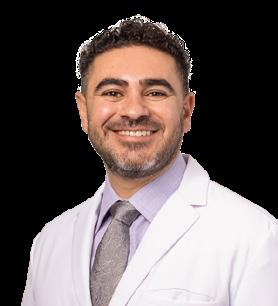
Karim Zaklama, DDS, is a Territory Clinical Partner and member of the National Clinical Council at PDS Health, where he helps guide best practices and continuing education across Southern California. He sees patients out of multiple practices in Southern California.

























BRIDGING THE GAP: THE LINK BETWEEN

Tooth Loss and Brain Health























By Bianca Velayo, DMD











































































As you age, keeping your natural teeth becomes about more than just your smile. It’s about your overall health.



A full set of healthy teeth allows you to chew comfortably, maintain proper alignment, and enjoy a wide variety of nutritious foods. What many people don’t realize is that losing teeth is linked to conditions such as dementia and Alzheimer’s disease, showing how oral health is connected to brain health.



There’s a growing body of research showing that tooth loss may be associated with changes in cognitive function — including memory, thinking, and language.1 In simple terms, the more teeth people lose over time, the higher their risk may be for cognitive decline.





That doesn’t mean tooth loss causes these conditions, but the connection is strong enough that it can’t be ignored. So why does this happen?








Chewing stimulates the brain
THE MOUTH–BRAIN CONNECTION

Every time you chew, you’re activating sensory pathways that help stimulate brain function. When teeth are missing, that stimulation decreases over time, which may impact how the brain functions. 2
Nutrition plays a role











Oral bacteria can travel

When chewing becomes difficult, many people naturally shift toward softer, more processed foods. Over time, this can reduce the quality and variety of nutrients their brain depends on.3





Gum disease allows harmful bacteria to enter the bloodstream, and research suggests these bacteria may reach the brain and contribute to inflammation.4








It’s also important to understand that this relationship can go both ways. As cognitive function declines, daily habits like brushing and flossing may become more difficult, increasing the risk of gum disease and tooth loss.


















What You Can Do



The good news is that you have more control than you think. Protecting your oral health today can support your long-term wellness.



Stay consistent with your hygiene. Brush twice a day and floss daily. It sounds simple, but consistency is everything.
























The Bigger Picture
Your oral health is not separate from the rest of your body — it’s deeply connected.

Keep up with regular dental visits. Professional cleanings and exams help prevent issues before they become more serious.
Replace missing teeth. If you’ve lost teeth, restoring your ability to chew properly with implants, bridges, or dentures isn’t just about aesthetics — it supports function, nutrition, and overall health.















Taking care of your teeth and gums today isn’t just about how your smile looks. It’s about how you feel, how you function, and how you age.



And in many ways, it’s an investment in keeping your mind strong for years to come.













Bianca Velayo, DMD, is a multi-practice owner in the Greater Las Vegas area. She mentors dental professionals and teaches nationally. Velayo obtained her bachelor’s degree in Biopsychology from Tufts University and her Doctor of Dental Medicine degree from Tufts University School of Dental Medicine.





















What's in Your Saliva: A Window Into Your Brain’s Health
By Deepika Dhama, DDS
In the universe of tests to find brain conditions, there’s a supernova on the rise: saliva tests.
Over the decades, blood tests and imaging procedures such as CT scans and MRIs have been the most common methods for detecting brain health issues such as Parkinson’s and Alzheimer’s disease. Who would have imagined that saliva also has the potential to provide clues to diseases and medical conditions of the brain?
More researchers are finding that saliva is rich in information that reveals the state of the human body. At the same time, technological advances in the medical industry are propelling saliva tests to the frontlines of early detection.
At Smile Generation dental offices, for example, Dento and OralDNA saliva tests already help dentists detect the presence of gum disease during patients’ routine checkups. There, saliva tests boast some advantages: They’re non-invasive, can be conducted in a healthcare provider’s office, and provide results
in a matter of minutes so that gum disease can be treated sooner. Meanwhile, research on chairside saliva tests that screen for brainrelated conditions shows promise. Scientists track certain indicators in saliva, called biomarkers, that affect the brain or nervous system. Here are some notable preliminary findings in the science of saliva:
A study on Huntington’s Disease published in the Journal of Neurology in January 2025 showed that the increase of certain biomarkers in the saliva could signal two things: the progression of the disease;1 and the presence of the disease before symptoms such as loss of memory and mobility, involuntary jerking, and rigidity occur. The study was conducted by researchers at the University of California, Irvine; University of California, San Diego; and University of Melbourne.
A team of researchers in Korea has developed a technology that uses saliva for the early diagnosis of epilepsy, Parkinson’s disease, and schizophrenia, according to a small study in the journal Advanced Materials in January 2026. 2 After analyzing saliva samples from patients with epilepsy, schizophrenia, and Parkinson’s disease and from healthy control patients, the scientists found that the technology could determine these brain disorders with high accuracy – up to 98 percent.
A small study of post-traumatic stress disorder (PTSD) among Black and Latino women found that higher levels of the biomarker C-reactive protein (CRP) in a saliva sample taken within the first 13 days of a traumatic injury were related to more severe PTSD symptoms after five months.3 That study by researchers at University of California, Los Angeles appeared in April 2024 in the journal Brain, Behavior, and Immunity.
More studies are still needed on saliva’s role in detecting brainrelated conditions, researchers say. In the meantime, there are preventive measures you can take now to reduce your risk of stroke, a brainrelated condition.
Gum disease is a known risk factor for stroke,4 a leading cause of death in the U.S.
To reduce your risk of gum disease and stroke, start with the fundamentals: brushing and flossing regularly and properly, and visiting your dentist for a checkup every six months. Talk to your dentist about whether a saliva test to check for the presence of gum disease is right for you.

Deepika Dhama, DDS, is a seasoned clinician with nearly 30 years of experience and a leader in dental-medical integration (DMI).
The Mouth-Body Connection® Stars in a Lifetime of Good Health
“Healthcare can be fragmented,” said Dr. Drew. “Dentistry's in one place, medicine in another, and patients are stuck right in the middle. But what if we could bring the entire system back together, integrate it?”
That’s the premise behind a Smile Generation® series on Health Uncensored with Dr. Drew. This multi-segment series, airing on Fox Business and YouTube, explores how integrated dental and medical care improves patient outcomes and highlights the critical connection between oral health and overall health.



Why Watch?
Early Detection: Dentists can identify early signs of systemic diseases like diabetes and heart conditions.
Integrated Care: Combining dental and medical care leads to better prevention and personalized treatment.
Oral Health Insights: Oral health connects to chronic diseases, heart and brain health, and women’s health.
Featured Experts
Dr. Drew is joined by Smile Generation -trusted clinicians and PDS Health® leaders to discuss the Mouth-Body Connection®:
Diana Do-Yabut, DMD: Explains how routine dental visits uncover risks that may otherwise go unnoticed.
Deepika Dhama, DDS: Highlights the link between oral inflammation and diabetes, and how the mouth can serve as an early warning system for chronic disease.
Healthy smiles, healthy lives, it's all connected.
- Dr. Drew “ ”
Christopher Tolmie, DDS, and Zulema Valdivia, DDS: Explore the relationship between gum disease, cardiovascular health, and cognitive decline.
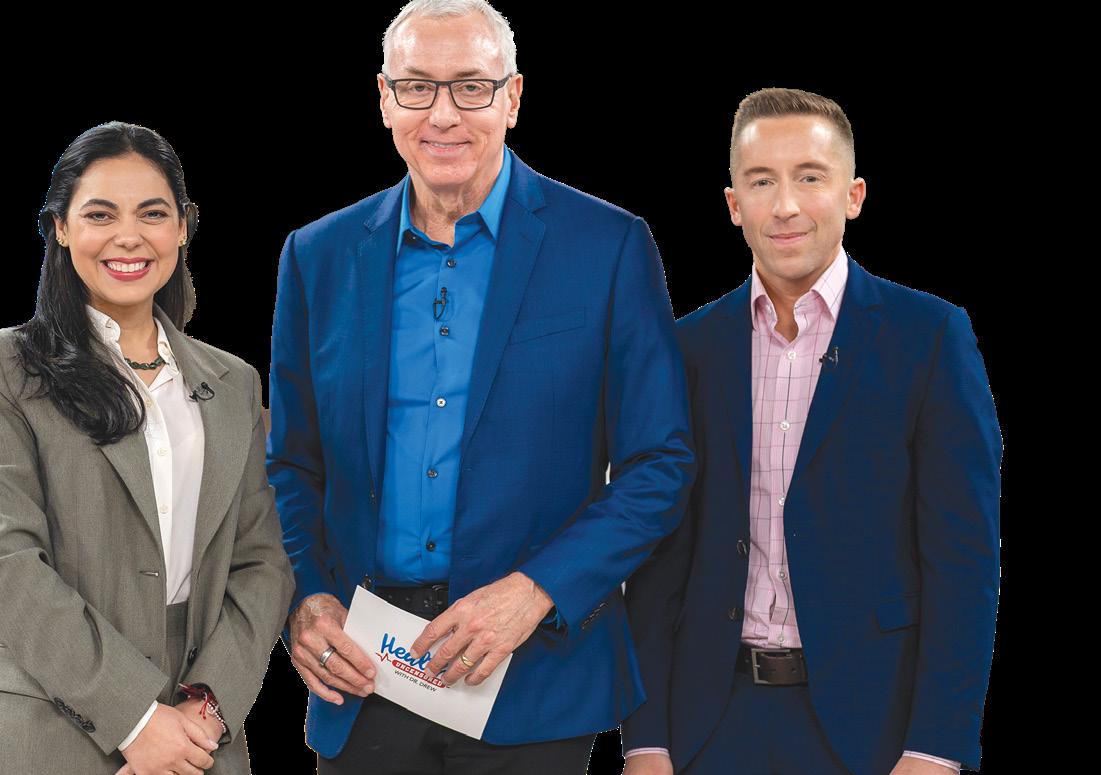
Ashley Abrams, DDS: Discusses oral health’s connection to hormonal changes, including pregnancy.
Stephen Thorne, President and CEO of PDS Health and the mind behind Smile Generation shares how bringing dental and medical care together is reshaping prevention and enabling clinicians to take a more predictive and personalized approach to care.

Take Charge of Your Health
The series inspires patients to take a proactive role in their wellness. Most people already visit the dentist at least once a year—why not make it an opportunity to learn more about your overall health? “Healthy smiles, healthy lives,” Dr. Drew said, “it's all connected.”
Watch the full segments at SmileGeneration.com to learn how a healthy smile leads to a healthier life.
Dr. Drew Pinsky, host of Health Uncensored with Dr. Drew, is a renowned physician and a prominent TV, radio and podcast host. He is dedicated to educating audiences on proactive, integrated care.

TwoBrands. OneMission.

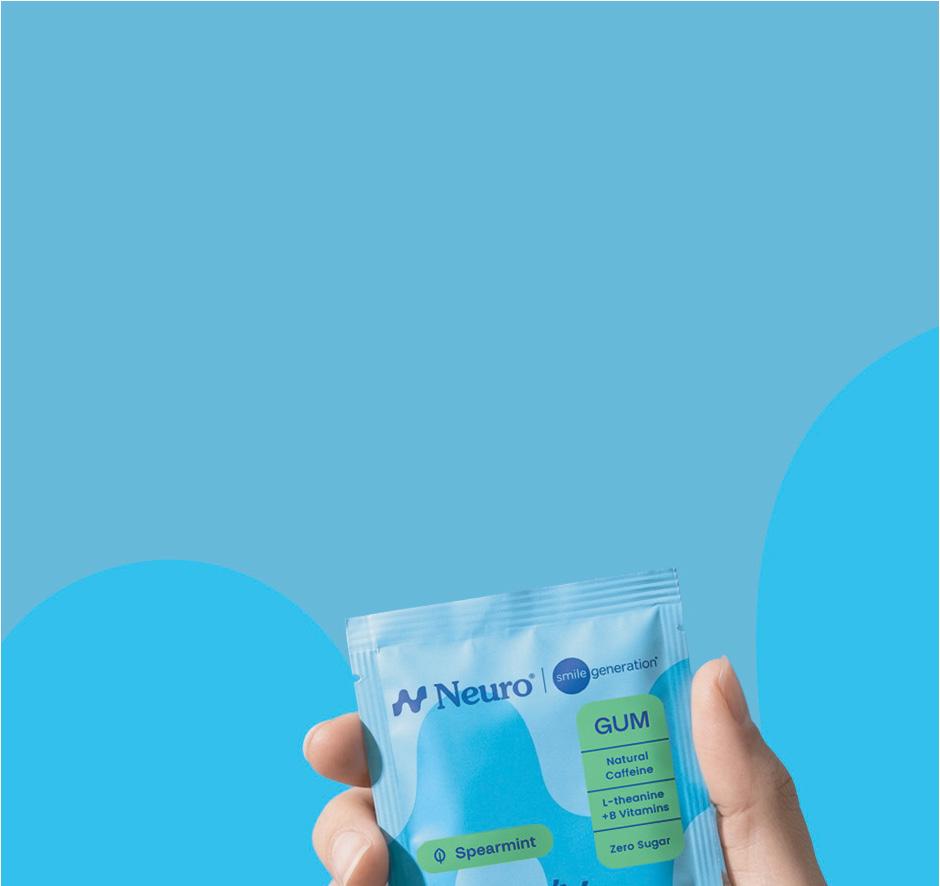
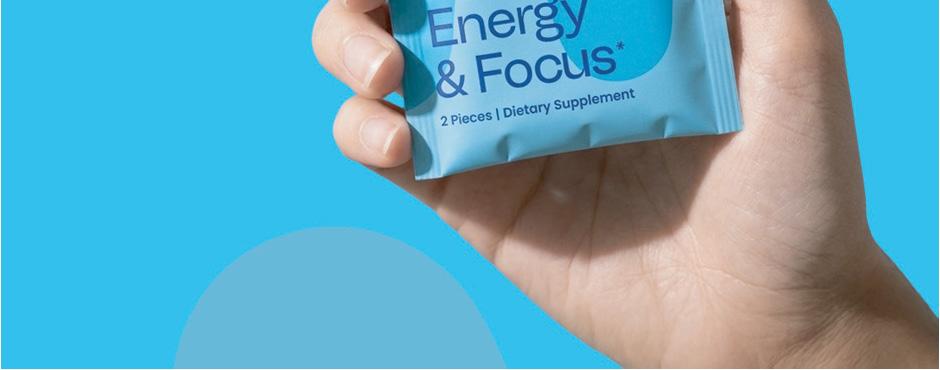
This June, in celebration of Alzheimer’s and Brain Awareness Month, Smile Generation and Neuro® are teaming up to share a vital truth: your oral health and brain health are deeply connected.
We call it the Mouth-Body Connection ®. Managing oral bacteria and keeping gums healthy actively lowers inflammation, protecting the pathways that supports long-term brain health.
The Science Behind the Chew Simple, clean ingredients designed to support both oral and brain health.
• Xylitol: Reduces cavity-causing bacteria and supports gum health.
• Caring for your mouth is a simple, powerful way to care for your mind.
L-Theanine: Helps reduce stress, which may minimize teeth clenching.
Vitamin B6 & B12: Supports energy and memory, deficiencies may be line to mouth ulcers
Natural Caffeine: Delivers sustained energy to keep your daily health habits consistent.
SHOP & LEARN MORE
Get 20% off your next order with “SMILE20” at check out
*Contains caffeine. Review ingredients before use.
Sources
Mind Over (Gray) Matter: How Confidence Affects Oral and Brain Health
1. Caring for Your Mental Health
2. The Power of Thought: The Role of Psychological Attentiveness and Emotional Support in Patient Trajectories
3. Taking Good Care of Your Teeth May Be Good for Your Brain
4. The Impact of Oral Health and Dental Services on the Prevalence of Subjective Cognitive Decline Among Middle-Aged and Older US Adults: Behavioral Risk Factor Surveillance System, 2022
5. Interventions to reduce adult state anxiety, dental trait anxiety, and dental phobia: A systematic review and meta-analyses of randomized controlled trials
6. The promise of music therapy for Alzheimer's disease: A review
Music Is Medicine
1. Association of Music Interventions With Health-Related Quality of Life: A Systematic Review and Meta-analysis
2. Relaxing music reduces blood pressure and heart rate among pre-hypertensive young adults: A randomized control trial
3. Effects of Singing on Vascular Health in Older Adults with Coronary Artery Disease: A Randomized Trial
4. Effect of music therapy on older adults with depression: A systematic review and metaanalysis:
5. Toothbrushes
6. Singing modulates mood, stress, cortisol, cytokine and neuropeptide activity in cancer patients and carers
7. Cytokines in gingivitis and periodontitis: from pathogenesis to therapeutic targets
8. Effect of Music-Based Interventions on Dental Anxiety During Restorative Dental Treatment: A Randomized Controlled Trial
9. The Impact of Varied Music Applications on Pain Perception and Situational Pain Catastrophizing
10. Effectiveness of Binaural Beats in Reducing Dental Pain and Anxiety among Children and Adults: A Systematic Review and Meta-analysis
11. Rhythm and music for promoting sensorimotor organization in autism: broader implications for outcomes
12. Music Making as a Tool for Promoting Brain Plasticity across the Life Span
13. Effects of music participation for mild cognitive impairment and dementia: A systematic review and meta-analysis
14. The effects of musicality on brain network topology in the context of Alzheimer’s disease and memory decline
15. New AARP Report Shows Power of Music on the Brain
16. Alive Inside
17. Reduced pain and analgesic use after acoustic binaural beats therapy in chronic pain - A double-blind randomized control cross-over trial
18. Gamma sensory stimulation in mild Alzheimer's dementia: An open labe extension study
The Confidence Effect: 3 Ways Caring for Your Health Unleashes Your Inner Strength
1. Can a New Smile Make You Look More Intelligent and Successful?
2. Perception of Professional Female College Students Towards Smile arc Types and Outlook about their Appearance
3. Impact of severity of malocclusion and self-perceived smile and dental aesthetics on self-esteem among adolescents
4. Behind the Smile: Oral Health and Self Esteem
5. Editorial: The association between oral health and mental health
6. The Neurobiology of Confidence: From Beliefs to Neurons
7. Is high self-esteem beneficial? Revisiting a classic question
Bridging the Gap: The Link Between Tooth Loss and Brain Health
1. Dose-Response Meta-Analysis on Tooth Loss With the Risk of Cognitive Impairment and Dementia
2. Exploring the Link Between Tooth Loss, Cognitive Function, and Brain Wellness in the Context of Healthy Aging
3. Tooth Loss, Diet Quality, and Cognitive Decline: A 15-Year Longitudinal Study
4. Clinical and Bacterial Markers of Periodontitis and Their Association with Incident AllCause and Alzheimer's Disease Dementia in a Large National Survey
What's in Your Saliva: A Window Into Your Brain’s Health
1. Comparisons of neurodegenerative disease biomarkers across different biological fluids from patients with Huntington’s disease
2. Label-Free SERS Fingerprinting of Neuroprotein Conformational Dynamics in Human Saliva, Advanced Materials, January 24, 2026
3. Salivary inflammatory biomarkers as a predictor of post-traumatic stress disorder and depressive symptom severity in trauma patients: A prospective study. Brain, Behavior, and Immunity, Volume 119, July 2024
4. Periodontal Disease Independently Associated With White Matter Hyperintensity Volume: A Measure of Cerebral Small Vessel Disease. Neurology® Open Access, October 22, 2025

Happier Healthier Healthi Generations Smiles of
Smile Generation exists to connect you with trusted dentists in your area and to offer education on the critical link between oral and overall health. We’d love to know what you think of our magazine.