MAY/ JUNE 2026
JUSTLOVE SUMMIT ISSUE
ISSUE 26 WHEN LEGAL SYSTEMS FAIL LISTENING & LEARNING WITH INDIGENOUS VOICES BURNING BRIGHT, NOT BURNING OUT
A PHOTOGRAPHIC JOURNAL




MAY/ JUNE 2026
ISSUE 26 WHEN LEGAL SYSTEMS FAIL LISTENING & LEARNING WITH INDIGENOUS VOICES BURNING BRIGHT, NOT BURNING OUT
A PHOTOGRAPHIC JOURNAL

“I am human because I belong. I participate. I share.”
Ubuntu is very difficult to render into a Western language. It speaks of the very essence of being human When we want to give high praise to someone we say, “Yu, u nobuntu”; “Hey, so-and-so has ubuntu.” Then you are generous, you are hospitable, you are friendly and caring and compassionate You share what you have It is to say, “My humanity is caught up, is inextricably bound up, in yours.” We belong in a bundle of life We say, “A person is a person through other persons.” It is not, “I think, therefore I am.” It says rather: “I am human because I belong I participate I share ”
A person with ubuntu is open and available to others, affirming of others, does not feel threatened that others are able and good, for he or she has a proper self-assurance that comes from knowing that he or she belongs in a greater whole and is diminished when others are humiliated or diminished, when others are tortured or oppressed, or treated as if they were less than who they are
For an inspiring take on the Palestinian-Israeli conflict, see this Jon Stewart snippet from The Daily Show, as a Palestinian and an Israeli share the experiences that led them from battling and loss to an unexpected brotherhood. Reflecting on their co-authored book, The Future Is Peace, they explore what it means to be reconciled and why peace remains the only path forward.

Portion of 16-year-old American boys who have gambled in the past year: 1/2
Of 11-year-old American boys who have: 1/3
Portion of incoming UC San Diego freshmen taking a placement exam last year who failed to solve for x in “7 + 2 = x + 6”: 1/4
Who failed to round 374,518 to the nearest hundred: 3/5
Percentage of Americans who say that, as children, they knew a compassionate, nonjudgmental adult: 35
Percentage of these Americans who say that their mother was such a person: 50
That their father was: 5
Estimated chance that an American woman’s middle name is Ann or Anne: 1 in 12 That her first name is Ann or Anne: 1 in 5,000

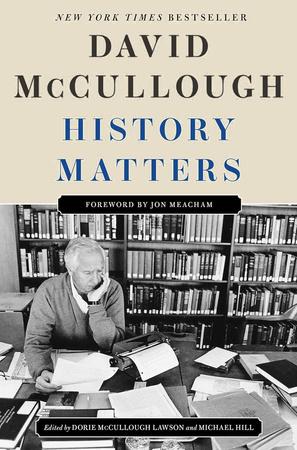
By David McCullough
Edited by Dorie McCullough Lawson and Michael Hill Simon and Schuster (2025)
“What are you afraid of, Marcia?” My left hand on the white box, the magician repeated his question. I was flustered. It was the old magician’s schtick; get the lady to say what she is afraid of and trick her into thinking that’s what is in the ominous box with the hand hole. What should I tell him that I’m afraid of? I am stumped.
“Uhhh ” I stalled
“It can be anything! What’s your biggest fear?” he pressed.
I closed my eyes and leaned into the microphone “Willful ignorance of the voting population!” The crowd erupted and I liked it. The magician did not That was his problem; I didn’t ask him to call upon me to join him on the Lied Center main stage. He asked me to step aside while he interviewed another woman who immediately confessed a fear of mice
He tried me again with a different box Round two! I stepped up when requested. “Okay. You’ve had time to really think about your fears WHAT are you afraid of?”
“The economy…?” More cheers! I’m on fire tonight.
He rolled his eyes “How about something that can fit in the box?”
“Okay. Scorpions.”
Long story short, he desperately wanted me
to be afraid of the adorable ball python in the box but no such luck, amigo I almost felt sorry for him.
I had no intention of going on stage that night or of flustering an illusionist, but having spent the afternoon reading David McCullough’s History Matters, my mind was positioned in such a way that I could not be easily manipulated by a dude wearing excessive rhinestones and guyliner.
More cheers! I’m on fire tonight.
Shortly after David McCullough’s death in 2022, his daughter, along with his researcher, sifted through McCullough’s selected writings to compile a collection of essays that treat readers to a blueprint of what made this historian the national treasure that he was. One of the things about McCullough’s historical storytelling that I appreciate the most is that he reminds readers to learn from the good and bad from our heroes
McCullough emphasizes the importance of learning from ALL of history so that we’re not fooled by the propaganda versions that are too frequently used to manipulate us. History’s humans were, in fact, imperfect humans.
Ours is a religion of deeper looks and second chances.
For example, President Harry S Truman is credited with some of the greatest achievements of the century in which he served the American people He gave the executive order to desegregate the U.S. armed forces, formally recognized Israel, coordinated the Berlin Airlift, and was responsible for the Marshall Plan He was also a giant dork. He never went to college, he had a temper, and was notoriously stubborn Harry S Truman lacked the charisma that would get anybody close to a modern city hall, yet his presidential resume remembers him as one of our greats. Perhaps we could use a few more un-charasmatic dorks in D C , and let’s not write off anybody too quickly.
Harriet Beecher Stowe never participated in the anti-slavery movement before writing Uncle Tom’s Cabin However, upon receiving accolades for her success and being hailed as a saint, as was the trend she embarked on a publicity tour in Europe, speaking on behalf of enslaved people in America
The good ol’ days came with lessons we should never forget Ours is a religion of deeper looks and second chances Instead of avoiding mistakes at all costs, maybe we should first ask ourselves, “What are we afraid of?”
PS: History Matters is as much about the process of writing and editing as it is about history I have enthusiastically informed my colleagues who teach the humanities courses


Riverside, California April 11, 2026
Two years ago, participants at our first JustLove Summit called for Adventist Church leaders and church members to give greater focus to the work of justice in our world and in our communities.
As part of this, we encouraged our church to become a louder voice: “We affirm the as-yetunrealized potential of our worldwide body of believers to be a greater voice for justice in our world. We call our preachers to preach it, our teachers to teach it, and all of us in our own ways and together to do it.”
This call seems even more urgent today. We applaud and affirm those church leaders and pastors who have been speaking up We have noticed how leaders of regional conferences have spoken up for truth and justice We have seen how the leaders in Minnesota have spoken up for members of their churches and communities. We have applauded local churches who have prioritized listening to and standing with their communities We have heard voices for justice and peacemaking scattered across our church We are grateful for their courage, leadership, and compassion
Yet we have also noted the silence from many church leaders, pastors, and church members That silence is deafening, especially to those who suffer from cruelty, neglect, and persecution. Too often our silence has been offered to avoid being seen as political, offensive, or emotional But this is not the
prophetic tradition of which we claim to be a part: “if [the prophets’] deep sensitivity to evil is to be called hysterical, what name should be given to the abysmal indifference to evil which the prophet bewails?”1
That silence is deafening, especially to those who suffer.
We must respond to growing militarism, injustice, exploitation, corruption, and disparity with a prophetic and bold insistence on justice, empathy, and humanity We must respond to the disregard of humanity and human rights that is practiced far too often in the name of faith God compels us to speak up for those who are being hurt and for the credibility of our faith and witness.
Now is the time to speak against the evils of our day; now is the time to work to heal the harms that evil is doing in our families, communities, and nations From the JustLove Summit of 2026, we urge that now is the time for our church to be bolder and louder for justice and selfless love, in the name of Jesus.
Zapara School of Business at April 10-11, 2026
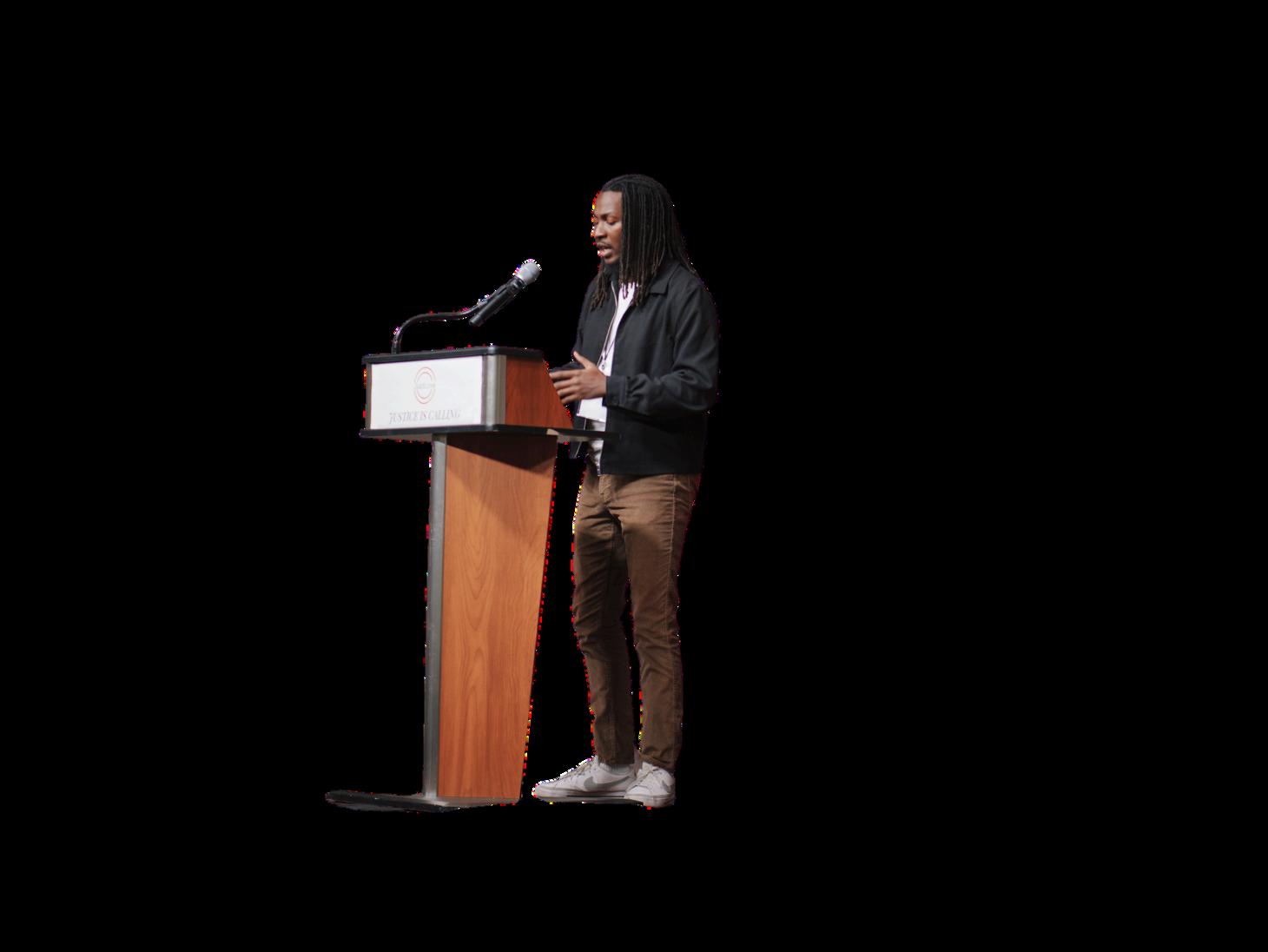
As Dilys Brooks welcom JustLove Summit, I took sto Collective has come in two existence During that time Pulse our flagship digi JustLove Notes month pithy thoughts, a curate Music for the Journey p #Resistance Call convening kindred entities to remain fresh and resilient JLC Book Circle a quarterly vibrant discussion of a notable book Outreach via multiple media platforms Instagram, Facebook, Spotify, Apple Podcast, and YouTube JustCoz Podcast our newest addition, hosted by Dilys and Nathan Brown, builds a community of practice based on Micah 6:8
At this Summit’s conclusion, we would launch activist small group gatherings JustLove Potlucks In the future, JustLove Chapters and intriguing, bold resources, including JustLove Bible studies, will emerge. Earlier this year, JLC formed an IRS-approved, tax-exempt entity, including a Board of Directors (We decided not to enter the NY Stock Exchange or hawk gold phones.)
The pinnacle (apologies) experience, however, remains the JustLove Summit. Nothing else engenders as much planning, travel, inspiration, connection, excitement, camaraderie, and active involvement
and memories.
Here are some summaries of the plenary sessions
Spoken Word Poets: Aiyana Davison, Kito Fortune, and Joseph Smittick
At the beginning of each plenary session, one of these three artists wove rich, fragrant, and passionate language tapestries for an enthralled audience to wear. Poetry is essentially distilled emotion When poetry is delivered with grace and fervor, that emotion permeates a room like the scent of precious myrrh applied to Jesus’ head and feet.
As a professional midwife, Aiyana Davison is familiar with healing work and birthing hope Through her storytelling, she brought hidden feelings to life One listener shared, “Aiyana’s poem was so powerful that it shook me It captured what’s happening right now and made me feel frustrated, which pushed me to want to make a difference ”
A two-time Grand Slam Champion with the
Hollywood Slam and second-place winner at the National Poetry Slam, Kito Fortune teaches poetry, hip-hop, and music to young people in classrooms and correctional facilities. He recited “My Fear,” which you can watch from another performance here
Joseph Smittick is a psychology resident, advocate, and storyteller. As his bio states, “Through spoken word, he explores the complexity of identity, the weight of silence, and the power of being fully seen.” During his performance he led us to feel fully seen. The moral arc of the universe is long, but it bends toward justice. Joseph explains, “We untangle not by pulling out but by leaning in.”
When covering the first Summit, I wrote, “As a New York City local, Priscilla applies her pugnacious, peppy, positive personality to actively engage people through ‘applied theater.’
River that runs along the huge San Andreas Fault Along 14 miles in Riverside County, in “a watershed community,” reside more than 500 unhoused people, living along the water in makeshift shelters, hidden from public view. Without exposing identities, she showed photos of their squalid conditions
Chris then asked, “What kind of humanity allows this kind of bleep?” (She actually did say “bleep ”☺) Continuing the water metaphor, she referenced Amos 5:24, “But let justice roll down like waters, and righteousness like an everflowing stream ”
“Justice means every human thrives,” she asserted. “Righteousness means live in a manner so that the thriving of all is possible ” However, the church is shy to call out powerful systems and people, giving a pass at the corporate level.
“Domicide” describes the violence of home loss where one surrenders one’s agency to
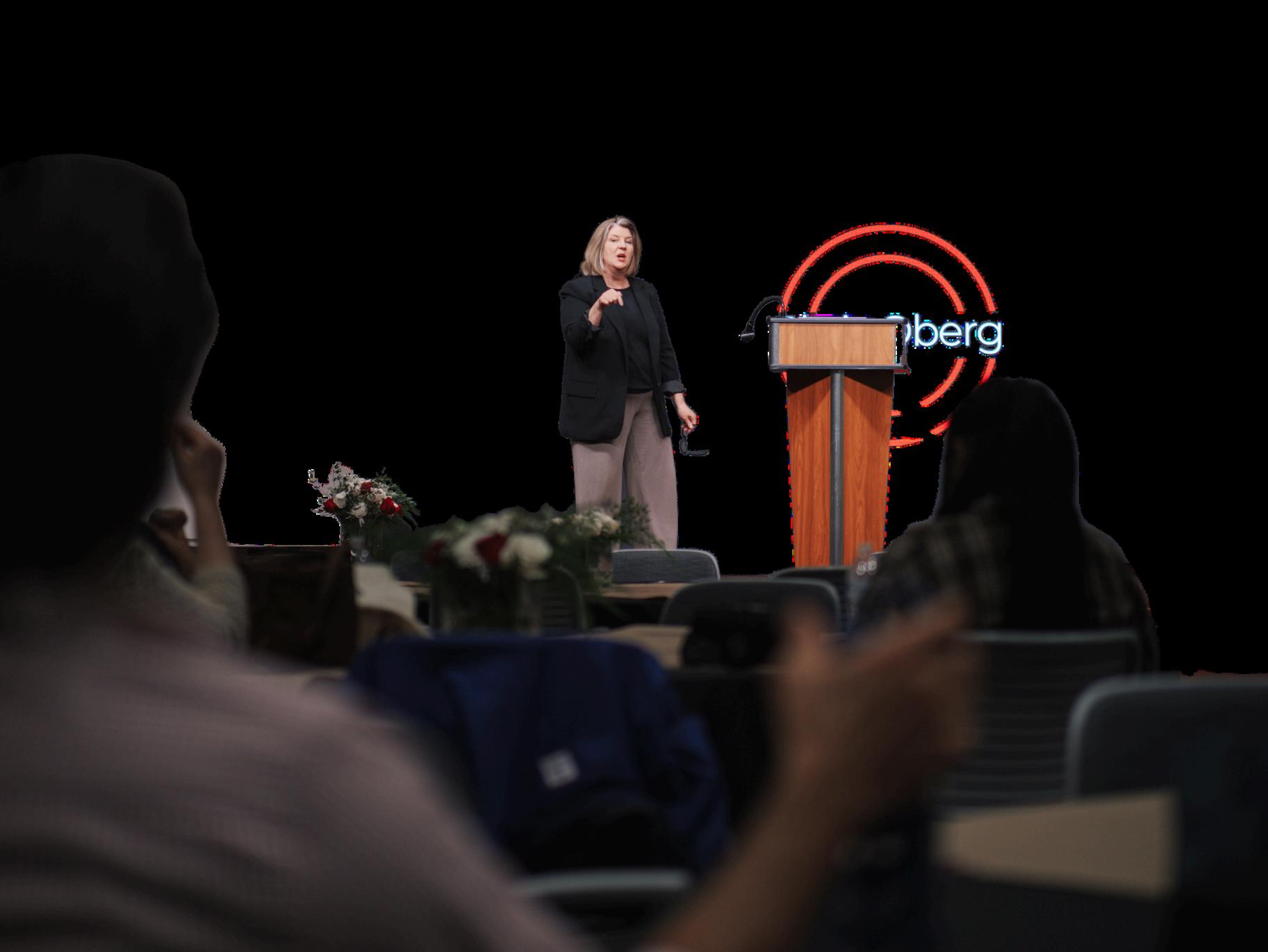
We are all surviving wreckage, yet fencesitting is not an option Within our moral rage can sprout moral beauty Chris told the story of a homeless woman who was told, “We’ll come back for you tomorrow.” When the people did return, she was astounded
“You came back for me!” she exclaimed, and she wept.
In the table discussion afterward, Julius Nam observed, “For her, that was the Second Coming.”
Beginning with the Book of Jonah, Charles challenged us to reach out and beyond our comfort zone To Jonah, Ninevites were like Palestinians to Israelis, like Blacks to the Klan. Referring to the plant at the end of Jonah, he said, “Love is an intentional decision to water another person, to pour into that person ”
Esther needed to fast for three days to reestablish her identity with her people And when Jesus gathers 12 men, Jesus feeds his enemy to save him. As followers of Jesus, surely, we can serve and eat with our enemies.
When Jesus saw the faith of the paralytic’s friends, He said, “Because of your [friends’] faith, your sins are forgiven.” Charles stated, “The purpose of discipleship is to tear down structures that impair people’s access to Jesus ”
It is a lie that Adventism is apolitical. We define what is central and peripheral to us For Adventists, we have never b h b entering the political arena religious liberty is at stake Americans with Disabilitie accessibility to church bu fought it because it was “t we go to enhance people’
Our apocalyptic menta coming soon, so I must hu slaves,” instead of “I don’t
The question is how inv others’ liberation.
As Jonah, as Esther, as friends?
Our Summit concluded with Claudia’s message and a meal (haystacks, with loads of toppings) together. She began her talk, titled “Blood Cries,” with Cain and Abel, asking three questions
1.“Where is your brother?”
2.“Am I my brother’s keeper?”
3 “What have you done? Your brother’s blood cries to me from the ground.”
In Isaiah 1, the stench of blood filled God’s nostrils while Israelites denied justice Cain denied that he was even aware of his brother’s condition, and denied that he needed to be at all accountable
Today, ICE is holding about 60,000 people, 70% of whom have no criminal record. God is not asking, “How are you doing?” She observed, “God’s ear is attuned to justice ”
Then Claudia turned to bloody images Emmett Till’s blood. Michael Brown’s blood. The blood of too many beaten and shot cries out to God from the ground
She concluded, “The Gospel is to be lived and not just lectured. For God so loved the world ” When we hear the Summit theme, “Justice is calling,” we may think, Someone else will pick up the phone.
But blood is crying out Are you your b th ’ d i t ’ k ?
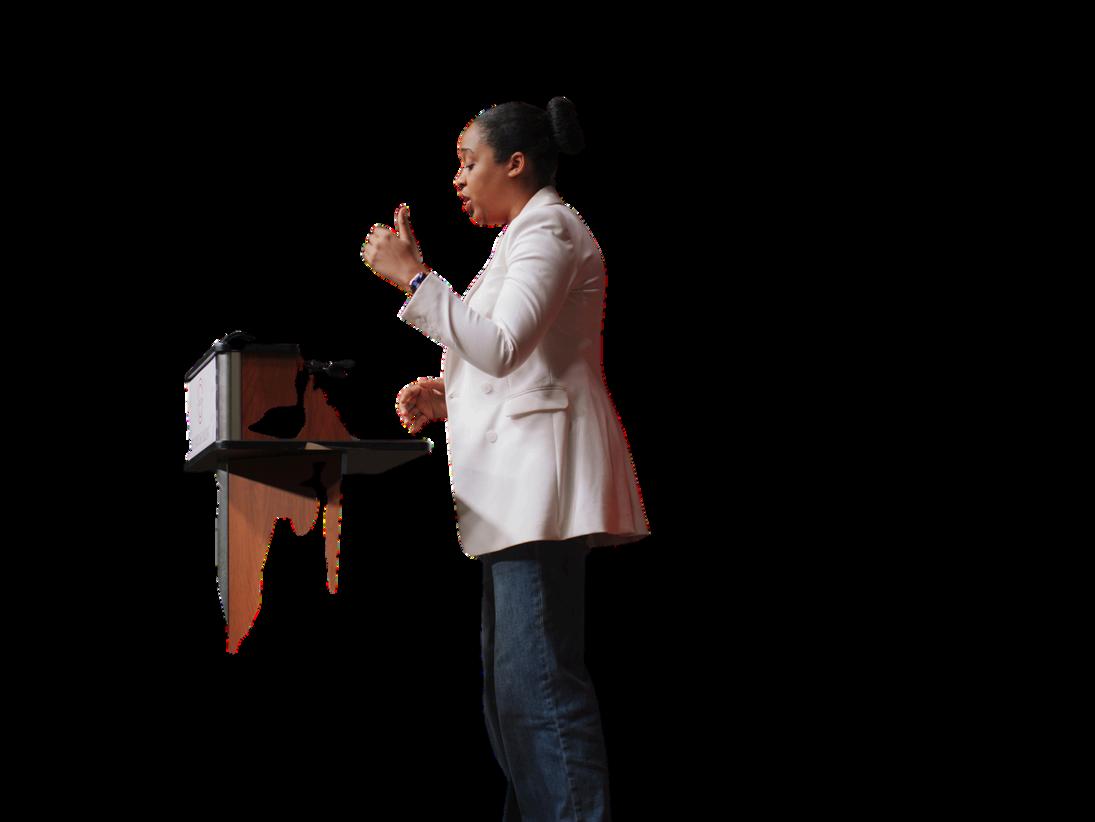
AIYANA DAVISON
Aiyana Davison (she/her) is a Certified Nurse Midwife and Women’s Health Nurse Practitioner For the past ten years, she has practiced as a midwife in the hospital setting. In 2022, she opened her own homebirth practice, The Village House, serving the Inland Empire, and is working toward opening a birth center Aiyana has been featured on a wide variety of platforms, including ESSENCE, Parents, Peanut, and Mama Glow. Her work focuses on healing through storytelling, supporting the Black community as they traverse healthcare, especially during the perinatal period (which includes postpartum), and educating those interested in midwifery Aiyana believes in the roots and practices of community-based care because life truly “takes a village.”
Kito Fortune is a spoken word poet, educator, and performer based in Southern California Raised in a household where language was a living art his father, a Guyanese immigrant, regularly recited poetry and speeches from memory Kito came to the craft through feeling before he came to it through intention After discovering spoken word through poets like Rudy Francisco, Kito found his community through the 2 Cents Movement, where collaboration and competition sharpened both his voice and his pen. That pursuit of craft led him across stages and into some of the most demanding performance arenas in the country. A two-time Grand Slam Champion with the Hollywood Slam team at Da Poetry Lounge, Kito finished second at the National Poetry Slam in 2018 a testament to the years of disciplined writing and the mentors who have poured into him along the way. He is also the founder and host of Selah Soul, an open mic in Riverside, California.
Off stage, Kito brings his energy into classrooms and correctional facilities, working with the New Earth organization to teach poetry, hip-hop, and music to young people who are incarcerated His ministry is presence catching the attention of the person who doesn’t want to give it, and offering language to those who haven’t yet found their own. His debut collection, The Zoo, captures his life and beliefs through the imagery and personification of animals
Joseph Smittick is a psychiatry resident, advocate, and storyteller whose work lives at the intersection of identity, justice, and healing As a Black man raised in Colorado, his journey has been shaped by navigating spaces of both belonging and exclusion experiences that fuel both his artistry and his commitment to community-centered care. Through spoken word, he explores the complexity of identity, the weight of silence, and the power of being fully seen His voice is rooted in lived experience but speaks to broader truths about resilience, faith, and the ongoing pursuit of liberation
In both medicine and art, he is drawn to the gray areas the spaces where stories are often overlooked and where healing begins with listening Whether in front of a patient or an audience, he seeks to create space for honesty, connection, and transformation
What can we do when the law lets us down?
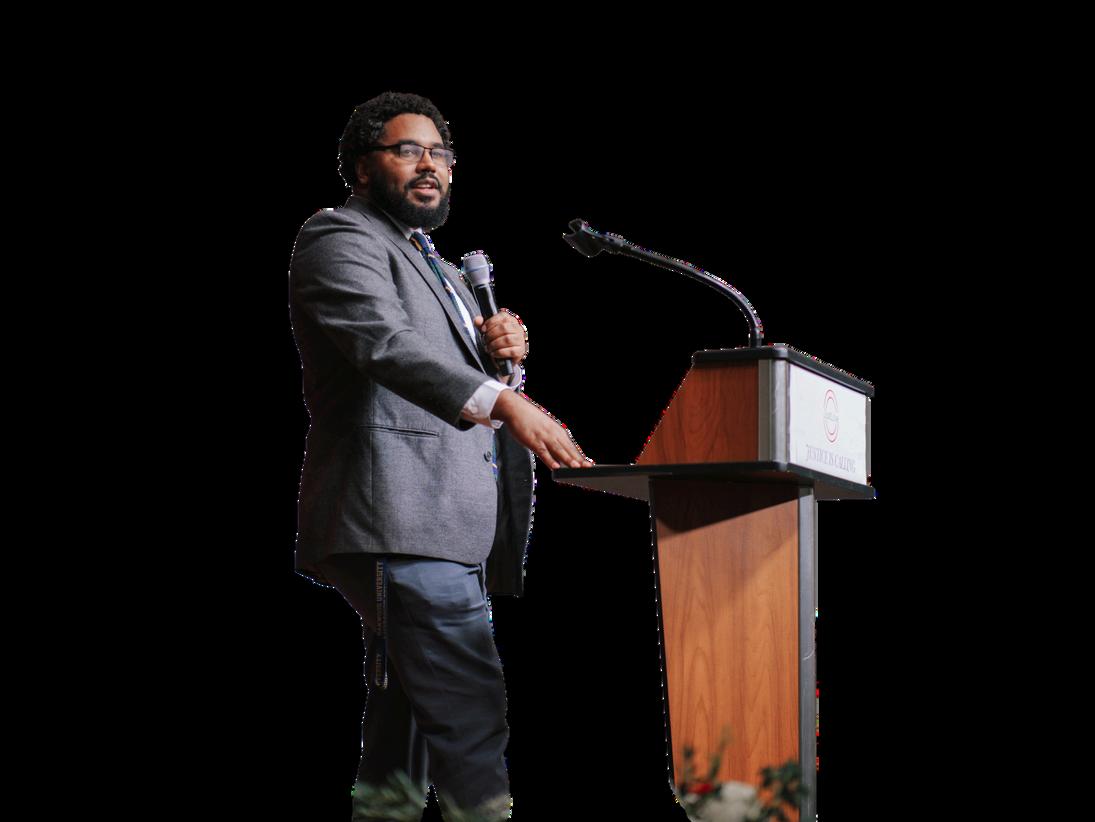
Charles Eaton, Julius Nam, and Nathan Blake attorneys all led workshop participants through a fascinating and logical field of historical precedents.
Charles began with the biblical story of Esther, where the law is followed, and the outcome is disastrous because it is an unjust law “The locus of change lies with the people under the law ” He pointed to two plausible responses:
Recognize that the law is failing. The law may be successful for a specific group of people, as in Esther’s time, but “veil of ignorance” is not a valid enduring argument. The law should be working for “the least of these.”
Resist. How do we resist an unjust system?
Queens Vashti and Esther demonstrate two paths One is to exit with dignity, as Vashti and U.S. generals and civil servants have done Another is to enter with purpose, as Esther and millions of protesters have done Both approaches are needed.
Julius proposed three major pushbacks to injustice:
1 Question Habakkuk posits, “So the law becomes slack and justice never prevails,” and asks God, “Why do you look on the treacherous, and are silent when the wicked swallow those more righteous than they?” (1:4, 13, NRSV).
2
Reimagine In Abraham Lincoln’s second inaugural address, he proclaimed, “The dogmas of the quiet past are inadequate for the stormy present.” This reimagining gave rise to the Emancipation Proclamation
3.Defy. In His Sabbath healings, in His treatment of gentiles, in His woes on the Pharisees, Jesus is about defiance Followers of Jesus know that one form of love is insurgency. Otherwise, unjust authorities have eclipsed God.
Nathan proffered that the law has always been unjust He himself led in the nearly $60 billion opioid settlement the largest in U S history yet the Sacklers and drug dealers are still living in luxury. Jesus was innocent and was executed Too often today the rule of lobbyists supersedes the rule of law.
Where should we put our time and efforts?
Dietrich Bonhoeffer, an advocate for nonviolence, engaged in reconsideration, or at least reapplication. Life’s complexity calls for contextualization, including legislative mobilization, law enforcement relations, media advocacy, and civil disobedience.
Love is an answer to injustice. Minnesotans proved that “Neighborliness sounds common but is radical To be godly is to be in relationship Strong relationships build strong resistance. Build community, find joy ”
I walked into the session thinking about geography. Borders. Nations. Lines on a map.
I walked out realizing the most powerful borders aren’t on maps they’re inside us
Edward Woods III opened with Scripture: God shows no favoritism. Learn to do right; seek justice His point was sharp justice doesn’t start “out there ” It starts with me Not my opinions
My integrity.
Then he pushed further. One of Adventism’s oldest non-geographic borders? Racism Not always loud, not always hateful but often quiet self-interest dressed up as “just the way things are ” He quoted Adventist pioneer J N Andrews exposing those who justified slavery as “politics ” That hit. Because we still baptize self-interest with respectable language
Then came Anissa Pérez and her story cut deep.
She grew up behind religious walls so tight that even visiting another faith was suspect The goal was purity The result? Fear Isolation Trauma.
And yet she didn’t stay there
After her deconstruction she chose reconstruction. A faith rooted in love, not exclusion. Her line stayed with me: “Before we can be Christians, we must first be truly human ”
Then Stephen Erich challenged the way some of us deal with borders. We ignore them. “Colorblindness,” he called it It sounds noble It isn’t It erases people
Real connection, he argued, demands more Not just inviting others to my table but being willing to sit at theirs.
That’s where it got personal
We were asked to name our own borders: race, class, gender, ability, religion. I named another one education
I’ve spent a lifetime valuing it But have I also used it? As a filter? A divider? A quiet way of deciding who I take seriously?
That question still unsettles me
What would it actually take to have open borders?
Because maybe the most dangerous borders aren’t the ones we defend loudly but the ones we don’t even realize we’ve built
As the session closed, one question lingered: What would it actually take to have open borders?
Not theoretically. Personally. Because justice real justice doesn’t begin with systems It begins with me.
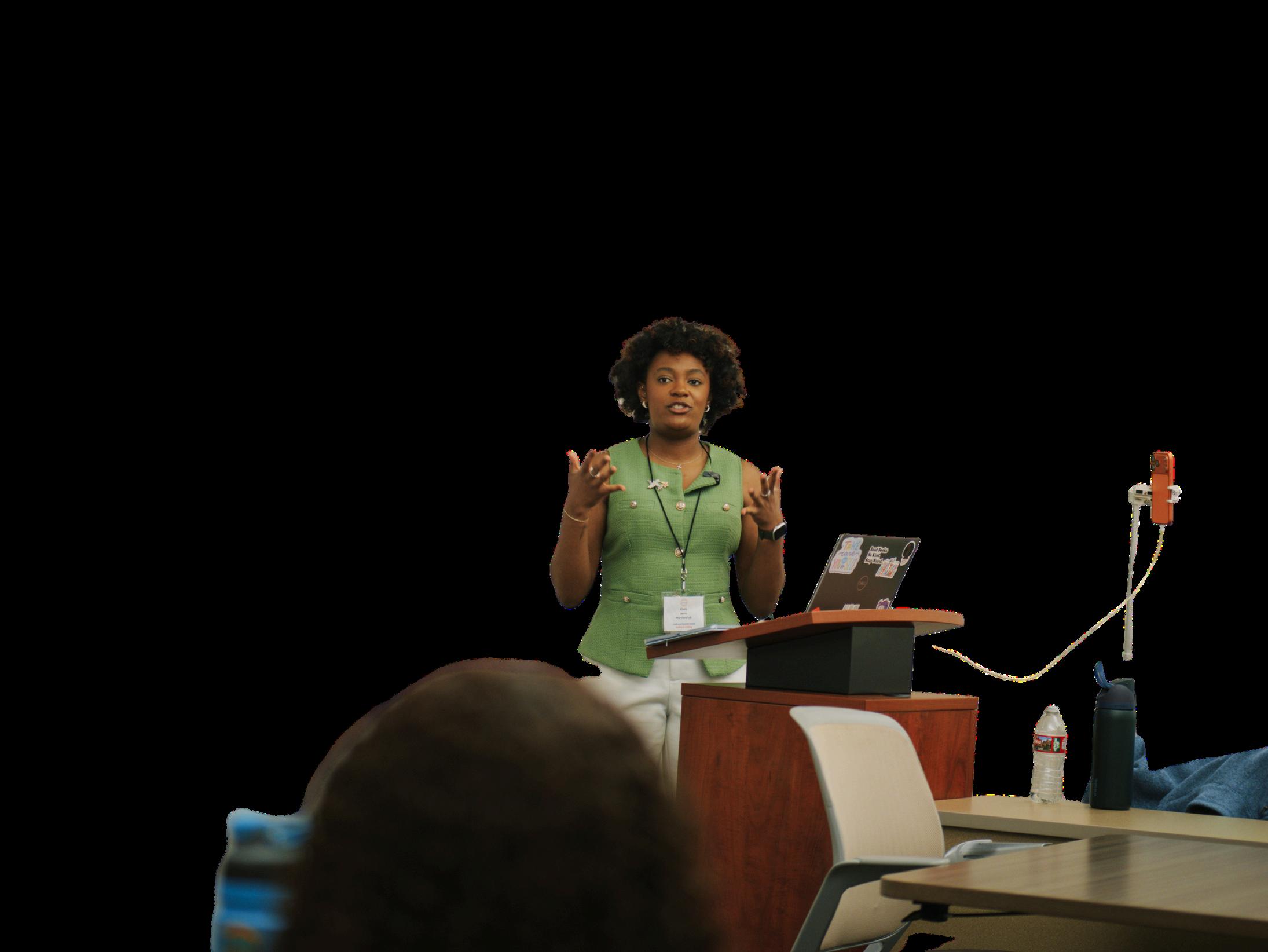
gg g with those we meet in person and online, especially those with whom we may not share that many things in common Her first suggestion was to consume news from a “political food plate,” news sources that represent local, conservative, center, and liberal viewpoints She mentioned Ground news as a starting place; a
Love Across the Divide
Jervis outlined listening practices for formal conversations she’s used with students and other groups.
State the goal. What do you hope to accomplish in this conversation?
Set ground rules Be respectful Have a talking piece, an object held while a person is speaking, handed to the next person when it’s their turn to speak
Set a timer.
Reflect on key takeaways.
We often don’t know how a conversation will end, but it’s important to be respectful, especially with social media. Listen carefully and respond graciously We never know when our “conversation” will be “linked” to someone else’s.
“I am a minority’s minority ”
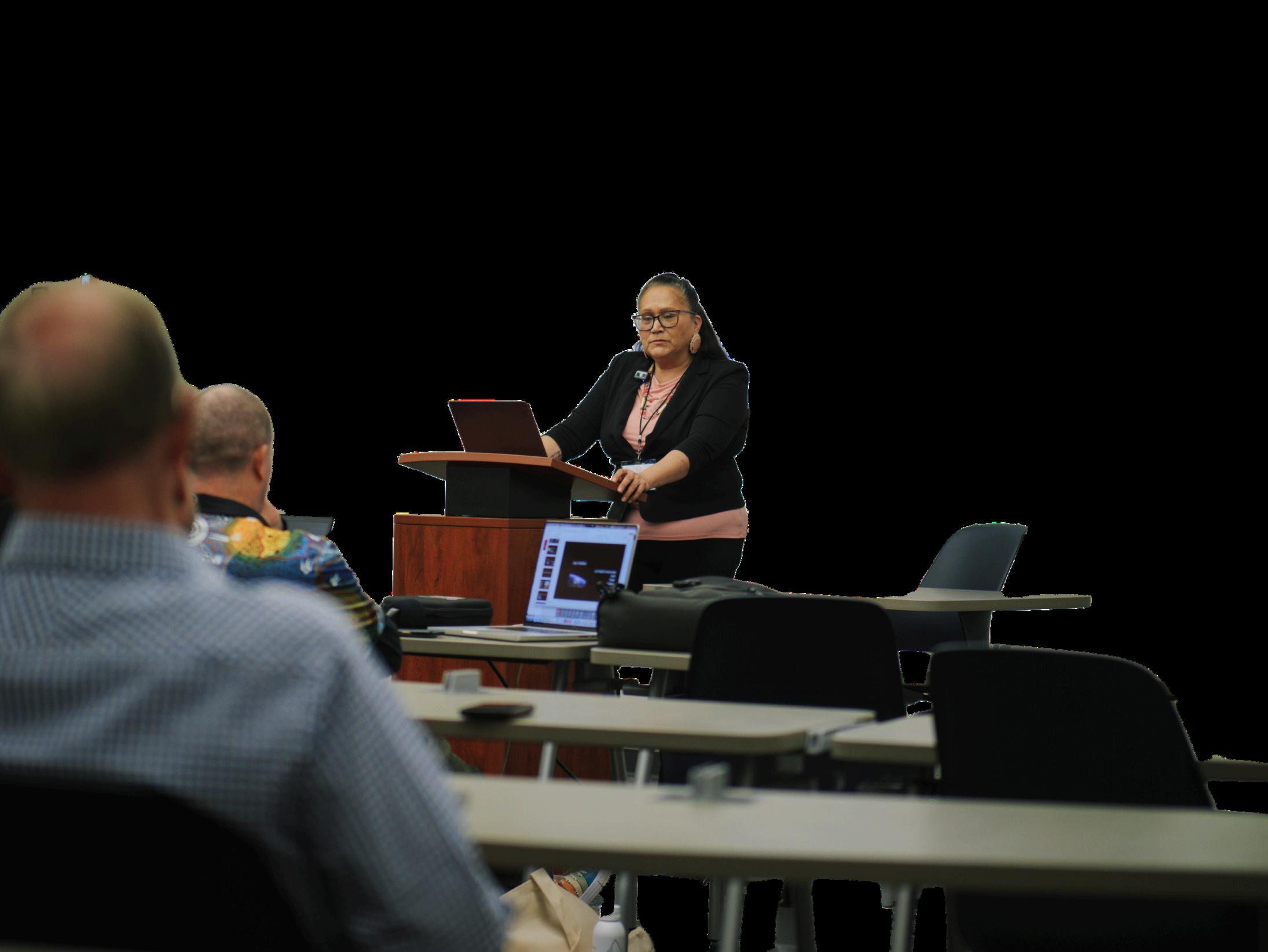
Cindy Giago, the great great great granddaughter of Chief Red Cloud and member of the Oglala Dakota tribe, introduced herself She described the occupation of North America called Turtle Island during which 5-9 million Native Americans died, and differing visions of manifest destiny
“Land is not property,” Cindy stated. “Land is relationship; land is a relative. We belong to the land ” Imagine your grandmother, the grandmother of the earth, and someone asking, “How much would you sell her for?” Then, even if you declined, they took her anyway
“A reservation historically is a prisoner-ofwar camp.” Adolf Hitler modeled holocaust camps upon what the U S government did to the Native American people Cindy still carries a tattoo on her arm with her number. For people living on the reservation, it was illegal to hunt. Instead, they were supplied with rancid meat and moldy flour
restoring right relationships Not removal, not punishment, not reversal. She concludes, “How do we return to right relationship with the land?”
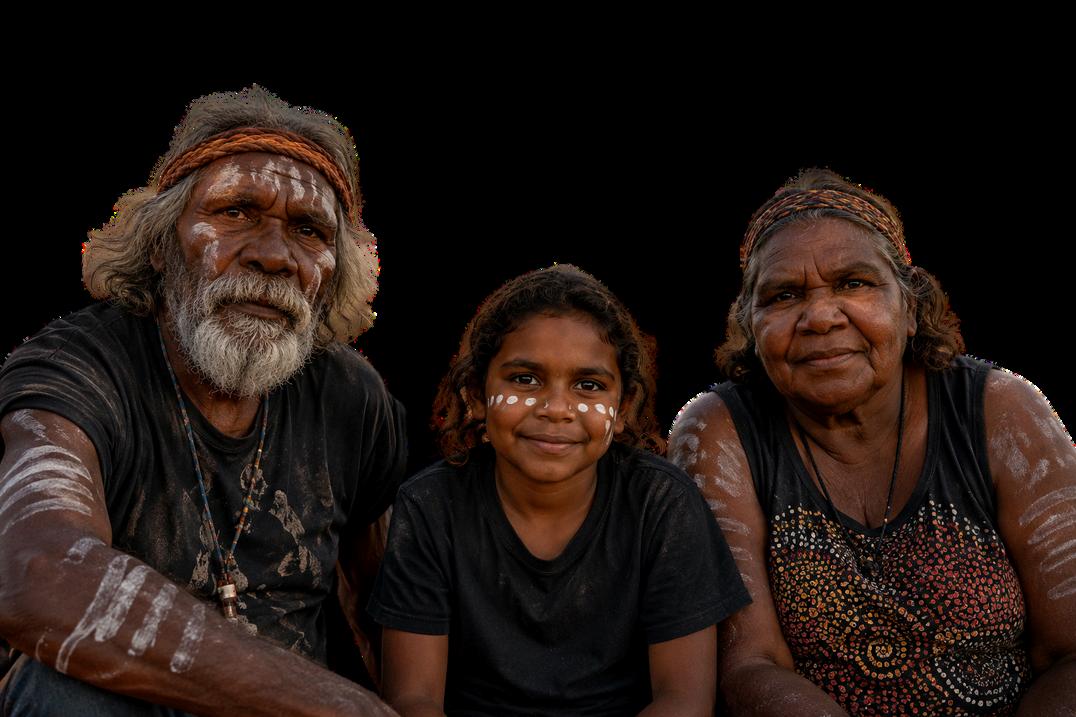
Kelly Jackman is a Martu, Manyjilyjarra woman from Western Australia, where she works to strengthen relationships between schools, Aboriginal communities, and families through health promotion, education, and community engagement.
Reservations are food deserts: Cindy currently shops at a market 90 miles away
Healthful eating is a luxury It’s far cheaper to buy chips and soda pop than fruits and vegetables; a single watermelon costs $50. The life expectancy for women on the reservation is 60 For men, 55.
What was lost in the occupation? Memory. Connection Identity Belonging Relationship LANDBACK is a narrative framework about
She referenced the history of horrific mistreatment of Aboriginal people, including massacre sites from 1788-1900 From 19101930s came the Australian drive for “racial purity,” with forced cultural assimilation and removal of children from their land and their families Adventists introduced Wiluna Mission and Karalundi Mission to educate Aboriginal children to “Western systems.”
Kelly lamented the devastating loss of the 2023 Indigenous Voice Referendum. Unfortunately, some Adventist leaders did not actively step up to support the Referendum Now, “Closing the Gap” in 2026 is aiming at
providing equity in employment, justice, and housing that have been lost through colonization. Indigenous women experience three times the violence that non-Aboriginal women experience, and life expectancy of Aboriginal people is ten years less Indigenous people make up about 4 percent of the population but 30 percent of the prisoners.
He pointed to the NAD statement regarding the Doctrine of Discovery.
3.Do the theological work. He directed people to the official North American Division statement on October 31, 2023 regarding the Doctrine of Discovery, which “provided the opportunity for explorers, in the name of their sovereign, to lay claim to inhabited territories, and to use any means necessary to convert and subdue Indigenous Peoples ”
4 Read resistance literature such as Unsettling Truths: The Ongoing, Dehumanizing Legacy of the Doctrine of Discovery (2019); Native: Identity, Belonging, and Rediscovering God (2020); and Murriyang: Song of Time (2025).
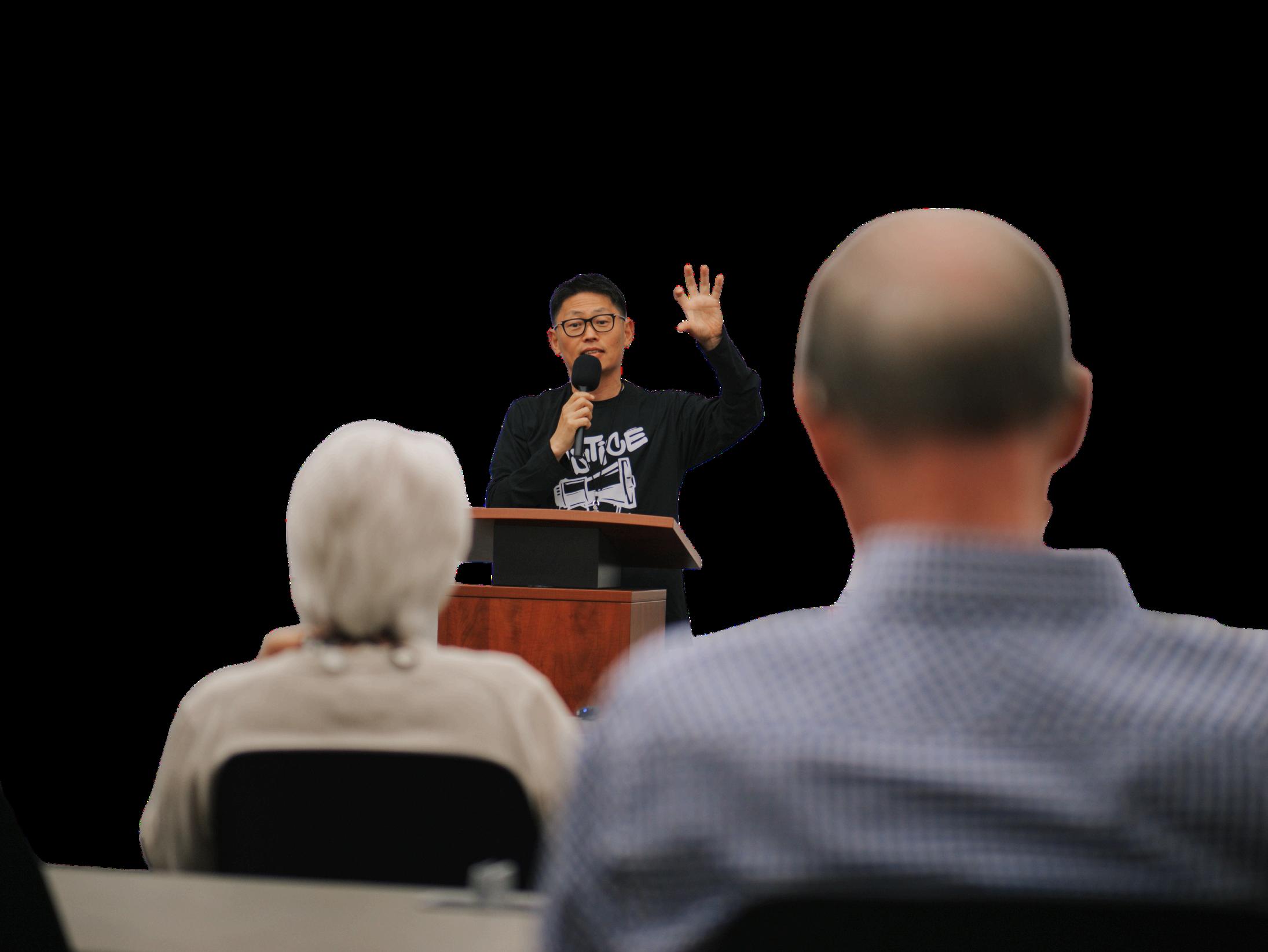
Kelly concluded with a reference to Aboriginal values Kanyini values are connection, care, and responsibility a commitment to continue conversations.
Nathan Brown summarized with four practical actions in response
1.Find the original people of your place. Incorporate an acknowledgment of country. Place a sign in your church or school lobby
2.Look for opportunities in your community to listen to indigenous voices. Search for your local indigenous community Aim for

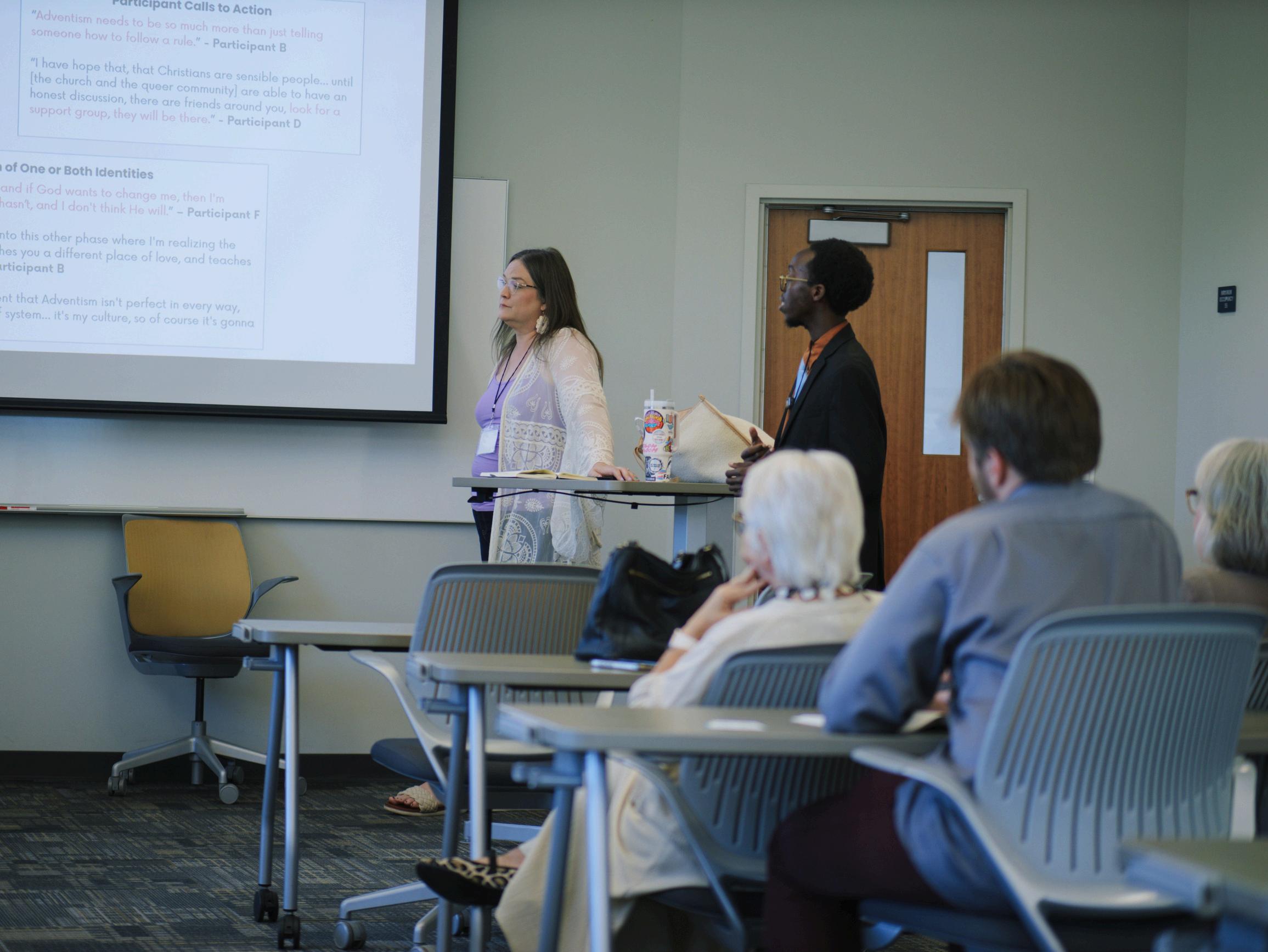
“Nothing about us without us ” This popular slogan emphasizes that policies, programs, and decisions affecting marginalized groups shouldn’t be made without their full participation While this concept is familiar in secular advocacy circles, the Adventist Church has frequently made choices about different communities without their input Even wellintentioned efforts have adopted a stance that decisions impacting certain groups can be effectively made without their voices The queer community is an evergreen target of this mindset. In attempts to “help,” Adventism has engaged in numerous discussions and conferences about LGBTQIA+ issues without any LGBTQIA+ representation. As a result, we’ve fumbled the ball badly with too many people being harmed instead
That’s why Jordan Leddy, Esther Loewen, and Chris Ngugi’s presentation, “Cultivating Community, Healing, and Empowerment for Our Queer Siblings and Their Adventist Communities" was refreshing and timely. Not only did attendees hear personal testimonies from the presenters, but Chris also shared research spotlighting experiences of collegiates and how religious messages on queerness shaped them.
They described denominational teachings coloring their attitudes and relationships, creating damaging frames about Who God Is and their own self-concepts, and making it necessary to unlearn harmful stereotypes about
others and themselves. Additionally, Esther and Jordan shared mental health statistics and discussed their personal journeys of discarding reinforced notions from childhood, eventually arriving at healthier theological and emotional perspectives
As a result, we’ve fumbled the ball—badly—with too many people being harmed.
These stories re-emphasized the need for the church to change its language and approach How? First, discuss queer issues with queer people Second, scrutinize our biases and
re-examine biblical texts And most importantly, lead with love The workshop included time to brainstorm on concrete actions. Ideas include:
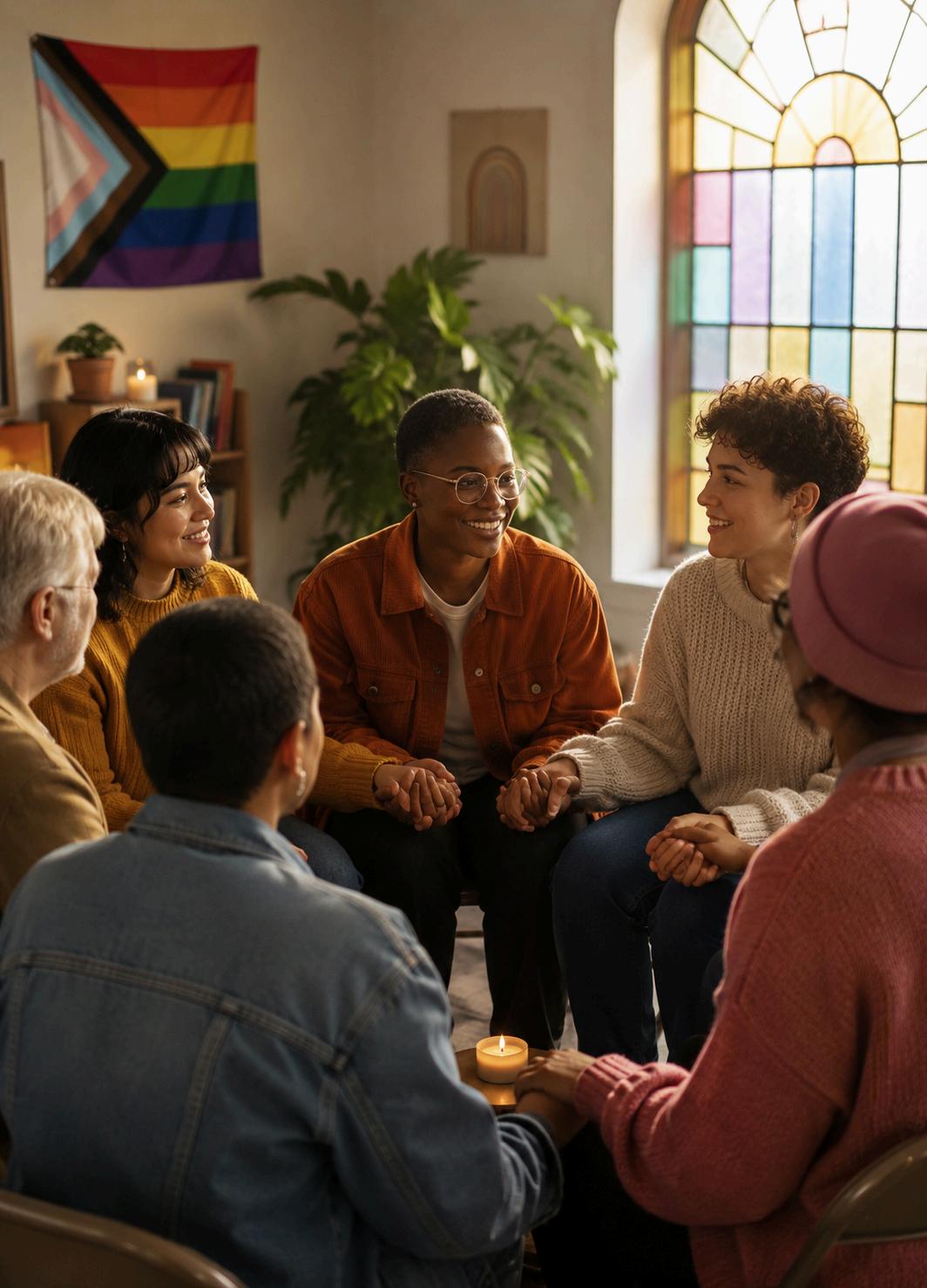
Building safe spaces, including support groups for queer individuals and their relatives
Looking to Rainbow in the Room as a model for facilitating conversations in congregations and educational institutions
Creating book clubs and Bible studies exploring LGBTQIA+ topics
Reading Alicia Johnston’s The Bible & LGBTQ Adventists and the North American Division’s
Guiding Families booklet, a useful free resource for church leaders and families
These stories re-emphasized the need for the church to change its language and approach.
These ideas will enable us to foster church environments where all our siblings feel welcome and can grow in God.



Three years ago, I asked my judge friend, the honorable Craig van Rooyen, what was the number one problem in our fair city of San Luis Obispo, California, and he didn’t hesitate to respond
“Homelessness,” he said. “Because the effects ripple out in lasting and disturbing ways, and the causes are so difficult to solve ”
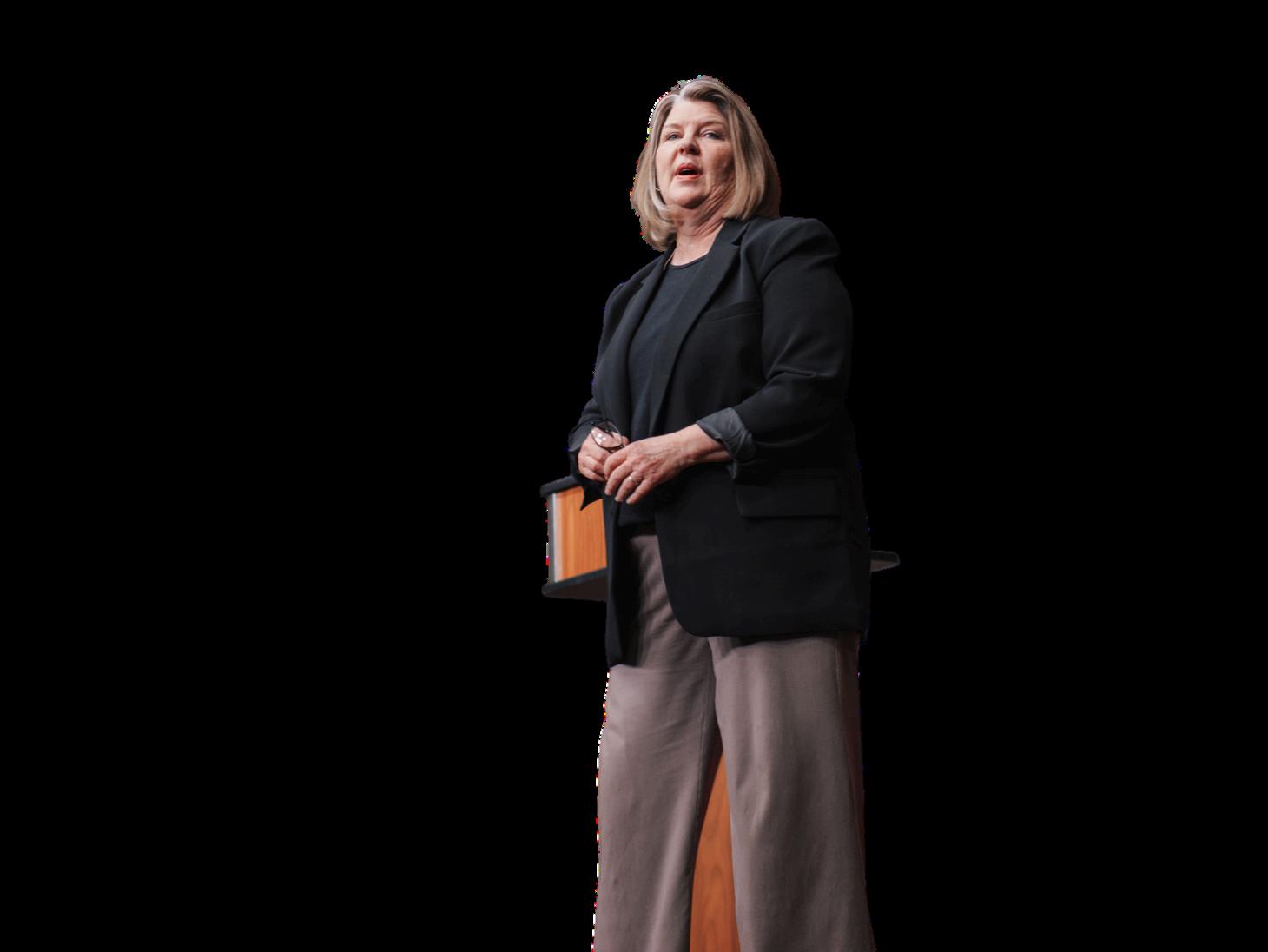
Summit workshop participants had already heard Chris Oberg’s plenary talk on homelessness the night before, as she described how her organization, Path of Life, ministers to the unhoused in Riverside County, California In this workshop she and Lauren Zarabia widened the focus
“Homeless,” she said, “is hard to quantify.” In addition, how do we help someone feel seen? “Fracture in relationship” (or “family disruption”) is the number one reason contributing to homelessness, followed by “lack of income” and “unemployment ”
Some good news from the 2025 Homeless Point-in-Time Count is that more homeless people are sheltered than unsheltered, showing momentum toward stability and support Of the 18,339 people Path of Life assisted last year, more than 80% maintained housing stability after two years Services include homeless prevention, emergency shelter, street outreach, rapid re-housing, and transitional housing.
For every two people entering homelessness for the first time, three people were housed and
maintained stable housing. The annual trends for the sheltered showed
Transition-age youth: 59% increase
Households with children: 124% increase
Veterans: 24% increase
Seniors: 73% increase
Lauren Zarabia explained what the unhoused terrain looks like around Seattle, Washington. I learned what ACES are adverse childhood experiences. The ACES of childhood trauma that often lead to homelessness include
Physical, sexual, and/or emotional abuse
Physical and/or emotional neglect
Parental separation or divorce
Household substance abuse
Household mental illness
Domestic violence
Incarceration of a household member
Despite not being able to control these factors as children, about 50% of children that experience homelessness repeat as an adult Across the USA, 274,224 people will sleep on the streets tonight (HUD 2024). The ten states with the highest homeless rates account for 55% of the homeless population: CA, NY, FL, TX, WA, MA, OR, PA, IL, CO
Thank God for those that are working to prevent, detect, and relieve homelessness.
Pastor Reginald Richardson’s workshop was one of the clearest reminders that justice work in the church cannot stay at the level of ideas or good intentions His presentation moved us toward implementation The real question is not whether we care, but whether we are actually prepared to respond when people in our communities are in crisis
What stood out to me most was his emphasis that churches need to be proactive, not reactive If a church waits until a crisis happens to decide who is in charge, who to call, what resources are available, or what the first steps should be, it is already behind That kind of delay matters when people need help right away Pastor Richardson made the case that readiness requires planning in advance, assigning clear roles, building trusted relationships, and putting response protocols in place before they are needed.
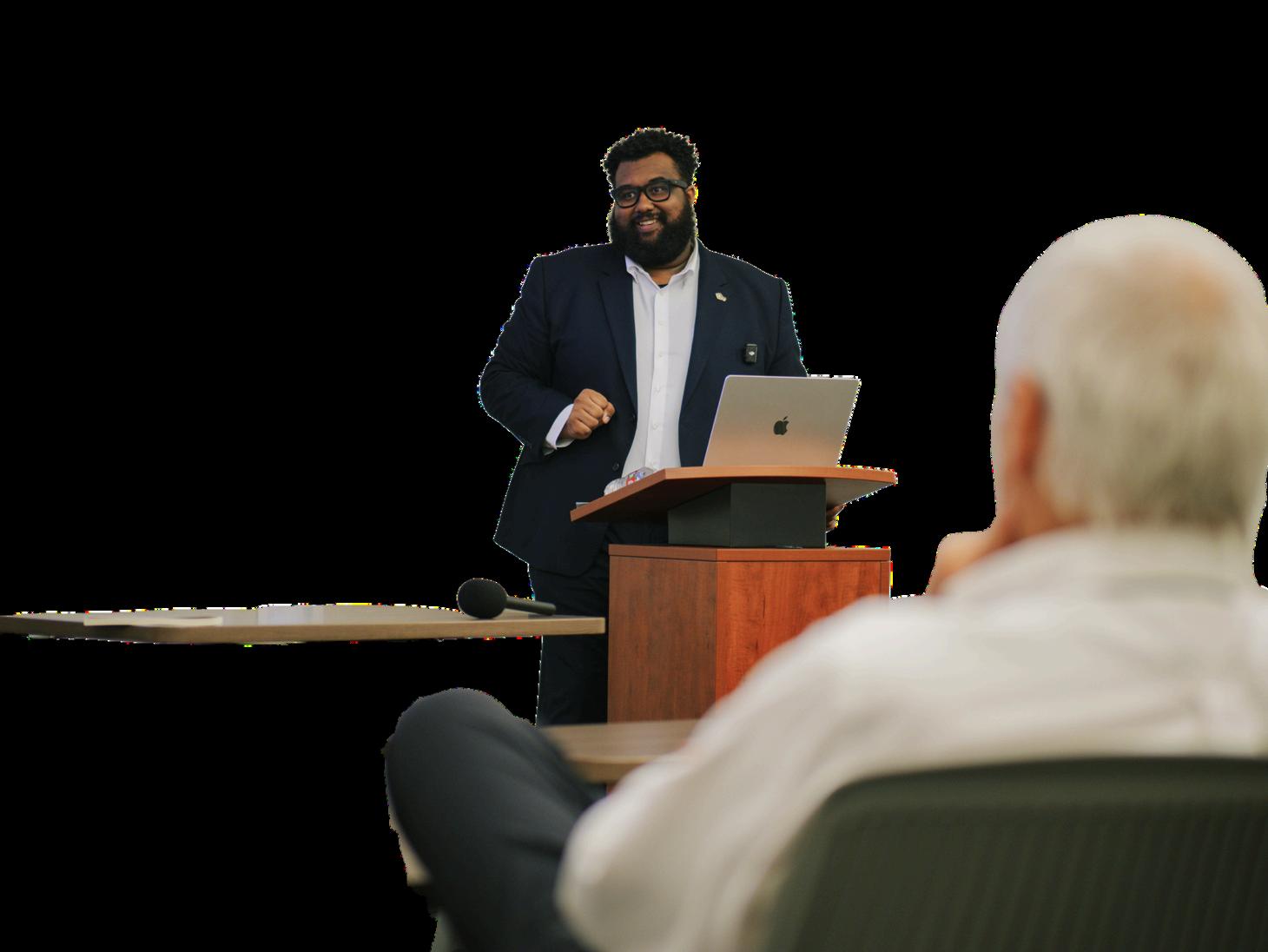
important when thinking about immigrant communities and other vulnerable neighbors. Churches cannot assume, as we often do, that people will simply come to us We have to think more intentionally about how to go toward people and structure ministry in ways that are actually usable in real life
If the church says justice matters but does not invest money into resources, then it is not ready to serve.
Churches need to be proactive, not reactive.
He also made an important point about access. A service may technically exist, but if people do not feel safe enough to use it, then it is not truly accessible That is especially
Another takeaway for me was that preparation has to include resources, not just words. Pastor Richardson said plainly that budget reflects theology If the church says justice matters but does not invest money into supplies, transportation, emergency support, training, and infrastructure, then it is not truly ready to serve In the end, his workshop made a strong case that faithful ministry means building systems now so the church can respond quickly, wisely, and meaningfully when crisis comes
Those who put an overemphasis on results sometimes point to the story of Jesus and the fig tree (Matt. 21:18-21). Jesus, looking for a quick snack, found on the tree no figs, only leaves “Because,” says the judgmental preacher, “having leaves without fruit is hypocritical. God wants results, not mere actions.”
Well, yes But we do well to remember that after three-and-a-half years of public ministry, Jesus had only a couple dozen disciples, ones who thought he was dead and hid from Jewish leaders in an upper room
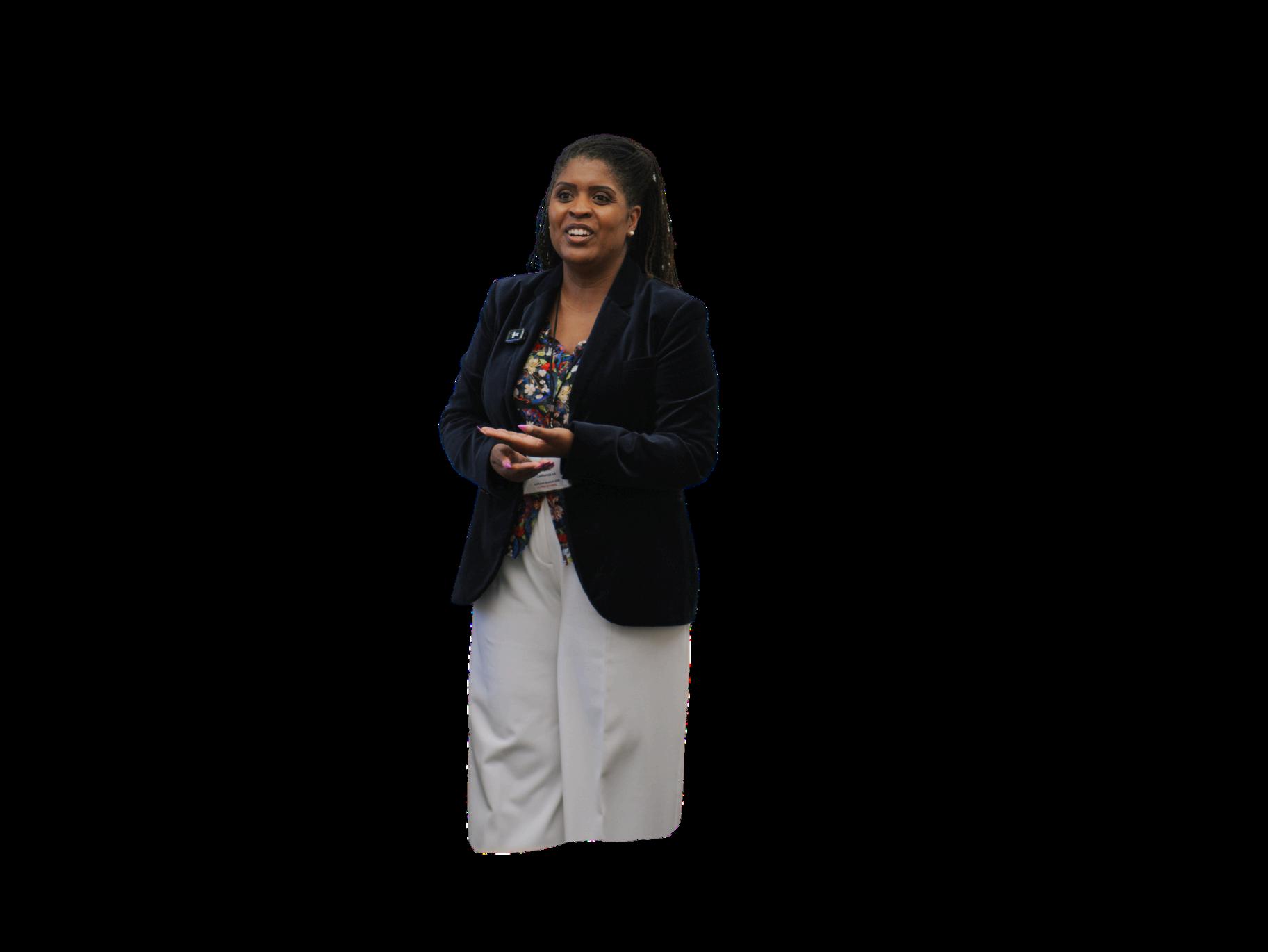
In their presentation at the JustLove Summit, Bridget Peteet and Vanessa Quintana observed that while results are important, more important is for people to engage in issues, activities, and ministries that feed their souls; activities not so demanding that they produce physical, emotional, and spiritual harm ”burnout,” as we know it today.
To avoid burnout, Peteet and Quintana outlined the physical and emotional costs when people begin to feel hopeless and powerless A quick glance at any day’s news headlines can make one despair because of situations that seem out of our control Those external pressures, combined with internal feelings of
impotence and inadequacy can lead to burnout
For those involved in social justice, burnout is real, not imaginary. Peteet and Quintana offered several prescriptions: Social support Allies should include family, coworkers, church friends, and life partners. Boundary setting. “’No’ is a complete sentence,” Peteet observed Quintana added: “Be clear about what you say ‘yes’ to.” Rest and recovery. Burnout can lead to unhealthy habits: eating too much or too little; sleeping too much or too little; working too much or too little. Avoiding burnout is as simple as living a balanced life (good luck with that) Justice work, they concluded, is a marathon, not a sprint.
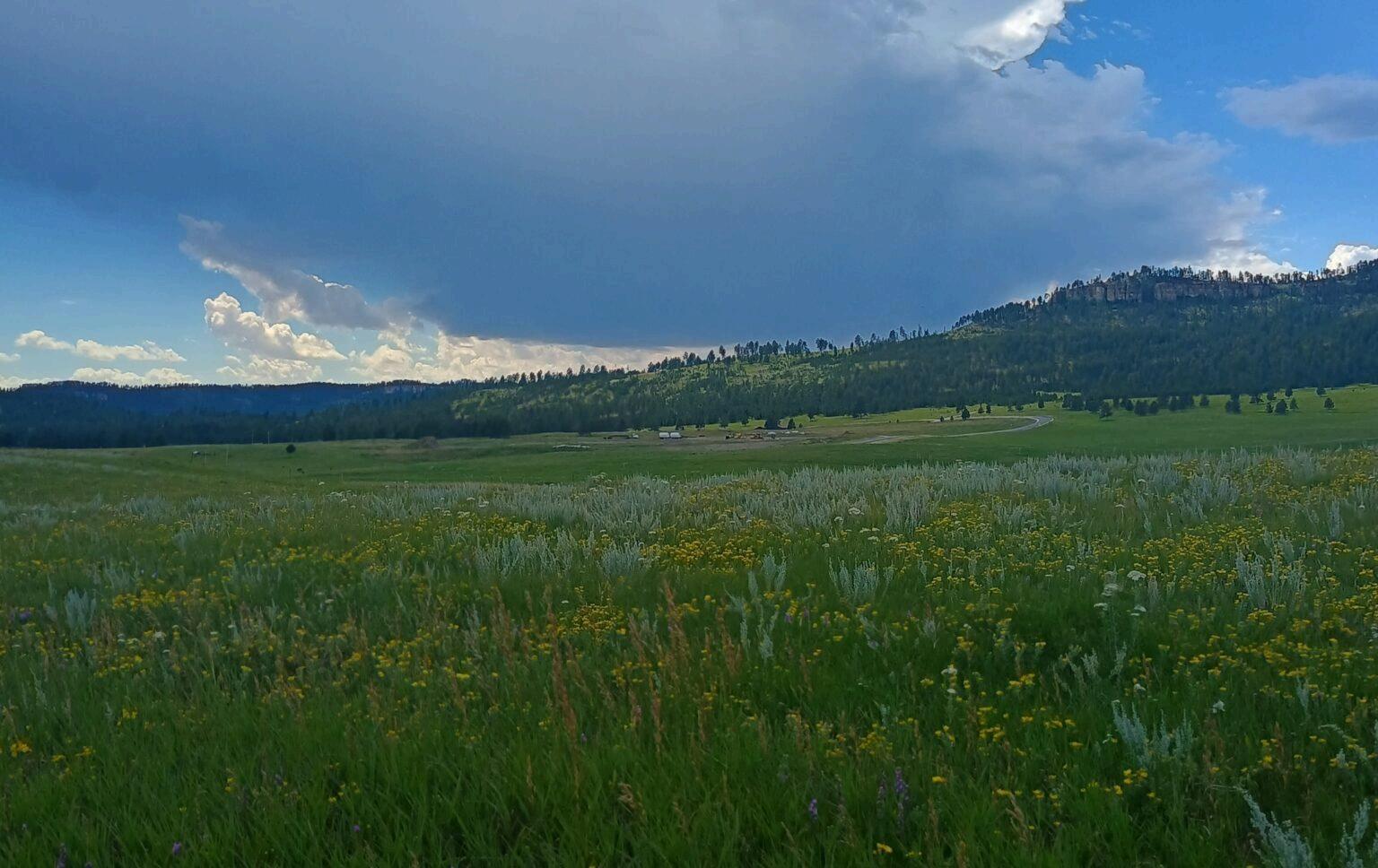
Native Americans fight back for environmental justice https://ndncollective.org/pesla-needs-our-protection/
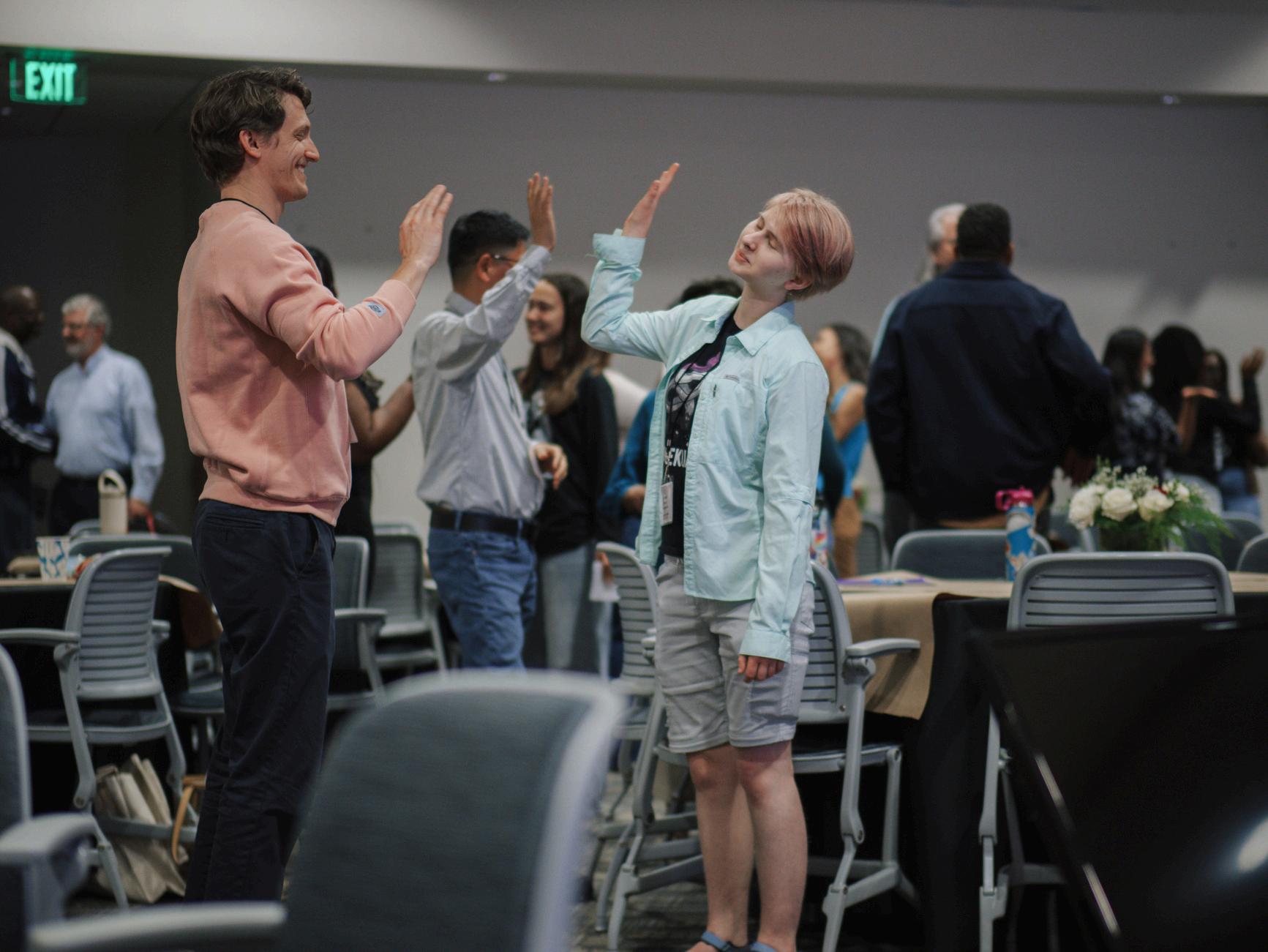
I didn’t know what to expect from a justice summit connected to the SDA I honestly thought there would be a lot of SDA doctrine mixed in. In my experience, Christians sometimes overlook injustice, focusing on heaven and restoration instead of what’s happening now They help, but often from a distance. So I was not prepared for the real work these amazing people were doing I was surprised by how inclusive the Summit was, how many marginalized voices were featured as key speakers, and how much this experience meant to them and how healing it was for me
Some moments from the Summit have really stayed with me, starting from the first day. Aiyana Davis’s poem was so powerful that it shook me It captured what’s happening right now and made me feel frustrated, which pushed me to want to make a difference Chris Oberg’s talk about the San Gabriel River made me realize how little I know about the communities around me. Cindy Giago’s words about America being built on your ancestors’ backs, and on my ancestors’ blood, moved me to tears Her openness will remind me to stay open too. Bridgette Peteet and Vanessa Quintana brought humor I didn’t expect They spoke about burnout from real experience, and I appreciated their wisdom.
Overall, I feel like I learned a lot about the world and about myself. This experience helped
me see others with even more openness.
Sumbal Shaffi
Theology paired with social action is transformative. I left the Summit feeling inspired, rejuvenated, and encouraged to live out my faith in practical ways
–Paula
Hernandez
I carry with me new language, tools, clarity, and a renewed commitment to the systems, causes, and outcomes that matter to me.
Summit speakers brought heavenly values to earth through actionable steps Unsurprisingly, JustLove truly teaches us how to love.
–Erik Galustyan
I’m not sure I came into the summit with clear expectations. Perhaps I assumed it would feel like any other conference I had attended But within the first few minutes of my first
breakout session, I realized that even my highest expectations would have fallen short This summit surpassed them entirely
The first thing that impacted me was the quality of the speakers, presenters, and activities Everyone seemed exceptionally skilled in their craft But what stood out even more was a deep, unmistakable commitment to humanity and community This conference felt a space where faith was not nominal or contrived The people I encountered had devoted themselves to learning how to love more like Christ, and that commitment was evident
Beyond the excellent programming, I engaged in some of the most thoughtful, honest, and meaningful conversations I have had in a long time
The lessons I gained are difficult to fully capture. I was challenged to rethink my understanding of justice and to examine my own role and process in pursuing change. I left not only inspired, but transformed. I carry with me new language, tools, clarity, and a renewed commitment to the systems, causes, and outcomes that matter to me.
The Just Love Collective was one of the most transformative conferences I have experienced in my adult life.
–Ezrica Bennett
The timing could not have been more perfect; it was exactly what I needed.
JustLove Summit gathered a diverse international community who were united by our shared commitment to live out the love and justice of Jesus We connected with a broader movement of Adventist activists seeking meaningful change. It was grace-filled, powerful, and refreshing
–Daniella Hernandez
Thank you from the bottom of my heart for inviting me to be part of the JustLove Collective Summit this year. The timing could not have been more perfect; it was exactly what I needed I left feeling invigorated, blessed, challenged, and motivated in the best possible way. The experience reminded me of why this work matters, and renewed my commitment to it.
Anissa Pérez
This was my second time attending the JustLove Summit. For me, the second edition was even better than the first The way I describe the Just Love Summit to my friends is: The JustLove Summit is not an event–it is a lifechanging experience, the best blessing of the year
At the 2026 Summit I was challenged in the most beautiful ways. I was led to re-examine the love I have for my community of believers and non-believers. Most importantly, I was given ways to love not only more but also to love better It is a pointer to the " more excellent way " Paul speaks about in 1 Corinthians 13 Whether through plenaries or workshops that taught me to embrace kingdom of Christ values and love through social divide, attending a JustLove Collective Summit is something to keep for the rest of my life.
–Lionel
Nkabe
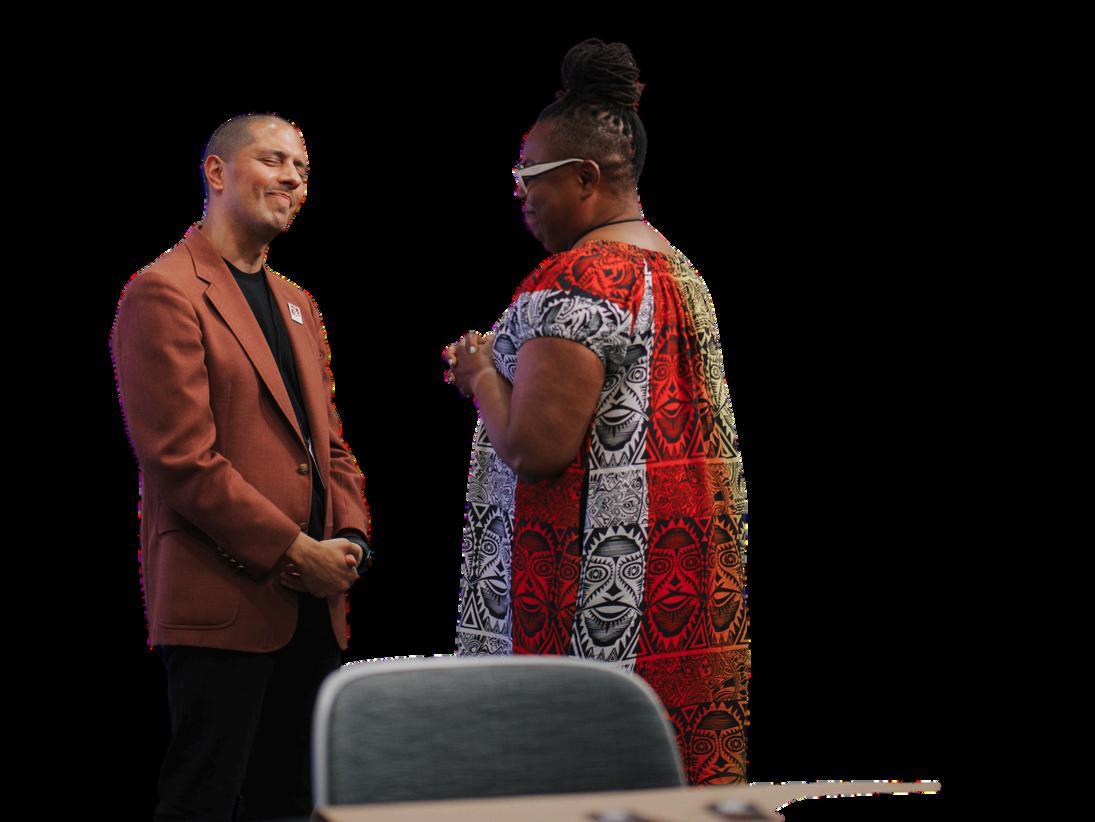

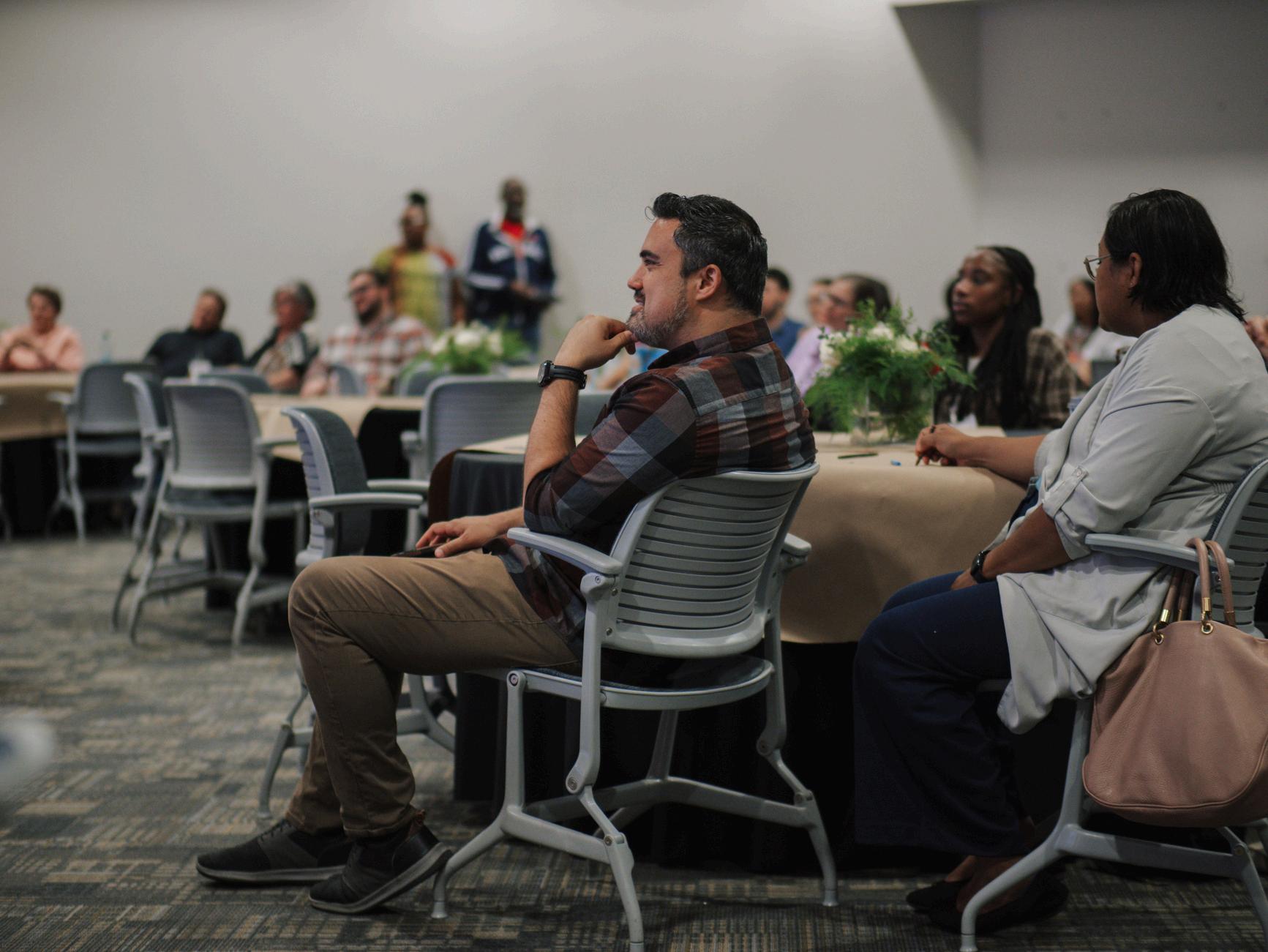
Adventism by definition has a focus on Christ’s return and subsequently making our home in heaven and the New Earth. This is a good thing! But taken to the extreme, we can embody the expression “being so heavenly minded you are of no earthly good.” Sung Kwon and Darriel Hoy’s presentation, “The Reconciled Future: Reimagining Social Impact Through Kingdom Values,” invited us to get back down to this earth.
In the workshop, attendees were reminded that community engagement as performed by the Church needs to be Christ centered. This means focusing on reconciliation and liberation of the whole person mentally, physically and spiritually just as Christ did during His earthly ministry. It also means dissolving divisions and barriers between cultures, genders, and communities. The theological underpinnings of this perspective can be examined more thoroughly in Sung Kwon’s book, “Burst the Bubble: Finding Your Passion for Community Outreach".
Living this out in practical ways requires putting aside our own objectives to meet the felt needs of the areas we serve. But we can’t meet the needs of others until we ask them what their needs are! In this workshop, the presenters challenged attendees to seek out ways to open up lines of communication with stakeholders in communities By engaging in dialogue we can determine where there are gaps and what we
can do to fill them
This approach is a departure from the paternalism that is sometimes demonstrated by Christians seeking to impose their personal versions of assistance Food and clothing giveaways may be important but they might not be what’s most needed by a group Instead of unilaterally deciding how to provide aid, it’s imperative to identify already established leaders and find out what can be done and how we can be most useful
We can’t meet the needs of others until we ask them what their needs are.
Community auxiliaries, local leaders, neighborhood associations, school groups, and government boards can help point the way Making concerted efforts to get involved in already established initiatives will result in a more effective synergy than going it alone We don’t have to reinvent the wheel. We can meaningfully engage and partner with our neighbors to facilitate relevant social change The Kingdom of God is here!
Claudia M Allen is an advocate and international speaker at the intersection of faith and human rights She serves as Assistant Director of the Anne Arundel County Office of Equity & Human Rights, where she leads equity initiatives and advises county leadership on operationalizing equity policy. An ordained Elder in the Seventh-day Adventist Church, she also serves as Executive Director of the Adventist Peace Fellowship, a nonprofit dedicated to reconciliation across faith, humanity, and creation Named one of Maryland Daily Record's 2023 Leading Women Under 40, she holds an MA in English from Georgetown University and is pursuing her MDiv at Emory University's Candler School of Theology
NATHAN BLAKE
Nathan Blake is the Deputy Colorado Attorney General for Consumer Protection, where he oversees the units that protect Coloradans against violations of the law in the areas of antitrust, consumer fraud, Medicaid fraud, consumer credit, false claims, and civil rights He previously served as Chief Deputy Iowa Attorney General and, before that, prosecuted Iowa Consumer Fraud Act cases as an Assistant Iowa Attorney General.
Prior to his state government service, Nathan worked on anti-hunger policy at the United States Department of Agriculture He began his legal career in private practice before joining the Obama campaign in 2007. Nathan is a graduate of Union College, Yale Law School, and Yale Divinity School.
NATHAN BROWN
Nathan Brown is a writer and book editor, based near Melbourne, Australia He holds degrees in law, literature, English, writing, justice and theology, and human rights Nathan is author or editor of 22 books, including Practising Justice, Do Not Be Afraid, A House on Fire, Advent, Of Falafels and Following Jesus, and For the Least of These. He continues to write regularly for publications around the world.
Charles Eaton is a Federal Public Defender in Riverside, California, seeking to free people from spiritual and physical bondage A product of Adventist education, the Black Church, and a loving family, he is a graduate of Loma Linda Academy, Oakwood University, The University of Chicago Law School, and Yale Divinity School He has served as pastor of four churches and currently serves as Interim Teaching Pastor at Kansas Avenue SDA Church Charles is dedicated to building the Kingdom of God in both legal and ministerial arenas. He is married to Kiara Stoddard, and together they have one daughter.
Stephen Erich is the pastor for operations and community engagement at Takoma Park Church in Washington, DC. He previously served as the chaplain for Advent Collegiate in New York, where he acted as a religious life advisor at Columbia University and NYU In 2021 he co-founded Anti-Racist Hot Dog, a consultancy that uses food and music to facilitate dialogue around race He is an alumnus of Andrews University and Yale Divinity School
Stephen has coordinated justice-oriented events including an interfaith singing resistance in Takoma Park, a conference on mass incarceration at Yale, and multiple social consciousness summits at Andrews University He has led committees for anti-racism and interfaith dialogue and holds a certificate in restorative practices from NYU
Priscilla Flores (she/ella) is a Queer Latina New Yorker and visionary actor, director, and theatre practitioner whose work lives at the intersection of artistry, activism, and community transformation As a dynamic performance artist, she has performed across New York City at Playwrights Horizons, The Tank NYC, Hostos Center for the Arts & Culture, Alpha Omega Theatrical Dance Company, The Danny Kaye Playhouse, and Frederick Loewe Theater. A proud "artivist," Priscilla harnesses the power of applied theatre to elevate marginalized voices, ignite courageous conversations, and cultivate spaces for collective healing and liberation
Beyond the stage, Priscilla serves as a Program Director, leading and collaborating with exceptional teaching artists across NYC public schools Through Theatre in Education (TIE), she designs and implements programming that strengthens participants' social-emotional development, leadership capacity, and critical life skills to see themselves as storytellers and change-makers.
CINDY GIAGO
DARRIEL HOY
Cicely A Jervis is a passionate educator, policy researcher, and social justice advocate dedicated to advancing public education, race equity, and housing policy She holds a Master of Public Policy from American University, with a concentration in Education, Race, and Housing Policy, and a Bachelor of Science in Social Science Education from Oakwood University Cicely's policy research includes a cost-benefit analysis of marijuana legalization in Texas and a study of administrative efficiency in traditional public and charter schools in Washington, DC
Currently, Cicely serves as a social studies teacher and eighth grade Team Lead at Hardy Middle School in Washington, DC, where she designs rigorous, student-centered curricula that promote academic achievement and social-emotional learning She has led equity-focused initiatives impacting hundreds of students and has conducted research with Brown University's Watson Institute. Cicely also served as a panelist at the Maryland Pro Bono Resource Center's Partners for Justice Conference, presenting “From Cradle to (In)Carceration: The Plight of Black Women Oppressed by the Criminal Justice System ”
KELLY JACKMAN
SUNG KWON
JORDAN LEDDY
ESTHER LOEWEN
JULIUS NAM
CHRIS NGUGI
BRIDGETTE PETEET
REGINALD RICHARDSON JR.
Photos by Ezekiel Canaan Teo

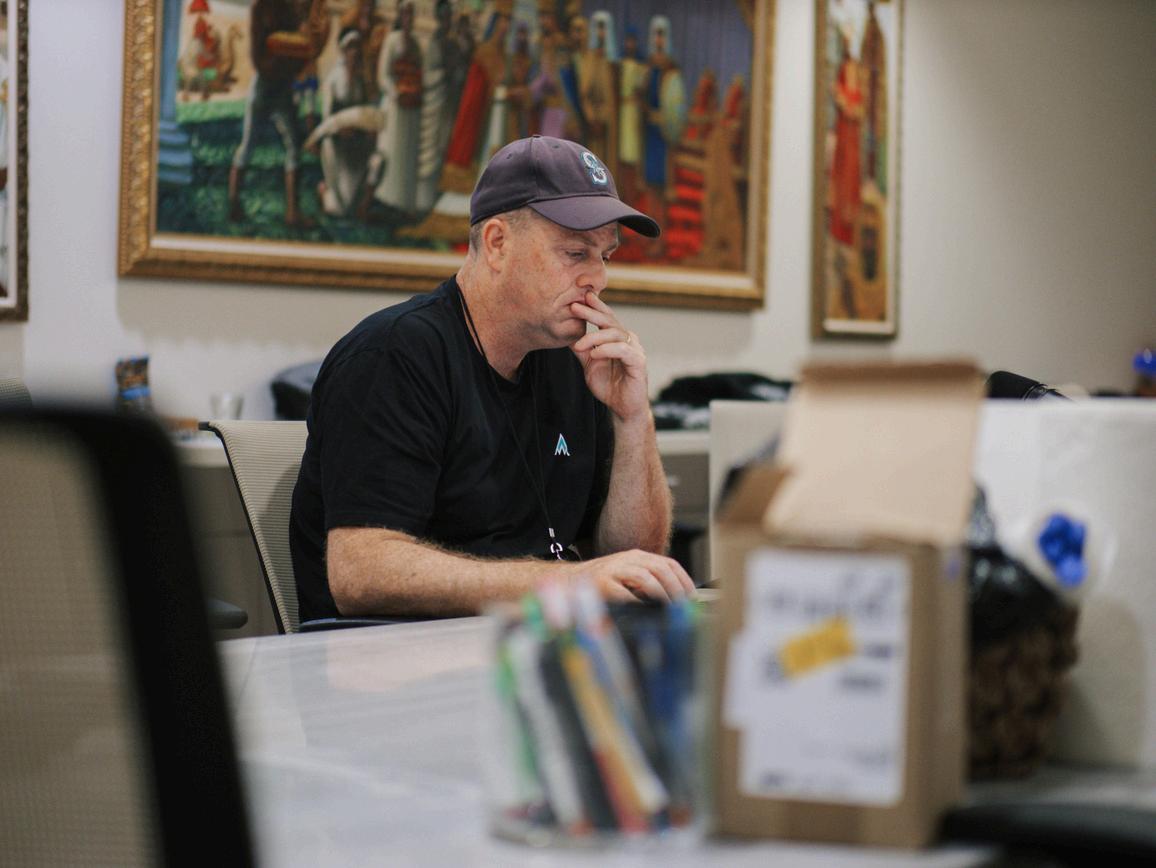
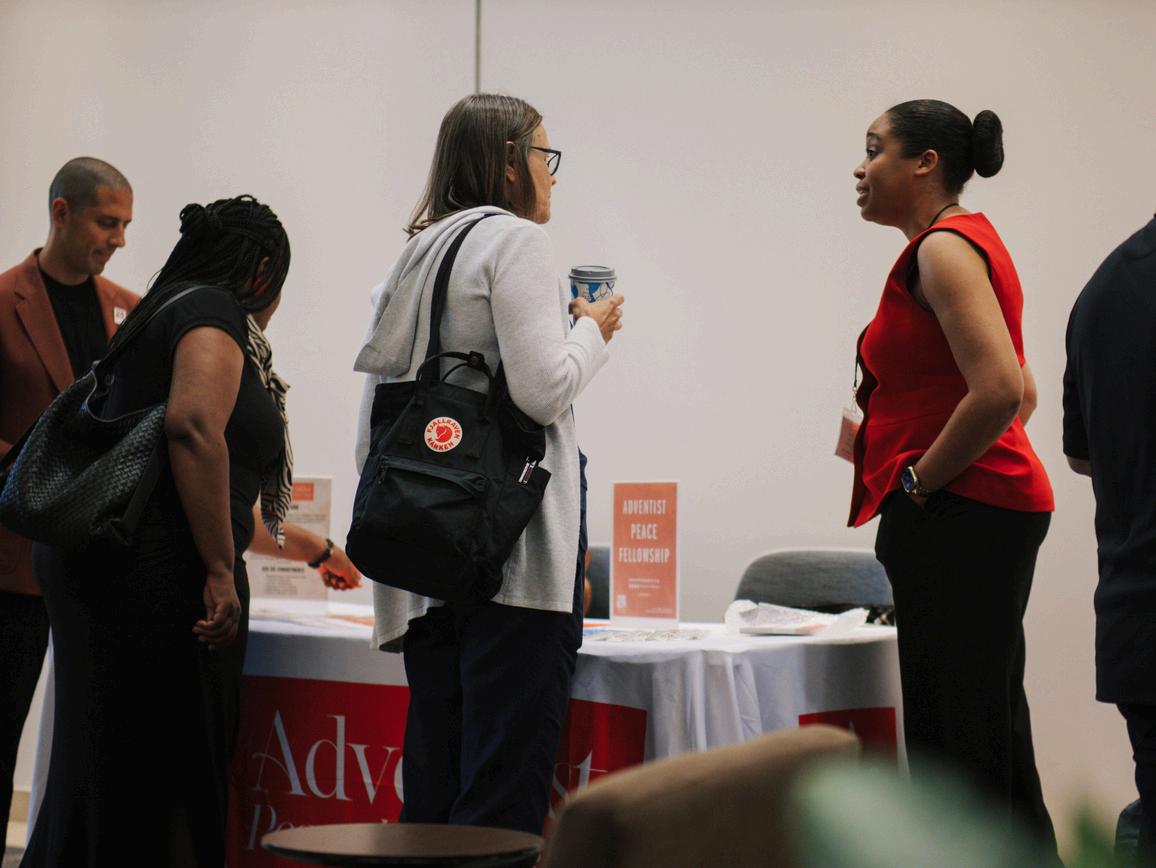
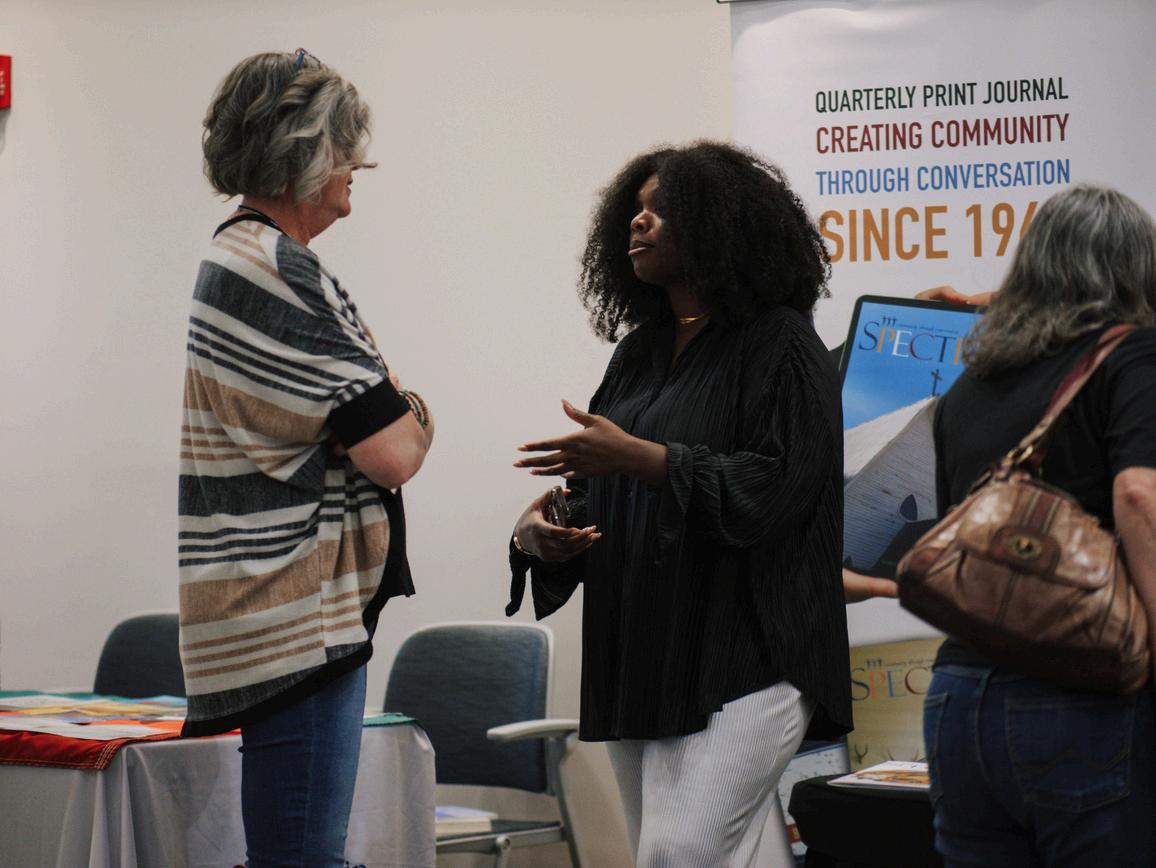
Invested in making a difference
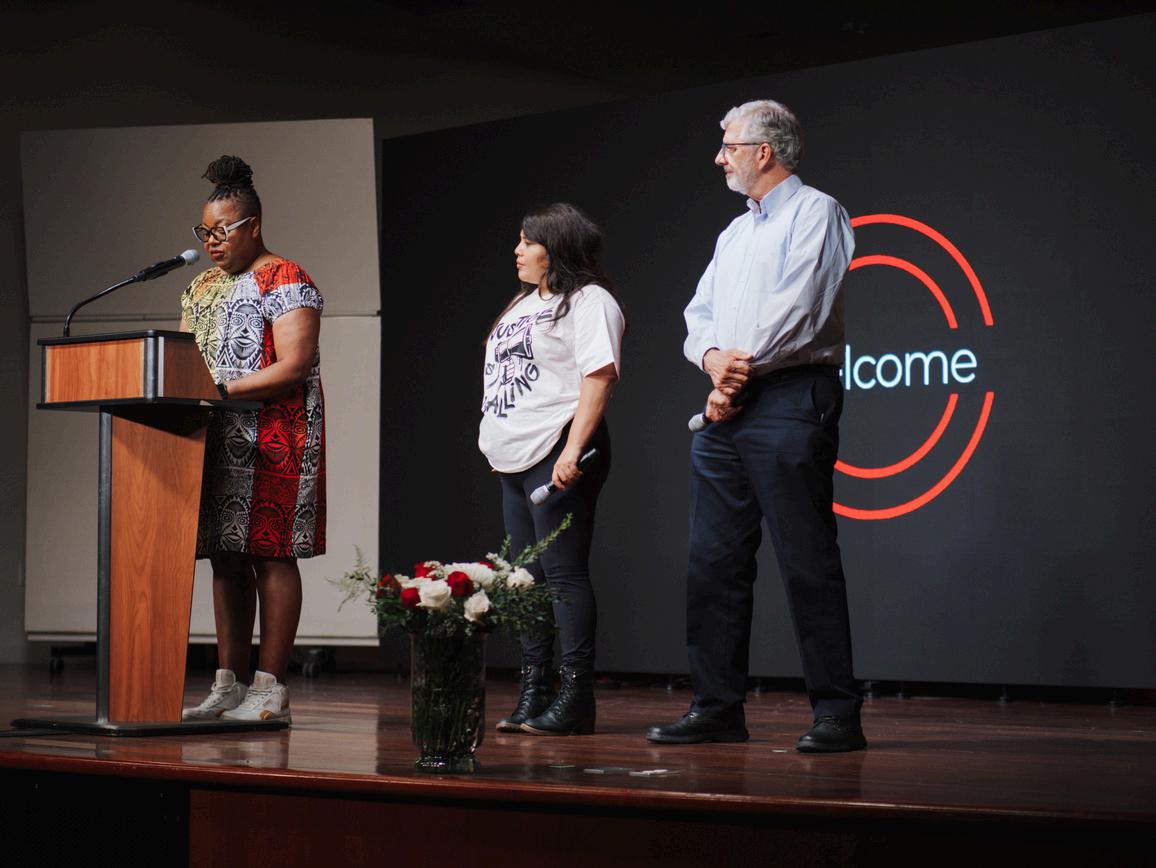
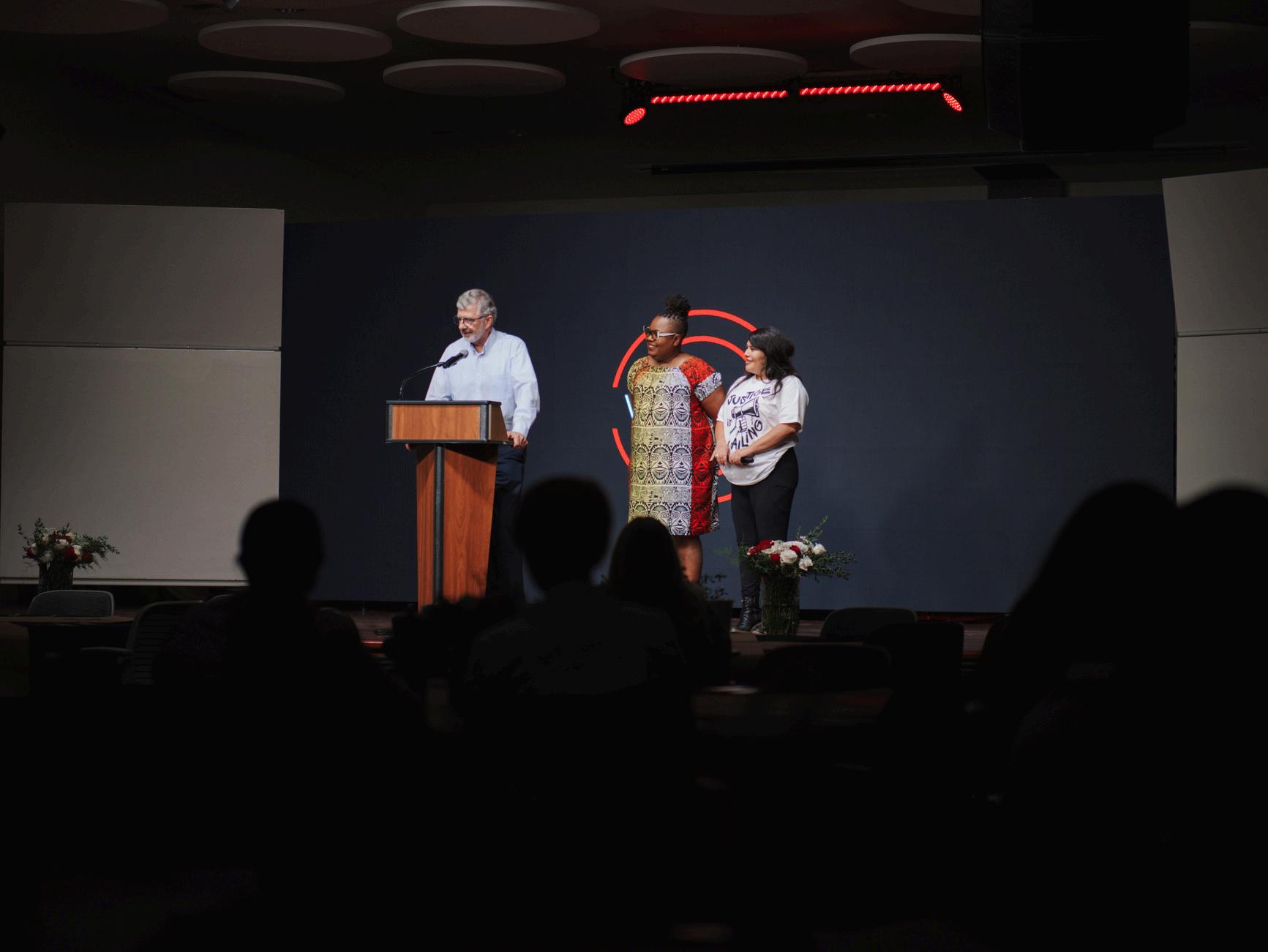
Dilys welcomes Summit participants
Photos by Ezekiel Canaan Teo
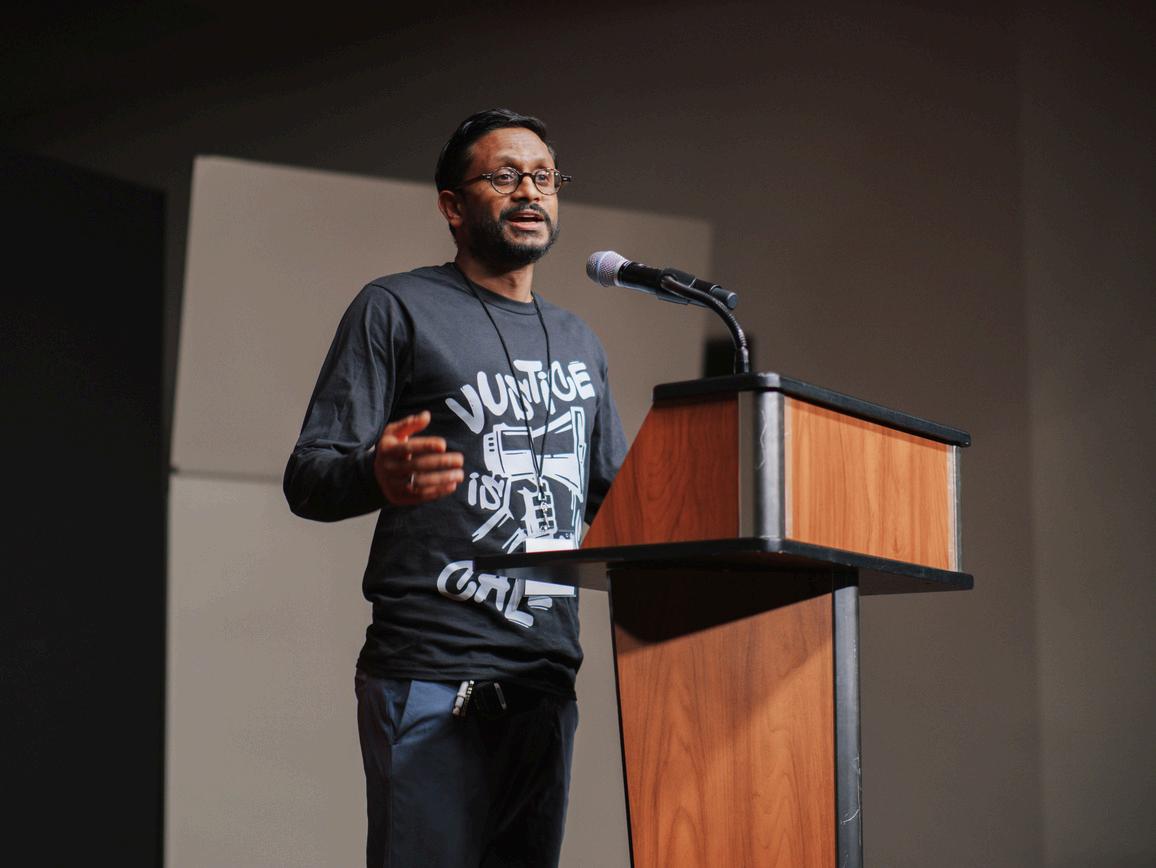
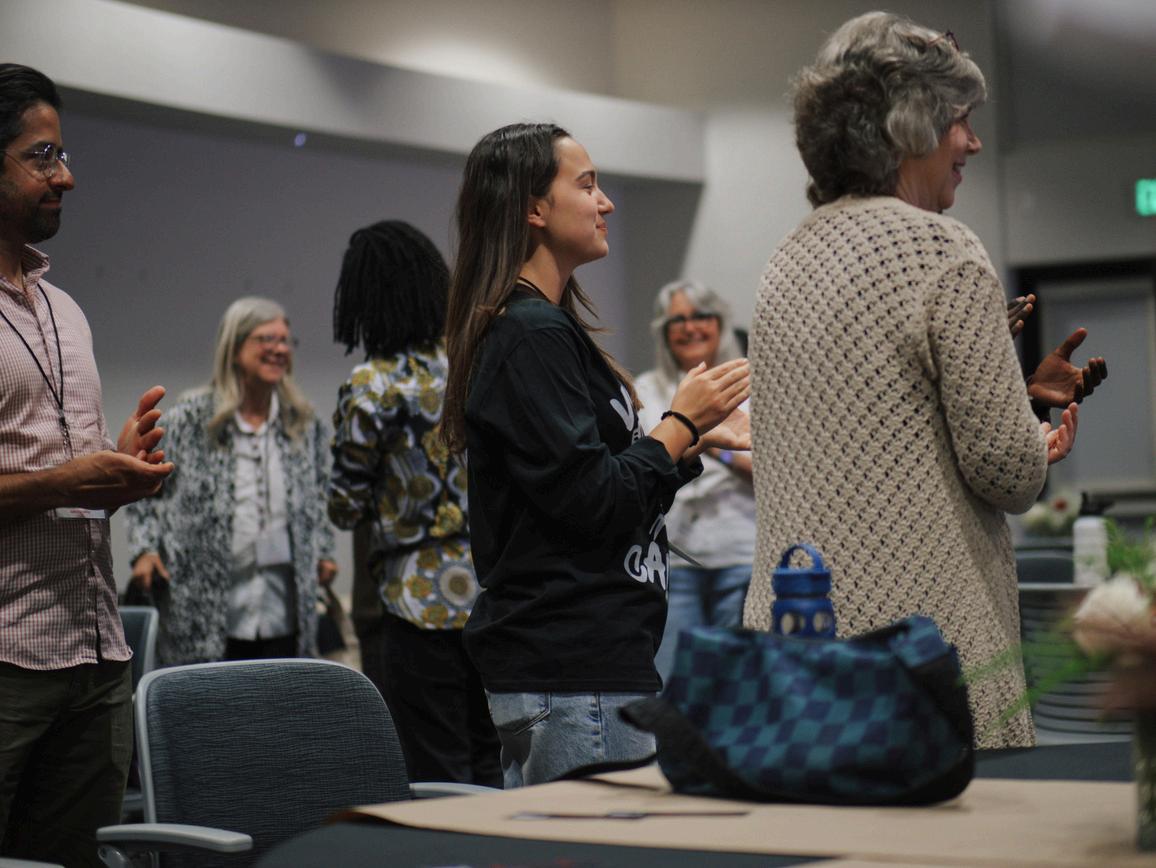
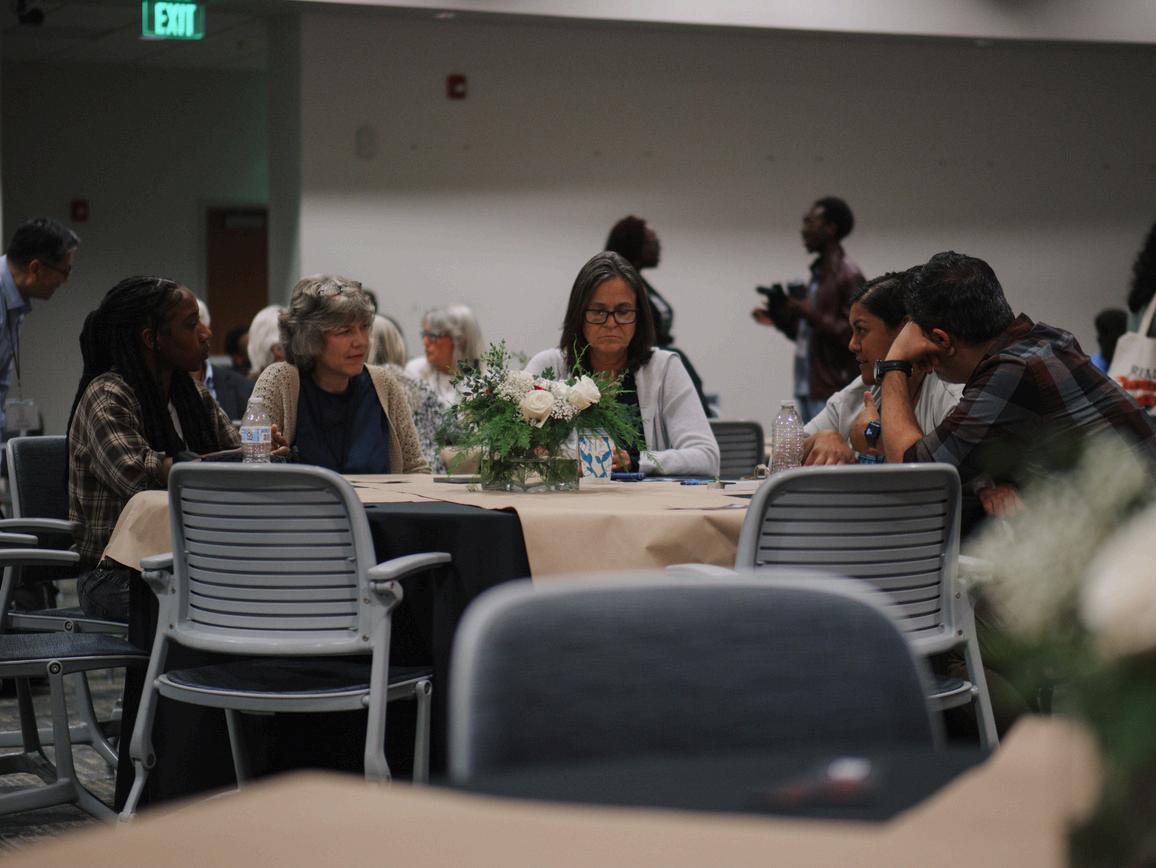
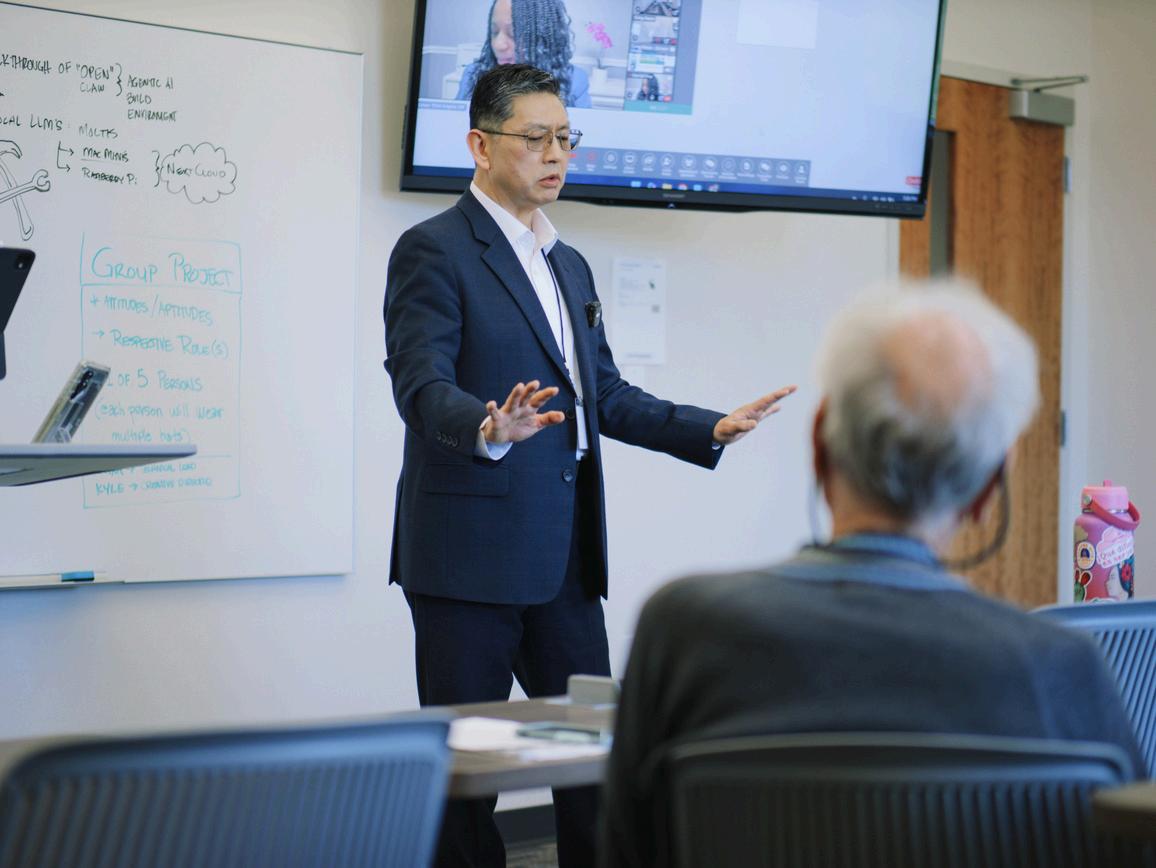
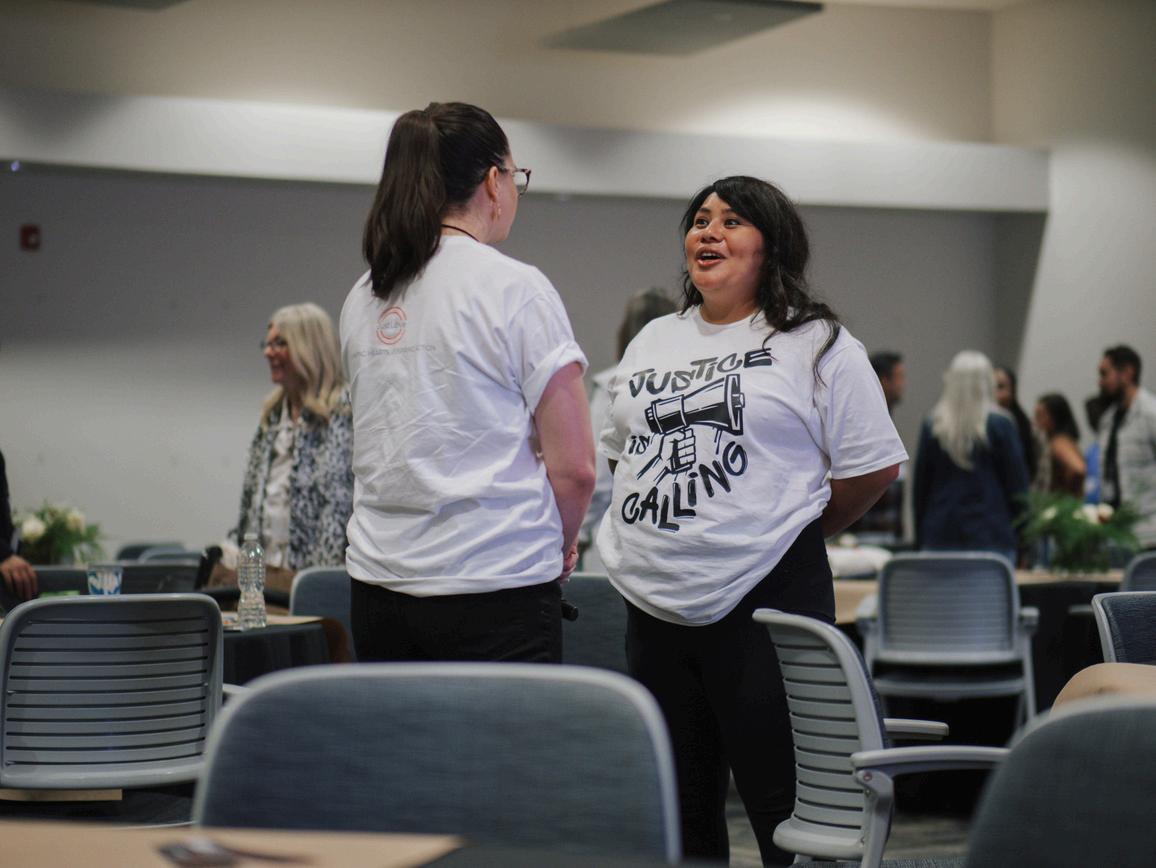
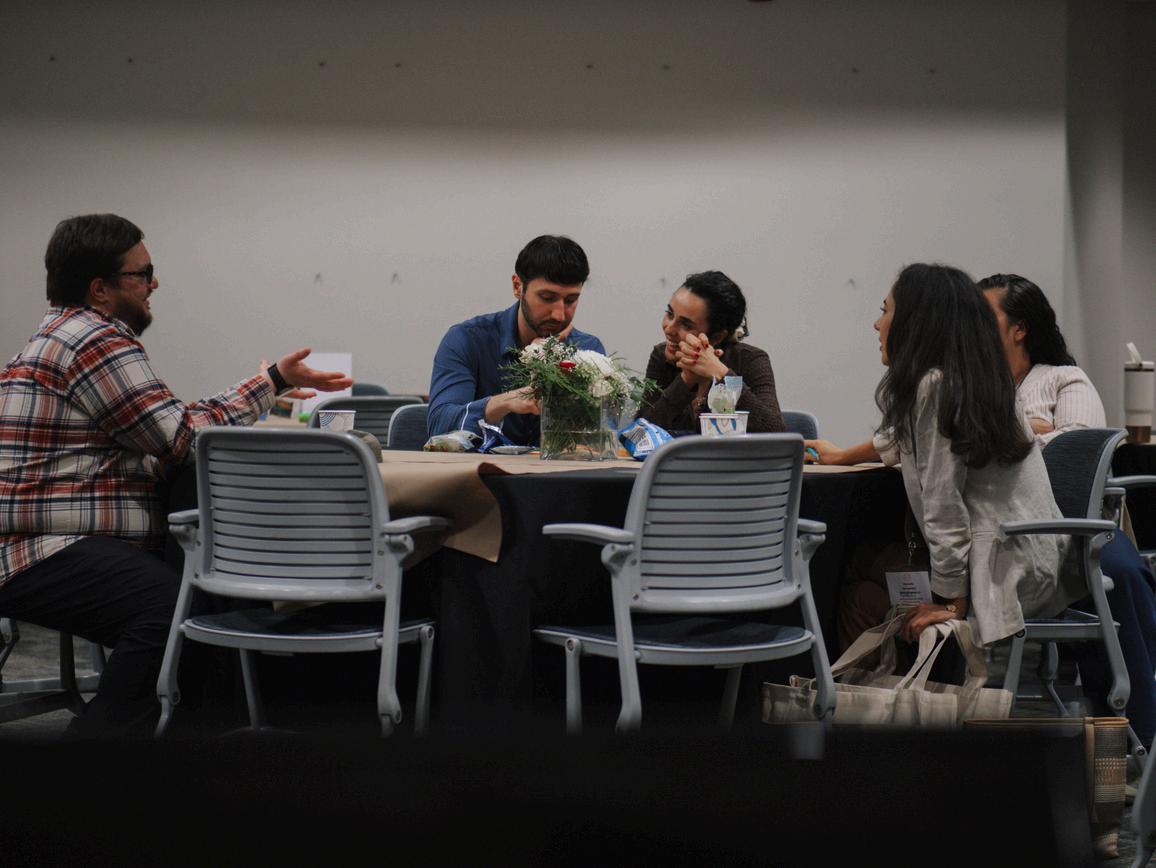
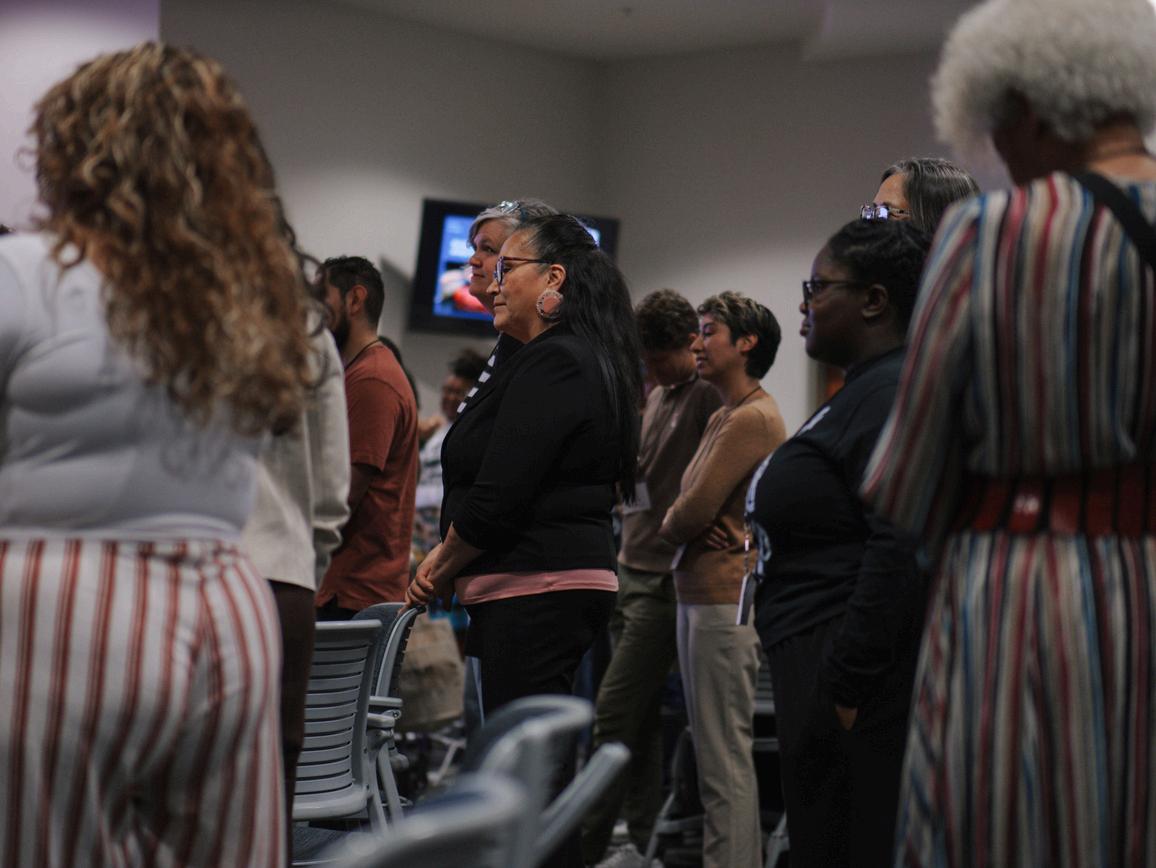
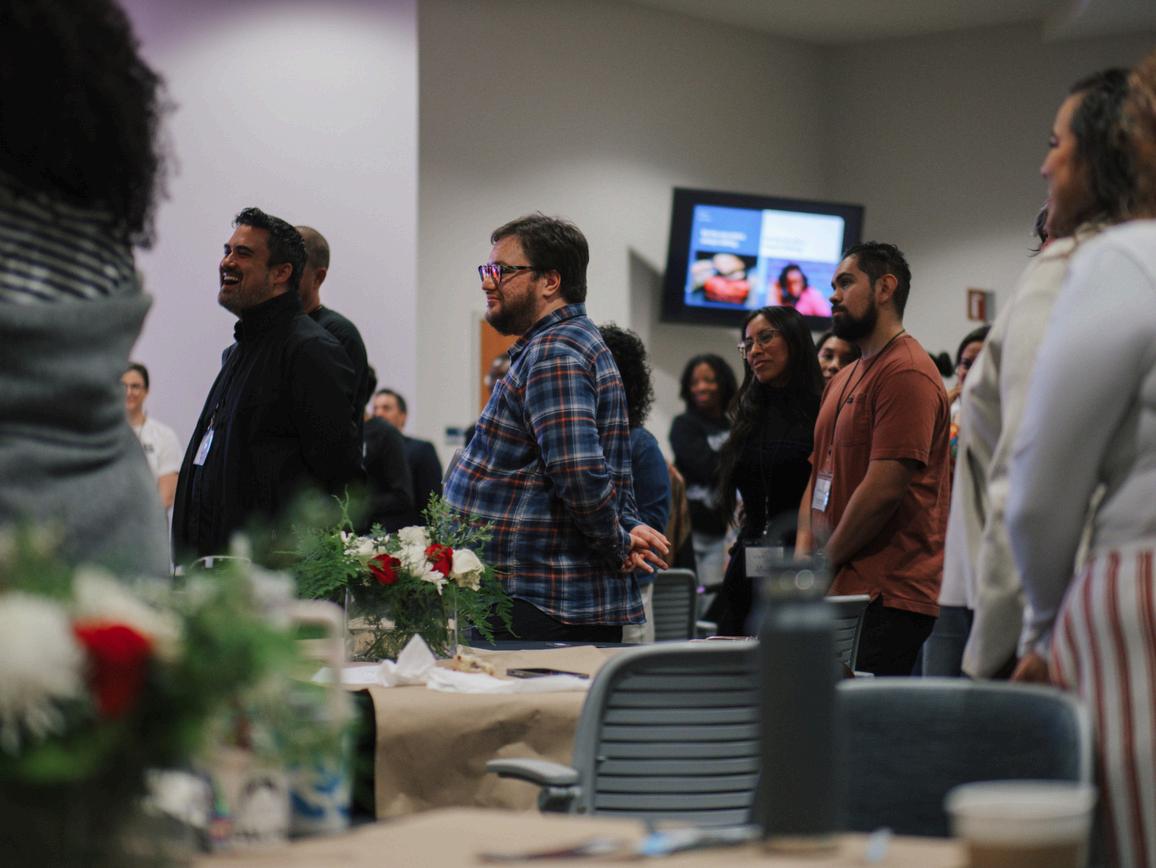
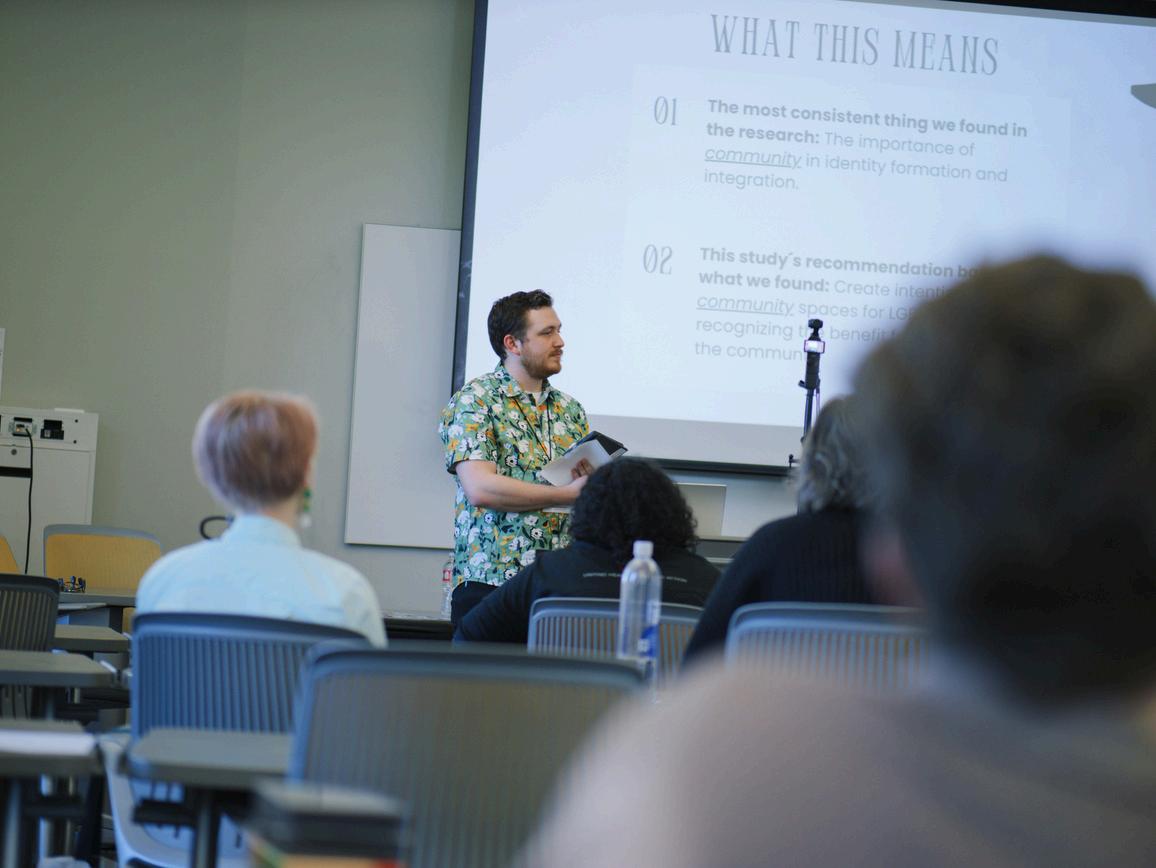
Photos by Ezekiel Canaan Teo
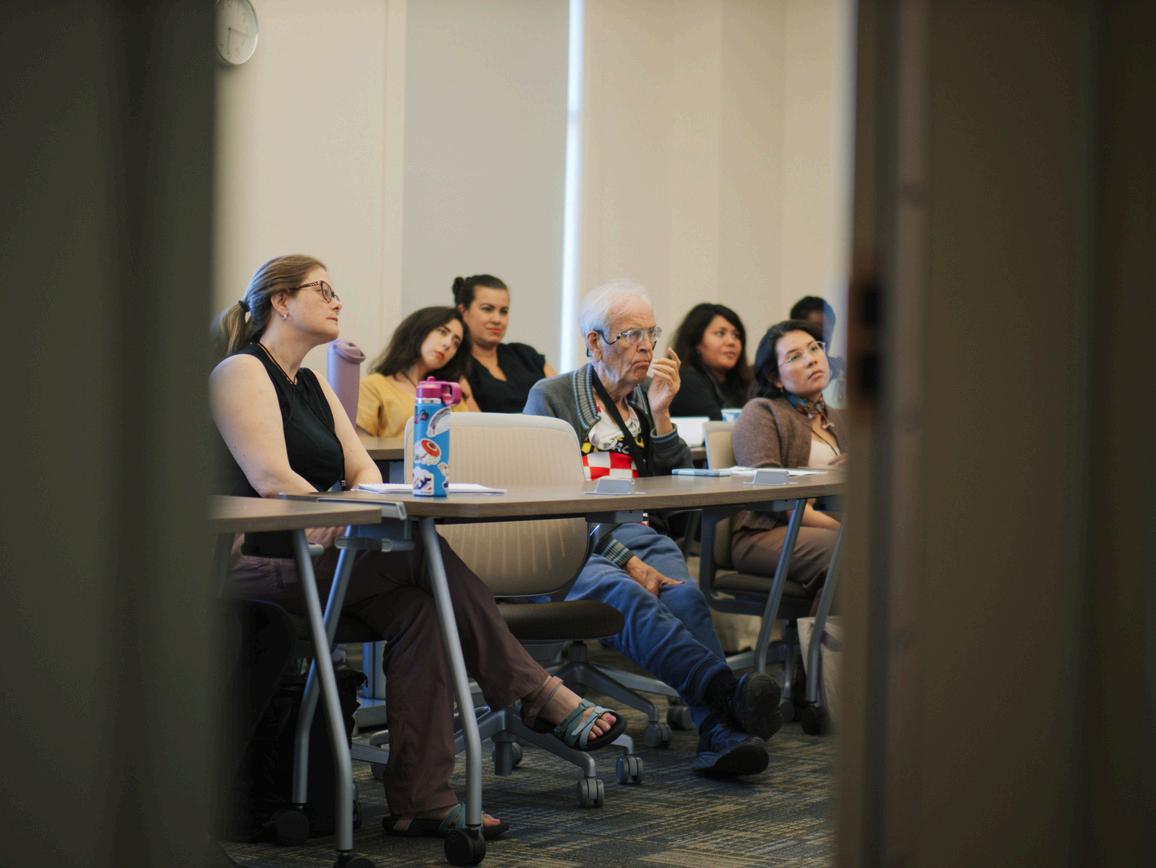
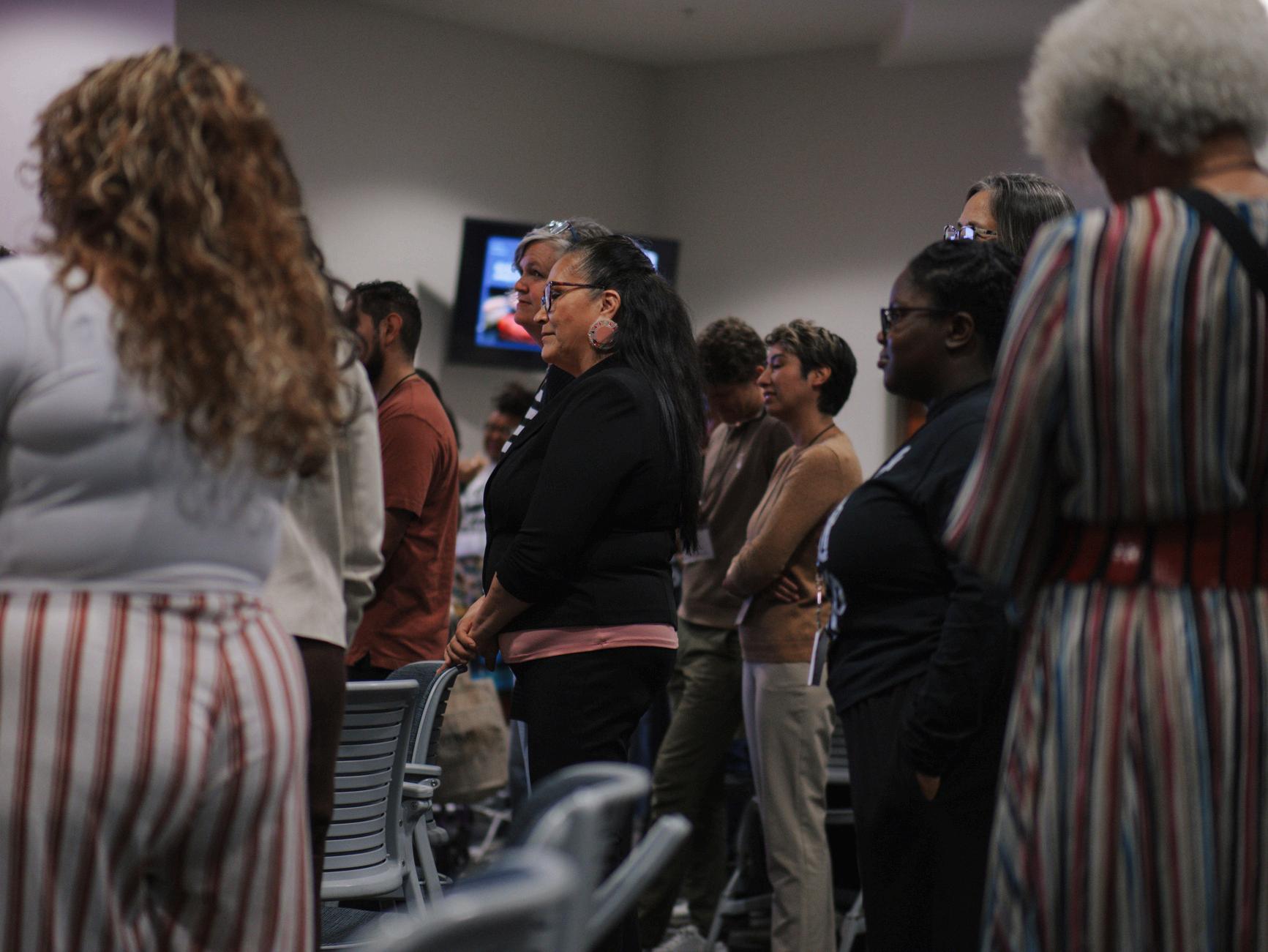
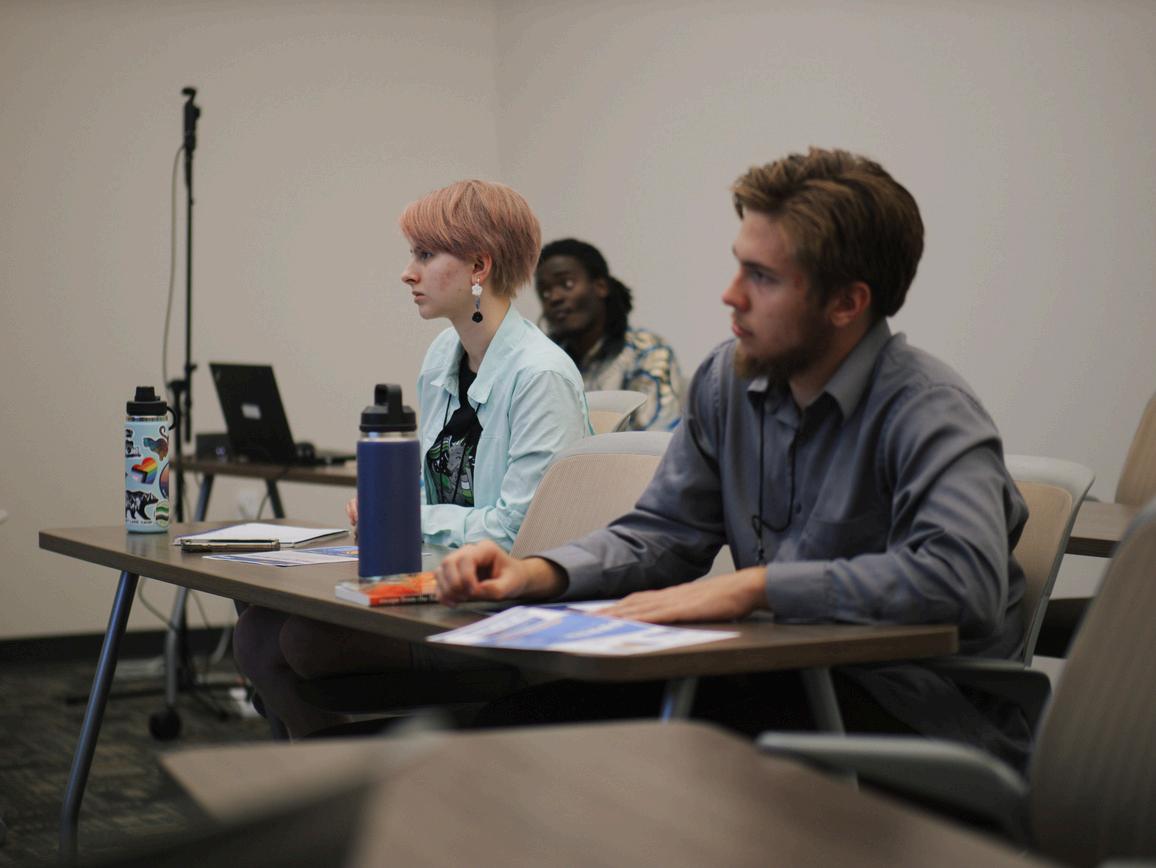
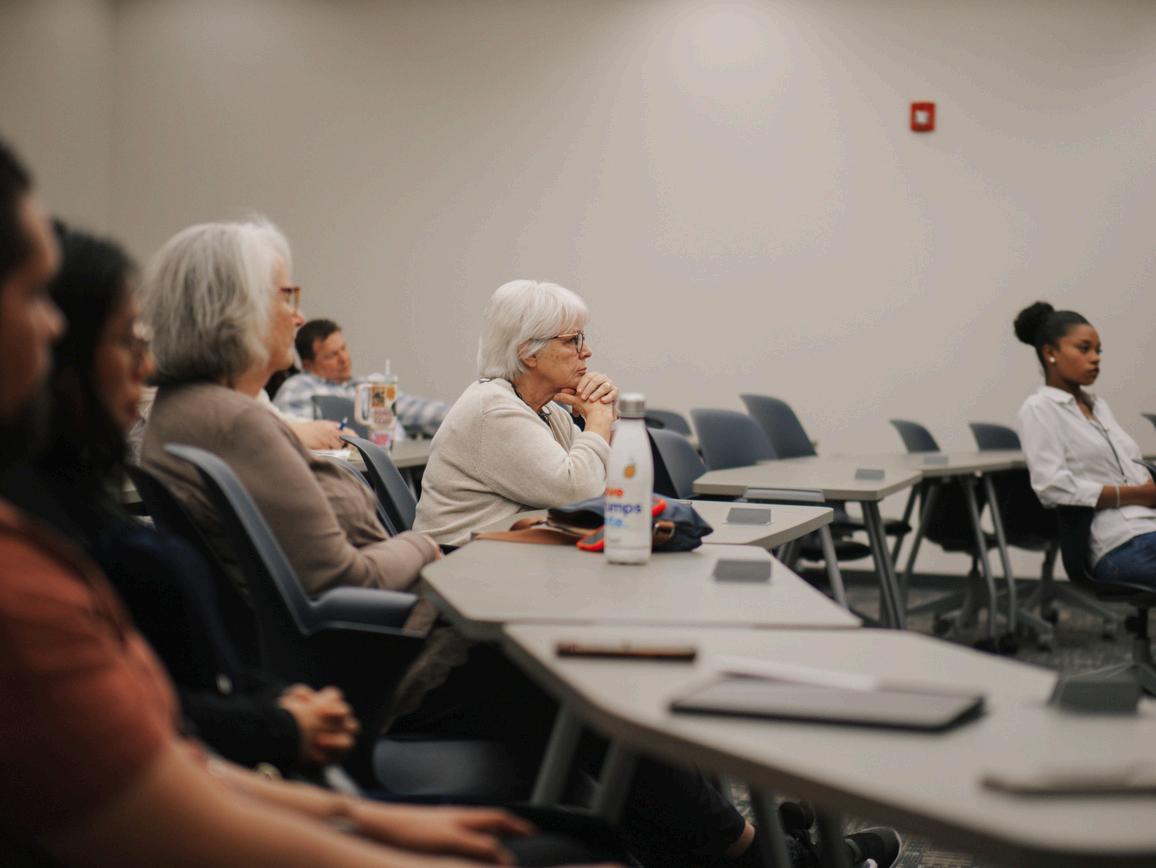
Workshop participants listen and learn
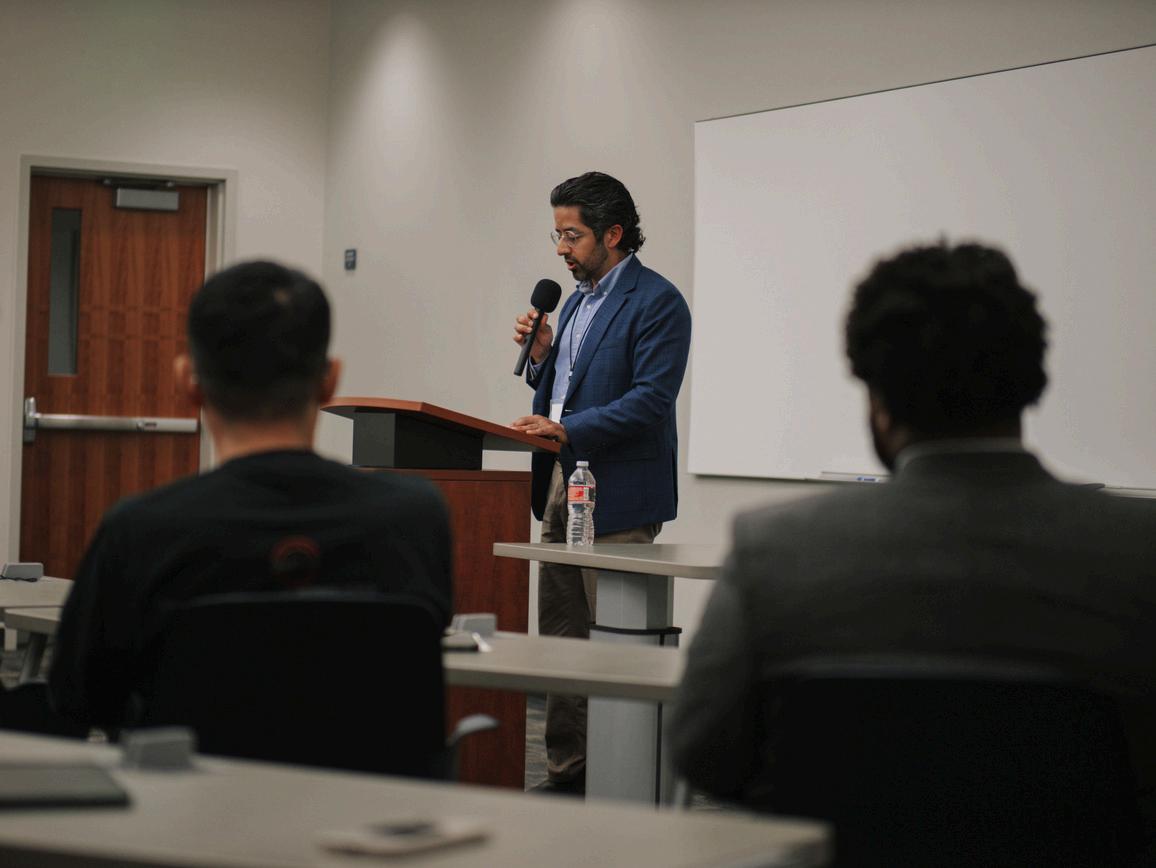
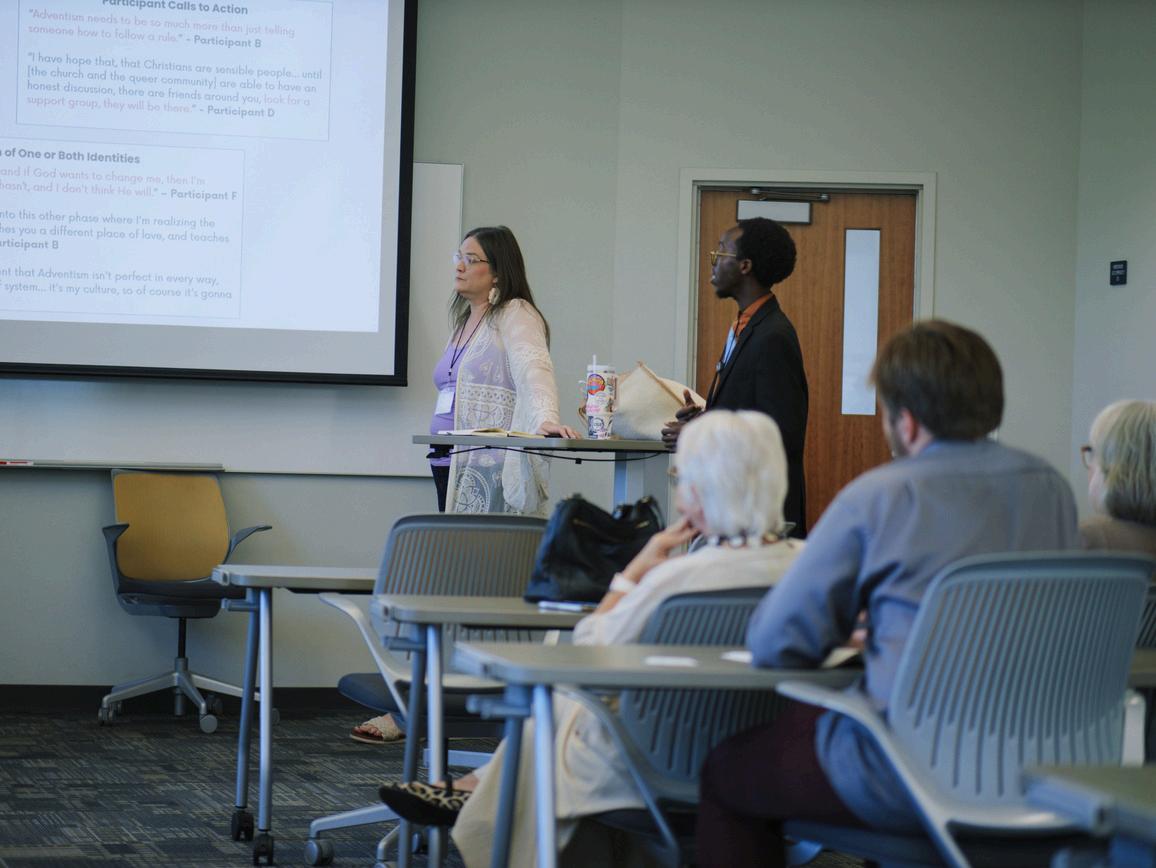
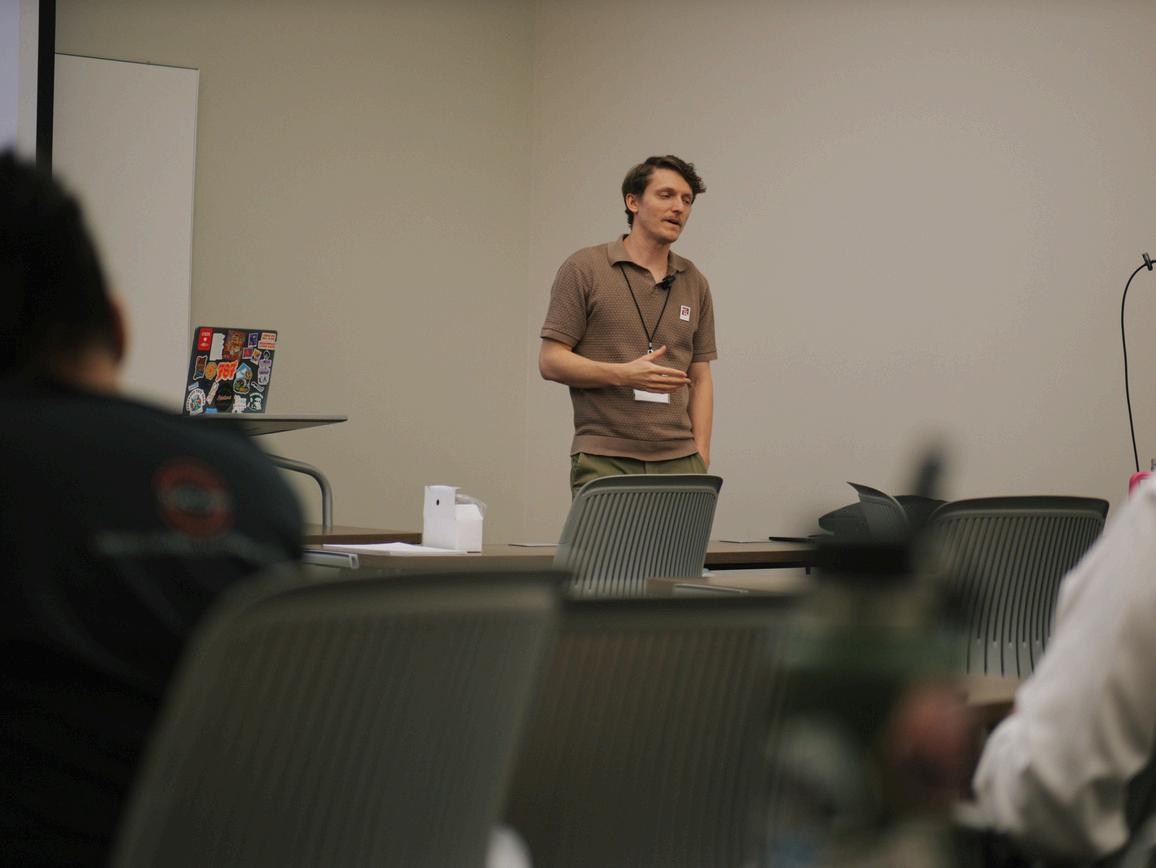
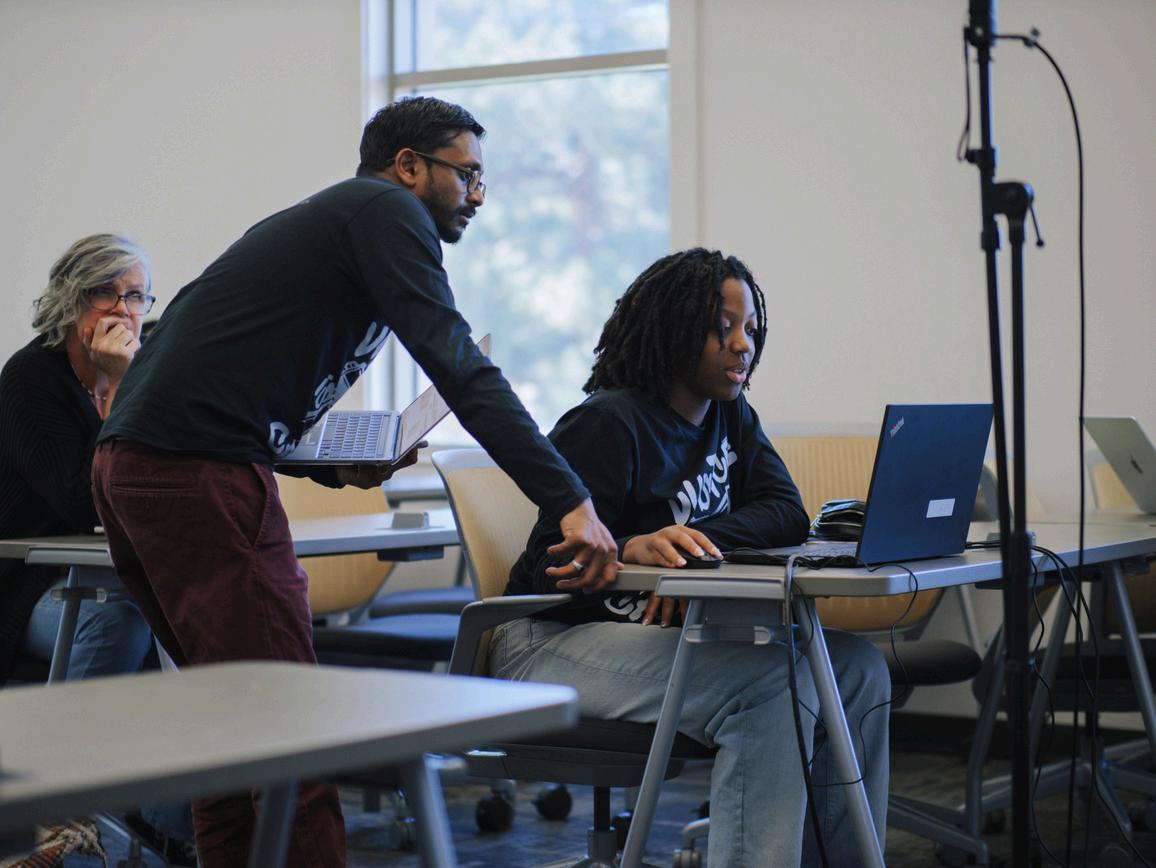
Workshop-attentive
Photos by Ezekiel Canaan Teo
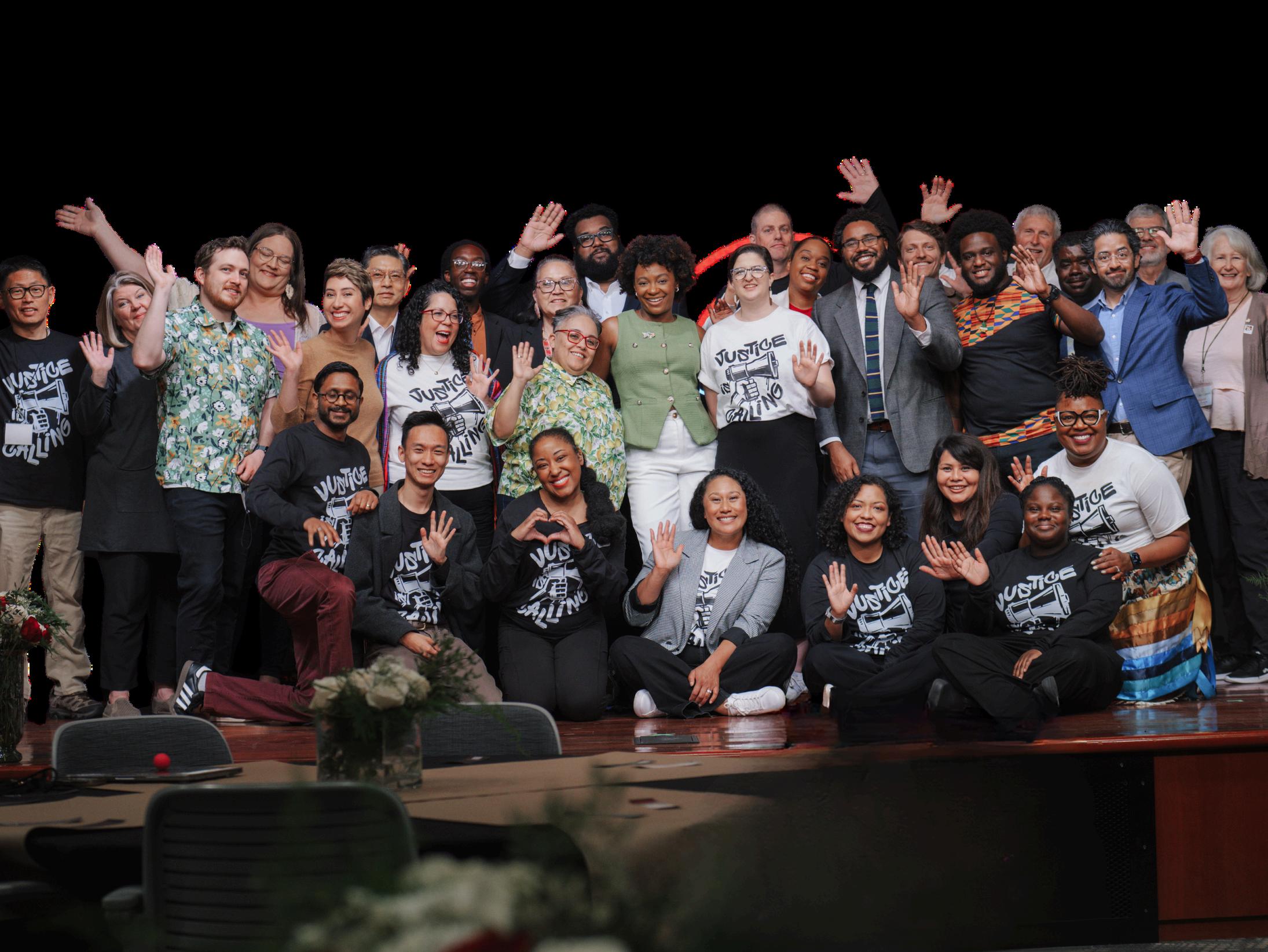
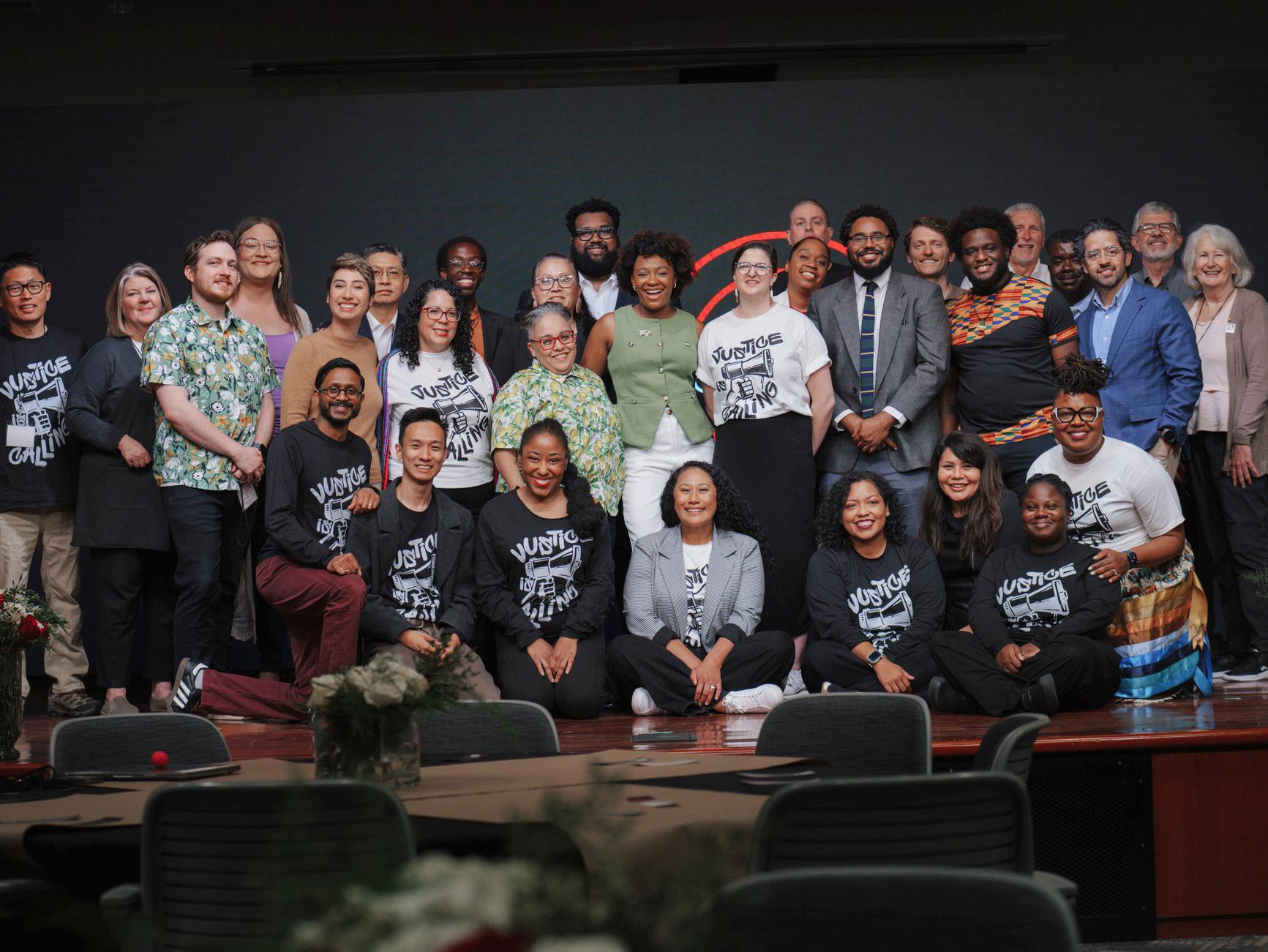
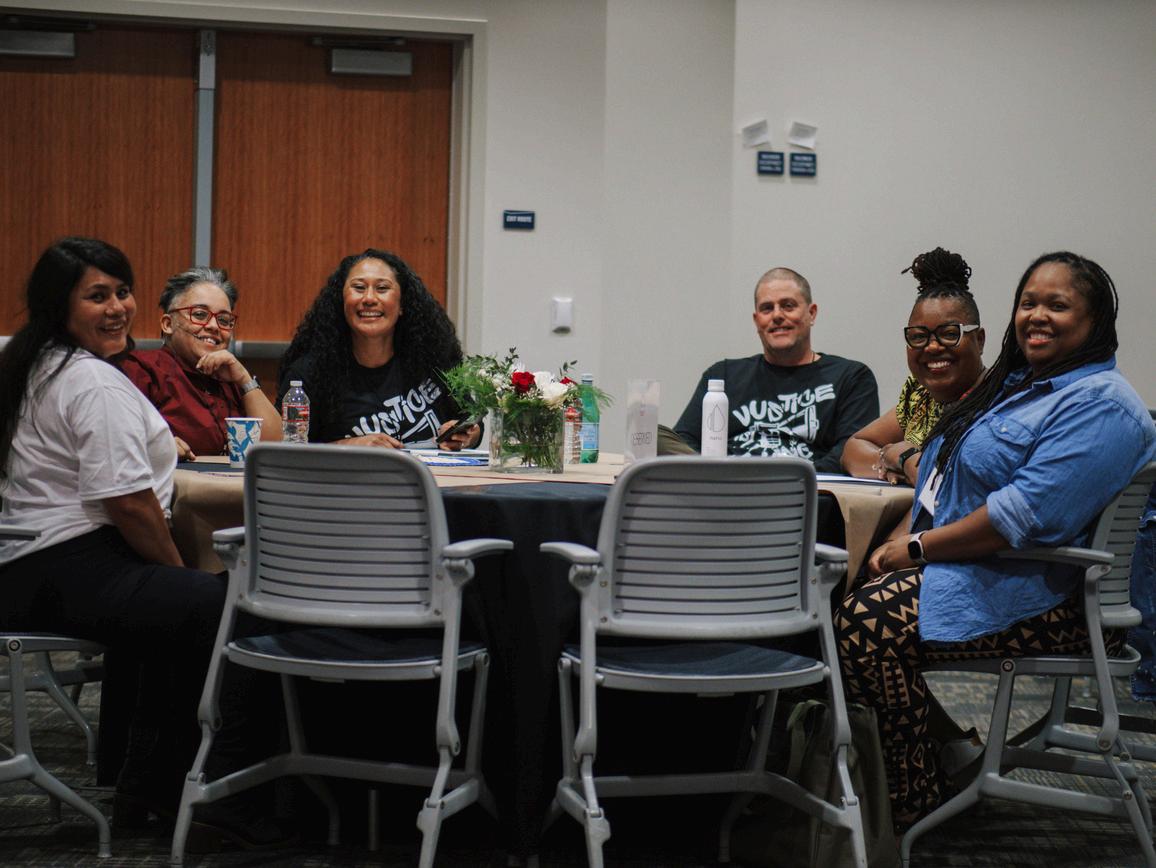
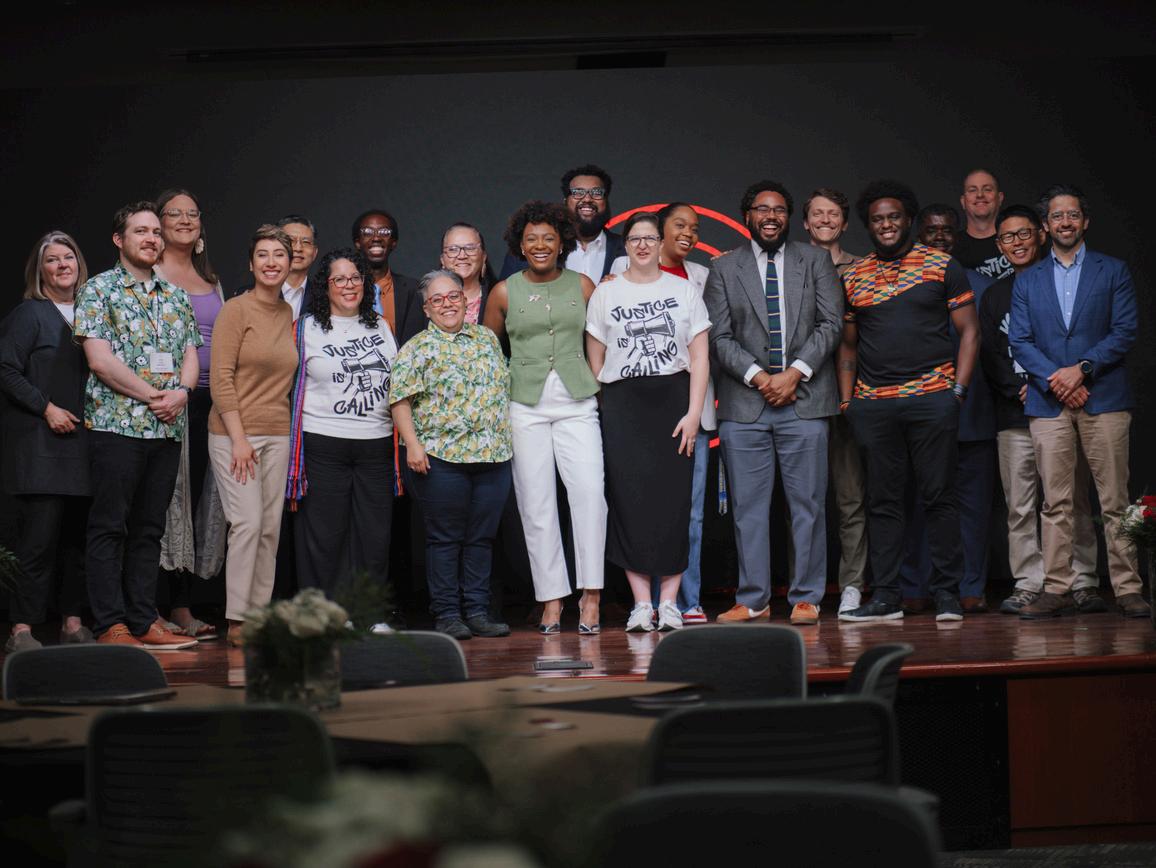
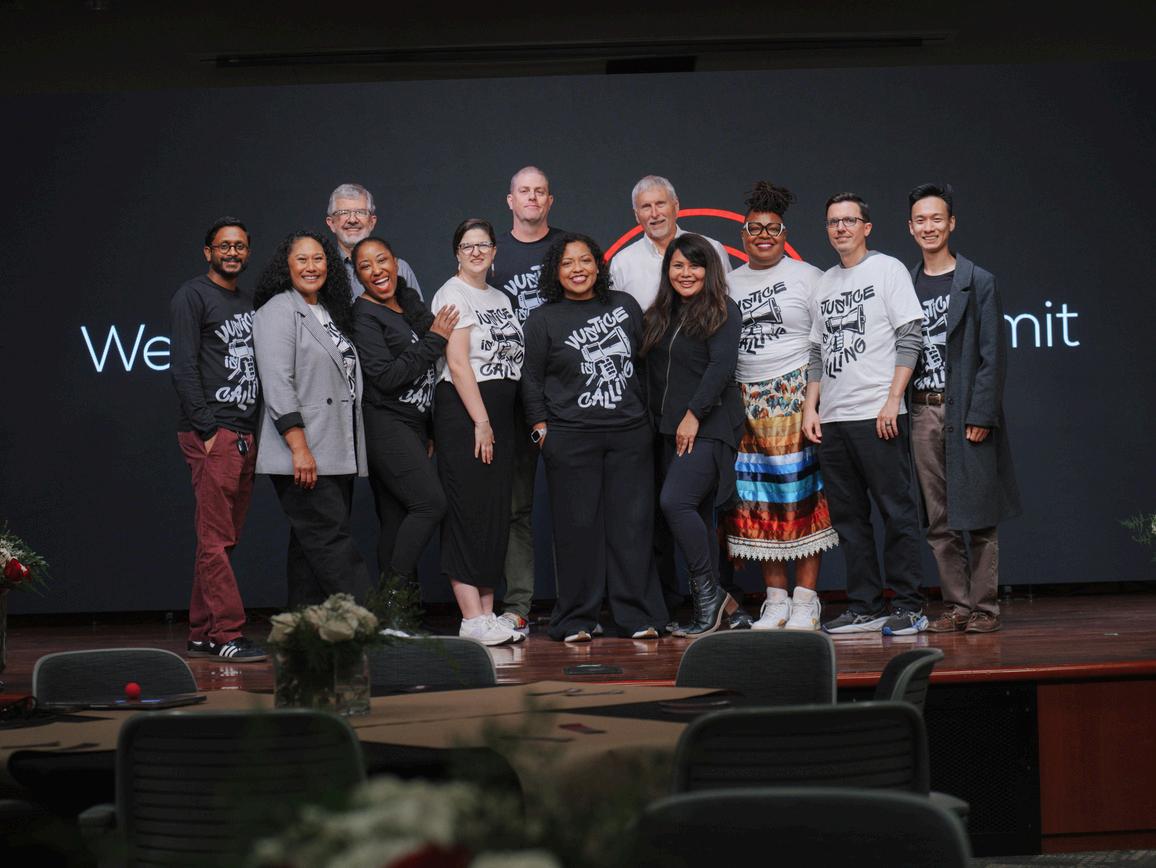
Summit presenters and organizers
Pulse is the digital magazine of JustLove Collective.
This month’s issue of Pulse is sponsored by Ginny and Bob Latta. (Thank you.)
Designed by Jeffers Media.
Unless indicated otherwise all Bible references are from the New Revised Standard Version

CHRIS BLAKE
Is professor emeritus at Union Adventist University where he taught English and communication courses, including Conflict and Peacemaking and Critiquing Film. He has also served as academy teacher, editor of Insight magazine, author of many books and articles, and pastor of two small churches.
NATHAN BROWN
Is book editor at Signs Publishing, based near Melbourne, Australia He is author of 21 books, including Thinking Faith and Do Not Be Afraid (the devotional book for 2025), published by Pacific Press in North America.
Is an ordained Seventh-day Adventist minister, now retired after serving in pastoral and publishing ministries.
EZEKIEL CANAAN TEO
Is presently a Master of Divinity student at La Sierra University, developing narrative, documentary, and commercial projects in faith, cultural, non-profit, and higher education contexts
DAVE GEMMELL
After a lifetime of service as a pastor in the Adventist Church, is getting into good trouble with his grandsons, his kitesurf board, and the kingdom of God
MARCIA NORDMEYER
Is a circulation/reference associate at Union Adventist University's library in Lincoln, Nebraska. She is happily married to Jeremy Their two children are encouraged to read banned books
TREVAN OSBORN
Is the Operations Manager for Southeastern California Conference. More importantly, he is the husband of Shari and the father to Luke and Zeke.
COURTNEY RAY, MDIV, PHD
Is an ordained minister of the Seventhday Adventist Church, is a clinical neuropsychologist and president of the Society for Black Neuropsychology.

In a world crying out for both justice and love, the JustCoz Podcast explores what happens when these powerful forces combine with faith to create meaningful change
Rooted in the Adventist tradition and guided by the prophetic call of Micah 6:8, this podcast takes listeners on a journey through compelling stories of faith-based activism, biblical justice, and Christcentered community building Each episode features honest conversations with movement leaders, grassroots activists, theologians, artists, and everyday change-makers who are living out their commitment to “do justice, love mercy, and walk humbly with God ”
From the historical justice work of Adventist pioneers to contemporary movements addressing today’s most pressing challenges, we explore how faith communities can be powerful agents of transformation You’ll hear stories of courage, creativity, and hope that will inspire your own journey toward meaningful action.
Each episode concludes with practical steps and resources to help you connect with others and begin making a difference right where you are.
Join us as we discover together how justice plus love can transform not only our communities but also our own hearts and lives. Because when justice and love meet, something truly divine happens.
May 16 Global Voices: Justice Stories from Around the World
May 30 Young Adult Voices: Justice in a New Generation
June 13 Walking Humbly: Justice and Spiritual Formation (Season Finale)
Find JustCoz wherever you listen to podcasts. justlovecollective.org



A House on Fire: This Adventist Peace Fellowship podcast series is based on the excellent book on race and racism
Red Letter Christian Podcast: Christian commentary on the way of Jesus in the world today
Adventist Voices: Weekly podcast and companion to Spectrum designed to foster community through conversation
Adventist Pilgrimage: A lively monthly podcast focusing on the academic side of Adventist history
The Social Jesus Podcast talks about the intersection of Jesus, faith, and social justice today
Just Liberty: A fresh, balanced take on religious liberty where justice and liberty meet
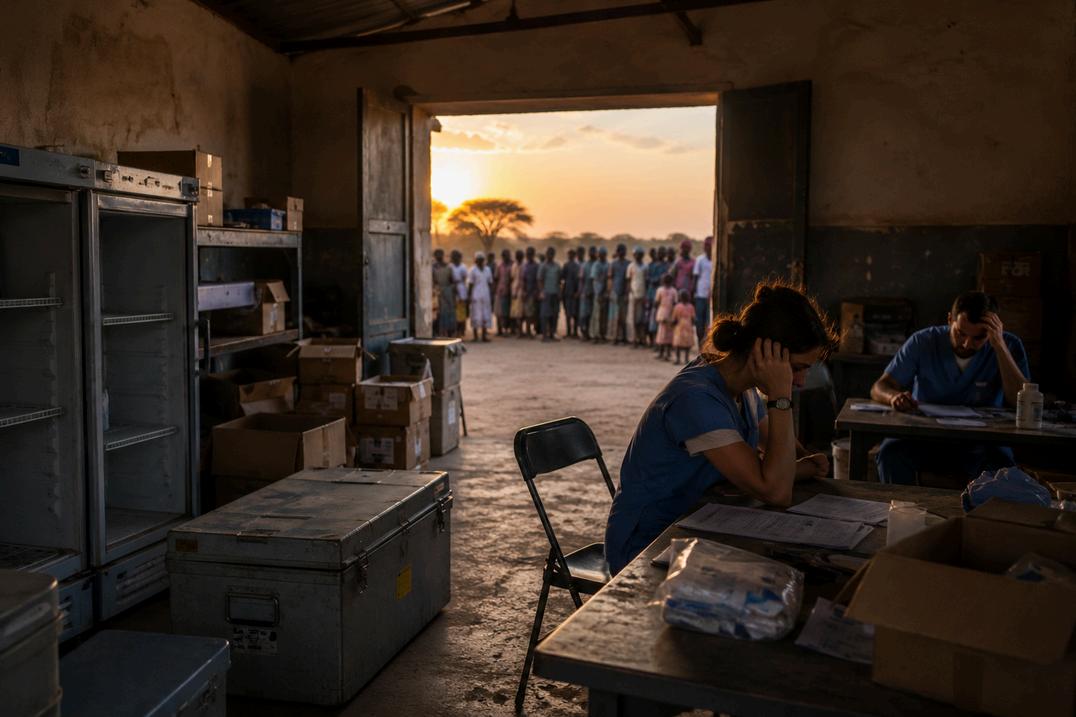
A year after some of the world’s richest men cut aid for the world’s poorest children, they’re trying to roll out a new public relations narrative: Aid continues! We’re saving lives from AIDS! Anyway, aid never really worked, so we’re focused on trade! Building opportunities for American companies while saving babies!
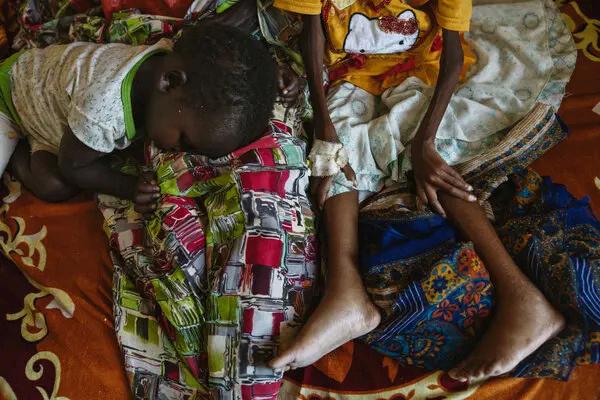
. . . This glossy new Trump narrative is absurd. Trump’s most lethal policy will almost surely be his 71 percent cut in humanitarian aid from 2024 to 2025. A Boston University researcher estimated that the aid cuts cost more than 750,000 lives worldwide in their first year A recently published study in The Lancet, the British medical journal, forecast that at present rates the defunding will cost 9 4 million lives by 2030, including 2 5 million children under the age of 5. Are these figures correct? Exaggerated? I can’t be sure, and neither can Trump or anyone else, partly because the administration has cut data collection that might help us assess mortality accurately
Meanwhile, Trump and his aides continue to take steps that will add to the toll
The administration is now withholding aid for vaccines for poor countries in ways that may cost the lives of vast numbers of children. Trump slashed funding for an international vaccine alliance called Gavi, and now the administration is also refusing to release $600 million for Gavi that Congress has already appropriated and that must be spent by September.
Fertilizer shortages could lead to a multiyear famine beginning the end of this year.
Gavi is one of the most cost-effective aid programs in history. One study found that each dollar spent on vaccines in poor countries brings a return of $54 in reduced health costs and other benefits. I was once hospitalized with a serious case of malaria that I caught in the Democratic Republic of Congo, and I think it’s a
miracle that a few doses of a $3 malaria vaccine can now save a Congolese child’s life and a scandal that administration officials are willing to let such children die because of ideological hostility toward vaccines.
The upshot is that if the Gulf crisis doesn’t end by next month, an additional 45 million people worldwide are likely to suffer severe hunger in the latter part of this year, according to Cindy McCain of the U.N World Food Program.
“When I think of what U.S.A.I.D. does in global health, I assumed it was just, you know, abortions.”
Gavi also pays for HPV vaccines that prevent cervical cancer, which kills more than 900 women every day worldwide. Cervical cancer is an excruciating, humiliating way to die it is sometimes diagnosed partly by the odor of rotting flesh yet a $4 vaccine can prevent it. Gavi’s vaccinations have already averted almost one million of these horrific deaths from cervical cancer.
Trump’s cuts have created a budget crisis for Gavi and other aid agencies It has been magnified because European countries followed America’s lead with cuts to their own aid budgets Gavi estimates that 600,000 lives will be unnecessarily lost by 2030 as a result Think of your mother, wife, daughter; multiply by 600,000, and you glimpse the cost of Trump’s destruction of just the Gavi element of American aid.
The Trump administration is also, unintentionally, exacerbating global poverty with its catastrophic war with Iran, and not just because the war has displaced more than 2.2 million women and girls in Iran and Lebanon. Because of the war, diesel prices have risen 160 percent in Myanmar and 87 percent in Nigeria, while 40 percent of gas stations have closed in Laos, according to the United Nations Rising fuel prices are increasing costs of transportation and thus food.
An even bigger impact may come, after a delay, from shortages of fertilizer, often made with oil and gas byproducts from the Persian Gulf Perhaps one-third of the world’s fertilizer production will be disrupted if the Strait of Hormuz remains closed, and shortages will most likely mean lower crop yields, higher food prices and more starvation José Andrés of World Central Kitchen has warned that fertilizer shortages could lead to a multiyear famine beginning as early as the end of this year
Think of it this way: Artificial fertilizers keep roughly half of humans alive. Without them, the earth would be able to produce enough food to support only about 4 billion people
Gavi is one of the most cost-effective aid programs in history.
Even as the Trump administration has created this crisis, it has unraveled some of the global health systems that would normally save lives of starving children And Trump administration proclamations of “trade over aid” sound empowering until you realize that what they mean in practice is that America is talking about withholding lifesaving medicines from villagers in Zambia unless the Zambian government sells more minerals to American companies
A new book, Into the Wood Chipper, recounts the reckless way in which DOGE officials dismantled the United States Agency for International Development Written by Nicholas Enrich, a former top health official at the agency, it chronicles the “callousness, dishonesty and ineptitude” of Trump aides who destroyed programs that they didn’t understand
“I had no idea you did all this,” Enrich quotes one of the newly arrived officials saying. “As a Republican, when I think of what U S A I D does in global health, I assumed it was just, you know, abortions.” (In fact, no American aid dollars went to abortions )
Actually, for all my harsh words, Trump is talking about providing emergency financial support for one nation That’s the United Arab Emirates, which is pinched by the Iran war and may get a lifeline from Washington to support its currency
Please excuse my intemperate tone. But I’ve seen children dying because of our aid cuts.
So we’re ready to support a country that is roughly as rich as Britain and France and is fueling the world’s worst humanitarian crisis, in Sudan, by arming a militia committing mass murder and mass rape? Could one factor be that high-level Emiratis have approved investments of half a billion dollars in a Trump family crypto company?
Forget the efforts to dress this show up. The truth is ugly: The world’s richest men are crushing the world’s poorest children
Please excuse my intemperate tone. But in my travels over the last year, I’ve seen children dying because of our aid cuts This doesn’t feel like policymaking so much as vandalism, accompanied by wasted food, ruined contraceptives and an estimated $6 4 billion spent closing down the United States Agency for International Development (that sum alone could have saved more than one million children’s lives)

Find Your Notes – And Your Playlist

JustLove Notes is your go-to Substack space for focusing change and amplifying voices at the intersection of justice, human rights, and community advocacy Now, each edition delivers in-depth articles, thought-provoking perspectives, and actionable insights designed to inspire and mobilize whether you’re a seasoned activist or just beginning your journey
Our mission is to foster dialogue and collaboration through curated reading lists, faith-in-action spotlights, Music for the Journey playlists, and updates on events that matter. Together, we are working to unlock the potential for a fairer, more just world creating change one edition at a time Recent editions have explored the cry for justice in a broken world (Is There Justice in the World?), the sacred connection between mental health and faithful advocacy (The Sacred Intersection: Mental Health, Faith, and Justice), lament as a form of holy resistance (Makes Me Wanna Holla!), and neighborlove as the foundation of justice work (Go and Do Likewise).
There is something here for every season of your journey whether you need a book to open, a prayer to lean into, or a song to carry you through. Subscribe free and join the community that is creating change, one word at a time



We are particularly grateful for every contribution to JustLove Collective Donations are tax-deductible Though we are a global movement of volunteers, we do need to pay for expenses related to this magazine and to the Summit. For more information, please see our website at justlovecollective.org
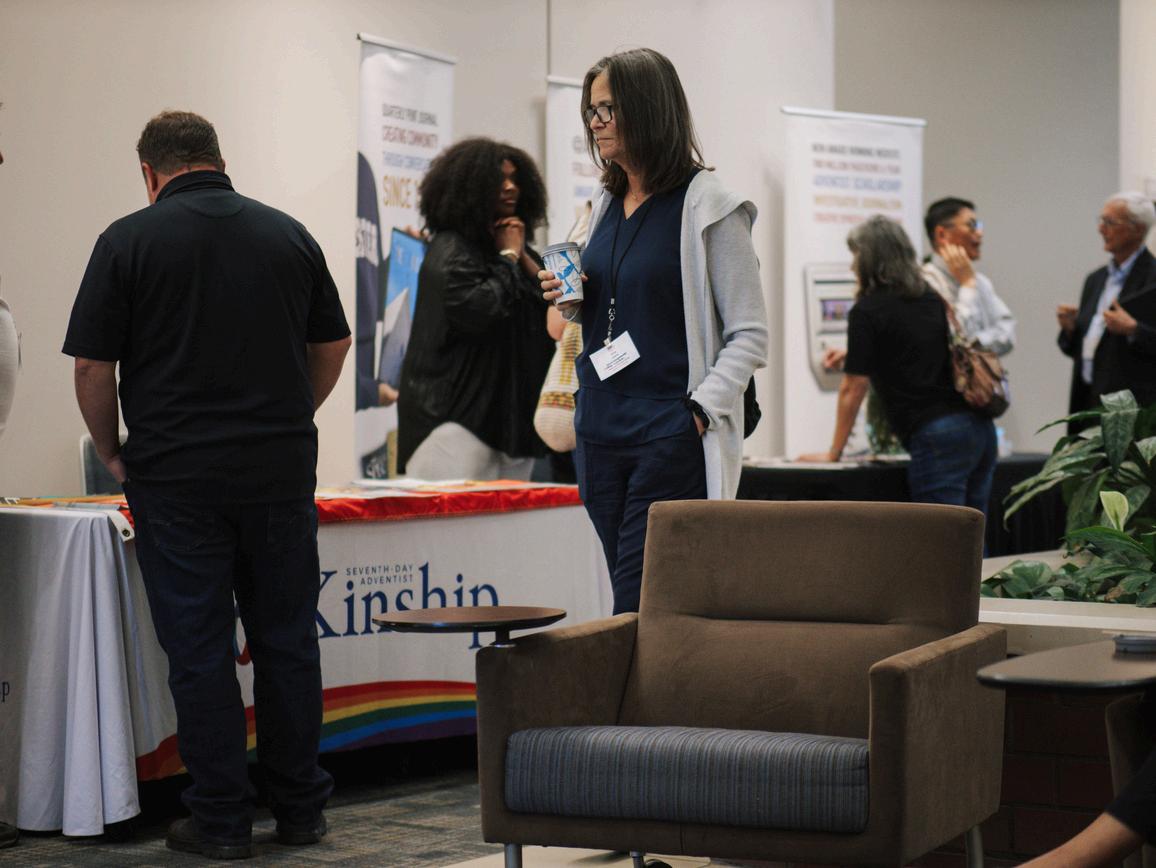
Thank you to these intrepid Summit Exhibitors: Adventist Peace Fellowship
Adventist Today
SDA Kinship International
Renewed Heart Ministries SPECTRUM
Your presence was felt and appreciated. Collaborating is shared joy.