


“Artificial
intelligence, just like any other tool, must serve the collective good and avoid deepening inequality or injustice, or compromise health and safety.”

The Teamsters are no strangers to new technologies which shape our world and change the way we work. Our very logo is a reminder that our predecessors once relied on horse-drawn carriages to complete deliveries.
Just as we have not advocated returning to horses, we now appreciate new tools which can benefit workers and society when used for that aim.
Artificial intelligence, just like any other tool, must serve the collective good and avoid deepening inequality or injustice, or compromise health and safety. We must make sure that governments, employers and unions work together to protect all Canadians from any misuse of this technology.
The following report is a summary of the core issues at hand, with the rapid rise of Artificial intelligence, to help inform and guide our Locals and our members.
What is AI?
Artificial intelligence is the latest development in computer technology utilising vast data sets to make complex decisions at high speeds. This type of computing has been around for decades, however the ability for machines to learn has been a major recent innovation.
Artificial intelligence is evolving rapidly and often hyped as being the “Fourth Industrial Revolution”. Only time will tell just how broad the impacts will be. In the meantime, we must stay informed and protect ourselves from any misuse of this tool.
What are the benefits that AI can provide?
When properly managed and used for the common good, Artificial Intelligence can help us solve some of humanity’s biggest challenges. For instance, these datasets and algorithms can help in the field of healthcare by improving diagnosis precision and finding better treatments for diseases such as cancer

“Some labour unions have also utilised it carefully to create chat bots that provide members with answers about their basic rights instantly”

It is also being studied for helping find more sustainable practices to help fight against climate change for instance, by predicting and preventing methane leaks in the oil and gas sector2 .
This tool is incredibly versatile. Some labour unions have also utilised it carefully to create chat bots that provide members with answers about their basic rights instantly3 .
However, it has also become clear that just like with any technology, AI can be used to inflict harm. It can also make mistakes and blindly trusting it as being ‘all knowing’ can lead to disastrous results.
What are the risks of AI for all Canadians?
There are many risks of AI misuse for our society that have been identified:
Risks to privacy4
AI companies rely on collecting and keeping massive amounts of our data which puts people’s privacy at risk.
Increased inequality56
Analysts have warned that the technology could help higher income earners far more, leading to widening income gaps. Analysts also warn against perpetuating inequity ingrained in society against marginalized groups7 .
Fragility of the economy8
Like the dot com bubble, overhyping of AI investments could lead to a financial crash which would put many people out of work. AI technology has attracted so much investment that it has become a significant contributor to annual GDP growth.
Political Disinformation and destructive weapons9
States or political actors can use it to monitor people closely or spread believable disinformation campaigns. It may also fuel an arms race for development of devastating new weapons by private companies or governments.
Deskilling,
Researchers frequently warn about a widespread loss of many technical skills, creativity or critical thinking due to heavy reliance on AI.
Environmental impact10
There are warnings that Data centres are becoming so large that they require massive amounts of energy, produce very large amounts of CO2 and consume a substantial amount of water.
2Růžička, V., Mateo-Garcia, G., Gómez-Chova, L. et al. Semantic segmentation plumes with hyperspectral machine learning models. Sci Rep 13, 19999 (2023). https://doi.org/10.1038/s41598-023-44918-6
3Wright, Becky. “How Are Unions Using AI?” Unions 21, 23 May 2025, https://unions21.org/ideas/all-ideas/how-are-unions-using-ai
4Goth Itoi, Nikki. “Study Exposes Privacy Risks of AI Chatbot Conversations.” Stanford News, 15 Oct. 2025, https://news.stanford.edu/stories/2025/10/ai-chatbot-privacy-concerns-risks-research 5Georgieva, Kristalina. “AI Will Transform the Global Economy. Let’s Make Sure It Benefits Humanity.” IMF, 14 Jan. 2024, https://www.imf.org/en/blogs/articles/2024/01/14/ai-will-transform-the-global-economy-lets-make-sure-it-benefits-humanity
6Bushwick, Sophie, and Dean Visser, editors. “Unregulated AI Will Worsen Inequality, Warns Nobel-Winning Economist Joseph Stiglitz.” Scientific American, 1 Aug. 2023, https://www.scientificamerican.com/article/unregulated-ai-will-worsen-inequality-warns-nobel-winning-economist-joseph-stiglitz/ 7Akselrod, Olga. “How Artificial Intelligence Can Deepen Racial and Economic Inequities.” ACLU, 13 July 2021, https://www.aclu.org/news/privacy-technology/how-artificial-intelligence-can-deepen-racial-and-economic-inequities. 8Stanford, Jim. “Your Job is at Risk from Artificial Intelligence… but not for the Reasons You Think.” Centre for Future Work, 17 Dec. 2025, https://centreforfuturework.ca/2025/12/17/your-job-is-at-risk-from-artificial-intelligence-but-not-for-the-reasons-you-think/ 9“International AI Safety Report 2026” (DSIT 2026/001, 2026); https://internationalaisafetyreport.org 10Alex Chen, “A.I. Is on the Rise, and So Is the Environmental Impact of the Data Centers That Drive It,” Smithsonian Magazine, September 28, 2025, https://www.smithsonianmag.com/science-nature/with-ai-on-the-rise-what-will-be-the-environmental-impacts-of-data-centers-180987379/
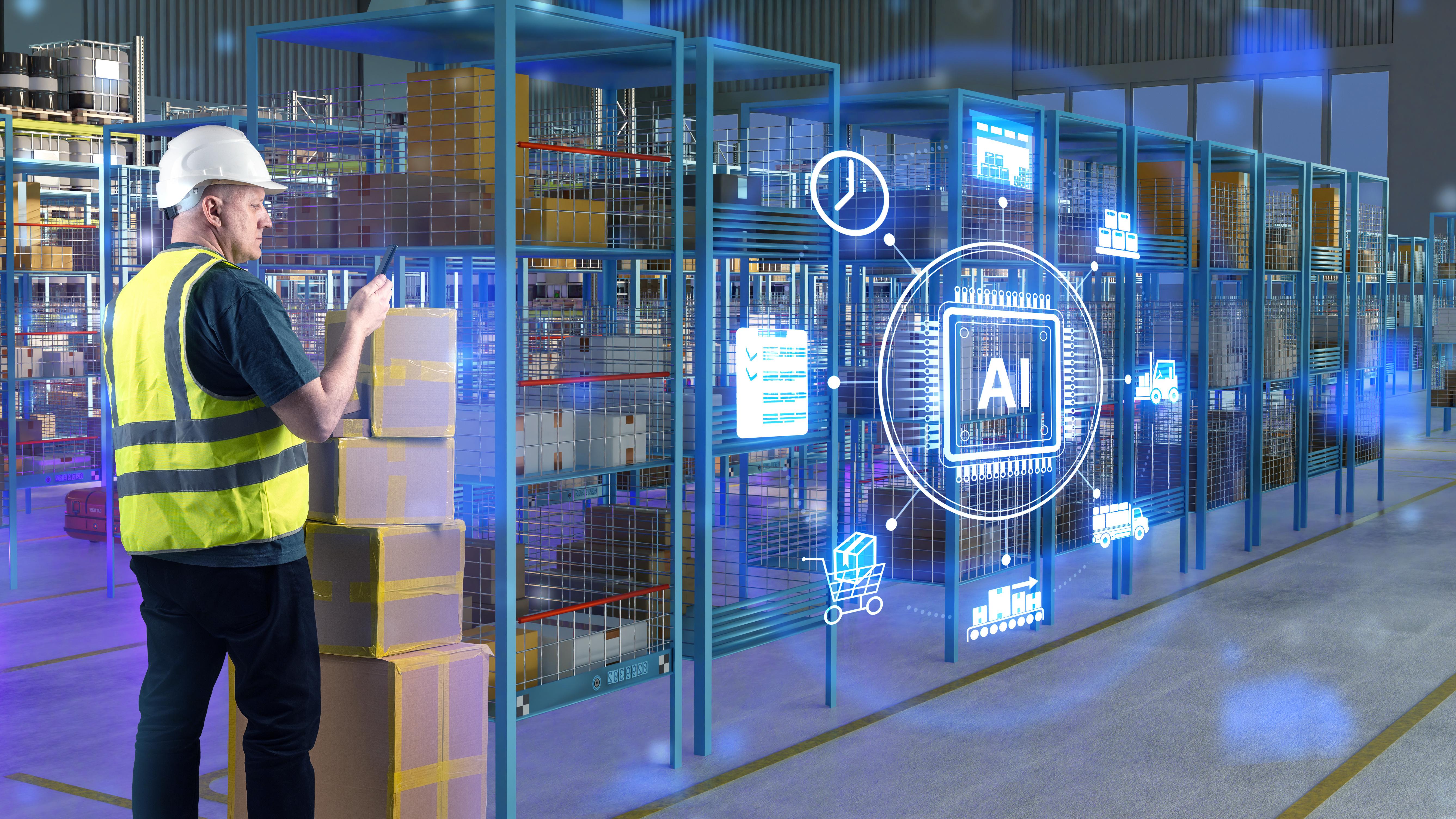
“As of writing this report, there are still no binding laws or policy guidelines governing the development or use of AI in Canada.”
Are governments doing anything to protect the public?
Very limited progress has been made in Canada so far. One attempt at establishing some regulations in Canada was made under Bill C-27, however it was not passed before former Prime Minister Trudeau resigned and prorogued parliament.
In June 2026, the Carney government released its AI for All strategy, outlining plans to invest billions of dollars in AI development and adoption. While the government acknowledges that many Canadians have low trust in AI, it gives limited attention to the risks associated with the technology and has so far not announced substantial concrete measures to ensure transparency or protect workers. As of writing this report, there are still no binding laws or policy guidelines governing the development or use of AI in Canada.
The European Union, by contrast, has enacted comprehensive regulations that impose requirements for transparency and human oversight of AI systems. Certain categories of “high-risk” AI have even been outright banned.
8 types of “unacceptable risk” AI systems are now banned in the EU.
2026
In August 2026, a new code of conduct in the European Union will require the labeling of all ‘DEEPFAKE’ images or videos as AI generated.
“Employers