

















10
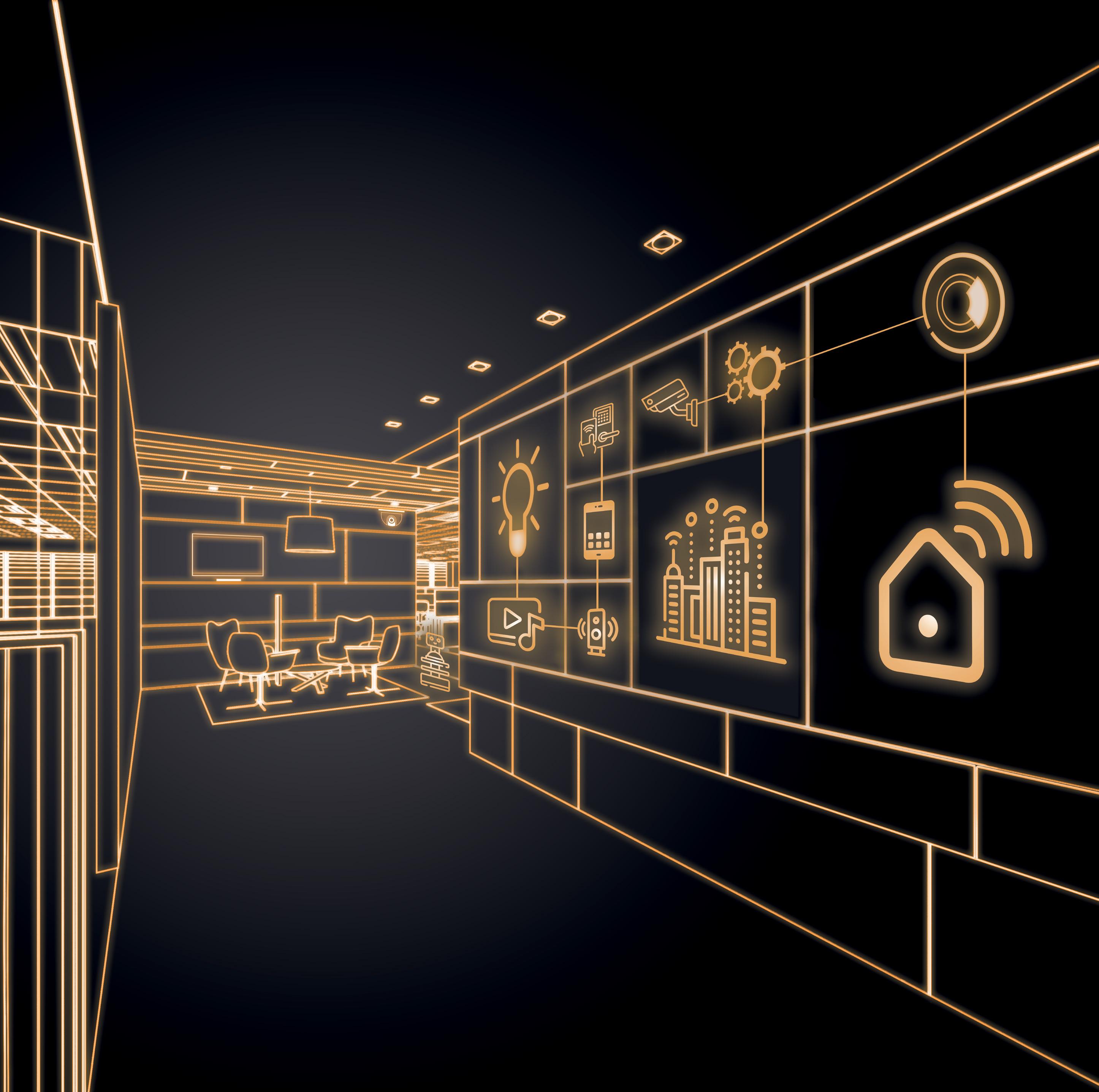
How is technology becoming virtually invisible in today’s luxury homes? This cover story on `Smart Luxury: The Rise of Invisible Technology’ brings together perspectives from leading architects, interior designers, technology consultants, and system integrators to examine the growing demand for discreet automation. Discover how hidden speakers, concealed lighting, integrated control systems, and other invisible technologies are redefining modern homes.
Explore the latest generation of Smart Switches and Control Panels that are transforming the way users interact with connected homes. This feature showcases innovative products from leading brands while industry experts discuss emerging technologies, evolving design trends, AI-driven interfaces, and the future of smart home control.
28 54 78 67 81
Alex Foxon, International Product Ambassador, DALI, shares the brand’s approach to acoustic engineering, product innovation, and holistic loudspeaker design. He also discusses emerging trends and the technologies shaping the future of high-performance residential audio.
Laurent Roussel, SVP Commercial Channel, Schneider Electric Home Solutions, discusses how the integration of SpaceLogic KNX with Samsung SmartThings is
bringing together professional building automation and consumer smart home ecosystems.
Step inside India’s first Casambi Experience Centre to see how lighting, KNX, and AV systems have been unified on a single intelligent platform, creating a seamless, intuitive, and highly scalable smart building experience.
At The Governor House in Amritsar, Karan Singh of The Otimizar Automation Studio by Gokal Chand demonstrates how intelligent lighting and automation can seamlessly enhance a heritage-inspired hospitality experience, blending colonial charm with modern control.
Raimondo Salandra, Business Line Leader, Home Solutions, ABB Smart Buildings writes, on Why will renovation projects drive the next phase of smart home adoption? He shares two real-world projects in which smart automation has been seamlessly incorporated into existing homes to improve comfort, efficiency, and everyday living.
The latest product launches, technology innovations, industry developments, and market updates from the world of smart homes, intelligent lighting, home automation, and connected living.







Welcome to another edition of Smart Home World, where we explore the ideas, technologies, and projects shaping the future of connected living.
Technology in luxury homes is undergoing a subtle transformation. Today’s most sophisticated smart homes are no longer defined by visible gadgets or complex interfaces, but by experiences that feel effortless. Automation is becoming increasingly discreet, blending seamlessly into architecture and interiors. Our cover story, Smart Luxury: The Rise of Invisible Technology, brings together architects, interior designers, technology consultants, and system integrators to explore how concealed speakers, hidden lighting, integrated controls, and invisible technologies are redefining luxury living.
Continuing this theme, our Feature Story spotlights the latest generation of smart switches and control panels. As AI, personalisation, and elegant design reshape how homeowners interact with their spaces, industry experts and leading brands share the innovations driving the next evolution of smart home control.
This issue also features conversations with industry leaders. Alex Foxon of DALI discusses the brand’s approach to loudspeaker design, acoustic engineering, and the future of premium residential audio, while Laurent Roussel of Schneider Electric Home Solutions explains how the integration of SpaceLogic KNX with Samsung SmartThings is bringing professional building automation and consumer smart home ecosystems closer together.
Our case studies showcase technology in action. We take you inside India’s first Casambi Experience Centre, where lighting, KNX, and AV systems operate on a unified intelligent platform, and visit The Governor House in Amritsar to see how automation enhances a heritage-inspired hospitality environment while preserving its character.
Rounding off this edition, Raimondo Salandra of ABB Smart Buildings explores why renovation projects will drive the next phase of smart home adoption, supported by real-world examples of intelligent automation in existing homes.
We hope this edition offers fresh perspectives, practical insights, and inspiration for everyone involved in creating smarter, more intuitive living spaces. Happy reading!
Chief Editor: Swati Balgi swati@smarthomeworld.in
Assistant Manager - Sales: Monika Agnihotri monika@smarthomeexpo.in


Marketing Head: Sandeep Singh sandeep@smarthomeworld.in
Tech Journalist: Sunny Sawant sunny@smarthomeworld.in
For More Information Contact Us: +91 81690 58048
Published by: WORLD MEDIA & EXPO LLP.
Ecostar, 603, Vishveshwar Nagar Road, Churi Wadi, Goregaon (East) Mumbai, Maharashtra 400063
Episode Business Music Solution (EBMS) brings trusted Episode sound to a wider range of projects, offering an extensive catalog of professional audio solutions. Designed for commercial environments, EBMS provides a full line of DSPs, amplifiers, mix-amps, wall plates, and more to help create a cohesive audio system.
EBMS DSPs are MoIP-enabled for the distribution of AV content to multiple sources, resulting in a scalable and versatile audio solution for your clients Additionally, OvrC enables simplified management by allowing multiple devices to be configured from a single, user-friendly platform.
Ideal for:
• Hospitality venues Fitness centers & studios
• Wellness spaces (spas, saunas, etc.)
• Retail stores
• Office & coworking environments
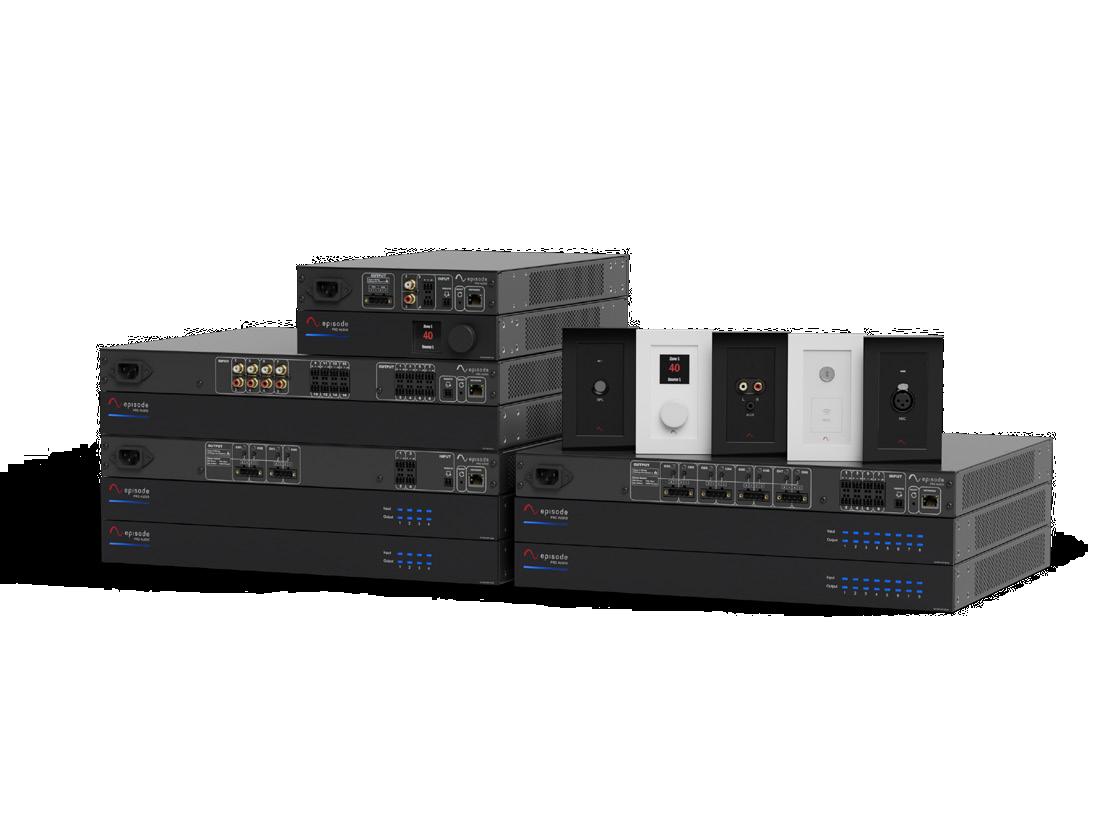

Episode Pro rethinks the commercial audio experience to deliver a best-in-class system for the most discerning customers. Episode Pro Audio products offer exceptional sound quality tailored for a wide range of commercial environments, from retail to hospitality.
With unmatched reliability, clear sound, scalable solutions, and seamless integration, Episode Pro Audio makes it easy to meet the specific needs of any space.
Mahkam Poorviaum Ventures Pvt Ltd #11, Global Heights, 8th Cross, Vijaya Bank Colony Banaswadi, Bangalore – 560043 Karnataka, India
Contact our team: +91 95780 72459
Emails: order@m2msmarthome.com




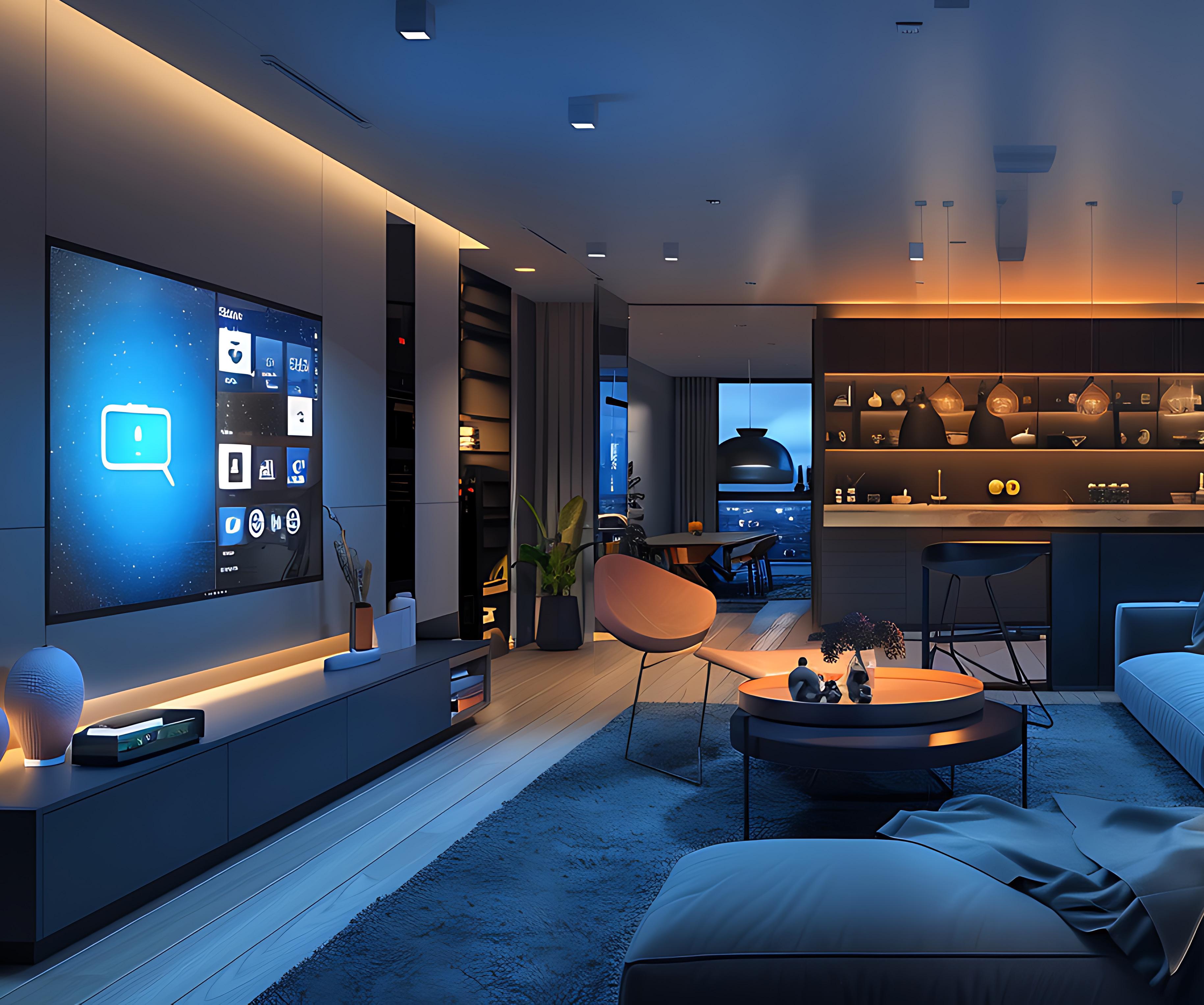
Smart Home World speaks with leading architects, interior designers, technology consultants, and system integrators to explore how invisible technology is transforming luxury homes. These experts share their experiences, insights, and perspectives on creating seamless, intelligent living environments where technology blends effortlessly into design.
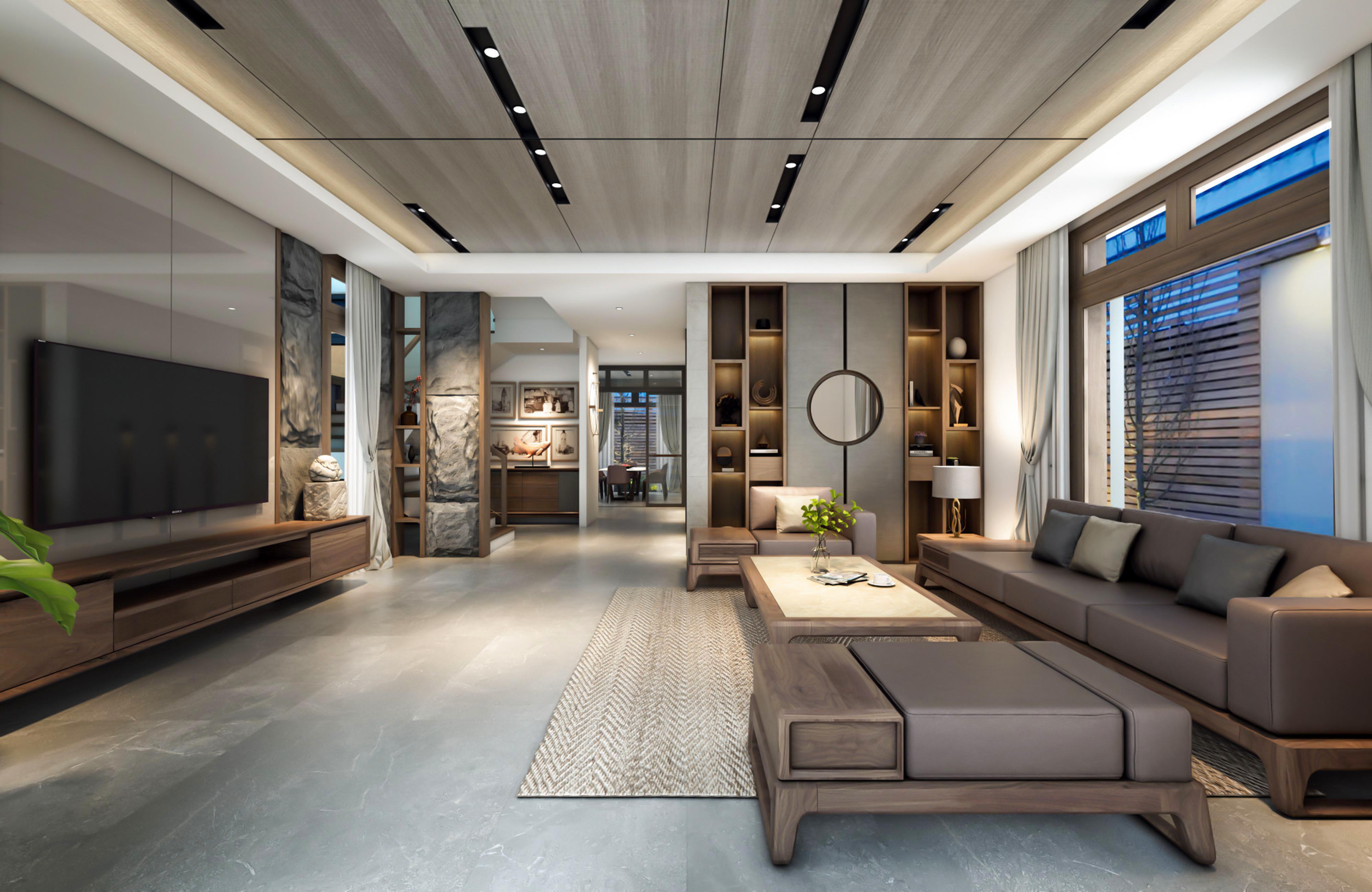
There was a time when technology was expected to make a statement. Touch panels occupied prime wall space, speakers were showcased as design objects, and equipment racks became visible symbols of a sophisticated smart home. Today, however, the priorities and preferences have shifted dramatically. In the luxury residential segment, the most advanced technology is often the invisible technology.
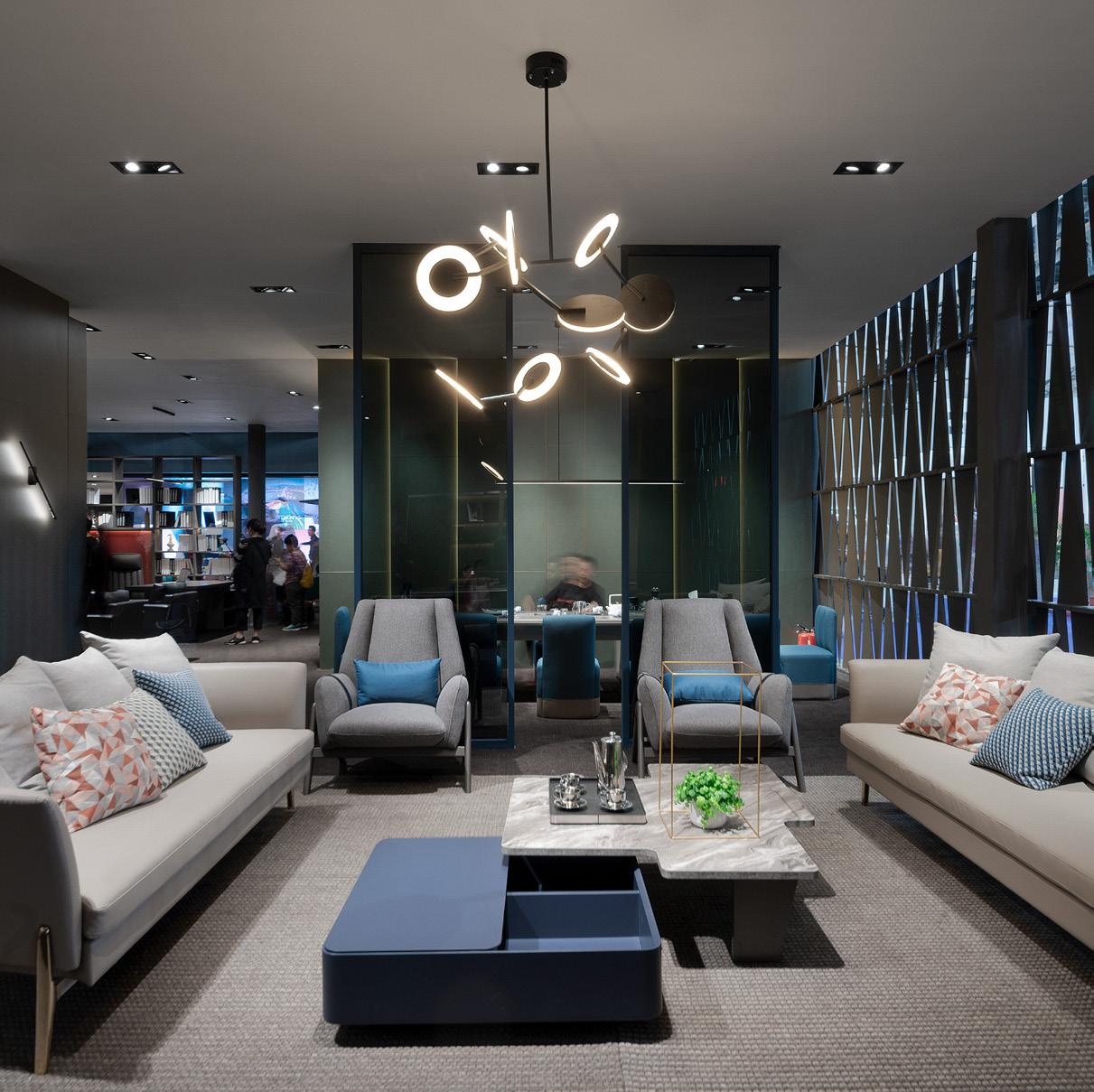
As architects, interior designers, developers, and system integrators work more closely than ever before, a new design language is emerging, one where technology is woven into the fabric of a home rather than added to it. Lighting is concealed within architectural details, audio systems vanish into walls and ceilings, climate control operates without visible interfaces, and automation anticipates needs without demanding attention.
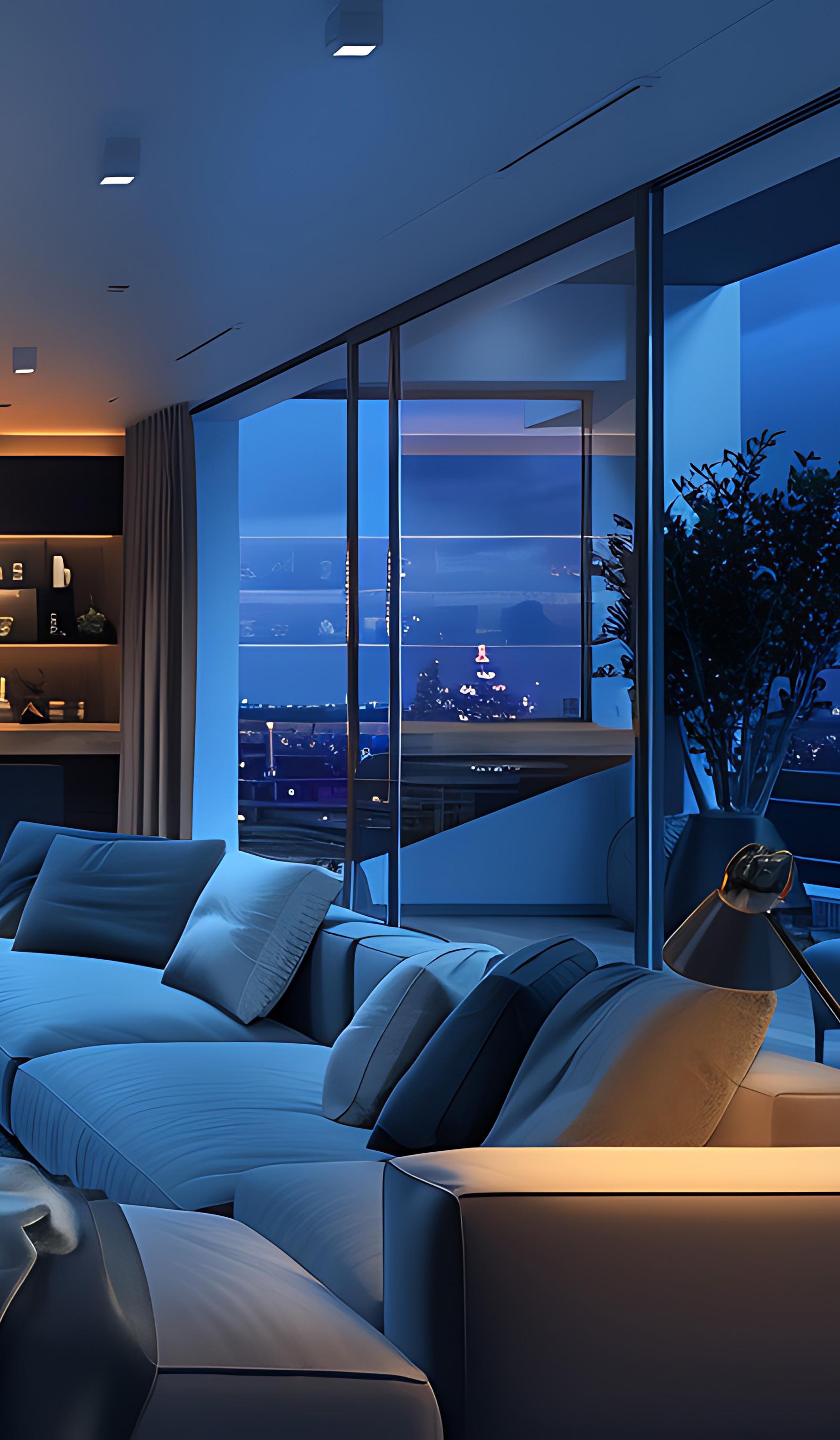
This evolution is being driven not only by advances in technology but also by changing homeowner expectations. Affluent clients are increasingly prioritising calm, uncluttered environments that deliver exceptional experiences without compromising aesthetics. They want spaces that feel warm and human rather than overtly digital. The goal is no longer to showcase technology; it is to create environments where comfort, wellness, entertainment, and convenience happen effortlessly in the background.
For the industry, this shift is redefining project planning and collaboration. Technology decisions are now being made much earlier in the design process, requiring architects, interior designers, lighting consultants, and system integrators to work together from the concept stage. The success of an
invisible technology strategy often depends as much on design coordination as it does on technological innovation.
The trend is also influencing product development across the residential technology sector. Manufacturers are increasingly designing solutions that complement architectural intent rather than compete with it. Invisible speakers, flush-mounted controls, concealed motorised shading, integrated lighting systems, hidden displays, and sensordriven automation are becoming standard requirements in premium residential projects.
Artificial intelligence is accelerating this transition even further. Instead of requiring homeowners to manage multiple apps, interfaces, and controls, AI-powered systems are enabling homes to understand preferences, predict routines, and automate experiences. The result is a more intuitive relationship between occupants and their living spaces, where technology quietly adapts to lifestyle patterns in real time.
This movement also reflects a broader change in the definition of luxury itself. Historically associated with visible opulence, luxury is increasingly being defined by simplicity, personalisation, and seamless experiences. The modern luxury homeowner values thoughtful integration over technological excess, favouring solutions that preserve architectural purity while delivering exceptional functionality.
To explore the rise of invisible technology, Smart Home World spoke with architects, designers, technology consultants, and system integrators about their experiences, challenges, and perspectives on creating seamless, experience-driven smart homes.

What types of invisible technologies, such as hidden audio systems, concealed control interfaces, motorised solutions, or integrated lighting, are you increasingly incorporating into your projects, and why?
We at CasaDigi are always working to create an evolving, seamless, efficient ecosystem for homes where residents never have to worry about managing their systems like lighting, climate, audio and security, because their CasaDigi ecosystem has already taken care of it.
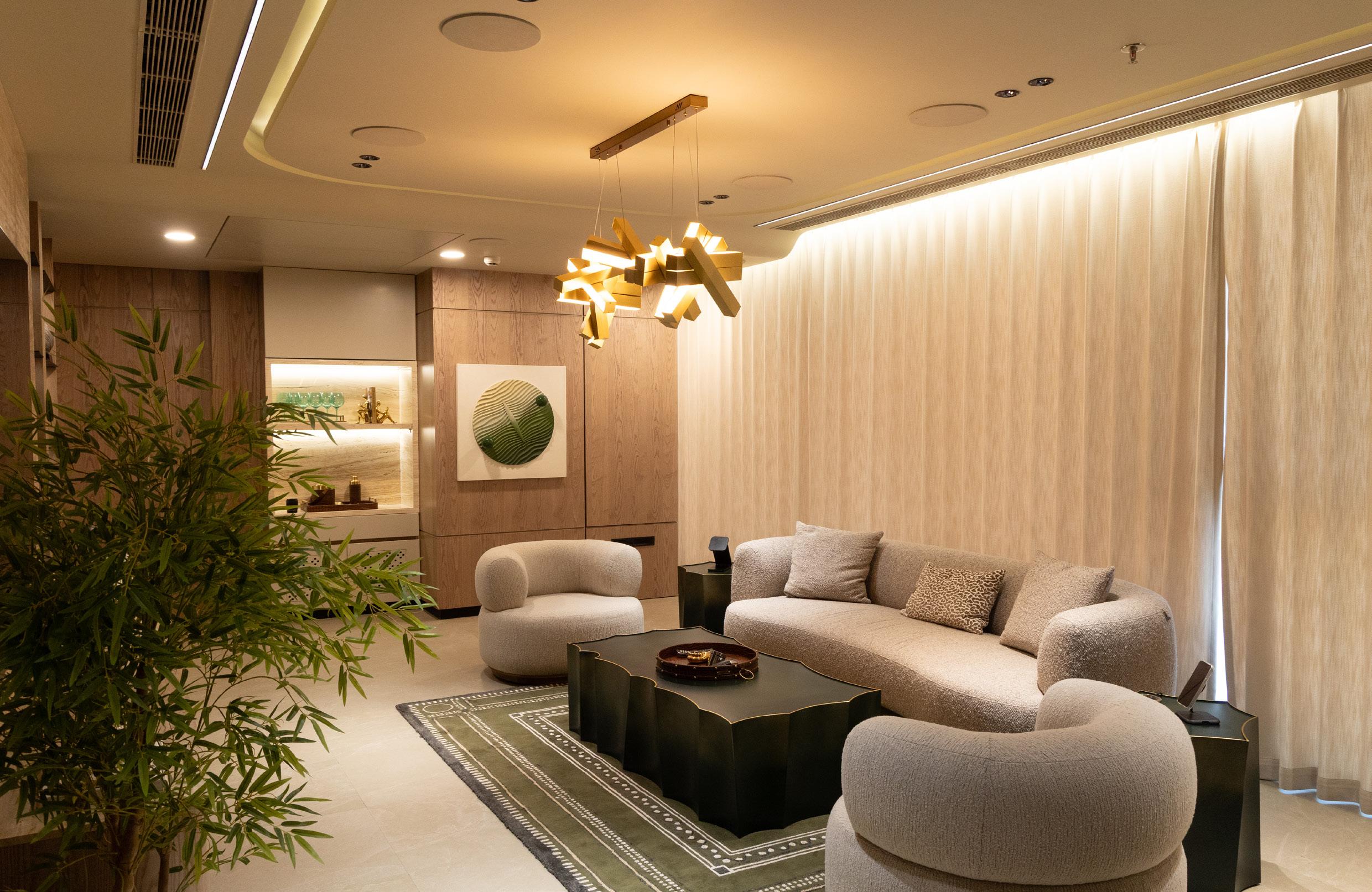
Every project is built around that standard. The technologies we incorporate most consistently are the ones that earn their place by concealing entirely. In our homes, audio systems are fully concealed, embedded in ceilings, walls, and structural elements, with no visible hardware.
Then there are what we call scenes — a precise record of every environmental setting a resident prefers at a given moment. A particular lighting intensity and colour temperature, curtains at a specific opacity, climate at a set degree, and music at a chosen volume. Once saved, the home automates the scene, every time, with a single command. The same scene is reactivated.
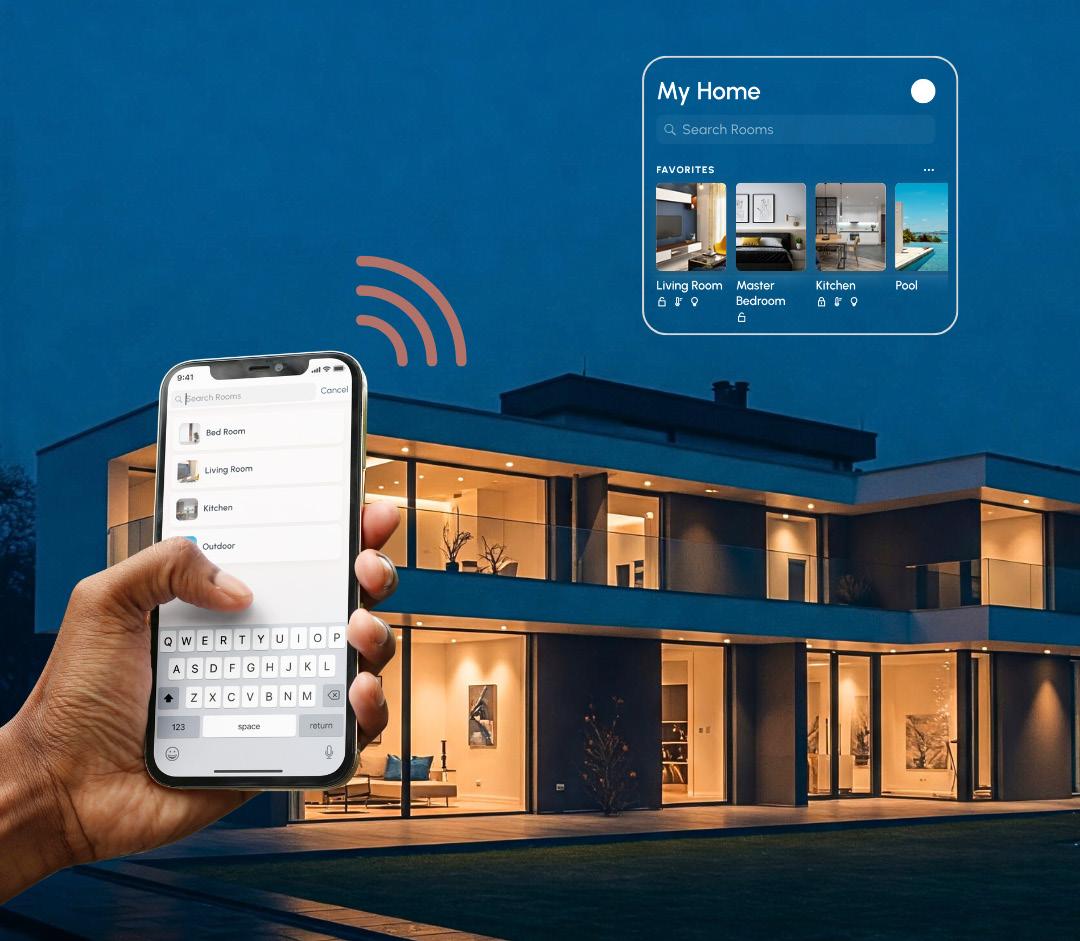
What ties all of this together is unified control. Every system, lighting, climate, audio, security,
access, and entertainment runs through one interface. No separate applications for each element, no panels or switching between systems. The reason this matters is straightforward: managing multiple devices across a home creates a low-level friction that sits beneath daily life. With CasaDigi, every system works in coordination, without demanding oversight.
What innovations from your portfolio best demonstrate how technology can disappear into the background while delivering a premium smart home experience?
The innovations that matter most to me are those in which a resident walks in, the scene is already set, and there is no visible trace of the system that made it so.
The butler module is an example. Through the same interface that controls a home’s lighting and climate, a resident can communicate
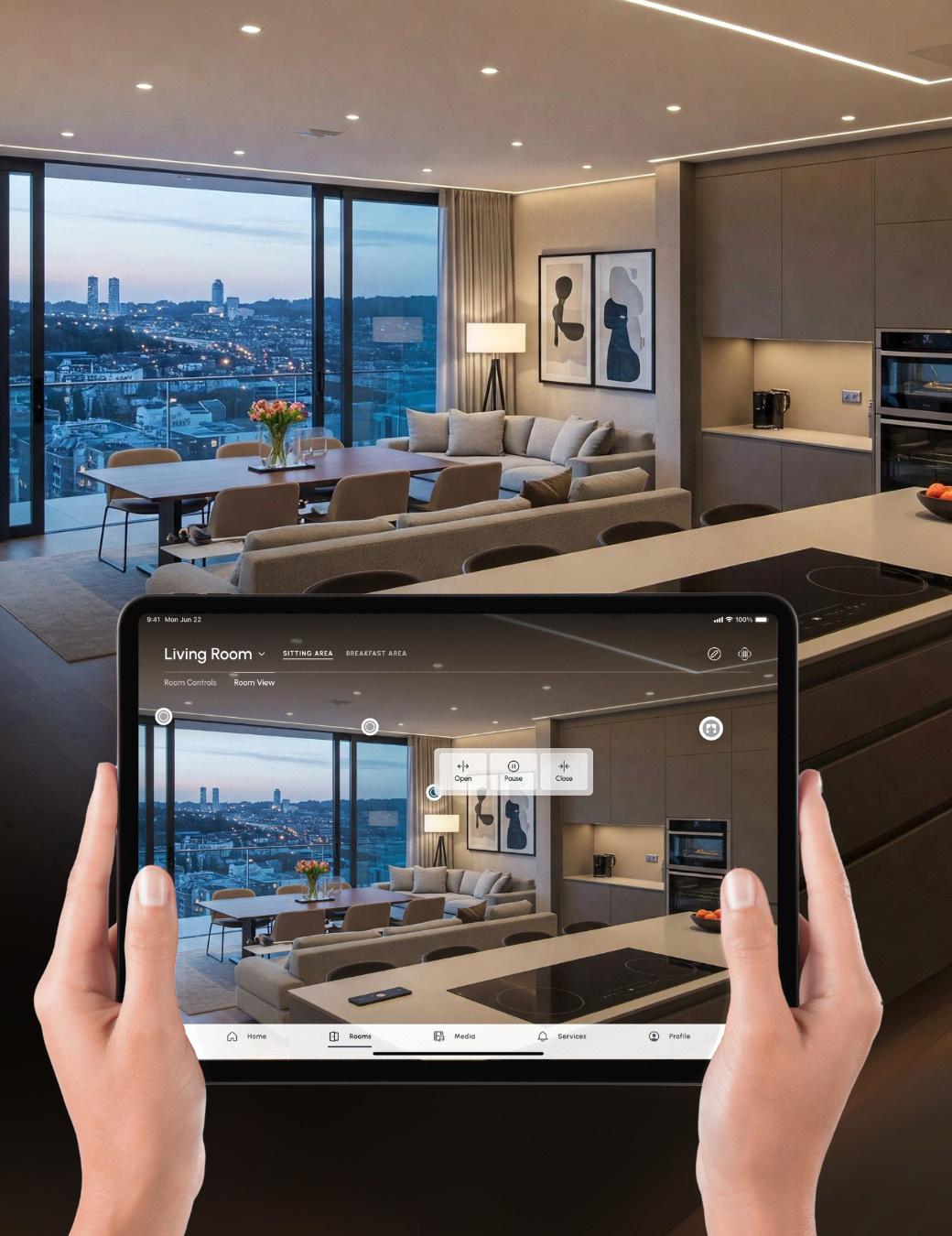
directly with household staff, set morning preferences, send instructions, and manage requests throughout the day. If the user wants coffee at a specific temperature when they wake up, it’s noted, communicated, and executed. If a resident finds a recipe online and wants it cooked, they send the link directly to the butler through the app; no separate system or conversation needed. The dish is initiated, prepared to their preferred specifications, and ready to be served at exactly the time the user wants. Everything is executed seamlessly through one platform.
What I find most significant about this is what it represents at a deeper level. For over a decade, we’ve been learning what people actually need from their homes, not what they say they need, but what makes daily life feel supported, and CasaDigi takes care of a multigenerational home.
Another example is what happens when a resident leaves their space for the day. The home registers the absence — systems power down, room service is notified, the space is cleaned and reset to their preferred scene.
By the time the resident returns, the right temperature is set, the mood light is on, and everything is prepared seamlessly.
This is what premium luxury in the background actually looks like. Not features that impress when demonstrated, but a system that holds a person’s preferences and acts on them consistently, every day.

Mohit Dangayach Consultant-Director, SIGMAC CONCEPTS LLP
What types of invisible technologies, such as hidden audio systems, concealed control interfaces, motorised solutions, or integrated lighting, are you increasingly incorporating into your projects, and why?
The demand for invisible technology is certainly growing in the luxury residential segment, although it is still largely limited to niche projects where design and aesthetics are given significant importance. The strongest trend we are seeing today is in audio. Homeowners want an immersive entertainment experience but do not necessarily want large speakers occupying valuable visual space within carefully designed interiors.
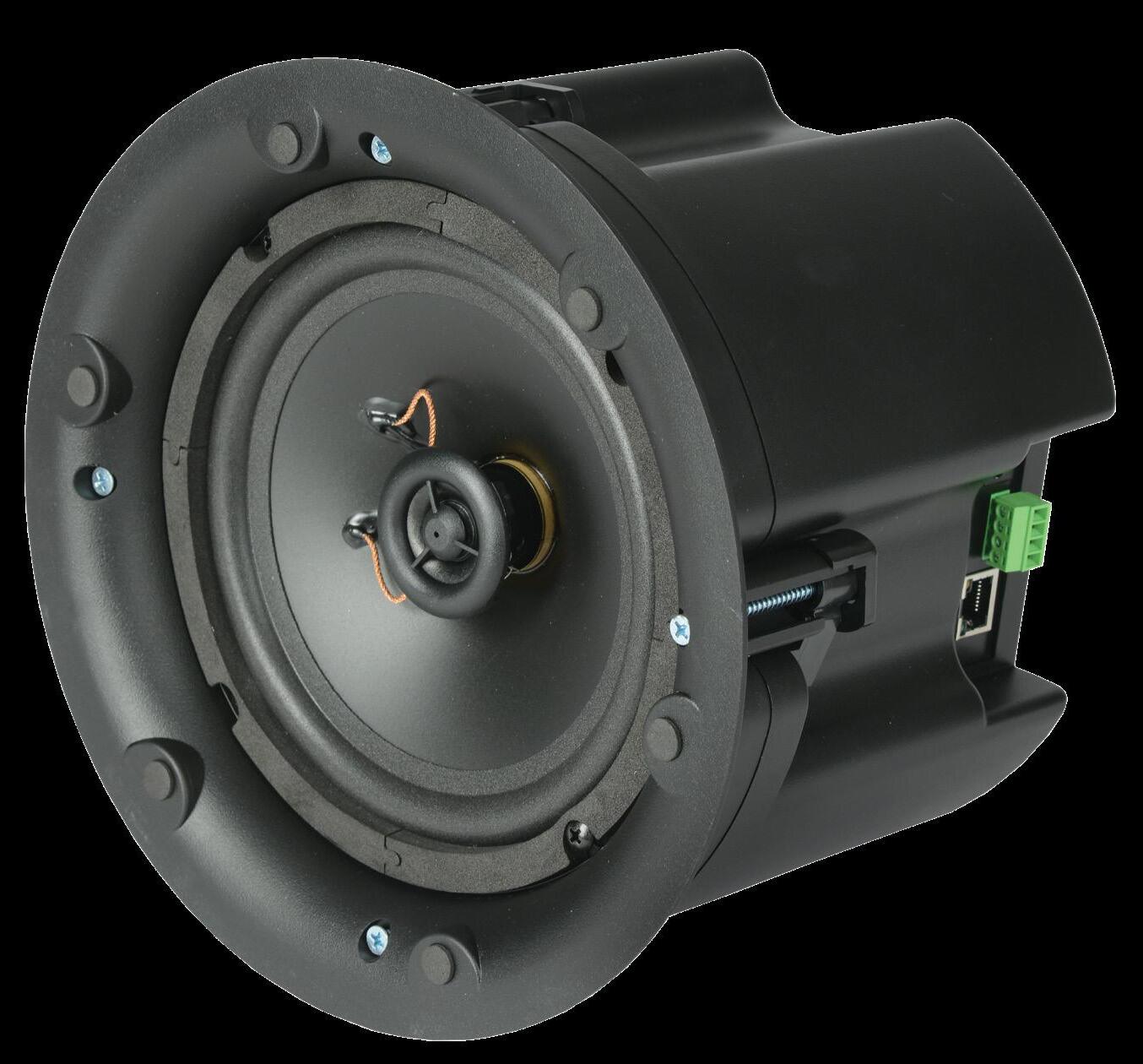
As a result, we are increasingly incorporating in-wall and in-ceiling speakers with paintable, trimless grilles that blend seamlessly.
What innovations from your portfolio best demonstrate how technology can disappear into the background while delivering a premium smart home experience?
Some of our most successful projects have been those where homeowners and designers wanted technology to be felt rather than seen. One such example was a large luxury residence where the brief was to create a fully connected smart home without introducing visible technology clutter into the living spaces.
The entire audio system was integrated using trimless in-ceiling and in-wall speakers with paintable grilles, allowing the speakers to blend into the surrounding surfaces. Lighting automation was controlled through elegant engraved keypads designed to complement
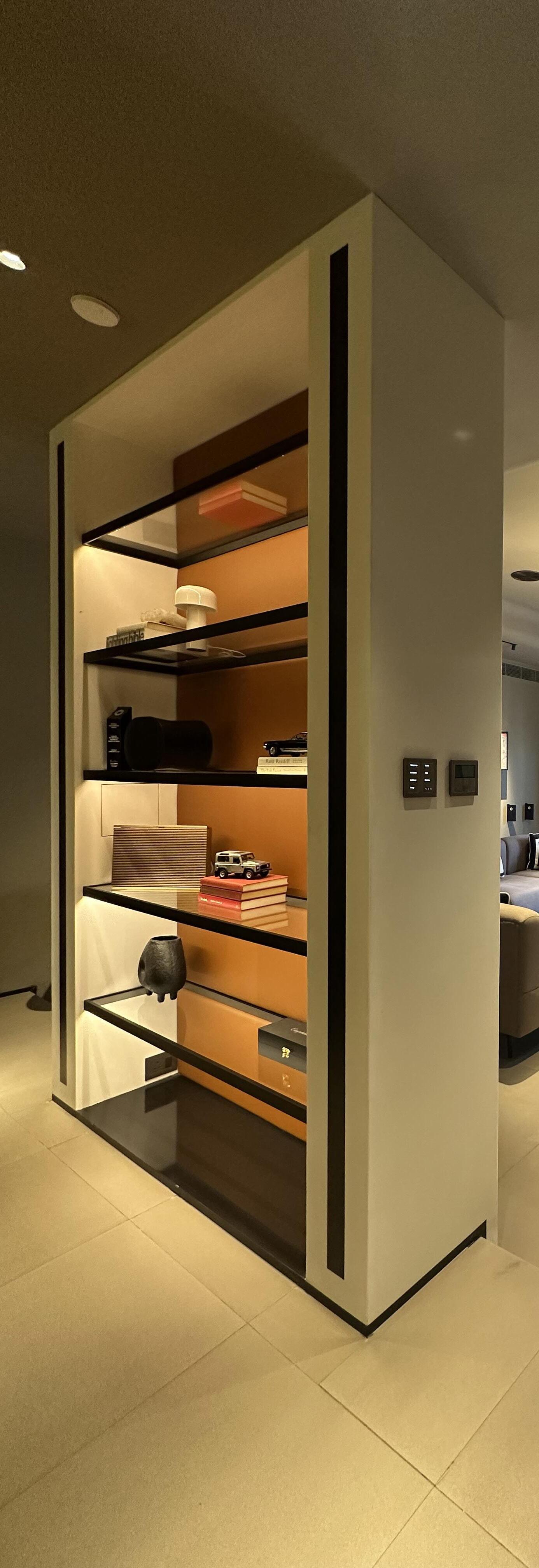
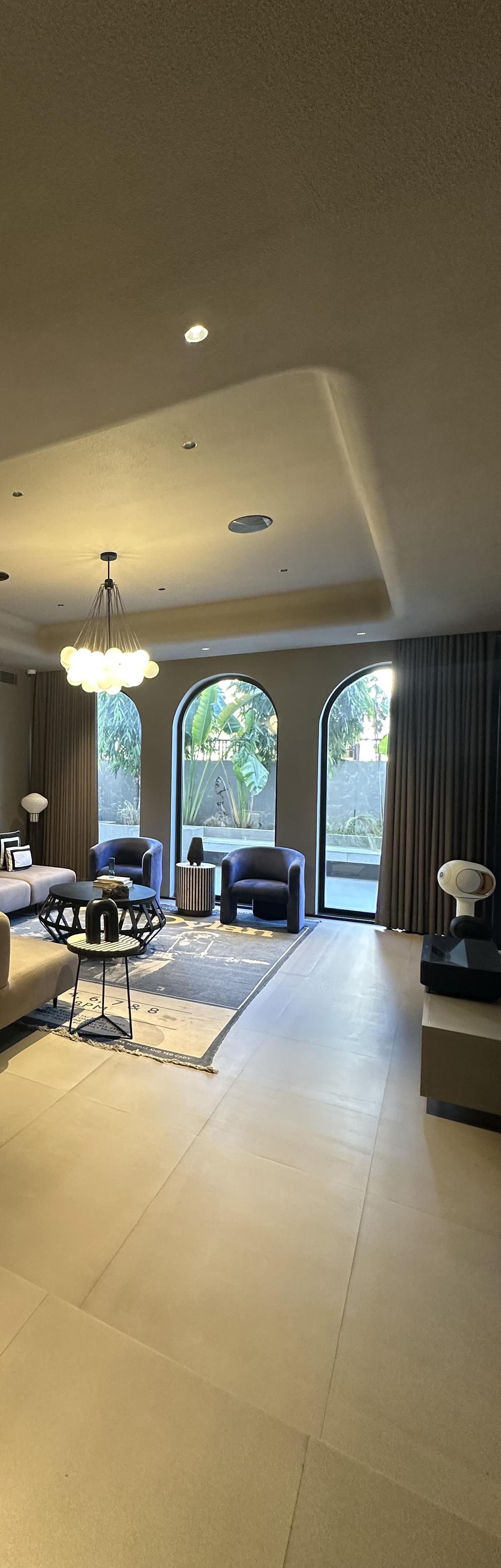
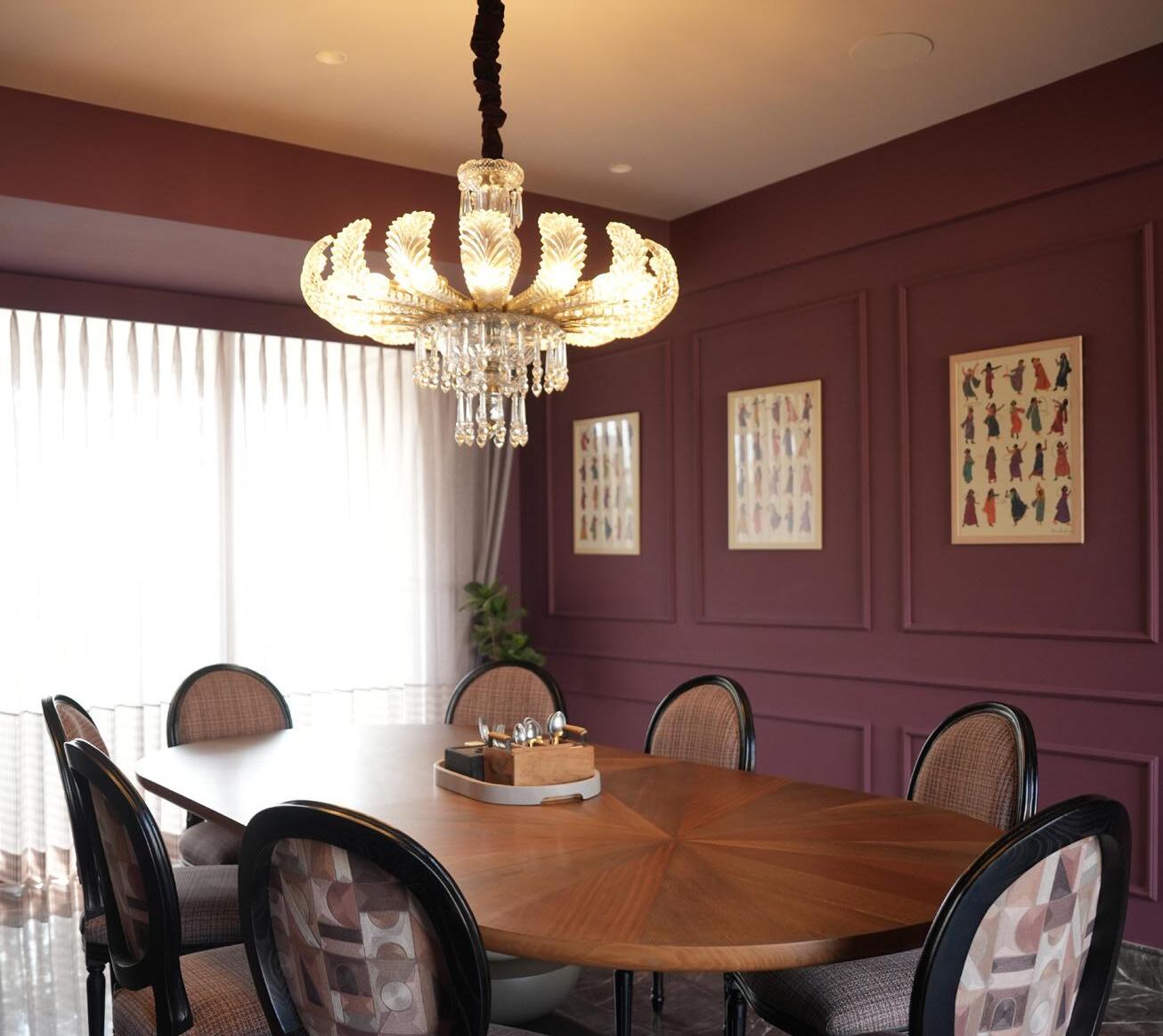
the interior finishes, while centralised equipment racks housed all major electronics in dedicated technical spaces away from the living areas. Motorised shading systems were seamlessly integrated into the architecture, preserving clean lines and uncluttered windows.
The result was a home that delivered premium audio, lighting, climate, and automation experiences while allowing the architecture and interiors to remain the focal point. Guests could enjoy the benefits of technology without being constantly reminded of its presence.
At the same time, our philosophy has always been that invisible technology should not compromise usability or future maintenance. While there is significant interest in completely hidden solutions, we carefully evaluate long-term serviceability and user experience before recommending them. For example, concealed audio behind acoustically transparent fabrics often provides a more practical balance between aesthetics and accessibility than solutions permanently hidden behind structural surfaces.
Looking ahead, I believe the future of luxury smart homes lies in making technology simpler rather than more complex. Audio, lighting, controls, and automation systems will increasingly become part of the home’s architecture itself. The ultimate measure of success will not be how much technology a home contains, but how effortlessly it enhances everyday living. When executed correctly, technology becomes an invisible layer that supports the lifestyle of the homeowner while remaining almost entirely in the background.

Smirati Bhatnagar
Assistant Director, Design Forum International
As luxury homes increasingly embrace invisible technology, how has your approach to design evolved to seamlessly integrate smart systems without compromising aesthetics?
The paradigm shift in luxury residential architecture lies in treating technology as a foundational element of the design narrative right from inception, rather than an afterthought to be accommodated later. In high-end homes, every element carries visual responsibility. A switch, sensor, speaker, camera, lighting control, access panel, or automation device can either quietly support the spatial experience or completely disrupt the visual language of a room.
Our approach at Design Forum International has evolved toward a conscious integration. When smart systems are understood at the conceptual stage, they can be meticulously planned into the architecture, ceiling profiles, wall panelling, lighting design, joinery, and material detailing to enhance the user experience in a space. Consequently, they no longer appear as forced, retrofitted additions; they become an organic part of the space’s rhythm, proportion, and detailing.
True luxury today is not about an ostentatious display of gadgets. It is about making life effortless without making technology visually dominant. The user should experience impeccable comfort, control, security, mood lighting, climate responsiveness, and convenience, but the systems that enable these experiences must remain discreet.
Invisible technology is not about hiding devices at the eleventh hour, but it is about designing with absolute awareness. It requires architects, interior designers, lighting consultants, automation teams, and MEP engineers to collaborate early. When done well, technology doesn’t compete with design; it enhances the choreography of the home while allowing the architecture to remain calm, refined, and timeless.
In your view, why is discreet and design-led technology becoming a defining element of modern luxury living, and what are homeowners seeking from these solutions today?
Discreet, design-led technology is becoming the hallmark of modern luxury because true luxury and good technology ultimately share the exact same objective: to make life easier, more comfortable, and entirely frictionless.
Luxury is no longer defined by overt grandeur or visible opulence. It is increasingly measured by the quality of the daily, lived experience. A home that intuitively understands your lifestyle, responds to your physiological needs, shifts moods seamlessly, offers comfort at a touch, and quietly supports your routine feels far more luxurious than one where hardware is constantly intrusive.
Today, discerning homeowners are looking for solutions that simplify life without complicating their spaces. They desire intuitive lighting, seamless climate control, robust security, bespoke entertainment, and high energy efficiency, but they vehemently reject a home that looks mechanical or clinical. The technology must be felt in the experience, not seen as a distraction. Homeowners are
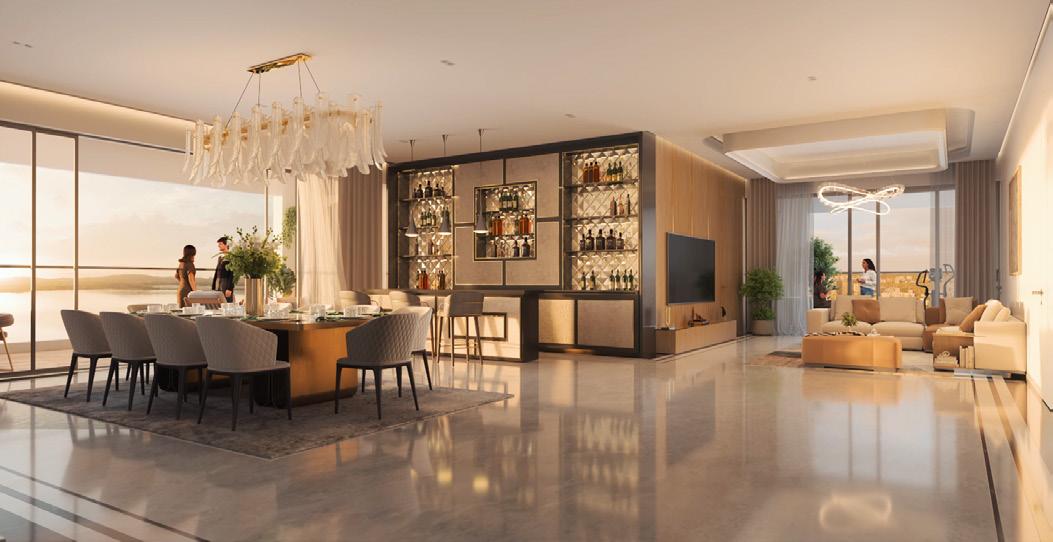
seeking a sense of ease; they want spaces that are highly intelligent but not intimidating, advanced yet deeply human. For me, that is the core of “Smart Luxury.” It is about engineering an environment where everything operates beautifully in the background, allowing people to live with more comfort, calm, and control.
Can you share a project where concealed or seamlessly integrated technology enhanced the design narrative and living experience? Please also highlight any products, solutions, or technology partners that played a key role in achieving the desired outcome.
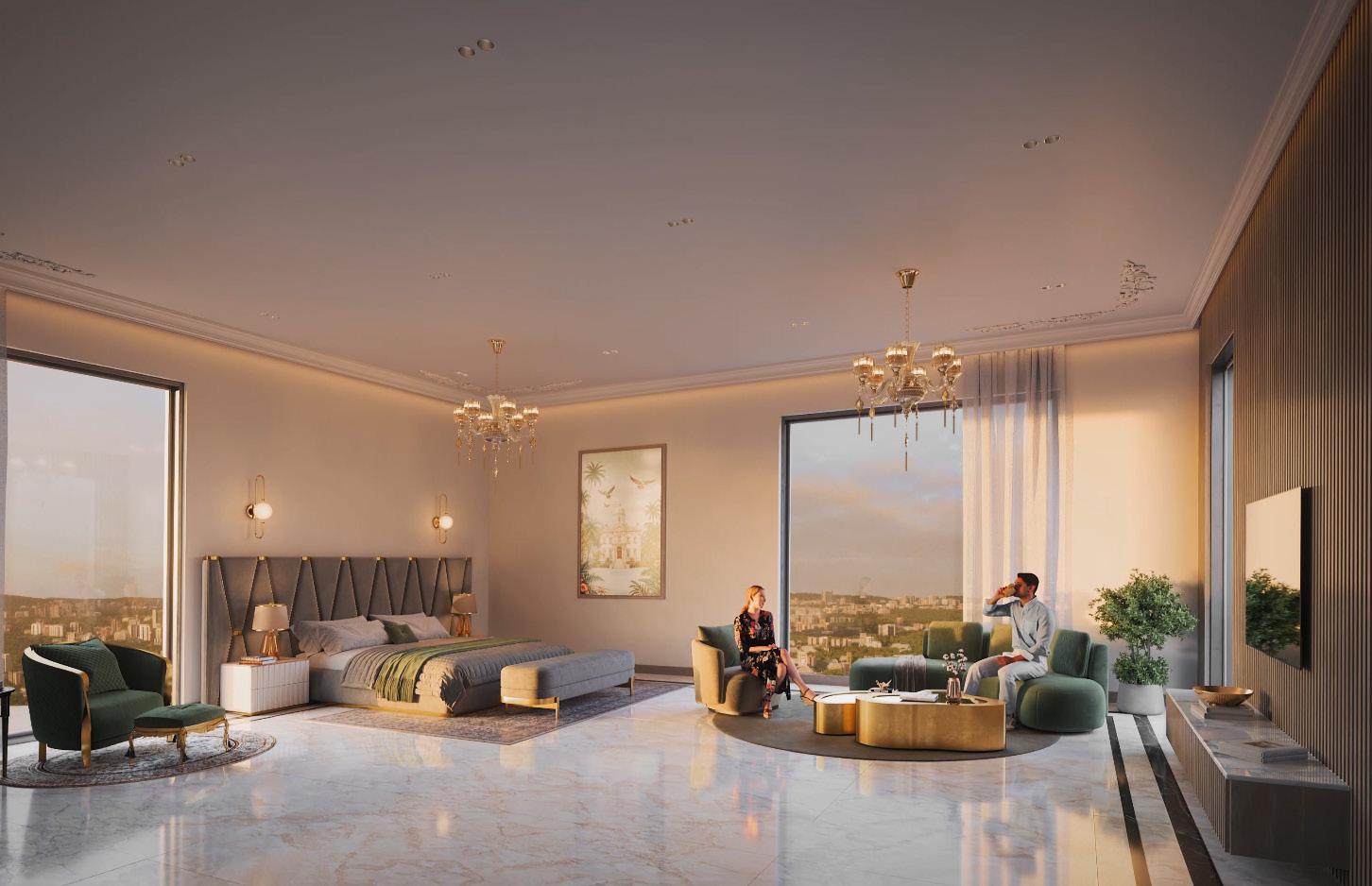
In a recent luxury residential interiors project, our primary intent was to create a calm, refined, hospitality-inspired living environment centred around warmth and understated elegance. It was imperative that technology supported the lifestyle without cluttering the visual field.
From the schematic design stage, we integrated the home automation, lighting controls, motorised curtains, climate control, security systems, and audio solutions directly
into the interior detailing. Control panels were flawlessly aligned with wall panelling and material junctions, sensors and access points were mathematically coordinated with ceiling layouts, and speakers were integrated invisibly. This meticulously planned environment radically transformed the daily living experience. Residents could smoothly transition from a bright, invigorating morning scene to a softer, ambient evening setting, manage privacy, adjust temperatures, and secure the home with zero visual noise.
Achieving this required deep, cross-functional collaboration. Products and solutions, such as integrated lighting control modules, smart climate interfaces, architectural motorised shading, concealed audio systems, and scenebased automation platforms, become truly effective only when designed in tandem with the architecture. When this collaborative synergy happens early, the result is never a technology-heavy house, but rather a graceful, intuitive home where technology strengthens the design narrative by allowing the space to remain elegant, timeless, and fundamentally livable.
Shimona Bhansali Founder & Principal Designer, DesignHex
As luxury homes increasingly embrace invisible technology, how has your approach to design evolved to seamlessly integrate smart systems without compromising aesthetics?
Honestly, the shift for us has been more about unlearning than evolving. There was a period where technology in a home felt like something you had to accommodate. You designed around it, made space for it, sometimes quite literally. You’d feel it.
What we’ve come to understand, and this has really shaped how we work now, is that the best version of any smart system is one that starts from a design intent, not a product catalogue! It changes everything. Before we ask what technology a space needs, we ask what the space is supposed to feel like at seven in the morning, or on a slow Sunday, or when a family comes together for a meal. The answers to those questions are what determine everything else. Light, temperature, sound, and privacy, these aren’t technical categories for us. They’re the conditions of a life being lived well. Technology, when it’s doing its job, helps anchor it altogether.
In your view, why is discreet and design-led technology becoming a defining element of modern luxury living, and what are homeowners seeking from these solutions today?
I think people’s relationship with luxury has genuinely shifted. And it has taken its time. For a long time, and you still see this, luxury
meant more, visibly. More finish, more layers, more visible investment. Technology followed that same instinct. It showed itself. It wanted to be noticed. Which made sense, honestly. When something is new, you want to see it work.
The clients we sit with now aren’t asking what their home can do. They’re asking how it makes them feel. And that’s a completely different conversation to be in. One leads you toward features. The other leads you toward, I don’t know, toward a quality of morning. Toward what it’s like to come home at the end of a hard day.
And technology is actually what’s making that possible now. That’s the shift I find genuinely exciting. It’s not that technology has retreated; it’s that it’s become sophisticated enough to work in the same register as good design. A climate that anticipates rather than reacts. Sound that fills a room the way light does, from everywhere and nowhere. Design and technology are arriving at the same intention together, which is to just make the experience of being home feel effortless.
And the homes that stay with you are the ones where that partnership is working. Where you couldn’t point to anything specific and say, there it is. The light just behaves well. The room is always at the right temperature. There’s an ease to being in the space that you feel before you’ve analysed anything. That ease isn’t accidental. It’s designed. And increasingly, it’s also engineered.
Can you share a project where concealed or seamlessly integrated technology enhanced the design narrative and living experience? Please also highlight any products, solutions, or technology partners that played a key role in achieving the desired outcome.
All for Shaz was a residential project, and it was personal in the way homes usually are when they’re built around one person’s actual life rather than an idea of how someone should live.
The client wanted the home to just work. Not perform, not impress, just work. And that
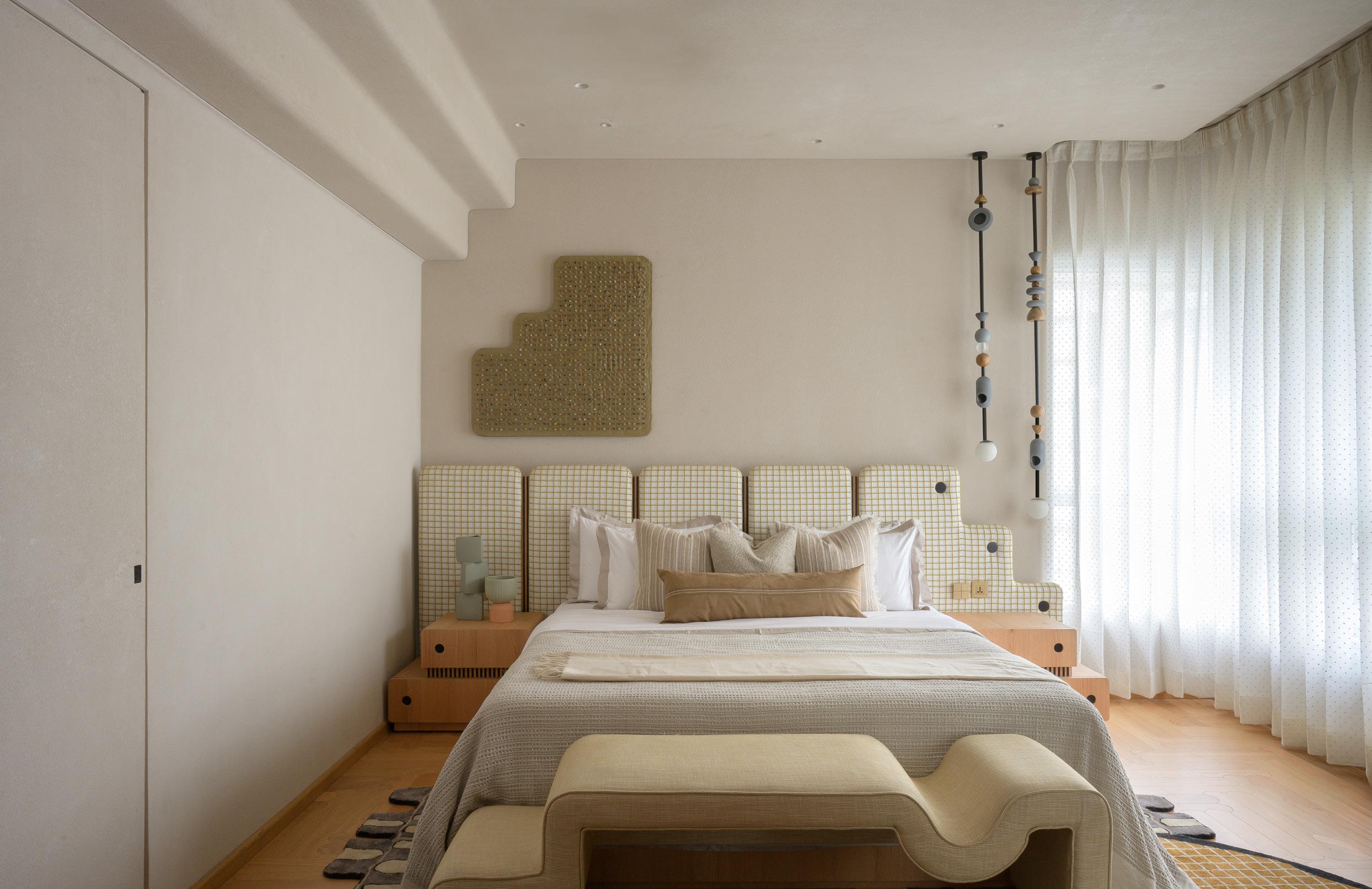
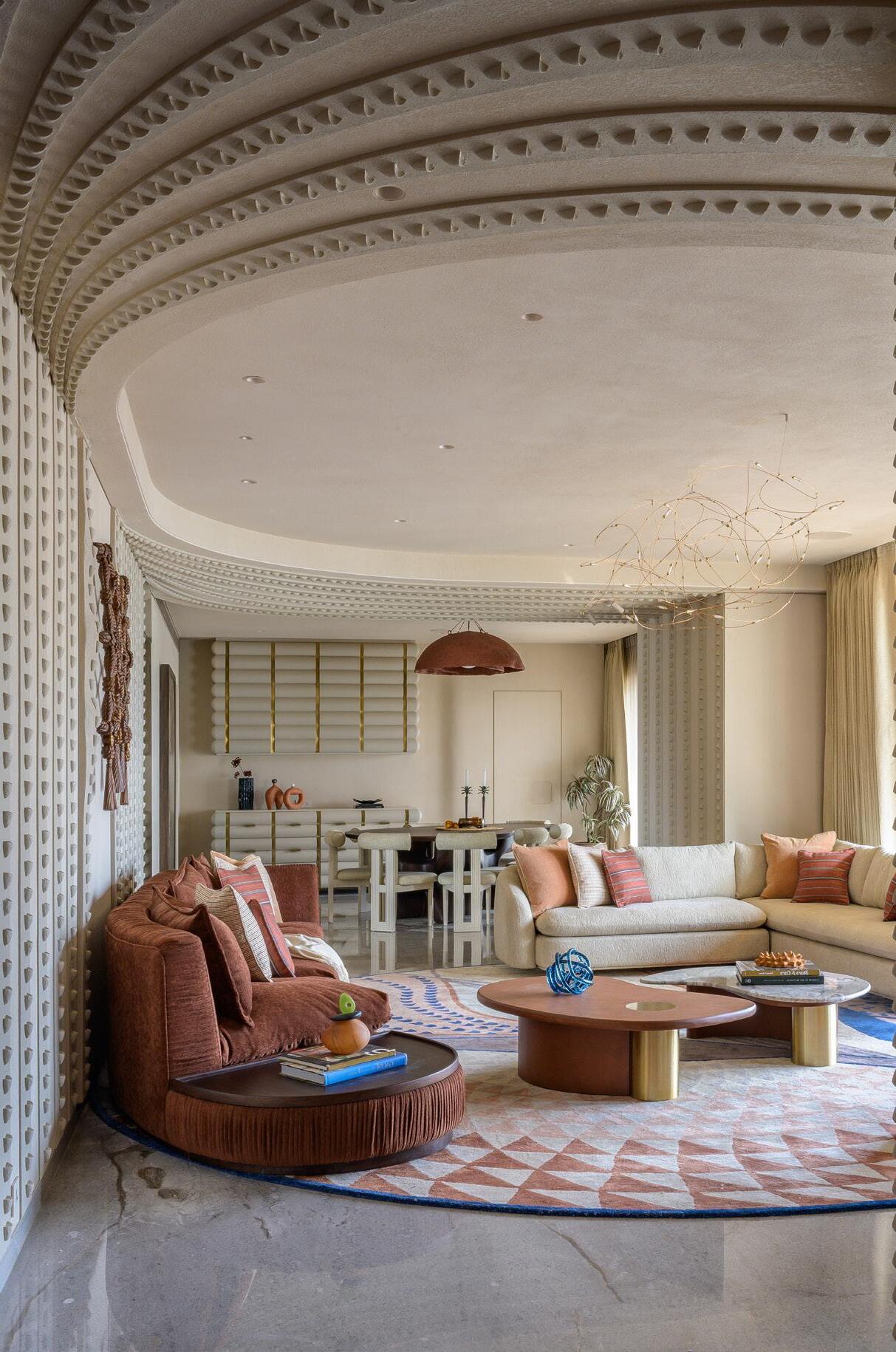
shaped every decision we made, including the technology ones.
Fingerprint locks on the private zones of the home. Which sounds like a small thing, but it genuinely changes the feeling of moving through a space. You’re not reaching for anything, not fumbling, not switching modes. You arrive, and the door responds. That ease compounds over the course of a day in ways that are hard to articulate but very easy to feel.
In-ceiling speakers through the lobby so music didn’t die the moment you walked from one room to another. This came from something the client said early on, that they hated the silence that happened between spaces. So we just got rid of it. Sound moved with you.
Automated lighting calibrated to the time of day. The whole project was oriented around nature as a reference, not nature as a mood board, but nature as a logic. The way light actually behaves across a day. Morning is different from afternoon is different from evening, and the home should know that without being told.

Rahul Mistri Founder and Principal Designer, Open Atelier Mumbai
As luxury homes increasingly embrace invisible technology, how has your approach to design evolved to seamlessly integrate smart systems without compromising aesthetics?
The shift, honestly, has been about when we bring technology into the conversation. For a long time, smart systems were something that arrived toward the end of a project, almost as a layer added on top of a finished design. And you could always tell. A switch placed where there was no natural pause in the wall, a conduit that wasn’t accounted for, an interface that sat awkwardly against a surface someone had spent months selecting.
What has changed in how we work is that technology is now part of the architectural thinking from the beginning. Not as a separate brief, but as part of how the home is meant to feel. Motorised window treatments recessed within ceiling pockets, audio-visual systems sitting within architectural surfaces, flush-mounted interfaces that don’t break the material language of a wall. When these decisions are made early, they stop being visible decisions at all. The home simply becomes what it was always meant to be, and the technology, in the best possible sense, disappears.
In your view, why is discreet and design-led technology becoming a defining element of modern luxury living, and what are homeowners seeking from these solutions today?
After designing luxury homes and hospitality
spaces for over a decade, one thing I have come to understand is that the experience of luxury has immensely shifted. It is about how a home feels to live within it, day after day.
Contemporary luxury is increasingly defined by the absence of visual clutter. A home with multiple switches, exposed thermostats, and visible control panels feels unsettled regardless of the quality of its materials or furniture. What homeowners are seeking today is an environment where comfort, wellness, and convenience are orchestrated with effortless precision, without having to consciously interact with the systems that enable them.
There is also a deeper expectation at play. Clients today are well-travelled; they have experienced the best hotels and residences globally, and they intuitively understand what a space feels like when technology is genuinely integrated rather than simply installed. That distinction is what drives the demand. They want their home to sense what they need before they have to ask for it, and they want that intelligence to sit entirely within the architecture, invisible but always present.
Discreet technology earns its place in a luxury home because it allows the architecture and interiors to remain the primary experience, while the home’s intelligence operates quietly in the background.
Can you share a project where concealed or seamlessly integrated technology enhanced the design narrative and living experience?
Across several of our residential projects, the integration of platforms such as Lutron and KNX, and wireless solutions such as Casambi, has enabled us to build genuine building intelligence into the fabric of the home. These systems provide the backbone, managing lighting, thermal comfort, shading, and acoustics as a unified ecosystem rather than isolated functions. Two projects come to mind where technology wasn’t simply integrated but became an extension of the design philosophy itself.
At Kiyoma Crest in Chembur, Mumbai, the home was rooted in Japandi and Wabi-Sabi sensibilities, and what became clear early on
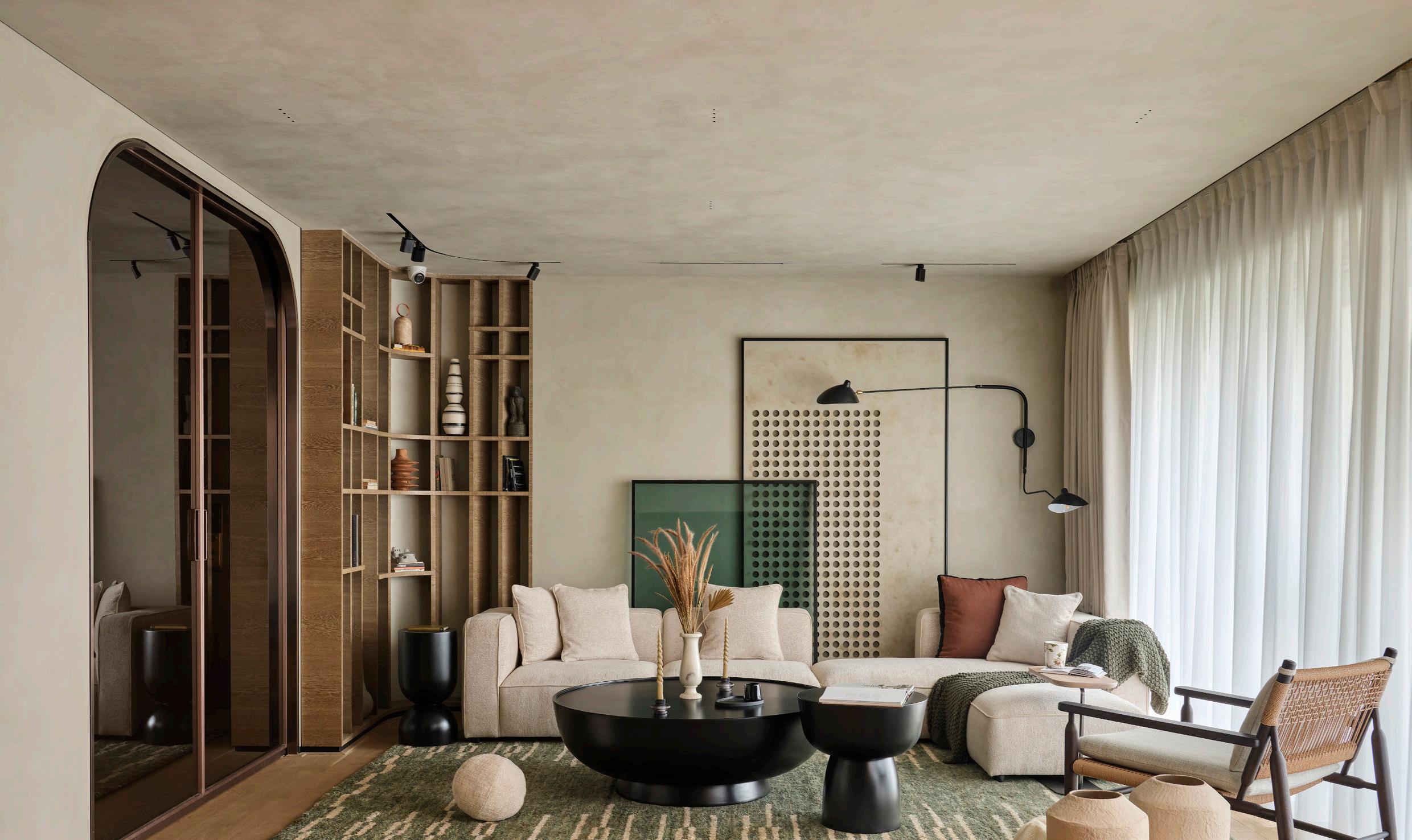
was that the philosophy wasn’t only about material choices. It was about the absence of unnecessary things. The wireless Casambi system allowed us to carry that thinking into how the home operates. Light transitions gradually throughout the day, from warmer tones in the morning to cooler tones by evening, in response to natural light cycles. HVAC and lighting shut off automatically when spaces are unoccupied. The home regulates itself quietly, and that quality of effortless responsiveness felt entirely in keeping with what Japandi asks of a space.
At Serene Cove, also in Mumbai, the integration came from a different starting point. This was a family with a young child, and the client’s primary demand was ease, a home that supported their everyday life without adding friction.
Human-centric lighting systems adjust temperature and intensity based on the time of day and the activity at hand, shifting from warm, soft light for relaxation to brighter tones for study or play. Hunter Douglas Duette blinds manage light exposure throughout the home, and the entertainment room transitions seamlessly between gathering, movie viewing, and play through automated lighting and
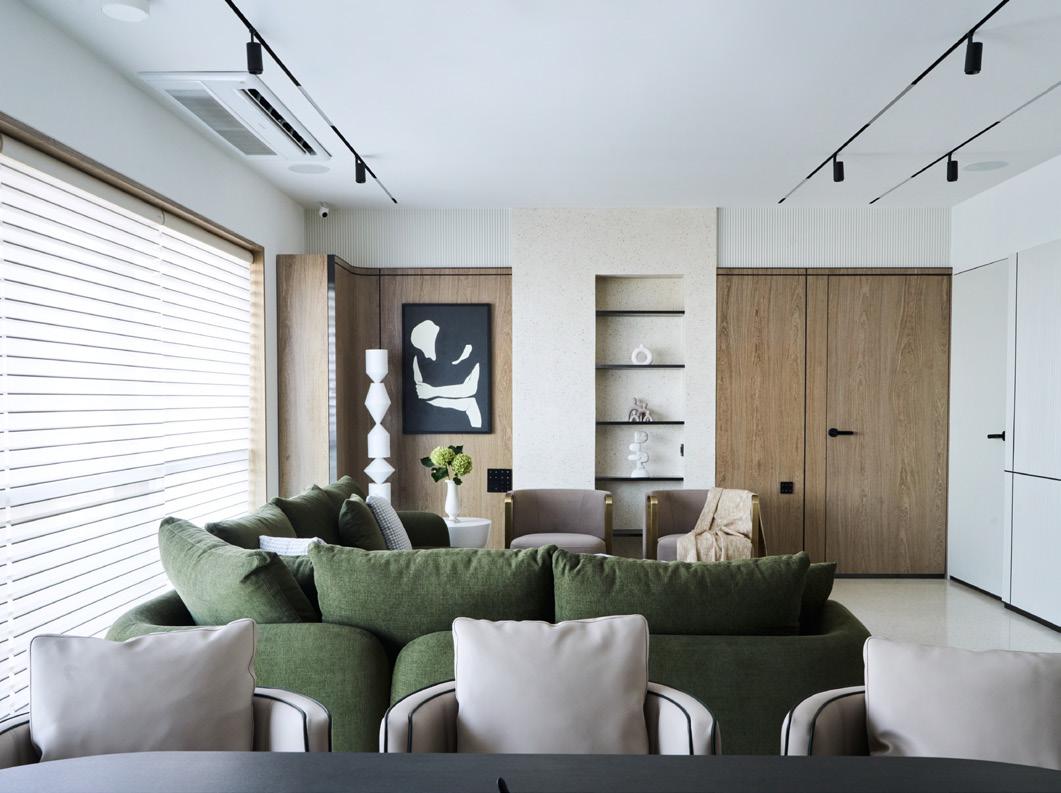
window treatments. All of it concealed within the cabinetry and architecture, maintaining the clean visual flow the family wanted.
Across both projects, the integration of platforms such as Casambi, paired with interface solutions from Basalte and CasaDigi, ensured the technology remained subordinate to the experience. The next step we are working towards is predictive intelligence, where the home moves from responding to its occupants to anticipating them. That shift, from a responsive home to an intuitive one, is where the most meaningful work lies ahead.

As luxury homes increasingly embrace invisible technology, how has your approach to design evolved to seamlessly integrate smart systems without compromising aesthetics?
In my experience, the way we approach smart systems has become much more straightforward over time. It is no longer something we factor in after the design is established. Rather, it is embedded in the initial thinking itself. This shift has fundamentally changed how we approach spatial design. Architecture, interiors, and technological systems are now developed in parallel, rather than in sequence. As a result, decisions around lighting, climate control, and automation are resolved within the architectural language.
This enables a greater degree of visual restraint. Every surface, whether ceiling, wall, or joinery, is designed with the understanding that it will carry more than one function, but without visually expressing it. Systems are absorbed into the fabric of the space. The intent here is to ensure technology never interrupts the reading of the space. When this is achieved, design holds its primacy, and technology becomes completely invisible in experience while remaining precise in performance.
In your view, why is discreet and design-led technology becoming a defining element of modern luxury living, and what are homeowners seeking from these solutions today?
Luxury today is defined less by visibility and more by precision of experience. There is a clear
shift towards homes that feel intuitive, where systems operate quietly and consistently without requiring interaction or attention. Technology is no longer expected to be seen or managed; it is expected to anticipate and respond.
This has redefined expectations within residential design. Today, comfort is something that adjusts seamlessly across time, activity, and need. Lighting that aligns with natural rhythms, air systems that maintain balance, and environments that adapt without instruction are now integral to how luxury is understood.
At the same time, there is a growing emphasis on visual calm. As interiors become more material-driven, any visible technological layer disrupts spatial continuity. Discreet integration is therefore essential to preserving architectural clarity. What homeowners really seem to value now is this sense of effortlessness, a home that quietly adapts to them. And when technology can do that, without being seen, that’s when it actually feels like luxury today.
Can you share a project where concealed or seamlessly integrated technology enhanced the design narrative and living experience? Please also highlight any products, solutions, or technology partners that played a key role in achieving the desired outcome.
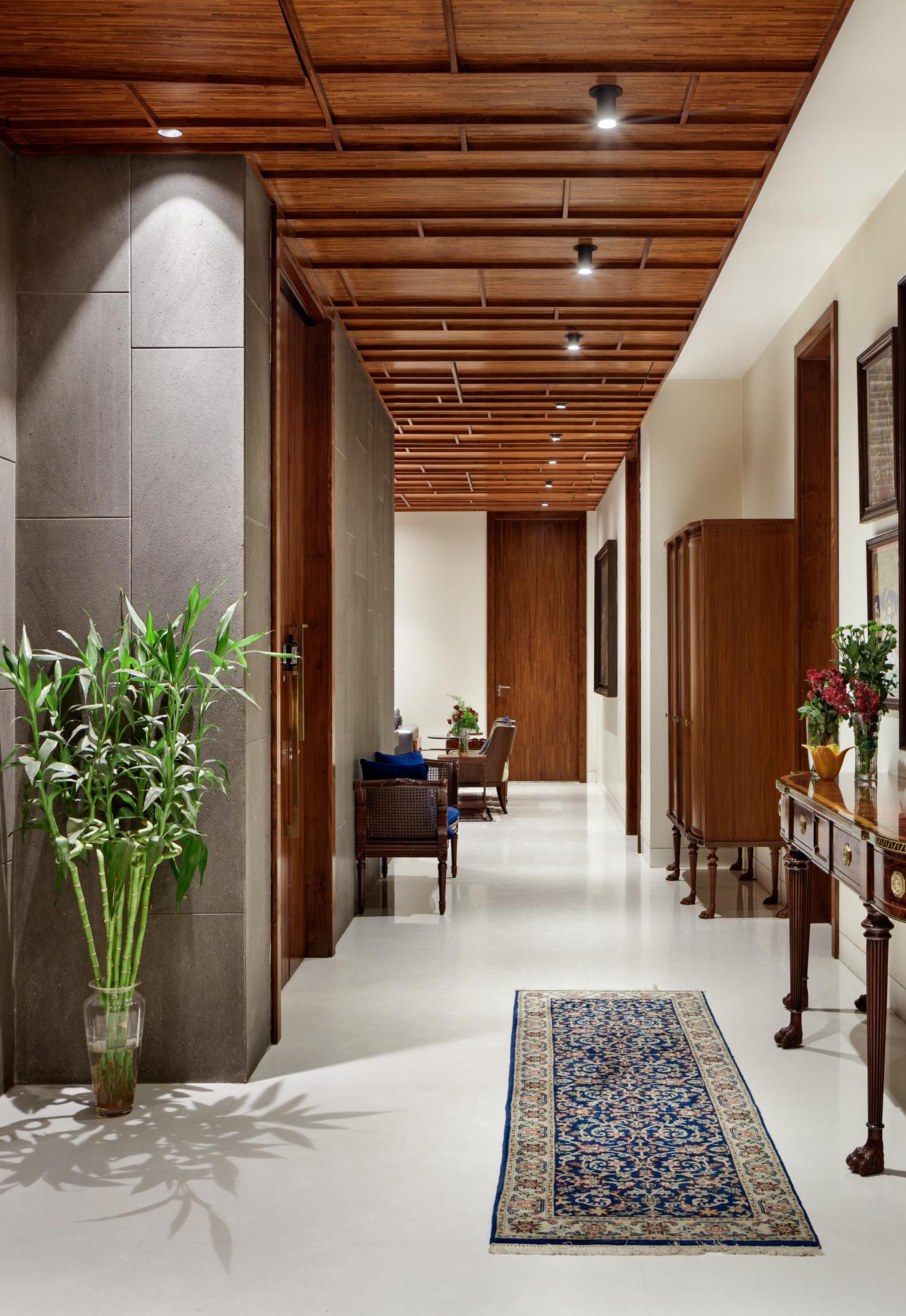
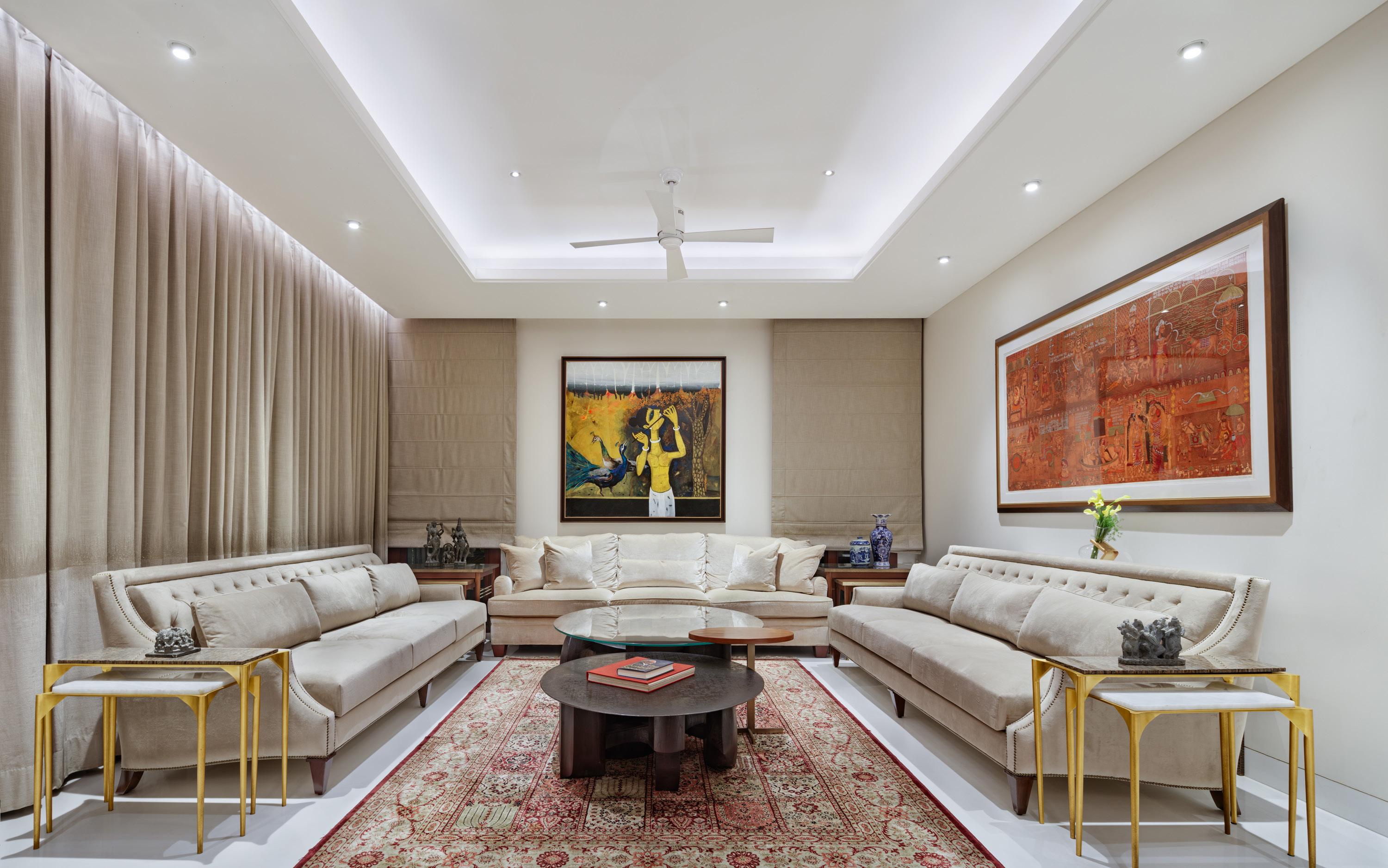
At B-10 Residence in New Delhi, technology was introduced with a clear intent to make everyday living simpler without adding visual or operational complexity within the home.
Given the size of the residence and the number of spaces across levels, the focus was on bringing all core functions onto a single, unified system. Lighting control, motorised blinds, and HVAC are all integrated and accessible directly through mobile phones and tablet devices. This allows occupants to manage comfort and environment from anywhere in the house without depending on multiple switches or separate controls. Beyond this, the home also brings together multiple systems into one platform. Audio-visual controls, CCTV monitoring, and essential electrical functions are all available through a single interface. The idea was to avoid fragmentation so that the user does not have to switch between different systems for different needs.
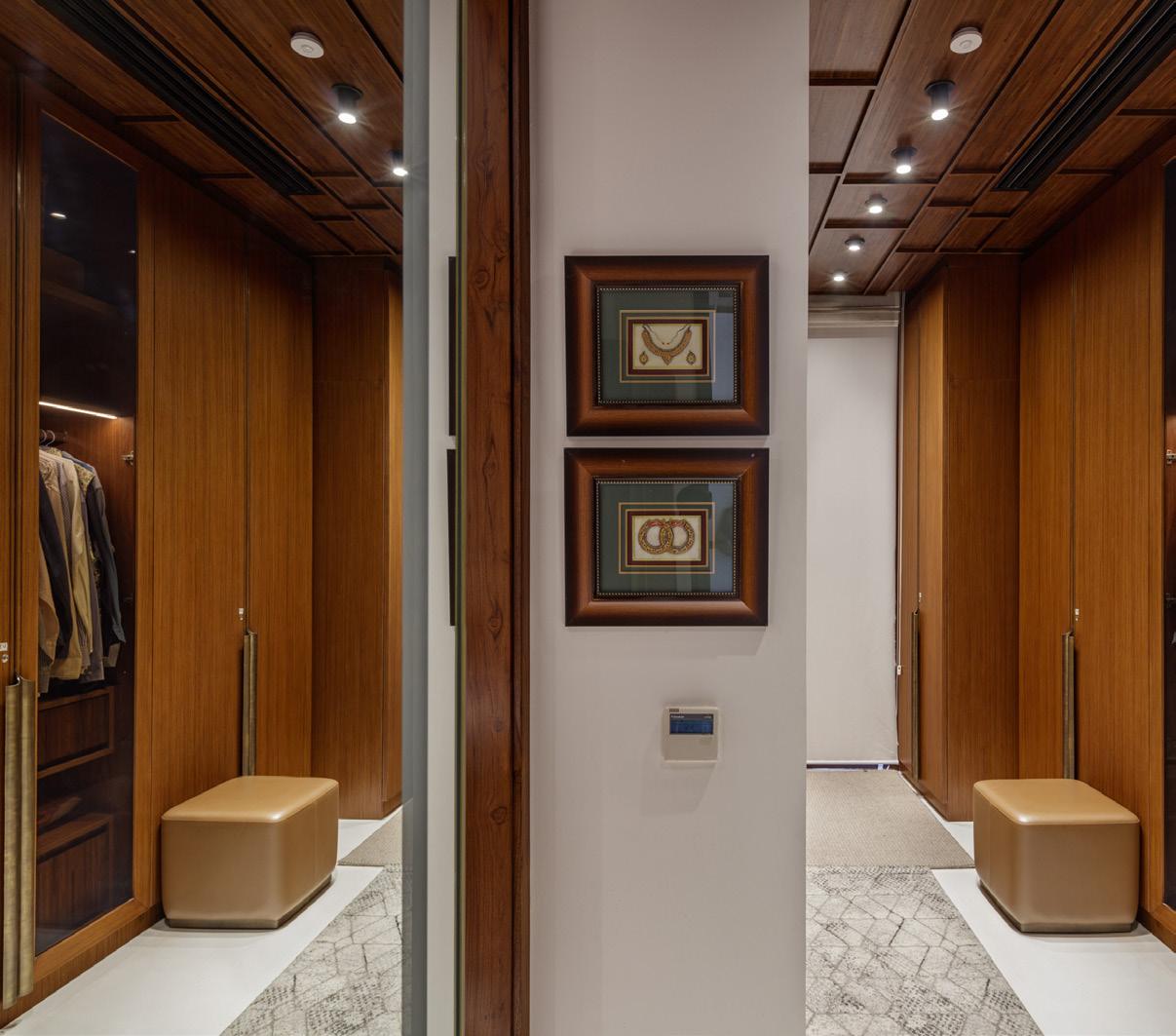
In day-to-day use, this makes the home far more responsive. Lighting, temperature, shading, and security can all be adjusted instantly, whether individually or together, depending on the requirement. It creates a more effortless way of interacting with the house, especially in a multi-level home where movement between spaces is constant.
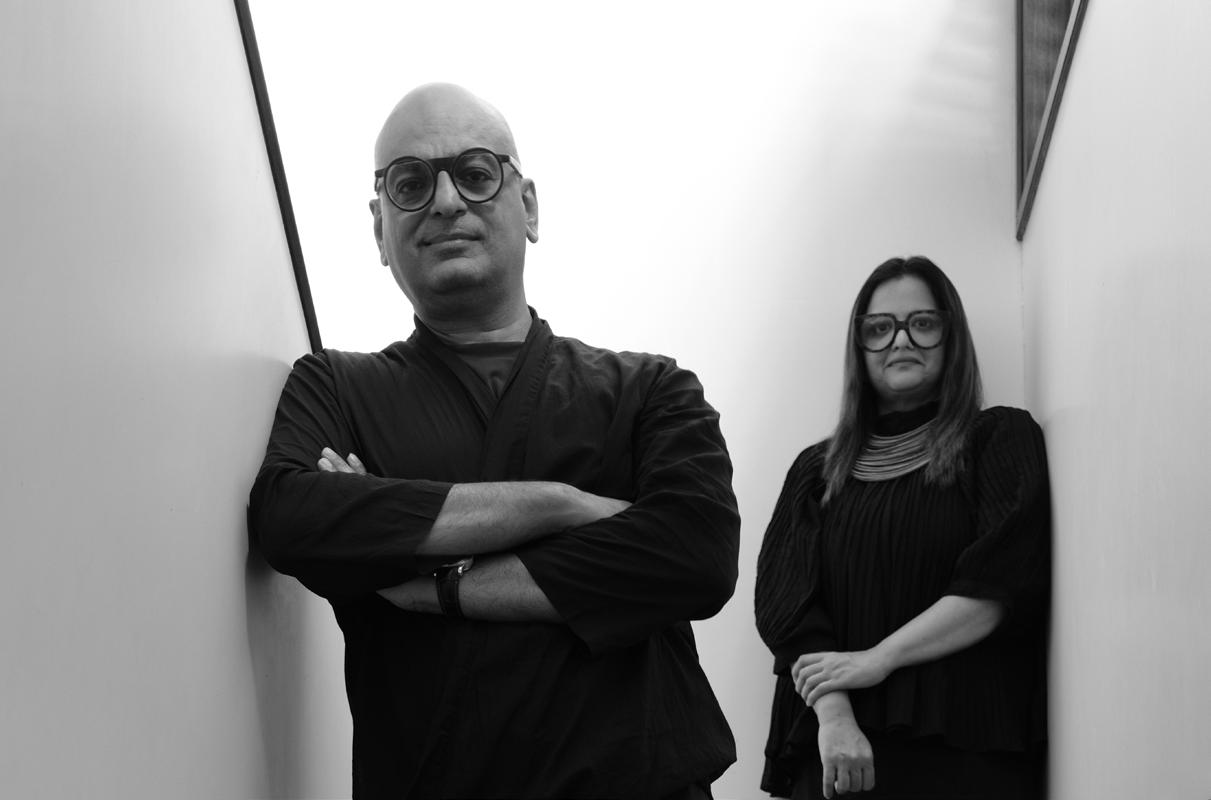
Praveen Bavadekar
Founder & Principal Architect, Thirdspace Architecture Studio
Namrata Betigiri
Principal Architect, Thirdspace Architecture Studio
As luxury homes increasingly embrace invisible technology, how has your approach to design evolved to seamlessly integrate smart systems without compromising aesthetics?
A piece of architecture is made of materials like brick, stone or concrete. These are tangible materials that often resist change. Architecture is often about timelessness and stasis.
On the other hand, technology is about constant change and temporality. We live in times where our phones and even our cars are rendered obsolete within a year.
The challenge is about how to reconcile the timelessness that is inherent within architecture with the ephemerality that technology entails.
On the one hand, any technology that we
integrate into our buildings risks being dated within a couple of years, and yet, a building like Gaudí’s Sagrada Família, which is still under construction even after a century and a half, is rightly considered a relevant and important specimen of architectural heritage. Architecture, thus, has to easily segue between temporality and timelessness.
The invisibility of technology is preordained by an invisible framework of cabling and wireless networks that allows for conveniences to be integrated with our built space seamlessly.
Today’s technology is non-intrusive and noninvasive and that makes it easy for us to integrate it with architecture, but it also has to have resilience so as to enable upgrades over time.
In your view, why is discreet and design-led technology becoming a defining element of modern luxury living, and what are homeowners seeking from these solutions today?
We are increasingly looking at our living and working spaces as commodities or products that give us the same experience as our electronic devices. We inhabit a world where we are constantly and seamlessly moving between several micro spaces, ranging from our homes to hotel rooms to even our cars and offices.
Our cloud accounts then become the connective tissue that links disparate spaces
and gives us a cohesive informational and spatial experience. For example, our music intuitively switches to
the car audio and then to our Bluetooth speaker at home. Our Netflix streams across devices, with no obvious lag.
Thus, Technology is no longer about fancy devices and complicated machines like what we imagined at the beginning of the last century, but rather it is about unobtrusive invisibility that yet guarantees you a seamlessness in your daily life.
Can you share a project where concealed or seamlessly integrated technology enhanced the design narrative and living experience? Please also highlight any products, solutions, or technology partners that played a key role in achieving the desired outcome.
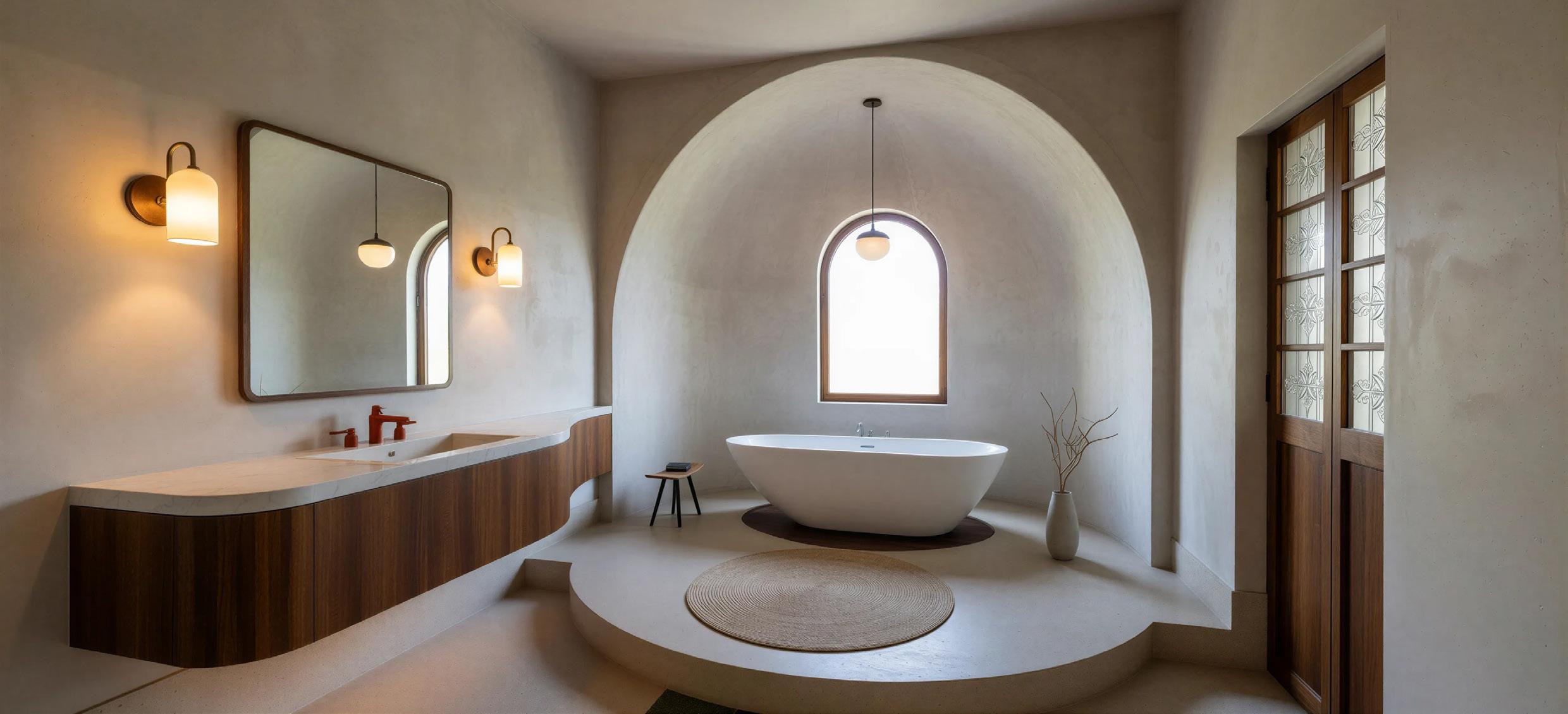
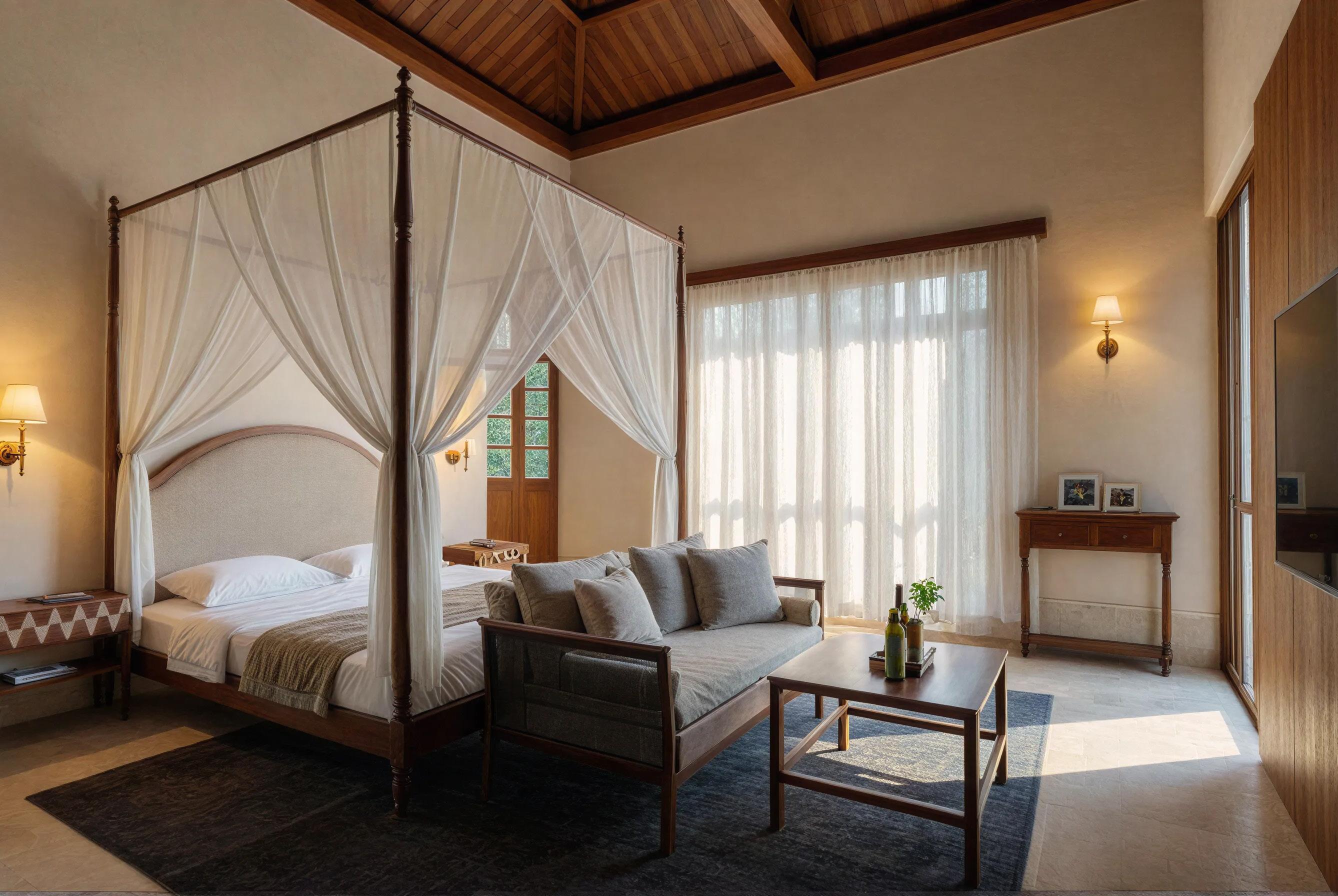
Whereas most of our projects have some amount of technology built into them, we are particularly excited about a project that involves the renovation of an erstwhile palace
that belonged to a minor kingdom in preindependence India. This Palace, which has since been bought by an aerospace entrepreneur and his family, is a mishmash of architectural influences, from a 17th-century Maratha Wada that forms the core, to an early 20th-century art deco front wing designed by the legendary Claude Batley.
Here, we are integrating the latest that technology has to offer with a structure that has been in existence, in one form or another, for at least around 350 years.
To achieve this, after careful consideration, we decided to go for solutions by a company called Gladiance Automation, which is run by a father-son duo, the Andurkars.
Here, smart technology extends to lighting control of all spaces as well as integration of audio-visual solutions across the whole building, extending from the core living spaces to liminal spaces such as corridors and even encompassing spaces such as the bathroom and wardrobe areas.
Aashita Chadha Co-Founder, The KariGhars

As luxury homes increasingly embrace invisible technology, how has your approach to design evolved to seamlessly integrate smart systems without compromising aesthetics?
The relationship between luxury and technology has changed significantly over the last decade. Earlier, technology was often seen as something to be showcased - a marker of innovation within the home. Today, the expectation is very different. Homeowners want technology to enrich their lives without visually dominating the spaces they inhabit. This shift has fundamentally influenced the way we approach design.
For us, every project begins with understanding how the client wants to live rather than what technology they want to install. Once we understand their routines, habits, and aspirations, technology becomes a tool that supports those experiences. It is no longer a separate layer added to a finished design but an invisible framework that is considered from the very beginning.
This early integration is important because the most successful smart homes are rarely the ones where technology is immediately visible. Instead, they are the homes where lighting responds intuitively to different moments of the day, where climate control maintains comfort effortlessly, where entertainment systems disappear when not in use, and where security operates quietly in the background. Achieving this level of seamlessness requires close collaboration between designers, architects, consultants, and technology
partners from the conceptual stage itself.
As a result, our focus has increasingly shifted towards creating spaces that feel calm, intuitive, and uncluttered. We carefully integrate controls, sensors, speakers, and automation systems into the architecture so that the design remains visually clean and cohesive. The goal is not to make the homeowner aware of the technology but to make them aware of how effortlessly the space supports their lifestyle.
Ultimately, we believe technology should enhance the emotional experience of a home rather than compete with it. When integrated thoughtfully, it allows architecture, materials, craftsmanship, and human experiences to remain at the forefront while quietly making everyday life simpler, more comfortable, and more intuitive.
In your view, why is discreet and design-led technology becoming a defining element of modern luxury living, and what are homeowners seeking from these solutions today?
Luxury today is increasingly defined by ease rather than excess. People are moving away from visible displays of technology and are instead looking for homes that feel effortless to live in. In many ways, the highest form of luxury is not having to think about the systems around you because they work seamlessly in the background.
Homeowners want their homes to feel warm, personal and visually serene. They do not want screens, switches, equipment and devices competing with the architecture or disrupting
the overall design narrative. Instead, they want technology that integrates naturally into the environment and supports the way they live. This is why discreet, design-led technology has become such an important part of modern luxury living.
What homeowners are increasingly seeking is convenience without complexity. They want lighting that adapts to different moods and activities, climate systems that maintain comfort while optimising energy use, security solutions that provide reassurance without feeling intrusive and entertainment systems that can be enjoyed without becoming the focal point of a room. There is also a growing interest in wellness, sustainability and personalisation, with homeowners expecting their homes to respond intelligently to their routines and preferences.
Ultimately, invisible technology is becoming synonymous with luxury because it aligns with what homeowners value most today: simplicity, comfort, personalisation, and peace of mind. The technology may not always be visible, but its impact is felt every day through the ease, efficiency, and quality of the living experience it creates.
As our conversations with architects, interior designers, technology consultants, and system integrators reveal, the future of luxury living lies not in technology that demands attention, but in technology that quietly enhances everyday experiences. As artificial intelligence, automation, and connected technologies continue to advance, it will be interesting to see how the concept of the invisible home evolves, and whether the most sophisticated smart homes of tomorrow will be the ones we notice the least.
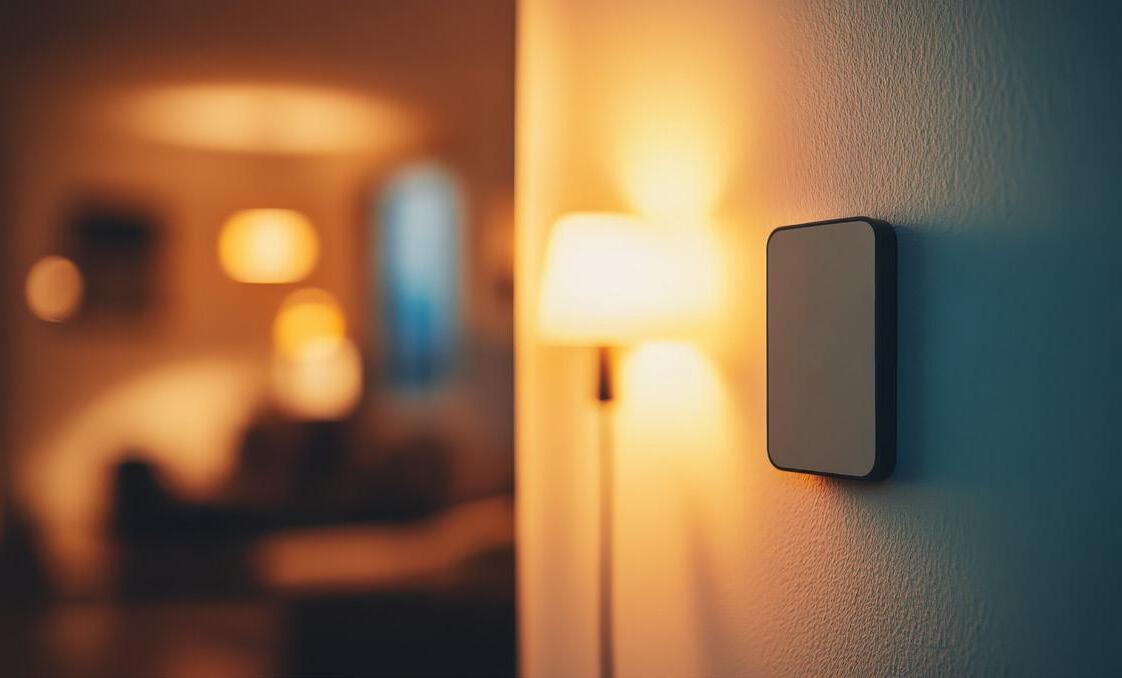
Smart Switches & Control Panels are becoming the digital interface of smart homes, enabling seamless control of connected spaces. Smart Home World showcases the latest innovations from leading brands and explores the future of the segment through insights from brand leaders.
For years, smart switches and control panels were designed with a single purpose: control. They provided a digital alternative to conventional switches and offered centralised access to lighting, climate, entertainment, and security systems. Functionality was the priority; design was secondary. Today, that equation has changed.
As smart homes become more intelligent,
connected, and experience-driven, switches and control panels are evolving from simple interfaces into sophisticated command centres. They are no longer just points of interaction but critical touchpoints that define how homeowners engage with technology throughout the day.
The evolution is being driven by two parallel trends. First, homeowners expect seamless

control over an expanding ecosystem of connected devices. Second, architects and interior designers want technology to complement rather than compromise design. As a result, manufacturers are reimagining the humble switch as a fusion of technology, aesthetics, and user experience.
Modern control interfaces are now capable of managing multiple systems from a single platform, including lighting, climate control, motorised shading, security, energy management, and entertainment. Scenebased automation allows users to activate complex routines with a single touch, transforming the way they interact with their homes.
Technology is also reshaping the physical design of these interfaces. Premium materials
such as glass, metal, and stone, flush-mounted installations, custom engravings, haptic feedback, and dynamic displays are becoming increasingly common. In luxury residences, switches and control panels are expected to integrate seamlessly with the architectural language of a space rather than stand apart from it.
Interoperability is another major driver of innovation. As standards such as Matter, KNX, Zigbee, Z-Wave, and Bluetooth Mesh gain traction, homeowners are demanding greater flexibility across devices and ecosystems. The modern control panel is evolving into a unified gateway capable of simplifying interactions across an increasingly complex smart home environment.
Artificial intelligence represents the next stage of this transformation. Future interfaces will not simply respond to commands; they will anticipate needs. By learning occupant preferences and behavioural patterns, AIpowered systems will be able to recommend, automate, and optimise experiences with minimal user intervention. The focus is shifting from control to prediction.
Despite the rise of voice assistants, mobile apps, and wearable technologies, physical switches and wall-mounted panels remain essential. Their immediacy, reliability, and tactile familiarity continue to make them one of the most important user interfaces within the smart home ecosystem.
What is emerging is a new generation of control solutions that combine intelligence, interoperability, design, and personalisation. The switch is no longer just a switch, and the control panel is no longer simply a screen on the wall. Together, they are becoming the central interface between homeowners and increasingly intelligent living environments.
HOME WORLD | JUNE 2026 | 29
Explore the latest innovations, technologies, and product offerings from leading brands. Plus, insight from brand heads about their innovative products and future prospects.

How have smart switches and control panels evolved over the last five years, and what key trends are driving innovation in this category?
Over the past five years, smart switches and control panels have evolved from basic, appcontrolled relays into “quiet luxury” interactive hubs that anchor home automation ecosystems. Driven by advancements in AI, energy management, and universal connectivity standards, they have transitioned into core architectural elements of the modern home.
Aesthetic Minimalism: Bulky, utilitarian panels and clunky mechanical buttons have been replaced by sleek, flush-mount glass touchscreens and customisable keypad finishes that blend seamlessly into interior design.
Unified Control: Rather than navigating a dozen different apps, wall-mounted touchscreens now consolidate lighting, climate, entertainment, and security into a single interface.
Enhanced Durability: Many modern switches use solid-state engineering rather than physical springs. This eliminates internal wear-

and-tear, ensuring devices maintain their responsiveness over thousands of uses.
Energy Management & Diagnostics: With rising global electricity costs, devices now offer real-time power consumption tracking, intelligent scheduling, and occupancy-based power management.
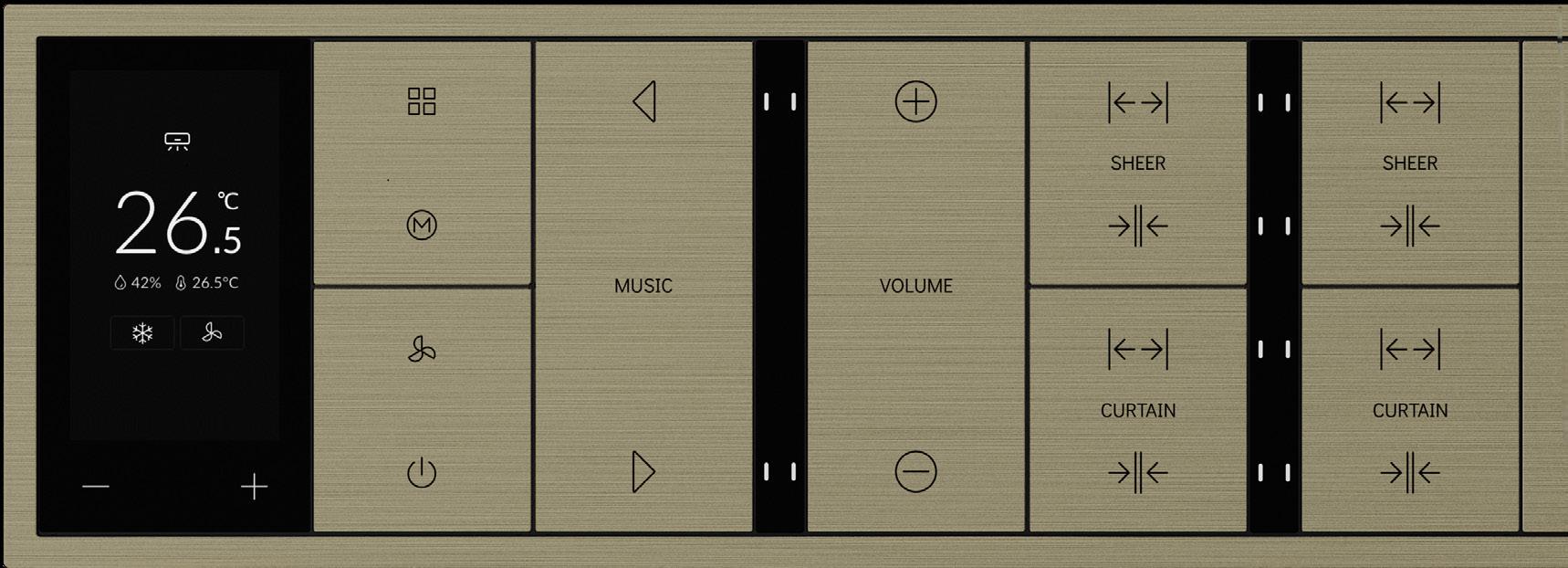
Aesthetics and Customisation: Wall panels are now being positioned as statement pieces/ wall art like in the case of Havells Fenora panels, swappable faceplates, minimal bezels, different material finishes are positioning wall panels as design objects rather than utility hardware.
Privacy & Local Processing: Manufacturers want lower cloud dependence, clients need higher privacy, these factors combine to push for local hub processing and on device AI to reduce both latency and data exposure.
Touchless & Voice Integration: Built-in microphones for digital assistants (like Amazon Alexa or Google Assistant or agentic AI) and touch-sensitive gesture controls allow for hands-free operation.
What features do today’s homeowners and developers value most when selecting smart
switches and control panels, design, user experience, interoperability, AI, or something else?
Reliability and simplicity usually top the list, an ergonomic and a well laid out user experience that seamlessly communicates between all devices, offers interoperability with elegant, minimalist touch panels that control everything from lighting to energy are usually the key features a homeowner is looking for.
The primary features driving purchasing decisions for smart switches and control panels include:
Design & Aesthetic Integration/Minimalist
Hardware:
Switches and panels are expected to blend seamlessly with interior decor. Sleek, glassfront finishes, customisable accent lighting, and slim profiles have replaced traditional plastic switches.
Customization:
Touch switches offering personalised, dynamic icons for specific rooms (e.g., living room scenes, geysers, or fan control) eliminate confusion and look highly polished.
User Convenience
Ergonomically placed controls, soft glow icons and proximity sensors embedded in the wall panels are highly sought after features that add huge value in clients decision making.
Localized Functionality Regional Preferences
In regions like India, switchboards must accommodate specific high-load appliances. Smart touch panels with integrated fan
speed control and socket support are heavily favoured over basic lighting switches.
Security Integration Proactive Protection:
Smart switches and security are no longer separate layers. Modern display panels integrate directly with video doorbells, motion cameras, and smart locks, allowing homeowners to monitor their property and execute lockdown scenes directly from wall panels
How is your brand balancing aesthetics and functionality to meet the expectations of architects, interior designers, and end users?
For Havells, balancing aesthetics and functionality is particularly important because home automation products are no longer viewed as purely electrical devices, they are part of the interior décor and user experience. At Havells, we follow a design philosophy where technology remains powerful, but visually unobtrusive. Architects and interior designers
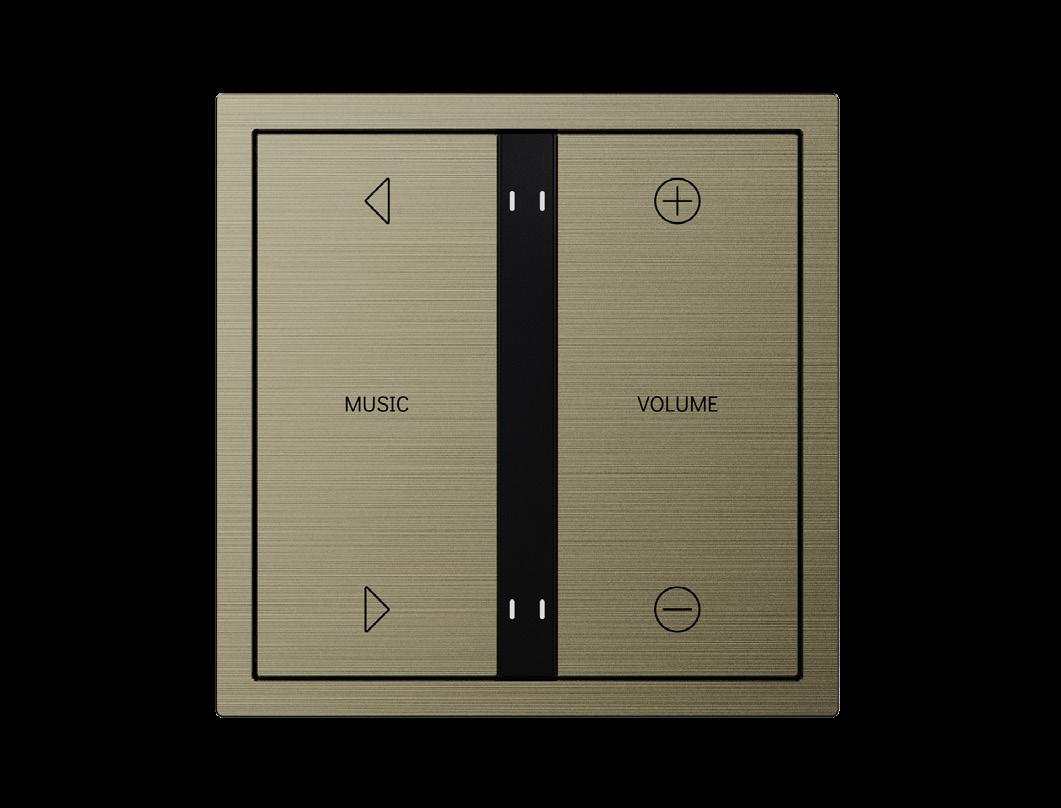
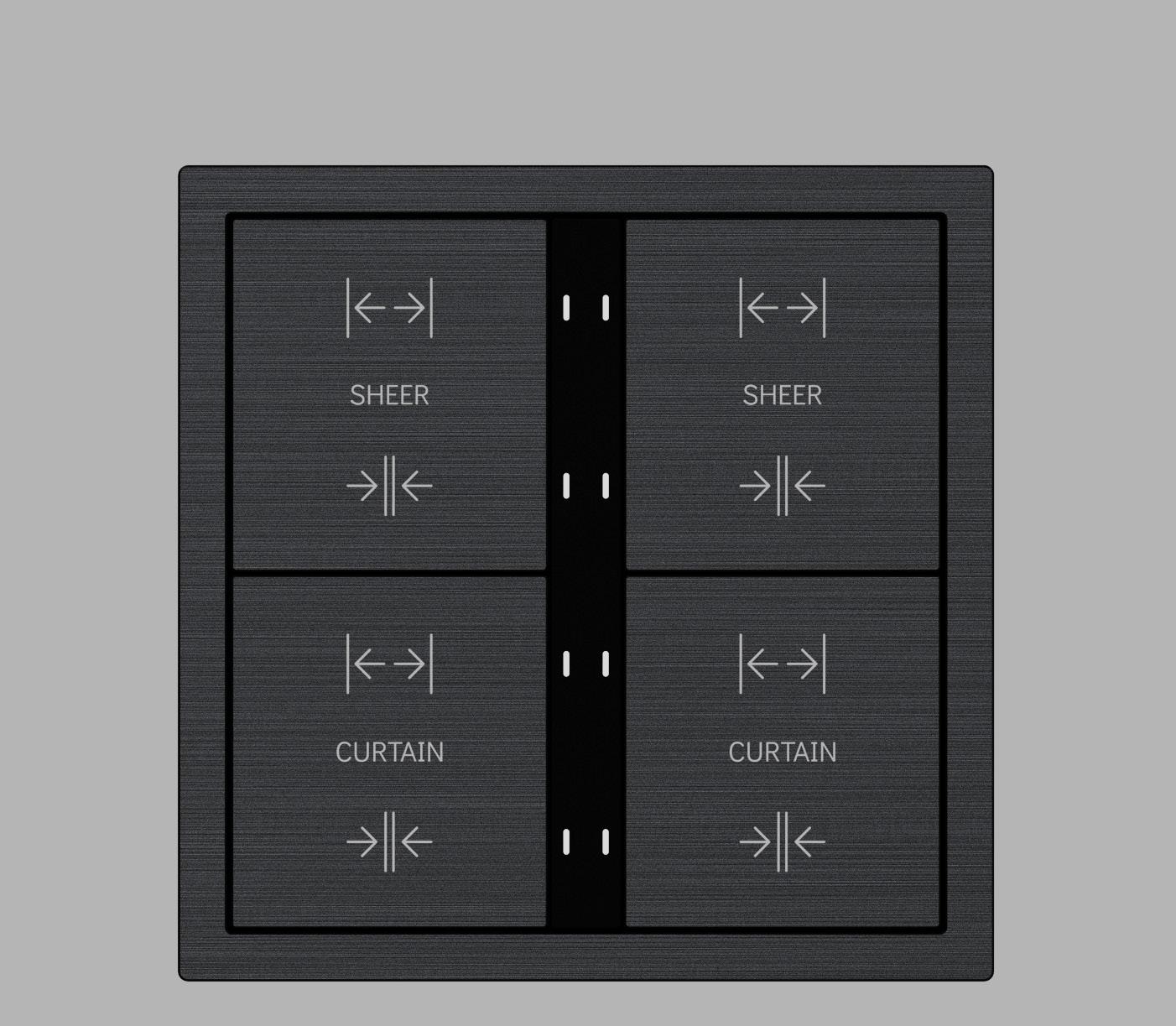
seek products that complement their design vision, while end users expect reliability, ease of use, and long-term performance. Our approach is to integrate these requirements from the product development stage itself. We focus on sleek form factors, premium finishes, multiple colour and material options, and minimalist designs that blend seamlessly with modern interiors. At the same time, we ensure that the products deliver robust functionality, intuitive user interfaces, scalability, and dependable performance.
In automation, a touch panel is not just a control device, it is an element of interior design. Therefore, we work closely with architects, designers, system integrators, and end users to create solutions that enhance both the visual appeal and the living experience.
The ultimate objective is to ensure that customers never have to choose between aesthetics and functionality; Havells products are designed to deliver both in equal measure.” Our new range of “Xcellent wall panels” stands a testimony to this.
What role do smart control panels play in the future of home automation, and do you see them replacing traditional switches or complementing them?
Smart control panels are becoming the central interface for modern homes, providing homeowners with a single point of control
for lighting, climate, curtains, security, entertainment, and energy management. As automation becomes more sophisticated, these panels are evolving from simple control devices into intelligent hubs that offer personalisation, scene control, voice integration, and real-time system insights.
However, we do not see smart control panels completely replacing traditional switches in the foreseeable future. Instead, they will complement them. Traditional wall switches provide instant, intuitive, and familiar control that users expect, particularly for essential functions.
The future lies in a hybrid approach where smart panels, conventional switches, mobile apps, voice assistants, sensors, and automated scenes coexist seamlessly. Users should be able to interact with their homes in whichever way is most convenient at that moment.
At Havells, we believe technology should adapt to human behaviour rather than forcing users to change their habits. Therefore, while smart control panels will play an increasingly important role in enhancing the user experience and managing complex automation systems, traditional switching interfaces will continue to remain relevant as part of an integrated control ecosystem.
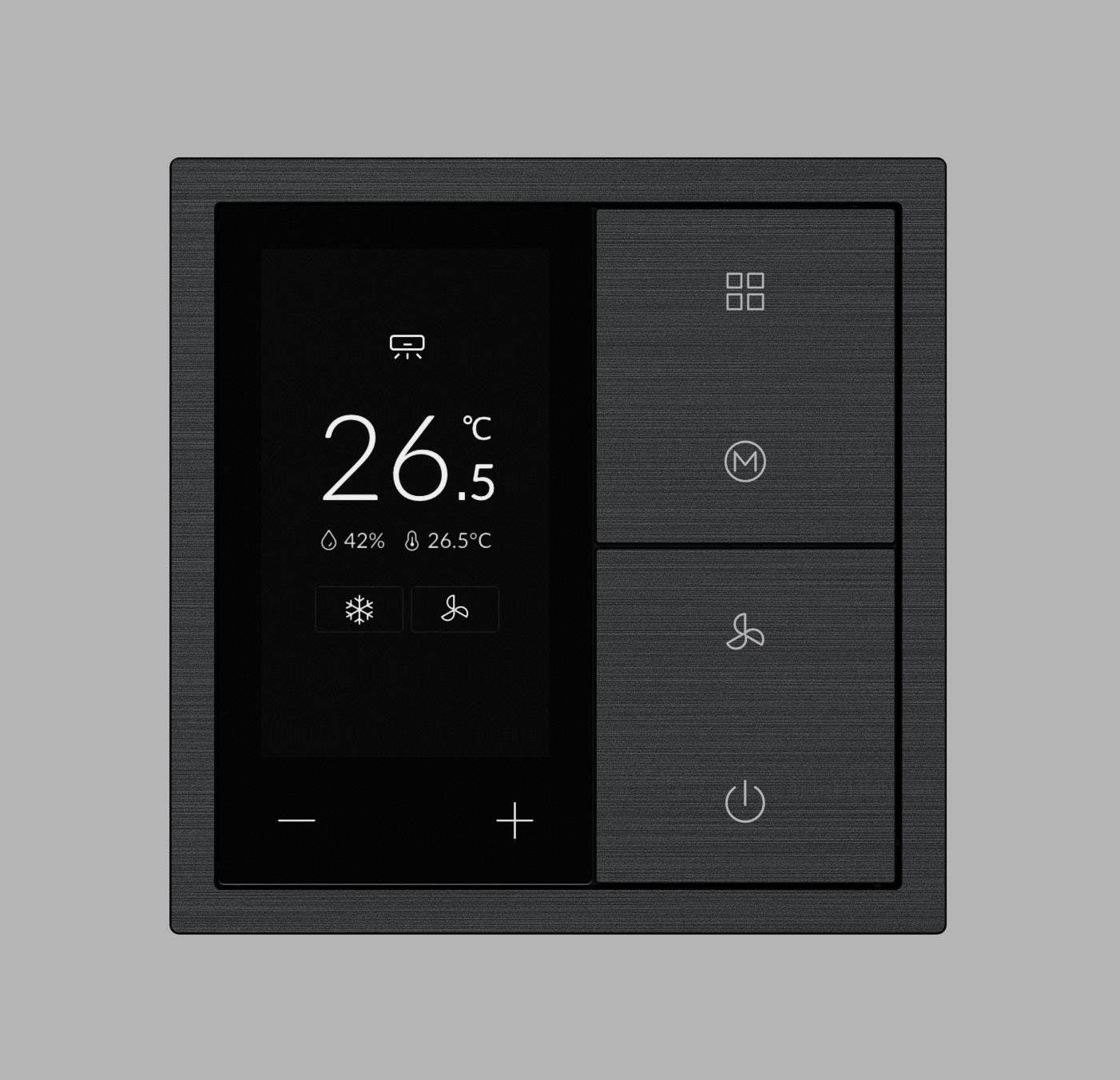
Looking ahead, what technological advancements or new capabilities can the industry expect to see in smart switches and control panels over the next few years?
Over the next few years, smart switches and control panels will evolve from being simple control interfaces to becoming intelligent decision-making platforms within the home. The focus will shift from manual control to predictive and personalized automation.
We can expect advancements in several areas: Artificial Intelligence & Learning Algorithms – Systems will learn user preferences, occupancy patterns, and daily routines to automatically optimize lighting, climate, and energy consumption without requiring manual intervention.
Enhanced User Interfaces – Control panels will feature higher-resolution touchscreens, customisable dashboards, gesture control, and more natural voice interaction, making them easier and more intuitive to use.
Multi-Protocol Interoperability – Greater adoption of standards such as Matter, alongside KNX, Zigbee, Wi-Fi, and Bluetooth, will allow devices from different manufacturers to work together more seamlessly. Integrated Energy Management – Smart switches and panels will increasingly monitor
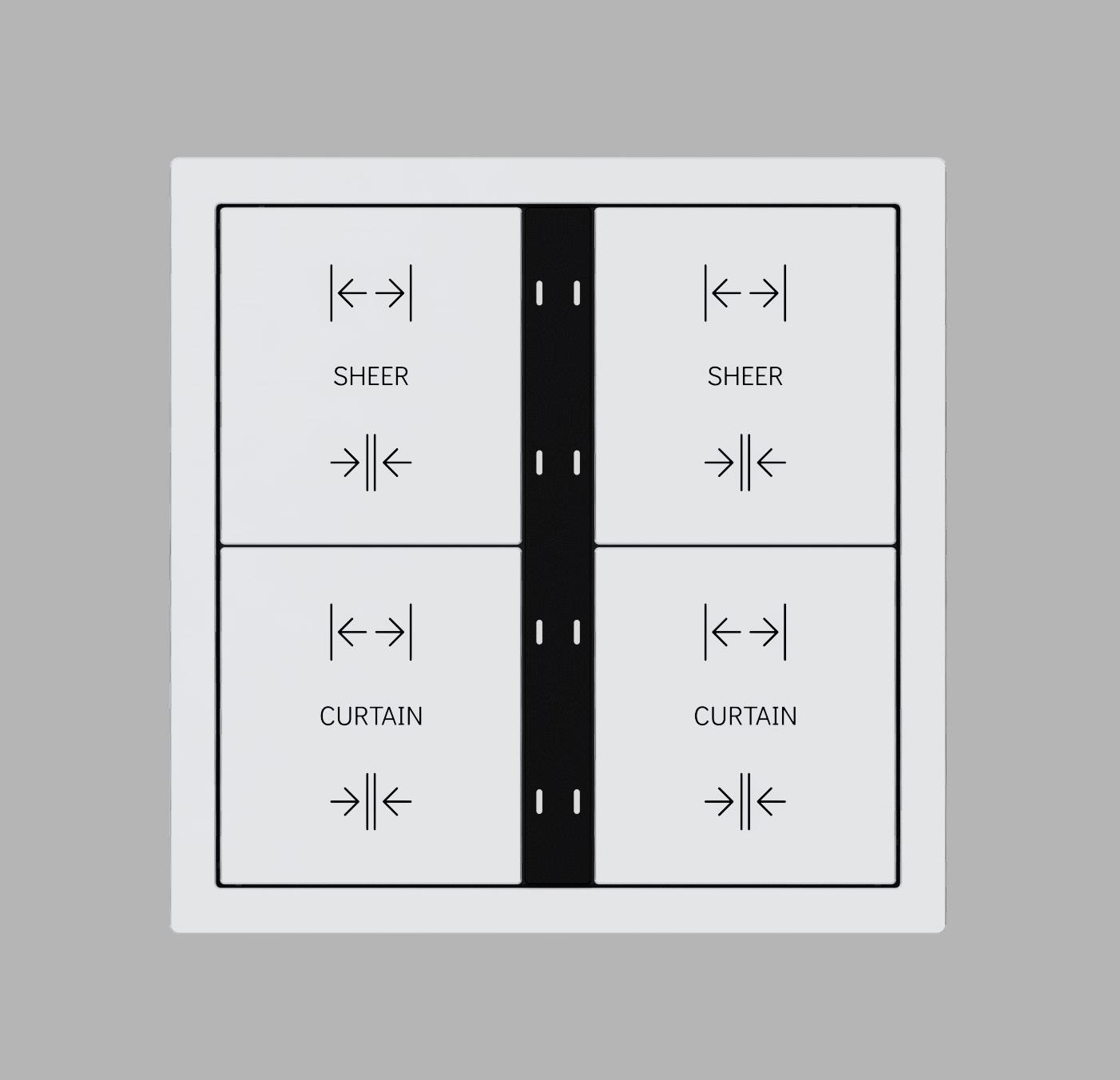
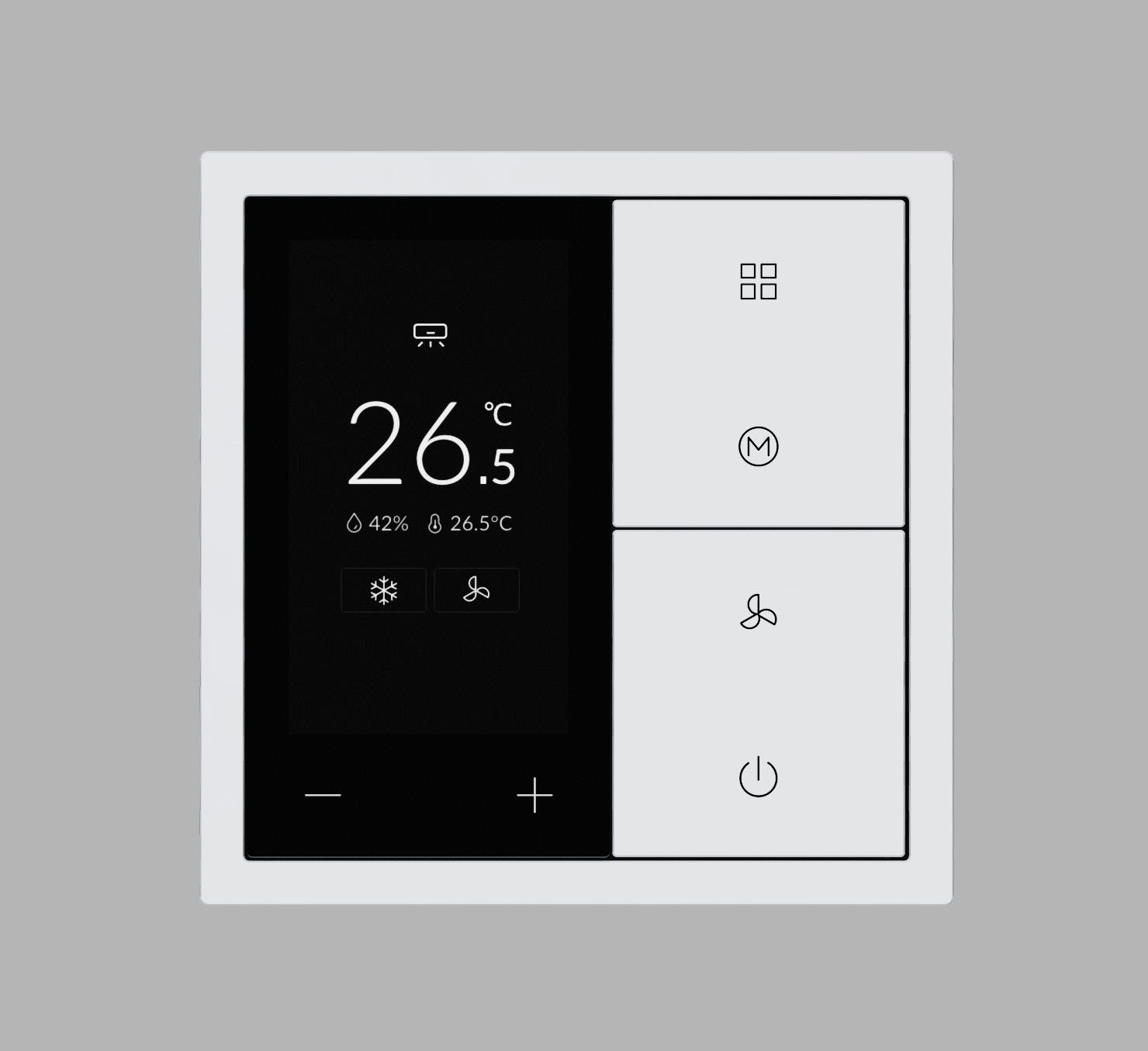
and manage energy usage, solar generation, battery storage, EV charging, and load optimization to support sustainability goals.
Occupant Wellness & Environmental Monitoring – Future systems will integrate air quality, temperature, humidity, CO₂, and circadian lighting controls to create healthier indoor environments.
Advanced Security Integration – Control panels will become unified interfaces for access control, surveillance, intrusion detection, video intercoms, and emergency alerts.
Cloud and Edge Intelligence – More processing will occur locally for faster response, improved reliability, and enhanced privacy while still leveraging cloud-based analytics and remote access.
Ultimately, the industry’s direction is towards creating homes that are not only connected but also context-aware, energy-efficient, secure, and capable of proactively enhancing occupant comfort and well-being.”
For a company like Havells, the opportunity lies in combining robust electrical infrastructure with intelligent automation, delivering solutions that are not only technologically advanced but also simple, reliable, and aesthetically aligned with modern living spaces.

Georgio Galaris Manager of Residential Marketing, Crestron
How have smart switches and control panels evolved over the last five years, and what key trends are driving innovation in this category?
Not too long ago, it seemed that smartphones would be the control device that handled almost everything. But both users and installers began to understand that the ubiquity of smartphones diminished the quality of the experience. It diluted that intentional control. As a result, smart switches and dedicated touch screens have become even more important because the control of a smart home should not depend on any device that people aren’t comfortable with. And now the goal is not to replace the smart switch, but to elevate it to do more.
That’s what we’re doing at Crestron: A dealer or user can create pre-programmed and configured scenes that do multiple things at once with the touch of a single button. That button’s part of a device that features beautiful finishes. We’re creating devices with functionality and aesthetics that exceed the expectations of the user, and match the luxury of the spaces they’re in.
What features do today’s homeowners and developers value most when selecting smart switches and control panels — design, user experience, interoperability, AI, or something else?
There are two critical factors. First, there’s the user experience. Will the device do the thing that you want it to do? When you press that button, does it provide that perfect scene?
Does it enable the user to enjoy that kid’s celebration or that party more? Does it help them to relax and wind down at the end of the day? Does that technology enable them to enjoy more of those activities? Does it bring more fulfillment to their lives? As far as interoperability is concerned, the user only cares when it’s NOT there.
The second is fit and finish. Anyone can go to a big box store and purchase a switch that’s controlled by the app on a phone. But having a keypad with a bespoke metal finish or real glass? Those are statements. The world’s car manufacturers spend millions of dollars a year getting the “thunk” of a closing car door just right. That satisfying sound and feel that denotes luxury is precisely what we’re after with a switch or a keypad on the wall. Because it is in that interaction where users denote the quality of that experience.
How is your brand balancing aesthetics and functionality to meet the expectations of architects, interior designers, and end users?
We serve the most discerning customers in the world, from luxury hospitality installations to the world’s largest homes to the biggest and most elegant superyachts. These are areas where there can be no compromise — not only in the integrity of the technology, but the aesthetics of it as well. It has to be durable, reliable, and always meet the
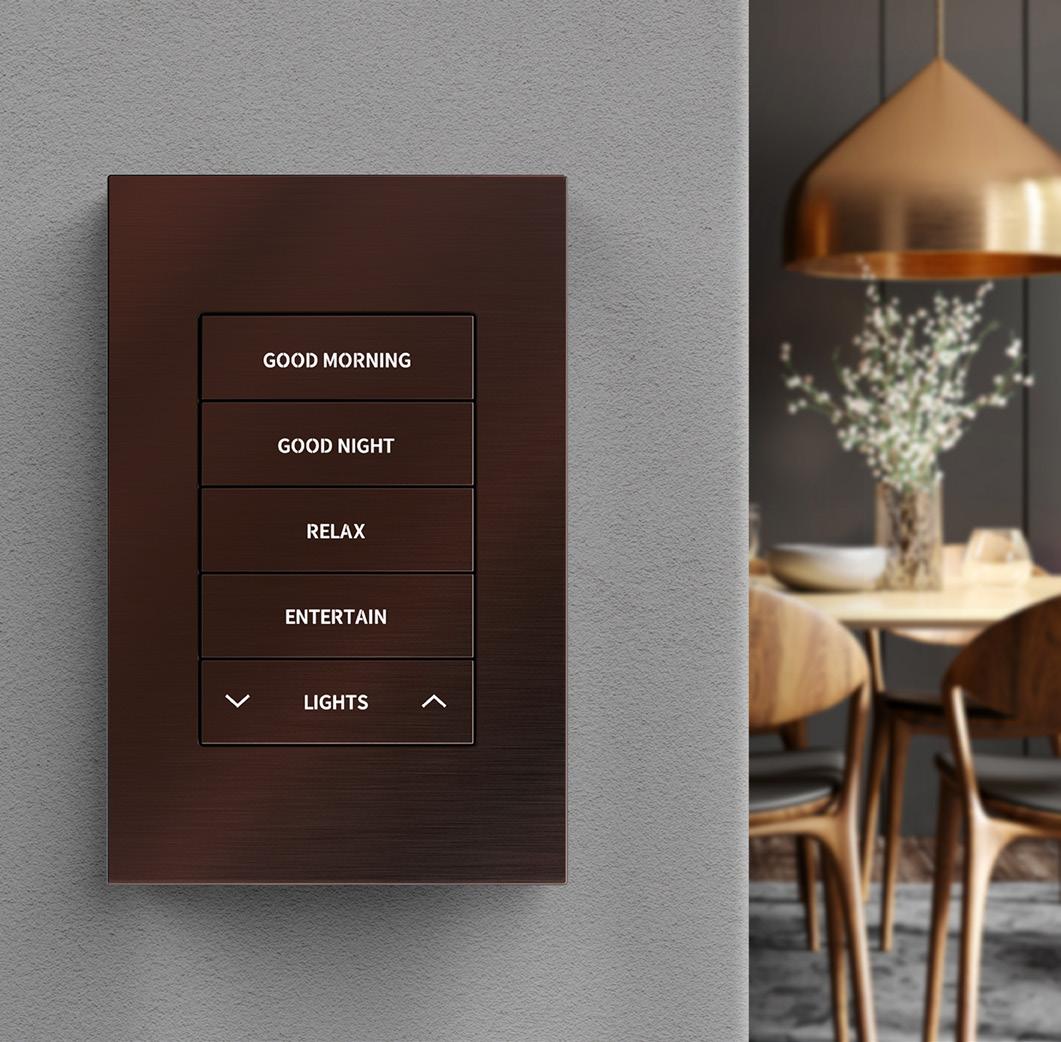
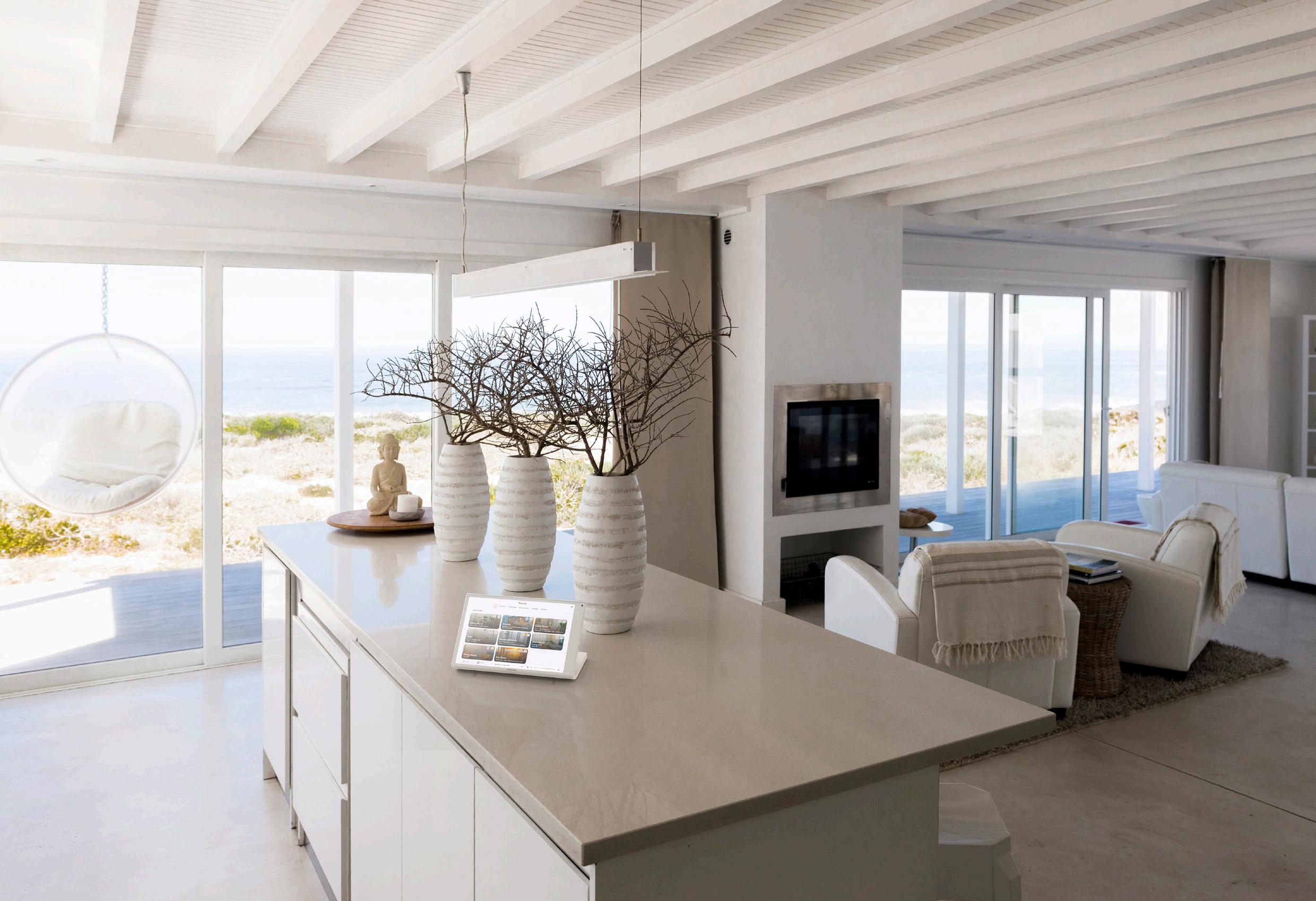
highest expectations of dealers and users. We won’t compromise one for the other. We strive to marry aesthetics and functionality without sacrificing either, and to accomplish that requires extensive conversations with architects, interior designers and end users to ensure that what we build serves them today and long into the future.
What role do smart control panels play in the future of home automation, and do you see them replacing traditional switches or complementing them?
I think it’s a complimentary relationship. Keypads are extremely intuitive. While keypads get you that immediate functionality at the spot where you need it, smart homes often demand more granular control that a keypad just can’t deliver. You want to find a new workout playlist to listen to in your home gym? A touch screen can deliver that experience. And then perhaps a keypad can skip a song, mute it, or adjust the volume.
There are key places in the home where having
full control of everything is more valuable than the convenience of a keypad. I think the kitchen is a great example.
Looking ahead, what technological advancements or new capabilities can the industry expect to see in smart switches and control panels over the next few years?
I think we’re already kind of seeing a new breadth of technological advancements. Take the new Cameo keypads from Crestron: They provide capacitive touch technology paired with the tactility of a mechanical switch. That is the best of both worlds, from the satisfaction of pressing a well-designed button to the flexibility of what you’re able to control. It’s all built into the hardware.
We’re seeing more and more specialized and bespoke designs, too — that’s important, and I think that trend will continue. Lastly, I think the user profile has changed: Everyone in the home is getting familiar with all their control options and the ways in which they can customize a scene without a call to the dealer.
Kishan Jain Director, Goldmedal Electricals
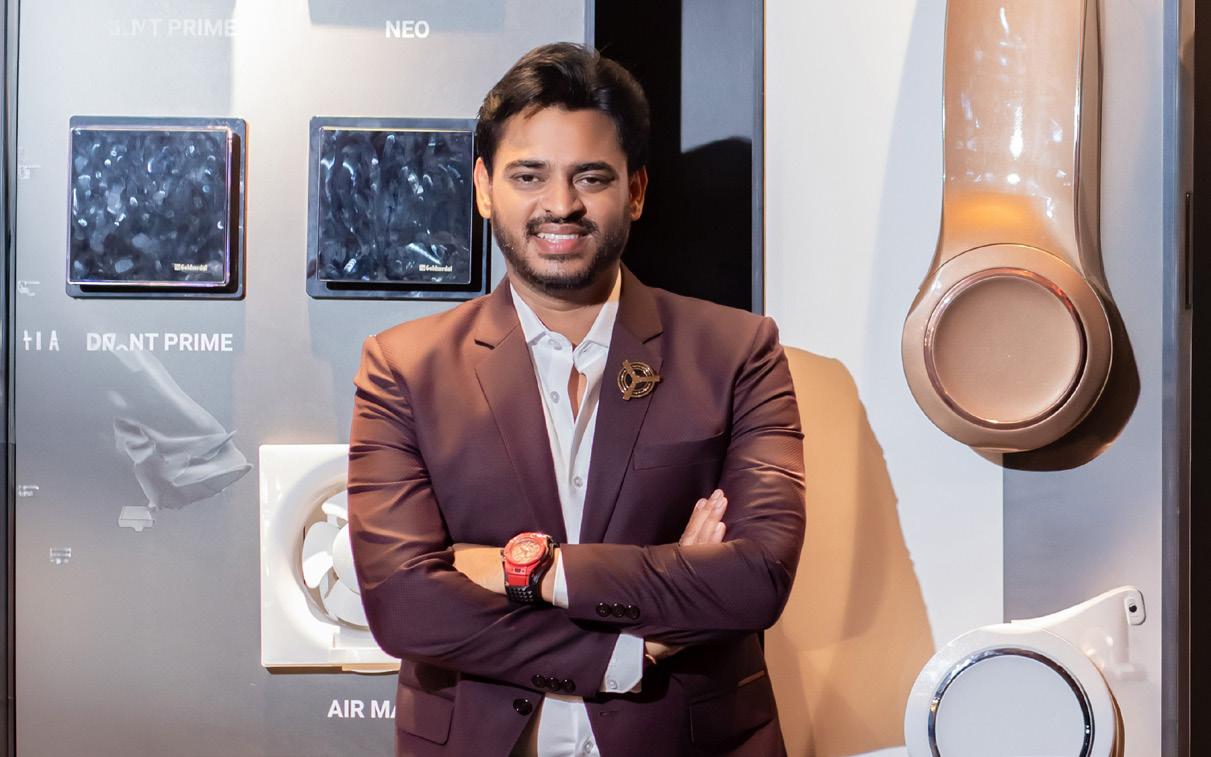
How have smart switches and control panels evolved over the last five years, and what key trends are driving innovation in this category?
Smart switches and control panels have evolved from simple remote-controlled devices into intelligent command centres that manage lighting, climate, security, entertainment, and appliances through a single interface. Consumers today expect seamless connectivity, voice control, app integration, and personalized automation rather than standalone functionality.
The shift is being driven by growing adoption of IoT-enabled devices, rising awareness of energy efficiency, and increasing demand for connected living. As energy efficiency becomes a priority for Indian households, smart automation is moving beyond convenience. India’s home automation market is projected to grow from USD 4.13 billion in 2025 to USD 15.07 billion by 2034, at a CAGR of 15.46%.
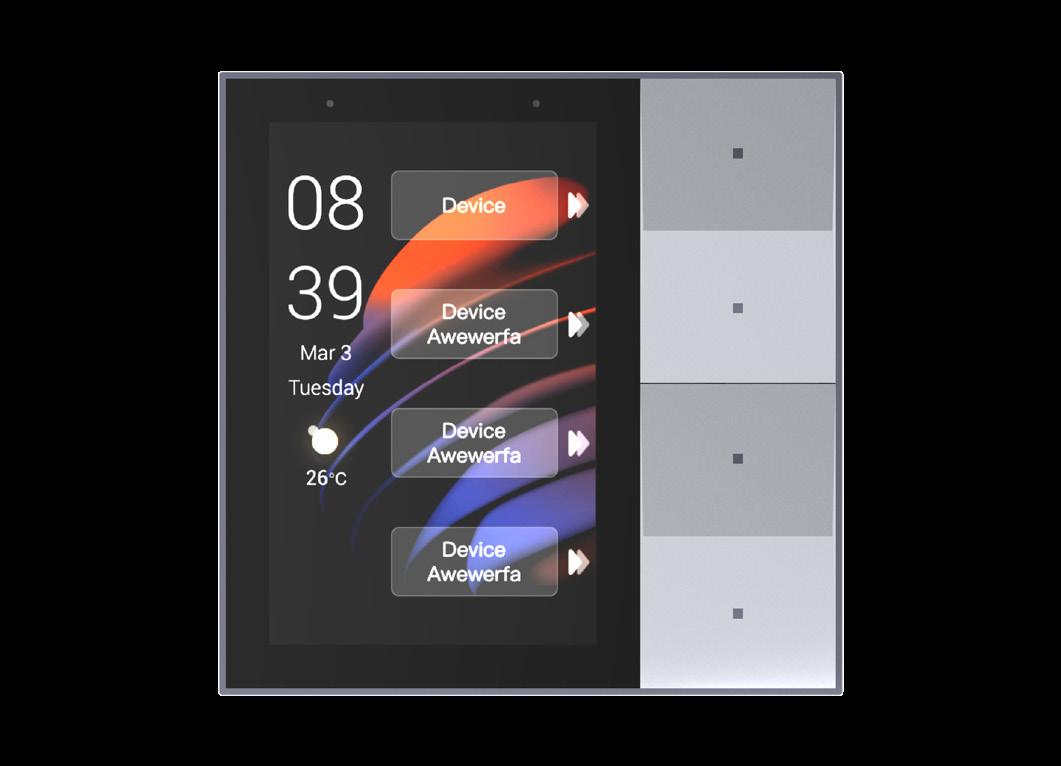
What features do today’s homeowners and developers value most when selecting smart switches and control panels, design, user experience, interoperability, AI, or something else?
Today’s consumers look beyond basic automation. User experience, interoperability, reliability, and ease of use are often the primary considerations. Homeowners want systems that work seamlessly across devices and can be controlled through touch, voice, or mobile applications.
Increasing electricity costs and rising temperatures are also influencing buying decisions, prompting homeowners to seek solutions that improve comfort while optimizing energy consumption. According to industry trends, modern homebuyers are prioritizing convenience, security, and energy efficiency, making smart homes an increasingly attractive proposition. Features such as remote access, scheduling, scene creation, occupancy-based controls, and energy monitoring are gaining significant traction. AI-enabled automation is also emerging as an important differentiator, allowing systems to learn user preferences and deliver more personalized experiences.
How is your brand balancing aesthetics and functionality to meet the expectations of architects, interior designers, and end users?
At Goldmedal, we believe that smart technology should enhance a space without disrupting its design language. Architects and interior designers today seek products that blend seamlessly with contemporary interiors while delivering advanced functionality.
Our approach focuses on creating solutions that combine elegant aesthetics with intuitive technology. Clean lines, premium finishes, and minimalistic designs are paired with features such as app control, voice integration, and customizable automation scenes. The objective is to ensure that users do not have to choose between form and function.
As smart homes become more designcentric, control interfaces are evolving from purely technical devices into lifestyle products
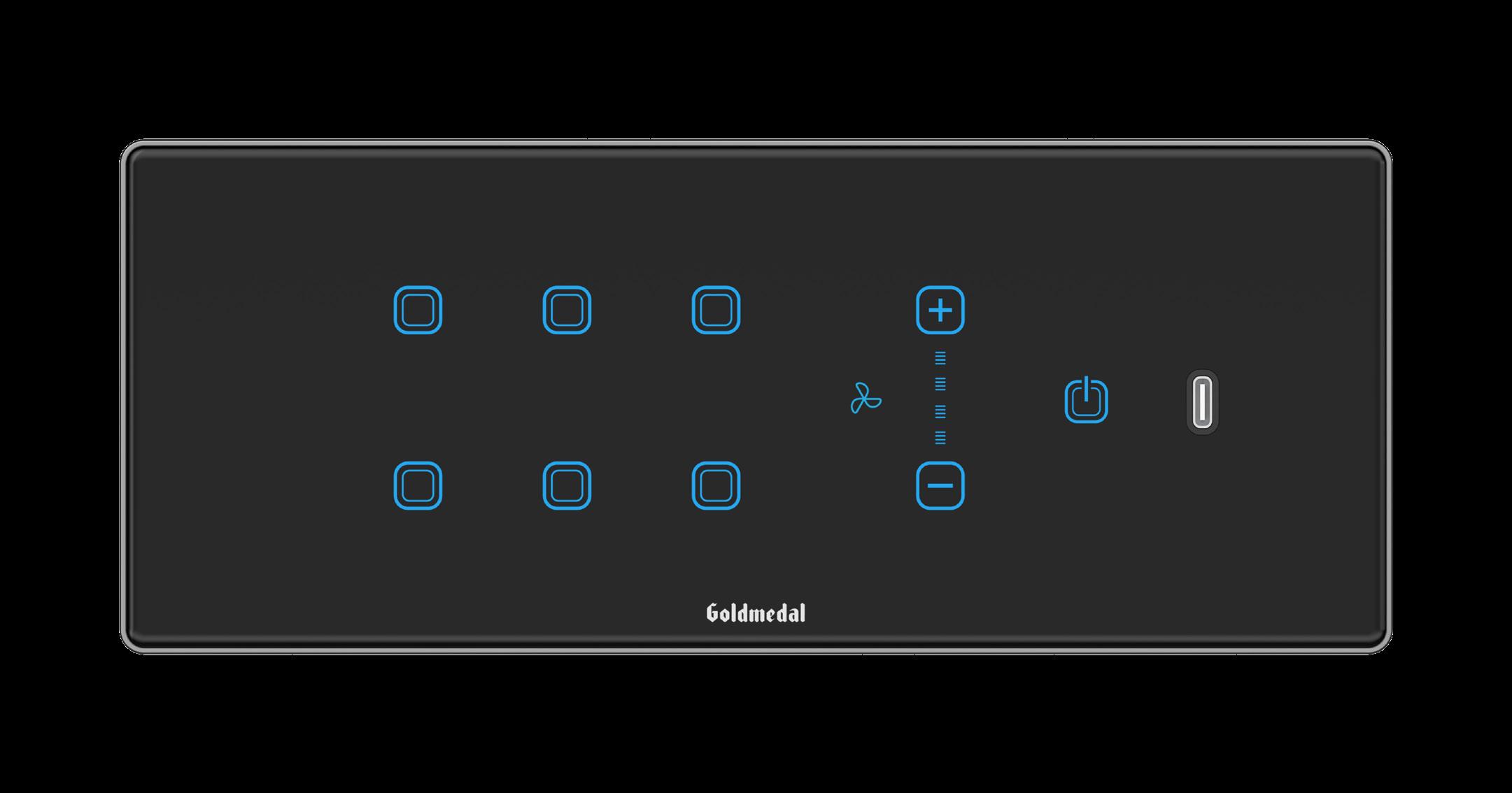
that complement modern living spaces while enhancing comfort and convenience.
What role do smart control panels play in the future of home automation, and do you see them replacing traditional switches or complementing them?
Smart control panels are rapidly becoming the central hub of connected homes by providing unified control over multiple devices and systems. They simplify user interactions and enable homeowners to manage lighting, climate, security, and entertainment from a single touchpoint.
However, we believe smart control panels will complement rather than completely replace traditional switches. Physical switches continue to offer familiarity and immediate accessibility, while control panels provide advanced functionality and centralized management. A hybrid approach allows users to enjoy the convenience of smart automation without compromising on usability.
As home automation adoption grows across both premium and mid-segment housing, smart control panels will increasingly function as the intelligence layer of the home, working alongside conventional controls to create a more connected living experience.
Looking ahead, what technological advancements or new capabilities can the industry expect to see in smart switches and control panels over the next few years?
The next phase of innovation will focus on predictive intelligence, enhanced interoperability, and sustainability. Smart switches and control panels will increasingly leverage AI to learn occupancy patterns, automate routines, and optimize energy consumption with minimal user intervention. Energy management will become a major area of focus as consumers seek smarter ways to reduce electricity usage. The Bureau of Energy Efficiency’s (BEE) roadmap for home automation underscores the importance of standardized and interoperable ecosystems to simplify adoption and enhance energy efficiency.
We also expect greater integration with smart appliances, sensors, and security systems, enabling homes to respond automatically to changing conditions. Touchless controls, occupancy sensing, wellness-focused automation, and stronger cybersecurity features will become increasingly common. Smart switches and control panels will evolve from control devices into intelligent platforms that deliver convenience, efficiency, personalization, and a truly connected lifestyle.

Sundara Vadanam Executive Director, Mahkam poorviauM Ventures Pvt Ltd
How have smart switches and control panels evolved over the last five years, and what key trends are driving innovation in this category?
Five years ago, the market was highly fragmented, often forcing a compromise between rigid, complex industrial wiring loops or a piecemeal collection of standalone, unstable wireless gadgets. Today, the category has matured into unified, intelligent infrastructure
The real driving force right now is the definitive shift toward local edge processing. We have moved away from heavy reliance on external cloud servers toward decentralised, local systems. This ensures that even if an internet connection drops, the home’s intelligence, pre-programmed schedules, lighting scenes, and security protocols still fire instantly with near-zero latency. Additionally, the evolution of robust, self-healing mesh communication protocols has made modern smart switches and panels highly stable and scalable, removing any operational strain from the user’s standard network.
What features do today’s homeowners and developers value most when selecting smart switches and control panels—design, user experience, interoperability, AI, or something else?
For premium homeowners and developers, it is a masterclass in balance, but User Experience (UX) and intelligent interoperability always take priority. A smart home must pass what we call the “guest test”—anyone, from a visiting family member to a child, should be able to
walk up to an interface and at once control a room without a tutorial.
However, the conversation has fundamentally shifted around AI and ecosystem overlay. Homeowners no longer want isolated, standalone AI gadgets; they want an intelligent overlay on top of their core home infrastructure. We are seeing this reality take off right now, especially with breakthroughs like Apple’s recent WWDC releases. By using a Control4 system with a Connect subscription, native Apple Home integration is built straight into the architectural backbone of the house. This means that all the next-generation, context-aware Siri and Apple Intelligence features layer perfectly over the home’s physical systems. A user can use advanced consumer AI to orchestrate complex requests, and that intent translates seamlessly into the bulletproof local execution of our professionalgrade switches and panels.
For developers, this hybrid approach is gold. It satisfies the client’s desire for the latest consumer AI interfaces while keeping a rocksolid, professionally managed automation foundation backed by proactive remote monitoring tools that keep operational callbacks to zero.
How is your brand balancing aesthetics and functionality to meet the expectations of architects, interior designers, and end users?
We look at user interfaces not as mere electrical utilities, but as critical pieces of interior architecture. Historically, design professionals dreaded automation because it led to “wall acne” cluttered rows of switches, dials, and intercoms fighting for space. We balance this by delivering streamlined, high-performance hardware that blends seamlessly into a space until the exact moment it is needed.
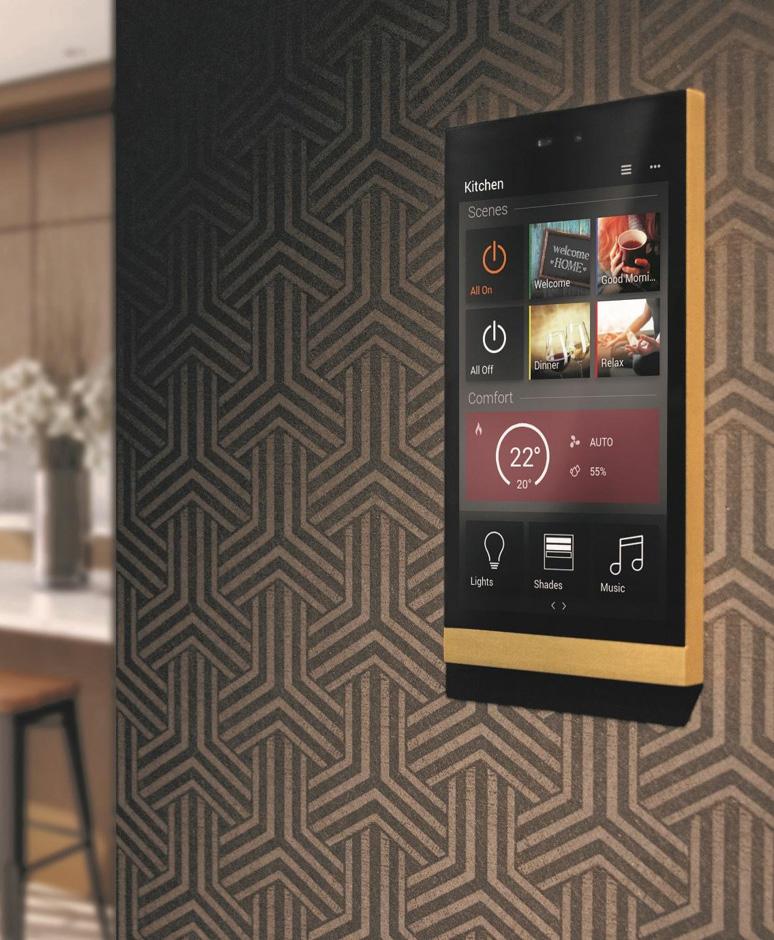
A perfect example of this is our Control4 T5 Touchscreen. It completely redefines the wall aesthetic by incorporating advanced proximity-sensing. The panel sits completely dark and minimalist on the wall, respecting the interior design of the room. The moment a user approaches, it intelligently wakes up, presenting a clean, context-aware interface. On the wall, our Lux Series lines up beautifully to combine form and function. For spaces
like dressers, walk-in closets, or utilities where hands-free operation is needed, the Lux Motion Dimmer (C4-L-MDIM) integrates an elegant, flush motion lens right into the lower slot of the keypad plate. This allows for sophisticated, occupancy-based lighting automation without requiring industrial sensors to be cut into the ceilings or spoiling the interior design.
Furthermore, this balance extends beyond luxury residential projects into commercial spaces. Traditionally, high-end commercial A/V needed massive, complex racks of central equipment. Today, we can deliver sleek, non-controller-based commercial projects seamlessly using our Episode Audio/Video lines. This allows architects and business owners to enjoy premium, commercialgrade distributed media with an incredibly small physical footprint, giving designers the clean lines they demand and end-users the functionality they expect.
What role do smart control panels play in the future of home automation, and do you see them replacing traditional switches or complementing them?
They will absolutely complement each other; a successful high-end smart home requires a hybrid ecosystem. A home entirely reliant on touchscreens introduces human friction and feels sterile, while a home with only traditional switches lacks systemic intelligence.
Smart control panels act as the property’s interactive dashboards or “command centers”
strategically placed in hightraffic transition zones like the foyer, kitchen, or main living area to orchestrate complex tasks like whole-house audio distributions, viewing highdefinition security feeds, or checking systemic statuses. Meanwhile, dedicated tactile keypads stay critical at local entry points and bedsides for immediate, musclememory actions like tapping a single, preset “Goodnight” macro to shut down the entire property.
Looking ahead, what technological advancements or new capabilities can the industry expect to see in smart switches and control panels over the next few years?
Looking over the horizon, the conversation will shift from reactive interfaces to proactive spatial awareness. The industry is moving away from forcing users to manually program schedules and heading instead toward a world driven by low-power edge AI and advanced sensor telemetry
We can expect next-generation control interfaces across the industry to heavily integrate micro-radar or proximity-sensing technologies. Instead of a static screen, wall panels may dynamically alter their visual layout based on the user’s distance—showing minimalist, macro ambient details from across the room, and seamlessly expanding into granular control options as you step closer.
Furthermore, as architectural lighting continues to embrace dynamic tunable white and circadian illumination, switches and control panels will likely need to manage health and wellness features more autonomously.
The smart infrastructure of the near future should be intelligent enough to quietly observe localized household patterns, crossreference them with outdoor environmental factors, and automatically adapt lighting and motorized shading to optimize both comfort and efficiency—all without the end-user ever needing to open an app or create a manual rule.
Jay Parekh Operations Director, Smato

How have smart switches and control panels evolved over the last five years, and what key trends are driving innovation in this category?
The smart home industry has matured significantly over the last five years. What was once centred around automation and connectivity is now increasingly focused on experience, design, and seamless interaction.
Today’s homeowners expect technology to blend effortlessly into their lifestyle and interiors. As a result, the industry has moved towards more intuitive interfaces, premium materials, and unified control of lighting, climate, shading, audio, security, and access management.
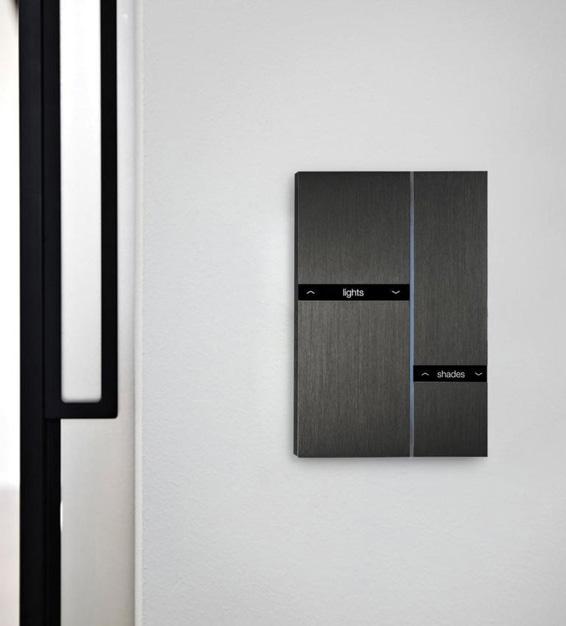
At Basalte, this philosophy has always been at the core of our product development. Whether it’s the iconic Sentido switch, the recently launched Matisse keypad collection, or the elegant Ellie touch panel, the objective remains the same: to create technology that feels natural, beautiful, and easy to use. Another significant trend is the growing role of AI, making interactions more intuitive and personalised than ever before.
What features do today’s homeowners and developers value most when selecting smart switches and control panels?
In the luxury residential segment, aesthetics and user experience often drive the initial decision, but long-term value comes from reliability, flexibility, and seamless integration. Architects and interior designers want
products that elevate a space rather than compete with it. Homeowners, meanwhile, are looking for simplicity—technology that works effortlessly in the background.
This is reflected in the growing demand for products like Matisse, which offers a wide range of metal finishes and colour options, allowing designers greater creative freedom while maintaining a refined, architectural look. Equally important is personalization, which is where Basalte’s Fibonacci collection allows for unique combinations and bespoke finishes tailored to each project.
Increasingly, clients are also looking for smarter and more intuitive ways to interact with their homes. With ChatGPT integration in Ellie, Basalte is exploring a new dimension of user interaction, bringing conversational AI into the luxury smart home environment.
How is your brand balancing aesthetics and functionality to meet the expectations of architects, interior designers, and end users?
At Basalte, we don’t see aesthetics and functionality as separate considerations. The best technology is technology that performs exceptionally well while becoming a natural part of the architecture.
Every Basalte product is designed and handcrafted in Belgium, with a strong focus on materials, proportions, finishes, and user experience. The minimalist elegance of Sentido, the design flexibility offered by Matisse, and the sophisticated interface of Ellie are all examples of this approach.
Beyond switches and touch panels, our ecosystem extends to products such as Adelante, our premium video door phone and access control solution, which combines communication, security, and design in a single interface. Auro sensors bring discreet intelligence to a space, enabling occupancybased automation without compromising aesthetics.
The objective is not to showcase technology, but to make it seamlessly disappear into the living environment while enhancing comfort and convenience.
What role do smart control panels play in the future of home automation, and do you see them replacing traditional switches or complementing them?
We believe the future lies in offering multiple intuitive ways to interact with the home rather than replacing one interface with another.
Traditional controls continue to play an important role. Products like Sentido and Matisse provide immediate, tactile interaction that remains highly relevant in everyday living. At the same time, touch interfaces such as Ellie bring together lighting, climate, music, security, and communication into a single elegant experience.
Mobility is becoming increasingly important as well. The Miro Pro Remote allows homeowners to control their environment from anywhere in the home while maintaining the same premium design language and intuitive user experience found across the Basalte ecosystem.
The future is not about choosing between switches, touch panels, remotes, voice, or AI—it is about creating a seamless ecosystem where every interaction feels effortless.
Looking ahead, what technological advancements or new capabilities can the industry expect to see in smart switches and control panels over the next few years?
The next phase of innovation will be shaped by intelligence, personalization, and contextual automation.
AI will play an increasingly important role in simplifying the way people interact with their homes. Basalte’s integration of ChatGPT within Ellie is an early example of how conversational interfaces can make technology more accessible, intuitive, and human-centric.
At the same time, we expect greater integration between home automation, wellness, energy management, security, and communication systems. Sensors such as Auro will become even more intelligent, enabling homes to respond proactively to occupancy and behavioural patterns while remaining virtually invisible.
Design will continue to be equally important. Homeowners and designers are increasingly seeking products that combine advanced technology with timeless craftsmanship. Whether through the architectural elegance of Sentido, the design versatility of Matisse and Fibonacci, the mobility of the Miro Pro Remote, the intelligence of Ellie, or the integrated functionality of Adelante, the future of smart home controls will be defined by solutions that are as beautiful as they are intelligent.
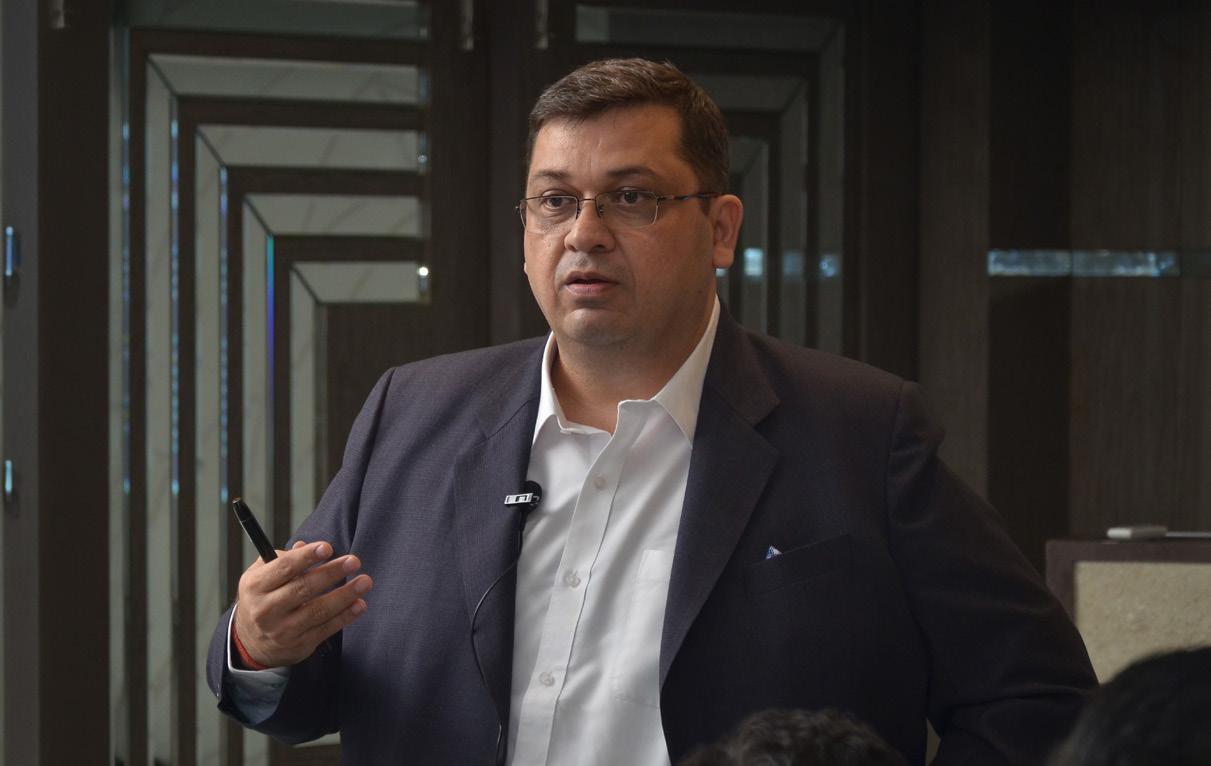
Ashdhir Kinra CEO and Founder, Cohesive Technologies
How have smart switches and control panels evolved over the last five years, and what key trends are driving innovation in this category?
Over the past five years, smart switches and control panels have undergone a fundamental shift - moving well beyond their functional origins to become refined design statements that define the character of modern interiors. What were once considered premium differentiators - visual device status feedback, voice commands, AI-driven scenes and routines, smart sensing, and energy monitoring - have now become baseline expectations across the industry.
The bar has risen significantly, and the real competition today is around how seamlessly these capabilities come together. Akubela, distributed exclusively in India by Cohesive Technologies, is ahead of that curve - bringing all of these capabilities into one cohesive, intuitive platform that’s built for the way people actually live.
What features do today’s homeowners and developers value most when selecting smart switches and control panels - design, user experience, interoperability, AI, or something else?
For both developers and homeowners, the conversation has shifted from individual features to the overall ecosystem experience. The priority today is an AI-integrated platform that’s genuinely open - one that works across brands and devices without friction.
Akubela addresses this exceptionally well. Picture a home where a single intelligent interface manages everything - from entry points and gate access to elevator calls triggered by facial recognition, to personalised scenes that activate the moment you walk through the door. That kind of fluid, propertywide connectivity is what serious buyers are now looking for, and it’s what sets Akubela apart in the Indian market.
How is your brand balancing aesthetics and functionality to meet the expectations of architects, interior designers, and end users?
This is where Akubela genuinely stands out. By supporting a hybrid of wired protocols - KNX and RS485 - alongside wireless technologies like Zigbee, Matter over IP, and Wi-Fi, Akubela significantly reduces the dependency on complex cable infrastructure. That directly translates to cleaner walls, greater flexibility during fit-out, and far fewer constraints for architects and interior designers working on high-end projects.
The wireless, relocatable panels are particularly well received - they give designers real freedom to plan interiors without being locked into fixed switch positions. And beyond
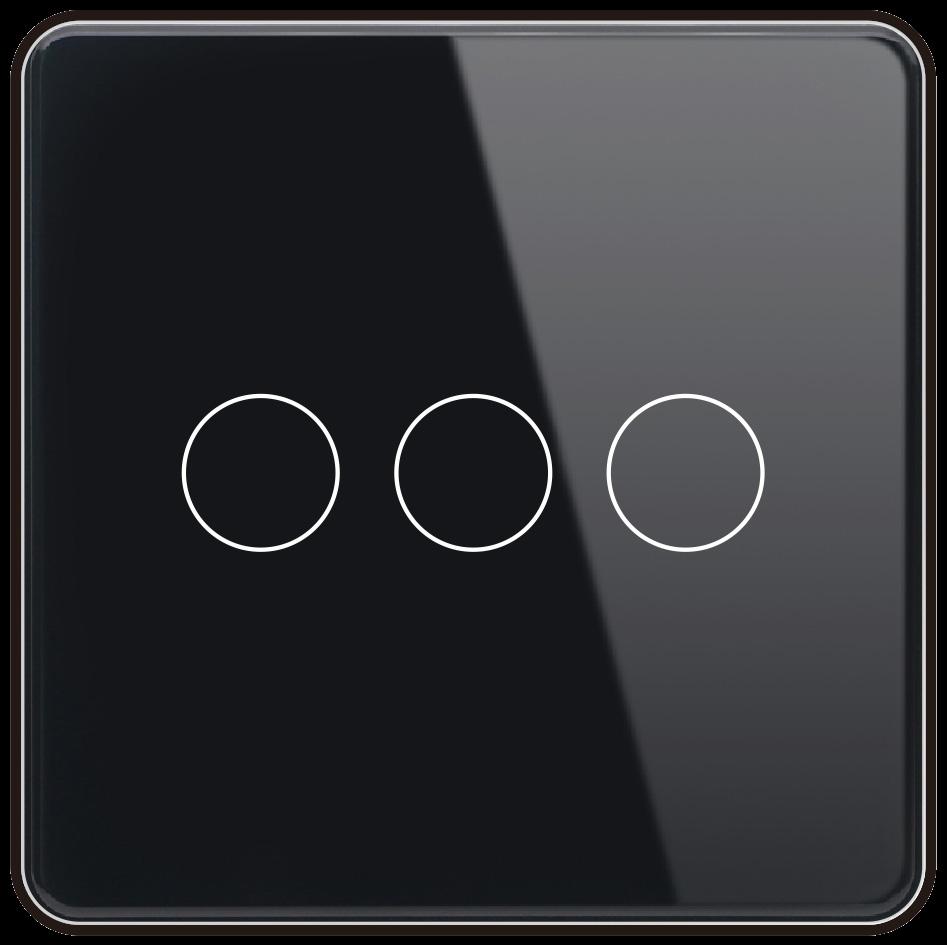
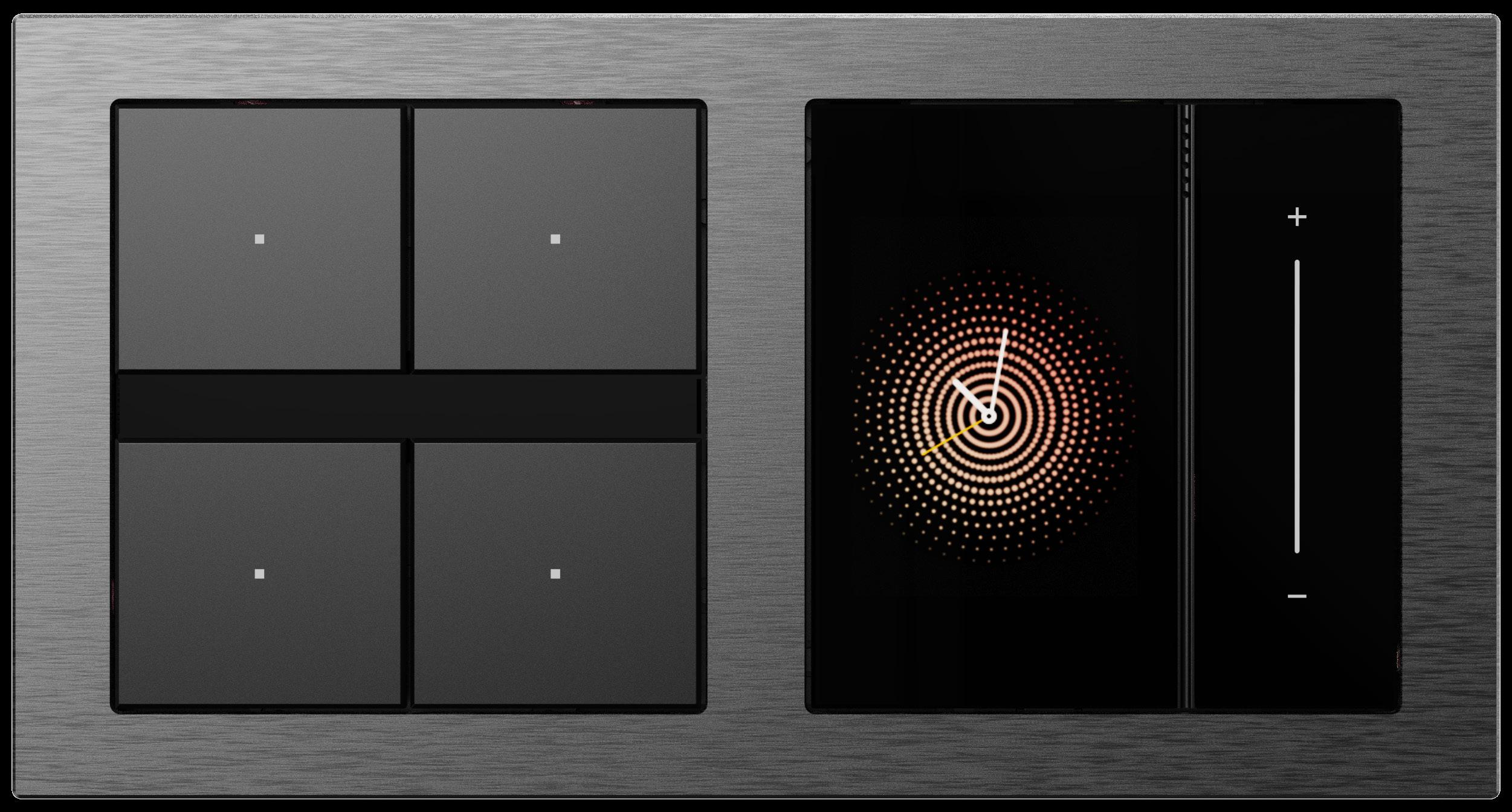
the technical side, the tactile quality, refined finishes, and visual sophistication of Akubela’s panels mean they genuinely complement premium interiors rather than compete with them.
What role do smart control panels play in the future of home automation, and do you see them replacing traditional switches or complementing them?
The honest answer is - both, depending on the context. The broader direction of home automation is clearly moving toward intelligent, automated, and increasingly hands-free interactions, which naturally reduces reliance on conventional wall switches.
That said, traditional controls aren’t disappearing anytime soon, nor should they. In homes with elderly residents, or in spaces where accessibility and familiarity are priorities, the reassurance of a physical switch still matters. The smarter approach - and the one we advocate - is designing systems where intelligent panels and traditional controls work in tandem, each playing to its strengths.
Looking ahead, what technological advancements or new capabilities can the
industry expect to see in smart switches and control panels over the next few years?
The most exciting shift is that the future of smart living isn’t really about the switch at all - it’s about the home becoming genuinely intelligent and responsive on its own terms. Through voice assistance, contextual awareness, sensor-driven automation, and personalised routines, homes will manage lighting, climate, curtains, garden systems, and access control intuitively - often without any manual input whatsoever.
Wearables will play an increasingly important role in this picture, particularly for elderly residents. Being able to access room controls from your wrist - while the system simultaneously monitors health metrics, detects falls, and responds to emergencies - represents a meaningful leap in how technology supports independent living.
This is precisely the vision that Akubela is working toward, and one that Cohesive Technologies is proud to bring to the Indian market - intelligent living spaces that don’t just respond to commands, but genuinely anticipate needs, protect well-being, and make daily life feel effortless.

Harish Kumar G Managing Director, Ekinex India Private Limited
How have smart switches and control panels evolved over the last five years, and what key trends are driving innovation in this category?
Over the last five years, smart switches and control panels have evolved from simple touch interfaces into intelligent control ecosystems. Homeowners today expect more than basic automation; they want seamless experiences that integrate lighting, climate, shading, security, energy management, and entertainment into a single platform. Key trends driving this evolution include increased interoperability, cloud and edge intelligence, sustainability, and premium design. The demand for KNX-based open systems has also increased significantly as users seek future-proof investments rather than proprietary solutions.
How is your brand balancing aesthetics and functionality to meet the expectations of architects, interior designers, and end users?
Modern homeowners and developers prioritise a combination of design, reliability, and interoperability. While aesthetics remain important, users increasingly value intuitive operation,
integration with multiple technologies, and long-term scalability. AI-enabled automation, personalized scenes, energy optimization, and remote management are becoming highly desirable.
Developers especially appreciate solutions
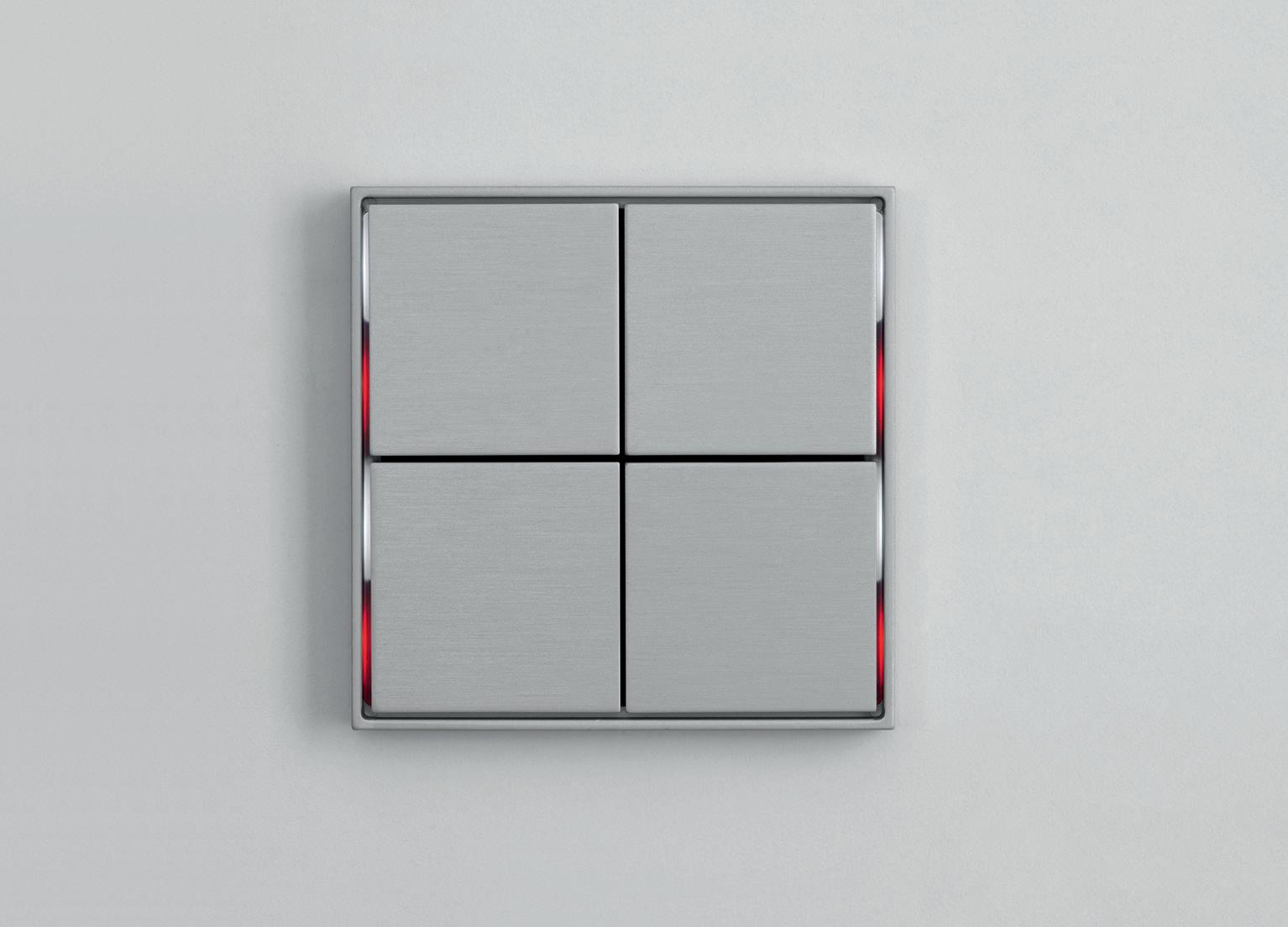
that can adapt to future upgrades without requiring major infrastructure changes.
What role do smart control panels play in the future of home automation, and do you see them replacing traditional switches or complementing them?
At Ekinex, design has always been as important as technology. Our products are developed in Italy with a strong focus on architectural integration.
We offer multiple product families, premium materials, and a wide range of finishes that
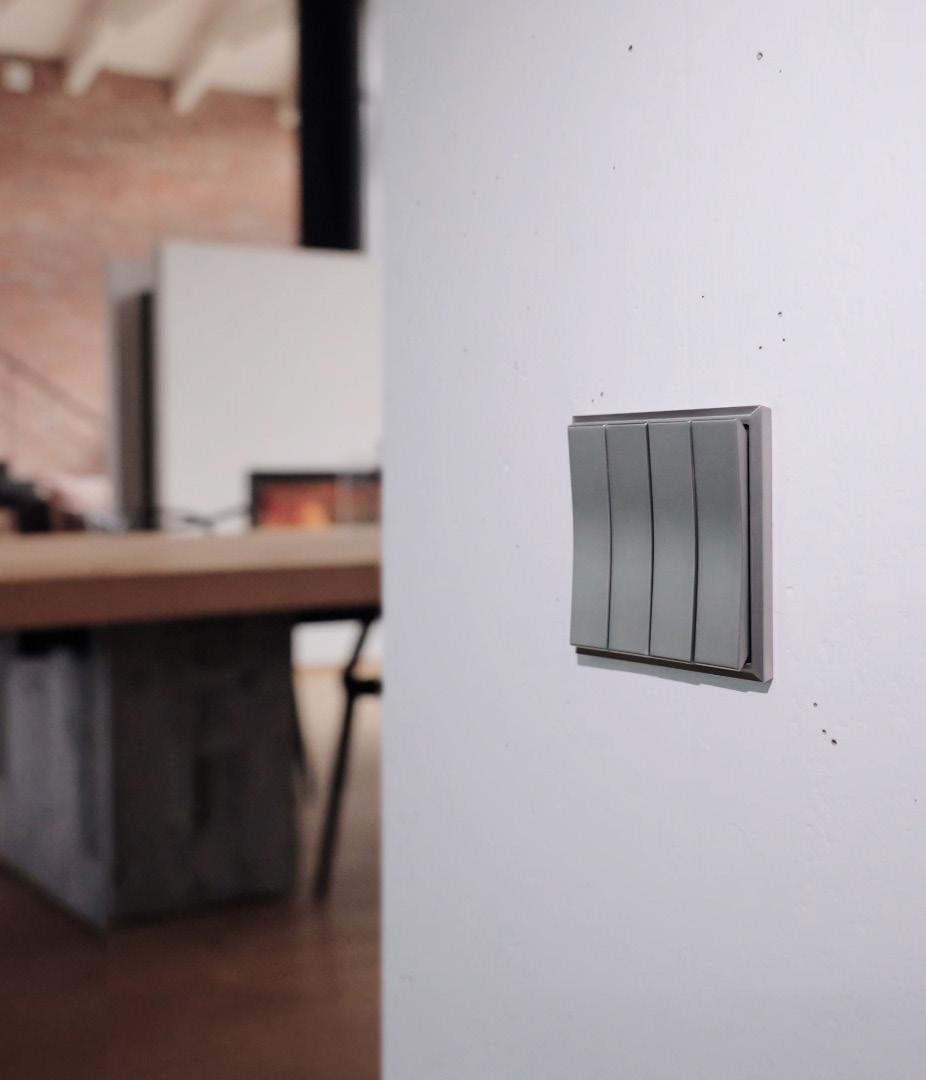
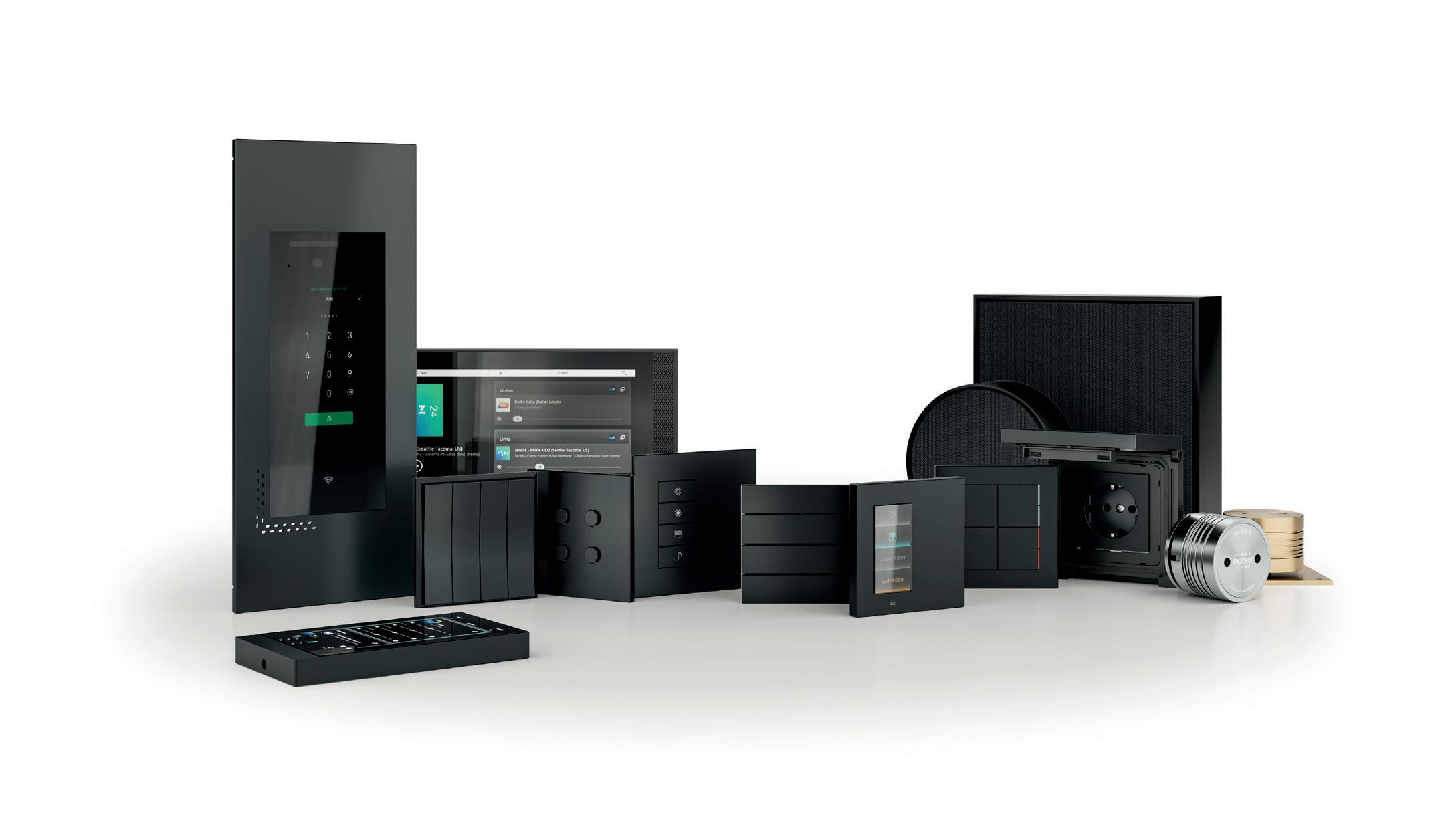
allow architects and interior designers to align technology with interior concepts. At the same time, our KNX-based platform ensures robust functionality, flexibility, and advanced automation capabilities.
What role do smart control panels play in the future of home automation, and do you see them replacing traditional switches or complementing them?
Smart control panels will play a central role in the future of home automation by acting as unified command centers. However, we do not believe they will completely replace traditional switches.
Instead, they will complement them. Physical interaction remains important for convenience and accessibility, while panels provide advanced visualization, monitoring, and control functions.
Looking ahead, what technological advancements or new capabilities can the industry expect to see in smart switches and control panels over the next few years?
Looking ahead, the industry will witness
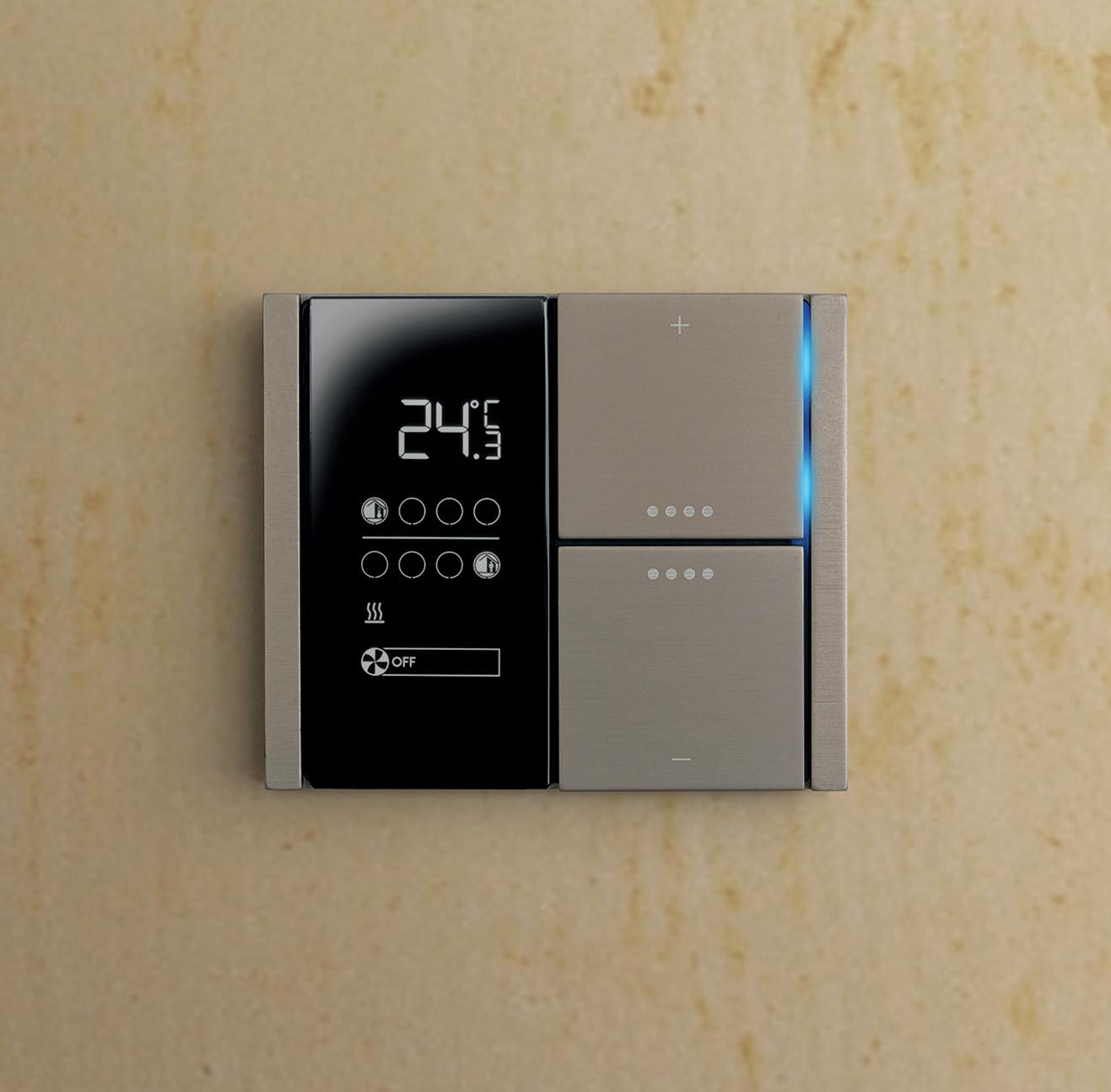
deeper AI integration, predictive automation, enhanced energy management, and greater interoperability. We also expect growing adoption of digital twins, occupancy-based intelligence, and sustainability-focused automation. Future control interfaces will
become more contextual, offering personalized experiences while remaining simple and intuitive.

Hassaan Shabandri General Manager, Distribution, Modo Technologies
How have smart switches and control panels evolved over the last five years, and what key trends are driving innovation in this category?
Over the past five years, the smart home category has matured from a niche, enthusiast-driven space into a mainstream expectation, and smart switches and control panels have had to evolve at the same pace. As more people become familiar with what a connected home can do, demand has shifted from “does it work?” to “does it look and feel like it belongs in my home?” Homeowners now want devices that are genuinely unique — something they can show off, build a room around, and use to set moods and scenes at the touch of a button. Not long ago, that kind of experience was a luxury reserved for fully wired automation systems, which were expensive, inflexible, and tied to a costly installation. The single biggest shift has been the rise of reliable wireless technology. Wireless protocols have effectively bridged that luxury gap — delivering the same scene control, panels, and centralized experience without ripping open walls. That accessibility is what has truly driven innovation in the category, opening it up to retrofits, renters, and developers alike.
What features do today’s homeowners and developers value most when selecting smart switches and control panels, design, user experience, interoperability, AI, or something else?
From a homeowner’s perspective, two things consistently rise to the top: how it looks, and how seamlessly it works. End users are no
longer willing to compromise on aesthetics simply because a product is “smart.” A switch or panel is a permanent fixture on the wall, so it has to complement the interior rather than clash with it.
The second priority is interoperability — having everything live within a single, cohesive ecosystem. The ability to control lighting, climate, security, and scenes from one interface, without juggling multiple apps or systems that don’t talk to each other, is often the deciding factor in a purchase. Design gets the customer interested; a unified, frictionless experience is what closes the decision. How is your brand balancing aesthetics and functionality to meet the expectations of architects, interior designers, and end users?
At Modo, our philosophy is to give customers as much choice as possible, across designs, finishes, and colours, so they can find a solution that fits their space rather than forcing the space to fit the product. We do this by partnering with leading names in the smart home industry, including Aqara, Dreame, Govee, and Lockin, brands that share a deep focus on design as well as performance.
That curated approach lets us meet and raise, the expectations of architects, interior designers, and end users at the same time. Designers get the finishes and form factors they need to specify with confidence, while homeowners get products that don’t ask them to sacrifice functionality for looks, or looks for functionality. We see our role as delivering both, and continually expanding what’s possible on each front.
What role do smart control panels play in the future of home automation, and do you see them replacing traditional switches or complementing them?
Control panels are, in many ways, the heart of a smart home — the central point where scenes, devices, and information come together. That said, many people are still understandably apprehensive about moving entirely to screens for something as fundamental as turning on a light.
For that reason, I don’t believe panels will
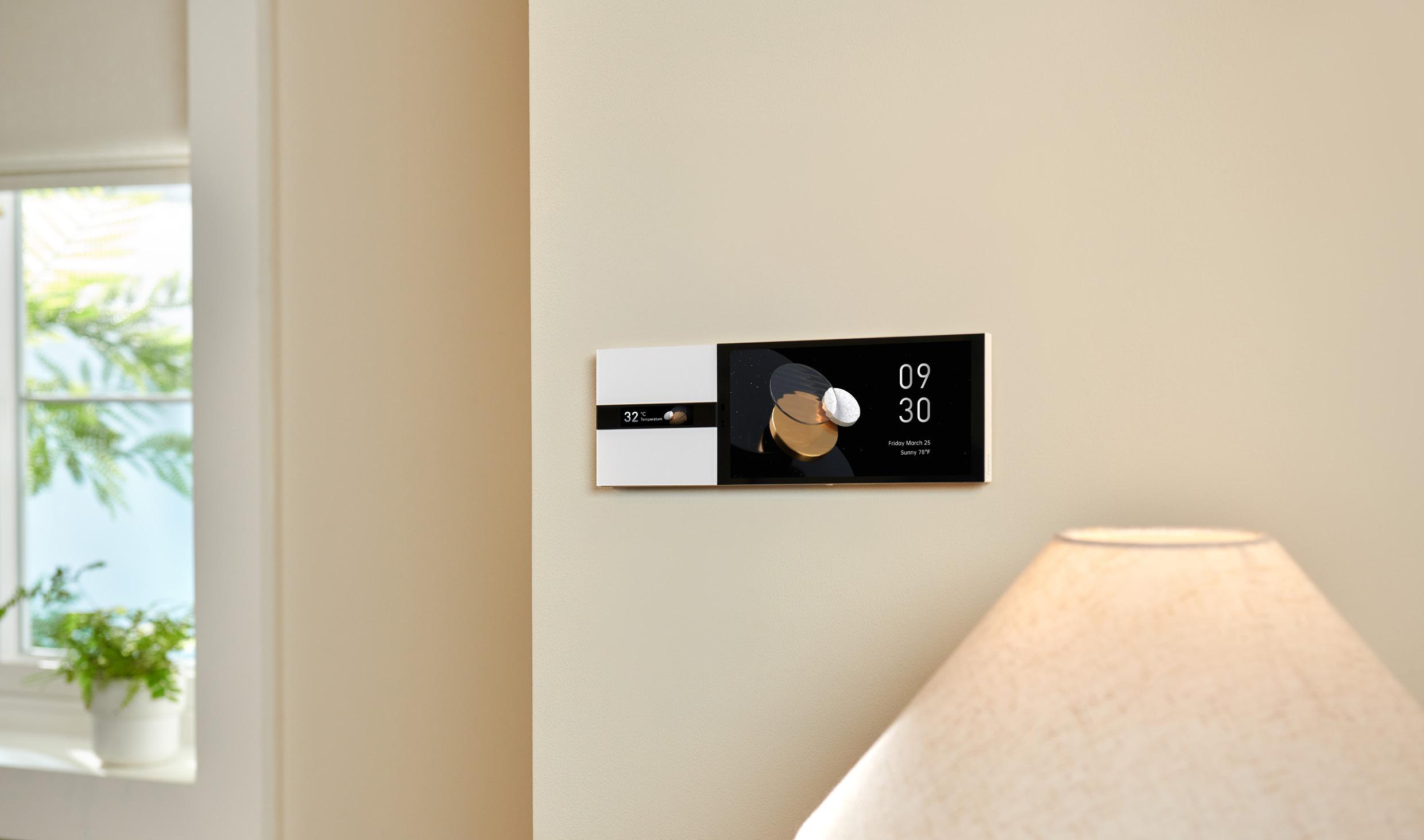
replace traditional switches just yet. The more compelling future is one where they complement each other: panels act as the command centre for richer control, while familiar, well-designed switches remain for everyday, intuitive use. The goal isn’t to force a choice between the two — it’s to combine them into a single, seamless experience for the customer.
Looking ahead, what technological advancements or new capabilities can the industry expect to see in smart switches and 0control panels over the next few years?
Over the next few years, I expect control panels to get noticeably faster and sharper, with better displays and far more capability built directly into the device. We’re already seeing this with Aqara, where panels now integrate mmWave presence sensing alongside temperature and humidity sensors — letting you control the whole home, and respond to it, from a single touchpoint. That trend will only accelerate. Switches will follow the same trajectory: refined designs, stronger functionality, and the option to layer in wireless controls that operate devices remotely rather than simply triggering preset scenes from a fixed point. I’m especially excited about the assisted-living
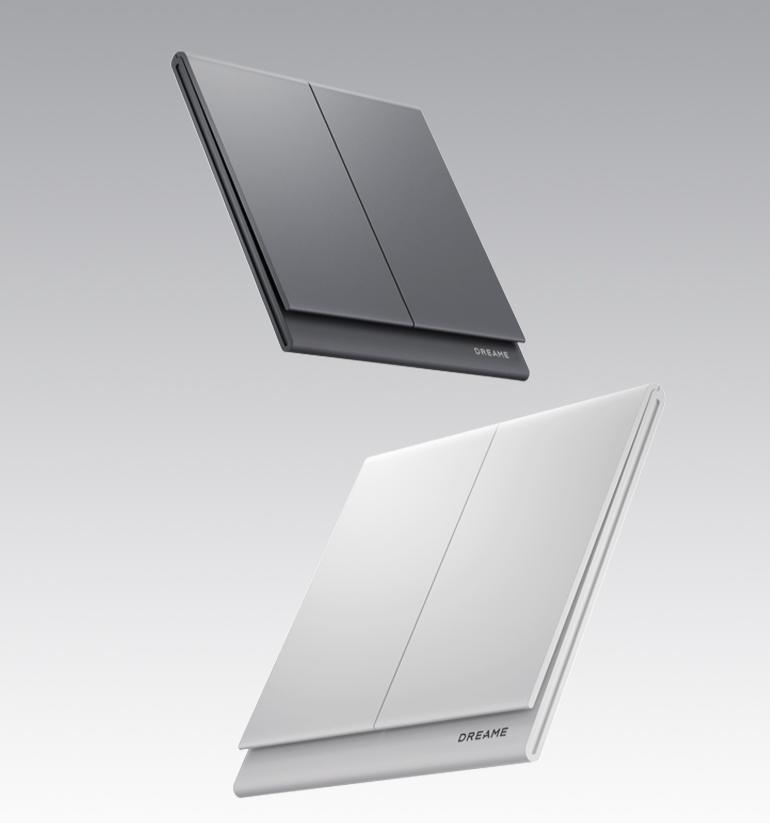
potential here. For people with disabilities or older users, this technology can be genuinely life-changing — removing the need to physically reach multiple switches just to get a room the way they want it. Making homes more comfortable, more responsive, and more accessible is, to me, where the most meaningful innovation lies.
Dhruv Patel Co-Founder & Lead Product Manager, Smart Node
How have smart switches and control panels evolved over the last five years, and what key trends are driving innovation in this category?
Two shifts stand out. The hardware has matured from plain glass touch surfaces to metal bodied switches with a real tactile feel, so the switch now reads as part of the interior rather than a gadget on the wall.
More telling, households have begun asking for centralised, immediate control, which is where central screens and scene controllers come in. The logic is simple: a smart home is only as good as how quickly you can act on it. Reaching for a phone, unlocking it, opening the app and hunting for the right tile is a fivesecond journey for a onesecond intention and it leaves out the guests, children and parents who don’t want to live through a phone.
So the real trend is choice of control: an alwaysthere physical counterpart to the app, putting a home’s most used scenes and most adjusted setting within instant reach. That shapes how we build our Scene Controller is designed inhouse, alongside the app, so the home answers to everyone in it.
What features do today’s homeowners and developers value most when selecting smart switches and control panels design, user experience, interoperability, AI, or something else?
It is rarely one feature it is the balance. But reliability and simplicity come first, because a
switch controls daily life and must work every single time, for every member of the family.
Design follows closely; the panel sits permanently on the wall, so it has to feel premium and considered.
Interoperability matters next our customers want to use Alexa or Google Home freely, with no recurring fees on the app or integrations. AI is the rising differentiator, valued more as homes mature.
Indian buyers are highly value conscious, so they weigh all of this against longterm dependability. We’ve built Smart Node around exactly that balance dependable hardware first, with the app and integrations free for life.
How is your brand balancing aesthetics and functionality to meet the expectations of architects, interior designers, and end users?
Aesthetics and functionality only conflict if you treat them as separate problems. We design hardware, firmware and app together, inhouse, so the balance is built in from the start rather than negotiated at the end.
For architects and designers, that shows up as clean, minimalist finishes on a fully retrofit, wireless system they can specify late in a project or add to a finished home no rewiring, no compromise on the interior.
In practice, we work to the designer’s intent fitting the product to the space, never the other way round.
For the people living there, it shows up as simplicity: the home has to make sense the moment you walk up to it.
So we offer a range of frontend choices switches, scene controllers, screens, app and voice and let each household personalise how they look and what every button and scene does, mapped to that home’s everyday use cases.
Underneath all of it sits stability, because an interface is only beautiful if it works every single time.
What role do smart control panels play in the future of home automation, and do you see them replacing traditional switches or complementing them?
Control panels are becoming the command centre of the home a single, elegant surface to manage lighting, fan speed, curtains, AC, TV, door locks and security, and to recall whole scenes with one touch.
But I see them complementing traditional switches, not replacing them.
This is the one technology in the house used by everyone from a five year old child to a seventy five year old grandparent, and the physical switch remains the most universal interface we have anyone, of any age, can use it instantly with no learning curve.
The future is layered, not singular: smart switches at the point of use, a central panel for the whole home, plus app and voice, all working together.
Good automation should expand how people interact with their home, never narrow it to one way.
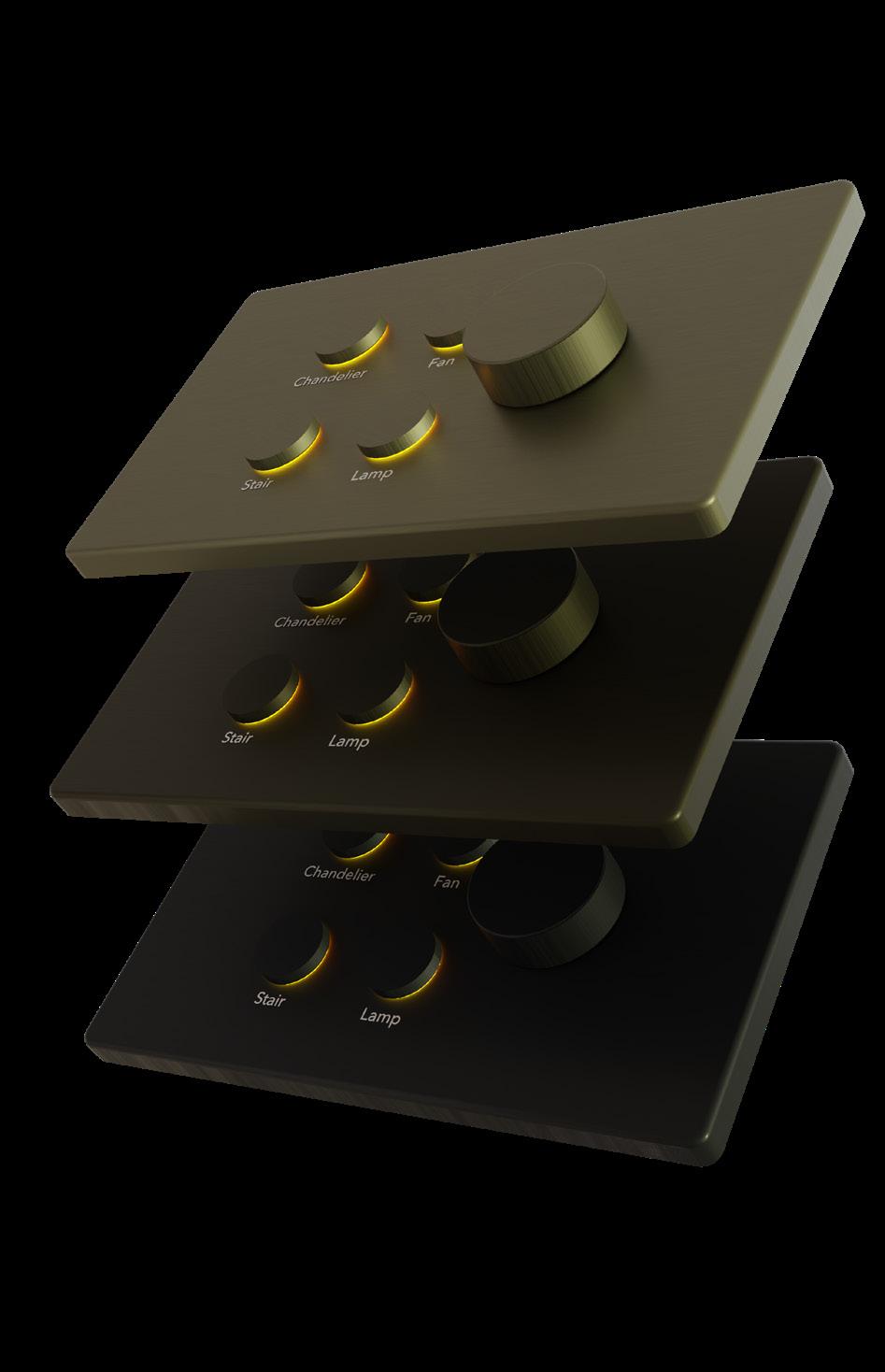
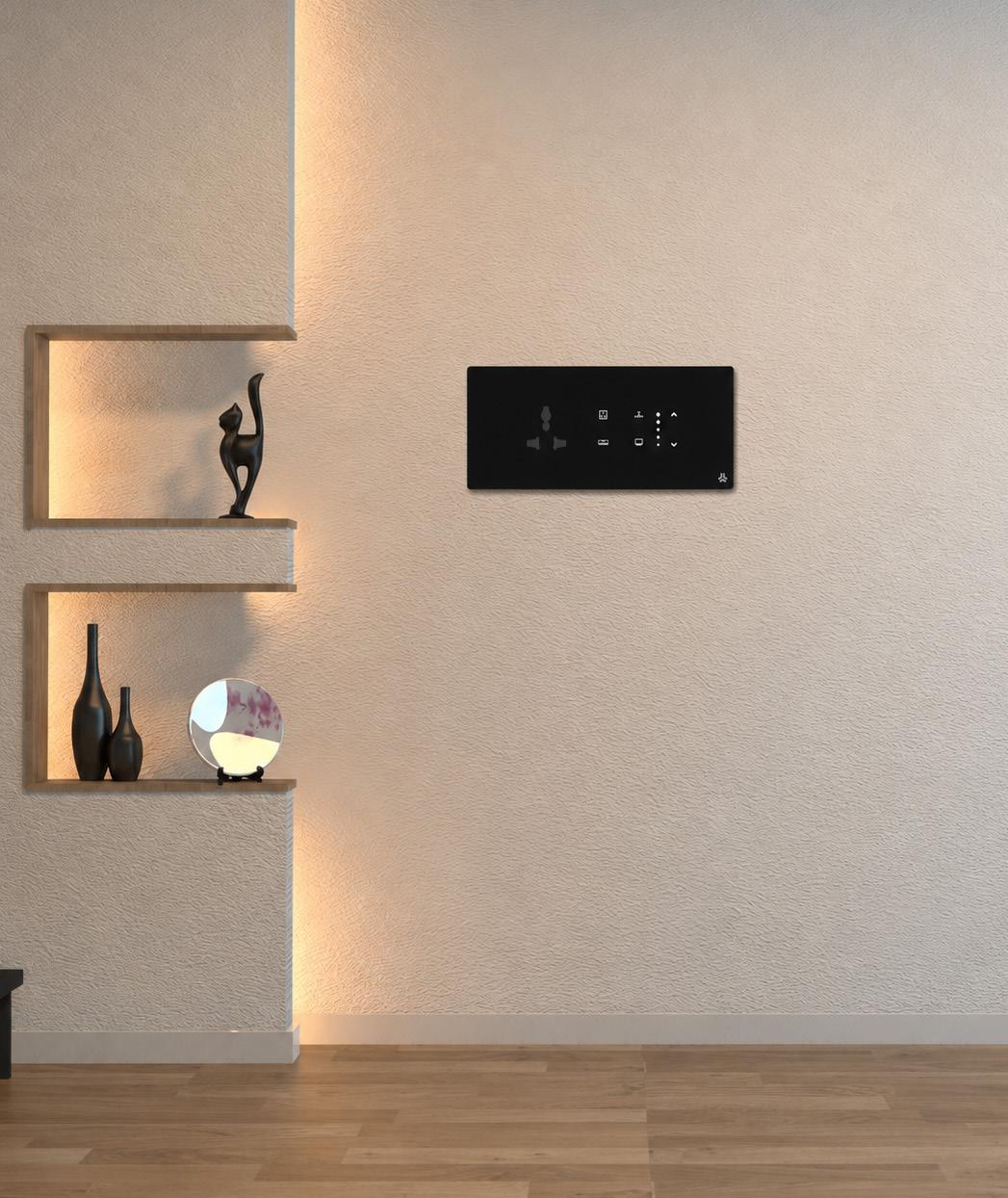
Looking ahead, what technological advancements or new capabilities can the industry expect to see in smart switches and control panels over the next few years?
Three shifts that will stand out in future are:
First, more intelligence at the edge devices that learn and act locally, so the home stays responsive even without the cloud.
Second, genuine energy awareness: as solar, batteries and rising power costs reach Indian homes, switches will manage loads, not just toggle them.
Third, deeper interoperability, as common standards let devices from different brands simply work together.
Interfaces will grow more natural too, through voice and eventually gesture.
For India specifically, the biggest advance is access keeping these capabilities affordable and retrofit friendly so smart living is no longer a luxury.
That, more than any single feature, is what will define the next few years and it is exactly the future we are building toward from Vadodara.
Pulkit Mathur Founder & CEO, Escala Tech

How is your brand balancing aesthetics and functionality to meet the expectations of architects, interior designers, and end users?
CITRON is a premium, high-tech Chinese brand specializing in smart home automation solutions, building automation, and high-end control interfaces.
The Citron 1.9” KNX Touch Panel represents the modern evolution of smart home control interfaces, condensing a powerful systemwide automation hub into the compact physical footprint of a standard European mechanical switch. Operating natively on the standard KNX bus protocol, this intelligent interaction controller bridges the gap between decentralized building control systems and minimalist interior design.
By replacing cluttered banks of manual switches with an ultra-compact, dynamic display, it serves as a central touchpoint for managing a property’s entire atmospheric ecosystem.
The device features a 1.9-inch high-definition IPS capacitive touchscreen and supports native KNX/EIB communication, enabling seamless integration within decentralized building automation systems. Designed for flexible installation, it fits standard singlegang wall boxes conforming to EU, UK, and US standards. The unit incorporates built-in temperature, humidity, and proximity/inertial sensors, providing additional environmental monitoring and interaction capabilities. Depending on the model, the device can be powered either through an auxiliary power
supply or directly via the KNX bus.
The unit features an edge-to-edge glass facade, often accompanied by a precisionmilled aluminum bezel or a sleek rimless design. The 1.9-inch display is deliberately sized to look understated on a wall, prioritizing a clean layout over overwhelming screen real estate.
Despite its compact 1.9-inch screen size, the controller supports dynamic swipe and touch navigation. Users can cycle through dedicated operational pages, preventing UI clutter:
Lighting Control: Supports simple switching, precision dimming, and RGB/Tunable White color management.
HVAC Management: Displays room temperature readings and lets users toggle heating, cooling, ventilation, and fan speed thresholds.
Shading & Blinds: Intuitive vertical slide controls for curtains, motorized blinds, and shutters.
Scenario Triggers: One-touch execution of complex automation macros (e.g., “Leaving Home,” “Movie Mode,” “Goodnight”).
To ensure it doesn’t disrupt a dark room, the panel utilizes an internal proximity sensor. The display remains completely off or dims to an unnoticeable ambient standby state until a user’s hand approaches within a few centimetres. An integrated ambient light sensor dynamically changes screen brightness according to room lighting conditions.
Integrated Climate Monitoring
By hosting on-board temperature and relative humidity sensors, the Citron 1.9” panel acts as a regional thermostat. It broadcasts realtime ambient data back across the KNX bus,
allowing centralized heating/cooling actuators to modulate valve settings without requiring separate, standalone wall thermostats.
As a native KNX certification-compliant device, the Citron controller integrates via standard ETS (Engineering Tool Software) programming.
Interoperability: It seamlessly communicates with thousands of third-party KNX products, such as ABB, Schneider Electric, or Gira dimmers and relay modules.
Decentralized Reliability: Because it sits directly on the twisted-pair KNX bus, it operates independently of a central smart home server. If a central home controller or Wi-Fi network goes offline, the 1.9” panel will continue to operate local room functions reliably over the hardwired bus topology.
Luxury Residential: Perfect for homeowners seeking comprehensive smart control without sacrificing minimal design to “wall acne” (clusters of multiple switches).
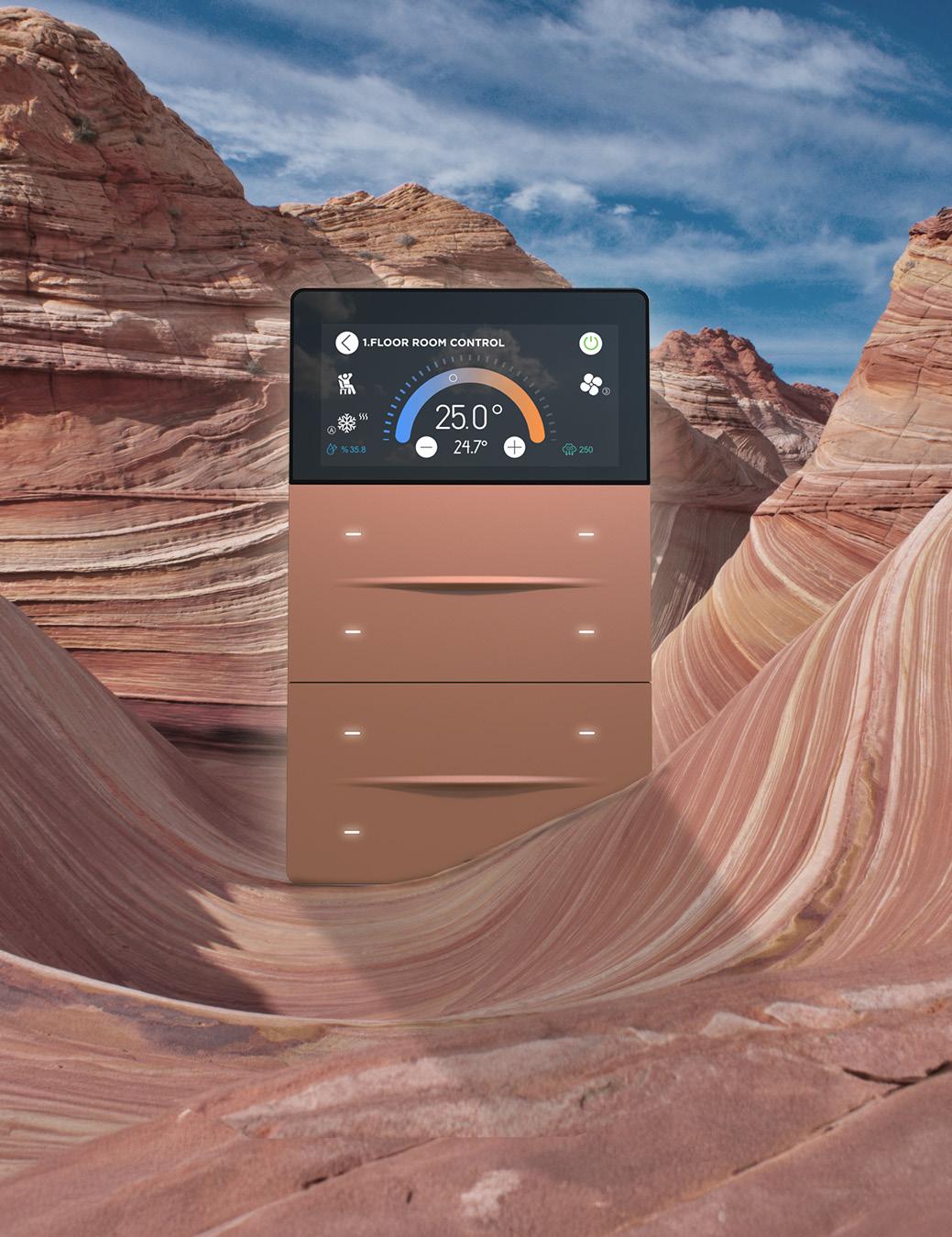
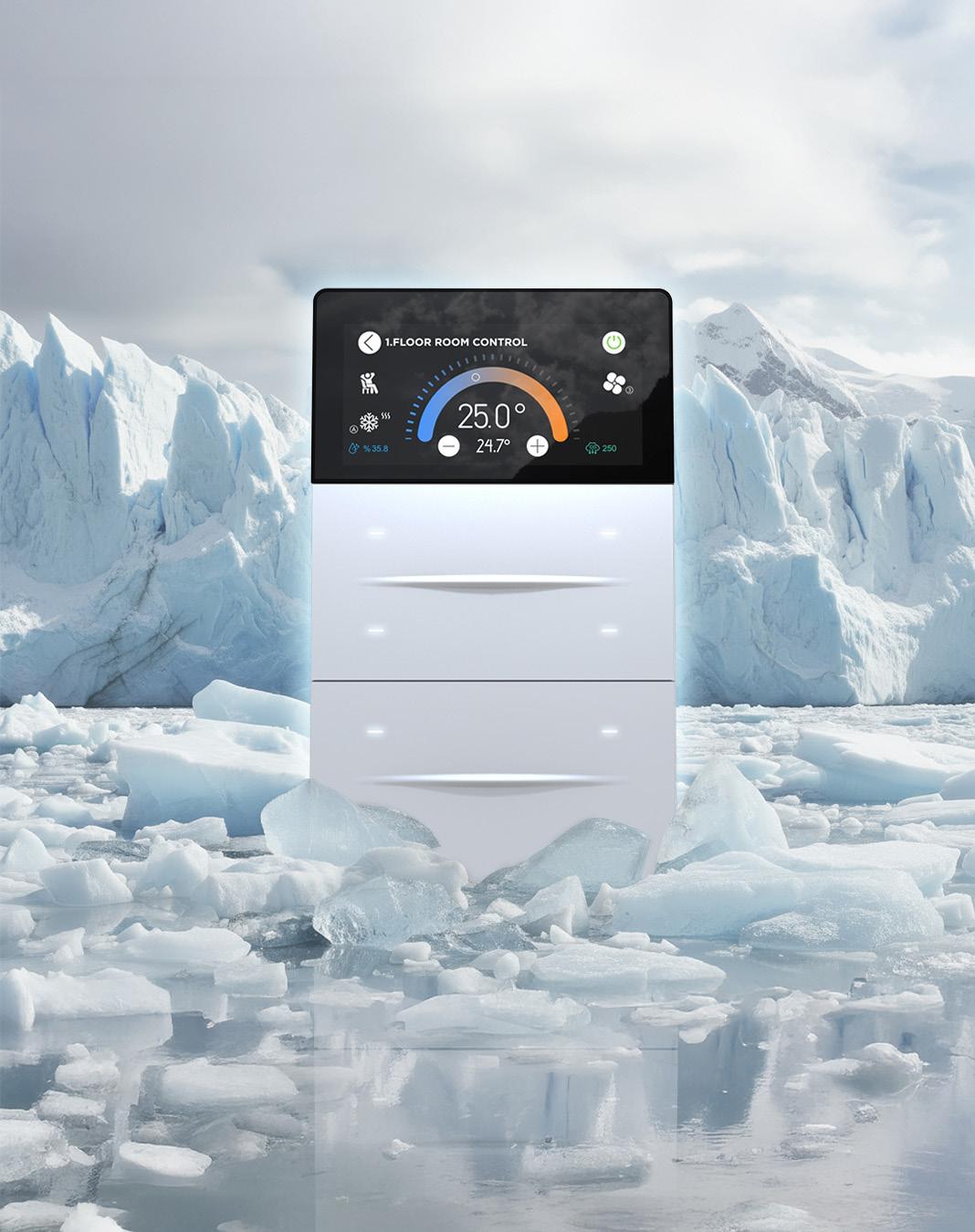
Boutique Hospitality: Highly suited for hotel bedside controls, allowing guests to adjust lighting, DND (Do Not Disturb) status, and room climate from a single sleek interface.
Commercial Offices: Provides localized meeting room controls for lighting, presentation displays, and climate parameters.
What sets the iX-M Series apart from conventional smart switches and control panels?
Founded in 2008 and driven by the core motto, “Developer of Uniqueness,” Interra Technology has established itself as one of the fastestgrowing global leaders in smart building automation. Interra is globally recognized for pioneering highly reliable KNX/Air Conditioner gateways, minimalist touch panels, and sensory-driven room controllers like the iXm Series.
The Interra iX-M Series represents a paradigm shift in how we interact with intelligent environments. Combining a premium 3-inch high-resolution touch display with a customizable mechanical switch interface, the iX-M series bridges the gap between
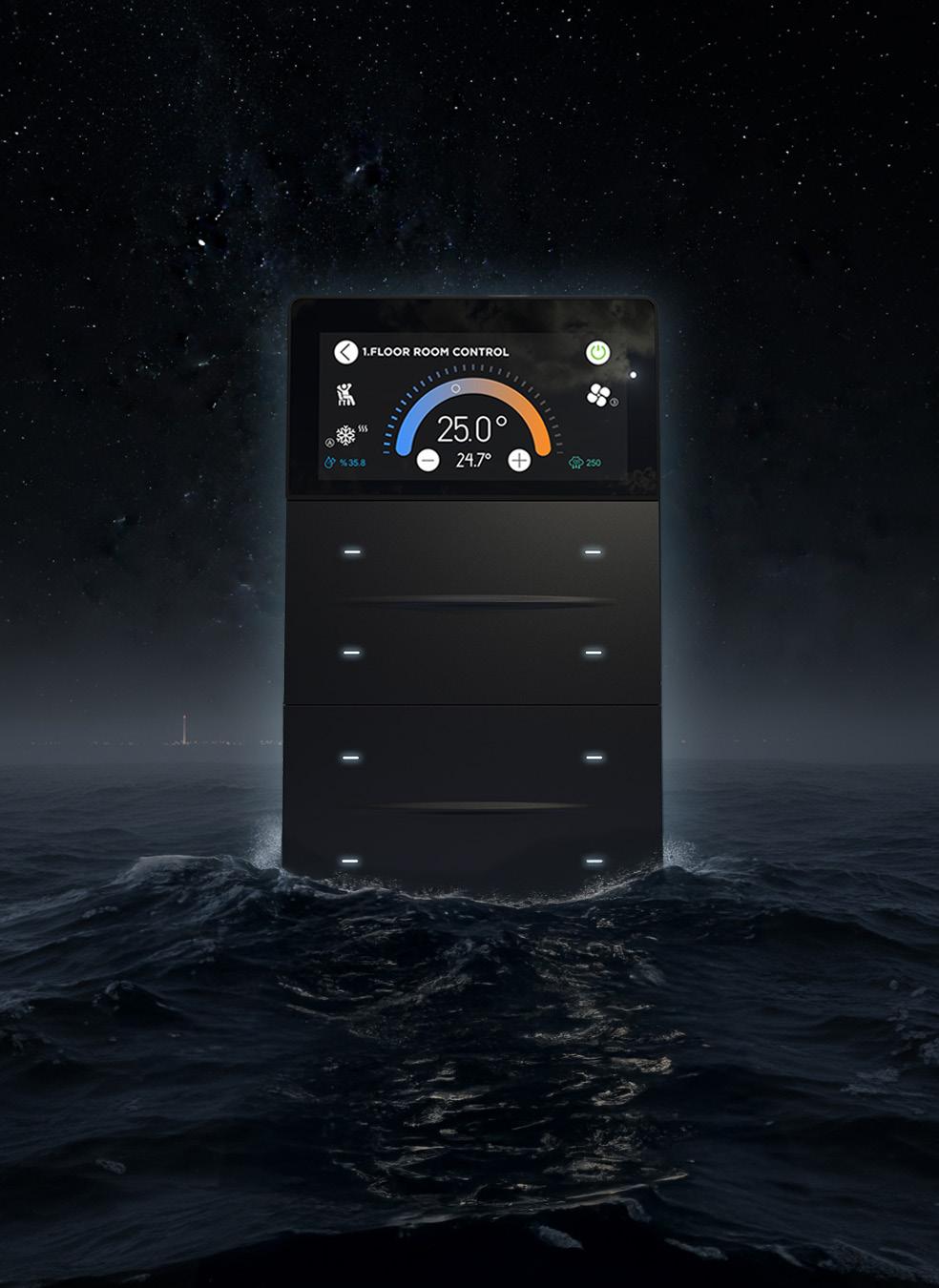
traditional tactile control and next-generation automation.
Engineered natively for the KNX protocol—the global gold standard for home and building control—the iX series is designed to act as the sensory nervous system of a smart home. Rather than merely controlling individual devices, a single iXm unit consolidates:
Lighting Control: Precision dimming, RGB color tuning, and sweeping scene orchestration.
Climate Management: Comprehensive HVAC control, integrated with local temperature sensors to maintain optimal comfort.
Indoor Air Quality Monitoring: Built-in Volatile Organic Compound (VOC) and humidity sensors that automatically trigger ventilation systems.
Proximity & Ambience: Intelligent wake-up functions that activate the screen as a user approaches, coupled with customizable status LEDs.
How is your brand balancing aesthetics and functionality to meet the expectations of architects, interior designers, and end users?
For system integrators, architects, and interior designers, the Interra iXm series solves the friction between high-tech utility and highend aesthetics. Its compact footprint fits into standard flush-mounted boxes, yet its software is capable of replacing up to eight separate room controllers. By uniting environmental sensing, media control, and security access into a singular, beautifully crafted interface, the iXm series ensures that a home’s intelligence remains hidden in plain sight.
Experience intuitive control and intelligent design with Interra’s iX-M touch panel. Combining aesthetics with functionality, it brings comfort, efficiency, and personalization to every living space.
• High-Resolution 3” IPS Display - High brightness, wide viewing angles, and fast response time provide a modern control experience for all KNX functions from a single screen.
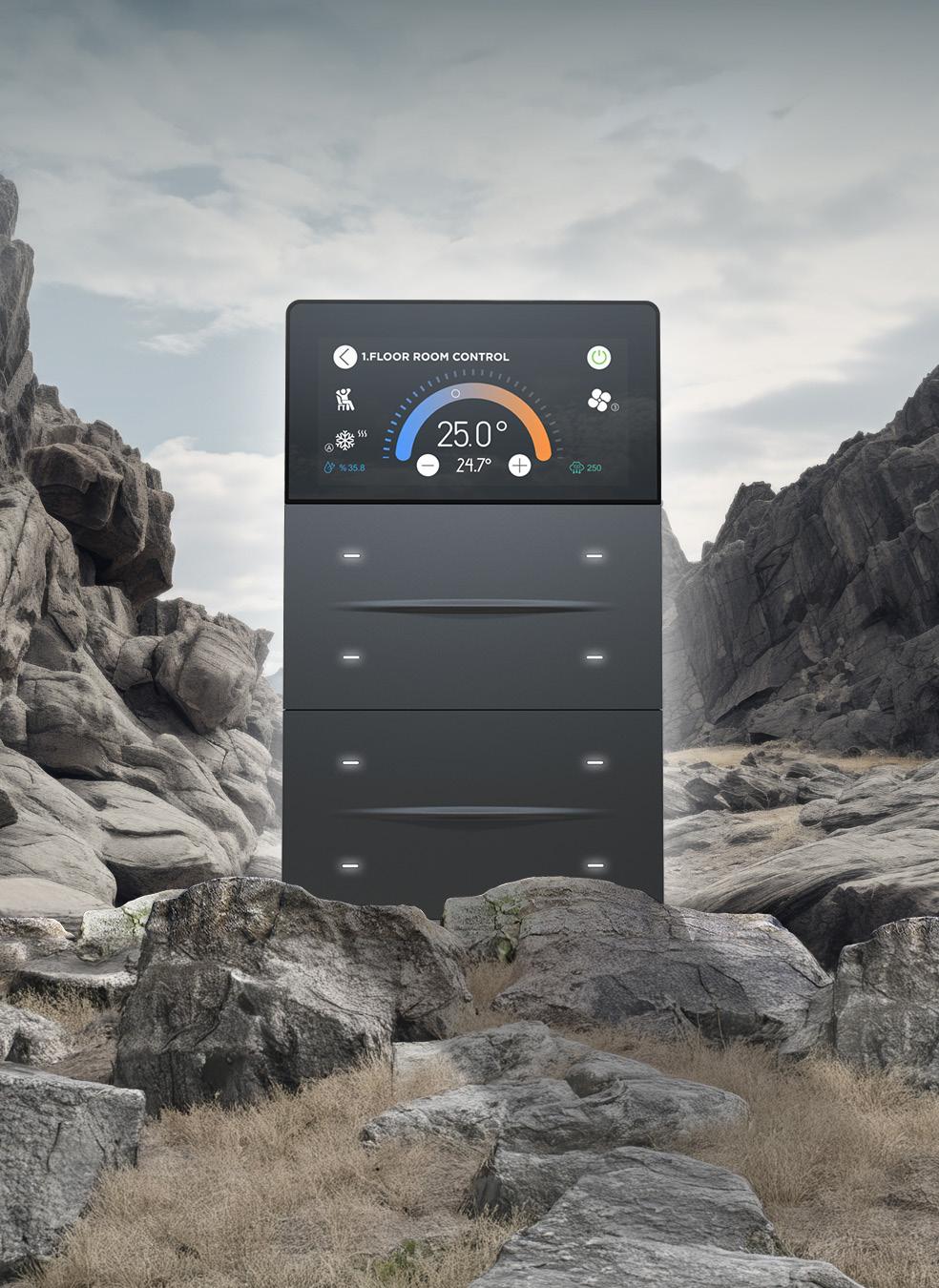
• Integrated Environmental SensorsContinuously monitors temperature, humidity, light, motion, and VOC levels, automatically optimizing comfort settings according to real-time conditions.
• Full KNX Integration (Global project Compatibility) - With support for 13 languages including EN, DE, FR, TR, and AR, iX-M provides a globally compliant solution for residential, hotel, and commercial KNX projects.
• Customizable Interface & Themes - Dark/ light themes, custom icons, and up to 16 control pages allow you to create a user experience fully tailored to your needs.
• Multi-Language Support
• Elegant & Modern Design OptionsAvailable in anthracite, white, beige, mocha, and black tones to complement modern interiors. The matte surface finish adds a refined look to any space.
Five textures, five atmospheres. iX-M designs a unique scene for every living space.
A core philosophy behind the Interra iX platform is interoperability. Rather than locking users into a restrictive, proprietary ecosystem, the platform is native to KNX (ISO/ IEC 14543), the international benchmark for home and building control. This standard guarantees that Interra iXM devices can communicate flawlessly with thousands of third-party products, from HVAC systems to automated blinds.
As architectural trends lean heavily toward minimalism, a significant design challenge has emerged: the battle for wall space. The traditional home often suffers from “wall acne”—a chaotic cluster of thermostats, security keypads, light switches, and intercom systems that clutter interiors and complicate user experience.
The Interra iXm Series elegant solves this exact problem, serving as the definitive, all-in-one control hub for high-end home automation projects.
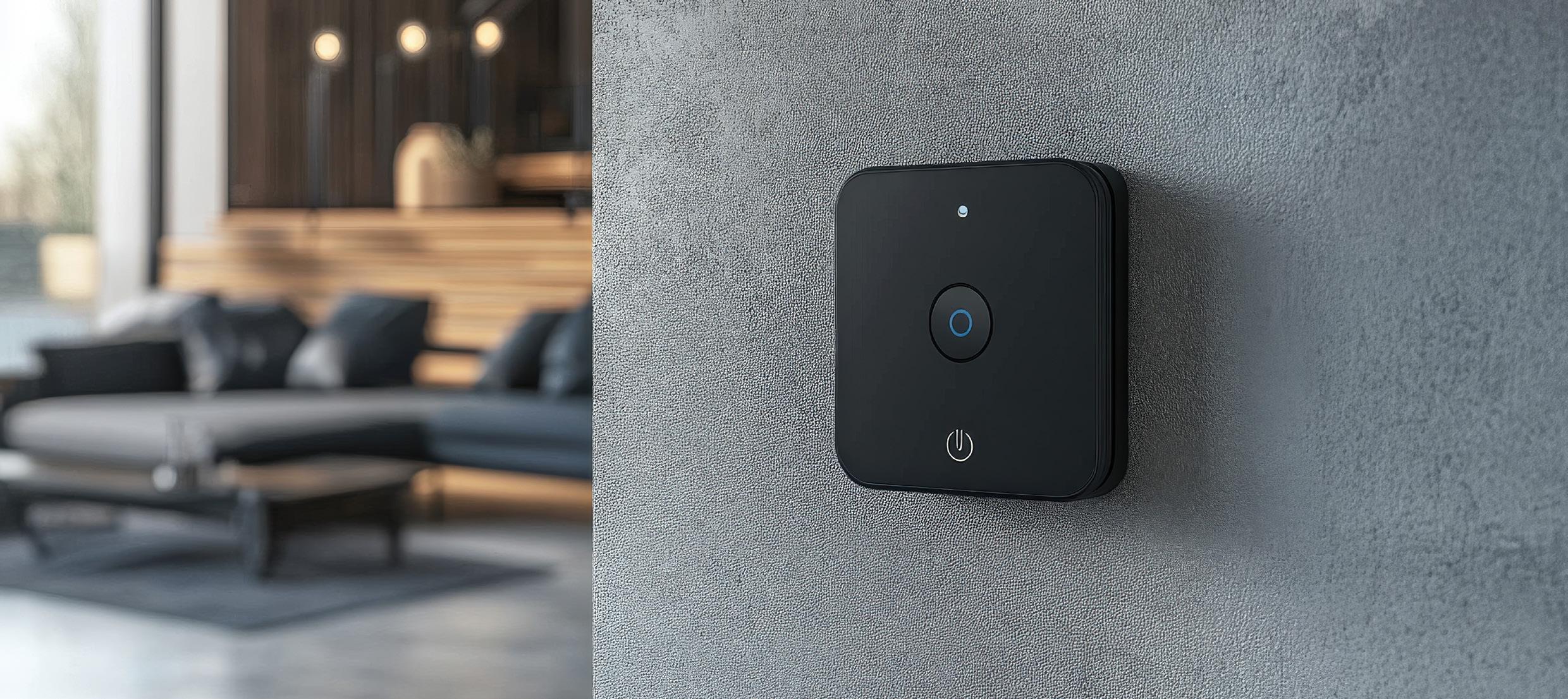
In conclusion, we say the evolution of smart switches and control panels reflects a broader shift in home automation, where technology, design, and user experience converge. As innovation continues to accelerate, these interfaces are set to unlock new possibilities for comfort, convenience, and seamless control across the connected home.
“All our Solutions Undergo Continuous Cybersecurity Assessments, Including Regular Penetration Testing, to Ensure that all Components and Software Libraries Remain Up-To-Date and Secure.”

Schneider Electric recently announced the integration of SpaceLogic KNX with Samsung SmartThings and SmartThings Pro. From a technical perspective, how does this integration work, and which SpaceLogic KNX devices and functions can now be controlled through the SmartThings ecosystem?
The solution operates through a cloud-to-cloud integration between Samsung SmartThings and Schneider Electric’s KNX ecosystem. It works by integrating supported devices into Schneider’s KNX Logic Controllers, such as Wiser for KNX and spaceLYnk.
For each integrated device, widget-based controls are created within the Touch visualisation interface. Additionally, cloud
Laurent Roussel
SVP Commercial Channel, Schneider Electric Home Solutions
Laurent Roussel, discusses how Schneider Electric’s integration of SpaceLogic KNX with Samsung SmartThings brings together professional-grade building automation and a leading smart home ecosystem, creating new opportunities for homeowners, developers, and system integrators through seamless control, enhanced energy management, and a more unified user experience.
connectivity must be enabled on the KNX controller to allow communication with external platforms.
Finally, the end user must have a Wiser KNX mobile application account, which is used to establish the connection with Samsung SmartThings in their mobile App.
The SpaceLogic KNX portfolio encompasses a wide range of building automation products. Which specific product categories, including lighting control, shading, HVAC, room automation, energy metering, and sensors, are currently supported within the SmartThings platform?
At this stage, Schneider Electric has certified
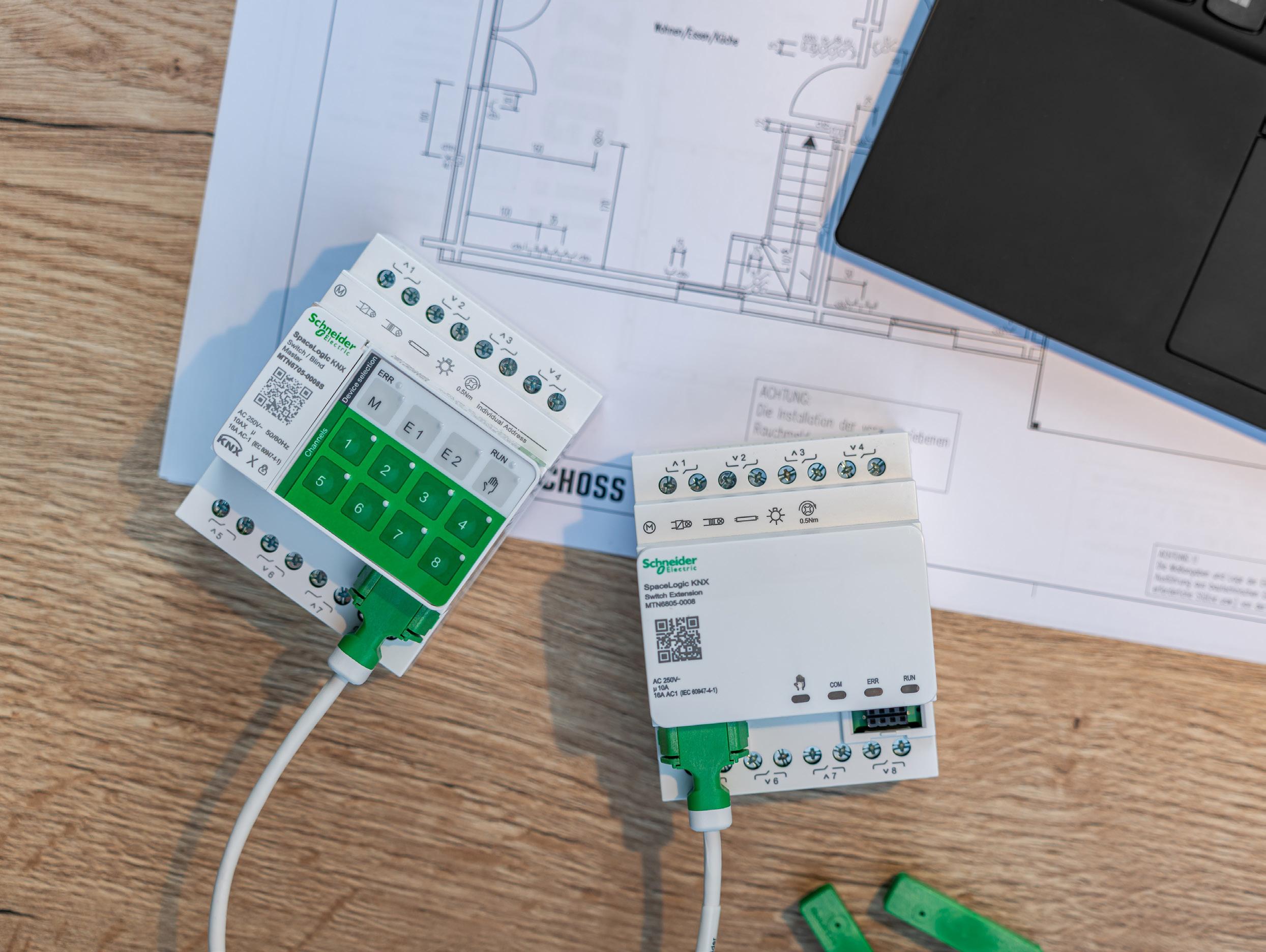
at least one device per function within SmartThings, covering a broad range of core building control and sensing use cases. These include switching, dimming, blinds/shading, thermostats, motion sensors, weather stations, air quality sensors, particle sensors, gas sensors, window/door sensors, fire alarms, water leakage alarms, and power meters.
What energy monitoring and management data can be accessed through the integrated platform? Can users track, analyse, and optimise energy consumption at the room, apartment, or building level?
The integrated SpaceLogic KNX and SmartThings platform provides access to key energy monitoring data, combining KNX’s detailed system information with SmartThings’ user-friendly interface.
Users can track real-time and historical energy consumption of selected devices, circuits and
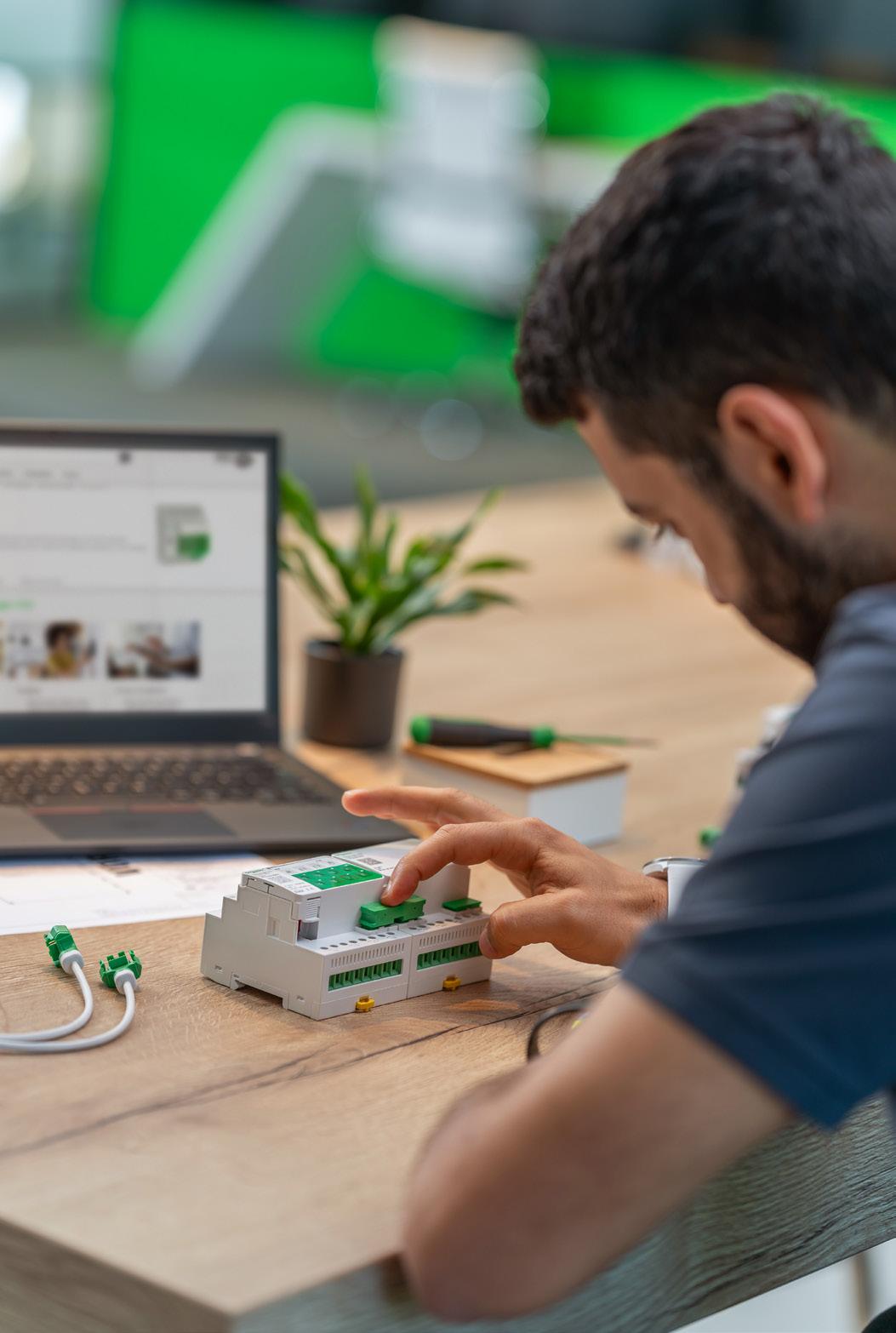
systems, where energy metering is available.
Energy data can be analysed at different levels like room, apartment, or building — as long as the KNX system is configured accordingly. This allows both granular insights and overall consumption tracking.
Through SmartThings, users can easily visualise trends, identify inefficiencies, and optimise usage using automations such as schedules, presence-based control, or energysaving modes.
In summary, the platform enables users to monitor, analyse, and actively optimise energy consumption within a single, unified ecosystem.
What are the key interoperability advantages of combining an open-standard KNX system with the SmartThings ecosystem? How does this benefit homeowners, developers, and system integrators when incorporating products from multiple manufacturers?
• Greater flexibility: They are not limited to a single brand or ecosystem and can mix high-end KNX installations with affordable consumer smart devices.
• Future-proofing: Open standards ensure long-term compatibility and easier upgrades over time.
• Enhanced lifestyle experience: Integration enables advanced use cases, such as linking appliances or media systems with lighting scenes and environmental controls.
• Developers (property developers/specifiers)
• Increased property value: Combining KNX robustness with SmartThings flexibility creates a more attractive and differentiated offering.
• Standardised infrastructure: KNX provides a reliable backbone, while SmartThings allows easy extension without redesigning the system.
• Scalability: Solutions can be adapted across different project segments, from midrange to luxury.
• SmartThings Pro for multi-unit and managed environments: Enables centralised monitoring, control, and management of multiple apartments or spaces, making it ideal for residential
developments, hospitality, and mixed-use projects.
• Digital services and differentiation: Allows developers to offer smart building services (e.g. remote access, automation scenarios, tenant apps) as part of the property value proposition.
• Simplified multi-brand integration: KNX ensures interoperability at the field level, while SmartThings reduces the effort to integrate third-party consumer devices.
• Remote configuration of the KNX installation through Shneider’s SpaceLogic KNX Remote service.
• SmartThings Pro management capabilities: Provides tools for remote monitoring, diagnostics, and lifecycle management of multiple installations from a single platform
• New service opportunities: Enables recurring revenue models through remote support, maintenance, upgrades, and cloud-based services.
• Faster deployment: Pre-integrated ecosystems reduce engineering effort and speed up project delivery.
In luxury residential projects such as One Hyd Park, where SpaceLogic KNX is already deployed, what additional functionality and user benefits does the SmartThings integration introduce in terms of device management, automation, and connected living experiences
The integration of Samsung SmartThings with SpaceLogic KNX significantly enhances the smart living experience across three key areas:
The combination of Schneider Electric SpaceLogic KNX and Samsung SmartThings enables residents to seamlessly control all KNX systems like lighting, blinds, HVAC, sensors, and energy through a single, intuitive app, eliminating the need for multiple interfaces and simplifying everyday interactions.
Schneider Electric focuses on building an
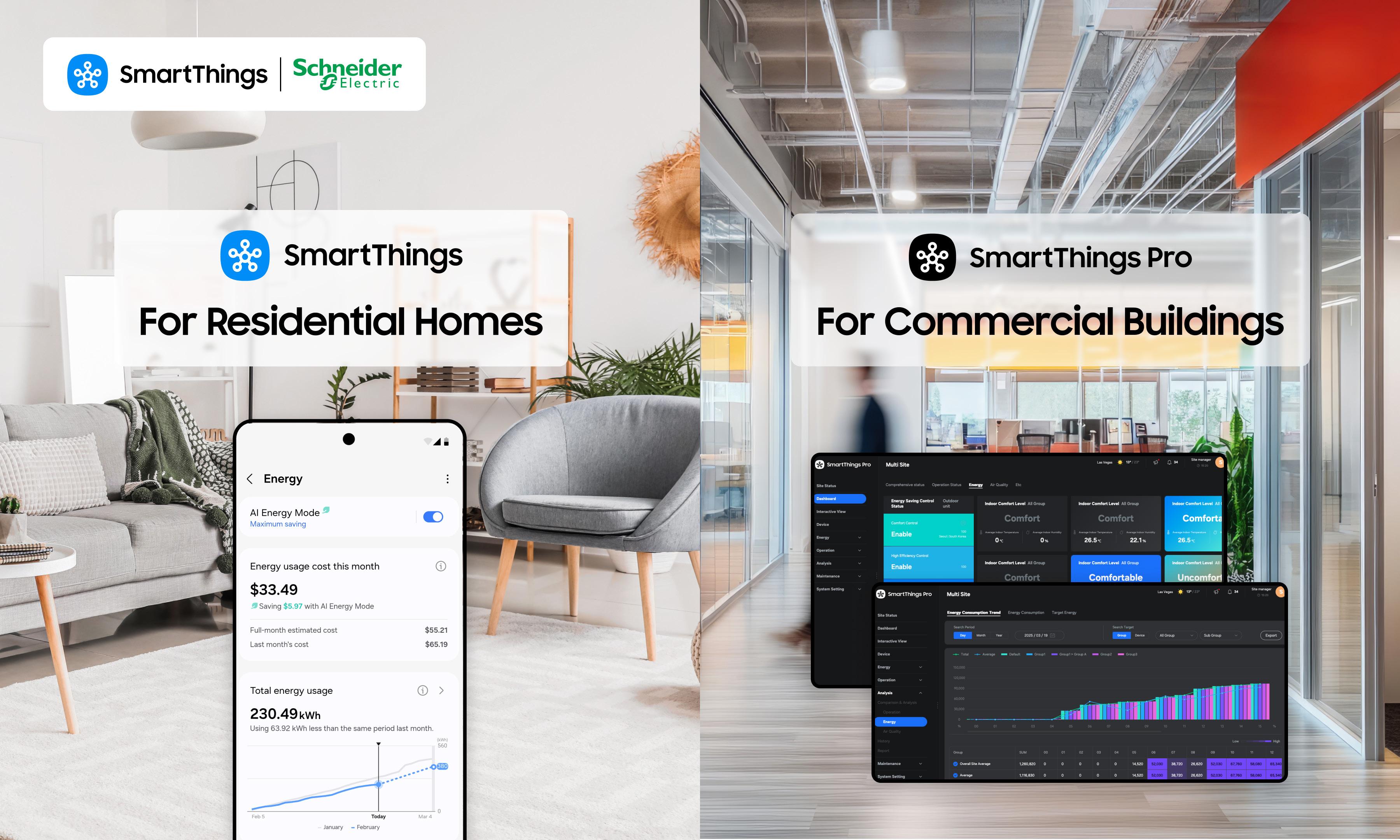
open and future-ready ecosystem. With Samsung SmartThings integration, residents can effortlessly connect a wide range of smart devices, creating a truly unified smart home experience. This also provides the flexibility to add Samsung devices and other SmartThingscompatible products in the future, all managed through one platform—ensuring scalability, convenience, and long-term adaptability.
As a leader in energy management and automation, Schneider Electric leverages Samsung SmartThings to help residents monitor, analyse, and optimise energy consumption. This not only improves operational efficiency but also supports sustainable and energy-conscious living.
From a deployment perspective, does the integration require additional hardware, gateways, or software licenses? How straightforward is the commissioning process for system integrators working on new and retrofit projects?
The integration requires one of our KNX controllers (Wiser for KNX or spaceLYnk),
which is connected to Samsung via the cloud. No additional software licenses are required.
Regarding the commissioning process, if a SpaceLogic KNX system is already installed and configured with a controller and the Wiser KNX app, enabling SmartThings integration is straightforward. Simply download the Samsung SmartThings app, search for Schneider Electric in the partner list, and log in using your existing Wiser KNX account.
All supported devices, previously configured in the system for use with the Wiser KNX app, will then be automatically imported into SmartThings and can be operated immediately.
Cybersecurity and system reliability are critical considerations in connected environments. What measures have been implemented to ensure secure communication and data exchange between the SpaceLogic KNX and SmartThings platforms?
Schneider Electric takes security and privacy very seriously. All Schneider Electric systems and solutions undergo continuous cybersecurity assessments, including regular
penetration testing, to ensure that all components and software libraries remain up to date and secure.
What opportunities does this integration create for system integrators and smart home professionals looking to deliver more comprehensive automation, energy management, and user-centric experiences through a single ecosystem?
For Broader ecosystem integration, Integrators can extend their SpaceLogic KNX installations into a wider smart home ecosystem. Through SmartThings, KNX systems can interact with a large number of third-party devices such as appliances, consumer electronics, sensors, and IoT products. This enables professionals to deliver more comprehensive and future-proof solutions without being limited to the KNX device universe.
For an enhanced user experience, the integration provides a single, user-friendly interface via the SmartThings app. End users benefit from a familiar, consumergrade experience, including unified control, automation routines, and remote access. This improves usability compared to fragmented control across multiple apps, increasing customer satisfaction and adoption.
New automation and use case scenarios By combining SpaceLogic KNX with SmartThings, integrators can unlock more advanced automation scenarios, such as:
• Linking KNX lighting, shading, and HVAC with Samsung appliances
• Creating cross-domain routines (e.g. energy-saving modes, presence simulation, or comfort scenes)
• Leveraging cloud-based triggers and smart services beyond the KNX standard
This expands the value proposition from pure building control to holistic smart living experiences.
The integration enables more intelligent energy management, combining KNXbased control (e.g. HVAC, blinds, loads) with SmartThings energy insights and connected
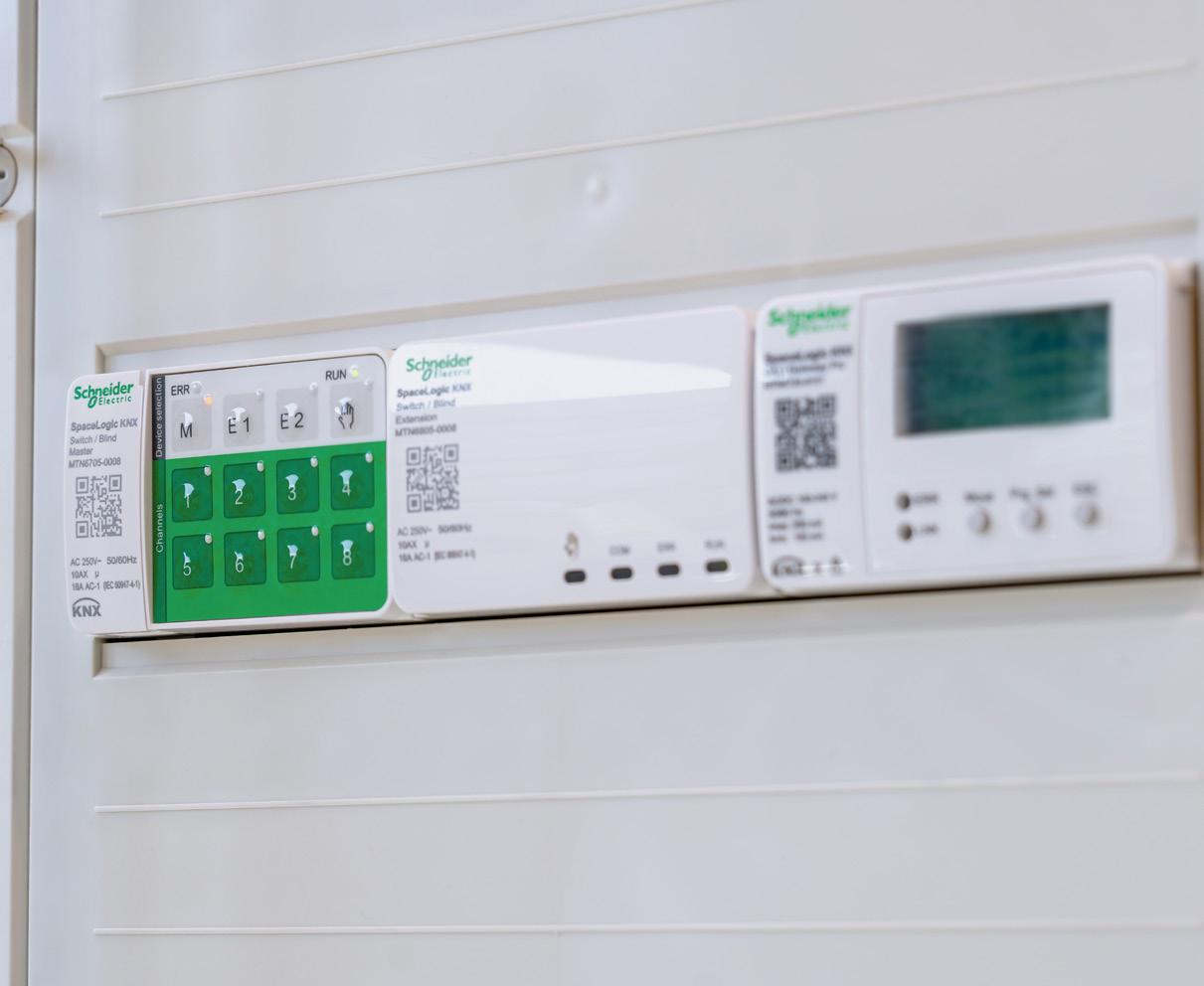
devices. This allows integrators to deliver solutions focused on:
• Energy monitoring and optimization
• Demand-based control strategies
• Integration with wider home energy ecosystems
This is particularly relevant given the increasing focus on sustainability and energy efficiency.
2. When it come to Differentiation and added value for integrators
System integrators can differentiate themselves by offering:
• A premium, KNX-based backbone with consumer-friendly overlays
• Faster project delivery through reuse of existing KNX configurations
• Upsell opportunities through additional services, devices, and automations
This shifts their role from pure installers to solution providers delivering end-to-end smart home experiences.
Cloud-based integration ensures that installations remain scalable and upgradable, allowing new features, devices, and services to be added over time without major on-site changes. This supports long-term customer relationships and recurring value creation.
“For DALI, the Key is to Remain Relevant by Offering Solutions That Suit a Wide Range of Lifestyles Without Ever Compromising on Sound Quality.”

DALI has introduced several flagship and premium audio solutions in recent years, including VEGA, KORE, RUBIKORE, EPIKORE, PHANTOM, and GARDIAN. How does DALI’s approach to acoustic engineering differentiate its products in the high-end residential audio market?
DALI’s holistic approach to loudspeaker design is more than just a philosophy, it is a fundamental principle that guides every product we develop, from our flagship EPIKORE series to our newest creation, VEGA. Every design decision follows a clear set of principles, where each component serves a specific purpose and works in harmony with every other element of the system. We believe that outstanding sound is achieved through balance and integration, not by adding technology for its own sake. That is why you
Alex Foxon
International Product Ambassador, DALI
As DALI continues to push the boundaries of high-performance audio, the Danish brand has expanded its portfolio with innovations spanning flagship loudspeakers, wireless hi-fi systems, architectural audio, and outdoor entertainment solutions. In this exclusive conversation, Alex Foxon shares insights into DALI’s holistic design philosophy, breakthrough acoustic innovations, and the emerging trends shaping the future of high-performance residential audio.
will never find a DALI speaker incorporating features simply because they are fashionable; every technology we use exists only because it contributes meaningfully to the overall acoustic performance.
DALI is built on consistency. Every product we create, from KATCH to KORE, is approached with the same level of dedication and held to the same uncompromising standards. Each model is evaluated and approved by the same team, ensuring a unified philosophy across our entire portfolio. We never launch a product until we are completely satisfied that it meets our expectations and lives up to the DALI standard.
The new VEGA wireless sound system combines patented acoustic technologies with an integrated wireless architecture.
Could you elaborate on the key technologies behind VEGA and how they contribute to its performance and user experience?
The VEGA is truly special, and there are many reasons why. To understand its unique qualities, you first need to understand its purpose. As mentioned before, DALI takes a holistic approach to product design.
We have developed our own patented, inhouse digital signal processing technology, called Adaptive Stereo Enhancement, which delivers a truly room-filling and engaging listening experience regardless of the size of the living space. VEGA also features Adaptive Orientation Adjustment, allowing the speaker to be positioned flexibly to suit different room layouts and lifestyle requirements without compromising performance.
Of course, VEGA also incorporates DALI’s renowned low-loss technologies, including our wood fibre and paper cone mid/bass drivers and soft-dome vented tweeters. There
has been no compromise in the engineering or technology. The result is genuine hifi performance from a modern one-box solution—designed for contemporary living, refined in both form and function.
RUBIKORE incorporates technologies derived from DALI’s flagship KORE loudspeaker. Which specific innovations have been transferred to the RUBIKORE series, and how do they impact sound reproduction and listening accuracy?
It’s fair to say that with any flagship, “money no object” project, the engineering gloves come off. If you speak to our acoustics and design teams, KORE was filled with moments where we pushed beyond established boundaries and explored entirely new possibilities in loudspeaker design.
One of the most significant developments was the next generation of our patented Soft Magnetic Compound (SMC) technology. Originally developed for use in critical magnet
systems to reduce the effects of hysteresis and other unwanted magnetic phenomena, this technology has since evolved beyond the driver itself. In RUBIKORE, we have introduced SMC-KORE inductors within the crossover network, applying the same principles to reduce electromagnetic distortion and signal loss. This is a direct trickle-down technology from KORE and contributes to greater transparency, improved detail retrieval, and enhanced listening accuracy.
Another major innovation was the development of the Clarity Cone, which adds rigidity to the cone structure without increasing mass. This allows the driver to behave more pistonic across its operating range, reducing unwanted resonances and preserving fine musical detail through the midrange and bass frequencies.
RUBIKORE also benefits from technology derived from KORE’s low-loss, oil-free tweeter design. By optimising the motor system and reducing mechanical losses, these tweeters deliver exceptional clarity, speed, and highfrequency extension while maintaining a natural and effortless character.
As with many breakthrough developments, innovations created for KORE naturally find their way into the wider DALI portfolio. First through EPIKORE and now RUBIKORE, these technologies allow us to bring flagship-level engineering and performance to a broader audience, delivering greater accuracy, lower distortion, and a more authentic musical experience.
The DALI KORE represents the company’s nocompromise approach to loudspeaker design. Can you discuss some of the key engineering innovations behind KORE, including driver technology, cabinet construction, crossover design, and distortion control?
There is so much to say about KORE. It represents the absolute pinnacle of more than four decades of DALI’s acoustic engineering expertise, distilled into one exceptional loudspeaker system. It is the culmination of years of research, innovation, and craftsmanship, with boundaries pushed further than ever before to explore what
is truly possible with today’s materials and technologies.
However, KORE is much more than a technology statement. It was conceived as a project to push the boundaries of our capabilities—not only in acoustic engineering but also in manufacturing technology and production expertise. KORE represents DALI’s sound design principles without compromise or constraint, allowing our engineers to pursue the ultimate expression of our philosophy. Just as importantly, the knowledge and innovations gained through the project continue to benefit future generations of DALI loudspeakers, something already evident in EPIKORE, RUBIKORE, and SONIK.
Among KORE’s many innovations is the EVO-K Hybrid Tweeter, featuring the largest soft-dome tweeter DALI has ever designed, paired with an advanced 10 × 55 mm planar magnetostatic ribbon element. Together, they deliver remarkable high-frequency extension, openness, and transparency, setting a
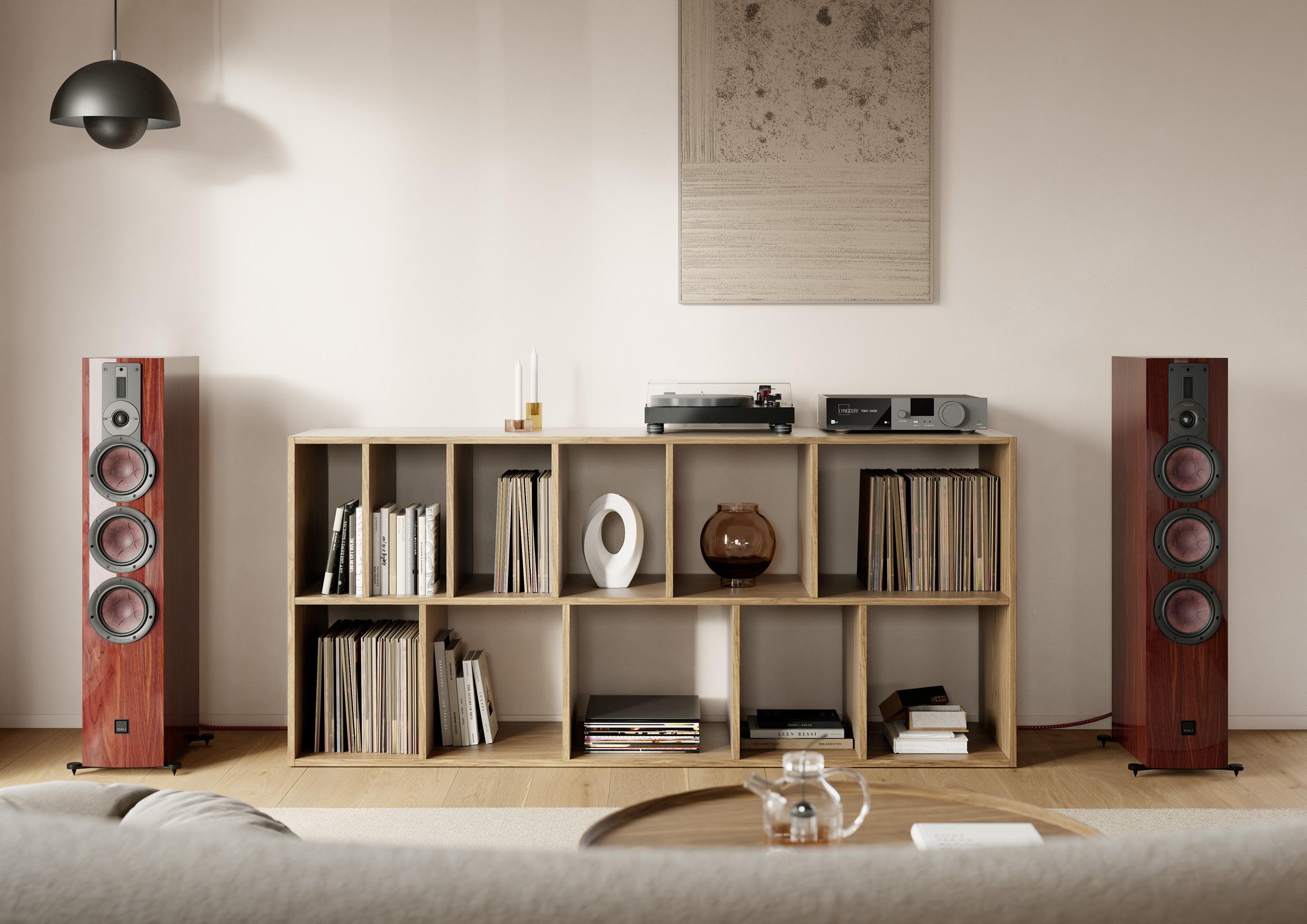
new benchmark for detail and realism while maintaining a natural and balanced presentation.
The newly developed 7-inch midrange driver incorporates DALI’s Clarity Cone technology, increasing stiffness without adding a single gram of weight. The result is exceptional vocal reproduction and midrange accuracy, seamlessly integrating with the powerful 11.5-inch bass drivers, which deliver deep, articulate, and controlled low frequencies with impressive authority.
KORE also showcases DALI’s latest advances in Soft Magnetic Compound (SMC) technology, further reducing distortion and unwanted magnetic effects to reveal even greater levels of detail and musical nuance.
The cabinet itself is proudly designed and manufactured in Denmark, giving DALI complete control over every aspect of its construction. Every pair is hand-built at our factory in Nørager, reflecting a level of
craftsmanship that has become increasingly rare in modern manufacturing.
KORE is more than a flagship loudspeaker—it is a platform for innovation and the benchmark against which all future DALI products will be measured. Every time we demonstrate it, anywhere in the world, it never fails to create a genuine sense of awe and deliver the unmistakable “wow factor.”
As luxury homeowners increasingly seek clutter-free interiors, how do DALI’s wireless solutions and PHANTOM in-ceiling speakers support the growing demand for invisible and architecturally integrated audio systems?
It’s interesting that while “clutter-free living” is becoming an increasingly important design trend in many parts of the world, other markets continue to embrace more traditional hi-fi systems. For DALI, the key is to remain relevant by offering solutions that suit a wide range of lifestyles without ever compromising on sound quality.
Products such as VEGA demonstrate our understanding that modern living doesn’t always accommodate large floorstanding loudspeakers or complex component systems. If consumers are choosing to simplify their spaces, we believe they should still be able to enjoy true hi-fi performance. Downsizing should never mean accepting mediocrity or compromise.
The same philosophy extends to our architectural audio range. DALI continues to invest heavily in the development of PHANTOM in-ceiling and in-wall speakers, creating solutions that integrate seamlessly into the home while delivering the musicality and performance expected from the brand. By minimising visual impact without sacrificing acoustic quality, these products enable homeowners and interior designers to create elegant living spaces where the technology remains virtually invisible, but the listening experience is anything but.
At the same time, we have also expanded our
offering with DALI DSP-equipped amplifiers, providing custom integrators with a complete ecosystem for whole-home DALI audio installations. This allows them to specify a fully integrated DALI solution—from amplification through to architectural loudspeakers, while ensuring consistent sound quality throughout the home.
For us, architectural and wireless audio are not about making sound disappear; they’re about allowing great sound to become a natural part of modern living, blending effortlessly into the home while keeping the listening experience firmly at the forefront.
Outdoor entertainment spaces are becoming an important element of luxury residences. What design and engineering considerations went into the development of the GARDIAN outdoor loudspeaker series to ensure consistent performance across varying environmental conditions?
Designing an outdoor loudspeaker presents
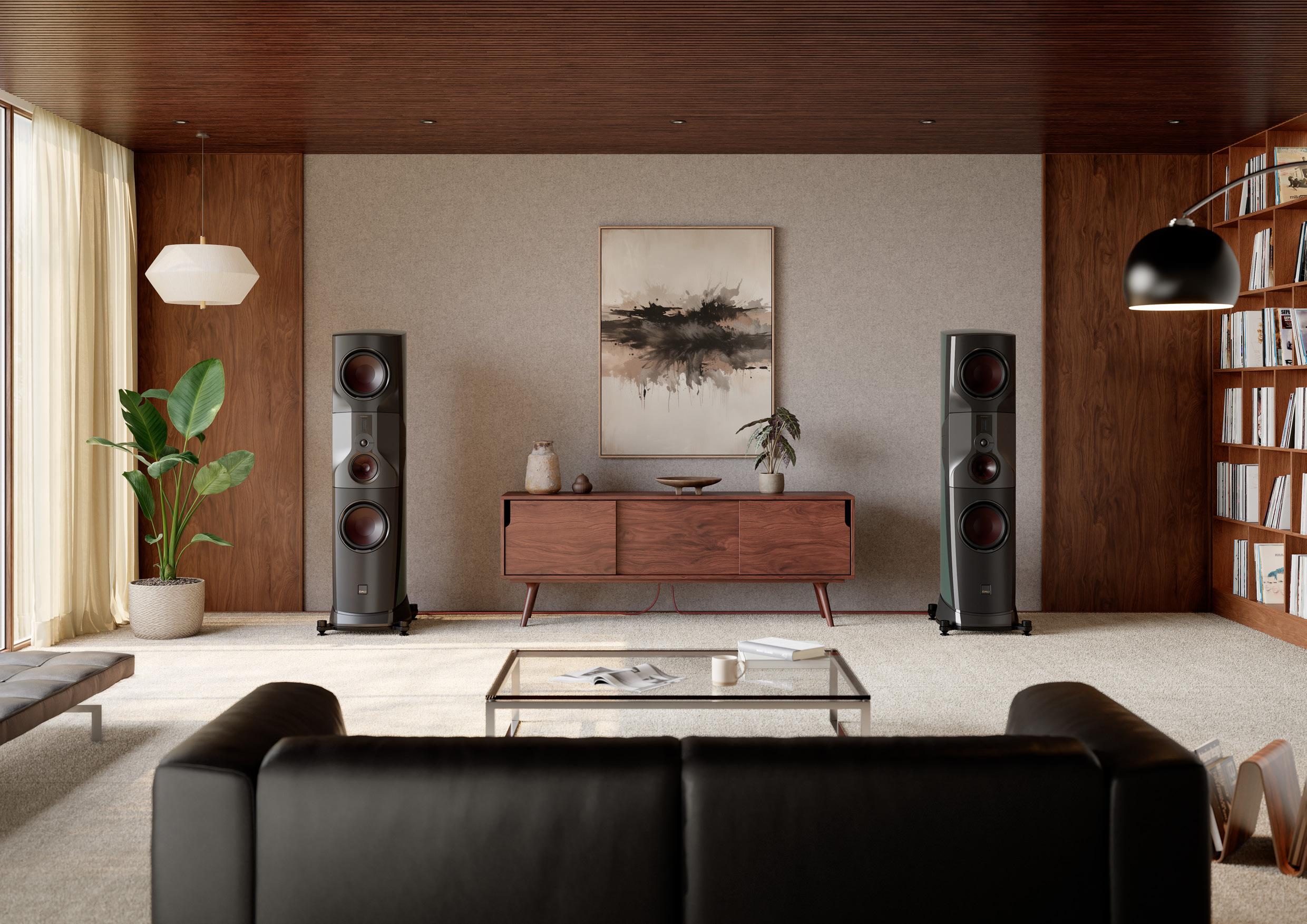
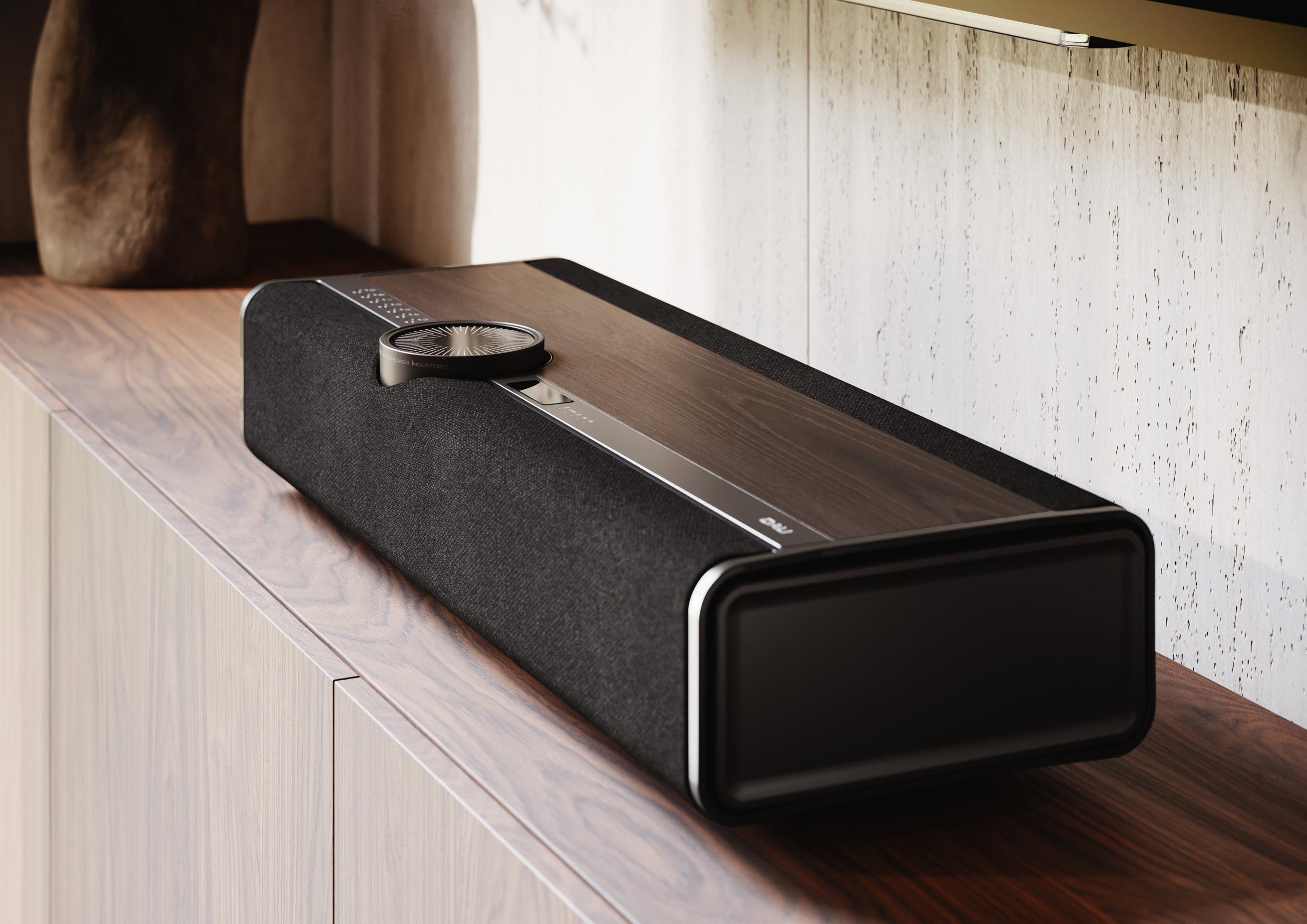
a very different set of challenges compared with developing a speaker for indoor use. The first consideration is the environment itself, where variables such as rain, wind, snow, salt spray, humidity, extreme heat, and freezing temperatures all have the potential to impact long-term performance and reliability. These factors must be addressed before the acoustic design process even begins.
With the GARDIAN OW6, our goal from the outset was to create a truly all-weather loudspeaker without compromising on sound quality. Every aspect of the design, from the cabinet construction and drive units to the crossover components and mounting system, was engineered to withstand the harshest outdoor conditions while maintaining the musical performance expected from a DALI product.
A key objective was to achieve, and ultimately exceed, the requirements of the IP67 certification standard. This demanding rating verifies that the loudspeaker is protected
against dust ingress and can withstand prolonged exposure to water, giving installers and homeowners complete confidence in its durability. We are proud that GARDIAN successfully passed these stringent tests, demonstrating its ability to perform reliably in even the most challenging environments.
Ultimately, GARDIAN reflects the same holistic design philosophy that defines every DALI product. It is not simply an outdoor speaker that survives the elements; it is a genuine high-performance loudspeaker engineered to deliver engaging, natural sound in outdoor living spaces, season after season.
Indian luxury homeowners are increasingly investing in dedicated media rooms, wellness spaces, outdoor entertainment zones, and whole-home audio systems. Which DALI product ranges would you particularly recommend for this market, and why?
Indoor or outdoor, we have it covered. What we are seeing in the growth of dedicated
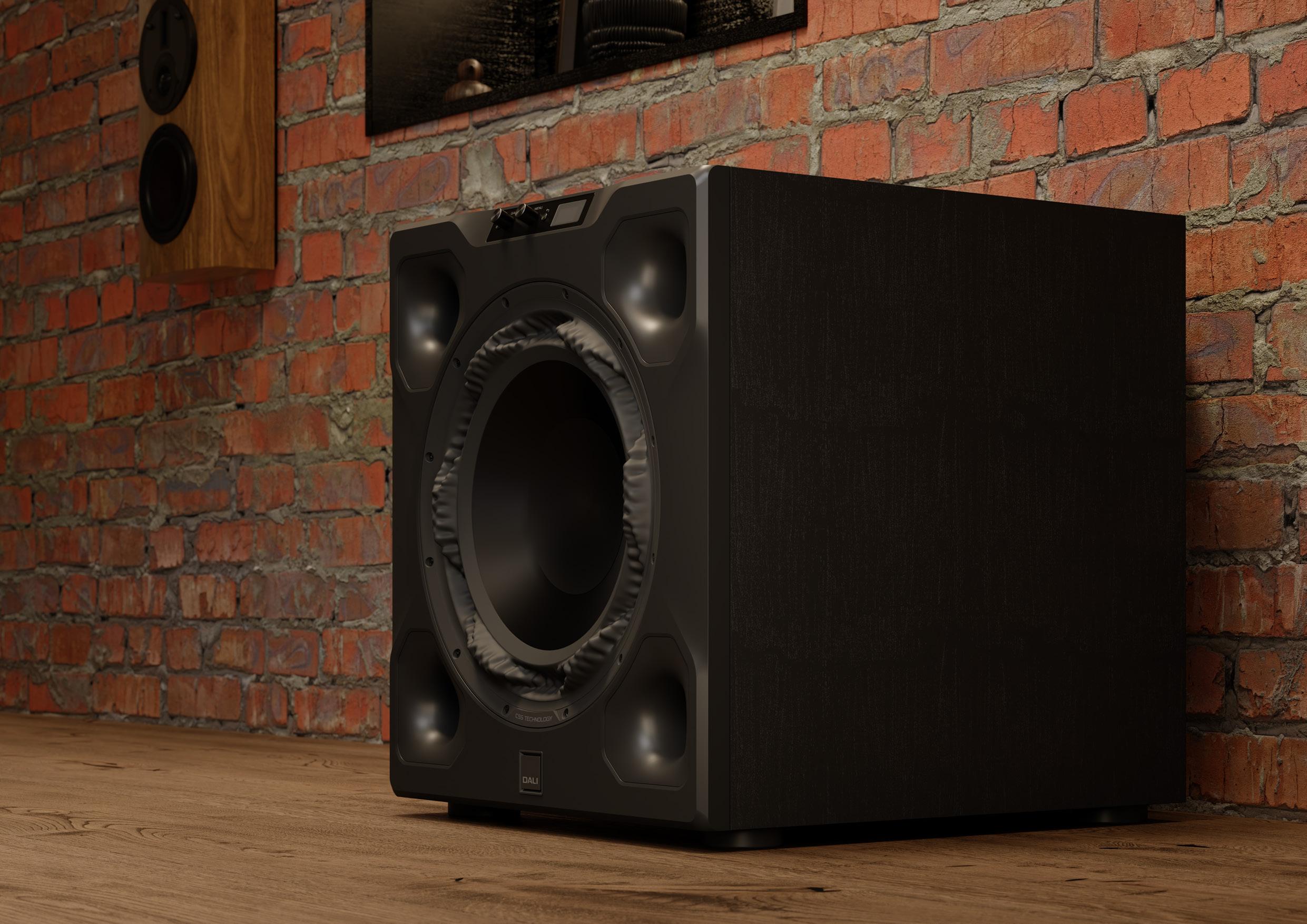
media rooms is particularly interesting, as these spaces are increasingly being used for far more than traditional film or streaming. Today, they often serve multiple purposes such as gaming, remote work, video conferencing, and immersive entertainment.
For these applications, DALI offers a strong range of on-wall speakers that are ideal for space-conscious installations. They take up virtually no floor space and can be paired with a compact AVR or a two-channel amplifier with HDMI input, providing a simple yet highperformance solution that is easy to integrate into modern living environments.
The VEGA system also fits well into this category, offering flexibility in placement and mounting while delivering a true hi-fi experience in a more lifestyle-oriented form factor.
For larger dedicated home cinema environments, DALI provides high-end inwall and architectural solutions such as our S
Series and M Series, which can be seamlessly integrated into the interior design for a completely discreet, hidden audio approach. These systems can also be paired with our inwall subwoofer solutions, such as the S 100, to deliver full-range performance without visible hardware.
For those seeking the ultimate cinematic experience, our latest high-performance THX Dominus Certified subwoofer, the V16F, takes low-frequency reproduction to an entirely new level. Featuring a 16-inch long-throw driver and 2,500-watt peak output capability, it is designed to deliver deep, controlled bass with exceptional impact and precision, bringing true “as the director intended” cinema performance into the home.
Across all applications—whether media rooms, wellness spaces, or whole-home systems—the guiding principle remains the same: delivering uncompromised DALI sound quality in solutions that adapt seamlessly to modern lifestyles.

Looking ahead, what emerging trends in high-performance residential audio are shaping DALI’s product development roadmap, particularly in the areas of wireless audio, immersive sound, and integrated smart living experiences?
I often like to answer this question with a smile and say, “wait and see, we are constantly developing.” But to give some insight, there are clear trends shaping the direction of the industry and our work at DALI.
One of the most significant shifts globally is the increasing demand for active loudspeakers. More consumers are looking for amplifierfree, simplified system solutions that still deliver true high-performance audio. This is a trend we cannot ignore, and it continues to influence how we think about future product development.
At the same time, we remain deeply committed to custom installation and architectural integration, alongside continued
advances in materials, acoustic engineering, and DSP innovation. Wireless audio, smart connectivity, and system integration are all evolving rapidly, and we are actively working to ensure our products remain at the forefront of these developments.
Despite these changes, hi-fi remains our foundation. It has been at the core of DALI for over 40 years, and that heritage continues to guide everything we do. You can expect this commitment to sound quality and musical authenticity to remain central in all future developments.
It is a very exciting time for DALI. The brand continues to grow globally, and with that comes increased momentum and opportunity. Just as importantly, we invest heavily in education through comprehensive and engaging training programmes delivered across all markets. This ensures our partners around the world remain well-informed, connected, and fully equipped to deliver the highest level of support and expertise to customers.

At The Governor House in Amritsar, Karan Singh of The Otimizar Automation Studio by Gokal Chand demonstrates how intelligent lighting and automation can seamlessly enhance a heritage-inspired hospitality experience, blending colonial charm with modern control.
In an era where hospitality spaces are increasingly turning to technology to enhance guest experiences, the real challenge lies in integrating smart systems without compromising the essence of a carefully crafted design narrative. At the Governor House in Amritsar, automation does not take centre stage, but it quietly orchestrates the experience behind the scenes.
This project demonstrates how intelligent lighting control can become an integral part of storytelling, preserving the charm of a bygone era while delivering the operational efficiency expected from a modern hospitality destination.
The vision behind The Governor House was ambitious from the outset. Inspired by the British Colonial Era, the project sought to recreate the elegance, sophistication, and grandeur associated with the residences of colonial governors. The building itself carried historical significance, having once served as the residence of a Governor from the British Empire, making the concept both authentic and deeply contextual.
Every design element contributes to this narrative. Vintage decor pieces, carefully curated furniture, ornate chandeliers, wall
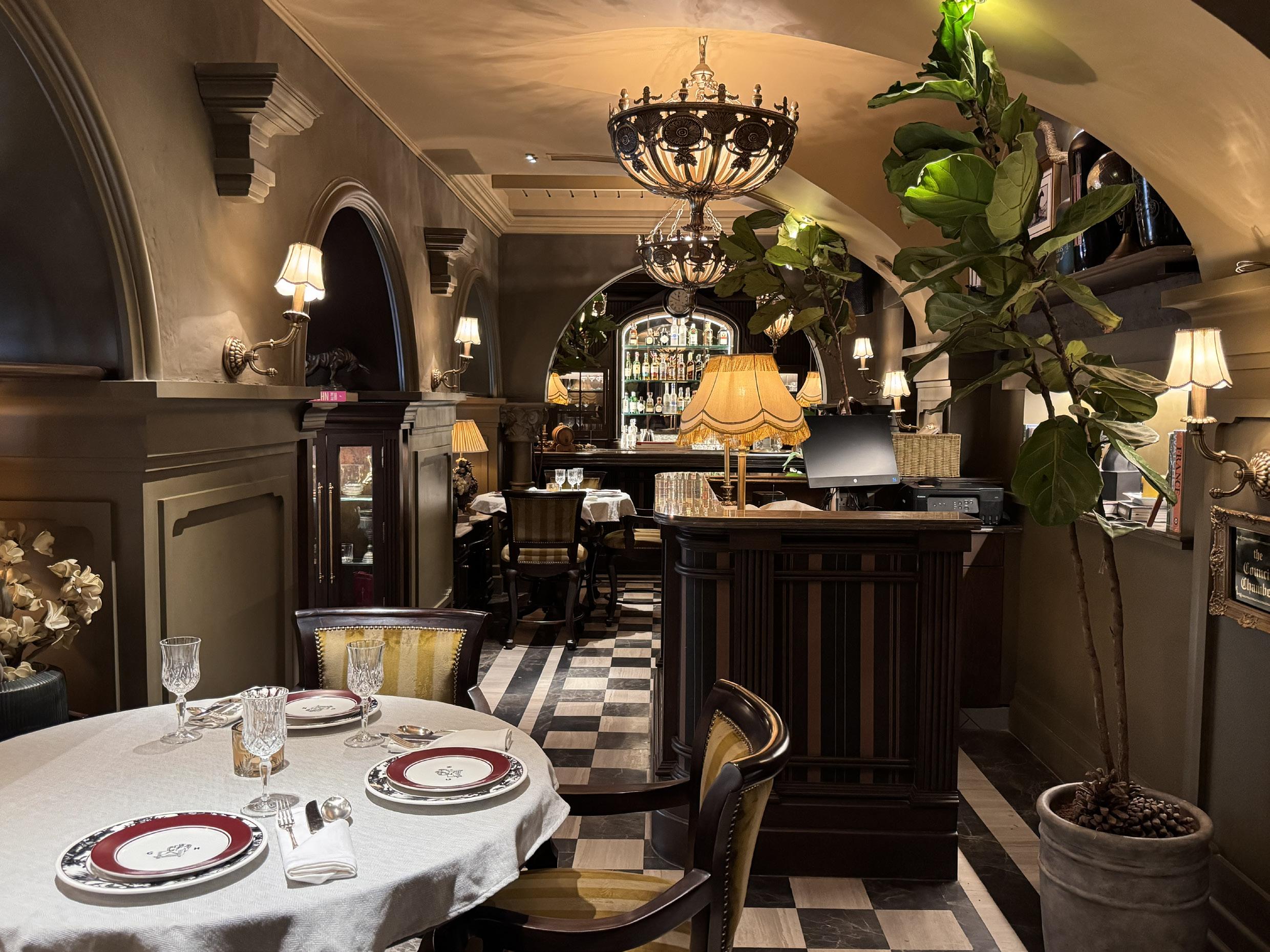
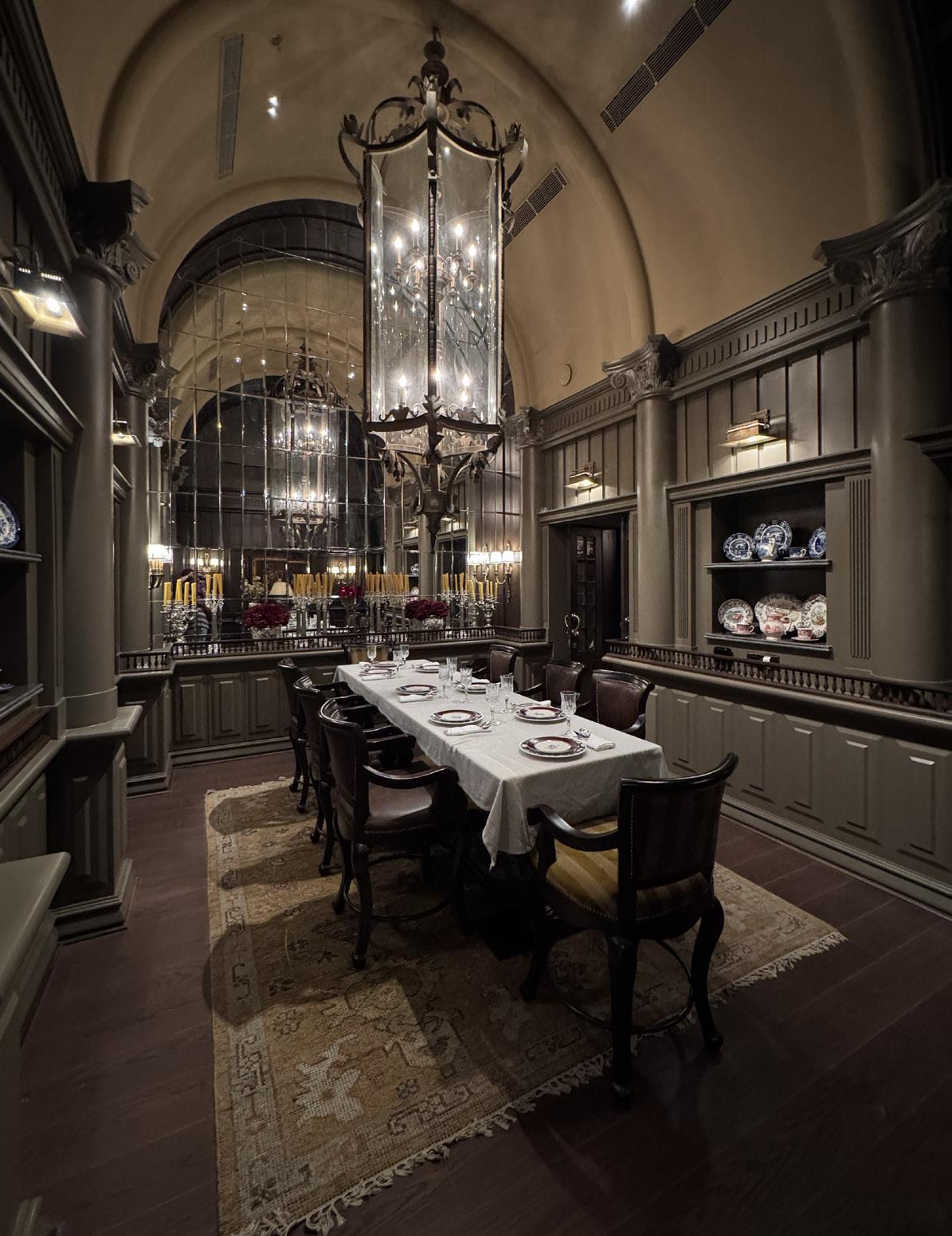
sconces, and a grand piano positioned prominently at the entrance collectively transport visitors into another time. The various dining spaces have been thoughtfully named and designed to reflect the private quarters of a colonial residence, from The Reading Room to the Drawing Chambers.
“The objective was not simply to create a restaurant but to deliver an immersive experience that bridges generations and offers guests something unique within India’s hospitality landscape,” explains Karan.
While many hospitality projects focus on integrating multiple layers of technology, from audio and video systems to digital signage and guest management platforms, the emphasis at The Governor House was firmly on one critical aspect: lighting.
According to Karan Singh, “Lighting was central to achieving the desired ambience. The challenge was to create an environment that captured the warmth and elegance of a nineteenth-century colonial residence while providing the flexibility required for modern restaurant operations.”
To achieve this, the project combines DALIbased lighting control for ceiling-mounted COB fixtures and spotlights with sophisticated phase-cut dimming for decorative lighting installations. This was particularly important because the restaurant’s visual identity relies heavily on chandeliers, wall lights, and traditional filament bulbs that contribute significantly to the overall aesthetic.
Unlike conventional hospitality lighting solutions that often prioritise efficiency over atmosphere, the lighting strategy here was developed to accentuate the architecture and
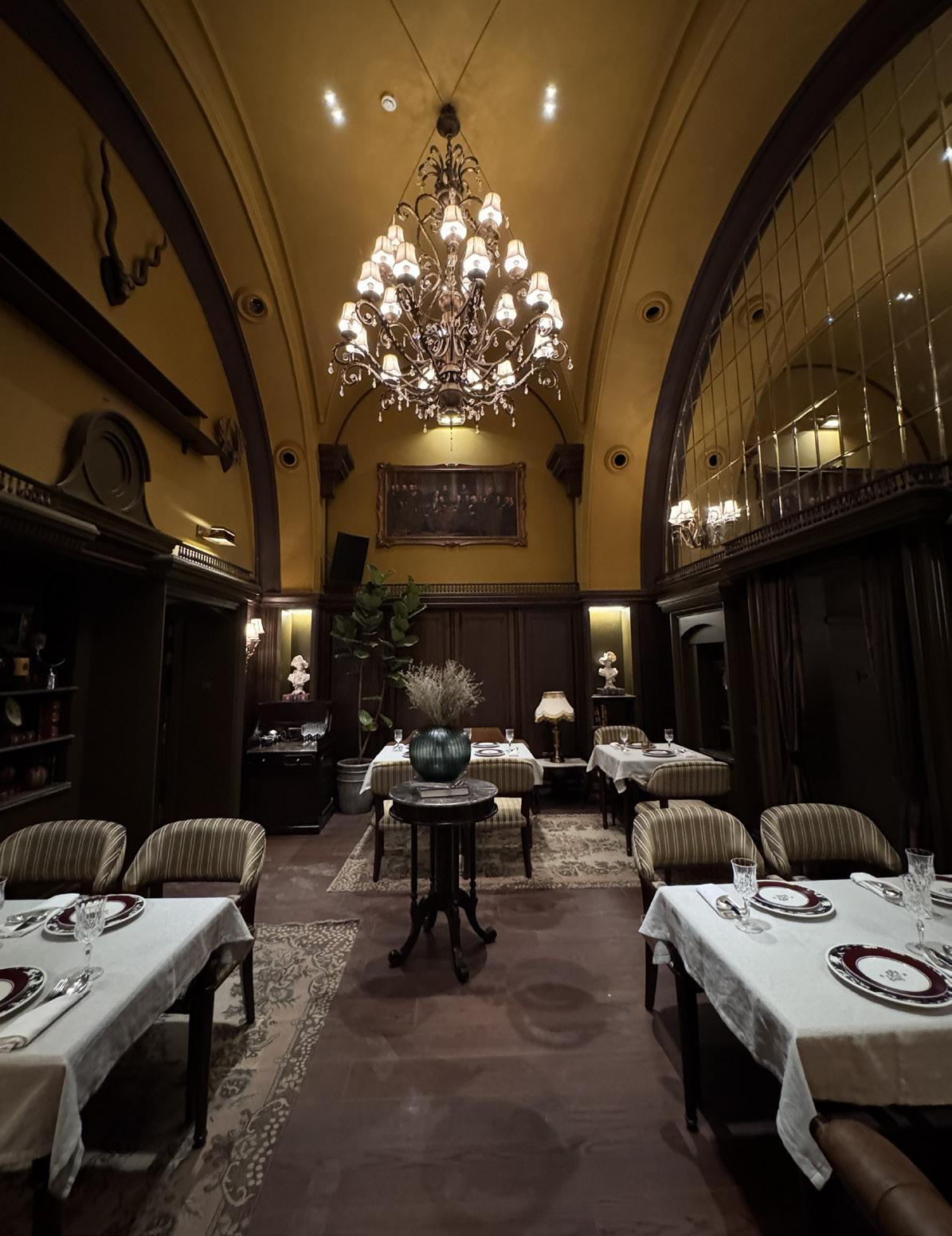
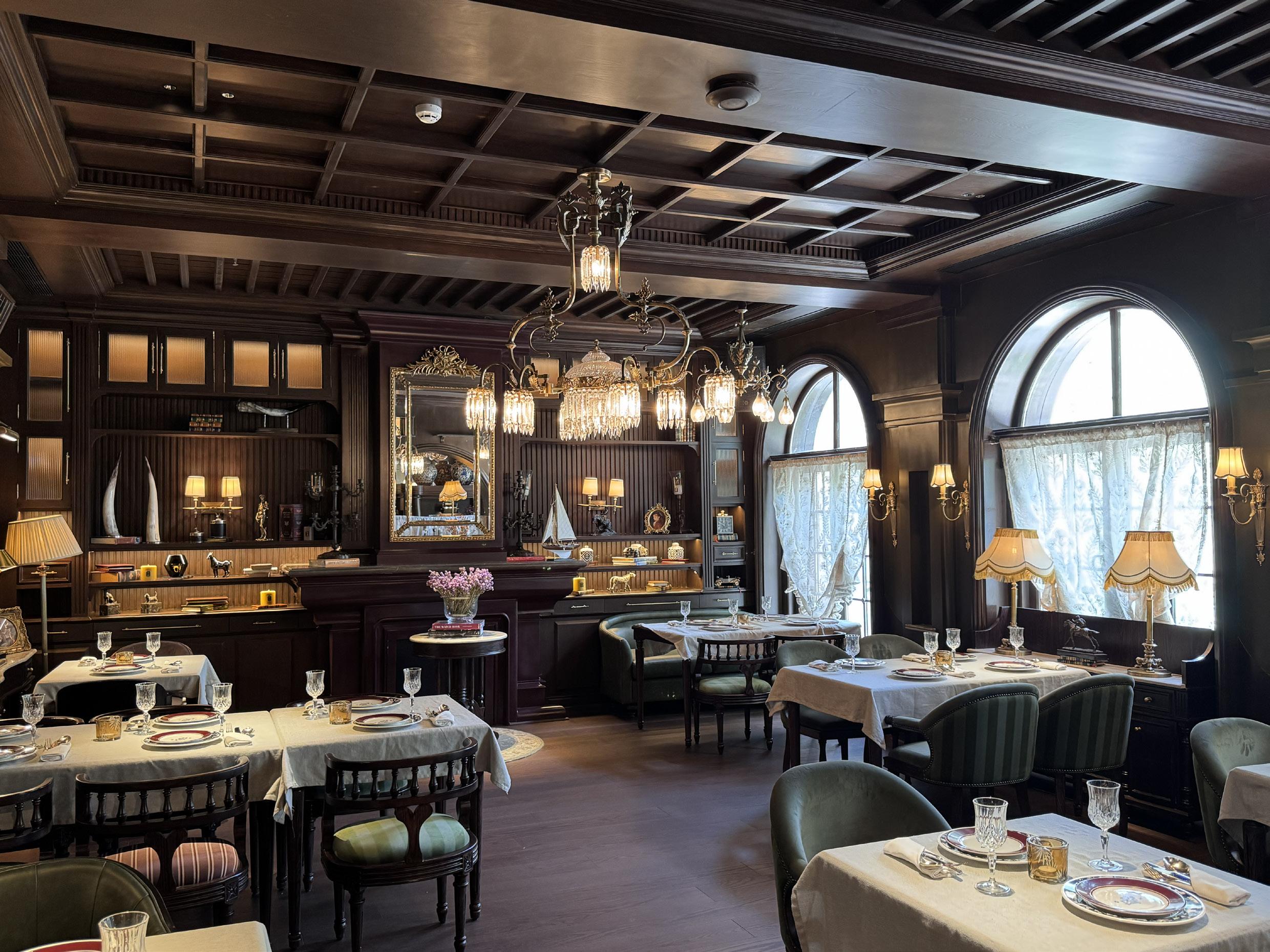
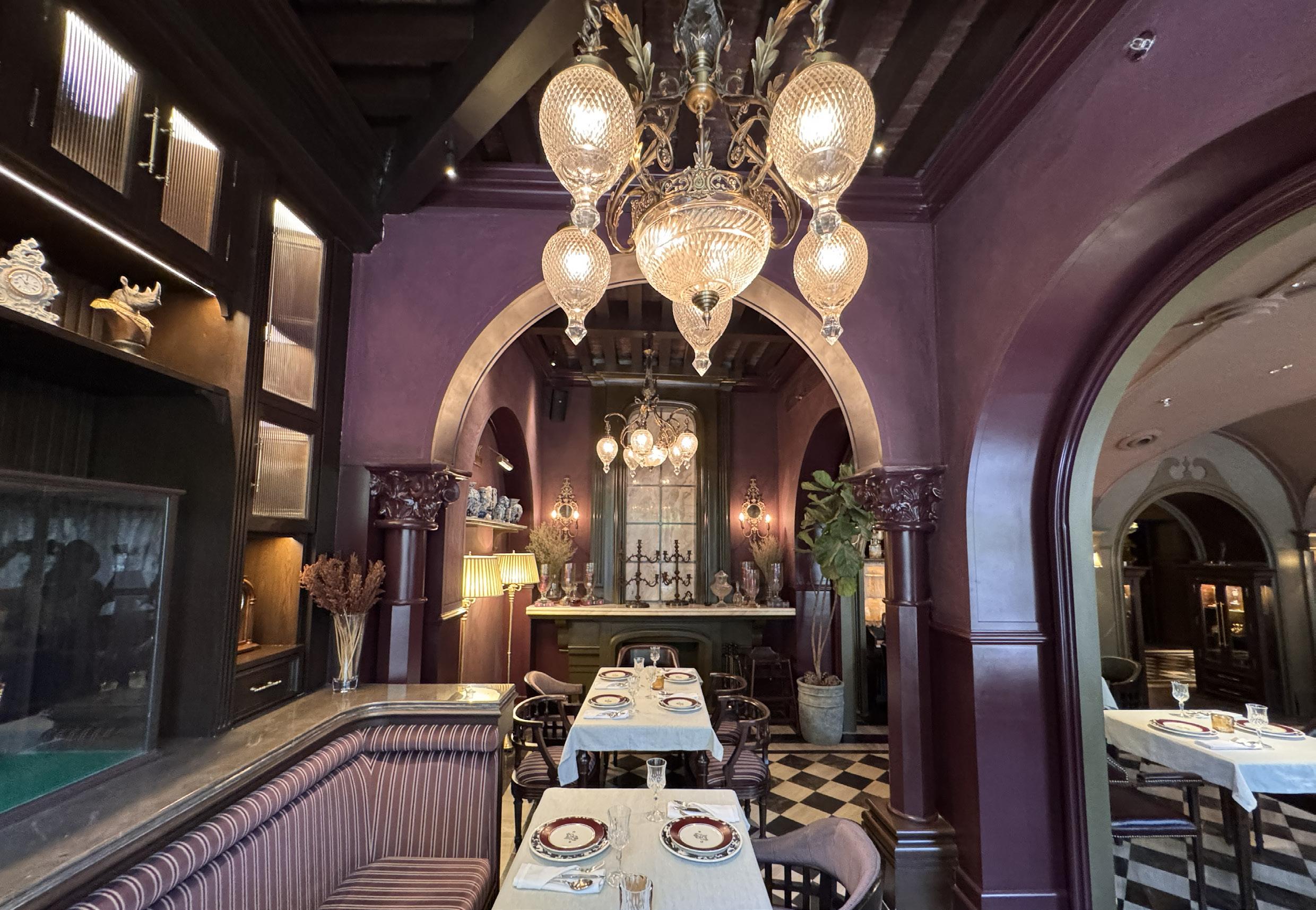
decor. The warm glow produced by filament lamps helps preserve the authenticity of the colonial theme while allowing operators to adjust brightness levels according to the time of day, occupancy, and type of event.
The automation backbone of the project is built on the globally recognised KNX platform, with Interra KNX actuators forming the foundation of the control system.
Beyond managing dimmable fixtures, the KNX infrastructure controls several operational elements throughout the property, including non-dimmable lighting circuits, outdoor façade lighting, illuminated signage, fountain lighting, and fountain motor operations.
This centralised approach ensures that multiple systems can be managed efficiently while maintaining consistency across the property.
For a hospitality venue that relies heavily on
visual impact, such synchronisation becomes critical. Outdoor lighting, entrance features, and interior ambience all work together to create a cohesive guest experience from arrival through departure.
One of the most interesting aspects of the project was the operational requirement presented by the restaurant management team.
This property is not a single open-plan dining venue. Instead, it consists of several themed halls and private dining rooms, each capable of hosting different types of gatherings simultaneously. A private family celebration may be taking place in one room while another space hosts a corporate dinner or regular dining service. This created a unique challenge for the automation design.
The operations team wanted a control system that could offer simplicity when needed while retaining the flexibility to manage individual spaces independently. The solution was to
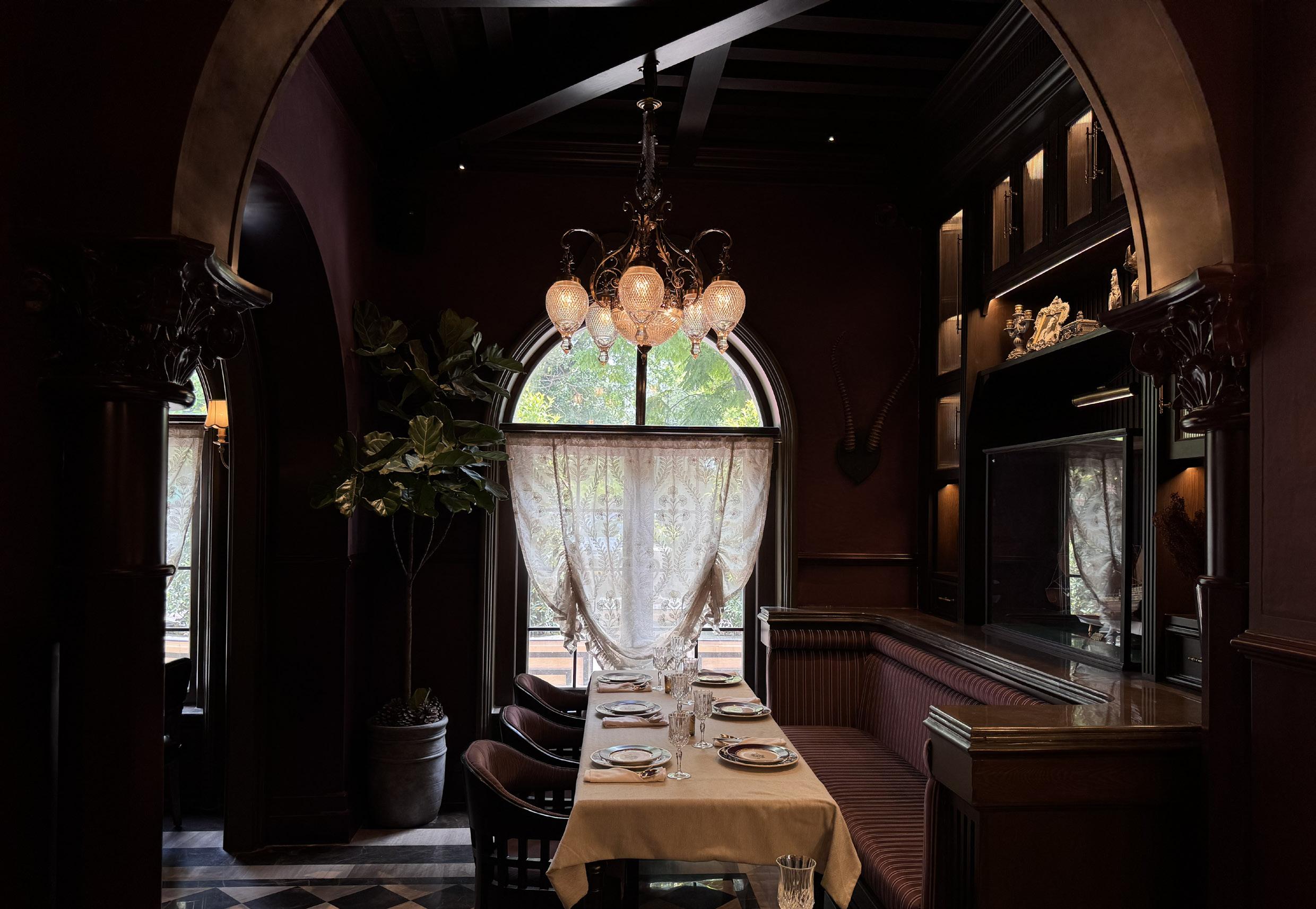
create a layered scene-control architecture.
Master scenes allow staff to control the entire venue through a single command, simplifying opening, closing, and event management procedures. At the same time, each room can be operated independently, with dedicated lighting scenes tailored to its specific ambience and function.
The system even allows operators to fine-tune individual fixtures, an important capability given the multiple layers of decorative, accent, and architectural lighting incorporated throughout the restaurant.
Technology is only effective if it is easy to operate. Recognising this, the team selected a 10-inch touch panel from Goldmedal as the primary user interface.
The interface was customised extensively to suit the operational needs of the venue. Dedicated pages were created for individual halls,
enabling staff members to navigate between spaces quickly and make adjustments without requiring technical expertise.
The result is a control environment that remains intuitive despite the complexity of the underlying infrastructure.
To further enhance flexibility, the installation also incorporates Pairot from xxter Technologies, a bridge that connects the KNX ecosystem with Apple HomeKit, Google Home, and Amazon Alexa platforms. This integration opens up future possibilities for voice control and expanded automation scenarios while ensuring compatibility with broader smart building ecosystems.
While guest experience and operational convenience were key priorities, the project also incorporates automation features designed to improve energy efficiency.
KNX presence sensors installed in washroom areas automatically manage lighting based
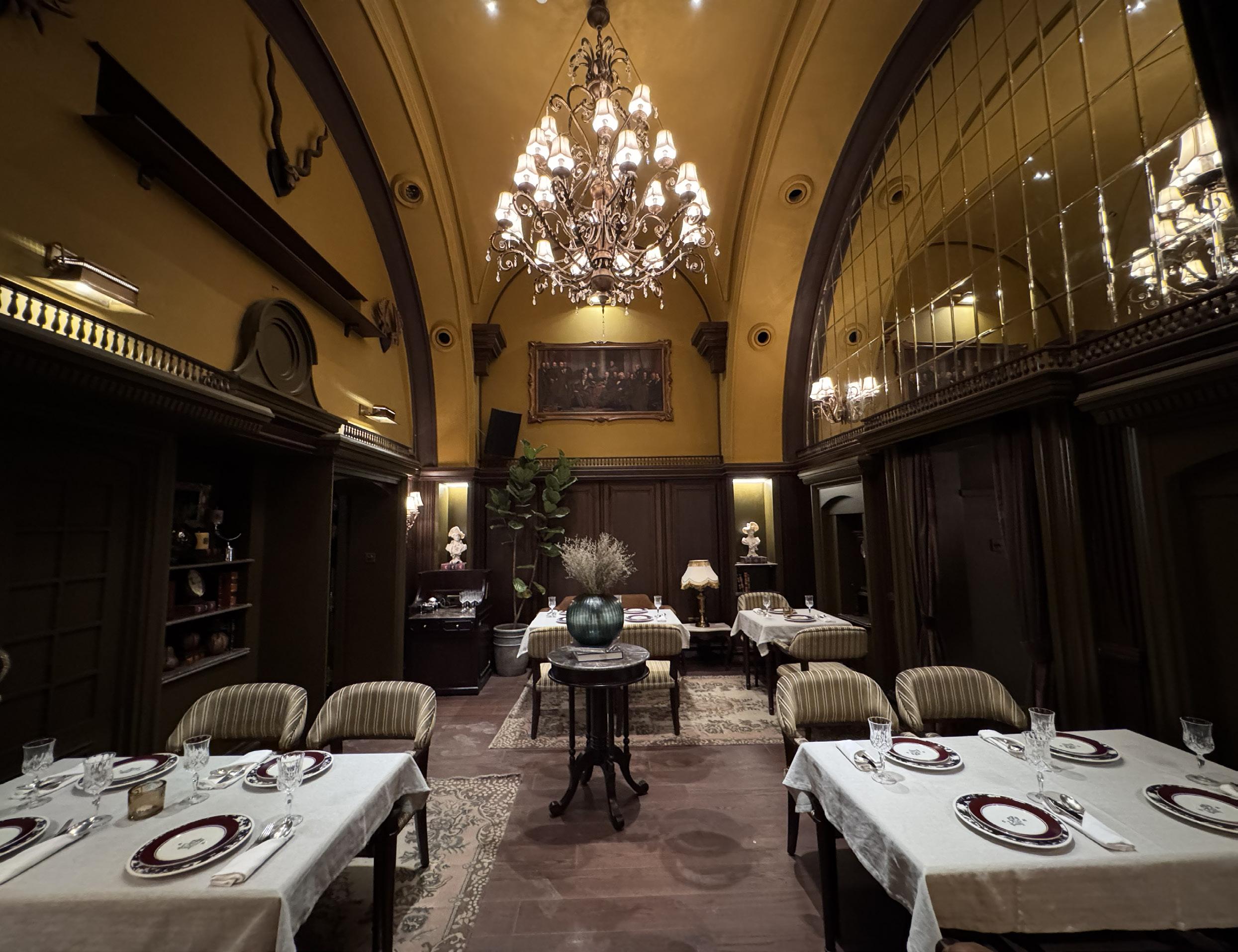
on occupancy, reducing unnecessary energy consumption while ensuring user comfort. Although subtle, these interventions contribute to the overall efficiency of the property and demonstrate how even heritageinspired spaces can benefit from modern smart-building principles.
Integrated
What makes The Governor House particularly noteworthy is that automation was never treated as an add-on. Instead, technology was carefully woven into the design vision from the beginning.
The project demonstrates that successful hospitality automation is not necessarily about the number of systems installed. Rather, it is about understanding how technology can support architecture, operations, and guest experience simultaneously.
By combining KNX-based control, DALI lighting management, sophisticated dimming solutions, customised scene control, and intuitive user interfaces, the team has created an environment where technology enhances the atmosphere without drawing attention to itself.
Guests may admire the chandeliers, appreciate the warmth of the lighting, and enjoy the immersive colonial setting without ever realising the sophisticated automation infrastructure working behind the scenes.
For Smart Home World readers, The Governor’s House serves as an excellent example of how intelligent control systems can preserve heritage-inspired design while delivering the flexibility, efficiency, and user experience demanded by modern hospitality environments.
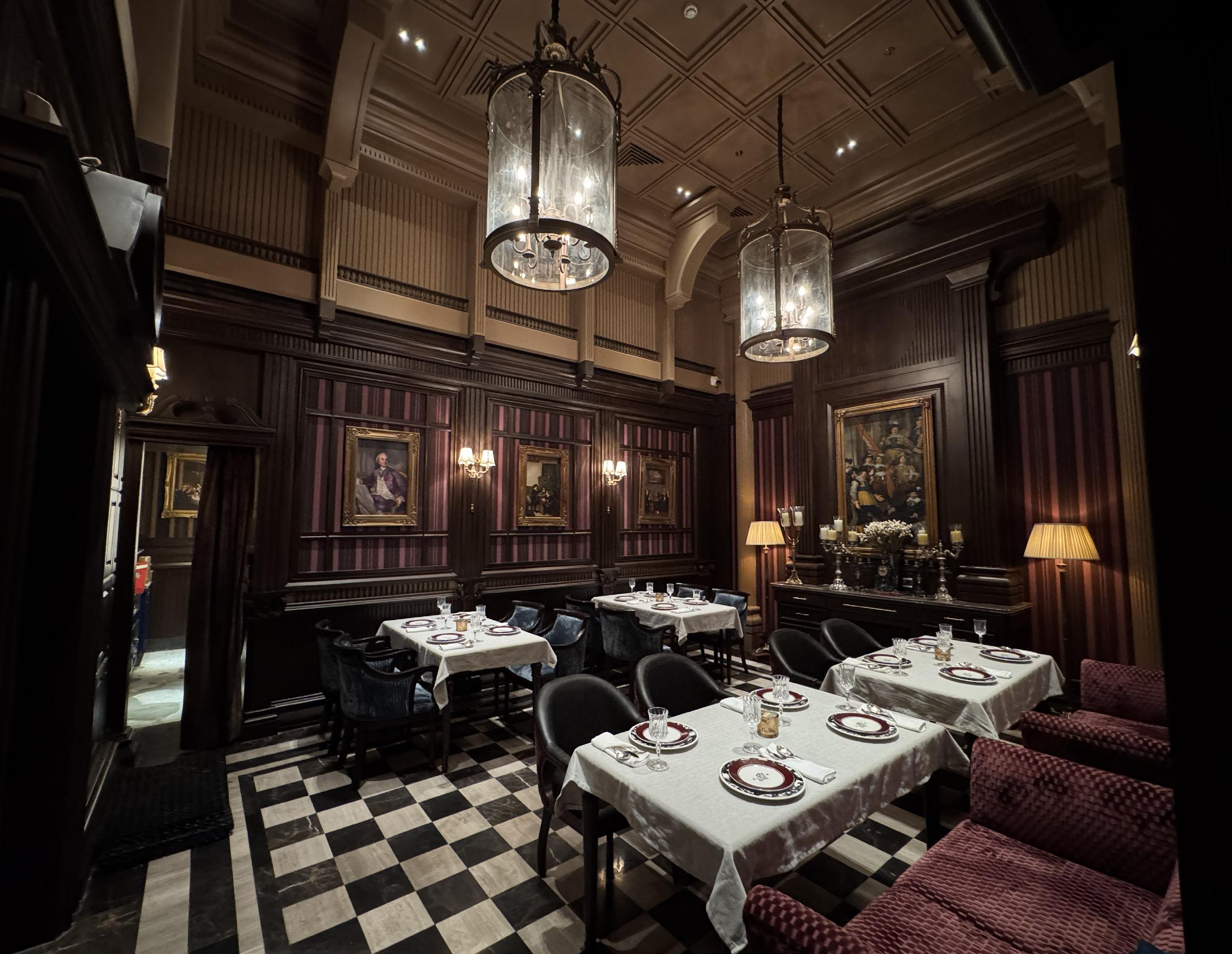
Architect & Interior Designer: Sanchit Arora, Studio Renesa
System Integrator: Karan Singh, The Otimizar Automation Studio by Gokal Chand
Automation Platform: KNX (Interra, Turkey)
Frontend Interface: Goldmedal 10-inch Touch Panel
Lighting Control: DALI, Phase-Cut Dimming, KNX Actuators
Smart Integration: Pairot KNX Bridge by xxter Technologies
Energy Management: KNX Presence Sensors
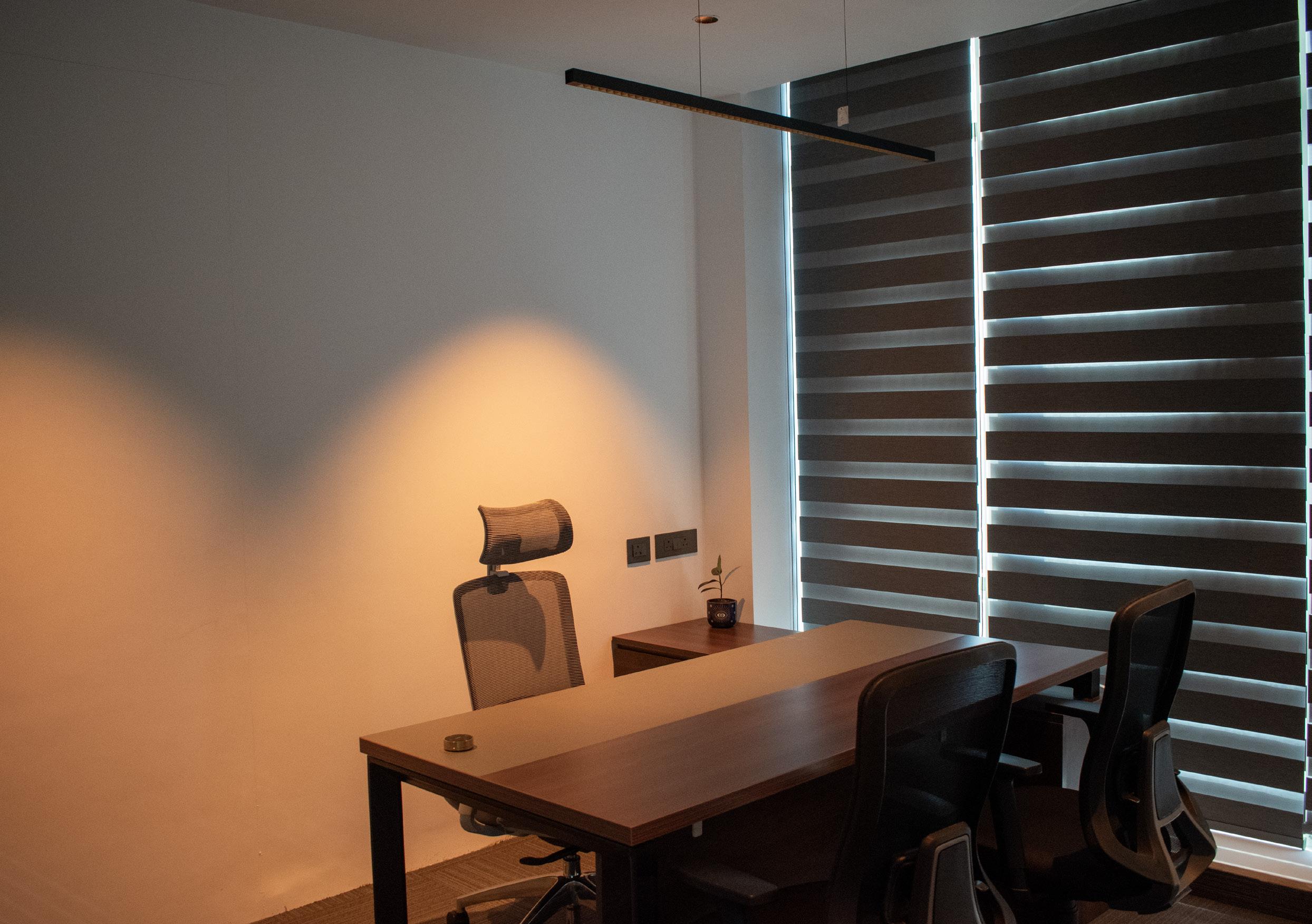
Casambi in Action: How One Platform Controls Lighting, KNX, and AV at Exergy Experience Centre.
The future of intelligent buildings won’t be defined by individual technologies working in isolation — it will be defined by ecosystems, where lighting, automation, AV, and user experience working together seamlessly. At its new Experience Centre in Noida, Exergy Solutions is making that future tangible, walking visitors through exactly how far a single wireless platform can go.
The way we design and experience built spaces is changing fast. Lighting, automation, audio-visual systems, and connectivity are no longer separate considerations — they’re converging into ecosystems that shape how people feel, work, and live.
Exergy Solutions, the official distributor of Casambi in India, recognised this shift early.
Working closely with architects, designers, integrators, and contractors across the country, Exergy has spent recent years bringing wireless lighting control into Indian projects — and to help professionals experience these technologies firsthand, they’ve now established India’s first dedicated Casambi Experience Centre in Noida, a fully operational space where wireless lighting control, KNX automation, and AV integration can be explored in realistic project settings. The vision behind the centre was straightforward: rather than explaining what intelligent

lighting can do through brochures and spec sheets, let people experience it for themselves. Casambi’s wireless mesh technology has already been deployed across more than 250,000 projects globally, yet many professionals in India have encountered it mainly through presentations and product demos. The Experience Centre changes that by putting the technology in context — fully operational, fully adjustable, and ready to explore.
At the heart of the installation is Casambi’s Bluetooth Low Energy (BLE) mesh architecture — and it works quite differently from traditional lighting control systems. Instead of relying on a central processor or dedicated server, Casambi uses a distributed mesh topology where every enabled device becomes part of the network.
Each node can send and receive information simultaneously, creating a self-organising, self-
healing communication layer across the entire installation. This means no dedicated control cabling and no single point of failure. If one device goes offline, the network automatically reroutes through alternative paths to keep everything running. The result is a lighting control infrastructure that’s resilient, scalable, and far simpler to deploy than conventional systems.
Throughout the facility, Delta Light architectural luminaires are wirelessly connected within the BLE mesh — switching, dimming, grouping, scene control, scheduling, and automation all happen without a single metre of dedicated control wiring. Visitors can see exactly how individual fixtures, groups, and entire zones are configured and managed through software rather than physical infrastructure. A significant part of the centre’s focus is on the commissioning experience itself.
Through the Casambi App, visitors can
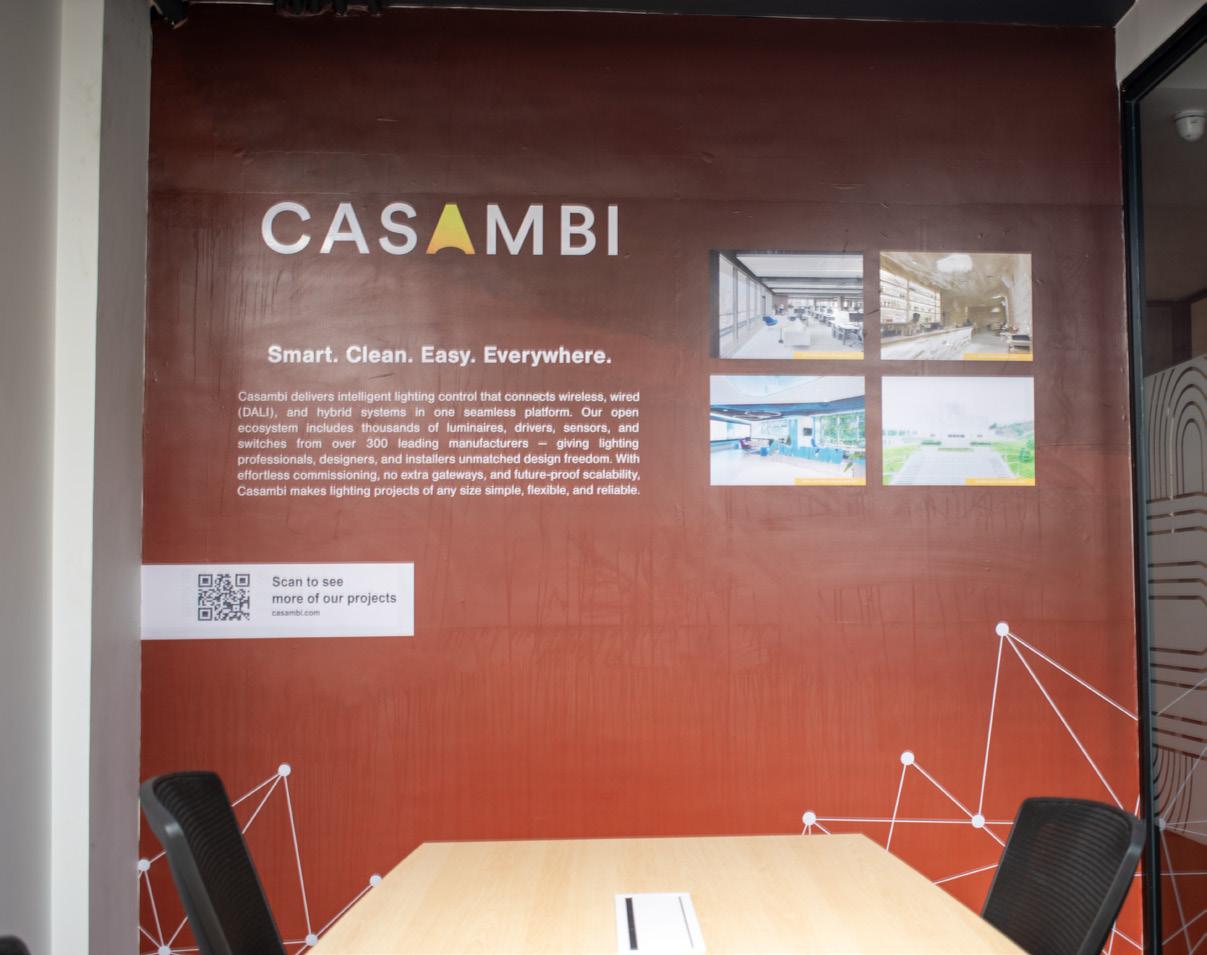
explore day-to-day controls — scene selection, dimming, scheduling, and personalised adjustments. The centre also demonstrates Casambi Pro, designed for larger and more complex projects, giving professionals handson exposure to batch programming, profile templates, project duplication, and large-scale network management.
These are capabilities that matter in realworld commercial, hospitality, healthcare, and mixed-use projects — where efficient commissioning can meaningfully compress timelines and reduce deployment complexity.
One of the most compelling aspects of the Experience Centre is what it shows about interoperability. Modern smart buildings don’t run on a single technology — they rely on multiple systems working in coordination. To demonstrate this, Exergy has integrated Casambi’s DALI controllers and gateway solutions with a KNX building automation backbone, while also incorporating AV systems into the ecosystem.
Visitors can see Casambi functioning both as a standalone wireless lighting platform and as part of a much broader environment. Through KNX integration, lighting works alongside HVAC systems, motorised shading, occupancy sensors, and access control.
AV systems — displays, audio zones, and control interfaces — respond in coordination with lighting scenes, so a boardroom presentation mode, for instance, simultaneously adjusts
the lights, lowers a screen, and sets the right ambience, all triggered from a single command.
This highlights the complementary strengths of each technology. Casambi delivers a flexible, wireless lighting layer. KNX provides a robust wired backbone for coordinating building systems. AV integration adds a layer of experiential intelligence — turning spaces into environments that respond to how people actually use them.
To help visitors understand their options, the centre demonstrates two distinct deployment approaches side by side. The first shows Casambi as a completely standalone wireless control platform — an approach well-suited to retrofit projects, luxury residences, boutique hospitality environments, or any setting where running additional control wiring is impractical.
The second shows Casambi operating within a full KNX-driven automation framework, where lighting, AV, shading, and environmental controls work together as a unified intelligent building system. Being able to compare both approaches within the same space helps visitors quickly identify which model fits their project best.
A deliberate design decision was to move away from the typical product-display-area format. Instead, the Experience Centre incorporates
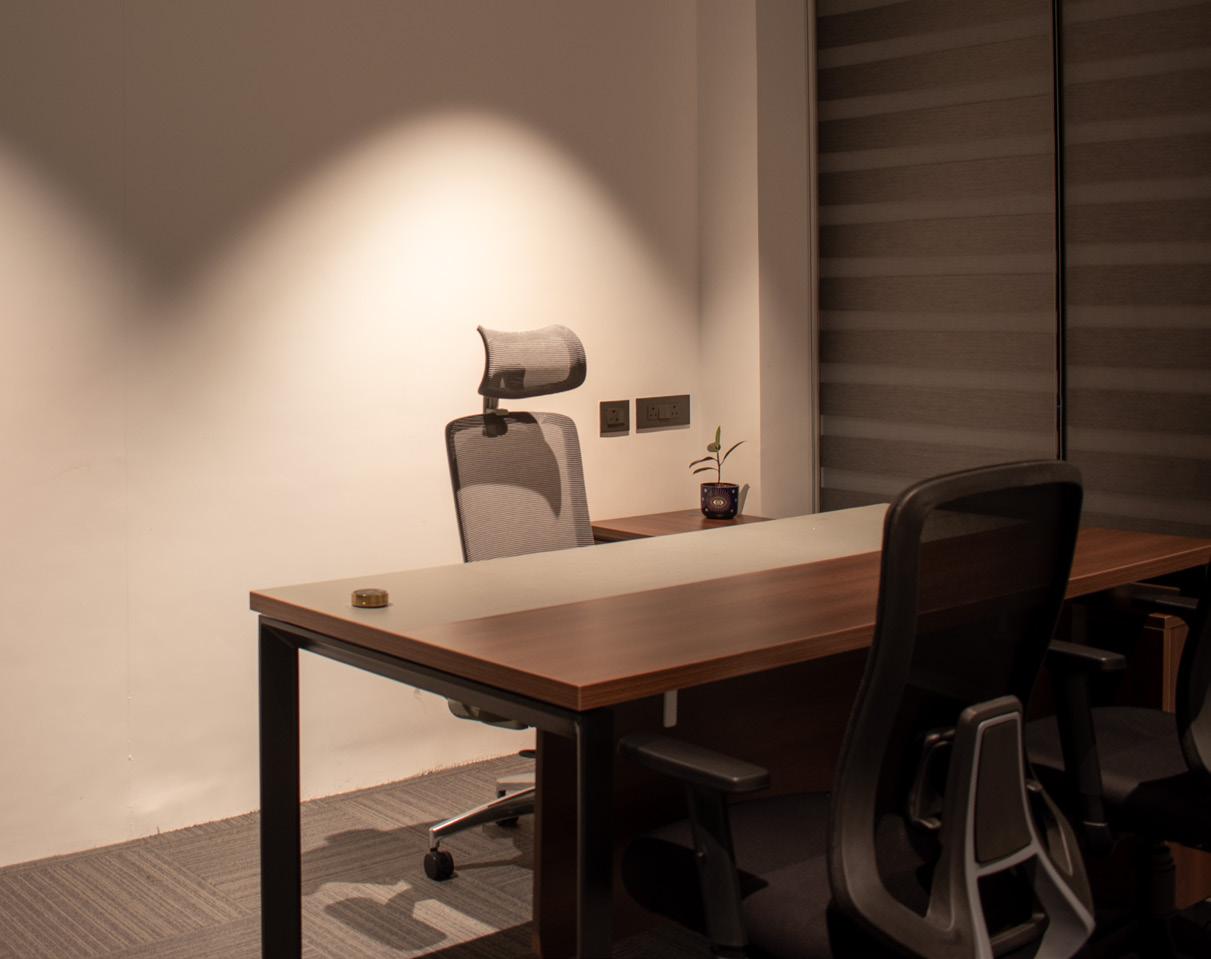
multiple interior typologies — residential living spaces, workplace environments, hospitalityinspired settings, and architectural feature installations — each designed to replicate a genuine project conditions.
Every lighting scene is fully live and adjustable in real time. Designers can experiment with colour temperatures, intensity levels, fade rates, and scene transitions while immediately seeing the impact on the space. Using Casambi’s scene management and tunable white capabilities alongside Delta Light luminaires, the centre demonstrates how shifting from a cool, energising daylight setting to a warm evening ambience can completely transform a room — without changing a single physical element.
AV content shifts in sync with lighting scenes, reinforcing how the two systems amplify each other when properly integrated.
The centre also demonstrates the role of intelligent lighting in energy performance. Occupancy-based control, daylight harvesting, scheduling, and automated scene management all contribute to reducing unnecessary energy use — without compromising the quality of the environment. For architects, the wireless nature of Casambi offers greater freedom during design, since fixture placement is no longer tied to control wiring routes. For integrators and contractors, digital commissioning simplifies installation and reduces the complexity of traditional control architectures. For building operators,
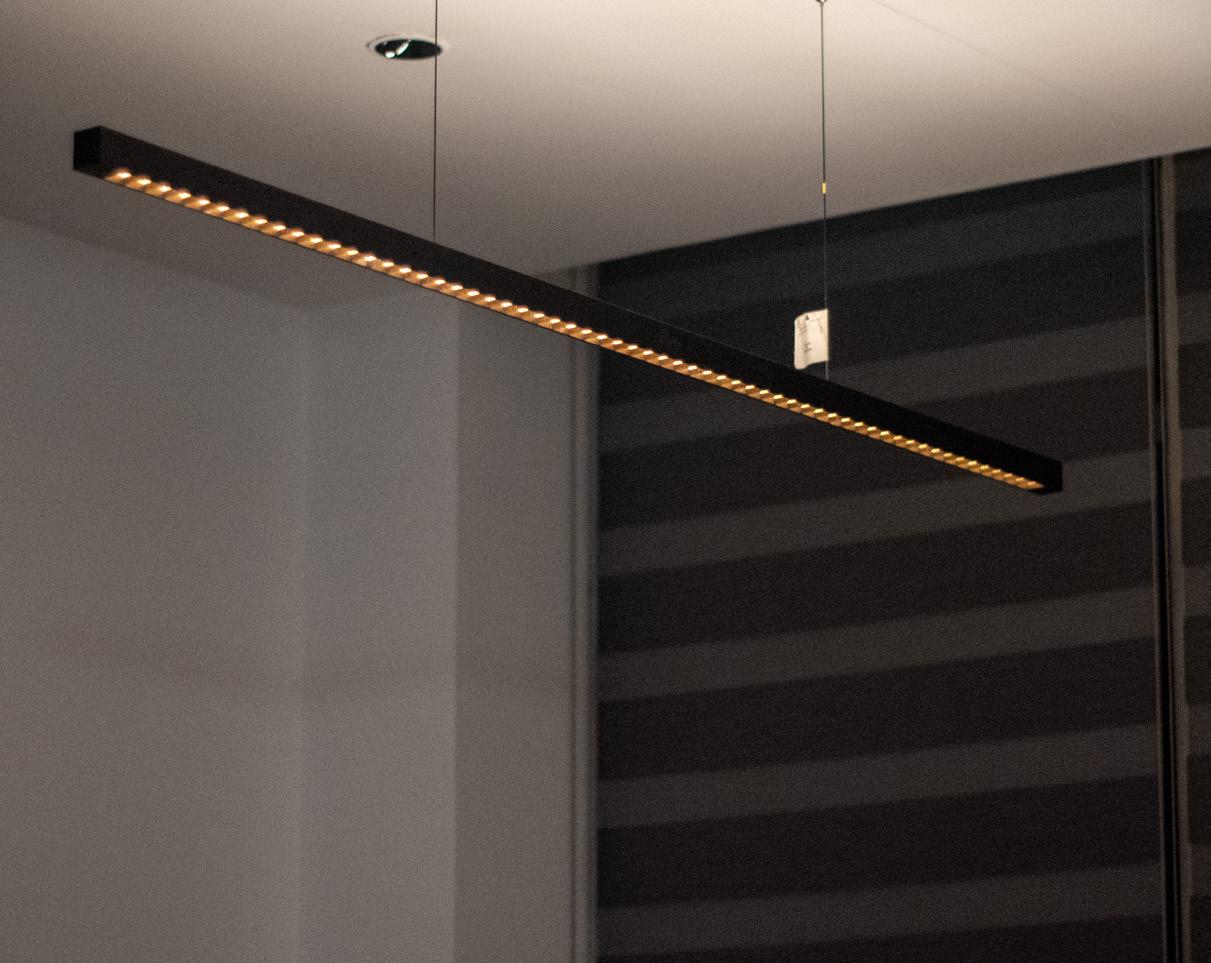
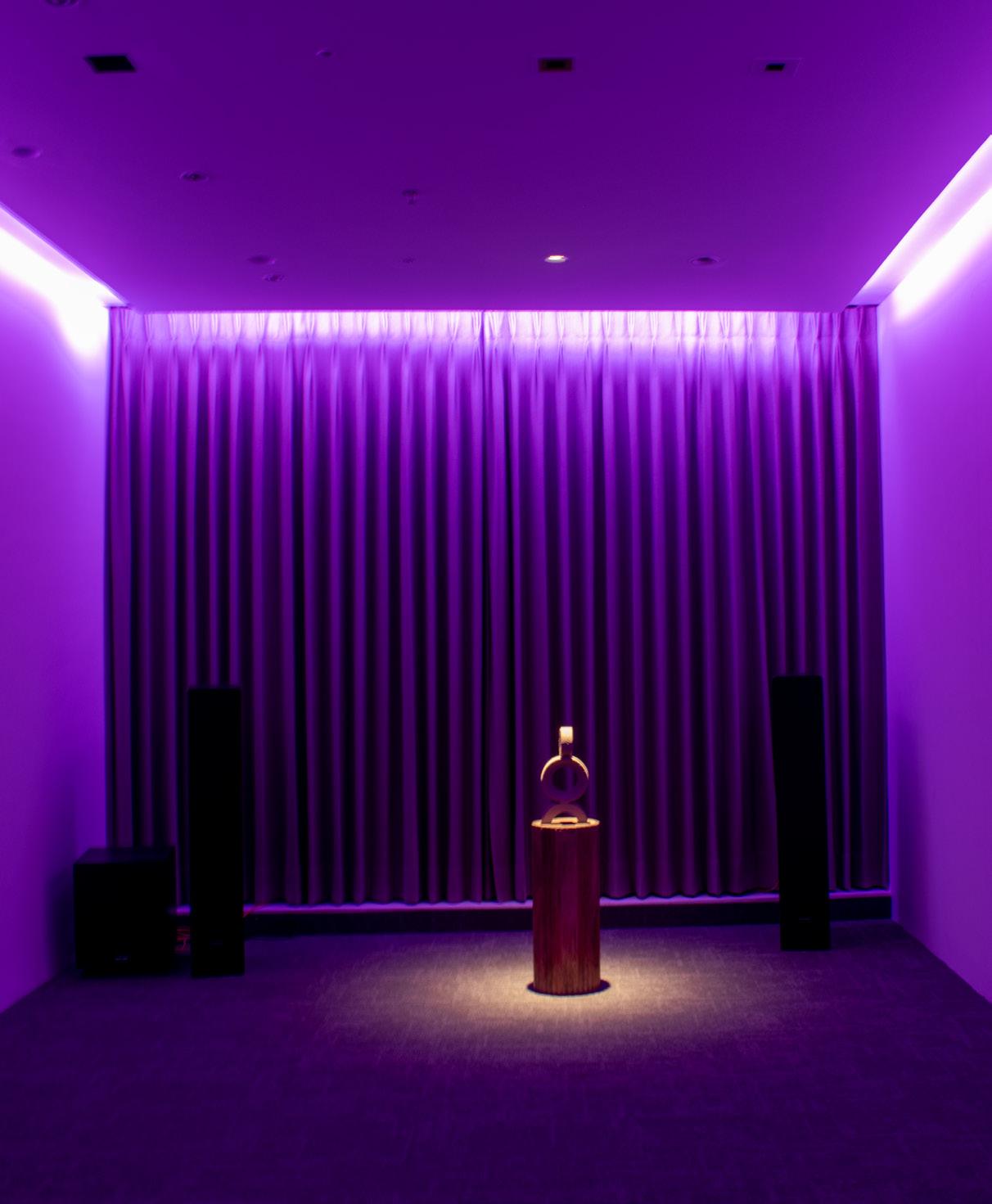
over-the-air firmware updates mean the system stays current and adaptable as technology evolves. The broader ecosystem also works in the centre’s favour. Casambi is supported by hundreds of manufacturers worldwide, giving designers and integrators the flexibility to select the right components for each project while staying within a common, interoperable control environment.
Beyond demonstrations, the Exergy Experience Centre is designed as a hub for education, collaboration, and professional dialogue — a place where teams can explore emerging technologies, debate integration strategies, and get genuine hands-on exposure to the systems shaping the next generation of intelligent buildings.
By bringing together Casambi’s BLE mesh technology, Delta Light’s architectural expertise, KNX automation, and AV integration within a single operational space, Exergy Solutions shows what intelligent lighting can genuinely contribute to the occupant wellbeing, energy efficiency, operational performance, and building adaptability.

The future of smart homes will not be built from scratch. It will be retrofitted into the millions of buildings that already exist, homes designed long before anyone imagined connected lighting, automated heating or mobilecontrolled devices. Few people illustrate this better than Sipe Santapukki, frontman of Finland’s rock band Apulanta, who restores listed heritage buildings as smart homes.
His latest restorations include a 1917 stone villa in Tampere, brought back through long-term work carried out with the Finnish Heritage Agency, and a century-old manor-style property near Helsinki. Both buildings are now smart homes. And in the Tampere villa, the original cake oven is still in working order. These projects show that the real smart home market is not just new builds, but older homes being renovated.
Renovation is already one of Europe’s largest construction markets – and it is growing. Nearly half of Europe’s housing stock was built before 1980, the EU’s Renovation Wave Strategy targets doubling the annual renovation rate by 2030, and renovation has already overtaken new build, accounting for 54% of all residential construction spend in 2025.³ The market is ready.
Raimondo Salandra
Business Line Leader for Home Solutions at ABB Smart Buildings
Raimondo Salandra, writes that the next phase of smart home growth will be driven less by new builds and more by renovation projects, where homeowners are already making significant investments and decisions about the future of their living spaces. Read on as he highlights two renovation projects where smart automation was seamlessly integrated to enhance comfort, efficiency, and modern living.
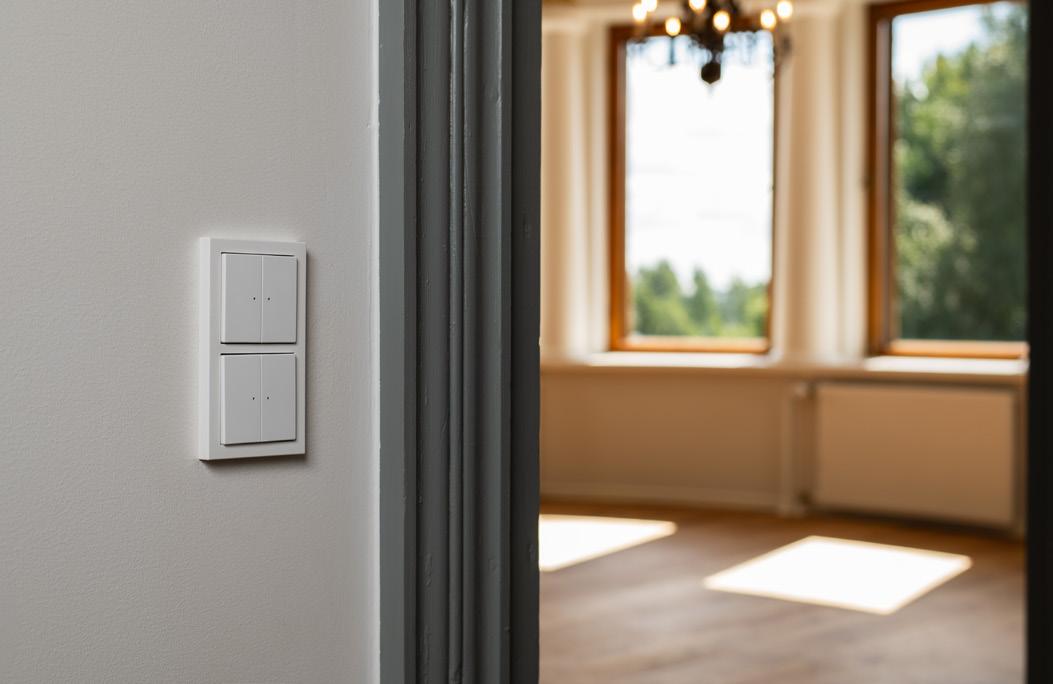
Walk through the Tampere villa and you understand immediately why Santapukki’s approach to renovation is different. The 1917 stone villa, protected under Finnish heritage law, is being converted into four rental apartments.
Each decision had to be negotiated with the Finnish National Board of Antiquities overseeing it. The exterior has been restored to its original condition; inside, original doors were retained, ceiling mouldings extended in period style, and colour schemes sourced from archive photographs. The architecture came first; everything else adapted around it.
Smart-home design should follow the same principle: technology should fit the home rather than forcing the home to fit the technology. People do not want software to manage; they want homes that work.
Wireless smart-home solutions have made it possible to introduce automation gradually, without major structural disruption, especially important in heritage buildings.
Santapukki selected a wireless smart-home system paired with switches and sockets designed to fit the character of the building. The priorities were practical rather than technological: minimal disruption, visual consistency across the apartments, and intuitive operation for residents who had never actively chosen a smart-home system.
Santapukki selected ABB-free@home with IMPRESSIVO® switches and sockets because they met those requirements. Through a single system, residents can control lighting, heating, blinds and the door phone – from a wall switch, a touchscreen, or their phone.
Good smart-home design is not always invisible. Some buildings call for technology that disappears; others benefit from hardware
designed to be seen. In either case, it should feel natural to the home.
A few years ago, Santapukki acquired Andersberg villa – a yellow manor-like building surrounded by large trees, just outside Helsinki. Previously owned by the Finnish Christian Community, it required significant restoration. Today, it contains three spacious apartments renovated for residential use.
For Santapukki, restoring these buildings is an ethos as much as an investment. Good restoration cannot be rushed. The best decisions are made carefully, in the right order, at the right moment. Smart home adoption works exactly the same way.
One of the industry’s most persistent myths is the idea of the “fully realized smart home” – a single moment of commitment where everything is decided, installed, and switched on. It does not reflect how people live or spend money. Renovation can be expensive and stressful.
Asking someone already managing budgets, timelines, and contractors to also specify a
complete smart home system is often enough to ensure they specify nothing. Faced with too many decisions, most people walk away. The smarter model is a system that works fully on day one and can grow from there.
Santapukki did not restore these buildings alone. He worked with craftspeople, conservation specialists, and trusted professionals who understood what the work required – and when it came to the smart home installation, he went back to the same electrician he had used on his own home. Someone who knew the system, showed up when promised, and delivered what was agreed. In a complex renovation, that kind of reliability is essential.
Santapukki’s approach also highlights another reality often overlooked in discussions about smart homes: people rarely make these decisions alone. During a renovation, homeowners trust electricians, builders and architects more than brochures or spec
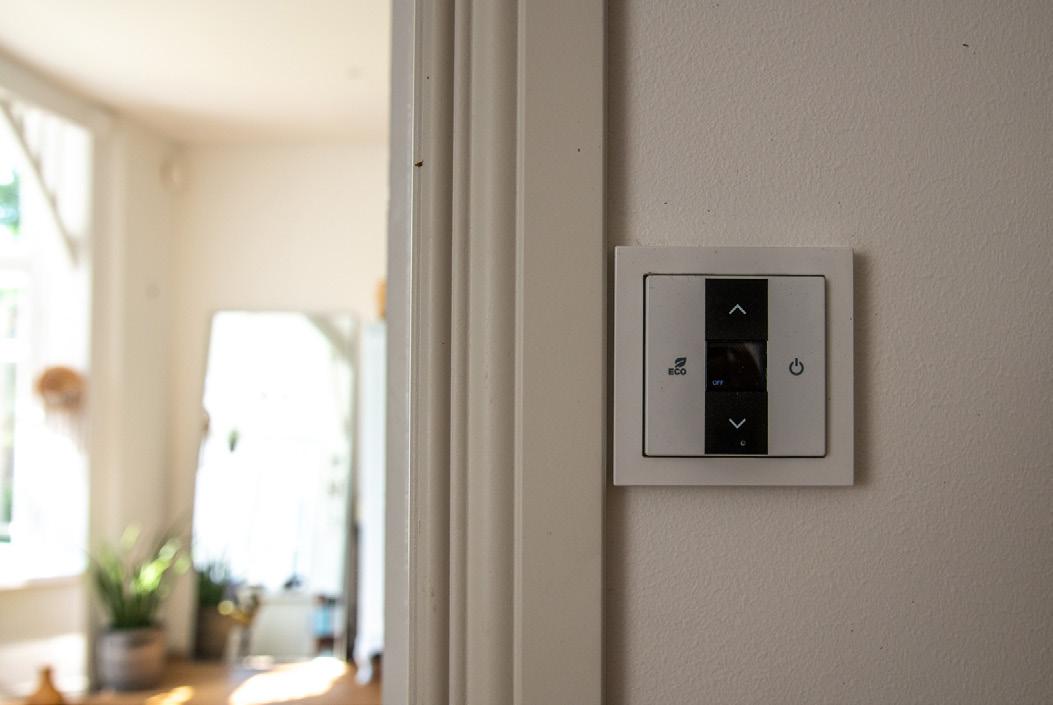
sheets. In practice, trusted installers shape most smart-home decisions.
Most homeowners are not comparing technical architectures or evaluating software ecosystems; they are trying to finish a renovation on time and within budget.
Stand in the kitchen of the Tampere villa: original stone walls that predate the First World War, a modern smart control system running overhead, and nothing that announces itself or demands your attention. It simply works.
Andersberg and Tampere show what good smart-home retrofits look like: historic buildings carefully restored, modern systems integrated, and with technology simple enough to use.
A cake oven from 1917 and a smart control system can coexist in the same kitchen. That is what the future of smart homes looks like: not replacing the past, but seamlessly upgrading it. That future is already here – in the buildings people are renovating today.
The Security Solutions business of Godrej Enterprises Group (GEG) launched its new portfolio of Wi-Fi and 4G-enabled surveillance cameras. Designed with a deep understanding of diverse user needs, the range delivers flexible and uninterrupted monitoring across both urban and remote environments. While the Wi-Fi variants cater to connected homes and businesses, the 4G-enabled cameras, including the smart cameras and solar camera, ensure seamless surveillance in locations where broadband infrastructure is limited or unavailable, enabling users to stay connected anytime, anywhere.
Manufactured in India and certified under BIS-ER standards, the portfolio underscores Godrej’s commitment to quality, data security, compliance, and customer trust. More importantly, the launch reflects the company’s evolution from standalone products to a holistic connected security ecosystem, where intelligent surveillance enhances usability, accessibility, and overall customer experience.
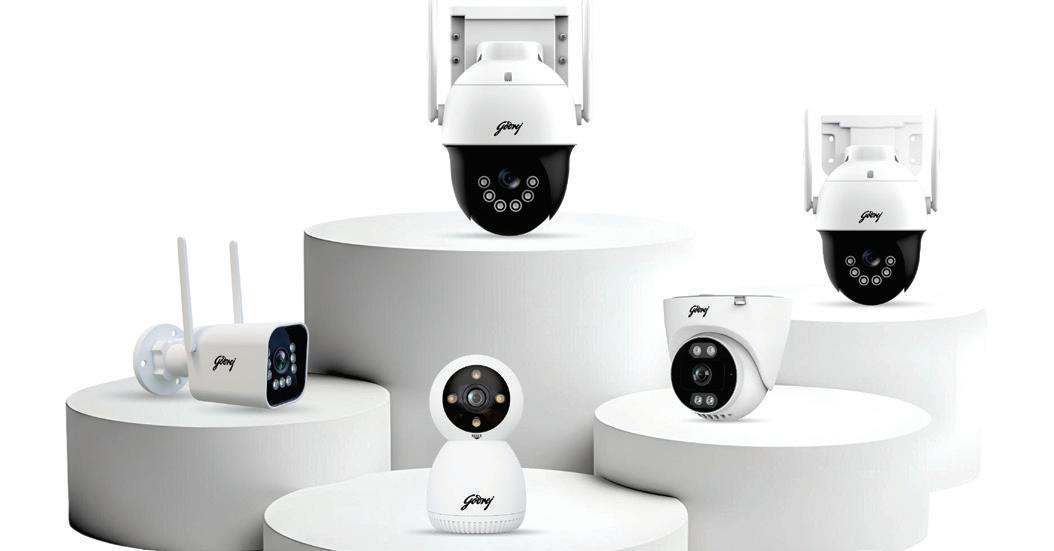
By bringing together trusted Technology & Engineering, local manufacturing, and a customer-first design approach, Godrej Enterprises Group aims to redefine how security is experienced, making it more intuitive, reliable, and aligned with the needs of a connected world. As demand for secure, compliant, and easy-to-use surveillance solutions grows, GEG remains focused on driving innovation that enhances everyday security experiences while strengthening India’s organised and self-reliant security ecosystem.
Josh.ai, the leader in artificial intelligence in the smart home, has reimagined modern control with the launch of AI X OS. The release expands Josh.ai’s integration of AI across its control ecosystem to add cutting-edge intelligence to device control, interface customisation, and automation capabilities. The company’s new products and features illustrate Josh.ai’s evolution as a leader in home automation in the era of AI.
The introduction of new iOS, Android, AVA + Josh.ai remote experience, and Josh Touchscreen graphical interfaces promote ease of use and multi-faceted control. AI X OS encompasses numerous software updates that have been integrated across all of Josh. ai’s product ecosystem. These improvements collectively provide customers with a more intuitive, integrated, and full-featured connected home:
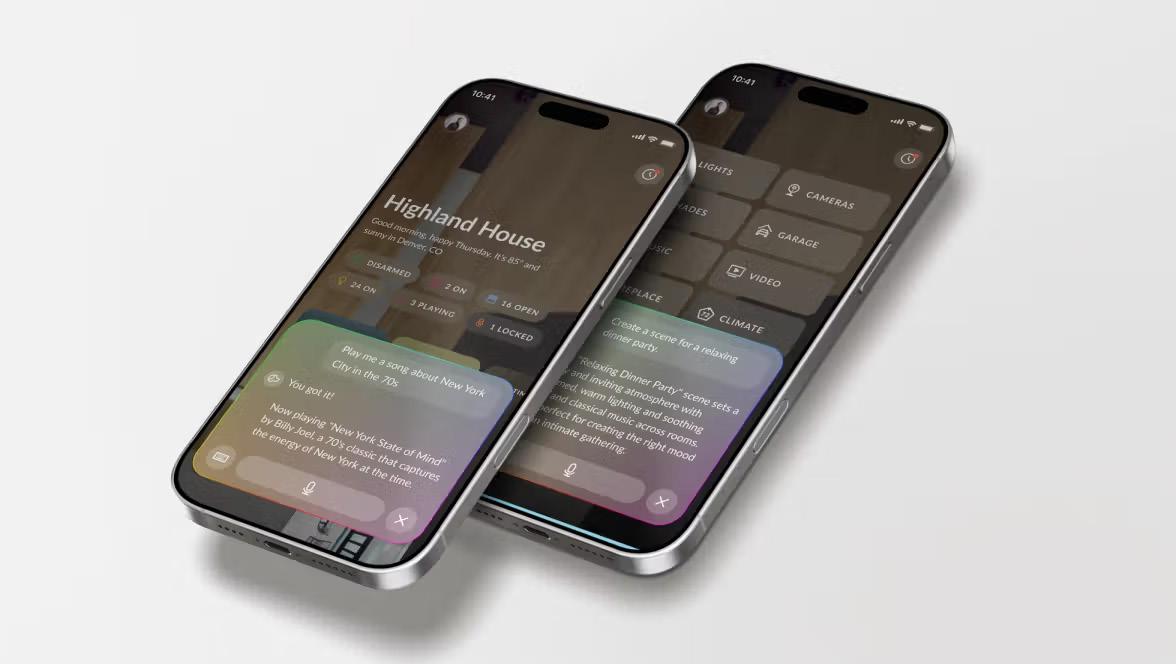
The latest Josh App update introduces a redesigned user experience focused on personalization, accessibility, and intelligent home control. A reimagined home page features customizable dashboards that allow users to view active devices, favourite scenes, and pinned controls at a glance, while a new bottom navigation bar provides continuous access to whole-home management from anywhere within the app.
WiiM has announced the launch of the WiiM Bar, the company’s first display-first Dolby Atmos® soundbar, designed to deliver powerful home theater audio while enhancing user control and visibility. At the heart of the WiiM Bar is a sleek, glass-covered 2.1inch round touch display that provides at-aglance access to key information and controls. The display can showcase album artwork, track details, EQ settings, Smart Presets, recently played content, clock faces, dynamic wallpapers, audio visualisations, and playback or source controls, creating a more engaging and interactive entertainment experience. With its combination of Dolby Atmos immersive audio, intelligent control features, and distinctive display-centric design, the WiiM Bar represents a new direction for WiiM’s
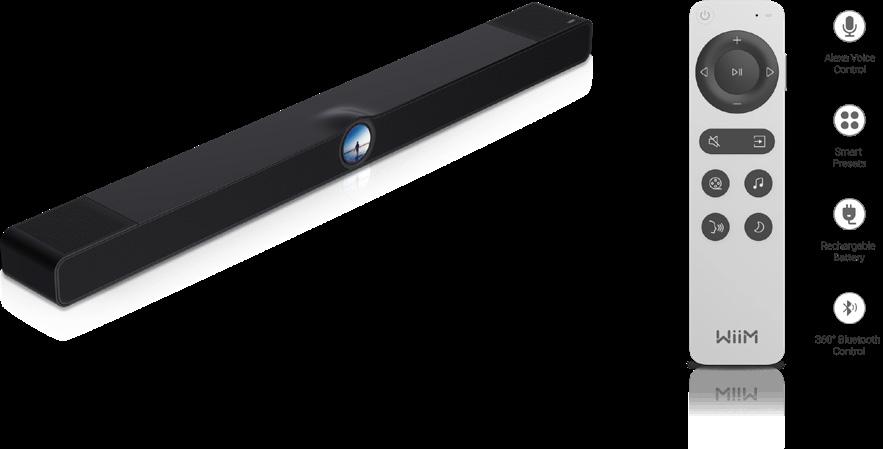
expanding home entertainment portfolio.
WiiM Bar is built around an 8-driver acoustic system with 4 passive radiators, delivering a wide soundstage, clear dialogue, height effects, and room-filling sound from a single soundbar.
Amina has announced the launch of the Sapphire Dual, the latest addition to its Sapphire series of invisible speakers. Building on the successful introduction of the Sapphire range in 2025, the new model brings dualchannel audio reproduction to a single invisible speaker panel, offering greater flexibility for installers and designers seeking discreet, high-performance audio solutions.
The Sapphire Dual is designed to deliver both left and right audio channels through a single panel, simplifying installation while maintaining the premium sound quality and seamless aesthetics that define the Sapphire range. The innovation is particularly suited to smaller and ancillary spaces such as bathrooms, utility rooms, hallways, landings, and other areas where the installation of multiple speakers may be impractical.
Measuring 450mm x 345mm with a depth of just 31mm (70mm with the optional back
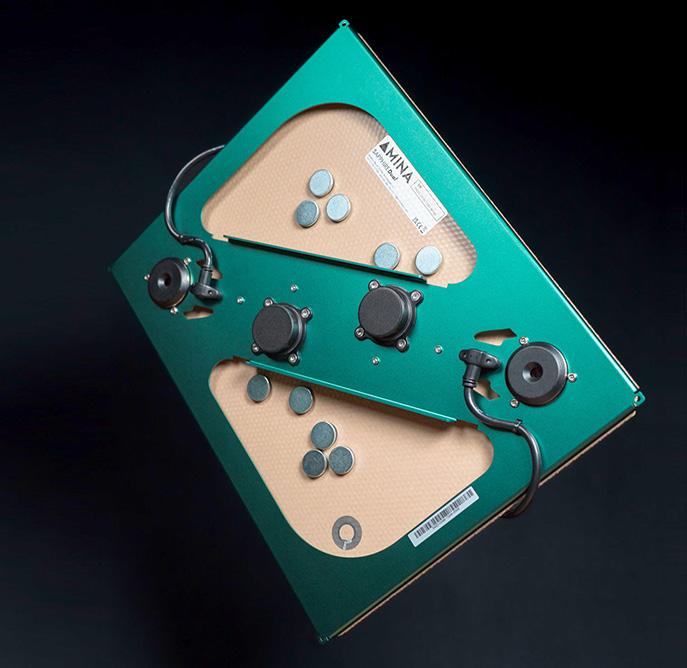
box), the speaker can be integrated discreetly into a variety of wall and ceiling constructions without impacting interior design.