

A stroll through Slovenia’s historic towns is like stepping through different eras and different worlds. One moment you are standing beside a Roman wall; the next, in the courtyard of a medieval castle. Now you are chatting with a market vendor; moments later, listening to music in the main square. The streets lead you from lively meeting places to quiet corners, close to nature. In a single day, you experience more eras, more flavours and more genuine encounters than elsewhere in an entire week.
And when you realise how good it feels to be here, you will want to share it with others: in Slovenia’s historic towns, everyone can find the time that suits them best. Choose your town. Choose your time.
In the shelter of the Alps, a modern urban pulse meets the traditions of beekeeping, ironworking and other crafts. Cultural creativity reflects the legacy of Slovenia’s greatest poet, France Prešeren.
The towns along the Adriatic captivate with their Mediterranean atmosphere, stone streets and palaces dating from the time of the Venetian Republic. Their urban rhythm connects with the green Istrian hinterland.
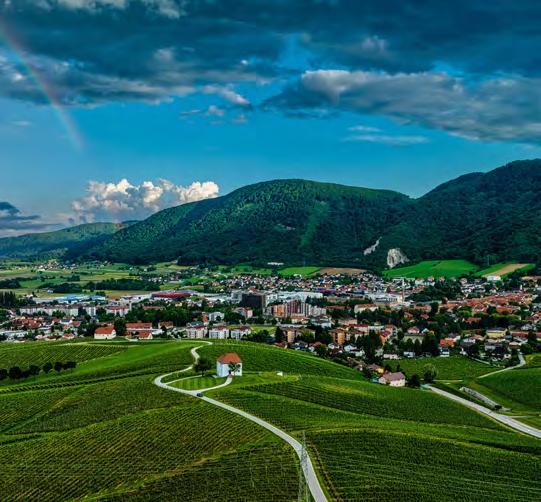
In towns stretching from thermal springs beneath vineyard-covered hills to the area along the Sava River, the passage of time is evident—from the distinguished Hallstatt period to the castle-marked Middle Ages and the beginnings of the railway.
From the capital to the south of the country, where towns lie close to Slovenia’s warmest river, UNESCOlisted heritage intertwines with strikingly diverse local stories.
The Green Scheme of Slovenian Tourism is a model for sustainable tourism development in Europe. Most of Slovenia’s historic towns proudly hold the Slovenia Green Destination label.
Starting points for exploring heritage
In Slovenia, everything is close at hand. The country’s most distinctive features, inscribed on the UNESCO World Heritage List and the UNESCO Representative List of the Intangible Cultural Heritage of Humanity, are found right in the heart of towns (Plečnik’s Ljubljana, the mercury mine and bobbin lacemaking in Idrija, the Škofja Loka Passion Play, the door-to-door rounds of Kurenti) or just a short distance away, such as the prehistoric pile dwellings in the Ljubljana Marshes. On the journey from Ljubljana to Koper, you can admire the Škocjan Caves, stop in Lipica—home to the world’s oldest Lipizzaner stud farm—or discover the dry-stone masterpieces of the Karst and Istria.
Treasures of time
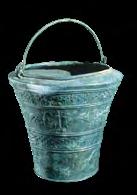
The world’s oldest noble grapevine grows in the centre of Maribor; the world’s oldest wooden wheel with an axle, the oldest Neanderthal flute, and other remarkable artefacts can be found in museums in Slovenia’s capital, while Iron Age situlae invite you to Novo mesto. These precious objects are like keys, opening the door to the distinctive features of Slovenia’s different periods and regions.
Gateways to landscape diversity
Coastal towns invite you to explore salt-pan landscapes and the hinterland of Slovenian Istria and the Karst. The towns of Thermal Pannonian Slovenia offer views over vineyard-covered hills. Travelling from town to town beneath the Alps, vistas open up towards high mountains and traditional hayracks. Along the route through central Slovenia, you can observe fields, villages with hilltop churches, and lowland floodplain forests. Towns are the starting point for understanding Slovenia’s cultural landscapes.
Open-air classrooms of architecture and art
Slovenian towns are true open-air classrooms. Medieval town layouts, Baroque and Renaissance buildings, the splendour of Venetian palaces, towns of modernism and Plečnik’s Ljubljana, as well as towns shaped by technical heritage and the industrial age—this is just a glimpse of the rich diversity of architecture and art, revealing how space, society and aesthetics have evolved over the centuries.
Venues of living heritage and contemporary creativity
The streets of historic towns host a wide variety of events. Here, heritage comes to life during traditional celebrations—from the carnival season to wine celebrations around St Martin’s Day and other festivities during Advent. Prominent buildings, squares and streets become stages for vibrant festivals and bold contemporary creativity.
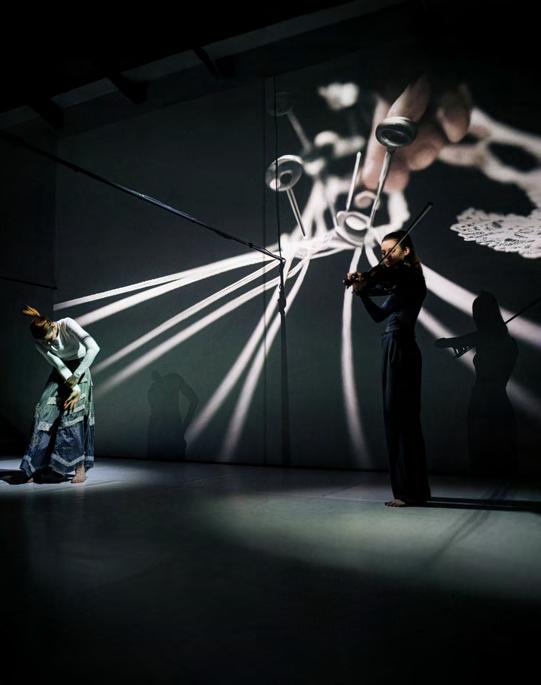
Slovenia has one of the most concentrated networks of historic town centres in Europe. The distance from one historic town to another is short, and each town surprises with its own story and distinctive identity. Slovenia’s historic towns are among the icons of Slovenian culture and also serve as meeting points for other cultural highlights. They are points of orientation, leading you to the great stories of Slovenia.
Slovenia’s historic towns surprise everyone. Those who expect crowds are surprised by their remarkable calm. Those who imagine wide, busy roads find themselves pausing in a narrow Mediterranean stone street. Those concerned about distances discover that everything is within easy walking distance.
The centres of some towns can be explored in just a few minutes, yet you will gladly linger to observe town life. Because it is easy to find your way around, you feel like a local. Because you feel safe, you happily lose yourself in the narrow streets.
The main square, museums, galleries, castles and town cafés are usually only a few minutes’ walk away. Nearby attractions are also just a short distance away. Fewer journeys – more experiences!
Nature is always close to the town centre, or extends right into its heart through parks. From historic streets, paths lead on to forests, vineyards, viewpoints and rivers. The towns are youthful in spirit and green in their everyday life.
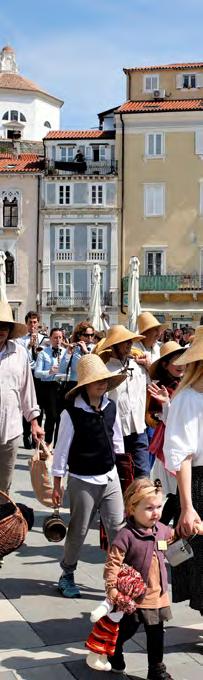
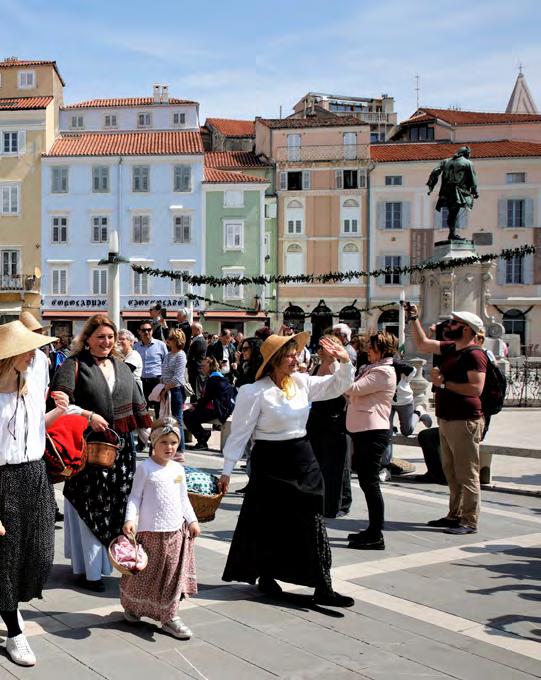
The streets of historic towns come alive with markets, festivals, concerts and a vibrant social atmosphere. Evenings in the squares, events under arcades and seasonal fairs create a distinctive atmosphere.
Each town is a living book of stories, from prehistory to the present day. You step into them through guided tours. In the towns and their surroundings, you experience authentic local experiences unlike anywhere else in the world. They are recognised by the Slovenia Unique Experiences label.
365 days a year
The vibrant pulse of historic towns is not a seasonal phenomenon. Cultural programmes, exhibitions, markets, sporting events and workshops fill event calendars throughout the year.
Each historic town is distinguished by its local flavours. In many places, collective brands have been established which, alongside gastronomy, also include experiences and locally distinctive souvenirs.
Slovenia’s historic towns are small, friendly and safe, yet rich in stories that you discover on foot. Squares, museums, galleries, stages, wine cellars, parks and craft workshops follow one another over very short distances. Culture thrives throughout the year, flavours are authentic, and nature is always close at hand.
On Slovenian territory, the Pannonian Plain comes closest to the northern Adriatic. The fringes of the southern Alps allow passage towards the north and east. Here, where trade routes once ran in all directions, the first urban forms took shape through the interweaving of cultural influences.
In Novo mesto, the largest number of Iron Age situlae in Europe has been discovered. Figural bronze examples are now kept in the Dolenjska Museum.
Near present-day Šentjur, the settlement of Rifnik was established in the Neolithic and endured into the early Middle Ages. The Hallstatt culture of the Early Iron Age was already familiar with fortified hillforts. Some of these were already centres of craft, trade and military activity.
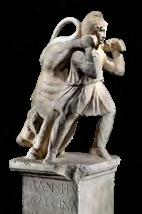
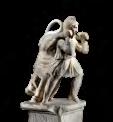
In ancient Poetovio, the mystical religion of Mithraism was of great importance. A statue of Mithras carrying a bull on his shoulders can be seen at Mithraeum I in Hajdina near Ptuj.
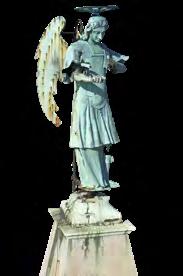
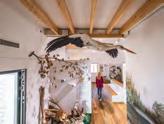
Above Piran, the most beautiful town of Slovenian Istria, the rotating Archangel Michael has been indicating the direction of the wind for centuries.
With the decline of the Roman Empire, turbulent times halted the development of towns for several centuries. Gradually, medieval towns developed along trade routes and rivers as centres of commerce and crafts. Town centres were protected by walls, while within them, squares and narrow streets, guild houses, churches and monasteries took shape.
Age
Hallstatt culture in Dolenjska
In Novo mesto, one of the largest Iron Age sites in Europe revealed a Hallstatt culture necropolis with bronze situlae, weapons, jewellery and prestige objects dating from the 8th to the 4th century BC.
Elsewhere in Slovenia
Life in the Iron Age is also evidenced by prehistoric hillforts (castellieri) in Istria, Iron Age burial mounds (tumuli) around Maribor, and traces of Late Iron Age settlements elsewhere in Slovenia.
Poetovio (present-day Ptuj) flourished as a large and important Roman town in the 1st century. Emona (present-day Ljubljana), too, was at that time a fortified town with a rectangular street layout.
In Late Antiquity, Celeia (present-day Celje) had a characteristic Roman urban layout. Valuable Late Antique finds from the 6th century also attest to the strategic importance of Carnium (present-day Kranj).
Celje, Škofja Loka, Kamnik, Kranj, Slovenske Konjice, Metlika, Slovenj Gradec, Ptuj, Kostanjevica na Krki and most other historic towns were granted town rights between the 12th and 15th centuries. The stories of castle lords, merchants and craftsmen are still alive here today.
Towns of the Venetian Republic
Piran and Koper, with their palaces and their blend of Gothic and Renaissance architecture, tell the stories of merchants, seafarers and patricians from the time of the Venetian Republic.
Each era has left its mark on the town’s character and urban space. Time is not lost here; rather, it leaves traces in layers best discovered through experience and in the company of knowledgeable guides.
Safer transport links, the expan sion of trade and manufacturing production encouraged the development of towns into admin istrative and economic centres where schools, printing houses, merchants, craftsmen and artists were active. New artistic ideas transformed public space into open areas, and into buildings and palac es with landscaped gardens.
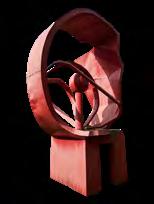
Steel sculptures have been created at the international sculpture symposia in Ravne na Koroškem since 1964.
In the 20th century, modernisation was interrupted by the Second World War. Post-war reconstruction followed the principles of modern urban planning: functional residential neighbourhoods, new public buildings, transport links and administrative centres were developed. Contemporary architecture emphasised rationality and accessibility for all.
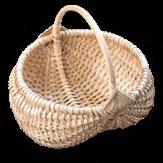
Basketry is one of the branches of suha roba – a traditional craft of handmade woodenware.
Krško was one of the centres of the Reformation, associated with Adam Bohorič and Jurij Dalmatin, pioneers of the Slovenian language.
The façades of Radovljica were adorned with frescoes, the manor with stucco, and a Baroque park. Ljubljana took on a Baroque character with Robba Fountain and aristocratic palaces, while Brežice did so with the Knights’ Hall in Brežice Castle.
In the early modern period, Ribnica obtained a patent for peddling trade in handicrafts.
During the age of industrialisation, mines, ironworks, glassworks, and textile and timber factories developed, bringing about the rapid growth and expansion of towns. New workers’ districts emerged, and railways complemented road transport. Electric lighting, public water supply systems and technological innovations were introduced. For the first time, towns acquired a distinctly industrial character.
As early as the 17th and 18th centuries, Idrija was renowned for its exceptional technological advancement, including hydraulic power systems and innovations related to mercury extraction.
Jesenice and Ravne na Koroškem have been important centres of ironworking for centuries. Today, they are known for steel production. Tržič is also associated with iron, and was once an important centre of leatherworking, textiles and blacksmithing. The town is also known for its wrought-iron doors and shutters.
A stone capital with a head is one of the characteristic details of Jože Plečnik’s architecture.
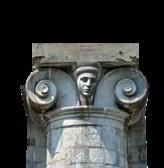
In the 20th century, Ljubljana became the embodiment of the architect Jože Plečnik’s vision. The influence of modern architecture also shaped other historic towns.
In 1944, during the Second World War, at the Congress of Slovenian Cultural Workers in Semič, the establishment of the Slovenian National Theatre in liberated territory was proposed. It soon began operating in Črnomelj, alongside many other cultural institutions of the future state.
From the heart of the country in all directions across Slovenia
In central Slovenia, all facets of the country come together. From Alpine pastures with shepherds’ settlements to the vineyards of Bela krajina, and from the Škofja Loka hills to the primeval forests of Kočevje, a landscape of stories unfolds. The vibrancy of the capital flows into the tranquillity of the countryside, while contemporary creativity intertwines with heritage of global significance on UNESCO lists.
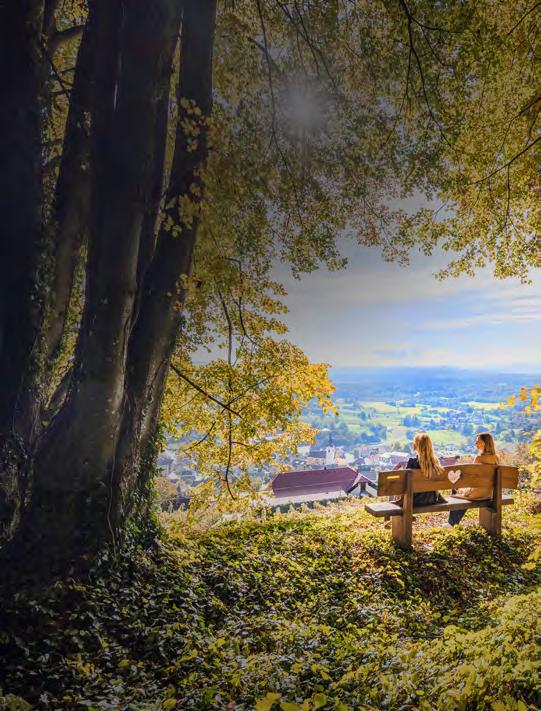
Over short distances, you can encounter prehistoric pile dwellings and outstanding 20th-century architecture, the largest openair theatre performance and a mercury mine, primeval forests and white birch groves along the Kolpa, the warmest river in Slovenia.
Here, where Slovenian identity began to take shape during the period of national awakening, people were already living some 5,000 years ago, building dwellings on piles above marshland. In Antiquity, the distinguished Roman town of Emona was established here. The present-day historic towns of Slovenia acquired their distinguished appearance in the Middle Ages, when the lively pulse of market squares under the protection of nearby castles was shaped by craftsmen and merchants. Among the oldest towns is Škofja Loka, founded as early as 973, while Idrija, with its mercury mine, was among the most technologically advanced. Ljubljana became the centre of Carniola in the 13th century. It maintained its leading role during the Protestant era and the Habsburg Monarchy. In the turbulent 20th century, Ljubljana consolidated its role as the capital of a country that gained independence in 1991.
Ljubljana and Central Slovenia are home to cultural, natural, and intangible heritage of outstanding universal value, recognised on the UNESCO World Heritage List. In Ljubljana, discover the works of architect Jože Plečnik, brought together in the urban masterpiece known as Plečnik’s Ljubljana, as well as the pile dwellings of the Ljubljana Marshes, part of the Prehistoric Pile Dwellings around the Alps UNESCO site. In Škofja Loka, the Škofja Loka Passion Play – the oldest dramatic text in the Slovenian language – continues to captivate visitors. For more than 300 years, processions have preserved this unique Passion tradition. Idrija safeguards its world-famous mercury mine, the tradition of lace-making, and the Global Geopark. Central Slovenia is also proud of Europe’s primeval beech forests, which connect with the vast Kočevsko forests, one of the largest continuous forest areas in the region, where bears still roam today. Beyond the UNESCO heritage sites, other historic towns featuring works by Jože Plečnik are also well worth visiting. Many of them can be found in Kamnik beneath the traditional high-mountain herders’ plateau of Velika Planina. In Ribnica, discover the 500-year tradition of woodenware craftsmanship and peddling, while the Bela krajina region, known as the “Land of White Birches,” captivates visitors with the rich ethnological heritage and vibrant folk traditions of Metlika, Črnomelj, and Semič.
More than a thousand volunteers take part in the staging of the Škofja Loka Passion Play
The world’s oldest wooden wheel with an axle, more than 5,000 years old, was discovered in the Ljubljana Marshes.
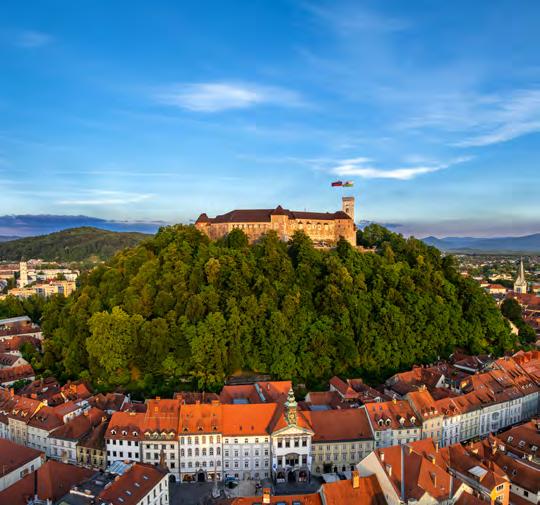
A city on the Ljubljanica River, Ljubljana is a confident European capital with striking architecture and a vibrant events scene. Its bridges not only connect the riverbanks, but also connect diverse strands of creativity. Ljubljana is one of Europe’s green capitals and a city of Jože Plečnik’s heritage, inscribed on the UNESCO list.
Tourism Ljubljana
Krekov trg 10, SI-1000 Ljubljana
+386 (0)1 306 12 15
info@visitljubljana.si www.visitljubljana.com
The city with a green soul is committed to sustainability, a relaxed rhythm of creativity and the arts, and enticing gastronomy. Its appeal is also reflected in titles such as European Best City Break 2023 and 2024, Europe’s Best Creative City Destination 2026 and others.

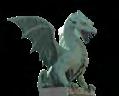
The stories of the Ljubljana dragon reach back to ancient Greek legends of Jason and his voyage along the Ljubljanica.

1
Ljubljana is home to the world’s oldest wooden wheel with an axle, dating back 5,200 years. The wheel was discovered in the Ljubljana Marshes, which are inscribed on the UNESCO list.
2


Creative craft workshops invite you to meet local masters and create your own unique souvenir of the city.
Trnovo Bridge is the only bridge in the world lined with birch trees. The renowned Jože Plečnik designed it as a square and a place for gathering.
3 During the Second World War, Ljubljana was encircled by barbed wire. Today, a 32.5 km walking trail, the Path of Remembrance and Comradeship, follows its route.
4
Ljubljana’s industrial heritage is becoming a hub of creativity. Cukrarna, Center Rog, Stara mestna elektrarna and Tobačna are vibrant centres of social and artistic life.
5
“The Master Builder Plečnik” offers an intimate insight into the life of the renowned architect. Step into his home and explore creations included on the UNESCO World Heritage List.
“Dobimo se na plac” (“Let’s meet at the market”) is a culinary exploration of the central market, featuring tastings of the finest local specialities.
The Moustache Tour is a cycling journey through the city in the company of three iconic moustached figures – the architect Jože Plečnik, the writer Ivan Cankar and the painter Rihard Jakopič.

Plečnik House is the best starting point for discovering Plečnik’s Ljubljana
Ljubljana’s cultural quarters invite you into the authentic creative pulse of the city
The National Gallery houses the largest collection of fine art in Slovenia
The National Museum of Slovenia in Ljubljana houses the world’s oldest musical instrument, over 60,000 years old. As the capital of Slovenia, Ljubljana is also the country’s centre of musical creativity.

A walk to Rožnik is an easy one-hour route to a forested hill above Tivoli Park. Explore Tivoli Landscape Park and walk up to Rožnik and Šiška hill.
Rowing or paddleboarding along the Ljubljanica reveals the city from the river.
Mountain biking through the forest on Golovec invites you to explore a trail park with nine marked routes. You can choose between easier and more demanding trails.

Explore and choose your own way to experience the city.
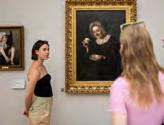
Fužine
In Ig, at the Morostig House of Nature and Pile Dwellings, discover the heritage of pile-dwelling culture in the Ljubljana Marshes; near Grosuplje, explore Županova jama Cave, a karst cave; in Višnja Gora, visit the Carniolan Bee House; and in Bistra, visit the Technical Museum of Slovenia
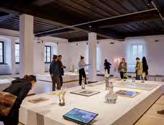
Design
Ljubljana
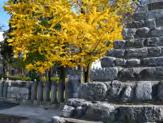
The archaeological park invites you on a 2 km circular route among the remains of ancient Emona
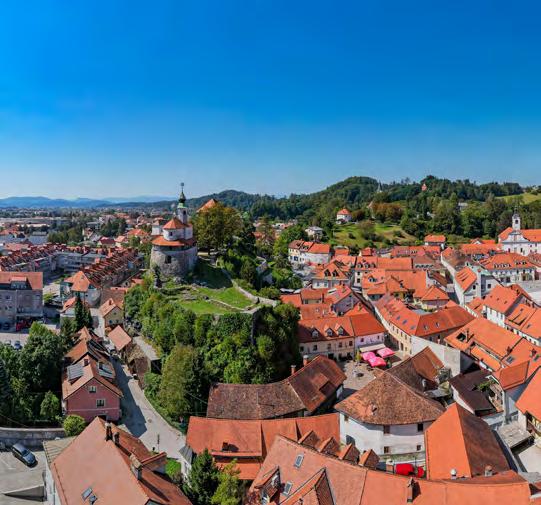
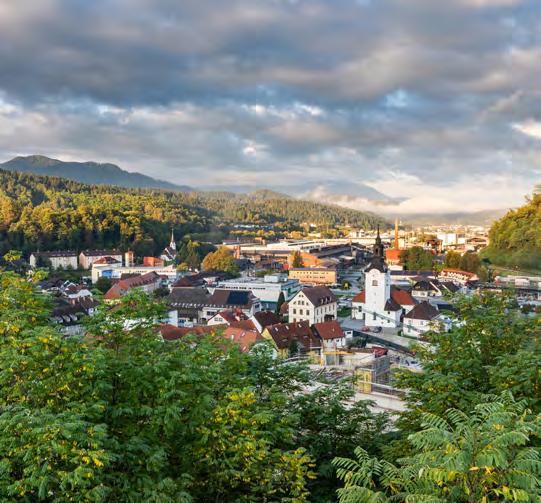
A town in the embrace of the Kamnik–Savinja Alps, Kamnik is considered one of the most beautiful medieval towns in Slovenia. In its flourishing trading past, Bavarian counts had their seat here. The period when Kamnik was the capital of Carniola is reflected in its rich architectural heritage.
TIC Kamnik
Glavni trg 2, SI-1241 Kamnik +386 (0)1 831 82 50 tic@visitkamnik.com www.visitkamnik.com
In the town of the Old Castle and Little Castle, stories live on about Veronica, the miserly countess who is said to still guard her treasures in the underground cellars beneath the castle hill in the centre of the town. The hill in the town centre is a venue for various events.
Kamnik preserves the
1
At Little Castle, the only twostorey Romanesque chapel in Slovenia is preserved. The castle complex above the main town square dates back to the 11th century.
2
The Beer and Freedom Trail leads you through the town’s stories, with tastings of craft beers from local breweries along the way.
Old Castle allowed control of trade routes through the valley Today, it is a viewpoint reachable in a 30-minute walk.
3 The birthplace of Rudolf Maister, a general, patriot and poet, is now a museum, notable for its insight into the early 20th century and for its geocaching treasure hunt.
4 Days of National Costumes and Clothing Heritage is the largest ethnological festival in Slovenia. In September, the town comes alive with a parade of more than two thousand participants in traditional costumes from Slovenia and abroad.
5
The trnič cheese was traditionally made only in pairs by shepherds on Velika planina. They symbolise women’s breasts, and a gifted trnič was a token of love.
Arboretum Volčji Potok offers walks among thousands of plant species.
A gondola from the Kamniška Bistrica valley takes you to the Velika planina plateau, known for its pastoral heritage.
The Kamnik–Godič cycling route is 3.2 km long and runs along the crystal-clear Kamniška Bistrica, with ten rest stops and playful features along the way.
Feel Velika planina offers an immersive experience of shepherding heritage. Spend a day with shepherds on the plateau and savour local cuisine over a six-course meal in a boutique alpine hut.
A Kneipp barefoot experience invites you to explore the five pillars of Kneipp philosophy.
A new kind of retreat at Mekinje Monastery offers an opportunity to step into silence, simplicity and a slower rhythm of life.
Explore and choose your own way to experience the city.
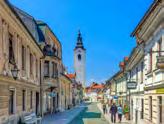
The picturesque Šutna street and the parish church with its freestanding Gothic bell tower
Relax at Snovik Thermal Spa, recharge in the healing grove of Tunjice, and from what was once a centre of Carniola, continue to Kranj, which once held a similar status, and Ljubljana, the present-day capital of Slovenia.
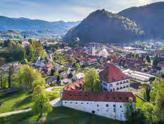
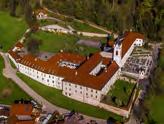
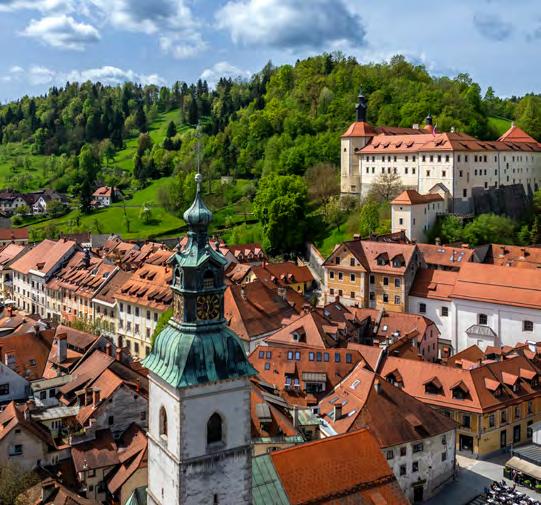
At the gateway to the Julian Alps, at the confluence of the Poljanska and Selška Sora, lies the town of the Škofja Loka Passion Play, inscribed on UNESCO’s Representative List of the Intangible Cultural Heritage of Humanity. It is set within the Škofja Loka Hills, a landscape of artistic inspiration as well as cycling and hiking trails.
TIC Škofja Loka
Cankarjev trg 17, SI-4220 Škofja Loka
+386 (0)4 517 06 00, +386 (0)51 427 827 info@visitskofjaloka.si www.visitskofjaloka.si
The Škofja Loka Passion Play is the first Slovenian dramatic text and the largest open-air theatre performance. It comes to life in the streets of the town every six years. A town of many forms of creativity, it also attracts for its contemporary craft production.
January
Historial Škofja Loka December
Škofja Loka Passion Play
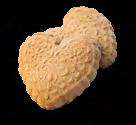
The loški kruhek, a honeydough biscuit, takes shape in a hand-carved
1
The old town centre of Škofja Loka preserves its 16thcentury character. It is considered one of the most beautiful medieval towns in Slovenia.
2
More than 900 performers take part in the Škofja Loka Passion Play. It is the oldest preserved dramatic text in Slovene.
3 The Capuchin Library holds more than 30,000 books. Alongside the original Škofja Loka Passion Play, it also houses valuable incunabula—books printed before 1500.
4 The Art&Craft Centre of Škofja Loka brings together local artisans. Traditional crafts are presented through exhibitions and workshops.
5 The Okusi Škofjeloškega culinary festival invites you to sample traditional dishes alongside contemporary interpretations of local specialities.
The Puštal Trail winds through legends and humorous tales of life in the former suburb of Škofja Loka.
The Three Castles Trail takes you back to the period following the 1511 earthquake, when three castles in Škofja Loka were destroyed. Their remains, along with interpretive boards, bear witness to this history.
The Crngrob Trail leads through fields and forests to the renowned Church of the Annunciation, long a place of pilgrimage.
The night has its might is an experience at Loški Castle, where, after sunset, a castle steward guides you through shadows and spirits.
A painterly view of Škofja Loka offers a fresh artistic perspective. See the town through the painter’s eyes and capture it in your own way.
Discover the recipe for loški kruhek at a workshop on making traditional honey biscuits, with a demonstration of hand-carved wooden moulds.
Škofja Loka by e-bike offers an easy ride along the old military road to the lodge below Blegoš, revealing the varied landscape of the Škofja Loka Hills.
Explore and choose your own way to experience the city.
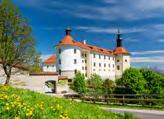
Loka Castle, rebuilt after 1511 and home to the Škofja Loka Museum
In the Poljane Valley, Visoko Manor presents the life of the writer Ivan Tavčar and the legacy of the Kalan family, while the Železniki Museum showcases ironworking and lacemaking traditions, and the Žiri Museum highlights the region’s shoemaking heritage. UNESCO-listed heritage can also be experienced in Idrija
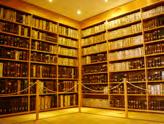
The Capuchin Library, which houses the original Škofja Loka Passion Play manuscript
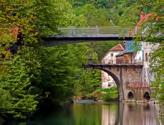
The Stone Bridge, also known as the Capuchin Bridge, featuring a statue of Saint John of Nepomuk, the patron saint of bridges
House, adorned with frescoes depicting a warrior and Saint Christopher
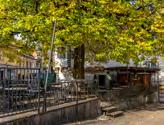
The Granary, once used to store feudal dues collected from the Škofja Loka estate
Slovenia’s oldest mining town proudly bears no fewer than three UNESCO recognitions. The heritage of mercury mining, the refined craft of Idrija lace, and the Idrija Geopark each tell a story of their own. The area is equally celebrated for the distinctive flavour of žlikrofi, traditional dumplings with EU-protected geographical indication (PGI).
TIC Idrija
Prelovčeva 5, SI-5280 Idrija +386 (0)5 374 39 16 tic@visit-idrija.si www.visit-idrija.si
Discover the remarkable properties of mercury – the world’s only liquid metal. Step into the underground world of what was once the second-largest mercury mine on Earth, and explore the rich exhibition at the former Smelting Plant. Along the way, try your hand at traditional lace-making and experience a landscape shaped by striking geology.
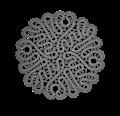
Idrija lace is distinguished by its characteristic patterns and unique bobbin-lace technique.
1
Idrija was home to the secondlargest mercury mine in the world. Over 500 years, more than 145,000 tonnes of mercury were extracted.
2
The Idrija Lace School has operated continuously for over 150 years, safeguarding and passing on the intricate art of bobbin lace-making.
3
Gewerkenegg Castle was not built as a noble residence, but to serve as the administrative centre of the mine and for the storage of mercury Today, it houses extensive museum collections and the Idrija Music School.
4 The Idrija UNESCO Global Geopark brings together natural and cultural heritage. One of its most striking features is Wild Lake (Divje jezero) – a unique natural phenomenon combining a spring, a lake and a cave.
5
The Idrija kamšt, a historic water pump, once drained the mine. Built in 1790, it was powered by the largest wooden water wheel in Europe, measuring 13.6 metres in diameter.
Set off on a guided cycling tour to the Upper Idrijca Landscape Park or across the Vojskarska, Črni Vrh or the Ledine plateau
Enjoy a gentle walk along the Rake trail, which leads past suspension bridges to Wild Lake
Follow the Feldbahn route – the remains of a First World War military railway – either independently or with a guide.
Here, you can discover UNESCOlisted heritage and its timeless appeal. Visit Anthony’s Shaft, the Idrija Miners’ House and the historic kamšt water pump.
The art of bobbin lace-making can be experienced first-hand by creating your own bracelet at the Idrija Lace School. The craft can also be explored at Gewerkenegg Castle.
Enjoy the Idrija breakfast – a carefully selected combination of local flavours, brought together for a delicious start to the day.
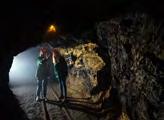
Anthony’s Shaft, an immersive mining experience 100 metres below the surface
Gewerkenegg Castle, home to the permanent exhibition of the Idrija Municipal Museum
Explore and choose your own way to experience the city.
“Written in the Rocks” exhibition at the Idrija Geopark Visitor Centre
Visit dairy farms in Idrijske Krnice to taste local cheeses, then continue to Lokvarski vrh. In nearby Cerkno, explore the archaeological site of Divje Babe. Idrija is also an excellent base for visiting the Soča Valley, including the Tolmin Gorges, as well as the Vipava Valley and the Brda wine region
Idrija Miners’ House, offering a glimpse into the life of a mining family in the early 20th century
Idrija kamšt, a preserved water-pumping mechanism formerly used in the mine
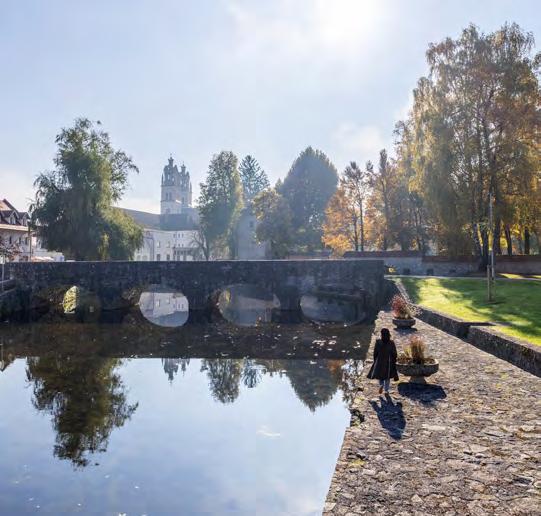
At the foot of the forested Ribnica–Kočevje region lies a town that has been renowned for over 500 years for its suha roba – traditional woodenware once carried by itinerant traders from here to all corners of the world. Here, the authenticity of craftsmanship inspired by the surrounding forests can still be experienced.
Tourism Ribnica
Cesta na Ugar 6, SI-1310 Ribnica +386 (0)51 415 429 turizem@rc-ribnica.si turizem.ribnica.si
Masters of woodenware and pottery are happy to demonstrate how functional objects are made from wood and clay. Museum collections reveal stories of the past, including the period of witch trials that marked the transition from the 17th to the 18th century.
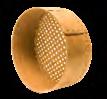
The rešeto – a round sieve – is a symbol of Ribnica’s woodenware. It reflects the manual skill and trading ingenuity of the people of Ribnica.
1
The Ribnica pack peddler (krošnjar) is an enterprising traveller with a keen sense of humour. He is a prominent figure in Slovenian folklore and the arts.
2
The Ribnica witch trials are among the last documented in Slovenia. Their history, with particular emphasis on the Ribnica story, is presented at Ribnica Castle.
3
Ribnica’s woodenware, comprising more than 70 products, has been the area’s most recognisable craft since 1492 and represents Slovenia’s longest-standing continuous wooden craft tradition.
4
St Stephen’s Church is among the largest in Slovenia. It measures 50 metres in length, and its twin towers were designed by the architect Jože Plečnik.
5
Gymnastic equipment branded JOR was produced in Ribnica and used by athletes at the Berlin Olympics in 1938.
A guided MTB excursion across Mala Gora and Velika Gora is an excellent choice for small groups seeking authentic contact with the local community.
A stand-up paddleboarding or canoe safari offers a guided exploration of the Ribnica or Bistrica rivers.
Head to Kočevje Lake and the Kadice Gorge, where a striking landscape of water and rock unfolds.
A culinary experience with a touch of tradition offers an authentic two-day journey through craftsmanship, gastronomy and local stories.
Basketry and pottery experiences allow you to create your own basket from hazel rods and a traditional clay cup.
An off-road vehicle adventure leads to Ribnica’s hidden corners and concludes with a culinary experience prepared by a personal chef in a unique setting.
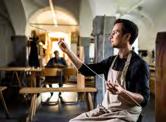
Ribnica Handicraft Centre, with craft workshops and a museum shop
Ribnica Castle on the Bistrica River, home to Slovenia’s largest memorial park dedicated to cultural figures
Explore and choose your own way to experience the city.
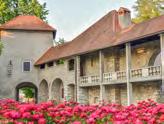
Parish Church of St Stephen featuring works by several distinguished artists
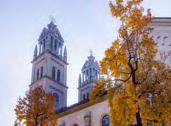
Discover the distinctive character of Kočevje. Continue to Ljubljana, the capital of Slovenia. In Rašica near Velike Lašče, visit Trubar’s Homestead, with its museum presentation dedicated to the father of the Slovene language.
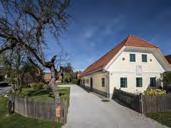
Škrabec Homestead dating from the 16th century, a cultural and educational centre
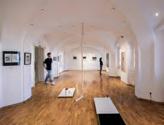
Miklova Hiša Gallery, an important centre of contemporary art in Ribnica and the wider region
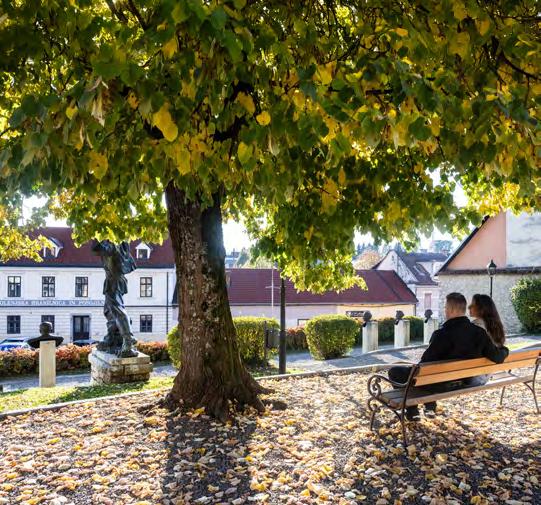
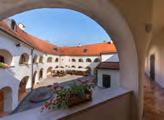
Set among vineyard-clad hills and the Kolpa River, Metlika is the heart of winemaking in Bela krajina. Its medieval core, with three squares and Metlika Castle, recalls the town’s importance during the time of Ottoman incursions. The hospitality of the local people reflects a culture shaped by openness to the world.
Bela krajina House of Local Delicacies and TIC Metlika Mestni trg 7, SI-8330 Metlika +386 (0)7 363 60 55 turizem@zavodmetlika.si www.metlika-turizem.si
Wine and belokranjska pogača bringing people together
Metlika preserves the traditions of a distinctive border town. From Vinska Vigred, the festival of Bela krajina wines, to gatherings centred on baking the region’s characteristic pogača, events weave together past and present — a sense of home alongside a cosmopolitan outlook.
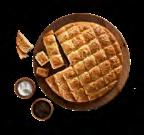
The protected belokranjska pogača, a traditional flatbread, is not cut, but torn — and shared as a symbol of hospitality.
1
The Bela krajina House of Local Delicacies is not merely a shop, but a place for gatherings and workshops. Here, you can also try your hand at baking belokranjska pogača
2
Among the wines of Bela krajina, Metliška črnina occupies a special place. With its recognised traditional designation, it is a highlight of Vinska Vigred.
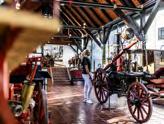
3 Metlika is the birthplace of Slovenian firefighting. In 1869, the first fire brigade in the country was established here.
Break belokranjska pogača with friends. Learn to bake it in the company of locals. Step into the stories of the town — of tradition and socialising.
The Metlika Adventure leads you through the old town centre with a series of challenges, weaving together legends and creativity that will delight children as well.
Tasting packages at the Bela krajina House of Local Delicacies offer local wines, belokranjska pogača and other regional products in combinations of your choice.
4 Belokranjske pisanice are traditional Easter eggs, decorated using wax. They make a distinctive gift and symbolise a sense of community.
5 The green hinterland of the town stretches to steljniki landscapes dotted with white birch trees and to Slovenia’s warmest river: in summer, the Kolpa can reach temperatures of up to 30 °C.
Explore the Urban Trail among vineyards, vineyard cottages and a church. You will return to the town with fresh impressions.
Pause in Obrh Park and listen to the gentle murmur of water and birdsong in the heart of the town.
Experience the Kolpa at its bathing spots or on outings by canoe or stand-up paddleboard.
Explore and choose your own way to experience the city.
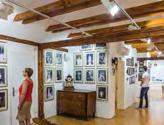
Continue your journey through the stories of Bela krajina in Semič and Črnomelj. For more cultural inspiration, head to Novo mesto. For the true taste of belokranjska pogača, you can travel to Piran for traditional salt from the salt pans.
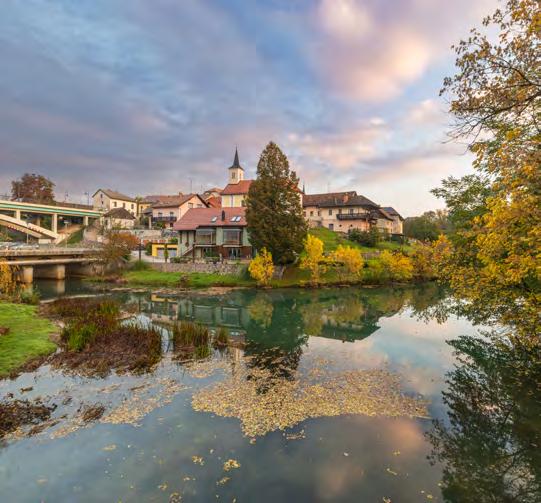
Črnomelj is the cultural, historical and administrative centre of the distinctive Bela krajina region. In this town between two rivers, the stories of a landscape known for its white birch trees meet local black particularities and the green awakening of spring.
TIC Črnomelj
Ulica Staneta Rozmana 1, SI-8340 Črnomelj +386 (0)7 305 65 30
tic.crnomelj@ric-belakrajina.si www.belakrajina.si
In a town shaped by the rituals of Green George, legend has it that the mill on the Lahinja, owing to the miller’s miserliness, ground all grain into black flour. A karst spring near Črnomelj is the only known habitat of the black olm, while a colony of bats inhabits the town church.
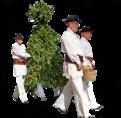
Green George, together with a procession in traditional costume, heralds the arrival of spring.
1
Near Črnomelj lies the only known habitat of the black olm in the world. This rare amphibian was first scientifically described as recently as 1986. Visit the Info Centre in Jelševnik.
2
Jurjevanje in Bela krajina is the oldest folklore festival in Slovenia. Its venue is Jurjevanjska draga, a natural amphitheatre.
3 The Slovenian National Theatre, the first theatre to bear a Slovenian national designation, began operating in Črnomelj in 1944
4
Just 15 km from Črnomelj lies Slovenia’s southernmost point. Kot pri Damlju on the Kolpa River also forms part of Slovenia’s southernmost hiking trail.
5
In Vinica stands the birth house of Oton Župančič, an important Slovenian poet. The village is a popular starting point for exploring the Kolpa region.
Castle experiences invite you on an interactive walk with the castle nobility at Črnomelj Castle. Add a local touch to your day with a Črnomelj pretzel and a glass of wine.
The interactive exhibition Domovina je kultura (Homeland is Culture) highlights the importance of Črnomelj as a key centre of the liberated territory during the Second World War.
On the trail In the Footsteps of the Mysterious Visitor, you will discover not only the town centre, but also the colony of bats living in the Church of the Holy Spirit.
Stories from the Ferry bring the town closer from the river and round off the experience with a picnic on the water.
Explore and choose your own way to experience the city.
Visit the Kolpa Landscape Park and enjoy water sports on Slovenia’s warmest river. The park is also home to Šokec Homestead, with a beekeeping trail.
In November, the Lahinja Landscape Park hosts the Lahinja Trail — Slovenia’s first zero-waste event, awarded a three-star rating.
Set off along four circular routes by bicycle to discover natural and cultural sights
In nearby Kanižarica, visit the museum collection of the former brown coal mine. Explore places along the Kolpa and the distinctive features of the Bela krajina karst landscape. Take a stroll through Metlika and Semič
Črnomelj Castle dating from the 12th century, with an interactive exhibition
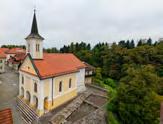
The Church of the Holy Spirit with defensive walls and a bat sanctuary
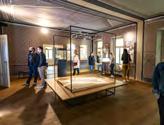
The municipal museum collection and the birth house of the writer Miran Jarc
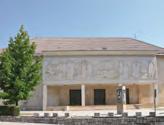
The Črnomelj Cultural Centre reflecting the town’s state-building cultural heritage
The Pastoral Centre with finds from prehistory to the Middle Ages
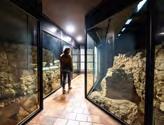
In south-eastern Slovenia, in the heart of Bela krajina, Semič has been a market town since at least the 15th century, bringing together the stories of winegrowers, beekeepers and the Gottschee Germans (Kočevarji), settlers of medieval origin. The historic market square, with the Church of St Stephen, is the heart of a community that connects longstanding traditions with a vibrant contemporary cultural life.
TIC Semič Štefanov trg 7, SI-8333 Semič +386 (0)7 356 52 00
tic@kc-semic.si www.kc-semic.si
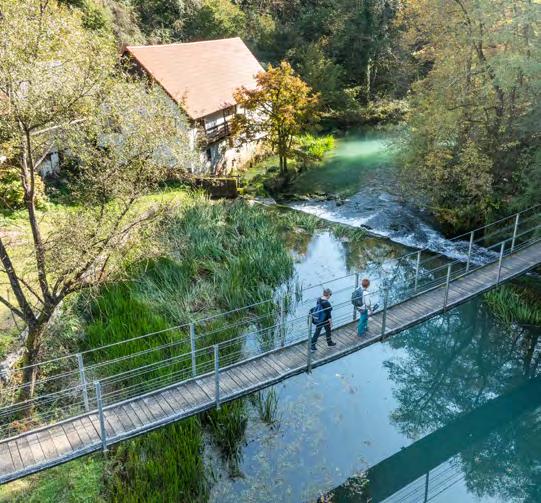
In Semič, nature and cultural heritage intertwine at every turn. From the richness of Bela krajina folklore to a walk along the Krupa River, from the views atop Mirna Gora to tasting local wines and the local speciality belokranjska pogača, you experience a true sense of authenticity.
Martin’s
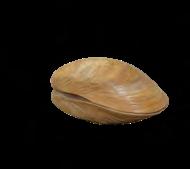
Congeria, part of the rich biodiversity of the Bela krajina underground, can be seen at the Bela krajina Nature Centre.
1
Semič is home to the largest preserved anti-Ottoman defensive walls in Bela krajina. Built in the 16th century, it surrounds the Church of St Stephen.
2
At the source of the Krupa River lives Congeria, the only known cave-dwelling bivalve in Slovenia. Congeria jalzici is a living fossil, having survived since the age of the dinosaurs.
3 Local customs in Semič have been shaped by the Kočevarji, settlers of medieval origin. Abandoned villages deep in the forests still bear witness to their way of life.
4
Semič hosts a renowned international honey evaluation event. Local beekeepers are regularly recognised with top awards for quality.
5
Semič is surrounded by eight peaks rising above 1,000 metres. The forested edge of Kočevski Rog invites exploration along its many hiking trails.

A walk along the Karst Learning Trail from Lebica to the Krupa leads past sinkholes to the home of the Congeria bivalve.
Paragliders are drawn to the Smuk take-off point (547 m) and to soaring above vineyards, castles and villages.
forests of Kočevski Rog invite you to explore hiking, cycling, running and other nature-based experiences.
Arrive in Semič by train. This scenic route, particularly appealing to senior travellers, passes through Slovenia’s longest single-track railway tunnel.
Visit the Semič Museum House, home to three permanent exhibitions. A tasting of belokranjska pogača and local wines is also available.
The “In Love Among the Vineyards” trail combines a walk along the Krupa River with a pogača-making workshop and a wine tasting. A romantic experience for couples.
Families enjoy heading out on forest adventures – to Gače or Mirna Gora, to the adventure park, among abandoned villages, or in search of wild orchids.
Explore and choose your own way to experience the city.
The Church of St Stephen with its anti-Ottoman defensive walls and the nearby Tabor House
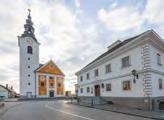
with three permanent exhibitions and a visitor information point
The source of the Krupa
, with a learning trail beneath a 30-metre-high rock face
Visit Osilnica, the land of Peter Klepec by the Kolpa River. After exploring Novo mesto, known for its Iron Age situlae, unwind in the nearby spa resorts of Šmarješke Toplice and Dolenjske Toplice
, with its tufa barriers, cascades and pools
Towns set in picturesque valleys look towards the highest peaks of the Julian Alps and the Karavanke. This world of accessible mountains attracts outdoor enthusiasts, while also offering a rich industrial and cultural heritage. From these towns, routes lead to Lake Bled, Bohinj, Kranjska Gora, the Soča Valley and the Karavanke UNESCO Global Geopark.
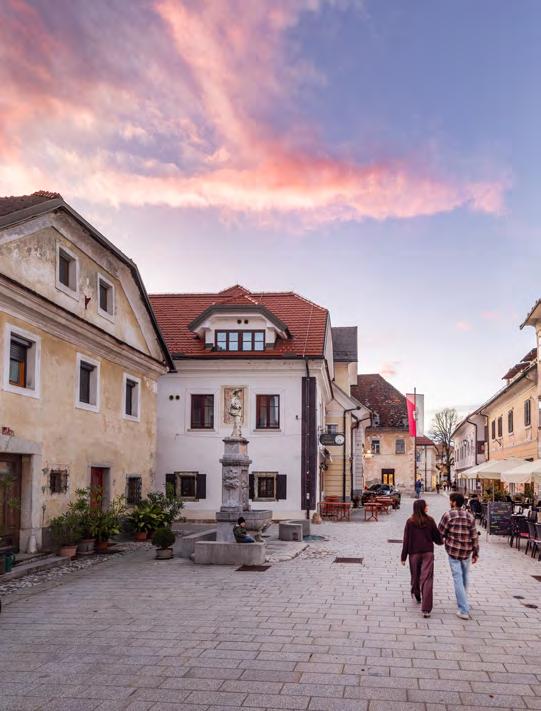
Visit centres of beekeeping, ironworking, shoemaking and other distinctive crafts. Enjoy the vibrant contemporary cultural creativity of towns shaped by writers, musicians and visual artists.
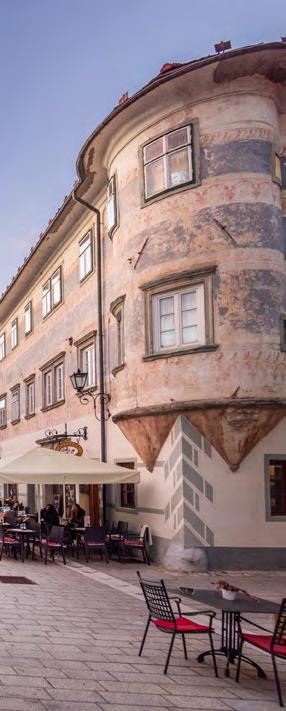
Remains of Roman roads and settlements point to a vibrant life beneath the Alps as early as prehistoric times. After the Roman Empire collapsed, the forebears of the Slovenes established states here, notably Carantania and Carniola. Kranj was an important ecclesiastical and political centre at the time. In the High Middle Ages, fortified centres such as Radovljica, Tržič and Slovenj Gradec developed along key routes. Economic development was closely linked to the growth of various crafts, and from the 16th century onwards particularly to the development of the ironworking industry. Early manufacturing and ironworks left a lasting mark on Jesenice, Ravne na Koroškem and Tržič. In the 20th century, the cultural, industrial and educational centres of this part of Slovenia became a starting point for the development of hiking, mountaineering, winter sports and mountain tourism.
Alpine towns are closely connected with an exceptional natural landscape Part of the area is encompassed by Triglav National Park, the oldest national park in Slovenia. On the eastern edge of Carinthia lies the Karavanke UNESCO Global Geopark, known for its rich geological and mining heritage and natural features beneath the border peaks. One of the region’s highlights is Pohorje, along with Maribor, the city of the World’s Oldest Grapevine. Pohorje also stretches toward Slovenske Konjice
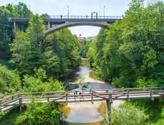
Nature is part of the towns themselves: in Kranj, the Kokra River Canyon, one of the deepest urban canyons in Europe, reaches into the old town; Radovljica opens out onto the Radovljica Plain and the Sava Valley, with views of the Karavanke; Tržič lies at the foot of Košuta, Slovenia’s longest mountain ridge; Jesenice looks towards the slopes of Mežakla and the Karavanke; Ravne na Koroškem are surrounded by forested plateaus and hills that create a distinctive backdrop.
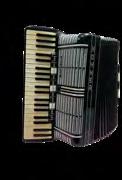
Begunje is home to the Avsenik Ensemble, a Slovenian folk ensemble, creators of Na Golici, one of the most frequently performed instrumental pieces in the world.
Triglav, at 2,864 metres, is Slovenia’s highest peak and a symbol of national identity. It is also depicted on the Slovenian coat of arms.
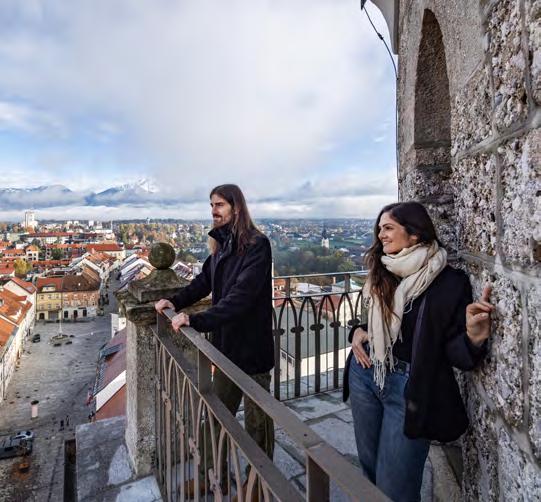
A 30-metre-deep river canyon in the heart of the city is just one of the many natural and cultural highlights of Kranj, a town where Alpine air meets ciyt flair. Set on a rock between the Sava and the Kokra rivers, where people were already living some six thousand years ago, Kranj is a vibrant cultural centre and an excellent base for exploring Slovenia.
TIC Kranj
Glavni trg 2, SI-4000 Kranj +386 (0)4 238 04 50 info@visitkranj.si www.visitkranj.com
This Alpine urban centre of Gorenjska takes pride in the legacy of France Prešeren, regarded as Slovenia’s greatest poet. Numerous cultural venues and events bear his name, while the traditional Prešeren Fair evokes the spirit of his time.
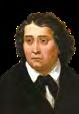
The poet France Prešeren (1800–1849), author of the Slovenian anthem, was never portrayed in life. His first portrait, painted from memory two years after his death, was by Franz Goldenstein.
1
The Church of St Cantianus, one of Slovenia’s most important Gothic monuments, features a 60-metre-high bell tower, with 163 steps leading to the viewing platform.
2
The Kokra Canyon, at 30 metres deep, is the seconddeepest urban canyon in Europe and a distinctive open-air classroom for natural sciences.
3 The tunnels beneath Old Kranj, stretching 1,300 metres, were built during the Second World War. Today, they are among the city’s most visited attractions, with guided tours and events.
4
Prešeren House, Prešeren Grove, the Prešeren Theatre and the five-metre-high Prešeren statue – the poet is encountered at every turn.
5
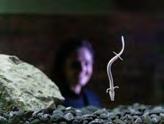
At the SOS Proteus Information Centre, observe the olm up close and discover why its survival also reflects our culture.
The Flower of Cycling Routes around Kranj, a network of six scenic cycling loops, connects Kranj with Bled, Škofja Loka, Kamnik, Ljubljana, Tržič and Jezersko.
Among locals, hiking and excursion trails to Šmarjetna Gora and St Jošt are popular.
Photography enthusiasts head to Jamnik – one of the most beautiful panoramic viewpoints in Europe, as recognised by National Geographic.
A trio of self-guided tours, known as “Kranj’s Trio”, combines a visit to the church tower, the tunnels beneath old Kranj and the cabinet of the inventor Puhar.
The Museum path links five sites of the Gorenjska Museum: Prešeren House, the Town Hall, the ossuary, Khislstein Castle and the Gallery of Prešeren Award Laureates.
The Brdo Estate delights with a walk through its park, featuring a castle, Lipizzaner horses, traditional hayracks and excellent cuisine.
Guided tours of Kranj present the old town, the underground tunnels, the Kokra Canyon and other distinctive features of the city.
Explore and choose your own way to experience the city.
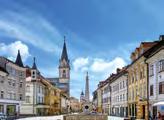
The main square, with the Church of St Cantianus, is lined with town houses dating from the 16th and 17th centuries
its
exhibition and summer theatre
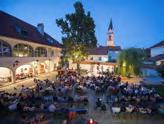
The tunnels beneath old Kranj, with events and guided tours, and the SOS Proteus Information Centres
Kranj is an excellent gateway for exploring Slovenia, thanks to its proximity to the country’s main airport. Visit the capital Ljubljana, iconic Bled, medieval Škofja Loka or alpine Jezersko
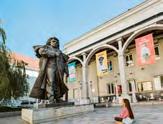
The statue of France Prešeren and the arcades of the Prešeren Theatre, one of three masterpieces in the city by Jože Plečnik
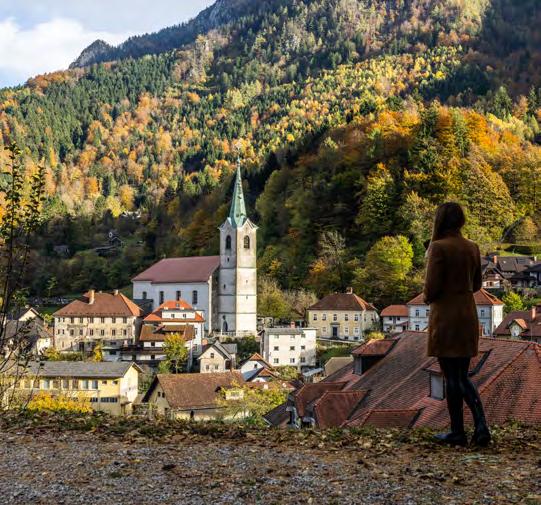
Beneath the slopes of Košuta, Slovenia’s longest mountain ridge, lies a town of former shoemakers – or šuštarji, as they are known locally – and a rich tradition of other crafts. It is closely connected with mountain trails that lead through forests and past welcoming alpine shepherds’ huts to the peaks of the Karavanke.
Tourism Tržič
Tourism Tržič
Trg svobode 18, SI-4290 Tržič +386 (0)51 627 057
informacije@trzic.si www.visit-trzic.com
When a dragon hatched from a rooster’s egg, it split Košuta with its tail and buried the settlement. After the disaster, a new market town – Tržič – was established. Water in man-made channels, known locally as rake, powered the wheels of ironworks, tanneries and shoemaking workshops.
The rhythm of the year
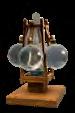
The šuštarska luč, a traditional shoemaker’s light, used waterfilled glass spheres to intensify and direct a modest beam of light.
1
The Christmas carol Silent Night, translated into more languages than any other, was first performed in Slovenian in Tržič in 1871, introduced by the renowned Jakob Aljaž.
2
The renowned Field Marshal Joseph Radetzky von Radetz lived in Tržič; Johann Strauss I dedicated the Radetzky March to him. He owned the Neuhaus Manor.
3
The Tržič area has produced many skiing champions, including ski jumper Jože Šlibar, alpine skier Bojan Križaj and snowboarder Žan Košir, a three-time Olympic medallist.
4
One house in the town still preserves a distinctive Prying window. These outward-projecting windows, once common, allowed curious views of the street.
5
Near Tržič lies one of the largest sites of Late Palaeozoic rock formations. Fossils in the Dovžan Gorge are older than the dinosaurs.
Set out on the Three Bells Trail (9 km, two to three hours’ walk) and the Rosary Trail (12 km, three to four hours’ walk). Along these routes, you experience the rural and spiritual life of the area at close hand.
From the town centre, hike up to Kamnek. This viewpoint above the town can be reached in around an hour.
In just over two hours, climb Kriška Gora and ascend nearly one thousand metres in elevation.
A memorable Jakob Aljaž Christmas presents festive traditions in Tržič. It includes carol singing, a visit to unique nativity scenes and the Kurnik House.
Walk like a Tržičan invites you on a guided walk between points of craft and industrial heritage, leading into a hands-on creative experience.
Tea with Radetzky takes you through the park beside the marshal’s manor and includes an afternoon tea with chestnut potica on a panoramic terrace.
St. Anne mine invites you to an interactive exhibition and a visit to two mine tunnels, where you discover the history of mining and the formation of karst features.
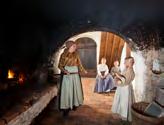
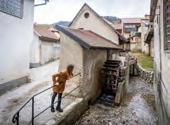
and traditional domestic life
Explore and choose your own way to experience the city.
Inspired by Tržič’s craft traditions, visit Škofja Loka and the distinctive craft town of Ribnica. For nature experiences, head towards Bohinj and Triglav National Park
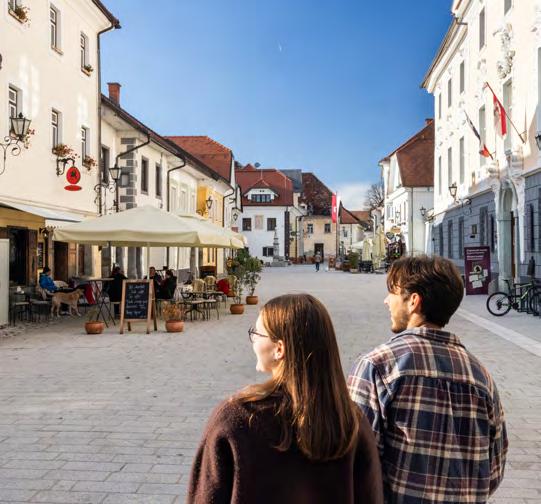
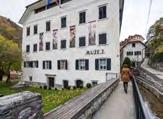
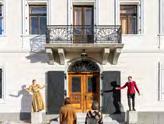
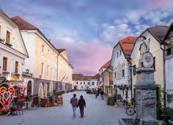
Radovljica, one of the best-preserved medieval towns in Upper Carniola, brings together a rich urban history, a strong beekeeping tradition and a sweet story of chocolate. With its Renaissance and Baroque houses and a manor, the town is the only one in Slovenia to have preserved its defensive moat.
TIC Radovljica
Linhartov trg 9, SI-4240 Radovljica +386 (0)4 531 51 12 info@radolca.si www.radolca.si
A town of great culinary stories delights with museums, a gallery and events, while the surrounding area invites you to discover beekeeping traditions and a variety of crafts and skills. The Karavanke and the Sava invite you to enjoy outdoor activities.

The area around Radovljica is the home of Anton Janša, the first teacher of beekeeping at the Viennese court.
1
There are no fewer than four museums on Linhart Square Visit the Museum of Apiculture, the Municipal Museum, the Pharmacy and Alchemy Museum, and the Šivec House Gallery.
2
The medieval defensive moat is the only one of its kind in Slovenia. Once part of the town’s fortification system, it also featured a drawbridge.
3
Begunje is home to the Avsenik Ensemble – pioneers of Slovenian folk-pop music and creators of Na Golici – with more than 30 million records sold.
4
Alongside beekeeping, ironworking also has deep roots here. In nearby Kropa, a centre of technical heritage, a unique forge has been preserved.
5
Radovljica lies on a river terrace of the Sava, Slovenia’s longest river. Rising up to 80 metres, the terrace offers exceptional views of the Julian Alps.
Cycle along riverside or rural routes to Bled and its iconic lake.
The Lamberg Trail to Kamen Castle brings you closer to the architecture of Jože Plečnik, archaeological sites and the imposing remains of the castle walls.
The Begunje Shepherd’s Trail follows a scenic route across the Prevala mountain pasture to Roblek Lodge (1,657 m), offering exceptional views.
With the Little Bee through Radovljica is an experience for families, ending with a sweet reward after exploring the town.
Chocolate-making with a local master includes a guided chocolate tasting and a workshop in making Florentines in a boutique chocolate shop.
A workshop with Uroš Štefelin is a unique culinary experience led by a Michelin-starred chef at Hiša Linhart.
A cycling excursion through local farms is a guided circular journey through the Radovljica countryside. It includes meeting local producers and tasting regional specialities.
Explore and choose your own way to experience the city.
Linhart Square, with the Baroque façade of the manor and houses dating from the 16th and 17th centuries
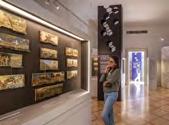
The Museum of Apiculture, presenting a globally significant beekeeping heritage
The Church of St Peter with a square, featuring a ceramic model of the town
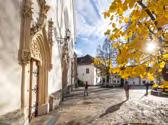
In addition to Bled, visit Bohinj and Triglav National Park. A scenic drive through the ironworking village of Kropa leads to the strikingly photogenic Jamnik. Medieval town enthusiasts are drawn to Škofja Loka, while Ljubljana always offers something new to discover.
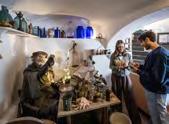
The Pharmacy and Alchemy Museum, with an interactive presentation of the history of healing
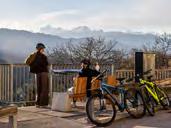
A viewpoint overlooking Triglav, Slovenia’s highest peak
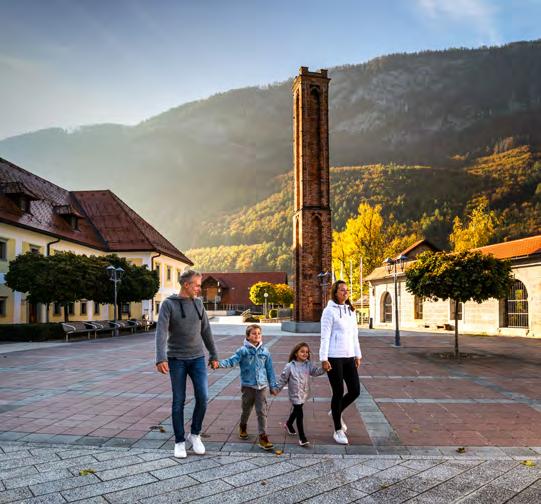
Jesenice is the centre of the Upper Sava Valley, set beneath the plateaus of the Karavanke. Known for its ironworking and steelmaking heritage, Jesenice has a distinctive multicultural identity, shaped by its industrial tradition and closely connected with its green surroundings.
TIC Jesenice
Cesta maršala Tita 18, SI-4270 Jesenice +386 (0)4 586 31 78 info@visit.jesenice.si visit.jesenice.si
A town of rich culinary stories, it surprises with museums, a gallery and events, while the surrounding area invites you to discover beekeeping traditions and a wealth of crafts and skills. The Karavanke and the Sava River invite you to enjoy outdoor activities.
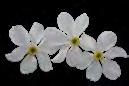
When the daffodils (Narcissus poeticus) bloom, the slopes turn white, as if covered in snow.
1
The Stara Sava museum complex, with its manor, church, workers’ dwellings, blast furnace and water channels known locally as rake, is emerging as a vibrant events venue.
2
Jesenice is a town of ice hockey. This popular sport is closely associated with Podmežakla Hall and with the shade of the surrounding mountains, which once preserved the ice in winter.
3 Wild-growing daffodils are locally known as ključavnice (“little locks”), as their flowers were said to be closed to bees.
4 The small Pelton wheel weighs 38 tonnes. At the beginning of the 20th century, it was considered one of the largest single-piece castings in the world.
5
Pristava Manor, dating from 1641, is surrounded by Zois Park. Here, the botanist Karl Zois (1756–1799) discovered a bellflower found only in the Karavanke, later named after him – Zoisova zvončica (Zois’s bellflower).
Hikers are drawn to sections of the long-distance Juliana Trail, enriched by the stories of the Upper Sava Valley.
The themed trail Memories of Old Jesenice leads into the town’s ironworking past, while the Old Ore Trail follows the traces of mining.
On the Mežakla Plateau, you can visit the Snow Cave, the meteorite fall site and a former Partisan hospital.
Explore the town and its distinctive features in a different way with guided tours led by a local guide
At the Museum of Workers’ Culture in Stara Sava, enjoy a cup of barley coffee in an authentic workers’ apartment, served by the ironworker’s wife.
At the Pristava Mountain Biking Learning Centre, take part in cycling workshops and try out the training grounds
Ride through the villages beneath Golica by carriage and horse-drawn cart
Explore and choose your own way to experience the city.
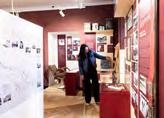
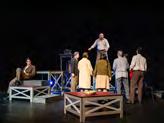
The
,
and the
, dating from the 19th century, is also a venue for amateur theatre award ceremonies
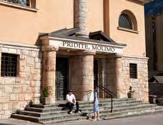
The route to Planina pod Golico continues onwards to Golica, celebrated in the most frequently performed composition by the Avsenik Ensemble. Along the way, you encounter the Sava Caves, former iron ore tunnels. Tržič and Kropa also impress with their ironworking traditions and stories.
Čufar Square, with its imposing secondary school building, the town’s central social hub
Set in the heart of the Meža Valley, the town looks out towards Peca and Uršlja gora. For centuries, it has been shaped by ironworking, a legacy reflected in the steel sculptures created as part of the international Forma Viva sculpture symposia.
Visit Ravne
Prežihova ulica 7, SI-2390 Ravne na Koroškem +386 (0)51 715 700 info@visitravne.com www.visitravne.com
The town’s past, intertwined with its modern industrial heritage, reveals itself on a walk along Stara Street, from the Church of St Giles to the ironworking museum, where the traditional štauharija (swaging forge) preserves memories of the ironworks. Millennia of geological diversity accompany you through experiences in the Karavanke Geopark.
The town has been shaped by ironworking since the Middle Ages.
1
A walk through the town leads you past 34 steel sculptures, created since 1964 at the international Forma Viva sculpture symposia.
2 The Ironworking Museum in the Stara železarna (the former Ravne Ironworks complex) reveals 400 years of ironworking tradition in the Meža Valley An authentic technical monument preserves the heritage of the values of work and the former “mother steelworks”.
3 Prežih House (Prežihova bajta) is a typical homestead of a small farm from the early 19th century. It houses a memorial museum dedicated to the writer Lovro Kuhar – Prežihov Voranc (1893–1950).
4 Ravne Castle, dating from the 16th century, is now a cultural centre of the town. It also preserves the memory of Baroness Eleonora Thurn, a descendant of the counts who ruled the manor from the early 19th century until World War II.
5 Beneath Mount Uršlja lies the Roman Spring – a natural mineral source known for centuries. Its brine was valued as an excellent medicinal water for treating numerous ailments.
Cycling along the ironworkers’ routes leads to the renowned Poseka Bike Park, while Bajk cajt (Bike Time) invites you on a full-day mountain biking tour in the heart of the Karavanke Geopark.
On Uršlja gora, visit the Nature Adventure Park, with its many attractions, themed trails and even a motor skills park.
The Higher You Go, the Further You See is a three-day experience combining the town’s Forma Viva sculptures, hiking on Uršlja gora with a sports centre, and rural cuisine in Šentanel.
Take the Along the Edge of the Karavanke excursion and combine views from a Mountain hut with a visit to Prežih House and the sculptures, before ending the day at Ravne Castle.
From steel stories to the blacksmith’s spark and Carinthian culinary delights, a walk takes you from a museum visit to a meeting with a blacksmith and a tasting of authentic dishes.
The Counts’ Day reveals the influence of the Counts of the Thurn-Valsassina family on the development of the town. Discover the ironworking heritage and visit Prežih House.
Discover the town of steel and its “mother steelworks”. Exploring the ironworking heritage is enriched by digital content and an authentic workers’ snack.
Explore and choose your own way to experience the city.
Experience adrenaline in the Mežica Valley: in Črna, enjoy a zipline and via ferratas; in Mežica, explore the underground of Mount Peca by kayak and bike. Then cycle along the Drava Cycling Route towards Maribor or take the Štrekna trail to Velenje
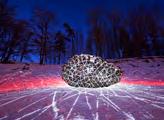
The steel sculptures of Forma Viva are also featured in the mobile app fvr.si
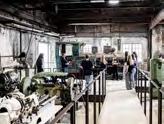
The Old Ironworks complex (Stara železarna), with its štauharija (swaging forge), workforce and laboratory
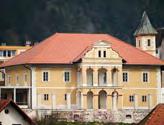
A medieval market town in Carinthia, it now brings together the values of peace and creativity. It proudly bears the title of Messenger of Peace, awarded by the United Nations. Surrounded by forests, it blends the rhythm of town life with the natural beauty of Uršlja gora and the Pohorje, including the Kope area.
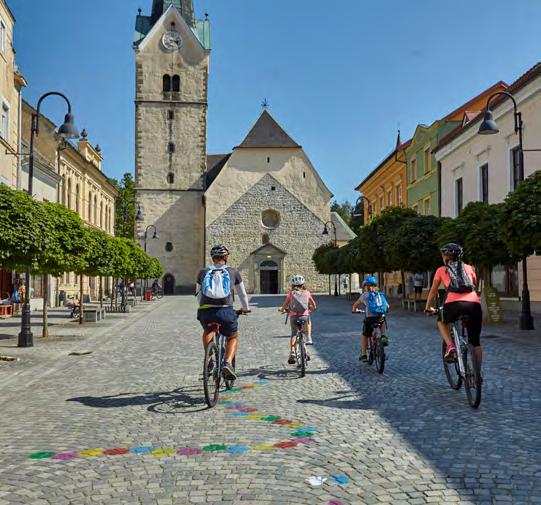
TIC Slovenj Gradec Glavni trg 24, SI-2380 Slovenj Gradec +386 (0)2 881 21 16 tic@slovenjgradec.si www.visitslovenjgradec.si
In Slovenj Gradec, the beauty of a Romanesque church meets the values of a renowned Indian advocate of peace, while the music of renowned art songs meets modern artistic creation. These are complemented by festivals, traditional crafts and honey-bread craftsmanship, as well as local cuisine.

A handmade honey-bread heart has long been a symbol of
1
The medieval town centre was once enclosed by walls, in places up to four metres high. It is considered the highest preserved town wall in Slovenia.
2
Slovenj Gradec is the centre of the world. So reads the inscription on the façade of the Koroška Gallery of Fine Arts. Discover why.
3
The town is home to Slovenia’s only monument to Mahatma Gandhi. In recognition of its Messenger of Peace status, it was presented with a bronze statue of Mahatma Gandhi by the Indian government.
4 Hugo Wolf, a world-renowned composer of art songs, was from Slovenj Gradec. In the house where he was born, now a museum, you can experience music through virtual reality.
5
The Church of St Elizabeth is the first church in the world dedicated to Elizabeth of Hungary. Dating from 1251, it is also the oldest building in the town.
The 35-kilometre Štrekna cycling route follows the former railway line between Velenje and Dravograd.
The forest learning trail to Rahtel Peak introduces visitors to local tree species and the richness of wildlife, and rewards them at the summit with fine views.
The Kope mountain resort above Slovenj Gradec attracts visitors in winter with its ski slopes, and throughout the year with well-maintained hiking trails and scenic views.
Experience the Perger Honey Paradise, with more than 250 years of tradition in honey-bread craft, candle-making and honey delicacies, and create your own unique souvenir.
A walk along the town walls of Slovenj Gradec reveals the town’s distinctive character and its legends.
The story of the AP GIN distillery is an experience for true gin enthusiasts. Step into the world of boutique distilling and enjoy a tasting.
Enigmarium Slovenj Gradec reveal the town’s hidden corners to those who solve puzzles in themed rooms and across the town.
Explore and choose your own way to experience the city.
The Fountain of Life reflects the town’s role as a Messenger of Peace
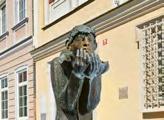
Rotenturn Manor, with its atrium, arcades and Baroque portal, now serves as the town hall
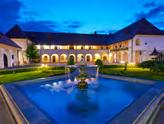
The Hugo Wolf Memorial Museum presents the composer’s life and work
In Mežica, explore the Mežica Mine and the underground world of Peca. At the Radlje ob Dravi Water Park, refresh yourself in a natural biological pool. Head to the other side of the Pohorje and visit Maribor and Slovenske Konjice
The Church of St George features an outstanding presentation of archaeological finds, including early Slavic graves
Perger Honey Paradise reflects a rich family heritage
Nestled between the mysterious Konjiška gora Mountain and the sunlit wine-growing hills of Škalce lies a town with almost 900 years of tradition. The old town centre, with its market houses, is divided in two by the Ribnica stream. A path across the mountain, where the remains of an old castle can still be seen, leads to Žička kartuzija Monastery, the first Carthusian monastery in Central Europe.
TIC Slovenske Konjice
Stari trg 27, SI-3210 Slovenske Konjice
+386 (0)3 759 31 10, +386 (0)51 444 141 info@tickonjice.si tickonjice.si
Travellers with horses have long stopped in the town square, and legend has it that this noble animal also played a role in overcoming the fearsome dragon of Konjiška gora Mountain. Today, images of horses accompany you at every turn as you explore the town.
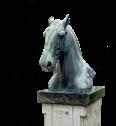
Horse sculptures can be found throughout the town, and the image of a horse has featured in the coat of arms of
1
At the heart of the town lies the medieval Old Square, divided in two by the Ribnica stream. For centuries, it has been woven into legends and local stories.
2
Žička kartuzija Monastery in the Valley of St John was the first monastery built by the Carthusians outside their original homelands in the 12th century.
3
The oldest still operating inn in Slovenia is the Gastuž near Žička kartuzija Monastery. It continues to serve local dishes and refined cuisine.
4
One of the most modern wine cellars in Europe, the Zlati grič Winery, lies in the wine-growing area of Škalce, just a step from the town centre.
5
In the birthplace of the poet Ivan Minatti, you can enjoy a cup of Minatti coffee in the town centre, accompanied by selected verses for a truly poetic moment.
The Little Dragon’s Forest Learning Trail reveals the natural and cultural heritage of Konjiška gora Mountain, along with the legend of the dragon.
Where a narrow-gauge railway once ran, you can now cycle along the old track This easy 20-kilometre route leads from the town centre to Loče.
The path to the highest peak of Konjiška gora Mountain leads to the observation tower at Stolpnik (1,012 m).
Enjoy Slovenske Konjice is an experience that weaves together the town’s wine stories and flavours with the tranquillity of the charterhouse.
The guided experience Žička kartuzija Monastery 12 + 1 leads you up spiral stairs, accompanied by Gregorian chant and the opening and closing of the retractable roof, to a viewpoint above the Church of St John the Baptist.
Following Minatti’s Footsteps on a self-guided or guided tour of the town, enriched with stories from the poet’s life.
Experience the light of silence at dawn. Before Žička kartuzija Monastery opens, enjoy an exclusive guided experience among the herbs in the monastery garden.
Explore and choose your own way to experience the city.
Explore the Rogla–Pohorje destination. In Vitanje, the Center Noordung offers space-themed experiences; in Zreče you can relax in thermal spas; on Rogla enjoy a sports centre; and in Oplotnica explore the scenic Oplotnica Gorge.
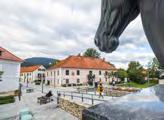
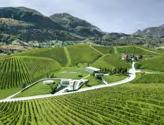
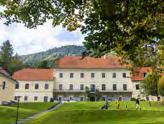
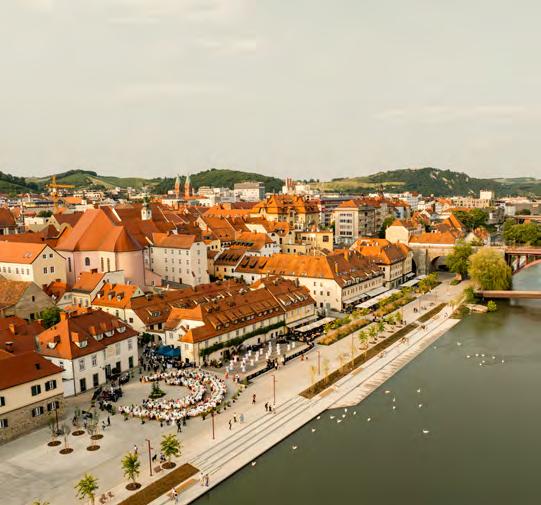
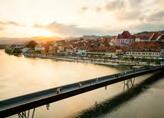
Set between the green Pohorje and the Drava River, Maribor is Slovenia’s second-largest city. A symbol of the city’s resilience is the World’s Oldest Grapevine, which also invites you to explore the surrounding wine-growing landscape. Maribor holds the title of Best Wine Capital of Europe in 2026. It is also one of Europe’s green capitals and a Tree City of the World.
TIC Maribor
Partizanska cesta 6 A, SI-2000 Maribor +386 (0)2 234 66 11 tic@maribor.si www.visitmaribor.si
The Žametovka vine has survived Ottoman incursions, fires, phylloxera, wars and everything the city has endured over the past five centuries. This hardy record-holder grows beside a house in Lent, the city’s oldest district on the banks of the Drava. Many of the city’s events are connected with it.
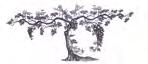
The roots of the World’s Oldest Grapevine grow on three continents, while its cuttings are presented as ceremonial gifts of
1
The World’s Oldest Grapevine, growing in Maribor and listed in the Guinness World Records, has flourished beside a house in Lent for around 450 years. It is a symbol of the city and an integral part of the wine story of the entire region.
2
Guided tours of Maribor reveal the city’s hidden stories. Among its unique boutique experiences is Rock’n’Roll of Flavours
Lent, the oldest part of the city, is a lively setting for events and gatherings along the Drava
The city beneath the Pohorje was named Best Green Capital of Europe in 2025 and Best Wine Capital of Europe in 2026, according to the European Best Destinations website.
3
In 2012, Maribor became Slovenia’s first European Capital of Culture A city of festivals, it boasts a rich calendar of events.
4
The whole city is a stage. Among its key cultural venues are the Slovenian National Theatre Maribor and the Maribor Art Gallery, and it is also developing vibrant cultural districts.
5
Globally significant figures such as Nikola Tesla and the pioneer of space technologies Herman Potočnik Noordung were active in Maribor.
The gentle ascent To the Pyramid Viewpoint leads from the City Park to a wine-growing hill overlooking Maribor, the Pohorje and the Drava Plain.
Just 5 km from the city centre, a cable car takes you above 1,000 metres to the Pohorje, offering outdoor activities in all seasons.
The Drava Cycling Route is considered one of the most beautiful in Europe. Cycling along the wine roads takes you through vineyard landscapes.
Tastings at the World’s Oldest Grapevine bring together more than 50 local winemakers and over 200 wine labels.
A tour and tasting at the Vinag Cellar invites you into one of Europe’s largest classical wine cellars, with 2.1 kilometres of tunnels and a wine archive.
Timber rafting on the Drava revives the tradition of the raftsmen who transported wood along the river well into the 20th century. Take part in your own rafting initiation.
Explore and choose your own way to experience the city.
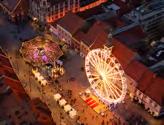
Maribor Castle, home to the Maribor Regional Museum, invites you to explore its historical and artistic collections
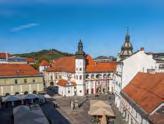
Set out on a trip to Ptuj, Slovenia’s oldest town, or to Olimje, Rogaška Slatina and Rogatec, known for their spa and ethnographic heritage. Jeruzalem and Slovenske Konjice invite you to explore their vineyards.
Slomšek Square, the central city square with the cathedral, the statue of the renowned Bishop Slomšek and important institutions
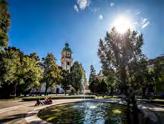
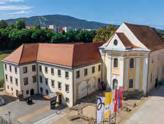
An area of thermal waters and vineyards is interwoven with fascinating towns, castle stories and legends. Experience the renowned hospitality and traditions of the countryside. From the Pannonian Plain to the Sava and Krka rivers, travel through time from the Iron Age to the present day. Combine exploring towns with wellbeing experiences offered by Slovenia’s many thermal spas.
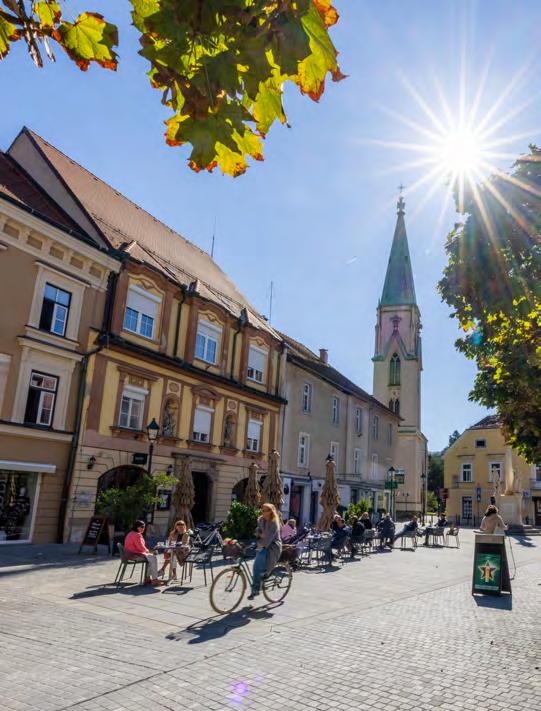
Much of the region was owned by the Counts of Celje in the Middle Ages, the most powerful noble family from the Slovenian lands. In both title and influence, they rivalled the Habsburgs.
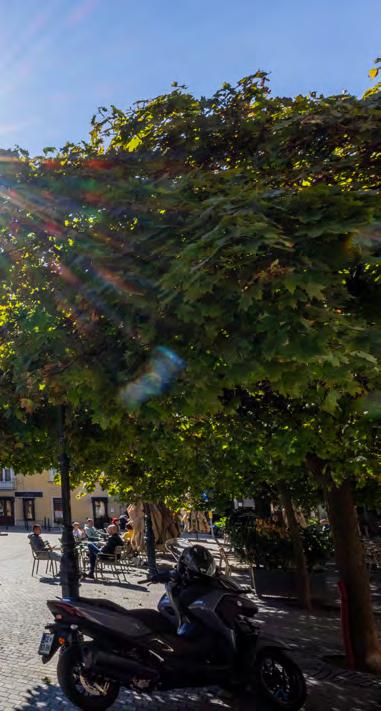
In the south of Thermal Pannonian Slovenia, a culture of European significance flourished long before the Common Era. Novo mesto, with its remarkable archaeological finds – especially situlae – is one of the most important centres of the Hallstatt period. In antiquity, Ptuj – the Roman Poetovio – was one of the largest and most important cities between the Adriatic and Pannonia. In the Middle Ages, fortified towns developed along the Drava, Sava, Savinja and Krka rivers, and the region reached the height of its political power under the Counts of Celje. Castles in Posavje and Dolenjska guarded trade routes and river crossings for centuries. A key influence on the development of the region was the Iron Road – the Southern Railway – which connected the area to wider European transport routes. Around springs that have attracted people for centuries, Slovenia’s most important thermal spas developed.
Ptuj, Slovenia’s oldest town, preserves remarkable carnival traditions. Its Kurentovanje is among the country’s most distinctive events, and the door-todoor rounds of the Kurent figures are inscribed on the UNESCO Representative List of the Intangible Cultural Heritage of Humanity. Celje Castle, the largest medieval castle in Slovenia, still tells the story of the power of the Counts of Celje. Along the Sava, the Posavje castles follow one another, each with its own story, while in Kostanjevica na Krki stands one of the oldest monasteries in Slovenia, today an important centre of the arts. In a land of more than 87 natural springs, the search for health through thermal waters dates back to antiquity, while the oldest spas have been in operation here since the 15th century.
Drinking mineral waters from Radenci and Rogaška Slatina have been renowned across Europe for centuries. This is where the mineral water with the highest magnesium content in the world originates.
In the Podravje wine region, viticulture dates back to antiquity. In Ptuj, the oldest wine cellar continues a tradition that began in 1239 with the Minorites. Ptuj also preserves Slovenia’s oldest wine – the Golden Vine from 1917 – while in Maribor grows the oldest vine in the world.
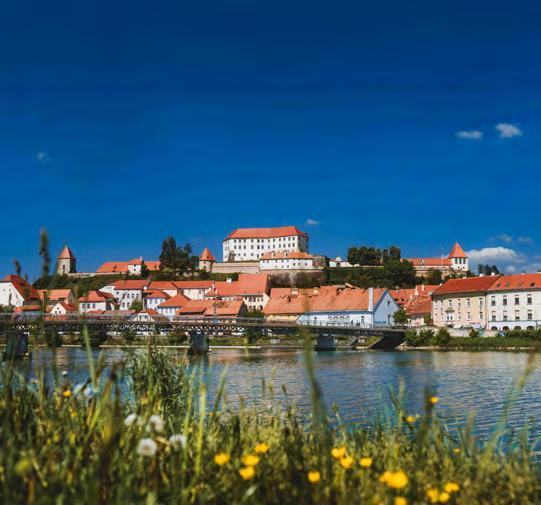
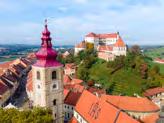
Slovenia’s oldest town has been named Best Cultural Heritage Town in Europe for 2026. At every turn, it reveals traces of the powerful Roman Poetovio and the flourishing medieval town of the Lords of Ptuj. Today, Ptuj charms with its relaxed, unhurried rhythm, rich experiences of living ethnographic traditions and a vibrant festival culture.
TIC Ptuj
Mestni trg 4, SI-2250 Ptuj +386 (0)2 779 60 11 info@visitptuj.eu www.visitptuj.eu
Ptuj enchants with the oldest wine cellar, the oldest theatre and the oldest still operating cinema, as well as the largest collection of historical musical instruments in Slovenia. During carnival season, the bells of the Kurent figures resound through the town, their rounds forming part of the UNESCO Representative List of the Intangible Cultural Heritage of Humanity.
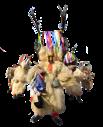
The Kurent figures, with their distinctive appearance and rituals, are among the most recognisable carnival figures internationally. Ptuj has been an important centre of wine culture since antiquity.
1
Ptuj is Slovenia’s oldest town. Its first written mention dates back to 69 AD. It had been continuously settled for millennia before that, and began to develop as a provincial centre during the reign of Emperor Trajan.
2
The oldest Slovenian wine cellar in Ptuj has been in operation since 1239. It houses the oldest archive wine, dating from 1917 – the Golden Vine.
3
For more than 300 years, the clock mechanism of the City Tower has kept time using an authentic 21-metre wooden pendulum – the longest functioning pendulum of its kind in the world.
4
Terme Ptuj is the Slovenian spa closest to a town centre. It offers Roman-style wellness and a water park with the largest number of slides in Slovenia.
5
Kurentovanje in Ptuj has been ranked among the world’s top ten carnivals by Lonely Planet. During carnival season, the town and its surroundings come alive with parades and festivities.
The hiking and cycling route to Mestni Vrh offers panoramic views of Slovenia’s oldest town and reveals cultural points of interest along the way, with stops to sample local delicacies.
The Drava Cycling Route, with the third and fourth stage going though Ptuj, is among the most beautiful cycling routes in Europe.
Explore the natural beauty of Lake Ptuj, the Drava River and Šturmovec Landscape Park.
A guided tour of Ptuj takes you through medieval buildings and Roman monuments, delighting you with fascinating stories.
A Roman-themed guided tour transports you to the time of Roman Poetovio. Follow a guide dressed in replicas of ancient attire.
Awaken the Kurent within you on a guided experience, discovering age-old rituals, meeting the artisans who craft Kurent attires, and tasting traditional carnival dishes.
A journey through Ptuj shaped by millennia of wine culture is a guided experience remembered for its flavours and wine stories.
Explore and choose your own way to experience the city.
Ptuj Castle with the collections of the Ptuj-Ormož Regional Museum
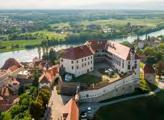
The Ptuj City Tower and the bell
of the Church of St George
In Maribor, see the World’s Oldest Grapevine. In Jeruzalem and Haloze, discover the wine-growing landscape. Explore the Ptuj and Drava Plains and the hills of Slovenske gorice and Haloze by bicycle, with highlights including Borl Castle and the pilgrimage site of Ptujska Gora.
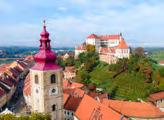
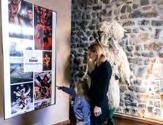
Kurent House, an interpretive centre with multimedia content
Roman mithraea, archaeologically significant sanctuaries dedicated to the god Mithras
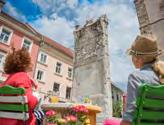
The Orpheus Monument, a Roman tombstone from the 2nd or 3rd century, located beside the tower on historic Slovenski Square
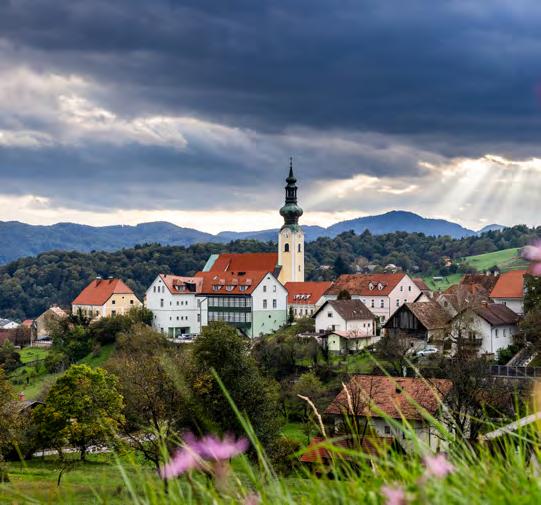
A town at the gateway to the rolling Kozjansko hills found a new rhythm of life with the arrival of the renowned Southern Railway and through the legacy of the Ipavec family of doctors and composers. Set between Slivnica Lake and green hills – among them Rifnik, notable for its ancient stories – it invites a life in close contact with nature.
TIC Šentjur
Ulica skladateljev Ipavcev 17, SI-3230 Šentjur +386 (0)3 749 25 23
tic@turizem-sentjur.com www.turizem-sentjur.com
In the historic salon of Ipavec Family House, the music of the Ipavec family still resonates — a family of doctors, composers and national revivalists whose work carried the name of Šentjur far beyond Slovenia.
Legend has it that on the site of present-day Šentjur once lay a lake inhabited by a dragon that terrorised the people, until it was defeated and slain by Saint George on horseback.
1
Šentjur takes its name from Saint George. After he defeated the fearsome dragon, the chapel was built on the site, followerd by a church.
2
Rifnik was already inhabited six thousand years ago. The Rifnik Archaeological Park bears witness to the largest Late Antique settlement in Slovenia.
3 The vine in the Upper Square is a descendant of the oldest vine in the world. Žametna črnina, originating from Maribor, playfully engages with the surrounding vineyards.
4
Šentjur is home to the Kozjansko Robin Hood. Franc Guzaj, a much-wanted bandit of the Austrian Empire, stole from the rich and gave to the poor.
5 Around Easter, the rare and protected pasqueflower comes into bloom. Its site at Boletina near Ponikva is among the few of its kind in Europe.
The Rifnik Treasure Hunt encourages you to search for the hidden treasure of the girl Fira on the hill of a prehistoric settlement.
The viewing tower on Resevna offers sweeping views across Slovenian Styria. Nearby are a mountain hut and a swing.
The hiking trail From Bench to Bench leads you between six viewpoints along the northern edge of Kozjansko.
Tea with the Ipavec Family introduces you to the herbal traditions of Kozjansko. At the Kalan herbal farm, create your own tea and enjoy it from a cup crafted in the Mlin Art Studio.
Learn the basics of pottery on a potter’s wheel in a restored watermill, and take home your own clay creation.
Catch the bandit Guzaj is an outdoor escape-room experience, that leads you through meadow orchards and forest edges in a playful hunt for the Kozjansko Robin Hood.
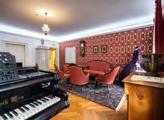
and event
and
Explore and choose your own way to experience the city.
The town of Celje, once the seat of the Counts of Celje, is within easy reach by bike. Travel by train to the capital, Ljubljana, or to Maribor Thermal spas in Podčetrtek and Laško invite you to relax.
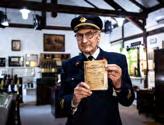
Shaped by the most influential dynasty in the Slovenian lands, whose power once extended across much of Europe, Celje tells stories from antiquity and the Middle Ages, while keeping pace with the present day. It is embraced by green landscapes and the Savinja River.
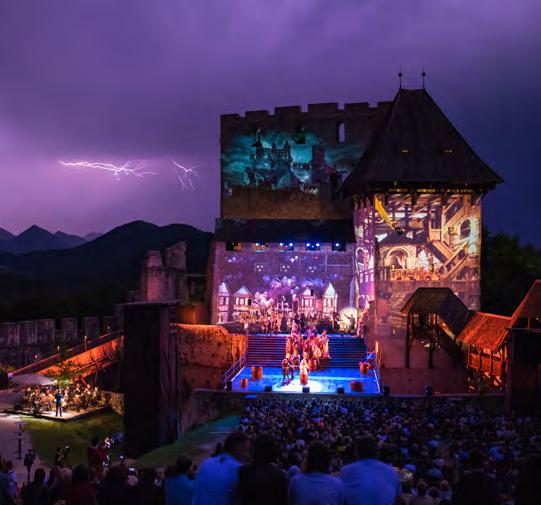
TIC Celje
Glavni trg 17, SI-3000 Celje +386 (0)3 544 36 90 info@visitcelje.eu www.visitcelje.eu
Roman Celeia reveals its secrets beneath the Princely Palace at the heart of the city. Medieval tales lead you to the mighty Celje Castle. Today, the city on the Savinja offers museums, an emerging arts quarter and the stories of the remarkable world traveller Alma M. Karlin.
rhythm of the year

The three stars from the coat of arms of the Counts of Celje are also featured in Slovenia’s national coat of arms.
1
In Celje, two millennia of history unfold in a single place. Where Roman Celeia once stood, the Counts and Princes of Celje later held court, and today contemporary art continues to evolve.
2
Step into the world of photographer Josip Pelikan and have your portrait taken in his glass studio. After your photographic experience, treat yourself to the Celjska rolca (Celje roll), a local sweet speciality.
Celje is one of Europe’s Christmas destinations. With more than 100 events during Advent, Fairytale Celje becomes one of the most enchanting festive experiences in Europe.
3
Owing to the abundance of marble remains from Roman times, Celje was once known as the second Troy. The remains of Roman Celeia can be explored in the archaeological exhibition Celeia – The Town Beneath the Present-Day City
4
The life of the town and its inhabitants in the 20th century is captured in the photographs of Josip Pelikan. His legacy is presented in Pelikan Photo House and in its glass studio.
5 The Celje-born Alma M. Karlin travelled the world alone between 1919 and 1927. Her life is presented in a museum exhibition and her house museum.
Explore the Castle Trails beneath Celje Castle. Three themed routes combine scenic views, playful activities and stories of nature.
Discover the stories of a world traveller along Alma’s Trail through Celje and Laško. Visits to memorial sites also invite you to explore the local cultural heritage.
Families and nature lovers enjoy the well-maintained path Through the City Forest to the Tree House, the largest of its kind in Slovenia.
The Wonders of Ancient Rome in Celje invite you on a guided tour of the city and a visit to an exhibition on Roman Celeia, featuring exposed Roman walls, frescoes, sculptures and a road with preserved cart ruts.
The Celje Time Machine transports you to the ancient city, the era of one of Europe’s most influential medieval dynasties, and modern-day Celje.
Modern-day knights embark on a twoday family adventure in Celje, leading to Herman’s Den, Tehnopark, the Tree House and Celje Castle.
Explore and choose your own way to experience the city.
In Žalec, visit the world’s first beer fountain; in Šempeter, explore the Roman Necropolis and Pekel Cave; on Rogla, walk along the Treetop Walk; and near Slovenske Konjice, discover Žička kartuzija Monastery, home to the oldest inn in Central Europe.
The Celje Regional Museum reveals the stories of the Counts of Celje and Roman
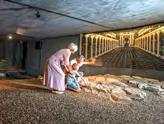
The Museum of Recent History, with a children’s museum and the glass studio of the Pelikan Photo House
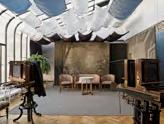
Tehnopark Celje, a science and entertainment park with more than 50 interactive stations
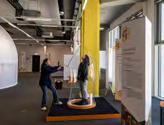
The Tree House in the City Forest surprises with a forest library and workshops
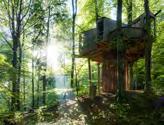
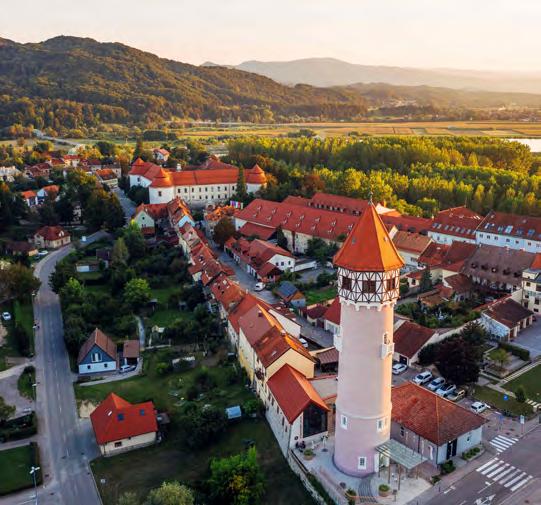
Brežice, set at the confluence of the Sava and Krka rivers, is marked by its castle with the renowned Knights’ Hall, the sustainably reimagined Water Tower, and two nearby thermal spas. The surrounding area is framed by a diverse wine-growing landscape, from Bizeljsko with its distinctive repnice cellars to the Gadova Peč area, considered the cradle of Cviček.
TIC Čatež ob Savi Topliška cesta 35, SI-8250 Brežice +386 (0)80 34 24 info@visitbrezice.si www.visitbrezice.si
The Water Tower in the town centre presents, across six floors, the history, significance of water and the story of the town. Its distinctive heart-shaped windows are linked to a legend of love and symbolically invite visitors to follow the Path of Love, featuring ten architectural highlights in the town centre.
At 46 metres, the Water Tower is the only one in Slovenia open to visitors as a viewpoint.
1
The Knight’s Hall in Brežice Castle is the largest preserved painted Baroque hall in Slovenia.
2
Gasa Street is one of the most photogenic spots in the town centre. It links the Water Tower with Brežice Castle.
3 Repnice, hand-dug caves in quartz sand, were once used for storing turnips; today they are unique spaces for ageing wine.
4 The iron bridge at the confluence of the Sava and Krka rivers was, in 1906, one of the longest bridges in the AustroHungarian Empire. It has also served as a filming location for an action film starring Jackie Chan.
5 Terme Čatež is the largest thermal spa complex in Slovenia. Not far away, Terme Paradiso is located directly beside the railway station.
A themed guided tour along the Path of Love reveals stories and legends connected with ten architectural landmarks in the town.
The full-day experience Exploring Heritage includes breakfast at a tourist farm, a guided tour of the town and a tasting in the distinctive repnice cellars.
Hop on an e-bike and enjoy a Cultural hop-on hop-off experience, combining visits to key sights with a ride across the old iron bridge.
At Mokrice Castle, experience the Mokrice Stories – a guided tour of the castle and its surroundings, followed by the option of a round of golf.
Explore and choose your own way to experience the city.
gree viewing platform
Castle, home to the
and
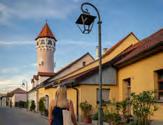
Climb to the viewpoint at St. Vitus and enjoy views over Brežice Lake, Brežice and the surrounding landscape.
Take a walk along Brežice Lake, the second-largest reservoir in Slovenia, where you can spot numerous birds and swans along the way.
Set out on a cycling route through two distinct wine-growing areas around Brežice, each differing in landscape and winemaking tradition.
After relaxing in the thermal spas and sampling wines in the repnice cellars, visit Kostanjevica na Krki – the only Slovenian town on an island. Explore the magnificent castles of Posavje, including Podsreda Castle in Kozjansko Regional Park
Brežice Lake, where you can admire stunning sunsets
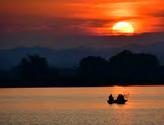
The bridge at the confluence of the Sava and Krka rivers, a legendary film location
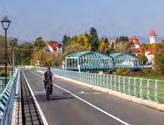
Slovenia’s smallest town is also the only one to have developed on a river island. Set along the Krka River, it brings together art and nature. It invites you to explore Slovenia’s largest art gallery and to enjoy active outdoor experiences – on the river, in the Gorjanci Hills and within the country’s largest floodplain forest.
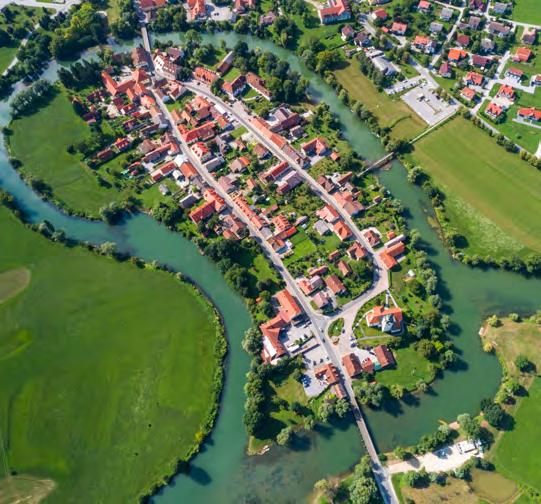
TIC Kostanjevica na Krki - Božidar Jakac Art Museum
Kambičev trg 5, SI-8311 Kostanjevica na Krki
+386 (0)7 498 81 52
tic-gbj@galerija-bj.si visit-kostanjevica.si
A town of peace, creativity and wooden bridges, it brings together centuries of ar tistic expression and the inspirations of nature. Here, the Cistercians established a magnificent monastery, which today brings together painting and sculpture.
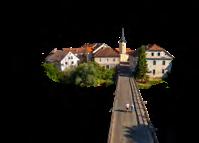
The town’s characteristic view draws you across its wooden bridges over the river.
1
Kostanjevica na Krki is a town on a river island, a rarity even by European standards.
2
Housed in a former Cistercian monastery, the Božidar Jakac Art Museum is Slovenia’s largest art museum by exhibition space, with 11 permanent collections and 3 temporary exhibition venues.
3 In the park surrounding the gallery, hundreds of wooden sculptures are on display. They are created as part of Forma Viva – the world’s oldest continuously running international sculpture symposium.
4 Close to the town lies Slovenia’s largest lowland floodplain forest. The Krakovo Forest, with its centuries-old oaks, is a protected Natura 2000 area.
5 Slovenia’s largest contemporary wall mosaic can be seen on the façade of the primary school. It was created after a design by Ivan Seljak – Čopič and depicts the peasant revolt of Matija Gubec.

The Castle Path leads to the Božidar Jakac Art Museum in just 20 minutes, and is also suitable for visitors with reduced mobility.
Paddle, swim, and go boating. Circle the island by paddleboard or boat, and cool off with a refreshing dip in the Krka.
Explore by bike. Hire a mountain or e-bike and set out with a map or join an organised cycling tour.
Local experiences invite you to take part in unique workshops with skilled artisans – winemakers, beekeepers, painters and more. Learn copperworking, try wool felting, or experience the forest in a different way.
A tasting at the Cviček Cellar offers not only this distinctive wine, but also the local speciality cop na lop, a traditional baked roll, and an introduction to the tradition of winemaking.
A guided tour of the town centre brings to life the stories of Slovenia’s only inhabited river island.
Printmaking workshops at the Božidar Jakac Art Museum open the doors of the studio, presenting artistic techniques to both beginners and experienced artists.
Explore and choose your own way to experience the city.
Visit the Kostanjevica Cave. Explore the Gorjanci Hills and climb the watchtower in Črneča vas. Recharge in one of the nearby thermal spas, or head across the border to Zagreb for the buzz of a larger city.
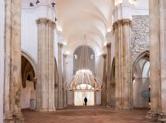
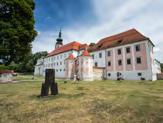
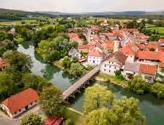
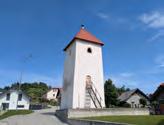
Kostanjevica Cave, with dripstone formations of striking, almost fairytale-like shapes
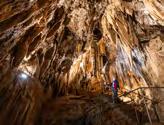
Set in a bend of the Krka River, the town unfolds across seven hills at the heart of the Lower Carniola (Dolenjska) region. With a history spanning more than 660 years, it is renowned for its Iron Age situlae, a vibrant cultural scene, a strong winemaking tradition and the largest medieval square in Slovenia.
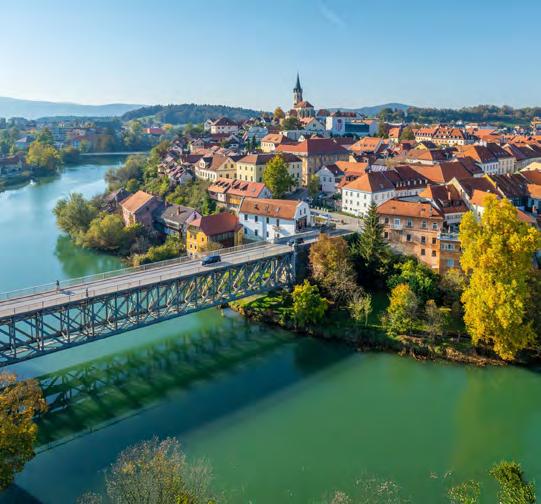
TIC Novo mesto
Glavni trg 11, SI-8000 Novo mesto +386 (0)41 202 080
tic@novomesto.si www.visitnovomesto.si
At the crossroads of routes linking the Pannonian Plain, the Adriatic and the Danube, situlae – richly decorated bronze vessels used in rituals and feasting – were crafted during the Early Iron Age. As many as a quarter of all situlae known in Europe originate from the Novo mesto area.
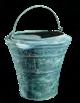
Situlae depicting scenes of feasting, battles and rituals offer insight into the
1
Novo mesto is the largest site of situlae finds in Europe. These richly decorated bronze masterpieces are housed in the Dolenjska Museum.
2
The Main Square in Novo mesto is the largest medieval square in Slovenia. Today, in its renewed form, it serves as the town’s living room.
3
Trška gora is a wine-growing hill with the highest number of vineyard cottages in the world. These traditional wine houses are used for storing produce, winemaking and social gatherings.
4
Cviček is a distinctive wine made from both red and white grape varieties. It is produced only in the Lower Carniola region (Dolenjska), and its traditional name is recognised at European level.
5 Novo mesto is regarded as Slovenia’s cycling capital. It hosts numerous cycling events, including the final stage of the international Tour of Slovenia.
Climb the 126 steps to the Kapitelj viewing platform, offering views over the old town centre, the Krka River, the Gorjanci Hills and Trška gora.
The Rudolf Raft invites you to a relaxed experience of traditional rafting along the Krka, circling the old town centre.
Treat yourself to a honey experience with the Stankovič family of beekeepers. Relax in an apitherapy apiary and sample honey-based delicacies.
At Matjaž Homestead, prepare your own bottle of Cviček. Open vineyard cottages at weekends offer tastings of this wine.
Explore and choose your own way to experience the city.
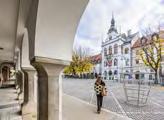
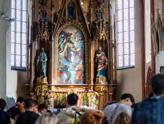
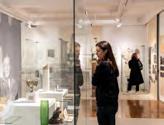
See the town from the river. Set out along the Krka with paddles – by paddleboard, canoe or boat.
Discover the true rhythm of the town and Trška gora on an e-bike route through the vineyards
Swimming, sauna sessions and relaxation on the terrace are available at the pool within the Novo mesto Olympic Centre.
Set out on the hiking trails of the Gorjanci Hills, visit Kostanjevica na Krki – a town on a river island –and treat yourself in the thermal spas of Šmarješke Toplice and Dolenjske Toplice. Nearby are the castles of Posavje and the Croatian capital, Zagreb.
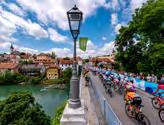
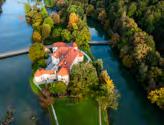
This late medieval town on the Sava River was once one of the centres of the Slovenian Reformation; today, it is a town of energy and home to the interactive World of Energy. Its stories, nature, culture and gastronomy recharge visitors with fresh energy.
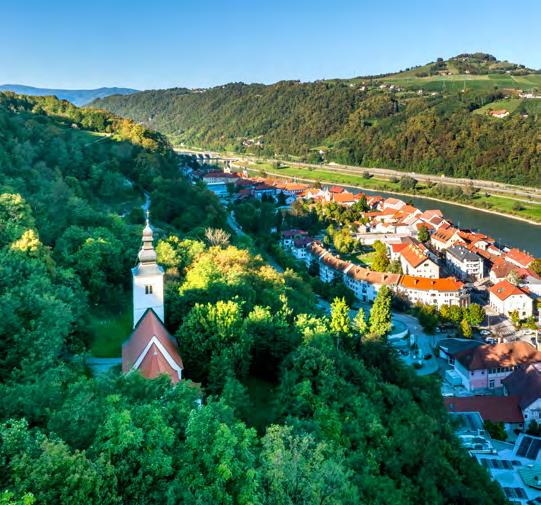
TIC Krško
Cesta krških žrtev 46, SI-8270 Krško +386 (0)51 655 936 tic.krsko@cptkrsko.si www.visitkrsko.com
Krško is a town of books and learning. The Valvasor Library Krško preserves rare treasures – including an original of Dalmatin’s Bible and Valvasor’s The Glory of the Duchy of Carniola. As you explore the town, you encounter traces of linguists and other notable figures.

The first complete translation of the Bible into Slovene, published in 1584, was the work of Jurij Dalmatin, a native of Krško.
1
Krško is a town of important 16th-century reformers. In the Grove of Distinguished Citizens stand statues of Jurij Dalmatin and Adam Bohorič.
2
The oldest book in the Capuchin Library is Calepino’s Latin dictionary from 1502. The Capuchin Library forms part of the museum collection within the public Valvasor Library.
3
The World of Energy in Krško is the first interactive centre dedicated to energy and energy systems. Visitors can try out experiments with electricity.
4
Rajhenburg Castle in Brestanica is an outstanding example of medieval castle architecture. It was once managed by knights and later by Trappist monks. Today, it also houses a sparkling wine cellar.
5
Krško takes pride in the remarkable Josipina Hočevar, an exceptional benefactor. Through her legacy, she enabled the establishment of as many as 16 scholarship funds in the early 20th century.
Follow the Trappist Trail to Sremič and Grmada for views over the Krško Plain and the Gorjanci Hills.
From Krško, hiking routes lead to Ajdovska Cave near Nemška vas – the oldest necropolis in Slovenia –and to Šrajbarski Turn.
The four-hour hike Among Bohor Stories and Waterfalls leads to cascades such as Bojanca and Pekel, and to habitats of rare plants. A guide is recommended.
Join a costumed guided tour and meet the women and men of Krško who shaped its history: Josipina Hočevar, Valvasor, Dalmatin, Bohorič and others.
A castle indulgence reveals the stories of the Rajhenburg knights and concludes with dinner at a restaurant featured in the Michelin Guide.
The sweet secrets of the Trappist monks range from tales of the first castle-made chocolates to today’s sparkling wines of the Posavje region.
The family-friendly Krškočara storytelling trail leads to the ruins of Krško Castle and into stories of witch trials.
Explore and choose your own way to experience the city.
The Krško City Museum, including the Mencinger House and the Krško Gallery
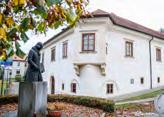
The city park with the Grove of Distinguished Citizens and the Hočevar Mausoleum
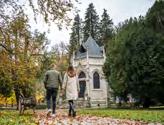
The Valvasor Library, with its 17th-century Capuchin Library
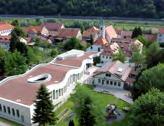
Krško is a convenient base for exploring the castles of Posavje Visit the castles of Brežice, Sevnica, Mokrice and Podsreda, as well as the Božidar Jakac Art Museum in Kostanjevica na Krki
The World of Energy, with models, interactive exhibits and experiments
Rajhenburg Castle, with a sparkling wine cellar set on a 60-metre rocky outcrop above the Sava River
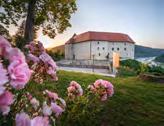
charm on the Adriatic
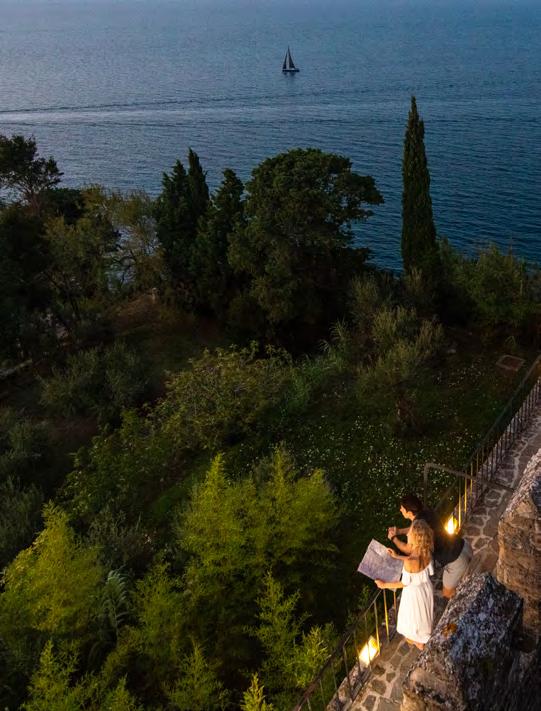
Stories of ancient salt pans and refined Venetian architecture draw you to the shores of the Adriatic Sea. The vibrant, easy-going atmosphere of Mediterranean towns combined with the green hinterland, creates the pulse of Slovenian Istria. Here, where the Mediterranean meets continental Europe, life unfolds in the rhythm of the sea, the sun and the bora – the wind that shapes the landscape all the way to the Karst, with its celebrated caves.
The Piran salt pans, dating back to 804, comprise the smaller Strunjan Salt Pans and the larger Sečovlje Salt Pans. Today, both preserved areas are protected landscape parks.
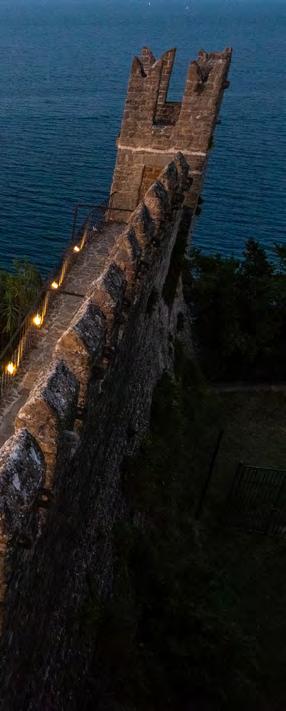
As early as prehistory, inhabitants looked towards the Adriatic from prehistoric hilltop kaštelir settlements on Istrian hills. During the Middle Ages and the early modern period, the Venetian Republic ruled here – a legacy still visible in architecture, art and language. Coastal towns were important centres of trade and maritime life, while salt from the Piran salt pans was prized for its exceptional quality. In Koper, once a key maritime centre, a major port serving Central Europe developed in the 20th century.
Piran, one of the most beautiful towns on the Mediterranean, was already an important trading centre and maritime stronghold of the Venetian Republic in the 13th century. Koper, then a small island town, was connected to the mainland by an embankment in the early 19th century. The Slovenian coast has long been a popular destination, also thanks to the spa resort of Portorož, where tourism developed in the late 19th century around the beneficial effects of salt-pan mud, the sea and thalassotherapy.
Slovenian Istria enchants with gems such as Hrastovlje, with its 15th-century frescoes; the stone-built Štanjel, with the Ferrari Garden, and picturesque Istrian villages. The Karst reveals its underground world in the Škocjan Caves, inscribed on the UNESCO World Heritage List. Another global attraction is Postojna Cave Park, home to the renowned Postojna Cave and Predjama Castle – the largest cave castle in the world. A distinctive mark is given to the landscape by Lipica, the cradle of the Lipizzan horses, with a tradition spanning more than 400 years.
Karst phenomena around the world take their name from the Karst – the Slovenian region where the systematic study of these features began.
Slovenian Istria is characterized by villages marked by dry-stone walls, olive groves and vineyards. Here you will also find the Karst Edge, with its striking rock overhangs.
On this stretch of Mediterranean in Slovenian Istria lies a city that is among the sunniest places in Slovenia. Venetian palaces and squares, narrow streets and hidden gardens reflect the city’s importance during the time of the Venetian Republic. Koper has developed over two millennia on a site that was once an island.
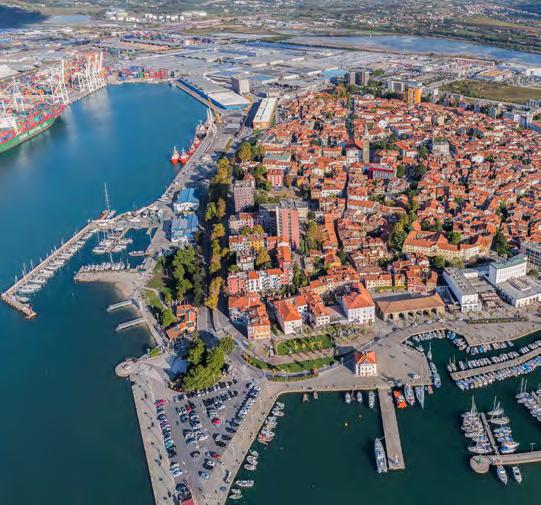
Tourist Information Centre Koper
Titov trg 3, SI-6000 Koper +386 (0)51 485 999 info@visitkoper.si www.visitkoper.si
Koper’s story unfolds from a prehistoric island, through a Venetian walled town with twelve gates, to today’s centre of Slovenian Istria. In this city of many names, rulers have changed over the centuries, yet its Mediterranean spirit has remained unchanged.
A Venetian carving of the sun can be seen on the only preserved gate of the
1
The sun has featured in the city’s coat of arms for centuries. Its symbol appears on monuments and on the façades of Venetian palaces such as the Fontico, the Praetorian Palace and the Justinian Column.
2
Koper’s town walls were longer than those of Dubrovnik, extending to 2,525 metres. Today, a section survives at the Muda Gate, at the entrance to Prešeren Square.
3 The Loggia and the Small Loggia are the only preserved Gothic loggias in Slovenia and remain at the heart of the city’s social life.
4 Saint Nazarius, the city’s patron saint, is said to have arrived on the island over the water. His feast day, on 19 June, is marked by a grand procession in his honour.
5 The internationally renowned painter Vittore Carpaccio (1490–1526) spent the last decade of his life in Koper. In the cathedral, you can admire his remarkable altarpiece.
Follow the Paths of Istrian Giants. Discover how legends tell of carving cliffs, shaping hills and moving rivers.
The Karst Edge Visitor Centre invites you to a range of activities. Also set out along the Hrastovlje Heritage Trail and its surroundings.
Take a walk to the Škocjanski Zatok (inlet), the largest brackish wetland in Slovenia, home to numerous birds, boškarin cattle and horses.
An interactive game “Quest for Justice” leads you through the secrets of the city’s palaces and landmarks as you solve clues along the way.
Sea fishing by boat lets you catch your own fish and prepare a true seaside feast.
A vintage culinary experience takes you among native olive varieties on the Istrian hills. Learn about olive oil production and sample it.
The world’s first olive oil fountain and the wine fountain in Marezige offer tastings of premium local oils and wines, with views stretching to the sea and the Alps.
Explore and choose your own way to experience the city.
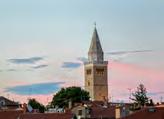
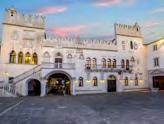
and statues
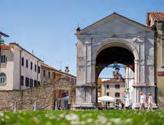
Link the coast with the Karst, visit Postojna Cave and enjoy nearby medieval Piran. You can also visit the nearby Italian cities of Trieste and Venice
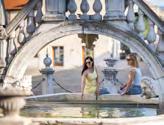
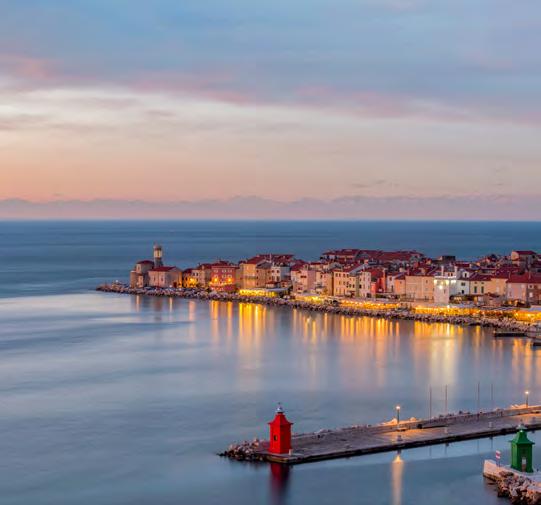
One of the best-preserved medieval towns in Slovenia lies at the tip of a picturesque peninsula on the Adriatic Sea. Narrow streets, squares and Venetian architecture reflect centuries of close ties with Venice. For centuries, the town’s development was sustained by trade in salt from the Piran Salt Pans.
TIC Piran
Tartinijev trg 2, SI-6330 Piran +386 (0)5 673 44 40 ticpi@portoroz.si www.portoroz.si
Where there was once the mandrač – the town harbour for small boats – a square dedicated to the renowned violinist Giuseppe Tartini has stood since the late 19th century. Above it rises the Church of St George, while the narrow streets hold stories of the sea, culture and love.
Every crystal of Piran salt is produced using traditional methods that have remained unchanged since the 14th century.
1
Piran is the town of the virtuoso Tartini. Giuseppe Tartini (1692–1770) composed The Devil’s Trill Sonata, one of the most demanding works in the violin repertoire.
2
In the 14th century, the town had more than 23 churches; today, there are ten. From the Church of St George and its bell tower, views stretch across the Adriatic and as far as the Alps.
3 The town walls, dating from the 7th century, were extended three times. Today, you can still walk along the preserved system of towers and walls.
4
Alongside Tartini Square, First of May Square is particularly noteworthy. Known as Piazza Vecchia in the Middle Ages, it still features a historic rainwater cistern.
5
The Piran Salt Pans have been in operation since 804, underpinning the town’s wealth and development. Alongside Piran salt, the prized fleur de sel is especially valued.
Paddleboard from Piran to Strunjan and discover the most beautiful stretch of the Slovenian coast from the sea.
Visit a unique fish boutique set in the middle of the sea. An unforgettable day at the Fonda fish garden rewards you with a tasting of Piran sea bass.
Experience Piran and the salt pans by e-bike, with views stretching from Piran to the Alps and the Dolomites.
The Piran Walking Tour with tasting includes a two-hour stroll through medieval streets, enriched with fascinating stories and authentic culinary delights.
Art and Secrets of Piran – a guided tour of history and culture – opens the doors to the city’s hidden corners.
Discover the culture: The Portorož & Piran Pass offers a single ticket to three cultural icons – the town walls, the bell tower of St George’s Church and the Mediadom Pyrhani multimedia centre.
The Sea & Discover Pass is a combined ticket for marine experiences – from the Piran Aquarium to the Shell Museum and the Dolphin Centre – and an ideal choice for families.
Explore and choose your own way to experience the city.
Visit Koper and its old town, or experience the authentic rhythm of rural life along a circular route through the villages of Slovenian Istria. Just across the border lie Trieste, with its cafés and palaces, and Venice, also accessible by catamaran.
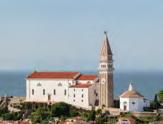
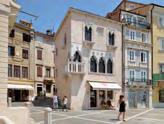
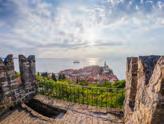
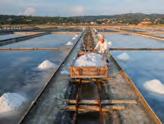
Historic towns are cultural landmarks in their own right – and at the same time among the most beautiful open-air stages for experiencing tradition and contemporary artistic expression. They invite you into theatres and museums, into creative districts and onto streets made for strolling, conversation and encounters – all accompanied by a rich calendar of events. Throughout the year, winter festive markets, spring celebrations rooted in distinctive traditions, open-air summer festivals and autumn days of wine, stories and urban experiences follow one another in lively succession. The most important town events bring each season to life, reflecting the unique character of both the towns and Slovenia as a whole.
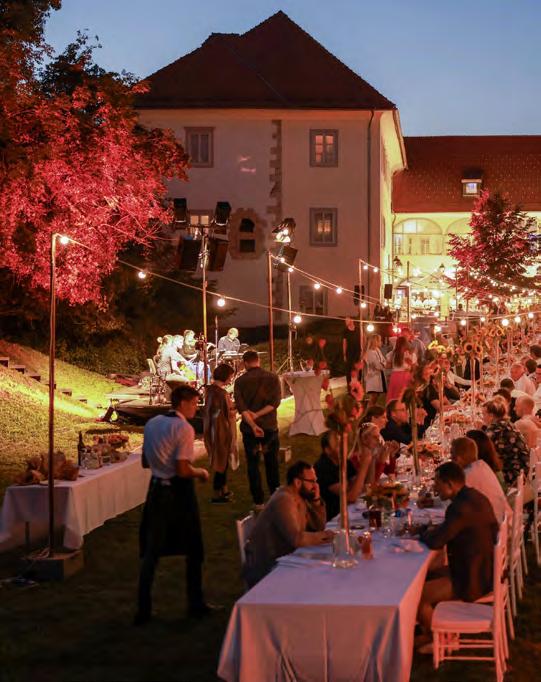
Historic towns host Slovenia’s longest-running festival programme. FEST MEST brings together a wide range of events throughout the year – from medieval days, music and theatre festivals to culinary and craft events, and celebrations that enliven town squares, courtyards and streets.
Don’t miss out – scan for an extended list of FEST MEST events
In December, historic towns shine in a warm glow of lights. The atmosphere of Advent markets fills squares and streets with a sense of togetherness, while magical events delight younger visitors.
On 8 February, Slovenia celebrates Prešeren Day, the national cultural holiday dedicated to the poet France Prešeren. Carnival festivities and distinctive carnival figures – among them the iconic Kurenti – mark the farewell to winter. Holidays, culture and age-old customs come together in unique urban experiences.
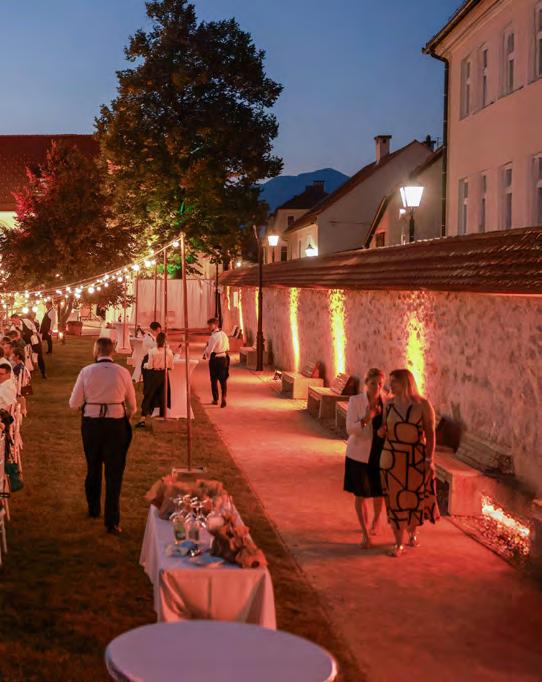
A season of open-air stages, evening concerts, theatre performances and film screenings under the stars transforms town squares, castle courtyards and parks into vibrant venues for a wide range of events. Summer festivals showcase a seamless blend of contemporary creativity and heritage. Diverse summer programmes reveal the stories of individual towns, inviting you to experience both historical periods and modern visions in fresh and engaging ways.
Kranj, Kranj Long Table
Spring brings new life to the squares, courtyards and riverbanks of historic towns. As the days grow longer, it is time for Easter traditions, customary practices, and a host of sweet, culinary and craft events, alongside celebrations inspired by nature.
The first major festivals of the year, cultural gatherings and lively urban spaces invite you to meet, connect and discover a rich variety of local stories.
Toasts to a masterful autumn
Autumn is a season of rich harvests – in culture as well. Town squares feature artisans, musicians and creators who preserve local traditions and a diverse ethnological heritage. Slovenia takes pride in its winegrowing traditions, and in many places glasses are raised to the young wine and the promise of a good life. The lively pulse of cultural institutions invites you to discover new performances, exhibitions and concerts.
FestiveCelje– Celje
Festive Celje Celje
Christmas markets and New Year celebrations across Slovenia
Situlae Festival Novo mesto
Lent festival Maribor
Idrija Lace Festival Idrija
Jurjevanje in Bela krajina Črnomelj
Historial Škofja Loka
Maribor Theatre Festival Maribor
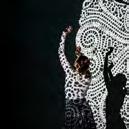
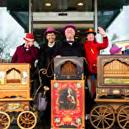
Museums – exploring diverse collections
Galleries – exhibitions of contemporary and classical works
Theatres and concert halls – performances and musical evenings
Traditional fairs Ptuj
LUV Festival
Ljubljana
Prešeren Fair Kranj
Kurentovanje Carnival Ptuj
Ljubljana Festival Ljubljana
Brežice City Promenade Brežice
Ljubljana Jazz Festival Ljubljana
Arsana Festival Ptuj
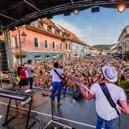
Semič Wedding Festival Semič
Medieval Day at Rajhenburg Castle Krško
SHOTS Film Festival
Slovenj Gradec
Ravenski dnevi (Ravne Days)
Ravne na Koroškem
Tartini Festival Piran
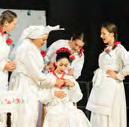
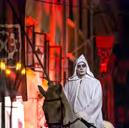
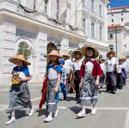
Šelmarija
Kostanjevica na Krki
Škofja Loka Passion Play
Škofja Loka (every six years)
Slovenian Drama Week Kranj
World’s Oldest Grapevine Festival
Maribor
Days of National Costumes and Clothing Heritage
Kamnik
Ribnica Woodenware and Pottery Fair
Ribnica
Cobblers’ Sunday (Šuštarska nedelja)
Tržič
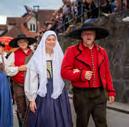
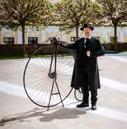
Šentjurjevo Šentjur
Salt Workers’ Festival Piran
Zaviranje kola Metlika (Easter Monday)
Jurjevanje (St George’s Day festival)
Slovenske Konjice
Chocolate Festival Radovljica
Cultural Kaleidoscope of Jesenice Jesenice
Cheerful summer in Kranj Kranj (May–September)
International Fine Arts Festival Kranj
Culinary Autumn in Radol’ca Radovljica
Reaktor Festival
Krško
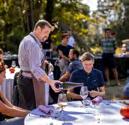
Altroke St Martin’s Day Koper
St Martin’s celebrations and the autumn festivities across Slovenia
Ljubljana International Film Festival (LIFFe) Ljubljana
Wine Route in the tunnels beneath old Kranj Kranj
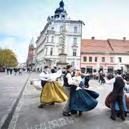
Don’t miss out – scan for an extended list of events across Slovenia
The cuisine of Slovenia’s historic towns is rooted in a close connection with the environment, the people and their stories. Dishes are enriched by local ingredients, recognisable brands, everyday and festive customs, and recipes passed down from generation to generation. Alongside renowned traditional inns, the gastronomy of the future is shaped by leading chefs and restaurants awarded Michelin stars and recommendations, as well as Gault & Millau toques.
Salt pans and olive groves, vineyards and wild edible plants lend true flavour to life along the Adriatic coast and in Istria. Coastal towns combine the abundance of the sea with delicacies from the hinterland, while the Karst surprises with prosciutto and other cured meats, hearty stews and soups, and carefully paired wines.
Koper: fuži with truffles – hand-made pasta served with aromatic truffles.
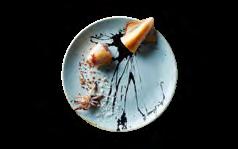
fish and shellfish as well.
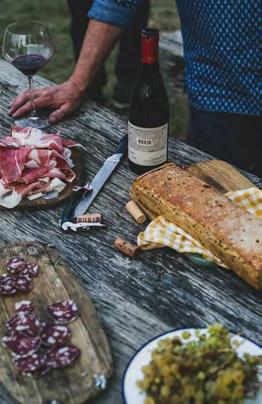
The cuisine of central Slovenia blends the cosmopolitan creativity of the capital with the traditions of the surrounding areas and the green countryside. Here, you can sample dishes that originated in a mining town, on alpine pastures or in medieval towns. You may be surprised by indigenous varieties of beans and distinctive baked goods from the southern edge of Slovenia.
Slovenian potica, a symbol of the country’s cuisine, is a filled rolled cake with a variety of fillings and is protected by the European Commission as a Traditional Speciality Guaranteed.
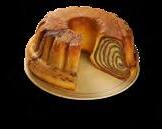
Ljubljana: Vodnik salad – a lamb’s lettuce prepared according to a recipe from the first Slovenian cookbook (1799).
Idrija: Idrija žlikrofi – filled pasta parcels with a savoury stuffing.
Škofja Loka: loški kruhek – a honey biscuit with embossed motifs, a traditional souvenir of Škofja Loka.
Kamnik: trnič cheese from Velika planina – a hand-shaped hard cheese with decorative imprints, a symbol of love.
Ribnica: a stew with ribničan beans – a hearty bean stew made from local dried beans, part of the area’s culinary heritage.
Metlika: belokranjska pogača, a flatbread from Bela krajina – a leavened dough with characteristic cuts, sprinkled with salt and caraway.
Črnomelj: črnomaljska presta, a pretzel from Črnomelj – a plaited savoury pastry made from leavened dough with a salted topping.
Semič: kočevarska poblica – a rich rolled pastry made from (hand-)stretched dough, traditionally prepared for major festivities.
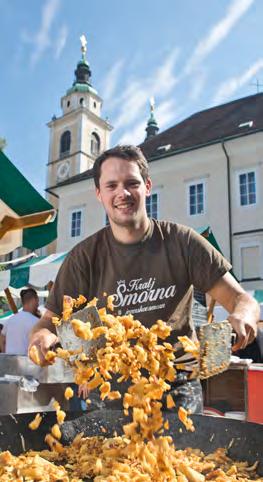
Odprta kuhna (Open Kitchen) in Ljubljana and several other Slovenian towns brings together Slovenian dishes –such as šmorn (Kaiserschmarrn-style shredded pancake) – with flavours from around the world.
Slovenian gastronomy is rooted in the diversity of its landscapes. Historic towns are part of as many as 24 gastronomic regions of Slovenia, with more than 400 distinctive local dishes and drinks. Although urban and rural cuisines differed in the past, today you can rely everywhere on local and seasonal ingredients, traditional recipes, and their refined contemporary interpretations.
Slovenian towns feature distinctive culinary events and carefully selected delicacies brought together under collective local brands. Ljubljana lives and breathes food – as reflected in numerous gastronomic programmes and events such as November Gourmet. In Kranj, the appetite is stirred by the Kranj Long Table and Flavours of Kranj Tables; in Maribor by the Velvet Dinner; in Celje by Rol&CE and Vin&CE; and in Koper by Sweet Istria and Altroke Istria Gourmet. Local specialities are also showcased through events such as Flavours of Ptuj, Flavours of Radovljica, and other town brands.
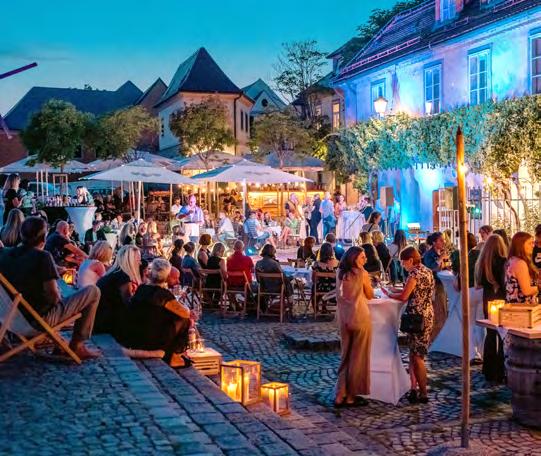
Amid high mountains, cuisine is shaped by characteristic dairy products, potatoes and grains, along with other ingredients used to create hearty, flavourful dishes. Today, Alpine Slovenia is further enriched by new culinary initiatives and brands that connect high-quality ingredients with natural and cultural heritage.
Kranj: kranjski štruklji – popular throughout Slovenia, these rolled dumplings have a distinct milky flavour typical of the Alpine region.
Tržič: masunek – a simple shepherd’s dish made from sour cream, eggs and maize flour. Radovljica: chocolate pralines filled with local ingredients.
Jesenice: betelovi krapi – pastries made from stretched dough with a dried pear filling.
Ravne na Koroškem: kvočevi nudli – hand-shaped dumplings made from cooked potatoes, flour and dried fruit (pear).
Slovenj Gradec: koroška košta with rye bread and mežerli – a dish of pork offal and onions, seasoned with marjoram.
Slovenske Konjice: olla potrida – a vegetable stew with fish, originating in Spanish cuisine and prepared according to the monastic tradition of the Žička kartuzija Monastery. Maribor: pohorska omleta – a rich dessert made from sponge cake, filled with blueberries, cranberry jam and cream.
In Maribor, a special focal point for fine flavours can be found beside the world’s oldest vine.
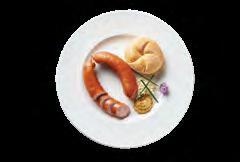
Kranjska klobasa (Carniolan sausage), a renowned Slovenian dish, is made from coarsely ground pork and bacon, seasoned simply with salt, pepper and garlic.
Prekmurska gibanica, a popular festive Slovenian layered cake, features alternating fillings of apple, cottage cheese, walnut and poppy seed between layers of stretched dough.
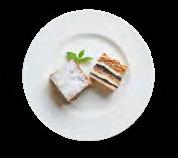
Cuisine on the fringes of the Pannonian Plain has long drawn on the abundance of the surrounding fields and a strong winemaking tradition. On the one hand, it delights with simple yet rich flavours characterised by renowned hospitality; on the other, with more recent creative approaches.
Discover the region at the table
Celje: Celjska rolca – a dessert made from hazelnut dough, filled with sweet cream.

Ptuj: haloška gibanica – a traditional savoury or sweet flatbread made from leavened dough and topped with cottage cheese.
Šentjur: šentjurske bučnice – a traditional local savoury snack made from roasted pumpkin seeds.
Krško: dishes prepared with meat from the Krškopolje pig – the only indigenous Slovenian pig breed, known for its succulence and full flavour.
Brežice: bizeljski ajdov kolač – a dessert made from buckwheat flour with a rich filling of cottage cheese and eggs.
Kostanjevica na Krki: cop na lop, a simple traditional savoury flatbread.
Novo mesto: prosena kaša – a porridge-like dish made from one of the earliest grains, pairing well with Cviček, the best-known wine of the Lower Carniola region.
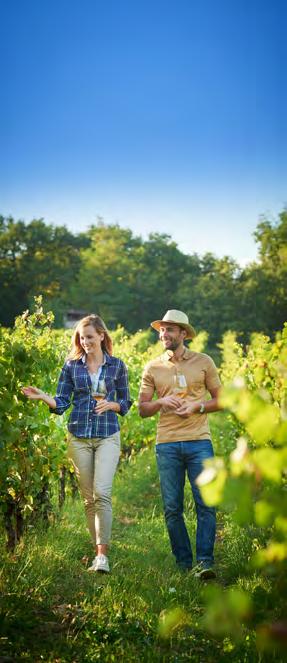
Slovenia’s historic towns are part of all three of the country’s wine-growing regions – Primorska, Podravje and Posavje. Many experiences include tastings, wine stories and the pairing of local dishes with locally characteristic wines – from coastal towns with Primorska wines, through towns shaped by the millennia-old wine culture of Podravje, to Posavje, where flavours are often closely associated with Cviček, a distinctive Slovenian wine.
Alpine
Slovenia
Ljubljana & Central Slovenia
Thermal Pannonian
Slovenia
Mediterranean & Karst Slovenia
When exploring Slovenia’s historic towns, take time to discover their surroundings and experience the country’s active pulse. Everything is close at hand. Start with a coffee in a town café, then, just a few steps away, find yourself on walking trails in nature. After visiting a gallery exhibition, set off along cycling routes through the surrounding landscape. From a lively riverside promenade, continue towards peaceful viewpoints and quiet corners. In Slovenia, town and nature form part of the same story.
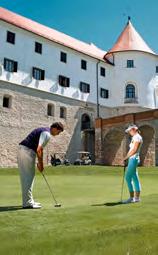
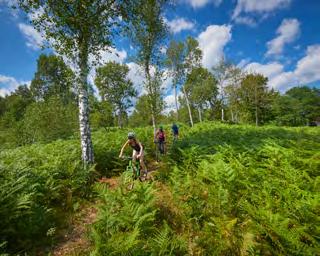
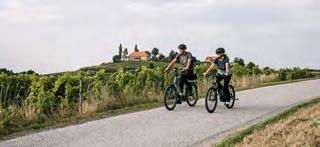
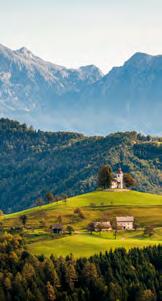
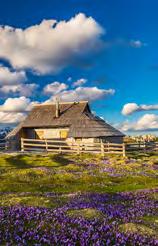
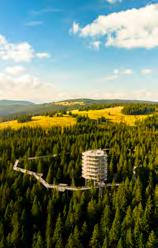
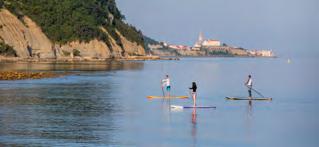
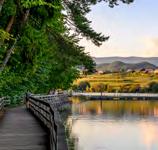
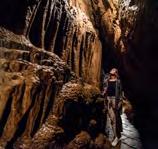
Nature often extends right into the heart of towns. In the surrounding areas, themed and educational trails are easily accessible, many of them linked to protected natural areas and reserves. Karst caves, wetlands, lakes and routes to nearby and higher peaks invite you to discover the distinctive features of the landscape in a well-organised, accessible and sustainable way.
Close to the towns, you can choose from activities on land, on water and in the air. Rivers, lakes and the sea invite you to paddle, enjoy stand-up paddleboarding, swim or fish. Well-maintained trails lead you out hiking and cycling. In some places, you can also experience paragliding and other air sports. In Slovenia, everything is close at hand.
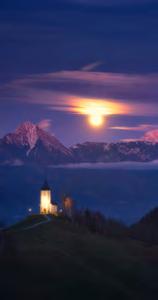
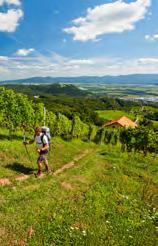
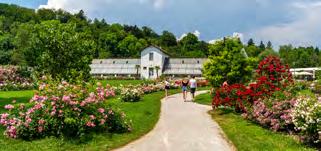
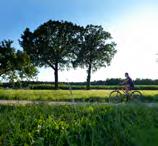
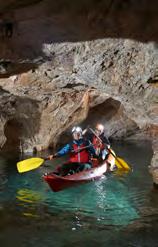
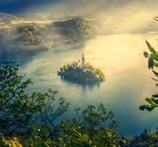
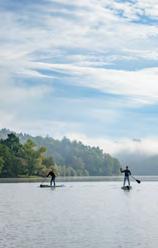
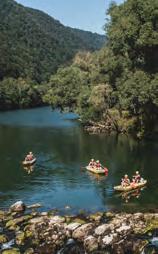
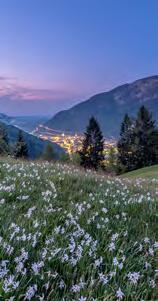
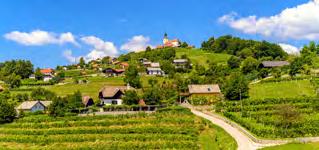
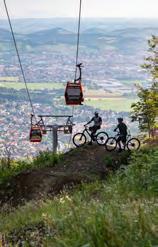
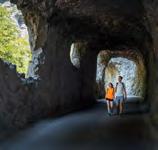
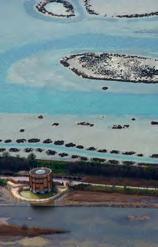
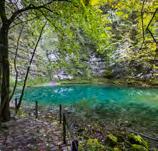
The surroundings of historic towns offer countless opportunities for outdoor recreation throughout the year. Nearly 70 per cent of Slovenia’s population takes part in recreational sport in all seasons.
Historic towns reveal themselves differently when approached at a slower pace. With their compact and easily navigable centres, exploring them without a car is not only easier, but also more rewarding. A slow stroll allows you to notice details, meet people and discover paths beyond the pages of guidebooks.
Most historic towns are well connected by train and bus. If you arrive by car, many places offer park-and-ride (P+R) systems. Leave your car on the edge of town and reach the centre in just a few minutes by public transport. In some towns, tourist cards also include free travel on local buses.
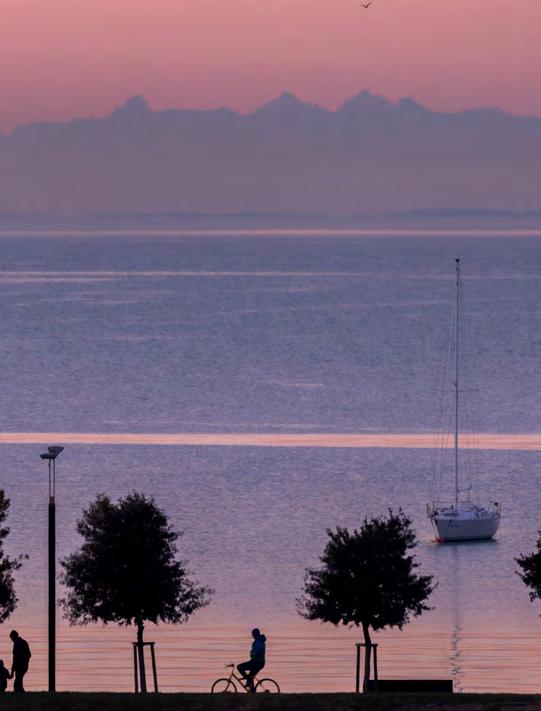
Historic town centres are generally closed to traffic. Streets, squares and bridges are intended primarily for pedestrians. Walking is the most enjoyable way to explore. Along the way, you encounter local artisans, discover architectural details and feel the true pulse of town life. Distances are short – everything is usually within a 15-minute walk.
On-demand comfort
For getting around town or covering slightly longer distances, some places offer small on-demand electric vehicles. These services, intended primarily for older visitors, families with children or people with reduced mobility, make it easier to navigate slopes or simply reach your destination.
Most historic towns offer well-organised bike and e-bike hire systems. In many places, you can pick up a bike at one point and return it at another, perhaps close to a landmark or park you wish to visit. In summer, cycling routes to scenic viewpoints in the surrounding area are particularly appealing, as are services that include bike transfers between towns.
As you explore the town, support local providers – restaurateurs, artisans and others who help preserve local traditions through their work. When visiting town sights, respect the quiet of churches, museums and galleries, as well as the tranquillity of peaceful streets.
Seasonal access to nature
In summer, some towns provide additional tourist transport – in certain cases free of charge – to nearby natural attractions, parks, viewpoints and starting points for hiking.

Slovenian Tourist Board Dimičeva ulica 13, SI-1000 Ljubljana +386 (0)1 589 85 50 info@slovenia.info www.slovenia.info

Association of Historical Cities of Slovenia Mestni trg 15, SI - 4220 Škofja Loka +386 (0)41 762 741 info@zgodovinska-mesta.si www.slovenia-historic-towns.com
Issued by: Slovenian Tourist Board and the Association of Historic Towns of Slovenia • Editor: Miha Renko • Editorial Assistant: Anika Kocman • Expert Advisor: Mateja Hafner Dolenc • Creative design: kf – grafično oblikovanje • DTP: Terminal Studio d.o.o.• Text: Ines Drame • Translation: Maja Vitežnik, prevajanje in tolmačenje s.p. • Cover photo: Brežice, holder of the Slovenia Green Platinum label, archive of the Slovenian Tourist Board, ZPTM Brežice – Simon Srečkovič • Photos: Archives of the Slovenian Tourist Board: Simon Srečković; Stanko Kozel; Miran Kambič; Jošt Gantar; Dunja Wedam; Jose Voglar; Miha Skrt; Bojan Tavčar; Urban Urbanc; Bogdan Kladnik; Produkcija Studio, Dražen Štader; Luka Rudman; Jaka Ceglar; Jaka Ivančič; Tomo Jeseničnik; Archive ZTKMŠ Brda; James Relf Dyer; Matej Vranič; Marko Pigac; Ciril Jazbec; Terme Čatež d.d.; Ana Pogačar; Jaka Arbutina; Andrej Tarfila; Luka Vunduk; Nejc Suhadolnik; Matjaž Lenarčič; Aleš Krivec; Mediaspeed: Luka Kotnik. Archives: TIC Idrija: Nejc Puš, Jošt Gnatar, Bojan Tavčar; TIC Piran: Jadran Rusjan, Jaka Ivančič; Tourist Board Portorož: Zorko Bajc; Dolenjska Museum Novo mesto: dr. Borut Križ; Regional Museum Ptuj-Ormož: Boris Farič; The Public Institute Ribnica Handicraft Centre; ZKŠTM Ravne na Koroškem: Tomo Jeseničnik; Museum and Galleries of Ljubljana: Matevž Paternoster; Ljubljana Tourism: Andrej Tarfila, Primož Bregar, Matjaž Tavčar, Nik Erik Neubauer, Andreja Smrekar, Dunja Wedam; PAX Svečarna Stele d.o.o.; Kamnik Tourism and Sports Agency: Jose Voglar, Klemen Brumec; TIC Škofja Loka: Andrej Tarfila, Katja Jemec, Sašo Kočevar, Jana Kuhar; Tourism Ribnica: Jernej Marič, Jošt Gantar, Klemen Razinger, Matevž Petrovič; TIC Metlika: Tomo Jeseničnik, Jan Kocjan; TIC Črnomelj: Jani Pavlin, Uroš Raztresen, Jani Pavlin; TIC Semič: Uroš Novina, Jan Kocjan, Uroš Raztresen; Tradicija Avsenik d.o.o.; TIC Kranj: Primož Pičulin, Andraž Muljavec, Jošt Gantar, Mankica Kranjec, Aleš Komovec; Tourism Tržič: Jošt Gantar; MRO – Beekeeping Museum: Miran Kambič; TIC Jesenice: Aleš Košir, Miro Podgoršek, Nik Bertoncelj, Michelle Filic; Visit Ravne: Tomo Jeseničnik; TIC Slovenj Gradec: Ivan Pisar, Tomo Jeseničnik; TIC Slovenske Konjice: Matej Nareks, Uroš Podlogar, Domen Hohler; TIC Maribor: Maribor Tourist Board, Toni Konrad, Produkcija Studio - Dražen Štader, Jure Kralj, Vid Ponikvar, Klemen Golob; Visit Ptuj: Stanko Kozel, Albin Bezjak, Mankica Kranjec, Jernej Borovinšek; Development Agency Kozjansko, TIC Šentjur: Produkcija Bakster, Matic Javornik; Institute Celeia Celje: Rok Deželak; Archives of the Republic of Slovenia: SI AS 1063/4585, Seal of Catherine of Gorizia, 1353; TIC Čatež ob Savi: Simon Srečković, Egon Cokan, Luka Rudman; TIC Kostanjevica: Posavje Projects, Maša Zagorc; TIC Novo mesto: Janez Kotar, Robert Kokol, Jošt Gantar; TIC Krško: CPT Krško - Laura Bohorič, Jošt Gantar, Peter Marinšek, Valvasor Library Krško; TIC Koper: Jaka Ivančič; TIC Radovljica: Katja Jemec; iStock: Michael Workman, 24K Production • Print: Tiskarna Radovljica d.o.o. • Number of copies: 6.000 • 1st Edition • May 2026