All contributions are the responsibility of the author, and do not necessarily reflect the views of the society. All contributions are personal, except where attributed to an organisation represented by the author.
COPY DATE FOR LL5 2026 IS 14 JULY
PUBLISHED BY
The Society of Light and Lighting 91-94 Saffron Hill London EC1N 8QP www.sll.org.uk ISSN 2632-2838
The Society of Light and Lighting is part of the Chartered Institution of Building Services Engineers, 91-94 Saffron Hill, London EC1N 8QP. Charity registration no 278104
Designed and printed in the UK
Darkhorse Design Ltd
T (0)20 7323 1931
darkhorsedesign.co.uk
studio@darkhorsedesign.co.uk
FROM THE EDITOR
There is something of a paradox at the heart of good lighting design. If it has truly succeeded then it won't be noticed. Essentially it is fulfilling its purpose practically and aesthetically, enabling people both to function and to feel comfortable.
This observation was a central theme in Carolina Florian's presidential address (see Lit for Purpose, p5). 'For me the best lighting is the kind no one notices – purposeful, human and inclusive.'
But while the definition of lighting quality is discretion, her concern was conversely to make the practice of lighting design considerably more noticed – in the design process, in government policy and in general public awareness. 'I want us to make this profession more visible to the people who should value it,' she said.
'Many architects make decisions about it without our input. Government sets policy
influencing it without our expertise in the room. The public lives inside it without knowing how to get proper advice.'
The SLL had a crucial role in all these spheres, said Florian. 'We shape how the built world feels but most people cannot name what we do. That is a communication gap. And the SLL has a role in closing it – through education, through public-facing work, through raising the conversation above the level of trade publications and into the places where the public is.'
CURRENT SLL LIGHTING GUIDES
SLL Lighting Guide 0: Introduction to Light and Lighting (2017)
SLL Lighting Guide 1: The Industrial Environment (2018)
SLL Lighting Guide 2: Lighting for Healthcare Premises (2019)
SLL Lighting Guide 4: Sports Lighting (2023)
SLL Lighting Guide 5: Lighting for Education (2011)
SLL Lighting Guide 6: The Exterior Environment (2016)
SLL Lighting Guide 7: Office Lighting (2023)
SLL Lighting Guide 8: Lighting for Museums and Galleries (2021)
SLL Lighting Guide 9: Lighting for Communal Residential Buildings (2022)
SLL Lighting Guide 10: Daylighting – a guide for designers (2014)
SLL Lighting Guide 11: Surface Reflectance and Colour (2001)
SLL Lighting Guide 12: Emergency Lighting (2022)
SLL Lighting Guide 13: Places of Worship (2018)
SLL Lighting Guide 14: Control of Electric Lighting (2023)
SLL Lighting Guide 15: Transport Buildings (2017)
SLL Lighting Guide 16: Lighting for Stairs (2017)
SLL Lighting Guide 17: Lighting for Retail Premises (2018)
SLL Lighting Guide 18: Lighting for Licensed Premises (2018)
SLL Lighting Guide 19: Lighting for Extreme Conditions (2019)
SLL Lighting Guide 20: Lighting and Facilities Management (2020)
SLL Lighting Guide 21: Protecting the Night-time Environment (2021)
SLL Lighting Guide 22: Lighting for Control Rooms (2022)
SLL Lighting Guide LG23: Design, Creativity and Compliance (2026)
Guide to Limiting Obtrusive Light (2012)
Code for Lighting (2022)
Commissioning Code L (2018)
SLL Lighting Handbook (2018)
CIBSE TM66: Creating a Circular Economy in the Lighting Industry (2021)
CIBSE TM65.2: Embodied Carbon in Building Services – Lighting (2023)
FROM THE SECRETARY
Thank you to everyone who attended the SLL AGM, Awards and Presidential Address. The evening event was held at CIBSE in Farringdon, London, and it was a privilege to witness the awards being presented to the great and the good of the light and lighting world.
Congratulations to all award recipients, all of them truly deserved to be recognised for their hard work, their expertise and commitment to light and lighting. What they have done, and are doing, influences our wellbeing, and will change the way we live, work and play.
Of course, the AGM marks a time of change. Kristina Allison had a remarkable year during her presidency, enabling so many Key Stage 4 students to spend their work experience at lighting companies. The STEAM Get Curious lighting programme took off very quickly with more than 26 companies offering work experience for one student or more, allowing them to gain an appreciation of the industry.
Our thanks to Kristina and the companies involved for giving the students these opportunities. The Get Curious programme continues and if you are interested in being involved or want to know more please get in touch (see box for link).
After the AGM and award presentations (see p6) we welcomed the new SLL president, Carolina Florian (p5). She shared her plans for the year during her presidential address, and if you were not able to be at the ceremony her speech is available online (see box). Both Fiona Fanning, SLL senior membership executive, and I will be there to support Carolina through her presidential year and beyond, and we look forward to working with her.
Fiona has created an initiative introducing the SLL regional lighting representatives on the SLL’s LinkedIn page. Some of them have been in place for some time and you will already know them, while others are quite new to the role. Please do join us in acknowledging and welcoming them.
We have had a number of webinars recently. Richard Caple presented LF12thermoplastic lighting diffusers and fire safety in buildings, while Professor Glen Jeffery gave the Trotter Paterson Lecture 2026 – The Importance of the Unseen. Pavlos Konstantinidis (CIBSE certification technical manager) presented an Introduction to the Embodied Carbon Verification (ECV) Scheme, and Guy Kornetzki (SLL events
committee member) hosted the ArchitectureLight-Photography webinar with David Mooney, James Newton, Tom Niven and Gavriil Papadiotis. These are all available on the SLL website, under the heading of Lighting on Demand Webinars and Past Presentations (see box).
This month we are looking forward to exhibiting at the LIA’s TECH-X in Birmingham (2 July), and then the ICEL conference on 10 September in London, where we hope to welcome some members.
Just a month after that, on 15 October, we will again be holding SLL Ready Steady Light in association with Rose Bruford College. Team entries will open soon and we anticipate a great day and some amazing installations.
You will have noticed that we run a regular article in SLL Light Lines based on an individual’s Top 5. Participants have chosen a diverse range of topics, from five golden hour moments and five best-lit cities to five technologies that they feel have made a significant impact on the world of lighting. This edition of Light Lines carries SLL VP Lee Barker-Field’s exemplars of experiential controls.
The possible subjects are as broad as lighting itself so if you’d like to share your Top 5 with us, please get in contact with Jill Entwistle at jillentwistle@yahoo. com or me at bkeely@cibse.org.
BRENDAN KEELY
BKEELY @CIBSE.ORG
Get Curious programme: cibse.org/get-involved/societies/ society-of-light-and-lighting-sll/ get-involved/steam-get-curiouslighting-programme/ Presidential address: cibse.org/get-involved/societies/ society-of-light-and-lighting-sll/ about/sll-presidential-addresses/ Webinars and past presentations: cibse.org/get-involved/societies/ society-of-light-and-lighting-sll/ knowledge-resources/lightingon-demand-webinars-pastpresentations/
LIT
FOR PURPOSE
New SLL president Carolina Florian on light with intention and her intentions for lighting
WOMEN OF SUBSTANCE
This year's SLL AGM, Presidential Address and Awards featured a strong female presence at the top
SHAPING LIFE AND LIGHT
The 2026 Daylight Award laureates explore both micro and macro environments
TIMELY ASSISTANCE
Kevin Kelly explains the role of the CIBSE Benevolent Fund, and outlines how SLL members can help
RULES OF THE ROAD
Iain Carlile focuses on street lighting – and the need for guidance revision – the subject of three of the latest LR&T papers
TO GOOD EFFECT
Top 5: Lee Barker-Field picks exemplars of experiential controls
EVENTS
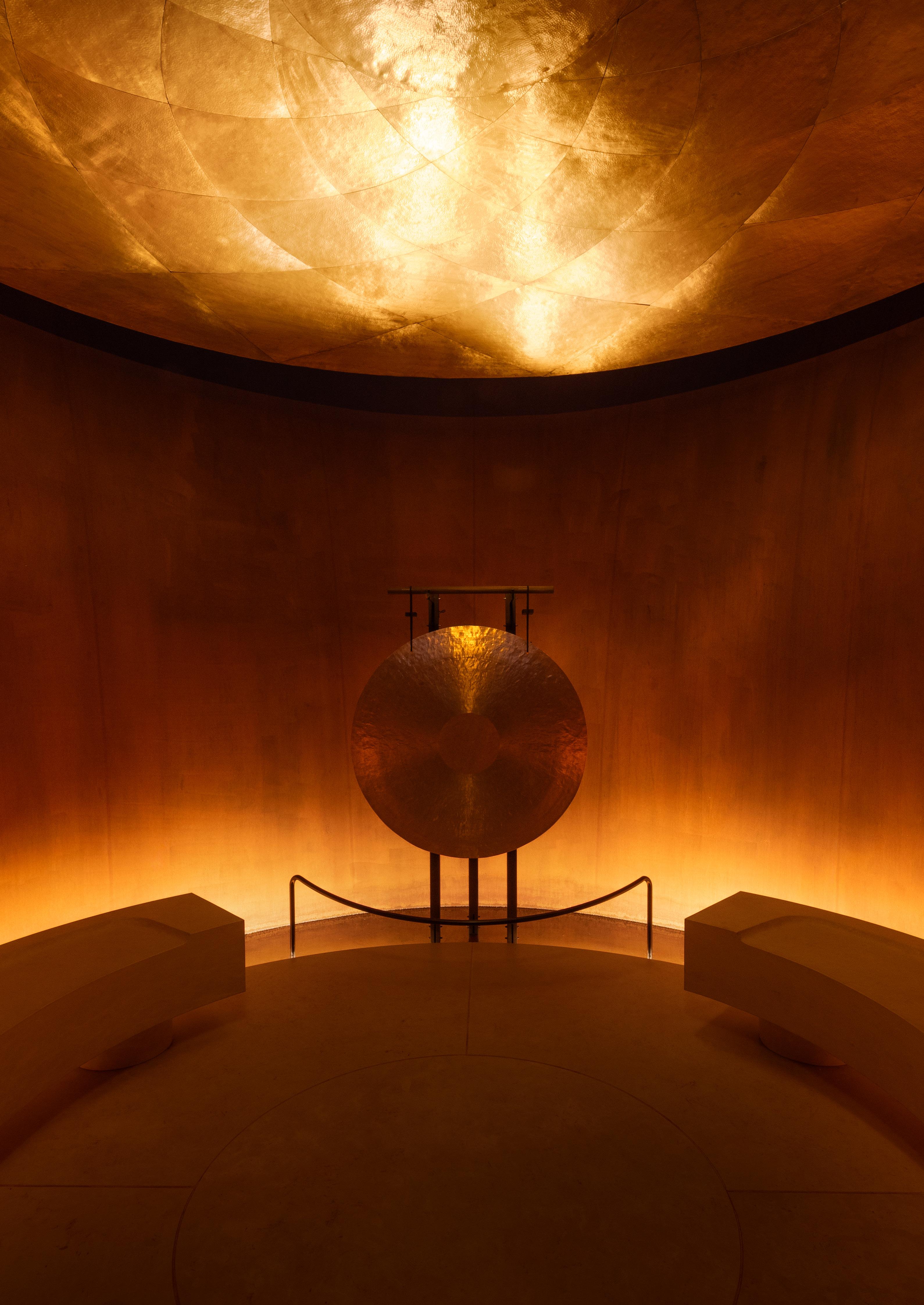
COVER: Doshi Retreat in Weil am Rhein, Germany, winner of a 2026 Darc Award in the low budget structures category. Lighting Design by Licht Kunst Licht
THE
STREET SMART APPROACH TO DATA CENTRES
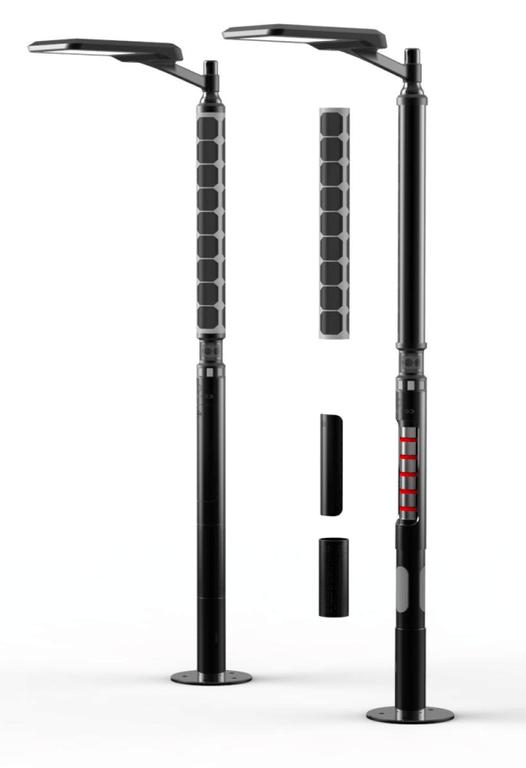
Street lighting has long been on the agenda for multiple-purpose use including connectivity for smart cities. The latest proposal from a UK green tech start-up firm is to use it to create micro data centres.
According to a BBC report, Warwickshirebased Conflow Power Group (CPG) is networking its solar-powered smart iLamp units to ‘double as a revenue-generating distributed AI data centre’. Scaled across thousands of units, says CPG chairman Edward Fitzpatrick, a network of iLamps would deliver the collective processing power of a data centre with the environmental benefit of not drawing energy from the grid.
Each iLamp has batteries charged by a cylindrical solar panel and a Nvidia AI processor. Each iLamp needs 80W to operate, but can supply 200-600W, which can be used to power the AI processors that draw 15W per unit.
‘Nvidia is the company that's created a small enough chip... so it can be powered by solar, and we can put that inside a street light,’ Fitzpatrick told the BBC's Tech Life programme.
The company, which operates on a technology licensing system, has signed a formal agreement with a Nigerian state to deploy 50,000 of them, and is in ‘advanced negotiations with several large companies and world governments to make this a reality,’ according to Fitzpatrick.
For the full report, and a discussion of pros and cons, go to: bbc.co.uk/news/articles/ c98r4e594p7o
For more details of Conflower Power Group and iLamps: http://conflowpower.com
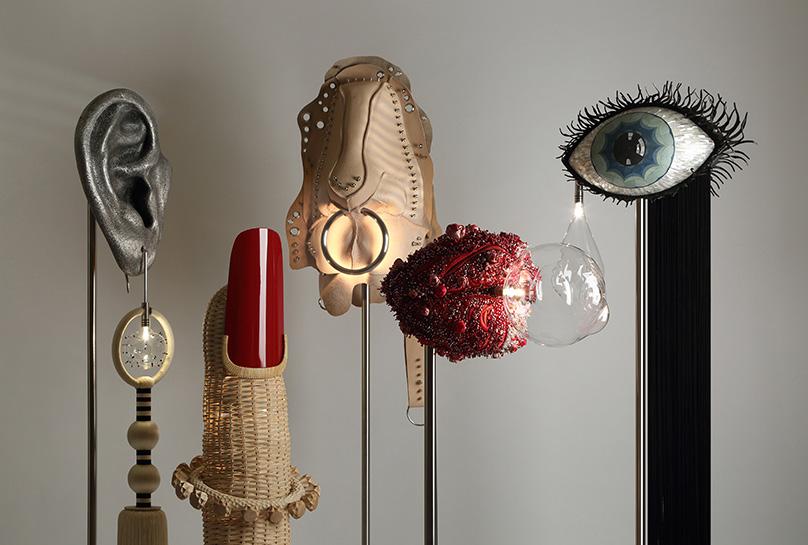
Presented by art and design network 5VIE at the recent Milan Design Week, Vessels of the Intangible by Richard Yasmine is a lighting collection that falls somewhere between art and design.
‘Rooted in a psychological Neo Ritual Baroque that is dramatic, tense and sensorial, the collection shifts from object to encounter, where what matters is not what is seen, but what is felt,’ says Yasmine.
Be that as it may, the light sculptures represent each of the five senses, crafted from materials that range from metal
and leather to wood, embroidery and glass. Rather than directly lighting the space, the light accentuates the objects themselves and the atmosphere they produce. The eye probably has it.
OBITUARY
Joe (John) Lynes FSLL, an influential and highly respected lighting figure, died in March at the age of 98.
A researcher, teacher and activist among other roles, he was awarded the Walsh-Weston Award in 1971, the Leon Gaster Award in 1982 and 1991, the CIBSE Lighting Division Award in 1992, the SLL President’s Medal in 2009 and an SLL honorary fellowship in 2016.
‘He was a gent and a delight to know over the course of my lighting life,’ said former SLL president Iain Macrae. ‘Even meeting him more recently he was sharp as a tack and fun with it. A true lighting legend.’
Peter Thorns, head of strategic lighting applications at Thorn, recalled a lecture he gave. ‘Joe walked in with a toilet ballcock and a GLS lamp nailed to a piece of wood. Two hours on daylight later, absolutely brilliant. A true gentleman, lighting legend and campaigning hero.’
Peter Phillipson, chair of the SLL events committee, conducted an in-depth series of interviews with Joe Lynes in 2020 and the recordings are available here: cibse.org/get-involved/societies/society-oflight-and-lighting-sll/knowledge-resources/ lighting-on-demand-webinars-pastpresentations/joe-lynes-interview/
The next IEEE Sustainable Smart Lighting World Conference (LS2026) will be held this December in Athens. It will be the 21st in a history that dates back to its inception at Loughborough University in 1975. ‘For more than 50 years, this symposium has adapted to every major shift in our industry – from the fundamental discharge physics of the 1970s to the solid-state revolution and the intelligent, human-centric systems of today,’ said Stuart Mucklejohn, secretary of the LS2026 international scientific committee. Themes will include AI, smart buildings and lighting control; human centric lighting, health and psychology, as well as sustainability, design and standards. https://ls2026.ece.ntua.gr/
ATHENS HOSTS NEXT LS2026
BIZARREBEIRUT
LIT FOR PURPOSE
‘Purposeful, human and inclusive’ – new president Carolina Florian Valbuena on light with intention and her intentions for lighting
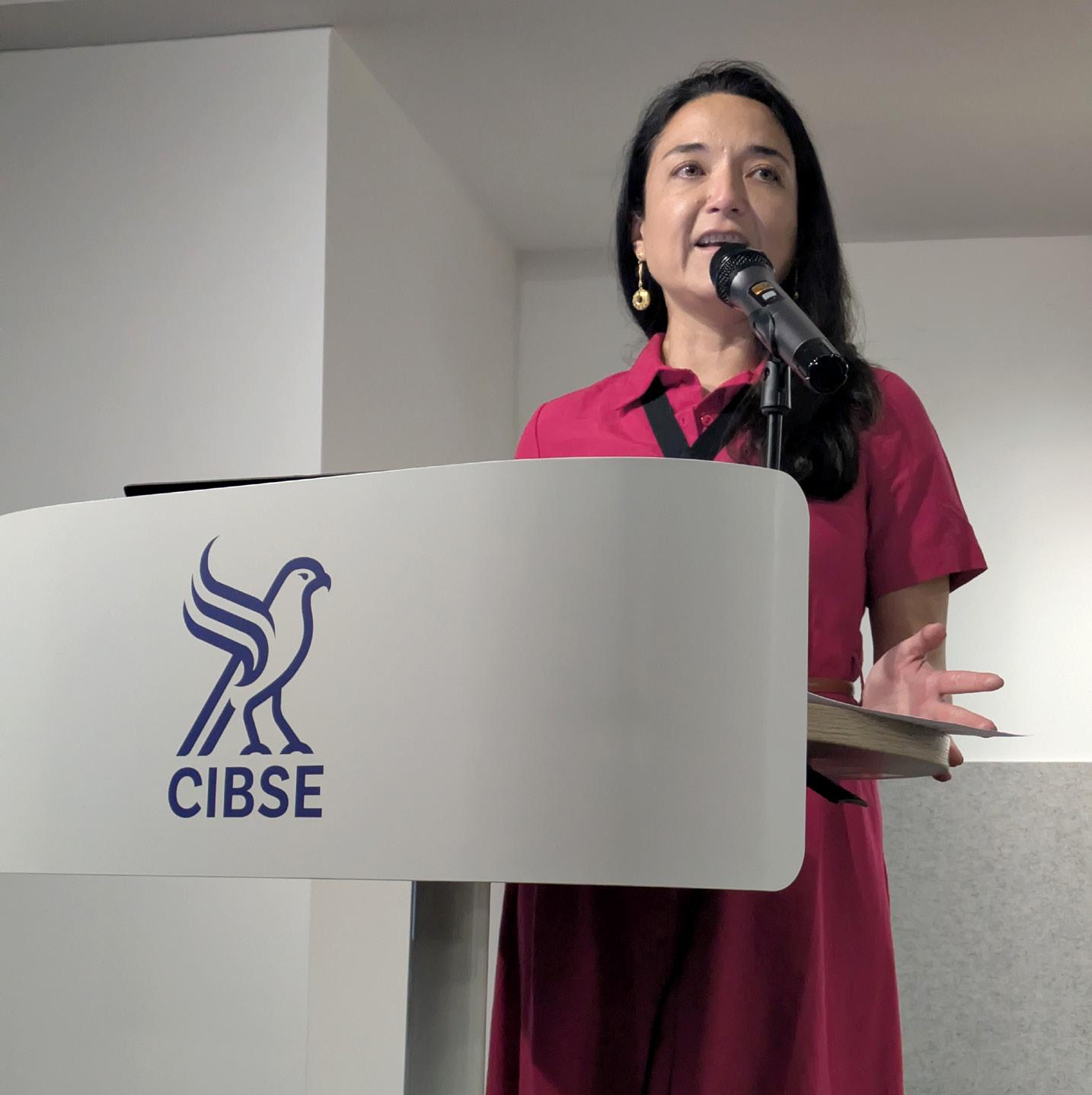
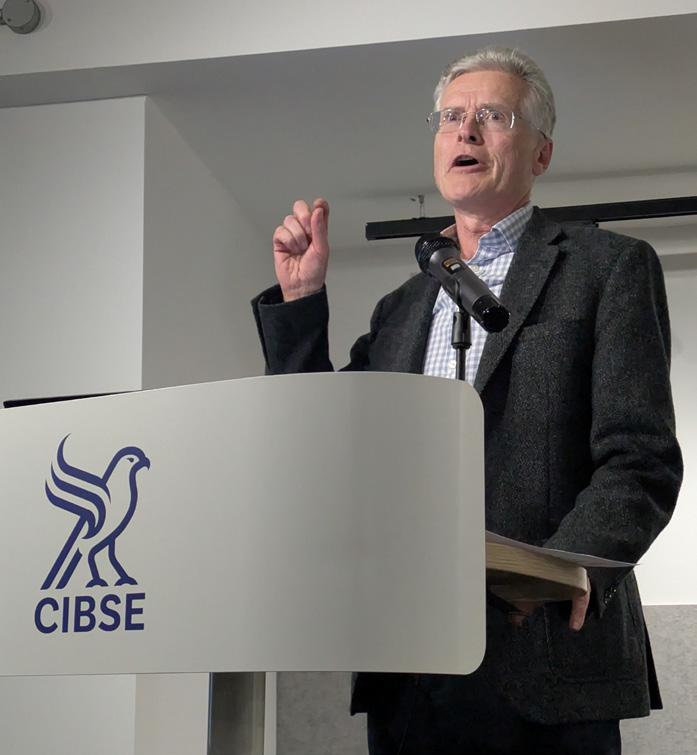
My theme is summarised in just three words: light with intention,’ said Carolina Florian in her presidential address. ‘For me the best lighting is the kind no one notices – purposeful, human and inclusive.’
Her presidency, she said, would be the same: ‘global in reach, grounded in people, and persistent about why our work matters.’
Her belief that great lighting should in a sense be invisible is borrowed, loosely, she said, from Coco Chanel. ‘Chanel once said: “Dress shabbily and they remember the dress; dress impeccably and they remember the woman”. In our case, if you notice or feel annoyed by the lights, then we have not done our job well.’
However, she added, despite lighting’s fundamental importance, lighting designers have allowed themselves to be taken as a ‘nice to have’ service, not just in design, but in most conversations around the built environment.
‘The discipline which shapes how every human being experiences every space they inhabit has permitted itself to be brought in late, consulted lightly and credited rarely,’ said Florian.
‘Most clients have opinions about lighting without understanding it well. Many architects make decisions about it without our input. Government sets policy influencing it without our expertise in the room. The public lives inside it without knowing how to get proper advice, especially when it is already affecting people’s health, physically and/or psychologically. That is a communication shortfall. And it is ours to fix.’
She said that what she wanted in her presidential year was not complicated, but it was demanding. ‘I want us to make this profession more visible to the people who should value it. I want the SLL to be more present in all the regions – not just in London, not just in the UK and
Ireland, but wherever ambitious work is being designed in light. And I want us to better reflect the people who work in light and lighting – embracing the full range of backgrounds, pathways, roles and perspectives within our discipline, while celebrating and communicating the depth of our collective expertise.’
She said that for years the profession had been saying that lighting designers are brought in too late – and yet it is still happening. ‘We are treated as specifiers when we should be creating experiences. We are called when the architecture is
fixed, the budget is already defined, and decision-makers want quick results.’
This was backwards, maintained Florian. ‘Light does not simply illuminate a space – light shapes the experience. It shapes perception, supports wellbeing, enables safety and drives socio-economic activation. It belongs at the beginning and every step of the process. And as long as we allow ourselves to be positioned otherwise, we are not only undervalued – we are underperforming on behalf of the people who will live and work in the spaces we help create.’
p ‘We are treated as specifiers when we should be creating experiences,' said Florian
The case to collaborators – to their colleagues in architecture and engineering – is simple, she contended: ‘lighting design is not a finish. It is not a fixture. It is infrastructure for human experience’.
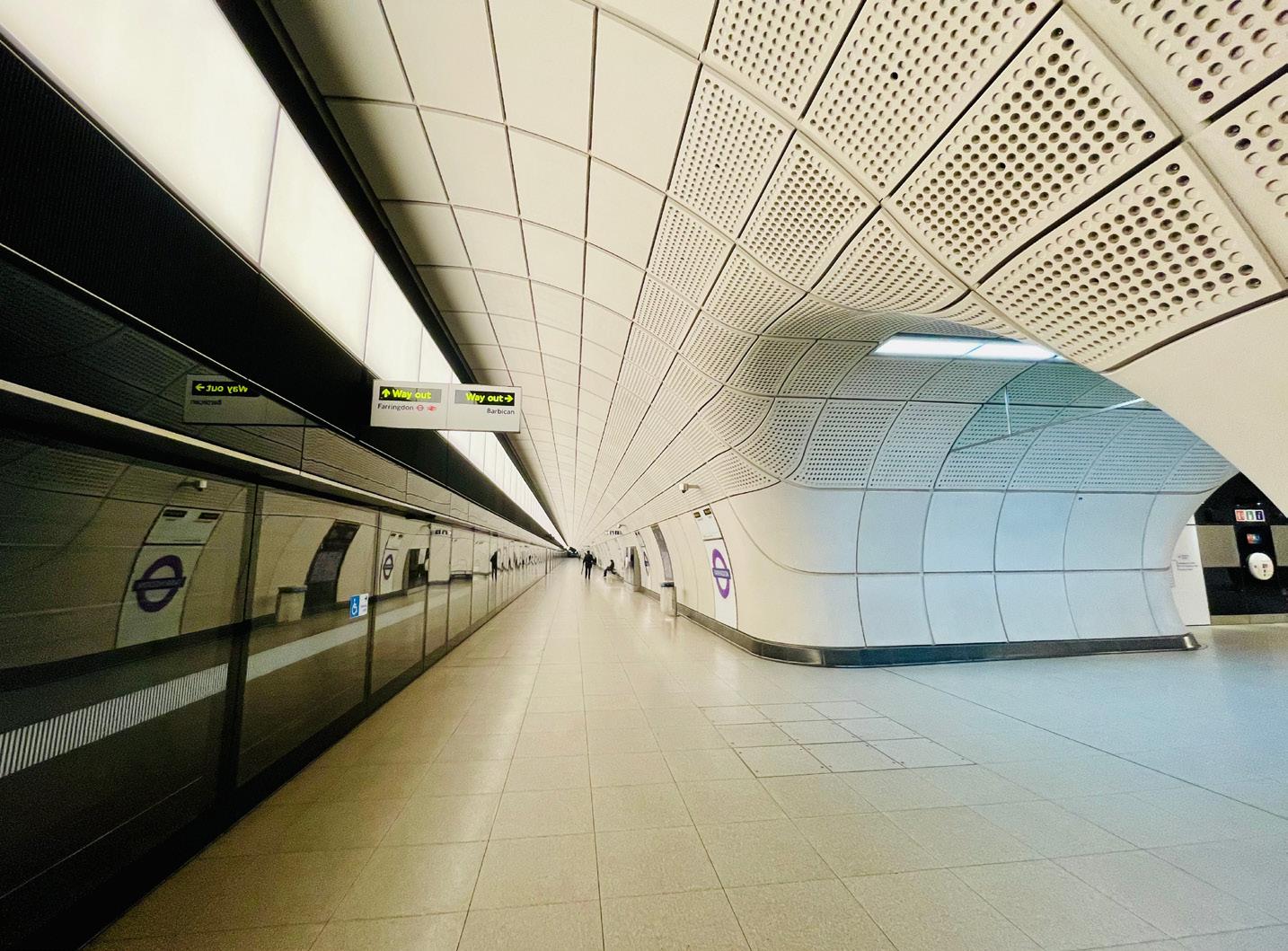
‘If you want to understand what that means in practice, stand on an Elizabeth line platform and notice that you feel calm. You do not know why. You do not think about it. The space works, and you move through it with ease. That is the product of many years of design decisions made early, embedded in the architecture. And that same logic applies to every home, every school, every office, every public space we build together.’
The case to government was different in form but equally urgent, said Florian. ‘Light pollution affects our health and the environment. Dark skies matter. Energy efficiency matters. Inclusive lighting is not a niche concern – it serves all of us and enables a significant proportion of every population in every city.
‘These are policy areas. And the SLL community – together with our partnerships across other organisations and academia – has technical expertise that should be at the forefront of informing those policies.’
The aim, she said, was therefore to be more present in planning consultations,
‘Lighting is not a fixture. It is infrastructure for human experience’
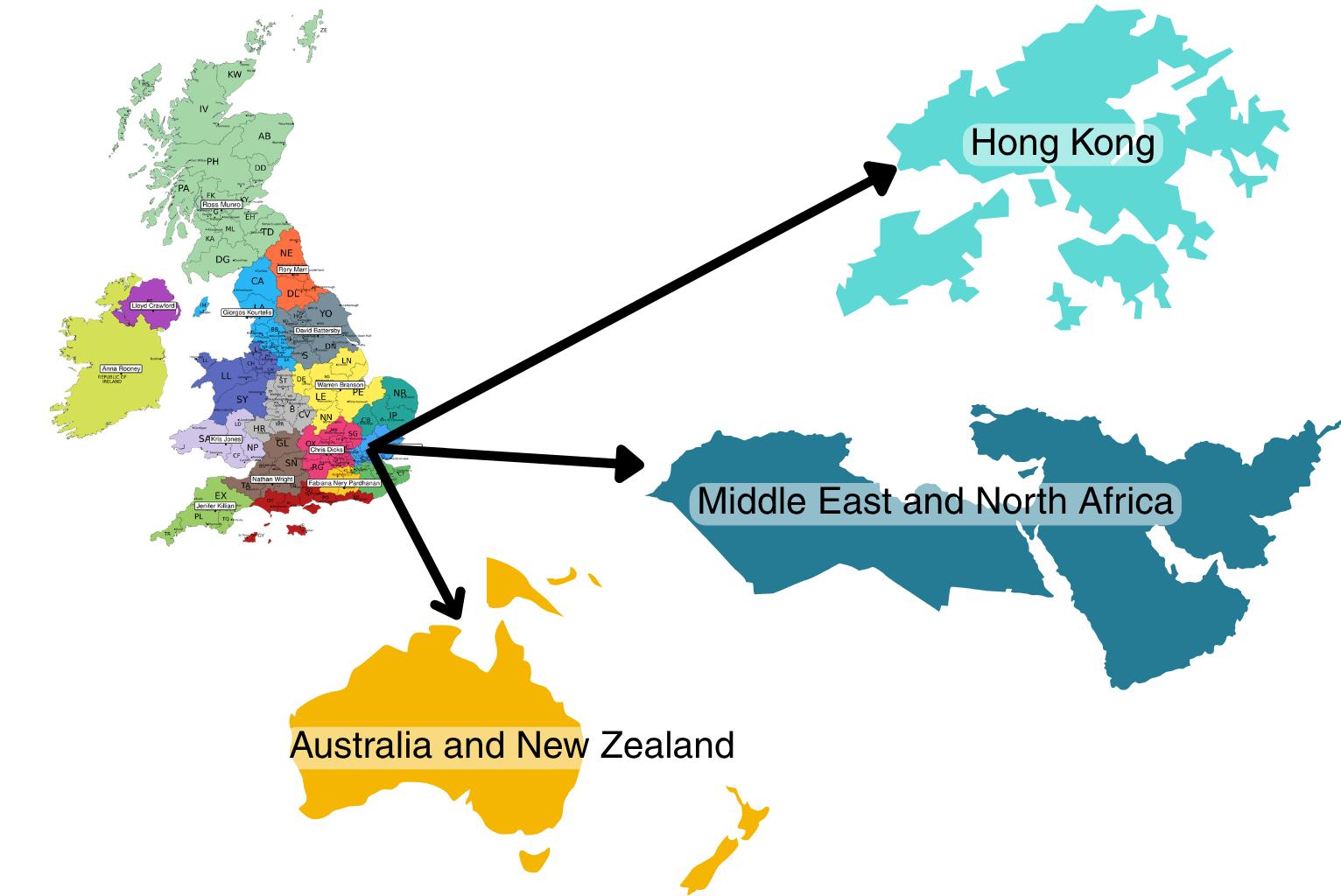
p CI BSE regions: ‘When I speak about making this society more global, I am not describing a vision. I am describing a direction we are already moving in’
in government advisory processes, and in the public submissions that shape how cities are built, ‘because we belong in these conversations’.
The case to the public was perhaps the longest game, she acknowledged, ‘but it may matter most’.
‘We shape how the built world feels
but most people cannot name what we do. That is a communication gap. And the SLL has a role in closing it – through education, through public-facing work, through raising the conversation above the level of trade publications and into the places where the public is.’
Her own teaching at UCL and in postgraduate courses in Colombia was one version of this, she said. ‘If you help shape how students understand light, you eventually influence how practitioners design it more consciously, and then how clients and project managers think about it more proactively, and then – slowly, cumulatively –the public values our positive impact more.
Florian said that she intended to work with all of the SLL committees to develop a coordinated advocacy initiative, whether that took the form of a public outreach programme, or a structured engagement with other lighting leaders and the wider construction industry. ‘The shape of it will be determined together. But my intention is firm – by the end of this presidential year, the case for good lighting design should be better understood, and better heard, than it was at the beginning of it.’
The SLL AGM took place on 14 May at CIBSE headquarters. For a full transcript of the speech, go to: cibse.org/get-involved/ societies/society-of-light-and-lightingsll/about/sll-presidential-addresses
p Elizabeth Line: an early project and profound influence. ‘It was the project that made me understand what this profession could be’
BACKGROUND
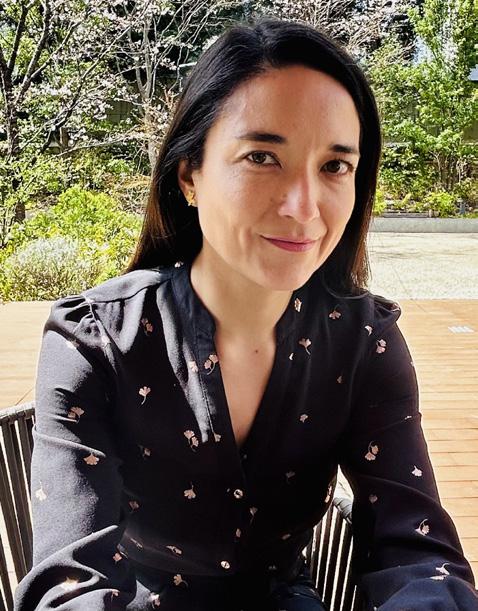
Born in Colombia, the first SLL president from outside the UK and Ireland, Carolina Florian Valbuena is currently lighting director of Qiddiya in Riyadh, Saudi Arabia, and visiting and associate lecturer at UCL.
'In Bogotá, in the afternoon, the light does something. I grew up inside it without quite understanding why – the specific warmth of a late afternoon at high altitude, the way it falls through open courtyards, the way the mountains hold the horizon differently there than anywhere else I have lived since.
Like many of us, I did not originally train as a lighting designer. I came through engineering and focused on buildings. I moved into infrastructure. Then toward urban design, masterplanning, placemaking and human experience. At the time, each pivot felt like a departure from a straight line. I understand now that they were the making of me as a practitioner. The non-linear route... gives you tools and experiences that the direct path cannot.
I am a chartered engineer and part of the CIBSE family since 2007 when I began my MSc at Brunel University. I’ve been a member of the SLL for more than 10 years after graduating from the MSc Light and Lighting at the Bartlett in UCL.
I have been in the UK for more than 20 years. I arrived with an engineering background and a curiosity about a profession I had not yet found. There was a period of recalibration. A new culture. A new language. Even a new sky to read. I am a combination of two very different places, which means more ways of reading a space, and more ways of asking what light is doing within it.
Early in my career I was part of the Atkins team working on Crossrail, alongside Arup and many other outstanding consultancy and architectural firms. After my MSc, I joined the Equation team working on the Elizabeth Line-wide design for Crossrail, Europe's largest infrastructure project. It was the project that made me understand what this profession could be.
Millions of people move through those spaces every year, and they feel something. They feel that the space is coherent, calm and easy to navigate. They feel oriented, without knowing why. The logic of human experience embedded in the architecture.
I spent nearly a decade on that project wearing different hats. But when it opened in May 2022, our ambition was simple: that nobody would notice the lighting at all. Not because it did not matter. But because it mattered so much it became "invisible". As a Londoner commuting regularly on the Elizabeth Line and seeing how it improves people’s lives, I came to understand, that this is what good lighting is.
I moved toward city-scale masterplanning and placemaking. Eventually, through my role as regional head of lighting at Buro Happold, I started focusing more on international work, the kind of projects where lighting is not applied to an experience but is constitutive of it. And then to Qiddiya, in Saudi Arabia, where I now sit on the other side of the brief entirely. Every step was a pivot – not away from something, but toward greater reach. Toward greater influence on how fundamental daylight and artificial lighting are in enabling people to live and move through the world.'
ON EXPANDING THE SLL’S GLOBAL REACH
‘Global expansion is not an ambition. It is already happening. Many of us are currently working on major projects internationally, across the MENA region, Asia, Australia, where some of the most ambitious urban design projects on earth are happening.
When I speak about making this society more global, I am not describing a vision. I am describing a direction we are already moving in, and that I believe this organisation should put even more energy into.
The SLL now has representatives in the MENA region, Hong Kong, Australia and New Zealand, carrying out exceptional work. Our community is growing there. All our regions are curious about raising their own standards, becoming more connected practitioners, and accessing the expertise and knowledge that the SLL has spent decades developing. I want to make that real.
We look forward to welcoming SLL representatives in Saudi Arabia in the coming year. Projects such as Expo 2030, Qiddiya, Diriyah, Sports Boulevard, AlUla and Red Sea are among the most ambitious lighting briefs being written anywhere in the world right now. We need a well-developed professional lighting institution that reflects where we are and better supports the development of the profession within the local context of these projects for the benefit of these communities.
‘Global in reach, grounded in people, and persistent about why our work matters’
This is not just about membership numbers. It is about ensuring that wherever significant work is happening – wherever people are making decisions about light in the built environment – there is a professional community present to raise the standard of those decisions, to share knowledge, to protect design integrity, and to remind practitioners that they belong to something larger than the isolated projects they are currently on. Light is universal. So, our profession should be too.’
WOMEN OF SUBSTANCE
Held for the first time at CIBSE's HQ, this year’s SLL AGM, Presidential Address and Awards featured a strong female presence at the top
For the first time the SLL AGM, Presidential Address and Awards were held on home ground at CIBSE’s HQ in London’s Saffron Hill, where the institution relocated from Balham in 2024.
The occasion reflected the growing role of women both in lighting generally and within the SLL itself. Immediate past president Kristina Allison transferred the reins to incoming president Carolina Florian, who thanked her for handing over the SLL in ‘such high spirits, with the outcomes of the Get Curious initiative continuing for years to come’.
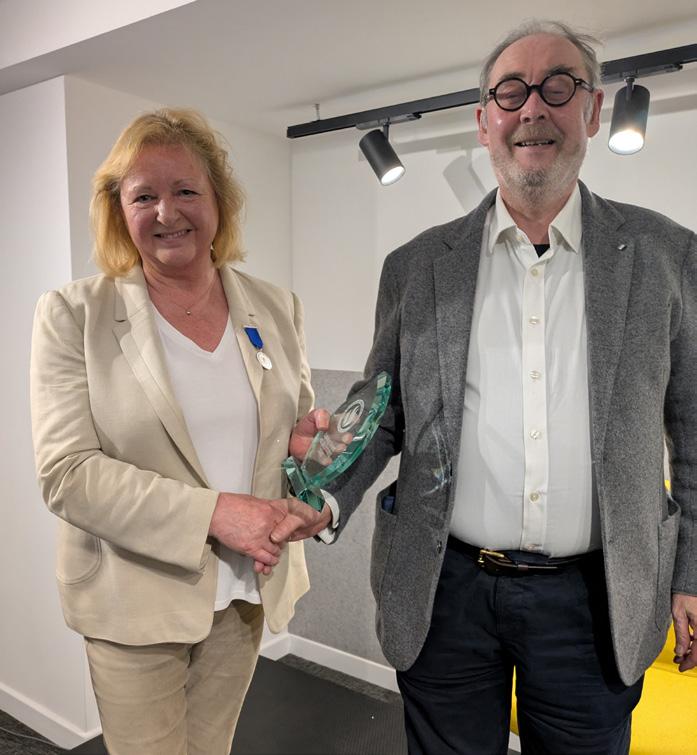
Former president Helen Loomes was the recipient of this year’s Lighting Award. ‘Helen’s work reflects a commitment to the integration of technical excellence with aesthetic and environmental considerations, making her a respected voice in the lighting community,’ said Mike Simpson in his citation, noting that the occasion marked the 25th year since he had met Loomes following the amalgamation of Concord Lighting and Marlin Lighting.
She left school ‘with a love of science and a realisation that art was a very wide discipline’, and joined Holophane in its laboratory. She studied illuminating engineering and lighting design at South Bank Polytechnic, ‘mentored by some of our industry greats: David Loe, Barrie Wilde, Bob Venning and Eric Maddock’.
She moved to Zumtobel and then to Concord, eventually joining Trilux in 2002 where she focused on the development and promotion of cutting-edge technologies, including energy-efficient systems and smart lighting solutions tailored to modern architectural and urban needs. ‘Her work showcased her ability to integrate advanced technology with aesthetic and environmental considerations, further
cementing her reputation as a forwardthinking leader in the industry,’ said Simpson.
As a fellow of the SLL she served as president from May 2023 to May 2024, when she was the driving force behind the SLL conference Illuminating The Future: Balancing
Light and Dark Nightscapes in 2025, reflecting her presidential ambition to develop crosstalk between practitioners and researchers. Her career spans various aspects of the lighting industry, including design, consultancy, and advocacy for sustainable and energy-
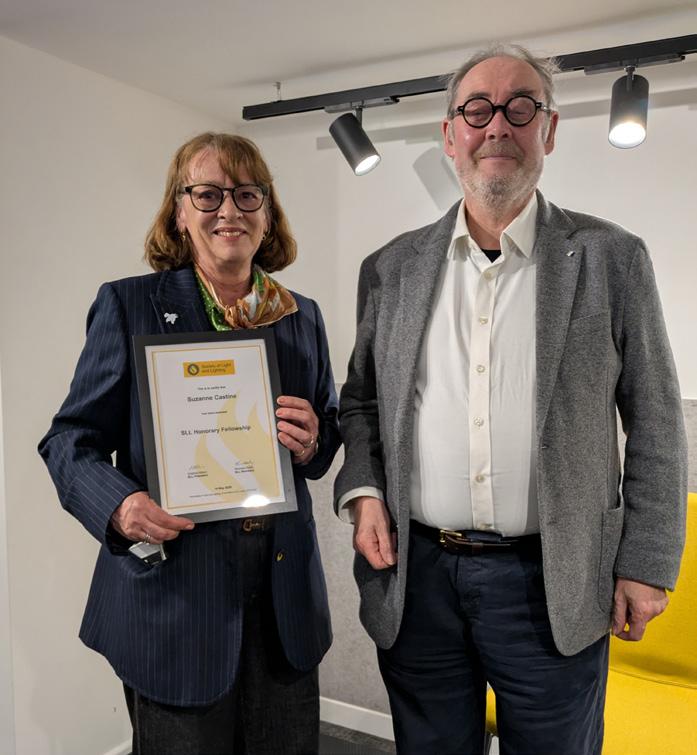
p Suzanne Castine: honorary fellowship
p Nigel Harvey: honorary fellowship
p John Aston: awarded the President’s Medal
p He len Loomes (with VP David Mooney): recipient of this year’s Lighting Award
efficient lighting solutions. She has also contributed to the professional development of others in the field through mentoring, speaking engagements and participation in industry events.
‘Her leadership and passion for lighting continue to inspire professionals and shape the future of the industry,’ said Simpson.
Honorary fellowships, given by the SLL in recognition of significant contribution not only of services to the society but to the wider lighting profession, were awarded to Nigel Harvey and Suzanne Castine, both of Recolight.
‘Someone often behind the scenes whose commitment, passion and trojan works allows others to shine,’ said Ray Molony of Suzanne Castine, marketing, PR and communications manager at Recolight for the past 16 years. ‘While others take the limelight on stage, it’s often Suzanne who’s organised the stage. And the limelight. And promoted the event,’ he added in his citation.
Castine was also pivotal in Recolight’s move in recent years from mere recycler of lamps and luminaires to sustainability advocate, educator and influencer,’ said Molony. She attended a Tech UK conference on the circular economy in 2019, and saw that this was the direction the industry needed to go in.
‘She understood early on that circularity was the future,’ said Molony. ‘It’s easy to forget that up to relatively recently, the circular economy was not really part of the lighting industry’s vocabulary or consciousness back then. She was key to the outreach programme that Recolight began at the time, including Circular Lighting Live.
‘Since 2019, the lighting industry has come a long way in terms of sustainability, and Suzanne is responsible for no small part of that,’ he concluded.
Nigel Harvey, CEO of Recolight, graduated from Cambridge University with a BA in biochemistry before studying international marketing. Since 1990, he has dedicated his career to the product compliance industry, holding a wide range of senior leadership roles spanning marketing, business development and operational management, including group business manager at the BSI.
He joined Recolight as chief executive and company secretary in 2009, ‘where he has played a pivotal role in shaping the organisation and the wider industry,’ said Simon Fisher in his citation.
‘Her leadership and passion for lighting continue to inspire professionals and shape the future of the industry’
manager of ECS. He was involved in creating new requirements for lighting for Part L 1995 and the accompanying Approved Document L guidance.
Harvey has served as chair of the WEEE Scheme Forum, the WEEE scheme compliance trade association, since 2011. He has also worked closely with the Joint Trade Association, supporting the development of WEEE compliance fee proposals adopted by Defra in seven of the past eight years. He became a director of EucoLight, the European WEEE trade association in 2015, and its VP in 2017. An active member of key BSI committees, he has contributed to the review of WEEE treatment standards and the development of a code of practice for the remanufacture of lighting equipment.
He was named Lux Magazine’s Person of the Year in 2012 and has been listed among the UK’s 100 most influential people in the waste and resources sector for three consecutive years.
‘Beyond compliance and recycling, Nigel has been instrumental in advancing sustainability and circular economy principles within the lighting sector,’ said Fisher. ‘He has championed the idea that recycling should be the final step after multiple stages of reuse.’
Harvey is also proud to acknowledge that, always wearing a tie, he has been arrested no less than six times at Extinction Rebellion rallies and charged in four of those cases. ‘It is both a privilege and a pleasure to deliver this citation,’ concluded Fisher.
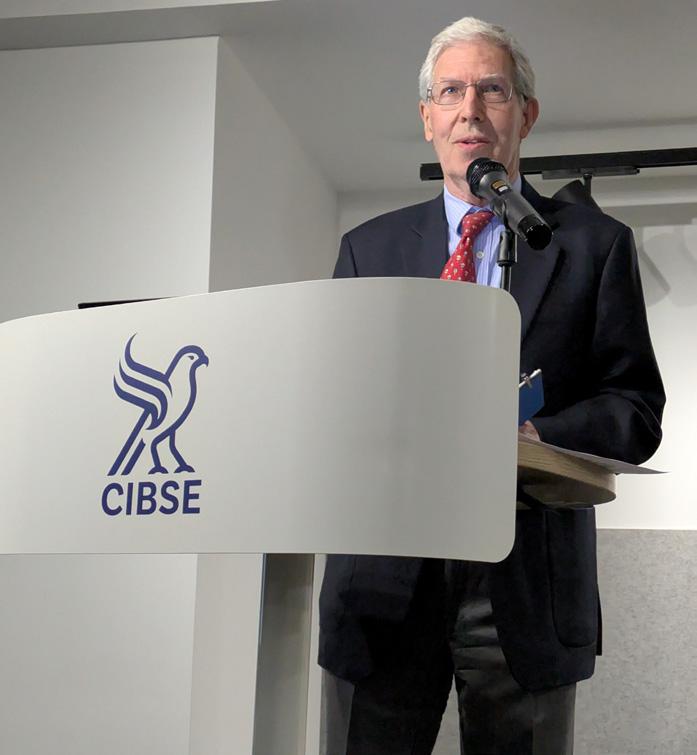
The President’s Medal was first awarded to Joe Lynes in 2009 and recognises a significant lifetime contribution to lighting. This year's recipient was SLL past president John Aston FSLL.
Aston's working life began in the design division of EMI Electronics. ‘He then took an unusual and I believe unique career path for a past president of the society, working for what was then Her Majesty’s Customs and Excise, learning the arts and maths of internal audit,’ said Dr Hywel Davies in his citation.
After six ‘taxing’ years he returned to the electrical and lighting industry at ECS, later part of Whitecroft and subsequently Philips Lighting. He undertook marketing, market research and competitor analysis roles, as well as production and cost control.
In 1991 he became business development
Both lighting efficacy and the need for lighting controls featured for the first time, as did the society’s Code for Lighting as a recognised means of compliance. He chaired the LIF committee that helped then DoE officials to draft the relevant parts of that guidance, remaining involved for the rest of his career at ECS/Phillips, which acquired the company in 1999. He was also instrumental in producing the later CIBSE Commissioning Code for Lighting Controls.
At Philips, he led on sustainability aspects of lighting controls, and after retiring, he worked with the Carbon Trust on the Energy Technology List for the Enhanced Capital Allowances scheme. He also worked with the SLL to develop guidance and training in sustainable lighting, and on the IYL.
Following his presidency in 2014 he has been actively involved in and subsequently chaired both the membership committee and CIBSE's CPD Panel, playing a leading role in the alignment of membership requirements with CEng.
As usual there were two awards for published papers in Lighting Research and Technology Journal. The Leon Gaster Award was given to Cosmin Ticleanu, Lorna FloresVilla, Paul Littlefair and Gareth Howlett for the paper ‘Assessing melanopic equivalent daylight illuminance in office spaces using a simplified approach for predominantly cloudy climates’ [Lighting Research and Technology 2025; 57(6-7): 522-542].
The Walsh Weston Award went to Christophe Martinsons and Nicolas Picard, for the paper ‘Untangling light in noisy luminous environments’ [Lighting Research and Technology 2025; 57(4-5): 320-322].
The Regional Award, presented in recognition of the work undertaken by an individual on behalf of the society in the regions, was presented to Ross Munro MSLL, regional lighting representative for Scotland.
Finally, the recipient of the 2025 Jean Heap Bursary Award, Nicholas Whitton, gave an update on his research project, ‘The effects of near infrared on sleep outcomes via mitochondrial pathways: A comparative study on the impact of near infrared exposure on human performance, sleep metrics and circadian responses in workplace settings’.
SHAPING LIFE AND LIGHT
This year’s Daylight Award laureates explore both micro and macro environments
The winners of the Daylight Award 2026, announced in May on the Unesco International Day of Light, draw attention to daylight as a force that shapes life at very different scales, from microscopic ecosystems to everyday architecture.
The two categories of award, scientific research and architectural design, both recognise the quality of daylight with the aim of directing knowledge, based on research at the highest level, to the benefit of architectural thinking and practice.
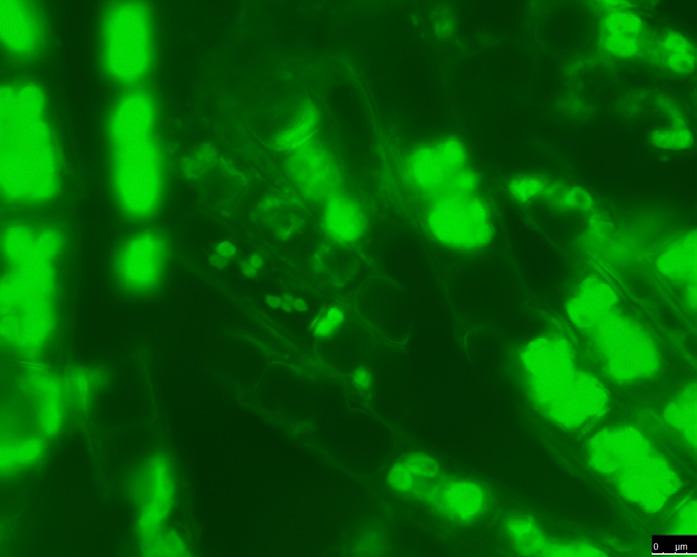
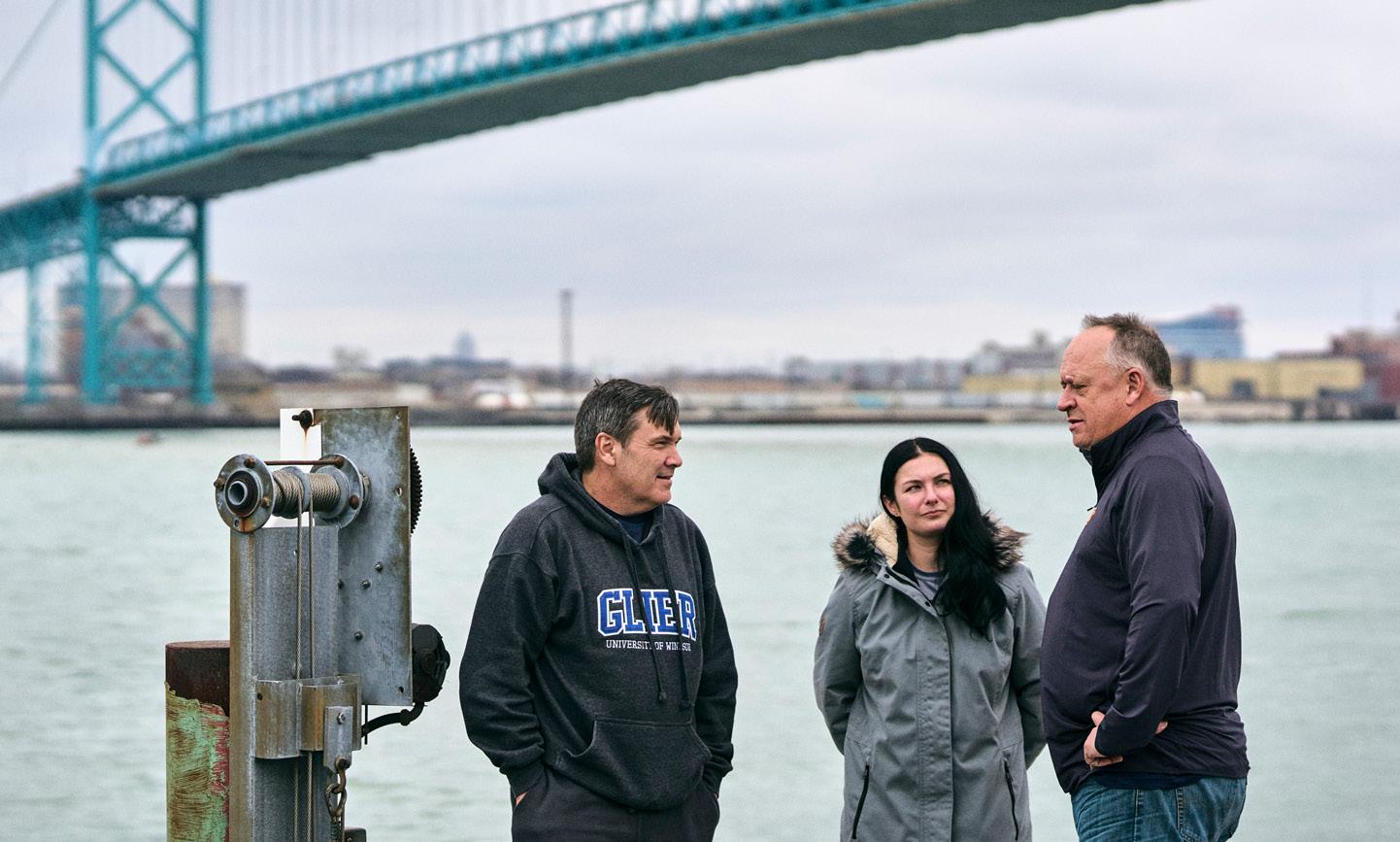
Biologists Brittany N Zepernick, Steven W Wilhelm and R Michael McKay were recognised for their research into aquatic microorganisms ‘with major implications for planetary health and biodiversity’. Their study into the waters of the Great Lakes and beyond, shows how changing light conditions coincident with climate warming alter the lives of microscopic organisms that sustain our ecosystems.
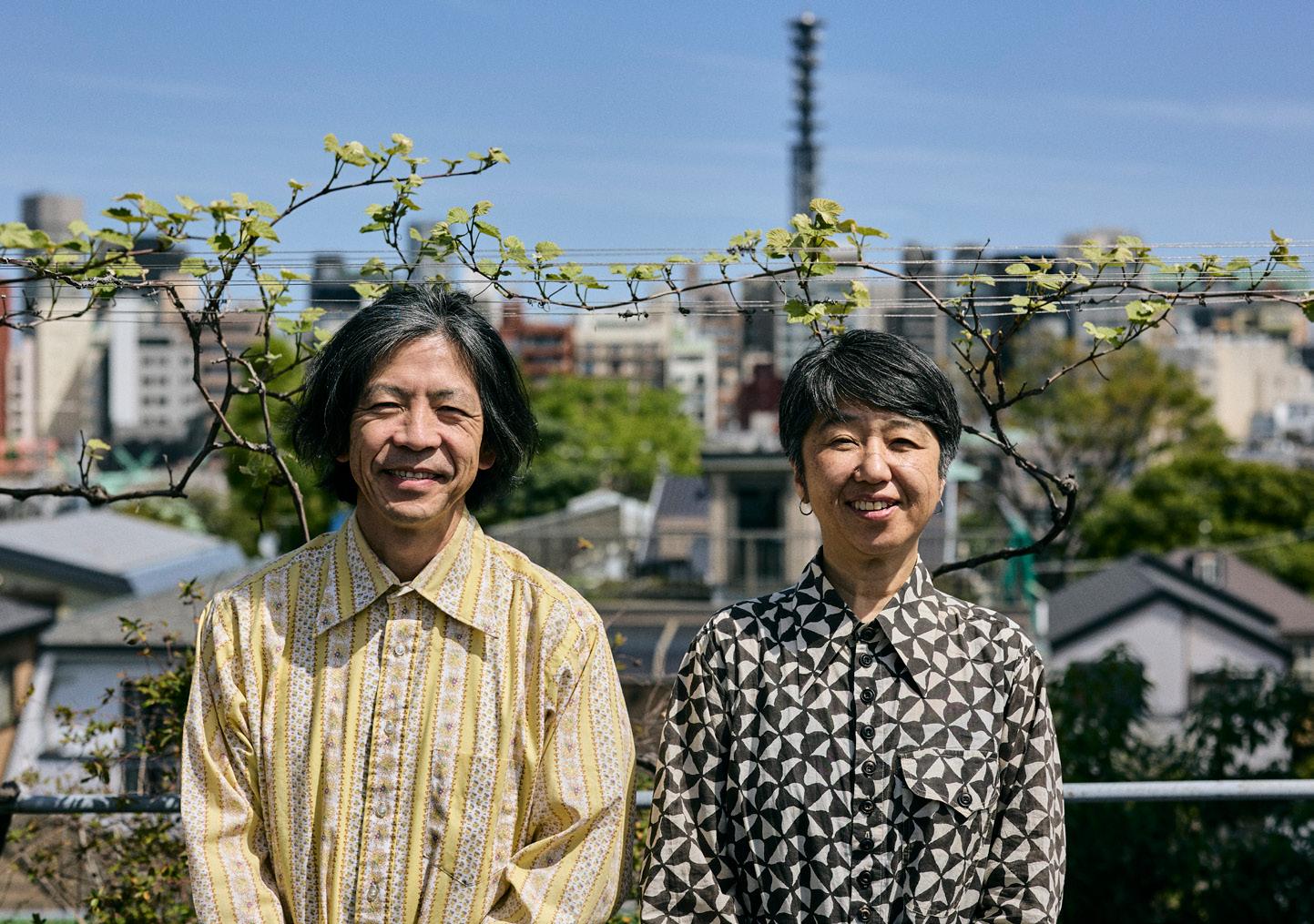
In the macroscopic sphere of cities and buildings, the architectural prize honoured architects Momoyo Kaijima and Yoshiharu Tsukamoto of Japanese practice Atelier Bow-Wow for showing how daylight shapes shared spaces and daily life, showing how windows, reflections, shadow and shade become instruments that shape how people live together.
‘Zepernick, Wilhelm and McKay reveal how daylight governs aquatic life, from the light beneath winter ice to the rhythms of microbes that follow the sun,’ said the judges. ‘Kaijima and Tsukamoto show how architecture can make light observable, inhabitable and social, even where space is narrow, resources are limited and the city presses close.’
THE DAYLIGHT AWARD FOR RESEARCH: INVISIBLE LIFE SHAPING ECOSYSTEMS
Zepernick, Wilhelm and McKay have produced key insights into the role of daylight in photosynthetic algae in a changing climate, ‘making a changing underwater light world visible’.
Through daylight, photosynthetic algae sustain most life on Earth. Using sunlight, water and carbon dioxide in the process of photosynthesis, algae create chemical energy and release oxygen. They are fundamental to ecosystems, generating vast amounts of atmospheric oxygen, supporting aquatic food webs, controlling nutrient cycles, sequestering carbon dioxide, providing essential habitats and influencing water quality.
As climate change reduces ice cover across northern temperate lakes, wind and water movement can stir sediment and increase
turbidity, limiting the daylight that reaches microscopic life within the water. What may appear to be a simple loss of winter ice is therefore also a loss of habitat.
Using combined complementary skills, the researchers have studied how different communities of light-harvesting algae adapt to exploit spectra of light that penetrate deeper in cold, turbid waters. While this highlights ecosystem resiliency in the face of human-made change, it may also hold unexpected implications for food webs reliant on winter productivity.
The work of Zepernick, Wilhelm and McKay invites broader public narratives about daylight, said the citation. Winter is not a dormant season in the lake, microbes have daily rhythms and their work suggests more than one way to use daylight. Their efforts connect climate, water quality, public health and planetary life, from the smallest organisms to entire food webs.
p R Michael McKay, Brittany N Zepernick, Steven W Wilhelm: their research into aquatic microorganisms has ‘major implications for planetary health and biodiversity’
‘With large-scale climatic changes already underway, their work also helps explain how these organisms may fare in a climatically altered tomorrow, with major implications for planetary health and biodiversity.’
ALGAE IN DEPTH
One area of the team's research has shown that warmer water temperatures favour cyanobacteria (blue-green algae), which can be toxic, over other, more beneficial types of algae (for example, diatoms). This leads to more frequent, severe, and longer-lasting cyanobacterial harmful algal blooms (CyanoHABs).
Such blooms have multiple impacts including oxygen depletion in aquatic environments resulting from the decomposition of CyanoHABs, creating 'dead zones' just below the water's surface, which block sunlight from reaching submerged plants and algae crucial for the food web.
In addition, the toxins in CyanoHABs are directly harmful to humans, pets and livestock. When they enter the food chain, they harm whole ecosystems, affecting invertebrates, fish and birds. Most recently the team has used cutting-edge methods to understand how the loss of ice cover has led to a decline in diatom populations due to the diminished capacity to undertake photosynthesis. Normally, diatoms stick to the underside of ice, fixing their location within the light environment to optimise photosynthesis.
Climate change has led to a widespread decline in ice across the Great Lakes. In the absence of ice, water currents move the diatoms away from the surface and make the water more turbid. In response to this loss of daylight, diatoms have increased their expression of various photosynthetic genes and iron transporters, suggesting that the diatoms are attempting to increase their capacity for photosynthesis.
p
THE DAYLIGHT AWARD FOR ARCHITECTURE: MOMOYO KAIJIMA AND YOSHIHARU TSUKAMOTO, ATELIER BOW-WOW, TOKYO
Kaijima and Tsukamoto founded Atelier Bow-Wow in 1992 and now run it together with their partner Yoichi Tamai.
The duo use the term ‘architectural behaviourology’ to describe key themes in their work. Their concerns include daylight and windows, the interplay of architecture and natural forces, and the interaction between buildings and people.
Natural light is not only an aesthetic feature, it is ‘a research variable, a cultural signal and a social catalyst’. Their architecture is not unlimited glass nor spectacular openness, says the citation, ‘it is the careful discovery of daylight under constraint’. In dense cities, they show that good daylight may arrive indirectly, through reflection, borrowed sky, filtered eaves, narrow gaps, seasonal courtyards, and windows that respond to their surroundings.
Their projects include mediumsized and smaller buildings for everyday use, among them residential buildings, offices, kindergartens, gallery spaces, research buildings, workshops and ad hoc architecture. ‘Their innovative, thoughtful and highly varied work is often articulated through an inventive integration of daylight
as a defining architectural element.’
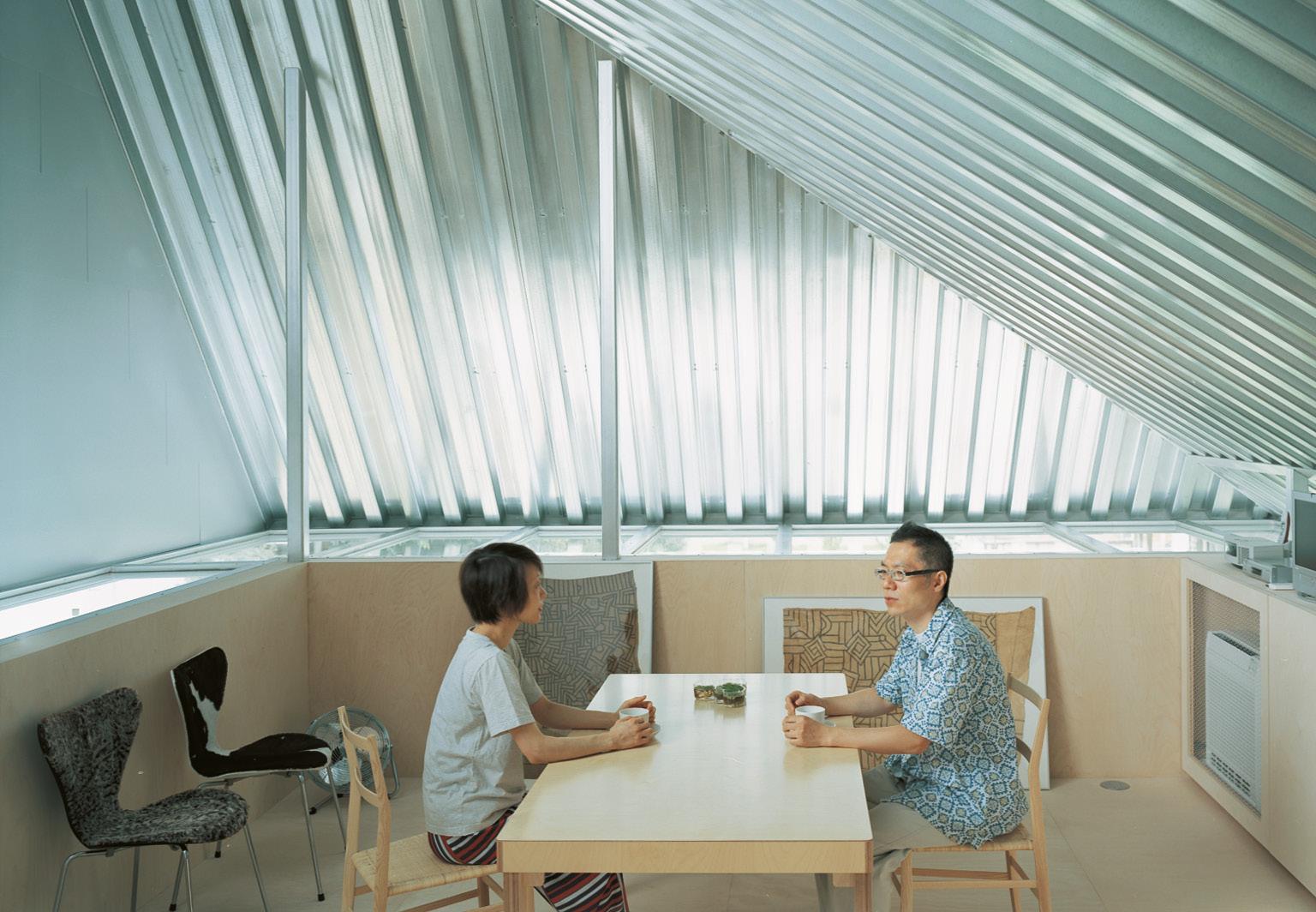
One example is the early GAE House in Tokyo (2003), a single-family home in a densely populated urban environment. It introduces a new approach to openings by incorporating the traditional eaves of the pitched roof into the building volume, glazing them horizontally, capturing the reflected daylight from the surroundings,
‘Zepernick, Wilhelm and McKay reveal how daylight governs aquatic life, from the light beneath winter ice to the rhythms of microbes that follow the sun’
Momoyo Kaijima and Yoshiharu Tsukamoto, Atelier Bow-Wow
‘Kaijima and Tsukamoto show how architecture can make light observable, inhabitable and social, even where space is narrow, resources are limited and the city presses close’
which is guided into the room along the metal roof underside.
In the Rue Rebière low-cost housing project in Paris (2012), the rigid arrangement of traditional double-leaf French windows is subtly contrasted with balconies of varying widths and depths. ‘Using inexpensive means, a play of daylight and shadow was achieved, along with an attractive facade and added value for the residents.’
The work of Kaijima and Tsukamoto is not defined ‘by imposing scale, elaborate detailing or an unmistakable design language’, said the citation. ‘Rather, it is defined by empathy for the vernacular, attention to particular locations and specific tasks, commitment to existing structures, and inventive and skilful use of architectural means. The essential factor is the use of buildings, their vital relationship with daylight and weather, and their connection with inhabitants.’
The Daylight Award is presented by the Daylight Academy (DLA), an international membership organisation that brings together scientists from all backgrounds, as well as architects, engineers and other professionals who are involved in daylight research or have a strong interest in daylight related topics. The award honours and supports research in the scientific understanding of daylight and its significance for health, wellbeing and a balanced ecosystem, as well as its experiential and mental value in architectural design. The intention is to underline the collaboration of disciplines that are usually considered as separate professional realms of expertise. It aims to create an integrated understanding of daylight in human life and the wider ecosystem, and to strengthen its positive impact. https://thedaylightaward.com/ award/
p Rue Rebière low-cost housing in Paris: traditional double-leaf French windows are subtly contrasted with balconies of varying widths and depths, achieving ‘a play of daylight and shadow’
p The GAE House, Tokyo: the traditional eaves of the pitched roof are incorporated into the building and glazed horizontally, capturing reflected daylight
TIMELY ASSISTANCE
SLL and CIBSE past president Kevin Kelly explains the essential role of the CIBSE Benevolent Fund, of which he is chair, and how SLL members can help
For those who are not aware of its existence, or whom it benefits, the CIBSE Benevolent Fund offers support to members, former members and their dependents experiencing significant need, hardship or distress. It offers grants – one-off or regular payments – to those who might be impacted by illness, bereavement or financial hardship.
‘There are two reasons that all SLL members should be aware of us, says Kevin Kelly, chair of the CIBSE Benevolent Fund Trust. ‘First, they may become aware of an SLL member or former member who has hit hard times or has passed away suddenly without provision made for dependents.
‘Secondly, we depend a lot on the voluntary annual £10 contribution made by so many members. Nonetheless, many members are not aware of this when renewing their applications. We would like to rectify this.’
Among the beneficiaries are dependents of deceased SLL members and others in need. ‘Details of our beneficiaries must always remain confidential. However, I can say that we have beneficiaries in most regions and from a wide variety of members and their dependents. You never know what life might throw at you.’
Current or former members, or their dependents, who paid subscriptions for at least three years can apply for funds. Application can be made by contacting regional committees, societies or CIBSE directly.
Any enquiry or request is followed up as promptly as possible, says Kelly, usually by himself to ensure that he understands the issue. A local almoner then makes contact in person and can help the applicant fill in a claim form. ‘We give claimants a sympathetic hearing,’ says Kelly. ‘Sometimes it is advice that is needed, but often it is financial help that is provided.’
There is one almoner in each CIBSE region, appointed by the regional chair and fund chair. They act as a liaison between each region and trustees, and are the main contact for members needing assistance in their region. There are currently 10 trustees, some of whom have been nominated by the CIBSE Board and others who are almoners.
They meet quarterly and are expected to liaise with each client in their region before each meeting, so they can give an update on cases. Some regions have up to three clients, while others may have less.
Discretion and confidentiality are paramount with only the chair and almoner knowing the person’s name. Payments are made through bank transfer, so these details of the beneficiary are held confidentially by CIBSE Finance. ‘Beneficiaries’ identities are never disclosed online or at management meetings, where decisions are made,’ he says. ‘We have high ethical standards when it comes to protecting the anonymity of beneficiaries.’
Income comes from four main sources. The first is a voluntary £10 contribution from members when they renew their subscriptions – currently around 25 per cent of members make this payment.
There are also returns from investments and contributions from CIBSE regions, which can come from donations at events or sponsorship from events. Further support comes from voluntary one-off contributions from members, which may come through legacy donations and includes members donating their interview fees.
Kelly would particularly like to see an
increase in contributions from members at the subscription renewal stage.
‘I would really encourage members to consider adding the £10 contribution at renewal time,’ he says. ‘It really can make a difference to members if they find themselves in changed circumstances, and we are grateful for each and every donation.’
He would also like members’ help in identifying individuals in need of assistance.
‘I would urge people to be aware of any member who may be in distress and could benefit from the assistance of the fund. Encourage them to get in touch to see if we can be of help.’
MORE INFORMATION
• www.cibse.org/about-cibse/ benevolent-fund/
• Watch the video on the Benevolent Fund page or YouTube: www.cibse.org/about-cibse/ benevolent-fund/ www.youtube.com/ watch?v=Lz3RytHpQ3s&t=4s
GETTING IN TOUCH
• For more on the fund, or to contact an almoner: bit.ly/CJBENF25
• Contact Kevin Kelly directly: kevintkelly54@gmail.com
• Contact the fund directly: www.cibse.org/aboutcibse/benevolent-fund/
• Contact CIBSE, regional committees or regional almoner (see fund website above)
‘I would really encourage members to consider adding the £10 contribution at renewal time’
RULES OF THE ROAD
Iain Carlile focuses on street lighting – and the need for guidance revision – the subject of three of the latest papers published by Lighting Research and Technology
While CIE 115:2010 provides guidance on road lighting design, feeding into the national standards of many countries, Fotios notes in his paper that there is a growing awareness that the document requires amendment.
For instance, it does not reveal the evidence used to determine recommended lighting conditions, nor the reasons for factors and weightings used to establish lighting class. These limitations are recognised by the CIE and the guidance is therefore subject to both rapid and long-term revisions.
One of the aims of the rapid revision is to provide an empirical basis for guidance based on what is already known. For P class situations, where pedestrians are the target users, it is suggested that a pedestrian’s feeling of safety is a suitable basis for defining optimal lighting conditions.
Fotios’s paper investigates the relationship between measures of pedestrian reassurance (including after-dark evaluations, and the difference between daylight and after-dark evaluations) and conventional measures of
lighting for a P class route (mean, minimum and uniformity of horizontal illuminance).
The analysis was based on results from previous field studies. Fotios identifies that daydark difference provides a better association with average illuminance (rather than minimum illuminance or uniformity measures). Segmented regression suggested an optimum average horizontal illuminance of 8.76 lux which, fitting into existing P classes, could be rounded down to a P3 class of 7.5 lux.
Muzet, Greffier and Mrad present two review papers examining the factors that influence the reflection properties of roads. The authors note that luminance-based design is the best solution to providing appropriate amounts of light to surfaces, but that the road surface reflection properties needed are often unknown.
The papers present current understanding of road surface reflection properties. The first focuses on internal factors (family and nature of road surface, composition, type of aggregates, binders used, surface treatments) and the second paper on the external factors (age, traffic, climatic conditions) that may influence
them for road lighting applications.
Where internal factors are concerned, trends are evident according to the family of road surface, however, it is difficult to establish universal rules due to the wide variety of factors, their interactions, or the extent to which they have been studied.
The authors note that there is an international consensus on the need to revise the CIE r-tables (representing reflection properties of road surfaces) and make recommendations for carrying out research in a unified manner to achieve this.
In the review of external factors, the authors illustrate the evolving nature of road surface reflection properties over time, and conclude that a two-year wait after installation is required to best characterise this, especially for bitumen roads with no initial surface treatment.
Taking an overall integrated approach to urban development, the authors say that road surfaces and their optical properties also have an impact during the day, affecting urban climatology because of the differences in the spectral reflectance of the materials used. They therefore also identify the need for crossdisciplinary research.
Iain Carlile, FSLL, is a past president of the SLL and managing senior associate at dpa lighting consultants
Lighting Research and Technology: OnlineFirst In advance of being published in the print version of Lighting Research and Technology (LR&T), all papers accepted for publishing are available online. SLL members can access these papers on the SLL website (www.sll.org.uk)
Using segmented regression to estimate the optimal illuminance for pedestrian reassurance
S Fotios
Review on factors influencing the light reflection properties of road surfaces –
Part 1: Internal factors
V Muzet, F Greffier and H Mrad
Review on factors influencing the light reflection properties of road surfaces –
Part 2: External factors
V Muzet, F Greffier and H Mrad
p Di fferent road surfaces (clockwise from top left): asphalt concrete, mastic asphalt, surface dressing, natural stone, concrete paving blocks, poured cement concrete
TO GOOD EFFECT
Lee Barker-Field focuses on exemplars of experiential controls
Perhaps my affinity with projects that include elegant engineering solutions focusing on human and environmental interactions leads me to feel that the key to the success of many installations is experiential controls. Not less-is-always-more controls, but ones that enhance experiences through skilled optimisation of effects.
Visual controls shape and amplify great space and installation experiences, requiring much more that just the technical design of digital control systems, itself no simple task. Considerations for successful experiential controls are really broad, including not least, psychological, environmental and cultural factors.
The following projects are some of my favourites, showcasing the breadth of design considerations and project delivery challenges involved in realising successful experiential controls in lighting, architecture and art.
Lee Barker-Field is a vice-president of the SLL, and head of lighting, director buildings and places, at Aecom Lighting
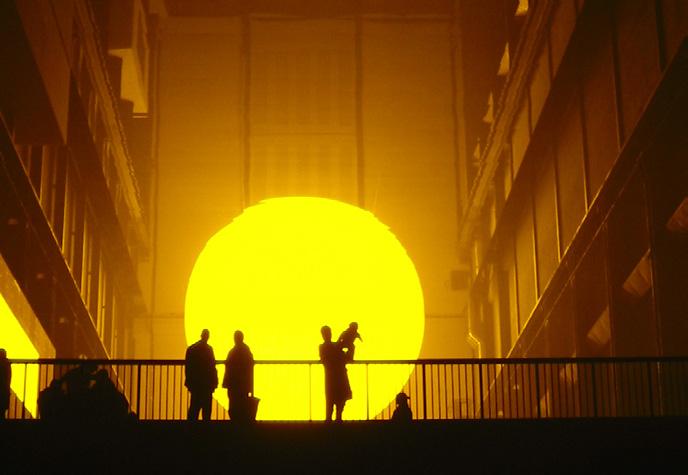
The Weather Project, Tate Modern, London, UK, 2003-4 I knew this Olafur Eliasson installation would be talked about for years and wanted my baby daughter Sophie to have a memory of it. We are on the bridge. Using countless low-pressure sodium lamps, a misty haze and mirror-covered ceiling, a massive glowing 'sun' was conjured, bathing the room in monochromatic yellow light. In mid-winter people lay around on the cold concrete floor. I don’t know if the monochromatic light made people lethargic or whether the 'sun' created an indoor beach chill-out atmosphere. Either way, the impact of such visually striking and precisely controlled light was profound and powerful.
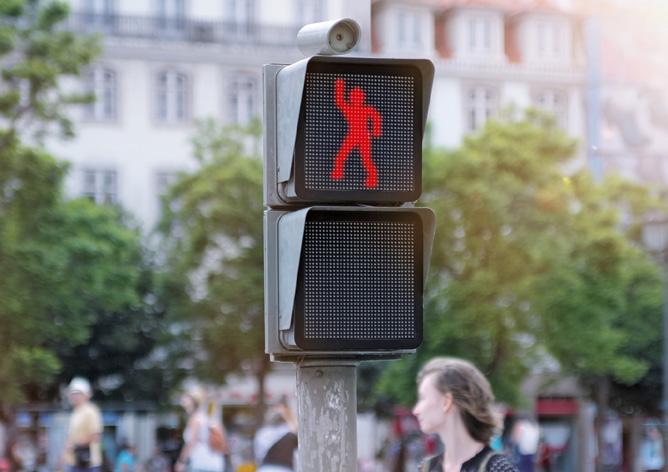
The Dancing Traffic Light, Lisbon, Portugal A clever use of interactive content for behavioural control, using light entertainment to address a common problem: pedestrian impatience. In busy cities, they often ignore the static ‘red man’ signal at crossings, increasing the risk of accidents. This incentivises people to wait safely by making the wait entertaining. Instead of a standard, stationary figure, real-time animated characters, generated by filming members of the public in a nearby booth, appear on the traffic lights. Statistics showed that 81 per cent more pedestrians stopped and waited for the light to turn green rather than jaywalking.
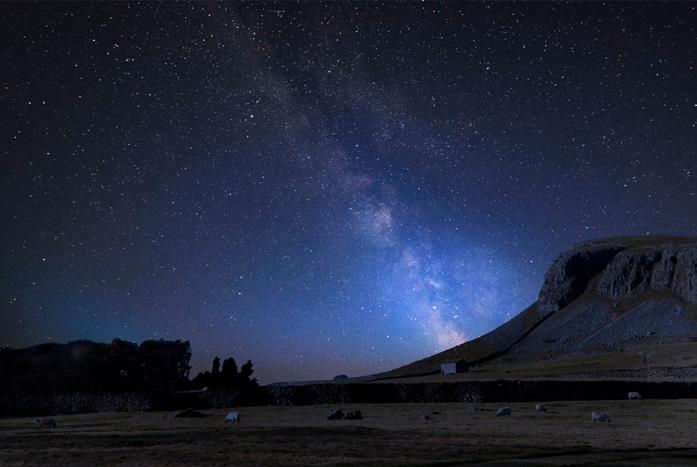
The Yorkshire Dales Dark Sky Park, Yorkshire, UK Surveys suggest 99 per cent of humans born after 1988 have never seen the Milky Way. But in an hour or so by train from Leeds, you can see it. The Yorkshire Dales Dark Sky Park, an International Dark Sky Reserve since 2020, includes more than 2000 square kilometres of pristine nightscape. This absolute darkness is only made possible with agreement on strategic lighting controls at a regional scale and engagement with them by all stakeholders, from authorities and businesses to residents and tourists. No easy task, but the results are spectacular, as well as environmentally, socially and culturally beneficial.
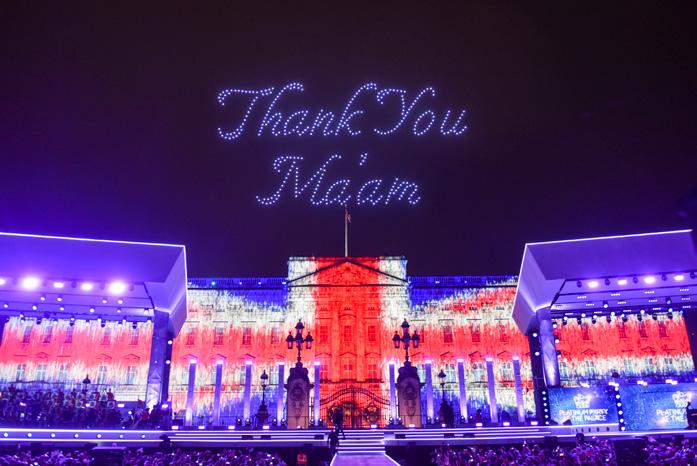
‘Party at the Palace’ concert, London, UK The Platinum Jubilee celebrations for Queen Elizabeth II were simply epic, with every lighting special effect you could think of. The choreography of dynamic lighting, media projections, lasers and media screens was spectacular, requiring super sophisticated, albeit familiar control techniques and technologies. But the integrated drone light show was next level for me. It was not just a great tribute, rich in both content and spectacle, but also showed how much new and complex technology was involved in creating world-class night-time theatre these days – and what advance controls must be needed for flying illuminated drones around in morphing shapes... 2 5 1
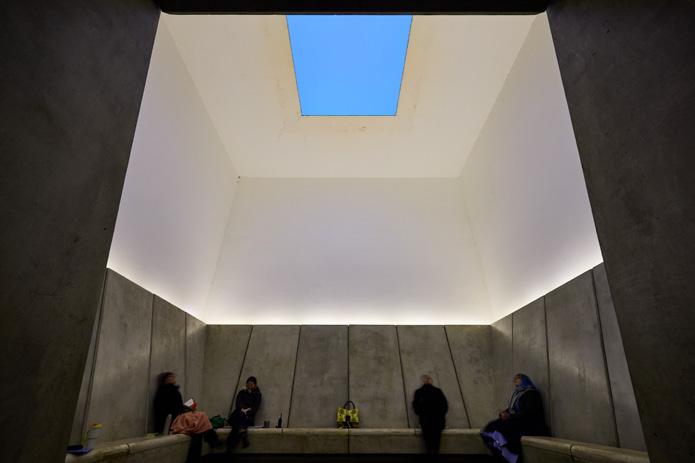
The Deer Shelter Skyspace, Yorkshire Sculpture Park, UK I love how James Turrell has transformed the interior of an 18th-century deer shelter into a subterranean sky-viewing chamber. As you enter, low-level lighting and the heavy concrete architecture combine to heighten a sensation of journeying underground. The main chamber features a central square knife-edged ceiling aperture open to the sky, and hidden space lighting that follows outside light conditions. The opening appears impossibly fine, presenting the sky as a vibrant, changing canvas, flat to the ceiling and difficult to determine if real, simulated or some kind of perceptual illusion.
Mercedes/Smart, design BBDO
Dreamstime
David Lindsay, courtesy
Events 2026
For details of all upcoming webinars, go to: www.cibse.org/society-oflight-and-lighting-sll/sll-events/upcoming-webinars-and-online-content
For previously recorded CPD webinars (including regional webinars), go to: https://www.cibse.org/get-involved/societies/society-of-light-andlighting-sll/sll-events/on-demand-webinars-past-presentations
EVENTS
TECH-X 2026
(organised by the LIA)
Date: 2 July
Venue: Edgbaston Park Hotel and Conference Centre thelia.org.uk/ems-event-calendar/tech-x-2026.html
DATA CENTRE LIGHTING
(organised by SLL, HCNE and the Data Centre group)
Date: 28 July
Time: 5.30-8.30pm
Venue: Trilux London Studio, Barbican, London EC1
Presenter: Sophie Parry cibse.org/events/search-events/sll-hcne-data-centre-lighting/
ICEL Emergency Lighting Conference
Date: 10 September
Venue: Cavendish Conference Centre, London W1 thelia.org.uk/ems-event-calendar/icel-emergency-lightingconference-2026.html
CIRCULAR LIGHTING LIVE 2026
Date: 8 October
Venue: The Minster Building, London EC3 https://circularlighting.live/
SMART BUILDINGS SHOW
Date: 14-15 October
Venue: ExCeL London https://smartbuildingsshow.com/
READY STEADY LIGHT
Date: 15 October
Venue: Rose Bruford College, Sidcup, Kent sll.org.uk
LiGHT26
Date: 18–19 November 2026
Venue: Business Design Centre, Islington, London https://www.lightexpo.london/
IEEE SUSTAINABLE SMART LIGHTING WORLD CONFERENCE (LS2026)
Date: 2-4 December
Venue: War Museum of Athens, Greece https://ls2026.ece.ntua.gr/
LET DIPLOMA IN LIGHTING DESIGN
For details and registration: lightingeducationtrust.org