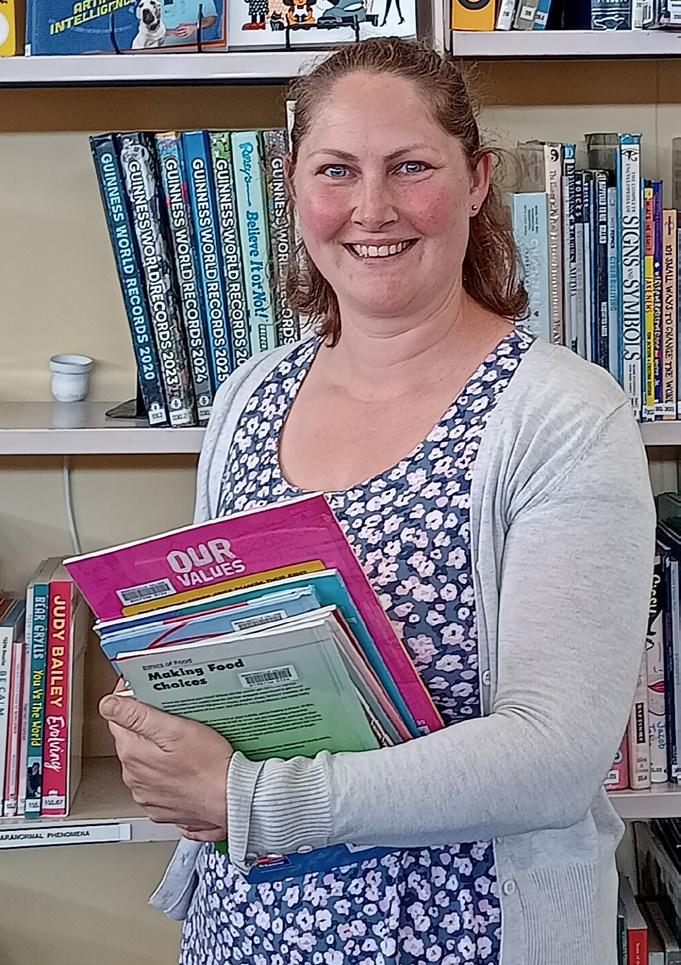
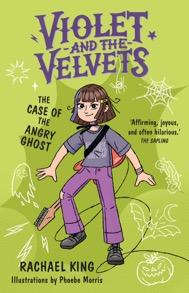
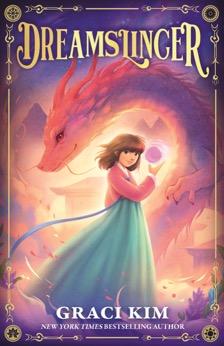
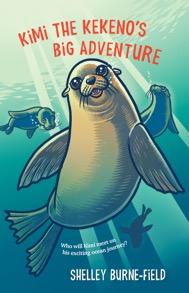
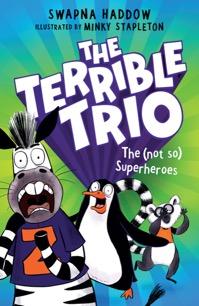
At the heart of a school librarian’s mission is a single, vital objective: engaging our readers. When we successfully connect a student with the right book, we are not just filling a twenty-minute silent reading slot; we are actively firing up cognitive pathways and supercharging academic potential. I know I’m preaching to the choir when I say that engaged reading is a reliable indicator of a child’s future success, and as school librarians we have the power and privilege to contribute to the success of our rangatahi. Collected #37 is packed with ideas which will inspire you to reinvigorate your reading programmes and things that you can customise in order to draw more readers into your own library to celebrate Aotearoa School Library Week and Read NZ Te Pou Muramura’s inaugural NZ Children’s Book Week which are just around the corner! I’m in the mood for celebrating because the shortlists for the New Zealand Book Awards for Children and Young Adults have just been announced! As part of the judging panel, I’ve really enjoyed the experience of seeing what goes on ‘behind the scenes’ - and it’s not all just reading a stack of books. Gill Hughes, PR for NZCYA, has provided us with a thought-provoking reflection on connecting our children with our stories, including information about up-coming reading along with the official shortlists. There’s definitely a book for every child in Aotearoa to engage with in this great line-up.
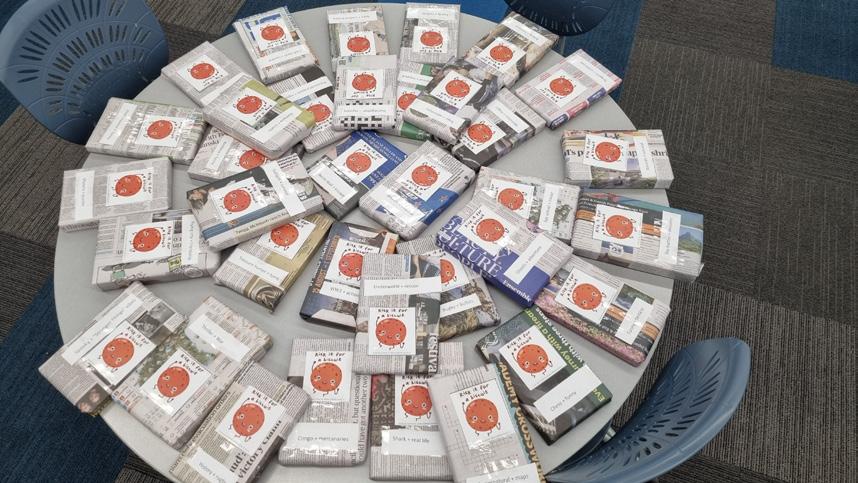
When books are actively celebrated, discussed, and shared, the library’s walls expand to encompass the entire school community. Many of us are doing this in creative ways; Amanda ‘ate’ with her idea of Risk it for a Biscuit which has
resulted in students hungry for more books along with expanding their reading confidence. (Judging by the class feasts on offer, there might be other kinds of expanding going on!).
Melanie has left the building in a quest to expand her library walls; you can find her and the books outside at break times. Has she converted the non-reading population yet? Her ‘First Chapter Fridays’ might just lure them in.
Speaking of luring them in, Sarah and her team have cleverly integrated their library into school culture by way of offering house points for reading and reviewing, not only is this capturing the whole school community, it is including those that may not usually earn points – another great way that libraries show we accept all students no matter who they are.
Celebrating past shortlisted NZCYA books at Botany Downs School has sparked book conversation that has united the entire school community. Vanessa is on to something here, even if it means her hands and knees while making supersized voting charts; her passionate delivery of stories and symposiums has created enthusiasm throughout the school, and perhaps some future judges for the NZCYA Awards!
We also know that a student who reads for pleasure today becomes the lifelong learner of tomorrow. At Trinity College Colette’s students not only get to party in the library, but she is also ensuring that reading habits are instilled early in her junior students in the hopes of ensuring that her library’s impact reaches beyond the school gates. Not only
Editor’s Note – COLLECTED 37
do we need to actively engage our students in reading, but we also need to show them that reading isn’t just something adults tell them to do, it’s something adults actually choose to do. Role-modelling carries immense weight and when teachers/librarians openly share their literary passions, it normalizes reading as a rewarding everyday pursuit rather than a chore and gives them permission to become lifelong readers. A perfect testament to staff leading by example comes from Mikaela who has started an experimental staff book club. It sounds like her hypothesis is correct - teachers are talking books, and the students are listening (have you noticed that students are always keen to hear teachers gossip?) and wanting to read what they’re hearing about. Barriers have been broken down!
When we grant our readers student ownership over the library space, the environment shifts from a place they have to visit to a sanctuary they want to be part of. Alice has been establishing connections with her students in order to give them ownership of an unfamiliar space in an unfamiliar country. This collaboration has not only boosted reader engagement in her library, it has also transformed the library into a space where her students have a stronger sense of belonging.
Just as students thrive by belonging, so too do librarians –especially those working in a sole-charge situation. Sasha thrives when working in a team, so she decided to do just that by enlisting the help of her principal and a National Library facilitator to help her change the culture of reading in her school. Not only did she achieve this, she has also embedded the library firmly into the heart of the school’s Strategic Plan.
Penny shared her ‘strategic plan’ with us last issue with her Just Read initiative, and while I’m sure she would like to yell “Just Read!” at everyone in her school, she has united them with a shared literary goal which has fostered a sense of belonging in her school community. Like Sasha, Penny has found that connecting and building professional relationships with her SLT is a positive way in which to spotlight the benefits the library brings to a school. While many youngsters enjoy a good book, some are reluctant. If you’re looking for ways to engage reluctant readers, the Poets XYZ have supplied poems and information on resources available around poetry. This issue is sure to help us all to serve up a well-rounded course of literature to our students.
To round off this issue, Rochelle and Julia advocate for the absolute necessity and benefits of the school library in New Zealand. I’m sure we all agree that to engage readers, we need our library spaces, and librarians in them. Thank you to The Sapling for kindly allowing us to reprint this piece.
Heartfelt thanks to those who have volunteered their time to contribute to this issue; article and review submitters, the eagle-eyed proof-readers, the encouragement from sideline-supporters, our graphic designer, those who have responded kindly to the editor’s shoulder-taps, and those who keep the pages turning. Also, a special thank you to our business members and their continued support and interest in SLANZA, we would not be able to publish this magazine without you.
WORDS
2026 has started with what feels like a hiss and a roar, and I’m not sure I’m ready! We have some great things lined up for this year and I am hopeful we can make meaningful impact for our members.
The Aotearoa School Library Research has started the Kura Kaupapa Māori phase of the research project with the help and guidance of Te Runanga Nui. The report will be ready in early 2027 in both te reo Māori and English, I am excited by what a library looks like in a kura kaupapa setting and how that is reflected differently in each kura, as well as the support it provides ākonga and kaiako alongside whānau and the larger community.
The Advocacy ohu mahi has been putting in some great work to get us ready to work through this election year with some great resources and information. I would like to thank Rochelle, Lauryn, and Patrick for their mahi so far, and I am looking forward to seeing what comes next for us to use in our advocacy of school libraries and their kaimahi in our schools and further afield.
During the round of regional AGMs, we have had a few personnel changes to National Executive, I would like to take this opportunity to thank Sally Brown for her time on NE as the Aoraki Rep. She boldly took on the treasurer position and revitalized the way we look and talk about money and budgets. The endless mahi she has done over the last 5 years has been greatly appreciated by us all, and we are sad to see her leave NE. We are grateful that she isn’t leaving the SLANZA whānau completely; she is taking on the role of chair in Aoraki. We wish her well in this next step.
I was fortunate enough to attend the PLNZ National Forum in early May. To be able to build relationships at this level of management of Public Libraries for our members is fantastic. The theme of the forum was collaboration, so it was particularly fitting for SLANZA, LIANZA and Te Rōpū Whakahau to be there to help facilitate discussions around our organisations working together to make our sector stronger for the future.
Trena Lile
NE UPDATES
We welcome two new representatives to the National Executive – Emma Stillwell and Heather Furniss.
WORDS
Emma Stillwell
Ko Tuao Wharepapa te maunga e rū nei taku ngākau. Ko Riuwaka te awa i whangai i ōku tīpuna.
Kei Ōtautahi tōku kāinga ināianei. He kaimahipukapuka ahau i roto i te whare pukapuka o te Kura o te Karaiti. Ko Emma Stilwell toku ingoa.
My name is Emma and I’m very much a person of the Aoraki rohe. I grew up on a farm south of Nelson and now live in Christchurch. In between I lived in Wellington, where I studied at Victoria University doing a BA and (eventually) a MIS. That’s also where I first started working in libraries. I’ve also lived in Edmonton, Canada, where I had the impactful experience of working in a world leading public library system, before moving home and working in Christchurch City Libraries.
After many years in public libraries, school librarianship beckoned in 2022. I now find great joy and meaning working with the horde of teenage boys at Christ’s College. There is never
Stillwell, new NE Representative for Aoraki.
a dull day. I joined the Aoraki SLANZA committee for the camaraderie of working with other librarians. The only thing I missed about public libraries was the teamwork, and SLANZA helped fill that gap.
For me, becoming the National Executive Rep for Aoraki is about supporting others through advocacy, sharing, and occasionally making the hard decisions needed. A priority for me is to better connect the widely spread members in the huge Aoraki rohe, from Greymouth to Kaikōura, and Golden Bay to Timaru. Financial management is also important to me and I’m currently the Aoraki Treasurer. I know how tight many library budgets are, and that many members pay for their own PD. I believe SLANZA should be respectful of the financial constraints a lot of our members face, intentional with how we manage our spending, and at all times offer good value for money. A final interest of mine is supporting research and evidence-based practice, to help us prioritise where we put our efforts for the greatest impact for our learners. Libraries produce a lot of data. I’m keen to see us turn that into evidence
that drives practice. It won’t surprise you to hear that I love a beautiful spreadsheet!
Emma
WORDS
Heather Furniss
Ko Aerana ko Ateria te whakapaparanga mai
Ko Rockhampton, Queensland te whenua tupu Nō Ahitereiria au
Kei Morrinsville au e noho ana He kaitiaki whare pukapuka au i Morrinsville College
Ko Heather Furniss taku ingoa
I am a fresh face in the school library world, having started at Morrinsville College at the beginning of 2025. However, I have been working in public libraries for the previous 10 years after finally figuring out what profession I wanted to work in! I started my library career over in Sydney, working part-time while I studied for my Masters in LIS through Charles Sturt University. Previously, I had been teaching English as a Second or Other Language to adults and had completed a 2-year volunteer abroad teaching English in Schools in Armenia.
I came to New Zealand with my growing family and soon found a job working at Matamata-Piako Libraries. The Waikato is an amazing place to live, so we were happy to settle in
LEFT Heather Furniss, new NE Representative for Waikato/ Bay of Plenty .
Morrinsville.
I’ve been fortunate to ease into school libraries with a wonderful mentor job-sharing with me as I learn all about how schools operate here and how our library is set up. It’s clear how librarians who are sole-charge can feel quite isolated in a school, so I’m excited to be part of a professional network of librarians who support each other and provide opportunities for professional growth.
Coming on board with the National Executive of SLANZA feels like a big step up this early in my school librarian journey, but I’m passionate about making sure everyone has a voice on the national stage and wouldn’t want the Waikato/Bay of Plenty region to miss out. I am excited with what SLANZA are doing in the advocacy and research space and look forward to making contributions to enhance the mana of all school librarians in Aotearoa.
We sadly farewell Sally Brown as she steps down as Aoraki Representative. During her time on NE, Sally revamped the treasurer role and over the past five year has made contributions to SLANZA which will continue to reverberate for the future. Her willingness to take on a challenge, her kindness and personable nature are assets that have greatly enhanced our organization.
Thankfully, she is not leaving SLANZA completely just yet, she is taking on the role of chair in Aoraki, as well as being involved in both the Reading List and Advocacy ohu mahi and being the point of contact for our business members. We wish her well in this next step and look forward to seeing more of her excellent work.
STRATEGIC PLAN
Introducing our Strategic Plan: 2026–2028
Kia ora koutou,
It is with great pride that we share the SLANZA Strategic Plan 2026–2028. Since our last face-to-face hui in March 2026, our National Executive team has been hard at work refining our focus to ensure we continue to support and empower our school library community.
This strategic framework will sit on our website as a constant reference point for our shared direction. This plan is more than just a document; it reflects our collective vision and mission. Through the five pou of Tauawhi | Support, Tūhononga | Connection, Mātauranga | Knowledge, Hapori | Community, and Kōkiri | Advocacy, these strategies provide a clear roadmap for SLANZA’s future, ensuring we remain responsive to the needs of our members and the wider school library and educational landscape.
We know that the true strength of this plan lies in its implementation. We are currently finalising the specific goals and actionable initiatives that sit beneath these strategic statements to ensure they are practical and impactful for our members and our sector. Keep an eye on our SLANZA Kete site, where more detailed information will be available in the very near future.
Thank you for your ongoing mahi and dedication to our school libraries. Together, we are building a vibrant, resilient, and valued future for our sector.
SLANZA Te Puna Mātauranga ā Kura
TAUAWHI SUPPORT Regional Empowerment
Strengthen the capability of SLANZA regional committees to deliver effective local support and professional development.
Te Tiriti Partnership
TŪHONONGA CONNECTION
Establish and demonstrate SLANZA’s commitment to Te Tiriti o Waitangi through active partnerships.
Member Wellbeing
Establish SLANZA as a supportive environment that prioritises member engagement and professional retention.
Governance Resilience
Ensure SLANZA operates as a robust, resilient, and professionally governed organisation with a sustainable governance model.
MĀTAURANGA KNOWLEDGE
Professional Development Pathway
Support members in achieving formal qualifications, sector relevant professional development, cultural capability and advancing their overall capability across all library roles.
HAPORI
COMMUNITY Membership Growth
Increase membership numbers and improve retention rates across all regions and member categories.
Publications & Resources
Maintain and grow SLANZA’s high-quality, authoritative resource base for all members. professional organisations
Sector Leadership
Maintain and strengthen effective working relationships with key national and international professional organisations
Evidence-Based Practice
Embed ongoing research and data collection to drive advocacy and inform member practice.
Networking & Events
Facilitate high-quality national and regional events that promote connection and shared learning.
KŌKIRI ADVOCACY
Sector Advocacy
SLANZA will proactively advocate to schools to align the library sector with current educational trends, such as literacy and curriculum developments.
Sector Visibility
Raise the national profile of school libraries as critical contributors to literacy, teaching, and learning outcomes.
Professional Recognition
Improving professional standing, and qualifications for all school library staff.
REGIONAL REPORTS
WORDS SLANZA NE representatives
PHOTO Description
AORAKI UPDATE FROM SALLY BROWN
This is my last Aoraki Regional Report for Collected for you in my role as National Executive Representative for Aoraki. Thank you for having me as your Rep., I have really enjoyed my time on NE. I am leaving NE because I thought it was time someone else from our Aoraki region took a turn. I am super thrilled that Emma Stilwell from Christs’ College has taken on the role and I know that she will do a great job representing our region. I will continue with SLANZA, because I love it, in the role of Aoraki Chair. So, I will still be around.
Enough about me, on to what we have been up to recently.
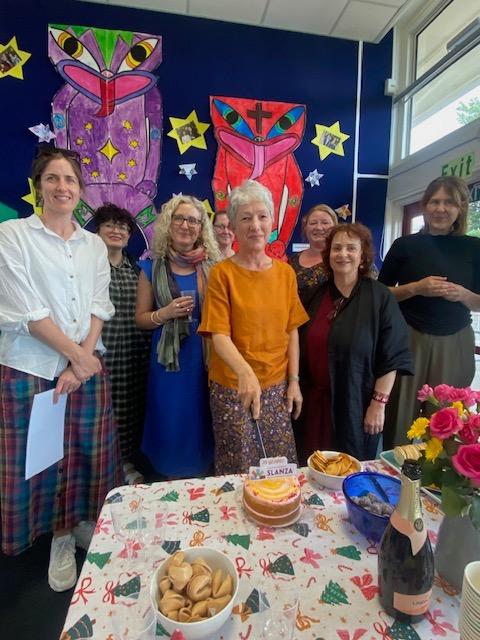
Our biggest event since my last report was our celebration of 25 years of SLANZA at the end of last year. We met at Villa Maria Library in Christchurch and celebrated with cake and a murder mystery event. It was so nice to have SLANZA Life Members Glenda Fortune and Jude Hancock at the event, and that they cut the cake. They told a wonderful story about how SLANZA started with a group of likeminded people sitting around chatting about how they should set up a School Library association…and they did. 25
years on SLANZA is still going strong, and they are thrilled to know that is the case.
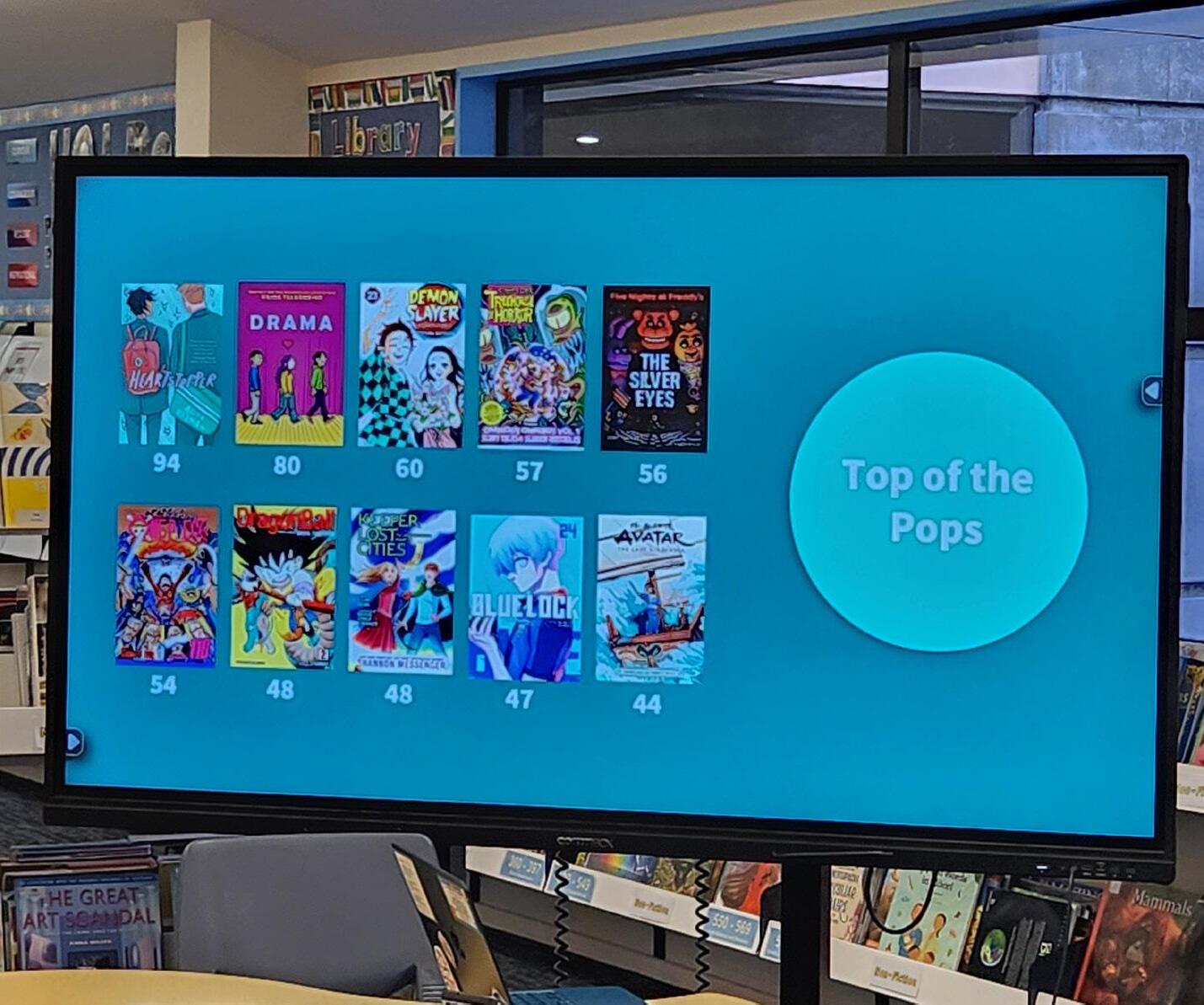
Term One of this year saw us come together for our Aoraki AGM and a talk at Selwyn House School Library. Our talk was from the young adult book selector from Christchurch City Library. They also gave a presentation on Manga including what is ‘top of the pops’ at the moment with this super popular genre. Attached are a couple of slides from the presentation - ‘What’s on Top at Chch Libraries with Manga at the moment’ and the Chch Librarian’s top picks in Manga for 2026.
We had a few changes come about at our AGM; Maree Silver stepped down as Chair, Saskia Hill stepped down from Secretary, and I stepped down from the NE role.
Our new committee: Chair – Sally Brown, NE Rep & Treasurer – Emma Stillwell, Secretary – Imogen Loakman, Committee – Saskia Hill, Lyssa Randolph and Yvonne Hall.
Term Two will see us having our annual Paper Plus buying night at Hornby and then a PD day full of great sessions and speakers. Keep a watch out for advertising.
Sally Brown
Signing off as your SLANZA Aoraki Rep
CENTRAL UPDATE FROM SASHA EASTWOOD
Our Central region continues to hold steady, with membership numbers remaining similar to last year at 48. We are pleased to see a few more payments still coming in, which is always encouraging and reflects the ongoing engagement and commitment of our community across the rohe.
Earlier this year, we successfully held our online AGM. It was great to connect with members from across the region, and we extend our thanks to everyone who attended and contributed. Following the AGM, there
were some changes to the committee, bringing fresh perspectives and energy.
Christina Bate - Chair – St Matthews Collegiate
Andrea Knap – Secretary/TreasurerAwatapu College
Sasha Eastwood - NE Rep –Manchester Street School
Miriam Tuohy – NLNZ Services to Schools
Tracy Grayson – St Peter’s College
Ceire Hopley – Waiopehu College
Susan Hosokawa – Hastings Boys’ High School
Alice Corkran – Woodford House
Alan Dingley – Freyberg High School
Chris Auer – Queen Elizabeth College
One of our key focuses is increasing opportunities for face-to-face connection, inspired by the fantastic turnout at our Central Connects event held at Whanganui Collegiate in November last year. The strong attendance there reinforced just how valuable in-person gatherings are for sharing ideas, strengthening networks, and building collegial support.
In Taranaki we were delighted to collaborate with Poppies New Plymouth to host a “What’s New in Books” publisher and book buying evening - our first event of this kind for members in the area. It was a wellreceived evening, and we are keen to see it become a regular offering, like the successful publisher events we’ve hosted in Manawatū over the past few years.
Looking ahead, we are busily organising our Term Two Central Connects event in Hawke’s Bay, which will be held at Woodford House at the end of May. We are looking forward to another opportunity to gather, connect, and learn together in person.
We are also launching a new online initiative this term: The Issues Desk. This will be the first in a series of regular sessions we hope to run each term, providing a supportive space for members to come together and discuss the day-to-day challenges and opportunities we face in our school libraries. We hope this initiative will strengthen our sense of community and provide practical, timely support.
As always, thank you for the energy and enthusiasm you bring to our region, and we look forward to connecting with many of you over the coming term.
Here’s what’s been happening in some of our libraries across our Central rohe:
At Waiopehu College:
• Year 9 Readers Cup teams got into their books over the holidays
• Some new shelving arrived for the fiction section
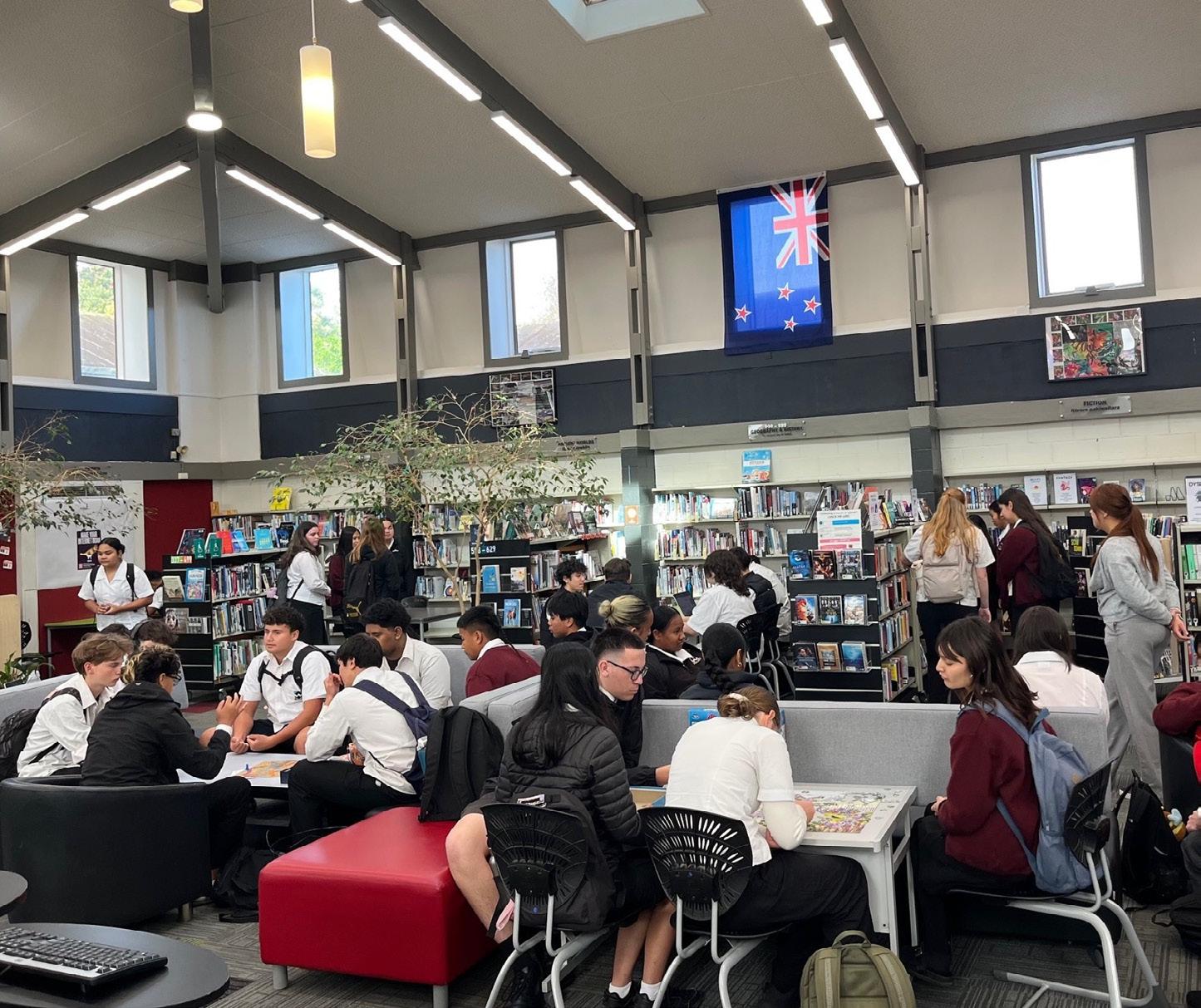
• The library is the first choice for many students at breaks, to play games, cards and do jigsaws
• Chess team is getting organised for the upcoming tournament
• Classes are filing through to get new books for the term
• New student volunteers start this week for their Duke of Edinburgh award
• Looking forward to our Writers in Schools visits for seniors next week
Some display inspiration from St Peter’s College in Palmerston North:
From Awatapu College:
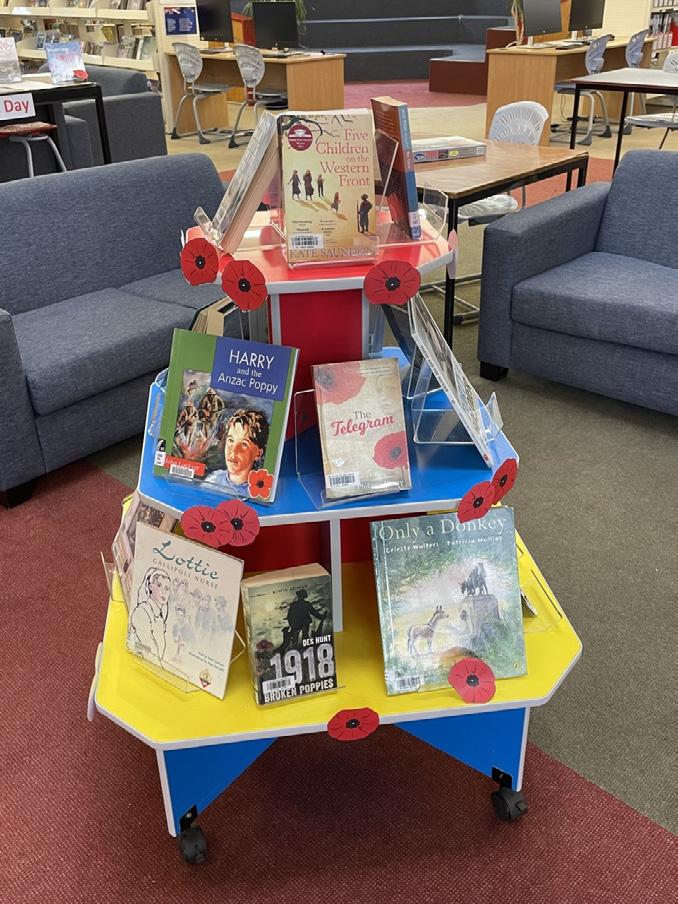
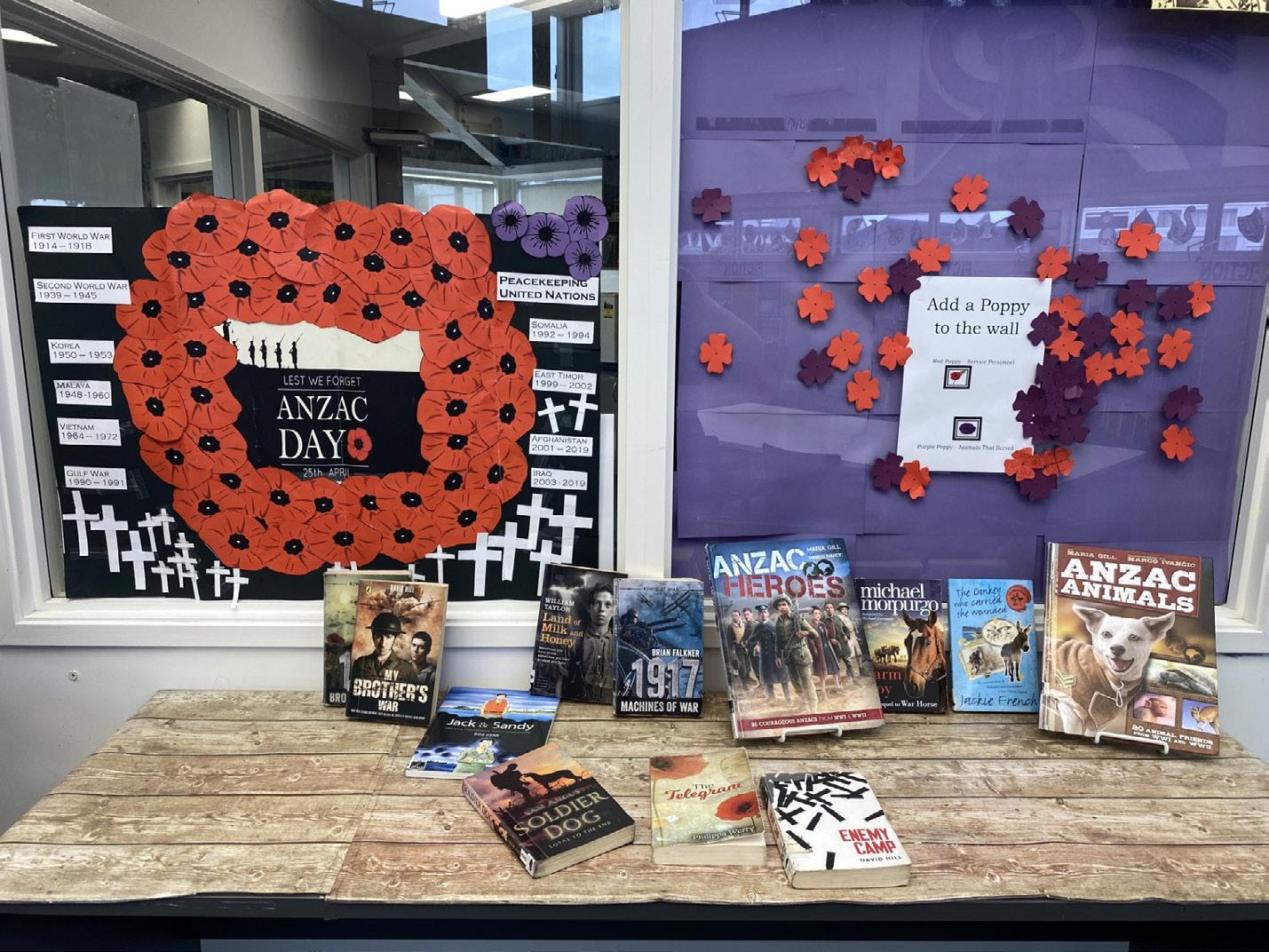
ANZAC display asking students and staff to add a poppy to the wall. Red for service personnel. Purple for the animals that served, which quite a few students weren’t aware of.
Please don’t hesitate to get in touch with Sasha at central@slanza.org. nz if you’d like to add happenings in your library to our Central Round Up column.
UPDATE FROM LAURYN URQUHART
Before launching into Otago business, we would like to acknowledge the loss of one of our members, Kelly Kinghorn, who sadly passed away at the beginning of the year. Kelly was an active member of the Otago committee and will be greatly missed.
2025 was farewelled with an enjoyable get-together at Halfway Bush Primary School’s new library where we enjoyed the SLANZA 25-year anniversary activities and discussion around the past, present and future. All were also impressed by Lizzie Kennedy’s amazing mahi in creating such a welcoming space full of resources for the students on a shoestring budget!
Term One seems to have flown by very quickly and busily leaving little time for socialising, however a group of us met up at Taieri College to see Jodi Gayton’s impressive AI webinar, and to hold our AGM.
Sadly, we have farewells to bid; Carole Gardiner and Greig Daniels have both stepped down from our committee, we thank both Carole and Greig for their amazing and lengthy contributions to committee and wider SLANZA in general. Jan Simpson, our treasurer, is retiring from school libraries. We are truly grateful to Jan
for her mahi and over the many years that she has contributed to the Otago region. We wish her all the best for her future grandmotherly duties!
This leaves an intimate six on our committee:
Chairperson – Colette Mahoney
Secretary – Liz James
Treasurer - Amanda George
Sarah Ranby
Marie-Anne Bowman
Lauryn Urquhart – NE Representative
Our ‘buying nights’ are always popular, we have just held one at UBS in Dunedin with great success. Our next event is a ‘Meet and Greet’ where we hope that members will come together to chat and connect.
SOUTHLAND
UPDATE FROM KIRSTY ADAM
While we are very proud, we are also sad to farewell Cris Crighton from the Southland SLANZA committee as she starts her new job as Manager of Gore District Libraries. We wish her all the best! Keri Cochrane replaces Cris as our Southland Chairperson and we know she will be fabulous.
Regular – REGIONAL REPORTS
TĀMAKI MAKAURAU AUCKLAND
UPDATE FROM TRENA LILE
The 2025 end-of-year and birthday celebrations were held at St Cuthberts School in the Frances Crompton Library. A great time was had by all, and it was lovely to see former National Executive Rep, Trish Webster and Elizabeth Atkinson the former chair of the Auckland committee for many years, along with founding member of SLANZA Elizabeth Jones. We were so fortunate to have these literary luminaries amongst us to celebrate a fabulous 25 years of SLANZA.
2026 has started with almost a brandnew committee brought in at the AGM in March. Victoria Elisara is currently interim Chair being joined by new members Lisa Tobler and Vanessa Hatley-Owen as the Treasurer and Secretary respectively. Natalie Sutton and Emma Smoldon remain on the committee.
A special thank you to Lisa Kenny and Kath Twomey for your mahi while on the Auckland committee.
Term Two is looking bright with some great PD in the pipeline.
TE TAI TOKERAU
UPDATE FROM HEATHER FURNISS
Term 1 saw our first PLD day of the year hosted at Morrinsville College with 27 participants appreciating sessions on picture books for hauora, supporting the new English curriculum, and teaching about AI to staff and students. The day was a great way to kick off the year with a lot of productive conversations held and new friends were made.
We’re excited to welcome a new committee for our region to help grow our local networking and professional development opportunities; joining Heather and Glenys on the WaiBoP committee this year are Andrina Lambert, Rachel Briscoe and Dylan King. We look forward to putting on a fun networking event for term 2 and another strong PLD day in Term 3.
WELLINGTON
UPDATE FROM KRISTY WILSON
2026 saw eleven of our Wellington members get together at Plimmerton school for our Regional AGM. The committee was confirmed as
• Sarah Phillips, St Orans as Chairperson;
• Sarah Semple, Plimmerton School as Secretary;
• Marie Fernando. St Marys College and Mary Callister, Karori Normal are co-Treasurers;
• Kristy Wilson as the National Executive (NE) SLANZA Rep;
• Helen Muxlow is stepping down from the committee;
• Ellie Nicholson is continuing as a committee member;
• Derek Piper, Newlands Primary was nominated as a new committee member.
Recently, we have also secured Carolyn Manning from Papakowhai School into joining the committee. It is fantastic to have so much representation from primary schools in our region as it allows us to offer more targeted and practical support to our membership.
After the AGM we had a combined presentation on Reading Competition
Inspiration with guest speaker Alan Dingley who took us through his vision for the Kids’ Lit Quiz going forward, and then other committee members that touched on all the other competitions available to our students throughout their school years.
Term 2 saw our annual Book Fair with seven bookstores from around the region converge on Papakowhai School to allow us to browse, shop and chat all under one roof. Thanks to Tawa Books and Post, Schrodinger Books, Sally Kean, Mila’s Books, Marsden Books, Chicken and Frog, and The Children’s Bookshop. It was an added bonus to see the new Papakowhai School library that had only been officially opened for a fortnight.
Featured – REFLECTING ON READING
REFLECTING ON READING
WORDS
Gill Hughes
Recent conversations have reflected a growing concern: how do we help children not just learn to read, but also want to read? While there is no single answer, looking closely at the kinds of stories young people respond to, and the books that are resonating strongly in our communities, offers some useful clues.
Announced earlier this month, the finalists in the 2026 New Zealand Book Awards for Children and Young Adults highlight a generation of writers and illustrators drawing confidently on culture, language and identity. Their stories are grounded in Aotearoa, with Māori, Pacific and Asian heritage woven through their pages, and shaped by the lives and communities around them.
Many of these titles are from firsttime or emerging writers and illustrators, bringing new voices to the forefront. By drawing on their own experiences, communities and cultures, these creators offer stories that feel genuine and relatable to young readers in Aotearoa today.
Lauryn Urquhart, editor of Collected and one of this year’s judges, sees this as central to how children connect with reading.
“If we feed our rangatahi on a diet of Aotearoa New Zealand literature, we enable them to develop a sense of tūrangawaewae,” she says. “When they can relate to the stories they read through landscape, voice, and issues specific to New Zealand, their engagement increases, along with their ability to understand themselves and others around them.”
This idea of recognition, of seeing something of yourself, your whānau, or your world reflected back, sits at the heart of reading for pleasure. Just as importantly, it opens doors into other lives and perspectives, building empathy alongside enjoyment.
Simie Simpson, convenor of judges for the awards and Programmes Manager at Read NZ Te Pou Muramura, believes these books, and others like them, speak strongly to the connection between story and identity. The shortlisted titles, she says, “reflect the diversity of both the children reading these stories, and of Aotearoa in 2026.”
That reflection matters. For many young readers, the shift happens when books stop feeling distant or instructional and start feeling like they speak to their world, emotionally, culturally or socially. A story set in a familiar landscape, a character navigating recognisable family dynamics, or the natural inclusion of te reo Māori can transform reading from an academic exercise into something personal.
In many school libraries, this can mean thinking carefully about how books are made visible and discoverable. Graphic novels, bilingual texts, verse novels and culturally grounded stories often become powerful entry points for reluctant readers, or for students still searching for books that feel relevant to their lives. Increasingly, connection seems to come not from steering young people toward a narrow idea of “good reading”, but from widening the range of stories, formats and voices they can choose from. At the same time, books also offer young readers chances to step beyond their own experiences. Simie notes that literature plays a powerful role in helping children make sense of themselves and the world around them.
Regular – REFLECTING ON READING
“Books help us understand the inner lives of those around us, they build empathy and can be lifelines when they show us we are not alone or weird,” she says. “Or maybe that we are weird, but that’s okay too.”
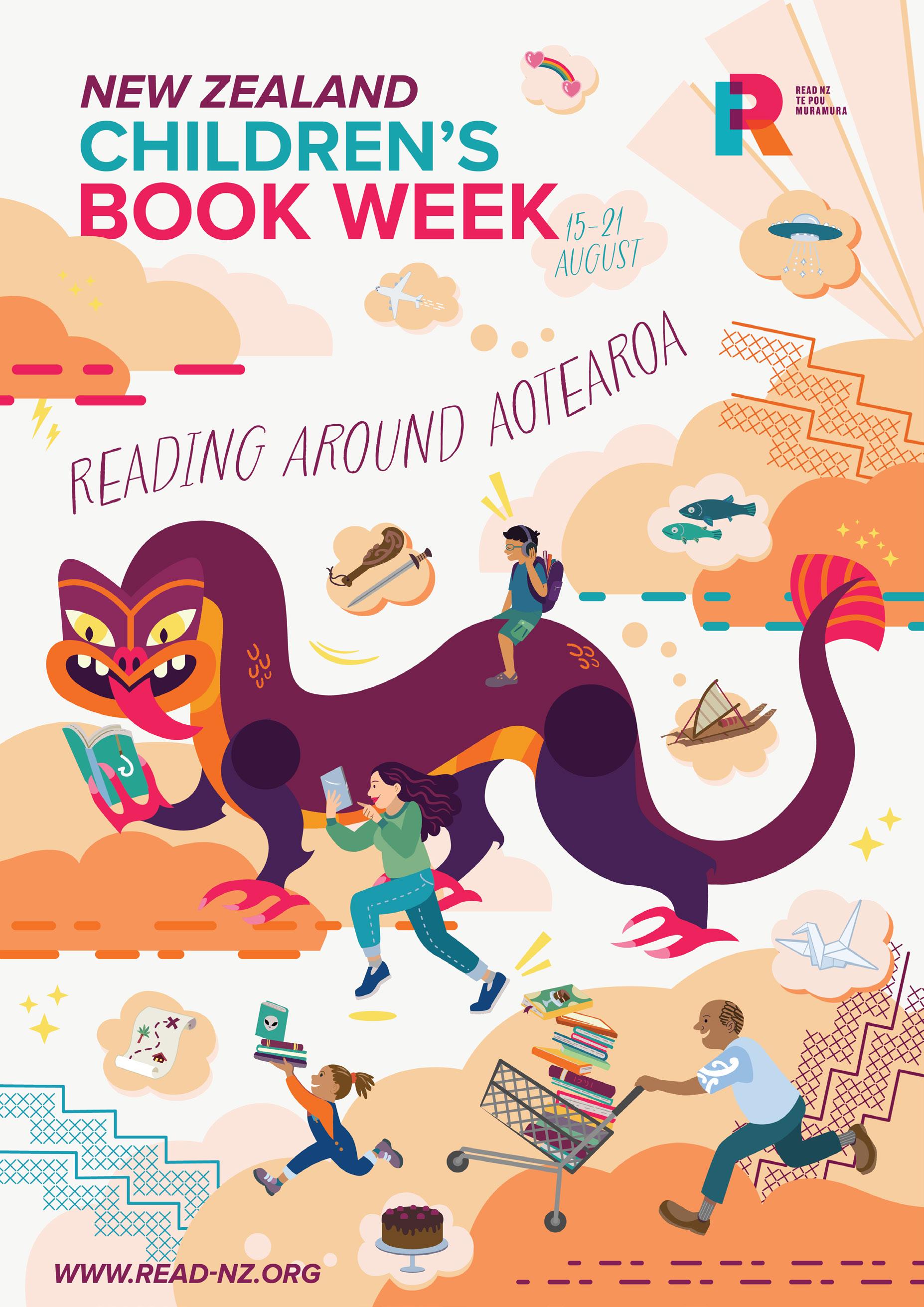
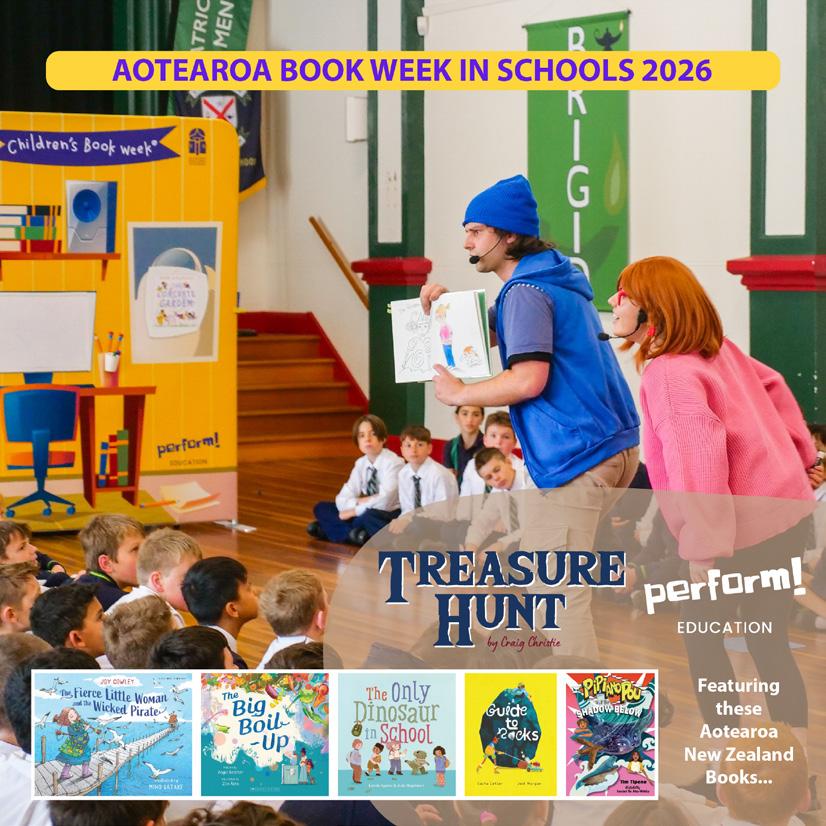
This growing focus on connection, visibility and reading for pleasure sits behind the launch of Read NZ Te Pou Muramura’s inaugural NZ Children’s Book Week, taking place from 15–21 August. Supported by organisations and communities across the country, the week aims to celebrate Aotearoa New Zealand children’s books while creating highly visible opportunities for tamariki and rangatahi to spend time with stories, authors and illustrators in meaningful ways.
As part of the week, the New Zealand Book Awards for Children and Young Adults will host a Books Alive day at Te Matapihi ki te Ao Nui in Wellington on 19 August, with sessions tailored for upper primary, intermediate and secondary students. Throughout the day, school groups will be able to hear directly from a wide range of NZCYA finalists, see stories brought to life, and experience the buzz of sharing books alongside other young readers.
All these efforts recognise that reading habits are shaped by people as much as by books. Whānau, librarians, teachers and school communities all play a part in building cultures where reading is recommended, discussed, displayed and shared. Whether through author visits, book displays,
shared reading at home, read-aloud sessions, or quiet conversations in library corners, these moments help young people experience reading not simply as a school task, but as something tied to identity, curiosity and enjoyment.
The challenge for schools and libraries may not simply be encouraging children to read more but ensuring they encounter books that are varied enough to spark curiosity, recognition and a sense of possibility when they do.
The New Zealand Book Awards for Children and Young Adults help shine a light on some of those books, while Children’s Book Week, Books Alive and initiatives like Storylines Story Tours and Read NZ’s Writers in Schools programme create the occasions and encounters that bring them into young people’s hands.
Every book a young person reads can help them understand a little more about themselves and the world around them. Through reading, they become involved in other people’s stories, build connections, and may feel encouraged to share their own. When that happens, reading is no longer just a skill to be mastered, but something they can carry with them and pass on to others.
WORDS
Gill Hughes
The shortlist for the 2026 New Zealand Book Awards for Children and Young Adults recognises a generation of writers who are drawing confidently on culture, language and identity to tell stories and create books that feel unmistakably of current-day Aotearoa.
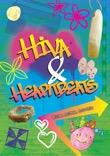
That’s evident in distinct ways across the shortlist, from a Tokelau teen’s diary steeped in hiva and 90s R&B to a time-travel adventure in te reo Māori, a Japanese yōkai graphic novel, and an intimate picture book about a kōhine’s first menstruation, grounded in tikanga Māori. These stories from first-time or emerging writers sit alongside books by established New Zealand creators such as Gavin Bishop, Rachael King, Graci Kim, Mat Tait, Al Brown, and Ned Barraud.
The 2026 awards’ judges have selected 30 finalist books from 159 entries. The two panels judging English and bilingual books and titles written in te reo Māori were struck by how deeply the shortlisted books moved, challenged and delighted their readers, as they explored themes
such as connection, empathy, identity and grief. “They made us laugh, cry and stare off into space to think some more,” says convenor of judges Simie Simpson. “And they reflect the diversity of both the children reading these stories, and of Aotearoa in 2026.”
Supporting the expert judging panels, thousands of young readers from 50 schools across the motu - including kura kaupapa Māori, primary, intermediate and secondary schools - contributed more than 450 indepth reviews ahead of deliberations, ensuring young readers’ voices were a meaningful part of the judging process.
THE 2026 NEW ZEALAND BOOK AWARDS FOR CHILDREN AND YOUNG ADULTS FINALISTS ARE:
BookHub Picture Book Award
Bold, playful, and rich in storytelling, the judges say these picture books shine in both visual and read-aloud appeal. They handle complex themes with a gentle touch, delivering stories that resonate well beyond the final page.
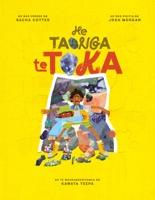
A Guide to Rocks, Sacha Cotter, illustrated by Josh Morgan (Te Aitanga-a-Māhaki, Rongowhakaata (Huia Publishers)
Koro Wētā, Heather Haylock, illustrated by Sarah Trolle, translated by Ngairo Eruera (Ngāti Ranginui, Tūhoe, Ngāti Awa) (Oratia Books)
Young Adult Fiction Award
High-calibre storytelling defines this young adult fiction shortlist, say the judges. From gritty realism to richly imagined worlds, these novels tackle complex themes with nuance, delivering emotionally honest stories with authentic, deeply relatable characters.
The judges say this year’s junior fiction finalists – spanning genres and reading levels – deliver compelling stories full of intrigue, imagination, and emotional depth. At their core: friendship, identity, and the confidence to be yourself.
It’s a Bit More Complicated Than That, Hannah Marshall (Allen & Unwin
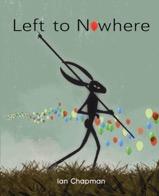
Left to Nowhere, Ian Chapman (One Tree House)
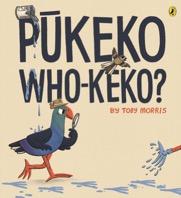
Pūkeko Who-keko? Toby Morris (Penguin Random House)
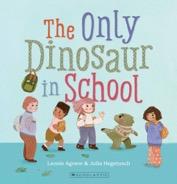
The Only Dinosaur in School, Leonie Agnew, illustrated by Julia Hegetusch (Muaūpoko) (Scholastic New Zealand)
Wright Family Foundation Esther Glen Junior Fiction Award
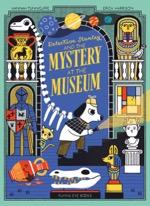
Detective Stanley and the Mystery at the Museum, Hannah Tunnicliffe, illustrated by Erica Harrison (Flying Eye Books)
Dreamslinger, Graci Kim (Penguin Random House New Zealand
The Terrible Trio 1: The (not so) Superheroes, Swapna Haddow, illustrated by Minky Stapleton (Scholastic New Zealand)
Survive Aotearoa, Bronwen Wall and Jonathan Kennett, illustrated by Kimberly Andrews (Kennett Brothers Ltd)
Russell Clark Award for Illustration
Illustration is a deeply personal process, say the judges, with each finalist carrying a singular vision from concept to completion. In a climate of creative shortcuts, these books reveal stunning craft, where observation, research and refinement translate what’s in the artist’s head onto the page.
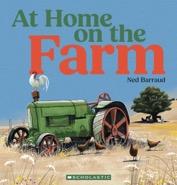
At Home on the Farm, Ned Barraud (Scholastic New Zealand)
Elsie Locke Award for Non-Fiction
The judges say these books are grounded in curiosity and a deep love for the land we live on. Their writers invite readers to look closely, explore, and ask questions. Inquisitive and adventurous, they also remind us that life is meant to be fun.
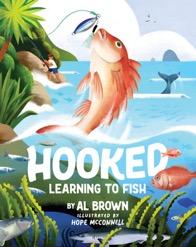
Hooked: Learning to Fish, Al Brown, illustrated by Hope McConnell (Allen & Unwin Aotearoa)
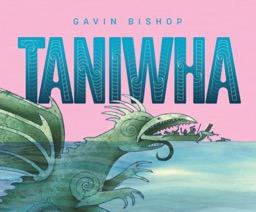
Taniwha, Gavin Bishop (Tainui, Ngāti Awa) (Penguin Random House)
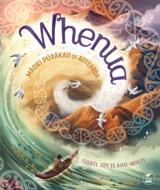
Whenua: Māori Pūrākau of Aotearoa, Isobel Joy Te Aho-White (Ngāti Kahungunu, Kāi Tahu) (Hachette Aotearoa New Zealand)
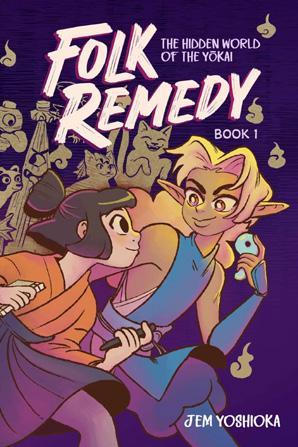
Folk Remedy 1: The Hidden World of the Yōkai, Jem Yoshioka (Andrews McMeel)
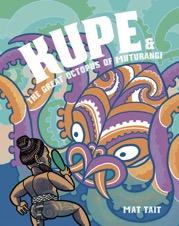
Kupe and the Great Octopus of Muturangi, Ned Barraud (Scholastic New Zealand)
Aotearoa)
Taniwha, Gavin Bishop (Tainui, Ngāti Awa) (Penguin Random House)
Whenua: Māori Pūrākau of Aotearoa, Isobel Joy Te Aho-White (Ngāti Kahungunu, Kāi Tahu) (Hachette Aotearoa New Zealand)
Wright Family Foundation Te Kura Pounamu Awards
These books feature vivid illustration, engaging narratives, and the thoughtful integration of te reo Māori, say the judges. Rich in authenticity and meaning, they support learning and spark important conversations.
He Taonga te Toka, Sacha Cotter, illustrated by Josh Morgan (Te Aitanga-a-Māhaki, Rongowhakaata), translated by Kawata Teepa (Tūhoe, Te Whakatōhea ) (Huia Publishers)
*Kupe and the Great Octopus of Muturangi, Ned Barraud (Scholastic New Zealand)
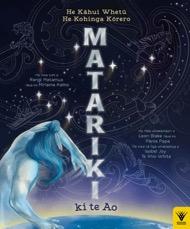
Matariki ki te Ao, Miriama Kamo (Ngāi Tahu, Ngāti Mutunga) and Rangi Matamua (Tūhoe), illustrated by Isobel Joy Te Aho-White (Ngāti Kahungunu, Kāi Tahu), translated by Pānia Papa (Ngāti Korokī-Kahukura, Ngāti Mahuta) and Leon Blake (Tūhoe, Tūhourangi, Ngāti Wāhiao, Waikato, Ngāti Whāwhākia, Ngāti Porou, Taranaki, Ngāti Kahungunu, Te Whānau a Apanui, Te Aitanga a Hauiti, Ngāi Tai) (Scholastic New Zealand)
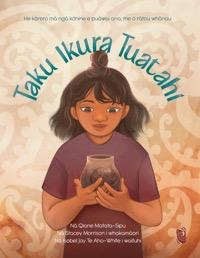
Taku Ikura Tuatahi, Qiane MatataSipu (Te Waiohua, Waikato, Ngāpuhi, Ngāti Pikiao), illustrated by Isobel Joy Te Aho-White (Ngāti Kahungunu, Kāi Tahu), translated by Stacey Morrison (Ngāi Tahu, Te Arawa waka) (QIANE+co)
* Indicates a finalist book originally written in te reo Māori
NZSA Best First Book Award
The judges say the finalists in this category are a diverse and accomplished group of debut works, which reflect the range of voices shaping contemporary New Zealand literature. Their distinctive storytelling and authentic characterisation are grounded in culture and place, with te reo Māori, Pacific and Asian heritage woven throughout.
Folk Remedy 1: The Hidden World of the Yōkai, Jem Yoshioka (Andrews McMeel)
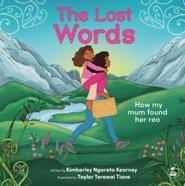
The Lost Words, Kimberley Kearney (Ngāti Maniapoto, Tuhoe), illustrated by Taylor Terewai Tiave (Ngāpuhi) (Hachette Aotearoa New Zealand)
The winners of each of the six main categories – Picture Book, Junior Fiction, Young Adult Fiction, Non Fiction, Illustration and Te Reo Māori – take home $8500 and are then in the running to be named the recipient of the Margaret Mahy Book of the Year, an award with an additional $8500 prize. The judges will also award a $2500 Best First Book prize to a previously unpublished author or illustrator.
The winners will be announced at a ceremony at Pipitea Marae in Wellington on the evening of Wednesday 19 August
BOOKS ALIVE
At the heart of the New Zealand Book Awards for Children and Young Adults is a commitment not only to celebrating outstanding books, but also to building a life-long love of reading among Aotearoa’s tamariki and rangatahi. This commitment is realised through a programme of Books Alive events, where finalist authors and illustrators bring stories to life in large-scale sessions with school children. In 2026, Books Alive events will take place in Otautahi (in partnership with WORD Christchurch) on 13 and 14 August, and in Pōneke (in collaboration with Wellington City Libraries, at Te Mataphihi) on the day of the awards ceremony, 19 August.
HELL READING CHALLENGE
Beyond celebrating the best books published each year for young readers, the New Zealand Book Awards for Children and Young Adults also administer the hugely popular HELL Reading Challenge, now in its second decade. Last year, nearly 800 schools and libraries took part in the programme, and more than 312,000 pizza wheels were distributed, resulting in an estimated 2.2 million books read.
CHILDREN’S BOOK WEEK – 15-21 AUGUST
Launching in 2026, Children’s Book Week, led by Read NZ Te Pou Muramura, positions the New Zealand Book Awards for Children and Young Adults at the heart of a wider, nationwide celebration of reading. Schools, libraries and communities across the motu will be encouraged to put books, authors and illustrators in the spotlight, building on the momentum created by the shortlist announcement, Books Alive events and
the HELL Reading Challenge. With strong sector support, Children’s Book Week will amplify the Awards’ impact, inviting communities across the motu to celebrate books and storytelling in joyful, highly visible ways.
OUR NZCYA 2026 JUDGES
The significant responsibility of selecting this year’s finalists fell to a highly credentialed panel of literature experts.
English and bilingual entries were assessed by convenor of judges Simie Simpson (Te Āti Awa), Programmes Manager for Read NZ Te Pou Muramura in Te Whanganui-a-Tara Wellington and a returning judge from 2019; alongside award-winning author, editor, and mentor Cassie Hart (Kāi Tahu, Pākehā); Tāmaki Makauraubased Head of English Chris Reed (Ngāti Porou, Pākehā); Mosgiel school librarian and SLANZA representative Lauryn Urquhart; and Pōneke school librarian Lucy Black, who brings over two decades of public and school library experience.
A specialist panel was appointed to assess te reo Māori submissions, with Te Wairere Puāwaitanga O Te Whakaaro Ngaia (WaikatoManiapoto, Taranaki Tūturu, Te Ātiawa, Ngāruahinerangi, Ngāti Porou, Ngāti Pikiao, Ngāti Whakaue), a Waikato-based te reo Māori kaiako and qualified translator, as convenor. The panel also includes Eva Mahara (Waikato, Ngāti Te Wehi), Content Editor for te reo Māori at the National Library of New Zealand Te Puna Mātauranga o Aotearoa, and Hona Black (Tūhoe, Te Whānau a Apanui, Tūwharetoa), a Māori language academic, writer, educator and Associate Professor at Te Pūtahi a Toi, Massey University.
OUR SPONSORS AND PARTNERS
The New Zealand Book Awards for Children & Young Adults and their associated programmes are made possible through the generosity, commitment and vision of funders and partners: Creative New Zealand, HELL Pizza, the Wright Family Foundation, LIANZA Te Rau Herenga o Aotearoa, Wellington City Council and Libraries, BookHub presented by Booksellers Aotearoa New Zealand, New Zealand Society of Authors Te Puni Kaituhi o Aotearoa, the National Library of New Zealand Te Puna Mātauranga o Aotearoa, and NielsenIQ BookData. The Awards are administered by the New Zealand Book Awards Trust Te Ohu Tiaki i Te Rau Hiringa.
Read NZ Te Pou Muramura are thrilled be leading the first ever NZ Children’s Book Week.
We encourage you to celebrate the week any way you can. If your school is running a book parade on Friday the 21st of August, we can send posters to you at no cost, however if your book parade is set for another date (understandable! Lots of schools already had their dates set) then we can make posters available at a reduced cost.
Get in touch at communications@read-nz.org if you have questions or want to be kept in the loop about posters.
We encourage everyone to celebrate NZ Children’s Book Week!
Featured – RISK IT FOR A BISCUIT
RISK IT FOR A BISCUIT
This is a class challenge that we run all term; you can tailor it to any age level.
The aim is to help students to broaden their tastes and grow in reading confidence
How it works:
1) Age-appropriate quality books are picked. For us this means NO Harry Potter, Cherub, Alex Rider, or Wimpy Kid books.
2) They are covered in newspaper and branded with Cookie artwork.
3) A two-word descriptor is printed on the books - this is to help students choose something of interest.
4) Students then unwrap and issue their book for the term
5) The challenge is to read the book and complete a review sheet (they can send an audio file, if they prefer - but have never had a student do this).
6) They then get two Cookie Time biscuits from me.
7) If / when the whole class completes the challenge, their teacher will treat the class to cake / fudge etc.
I provide review sheets and the Risk it for a Biscuit poster with instructions for the classroom and I format the reviews for the classroom.
The challenge is optional but has its own momentum built in; when students see others coming to the classroom with biscuits, they reengage with the challenge.
This also utilizes the knowledge of student librarians in choosing titles.
It is easy do two classes per term, particularly if they are different year groups. This creates a lot of buzz around the library as students notice the wrapped books on my desk
- some students will have done this in past years / terms and enjoyed it.
- some students notice the promise of cookies.
- other kids are just nosey!
ABOVE Risk it instructions & The biscuit table
WORDS
Amanda Dickson SCHOOL
Hutt International Boys’ School
Did
MY BOOK REVIEW
A guide to writing a book review
Your
MY RATING
The name of the book:
The writer of the book:
Featured – TRIALLING NEW APPROACHES TO ENGAGE READERS
TRIALLING NEW APPROACHES TO ENGAGE READERS
WORDS
Melanie Harris SCHOOL
During Term One, when the weather was beautiful, I decided to do “Library PopUp Sessions”. On a day that I knew the weather was going to be suitable, I took a trolley of books, a scanner, a few board games and picnic blankets out into the school grounds. Students were able to sit under the trees reading or play board games with their friends.
The only issue we really had was that some students that come to the library didn’t feel comfortable being perceived as readers.
During Term Two I will be doing “First Chapter Friday”. This is where I’ll read the first chapter of a book to everyone in the library with a microphone. Like my pop-up library, there won’t be too much push or promotion, or follow-up activities.
I like to give my ideas a low-key trial so then I can actively reflect on which approaches work best for our school’s reading engagement.
Pukekohe High Schooll
REFLECTING ON A FULL TERM OF REWARDING HOUSE POINTS FOR BOOK ISSUES
WORDS Sarah Bluett SCHOOL Trident High School
Feeling inspired by discourse on the National Library listserv email chain during mid 2025, we began the process of joining the ‘house points for books’ gang. We read through how other schools handled it and decided on how we would make it work for us here at Trident High School. We then met with our SLT to discuss the benefits, logistics and implications of rewarding house points for book issues.
We launched the “House Points for Books” initiative at the beginning of Term One, and both our library team and our teaching staff have been stoked with the results.
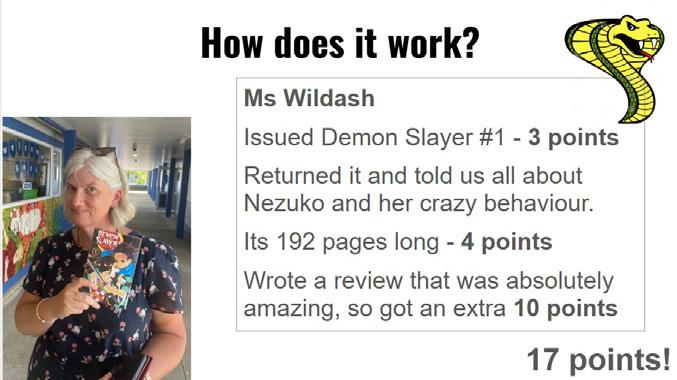
We presented a slide pack at the first assembly of the year outlining the program. Included were three example slides where we showed staff members with books that looked completely different to what you think they might read. We paired a deputy principal with a Demon Slayer Manga. A sports-mad social scientist with Midnight Rose by Lucinda Riley, and an outdoorsy tech teacher with Heart Stopper Volume 1.
Each slide showed how many points the teachers received for borrowing the book (3 points), how many points they received when the book was returned (2 points per 100 pages, as long as we were convinced the book
had been read), and the amount of bonus points they won when they logged in to Accessit on the OPAC and left a review (up to 10 points, depending on the quality of the review).
The slides were a hit with students and teachers laughing at the dichotomy of book pairings. Our students were surprised that they could be earning over 20 house points for just enjoying a book.
Reaching Week 10 and reflecting on the initiative at staff morning briefing today, I can happily say it was worth the leap. Our readers have earned over 1700 house points just from interacting with the library. Our SLT member in charge of house activities commented on a greater sense of belonging and house pride across all students, he attributed that to broadening the scope of earning house points and the work that the library has done to promote that.
Here at the Issues Desk, we feel that there is a great deal of pride from our readers who are contributing to house points, both with mainstream students (some who may not normally be participating in swimming sports or house games), and students from our SEC unit (Special Education Centre).
Numbers-wise, we have had an increase in our borrowing statistics. Our total books issues for Term One in 2024-2025-2026 are as follows: 243-376-609. We have had a couple of different initiatives running this term so we cannot attribute it all to this particular initiative, but we feel that this was an influencing factor. As librarians, we are enjoying the fact that our students are becoming more confident discussing books and being recognized as readers in a positive light.
We are aware that there is the potential for the initial excitement to wear off, so we plan to continue to promote the program during the year. We have already discussed that during Library Week we will be issuing double house points to celebrate the event. We will also start a term-long competition where the top review will be shared on our school’s social media channels with a bonus 50-point reward.
THE BIG VOTE! ENGAGING WITH THE NEW ZEALAND BOOK AWARDS FOR CHILDREN & YOUNG ADULTS
WORDS Vanessa Hatley-Owen SCHOOL Botany Downs School
For a few years now I have thought about doing a ‘book battle’ in our library. I’ve seen numerous variations of these and love the idea of engaging students with a competition to see which book is eventually chosen to be the winnerdeemed the best of the best, as voted by the kids themselves. I’d thought about it, added it to my ideas and goals list… and there it stayed.
Until last year that is! I found myself thinking once again about running a battle/competition/vote. I thought about how it would work and got a bit tied up with how many books to include and how to set up a knockout draw.
I thought about how it could include all year levels - and realised it couldn’t work with longer texts because I wanted the books to be read aloud to the classes.
I needed a cup of tea after all that thinking, and as I was sipping and scrolling, the answer came to me!
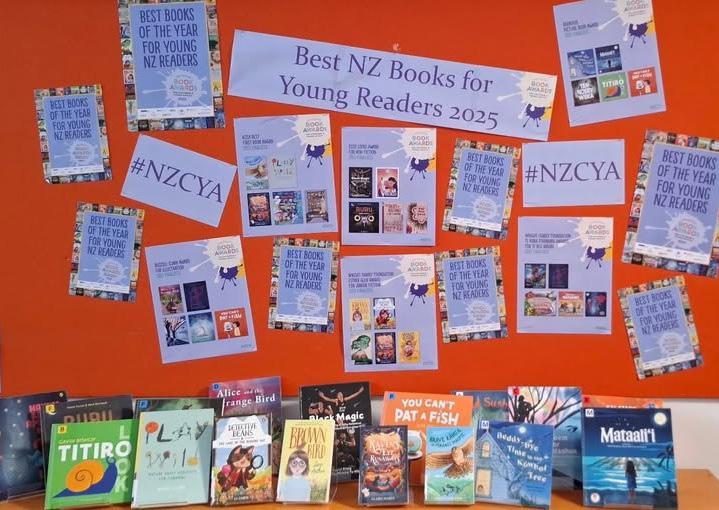
The New Zealand Book Awards for Children & Young Adults 2025 had just released their shortlists (always an
exciting post to see!) - the annual top five titles in each category of books created in Aotearoa for our tamariki and rangatahi.
The shortlists are generally released in June each year, with the winners announced at a flash event in Wellington in August.
So here it was - five finalist picture books, seven weeks away from the big winner announcement. Plenty of time to run our first ever whole school reading engagement vote for the winner programme! Ta-dah!
I got busy…
First, I made sure we had a copy of each finalist book - if we didn’t already have it, I purchased it. I try to make sure we have these, and the Storylines Notable Books in our collection each year.
Last year the wonderful finalists were: Beddy-bye Time in the Kōwhai Tree, (Juliette MacIver and Lily Uivel, published by Scholastic NZ); Mataali‘i, (Dahlia Malaeulu (Vaivase Tai, Sinamoga) and Darcy Solia, published by Mila’s Books);
Ten Nosey Weka, (Kate Preece and Isobel Joy Te Aho-White (Ngāti Kahungunu, Kāi Tahu), published by Bateman Books);
Titiro Look, Gavin Bishop (Tainui, Ngāti Awa) and Darryn Joseph (Ngāti Maniapoto, Ngāti Rereahu), published by: Gecko Press, Lerner Publishing Group); and
You Can’t Pat a Fish, (Ruth Paul, published by Walker Books Australia).
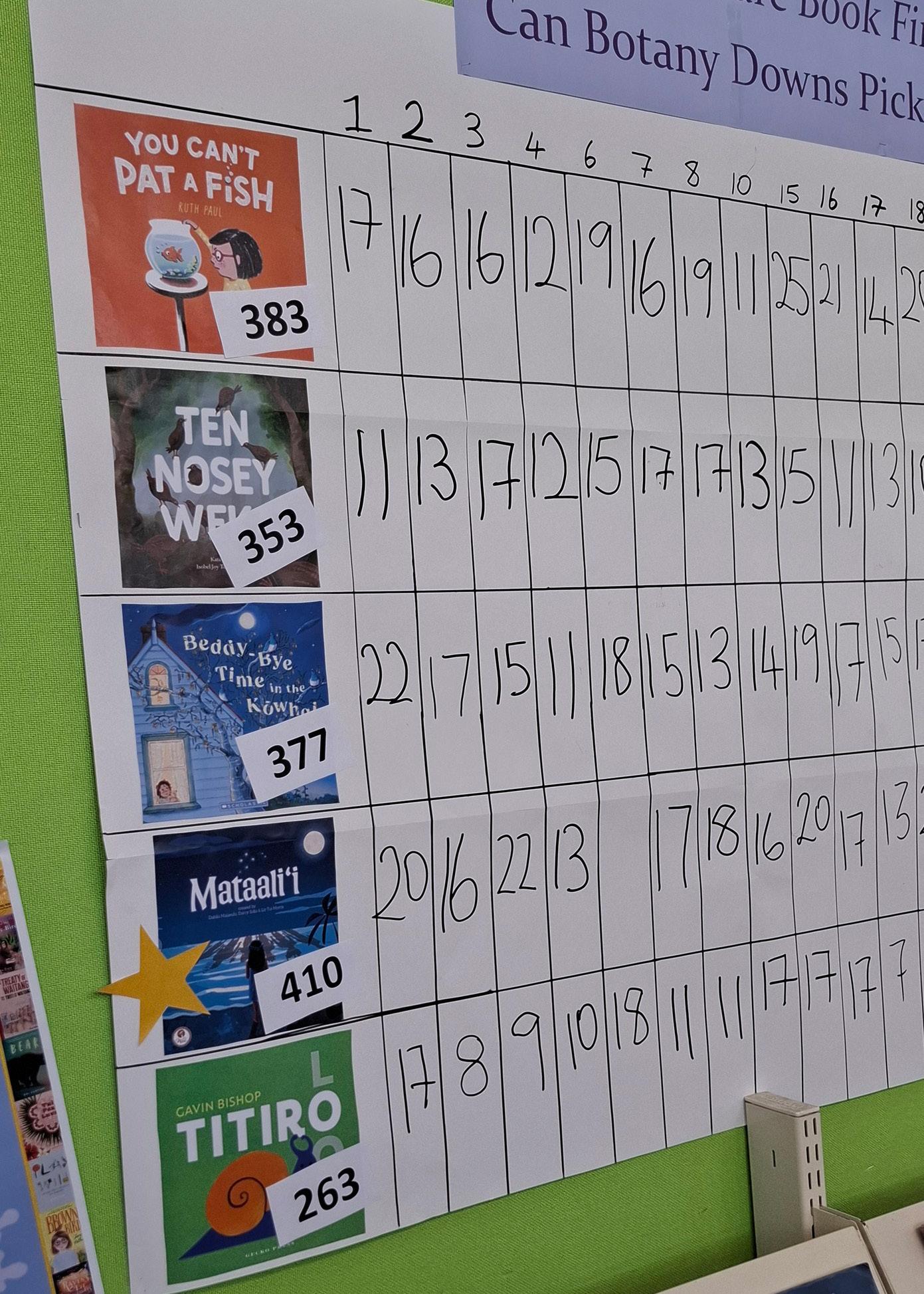
Then I created a huge (and I mean HUGE - I had to crawl around on the floor ruling lines on it!) voting spreadsheet with a row for each picture book and 23 columns - one for each class in our school - and put it up on the wall in the library where everyone could see it.
And the voting began! As each class visited the library, I read one of the finalist books aloud to them - the same book throughout the week. After reading, we had a discussion about each book; we talked about Weka, the Chatham Islands, farm life, illustration styles, customs, languages, and what makes a book an award winner.
Then the students voted by giving a thumbs-up whether they thought
LEFT NZYCA 2025
BELOW NZYCA final vote count
the book would be awarded the best. Votes were counted and recorded on the spreadsheet. And yes, the students could vote for every book if they enjoyed it.
As the weeks progressed the spreadsheet slowly filled up with numbers (which proved an added bonus for some maths cross-over learning) and the awards night came closer. I had students asking if the winner had been announced yet, and I had teachers discussing which book they felt would be the winner. Students and teachers alike had favourite books they had their fingers crossed for.
When all five books had been read to all the classes, I tallied up the votes and highlighted which book our school had given the most votes for. We were keen to find out: would our vote match the judges’ decision?
It turned out not to be the case, which led to a few disappointed ‘awwwws’, but overall, it was a highly successful reading engagement programme. We all read some great New Zealand authored books, we had discussions about them, and we learned about the awards themselves - a win-win-win. Will I do it again this year? Absolutely - bring on the shortlist!
TRINITY LIBRARY IS AT THE HEART OF READING
WORDS
Colette Mahoney
Reading is at the heart of any library, and Trinity Library is no exception. We have made it our mission to implement initiatives to help our school community engage with reading. These examples are just a few of the ways we encourage our school community to engage with reading and make the magic happen.
TRINITY COLLEGE READING CHALLENGE
Our junior reading challenge is the cornerstone of our reading program for our Year 7, 8, and 9 students. This challenge runs for a full year. The goal? Read seven books. The Prize? A sweet treat and seven house points! The competitive nature of this challenge really appeals to our students. They love seeing their reading wheels fill up with book titles. Their teachers also appreciate keeping track of their reading progress. I make a point to continually update the house point tally to ensure our students know what to strive for. As we can all attest, our Year 9 students can be a tougher crowd to win over, but we have found that with a bit of persistence and constant promotion, we can keep the momentum going right through the junior years.
SCHOOL
Trinity College
By Term 3, the library is transformed into a party zone. We host class reading celebration parties to acknowledge our ‘successful’ reading challenge winners, but we also make a point of celebrating the ‘strivers’those students who have put in the effort to improve their reading. Two deserving students from each class receive a prize and the rest of the class celebrates them and themselves with some party food and games. These parties are always a lot of fun and a great way for us to reward ALL of our students.
BISCUITS AND BOOKS CLUB
If you visit the library during one of our Biscuits and Books club sessions, you will hear us before you see us. It is, quite frankly, a boisterous affair. You may think they only come for the biscuits; while they are a drawcard, the real buzz happens when we unveil a fresh stack of brand new, never-been-borrowed books. The excitement is so great that we often have a line-up of students desperate for the same book. We have developed a way to settle this conundrum with a ‘sudden death’ number-guessing challenge to determine who gets the book first. It is fast-paced, and it is chaotic, but it proves that books still have the appeal we hope for.
We haven’t forgotten the staff. Our staff book club is the complete opposite of the student version; it is relaxed, restorative and calm. We meet twice a term on a Friday at a local bar, where the only requirement is a love of reading. We decided early on that this book club shouldn’t feel like ‘homework’ and there are no assigned books to read. Instead, everyone brings a book to lend or a recommendation to pass on. No one leaves empty-handed, and it has become a lovely way to connect and decompress during a school term.
THE ‘NO HOMEWORK’ STAFF BOOK CLUB
A STAFF BOOK CLUB ENCOURAGES READING FOR PLEASURE
This year I started an experimental staff book club to support our staff in their reading for pleasure so that they can support the students’ reading, no matter where they come from in the school. There are about eight who come to meetings regularly and quite a few more who want to be kept in the loop to read along even if they never make it to a meeting. Our members are not exclusively from the English Department, but I must admit they make up the strongest group.
One day I walked out of the library and heard “Wuthering Heights is brilliant! They just hate each other so much, it’s wonderful!” I turned around to see a science teacher grinning at me. We spent a few moments discussing the book. The passing students heard everything we said.
In this climate of digital distraction, I believe it’s important to visibly read and discuss novels. Encouraging staff to stack books on their desks, and to discuss what they are reading with each other is one way to start
improving reading engagement in a school. As yet, I only have anecdotal evidence of this, but I believe that if students do not see adults reading, they will probably conclude that reading is not important.
In our small library sphere, we may not be able to easily encourage parents to read, but we can reach the staff. Most adults I speak to think reading is important and earnestly want to read more but lack the social motivation to do so. If there is a meeting about a book to look forward to (especially if there will be snacks), they are more likely to make time for reading.
Yes, our primary duty as librarians is to support and encourage student reading, but that is too big a job for one person or a small team. Why not enlist some help by gathering an enthusiastic bunch of adults (who love learning, because they are teachers) and let them read what they want so that they can wholeheartedly encourage their students?
A staff book club can remove barriers between librarian and teachers, librarians and students, and teachers and students as everyone gets to know each other just a little better. At the very least, you get some new friends.
This month we are reading The Axeman’s Carnival by Catherine Chidgey. I am enjoying the small conversations about it with staff as I meet them in the library and around the school. There is much anticipation of the meeting, and the students see this. My hope is that the enthusiasm of the staff will be infectious and students will pick up the joy of reading so that we will become a stronger reading community.
WORDS Mikaela Webb SCHOOL McAuley High School
IF NOT US, WHO? SCHOOL LIBRARIES AND CULTURAL SERVICES FOR STUDENT ENGAGEMENT
WORDS
Alice Corkran
In 2024, Alice Corkran (Librarian, Woodford House) became interested in new library services for a growing cohort of international students. Through her Open Polytechnic library studies, she is developing multiple new ways of engaging with and providing for these students’ diverse needs. These services are still evolving and not at all what was first intended. But they have resulted in an increase in international student library engagement.
LET’S START AT THE BEGINNING
It all started with this key premise: a good school library should have something for every student.
• Books as reflective mirrors where students’ lived experiences are validated, learned from and shared.
• Characters who look, talk and behave in ways that are familiar and natural.
Yet many students miss out on these affirming stories. School libraries have inherited collections that are no longer reflecting multicultural New Zealand. This is not malicious; it has grown out of a historic, systemic approach to building school library collections. The publishing landscape for young people in New Zealand continues to be heavily western
SCHOOL Woodford House
dominant, and this is a serious inequity for our increasingly culturally diverse young people.
Where are their stories?
Where are their languages?
Where are their culturally safe spaces?
The school library is uniquely positioned to answer these questions. Libraries are for everyone, so they can lead cultural change. Libraries have a duty to provide stories and information which affirms identity and helps students connect and belong. This is not a dream for the future. It is time to act or risk losing relevance for the diverse student populations.
AOTEAROA’S DIVERSE YOUNG PEOPLE
New Zealand’s multicultural diversity is already significant. Auckland leads the way and is superbly diverse with rapidly changing cultures:
New Zealand Europeans 47.4%
Asian 30.4%
Pasifika 25%
Māori 18.1% (Bade, 2025).
Closer to my home, some Hawkes’ Bay communities report one in five residents born overseas (Napier City Council, 2025). This cultural diversity is most noticeable in our young people. Nationally, Asian youth are
the fastest-growing ethnic group (StatsNZ, 2025). Government decisions are increasing this trend. The recent 2025-2034 international education policy supports raising international student populations in both high schools and universities. This will accelerate youth diversity further and faster. In the not-so-distant future, cultural minorities will become our schools’ majorities.
These rapid cultural shifts present both a challenge and opportunity for school libraries. How will school libraries support increasingly multilingual student cohorts? Will their stories still be missing from our shelves? How quickly will libraries adapt?
OUR PROFESSIONAL BLIND SPOT
There is an uncomfortable truth that the library profession must acknowledge. Many school libraries are led by middle-aged, middleclass educated white women. This shapes what we notice, what we value, and how we curate our spaces. It dictates the stories we prioritise, the titles we promote, and the books we choose to purchase. We must recognise these cultural blind spots. Cultural competence starts with selfawareness and owning our biases.
Serving unfamiliar cultures is challenging. School librarians can find themselves in a professional bind. We are left with too many questions.
What if our good intentions offend or do harm?
How can we responsibly build collections and services for languages and cultures of which we have no lived experience?
If these students are not using our libraries, how are we expected to identify and support their needs?
This tension is real; it is the classic chicken or egg dilemma. Which comes first, the students or their stories? At Woodford House, we are facing this dilemma head-on.
WOODFORD HOUSE CASE STUDY
International students, many from East Asia, now comprise ten percent of the Woodford House school roll. In 2022 there were only 13 international students, and as enrolments grew, the cultural gaps in the library collections became increasingly visible. Asian stories, languages, and representation were absent from the shelves, and Asian student use of library resources and services appeared to be limited. The collections had not yet caught up
with the new cultural reality of the school community. The onus to fill this gap is specific to our context. These students are very young when they arrive, they are staying for their whole high school education, and live full time in our boarding school. So, our boarding school library should provide cultural connection, a slice of home and comfort in familiarity.
LESSON #1: START WITH OBSERVATION, EMPATHY, AND COLLABORATION
The instinct to race out and spend to meet new needs is counterintuitive if you do not first understand the students and their culture. The solution was not large-scale purchasing. The first step was very simple: observation. A year of watching how the library was used and by whom. Noting students’ library behaviours in break times and library lessons. Tracking circulation data by ethnicity. Unsurprisingly, our Asian student engagement was low, their social integration in the library was limited and they were silent and withdrawn with staff in the space.
But it was not yet time to purchase resources. While best library practice is to support all languages of a community, empathy mapping
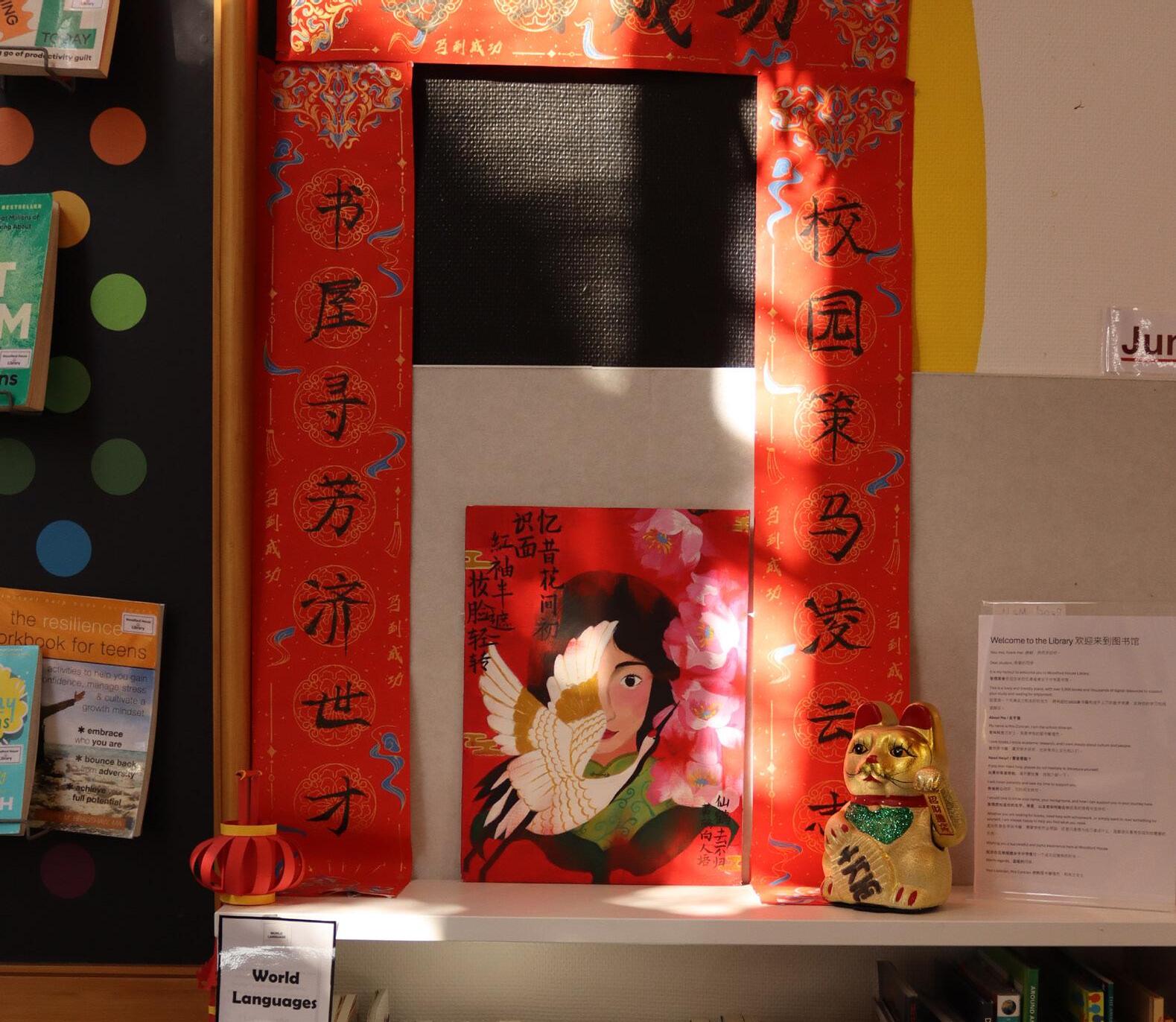
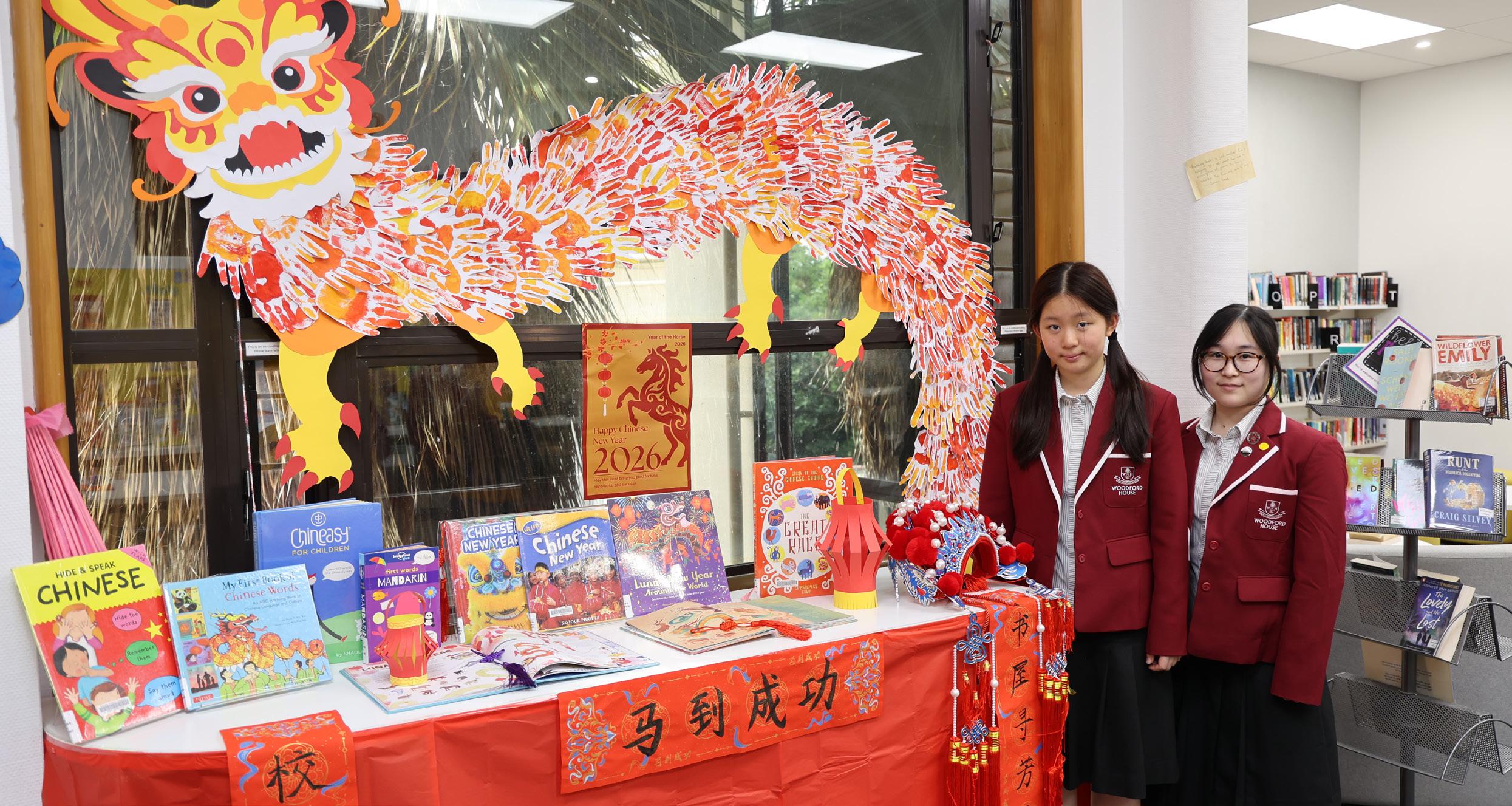
LEFT Multilingual welcome sign
FOLLOWING PAGE Chinese New Year Celebration display
was needed before new books were sourced. This process examined the library from the perspective of students new to New Zealand. In our context, they were straight off the plane, young and many had the lowest level of English. I needed to consider how they would navigate the shelves and know what to do in a foreign library environment. Through this lens, it was clear that before cultural books and languages were acquired, the environment needed to shift, wayfinding aids needed to be added, and relationships needed to be built.
To bridge my own gap in Asian cultural knowledge, I sought collaboration. Within our school community this included professional conversations and partnerships with our Global, English, and Languages faculties, and surveys of teachers and the students themselves. Externally, I utilised the expertise of our public and National Library teams. With so many parties consulted, transparency and communication about the project became very important, as did wide research of the experiences of Asian students in Western libraries. This period of gathering information helped build a clearer picture of Asian students’ needs.
LESSON #2: CULTURAL CHANGE IS ABOUT SMALL STEPS, RAPID ITERATION, AND AGILITY
This gathering of information pointed to service design thinking, not just collection development. This project could be more than one new language collection. As new services were considered, real barriers became apparent. There is a significant market gap in sourcing Young Adult titles in diverse languages in New Zealand. What is available is expensive, and dealing with international vendors is complicated. It would have been easy to abandon the project. Yet, while these barriers are discouraging, they are not a reason for failing to respond to these students’ needs.
An agile, inexpensive approach of trial, error, feedback, and adaptation was needed. Our library began experimenting with small, low-risk changes. Below is an incomplete list of the approaches we tried:
Services for access and communication
• Multilingual signage: A warm, written introduction of the library in Chinese and English is displayed in our library entrance.
• Orientation: The library has been embedded into international agent tours and new global students’ orientation programmes.
• Bridging communication barriers: Using email and written communication as a first point of contact with English language learners, allowing time for translation, comprehension and considered responses.
Services for teaching and learning integration
• Faculty-library partnerships:Including the English department, Global faculty, and English Language Learning teachers to enhance the reach of library resources to targeted students and share cultural competence learnings.
• Digital translation features: Lessons on eBook and EPIC database translation tools for teachers and English language learners.
Services for belonging and representation
• Cultural celebrations: The first Woodford House Chinese New Year celebration was planned and hosted through a library and Chinese student partnership.
• Placemaking: Asian students’ artwork and artefacts are displayed; they have ownership in dedicated library spaces to increase cultural visibility.
Services for access beyond our collections
• Inter-library networks: Leveraging other libraries’ resources by borrowing from the Hastings District Libraries and the National Library’s World Languages collections. Tracking use and gathering student feedback proved invaluable.
• Borrowed bilingual Storytimes: Using public library bilingual folk stories, with Chinese-speaking students as readers.
Services for building responsive, student-centred collections
• Student requests: Listening to the students’ expressed needs; for example, the development of a new English Language Learning Collection in response to their demand for easier English reading materials.
• Woodford House’s World Languages collection: Seeking the expertise of international
vendors, Accessit software and SCIS cataloguers because acquiring and cataloguing resources in languages I cannot speak required specialist support.
• Slow and steady selection: Instead of large-scale purchasing, the collections now grow slowly, just a few books at a time, adapting to feedback cycles, use and changing cohorts of international students.
LESSON #3: OUTCOMES ARE OFTEN UNEXPECTED
The greatest achievement was not our new, small but growing, World Languages collection. The positive byproduct of two years of observation, experimentation, missteps and occasional successes has been a significant increase in international student engagement across other library services. In 2025, even before the new World Languages books were shelved, Asian students borrowed 514 items, a 136% increase. Previously disengaged library behaviours have decreased and are better understood through improved cultural understanding.
What began as the intent to build a large-scale World Languages collection resulted instead in several smaller-scale services that are adaptive, responsive and ongoing. Low-stakes, inexpensive trial and error is slowly shaping a more appropriate library approach for the Asian students of Woodford House. Through this process, we now have five international student librarians with special responsibility for cultural events and collections. This outcome reflects student-led, meaningful cultural co-design.
KEY PROFESSIONAL TAKEAWAY
Our student populations are more multicultural and linguistically diverse than ever before, and this diversity is increasing rapidly. School libraries
must respond by starting slowly with observation and seeking collaborative partnerships. Research and learn about the cultures of your school with curiosity and genuine interest. Build trusting relationships with students and their families to invite co-design. Listen and respond to their expressed needs, not your perception of those needs. Cultural services are designed with, not for students. This work takes years and it is slow, but impactful. Start today.
For more information:
ADVOCATION:
To advocate for management support, read Part Four of this code of practice (see Section 21(c) in particular):
New Zealand Qualification Authority. (2021). Education (pastoral care of tertiary and international learners) code of practice 2021. New Zealand Government. https://www2.nzqa.govt. nz/tertiary/the-code/
STUDENT EXPERIENCES:
To better understand the experiences of Asian high school students in New Zealand and Western education, watch:
Li, T. (Director). (2007). Waves: The diaries of Chinese international students in New Zealand [DVD]. Li Tao Film Productions.
TEDx Talks (Director). (2020, September 3). (Don’t) talk to the Chinese kids: My journey with diversity and inclusion | Miga Xie | TEDxEmory [Video recording]. https://www.youtube. com/watch?v=UNGG4luwYbg
CULTURAL COMPETENCE AND BIAS
To examine your own journey with cultural competence and biases, read: Reed, E. (2023). Dismantling deficit thinking in library instruction for international students. Journal of Library Administration, 63(7), 960–973.
https://doi.org/10.1080/01930826.20 23.2262370
NATIONAL LIBRARY GUIDANCE
To connect to National Library support for building culturally responsive collections or borrowing from the World Languages collection, read these.
Gaston, N. (2021, June 21). Diverse school need diverse collections. Libraries and Learning. National Library of New Zealand. https://natlib.govt.nz/blog/posts/ diverse-schools-need-diversecollections
National Library of New Zealand. (n.d.). Building an inclusive collection. https://natlib.govt.nz/schools/ school-libraries/collections-andresources/building-an-inclusivecollection
National Library of New Zealand. (n.d.). Books in world languages. https://natlib.govt.nz/schools/ reading-engagement/childrens-andyouth-literature/books-in-worldlanguages
REFERENCES
Bade, D. (2025). Children and young people in Tāmaki Makaurau / Auckland: Results from the 2023 census. Auckland City Council. https:// knowledgeauckland.org.nz/media/jkldu3rt/ children-and-young-people-in-aucklandresults-from-the-2023-census.pdf
Napier City Council. (2025). Whiria Ahuriri: Weaving together the people of Napier. Napier’s draft multicultural strategy 2025-2030. https://www.sayitnapier.nz/assets/Uploads/ Napiers-Draft-MultiCultural-StrategyDocument.pdf
StatsNZ. (2025, September 11). National ethnic population projections: 2023(base)- 2048. https:// www.stats.govt.nz/information-releases/ national-ethnic-population-projections2023base-2048/
FROM VISION TO ACTION: CULTIVATING A READING HEART AT MANCHESTER STREET SCHOOL
Our journey to building a vibrant reading culture began with a single conversation, though for many school librarians, these kinds of conversations can carry a heavy weight of apprehension. At Manchester Street School (MSS), our transformation was sparked when our new principal, Jared Fretwell, and I sat down to review my job description. In an era where school libraries and library roles are often tenuous - dependent entirely on Senior Leadership and Board of Trustees support for space, collections, and staffing hours amidst increasing budgetary pressures - I knew that having my principal fully on board was vital. I needed him to understand not just what I did, but the immense benefits a thriving high functioning library and having a specialised librarian bring to our kura.
It was an eye-opening moment; like many school leaders, Jared candidly admitted he wasn’t fully aware of the breadth of the librarian’s role. This honest starting point became the catalyst for a collaborative mission to move our library from the periphery to the very heart of our school.
MAPPING THE TERRITORY
To move forward, we first had to understand exactly where we stood. We partnered with Debbie Roxburgh, a facilitator from the National Library’s Services to Schools, to undertake a comprehensive review using the NLNZ Reading Culture Review tool.
In Term One of 2025, we surveyed our staff, students, and whānau to gauge their perspectives on the importance of reading and the role of our school library. The results shone a light on both our successes and our gaps:
• Strengths: We discovered a strong foundation. Every class visited the library weekly with the expectation that every student issued books. Our library is a modern space with regularly refreshed displays, and we ensure new books are added frequently, supplemented by National Library selections to increase student exposure to fresh titles. Because of this, the library was already regarded as a valuable asset.
• Areas for Development: While the foundation was solid, we identified
that we had significant work to do regarding an ageing collection (with an average publication year of 2011) and physical accessibility issues. We also realised our tiredlooking, well-used furniture needed a refresh to match our modern aspirations. Crucially, we identified a need to better utilise the specialised knowledge I hold as a librarian - specifically regarding our collection, reading trends, and the skills I have gained over the years through SLANZA and NLNZled PLD. We recognised that to boost whole-school reading advisory, our staff needed to be visible, active participants in our reading culture; teachers needed to see themselves, and be seen by students, as readers. Furthermore, we saw a vital opportunity to align our goals with the school’s Strategic Plan and become more Te Tiriti focused, implementing more te reo Māori signage and better reflecting the cultural needs and identities of our school whānau.
• The Roadmap: The review placed us at the ‘Doing’ stage of the NLNZ Reading Culture Roadmap,
WORDS Sasha Eastwood
SCHOOL Manchester Street School
providing a clear trajectory to move toward ‘Enhancing’.
THE POWER OF THE LIBRARY TĪMA
With data in hand, we didn’t just file a report; we formed a library tīma consisting of Jared, Debbie, and myself. For a sole librarian, this was perhaps the most transformative part of the process. Often, our mahi can feel isolated, but being part of a team with shared goals and a specific library focus was incredibly exciting. Having the backing of my principal and the expertise of the National Library meant we were no longer working in silos but moving together towards a common vision.
Through several hui, our tīma translated our findings into a formal report for the Board of Trustees, outlining nine strategic recommendations. These included collection renewal, environmental optimisation, and building teacher agency to model “Reading for pleasure | Te pānui hei whakangahau”.
Together, we developed a plan going forward underpinned by a new Library Kaupapa Statement. We worked collaboratively to align this plan with our school’s Strategic Plan and began developing comprehensive Library Guiding Documents. By
LEFT Dedicated shelving space for series
using our data, hui discussions, and shared aspirations, we have created a framework that establishes our library as the heart of curiosity, imagination, and learning at our kura.
MAHI ON THE GROUND
Debbie became a regular and vital presence at our kura. Together, we tackled the practical actions highlighted in our review. We embarked on a significant weed of the fiction collection to ensure relevance and accessibility. A major focus was the physical layout of our collection; we pulled series out from the Chapter Book section and created dedicated
shelving space to house them. To support this, we increased shelf signage for both series and popular authors, making it easier for students to find their favourites.
By implementing a dynamic shelving model, we have created far more interest within these fiction collections. Books are now displayed in a way that catches the eye and invites browsing, turning the library into a more engaging, student-friendly space.
This physical transformation has been mirrored by a professional one. I have started attending staff hui regularly to present on library services and reading-related themes, ensuring the library remains at the forefront of staff awareness. Furthermore, our kura has recently introduced a daily ‘read and feed’ component to the classroom programme, embedding reading for pleasure into the very fabric of the school day and allowing students
to see their teachers engaged with books.
A key part of sustaining this culture is involving our students in the leadership of the library. I have developed a three-stage student librarian programme designed to build student capability and confidence in library service and reading advisory skills. Crucially, this programme reflects our school’s CARE code ‘E manaaki ana mātou’, ensuring that as the students progress through the stages, they are not just learning technical skills, but are also embodying the values of our kura.
A CONTINUING JOURNEY
In September 2025, we had the privilege of sharing our progress at the SLANZA Horowhenua Hui. While we have achieved so much - including the development of a new job description and a school library statement that underpins all our mahi - we recognise that this is a continuing journey. We
still have several recommendations from our initial report to work through, and we understand that our library services must constantly evolve to match educational trends and outcomes.
Because of this, the “review” of our library will never truly be finished. We are committed to an ongoing process of improvement based on the ever-changing best practices of both libraries and schools. Our library kaupapa statement now serves as a guiding light, ensuring our library is recognised as a vital pedagogical hub that supports literacy, learning, wellbeing, and joy.
I am incredibly appreciative to have a supportive principal who has sat beside me in this mahi, and to have had the expertise offered by Debbie as a facilitator. The National Library Services to Schools resources were absolutely essential to this process.
Our experience at Manchester Street School proves that when leadership visibility meets librarian expertise and external support, you can create a roadmap that turns “reading for pleasure” from a vague aspiration into a celebrated daily reality, keeping reading firmly at the heart of our kura.
Sasha Eastwood is the Librarian and Resource Manager at Manchester Street School, Feilding, a position she has held since 2008. Passionate about school libraries, fostering literacy and the love of reading, she is a dedicated member of the School Library Association of New Zealand Aotearoa (SLANZA). A former SLANZA President (2021–2023), she currently serves as the Immediate Past Manukura | President, working to advocate for and support the school library sector across Aotearoa. She can be contacted at sasha@manchesterstreet.school.nz or central@slanza.org.nz
JUST READ: A WORK IN PROGRESS
–
UPDATE
WORDS Penny Walch
In Collected #36 I wrote a piece about my determination to initiate a Just Read programme at my school, inspired by the fabulous Gabrielle Mace at the 2024 SLANZA Conference.
At the time I wrote my last article, Just Read was a proposal. I was really hoping to be able to report that 2026 had seen that proposal come to life - largely because of a significant timetable refresh at our school as we embark upon our IB journey.
Well, the good news is that my school does now have Just Read time scheduled each day into our timetable. Whoop whoop!!! I was stoked that our SLT saw the value and found the time for daily reading. Before the start of Term One, I presented to our staff to get across to them the benefits of such a programme and to explain how it would play out. (Bearing in mind that I had done some background work before I completed my proposal to make sure there was support for Just Read from our staff.)
We have now experienced one term of Just Read and it is definitely a work in progress! There is much to celebrate,
SCHOOL Southwell School
but there have also been hiccoughs along the way. Perhaps our hiccoughs can help others in the future.
This report aims to outline some of the successes, as well as the work-ons, that we have experienced so far.
The first thing to note is that we are a heavily timetabled school and the SLT only managed to squeeze in ten minutes of Just Read time - after lunch each day. Unfortunately, with our timetable refresh this also came alongside losing ten minutes of break time each day. Of course, this was not a great look as some staff and children equated the loss of break time with Just Read. (We have since reclaimed five of those minutes from another part of the day - but the bad taste is still there for some.)
All that aside, students come in from lunch and settle with their book of choice. My colleague and I have done much work around educating staff and students about the need to choose a book which they can read from cover to cover. We are asking children to avoid just grabbing a different book daily from class reading sets - but this does come down to how each teacher
runs their room. This is another work in progress, and we will continue to push this during our library teaching sessions moving forward. Our MO is to move gently and carefully so as not to put anyone off, but also to lay down clearly what we would like to see happening.
Anecdotal feedback so far is that students enjoy the calm down time after lunch before they head off to afternoon classes, as do many teachers. We are seeing more children completing books from cover to cover - evidenced by the fact that many children have one overdue book - their Just Read book - which they are hanging on to so they can keep reading it.
For me, as the person leading the initiative, I have physically positioned myself central to the classrooms during Just Read time and I have noted that there are a number of students who are regularly late. By the time they arrive, it is almost over, which indicates to me that ten minutes is simply not long enough. It also suggests that the time directly after lunch does have its disadvantages as well as its advantages! My advice
would be to push for fifteen minutes as a bare minimum. (I have plans to push for this moving forward.)
Gabrielle Mace advocated that all staff on site should be involved in Just Read - from admin staff to grounds staff to SLT. At the start of the process, I created a guide for all staff which encouraged them to buddy up with a class and then head to that class when possible. My SLT had warned me that they would not be expecting all auxiliary staff to be a part of Just Read and so, on their request, I issued an invitation rather than a directive. On the day I launched Just Read, all staff were asked to come along for the run down, but on the day many did not. It was made clear at that presentation that it was an invitation only, but when I sent out the follow-up material, many of those who had not attended went into panic mode. This was exceptionally disappointing and my advice to anyone giving this a crack would be to make sure it is clear from the get-go…EITHER auxiliary staff are going to be expected to take part and therefore should attend any PD OR they are not expected to take part.
Gabrielle also advocated for a oncea-week Book Chat scenario whereby, on a designated day each week, instead of reading, students would come together to discuss what they’re reading. This has not really happened at our school. Teachers have said they quite like the students just being able to read, so for the time being I am running with this as we work out what works best.
As the figurehead of Just Read (unwilling, but necessary!!) I, of course, pick up on all of the negatives. However, as one of our SLT has pointed out, I must remember all the children who are reading for the full ten minutes each day and remember the benefits for those. The late comers and avoiders now become our focus… how can we encourage them to join the party?
At the start of the year, we ran a survey with our Year 5-8 students which attempted to gauge how they feel about reading. The plan is to redo the survey later on this year in order to see if there has been any noticeable improvement.
My prediction is that the avid readers will still have a positive response while the avid avoiders will still be generally negative. But I hope to see some of the more middle-of-the road readers (in terms of their attitude) swinging towards a more upbeat feeling about their reading.
As I always say to the students - we are playing the long game. Whilst I would love overnight miracles, that ain’t gonna happen. Hopefully, what we are doing is laying down some important groundwork which will or won’t bear fruit for some students for months or years to come.
LEFT Credit: Paula Wine, Woodstock Puekora School
Regular – THE POETS XYZ
THE POETS XYZ
One of The Poets XYZ, Elena de Roo is an ex-librarian and award winning author of picture books, junior fiction and poetry. Her latest books are Ring Ting Tūī! (illustrated by Paul Beavis) and Wizardry to Wētā Verse (illustrated by Juliet de Roo).
WORDS
Some words just feel nice like green-apple butter and blue-lemon ice or soft mossy pillows by whispering willows and tamarind trees in a hot summer breeze
They sing on your tongue no reason to be some words just hum like the cat on your knee
First published in A Treasury of NZ Poems for Children, edited by Paula Green, illustrated by Jenny Cooper, Random House NZ, 2014.
Elena de Roo
WORDS AND CUTTER'S GAP
WORDS Elena de Roo
One of The Poets XYZ, Elena de Roo is an ex-librarian and award winning author of picture books, junior fiction and poetry. Her latest books are Ring Ting Tūī! (illustrated by Paul Beavis) and Wizardry to Wētā Verse (illustrated by Juliet de Roo).
Over the next few issues of Collected, the Poets XYZ are looking forward to highlighting some of the fantastic children’s poetry resources out there available for librarians and teachers to use, as well as providing new places— sadly, there are not that many—for writers of children’s poetry to submit their work. We are kicking off with Tyger Tyger Magazine, followed by The Dirigible Balloon and Little Thoughts Press in upcoming issues.
Tyger Tyger Magazine is a free online journal established by the talented UK children’s poet Rachel Piercey. It was launched in 2022 and features new children’s poems by contemporary poets from across the world.
ORGANISATION
The Poets XYZ
The poems are mainly aimed at 7–11-year-olds, but many are suitable for younger and older children too. Rachel and a wonderful editorial team produce three issues per year, each centred around a different theme. All the poems are available as free downloadable printable posters to display and some come with free teaching resources. There’s also an excellent list of other places to submit, as well as some of their favourite children’s poetry resources, on the submissions page.
Anyone 18 years and over is welcome to submit unpublished poems to Tyger Tyger Magazine. New Zealand children’s poets who have had their work featured so far include: Kathryn Dove (In Which the Witch Paints Her Toes, Issue 3) Annelies Judson (Grandma, Issue 7) Philippa Werry (Mighty Puzzle, Issue 9) Erin Zampaglione (Trapdoor Spider, Issue 10) and Ellen Adams (Keep That Cat in the Bag, Issue 10).
After many unsuccessful submissions, late last year—after some last-minute inspiration from the universe on the theme of ‘surprise’—I was thrilled to find out that one of my poems, Bang! had been accepted for their latest issue (no.10) too. Check out their website tygertyger.net to find it and many more exciting poems, posters and resources.
Coming soon: The Dirigible Balloon, and Little Thoughts Press
Regular – WORDS & CUTTER’S GAP
GUTTER’S GAP
This rather strange but intriguing poem was copied from one of the last entries in the Gutter’s Gap National Park Intentions Book before the track was closed for safety reasons:
Two Intrepid Explorers Heading to Gutter’s Gap—Back Thursday
We’re on an expedition to the rift at Gutter’s Gap the one that runs the valley floor, unmarked on any map.
The rift is strewn with pitted rocks they call The CrumblyCrustlings and rumours say its cliffs can shift—to run if we hear rustlings.
‘It’s not a place for tourists,’ the locals often mutter.
‘All the tracks stop long before the bottom of the gutter.’
It’s true the steep-sloped margins are a dangerous border place where people sometimes disappear without a single trace
Those alpha-types who make it back, will shrug. ‘The Gap’s not wide.
Don’t look down, just take a leap—you’ll make the other side.’
But what if you should lose your place and fall into The Gap tumble down that deep crevasse, take pages to get back— emerging dazed, delirious, with bloodied blistered feet telling tales of crumbly rocks that tasted stale and sweet!
And so, we write this paltry note to tell you where we’ve gone in case we stray along the way and things go rather wrong!
Elena de Roo
First published in Wizardry to Wētā Verse, Elena de Roo, illustrated by Juliet de Roo, The Cuba Press (Ahoy!) 2024 Teachers notes for Wizardry to Wētā Verse are available on thecubapress.nz
THE RECKONING: EVERY STUDENT DESERVES A SCHOOL LIBRARIAN IN THEIR LIVES
Rochelle Turnbull and Julia Smith share SLANZA’s research on the scarcity of libraries within New Zealand schools, and the impact that has on our children.
Previously published in The Sapling, August 4, 2025, reprinted with their permission.
It may surprise you to learn that not every public school in New Zealand has a school library. Indeed, it is more likely that a school doesn’t have one.
New research has exposed significant, widespread inequities and disparities in access to school library services across Aotearoa, revealing hundreds of thousands of students are missing out on the resources they need to succeed.
Having a library space, resources and a librarian to support curriculum teaching and learning, student wellbeing, and reading for pleasure, were frequently identified as key benefits for students in this latest research, conducted by the New Zealand Council for Educational
Research (NZCER) on behalf of the School Library Association of New Zealand Aotearoa (SLANZA) and National Library Services to Schools.
However, students attending small schools, rural schools, as well as those in communities facing higher socio-economic challenges, are disproportionately affected, often unable to access school library spaces, a librarian, or resources.
Compounding these inequities, the research highlights clear disparities between the expectations of school leaders and their ability to provide access to a library and a specialised librarian. While many principals recognise the vital role that libraries and specialised librarians play in supporting student learning and wellbeing, insufficient funding and competing priorities, such as increasing rolls requiring the library to be turned into classroom space, often prevent these goals from being achieved.
Currently, school libraries and library staff are funded through operational funding for schools. There is no specific provision or ring-fenced budget for the library; funding is allocated at the discretion of the Board of Trustees and the Principal. It is no coincidence that declining literacy rates have coincided with sustained under-investment, devaluing and neglect of school libraries in Aotearoa. Dedicated funding is not a luxury—it is essential to ensure every student, regardless of their postcode, has equitable access to the resources and support that a well-resourced school library provides.
The Education Minister stated in a speech in May 2024 that New Zealand’s education system should be the great equaliser, and that your means should not determine your destiny. School libraries are the greatest equaliser. Equitable access to books is crucial to any child’s literacy and learning success, underpinning success in all aspects of their learning
WORDS
Rochelle Turnbull and Julia Smith
ORGANISATION
SLANZA
RIGHT ‘A place where they can be themselves. A place to relax. A place to just be. A safe place. An inclusive place. Do not underestimate the importance of libraries as a “place”.’ Cosy and creative spaces at Bellevue Primary School library, images courtesy of Sarah Elton.
journey, be that literacy, numeracy or their wellbeing.
School libraries are equity champions.
The argument that public libraries could replace school libraries is flawed. Public libraries are not equally accessible to all, as not every community has a public library. Even where they are available, many students may come from whānau who may not have the capacity or resources to prioritise regular visits. Schools face logistical and financial challenges to off-site travel. By contrast, school libraries offer equitable and consistent access to books, resources, and literacy support within the school day, ensuring every student has the opportunity to thrive.
There is also a strong focus in education on student wellbeing and mental health. The library plays a vital role in this area. It is a place where students aren’t judged. A place where they can be themselves. A place to relax. A place to just be. A safe place. An inclusive place. Do not underestimate the importance of libraries as a ‘place’. With the closing, or downsizing, of many school libraries, this important facet of student wellbeing is being lost, and denied to many.
Likewise, in supporting teachers in the delivery of the curriculum, school librarians ensure that the building blocks of structured literacy are strengthened by developing reading
for pleasure. The government has promoted structured literacy as the primary solution to address our declining literacy rates. However, students need access to engaging books to consolidate their progress once they have progressed from ‘learning to read’ to ‘reading to learn’, and consequently instill in them the enjoyment of reading for pleasure. There is a significant distinction here. Students need something to read, something that appeals to them, once they’ve learned to read.
School librarians are literacy professionals. They know how to put that ‘Goldilocks’ book in your hand, the book that is ‘just right’, the book that nurtures reading for pleasure, the book that you’re guaranteed to love after finishing the latest in the Diary of a Wimpy Kid or One of Us is Lying series, the book that consolidates literacy success after those initial years of learning to read.
Additionally, where do tamariki Māori and Pacific learners see themselves in literature if there is no one to curate a responsive collection or funding to create this collection? A collection that reflects their Māori and Pacific identities and aspirational heroes, which inspire them to read?
School librarians’ expertise, enthusiasm, and ongoing support play a crucial role in promoting diverse and engaging collections of books that support reading progress and foster reading for pleasure. This type of reading is vital to improving literacy and learning outcomes, developing imagination and empathy, and increasing critical thinking skills and emotional wellbeing. SLANZA is concerned that without access to school libraries and specialised librarians to promote and encourage reading for pleasure, the potential of literacy programmes will always be limited. To achieve the government’s
target of 80% of Year 8 students reading at or above curriculum level by 2030, investment in school libraries must be part of the solution.
All students in Aotearoa New Zealand deserve a school librarian in their lives.
It is woeful that students attending small schools, rural schools, and communities facing higher socioeconomic challenges are being denied fundamental resources and support.
SLANZA urges the government to mandate that every student have access to a well-resourced school library, a specialised librarian, and ring-fenced funding to ensure that all students will have equitable access to the resources needed to achieve their reading and learning potential.
With a passion for advocacy, Rochelle worked in the public relations and communications industry before retraining and becoming a school librarian in 2017. She is currently the Library Leader at an Auckland high school. As SLANZA’s Advocacy Ohu Mahi Lead, Rochelle has been the driving force behind highlighting the importance of school libraries to MP’s and decision-makers for many, many years, including consistent advocacy efforts with the current Minister of Education, Erica Stanford.
Julia is the librarian at Kerikeri High School. A SLANZA Te Tai Tokerau committee member for nearly twenty years, a National Executive member for eleven years, ten of those as Communications Lead, and SLANZA co-president between 2017–2019. Julia
stepped down from National Executive in April 2025. However, she is once again chairperson of SLANZA Te Tai Tokerau, and enjoys the challenge and connection of being on the SLANZA Advocacy Ohu Mahi team to inform and influence decisions within political, economic and social institutions that can affect or create change in the school library sector.
BOOK REVIEWS
Our Book Review section is a space for readers across the motu to share their insights, favourites, and hidden gems. From new releases to timeless classics, we hope these reviews help you find books that excite, challenge, and inspire you.
THE TAKORADI RUN
BY BOB KERR
Reviewed by Alan Dingley
Bob Kerr was well known in New Zealand for his brilliant Terry Teo graphic novels in the ‘90s, and he continues his blend of graphics and text in this ‘only occasionally imaginative’ retelling of his uncle’s time as an aviator, and sometimes rascal, during World War Two’s African campaign.
Ron Whitcombe was a typical kiwi lad, building his own boat and escaping off on mini adventures, all the while dreaming of escaping the drudgery of a seemingly boring home life around Wellington. This part of Ron’s life is beautifully captured both in Kerr’s distinctive graphic style, and in the real-life family photos, flyers, and posters from the time which lend a familiar, personal touch that flows on through the book.
Things all changed when he enlisted for the RAF and was trained to fly
the mis-spelled ‘Vildebest’, a rapidly deteriorating Bomber, first over Germany, and then was sent to the African theatre of war. Simple, nonemotive descriptions of their flights still give the reader a window into the everyday risks faced, especially the simple empty chairs at the dinnertable picture.
Kerr describes his uncle as ‘a bit of a scoundrel, always looking to make a bit of money on the side’ and this comes across without ever painting Ron in a negative light.
When Ron meets a local with connections to local goldmines, he stumbles into the world of gold smuggling, which for a poor young lad on a navigator’s wage is too good an opportunity to miss out on. Ron manages to survive the war, and return home with his hard-earned, if not ill-gotten, gains, and we leave him as he tries to reconnect with this favourite sister.
This is a great mix of ‘boys’ own’ adventure, feats of derring-do, and a simple tale of a young man trying to find his way through family tragedy, and a call to war. Kerr was fortunate that his uncle’s story ‘just came tumbling out’ when Kerr met him near the end of Ron’s life.
This will appeal to readers aged 1015 years old, and the mix of text and graphic novel is handled very well by Kerr, a seasoned veteran in the business.
COUNTING DOWN WITH THEODORE BROWN
BY DANIEL DEVENNEY
Reviewed by Bernadette Swan
I know they say you shouldn’t judge a book by its cover, but sometimes an awesome cover leads you to an awesome read.
As I wandered around Paper Plus, the cover of Counting Down with Theodore Brown, by Daniel Devenney, caught my eye, and it didn’t let me down. This was a standout read for me, offering a unique perspective that is sure to find a home with our wonderfully diverse community of readers. I loved this book!
Daniel Devenney has crafted a superb YA debut that is as unique as it is engaging. Theo, the protagonist, has the ability to look into a person’s eyes and see the exact number of days he will have with that person. It is a literal countdown to goodbye. Poor Theo learns the hard way how distressing this knowledge can be. From the first chapter I was deeply invested in Theo,
a loveable and relatable hero with a heavy burden. To cope, Theo retreats from the world, finding respite in video games and music, and as the story unfolds, we learn more about the difficulties he has faced.
This book strikes a perfect balance, tackling heavy subjects with a beautiful, expressive writing style which ensures that the reader feels the emotional weight without being pulled under by it. But this isn’t just a story about loss, it is a beautiful and expressive coming-of-age journey. As Theo begins to conquer his fear and navigate the world, the narrative shifts from fear of the end to the embracing of the ‘right now’. Theo finds love and learns to embrace life in its entirety.
There is a wonderful treat for music fans here, too. The author has curated a literary soundtrack with each chapter titled after a song that perfectly captures the mood of the moment. This is such a unique touch; it creates a wonderful accompaniment for Theo’s journey.
This was a truly unputdownable read. While all of the characters are thoughtfully developed, Theo is undeniably the heart of the story. He is such a vividly drawn character that, by the final page, I found myself genuinely reluctant to say goodbye. Counting Down with Theodore Brown is a book I fell in love with, and I am sure you will too.
SEEKING WILL | RAPUA A WILL
BY EMMA HINTON & NICKY HARTLEY
Reviewed by Esther Casey
Seeking Will | Rapua a Will is another beautifully crafted pukapuka for 3 to 8-year-olds from the talented team behind Finding Grace | Kimihia a Grace; author Emma Hinton, illustrator Nicky Hartley, translator Hēmi Kelly, and the many creative tamariki who contributed to the artwork.
This story follows Will and his determined companion, his dog Seek, as they embark on an outdoor adventure. When a powerful and disorienting storm strikes, the pair become separated. Alone, Will must draw upon his inner confidence and resilience to find his way back to his friend, restoring their connection before continuing their journey of discovery.
The storm Will encounters will feel familiar to many in Aotearoa, but it also serves as a powerful metaphor for moments in life when we feel lost, uncertain, or alone. The narrative opens meaningful opportunities for discussion around emotional resilience, perseverance, and regaining balance in challenging situations. Each line invites reflection, and the excellent teaching notes
enable deeper engagement and the development of emotional literacy.
This is a meaningful and resonant addition to the series, and I eagerly anticipate the release of the third book.
FEMINIST LIBRARIANSHIP: PRINCIPLES, PRACTICES AND PROVOCATIONS
EDITED BY KIRSTEN MACQUARRIE
Reviewed by Lauryn Urquhart
I thought I was a fairly aggressive feminist librarian until this book challenged my personal philosophy on feminism in libraries. It has given me new ideas and thoughts that I can build upon in my own library pedagogy. The women, and men, who have contributed to this book have taken me on a journey; they have caused me to ruminate on topics such as the lack of female editors on Wikipedia, making libraries therapeutic spaces, the thought processes around cataloguing for provenance with a Feminist mindset,
being more courageous in living past my ‘label’, eco-feminism, and from the excellently titled chapter Menstrual Literacy in Bloody Brilliant Libraries, I have begun to think more deeply about menstrual injustice and the ways libraries can educate and empower everyone.
Throughout the eighteen chapters there is a lot of information to take in, but it doesn’t need to be read in a linear fashion; each chapter is written in such a way that it is easy to dip in and out of, and believe me, you will need to time to ruminate on each one.
One that particularly struck a chord with me was Chapter Eight: Safe and Seen in the School Library: Attachment Theory, Feminist Practice and Giving Girls What They Need to Thrive. In this chapter it states that almost one in five girls does not feel safe in her school and gives valuable examples on how to build a safe environment for these young people.
This is a book that will most definitely challenge the way you think, and if you weren’t already thinking it, it makes the case that investment in libraries is an investment in women and female empowerment. It will open your mind to the reimagining of the ways in which libraries can adapt to be more inclusive and equitable from the minds full of some very powerful feminist thoughts.
This book isn’t just for raging female librarians, it’s a valuable read for everyone – library users included.
BY LUCY APPS
Reviewed by Lauryn Urquhart
If you’ve ever really wanted to experience life through someone else’s eyes, this book feels genuine and is written with heart wrenching accuracy.
It is 1996, Gloria is 19 and has just finished school. As a person with a learning disability there seem few options for her and her mother appears disengaged with advocating for her, so she is left to her own devices during the day. Gloria wanders the streets, inevitably running into unsavoury situations, the worst being Jack.
Jack befriends Gloria and though Gloria is happy that she has made a friend, through her naïve eyes Jack’s real character is exposed, and the gravity of the situation heartbreakingly clear. Disaster strikes when Jack stabs an innocent man who tries to intervene on Gloria’s behalf, Jack is arrested and sent to prison.
During the next 10 years we watch as Gloria tries to come to terms with this, and because of her vulnerability and lack of support, she is completely misunderstood and failed, especially by the person who should care most –her mother.
This book resonated deeply within my heart, as well as leaving me emotionally overwhelmed and distraught, but hope was kindled too. There are so many ‘Glorias’ in the world and as a carer for a vulnerable person, this story touches a nerve with me. But it is my greatest hope that this book will shine a light on the vulnerability and suffering of people considered ‘lesser’ in our society, not just in the story itself, but in the choppy sentences, the constant cycling of Gloria’s thoughts, the way people react to her just by looking at the surface, and the way she sees things that just aren’t quite right that truly mirror the way a neurodivergent brain works.
This book was longlisted for the 2026 Women’s Prize for Fiction and has been awarded Observers Best Debut Novel of 2026, esteems I highly agree with. Deserving of your TBR list.
GLORIA DON’T SPEAK
WHAT’S GOING ON IN THERE? THE NEUROSCIENCE OF THE ADOLESCENT BRAIN
BY KATHRYN BERKETT
Reviewed by Lauryn Urquhart
Kathryn Berkett aims that this book “carries on the good work of older titles like Celia Lashlie’s He’ll Be OK and the many books by the muchloved Nigel Latta.”
Upon looking at the contents page, I was surprised that such a slim volume would be able to do justice to all that this book promises. Beginning with an explanation of the premise and thinking behind her book, Kathryn launches into all things adolescence; from puberty to brain physiology to changes in the brain to the way our environment causes challenges for today’s teens. It does a fair job of covering the basics of puberty and the changes to expect in a neurotypical teenager’s brain along with reasons for behaviour changes. A clear and simple diagram explaining systems in the brain is located inside the front cover which can be referred to as the author explains each one.
While there is much information to digest, this is written in a clear and talkative style which makes for wide
accessibility. It is designed in such a way that enables the reader to dip in and out of the sub-sections in each chapter. A useful addition is the ‘Key Points’ at the end of each section which reiterate the main ideas.
Chapters Four and Six are particularly pertinent to us as guiding adults in our roles as school librarians; these give good information about the changes happening in the teen brain that we often dismiss as ‘typical teen behaviour’, and how we can build positive relationships with teens by altering our behaviour and responses towards them.
As many Collected readers are parents, grandparents or people working with adolescents, this book deserves your time and attention as a helpful guide to understanding and being more empathetic to the teens in your life.
This is Berkett’s first book, I’m interested to see more from her in the future.
UPDATE FROM ACCESSIT
With the school year well under way and the work starting to ramp up, we wanted to give you a quick update on what the Accessit team has been doing to help support librarians around the globe and here in New Zealand.
THE RETURN OF ROADSHOWS
The last few years, we have been working to deliver some truly valuable professional development in the form of our Accessit Roadshows, and this year is no exception.
These events are designed to help customers new and old; by allowing them to select their own sessions throughout the day, it’s a truly personalised learning experience. New customers can choose more introductory-focused sessions about getting to know the software and setting up the Web App, while more seasoned users can choose to explore topics like Authority Files and Stocktake.
Along with choosing specific sessions, attendees will also be taken through some of our recent updates, as well as an in-depth look at reading for pleasure and how to boost it within your school.
While the value in the sessions themselves is clear, much of the feedback we have received has focused on the feeling of community on the day. Attendees have direct access to our support superstars,
allowing them to get answers to any pressing questions they might have. What’s more, the events are populated with other local librarians for you to get to know and bounce ideas off.
Our New Zealand Roadshow events are starting in Auckland on the 15th of June and we’ll be making our way
down the country from there. Head to accessitlibrary.com/roadshow to see the full details!
SOME RECENT UPDATES.
While our support staff have been hitting the road around the world, our development team have been working on improvements behind the scenes.
Based on your feedback we have brought in a series of changes and new features for Accessit Library.
Language data is now fully searchable, sortable, and visible across Accessit Library. Whether you’re a teacher building a reading list, a librarian preparing for language week or a cultural event, or a student looking for books in your home language, you’ll find what you’re looking for, fast.
We’ve enhanced the ordering experience to give you comprehensive, at-a-glance information for effective budget tracking and order monitoring, while making it easier than ever to create reading lists from books that are on their way. Our new ‘Coming Soon’ label also helps to build excitement for new resources.
We’ve redesigned our Web App circulation screen for a cleaner, more intuitive experience. Process loans, returns, and renewals with greater speed and accuracy, even during busy periods. With improved navigation and smarter workflows, staff can spend less time on the system and more time with students.
Speaking of circulation, we are also introducing the brand-new Accessit Kiosk. This is a browser-based, selfservice circulation app that extends the library’s reach beyond the desk and into every classroom and resource space within your school. It lets students and staff borrow and return items independently on any device, turning scattered borrowing into a single, school-wide view of resource use. By providing simple, studentproof kiosks that can be customised for different locations and languages, Accessit Kiosk helps schools improve resource tracking, support literacy programmes, and free librarians to focus more on learners and less on logistics.
Accessit Kiosk will be launching in May, for more details and to express your interest head to accessitlibrary. com/kiosk
Trusted digital resources for today’s K-12 learners
Support con dence, curiosity, and critical thinking with premium, age-appropriate research content—powered by ProQuest .
Students, teachers and school librarians rely on ProQuest to deliver safe, curriculum-aligned, and authoritative resources that go far beyond the open web. Designed to support inquiry based learning, information literacy, and classroom outcomes, ProQuest helps students build strong research and writing skills from primary years through to senior secondary.
Product Highlights
Popular ProQuest K-12 resources include:
• CultureGrams® – authentic global and cultural perspectives
• SIRS Discoverer® – curriculum aligned research for younger learners
Ideal for inquiry projects, persuasive writing, debates, and cross-curriculum learning—at school or at home.
Give your students access to research they can trust. Learn how ProQuest K-12 can support your school or library community. about.proquest.com/en/libraries/k-12
ProQuest is part of Clarivate, a global leader in trusted information, research, and education solutions.
Business – DIGITAL INCLUSION ALLIANCE AOTEAROA
TURNING PAGES IN A DIGITAL WORLD: HOW TECHNOLOGY CAN DEEPEN READING ENGAGEMENT1
WORDS
Laurence Zwimpfer MNZM
There was a time when some educators considered digital technology as competition for reading, with research highlighting how “technology distractors” interrupt learners’ concentration and reduce opportunities for deep reading (Martin, 2025; Wolf, 2018). Screens were viewed as the adversary of books—distracting, fragmenting attention, and pulling students away from sustained reading. Yet, as with previous waves of technological change, the reality is more nuanced. Digital tools, when used intentionally, can play a powerful role in strengthening reading engagement rather than diminishing it.
This is not a new debate. As noted in earlier research on educational technologies, the key question has never been the technology itself, but how it is integrated into pedagogy and practice (The Education Hub, 2019). The ongoing challenge for school libraries is to harness digital tools in ways that expand access, personalise reading experiences, and connect students more deeply with texts.
EXPANDING ACCESS AND CHOICE
One of the most immediate benefits of digital technologies is improved access to reading materials. Platforms such as eBook libraries, audiobooks, and online reading portals enable students to access texts anytime and anywhere. Research by the New Zealand Council for Educational Research highlights the importance of equitable access to digital resources as a foundation for learning (Coblenz et.al. 2025). For reluctant readers, the ability to choose texts that match their interests—whether graphic novels, interactive stories, or culturally relevant content—can be transformative. Digital libraries can also support multilingual learners by providing texts in multiple languages, helping students connect reading with their identity and culture.
Audiobooks are another powerful tool. International studies, including work by Maryanne Wolf, suggest that listening to stories can support comprehension and vocabulary development, particularly for struggling readers. In practice, many
schools are finding that students who resist traditional reading will happily engage with stories through headphones.
PERSONALISATION AND ENGAGEMENT
Digital platforms also allow for a level of personalisation that is difficult to achieve with print alone. Reading apps can recommend books based on prior choices, track progress, and provide instant feedback. For students accustomed to interactive digital environments, this can make reading feel more relevant and engaging.
There is growing evidence that personalisation can improve motivation. A study by Judy Parr some 30 years ago emphasised the importance of tailoring learning experiences to individual needs—an insight that remains highly relevant in today’s digital reading environments (Parr, 1995). When students feel that texts are “chosen for them,” engagement can increase significantly.
Business – DIGITAL INCLUSION ALLIANCE AOTEAROA
Gamification is another emerging strategy. Digital reading platforms that incorporate badges, challenges, or social sharing can tap into students’ intrinsic motivation. While these approaches must be used thoughtfully to avoid superficial engagement, they can provide a useful bridge for students who might otherwise disengage from reading.
SUPPORTING COMPREHENSION AND CRITICAL THINKING
Beyond access and engagement, digital tools can deepen comprehension. Features such as built-in dictionaries, annotation tools, and text-to-speech functions support students in navigating complex texts. For many learners, especially those with additional needs, these tools can remove barriers and enable independent reading. Generative AI tools are beginning to play a role here as well. As discussed in my previous article in Collected #36 (October 2025), AI is already present in New Zealand classrooms, often without clear guidance. Used well, AI can support reading by summarising texts, generating discussion questions, or helping students explore different perspectives within a story. However, this requires careful scaffolding to ensure that students remain active readers rather than passive consumers.
The development of critical literacy is particularly important. Students need to learn not just to read digital texts, but to question them—considering authorship, bias, and credibility. This aligns with recommendations from NZCER for integrating digital and AI literacy into the curriculum.
THE ROLE OF THE SCHOOL LIBRARIAN
In this evolving landscape, school librarians are uniquely positioned to lead. The challenge is not to choose between print and digital, but to create a blended reading environment that leverages the strengths of both.
This might involve:
• Curating high-quality digital reading platforms alongside physical collections
• Introducing students to audiobooks and assistive reading tools
• Facilitating digital book clubs or online reading communities
• Teaching critical literacy skills in relation to digital texts
Perhaps most importantly, librarians can model a balanced approach— demonstrating that technology is a tool to support reading, not replace it.
REFERENCES
Martin, F. (2025). Digital distractions in education: A systematic review. Educational Technology Research and Development.
Wolf, M. (2018). Reader, come home: The reading brain in a digital world. HarperCollins.
The Education Hub. (2019). Technology in education: What the research says.
Coblenz, D., Dong, J., & Gibbs, B. (2025). Generative artificial intelligence in Aotearoa New Zealand primary schools—Teacher and student survey findings. New Zealand Council for Educational Research.
Parr, J. M. (1995). Factors affecting implementation of computers in New Zealand schools. Paper presented at the American Educational Research Association Conference, San Francisco, CA.
1This article was prepared with help from my research assistant (ChatGPT)
Decodable Readers, Made for Teenagers.
Digital decodable readers that engage and empower.
ePlatform’s teen decodable readers support struggling and reluctant readers to build skills, confidence and a love of reading — one step at a time.
Decodable. Not Junior.
Fiction stories for older readers, built on structured literacy principles.
Built for progress
Carefully sequenced to build fluency, vocabulary and comprehension.
Engaging stories
Adventure, mystery, and real-life themes teens actually want to read.
Always available
Accessible anytime, anywhere on any device through ePlatform.
38
Teen Decodable Books across 7 stages
A complete, structured series for older students needing phonics-based reading support.
400+
Decodable & Levelled Readers
Additional titles included in ePlatform’s Junior collection for every stage of learning.
“The ePlatform decodable readers have been an absolute godsend! They are brilliant for our lowerability readers, especially our EAL students.”
— Sarah, Teacher Librarian
www.eplatform.co/nz
ebooks@eplatform.co
GALE SUPPORT HUB FOR NEW ZEALAND SCHOOL LIBRARIES
The Gale Support Hub is designed to help New Zealand Schools get the most out of your EPIC Gale subscriptions. Scan the QR code below to access or go to: www.gale.com/intl/anz-epic-schools
Materials include:
• Training videos & Documents
• Technical Support (access, support, statistics, MARC records)
• Marketing (newsletters, guides, posters, social media images)
New support materials & videos are added regularly to the hub.
Contact Lynette Lewis & Alison Foster, Gale ANZ Tech Support for more information about the Gale Hub.
Business – HARPER COLLINS
JOY COWLEY
Joy Cowley is a celebrated New Zealand writer for children and adults, who has won many awards and honours. These include a New Zealand Arts Foundation Icon Award for lifetime achievement, the Prime Minister’s Award for contribution to literature, and shortlisting for the Hans Christian Andersen Award.
“My characters were strong children who could always win. They didn’t need adults to win for them; they could do it themselves. And I tried to put in a joke at the end of the story. I learned to write for children by reading and talking to them. I was taught to write by children.”
Joy Cowley
The story of My Tiger has been around since the 1980s—with tigers by at least three different illustrators. Can you tell us about its beginnings?
In my day, children called the school dentist the murder house, which gave me thought for this story. It originated from my days writing for the School Journal.
Robyn Belton drew the first tiger for the School Journal. It was beautiful. I still have a copy of this. She also illustrated a school reader version of the story that came a few years
later. At the very end of that version, the tiger was just sitting with some spectacles hanging from his jaw!
“I think it was My Tiger that really started our long and richly rewarding collaboration. We both loved the humour of this story and from then on we were constantly working together. Such is Joy’s skill, this story has a great beginning, great middle and brilliant ending. And all in such a short story!” Robyn Belton
Do you think people will be a little nervous of such a grizzly end?
David Barrow’s new illustrations for My Tiger—which are lovely—just give you the impression of what happens. When you get to the end of the book, there’s nothing gruesome, just a pair of boots.
This is the first time the story has been published as a full 32-page picture book. Did you change anything?
David is very clever with the way he manages to fill out the book. I had initially said to him, well I don’t think there will be a book because the story isn’t long enough. But he wanted to have a little bit of fun at the beginning with the tiger eating a lot of cake. The story really doesn’t need language; it just needs pictures.
And he did it beautifully.
When did you start writing? Was it when you started working on the school reader editions?
I started writing for children in my last year at school. My parents were poor and they wanted me to leave school to earn some money, but my teacher convinced my parents to let me stay.
In the afternoons, after school, I ran a children’s page for the Manawatu Daily Times. This was my first experience at writing for children.
When I was about 21 or 22 years old, I married then had four children in four and a half years. I had stories everywhere around the house, and I started writing for the School Journal.
I was taught to write by children. I think that’s so important. I started using words that were readily ‘decodable’ by young children. For example, I would use the word ‘giggle’ instead of ‘laugh’ because it’s hard for them to spell out ‘laugh’ but if you use ‘giggle’ you can go ‘oh yes that’s giggle’. It was important the story wasn’t written from an adults’ view.
Business – HARPER COLLINS
My characters were strong children who could always win. They didn’t need adults to win for them; they could do it themselves. And I tried to put in a joke at the end of the story.
I learned to write for children by reading and talking to them. If they didn’t like the story, I scrapped it. I’ve learned so much from the children themselves.
Is it true you’ve written more than 1000 books?
I have!
The ‘murder house’ at Government House
A funny true story relating to this book – some years ago I was being given an award at Government House in Wellington. There were five of us receiving the same award and we had to give a talk about what we did.
Everyone said much the same thing, which seemed a bit boring. When it was my turn, I said, well I’m going to tell you a story instead, and I told them the story of My Tiger. When I got
to the end, there was a great roar and all in the audience, with their precise language and their beautiful costumes, nearly fell on the floor with laughter.
They had all had experience of the ‘murder house’. The next morning, the newspaper headline was ‘Cowley Lifts the Roof off Government House.’
Project Spotlight
Nayland College
Nayland College approached Int. Workspaces to guide them through the internal fit-out process for their library renovation project.
Working closely with the team, Int. Workspaces developed the layout, refined specifications, and delivered a full fit-out including shelving, furniture, installation.
Following the success of the library fit-out Nayand college approached Int to assist with the design and furniture specification for their staff room.
The results are cohesive environments tailored to the schoolʼs needs.
“Once we met, the whole process felt naturalˮ
Hannah Banks • Principal
Business – THE GALE HUB
A NEW WEBSITE FROM THE LIBRARY SUPPLY COMPANY
We’re excited to introduce our new & improved website, created especially for librarians.
Developed with significant input from many of our regular library customers, we’ve built a site we think you’re really going to enjoy using.
All books are discounted from RRP, with most over 20% off.
KEY FEATURES
• Curated Selections - Our experienced selectors create regular lists of recommended titles to help busy school librarians with their purchasing decisions.
• Extensive Range - Our database of nearly one million titles is updated daily and offers one of New
Zealand’s largest selection of titles for school libraries. Titles listed are from all major publishers worldwide as well as all titles published right here in Aotearoa - no matter how large or small the publisher.
• Experience - We have over 25 years of experience with School Libraries from Primary through to Secondary levels. Our knowledgeable staff are here to help.
• Search Options - Our Advanced Search Page has a multitude of search options to help you find what you’re looking for quickly and accurately.
• Great Prices - We can help make your budget go further with significant discounts off the recommended retail prices.
• Quick Delivery Option - We offer an express delivery service available via our UK and US wholesale partners, details here
• Free Delivery - No charge for delivery within New Zealand, guaranteed.
We’d love for you to check it out at librarysupply.co.nz, have a browse, and let us know what you think
Amateur surfer Jerri battles sexism in her small coastal town’s lineup. With her best friend beside her, she’s determined to claim her place on the waves.
VOICES OF AOTEAROA AUDIO COLLECTION
One Tree House has produced a range of audio books with the support of international actor, Alan Dale.
“Brave, bold, and utterly compelling.” – Brian Falkner, author of Katipo Joe and Spider Games.
The extraordinary true story of New Zealand–born Nancy Wake — reporter, spy, and saboteur — who fought behind enemy lines in World War II and became legendary as the ‘White Mouse.’
The Life and Times of Eddie McGrath - Brigid Feehan
9781990035609 | $25.00 | 10+ | AUDIO available soon on
Sarah Johnson
Johnson
ENGAGE YOUR STUDENT READERS
Engage Your Student Readers – and bring books to life in your school with TREASURE HUNT - a live, in-school musical literacy adventure for Year 0-8 students that celebrates Aotearoa Children’s Book Week 2026 and how reading books creates understanding and brings people together.
Join Jess and George as they set off on a quest to recover a treasure that has disappeared from their homes. Despite their differences, they soon discover a shared need. With the help of the books they encounter along the way, perhaps they can learn how to work together and overcome their greatest challenge.
Written by Craig Christie and featuring a selection of the best New Zealand Children’s books, TREASURE HUNT invites students to actively participate and engage with books, supporting both confident and reluctant readers to build comprehension and discussion skills, while helping students discover their next favourite read they won’t be able to put down!
Schools can select their own version of TREASURE HUNT to watch, from Junior version (Years 0–3, 40 minute duration), General version (All Years, 50 minute duration), or Senior version (Years 6–8, 50 minute duration). Each version features a carefully selected mix of age-appropriate books to maximise relevance and engagement:
• The Only Dinosaur In School - By Leonie Agnew and Julia Hegetusch (All versions)
• The Fierce Little Woman and the Wicked Pirate - Written by Joy Cowley & Illustrated by Miho Satake (Junior Version)
• The Big Boil-Up - Written by Angie Belcher & Illustrated by Zak Ᾱtea (Junior and General Versions)
• A Guide to Rocks - By Sacha Cotter and Josh Morgan (General and Senior Versions)
• Pipi and Pou and the Shadow Below - Written by Tim Tipene & Illustrated by Isobel Te Aho-White (Senior Version)
Find more information including a full list of curriculum connections, jump on our website or give our friendly bookings team a call or email for any enquiries!
We cannot wait to visit your school for Aotearoa Book Week in Schools 2026.
“One of the best shows I have seen…. and I’ve seen a lot. Easy clear message, nice connections to the books, relevant and enjoyable.” - Redwood School, Wellington
“This was the first time I had taken part in this show. I thought it was absolutely fantastic, to the point, exciting and fun! Caters to all ages and the interaction is awesome.” - Papatoetoe Central Primary School, Auckland
Find out how St Peter’s College is “Future-proofing” their library
When St Peter’s College in Palmerston North undertook a school-wide technology upgrade, the library saw an opportunity to modernise Librarian Tracy Grayson shares how moving to Oliver v5 has streamlined daily tasks, improved access to data, and given the library a more modern, engaging presence within the school
TIME FOR CHANGE
When Tracy Grayson first stepped into her role as librarian at St Peter’s College 15 years ago, she inherited a long-standing library management system. As the school roll grew and technology advanced, the limitations of the system began to show
“The time had come to move forward. The school was upgrading all of its software and hardware, and it made sense for the library to be part of that change.”
THE BETTER CHOICE
The decision to change library systems was not taken lightly Tracy began by researching options, seeking feedback from other schools, and compiling a detailed proposal for the board
“I looked at Oliver v5 and another well-known LMS. I wanted something that would be intuitive for students and efficient for a sole-charge librarian ... Oliver just felt right. It was visually appealing, easy to navigate, and I could see how it would significantly improve Library processes "
Softlink’s reputation for support was another big deciding factor.
“We’d always had positive experiences with them, and having a New Zealand representative available as another point of contact also gave us confidence ”
AN EASY TRANSITION
Once approved by the board, the migration to Oliver v5 was scheduled for the Term One holiday break to minimise disruption.
“It was a very smooth process,” Tracy says “Softlink assigned a project manager who guided us through every step, and the communication was excellent ”
“Every aspect of my daily work became simpler. Circulation, cataloguing, reporting, it’s all faster and far more intuitive.”
RELIABLE CLOUD HOSTING
St Peter’s chose a cloud-hosted setup, which has removed the need for local servers and software updates
“We no longer have to worry about backups or maintenance. Everything is secure, automatically updated, and accessible from anywhere. It’s reliable and effortless.”
SUPPORT AND TRAINING
Before launch, Tracy completed several hours of online training with Softlink’s education consultants.
“The training was excellent. It covered everything I needed to get started. When questions arise, Softlink’s helpdesk has been quick to respond. They’re always available, whether by phone or email and it’s reassuring to know that support is there, and they want to help me make the most of the system”.
ADVICE FOR OTHERS
Looking back, Tracy says the transition to Oliver v5 has been overwhelmingly positive.
“My only regret is that we didn’t move sooner It’s made my workday so much smoother and given me tools that genuinely support what I’m trying to achieve as a librarian ”
Her advice to other schools considering an upgrade is simple.
“Don’t be afraid to make the change Talk to a Softlink representative, and ask for a demonstration, or visit another school using Oliver For us, it’s been about future-proofing the library, streamlining library functions and providing enhanced services to our school community. Oliver v5 helps us do that beautifully.”
Interested in finding out more?
If you would like to discuss your school library needs or arrange a demonstration of Oliver v5, contact Bonnie Campbell, Softlink Education Consultant for New Zealand, at sales@softlinkint com
Expert Curation That Helps Your Library Thrive
Our qualified children’s and YA librarians curate student-focused, curriculum-aligned collections - with shelf-ready and SCIS options available. Choose your own titles, or let us select for you.
Discover Why 1000+ Schools Choose Wheelers
Librarian curated collections: Expertly selected, curriculum-aligned titles curated by qualified children’s and YA librarians
Unrivalled Book Database: Access millions of titles, from age-appropriate manga to dyslexia-friendly reads
Complete Shelf-Ready Service: Save time with our high-quality book covering and SCIS cataloguing
Big Savings & Free Freight: Enjoy up to 30% off RRP on popular titles and class sets, with FREE delivery
Register or login to browse our curated collections.
WHY SHOULD YOU JOIN SLANZA?
THE BENEFITS OF MEMBERSHIP INCLUDE:
Connection and networking with other school library staff locally Discounted conference and professional development registrations
Support for school libraries at a national level Opportunities to gain skills and professional development from people who do what you do
Opportunity to apply for the SLANZA awards
Opportunity to apply for study grant assistance with library–related studies
Permission to use the cover images of publications of major publishing houses
Access to the LIANZA professional registration scheme
Access to our collection of Professional Development eBooks
Fee-free study opportunities with the Open Polytechnic
NEWS + CONTACT
If you’re not sure who does what or who can help you, check out our Contact page on our website. It links to all region representatives. Follow our blog for up to date information. Check out our Facebook page. SLANZA Members can also join our group or follow us on X
BUSINESS MEMBERSHIP
Business members support the work of SLANZA. Current members are:
Book Protection Products Limited
Abacus Educational Books
Accessit Software Limited
Bridget Williams Books
Cengage
Clarivate
Digital Inclusion Alliance Aotearoa
EDU SER AUS LTD SCIS
eplatform
Harper Collins
Int.workspaces
KOWHAI LIMITED (NZ Geographic)
The Library Supply Company
One Tree House
Overdrive
Perform Education
Softlink Pacific Limited
Wheelers
SLANZA is committed to providing quality professional development opportunities to its members, and we are very grateful for the ongoing sponsorship of professional development provided by Book Protection Products.
This sponsorship is invaluable and greatly appreciated by the National Executive as it significantly broadens options for regional committees. The funding provided by The Book Protection Products team goes to the regional committees so they can organise professional development sessions that will ulfill your personal learning needs.
Please continue to support Book Protection Products as they are SLANZA’s major sponsor, and if you have an idea or topic for professional development in your area, let your committee know!