( L a s t u p d a t e d : J u l y 2 0 2 6 )



Important (Urine Cytology only):
If your doctor has requested a urine cytology test, collect the urine in the sterile, clean, dry container provided without preservave. Tightly screw the lid on aer collecon to prevent leakage.
1. First urine sample of the day (early morning) is preferred.
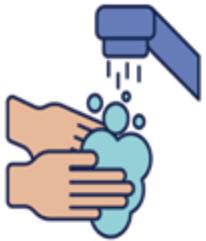
2. Wash your hands and genital area with soap and water. Dry thoroughly before collecng the urine sample. Always use the provided sterile container for sample collecon.
3. Carefully unscrew the cap of the urine container. Do not touch the inside of the container or the cap.
4. The container contains 1% boric acid powder to preserve the urine. Do not throw it away or rinse the container. It is safe for tesng.
5. Begin by urinang a small amount into the toilet.
6. Without stopping the flow, place the container under the stream to collect the middle part of the urine (midstream sample).
7. Collect urine up to the marked line (approximately 50 mL). Please avoid overfilling or underfilling the container.
Note:
· Containers with less than 20 mL of urine will be rejected by the laboratory, and a new specimen may be requested.
· The specimen container must be labelled by staff with the paent's name inials and medical record number in the paent's presence.
· Inform the laboratory or your physician if you are menstruang, taking vitamin C supplements or medicaons that may affect urine test results, or if you are unable to follow these collecon instrucons.
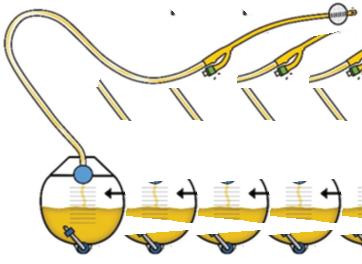
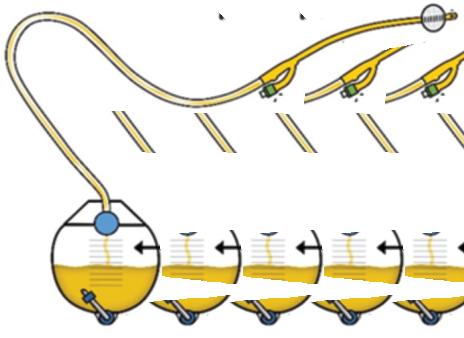
1. Clean the tubing site (marked as 'catheter' in the diagram) using an alcohol swab.
2. Once the area is completely dry, insert a 21 gauge needle into the catheter sampling port and draw urine into a sterile syringe.
3. Draw up to 40 mL of urine and carefully transfer it into the sterile container, filling up to the marked line. Please avoid overfilling or underfilling the container
4. If urine cannot be obtained, gently clamp the catheter tubing and ask the paent to drink water or fluids. This may help in producing a sample aer a short while.
5. Do not leave the clamp in place for more than 30 minutes. Prolonged clamping may cause discomfort or complicaons.
6. Aer sufficient me has passed, reinsert the needle and withdraw urine into the syringe for collecon.
9.
8. Aer collecng the sample, pass the remaining urine into the toilet as usual. Tightly screw the lid onto the container. Be careful not to touch the inside of the container or lid to avoid contaminaon.
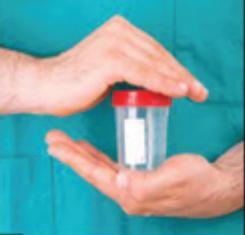
10. If urine spills on the outside of the container, please wipe it with clean ssue paper before handing it over.
11. Please ensure the urine sample reaches the lab as soon as possible, ideally within 2 hours at room temperature. Do not
freeze or refrigerate the sample.
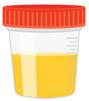
12. Urine samples collected from bedpans or urine bags will not be accepted for tesng.
7. Transfer the collected urine into the sterile container, filling up to the marked line.
8. Once done, remove the clamp from the catheter tubing.
Note
· Urine collected from catheter bags at the bedside is not acceptable for culture and will be rejected by the laboratory.
· Foley catheter ps are not suitable for culture and will be rejected by the laboratory.
· Never disconnect the catheter from the catheter bag to collect a urine sample.
· Containers with less than 20 mL of sample will be rejected by the laboratory, and the paent may be requested to submit a new specimen.
· The specimen container must be labeled by staff with the paent's name inials and medical record number in the paent's presence