Our vision is to be the premier institution for the diagnosis and treatment of cancer in the region, irrespective of the ability of the patient to pay and to be the leading centre for research into the causes and treatment of cancer in our region.
To act as a model institution, to alleviate the suffering of patients with cancer through the application of modern methods of curative & palliative therapy irrespective of their ability to pay, the education of health care professionals and the public and perform research into the causes and treatment of cancer.
On 29 December 2025, we completed 31 years of service, staying true to our founder’s vision of providing world-class cancer treatment irrespective of a patient’s financial means, with over 75% of our patients receiving completely free, high-quality care. Our second hospital in Peshawar celebrated a milestone, marking its 10th anniversary.
In Lahore, your generosity enabled us to open a 41-bed Acute Medical Unit for enhanced emergency care as well as our 9th operating theatre. We hosted the country's leading oncology meeting, Shaukat Khanum Symposium, bringing together 111 expert speakers (44 international), and over 5,000 delegates to promote exchange of knowledge in cancer care.
Research is part of our mission. In this context, I am happy to share that a study, “Genetic landscape of Pakistani familial breast cancer patients using multigene panel testing,” led by researchers at Shaukat Khanum, has been published in the prestigious International Journal of Cancer. This is Pakistan’s first large-scale, locally driven research using cutting-edge genetic testing to better understand inherited breast cancer in our women.
Mr. Imran Khan’s dream lives on through our hospitals in Lahore and Peshawar, where deserving patients receive comprehensive cancer care, the majority of them, free of charge, every day. As we continue to build on that same dream, we get closer towards opening our third and largest hospital in Karachi in 2026.
In the year ahead, we need your support to sustain two hospitals while completing the third one in Karachi. Your donation today, large or small, will help continue giving hope to people with cancer.
Faisal Sultan

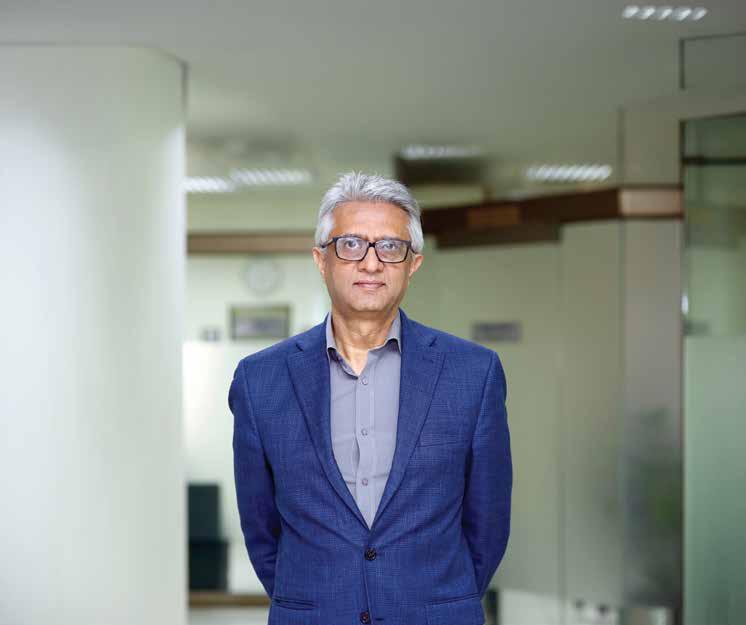
Chief Executive Officer Shaukat Khanum Memorial Cancer Hospital
and Research Centre


The Board of Governors of the Shaukat Khanum Memorial Trust (SKMT) serves in an entirely honorary capacity. Comprising distinguished individuals from a wide range of fields, including banking, business, medicine, and research, the Board brings a wealth of experience and insight to the institution.
The Board provides strategic oversight of governance, financial stewardship, clinical programs, and resource generation, ensuring that the vision and mission of the Trust are upheld with integrity and purpose.
The following individuals served as members of the Board of Governors during the year 2025:
• Dr. Nausherwan Khan Burki (Chairman)
• Mrs. Aleema Khanum
• Dr. Uzma Khan
• Dr. Tauseef Ahmed
• Mr. Tariq Shafi
• Mr. Ehsan Mani
• Syed Sajjad Razvi
• Dr. Amir Kader Jaffer
• Mr. Zubyr Soomro
• Mr. Adnan Afridi
• Mr. Shahrez Khan
• Justice (r) Azmat Saeed (term ended February 12, 2025 upon demise)
The leadership at Shaukat Khanum Memorial Cancer Hospital and Research Centre (SKMCH&RC) is dedicated to providing state-of-the-art, comprehensive cancer care across our facilities. In 2025, the following individuals served in key leadership roles:
• Dr. Faisal Sultan, Chief Executive Officer
• Dr. M. Aasim Yusuf, Chief Medical Officer
• Dr. Asif Loya, Medical Director, SKMCH&RC, Lahore
• Dr. Amer Rehman Farooqi, Medical Director, SKMCH&RC, Peshawar
• Mr. Muhammad Tahir Aziz, Chief Operating Officer, SKMCH&RC, Lahore
• Mr. Muhammad Junaid, Chief Operating Officer, SKMCH&RC, Peshawar
• Ms. Rehana Elahi, Chief Nursing Officer
• Dr. Haroon Hafeez, Director, Quality & Patient Safety
• Mr. Hammad Ahmed Butt, Chief Financial Officer
• Mr. Farrukh Aziz Khan, Director, Facilities Management
• Dr Ahsan Malik, Director, Marketing & Resource Development
• Mr. Hussain Ahmed Qadri, Director, Business Operations
• Mr. Ubaidullah Shahid Ansari, Director, Human Resources
• Mr. Rizwan Tanveer Malik, Director, Materials Management
• Mr. Aneel Sagar, Director, Legal Affairs & Risk Management
• Mr. Idrees Khokhar, Director, Information Systems & Medical Records
Shaukat Khanum Memorial Cancer Hospital and Research Centres (SKMCH&RC) are state-of-the-art cancer centres located in Lahore and Peshawar, Pakistan. SKMCH&RC, Lahore was the first project of the Shaukat Khanum Memorial Trust, which is a charitable organisation established under the Societies Registration Act XXI of 1860 of Pakistan.
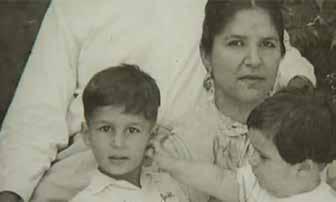
Shaukat Khanum Memorial Cancer Hospital and Research Centre was founded by Pakistan’s World Cup–winning cricket captain and former Prime Minister, Imran Khan, inspired by a deeply personal loss. In 1985, his mother, Mrs. Shaukat Khanum, passed away after battling cancer. Throughout her illness, he witnessed first-hand the hardships faced by underprivileged cancer patients in Pakistan and recognised the urgent need for a dedicated, world-class cancer facility in the country.
At that time, Pakistan had no specialised institution offering comprehensive cancer treatment. For many, a cancer diagnosis symbolised despair and an almost inevitable loss. Determined to change this reality, Imran Khan embarked on a mission to make advanced cancer care accessible to all, regardless of financial means. This vision marked the beginning of a remarkable journey that was fuelled by a son’s devotion to his mother and strengthened by the passion and generosity of an entire nation.
The first fundraising dinner in support of the project was held in 1988 in Dubai, where Imran Khan was playing in a cricket tournament at the time. As donations started pouring in, he knew there was no turning back. After he returned to Pakistan, he gathered a team of eminent individuals from diverse backgrounds and formed the Board of Governors of the newly established Shaukat Khanum Memorial Trust. Initially, Imran faced scepticism from friends as well as many experts in the field of medicine, who told him his idea would fail and that he would end up damaging the reputation he had built over the years as a cricketer. The Board held a meeting with twenty of the top doctors in Lahore for advice on how to proceed, where all but one said that the project was not feasible. The one doctor who said it was possible to make the Hospital, warned that it would be impossible to provide free cancer treatment for the needy, given how expensive cancer treatment was.
By 1990, after nearly eighteen months of tireless fundraising, when Imran Khan seemed to have exhausted all his options, he turned to an unexpected source of hope: school children. He launched a fundraising movement with “Imran’s Tigers.” These young volunteers went on to make history. They collected donations from motorists at traffic signals, knocked on countless doors across neighbourhoods, and mobilised communities in ways never seen before. Their passion not only helped raise the critical funds needed to begin construction but also sparked nationwide awareness about the urgent need for a cancer hospital in Pakistan.
Pakistan’s iconic victory in the 1992 Cricket World Cup, under Imran Khan’s captaincy, gave fundraising efforts a powerful boost. Yet by 1994, the project was still short of funds, and donor fatigue had begun to set in both at home and among overseas Pakistanis. The Hospital had been scheduled to open later that year, but by October 1994, a deficit of US$ 4 million remained for completion and equipment.
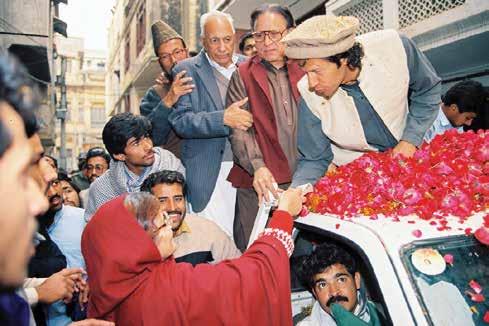
At this pivotal moment, Imran Khan and his team turned once again to the people of Pakistan. They launched an ambitious nationwide campaign, which was one of the largest public mobilisations in the country’s charitable history. Beginning in mid-November and continuing until 28 December 1994, they travelled to twenty-nine cities, engaging communities directly. In just six weeks, they raised US$ 5 million from ordinary citizens whose generosity proved extraordinary. Each morning, Imran Khan addressed school assemblies; each evening, he moved through bustling streets, meeting people from all walks of life. The public response was overwhelming and deeply moving. By the end of 1994, Imran Khan had personally contributed nearly half of his own assets to the project.
During this first phase of construction, more than one million donors, from everyday citizens to prominent public figures, came together, contributing cash, jewellery, and valuables. Their collective support transformed what once seemed an impossible dream into the reality of the first Shaukat Khanum Memorial Cancer Hospital and Research Centre.
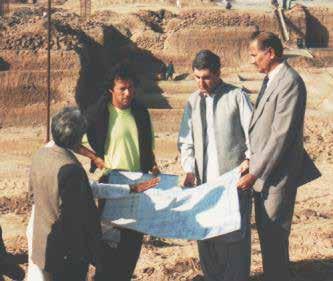
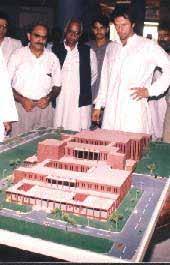
Dr. Nausherwan K. Burki developed the master plan for the Hospital in 1990 while serving as Professor of Medicine at the University of Kentucky, USA. He went on to oversee the construction of the facility, which was designed by Graham Rapp of Arrasmith, Judd & Rapp, a Louisville based architectural firm specialising in healthcare planning. On-site design execution was managed by Nayyar Ali Dada & Associates in Lahore, while local engineering services were provided by Progressive Consultants, also based in Lahore. The first Shaukat Khanum Memorial Cancer Hospital and Research Centre, located on a 20-acre site in Johar Town, Lahore, was planned in three phases. The initial phase cost approximately US$ 22 million, with around 67% of the funding contributed through public donations.
Dr. Burki continues to play a pivotal role in the organisation and serves as the Chairman of the Board of Governors. Alongside his commitment to the Hospital, he is also a Professor of Medicine at the University of Connecticut Health Center in Farmington, Connecticut, USA.
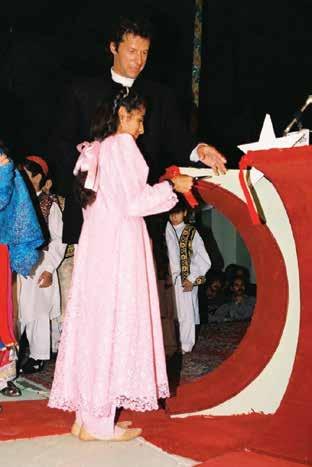
At long last, and against all odds, Shaukat Khanum Memorial Cancer Hospital and Research Centre opened its doors to patients on December 29, 1994, marking the completion of the Hospital’s first phase. Setting a new trend in Pakistan, the Hospital was not inaugurated by a VIP but by a ten-year-old cancer patient.
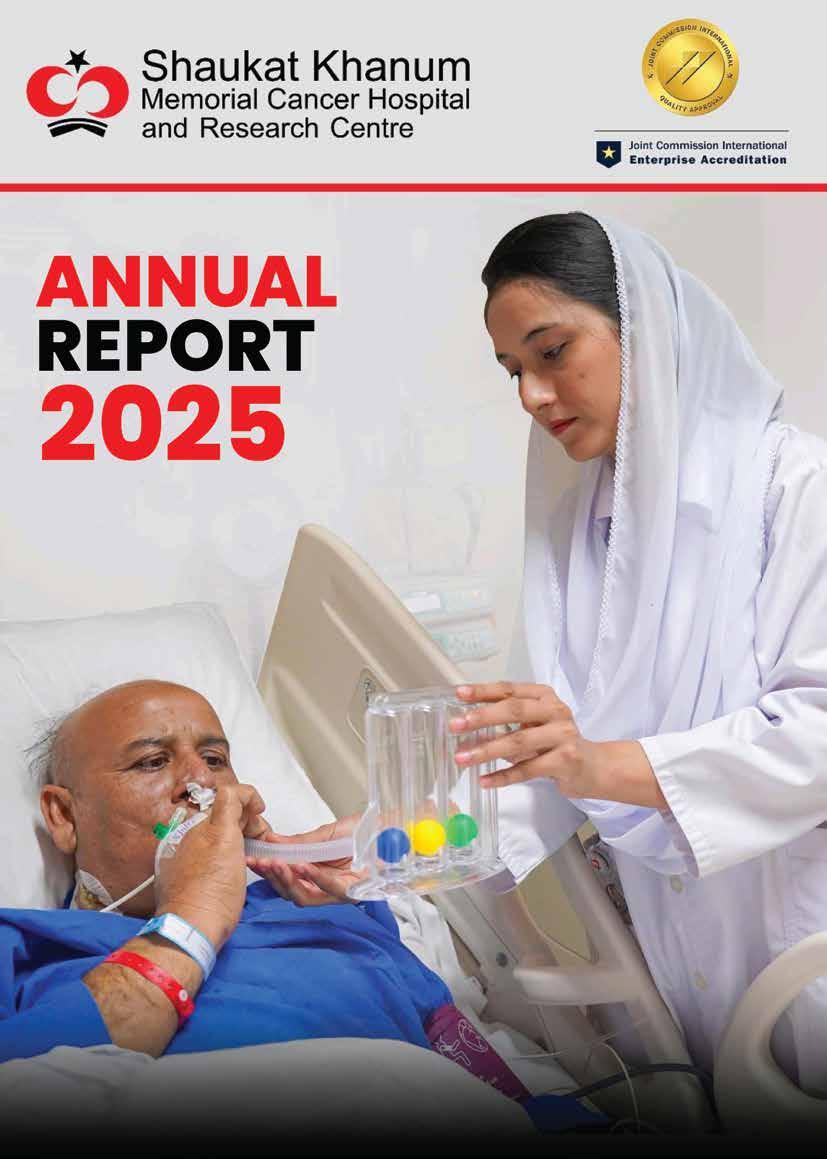
The Shaukat Khanum Memorial Cancer Hospital and Research Centre has continued to expand in capacity, scope, and reputation, earning widespread recognition for its clinical excellence. The hospitals in Lahore and Peshawar maintain Joint Commission International (JCI) accreditation, initially achieved for Lahore in 2018 and Peshawar in 2019, with full enterprise-wide JCI accreditation for the organisation in 2022, followed by reaccreditation in subsequent cycles, most recently reaffirmed in 2025. In September 2023, both facilities earned certification from the Quality Oncology Practice Initiative (QOPI) of the American Society of Clinical Oncology (ASCO), underscoring their adherence to world-class standards in oncology care, a milestone that positions Pakistan among a select group of countries with this recognition. Complementing this, the Pathology Laboratory in Lahore received accreditation from the College of American Pathologists (CAP) in October 2024. Throughout its journey, the Trust has steadfastly provided free, comprehensive treatment to more than 75% of its cancer patients, upholding its core vision of equitable access to high-quality care.
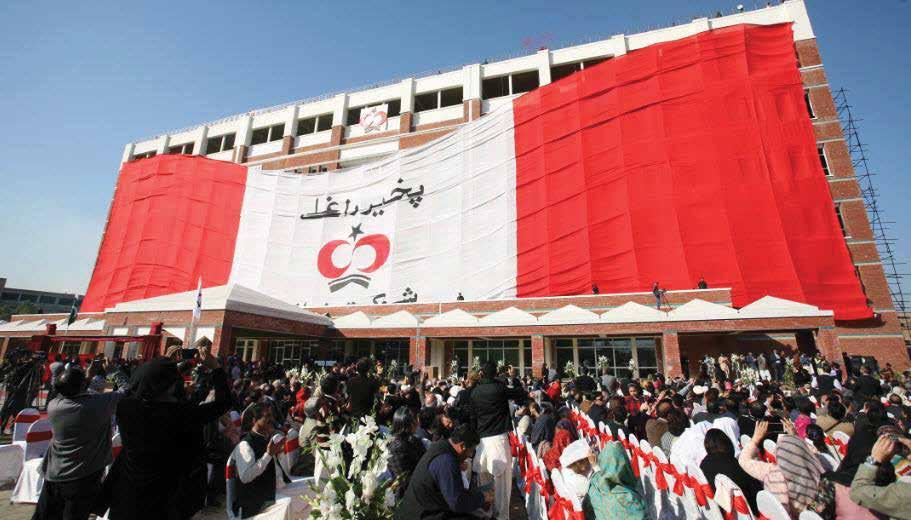
As nearly 30% of patients in Lahore originated from Khyber Pakhtunkhwa and neighbouring areas, including Afghanistan, the SKMT established its second hospital in Peshawar. Construction commenced in 2012, and the facility was inaugurated on December 29, 2015, improving access to advanced cancer treatment for patients in the northern regions.
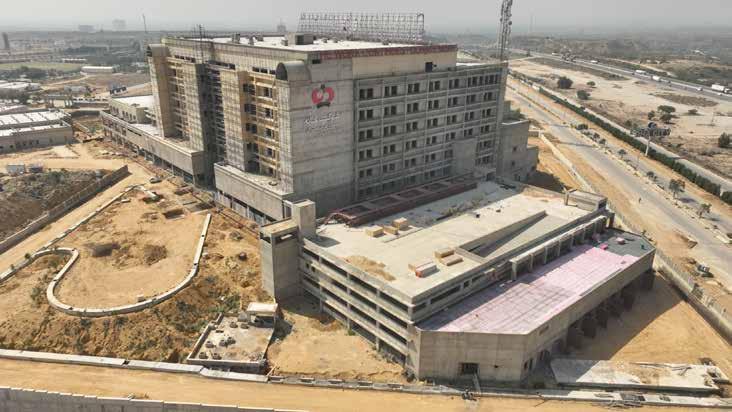
SKMT is now finalizing constructing its third and largest hospital in Karachi. Construction has advanced significantly, with structural work completed, and finishing phases progressing rapidly. The hospital is on track to become operational in December 2026, delivering state-of-the-art, multi-modality cancer care to residents of Karachi, the rest of Sindh, and southern Balochistan. This development represents a pivotal step in extending world-class oncology services nationwide.
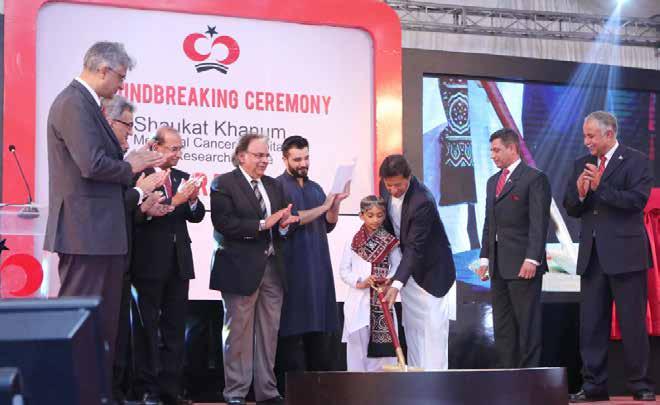
Today, the Shaukat Khanum Memorial Trust has a footprint in nearly 80 cities across Pakistan, through its network of hospitals, diagnostic centres, walk in clinics, cancer screening facilities, and laboratory collection centres. Over the years, it has earned recognition as one of Pakistan’s most trusted charitable institutions, acknowledged both by the Human Rights Society of Pakistan and the World Health Organization for its contributions to public health and humanitarian service.
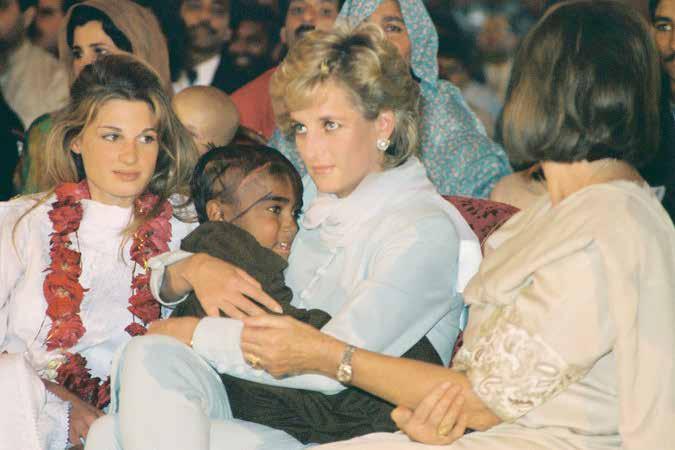
Your support as donations along with your trust in our laboratory and clinical services enables us to continue our mission of fighting cancer, irrespective of a patient’s ability to pay.
Over the past three decades, the Shaukat Khanum Memorial Trust (SKMT) has developed an extensive national network of facilities dedicated to raising awareness, and providing early diagnosis and world-class treatment for cancer across Pakistan.
Shaukat Khanum Memorial Cancer Hospital and Research Centre, Lahore
Inaugurated on December 29, 1994, this was the first specialised cancer facility in Pakistan to offer comprehensive diagnostic and therapeutic services under one roof.
Shaukat Khanum Memorial Cancer Hospital and Research Centre, Peshawar
Opened on December 29, 2015, this facility was built to meet modern international healthcare standards and now serves as a regional hub for cancer care in Khyber Pakhtunkhwa and neighbouring areas.
Shaukat Khanum Memorial Cancer Hospital and Research Centre, Karachi
Currently under construction, the facility is scheduled to open in December 2026. It will be SKMT’s largest cancer hospital when operational at full capacity and will significantly expand access to specialised care in the southern region.
These clinics provide outpatient consultations and cancer screening services:
These state-of-the-art centres offer a range of advanced diagnostic imaging and laboratory services:
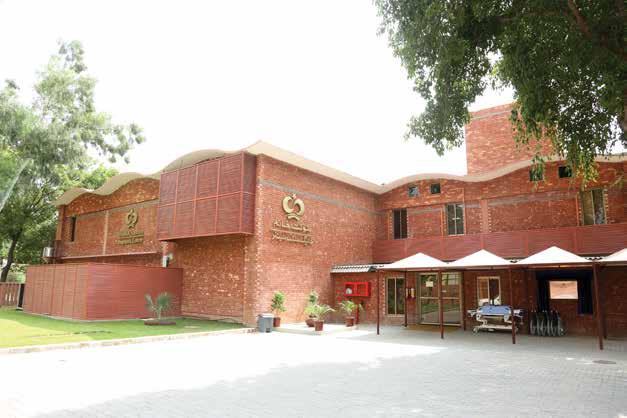
Shaukat Khanum Diagnostic Centre, Jail Road (Lahore)
Shaukat Khanum Diagnostic Centre, Liberty (Lahore)
Karachi Diagnostic Centre & Clinic (Karachi)
SKMT operates a network of
SKMCH&RC remains committed to the highest standards of patient care, education, and research. The Hospital’s commitment has been recognised at both, national and international levels.
SKMCH&RC achieved Joint Commission International accreditation in 2018 (Lahore) and 2019 (Peshawar), and JCI Enterprise Accreditation for the entire organisation in 2022, which has been renewed in subsequent review cycles, most recently reaffirmed in 2025.
In the last quarter of 2024, our pathology laboratory in Lahore was accredited by the College of American Pathologists (CAP), the world's leading organization of board-certified pathologists.
SKMCH&RC has received certification by the Quality Oncology Practice Initiative (QOPI®) Certification Program, which is associated with the American Society of Clinical Oncology (ASCO).
These cliniaPharmacy residency programme of SKMCH&RC has been accredited by the American Society of Health-System Pharmacists (ASHP) since 2020.
cs provide outpatient consultations and cancer screening services:
SKMCH&RC has the NPO Certification by the Pakistan Centre for Philanthropy for meeting standards in the areas of internal governance, financial management, and programme delivery. The certification was first awarded in 2006 and it is renewed after every three years.
SKMCH&RC has the NPO Certification by the Pakistan Centre for Philanthropy for meeting standards in the areas of internal governance, financial management, and programme delivery. The certification was first awarded in 2006 and it is renewed after every three years.
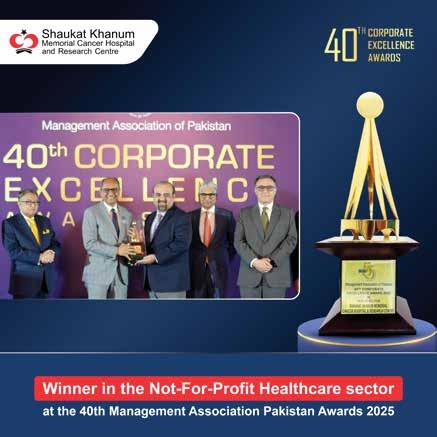
SKMCH&RC has been repeatedly honored with the prestigious Corporate Excellence Award in the Not-for-Profit sector by the Management Association of Pakistan (MAP). This accolade recognizes the hospital's exceptional standards in management and operations.
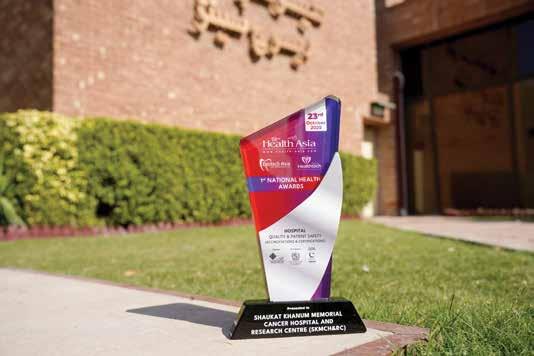
SKMCH&RC was celebrated with the inaugural National Health Award at the 22nd Health Asia International Exhibition and Conference. This prestigious recognition underscores the hospital's unwavering commitment to healthcare excellence, patient safety, and superior quality in clinical delivery.
Shaukat Khanum Memorial Cancer Hospital and Research Centre in Lahore has been designated as a “Clinical Radiopharmaceutical Therapy Center of Excellence” by the Society of Nuclear Medicine and Molecular Imaging (SNMMI). This honour recognises our expertise, qualified specialists, and advanced infrastructure for delivering safe, high quality radiopharmaceutical therapy. We are proud to be the first centre in the region to receive this designation.
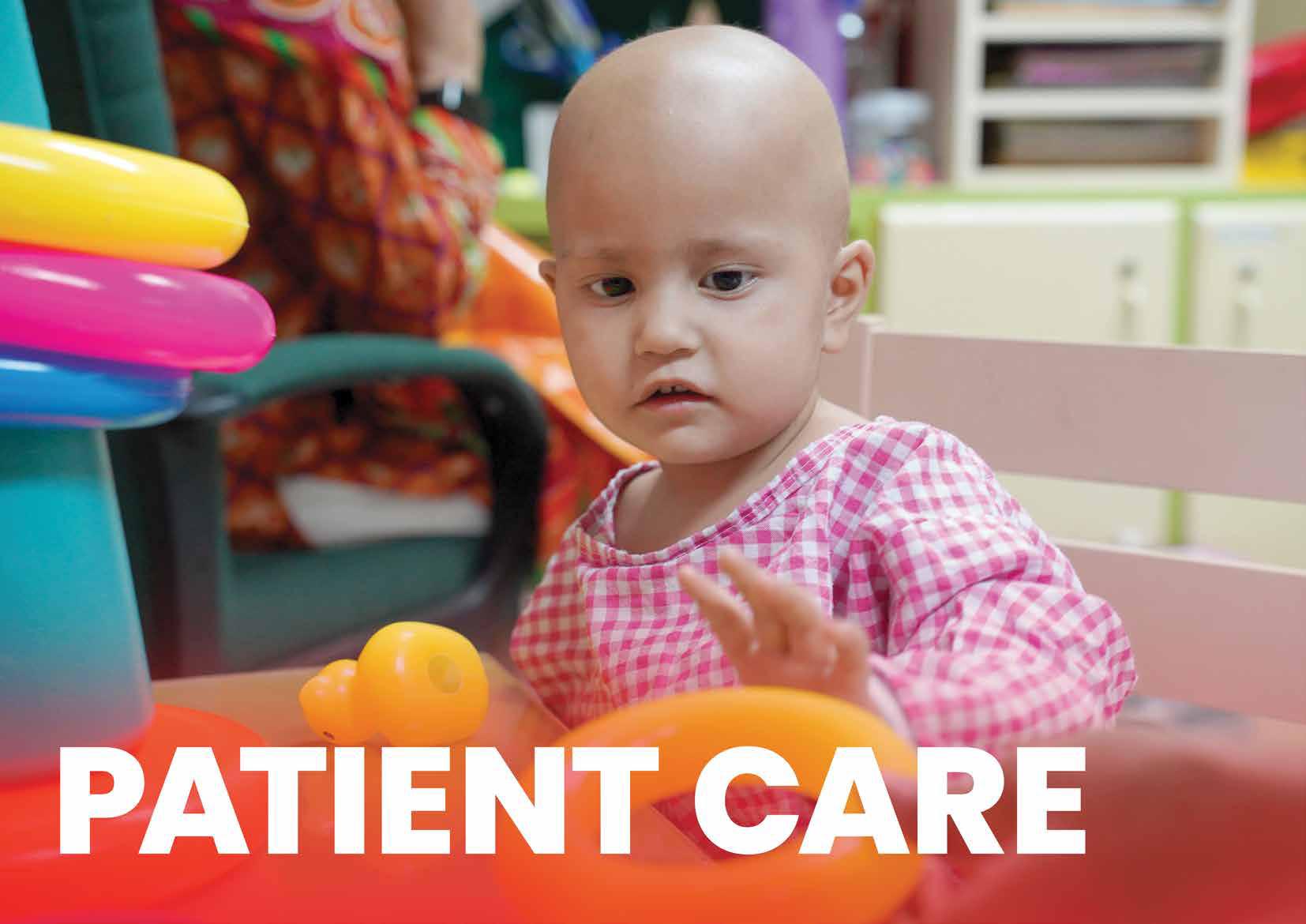
Shaukat Khanum Memorial Cancer Hospital and Research Centres (SKMCH&RC) are state-of-the-art cancer centres located in Lahore and Peshawar, Pakistan. SKMCH&RC, Lahore was the first project of the Shaukat Khanum Memorial Trust, which is a charitable organisation established under the Societies Registration Act XXI of 1860 of Pakistan.
Your support enables us to treat a broad range of cancer types according to disease-specific internationally accepted management guidelines to ensure standardised care.
All our cancer patients are discussed in a multidisciplinary conference prior to the start of treatment.
Our hospitals are certified by the Quality in Oncology Practice Initiative (QOPI) Certification Program, of the American Society of Clinical Oncology (ASCO).
We use a combination of different treatment modalities, including conventional and modern approaches such as chemotherapy, surgery, radiation therapy, targeted therapy, and bone marrow transplantation. We offer both autologous transplant (using a person’s own stem cells) and allogeneic transplant (using stem cells from a matched donor).
Akram Masih
Nurse Team Leader
“In my 15th year as a Bone Marrow Transplant (BMT) nurse at Shaukat Khanum Hospital, I care for patients through chemotherapy, stem cell harvesting, infusion, and post-procedure complications; skills acquired through specialised training here at this hospital.
After 10 years in Saudi Arabia and another hospital in Pakistan, I think what sets this hospital apart is the immense respect given to nurses.
I recall that our CEO, Dr. Faisal Sultan, once waited patiently while I finished with a patient rather than interrupting and asking me to leave and create space for him. These small acts from leadership define a culture of dignity that strengthens our care for our patients.”
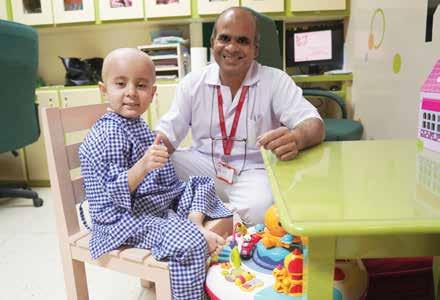
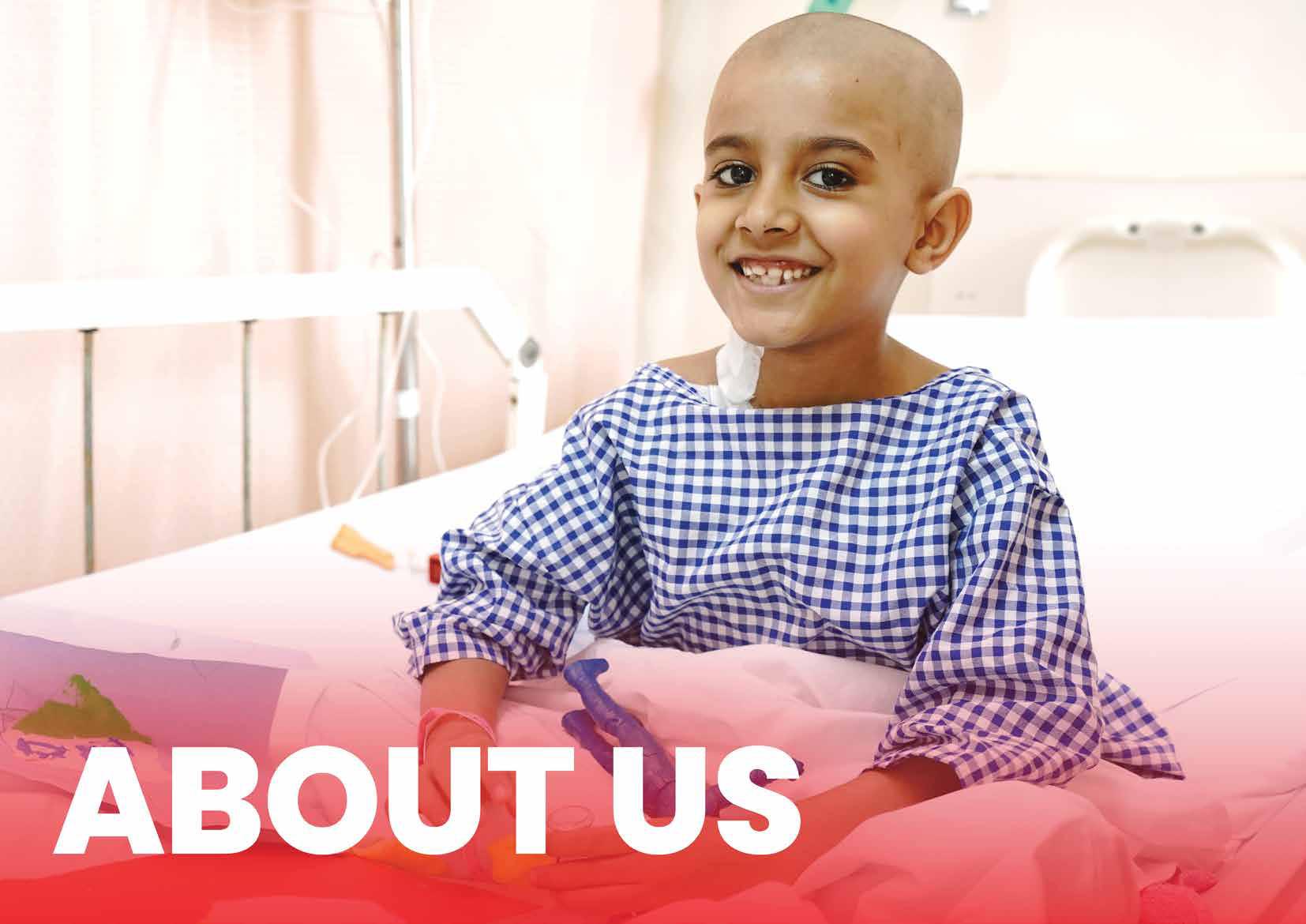
Our Paediatric Oncology Department accepts a broad range of approximately 600 new childhood cancers every year.
Between Lahore and Peshawar, we have around 40 inpatient beds dedicated for children with cancer. We also have an outpatient chemotherapy bay with 14 beds for children.
As part of survivorship care, we have a long-term follow up clinic to ensure well-being of children who have completed cancer treatment.
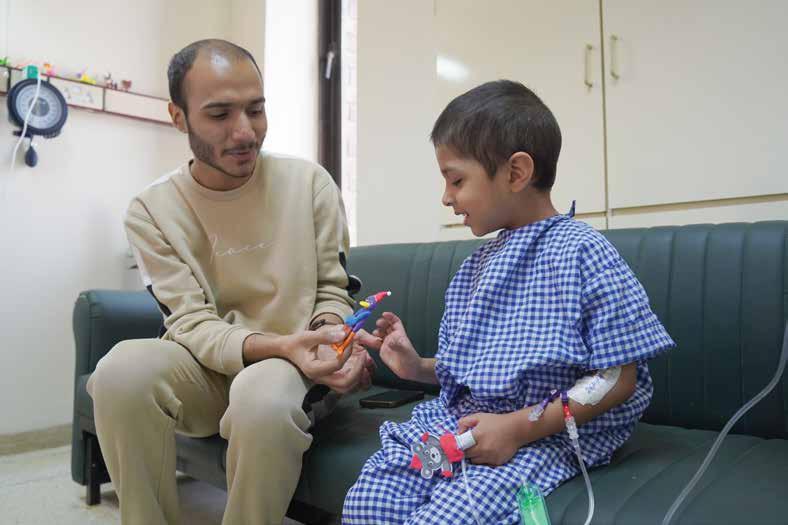
Along with all the other modalities of treatment, we also provide psychological counselling for children and parents, meals for admitted patients, play therapy and education through our schooling programme to help ease the burden of cancer for families.
In 2025
66 patients underwent bone marrow transplantation
Estimated cost of treatment with BMT One patient: Rs. 10 million
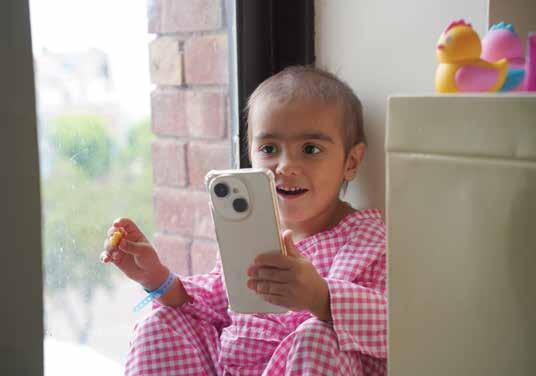
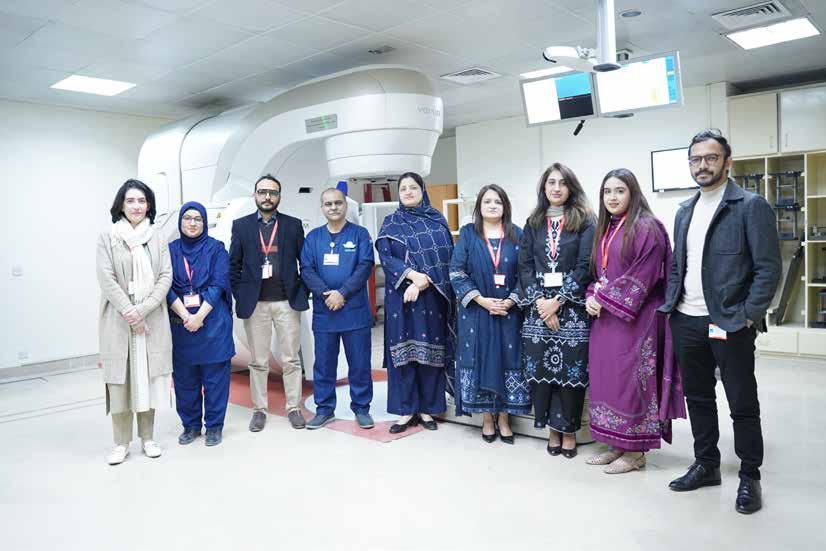
We provide comprehensive diagnostic and therapeutic applications of Nuclear Medicine, which employs minute amounts of radioactive material called radiopharmaceuticals.
Our Nuclear Medicine Department is equipped with PET CT scanning system, hybrid SPECT-CT gamma cameras, and DXA scanner. These services are provided by nuclear physicians backed by a team of medical physicists, radiochemists, radiopharmacists, cyclotron engineers, technologists and nurses.
We provide radioactive iodine (I131) therapy for benign and malignant thyroid disease and palliative treatment for metastatic bone pain with Sr-89 or Sm153. Recently, we started Lu-177 PSMA therapies and we are one of the only two institutions in Pakistan to offer these novel therapies.
All departmental working is governed by stringent international (International Atomic Energy Agency) and national (Pakistan Nuclear Regulatory Authority) regulations and our team of highly qualified consultants ensure compliance with the standards set for the safe and appropriate use of radiopharmaceuticals in medicine.
The Department of Surgical Oncology offers comprehensive evaluation, diagnosis, and management of both adult and paediatric cancer patients. Our surgeons have helped develop minimally invasive laparoscopic surgical techniques in Pakistan.
All our surgeons are site specialists who work in close collaboration with medical and radiation oncologists to ensure that a multidisciplinary approach is followed for each patient.
We have specialists in
Gastrointestinal surgery
Maxillofacial/head and neck surgery
Breast and oncoplastic surgery
Gynae-oncological surgery
Uro-oncology surgery
Orthopaedic/musculo-skeletal surgery
Neurosurgery
Paediatric surgery
Thoracic surgery
Plastic and reconstructive surgery
Staff Nurse
Adult Inpatient Department
“As an adult inpatient nurse at Shaukat Khanum Hospital, I provide pre- and post-surgical care and patient education. Unlike my experience at two other hospitals in Pakistan, where even PPE (Personal Protective Equipment) and hand sanitizers were not easily unavailable; here, every essential for staff and patient safety is fully provided, with no compromise on safety standards.
We also manage the Surgical Extended Care Unit (SECU) for overnight recovery. One memorable Persian-speaking patient left me with heartfelt prayers and instances like these make our job inherently rewarding.
Your support ensures this level of excellence and protection for all.”
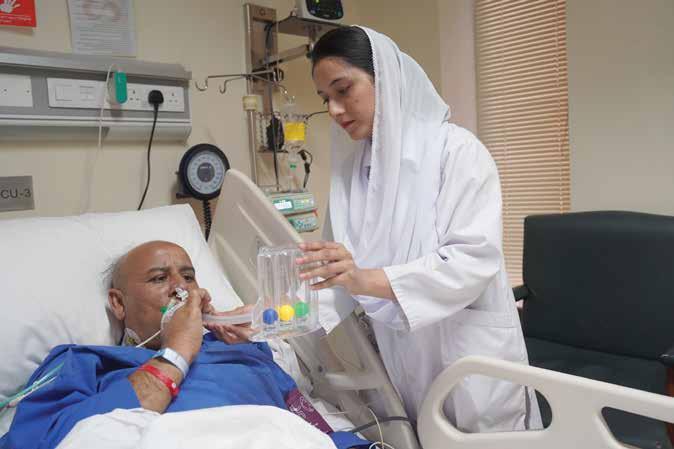
Palliative care improves the quality of life of patients by offering all-encompassing support, including physical and psychological support.
We run specialist palliative medicine clinics for all cancer patients regardless of age, stage of disease or prognosis. Our clinical psychologists, psychiatrists, nutritionists, physiotherapists, and play therapists further complement and enrich the care we provide.
A home palliative care service was launched, in both Lahore and Peshawar, in 2023, allowing physicians and nurses to provide care in the patients home, while also allowing family members to participate more meaningfully in the care of their loved ones.
We are pioneers in training in this field, having established the only formal training programme in palliative medicine, in Pakistan, and are approved by the College of Physicians and Surgeons of Pakistan as a training site for palliative medicine.
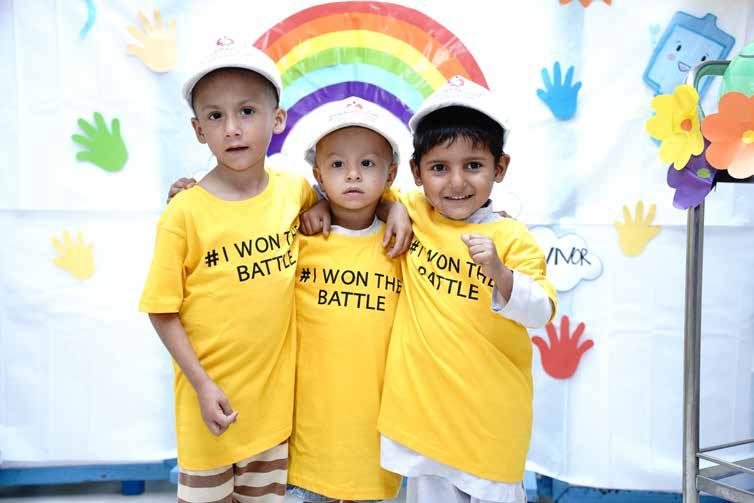
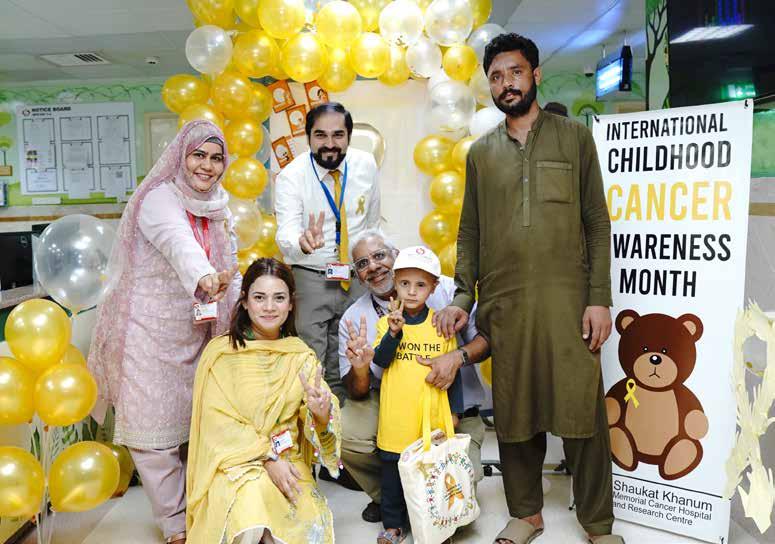
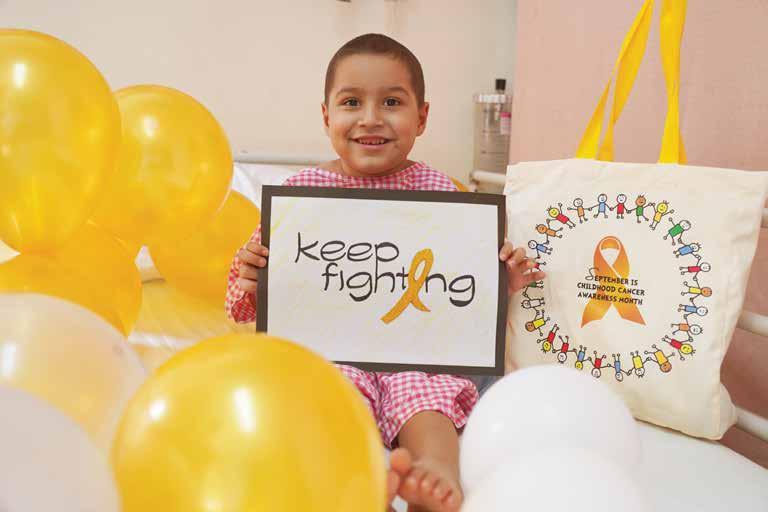
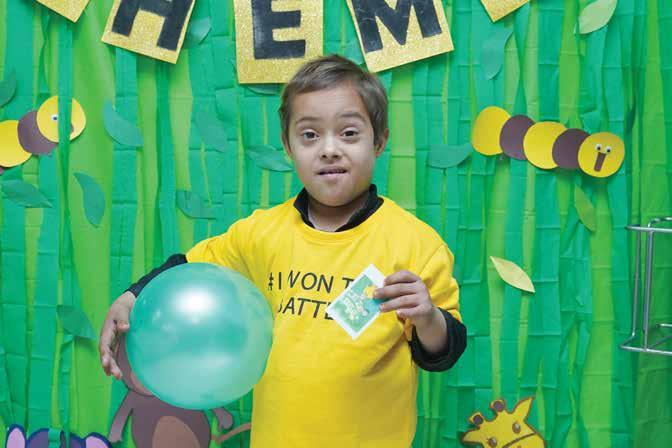
We celebrate the end of chemotherapy milestones with children fighting cancer to bring them joy and to acknowledge their courage and resilience on a significant milestone in their cancer journey. The celebration offers hope to patients and their families, inspiring them to continue the remaining fight against cancer with a positive outlook. This is part of our holistic care and patient-centred approach where we prioritise psychological well-being of our patients along with their physical care.
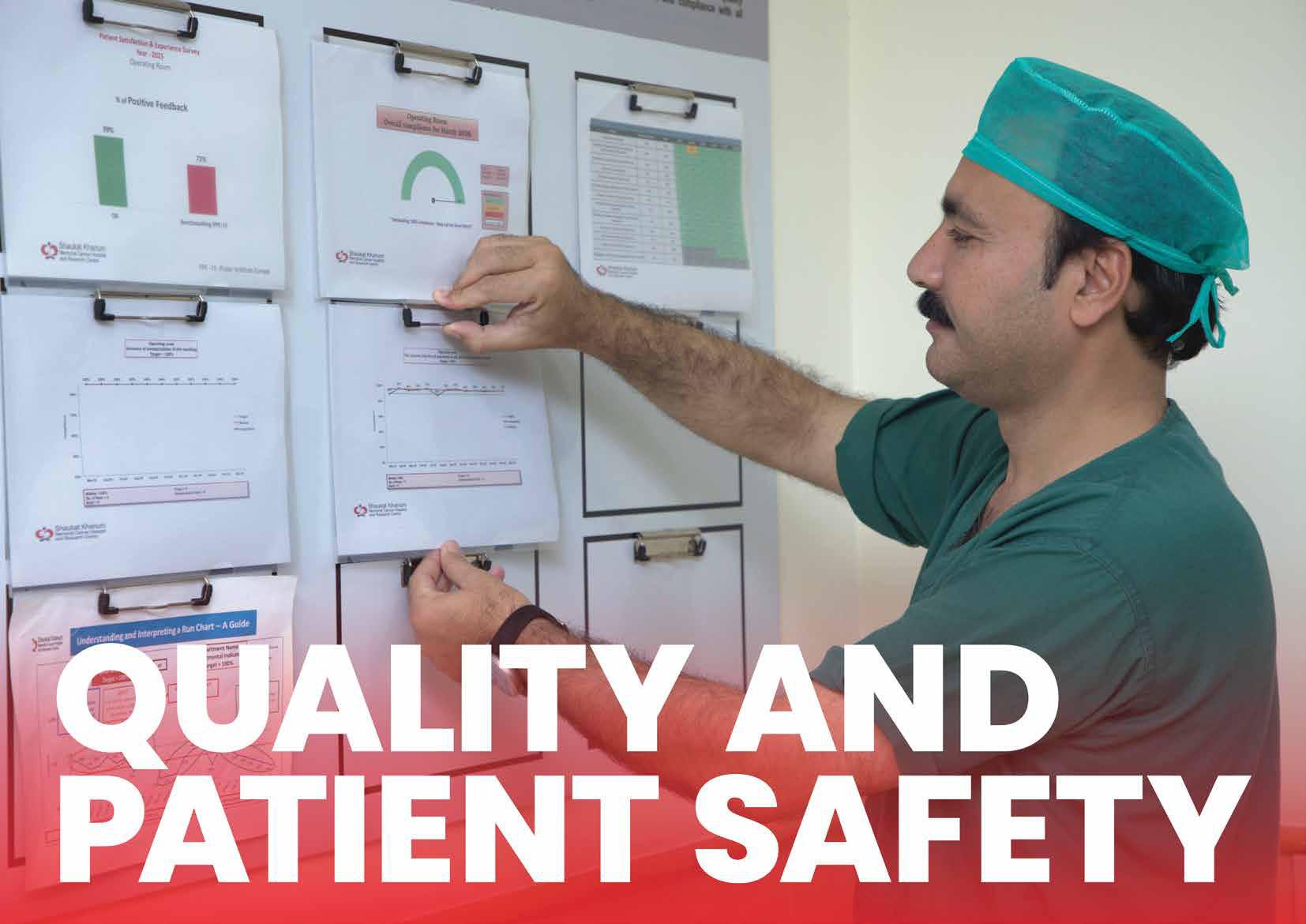
At Shaukat Khanum Memorial Cancer Hospital and Research Centre, quality and patient safety are not just standards, these are commitments that we uphold for every patient, regardless of their ability to pay. Through our Quality & Patient Safety Department (QPSD), we ensure safe, evidence-based, and patient-centred oncology care across our Lahore, Peshawar, and Karachi facilities.
Our accreditations are not certificates on a wall, but these are independently verified proof that our care meets the highest global benchmarks.
Joint Commission International (JCI) Enterprise Accreditation since 2022
We are the first and only hospital in Pakistan with the Enterprise Accreditation
First accreditation in 2022
Reaccreditation in 2025
JCI Hospital Accreditation for SKMCH&RC, Lahore since 2018
First accreditation in 2018
Reaccreditation in 2021, 2022, 2025
JCI Hospital Accreditation for SKMCH&RC, Peshawar since 2019
First accreditation in 2019
Reaccreditation in 2022, 2025
Both hospitals are ranked among the top-performing institutions of similar size globally.
JCI Accreditation for Karachi Diagnostic Centre & Clinic since 2022
Ensuring quality and safety across the full continuum of care
First accreditation in 2022
Reaccreditation in 2025
QOPI® Certification (ASCO) since 2023
We are the only cancer centre in Pakistan with this accreditation
College of American Pathologists (CAP) Accreditation since 2024 for our laboratory in Lahore
World-class laboratory quality standards
ISO 9001 Certifications since 2001
Reinforces standardised and continuously improving quality management systems
ISO 22000 Certifications since 2021
Ensures safe, compliant, and well-controlled food safety systems
Pursuing Magnet Recognition
Advancing nursing excellence and patient outcomes
We measure patient experience across all care settings using internationally validated tools:
NORPEQ – Measuring care quality from the patient's perspective across outpatient services
Picker Patient Experience-15 (PPE-15) – Capturing inpatient and surgical care experience
In the 2025 Patient Satisfaction and Experience Survey, SKMT performed exceptionally well, achieving high levels of patient satisfaction across all measured domains. SKMT scored higher than the international benchmarks across all eight evaluated metrics. Notable strengths included near-perfect scores in patient confidence in doctors’ and nurses’ professional skills, the quality of nursing care provided, and the clarity of doctors’ communication. Overall treatment and care satisfaction stood at 98%, significantly above the international benchmark. Patients also reported strong confidence in the interest shown by healthcare personnel and the adequacy of information provided about tests and examinations.
Feedback from our patients drives real change.
In 2025, patient input directly led to improvements in
14 Processes across our hospitals.
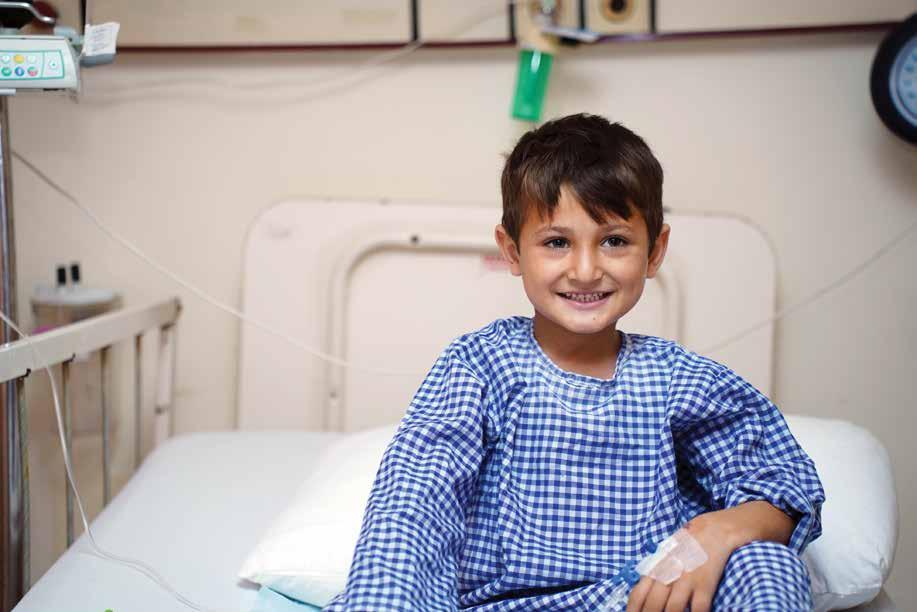
At SKMCH&RC, patient safety is not a checklist, it is a culture built and sustained by every member of our team, from the bedside nurse to the operating surgeon. We regularly measure this culture using the Survey on Patient Safety Culture (SOPS), benchmarked against AHRQ international standards.
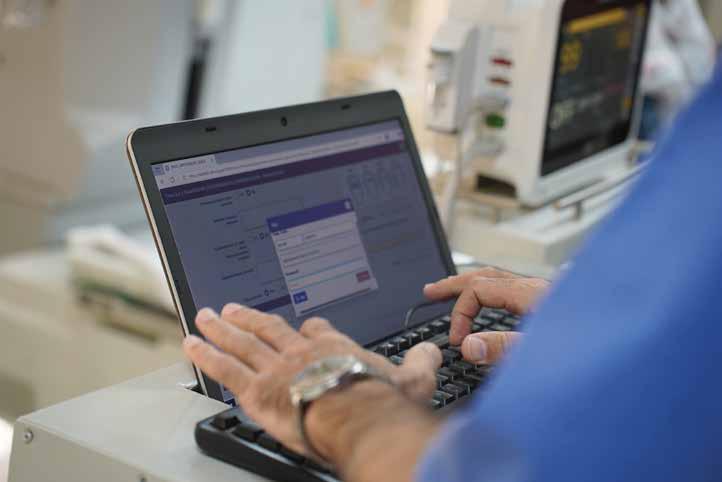
In the 2025 Patient Safety Culture Survey, SKMT achieved a composite average score of 74%, surpassing the AHRQ international benchmark of 71%. The organisation performed particularly well in Communication About Error, Organizational Learning & Continuous Improvement, Hospital Management Support for Patient Safety. SKMT also scored at or above benchmark levels in most other domains. Areas requiring further attention include Response to Error and Staffing & Work Pace.
Overall, the survey reflects a positive patient safety culture across SKMT. These results do not happen by accident. They reflect years of deliberate investment in staff education, leadership behaviour, and systems that make doing the right thing the easiest thing.
QPSD continuously works towards improving hospital systems and patient care processes through structured Quality Improvement Projects using methodologies such as PDCA, Six Sigma, SEIPS, Cost & Efficiency, and FMEA.
During 2025, 15 multidisciplinary Quality Improvement Projects were successfully completed, focusing on patient safety, operational efficiency, and sustainability, with several initiatives also receiving recognition at national and international forums.
Cost and Carbon Emission Reduction through Efficient Hospital Waste Management – presented at the Excellence in Patient Care Awards 2025 (April 2025) featured as the top three finalists.
From Delay to Delivery: Enhancing STAT Medication Timeliness Through Six Sigma Approach –presented at the 8th International Conference on Patient Safety 2025 (April 2025) and secured 1st Position in Poster Presentation.
These recognitions reflect our commitment to driving measurable improvements and promoting best practices in healthcare quality.
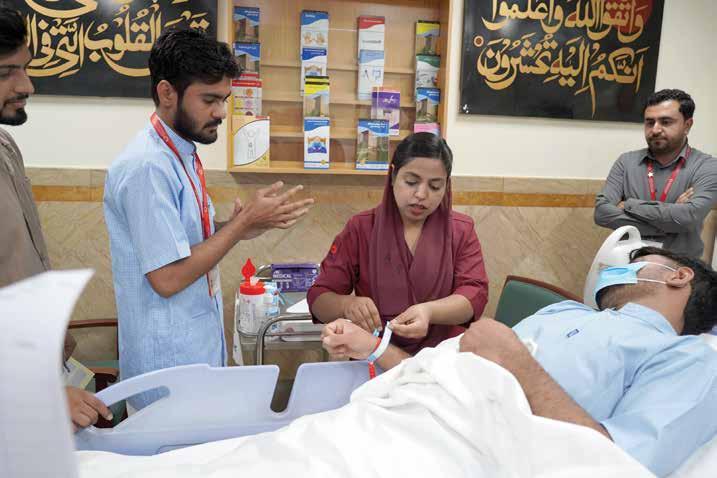
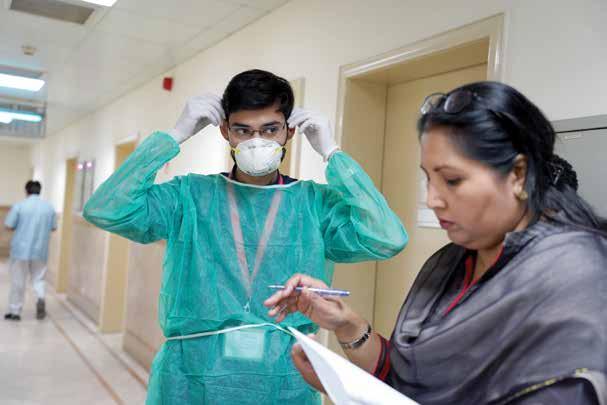
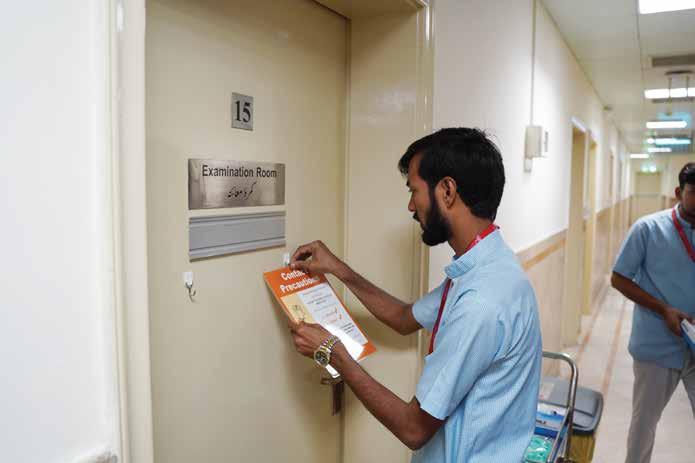
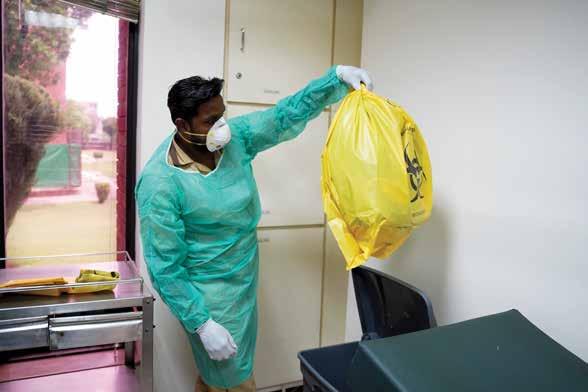
The Shaukat Khanum Memorial trust facilities achieved Joint Commission International (JCI) Enterprise re-accreditation in September 2025, demonstrating continuous system-wide excellence in patient safety and quality across Lahore, Peshawar, and Karachi facilities.
Thanks to your generosity, Shaukat Khanum Karachi is nearing completion, with exterior finishing works expected to be completed in the first quarter of 2026, followed by the installation of state-of-the-art medical equipment in the third quarter.
A new 41-bed Acute Medical Unit opened for improving patient flow in emergency care, while the 9th Operating Room was also inaugurated, further augmenting our surgical capabilities. Pakistan's first nurse-led Breast Care Nurse Navigator Service was launched to streamline diagnosis and treatment support for breast cancer patients.
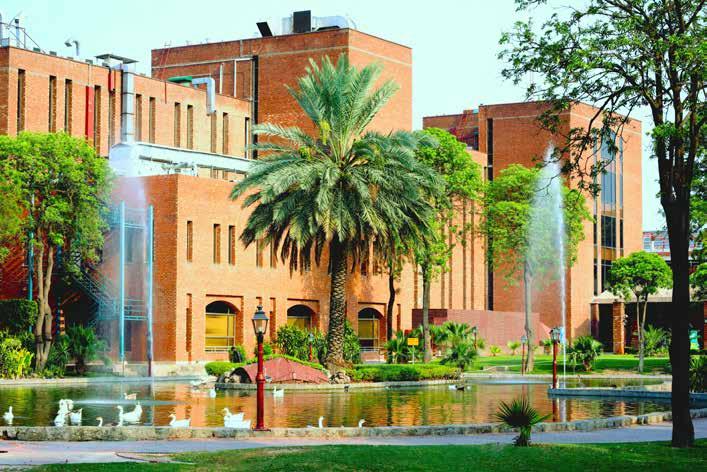
Our second hospital in Peshawar celebrated a milestone, marking its 10th anniversary.
Ten years ago, our organisation set out to bring world class cancer care closer to the people of Khyber Pakhtunkhwa, who once made up nearly a quarter of all patients treated in Lahore. That vision became reality because of the generous support of our donors. Peshawar stands as a centre of excellence now, embodying the mission we all work to uphold, where over 75% of all patients receive free treatment.
Our journey began in 2011 with the ground-breaking, and the hospital was officially inaugurated on December 29, 2015. In the years that followed, your efforts helped the hospital grow. A major milestone arrived in 2019, when radiation oncology services were inaugurated, and that same year, testament to our commitment to quality, the hospital achieved the Joint Commission International Gold Seal of Approval® for Hospital Accreditation.
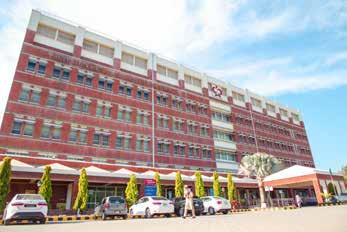
We installed Khyber Pakhtunkhwa’s first PET CT scanner in 2020, and in 2021, we completed the cancer care spectrum by launching surgical oncology services. In 2022, the organisation earned JCI Enterprise Accreditation across all SKMT facilities.
Over the years, SKMCH&RC, Peshawar has also become a centre for professional growth, offering staff extensive training opportunities, exposure to the latest technologies, and the chance to work alongside, and learn from, doctors trained at renowned international institutions.
Work on heating, ventilation, and air conditioning (HVAC) systems is advancing rapidly. Ductwork for the basement, ground, first, and third floors is nearly 90% complete, ensuring a comfortable environment for patients and staff, while HVAC equipment installation is in full swing. Additionally, internal networks including water supply, drainage, fire protection, public address systems, nurse call systems, lighting, and power are approximately 90% installed, bringing us closer to operational readiness.
Every contribution counts. Help us cross the finish line and open the doors to hope in Karachi. spent towards completion of SKMCH&RC, Karachi in 2025
Rs. 12.6 BILLION
Usman from Naushero Feroze, Sindh, is one of seven siblings. At 13, he was doing well in class eight until illness disrupted his studies. He noticed a mass on his neck, and his father took him to Karachi for tests. Results of a biopsy revealed that Usman had Hodgkin’s lymphoma, a type of cancer.
Determined to give his son the best possible care, Usman’s father brought him to Shaukat Khanum Memorial Cancer Hospital and Research Centre in Lahore. Usman began chemotherapy in December 2024 and has bravely completed ten sessions so far. Initially, his father was able to accompany him on the 11-hour train journey, but work demands meant Usman’s older brother had to step in to support him. Together, the siblings now travel regularly to Lahore on their own and make the return journey the same evening or the following day, following completion of Usman’s treatment. Usman’s inspiring journey continues…
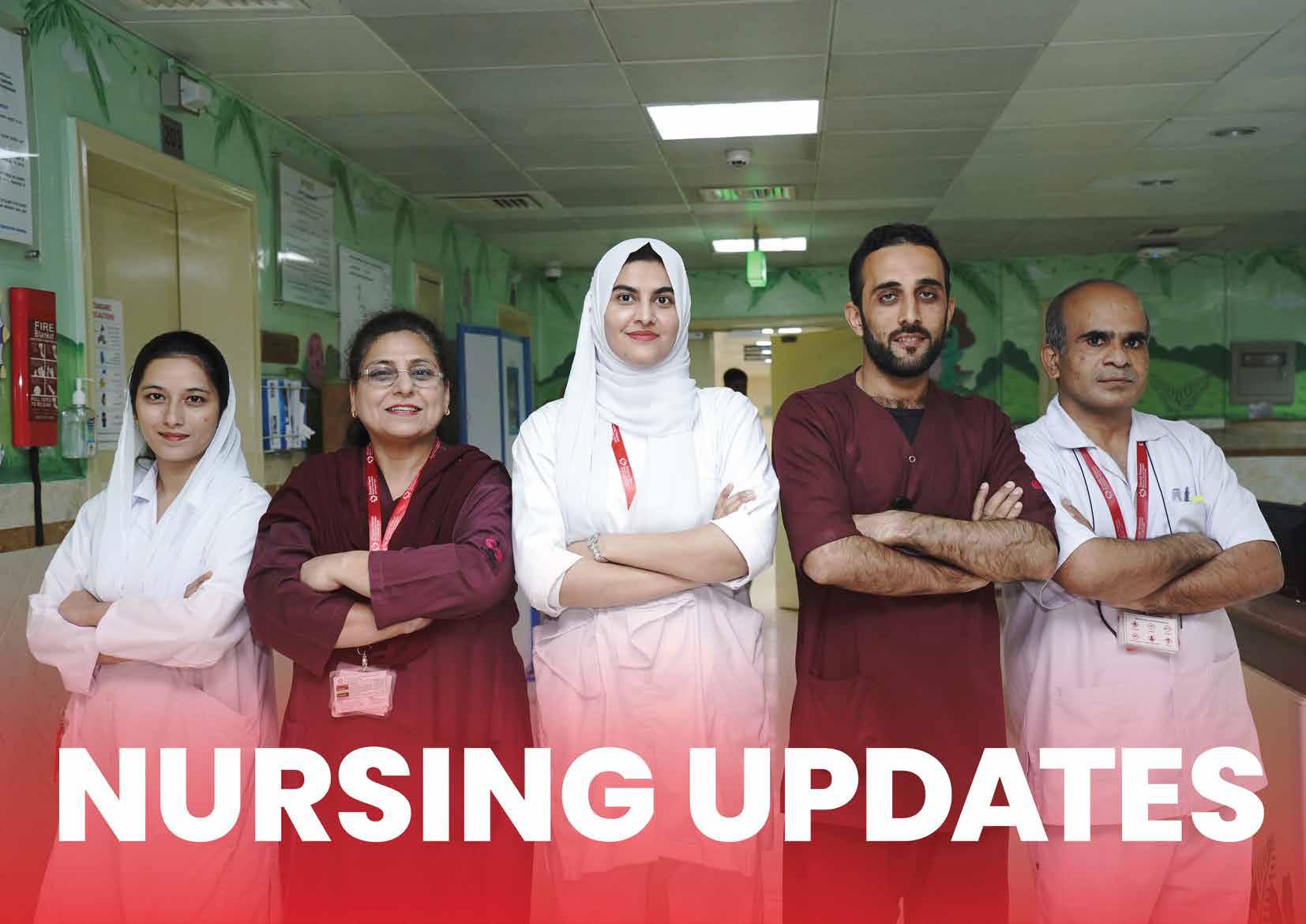
The Nursing Division ensures consistent, efficient, and accountable delivery of safe and quality nursing care to cancer patients and their families. The division provides an adequate number of qualified and specialised registered nurses and other allied staff who deliver care according to defined standards, keeping in view patient needs, safety goals, empirical outcomes, and organisational goals. In collaboration with multidisciplinary teams and based on evidence-based practice, nurses make this care suitable and accessible for all patients at SKMCH&RC.
Nurses strive to implement the standards of care prescribed by accrediting bodies such as the Joint Commission International (JCI), the International Organization for Standardization (ISO), Provincial Health Commissions, and other relevant regulatory bodies. The ISO 9001:2015 audit was successfully completed in the Peshawar and Lahore hospitals in July 2025 and December 2025, respectively. Similarly, the annual Provincial Health Commissions (Punjab & KPK) inspections were completed successfully. In September 2025, our organisation achieved enterprise-wide re-accreditation from JCI. An extensive survey of all sites was conducted to examine compliance with the standards. Nursing staff actively participated in the preparation and demonstration of required activities to ensure the survey’s success.
In 2025, we had a total of 594 registered nurses working across both our hospitals. To meet patient care needs and the organisational and divisional strategic goals, recruitment, training, and retention of Registered Nurses (RNs) and other allied staff is an essential function. Due to the high turnover of RNs, hiring and retention have been a challenge. The Nursing Hiring section, in collaboration with the Human Resource Department, prepares a staffing strategy for regular hiring and replacement of staff against available positions. This includes monthly job advertisements, recruitment cycles, and spot advertisements on social and electronic media. This year, the target of staff turnover below or equal to 10% was successfully achieved.
To meet the growing needs of patient care, SKMCH&RC is continually upgrading its services. To optimise care for patients attending the Emergency Assessment Room (EAR) in Lahore, an independent Acute Medical Unit (AMU) was commissioned in July 2025. This is a fully equipped 41-bed unit that provides adult emergency services and an Admission Holding Bay (AHB). Nursing leadership was involved from the planning, construction, and commissioning stages of the unit. An adequate number of staff and the required equipment were provided.
Another new development in the Nursing Division this year was the introduction of the specialised role of Breast Cancer Nurse Navigator in October 2025. This nurse-led initiative aims to provide structured navigation, patient education, and coordinated multidisciplinary support across the breast cancer care continuum. Two registered nurses with specialised degrees were recruited and trained to deliver an independent navigation service. We plan to expand this service with the addition of more nurses at both our hospitals.
Qualified nurses hired into nursing services require training to work in a specialist hospital. Moreover, existing staff need to be kept abreast of new knowledge and developments in nursing. To this end, various in-service education sessions were conducted in both Lahore and Peshawar, covering topics such as Infection Prevention and Control, Procedural Sedation Management, Management of Central Intravenous Lines, Cytotoxic Drug Administration and Handling, Nursing Responsibilities in Code Blue, Nursing Approaches to Quality and Patient Safety, Nursing Pharmacology and Pain Management, and Palliative Care. Induction and Orientation Programmes were also conducted for nurses and Health Care Assistants (HCA), along with Annual Study Days for HCAs, a Service Development Programme for Operating Room and Urgent Care staff, Breast Care Seminar Series, Preceptorship Development Programmes, and sessions of the Pakistan Cancer Nursing Forum.
In 2025, several need-assessment-based specialty courses were organised to strengthen clinical competencies in key areas. These included the Critical Care Course for ICU Nurses, the Paediatric Oncology Course, the Foundation of Emergency Nursing Care, and Essential Peri-operative Practices for OR Nurses.
Key performance indicators and Performance Improvement Projects (PIPs) have been introduced to measure the performance of nursing units, utilising best practices to improve the quality of patient care. In 2025, several PIPs were conducted across different nursing units in the enterprise.
The following PIPs were successfully implemented across various units and achieved their respective compliance targets: improving the transfer process of patients from ICU to the wards, enhancing patient satisfaction with discharge instructions, implementing and monitoring compliance with paediatric early warning score guidelines, improving the quality of immediate postoperative nursing assessments, ensuring patients’ NPO status did not exceed six hours, improving compliance with National Early Warning Score (NEWS) guidelines, ensuring adherence to oral care protocols in ICU patients, and achieving timely patient discharge within one hour from the Post Anaesthesia Care Unit. Additionally, the project focused on ensuring targeted temperature management (34–36°C) in post-resuscitation patients was closed, as the limited number of eligible patients reduced the sample size and made meaningful measurement unfeasible.
With evidence-based interventions and continuous monitoring, the projects gradually achieved their compliance targets.
The Nursing Division is working towards achieving Magnet Program recognition from the American Nurses Credentialing Center (ANCC). Nursing leadership has been engaged in preparing documentation for the 101 Magnet Standards related to the components of Magnet. The program requires data for inpatient and ambulatory services, reflecting the most recent eight consecutive quarters, to demonstrate outperformance against benchmarks provided by the vendor’s national database in the following areas.
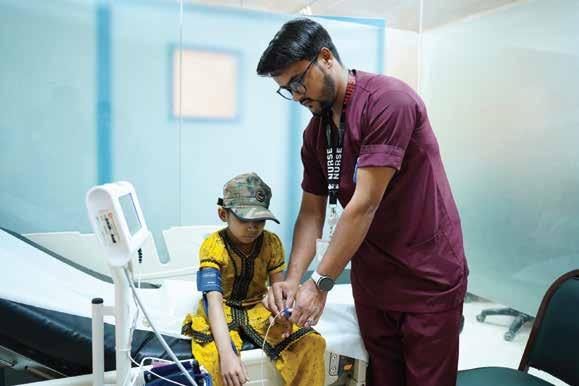
NSIs measure elements of patient care and patient outcomes that are directly affected by nursing practice. Data for the following nurse-sensitive indicators was collected quarterly and benchmarked against the vendor’s international database (NDNQI-Press Ganey), one of the recognised vendors for the Magnet Recognition Program. These indicators were monitored across both inpatient and ambulatory care settings. In the inpatient care setting, key indicators included falls, pressure injuries, catheter-associated urinary tract infections (CAUTI), and catheter-associated bloodstream infections (CLABSI). In the ambulatory care setting, the monitored indicators comprised falls, surgical errors, multidrug-resistant organisms (MRSA), and multidrug-resistant organisms (C. diff).
The Nursing Division demonstrated outperformance in all these indicators for the four quarters of 2025.
Quarterly patient satisfaction survey data for inpatient and ambulatory care settings was collected by QPSD and benchmarked against an external vendor’s international database. The results demonstrated outperformance in all four quarters of 2025.
Annual data on registered nurse satisfaction and engagement was collected and benchmarked against the vendor’s international database (NDNQI-Press Ganey). The survey conducted in September 2025 demonstrated outperformance.
To support the organisational culture of staff recognition and acknowledgement, the Nursing Division issues certificates for the Best Employee of every unit each quarter. In 2025, 94 nursing staff members in Lahore and 51 in Peshawar received the Best Employee certificate.
This year, 12 nurses completed higher education programmes (Post Basic Diploma / Post RN degree). A total of 32 candidates were enrolled across various educational programmes, namely Post RN BS Oncology Nursing, Post Basic Diploma in Critical Care, Post Basic Diploma in Peri-operative Nursing, Trainee Medical Technician Course (ICU), and Trainee Medical Technician Course (OR).
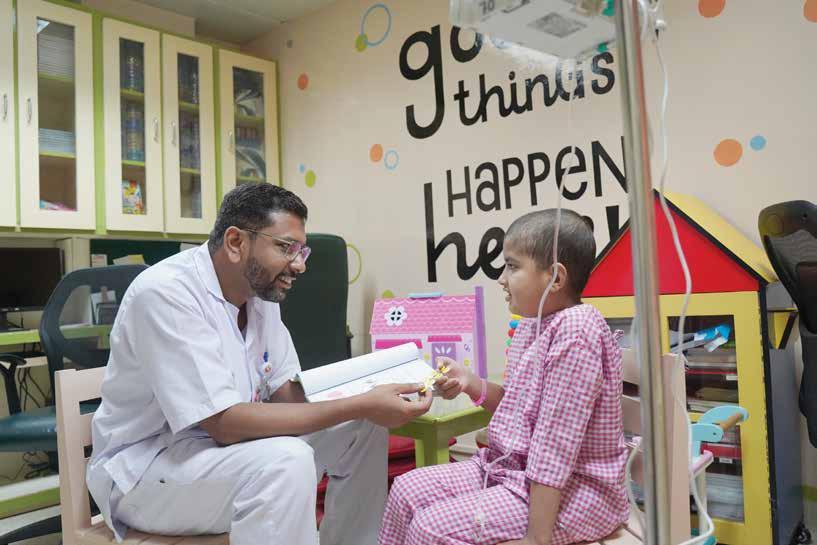
New Advanced College of Nursing also signed a contract with the Nursing Division for a 1-year internship programme, and graduates were inducted in August 2025.
Shaukat Khanum Institute of Health Sciences (SKIHS) received recognition from the University of Health Sciences (UHS) and the Pakistan Nursing and Midwifery Council (PNMC) for the commencement of the following degree programmes:
• Post RN BSN Degree
• 4-year BSN Degree (Generic BSN)
The admission process was completed in December 2025.
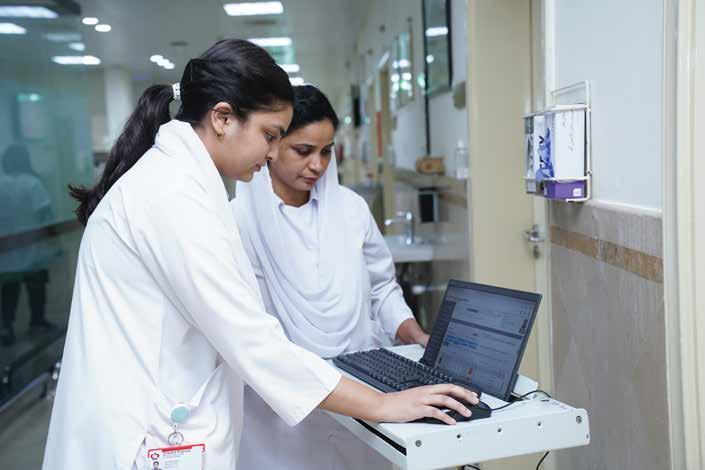
Nursing Lecturer Practitioners and Clinical Nurse Instructors attended various in-house sessions to refresh and enhance their teaching and educational administration skills.
An Oncology Nursing Symposium was held in alignment with the 23rd Annual Shaukat Khanum Cancer Symposium (SKCS) in November 2025 in Lahore. National and international nursing speakers shared their work and contributed to the exchange of ideas and information related to cancer nursing worldwide. Several research papers and posters were presented. A research paper from SKMCH&RC received the Begum Mir Nursing Research Award for the study titled “Sexual Issues Faced by Married Women Undergoing Treatment of Breast Cancer: A Qualitative Exploratory Study.”
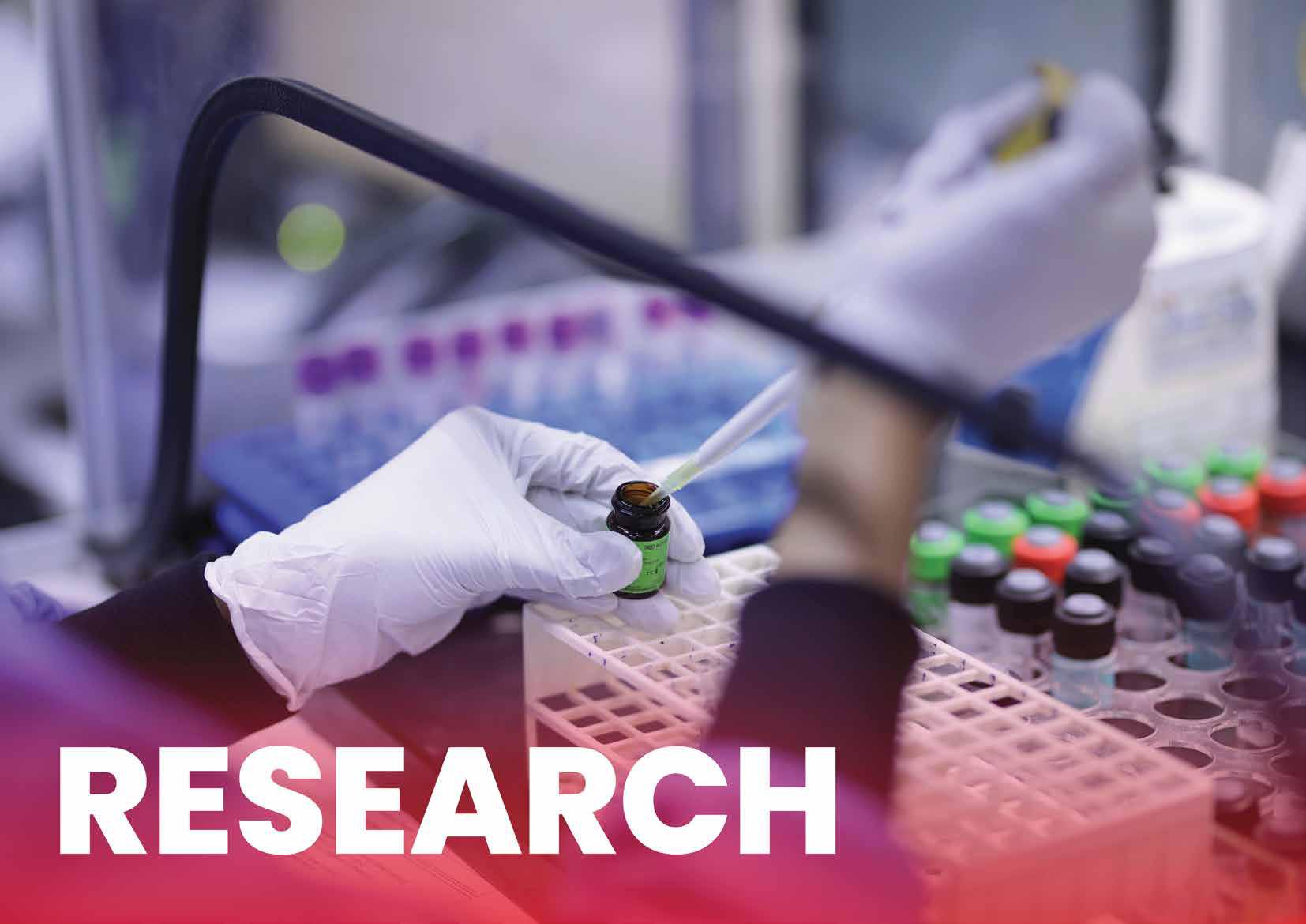
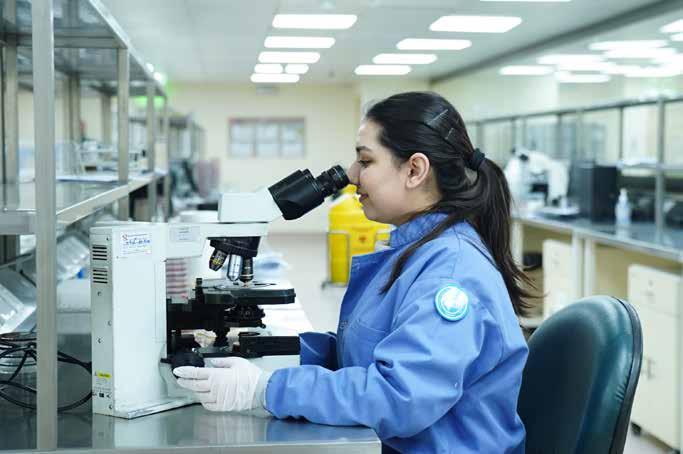
Research Centre (SKMCH&RC) continues to lead transformative cancer research in Pakistan, driving innovation in genetic, epigenetic, molecular, and clinical sciences to improve patient outcomes and advance precision medicine. Our research encompasses high-incidence cancers in Pakistan, including breast, colorectal, pancreatic, and oral cancers, aiming to develop innovative precision medicine strategies. Our efforts are supported by robust infrastructure, including the Basic Science Research Laboratories, Cancer Registry andClinical Data Management (CRCDM) section, Clinical Research Office and Clinical Trials Unit (CTU), all adhering to the highest scientific and international ethical standards, overseen by the Institutional Review Board (IRB).
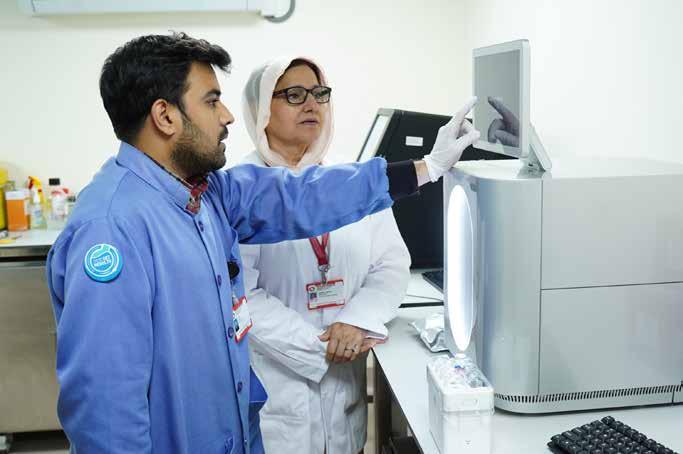
Dedicated to cutting-edge cancer research, our laboratories leverage advanced technologies such as next-generation sequencing (NGS), PCR-HRM, and AI-driven proteomics to investigate cancer genetics, epigenetics, proteomics, and fungal infections. Key initiatives include biomarker identification, early diagnostic tools, and novel therapeutic targets to advance personalized cancer care.
In 2025, SKMCH&RC achieved a major milestone with nationwide genomic studies exploring hereditary cancer risk in Pakistani populations:
A landmark multigene sequencing study identified a high burden of inherited cancer risk in breast cancer, highlighting the need for population-specific genetic screening strategies.
A parallel breast cancer study established the first comprehensive genetic susceptibility profile in Pakistani families, proposing a cost-effective testing model for clinical use.
Validation of the Asian Risk Calculator (ARiCa) demonstrated its potential to predict BRCA1/2 mutation risk, enabling early identification of high-risk individuals.
These findings are pivotal in shifting Pakistan toward personalized cancer care, where prevention and treatment are tailored to genetic risk.
This program addresses the growing challenge of drug-resistant fungal infections through DNA-based diagnostics, enhancing patient outcomes in immunocompromised cancer patients.
We established a biobank facility of fresh frozen samples in February 2019. The aim is to obtain cancerous and non-cancerous samples in standardized conditions for translational research. Our goal is to do research into improving the diagnosis and treatment of cancer as per our mission statement.
Basic Sciences Research remains committed to nurturing talent: Successful PhD completion in 2025 through collaboration with Government College University Lahore Active training of clinicians, electives, scientists, and researchers
Basic Sciences research is shaping the future of cancer care in Pakistan by:
Enabling early detection through genetic screening
Supporting risk-adapted treatment strategies
Advancing cost-effective precision medicine
With continued investment and collaboration, SKMCH&RC aims to expand its leadership in regional and global cancer research, ultimately improving survival and quality of life for patients.
Since its inception in 1994, SKMCH&RC has maintained Pakistan’s first hospital-based cancer registry, following international standards for patient registration and medical coding. The Cancer Registry and Clinical Data Management also manages the Punjab Cancer Registry, the country’s largest population-based cancer registry, contributing data to the World Health Organization’s Globocan 2022 estimates. Plans are underway to expand registry coverage to other regions. Both registries are members of the International Association of Cancer Registries (IACR) in Lyon, France.
The office is actively involved in several research studies in collaboration with both national and international leading research institutes. It acts as liaison between the hospital and other national and international research groups thus helping in project coordination. It also facilitates investigator-initiated research studies at the hospital. With close supervision of leadership, CRO is involved in development and dissemination of research guidelines which define the code of ethical conduct of research involving human subjects, which should be followed by all researchers.
Clinical Trials Unit (CTU): The CTU facilitates high-quality clinical trials, supported by comprehensive hospital services, including a dedicated pharmacy for Investigational Medicinal Product (IMP) storage, radiology, pathology, ICU, and inpatient/outpatient care. All activities adhere to strict Research Guidelines which are compliant with declaration of Helsinki to ensure patient safety and data integrity. Few recent and notable clinical trials are:
Lung Cancer Clinical Trial (BENITO): It is a phase IV clinical trial sponsored by mAbxience Research SLU and main objective is to compare pharmacokinetics, efficacy, safety, and immunogenicity of MB12 (proposed pembrolizumab biosimilar) to Keytruda® in non-small cell lung cancer patients. This trial is aimed to be conducted in 216 sites in 30 countries. According to GLOBOCAN 2022 data, lung cancer is among the top 3 most common cancers in Pakistan overall, and one of the leading cancers in males.
Breast Cancer Clinical Trial (OPTIMA): In partnership with University College London, this multi-centre trial evaluates test-guided treatment strategies for hormone-receptor-positive early breast cancer to optimize chemotherapy use and assess cost-effectiveness. Breast cancer, the most common cancer among women globally, has the highest incidence in Pakistan among Asian countries.
Tuberculosis (TB) Treatment Trial (RIFAstrat): Collaborating with St. George’s, University of London, this trial investigates a rifampicin-based regimen to shorten TB treatment to four months for patients with limited disease. As Pakistan ranks fifth among high-burden TB countries, this research aims to improve treatment compliance and reduce disease spread.
Our research focuses on cancers with high prevalence in Pakistan, including breast, ovarian, colorectal, pancreatic, and oral cancers. We investigate genetic susceptibility, tumour progression, and treatment responses with the aim of improving patient outcomes.
SKMCH&RC collaborates with a range of prestigious national and international institutions, including Lahore University of Management Sciences, the Pakistan Society of Pediatric Oncology, St. Jude Children’s Research Hospital, Children’s Minnesota, the Norwegian University of Science and Technology, the German Cancer Research Centre, Pomeranian Medical University, Cancer Research Malaysia, University College Dublin (Ireland), the University of Bradford (UK), Government College University (Lahore), and The Global Health Network (University of Oxford).
In 2025, Pakistan’s first Patient and Public Involvement and Engagement (PPIE) Oncology Group was established in collaboration with Ziauddin Medical University, Karachi. This landmark initiative brings together a diverse and inclusive network of cancer survivors, caregivers, educationists, and individuals from various professional and community backgrounds. The group aims to ensure that patient voices and lived experiences are meaningfully integrated into oncology research and clinical practice. By fostering collaboration between healthcare professionals and the public, the PPIE Oncology Group is committed to promoting patient-centered care, improving research relevance, and further aims to strengthen community engagement across Pakistan’s oncology landscape.
SKMCH&RC is dedicated to scientific excellence, training scientists, clinicians, and research students while fostering national and international collaborations. We welcome partnerships, funding, and community engagement to accelerate cancer research, ensuring early detection, improved therapies, and better patient outcomes.
Our research has positioned SKMCH&RC as a pioneer in cancer care and research in Pakistan. The Punjab Cancer Registry’s data informs global cancer incidence estimates, and our clinical trials address critical public health challenges like breast cancer and TB. With continued support, we aim to expand our research scope, enhance precision medicine, and improve patient care regionally and globally.
This has been made possible as leadership of Shaukat Khanum Memorial Cancer Hospital and Research Centres, is committed to advancing cancer research and improving patient care. Any funding directed to research activities enable us to continue our research efforts.
A list of Publications of SKMCHRC is available here: https://shaukatkhanum.org.pk/about-us/publications/research-publications/#sec0
Groups

Non-Hodgkin Lymphoma
Colon, Rectum, Anal Canal, & Anus
Prostate
Lip & Oral Cavity
Hodgkin Lymphoma
Brain
Urinary Bladder
Stomach
Non-Hodgkin Lymphoma
Oesophagus
Testes
Breast
Colon, Rectum, Anal Canal, & Anus
Thyroid
Cervix Uteri
Ovary and Uterine Adnexa
Oesophagus
Corpus Uteri
Lip & Oral Cavity
Hodgkin Lymphoma
Stomach
Hodgkin lymphoma
Acute Lymphoblastic Leukaemia
Ewing Sarcoma/PNET
Non-Hodgkin Lymphoma
Nephroblastoma
Germ Cell Tumour
Rhabdomyosarcoma
Retinoblastoma
Glioma
Osteosarcoma
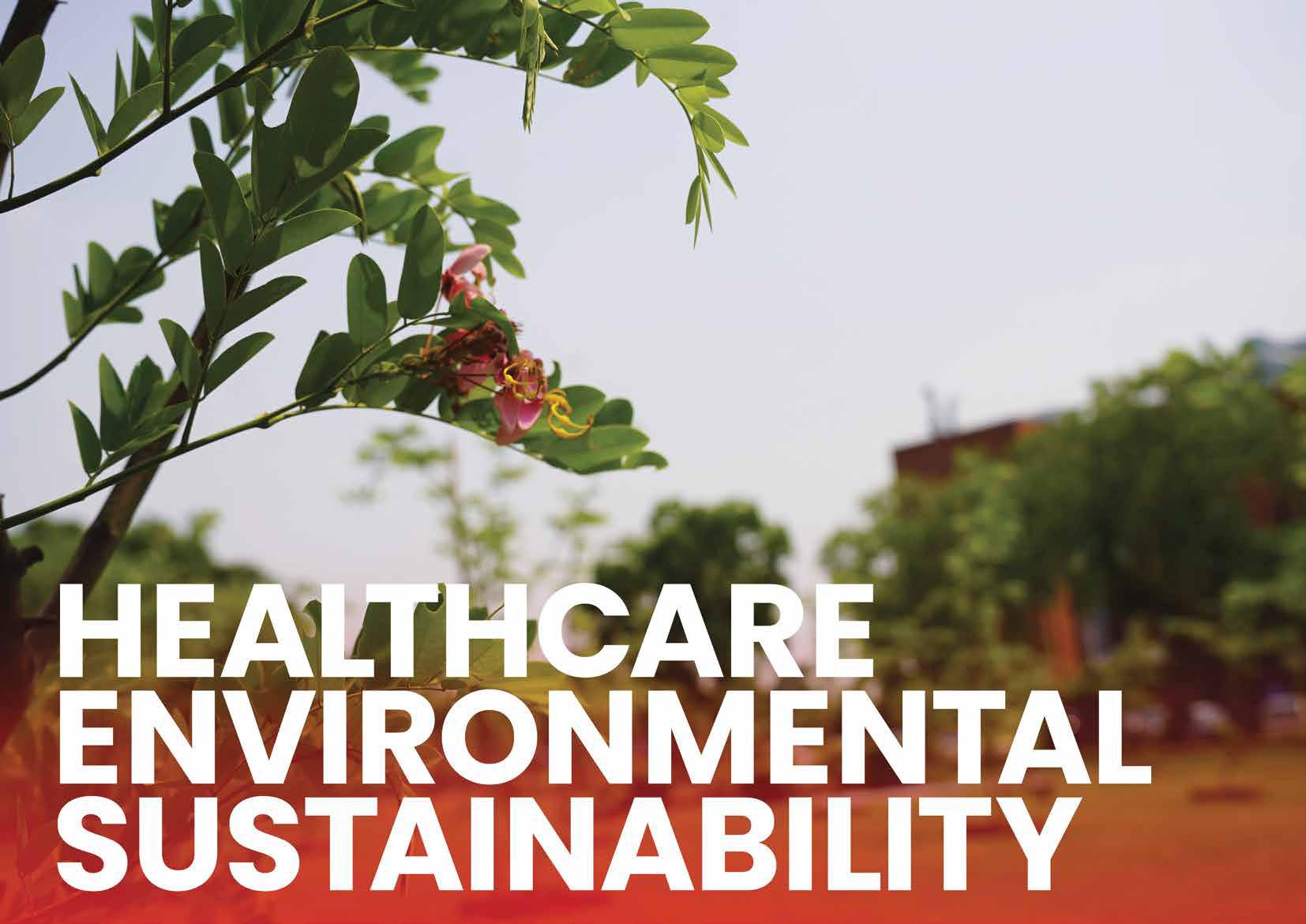
At Shaukat Khanum Memorial Trust (SKMT), we are dedicated to building a sustainable future for our patients, communities, and the planet. Our environmental strategy prioritises renewable energy, water conservation, biological waste reduction, and eco-friendly practices to create a healthier, greener and more sustainable future for our patients, our communities, and the environment.
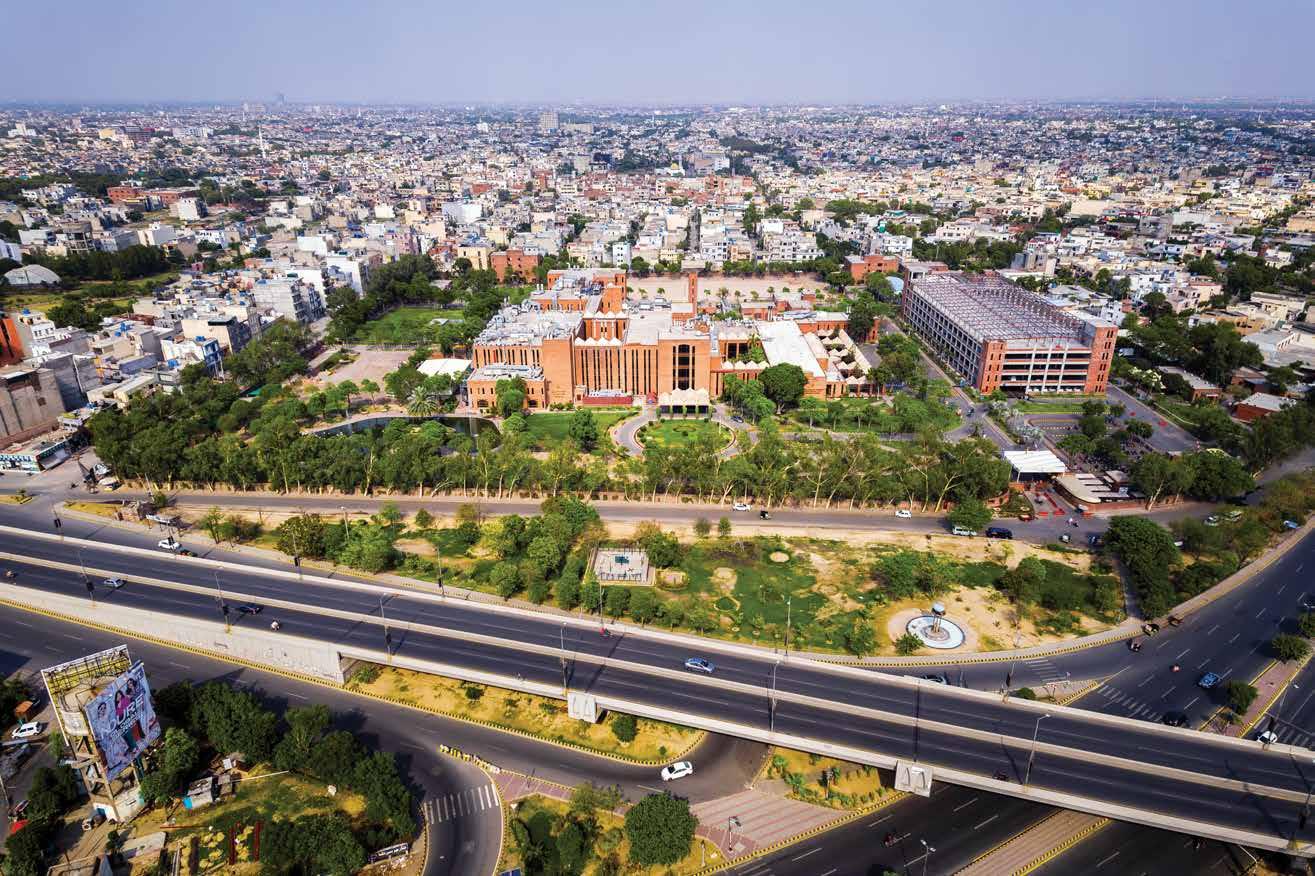
In 2025, SKMT made significant progress in embedding sustainability into its core operations through the following initiatives:
Global Health Impact (GHI) Standard
SKMT successfully adopted and demonstrated compliance with the Joint Commission International’s GHI Standard during the JCI Survey 2025, marking a major milestone in our sustainability journey.
Sustainability Policy Development
We developed and implemented SKMT’s first Global Health Impact & Sustainability Policy, establishing a formal framework to guide our environmental commitments and actions.
Board-Level Oversight
To strengthen governance, we introduced mandatory bi-annual sustainability reporting to the Board of Governors (BOG), covering key indicators such as renewable energy generation and water conservation.
Capacity Building and Training
Environmental Sustainability and Climate Change training was made mandatory for all employees, including new joiners, fostering a culture of environmental responsibility across the organization.
Smart Energy Management through AI
Artificial Intelligence (Eco-Edge AI) was integrated into the Building Management System at our Peshawar hospital, optimizing energy consumption and significantly reducing carbon emissions.
Energy Efficiency in Operations
The installation of heat exchangers in boilers at the Peshawar hospital resulted in substantial reductions in gas and electricity consumption, achieving annual cost savings of approximately PKR 17 million.
Greenhouse Gas Emissions Accounting
For the first time, SKMT initiated the measurement of its greenhouse gas emissions, enabling us to better understand and manage our environmental footprint.
Healthcare Sustainability Certification
SKMT acquired the Sustainability Accelerator Tool (SAT) from the Geneva Sustainability Centre and Joint Commission International, positioning us to become a regional pioneer in achieving the prestigious JCI Healthcare Sustainability Certification.
Transparency and Public Reporting
We enhanced transparency by publicly reporting our sustainability initiatives and progress through our official website and annual report.
Sustainability Action Plan Implementation
SKMT successfully developed and executed its first Sustainability Action Plan in 2025. Key accomplishments include:
Establishment of KPIs for vegetarian meal options, sustainable procurement practices, and mandatory sustainability training compliance for all staff
Introduction of carpooling initiatives for hospital vehicles to reduce our vehicular emissions
Deployment of energy conservation prompts on switchboards and air-conditioning units
Promotion of reusable water bottles through digital awareness campaigns
Installation of taps pressure-reducing devices at the Karachi Diagnostic Centre to conserve water
Implementation of paper and plastic recycling through certified third-party vendors
Plantation of over 150 trees across Lahore, Peshawar, and Karachi facilities
Conversion to energy-efficient LED lighting at the Karachi Diagnostic Centre
SKMT remains steadfast in its commitment to advancing environmental sustainability. Through innovative practices and a culture of responsibility, we aim to ensure a greener, healthier tomorrow for future
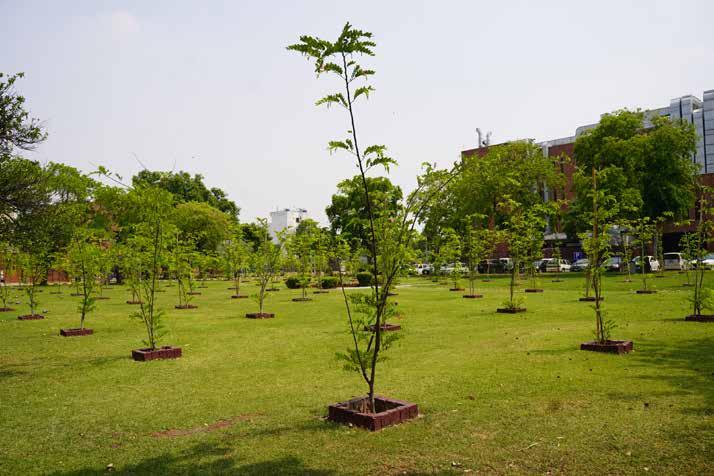
trees planted across Lahore, Peshawar, and Karachi facilities
To mark World Cancer Day, SKMCH&RC organised a fun-filled carnival for children undergoing cancer treatment and survivors, aligned with the Union for International Cancer Control (UICC)’s "United By Unique" theme for patient-centred care. The event featured a jumping castle, rides, magic and puppet shows, and a juggler, offering a fun escape for the children. As one father said, "Today is like Eid for our children. They forget they are undergoing cancer treatment and just enjoy themselves."
Corporate organisations participated in the event by sending volunteers and gifts for the children. Their support and generosity added to the festive atmosphere, making the day even more special for these young patients.
The hospital's commitment to providing holistic care goes beyond medical treatment, addressing the psychological needs of patients and their families.
"Cancer turned my world upside down when my 5-year-old son, Tohaid, was diagnosed with Hodgkin's disease in May 2024. As a mother, it was devastating to hear the news, and my worry was doubled because Tohaid also has Down Syndrome. Naturally, was overwhelmed with concerns about his treatment and well-being. How would we manage the costs? Would he be able to cope with the treatment? But then we found hope. Thanks to Shaukat Khanum Hospital, we don't have to worry about finding funds to access life-saving treatment for my son. What's more, the hospital's support extends beyond medical care. We travel all the way from Dera Ismail Khan to Lahore, and we're provided with accommodation at the donor-funded "Musaafirkhana" for the duration of Tohaid's treatment. I'm grateful for the care, support, and generosity that has made our journey a little easier. Thank you, Shaukat Khanum Hospital, for being a beacon of hope for families like mine."
– Tohaid’s mother.
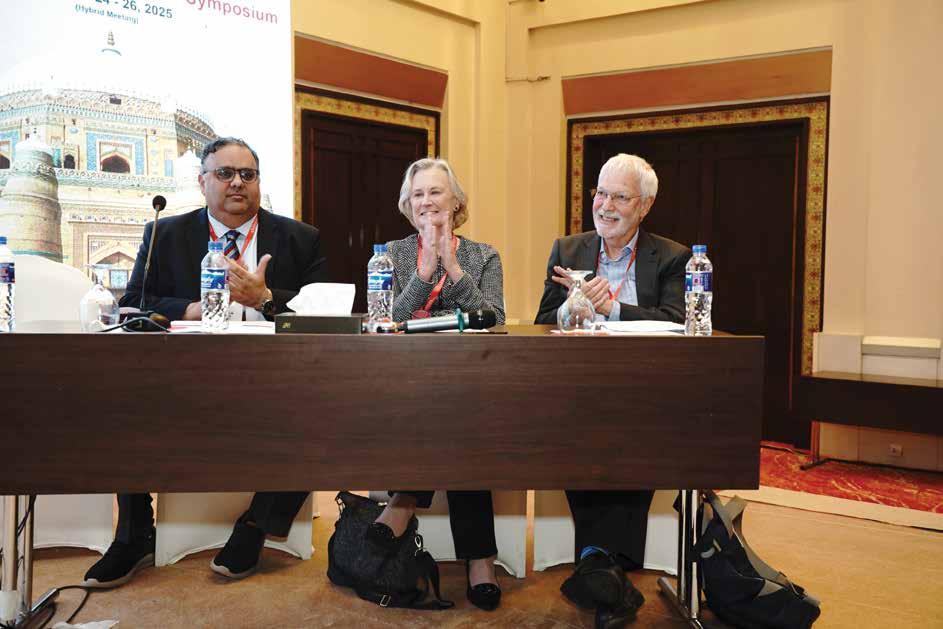
Pakistan’s largest oncology meeting brought together 111 expert speakers 44 international experts from 15 countries and 5,900+ delegates
Offered at Shaukat Khanum Hospitals including 90+
Fellowship programmes recognised by the College of Physicians and Surgeons, Pakistan (CPSP)
Post RN Bachelor of Science in Nursing
International Pharmacy Practice Residency Programme accredited by the American Society of Health-System Pharmacists (ASHP)
Diplomas in Laboratory Technology & in Respiratory Therapy
Credits™ through the Accreditation Council for Continuing Medical Education (ACCME).
Dr. Julie Gralow, Chief Medical Officer of the American Society of Clinical Oncology (ASCO) and Professor Emeritus of Medical Oncology at the University of Washington School of Medicine, delivered the plenary talk on “Global Strategies for Equitable Cancer Care.” The symposium showcased cutting-edge research presentations, with awards such as the Ahsan Rashid Memorial Award, Bashir-Alavi Award, Begum Mir Nursing Award, and honours for top free papers, recognising outstanding contributions to oncology research in Pakistan. Topics spanned major advancements in cancer diagnostics and treatment.
Cancer prevention is an important element of our mission at Shaukat Khanum Memorial Cancer Hospital & Research Centre and anti-tobacco is one of our major awareness campaigns. The theme of our anti-tobacco campaign in 2025 was aligned with the WHO theme of un-masking the appeal and highlighting how flavours are used as a hook by the tobacco industry for initiation of nicotine and tobacco products use.
In 2025, we marked World No Tobacco Day in the following ways:
Engaging Youth’s Creativity to Raise Awareness: The Shaukat Khanum Tigers' Club organised a poster competitions for various age groups in May 2025 to engage youth in spreading awareness.

The competition drew an overwhelming response, with approximately 900 entries from 40 educational institutions nationwide. Students from various age groups participated, starting from class 1 to class 10th.
The competition honoured outstanding submissions through two award categories:
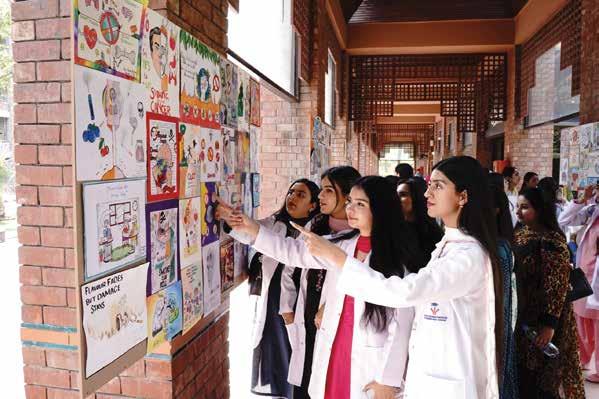
Jury’s Choice Award: 30 winners were selected, with three winners from each class.
Viewer’s Choice Award: 9 winners were chosen, with three winners from each category (Classes 1-4, Classes 5-7, and Classes 8-10), based on public votes on Facebook, to encourage community engagement.
Awareness Sessions: SKMCH&RC hosted a live digital session titled “Tobacco Exposed: What They Don’t Tell You About Vapes”. The session featured a distinguished panel of experts from SKMCH&RC, Lahore, including Consultant Respiratory Medicine, Consultant Clinical & Radiation Oncologist, and a Clinical Psychologist.
This engaging discussion debunked myths surrounding vaping and highlighted its health risks, reaching 280,000 post views on Facebook.
Awareness Content: SKMCH&RC shared educational content on social media, highlighting around the WNTD theme "Unmasking the appeal: exposing industry tactics on tobacco and nicotine products" for 2025. Our key visual for this campaign used vapes leading to a pack of cigarette and the visual spelling "cancer" in Urdu. This visual creatively highlighted the dangers of flavoured vapes and tobacco use.
According to the WHO Globocan report, approximately 31% of cancers seen in women in Pakistan are breast cancers. This is the leading type of cancer in our country in terms of incidence as well as deaths. For nearly three decades, Shaukat Khanum Memorial Cancer Hospital and Research Centre (SKMCH&RC) has promoted early detection through awareness campaigns, emphasising self-examination and timely diagnosis. These efforts align with the WHO Global Breast Cancer Initiative’s target to reduce global breast cancer mortality by 2.5% annually by 2040, preventing 2.5 million deaths.
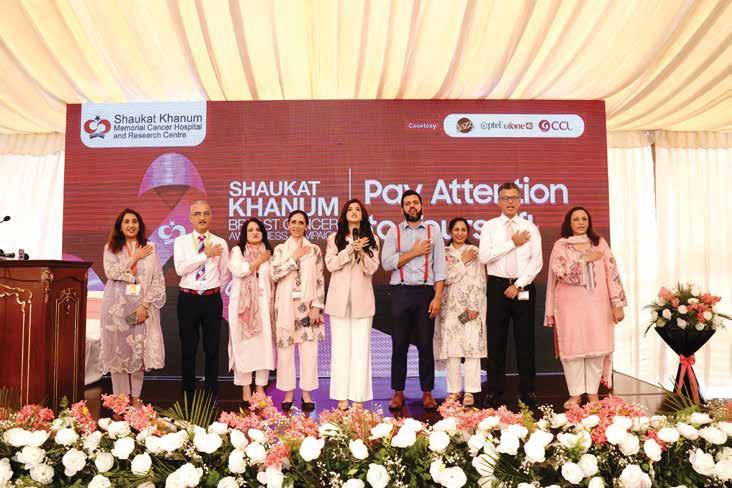
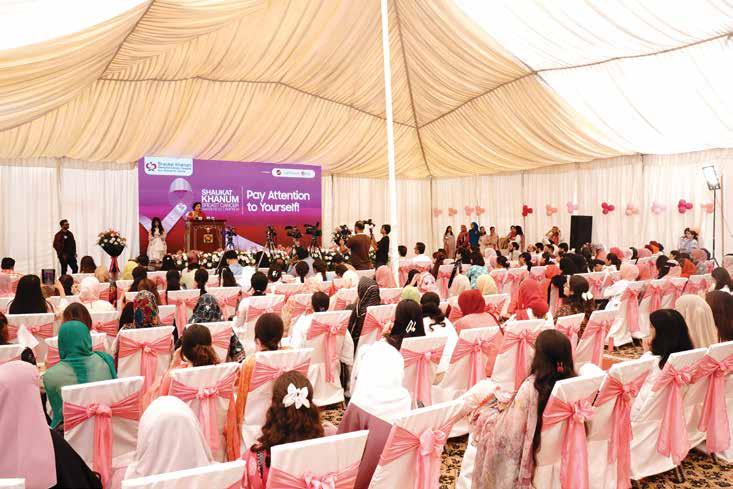
The 2025 Shaukat Khanum Breast Cancer Awareness Campaign, themed “Pay Attention to Yourself,” ran throughout October with different activities to promote awareness. It received more than 720 registrations for Pink Tea Parties, encouraging open conversations to fight stigma surrounding breast cancer. Over 230 in-person awareness sessions engaged approximately 20,000 individuals. Additionally, 180 Pink Walks encouraged active lifestyles to lower breast cancer risk, while a Pink Cooking & Baking Competition creatively spread awareness. Mall activations and #IPledgeToCheck mirror stickers in gyms and salons further spread the message.
This year, Shaukat Khanum Memorial Cancer Hospital and Research Centre launched Pakistan’s first nurse-led breast care nurse navigator service. This service aligns with the WHO’s technical guide on patient navigation by employing specialised nurses to guide breast cancer patients through different treatment pathways, ensuring timely and complete access to multimodality treatments like surgery, chemotherapy, and radiotherapy, along with support services. It directly supports pillar 3 of the Global Breast Cancer Initiative (GBCI) by promoting comprehensive cancer management.
The nurse navigator will help patients understand their diagnosis and treatment plan, coordinate their treatment and care with the multidisciplinary team, and provide education, reassurance, and emotional support throughout their care journey. It reflects our belief that every woman with breast cancer deserves to be cared with dignity and compassion. Because at Shaukat Khanum Hospitals, every woman’s journey with breast cancer matters.
In this month, we also organised our annual cancer symposium, the country’s largest oncology meeting with 111 speakers and over 5,000 registered delegates, where we dedicated one session exclusively on early detection, diagnosis, and comprehensive treatment of breast cancer –GBCI a way forward. This talk was delivered by Dr Julie Gralow, Chief Medical Officer of the American Society of Clinical Oncology (ASCO), and attended by healthcare professionals from private and public health sector from across Pakistan; the session itself had over 120 attendees.
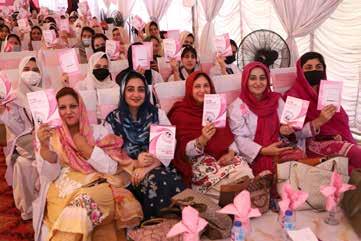
Aligned with the WHO campaign, #EveryStoryIsUnique, we organised a display of “Pink Superwoman” series of breast cancer survivors in the hospital premises and we also shared these via our social media platforms. We also organized a friendly competition between nurses where they submitted stories based on their experience with taking care of breast cancer patients and top 3 submissions were acknowledged with a certificate and a token of appreciation.
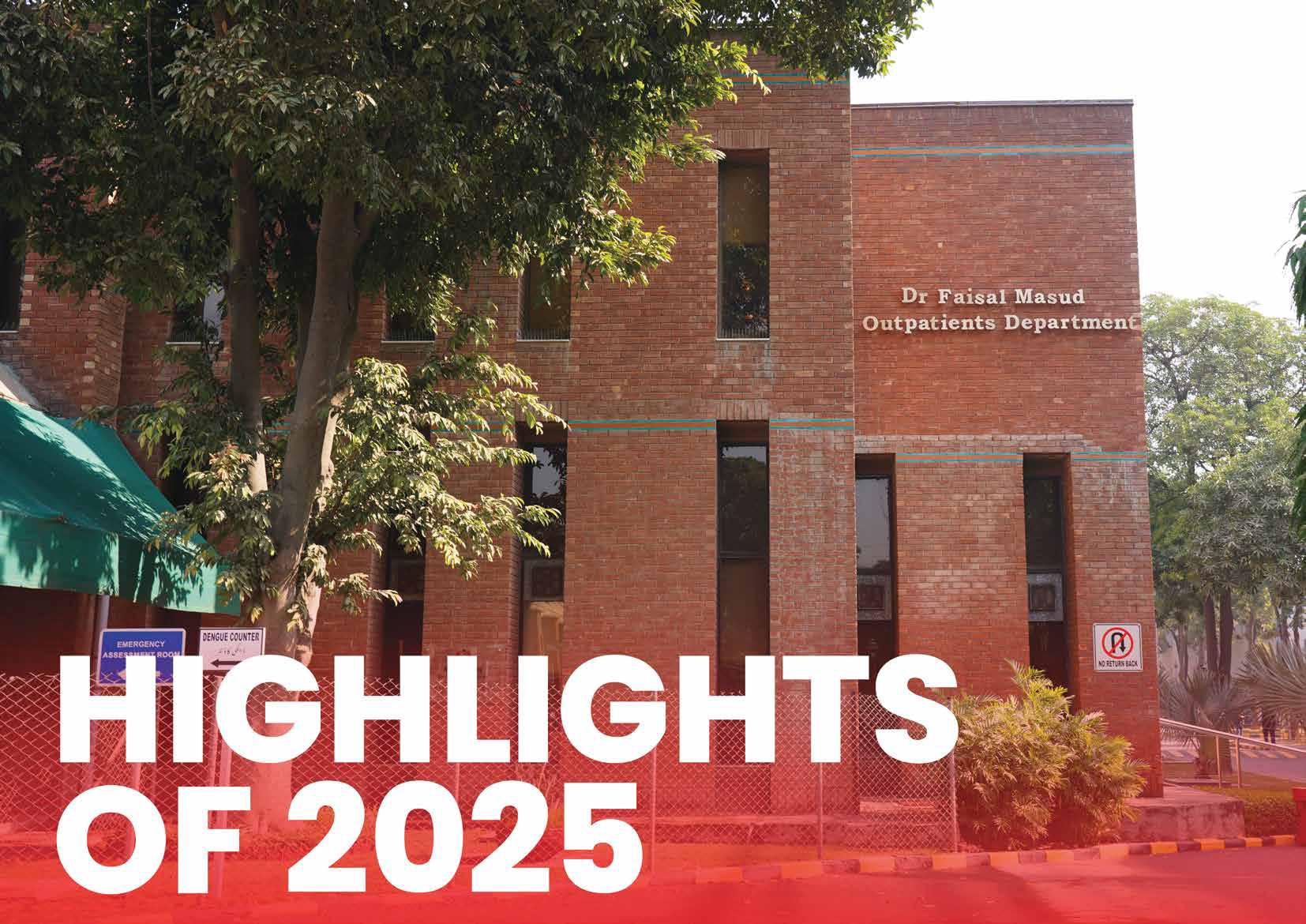
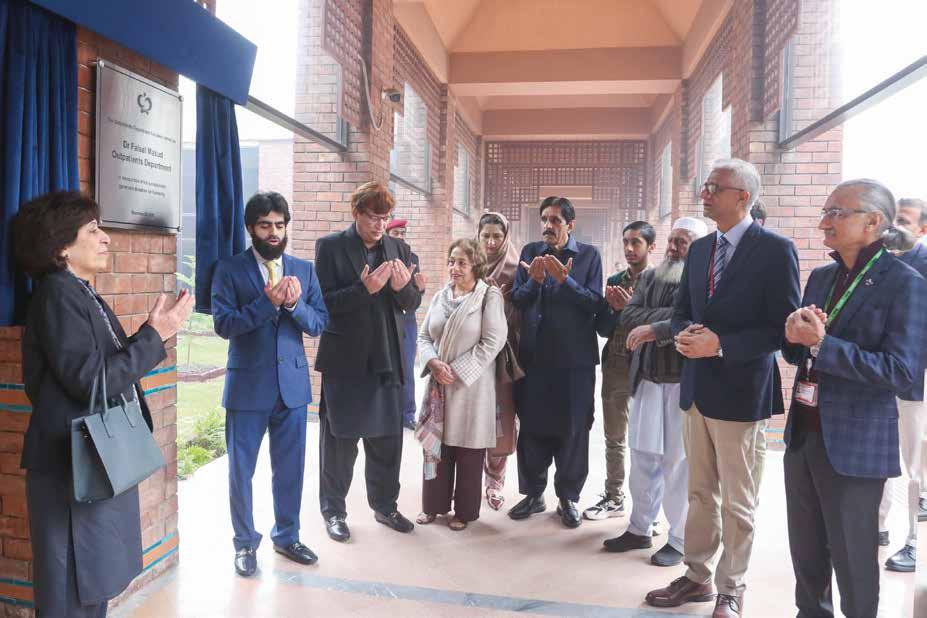
Shaukat Khanum Memorial Cancer Hospital and Research Centre, Lahore, has renamed its Outpatients Department (OPD) as the Dr. Faisal Masud Outpatients Department in recognition of a substantial contribution by his family. This tribute honours the late Professor Dr. Faisal Masud who was a renowned endocrinologist and a distinguished professor.
On this occasion, Ms. Raana Ahmed, sister of the late Dr. Faisal Masud said,
“Shaukat Khanum remains an island of excellence, built on Imran Khan's vision and sustained by the nation's generous donations for over 31 years, offering world-class cancer care to all patients, irrespective of their ability to pay.
I feel personally indebted to this hospital, having been treated here. My presence today is Allah's blessing and because of this hospital.
True happiness lies in giving. My brother Dr. Faisal Masud dedicated his life to serving humanity with his exceptional skill and his compassion. Re-naming of the OPD as the Dr. Faisal Masud Outpatients Department is a profound honour for our family."
This generous donation will fund OPD renovations in one of the hospital’s busiest areas, which records over 300,000 patient visits annually and serves as the starting point for countless cancer journeys. Planned improvements include relocating the physiology lab where ECHO, ECG, and cardiac stress tests are conducted, to the ground floor for easier access.
At the naming ceremony, hospital leadership expressed deep gratitude to the family and highlighted how this act of generosity will inspire others to create lasting legacies. Dr. Faisal Masud’s legacy of service to patients lives on through this Sadqa-e-Jariya and his name will continue to bring hope to thousands of patients for decades to come.







Shaukat Khanum Memorial Cancer Hospital and Research Centre
7A Block R-3 M.A. Johar Town
Lahore, Pakistan
Tel: +92 42 3590 5000
UAN: 111 155 555
Toll-free: 0800 11555
Donation Queries: fundraising@skm.org.pk
Shaukat Khanum Memorial Cancer Hospital and Research Centre
5-B, Sector A-2, Phase-5, Hayatabad Peshawar, Pakistan
Tel: +92 91 588 5000
UAN: 111-155-555
Toll-free: 0800 11555
Email: fundraising@skm.org.pk
Shaukat Khanum Regional Office
Karachi Diagnostic Centre and Clinic
Plot DDCH1, 1st Street
Phase VII Extension DHA Karachi, Pakistan
Tel: +92 42 3590 5000 Ext. 2901
UAN: 111 756 756
Toll-free: 0800 11555
Email: fundraising@skm.org.pk
Shaukat Khanum Regional Office
2 Royal Centre, Fazal-e-Haq Road
Blue Area, Islamabad
Tel: +92 51 234 8275
UAN: 111 155 555
Toll-free: 0800 11555
Email: fundraising@skm.org.pk
Shaukat Khanum Regional Office
Hotel Ramada, 76-Abdali Road
Multan, Pakistan
Tel: +92 61 4783344
Toll-free: 0800 11555
Email: fundraising@skm.org.pk
Shaukat Khanum Regional Office
Office # 105, Mezzanine Floor
Centre Point Plaza, Jaranwala Road Faisalabad
Contact: +92 300 8401448
Toll-free: 0800 11555
Email: fundraising@skm.org.pk
Shaukat Khanum Regional Office
Office # 10, 1st Floor, Soni Square
Khadim Ali Road Sialkot
Tel: +92 52 3258326
Toll-free: 0800 11555
Email: fundraising@skm.org.pk
Shaukat Khanum Memorial Trust
P. O. Box 506032
Office No. 112, Building No. 4 (Floor No.1)
Dubai Humanitarian, Corporate Offices in Dubai Industrial City, Dubai, UAE
Office: +971 4 457 2434
Mobile: +971 50 260 2503
Email: skmtgulf@skm.org.pk
PO Box 786
66 Little Horton Lane
Bradford, BD5 0YE, UK
Tel: +44 1274 424 444
Email: info@ikca.org.uk
Website: https://www.ikca.org.uk

4 Forest Park Dr. Farmington, CT 06032 USA
Tel: +1 (860) 674 8865 (9 am to 1 pm EST)
Fax: +1 (860) 674 9007
Email: contact@ikca-usa.org
Website: www.ikca-usa.org

7800 Kennedy Road Suite # 101
Markham, Ontario, L3R 2C7
Tel: +1 905 470 8111
Fax: +1 905 470 8121
Email: donation@cerfcanada.com
Website: www.cerfcanada.com

SHAUKAT KHANUM MEMORIAL CANCER FOUNDATION LIMITED,
Suite 12, Level 1
89 Jones Street, ULTIMO
Sydney NSW 2007
Tel: + 61 2 9211 8465
Email: info@skmcf.org.au
Website: http://www.shaukatkhanum.org.au/

Høgåsveien 104, 1259 Oslo, Norway
Tel: + 47 930 63 545
Email: norway@skm.org.pk
Website: https://fsks.no/

SHAUKAT KHANUM MEMORIAL FOUNDATION,
84 Rue Maurice Berteaux, 95360
Montmagny, France.
Tel: +33 6 07 64 47 88
Email: france@skm.org.pk

Kopermolenstraat 68, 1502 PW Zaandam Netherlands
Tel: +31 6 85266060
Email: netherlands@skm.org.pk