I. DEBRIEFING
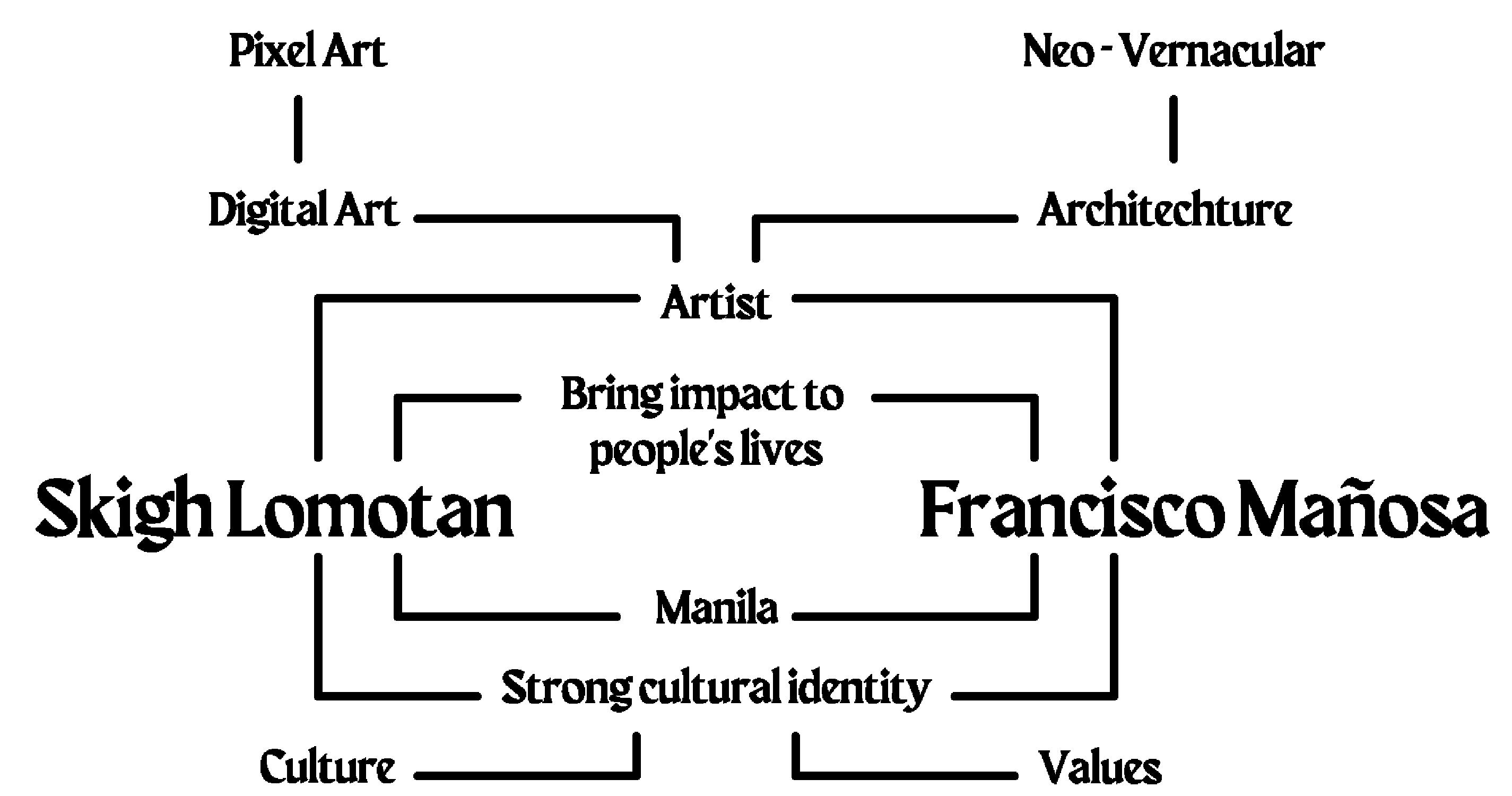
II-A. RESEARCH (Text)
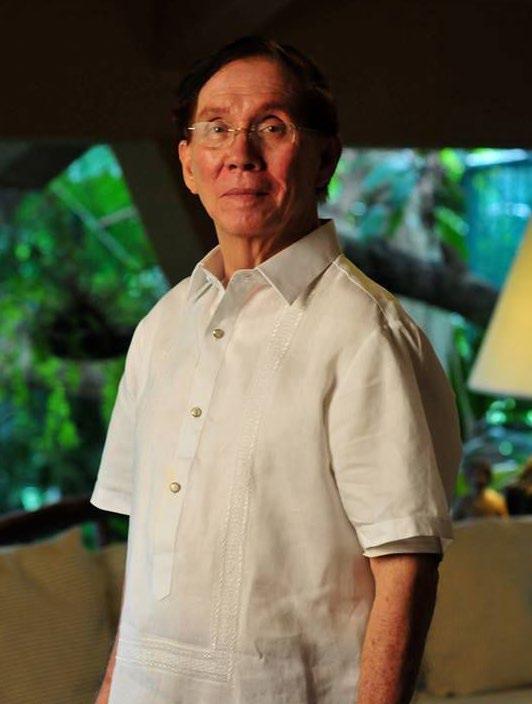
Francisco “Bobby” Mañosa (1931–2019)
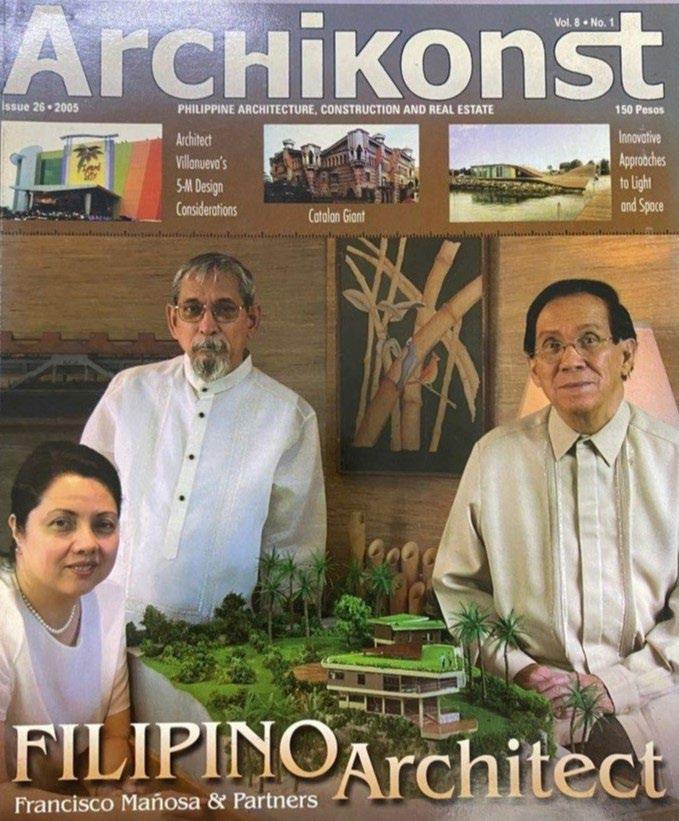
Was a distinguished Filipino architect renowned for championing neo-vernacular architecture. Born in Manila, he initially pursued music before studying architecture at the University of Santo Tomas, graduating in 1953. He spent a year in Japan, where he was influenced by Japanese architectural principles.
Throughout his six-decade career, Mañosa’s design philosophy focused on creating structures that reflected Filipino culture and heritage, integrating traditional elements like the Bahay Kubo and Bahay na Bato, with modern building technologies. His use of indigenous materials such as bamboo, rattan, coconut, and capiz was central to his work. His extensive portfolio includes notable projects like the Coconut Palace, EDSA Shrine, and LRT 1.
In recognition of his contributions, Mañosa was named National Artist for Architecture in 2018. His legacy lives on through his son, Gelo, who continues to integrate Filipino cultural elements into modern architecture
II-B. RESEARCH (Images)
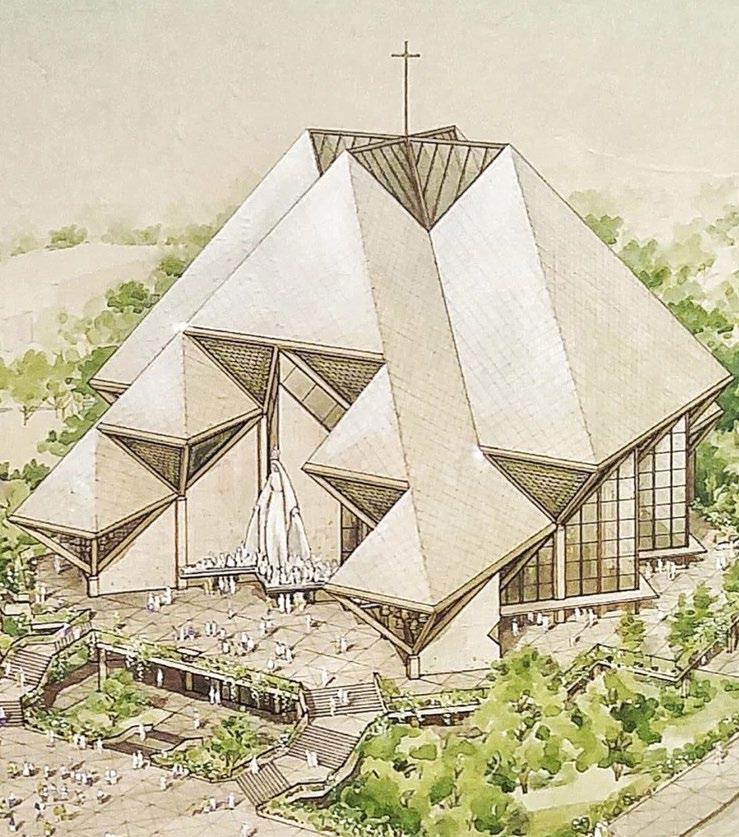
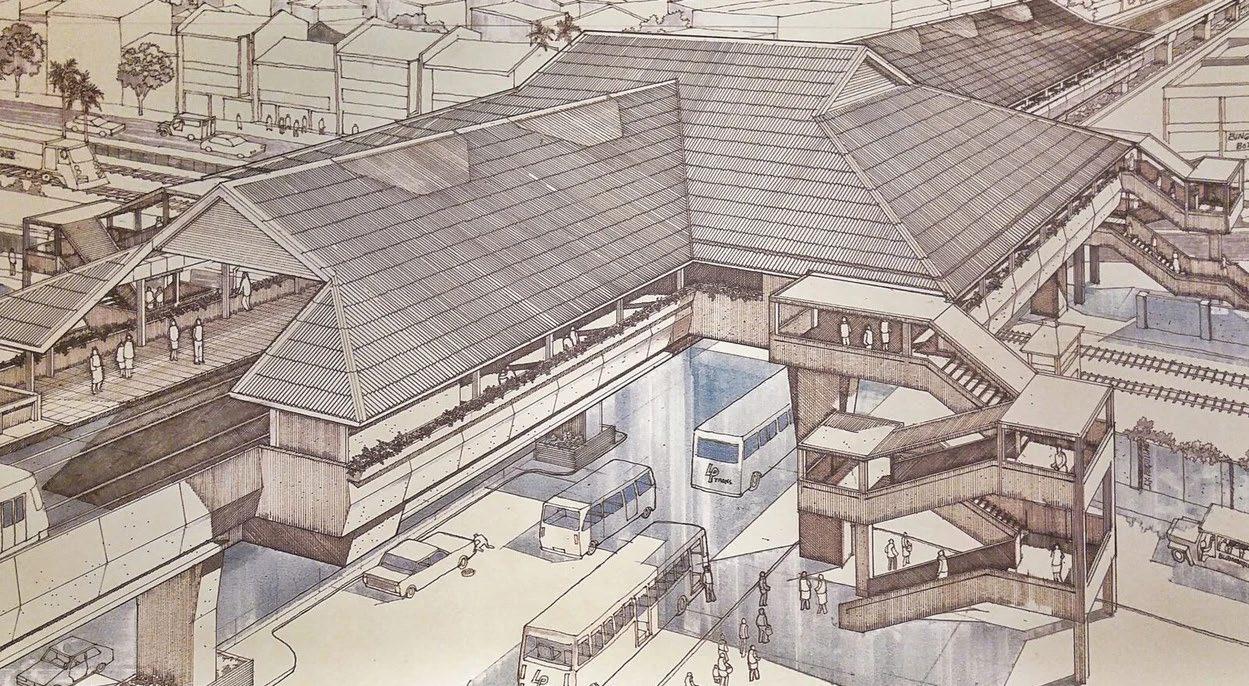
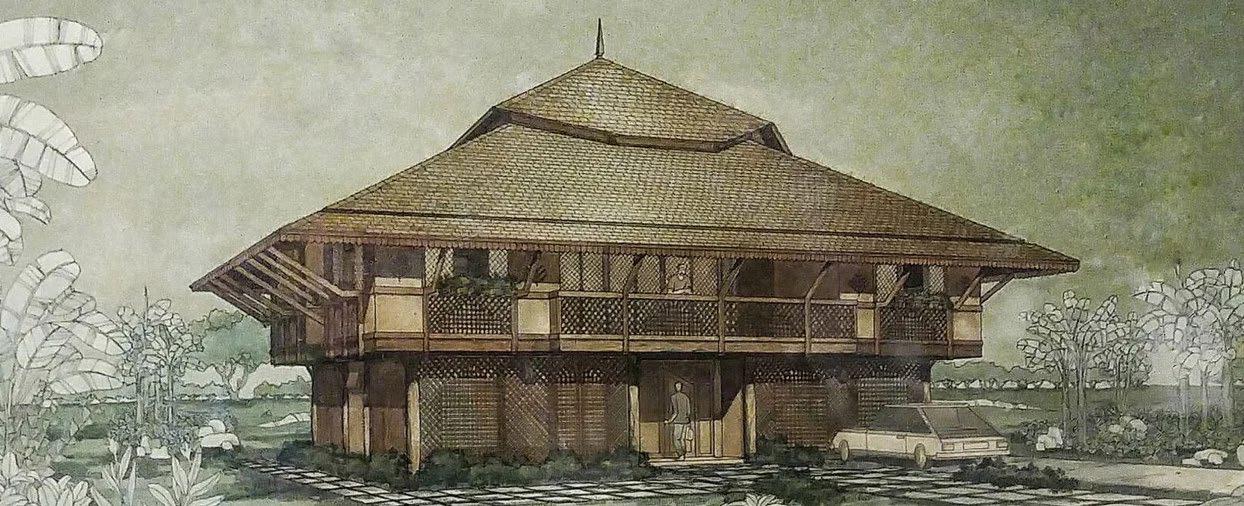
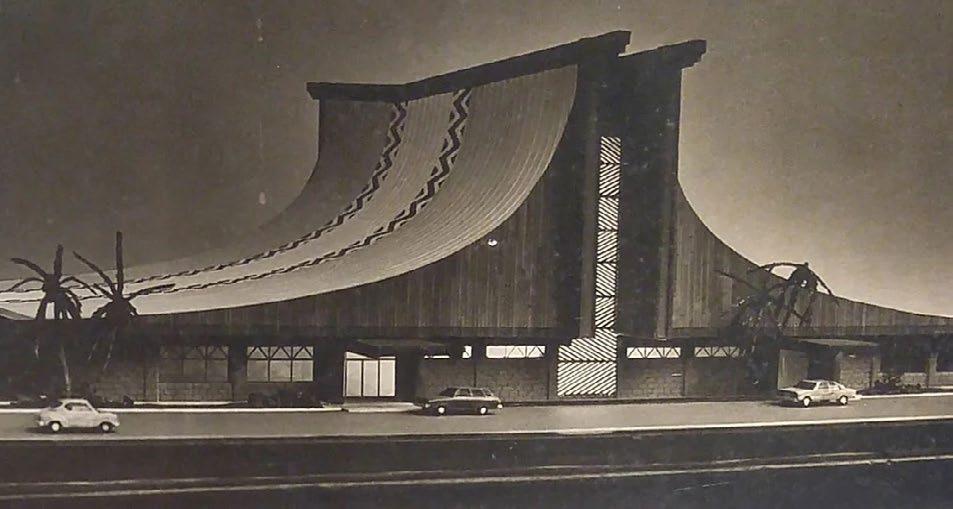
His extensive portfolio includes notable projects like the Coconut Palace, EDSA Shrine, and LRT 1.
II-C. RESEARCH (Typography)
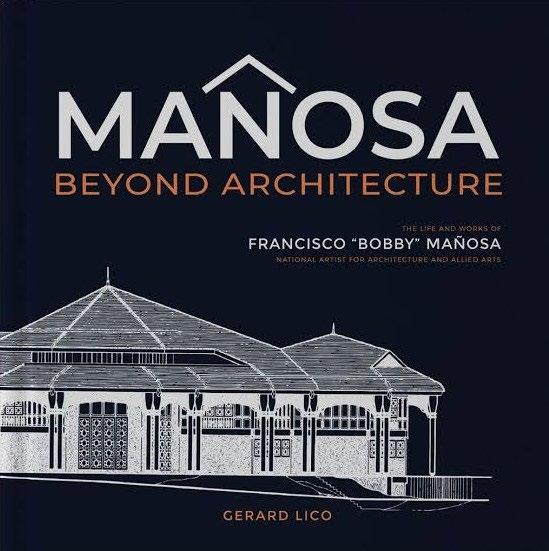
Mañosa was deeply passionate about Filipino culture and heritage, which strongly influenced both his personality and work. After reviewing books and magazines published about him, I chose a Filipino-made serif typeface, “Maragsa,” by John David Maza, because the font has a similar style to the sloping roofs of Bahay Kubos.
III-A. IDEATION (Brainstorming)
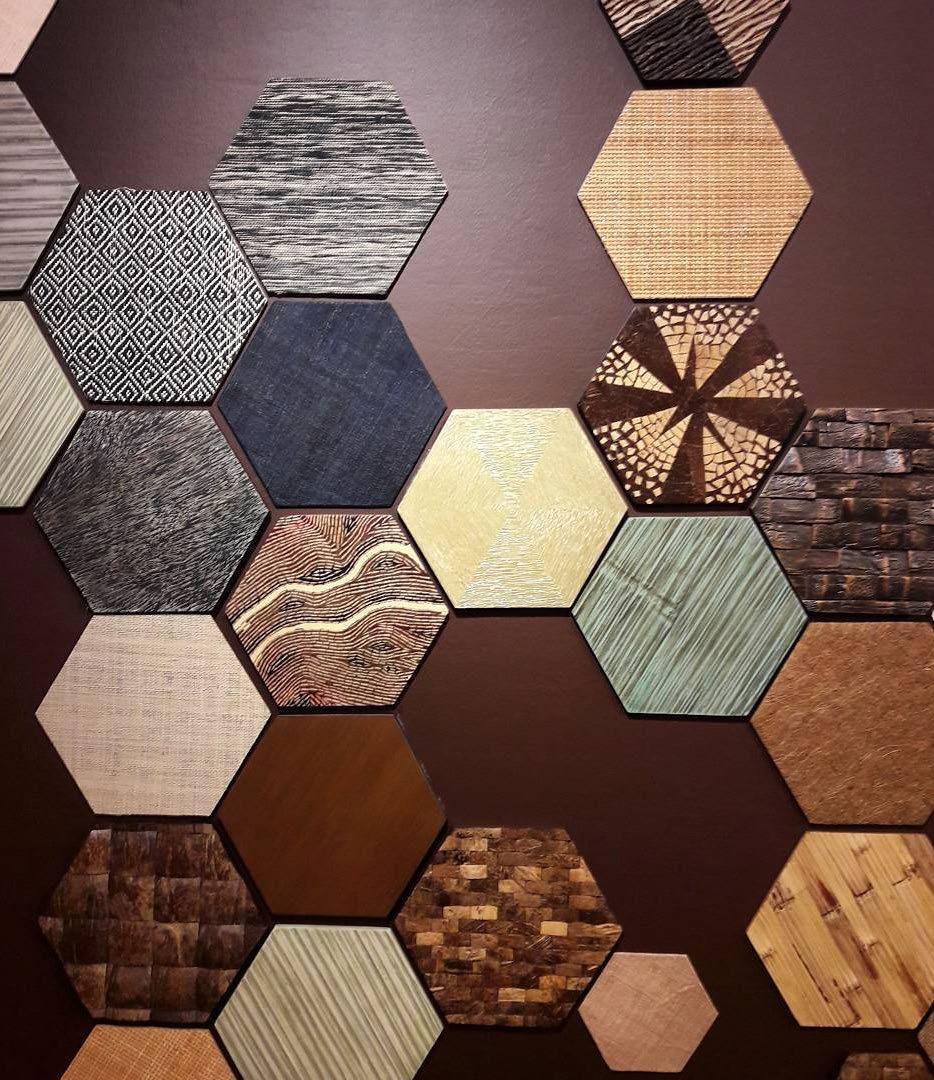
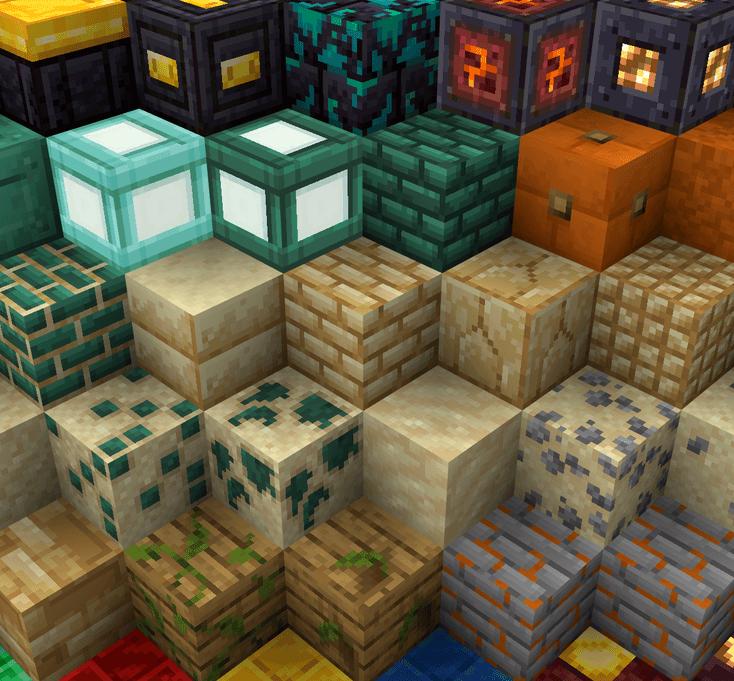
Mañosa’s use of indigenous materials inspires me to create a texture add-on for Minecraft, featuring patterns inspired by bamboo, coconut lumber, nipa palm, and other local materials. Minecraft allows players to build freely and express their creativity, and the add-on can promote the beauty of these materials by showing how they can be used in different builds.
III-B. IDEATION (Inspiration)
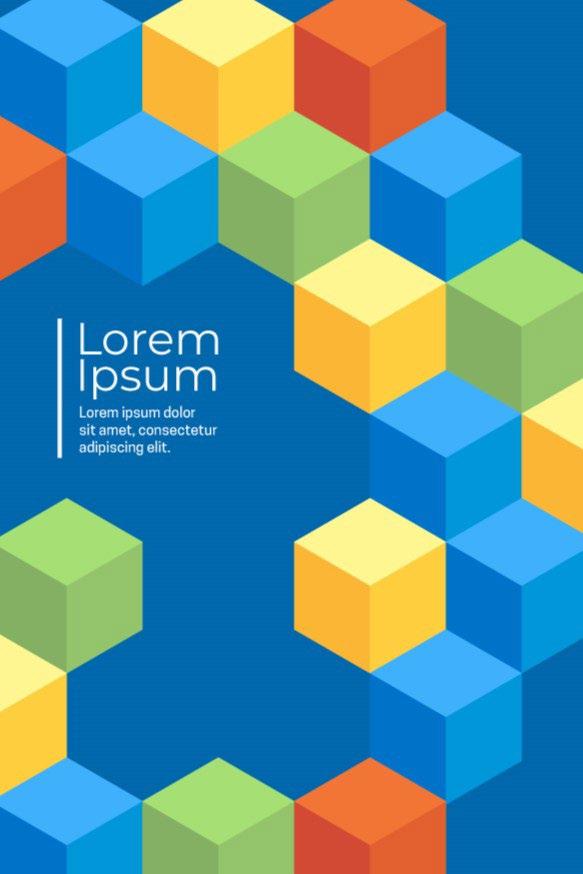

For the cover design, I want to incorporate geometric patterns, honoring Mañosa’s commitment to Filipino architecture. I also plan to showcase thetextures of local materials on the front page to highlight their significance.

IV. DEVELOPMENT (Drafts)
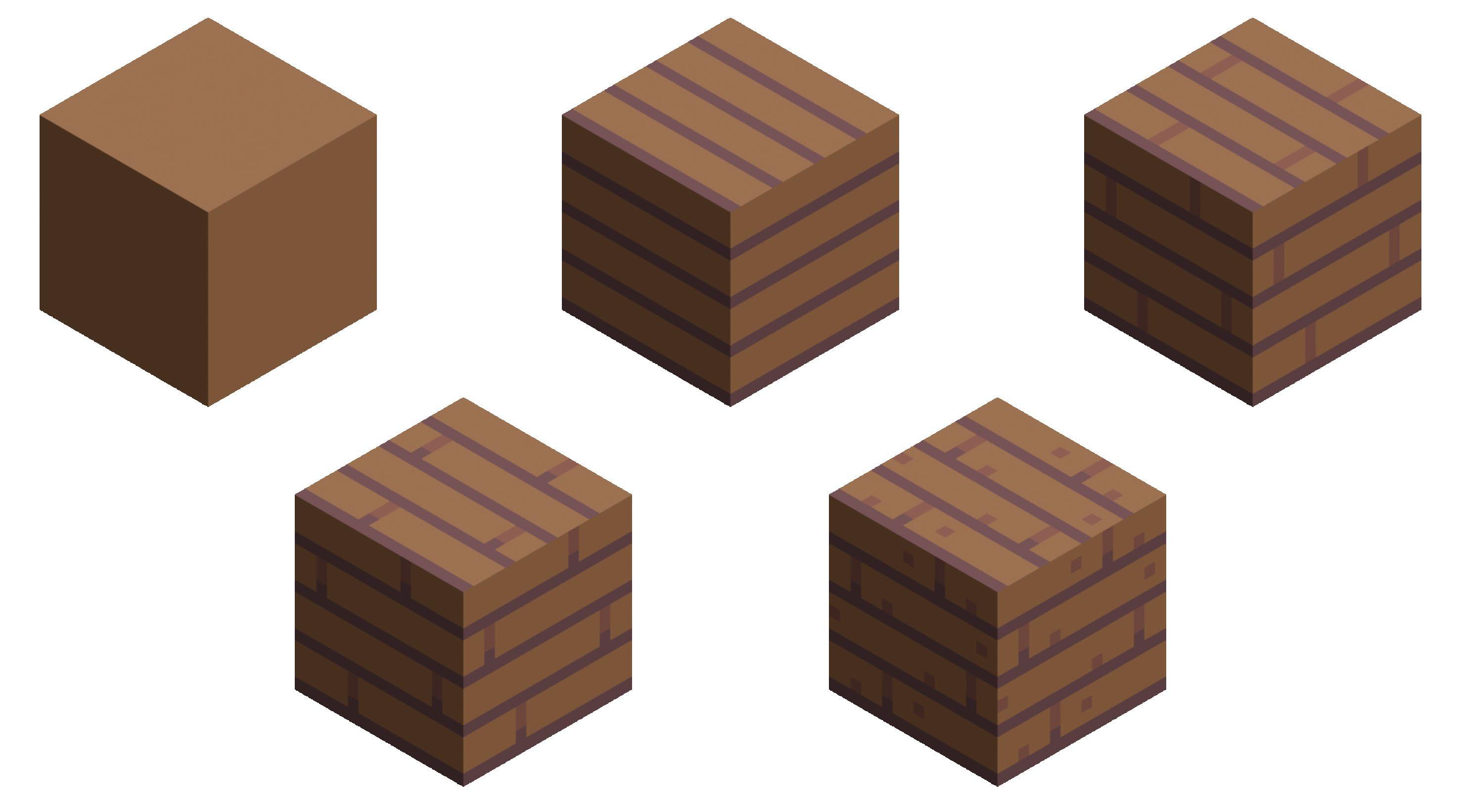
Narra Plank
IV. DEVELOPMENT (Drafts)


VI. REFERENCES
Mañosa, F. (2019). The Philippine Architecture of Francisco Mañosa: A Legacy of Philippine Architecture. Manila: University of Santo Tomas Press.
Punzalan, M. (2018). Francisco Mañosa: The Architecture of Filipino Identity. Journal of Philippine Architecture, 15(2), 25-30.
Santos, L. (2017). Modernism Meets Tradition: The Architecture of Francisco Mañosa. Manila Architecture Review, 7(4), 44-50.