




















BY LESLIE KELLY | Contributing Writer
If you drive down West University Way in Ellensburg, you might not realize you’re passing a little piece of local history.
The block building that now houses Valley Sheds & Garages once sat at the edge of Carl’s Truckstop — a busy stopover for cross-state drivers back in the 1940s, long before Interstate 90 existed. Over the years it’s been a handful of things, even a tanning salon for a time. For decades, it mostly collected dust.
Today, it’s something else entirely: the headquarters of one of Central Washington’s most trusted shed and garage dealers.
Like many small businesses, Valley Sheds & Garages didn’t start out with a grand master plan.
“We actually began with espresso and used cars,” laughs Jim Baxter.
In 2011, Jim and a business partner opened The Pit Stop Espresso & Used Cars on the property. But as any entrepreneur knows, sometimes opportunity shows up in unexpected ways. When Old Hickory Sheds approached them about becoming a dealer, they decided to give it a try. Before long, the espresso stand closed, the car lot phased out, and a new vision took shape.
By 2017, the business officially rebranded as Valley Sheds & Garages. Later, Jim’s sister, Kathy Baxter, joined him, replacing the previous partnership, making Valley Sheds & Garages what it is today.
What started as a pivot quickly became a passion.
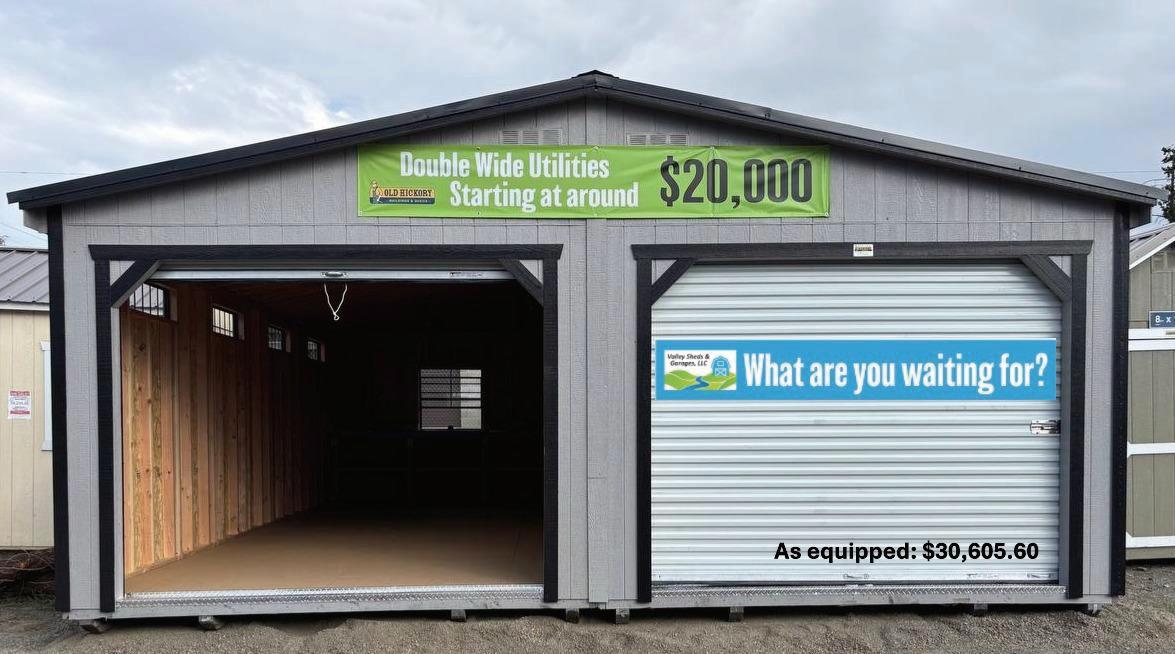
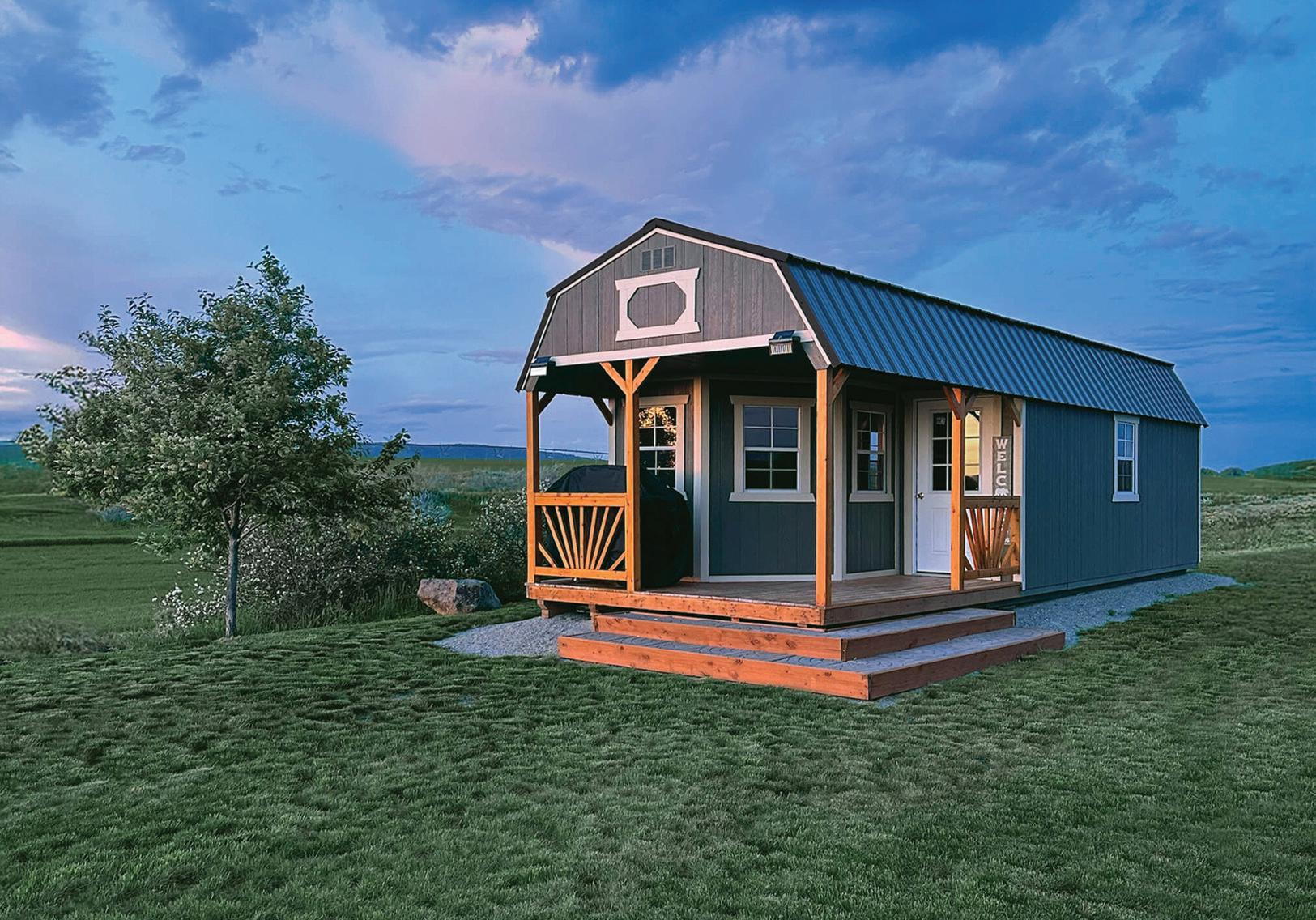
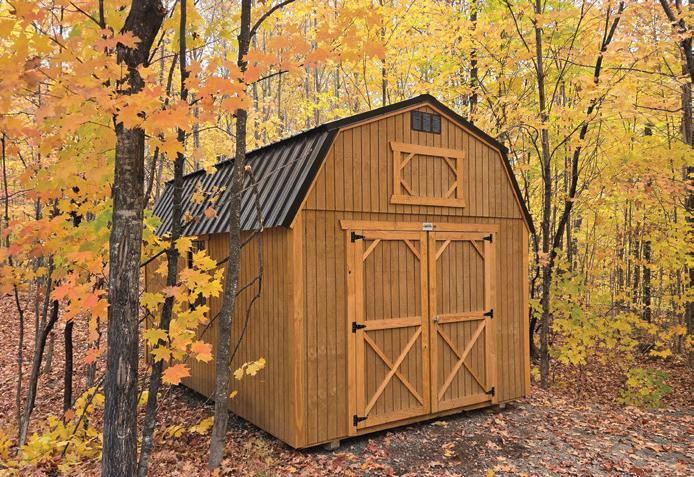
Today, as an authorized Old Hickory Sheds dealer, customers can choose from compact 4x6 storage sheds to massive 32x52 double-wide utility buildings — all built with the craftsmanship and customization options the national brand is known for. Whether someone needs backyard storage, a garden shed, a workshop, or a fully customized layout, Jim and Kathy walk them through every step. Flexible rent-to-own options make it easier for families and homeowners to get what they need without the stress of a large upfront cost.
And when customers need something even bigger, they can deliver that too.
As licensed general contractors under Kittitas Valley Construction, the Baxters build larger garages, accessory
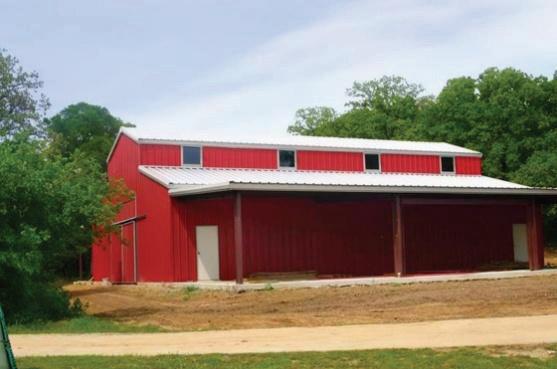
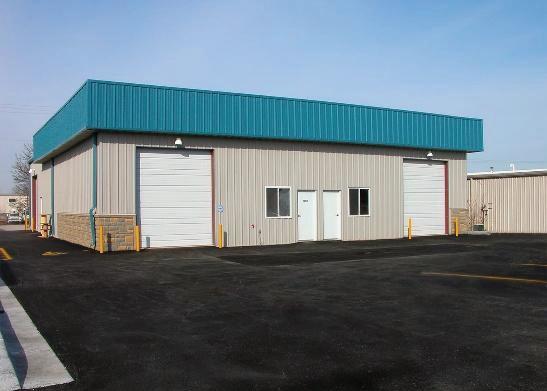
dwelling units (ADUs), tiny homes, and fully custom structures that go well beyond traditional shed sizes. They also offer VersaTube building systems for quick-install projects and Capital Steel Industries’ red iron structures for largescale builds like warehouses, agricultural buildings, and churches.
But what really sets the business apart isn’t just the buildings — it’s the experience.
“We try to be prompt, patient, and informative,” they say. “We want people to feel comfortable and confident, not rushed.”
That approach has earned them a loyal following and a growing list of five-star reviews. Customers regularly mention smooth communication, straightforward processes, and structures that turn out exactly how they envisioned.
Their dedication hasn’t gone unnoticed by the industry either. This past year, Valley Sheds & Garages became the No. 1 double-wide shed dealer in the country among more than a thousand

Old Hickory dealers — a milestone that earned the Baxters a trip to Tennessee for the company’s annual celebration.
Not bad for a business that started with coffee and cars.
Still, the heart of the business remains local — and personal.
Kathy, a teacher by training who spent many years in the classroom before joining the business full-time, brings a natural patience and people-first approach to every customer interaction. The property is both petfriendly and kid-friendly, and families are always welcome to stop by, explore options, and ask questions without pressure.
people create space. Space for hobbies. Space for storage. Space for a small business, a guest house, or a new chapter.
From an old truck stop to a nationally recognized dealership, Valley Sheds & Garages is proof that sometimes the best businesses aren’t the ones you plan from day one — they’re the ones you grow into, one customer at a time.
For Jim and Kathy, it’s never just been about selling a shed — it’s about helping


And in true small-town fashion, they’re just getting started.






BY LESLIE KELLY | Contributing Writer
The Kittitas County Home and Garden Showcase proves that “Everything old is new again.”
Since 2002 Kittitas County has had a home show. That was, up until the COVID pandemic hit and large gatherings were stopped. In the past few years there have been attempts to bring a big show back to Ellensburg, but those shows weren’t well attended.
“People asked me why resurrect it,” said Dan Schilperoort, this year’s show organizer. “It’s always been a great way to meet customers face-to-face. And people seem to love the home show.”
Schilperoort is with the Kittitas Business Network, a professional group for builders and contractors. He also belongs to the Yakima Business
Network which brought back its home show recently with great success, said Schilperoort.
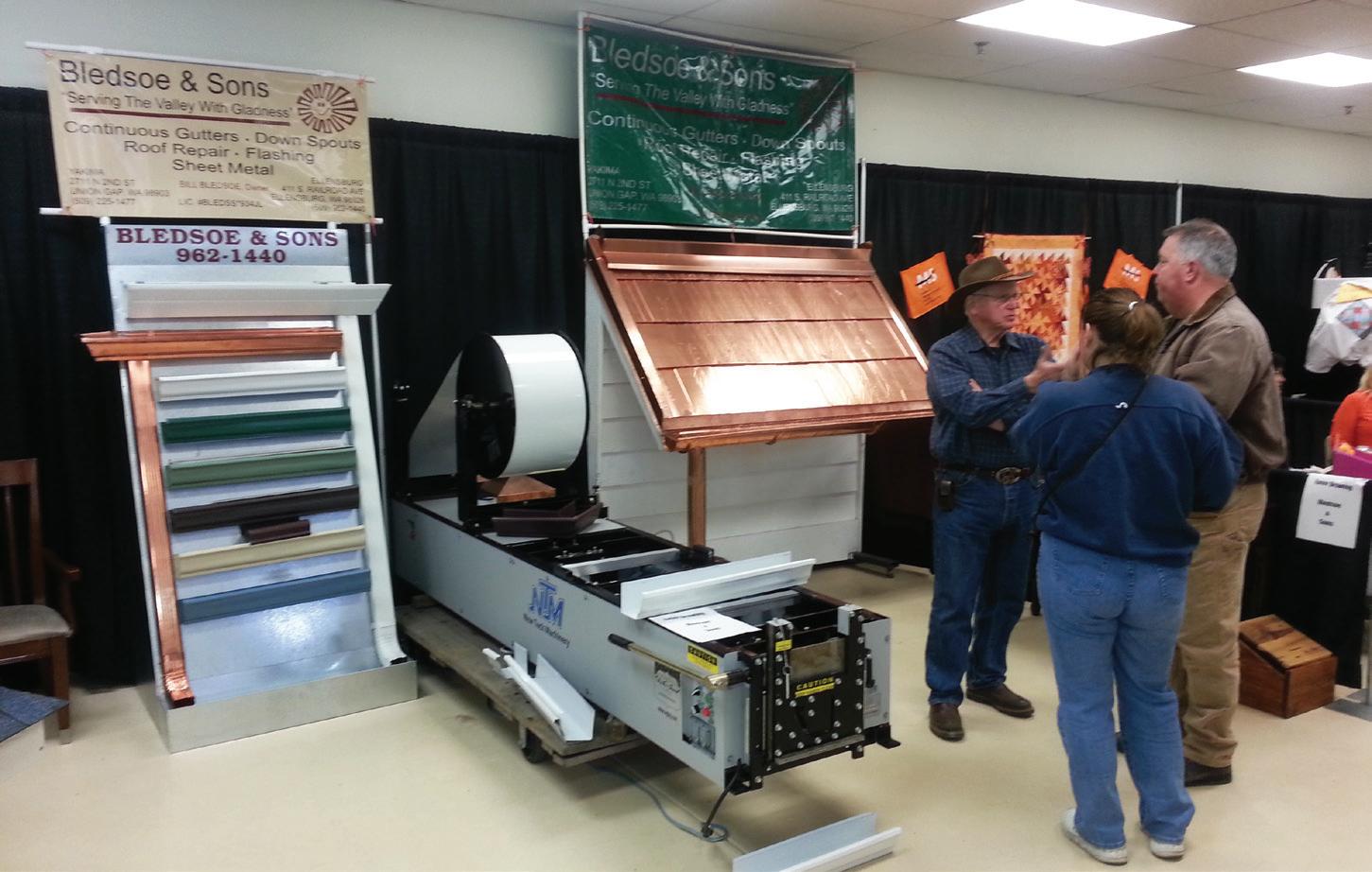
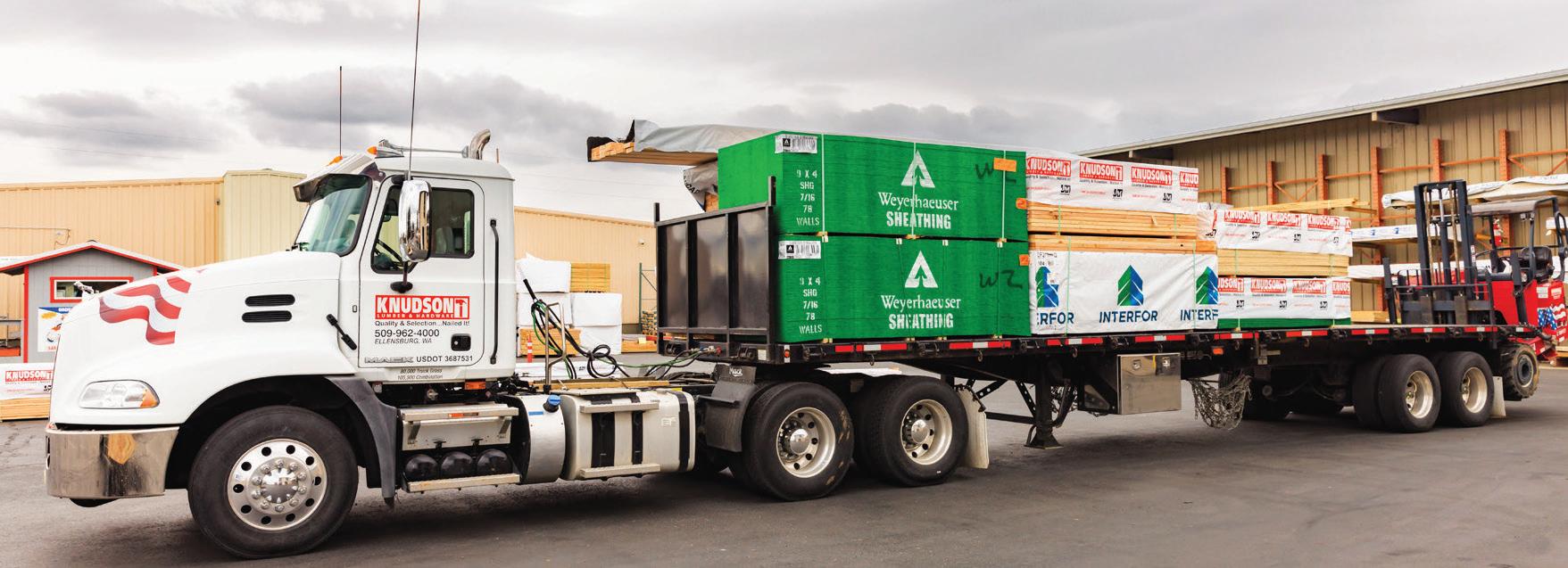
Set for March 21-22, the show is designed for those who are contemplating making changes to their homes. Vendors will include Knutson Lumber, paint contractors, roof companies, heat and air conditioning dealers, remodelers of kitchens and bathrooms, Kitsap Solid Waste, and interior designers.
Outside exhibitors are Pepe Machinery, gardeners and nurseries, and local police and search-and-rescue crews who will show attendees their service vehicles and what they do on calls.
“There will be things for all members of the family to enjoy,” he said. “We want this to be something that all the
community can take part in.”
The show will also have food vendors, including Peebles Smoke Barbecue and Solid Grounds coffee.
“We’ve only been working on this for a couple of months,” Schilperoort said. “So, lots of details and the complete list of vendors is yet to be finalized.”
Radio station KXLE is expected to broadcast live from the event.
The show will be March 21 and March 22 in the Umtanum and Teanaway rooms at the Kittitas County Fairgrounds in Ellensburg. Saturday’s hours are 9 a.m. to 5 p.m., and Sunday the show hours will be from 10 a.m. to 4 p.m. The cost to attend is $5 per person; those age 12 and younger will be admitted free.
In the past shows have made up to $15,000. But Schilperoort said the goal
isn’t to make money.
“The show is not for profit, so anything we make we donate to a local nonprofit,” he said. “This year proceeds will go to Blackbird Cares, a group that helps special needs kids.”
To keep up with the latest list of sponsors, vendors and exhibits, go to kvhomeshow.com.“Wallpaper is very popular lately,” she said. “In the kitchen or bathroom or pretty much anywhere in the home.”
She also owns a wallpaper company. Homeowners can order wallpaper online, but many prefer sitting down with her and going through wallpaper books.
“Believe it or not, wallpaper books still exist,” Fyall said. “I keep some in my shop and clients can take samples home.”
Wallpaper has significantly changed, she said. Current wallpaper and rolls that are pre-pasted, are strippable.
“If the wall is primed correctly and the paper installed correctly, you can spray
water on it, and it will come off.
“Some (clients) ask about the moisture in the bathroom,” she said. “If you ventilate the bathroom, you have no problem. It takes quite a bit of water for it to come off.”
She steers homeowners away from peel-and-stick wallpaper saying it’s finicky.
Popular papers are textured, such as a linen or weave. But she said some homeowners choose printed patterns.
“It’s all over the place,” Fyall said,
One of the things homeowners often do is add too many different colors, or textures.
“My rule is you get one ‘busy,’” she said. “Add some interest on the counter tops or the backsplash. But you can’t have more than one because it just doesn’t look good. It’s too busy.”
And, she said, make sure wallpapers go with the style of the house.
“I’ve worked in homes in Suncadia and
the Tumble Creek area where the style of the home was a woodsy lodge. Using a paper with antlers, or brick or faux leather works there.
“But the style of new homes there is changing to something more modern. The wallpaper that works there is warmer colors, off-whites, or geometric prints.”
Fyall said business is good and clients don’t seem to be worried about spending money on their homes.
“I have yet to have anybody say that they are worried about the economy. Personally, I’m busy so homeowners are still updating their homes.”
In most cases they have already secured a home equity loan or have the cash savings to do the project, she said. But Fyall expects that the economy will play a role later in the year.
“It’s a very real possibility,” she said. “With everything that’s going on, it will be a concern in 2025.”




Scraps of lumber. Torn-apart drywall. Dust. Lots and lots of dust.
BY LESLIE KELLY | Contributing Writer
That’s what awaits construction cleaning crews when they arrive at just-built houses. And several local companies are ready and willing to tackle those jobs.
Each job is different, according to Tiffany Potts, owner of Mountain Ridge Cleaning of Ellensburg. Potts has operated the company for the past four years.
“We started with mostly residential jobs,” said Potts. “But I knew some local contractors and they asked me if I could do construction cleaning. That was about six months ago and we’re really enjoying it a lot.”
Like other cleaning companies, the first step is to go in the newly-built home and vacuum everything.
“It’s a lot of dust and the dust continues to settle,” she said. “We vacuum just about everything — insides of the drawers, all the counters, and all the floors. We start from the top and work our way down.”
Even the window tracks and the light fixtures are vacuumed.
Potts acknowledges that each builder is different, and the cleaning must be custom to the builder.
“Some clean as they go,” she said. “Other times there is drywall and stuff everywhere.”
Taking a lot of time on the floors is important, Potts said. “That’s where everything ends up.”
After everything is clean, contractors and sub-contractors return to finish small
items. A final cleaning follows that.
Some cleaning companies charge a set amount per square foot. Others bid the job and charge an amount known upfront.
Jennifer Hyatt, owner of Ros-Elum Services in Cle Elum, said she likes to go to the property and see the condition before quoting the contractor or the homeowner an amount.
“We can bid based on blueprints,” Hyatt said. “But that’s pending an actual look at the place.”
Hyatt’s company has gone with the ups and downs of residential building. When they started doing construction cleanups in 2002, building was booming. She was working with large companies and cleaned 50 new cabins built near Tumble Creek. Her company also cleaned homes at Suncadia.
“At that time, we had 24 employees,” Hyatt said. “Right now, we have about 10 to 16 employees, and are focused on commercial janitorial work.
The hardest part of the construction cleaning is “time management,” Hyatt said.
“Contractors and homeowners want the house clean before it is occupied. So, we will plan on a date only to find out that is has to be pushed back because there’s still work to do on the house.”
Some homeowners want to do the cleanup themselves and then they pick out some scraps of material to keep.
While some companies will clean up the exterior areas of construction debris if asked, that’s what Ellensburg-based Kittitas Valley Contractors is known for.
“We pick up the scraps in the yard and fill dumpsters or take the scraps to the dump,” said owner James Neill. “But we will do the inside, too, if wanted. There’s always trim and flooring that needs to be taken away.”
He charges by the dumpster load and says most of what is left isn’t recyclable. When he finds pieces that are, he stacks

and arranges them for the homeowner if they want them.
Neill has been in and out of construction work most of his life, he said. He currently has three employees and cleans on average one house a month. When times are slow, he does junk removal. Recently he picked up the remains of an old barn that had been torn down.
Just how long a cleaning job will take depends on the size of the house.
One benefit of the job, said Potts, is getting to see new homes as they are
constructed.
“I get to see the what’s in,” she said. “I find ideas that I may want to use someday. There are a lot of creative builders in this county.”
Hyatt said her favorite part of the work is seeing the finished product.
“It’s a feeling of pride,” she said. “Comparing how it looked in the beginning to how it looks now, my employees are just very proud of themselves.”












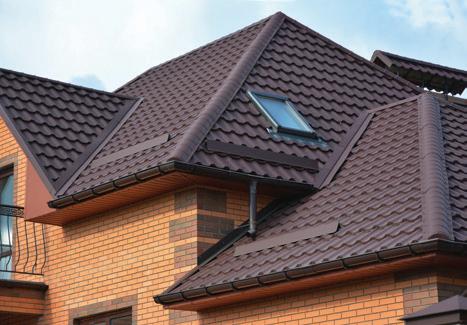
Shopping for a new roof but unsure if metal is the right material for your home? Metal roofing is tougher, safer and longer-lasting than asphalt, with an expected lifespan of more than 50 years. Additionally, metal roof systems offer energy cost savings, withstand extreme weather, and boost resale value.
Despite these benefits, lingering myths sometimes prevent homeowners from opting for metal roofs. Below are answers to frequently asked questions about metal roofs to help you sort fact from fiction:
Can you walk on a metal roof? Tin roofs that bend, buckle or crumple are a thing of the past. Whether cleaning
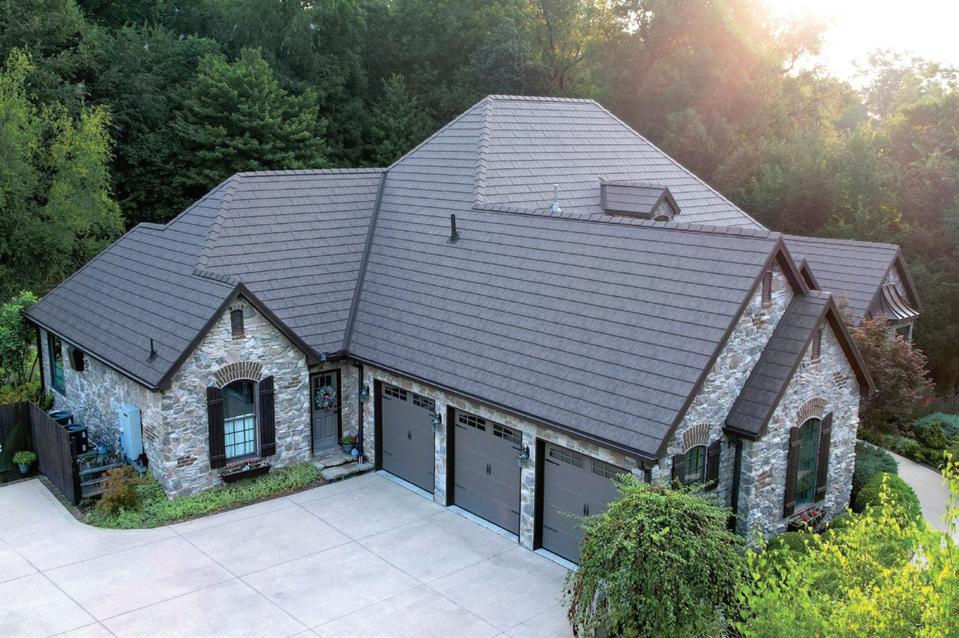
gutters, picking up storm debris or fetching a lost kite, you can do so on a high-quality metal roof. For example, ProVia shake, slate and barrel tile metal roofing is made with strong 26-gauge galvanized steel. Just be sure to ask your

contractor or manufacturer where and how to walk on the roof and never do so when it is wet or extremely dusty. Is metal roofing heavy? Metal panel







roofing systems are heavy duty, not heavyweight, giving you the added strength of steel without added weight. The average per-square weight for an asphalt shingle roof is 240-270 pounds, and for slate is 800-1500 pounds. By contrast, a metal roof system is much lighter, coming in at a per-square-weight of only 108 pounds.
Do metal roofs attract lightning?
Metal is actually one of the best materials to have if your home were struck by lightning, working to disperse energy safely through the home’s structure rather than allowing it to penetrate or spontaneously ignite or shock. And metal is noncombustible, so if lightning does hit, a metal roof will not catch fire.
Are metal roofs noisy when it rains?
In residential structures, roofing is part of a complete system that includes attic space, the roof deck, underlayment materials that prevent moisture, and interior insulation, all of which absorb sound. When installed properly, a metal
roofing system should be as quiet as any other roofing material.
Are metal roofs easily dented by hail? Metal roofs are well-known for being much more durable than other roofing materials, especially asphalt. In fact, in many areas where extreme weather can occur, metal roofs are the better choice for homes, so much so that many insurance companies offer price breaks for metal roof systems.
Do metal roofs attract heat? Metal roofs release solar heat much more quickly than asphalt roofs, which absorb heat with their petroleum and granular composition. ProVia metal roofing reduces the heat load of your house, providing up to 30% energy savings.
Do metal roofs impact cell reception? Metal roofing allows radio signals to pass through with little disruption and is no different in this regard to other common building materials like brick or concrete.
Do metal roofs rust? Rust occurs
when iron reacts with oxygen and water, causing oxidation that deteriorates the metal. That’s why ProVia metal roofing panels are treated with 11 total layers of anti-corrosive coating that prevent moisture from reaching the metal, ensuring each panel is protected.
To learn more about the benefits of metal roofing, visit provia.com.
“Don’t let misinformation deter you from selecting your next roof wisely. Metal roofing is durable, beautiful and safe,” says Chance Shalosky, ProVia Metal Roofing product manager.


Water isn’t just something to drink; it flows through every aspect of life – from your morning coffee to your nightly skincare routine. The cleaner it is, the more it supports your health, beauty, your family’s well-being, home and even the environment. Enhancing your home’s water purity can make an impact every day.
1. The Foundation of Wellness
If you’ve ever filled a glass of water from the tap, taken a sip and thought something tasted off, it may have contained elevated levels of chemicals such as iron, manganese and hydrogen sulfide. Elevated levels of these contaminants not only make water less enjoyable to drink, but also pose potential health hazards. Water filters, such as the Moen Whole Home Water Filtration System, can enhance water quality by helping remove
elevated levels of contaminants, reducing odors and producing better-tasting water. This means quality meals, enjoyable drinks and a natural boost to your hydration. And when you drink more water, you support digestion, energy and overall health.
2. Beauty Boost from the Tap
The benefits of clean water don’t end in the kitchen. Chlorine and other harsh contaminants can strip your natural oils, leaving skin dry and hair dull. Have you ever wondered why your skin feels tight
after a shower, no matter the products you use? That culprit is likely those contaminants. When your home uses purified water, your shower can become a more enjoyable experience. In addition to filtering water, you can also consider a water softener to help with skin sensitivity by reducing irritation and maintaining your body’s natural moisture balance. With cleaner water, every shower can be transformed into a beauty ritual, creating a spa-like experience at home.
Kids and pets can be especially sensitive to what’s in the water they consume and bathe in. Cleaner, filtered water can help support healthy growth, strong immune systems and development in kids, while four-legged family members benefit through better digestion, more hydration and a shinier coat of fur. Whether it’s a sippy cup at dinner or bath time before bed, a whole-home water filtration system can provide peace of mind.
Purified water is better for your home’s functionality. Contaminants and minerals such as chlorine, calcium and magnesium can cause scale buildup and corrosion in appliances, affecting their efficiency and leading to stains on sinks and fixtures. Straining out these sediments helps appliances run smoothly and last longer, while keeping your home looking its best.
To further safeguard your home where water is concerned, consider installing the Flo Smart Water Monitor and


Shutoff device, which constantly monitors water pressure and flow rate, helping detect and alert you of leaks as small as a drop per minute.
When tap water isn’t up to par, it can be tempting to turn to bottled water. Filtration systems eliminate the need for single-use plastic, cutting down on waste and reducing your household’s overall environmental footprint. In fact, water filters can save you up to 92% compared to buying bottled water, translating to $354.05 per year per person. Additionally, whole-home systems eliminate the need for individual, short-term filters on pitchers, sinks and showerheads for less

waste, more savings, and a more consistent experience throughout the house.
For more information on how water can enhance your life, visit moen.com.
Whether it’s drinking, cooking, bathing or protecting your home, improving your water quality has the power to elevate daily life.

Curb appeal is all about first impressions, and your home’s entryway plays an important role in that. This spring, consider making a splash where it counts with these three entryway updates:
Add Potted Plants or Planters: Flank the entryway with colorful potted flowers, lush greenery, or even small topiaries to create a fresh and inviting look. This will provide a wonderful transition between the outdoors and your home’s interior.
Refresh Outdoor Lighting: Good lighting will not only boost visibility and safety for household members and guests, it can also enhance the beauty of your entryway. Replace outdoor light fixtures for a cozy evening ambiance. If it’s not time to replace fixtures just yet, simply cleaning them can go a long
way toward sprucing up the space and improving illumination.
Upgrade to a Modern Entry Door: Transform the entire look of your entryway by installing a sleek, modern entry door. Consider options with glass panels for natural light or bold designs that make a statement. The new 2026 Ensemble Entry Door Trends Collection exclusively from Renewal by Andersen was made to help you find an entry door that feels just right. The collection prioritizes aesthetics without compromising durability, enhanced security or comfort. From earthy neutrals to modern minimalism, nature-inspired details to quiet luxury, there are countless ways to refresh your space with an Ensemble entry door. In fact, the collection offers over 38 panel styles, over 20 colors and stains, a variety of glass and grille options, and multiple

At Shaw’s Furniture & Mattress, we turn houses into comfortable homes. Whether you’re building, remodeling, or refreshing a room, our experienced team makes it easy.
Shop quality, stylish furniture and mattresses made for real life — all to fit your space, taste, and budget.
Local, friendly, and focused on you — love where you live with Shaw’s.

N
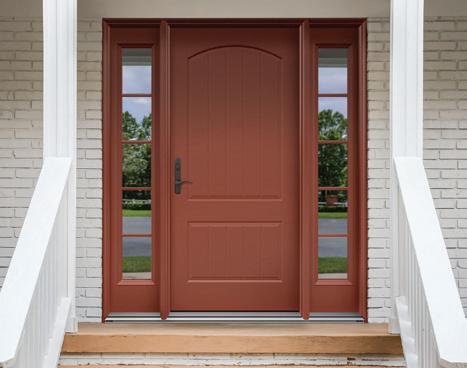
hardware finishes, giving you the flexibility to create a front entrance that suits your style and stands up to reallife use. To explore the collection, visit: renewalbyandersen.com.
If you’re looking for an impactful home project for the spring, start with your entryway, where simple updates can vastly improve the functionality and beauty of the space




STATEPOINT
With a few smart updates, especially those that protect against winter’s biggest water woes, you can transform your home into the calming sanctuary you need during the coldest, darkest days of the year.
Below, Moen, the number one faucet brand in North America, shares three ways you can ensure that your space is optimized for a peaceful winter season.
1. Get Peace of Mind with Smart Water Security
Water damage is one of the most common and costly home disasters. The Insurance Information Institute reports that one in 60 insured homes nationally files a water damage or freezing claim each year, with average claim costs surpassing $13,000. During the coldest months, frozen pipe bursts and other
undetected leaks, big or small, can mean expensive, sudden repair costs and the devastating loss of sentimental items.
The Moen Flo Smart Water Monitor and Shutoff attaches to the home’s main water supply line and learns the home’s unique water usage patterns, continually monitoring for abnormalities. If a leak is detected, homeowners are alerted through the app where they can monitor and manually control their water use. A Lexis Nexis study found this ultimately decreased water damage claim events by 96%.
Whether you’re staying home or traveling to escape the cold, investing in smart water security can offer you peace of mind wherever you are.
2. Unwind Guilt-Free with the Ultimate Eco-Friendly Shower
As the season progresses, remember
to take small moments for yourself. To beat winter blues before they start, maximize self-care in your daily shower routine with aromatherapy products, a soothing soundtrack, candlelit ambiance and invigorating, hot water without the waste to create a home spa environment where you can reset.
Taking an indulgent shower doesn’t have to mean using a lot of water.
Innovations like the Moen Smart Shower or The Handheld That Saves Hot Water elevate water experiences with sustainability in mind, so comfort never comes at the cost of compromise.
Moen’s The Handheld That Saves Hot Water is engineered to cut shower water usage by a third and can save up to 5,500 gallons of water annually when the technology is activated. The showerhead can slow the flow once the temperature reaches 95 degrees, helping
conserve water and keeping it warm until you’re ready to step in.
3.
When you identify an upgrade that could make your daily routines just a little more enjoyable, take the time to see it through. Make impactful changes as you go, like fixing that long-ignored leaky faucet in the laundry room, refreshing a guest bathroom with soft towels and luxurious hand soap, and adding a reminder by the coffeemaker to take a quiet breath before the morning rush begins.
For more home upgrade inspiration, visit Moen.com.
Ensure that your home is a haven by preparing for preventable damage with smart water technology, creating a space for relaxation and approaching everyday experiences with your future self in mind.
Workers’ Comp/Group Retro Safety Ser vices
Gover nment Relations
AGC Health Plan
AGC Education Foundation
AGC Retirement Plan
Labor Relations

Building Industr y Relationships
Sponsorship/Adver tising Oppor tunities
AGC Contract Documents


For more information about what AGC membership can do for you and your organization, call today and talk with Central District Manager/Safety Specialist Celina Sanchez at 206.549.6442 — or drop her an email at csanchez@agcwa.com








4 fast fixes that make older homes warmer and cost
STATEPOINT
With the average U.S. home now more than 40 years old, many Americans are heading into winter with outdated windows and worn weatherstripping. As the cold front creeps in, heating bills will steadily increase through the season. The good news: these affordable DIY upgrades are proven to decrease energy bills and help cut down on costs, according to consumer data.
Start with Simple Seals: Cold spots in the house often come from wornout weatherproofing, especially in older homes. A quick, budget-friendly fix is using a weatherstrip seal, like the Duck Brand Heavy-Duty Weatherstrip
Seal, to block unwanted winter air around windows and doors. Made with durable, flexible self-adhesive material that won’t freeze or crack, it forms an airtight barrier against extreme temperatures. Available at Amazon and Walmart, the seals come in several widths and colors to match your home and fit a range of gap sizes.
Stop Drafts at the Door: Make an old door feel nearly new with a simple DIY draft stopper — a fast fix that delivers cozy results. Roll a towel or fabric into a tube; fill it with rice, foam stuffing or socks; seal the ends with rubber bands or string; and slide it along the bottom of your door or sill. This no-tools hack plugs gaps and
helps keep warm air inside. Pair it with other weatherization products for even more efficiency.
Work Your Way to the Windows: Those charming single-pane windows found in many historic homes are also one of the biggest sources of energy loss. Adding insulation here is a highimpact improvement that can pay off quickly. Options like the Duck Max Strength Rolled Shrink Film Window Insulation Kit include a punctureresistant, crystal-clear shrink film that is twice as thick as standard window kits to instantly warm up any room. The window kit also makes it easy to apply the film on painted or finished wood, aluminum or vinyl.
Some
Sometimes the biggest energy drains aren’t drafts and gaps — they are the ways we use our spaces. Furniture or décor blocking vents can trap warm air, preventing steady airflow that vintage homes rely on to balance temperatures between rooms. Walk through your home and uncover vents hidden by sofas, chairs or curtains. Move furniture a few inches out or tie long drapes away from the heating source to raise the room’s temperature by several degrees without adjusting the thermostat.







If you’re like most homeowners, window replacement isn’t something that you have tons of experience with. That’s why choosing a company that will do the job right while communicating with you throughout the entire process is just as important as choosing the right windows. But with so many options, how do you find a company you can trust?
To help you feel confident and happy with your decision, here are the essential factors to consider, and the key questions to ask when hiring a window replacement company:
Look for Certified Installers: Even
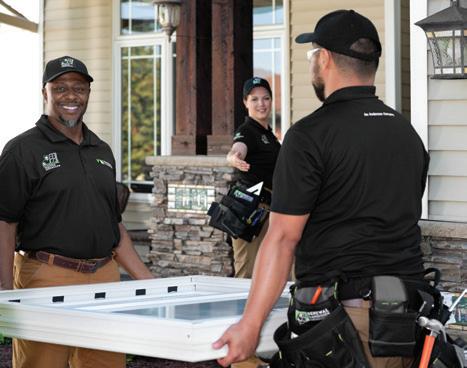
the best products would mean little without a professional installation. Proper installation can mean reduced heating and cooling costs and long-lasting windows. That’s because every home is unique and installation is a matter of expertly fitting windows into your home. Don’t settle for anything less than a Certified Master Installer who comes with extensive experience, along with knowledge of construction materials, local building codes and installation methods.
Read Customer Reviews & Testimonials: Relying on the experiences of homeowners who have already been through the process can save you
time and hassle. Check reviews and testimonials to ensure you’re working with a company with satisfied customers.
Understand the Warranty: A warranty with clear terms is a good sign you’re working with a reputable company. A gold standard you can use as a reference point is Renewal By Andersen’s Nation’s Best Warranty. It’s the only warranty among top-selling window companies that meets all of the following

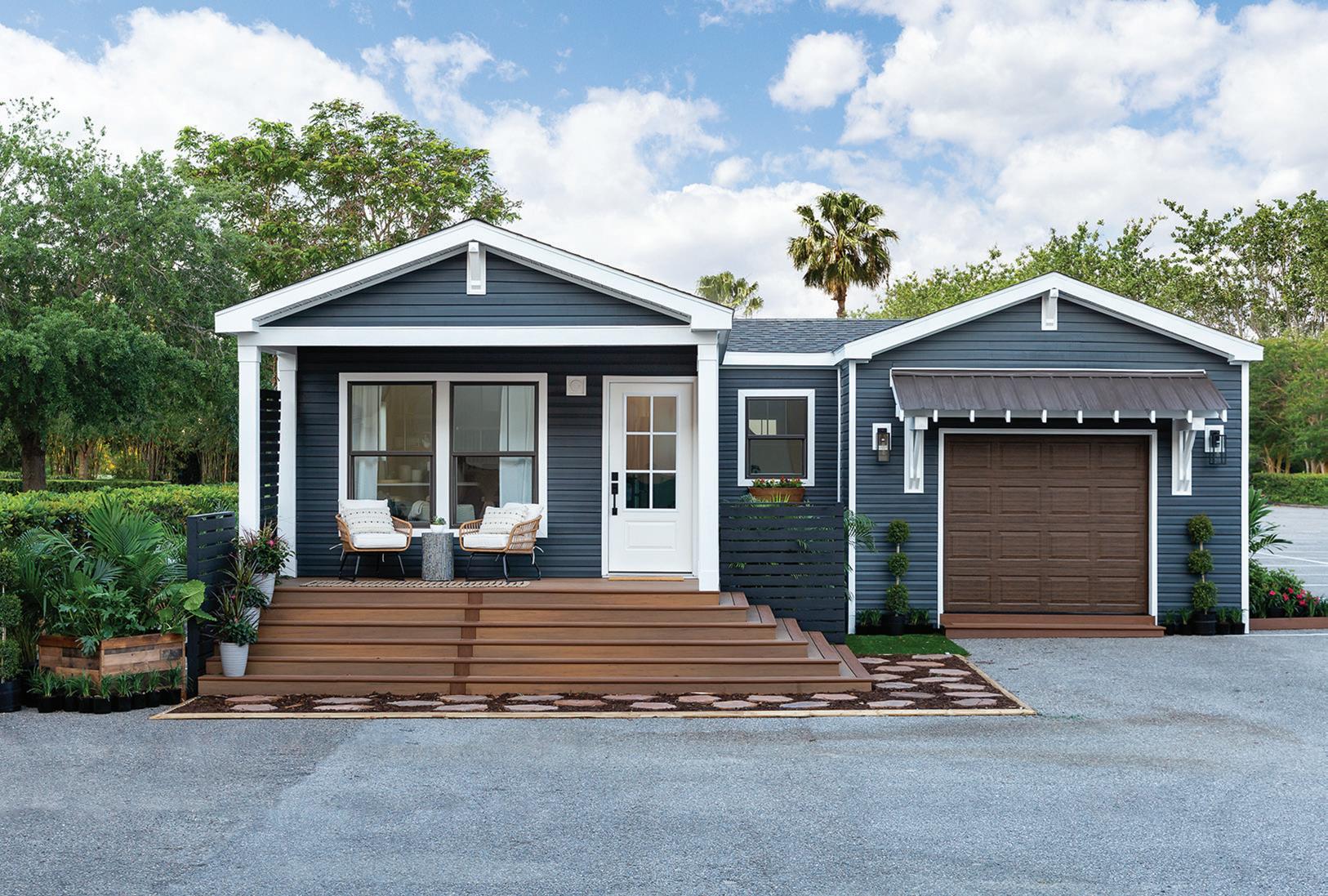
Does homeownership feel out of reach? A manufactured home is an affordable alternative that you may not have considered before.
Rather than building on site, a manufactured home is built in a factory on a permanent steel frame and transported to your property, where it will be affixed to a permanent foundation.
A new category of factory-built homes blends the affordability of manufactured housing with the appearance and financing advantages of site-built homes. They are nearly indistinguishable from site-built homes aesthetically and are constructed using
the same building materials. Safety and quality are top priorities in their construction; they are inspected to meet or exceed U.S. Department of Housing and Urban Development Code in such areas as durability, energy efficiency, thermal and electrical systems and fire resistance.
A manufactured home may make homeownership possible for more American families. The average price of a new, single-section factory-built home today is around $200,000 including the land, versus more than $500,000 for a new site-built home. Fortunately, this affordability does not come at the cost of quality. The process of building manufactured homes in a factory is quick, efficient
and cost-effective, which accounts for their relatively low cost. It also does not come at the cost of long-term pay-off.
According to the U.S. Federal Housing House Price Index, a manufactured home appreciates in value similar to a site-built home.
Depending on who owns the land you live on, you can title your home as real property or personal property (also called chattel or home-only). Real property, often called real estate, refers to land and any structures affixed to the land. Personal property is a broader category that covers any property you own that is movable, such as vehicles, tools, furniture and other belongings. If you are buying a manufactured home
CONTINUED ON PAGE 24

to install on land that you already own or are planning to purchase, it can be titled as real property once the home is affixed to the land. If you are renting a site in a manufactured housing community or leasing on private land, you will likely need to title the home as personal property.
While titling the home as personal property can be quicker and save you money on real estate taxes, it’s important to know that some lenders will only provide financing for the purchase of real property. To widen
your financing options and improve your chances of landing a better interest rate, loan terms and protections in the face of hardships (such as following natural disasters or changes in your financial situation), consider a manufactured home as real property.
There are mortgage products specifically designed for buyers of manufactured homes, including some low-down payment options. For example, Freddie Mac’s CHOICEHome loans offer financing for factory-built homes titled as real
property with a down payment as low as 3% of the purchase price. Speak with your lender about which financing option best suits your circumstances.
To learn more about manufactured homes, and for additional insights into making homebuying more affordable, visit myhome.freddiemac.com.
While often overlooked, manufactured homes offer both quality and value, and may be an affordable option to get you into a home of your own.

Dig with care. Whenever you hand dig near buried utility lines, take care to prevent damage:
• Use a rounded or blunt-edged shovel. Sharp tools like pickaxes, mattocks, pry bars or pointed spades may gouge or puncture lines.
• Begin digging off to the side of the marked utility line. Use a gentle, prying motion to break away soil as you approach the utility laterally.
• Proceed cautiously. Don’t assume the marks are accurate or that the utility depth is predictable.
• Never pry against a utility line to remove soil. Don’t stab at the soil or stomp on the shovel with both feet.
• Dig until you find the actual line, not just a tracer wire or warning tape. Submit a ticket to have underground utility lines marked at: DigSafeWA.com





About 20 years ago, chickens—long a staple of farms and homesteads — began showing up in urban and suburban yards. They enabled city dwellers to source homegrown food, provided a touch of nature amid the urban jungle, and have continued to rise in popularity ever since. According to the American Pet Products Association’s 2025 State of the Industry report, 11 million U.S. households own backyard chickens, a 28% increase from 2023.
Caroline Komar-Steiner, a Team Lead at the Tractor Supply store in Antioch, Illinois, is a passionate chicken expert who regularly guides individuals into the world of chicken ownership. She and her husband have been raising poultry since 2018, and she describes it as one of the most rewarding things she has ever done. “Raising those chicks and getting your first eggs is an ‘eggsperience’ unlike any other,” she said.
To ensure new chick owners can enjoy that experience, Komar-Steiner hosts regular Chickens 101 sessions at the store. The first thing she always tells people is to find out if their town or neighborhood allows chickens. Some have restrictions, so it’s best to find that out on the front end. Then she asks them why they want chickens. Is it for their eggs? For meat? Will they be purely ornamental? “That steers me toward what they’re looking for,” Komar-Steiner said.
To help you get started, Komar-Steiner is sharing these basics for preparing for and caring for chickens:
1. Assess your space: Chicks need a temperature-controlled space until they are fully feathered, usually about six weeks. Komar-Steiner recommends finding a warm, draft-free area. She sets her brooder up in her basement. The chicks grow quickly, so it’s important to determine where you’ll put your coop and have it ready to go. The chickens will also need
a heat source in winter to stay warm and prevent their water from freezing.
2. Get supplies, then chicks: It’s a good idea to buy all your equipment and supplies before bringing chickens home. You’ll need a brooder, shavings, heat lamps or brooder plates, a perch so they can learn how to roost, a feeder and a waterer. Komar-Steiner recommends adding an electrolyte to the chicks’ water to give them an extra edge. You’ll also need chick grit, feed and a thermometer.
3. Remember, they are living things: People often get excited about the idea of a steady supply of eggs, but like all living things, chickens require care. Before leaving home for an extended time, make sure someone is available to check on their food and water, especially in winter and summer. And like other animals, chickens are at risk of getting sick. Tractor Supply carries a wide variety of products to
support chicken health.
Even after having chickens for a time, customers still frequently have questions, especially when it comes to adding to their flock, which leads Komar-Steiner to a critical point. “It is imperative that you do not put baby chicks in with adult birds,” she said.
Chickens view new animals as either food or intruders. Komar-Steiner’s recommendation is to wait until they are large enough to hold their own, usually around three months. Additionally, introducing new adult birds requires an integration process.
With 30 chickens and five turkeys of her own, Caroline is an excellent resource for poultry advice, especially during Tractor Supply’s annual Chick Days event. Customers can purchase baby birds in store and enjoy new products, new breeds and special offers until September 13. The products and insight to keep chickens happy and healthy are available year round at Tractor Supply and TractorSupply.com.
Before you build a backyard flock, get the equipment and know-how you need for successful chicken ownership.
requirements: easy to understand terms, installation coverage, labor coverage, geographically unrestricted, coverage for exterior color, insect screens and hardware, no maintenance requirement, and unrestricted transferability, which will boost your home’s value if and when you sell.
About Materials: Every performance metric, from efficiency, strength and durability, to maintenance and beauty, is impacted by the materials you choose. While wood is known for its strength and stability, vinyl has a reputation for being low-maintenance. Fortunately, there are composite materials that combine these benefits and more. Fibrex material, an Andersen-exclusive composite, is twice as strong as vinyl, warranted not to flake, rust, blister, peel,

crack, pit or corrode, and engineered to stand the test of time.
Discuss Energy Efficiency: New windows can lead to savings on energy bills. Ask whether the company offers ENERGY STAR certified products and whether they carry specific glass options that will help keep your home energy efficient year-round.
Verify All-in-One Service: Does the company handle everything from design to installation and service? Owning the entire process from start to finish, Renewal by Andersen’s Signature Service is a full-service window replacement company, which is important for peace of mind. Having a single point of contact and one-company accountability through the life of your windows, can help make your experience streamlined and stressfree.
Explore Financing
Promotions: Window replacement is a significant investment. Ask about available financing options or promotions that can make the project more manageable for your budget.
More window replacement resources can be found by visiting renewalbyandersen.com.
Before you select a window replacement company, nail down the details first. Understanding what the company is responsible for, what materials they use, and who is on their team, can help ensure your home improvement project goes smoothly
Confirm Their Clean-Up Policy: Ask questions to make sure the company will treat your home with respect. The best installation crews clean up after themselves, leaving your home looking better than they found it.