ALMANAC 2025
A LOCAL’S GUIDE TO LIVING IN KITTITAS COUNTY

MARCH 2025



The Almanac is a guide to life in Kittitas County. Whether you’ve lived here all your life or are just moving to town, the information here will be useful. Inside this publication, you’ll find out how to contact your elected officials, ride the bus, license your dog or volunteer with a local nonprofit group. Kittitas County’s population was 47,935 in the 2020 census — population has grown 17.2% since the 2010 census. With more than 2,200 square miles, it’s one of the largest counties in Washington. It’s on the sunny side of the Cascades, with an average of 204 days of sunshine a year. Ellensburg is famous for its Timothy hay, historic downtown and Labor Day weekend Fair and Rodeo. It is the home of Central Washington University, which provides educational and cultural opportunities for students and the community. In the Upper County, the communities of Thorp, Cle Elum, South Cle Elum, Roslyn, and Ronald have deep historic roots and a strong focus on community, and tremendous year-round recreational opportunities.
Please make yourself at home. We’re happy to have you as a neighbor.

Central Transit provides mini-bus transportation in and around the Ellensburg area seven days a week. City of Ellensburg voters approved additional funding for the service in 2017, and routes were revised in 2019. Stops include grocery stores, Central Washington University and extend to West Ellensburg and the west Interstate 90 interchange. The service is free, with donations welcome. All buses are wheelchair accessible. Buses operate every day except for major holidays.
For bus routes, schedules and tracking maps, go online to centraltransit.org or call 509-933-2287 on weekdays.
Kittitas County Connector and paratransit services are offered through HopeSource in Kittitas County for those who qualify. Paratransit services are available to those with a disability that prevents using Kittitas County Connector or Central Transit.
Visit hopesource.us or call HopeSource for more information at
509-933-2287.
The Yakima-Ellensburg Commuter runs Monday through Friday between Ellensburg and Yakima. The bus stops at Central Washington University, by Super 1 Foods on Mountain View Avenue and by Safeway in Ellensburg. The service also stops at the Yakima Airport, YVCC, the Yakima Transit Center, Selah and Firing Center Road. Fares are one-way $5; monthly pass $150. The service only operates Monday through Friday, with additional service when CWU is in session. In Ellensburg, passes are available at Kittitas County Chamber of Commerce, and the CWU Wildcat Shop.
For more information, go online to www.yakimatransit.org, or call Yakima Transit at 509-575-6175.
Greyhound has a bus station in Ellensburg near Love’s truck stop at the west interchange. Visit greyhound.com. Flixbus
serves Ellensburg with a stop at East 10th Avenue North at Starbucks. Visit Flixbus.com. Bellair Charters has a bus route that serves Yakima, Ellensburg, Cle Elum, North Bend, Sea-Tac Airport and downtown Seattle. Ellensburg stops are at CWU Starbucks and Love’s Truck Stop. For more information, go to www.airporter.com.
If you need to switch your out-of-state license to a Washington license, go to the driver license office at 605 E. Mountain View Ave. in Ellensburg. Schedule an appointment by visiting dol.wa.gov or call 509-925-9290. You can renew licenses online and get more information at: www.dol.wa.gov. To switch over your vehicle title, registration or plates, go the Kittitas County Auditor’s Office in the courthouse in downtown Ellensburg, 205 W. Fifth St. Suite 105. A licensing subagent is located at 504 E. Mountain View Ave., Suite 2, next to the movie theater. In Cle Elum, go to Mitchell, Reed and Schmitten Insurance, 803 W. First St.
If you live in Kittitas County, you’ll need to learn the ins and outs of driving over Snoqualmie Pass on Interstate 90. During the spring and summer, drivers can expect at least some level of construction between the Columbia River and Puget Sound. Most longtime residents check travel cameras on WSDOT’s Snoqualmie Pass website and the weather forecast before
traveling during the winter and carry chains if they don’t have studs or snow tires. WSDOT’s Twitter feed is another good resource. You also can call 511 or listen to the highway advisory radio at 530 AM and 1610 AM.
For more information, go online to wsdot.com/traffic/passes/ Snoqualmie.
Those searching for an on-street parking spot on an Ellensburg city street near Central Washington University should be aware of the city’s Residential Parking Zone restrictions. The Residential Parking Zones, or RPZ, are in residential neighborhoods immediately adjacent to the campus of Central Washington University. The RPZ program was initiated after citizens with residences near the CWU campus complained they couldn’t find a nearby parking spot.
























BY ANNA ROSE
It’s a nod to Ellensburg, the old and the new.
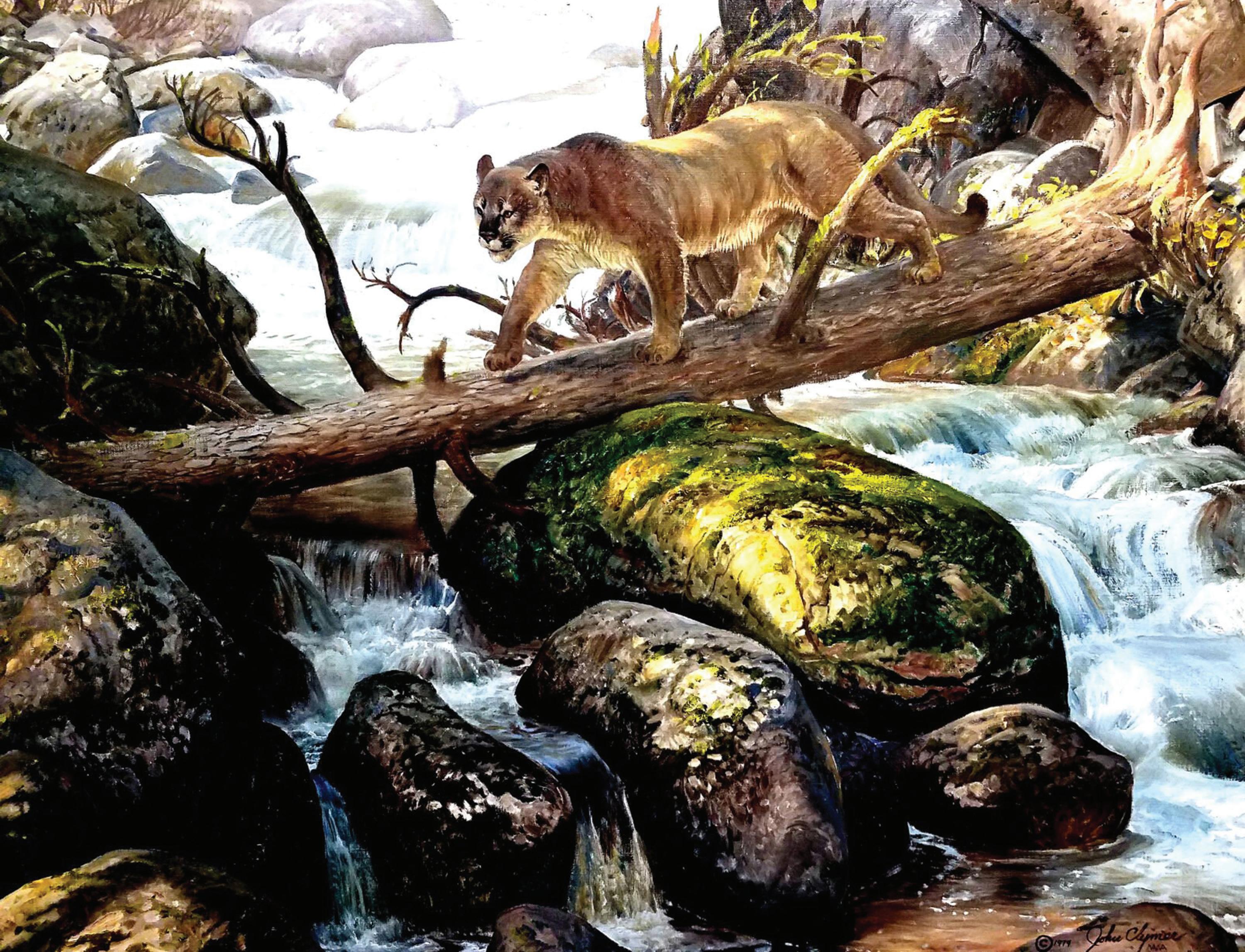
The Clymer Museum and Gallery was established in 1991 to honor the life and work of John Ford Clymer by a group of collectors and friends, curator Mia Merendino said.
Clymer was born in 1907 and raised in Ellensburg; however, his career as an illustrator and fine artist had him living predominantly on the East Coast.
But home never left him. When painting covers for publications like the “Saturday Evening Post,” “Field and Stream,” and “True West,” the Kittitas Valley was often used as a backdrop for these works.
Clymer also painted advertising campaigns for such companies as Chrysler Automotive, Stetson, Colt Firearms, Winchester Rifles and Coca Cola.
Later in his career, he began to paint historic scenes and
wildlife.
He joined the Cowboy Artists of America in 1969 and attempted to tell the whole story of the Pacific Northwest, creating “sensitive and detailed depictions” of Native American life and the meeting of Native and Anglo cultures.
According to the organization, one of his featured subjects was the Great Fur Trade Era, which led to the exploration of the region.
Clymer passed away in 1989.
The gallery has a large permanent exhibit covering the many different genres of its namesake’s works.
It also rotates exhibits of other artists, particularly locals whose work reflects the same regional spirit Clymer’s did.
The museum also has a gift shop including home decor, “fantastic food finds” and “delicious” local products, Merendino noted.
has long history of bringing local news to readers
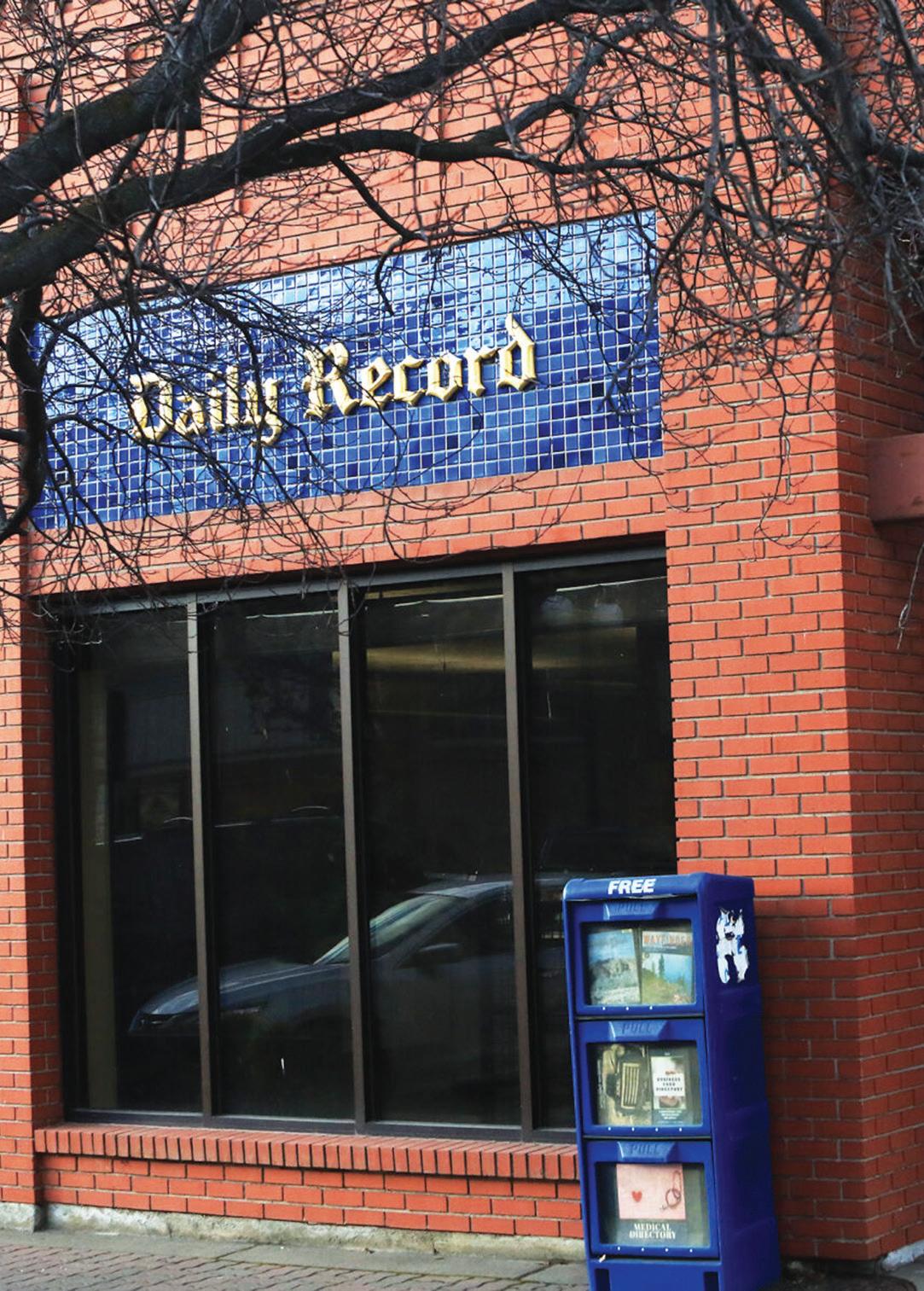
Locals and visitors alike pass by something uniquely historic on the corner of Fourth and Main in downtown Ellensburg. The Daily Record (founded 1883) sits to the north of Fourth Avenue. The Palace Café (founded 1892) is on the south side of Fourth and Fitterer’s Furniture (founded 1896) is across the street. That trio represents 397 years of local business service, dating back to when the Daily Record operated as the Kittitas Localizer. The Daily Record has a rich tradition, and though many things have changed over the years, the commitment to fair and balanced local news coverage continues to be the priority. Through the changes in the industry, to changing views both culturally and philosophically, the Daily Record has adapted with the times. In November 2017, Pioneer Newspapers sold its media division to the family-owned Adams Publishing Group, based in Minneapolis. APG owns and operates 155 community newspapers in 19 states. The Kittitas Localizer, the granddaddy to current operations, printed its first issue July 12, 1883, as a steppingstone to 149 years of journalistic commitment. Washington Territory wouldn’t be admitted to the Union for another six years. Kittitas County government as an entity was months away, yet residents were kept abreast of current affairs with a local newspaper. Since 1883, the paper has seen its own fair share of changes. An early change came on July 4, 1889, after a fire destroyed most of the business district in downtown, including the Kittitas Localizer office. Everything from news type to news files went up in flames. Then-Publisher David J. Schnebly was able to utilize the presses at the Ellensburg Capitol at Fifth and Pearl to keep on printing. He was proud to announce no issue was ever missed, and the paper had a new name Ellensburg Localizer, according to a story on the paper’s history in the Daily Record in 1983. Daily Record. F. Dorsey Schnebly took over operations in 1898 before selling to Cascade Printing and Publishing in 1903. Cascade also
owned the Cascade Miner in Roslyn and the Cle Elum Echo. J.C. Kaynor and William Zimmerman purchased the property and changed the name to the Evening Record in 1909. The first edition under the new name was July 1, 1909. Kaynor, who was just 22 at the time, and Zimmerman had both been employed by the Seattle Post-Intelligencer before purchasing the Record. Kaynor eventually bought out Zimmerman and published the newspaper for 50 years before selling it to James McGiffin in 1958. On March 14, 1973, the paper dropped the word Ellensburg from the masthead going with The Daily Record and added serving Kittitas County to better reflect its expanded coverage. The paper was one of the first to move into the computer age, an early adopter to install computers to replace typewriters. In 1981, under the direction of Publisher John Ludtka, the Daily Record became the first newspaper to add a cable TV community information channel to its operation. Its online presence, printed edition, changes, adaptation and expansion are all part of the Daily Record’s rich heritage that dates back to before Washington statehood. As times continue to change, the Daily Record keeps pace with the growing interest in digital marketing and content. To find out more, go to www.dailyrecordnews.com

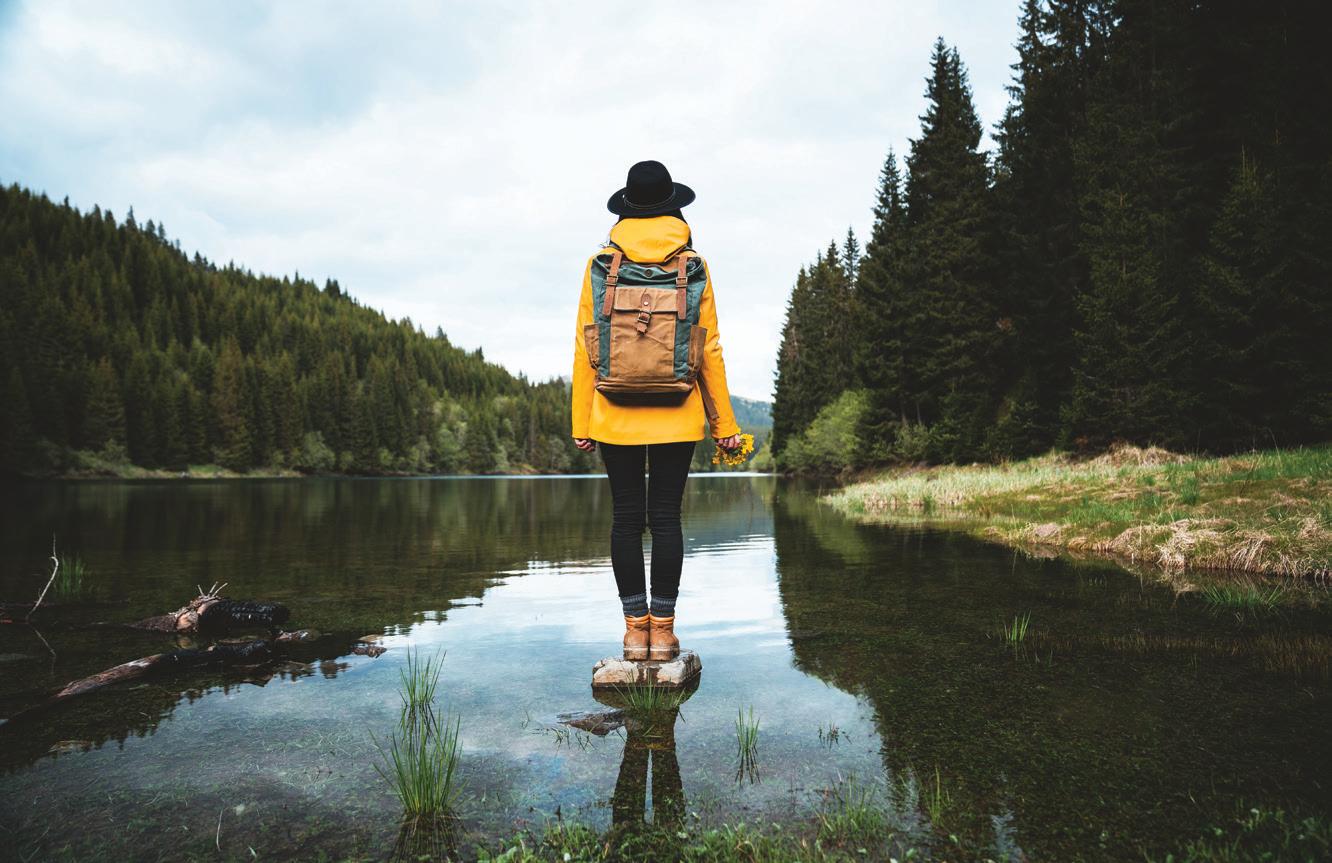
Kittitas County offers a range of environments and unlimited outdoor recreation opportunities. Hiking trails spread throughout the county offer challenging elevation climbs and flat walks through the shrubsteppe. West of Ellensburg lies the Alpine Lakes Wilderness, a protected area with nearly 700 mountain lakes, valleys thick with trees and snow-covered peaks. In the middle of the county, the Teanaway is packed with trails, some of which give hikers a spectacular view of Mount Stuart. A local favorite in Ellensburg is the Manastash Ridge, which has several paths to the top and logbooks for people to sign when they reach the top. The Coal Miners Trail in the Upper County connects Cle Elum to Roslyn and Ronald as it follows old coal mining slag piles and a former rail line path. In the summer months, floating the Yakima River, biking through Ellensburg’s foothills, camping at Salmon la Sac, fishing, or boating in the Columbia River are all popular ways to spend a sunny day. For indoor exercise, stop by the Ellensburg Memorial Pool and Fitness Center for a swim. Winter months provide a chance to play in the powdery snow and explore parts of the county on snowmobiles.
River Canyon south of Ellensburg. The Palouse to the Cascade State Parks Trail (formerly the Iron Horse/John Wayne Pioneer Trail) is a 1,612-acre park that was part of the ChicagoMilwaukee-St. Paul Pacific Railroad. Other parks include Cle Elum City Park, South Cle Elum Firemen Park, Kiwanis Park, McElroy Park, Reed Park, Ellensburg Memorial Park, Lake Easton State Park, Rotary Park and Irene Rinehart Park.
OPR offers equipment rentals for outdoor needs like floating the Yakima River or snowshoeing in the winter, instructional classes and guided trips, and public events like films and clinics. Students and community members can sign up for a day on the challenge course or try out the 50-foot-tall recreation climbing wall. For more information, visit www.cwu.edu/opr/ welcomeoutdoor-pursuits-and-rentals. Visit cwu.edu/rec/opr.
Central Washington University’s tennis courts are open to students and members of the public. The Fred and Valerie Lister Tennis Facility features 10 courts with a practice hitting wall. Many of the local schools also have tennis courts that can be used by the public.
A 25-meter indoor pool for swimming lessons, training and recreational swimming. The pool also features a hot tub, wet and dry sauna and 1-meter diving board. The fitness center is equipped with weight machines, rowing machines, treadmills, elliptical trainers and a recumbent bike. Visit the City of Ellensburg’s website for hours and location.
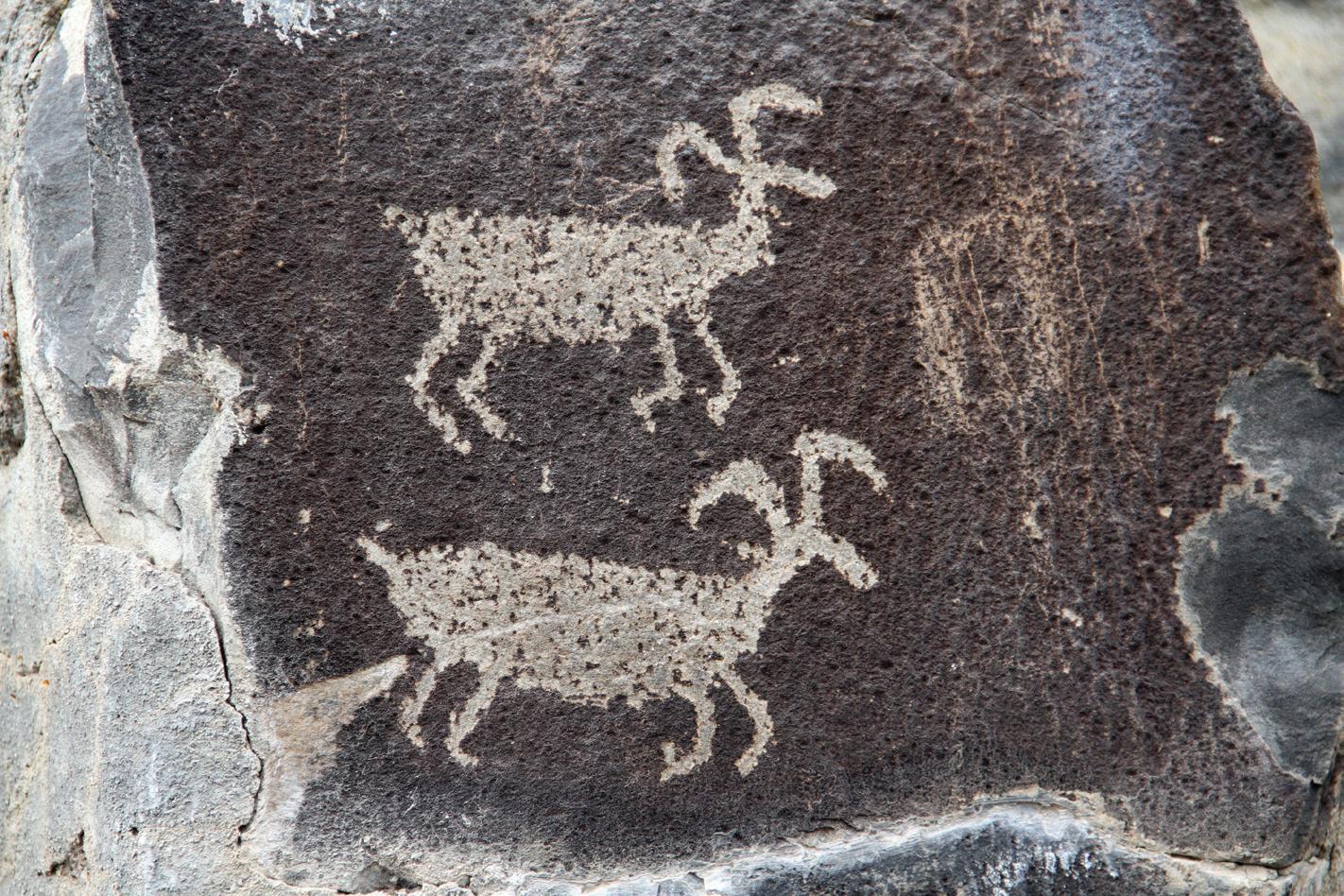
Parks are abundant in Kittitas County. Wanapum State Park and Gingko Petrified Forest State Park near Vantage offer views of the Columbia River, along with displays of petrified wood and Native American petroglyphs. Olmstead Place State Park near Kittitas is a working pioneer farm and is one of the first homesteads in the valley complete with a dairy barn, granary, wagon shed, hay barn and a log cabin built in 1875. Helen McCabe State Park is at the entrance of the Yakima
Popular areas include Lake Cle Elum, Kachess Lake and the Columbia River near Vantage.
Whether you prefer fly fishing in the Yakima River or casting and leaving a line in the water of a pond or lake, there’s a place for every angler in Kittitas County. Lakes and ponds are stocked with trout every year by the Washington Department of Fish and Wildlife. The Columbia River is the place to go for salmon and steelhead. Information about licenses and acceptable fishing practices can be found by visiting the Washington Department of Fish and Wildlife’s website at wdfw.wa.gov. For information about what’s biting where, talk to an expert at a local fly-fishing shop.
Popular state campgrounds include Lake Easton in the Upper County and Wanapum near Vantage. The BLM operates several campgrounds in the Yakima River Canyon, and the Cle Elum Ranger District has campgrounds in Upper Kittitas County.
Suncadia has two golf courses, Prospector and Rope Rider, open to the public, with additional selections for members. Cle Elum provides the Sun Country Golf Resort and Ellensburg offers tee times at the Ellensburg Golf and Country Club.
Kittitas County includes a range of environments from the elevation in the Cascades to the desert in the Yakima Canyon. A popular trail just outside of Ellensburg in the Yakima Canyon is Umptanum Falls, which takes hikers to a small hidden waterfall. Salmon la Sac, Cle Elum Ridge and Manastash Ridge are other popular hiking spots. For more information about hikes in the county, visit Washington Trails Association at www.wta.org.
Ellensburg’s foothills and trails in the Upper County offer lots of terrain for mountain bike enthusiasts to explore. A mountain bike skills park is located in Rotary Park, and there’s a BMX course next to Mount Stuart School in Ellensburg. The ReCycle Shop in Ellensburg and Ride Roslyn in Roslyn have a wealth of information and expertise. There’s also a local chapter of the Evergreen Mountain Bike Alliance.
Kittitas County is horse country, and there a numerous opportunities for horseback riding in Kittitas County. The Alpine Lakes Trail Riders, the Roslyn Riders and the Back Country Horsemen are all good resources for trail riding. The Washington State Horse Park in Cle Elum puts on a variety of events throughout the summer.
Kittitas County is a mecca for snowmobilers all over the state. Ronald, the Snoqualmie Pass and Blewett Pass areas are all hotspots during the winter months. A number of sno-parks are open for use, and more information can be found on the Washington State Parks website or at the Cle Elum Ranger District office. Check the state’s avalanche hotline at 206-5266677 before heading out. Information on local clubs is available at wssa.us.
The Summit at Snoqualmie offers lessons and rentals for all skiing, snowboarding and snowshoeing, along with tubing rentals. Suncadia has miles of groomed trails for cross-country
skiing and snowshoeing and has a tubing area. Snoqualmie Pass and Blewett Pass also offer popular Nordic trails and snowshoeing spots. Stop by the U.S. Forest Service stations in Cle Elum or at Snoqualmie Pass for maps and additional information. Sno-park permits may be needed for some locations.
Suncadia’s Village Ice Rink is offered during the winter months and is open Fridays, Saturdays and Sundays. Lazy F Camp on Manastash Road also is planning to offer ice skating on Sundays in January on an outdoor hand-made rink. For more information, call 509-962-2780.
Floating the river is a great way to spend a hot sunny summer day. On certain days, hundreds and even thousands of people can be found floating the river. People are encouraged to consider safety when floating and pay attention to warning signs when launching. For more information about river conditions, group events or safety information, contact the Kittitas County Sheriff ’s Office Marine Patrol at 509-9258534.
Kittitas County has several community gardens. St. Andrew’s Church Community Garden, the Ellensburg Downtown Community Garden, the Central Washington University Community Garden and the Upper Kittitas County Rotary Community Garden all offer plots to the public and often donate extra food to local food banks. To get more information about the gardens, look them up on Facebook.
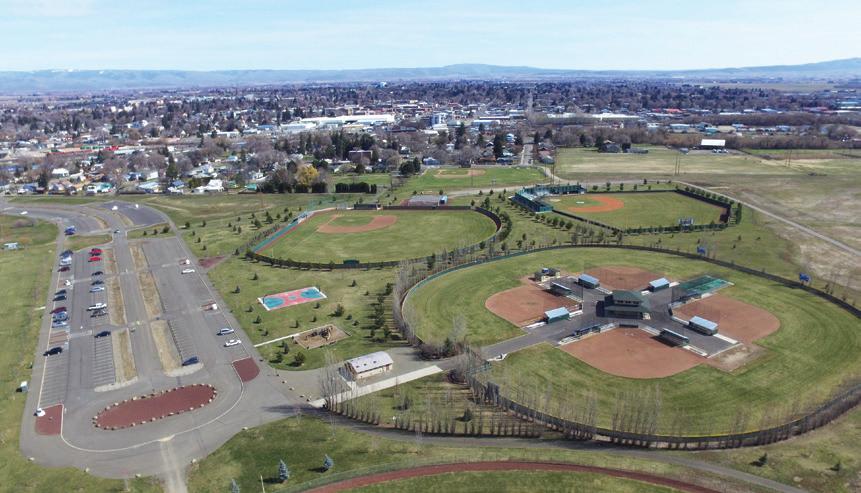
The city’s Parks and Recreation Department offers a wide range of adult and youth sports opportunities like indoor soccer, adult softball, and youth basketball and volleyball. Camps and special events are also offered, along with Tiny Tots sports for those 3 to 5 years old. For schedules and more information, check out the city’s website.
Skateboarding on ramps is available at the Ellensburg Skate Park on the corner of Second Avenue and Pearl Street and at the skate park in Cle Elum. Skating on sidewalks in the city is not permitted.
Kittitas County has two farmers markets during the summer — one in Ellensburg and one in Roslyn. The Ellensburg Farmers Market is from 9 a.m. to 1 p.m. Saturdays from May through October on Fourth Avenue downtown. The Roslyn Farmers Market is from 10 a.m. to 2 p.m. Sundays from June through September on Pennsylvania Avenue. almanac 2025 11
Kittitas County has groups that offer a variety of services, from business development to social services. The county has three food banks, two senior centers and various groups for veterans.
All of Kittitas County is served by the Kittitas County Chamber of Commerce.
The Chamber provides a variety of services for its members, from marketing and networking to sponsoring community events that attracted residents and visitors. It operates co-working spaces in downtown Ellensburg and Cle Elum and has active tourism and economic development departments.
Elmview’s purpose is to provide services to people with developmental disabilities. The range of services includes staffed residential, in-school, employment, Ticket to Work (through the Social Security Administration), crisis services, senior nutrition and adult respite.
The main office is located in Ellensburg at 204 E 6th Avenue. Phone number: 509-925-6688

The Chamber’s staff is led by chief executive officer Amy McGuffin and has a board of directors for the business community.
The office is located in Ellensburg at 609 N. Main Street (The Driver House). Phone: 509-925-2002
Visit www.kittitascountychamber.com for more information
The EDA focuses its services on Ellensburg’s historic downtown core. The scope of the EDA’s mission ranges from installing new planters and benches downtown, adding decorative lights to the buildings and helping businesses improve their storefronts to organizing multiple events including the season long Hometown Holidays, Buskers in the Burg in September and Hoedown in the Downtown.
The EDA’s office is located in Ellensburg at 109 E. 3rd Avenue, Suite 1. Phone: 509-962-6246
Visit www.ellensburgdowtown.org for more information
HopeSource is a private, nonprofit organization that provides human services in Kittitas County. Its range of services include transportation, housing, Hope University, conservation services, energy assistance, programs, nutrition, weatherization and support services.
The purpose of this organization is to serve the needs of low-wealth households and to move people toward self-sufficiency. HopeSource’s CEO is Susan Grindle.
It has offices located in Ellensburg at 606 W. 3rd Avenue, and in Cle Elum at 110 Pennsylvania Avenue. Phone: 509-925-1448
Visit www.hopesource.us for more information
Visit www.elmview.org for more information
The Adult Activity Center is Ellensburg’s senior center. The facility is the location for senior meals, wellness programs, activities, a computer lab and holiday events. It is also the staging site for senior trips to destination around the state.
The facility is available for rent, located in Ellensburg at 506 S Pine Street. Phone: 509962-7242
Visit https://ci.ellensburg.wa.us/823/AdultActivity-Center for more information
The Putnam Centennial Center is Cle Elum’s senior center. It is also the location for numerous community functions and events. The center serves breakfast and lunch Monday through Friday. It is also the place where people gather for a game of bridge, bingo, exercise classes and crafts. The facility is located in Cle Elum at 719 E 3rd Street. Phone: 509-674-7530
Visit www.centennial-center.org for more information
FISH (Friends in Service to Humanity) Food Bank has a food pantry and serves hot meals to those in need throughout Kittitas County. The Pantry is located in Ellensburg at 804 Elmview Road. Phone: 509-925-5990
Visit www.kvfish.org for more information
HopeSource operates a food bank and mobile van that serves Upper County, located in Cle Elum at 110 Pennsylvania Avenue. Phone: 509925-1448
Visit www.hopesource.us/nutrition-1 for more information
APOYO (Allied People Offering Year-Round Outreach) is a food bank that was founded in 1999. Located in Ellensburg at 1320 E. 18th Avenue. Phone: 509-201-1820
Visit www.apoyofoodbank.org for more information
There are various veterans’ groups in Kittitas County, including the American Legion and VFW. The Kittitas County Veterans Coalition is located in Ellensburg at 507 N. Naneum Street, Suite 117.
Central Washington University also has a Veterans Center located on campus. Phone: 509-933-2932
with Ellensburg Community Radio
BY KATIE TEACHOUT
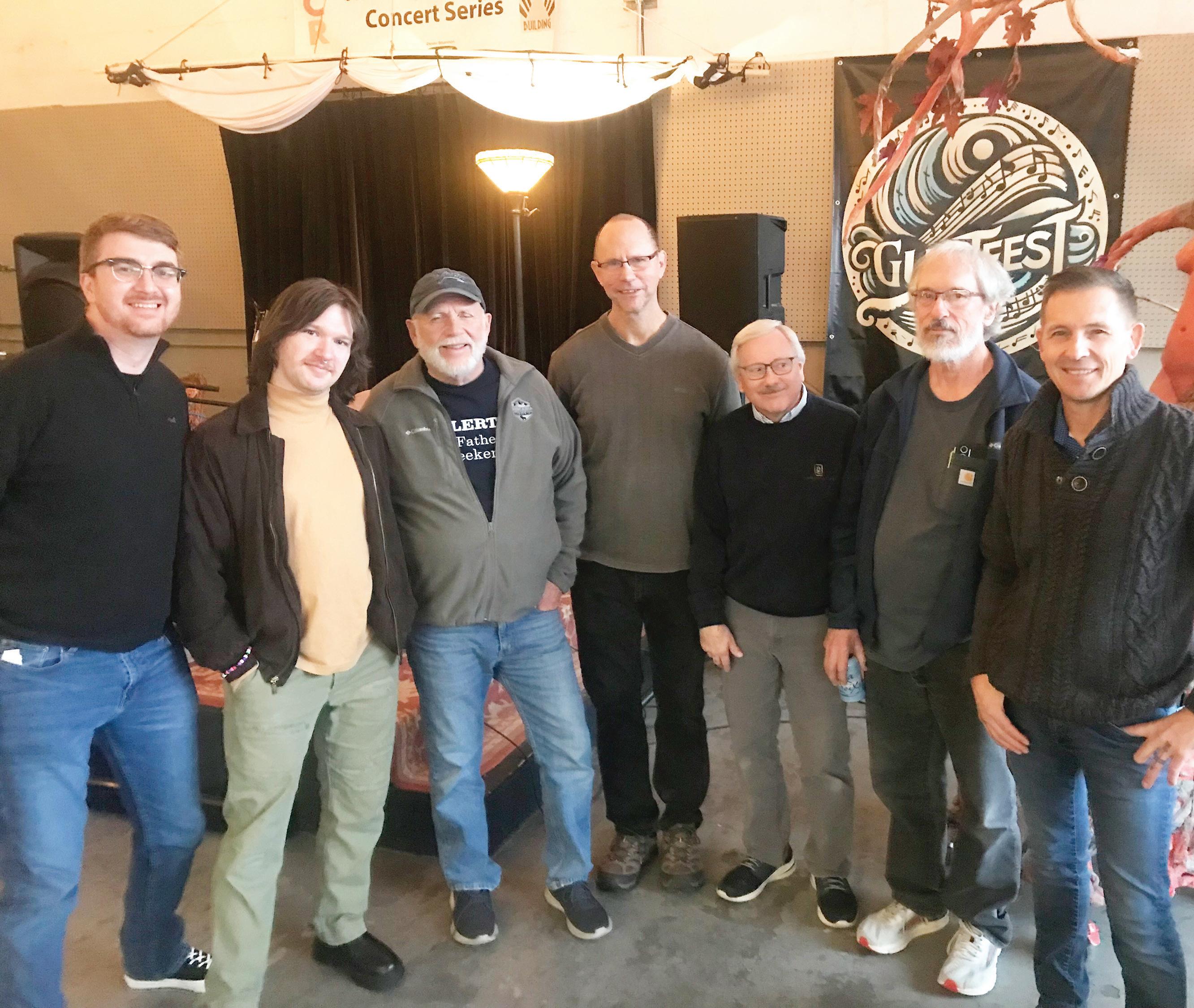
New residents and long-time locals alike can stay connected with what’s happening around Kittitas County through Ellensburg Community Radio.
The radio station is currently online-only, where fans can tune in to listen and/or read the content from anywhere in the
world at eburgradio.org.
Ellensburg Community Radio recently received its license from the Federal Communications Commission for a lowpower radio station to soon be found at 98.3 on the FM dial.
Mollie Jean Edson, who founded the radio station 11 years ago, said all the live musical events and plays that are
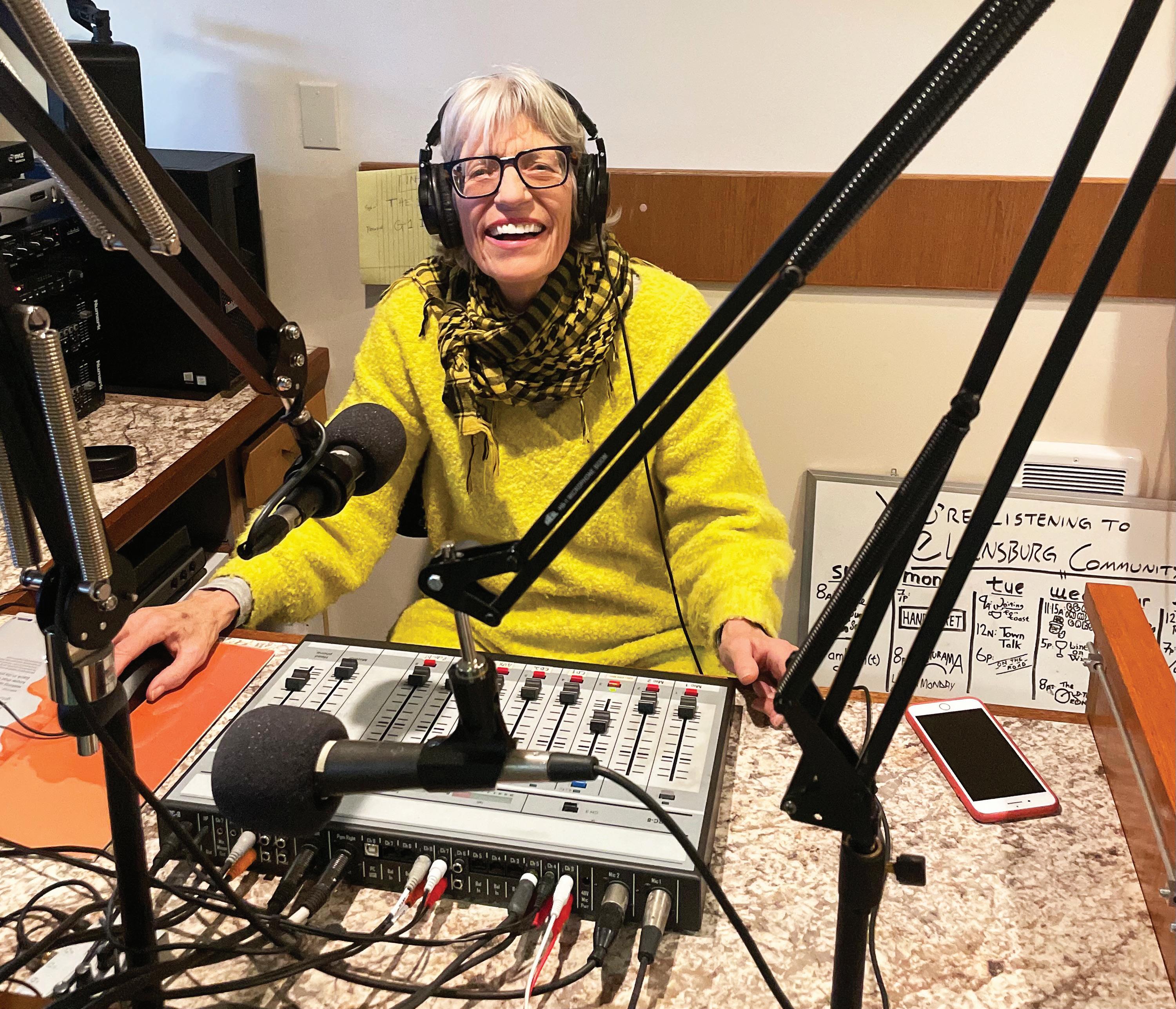
happening in the county for the coming week are compiled by board member Donna Beeson every Wednesday.
Riley Schmidt, a local musician, then records Beeson’s list and it is played on Ellensburg Community Radio several times a day, as well as presented on the website and published in the weekly newsletter every Friday.
Listeners can sign up for the free newsletter on the website.
A morning news program is played two days a week.
“It’s all local news. We call it Factual, Fair and Uplifting,” Edson said, adding that along with good news about local folk, the program includes news items such as when city council meetings are held, where road closures are, and “other
things you need to know as a citizen.”
Edson said the station plays a curated stream of all musical genres 24/7 that includes “really good music,” along with public service announcements from local organizations, and sponsorships from local businesses.
There are no ads played on the nonprofit station, which is funded by memberships, sponsorships and grants.
There are about 20 locally produced shows from DJs who curate their own programs that break into the stream at their designated time slots.
A schedule of programs is available on the website.
“We have a variety of really fun shows,” Edson said, adding that a favorite for her and her grandson is a program called “Read Along with Grammy.”
“These gals get together every Thursday in the studio, with a children’s book they’ve chosen from the library, and they read the books to children. My grandson and I plan that time to sit and he gets out the crayons while he listens,” Edson said. “Mostly it’s just to listen to a wonderful story, and if it’s a picture that needs to be explained, they will explain it to you on the air.”
The program runs from 11:45 a.m. to 12:15 p.m. Thursdays. A list of the books to be read is put on the website ahead of time in case listeners want to follow along with a copy of the book.
“They’re just lovely ladies and they read wonderful books, and sometimes they call out and tell if it’s somebody’s birthday or they know someone is listening. They laugh and have fun and then close their books and they all go out to lunch together,” Edson said. “So ‘Read Along with Grammy’ is one of our more fun programs.”
Another weekly children’s program is “Beans in My Ears,” done by a local retired school librarian.
“He has a theme every show and plays music and poetry around that theme for the young and young at heart,” Edson said.
That program runs Wednesdays from 11 a.m. to noon.
An “After School Radio Adventures” program runs Wednesdays from 4 to 4:30 p.m.
For adults, most weekday mornings start with a Community Morning Show that includes news, talk and music events that runs from 7 a.m. to 11 a.m.
“One of our rules is no politics and no religion, and no commentary on the news. Just the facts,” Edson said.
“Our goal is to bring people together. We’ve seen what divisive news can do to pull a country apart, and our thought is, if everyone got the same factual and uplifting news, it could bring a community together.”
Edson said Ellensburg Community Radio’s news programs are also broadcast on KXLE and Central Washington University’s station at 88.1, the Burg.
“The students are hearing our news. They have a CWU student who is a DJ read our news, since they are a station that only wants student voices,” Edson said.
“The other hope about radio is, by bringing these other voices in with their choice of music and just hearing other aspects of our community in the sanctity and safety of your own home, without seeing the person, is that you can then start to understand and empathize a little more about where they come from and why, and we can eliminate some of the fear that we have of each other,” Edson said. “Because basically we all want the same things.”
Another opportunity to bring people together is live shows at the radio station’s physical location at 405 Main St., where they recently moved into a space called The Ink, an Incubator
for Creativity.
The space is currently shared with the Blue Bear Puppet Lab, Darsana Arts and photographer Michelle Raney.
“Now that we are in the INK, we have this opportunity to have live music and shows. And we usually, along with Blue Bear Puppet Labs, host First Friday events, where we have a live band for First Fridays,” Edson said.
She said the INK location is also open and available for rental.
“It’s a large, kind of quirky space. I had a rehearsal dinner in here,” Edson said. “The sky’s the limit on what you could do here.”
Edson said the station will be running a capital campaign to raise the funds for a transmitter and other equipment necessary to run an FM station. The license they received from the FCC allows them three years to construct the LP FM station.
“We’ve identified an existing tower on a downtown building, we just need to purchase the antennae that goes on the tower,” Edson said.
She said with the low-power station, their radius will only be about 12 to 15 miles.
“So Kittitas and Thorp will also be a part of it, but probably not Cle Elum. So if you love us, which you will, you’re still going to have to figure out how to listen to us on the internet if you get out of range,” Edson said. “But that’s the thing, you can listen to Ellensburg Community Radio anywhere in the world on the internet.”
Edson said when they were denied a license 11 years ago, they took it in stride.
“It has been a long process, but we haven’t really been waiting to get on the FM dial. We’ve been running an internet station that we think is fun and interesting and has a lot less restrictions. We’ll have a lot more rules to have to follow,” Edson said, once they are operating with an FCC license.
“So in some ways it’s a little restricting, but we also feel that it will open us up to a whole other possibility so far as listenership for being on the FM dial.”
Edson said in the end, it’s all about fun.
“I think the main thing about this, for the DJs and everyone else, is it needs to be fun. And people sitting at home need to be hearing people having fun. And hearing that the school band is going to be marching past your house on such and such a day, at such and such a time, and that life really isn’t frightening and this town is really sweet,” Edson said.
“And everybody does kind of have the same goals and hopes for our children and families, and that we need to be able to learn to work together. And play together.”






Kittitas County offers educational opportunities for students of all ages, from preschool to college.
Central Washington University has long been a cornerstone of the community and is Ellensburg’s biggest employer. The school is known for its internationally accredited college of business, education programs and music department. A new science building for the geology and physics programs opened in fall 2016, and a recent remodel of the Hogue Technology building made it one of the nation’s most advanced facilities for industrial and engineering technology. On the K-12 level, the Ellensburg School District is the county’s largest, with three elementary schools, a middle school and Ellensburg High School. School districts in Kittitas, Cle Elum-Roslyn, Thorp and Easton also provide high-quality education to the county’s students.
Central Washington University offers bachelor’s degrees and master’s degrees for more than 135 majors and graduates about 3,000 students a year. The public, four year university has eight campuses statewide, with the main campus in Ellensburg. CWU has an average class size of 20 students and a student-faculty ratio of 18-to-1. Students can take advantage of more than 125 clubs, organizations and associations and 13 varsity athletic teams, cheered on by CWU mascot Wellington the Wildcat. Contact CWU at 509-963-1111 or visit www.cwu.edu.

Central Washington University offers a learning extension program for people within the CWU community. The program offers classes for career training and professional development, certificated fields, and manages the high school Running Start program. Contact CWU Continuing Education at 509-9631712 or visit www.cwu.edu/ce.
Yakima Valley Community College’s adult education program in Ellensburg offers high school diploma and GED programs to adults looking to finish high school. Contact YVCC Adult Ed Learning Center in Ellensburg at 509-2011269. The center is on Mountain View Avenue.
Ellensburg High School offers rigorous academics with several Advanced Placement and Running Start classes. Extracurricular activities include Bulldogs athletics, fall plays and winter musicals, the Alutant student newspaper, band, choir and orchestra, academic clubs, the Associated Student Body and the National Honor Society. EHS has about 900 students. Contact EHS at 509-925-8300 or visit www.esd401.org/ehs. The principal is Beau Snow.
Excel High School is an alternative high school program for the Ellensburg School District on the campus of Central Washington University. Students pursue high school curriculum adapted to individual students. Contact Excel through Ellensburg High School at 509-925-8300 or visit www.esd401.org/.
Morgan Middle School serves sixth through eighth grade students in our community with a variety of opportunities for students to explore a variety of interests through a rich elective program, advanced courses, and an increasing number of courses available for credit at EHS. Students are encouraged to participate in range of extra curricular programs including athletics and clubs. Morgan Middle School currently houses
750 students. Contact Morgan at 509-925-8200 or visit www. esd401.org/middleschool.
Located across the street from the middle school, Lincoln Elementary School was built in 1949 and remains a school with a central downtown location. The school has about 520 students. Contact Lincoln at 509-925-8050 or visit www. esd401.org/lincoln.
Located in northwest Ellensburg, Mount Stuart Elementary School was torn down and rebuilt new. The school opened in 2021 and has about 500 students. Contact Mount Stuart at 509-925-8400 or visit www.esd401.org/mount-stuart.
Ellensburg’s newest elementary school, Valley View Elementary School was completed in 1994. The school is near Ellensburg High School and has about 520 students. Contact Valley View at 509-925-7316 or visit www.esd401.org/valleyview. The principal is Rob Moffat.
Ellensburg’s newest grade school is located adjacent to Mount Stuart Elementary.
Damman School District has one school, a historic twoclassroom building nestled in rural Ellensburg. Damman School houses almost 35 students in grades K-5. Classes are divided into grades K-2 and 3-5, allowing children to learn at their own pace and move easily between academic levels. Students attend Ellensburg schools after leaving Damman. Contact Damman School at 509-962-9079.
The Ellensburg Christian School offers grades K-8 education with Christian worldview. The private, nondenominational school draws support from more than a dozen Christian churches. It provides a faith-increasing, standards-focused academic instruction. Contact the school at 509-925-2411or visit www.ellensburgchristian.org.
Kittitas Elementary and Kittitas Secondary schools consistently win high praise from national ranking groups. Between both schools, Kittitas serves about 630 students. The close-knit community supports the schools’ athletics, community service and college-in-the-classroom programs. Contact Kittitas schools at 509-955-3120 or visit www.ksd403.org.
The cities of Cle Elum and Roslyn combined school district

offers a high standard of learning to about 890 students at four schools: Cle Elum-Roslyn Elementary School, Walter Strom Middle School, Cle Elum-Roslyn High School and Swiftwater Learning Center. Walter Strom was named a “School of Distinction” by the state in 2017. Contact Cle Elum-Roslyn schools at 509-649-4850 or visit www.cersd.org.
Swiftwater offers students in Cle Elum-Roslyn schools an alternative path to graduation. Contact Swiftwater at 509-6494990 or visit www.cersd.org/swiftwater. The school is at 4244 Bullfrog Road.
Thorp School is a K-12 facility in the small town of Thorp with about 140 students. Thorp Elementary School was named a “School of Distinction” by the state in 2017. The award goes to the top 5 percent of the schools in the state with the highest rate of improvement in reading and math scores during a fiveyear period. Contact Thorp School at 509-964-2107 or visit www.thorpschools.org.
Easton School, near the border of King and Kittitas counties, is a one-building, grades pre-K to 12 school with about 120 students. Located close to Snoqualmie Summit, Easton incorporates the outdoors into students’ learning and is known for its archery program. Contact Easton School at 509-6562317 or visit www.easton.wednet.edu.
Child Care Aware of Central Washington helps connect parents with available childcare providers. Providers regularly call the center to update vacancies in the database. Parents can call 1-800-446-1114 to learn what options are available nearby. almanac 2025 23
BY ANNA ROSE
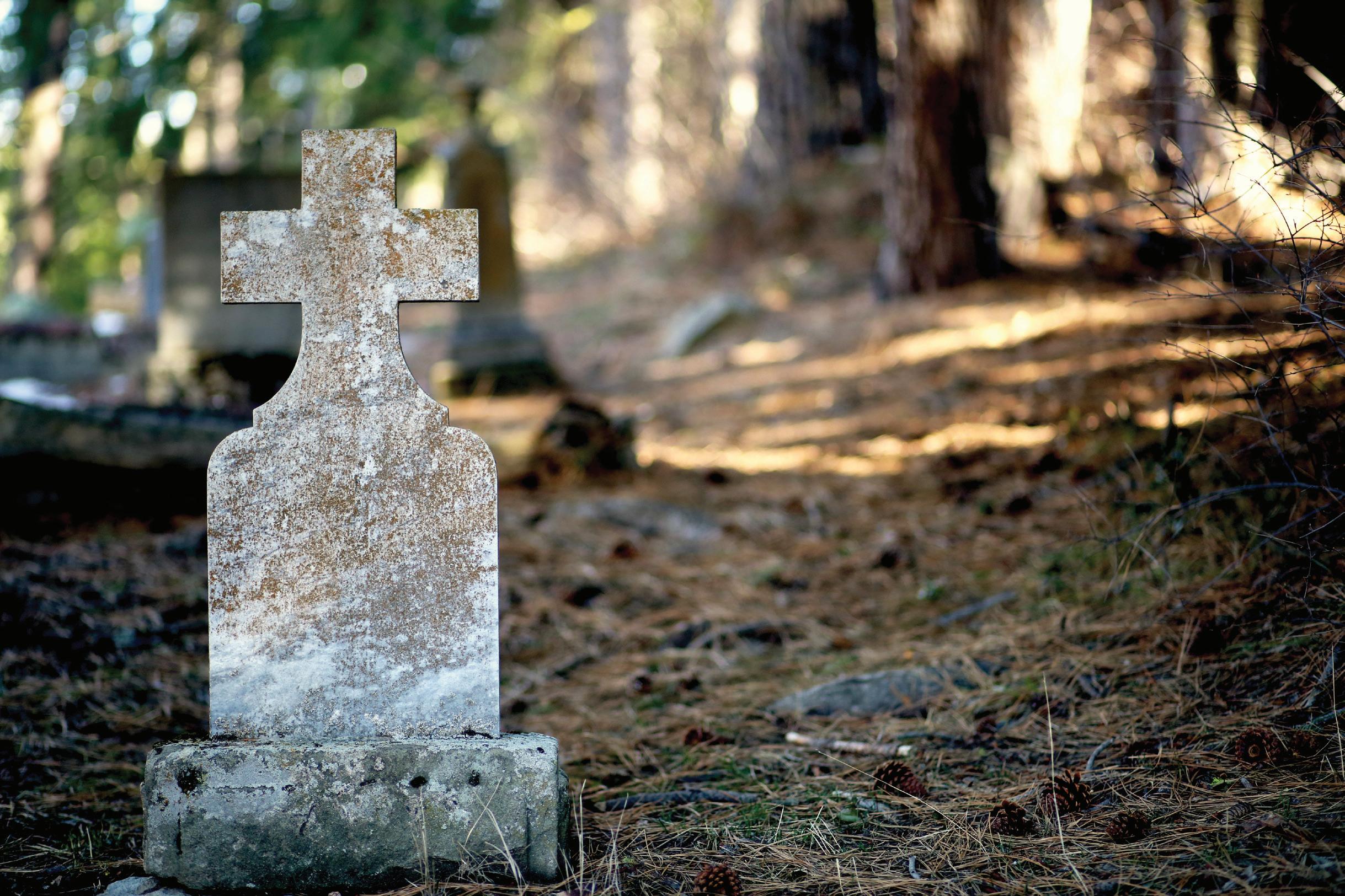
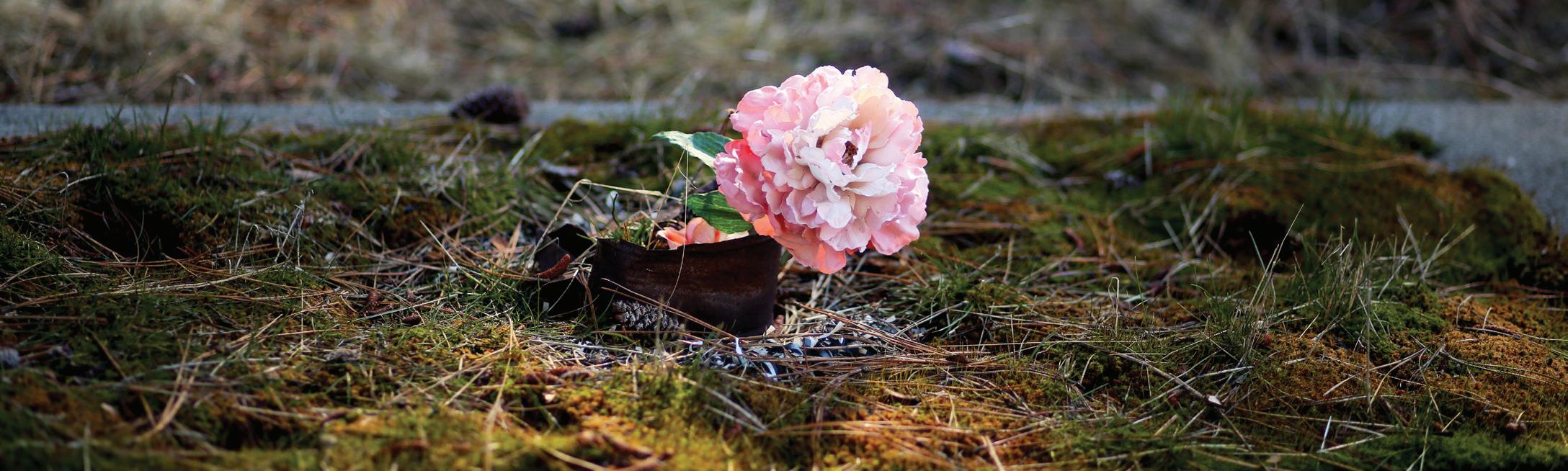
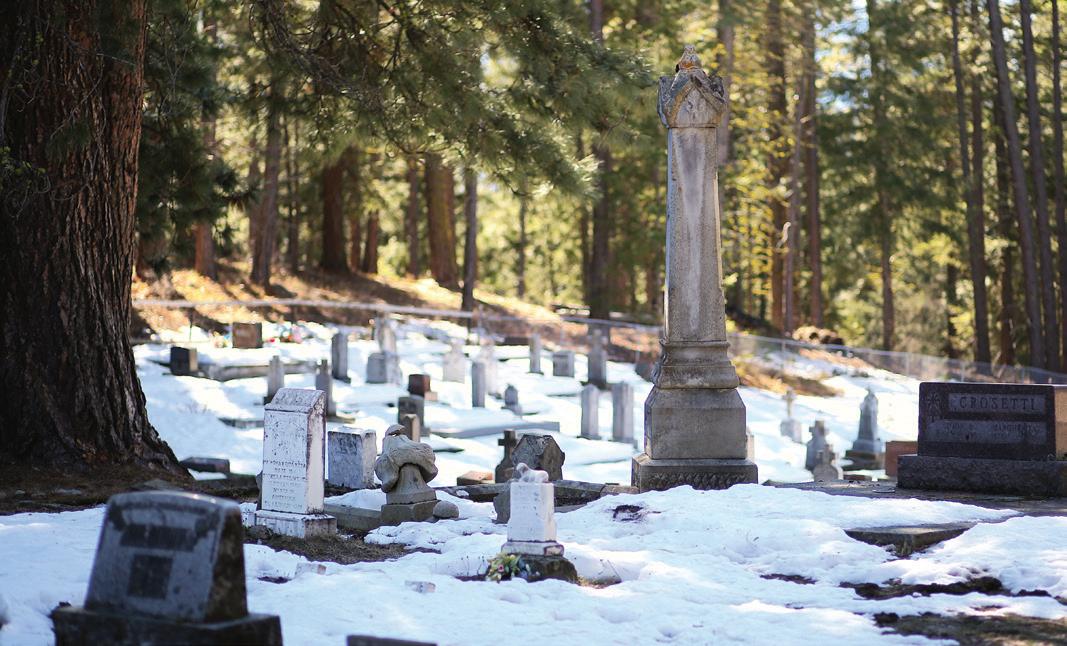
The Roslyn Cemeteries are 26 separate cemeteries with nearly 5,000 graves that make up one complex. Although there are other historical cemeteries known to exist throughout the world, there is not an exact count of similar styles to this one, said Kittitas County Historical Museum director Sadie Thayer.
The first cemetery, the Old Roslyn City Cemetery, was founded in the initial years of the community by the Northern Pacific Coal Company. Many of those laid to rest were miners who died due to unsafe working conditions, and it was these conditions that led to the workers striking and seeking better, and safer, conditions and shorter work days, Thayer said.
“As Roslyn continued to grow, fraternal, ethnic, religious, and civil orders chose to have their own cemeteries as well,” Thayer said.
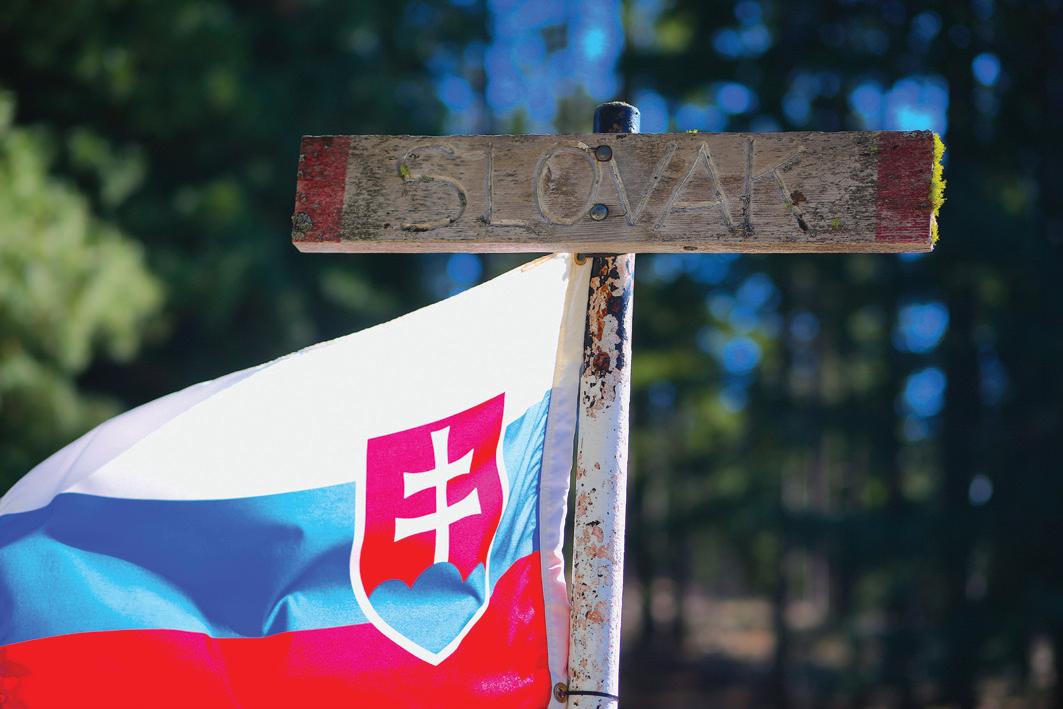
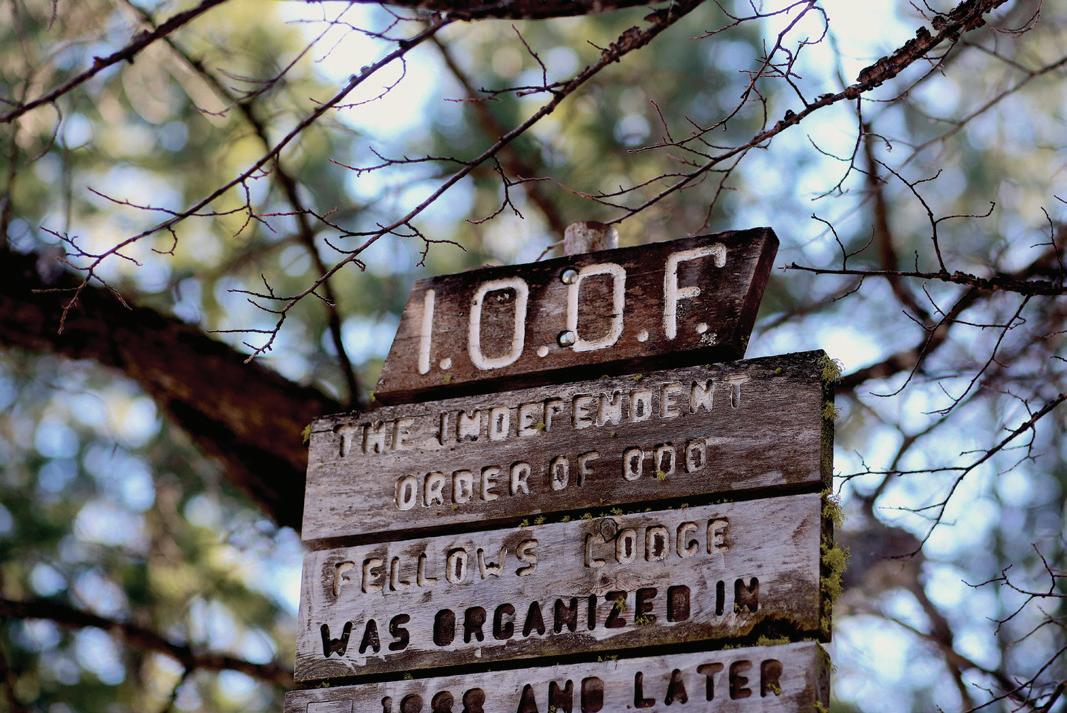
These include the IOOF (Independent Order of Oddfellows) Cemetery, the Masonic Cemetery, the Polish Cemetery, the Eagles Cemetery, the Druids Cemetery, the
Saint Barbara’s Croatian Cemetery, among others.
According to Thayer, some of the cemeteries range from a single grave to sections where there are still active burials occurring, to areas planned for eventual expansion.
Many laid to rest are of historical significance not only to Roslyn, but the Pacific Northwest.
Family members of the 300 Black miners who came into Roslyn as strikebreakers in August 1888 are buried in the Mount Olivet Cemetery.
On May 10, 1892, an explosion killed 45 miners in the Northern Pacific Coal Company’s No. 1 mine at Roslyn, which, according to Thayer, is the worst coal mine disaster in Washington state history.
Those who died were buried in the Old City Cemetery, the Old Knights of Pythias Cemetery and the Mount Olivet Cemetery.
Another mine explosion on Oc. 3, 1909 claimed 10 lives in the No. 4 Mine. They were laid to reset in the Old Knights of Pythias Cemetery, Cacciatori D’Africa Cemetery, Old City
Cemetery, and the Masonic Cemetery.
Business owner and moonshiner Bert Pellegrini died on Aug. 18, 1928. His 250-gallon still exploded, and the resulting fire destroyed the town of Ronald. He is buried in the Eagles Cemetery.
There are several important things to keep in mind when visiting the cemeteries: Try to not walk over the graves themselves, but rather in between the headstones.
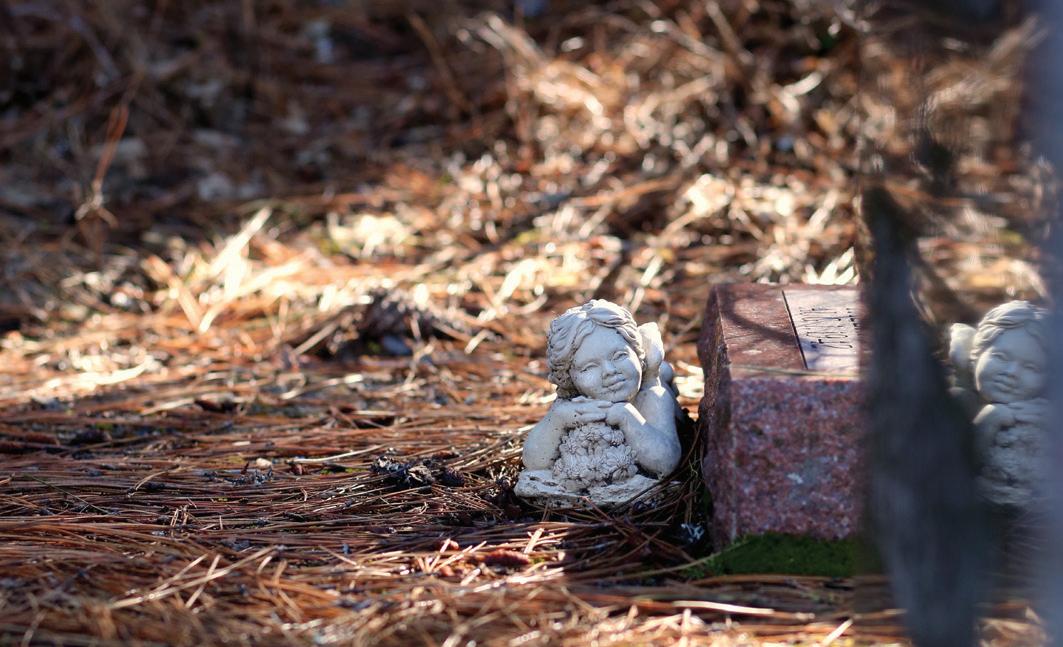
It is discouraged to play loud music in cars; run or play in the cemetery; speak loudly or use offensive language.
Do not litter and pack all trash out; keep pets leashed and clean up after them; stay on roadways and do not drive on the grass; and try not to stay in the cemetery after dark.
Thayer also recommends not speaking to strangers in the cemetery, as others may wish to be alone; to not take photos of other individuals or funerals in progress; and to not touch monuments or headstones.
BY BRIAN KELLY
At the end of a long gravel road just north of Vantage, visitors can step back in time.
Waaaaaaaaaaaay back in time.
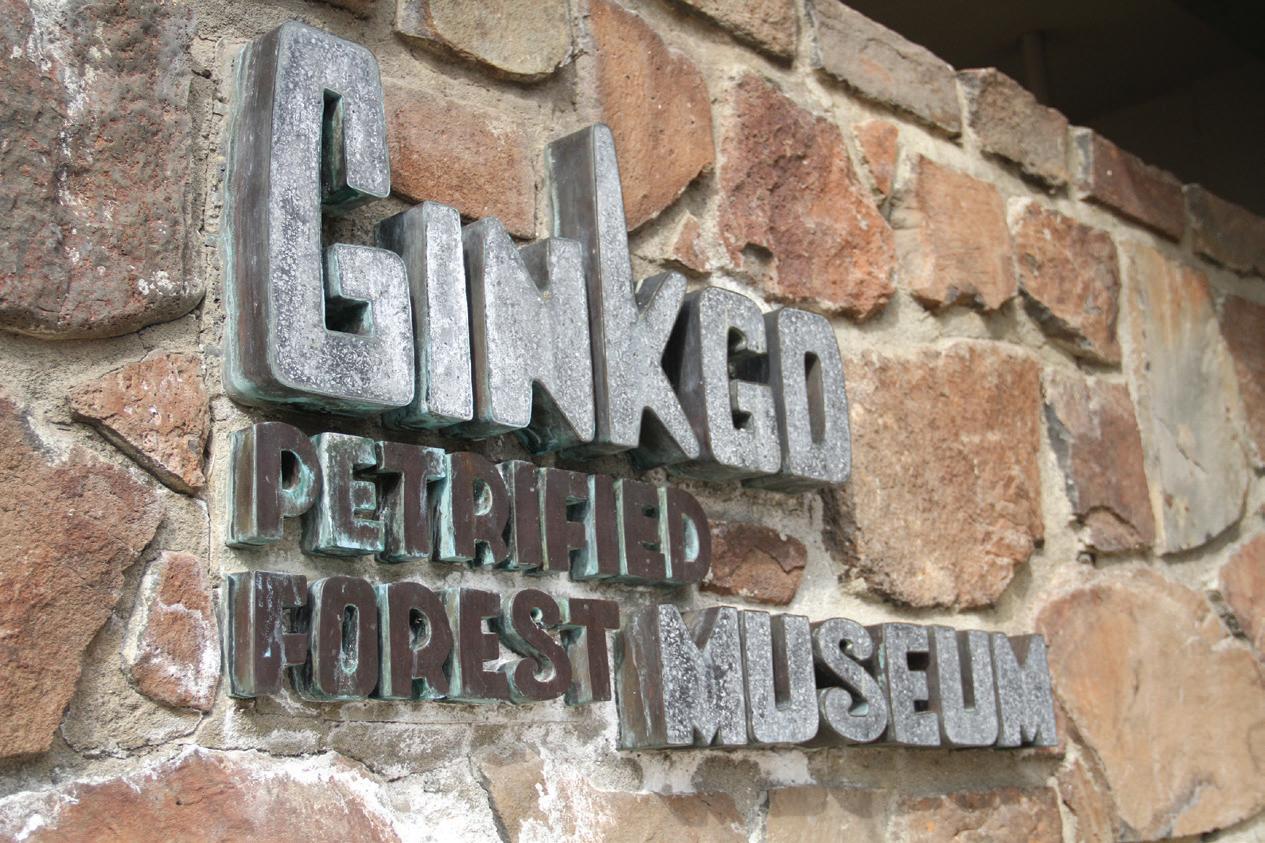
At Gingko Petrified Forest State Park, people can see and touch pieces of the past — remnants of an ancient forest from more than 15 million years ago.
The park, and the adjacent Wanapum Recreation Area, span 7,124 acres next to the Columbia River.
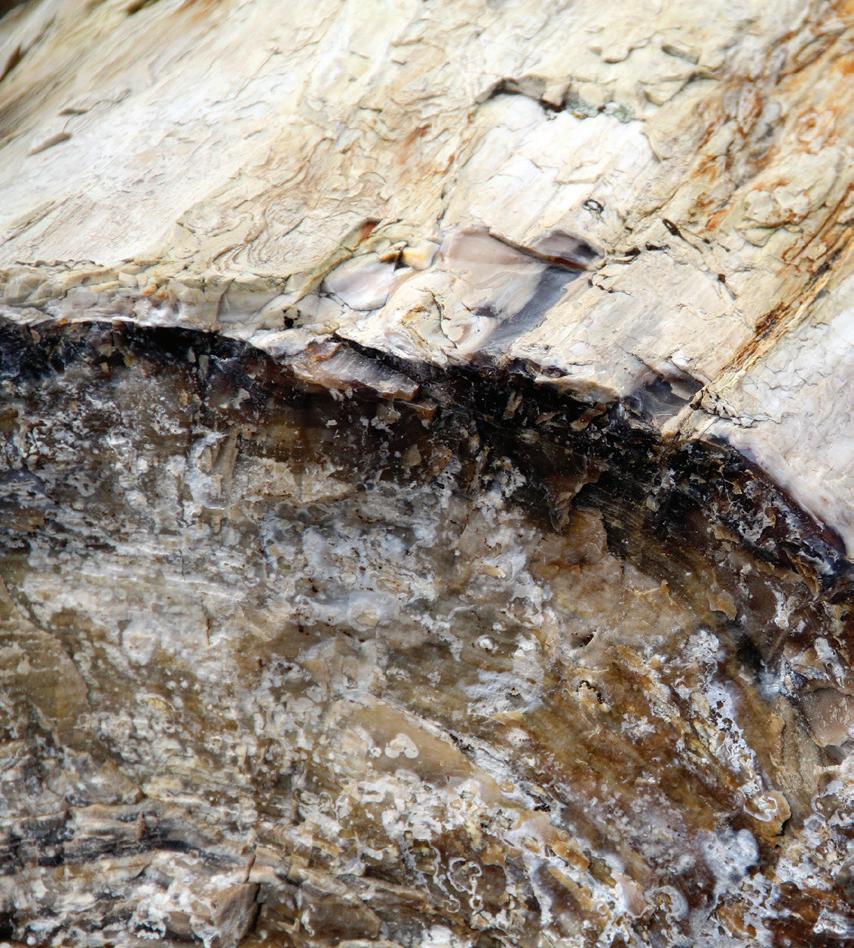
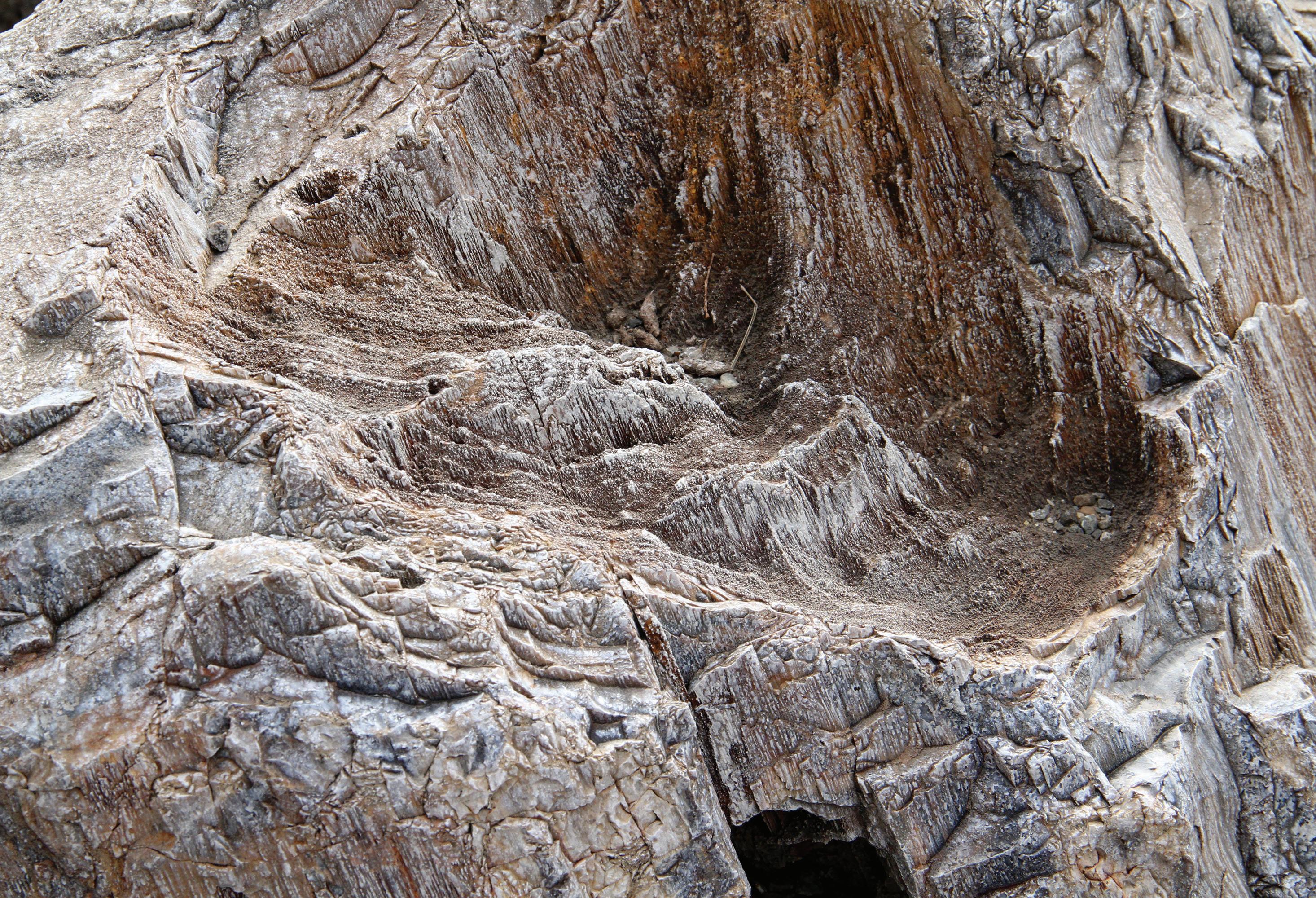
Gingko Petrified Forest State Park itself is a National Natural Landmark, established in 1965, and sits on a perch over the Columbia River. The park is home to one of the most diverse collections of petrified wood in North America — the number of species is estimated at more than 40 — including sycamore, walnut, elm and rare examples of ginkgo (Gingko biloba).
The geologic importance of the site was discovered in the early 1930s by Professor George Beck, a science and music teacher at the Washington State Normal School (now Central Washington University) 30 miles away in Ellensburg.
Beck had been conducting a study of petrified wood in the area, and was surveying a dry waterbed with four students in Ryegrass Coulee in November 1932 when the group found a piece of petrified wood sticking out of the slope of a small landslide.
The fossil was 2-feet wide, and a sample that was taken back for a look under a microscope revealed they had found the first complete log specimen of a fossilized ginkgo that had ever been recorded.
Beck began to press the State Parks Committee to have the land protected, and a land exchange with the
Smithson Sheep Company — which had owned much of the acreage since 1889 — was finished in 1935.
Work had already started to clear trails by the time the park was created in 1935. The trailside museum was built in 1936 by the Civilian Conservation Corps after a CCC camp had been set up the previous October. The crew also built a caretaker’s house, then constructed the Trees of Stone Trail that passed by roughly two dozen examples of petrified wood still in place where the fossils had been found.
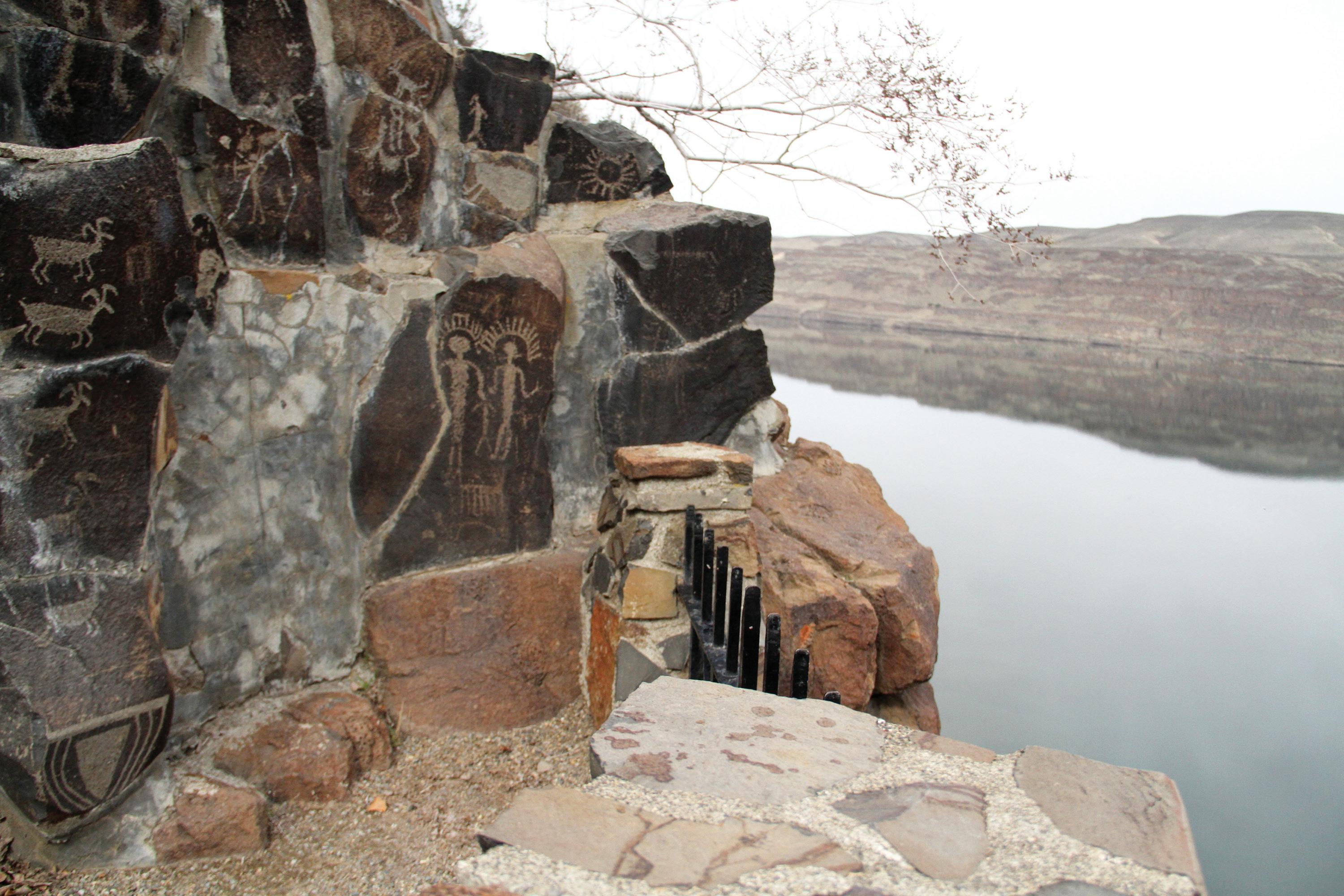
Another trail was built to go past rock images that had been carved into the bluffs along the Columbia River by Indigenous peoples.
(Pieces of the basalt columns that contained the images were cut out of the cliffs in the late 1950s before construction started on the 185-foot high Wanapum Dam five miles downstream in 1963. The reservoir created by the dam, Wanapum Lake, threatened to submerge the images under water. Almost 100 of the images were relocated to the Gingko Museum by late 1959.)
The Gingko Petrified Forest Interpretive Center has displays of petrified wood samples, as well as exhibits showcasing the geology of the region as well as a gift shop.
Hiking trails through the park can be found two miles northwest of the center. The Trees of Stone Interpretive Trail is a short stretch — about 1.25 miles — that weaves through the petrified forest where trees can be found where they’ve sat for millions of years.
More of the prehistoric petrified trees can be found along a 3-mile hiking trail through the Ginkgo area, as well as “erratics,” large rocks that were once embedded in ancient floating icebergs but rafted to their final resting places by Ice Age floodwaters thousands of years ago.
The petrified wood found in Gingko Petrified Forest State Park dates back to the Miocene Epoch, when the area around Vantage was a dense forest and the Cascade mountain range had not yet pushed high enough to create a rain shadow.
A series of massive volcanic eruptions about 17.5 million years ago covered the Columbia River Plateau with lava — and some of the eruptions were so big the molten lava flowed until it hit the Pacific Ocean, 300 miles away.
Scientific studies have estimated the lava covered about 64,000 square miles, an area almost as big as Wisconsin.
Volcanic eruptions continued across 10 million years, sometimes burying forests, swamps and lakes.
Trees that were buried by the flows of basalt lava were sealed in place, and silica that was dissolved from volcanic ash seeped into the plant cells of the logs and took their exact form, creating fossilized wood.
Professor Beck, in his field notes from his studies in the 1930s, noted the great varieties of tree fossils found around Vantage might have come from trees from different habitats in the region that fell into rivers and were carried to a large lake. The logs became waterlogged as they drifted around
the lake, and were buried when a lava flow swept through. In more recent times, scientists have suggested the logs came from a volcanic lahar — a massive mudflow that carried trees from higher elevations into the marshy lowlands to create a floating raft on the lake before they were later covered with lava.
More than 300 individual lava flows covered parts of the Columbia Basin, and the one that covered the ancient Vantage Lake is called the Gingko flow.
Gingko Petrified Forest State Park is at 630 Gingko Ave., north of Vantage. (There is also an access road from the park to the adjacent Rocky Coulee Recreation Center.)
The interpretive center is open from 10 a.m. to 4 p.m. Friday to Sunday only from April 1 to May 15 and Sept. 16 to Oct. 31. It is open daily from 10 a.m. to 5 p.m. May 16 through Sept. 15.
The center has a picnic area, restrooms and outdoor exhibits, and boasts a scenic viewing area high above the Columbia River.
According to Washington State Parks, the area is also a bird-watcher’s paradise — with more bird species reported at the park than any other place in Kittitas County.
Wanapum State Park Campground, on the shore of Wanapum Lake, has 50 full-hookup campsites that can be reserved in advance, plus two hiker/ biker campsites. Restrooms and showers are available, and there is a double-lane boat launch for river access, as well as a picnic area at the beach.
The campground is at 4511 Huntzinger Road, south of I-90. Check-in time for camping is 2:30 p.m. (check-out time is 1 p.m.). Tents are strongly discouraged, due to high winds. Park officials also note the camping facilities fill up early on the weekends, especially during the concert season at The George Amphitheatre.
The park and the day use-areas — boat launch, picnic areas and trails — are open from 6:30 a.m. to dusk April 1 through Sept. 30, and 8 a.m. to dusk Oct. 1 through March 31.
A Discover Pass is required for day visits (annual passes are $30; a one-day pass is $10).
BY KATIE TEACHOUT
The Olmstead Place Historical State Park is a great place for outdoor activities including picnicking, dog walking, fishing, wildlife viewing, cross country skiing and snowshoeing, or just admiring gorgeous gardens.
The Altapes Creek Interpretive Trail, a half-mile-long trail that follows Coleman Creek between the buildings and barns that make up the former family homestead, is another feature that makes the state park worthy of visits from tourists and locals alike.
The Olmstead Place park is a wonderful place to step back in time, to the early pioneer days of Kittitas County, by touring the living farm museum that includes the original cabin, vintage farming equipment and heritage gardens.
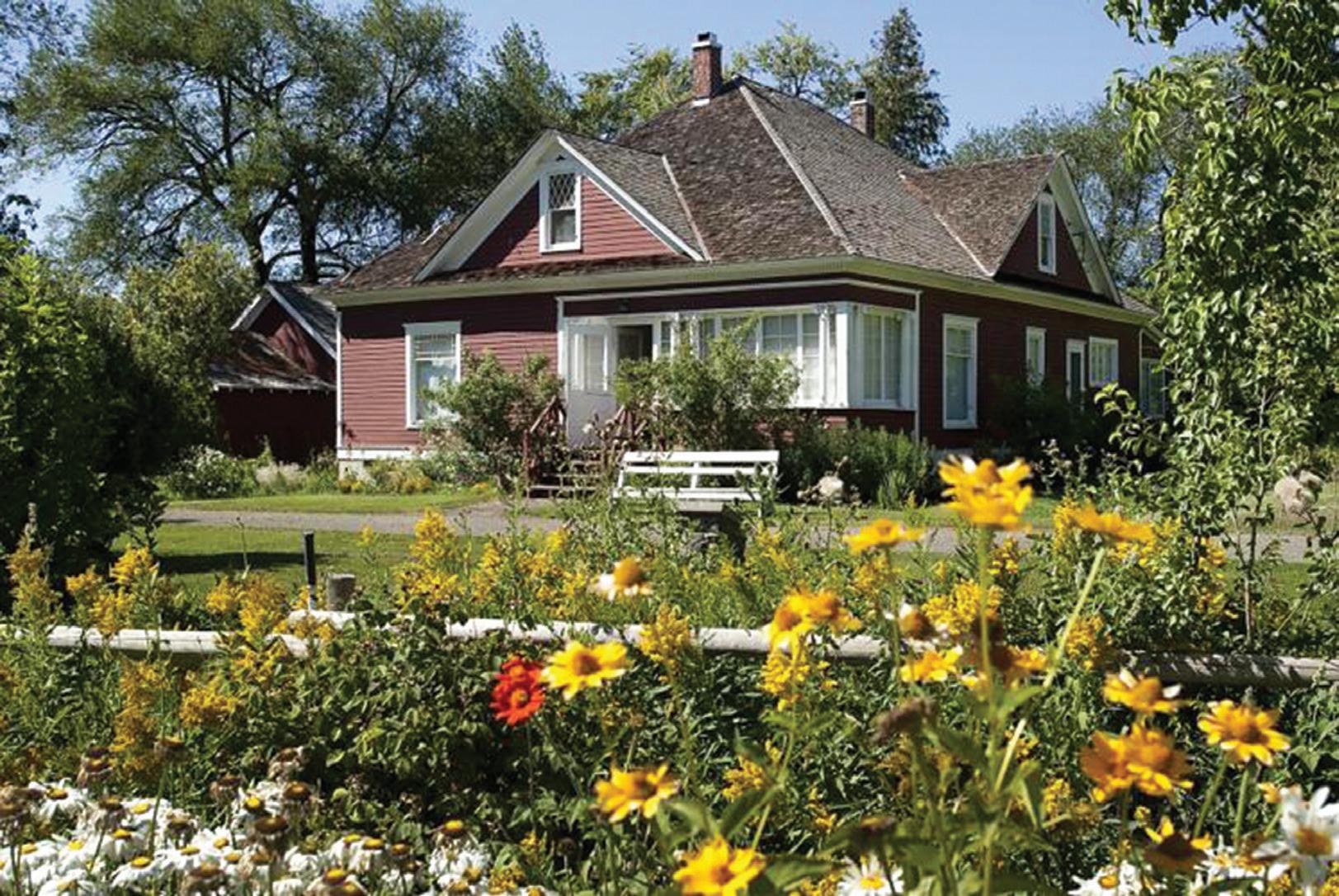
Originally established in 1875 by Samuel and Sarah Olmstead, some of the first homesteaders in Kittitas Valley, the site still contains the first log cabin the Olmsteads lived in, as well as a more modern home they built in 1908 which eventually featured running water and electricity.
Guided tours, including the interiors of the buildings, can be scheduled year-round by calling the park at 509-925-1943.
The homestead was deeded to the Washington State Parks and Recreation Commission in 1968 by the Olmstead’s granddaughters Leta May Smith and Clareta Olmstead Smith, who were raised there, in recognition of their grandparents’ visions of a historical farm that would preserve and keep alive this time in our state’s history.
Sam and Sarah Olmstead traveled west from Illinois and crossed the Cascade Mountains by horseback with their three young children Clara, Phil and Jack, to arrive in the Kittitas Valley in 1875.
After filing for a homestead through the Homestead Act of 1862, Sam Olmstead built a cabin and started raising beef cattle. But due to complications from a liver disability he sustained in the Civil War, Olmstead died in 1882.
Sons Phil and Jack helped their mother Sarah with the ranch, continuing to raise beef cattle along with wheat, oats and hay.
Sam and Sarah’s daughter Clara grew up and taught school before marrying local farmer George W. Smith. Their daughters were Leta May, Clareta and Ruby.
A Spanish influenza epidemic claimed several victims in the valley in 1892, and when Clara and daughter Ruby died, George Smith put Leta May and Clareta in the care of their
grandmother Sarah.
The girls grew up on their grandparents’ homestead, eventually becoming owners of the ranch.
In 1892, Sarah Olmstead and her sons switched from beef to dairy cows, supplying butter by train to Seattle and other markets.
In its boom in the early 1900s, the Olmstead farm had a milk house, dairy barn, wagon shed, granary and new tool shed.
In 1907 Sarah’s son Jack Olmstead died from typhoid fever.
Sarah died in 1918, at age 76, leaving the ranch in the care of her only remaining child, Phil.
Phil Olmstead was one of the founders of the Kittitas Valley Pioneer Association. He and his nieces were very interested in learning about and preserving history. In 1937 they opened the original Olmstead cabin to the public, and it soon became a popular local attraction.
Ornamental gardens are kept to their authentic roots thanks to the Olmstead-Smith Historical Gardeners, an award-winning group of volunteers who use only plants that would have been available to the homesteaders.
In 1938 Phil Olmstead died of a heart attack, leaving his nieces in full ownership of the ranch. They both left teaching careers to run the farm.
Neither woman ever married. Leta May died in 1974, and Clareta died in 1981 at age 91.
All of the farm buildings, including the original cabin and house, are still on the property. Many of the household items and farm equipment is still in place, taking the visitor back to a quieter time.
The estate also contains the Seaton Cabin Schoolhouse, moved to the park in 1980 from its original location. It’s the same school the Olmstead children rode to on horseback when it was built in a meadow several miles from the Olmstead place in the 1870s.
A book written by Clareta Olmstead Smith called “The Trail Leads West” and published in 1946 tells of Olmstead-Smith’s families’ pioneer days.
A picture frame hanging on a wall inside the 1908 house includes several society membership certificates that further illustrate Clareta Olmstead Smith’s interest in preserving history.
Memberships include The National Society Colonial Dames
XVII Century, the National Society of Daughters of Founders and Patriots of America, Society of the Descendants of the Founders of Hartford in the State of Connecticut, Seattle Chapter No. 1 of The State Association of The Daughters of the Pioneers of Washington, the National Society of the Daughters of the American Revolution, and the National Society of the Daughters of the Colonial Wars.
Olmstead-Smith is named as a descendent of Richard Olmstead in the Daughters of the American Revolution membership, and he is noted as rendering material aid during the Colonial Wars in America between 1607 and 1775.
Also carefully preserved in a picture frame and hanging on a wall in the main house is Homestead Certificate No. 178 by the General Land Office of the United States, declaring property boundaries of Sarah F. Olmstead and signed by Grover Cleveland.
Shelves flowing with books ranging from a vintage hardback “Winnie the Pooh” to thick ancestral Bibles holding family records still sit in the homestead, as if the last person living there would soon be turning another page.
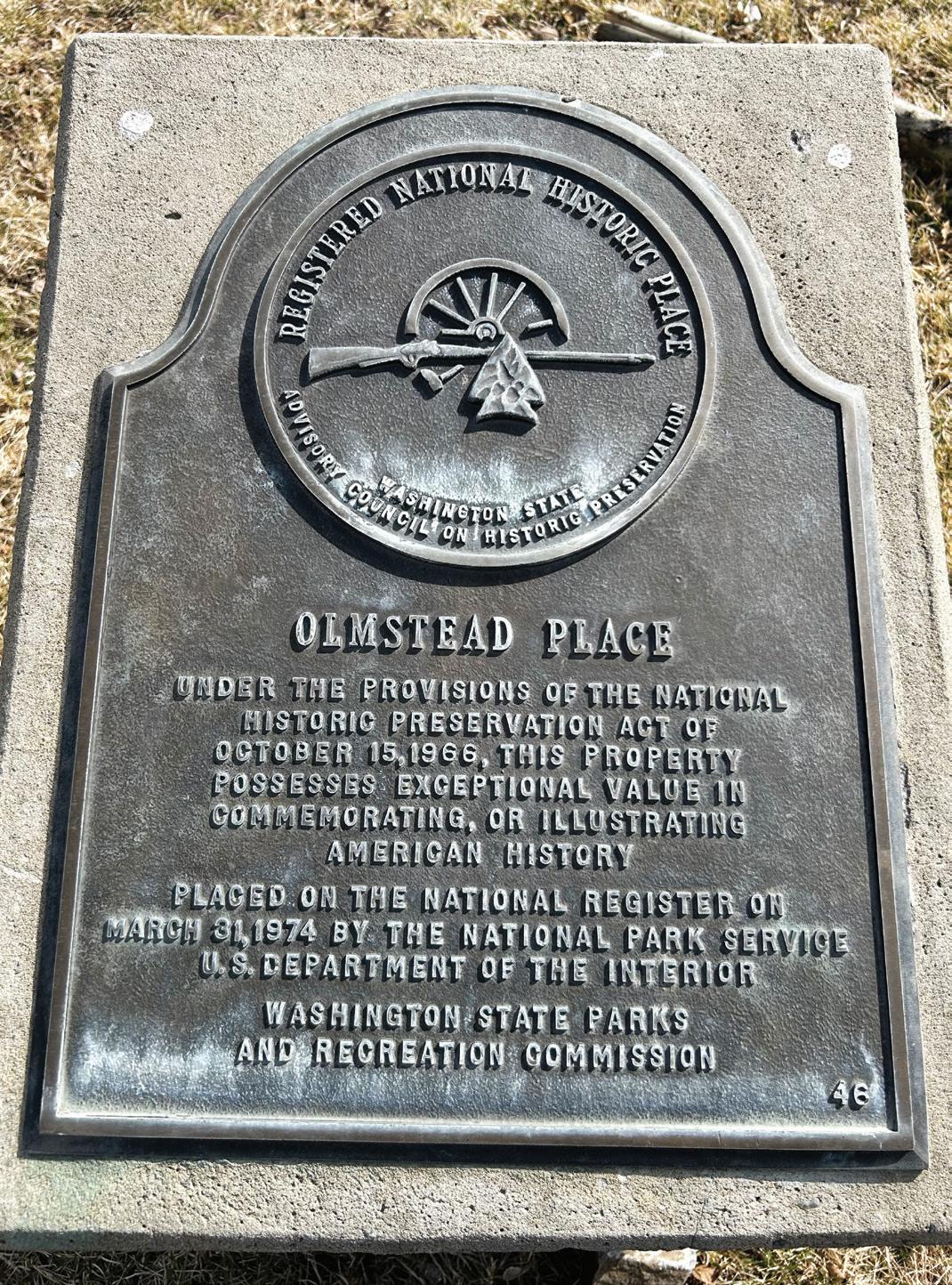
The Olmstead Place Historical State Park was added to the National Register of Historic Places in 1971. A plaque outside the cabin states that under the provisions of the National Historic Preservation Act of 1966, the property possesses exceptional value in commemorating, or illustrating American history.
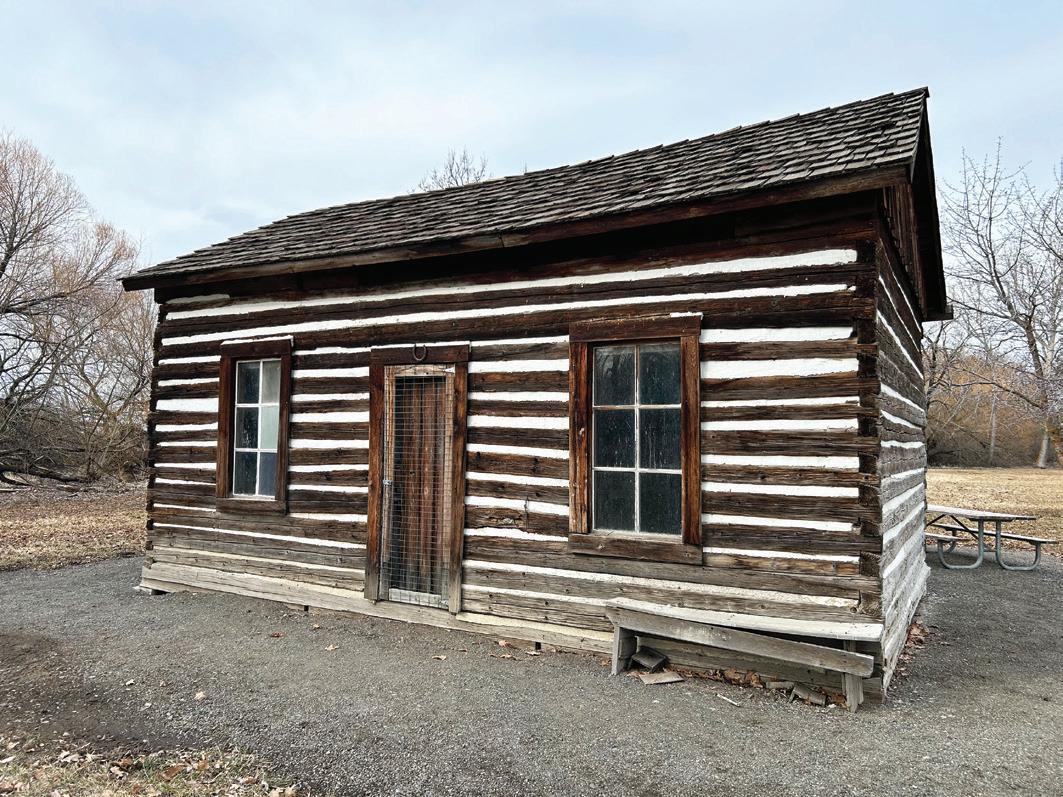
The Seaton Cabin Schoolhouse, built in 1870 and originally located several miles away, is the schoolhouse the Olmstead children used to ride to on horseback. It was moved to the Olmstead Place Historical State Park in 1980.
Helping to keep the origins alive with heirloom gardens on the grounds are the Olmstead-Smith Historical Gardeners, a group of volunteers with roots dating back over 30 years, dedicated to the maintenance and authenticity of all the flowers and vegetables grown on the estate.
“Orange Crown Imperial Fritillaria and some of the daffodils are original to the garden, having been planted by the Smith sisters,” said Dorothy Stanley, an original member of the volunteer gardeners group. “The Gardeners have added more varieties of pre-1960 daffodils, snowdrops, and blue scilla bulbs.”
Stanley said the blue scilla bulbs are from the historic Ramsey House in Ellensburg’s First Railroad Historic District, a house built in 1906 at 215 East Ninth St.
Fellow gardener Vicki Sannuto said no pre-1960s plants were ever added to the homestead’s gardens by the volunteers, who use only heirloom varietals.
When the group first formed, they did extensive archival research, reading journals and gathering information on activities of seasonal and daily life at the homestead to ensure they were selecting plants that would likely have been used by the Smith sisters.
Their hard work over the years paid off in many ways, including being presented the Washington State Parks and Recreation Commission’s Volunteer Group of the Year Award in 2018.
The original volunteer group that numbered anywhere from 30 to three members over the years now has about half a dozen members.
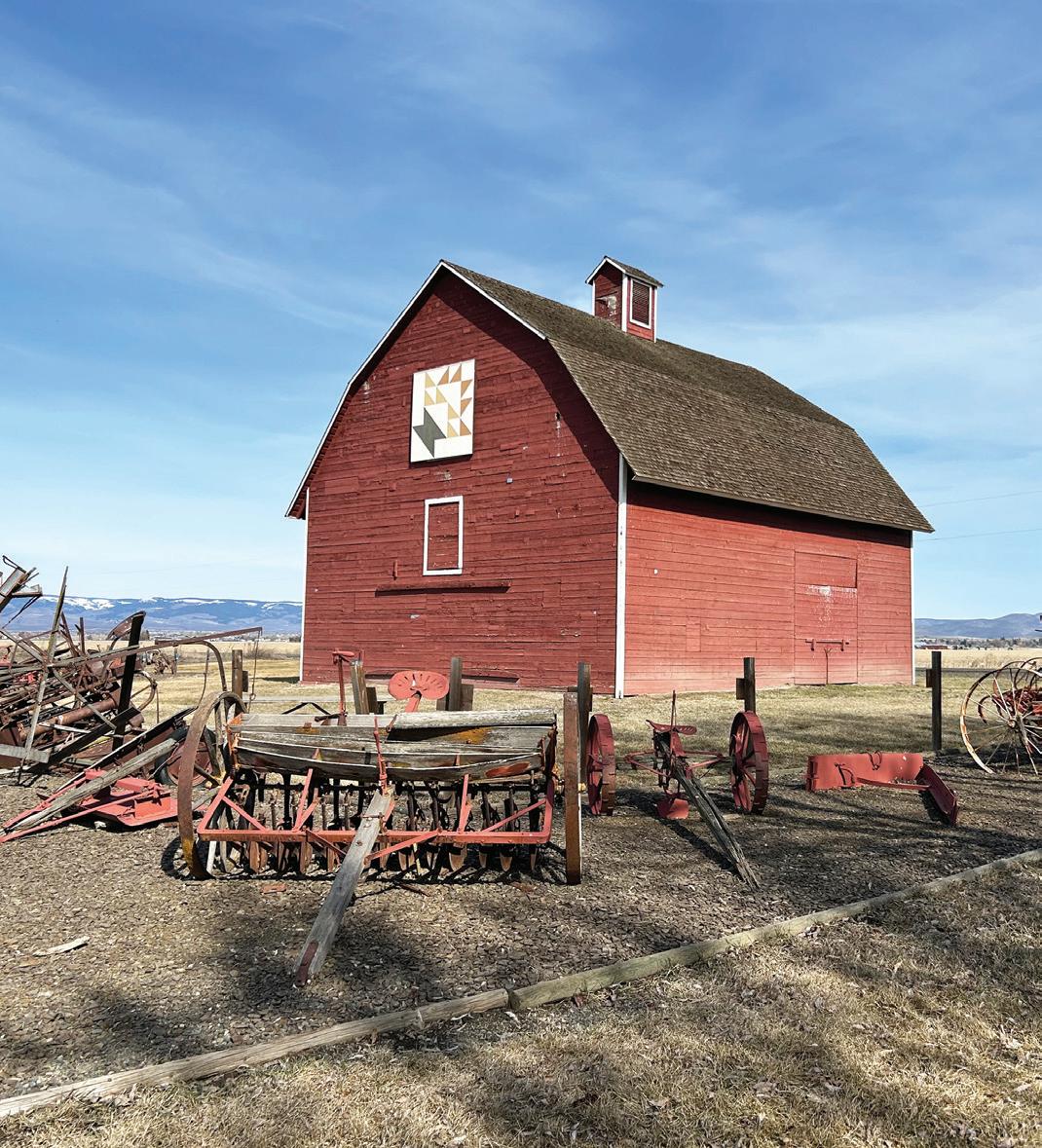
Vintage farm equipment is located all around the Olmstead Place Historical State Park property, with several more valuable pieces parked inside a storage shed.
Current volunteers, along with Stanley and Sannuto include Janet Vaughan, Donna Umland, Annette Williams, Anna Williams, Bonnie Carr, Gloria Wright and Terry Carkner.
“Our group is small and aging,” Sannuto said. “New volunteers would be welcome.”
The gardeners work at the homestead from April to October, including a weekly Wednesday Weeding from 9 a.m. to noon.
They begin this year on April 2.
Volunteers receive a free parking pass while working at the homestead, but must first be approved through the Washington State Parks and Recreation Commission. Applications can be found at www.parks.state.wa.us or by reaching out to the Washington State Parks employee assigned to Olmstead Place State Park, Billie Meacham at billie.meacham@parks.wa.gov.
For more information on the Olmstead-Smith gardeners, email Osgardners@outlook.com.
Located just four miles east of Ellensburg, this 217-acre dayuse park is open year-round, from dawn to dusk.
Park hours from April 1 to Sept. 30 are 6:30 a.m. to dusk, and from Oct. 1 to March 31 the park opens at 8 a.m.
A Washington State Parks Discover Pass is required for day visits to the park.
Brought to you by the Kittitas Chamber of Commerce.
In 1910, Willard Van Slyke set forth the design for a community and in 1914, platted an 80-acre in a community for 120 lots, with a 20-acre central easement, on the edge of the Columbia River. He called this community Vantage, which was a play on his last name. Van Slyke operated a car ferry service for those wanting to cross the Columbia River beginning in 1914, and deeded the right-of-way over to Washington State in September 1917. The state began operating the ferry in October 1917 until it was replaced with a 1,640-foot cantilever bridge on September 8, 1927. The town moved north around the base of the bridge. This bridge was dismantled in 1962, and reassembled at Lyons Ferry crossing on the Snake River, where it is still in use. In 1933, the town site of Vantage with a reduced population of five was sold to entrepreneur TJ Stockdale. He first built a Chevron Gas Station, where his wife sold sandwiches to passing travelers. In all, they added a repair garage, Standard Oil Bulk plant, two motels, two cafés, a Richfield Station with a museum and gift shop, a horse ranch, cherry, peach and apricot orchards and alfalfa fields. The population grew to 100. In 1959 plans moved forward to create the Wanapum dam, the town was forced to move, as the current location would be inundated with the new reservoir. Residents had until 1963 to move to the present location on higher ground. When the dam gates closed, the reservoir filled in 41 hours and the few remnants of the town were lost to the water.
The City of Kittitas was platted originally on April 28, 1908 as “Kittitas City ‘’ by the Milwaukee Land Company, a division of the Chicago, Milwaukee, St. Paul & Pacific Railroad. It had been named such for the K’ti’tas band of Indigenous peoples who had lived –and continue – to live in the Kittitas Valley, stewarding the land and sharing the histories passed down from their ancestors. The first businesses established were
agriculture warehouses along with a post office, general store, and church around the small depot, which put Kittitas on the map. Kittitas was officially incorporated as a city in 1931. In June 1932, Kittitas suffered a major fire in which many of the businesses along South Main Street were lost, but many later rebuilt. The railroad ended its service in 1977, and the railroad right-of-way in Washington was acquired by the state and converted into what is known today as the Palouse to Cascades State Park Trail.
At the heart of Kittitas Valley and located on the historic homelands of the K’ti’tas and Pshwánapam bands of Indigenous people still steward the lands presently and share the stories of their ancestors. The City of Ellensburg was first platted in 1875 by Mary Ellen Stewart Shoudy and her husband John Alden Shoudy. As the city grew and expanded, it was incorporated in 1882, and on July 4, 1889, suffered a major fire that destroyed ten downtown blocks and 200 homes. The Washington State Normal School was established in 1891, and today still provides first class educational opportunities as Central Washington University. In 1894, the “h” was removed from the original spelling of Ellensburg. Agricultural bounty has always been part of the Kittitas Valley presence, including Ellensburg, with the first major hay exports occurring right after 1900. In 1885, the Kittitas County Fair was established for the community to share the best products grown and made, and in 1923, the Ellensburg Rodeo was established after a long tradition of Sunday rodeos.
The community of Thorp was named for Fielden Mortimer Thorp, one of the first permanent settlers of Kittitas Valley. While the community has been known as Oren and Milton over time, records identify that the first plat for Thorp was filed on July 9, 1895 by John M. Newman and his wife Sarah Isabel Newman. The community has been a small, quiet farming town, serviced by the Northern Pacific Railroad. It also had a
small manufacturing center, of which the Thorp Flour Mill was established in 1883 and continued operation until 1946. The Northern Pacific Railroad depot closed in the 1950s, and a series of fires affected the industrial areas, causing a decline of the small community.
The area known as Liberty began in the Swauk Basin. In 1873 the Swauk Mining District was formed after the discovery of gold in Swauk creek. The few miners who began Liberty named their find Discovery Bar. Despite efforts to keep their find secret, the secret was told, and many people came to seek fortunes. The resulting mining camp on the Swauk developed into one of the earliest communities in Kittitas County. It was complete with a post office, school, stage lines, stores and a community center. It was a place that became famous for its Saturday night dances. Unlike the traditional rough bachelors mining camp this community grew into a welcome place for families. Liberty became known as Liberty in 1892 with the establishment of the post office; the miners requested Swauk as the name of their office, but it was too close to existing names. The story goes that the postmaster, “Bull” Nelson (Gustaf Nilson), had invited some of the miners into the new post office and told them “You’re at liberty here boys, so sit down, lay down or do as you please.” Later, when the postal inspector asked for a name different from Swauk, “Liberty” was suggested; thus Liberty became the name of their camp. A second mining camp
developed in the Swauk Basin, first called Williams Creek Camp, later changed to Meaghersville. By 1895 most of the successful mining had moved to this location, and in 1912, the last of the buildings including the post office were disassembled and taken to Meaghersville. At this time the name of Meaghersville officially changed to Liberty. The modern Historic Liberty site is actually at the location of the original Meaghersville. The name Liberty remains affixed to both locations often causing confusion.
The first known land claims for the land presently known as the City of Cle Elum were in 1883, first by Thomas Gamble and later by Walter J. Reed. The community took its name from the K’ti’tas word meaning “swift water,” a reference to the currents of the Cle Elum River. When the Northern Pacific Railway entered the region in 1886, Cle Elum became important to the railroad not only as a depot location but in utilizing the existing logging industry and sawmills, such as those around Lake Keechelus, Lake Kachess, and Lake Cle Elum. Early timber was logged and turned into railroad ties, necessary for expanding the railroad across the Cascade Mountains. Farms were established throughout the region as well. In both 1891 and 1918, Cle Elum suffered a fire that destroyed the growing community, but the community persevered and rebounded. The City of Cle Elum was officially incorporated in 1902.
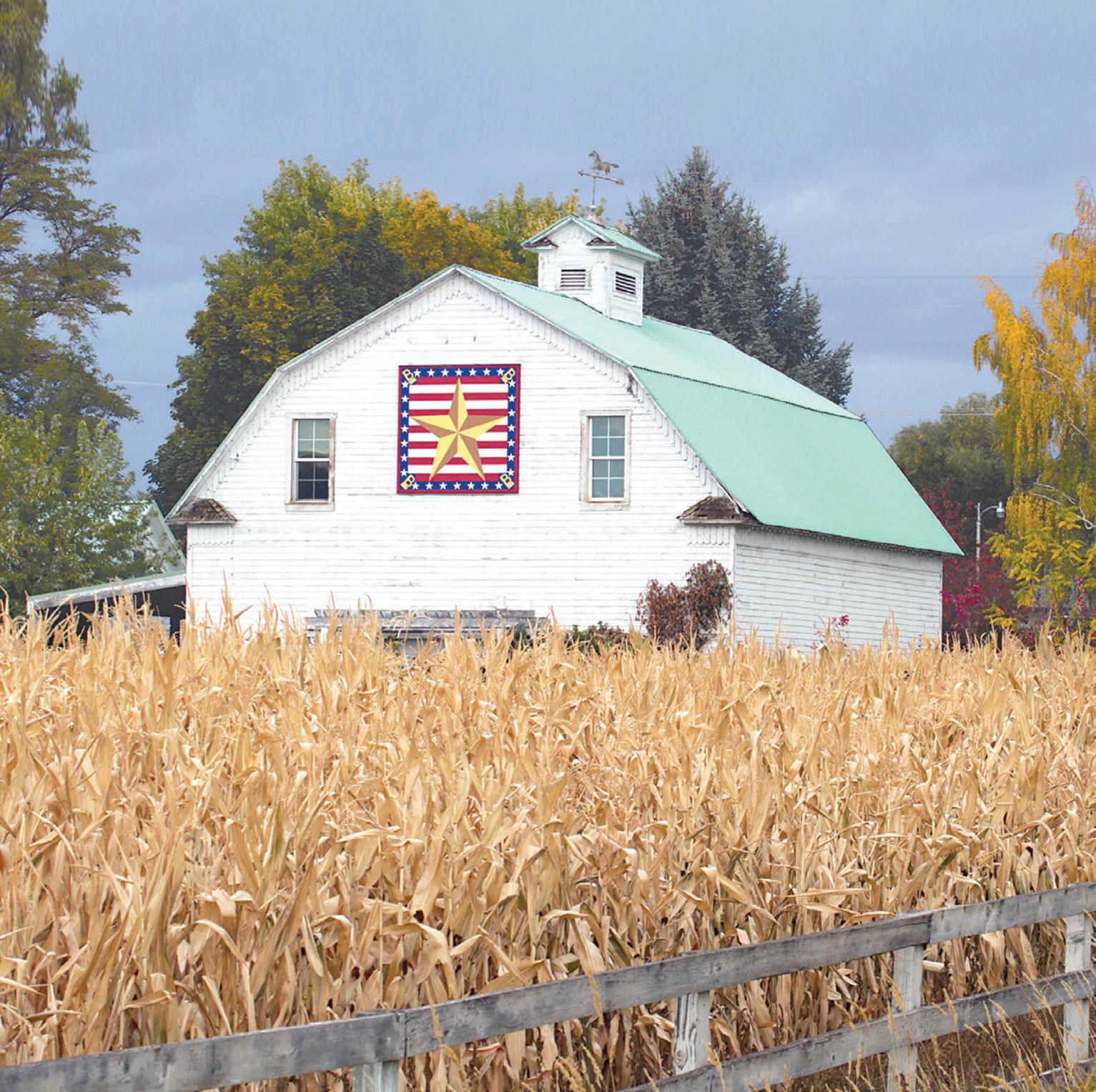
When the Chicago, Milwaukee, St. Paul & Pacific Railway was preparing the rail line, it established the area of Cle Elum as the division point between the Coast and Columbia divisions. South Cle Elum was identified as a community site when it was determined that the rail line would end up running one mile south of Cle Elum. The Milwaukee Land Company platted the first plat, and offered the community land for sale in November 1908 as the last division town. A post office was opened in July 1910, and other businesses were identified as opening in that time period as well, such as a branch of the Johnson Brothers store from Easton. The town was officially incorporated on August 28, 1911.
The City of Roslyn was named by Logan M. Bullitt for his hometown in August 1886. Bullitt platted the community in September 1886 on behalf of the Northern Pacific Railway, after the coal fields were discovered earlier that year and opened for commercial operation through the Northern Pacific Coal Company. Immigrants were the first to come to work in the mines, mostly being of Slavic, Italian, and English descent; but as workers started to strike to improve the working conditions and wages, black workers were brought in from the Eastern and Southern United States to serve as strikebreakers. By the time the regional coal mines shut down in 1963, more than 50 million tons of coal had been shopped out of them. In 1975, William Craven was selected to fill the vacant mayoral slot in Roslyn and became the first Black mayor in Washington State history. Not only is Roslyn known for being a coal mining hotspot and home to the first black mayor of Washington State; it was also the setting for the beloved TV Show, Northern Exposure, which was filmed from 19901995. The Roslyn Cemetery was originally established as 25 separate ethnic or fraternal lodge affiliated cemeteries.
The community of Ronald was established around 1888 as a smaller coal mining town northwest of Roslyn, set at the mouth of Mine No. 3, in the Roslyn Coal District. It was named in honor of Alexander Ronald, one of the early superintendents of the Roslyn
mines. The town had a series of businesses throughout it, but it became most remembered for Falcon Pool and Dance Hall, which was owned and operated by Bert Pellegrini in 1928. On August 18, 1928, the 250-gallon moonshine still located in a hidden room below the Falcon Pool and Dance Hall exploded, spewing burning alcohol across several buildings and the town itself was engulfed in flames within minutes. The fire gutted the business district, with the exception of Modern Bakery, and destroyed 32 homes.
Easton was platted by brothers Albert O. Johnson and William W. Johnson on June 24, 1902, and was known for many years as a sawmill point. It was named Easton as the last station of the Northern Pacific Railroad on the east side of the Cascade Mountains before it crossed through Stampede Pass. It also offered a stop for the Chicago, Milwaukee, and St. Paul Railroad before it crossed Snoqualmie Pass to Puget Sound. Early residents of the community were engaged in the lumbering, railroad, or similar businesses. Easton is primarily known for its scenic and recreational opportunities today.
The community of Snoqualmie Pass traces back to the history of the Chicago, Milwaukee, St. Paul and Pacific Railway as it became the main line construction from Seattle to Chicago beginning in 1906. A community called Laconia was developed to house the mountain helper engines, which assisted trains across the pass. The railroad had a turntable, engine house, depot, water tank, passing tracks, while the community had a hotel, bunkhouse, and houses for those living there. Freight and passenger service began in June 1909, and additional services were added in May 1911. The historic Indigenous trail turned wagon road was designated a state road in 1905 and improved upon, becoming the Sunset Highway in 1913. It was upgraded and dedicated in July 1915 becoming part of the Yellowstone Trail Road. In 1928, the highway was shifted slightly from running through downtown Snoqualmie Pass to the existing route of Interstate 90. Information provided by Sadie Thayer, Museum Director of the Kittitas County Historical Museum in Ellensburg, Washington.