





























ANNA
TALLARICO | Special to the Daily Record
Don’t let fear of maintenance and outdoor work get in the way of tending to your garden.
“Working with nature and plants of any kind reconnects us to the rhythmic pulse of the seasons in nature,” said David and Sara Loewen, owners of Loewen Greenhouses and Landscaping in Ellensburg.
The two shared their tips and tricks of the trade for a thriving garden in Kittitas County’s arid climate, along with advice for preparing your yard for the coming colder months.
In a dry, high-desert environment like Kittitas County, it’s important to choose perennials that can handle the conditions and bloom across the seasons.
For spring to early summer blooming, the Loewens recommend:
• Creeping Phlox
• Hellebore
• Lily of the valley
• Columbine
• Iris
For early to midsummer blooming:
• Cranesbill hardy geraniums
• Monarda (bee balm)
• Delphinium
• Lupine
• Veronica (speedwell)
• Liatris (blazing star)
• Lilies
• Allium
• Campanula
• Gaillardia
For mid- to late summer:
• Autumn Joy sedum
• Aster
• Rudbeckia
• Echinacea (coneflower)
• Coreopsis
• Chrysanthemum
These can handle heavy shade:

• Hosta
• Heuchera (coral bells)
• Dicentra (bleeding heart)
• Ferns
• Ligularia (leopard plant)
• Bergenia
And these repel bugs:
• Lavender
• Hyssop
• Nepeta (catmint)
For low-maintenance or droughtresistant landscaping, native species of plants such as helianthus; coreopsis; columbine; lupine; flowering red currant; dogwood; Oregon grape; kinnikinnick; and Douglas asters thrive.
Russian sage, variegated yucca, blue fescue grass, lavender, and columbine are not native to the area, the Loewens said, but are drought-resistant once established. When choosing plants, it’s important to consider USDA Hardiness Zones. For most of Kittitas County, select up to Zone
5 for higher elevations and windy areas, and up to Zone 6 for in-town gardens.
A lush green lawn is achievable in Central Washington with the right seed mix. The Loewens recommend 60% Kentucky Blue, 20% Perennial Rye and 20% Tall Fescue.
The local wide leaf barnyard grass can be invasive; an iron product can be used to naturally discourage growth of this species, as well as clover and dandelion.
The Loewens’ product of choice is Captain Jacks’ Lawn Weed Brew.
While it’s tempting to replace lawns with gravel, the Loewens warn against it.
“People putting large areas of gravel to reduce yard maintenance should be aware this has a potentially negative environmental impact,” they said. “As it isn’t naturally occurring, it tends to
exacerbate our arid climate and create heat pockets that discourage healthy soil microbial activity.”
It also discourages nearby healthy plant growth by the heat it radiates, they added.
Growing plants encourages rainfall, increases the processing of carbon dioxide, and releases oxygen which subsequently cleans the air.
Fall is the time to set gardens and lawns up for spring-y success before the freezing temperatures hit.
Applying organic slow release fertilizer to lawns and plants in the fall will help roots have plenty of food to store over winter, which the Loewens said translates into quicker, better spring growth.
Spreading raked leaves over the garden to break down and enrich the soil over the winter months is beneficial, but resist the urge to mulch too heavily around shrubs as this can encourage insects.
“A light mount of clean straw is best if you desire to mulch more tender roses,
etc.,” the Loewens said.
Fall pruning isn’t necessarily a must, and many people delay it until spring.
“Some folks like the look of perennial grass clumps in the winter and leave them, others may cut them back before the snow begins to fly,” they said — but never below 12 inches for tall grass types.
“If you are wishing to prune in the fall, a removal of any dead, woody growth is always beneficial,” they said.
Be sure to blow out irrigation systems every fall before it starts to freeze.
The Loewens recommend starting around Oct. 15 and into the few following weeks before frost “gets a chance to work its way down into the ground.”
Using outdoor spigot covers is “always a great idea,” they continued, as well as draining hoses, fountains or water features.
The Loewens hope more people in the region embrace gardening — not just for its beauty, but for its benefits to wellbeing, sustainability and even family connection.
“We’d love to encourage all of Kittitas County’s great folks to garden more,” the Loewens said. “For thousands of years, patterns of sowing and harvesting have promoted mental health and inner peace as people worked in the cycle of living things.”
Gardening these days provides time to unwind after work; screen-free family time; and an outlet to work with “gentle and forgiving” plants.
The Loewens shared some simple ideas to get started:
• Let children grow their own small garden plots.
• Plant a favorite veggie and share the harvest with friends.
• Grow cut flowers to keep fresh bouquets on the table.
“Our family loves to challenge ourselves to grow our entire meal, the salad with cucumbers, steamed and creamed Swiss chard, etc.,” they said. “Whatever is in season, it will be on our plates.”






One of the hardest parts of home remodeling can be simply getting started. With so many styles, colors and materials to choose from, it’s all too common to experience “decision paralysis.” Rather than put off your exterior renovation further, consider these tips and tools for nailing down the details:
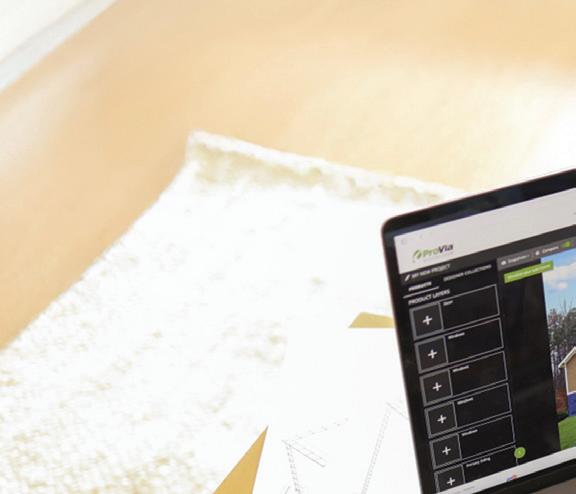
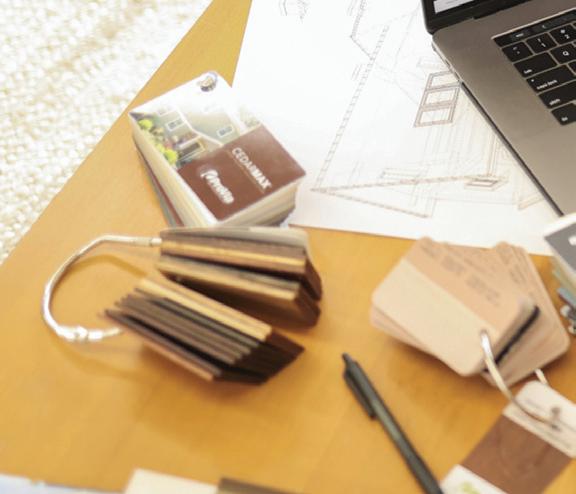
Online tools can both help you bring your vision to life -- and decide what that vision is. ProVia’s Design Center is an innovative tool that lets you browse and save colors, coordinating palettes and product images. As you explore the Color Palettes page, which features color wheels representing unique palettes, along with suggested product colors and inspirational imagery, keep these factors in mind:
Architectural style. Understanding the features that define your home’s design style is essential in color selection. For instance, a colonial-style home may look best with classic, neutral colors, while a modern-style home might benefit from bold, vibrant accents.
Landscaping and surroundings. Look to your surroundings for inspiration, selecting colors that harmonize with your landscape to create a cohesive and visually appealing look.
Color psychology. Colors have the power to evoke specific emotions and moods. Think about what you want guests to feel when they come to your front door, or what you want to feel each time you pull into your driveway. For instance, warm colors like red and yellow can create a welcoming and energetic feel,
while cool colors like blue and green can create a sense of calm and tranquility.
Signing up for a My Design Account at provia.com/register allows you to create and save your own vision boards, so you can compile your favorite ideas in one place.
“In addition to any color palette images you’ve saved, you can ‘favorite’ other images on the site by clicking the heart in the upper right corner. Use your saved images to create whatever you want, whether it’s a board with just entry door ideas, or a board to visualize your favorite colors together,” advises Jennifer Kline, digital experience supervisor at ProVia.
Are you more of a big-picture person, CONTINUED ON NEXT PAGE
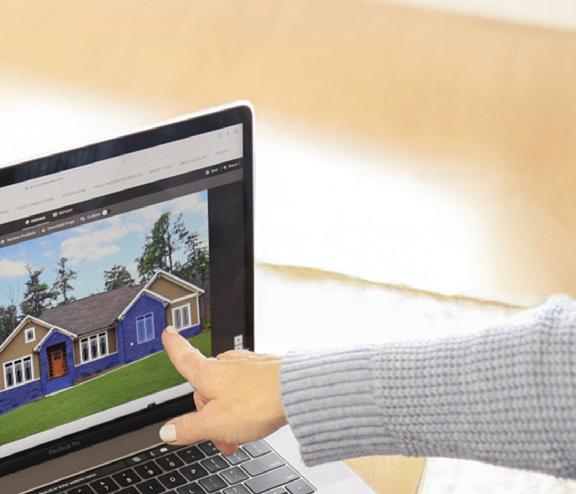
preferring to see how all the parts fit together as a whole? It can be hard to imagine how your home will look by holding up a siding color swatch or trying to visualize a new metal roof to replace your worn-out asphalt shingles. This inability to “see” the finished result in your mind’s eye can be frustrating. Fortunately, the ProVia Visualizer tool enables you to preview colors and styles on your home, so you know exactly how it will turn out. Simply upload a photo of your house and then experiment with products. Get creative with door and window configurations, siding styles and shades, stone profiles and grout colors, and
metal roofing options.
“Purchasing home exterior products is a big decision, which is why it’s nice to visually try before you buy. The ProVia Visualizer lets you preview different design and product selections so you can move forward with your project with confidence,” says Kline.
While the endless possibilities of a home renovation can be exciting, they can also make it seem overwhelming. Fortunately, increasingly sophisticated digital tools can help you define your style and see your vision through.


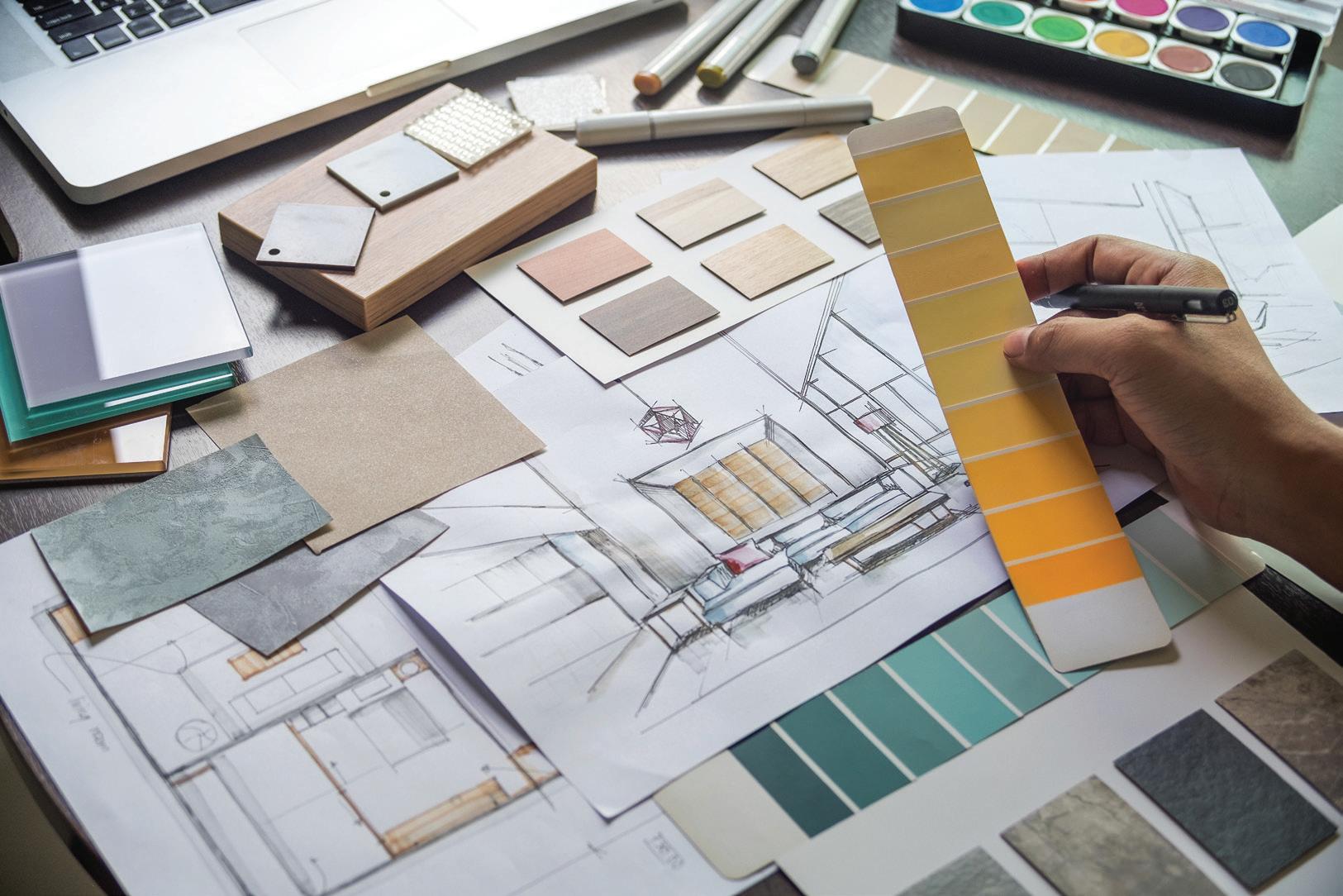

ANNA TALLARICO
Special to the Daily Record
Folks are finally moving away from the shiplap craze. Ellensburg interior designer Stephanie Castillo is so relieved.
“Ten years ago, shiplap was everywhere,” the founder of Rumble Interiors said. “Honestly, it was a bit much.”
Now, Ellensburg is distancing itself from that “tired trend” and experimenting more with wallpaper, textures and a mix of what Castillo calls “modern rustic.”

materials are king.
Both Castillo and Kristi Sparks of Canyons Design and Interiors agreed that here in the Kittitas Valley, natural
“I’m seeing a strong emphasis on bringing the outdoors in,” Sparks said, through natural colors, organic textures and elements that reflect the valley’s landscape.
“Basalt in stonework and tile, barnwood
walls, and log or timber details feel especially authentic here,” Sparks said.
Over the past decade, Castillo has watched Ellensburg’s growing community and expanding diversity influence the pulse of local design.
“As more young families and professionals move into the area, I’m seeing a clear shift toward modern expressions infused with regional character,” she said.
This shows up in the “timeless warmth” of log accents and collected vintage farmhouse details mixed with midcentury-
CONTINUED ON NEXT PAGE
inspired lines.
But this isn’t just an Ellensburgspecific phenomenon. Across the Pacific Northwest and beyond, there’s a resurgence of tactile, layered styles that balance contemporary minimalism with natural comfort, Sparks said.
In particular, she’s seeing a strong interest in new wall finish techniques: troweled plaster, limewash paint, micro-cement and wall paneling.
“There’s also a return to colordrenching, where one color is carried across walls, trim and ceilings for a bold yet cozy effect,” Sparks said.
The “collected cottage” aesthetic is fueling high demand for antiques again, too.
“Clients are excited about pieces that feel storied and unique, which ties beautifully into our community’s appreciation for history and craftsmanship,” Sparks said.
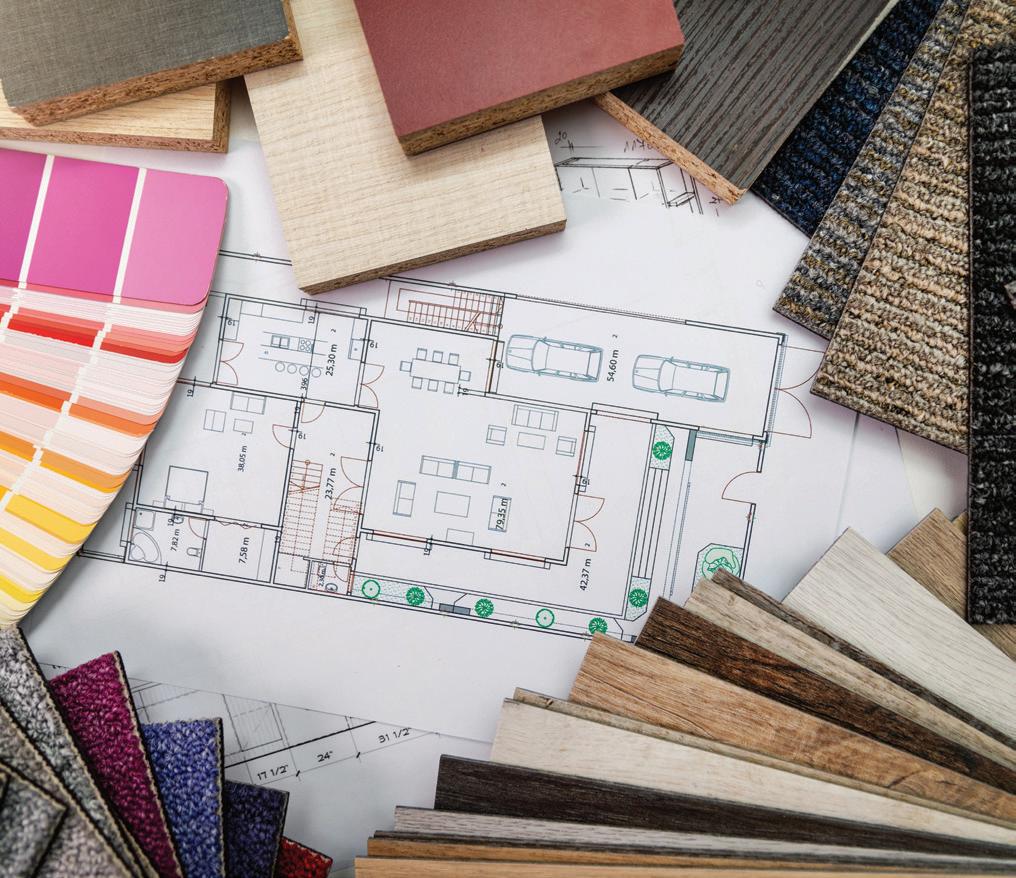
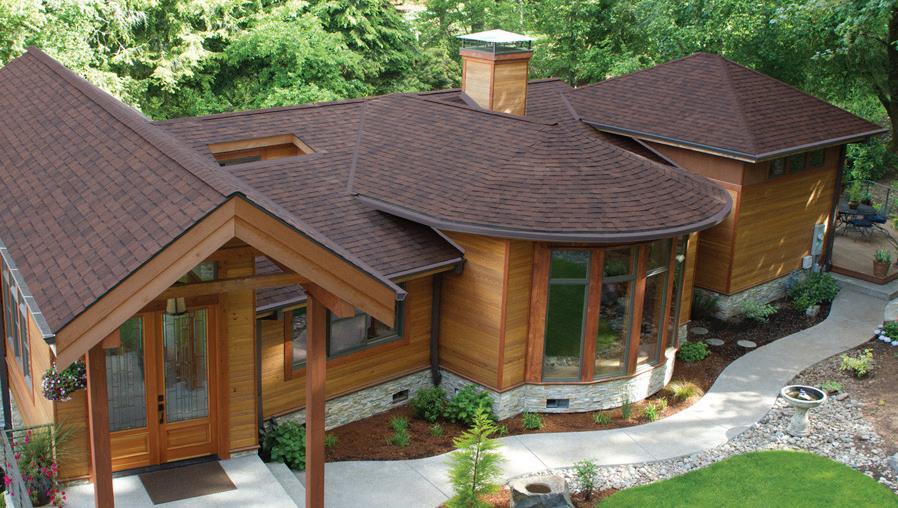
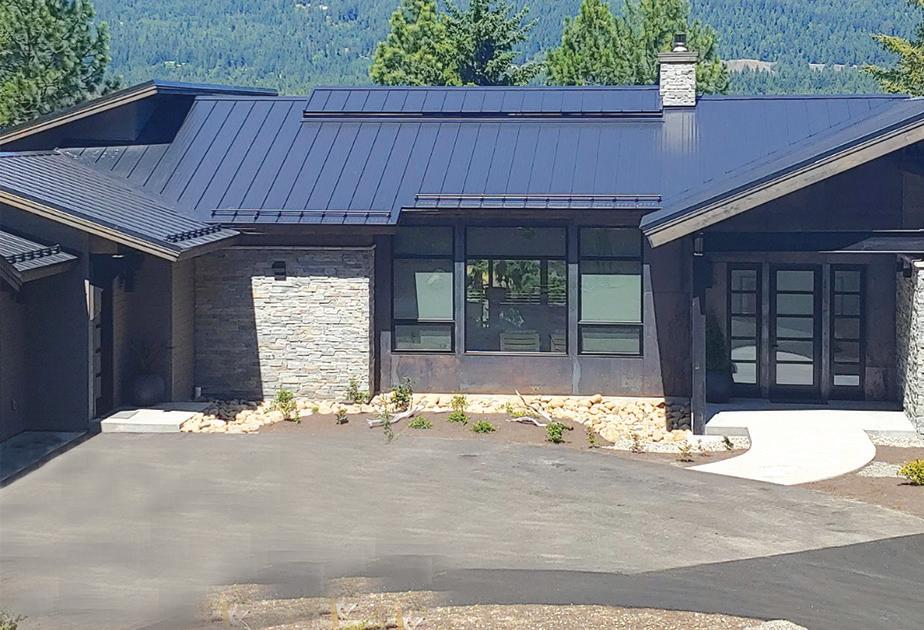

Buying a home? Don’t forget to account for closing costs. These settlement fees are among the last expenses you pay before officially taking ownership of your new home. Here’s what to know:
What are closing costs? Closing costs are fees charged by your lender, real estate agent and other third parties involved in the homebuying transaction. They include various charges related to property expenses, the mortgage application process and other paperwork. Closing costs include
a combination of one-time fees, which may include the loan origination fee, appraisal fee, and initial installments of recurring costs — such as your homeowners insurance and escrow payment.
Why do closing costs matter?
Although closing costs can vary based on the location, size and cost of the property you’re buying, they are important to budget for. Typically amounting to 2% to 5% of the total loan amount, these fees are due at closing — and can add up to thousands of dollars.
Is it possible to save on closing costs? While these fees may feel like they are set in stone, there are actually key ways you can save on closing costs:
• Research multiple lenders.
Comparison shopping can help ensure you are getting the best interest rate and terms available. Freddie Mac’s latest research shows you may be able to save up to $1,200 annually by applying to loans from multiple lenders. However, when you’re reviewing loan estimates, you should also pay close attention to the fee structures and any other items that you will need to pay on closing day.
• Negotiate fees. As part of choosing your lender, you should approach them
about negotiating the fees included in your loan estimate, such as origination fees and processing fees. In many cases, financing charges are open for discussion and you may be able to get your lender to reduce or waive certain fees.
• Shop around for closing services. In addition to fees from your lender, you should expect to pay for additional closing services, possibly including title insurance, home inspections and appraisals. Even though your homebuying team may have a set of professionals they prefer to work with for these services, you can shop around for more cost-effective options to help lower your closing costs.
• Take advantage of financial aid programs. There are many programs designed to help homebuyers cover down payments and closing costs, especially if you are a first-time homebuyer. Talk to your homebuying team to determine if you qualify for any financial assistance.
• Request seller concessions. When it comes time to negotiate your offer with the seller, you may be able to ask them for some relief on closing costs. For example, the seller may agree to cover some or all of the closing costs as an incentive to get the deal done. However, this is more likely to happen in a buyer’s market.
How can I prepare now? Access resources that can help you plan ahead for closing day, like the Closing Cost Calculator available through My Home by Freddie Mac, a guide to homebuying and homeownership that offers free online tools. Having an accurate estimate of your closing costs can help you have a smooth closing day.
The right tools and knowledge can simplify homebuying and make it more affordable than you might expect. By understanding what fees are included in your closing costs and how to negotiate or reduce these costs, you can feel more empowered and in control of your purchase.





Dig with care. Whenever you hand dig near buried utility lines, take care to prevent damage:
• Use a rounded or blunt-edged shovel. Sharp tools like pickaxes, mattocks, pry bars or pointed spades may gouge or puncture lines.
• Begin digging off to the side of the marked utility line. Use a gentle, prying motion to break away soil as you approach the utility laterally.
• Proceed cautiously. Don’t assume the marks are accurate or that the utility depth is predictable.
• Never pry against a utility line to remove soil. Don’t stab at the soil or stomp on the shovel with both feet.
• Dig until you find the actual line, not just a tracer wire or warning tape.
Submit a ticket to have underground utility lines marked at: DigSafeWA.com

As the theme of “home holistic wellness” has expanded over the last year, distinct trends are leading the direction of interior design.
Moen, North America’s leading consumer faucet brand, has identified the top three trends as: creative expression, personal wellbeing and biophilic design. Based on her visits to trade shows like Paris Maison et Objet and Milan Salone del Mobile; research from Moen’s internal consumer market insights team; and observations from fashion, interior design and pop culture, Moen’s senior creative style manager and trend forecaster, Danielle DeBoe Harper, uncovers how these trends reflect the cultural, social and technological shifts happening today.
As people continue seeking design choices that align with their distinctive personalities, the trend of creative expression emphasizes customization, transformation and versatility. It’s built on empowering consumers to select fixtures, paint colors, furniture and décor accents that authentically reflect their own inspired style and individuality.
“Homeowners and designers can foster a greater sense of personal identity and belonging through imaginative and expressive design,” says DeBoe Harper. “Elements of this design direction include statement details like bold colors, mixed metals and dramatic proportions; era-mixing for a dynamic maximalist feel; surrealist-inspired pieces that challenge conventional boundaries; and rugs, furniture and other accents that reflect high levels of craftsmanship to bring a feeling of authenticity to a space.”
Available in an array of customization options, the Moen Cambium bathroom suite features a unique blend of raw elements and soft modern design that creates a bold and unforgettable look ideally suited for this trend. The suite highlights a captivating combination of machine textures, fluted patterns, and a new mixed polished/brushed nickel finish that all work together to enhance the bathroom aesthetic.
The trend of personal wellbeing reflects the growing societal emphasis on mental and physical health, with design approaches that prioritize comfort and rejuvenation.
“Your home is a sanctuary – a place of peace and relaxation,” says DeBoe Harper. “Personal wellbeing, as a design trend, embodies décor and style elements that embrace coming home to that sense of comfort and mental tranquility. This can be achieved through soft color palettes; opting for literal comfort pieces, such as oversized sofas and chairs paired with shag rugs;

or embracing joyful design through playful, brightly colored aesthetic choices.”
Some also find comfort in nostalgia, pulling design inspiration from everything from old English country houses to Art Deco and even the 1970s; while others ensure wellbeing through thoughtful fixture and appliance choices. One example is installation of a robust water filtration solution like Moen’s Whole Home Water Filtration systems. The whole home systems help remove chemicals and contaminants from every drop of water in the home to support a healthier lifestyle.
Humans have an innate desire to connect with the outdoors. The biophilic design trend welcomes the wish to create healthier, more sustainable and more harmonious living and working environments that bring people and nature together.
“Biophilic design goes beyond incorporating plants into your space,” says DeBoe Harper. “Invoking the sky, desert and sea in furniture, lighting, rugs and even curtain choices can elevate the sense of being in the natural world within your own four walls. We see this trend through design choices like cloud motifs or florals, applications of geological shapes and textures, and creating movement through splashes of water.”
Sustainability is a large part of this trend as well. Investing in high-quality pieces crafted from recycled or reclaimed materials, responsibly sourced wood, or rapidly renewable resources like bamboo, helps create beautiful, durable and functional spaces that not only enhance daily life, but also actively support conservation efforts and lessen your ecological footprint.
For more information on design trends, visit moen.com.
Leaning into today’s top trends can mean cultivating a healthier, happier and more functional home.


You’re ready to revamp that old 1970s guest bathroom. Your family is growing and you need to add an extra bedroom or two. Or, maybe it’s time for a fresh start from the foundation up.
Troy Morris of TM Construction assures that working with a contractor doesn’t have to be overwhelming, confusing or difficult — but there are some basics you should know before you dive into a project.
Q: What are the first steps a homeowner should take when planning a project that requires a contractor?
The first and most critical step is identifying a budget. The budget helps set a clear limit of scope and can guide the design process. Too often, homeowners fail to identify a budget, which can cause them to spend much more than they should on a project, or sometimes spend tens of thousands on design and permitting, only to get an estimate that stops the project dead in the tracks.
After a budget is set, speak with a contractor prior to having the project designed. Although contractors typically are not licensed design professionals, they often have extremely valuable input regarding constructibility and feasibility.
If you do not have a budget, this initial contact with a contractor can help set budget parameters. At this point, you can start to engage a design professional such as an architect or draftsman, and an engineer may be needed depending on the project.
Q: When choosing a contractor, what are some red flags to look out for?
A homeowner should thoroughly vet and research all of their contractor options. Today, people commonly ask this question on community pages on

Facebook. This is a great way to get peoples’ opinions on contractors, but you should still research businesses. Make sure they have a current license, bond and insurance (number one priority).
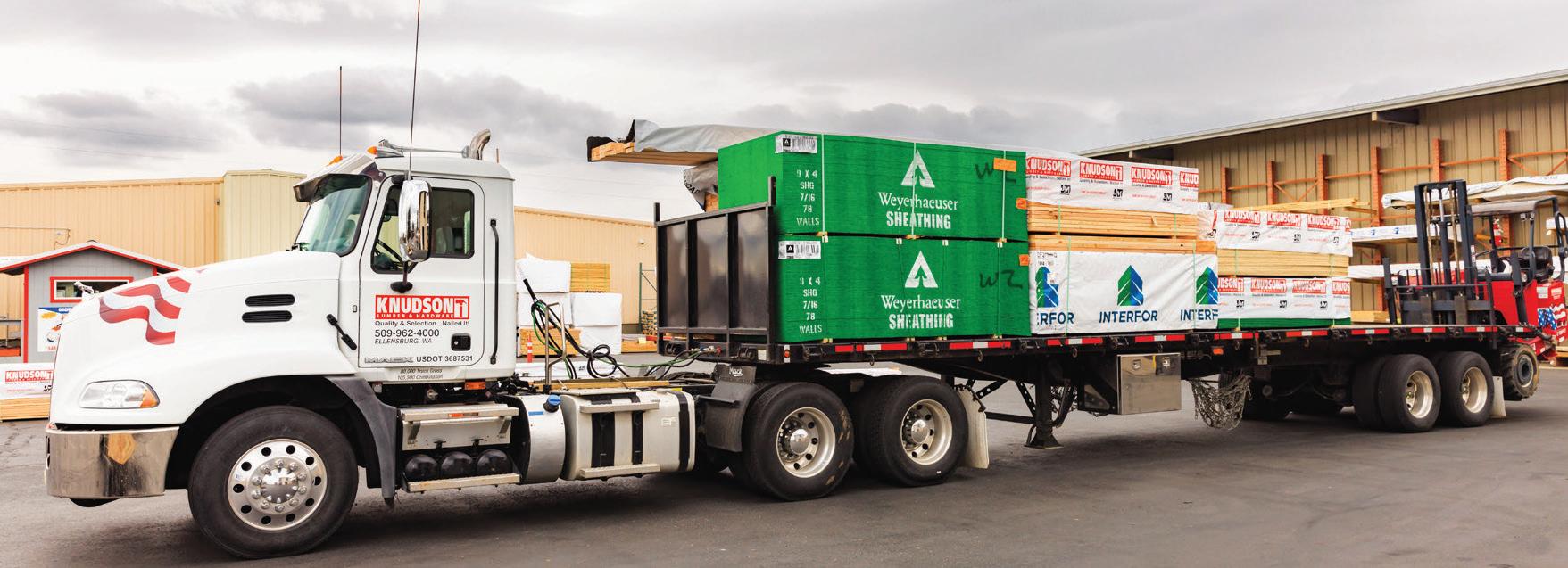
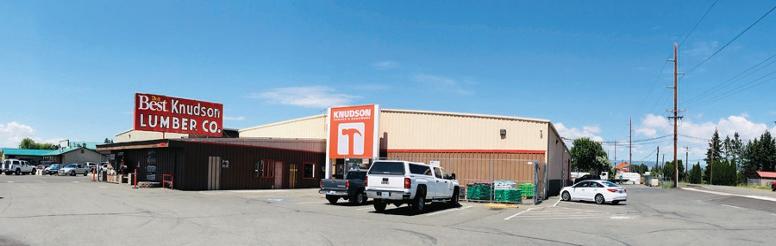
Ask your contractors for references from previous customers. (Most contractor’s are not great about getting online reviews from past clients, so don’t rely solely on internet reviews). Ask local suppliers, think lumberyards like Matheus Lumber Company or Knudson Lumber, which contractors they work with often, and who seem to be a good fit for your project.
If your contractor can “start tomorrow” that may be cause for concern. Most reputable and quality contractors are booked out several months or even years.
If your contractor is planning to perform most of the work themselves, that can be a red flag. Depending on the size and scope of the project, you want someone who will hire appropriate trades. For example, you don’t want your contractor performing plumbing, electrical and framing. If they are a good framer and a good contractor, they will
hire licensed and professional electricians and plumbers.
General cleanliness and organization; if your contractor arrives in a beat-up truck and appears disheveled, it can be an indicator of their performance as well. Good contractors arrive to a meeting or site walk prepared and attentive, just as any other professional.
How does the estimate/quote appear? Any documents should be formal and organized, estimates should not be handwritten or in a haphazard document. If the contractor wants to get started without a clear budget agreed to, this is a major red flag.
• Q: What is the typical permitting process for a residential project?
You will need a fully designed set of plans for your project. Depending on the type and location of the project, it may need to be engineered. Make sure you have a finalized number from your contractor prior to submitting for permits. Once the plans and site analysis are complete, you or your builder can submit
for permits. Fees depend on the size and type of project.
• Q: What is the current average wait time for permit approval?
Something small and simple such as a remodel, addition or outbuilding can be as short as two to three weeks for permit approval.
Larger projects, such as new construction or a substantial renovation can take up to six weeks. The backlog of permit applications with the municipality (county or city) can heavily influence these times.
• Q: What should be included in a standard contractor bid?
There are a few exceptions that the contractor bid does not include These are: If the client has not selected finishes such as flooring, tile, fixtures, etc. then the contractor may put a “budget” or “allowance” in their bid, or may note that the homeowner is responsible for purchasing those items. Oftentimes, selecting finishes can be time consuming and not all finishes need selected prior to starting a project. Make sure these are accounted for in the project’s total budget. Another exception would be work the homeowner is planning to do. For example, many homeowners opt to perform low-skill tasks such as painting or clean up.
• Q: How can a homeowner get an accurate estimate?
A good contractor will ask you many questions regarding
your project to make sure their estimate is accurate. Be as honest and upfront with the contractor as possible. Withholding information or being unsure can lead to inaccurate estimates. Make sure your contractor has reviewed the finalized plans and selections before issuing a “final” estimate.
• Q: What types of inspections are required and at what stages? How far in advance do inspections need to be scheduled? Inspections are required intermittently throughout the project. Typically these inspections are at important milestones (foundation, framing, plumbing, etc.) In Kittitas County and the city of Ellensburg, inspections need to be scheduled by 2 p.m. at the latest the day before the inspection. Plan on scheduling inspections two to three business days ahead of time.
• Q: What happens if a project fails an inspection?
Sometimes a failed inspection is a very minor issue and can be remedied within a day or so. Failed inspections can be as simple as the project plans were not on site, or a few nails were too far apart on a shear wall. Failed inspections can also be a serious issue if the contractor failed to perform the work correctly. Regardless of the severity of the fail, the contractor always has the opportunity (and responsibility) to correct the work and request reinspection. If you notice a failed inspection, speak with your contractor before making assumptions or taking your own action.


STATEPOINT
Your home should be a safe haven. Unfortunately, environmental factors can compromise the quality of air you breathe and the water you drink in your house. Follow these steps to cultivate healthier spaces and greater peace of mind:
Poor indoor air quality can contribute to respiratory problems, headaches, itchy eyes and more. So if you’re tired of traditional cleaning methods that kick up the very dust and debris you’re working to eliminate, it’s time to level up your cleaning tools.
The new PURE ONE S Series from Tineco features two vacuums that deliver
powerful performance. The Tineco S70, ideal for use across multiple surfaces, has a six-stage filtration system that removes 99.99% of micro dust. To swiftly capture dust, debris and pet hair without clogging, the model relies on 200 air watts of powerful suction and an Upgraded 3DSense Pro Cleaning System, which includes four main components:
DustSense: Precise suction, thanks to real-time dust detection and automatic power adjustment based on dust volume.
LightSense: A 150-degree wide-angle headlight that illuminates a large area, clearly revealing dust particles as small as 0.02mm.
EdgeSense: Edge-to-edge cleaning with an automatic suction boost near walls.
ClogLess System: An upgraded brush,
plus a large suction inlet area for clog-free large debris cleaning.
Its many features, including its lengthy runtime, a 180-degree foldable vacuum tube, multiple attachments, and compact charging stand, are designed with convenience in mind, as is the handsfree dustbin offering quick, hygienic disposal for a wellness-focused cleaning experience.
An additional model in the series, which helps reveal and remove hidden dust from the home, is the S50 Pro. These vacuums are available on Amazon and the Tineco online store.
Both tap and bottled water commonly contain contaminants that can be harmful to human health. For better
tasting water that’s healthier for you and your family, use one of today’s topquality water filters designed to remove everything from heavy metals and bacteria to microplastics and pesticides. With home models as versatile as pitchers you can refrigerate, dispensers you can rest on your countertop, and attachments that fit in your sink basin, you’re certain to find a filter that works for your family’s needs and preferences. For best results, be sure to follow the manufacturer’s recommendations regarding filter replacement.

Keeping your home at healthy humidity levels (30-60%) is essential for good health. During upsurges of humidity, a dehumidifier run in moist areas like the basement, bathroom and kitchen will reduce the potential for mildew and mold.
Both can cause allergic reactions, with mold being particularly dangerous, in some cases posing a threat to liver and neurological health. When humidity levels plummet, use a humidifier to counteract dryness. This will help skin retain moisture so that it’s less prone to chapping and cracking and give sinuses and nasal passages a healthy boost so they can fight infections. For ultimate control and convenience, choose smart models that can be operated remotely, and that will adjust settings as needed. Many systems also send notifications when it’s time for you to take action, such as filling or emptying the water tank or cleaning the filter. While you can’t control environmental factors like pollution and allergens, you can take steps to create a healthy home. Fortunately, technology is making it possible to easily and conveniently tackle these challenges.






LESLIE KELLY | Special to the Daily Record
Homeowners in Kittitas County are similar to those in the rest of the county, when it comes to remodeling projects for their homes.
“Kitchens and bathrooms are definitely at the top of the list,” said Mike Muratore, owner of JCM Construction Company of Kittitas County. “I’d said those are the top two we see from local residents.”
Nationally, Ramsey Solutions, a real estate and marketing firm, reports that kitchens rank first and bathroom remodels and second most popular. If there’s space, combining a bedroom and bathroom to create master suite is the third most popular remodel. Adding an extra bedroom comes in fourth, and remodeling the basement, for family
rooms, or for storage areas is fifth.
Locally, Muratore agrees on kitchens and bathrooms being first and second most popular projects.
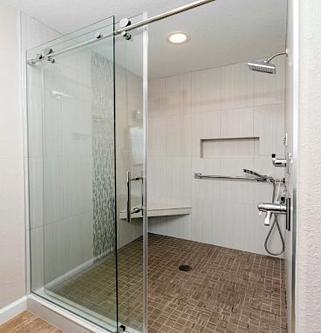
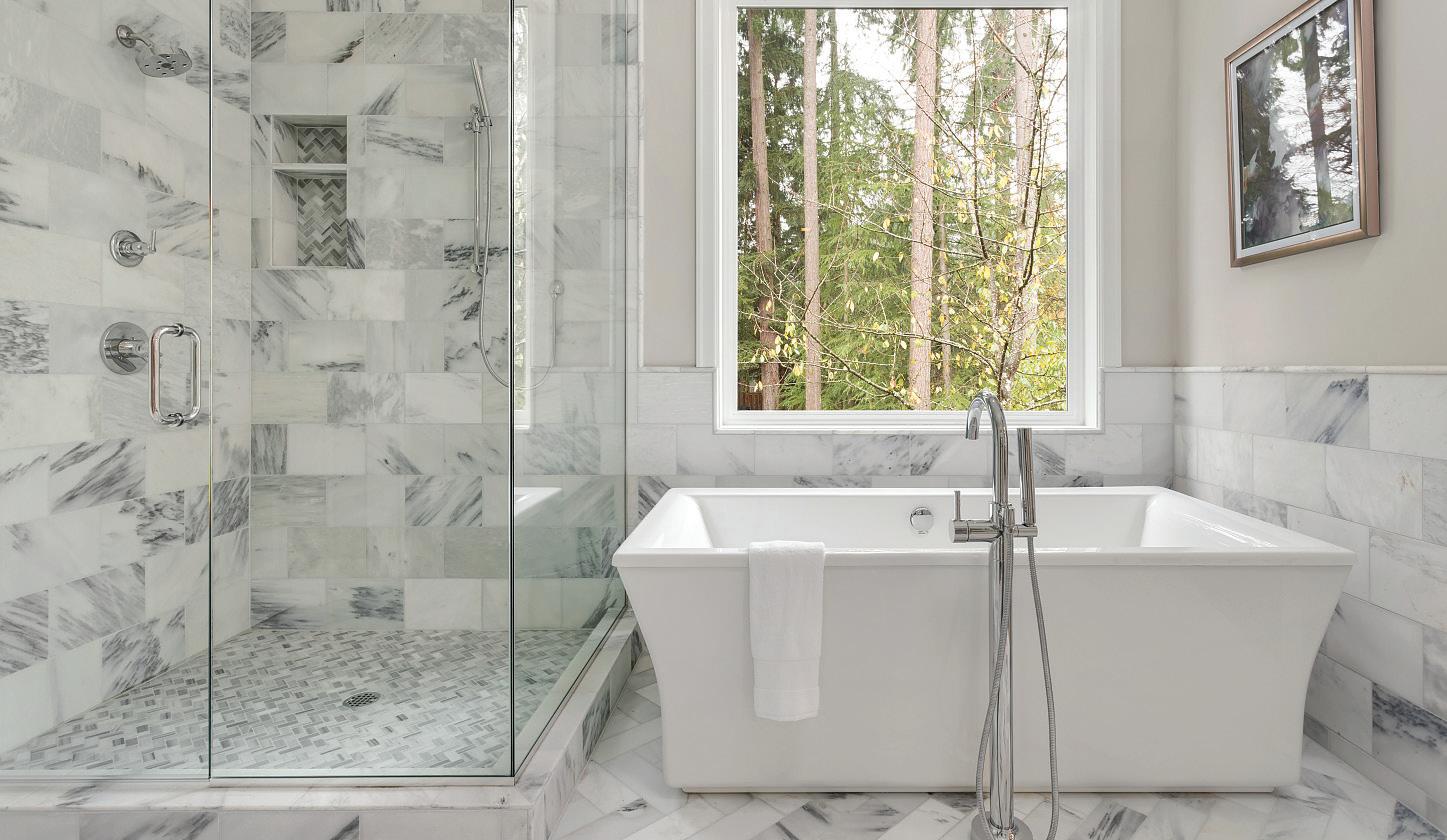
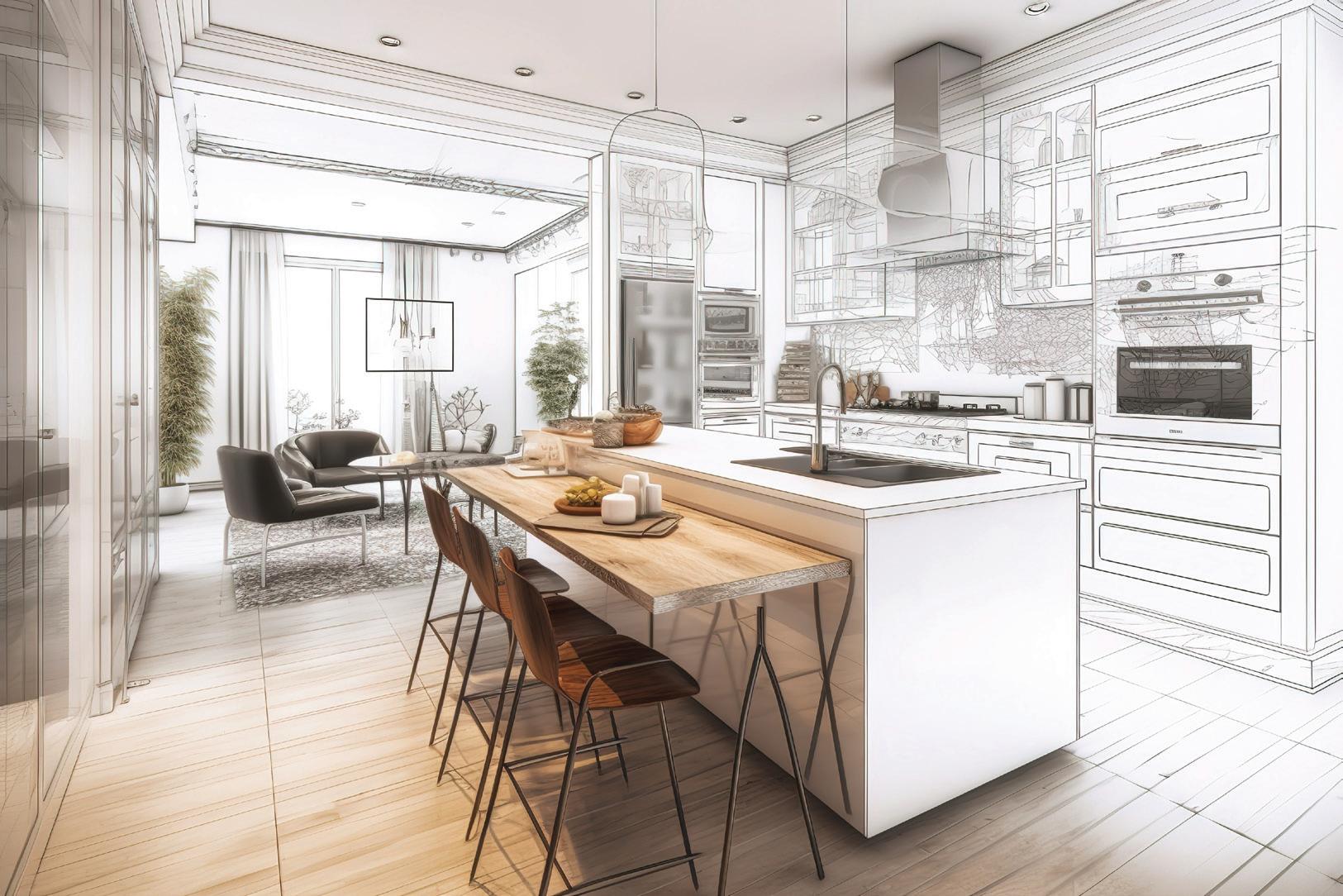
“New tile, flooring, cabinets and appliances are on the list for kitchens,” he said. “With bathrooms, it can be a soaking tub, improving a shower, adding a second sink — anything that makes life easier.”
A new kitchen can run $75,000, depending on the cabinetry,” he said.
In many cases the homeowner has decided that the kitchen or bathroom are just too small. They have looked at new construction that’s on the market, but that’s not in their budget, he said.
“Most people come to the table with a set budget that they can afford. They’ve priced out the cabinets, back splashes,
tile and flooring and now we see if it’s going to work.”
Muratore said homeowners sometimes have to buy less expensive items in order to stay in their budget. When the homeowner goes to the bank to get a loan for the remodeling project there are five considerations: How much principal they can afford, the interest rates, property taxes, insurance and fifth is the cost of labor.
“Customers no longer look at the price of the entire project,” Muratore said. “They look at what the monthly payment will be.”
Fourth on the local list of popular projects is adding an auxiliary dwelling unit. In most cases it’s a place for mom, dad, grandma or grandpa who now lives with the family, or a place for a caretaker
of an aging family member or one with a disability.
“The family and the caretaker both want separation and privacy when they are off the clock,” he said. “Sometimes it is renovating the garage or adding a room instead of building as separate structure, because that is more expensive and takes longer to go through the permitting process.”
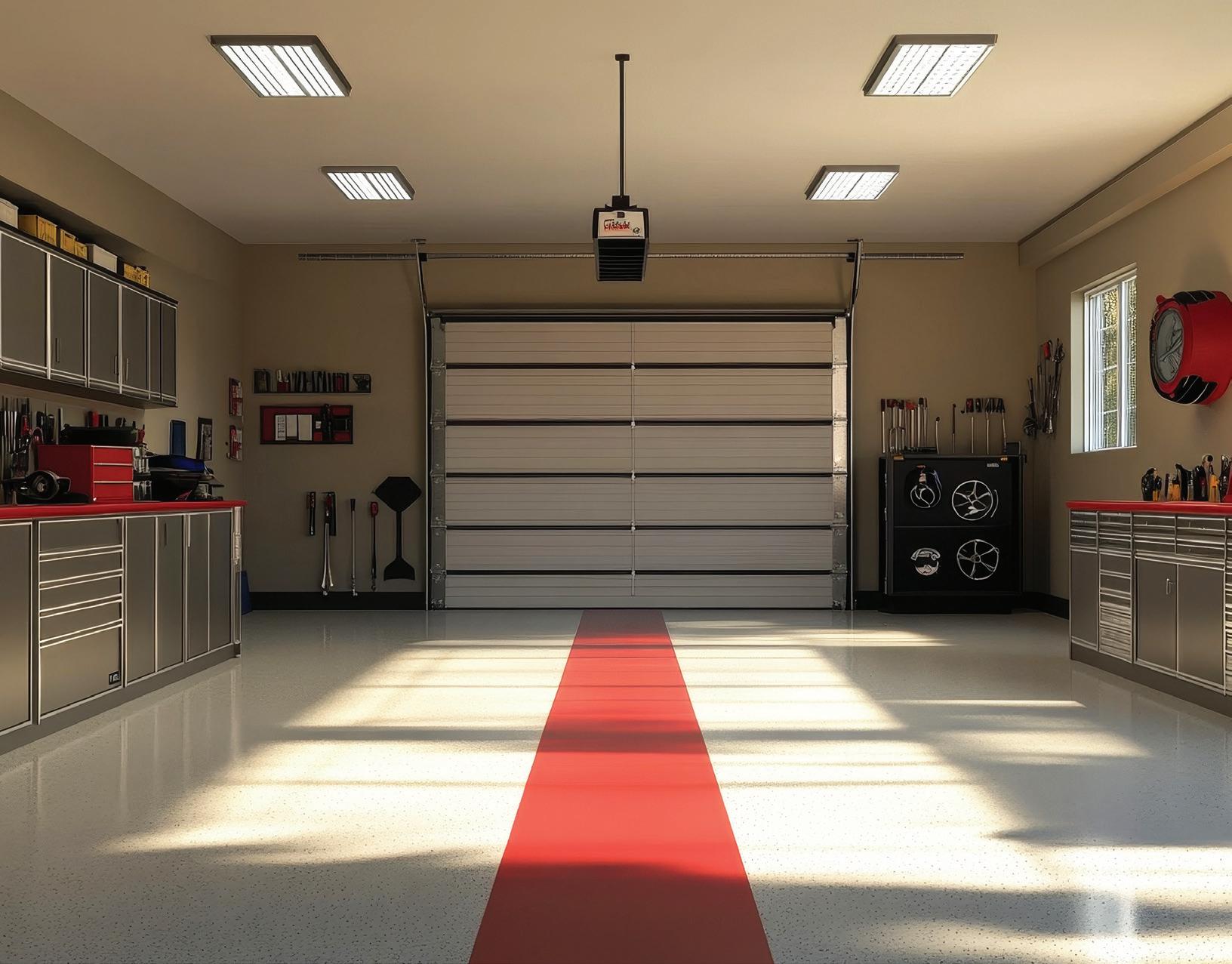
And rounding out the local list of popular projects is storage.
“We all have a lot of stuff,” he said. “Everybody always needs more space.”
Perhaps the garage has been remodeled into a bedroom or an office for a family member who works from home. That
means lots of storage area has been sacrificed.
Outbuildings being used for raising chickens or other animals are also not available for storage, he said.
Most commonly, homeowners will add on to the existing house to create that storage.
Building in a storage room in the basement can also solve the need.
When it comes to costs, any project a homeowner chooses is individual and can’t really compare to an average project across the nation, Muratore said.
“Putting in a soaking tub can run from $1,000 to $6,000, more if it’s hand carved (wood) from the Arabian Desert.
That can run the budget up to $85,000.”
When he was working for Leithead, a finishing outfit in Seattle that does high end projects, he worked on a front door that was made of wood brought up from the bottom of the Sea of Japan.
“A family from Japan was moving to Seattle and wanted the front door of the house to be special,” he said. “It’s crazy sometimes how much money people can blow.”
Muratore has had his company in Ellensburg for the past 15 years. He chose to work on more modest homes and leave the big city behind.
“I wanted a slower pace of life,” he said.


The most popular indoor home improvements, according to Ramsey, can create space for the homeowner and family to enjoy. In most cases the costs will be recouped when selling the home.
Minor Kitchen Remodel: $27,500
The kitchen is the heart of the home. And even small updates — like replacing cabinet doors, countertops, lighting, flooring and appliances — can make a big difference. If you sell your house, you could recoup about 96 percent of the money spent. And if you’re not moving anytime soon, that upgrade is still worth it — especially if your kitchen is where you spend most of your time.
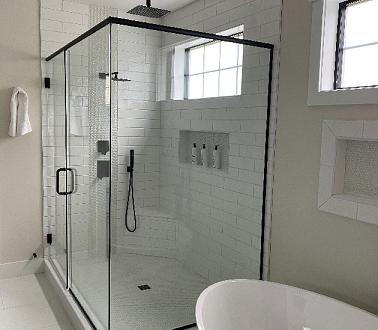
Midrange Bathroom Remodel: $25,300
Bathroom remodeling is big business.
Home buyers love to see a bright, modern bathroom, which is why it’s such a popular room to renovate. Common updates include refreshing shower areas, replacing vanities and toilets, laying new tile, fitting new countertops, or adding fixtures and lighting. Aim for midrange fixtures — they have the same visual impact as the high-end options, but they won’t break the bank.
Midrange Primary Suite Addition: $164,700
Who doesn’t love an extra bedroom and bathroom? Adding a primary suite (that’s a bedroom with its own private bathroom, walk-in closet and maybe a dressing area) is a popular upgrade for homes that don’t already have one because it creates more value and living
space. Done right, this kind of remodel can make your home more comfortable now and more attractive to buyers down the road. Be sure it’s worth the cost.
Basement Remodel: $22,800
Basements aren’t just for storage — or scary movie scenes — anymore. These days finished basements work as game rooms, gyms, family rooms or home offices. The options are endless, so plan wisely in the beginning to avoid out-ofcontrol construction costs.
And remember, basements are a magnet for excess water. Before you hang any drywall, bring in a pro to check for moisture issues or structural damage. It’s way easier (and cheaper) to fix problems before you build out your dream movie room or karaoke stage.
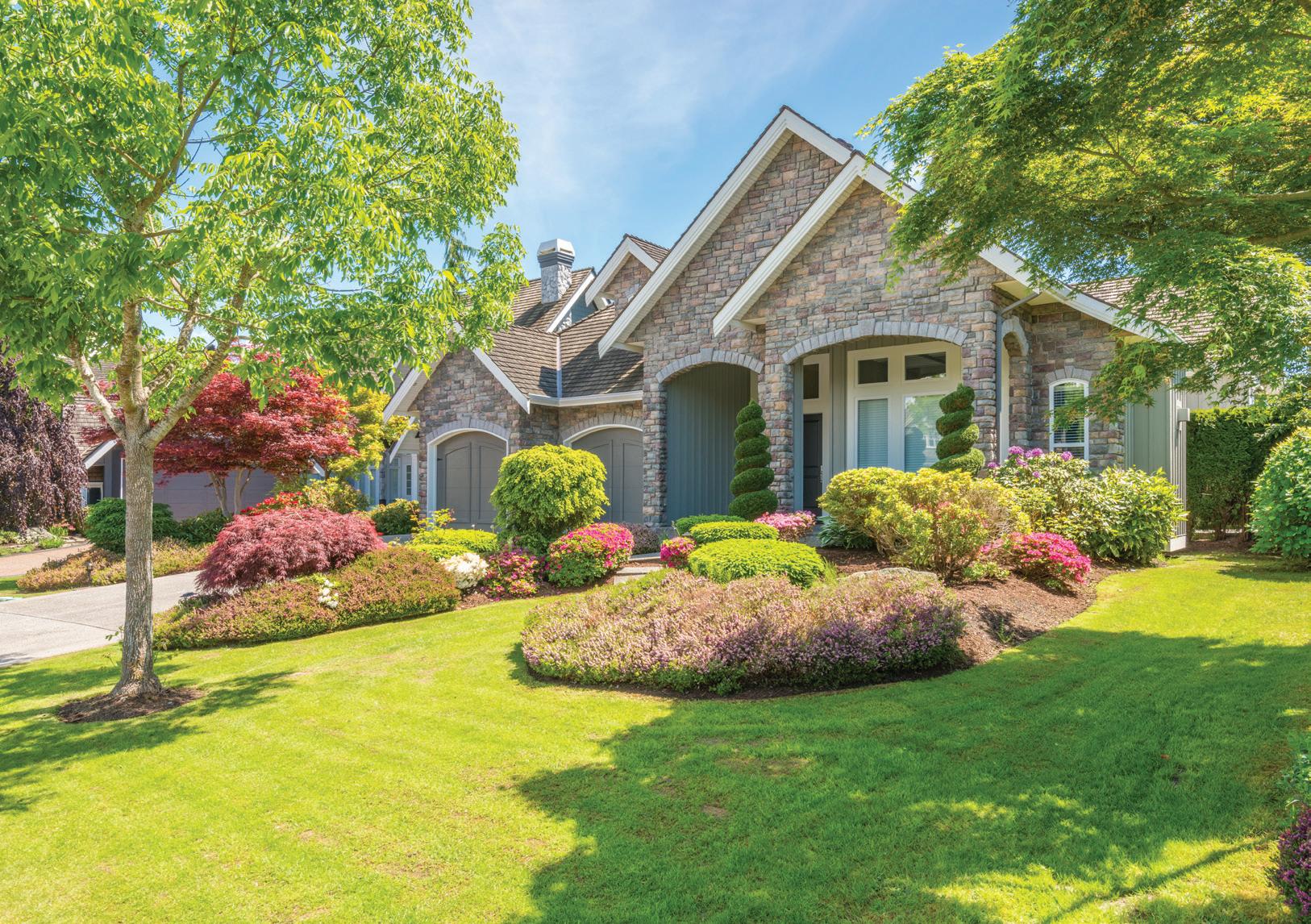
Landscaping: $2,260
American homeowners love landscaping. A freshly trimmed yard and a few wellplaced plants can make a great first impression — and you know how important that is.
Need help getting started? Head to your local garden center for advice on choosing the right plants and decorations. They can even tell you how to attract local wildlife (or repel them if that’s not your thing). It’s a small investment that makes your entire property look better from the street.
Composite Deck Addition: $24,200
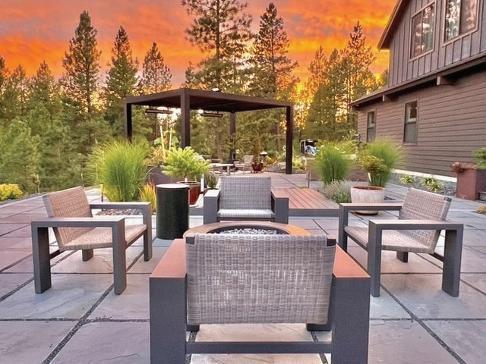
Beautiful summer evenings were made for lounging outside on your deck with family and friends, so it’s no wonder outdoor living areas — especially those with a fire pit, grill or wet bar — are so popular.
The average cost of a deck depends on the materials you use to build it. Wood decks are cheaper up front, but composite decks last longer and require less upkeep (which
could save you money in the long run).
New Front Door: $2,400
Replacing your front door is an easy change that makes a big impact. A steel door costs less than a solid wood one, plus it boosts your curb appeal and gives your home an instant facelift.
New Exterior Veneer: $11,300
If your home has vinyl siding, installing veneer (like manufactured stone) on the front of your house instantly classes up the joint. Plus, this upgrade holds value really well. If you sell the house, you’ll likely earn back what you spent and then some.
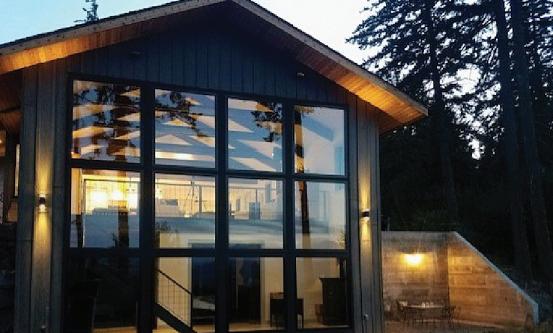
New Vinyl Windows: $21,300
Windows do more than frame your view — they protect your home from the elements and finish the look of its exterior.
If your windows are old or worn, replacing them with vinyl can help with insulation and even lower your energy bills.
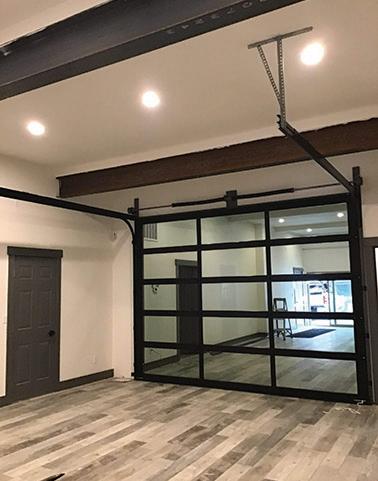
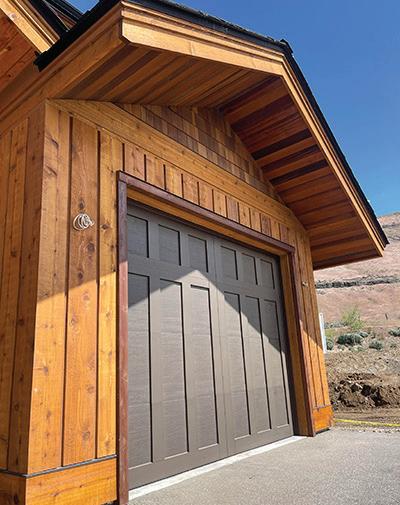
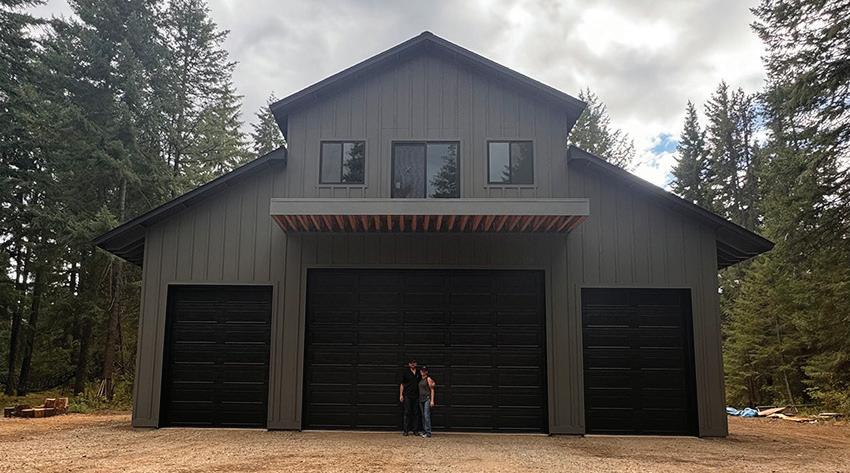
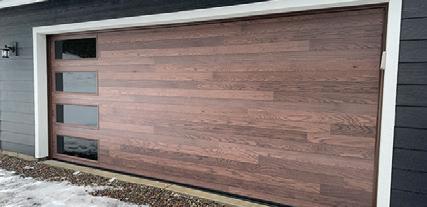
Garage Door Replacement: $4,500
If you’ve just replaced your front door and installed beautiful new stone veneer, your garage doors should match the fresh style. And here’s the kicker: Garage door
replacements offer the highest return on investment — you’ll recoup about 194% of what you spend.
Popular indoor renovations include remodeling a kitchen, bathroom or basement, as well as adding a primary suite.
Outdoor upgrades like landscaping, new garage doors and composite decks boost curb appeal and deliver strong financial payoffs — especially when preparing to sell.
Maintenance improvements such as a new roof, attic insulation and HVAC replacement protect your home’s value and appeal to potential buyers.
Overspending, going into debt or renovating beyond your neighborhood’s standards are common pitfalls that can hurt more than help.
Small low-cost projects like painting, updating light fixtures or replacing cabinet hardware can make a big impact without breaking the budget.
(From Ramsey Real Estate and Investments, 2025)