











Contents

BY ANNA ROSE Daily Record
Everyone is familiar with the green clover, but often missed is that 4-H is just one of three youthdriven agricultural programs in the community.
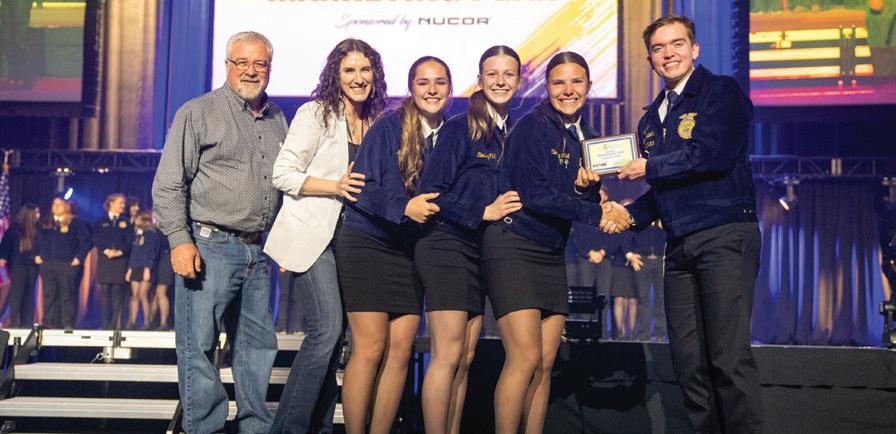
Alongside 4-H, the National FFA Association and the National Grange are building up future agriculture leaders through a shared core purpose: “Giving back to our community by doing community service work,” according to Shannon Basterrechea.
A former 4-H leader of 17 years, Basterrechea also worked with the FFA Alumni for more than a decade and has spent the last four years as a Grange leader.
During this time, Basterrechea has supported kids in leadership, photography, breeding programs, presentations and market livestock programs across all three organizations.
“I see that each program or organization brings something different to the table,” she said.
Her own kids participate in “dual showing” — showing in two or more programs simultaneously, often with multiple livestock projects, at the fair.
A child could be raising market hogs, market steer, and breeding sheep all at the same time, Basterrechea explained, meaning they would be taking six animals to the fair.
“They would have had to feed and train these animals to show and then at the fair they can only sell one market animal on sale date,” she said. “They
have to find buyers for the other three market animals, and the breeding stock comes back to the farm.”
Even with all this work, profit margins are slim.
On sale day at the fair, a youth exhibitor can typically only sell one market animal. The rest must be sold privately or brought back home.
That’s a lot of effort for a modest return, Basterrechea said, but for most kids, it’s about much more than the money.
4-H empowers youth through handson learning in everything from market livestock to photography, robotics, public speaking, and community service.
Its focus is on developing wellrounded, self-directed individuals with a strong sense of civic responsibility.
(formerly Future Farmers of America)
FFA centers on agricultural education, leadership, and career readiness.
It equips students with skills that serve them well in both farming and non-farming careers while promoting agricultural literacy.
The National Grange’s mission is to strengthen individuals, families, and communities through service, education, nonpartisan grassroots advocacy, and agricultural awareness.
It aims to create vibrant rural
communities and a resilient nation where families thrive. This is achieved through various programs and activities, including community service, legislative advocacy, and educational initiatives. This means the Grange supports livestock members through:
• Advocacy: Working on policies
that benefit livestock farmers and the agricultural industry in general.
• Education: Providing resources and opportunities for members to learn about best practices in livestock farming and other relevant topics.
• Community support: Creating a network where livestock producers can



connect, share knowledge, and support each other.
• Grassroots approach: The grange emphasizes member involvement and decision-making at the local level with the ability for those decisions to influence state and national policy
As these programs grow, so does the need for adult mentors. All three organizations rely heavily on volunteers to lead clubs, coach kids, judge events, and organize projects.
Donations are also appreciated; support local fairs, purchase market animals or contribute to scholarship funds.
• Learn more about Kittitas County 4-H at https://extension.wsu.edu/ kittitas/youth/
• Keep up with the Ellensburg FFA chapter at https://www. facebook.com/p/Ellensburg-FFAChapter-100066637220824/
• Connect with your local Grange at https://www.wa-grange.com/ LocalGrange.aspx
BY ANNA ROSE Daily Record
Quiet Cadence works with first responders, law enforcement, healthcare workers, teachers and veterans – professions that involve high stress, emotional suppression, and exposure to trauma.
The nonprofit offers a safe space to begin letting go of what’s been carried for too long, its website said, and take the next step toward healing with equine-based therapy.
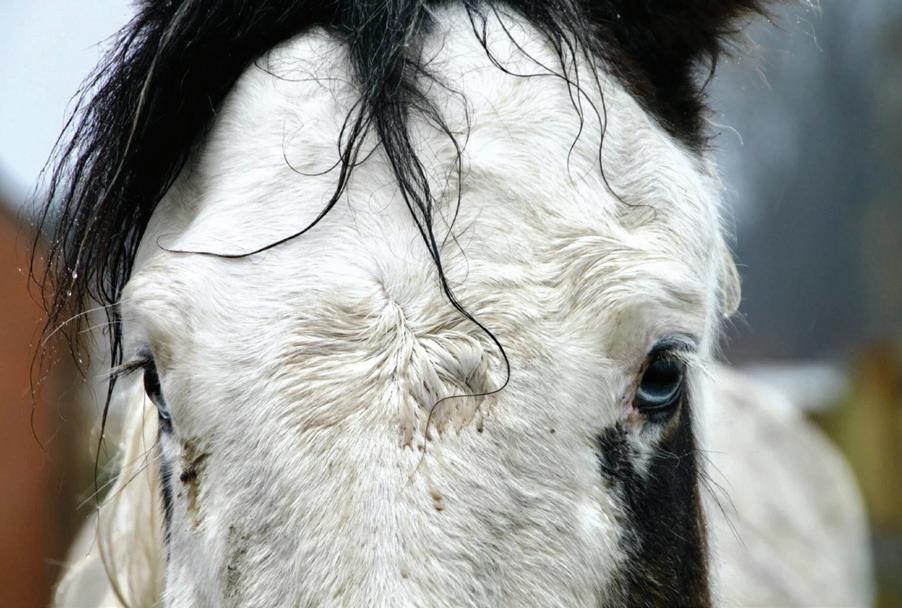
Horses are prey animals, which means they are highly sensitive to their environment and the energy of
those around them, officials said.
This makes them masters at reading nonverbal cues — “skills that allow them to mirror human emotions with honesty, clarity and zero judgement.”
Horses can play a valuable role in gently exploring and working through experiences such as anxiety, hypervigilance, emotional fatigue, grief, moral injury, and signs of posttraumatic stress disorder.
Because horses react instantly to human behavior and emotions, they provide immediate feedback. This interaction supports individuals in tuning into their feelings, rebuilding
trust in themselves, and finding a sense of calm and stability.
The sessions are ground-based, and do not involve riding.
This year, Quiet Cadence is offering a “Learning Boundaries through Horses” class focused on hands-on, equine-facilitated interactive experiences to create healthier personal and professional relationships.
The ranch also offers equine teambuilding experiences in three- or sixhour sessions to focus on teamwork, communication and problem solving.
On the second Friday of each month, join Quiet Cadence for coffee and time spent at the petting zoo from 10 a.m. to noon.
Learn more at quietcadence.org.
Jerry Grebb, CPA
Marie Riegel, CPA
Jacqueline O’Connor, CPA
Melanie Rosecrans, CPA
Richard Wachsmith, CPA
Felicia Persson, CPA
Kelsey Roseberry, CPA
Madeline deMaintenon, CPA








BY SETH TRUSCOTT
WSU College of Agricultural, Human, and Natural Resource Sciences
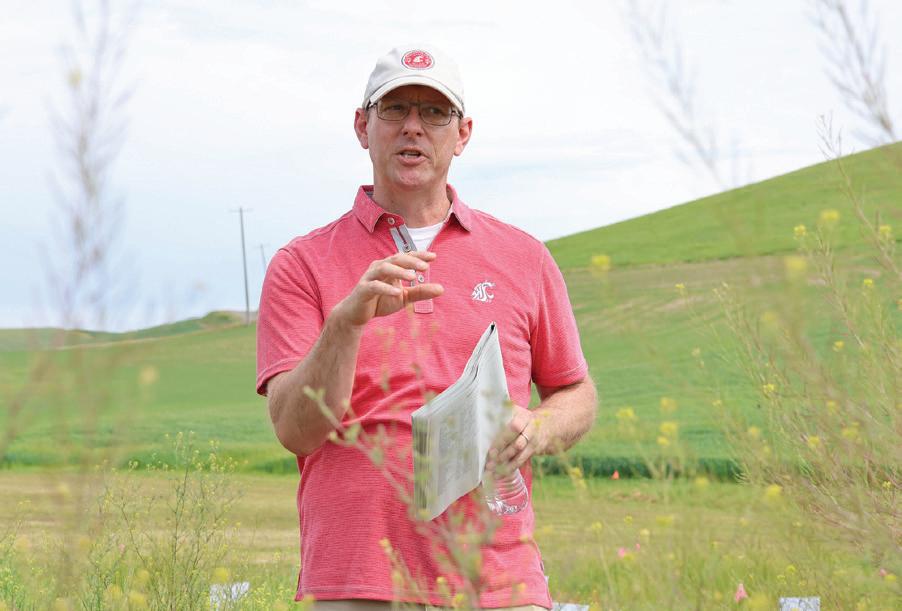
PULLMAN, Wash. — Whenever Ian Burke, whose work focuses on weed biology and ecology, tells someone about his profession, he knows a variation on one sentence is a nearly inevitable response: “So I’ve got this weed in my garden…”
“It’s amazing how intrinsic the concept of a weed is,” said Burke, professor and R.J. Cook Endowed Chair of Wheat Research at Washington State University. “Weed science is fundamental to the human condition. When we first cultivated crops thousands of years ago, the second thing we did was make sure that just the crops grew, not other plants.”
That deep fascination with weeds led Burke to dedicate his professional life to helping fight nuisance and unwanted
plants that impact agriculture. By any measure he’s been successful, and this spring he won an award for his work.
The Western Society of Weed Science awards for Outstanding Weed Scientist are cumulative, given to experts who have a comprehensive and distinguished body of work that has contributed to the field in a meaningful way. Burke won the award in the public sector division at the society’s annual meeting earlier this year.
He has also taken on a national role in the Weed Science Society of America. Currently the president-elect of the society, he will become president after the annual meeting in 2026.
“I have benefited tremendously from many colleagues in the society, and this is a great way to give back,” Burke said.
“I get to work with fantastic, dedicated people in both the public and private industry who want to support agriculture
and feed people. I hope my time in this leadership role will help more people contribute to our field.”
As president-elect, he will formalize goals for his one-year presidential term. Those goals include boosting the impact of the society’s committees, which he called the heart of the organization, and determining how to deal with the
changing landscape of federal funding for weed science.
“I want to galvanize action and a response for how to advocate for what we do,” Burke said. “I’m a strong supporter of growers and understanding their reality and constraints. I want to help find solutions to the real-world problems that impact how much food they grow.”
Burke’s work at WSU includes teaching, lab research, field work and grower outreach.
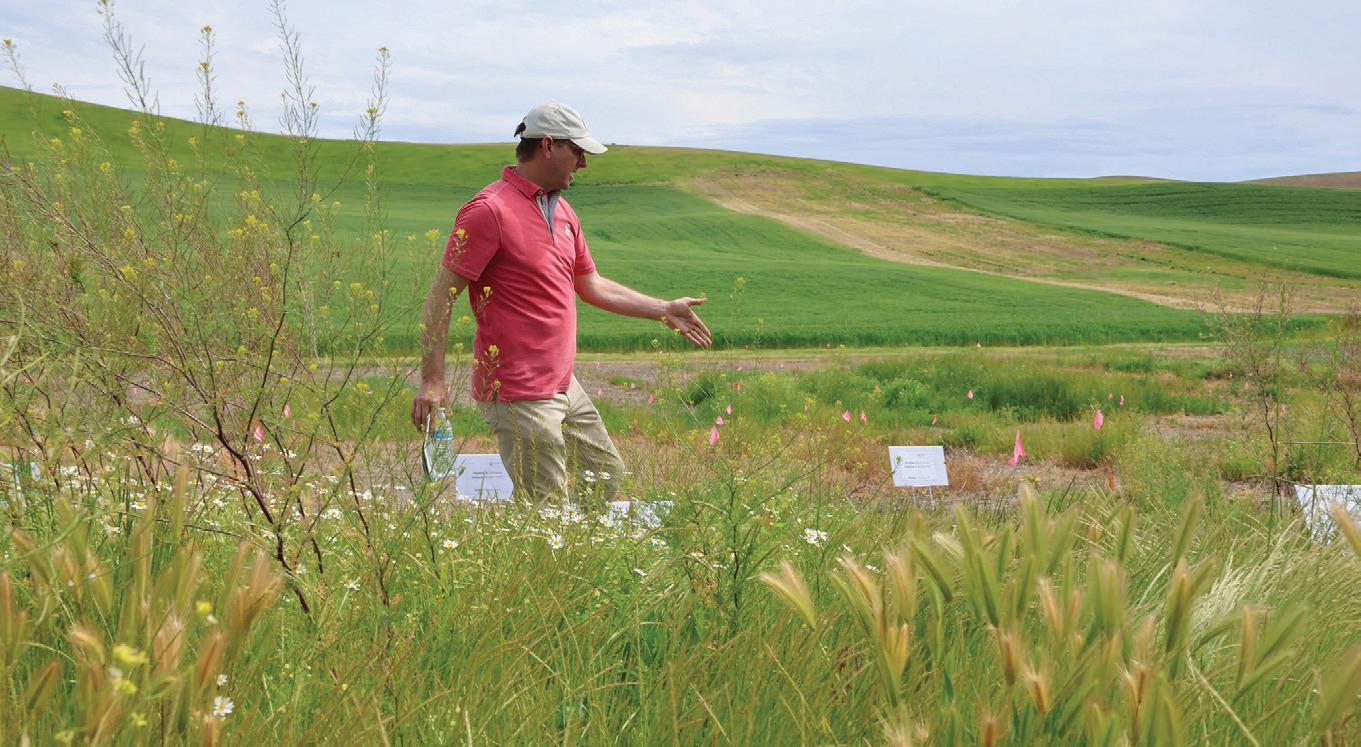
Currently he’s studying prickly lettuce, which he said is ubiquitous around the world, and cheatgrass. The latter has a variety of impacts.
“It’s astonishing how this little grass can cause so much damage,” Burke said. “It hurts wheat yield, it affects wildfire cycles, and it is probably the toughest weed we have in the western U.S. We’re really focusing on new approaches to help manage it.”
Even experts must continue to learn and adapt, and cheatgrass is keeping a national figure like Burke on his toes.
“We are always looking at new technologies and new thought processes for battling weeds,” he said. “I think we’re on the cusp of having a big impact, especially with cheatgrass, and I’m excited about the work we’re doing.”
BY LESLIE KELLY
Contributing Writer
It’s easy to take for granted the water that flows from the tap day in and day out. But that isn’t always the case, especially in times of drought.
That’s why the Kittitas Reclamation District is in the midst of a feasibility study to determine whether the new Springwood Reservoir will provide ample water for farmers, fish and the municipalities in the area for years to come.
“This is the third consecutive year of drought,” said Urban Eberhart, manager of the Kittitas Reclamation District. “Much of that is due to the changing snowpack in the Cascades. Each month the normal amount of precipitation has been down. We were forecasting for more (water) this season than we actually got.”
The $20.8 million feasibility study is in its second year. The cost of the study is being split between the federal and state governments.
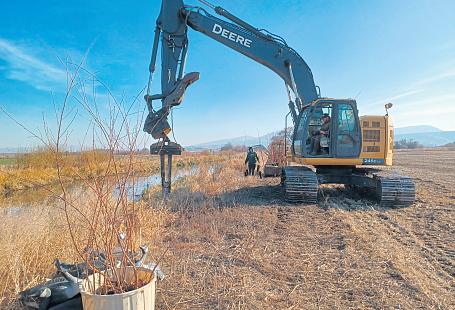
The first phase includes drilling –boring holes in the land and bringing up soil samples so “we know what is on the reservoir site,” Eberhart said.
“The last state Legislature has been very supportive,” he said.
“We have the funding to get going on drilling. We’re waiting on getting permit approval to go drill,” Eberhart said.
But before anything could happen, the site had to be “cleared” of any cultural artifacts. The district contracted with the Yakama Nation to perform that search to comply with state regulations.
A technical team from Denver will use state-of-the-art equipment that drags on the ground to get a magnetic pulse creating a grid pattern map of the area extending down 100 feet to determine what lays below – rock, clay or sandstone.
A special team will conduct a fault study, to make certain that the reservoir to be built is not on a fault line which would make it susceptible to earthquakes.
“Some of this stuff will take time,” Eberhart said. “The feasibility study is a very comprehensive study and once completed, will be reviewed by the U.S. Department of the Interior. And when it hopefully is declared to be feasible by the Secretary of the Interior, then we can move forward to prepare for construction of the facility.”
The property, Springwood Ranch, was formerly owned by cattle rancher and restaurateur Stuart Anderson and includes 3,600 acres of diversified land in the Upper Yakima River Basin. The property was purchased by the Trust for Public Lands (as interim owner) in 2022 after geological testing confirmed the suitability of the site for water storage. The water storage facility at this location is planned to include 40,000 acre-feet of annual active water storage to provide flows for out-migrating threatened fish species.
According to the Kittitas Reclamation District , Taneum Creek is a critical Yakima River tributary that has benefitted from significant habitat restoration, the Taneum Creek Managed Aquifer Recharge Program, and is part of the KRD Tributary Supplementation Program, connects to the Yakima River through the Springwood Ranch.
Additionally, the landscape includes lands important for its cultural, historic and natural resources. The land has potential for multiple land conservation and habitat protection purposes, including fish habitat, shrub steppe habitat, wildlife protection and cultural resource protection.
Some of the land could remain as primary agricultural lands. Now that the property has been purchased, the feasibility study is underway as well as transferring ownership to the future owners of the property. Yakima Basin Integrated Plan partners, Washington State Fish and Wildlife, Yakama Nation, Kittitas County and the Kittitas
Reclamation District assumed ownership of various portions of the property in October 2024.
Eberhart, who knows the history of water use in the county, said for years there was infighting among the various interested entities including the federal government, the state, municipalities, tribal and business interests.
“There’s been 43 years of fighting over who had how much water and whose priority mattered,” he said. “We finally got the adversaries together to come to common ground and agreement of the facts.
“Fighting doesn’t solve the problem. Going to court doesn’t either. Judges can’t solve it. It must be the people coming to an understanding.”
The reality of recent droughts may have helped all parties agree on creation of a new dam and reservoir. Much of the project and water storage will be underground and “you won’t see it from I-90 as you pass the Elk Heights Exit,” he said.
This project isn’t like others in that it doesn’t block a river; the site is off-channel.
The dam is expected to be 400 to 430 feet tall. The basin is predicted to be 40,000 acre feet in annual active water. The goal is to have enough groundwater and surface storage water in the Yakima Basin to provide for farms, fish, and people forever.
Locally, agriculture is a $5 billion economy, Eberhart said. There’s also a booming fish economy. And the recreation industry in the area is an important part of the success of the local financial dynamics.
“It’s all about managing water to enhance all of those,” he said.
It will be about nine years from beginning to end before water will run, and the project will be operational.
“We have to get it done and not put it off,” Eberhart said. “Every day we look
The Kittitas Reclamation District (KRD) was formed as an irrigation district on Sept. 25, 1911, and in 1925, under contract with the Bureau of Reclamation, construction began.
Construction was finished in 1933 and at the project’s peak, in 1928, the work force consisted of 1,440 men. The giant ditch was dug using dynamite, steam engines, horse-drawn teams — and old-fashioned sweat and shovels.
Irrigation water for the district is diverted from the dam at Lake Easton.
The KRD currently services approximately 60,000 acres with 330 miles of canals and laterals within the Kittitas Valley. There are 30 siphons and 11 tunnels to help the canal keep as much elevation as possible.
More KRD Facts:
The district receives its water allotment from the Bureau of Reclamation. The water allotment is based upon levels of precipitation, snowpack and water storage. From its diversion point at Lake Easton Dam to its terminus on the Turbine Lateral where it spills to the Yakima River the canal only loses 310 feet of elevation in those 78 miles.
The district has a pro-ratable water right. In a drought year, when there is less water than it takes to fulfill all of the nonprorated water rights in the Yakima River basin, the KRD will receive less than its full entitlement. Shortfalls have occurred in 1977, 1987, 1988, 1992, 1993, 1994, 2001, 2003, 2004, 2005, 2015, 2016, 2019, 2023 and 2024.
The district’s irrigation water season typically runs from April to at the latest Oct. 15, with water deliveries for fish flows continuing later.
The KRD operating budget is funded by landowner assessments. The rates of assessment, as well as all district policies, are determined by a Board of Directors who are elected from landowners within the district.
(Source: Kittitas Reclamation District)
at just how we’re surviving and what our water needs are.
“It’s bad all over. You can’t argue with what’s going on. Our responsibility to the people is to make sure we provide the needed water now and in the future.
“It’s not going to get any cheaper and it’s not going to be an easier by waiting,” he said.
BY SETH TRUSCOTT WSU College of Agricultural, Human, and Natural Resource Sciences
Washington State University’s newest spring wheat variety, an outstanding performer for growers, millers, and bakers, is named for Black pioneer George Bush and his son, legislator and farmer William Owen Bush.
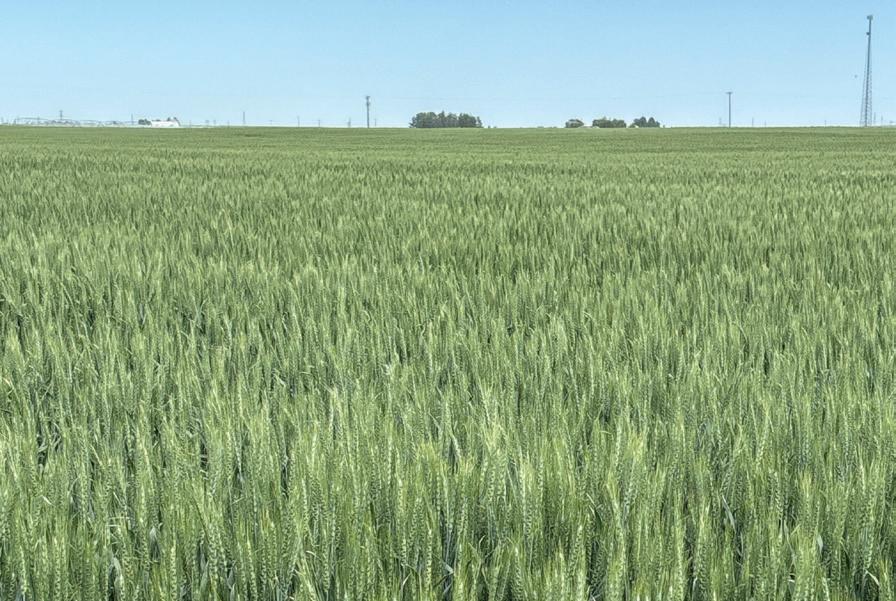
Newly released in 2024, Bush soft white spring wheat has been the topyielding variety in WSU research trials across the state for the past two years. It will be widely available in 2025, with WSU spring wheat breeder Mike Pumphrey predicting it as the next leading Washington spring variety.
“Bush is a wheat that’s steeped in decades of tradition,” Pumphrey said. “It’s the product of tried-and-true germplasm, the best of the best from our timeline.”
In field trials, Bush has outperformed Pumphrey’s 2016 release Ryan, Washington’s acreage-leading soft white spring wheat, by at least 7% in grain yield.
“Performance across the years has been spectacular,” he said. “It’s at the peak of yield and quality of any spring wheat varieties available.”
Seeking history on Washington’s first wheat farmers, Pumphrey chose the name to honor a family that included two remarkable men.
Born circa 1790, George Bush was a trapper, explorer, soldier, cattle producer, and among Washington’s first immigrant settlers. In 1844, he moved west from Missouri, leading a group of five families. Excluded from southern Oregon on account of his






race, he pioneered the northern spur of the Oregon Trail, helping establish a settlement called New Market that was soon renamed Tumwater, Wash.
A successful farmer and innkeeper, the elder Bush helped Native Americans during disease epidemics and was remembered for his generosity to fellow settlers. His accomplishments helped make present-day Washington part of the United States.
At the time, Black people were denied by law from claiming land in the new territories. Washington’s territorial legislature successfully asked Congress to grant the Bush family the rights to their farm on Bush Prairie. When Bush died in 1863, he held land but not the right to vote.
His oldest son, William Owen Bush, was a farmer and Washington legislator. He aided the birth of the future Washington State University, authoring an early bill and joining the committee that created the new college.
“The name is a way to respect the people that created our legacy,” said
Pumphrey, who believes WSU was a good investment by the younger Bush. “We’ve been intimately involved in agriculture and rural livelihoods in this state for 130 years. It all goes back to some wise and generous people many decades ago.”
Through the new wheat’s name, Pumphrey hopes more people learn the story of the Bush family.
“How many people know that a Black man was one of the first wheat farmers in Washington?” he asked. “Or that his son, who helped create WSU, was probably our first prominent wheat ambassador: a legislator who traveled to world’s fairs and expos with samples of grain and showed the Northwest was a powerhouse for wheat production?”
Bush wheat has three parents with a deep pedigree. It’s a cross between WSU’s currently popular Tekoa variety and two experimental varieties with

•IRSRepresentation
•AccountingServices
•ReviewsandCompilation
Louise and Alpowa wheats in their ancestry.
First crossed in 2015, Bush went through an eight-year process of development, testing, trials at WSU research farms and farm fields around the state, and multiplication of a large amount of seed from a small number of plants.
WSU’s spring wheat program makes hundreds of crosses annually. Only the very best get a named release, which happens every few years.
“By the fourth year of testing, the ones that are going to be the heroes usually stand out,” Pumphrey said.
Realizing he had a winner, Pumphrey began seed multiplication for Bush, then known as experimental variety WA8351, during the testing period, raising about 60,000 pounds by spring 2024.
“When a new grain variety could make the industry an extra 5 or 10% return, every season matters,” he said. “We pushed the envelope to make it available as soon as possible.”

•Bookkeeping/Write-up
Bush benefits from Pumphrey’s long-term efforts to develop a pool of lines with good agronomic qualities, including disease, insect, and environmental resilience.
“It’s taken years of strong industry, university and federal support, and long days for our program staff and colleagues, but it’s worth it. It’s important to maintain a base of genetic diversity that gives us options for the future.”
Bush’s bright white, consistently highquality flour makes for outstanding cakes and cookies, said Alecia Kiszonas, director of cultivar development at the USDA-ARS Western Wheat Quality Lab at Pullman. The variety also excels in its milling qualities: Millers can extract better and more consistent flour per kernel, ultimately creating consistent, top-quality foods.
“The hallmark of a great variety is when it makes the farmer, the miller, the baking company, and consumer happy,” Kiszonas said. “Everybody wins.”
since1973


















Brought To You By Kittitas County Chamber of Commerce


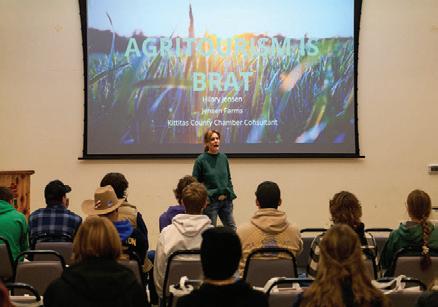
The Kittitas County Chamber of Commerce is advancing efforts to strengthen agritourism across the region by providing critical resources and education to farmers and agricultural entrepreneurs.
In partnership with an agritourism consultant, the Chamber offers free quarterly workshops designed to help producers establish and grow their farmstands. These sessions provide guidance on key topics such as USDA requirements, licensing, permitting, and business best practices — equipping participants with the tools to successfully operate visitor-ready agricultural businesses.
To further connect the local food system, the Chamber is also hosting a Producer-Buyer Connection Event July 22 in Cle Elum at the Business Development Center 216 N Pennsylvania Avenue from 5:30-7:30 p.m. This networking opportunity brings together farmers, ranchers, and artisan food producers with buyers such as grocers, restaurants, and market managers, fostering partnerships that support a stronger local economy.

As part of our commitment to showcasing Kittitas County’s agricultural heritage, we have also added a Barn Quilt Trail Map to our publications. Designed by local business Keigh Design, this map celebrates the artistry and history of barn quilts across the county. Copies are available for the public at the Ellensburg Visitor Center, located at 609 N Main Street.
Looking ahead, the Chamber is developing a Kittitas County Farmstand Map to highlight farmstands that are ready to welcome visitors. Farmers and producers interested in being featured are encouraged to apply once their operations are prepared for public engagement.
For more information on upcoming workshops, events, and how to participate in these initiatives, visit kittitascountychamber.com or contact the Chamber directly 509-925-2002.

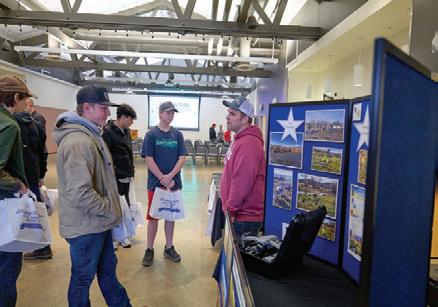
The Kittitas County Chamber of Commerce is excited to bring back the Agriculture Youth Summit on Wednesday, December 3, 2025, at the Armory at the Kittitas County Fairgrounds.This event connects local high school juniors and seniors, along with CWU students in agriculture-related programs, to hands-on workshops, a tour of Central Washington Equine Hospital, and a dynamic business expo featuring local ag businesses.
We invite agricultural businesses to host a booth at the expo to share career opportunities, internships, and mentorships with students exploring futures in the industry. Help us inspire and connect the next generation of ag leaders. Get connected by emailing Katie Schepker, katie@kittitascountychamber.com or calling 509-925-2002.


We are now over 75% of the way through our pea harvest. The organic harvest is complete, with yields exceeding expectations. Conventional yields are tracking close to our plan, and overall pea quality and grade are above target. Corn stands are healthy and looking promising so far. The Pasco and Ellensburg packs are projected to start July 18 and July 26, respectively.
Peas: The harvest teams and the Pasco plant have been running extremely well, with no meaningful downtime. After some challenges with the grade of our early-season peas, overall quality and grade have been above target.
Corn: There has been good separation between our early corn fields, which should provide necessary time to move the harvest fleet between fields.

Peppers: Our first ever crop of peppers has been planted and is growing well. The Ellensburg team continues to fine tune methods and equipment in preparation for the harvest.
Company Update:
We recently partnered with Shingijutsu to launch our first Kaizen project, kicking off an exciting transformation. In our initial Kaizen week, three focused teams drove hands- on, high-energy change, helping reshape how we think, lead and grow. We are now building dedicated continuous improvement functions at all three of our facilities to carry this momentum forward.
Nearly 60% of all honey bee hives were lost between June 2024 and March 2025
BY ISAAC STONE SIMONELLI Cascadia Daily News
Hundreds of flatbed loads of honey bees are trucked into Washington every spring, enabling the production of apples, cherries, pears and berries in the state.
The pollinators are estimated to add at least $18 billion in value to crops throughout the U.S., yet the past year has been catastrophic.
“We are in the middle of a colony collapse disorder like we haven’t seen since the early 1990s,” said local beekeeper Dawn Beck, who has a master beekeeper certificate from the University of Montana and one from Cornell University.
About 1.7 million honey bee colonies — nearly 60% of all such hives in the country — were lost between June 2024 and March 2025, according to survey data from the nonprofit “Project Apis m.” (Apis mellifera is the scientific name for honey bee.) With about 50,000 bees per colony in peak season, that is close to 80 billion bees.
Imagine opening the lid of a bee box and finding it full of dead bees this spring, Beck said. Imagine doing that more than 1.5 million times.
“Absolutely devastating,” she added.
Researchers estimate the deaths, likely caused by viruses, have resulted in more than $600 million in lost pollination income and honey production, as well as the costs to replace the colonies.
Commercial operators were hit hardest ahead of the start of their annual migration through the fields of the country. One of these seasonal journeys made international news on May 30, when a commercial operator temporarily lost its load of millions of bees that were leaving a Whatcom County blueberry field, destined for South Dakota.
Roughly 62% of commercial colonies collapsed. Usually, commercial beekeepers’ experience, resources and management practices increase the survival rate of their colonies. However, other types of beekeepers had better survival rates, losing a little more
than half of their colonies.
“We were surprised by the sheer number of colonies that commercial beekeepers lost,” said Priyadarshini Basu, a bee researcher and assistant professor of Pollinator Health and Apiculture with Washington State University’s bee program.
Without immediate intervention, the newest wave of colony collapse could drive up the costs for farmers, disrupt food production and shutter many commercial beekeeping operations, experts warned in April.
As reports of large-scale honey bee losses started rolling into the U.S. Department of Agriculture’s Bee Labs in January, researchers scrambled to assess the scale and severity of the losses, as well as identify the potential cause.
The effort pulled in members of Project Apis m., the American Beekeeping Federation and the American Honey Producers Association.
A preprint scientific paper out of Bee Labs points toward disease-carrying, parasitic mites’ resistance to a widely used miticide — a chemical used to kill mites. The finding underscores “the urgent need for new control strategies for this parasite,” the researchers wrote.
A screening of samples for known pathogens and parasites identified three viruses, including acute bee paralysis, in “unusually high levels.” The viruses are tightly connected to Varroa mites.
These microscopic mites feed not only on the fatty body tissue of the honey bees but also on their brood, where baby bees develop.
Because the mites also spread viral diseases, “it’s like a double whammy,” Basu said.
“While viruses are a likely end-stage cause of colony death, other stressors such as nutritional stress and agrochemicals may have also played significant roles,” the researchers wrote.
Basu, who is among the scientists tackling the issue, agreed, saying the issue causing the collapse was most likely a combination of stressors.
Nutrition is fundamental to the health of a colony, Basu explained, pointing out that
quality food supports a stronger immune system for combating stressors.
“We need to have better solutions in tackling poor nutrition,” she said.
Millions of bees need to be trucked into Washington because there isn’t enough nectar and pollen — known as forage — to sustain them within the state.
“The lack of forage is the reason behind all this trucking beehives across the country,” said Tim Hyatt, a second-generation beekeeper in central Washington and the legislative chair for the Washington State Beekeeper Association.
Hyatt said his family moved their operation to the Dakotas in the 1970s to avoid the harsh pesticides used at the time. Forage is also more abundant in the region.
After his bees pollinate fruit trees in eastern Washington, Hyatt goes straight into honey production, avoiding berry pollination contracts in Whatcom and Skagit counties.
Pollinating blueberries doesn’t fit into Hyatt’s schedule, but the crop also has a reputation for being tough on bees, he explained. In addition to the pollen not being very nutritious, working the crop can also lead to a bacterial disease that affects honey bee larvae known as European foulbrood disease.
While some reports show honey bee health declines following blueberry pollination, the topic is still an area of scientific exploration, explained Lisa Wasko DeVetter, an associate professor in small fruit horticulture at WSU.
“There’s a lot of great researchers trying to answer that question,” DeVetter said.
An estimated one in every three mouthfuls of food in the U.S. benefits from honey bee pollination, according to USDA. These bees — not native to North America — were brought from Europe in the 1500s and 1600s, along with many of the crops they evolved with.
While Washington state has more than 600 species of bees, only honey bees are relied on to pollinate crops.
The bees work in other states, too. Nearly every commercial bee operator’s season starts in almond orchards in California at the end of January. The first “mega pollination” event
of the country brings more than a million colonies into the state to service roughly 1.63 million acres of almond trees.
In general, commercial operators generate revenue in three ways: queen bee breeding, honey production and pollination services. Hyatt said his company’s revenue is — on average — split evenly between revenue from pollinating services and revenue from honey production.
Commercial bees working the West Coast move north from the almonds, first being put to work in fruit tree orchards, and then berries and other crops.
Of the top 10 agricultural commodities in Washington, apples, cherries and pears are 100% dependent on honey bee pollination. Whatcom County’s famous raspberry and blueberry fields also depend on these bees.
Whatcom County has an estimated 15,000 acres of berry crops, which produce more than 99% of Washington’s raspberries. Without pollinating services, farmers might get half a ton of raspberries per acre instead of 6 or 7 tons, estimated Red Raspberry Commission Executive Director Henry Bierlink.
“When you invest as much as you do in that area, you need good production,” Bierlink said.
Not only do the bees significantly enhance fruit production, but quality pollination also produces bigger fruit, up to a point, DeVetter explained.
DeVetter observed strong colonies arriving in Whatcom and Skagit berry fields to pollinate crops this year, despite the colony collapse.
“I had no concerns about the quality or strength of these hives as they were going into raspberry,” DeVetter said, pointing out that the colonies had grown strong after working the almond and tree fruit crops before getting to berries.
But the potential impact of the colony loss at a national level is profound, confirmed Basu.
“Losing colonies is not only impacting the economics of beekeeping but also the agricultural industry because we are reliant on honey bees for commercial pollination and honey production,” Basu said.
“Beekeepers need solutions,” she added.
BY SETH TRUSCOTT
WSU College of Agricultural, Human, and Natural Resource Sciences
WENATCHEE, Wash. — Scientists at Washington State University’s Tree Fruit Research and Extension Center (TFREC) are growing fungi that could one day protect apple crops by parasitizing insect pests.
The team of entomologists is testing three different species of fungi, including a strain related to the “zombie” Cordyceps fungus that inspired the show “The Last of Us,” as living pest control agents for codling moth.
“If these fungi are as effective and adapted for our environment as they appear to be, they could become really useful tools,” said Rob Curtiss, Research Assistant Professor in the Department of Entomology.
Codling moth has been a problem for Pacific Northwest fruit growers practically since apples arrived here. The quintessential “worm in the apple,” the moth traveled with the crop from the apple tree’s ancestral homeland in Eurasia.
“It’s been in the U.S. since at least the 1700s,” Curtiss said. “As apples went west, codling moths went with them.”
Once hatched, caterpillars immediately search out an apple, burrow inside, and eat the protein-rich seeds, marring the fruit and halting its growth. There are few effective management tools, and the pest is developing resistance to the viral biocontrols organic growers rely on.
“You can forget about managing them when they’re in the apple,” Curtiss said. “Once they’ve gone inside, they’re really protected.”
He established a codling moth colony at TFREC in 2023 using funds from the Washington Tree Fruit Research Commission and the Washington Commission on Integrated Pest
Management. The captive population helps researchers understand the insect’s behavior and test potential control methods.
One of three promising strains for codling moth control, metarhizium fungus absorbs and spreads out from a dead larvae found by WSU researchers.
To capture his guests, Curtiss visited orchards throughout central Washington, wrapping the bases of apple tree trunks in corrugated cardboard.
“For the larvae, it seems like a nice, protected place to pupate,” he said. “Then we come and collect that cardboard and get massive numbers of live codling moths.”
During the rainy fall of 2023, Curtiss and his team hurried to detach pupae from piles of wet cardboard before their cocoons could mold.
“I started to see the occasional dead codling moth that looked like it had been killed by a fungus,” he said.
Curious about what killed these larvae, Curtiss showed his finds to fellow WSU entomologist Tobin Northfield; Northfield and his student César Reyes Corral, who was culturing pathogens of a different fruit pest, leafhopper, offered to grow out fungi from the most promising specimens in hopes of identifying it.
“Stumbling upon these fungi was a lucky strike,” said Reyes Corral, a soonto-be PhD graduate. “It was a side project that turned into something very exciting.”
Typically, dead larvae decompose, turning black and gooey. Fungal-infected specimens, in contrast, were white, dry, and crusty, with a powdery residue inside their exoskeletons. Once scientists placed the dead larvae on a petri dish, fungi started to grow.
To identify these fungi, Reyes Corral
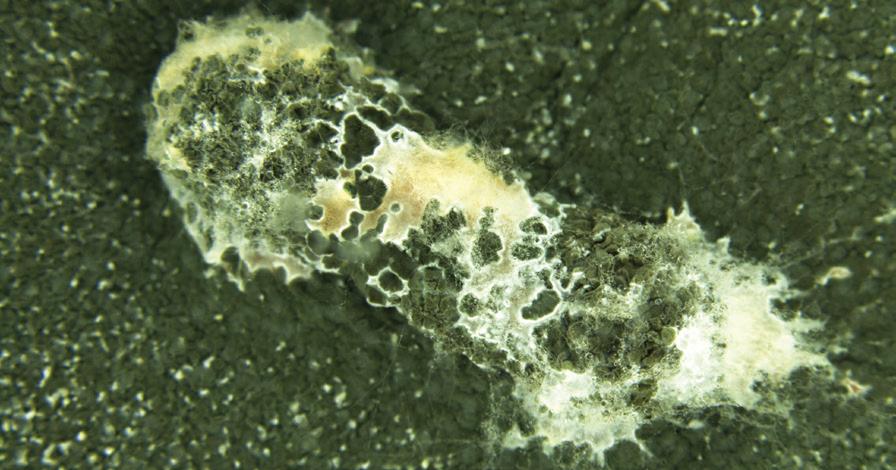
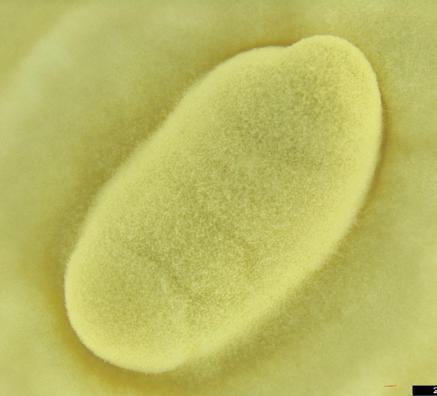
isolated them, ground them up, and sequenced their genetics, revealing them as strains of Ophiocordyceps, Beauveria, and Metarhizium. The team is now infecting larvae with these fungi to confirm whether they are indeed moth-killers.
In fungal infection, a single spore lands on an insect, then germinates and punctures the larvae’s exoskeleton.
“The insect doesn’t die immediately,” Curtiss said. “It continues to survive while the fungus is growing and using up its resources.”
Once the fungus has depleted its host, it’s ready to reproduce. Under the right environmental conditions, it will send out spores that land in places where other insects encounter them, and the cycle begins again.
From the three specimens, Reyes Corral harvested spores — yellow-white particles from Beauveria, dark green from Metarhizium, pink-white from Ophiocordyceps — for testing.
In their experiments, Curtiss and Reyes Corral will select specimens for optimal fast growth and kill rates, with the goal of developing a WSU strain for commercial production by industry.
“The real value of the project is that it can give apple growers hope,” Curtiss said. The more pest control modes that scientists can give farmers, the better.
“So far, the preliminary data is very exciting,” Reyes Corral added. “I’m
sure there’s a future where these and other beneficial fungi are useful for fruit growers.”
WSU scientists’ efforts to study insectparasitizing fungi is a challenge due to the limitations of the center’s aging, 70-yearold growth facility.
“A few degrees Fahrenheit may not seem like much, but for fungi it’s very important,” researcher Cesar Reyes Corral said. “Our existing temperature-controlled rooms where we grow the fungi are really temperature-uncontrolled.”
The university is currently fundraising for a new, modern Plant Growth Facility with state-of-the-art growth chambers and experiment spaces that would benefit this project, among many others.


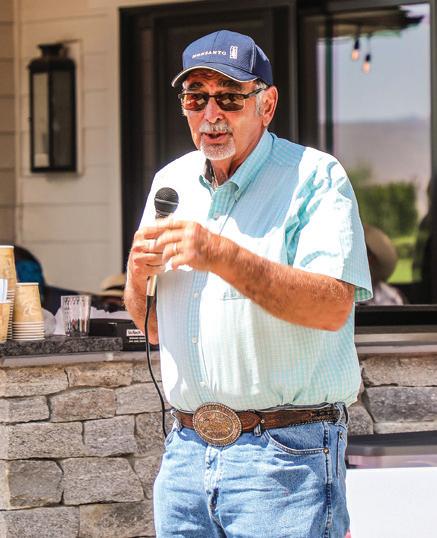
Ron Mitchell was honored as the 2025 Kittitas County Cattleman of the Year during the organization’s field-day barbecue in June.
Ron, along with his wife, Sonja, was recognized at the yearly event that celebrates Kittitas County ranchers, the local cattle industry, and the community it helps to feed.
Mitchell had been previously named the Cattleman of the Year at the annual Kittitas County Cattleman’s Banquet in February. The esteemed honor dates back 75 years; the very first award was presented to Fred Hanson in 1950.
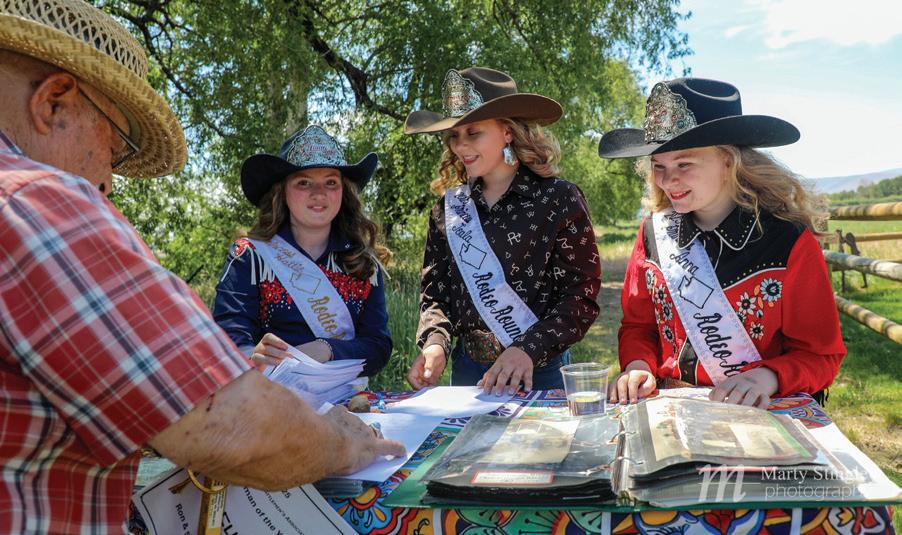
The celebration — which included lunch set up, arranged and served by the Kittitas County CattleWomen — was held June 10 at the couple’s home east of Ellensburg. Attendees included riding royalty, as the Washington Rodeo Roundup sent princesses Hattie Shull, Anna Jentges and Teala Stolen to welcome guests.
Ryan Stingley, current Kittitas County Cattleman’s President, welcomed the attendees and Rick Haberman, last year’s Cattleman of the Year, made the presentation and shared a few stories.
This year’s winner is a lifelong resident of Ellensburg. Ron was born to parents who grew up on neighboring Nebraska farms after they had come west with their parents in the Depression era.
Ron spent the summers of his teenage years bucking hay. He spent several working with and living at the Kayser Ranch, and became close friends with Sam Kayser.
Smoke and Clem, Sam’s parents, were like second parents to Ron, who always knew he wanted to be in the cattle ranching business. His family, though, didn’t have legacy in agriculture.
Sonja, originally from Othello, moved to Ellensburg when her father began teaching music in the Ellensburg School District.
She was living in San Francisco, Calif. and then Seattle when she and Ron began dating.
The couple have been married 35 years, and Ron jokes that he “tricked her into marrying him.”
Ranching had to wait as Ron pursued a career in aviation. At one time, their Ellensburg-based business at Midstate Aviation was the largest flight school in the Northwest. The operation also had an aerial spraying business from 1961 through 1987.
“The ranchers and farmers I worked with were some of the best people. I always knew I wanted to be associated with this group of people,” he recalled.
For the past 27 years, Ron has worked as a corporate pilot for Lakeside Industries, an asphalt and paving company based in Issaquah.
Ron was able to eventually purchase land and fund his “passion for raising cattle,” but his cattle business took its own path.
They started out buying heifer calves in the fall, feeding them through the winter, and turning out on pasture until selling time. The number grew to about 120 head when they decided to sort 30 to 40 head to breed, then sell as bred heifers.
Ron recalled it was a good plan and worked well for several years, until the market took a turn. They opted to hold them instead, and calve them out.
At one point their herd reached 100 cows, but due to outside job constraints, 80 pairs of Black Angus or Black Baldy’s seem much more manageable.
“I still recall the lessons I learned from Smokey Kayser, but it’s a team
effort to care for cattle,” Ron recalled. “I had great friends in Sam Kayser, Steve Wallace, Dan Charlton and Gary Forgey and am grateful for their experience and advice.”
He said his family has played a critical part.
“Since I am actively flying occasionally, I couldn’t do it without the support of my wife Sonja, our son McGregor, our daughter, Sophie and our son-in-law, Jonathan Bergford,” he said.
He also offered a bit of advice for those thinking of getting into cattle.
“I am encouraged when seeing the amount of young people trying to get in this business, and if I could impart any advice, though I don’t know that I am the best to hand out advice, since mine is more of a part-time operation, it would be to have a solid business plan.
“My hope is the next generation and generations after will appreciate the lifestyles we have and do their best to preserve it. It is incumbent on my generation to do what we can to make it possible,” he added.
Ron chose Jimmy Watterson Trucking for special recognition for its support to the cattle industry. Jimmy Watterson was not able to attend the barbecue, however, due to illness.
BY SETH TRUSCOTT
WSU College of Agricultural, Human, and Natural Resource Sciences
Spurred by innate curiosity and the collaborative minds around him, Tim Murray studied diseases affecting grain crops in Washington and around the world for over 40 years.
The plant pathologist and professor emeritus at Washington State University reflected on decades of impactful research and teaching after receiving the 2025 Lifetime Achievement Award from the Pacific Division of the American Phytopathological Society this spring.
“Plant pathology is very much a problem-solving career,” said Murray, who retired this February. “My goal has been to provide solutions to the problems that growers face.”
The lifetime achievement award recognizes senior scientists distinguished by their contribution to science and service to the organization. The 2024 award went to Murray’s colleague Tim Paulitz, a longtime USDA-Agricultural Research Service scientist and WSU adjunct plant pathologist.
“Coming from my colleagues, this award is very meaningful for me,” Murray said.
Born in Los Angeles, California, Murray earned both his master’s and doctoral degree at WSU. After graduation, he was headed for a postdoctoral USDA research job when a full-time faculty position opened at WSU. Murray joined the Department of Plant Pathology that autumn of 1983, ultimately spending the rest of his career as a WSU researcher, teacher, Extension faculty member, and twotime department chair.
Murray specialized in fungal diseases that routinely struck at Pacific Northwest wheat crops, while also studying bacterial, virus, and nematode
threats. His work on strawbreaker foot rot, a fungus attacking winter wheat, led to a 90% reduction in fungicide used to control the disease on Washington acreage.
“When I began, growers here were spraying up to a million acres of winter wheat for strawbreaker,” said Murray, who worked to identify effective, multi-modal sprays. His program also aided wheat breeders working to introduce new varieties that could resist strawbreaker and other fungal diseases like snow mold and Cephalosporium stripe.
“Cephalosporium had become a big problem around the time I started, largely because of some highly susceptible wheat varieties,” Murray said. “My goal was always to find sustainable solutions that didn’t involve extra costs for farmers. New varieties don’t require any additional cost beyond buying seed, which the grower’s going to have to do anyway.”
Globally, wheat is more widely grown than any other crop. Murray’s professional and personal interests took him to grain fields on four continents, from Mexico and Morocco to China and Bhutan.
“I’ve seen wheat grown in a lot of different areas of the world,” Murray said. “Most people worldwide still live an agrarian life and use traditional agricultural methods. It gives you a different perspective and a much greater appreciation for our food supply here in the U.S.”
Murray began teaching the department’s introductory plant pathology course as a doctoral student. He went on to lead that course for 30 years.
“When you teach a class, you learn more about the material than the students do,” Murray said. “It made me a better plant pathologist.”
A prolific author, Murray penned

over 200 journal and Extension articles and wrote or contributed to several important handbooks and compendiums. Other accomplishments included collaborative work at WSU developing perennial wheat, a chair’s role on a national committee studying Ug99 wheat stem rust recovery, and service on the National Academies’ Forum on Microbial Threats.
He became a Fellow of the American Phytopathological Society in 2010 and served as its president from 2014-2018. Following in the footsteps of fellow WSU scientists as society president, Murray sees personal involvement and encouragement of the next generation as vital to the profession.
“I’ve always tried to instill in my students the need to network,” said Murray, who taught more than 40 master’s and doctoral students over his career. “Be curious. Take time to really think about what you’re doing.”
In the final dozen years of his career, Murray traded his teaching role for a WSU Extension appointment. That role put him in closer contact with growers.
“It was still teaching, just for a
different audience that didn’t mind listening to me at 8 in the morning,” he said.
As emeritus, Murray is now winding down several research projects and helping his final master’s student complete her degree.
He never planned to spend his entire career at WSU. But the support Murray found at Pullman helped his research thrive and made the college town home for his family.
“Visiting experts, support scientists, and graduate students made a huge difference in my program over the years,” he said.
Appreciative of WSU’s close working relationship with U.S. Department of Agriculture scientists, Murray recalls his fruitful partnership with USDA crop breeder Robert Allan for fungusresistant wheat. He also sees a 70-year through-line connecting his work with WSU predecessors George “Bill” Bruehl and Walter Hendricks, who began work on fungal wheat diseases that he continued.
“Science is incremental,” Murray said. “We’re all standing on the shoulders of those who came before us.”
BY JESSICA NIX Bloomberg News
he U.S. Centers for Disease Control and Prevention ended its emergency response for bird flu as the outbreak that sickened dozens of people, spread to cattle and drove up egg prices has abated.
The emergency designation ended in early July, according to a person familiar with the matter who wasn’t authorized to speak publicly about it.
The CDC merged its bird flu updates with those routinely reported for seasonal influenza starting on Monday, and will post the number of people monitored and tested for the virus also known as H5N1 on a monthly basis, the agency said. It will no longer include infection rates found among animals on its website.
States that were among the hardest hit have also dialed back their efforts. California ended its emergency declaration in April, a spokesperson for the Department of Public Health told Bloomberg. Washington, which had 11 human cases in 2024, is also downsizing its response, state epidemiologist Scott Lindquist said.
The CDC’s emergency bird flu response was deactivated to transition back to regular program activity, according to a spokesperson for the Department of Health and Human Services. Surveillance, readiness and response for bird flu will be included with existing efforts from the CDC’s Influenza Division and other agency programs, they said.
While the states said they’re still monitoring bird flu activity and will coordinate with federal officials, doctors and researchers said the moves will make it harder to detect potentially dangerous changes. If the virus continues to jump between species or the human case count grows, there’s a greater risk that it could mutate and become more easily transmissible between people, they said.
“We are letting our guard down,” said Michael Kinch, an infectious disease expert and chief innovation officer at Stony Brook University in New York.
Ending the emergency response comes amid a broader federal pullback from preparing for another outbreak. Earlier this year, the U.S. Department of Health and Human Services canceled a $766 million

Influenza A H5N1/bird flu virus particles round and rod-shaped red and yellow. Creative composition and colorization/effects by NIAID transmission electron micrograph imagery is courtesy of CDC.
federal contract with Moderna Inc. to develop mRNA vaccines for bird flu.
A CDC emergency declaration redirects people and resources to increase testing, surveillance and communications during an outbreak. During the H5N1 response, 375 staff members from the CDC were assigned to work on the outbreak, the HHS spokesperson said.
Reducing attention to the virus could leave a gap when it is still circulating in migratory birds in the U.S., health experts said.
“If you do miss an uptick, then you’ll be one step behind and then that could lead to more widespread transmission and more herds being infected, more people being infected,” said Dean Blumberg, head of pediatric infectious disease at University of California, Davis.
The CDC previously held regular calls with the U.S. Department of Agriculture, the Administration for Strategic Preparedness and Response and the White House to update the press and epidemiologists on the status of the virus and the federal response. The calls ended before President Trump’s inauguration in January.
Other factors may also hinder efforts to identify and track infections. Most of the human infections detected in the U.S. occurred among agricultural workers who were in close proximity to sick dairy herds and poultry. State governments and farm owners have to invite CDC investigators to conduct surveillance, a difficult proposition to reach migrant workers during mass immigration raids across the country.
California, which had the highest human case count in 2024 with 38 people infected, started offering $25 gift cards as an incentive to get people to test for influenza A, the flu strain that contains H5N1, in April.
Bird flu started circulating among cattle last year, and eventually led to 70 infections in people confirmed by the CDC. Signs include flu-like symptoms and conjunctivitis, and it can be treated with the anti-viral medication Tamiflu. While one person died from the disease in January, the current risk to humans remains low, the CDC says.
(With assistance from Michelle Amponsah and Ilena Peng.)
BY SETH TRUSCOTT WSU College of Agricultural, Human, and Natural Resource Sciences
Scientists at Washington State University’s Wenatchee Tree Fruit Research and Extension Center (TFREC) have received a new $500,000 pledge from AgWest Farm Credit supporting enhanced greenhouse and research capacity through the new Plant Growth Facility.
The planned $18.2 million facility will replace aging infrastructure at TFREC, enabling state-of-the-art capabilities for year-round research.
“As a leader in advancing agriculture, AgWest has once again demonstrated its commitment to tree fruit production by helping us conduct cutting-edge research here in Washington,” said Scot Hulbert, acting dean for the College of Agricultural, Human, and Natural Resource Sciences.
AgWest Farm Credit is an agricultural lending cooperative with more than a century of experience serving farmers, ranchers, timber harvesters, and aquatic producers throughout the western U.S.
“This investment demonstrates AgWest’s commitment to championing agriculture,” said Bill Perry, President & CEO of AgWest. “The new facility will offer longlasting benefits for growers, attract top-tier scientists and expand research capabilities. AgWest is honored to support Washington State University and help advance the tree fruit industry and its success for generations to come.”
Located in the heart of the industry, the new Plant Growth Facility will enable innovation in plant breeding, growth, harvest, and post-harvest practices that will keep tree fruit as a mainstay of the central Washington
economy.
Featuring controlled environments that enable scientists to study plant growth, pest resistance, and environmental stressors in new and advanced ways, the new facility is an investment in the future of Washington state’s $10 billion tree fruit industry. Its modern growth and research spaces are expected to accelerate cultivar development, advance pest management strategies, and optimize production methods for apples, pears, and other high-value fruit crops.
Scientists at TFREC have benefited from AgWest’s past support for research.
“With their generous help, we’ve modernized our postharvest and fruit handling and storage capabilities,” said Lee Kalcsits, TFREC Research Team Lead and Endowed Chair of Environmental Tree Fruit Physiology and Management. “Now, with this gift, we are one step closer to a new facility which will support research and Extension programs dedicated

to tree fruit. These facilities will promote collaboration, help us attract talented personnel, and allow us to better serve our industry partners.”
WSU continues to seek private support to fully fund the Plant Growth Facility, with approximately $2.6 million in philanthropic contributions still needed to complete the project. Contributions to this initiative will ensure that Washington’s tree fruit industry remains a global leader in innovation, productivity, and sustainability.
For more information about the Plant Growth Facility and how to support the initiative, visit tfrec.cahnrs.wsu.edu/
plant-growth or contact the WSU CAHNRS Development team at 509-335-2959.


VSPisanon-regulatory,incentive-based approachtoprotectingcriticalareason agriculturallands,whilemaintainingagricultural viability.
CriticalProtectionAreas:
•Wetlands
•FrequentlyFloodedAreas
•CriticalAquiferRechargeAreas
•GeologicallyHazardousAreas
•FishandWildlifehabitatconservationareas
HowtoGetInvolved:
•ShareStewardshippracticesimplementedonyourland withtheVSPCoordinator
•Evaluateadditionalconservationopportunitieson yourland
•Implementstewardshippracticesthatfityouroperation
VSPCoordinator:AnnaLael – 509-925-3352ext.7,anna.lael@kccd.net
Workingtogether,farmersandrancherscandemonstratethatcurrentlandstewardshipprovidesbothprotectionand enhancementofcriticalareaswithouttheneedforadditionalregulatorycontrols.ContactKCCDforinformationabout availabletechnicalandfinancialassistance(funding)forstewardshippracticeimplementation.
RegularBoardMeetings
2ndThursdayEveryMonth (7AMApr-Oct;1PMNov-March)
BoardofSupervisors:
•MarkMoore•LynnBrown•JeffBrunson
•BillBoyum•MattEslinger
ToLearnMoreaboutKCCDandourPrograms, VisitUsIn-PersonorOnlinewww.kccd.net
AnnaLael–DistrictManager 2211WDolarwayRoadSuite4,Ellensburg,WA98926 509-925-3352Ext7