

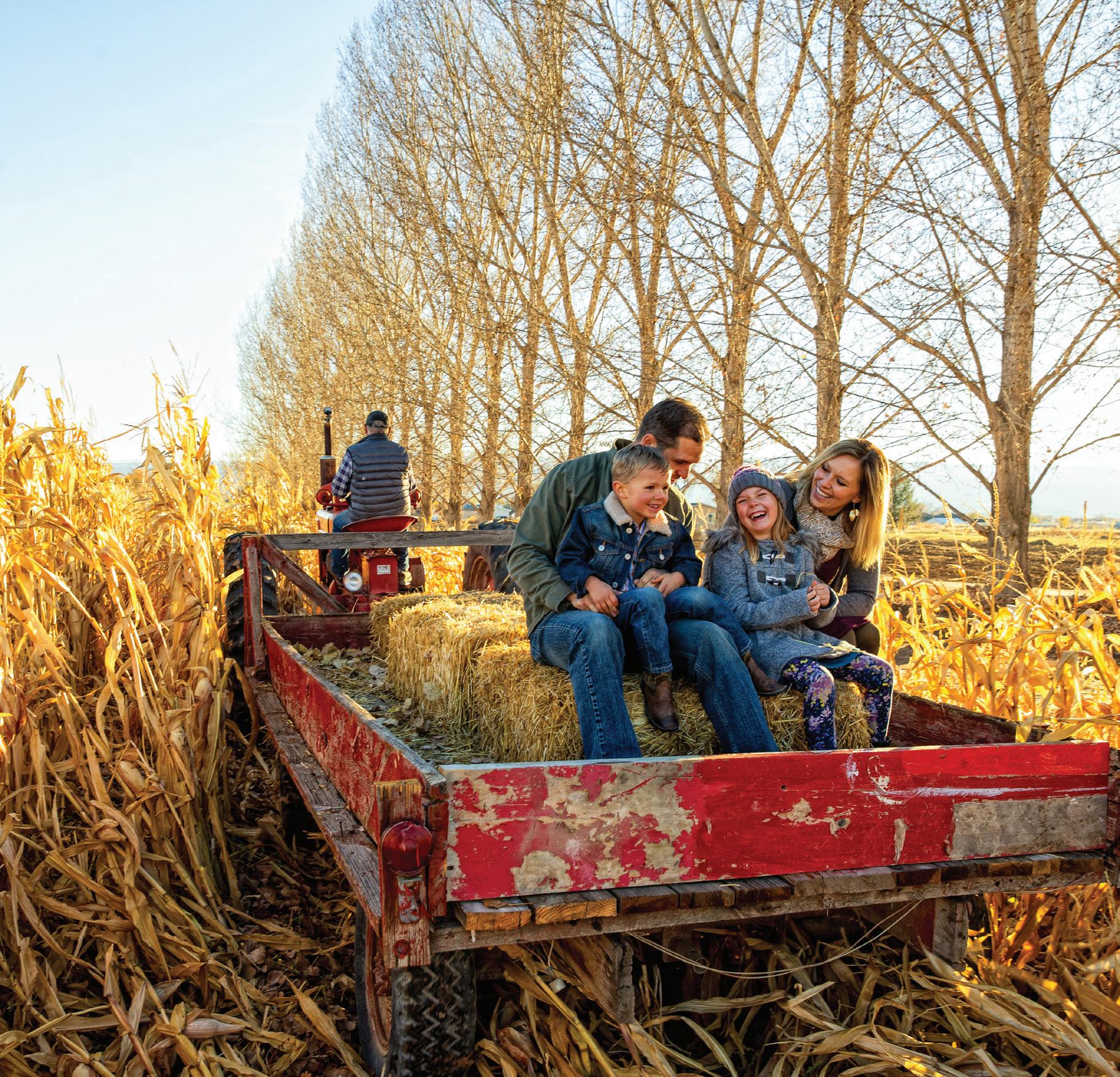








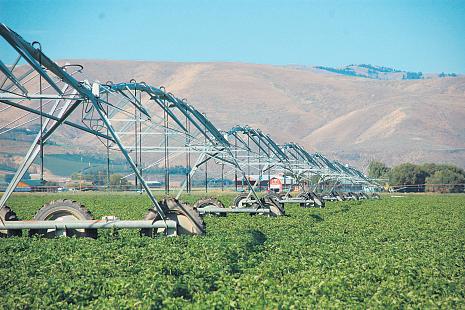
VSPisanon-regulatory,incentive-based approachtoprotectingcriticalareason agriculturallands,whilemaintainingagricultural viability.
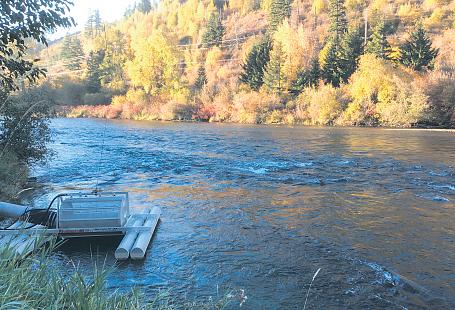
CriticalProtectionAreas:
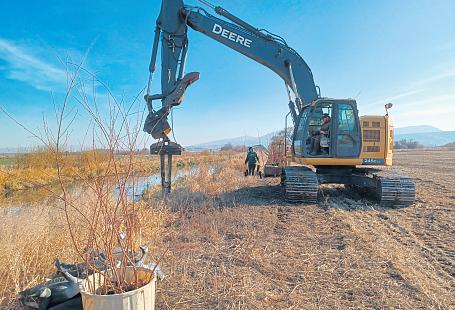
•Wetlands
•FrequentlyFloodedAreas
•CriticalAquiferRechargeAreas
•GeologicallyHazardousAreas
•FishandWildlifehabitatconservationareas
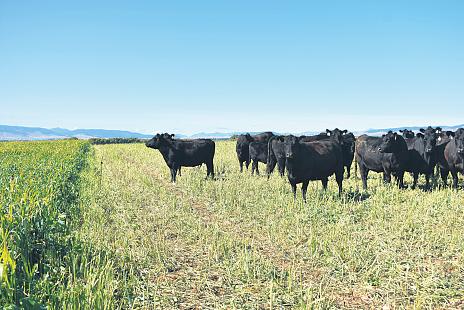
HowtoGetInvolved:
•ShareStewardshippracticesimplementedonyourland withtheVSPCoordinator
•Evaluateadditionalconservationopportunitieson yourland
•Implementstewardshippracticesthatfityouroperation
VSPCoordinator:AnnaLael – 509-925-3352ext.7,anna.lael@kccd.net
Workingtogether,farmersandrancherscandemonstratethatcurrentlandstewardshipprovidesbothprotectionand enhancementofcriticalareaswithouttheneedforadditionalregulatorycontrols.ContactKCCDforinformationabout availabletechnicalandfinancialassistance(funding)forstewardshippracticeimplementation.
RegularBoardMeetings
2ndThursdayEveryMonth (7AMApr-Oct;1PMNov-March)
BoardofSupervisors:
•MarkMoore•LynnBrown•JeffBrunson
• Mark Moore • Matt Eslinger • Jeff Brunson
•BillBoyum•MattEslinger
• Bill Boyum • Brian Cortese
AnnaLael–DistrictManager 2211WDolarwayRoadSuite4,Ellensburg,WA98926 509-925-3352Ext7 KittitasCountyConservationDistrict
ToLearnMoreaboutKCCDandourPrograms, VisitUsIn-PersonorOnlinewww.kccd.net
which, in the Chances’ case, is “pretty hokey.”
They go through more than 50 gallons of hot cocoa and several thousand cookies, which they start baking themselves six weeks before the “big event.”
“Some growers do talking Christmas trees that talk to the toddlers, homemade decorations that we give away, etc.,” Chance said. “It’s all very down-home in most of the operations.”
The average family spends 90 minutes at a U-Cut field, as opposed to 15 minutes at a Christmas tree lot.
“It’s all about the experience,” Chance said.
Growing a quality Christmas tree is a year-around exercise. As much work as the short sales season is, it’s the rest of the year where the real work is done.
“It’s also a bit of an art form,” Chance said.
One grower’s trees can look significantly different from someone else’s depending on technique, species, genetics, experience, and of course, luck.
“We figure we have about 1 1/2 to 2 1/2 hours’ labor in each tree by the time of sale,” Chance said.
Depending on the species, growing rotations can take up to 12 years.
It all starts with site prep, then planting. In the Kittitas Valley, the farm plants in the late winter and early spring. Planting is done by hand, often in the mud and late snow. The Chances are done planting by the end of March to give the young 2- to 3-year-old seedlings the best chance of survival.
Shearing starts around Year Four, then basal pruning (cutting the bottom branches to create the “handle” for the stand and to allow the customer to get under the tree to cut it).
Even when they’re on their game, Chance said they lose on average around 10% to 20% of all the trees somewhere along the growing rotation.
“We occasionally lose trees due to mouse and vole girdling under winter snow, but our biggest wildlife issue is nesting birds,” Chance said.
A ton of nesting habitat is created, and songbirds break the tender “terminal leaders” (the dominant growing shoot) of
some species during the spring while raising their young.
“We leave them alone and are happy to provide the nesting sites, but it requires us to go back in early summer and splice new branch leaders in a variety of ways to maintain the tree’s Christmas tree shape,” Chance said.
All terminal leaders need to be cut back to 12 to 14 feet in length every year; otherwise, the tree becomes leggy, growing too fast.
Around 20 species are commonly grown for Christmas trees in North America, including Western natives, Appalachian varieties, and Canadian types. Some farms, like Chance’s, also experiment with European and Asian species.
Pines grow fastest — harvestable in six to seven years — but need precise shearing in early June. Firs and spruces take longer (up to 12 years) depending on species, genetics and site conditions.
Microclimates are key. Noble firs struggle in colder eastern regions, while Grand firs, popular near Spokane, don’t tolerate Kittitas County’s summer heat.
“Our summer hot spells damage the needles,” Chance said.
Badger Pocket grows eight species, but they “probably are capable of growing another five or six more depending on experimentation.”
Chance looks for species that match Kittitas County’s elevation and climate characteristics.
“As an example, we’ve discovered that Korean firs, which are rare and endangered, growing in only eight square miles of their native habitat, do well here,” he said.
Giant Sequoias also do well if they receive enough water coming out of winter.
Seedlings average around 50 cents each when bought by the thousand. The real cost, Chance says, is time and labor.
A basic drip irrigation system or hand lines are sufficient for the maintenance, and heavy machinery like tractors often go unused. On their farm, the Chances prefer a sturdy riding mower with a pull-behind sprayer for navigating narrow rows, and rely on a garden rototiller for site prep. Essential
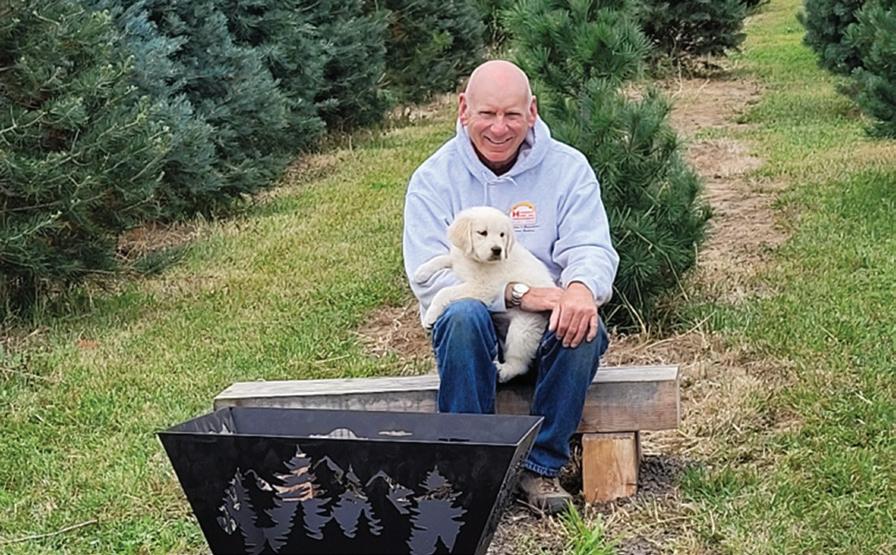
tools include a shearing knife, safety chaps, power hedge clippers, and a long-handled pruning bar.
Unlike row crops, forest crops with their longer rotations and the nature of tree biology are much easier on soil resource productivity. Christmas trees risk slightly more stress on soils than traditional forest management because of the shorter rotation, but Chance said it is rarely an issue.
“We do certain practices to recycle slash material and grass cuttings, leaving them on site,” he said.
They occasionally fertilize to enhance needle color, but it has “little beneficial impact” on growth rates.
“We do add annually a natural biologic enzyme (kelp extract) that has a significant effect on helping the soil mycorrhizae and hence soil health,” he noted. “Forest soils are significantly different from row crop agricultural soils due to a richer teeming mycorrhizae.”
After two rotations, they are now converting the field to open space use, leaving select trees.
By mid-October, preparations for the season are in full swing: weed-whacking around each tree, making final trims, and tidying up the farm. The Chances bake cookies, set out safety cones, organize parking, and tackle the countless other tasks. A week before opening, they also craft large custom wreaths.
Then the craziness begins.
“Peak season sale days are a serious push for a retired couple in their mid-70s, but we

still get a kick out of it,” Chance said. It’s a weekend affair; the rest and relaxation happens during the week.
“I handle the parking, help to drag and load trees, cut trees for older couples and some ladies, [and] prepare the tree base when it comes out of the field,” Chance said. He normally has help from a Central Washington University student or two.
“Typically I don’t have time to eat,” Chance said. “Everyone wants to chat and we both love meeting and talking with people. It’s a social neighborhood experience, but it takes pretty much all we have. We then get up the next day and do it all over again.
“It’s a Hallmark Christmas movie meets Ben-Hur ramming speed,” he added. “You have to love it.”
The Chances are retiring at the end of this season: “Given our advanced age … we can’t see taking on anymore continuing rotations.”
They encourage others in the area to take up the mantle and fill the market void, and are happy to provide advice and training if desired.
“Or just grow your own Christmas tree,” Chance suggested. “It would be a fun and meaningful project for many people.”
It’s easily within the capability of many people who have a little extra space, he added.
“The capital investment is small; it’s mostly time, personal labor, and selfeducation, of which there are good resources available.”
BY LESLIE KELLY
Special to The Daily Record
Quite often, Mark and Linda Merrill are asked — or told — why kill buffalo?
But the truth of the matter is that they raise bison, also known by the nickname “buffalo,” to create beefalo, a combination of bison and beef.
“We were demonstrating our product at a local store when we were approached by a woman who wanted to know why we would kill buffalo, when there was a buffalo shortage,” said Mark Merrill. “I explained to her that we’re not killing buffalo; we are raising them to breed with cattle, creating a healthier beef.”
The Merrills own and operate Beefalo Meats, selling a 100% natural beef that has 70% less cholesterol and 50% less fat. A typical beefalo is three-eighths bison and five-eighths beef.
Mark said his interest in beefalo came about when he began to be concerned about people eating less meat.
“It was frustrating,” he said. “People were eating less and less beef. People worried that beef was contributing to their high cholesterol.”
About that time Mark learned about beefalo and decided to get in the market. That was in 1982 after he had graduated from Utah State University with a degree in ranch management and animal science. He began with a small herd and introduced the meat to residents at the Kittitas County Fair for several years.
“We served (beefalo) steaks and hamburgers and people seemed to really like the flavor of the beefalo burgers,” he said. “They were interested in just what it was.”
That interest brought the Merrills to invest their professional lives in beefalo. Today, they go through about 200 head of bison cattle annually.
The couple keeps their herd near Pasco, where they lease land that is more abundant for grazing than the fields in and
around Ellensburg. They use a processing plant in Moses Lake where the animals are humanely killed, he said. That plant is USDA inspected and approved, which is necessary for them to be able to sell their product.
Then the product is taken to Auburn for packaging and distribution to grocery stores. It’s is sold in stores in the local area, Seattle, and in Oregon, including Thriftway, Red Apple stores. They also sell large amounts, such as a quarter or half animal to individuals as special orders. The current price is around $12 a pound.
“All beef of any kind is expensive right now,” he said. “We are in the middle of a cattle shortage.”
The Merrills have investigated selling to local restaurants, but so far that hasn’t been something they want to pursue.
Their beefalo business has been successful, and they sell about $600,000 of meat a year. Mark thinks he knows the key to their success.
“We do this full-time,” he said. “This is our life. Those who do this part-time as a hobby aren’t going to be successful.”
The Merrills were one of the first in the country to go whole hog into the business. At the time there were very few buffalo ranches in the U.S. Today it is estimated that there are 112 buffalo farms, as compared to 800,000 beef cattle ranches.
Beefalo meat is healthier than regular beef. It is the only red meat that has been proven to lower cholesterol. In fact, there was a study done at Central Washington University that looked at beefalo verses beef. Participants spent two weeks eating beef with 10% fat. Then they spent the next two weeks eating buffalo with 10% fat.
Throughout the study the participants kept track on their cholesterol levels and learned that beefalo lowered their “bad” cholesterol levels. Blind taste tests have also shown that buffalo meat is preferred to beef hamburger.
Beefalos raised for harvesting weigh between 1,000 to 1,400 pounds and are
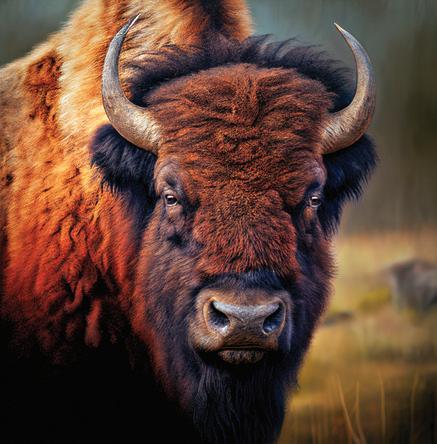
about 55 inches tall. They grow at about the same rate as do cattle. They are easier to raise because they will eat more than grass, as opposed to beef cattle, Mark said. Examples include alfalfa, silage, and potato waste. And unlike beef cattle, they will eat the weeds and cattails, not just grass.
The Merrills feed their beefalo only grass, however, because they want the meat to have more marbling. All meat is certified hormone-, steroid- and antibiotic-free.
Beefalo can take hard winters and
they sweat, which keeps them cool in the summer. The calves are heartier than cattle calves.
Once the beefalo meat is packaged and ready to be sold, chefs should know that beefalo meat cooks faster and is cooked “hot and fast,” Mark said.
“It tastes better than any beef you’ve ever had,” he added.
Often people will say the beefalo is leaner and is slightly sweeter than beef, producers note.
The Merrills’ beefalo is award-winning. Competing in the American Royal annually in Kansas City, they have been named Grand Champion six of eight years. They were named the Reserve Champion the other two years.
The competition sees a panel of judges taste a 1 1/2-inch thick ribeye beefalo steak entered by each contestant. It’s just one bite and judges are highly critical.
It’s been a good run so far, and the Merrills don’t plan on leaving it anytime soon.
For more information, go to www. beefalomeats.com, or call 509-968-3132.
Jerry Grebb, CPA
Marie Riegel, CPA
Jacqueline O’Connor, CPA
Melanie Rosecrans, CPA
Richard Wachsmith, CPA
Felicia Persson, CPA
Kelsey Roseberry, CPA
Madeline deMaintenon, CPA








BY ANNA TALLARICO Special to The Daily Record
As the days grow shorter and colder, ranchers brace for the looming challenge ahead; winter brings a new layer of complexity to the daily routine of caring for animals.
Windy N Ranch in Ellensburg raises a variety of certified organic livestock: beef, pork, lamb, goat, meat chickens, layer chickens and turkeys.
Prep starts early.
“We think about winter throughout the year by building/altering items to make winter life easier, but start preparing in earnest in September,” Greg Newhall said. “Any later than that will catch you ill-prepared.”
Balers need to be cleaned, harobeds prepped. Irrigation piping, be it wheel lines, hand lines, or pods, need to be drained and put away, and all equipment
moved undercover.
The ranch makes sure straw is in the shelters to “make life a little more comfortable” for the animals.
“Most of the livestock have been through a few winters and are accustomed to it,” Newhall said. “Those which are not need to be culled.”
Consumption of feed increases due to the livestock needing more calories to maintain body heat, but the type of feed stays the same throughout winter.
“We grind our own feed for our nonruminants (poultry and swine) and provide hay for our ruminants (cattle, sheep, goats),” Newhall said.
Special watering tanks are needed so the water does not freeze. Windy N uses specialty water stock tanks by MiraFaunt, sold locally by Old Mill Country Store, which captures the earth’s heat with a pipe about 8 feet below the tank.
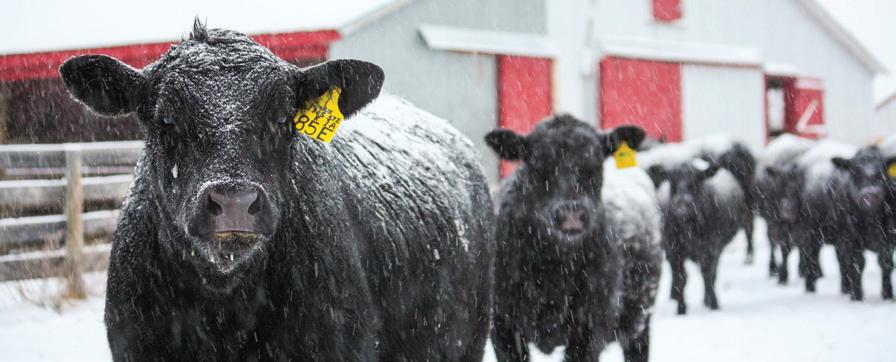
Poultry and guardian dogs require stock tank heaters to make sure their water does not freeze, either.
Sometimes, though, the freeze is unavoidable.
“Snow can make it difficult to get around to feed and address any issues,” Newhall said.
The “mud month” from the middle of February to the middle of March — when
the snow is melting and the ground is muddy — is Newhall’s least favorite.
Any “early birthings” also require special attention — “getting out of bed on a weekend when you would prefer being inside around the fire,” Newhall said.
“There is not much of a choice in caring for livestock any time of the year,” he added, “but winter can be challenging.”






















BY BRIAN KELLY
Carrots before corn.
That was the lineup as members of the Association of Washington Business rolled their bus into Ellensburg to visit Twin City Foods on the final day of organization’s annual Manufacturing Week tour.
Plant manager Lucinda Mills gave the group — made up of officials from across the state along with locals that included Ellensburg Councilmember Nancy Lillquist — an in-depth look into the plant that some old-timers still (mistakenly) call the “cannery.”
Twin City Foods has never canned in Ellensburg, Mills said.
The business began in the 1940s in Stanwood, when Arne Lervick converted an old cannery into a frozen processing facility, and named after the thenspit cities of West Stanwood and East Stanwood.
The company launched its Ellensburg division in 1965 as a small, freezer plant after it bought a corn-processing facility. It was Twin City Foods’ initial expansion into eastern Washington, and the company would later enter the export market in 1974, shipping Washington-grown corn and peas around the world. The processing
lines in Ellensburg followed in 1982.
A new facility was built in Pasco in 1998, which specialized in processing and shipping peas and corn, and the company jumped into the organic market in 2000.
Work at the Ellensburg plant follows the seasons. Peas are processed in June, while sweet corn follows in August and continues through November. Carrots hit the line in October.
The off-season is used for rebuilding equipment for processing.
“But repack is going full-speed ahead during the winter months,” Mills added.
“We’re busy. We don’t shut down,” she said.
Mills pointed out where trucks enter the scales — Wednesday it was carrots, getting weighed to get a starting weight — before they were unloaded for processing
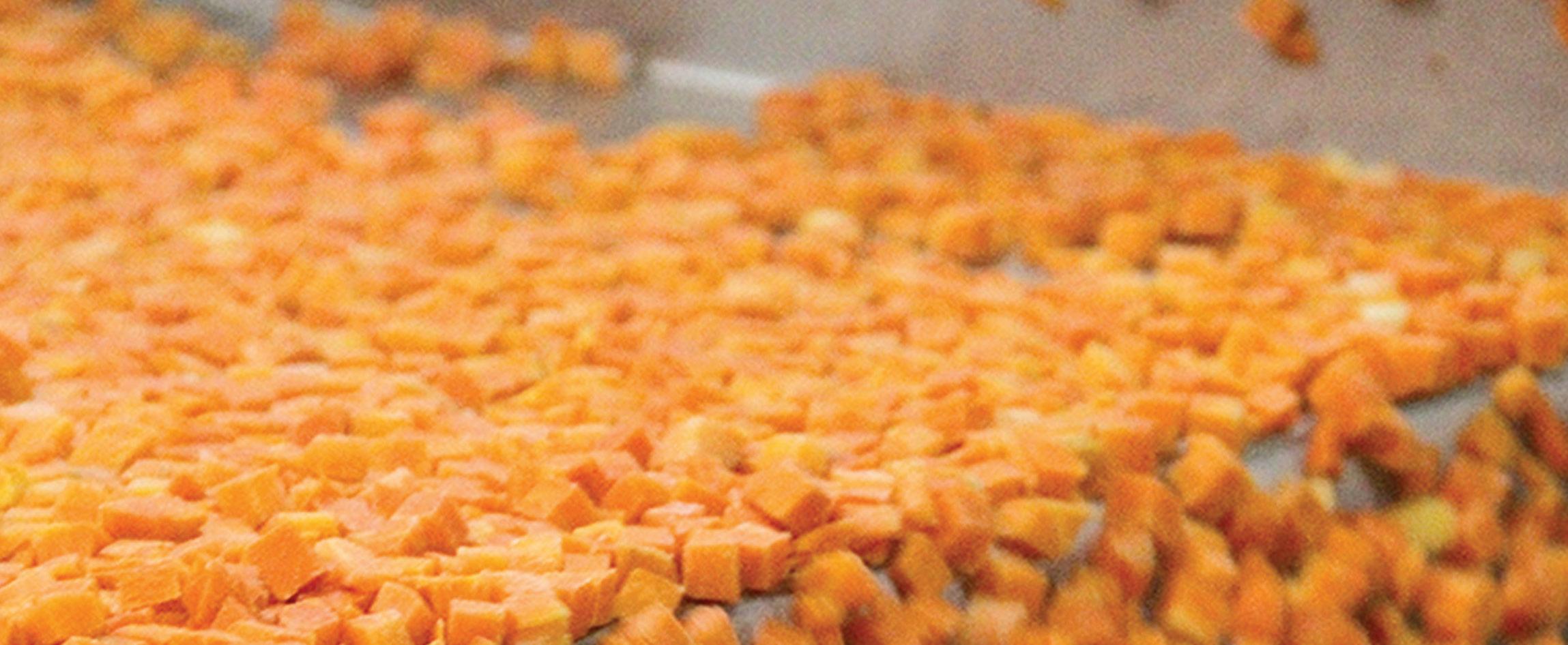
A continuous orange waterfall of carrots hit a conveyor belt.
“They are fresh from the field,” she said, noting that excess dirt was being knocked off the vegetables before they entered the plant.
Carrot harvesting started last week. The carrots were grown in Royal City, Grant County.
Twin City Foods also gets corn from there, Mills said. The company has growers in Walla Walla and other parts of
the state, as well.
“Twin City Foods has been here in downtown Ellensburg since ’68,” she explained. “This facility has been producing peas, corn and carrots for that long. We love it here, and we want to make sure that we extend our doors to the community so they know what we’re doing.”
Mills led the group through the facility where the carrots were being processed; inspected, color sorted, washed, chopped, then flash frozen. In one part of the plant, a group of workers took random samples
of frozen cut carrots prior to packaging; checking for maturity, size, and other grading standards.
“Flavor is everything,” Mills said. “You guys love super sweet corn, right?”
From there, carrots next moved into totes — each containing 1,500 pounds of product — before continuing into cold storage and packaging.
Mills said Twin City Foods was processing about a million pounds of carrots a day during the 17-day harvest.
After watching carrots make their way from trucks to the freezer — at minus 10
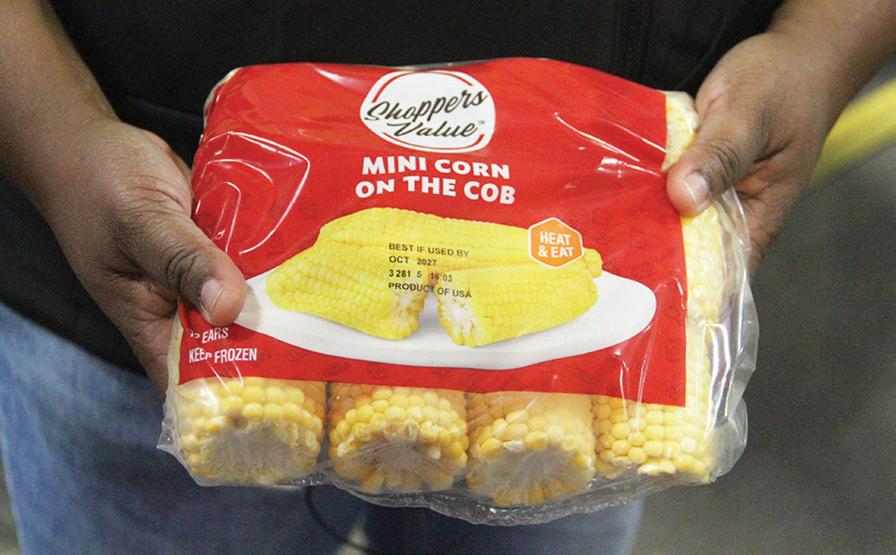
degrees — Mills took the group to watch corn flow through the plant, with cobs cut into sections and passed down a conveyor, in batches of 12 pieces, then wrapped in plastic bags labeled “MINI CORN ON THE COB,” and “HEAT & EAT” under the Shoppers Value brand. Vegetables using private labels are packed at the Ellensburg plant before being shipped out.
This year’s harvest has been so far, so good.
Twin City Foods, in its most recent crop report, said the Pasco sweet corn harvest rebounded after a slight dip and the harvest in Ellensburg was almost done, with 90% of the acreage finished.
Organic green beans, grown in Lake Odessa, Michigan, had one of the highest yields ever, despite drought conditions and above-average heat.
The pepper harvest started in late September and was looking healthy and strong, the company reported.
The tour of the Ellensburg facility followed the requirements set for employees; visitors donned safety glasses and hard hats, along with hair nets and
facial hair nets for those who needed them. The group wore rubber booties, with mandatory stops in boot wash areas as the tour moved from one section to another in the plant. Hand-washing and sanitizing stations were ubiquitous.
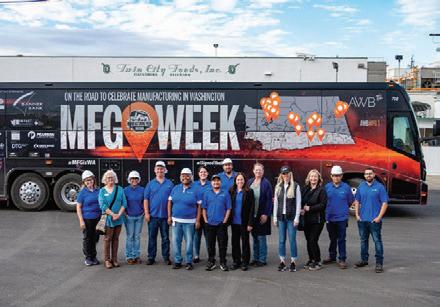
At the close of the tour, the hardhats came off as the group made its way back to the AWB tour bus, emblazoned with “MFG WEEK.” The visitors, along with plant employees, signed the side of the bus with black markers, with a few choosing to place their names in the Kittitas County area on a map of Washington state.
When asked what was her favorite part of working at Twin City Foods, Mills had a quick answer.
“The people,” she said.
“I’ve been in manufacturing more than 20 years. I’ve done automotive; I’ve done food. I’ve done SPAM.
“Yes, it’s meat,” she joked. Mills also has experience in dietary supplements and frozen food.
“You see the same things, see the same equipment, pumps, motors. But the people,” she said.

Mills noted the company has a monthly celebration for its employees. There will be a big meal of carne asada with rice and beans at the next one.
“Manufacturing is hard. Long hours and tough work,” she said. “So we do try to bring some enjoyment.”
The six-day Manufacturing Week journey started Oct. 1 in Seattle, Renton and then SeaTac, and wrapped up Oct. 8 on the other side of the state. Scheduled stops included Twin City Foods in Ellensburg, Basin Gold Co-Op in Pasco, Sila Nanotechnologies in Moses Lake, and Royal Family Farming in Royal City.
This year’s bus tour also included visits to advanced manufacturing programs at Eastern Washington University and Olympic College.
Dru Blu in Cle Elum was the last stop of the tour. The craft brewery was started Dru Ernst in 2014 at Snoqualmie Pass, and is known for its award-winning German-style beers, house-made sodas and ciders. The business relocated its brewing operations to Cle Elum in 2021, and the move enabled Dru Blu to double


its production and add in-house canning capabilities.
The statewide tour was AWB’s ninth and boasted more than two dozen visits to shop floors across Washington. Manufacturing Week highlights the state’s more than 7,600 manufacturing companies.
According to the association, those companies employ roughly 271,000 workers — which is 7.6% of Washington’s workforce.
Last year’s bus tour included stops at Cairnspring Mills, a flour-production mill in Burlington, and the J.R. Simplot Company in Moses Lake. Simplot has multiple processing plants in Washington and is one of the top three suppliers of frozen french fries to McDonald’s.
AWB said the state’s manufacturing sector generated $68.3 billion in economic output last year, and noted the average annual salary for a manufacturing employee is $96,683.
According to AWB, Kittitas County has 45 manufacturers that employ 636 people with an average annual wage of $55,584.


Research Brought To You By Kittitas County Chamber of Commerce and Iowa State University


Written by the Kittitas County Chamber of Commerce
A nine-month research project led by Iowa State University’s Extension Food Systems Team, in partnership with the Kittitas County Chamber of Commerce and WSU Extension, has produced a comprehensive look at how climate events and other challenges impact the county’s food system—and what can be done to strengthen it.
Through three focus groups and nine interviews with farmers, businesses, nonprofits, schools, and local officials, the study identified two main priorities:
Consumer education and networking. Community members want more opportunities to connect with local producers, learn food skills like cooking and preservation, and raise awareness about the value of local food.
Market development. Interest is growing in a yearround farmers market and a food enterprise/skillbuilding center that could provide shared commercial kitchen space, training programs, and opportunities for small-scale processing.
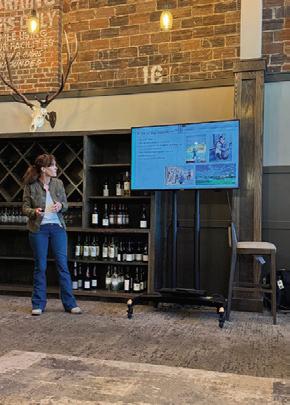
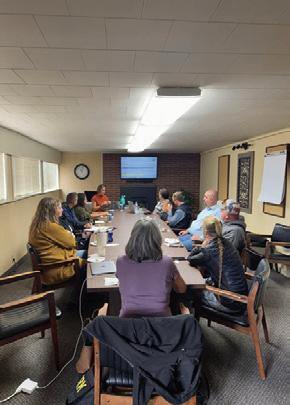
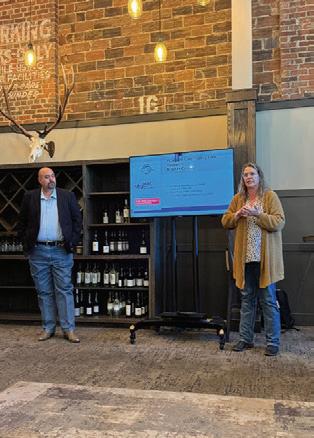
With funding from the Agricultural Marketing Resource Center, the next phase will include hosting up to three farm-and-food awareness events—such as local taste tests at farmers markets and farmer–buyer networking opportunities—and conducting a feasibility study for a skill-building center.
Other recommendations include establishing a countywide disaster communication plan with clear points of contact and resource directories, creating a Local Food Coordinator role to connect producers with buyers, and supporting farmer-to-farmer learning.
The Kittitas County Chamber of Commerce, which helped connect participants to the study, will continue to serve as a convener as these priorities move forward. Together, these steps aim to help Kittitas County’s farms, businesses, and residents prepare for disruptions while strengthening the local food economy year-round. Learn more by connecting with us at info@kittitascountychamber.com


A warm early fall has accelerated harvests across Washington, pushing the corn harvest nearly two weeks ahead of schedule and delivering strong returns for area growers. According to the latest crop update from Twin City Foods, this year’s harvest shows both challenges and successes across several key vegetables produced in the state.
In the Tri-Cities region, the corn harvest wrapped up significantly earlier than usual. Yields returned to average levels for the late season, with organic sweet corn ending on a particularly strong note. All organic fields achieved Agrade quality, aligning perfectly with forecasts. The Pasco harvest, typically drawn out well into October, concluded weeks ahead of schedule.
Green bean production has been a standout success this year. Despite unpredictable weather in other states, Washington’s crop delivered exceptional results. An impressive 97% of the beans graded A or higher, with yields running well above average. Twin City Foods expects to complete bean harvest by October 8–10.

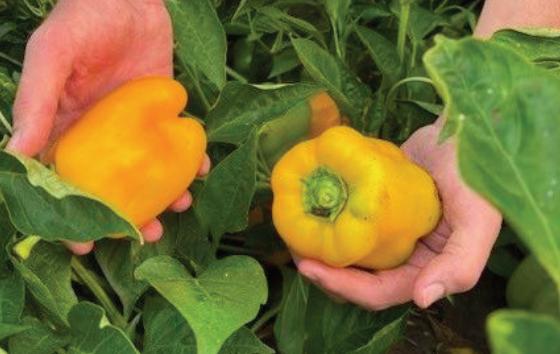
Closer to home, Ellensburg has completed its pepper processing. Although the overall pack came in a bit short, Twin City Foods noted the season provided valuable insights for the team and laid a stronger foundation for next year’s production.
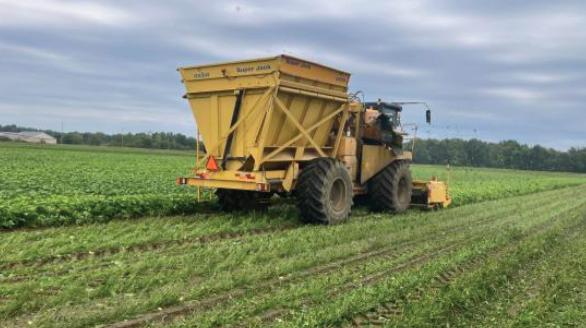
Carrot harvest is now underway, with mixed but encouraging results. Conventional carrot yields are slightly below average but remain on track to meet pack needs. Meanwhile, organic carrots are outperforming early expectations, showing better size and stronger quality than originally forecast.
As the 2025 harvest season progresses, Twin City Foods highlights the resilience of Washington agriculture. With lessons learned in peppers, strong organic carrot performance, and green beans exceeding quality benchmarks, the region’s growers continue to demonstrate their ability to adapt and thrive in shifting conditions.
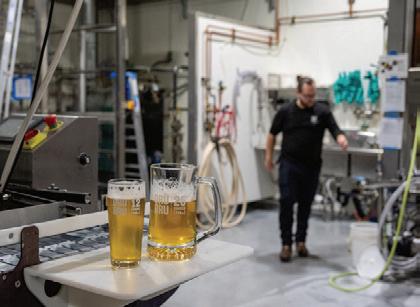
On October 8, 2025 the Kittitas County Chamber of Commerce was honored to welcome the Association of Washington Business during their annual Manufacturing Week Bus Tour, with visits to two outstanding local member businesses — Twin City Foods in Ellensburg and Dru Bru in Cle Elum.
From witnessing the incredible volume and precision behind Twin City Foods’ carrot and corn processing operations to learning about Dru Bru’s continued growth in brewing and canning craft beverages — the tour showcased the strength, innovation, and economic impact of manufacturing in Kittitas County.
Learn more at awb.org
BY ANNA TALLARICO Special to The Daily Record
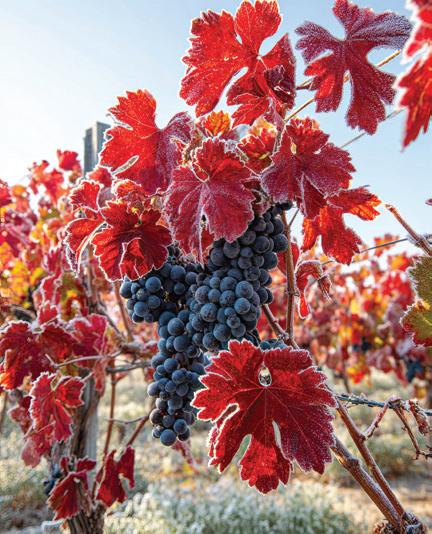
Conventional wisdom says the Kittitas Valley is a bit too cold to be a prime location for grape-growing.
“Our Septembers and Octobers can have frosts that come too soon to allow for most grape varieties to ripen to the point of making quality wines,” said Riley Newman, wine club manager at Gård Vintners.
But situated near the Columbia Valley, at a similar latitude to some of France’s prime growing regions, Kittitas County is home to a plethora of wineries offering a broad selection of high-quality wines made from grapes grown locally in Washington state.
Gård is an “estate winery,” Newman explained, meaning that all of its wine
is grown from grapes harvested from property it manages.
Its main vineyards are located in the Royal City area, but there are a few maturing vineyards in the Rocks District as well, south of Walla Walla.
“From seeds in soil until you pour it in a glass, we oversee all aspects of production ourselves,” Newman said.
There are currently more than 50 available products offered at Gård: a wide range of “bold reds to light and crisp whites,” Newman said, “a wine for every palate.”
The consistent players are club favorites such as Malbec and Grenache. Gård’s highest production wines are blends like The Don, Vaucluse and Freyja. There’s always a rotating selection, too.
Classic grapes like Cabernet Sauvignon,
Merlot, Syrah and Chardonnay grow well in Central Washington. And due to the unique properties of Central Washington’s soils — as well as altitude variation in condensed areas — more uncommon grapes like Albariño, Tempranillo and Vermentino can grow here, too.
“The profile of Washington wines has been growing in recent years, but it still
does not have the national or international notoriety of wines from California’s celebrated growing regions,” Newman explained.
“However, Washington has solidified itself as the most commercially successful wine state following California,” he added, “and wines, especially those coming out of Central and Eastern Washington, are starting to receive similar critical acclaim as those coming out of the Golden State.”
On the whole, Newman considers the Washington wine industry to be supportive rather than competitive.
“Many producers purchase grapes from other farmers or might share production spaces,” he said. “In that way, one producer’s success can also contribute to another’s.”
Most customers who join a wine club usually aren’t a member of just one, so wineries are likely to encourage sharing patrons.
“A frequent question asked during a tasting is, ‘Where should we go next?’” Newman said.






to help pollinators, beekeepers, gardeners, conservationists
BY SCOTT WEYBRIGHT WSU College of Agricultural, Human, and Natural Resource Sciences
Pollinators like honey bees require healthy food to survive and thrive.
To learn more about the pollen they gather and the nutrients within it, Washington State University is leading a new endeavor dubbed the Pacific Northwest Pollen Atlas.
The new project, which aims to map and describe pollen, could impact pollinator health, and in turn, the food humans eat that depend on pollination.
“If people can one day look up plants that grow well in a specific location and also know their nutritional value for pollinators, that’s a huge advancement in understanding the bee forage landscape,” said Priya Chakrabarti Basu, an assistant professor in WSU’s Department of Entomology. “We hope to create a database of plants and share the nutrient content in their pollen so gardeners can plant a healthy variety.”
Researchers will map all of the different pollen varieties collected by citizen scientists in every Washington county over a four-year period. Basu is currently seeking out volunteers statewide, with colleagues around the Pacific Northwest also recruiting to increase the project’s scope. These efforts are part of Basu’s larger effort to map pollen nutrition across North America.
A critical component of plant reproduction and crop production, pollen provides the necessary proteins needed for bee brood growth. Pollen flows across months and locations will be mapped to understand flowers’ bloom times, then tested for the different nutrients provided pollinators.
This project will help beekeepers choose ideal hive locations and nutritionally manage their colonies better during periods of pollen scarcity in the landscape. It will also
help conservationists and gardeners understand the forage quality for all bee species and choose plants based on their nutritional value.
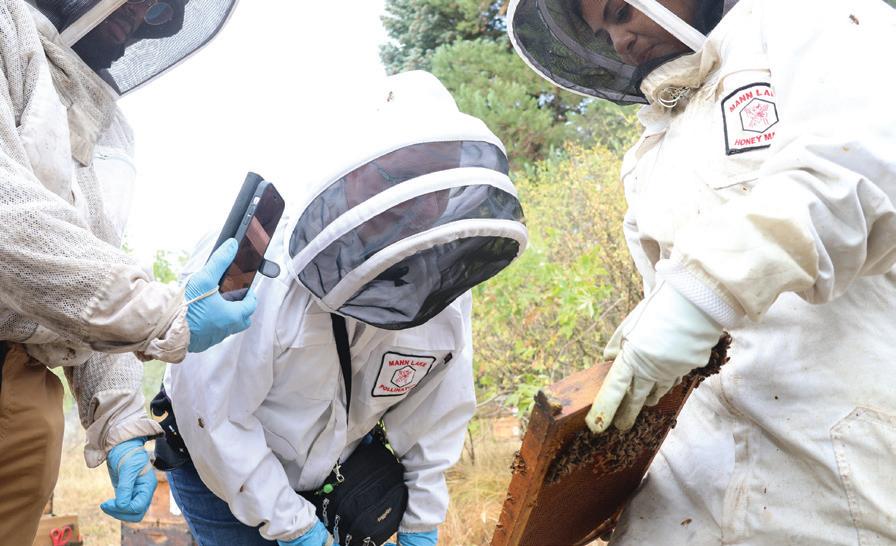
Basu aims to find at least two volunteer beekeepers in each county to collect pollen from their hives once a month over the four-year period.
“We want to learn what plants are in bloom at which time of year, and how nutritious that plant is for bees,” she said. “Having this information would be a massive expansion of our knowledge database.”
Ellen Miller has already signed up as a citizen scientist volunteer. A hobbyist beekeeper from eastern Spokane County, Miller is currently vice president of the Washington State Beekeepers Association.
“I told Priya I would do anything I could to help,” Miller said. “Honey bee nutrition is so important; they’re sentinels for all sorts of native pollinators. Pollen is their protein, so it’s not just nice; it’s life or death.”
Miller already enjoys looking at pollen collected by her bees, but mostly has no idea what plants it comes from. She’s often surprised by the variety of shapes, sizes, and even colors.
“A friend sent me photos of blue pollen,” Miller said. “I want to grow the plant it came from and find out if it’s good for bees. This project can help with both of those goals. And, honestly, I really want to see blue pollen myself.”
Dawn Beck is another hobbyist beekeeper who has already signed up to help. Now living in the Skagit Valley, Beck retired there after spending most of her life in Seattle. She’s willing to spend time each month collecting pollen since she knows how important the project could be for pollinators.
“Studies have shown that better nutrition helps colonies manage stressors like varroa mites or the effects of climate
change,” Beck said. “I know it’s a longterm project, but the potential benefits are very positive. I can’t wait to get started.”
Anyone interested in collecting pollen for the project can contact Basu. She
hopes to begin as early as September.
“This is not a quick project; it will likely take decades,” Basu said. “But hopefully over the next few years, we’ll significantly impact what plants gardeners grow, benefiting all pollinators around the Pacific Northwest.”
FROM OUR RANCH TO YOUR TABLE









Instead, a new online directory shows retailers who provide the farm fuel exemption by not imposing surcharges.
BY JERRY CORNFIELD Washington State Standard
Washington quietly ended funding this summer for a program that provided millions of dollars in rebates to farmers who paid unfair fuel surcharges under Washington’s landmark climate law.
Lawmakers are hoping instead that legislation enacted in May will make it easier for farm fuel users and haulers of agricultural goods to receive the fuel exemption promised under the state’s cap-and-trade system.
This year’s law directed the Department of Ecology to create an online map of retailers who sell exempt agricultural fuel at a price that excludes any surcharges associated with the Climate Commitment Act.
Rep. Tom Dent, R-Moses Lake, said this will simplify the process for farmers and haulers. Rather than pay a surcharge and submit paperwork to the government for a rebate, they can avoid extra costs up front, at the pump, he said.
“This should be an easier way for farmers to not pay a surcharge,” Dent said.
Central to the Climate Commitment Act are auctions for pollution allowances that refineries and other companies need to buy to offset their carbon emissions.
Under the law, the agricultural, maritime and aviation sectors are supposed to be exempt from the law’s cap on emissions and any fees fuel companies might pass to customers to
cover the cost of buying the allowances. Fuel used for trucking crops and other agricultural goods on public highways is exempt as well.
Soon after the cap-and-trade program began in 2023, complaints about these exemptions started streaming in.
There were difficulties tracking whether diesel fuel was being used for exempt purposes. A process where exempt fuel buyers had to present certificates to fuel sellers was cumbersome and faulty. One challenge for farmers was knowing where fuel exemption certificates would be accepted.
Bottom line, farmers and truckers said fuel distributors were, in many cases, passing on the cost of allowances to the tune of as much as 70 cents a gallon.
Ecology put together a workgroup that met several times in 2023 to try — unsuccessfully, said farmers and truckers — to iron out the wrinkles.
Even before the panel completed its work, the Washington Trucking Associations and the Washington Farm Bureau were asking a judge to scrap Ecology regulations guiding the exemptions and to open a new rulemaking process.
That fight reached the state Supreme Court this week.
In 2024, the Legislature set aside $30 million for rebates to farm fuel users and transporters of agricultural goods who could show they paid a surcharge tied to the climate law for which they should have been exempt. The Department of Licensing ran the Agriculture Support Program with funding from Climate Commitment Act proceeds.
It launched in August 2024 and ended June 30 this year.
Farmers and transporters could seek rebates for fuel purchased between Jan. 1, 2023, and Dec. 31, 2024. A

total of 2,744 applications came in, with $7,887,820 in rebates awarded, according to the Department of Licensing. There were rebate recipients in each of the state’s 39 counties.
Overall, the department spent $9.4 million on the rebate program, with the remaining $20.6 million returned to the climate fund.
Dent said he wanted the rebate program to continue, “but budget writers being budget writers decided not to do so.”
House Bill 1912, which Dent authored this year, says it is the intent of the Legislature to extend the rebate program through the 2025-27 biennium. That is not what occurred, even though the bill passed by margins of 94-2 in the House and 49-0 in the Senate.
The House penciled in $3 million to keep the program going in its budget,
but the Senate put no funds in its version. That is what the Legislature passed and Gov. Bob Ferguson signed.
As a result, applications for rebates closed June 2. All those received were processed, with money sent by June 30.
In the meantime, the Department of Ecology developed the new online directory of retailers who have told the department that they sell exempt agricultural fuel at a price that is different from fuel that is not exempt under the climate law.
This directory lists the name, address, county, and, if applicable, city of each exempt retail fuel seller. If additional retailers self-report, the site will be updated.
Dent said this won’t be the last word on how the climate law affects the bottom line of ag businesses.
“The work is not over with,” he said.


BY SCOTT WEYBRIGHT
WSU College of Agricultural, Human, and Natural Resource Sciences
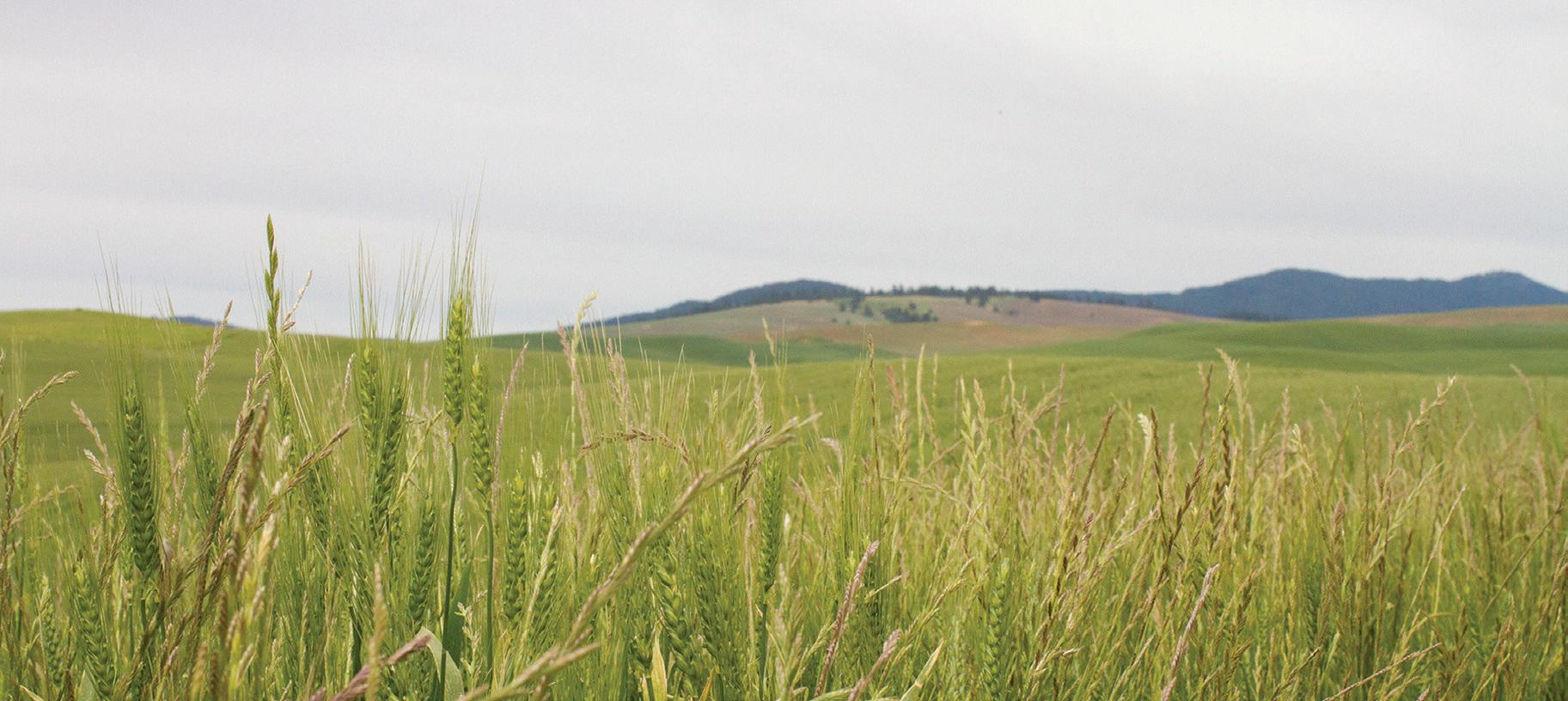
PULLMAN, Wash. — Planting wheat earlier in the spring to avoid crop damage from ever-hotter summers may not keep harvests on pace with current levels.
That’s a key finding from new research at Washington State University challenging assumptions that earlier planting could offset the effects of a warming climate. Researchers used computer modeling to show that moving crop plantings earlier in the season brings about other plant growth issues that could hinder productivity.
The findings were published in Communications, Earth, and Environment.
“Over the years, a lot of studies addressing climate change in agriculture have talked in positive terms about earlier planting as a fix for increased heat,” said Kirti Rajagopalan, an assistant professor in WSU’s Department of Biological Systems Engineering. “We wanted to look at that more critically because it seemed very simplified. We thought the reality could be more nuanced, and that is reflected
in our findings.”
Rajagopalan and her graduate student, Supriya Savalkar, are the lead authors on the paper. They studied spring wheat across much of the northern U.S., working with other scientists, including wheat breeders, to analyze planting windows and temperatures in the various regions. The team used highperformance computing power to run simulations in every region.
Their data clearly showed that spring wheat could have less productivity than current levels even if the crop is fully grown before the height of summer temperatures.
“Yes, earlier planting has some benefits,” Rajagopalan said. “But we wanted to make sure we haven’t overemphasized those benefits compared to potential tradeoffs.”
Early planting can still, despite a changing climate, expose crops to less than ideal temperatures in other growth stages, which could limit growth.
“We looked at how the crops experience temperature ranges,” said Savalkar, who will defend her PhD dissertation in November. “You can reduce heat stress in some stages, but at
the cost of exposing it to elevated heat or cold stress in other growth stages.”
Another impact of earlier planting is a reduction in the planting window. The USDA provides current planting windows for crops by region, and spring wheat currently has a window of around 11 weeks. Earlier planting may shrink that window down to one to seven weeks, Savalkar said.
“Shrinking the planting window is a nightmare for farmers,” Rajagopalan said. “It’s already challenging for them to get all their crop in the ground; having less time would be much harder.”
The study could have an impact on other facets of the agriculture industry, including wheat breeding. Mike Pumphrey, WSU’s O.A. Vogel Chair of Spring Wheat Breeding and Genetics and a co-author on the paper, said it shows a need for wheat varieties that mature earlier while still producing high yields.
“We had no idea what the results of this study would be because nobody has really looked this in depth at the impact of early planting,” said Pumphrey, a professor in WSU’s Department of Crop and Soil Sciences. “Wheat has been produced from average conditions

for over 100 years. Now, conditions are changing so significantly in such a short period of time that it’s hard to adjust.”
The paper only covered spring wheat generally and did not look at specific varieties. It did include one finding that may be helpful for growers in Washington. The only region that showed the potential for similar crop productivity between early planting and normal planting was the Pacific Northwest.
“Other spring wheat regions face more heat or cold stress,” Rajagopalan said. “Plants have a range of temperatures that work well for them, and most parts of the country are on the edges of those ranges. The Pacific Northwest has more leeway on that.”
The paper does not say early planting is all negative, it only points out some of the potential risks. Rajagopalan and Savalkar both hope to see more work done to help growers keep producing crops in a changing environment.
“Earlier planting is something that should and will be considered,” Savalkar said. “But there’s a lot of work to be done to make sure farmers can continue, or even increase, their production.”
BY SETH TRUSCOTT WSU College of Agricultural, Human, and Natural Resource Sciences
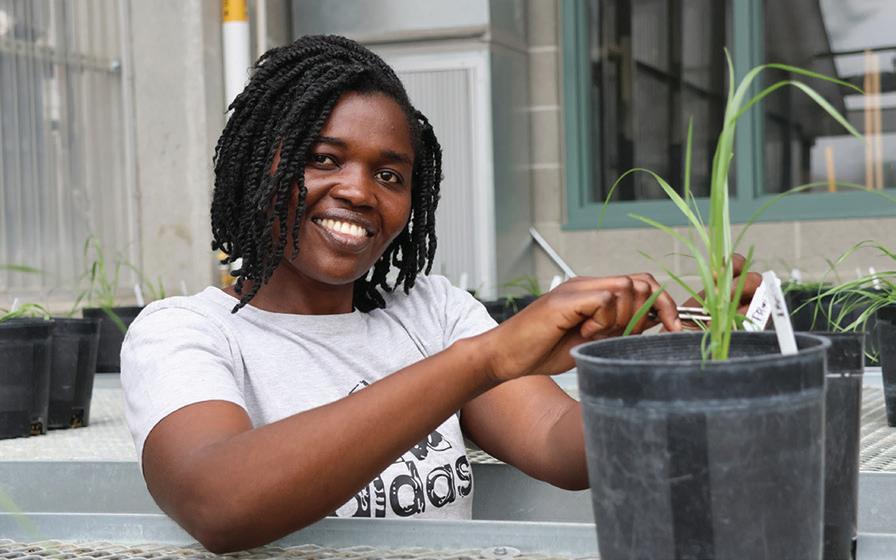
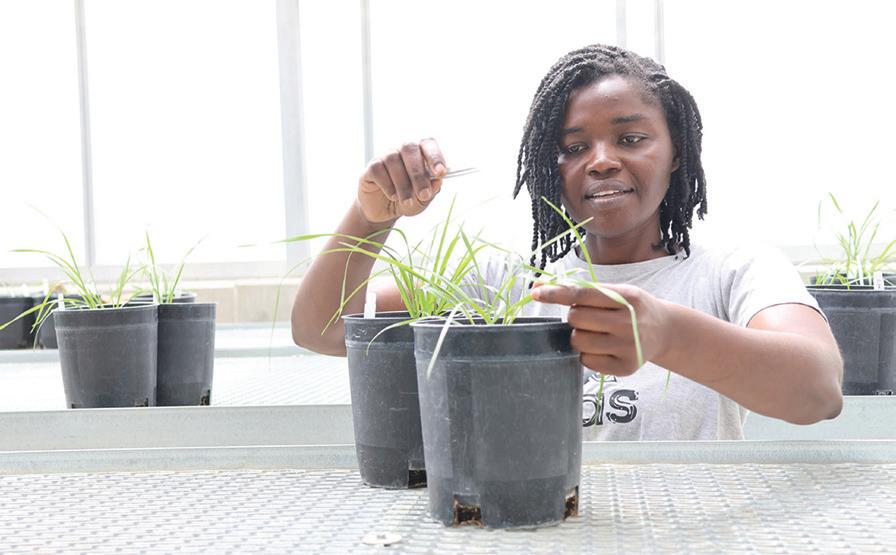
PULLMAN, Wash. — Skills honed on little-known wild papaya plants found in her native Cameroon are helping genomic researcher Raissa Fon decode the genetics of increasingly herbicide-resistant weeds found in Washington grainfields.
A postdoctoral researcher with Washington State University’s Department of Crop and Soil Sciences, Fon is assembling a reference genome — a complete genetic makeup of a given species — for five common Northwest weeds, including Italian ryegrass, tumble mustard, common lambsquarters, mayweed chamomile, and Russian thistle.
“Weeds are adapting to become resistant to herbicides, and scientists are trying to find the genes that are responsible,” Fon said. “But we can’t identify or map them without their reference genome.”
Over the last 20 years, reference genomes have aided scientists’ understanding of the genetics behind important crop traits like disease resistance, plant height, and yield. Many of the world’s most valuable staple crops,
like wheat, rice, and corn, have had a reference genome developed.
Now, weed scientists are developing reference genomes of weeds to identify the genes controlling traits like herbicide resistance, seed longevity, and drought tolerance, which give these plants their competitive advantage over crops.
“To better understand herbicide resistance mechanisms, we need to do genomic studies with weeds just as we’ve already done with crops,” said
Olivia Landau, a weed scientist with the USDA-Agricultural Research Service’s Wheat Health, Genetics, and Quality Research unit and principal investigator on Fon’s project.
Over the coming year, Fon will cultivate weed species and ultimately assemble their genomes, extracting their DNA and producing genomic sequencing data. Afterward, she aims to map and identify the specific genes responsible for herbicide resistance.
Future scientists may be able to use this knowledge to develop new weed control strategies, breed more manageable weed varieties, or suppress the expression of resistance-related traits.
“Once we find the genes, we could, for example, cause a mutation that knocks out resistance,” Fon said.


Her current work draws on skills that Fon gained as a doctoral researcher at the University of Illinois UrbanaChampaign. There, she helped identify the chromosomes responsible for sex determination in wild papaya species, Cylicomorpha solmsii, a threatened plant found in the highlands of Cameroon.
“Cylicomorpha solmsii has never been domesticated or exploited,” she said. Reputed for its pharmaceutical potential, the little-studied plant has been used by local residents to treat headaches, diarrhea, and other medical conditions.
Ninety-five percent of plant species are hermaphroditic, but Cylicomorpha solmsii is among the 5% that split between male and female plants.
Understanding this species could aid in the conservation of valuable plant diversity, Fon said, as it could serve as a new model for studying the evolutionary processes underlying sex chromosome differentiation.
On July 30, 2025, Fon shared her findings as she successfully defended her doctoral degree at the University of Yaoundé I in Yaoundé, Cameroon. She plans to always remember that milestone as “Cylicomorpha Day,” in honor of her ecological and genomic journey.
“That day marked the culmination

of nearly seven years of dedicated work on a plant that was gradually facing extinction,” Fon said. “Cylicomorpha’s biology and genomic resources are now being preserved and revitalized.”
For her efforts, Fon was one of 10 early career scientists to receive the 2025 Next Gen Leadership Award from the Genome Partnership, an arm of the international genomics organization Advances in Genome Biology and Technology. The award was announced earlier this year at the organization’s Agricultural Meeting.
Fon has a passion for bioinformatics, the scientific discipline that combines biology with technology to understand biological data.
“Ever since my undergraduate days, I’ve been interested in DNA,” she said.
“I’ve wanted to be at an institution where I have the resources to work on it.”
Partnering with WSU and USDAARS scientists after she arrived at WSU last summer, Fon is excited to unlock new genetic mysteries.
“Genomic research takes a lot of skill, patience, and troubleshooting” she said. “But getting results is fascinating, and I love it.”
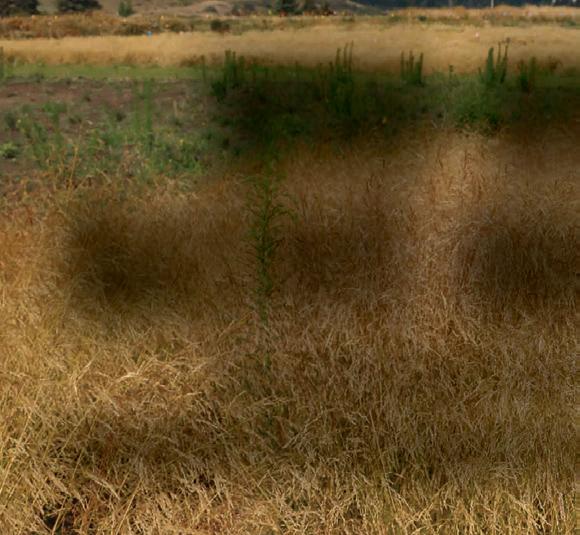
PHOTO BY SETH TRUSCOTT / CAHNRS


BY SETH TRUSCOTT
WSU College of Agricultural, Human, and Natural Resource Sciences
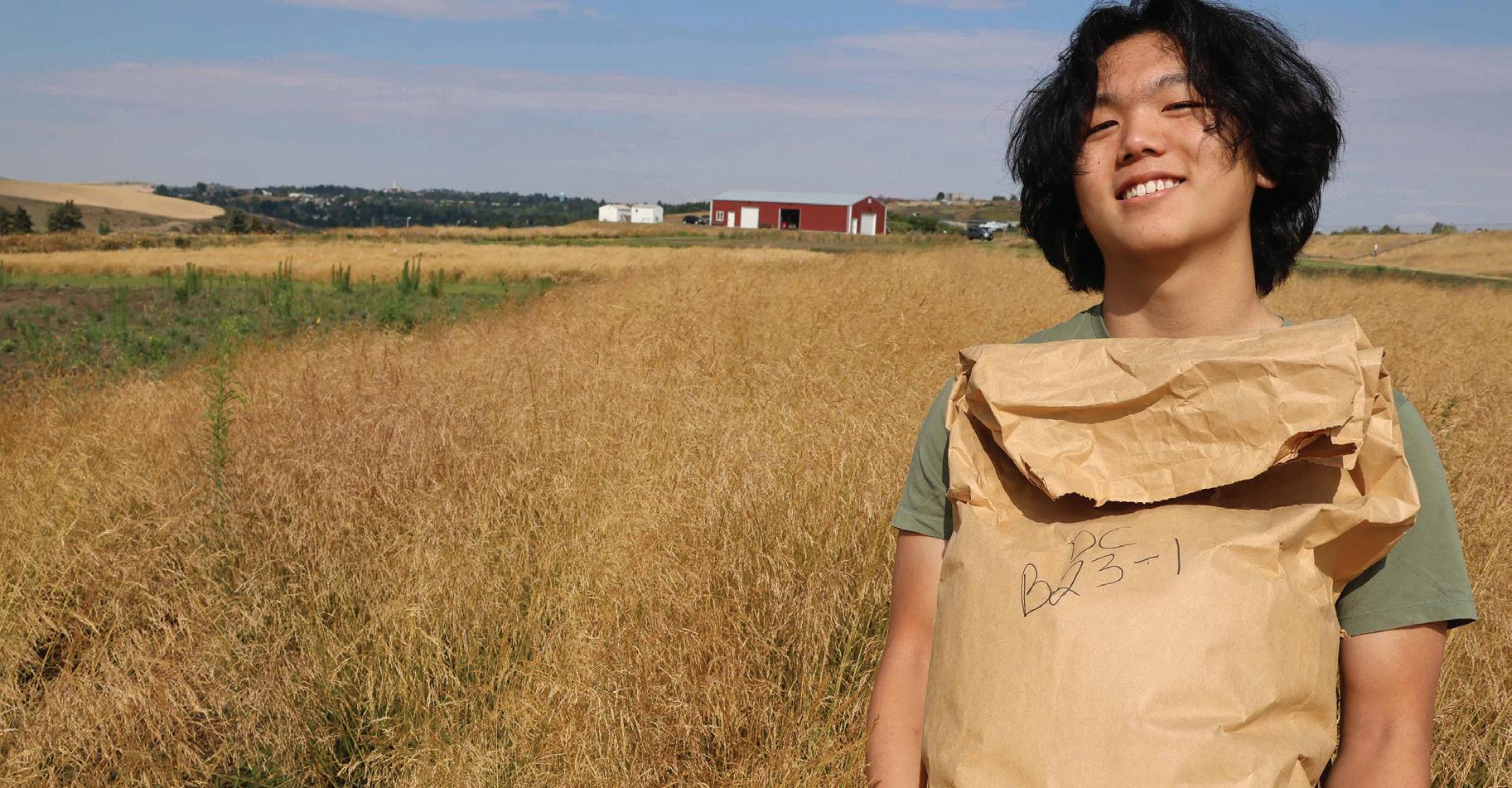
Members of the Idaho Native Plant Society‘s White Pine Chapter partnered with Michael Neff, grass breeder and professor in WSU’s Department of Crop and Soil Sciences, to obtain a seed supply of tufted hairgrass. The chapter will plant this native grass to compete with reed canary grass, a tenacious invader that hogs water and crowds out beneficial plants.
“Tufted hairgrass seed is extremely desirable and hard to come by,” said Neff, who studies and grows a variety of turf, forage, ornamental, and landrestoring grasses at the WSU Grass Breeding and Ecology Farm in Pullman. Found wild throughout North America from ocean beaches to 4,000foot timberlines, tufted hairgrass is prized in landscapes for its tall, fluffy tufts and used as a landscape restorer in moist prairies and marshes. But it’s not a prolific seed producer; Neff is working to breed high-yielding varieties
using seeds sourced from the U.S. Department of Agriculture’s Pullman gene bank as well as wild plants.
The partnership with the chapter, a nonprofit organization promoting naturally occurring plants in the Palouse region of Washington and Idaho, came about after Neff applied to their small grants program to support his native grass work.
“These grasses will be used in a different way from many of Michael’s other grasses,” Chapter President Penny Morgan said. “They’ll help us conserve native plants in wetlands and other areas that we’re trying to help.”
Remnants of habitats that were once much more widespread, Palouse wetlands play an important role in the regional ecology. They provide homes and food for many birds, amphibians, and insects, while also filtering runoff and boosting water quality.
Reed canary grass became a dominant invader of the region’s streams and moist prairies when introduced in the early 1900s.
“It’s a bully of a grass,” Chapter Conservation Chair Judy Ferguson said. Spreading by its roots, it sucks up the critical spring and summer moisture that native plants depend on. “It is one of the most pernicious, difficult plants to remove.”
Moisture-tolerant hairgrass thrives in similar conditions but doesn’t selfpollinate. Neff is providing a selection of this grass, pollinated or ‘crossed’ with high-yielding specimens found locally and in Colorado, as well as another native, drought-tolerant prairie June grass, that are grown as part of his breeding program.
“Some of these are gorgeous ornamentals,” Neff said. “They’re beautiful. I get excited about how useful these can be for land reclamation, for ornamental landscapes, and their potential for turf.”
This fall, volunteers will remove canary grass and seed hairgrass at wetlands and ponds near Pullman as well as Genessee and Princeton, Idaho.
“We’re really excited to have these
grasses,” Morgan said. “If they can compete enough with reed canary grass to give other native plants a chance, it could give landowners hope.”
It may take a few years to understand the effectiveness of the approach. The partners plan to observe their plantings and fine-tune their methods and seeding densities over time.
“I want to go back to these sites, select some of the best specimens, and bring them back into the breeding program,” Neff said.
The partnership shows the impact that grass breeding can have on the human and natural environment.
“Grass is important for land reclamation, food, forage, and turf,” Neff said. “I want to work with as many of the end users of these grasses as possible.”
For chapter members, protecting native plants that contribute to soil health and natural beauty helps make their region more resilient.
“Native plants are a vital part of the Palouse,” Morgan said.
BY EMILY FITZGERALD
Washington State Standard
Washington’s agriculture department is seeking more than $13 million to deal with a pair of invasive insects that can destroy and damage a variety of plants, crops and trees.
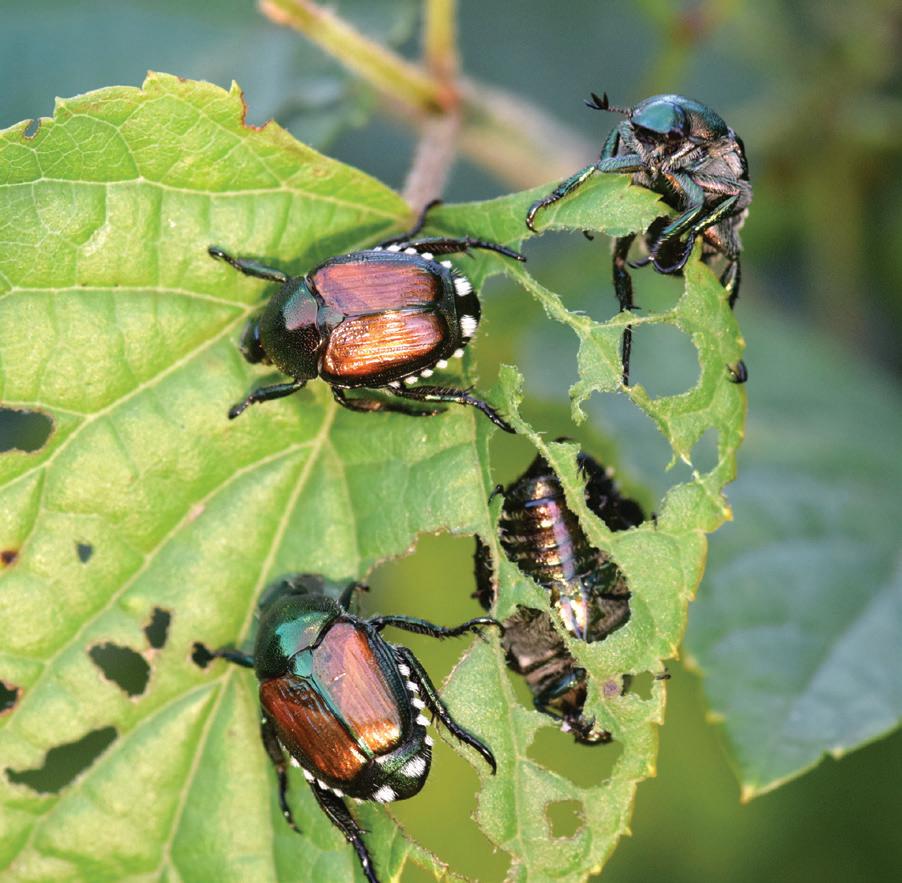
The Department of Agriculture submitted a 2026 supplemental budget request to the governor’s office, asking for $12.3 million to backfill state funding for its Japanese beetle eradication plan.
The plan was partially funded in the current two-year budget, but this funding only allows the department to treat 500 of 11,800 acres infested with the beetle.
Japanese beetles were first detected in Grandview, Washington, in 2020. The beetle now infests much of south central Washington and the SeaTac area, with a total of 51,065 beetles trapped statewide so far this year.
The beetles can eat more than 300 species, chewing large, irregular holes in leaves, while larvae eat roots in the soil.
Successful eradication of the insect is “critical” for Washington’s agricultural industry, the Department of Agriculture says.
“Without adequate funding, we may lose the fight against this extremely destructive pest,” the Department of Agriculture states in its budget recommendation summary.
Funding from the supplemental budget would allow the department to continue a special yard waste disposal program for areas the beetle has moved into and to treat all 11,800 infested acres with insecticide in the spring of 2026.
The department is also asking for $928,000 for spongy moth eradication. This would provide a cushion in case federal funding is cut, the agency said.
The spongy moth, formerly known as the gypsy moth, is widely considered to be one of the most destructive forest pests in the United States. The moth’s
caterpillars can eat the leaves of over 300 species of trees and shrubs, including evergreens, causing defoliation and tree death.
The department anticipates that spongy moth eradication efforts could be needed in Lakewood and Kent next spring, but they won’t know for sure until surveys are completed in October.
There have been “unprecedented interceptions” of live spongy moths on cargo ships in Washington’s ports this year stemming from a possible outbreak in Japan, according to SvenErik Spichiger, an entomologist with the Department of Agriculture.
Port officials notified Department of Agriculture staff and were able to redirect the ships to prevent the insect from spreading.
“But what I can tell you is it’s kind of scary, because we’ve never had these types of interceptions,” Spichiger added during an update to the Washington State Invasive Species Council last month.
The Department of Agriculture’s invasive moth program has successfully prevented the spongy moth from gaining a foothold in Washington for the last 50 years, but the program depends on federal funds for half of its costs.
Several states, including Minnesota, Wisconsin and North Carolina, have already had their spongy moth eradication efforts interrupted by a loss of federal support, and Washington won’t know if its program has federal funding until December 2025 at the earliest.
The supplemental budget request would allow for eradication efforts in Lakewood and Kent next spring, even if the program loses federal funding.
Other state departments that work to combat invasive species did not request funding from the 2026 supplemental budget to continue their work.
This year, the Legislature provided $12 million in the 2025-27 budget towards managing the European green crab, consistent with the funding the
initiative received in the last biennium.
The invasive crabs were first found in the late 1980s on the West Coast and began to surge in Washington’s waters about six years ago. They pose a threat to native wildlife, the shellfish industry and shoreline habitats.
A 2022 order from then-Gov. Jay Inslee, declaring the growing green crab population an emergency and urging the Legislature to provide emergency funds to manage the infestation, is still in effect.
Over 1.1 million green crabs were removed from Washington’s marine waters between July 1, 2024 and June 30, 2025, according to a Department of Fish and Wildlife report released last month.
The Washington Invasive Species Council voted in July to recommend that the Department of Fish and Wildlife classify the golden mussel — a freshwater
species known for its fast reproduction and ability to clog water infrastructure — as a high-priority invasive species.
But that process is ongoing and a management plan is still in the works, according to Justin Bush, aquatic invasive species policy coordinator for the Department of Fish and Wildlife.
“We’re trying to work as fast as we can through that with that imminent threat,” Bush said, adding that the department has criteria for determining when the situation requires an emergency proclamation like the green crab’s.
The golden mussel has not yet established itself in Washington state, though it has been intercepted on some ships from California.
The golden mussel was first detected in California last year, marking the species’ debut in North America. Since then, the golden mussel has spread through much of the state.