


One Device. Infinite Possibilities.
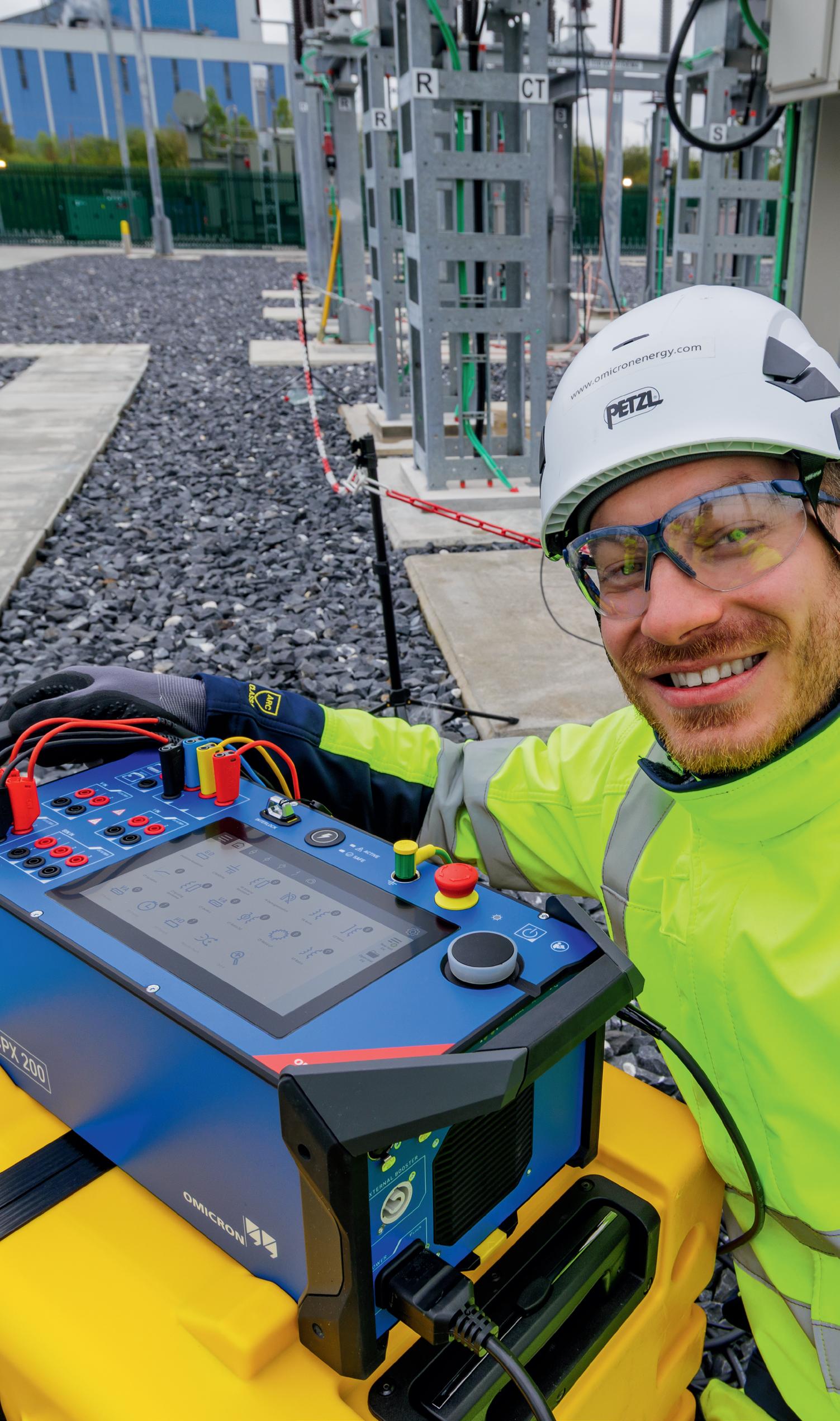
“We are excited to introduce a groundbreaking innovation - an ecosystem which redefines multifunctional testing. We have pushed the boundaries of technology to bring you the most advanced measurement device the industry has ever seen. A seamless interaction of all elements, enables test engineers to unleash their full potential, dedicating their time and expertise to core tasks, without any distraction. We are proud to introduce the CPX 200 and its unique ecosystem.”
Your OMICRON development team
For those who empower. CPX 200 is made for you.
8 Building Services
As peak demand rises, Brad Pilgrim of Parity explores how HVAC automation could help buildings shift from passive loads to active grid assets.
11 Electric
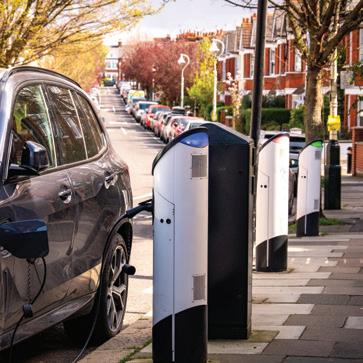
A recent tribunal ruling could have major implications for public EV charging, as Stewarts’ Giles Salmond and Guy Bud assess what happens next. 12 Energy Storage
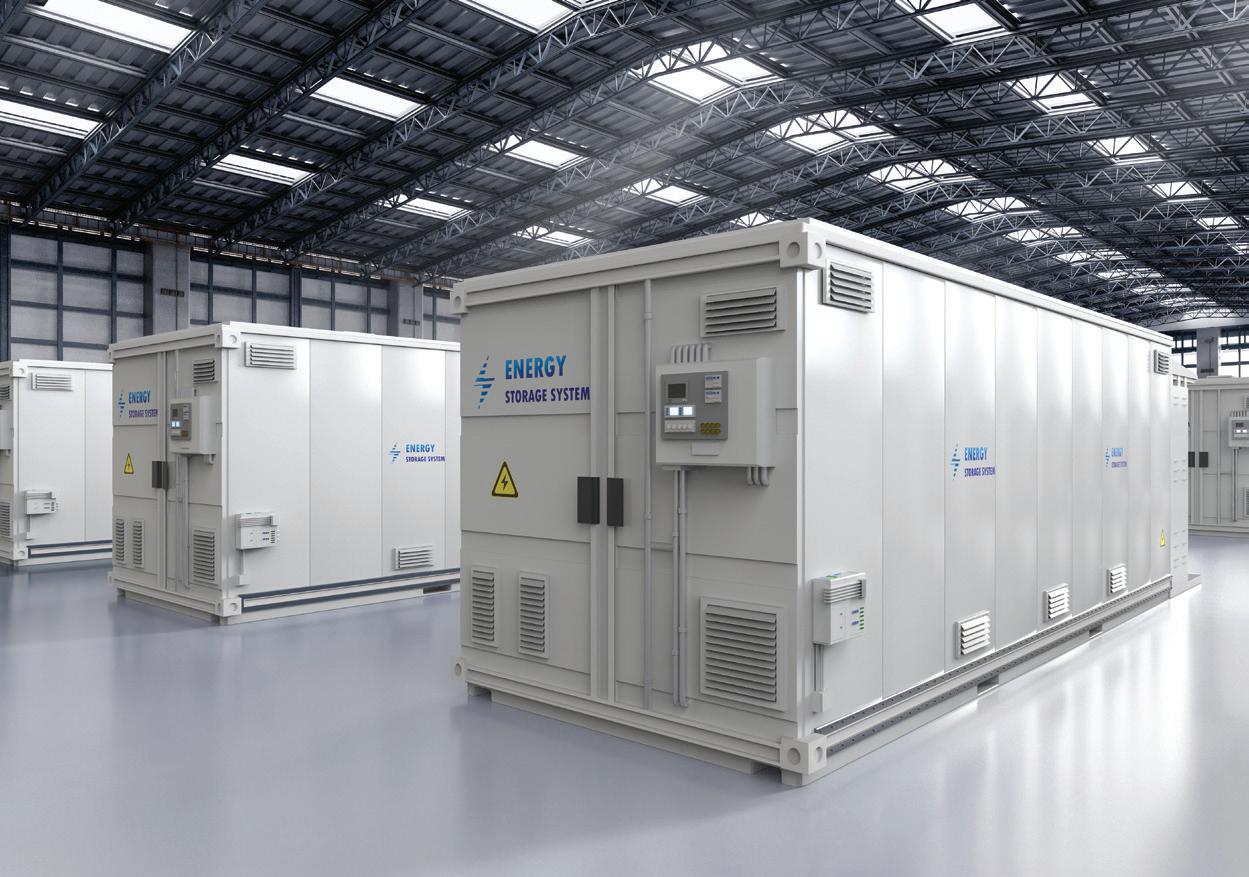
ABB’s Lee Todd argues that behind-the-meter storage will only scale when the commercial model works for everyday businesses.
14 Power
From predictive maintenance to grid optimisation, AI is moving deeper into energy systems – and Dario Perfettibile of Kiteworks warns the sector is not ready for the fallout of a breach.
20 Renewables
Segen’s Steve Donovan and Giulio Stangarone explain why a larger solar array can improve performance, economics and consistency – but only when the design is right.
22 What’s next
After 154 years, Electrical Review is being rebuilt to better serve the realities of modern electrification.


Welcome to the first edition of Electrical Review for 2026. Before starting this issue, I just want to take a trip down memory lane to when I first took over as Editor. It was an interesting year to be sure, the first where Covid-19 era restrictions were finally being lifted and normalcy began to return.
It was also around that time that the UK finally began setting out its strategy for achieving Net Zero by 2050 – not just an aspirational goal, but one that was legally binding, thanks to the actions of Theresa May’s Government back in 2019.
The strategy included many complex parts – whether it was encouraging the switch to electric vehicles to decarbonise transport or the commitment to a clean power system by 2035. It was bold, but Johnson’s Government felt that dealing with the challenges of achieving Net Zero was a big economic opportunity for the UK – one which could see British companies lead the green economy worldwide.
So, how have things changed since I took over?
While it’s only been five years, it’s safe to say this industry has delivered when it comes to electrification. We’ve gone from renewables accounting for just 33.7% of the UK’s energy mix in 2021 to being responsible for 44.5% in 2025. The expectation is that the next few years will see renewables dominate even further – especially amidst the wake of the Iranian conflict, which has sent gas prices soaring.
In terms of the electrification of transport, that’s also been a success story. In 2021, the UK registered 210,000 new zero-emission vehicles, now there are over 1.97 million fully electric cars on the road –accounting for 5.7% of all cars on the UK’s roads.
Despite all this progress, however, there’s still more to do. There are still some stuck arguing about the strategy, or for some in Reform UK and the Conservative Party – the destination. That’s why as an industry, it’s important to block out the noise and to focus on what we do best – deliver.
This industry can deliver a more robust energy system. It can deliver EV infrastructure that can support millions of new electric vehicles. And it can deliver Net Zero, while reaping the economic benefits that it provides for the UK.
That ability to adapt, evolve and deliver is not just a challenge for this industry, however – it is one for us too. Electrical Review has always aimed to reflect the sector at the heart of change, and as that sector continues to move forward, so must we. So, while I wanted to take this opportunity to celebrate how far the industry has come, it also marks a turning point for us.
This will be the last issue of Electrical Review in its current form – not as an ending, but as the beginning of something new. You can read more about what we have in store on page 22.
Jordan O’Brien, Editor
MANAGING EDITOR
Jordan O’Brien
jordano@sjpbusinessmedia.com
DESIGN & DIGITAL PRODUCTION
Rob Castles
robc@sjpbusinessmedia.com
BUSINESS DEVELOPMENT MANAGER
Massimo Marenghi
+44 (0)07741 911 296 massimom@sjpbusinessmedia.com
GROUP COMMERCIAL DIRECTOR
Fidi Neophytou
+44 (0) 7741 911302 fidin@sjpbusinessmedia.com
MARKETING MANAGER
Emily Szweda emilys@sjpbusinessmedia.com
Printing by Buxton
Subscription enquiries: Electrical Review is a controlled circulation magazine available free to selected personnel at the publisher’s discretion. If you wish to apply for regular free copies then please contact: subscriptions@sjpbusinessmedia.com
Electrical Review is published by SJP Business Media 37 Lombard Street London, EC3V 9BQ 0207 062 2526
Industry-leading b2b technology brands
Any article in this journal represents the opinions of the author. This does not necessarily reflect the views of Electrical Review or its publisher – SJP Business Media
ISSN 0013-4384 – All editorial contents © SJP Business Media

Follow us on Twitter @elecreviewmag Join us on LinkedIn
Join the experts for in-depth discussions of the industry’s hottest topics – you can ask the experts too. The Briefing provides the latest insights on electrical trends and developments

www.electricalreview.co.uk/
As data centres continue to expand in scale, density and complexity, the demand for resilient and reliable power infrastructure has never been greater. With growing reliance on cloud services, digital platforms and critical online systems, even the shortest power interruption can result in operational disruption, data risk and financial loss.
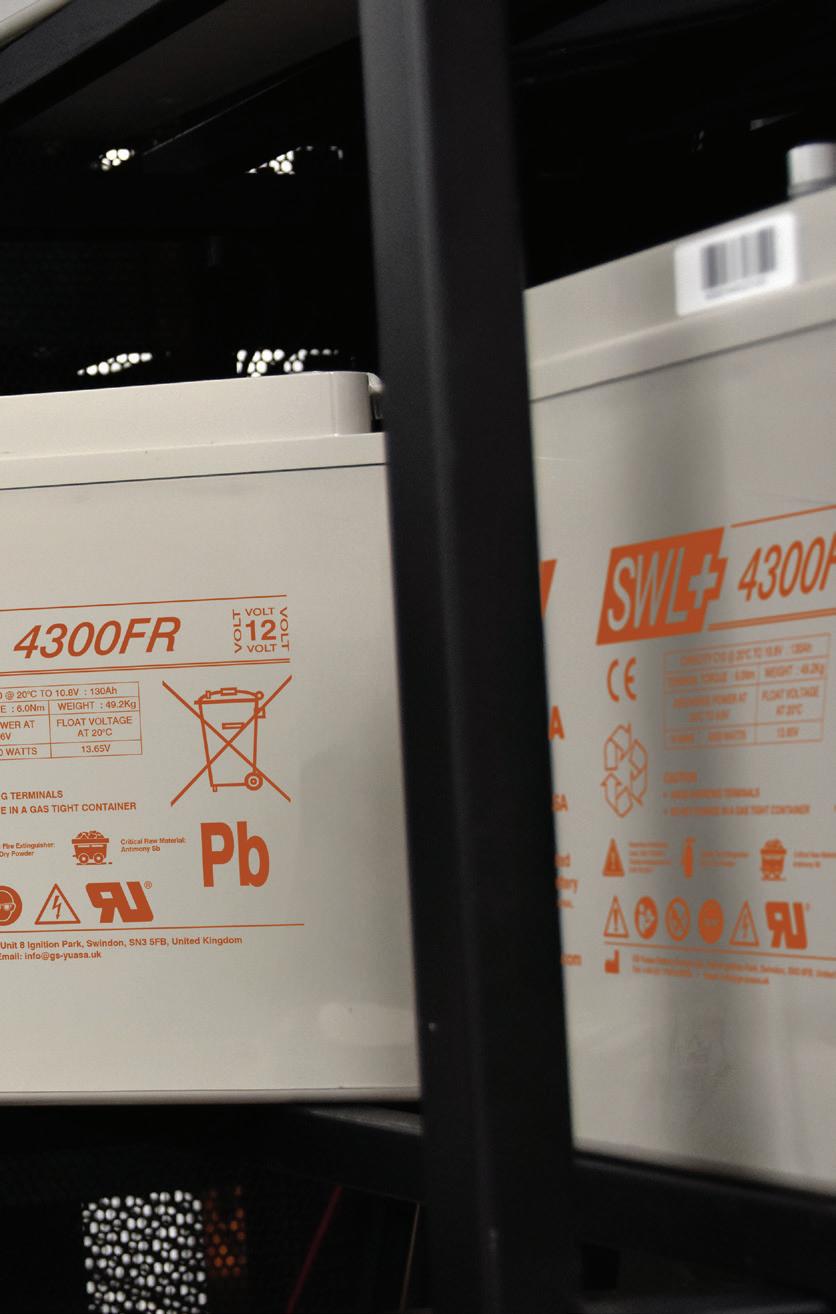
While servers, cooling systems and network architecture often dominate discussions around data centre performance, one essential component consistently underpins resilience behind the scenes: industrial battery technology. From uninterruptible power supply (UPS) systems to reserve energy storage, batteries remain the first line of defence when grid power fails.
For decades, Yuasa has supported missioncritical environments where reliability is nonnegotiable. Its experience across data centres and wider critical infrastructure highlights a simple reality: dependable battery performance is fundamental to maintaining uptime.
When power disturbances occur, batteries provide immediate, seamless energy to critical systems. Unlike generators, which require start-up time, batteries respond instantly, maintaining stable power to servers, cooling equipment and network infrastructure.
This rapid response protects sensitive electronics, prevents data loss and ensures operations continue uninterrupted while backup generation comes online. In highavailability environments, this performance is essential.
As data centre loads increase and infrastructure becomes more powerdense, battery systems must deliver higher performance with absolute consistency. Reliability is not defined solely by capacity or headline specifications; it is determined by how predictably batteries perform under real-world conditions, often over many years of continuous operation.
Many data centres rely on high-rate battery systems capable of delivering large amounts of power over short durations. These batteries support UPS installations designed to bridge the gap between grid failure and

generator activation.
High-rate batteries are engineered specifically for this role, optimised for short-duration, high-power discharge. Key characteristics typically include high power density, low internal resistance for efficient output, stable voltage under heavy load and compact, maintenance-free designs that help optimise space within battery rooms.
In environments where space, efficiency and reliability are all critical, these features support both operational resilience and infrastructure planning. As UPS systems evolve to support increasingly demanding loads, battery performance becomes a defining factor in overall system reliability.
Battery reliability begins at the design and manufacturing stage. Materials, internal construction, plate technology and quality control processes all directly influence how a
battery performs throughout its service life.
Industrial battery systems used in data centres are engineered to operate under challenging conditions, including continuous float charging, elevated ambient temperatures, high discharge currents and long service-life expectations. Consistent performance under these conditions is essential for mission-critical installations, where backup systems must perform exactly as intended when called upon. By focusing on stable chemistry, robust internal construction and controlled manufacturing processes, industrial battery designs aim to deliver predictable behaviour over time. For operators and engineers, this predictability simplifies system design, supports effective maintenance strategies and reduces the risk of unexpected failures.
Resilience is not only defined by how a battery performs during a power outage;
it is also shaped by how it performs over years of operation.
Battery systems represent long-term infrastructure investments. Their ability to maintain consistent performance, age predictably and integrate with maintenance programmes is essential for effective operational planning. Key lifecycle considerations typically include design life, operating temperature, monitoring strategy and end-of-life replacement planning.
High-quality industrial batteries are designed to offer stable performance across their service life, allowing operators to forecast replacement schedules accurately and avoid unplanned failures. This predictability reduces risk, supports compliance with uptime requirements and helps maintain consistent resilience across data centre estates.
While valve-regulated lead-acid (VRLA) batteries remain widely used in UPS systems, lithium-ion technology is playing an increasingly important role in modern data centre infrastructure.
Lithium-ion batteries offer several advantages for certain applications, including higher energy density, reduced footprint and weight, faster charging capabilities, longer cycle life and lower maintenance requirements. These characteristics make them attractive for facilities where space efficiency, scalability and long-term operational performance are priorities.
As data centres continue to evolve, lithium-
ion technology provides an alternative energy storage option that can complement, or in some cases replace, traditional battery systems depending on operational requirements.
Selecting the right technology remains highly application-specific, with reliability and lifecycle performance central to decision-making.
The same battery technologies used in data centres also support a wide range of other critical infrastructure sectors, including telecommunications networks, healthcare facilities, transport systems, utilities and emergency services.
In each of these environments, uninterrupted power is essential for safety, service continuity and operational stability. Experience gained across these sectors informs battery design, performance expectations and reliability standards within data centre applications, reinforcing the importance of proven technologies in high-risk environments.
Battery performance is strongly influenced by environmental conditions such as temperature, ventilation and charging regimes. Data centre battery rooms must be carefully designed to maintain optimal operating conditions, helping maximise service life and performance consistency.
Modern battery systems are increasingly supported by monitoring technologies that track voltage stability, temperature variation, internal resistance and charge-discharge behaviour. This data allows operators to identify potential issues early, implement predictive maintenance strategies and reduce
the likelihood of unexpected system failures. In high-availability environments, proactive monitoring is a critical component of resilience.
At Data Centre World London, Yuasa will highlight how its battery technologies support critical power applications where uptime, predictability and long-term performance are essential.
Visitors will have the opportunity to speak directly with technical specialists, explore real-world applications and discuss the practical challenges facing modern data centre operations. From product selection and installation guidance through to lifecycle considerations, the focus is on experience-led insight rather than theoretical claims.
In an industry where reliability underpins everything, these conversations are more important than ever.
In critical power environments, trust is earned through consistent performance. Yuasa’s long-standing commitment to reliability reflects an understanding of what truly matters to operators and engineers: confidence that systems will perform when they are needed most.
As digital infrastructure continues to grow in scale and importance, dependable power solutions will remain essential. By combining proven battery technologies with rigorous engineering standards and comprehensive technical support, Yuasa continues to play a key role in protecting uptime across some of the world’s most demanding environments.



As electricity networks come under growing pressure during periods of peak demand, Brad Pilgrim, CEO at Parity, explains why HVAC automation could become one of the most effective tools for easing the strain.
From June 23-25, 2025, New York City’s electricity grid experienced significant demand, totalling 31,857 MW. Using its Grid Alert system, NYISO issued Energy Watch notifications on June 24 and 25. On June 24, the Energy Watch was escalated to an Energy Warning as reserves fell below 1,965 MW.
Yet the New York City grid did not fail or experience any major incidents such as brownouts. Part of the credit for that resilience is likely due to the city’s demand response programme, the growing prevalence of grid-interactive, energy-efficient buildings, and the increasing adoption of automated building systems, including automated HVAC.
For the UK, the relevance is clear. As peak demand rises and flexibility becomes more valuable, buildings need the right controls, visibility and automation in place if they are going to participate rather than simply add to the strain.
This is the part where I should disclose that I am the CEO of a company that helps buildings automate their HVAC operations. And while that role certainly makes me somewhat biased, at the end of the day I am another person who wants to see electricity grids endure and even flourish.
So, in an era of growing pressure on the grid, how do we go about achieving that? At least one important part of the answer is HVAC automation.
According to the US Department of Energy, the energy devoted to heating and cooling buildings accounts for approximately 35% of a property’s overall energy consumption, representing the largest share of energy attributed to any single use within a property.
In other words, if we are looking to reduce strain on the grid, the single biggest lever we can pull is HVAC.
Here is the problem, though: we have all been trained to think about HVAC operations in the wrong way. For decades, the prevailing mentality has been to ‘set it and forget it’. It makes sense: people find a temperature setting they are comfortable with and leave it there. Why interfere with something that appears to be working?
But growing pressure on the grid, driven by a wide range of factors, including climate change and the increasing prevalence of major energy users such as data centres, means we need to adopt a different mindset. At the same time, the power supply is becoming more variable. Wind and solar are vital additions to the grid, but their intermittency means

flexibility elsewhere in the system becomes even more important. Thanks to advances in automation and machine learning, it is increasingly possible to provide that flexibility without affecting the comfort of a building’s occupants.
“ If we are looking to reduce strain on the grid, the single biggest lever we can pull is HVAC
Many of the largest HVAC providers have focused their automation efforts on the commercial sector, including industrial, office, and large municipal properties. By contrast, multifamily and hotel properties have often been overlooked.
That matters because these buildings represent a significant opportunity. They may not have the same operational flexibility as a factory or a large industrial site, but they still consume substantial amounts of energy and, with the right systems in place, can play a far more active role in supporting the grid.
The starting point is visibility and control. Modern HVAC optimisation platforms can connect to existing building systems, ingest operational and equipment data, and use machine learning to improve performance in real time. That can include adjusting set points, refining
equipment schedules, and continuously optimising control strategies in response to changing conditions.
The result is not simply lower energy use. It is smarter, more responsive demand that better reflects what the grid needs at any given moment. Just as importantly, that can often be achieved without compromising occupant comfort.
For building owners and operators, this creates a dual benefit: lower operating costs and a more active role in grid resilience. For the wider energy system, it means more buildings can begin to function as flexible assets rather than passive loads.
On a day-to-day basis, optimised HVAC systems can reduce energy consumption and therefore provide meaningful support to the grid. Buildings with intelligent controls can become more grid-interactive, reducing usage as utility prices rise or demand intensifies.
But the role of automation becomes particularly important during periods of peak consumption, such as those seen in New York City at the end of June.
During such periods, grid operators and utilities will frequently initiate demand response events. These events give properties an opportunity to curtail their energy consumption for a defined period and, in return, receive payment from the grid operator and/or utility for taking part.
Demand response is not new, but until recently the focus was largely on large commercial and industrial properties. That is because these buildings have historically been both the largest energy consumers and the properties with the greatest operational flexibility. A factory, for example, can choose to shut down part of its operations for a few hours, whereas a multifamily building or hotel does not have that same option.
Moreover, demand response events are often initiated with only a few hours’, or even a few minutes’, notice. It is nearly impossible for a resident manager to make all the necessary manual adjustments across a building within that timeframe.
This is where automation changes the equation. Because intelligent systems can already understand a building’s energy usage patterns, they can automate curtailment strategies in a way that is both faster and more precise. Techniques such as pre-cooling can enable multifamily properties to take part in demand response events while keeping residents comfortable.
That shift matters because it broadens participation. It means demand response no longer has to be limited to the largest commercial or industrial users. A wider range of buildings can contribute, giving grid operators a broader and more flexible resource to call on when conditions tighten.
There is also a commercial case for participation. Buildings that can respond effectively to demand events may be able to unlock new revenue streams while also reducing energy use. But the bigger picture is that they become part of the solution to grid stress, rather than simply another source of demand.
The biggest users of HVAC can make the greatest contribution to supporting the grid. But sustainability, at its core, depends on everyone doing their part. If more multifamily and hotel properties can become active participants in grid flexibility, the cumulative impact could be significant, not only for building owners and operators, but for the resilience of the wider energy system.

Essex-based temporary power provider Templant has been acquired by Camfaud Group, the UK’s largest concrete pumping company and part of Concrete Pumping Holdings, Inc. (NASDAQ: BBCP)
The acquisition marks a major step in Templant’s growth, bringing further investment in rental fleet, transport and service capability, alongside the development of a multi-depot network across the UK. Looking ahead, Templant aims to establish itself as the first choice for critical temporary power nationwide.
Led by Chris Allen, Managing Director & Zoe Allen, Accounts Director. Templant is a well-established temporary power specialist with more than three decades of industry experience. Based in Essex and operating 24/7, 365 days a year, the company supports customers across a wide range of industries with both planned and emergency power requirements.
The company operates a premium rental fleet of more than 250 generators ranging from 20 kVA to 1250 kVA, alongside distribution boards, cable, fuel tanks, battery energy storage systems and load banks. Backed by more than 35 qualified personnel including, engineers, electricians, drivers and office staff, as well as a fleet of service vans and delivery vehicles, Templant provides a complete service from design, installations and logistics.
While the business enters this next phase
of growth, Templant’s core focus remains unchanged. Customers will continue to receive the same year-round 24/7 service, from the same experienced team and high-quality equipment.
As part of its national expansion plans, Templant will make use of existing Camfaud Group depots across the United Kingdom. The business also plans to strengthen its vehicle fleet with additional service vans and HGVs positioned across these depots to improve service support and response times. Investment in people will be a vital part of this growth, with new roles being created to strengthen capacity across the expanding depot network.
Further investment is expected across temporary electrical distribution infrastructure, including additional cable and distribution equipment, helping the business support a broader range of power applications and more complex site requirements.
Following recent projects and tenders with Tier 1 contractors and major utility companies, Templant has seen growing demand for more sustainable temporary power solutions. With the support of Camfaud Group, the business plans to significantly expand its Stage V generator and battery energy storage system fleet, strengthening its ability to support more large-scale customers requiring lower-emission technology and environmental standards.
As infrastructure investment continues across the UK, particularly in utilities, transport and energy, the role of temporary power is becoming more strategically important. Ensuring continuity during planned works, supporting emergency response, and enabling flexible energy provision on complex
sites are all areas where demand is expected to grow.
Camfaud Group and Templant share a strong focus on safety, people and service delivery. Bringing the two businesses together creates a strong platform for continued growth while maintaining the standards and values that have shaped their success to date.
Chris Allen (bottom left), Managing Director of Templant, said: “I am excited about the opportunity to expand the group’s offering with Templant into a multi-depot business. It puts us in a strong position to support and deliver larger projects while maintaining our high standards of service.”
Tony Faud, Managing Director of Camfaud Group, said: “Templant has built a strong reputation in the temporary power sector, this acquisition reflects our confidence in the team and brand behind Templant. We are pleased to support the business as it continues to grow.”



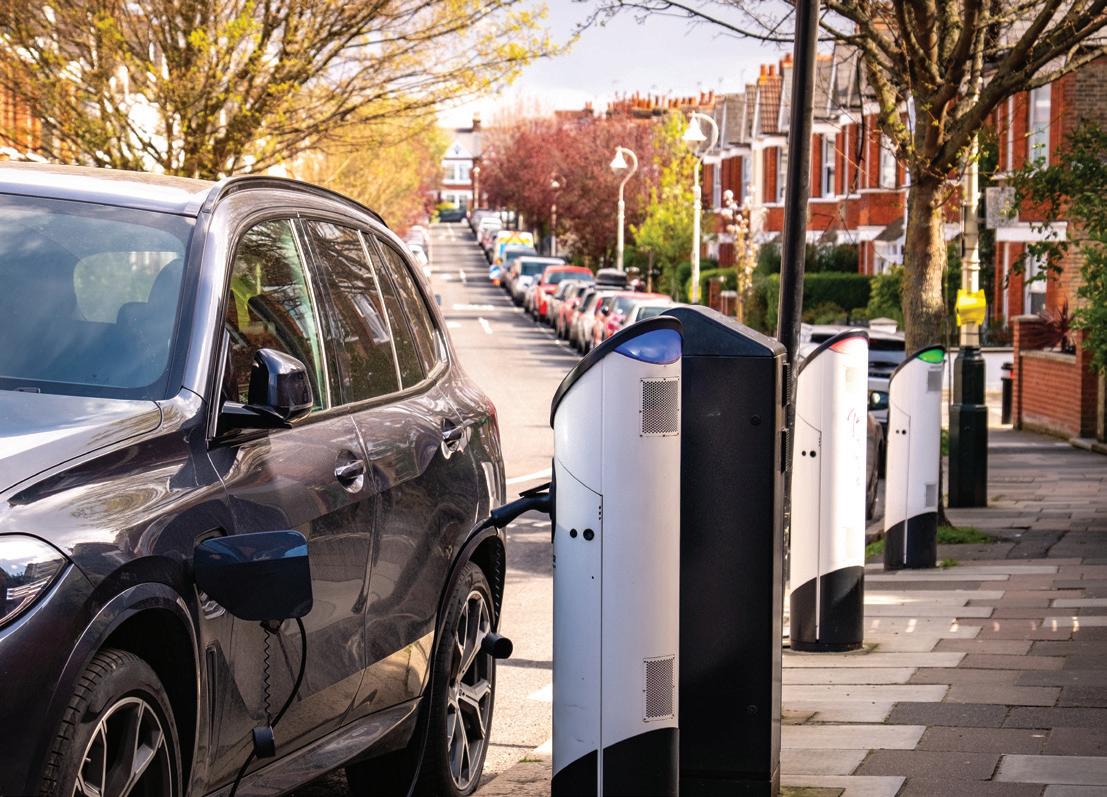
TA recent tribunal ruling may help close one of the most contentious gaps in EV charging policy. Giles Salmond, Tax Disputes Partner at Stewarts, and Guy Bud, Senior Associate Barrister at Stewarts, examine what happens next.
he law has struggled to keep up with the rapid expansion of EV infrastructure. The First-Tier Tribunal decision in Charge My Street Ltd v HMRC released on February 26 touches on the important issue of VAT charged on electricity supplied through public charging points, something that has caused considerable uncertainty for years.
The standard rate of VAT in the UK is, of course, 20%. Some supplies, however, can be charged at the ‘reduced rate’ of 5%, which represents a significant saving where the transaction falls within one of the kinds set out in the relevant schedule of the Value Added Tax Act 1994.
HMRC’s position has always been that the legislation creates a discrepancy between different kinds of EV charging. A person benefits from the reduced rate if they use electricity for home charging. If they use an on-street charging point, however, HMRC’s position has been that “recharging of electric vehicles using public charging points is always standard-rated because supplies are made at various places and not to a person’s house or building.”
Most of Charge My Street Ltd’s (CMS) customers are EV owners who do not have access to off-street parking needed for home charging. It sought to challenge a ruling requested from HMRC, which held that its supplies of electricity to drivers were standard-rated, and appealed to the First-Tier Tribunal.
One of the key issues in contention before the tribunal was whether electricity provided by CMS’s public charging points was provided ‘to a person at any premises’. The taxpayer argued that ‘any premises’ was wide enough to capture the kinds of public places in which its charging points were installed, such as car parks.
The tribunal agreed with the taxpayer’s arguments. In so doing, it rejected a number of counterarguments about how the legislation should be interpreted.
It found that the ‘plain meaning’ was simply that “electricity is supplied to an identified person at identified premises,” which simply meant ‘any identifiable property’.
‘Rate’
A second issue was whether electricity provided by CMS was “provided at a rate [not] exceeding 1000 kilowatt hours a month.” The wording of this provision is rather ambiguous. The taxpayer argued that this simply required that the amount of electricity supplied to an individual at any single charging point in a month did not exceed 1,000 kWh, which determined the ‘rate’.
In support of the latter argument, the taxpayer also sought to rely on the principle of fiscal neutrality, which holds that supplies that are identical or sufficiently similar from the perspective of a consumer should be taxed in the same way by reference to the reduced rate available for charging at home.
The tribunal again found that the taxpayer’s analysis aligned entirely with the ‘plain natural meaning’ of the legislation.
One further issue that arose was whether all supplies were made by CMS to drivers. Although no objections arose where drivers paid in the normal manner, HMRC argued that the position was different where drivers used Fuuse, a software platform for managing EV chargers, and third-party apps, which allow users to navigate between different providers’ charging infrastructure.
Examining the Fuuse arrangements, the tribunal found that the ‘economic and commercial reality’ was that it was CMS supplying charging services to the driver. The contractual documentation that did not align with this could therefore be disregarded.
This was not the case for the third-party apps, which the tribunal found were indeed acting as principals or commission agents. It emphasised that the third-party apps had scope to make a profit under the pricing arrangements and plainly had an “economic role” in them. The fact that they did not own any of the charging infrastructure did not prevent them from relying on CMS to fulfil their contractual obligations.
The tribunal’s decision is an important one for the on-street charging industry. It appears to address the VAT disparity between different kinds of EV charging, which has always seemed unfair in principle. Reduced rate treatment will be welcomed by motorists.
The decision will need careful consideration, especially in relation to its implications for other businesses and third-party charging apps. For this latter group, it may be necessary to fundamentally rework their contractual arrangements and may even affect their business m odel.
It may be too early for charging companies to declare victory. Given its impact on longstanding policy, it seems likely that HMRC will seek to appeal the First-Tier Tribunal’s decision to the Upper Tribunal. The First-Tier Tribunal’s interpretation elides the words ‘premises’ and ‘property’, which seems potentially contentious and raises a number of further questions about whether all on-street charging would in principle be covered. It may take a bit longer, and ideally more legislative clarity, to confirm the position.
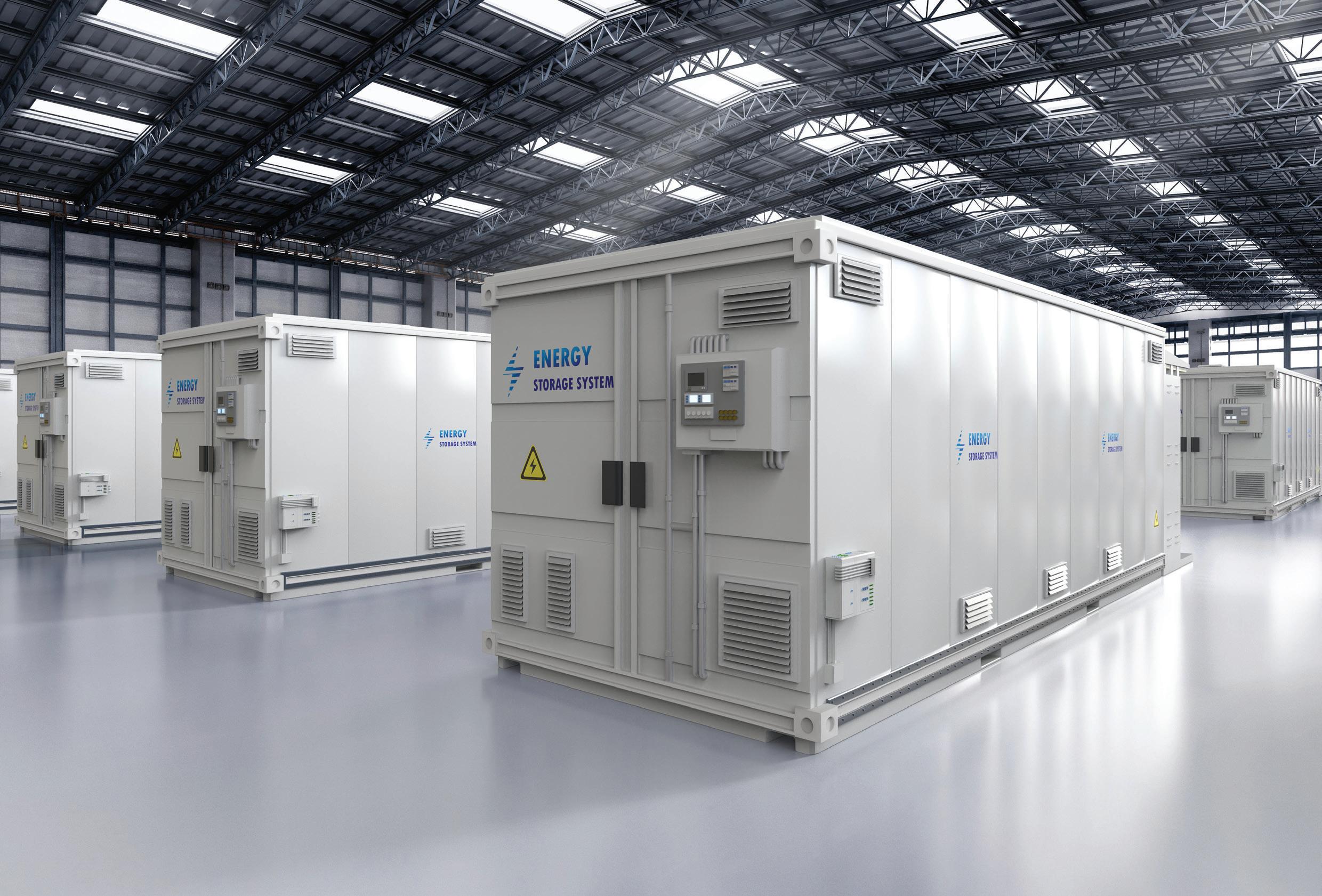

Lee Todd, VP, Energy & Carbon at ABB Electrification Service, argues that the real challenge is not battery duration, but how to make storage financially viable for the businesses that need it most.
When Texas regulators decided last August to maintain a four-hour minimum duration requirement for battery energy storage systems participating in non-spinning reserves, the industry reacted in predictable fashion: some storage operators cried foul, analysts warned of reduced grid resilience, and market commentators debated the technical merits of four hours versus one.
Similar debates are playing out across the globe, including here in the UK. And I think something has been missing from the wider discussion. As battery storage has matured, regulatory attention has increasingly focused on front-of-the-meter applications, where the imperative of
system-wide grid stability naturally centres attention on grid operators and centralised assets. While regulators and market participants argue over battery specifications, behind-the-meter storage has remained comparatively underdeveloped and largely shaped by industry rather than policy.
We rarely step back to question the underlying assumption that grid stability must continue to rely on reserve models designed for a fossil fuel system. Why are we still designing energy storage policy and business models primarily around technical specifications for centralised assets, rather than around accessibility and adoption for the businesses that ultimately consume and depend on power?
The challenge is that, while the UK battery storage market has grown substantially, with RenewableUK reporting that operational capacity reached 6.5GW in 2025 and could hit 27GW by 2030, deployment remains concentrated among large utilities and well-capitalised developers. The economics that determine whether smaller commercial and industrial businesses can actually deploy battery storage have not received the same attention, and that needs to change. As a result, many businesses remain dependent on spinning reserve and diesel-based backup – systems that are increasingly expensive, carbon-intensive, and poorly suited to a modern grid.
The biscuit factory problem
Consider a typical manufacturing operation – for the purposes of this
thought experiment, let us take a biscuit factory, as that is an example I often use. The plant manager faces three competing pressures: keeping production costs down, maintaining 24/7 operations, and meeting increasingly stringent carbon-reduction targets. Battery storage could, in principle, help address all three. It could store cheaper off-peak electricity for use during more expensive demand periods. It could provide backup power to reduce the impact of outages. It could enable greater use of onsite renewable generation.
But the problem is that the same plant manager has already spent the last decade making incremental efficiency improvements. They have replaced sodium lighting with LEDs, achieving a 60% energy reduction. They have converted heating systems from gas to electric. They have installed rooftop solar. Each year, finding the next carbonreduction measure becomes more expensive, and the capital budget becomes more constrained.
And now they are being asked to invest hundreds of thousands –sometimes even millions – of pounds in a battery system. Even where the ROI case looks compelling, that can still be a non-starter. The capital simply is not there. So many businesses default to the familiar: fossil-fuel generators kept as spinning reserve for insurance, burning fuel, emitting carbon dioxide, and sitting idle most of the time; while expensive demand charges are absorbed and renewable energy potential remains underused.
conversation we’re
This is the discussion regulators and industry stakeholders are not pursuing with enough urgency. As debates continue around capacity markets and revenue-stacking strategies, thousands of British businesses are making a simpler calculation: under traditional ownership models, they cannot afford batteries at all. The result is a system-level paradox: we invest billions in clean generation, yet continue to rely on fossil-fuel standby capacity to keep the lights on.
One possible route through this is to look more closely at servicebased commercial models. Battery Energy Storage Systems-as-a-Service (BESS-as-a-Service) is one example of an approach that may help improve the economics of batteries and support a move away from spinning reserve as the default model for resilience. By removing upfront capital expenditure and converting it into operational expenditure, it can allow businesses to access fast, flexible, low-emissions reserve capacity without owning the asset. Rather than purchasing and maintaining a battery system, businesses pay for availability and performance.
Some might see this as financial engineering, but it also reflects a broader shift in how businesses think about energy assets. Most businesses do not want to be in the battery business any more than they want to be in the lighting business or the HVAC business. A logistics company wants to move parcels efficiently. A data centre wants to keep servers running, and a food manufacturer wants to produce biscuits. What they need is not spinning reserve sitting idle, but resilience delivered efficiently. What they need from energy storage are outcomes: lower costs, higher resilience, and a reduced carbon footprint – not the burden of owning and maintaining complex electrochemical systems, or of determining how best to integrate them into their core operations.
The shift from CapEx to OpEx can also transfer risk. Under
traditional ownership, the business bears the cost of equipment failures, performance degradation, and end-of-life disposal, along with associated internal processes and indirect costs. Under an as-a-service model, those risks largely sit with the provider, who may be better placed to manage them at scale and insure against them. For businesses already operating with tight margins and uncertain energy costs, that risk allocation may be an important enabler of battery storage adoption.
Moreover, service-based models may open the door to participation in energy markets that would otherwise be inaccessible. In the UK, merchant revenues from wholesale trading and balancing services are becoming increasingly important, but they also carry significant exposure to volatile electricity prices. Under an as-a-service arrangement, that exposure can sit with the provider rather than the business, allowing companies to benefit indirectly from market participation without taking on the full downside risk. This is where the contrast with spinning reserve becomes clearer: diesel generators are typically a pure cost centre, while batteries may be able to create value by generating revenue, reducing carbon footprint, and lowering operating costs. Those are value streams conventional diesel backup cannot usually provide.
“ How do we make storage accessible to those that need it but cannot afford to buy it?
I am not suggesting that technical specifications do not matter. They always do in our line of business. Battery duration, power rating, and state-of-charge requirements all have legitimate engineering and grid-stability implications. But when we make those technical debates the centre of the storage conversation, we risk obscuring the more fundamental question: why are we still anchoring grid resilience to reserve models that assume fuel must be burned to provide stability? How do we make storage accessible to the thousands of businesses that need it but cannot afford to buy it? How do we make greater behind-themeter deployment possible?
The energy transition will not succeed if it remains the preserve of well-capitalised utilities and large corporations. It requires solutions that work for the biscuit factory, the logistics depot, the car dealership, and the office building. That also means rethinking reserve capacity. There is a strong case for moving away from spinning assets held on standby towards digital, fast-responding systems delivered as a service. That means moving beyond debates about technical specifications alone and towards business models that can make clean, reliable and resilient energy storage more widely accessible.
If the UK is serious about reaching its 2030 climate targets, battery storage will need to be deployed at scale across sectors, not just among major players operating mainly in front of the meter. That means devoting as much effort to solving the accessibility challenge as to optimising technical specifications. The technology is increasingly mature. The commercial options are expanding. What now needs to change is our attachment to outdated reserve paradigms – and our willingness to address the question of financial viability for the businesses that need storage most.
By Kevin Bird, Co-Founder and CEO of Shocking Energy.
As the UK accelerates its transition to electrification, electrical contractors are under increasing pressure to deliver renewable installations at scale - without compromising on safety, compliance, or efficiency.
From EV charging infrastructure to solar PV and heat pumps, project volumes are rising rapidly. Yet one persistent challenge continues to impact delivery: the management of safe isolation.
Traditionally, contractors have relied on third parties to de-energise and re-energise electrical supplies. While effective, this model introduces delays, restricts scheduling flexibility, and limits control over project timelines. As renewable deployment accelerates, these delays are becoming a critical commercial constraint, directly impacting installers’ ability to deliver projects on time and at scale.
Safe Isolation Provider (SIP) accreditation offers a clear alternative.As part of a wider operational workflow, SIP enables approved contractors to carry out isolation and re-energisation themselves, reducing reliance on third parties and giving installers greater control over installation and connection timelines. This allows for a more streamlined, end-to-end installation process. For renewable field services, this is not just about compliance, but about enabling faster, more predictable delivery.
Despite its advantages, SIP has often been viewed as a complex regulatory hurdle. The accreditation process involves detailed technical validation, extensive documentation, and alignment with multiple industry frameworks. For many organisations, this has made SIP difficult to access and even harder to embed into day-to-day operations.
Shocking Energy is taking a different approach. Rather than positioning SIP as a standalone compliance milestone, it has been integrated into a wider field service workflow - one that reflects how renewable projects are planned and
delivered in practice. In doing so, SIP has been repositioned from a regulatory constraint into an operational capability that supports scalable renewable delivery.
Alongside this, Shocking Energy supports contractors through the entire accreditation journey, managing the process end to end - from initial assessment and documentation through to audit readiness and go-live - transforming what is traditionally a complex, fragmented process into one that is more structured, achievable, and practical to implement.
Central to this is JobWay.ai, an AI-driven platform that integrates SIP requirements directly into operational processes. Instead of adding layers of administration, compliance is built into the workflow itself - guiding engineers through correct procedures, capturing evidence in real time, and automating key reporting and notification tasks.
The result is a more controlled and consistent delivery model. Engineers can complete work without waiting for third-party attendance, reducing delays at the point of isolation and reenergisation, while operations teams gain greater control over scheduling and project timelines. Compliance teams benefit from a continuous, auditable record of activity.
In this context, SIP becomes more than a certification, it becomes a practical enabler of scalable, high-quality delivery. However, for contractors still working towards accreditation, a critical challenge remains.
Safety isn’t optional. Too often, electricians are still pulling fuses without the correct authorisation. At best, this can lead to fines. At worst, it can result in serious injury or fatality. Electric shock accounts for 57% of fatalities and 53% of serious injuries in major electrical incidents.
To bridge this gap, Shocking Energy has introduced SIP Partner Network - a UK-wide network of SIP-accredited electricians available to support contractors with safe, compliant isolation

and re-energisation.
This ensures installers can avoid delays while maintaining control of installation and connection timelines, even before achieving their own accreditation.
This provides a practical interim solution, allowing installers to continue delivering projects safely while progressing towards their own SIP accreditation. It also removes the pressure to rely on informal or non-compliant practices when timelines are tight. It is also particularly valuable for contractors who may not yet have the budget or internal resource to pursue SIP accreditation, giving them access to compliant capability without the upfront investment.
Through the SIP Partner Network, contractors can maintain momentum across projects while ensuring that all isolation work is carried out by qualified, authorised professionals.
As the renewable sector continues to expand, the ability to safely manage isolation, either through accredited status or trusted networks, is becoming a clear differentiator.
With limited SIP-accredited capacity currently available across the UK, contractors that invest early in building this capability are better positioned to meet demand, reduce delays, and secure large-scale opportunities.
The shift is clear. SIP is no longer simply a regulatory requirement. It is a workflow capability that enables faster, more controlled renewable delivery by reducing reliance on third parties and giving installers greater control over how and when work is completed.
By combining accreditation, network support through SIP Partner Network, and an integrated field service workflow, Shocking Energy is helping contractors move beyond compliance and take full control of how renewable projects are delivered.

For more information about Shocking Energy, go to: https://shocking.energy/
If AI is compromised, what fails next in critical energy operations?
With AI increasingly used for grid optimisation, predictive maintenance, and anomaly detection, Dario Perfettibile, General Manager, EMEA GTM & Customer Operations at Kiteworks, examines why the energy sector needs to prepare for the operational consequences now.
he energy industry faces a threat landscape unlike that of most other sectors. Nation-state actors have already demonstrated both the intent and the capability to target critical energy infrastructure. When attacks succeed, the consequences can extend beyond data compromise to physical disruption, including power outages, pipeline interruptions, and grid instability.
TAI systems are increasingly being embedded in these environments for predictive maintenance, load balancing, grid optimisation, and anomaly detection. As a result, they are becoming high-value targets with potentially high-consequence operational implications. Against that backdrop, the Data Security and Compliance Risk: 2026 Forecast Report reveals that just 9% of energy organisations conduct AI red-teaming exercises. In a sector that is already a known target for sophisticated adversaries, that suggests most organisations have yet to test their AI systems against realistic attack scenarios before those systems affect live operations.
The report indicates that energy’s AI security gaps are significant and interconnected. The sector has invested heavily in compliance-oriented point controls, leading globally in dataset access controls (50% versus 35%), privacy impact assessments (41% versus 25%), and isolated training environments (36% versus 26%). However, it lags in some of the more centralised capabilities needed to detect and respond to sophisticated threats. Adoption of AI data gateway technology stands at 18%, which is 17 points below the global average. AI-specific incident playbooks exist in only 14% of energy organisations, 13 points below the norm. Encryption of AI training data sits at 27%, a 12-point deficit.
In practice, this matters because energy organisations have historically built strong controls around individual assets and systems, reflecting decades of operational experience across generation, transmission, and distribution. But AI-related threats do not necessarily conform to those boundaries. Adversaries targeting critical infrastructure are likely to look for opportunities across systems and workflows, exploiting the spaces between point controls. Without more centralised visibility across grid management, pipeline operations, and maintenance AI, organisations may struggle to identify coordinated activity before it has operational consequences.
The governance gap compounds the detection gap. Fewer than a third of energy boards give dedicated attention to AI governance. Because board attention shapes resource allocation, the investment needed to

address red-teaming, monitoring, and incident response may struggle to compete with more established priorities. The result is that AI in critical infrastructure remains comparatively under-governed.
The incident response shortfall is also notable. With only 14% of energy organisations maintaining AI-specific incident playbooks, many would be developing their response in real time if an AI compromise occurred. In operational environments, that can increase dwell time and give adversaries more opportunity to study processes, identify weak points, and establish persistence. Without documented playbooks and practised response procedures, even a containable incident risks becoming a more disruptive operational event.
Training data security is another important part of the picture. Energy continues to lag on encryption of training data, which matters given the nature of the datasets involved: historical grid load patterns, demand forecasting models, equipment failure signatures, and predictive maintenance records. For a sophisticated adversary, that information could provide insight into how infrastructure operates, where weaknesses may lie, and how operators typically respond to anomalies. The sector performs reasonably on data minimisation (45%), but if training data is left unencrypted, it may still be exposed once perimeter defences are breached. Only 18% can trace training data provenance, raising further questions about the security classification and sensitivity of the data being used to train models.
For a sector facing capable and patient adversaries, limited visibility into unexpected AI behaviour can create long exposure windows. Nation-state actors may compromise systems and remain dormant for extended periods before acting. Where centralised monitoring of AI activity is limited, that compromise may not become visible until the effects move beyond the digital environment and into operations.
The immediate priority is to close these architectural blind spots. AI red-teaming needs to become a more established part of security practice in the sector. More centralised monitoring and oversight should help organisations correlate signals across distributed systems in ways that reflect the interconnected nature of critical infrastructure. AI-specific incident response playbooks should be developed around credible energy-sector threat scenarios, with tabletop exercises used to test them. At board level, AI governance needs to move closer to the same tier of attention already given to security and regulatory compliance. And where AI training data contains sensitive operational intelligence, encryption should be treated as a baseline control.
Energy organisations cannot assume that broader industry norms will mature quickly enough to close the gap for them. The sector has largely approached AI governance in the same way it has approached traditional infrastructure: through controls applied at the level of individual assets and systems. But adversaries targeting AI in critical infrastructure are likely to exploit the gaps between those controls. In that context, centralised visibility, adversarial testing, and rehearsed incident response are not simply matters of good practice; they are increasingly relevant to operational resilience
November 18–19, 2026 | Booth 242


Maximilian Hülsebusch, Global Product Marketing & Communications Manager, PULS
In the modern digital economy, data centres must deliver almost perfect uptime while reducing energy consumption and carbon emissions. The DC power backbone, including power supplies, DC-UPS systems and redundancy modules, plays a critical role in achieving this balance. This article outlines how PULS 24 V technology helps operators improve efficiency, reliability and sustainability in demanding data centre environments.
Data centre operators face growing pressure to improve security and energy performance, comply with regulatory frameworks such as NIS2 and national energy efficiency requirements, and maintain consistent availability. Every second of downtime risks data loss and service disruption. At the same time, operators must maximise space in crowded racks and switchgear while keeping power usage effectiveness (PUE) as low as possible. The PUE is calculated by dividing a site’s total energy use by the energy drawn by the IT load. The closer the figure is to 1.0, the smaller the overhead.
To meet these requirements, the DC power chain must be compact, reliable and highly efficient. Traditional AC-DC systems or bulky UPS units often occupy valuable space and generate excessive heat. Modern 24 V DC power technology from PULS provides a smarter, lighter and more reliable alternative.
PULS power supplies are designed for high efficiency and minimal self-consumption, reducing waste heat under all load conditions. This efficiency directly improves PUE and helps to lower cooling requirements. The units’ compact design makes them ideal for use in control cabinets or decentralised 24 V DC distribution systems, where every millimetre counts.
PULS also provides power supplies with an integrated decoupling function that eliminates the need for separate redundancy modules. This approach can save up to 45 % of cabinet space

and simplify wiring, helping engineers reduce both component count and installation time.
PULS redundancy modules based on MOSFET technology ensure uninterrupted operation when a power supply unit fails. These modules allow seamless switching without voltage dips and balance the current evenly between parallel power supplies to minimise thermal stress.
The modules are compact and lightweight, which simplifies integration into space-restricted environments such as power distribution panels. By isolating faults and distributing loads, redundancy modules significantly extend system lifetime and ensure that critical IT and cooling systems remain continuously supplied.
Power interruptions during mains failure or generator changeover can be highly critical in a data centre. PULS DC-UPS systems provide reliable bridging power that keeps control, monitoring and safety circuits operational during such events.
Depending on the application, operators can choose maintenance-free capacitor-based DCUPS units for short interruptions or batterybased systems for longer backup periods.
The PULS “1-Battery Concept” ensures each battery is charged and monitored individually, improving lifespan and avoiding the need for matched battery sets.
These solutions protect data integrity, prevent sudden shutdowns and allow time for controlled transitions to backup power sources.
Improved reliability
Redundancy modules and DC-UPS systems eliminate single points of failure and keep loads supplied during disruptions.
Higher efficiency
High-efficiency power supplies reduce power losses and heat generation, lowering the cooling effort required and allowing a tighter packing density.
Optimised space and simplicity
Compact components and integrated redundancy save space and reduce installation complexity.
Lower Total Cost of Ownership
Longer component life, less maintenance and lower energy costs contribute to reduced lifecycle expenses.
Support for sustainability goals
By improving energy efficiency and modularity, PULS technology helps operators meet environmental and regulatory targets.
IRELAND 2026 PULS will showcase its
latest DC power innovations at DataCentres Ireland 2026 from November 18th to 19th. Visitors can experience our high-efficiency power supplies, redundancy modules and DC-UPS systems designed for modern data centre applications at booth 242. The exhibition offers an ideal opportunity to meet PULS experts and discuss how to enhance reliability, efficiency and sustainability in your own power infrastructure.
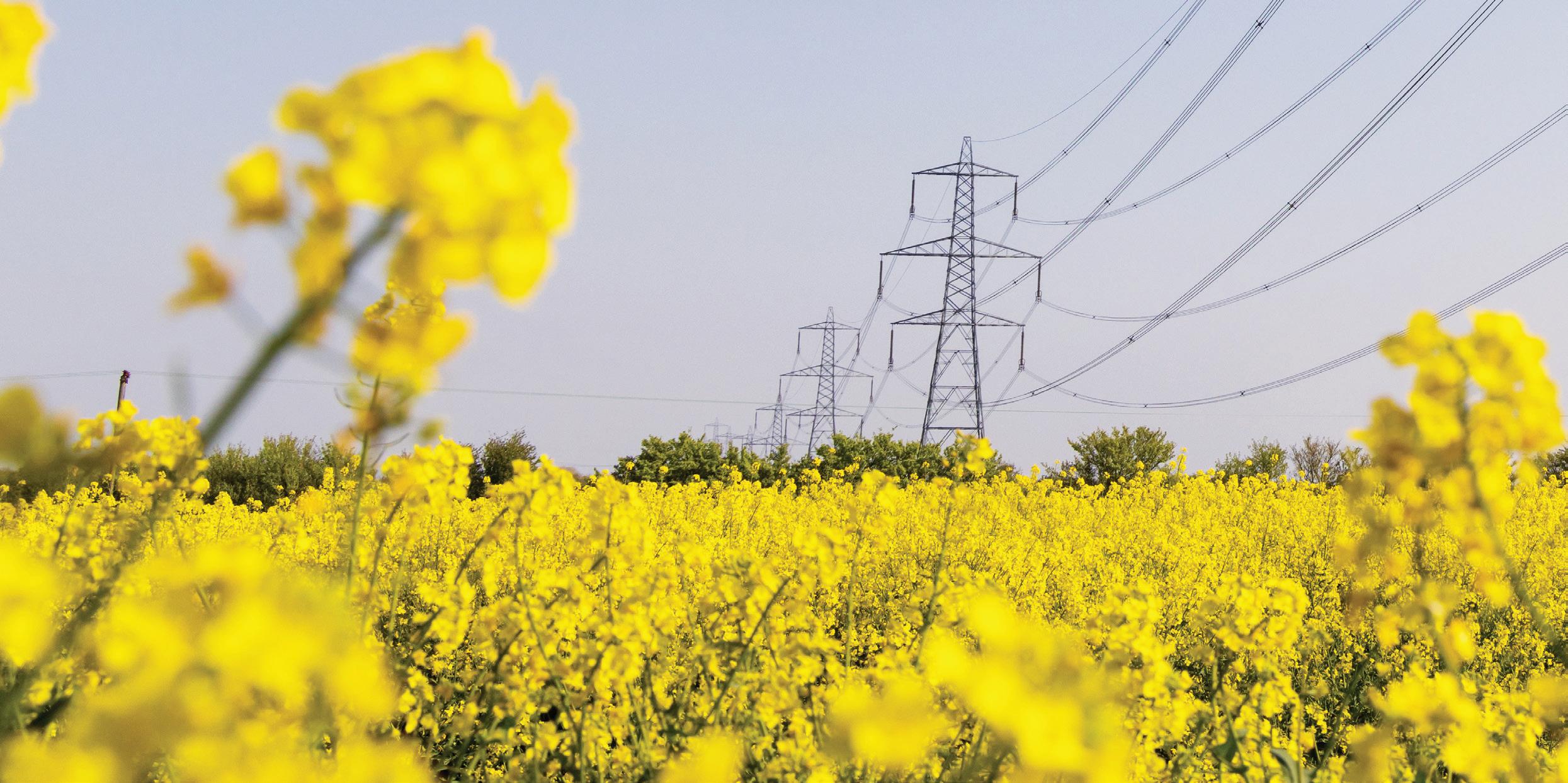

As electricity demand accelerates across industry, buildings, transport and AI, Layton Hill, Vice President of Strategy for the United Kingdom & Ireland at Schneider Electric, argues that the UK must move faster to modernise its infrastructure and make every watt count – and that owners and developers need a practical response while grid access remains constrained.
The IEA forecasts that electricity consumption will grow at around 4% per year through to 2027. This will be driven by industrial growth, the expansion of data centres and the triple whammy of urbanisation, digitisation and decarbonisation. As a result, consumption is expected to skyrocket over the coming decades. Which begs the question: is the UK ready to meet this demand? In my opinion, not yet.
Before we get to solutions, let’s put the electrification story into context. Over the past decade, electricity’s share in total energy demand has increased, but only by around 2% to around 20% of the total energy mix. What’s interesting about the next decade is that electricity demand will keep growing while overall energy demand ‘runs flat’, according to the IEA. There will be a decoupling. What this means is that the share of electricity – and therefore electrification – is going to increase in the mix going forward. That’s new, and it matters.
Where’s the growth coming from? Sources linked to regular economic expansion represent around half the growth, such as new industrial facilities, new buildings and more infrastructure for public transportation. All of this creates demand for more electricity, because modern economies rely on it. Then the other half comes from developments that come on top of natural economic expansion, like data centres, AI and other emerging services. Research shows AI-driven
technologies could increase Europe’s electricity demand by up to 20% over the next decade.
Then there is existing energy usage going electric. There are the big-ticket items like mobility – electric mobility – which is growing fast: a 23% increase last year. Then there are other electrification patterns too, like buildings switching away from fossil fuel heating to electric HVAC systems.
Yes, that adds up to 150%. And no, it’s not a mistake – that’s the point. This shift won’t be gradual or predictable. It will come from everywhere: the usual suspects, the wild cards, emerging markets and areas we’re not expecting – and all at once.
However, as electrification accelerates, the availability of grid infrastructure will become a bottleneck. The faster we grow as a society, the more technology develops, and the sharper the shortage. For businesses eager to invest and expand, that means access to power becomes a delivery risk, not just a utility issue. Renewables can take a long time to be connected to the grid – up to 15 years in the UK – and this needs to be accelerated to meet demand, so that UK businesses can grow through cheaper access to cleaner energy.

That disconnect between business readiness and available infrastructure will define the years ahead. With electricity demand rising, electricity prices are likely to rise too, because the infrastructure will require much more investment and because of additional competition for capacity. Naturally, businesses will be negotiating for greater access, if they’ve done all the efficiency savings they can. It’s no coincidence that the most prepared players have been thinking this way for years, partnering with those who can help, through digitalisation and smarter systems, to make every watt count.
energy provides part of the answer
Without access to the infrastructure, how can businesses build some of the capacity they need for their own use? This is where distributed energy solutions, like rooftop solar, come into play. Not only can these technologies be ramped up much faster than larger infrastructure projects, they’re also relatively easy to deploy.
There have been some challenges along the way. Historically, wind energy projects in the UK and Europe faced lengthy delays for grid connections and planning permissions. Fortunately, attitudes are changing, with planning approvals for wind, battery storage and solar projects in the UK almost doubling in the past year.
So, the appetite is there, and while we need to continue developing large-scale infrastructure, for me, part of the answer lies in distributed energy – in both buildings and industry. Many of these solutions are already viable and being used, but they’re generally underleveraged. In the US, there’s a clearer understanding that distributed energy is viable, but in the UK and Europe, it’s less developed.
For owners and developers, that means treating on-site generation, storage, controls and efficiency as part of the capacity strategy, not as an optional add-on. Pretty soon, distributed won’t just be a nice-to-have; it will be a necessity.
The other lever for tackling both grid limitations and rising prices is how organisations frame electrification internally. We talk a lot about electrification to decarbonise, but something equally important is often missed: electrification to modernise. Much of the industrial footprint in the UK and Europe is old. A lot of industrial processes still rely on fossil fuels and haven’t changed much in 50 years. Electricity is undeniably the
energy of modernity – but that alone will not solve delivery constraints.
The blackouts in Spain and Portugal were a warning – a glimpse of what happens when electrification moves faster than the grid. Closer to home, the shutdown at Heathrow airport was the result of a fire at a nearby electricity substation.
But these events also highlight an opportunity: a future where rooftop solar, on-site batteries and a more up-to-date grid don’t just keep the lights on, but modernise how we generate and use power. For businesses, the practical response is to reduce avoidable demand, improve visibility of loads, and look at on-site resilience where it stacks up. These systems can build resilience, cut strain on the grid and help projects move when connection upgrades are slow.
“ Pretty soon, distributed won’t just be a nice-to-have; it will be a necessity
As economies modernise, they naturally decarbonise. Mobility improves – with better cars, fewer cars and more alternatives. Buildings become more efficient, better insulated, and powered by distributed energy. As access expands and costs fall, economies don’t just modernise – they electrify and digitise. Infrastructure gets smarter and industry gets cleaner, driving down emissions. A recent study shows that Europe can save €250 billion per year by 2040 through accelerated electrification.
Most political projections assume the next 40 years will look much like today: a growing population, a bigger economy, slightly more energy use. That’s not how change works. The only area where this shift is starting to register is with data centres, AI and related technologies. People are beginning to realise that something big is emerging. But no one knows how big.
Businesses often make projections about how these changes might unfold. Back in 2021, we developed a set of scenarios that already leaned heavily into electrification. But looking at the pace of change today, it’s clear the future is arriving faster, and with more complexity, than most models anticipated. That’s not a failure of foresight, but a sign of just how rapidly the fundamentals are shifting.



WSteve Donovan, Head of Technical (UK & Ireland), and Giulio Stangarone MIET, Technical Engineer, at Segen Ltd, explain why a larger solar array can often deliver better performance, improved economics and a more consistent generation profile.
hen designing an effective solar photovoltaic (PV) system, it is worth considering oversizing the array. This approach allows the system to generate power more consistently throughout the day and maintain better performance during the winter months. The result is higher overall energy output and, in many cases, better project economics.
Inverters are rated by their AC output, which you’ll find on the data plate. For example, a 3.6 kW inverter can deliver a maximum of 3.6 kW of AC power to the load and to the grid. However, most inverters will accept a higher DC input from the solar array than the AC rating of the unit. This means you can connect more solar panels to the same inverter – a strategy known as oversizing.
When designing a PV system, always consult the inverter datasheet. There you will find the recommended maximum DC input relative to the rated AC output, which can be as high as 150% or even 200%. This
headroom exists for a reason. Panels rarely operate at nameplate output. Temperature losses, seasonal irradiance, orientation and shading all eat into real-world performance. Designing at a 1:1 ratio assumes conditions that almost never occur. However, any oversizing must comply with the limits set out by the manufacturer of your chosen product. It is also essential to review designs with a suitably qualified technical specialist before installation.
Oversizing is particularly beneficial when using a hybrid inverter with battery storage. As a rule of thumb, the default operating mode of many hybrid inverters is to charge the battery first and then export any excess energy. Once the battery is full, generation will drop to the maximum limit that can be exported on the AC side.

It’s worth noting that you won’t get the full benefit of oversizing by pairing a PV inverter with an AC-coupled battery inverter. In this setup, the bottleneck will be the rating of the PV inverter. While the ACcoupled battery inverter can draw excess power from the PV inverter’s AC output, a system with separate AC-coupled inverters will not deliver the same DC oversizing advantages as a hybrid inverter.
Oversizing is also particularly beneficial for east-west configurations. Typical solar systems are angled south to maximise irradiance at midday, but an east-west setup has some panels facing east and others facing west. The east-facing panels produce more energy in the morning, while the west-facing panels produce more in the afternoon, meaning the system is less likely to reach the inverter’s theoretical maximum DC rating at one sharp midday peak.
East-west configurations are growing in popularity because they provide more energy outside peak hours, which can increase export value and boost self-consumption. When designing such a system, remember to observe the inverter’s minimum and maximum voltage limits, and keep the east and west arrays on separate MPPTs (maximum power point trackers) to ensure correct system performance.
By undersizing the inverter, it is also possible to help reduce grid congestion. The wider, flatter generation curve from the solar system can result in more consistent energy being supplied to the grid and fewer
sharp peaks in power. At scale, this can help grid operators by reducing the duck curve effect.
The duck curve describes the shape of daily electricity demand excluding solar generation, specifically the swing between high and low demand. In the morning, when there is little solar, demand is relatively stable. Then, at midday, when solar generation is high, demand drops, only to rise again to the daily peak in the late afternoon. These daily differences make energy trading complex and expensive, as operators may need to bring peaking power plants online to cover the demand peak.
By oversizing solar arrays, system designers can contribute, albeit modestly, to a smoother and more consistent power supply in the afternoon, helping to delay the use of peaking plants. This effect becomes even more significant when paired with battery storage systems that can shift energy over time.
“ A larger solar array can often deliver better performance, improved economics and a more consistent generation profile
As mentioned previously, solar panels rarely operate at their nameplate output. However, in an oversized array there are times – typically on very sunny days – when the panels can produce more DC power than the inverter can handle. The excess energy is managed through a process called clipping.
During clipping, the inverter adjusts the maximum power point along the I-V curve, with the MPPT deliberately operating at a slightly suboptimal voltage. This reduces the power drawn from the array, keeping the inverter within its AC rating. Any energy above this threshold is clipped and cannot be converted, although in systems with a hybrid inverter, the surplus can instead be directed to charge the battery.
Despite these brief losses, oversizing can still increase total daily energy production and extend the periods during which the inverter operates at its maximum capacity.
To conclude, oversizing a PV array can improve utilisation of the inverter’s AC-rated output, increase annual energy yield and deliver a more consistent output profile throughout the day and across the year. In the right design, it can also reduce the levelised cost of electricity produced, while hybrid inverters and battery storage can further improve self-consumption.
But the gains are not automatic. Oversizing works best where the additional DC capacity improves usable output without creating excessive clipping. If the array is pushed too far, or beyond the manufacturer’s stated limits, the design can introduce avoidable losses as well as technical and compliance risk.
As always, ensure the design stays within the limits of the equipment. If there is any uncertainty, refer to the manufacturer’s specifications and design tools, and seek appropriate technical advice where needed.
It’s time for a new
After 154 years serving the electrical sector, Electrical Review is set to be refreshed for the realities of modern electrification.

Electrical Review has been around for 154 years. Next year it will turn 155. In fact, the very first issue of Electrical Review came before we had telephones, or cars, or even sliced bread. As a brand, Electrical Review is older than Coca-Cola or IBM.
That’s the context of the brand I have had stewardship of for the past five years. I know that the history of Electrical Review matters, it’s why the 150th Anniversary Edition was a love letter to the innovations that this publication has been a witness to over the years. But while we can honour the past, we can’t be stuck in it.
The enduring power of Electrical Review isn’t because of its age, it’s because it knew that it had to keep up with an industry that is in a constant state of change. As highlighted in the 150th Anniversary Edition, this publication has reported on the invention of the telephone and the lightbulb – and yet, both technologies are unlikely to get a mention on our pages in 2026. That’s because we’ve recognised that things have changed, and we’ve tried to keep up.
The problem is that change looks very different today compared to even five years ago. That’s because in recent years, there has been a distinct shift in the pace and complexity of the decisions facing the people designing, building and operating electrical infrastructure across the UK.
Electrification is no longer a side topic. It now sits at the centre of how sites are designed, how fleets operate, how projects are financed, how reliability is protected, and how grid constraints shape what is possible. After all, without a proper strategy shaped around electrification, everything comes crashing down – whether it’s Net Zero or AI, two key pillars of the UK’s economic strategy.
That shift is why Electrical Review is being refreshed.
I want to stress that this is not just a cosmetic change. We’re not hyping up some small changes around the periphery – this is a big change. Sure, there will be a new look, and the Electrical Review website will be completely transformed, but the more important change is the kind of content you can expect to see in the future.
That’s because Electrical Review is being rebuilt to become more useful to the people who have to make decisions, manage risks and deliver projects in the real world.
At the heart of that work is a more precise answer to a question every trade title eventually has to face: what do we want to be known for?
For many years, Electrical Review did what a lot of long-established
publications do. It grew to keep pace with the changes of the industry, and ended up covering a broad sweep of the electrical world. That breadth brought value, but it also created a familiar problem. When everything is included, it becomes harder for readers to know what to expect, and harder for our coverage to build real authority over time.
So the focus is tightening.
Electrical Review is being rebuilt around a single organising idea: practical, UK-relevant coverage of electrification infrastructure delivery, with a clear emphasis on the choices, trade-offs and risks that sit between ambition and execution.
If you read my Editor’s Comment at the beginning of this issue, you’ll have seen me use the word delivery quite a few times – and that’s because it’s the guiding principle of the new Electrical Review. It’s no longer about strategy alone, but about enabling the delivery of electrification.
In practice, that means more attention will be given to the grid interface realities that shape projects from the start, including connections, constraints, capacity and the implications these have for viability and delivery. It means deeper coverage of delivery and reliability, including commissioning, competence, evidence, uptime and failure modes. It means more focus on infrastructure decisions made on sites themselves, from resilience and monitoring to controls, integration and operational handover. And it means stronger reporting on electrification at scale, whether for fleets, estates, campuses, or commercial and industrial sites.
Just as importantly, it means spending less time on content that does not help professionals deliver the work. Broad coverage that cannot be connected back to real design, procurement, commissioning or operational decisions will have less of a place as Electrical Review evolves.
That does not mean Electrical Review is becoming narrow for the sake of it, or retreating into a niche that excludes the wider industry. In many ways, the opposite is true. The aim is to focus more clearly on the points where electrification succeeds or fails, where ambition meets operational reality, and where professionals most need reliable, relevant information.
Over the coming weeks on the Electrical Review website, we will share more about what is being built, the thinking behind it, and how the changes will affect the way the title serves the industry. Not everything will be revealed at once, but the direction and intent will be clear.
For readers who have followed Electrical Review for years, that support matters. For those who have found it more recently, the welcome is the same. The goal is simple: to make Electrical Review a sharper, clearer and more valuable destination for the next era of electrification.
I can’t wait for you to come along with us.

Powered On Live is back for 2026, bringing you an informative half-day virtual conference from Electrical Review on the practical steps needed to deliver our all-electric future. 10 June 2026
We’ve gathered some of the industry’s leading voices to cover everything from future-ready building infrastructure, unlocking flexibility, staying EV-ready when capacity is tight, and what’s changing in grid connections. This is your opportunity to get all the information you need and put your questions to the experts — all without leaving the comfort of your office, wherever that may be!
• 8 kVA - 2.5MVA +
• Long & Short-Term Hire
• Supply & Installation
• Open, Canopied & Containerised
• Repairs, Remedial Works & Emergency Callout