

CAMPUS SECURITY MASTER PLAN 2026
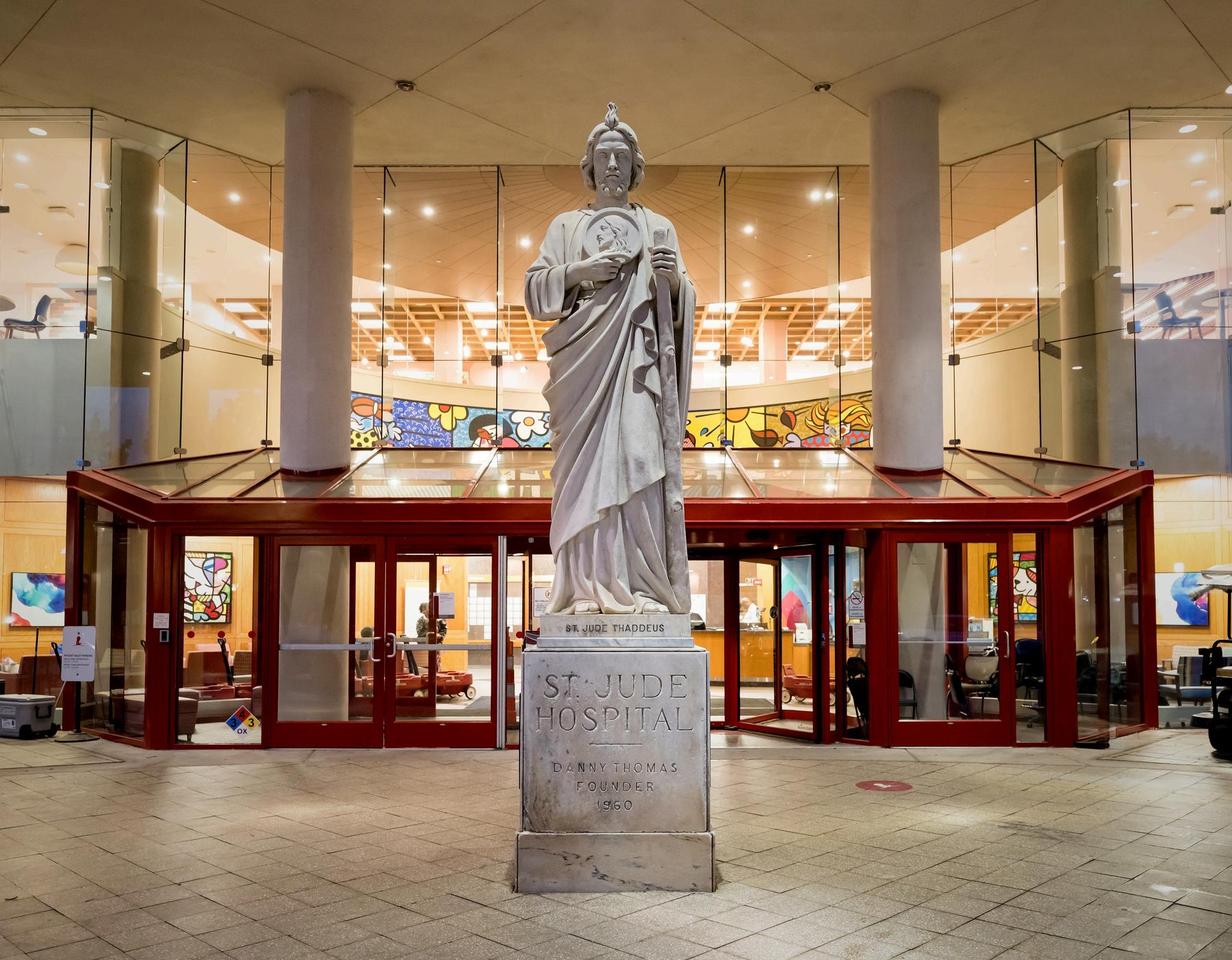

Security is more than protection—it is the foundation that allows healing, compassion, and innovation to thrive. At St. Jude Children's Research Hospital, our Security Officers are more than officers; they are security professionals dedicated to protecting our patients, families, staff, visitors, and the mission we serve. Through vigilance, teamwork, and stewardship, we help create a safe environment where exceptional care and groundbreaking research can flourish.
Toney Armstrong Vice President, Security Operations
“
Ensuring a Safe and Secure Environment for Exceptional Care and Ground Breaking Research
1.The Security Plan Framework
2.Our History
3.A Solid Foundation: Current State
4.Program Pillars
5.What’s Next: Framework Moving Forward
6.Stakeholders & Contributors


Security is not the absence of danger, but the presence of measures - built on trust and vigilanceto deal with threats.
It is our duty to cultivate environments where our patients, families, visitors, and workforce members are unburdened of security risks so that they can focus on the tasks at hand be it healing, learning, pioneering, or partnering.
Maria Megdal Executive Vice President and Chief Administrative Officer Interim Chief Financial Officer
“

Our approach is grounded in a principle-driven philosophy that defines how we protect our community.
These set of guiding principles, beliefs, and attitudes that shape how our institution approaches security operations, with a focus on: ComplianceandEthics
Why security is important
What drives security decisions
The mindset and culture of the security team and leadership
Program and Syste Upgrad
Maintain and upgrade secur programs and syste
Strategic Partnershi
Build collaborations w internal departme external agencies, a organizatio

Risk Anticipation and Mitigation
Proactiv d future security





Proactive Crime Preventio
Implement advanced patrolli and monitoring techniques

Professional Interaction
Engage staff, volunteers, ts, and visitors with esy and professionalism

ervice Delivery xcellence
espond promptly and ficiently to calls for sistance
onnel Development
Maintain ongoing training and professional development to meet evolving security challenges
This program is designed to achieve four primary aims.


COHESIVE, LONGTERM STRATEGY
integrated into daily operations and is adaptable to evolving threats to create a more secure and resilient environment

quickly identify and respond to potential threats, measure program effectiveness, and better understand overall risk posture

PROACTIVE RISK MANAGEMENT
get in front of potential threats with specific policies, procedures, security systems, facility modifications, and training
EFFECTIVE SECURITY MANAGEMENT
manage incidents efficiently and effectively, thereby minimizing loss of life, services, and damage to facilities




Expansiveness of campus footprint and increased number, complexity, and type of facilities



Growth in number of people (patients, visitors, staff, contractors,) to protect



Increase and diversity in roles and responsibilities of the Security Department
Advancements in technology systems and security practices


Relentless increase in city crime rate requires an advanced security posture.
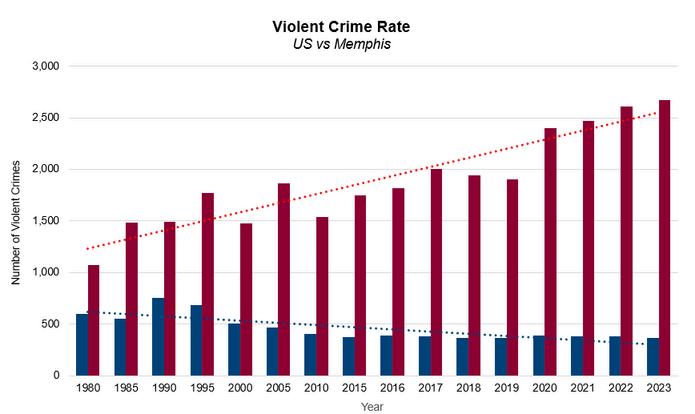
Crime rates have risen substantially in Memphis, at a rate much higher than the national average
Security technologies and practices have advanced and can provide benefits
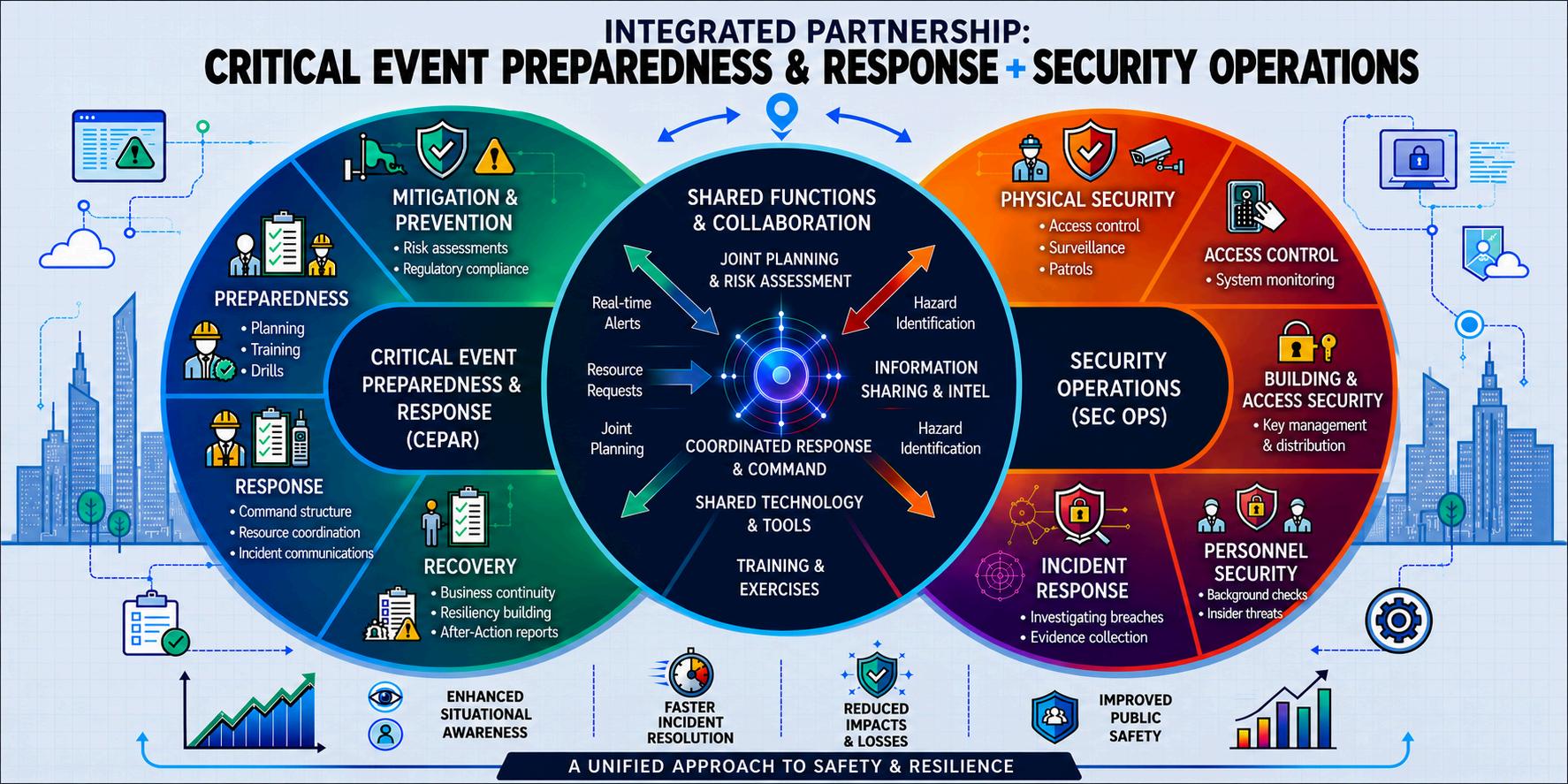
St. Jude is well-positioned to have best-inclass enterprise risk management with continued investment in practices and technology to mitigate the challenges of current and evloving threats
RISK
Act of Terrorism
Active Shooter
Bomb Threat
CONTRIBUTING FACTOR IMPACT
Symbolic institutional profile
Pediatric mission
Charitable identity
Research enterprise
Ideologically motivated violence
Emotionally charged care environment
Community gun violence
Permissive firearm environment (TN)
Extended family stays
Lack of weapons screening
Disruptive false reporting trend
Increase in swatting activity
Recent hospital bomb threats
Patient
Elopement/Child Abduction
Pediatric supervision needs
Family custody complexity
Cross-setting patient movement
Delayed event identification
Workplace
Violence/Threat
Rising healthcare violence
High-stress caregiving situations
Public-facing environments
Extended family presence
Community violence exposure
Fear and anxiety
Loss of Life
Reputational harm
Operational disruption
Psychological distress
Loss of life
Operational disruption
Psychological trauma
Reputational harm
Family and staff distress
Fear and anxiety
Operational disruption
Protective-action complexity
Evacuation complexities
Reputational concern
Patient safety risk
Care disruption
Search and response burden
Reputational harm
Family distress
Staff injury
Workforce strain
Operational disruption
Psychological safety concerns
Off-campus staff vulnerability
How do we maintain a security posture that helps us grow larger but still feel small, intimate, connected?
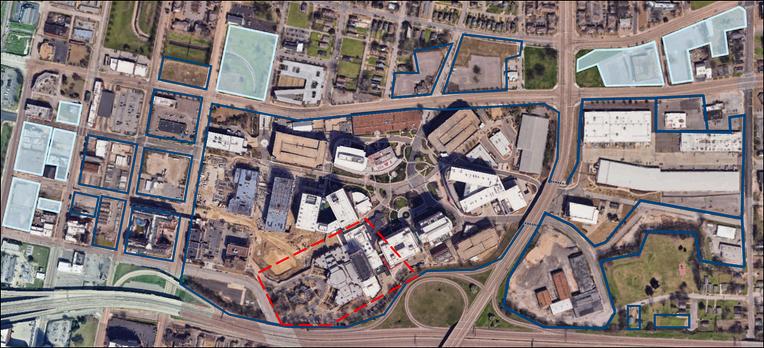
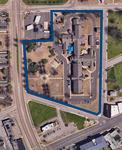
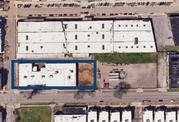
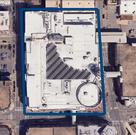
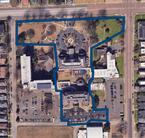
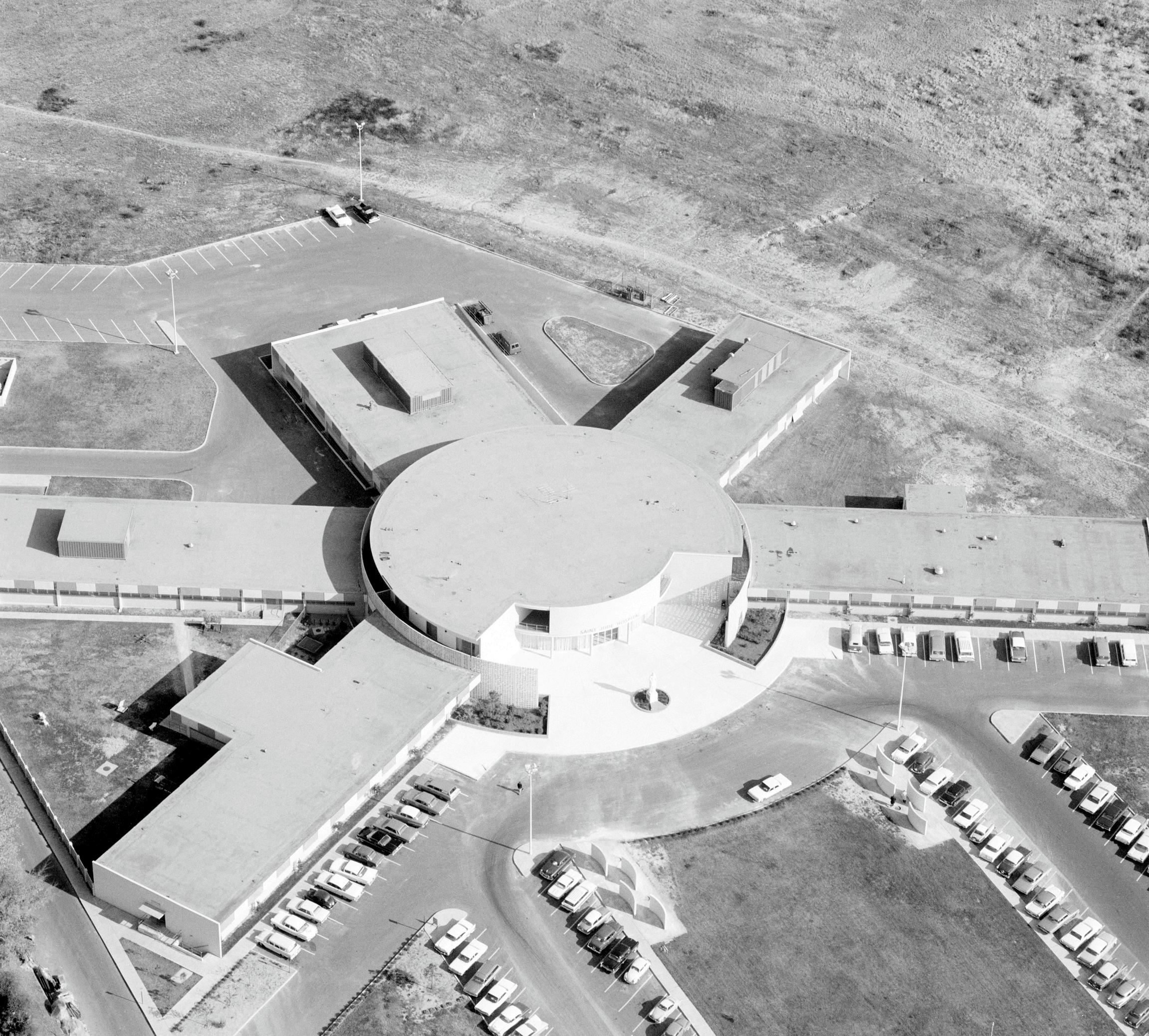
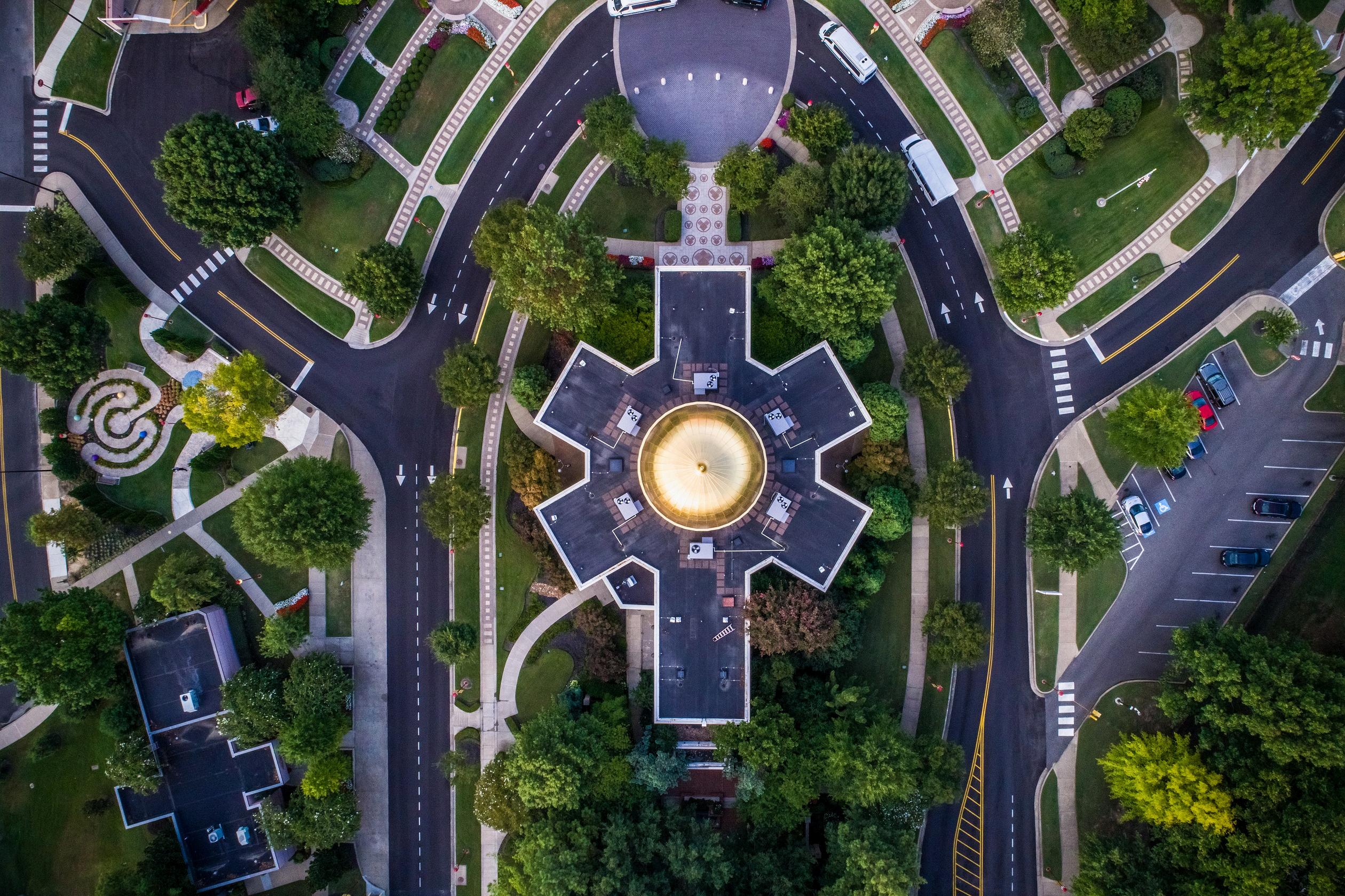
Campus footprint has tripled over 30 years with increased utilization density
Addition of new, larger buildings, multiple off-campus properties, and expansion of high-tech facilities
Expanded security scope to address the complexity of the organizational growth.





4,250,000 Vehicles / year (11,644 /day)
Governance
Policy setting, enterprise oversight, cross-functional direction
Policies & Procedures
Procedural consistency, standards enforcement, and investigation protocols
Security Technology
Systems sensors, surveillance, automation, integrations, and hardware maintenance
Capability-building, preparedness, drills, formal instruction
Staffing
Resource deployment, personnel posture and operational capacity Physical
Policy setting, enterprise oversight, cross-functional direction
01 02 Procedural consistency, standards enforcement, and investigation protocols POLICIES & PROCEDURES
Annual Hazard Vulnerability Assessments
Security design standards for construction, remodels & systems
Policy-driven tiered access control & ID governance
Cross-functional governance partnerships (Design, Construction, Infrastructure)
After-action review governance & improvement loop
Incident investigations (Workplace Violence, theft, accidents, separations)
Crime Prevention Through Environmental Design (CPTED) based rounding & lighting guidance
Visitor management procedures
System inspection program (duress & panic buttons)
Operational system standards & installation procedures
Mandatory security training / onboarding requirements for all
Campus workforce
Advanced security training for all Security Operations personnel
Facilities hardening, patrol posture, visible protective presence
Perimeter hardening (non scalable fencing)
5 of 11 gates staffed 24×7
Critical post staffing for high risk facilities
Garage, parking & construction site patrols
Embedded plainclothes officers in patient zones
MPD armed officers at gates and campus posts 24x7
Systems sensors, surveillance, automation, integrations, and hardware maintenance
24×7 video surveillance & automated alerts
Integrated access control (badging, visitor management, audit trails)
Duress & panic button systems deployed and maintained
Enterprise system integrations (Workday, tube system, video)
In house installation & maintenance of cameras, card readers, intercoms
Integrated dashboards & detection algorithms in the Security Operations Center (SOC)
Capability-building, preparedness, drills, formal instruction.
Situational awareness & safety presentations
CPI, BERT, CPR, Active Shooter formal programs (formal curricula)
Weekly drills, exercises & practice sessions
Onboarding training for new staff (new hire security preparation)
Participation in patient care conferences (training-adjacent information sharing)
Resource deployment, personnel posture and operational capacity
Mobile rover teams (St. Jude & MPD)
Dignitary & executive protection staffing
Home Health staff monitoring (off campus protection support)
Security Operations Center staffing for 24×7 monitoring & dispatch operations
Frontline service staffing (officer engagement with patients & families)
Information exchange internally/externally, crisis messaging, community coordination
Clear campus navigation & security messaging
Crisis management communications
Community engagement & coordination with city, state, federal partners
Joint investigations & participation in external professional organizations
Event communications (traffic, marathon, dignitary visits)
Pillar 1
Deliver a VISIBLY SAFE AND SECURE ENVIRONMENT for all those who enter our campus
Creating a campus that feels safe, welcoming, and confidently protected
Pillar 3
Enhance RESPONDER READINESS & REALTIME AWARENESS
Delivering the expertise and tools that drive faster, more effective action.
Pillar 5
Embedding SECURITY STANDARDS INTO EVERY BUILD
Designing environments where security and safety are built in from day one.
Pillar 2
Maintain a WELCOMING front door with CONTROLLED ACCESS
Keeping the front door welcoming to those who have business being here - preventing access to those who don’t
Pillar 4
Optimize INTEGRATED SECURITY INTELLIGENCE & DECISION SUPPORT
Harnessing technology that connects information to accelerate smarter action.
Pillar 6
Strengthening GOVERNANCE to Stay Ahead of Emerging Risks
Building a proactive, policy and procedural driven foundation for campus security
Deliver a VISIBLY SAFE AND SECURE ENVIRONMENT for all those who enter our campus
Creating a campus that feels safe, welcoming, and confidently protected
Perimeter fencing: A continuous, wellmaintained fence around the campus grounds creates a clear physical boundary - signaling access is controlled and monitored.
Gated Access Points: Limited entry points with automated gates and security personnel reinforce the idea that only authorized individuals can enter.
Clear Signage: Signage across campus explaining security measures (e.g. “NO FIREARMS ALLOWED”) helps communicate the purpose of these controls.
Element Title Here
Pillar 2 Maintain a WELCOMING front door with CONTROLLED ACCESS
Keeping the front door welcoming to those who have business being here - preventing access to those who don’t
Staffing: Professional trained uniformed St. Jude Security and Memphis Police Officers.
Access Control Systems: Employees are required to present a hang tag or identification before entry Patient, patient parents, visitors and vendors are required to present government identification that is checked through our visitor management system, internal watch list and sex offender registry.
Surveillance Cameras: Cameras positioned along the perimeter and at gates provide real time-time monitoring, which is often visible to visitors, increasing their sense of safety.
Pillar 3
Enhance RESPONDER READINESS & REAL-TIME AWARENESS
Delivering the expertise and tools that drive faster, more effective action.
Element Title Here
Pillar 4 Optimize INTEGRATED SECURITY INTELLIGENCE & DECISION SUPPORT
Harnessing technology that connects information to accelerate smarter action.
Real time incident response: Using live camera systems, access control alerts and trained officers that quickly assess threats.
Security Operations Center: Trained to understand clinical operations, pediatric risk and escalation thresholds. Single hub monitors alarms, cameras and communications allowing leadership to make informed decisions during incidents.
Local Law Enforcement Partnership: Great working relationship with local, federal and state law enforcement. Establishing communication channels, shared protocols and direct contacts.
Unified Security Platform: Integrated video, access control, intrusion, duress, and mass communication into a single command layer workflow automation (e.g., a duress button triggers camera presets, locks nearby doors, and alerts clinical leads).
Smart Lighting and Power
Resilience: Deploy uniform, glarecontrolled LED lighting with battery backup along perimeter, paths, and entries; include generator-backed circuits for cameras, card readers, intercoms, and wayfinding beacons.
Pillar 5
Embedding SECURITY STANDARDS INTO EVERY BUILD
Designing environments where security and safety are built in from day one
Layered Entry Experience: Public entries follow a ‘welcome – verify –direct” sequence (canopy, vestibule, check-in, clear signage), with line of sight to security staff and camera views.
Façade Hardening: Use laminated glazing, reinforced frames, and blastaware detailing for critical areas Redundant Egress and Shelter in Place: Design dual egress paths from all public areas; identify shelter-inplace rooms on each floor with visible signage (silver dot), and lockable doors.
Pillar 6 Strengthening GOVERNANCE to Stay Ahead of Emerging Risks
Element Title Here
Building a proactive, policy and procedural‑driven foundation for campus security.
Governance: Policies will be reviewed annually against updated risk assessments, regulatory changes, and threat intelligence to ensure relevance and compliance.
Stakeholder Engagement: Include clinical leadership, facilities, and emergency management in policy updates to maintain alignment with patient care priorities.
Continuous Modernization: Embed technology-driven practices (video analytics, automation, integrated platforms) into SOPs and or policies for access control, surveillance, and emergency response.

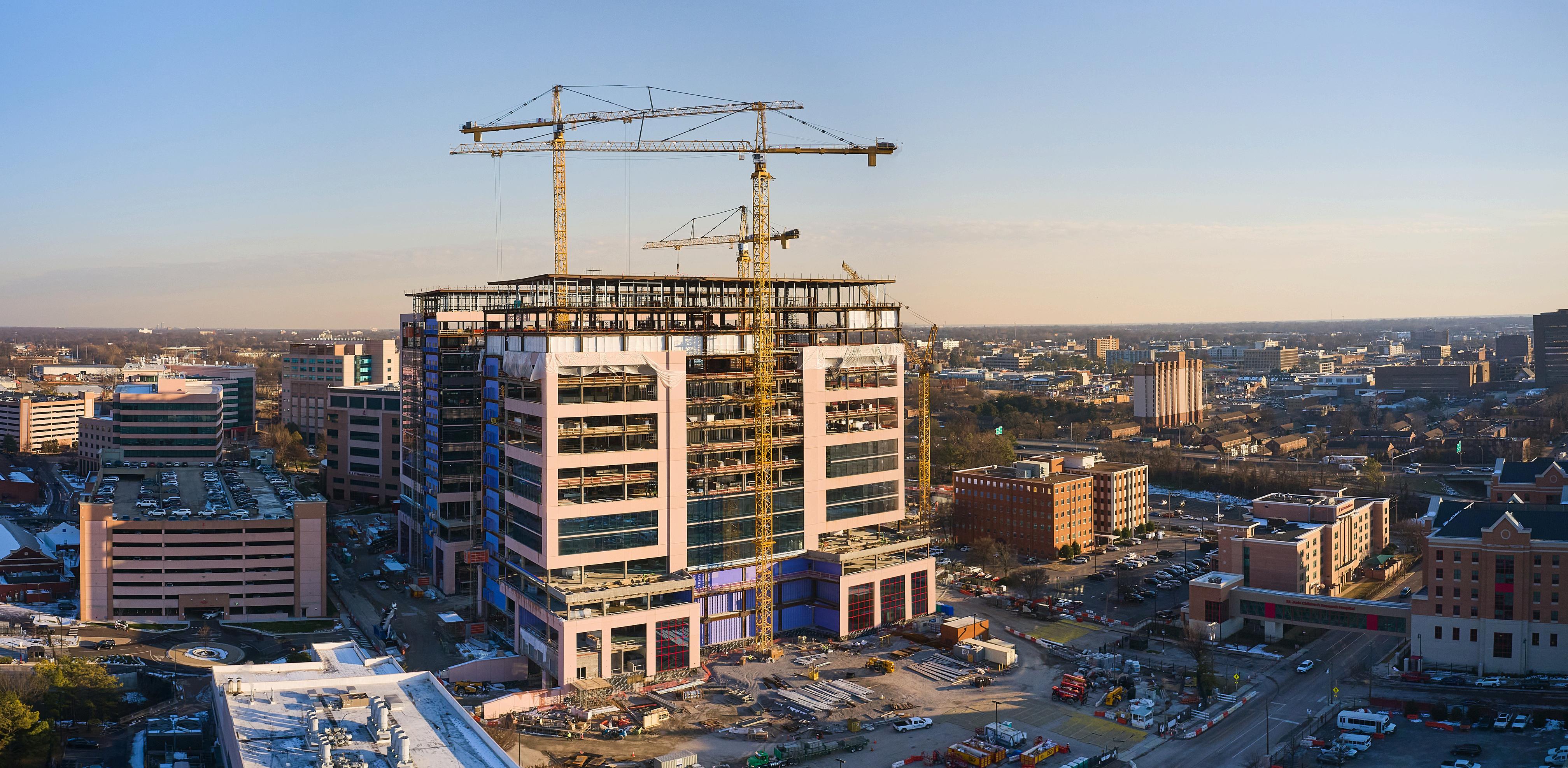
Our framework moving forward
Jan 2025
Third party security assessment conducted
May 2026 Emergency Notification System
Dec 2026
Access Control Panels / Replacement
Oct 2025 Workshop with stakeholders to identify and prioritize action plans
July / August 2026
CCB / COB Certificate of Occupancy & Onboarding of new Security staff
Mar 2027 Computer Aided Dispatcher System Implementation
Jan / Feb 2027 East Gate and Parking Garage 4 Opening
May 2027
Main Entrance (West Gate) Opening
April 2027 Weapons Detection System Implementation
Jun 2027 Peripheral Security Monitoring