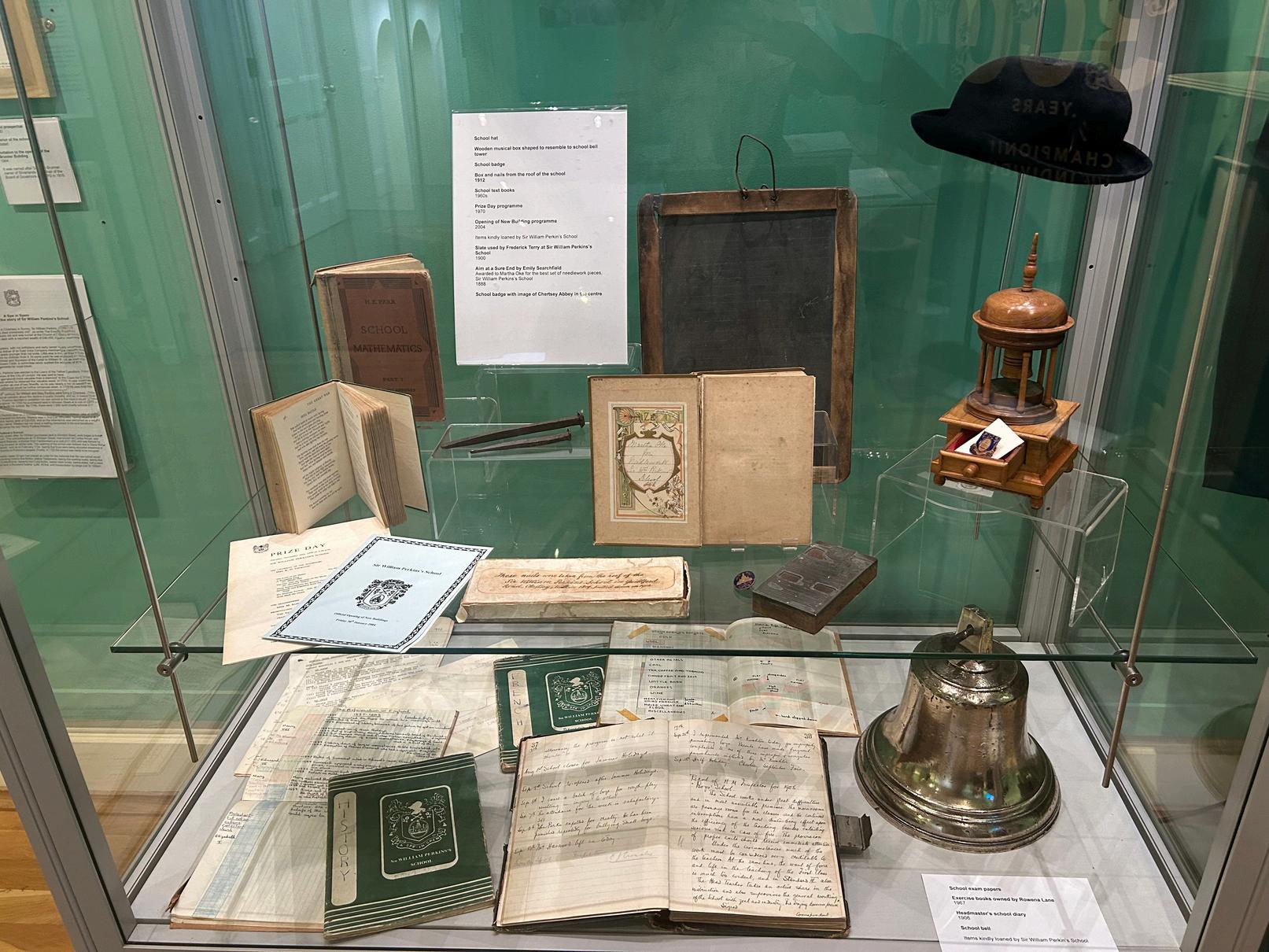
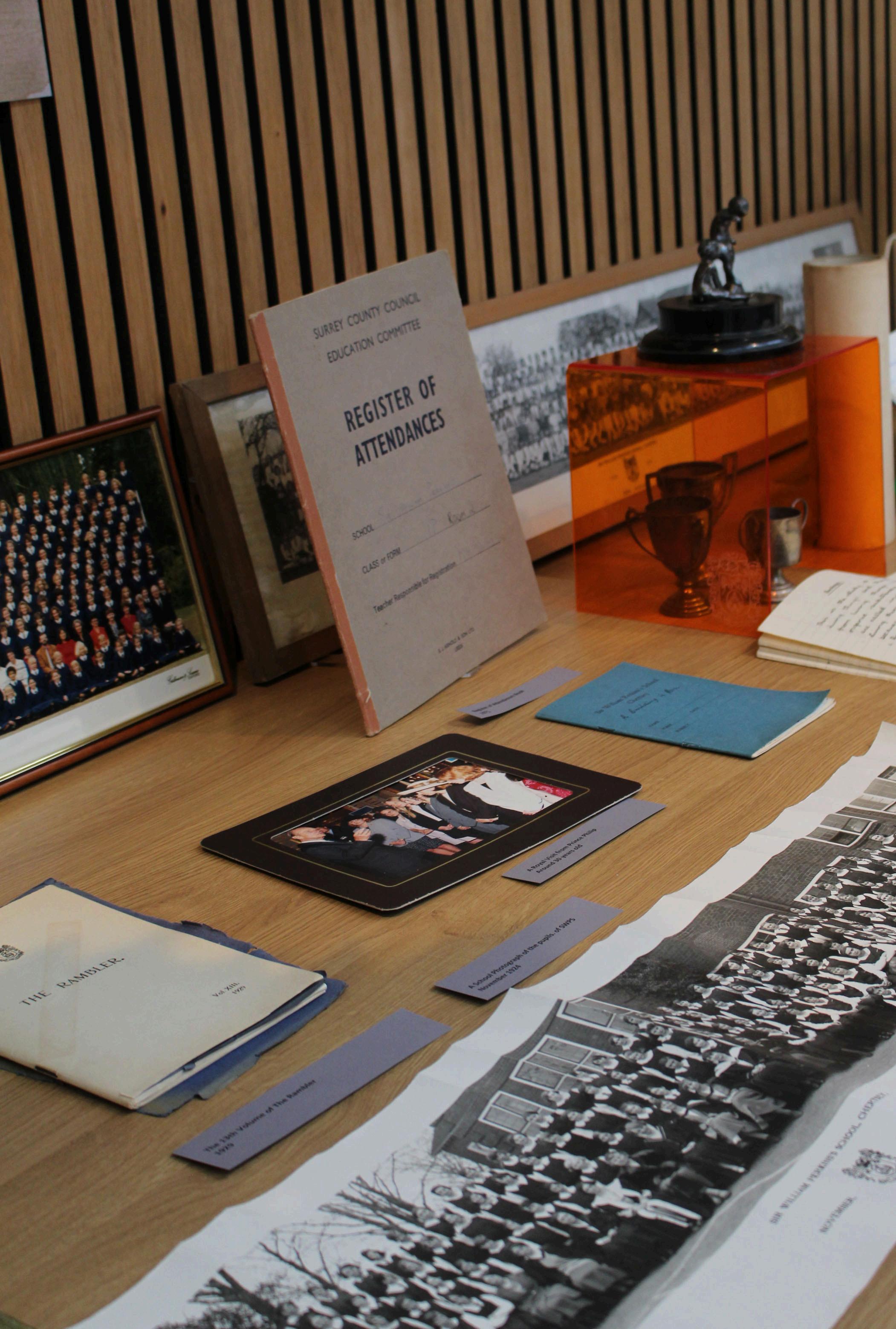
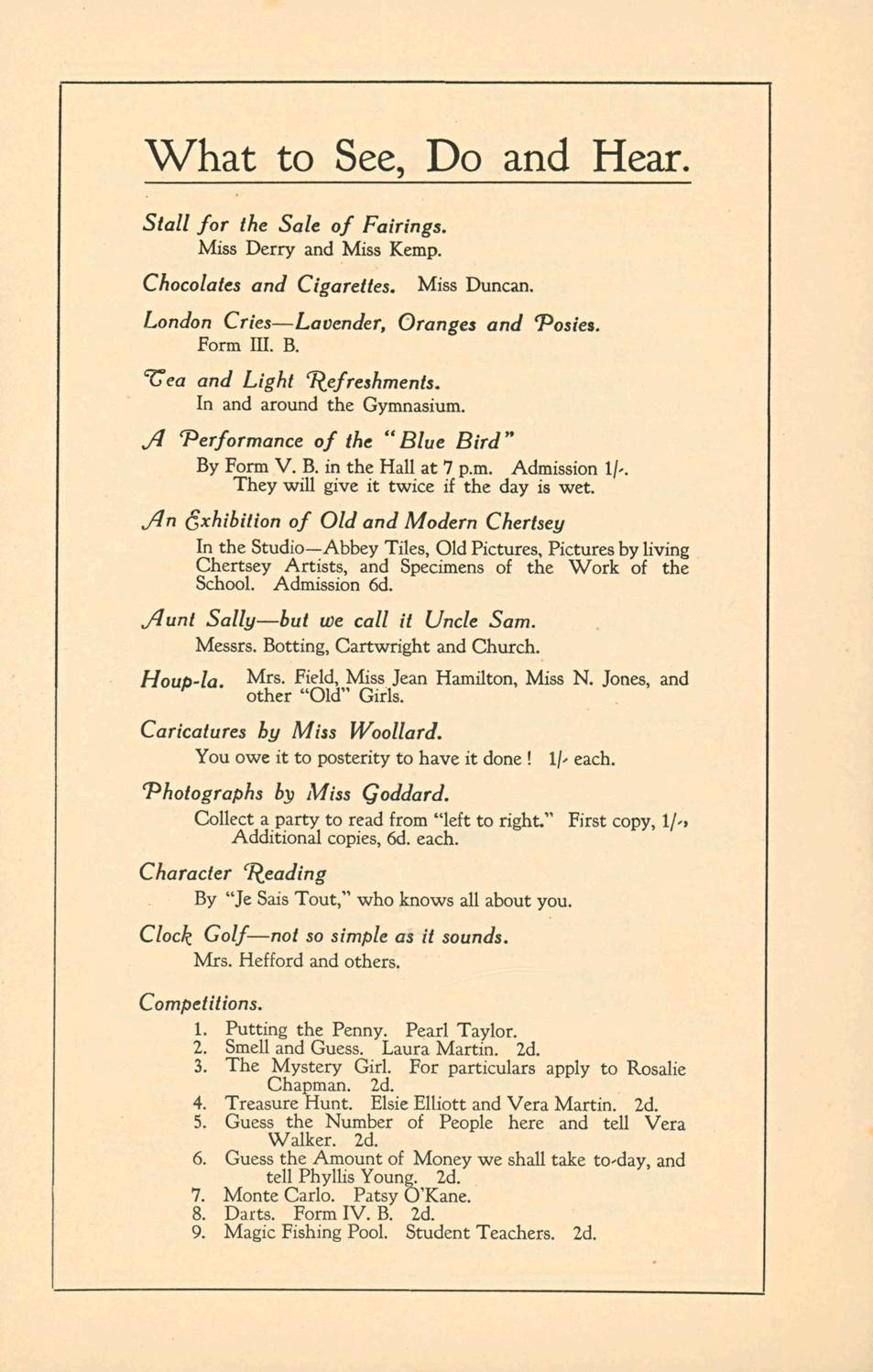
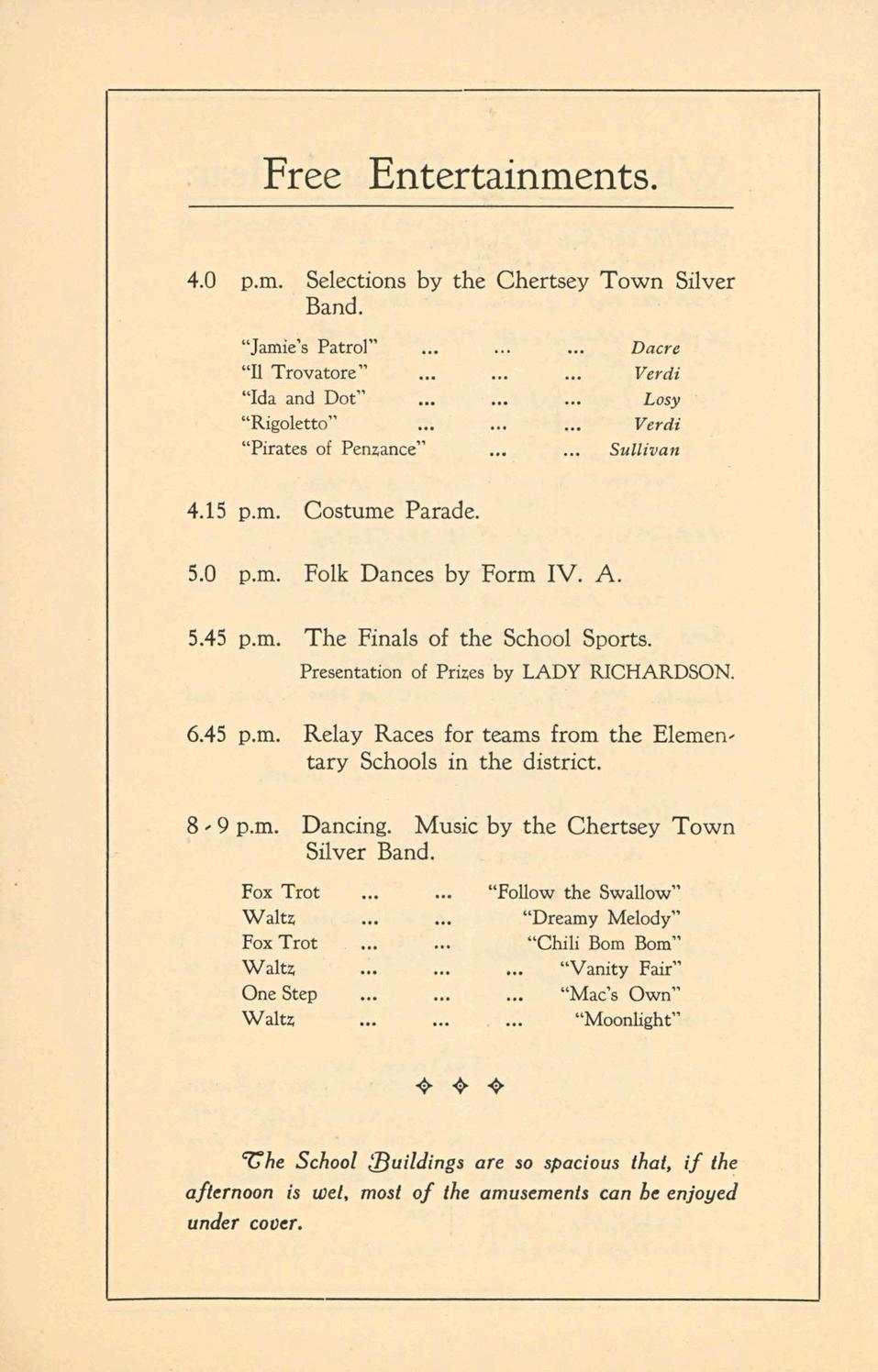
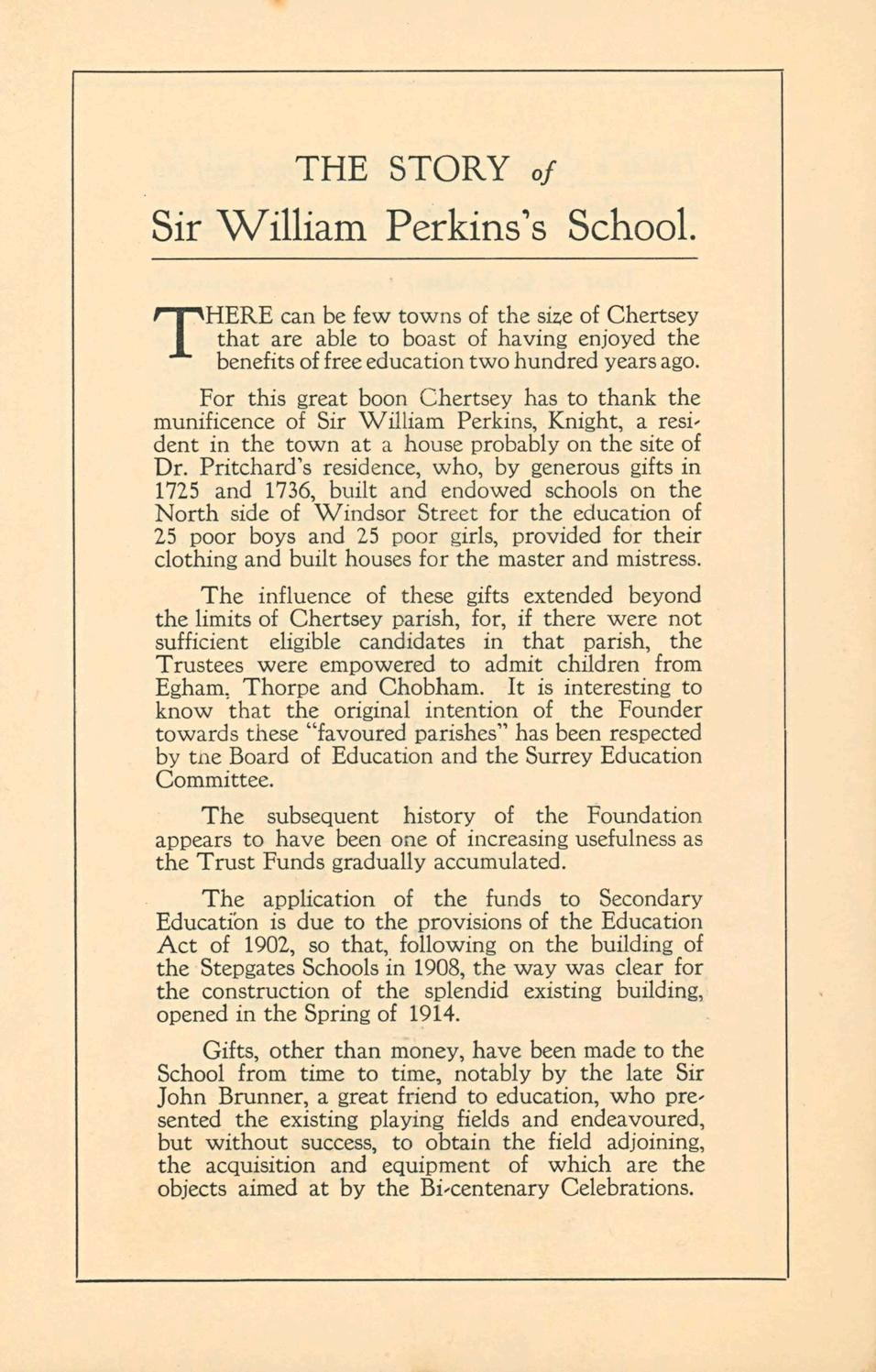
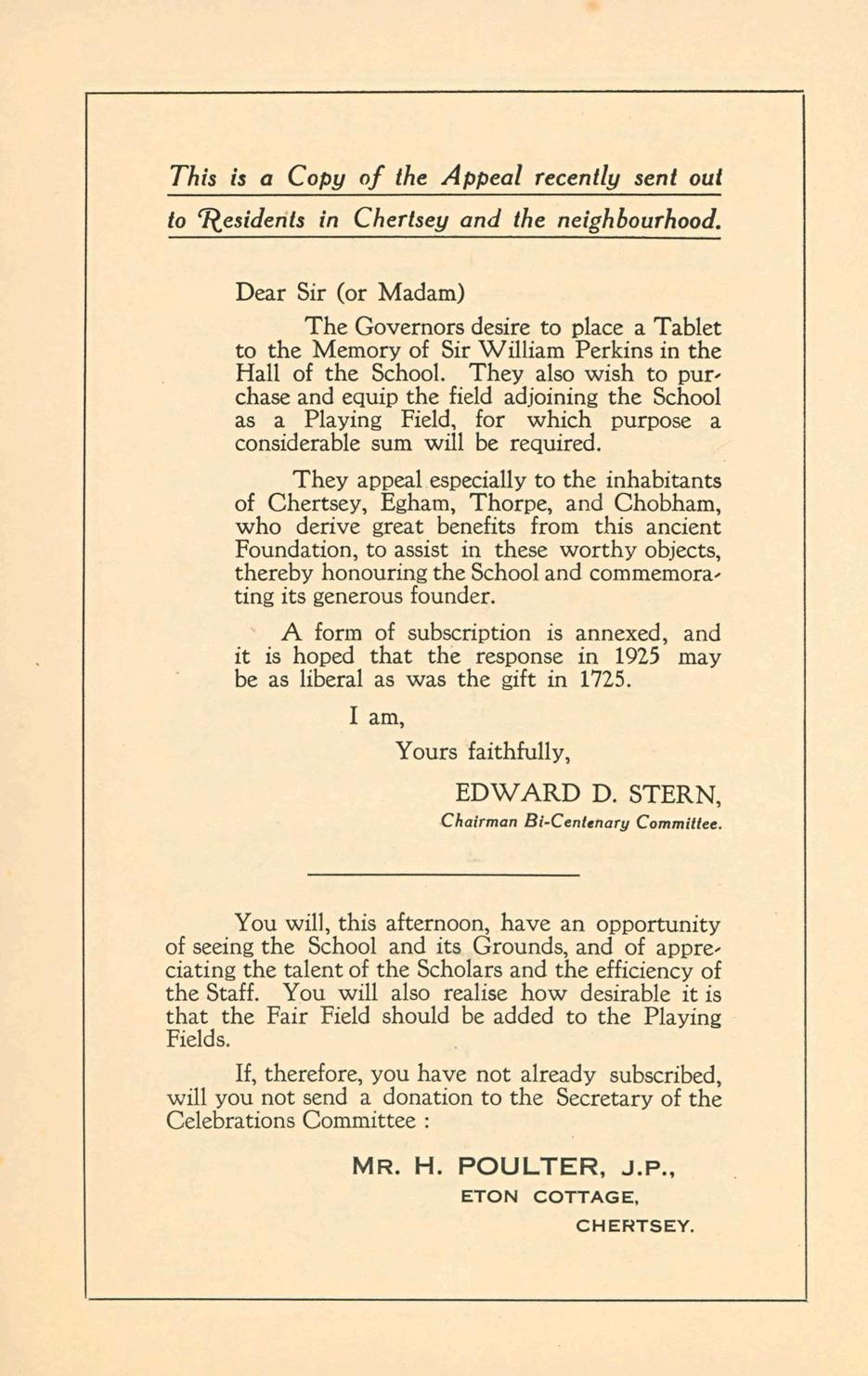
TThree Centuries, One School: SWPS at Chertsey Museum
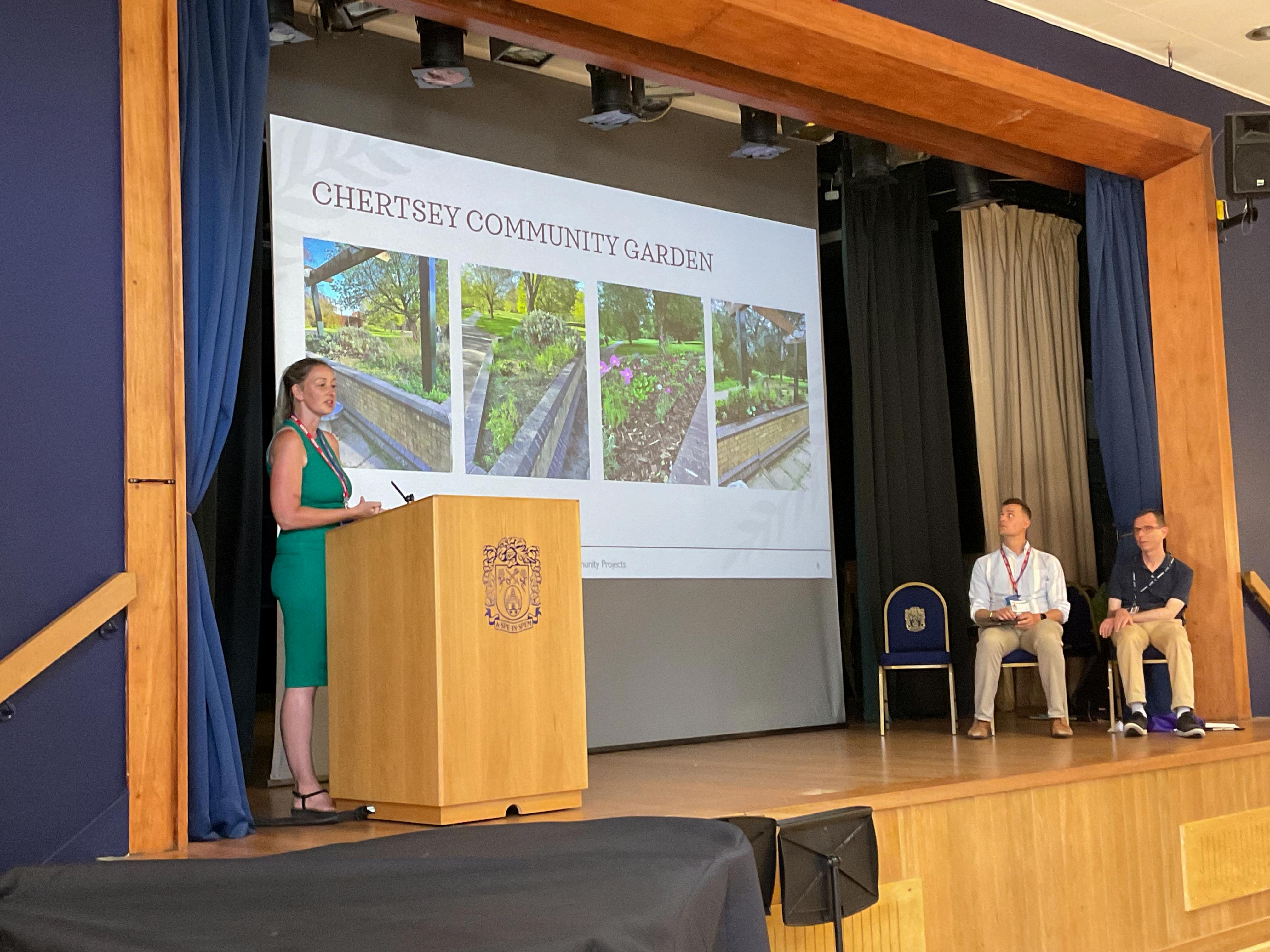
Chertsey Museum - Interview with Emma Warren
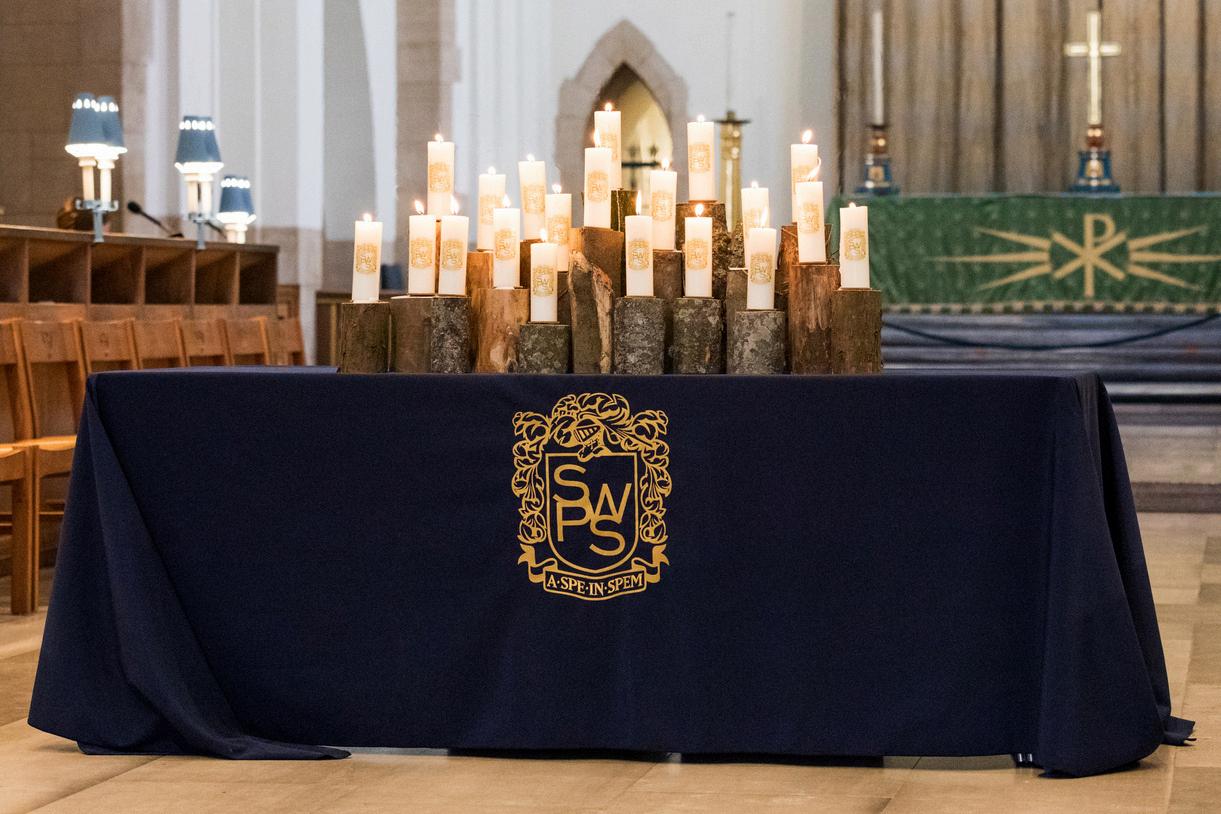
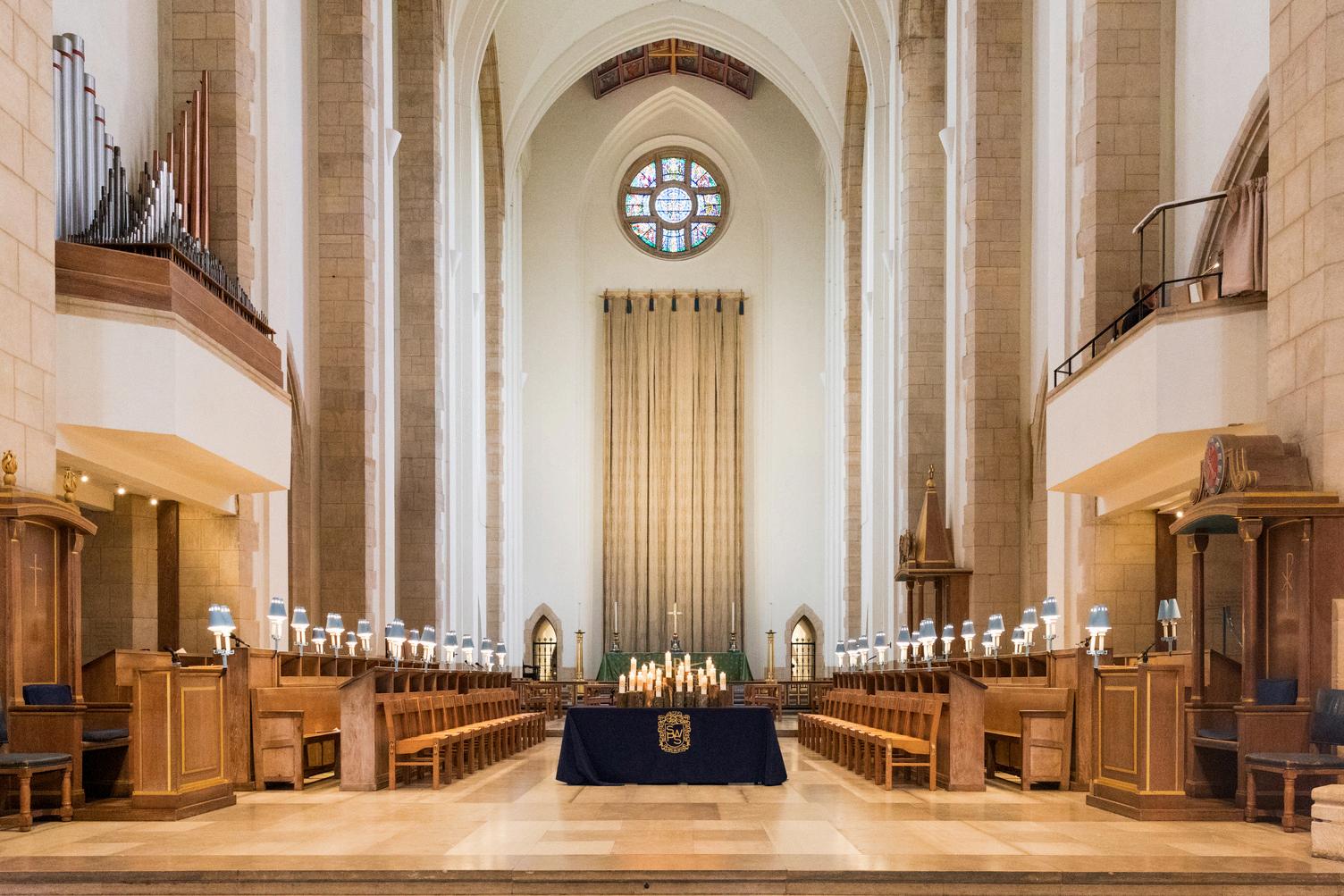
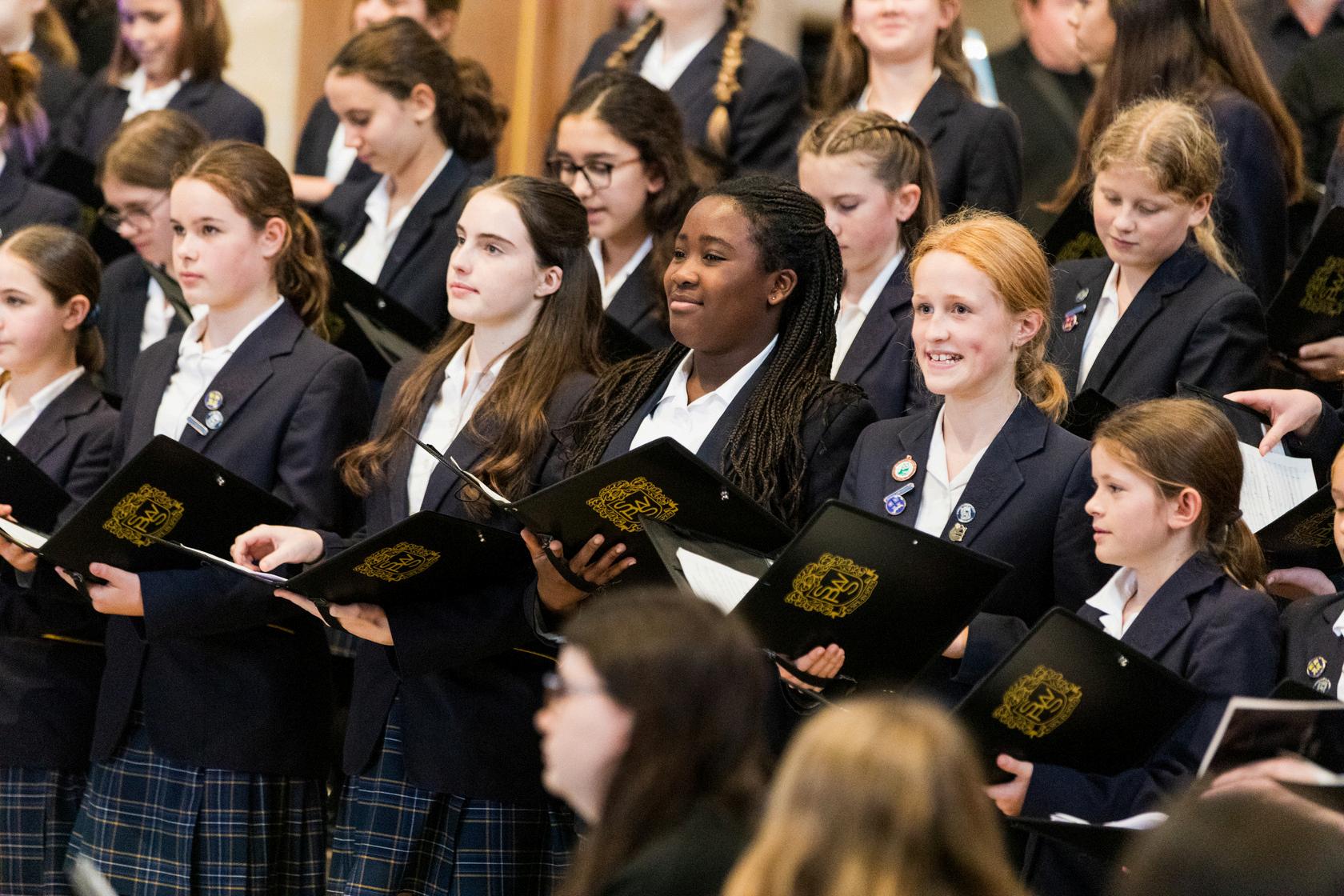
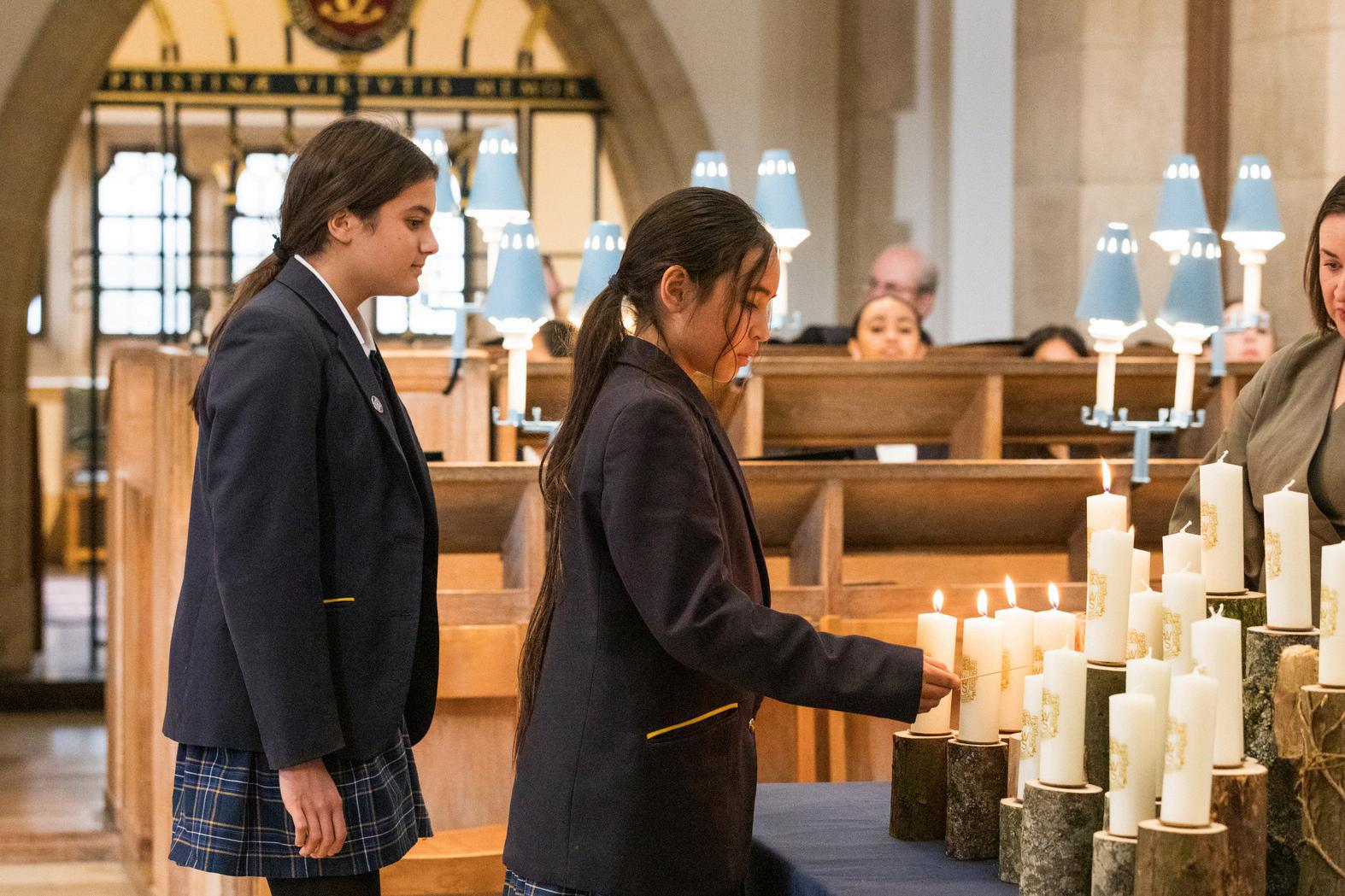
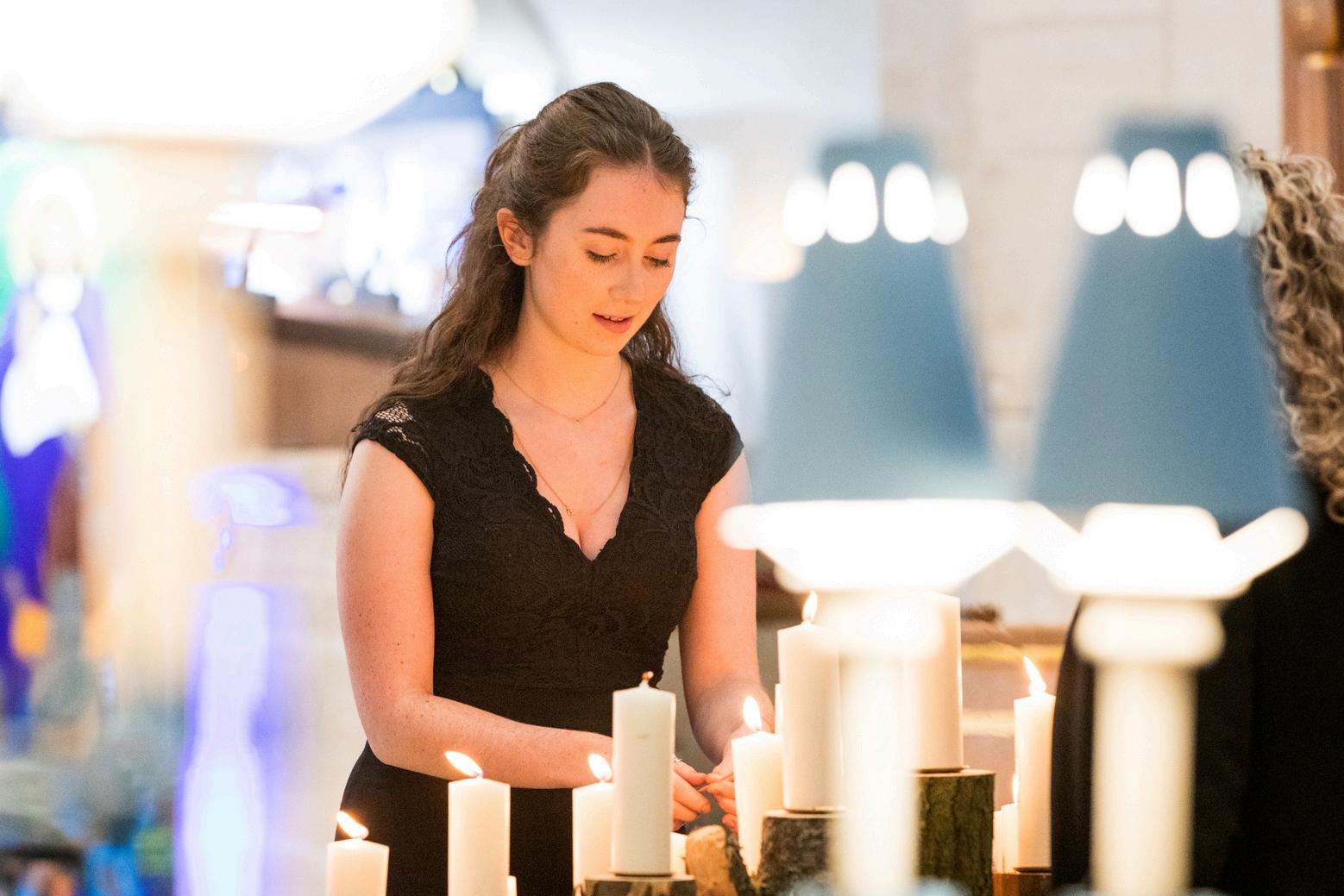
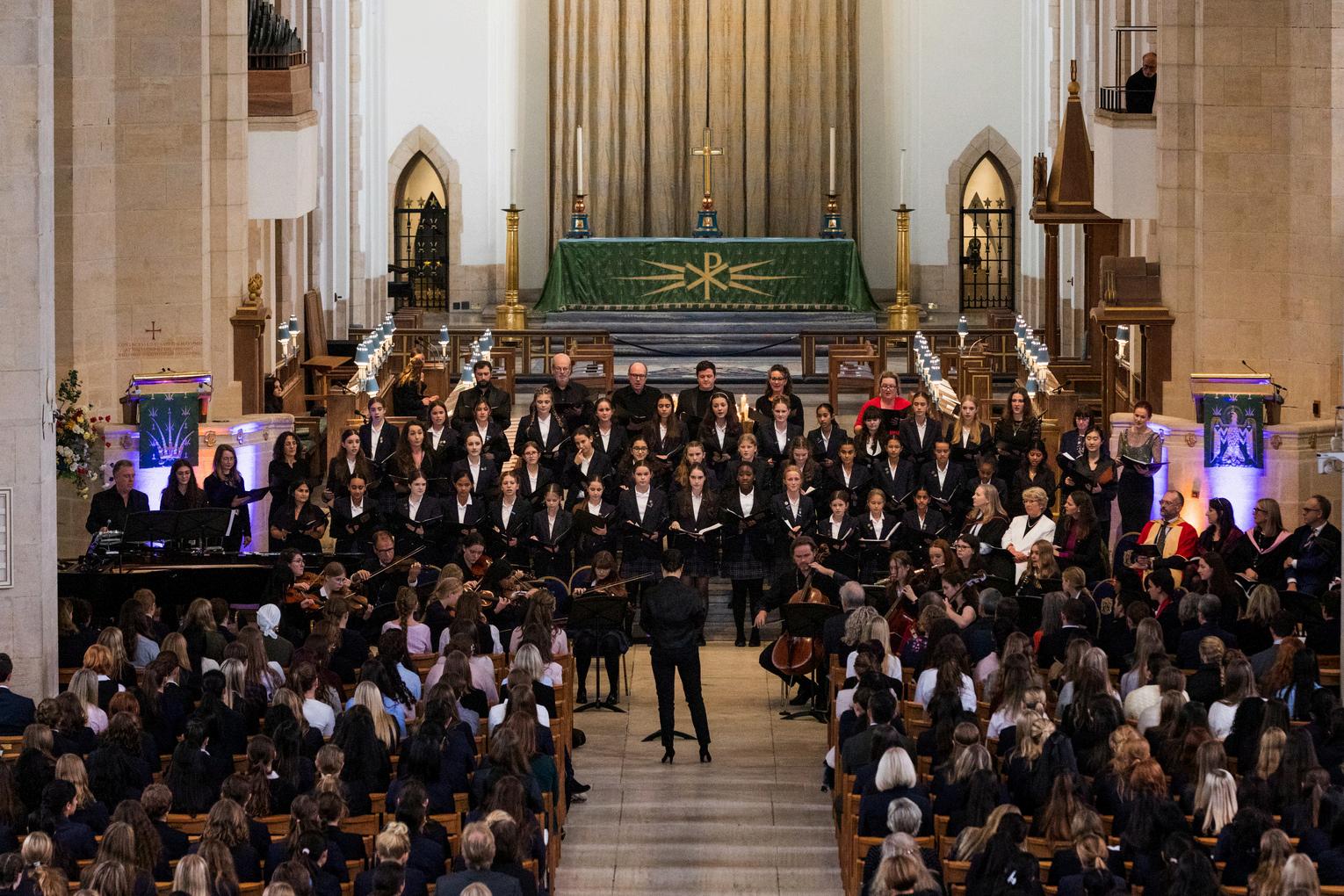
Founder’s Day at Guildford Cathedral
Curiosity Week - 1725 to 2025
1725 Community Hours
300 Student Poem
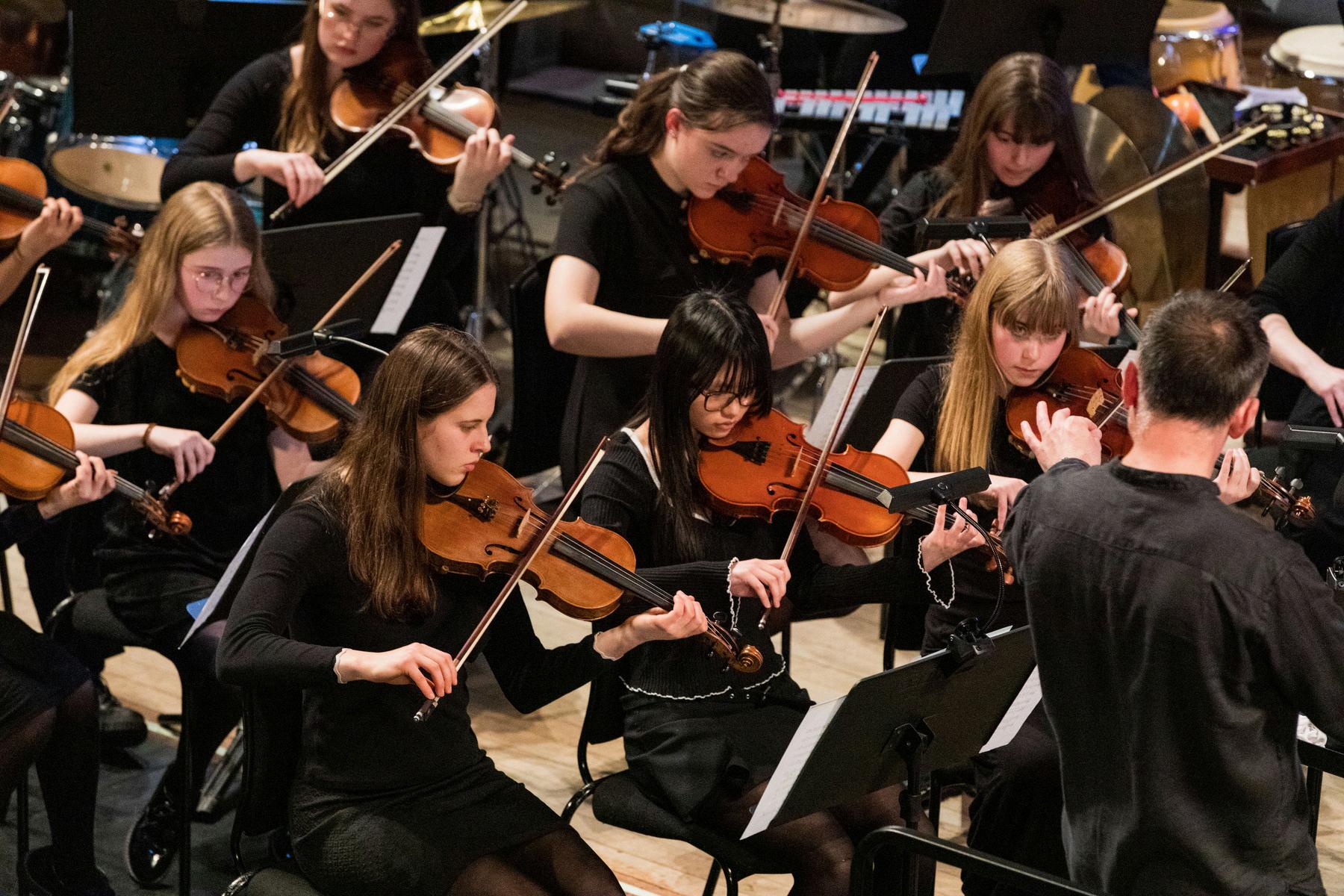
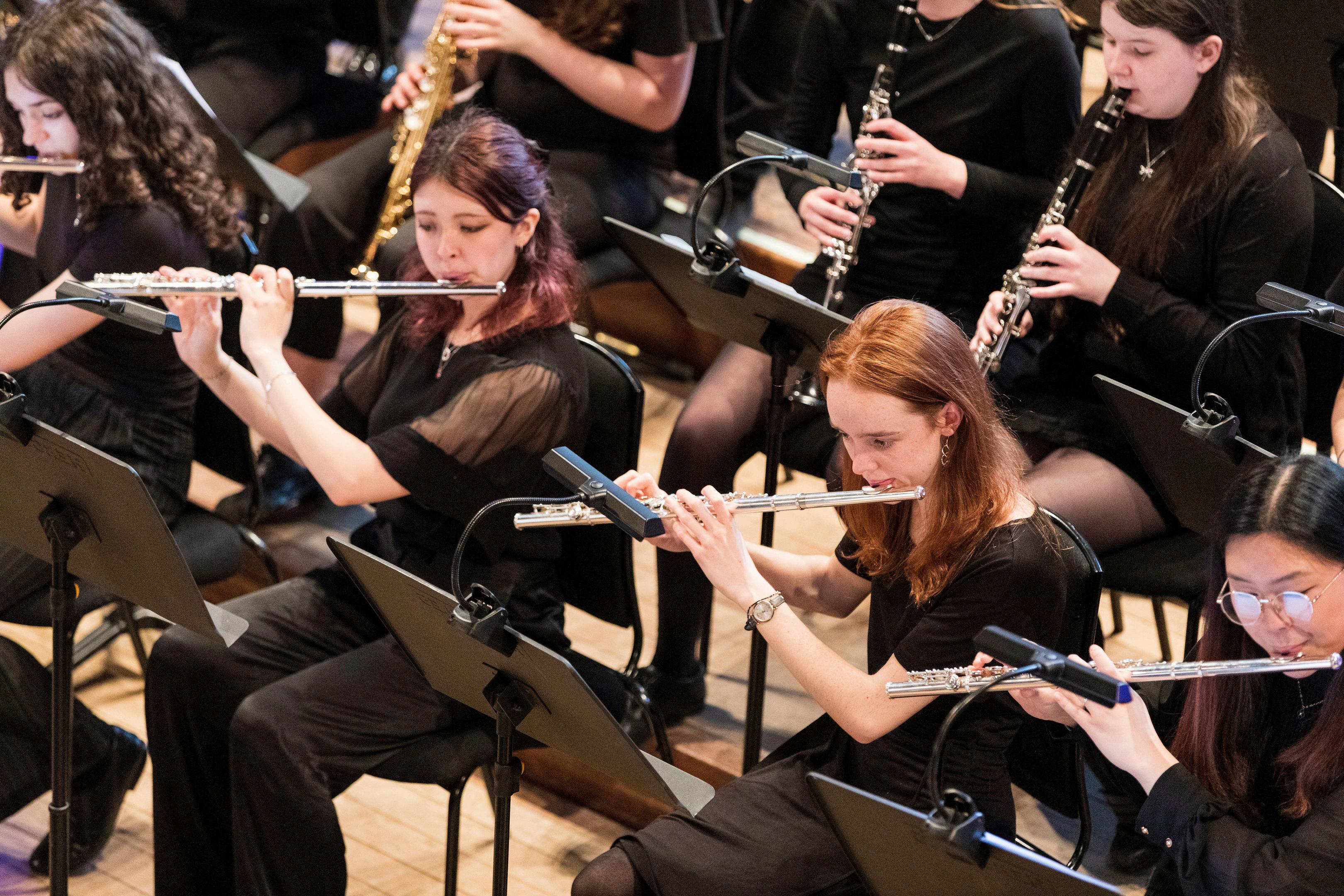
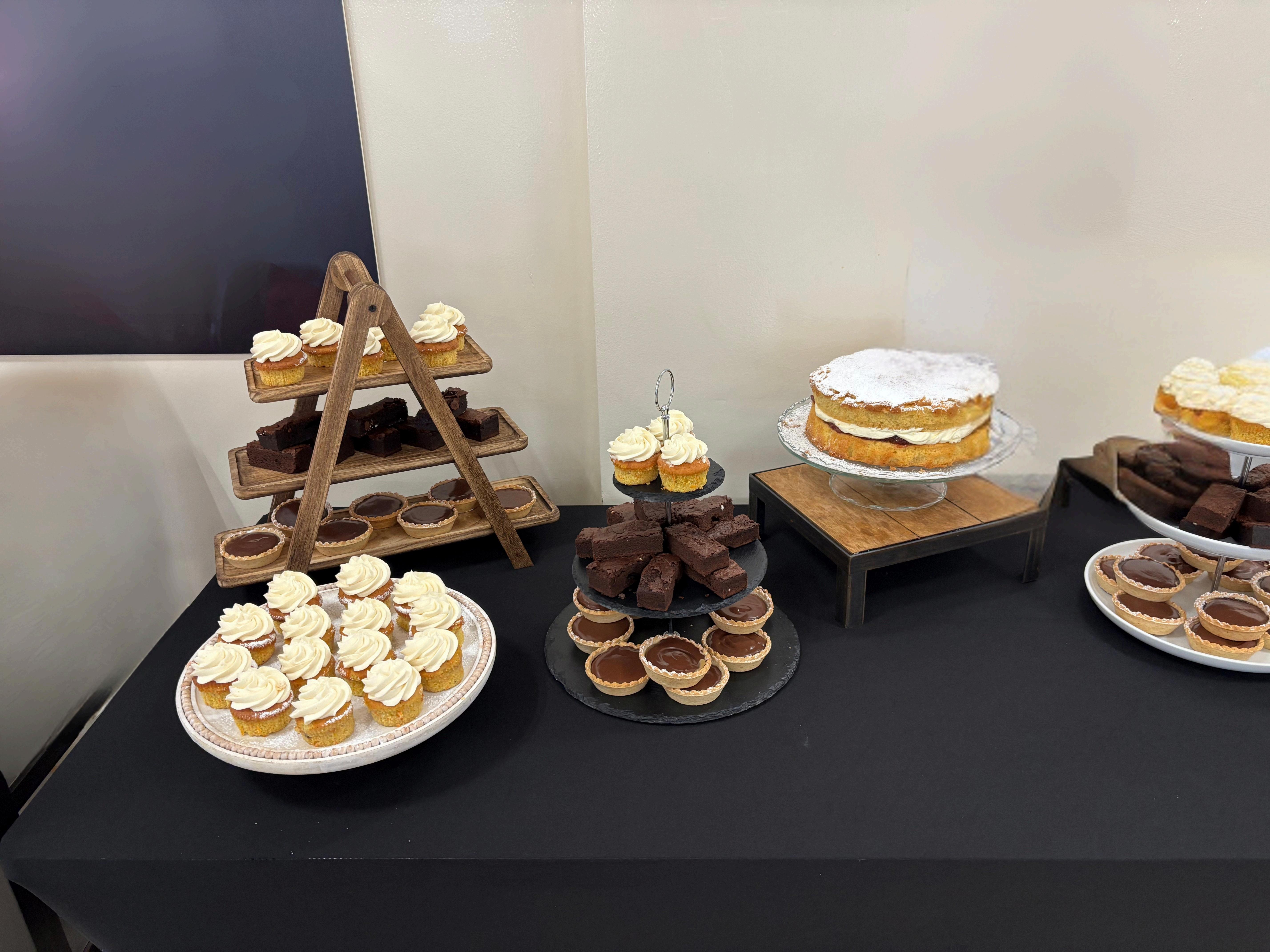
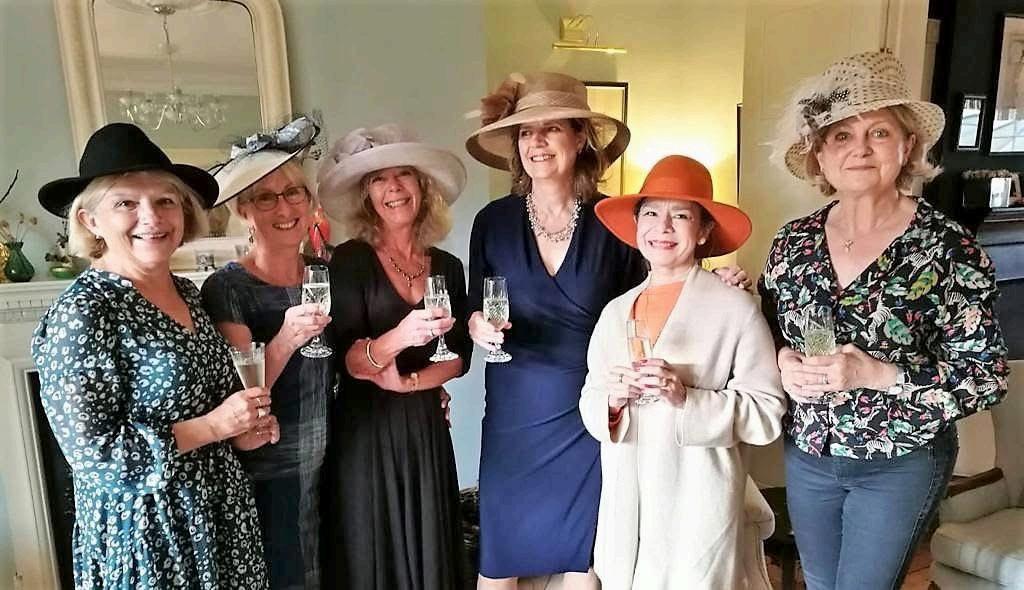
300 Anniversary Concert at Sinfonia Smith Square, London Tea, Tales & Treasured Years: 300 Years of SWPS
A Glimpse in the Archive: The Young Recruit 1915 Poem
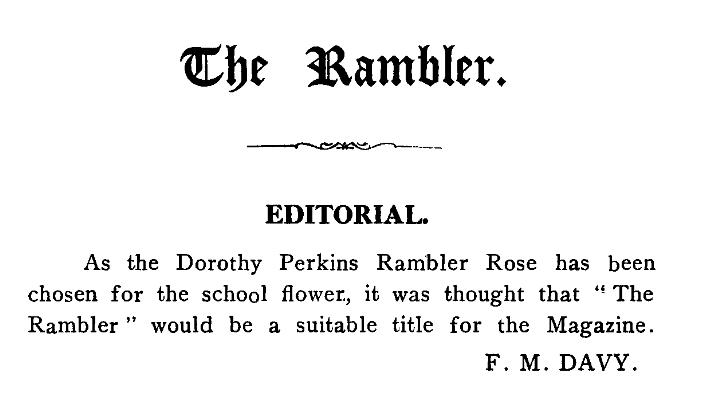
A Glimpse in the Archive: The Rambler Revisited
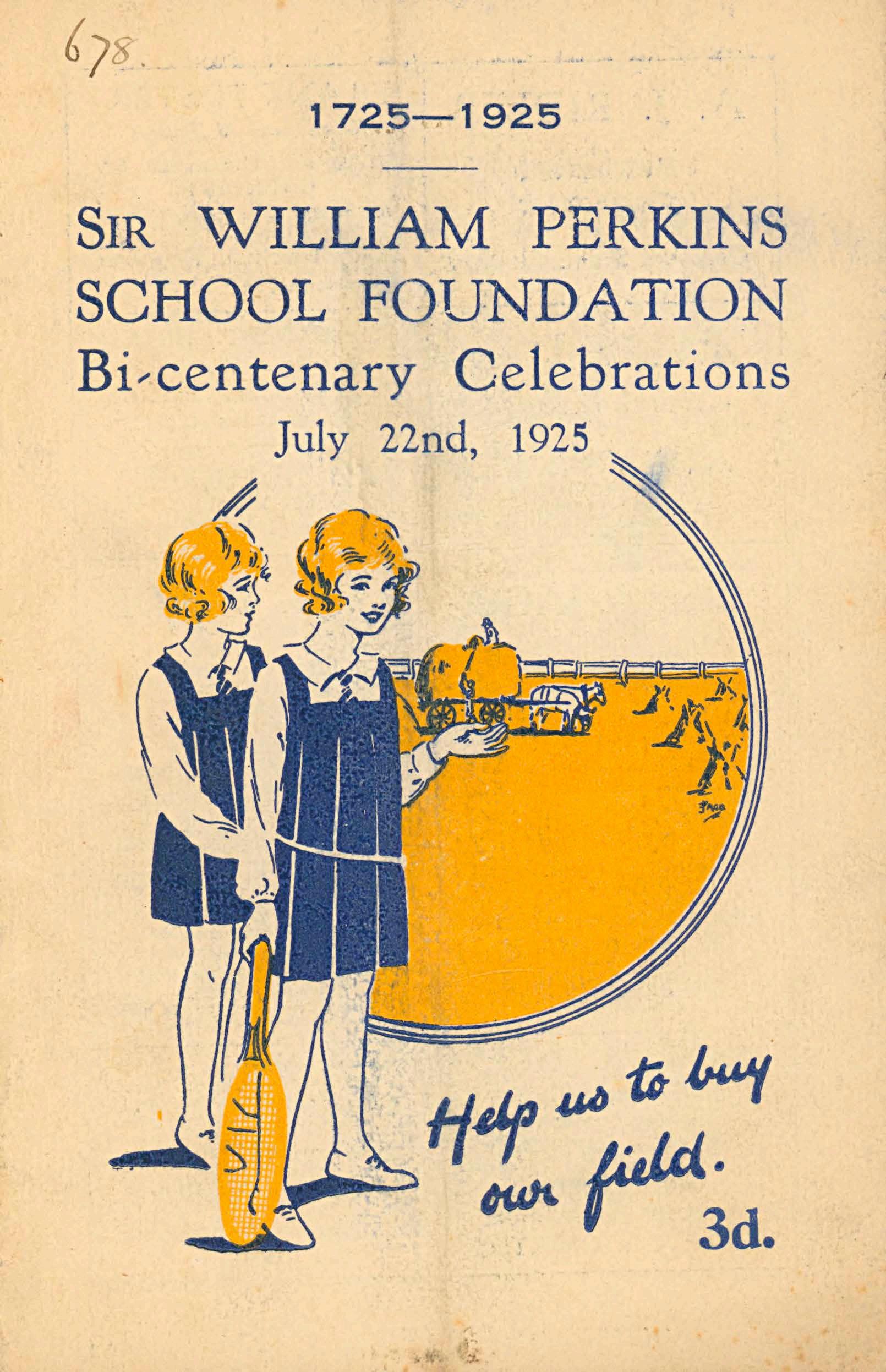
A Glimpse in the Archive: 275 250 and 200 Year Anniversary th, th th
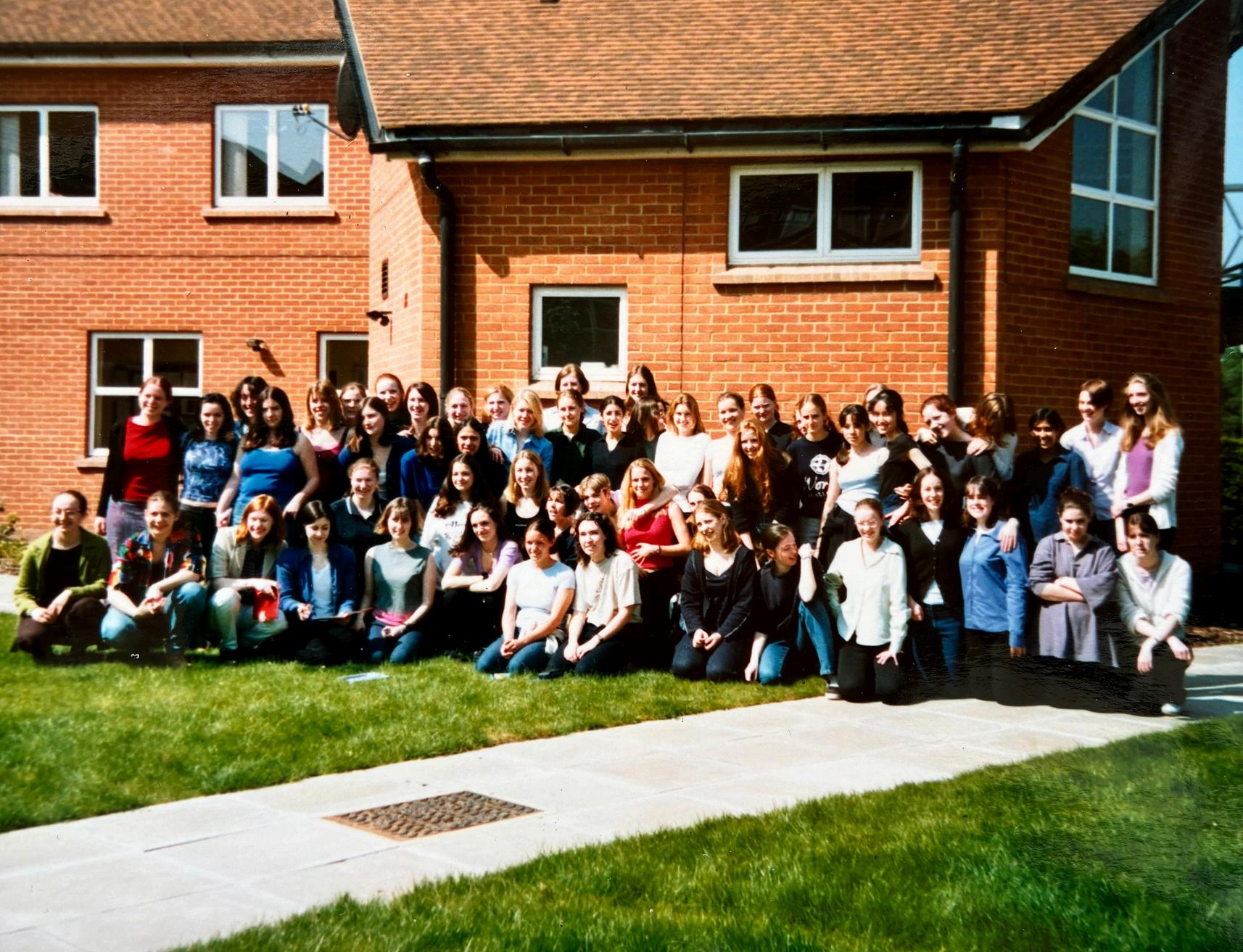
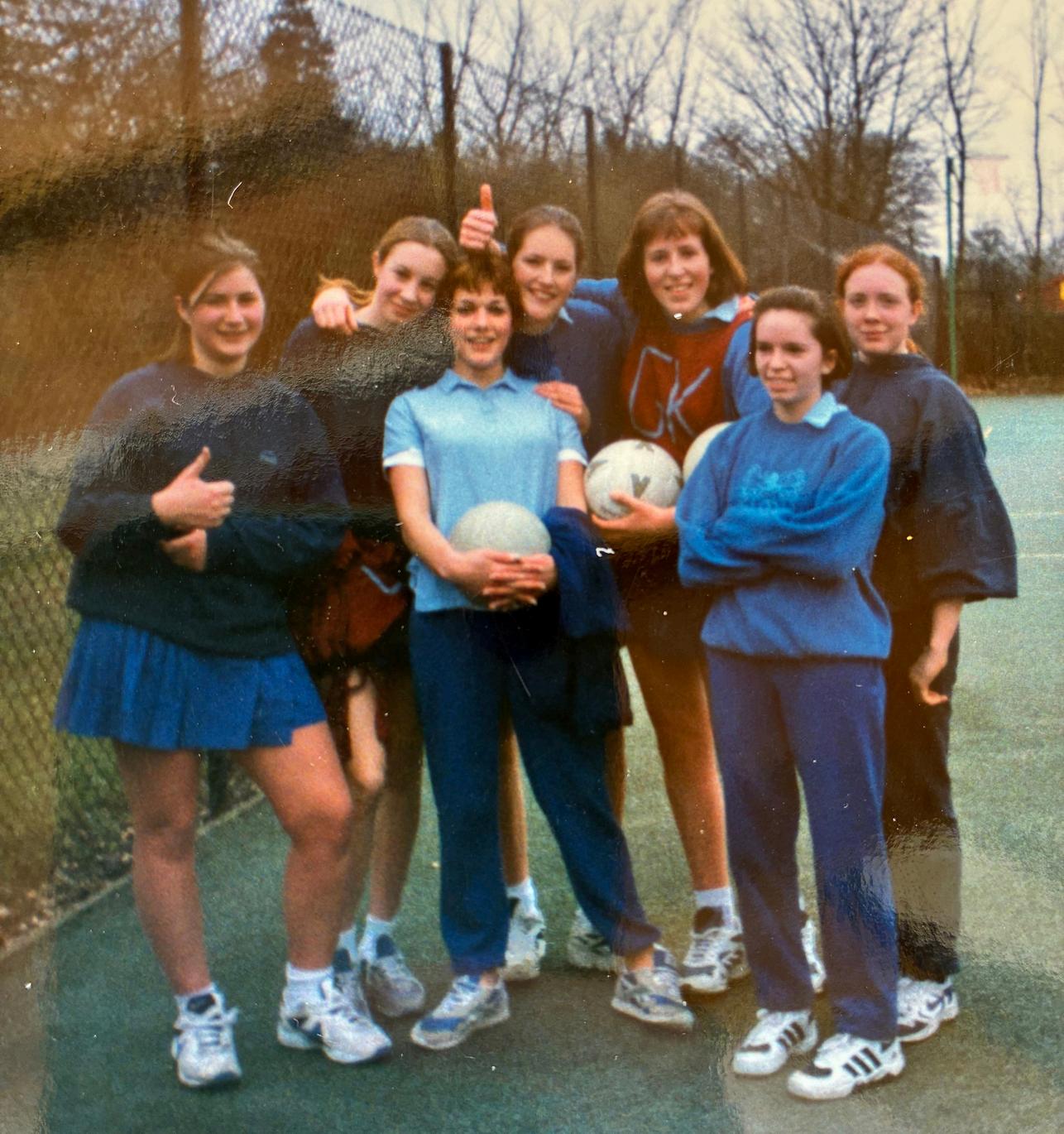
A Moment in Time: Reflections from SWPS Alumni
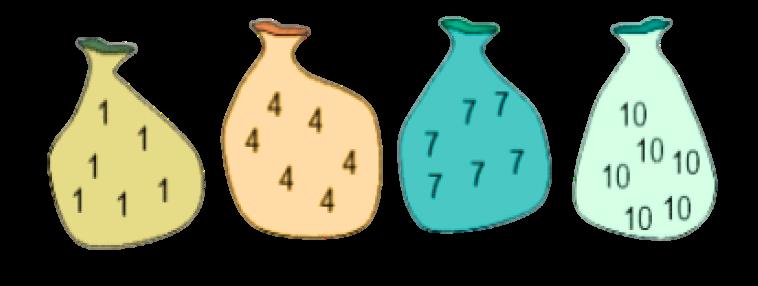
Puzzle Corner
The Great Maths Challenge: Students vs Parents SWPS Crossword
FROM THE HEAD
It gives me great pleasure to welcome you to this year ’ s edition of our newly renamed school magazine, The Rambler. Many will recognise this historic title from the 1930s and 40s, when The Rambler captured the ideas, humour, and creativity of the school community. Reviving the name feels entirely fitting as we reflect on the long story of Sir William Perkins’s School - one defined by curiosity, ambition, and a steadfast commitment to opportunity.
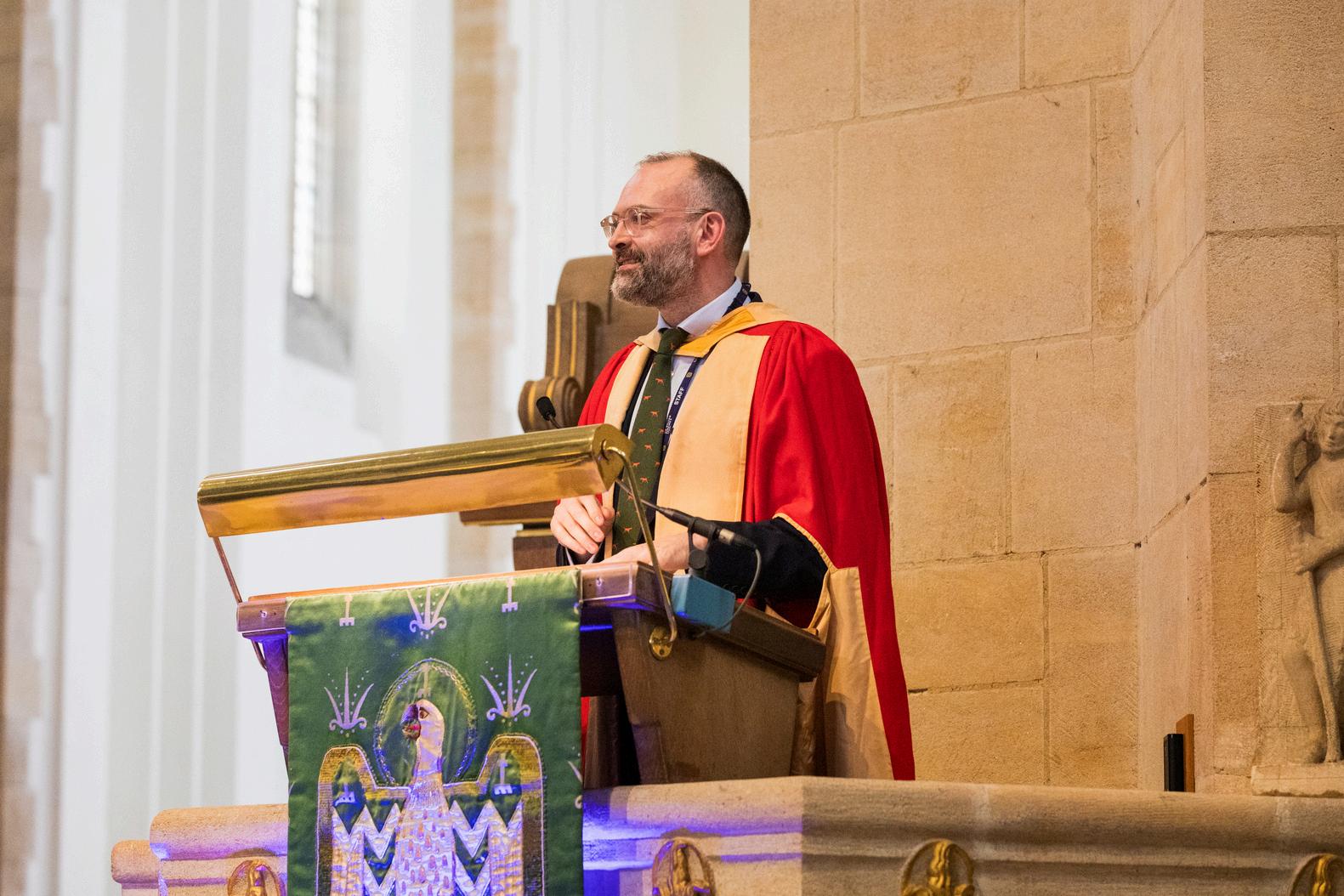
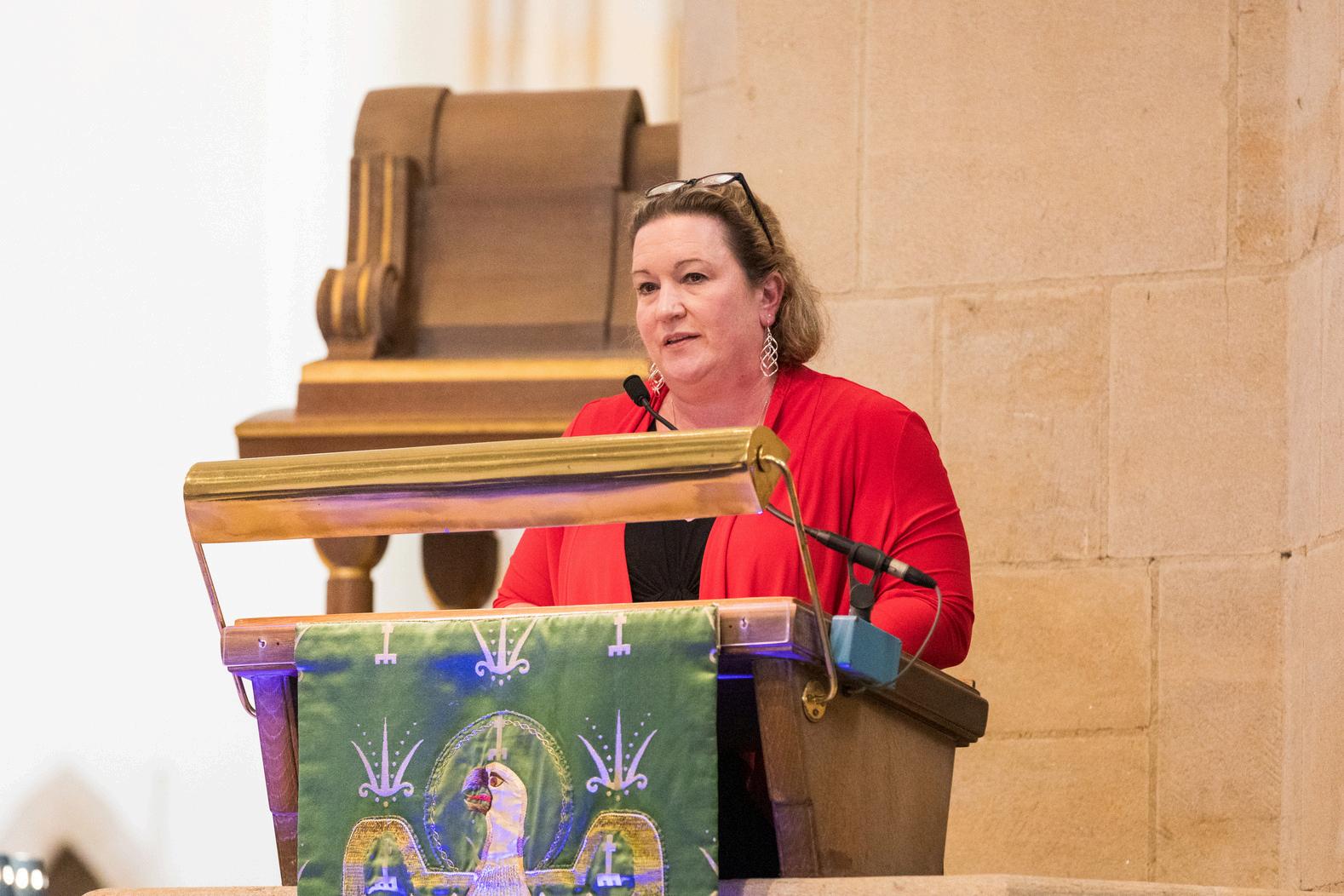
In November, during our Founder’s Day service at Guildford Cathedral, I spoke about the remarkable legacy of Sir William Perkins. His life combined enterprise with an uncommon sense of social responsibility In 1725, he established free education and clothing for 25 boys of Chertsey and, remarkably for the time, extended the same provision to 25 girls just a decade later This generous and inclusive vision laid the foundations for the school we are so proud of today, one that continues to evolve while staying true to its original purpose.
Much about Sir William’s early life remains a mystery Little is known of his youth or travels, and even the origins of the extraordinary gemstone he once sold to the Crown for £12,000 remain unknown Yet the fragments we do have - his service in the Royal Household, his election to the Worshipful Company of Tallow Chandlers, and his philanthropic approach - paint a picture of a man who moved through the world with curiosity and purpose. It is fitting, then, that we bring back a magazine title that celebrates exploration, reflection, and the joy of learning
The Rambler has always been more than a record of events It has been a space for students’ voices, a showcase for their insights, and a celebration of the many ways in which school life inspires them. This year ’ s edition continues that tradition. Within these pages, you will find the richness and variety that define our community: academic achievement, creative expression, sporting endeavour, service, and the countless everyday moments that make school life meaningful
Our students’ contributions speak for themselves. They reveal a community that is lively, imaginative, and intellectually ambitious. Whether exploring new ideas, reflecting on their experiences, or celebrating accomplishments, their work demonstrates both independence of thought and a strong sense of belonging It is a pleasure to see how confidently and generously they engage with the world around them.
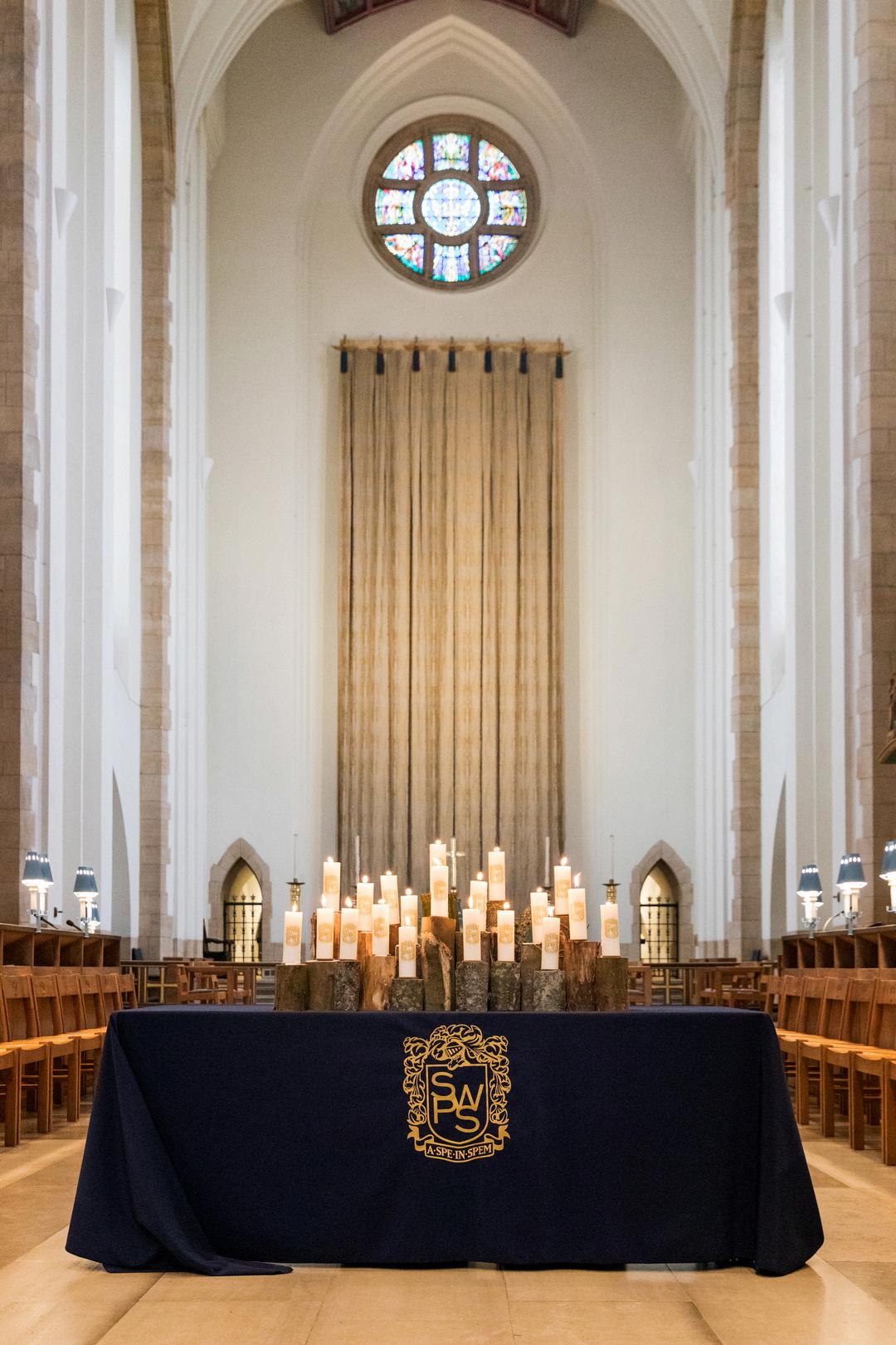
Our partnership with the Worshipful Company of Tallow Chandlers has also been a continuing source of pride. Their connection to our founder makes the relationship particularly significant, and their presence during our November Founder’s Day service - symbolised by the gift of traditional candles - offered a powerful reminder of the role of learning as illumination Just as the Tallow Chandlers’ craft once brought physical light to homes and communities, education brings the light of understanding, opportunity, and hope
Thinking back to earlier editions of The Rambler, one is struck by the continuity of student spirit across the decades Even without knowing every detail of those past publications, it is easy to imagine the familiar threads that connected students then and now: a curiosity about the world, pride in shared achievements, and the instinct to capture school life in their own voices Today’s students write with the same blend of enthusiasm, insight, and humour, carrying forward a tradition that has always been at the heart of our community.
Reviving The Rambler is therefore not simply an act of nostalgia; it is a celebration of continuity. The name connects our current students with generations who came before them, reminding us that our history is not static but a living, shaping presence. It encourages us to value the experiences of the past while remaining open to new ideas, new challenges, and new possibilities.
As we look ahead - including to our co educational future - we do so with confidence and renewed purpose. Welcoming boys once again feels both forward‑looking and entirely in keeping with the founder’s inclusive vision. As with every stage in the school’s evolution, we are guided by a desire to create an environment where every young person can flourishacademically, socially, and personally.
None of this would be possible without the dedication of our staff, whose expertise and care enable each student to thrive. I am also deeply grateful to our governors, parents, alumni, and the Friends of SWPS. Your encouragement and generosity enrich every aspect of school life and ensure that our students benefit from opportunities that inspire them and broaden their horizons.
As you read this edition of The Rambler, I hope you feel, as I do, a sense of pride in what our students have achieved and in who they are becoming. This magazine reflects a community alive with talent, curiosity, and kindness. It celebrates both individual accomplishments and shared endeavour. And it stands, once again, as a testament to the enduring spirit of Sir William Perkins’s School
Thank you for being part of our story I hope you enjoy this special edition of The Rambler.
SWPS Magazine – The Rambler is published annually, featuring articles contributed by both students and staff. The opinions expressed within do not necessarily reflect the views of Sir William Perkins’s School.
Printed by: Made By Team
With a special thanks to all students and staff that have contributed to our 300 year issue
Guiding Lights:
The Rambler is excited to introduce the new Head Prefect team at Sir William Perkins’s School.
We sat down with them to hear their ambitions for the year ahead and how they plan to represent the student voice. With fresh ideas and a strong sense of purpose, they’re ready to help shape the future of SWPS and strengthen the school community from within.
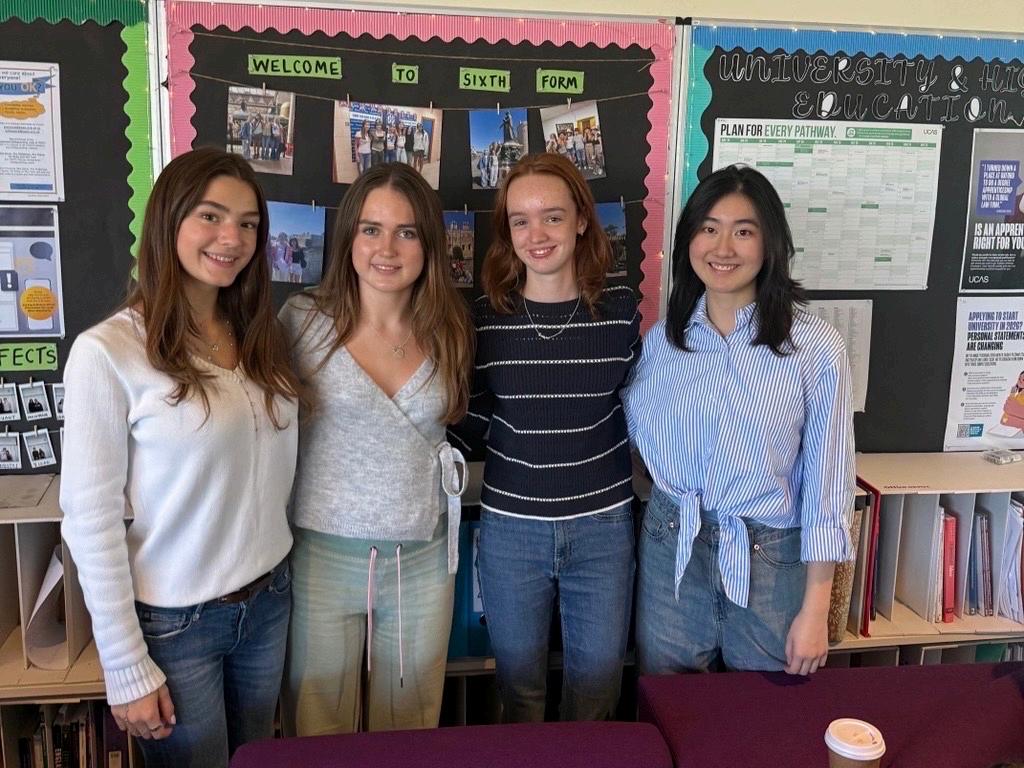
From left to right: Erin S, Taylor G, Ella M and Eden S
Ourbestmemoriesof SWPS
Taylor: My favourite SWPS memory is the South Africa sports tourplaying hockey beneath Table Mountain and seeing lions on safari was unforgettable.
Ella: My favourite Year 7 memory is our Isle of Wight trip - exploring the zoo and beach with new friends felt like a real adventure.
Erin: Taking the final bow in Made in Dagenham, my first lead role, was a dream come true at SWPS.
Eden: My favourite SWPS memories are from the festive weekdecorations, pantomimes and Christmas lunch bring everyone together.
TaylorG
Taylor
Taylor is currently studying Computer Science, Biology and Religious Studies, with a strong ambition to pursue Neuroscience at university.
Describe your school experience in three emojis
What A Levels have you chosen, and why?
Computer Science, Biology and Religious Studies
When it came to choosing my A Levels, I knew that I would be excited to turn up to lessons in each of these subjects. Computer Science enables me to problem solve, which I love. Biology allows me to understand the complexities of our bodies and how other organisms work, which I find fascinating. Religious Studies allows me to explore the amazing history of religion, as well as Philosophy and Ethics. I just love to learn how things work and link together!
What are your ambitions for the future - career or otherwise?
I aspire to study Neuroscience at University, with a year in Computer Science. From there, I am hoping to go into a career into medical robotics, which uses robotic systems and artificial intelligence to aid in healthcare, enhancing precision in areas like surgery, diagnosis, and rehabilitation, leading to minimally invasive procedures, reduced patient recovery times, and more personalised care I would love to specialise in robotic neurosurgery, where machines like the DaVinci robot are paving the way for a new era of medicine.
What is your best memory from your time at SWPS?
My favourite memory from my time at SWPS has to be the South Africa sports tour. I felt so privileged to travel to somewhere so beautiful with some of my closest friends. The early morning safari where we saw lions with their cubs will always be special and playing hockey in Cape Town with the team, with Table Mountain as a backdrop, will also hold a place in my memory
If you could give your Year 7 self one piece of advice, what would it be?
If I could give my Year 7 self one piece of advice, it would be to get involved with as many clubs as possible. Taking part in sport at SWPS and joining different activities gave me the chance to make lifelong friends and discover hockey Joining the hockey club in Year 7 has been especially important - it sparked a journey that has shaped so much of my school life. Perseverance and enthusiasm really do make all the difference, so my advice is: give everything a go and embrace every opportunity!
What made you want to become a head prefect?
Being a Head Prefect offers an opportunity to represent an amazing community while being able to advocate for their ideas and concerns. I would say I approach everything I do with passion and enthusiasm, so, I thought I could channel this into representing the student body! I am passionate about change and about making a real difference where I can. I am also incredibly proud of my school and all that it stands for, so being able to give back in any way I can is important to me.
What is one change or initiative you’d love to see at SWPS?
I’d love to continue building stronger connections between year groups. Inter-house competitions like House music and sport have already been a fantastic way of bringing people together, and there are even more opportunities to expand on that Making friends across different year groups is such an important part of SWPS life, and I am really excited to help lead interhouse competitions that encourage that sense of SWPS community.
If you could swap places with any teacher for a day, who would it be and why?
If I could swap places with any teacher for a day, it would definitely be Mrs Timpson. She first taught me Computer Science in the lower school, and she’s been a big part of my SWPS journey ever since. I’d love to see what she gets up to during a typical school day because she is always so busy, always ready to lend a hand to anyone, and somehow manages to be involved in almost every department across the school. Plus, she’s constantly cracking jokes – and I think everyone could use that kind of positivity!
Erin
Erin studies English Literature, History, and Theatre Studies, and hopes to pursue a degree in Liberal or Visual Arts, or a joint honours in English Literature and Drama.
What are your ambitions for the future - career or otherwise?
I’m currently applying to university where I hope to further my education in the creative industries, either through courses such as Liberal or Visual arts, or a joint honours degree in English Literature and Drama. I’m really keen to continue my understanding of what makes a performance successful, at the same time as analysing world-renowned literature which often sparks brilliant adaptations onto the stage I’m hopeful that postuniversity I will pursue the performance aspect within the creative industry through a masters in acting at drama school, although I would also love to study how to become a successful director or producer for the silver screen. What A Levels have you chosen, and why?
I take English Literature, History and Theatre Studies I absolutely love all my subjects, especially as I am always finding new and exciting links in-between them all. I’ve always had a passion for all-things creative, and I find myself consistently searching for the deeper meaning behind things in life. I love understanding how society has developed through time and how creative culture is often shaped around societal events and even turned into highly successful productions!
Describe your school experience in three emojis
If you could give your Year 7 self one piece of advice, what would it be?
Despite joining SWPS in Year 9, I would tell myself to never doubt yourself! You are capable of so much more than you think. By working hard, asking for help when you need it, and being kind, you can achieve anything you put your mind to Always dream big and have confidence in your success!
What made you want to become a head prefect?
I have always looked up to the Sixth Form and their kindness and enthusiasm to work with the younger years I remember always feeling so excited when someone I knew in Sixth Form waved at me in the corridor, as I knew that if I had anything I wanted to say, they’d listen too I really wanted to reciprocate this kindness back, which is why I applied for the team. I am really passionate about inclusion and engaging in all aspects of school life, as it is such a great way to get to know different year groups and learn more about yourself.
What’s your best memory from your time at SWPS?
I often reflect on my time at SWPS through whichever school performance was in production at that time. I have so many joyful memories from every single show, and I am so grateful to have worked with so many lovely people across all year groups. It is so difficult to choose only one memory, but there is no better feeling than taking that final bow on closing night, surrounded by such amazing cast members with the overwhelming feeling of pride and excitement as that curtain falls.
Most specifically, the closing bow of the 2024 whole school production of ‘Made in Dagenham’ makes me so emotional to reflect on (in a good way!) as that was my first official production where I was lucky enough to be the female lead – a huge dream of mine, ever since I was young. I am eternally grateful towards SWPS for helping me achieve the dream I dreamed (theatre lovers will get the reference).
What’s one change or initiative you’d love to see at SWPS?
I’d love to see more creative clubs continue to thrive, as I loved the lower school drama clubs so much. I know there are so many amazing extras possible such as DVEC (Digital Video Editing Club) which was so much fun, but I know the opportunities are always endless for even more!
If you could swap places with any teacher for a day, who would it be and why?
I’d love to swap either with Ms White or Ms Whitfield so I could choose the productions! It is such a huge decision which the whole school gets excited for, and I would love to learn more about the process of deciding the next perfect project!
“Erin S, the lead actress portraying Rita O’Grady, delivered an astounding, emotionally fuelled performance, taking us on her journey as Rita grows in confidence leading her worker colleagues to a victory.”
What are your ambitions for the future - career or otherwise?
Ella
Ella is studying Biology, Chemistry and Maths at Alevel. She plans to study Biology - her favourite subject - at university next year.
What A-levels have you chosen, and why?
I am taking Biology, Chemistry, and Maths for my A Levels I love understanding how the natural world works, so Biology and Chemistry were perfect for me. I really enjoy the methodical approach you can take to questions in Maths, and it complements my other subjects really well. While I was not sure about my favourite subjects until after GCSEs, I have come to love the sciences, especially when learning about new discoveries being made!
I am planning on going to university next year to study Biology, which is my favourite subject. For some of my courses I have the opportunity to take a year in industry to explore possible future careers. Hopefully, it will lead me to a job in the field of science which I really love. I am really passionate about a range of areas in Biology, and I am excited to explore different career options through my degree.
What’s your best memory from your time at SWPS?
In Year 7, the whole year group went on a school trip to the Isle of Wight. Going to the zoo and the beach, I remember having so much fun getting to know my new classmates and it felt like such an adventure being out with everyone for the day!
If you could give your Year 7 self one piece of advice, what would it be?
Ask for help if you need it! I think I was quite shy to ask teachers at the start of Year 7 for help on homework or a particular topic, and I didn’t need to be. Throughout my school journey at SWPS, my teachers have always been happy to talk with me about anything I am struggling with or to help deepen my understanding of a topic
Describe your school experience in three emojis
If you could swap places with any teacher for a day, who would it be and why?
Ever since Year 7, I have loved being involved in all the music groups; I’ve learnt so much and gained so many invaluable skills. I would swap places with Mrs Tham-Williams (our music teacher), so I could pick the pieces for the groups!
What made you want to become a head prefect?
When I was in the younger years, I really looked up to the Sixth Form. So a big reason I applied for the team was because I wanted to have the opportunity to engage with the lower years in different activities and events. I’m also a strong believer in getting involved in as many activities as possible.
I have been given many amazing opportunities at SWPS, and I think the range of activities available is what makes the school so unique; I wanted to help promote and encourage that in all year groups
What’s one change or initiative you’d love to see at SWPS?
We’ve just introduced a buddy system between Year 7s and Sixth Form, where Sixth Formers meet with one or two Year 7s every couple of weeks to check in on them and answer any questions they have. I would love to see this grow and develop through all the year groups in the future. I think the more engagement and support between different year groups, the better!
EdenS
Eden
Eden studies German, Music, Maths and Further Maths. She hopes to pursue her passion for performance by auditioning for musical theatre conservatoires while also applying to study linguistics at university.
Describe your school experience in three emojis
What A Levels have you chosen, and why?
I am really enjoying my A Level subject combination at the moment, as it really keeps my perspective open: I learn about cultures and trends in other countries through German; my problemsolving and logic is sharpened through maths/further maths; and in music lessons, I can express myself creatively. It’s great to draw connections between subjects too For example, I can now understand the lyrics when singing German songs such as ones by Franz Schubert and Robert Schumann.
What are your ambitions for the future - career or otherwise?
I always wanted to sing or perform in the West End. However, studying at university is also something that I am passionate about, so I am applying for linguistics courses at university as well as auditioning for musical theatre conservatoires
What’s your best memory from your time at SWPS?
My favourite memories come from the school days closer to Christmas: when the classrooms are decorated; the Year 13s put on the Christmas pantomime; and the lunch is Christmas-themed I can really see the SWPS community in that week, and I’m so grateful that the school provides that time of light-hearted fun.
If you could swap places with any teacher for a day, who would it be and why?
I would definitely swap with Dr Berryman, if that means I get full 24-hour access to his baroque flute If not, I would choose Mr Hubbard but specifically during a Pirate Game day, so that I can observe the battle strategies of the Year 8s
If you could give your Year 7 self one piece of advice, what would it be?
When I was in Year 7, I was always worried that I won’t have a solid, unchanging friend group or ‘best friend,’ which made me quite stressed So, I wish I could have known that it’s alright to get to know lots of different people, and there can be some days where you spend time with more people than other days, which is completely normal. However, to the Year 7s who still worry about their friendships, I would tell them that their teachers are more than happy to hear their concerns and support them.
What made you want to become a head prefect?
Positive and fun connotations of learning and school life is vital to me. I wanted to be a part of the head prefect team to assist in facilitating a bright, lively atmosphere, and being a friendly face in the school In addition to this, I have gained so much experience and memories from school activities, so I also hoped that I can show all the students just how many opportunities this school offers.
What’s one change or initiative you’d love to see at SWPS?
I think it would be really exciting if more studentled activities were encouraged I have seen friendships grow stronger and students become more confident during student-led drama rehearsals, subject societies, or the Charity Jamboree Day. These activities enrich and diversify school life, so I wish that more students were aware that they can take part.
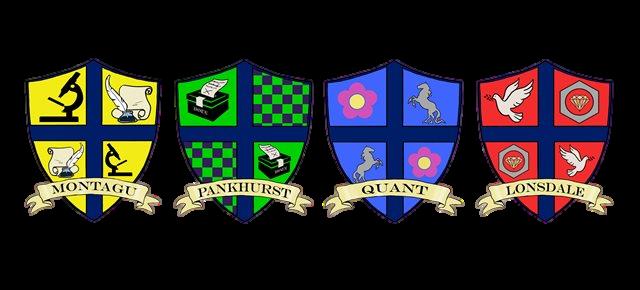
The House system forms a fundamental part of school life, offering a sense of belonging, and opportunities for leadership and responsibility.
Students are assigned to Houses when they join the school, which facilitates groups of students from across the school to meet regularly to work together on a huge range of House activities We are proud to see friendships forged across year groups as students bond over the latest House event. It creates a real sense of belonging and fosters team spirit –along with a fair amount of healthy competition!
Popular inter-house events include:
Drama and Music competitions
Sports Day
Design Technology and Art challenges
Murder Mystery competitions
Whether performing on stage, racing on the field or solving clues, students embrace the chance to contribute, compete and celebrate their House pride!
House and Charity Prefects
Lonsdale
Maisey P
Olivia C
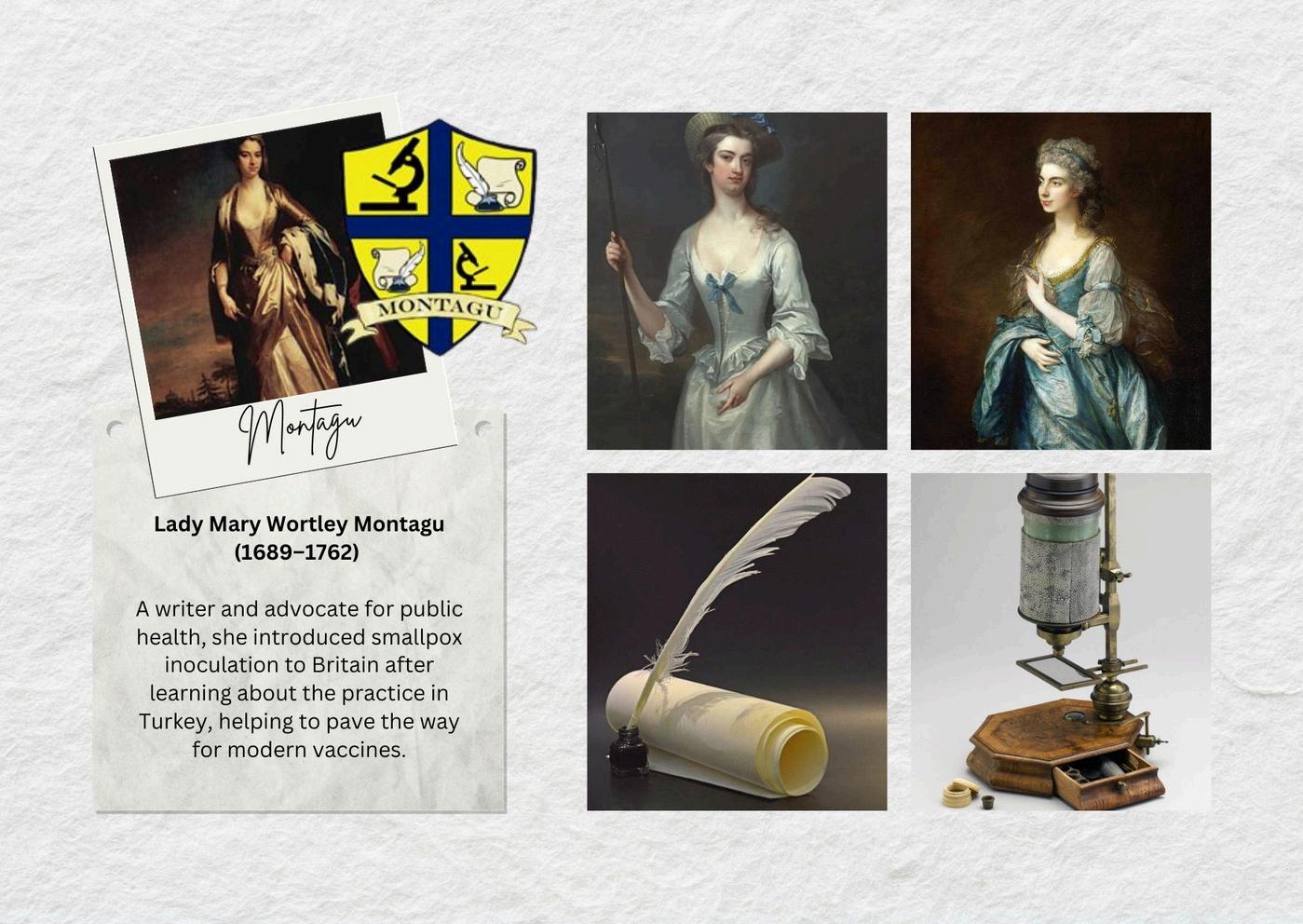
Montagu
Amaara S
Lydia F
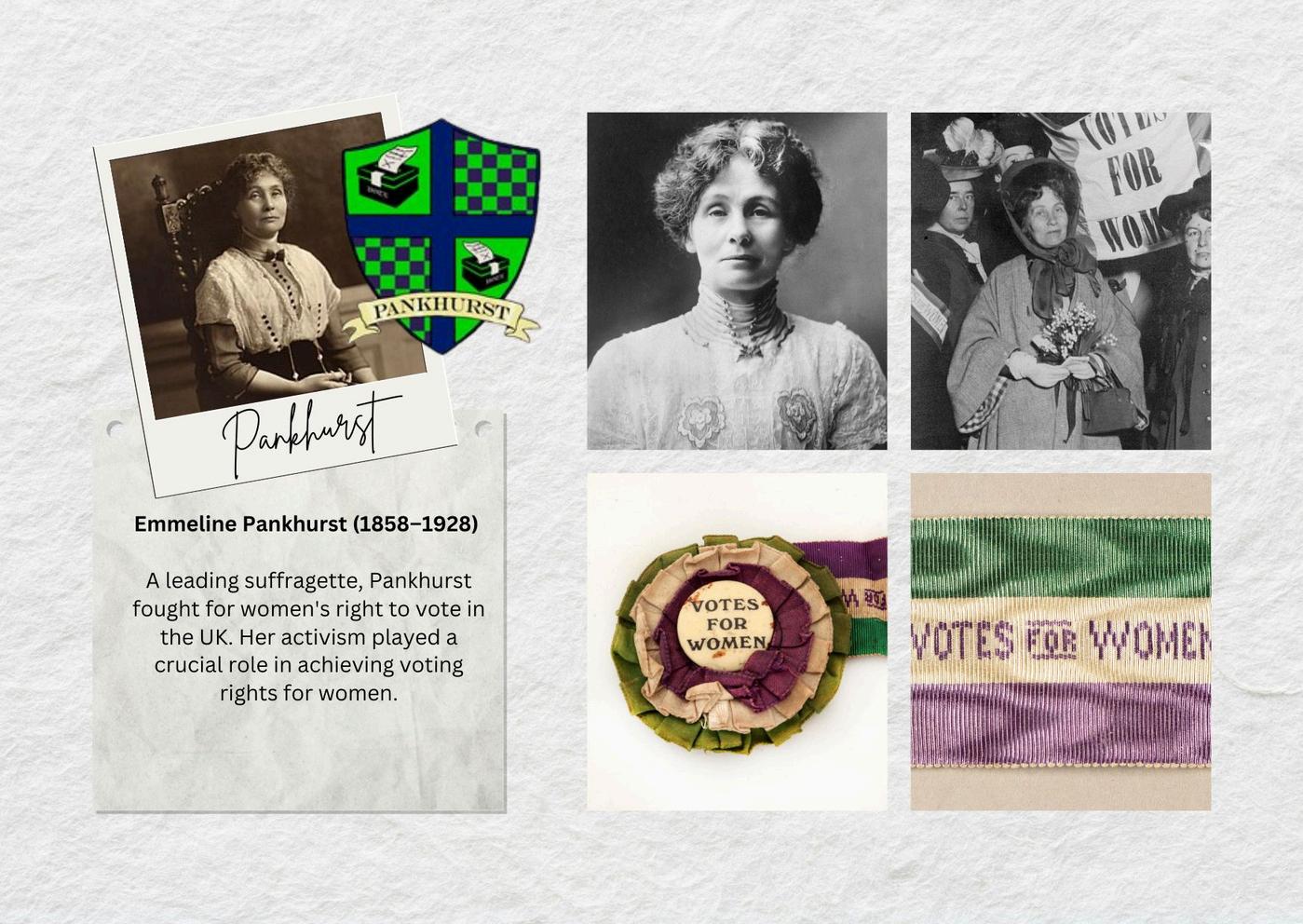
Pankhurst
Amelia P
Izzy G
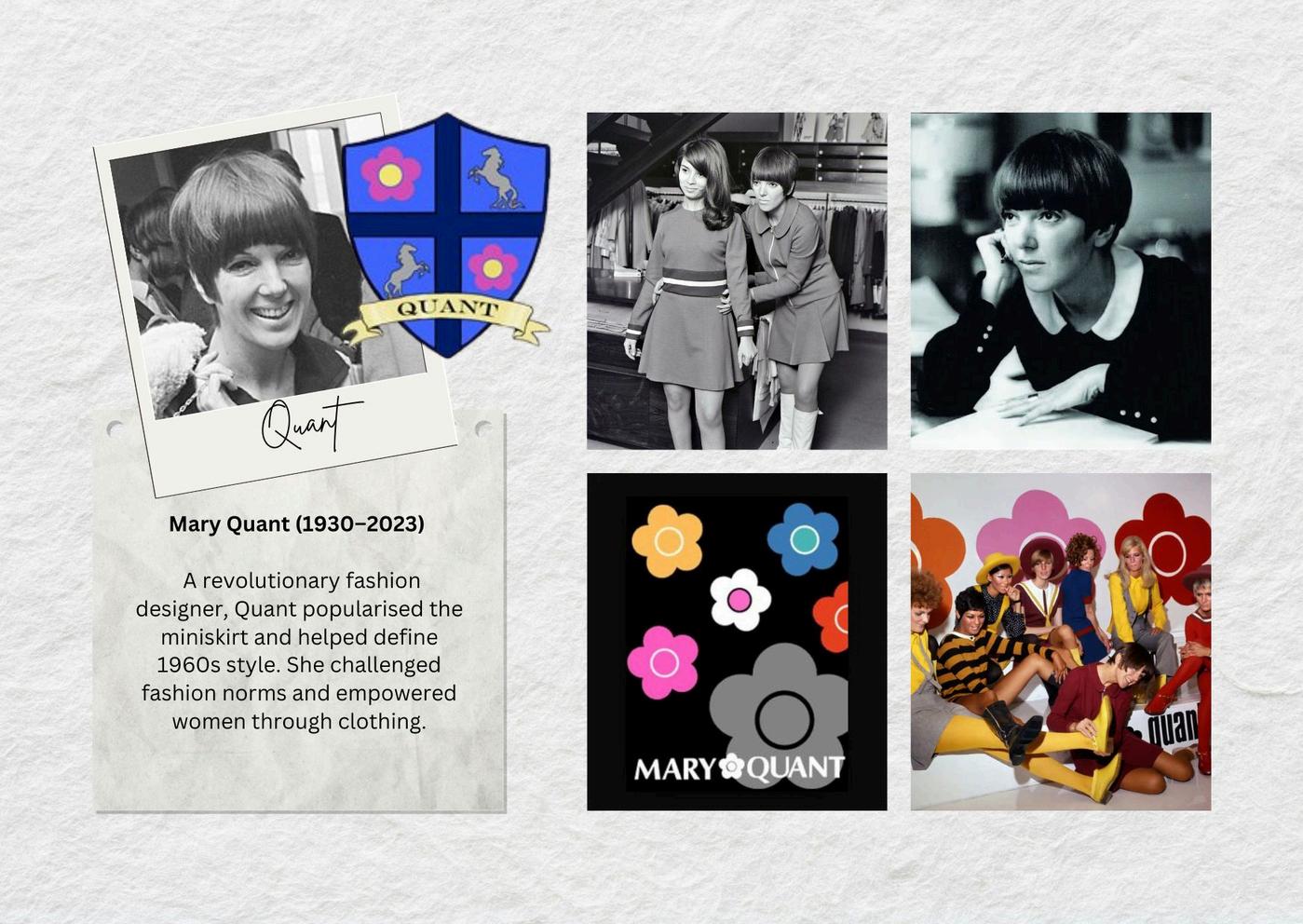
Quant
Immy H
Tilly C
Infinity and Imagination:
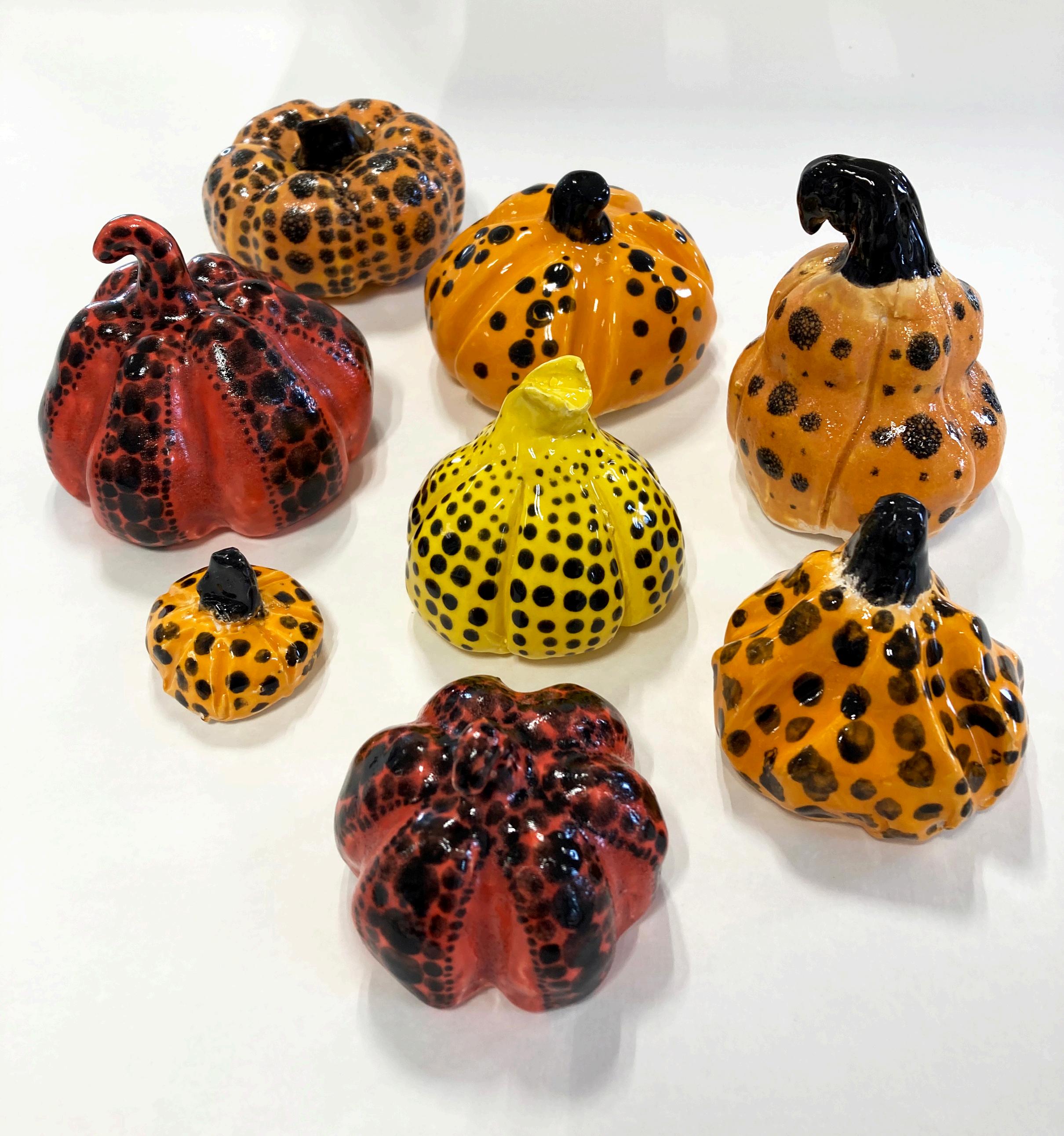
KS3 Art Scholars inspired by Yayoi Kusama
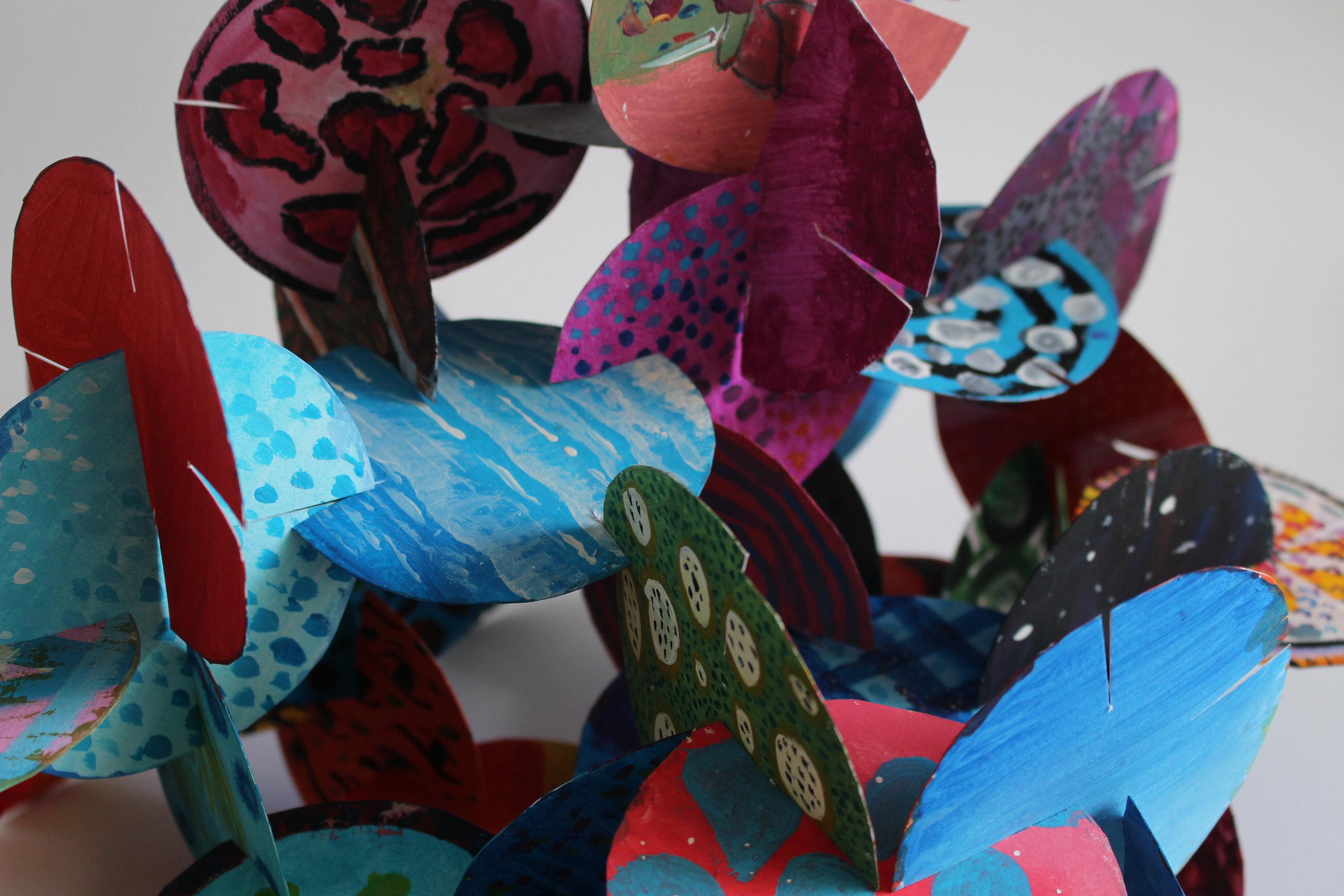
Our Artist in Residence Lizzie Sevenoaks collaborated with KS3 Art Scholars to create a vibrant installation inspired by Yayoi Kusama.
Over the course of the year a group of art scholars engaged in the creation of a collaborative sculpture inspired by the iconic work of Yayoi Kusama, with particular reference to her ‘Infinity Net’ and ‘My Eternal Soul’ series
Yayoi Kusama is a renowned Japanese contemporary artist, born in 1929, whose career began in the 1950s.
She gained international recognition in the 1960s for her avant-garde installations, performances, and use of polka dots and mirrors Her work spans painting, sculpture, fashion, and immersive environments, often exploring themes of infinity, identity, and mental health. Kusama continues to create and exhibit globally, remaining one of the most influential living artists today.
The Infinity Net series informed their exploration of meticulous, meditative repetition, while the bold colours and expressive motifs of My Eternal Soul encouraged more personal, emotional expression
These discs were assembled into a modular sculptural structure that reflects Kusama’s themes of connectivity and transformation. Designed to be broken down and reconfigured, the sculpture can be endlessly reassembled in new combinations - mirroring the idea of infinity and ever-changing form central to Kusama’s practice. Each iteration offers a fresh expression of the group ’ s collective creativity, reinforcing the dynamic, living nature of art.
Modular sculpture designed to be broken down and reconfigured
Echo and Narcissus
Bella T’s original script, inspired by classical mythology, was selected as the winning entry in the SWPS internal round of the Ovid Competition, part of the KS3 Cambridge School Classics Project.
Narrator: A human and a nymph give birth to a handsome boy, named Narcissus, who is predicted to have a long life, as long as he never sees his own image. So, his parents happily raise him, shielding him from his own reflection. Meanwhile, Echo a majestic wood nymph, (known for her distinguished voice), falls foul with the Goddess Hera. The unfortunate creature is punished and left only able to repeat the last words of others.
Prologue Scene
(Zeus and Echo are discussing the plan to distract Hera, allowing the king of the gods to flirt with the mountain nymphs)
Zeus: So, do you understand the plan? Echo: Yes, of course (she bows to her instructor once more)
Zeus: Ok, I will go over it once more, just to be safe.
Echo: (rolls her eyes)
Zeus: When we reach the mountains, entrance Hera in an interesting story and distract all of her focus on me Does that make sense?
Echo: (sighing) Yes, definitely. I can do it.
Zeus: (clasping hands together) Brilliant!
Narrator: However, the plan did not work as expected, instead infuriated Hera captured Echo’s beautiful voice, and left her only able to repeat the last words of others. This is where the true story begins.
Scene One:
(A young and beautiful man Narcissus enters, separated from his fellow hunters)
Narcissus: Cassius, Odysseus - where have you gone?
(Narcissus spies Echo and her cave, causing the muted nymph to fall in love)
Narcissus: Hello? Is there anyone here?
Echo: Here! (Echo called back, solemn once more)
Narcissus: (happily) Come to me!
Echo: Come to me!
(Narcissus is confused, not able to see Echo in her cave)
Narcissus: Who are you - why do you run from me?
(aggravated and annoyed by her curse, Echo once more repeated his own words back to him)
Narcissus: (perplexed by the odd nymph called again) Let us meet together.
Echo: (cheerfully runs to give him a hug) Together.
(alarmed and disgusted, Narcissus quickly brushes her off) Keep your hands off me, I don’t know you! I’ll pass before what’s mine is yours!
Echo: (extremely upset and disappointed)
“What’s mine is yours ”
(with that Echo flees away in tears, full of regret and sorrow)
Narrator: Weeks passed and Echo’s flesh soon faded, leaving her to die all alone. All that remained of her was her voice, which is called an Echo!*
(Mount Olympus)
The God Nemesis is discussing her displeasure of Echo’s death to Zeus at Mount Olympus
Nemesis: I can’t believe that conceited young man turned her down! This is outrageous!
Zeus: (licking his lips from a chocolate covered strawberry) Mhm, I agree with everything you said.
Nemesis: Brilliant! So, you’ll do something?
Zeus: Of course not! Do you think I am made of magic?
Nemesis: (frustrated) Literally, and this is important! You’d think the most powerful God would be involved.
Zeus: Well young lady, I am very busy and if you need help, ask someone else. Maybe Hera, she’s always snooping around with nothing to do.
Nemesis: Never! That’s how this disaster started! I will fix it myself
(Nemesis angrily storms out, leaving Zeus in peace)
Narrator: Deciding to take matters into her own hands, Nemesis punished Narcissus by leading him to the flowing stream This caused Narcissus finally see what he had been hidden from his whole life.
(deeply gazing at his reflection, Narcissus is still as a statue)
Narcissus: Who is this work of art? (stare into the water with passion)
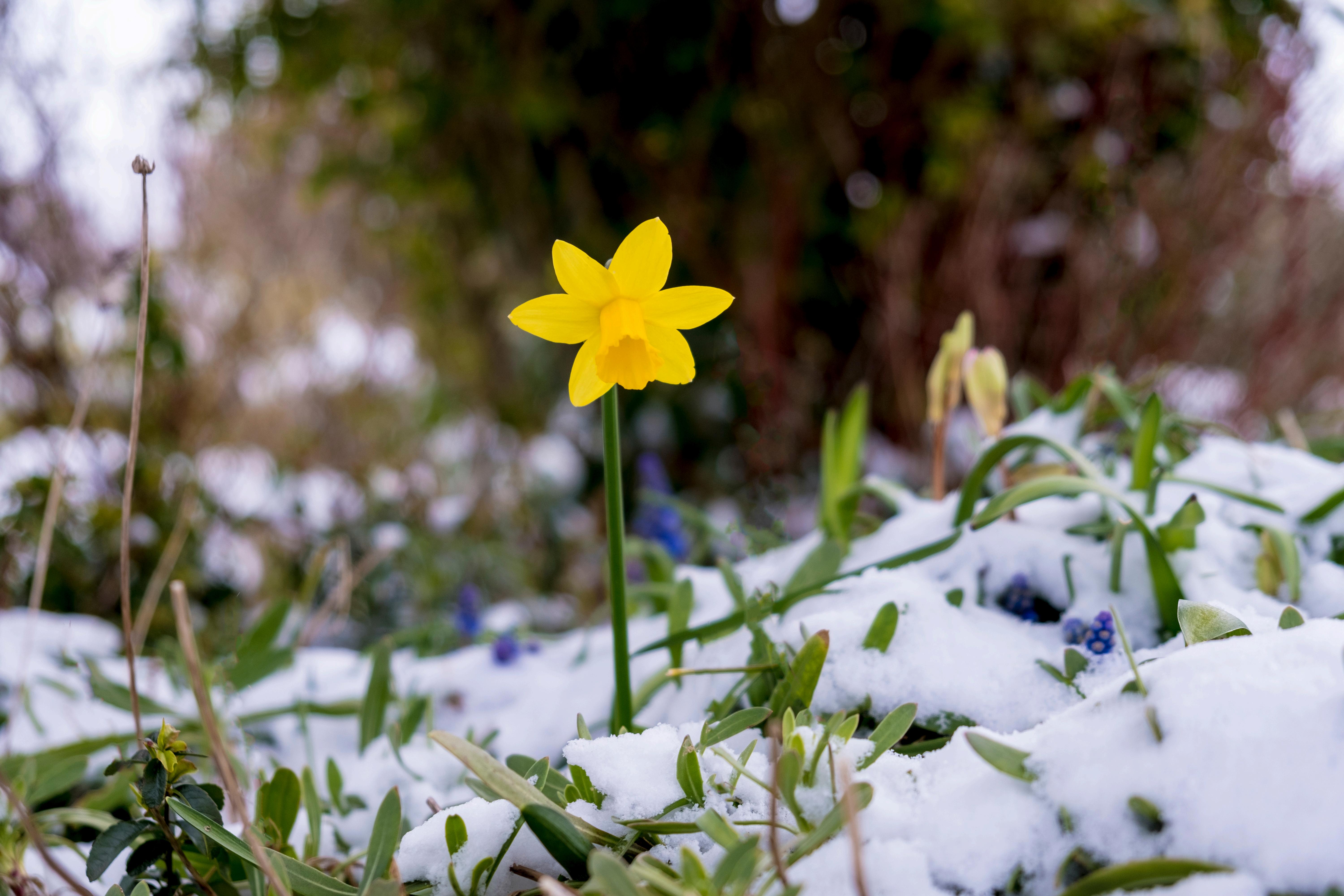
Narrator: Days passed and Narcissus was too afraid to eat or drink, instead he was too in love with his own image. Exactly like Echo, he vanished, and in his place, grew a flower called Narcissus, known more by its common name, a daffodil.
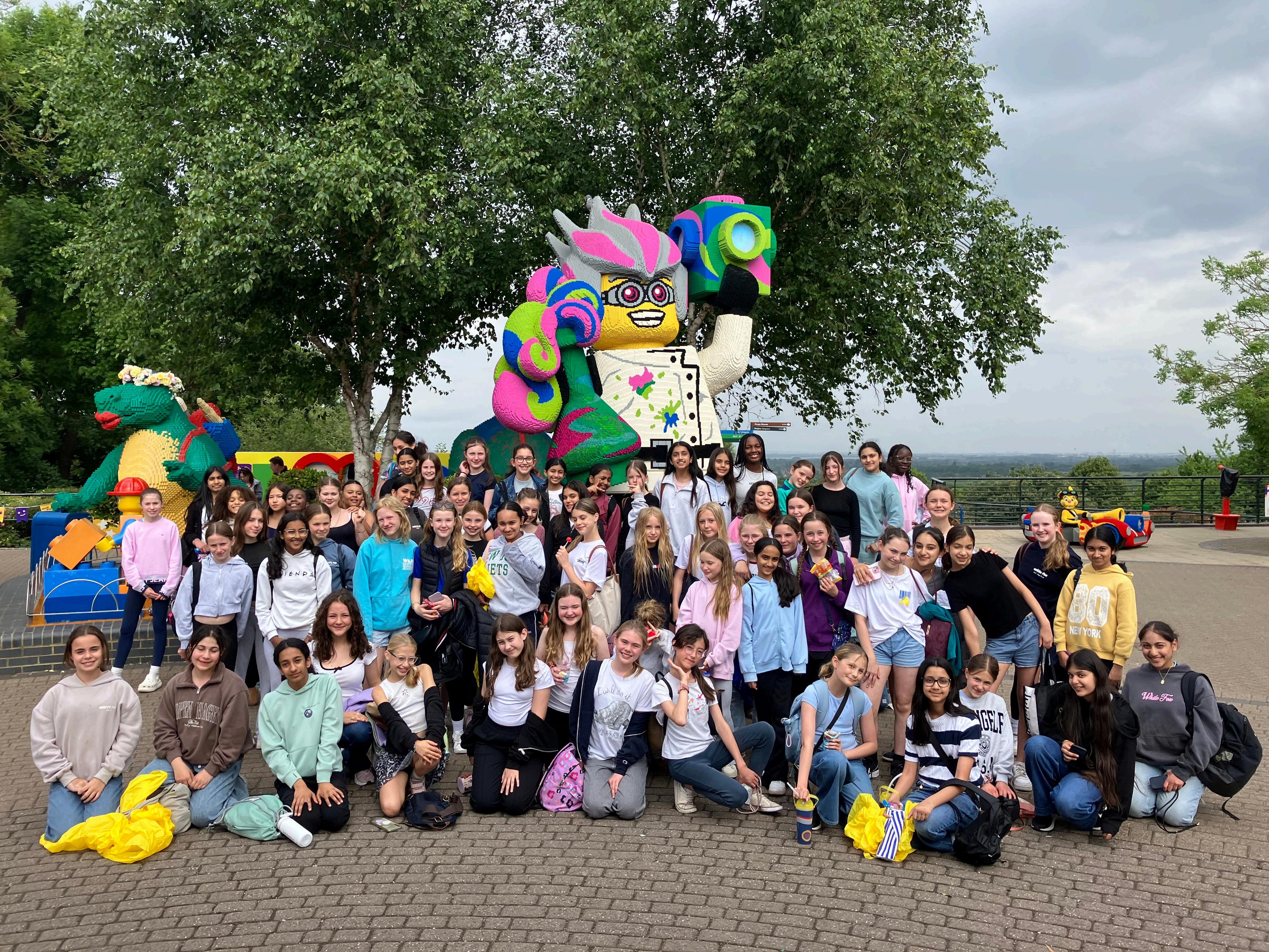
Coding in the Kingdom of Bricks
Year 7 students had the exciting opportunity to visit Legoland for Computer Science and dive into the world of Lego SPIKE robotics. The STEM sessions offered a hands-on experience in building, coding and debugging robots.
Throughout the sessions, students were tasked with tackling algorithmic problems using logical thinking and creative problem-solving techniques From mastering the intricacies of algorithms and Boolean logic to understanding the importance of sequencing and inputs/outputs, students navigated through a series of challenges that put their new found skills and knowledge to the test.
Working collaboratively to bring their robotic creations to life, they discovered the power of trial and error, learning from their mistakes and refining their designs with each iteration.
The knowledge and experience gained from the Legoland STEM sessions will be put to good use as the students transition into Year 8
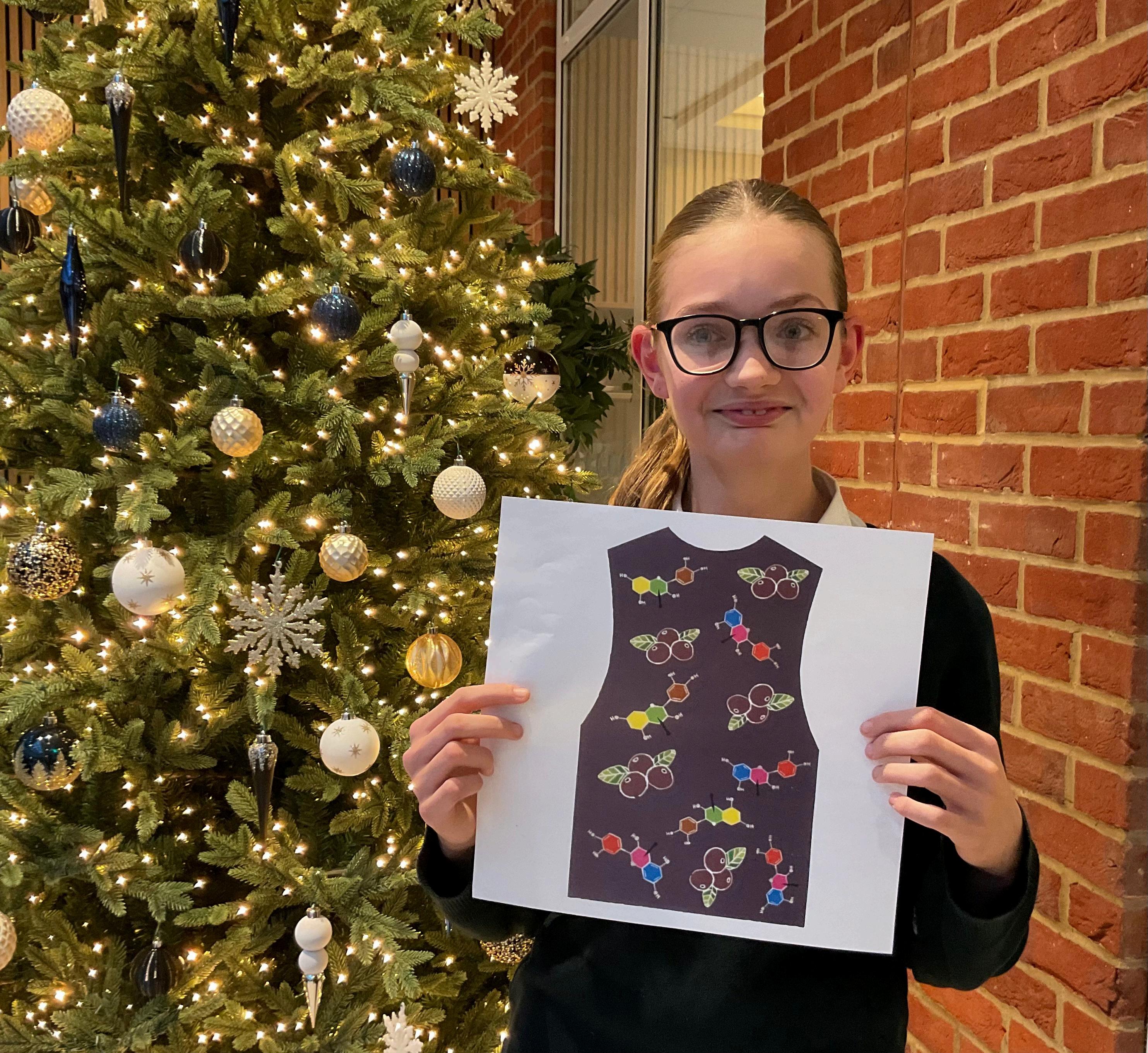
Champion’s Choice: Serena’s Waistcoat
Serena won the Johnstone’s Paint Masters Snooker Waistcoat Design Competition. Her winning design will be worn by world snooker champion Kyren Wilson during the Johnstone’s Paint Masters 2025 tournament, which will be broadcast on the BBC.
Serena described her waistcoat as a reflection of snooker’s energy and movement, using bold colours to bring the sport to life Her entry was selected from submissions across the UK for its creativity and strong visual impact.
Mission to Mars
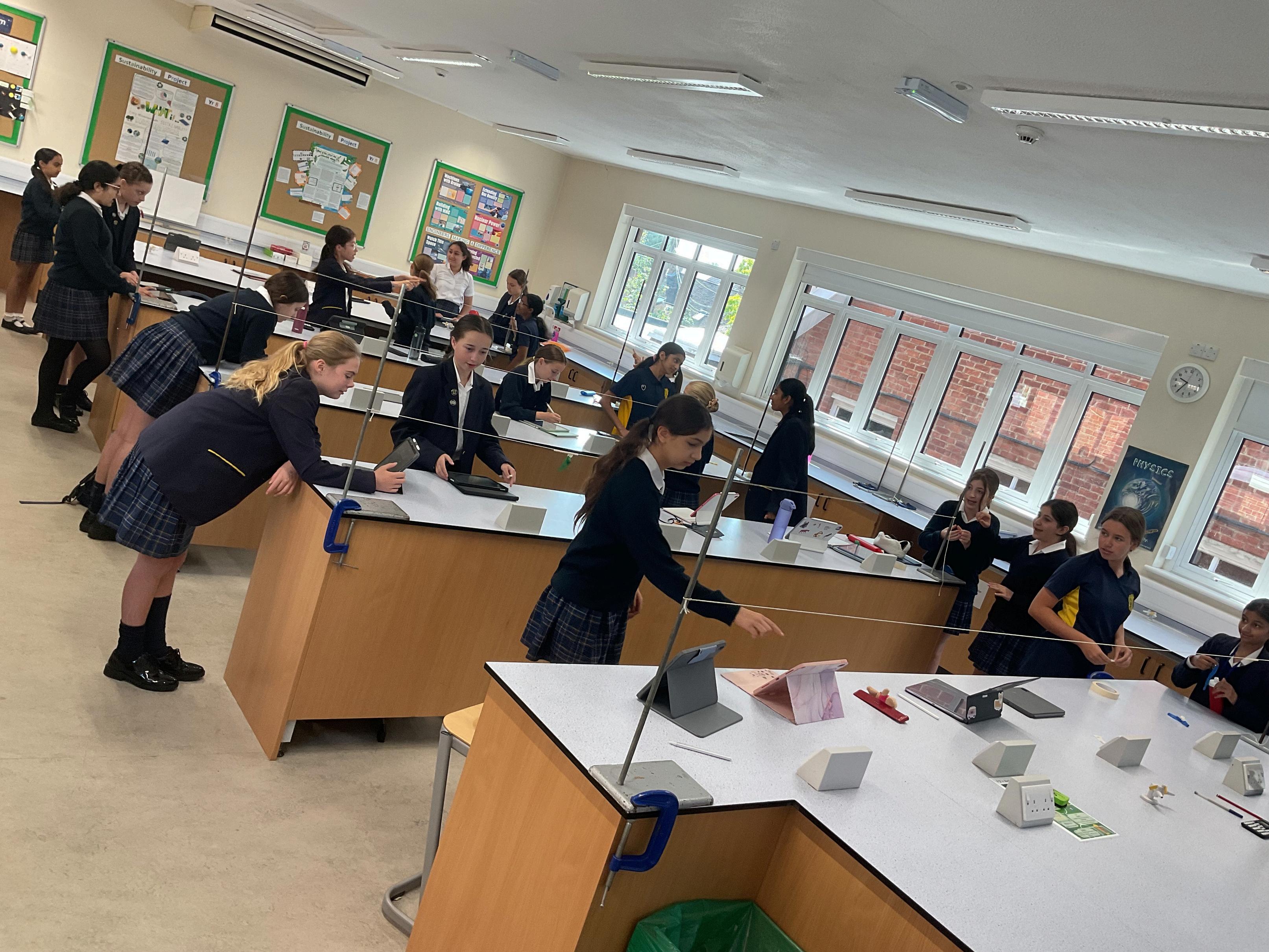
Year 7 students embarked on an exciting cross-curricular adventure with the Mission to Mars project. Designed to spark curiosity and build collaboration, the initiative challenged students to work in teams to plan a fully crewed mission to the Red Planet.
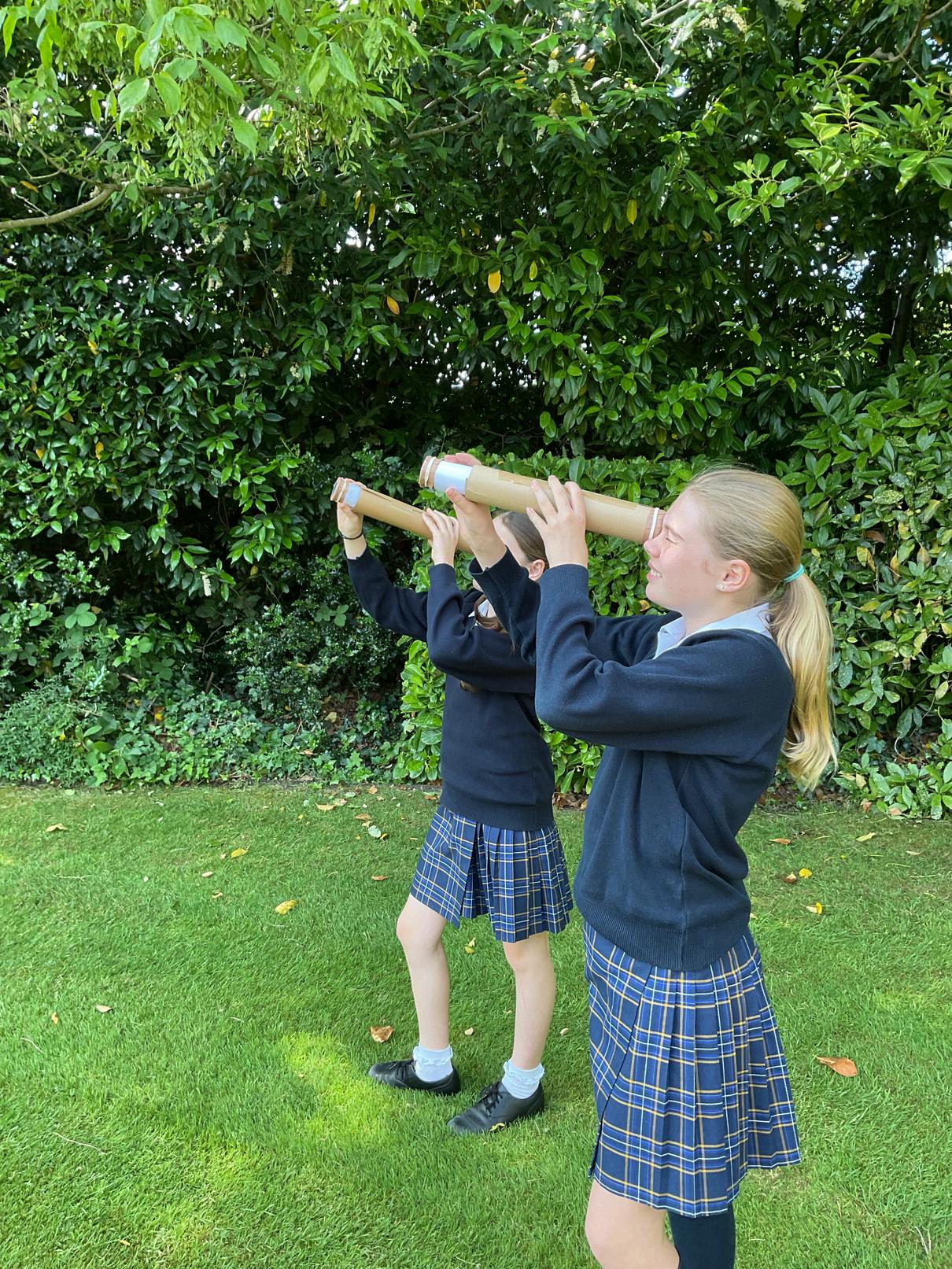
In their science and Design Technology lessons, students tackled real-world challenges: designing spacecraft, selecting appropriate fuels, analysing Martian soil, and planning sustainable living conditions. They also created essential equipment such as telescopes and spacesuits, applying both scientific knowledge and creative thinking
PSHCE sessions supported the project by helping students develop key transferrable skills like teamwork, communication and research - skills vital for any future explorer
The project concluded with a live presentation, where teams shared their work with peers and senior staff Judges commended the students for their confident delivery, creative ideas and strong teamwork. Mission accomplished!
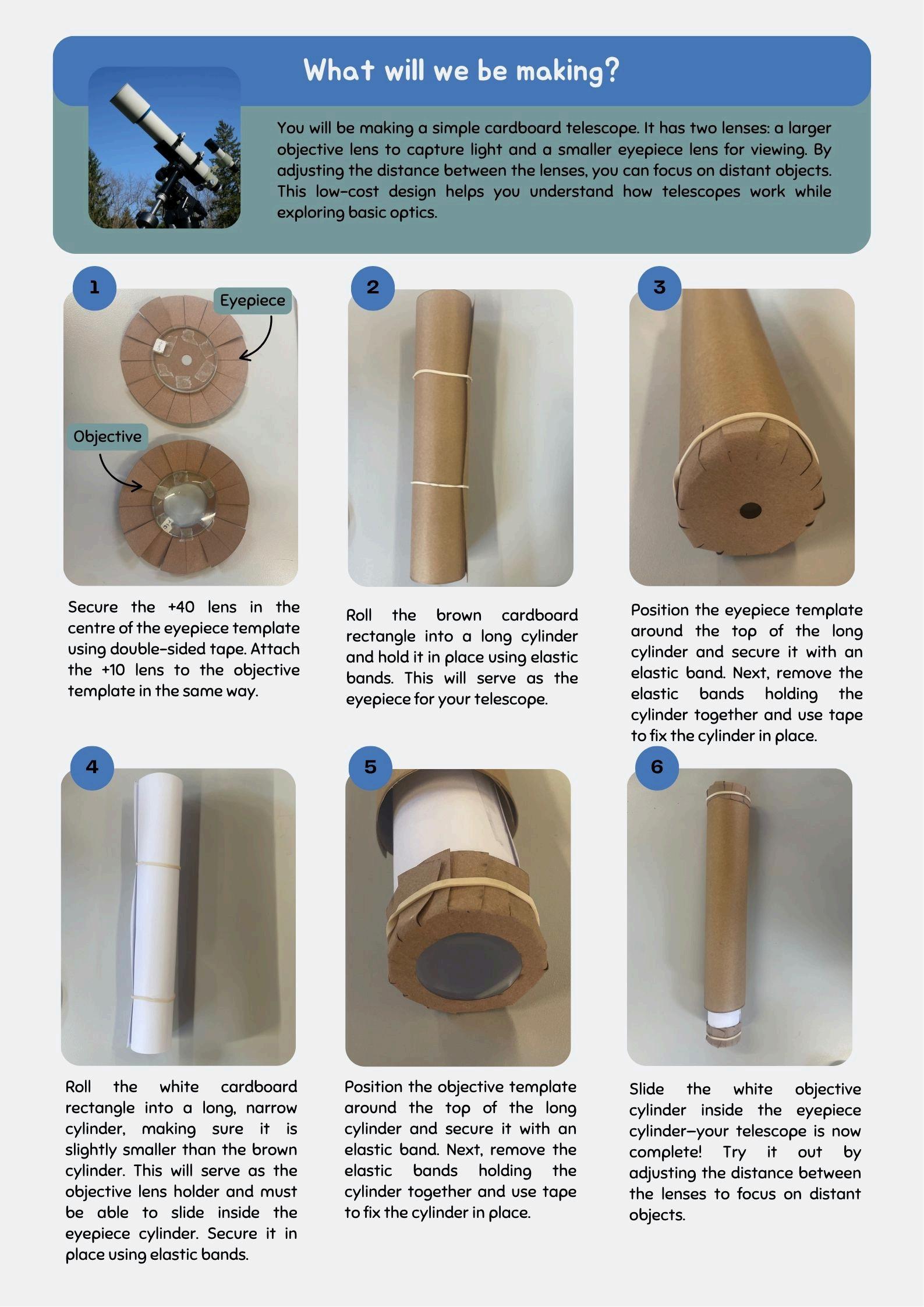
BUILD YOUR OWN TELESCOPE!
Ever wondered what it’s like to see the stars up close? Now you can - with your very own homemade telescope! It’s easier than you think, and all you need are two lenses, some cardboard and a few elastic bands
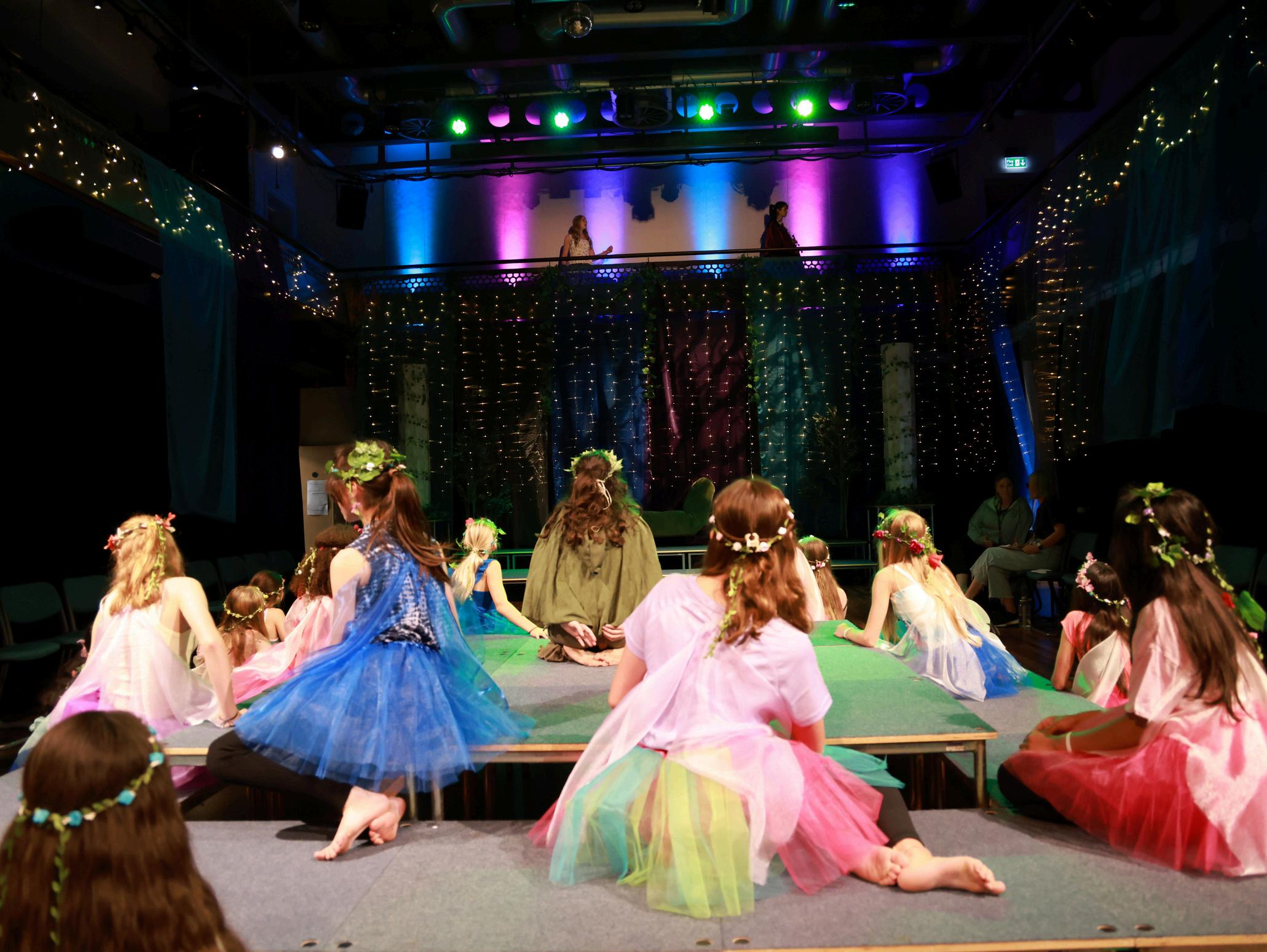
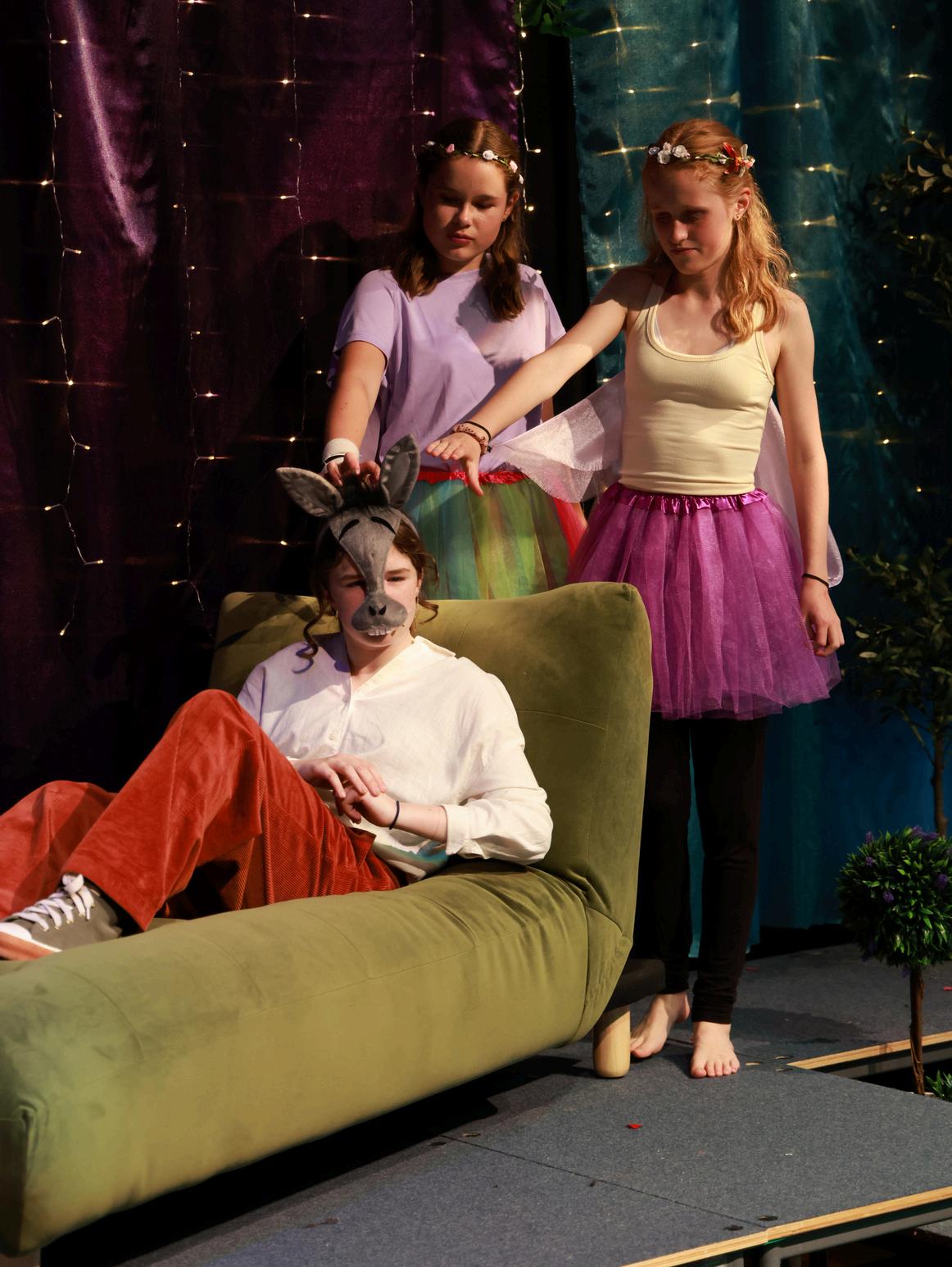
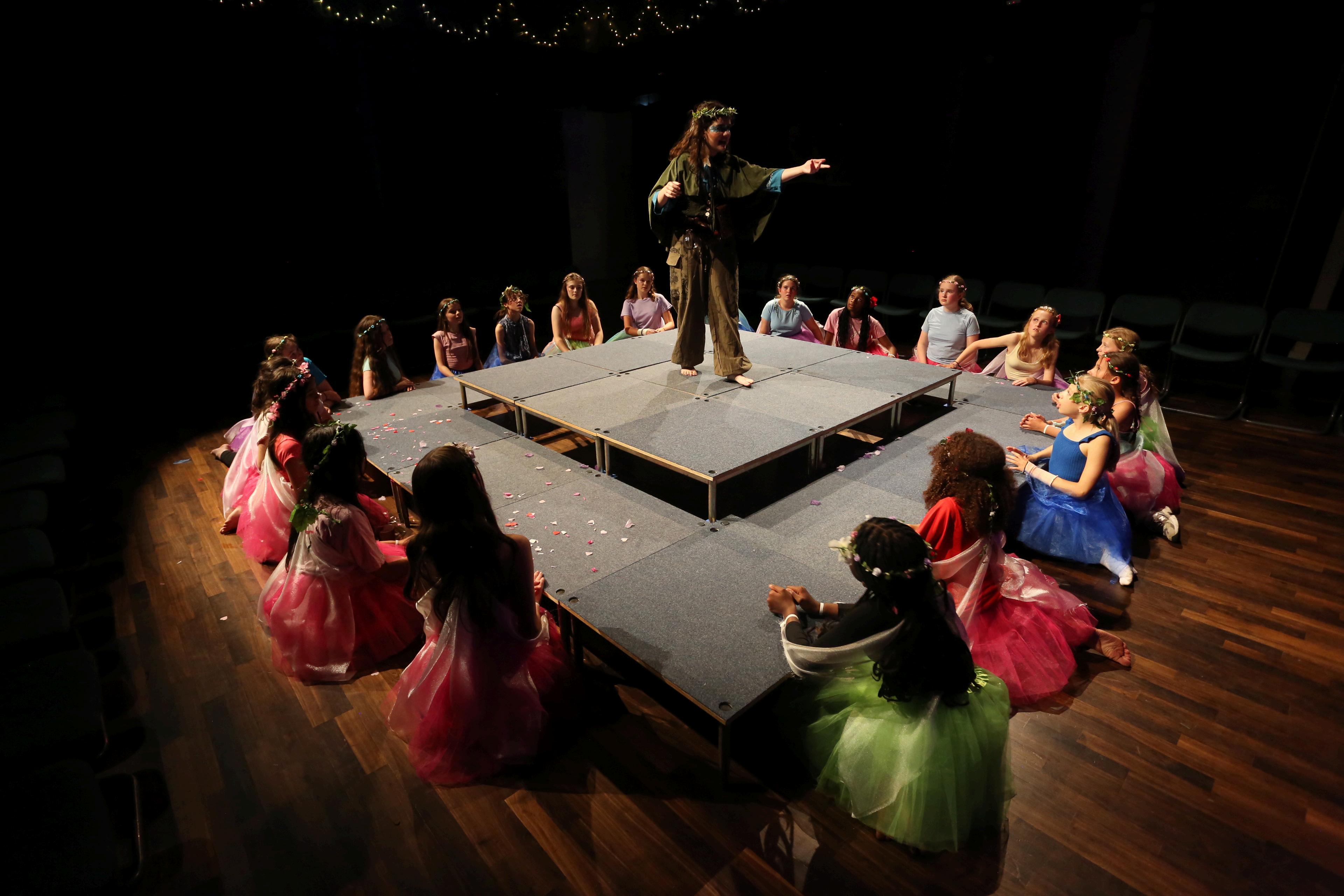
A Midsummer Night’s Dream
The Lower School presented a production of A Midsummer Night’s Dream, involving over 100 students as cast members, musicians and 30 crew. The performance was shared with families, friends and local primary schools as part of the school’s outreach.
This timeless Shakespearean comedy has a special place in SWPS history, having been performed in 1928, 1915 and 1995. The latest production continues that legacy with a fresh take and plenty of behind-the-scenes fun.
ArchiveStories
This enduring Shakespeare comedy has long held a place in SWPS history, having been performed in 1915, 1928, and again in 1995. Each production reflected the spirit of its time while honouring the play’s timeless appeal. We looked back at the archives to uncover the fascinating reviews of past performances.
1914 - 1915
On December 18th, 1914, members of the school performed the Interlude from A Midsummer Night’s Dream to a warmly appreciative audience. The event doubled as a fundraiser for the War Wool Fund, with tea served and holiday exhibits on display.
The Athenian workmen were praised for their realistic portrayals, especially Bottom the weaver, who “caused much laughter.” Joani Ellis enchanted as Titania, accompanied by two delightful little elves, while Theseus and his court handled their challenging roles with poise.
1928
Thirteen years later, scenes from A Midsummer Night’s Dream were staged three times, including at the Church Fete in the picturesque grounds of Abbey Lodge. The open-air setting added to the charm, with full audiences on both nights.
Doreen Allborough shone as the Fairy Queen, surrounded by a lively court of elves and fairies whose dance captivated spectators
Daphne Chinery’s regal Oberon contrasted beautifully with Noreen Bowl’s spirited Puck. Once again, Bottom stole the show - Betty Deacon’s performance was widely praised, and Nellie Payne’s brave appearance despite injury was noted with admiration. Music floated through the air courtesy of a gramophone lent by the Vicar.
1995
Marking the 400th anniversary of A Midsummer Night’s Dream, the 1995 production was a celebratory tribute to Shakespeare’s enduring genius
Wings of Wonder
From Sketch to Stage: The Art of Fairy Wings
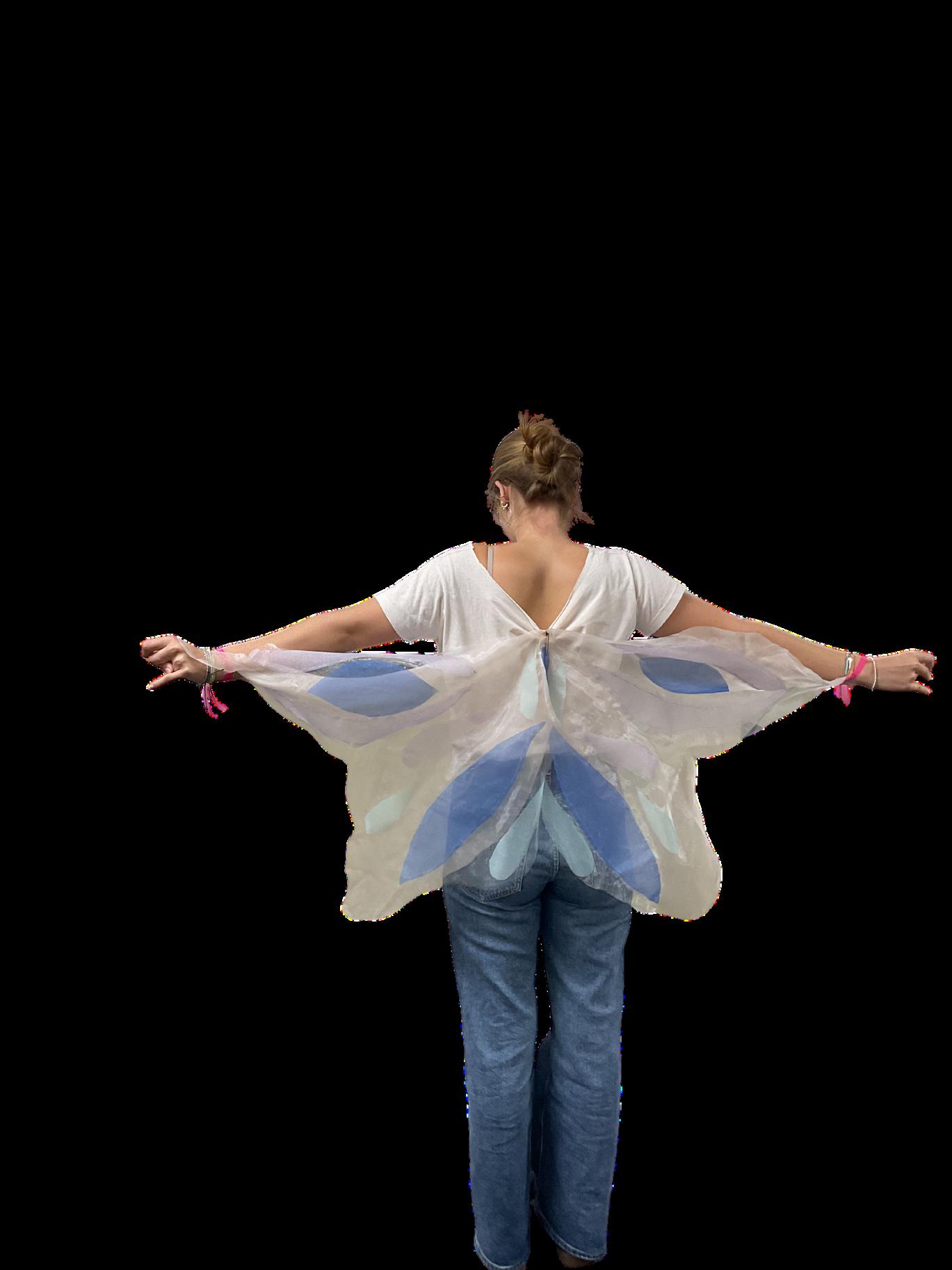
Immy Howe in Year 12 worked closely with the Drama and Textiles Departments to design and craft fairy wings for the cast. Using layers of organza and intricate bonded appliqué techniques, she created ethereal wings for all the fairies, including a specially detailed pair for Queen of the Fairies, Titania.
Her costumes added a magical touch to the visual storytelling and were greatly appreciated by the entire cast.
‘Titania’ Queen of the Fairies Isabelle Franklin-Moseley
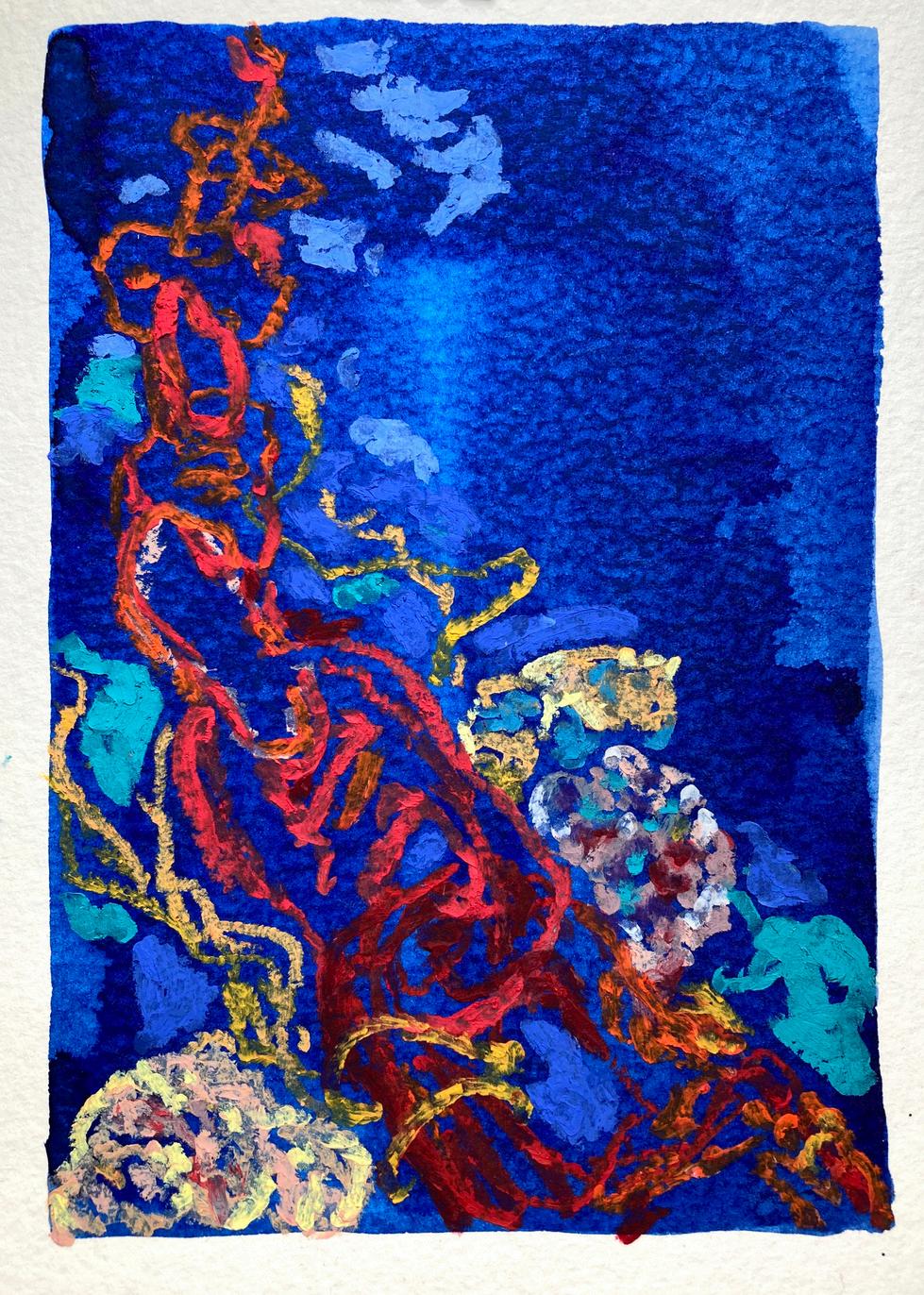
Artist [in] Residence
Lizzie Sevenoaks, a 2006 SWPS alumna, studied animation at Bournemouth Arts University and created the award-winning stop-motion film ‘Roots of the Hidden’. Her career spans freelance animation, children's TV and volunteering in India.
Now back at SWPS as our Artist in Residence, she supports students with digital media, curates exhibitions and contributes to school productions.
We caught up with Lizzie to learn about her new work.
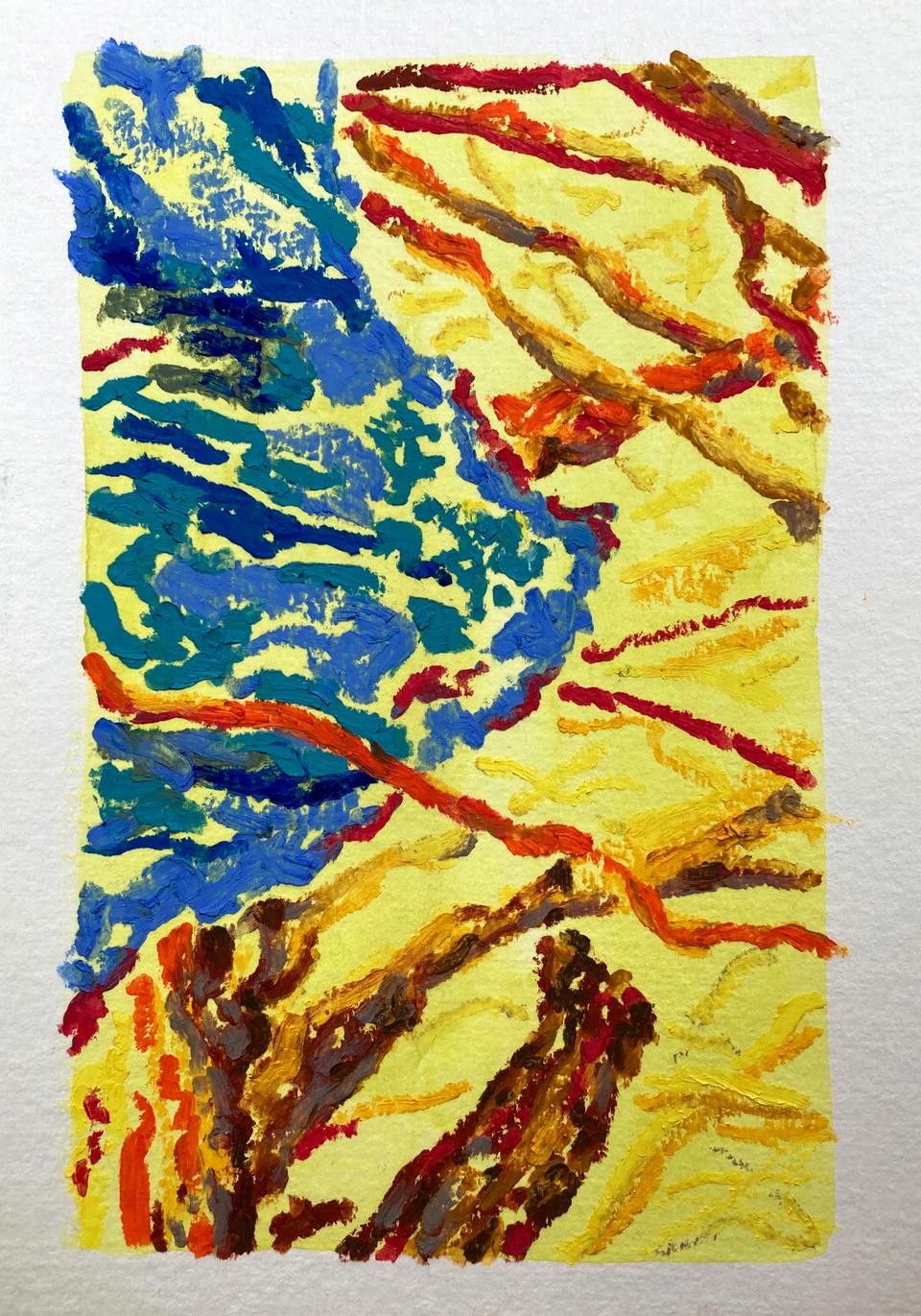
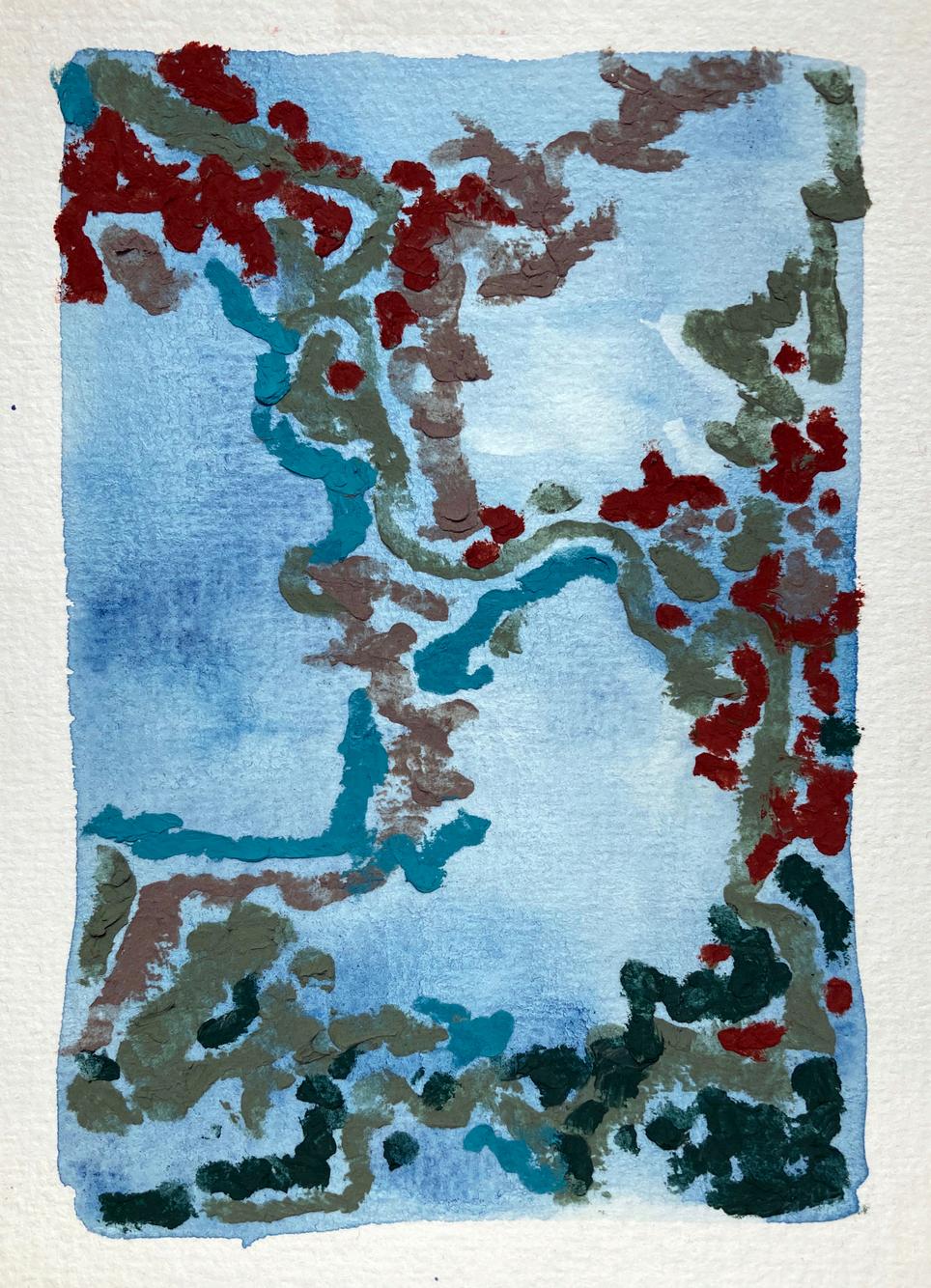
My work explores the deep history of the Earth through abstracted landscapes, often drawing from geology as both subject and metaphor. I’m fascinated by the concept of deep time - the almost incomprehensible scale of geological change - and how those slow, ancient processes leave visual imprints on the land.
This interest initially led me to a series of intaglio prints, where the physical act of engraving and pressing became a way to mirror the pressure and time that shape the Earth’s surface. More recently, I’ve turned to oil pastels to pursue a more immediate, expressive relationship with colour and mark-making
The richness and resistance of the medium allow me to explore emotional resonance through layered, tactile surfaces and unexpected colour interactions.
Colour has become central to my worknot just as representation, but as emotion, atmosphere, and memory My compositions are not literal depictions of landscapes, but responses to their forms and histories, filtered through intuition and sensation.
Through abstraction, I aim to connect geological time with the human experience - grounding the vast and ancient within something intimate and felt.
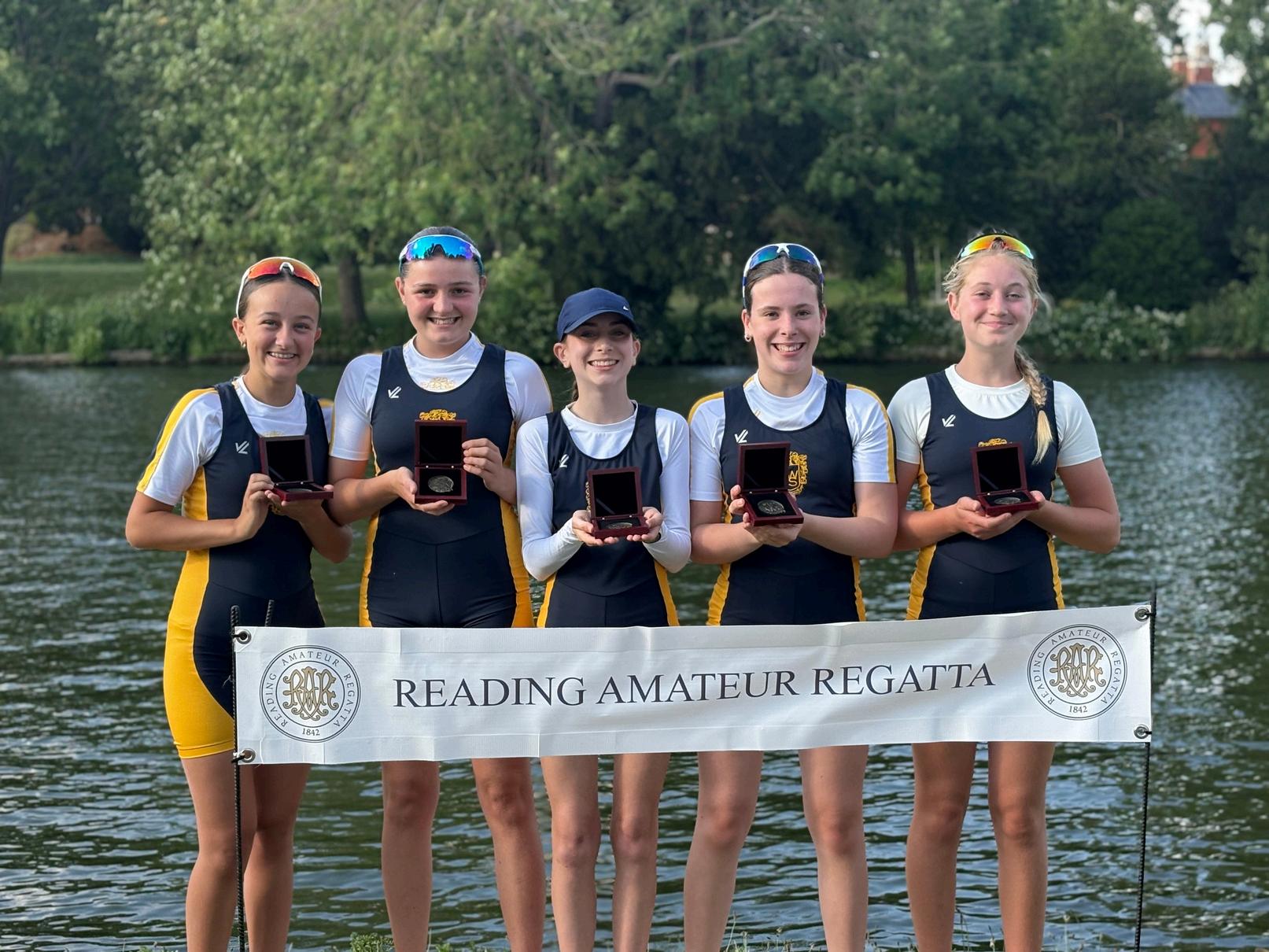
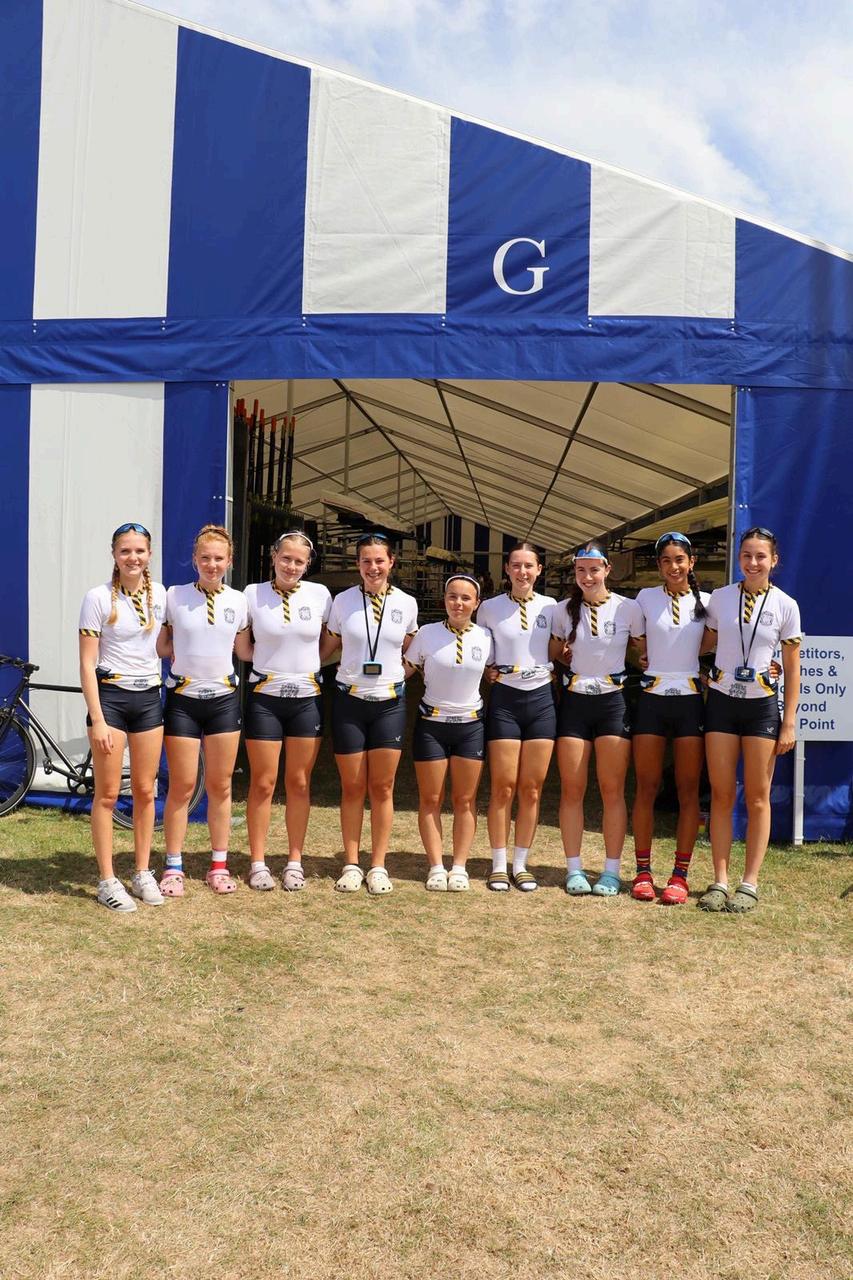
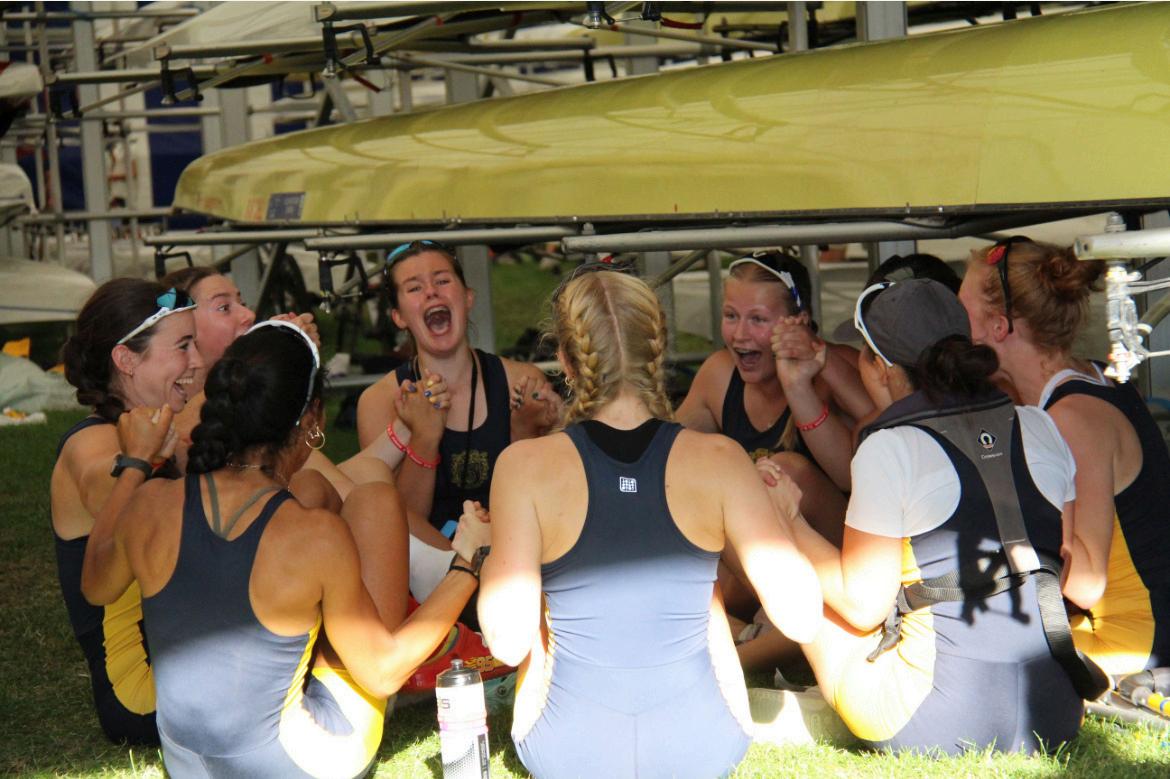
ROWING TO GLORY: SWPS ON THE WATER
Rowing at Sir William Perkins's School (SWPS) is a thriving elite sport, offering students a pathway from beginner to international competitor.
At SWPS, rowing begins in Year 8 with the engaging “Ready to Row” programme, progressing through co-curricular training in Year 9 and into performance or recreational pathways from Year 10 onward. The Senior Squad (Years 11-13) supports athletes aiming for national and international success, with no minimum entry criteria beyond full commitment
SWPS rowers have earned medals at top UK events and represented Great Britain and England at U19 and U16 levels, including Olympic appearances by alumna Hattie Taylor. The school’s dedicated Boat Club, opened in 2016 at Laleham Reach, and its expert coaching team continue to foster excellence and passion in the sport.
Rowing Success
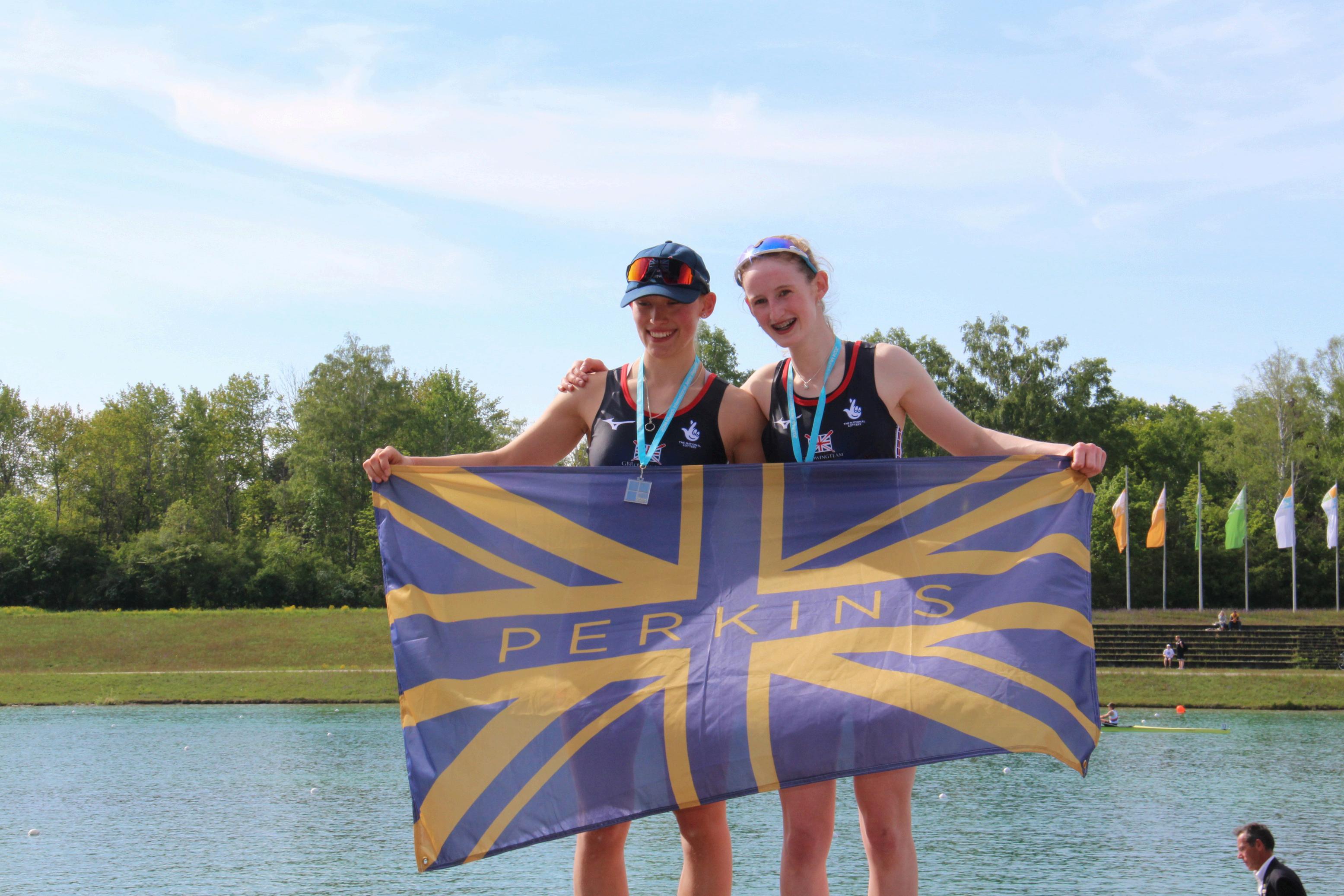
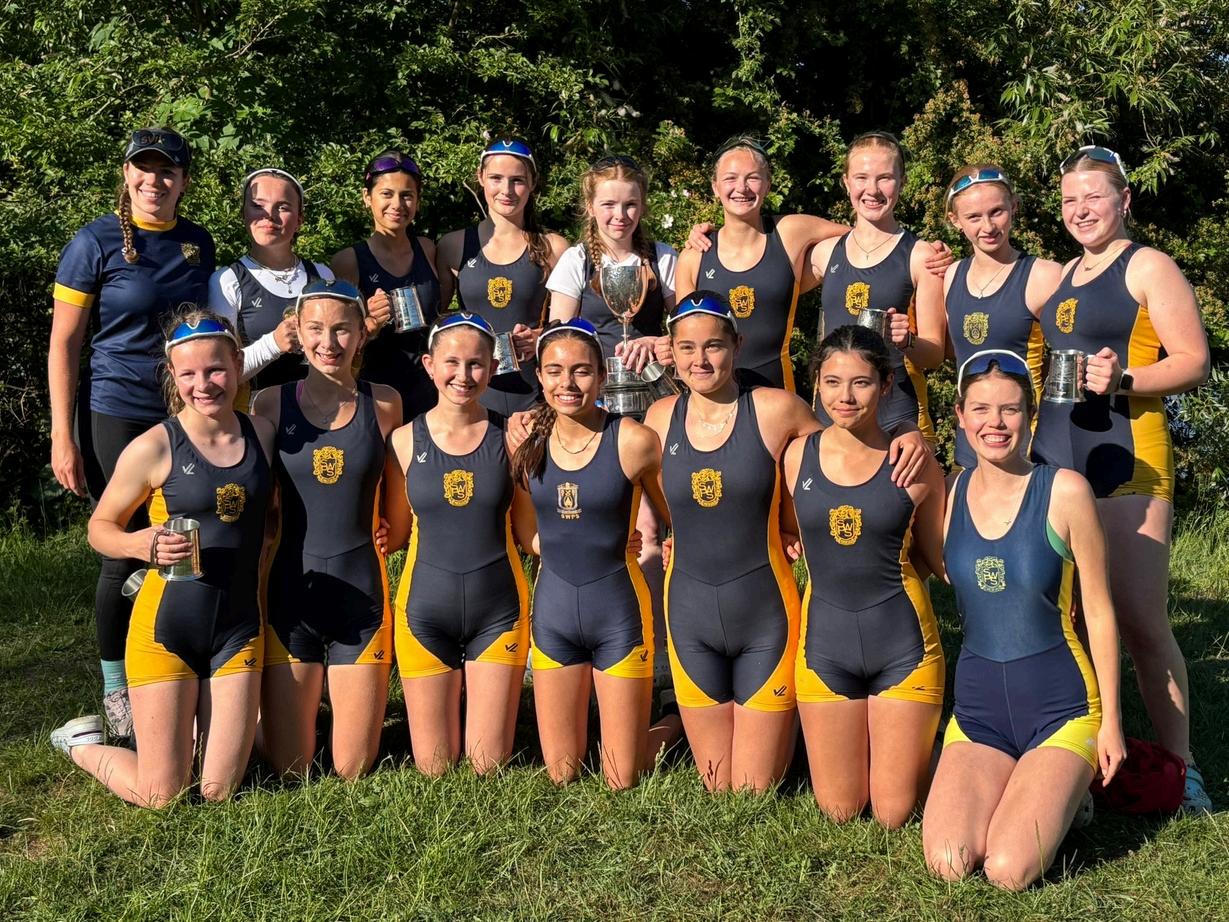
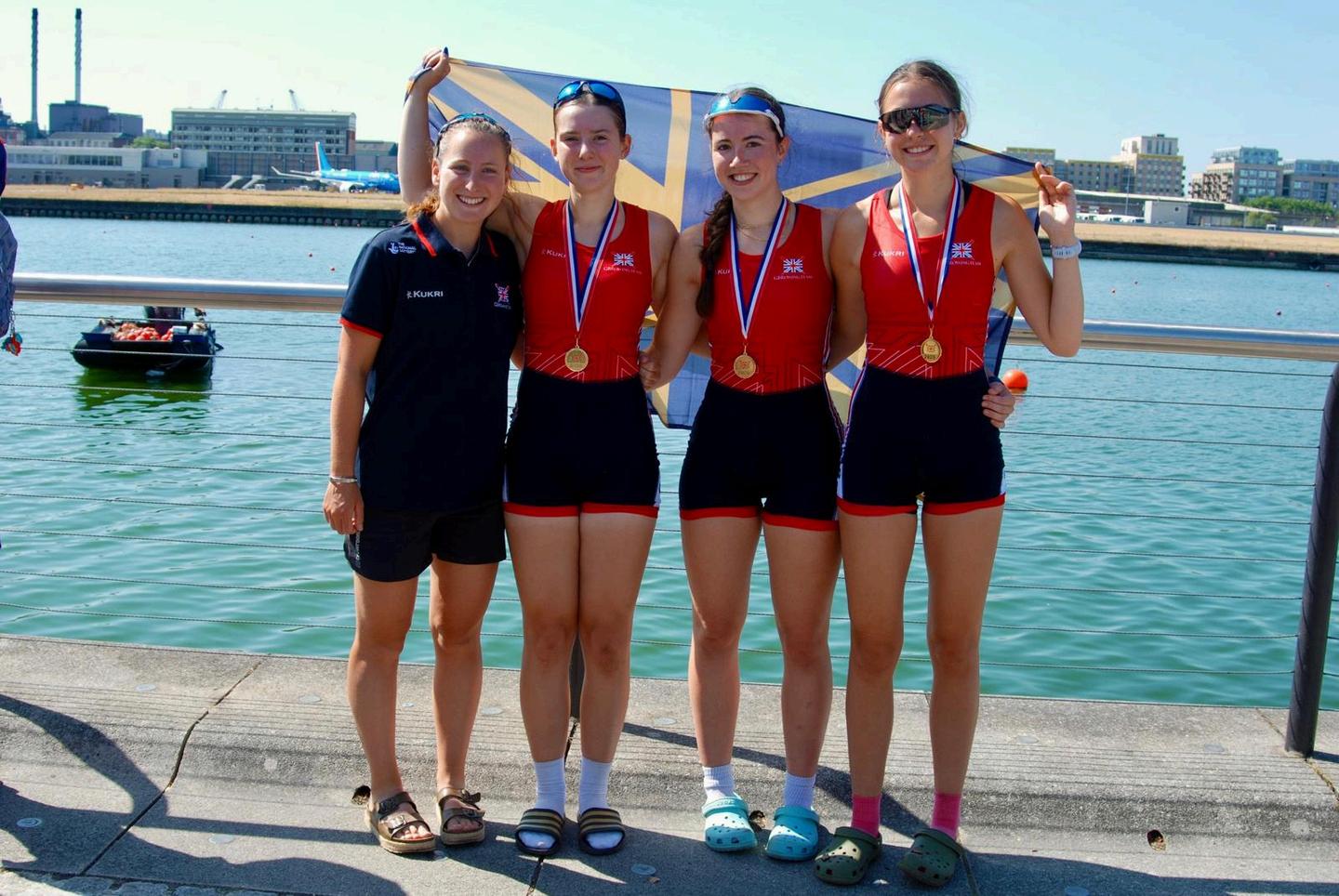
SWPS rowers strike Gold for GB and win Silver in their England call-up.
SWPS is celebrating a remarkable summer of rowing success, as several of its athletes earned national and international honours and delivered standout performances on the global stage
British Rowing Championships 2025
SWPS enjoyed its most successful outing at the British Rowing Championships, securing: Gold in Women’s U18 Coxless Four, U18 Pair, Senior Club Pair, and U18 Quads (composite with Wallingford RC)
Silver in the Women’s U16 Pair.
The U14 Double finished just one foot off bronze, marking the school’s best-ever Year 9 result
GB vs France U16 Match
Three Year 11 students - Jasmine X, Isla X, and Carmella X - represented Great Britain in the Women’s Eight (composite with Wallingford RC), winning gold at the 43rd GB vs France Match.
England Rowing Team – Home International Regatta
Two SWPS Rowers, Annabelle X and Maddie X, were selected to represent England At the Home International Regatta, they competed in the U18 Pair and U18 Eight, winning three gold medals each.
Anna Cowell (alumna) and Kathryn Burton (former coach) were selected for the Senior Women’s Pair and Eight. Racing proudly in SWPS colours they won gold in the Eight.
World Rowing U19 Championships
SWPS student Emily N was selected for her second U19 World Championships, held in Trakai, Lithuania, where she won silver in the Women’s Double Sculls with partner Catherine G.
Rowing to Glory
Year 13 student Emily N is one of our top rowers in the school. She has had a multitude of achievements, from her international selection at two World Championships, winning consecutive silver medals, to domestic success at regattas such as National Schools and Henley Royal. This year the Perkins quad crew made it to the quarter finals at Henley, for the second time in the Club’s history and Emily competed in both Munich and Lithuania for the Great Britain U19 team.
Head Prefect, Ella M, interviewed her about her successes, challenges, and favourite things about rowing to find out more:
What do you love the most about rowing?
Racing is such an exciting part of rowing, but the thing I enjoy most is training together as a squad. Even if it’s a gruelling session, I love how incredibly bonding it is, bringing everyone together Our coaches do everything possible to help us reach our potential and that has given me exciting experiences in school and on the wider UK rowing circuit. I have met so many great people, built amazing friendships and whilst we are often fiercely competitive with each other, when we get in a boat together and we are one team, it’s a great feeling.
How did you know rowing was for you and that you wanted to take it to a high competitive level?
I started in Year 9 and almost straight away I loved the training ethic, the team spirit and the way timed pieces and erg sessions meant I knew exactly how I was doing I loved working hard and seeing progress and that has never stopped being motivating for me. As a J16, I had my first opportunity to set a big international goal, and I could not resist! And that ended up being my way into international racing.
You’ve had so many amazing achievements; which one are you most proud of and why?
I have really loved the whole of my rowing journey so far; there have been so many memorable races. I think one that really stands out for me though is the Munich Junior U19 International Regatta, in 2024 Annabelle, my Perkins crew mate and I both made our first GB selection, and together we raced the Pair to a silver medal. I remember being so excited in our room and putting on our GB unisuits and then to get on the podium, after a thrilling race just felt overwhelming We felt so proud to be racing for GB, but as Perkins!
You were part of the 1st quad for Henley last year and you did amazingly as the first ever seeded boat from Perkins. How did that feel?
I love how we keep progressing as a club. Three years ago, we raced as a quad in the Diamond Jubilee and got to the quarter finals Two years ago, for the first time we had the eight qualify for the Prince Philip trophy in addition to the quad. Last year the quad was seeded for the first time, where we reached the quarter finals and the eight progressed to the next round The atmosphere at Henley makes it such a special regatta - it's like being in a rowing bubble, where you can’t think of anything else and every year we love trying to make our time last as long as possible.
What are you most looking forward to for next year?
I am in the UK and US university application process at the moment, so I am not sure where I am going, but wherever I end up, I am definitely staying with rowing One thing I haven’t experienced a lot yet is being in eights, so at university I am really looking forward to joining bigger and even faster crew boats.
Is there a current personal goal you are working towards?
I can’t race as part of the U19 GB trials process this year, but I’m really committed to achieving further domestic success with the boat club. I would love to win the first gold medal at the National Schools Regatta this year I would also really like to work towards getting a few of the club records on the ergo, as well as starting to prepare myself for rowing at university!
When you were representing GB at the U19s, you were with new teammates and coaches. How did that change feel?
Being the youngest by two years racing in Canada was a challenge We were training together multiple times every day for six weeks, which was very intense, however such a valuable experience where I learnt so much about myself. Working with so many different people has given me many connections - I think whichever university I go to, I’m going to know someone on the rowing team! The trials process and competing taught me how to quickly work with new people and also the importance of keeping a consistently positive energy in the boat. The coaches both years were incredible and it was a good learning experience to be exposed to different styles But it was also great that Mr Boddy stayed very much involved in both my GB campaigns, he helped me through more than a few difficult moments!
What advice would you give to someone thinking about starting to row?
Rowing is of course a sport, but I wasn’t a ‘typical’ sporty person! So regardless of whether you would label yourself that way, if you value team spirit, are willing to push yourself and learn a new skill, then I would say to give it a go And if you do, don’t set any limits on yourself – training across year groups is really inspiring and motivating, plus you make such great friends. Nobody can predict what might be possible for any of us and that makes rowing uniquely exciting!
Year 9 HPQ
Young Minds, Big Questions: Year 9’s HPQ Showcase
Year 9 students at SWPS are offered the chance to complete the Higher Project Qualification (HPQ), a challenging, research-based course worth half a GCSE.
This year’s presentations reflected a wide spectrum of interests - from questioning whether heroes in Greek mythology would still be seen as heroic today to debating the fairness of the gender pay gap in sport - demonstrating students’ impressive analytical, research, and presentation skills.
We spoke to Annalie M and Rachel H, who shared insights into their final HPQ projects.
Is Film Music significant to the experience of the Viewer?
My HPQ project included research from a range of papers and websites and a primary investigation which I conducted amongst my peers My research mainly explored the psychological and neurological effects of music, how movie music manipulates the viewers’ emotions, the effects of the absence of music (silence) and how the viewers relate to the film characters My primary investigation comprised clips from Jurassic Park and Jaws. I included one clip from each movie with the original score as well as the same visual clips with different music unrelated to the movies I asked the questions ‘How does this clip make you feel?’ and ‘What do you think will happen next?’. It was striking that many respondents used exactly the same words in their answers despite the questions being open-ended. Both my research and investigation provided overwhelming evidence that film music is very significant to the experience of the viewer.
Rachel H
Does fast fashion have a positive impact or a negative impact on the supply chain workers of Bangladesh’s garment industry?
In my HPQ project, I decided to explore the idea of whether fast fashion has had a positive or negative impact on the supply chain workers of Bangladesh’s garment industry. With the growing demand for cheap and in-trend styles, Bangladesh’s low cost of labour has made it become a core destination for the manufacture of these clothes. I was able to discuss and explore the social and environmental impact of this industry in depth which really opened my eyes, since I was oblivious to any positive impacts beforehand; such as its profound impact on the economy of Bangladesh. Equally, I was surprised to learn of the pressures faced by garment manufacturers to comply with the environmental standards of the brands, placing enormous financial pressure on companies at the expense of their ability to pay their workers.
Annalie M
Project titles included:
Would the heroes in Greek Mythology still be considered heroes today?
Elizabeth B
Holidays on the Red Planet: Architectural and Functional Requirements of a Space Hotel on Mars.
Freya T
What medical invention has had the most positive impact on modern medicine?
Chloe Hupe
Is the gender pay gap ever acceptable in sport?
Annabelle H
What is the most detrimental effect of racism on Black players in British football?
Simran A
Design Sparks
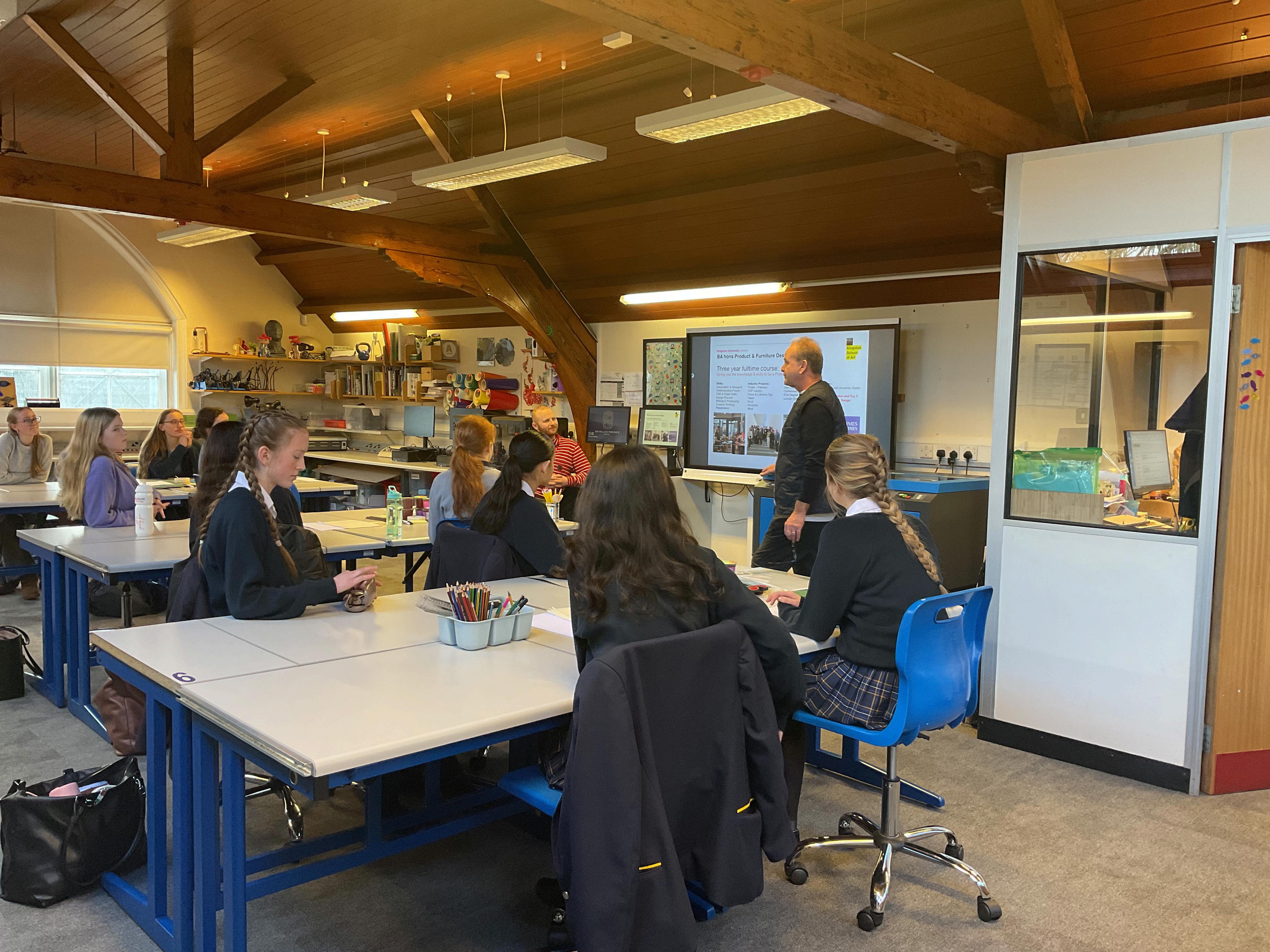
In February, our Design Technology students took part in a Product Design workshop hosted by Kingston University. Inspired by the experience, Year 13 student Rhian M went on to attend additional sessions at the university and shares her reflections below.
In February, A Level DT students had the opportunity to attend a Product Design Masterclass run by Furniture Design course leader, Philip Davies, and lecturer, Dom Postlethwaite from Kingston School of Art. We were challenged to create an innovative way to eat and enjoy jelly We began by conducting primary research by identifying challenges that occur when eating jelly, for example, the difficulty of peeling the foil lid off without it tearing, keeping the jelly on the spoon without it falling off (this was the biggest challenge), and reaching all the jelly in the pot.
We were given 20-30 minutes to draw rapid sketches, annotating how they would function, and then modelling these ideas using a limited set of materials, including paper, card, acetate, and tape.
My partner Sienna and I decided to eliminate the need for any utensils and create a pyramid-shaped cup to hold the jelly The challenge we then faced was creating a stand for the cup to prevent spillages when placed down From this, we had the idea to form an origami stand (heavily inspired by an origami fortune teller since that was the only origami we knew) that could also function as the lid when folded flat. Other students created straws and moulds to form the jelly into different shapes
The most unusual design was by Olivia and Maddie who were inspired by the Play-Doh Spaghetti extruder to squeeze the jelly into a spaghetti-like shape Unfortunately, this design was unsuccessful within the limited parameters of the challenge but would definitely be a fun, viable option for children to enjoy eating jelly This experience challenged us as designers to think outside the box.
Tycoon Triumph:
Our Young
Entrepreneurs Shine
We spoke to Sienna B, who shared her reflections on taking part in the recent competition.
Every year, all Year 12 students have the opportunity to participate in the Peter Jones Tycoon Enterprise competition in small teams
As part of the process, each team drafts a business plan, sells throughout a trading window, and then submits a project evaluation
Our business, Glass Gardens, was set up in response to the overuse of disposable cups within our school, providing an environmentally friendly, sustainable alternative that didn’t compromise aesthetics. We made our products unique by decorating our glass tumblers with colourful floral patterns, using vinyl transfers which we heat treated to ensure durability. We also sold miniature spider plants in upcycled glass jars to further reduce waste and give old jars a new life
A few months after trading had ended, we were selected as one of four teams nationally to attend the Peter Jones Foundation Charity shoot day at Holland & Holland shooting grounds, along with other business owners and entrepreneurs We were able to meet experienced professionals who offered advice on starting a successful business, spoke about our business and journey and continued to market our products. A highlight of the day was meeting Peter Jones himself, with whom we discussed our work.
This journey has taught us a range of skills which will prove invaluable in any career, balancing enjoyment and challenge We are incredibly grateful for all the opportunities provided to us throughout the competition and eagerly await the results for our 2025 cohort.
Throughout our trading window we saw success, particularly from our stall at the SWPS Christmas Fair where we were able to reach a new market The process taught us budgeting skills, how to market effectively on social media, problem solving skills and allowed us to be creative. Each member of the team came from a different subject background, bringing diverse perspectives and a range of skills.
2024 Tycoon Finalist ‘Bloom Bottles’ Sana X, Sarah X, Inaara X and Saanvi X
2025 ‘Glass Gardens’
Biology in Action
Our enthusiastic Year 12 biologists took part in the Biology in Action conference. Archana shares her thoughts on this eye-opening event.
I really enjoyed this year ’ s Biology in Action trip at the Emmanuel Centre in London. We were able to attend lectures presented by Biology icons including Nessa Carey - the author of ‘The Epigenetics Revolution,’ Lucy Eckersleywildlife presenter and photographer, and Tim Underwood - professor of GI surgery at the University of Southampton
I appreciated the fact that these lectures were aimed at A Level students, so not only did they act as career inspiration, but the speakers also discussed their educational journeys starting from the A Levels they took to the universities they went to and the courses they chose to pursue. It was quite reassuring to hear that in many of their cases, they did not know exactly what they wanted to pursue as a career while they were doing their A Levels, and that the journey to their respective careers was not a linear path.
There was a variety of careers in biology that were discussed at the event, In terms of zoology, Lucy Eckersley talked about how diseases affect wildlife and ecosystems. It was a very interactive session that involved a bit of detective work, as we tried to link together various pieces of data to discover the root cause for sudden suspicious behaviour in animal groups. For example, we were told that there was an increased number of dolphin deaths in the waters surrounding Hawaii, and that more people were starting to pave over their driveways with concrete in California. Then we had to try and link the information together. Many theories were shared, but in the end, the reason for the increased dolphin deaths was because the faeces of house cats that carried the disease Toxoplasma gondii was being washed into the sewers. It ran over the concrete driveways instead of being filtered through the ground Though this did not have negative effects on the cats, it was lethal to dolphins, so when the parasite was flushed into their waters, the dolphins suddenly died in large numbers.
In terms of medicine and medical research sciences Tim Underwood and Nessa Carey had some very fascinating talking points. As a lead surgeon in the field, Tim Underwood discussed the intricate details of removing tumours through Gastrointestinal surgery. He talked about the ways in which cancer cells spread, and how treatments affect it. My favourite part of his lecture was when we were shown an actual video of a surgery that he performed –though there was a lot of blood! I also particularly liked the part of his talk where he discussed the new used of AI in his field, also showing a video of him practising using the Da Vinci Robot
Nessa Carey explained the research side of biology where she studies epigenetics. She used different sweets to represent how epigenetic modifications are physical changes that occur on the histones that hold wrapped DNA, thus, able to turn certain genes ‘off’ and ‘ on ’ based on both inherited and environmental qualities. I found it quite interesting when she explained that these epigenetic modifications based on environmental factor could also be passed down through generations. Consequently, offspring could be born with these epigenetic modifications already on their histones without ever encountering the environmental factors first-hand
In conclusion, I thought this trip was an inspiring and educational experience that gave us the opportunity to hear from and talk to successful biologists who were once in our shoes.
Academic Ambition
At SWPS, learning doesn’t stop at the classroom door. Our super-curricular program invites students to dive deeper into subjects they love, explore new ideas, and challenge themselves beyond the standard curriculum. From our Academic Conference to independent research projects, to critical thinking exercises, these opportunities nurture curiosity, resilience, and a love of learning.
A key feature of the program is the chance for students to engage with high-level university academics and collaborate with peers from other schools. These experiences provide unique insights, broaden perspectives, and allow young learners to discuss ideas with experts, helping them connect classroom knowledge to real-world academic conversations. This year alone we have worked with King’s College London, The University of Surrey, Royal Holloway and the London Interdisciplinary School.
Three SWPS students share their experiences, offering an insight into how supercurricular projects have inspired them, sparked creativity, and opened doors to exciting new ideas
Mr Holliday
Iris E
For my ESB Oracy presentation, I investigated the mistreatment of dysmenorrhea patients in the medical community. ‘Dysmenorrhea’colloquially known as ‘period pain’ - effects 96% of women of menstruating age in the UK, with 59% describing their pain as severe. Despite the large number of people within all communities that are affected, there is a drastic lack of funding and public understanding of the topic. In my project, I outlined the ways in which issues with menstruation are largely ignored and underplayed and also introduced some common causes of dysmenorrhea.
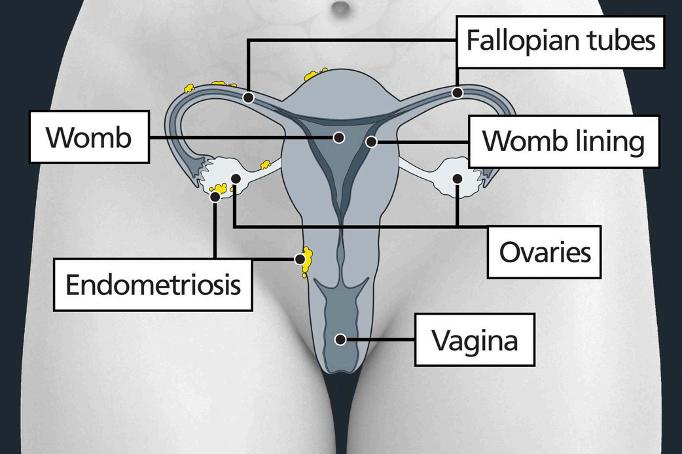
A main focus of my project was endometriosis, which is a leading cause of primary dysmenorrhea (period pain caused by a specific medical condition). Endometriosis patients experience severe pain and symptoms, however, are often disregarded by medical professionals, leading to an average wait time of eight years and 10 months for patients to receive a diagnosis.
The diagram above shows the uterus of a patient with endometriosis.
Shape Language in Conveying Villains in Disney Movies
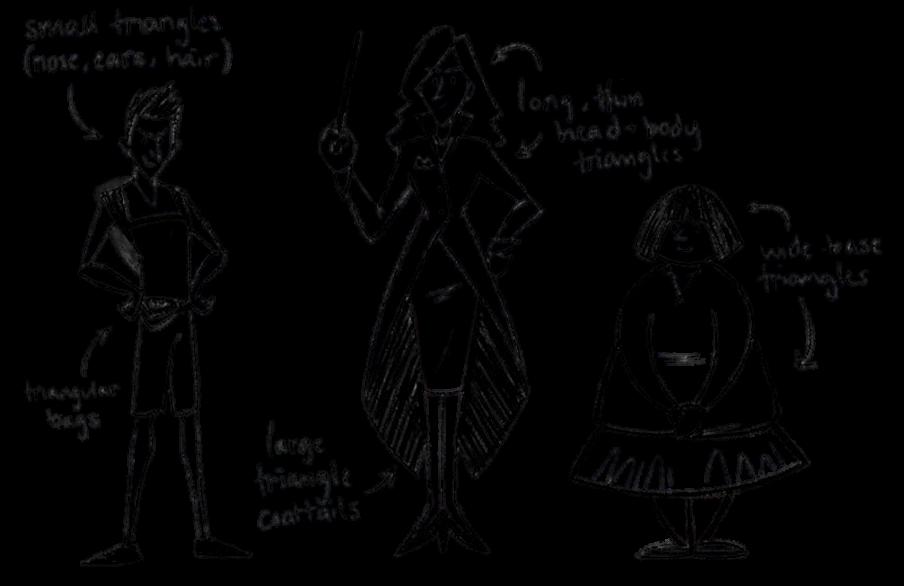
Shapes are a key element in designing characters. The Walt Disney Family Museum defines ‘Shape Language’ as the manipulation of shapes for a character’s desired impression, and elements of this concept are often found in art therapy and graphic composition
You can see shape language working in Disney characters; especially during the golden age of Disney in the 20th century. The villains possess sharper facial features or a more angular design, compared to the heroes and heroines of the story, who often have a softer, circular-based design
Whilst this way of shape language can add to the stylistic and whimsical design of Disney animation, continued use of this principle can cause harmful stereotypes based on one ’ s physical appearance. In fact, many have been speculating that the animation company ’ s use of shape language has often targeted the Jewish community, through the designs of Mother Gothel, Captain Hook, and more
Since antagonists should be defined by their harmful behaviour instead of looking a certain way, Disney should explore more animations where traditional shape language is rejected completely. Not only would this diversify the personality and appearance combinations of their characters, with an overall younger target audience, it is best that the company should not imply that there is a singular way of outwardly seeming evil
Image Source: Walt Disney Family Museum [URL: https://www.waltdisney.org]
“Rhetoric is the art of ruling the minds of men.”
Is Rhetoric Ethical?
Sienna B
The Greek philosopher Plato once wrote, “Rhetoric is the art of ruling the minds of men ” Rhetoric, defined as the art of persuasive communication, is often traced back to the fifth century BCE, in Ancient Greece. This coincides with the rise of early democratic systems as, for the first time, complex political and legal ideas had to be conveyed to non-specialist audiences in an engaging and compelling way
Even today, rhetorical skill is central to how we communicate and share ideas However, Plato’s description of rhetoric presents an ethical dilemma: should we be learning to control the direction of people’s thoughts?
Whilst Plato believed rhetoric to be inherently dishonest and unjust, essentially flattering audiences by way of deceiving them, fellow philosopher Aristotle defended the practice. He argued that rhetoric was essential to the functioning of democracy and described it
as the intersection of the three values: ethos (credibility), logos (logic), and pathos (emotion), principles underpinned by truth and integrity The reality likely lies somewhere in between. Persuasion often takes priority over truth, and the information presented is almost always highly selective.
As for whether rhetoric is ‘ethical’, like much of philosophy, the answer is complex. When guided by honesty and used to explain rather than disguise, it supports democratic discourse Yet it also holds the power to manipulate, particularly as truth can be sacrificed for impact. As such, rhetoric is not inherently ethical or unethical. Perhaps a more suitable approach would be to look at the speaker’s motivations, as rhetoric’s morality lies in intention and execution. As speakers, we must strive for integrity, and as listeners, we must remain critical and discerning.
Sustainability Project
Introduction by our Senior Eco-Prefect, Amelie M.
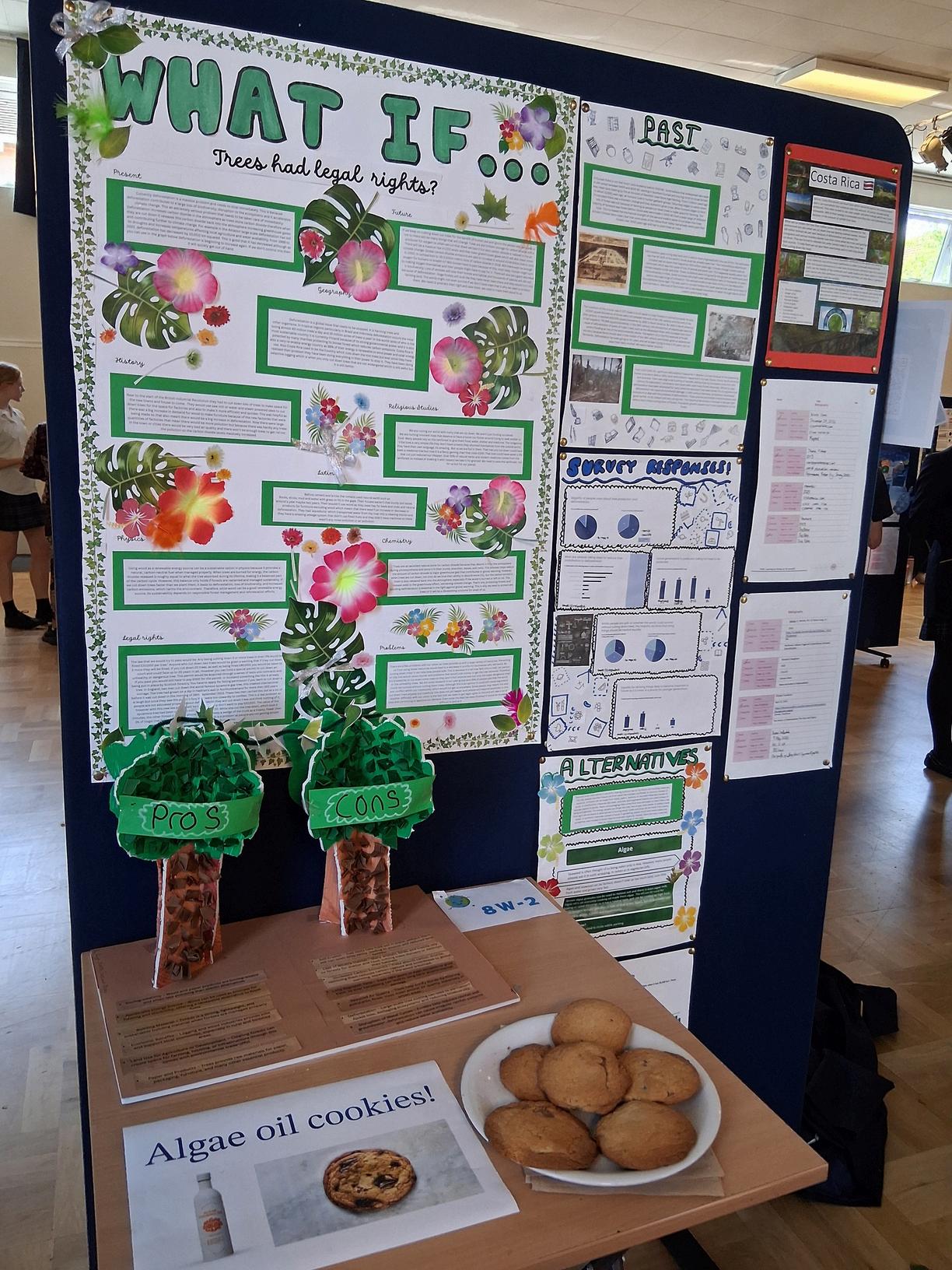
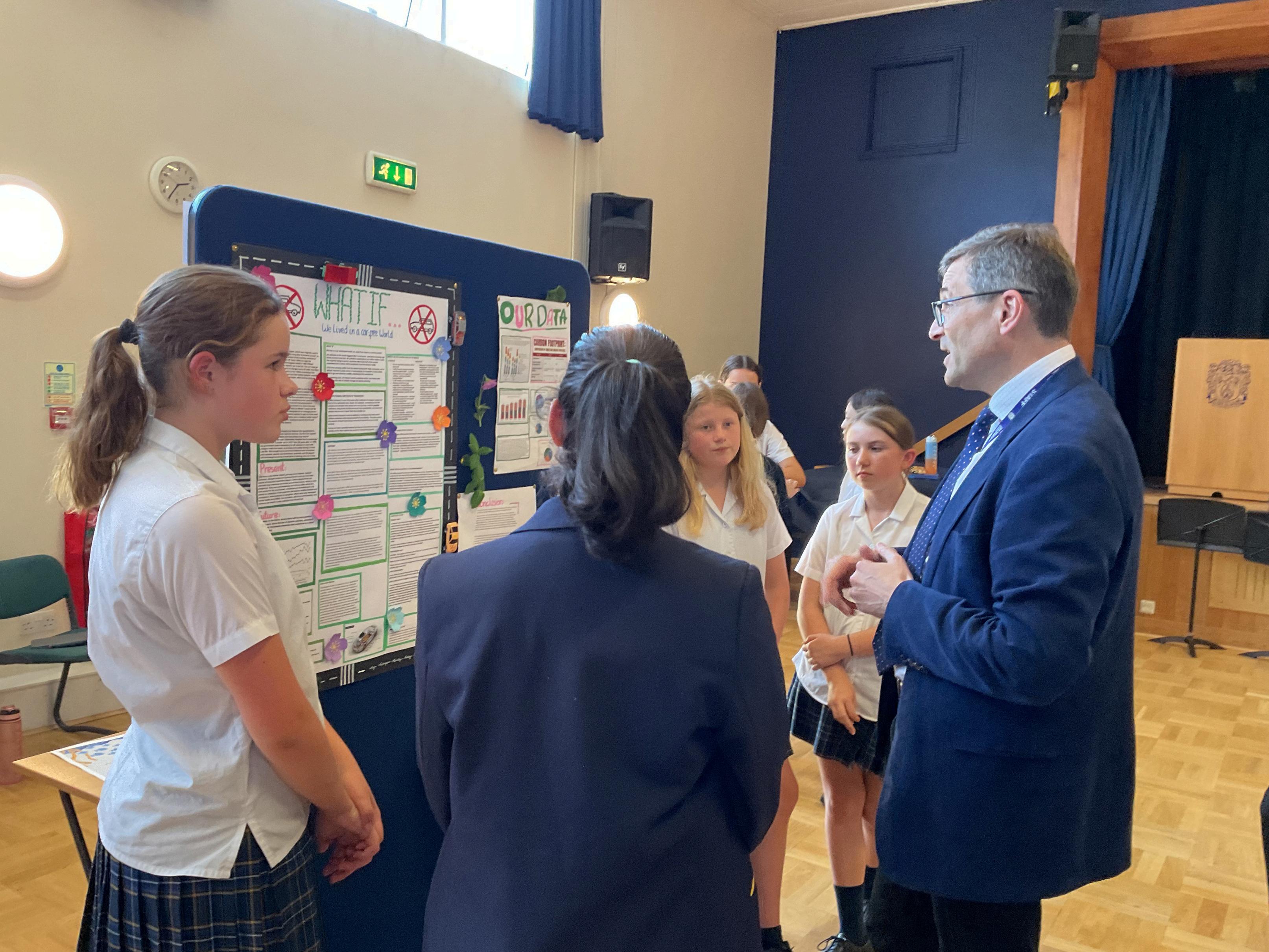
Last summer term, Year 8 students took part in a sustainability competition in which they had the opportunity to create a project around a topic or argument that they wanted to explore in order to pursue their interest in learning more about living more sustainably.
The Year 8s really surprised all the judges when their projects proved their interest in sustainability with unique topic questions which they thoroughly researched.
To find out how this project impacted their knowledge on sustainability we interviewed a few Year 8s before and after their projects to find out what they had learnt and what difference they would like to make through their project. We were also amazed to hear how much they already knew before their project through other school projects and classes. However, we were pleased to notice that their answers developed significantly after the project.
The projects which stood out most to the judges had compelling topics of ‘What if we could Cultivate the Desert?’, ‘What if Algae is a Resource of the Future?’, ‘What if All Individuals Were Net Zero Emissions?’ and ‘What if AI Managed Entire Eco Systems?’. These groups worked together to produce both beautiful and captivating projects which was enough to crown them as winners of the project Well done Year 8 for committing to the project and contributing to learning more about the environment!
Eco-CommitteeNews: MakingaDifferenceTogether
Bikeathon for Climate Action Students raised over £1,500 for the Climate Action charity by cycling in the SWPS Bikeathon.
Cut Your Carbon Month
340 students took part in at least one of six carbon-reducing activities: Walked, cycled or scooted 5 miles
Lowered household temperatures by 1°C
Bought nothing new for a month
Swapped baths for four-minute showers
Went vegan for a day
Switched off electronics for one hour
Green Flag Accreditation Journey Eco-Ambassadors conducted a full environmental review of the school as part of their Green Flag accreditation application.
Clothes and Book Swap Eco-Ambassadors hosted a Clothes and Book Swap and delivered assemblies to inspire action and awareness across all year groups.
Green Careers Week welcomed Dan Callaghan from Runnymede Borough Council for a special assembly. He shared insights into environmental careers and volunteering opportunities.
Environmental Education: Ideas and experiences from Brazil and the UK
Dr Nasser, Dr Glackin, Miss Tytherleigh, Mr Teng & Mrs Taylor
INTRODUCTION
Teaching climate change in secondary schools in England is challenging, the reasons being multifaceted. Whilst the National Curriculum explicitly includes climate change, the topic is siloed into science and geography, and comes late in young people’s education at Year 10 (14-15 Year old) (Glackin & King, 2020) In England, over half of young people opt not to study geography past Year 9 (13-14 years old), leaving science, which is compulsory to Year 11 (15-16 years), to cover a lot of ground. Further, as one would expect, in science young people learn about the scientific concepts of the greenhouse effect and energy production, with occasional opportunities to debate, for example, the use of renewable energy resources. Whilst understanding scientific concepts and technological responses to climate change are very important, other curriculum subjects have significant views, perspectives and knowledge to offer, which are currently being missed. That is, subjects such as design and technology, computer science and modern foreign languages can enable a unique insight into the interrelationship between societies, the economy and the environment and the role that each of these has played in the past, and how this role could change in the future
For example, questions that need to be explored by our students’ concerning climate change include: who is culpable, how we ought to adapt, and how might we design for the future? These, alongside other climate-related questions, require not only a solid foundation of scientific concepts but necessitate a rich and developed appreciation of multiple perspectives and knowledge domains. Greer and Glackin (2021), in exploring the literature, identified six key qualities or values that contributed to a meaningful education response to climate change. These are: an education needs to offer, and be open to, alternative visions of the future and alternative approaches to education; to embrace complexity; to incorporate multiple types of knowledge; to re-orient towards justice; to develop ecological worldviews and to recognise and support students as agents of change
The contextual constraints of the curriculum and subject pathways, which limit students opportunities for a meaningful climate change education, have been reported nationally (Watts, 2019). These are reflected anecdotally amongst our own school community, and we developed a cross-curricular pilot project for Year 8 students, (12-13 years). Based on Greer and Glackin’s six key qualities, we focused the pilot project specifically on re-orienting education towards justice. Whilst the subject disciplines involved in the project ranged from Science to Spanish, pivoting around one quality, whilst building on the others, allowed for a clear focus for all subjects and flexibility within each discipline to present the quality as relevant We further wanted to underscore additional skills – such as digital literacy –which we felt could be strengthened via such a project.
In this paper we describe the pilot project which saw the development and implementation of a cross-curricular sustainability project which foregrounded a meaningful educational response to climate change, with justice as a pivotal quality for development. We discuss what each subject discipline brought to the project and when combined the resulting outcome in the students’ learning. We then share reflections on the pilot project to underscore key learnings and areas we are taking forward into the next stages Before this we offer more details of the six qualities and follow these to share details of our school context.
MEANINGFUL QUALITIES OF CLIMATE CHANGE EDUCATION
The sustainability project embraced the framework of key qualities that contribute to a meaningful educational response to climate change proposed by Greer and Glackin (2021), emerging from Greer (2021). Greer (2020) explored the research literature related to climate change education in schools and identified six qualities that supported a meaningful educational response. The first, and overarching the five subsequent qualities, is that a meaningful educational response to climate change needs to offer, and be open to, alternative visions of the future and alternative approaches to education. These visions, they argue, are unwedded to perpetual economic growth (be that at individual, organisational, national or global scale) and, instead, promotes living that achieves equity and sufficiency among humans and all species on the planet (Sterling, 2017). The second quality acknowledges that climate change is an inherently complex issue, which has multifaceted causes and solutions.
A meaningful education response cannot shy away from the difficulty and must accept and embrace the complexity, and recognise the trade-offs connected with mitigation and adaptation, disaster risk and social justice (Stevenson et al., 2017).
The third quality is that climate change education needs to incorporate multiple types of knowledge (Kagawa & Selby, 2010) This includes disciplinary knowledge that aligns with traditional school-based curricula, such as that taught in science or geography, and that supports students to establish a foundation for richer understandings, as well as teaching and learning across a wider range of disciplines and bridging disciplinary boundaries.
It includes supporting students to understand how to critique knowledge and its sources, and recognises that, more importantly than knowing answers, students need skills to solve complex problems. Sitting alongside these knowledge types that are common in mainstream schooling, scholars also emphasise the importance of developing young people’s spiritual and emotional knowledge (Ojala, 2016) so they can connect to the Earth and other species, and engage with emotions related to climate change
The fourth quality is to re-orient towards justice. Rather than climate change education fixating upon scientific knowledge, and climate change solutions being found in science and technology, various authors advocate understanding climate change as an issue of justice and of inequity among humans, and between humans and other species (LotzSisitka, 2010) This involves recognising both global and local perspectives and that everyone shares the risk, and, by engaging students in local participatory learning, it involves understanding that local solutions are fundamental to a global response
Fifth, and related to understanding climate change as a matter of justice, is to develop ecological world views. A meaningful educational response to climate change would involve revisiting and transforming the relationship between humans and the morethan-human world, that is, with all other species on Earth.
Young people would be given opportunities to recognise the rights of other species, and the importance of such recognition for their own and future generations’ survival (Sterling, 2017). The sixth and final quality for climate change education is to recognise and support students as agents of change. This involves a shift of viewing students as more than recipients of information and observers and future inheritors of climate change-related problems to recognising young people as participants in society’s response to climate change and collaborators in society’s transformation through action-oriented approaches and authentic engagement (Rousell & Cutter-Mackenzie-Knowles, 2020).
Below we explore how the pilot project operationalised the qualities with particular attention to the quality of re-orientating towards justice. First though we describe the school context before explaining the details of the project, including the assessment criteria. We then turn to explore how teaching staff were supported to work collectively, across subject disciplines.
SCHOOL CONTEXT PROJECT DEVELOPMENT
The project took place in an independent, fee-paying, non-residential school for girls aged 11 to 18 in south England with approximately 600 students. Due to being independent, the school has a greater amount of flexibility than a state funded school, particularly within the lower years, Year 7-9 (aged 11-14 years). This enabled the project to be designed to occupy the final 6 weeks of the school year
The project was aimed at Year 8 (12-13 years) students as a direct response to the lack of climate change education currently offered to this year group The seven school subjects involved were: design and technology (DT), computer science, biology, chemistry, physics, Spanish language, and geography. The inclusion of these subjects was related to staff interest and timetabling allowance Each subject designed a series of three lessons related to climate change which could be threaded into the constraints of their subject’s syllabus requirements. Lessons were shared on a centralised OneNote Notebook, which allowed for transparency of work between departments.
As justice is an underpinning aim of the United Nation’s Sustainable Development Goals (https://sdgs.un.org/goals), we took the opportunity to raise their profile with our students by engineering the project to focus down on one of the 17 goals: Goal 11Sustainable Cities and Communities. The aim therefore for the students was to research and present sustainable solutions for liveable cities.
To support the students with their projects, the separate subjects designed lessons responding to ‘sustainable solutions’ from a range of perspectives. Students, in teams, were to present their solutions as a poster at a whole-year conference. With this focus in mind several broader areas to support student learning and presentation development were considered important. These included: student-led research, promoting digital literacy and oracy, and enabling skills-based learning. Below we detail each broader focus describing the approach for implementation and specific subject responsibilities.
STUDENT-LED RESEARCH
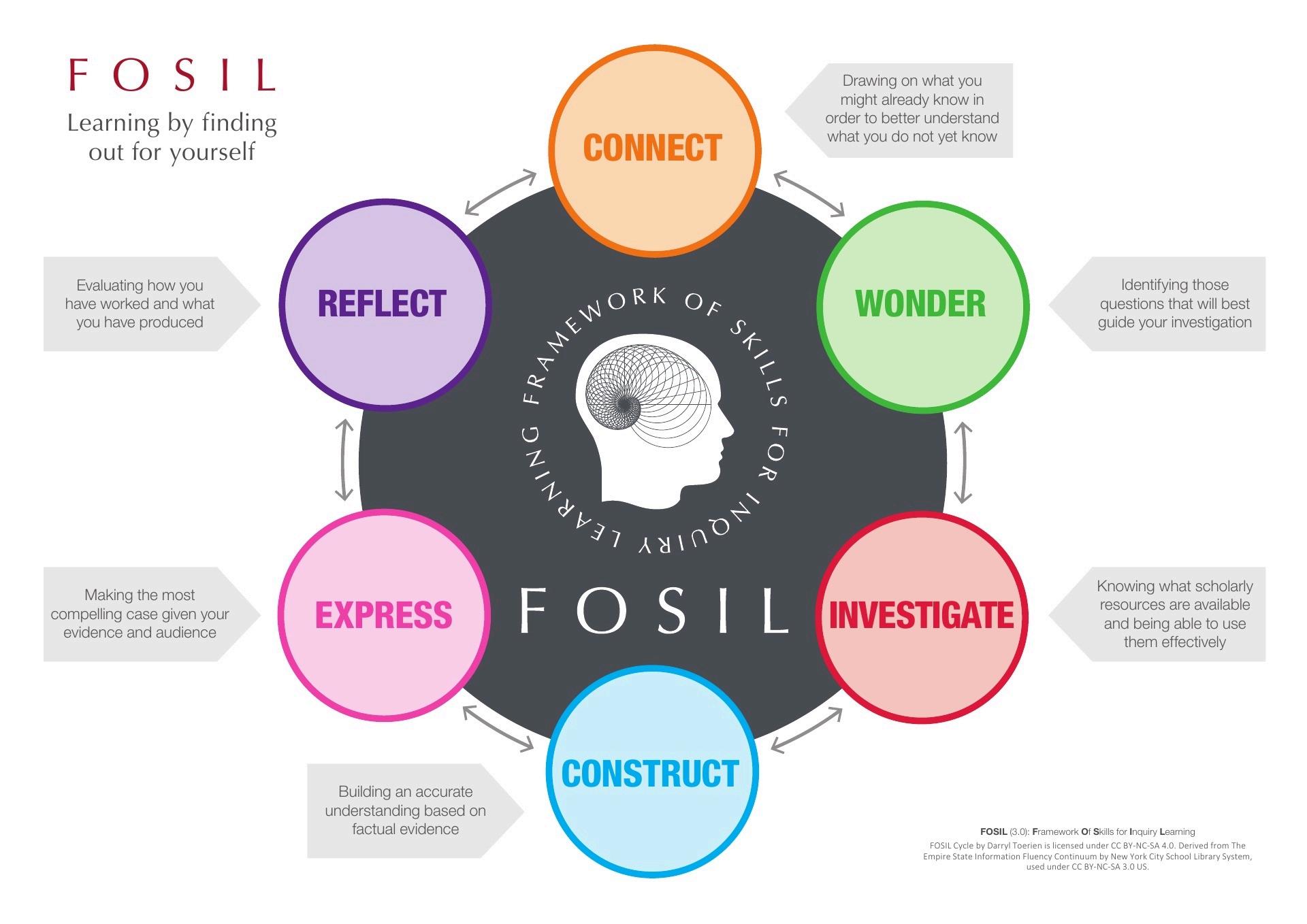
Students were initially introduced to the framework of the United Nations Sustainable Development Goal 11 – Sustainable Cities and Communities, and the concept of climate justice in geography. Starting points for further research were then provided within each respective subject. Students were tasked with honing their research skills through independent inquiry and developing their referencing skills. Introduction to the FOSIL inquiry-led model empowered students to construct their own knowledge through personal research and investigation
During the project, the librarian delivered a session on effective utilisation of search engines, proper referencing, and critical evaluation of information sources for accuracy and bias. Emphasis on the importance of correct referencing was reinforced by inclusion in the assessment criteria
PROMOTING DIGITAL LITERACY
& ORACY SKILLS
Students employed OneNote on iPads for completing learning activities, taking notes, and collaborating with group members. Additionally, students utilised various programs such as Google Sketchup and Minecraft to develop project models. iPads were also employed for online research, formative assessment, data collection, and classification. In addition to classroom discussions, students were expected to present aspects of their research project to peers and staff judges at the conference. This fostered the development of oracy skills, requiring students to justify their project in a concise and engaging manner in a conference setting. Their success depended on their ability to verbally articulate their project solutions to staff and peer judges.
BASED LEARNING
As students were expected to engage in a wide variety of challenges and learning experiences in an interdisciplinary project, they developed a wide range of skills These included: teamwork, data collection, digital modelling skills, research and referencing skills, problem solving, critical thinking, and oracy and presentation skills. Several of these skills were taught explicitly, such as appropriate research and referencing skills, whilst others, such as problem solving came as a product of completing the task and inviting reflections at the end of the process.
ASSESSMENT
Students were presented with the ‘ success criteria’ at the start of the project to ensure that they were clear from the outset what they were being assessed on. As students were expected to undertake independent research as part of their homework for the duration of the project, this became an important aspect of the criteria, including their citation of references. The assessment criteria also encouraged students to consider the contributions of each subject or discipline to their project and a consideration of climate justice which was embedded into the teaching sequence. In addition, students were informed that they would be assessed on their presentation of their research at the conference at the end of the project.
The assessment criteria provided guidance on what to include in their posters and was as follows:
Project presents sustainable solutions that are supported by evidence
Project includes information learnt across a number of subjects
Independent research conducted and correctly referenced
Students are able to present their ideas clearly at the conference
Poster displays research in a clear and accessible manner
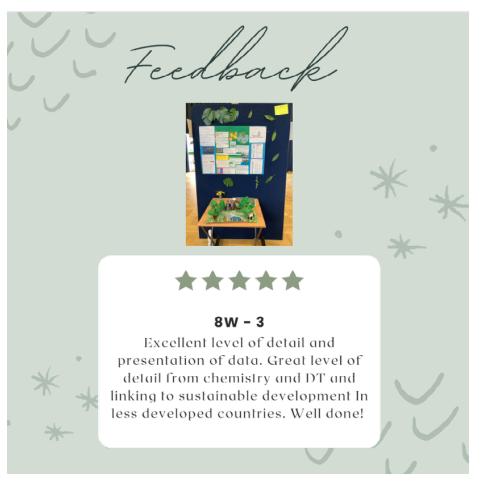
Project links sustainable solutions to climate or social justice
Assessment of the project took place at the conference, where teacher and peer assessment were captured using MS Forms After speaking to the student research groups about their projects, assessors could award marks out of five (Excellent – Poor) for each of the assessment points Each student group was provided with feedback after the conference For example:
THE CONFERENCE
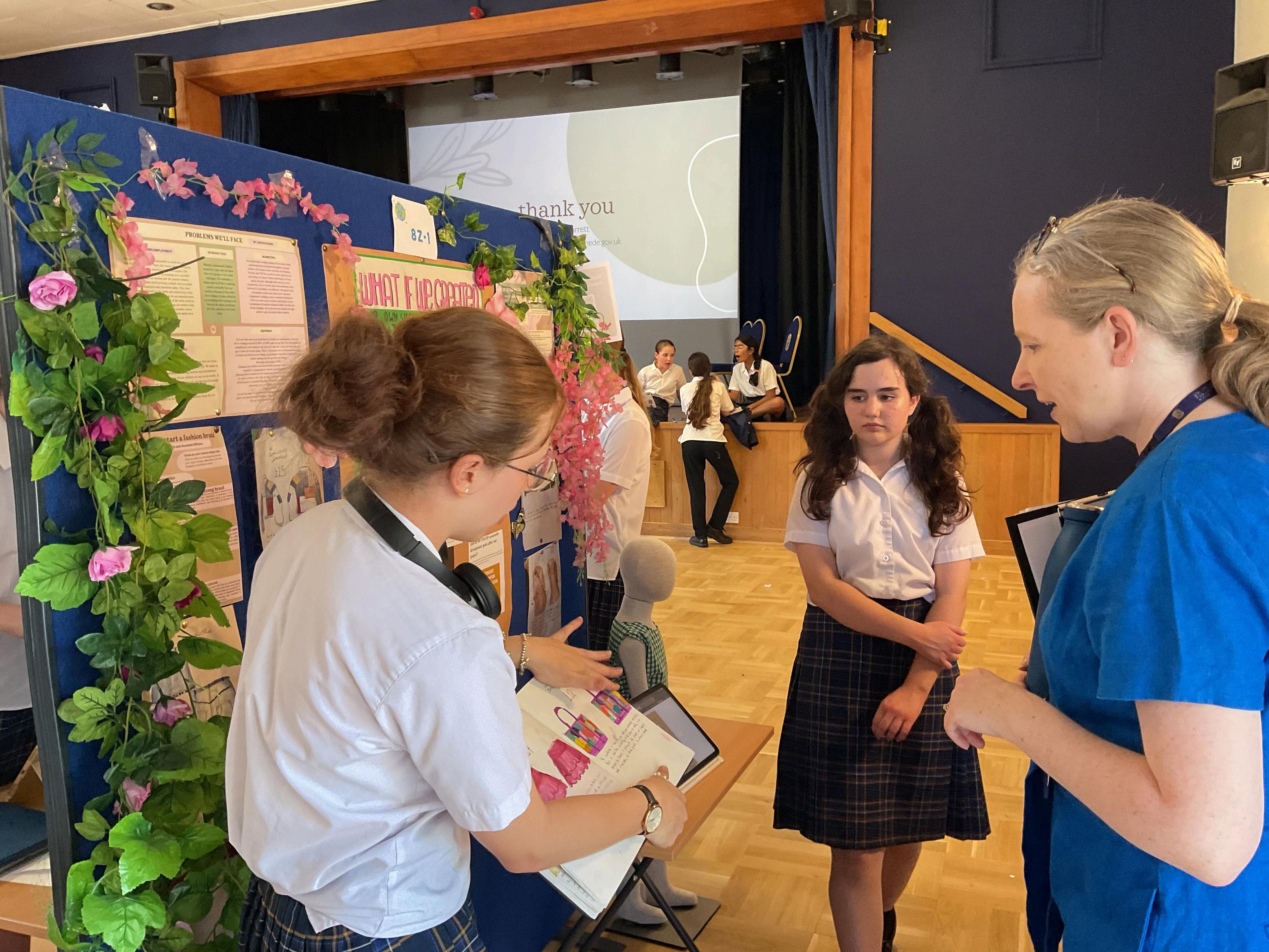
Students presented their research posters and models for sustainable cities at a conference for the whole year group. The conference included speeches by the Head Teacher, a local business (Pure Mess Skincare) and Zero Carbon Guildford. A member of the school’s alumni, who had developed a sustainable camper van shared a video with the year 8 students. Students presented their posters and models in their research groups to their peers, staff and external speakers
The idea was to replicate a research poster conference as a form of scientific communication, peer review and sharing of ideas. Staff and students were able to assess each research group through an online marking system that was accessed using QR codes placed around the main hall
SUBJECT SPECIFIC INPUT
All participating teachers met to discuss what the qualities of a meaningful climate education were and how they understood them in-terms of their subject discipline. Staff were introduced to the focus of the year ’ s climate project being UN SDG 11 and briefed on the assessment criteria. The teachers then designed their 3 sessions incorporating the broader skills alongside the focus on justice. Table 1 outlines how each subject incorporated the idea of justice into their lesson sequence
Table 1: How participating subjects included justice into their teaching sequence
A justice perspective incorporated into teaching sequence
Spanish
Geography
Considered vocabulary associated with sustainability and explored cultural aspects by looking at Costa Rica as a case study
Definitions of climate justice, examples of climate justice at global and local scale. Actions to reduce vulnerability using Barcelona as a case study, linking to the theme of sustainable cities.
Design and Technology
Computer Science
Biology
The use of sustainable building materials Examples of emergency housing in response to Hurricane Katrina and case studies of building materials used in India and Brazil
The sourcing and disposal of materials used in technology, emphasising the environmental impact at a local and global level. Case studies were used to highlight opposition to exploitative mining practices in the Global South
Inequity associated with food production methods and impacts on nonhuman species through loss of biodiversity. Issues around food miles and fair trade discussed Food security on a global and local scale considered in the context of the effects of climate change and possible adaptations.
Physics
Chemistry
The disproportionate impact of climate change due to greenhouse gas emissions on various countries. The value of cheap and accessible electricity in rural communities which previously had no or limited access to electricity.
The disproportionate impact of greenhouse gases and pollutants and hotspots within cities Students viewed a video from NASA highlighting the impact of climate change due to greenhouse gases and emerging technologies to solve the issue which prompted discussion of a collective responsibility in solving climate change.
SUBJECT SPECIFIC INPUT
Below is more detail of what each subject did within their lesson sequence, highlighting the challenges and enablers of including ideas of justice into discrete subjects.
Chemistry
The Chemistry lessons focused mainly on the science of climate change, with emphasis on the carbon cycle and the impacts of fossil fuel use on the atmosphere. There were limited opportunities to include climate justice, however, at the end of the teaching sequence, students were asked to share how they felt about climate change, providing an insight into the societal and emotional dimensions of learning about the topic.
Biology
Physics
Lessons in Biology were centered on food production, food security and farming practices. Students explored factors that influenced food security and considered foods that may be eaten in the future. Students also explored how farming impacts biodiversity through land use and investigated biodiversity on the school grounds using the Seek by iNaturalist app A hydroponics demo was presented to students as they considered how urban spaces could be used to increase biodiversity or food production.
Lessons in Physics explored the advantages and disadvantages of different energy resources and the principle of generating electricity. Students were introduced to the various energy sources. These sources were classified as renewable and non-renewable. Fossil fuels were also explored, and students were introduced to their advantages and disadvantages and justified their use Students completed two practices: first, they designed and collected data on the power generated from solar panels with differing amounts of cloud cover. This led to discussions and questions about the suitability of solar energy in different geographical regions around the world. Second, students investigated how the number of blades can affect the power generation in a wind turbine Again, questions were introduced to discuss the suitability of wind power around the world. Students explored countries which had high amounts of wind energy capacity, but which did not produce much of their electricity from wind.
Spanish
Lessons in Spanish were related to vocabulary and cultural elements
There was a focus on vocabulary associated with the environment and design of an eco-house. Students also considered countries in Latin America affected by climate change. Costa Rica was considered as a case study which allowed space in lessons to consider the government responses to climate change
Geography
Students explored issues directly related to climate justice, from a global and a local perspective. Students were asked to consider the concept of vulnerability. They were given mini portraits of citizens from around the world and asked to debate their vulnerability to climate change This enabled discussions around the human and physical factors affecting a person ’ s vulnerability to climate change. On a local scale, students investigated the impact of hurricanes in New Orleans to demonstrate the range of vulnerabilities present in a developed city. Finally, students spent a lesson researching the measures being taken in Barcelona to limit vulnerability to climate change and support climate justice This linked to the theme of sustainable cities and exposed students to real-life ideas. There was learning outside the classroom, as students visited the BBC Earth Experience and students each wrote an individual pledge detailing actions they could take
Computer Science
Students explored the environmental impact of the computer devices, focussing on the mining for raw materials such as lithium and gold. A case study of evaporation pools in Chile for the mining of lithium was discussed, focussing on the impacts on the local community and protests against the practice Further lessons focussed on the disposal of computing devices, drawing students’ attention to local solutions for recycling. Students were encouraged to employ big systems thinking to the recycling of technology and were introduced to the idea of modular components of phones The sequence of lessons allowed students to consider the ethics of computer science, which would not usually be covered until A Level in the curriculum. This allowed students space to discuss the implications of their consumer choices in relation to technology within lessons and in a way that was relevant to their everyday lives
Design Technology
Students considered alternative building materials, including seaweed and cocoa beans, as used in Colombia This allowed for further independent research of local solutions where students learnt about sustainable housing in countries such as India (e.g., homes constructed from various locally reclaimed materials) and Brazil (e.g. initiative solar energy creation) as well as a local example of a sustainable estate developed in south east England In terms of climate justice students learnt about ‘flexible housing’ that were built in response to Hurricane Katrina. Students also learnt about the use of green walls and straw as a building material in low-income communities. The teaching sequence allowed for discussion of building materials and sustainable living solutions, both from case studies but also from students’ own research
PROJECT OUTCOMES
Overall ensuring that more than the subjects science and geography were engaged in this pilot project allowed students to appreciate the multi-faceted nature of the issue of sustainability Many lessons were planned to allow space for student discussion about issues related to climate justice, promoting emotional engagement with the topic As students worked within research teams, they were tasked with communicating effectively with each other and drawing links between STEM, humanities and languages subjects. The conference provided an important opportunity for students to articulate these connections to peers and teachers
There were two key noticeable outcomes from the pilot project The first outcome relates to students’ learning, and their engagement with, and growth of understanding in ideas related to climate justice. We were encouraged to read students feedback informing us of their new understandings concerning inequity between countries, underscoring the complexities around climate change mitigation. For example, one student commented on how their lessons helped them appreciate the challenges faced by countries in the Global South and that countries in the Global North were in a position to help mitigate the effects of climate change.
However, examples of climate justice were not easily identified on the posters or during the student presentations at the conference That is, students had learnt about climate justice via the taught classes, however they struggled to translate and apply the knowledge to their sustainable city design. In the future, more examples during the teaching series related to justice-based building and design were required For example, more emphasis could be placed on how at a global level, the reduction of emissions from cement production, and house building, needs to be shouldered by the Global North countries, with those in the Global South being supported towards reductions. And, further, at a local level, to allow everyone to transition to a low carbon economy, everyone ’ s essential needs for housing, transport, energy use and fair work need to be designed for Having more emphasis on such examples might enable the students to explore further the complexities concerning climate change In doing so, in the future we might see designs of cities that incorporate low carbon jobs with high labour stands and fair wages, enabling those in high carbon sectors (such as the motor industry) to live more locally and have more fulfilling work This would encompass a richer understanding of what justice means for a sustainable future
The second noticeable outcome is related to teacher’s professional learning. As a result of the design of the curriculum and examination system, school departments rarely work together on a shared topic, over an extended period of time Whilst initially daunting due to the open-endedness and unknowingness of the project, teachers began to relish the opportunity for cross-discipline conversations to understand the specific perspective, knowledge and approaches which each subject brought to responding to the climate crisis. Supported by the initial and follow up smaller team planning meetings, departments worked collaboratively to develop complementary lessons An important tool permitting this new way of working was the use of centralized lesson sharing facilities. The tool enabled teachers to see lessons between subjects where there were obvious overlaps to emphasis, where there were gaps to fill in the lesson series and, how the particular threads were being drawn through. Students identified this as a unique and important factor as it exposed them to various aspects, allowing them to delve deeper into the topic of climate change.
All teachers felt that coalescing around such an important topic where all subjects have something to bring to the solutions enabled authentic professional relationship-building across the school.
Another notable outcome of the project, appreciated by all the school community, was the genuine chance for students to concentrate on oracy development. The whole-year poster presentation, set up as a mock-conference, created an important stage for students to learn the necessary skills of formally sharing knowledge to a large audience. Students appreciated the chance to present to teachers and experts and reassuringly found it to be a non-threatening environment, with some students commenting on how the practice made them more confident and comfortable with public speaking.
Finally, there was also some evidence that the project had inspired students to act beyond the curriculum and, using Greer and Glackin’s six qualities, support students to be ‘Agents of Change’. Illustrative comments from students included that they learnt more about climate change than they had previously and were now wanting to take action and save the environment, realizing that whilst they could not fix the climate alone, just a little action could help.
When reflecting on the project we recognise strengths, enablers and challenges we have met and share our tentative next steps:
STRENGTHS & ENABLERS
The cross curricular nature of the project encouraged teaching staff to collaborate in the design, resourcing, and teaching of lessons Staff valued this opportunity to work more closely with different departments where partnerships may have been previously limited due to time constraints Diverse perspectives on social justice were shared between teachers and discussed, which enhanced teacher confidence in the delivery of content.
For many subjects, the key content of sustainability was already present in schemes of work, albeit at KS4 (14-16 years) rather than KS3 (11-13 years). The SDG of Sustainable Cities acted as a useful doorway enabling cross-curricular responses that allowed for an incorporation of ideas from individual subjects Where curriculum opportunities were limited, for example for Spanish, the project offered a genuine chance to reconsider how the subject discipline could offer tools and ways of thinking to students to respond to the climate crisis
Scheduling the project in the summer term was effective, as it promoted greater collaboration due to reduced teaching loads because of gained time. The project was post-exam period therefore reducing the pressure on teaching specific content prior to internal examinations. This could be an opportunity to address some of the ‘barriers’ which may inhibit teacher engagement with a similar project. Time for planning and teacher engagement were identified as potential barriers and these could be addressed by appropriate timing within the school calendar.
Many teachers commented how students engaged more deeply in discussions in their classrooms during the teaching sequence Rather than taught content which often does not allow for discussion-based learning in their subjects, students were able to share their own research and experiences during this unit.
CHALLENGES & NEXT STEPS CONCLUSION
The assessment criteria was developed to focus the students on areas to pay particular attention to. However, the criteria were too open, and given the developed thinking we wanted to see in our students’ presentations, as discussed above, richer descriptors were needed to provide clearer way-makers Furthermore, as observed in the example feedback above, comments were limited and did not encourage progression of ideas. In the future more in-depth assessment recorded during the conference followed by more detailed feedback will offer greater benefit.
Student reflection highlighted the positive impacts of a cross-curricular approach to teaching content relevant to sustainable cities
However, the concept of climate justice was new to most students and some groups struggled to effectively link both parts of the project. This may suggest that greater teaching input is required or that climate justice may need to be viewed as an essential part of the wider model of meaningful climate education by Greer & Glackin (2021).
This pilot project has shared one approach to the implementation of a cross-curricular sustainability project focused on the UN Sustainable Development Goal 11 (Sustainable Cities and Communities) for Year 8 (12-13 years) students. The project aimed to re-orient climate change education towards justice, one of the key qualities of a meaningful climate change education identified by Greer and Glackin (2021). To do this, students engaged in inquiry-based research across multiple subjects including design and technology, geography, and Spanish The culminating event was a research poster conference where students presented their sustainable city designs and linked them to climate justice concepts While most subjects contributed relevant content, explicitly connecting solutions to climate justice, this remained challenging for many students to incorporate into their presentations and poster Overall, the project has enabled students to see links between often siloed school subjects and utilise knowledge and skills to respond to important issues related to climate justice and sustainable cities It also promoted genuine teacher collaboration across departments Timing, planning and social justice framing are identified as areas for further development in future projects.
ACKNOWLEDGEMENTS:
Mr Moss, Mrs Tommasi, Mrs Keeling, Mrs Armitage and Mrs Boyes for their contributions to the project. Miss Blackman, Mr Muller and Ms Picton for their support.
Glackin, M., & King, H. (2020). Take Stock of Environmental Education in England - the what, the where and the why Environmental Education Research, 26(3), 305-323 https://doi.org/10.1080/13504622. 2019.1707513
Greer, K. (2021). Governmentalities of Climate Change Education in England: Perspectives from History, Policy and Position-holders King’s College London,].
Greer, K., & Glackin, M. (2021). ‘What counts’ as climate change education? Perspectives from policy influencers. School science review, 103(282), 16-22.
Kagawa, F., & Selby, D. (2010). Climate Change Education: A Critical Agenda for Interesting Times In F Kagawa & D Selby (Eds ), Education and Climate Change : Living and Learning in Interesting Times. Routledge. http://ebookcentral.proquest.com/lib/kcl/detail.action? docID=452302
Lotz-Sisitka, H. (2010). Climate injustice: how should education respond. In F. Kagawa & D. Selby (Eds ), Education and Climate Change: Living and Learning in Interesting Times Routledge.
Ojala, M. (2016). Facing anxiety in climate change education: From therapeutic practice to hopeful transgressive learning. Canadian Journal of Environmental Education (CJEE), 21, 4156
Rousell, D., & Cutter-Mackenzie-Knowles, A. (2020). Rousell, D., & Cutter-Mackenzie-Knowles, A. (2020). A systematic review of climate change education: Giving children and young people a ‘voice’and a ‘hand’in redressing climate change. Children’s Geographies, 18(2), 191-208. https://doi org/https://doi org/10 1080/14733285 2019 1614532
Sterling, S (2017) Assuming the future: repurposing education in a volatile age In B Jickling & S. Sterling (Eds.), Post-Sustainability and Environmental Education:Remaking Education for the Future (pp. 31–47). Palgrave Macmillan.
Stevenson, R. B., Nicholls, J., & Whitehouse, H. (2017). What Is Climate Change Education? Curriculum Perspectives, 37(1), 67-71 https://doi org/https://doi org/10 1007/s41297-0170015-9
Watts, J (2019, Feb 22) Teachers and students stage mock climate classes in Whitehall The Guardian. https://www.theguardian.com/environment/2019/feb/
300 Year Anniversary
Sir William Perkins's School marks a milestone in its rich history.
The School, which has a long, pioneering tradition of adapting to the changing educational landscape, was founded in 1725 by merchant Sir William Perkins as a School for ’25 poor boys’ Eleven years later, girls were also admitted for ‘free education and clothing.’ In 1944, SWPS became one of the first voluntary-aided girls’ grammar schools in the country and by 1978 it had broken away from local authority control to become a fully independent educational foundation
In celebrating the tercentenary, we continue to support our students to flourish in the context of the wider world, meet the demands for a firstclass educational experience, and support our young people to leave equipped for a bright future.
We continue to champion the individual, encouraging every student so that they can embrace the challenges of a fast-moving world with curiosity, ambition, and generosity.
School Timeline
1656 1695 1703
William Perkins was born
Perkins elected to the Livery of the Tallow Chandlers Company
Windsor street site acquired for £200
1709 1723
Perkins knighted
School built costing £1000 including 10 & 14 Windsor Street
1819 1870 1882 1906 1908
School moves to Guildford Road
School adopts “National School” system
Becomes one of the first direct-grant grammar schools to educate girls
Education Act requires all children to attend school from 5
Miss Ross becomes Head
The Anne Darlow Sixth Form Centre is built
School Council established
Miss Sames becomes Head
First trained Assistant Teachers appointed
School agrees to establish a secondary school for girls
Old school closes & for 6 years there was no school due to financial & admin reasons
Music centre opened
New wing built
Tennis courts built
Miss Timbrell becomes Head
Sir William Perkins’s becomes a rowing school
New floodlit tennis & netball courts built alongside a new hockey astro pitch
Mrs Cook becomes Head
1724 1725 1736
Perkins’s wife Mary dies delaying school opening School opened
16 Windsor Street becomes school for 25 poor girls
1741
Sir William Perkins “died immensely rich”
1818
Permission to sell Windsor Street & build new school on Guildford Road
1910 1912 1914 1939 1944
Newly constituted Board of Governors meet New playing fields acquired
Main building built
Miss Eastaugh appointed first Head
Government ends 11+ selection process
Becomes fully independent Tulk classrooms built
Miss Darlow becomes Head
Air raid shelters built in school grounds
Education Act introduced by passing 11+ exam. No longer fee paying students.
The Brunner building opened
New sports centre built & new labs added to the existing Science Centre
2014 2016 2023 2025 2026
Mr Muller becomes Head
Main entrance, music hall, performing arts room, sports hall and dance studio created
Ms Picton becomes Head
SWPS celebrate its tricentennial
Boys to be welcomed once again
Three Centuries, One School: SWPS at Chertsey Museum
Chertsey Museum unveiled a new temporary exhibition curated by Emma Warren, celebrating the 300th anniversary of Sir William Perkins’s School.
Exploring the life of our founder, the school’s evolution through centuries of change and its future as it prepares to become co-educational in 2026, the exhibit features carefully selected items from the school archive.
It was officially opened by the Mayor of Runnymede and Head Ms Picton, marking a proud moment in the school’s history
In Conversation with Chertsey Museum Curator Emma Warren
We caught up with curator Emma Warren to talk about the inspiration, discoveries and behind-the-scenes moments that shaped Chertsey Museum’s exhibition celebrating SWPS’s rich history.
What first sparked your interest in curation?
I have always loved museums, ever since I was about 7 years old when I first went to the British Museum, but it never occurred to me these wonderful establishments had professional curators! It was not until I was 11 when my older sister had a friend who was recommended museum work by the school careers teacher, that I realised I could get paid to spend time with amazing objects.
After that, my GCSEs, A Levels, Degree and Post Grad were all targeted to working in a place like Chertsey Museum
What message or story are you hoping visitors take away from this exhibit?
I like to say that all museum objects have a story to tell, and it’s our job to inform the visitor about them. For the SWPS exhibition I hope that people took away the truly historic nature of the school and the town
It is easy to walk around the town and not really look up at the age of the buildings surrounding us We’re so blessed with a large number of protected buildings which reflect the sense of tradition and a sense of place. This is especially true when talking about schools – the generations of pupils who have shared the space and experience
Which items on display stood out as especially unique or meaningful?
For me it was the beautiful shield which the school loaned us It is a fine item in its own right, made in the 1930s with all the style of that decade, but what made it special was the name on it. It is the Doris Ledger Memorial Shield, and Doris was a pupil at SWPS who tragically died in a car accident whilst at the school She was also a former resident of the building the museum now stands in – Mr and Mrs Ledger and their family lived at the museum from the late 1920s to the late 1950s
Were there any surprising discoveries about the school during the research process?
Many were surprised to realise that SWPS started as a boys school before a girls school was open. Now, of course, SWPS has gone full circle with male students once again attending
Are there any stories or objects that didn’t make it into the final exhibit?
There were so many photographs of past pupils which we weren’t able to include due to lack of space. We had a select out, but so many former pupils visited it would have been nice to have been able to squeeze them all in – but there wouldn’t have been room for anything else!
How has the local community responded to the exhibit?
We had a lot of feedback from visitors, many of whom knew of the school on its current site, but very many of them had no idea just how old it really was.
Founder’s Day
300 Years of Learning, Community, and Legacy
This autumn, Sir William Perkins’s School in Chertsey marked a remarkable milestone: its tercentenary. Three centuries since its founding in 1725, the school celebrated with a week of activities that combined environmental action, historical reflection and community spirit.
The week began with a tree planting initiative that involved students across year groups. Guided by the school’s Eco Committee, students selected species for their biodiversity value and planted them around the school grounds On Friday, October 17, the final tree was planted at Chertsey Recreation Ground by Head Ms Picton and the Mayor of Runnymede, Councillor Margaret Harnden, joined by Year 13 representatives
Ms Picton explained:
“This symbolic act concluded a week‑long initiative in which students planted trees chosen for their biodiversity value near the school. It reflects our commitment to sustainability and giving back to the local community in our 300th year.”
The project not only marked the anniversary but also created a living reminder of the school’s environmental values
The celebrations culminated in the school’s first Founder’s Day service, held at Guildford Cathedral Students, staff, alumni, and guests gathered to reflect on the vision of Sir William Perkins, who established the school to provide free education and clothing for 25 boys, later extending this opportunity to 25 girls.
The service combined music, drama, readings, and reflections, weaving together the school’s history with its present day ethos. Among the guests was alumna Ms Anna Leach, Chief Economist at the Institute of Directors, who joined the community in marking the occasion
A particularly striking moment came when candles donated by the Worshipful Company of Tallow Chandlers were lit to honour Perkins’s craft as a tallow chandler and his enduring vision. The candles were placed in holders designed and manufactured by the school’s Design & Technology department.
The tercentenary events highlighted both tradition and progress: a school rooted in its founder’s values yet actively engaging with modern challenges such as sustainability. By planting trees and celebrating its heritage, Sir William Perkins’s School created a week that connected past, present, and future in a meaningful way.
Poem
Sir William
Hear ye, hear ye! The year is 1725, and I, Sir William Perkins, do declare: A school for boys in Chertsey shall rise, with learning, virtue, and proper attire!
Historian
Indeed, twenty-five lads, all dressed for success -thanks to your generous bequest. But wait! Eleven years on, you changed the game... Girls were admitted! A radical claim!
Student
Free clothes, free books, and a chance to learn? Sir William, you made tradition turn!
Sir William Education is for all, I say! Let minds be sharpened, come what may.
Historian
From Green Belt lands to rail-linked ease, SWPS grew with grace and expertise
Student
We've got science labs, drama halls, Sports fields, tech, and global calls!
Sir William
Three centuries hence, my dream still stands? I tip my hat to these modern hands.
Modern Voice
And values too-curiosity, courage, and care, Not just in lessons, but everywhere.
Student
From Perkins's vision to today's bright flame, We honour the past and embrace our name.
Modern Voice
On river currents our oars take flight, Our Rowers win medals, hearts burning bright. With teamwork strong and steady pace, We bring home glory, we win the race
Student
In sisters’ n ’ sport we join the call, Netballers, you win the ball! With every pass, with every cheer, Our sport grows stronger year by year.
Historian
Sustainability’s not just a word, It’s action loud, it must be heard From greener grounds to energy wise, The futures bright in Perkins’ eyes!
Student
And once a year, the banners fly, Jamboree Day lights up the sky!
A festival of joy, of song, our school in colour, where all can belong
Modern Voice
On stage we ’ ve danced through Shakespeare’s scene, A Midsummer Night’s Dream of magic and green Then voices soared in RENT’s refrain, Art and music in joyful gain.
Sir William
So let this tale be proudly told Of a school that's brave, and bold, and gold.
Historian
Three hundred years, and still we strive, SWPS continues to thrive!
Modern Voice
And as we look ahead, we say with pride: Sir William's dream walks by our side.
Sir William
From past to present, we stand as one-
ALL:
Three centuries strong and just begun!
Written by: Erin S, Taylor G, Ella M and Eden S
Curiosity Week
As part of our Curiosity Week, Year 7 students undertook a dynamic cross-curricular project - becoming museum curators to explore SWPS life from 1725 to 2025, culminating in a vibrant exhibition proudly displayed in the Atrium. Led by Mr P Forrest-Biggs, Academic Deputy Head.
The start of the Autumn term marked the launch of our Curiosity Week. Year 7 students transformed into museum curators, creating captivating exhibits about life at SWPS while exploring how people lived between 1725 and 2025.
The week began with a deep dive into the roles of historians and archivists learning how the past is interpreted and presented
In Maths, students explored old weights, measures, and money, comparing the cost of living then and now using a weekly shopping list as a fascinating case study In Geography, students investigated the British Empire, examining how countries’ names and land masses have changed over time.
Curiosity Week culminated in a vibrant exhibition in the atrium, where students proudly installed their final projects. Each display was brought to life with immersive soundtracks, carefully chosen props, and intriguing artefacts. Prior to the public reveal, Emily Dove conducted a preview walkthrough, and the official unveiling took place during the Year 7 Parents’ Evening. The students also received exclusive access to Chertsey Museum, where they reviewed exhibits and learned about digital techniques used to convey historical information. The museum ’ s curator, Emily Dove, delivered an engaging presentation about museum operations, hosted in the school library.
The week was enriched by collaboration across year groups and subjects Year 12 students led a drama session, bringing stories from the school’s historical ‘The Rambler’ magazine to life through skits In Music, students explored ‘Singing Through the Ages,’ preparing and performing songs from each of SWPS’s three centuries.
In Science, students examined key discoveries and breakthroughs over 300 years, debating which had the greatest impact on SWPS today. Sports sessions featured a carousel of activities, including bean bag throwing, skipping, running, and gymnastics It was the perfect mix of sports events from past and present, keeping everyone engaged and active!
1725
Each SWPS student was tasked with completing three hours of volunteering, contributing to the community-wide goal of 1,725 hours - reflecting the school’s founding year of 1725 It was inspiring to witness SWPS students embrace the challenge through a variety of activities, including litter picking, taking on extra tasks at home, participating in local community projects, engaging in sponsored sleep-outs and running cake sales for charity
One enthusiastic student even dressed up as a woolly mammoth to help her primary school learn about the Stone Age!
Anniversary Concert
At Sinfonia Smith Square, London
The SWPS 300th Anniversary Concert at the stunning Sinfonia Smith Square was a true celebration of talent, community, and the school’s tricentennial
Under the expert direction of renowned conductor Robert Hodge, the concert showcased extraordinary performances by SWPS students and alumni in both the orchestra and choir.
The SWPS community choir and Salesian School choir also took part in marking this remarkable milestone Thanks are due to the Friends of SWPS and all those who contributed to making this celebration of music and history so memorable.
PROGRAMME
Symphony Orchestra
Rondeau from Abdelazer, - Purcell arr. Nigel Wicken
Symphony Orchestra
Allegro from Symphony in G major, Le Chevalier de Saint-Georges arr. lain Farrington
Salesian School
Sycamore Gap - Katy Lavinia Cooper, Seal Lullaby - Eric Whitacre and Ev’ry time I feel the Spirit - Bob Chilcott.
Vox Choir
Lift Thine Eyes - Mendelssohn
Chamber Orchestra
Slavonic Dances Op. 72 No. 2 - Dvorak
INTERVAL
Melba Choir
Seasons of Love - Jonathan Larson arr. Roger Emerson
Vox Choir
All the way home - Sarah Ouartel
Symphony Orchestra
La Conga del Fuego Nuevo - Arturo Marquez
Vox Choir
New work - Ode to Sir William Perkins’s School - Gareth Treseder
Symphony Orchestra and Choir
Finlandia, Op. 26 - Sibelius
Ode to Sir William Perkins’s School
I have very much enjoyed writing this composition for the students and staff of Sir William Perkins’s School to perform as they celebrate the school’s 300th anniversary This was a joy to write, and I am very proud that my composition will be associated with such a historic academic and musical institution.
The text that comprises my Ode to Sir William Perkins’s School acknowledges that this establishment has striven, and will continue to strive, towards helping its students achieve the best results in a happy environment - instilling courage and faith in their abilities. From the quietly contemplative opening, the music builds towards a triumphant commemoration of how the school has helped countless students build the best foundation of their lives.
Gareth Treseder, January 2025
Tea, Tales & Treasured Years: 300 Years of SWPS
Celebrating connections across the years at alumni afternoon tea.
On Saturday 11 October, we were delighted to welcome more than 100 alumni back to school for our annual Alumni Afternoon Tea. Guests spanned almost 70 years of school history, from the Class of 1956 through to 2025, making for a truly special afternoon of shared memories, laughter, and reconnection.
For some, it was the first time they had returned to the school since leaving, and many commented on how much had changed. The sense of nostalgia was beautifully balanced with excitement and pride at seeing how the school continues to grow
One alumna described being “taken aback by the enormous changes at SWPS, all very impressive, yet it still feels just like home.”
Our student ambassadors were on hand to lead tours around the school, sharing insights into new facilities and projects The tours proved to be a highlight for many guests, who praised the students as “wonderful - a real credit to the school.” Others reflected on how much they enjoyed seeing the school through the eyes of the next generation, and how inspiring it was to witness the spirit of the community carried forward.
The afternoon tea itself provided the perfect setting for old friends to reconnect One group from the Class of 1975 celebrated their 50th anniversary since leaving, describing the event as “a lovely reunion within the school’s 300th anniversary - a day we’ll always remember.”
As the afternoon drew to a close, the atmosphere was filled with warmth and gratitude. Guests spoke of the delicious food, the friendly welcome, and the joy of reminiscing together once more.
The event was a wonderful reminder of what makes our community so special –the friendships, the shared experiences, and the enduring connection between past and present students We’re so grateful to everyone who joined us and helped make the day so memorable, and we look forward to welcoming many more of you back next year to continue celebrating the remarkable spirit of SWPS.
Thank you to Carol Griffin, our Alumni Development and Fundraising Manager, for organising this year’s Alumni Afternoon Tea.
Every year, Year 7 students begin their baking journey in Food Technology by designing and baking their very own fairy cakes.
This much-loved treat has seen countless creative twists over time and is always a hit - though the real mystery remains: do the cakes ever make it home?
Pre-heat your oven to 180°C. Place your cakes cases in your cake tin.
Place your fat and caster sugar in a bowl and beat with a wooden spoon until light and fluffy.
Crack both your eggs into a jug and beat with a fork / prepare egg alternative.
Gradually add the egg / alternative to the bowl and beat it using the wooden spoon. Sift your self raising flour and mix through until a smooth batter is achieved.
Add your additional ingredients to the mixture, e.g. fruit and stir through.
Spoon the mixture into the cake cases.
Place the cakes in the oven for 10-12 minutes until they are risen and golden brown
Once cooled decorate your cakes with buttercream / icing / any other extras you want to add to show creativity!
INGREDIENTS
100g self-raising flour
100g caster sugar
100g fat (butter or margarine)
2 eggs / ½ cup of buttermilk / ½ cup of yogurt / ½ cup of fizzy water
1 additional ingredient of your choice to make your cakes tastier or healthier (e.g. blueberries, lemon or chocolate chips)
As we celebrate three centuries of education, the SWPS Digital Archives offers a glimpse into the life and legacy of the school since its foundation in 1725
The collection reflects the vibrant history of the SWPS community and comprises a wide range of materials, including school magazines, programmes from school productions and concerts, documents marking significant anniversaries, and unique pieces of ephemera
If you have items you wish to donate, please do get in contact with the Alumni Office email: alumni@swps.org.uk or call 01932 574947. Your contribution may play a vital role in preserving our shared history for future generations.
The Young Recruit
When Jean Farmer submitted her poem to the school magazine in 1915, she was simply adding her voice to the life of Sir William Perkins’s School. Over a hundred years later, her words returned to us in our 2025 Remembrance Assembly, carrying with them the echoes of a generation shaped by war.
This poem is not only a piece of history, but also a reminder of how the thoughts of one young pupil can continue to inspire and move us today.
The Young Recruit
Oh! I wish that the war was over
And my daddy was safe at home, For he is fighting at the Front
With a regiment all his own, Nurse says he is only a Captain, Whom of course his men obey, I shall follow in father's footsteps, And be Captain, too, some day.
When my mother is reading the war news
She sometimes looks so sad, I think I will write and ask the king
To send us back my dad, For I should simply love to see
A smile on mother's face,
And if daddy would give me his horse and his gun
I am sure I could fill his place.
To-day- I told my mummy
What I was going to do,
And she put her arms round me and said, "Dear boy how sweet of you,
But if you were out in the trenches
Think how we'd miss each other,
And remember your dad's last words to you, My boy, take care of your mother "
So I think I will do as he told me, For mummy won't part with me, But I'll be a soldier, too, some day, And perhaps I shall win a V .C.
Jean Farmer (1915)
The Rambler
A Magazine Rooted in SWPS History
Named after the Dorothy Perkins Rambler Rose - chosen as the school flower - The Rambler first appeared in 1914 and remained a cherished part of school life until 1979. In the 1980s, the publication evolved into the SWPS School Magazine, continuing to document student life and achievements through to 2025.
As we celebrate our 300-year anniversary, we ’ re proud to revive The Rambler in its modern form, honouring our past while looking to the future.
On the next page, we invite you to explore a century of front covers and see how the school has grown and changed through the years.
200 YEARS
From the SWPS archive, we uncovered a 1925 publication, originally sold for 3d (or pennies in today’s money). Early advertisements from around Chertsey feature prominently in the documentpromoting local fishmongers, tailors, and Kodak film development.
A fascinating list titled ‘What to See, Do and Hear’ includes Miss Duncan recommending ‘Chocolates and Cigarettes’, while the student teachers host a ‘Magic Fishing Pool’ - one can only imagine what that must have been!
1725 - 1975
The SWPS archive contains a thoughtful selection of items from the school’s 250th anniversary celebrations in 1975. Among them is a greeting card titled “Study to be Quiet”, echoing the inscription found on the memorial window from the Prior Silstede Chapel of Winchester Cathedral The archive also includes a feature article from Surrey: The County Magazine (Volume 6, Number 3, mid-June to late August 1975), published as part of their series on notable Surrey schools.
A hand-drawn map created for the anniversary luncheon offers a glimpse into the school’s layout at the time, highlighting just how much SWPS has grown and changed since
275 YEARS
2000 Calendar
As the new millennium dawned, SWPS commemorated its 275th anniversary with a series of events that brought together students, alumni and the wider school community.
The year was celebrated with a student-designed calendar showcasing a vibrant range of artistic mediums to highlight the creative talent across year groups
Highlights included a studentled catwalk fashion show and a lively variety performance, both of which are now available to view in our digital archive.
Friends of SWPS hosted a prize draw featuring handmade patchwork quilts as the winning treasures. The school also hosted a formal anniversary commemoration service followed by formal dinner.
In early July, the festivities continued with the ‘Old Girls’ Grand Reunion,’ accompanied by a traditional summer fête, disco, fireworks display alongside a spirited “It’s a Knockout” competition.
From left to right: 2000 School Prospectus, 275 Anniversary Commemoration Service Programme, 275 Anniversary Diary of Events.
A MOMENT IN TIME
Over the summer, we invited students and alumni to share their memories of SWPS. As part of our 300th anniversary celebrations, we ’ re capturing a moment in time that reflects the spirit of our entire community Students, staff, and alumni were warmly encouraged to contribute, helping us honour the legacy of SWPS alongside everyone who has shaped it - past and present
On the following pages, you’ll find a collection of reflections from our community, each offering a unique glimpse into what SWPS means to them
Beryl Brown (née Watson) was a student at SWPS from 1955 to 1962.
One of my best memories of my time at Sir William Perkin's Grammar School as it was then, was being a member of the school choir. We were very lucky to take part in the Ernest Read Orchestral Concerts for Children at the Royal Festival Hall together with about twenty-four other choirs from girls' schools in the outer London area.
I took part in three separate concerts held at Easter in 1959-1961. The first two years we performed an arrangement of Bach's Passion according to St. Matthew Part 1 but the third year we performed Passion and Easter Music from Parts II and III of Handel's Messiah
We learnt it all at school choir practices, then all the schools met up in a large hall for a couple of rehearsals and a one final rehearsal at the Royal Festival Hall on the day with a section of the London Symphony Orchestra.
It was wonderful to sing with an orchestra instead of just the school piano The only problem was when it came to rehearse the Hallelujah Chorus. We started off perfectly, then suddenly the trumpets and kettle drums joined in. The whole choir stopped singing at the same moment, we were so shocked by the noise! Ernest Read, the conductor, shouted at us and said if we did that in the concert, he would give up conducting
When it came to the concert, singing Handel's Hallelujah Chorus, with an orchestra, on the stage of a packed Royal Festival Hall, was sheer joy!
I don't think we realised at the time how privileged we were to perform at the Royal Festival Hall not just once, but three times. I still look back after all these years and remember the singing and the applause.
Deborah Vass (née Stanton) was a student at SWPS from 1967 to 1973 before studying Geography at the University of Exeter.
She dedicated her career to education, working as a Geography Teacher and later as Head of Upper College at The Cheltenham Ladies’ College.
I loved my time at Sir William Perkins’s School and have so many fond memories
My first memory is from my very first day when at break we were taken to get our 1/3 pint bottles of milk by a very kind lady, Mrs Showell, who was the Head of the Junior School We didn’t like the idea of drinking straight from the bottle so she found us some straws We were a two form entry and Mrs Showell always told us the classes were P and L as they were parallel classes (I was in L)
Mrs Showell taught me Maths for five years up to O Level. I didn’t find Maths particularly easy but she was such a good and patient teacher. If we had Maths at the end of the day she would let us drink any leftover milk from breaktime! We kept in touch after I left school and I loved visiting her in Portsmouth She was very inspirational and she always said my enthusiasm for Geography had inspired her grandson to become a Geographer!
Miss Boa was my Geography teacher and I was so inspired by her lessons and it was because of her that I read Geography at University.
Other teachers who inspired me were Miss Littleboy (History) and Miss Allott (Latin)
Sport was not my forte at all! I hated hockey and on the rare occasion I got the ball I would have no idea which way we were shooting. I would also get told off for wearing my scarf in the winter!
The teacher would threaten that if I insisted on wearing it I would have to take my jumper off! My friends and I also didn’t like orienteering and would skip into the recreation ground next to school until it was time to return! In the Sixth Form we had some choices for sport and I remember at one stage I chose skipping and hula hooping. Unlike these days, there was really very little choice of sports for those who didn’t enjoy hockey or tennis.
I had very musical friends and, although I didn’t play an instrument (I gave up the flute in the first year as the lesson timing meant I had to have lunch with the senior girls which I found very nerve wracking), I joined the choir and even played percussion in the orchestra. I say played but really it was a farce! The triangle didn’t have a dinger so I used scissors and we only had one drum stick, the other was a stick with wool wound round it! We did have cymbals though and I just about managed to bang them at the right time!
I loved singing in the choir with Noye’s Fludde by Benjamin Britten a highlight in my third year where I was an animal A few of us sang in some Ernest Read Concerts for Children at the Royal Festival Hall in London. On one occasion the conductor was Sir David Willcocks; that was very special My love of singing in choirs has continued throughout my life thanks to the many wonderful musical experiences I had at school. I have many treasured memories.
From the fourth form onwards my friends and I were self-appointed Music Reps so, each morning, we would be in charge of putting records on for assembly in the Hall. I don’t think we ever went to the morning class-time and our form teacher didn’t seem to bat an eyelid!
As for the uniform, of course we still wore hats in those days - navy velour in winter and a straw boater in summer and I can remember the prefects wearing hats with a tassel. It was a navy V-necked tunic for the first three years and then a navy skirt and indoor and outdoor shoes.
By the time I reached the Sixth Form uniform in those two years had been abolished We could wear more or less what we wanted. That did cause a problem in one concert where my three friends and I stood next to each other with clashing colours of pinks and oranges!
In conclusion, my experience at SWPS was wonderful and gave me such a good grounding for life. From day one I immediately felt at home when I started teaching at The Cheltenham Ladies’ College and that is because I had found a school with a similar ethos. Of course the school has changed and it is good to read about all the opportunities the students now have compared with what we had but I am sure underneath the same values still exist.
Our alumni represent the enduring spirit of SWPS - a network of former students and staff, whose achievements, experience and generosity continue to shape our school’s future. From mentoring students to sharing their stories and supporting new initiatives, their involvement brings our shared values to life.
Over the past year, many alumni have returned, to support school programmes and projects, and to reconnect with one another at reunions and events. Here are just a few highlights of an exceptional community in action.
Celebrating connections at alumni events
This year, our alumni events calendar was as vibrant as ever. Highlights included our annual Henley Royal Regatta gathering, open to alumni and our wider community, our annual Alumni Afternoon Tea, which this year welcomed over 100 former students and staff; and a farewell tea celebrating the retirement of long-serving staff member Alethea Gomez, who is now part of our alumni community! Each occasion offered a chance to reminisce, reconnect and celebrate all that makes our school community so special.
Ready to make a difference? Scan the QR code to learn how you can support the future of the school.
We were delighted to welcome back so many, united by shared memories and a continuing affection for SWPS.
Guiding the next generation
Our alumni have been instrumental in inspiring current students through talks, advice and mentoring From speaking to our Female Lead students, to sharing what it’s like to study Mathematics at a Russell Group university, to offering guidance on strategy planning, university applications and interviews, they have provided invaluable insights into life beyond school We are sincerely grateful to all those involved for giving up their time and expertise to support our students.
From lessons to lectern
This year, we were delighted to welcome back Rebecca Rowe, former teacher, firefighter and polar explorer, who inspired students at our Sports Awards, and Dr Rachel Fentem, (Class of 1997), Ambassador-designate at the Foreign, Commonwealth and Development Office, who delivered a memorable address at our Valedictory event. We are grateful to both for returning to share their experiences with our school community.
Sharing the stage
Music has always been central to life at SWPS, and this year alumni returned to perform alongside students in both choir and orchestra at our 300 Anniversary Concert, held at St John's Smith Square in London. The occasion beautifully demonstrated the enduring joy and connection that music fosters within our school community.
Alumni in conversation
This year, our alumni brought the SWPS podcast to life, sharing stories that connected past and present. Anne Kingston, a 1960s alumna, joined Year 13 student Laura to reflect on how school life has changed over the decades. Rebecca Rowe spoke about her journey from student athlete to firefighter, offering insights into resilience and community, while Dr Rachel Fentem shared her path to becoming a diplomat. Sisters and alumni Sierra and Ashbury gave a fascinating glimpse into their academic experiences and transition to university. We thank all our alumni for giving their time and sharing their stories
Preserving our shared history
A major highlight of the year was the launch of our new Digital Archive, an exciting initiative that brings together decades of school life in an accessible online collection Alumni, staff and students can now explore magazines, and records that chart the evolution of the school. We are deeply grateful to those alumni who contributed materials, memories and support to make this project possible.
2025 Leavers’ Deposit campaign
Every year, the school invites parents of our leaving year to participate in our Leavers’ Deposit campaign. It is an opportunity for the year group to signal their collective support for SWPS and for those Perkonians who will follow in their footsteps
This year, the campaign raised over £9,000 – thank you to all those who generously donated part of their deposit.
A tradition of giving – a future of possibility
Many alumni have asked how they can help sustain the opportunities that shaped their own school experience. Whether through mentoring, volunteering, or making a financial gift, every act of support has a meaningful impact, and we are deeply grateful to all who continue to give back.
Contributions to our bursary fund, facilities, and enrichment programmes ensure that future generations can enjoy the same rich education and sense of belonging that define SWPS
To contact us, please get in touch via alumni@swps.org.uk and we will direct your enquiry to the most relevant person.
PUZZLE MASTER
SWPSMAGAZINE
Mr El Deiry, Acting Head of KS3 Mathematics, has set a series of brainteasing puzzles for students and parents alike.
Crack the code and send in your solution via Teams or email (beldeiry@swps.org.uk) to Mr El Deiry for a shot at the Puzzle Master Accolade and 15 merits!
KS3
Imagine you had four bags containing a large number of ls, 4s, 7s and 10s
You can choose numbers from the bags and add them to make different totals. You don't have to use numbers from every bag, and there will always be as many of each number as you need
Choose some sets of 3 numbers and add them together.
What is special about your answers?
Can you explain what you ' ve noticed? What if you choose sets of 4 numbers and add them together? What if you choose sets of 5 numbers, 6 numbers, 7 numbers ... ? What totals do you think it would be possible to make if you choose 99 numbers? Or 100 numbers?
Choose numbers from the bags of 1s, 4s, 7s and 10s, then add them together. Explore what happens when you pick sets of 3 numbers, 4 numbers, 5 numbers and more.
What patterns do you notice?
Can you explain why?
KS4
Many numbers can be expressed as the difference of two perfect squares. For example:
How many of the numbers from 1 to 30 can you express as the difference of two perfect squares?
Here are some questions to consider: What do you notice about the difference between squares of consecutive numbers?
What about the difference when I square two numbers which differ by 2? By 3? By 4? ...
When is the difference between two square numbers odd?
And when is it even?
What do you notice about the numbers you cannot express as the difference of two perfect squares?
Can you prove any of your findings?
The Missing Pound Riddle Parent Challenge
Three friends check into a hotel room costing £30. They each pay £10. Later, the manager realises the room should only have cost £25 and gives £5 to the bellboy to return. The bellboy keeps £2 and gives £1 back to each friend.
Now, each friend has effectively paid £9, which totals £27. The bellboy kept £2, which appears to make £29 What happened to the missing pound?
Try and explain the paradox clearly in one or two sentences.