Blood Tribe Opens the First Indigenous Recovery Community in Alberta
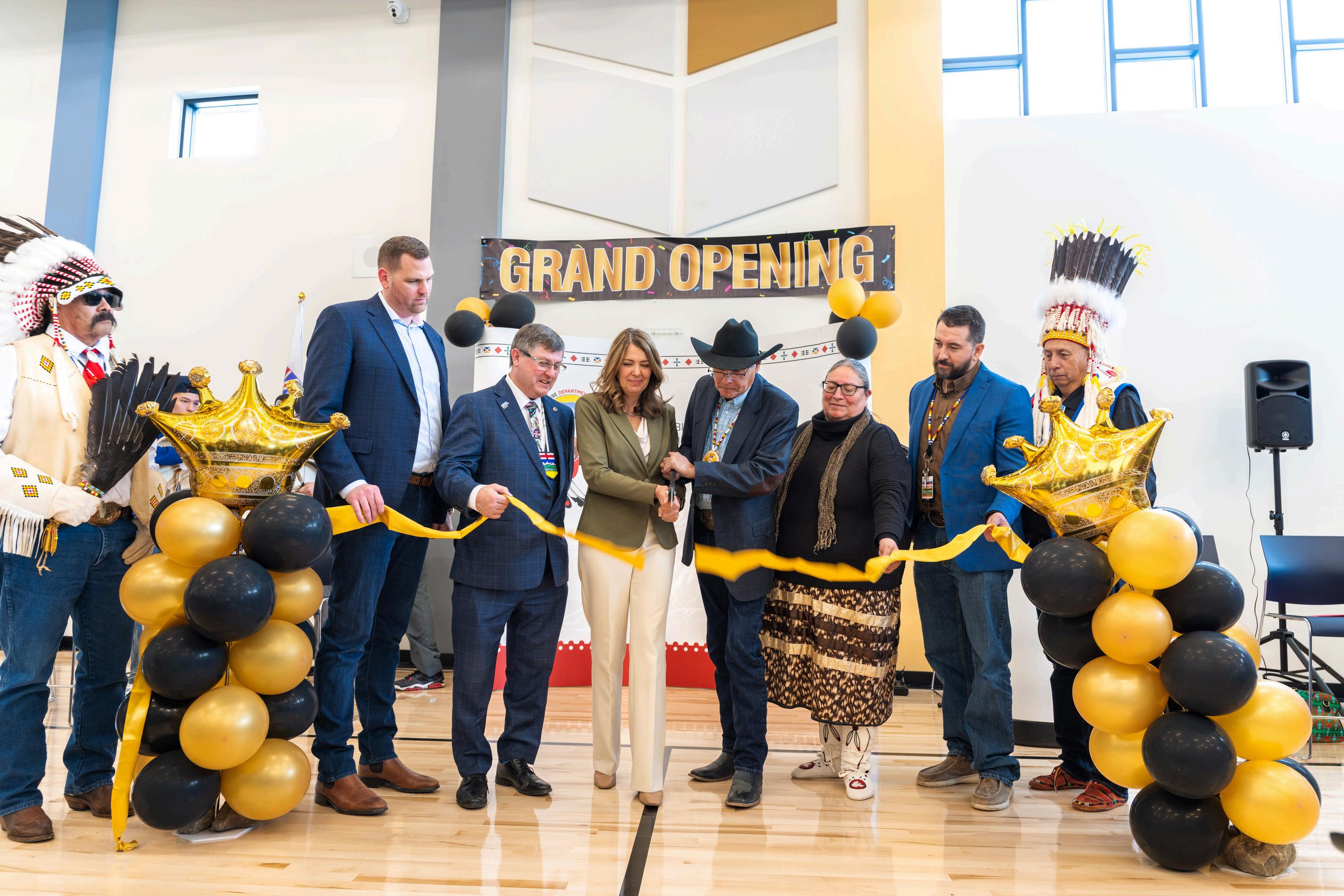
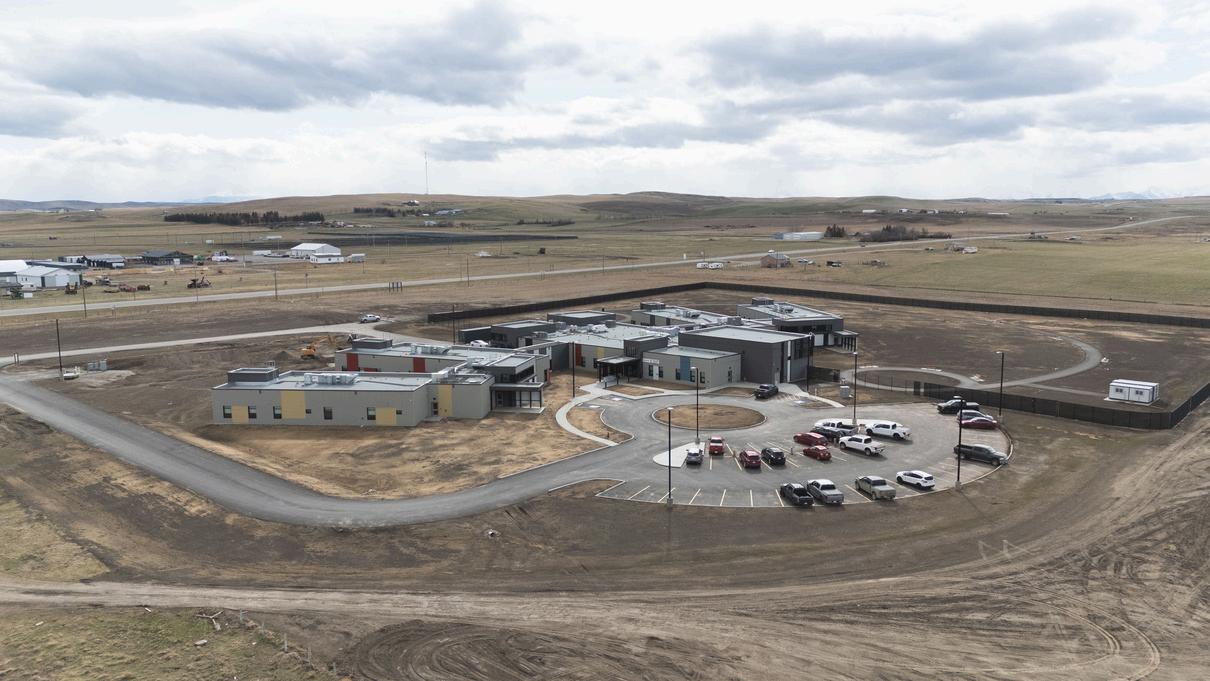
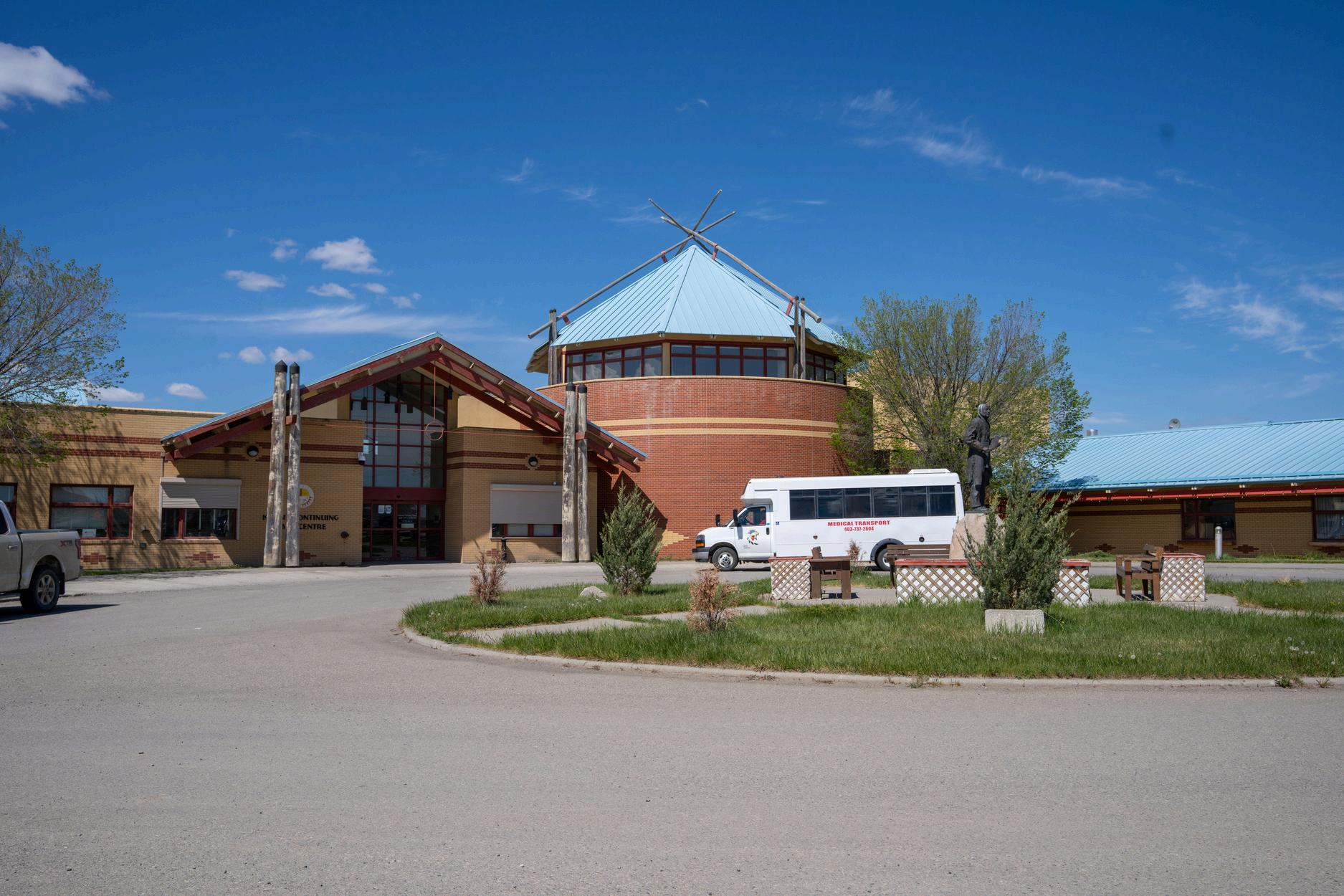
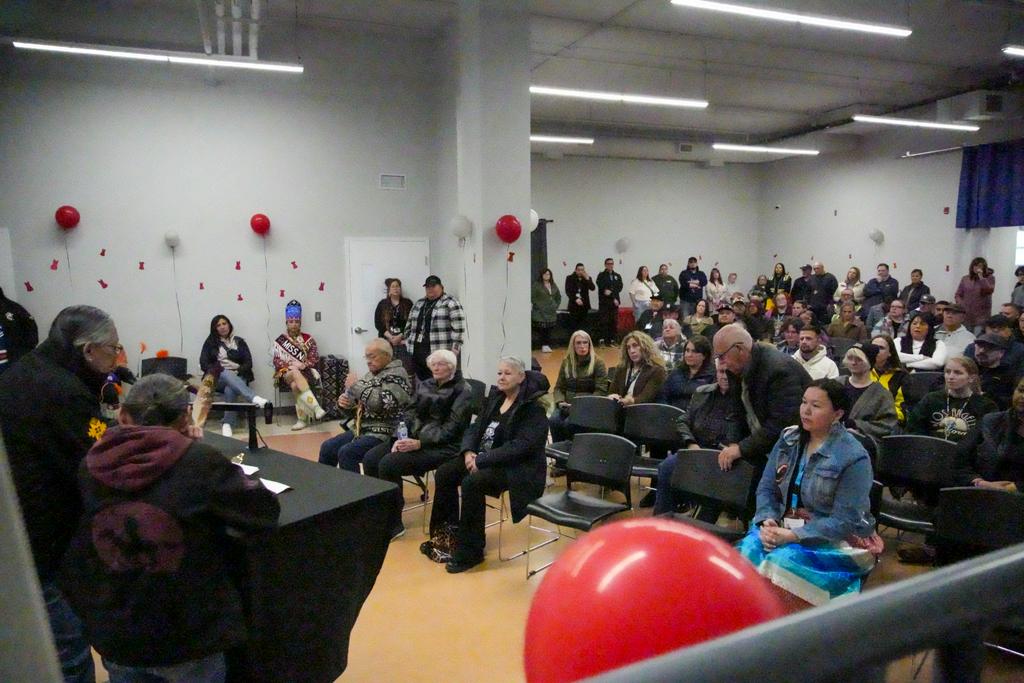
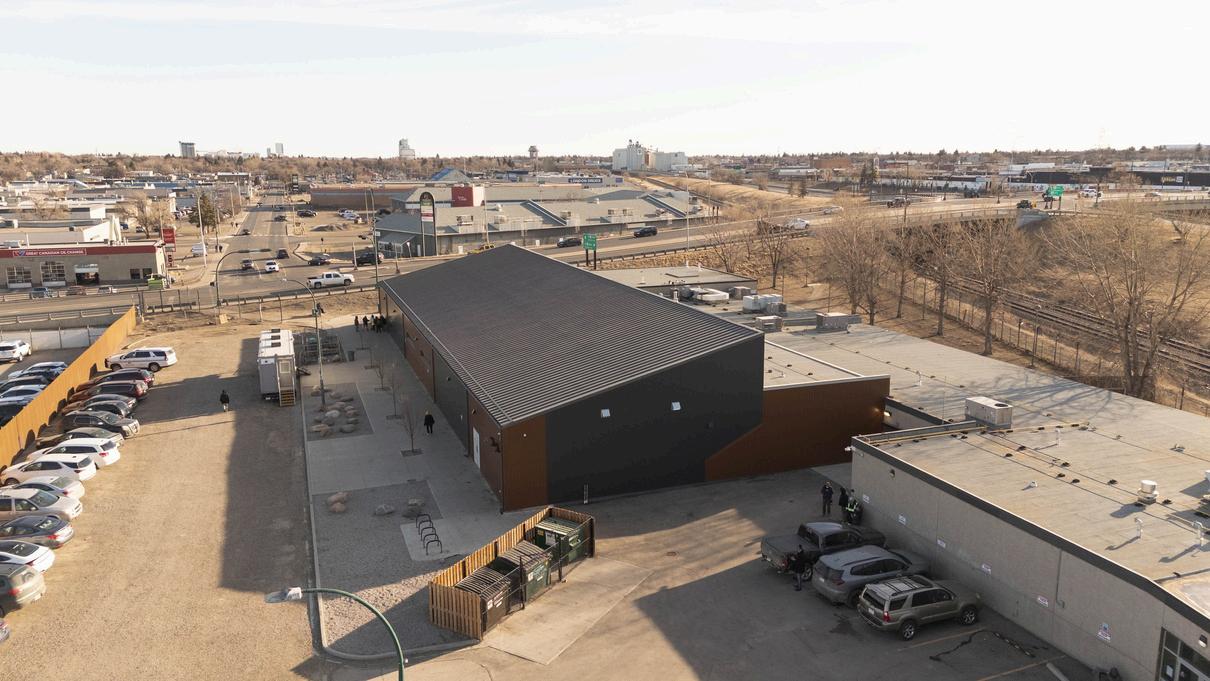
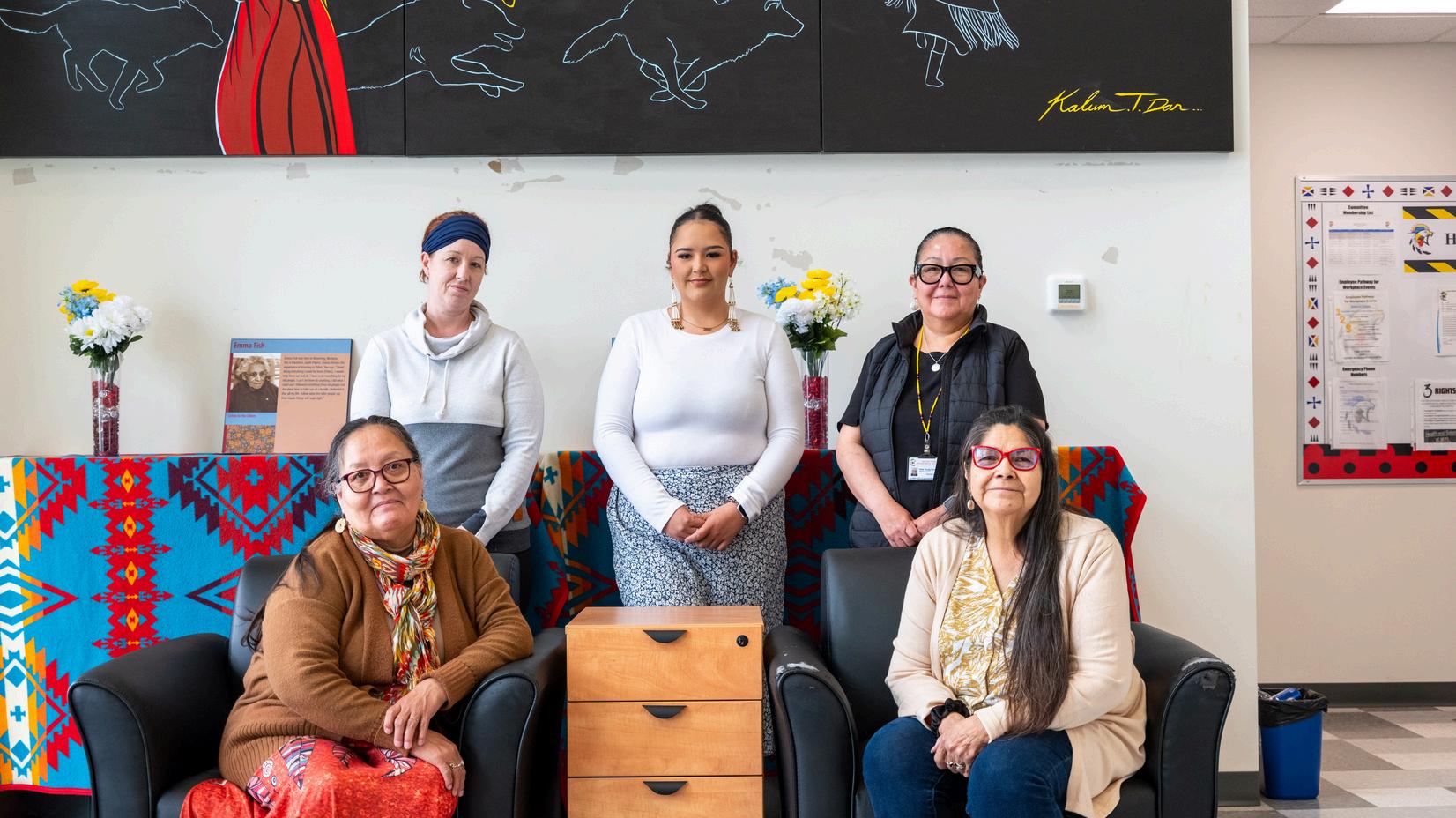
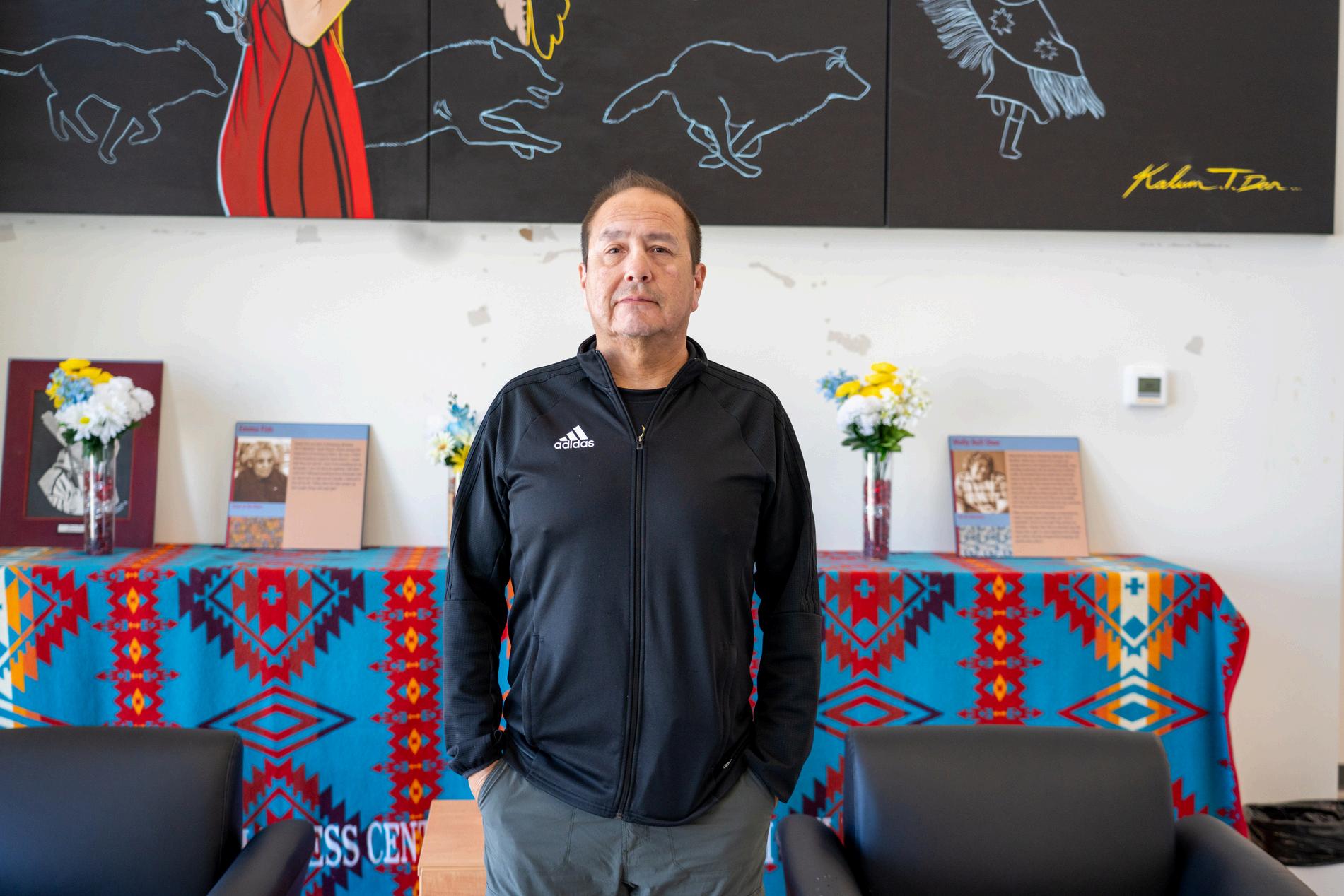
The Blood Tribe Department of Health (BTDH) marked a historic milestone in April with the grand opening of the Blood Tribe Iitakamotsiipiohsopi Recovery Community (BTIRC) the first Indigenous Recovery Community to open in Alberta.
Admission to the BTIRC program began on April 20, 2026. The 75-bed facility integrates key aspects of the Recovery Model, where residents support each other, hold one another accountable, and build healthy relationships within the community with traditional healing practices
BTIRC is guided by the Kainayssini (the Blood Tribe Elders Declaration) and rooted in Nipaitapiiyssinni (way of life) BTIRC offers a holistic approach to addiction treatment, combining evidence-based practices with a supportive community environment BTIRC utilizes the Alberta Recovery Community Model, providing a continuum of care including prevention, intervention, treatment, and recovery
BTIRC Frequently Asked Questions
What is the typical program length?
Clients can stay in the recovery community for up to one year and take part in programming that helps them improve their health and develop skills to support their recovery
How do I submit an application?
Applications must be submitted through email to the Admissions team and/or through an approved referring agency Btirc intake@btdh ca
What happens after an application is submitted by email?
After the application is submitted, it will be reviewed by Admissions. Applicants will then be contacted by phone or email to complete a phone intake. This step helps determine readiness for the program and outlines next steps toward admission.
Is the Iitakamotsiipiohsopi Recovery Community program free?
Treatment at Iitakamotsiipiohsopi Recovery Community is free for all Albertans and participants will have access to a range of services, including opioid agonist treatment medications, counselling, employment, training, cultural activities, as well as financial and housing supports
Is the Iitakamotsiipiohsopi Recovery Community the right fit for me?
Each client receives an individualized care plan and is assigned a peer mentor, who is in the later stages of recovery As people progress through the stages of addiction treatment and recovery, they assume greater personal and social responsibility within the recovery community
What makes someone ready for this program?
Readiness includes completing detox, being medically stable, and demonstrating a willingness to participate in structured programming and community living. Our goal is to ensure each resident is set up for success upon arrival.
Can I leave the program for appointments or personal matters?
Residents are expected to have their appointments and personal matters addressed prior to admission. The program does not provide transportation or accommodate leaves for external appointments during the early stages of residency
for more information and how to apply, please visit our website
Can couples attend the program together?
Couples may be admitted to the recovery community; however, the program is designed to support each individual’s personal healing journey While residing under the same roof, participants are expected to focus on their own recovery, including engaging independently in programming, goal setting, and personal growth
BTDH Hosts AHS NIPM Opening Ceremonies at Home
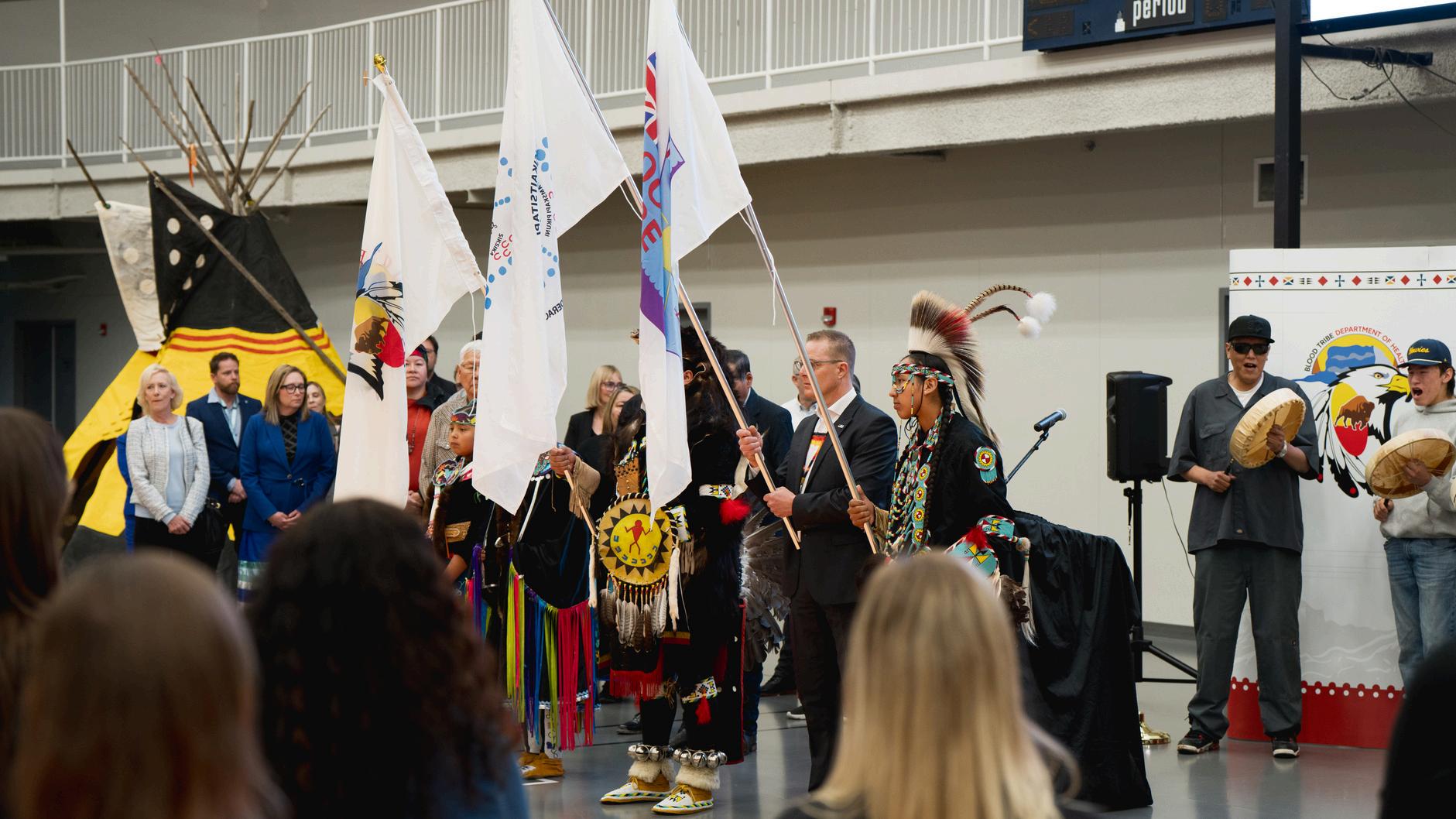
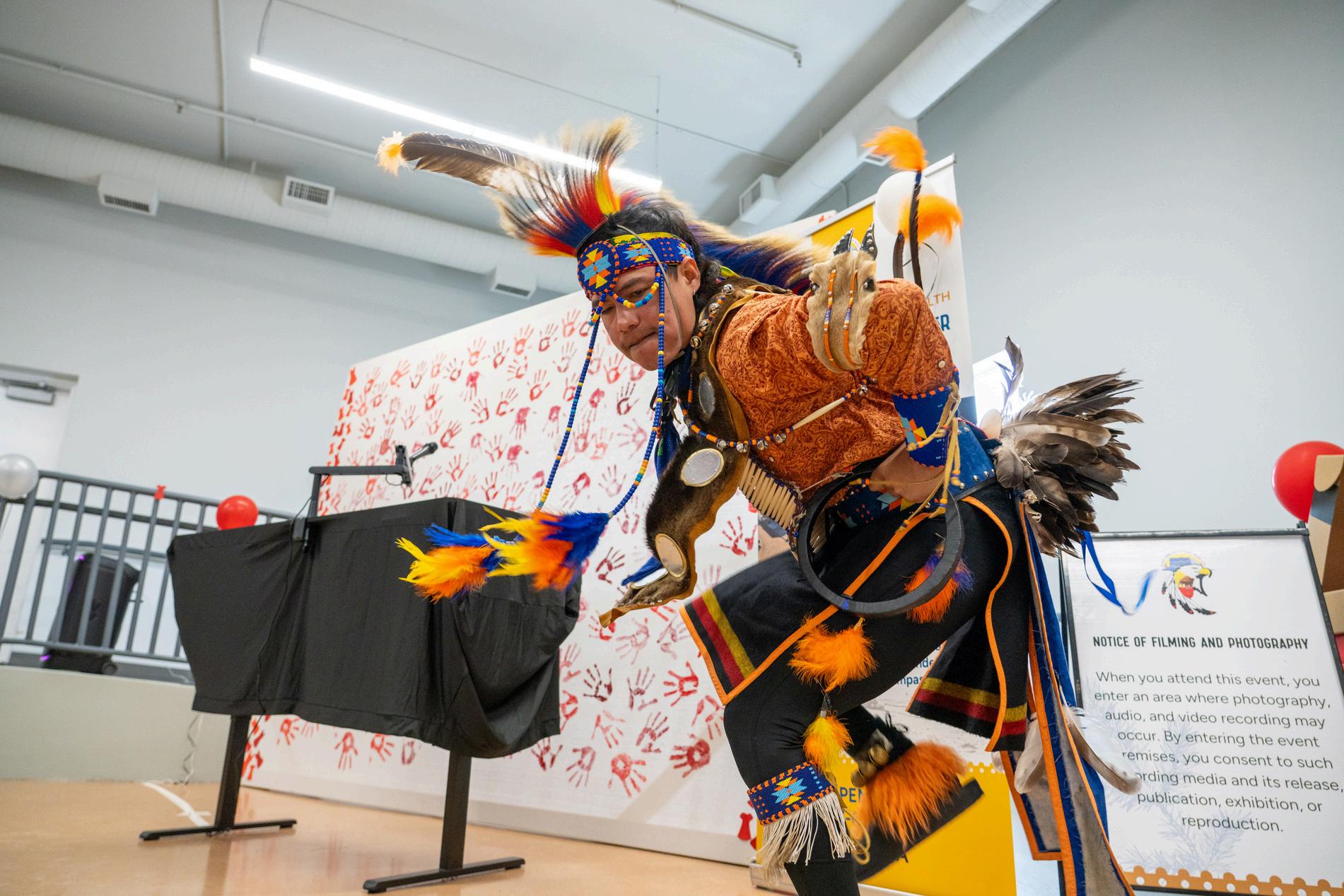
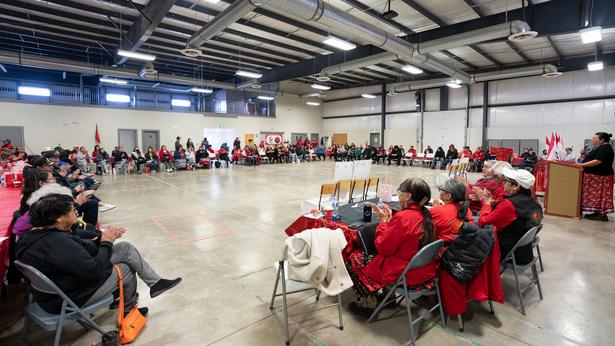
The Blood Tribe Department of Health proudly partnered with Alberta Health Services (AHS) Southwest Corridor to kick off National Indigenous Peoples Month Opening Ceremonies held at the Multi-Purpose Building in Standoff, AB on June 2, 2026.
National Indigenous Peoples Month is recognized throughout June, with National Indigenous Peoples Day celebrated annually on June 21 This year’s theme, “Embracing Cultural Safety,” highlights Alberta Health Services commitment to working alongside Indigenous partners, health teams, and communities to improve health outcomes and promote culturally safe care for Indigenous peoples across Alberta
“Promoting cultural safety in all health interactions and systems is a great way to show our Indigenous patients that their ways are still respected,” BTDH CEO Kash Shade stated
The Blood Tribe Department of Health is proud to partner with Alberta Health Services in providing health care services to improve health outcomes to the Blood Tribe community and Indigenous peoples across the region We would like to thank AHS partners and guest speakers Dr Sayeh Zielke, Les Fisher, Paul Weiss, Toby Schneider, Dr Kim Simmonds, Wayne LaBonte, Colin Zieber, and our many dignitaries and visitors that attended the opening ceremonies
View the Opening Ceremonies Event on the AHS youtube page Strengthening Cultural Safety Through Meaningful Partnerships
Bringing The Spirit Home
Bringing the Spirit Home (BTSH) is one of the first steps in the journey of personal recovery The BTSH program focuses on clients who are fighting drug and/or alcohol abuse and features a medical detox centre that includes mental health supports and resources The Bringing the Spirit Home program name comes from the Traditional Blackfoot meaning that many who are lost in addictions can lose their spirit, and this is where they begin to call their spirit back home
BTSH is a barrier-free space where many clients begin the spiritual journey that reconnects them to their traditional roots as Niitsitapii (Blackfoot). Once clients are stabilized, the next phase of recovery can begin. The program connects clients with guidance from Elders and traditional ceremonies; some clients even receive Blackfoot names. Many have never participated in their cultural background, but they now receive a name that grounds them with their spirit and community.
As each recovery journey is unique, the BTSH program tailors day-to-day meaningful activities to match what patients are seeking, whether spiritually, medically, or both BTSH provides health screenings, including Sexually Transmitted Blood-Borne Infections (STBBI) testing for infections such as HIV, Hepatitis C, Syphilis, and chlamydia The medical team will work with clients and partners across Alberta to ensure they receive proper treatment and care
For clients in the BTSH program who may need counselling, an AHS counsellor is available to diagnose clients with mental health and/or addiction issues Clients can also attend local activities and events with BTSH program facilitators, such as AA and other recovery programs in the community.
BTSH continues to provide detox services for the Blood Reserve and to other communities that utilize the program's services. The reduction in drug poisonings on the Blood Reserve in 2026 indicates that the BTSH program is a much-needed service.
Although the program caters to Blood Tribe community members, BTSH receives many clients who are nonstatus individuals, and many come from far away, such as from Manitoba to Ontario Clients will work with BTSH program case managers, who will create a treatment plan that focuses on their mental and physical health, and even those facing criminal justice issues Some clients will need to go home to address their personal issues and financial needs
So preparing clients to be in the right mindset to face these issues is paramount to their recovery; they are not just detoxed and sent out the doors; they are referred to other agencies, as it is key that clients are successful wherever they go.
The BTSH team continues to build strong connections and positive relationships with other agencies in the community and across Alberta.
BTSH Recovery Supports
How do I call my spirit back
For those who would like to start their journey on the road to recovery, please call 403-737-8600. A Blood Tribe Paramedic will ask for your name, Treaty Status Number, contact information, and the substance(s) of misuse. You must call by 8:00 AM to check whether beds are available; priority access is given to prenatal clients.
Starting the Detox Program
Once admitted, a standard stay is usually 3 to 10 days This is when clients are treated for any medical issues, a Sexually Transmitted Blood Borne Infections (STBBI) nurse will provide testing and treatment. The medical team will also connect the client to a general practitioner. Clients who do not want to attend treatment or who are in Relapse Prevention are permitted to stay for 10 days.
While in the detox program
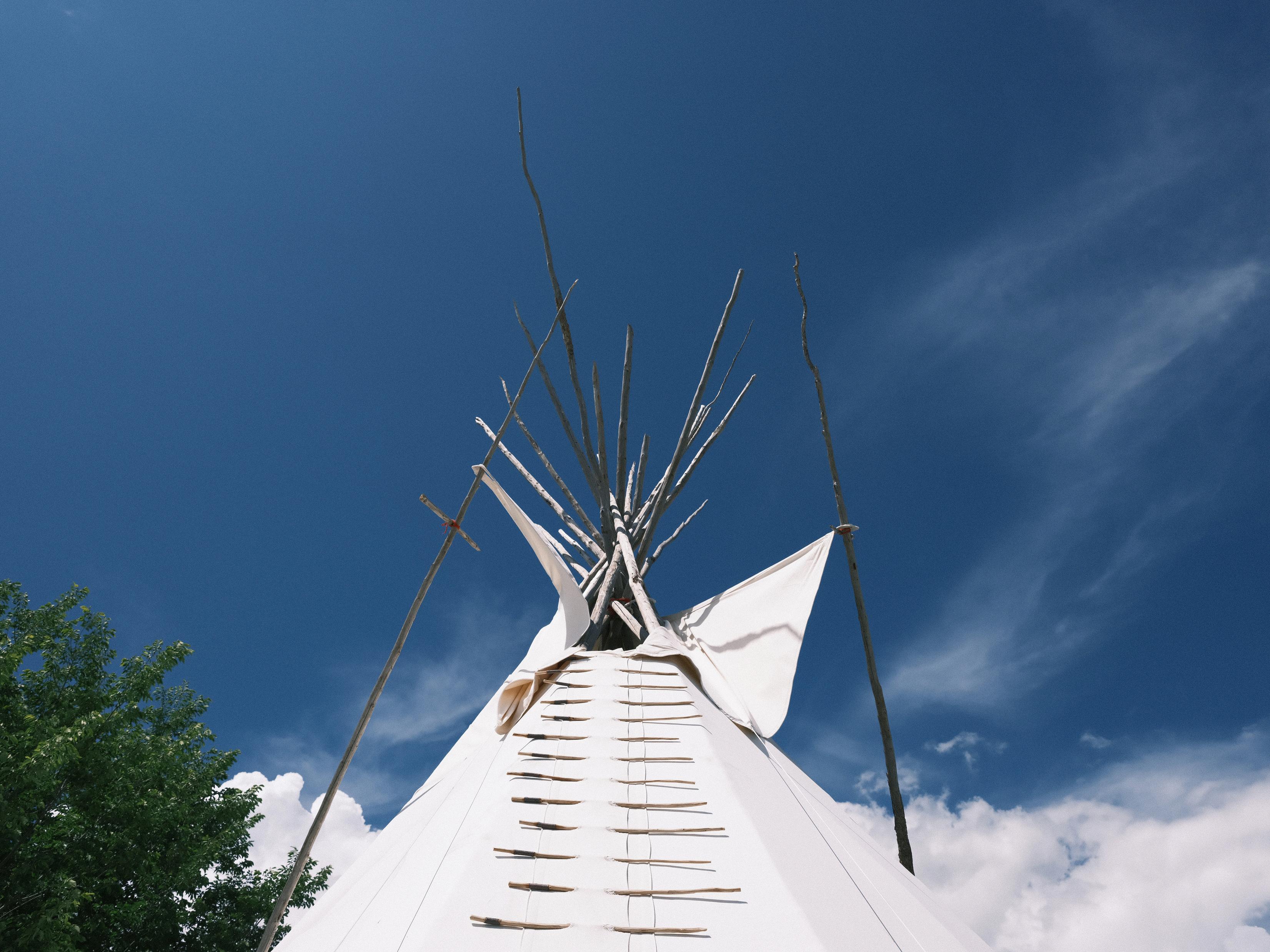
Clients will participate in daily group sessions unless they are in active withdrawal. These sessions focus on physical and mental health education, cultural teachings, face painting, traditional medicines, the history of the Blackfoot, and intergenerational trauma from residential schools During the spring and summer months, clients will engage in cultural activities such as tipi raising, sweetgrass and sage picking, sweat lodges, and cultural site visits
Detox to Pre-Treatment
Within 10 days, clients will work with a case manager to create a treatment plan, a relapse prevention plan, and submit applications to treatment/healing centers. Many clients who are dealing with mental health and addiction issues, an AHS counselor comes into BTSH to help with their next steps on their healing journey. Timelines for admission to a treatment facility may range from 18 days to 3 months, and clients may remain at the BTSH Detox facility until they are ready to attend.
After Care and Transition
BTSH case manager will work with clients on their next steps in planning for their aftercare services, such as those offered by the Kainai Transition Centre Society. As each client's recovery journey is unique, the BTSH program is usually the first step in their continuum of care to recovery.
What to expect and what can you bring
There is no cost to attend Bringing the Spirit Home, all meals and snacks are provided by the Blood Tribe Department of Health Nutritional Services For a full list of what you are allowed to bring please review the Bringing the Spirit Home webpage at btdh ca or contact the BTSH team at 403-737-8600
Important Updates to Medical Transportation & NIHB Services
Off-reserve clients are now required to deal directly with the Edmonton Referral Unit for all medical transportation needs. This includes:
• Booking transportation to medical appointments
• Requesting travel reimbursements
• All transportation-related inquiries
Please contact the Edmonton Referral Unit directly for any medical transportation requests or reimbursements going forward. The number to the Edmonton Referral Unit is 1-800-514-7106.
Reimbursement Forms Available Online and at BTDH Medical Transportation
Reimbursement forms can now be submitted online for faster processing Here is what you need to know:
• Reimbursement forms are available online please visit the NIHB website
• Physical (paper) reimbursement forms remain available through the Medical Transportation office for those who need them
Submit Receipts for Reimbursement Online
Express Scripts Canada delivers Health Information and Claims Processing Services on behalf of Indigenous Services Canada’s NIHB Program Community members using Express Scripts are encouraged to begin submitting their receipts for reimbursement through the online portal
A step-by-step instructional video on how to submit reimbursements online can be found by visiting Express Scripts Canada Website
Questions or need assistance?
All other NIHB requests and information including dental care, vision care, medical supplies and equipment, mental health counselling can call 1-800-232-7301 Have your full name, date of birth, and 10-digit treaty number ready when calling for services
Please contact our Medical Transportation office if you have questions or concerns please call 403-737-2604 or visit our website: www btdh ca
Clinical Updates
Iskskatist
Kootookistsi
“Watch your Kidneys” Dialysis Project
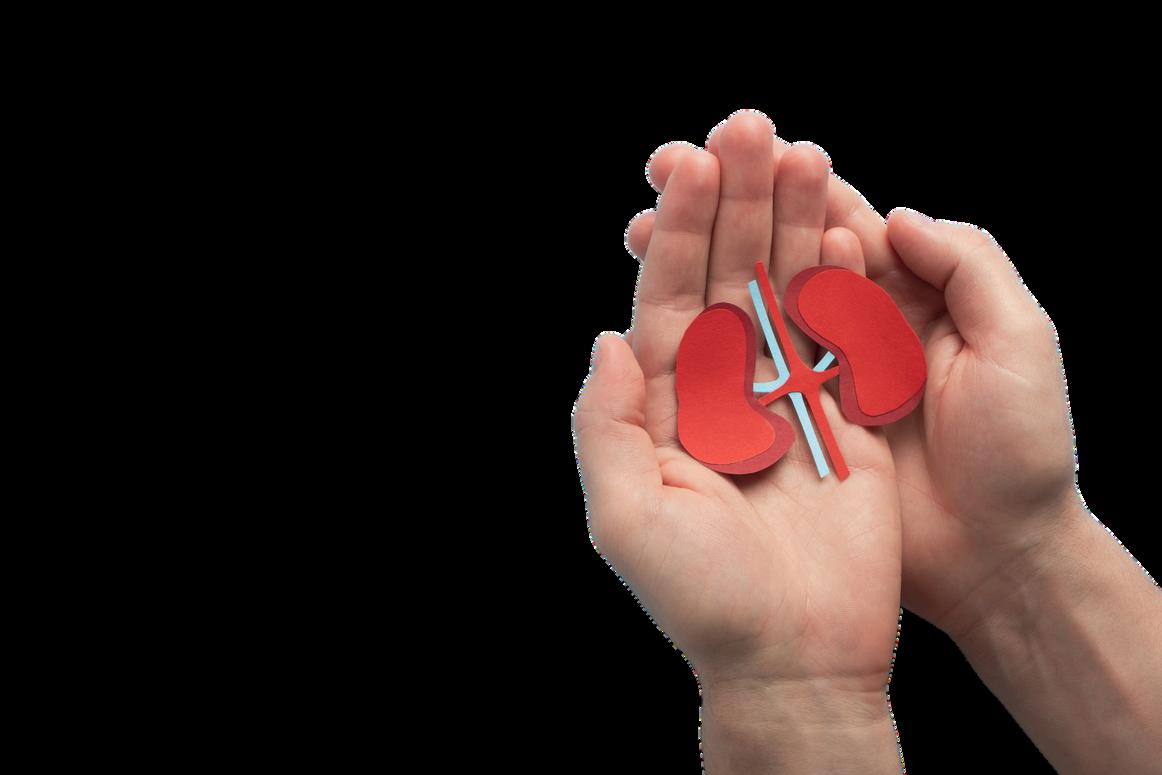
A pilot project led by the Blood Tribe Department of Health and supported by Alberta Health Services (AHS) is introducing Indigenous-led assisted home peritoneal dialysis options on the Blood Tribe.
Home peritoneal dialysis gives patients more freedom and flexibility in their schedule by eliminating the need for them to travel multiple times every week for treatment It also allows them to fit dialysis in day or night
While in the early stages and not widely available in the community, this project will help to guide future developments in dialysis support on the Kainai Nation
The program includes training for staff, patients and their families, as well as access to healthcare and physician support once they are set up at home A health care aide will assist patients with their peritoneal dialysis at home at minimum of five days per week.
Welcome to the Team Welcome to the Team
Wilma Spear Chief (Ookakii)
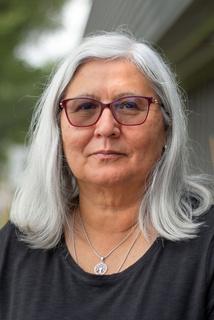
Wilma Spear Chief joined the Standoff Clinic as a Mental Health Counsellor. Wilma brings a wealth of deep community connection, and over 35 years of clinical experience in mental health and addiction.
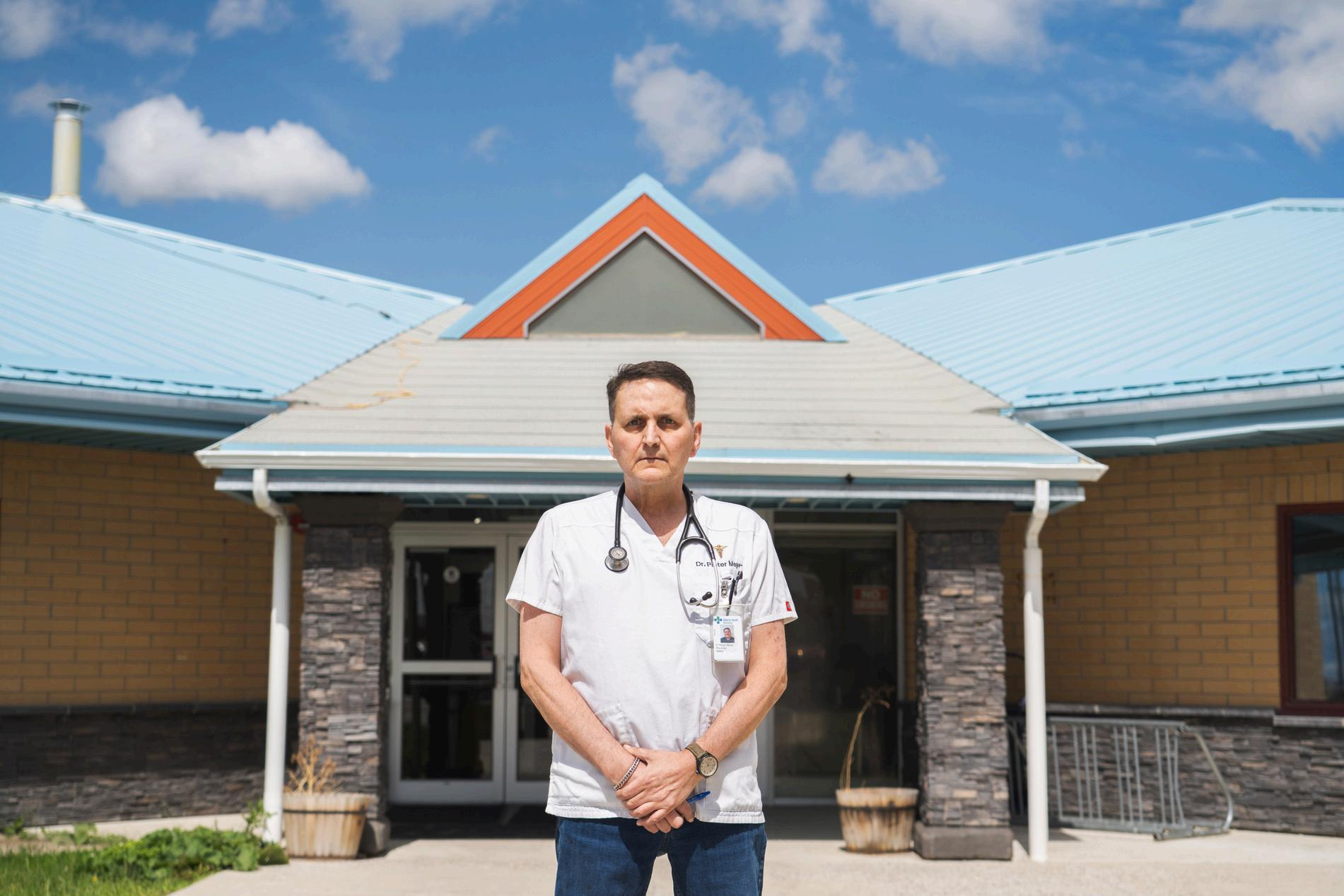
Dr. Pieter Meyer
Originally from South Africa, Dr. Meyer and his family recently returned to Southern Alberta, where they previously worked in Cardston and Standoff. With years of experience in family medicine and emergency care, Dr. Meyer is excited to reconnect with the community and provide compassionate, patientcentered care.
Anyone engaging in unprotected sex outside a mutually monogamous relationship is at risk of syphilis infection and other STIs.
Testing is available at Community Health, Standoff, and Levern Clinics For STBBI testing, please contact 403-737-3933 All services and supplies are confidential and free of charge
Sexually Transmitted and Blood-Borne Infections (STBBI)
The Blood Tribe Department of Health is here to support you STBBIs like HIV, Hepatitis C, chlamydia, and gonorrhea can affect anyone regardless of age or lifestyle We’re offering free, judgment-free information and supplies to help keep our community safe and informed
Available at the Powwow and BTDH Locations:
Free safe sex supplies and harm reduction kits
Information on STBBI testing, treatment, and prevention
Safe sex and safer use resources
Friendly staff available to answer questions
You can prevent getting an STI by:
Talking with your partner about using protection and about each other's history of STIs, before sexual activity
Learning how to use protection correctly Getting tested regularly for STIs, even if you don't have any symptoms
Getting immunized against hepatitis B and human papillomavirus (HPV)
Bringing the Spirit Home Outreach team provides supplies in the community. If you require any supplies, please contact 403-737-8600.
Kainai Diabetes Program Hosts Annual Walk/Run
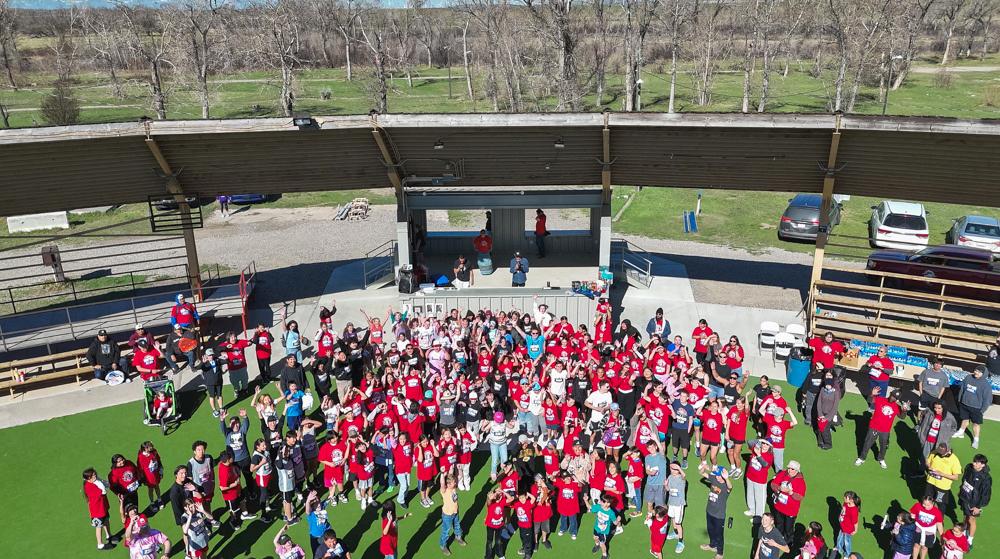
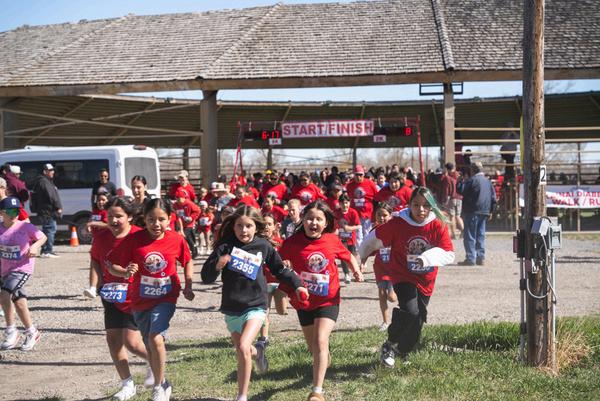
The Kainai Diabetes Program (KDP) hosted its annual Kainai Diabetes Walk/Run on May 6, 2026, at Red Crow Park in Standoff, AB Over 500 attendees participated, including students from the Kainai Board of Education, Piikani Board of Education, Westwinds School Division, Kainai Nation and surrounding community members, and supporters of active living.
First launched in 2014, the annual KDP Diabetes Walk/Run celebrates the importance of physical activity with those living with diabetes and to show our community that diabetes does not prevent individuals from leading healthy, active lives. Over the years, the event has continued to grow, bringing communities together in a positive and supportive environment while promoting health and wellness
The KDP team would like to thank all those who have collaborated and supported this year’s event including, Blood Tribe Department of Health staff, Blood Tribe Police Service, and Blood Tribe Emergency Services Special thanks to our sponsors: Lethbridge Bulls, Lethbridge Fitness Club, Bath & Body Works, Mountain Warehouse, and the Blackfoot Grill.
The team also recognizes Keira Scout for designing this year’s KDP Walk/Run t-shirt and offers special recognition to Barbara Williams-Freeman and Leslie Prenoslo who, started the annual Walk/Run and for their ongoing support to the Diabetes Program.
The Kainai Diabetes Program and Nutrition Counselling service provides comprehensive care, education, and support to individuals managing diabetes. Whether through dietary advice, lifestyle modifications, or ongoing support, the program aims to enhance the quality of life for those affected by diabetes in the Kainai community.
To book an appointment with KDP, please call 403-737-3933 or visit our website.
Tips to stay safe during cleaning BTDH COMMUNITY HEALTH
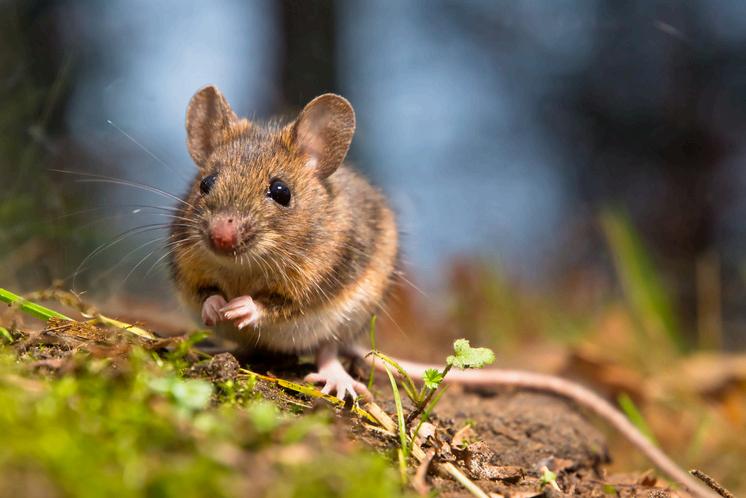
Hantavirus is rare but potentially deadly. Knowing how to prevent exposure can save your life. Before you start cleaning your shed, barn or house this season, there are some safety precautions you should take to protect yourself against hantavirus pulmonary syndrome (HPS). HPS is a severe, and sometimes fatal, respiratory disease contracted from rodents.
What is Hantavirus?
Hantaviruses are a group of viruses naturally carried by some rodents In Canada, they can cause Hantavirus Pulmonary Syndrome (HPS), a rare but serious and potential fatal lung disease
Risk in Alberta
The species of hantavirus found in Alberta is not the same species as the Andes hantavirus found on the cruise ship MV Hondius. Unlike the Andes strain, the strain found in Alberta does not spread from person to person
To reduce the risk of infection from all types of hantavirus, please stay away from rodents, and safely clean and disinfect areas contaminated by rodents
Common house mice are not known to carry or spread hantavirus
You cannot tell if a mouse is infected by looking at it, so treat all wild mice as a potential risk
Dogs and cats cannot be infected and cannot spread HPS to people
Symptoms of Hantavirus Pulmonary Syndrome (HPS)
Fever
Severe muscle aches
Fatigue
Coughing or wheezing
Sneezing
Possible headache, dizziness, chills, nausea, vomiting, or stomach pain
Note: HPS does NOT typically cause a runny nose, sore throat, or rash
After a few days of flu-like symptoms, HPS can rapidly progress to:
Sudden, severe difficulty breathing
Fluid in the lungs
Go to the Emergency Room immediately if you have trouble breathing after potential rodent exposure.
Contact BTDH Community Health 403-737-3933
Source: Public Health Agency of Canada
How do people get infected?
HPS is contracted by breathing in the virus when infected rodent urine, droppings, or nesting materials are disturbed
Enclosed spaces pose the highest risk You can also get infected by:
Touching contaminated materials and then touching your eyes, nose, or mouth
In very rare cases, from a mouse bite
High-risk activities include:
Sweeping or disturbing rodent droppings, urine, or nests
Cleaning a shed, cabin, or outbuilding closed for a long period
Working in barns or areas where mice may live
Keep Rodents Out
Seal all rodent-sized holes and gaps in buildings
Keep yards tidy and clear of debris
Store firewood away from structures
Use mousetraps
Store food, water, and garbage in tightly sealed containers
Before You Clean
Open doors and windows to air out the space
Leave the area for at least 30 minutes
Put on rubber gloves
Wear a N95 mask or equivalent
Do NOT sweep or vacuum droppings as this will spread the virus
Safe Cleaning Steps
Spray droppings with disinfectant or bleach solution (1 part bleach: 9 parts water)
Let soak for 10 minutes
Wipe with paper towels or a mop then place droppings in a sealed bag
Wash gloves in disinfectant and hot soapy water before removing
Wash hands thoroughly after cleaning
Clean any mops with disinfectant and hot soapy water
LETHBRIDGE WELLNESS SHELTER AND STABILIZATION UNIT PROGRAMMING SPACE GRAND OPENING
The Lethbridge Wellness Shelter and Stabilization Unit (LWSSU) held an official grand opening ceremony for its new programming space on April 24, 2026 The dedicated space provides clients with opportunities to access supports and resources, participate in cultural and spiritual programming, share meals, build connections, and engage in activities that promote wellness and recovery
The LWSSU is a program under the Blood Tribe Department of Health and operates in partnership with the Lethbridge Housing Authority, which manages the facility. Recognizing the need for additional space, the Lethbridge Housing Authority secured funding to begin construction on the LWSSU expansion, which raised capacity to 200 beds and revitalized a portion of the original shelter into the new programming space
“Homelessness has many different aspects, and providing a safe space to sleep is just one part of the solution,” LWSSU Acting Director Johnathan Daniels states “Being able to provide people an area to feel connected, learn new skills, and interact with peers helps promote a healthy lifestyle and support people on their path to recovery ”
OUR SERVICES: STABILIZATION AND SYSTEM NAVIGATION
We provide essential, short-term shelter with a focus on harm reduction and stability. Functioning as a culturally safe haven, the LWSSU offers immediate accommodation to address the crisis of homelessness We address basic needs first, providing guests with the physical and mental reprieve necessary to move out of “survival mode” and focus on their health, recovery, and the transition toward permanent housing
The strength of the LWSSU lies in our multidisciplinary team of Intake Workers, Wellness Monitors, Outreach Workers, Security, Team-Leads, Case Managers, Addiction Workers, Health Care Aids, Nurses, Facility Staff, and finally, a highly driven Management Team We utilize a person-centered approach to system navigation, recognizing that the barriers our guests face are complex Rather than simple referrals, we provide wrap-around support to actively bridge gaps in service We work diligently to facilitate successful warm transfers in critical areas:
Legal & Justice: Navigating court supports and connecting with legal counsel
Financial & Income: Assisting with applications for AISH, Alberta Works, and building financial literacy.
Housing & Shelter: Executing tailored searches for sustainable accommodation and completing housing referrals
Health & Recovery: Proactively researching treatment pathways, waitlists, and entry requirements to support the continuum of care Complex Needs: Specialized advocacy and coordination for PDD (Persons with Developmental Disabilities) and cognitive support agencies
LWSSU Programming Space Grand Opening
Providing people with an area to feel connected, learn new skills, and interact with peers helps promote a healthy lifestyle and support people on their path to recovery.
The Lethbridge Wellness Shelter and Stabilization Unit recognizes the challenges and barriers faced by people experiencing homelessness and addictions. Through addictions counselling, non-clinical support (individual and peer), and connections to recovery resources, the program works to assist clients in accessing the services and supports they need.
“We’ve had people who have had become homeless and were able to use the programming space to meet with caseworkers, find housing, and move on to the next step in their journey, ” Daniels added “I feel really fortunate to see the impact this space is having, especially seeing people being able to connect with cultural programming ”
For more information on what services and supports the LWSSU provides or are seeking help for yourself or a loved one, please visit the btdh ca website or call 587-612-5356
Eligibility and Access Guidelines
Services are designated for adult community members ages 18+.
We are currently unable to accommodate children or dependants at this time
Priority access is given to individuals currently experiencing homelessness or housing insecurity
Guests must be ambulatory and able to move from bed to facilities unassisted
Guests must be capable of managing their own hygiene and toileting needs
Certified service animals are welcome; however, personal pets are not permitted at this time
Guests must possess a willingness to engage with our team on health improvement, recovery planning, and housing stability
Guests must consent to safety standard searches and secure storage of personal belongings to maintain a secure facility.
Wellness Program
Women’s & Men’s Support Groups
The Blood Tribe Department of Health Wellness Program offers Women’s and Men’s Support Groups that provide a safe and supportive space for Blood Tribe members to discuss important issues affecting individuals, families, and our community These groups are in support of mental health and addictions counselling services available through the Wellness Program
“The peop Prog Chie intim expe
The s 2025 com loss,
“We feel these groups are needed in our community to assist in the development of our male members of our tribe,” says Wellness Program Client Case Coordinator Troy Many Fingers “We need to fully understand our Blackfoot way of life and help develop the coping skills to deal with our issues and discover who we really are as Blood Tribe men.”
Please visit btdh.ca/calendar for upcoming sessions
Location: Wellness Program Building
The Men’s Support Group is intended to foster brotherhood and meaningful conversations to promote personal wellness Discussion groups include topics such as colonization/decolonization, addictions, mental health, culture, roles and responsibilities of men within culture
“One thing we promote through the Wellness Program is that true healing comes from counselling,” adds Many Fingers
The Wellness Program’s Women’s and Men’s Support Groups are open to anyone over 18 and are held monthly with a break during the summer months. To learn more about upcoming sessions, please visit btdh.ca/calendar or contact the Wellness Program at 403-737-3883.
Red Dress Day Event Brings Awareness to MMIP Initiatives
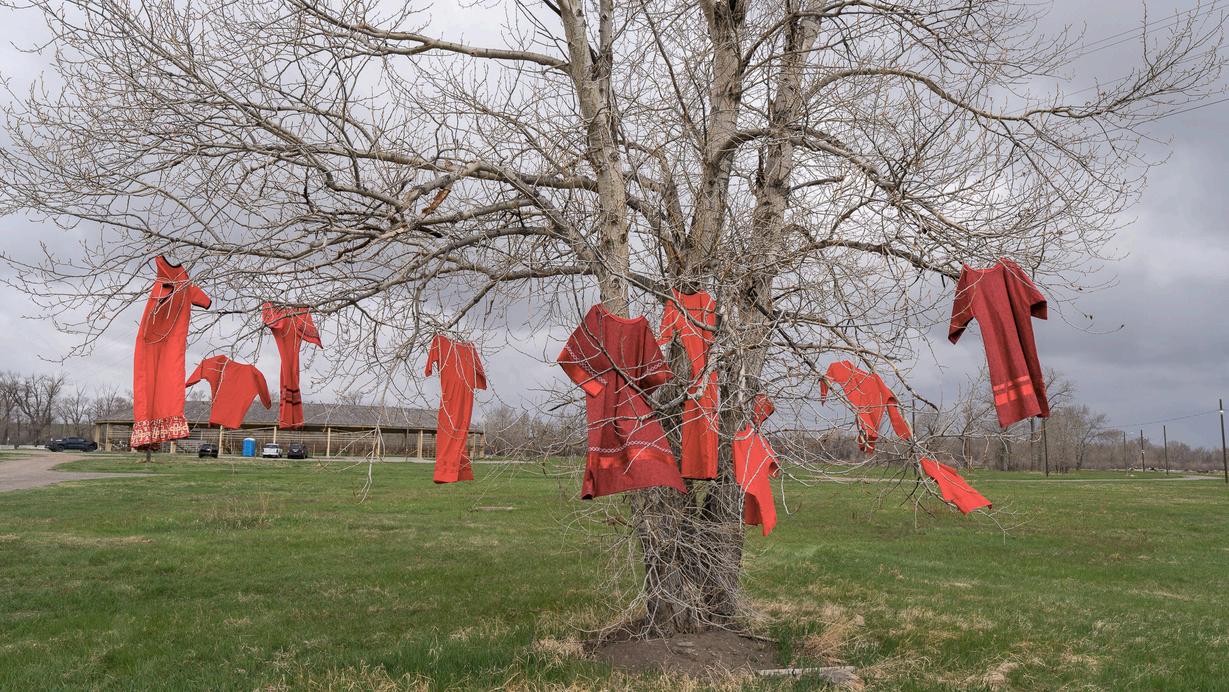
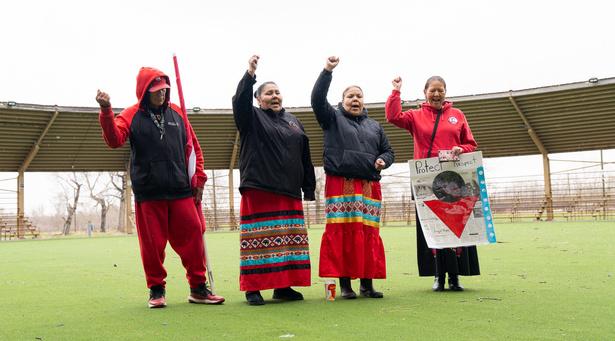
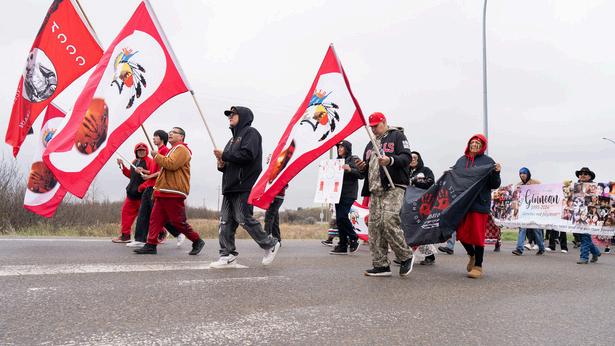
On May 5, 2026, the Wellness Program hosted the Missing and Murdered Indigenous People (MMIP) Red Dress Day Honour Walk The MMIP Walk began with an MMIP song by Sandra Many Feathers to honor those lost to violence and murder Attendees walked from the Red Crow Park to the White Calf Hall in Standoff, AB
Blood Tribe Department of Health CEO, Kash Shade, gave opening remarks, and the event organizer, Community Engagement Worker Gloria Chief Moon, spoke about the causes and disproportionate victimization of Aboriginal women and girls.
Dolly Creighton, the Trauma-Informed Health and Cultural Support Program (TIHCSP) Community Engagement Worker, presented on the intergenerational legacy of residential schools
Indian Residential School Community Engagement Worker, Keith Chief Moon, gave insights into the justice side of the ongoing fight to represent the MMIP and interactions with the Canadian Government The event was closed with an MMIP Song
for more information on Wellness program supports, please visit our website
Health and Safety
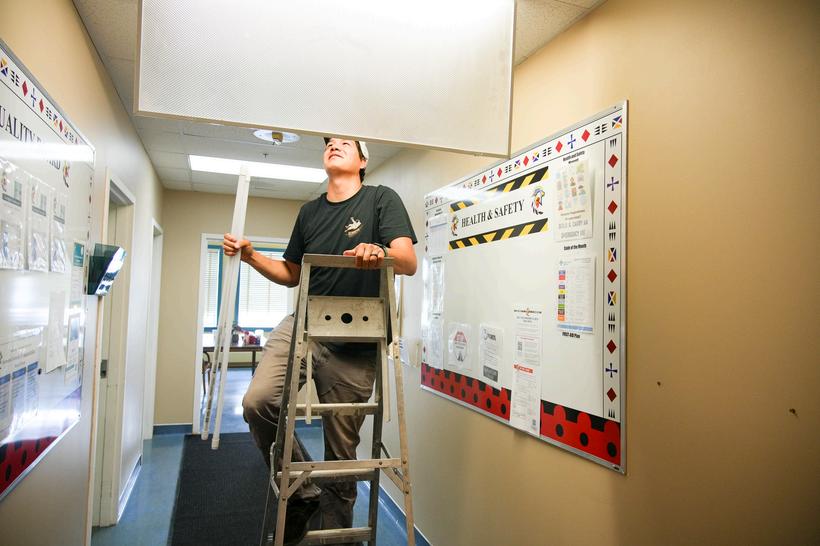
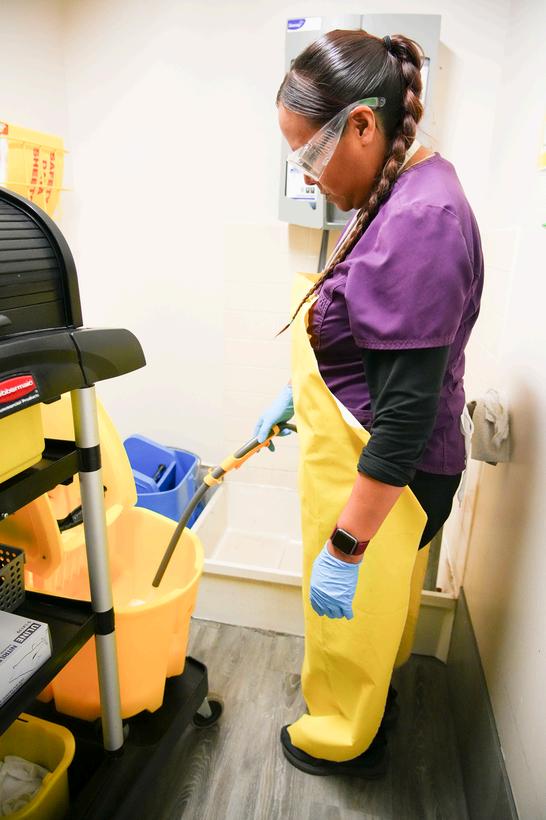
PJ Fox-DeWolfe is the Health and Safety Advisor for the Blood Tribe Department of Health (BTDH). Fox-DeWolfe advises the BTDH employees on all matters related to occupational health and safety.
Health and Safety is an area under BTDH’s Quality Control program, which ensures a smooth rollout of policies, procedures, and processes to increase health, safety, and wellness at BTDH.
This responsibility includes rights, and as the Health and Safety Advisor, PJ is here to ensure all employees understand their rights as workers. These rights include;
1 The right to know about workplace hazards
2 The right to participate in keeping the workplace safe and healthy
3 The right to refuse work that may be dangerous
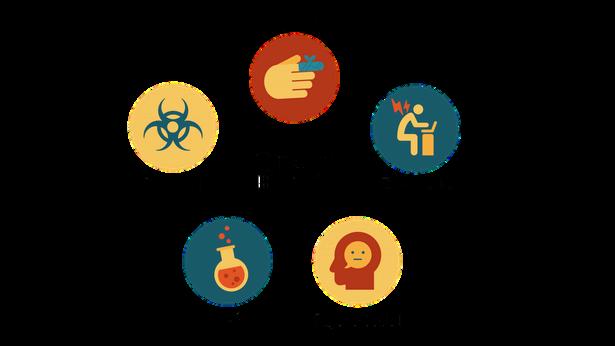
A major obligation as the Health and Safety Advisor is to assess and mitigate hazards in our workplace More recently, the Quality Control team has begun implementing our Hazard Assessment and Control Checklist (HACC) process across the BTDH programs
A key component of the HACC process is identifying workplace hazards and applying controls that prevent illness or injury
Hazard Awareness is the primary outcome Health and Safety strives for, and this is emphasized by ensuring that everyone understands their responsibility for keeping the workplace safe.
Generally, as the Health and Safety Advisor, PJ is here to always advise on the best safe workplace practices at BTDH, especially in the summer months With that, here are some summer safety tips, along with examples of hazard identification in our workplace
EXTREME HEAT
Everyone is at risk of heat illness, especially during outdoor celebrations. Take extra care of:
Elders
Infants and young children
People with chronic medical conditions
Dancers
Ways to Beat the Heat!
Hydrate
Drink plenty of water!!
*AVOID* Caffeine, High Sugar Drinks & Alcohol
Dress for the Weather
Wear light, breathable clothing
Remove excess layers when able
Use a hat and sunscreen
Stay Cool
Rest in the shade or designated cooling tents
Take breaks and go indoors
Watch for signs of heat illness in yourself and others