My Role
When I first began my placement at Cirdan, I started by working on smaller user stories within the Ultra team. This phase helped me understand the Ultra software platform and its design system. Using Figma, I created mockups to familiarise myself with the design language, UI components, and the reasoning behind key design choices. These early tasks gave me a strong foundation and context for how the platform functioned and served users in clinical environments.
Over time, my responsibilities gradually evolved. I was given more responsibility in managing the mockups I worked on and was eventually entrusted with more complex and important stories. This also extended beyond the Ultra platform, as I began to work on design tasks for other Cirdan software products as well. This cross-product exposure broadened my understanding of how different tools supported various aspects of clinical and laboratory workflows, and gave me the opportunity to adapt my design approach to fit different user needs and technical contexts.
I contributed to key projects like the Specimen Dispatch and Receipt feature in Ultra Web, adapting it from older interfaces. One major responsibility was redesigning the Patient Portal, working on its structure, interface, and supporting assets such as App Store graphics and the app icon. I also helped update the existing Practitioner Portal, contributing to layout, visual styling, and accessibility. I also worked on the design of a new workflow engine for Ultra, a powerful feature that allows users to build and customise forms to suit their individual laboratory needs. Each project deepened my understanding of user-centred design in a healthcare context.
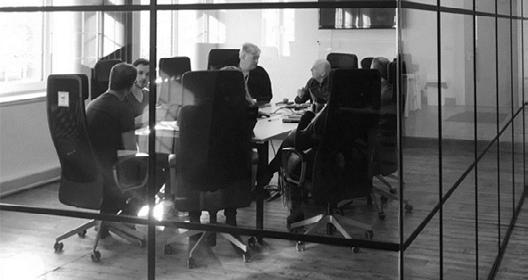
Collaboration was an essential part of my placement. I worked closely with lab analyst placement students, whose insight into real-world lab practices was invaluable when designing features. Their input helped ensure that my design solutions aligned with actual workflows and user priorities. I also collaborated extensively with both front-end and back-end developers. This allowed me to better understand the technical constraints of the systems we were building, and to adjust my designs accordingly. I regularly communicated with developers to ensure that the handoff process was smooth and that any adjustments needed during implementation stayed true to the user goals.
Because I also worked on projects outside of Ultra, I had the opportunity to collaborate with separate development teams working on other Cirdan products. Each team had different approaches to problem solving and development, which gave me exposure to a range of design and engineering practices within the company. This collaboration across teams helped me understand how different tools and products connect under Cirdan’s wider ecosystem and allowed me to develop my communication and design skills.
An important part of my design process involved gathering feedback from real users, including lab analysts and pathologists. On multiple occasions, I was able to see how users interacted with my designs and listen to their responses first-hand. This feedback was incredibly helpful for refining the features being developed and improving their usability. Being able to test designs directly with end-users greatly improved the quality of the product and also gave me first hand experience of the value of feedback-driven design.
Reflection and Evaluation
Placement Competencies
During my placement, I developed soft skills I’ll carry into my final year and career. Most notably, my confidence grew. Early on, I often second-guessed design decisions or hesitated in group discussions. Over time as I received regular feedback and was given opportunities to lead design work, particularly during the Patient Portal redesign, I became much more selfassured in presenting ideas, defending design choices, and collaborating.
Teamwork played a major role throughout my time at Cirdan. Working within the Ultra team meant coordinating daily with software engineers and lab analysts. These collaborative environments taught me how to clearly communicate ideas, listen to feedback, and compromise when needed to meet technical or clinical requirements. Adaptability was also key, especially when balancing multiple priorities or when navigating unclear requirements. I found that my ability to remain organised, proactive, and receptive to change greatly improved over the course of the year.
Learning and Skills

My proficiency in Figma improved significantly. While I had used it previously at university, the scale and complexity of the work at Cirdan gave me the opportunity to take full advantage of design systems, auto layout, components, and variants. I learned how to design more efficiently while maintaining consistency and scalability across product features. I also became much more comfortable working with Jira for task management and Confluence for documentation as I had previously never used either of these software. These tools helped me understand how design fits into the broader agile workflow. In addition, I gained valuable exposure to working with a live design system. By the end of the year, I had contributed components and maintained consistency across product updates in Ultra. A highlight was learning how to document and present designs effectively for both technical and nontechnical audiences, particularly when sharing handoff files with developers or preparing visuals for internal demos.
Response to Feedback
At Cirdan, feedback was always treated as a normal and productive part of the design process. In the early months, I sometimes hesitated when receiving critique, especially in large meetings. But as I gained experience, I started to really appreciate how helpful constructive feedback could be. I learned to approach reviews with an open mind and began to actively request feedback at earlier stages in the design process to avoid major revisions later. During design reviews, whether with other designers or product managers, I made an effort to present rationale behind my choices and ask questions when something was unclear. One particularly useful habit I developed was versioning my designs, so I could show how a screen or flow had evolved in response to feedback. It helped me communicate more clearly and gave stakeholders confidence in the direction of my work. One of the most important pieces of advice I received was to never delete any work, instead any changes made should be made on a duplicate version of the mockup so that you can always refer back to previous versions.
Challenges, Achievements and Disappointments
Early on, understanding Cirdan’s complex products was challenging. Ultra supports diverse clinical workflows which were unfamiliar to me, so I spent time asking questions, reviewing documentation, and consulting lab analysts to grasp how it’s features supported medical users. While it was difficult at first, this process became one of the most rewarding aspects of the placement. A personal achievement I’m proud of was leading the redesign of the Patient Portal. This project gave me the chance to take ownership of a feature from early discovery all the way through to prototyping and developer handoff. Seeing my work contribute directly to an improved patient experience was incredibly motivating and validated my growth as a designer. One disappointment was not being able to conduct much direct usability testing with end users. Due to the sensitive nature of Cirdan’s domain, access to clinical users was limited. While I was still able to test ideas with internal staff, I missed the opportunity to observe user behaviour firsthand more than a handful of times throughout the year while on my placement.
Impact of the Placement
This placement greatly shaped my understanding of the designer I want to be. Before, I was unsure whether to specialise in UX, UI, or related roles. After working on healthcare products, I discovered my passion lies in usercentred design, balancing user needs with technical and regulatory demands.. It’s also helped me recognise the kind of environment I work best in: one where design is collaborative, well documented, and backed by continuous iteration. I now feel much more prepared for future roles and more confident in navigating professional settings. In contrast I now would also like to experience what working for a design agency that partners with several brands/companies with varying needs and brand images. One element of design that is often further down the list of priorities within the medical field is creative and visually interesting or impactful design, this is one aspect of design I am looking forward to developing my skills and gaining experience in throughout my future work as a student and also in a professional setting.
Personal and Professional Development
Looking back, the growth I’ve experienced both personally and professionally has been substantial. I’ve become more comfortable taking initiative, asking for help, and managing my own deadlines without relying on constant supervision. My communication skills, especially around design justification, have improved a great deal and I now feel confident participating in technical discussions and stakeholder presentations. I’ve refined my design process, learned how to navigate legacy systems, and improved how I present my work. Personally I’ve also developed more patience, empathy, and adaptability which I know will continue to serve me well beyond my time at university.
Conclusion
My placement at Cirdan greatly helped me grow as a designer and individual. One key lesson was the value of collaboration and clear communication in a professional design setting. Being part of a broader team taught me how to take on feedback, justify my decisions, and stay adaptable when priorities shifted. Throughout the year I’ve become more confident in my skills, more aware of my strengths and areas for improvement, and more comfortable contributing to larger projects. This development has not only improved my design thinking and technical abilities but also given me a much clearer idea of the kind of work I want to pursue in the future. This placement has prepared me for the challenges of final year by giving me real world experience in managing workload, meeting deadlines, and working to design standards. I feel more focused and motivated going into my final year and excited to carry everything I’ve learned into my future career after graduation.
Acknowledgements
I sincerely thank the team at Cirdan for making my placement year valuable. In particular, Megan, Natasha, and Jing were incredibly supportive, and their guidance greatly contributed to my professional and personal growth
I am also very thankful to Cirdan as a company for giving me the opportunity to join their team and gain practical experience in a professional environment. The welcoming culture and collaborative spirit made it a truly rewarding place to learn and develop my skills.
Finally, I want to thank my tutors for their continued support leading up to and throughout my placement. Their advice and encouragement helped me stay focused and confident during the year, and I appreciate their availability whenever I needed assistance.