Explore Apollo 11’s historic moon landing and its lasting impact on human exploration
Apollo 11 Remembered

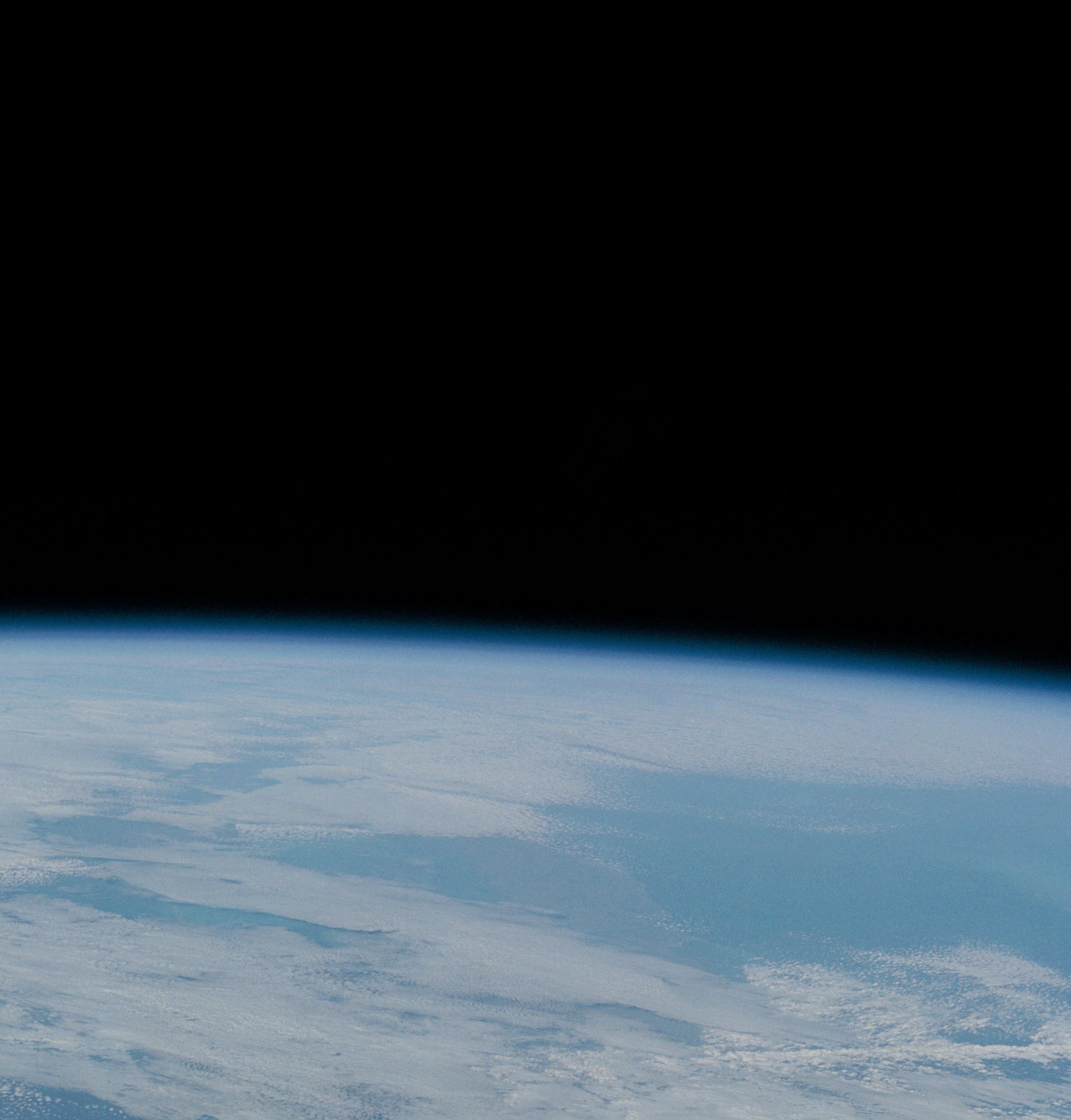

Explore Apollo 11’s historic moon landing and its lasting impact on human exploration
The Apollo 11 mission of 1969 was the first successful landing on the moon, a monumental achievement that inspired global wonder and ignited a new era of exploration.
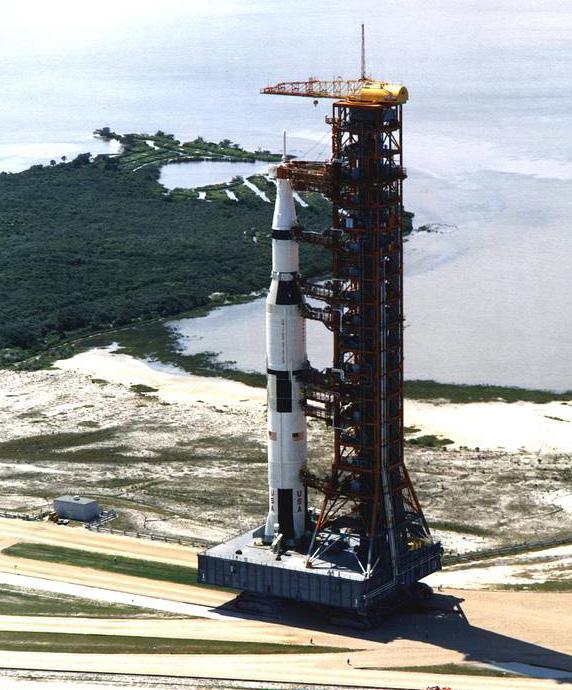
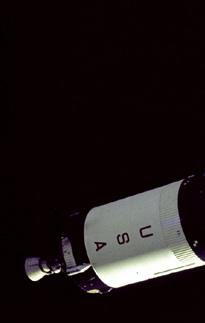
With a thrust of approximately 34.02 meganewtons (7.6 million pounds-force) at liftoff, the Saturn V harnesses an unprecedented amount of power to propel itself into space. Its first stage alone, powered by five F-1 engines, generates more thrust than 85 Hoover Dams. Moreover, the rocket’s velocity at the end of its first stage burn exceeds 8,800 kilometers per hour (5,500 miles per hour), propelling it towards the edge of Earth’s atmosphere with incredible speed and precision. These remarkable feats of engineering make the Saturn V not only the largest and most powerful rocket ever built but also a symbol of humanity’s unyielding quest for exploration and discovery beyond the confines of our home planet.
The Saturn V rocket, standing at an impressive height of 111 meters (363 feet), or approximately as tall as a 70-story building, is a towering symbol of human ingenuity and achievement. With its colossal size and formidable presence, the Saturn V commands awe and admiration, dwarfing everything in its vicinity as it prepares to embark on its monumental journey into the depths of space.
Weighing in at a staggering 3,038,500 kilograms (6,698,700 pounds), the Saturn V is equivalent in weight to approximately 12 blue whales, the largest animals on Earth. In addition to its towering height and staggering weight, the Saturn V rocket boasts an array of impressive statistics that underscore its status as a marvel of engineering and technology.
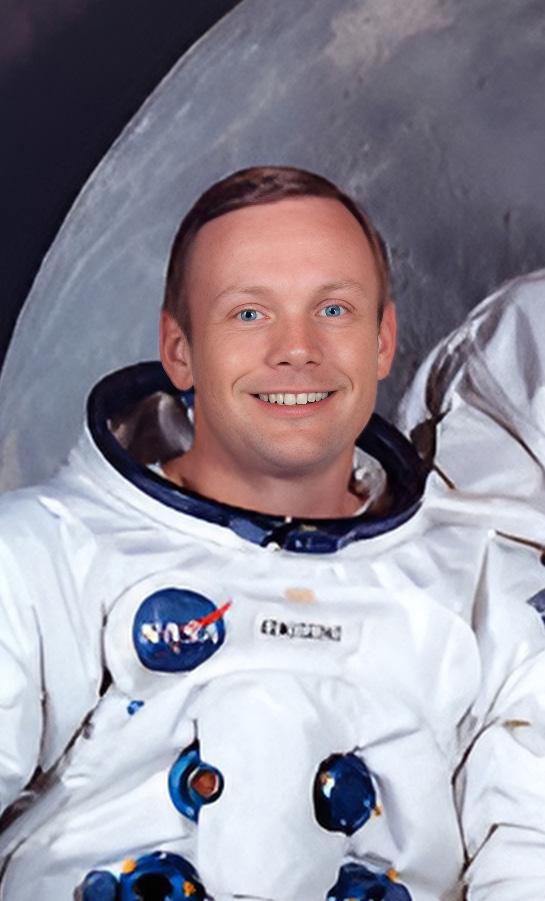
Neil Armstrong’s life was marked by a profound dedication to aviation and exploration. Born on August 5, 1930, in Wapakoneta, Ohio, he was the eldest child of Viola Louise Engel and Stephen Koenig Armstrong, a state auditor. From a young age, Armstrong exhibited a keen interest in flight, which was ignited when he experienced his first airplane ride at the age of 6.
His passion for aviation led him to earn his pilot’s license on his 16th birthday, setting the stage for a remarkable career in aerospace. In 1947, Armstrong became a naval air cadet, laying the foundation for his military service during the Korean War. His commitment to serving his country did not deter him from pursuing his education.
Neil Armstrong enrolled in Purdue University in West Lafayette, Indiana, where he studied aeronautical engineering. However, his academic pursuits were momentarily interrupted by his military service. Upon his return, he completed his degree in 1955.
Following graduation, Armstrong embarked on a career as a civilian research pilot for the National Advisory Committee for Aeronautics (NACA), the precursor to NASA. His role involved testing various aircraft, including supersonic fighters and the pioneering X-15 rocket plane. His proficiency and dedication earned him more than 1,100 flight hours, solidifying his reputation as an exceptional pilot and contributing to advancements in aerospace technology.
Armstrong’s exceptional career trajectory would ultimately lead him to the pinnacle of human achievement. As commander of the Apollo 11 mission, he made history on July 20, 1969, by becoming the first person to set foot on the lunar surface, uttering the iconic words, “That’s one small step for man, one giant leap for mankind.”
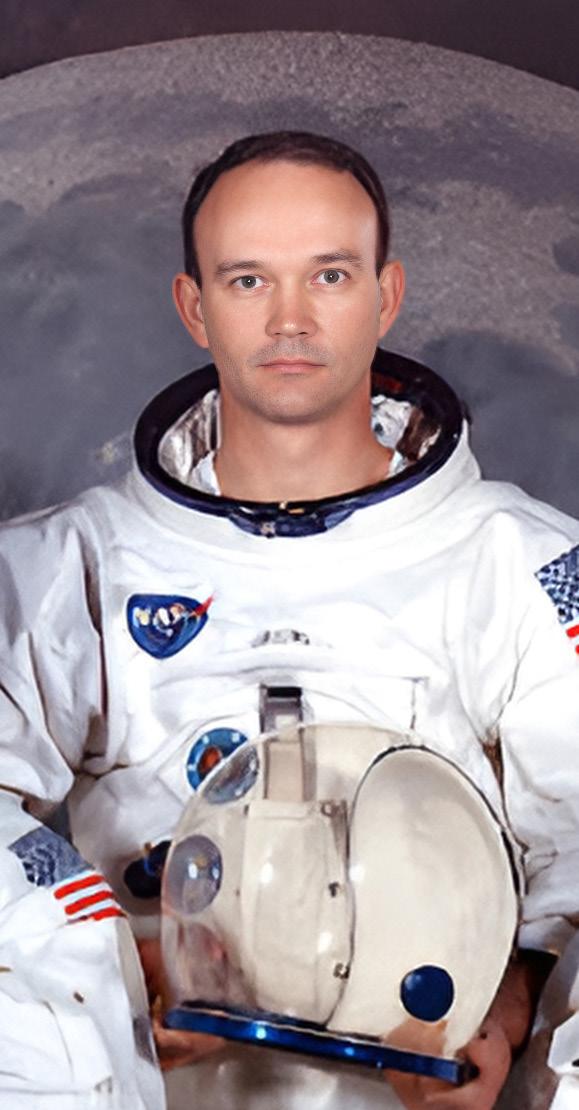
Michael Collins, born on October 31, 1930, in Rome, Italy, and passed away on April 28, 2021, in Naples, Florida, was a pioneering astronaut whose contributions to space exploration were integral to the success of the Apollo 11 mission.
Collins’ journey into the realm of space began with a distinguished military career. A graduate of the prestigious US Military Academy at West Point, New York, he demonstrated exceptional leadership and determination from an early age. Following his graduation, Collins transitioned to the United States Air Force, where he embarked on a path that would lead him to the forefront of aviation and space exploration.
His tenure as a test pilot at Edwards Air Force Base in California solidified his reputation as a skilled aviator and marked the beginning of his association with cutting-edge aerospace technology. Collins’ prowess in the cockpit caught the attention of NASA, and in 1963, he was selected to join the ranks of America’s pioneering astronauts.
Collins’ crowning achievement came with his assignment as the command module pilot of Apollo 11. While Neil Armstrong and Buzz Aldrin descended to the lunar surface in the lunar module, Collins remained in orbit aboard the command module, diligently piloting the spacecraft and ensuring the safe return of his fellow astronauts.
Although his name may not be as widely recognized as those of his fellow Apollo 11 crewmates, Collins’ contribution was indispensable to the success of the mission.erations to reach for the stars and explore the cosmos.
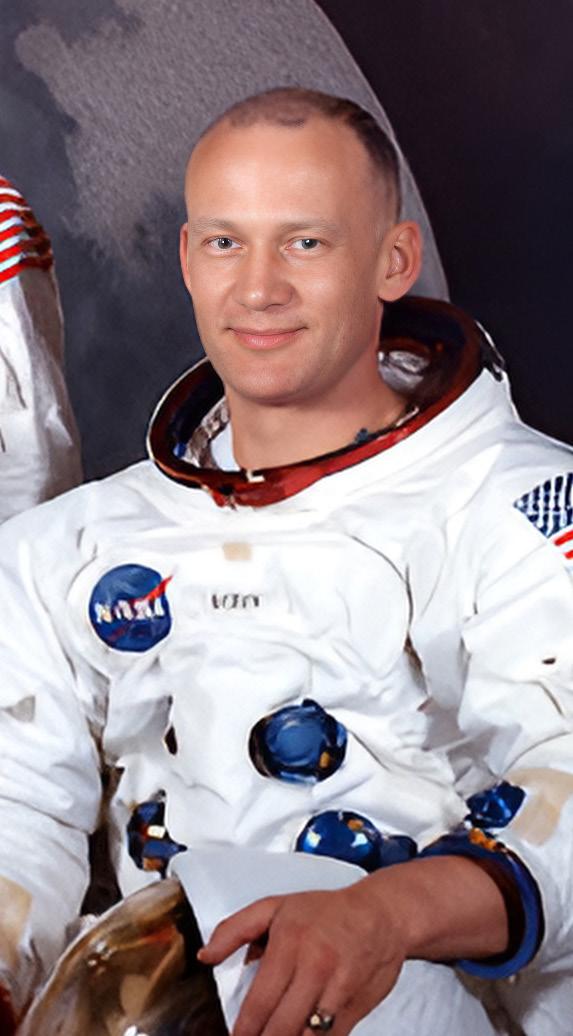
Buzz Aldrin, originally named Edwin Eugene Aldrin, Jr., was born on January 20, 1930, in Montclair, New Jersey, USA. He is an American astronaut renowned for his pivotal role in the Apollo 11 mission, during which he became the second person to set foot on the surface of the Moon.
Aldrin’s journey to the forefront of space exploration was marked by a remarkable combination of academic achievement and military service. After graduating from the US Military Academy at West Point, New York, in 1951, he embarked on a distinguished career in the United States Air Force. During the Korean War, Aldrin showcased his exceptional piloting skills by flying 66 combat missions, where he piloted F-86 “Sabre” aircraft as part of the 51st Fighter Wing in Seoul. His combat prowess was demonstrated by his successful downing of two MiG-15 jets, earning him acclaim for his bravery and skill under fire.
Following his service in Korea, Aldrin continued to excel in the military, serving in West Germany before transitioning to academia. In 1963, he earned a Ph.D. in orbital mechanics from the prestigious Massachusetts Institute of Technology (MIT) in Cambridge. His dissertation, a testament to his intellectual rigor and expertise, laid the foundation for his subsequent career in aerospace.
Aldrin’s academic achievements caught the attention of NASA, and in 1963, he was selected as an astronaut, joining the elite cadre of pioneers tasked with exploring the cosmos. His selection marked the beginning of a new chapter in Aldrin’s illustrious career, one that would culminate in a historic moment that captured the imagination of the world.
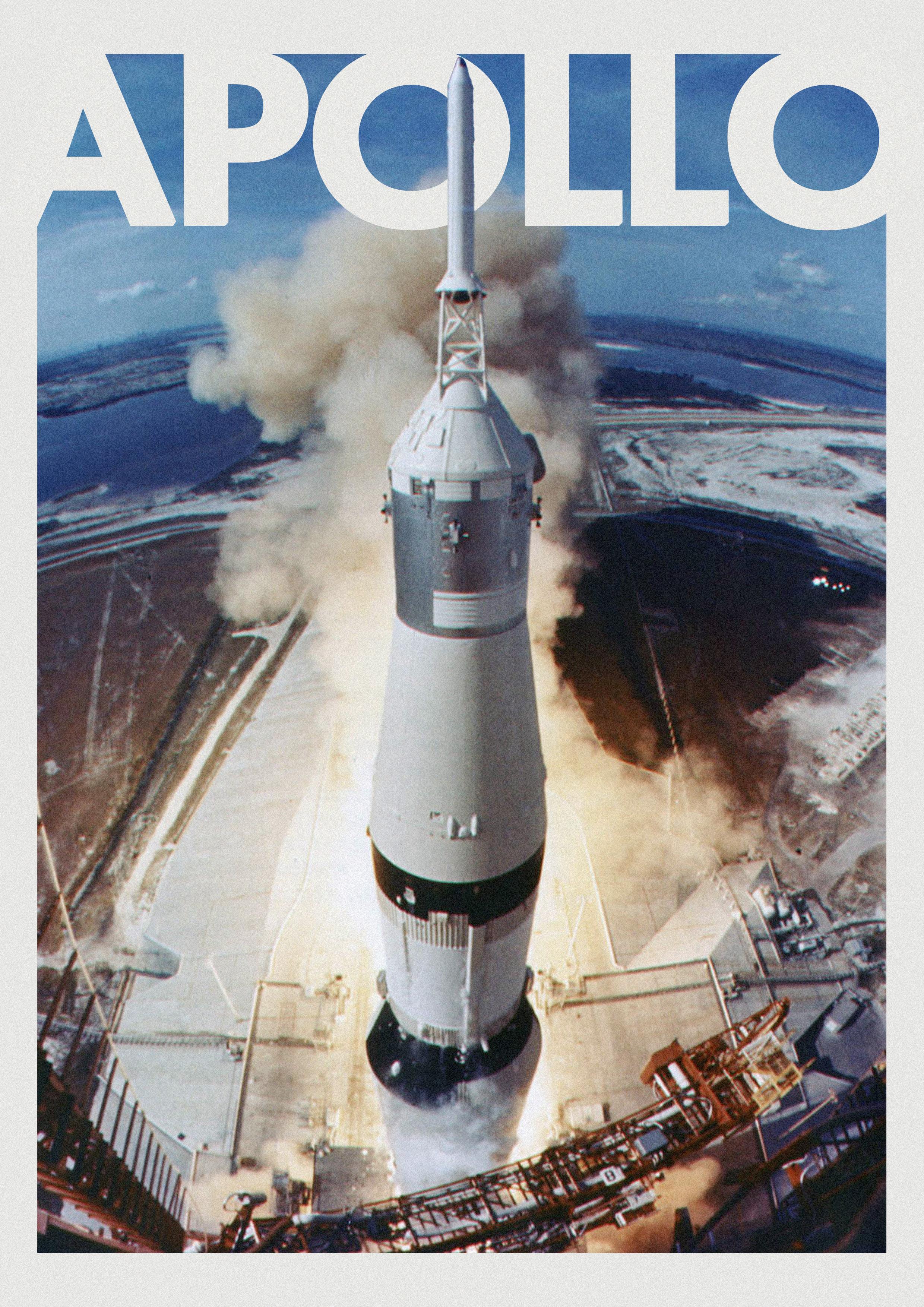
The launch of the Saturn V rocket for the Apollo 11 mission on July 16, 1969, marked a monumental moment in human history, captivating the hearts and minds of millions around the world. From the serene shores of Cape Kennedy, Florida, where Pad 39A stood as a testament to human ingenuity and ambition, to the farthest reaches of the Earth, the pulse of humanity quickened in anticipation of this historic event.
As the countdown commenced, the world held its breath, collectively witnessing the awe-inspiring spectacle of the Saturn V rocket igniting its engines, unleashing a torrent of raw power as it soared skyward. The ground trembled beneath the colossal force of the rocket’s thrust, echoing the resounding roar that reverberated across the landscape.
As the Saturn V pierced through the Earth’s atmosphere, leaving behind a trail of billowing smoke and flames, the eyes of the
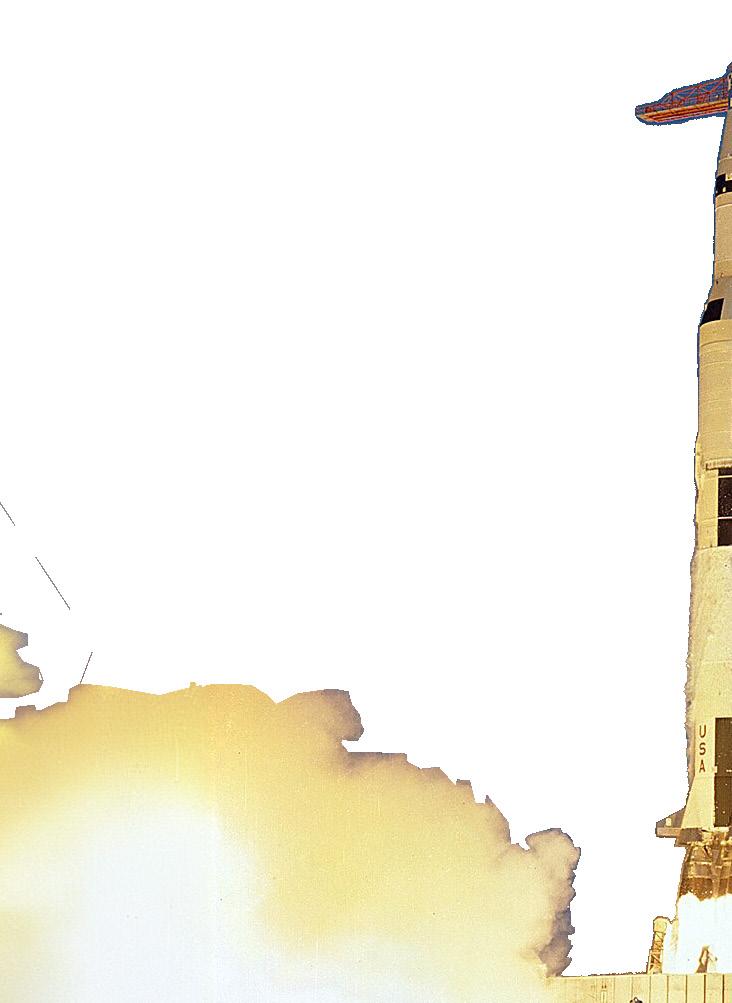
world remained fixed on the heavens above. Millions watched in awe and wonder as the spacecraft disappeared into the vast expanse of space, carrying with it the hopes and dreams of an entire generation.
Throughout the duration of the mission, from the exhilarating launch to the triumphant return splashdown on July 24, every major aspect of Apollo 11’s historic voyage was broadcast to an eager global audience via television. For the first time in history, people from every corner of the globe were able to witness humanity’s bold leap into the unknown, bridging continents and cultures in a shared moment of unity and exploration.
The legacy of the Saturn V launch for the Apollo 11 mission endures as a testament to the power of human ambition, innovation, and perseverance. It serves as a shining example of what can be achieved when we dare to reach beyond the boundaries of our own limitations and strive for greatness.
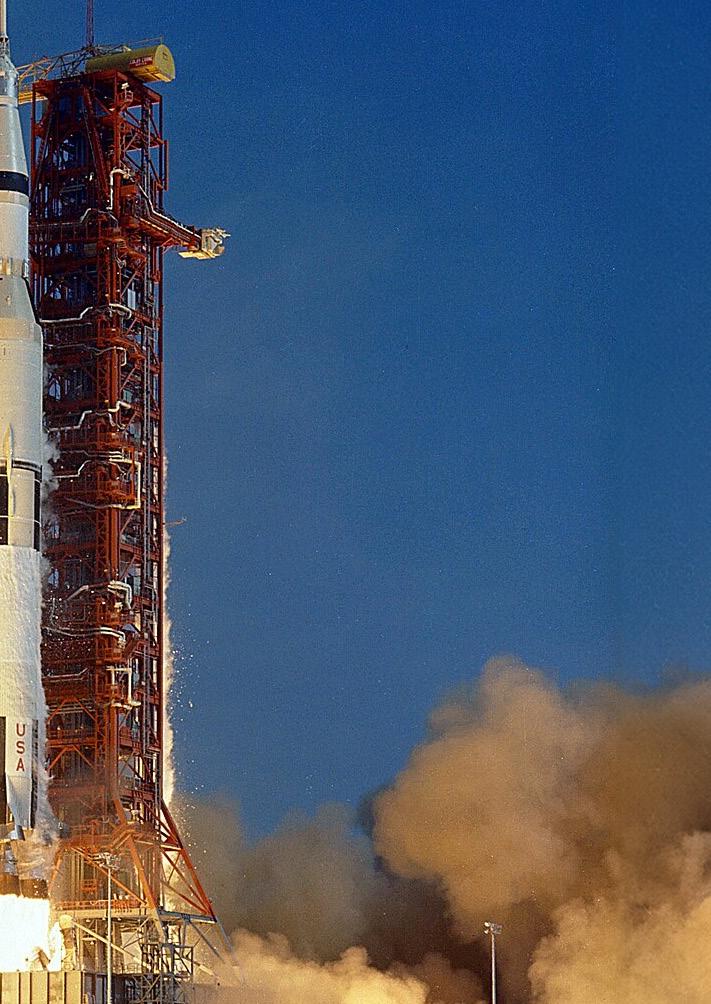
“This Saturn gave us a magnificent ride.… It was beautiful!”
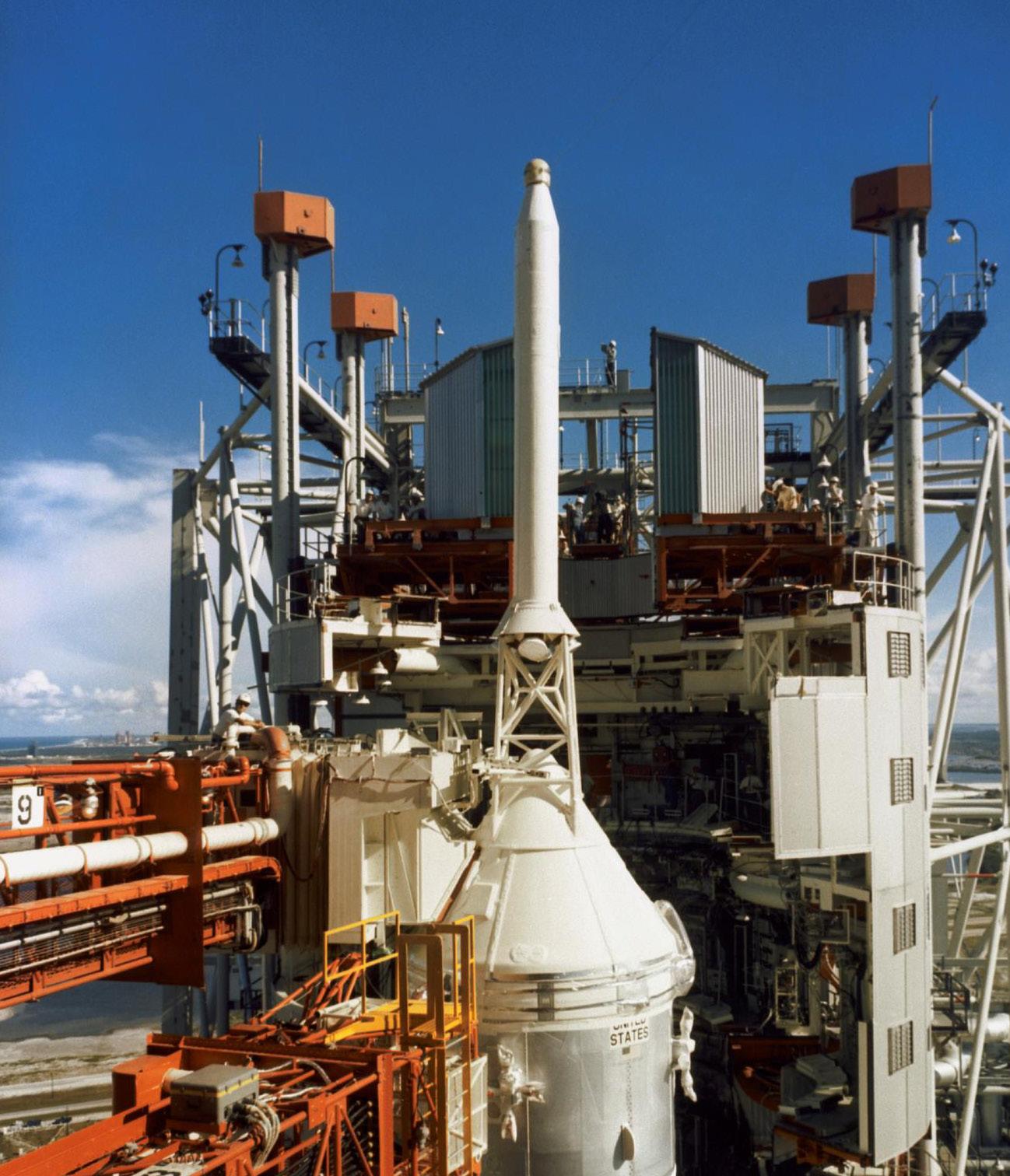
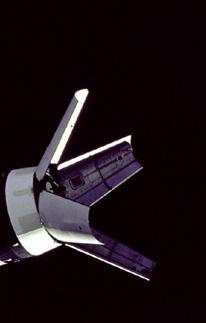
As the Apollo 11 spacecraft continued its journey towards the Moon, the three astronauts aboard—Neil Armstrong, Buzz Aldrin, and Michael Collins—executed a series of intricate maneuvers to prepare for the historic lunar landing. One of the most critical maneuvers was the transposition and docking procedure, which involved reconfiguring the spacecraft and extracting the lunar module from its storage atop the Saturn V rocket’s third stage.
With precise coordination and meticulous attention to detail, the astronauts initiated the transposition and docking maneuvers, first rotating the command module and its attached service module to a specific orientation. This maneuver positioned the spacecraft for the delicate task of extracting the lunar module, which was nestled securely above the Saturn V’s third stage.
Once the lunar module was successfully extracted, the astronauts turned their attention to slowing the spacecraft as it approached the Moon, preparing to enter lunar orbit. This crucial maneuver required precise timing and
calculation to ensure that the spacecraft’s trajectory aligned perfectly with its destination.
As Apollo 11 neared the Moon, the astronauts carefully executed a series of engine burns to decelerate the spacecraft and establish a stable orbit around Earth’s celestial companion. Initially, the spacecraft entered an elliptical orbit, with its closest approach to the lunar surface measuring 114 kilometers (71 miles) and its farthest point extending to 313 kilometers (194 miles) above the lunar terrain.
Following this initial orbit, the astronauts further refined their trajectory, transitioning to a nearly circular orbit with an altitude ranging between 100 and 122 kilometers (62 and 76 miles) above the lunar surface. This circular orbit provided the ideal vantage point for reconnaissance and preparation for the upcoming lunar descent.
Their successful execution of these critical maneuvers brought them one step closer to achieving mankind’s most audacious goal: landing on the surface of the Moon.
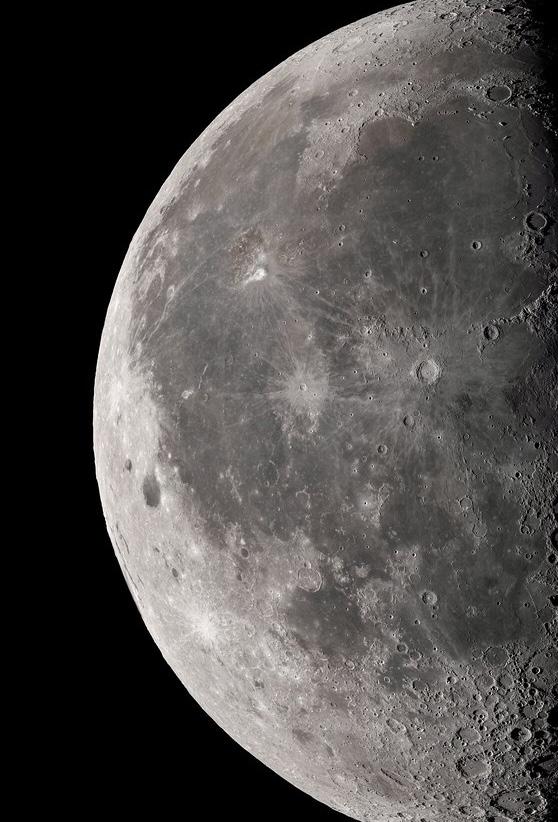
The Moon, Earth’s celestial companion, orbits our planet at an average distance of approximately 384,400 kilometers (238,900 miles). Its diameter measures about 3,474 kilometers (2,159 miles), making it roughly onefourth the size of Earth. Despite its relatively small size, the Moon exerts a powerful gravitational influence, causing Earth’s oceans to experience tides and shaping the dynamics of our planet’s atmosphere. With a surface area of approximately 37.9 million square kilometers (14.7
Themillion square miles), the Moon is dotted with countless craters, mountains, and plains, evidence of its tumultuous geological history. Since the dawn of human space exploration, a total of 12 astronauts have walked on the lunar surface, with the Apollo missions from 1969 to 1972 marking humanity’s first and only visits to date. As we continue to study and explore it, the Moon remains a source of fascination and discovery, offering valuable insights into the formation and changes of our solar system.
As Apollo 11 neared the culmination of its historic journey, the spacecraft underwent a critical separation, dividing into two distinct components: Columbia, piloted by Michael Collins, and Eagle, occupied by Neil Armstrong and Buzz Aldrin. This separation marked a pivotal moment in the mission, as the crew prepared to execute the intricate maneuvers necessary for a successful lunar landing.
Guided by Armstrong and Aldrin aboard the Eagle, the spacecraft initiated a series of engine firings to transition to a precise elliptical orbit, bringing them within a mere 15,000 meters (50,000 feet) of the lunar surface. As they approached this low point in their trajectory, the astronauts executed a carefully orchestrated powered
descent initiation maneuver, setting the stage for the final leg of their historic journey. With the lunar landscape looming ever closer, Armstrong assumed manual control of the spacecraft, taking the reins to navigate through the rugged terrain and avoid potential hazards such as rock-strewn craters.
As the Eagle descended to within approximately 150 meters (500 feet) above the lunar surface, Armstrong’s expert piloting skills came into play, maneuvering the spacecraft with finesse to ensure a safe and successful touchdown. With the main engine continuing under automatic control, Armstrong made critical adjustments to steer the Eagle clear of obstacles and find a suitable landing spot.
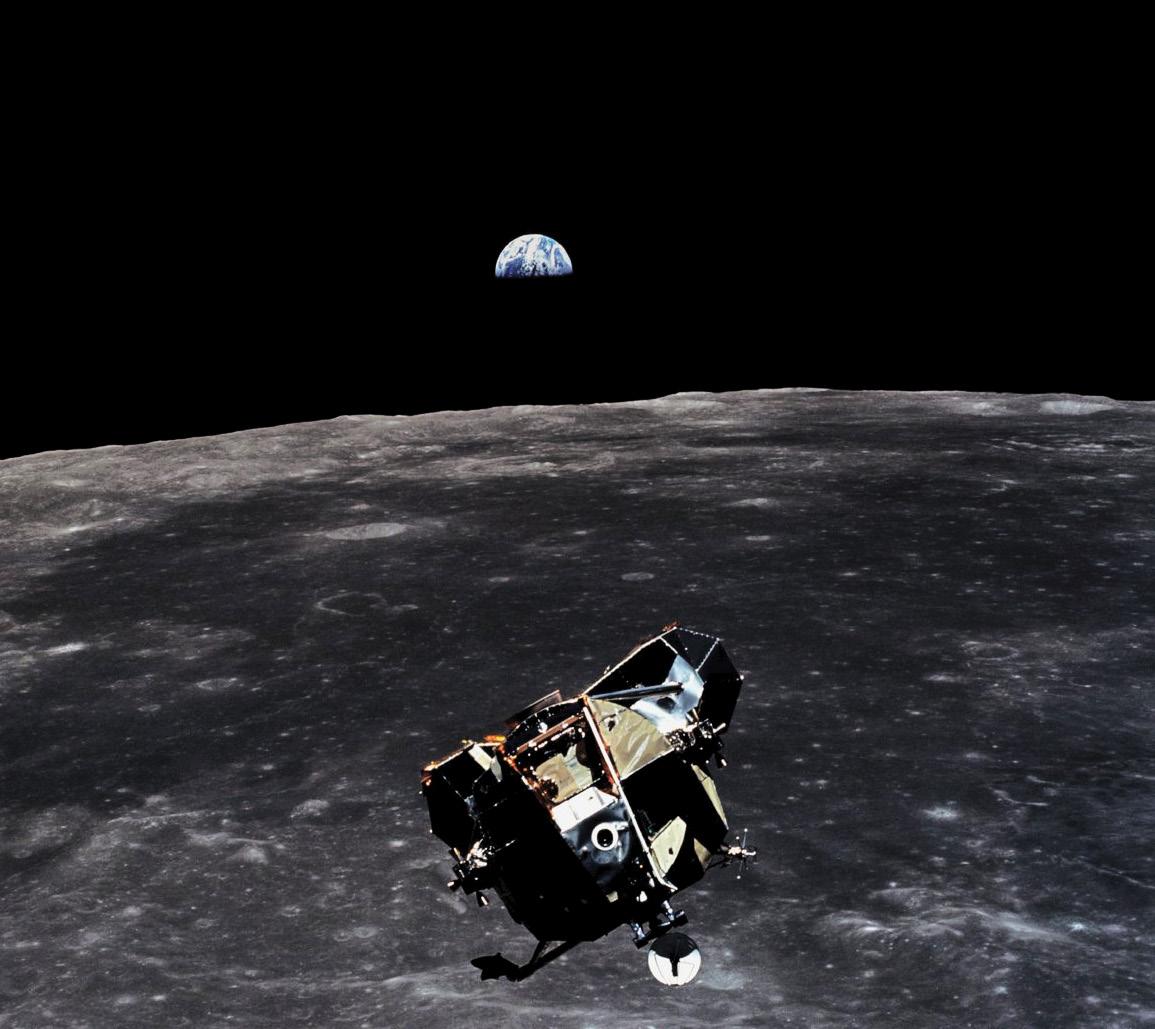
As the Eagle descended towards the lunar surface, Neil Armstrong assumed manual control, navigating the spacecraft with precision and skill. For approximately a minute and a half, Armstrong carefully guided the Eagle, hovering above the Moon’s rugged terrain, searching for a suitable landing spot free from obstacles. With the stakes at their highest and the eyes of the world watching intently, Armstrong’s steady hand and keen instincts guided the spacecraft towards its historic touchdown.
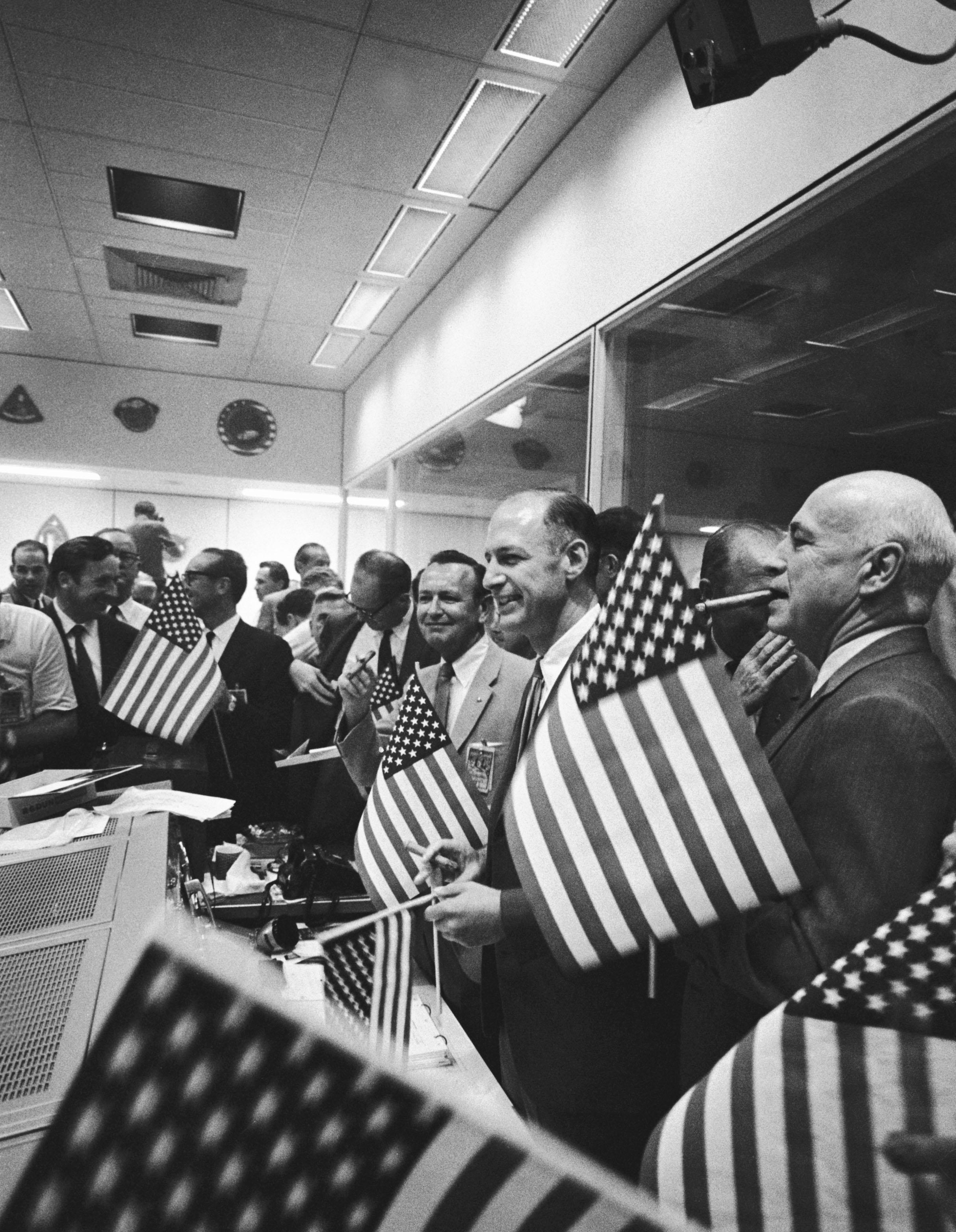
Amidst the tense anticipation in mission control and around the globe, a pivotal moment occurred as the contact light illuminated, signaling that the Eagle’s probes had made contact with the lunar surface. This critical confirmation marked the culmination of years of meticulous planning and preparation, as well as the realization of humanity’s most audacious dream – to land on the Moon.
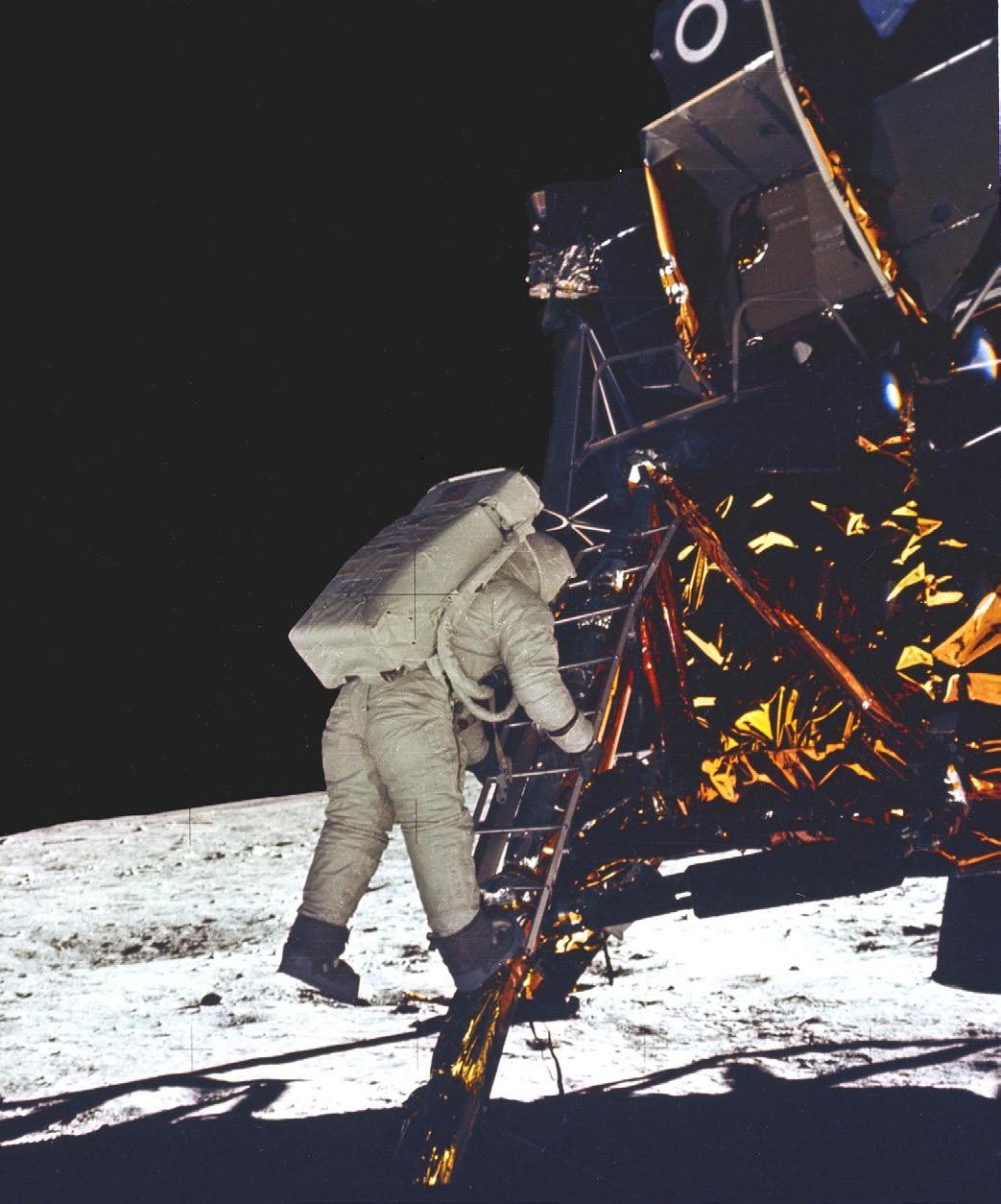
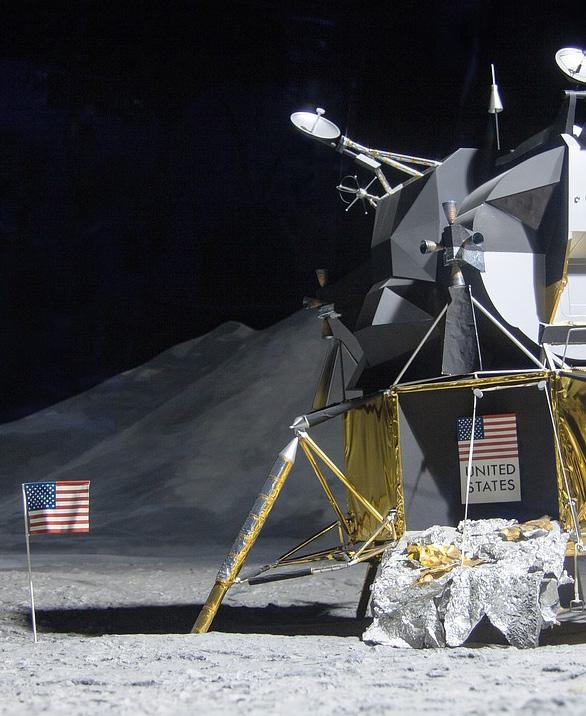
In a heartbeat, the descent rocket engine was cut off, and a moment of profound silence enveloped the world. Then, at 4:17 PM U.S. Eastern Daylight Time (EDT), Neil Armstrong’s calm voice broke through the stillness, radioing the historic words: “Houston, Tranquility Base here. The Eagle has landed.”
The significance of this momentous achievement reverberated across the globe, uniting people from every corner of the Earth in awe and wonder. It was a testament to the power of human ingenuity, courage, and determination, and a symbol of the limitless potential of the human spirit.
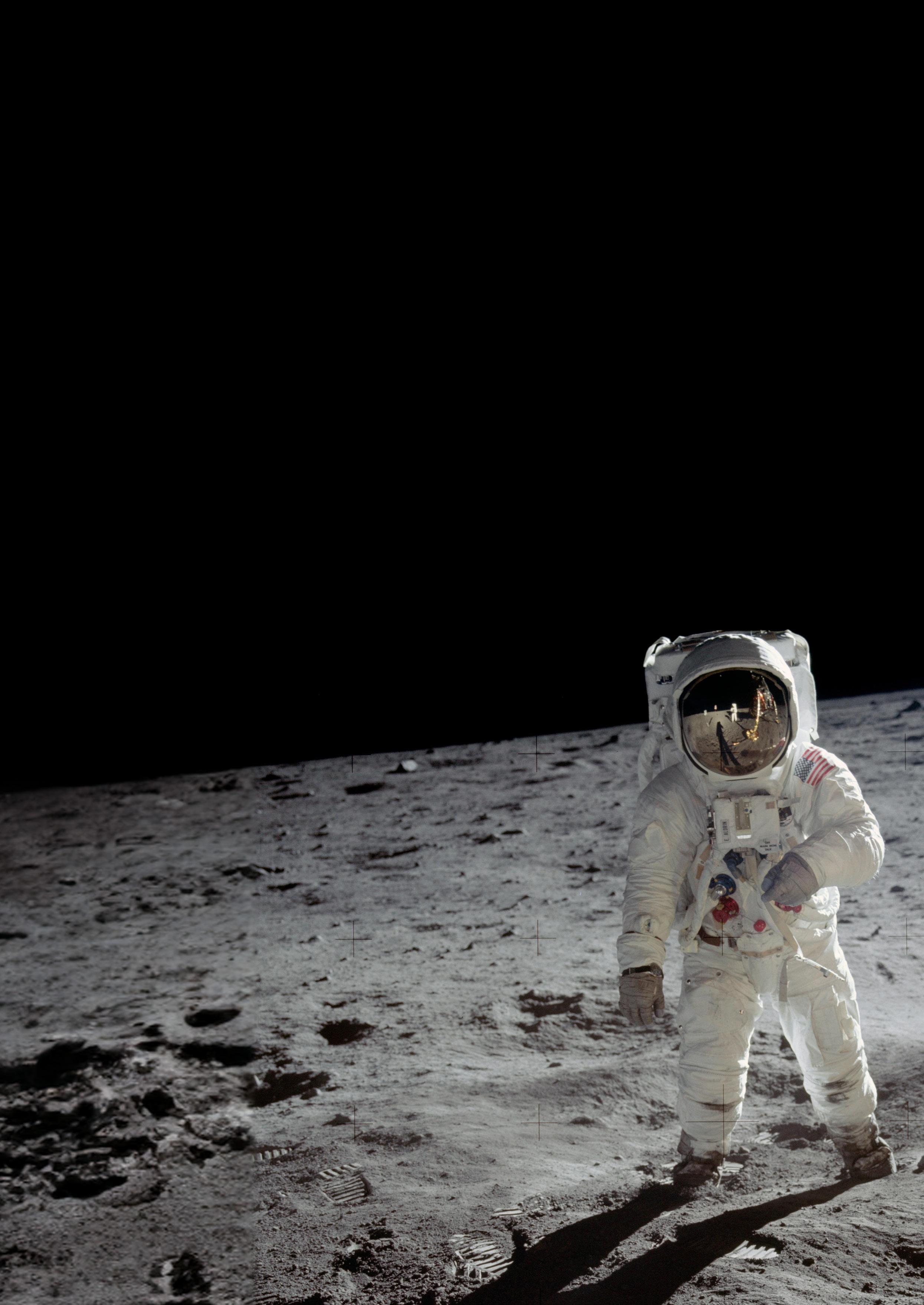
“That’s ONE SMALL STEP for man, ONE GIANT LEAP for mankind”

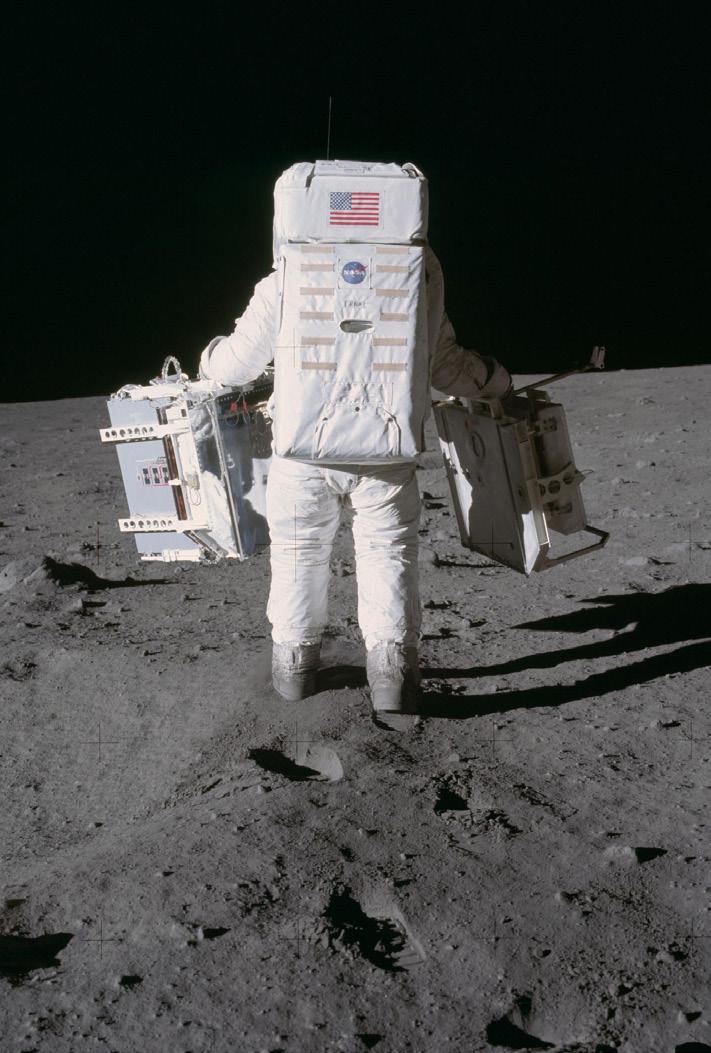
During their remarkable moonwalk, lasting over two hours, Neil Armstrong and Buzz Aldrin embarked on a scientific odyssey unlike any other. Armed with a myriad of instruments and tools, they conducted a series of groundbreaking experiments. From deploying seismic sensors to measure moonquakes and recording solar wind data to studying the behavior of dust particles in the lunar exosphere.
In addition to their scientific endeavors, Armstrong and Aldrin meticulously collected 23 kilograms (50 pounds) of rock and soil samples from the lunar surface, carefully selecting specimens that would provide invaluable insights into the Moon’s geological history. These precious samples would later be scrutinized by scientists around the world, yielding groundbreaking discoveries
After spending a total of 21 hours and 38 minutes on the lunar surface, Armstrong and Aldrin concluded their historic expedition by returning to the safety of lunar orbit aboard the ascent stage of the Eagle. Eventually reuniting with Michael Collins aboard the Columbia spacecraft, they embarked on the journey back to Earth, carrying with them a treasure trove of scientific knowledge.
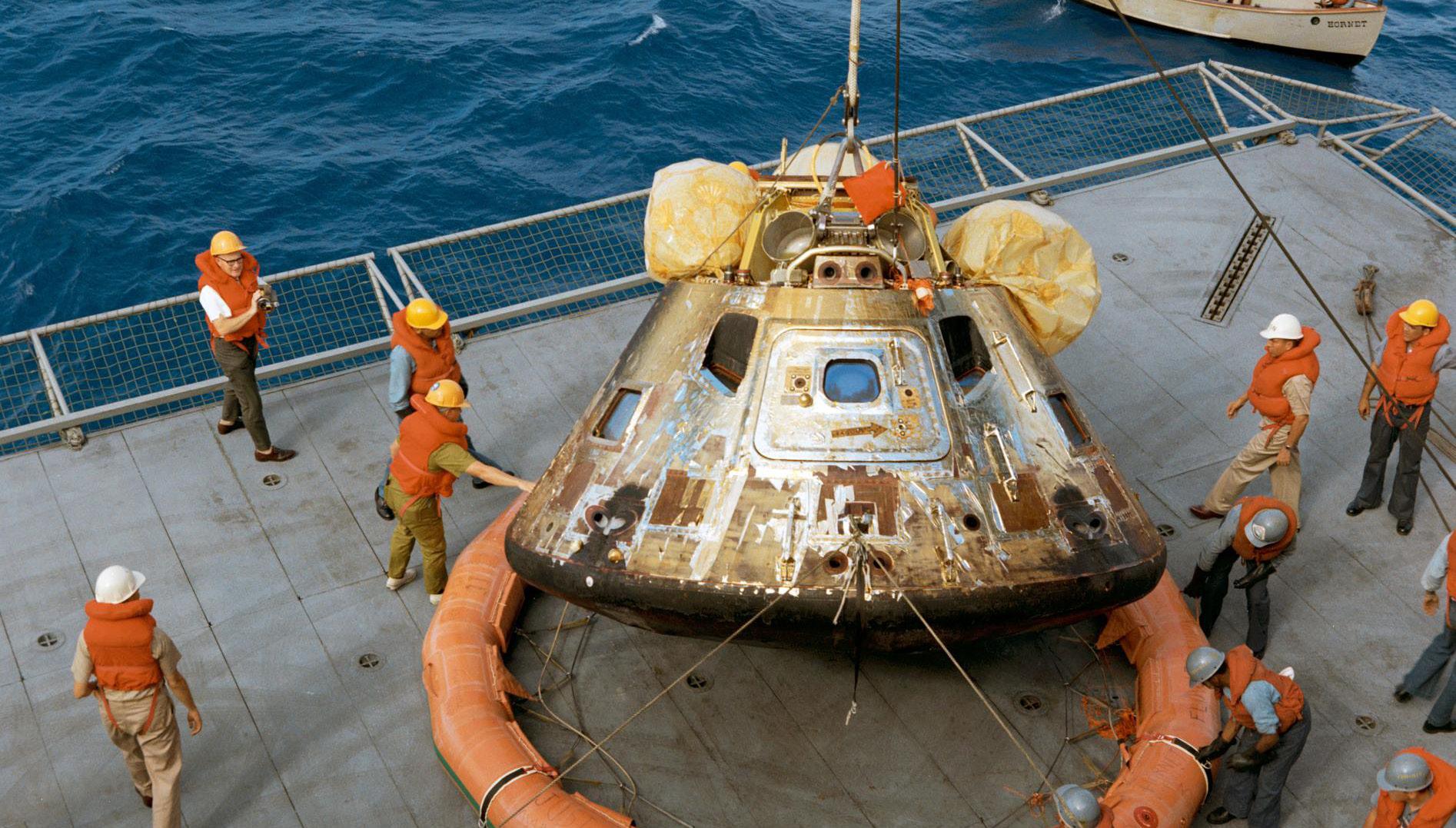
Following the triumphant return of the Apollo 11 spacecraft to Earth, splashdown occurred in the vast expanse of the Pacific Ocean, approximately 1,400 kilometers (900 miles) west of Hawaii, on July 24. As the spacecraft bobbed gently on the ocean’s surface, awaiting recovery by the dedicated teams of NASA personnel and naval vessels, a sense of relief and jubilation swept across the globe.
Upon retrieval from the Pacific waters, the astronauts – Neil Armstrong, Buzz Aldrin,
and Michael Collins – were immediately whisked away to a meticulously prepared quarantine facility. Located at the Manned Spacecraft Center (now known as Johnson Space Center) in Houston, Texas, the quarantine facility was equipped with state-ofthe-art medical equipment and facilities to ensure the safety of the astronauts and protect against the unlikely event of lunar pathogens.
The quarantine period lasted a total of 21 days, during which the astronauts underwent rigorous medical
examinations and testing to detect any potential diseases or pathogens they may have encountered during their historic journey to the Moon.
Meanwhile, the lunar samples collected during their moonwalk underwent analysis within the confines of the quarantine facility. Scientists and researchers meticulously examined the samples, studying their composition, structure, and origins to unlock the secrets of the Moon’s geological history.