THE LEADING VOICE FOR THE MISSOURI PHARMACIST

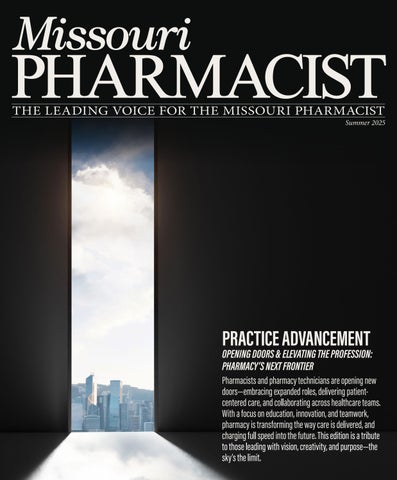
OPENING DOORS & ELEVATING THE PROFESSION: PHARMACY’S NEXT FRONTIER
Pharmacists and pharmacy technicians are opening new doors—embracing expanded roles, delivering patientcentered care, and collaborating across healthcare teams. With a focus on education, innovation, and teamwork, pharmacy is transforming the way care is delivered, and charging full speed into the future. This edition is a tribute to those leading with vision, creativity, and purpose —the sky’s the limit.

Ron Fitzwater, MBA, CAE, Chief Executive Officer
Robyn Silvey, CMP, MBA, Chief Operating Officer
Annie Eisenbeis, PharmD, MBA, Director of Practice Development
Henrio Thelemaque, Director of Government Affairs
Sarah Mengwasser, Director of Communications
Lauren Eichelberger, Membership Coordinator
Drew Oestreich, Pharmacy Provider Relations
Carson Von Alst, PharmD, MBA, Director of Strategic Initiatives
President – Kendall Guthrie, PharmD, BCACP
UMKC School of Pharmacy, Kansas City, MO
President Elect – Roxane Took, PharmD, BCACP
SSM St. Louis University Hospital, St. Louis, MO
Treasurer – Pawel Sierbinski, PharmD, BCACP
Gateway Apothecary, St. Louis, MO
Secretary – Erica Mahn, PharmD, BC-ADM
Alps Pharmacy, Springfield, MO
Immediate Past President – Koby Prater, PharmD Prater’s Pharmacy, Seneca, MO
Laura Butkievich, PharmD, MHA, BCPS, BCACP, FASHP
University of Missouri Health Care, Columbia, MO
Lacy Epperson, PharmD
Mitchell’s Drug Stores on the Blvd. Neosho, MO
Tyler Taylor, PharmD
St. Louis Hills Pharmacy, St. Louis, MO
Caleb Witt, PharmD
Pharmax Pharmacy, Leadington, MO
Russell Melchert, PhD, RPh
UMKC School of Pharmacy, Kansas City, MO
Terri Warholak, PhD, RPh, CPHQ, FAPhA
St. Louis College of Pharmacy at University of Health Sciences & Pharmacy, St. Louis, MO
The Next Chapter pg. 4
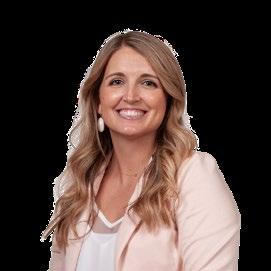
Advancing the Practice of Pharmacy pg. 5
Financial Forum pg. 9
2025 Legislative Session Recap pg. 6
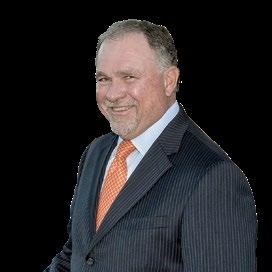

Practice Advancement: A Tribute to Those Leading with Vision, Creativity, and Purpose Pgs. 8-25
Everything You Need to Know for the 2025 MPA Annual Conference Pg. 30
Missouri Pharmacy Association | 211 East Capitol Avenue | Jefferson City, MO 65101 Phone: (573) 636-7522 | Fax: (573) 636-7485 | morx.com
MISSION: The Missouri Pharmacy Association promotes and protects the role of pharmacists as the medication expert in patient care relationships, and as an integral part of the health care team.
Missouri Pharmacist is sent to MPA members, non-member pharmacists, pharmacy educators, pharmacy technicians, and pharmacy students in Missouri. All views and opinions expressed in articles are those of the writer and are not necessarily the official position of the Missouri Pharmacy Association. Missouri Pharmacist is owned and published by the Missouri Pharmacy Association.
To advertise or for editorial inquiries email Sarah Mengwasser at sarah@morx.com
KENDALL GUTHRIE
PharmD, BCACP, UMKC School of Pharmacy
President, Missouri Pharmacy Association
Advocating for change reminds me of writing a story. It begins with envisioning the narrative and keeping the end goal in mind. From there, it slowly takes shape one draft at a time. Chapters don’t always progress the way we planned, and the storyline is often anything but linear. There are chapters marked with bravery and heroism and chapters marked by rejection and adversity. There are rewrites, unexpected plot twists, and sometimes, long pauses where it feels like nothing is progressing. Just as every successful story is brought to life by those who believed

the series, Harry Potter and the Philosopher’s Stone (or Harry Potter and the Sorcerer’s Stone as it was called in the U.S.), became a worldwide success, it was rejected by no less than twelve publishers with some stating there was no success to be had in writing children’s books. But Rowling believed in her vision. She persevered from the first rejection to the twelfth rejection, and when that 13th publisher finally said yes, her story of a magical wizarding world went on to become one of the most beloved book series in history. Our legislative work is not so different. We know and believe in the story we’re telling,
working to overcome barriers and obstacles. While these efforts didn’t result in a bill signing this time, they did move the narrative forward.
And let’s not forget, Harry Potter wasn’t published in a day but was a great success due to Rowling’s persistence and belief in her narrative. Our timeline may have changed, but our story of fighting for fairness, transparency, patient access, and expanded roles for pharmacists, is still being written. We are not closing the book on these efforts. We’re simply turning the page and continuing the work.
“And let’s not forget, Harry Potter wasn’t published in a day but was a great success due to Rowling’s persistence and belief in her narrative. Our timeline may have changed, but our story of fighting for fairness, transparency, patient access, and expanded roles for pharmacists, is still being written. We are not closing the book on these efforts. We’re simply turning the page and continuing the work.”
it was worth telling, every legislative win is driven by a team that refuses to give up until the desired outcome comes to fruition. In advocacy, just like in writing stories, perseverance isn’t optional. It is essential.
Again this year, despite months of focused efforts, countless hours spent drafting language and debating strategy, building public and professional awareness, educating legislators, and meeting with various stakeholders, our PBM reform and vaccine expansion legislation did not make it across the finish line. It is frustrating, especially knowing the impact this legislation could have had on community pharmacies and the patients and communities who depend on them. But, despite our shared frustration, this is not the end of our story. This is a plot twist in our story, not the final page.
I recently read an article featuring the story of J.K. Rowling, the author of the renowned Harry Potter series. Before the first book in
which is a story of patients losing access to healthcare, beloved hometown pharmacies closing their doors, and a flawed system prioritizing profits over care. We also deeply understand the story of pharmacy teams going above and beyond the call of duty to serve communities, take care of patients, and make a positive impact on the healthcare system while demonstrating the ability to do more if given the chance. And like Rowling, we know the story is worth telling, even when the door doesn’t open on the first knock.
This year, we continued to build on the groundwork that will serve us well in future legislative sessions. We’ve educated key legislators, strengthened our messaging, and learned more about the challenges we face in getting our issues through the legislative process. Many of these efforts took place quietly, behind the scenes through meetings with legislative staff, drafting and responding to proposed amendments, and proactively
I’d like to take a moment to sincerely thank the MPA staff for their ongoing dedication and the vital work they do behind the scenes each day to keep our efforts moving forward. I also want to thank every pharmacist, student, technician, and ally who made phone calls, showed up to meetings, shared their story, or advocated in some way. You matter. Your voice matters. Your perseverance matters. We will get this done. The next chapter is already being written.


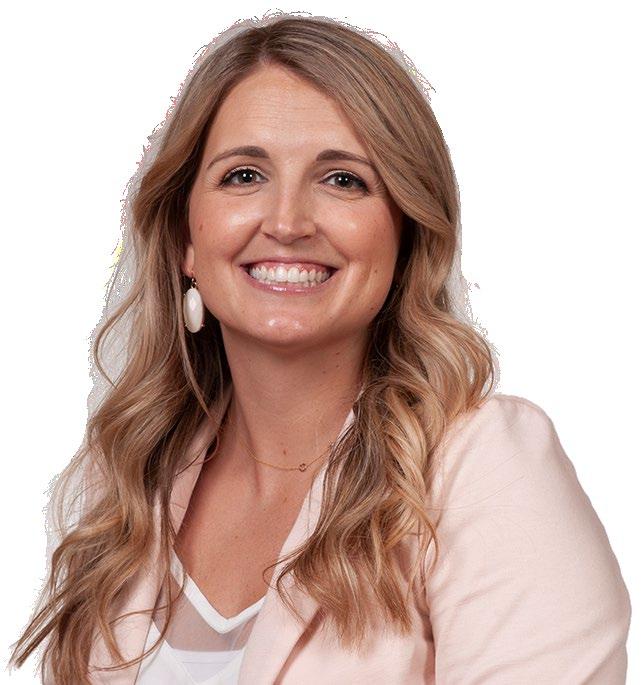
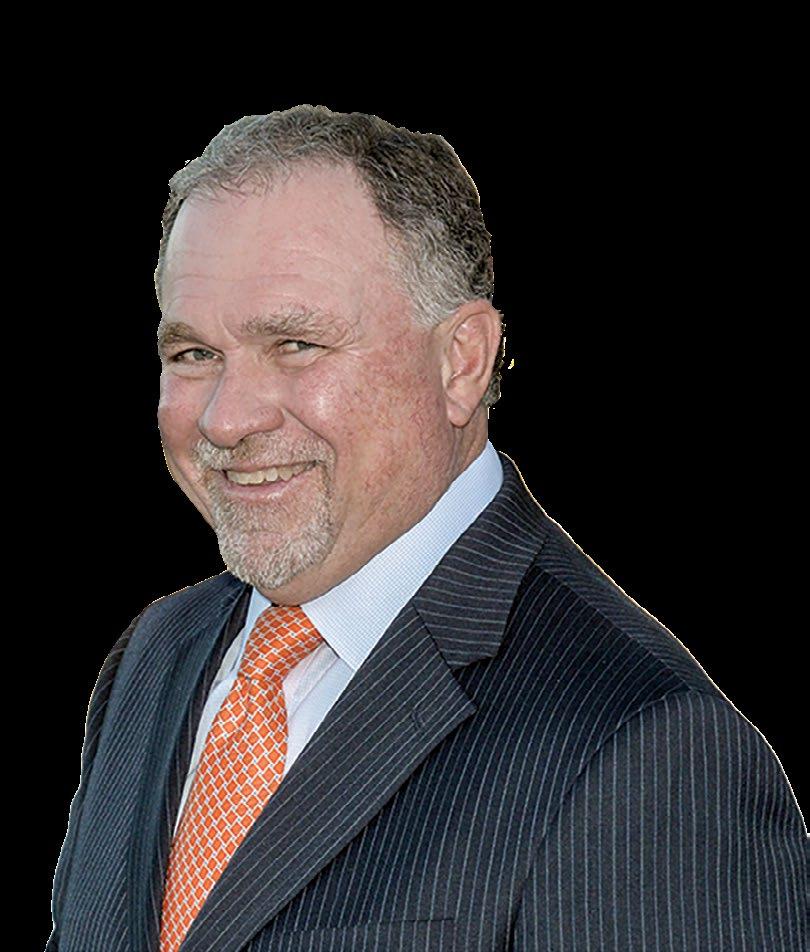
RON FITZWATER MBA, CAE, CEO, Missouri Pharmacy Association
We are so fortunate in Missouri to have so many amazing pharmacists who are focused on providing pharmacy services to their patients every day. To enhance and expand those opportunities, the Missouri Pharmacy Association is working to advance the practice of pharmacy in Missouri to continue to create a health care marketplace where pharmacists can practice at the top of your license and training. The MPA Board of Directors, through the activities of the Professional Affairs Committee, the Legislative Committee, and participation with the Missouri Board of Pharmacy, is constantly looking at ways to expand the role of pharmacists in Missouri. In addition, CPESN-MO works with CPESN USA to develop opportunities to expand the role of pharmacists as well. Over the past couple of years, MPA, through CPESN MO, has been able to implement a number of pilot projects that were funded by short term grant dollars. And the results from those programs were very positive.
Now the challenge is – how do we create adequate reimbursement to fund not only the traditional pharmacy activities (dispensing, immunizations, etc.) but also the new services that pharmacists can provide in their community.
I know this issue of the magazine is focusing on advancing the practice of pharmacy. However, in many ways, it is difficult for us to do that until we stabilize reimbursements in the current system. We must solidify that base so that pharmacists can expand aggressively into additional services. Our state just recently finalized the 2025 Missouri
Legislative Session. Much of our discussions during that session related to two issues:
1. Reducing the onerous provisions of drug middlemen, PBMs, and the devastating effects they are having on pharmacies across our state. It is hard for our members to expand their operations when many of them are fighting for survival because of the low/slow reimbursements that have been orchestrated by PBMs. MPA aggressively fought these
“MPA is laser-focused on strengthening pharmacies in our state.”
provisions and tried to make some much needed changes that have already been passed in many states across the country. But the PBM/insurance company/union lobbies in Missouri are very powerful. They have been able to stifle any relief and thereby continue to underfund prescription drug reimbursements to pharmacists. Those activities have crippled many pharmacies – in fact it has driven many out of business. We will continue those fights. As we assess the 2025 Session and get ready for the 2026 Legislative Session, we will be looking at new ways to address these thirdparty restraints that are put on our members.
2. Expansion of opportunities to participate
in new drug therapy treatments that have been limited because of arcane restrictions put on pharmacists. In the 2025 Session we worked aggressively to get pharmacists access to be able to administer RSV. We will continue to work to create opportunities for pharmacists to participate in cutting edge treatments in the future.
As we work to stabilize pharmacy reimbursements, we are simultaneously working to create new sustainable reimbursement streams to pharmacists through the advancement of the practice of pharmacy. I talked about some of those activities above in relationship to our work within CPESN MO. We need to continue to push those opportunities. If you and your pharmacy are a member of CPESN MO –thank you. If not, I would encourage you to consider joining.
The Missouri Pharmacy Association is laser-focused on strengthening pharmacies in our state. I invite you to join those efforts!
Thank you.
Missouri Pharmacy Association
After several years of stalled progress in the Missouri General Assembly—largely due to internal divisions among Senate Republicans—there was cautious optimism heading into the 2025 session. That optimism was driven by a few key changes: the departure of several high-profile members of the Senate Freedom Caucus, a large influx of new lawmakers, and fresh leadership in both chambers. These shifts helped set the stage for a more productive and less combative legislative environment.
The Freedom Caucus had previously been known for using procedural tactics to block legislation unless Republican leadership refused to compromise with moderates on issues like taxes and abortion. Their absence this year, along with the arrival of a new class of legislators—about one-third of both the House and Senate—helped ease tensions. The result was a more functional Senate, with fewer confrontations and more focus on moving legislation forward. While the session wasn’t without its challenges, the General Assembly passed 51 non-budget bills, a significant increase from the 28 passed in 2024, signaling a return to more consistent lawmaking.
However, the session’s final week took a dramatic and historic turn. The Senate invoked the previous question (PQ) motion—an extremely rare and controversial procedural tool used to cut off debate and force a vote. While the PQ is a routine tactic in the House, it is considered a nuclear option in the Senate, where extended debate and open deliberation are core traditions. The last time the PQ was used during a regular Senate session was in 2017, and before that, it had only been used a few dozen times since its reintroduction in 1970, following a century-long hiatus.
The PQ was used twice in one week— first to advance House Joint Resolution 73, sponsored by Rep. Ed Lewis (R-Moberly), which seeks to repeal Amendment 3 and replace it with a constitutional ban on abortion, with limited exceptions. The resolution also includes a ban on genderaffirming care for minors. Because it would amend the state constitution, the measure must be approved by voters.
The second use of the PQ pushed through House Bill 567, sponsored by Rep. Sherri Gallick (R-Belton), which repeals paid sick leave provisions passed under Proposition A and eliminates automatic inflation adjustments to the minimum wage after it reaches $15/hour in 2026.
Before the PQ was invoked, Senate Democrats attempted to negotiate a compromise. They offered compromises on several Republican priorities—including abortion restrictions, labor policy changes, gun legislation, and incentives to keep the Chiefs and Royals in Missouri. Their only request was the removal of the transgender care ban, which is already in statute, from HJR73. However, the deal collapsed when Senate leadership left the decision to freshman Senator Adam Schnelting (R-St. Charles), who chose to proceed with the PQ.
The fallout was immediate and farreaching. The use of the PQ not only forced votes on two of the most divisive issues of the session but also brought all remaining Senate business to a halt. With debate cut off and time running out, no additional bills could be considered. In response, Senate Democrats have vowed to adopt a more obstructive approach in future sessions, signaling that the effects of this decision will likely carry over into 2026.
Following the Senate’s early adjournment, the House wrapped up its work a day ahead
of the constitutional deadline—something that hasn’t happened since 1952. Only bills that didn’t require further Senate action were sent to the Governor.
During the 2025 budget process, MPA collaborated with key stakeholders to secure $250,000 in funding for the development of software aimed at enhancing the role of pharmacists in community healthcare. This software is designed to identify healthcare gaps within communities and explore how pharmacists can contribute more significantly to improving patient outcomes.
MPA worked closely with the Senate Appropriations Committee to include both the funding and language in House Bill 7 (HB7). This line item remained through the conference committee process, even as many other new line items were cut from the budget. Prior to the committee’s meeting, MPA talked with House and Senate members to ensure that these funds would have the support to stay in the budget.
Following the conference committee, both chambers of the legislature Truly Agreed and Finally Passed HB7, along with other budget bills.
Did not Pass
Senate Bill 45, filed by Senator Fitzwater and co-sponsored by Senator Jill Carter, along with its companion legislation, House Bill 982 (HB 982), sponsored by Representative John Hewkin and cosponsored by Representative Bennie Cook, began the session with relatively smooth progress. However, both bills faced strong opposition from insurance companies, pharmacy benefit managers (PBMs), and workforce/economic development organizations. Much of the opposition
focused on the potential impact these bills could have on insurance coverage and business operations. In response, MPA worked to dispel these claims by providing accurate information and context about the legislation.
The bills aimed to curb the influence of PBMs and their negative effects on pharmacies and patients. Key provisions included prohibiting PBMs from requiring patients to use mail-order pharmacies and codifying the definition of a rebate. Additional provisions established a fiduciary duty for PBMs and required reimbursement parity for non-PBM-affiliated pharmacies. The legislation also prohibited the classification of brand-name medications as generics. Another significant component was the creation of a co-pay accumulator, which would have required insurance carriers to count payments made with manufacturer or nonprofit coupons toward patients’ out-ofpocket maximums and deductibles.
Although these arguments were heard and supported by lawmakers, just as SB 45 was set for debate on the Senate floor, behindthe-scenes negotiations abruptly halted its progress—without the knowledge of the bill’s sponsor. A deal was struck with Senate leadership allowing only one insurancerelated bill, SB 79, to advance. This effectively killed all other insurance-related bills, including SB 45 and HB 982, which were denied floor time in 2025.
Throughout the remainder of the session, MPA and supportive senators worked tirelessly to find alternative paths to incorporate PBM-related language into other healthcare legislation. However, with the Senate adjourning two days early, all remaining avenues were cut off by Wednesday.
Another priority for MPA for the 2025 legislative session was to add RSV language to a healthcare bill. At the beginning of session, the language was added to several different bills, creating multiple avenues for the language to pass.
The language was added to HB 943 which was an omnibus healthcare bill that had the easiest chance of passage. The language made its way through the House side swimmingly, but the bill ended up getting stuck in a Senate Committee effectively killing the bill as the Senate did not have any more time to debate issues during the final week.
Towards the end of session, the RSV language was also added to SB 61 which
grew into an omnibus healthcare bill as well. SB 61 was the first bill to be laid out for consideration on Wednesday, as it only needed one more vote to be sent to the Governor’s desk. But with the threat of a PQ looming, a filibuster was in full swing, and the Senate shut down.
In the November election, voters approved Proposition A, which increases the minimum wage and requires most employers to provide paid sick leave based on hours worked. These sick leave provisions officially took effect on May 1. In response, employer organizations, led by the Missouri Chamber of Commerce, called on the General Assembly to pass legislation reversing key parts of the measure.
The House responded by passing HB 567, which stripped out all sick leave provisions and removed the cost-of-living adjustments (COLA) for the minimum wage. For several weeks, Senate Minority Leader Doug Beck (D-Afton) held negotiations with Senator Mike Bernskoetter (R-Jefferson City), who was managing the bill in the Senate. Despite ongoing discussions, the two sides failed to reach a final compromise. As a result, the bill was one of several measures forced through using the PQ (previous question) procedure on the final Wednesday of the session.
Because Proposition A was passed as a statutory referendum, the Legislature retains the authority to amend or repeal it without requiring another vote by the public.
Lawmakers passed HB 594, a tax bill sponsored by Rep. Chad Perkins (R-Bowling Green), with an estimated impact of around $350 million per year in lost state revenue (though some projections put it over $600 million), plus another $25 million hit to local budgets. The bill started out focused on capital gains tax deductions but ended up covering a lot more ground. Key changes include:
• Increasing the income limit and credit maximum for the Senior Property Tax Credit.
• Exempting diapers and period products from state and local sales tax.
• Exempting machinery and equipment used to provide broadband from state and local sales tax.
• Permitting ambulance or fire protection districts to impose a 1% sales tax if approved by voters, instead of .5%.
• Delaying the implementation of the capital gains tax deduction for corporations until the individual income tax rate is 4.5% or lower.
While several other tax cut ideas were floated this session, this was the only one that made it across the finish line. After session wrapped, Governor Kehoe said he’s aiming to roll out a broader income tax cut plan next year.
On the last Tuesday of session, the House introduced a $900 million incentive package to try to keep the Chiefs and Royals in Missouri. They tacked it onto SB 80, which originally dealt with name, image, and likeness rules for athletes. The House passed the amendment 103-43, but it stalled in the Senate. Some Senators said there wasn’t enough time to properly review it, especially since it came after the House blocked the capital improvements bill (HB 19).
In response, the Governor called a special session starting in early June. This special session allowed lawmakers to take another look at stadium incentives, disaster relief for recent storms, and funding for some of the projects from HB 19. Bills that were passed authorized measures that would aid in keeping the Kansas City Chiefs and Royals in the states, whilst also providing relief to parts of the state due to the devastating storms that occurred—per the Governor’s request.
The Governor had until July 14 to sign or veto policy bills passed by the General Assembly. Governor Kehoe ultimately did not veto any bills passed by the legislature, allowing all new laws to go in effect August 28 of this year. Budget decisions were also made, which resulted in a total of ~$2 billion being vetoed. Much of these vetoes stem from a concern on projected state revenues and a cautious approach for the coming years.
MPA would like to take this time to thank our members for their continuous support throughout the 2025 legislative session. Your passion and stories allow MPA to be the voice for all of Missouri pharmacy. With session over, we ask that you continue to educate your legislators on the impact that you have in your community. As we gear up for the 2026 legislative session, it is crucial that pharmacy plays a role in setting the agenda for the healthcare battles that will take place in the State Capitol.


Pharmacy is evolving—and pharmacists are leading the charge. In this issue, we spotlight the bold and innovative efforts happening across Missouri and beyond that are redefining what pharmacy practice looks like today. Pharmacists are pushing boundaries to improve patient outcomes and elevate the profession. As health care continues to shift, our members are stepping up as accessible, trusted providers—reimagining care delivery and advancing practice in every setting. This edition is a tribute to those leading with vision, creativity, and purpose.
PharmD, MS, BCPS, FASHP
Vice President of Pharmacy
PGY2 Pharmacy Residency Program Director
HCA MidAmerica Division
PharmD, MBA, BCPS, BCCCP
Clinical Pharmacy Manager
PGY1 Pharmacy Residency Program Director
Centerpoint Medical Center
Health system pharmacy practice has been transformed through many generations of advancement. It is now fairly common to find pharmacists at the bedside in the ICU and on the medical and surgical floors. However, one of the areas where pharmacy practice has lagged behind in many hospitals is in the emergency department. The pharmacy team at Centerpoint Medical Center in Independence is working to change that reality by advancing the practice of pharmacy in this next frontier. In the Centerpoint emergency department, pharmacists and technicians provide innovative patient care through medication reconciliation services and critical care clinical support.
As a patient navigates the healthcare system, there are many opportunities for medication errors. Transitions can be the worst; especially for patients with complex medication needs. A transition of care is defined as any time a patient moves from one level of care to another - such as from outpatient to emergency department, from the emergency department to an inpatient
unit, or from an inpatient unit back to an outpatient status. This could be when a patient is admitted to the hospital or when they are discharged from the hospital back to their home or to a nursing home. There are often multiple prescribers involved, perhaps from different specialties and with differing areas of expertise. Communication is key. Accurate record-keeping is crucial. And that’s where Pharmacy comes in.
In Pharmacy, we excel at the details, and we are naturally collaborative. We can assist patients as they make this transition, whether we work in community/retail, in a health system pharmacy, or in another setting. The pharmacists and technicians at Centerpoint Medical Center have become experts at transitions of care. They have solid processes for talking with patients, gathering their medication lists, documenting their medications, and communicating with the rest of the care team. Technicians play a key role on this team as they use their medication knowledge to ensure that the patient receives safe care. Technicians interview patients, look up their medication lists, and work with the team to update the list in their record.
Pharmacy technicians provide excellent support for the process that allows nurses,
physicians, and pharmacists to focus on other activities. This frees them up to do the work that only they can do, and overall it serves the patient. This is one of the many ways that pharmacists and technicians can work together across our workplaces. It is very common for the pharmacy technician in the emergency department to call a retail pharmacy to find out what medications the patient has actually been getting filled. This person-to-person connection is truly what allows the patient to receive optimal care. Patients need our service and support as they navigate the transitions from home to hospital and back again. Technicians work hand in hand with pharmacists as an integral part of the health care team, and our patients are safer because of this partnership!
The first few minutes in the ER can make the difference between a good outcome and a bad outcome. Centerpoint is certified as a Level 2 Trauma Center by the Missouri Department of Health and Senior Services, which means that they are equipped to provide care for sudden, life-threatening injuries. As the only Level 2 Trauma Center in eastern Jackson County, they care for very

“In Pharmacy, we excel at the details, and we are naturally collaborative. We can assist patients as they make this transition [transition of care], whether we work in community/retail, in a health system pharmacy, or in another setting.”
sick patients who need the right care, and they need it quickly. The clinical pharmacists in the ER support physicians and nurses for codes, traumas, and sepsis. On any given day they may care for patients who have experienced car accidents, strokes, heart attacks, or severe infections. Pediatric patients are especially susceptible to errors and harm, so the pharmacist’s expertise is even more important when the patient is a child. In each case, the care team works together to identify the issue and solve it quickly. The pharmacist plays a key role on this team, providing medication expertise to the nurses and providers.
“Having Anthony in the ER is a huge asset. He is always three steps ahead, jumping straight into action, keeps things running smooth in the chaos, and brings serious med knowledge when it counts. Whether it’s during a code, a trauma, or a tough call on the fly, he’s the kind of teammate who makes the whole team smarter and the care safer.”
– ER Physician
Centerpoint’s approach to emergency care highlights the role that pharmacists and technicians can play in the ER, and the ER is an area that lacks pharmacy support in many Missouri hospitals. It is an important place where hospital pharmacy interfaces with community/retail pharmacy. Many patients receive this care, and it provides a key moment for pharmacists to intervene with essential assistance. The role of the technician continues to expand, and it is a noble career with so many opportunities. Technicians are working alongside pharmacists, nurses, physicians, and advanced practice providers to provide care to our patients as they navigate our complicated health systems. No one wants to end up in the emergency department, but if they do, I hope that a team of pharmacists and technicians is ready to assist.

PharmD, MBA, Director of Practice Development Missouri Pharmacy Association
Included in this article are some of the top trends in healthcare and pharmacy that came from Missouri pharmacy leaders as motivation and inspiration. Let’s continue to make Missouri the “We’ll Show YOU” state in pharmacy practice.
The profession of pharmacy has long focused on the message of the “pharmacist services” and for community pharmacy these are included in and built on the foundation of dispensing services. The problem with our traditional pitch has been that health care partners, providers, and payers continue to see those services as solely specialty medication access, prior authorization support, or adherence. In Missouri, we have found a solution to having conversations with payers and partners that have no mention of adherence or medication dispensing when discussing the value of pharmacists. The key to unlocking doors to these discussions has been a statewide network of pharmacy technicians trained as Community Health Workers (CHWs). The services that are easily incorporated into
a pharmacy workflow that include regular and ongoing social determinants of health (SDOH) screenings, referrals, and care coordination always includes the technician/ CHW being 6 feet away from a clinician, the pharmacist.
Even in continuing advocacy efforts, the CHW/technician role and services elevate the pharmacist’s role and services. For example, in discussions regarding CHW billing opportunities, we can promote and advocate for those opportunities expanded such as “incident to” billing with the pharmacist as the supervising provider. This provides a unique opportunity for non-pharmacist support staff billing under the traditional attending physician-like hierarchy of a supervising pharmacist.
Community pharmacies offer a different access point to patient care. Not only are the community pharmacists the most accessible health care professional for patients, they also have access to patients in ways that no other setting or providers do. For example, we have significantly more touchpoints with
patients. Patients are motivated to come to the pharmacy for other factors, not just for a healthcare visit, such as products (OTCs, prescriptions, novelty items, even cosmetic or grocery items) and often not just for themselves. They might be picking up a prescription for family members or pets. This means that the pharmacy has the most up-to-date contact information to reach patients including phone and address. These are simplified reasons for the community pharmacy’s robust ability to identify and close care gaps that are falling through the cracks of the health care system.
Just like many other states now have, there are broad opportunities for billable pharmacist services in Missouri available. For years now, less than 1% of the pharmacists licensed are actively enrolled as providers and billing for services. This has been the trend for several years, even as the opportunities and interventions available have expanded, with a broad range of CPT codes and proactive interventions reimbursed. The opportunity to enroll and


“Community pharmacies offer a different access point to patient care. Not only are the community pharmacists the most accessible health care professional for patients, they also have access to patients in ways that no other setting or providers do.”
bill as a provider has been available to any pharmacist in the state. This number of enrolled pharmacist providers has recently risen substantially from where it was in the last two years as provider enrollment training and support has been a priority of CPESN Missouri’s network leadership and for the first year of quality assurance and coaching with the Regional Facilitators.
There are substantial opportunities for the state pharmacy association to support and lead community pharmacy practice transformation. One such opportunity is in the differentiation of quality pharmacy services which includes training pharmacy teams, supporting implementation of services, providing quality assurance and improvement, and advocating for the reimbursement of those services to continue to expand and increase. These efforts require aggregating and analyzing the data of these interventions to more easily define the value proposition. The key to doing this is collecting data that is most impactful to the payer or partner, which could differ
substantially, and including opportunities in a stepwise approach for community pharmacies to all be able to implement on a larger scale. State pharmacy associations have the foundational infrastructure to most successfully implement strategies in practice advancement as well as payer engagement and aggregate the data of interest to various payers and partners.
The data aggregation and development would lay the groundwork for state pharmacy associations to operationalize larger state programs, similar to the other healthcare associations that receive state funding to administrate these programs and credential the quality providers authorized to participate. To elaborate on this opportunity further, the Missouri Hospital Association has created a program focused on minimizing health disparities and improving population health through data aggregation. They have access to all discharge claims data, for example, to pull and analyze the data related to SDOH screenings that they share via a Health Equity Dashboard. This visualization of the need for care and resources has helped their organization develop further
programs as well as ensure quality care through educational programs that are most valuable to their members. Historically, state pharmacy associations have not ventured into this type of administrative role with the state but are well positioned to do so given their strong background in membership education, practice advancement, and a deep understanding of state legislative functions and operations.
1. Define the gaps, barriers, and needs of your local patients, processes, and community.
2. The next step is determining how pharmacy teams can be the solution to care, access, and efficiency.
3. Finally, the “easier said than done” step, is make it happen.
Just remember: It can always be done better.
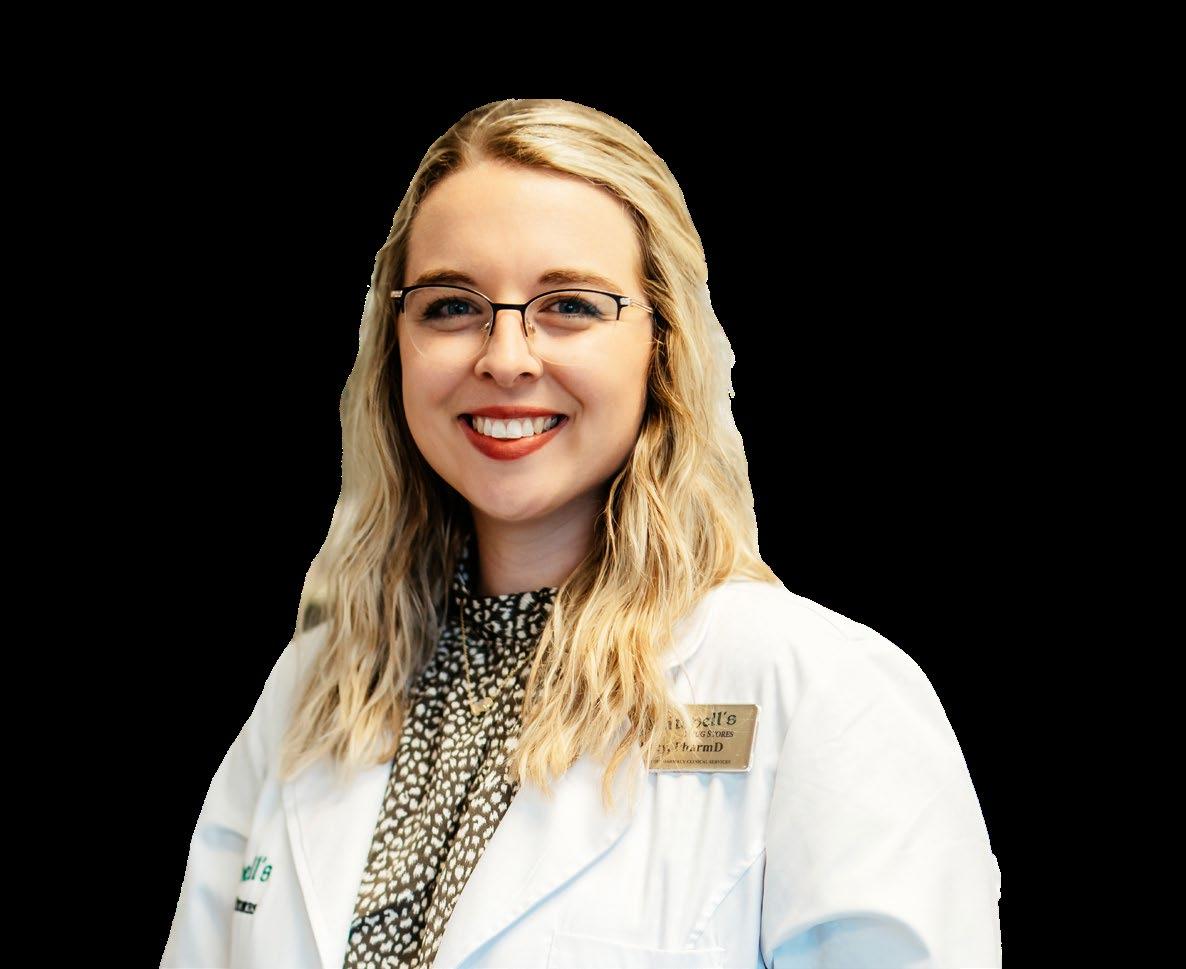
LACY EPPERSON
PharmD, Director of Pharmacy Clinical Services, Mitchell’s Drug Stores
Innovation in healthcare is traditionally aimed at workflow, technology, and product advancements that improve patient outcomes and efficiency. As busy community pharmacists, innovation is one of our top priorities as improvement in all of these spaces meets the goals and needs of improving our current business model and developing a sustainable approach to a volatile industry. Innovation is exciting because it’s an original idea that best suits the needs of a specific location, market, business, and community. At Mitchell’s Drug Stores, we have utilized an approach of first evaluating a market need for a product or service prior to implementing, which often has developed into unique territory.
Utilizing medication synchronization and adherence models (not a novel idea) as the backbone of our clinical services has been essential to the development and enhancement of our clinical service offerings. Unlike an autofill program, this dedicated department of employees works each and every day in a proactive manner to optimize coordination of care services that provides benefit to both the patients as well as our operations. These conversations are primarily led by trained and certified Community Health Workers who capitalize on the relationships they develop with patients by not only making their pharmacy and healthcare experience easier and more
convenient, but also by being able to connect them with resources both internally and externally of our organization. This patientcentered care focus as well as meeting the needs of our community has allowed us to conduct needs assessments that help our team determine the next appropriate clinical service to initiate. For example, these calls and patient encounters have elevated the opportunity to assist with transportation insecurity, financial insecurity, or social isolation, just to name a few; however, these interventions have also assisted with our recruitment for vaccination services and clinics, referrals for DSMEs programs, pharmacogenomics testing, point of care testing, or smoking cessation assistance programs. This regimented system has also allowed us to more keenly track medication therapy management opportunities and maximize those available through our state Medicaid program, where pharmacists are proudly awarded provider status and paid as providers. As we are shifting our focus to the pharmacist-led, non-dispensing services, we also offer drug-induced nutrient depletion and alpha gal consultations.
Aside from these opportunities, we are involved in initiatives that allow us to deploy Community Health Workers to patient homes for specific interventions and have credentialed pharmacists on staff who are learning and navigating how to conduct billable services after an initial visit is performed, including principle care management, remote therapeutic


monitoring, remote physiological monitoring, and chronic care management, just to name a few. Finally, we recognize and value the importance of especially taking care of those who may not be able to care for themselves. Among this vulnerable population includes both long-term care facility patients and embedding a long-term care at home program that provides us the opportunity to offer additional services beyond traditional dispensing.
The traditional insurance and PBM model as we know it is often self-serving in favor of the PBM rather than the patient. This knowledge encouraged our team to open a new pharmacy that allows us to market to patients that are otherwise being taken advantage of by the traditional model. While platforms like GoodRx may seem like a solution, they often come with hidden costs, both financial and moral—such as compromising private health information. We know the harm this can cause to patients by selling patient data and for this reason, we aim to offer solutions that protect our patients. By existing as a separate model, we believe we are able to use this as a foundation of providing patient education and identifying patients in our community that would financially benefit from this membership. This pharmacy serves a variety of patient populations, including those without health insurance and those who have insurance but their out of pocket drug costs

are unnecessarily high. The membership also includes a discount on over the counter products and access to delivery services, providing the patient with additional benefits on top of their reduced drug costs.
Similarly to the principle of our Cost Plus pharmacy, we envisioned a pathway forward to expose the current healthcare model and educate the public on affordable healthcare and alternative options. Although we do believe there is a place for insurance and would not encourage our patients be uninsured, we know many patients experience high deductible plans that they will never meet to receive “full coverage” and we believe there is a cost-savings approach to a monthly membership model that would otherwise be spent on one patient copay visit to a type of urgent care. This model has allowed our current patient members to have increased access to care in a timely manner and receive more of a “full service” healthcare experience all within the same building. As we have had to adapt to the needs of our community and the needs of our members, we realized an opportunity to set up a phlebotomy lab draw site. Through these lab services, we are able to service not only our current clinic members on site, but also accept walk-in patients. This ensures that patients can conveniently access necessary diagnostic tests, enhancing the overall quality of care provided. We have also been able to demonstrate cost-savings
opportunities as these labs provide an affordable option for cash paying patients as well as encouraging comprehensive labs through bundled packages. A unique population that we are continuing to explore and approach includes engaging with local employers and employer groups. Our clinic is not only focused on individual patients,
“At Mitchell’s Drug Stores, we believe that by reimagining the role of pharmacy through innovation, compassion, and community-driven solutions, we are not just keeping up with the future of healthcare—we’re helping to define it.”
but also on providing tailored healthcare solutions for local businesses like ours. By partnering with employers, the clinic helps reduce healthcare costs while promoting
employee well-being.
As the healthcare landscape continues to evolve, clinics and enhanced pharmacy services that demonstrate high-quality care that can be both accessible and affordable are of value to patients in the community. We aim to coordinate all of our current efforts to be able to take better care of patients. We are not alone in the struggles that all community pharmacies experience in dispensing efforts, which is one reason why we aim to diversify by incorporating other educational opportunities and services. Like with any business aiming to drive innovation, we do not want to remain stagnant in our efforts, so we are constantly adapting, changing, and improving our internal processes to meet the demands and challenges of the industry. We believe that advocating for a variety of services mentioned in this context can lead to better health outcomes and a more efficient healthcare system overall.
Despite the various challenges that our profession faces, we believe that this also allows opportunity. We have opportunities to provide meaningful solutions, personalized service, and innovative care that collectively strengthen the health and well-being of our community. At Mitchell’s Drug Stores, we believe that by reimagining the role of pharmacy through innovation, compassion, and community-driven solutions, we are not just keeping up with the future of healthcare—we’re helping to define it.
PharmD, RPh
Jolley’s Compounding Pharmacy
Senior Fellow, Healthcare, American Economic Liberties Project
Founder/Consultant, Apex Pharmacy Consulting
On April 13, I gave a speech at the Huntsman Center here in Salt Lake City. I want to share my speech and then comment briefly on what has happened since. Here’s the text of my speech:
“The Broligarchs are at war with people that work for a living. I’m a pharmacist. Here’s some ways that war plays out in my world.
I work at Jolley’s Compounding Pharmacy, which my grandpa started over 70 years ago, making us the third oldest pharmacy in Utah. I graduated from East High School. Salt Lake City School District, like many other employers, uses CVS/Caremark as their pharmacy benefit manager. Last year, CVS convinced the district that they’d save money by forcing all of the teachers to go to CVS/ Pharmacy for any prescription refills. This means that I, an East High School graduate, cannot be paid to care for the teachers that taught me the math and chemistry I use every day.
On Friday, I went to our drive up window and talked with a woman about her new prescription for Losartan. She was worried about taking it - this was her first chronic medication, but her systolic blood pressure has been as high as 195 recently, so I talked with her about the dizziness that sometimes happens when starting blood pressure medicine, how to manage her diet to reduce her blood pressure, and to reassure her that this medication will help her stay healthy for years to come. We talked for about 15 minutes. Her PBM, OptumRx paid nothing for that service, and told me to collect a $6.63 copay from her. The Mississippi Board of Pharmacy recently audited OptumRx, which is the PBM division of United Healthcare, and found that they paid their own pharmacies 27 times as much as they paid mom and pop pharmacies for antibiotics.
was included in the budget package, and I started to get hopeful that pharmacists would see change. And then Elon Musk started tweeting that the bill was too long, and that hope died. The next day, Elon tweeted “What is a Pharmacy Benefit Manager?”
You should be able to go to the doctor of your choice, not just the clinic that your insurance company owns. You should be able to go to the pharmacy of your choice, not just CVS. It should be illegal for CVS to be in charge of paying pharmacies while BEING the biggest pharmacy, and United Health to be in charge of paying doctors while employing more than 100,000 doctors. We need to Break Up Big Medicine. If you agree, go to breakupbigmedicine.com and join my fight.”
This Monday, I billed a claim to CVS/ Caremark, and CVS said they would pay me $0.35 to dispense a month’s supply of seizure medication, and then they’d take back $0.30 for the service of processing the claim on their computer. After my staff filled the prescription, and I checked to make sure it was safe and appropriate, my coworker delivered that seizure medication to our patient’s home. For that level of care, we were paid a whole nickel.
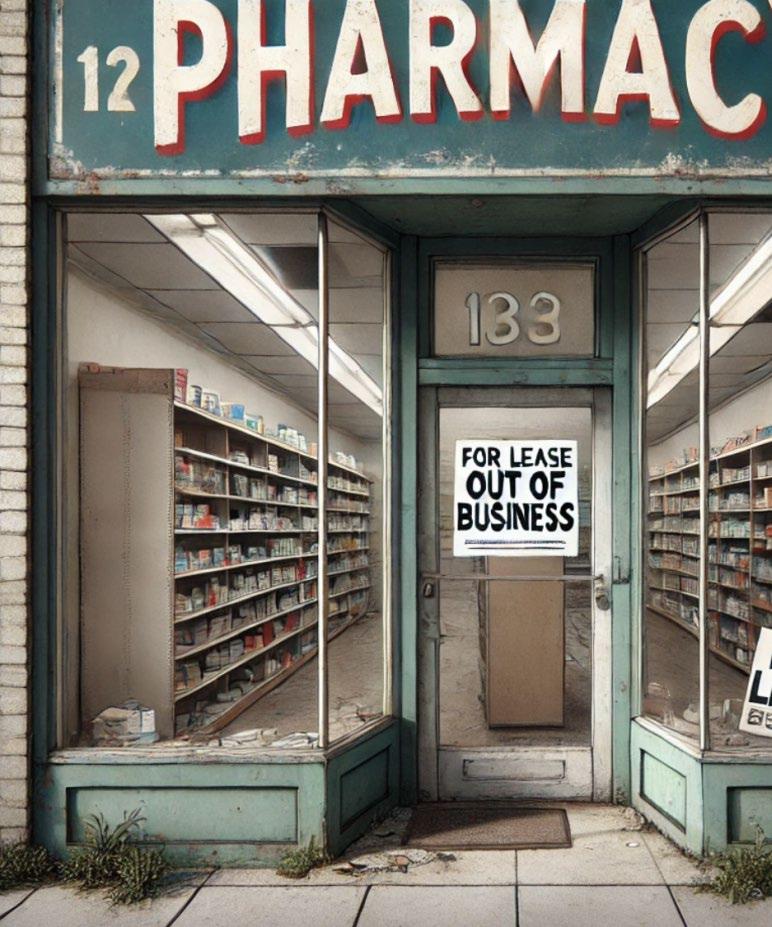
As a result of this corrupt self-serving behavior by Fortune 10 companies, just since January of last year, 3178 pharmacies have closed nationwide. Hundreds of thousands of Americans now have to drive more than 30 miles to the nearest pharmacy or hope that mail order arrives on time and undamaged. You may have noticed that there aren’t pharmacies in IHC clinics anymore - just empty shells where they used to have a pharmacy. During the last Congress, the Senate Finance Committee unanimously passed legislation that would have reformed some of the worst of these Pharmacy Benefit Manager abuses. In December, it
That was April 13, 2025. In December 2024, Elizabeth Warren, Josh Hawley, Diana Harshbarger and Jake Auchincloss introduced the Patients Before Monopolies Act (PBM Act), which would ban PBMs (and their parent companies) from owning pharmacies and vice versa.
On April 14, 2025, 39 State and Territory Attorneys General sent a letter to Congress requesting that they pass a bill similar to the PBM Act, prohibiting PBMs from owning pharmacies. On April 16, 2025, Arkansas Governor Sarah Huckabee Sanders signed HB1150 into law, which prohibits companies with a PBM in their ownership structure from obtaining pharmacy permits from the state board of pharmacy, effective 1/1/2026.
“It should be illegal for CVS to be in charge of paying pharmacies while BEING the biggest pharmacy.”
On May 13, the Senate Judiciary Committee held a hearing about PBMs. Four separate Senators explicitly called for the outlaw of PBMs owning pharmacies. MO Senator Hawley had a heated discussion on the topic with PCMA’s JC Scott. HI Senator Hirono cited her experience as an antitrust lawyer stating that you can have all the transparency you want, but a structural reform is needed. NJ Senator Cory Booker described the vertical integration of PBMs and pharmacies as “not a scam” but “corporate violence.” LA Senator Kennedy used a rather colorful analogy to say that we should outlaw PBMs from owning pharmacies. On May 14, Representative Chuy-Garcia also called for a ban on PBMpharmacy vertical integration.
Patient advocates and pharmacists have been far too timid about the types of reforms that they ask for in the past. “Ban spread pricing!” “Let pharmacists prescribe two specific drugs!” “ Ban copay accumulators!” “Make Medicare define reasonable and relevant reimbursement rates.” The PBM Act and similar bills get at the structural corruption in the pharmacy reimbursement system. Because PBMs own pharmacies, they are able to manipulate pricing in what I describe as a “cream skimming” scam. PBMs deflate the Maximum Allowable Costs (MAC) and dispense fees that they are willing to pay for the vast majority of commonly prescribed medications, and INFLATE the MACs of rare “specialty”
products, and then convince employers to employ a “exclusive” deal for obtaining those specialty products. This very behavior is the topic of multiple lawsuits against employers for violating their fiduciary duty under ERISA. I recently had a fascinating discussion with a former PBM executive who described to me the method by which these “specialty exclusive” deals are obtainedduring a multiple-hour-long implementation meeting in which hundreds of decisions about formulary, cost sharing and pharmacy network are made with the employer on a zoom call with the PBM, the question of “do you want a specialty exclusive deal” is posed deep in the meeting, at which point all but the most attentive and sharp employer representatives have started to have their eyes glaze over at all of the decisions to be made, and they are primed to agree with all of the default options.
Given the financial harm to employers and their employees by this tactic, the solution of “ban PBM-pharmacy co-ownership” feels long overdue. The incentive to create a pricing scheme with inflated margins for rare drugs and suppressed pricing for common drugs disappears if you ban PBMpharmacy co-ownership (and secondarily ban spread pricing). Why would you, as a PBM, reimburse a competitor $0.35 for carbamazepine and your own pharmacy $6,229 for teriflunomide in the absence of a self-dealing PBM-pharmacy relationship?
While I’m on the subject, the existence of
different “Maximum Allowable Costs” for different pharmacies for the same exact drug for the same patient on the same day is an insult to the english language. If a MAC is a “maximum” for me, it’s the “maximum” for my competitors too. It’s an incredibly widespread practice and it makes me feel crazy. I have plenty of publicly available evidence of this that I will likely make the topic of an upcoming rambling.
The best analogy I can come up with for the PBM-specialty pharmacy co-ownership that drives at least 28% of prescription drug revenues in the US is in real estate. Most homebuyers use a buyer’s agent to assist them in purchasing a house and negotiate down the sales price. Imagine a buyer’s agent that attempts to sell you THEIR OWN home. Their incentives would be fundamentally against yours - it’s far worse than if they were both the buyer’s and seller’s agents, they are the seller! You would not trust their analysis of what the home costs. And yet, that’s the basic scheme of PBM-pharmacy co-ownership. The PBM is ostensibly the buyer’s agent for the employer/health plan and the members of the health plan, and simultaneously they are the primary or even sole pharmacy selling the most expensive prescription drugs.
This charade of corporate violence against the public cannot be allowed to continue. Congress must pass the PBM Act into law as soon as possible - it’s good public policy to put Patients Before Monopolies.
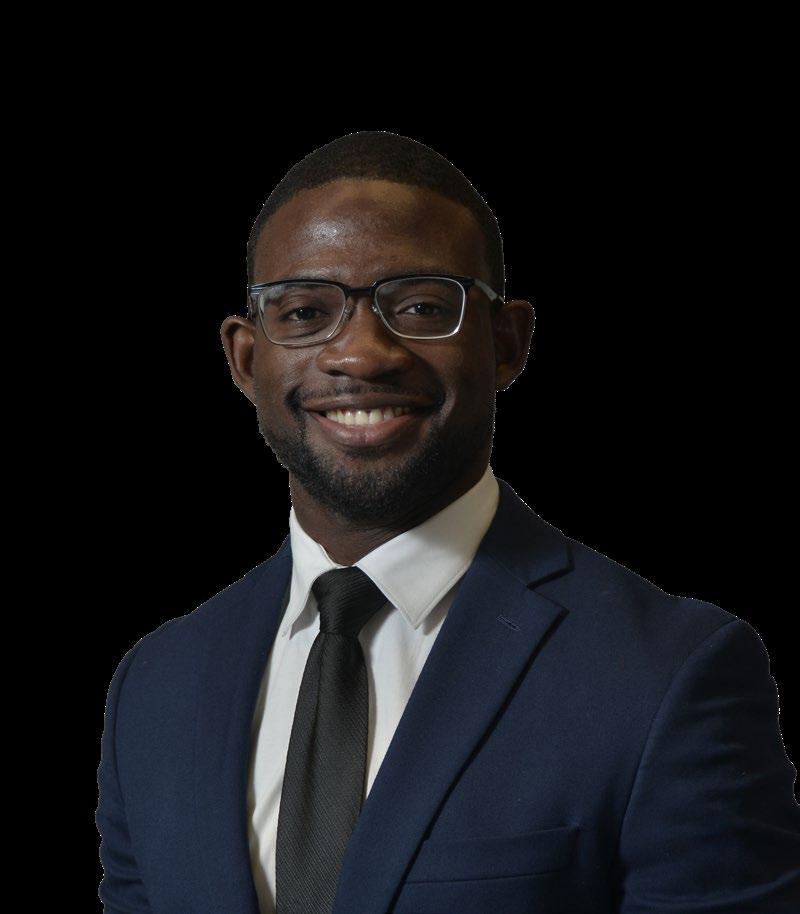
TAYLOR LEGETTE PharmD Professional Practice Associate Pennsylvania Pharmacists Care Network
becoming a Community Health Worker (CHW) Facilitator in Pennsylvania has been one of the most energizing and impactful roles I’ve had the privilege to lead. Since stepping into this position, I’ve proudly guided 18 pharmacy technicians through the rigorous 12 to 16-week CHW training course, offered in partnership with CEimpact, where I also serve as faculty. This program equips pharmacy-based CHWs with a wide-ranging skill set including motivational interviewing, cultural competency, collaborative care frameworks, health literacy, disease state understanding, and medication adherence strategies.
But the work doesn’t stop at the end of the course. I continue to support each cohort through 3–4 dedicated check-ins, offering tailored guidance on integrating CHW roles into the pharmacy workflow. These sessions troubleshoot real-world barriers and provide practical resources—marketing templates, social determinants of health (SDOH) screening tools, and referral documentation processes—to ensure the CHWs are not just trained, but truly embedded and empowered within their pharmacies.
CHWs in this model serve as connectors—bridging patients to community resources, coordinating with care teams, and enhancing trust in the healthcare system. Through patient-centered interviews, CHWs go beyond symptoms to uncover challenges like food insecurity or housing instability. They then triage and refer patients
to appropriate services, track follow-up, and document outcomes. In the pharmacy context, CHWs are integrated into consultations, follow-up visits, and referral management, helping pharmacists extend their reach far beyond the counter.
Importantly, we’ve seen measurable results. Pharmacies with trained CHWs complete SDOH screenings at significantly higher rates and generate nearly double the number of community referrals compared to sites without CHW support. These efforts are directly improving care continuity, adherence, and patient outcomes— particularly among underserved populations.
To amplify this work, I’ve also created a CHW directory website to help connect trained CHWs with pharmacies across the state looking to expand their community outreach capacity. In addition, I champion speaking opportunities through the Pennsylvania Pharmacists Association (PPA), giving CHWs a platform to share their expertise and grow professionally.
This work is deeply rewarding and truly transformational. The CHW model is not just an add-on—it’s a vital strategy for advancing equitable, accessible, and community-rooted care. I’m honored to be part of this movement and excited to continue growing a CHW network that strengthens both pharmacy practice and public health in Pennsylvania.
“Importantly, we’ve seen measurable results. Pharmacies with trained CHWs complete SDOH screenings at significantly higher rates and generate nearly double the number of community referrals compared to sites without CHW support. These efforts are directly improving care continuity, adherence, and patient outcomes— particularly among underserved populations.”
JOEL TALLEY
MBA, Student Pharmacist, Class of 2026
St. Louis College of Pharmacy
University of Health Sciences and Pharmacy
Pharmacists are widely recognized as the most accessible healthcare professionals, with 96.5% of Americans living within 10 miles of a pharmacy. In Missouri, pharmacists play an essential role in providing healthcare services, especially in underserved areas where access to primary care providers is limited. This report details the outcomes of the “Show Me MO Pharmacy” initiative, a walk-by clinic showcasing the profound impact pharmacists can have on public health. The data collected reinforces the need for legislative support to preserve pharmacy accessibility and expand pharmacist services, including prescriptive authority. The initiative not only highlights the value pharmacists bring to healthcare but also demonstrates the potential for pharmacists to address gaps in care and provide targeted interventions for chronic diseases, immunizations, and substance use disorders. By integrating pharmacists more fully into the healthcare system, Missouri can significantly improve patient outcomes and reduce healthcare disparities.
The Show Me MO Pharmacy initiative served as a snapshot of what pharmacists can achieve statewide. It illustrated our ability to screen for chronic conditions, provide educational services, and deliver life-saving interventions to patients who might otherwise fall through the cracks of the healthcare system. Given the widespread challenges facing independent pharmacies— including Pharmacy Benefit Manager (PBM) practices and economic pressures—it is imperative that legislators act to ensure pharmacists remain a cornerstone of accessible healthcare. This report thoroughly
analyzes the demographic data, health outcomes, and potential public health impact achieved through this initiative.
Accessibility: Research shows that 89.2% of people live within a 20-minute walk of a pharmacy, far surpassing access to primary care clinics.1,2 Pharmacies, particularly in rural Missouri, serve as the only healthcare access points in some communities. A landscape with robust pharmacy access ensures that underserved populations can still receive essential healthcare services, including chronic disease management, immunizations, and substance use disorder interventions. Pharmacists are often the last link in the healthcare chain, providing timely education, counseling, and preventative care.
Threat to Pharmacies: As community pharmacies are receiving decreased reimbursement for dispensing, it is causing widespread closures of independent pharmacies. These closures exacerbate healthcare disparities, particularly in rural and underserved areas. Without local pharmacies, patients face delays in receiving medications, a lack of preventative care, and worsening outcomes for chronic conditions. The loss of pharmacies places an undue burden on hospitals and urgent care facilities, which are already stretched thin.
Pharmacists’
As pharmacists continue to expand their scope of practice, we can fill critical gaps in patient care. Granting pharmacists prescriptive authority would allow us to manage chronic conditions more effectively, provide necessary vaccinations, and address public health emergencies. Legislative
support is vital to empower pharmacists to deliver these services without unnecessary restrictions.
Demographics
• Key Takeaway: A diverse range of individuals participated in the clinic, demonstrating that pharmacists can effectively reach broad demographics, including minority populations who traditionally face greater healthcare disparities. Pharmacists’ ability to connect with underserved groups highlights our role as trusted healthcare providers
who can deliver culturally competent care and reduce barriers to access. By expanding pharmacist services, these communities would experience improved health outcomes and reduced disparities.
Blood Pressure Results
• Hypertension Screening and Education Category Patients Seen Educated Normal 16 -
Hypertension 7 3
• Key Takeaway: Out of 43 blood pressure screenings:
• Pharmacists provided education to all patients with uncontrolled HTN, underscoring the role pharmacists play in hypertension management and patient counseling.
• Educational Interventions: Pharmacists educated 14 individuals on hypertension prevention and management strategies, empowering patients to adopt healthier lifestyles and monitor their blood pressure regularly.
Additional Information
Interventions led by pharmacists and community health workers are most likely to help patients with hypertension achieve disease control, according to research published in the American Heart Association’s (AHA’s) journal
Circulation: Cardiovascular Quality and Outcomes. 3 With a pharmacist guiding them, participants in the meta-analysis saw their systolic number fall by as much as 7.3 points and their diastolic reading drop by as much as 3.9 points. Researchers focused on randomized controlled trials of different interventions meant to address barriers to BP control, stratified according to what category of healthcare professional delivered the care. Using random effects models and generalized estimating equations, investigators found that the biggest reductions in systolic BP and
diastolic BP occurred under the direction of pharmacists, followed by community health workers.
In pairwise comparisons, pharmacists were much more effective than physicians, nurses, and other healthcare professionals at providing interventions. The study authors concluded that going forward, pharmacists and community health workers should have preferred roles in spearheading hypertension control efforts.
• By identifying undiagnosed or poorly managed hypertension, pharmacists helped mitigate cardiovascular risks. Hypertension is one of the most significant contributors to heart disease, and early intervention can prevent costly hospitalizations.
• Expanding pharmacists’ prescriptive authority to include antihypertensive therapy could bridge treatment gaps and improve patient outcomes. Pharmacists could work alongside primary care providers to optimize medication regimens, monitor patient progress, and improve adherence to treatment plans.
Status Fasting Count <2
• Key Takeaway: Out of 45 patients screened:
• 4 patients had normal fasting glucose levels, while 3 could be classified as pre-diabetic, showcasing an opportunity for pharmacists to intervene early with lifestyle education.
• Pharmacists provided educational resources on blood sugar monitoring, dietary changes, and physical activity to reduce progression to diabetes.
• Pharmacists are equipped to deliver education on pre-diabetes management and glucose monitoring, reducing the progression to diabetes. With diabetes being a leading cause of disability and death4 in the United States, early detection and management are
critical.
• With expanded prescriptive authority, pharmacists could initiate and adjust diabetic therapy in areas with limited provider access. Pharmacists could monitor glucose levels, titrate medications, and provide ongoing patient education, ensuring consistent and effective care.
Immunizations
Vaccine Count
Influenza 58
COVID-19 37
Additional Immunizations
Recommendations
Vaccine Count
Influenza 1
COVID-19 11
Pneumonia 10
RSV 7
Shingles 3
• Key Takeaway: Pharmacists delivered a total of 95 vaccines, and after screening vaccinated patients, they identified 32 additional eligible vaccines for patients, demonstrating the ability to increase immunization rates efficiently. Immunizations are a cornerstone of public health, and pharmacists’ involvement significantly improves vaccine uptake.
A new report from the Global Healthy Living Foundation and the consultant company IQVIA found that pharmacists in the United States administered more recommended routine vaccinations compared with physicians from 2020 to 2021. The majority of adult COVID-19 and shingles vaccinations took place at pharmacies, and approximately 60% of vaccinations during influenza season also occurred at pharmacies5.
The data revealed a 30–40% increase in claims for influenza vaccines at pharmacies between 2018 and 2019 as well as in 2020. Pneumococcal vaccinations increased at pharmacies, and roughly 13–20% of adult HPV vaccines were administered at a pharmacy by the end of 2021, compared
with 5–8% in 2018. The bulk of pediatric COVID-19 vaccines were also administered at pharmacies, with influenza vaccinations administered in 2020 and 2021 increasing to 12–13% during the influenza season compared with 7–10% in 2018 and 2019.
The report also highlighted that there were 15.1% more pharmacy locations within low-income communities than physician offices, meaning that lower-income families had greater access to pharmacists than to physicians5. The Public Readiness and Emergency Preparedness Act (PREP Act) has allowed pharmacists and pharmacy technicians to administer certain vaccines without a prescriber order, including COVID-19 vaccines for ages 3 or older, the influenza vaccine for ages 18 and older, and ACIP-recommended pediatric vaccines for ages 3 to 18 years. Since the enactment of the PREP Act, there has been a significant increase in routine vaccinations provided by pharmacists, surpassing the number of vaccines given by physicians.
The PREP Act has also been instrumental in increasing access to essential healthcare, specifically immunization delivery. The ability of pharmacists to vaccinate down to the age of 3 years has helped fulfill the increasing demand for vaccinations that followed the rise of COVID-19 and has closed the health equity gap for low-income families and rural communities.
Impact
• Increasing pharmacist immunization services reduces vaccine hesitancy and improves population health outcomes. By offering vaccines in a convenient and accessible setting, pharmacists help close gaps in immunization coverage.
• Immunization programs led by pharmacists are critical in rural and underserved areas where vaccine access is otherwise limited. Expanding funding for these programs would allow pharmacists to deliver vaccines to more patients and reduce the incidence of vaccine-preventable diseases.
Intervention Type Count
Narcan Box Distribution 54
Narcan Training 53
Education Pamphlet 52
Medication Disposal Kit 51
Proper Medication Disposal Education 45
Fentanyl Strips 1
Nicotine Replcement Therapy Edication 1
• Key Takeaway: A total of 257 SUD interventions were provided. Pharmacists demonstrated their capability to address opioid overdoses and substance misuse through education, Narcan training, and medication safety resources. Pharmacists play a critical role in harm reduction by equipping patients with tools to prevent overdoses and dispose of medications safely.
Impact
• Pharmacists’ involvement in SUD interventions saves lives by reducing opioid overdoses and preventing misuse of medications. By distributing Narcan and providing proper training, pharmacists ensure that patients and families are prepared to respond to emergencies.
• Funding and policy support for pharmacistled SUD programs would expand access to life-saving resources in communities most affected by the opioid crisis.
Show Me MO Pharmacy Initiative Implications
The data from the Show Me MO Pharmacy initiative highlights the following:
1. Identification of Chronic Diseases: Pharmacists successfully identified, referred, and educated patients with potential hypertension, pre-diabetes, and unmanaged chronic conditions, emphasizing their role in preventative care and chronic disease management.
2. Immunization Rates: Pharmacists improved immunization uptake, addressing gaps in vaccine accessibility and reducing the spread of infectious diseases.
3. Substance Use Education: Pharmacists provided life-saving interventions for opioid misuse, reinforcing their role in combating the opioid epidemic and promoting safe medication use.
4. Healthcare Disparities: Pharmacists serve as healthcare access points for underserved and minority populations, especially in rural areas where other providers are unavailable, and urban areas in healthcare deserts.
To fully harness the capabilities of pharmacists and address healthcare disparities, the following policy changes are essential:
• Prescriptive Authority: Grant pharmacists’ prescriptive authority for chronic disease management, including hypertension, diabetes, and vaccines, to ensure timely and effective care.
• Funding for Pharmacy Services: Support programs that allow pharmacists to provide preventative care, immunizations, and substance use interventions to underserved populations.
• Workforce Development: Invest in training and workforce expansion to ensure pharmacists can continue to meet growing healthcare demands.
The Show Me MO Pharmacy initiative demonstrates pharmacists’ critical role in improving public health outcomes and addressing healthcare disparities in Missouri. By identifying chronic diseases, increasing immunization rates, and providing substance use disorder interventions, pharmacists have demonstrated value as accessible and trusted healthcare providers. With appropriate legislative support, pharmacists can expand services to provide accessible, affordable, and life-saving care across all communities, ensuring a healthier future for all Missourians.
See Sources on page 35.
PharmD, B.S.
Alps Pharmacy, PGY1, Community Resident
“At
Alps Pharmacy, we understand the impact of utilizing a pharmacist to their highest potential to ensure our patients have the best possible care. Our team strives to advance pharmacy through innovative research, team-work and determination to meet the demands of future practice.”
Introduction
The pharmacy profession is continuously evolving, searching for new ways to advance patient care and health outcomes.1,2,11 Pharmacists are capable of contributing more to society than counting pills, and checking a prescription.2,7 Changing the narrative of what a pharmacist does will be a continual process as we see the gradual shifts within the profession to focus on optimizing the pharmacist-patient interactions.1,2 One area of opportunity for advancement is the integration of pharmacists in clinical settings and Medication Therapy Management (MTM) services. This article will describe the positive impacts of this work in Missouri and how it can improve inconsistency with medication adherence, and ultimately patient health. More specifically, this article will look at the implementation of MTM services within Alps Community Pharmacy and the
incorporation of a pharmacist in the Alps Health Clinic.
Pharmacists working in clinic settings and providing MTM services are advancing patient care in the health system by addressing medication adherence, social determinants of health, and overall health outcomes.2,5,6 The pharmacist is vital in the
“
Pharmacists count by fives . . . they’re pill counters. They count the medicine and put them in bottles.”
Crystal Williams, M.C., Media Specialist
outpatient or ambulatory healthcare settings, optimizing pharmacotherapy through
comprehensive medication reviews and medication therapy assessments to identify and prevent unnecessary drug interactions while providing individualized patient drug therapy consultations.3,10,11 Pharmacists use patient education to empower patients to understand when and how to take their medications, discuss current medication concerns, and address social disparities that may affect patient outcomes. The pharmacist also collaborates with other healthcare professionals to optimize medication therapy management.3,8 Pharmacists provide direct impact on both clinic efficiencies and healthcare costs by engaging patients to proactively manage medication-related issues.6,10
Within Alps Pharmacy, an average of four pharmacists are calling patients on a daily basis to conduct phone interviews and discuss medication management. This MTM process has positively increased
patient outcomes in the management of chronic diseases and led to an increase in medication compliance.5 Alps Health Clinic is a direct primary care facility providing readily accessible healthcare to the public through monthly subscriptions or single-visit fees. Integrating a pharmacist into the clinic staff increases interprofessional collaboration and leads to increased patient engagement while bridging the gap between community care and primary care within a clinical environment.1-3 By integrating pharmacists into clinics and leveraging MTM services, healthcare systems can achieve better patient outcomes and promote efficient and cost-effective healthcare.2,11 In a randomized, comparative trial 60% of the patients in a physician-pharmacist managed cohort achieved blood pressure control as opposed to only 43% in patients managed by a physician alone.3 Join the movement to advance pharmacy by getting involved and implementing these processes in your pharmacies.
Medication Therapy Management services involve a thorough review of the patient’s current medication regime, proactively identifying medication-related problems, and developing personalized strategies for optimizing their medication use, which provides them with an opportunity to take action towards managing their health.2,5,8 MTM services enable pharmacists to focus on individual patient needs and optimize medication therapies to improve quality of life.8 Through MTM, pharmacists can:5,6,8,11
• Conduct a comprehensive medication review
• Develop an individualized care plan to address health barriers and social determinants of health
• Provide patient education about medications, health conditions, and medical devices
• Monitor medication adherence, address medication compliance, and medication interactions
• Collaborate with other healthcare providers to ensure the patient is receiving optimal care
• Enhance the patients quality of life by addressing all questions and concerns
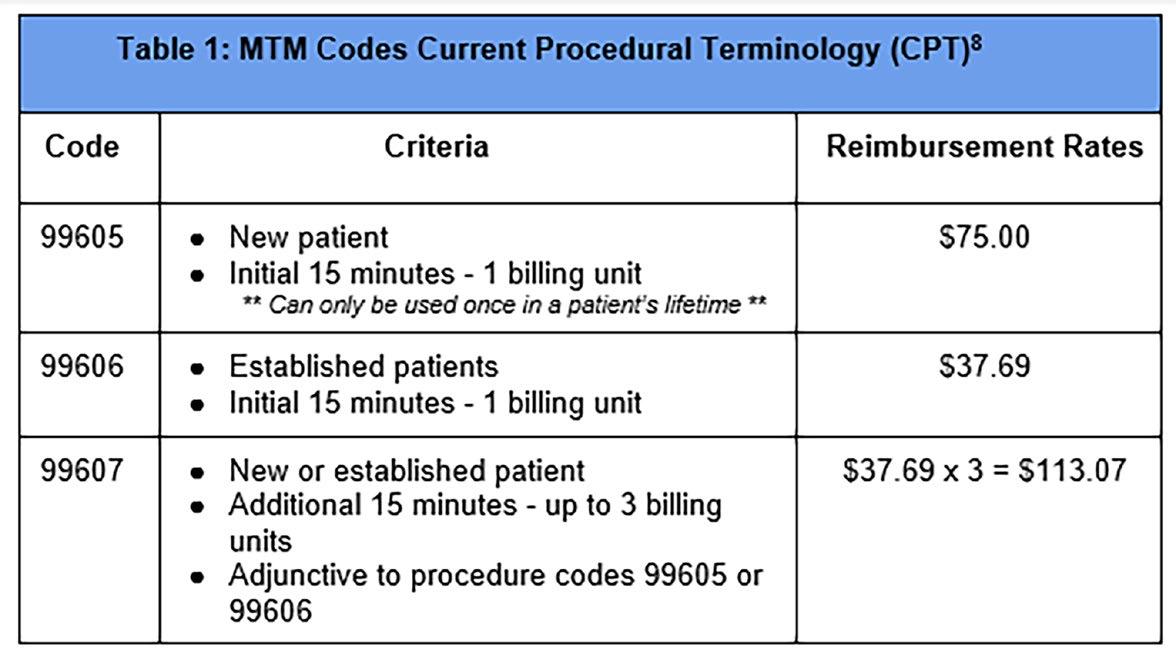
In Missouri, pharmacists are recognized as providers. Missouri Medicaid allows pharmacists to document interventions and utilize CPT codes 99605, 99606, and 99607 for billing opportunities.8 Eligible providers are limited to a total of four (4) MTM units (60minutes) within a calendar month per patient.8
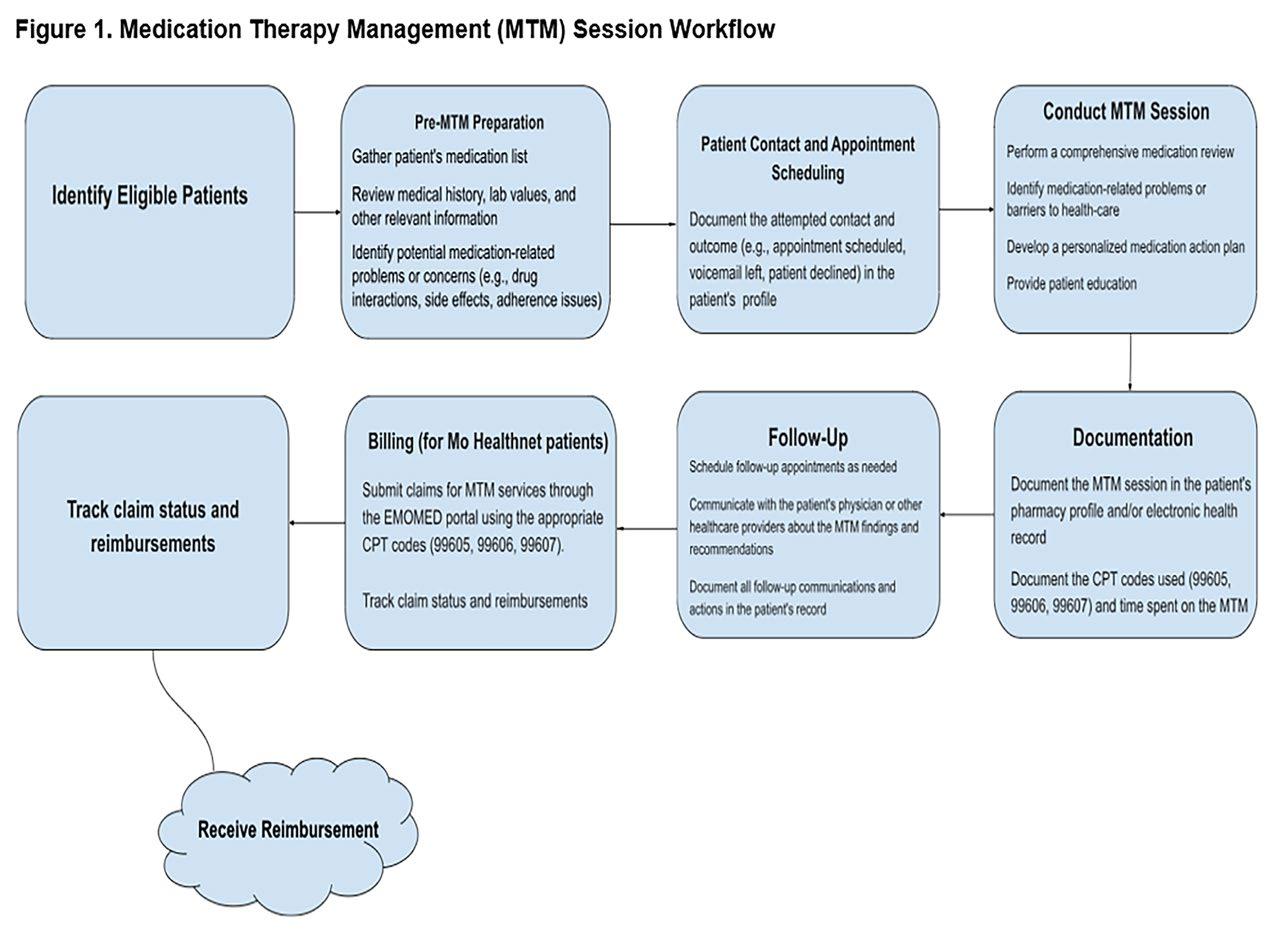
A pharmacist conducts a comprehensive medication review for a new patient, dedicating time to documentation, counseling, and developing a treatment plan, totaling one billable hour. The pharmacist utilizes the 99605 CPT code for new patients or 99606 for established patients to bill for the first 15 - minute unit and the 99607 code for the additional three 15 -minute units. Upon submission of the information through the EMOMED portal, the participant will receive a paid claim reflecting the total reimbursement for the time allocated to patient care. This billing process allows for straightforward reimbursement for optimizing patient care, an activity routinely performed by pharmacists. Many pharmacists are talking to patients, counseling, collaborating with physicians, optimizing medication therapy, and more on a daily basis. However, there are still pharmacists within the state of Missouri that are not getting appropriate reimbursements for the countless hours they are already contributing to optimizing patient care. Let’s change that, starting now. 2
“ My greatest accomplishment this week, I felt was talking with a lady about her breathing. She only had
a rescue inhaler so
I
encouraged her to reach out to her provider which she did and got Symbicort!”
Calli Kempker, PharmD Alps Pharmacy
Implementing pharmacists in clinic settings and utilizing MTM sessions has led to significant improvements:2,5,6,11
• Reduced medication errors and adverse events: Through medication reviews, problem resolution, education, dosage adjustments under collaborative agreements, medication reconciliation, and chronic disease management participation.2,6,9
• Improved management of chronic conditions: By conducting medication reviews, educating patients on proper medication use, and adjusting dosages in collaboration with physicians.3,5 They also monitor adherence, participate in disease management programs, and address polypharmacy to improve patient outcomes and reduce medication-related issues.5,9 These interventions contribute to better disease control and overall patient well-being.2,5,6
“MTM billing allows pharmacists to prioritize the patients. I can slow down and take the time to make sure patients understand their medications and how it works and that makes a huge difference.”
Linda Tran, PharmD, PIC Alps Pharmacy, Springfield, MO
• Enhanced patient satisfaction and engagement: Through medication education, addressing concerns, personalized care that builds trust, and active patient involvement in their medication management, leading to better understanding, confidence, and adherence.2,9
• Lower healthcare costs through optimized medication use: By optimizing medication use through error prevention, improved chronic disease management, enhanced adherence, resolving drugrelated issues, adjusting dosages, medication reconciliation, managing polypharmacy, and patient education.6,10,11
• Improved Patient Outcomes: Demonstrated through reduced HgbA1c levels in diabetic patients and improved glycemic control and reduced benzodiazepine use.2,9
• Enhanced Medication Adherence: Pharmacist interventions lead to better adherence, improving outcomes and lowering healthcare costs.2,5,9
• Increased Clinic Efficiency: By managing medication-related issues, they free up other healthcare professionals.2
• Expanded Access to Care: They increase access to medication management services, especially for complex cases or those with limited access to specialized care.2
Pharmacy integration in clinics and growth of MTM services in Missouri has great potential for additional development through the following possibilities:1,2,4,11
• Increased collaborative practice agreements with pharmacists and physicians can provide pharmacists with more autonomy in medication therapy management, including initiation, modification, and cessation of medication according to written protocols.1,2,4
• Utilizing MTM’s to help with public health initiatives by offering interventions for weight management, smoking cessation, alcohol or substance abuse.4 Educating patients on the advantages of MTM services will lead to increased patient engagement and participation.
• Development and implementation of new care models that incorporate pharmacists as integral members of interdisciplinary teams, through clinics, such as primary care practices and specialty clinics, will enhance communications and coordination of care.4
• Support of policies at the state level that ensure proper recognition, reimbursement and integration of pharmacist-provided clinical services.8
“ Having a pharmacist in the clinic helps with medication reconciliations, obtaining pertinent information during patient interviews, providing alternative treatment options, and being an additional resource to quickly provide information to patients. It’s wonderful to have a pharmacist on our team.”
Holly Hitt, FNP-BC Alps Health Clinic
If healthcare systems incorporate pharmacists into practice in a clinical setting, and provide pharmacist-delivered comprehensive Medication Therapy Management (MTM) services, the organization will see improved quality of care and better health outcomes.2,11 Pharmacists are readily accessible to patients and knowledgeable, making them vital members of the healthcare team capable of assisting patients with medication education and medication reconciliation, identifying medication interactions or potential adverse effects, among many other medicationrelated services.2 Including pharmacists in clinics allows for interprofessional coordination and communication with physicians, nurses, and providers administering patient care.1-3,11
Utilizing pharmacists and integrating them into the healthcare system in Missouri is a positive step towards providing a more patient-focused, efficient, and effective healthcare delivery system; healthier communities, and lower health-care costs.2,11
At Alps Pharmacy, we understand the impact of utilizing a pharmacist to their highest potential to ensure our patients have the best possible care. Our team strives to advance pharmacy through innovative research, team-work and determination to meet the demands of future practice.
1. Anderson C, Zhan K, Boyd M, Mann C. The role of pharmacists in general practice: a realist review. Res Social Adm Pharm. 2019;15(4):338–345. doi: 10.1016/j. sapharm.2018.06.001.
2. Beney J, Bero LA, Bond C. Expanding the roles of outpatient pharmacists: effects on health services utilisation, costs, and patient outcomes. Cochrane Database Syst Rev. 2000;3:CD000336. doi: 10.1002/14651858. CD000336.
3. Borenstein JE, Graber G, Saltiel E, et al. Physician-pharmacist comanagement of hypertension: a randomized, comparative trial. Pharmacotherapy. 2003;23(2):209–216. doi: 10.1592/phco.23.2.209.32096.
4. Brown TJ, Todd A, O’Malley C, et al. Community pharmacy-delivered interventions for public health priorities: a systematic review of interventions for alcohol reduction, smoking cessation

Erica Mahn, PharmD, BC-ADM (Editor/Contributor)
Residency Program Director Executive Director of Community Pharmacy Services, Alps Pharmacy
and weight management, including meta-analysis for smoking cessation. BMJ Open. 2016;6:e009828. doi: 10.1136/ bmjopen-2015-009828.
5. Harris IM, Westberg SM, Frakes MJ, Van Vooren JS. Outcomes of medication therapy review in a family medicine clinic. J Am Pharm Assoc. 2009;49(5):623–627. doi: 10.1331/JAPhA.2009.08069.
6. Lenander C, Elfsson B, Danielsson B, et al. Effects of a pharmacist-led structured medication review in primary care on drugrelated problems and hospital admission rates: a randomized controlled trial. Scand J Prim Health Care. 2014;32(4):180–186. doi: 10.3109/02813432.2014.972062.
7. Martinez , Dr. Ramon. “Pharmacist Scope of Practice.” MOST Policy Initiative , 2022, mostpolicyinitiative.org/wp-content/ uploads/2022/05/Pharmacist-SOP.docx.pdf.
8. Mo Healthnet Provider Manual. MoHealthNet. (2024). https://manuals. momed.com/collections/collection_ archive/collection_pha/Pharmacy_ Section13_05012012.pdf
9. Riordan DO, Walsh KA, Galvin R, et al. The effect of pharmacist-led interventions in optimising prescribing in older adults in primary care: a systematic review. SAGE Open Med. 2016;4 doi: 10.1177/2050312116652568. 2050312116652568.
10. Stergachis A, Fors M, Wagner EH, et al. Effect of clinical pharmacists on drug prescribing in a primary-care clinic. Am J Hosp Pharm. 1987;44(3):525–529.
11. Tan EC, Stewart K, Elliott RA, George J. Pharmacist services provided in general practice clinics: a systematic review and meta-analysis. Res Social Adm Pharm. 2014;10(4):608–622. doi: 10.1016/j. sapharm.2013.08.006.

Cut your ordering time by up to 70%.
And manage your wholesaler’s purchasing rebates with real-time data.
ProfitGuard delivers the right quantity at the right price at the right time. Every time.
We use pharmacy-specific analytical modeling—as well as your own store’s unique data—to automatically balance your GCR while you control every purchasing decision.
With access to PBA Health’s backup warehouse, you get every penny out of your primary wholesaler rebate. Compliance management. Ongoing inventory flexibility to fill gaps and

address shortages. Immediate solutions to supply-chain disruptions. Item-level optimization, including package size.
Plus, a real-time dashboard, detailed reports and ProfitGuard experts to help with implementation, troubleshooting or tech problems. What are you waiting for? Call 800.333.8097.


Saint Joseph, MO
Springfield, MO
Warrensburg, MO
Lebanon, MO
Hollister, MO
Joplin, MO
Boliver, MO
Poplar Bluff, MO
St. Louis, MO
Dexter, MO
Anna, IL
Carbondale, IL
Pharmacy practice at Walgreens embraces an unmatched standard of quality care through focused efforts to allow greater access to patients where they need us most- in their communities. Our pharmacy micro-fulfillment sites free up our pharmacists to provide much needed healthcare services such as immunizations, medication therapy management and health testing, which allows them to practice at the highest level of their profession and impact millions of patients’ lives.






BROUGHT TO YOU BY

SEPTEMBER 12 | 11:00 AM - 2:00 PM
(AS OF AUGUST 1)
Boehringer Ingelheim
Cardinal Health
CPA
CPESN-Missouri
Citizens Memorial Hospital
Eyecon-RxSafe
Liberty Software
McKesson
Mercy Morris & Dickson
National Healthcareer Association
Novo Nordisk Diabetes
Novo Nordisk Obesity
PBA Health
Pharmacists Mutual Insurance Group
Pharmacy Frontiers Podcast
RE-FOCUS THE CREATIVE OFFICE
Rx Systems
Safe n Simple
SpotSee
St. Louis College of Pharmacy @ UHSP
Strive Compounding Pharmacy
WSPC - Buying Group
Reservations can be made by scanning the QR code or calling 800-826-8272
*Use Group Code: “PHAR” to save! Book by August 13, 2025



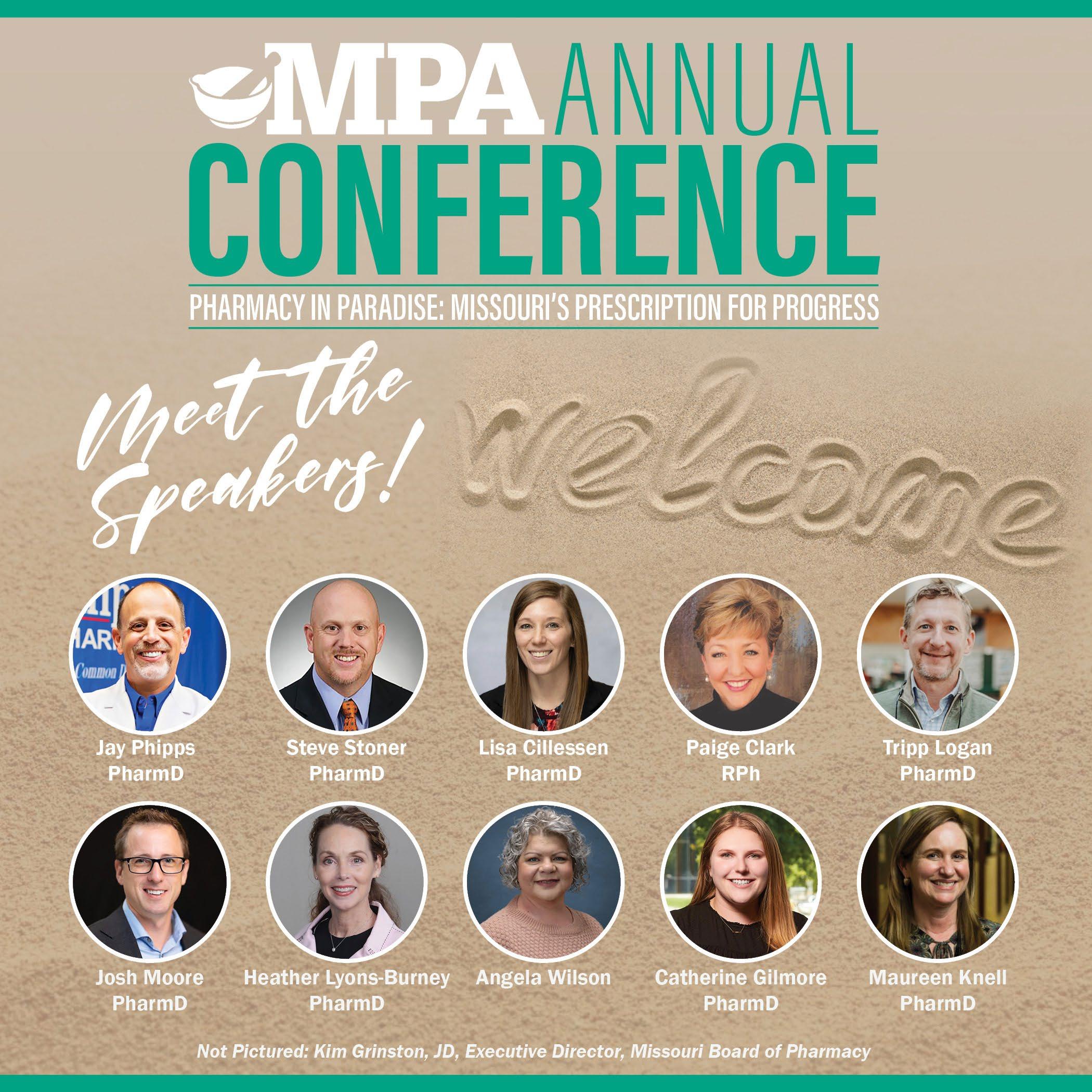
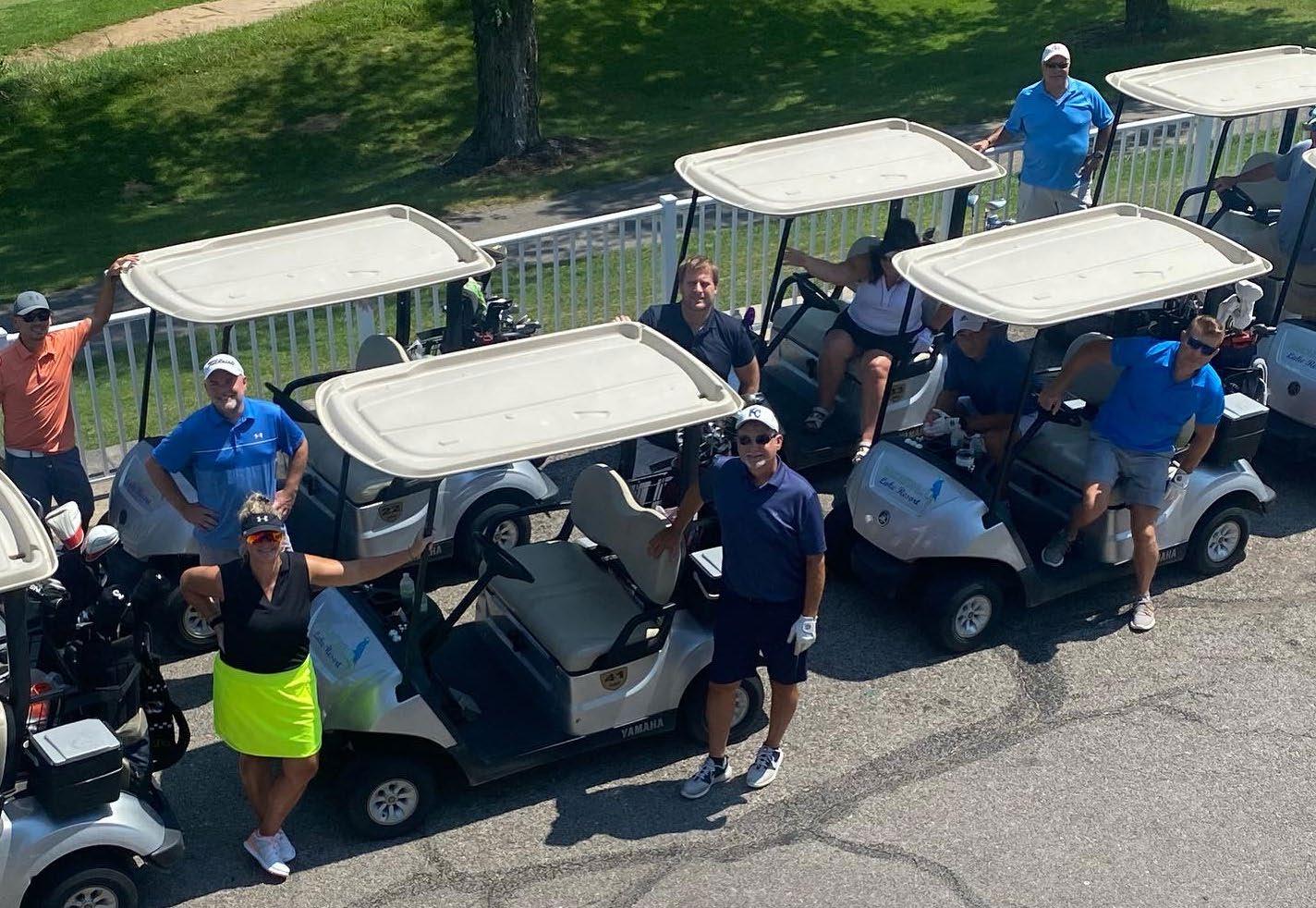


To support Pharmacy Student participation, the MPA Board of Directors has approved funding to cover hotel accommodations for students registered for the conference. Rooms limited and will be assigned on a first-come, first-serve basis.
Review the following guidelines to request a room:
• Must be current MPA member and complete a conference registration prior to submitting room request. Not a member? Join now at morx.com
• Accommodations or Friday and Saturday nights only.
• Rooms to be shared by four students. You may indicate preferred roommates, and we will make every effort to honor your request. If no preference is provided, students will be assigned based on gender. SUBMIT YOUR FORM BY AUGUST 22
Candidates using PTCB’s Practice Tools consistently report higher passing rates, giving them the confidence to soar.







Employers and educators can easily support candidates by
Walk-By Clinic (Page 19)
Sources
1. Schommer JC, Singh RL. Driving distance to closest pharmacy in the United States. Science Direct. Published July 15, 2022. Accessed January 19, 2025. https://www. sciencedirect.com/science/article/pii/ S1544319122002333
2. More people live within a 20-minute walk of a pharmacy than a GP surgery. Pharmaceutical Journal. Published January 5, 2022. Accessed January 19, 2025. https:// pharmaceutical-journal.com/article/news/ more-people-live-within-a-20-minute-walkof-a-pharmacy-than-a-gp-surgery
3. American Heart Association research shows pharmacist interventions effective in achieving BP control. Pharmacist.com. Published July 19, 2024. Accessed January 19, 2025. https://www.pharmacist.com/ Pharmacy-News/aha-research-showspharmacist-interventions-effective-inachieving-bp-control
4. World Health Organization. WHO reveals leading causes of death and disability worldwide: 2000-2019. World Health Organization. Published December 9, 2020. Accessed January 19, 2025. https://www.
who.int/news/item/09-12-2020-who-revealsleading-causes-of-death-and-disabilityworldwide-2000-2019
5. New report finds pharmacists administered more vaccinations than physicians. Pharmacist.com. Published January 18, 2024. Accessed January 19, 2025. https://www.pharmacist.com/PharmacyNews/new-report-finds-pharmacistsadministered-more-vaccinations-thanphysicians
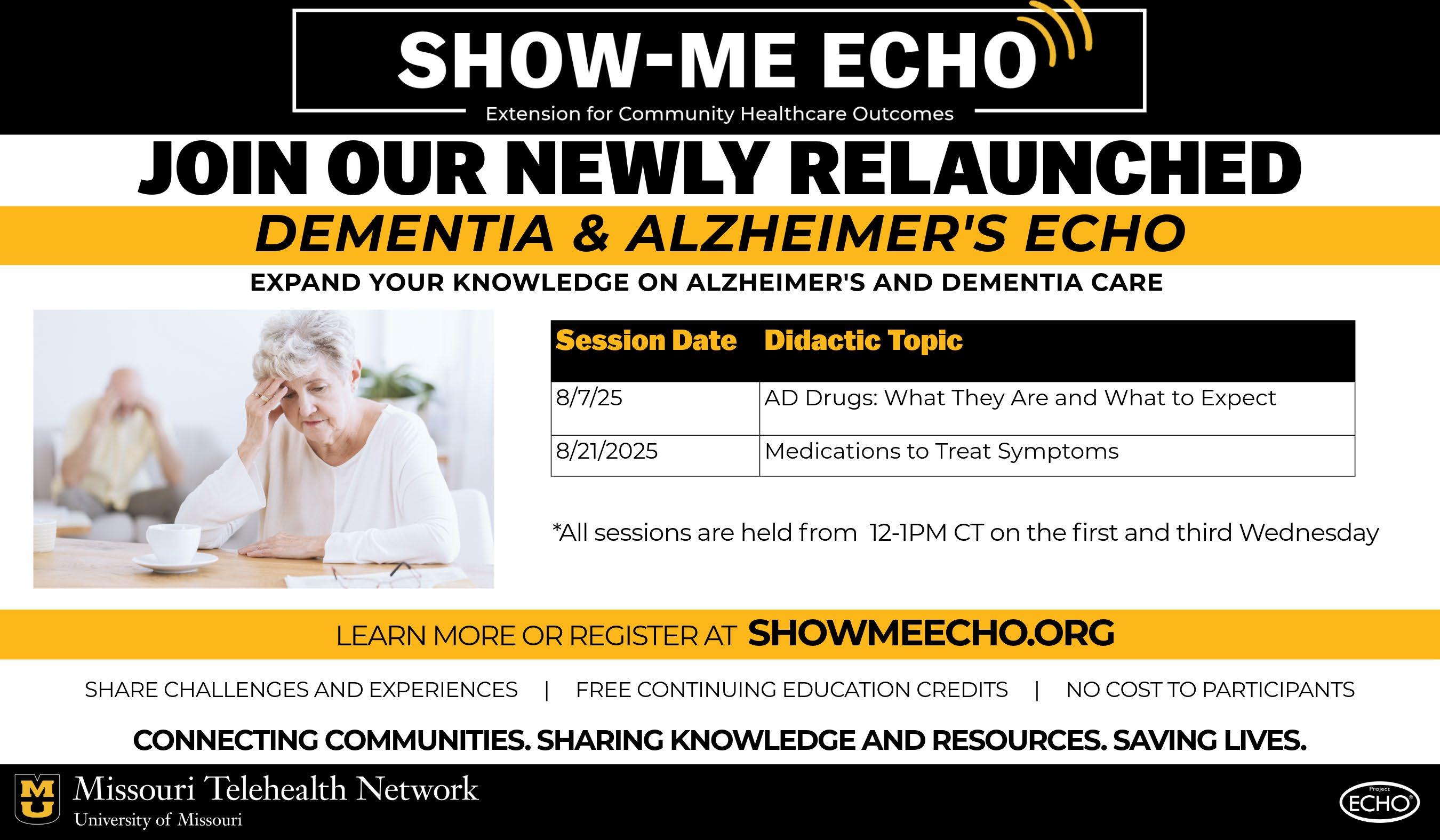
SECURE YOUR BOOTH TODAY!