A Journey into Sikh Heritage
When Goli visits Punjab with his family, everything feels exciting and new. From delicious Punjabi food to colorful traditions and welcoming people, every experience teaches him something meaningful.
The highlight of the journey is the visit to the Golden Temple, one of the most respected places in Sikhism. Through Goli's curious eyes, children learn about Sikh history, culture, and values without feeling like they are reading a textbook.
The comic transforms learning into an enjoyable adventure that encourages curiosity and appreciation for diversity.
1. Equality
One of the first Sikh values children discover is equality.
The Golden Temple welcomes everyone regardless of religion, caste, nationality, language, or background. This powerful message helps young readers understand that every human being deserves equal respect.
As children follow Goli's experiences, they learn that kindness and respect should be shown to everyone without discrimination.
This lesson encourages:
Respect for all people
Inclusion and acceptance
Friendship beyond differences
Fairness in everyday life
2. Seva (Selfless Service)
A central Sikh teaching beautifully introduced in the comic is Seva, or selfless service.
During his visit, Goli observes how volunteers happily help others without expecting anything in return. Whether cleaning, serving food, or assisting visitors, everyone contributes with humility.
Children understand that helping others is not about receiving rewards it is about making someone else's life better.
The comic encourages readers to practice Seva by:
Helping parents at home
Sharing with friends
Volunteering in the community
Being thoughtful and caring
3. Humility
The Golden Temple teaches visitors to leave behind pride and embrace humility.
Through simple yet meaningful moments, Goli learns that true greatness comes from serving others and treating everyone with respect.
Young readers discover that being humble means:
Listening to others
Being polite
Appreciating everyone equally
Never thinking they are better than others
These lessons become easier to understand because children see them demonstrated through relatable characters.
4. Kindness and Compassion
Every interaction in the story reflects kindness.
From the warm welcome Goli receives to the generosity shown by everyone he meets, children experience how compassion creates stronger communities.
The comic inspires children to:
Speak kindly
Help those in need
Care for friends and family
Show empathy toward others
These everyday acts of kindness become practical examples that children can follow in their own lives.
5. Respect for Different Cultures
Many children may not be familiar with Sikh traditions before reading this comic.
Through Goli's adventure, they discover Punjabi customs, clothing, food, language, festivals, and religious practices in an engaging way.
Instead of focusing only on facts, the story encourages appreciation and understanding of cultural diversity.
This helps children become more open-minded and respectful toward people from different backgrounds.
6. Hospitality
Punjab is famous for its warm hospitality, and Goli experiences this firsthand.
His Punjabi friends welcome him with love, generosity, and friendship, showing readers the importance of making guests feel comfortable and valued.
Children learn that simple gestures like sharing food, smiling, and helping visitors reflect important Sikh values of generosity and respect.
7. Gratitude
Throughout his journey, Goli appreciates every new experience.
The comic gently reminds children to be thankful for:
Family
Friends
Food
Learning opportunities
Different cultures
Practicing gratitude helps children develop a positive outlook and appreciate life's blessings.
8. Curiosity and Lifelong Learning
One of Goli's greatest strengths is his curiosity.
He asks questions, observes carefully, and enjoys discovering new things.
This encourages children to become curious learners who are excited about history, culture, and religion rather than seeing education as a chore.
The comic demonstrates that asking questions leads to understanding and personal growth.
9. Community Spirit
The Golden Temple represents unity and togetherness.
Children see people from many walks of life coming together peacefully, helping one another, and sharing meals in harmony.
This teaches readers the importance of:
Cooperation
Friendship
Teamwork
Supporting one another
These values help children build positive relationships both at school and at home.
10. Respect for Sacred Places
Many children visit places of worship without fully understanding their significance.
Through Goli's visit, readers learn how to behave respectfully at the Golden Temple by observing proper manners, appreciating its peaceful atmosphere, and understanding why it holds such importance for Sikhs around the world.
This encourages respect not only for Sikh sacred places but for all places of worship.
Why Comics Are Effective for Teaching Sikh Values
Children naturally connect with stories and illustrations.
Unlike lengthy history books, comic books combine engaging visuals with meaningful storytelling, making lessons easier to understand and remember.
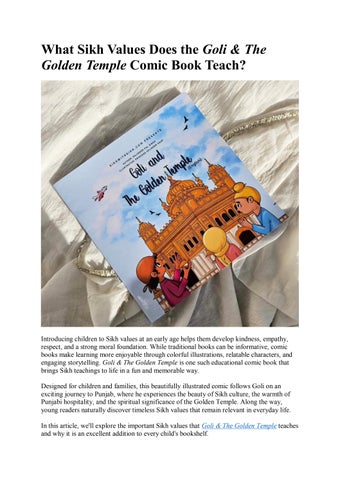
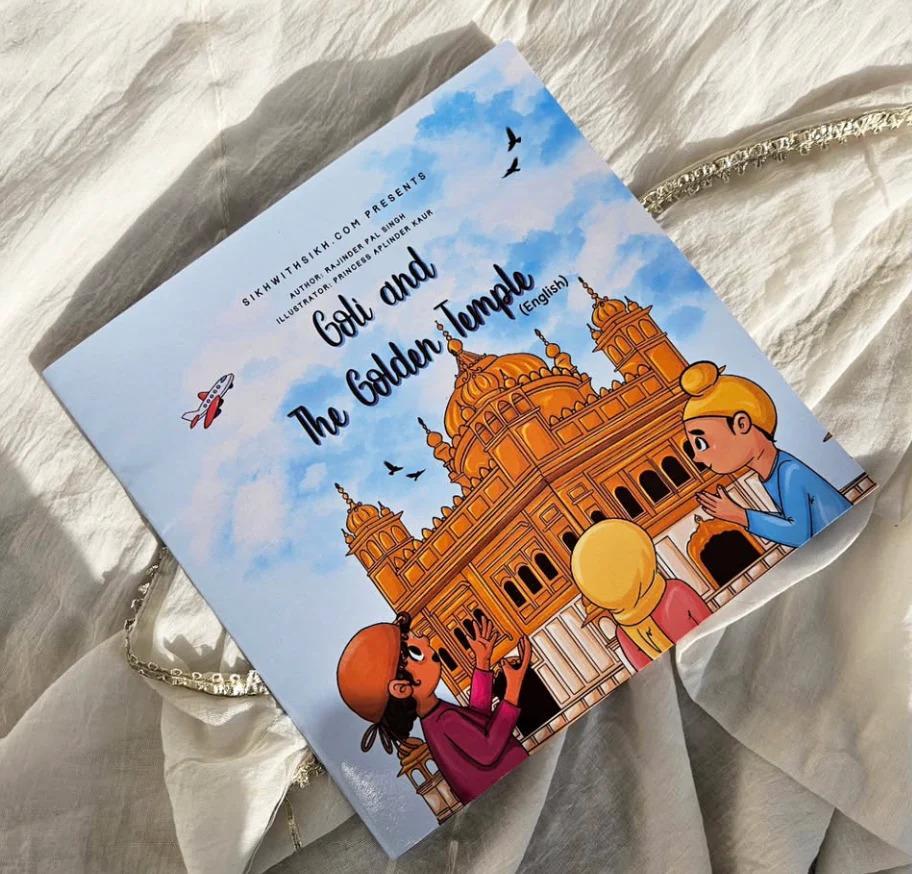
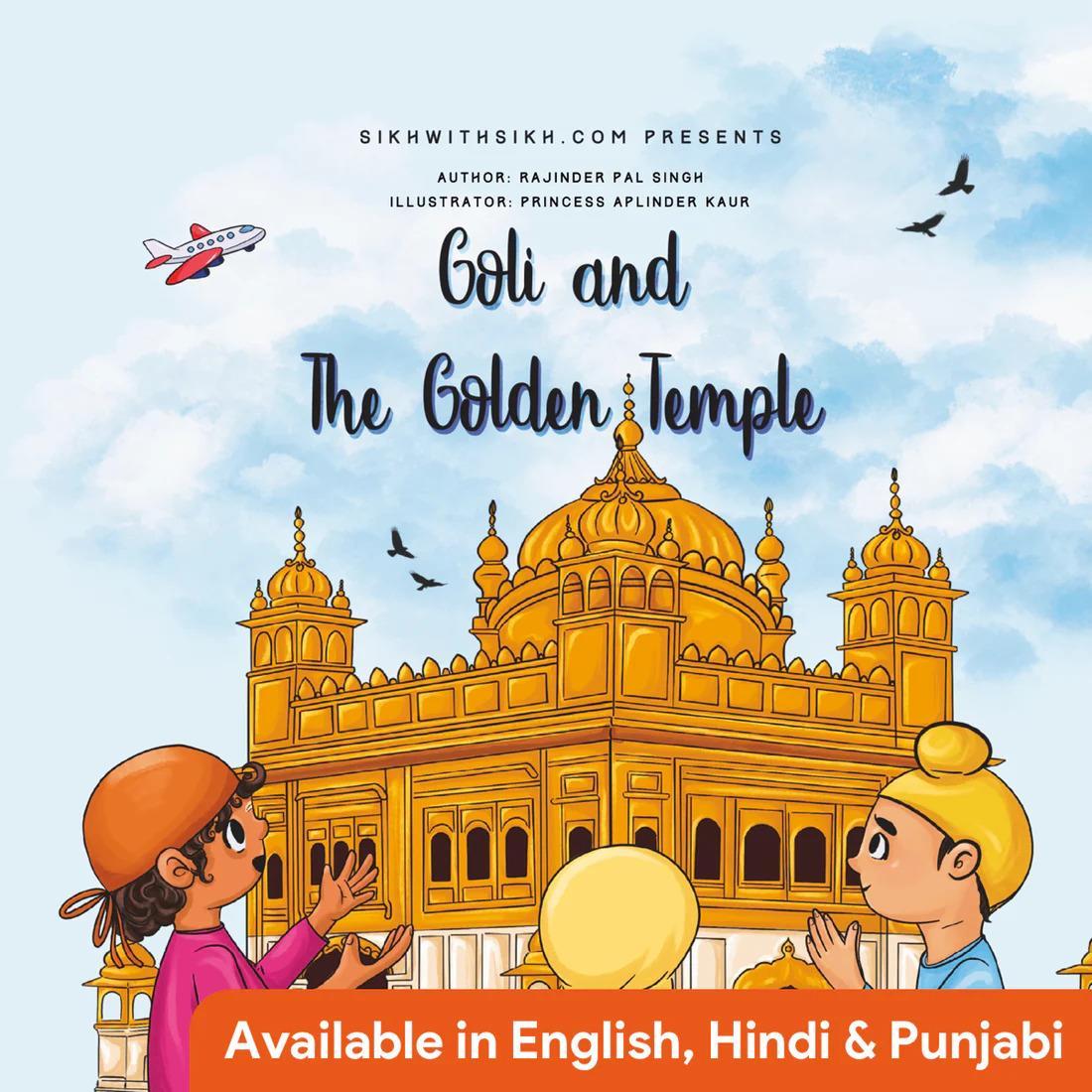
Goli & The Golden Temple uses colorful artwork and relatable characters to explain important Sikh teachings in a way that children genuinely enjoy.
Parents and teachers often find that children discuss the story long after finishing the book, reinforcing the lessons naturally.
Available in Three Languages
To reach more young readers, Goli & The Golden Temple is available in:
English
Hindi
Punjabi
This multilingual approach allows families to enjoy the story in the language they are most comfortable reading, while also helping children strengthen their language skills.
Book Details
Title: Goli & The Golden Temple
Languages: English, Hindi, Punjabi
Pages: 38
Binding: Paperback
Recommended For: Children, families, schools, libraries, and Sikh education programs
Conclusion
Goli & The Golden Temple is much more than an entertaining comic book. It introduces children to the timeless Sikh values of equality, Seva, humility, kindness, gratitude, hospitality, curiosity, respect, and community through an engaging adventure.
By following Goli's memorable journey to the Golden Temple, young readers not only learn about Sikh culture and heritage but also gain life lessons that encourage compassion, respect, and responsible citizenship. Whether you're a parent, teacher, or caregiver looking for meaningful educational resources, this comic book offers a wonderful way to inspire children while making learning enjoyable.
Frequently Asked Questions (FAQs)
1. What is Goli & The Golden Temple about?
It is an educational comic book that follows Goli as he visits Punjab and explores the Golden Temple, learning about Sikh culture, traditions, and values through an exciting adventure.
2. What Sikh values does the comic book teach?
The story teaches equality, Seva (selfless service), humility, kindness, compassion, gratitude, hospitality, respect, community spirit, and appreciation for cultural diversity.
3. Is this comic suitable for young children?
Yes. The engaging illustrations and simple storytelling make it ideal for young readers while remaining enjoyable for families and educators.
4. In which languages is the book available?
The comic book is available in English, Hindi, and Punjabi.
5. How many pages does the comic have?
Goli & The Golden Temple contains 38 beautifully illustrated pages.
6. Can schools use this comic for Sikh education?
Absolutely. It is an excellent classroom resource for introducing students to Sikh history, values, and culture in an engaging format.
7. Why are comic books effective for teaching children?
Comic books combine visuals and storytelling, making complex ideas easier to understand, remember, and enjoy. They also encourage reluctant readers to develop a love for books.
8. Who should read Goli & The Golden Temple?
The comic is perfect for children, parents, teachers, libraries, Sikh education classes, and anyone interested in introducing young readers to Sikh values through engaging storytelling.