6.8 Institutionalising a Circular-Battery Ecosystem
About Us
The non-profit, internationally operative Siemens Stiftung is committed to sustainable social development. Together with individuals and communities, it creates opportunities to actively shape social and ecological transformation. It focuses on three key areas of action: Essential Services, Digitality, and Climate. By collectively addressing challenges in these fields, the foundation harnesses them as opportunities for innovation and positive change. Through projects in Education, Social Entrepreneurship, and Culture, it facilitates access and participation, strengthens future-oriented competencies, and enables interdisciplinary and collaborative learning. Siemens Stiftung connects local actions with global perspectives to support resilience, social cohesion, and regenerative practices. www.siemens-stiftung.org
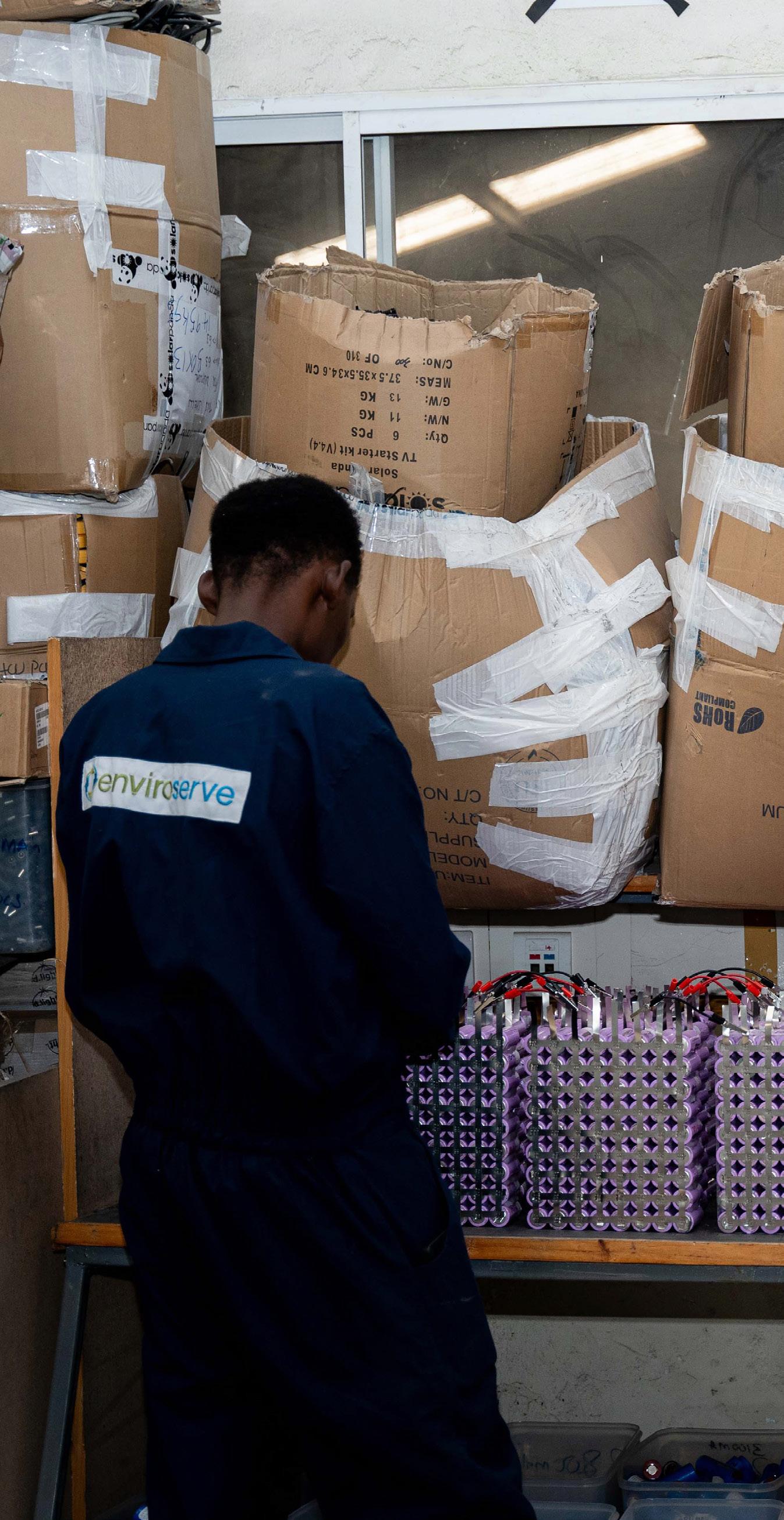
Enviroserve Kenya Limited is a commercial social enterprise founded in 2017 to deliver environmentally friendly and sustainable ways of managing electronic waste, keeping toxic material out of landfill and dumps and contributing to a circular economy that simultaneously provides opportunity for new business initiatives and entrepreneurship.
The Deutsche Gesellschaft für Internationale Zusammenarbeit (GIZ) is a service provider in the field of international cooperation for sustainable development and international education work. We are dedicated to shaping a future worth living around the world. We have over 50 years of experience in a wide variety of areas, including economic development and employment promotion, energy and the environment, and peace and security. We work with businesses, civil society actors and research institutions, fostering successful interaction between development policy and other policy fields and areas of activity. Our main commissioning party is the German Federal Ministry for Economic Cooperation and Development (BMZ).
GIZ's Promotion of Electric Mobility in Kenya project commissioned by the Federal Ministry of Economic Cooperation and Development (BMZ) and Co-financed by the European Union (EU) strengthens competencies and capacities for an enabling framework and market development for enhanced electric mobility uptake in the country.
This report presents an evidence-based assessment of the testing, reuse, and recycling potential of lithium-ion batteries within Kenya’s emerging e-mobility and clean energy sectors. The work addresses the critical question of how end-of-life batteries can be safely reintegrated into new applications while reducing environmental harm and strengthening local circular economy systems. The project focused on practical solutions that reflect Kenya’s technical capacity, regulatory conditions and growing demand for reliable, affordable energy storage.
Over the course of the project, more than 13,000 kilograms of batteries were tested from diverse chemistries and pack designs sourced from off grid solar systems, consumer electronics and early e-mobility applications. Approximately 4,900 kilograms were successfully repurposed and given a second life. The testing demonstrated that second-life cells could retain up to 80% of their original capacity, enabling effective reuse in light electric vehicles, energy storage systems, and auxiliary power applications. The work also generated foundational data for local recycling infrastructure, establishing the technical and economic feasibility of small-scale shredding and material recovery processes suited to Kenya’s context.
Key outcomes of the project are:
13,275 kg of batteries tested
demonstration of multiple reuse applications, such as golf carts, farm utility vehicles, mobility aids, and stationary storage
identification of best-performing design parameters, including preferred battery management systems (BMS) and casing materials; and
development of a phased model for local battery recycling with an emphasis on environmental safety and regulatory compliance.
Collectively, these findings confirm that second-life battery applications can yield both economic and environmental benefits, provided that systematic testing, safety standards, and traceability mechanisms are in place. As battery volumes increase across e-mobility, off grid energy and consumer electronics the results of the project build foundations for industry, regulators and research partners to expand reuse and recycling pathways with market growth, ensuring that capability develops alongside demand rather than in reaction to it.
Kenya’s transition toward electric mobility and renewable energy has accelerated significantly in recent years. As of 2024, the number of registered electric vehicles in the country exceeded 5,000, with projections indicating a near doubling by mid-2025. This rapid growth, while positive for carbon reduction, presents a parallel challenge: managing the increasing volume of lithium-ion batteries reaching the end of their primary use phase.
Without adequate infrastructure for collection, testing, and recycling, these batteries pose environmental and safety risks, particularly given the presence of materials such as cobalt, nickel, and lithium. However, they also represent a valuable resource. Many cells retain substantial residual capacity that can be harnessed for secondary applications, extending the material lifecycle and creating new economic opportunities.
The project’s overarching objective was to develop and test sustainable approaches for lithium-ion battery reuse and recycling within Kenya. Specific aims included:
establishing a testing framework for second-life batteries, (i) piloting reuse applications across diverse sectors, (ii) exploring locally appropriate recycling technologies, and (iii) quantifying the environmental and economic benefits of circular battery use. (iv)
9,047 EVs
Projections indicating a near doubling by mid 2024 2025
Registered Electric Vehicles Exceed 5,000
Technical Approach
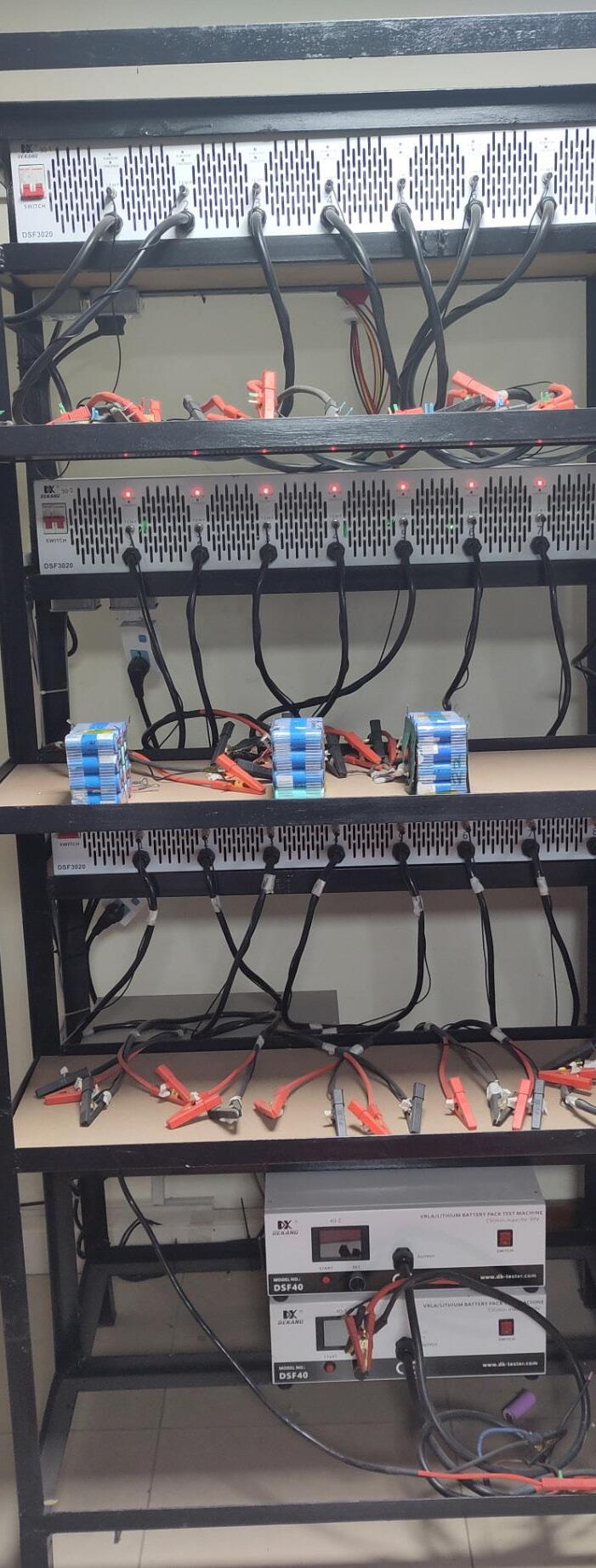
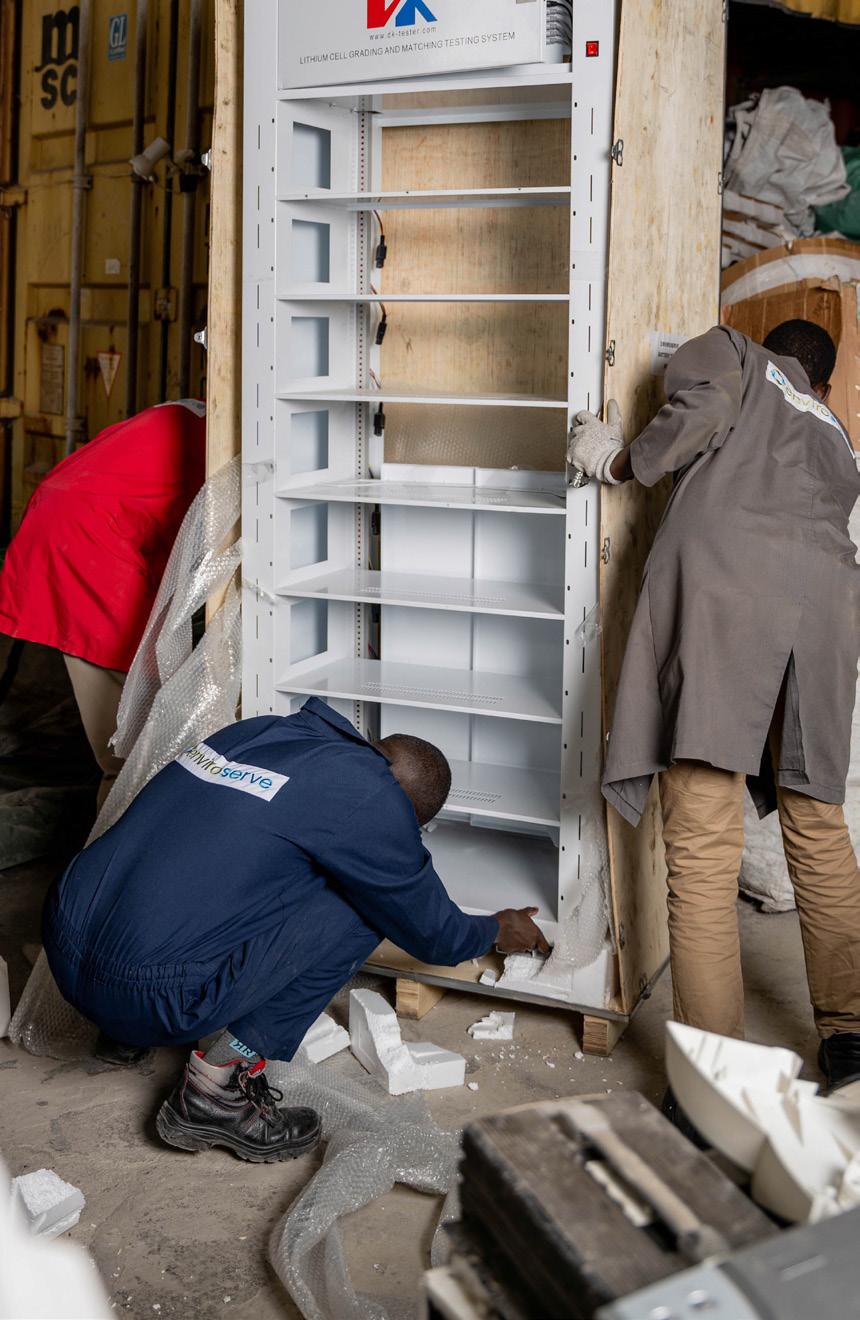
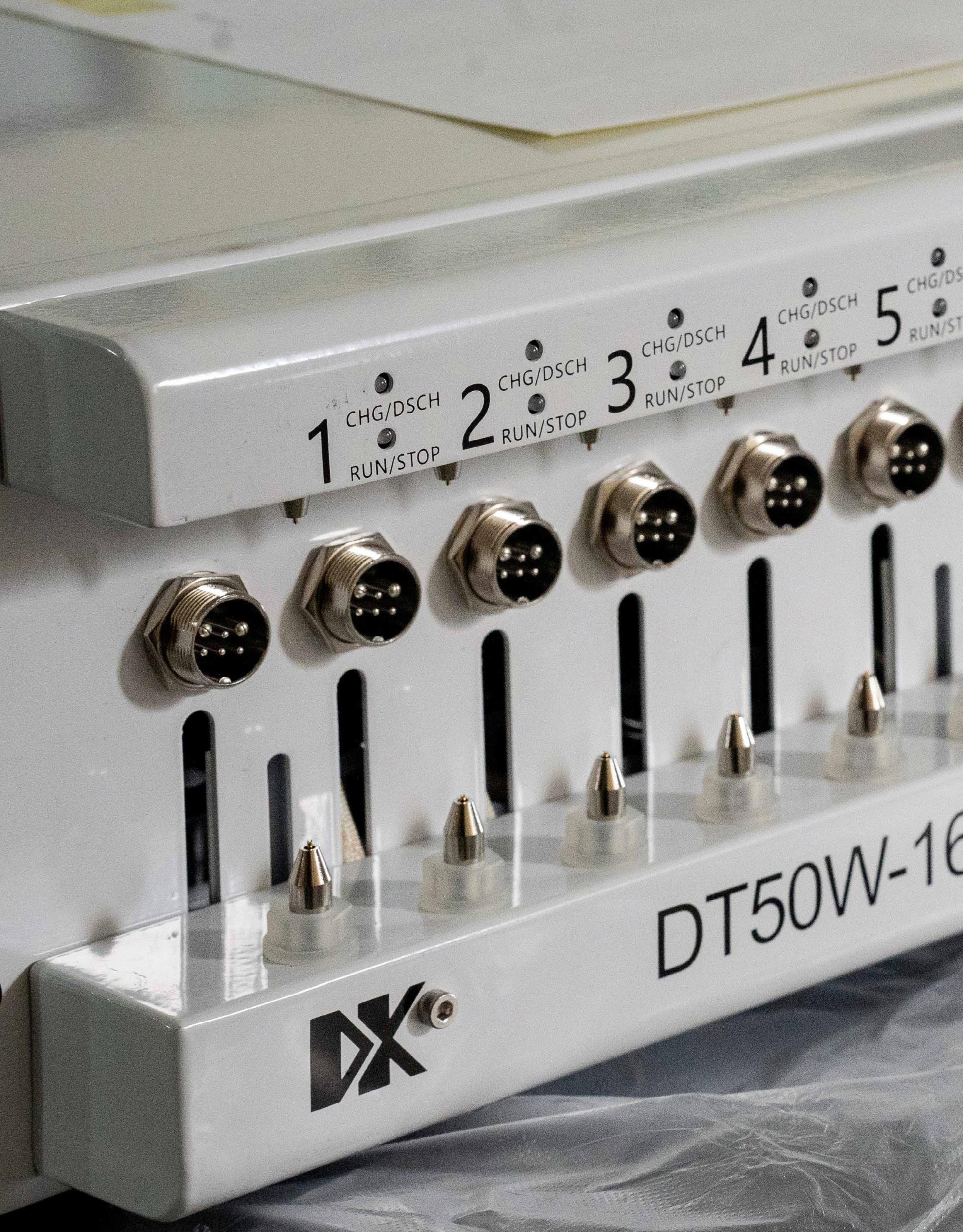
The study employed a mixed-methods approach combining laboratory testing, pilot deployments, and technical comparative analysis. A representative sample of used lithium-ion batteries was sourced from e-mobility companies, offgrid solar providers, and e-waste streams. Each unit underwent structured testing to evaluate key parameters such as state of health (SoH), internal resistance, and charge–discharge efficiency. Where possible, comparative tests were performed against new reference batteries.
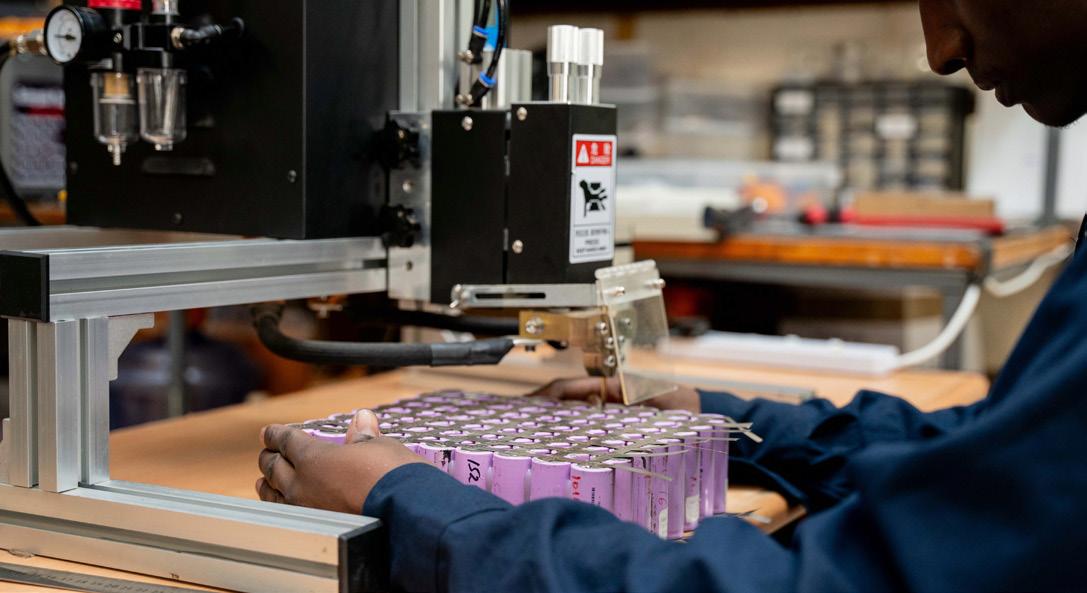
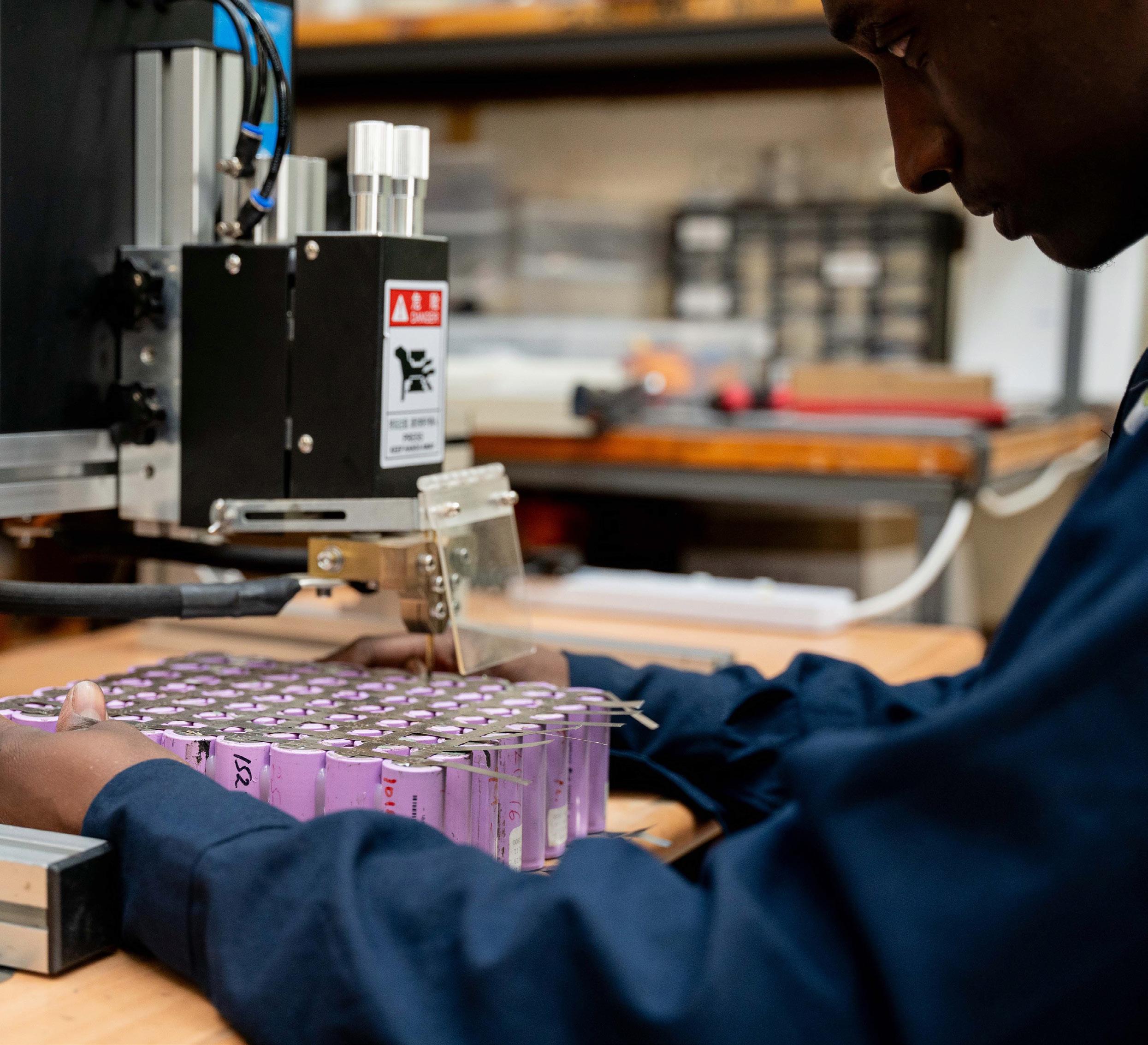
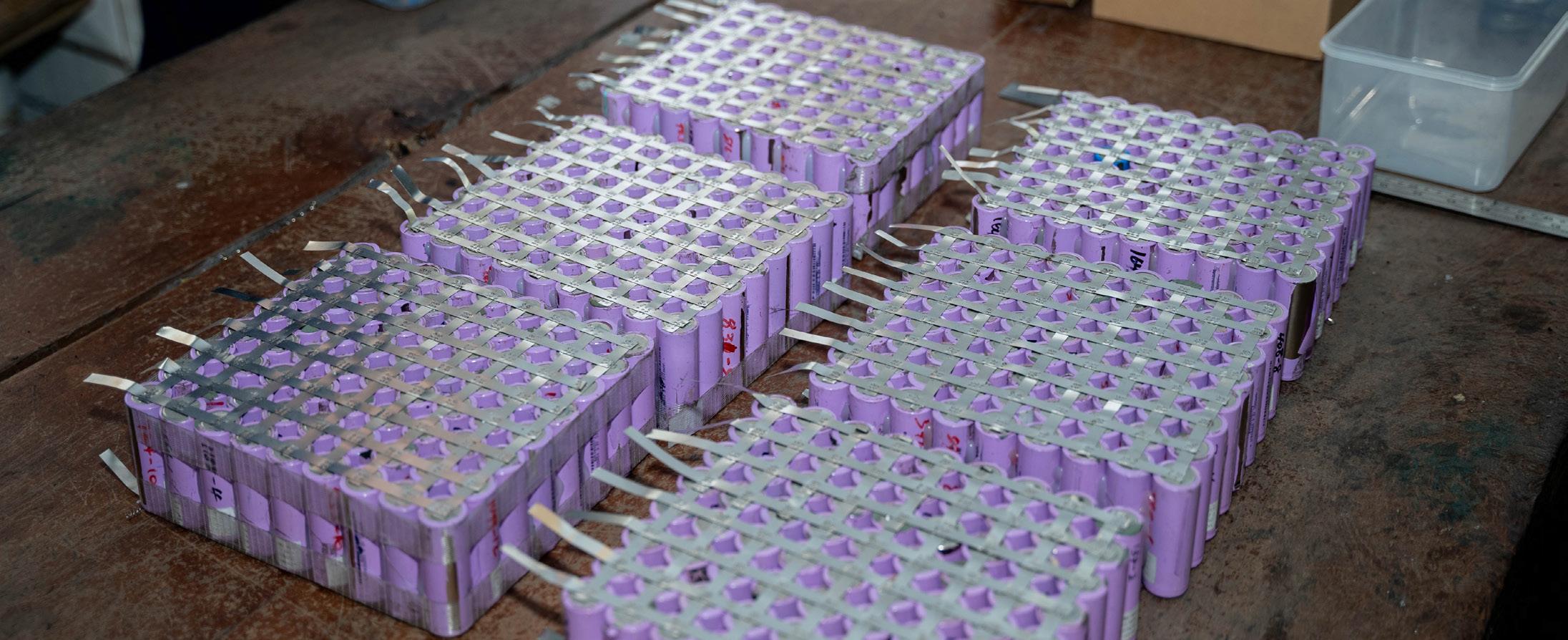
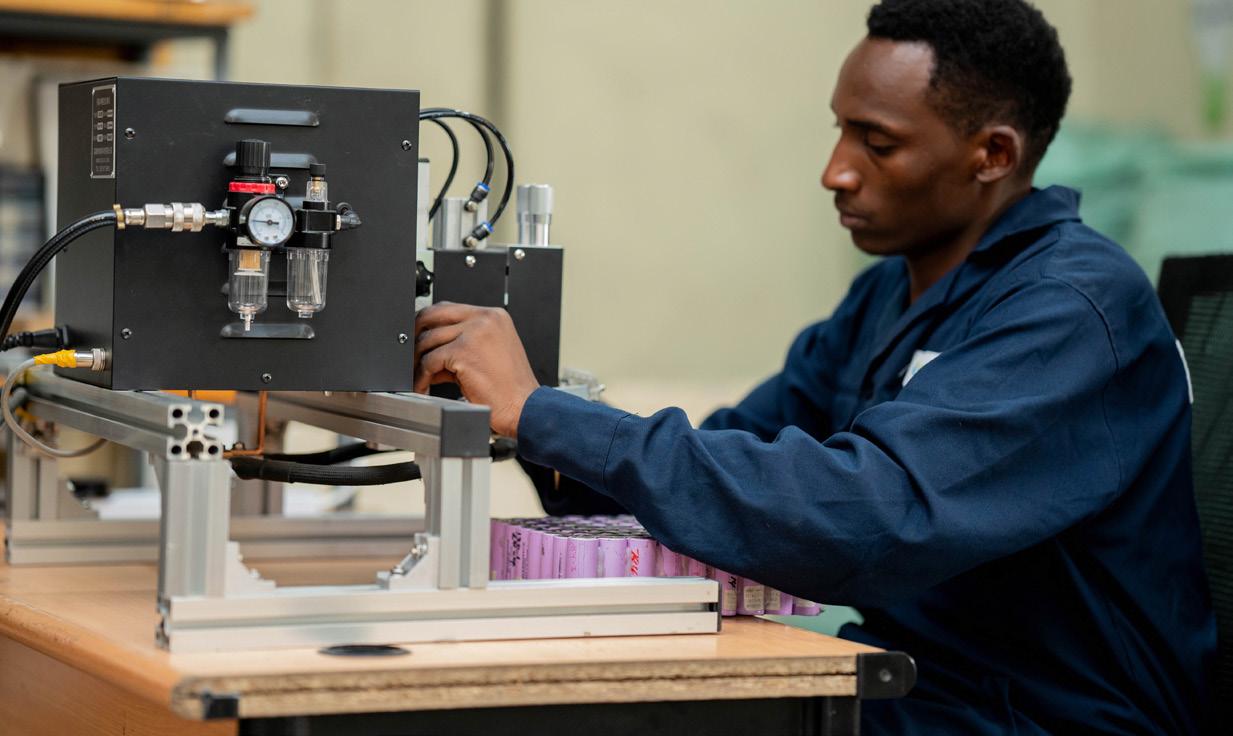
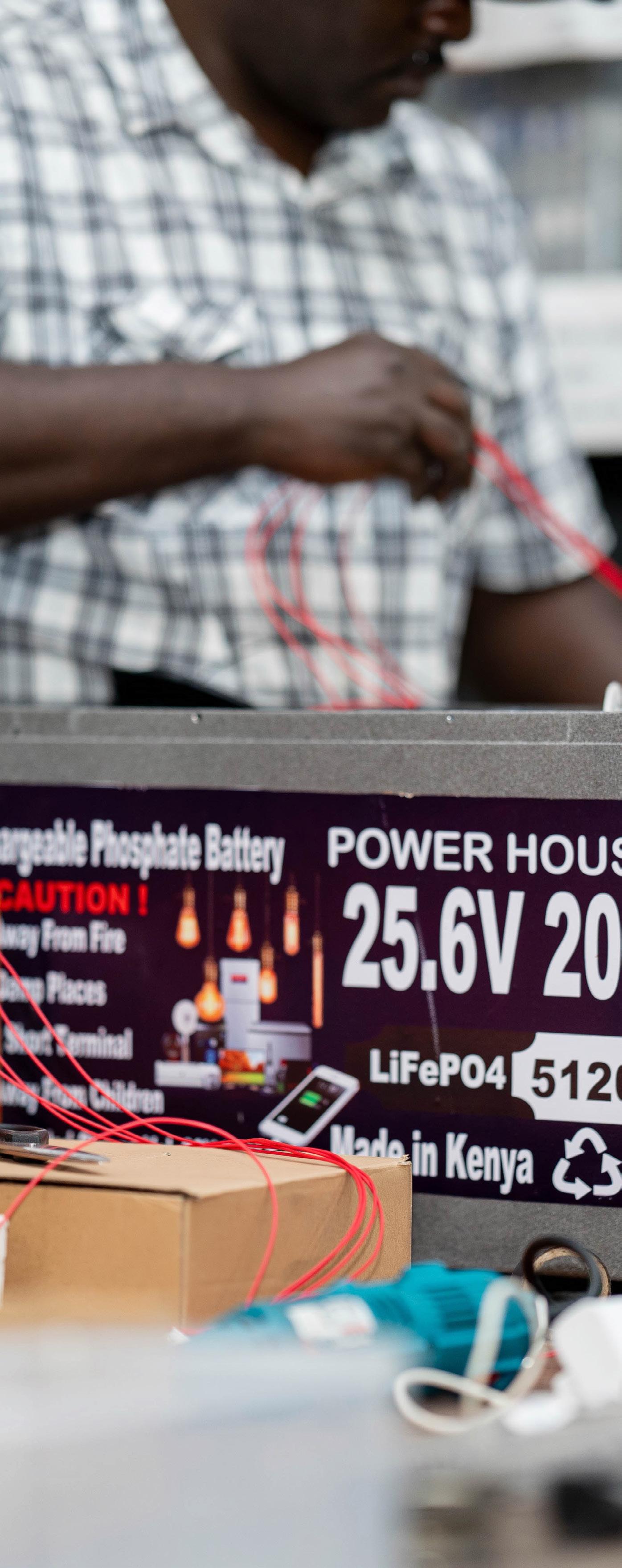
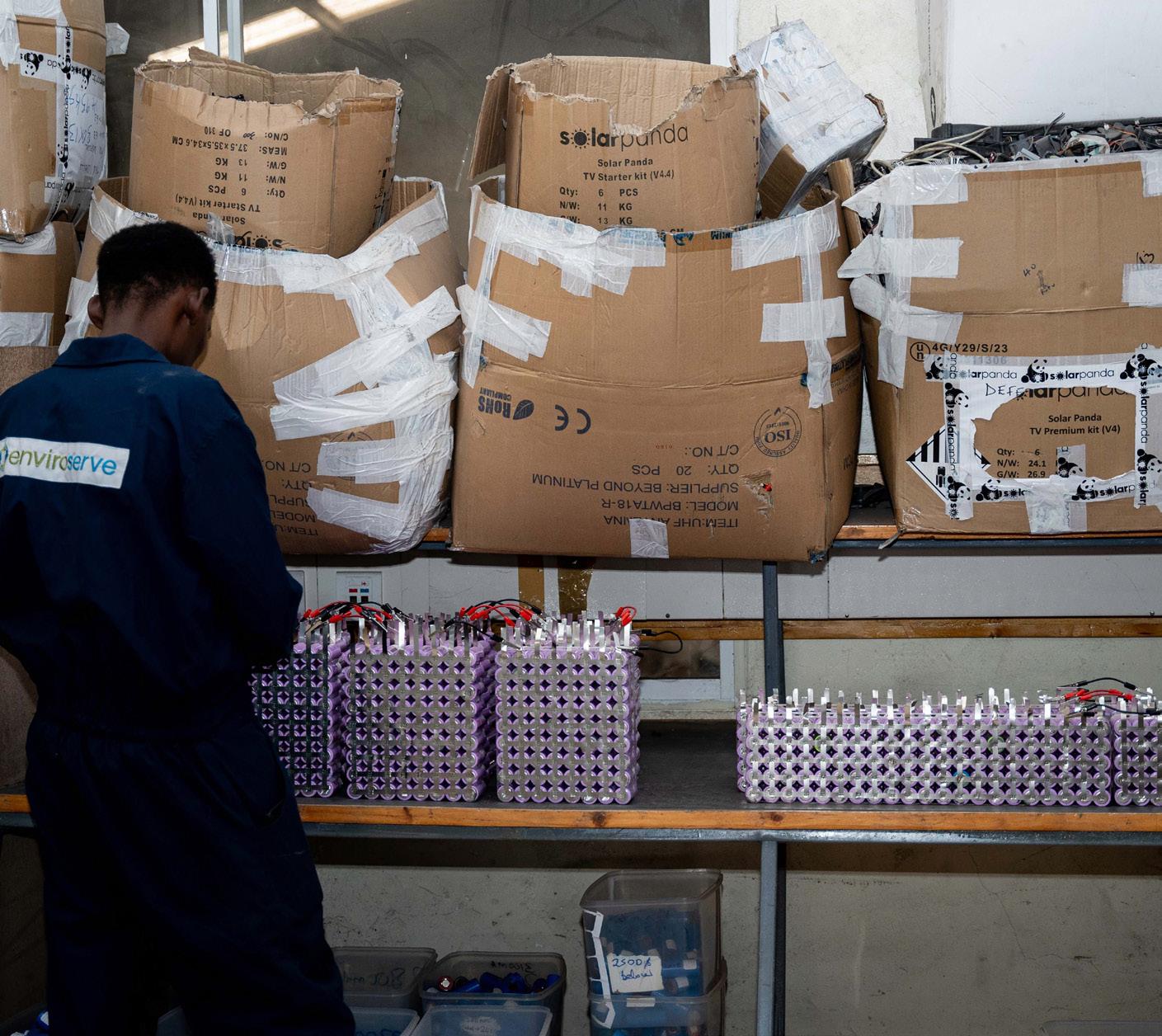
Reusable cells were reassembled into modular packs fitted with battery management systems (BMS), thermal protection, and customized casings. These packs were subsequently tested in live field conditions across different use cases, including golf carts, farm carts, forklifts, and mobility aids. Data was collected on performance stability, cycle life, and user satisfaction. The design choices for connectors, nickel materials, and casing protection were systematically evaluated to identify optimal configurations (See Table 1 for technical testing parameters).
Parallel to reuse testing, the study examined end-of-life recycling options through a technology scouting exercise. This involved reviewing mechanical shredding systems with a target throughput of approximately 100 kilograms per hour and evaluating potential recovery rates for black mass, copper, and aluminium. Pilot infrastructure designs were prepared in consultation with Kenya’s National Environment Management Authority (NEMA).
Economic feasibility was also integrated into the research through cost-tracking of testing and assembly processes, analysis of downstream market demand for repurposed packs, and revenue modelling for recovered materials. This ensured that both technical and commercial dimensions informed the overall evaluation
Parameter
Description / Metric
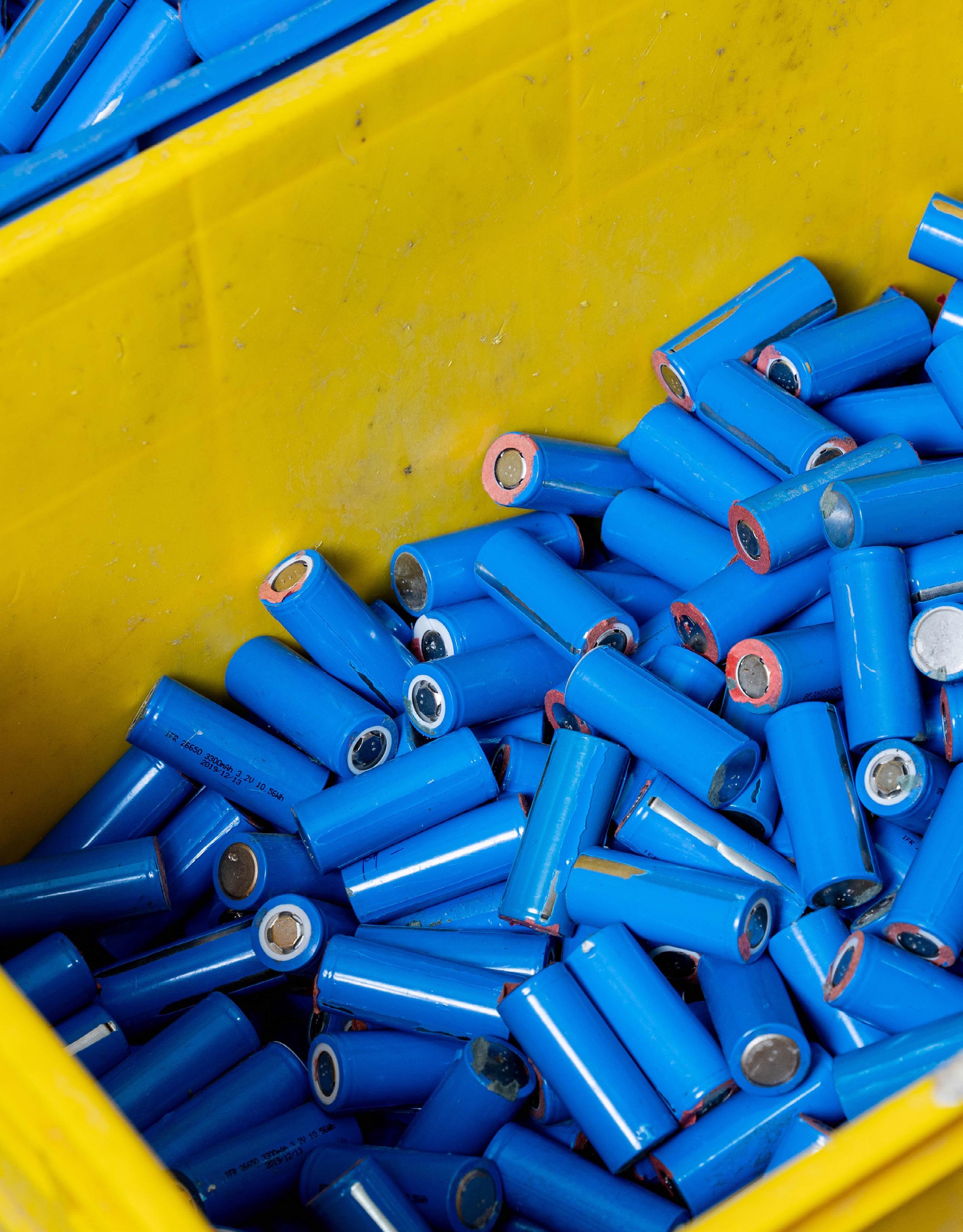
Cell Chemistries Tested Lithium Iron Phosphate (LFP), Nickel Manganese Cobalt (NMC), and Lithium Manganese Oxide (LMO) cells recovered from e-mobility and solar-storage applications.
Voltage Range
State-of-Health Benchmark
Testing Instruments
7 V – 99 V systems tested across multiple pack configurations.
≥ 70 % capacity retention for reuse eligibility; < 70 % for recycling stream.
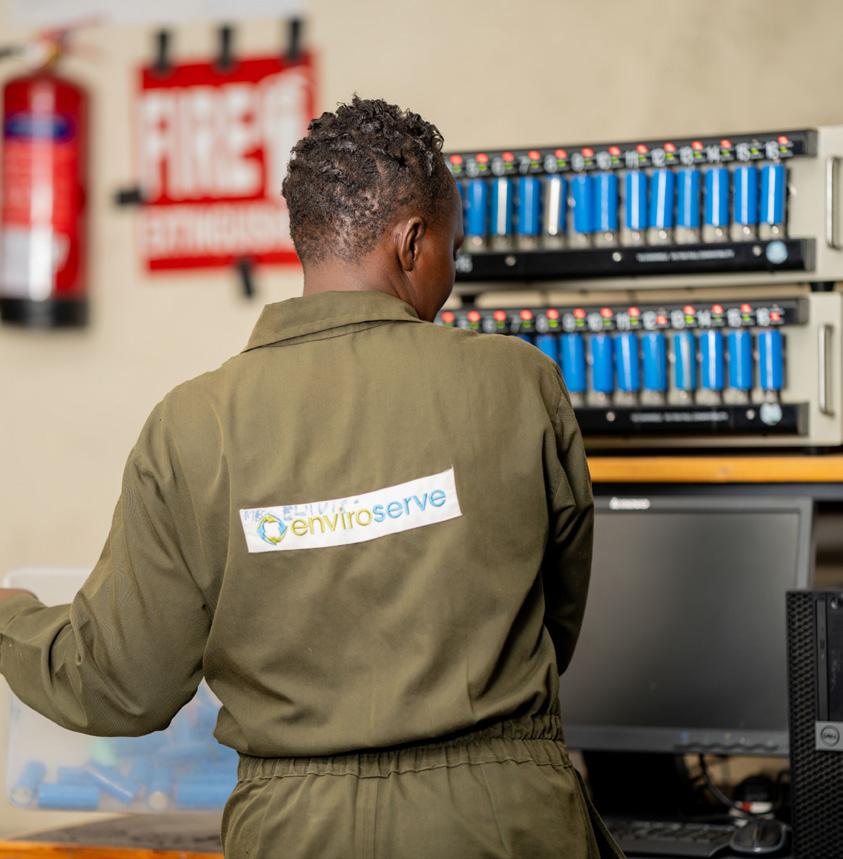
Programmable charge/discharge cyclers (20 A and 40 A), impedance meters, and temperature sensors.
Safety Protocols Pre-discharge of all packs, PPE use, firesuppression readiness, and isolation of faulty units.
Performance Indicators Monitored
Capacity (Ah), voltage stability, internal resistance, cycle life, and thermal response.
Table 1: Technical Testing Parameters
Application Context
Baseline for comparative performance and reuse potential.
Defined testing capacity of Nairobi facility.
All tested cells and modules.
Laboratory and pilot field evaluation.
Implemented during all testing operations.
Metrics used to assess rebuild suitability.
4.1 Pilot Overview and Reuse Results
The pilot program was implemented between April 2024 and March 2025, combining laboratory evaluation with applied field testing. More than 13 000 kg of lithium-ion batteries were processed, representing cells recovered from electric motorcycles, offgrid solar systems, consumer electronics, and other e-mobility applications (see Table 2). Approximately 37 % of the tested cells met the project’s safety and performance thresholds for reuse, while 63 % were directed toward recycling. The reused cells were reassembled into application-specific battery packs designed for different voltage and capacity requirements. These packs were subsequently deployed in five pilot use cases: golf carts, farm utility carts, forklifts, mobility aids, and stationary storage systems.
4.1.1
Testing of e-Mobility Batteries
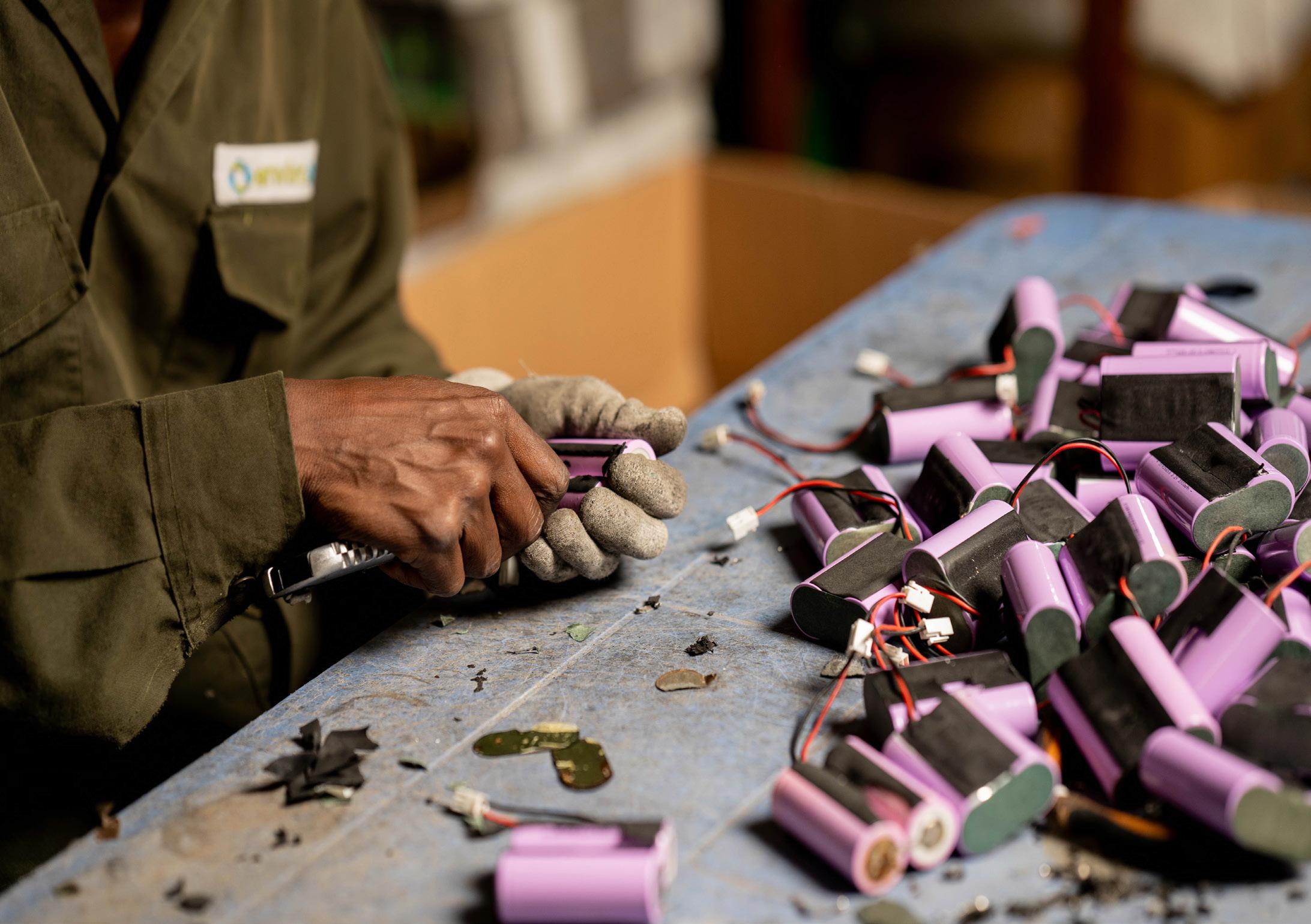
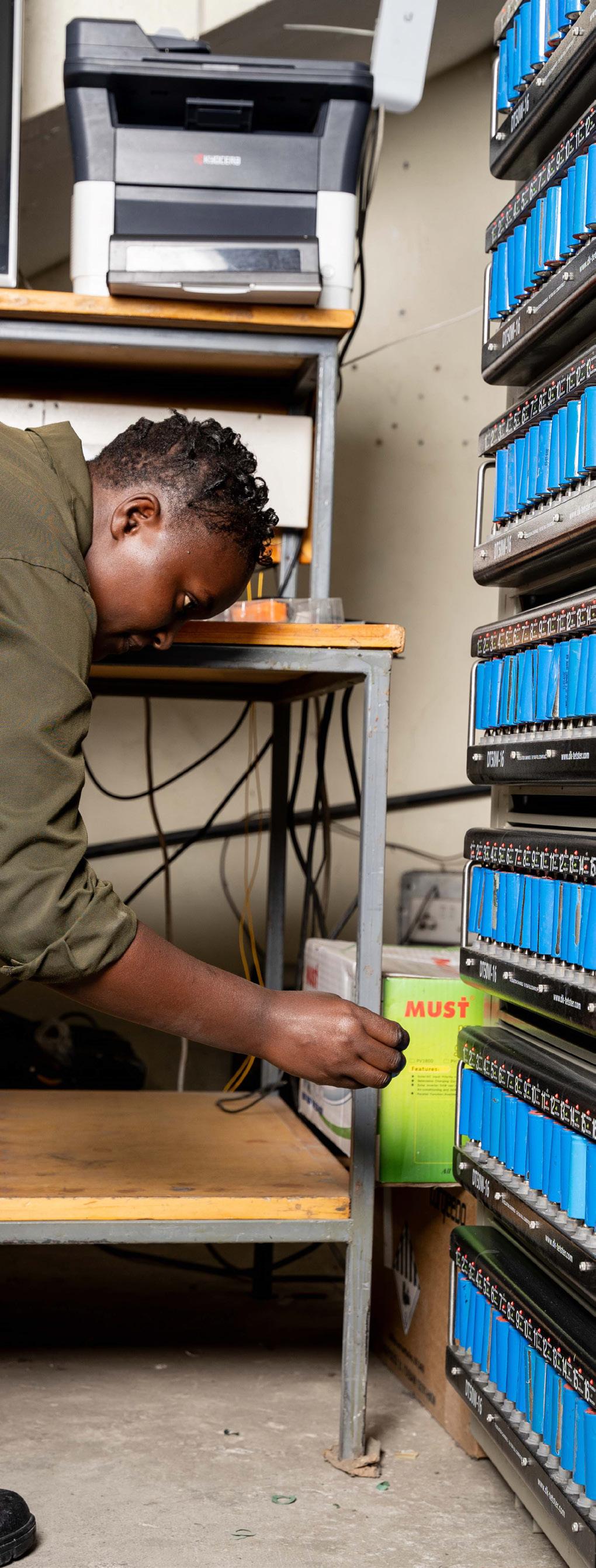
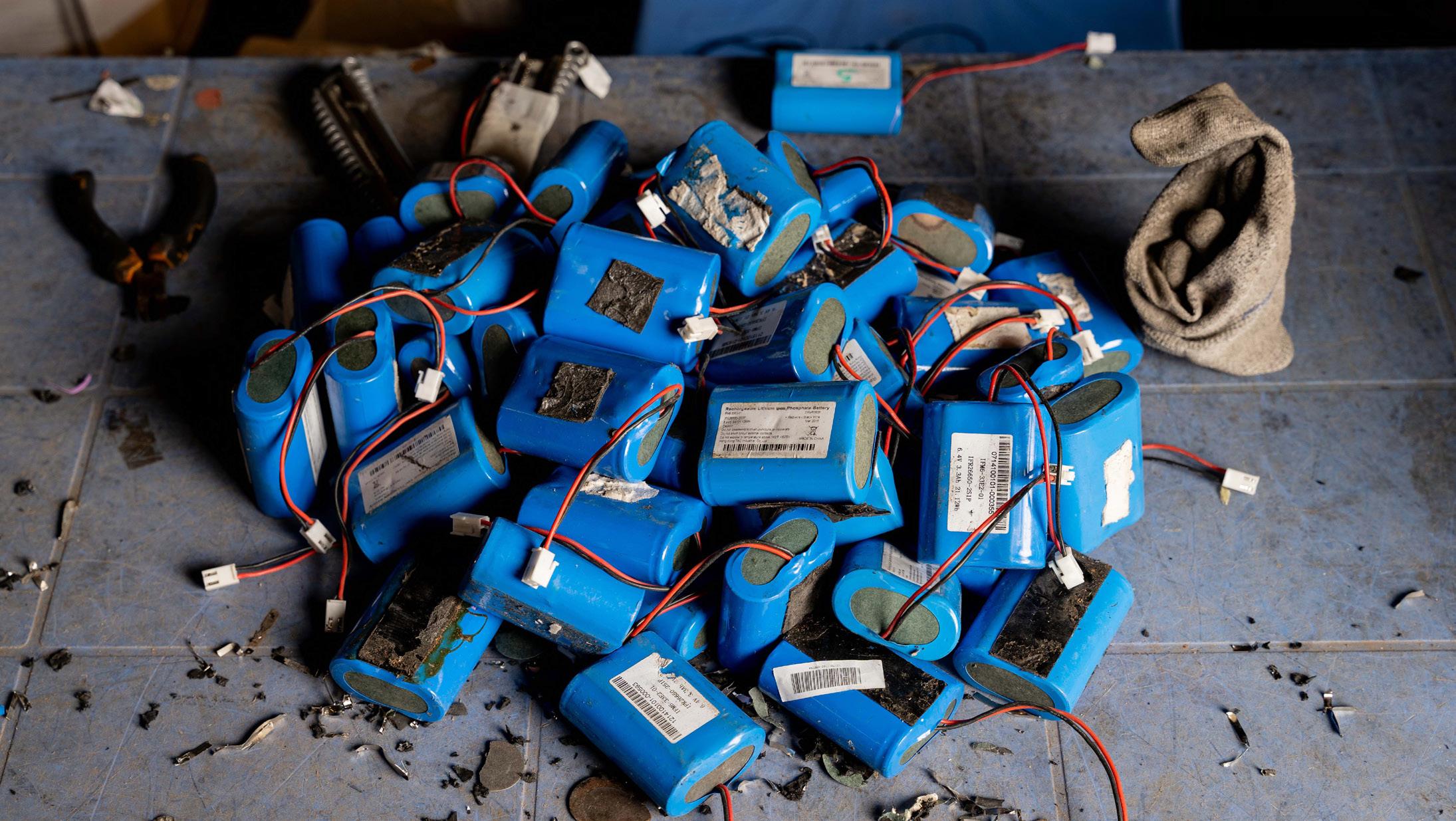
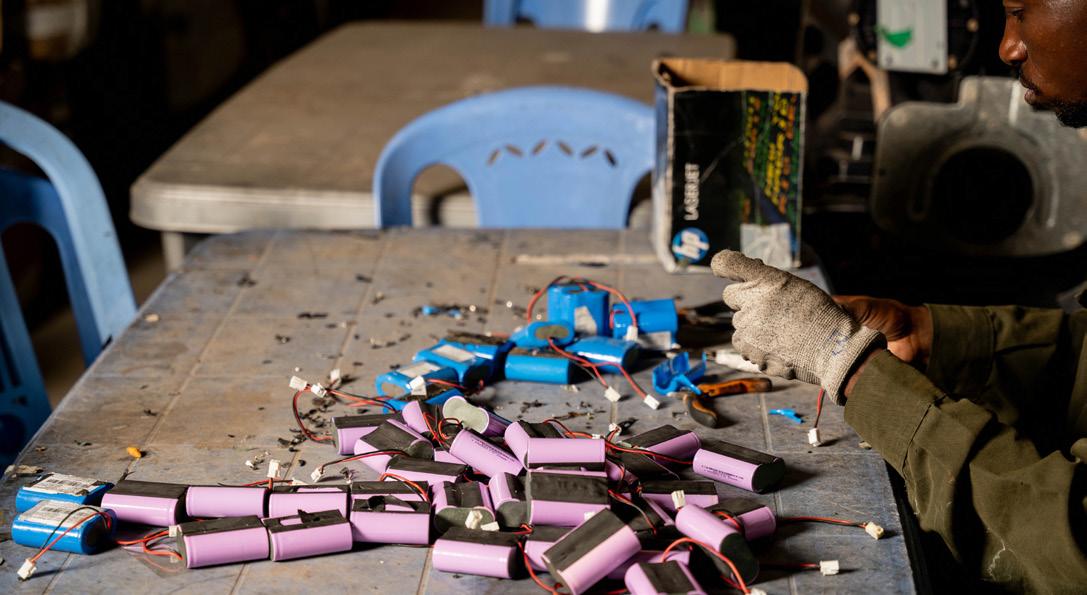
Besides batteries from home storage, solar, or laptops, the project collected batteries from e-bike and e-motorbike companies for second life applications. Battery packs from several manufacturers were gathered, disassembled, and subjected to a range of diagnostic procedures to determine their suitability for reuse. The tests involved in-house charge and discharge cycles, assessments of voltage and capacity, and a review of user feedback where available. This process highlighted significant differences in design choices, connector types, battery management systems, and overall ease of repurposing across the samples. General challenges encountered included proprietary connector designs, which sometimes complicated testing procedures, and differences in battery management system configurations. Testing without the original management systems often streamlined the process and provided clearer insights into cell health. In several cases, even packs deemed nonfunctional at first glance contained
a number of cells that could be successfully recovered and reused.
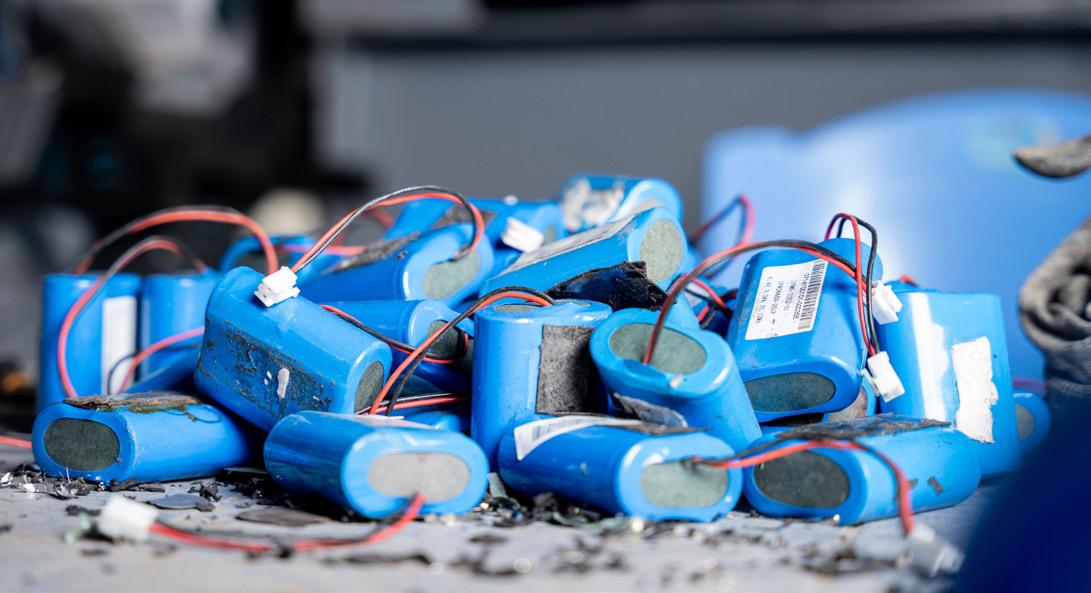
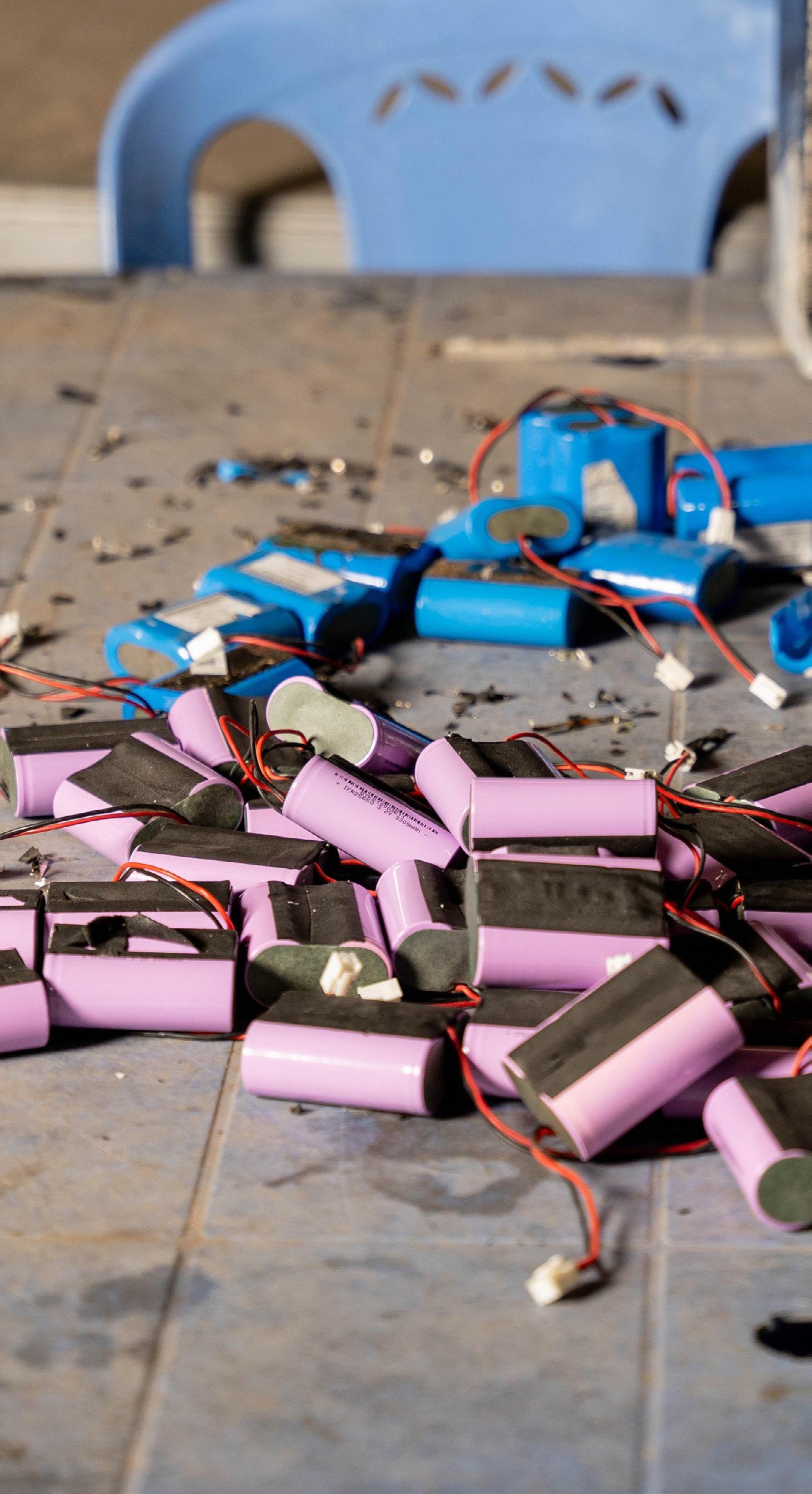
The condition and quality of cells varied widely. Some packs exhibited high levels of cell degradation or damage while others retained a substantial number of viable cells. The findings indicated that usage patterns and environmental conditions have a significant effect on the recoverability of cells. However, across all samples, a portion of cells consistently met the thresholds for second life use, demonstrating the potential value in further developing repurposing protocols.
A key lesson from e-mobility batteries was the importance of standardized connectors and clearer manufacturer documentation to support testing and grading as battery volumes increase. A significant proportion of cells within end-of-life e-bike and motorcycle batteries can be successfully recovered and repurposed for new applications but systematic screening and proper handling practices are important factors.
Table 2: Volume of tested battery cells (in kg)
4.1.2
Golf Cart Conversion Pilot
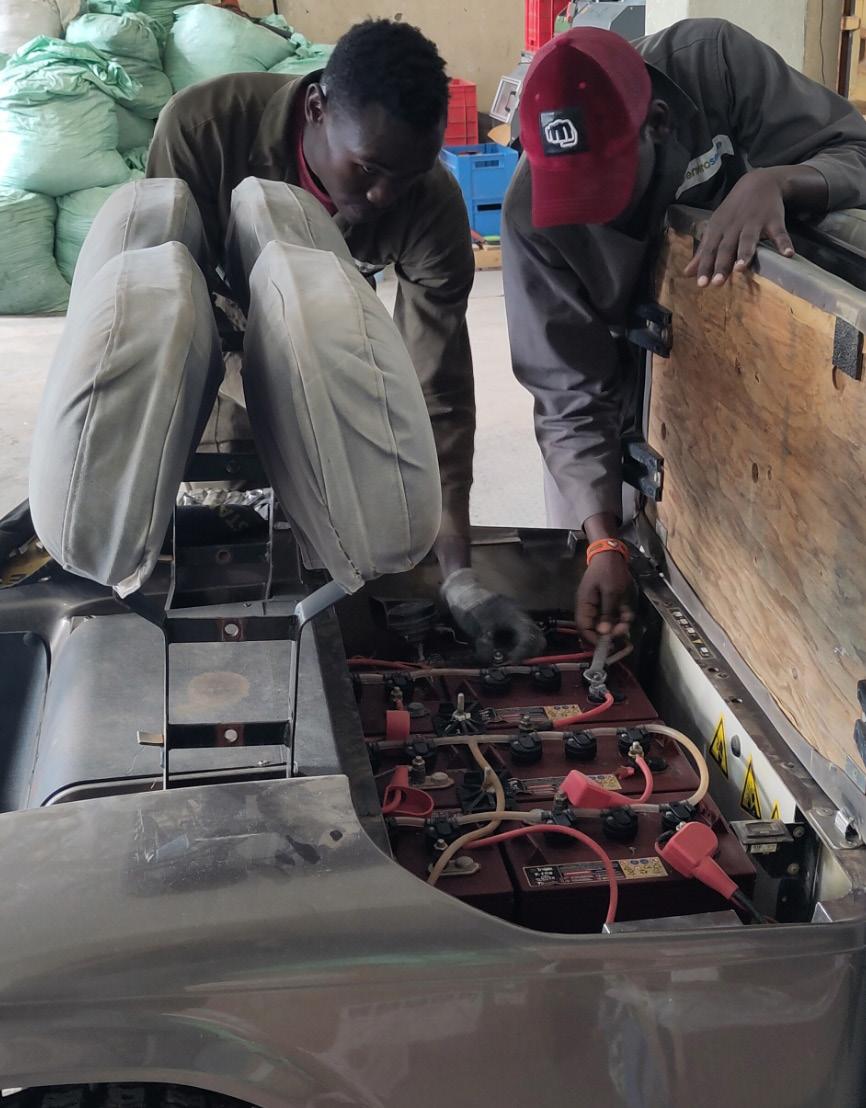
Golf cart fleets in Kenya are predominantly powered by lead-acid batteries, which tend to degrade rapidly under high temperatures, necessitating regular replacement. To address this issue, the project aimed to showcase the potential of second-life Lithium Iron Phosphate (LFP) packs as a more robust and energy-efficient alternative to lead acid batteries, especially for resorts and leisure venues seeking to incorporate renewable energy solutions. The converted carts were fitted with roofmounted solar panels to enable slow trickle charging while in use. Over six months, two such carts were closely monitored at Sirai House Golf Course in Laikipia. The results indicated that the lithium-powered carts could travel 24 to 26 kilometres on around 50 % battery discharge, marking a three- to four-fold increase in range compared to the original lead-acid systems. During daytime operation, solar charging accounted for 20 to 30% of total energy use. Maintenance was minimal, largely limited to periodic cable inspections. Users noted enhanced acceleration as well as the absence of midcourse power failures.
Distance Travelled
24 - 26 Kms
Golf Cart with Lithium -Ion Battery
4.1.3 Electric Farm Cart Demonstration
Smallholder farmers in peri-urban Kiambu and Murang'a typically depend on manual or animal-drawn carts for transporting produce. To explore whether electrified farm carts powered by second-life battery packs could offer a more affordable and less labor-intensive solution, the pilot programme constructed two modular 72 V / 48 Ah systems using repurposed LFP cells, each designed with swappable configurations for easy field exchange. These battery packs were fitted to prototype electric carts intended for
4.1.3
Forklift Retrofit Case
agricultural transport and light irrigation duties. In practice, users experienced operational ranges of 55 to 60 kilometres per charge ample for their daily produce collection and delivery needs. As distances covered by users were relatively low, one fully charged battery pack lasted for several days before coming for solar charging. Farmers welcomed the decreased physical strain and lower fuel costs, although initial investment and restricted access to charging infrastructure remained significant barriers to broader adoption.
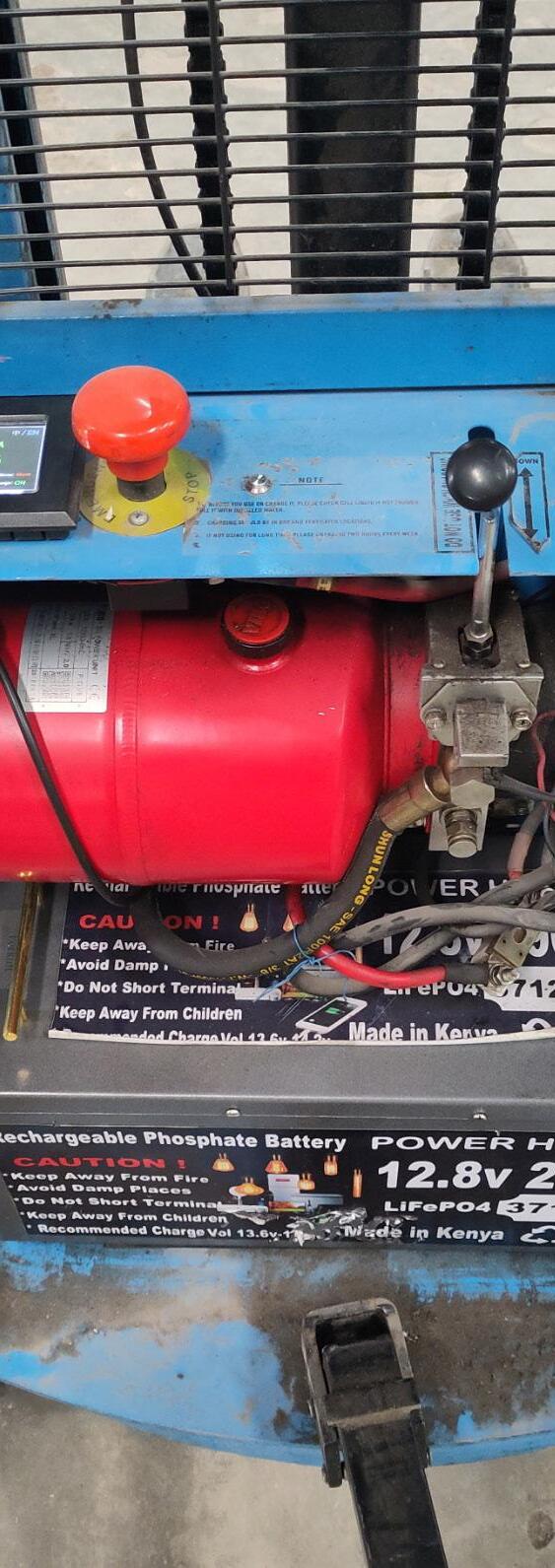
Industrial sites in Nairobi frequently rely on compact electric forklifts powered by lead-acid batteries, which tend to degrade swiftly when subjected to frequent cycling. To address this challenge, the pilot project set out to determine if second-life LFP cells could deliver robust industrial performance over extended periods. For the trial, a 12 V / 290 Ah battery pack was assembled from recovered LFP modules and equipped with a sophisticated Battery Management System (BMS) to ensure effective load balancing and thermal protection. This newly designed unit replaced a conventional lead-acid battery in a warehouse forklift at the Enviroserve facility in Nairobi, with monthly capacity tests conducted to monitor any signs of degradation. After nine months of daily operation, the second-life battery retained 98% of its original rated capacity, with no instances of abnormal heating or voltage imbalance recorded. When compared with the previous lead-acid system, the retrofit resulted in a 40% reduction in downtime and a 60% decrease in battery maintenance expenses, thereby confirming the suitability of second-life cells for medium-duty industrial applications.
4.1.5
Mobility Aid Pilot
Urban mobility for individuals with disabilities is frequently hindered by both challenging terrain and affordability issues. In response to these barriers, the project partnered with a local start-up and the UK Foreign, Commonwealth & Development Office (FCDO) to trial detachable electric “third-wheel” modules designed for wheelchairs. As part of the implementation phase, two battery prototypes were produced: one housed in an imported e-bike enclosure and the other in a locally manufactured aluminum casing. The pilot ended after delivering the battery packs to partners for their prototypes. The feedback from partners was positive and the prototypes were fully functional.
4.1.6
Energy Storage Applications
Several off-grid schools, tourism establishments, and small and medium-sized enterprises (SMEs) frequently encounter prohibitive expenses when procuring commercial storage batteries. In response, the pilot initiative set out to determine whether repurposed second-life lithium-ion cells could provide dependable backup power at a lower cost, all while supporting existing renewable energy installations. To achieve this, more than 400 kWh of second-life storage capacity was deployed across five distinct locations, including Banda School in Nairobi and a number of safari lodges situated in Laikipia. Each installation consisted of LFP battery modules, which retained between 70 and 85 % of their original capacity, and these systems were seamlessly integrated with solar photovoltaic (PV) generation. All of the implemented systems demonstrated consistent, reliable performance for over twelve months, exhibiting only minimal signs of degradation.
Findings from use cases for energy storage applications
1. At Banda School in Nairobi, the installation consistently delivered four hours of uninterrupted power during grid outages, which allowed classes to continue without disruption. The reliability of the second life system led to active planning for additional solar and battery capacity to support partial off grid operation in the future. Teachers and administrators reported that the dependable backup reduced the operational challenges previously associated with frequent grid instability.
2. Safari Lodges in Laikipia and other off-grid locations recorded a marked reduction in generator use, with several sites reporting decreases of up to 60%. This reduction lowered fuel consumption and operational costs while improving the visitor experience by limiting generator noise during evening and early morning hours. The quieter environment was also valued by staff, who previously relied heavily on generators to manage routine energy needs.
3. Small enterprises and residential users reported more consistent access to evening power, smoother integration with existing solar systems and reduced reliance on portable generators or grid tied backup solutions. In each setting, the second life systems provided a practical alternative to new commercial storage units, offering meaningful cost savings while maintaining acceptable performance levels.
4.1.3
Electric Farm Cart Demonstration
The technical component of the project investigated how specific design and material factors influence the performance and longevity of second-life battery systems. Tests were performed at module and pack level, focusing on safety, efficiency, and ease of maintenance
Battery Management Systems
Interconnect Materials and Assembly
Casing
Design and Environmental Protection
Comparative analysis of six BMS models identified the JiKong (JK) B2A series as the most suitable for modular packs due to its Bluetooth communication, adjustable charge parameters, and robust protection algorithms. Local technicians found the interface accessible for calibration without proprietary software. While the absence of built-in GPS limited remote monitoring, pairing with low-cost IoT trackers compensated for this gap. Adoption of standardized BMS platforms across reuse applications was found to simplify maintenance and training needs.
Pure nickel strip of 0.15 mm thickness was selected for all rebuilds after comparative testing with nickel-plated steel revealed lower conductivity and greater corrosion under humid conditions. Despite slightly higher procurement costs, pure nickel improved cycle stability and reduced heat generation during peak discharge.
Spot-welding calibration, spacing between cell terminals, and balancing wire insulation were identified as critical for preventing micro-shorts, a leading cause of failure in early builds. Documented assembly procedures serve as a reference for local pack builders.
Metal casings provided effective containment against impact and fire propagation but required anti-rust treatment to withstand Kenya’s coastal humidity. Following early corrosion at Mombasa test sites, anti-corrosive coatings and waterproof covers were applied, fully eliminating shortcircuits during subsequent trials.
Thermal safety testing under forced discharge conditions showed all casings remained below 45 °C surface temperature which is within the safety range defined by IEC 62619 standards. These findings confirm that durable, safe enclosures can be locally manufactured from treated steel or aluminium, reducing dependence on imported housings
4.3 Economic and Environmental Performance
Quantitative analysis indicated significant environmental and financial benefits from battery reuse. Repurposing 4.9 tons of cells retained approximately 33 kg of lithium and 17 kg of cobalt in circulation, resources otherwise requiring extraction from ~260 tons of ore. Avoided mining and transport emissions amounted to roughly 32 tons CO₂-equivalent. The initiative generated over USD 10 000 in direct revenue from battery sales and testing services, supporting 10 technical and administrative positions. The cost of rebuilt packs averaged 40–60 % below imported equivalents, while providing comparable performance. Socio-economically, the pilots created new training opportunities for technicians, promoted local innovation in clean-energy manufacturing, and demonstrated tangible circulareconomy value chains aligned with Kenya’s Green Economy Strategy (2023).1
(2023)
Recycling and Material Recovery
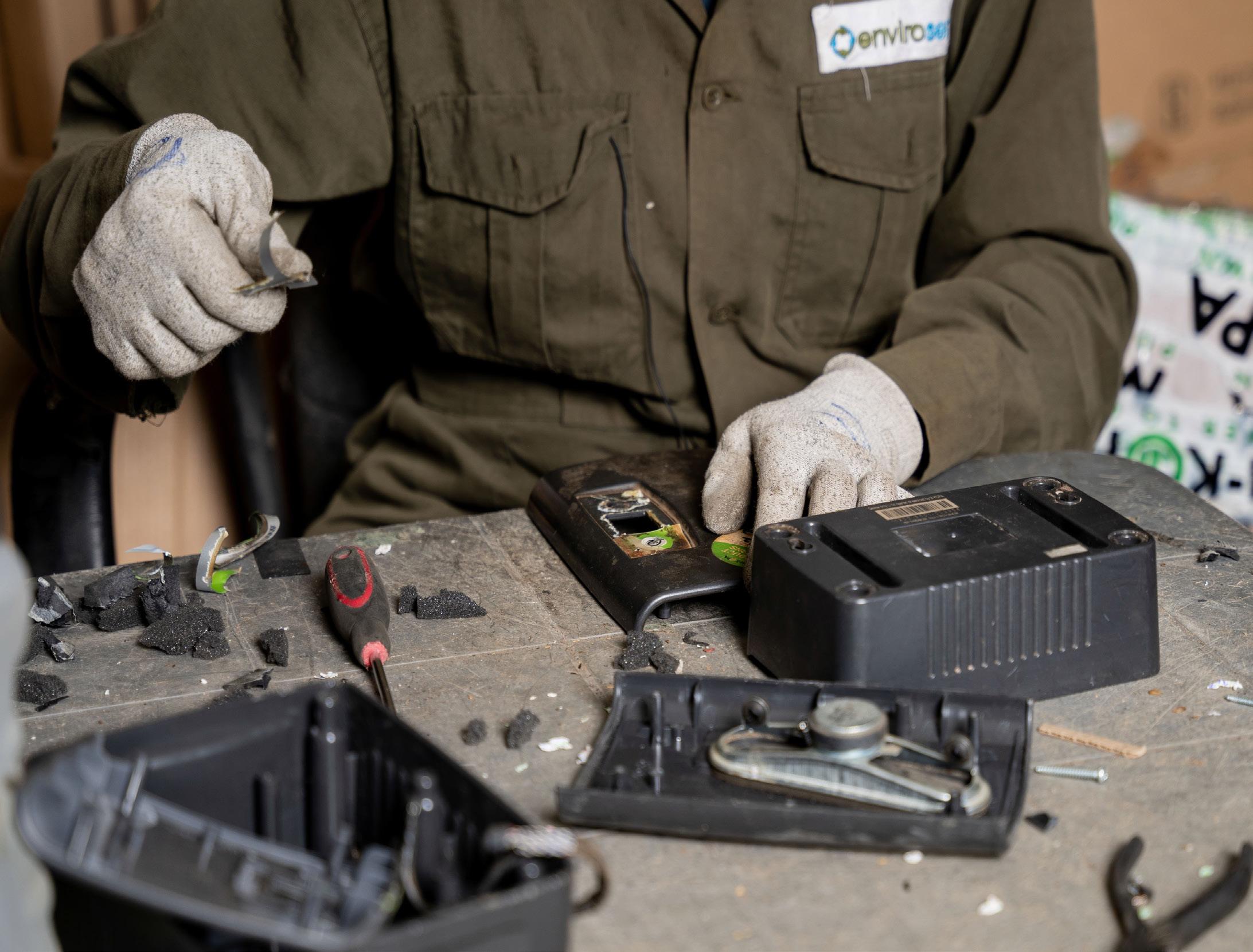
A comparative assessment of equipment options from Canada, Germany, and China prioritised affordable, low-volume machinery suitable for operation and maintenance in Kenya. High-cost, complex solutions such as shredders requiring inert atmospheres were excluded in favour of a discharge-first approach, enhancing safety and practicality. Trials conducted elsewhere have demonstrated the effectiveness of this method, and recent market developments have resulted in the availability of smaller, more affordable equipment, albeit with some bulkiness. Key selection criteria included operational reliability, scalability, and local support provision, with site visits scheduled to evaluate proposals from three Chinese suppliers.
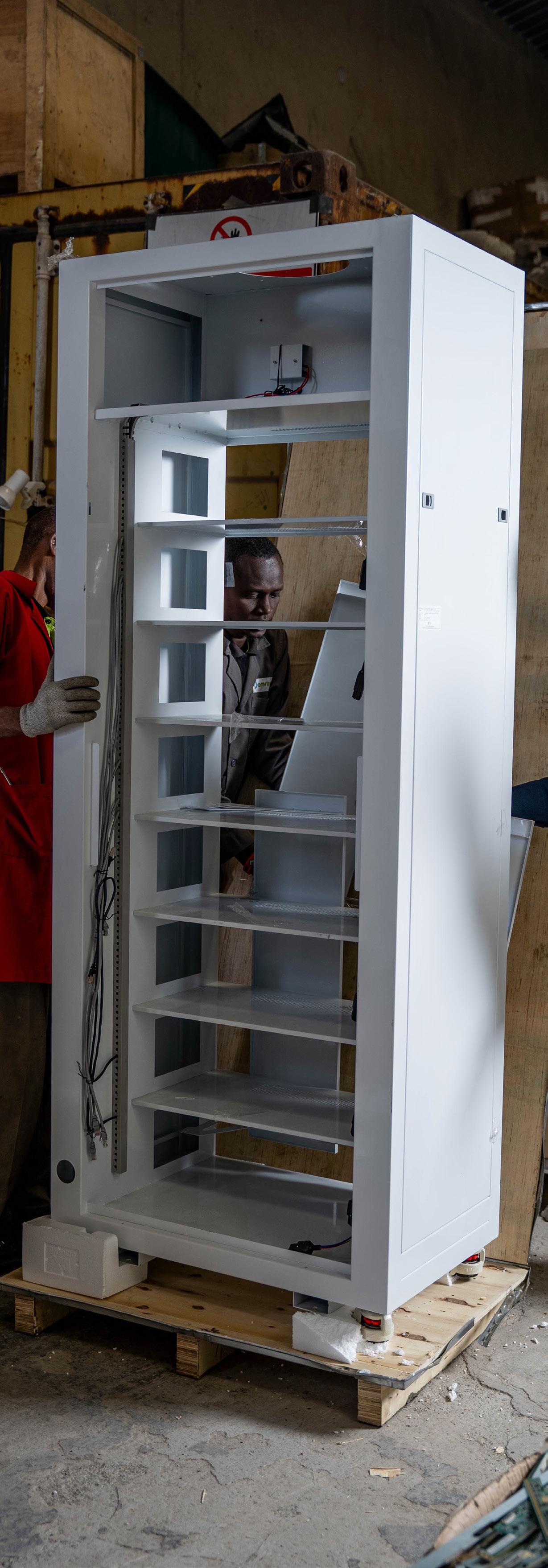
An initial infrastructure should prioritize a shredder with a 100 kg/hour capacity, chosen to meet foreseeable needs. This system is designed to efficiently break down battery packs, separate black mass with an initial recovery target of 80 percent, and facilitate subsequent processing of remaining materials. Black mass containing valuable fractions will be forwarded to specialised processors, while other components will be securely stored for later refinement, maximising material recovery and minimising hazardous waste. An infrastructure should include advanced filtration systems to mitigate any environmental implications.
Engagement with the National Environment Management Authority (NEMA) and county authorities resulted in preliminary guidelines for lithium-battery handling, storage, and transport under the 2023 E-Waste Regulations. Collaboration with customs authorities is ongoing to streamline export procedures for residual black-mass shipments where domestic refining remains unavailable.
Challenges and Lessons Learned
The implementation of large-scale secondlife battery testing and reuse in Kenya provided not only technical validation but also deep insight into the systemic and operational barriers that must be overcome to establish a sustainable circular-battery ecosystem. This chapter synthesizes those learnings under five thematic dimensions:
technical and infrastructural (i)
data and traceability (ii)
economic and market (iii)
regulatory and institutional, and (iv)
social and human-capacity aspects. (v)
5.1 Technical, Infrastructure and Safety Challenges
The diversity of lithium-ion chemistries including Nickel-Manganese-Cobalt (NMC), LFP and Lithium-Manganese-Oxide (LMO) required different diagnostic procedures for accurate stateof-health (SoH) assessment. Variability in cell design, connectors, and firmware often rendered automated testing unreliable, necessitating manual configuration for each pack. This limited throughput and underscored the need for standard diagnostic protocols applicable across chemistries. The establishment of a dedicated testing laboratory with programmable cyclers and automated impedance-tracking software is recommended for future scale-up.
Frequent voltage fluctuations at the Nairobi facility disrupted testing cycles and occasionally led to premature equipment shutdowns. Upgrading electrical infrastructure with independent circuit isolation and continuous load monitoring resolved most safety issues, but power stability remains a
key determinant of throughput. Incorporating solarhybrid backup into future testing centres could mitigate grid unreliability while demonstrating renewable integration in practice.
While no major incidents occurred, several smallscale failures caused by moisture ingress or poor insulation illustrated the importance of strict safety standards. All subsequent packs were constructed using insulated busbars and moisture-proof casing materials, consistent with IEC 62619 requirements for industrial lithium-ion systems. Continued operator training and adoption of personal protective equipment (PPE) protocols were found essential in mitigating residual risks.
5.2 Data, Traceability and Standardization
Most batteries arriving for testing lacked essential metadata such as manufacturing date, chemistry specification, and usage history. This absence of provenance prevented comparative degradation analysis and complicated SoH prediction models.
The lesson learned is that traceability must begin at the production stage. Establishing serial-number-linked digital IDs and mandatory reporting under Kenya’s evolving Extended Producer Responsibility (EPR) framework would enable future
5.3
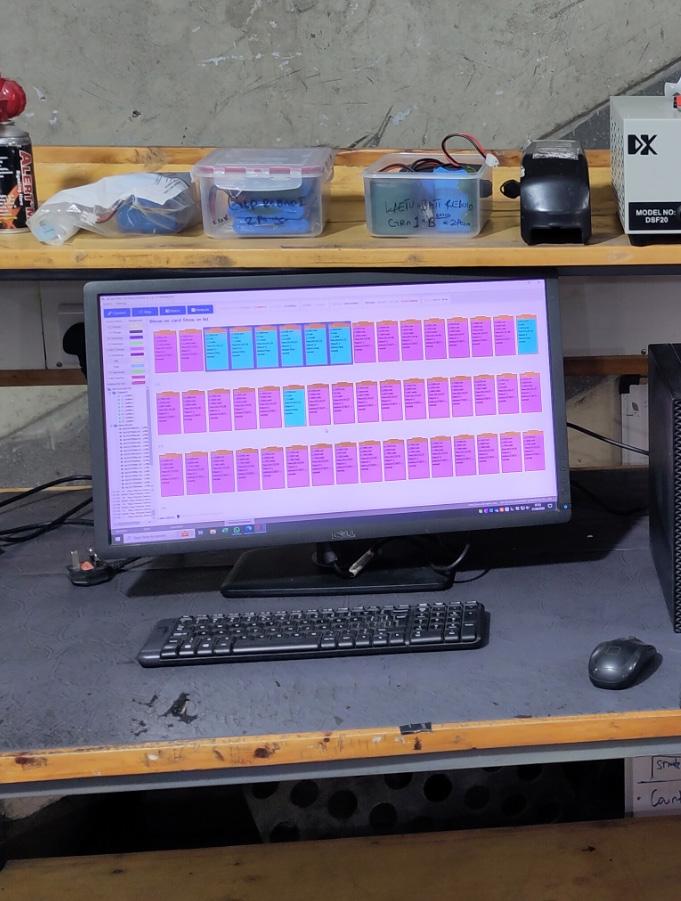
recyclers to access baseline information for each pack. To compensate for missing manufacturer data, Enviroserve implemented a QR-based internal labelling system assigning each cell or pack a digital code linked to the central database. This measure improved sample identification and facilitated longitudinal testing but required continuous staff discipline in data entry. Automating scanning and integrating database dashboards will be critical for higher volumes.
Economic and Market Barriers
Although technically successful, small-batch pack production remains labor-intensive. Labor constitutes nearly 40 % of total pack cost, followed by imported materials (nickel strip, BMS, casings). Localizing component manufacture could reduce cost by 20 percent. However, scaling requires consistent feedstock of used batteries, a factor still limited by the early stage of Kenya’s e-mobility market.
Initial stakeholder interviews revealed skepticism toward second-life batteries, primarily due to safety concerns. Demonstrating functional prototypes particularly (forklift, golf-cart) proved pivotal in building confidence. Market perception shifted once end-users experienced comparable performance to new systems at lower cost. This highlights that demonstration projects remain the most effective marketing tool for nascent circularenergy industries.
The lack of recognized local standards for battery reuse and grading forced reliance on adapted European and Asian frameworks. Collaboration with the Kenya Bureau of Standards (KEBS) has since begun to draft preliminary guidelines on lithium-battery reuse and safety. A standardized test procedure covering capacity, internal resistance, self-discharge, and cycle-life benchmarking will enhance investor and consumer confidence
Access to affordable working capital is a recurring challenge. Financial institutions lacked benchmarks to evaluate reuse ventures, treating them as highrisk. Blended-finance models combining grants with concessional loans are recommended to catalyse early-stage investments until market maturity supports commercial lending. Successful leasing models in the e-mobility sector can inform similar frameworks for energy-storage applications.
5.4 Regulatory and Institutional Challenges
Kenya’s regulatory landscape for hazardous waste and renewable energy remains dispersed across multiple agencies, NEMA, KEBS, the Ministry of Energy, and county governments. Coordination gaps delay licensing and permit processing for test facilities. The lesson learned is the necessity of an inter-agency task force on battery management, ensuring unified interpretation of EPR provisions and alignment with climate-change strategies under Vision 2030.
Customs procedures for importing testing equipment and exporting black mass were protracted, often exceeding 45 days. Simplified documentation and the creation of a “green-materials” customs code could accelerate legitimate circular-economy trade. Regional alignment within the East African Community (EAC) would further streamline trans-boundary movement of spent batteries for recycling.
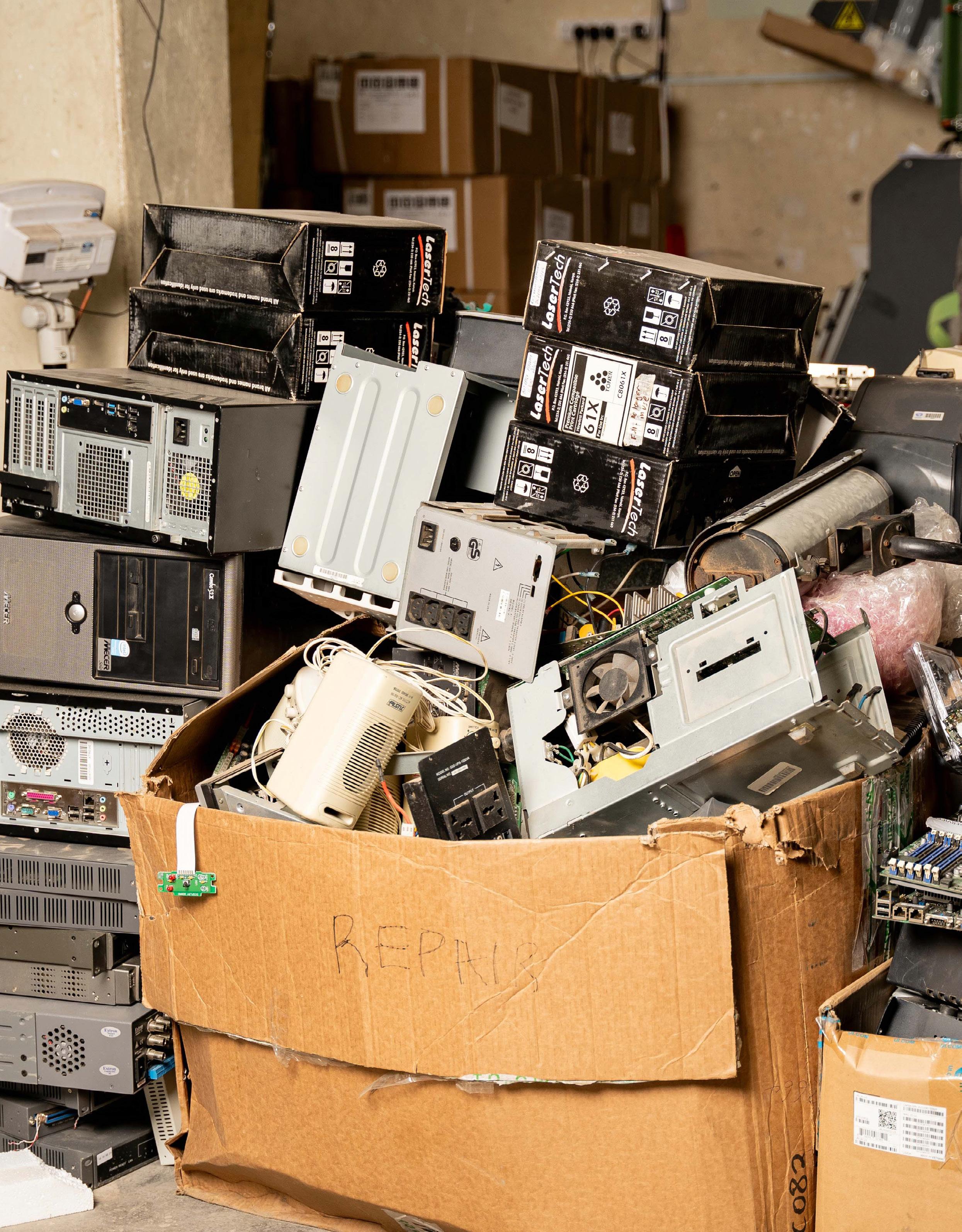
Environmental audits revealed that even small-scale battery testing generates waste streams through plastic insulation, electrolyte
5.5
Social and Skills Lessons
residues, metal shavings that require proper disposal. Establishing on-site waste segregation and partnerships with licensed recyclers has proven effective. Future facilities should incorporate closed-loop management to meet ISO 14001 environmental standards.
Battery testing and pack assembly require interdisciplinary skills spanning electrical engineering, chemistry, and safety management. Kenya’s technical and vocational education institutions currently lack dedicated curricula in this field. Enviroserve therefore developed internal training modules and on-the-job mentorship for technicians, which improved productivity and reduced testing errors by 30 % over six months. Institutionalizing such programs through Technical and Vocational Education and Training (TVET) colleges could create a skilled workforce to support sector growth.
Community awareness of battery safety, reuse, and recycling remains limited. During the project, local outreach workshops in Nairobi and Kiambu reached approximately 300 participants, including waste collectors, boda-boda riders, and youth groups. Public education campaigns integrated into county environmental programmes could substantially improve safe collection rates and reduce informal dumping.
Cross-Cutting Lessons
Integration over Isolation
Evidence-Based Regulation
From a systems perspective, the project revealed that technology alone cannot deliver circular outcomes; success depends equally on supportive policy, financing, and human infrastructure. Key overarching lessons include
Reuse and recycling initiatives must be embedded within national e-mobility and renewable-energy strategies to achieve scale.
Incremental Scaling
Continuous data collection from pilots should inform evolving standards rather than relying solely on imported benchmarks.
Socio-economic Value
Partnerships as Enablers
Starting with modular testing and recycling facilities allows learning by doing while minimizing financial risk.
Second-life batteries are not merely a waste-management issue but a driver of local employment, innovation, and energy access, core pillars of Kenya’s green-growth agenda.
Collaboration among private firms, research institutions, and government agencies proved decisive in solving operational bottlenecks, particularly on regulatory and safety fronts
The findings and experiences gained from this initiative demonstrate both the immediate feasibility and the long-term potential of a locally anchored circular battery economy in Kenya. Building on the technical achievements, pilot deployments, and process optimizations described in previous chapters, several strategic directions have emerged to guide future work and sector development.
6.1 Deepening Collaboration with E-Mobility Providers
The project established direct working relationships with multiple e-mobility companies supplying test samples and defective packs, including Ebee, MKOPA, Ebikes Africa, and KIRI EV. These partnerships provided critical insights into pack design differences, cell chemistry variations, and common failure modes. As more electric motorcycles and bicycles reach the end of their first life, collaboration with these manufacturers will remain essential to secure a consistent feedstock of used batteries for both reuse and recycling. Future engagement should therefore prioritise data sharing, standardized collection logistics, and joint testing frameworks. A closed-loop approach where manufacturers, recyclers, and testing facilities operate under shared traceability systems will enable faster grading and repurposing while ensuring environmental accountability.
6.2
Developing a Structured Collection and Intake Network
During the project period, over 20 metric tons of cells were recovered through ongoing e-waste operations. While this volume was sufficient for pilot testing, the absence of a formalised collection structure limited predictability of supply. A centralised intake network linking e-mobility operators, off-grid solar companies, and informal collectors should be established to channel spent batteries to licensed testing facilities. The experience gained in sorting, grading, and identifying reusable versus non-reusable cells provides a clear operational model: safe discharge, preliminary visual inspection, and sequential routing to either repurposing or shredding lines. Expanding this system will require partnerships with county waste-management authorities and the development of simple logistics guidelines for transport and storage in accordance with NEMA requirements.3
6.3 Enhancing Traceability and Remote Monitoring
Traceability proved to be one of the decisive success factors of the project. Each cell and module tested was marked using QR codes and registered within the internal Enviroserve database. This digital identification method enabled the recording of origin, chemistry, testing results, and subsequent application. Future development should extend this traceability to include remote performance monitoring.
Integration of Bluetooth-enabled BMS systems allows continuous data collection on voltage, temperature, and cycle counts.
Such telemetry will not only simplify maintenance but also generate valuable evidence on second-life performance across real-world conditions, contributing to predictive maintenance models and policy benchmarking
6.4 Streamlining and Scaling Testing and Grading Procedures
Between April 2024 and March 2025, the project increased monthly testing capacity from 396 kg to more than 1 500 kg of cells. This growth was achieved through improved workflow design and greater operator proficiency rather than additional equipment.
Nevertheless, further scaling will require partial automation. The introduction of semi-automated cyclers, enhanced data-logging interfaces, and
modular workstations would improve throughput and consistency. The internal testing cost model developed during the pilot demonstrated that weight alone is not a sufficient metric for resource planning. Cell format, handling complexity, and safety requirements all influence unit costs. Process optimisation must therefore account for physical factors such as pack architecture and connector types.
6.5
Supporting Standards Development and Knowledge Sharing
6.6
The project generated a comprehensive library of operating procedures, safety manuals, and assembly documentation. These resources have already been shared with collaborating institutions and should form the basis for national standards on battery reuse and recycling.
Workshops conducted with NEMA and other stakeholders have created momentum toward a formal regulatory framework for second-life battery operations. Continued dissemination through technical seminars, openaccess reports, and integration with university research programmes will ensure that the knowledge gained extends beyond the pilot stage and supports future practitioners in the field.
Advancing Local Battery Recycling Infrastructure
Technical research into end-of-life management produced a viable design for a pilot shredding and materialrecovery facility. The proposed system, with a processing capacity of 100 kg per hour, includes modules for cell discharge, mechanical shredding, and material separation achieving recovery yields of 80 % for black mass and 95 % for copper and aluminium. Given the successful commissioning of preparatory equipment and positive assessments of supplier reliability, the next phase should focus on installation, calibration, and operator training. Building local capacity in mechanical recycling will not only reduce export dependency for hazardous materials but also create opportunities for secondary industries producing refined inputs for domestic manufacturing.
6.7
Enhancing Traceability and Remote Monitoring
Among the various pilots, several applications demonstrated strong potential for replication: Golf Carts show high user satisfaction and clear cost advantages; Farm Carts indicate direct productivity benefits for smallholders; the piloted forklift has proven industrial-grade performance and longevity; stationary storage show robust energy reliability for schools, lodges, and small enterprises. Each of these cases has an identifiable user group
and a measurable economic incentive, providing a strategic entry point for scaling. Future work should therefore focus on replicating these successful configurations, validating long-term performance, and integrating financing mechanisms that support adoption among cooperatives, SMEs, and local service providers.
6.8
Institutionalising a Circular-Battery Ecosystem
The cumulative experience of the project highlights the interdependence of reuse, repurposing, and recycling within a single value chain. Establishing this ecosystem will require continued cooperation between private operators, government agencies, and research institutions. The technical knowledge, data systems, and safety procedures already developed represent a strong foundation for policy implementation. By positioning Kenya as a regional leader in second-life battery management, the project contributes to broader continental objectives for green industrialisation and resource efficiency.