The non-profit, internationally operative Siemens Stiftung is committed to sustainable social development. Together with individuals and communities, it creates opportunities to actively shape social and ecological transformation. It focuses on three key areas of action: Essential Services, Digitality, and Climate. By collectively addressing challenges in these fields, the foundation harnesses them as opportunities for innovation and positive change. Through projects in Education, Social Entrepreneurship, and Culture, it facilitates access and participation, strengthens futureoriented competencies, and enables interdisciplinary and collaborative learning. Siemens Stiftung connects local actions with global perspectives to support resilience, social cohesion, and regenerative practices. www.siemensstiftung.org
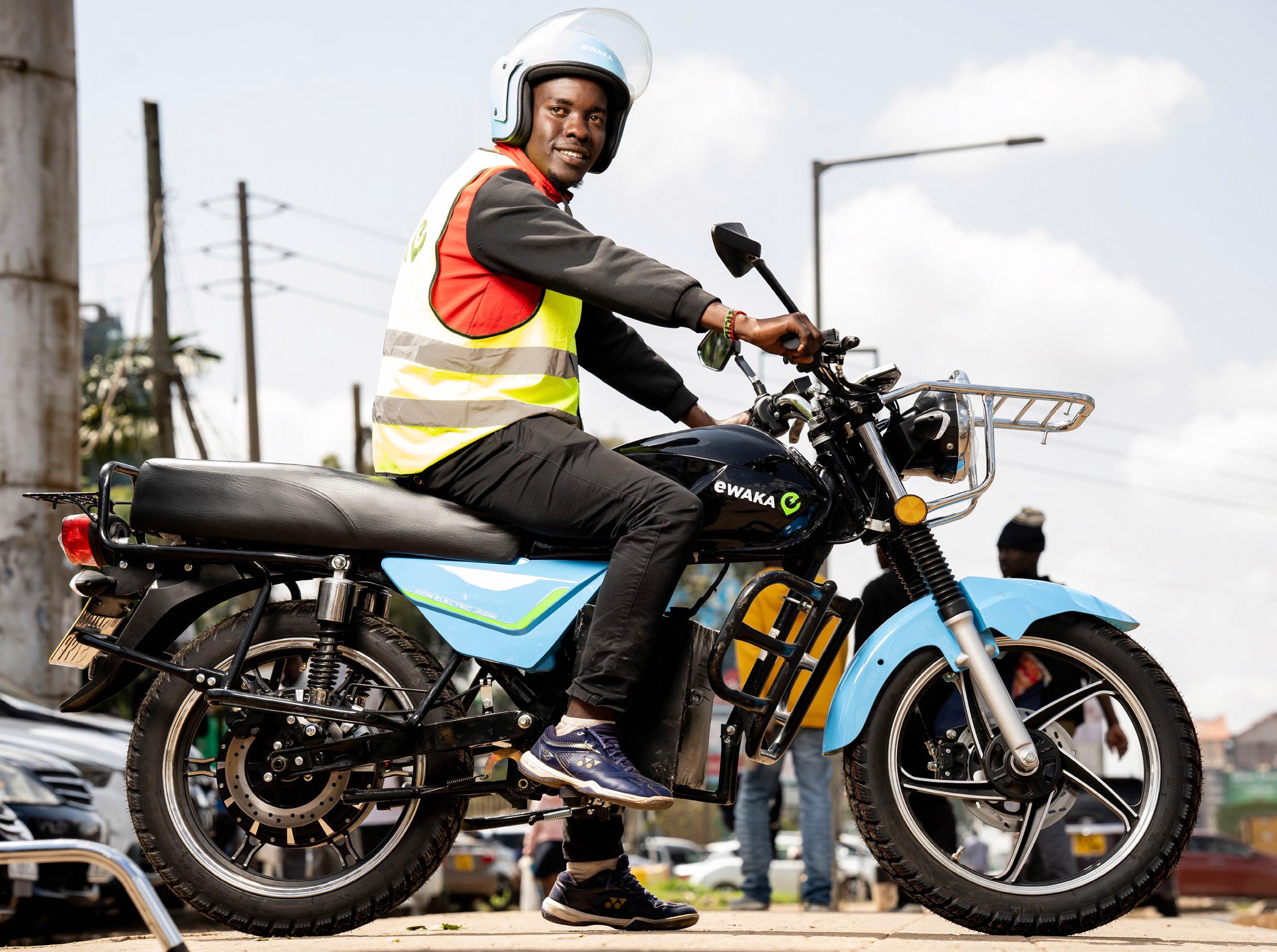
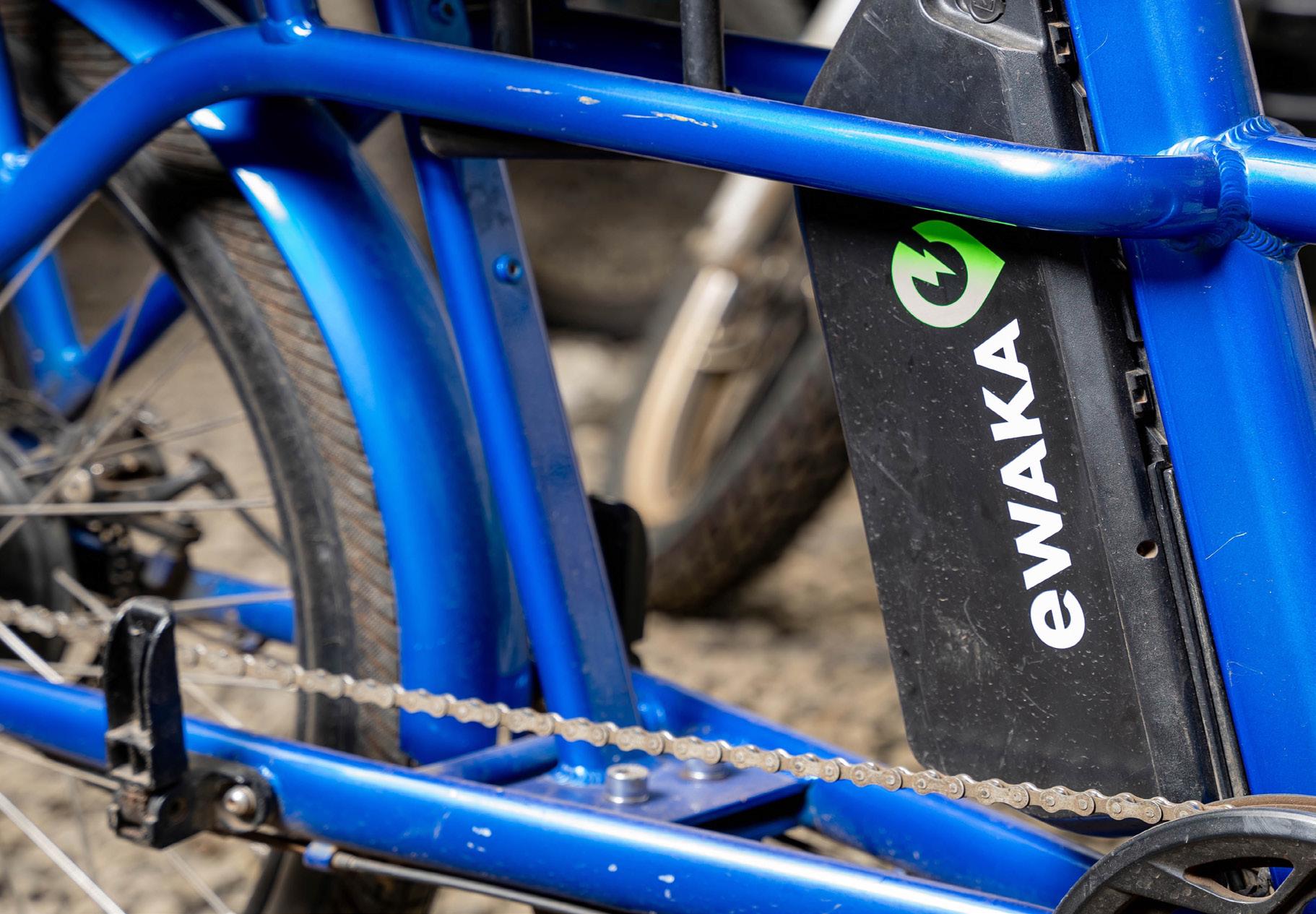
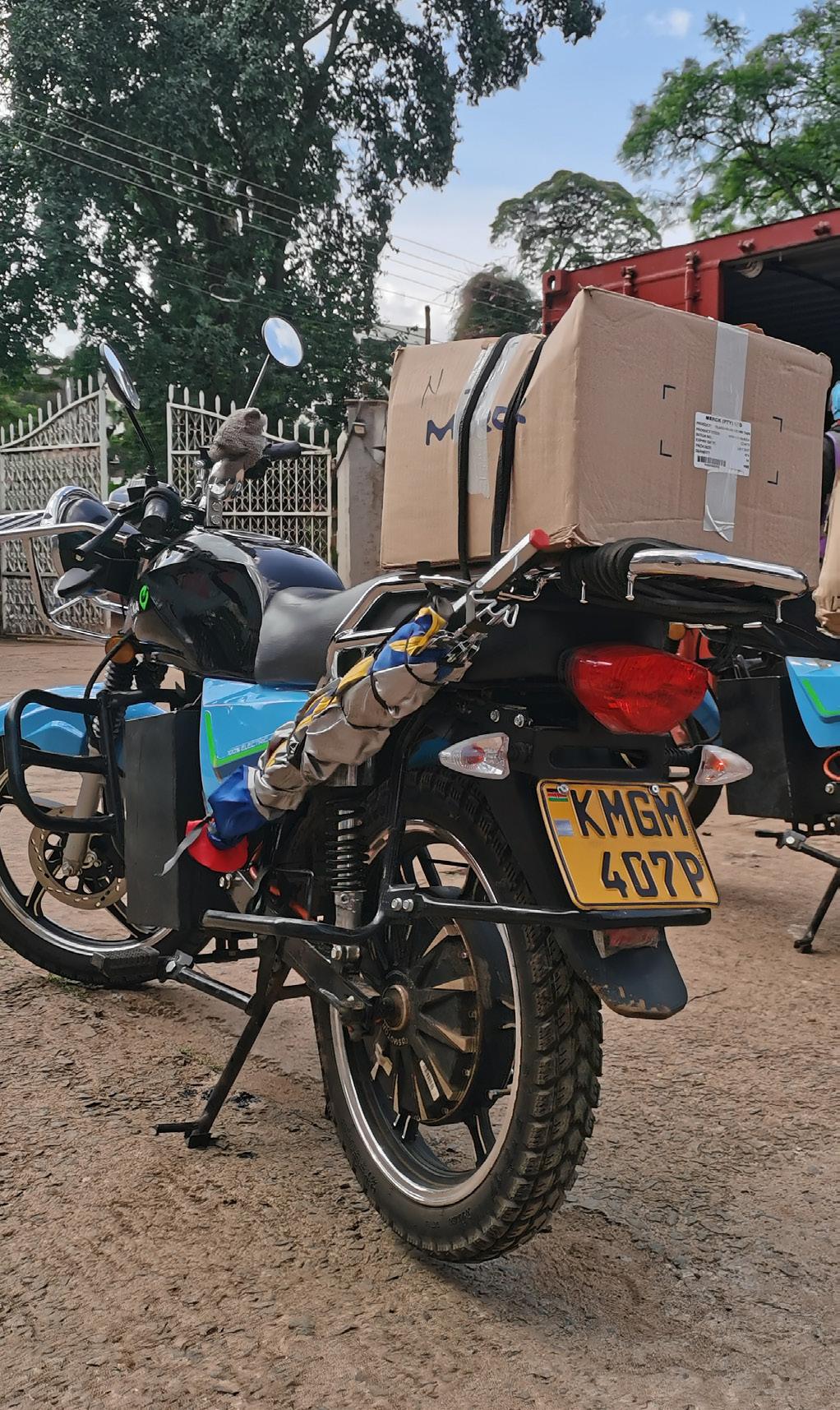
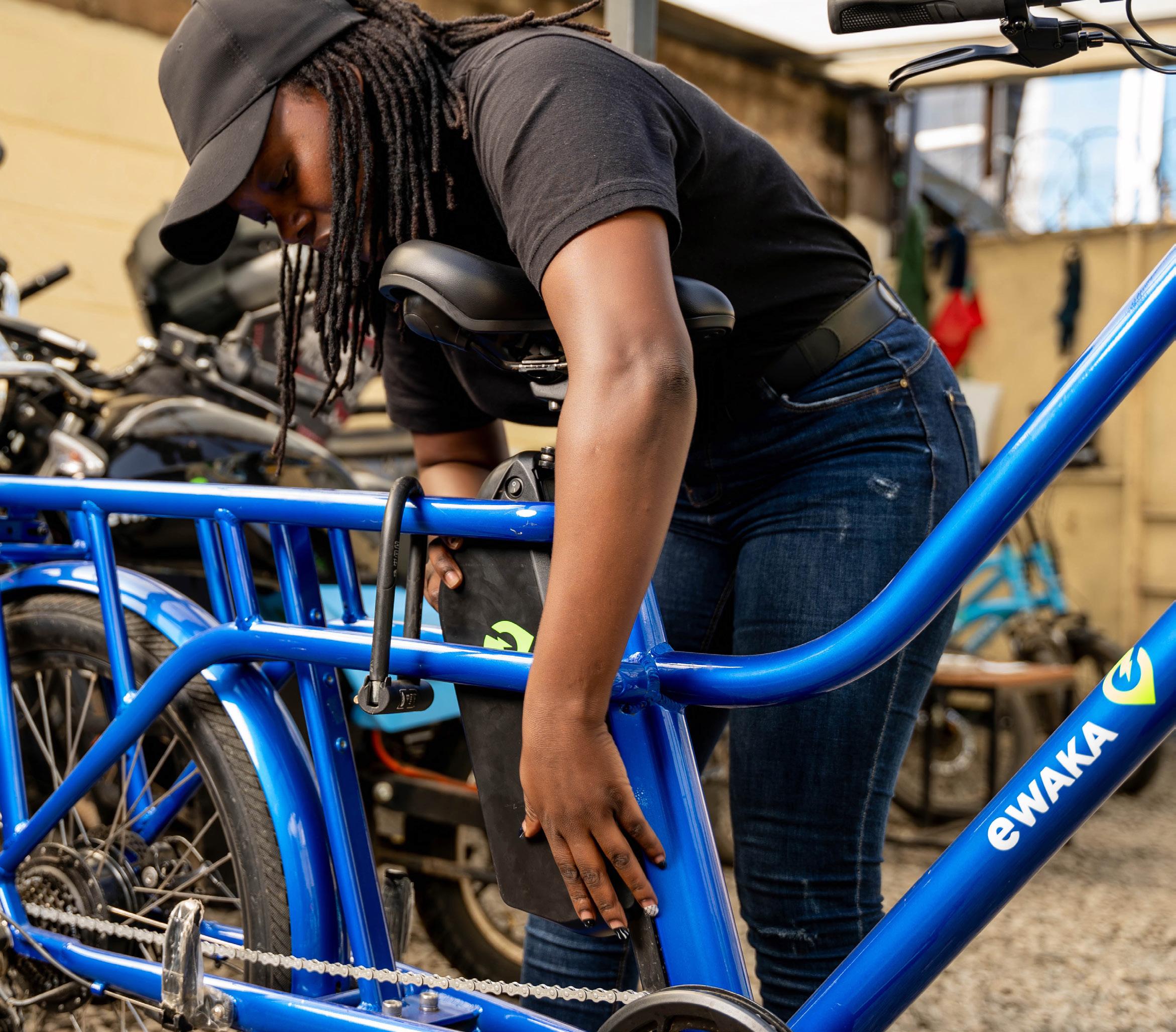
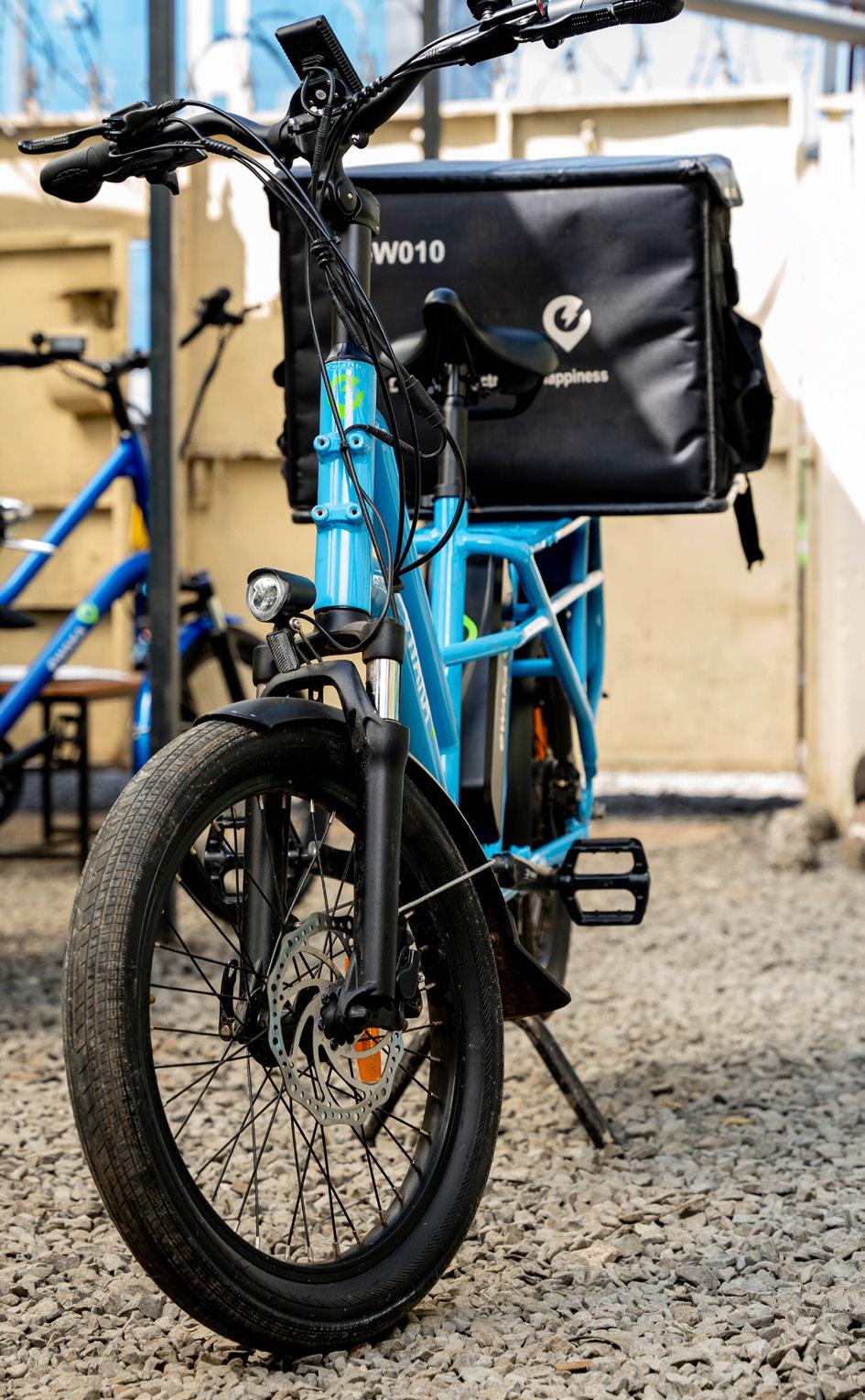
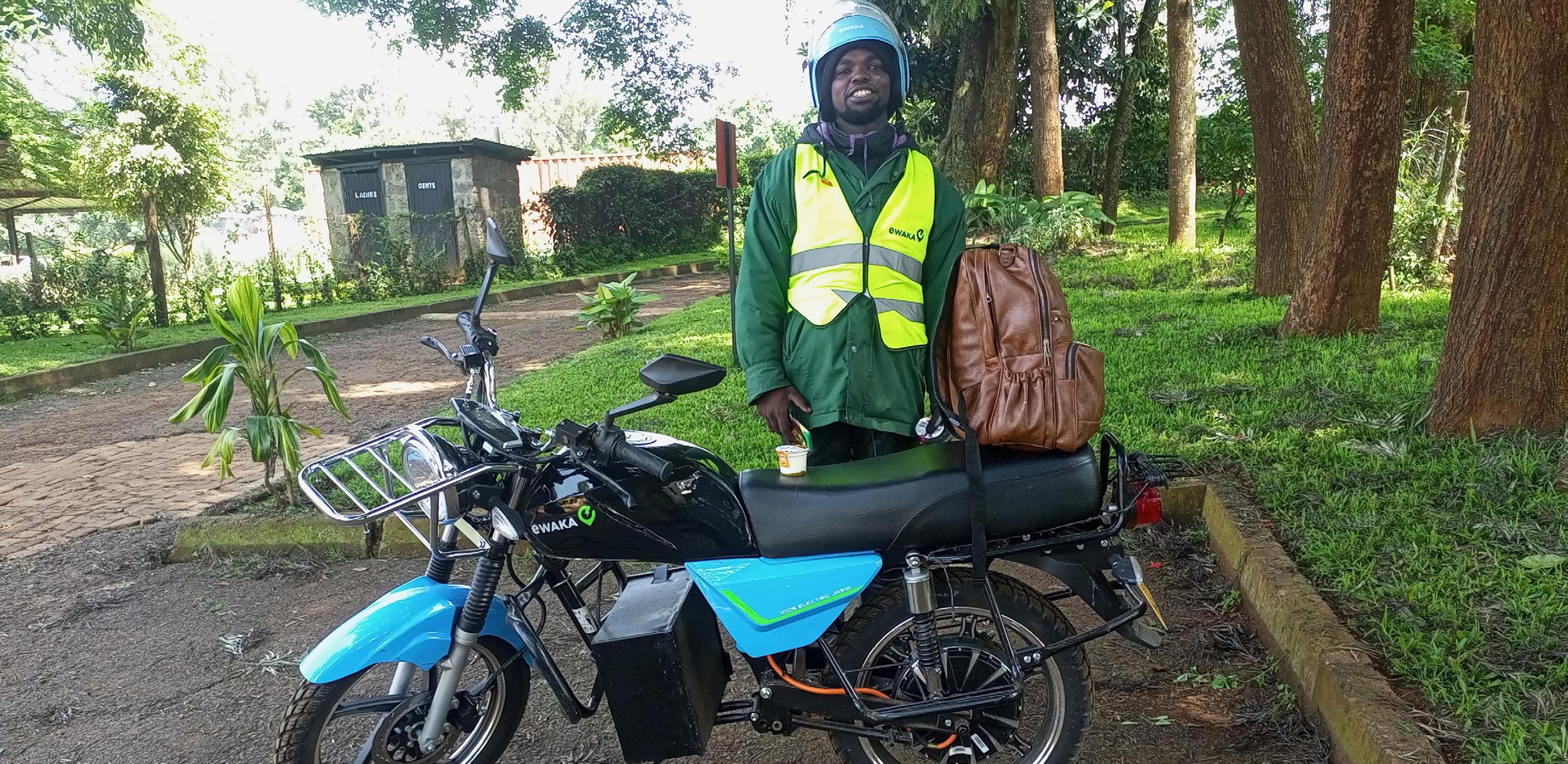
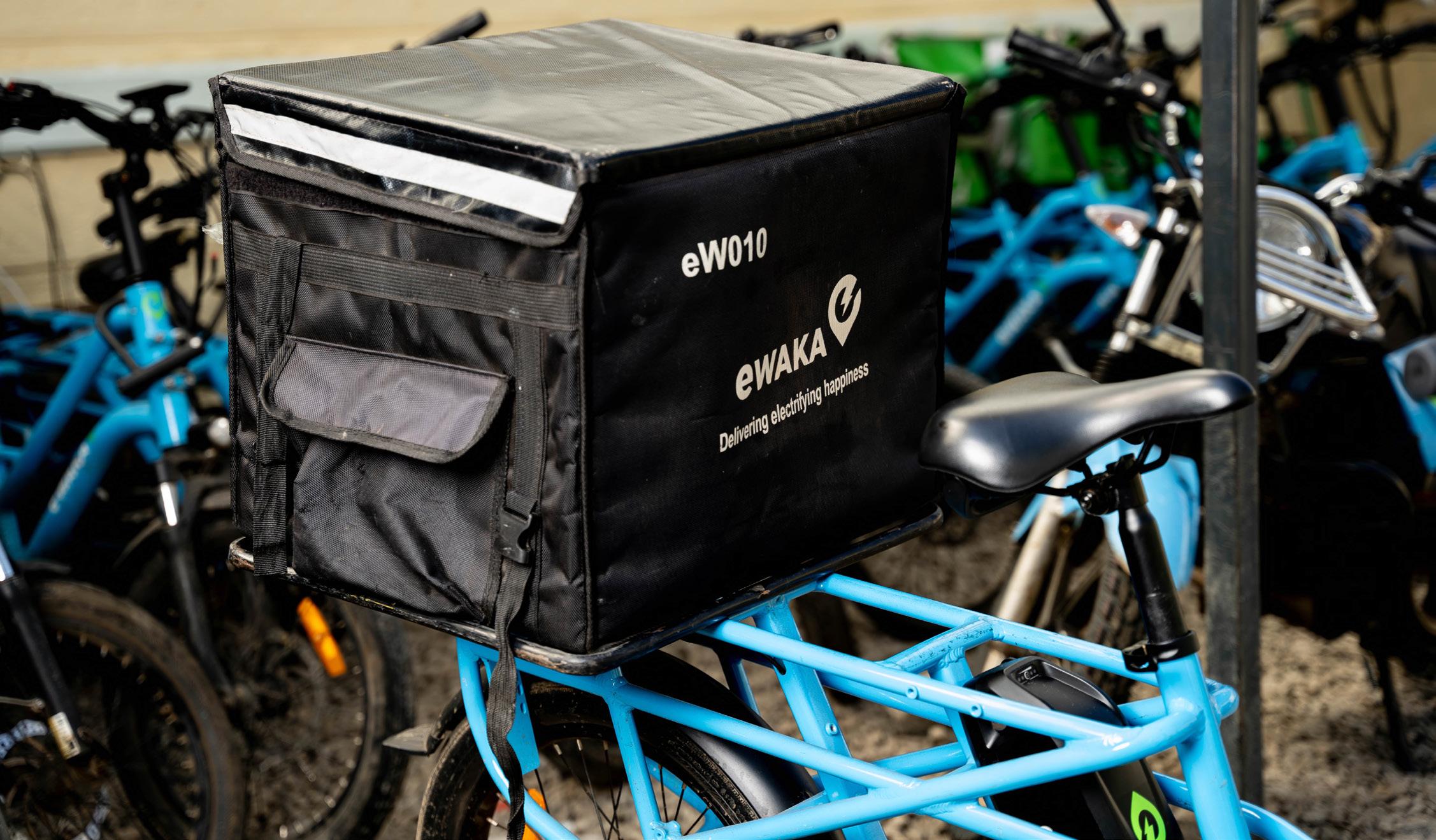
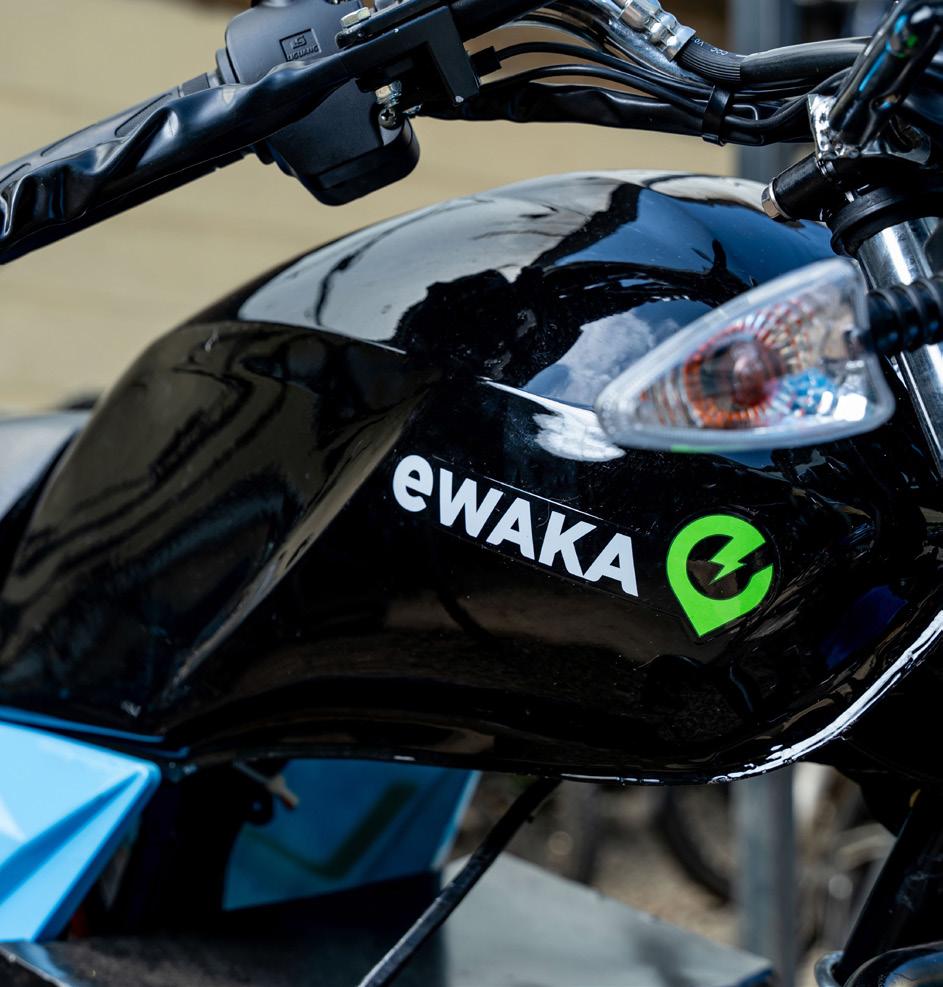
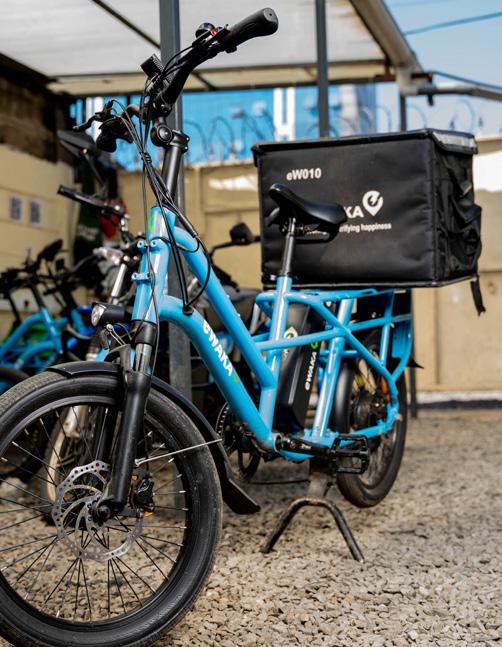
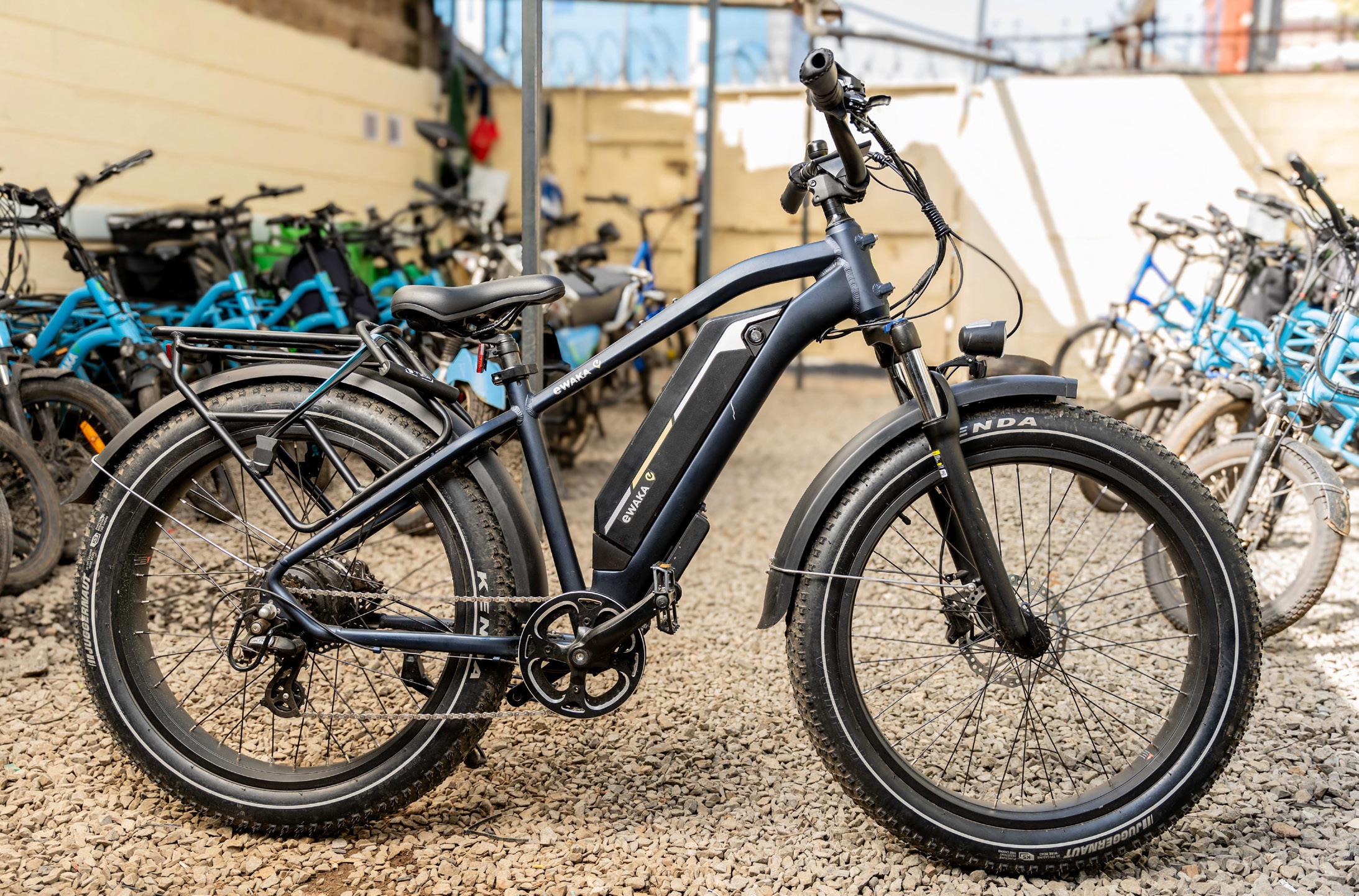
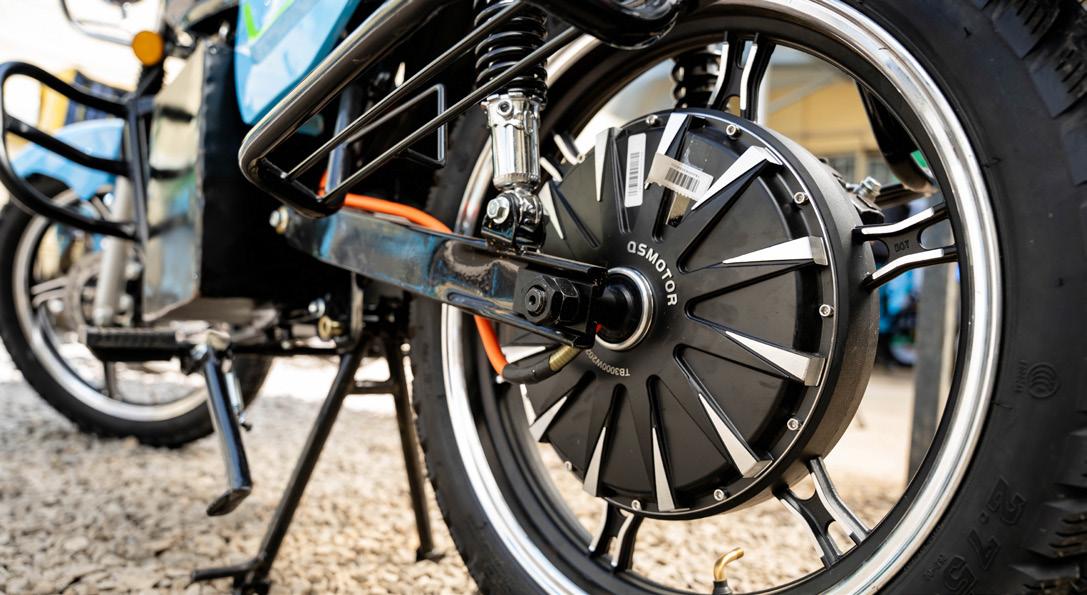
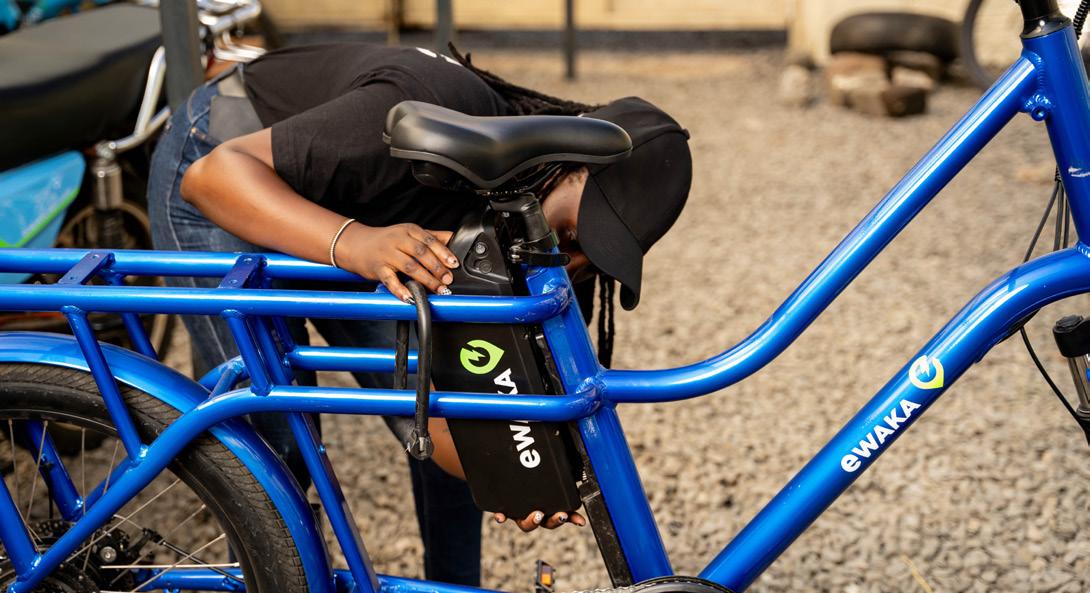
eWAKA Mobility is an e-mobility company focused on addressing last mile and first mile logistics challenges in underserved communities across Africa. The company uses IoT-enabled electric cargo bikes and motorcycles to provide transportation solutions for sectors such as healthcare, agriculture, retail, and logistics.
The platform applies data-driven insights to optimize fleet utilization, with the aim of ensuring timely delivery services and reducing operational costs. eWAKA also works with microfinance partners to provide lease-to-own plans, creating access for youth and women and supporting economic independence and inclusivity.
Environmental sustainability is a central focus. The company’s solutions reduce carbon emissions, lower reliance on fossil fuels, and contribute to a cleaner transportation system. Through applications in healthcare logistics, agricultural supply chains, and small business operations, eWAKA combines technology and social impact to improve mobility and community outcomes.
The Deutsche Gesellschaft für Internationale Zusammenarbeit (GIZ) is a service provider in the field of international cooperation for sustainable development and
international education work. We are dedicated to shaping a future worth living around the world. We have over 50 years of experience in a wide variety of areas, including economic development and employment promotion, energy
and the environment, and peace and security. We work with businesses, civil society actors and research institutions, fostering successful interaction between development policy and other policy fields and areas of activity. Our main commissioning party is the German Federal Ministry for Economic Cooperation and Development (BMZ).
GIZ's Promotion of Electric Mobility in Kenya project commissioned by the Federal Ministry of Economic Cooperation and Development (BMZ) and Co-financed by the European Union (EU) strengthens competencies and capacities for an enabling framework and market development for enhanced electric mobility uptake in the country.
1. Executive Summary
1 Executive Summary
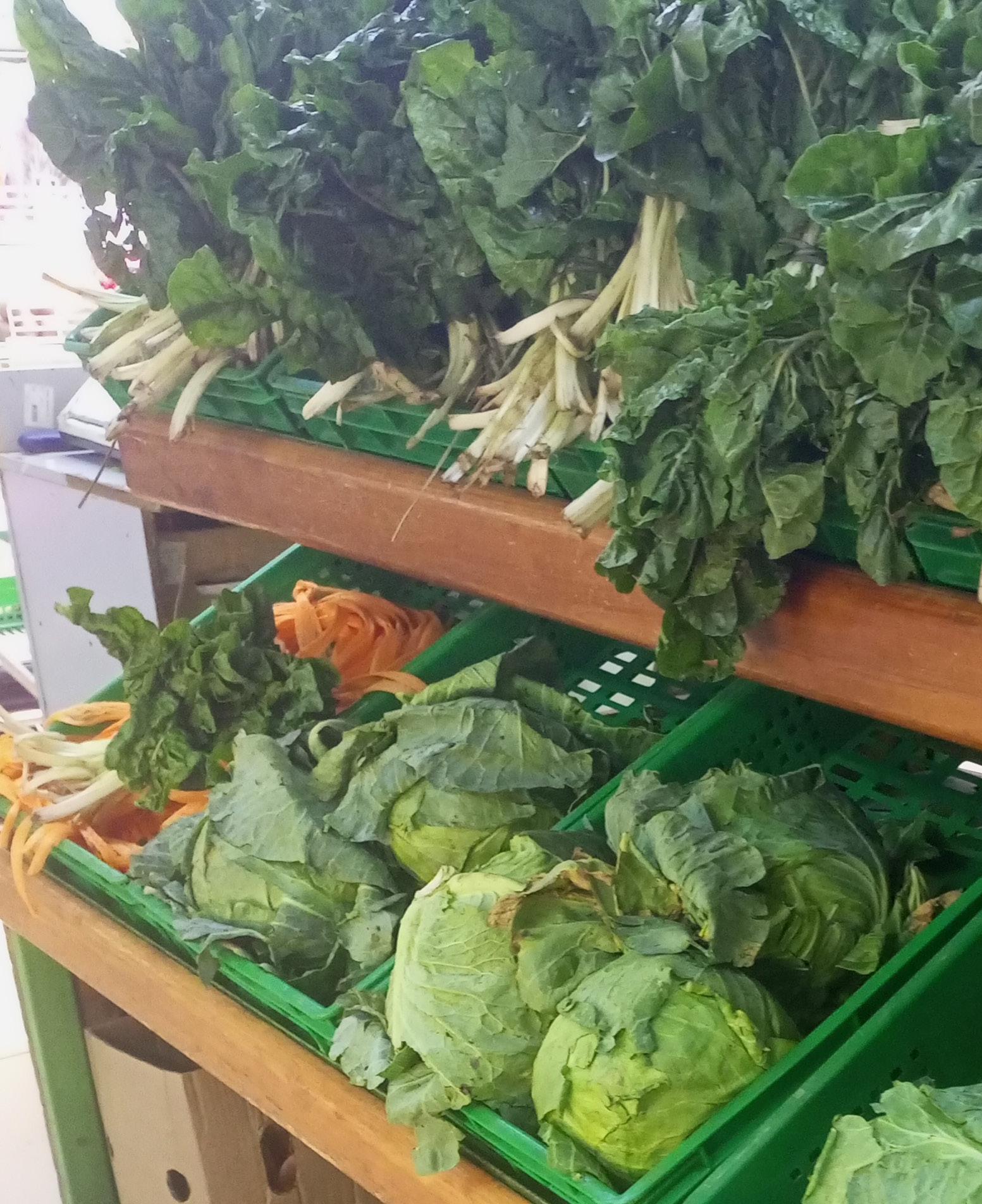
This report presents the findings of a pilot project implemented by eWAKA Mobility Limited with the support of Siemens Stiftung to evaluate the potential of e-bikes (e-bikes) in improving market access, lowering transport costs, and increasing earnings for smallholder farmers in Kenya. The initiative focused on farmers in peri-urban areas of Nairobi and Kiambu, where poor first- and last-mile transport continues to limit access to reliable buyers and reduce farmer profitability. By combining roundtable engagements, structured surveys, and on-ground delivery pilots, the project tested whether clean mobility options like e-bikes could provide farmers with more flexible, affordable alternatives to intermediary-driven transport systems.
The project initially tested a direct-to-market delivery model, in which farmers used e-bikes operated by trained youth riders to transport produce to vendors, grocery stores, and individual customers. This model generated strong early results: participating farmers saw an average 43.94% increase in income compared to selling through intermediaries, with added benefits in delivery speed, product freshness, and market reach. However, the model also revealed structural constraints. Fragmented demand, early morning harvesting routines, limited coordination capacity among farmers, and cultural barriers, particularly around women operating bikes, limited the scalability of this logistics model.
These insights led to a strategic pivot; instead of positioning eWAKA as a direct logistics provider for individual farmers, the model evolved into a platform-based
logistics solution designed to serve a broader network of value chain actors, including aggregators, vendors, and small businesses. It further enabled eWAKA to decouple logistics from sales facilitation and build a scalable model centered around technology, rider engagement, and structured business partnerships.
To support different user needs, three business models were tested within the platform: on-demand delivery, leasing, and outright purchase. On-demand services were useful for businesses with irregular order volumes but were also the most expensive per trip. The leasing model offered predictable pricing and full logistics support, making it ideal for businesses in a growth phase. Outright purchase proved the most commercially viable over time, especially for businesses that could manage their own delivery operations and riders.
Farmer engagement remained central, even after the shift in logistics model. While direct-to-market deliveries were no longer the core offering, the platform approach allowed farmers to benefit indirectly through improved coordination with vendors and aggregators who continued to source from them. The project also supported a structured delivery model in which local youth riders coordinated pickups and deliveries for farmer groups, particularly in areas where women preferred not to ride the bikes themselves. This helped maintain the income gains farmers had achieved earlier in the project, while also making the model more practical for ongoing use.
Overall, the pilot confirmed that while e-bikes can increase farmer income and improve delivery efficiency, direct-tofarmer logistics is difficult to scale in isolation. A platformbased approach, supported by localized rider models, flexible ownership structures, and strong business partnerships, offers
a more sustainable path for scaling clean mobility in Kenya’s agricultural sector.
The project has laid the groundwork for a scalable clean logistics approach that can support improved farmer access, youth employment, and more efficient transport in Kenya’s agriculture sector.
The report concludes with a set of actionable recommendations for policymakers, practitioners, and investors, including support for bundled logistics services, investment in youth employment, and targeted partnerships with cooperatives and SMEs. Ultimately, the study reinforces that e-bikes offer a promising solution for inclusive, climatefriendly logistics when embedded within a broader ecosystem of market coordination, service infrastructure, and local engagement.
2. Introduction
2.1 Background
In many low- and middle-income countries, transportation remains a persistent barrier to agricultural market access, particularly for smallholder farmers. High logistics costs, a lack of sufficient infrastructure, and the reliance on middlemen severely restrict farmer profits and hinder the development of resilient agro-value chains. In Kenya, where agriculture employs over 70% of the rural population and contributes about 33% to GDP, the inefficiencies in first- and last-mile transportation result in significant post-harvest losses estimated at 20–40% for perishables like vegetables, milk, and fish (FAO, 2023; World Bank, 2022).
In many low- and middle-income countries, transportation remains a persistent barrier to agricultural market access, particularly for smallholder farmers. High logistics costs, a lack of sufficient infrastructure, and the reliance on middlemen severely restrict farmer profits and hinder the development of resilient agro-value chains. In Kenya, where agriculture employs over 70% of the rural population and contributes about 33% to GDP, the inefficiencies in first- and last-mile transportation result in significant post-harvest losses estimated at 20–40% for perishables like vegetables, milk, and fish (FAO, 2023; World Bank, 2022).
Clean mobility solutions, such as electric e-bikes, present an opportunity to rethink agricultural logistics in a way that is both cost-effective and sustainable. In addition to reducing transport emissions, e-bikes offer potential benefits in terms of operational flexibility, ease of maintenance, and affordability for short-haul trips in rural and peri-urban areas. However, there is limited real-world evidence on how such solutions can be applied to smallholder agricultural supply chains in Kenya, particularly when it comes to farmer-led distribution and delivery models.
In this context, eWAKA Mobility Limited, with the support of Siemens Stiftung, launched a pilot initiative to assess the viability of e-bikes as a sustainable, cost-effective alternative for transporting agricultural produce. The project, titled “Boosting Farmer Profits with Eco-Friendly Transport: Efficient E-bikes for Direct Market Access,” aimed to enhance farmers’ ability to access markets directly, reduce dependence on brokers, and improve their profit margins;
all while contributing to environmental sustainability through green transport solutions. E-bikes offer unique advantages in the Kenyan context. They are lowemission, affordable to operate, and can navigate both urban and peri-urban areas with ease. Yet, their potential remains largely untapped within the agricultural sector. This project addresses that gap, building on a growing body of research that highlights how appropriate, inclusive transport can be transformative for rural economies (UNEP, 2021; GIZ, 2022).
2.2 Problem Statement
Smallholder farmers in Kenya often lack reliable and affordable transport options, forcing them to rely on intermediaries who collect produce at the farm gate and resell it at higher prices in urban markets. These dynamic limits farmers’ control over pricing, reduces transparency in the supply chain, and lowers their share of market value. In areas like Kabuku and Kiambu, located in peri-urban areas of Nairobi, farmers report that
62% of produce was sold via brokers, and over 65% of respondents cited “limited market access” as a primary challenge.
While e-bikes have been adopted in urban logistics in Kenya, particularly in sectors like e-commerce and food delivery, their application in agriculture remains under-explored. This project tests whether introducing e-bikes into logistics can bridge the market access gap and drive inclusive agricultural development.
2.3 Project Objectives
The primary objective of eWAKA´s project was to explore the feasibility and impact of integrating e-bikes into Kenya’s agricultural logistics ecosystem, with a focus on improving smallholder farmers’ market access and income. In a sector traditionally burdened by inefficient and expensive transport systems, the project sought to test whether electric mobility solutions could offer a practical, sustainable alternative that reduces dependence on brokers and strengthens rural supply chains.
To achieve this, the project set out to:
1. Benchmark e-bikes against existing transport modes like motorcycles, trucks, and animal carts by comparing operational costs, delivery distances, speed, and reliability within peri-urban and rural agricultural zones in Nairobi.
2. Assess the economic impact on smallholder farmers by piloting directto-market delivery models and quantifying changes in revenue, customer base, and delivery frequency resulting from reduced reliance on intermediaries.
3. Test business models for deploying e-bikes at scale, including outright purchase, leasing, and on-demand rider services. The goal was to identify models that are both affordable for users and financially viable for service providers.
The project also sought to explore viable logistics coordination models that could support scale, including the potential role of platform-based or technology-enabled solutions.
3. Methodology
3.1 Study Design
This project applied a mixedmethods approach, combining qualitative and quantitative techniques to assess the effectiveness, impact, and scalability of e-bikes in agricultural logistics. The methodology was grounded in a participatory, fieldbased research and included pilot testing, surveys, stakeholder interviews, roundtable discussions, and digital platform trials. This design allowed to triangulate findings and adapted strategies based on real-time feedback from both supply-side (farmers) and demand-side (buyers, vendors, businesses) actors.
The pilot was implemented in two phases
Phase 1 focused on direct-to-market delivery for farmers, testing whether income and logistics outcomes could be improved through e-bike usage and trained rider support.
Phase 2 marked a strategic shift toward platform-based logistics, testing the functionality of the eWAKA Business App and Rider App, as well as various business models suitable for different users.
Data collected during both phases informed the development of service features, business model design, and rider deployment strategies
3.2 Study Area and Sample
The research was conducted in Nairobi and Kiambu County, Kenya, specifically in peri-urban and rural locations including Kabuku, Ndenderu, Banana, and Ruaka, which are known for high agricultural output and proximity to major markets in Nairobi. These areas represent typical conditions for smallholder farmers who struggle with market access due to logistical and infrastructural barriers.
A total of 154 stakeholder were engaged throughout the research. A structured survey was administered to 56 small-scale farmers (approx. 57% female) to collect baseline data. A separate survey of 48 businesses owners (ranging from grocery stores to informal vendors) was carried out to get insights on delivery models, pain points, delivery distances, and readiness for electric mobility. Further, a farmer group of 15 members (87% female) were provided access to e-bikes. Their deliveries were monitored over four months, with data captured on distance covered, income earned, customers reached, and logistical coordination challenges. And 8 youth riders (100% male) were hired from local communities to work for eWAKA as delivery riders. The majority of farmer participants were experienced producers, with 88% reporting more than six years of farming experience.
The participation in the study was voluntary, with informed consent obtained from all respondents. The project ensured confidentiality of individual responses and provided transparent information about the purpose and potential use of data. Youth riders employed in the pilot were vetted and trained under a safety-first framework.
3.3 Limitations
While the study generated valuable insights into the viability and impact of e-bikes in agricultural logistics, several limitations must be acknowledged when interpreting the findings. This study was limited by its geographic focus on Kiambu and Nairobi counties, which may not fully represent conditions in more remote or rural regions of Kenya. In those areas, infrastructure, demand patterns, and digital readiness differ significantly from the pilot region. Further testing is needed to assess how these models would perform in counties with distinct agricultural and geographic profiles.
The pilot duration restricted longterm assessments of the adoption and impact of e-bikes. Important factors like seasonal trends, supply fluctuations, or sustained adoption patterns could not be observed longterm. Additionally, sample sizes for some activities were modest, and key demographic data, such as the gender breakdown of business participants, were not fully captured and restricted a deeper analysis. Finally, the logistics coordination efforts required a degree of facilitation and buyer engagement that extended beyond the project’s original scope. While this level of involvement provided rich data and enabled real-time learning, it also exposed the challenge of scalability when delivery logistics are tightly coupled with sales generation, rather than operating as independent systems.
4. Findings & Discussion
4.1 Practices and Barriers for Smallholder Farmers
The Kenyan e-mobility sector has seen healthy growth over the years in areas ranging from the number of startups operating in the sector, widening range of products and services offered, increasing employment, including more youth and females. However, the geographic spread is concentrated in urban areas.
The survey targeted C-suite executives within the e-mobility sector, receiving responses from 43 companies between April and May 2024. This represents a significant portion of the companies active in the sector (African Business).
62% of surveyed farmers reported selling their produce through brokers
The study confirmed that inefficient transportation remains a primary constraint for smallholder farmers seeking access to urban markets. In the peri-urban regions of Kabuku, Banana, Ndenderu, and Ruaka, farmers typically rely on informal logistics arrangements, including motorcycles, animal carts, and third-party intermediaries who use vans or trucks to transport produce to markets like Wakulima and Muthurwa in Nairobi.
Approximately 62% of surveyed farmers reported selling their produce through brokers, significantly reducing their share of final market prices. This dependence on intermediaries not only limits farmers’ pricing power but also reduces supply chain transparency and weakens the economic position of producers within the value chain. High transportation costs, unreliable services, and the absence of structured logistics were consistently cited as barriers to market participation.
In areas where farmer groups existed, there were more efficient practices, such as bulk consolidation, informal delivery scheduling, and shared buyer networks. However, these remained limited to small clusters and were highly dependent on the initiative of individual group leaders or aggregators.
4.2
Pilot Results: Impact of E-bikes on Market Access and Income
In the first phase of the pilot, trained youth riders used e-bikes to deliver produce from farms directly to markets and end customers. Farmers working with this model reported a 43.94% increase in income compared to traditional brokered sales. Deliveries were faster, produce arrived fresher, and buyers offered higher prices due to improved reliability. The use of riders also reduced the logistical burden on farmers, who could focus on harvesting and other core activities.
In total, 1,312 kilograms of produce were transported and sold using e-bikes. This generated a gross income of KES 42,305 for participating farmers. After deducting youth riders’ fees (KES 10,705) as most farmers were hesitating to ride an e-bicycle, the net earnings amounted to KES 31,600. By contrast, selling the same volume to aggregators would have yielded an estimated KES 17,714 — indicating a 43.9% increase in earnings through direct market access enabled by e-bikes.
This result underscores the potential of e-bikes accessing markets within a 10 km radius (e.g., Wangige and Kikuyu) as they proved particularly viable for deliveries, enabling efficient aggregation and early-morning fulfilment. This is a critical requirement in the fresh produce sector. With the support of eWAKA´s introduction to new customer segments such as grocery stores, informal vendors, and individual consumers, the pilot showed great potential for e-bikes.
4.3 Logistics Pain Points and Cost Comparisons
53.8%
Per trip for businesses switching to electric mobility
The pilot identified several inefficiencies in traditional agricultural transport models. Most farmers relied on hired motorcycles or third-party brokers for last mile delivery. These methods incurred high per-trip costs, especially for short or irregular routes, and offered limited control over timing or reliability. Weather disruptions, peak harvesting periods, and driver unavailability frequently delayed deliveries and increased spoilage risks. Farmers also lacked ownership over the delivery process, which affected transparency and weakened their bargaining power.
E-bikes addressed several of these pain points by reducing per-kilometer costs, cutting delivery times, and offering a cleaner, more predictable alternative. Operational data from the pilot showed that dedicated rider models reduced delivery times by up to 30 percent compared to motorcycles, with additional gains in delivery consistency and customer satisfaction.
To understand demand-side logistics constraints, the project also surveyed 48 SMEs in Nairobi and Kiambu. These businesses primarily used fuel-based motorcycles, hired informal riders, or relied on digital delivery platforms such as Glovo and Uber Eats. While these models provided flexibility, they were associated with high operating costs and frequent delays. Businesses expressed frustration with inconsistent rider availability, unstructured pricing, and limited control over customer service.
A cost comparison between conventional delivery modes and e-bikes revealed average savings of 53.8% per trip for businesses switching to electric mobility. This cost advantage, combined with greater delivery reliability, made e-bikes especially attractive for businesses with regular logistics needs. However, service scalability remained a challenge. Consistent rider availability, route planning, and coordination—particularly in areas with fragmented delivery demand—were identified as critical constraints to wider uptake.
4.4
Pilot Results: Impact of E-bikes on
Market Access
and Income
“I never thought I’d have a job that uses tech and helps farmers at the same time. Riding the e-bike has given me income, but also respect in my community.”
— Delivery rider, 24, Kabuku
The pilot integrated a strong social inclusion lens. Women made up 57% of the farmer participants, most of whom had over six years of farming experience. Meanwhile, eight male youth from local communities were trained and employed as e-bike riders. This dual engagement not only promoted gender-responsive agricultural logistics but also contributed to local youth employment and skill development.
Cultural norms and practical concerns meant that many female farmers preferred not to operate the e-bikes themselves. By hiring and training local youth as riders, the project ensured timely deliveries, maintained quality control, and strengthened community ownership of the model.
4.5 Towards Scalable Solutions: Lessons and Strategic Insights
While the direct-to-market delivery model generated tangible economic benefits for farmers, it also revealed critical limitations in scalability. The pilot required intensive coordination, buyer outreach, and aggregation support from eWAKA. This went beyond the core competencies of eWAKA.
These insights prompted a strategic pivot: instead of continuing to offer direct delivery support, eWAKA transitioned toward building a digital coordination platform. Though not initially part of the project, the platform emerged as a response to logistical inefficiencies and the need for a scalable, tech-enabled system that connects producers, riders, and buyers. This solution is now being refined to enhance efficiency, data tracking, and service delivery across value chains.
57% Women Farmers Farmer Participants
5 Business Models & Operational Viability
5.1 Logistics Pain Points and Cost Comparisons
During the implementation phase, eWAKA tested three business models for deploying e-bikes: direct ownership, leasing, and on-demand rider services. Each model was evaluated based on affordability, user uptake, operational feasibility, and alignment with the logistics needs of smallholder farmers and agro-SMEs.
Direct Ownership: Farmers and small businesses were offered the option to purchase e-bikes outright. The uptake of this option was minimal. For smallholder farmers, the high upfront investment (KES 159,990 for the Shujaa model) and low transport frequency per harvest cycle made ownership not feasible. The absence of cooperative structures further limited cost-sharing opportunities. This model appealed to more established businesses with consistent delivery volumes, in-house rider capacity, and a desire for full control over operations. Over time, this model emerged as the most commercially viable, particularly for users able to absorb the upfront cost. It reduced dependency on rider availability, allowed for tighter scheduling, and offered lower long-term logistics costs. However, it required investment in training, maintenance, and route planning, and was less accessible to informal users or businesses operating at thin margins.
Leasing Model: A monthly lease package (KES 40,500 for e-bikes including two batteries and a vetted rider) was offered to SMEs with moderate and regular delivery needs. This included bike access, trained rider support, and basic maintenance. It was well-suited for growing businesses that needed predictable pricing, reliable delivery, and operational support without taking on asset ownership. This model gained traction with five participating businesses and proved operationally efficient, particularly for businesses without internal logistics capacity. Businesses in this model were more likely to plan routes, bundle orders, and coordinate with riders, resulting in fewer failed deliveries and higher cost efficiency. However, user onboarding required clear communication, contracts, and support systems, which increased the platform’s administrative burden. The model showed strong promise but needed institutional support or volume guarantees to reach break-even thresholds.
On-Demand Rider Services: Designed for flexibility, this model enabled businesses to pay per trip (KES 100–510 depending on distance). It was especially useful for SMEs with irregular or low-volume deliveries. However, the cost per delivery was higher over time, and service reliability depended heavily on rider availability. Riders in this model needed constant coordination and real-time availability, which strained human resources and reduced consistency. While useful in pilot settings, the on-demand model was not commercially viable at scale without either significantly higher volumes or cross-subsidization.
Factors affecting sector growth and e-mobility adoption: Major barriers include high purchase prices, lack of charging infrastructure, limited government support, regulatory barriers, and lack of public awareness.
5.2 Cost Efficiency and Maintenance Insights
Cost efficiency emerged as one of the most compelling advantages of e-bikes. On average, businesses using e-bikes reported transport cost reductions of 53.8% per kilometer compared to fuel-powered motorcycle deliveries. This included both fuel savings and reduced operational downtime.
Maintenance costs were carefully monitored during the pilot. Over a six-month period, recurring repairs included brake pad replacements, tire punctures, throttle issues, and controller malfunctions. The estimated monthly maintenance cost ranged from KES 1,000 to KES 2,000 per e-bike, depending on usage and terrain conditions. To support adoption, eWAKA initially absorbed these costs for leasing clients, although long-term cost-sharing arrangements are under consideration.
The most frequent issues related to braking systems and tire damage, suggesting the need for preventive maintenance protocols and improved road condition awareness. Structural repairs were rare but costly, emphasizing the need for rider training and safety standards.
5.3 Comparative Analysis of Revenue and Operating Costs
The ownership model, with a daily average cost of KES 665 (including rider salary), was the most cost-efficient over time, but only viable for businesses with stable order volumes. The leasing model struck a balance between cost and convenience, while on-demand services served as a low-barrier entry point for new adopters.
Business Model Viability and Commercial Implications
While the project primarily focused on improving smallholder market access, it also offered important insights into the commercial feasibility of electric cargo logistics from an operator’s perspective. The financial sustainability of such a model depends on balancing affordability for users with cost recovery and reliable service delivery.
Of the three tested models, the leasing model proved most commercially viable. For a monthly fee of KES 40,500, clients received a bundled service including the e-bike, two batteries, and a trained rider. This structure provided predictable revenue and was well received by SMEs with steady delivery needs. However, profitability relied heavily on consistent asset use and minimal service disruption. A cost analysis revealed monthly operational costs per e-bike (including depreciation and rider salary) at around KES 19,933, with maintenance averaging KES 1,000–2,000. This enabled a potential gross margin of 45–50%, assuming high reliability and efficient coordination.
The on-demand model, while flexible and suitable for clients with sporadic needs, generated low and unpredictable revenues and required intensive rider coordination. The outright purchase model offered long-term savings to clients but was adopted only once, primarily due to affordability barriers and the added burden of managing logistics internally.
Operationally, the availability and reliability of riders emerged as critical success factors. Managing a consistent, trained rider pool is essential for scaling, especially in the absence of formal logistics infrastructure. Clients consistently favored full-service delivery over partial solutions, suggesting that bundling transport with personnel and coordination offers a clearer path to revenue stability. On the other hand, this increased complexity for eWAKA.
Finally, the pilot reaffirmed that commercial viability is closely tied to geographic density and delivery volume. Services in compact urban and peri-urban zones with consistent customer demand are significantly more efficient than those in dispersed or informal markets. Careful route planning, rider management, and customer segmentation will be essential for any operator aiming to scale a financially sustainable e-cargo logistics model
6 Strategic Implications & Learnings
6.1 Pivoting with the Evidence
One of the most critical strategic shifts during the project was the pivot from a farmer-led delivery model to a platform-based logistics solution. Early income gains from direct-to-market deliveries demonstrated the value of clean mobility, but also exposed real constraints: farmers lacked the time, coordination tools, and logistics capacity to manage deliveries at scale. Instead of pushing a model that wouldn’t scale, the project used field data to redesign the approach.
This evidence-led pivot improved operational feasibility, expanded the range of potential users, and preserved farmer impact through vendor and aggregator engagement. It also redefined eWAKA’s role from being a direct delivery provider to an ecosystem enabler. The shift also acknowledged that clients increasingly preferred bundled mobility services over simple equipment access. Leasing alone was not enough; businesses wanted full-service logistics, trained riders, and route coordination
6.2
Build Around the User, Not the Vehicle
Each business model tested showed that the value of e-bikes is not in the hardware itself, but in how that hardware is integrated into existing workflows. Users who had predictable order volumes, basic digital familiarity, and existing delivery networks saw the biggest gains. For informal users or small-scale farmers, flexibility, support, and simplicity were more important than ownership. This reinforces the need for solution design that is demand-led, not tech-led. What matters is not just the affordability of the bike, but the user’s confidence in operating, maintaining, and integrating it into their workflow.
However, the project also highlighted structural delivery constraints. Deliveries were only efficient when farms were within 3–4 km of each other and within 10 km of target markets, making geographic clustering and route planning essential
6.3 Flexibility is a Strategic Asset
6.4
Rather than choosing one business model to scale, the pilot demonstrated the value of layered offerings. Businesses at different stages of growth needed different solutions: from low-commitment access (on-demand) to predictable support (leasing) to full control (purchase). This flexibility allowed the platform to adapt to user capacity, market density, and order patterns. It also enabled better resource allocation, as each model placed different demands on riders, app infrastructure, and back-end support. The scalability of these models depended on order consistency, reliable rider availability, and supportive infrastructure such as passable roads and charging access, especially in more remote or weather-sensitive areas.
Localized Operations Matter
Despite being a tech-enabled solution, the project’s success depended heavily on local dynamics. Riders drawn from the same communities as users built faster trust. Women preferred working with known intermediaries. Farmer groups succeeded when led by people with social standing or informal authority. This highlights the importance of embedding clean mobility within social infrastructure. Trust, familiarity, and local knowledge must be considered alongside tech deployment, especially in early stages of rollout.
6.5
The project also found that most women farmers were unwilling or unable to operate the e-bikes directly, necessitating a service model that integrated external rider support. This gender dynamic further emphasized the importance of pairing access to hardware with human coordination and support structures.
Scale Will Require Systems, Not Pilots
The pilot laid a strong foundation, but wider scale of e-bikes will require reliable spare parts supply chains, rider recruitment and training systems, regional partners for deployment, data tools for order bundling and route optimization, financing mechanisms to support asset access for lower-income users, and stronger aggregation platforms to coordinate deliveries. These are not things that can be solved bike by bike. Such challenges require investment in systems, partnerships, and policy engagement. As the pilot confirmed, e-bikes are only as effective as the ecosystem around them. Aggregation, labor coordination, and demandside logistics must evolve in parallel to sustain impact at scale
7.1 Practices and Barriers for Smallholder Farmers
In light of the project’s outcomes, the following recommendations are offered to guide future implementation, scaleup efforts, and policy engagement: 1 2 3 4 5 6 7
Prioritize localized scale: Focus expansion efforts on urban and peri-urban zones with dense market networks and short travel distances. Route planning and customer clustering should be core to logistics design.
Bundle logistics with service infrastructure: Position e-bikes as part of a complete service offering, including vetted riders, maintenance, and aggregation coordination. Partial solutions (e.g., hardware-only) are unlikely to succeed with the target user base.
Invest in youth rider development: Scaling requires a stable, well-trained logistics workforce. Investment in recruitment, onboarding, and rider support will be essential to ensuring reliability and consistency.
Support digital or informal aggregation models: Encourage the formation of lightweight aggregation networks or integrate with connector platforms to streamline supply coordination and reduce delivery overhead. Strengthen customer acquisition pipelines: Long-term sustainability depends on predictable demand. Building vendor partnerships and supporting coordinated market access should be a shared focus with farmer groups or intermediaries.
Target cooperatives and SMEs for leasing: The leasing model is most effective when clients have stable delivery needs. Cooperatives and growing agro-businesses are ideal partners for this structure.
Advocate for green mobility incentives: Policy support such as reduced import duties, battery financing schemes, or charging infrastructure subsidies could significantly lower the operational threshold for service providers and accelerate adoption.
These recommendations reinforce the need to treat electric cargo logistics not as a standalone mobility solution, but as a service embedded within a broader agrologistics ecosystem. Achieving meaningful scale and sustainability will require collaboration between mobility providers, farmer networks, private-sector buyers, and supportive policy environments.
Conclusion and Recommendations
The pilot demonstrated that e-bikes can play a transformative role in improving smallholder access to markets, increasing farmer income, and reducing operational costs for businesses engaged in last-mile delivery. Direct-to-market models enabled farmers to retain a greater share of value, while businesses benefited from more predictable and cost-effective logistics. The approach also created meaningful employment opportunities for local youth, contributing to broader social inclusion goals. However, the project also highlighted several systemic and operational limitations: efficient delivery depended heavily on route density, aggregation capacity, and buyer coordination. Many farmers could not manage those elements independently. The commercial viability of the logistics model was strongest when services
were bundled, demand was stable, and riders were trained and supported as part of an integrated system.
These insights informed a strategic pivot away from logistics as a stand-alone support service, toward the development of a scalable, tech-enabled delivery platform. This platform-based approach now underpins eWAKA’s next phase of implementation and serves as a foundation for replicability across sectors and regions.
In conclusion, while e- bikes are not a one-size-fits-all solution, they are a critical enabler of more equitable, sustainable, and efficient agro-logistics, particularly when deployed in partnership with communities, small businesses, and ecosystem actors. The findings from this pilot offer a roadmap for future initiatives aiming to combine e-mobility innovation with inclusive market development in Kenya and beyond