”
Form Student)
Choosing the right courses and qualifications to fit in with your long term plans is hugely important and, at Sidmouth College, we cater for all interests and abilities. We also provide students with opportunities to develop a broad range of additional life skills and experiences through our strong commitment to extra-curricular activities, such as the Duke of Edinburgh Awards Scheme, the Extended Project and Young Enterprise. . It’s a unique mix that gives our students the best possible chance of achieving their career goals and developing into more rounded and confident adults.
Sue Hurley Head of Sixth Form
We encourage all of our students to have high aspirations and we do everything we can to help them fulfil their future career paths. In particular, we provide:
A wide choice of academic courses to cater for all abilities and interests
High quality teaching, with individual supervision and regular reports
An opportunity to develop the independent learning skills you will need for Higher Education and employment
A friendly and supportive environment where you feel valued and cared for
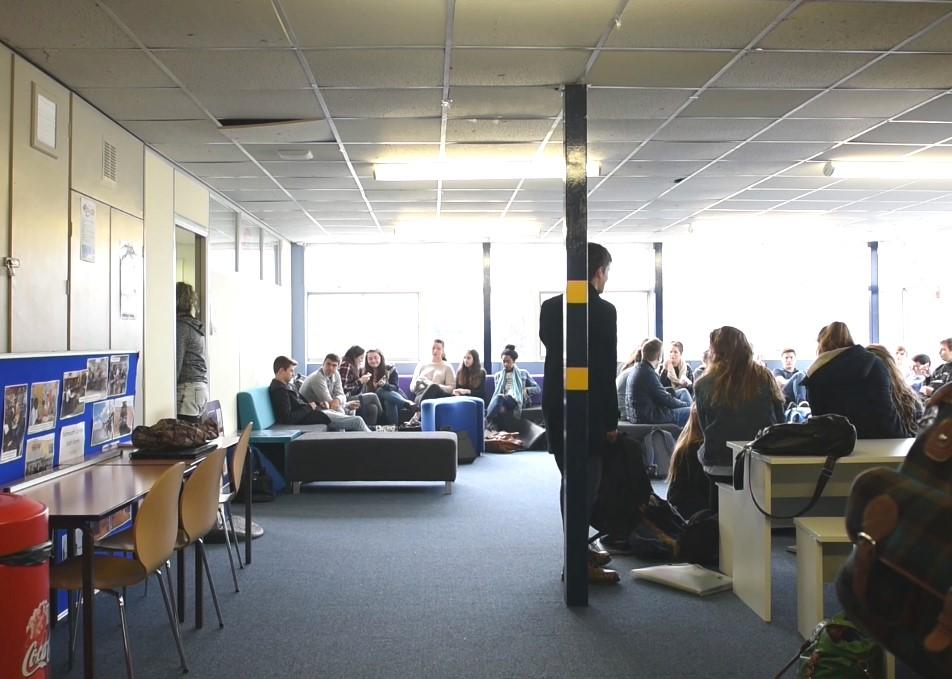
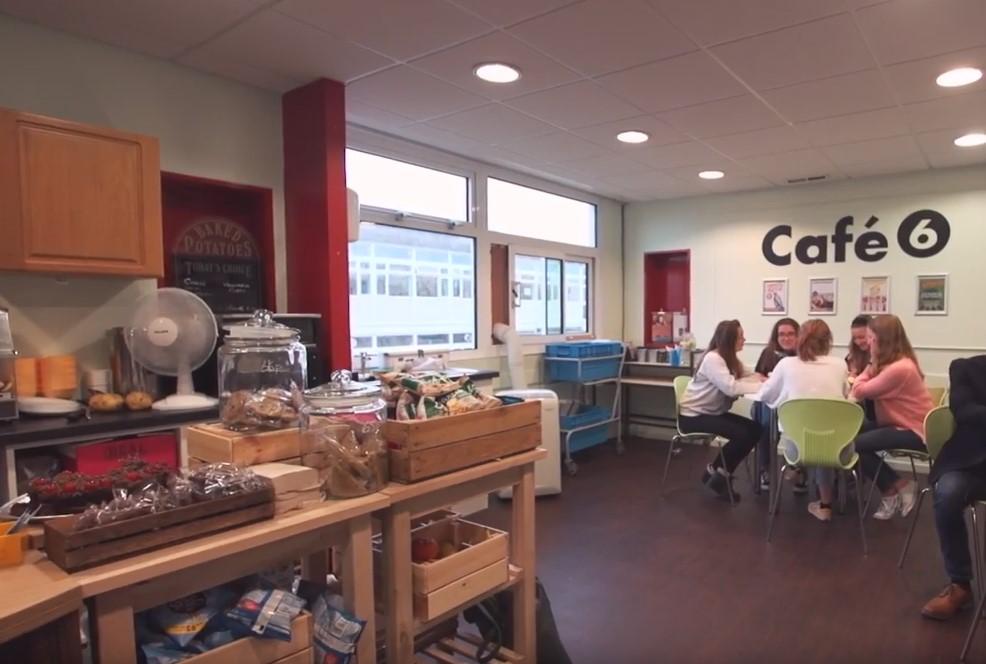
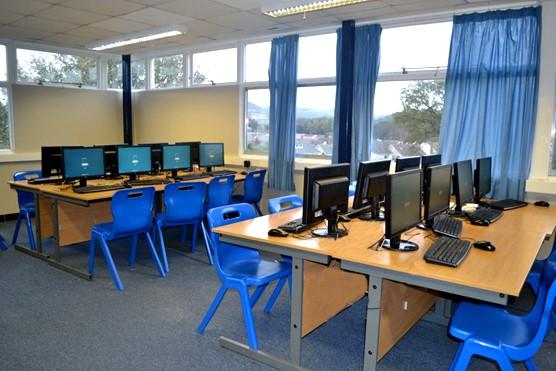
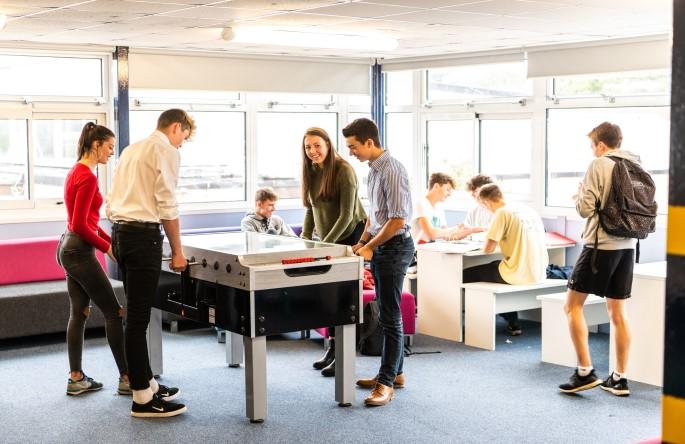
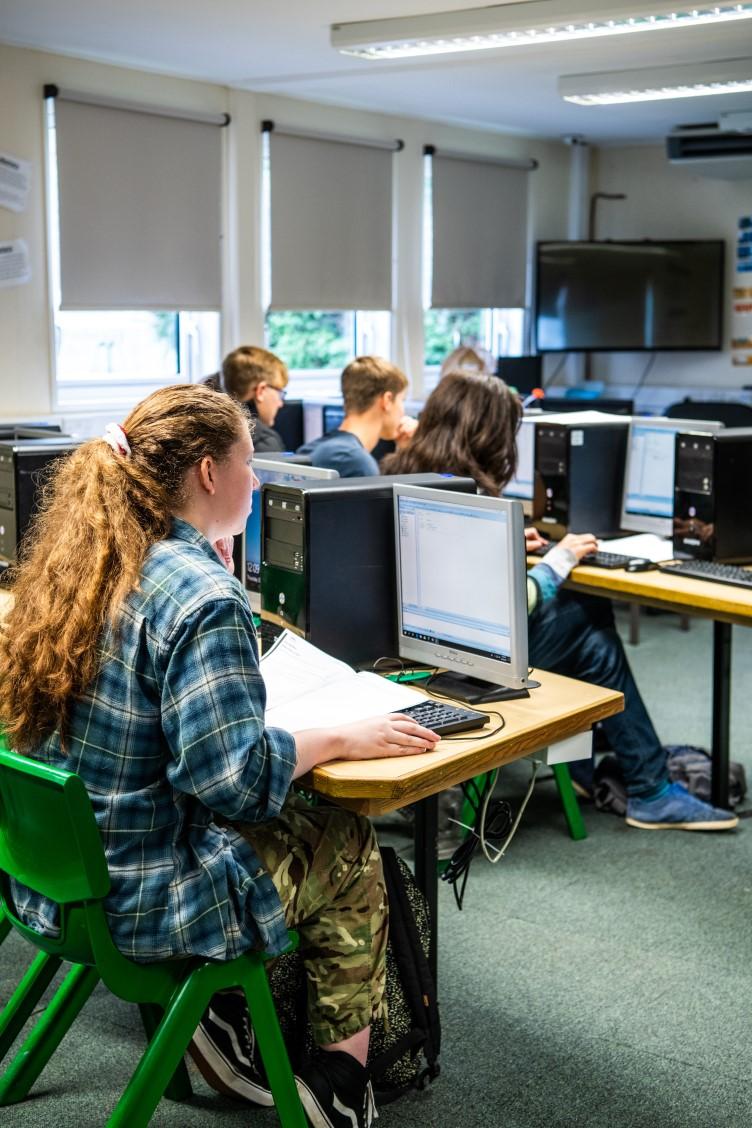
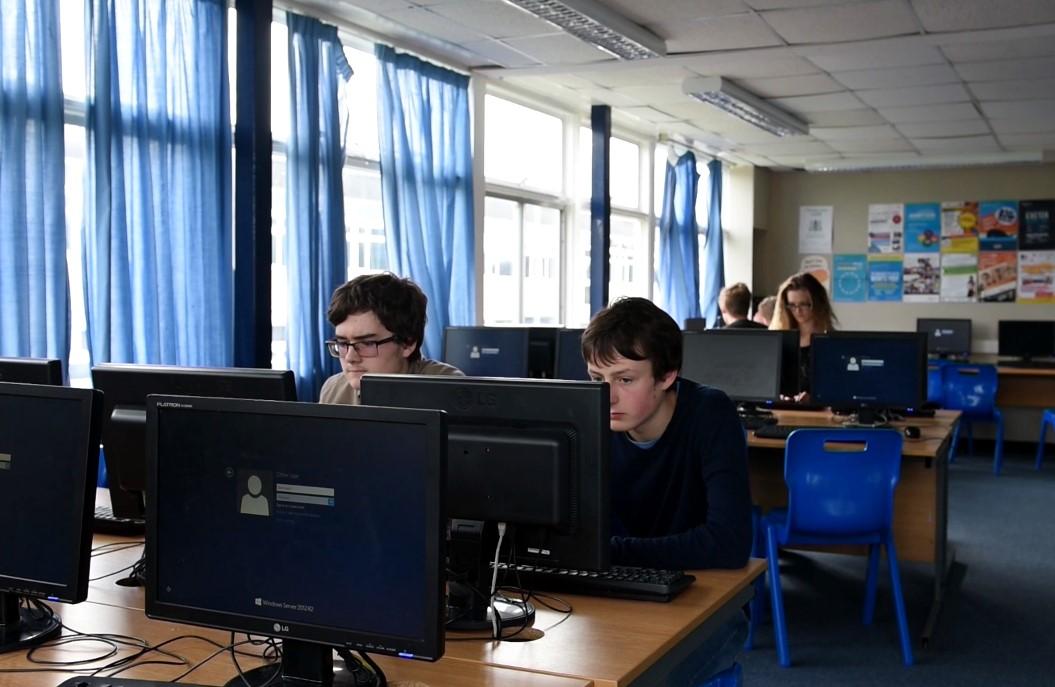
Excellent facilities, including IT suite, Café 6, Gym and our Common Room
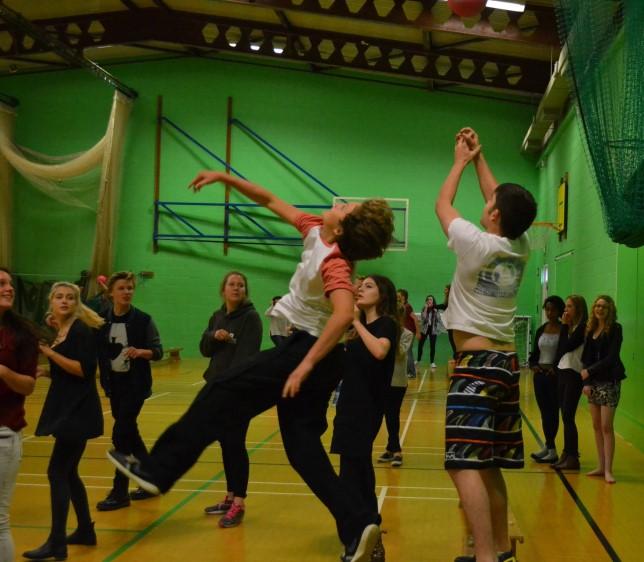
Many opportunities to engage in exciting extra-curricular and social activities
A specialist careers advisory service to give you the support you need to achieve your ambitions
Sidmouth College has a history of producing strong results for both attainment and progress. This continued in 2019 with all subjects achieving a 100% pass rate and the College achieving a positive score for the ‘Value Added’ to students’ achievement.
Our team of highly skilled tutors, teachers and support staff work closely with our students to ensure they are fully aware of the range of future opportunities available to them and receive the necessary support to achieve their goals.
A significant number of our Sixth Form students move on to Higher Education. In recent years, many of our students have taken up places at top universities, including
Oxford
Cambridge
Warwick
Loughborough Birmingham
Bristol
Newcastle
York
Bath
Cardiff
Others successfully secured employment, decided to take a Gap Year, or stayed on at the College to further study extended A-Level courses.
The qualifications you can pursue depend on your GCSE point score (see the table below)
If you achieve 34 points or above you can choose to study three A-Levels. Those students who achieve 40 points or above will be given the opportunity to study three or four A-Levels if they so wish.
GCSE subjects in 2019
GCSE GRADE POINTS
Students can only begin a two year course if they are under 19 years of age on 1st September in the academic year of admission.
A-Levels are academic courses that involve: theory; clear, well-thought out essays; identification and expression of different points of view; analysis of concepts; and the testing of generalisations. Independent study is very important and background reading and research is expected. At Sidmouth College we offer a wide range of A-Levels, details of which can be found in this prospectus.
A nationwide reform of A-Levels has taken place over the last two years. At the core of these changes lies the decoupling of the AS from the full A-Level qualification. All A-Level teaching will take place over a period of two years, using a linear approach. Examinations will take place at the end of year two. ALevel courses are offered in the following subjects:
Art & Design, Biology, Business Studies, Chemistry, Computer Studies, Drama & Theatre Studies, English Language, English Literature, Geography, History, Mathematics, Further Mathematics, Media Studies, Philosophy & Ethics, Photography, Physical Education, Physics, Psychology, Sociology, BTEC Applied Science, BTEC Health and Social Care&BTECSportScience.
If you have any questions, please contact the Head of Sixth Form, Mrs Sue Hurley.
16 to 19 Bursary Payments
We are able to offer financial support to eligible students in order for them to afford transport, course materials, equipment, local and overseas educational visits and many other items which will enhance learning. Any student whose family can demonstrate an income of less than £30,000 will receive some degree of financial assistance. For more details of the scheme please visit our website at www.sidmouthcollege.devon.sch.uk/information to download a copy of the Bursary Policy, which is under the heading of Financial Support.
As a sixth form we pride ourselves with the facilities that we offer our students. These include:
Sixth Form Centre
Resource Centre and Library
Subject study areas
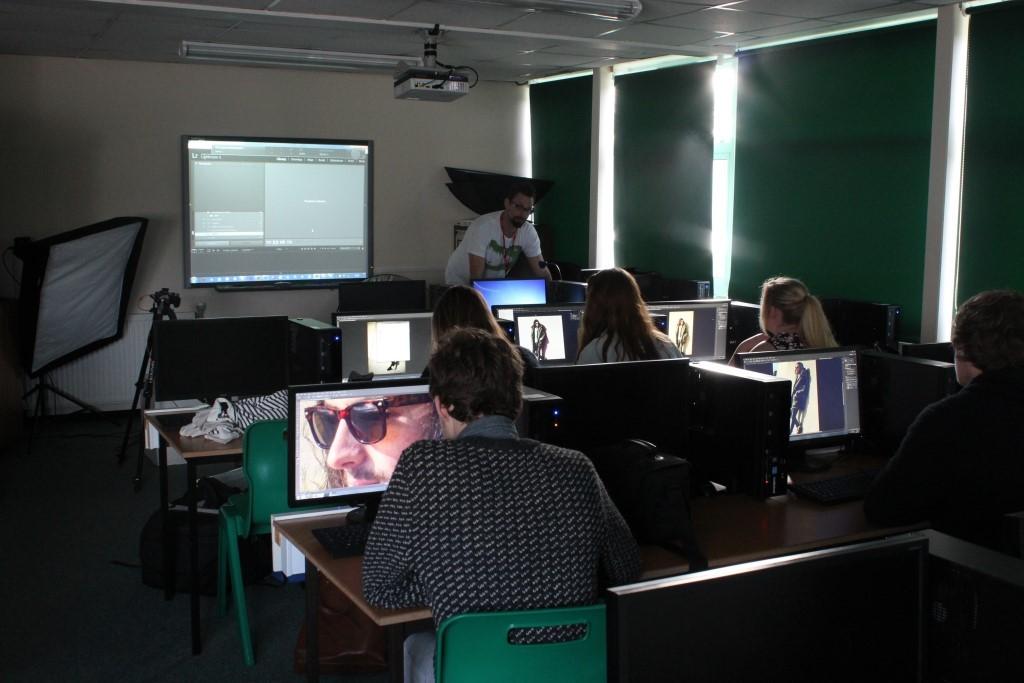
Wi-Fi and ICT Suite
Sports Centre and Gym (including reduced membership for our students)
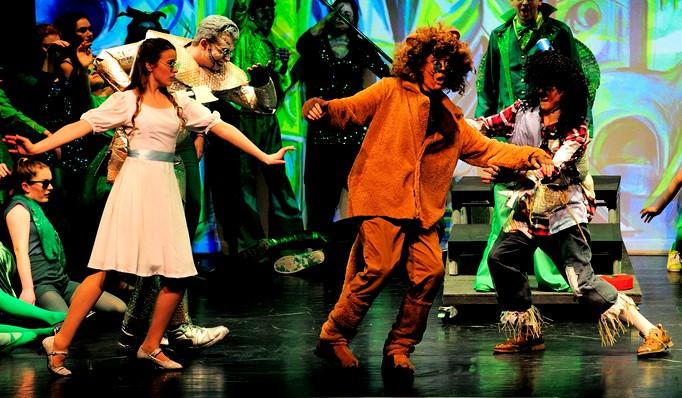
Dance and Drama Studios
Photography Dark Room and Media Suite
Access to Counsellors and Sixth Form Support
We also have our very own café, Café 6, which opened in 2014 and has proved to be extremely popular, with students enjoying hot and cold drinks and a wide range of snacks and meals.
All courses are offered subject to sufficient numbers of students enrolling.
As a consequence of recent and future changes made by the Department for Education, course requirements may be subject to change. As illustrated in the prospectus, requirements vary between subjects, with most currently asking for GCSE grades 4, 5, or 6 as a minimum. However, these could change if government policy dictates. If you have any queries about this then please contact Head of Sixth Form Mrs Sue Hurley on the following email address: shurley@sidmouthcollege.devon.sch.uk
Fill out an application form (available to download from our website, or in hard copy from our main office). http://www.sidmouthcollege.devon.sch.uk/application-process.html
On receipt of your form, we will consider your application and contact you regarding an interview in due course.
Late applications may be accepted, depending on circumstance and merit. Enquiries regarding late applications should be made to Head of Sixth Form, Mrs Hurley.
Address: Mrs Sue Hurley Head of Sixth Form
Sidmouth College
Primley Road
Sidmouth EX10 9LG
Telephone: 01395 514823 (Ext. 233)
Email: shurley@sidmouthcollege.devon.sch.uk
Website:
www.sidmouthcollege.devon.sch.uk
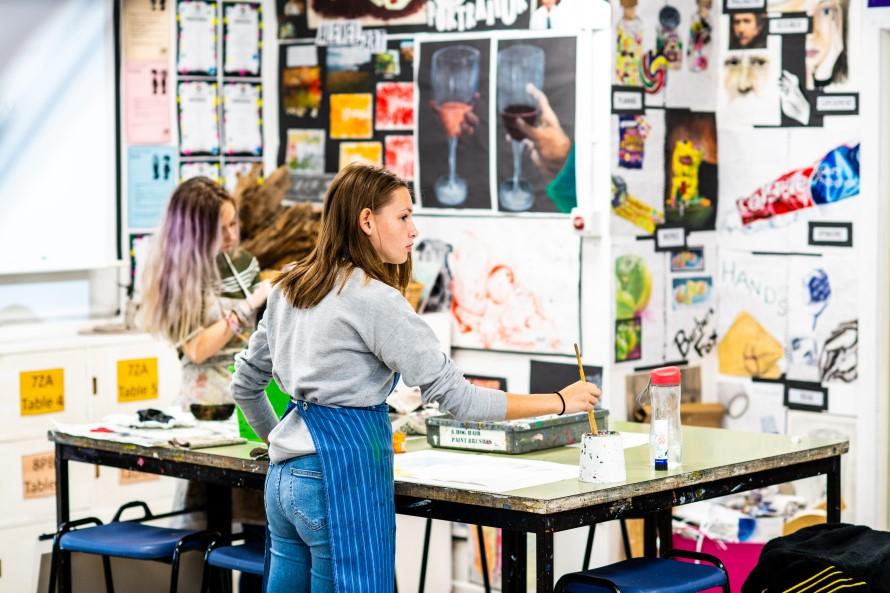
In Art and Design we try to develop a sense of excitement and fun in the selection and handling of a wide range of materials, and use this to relate our own feelings to the visual and tactile elements of the external world.
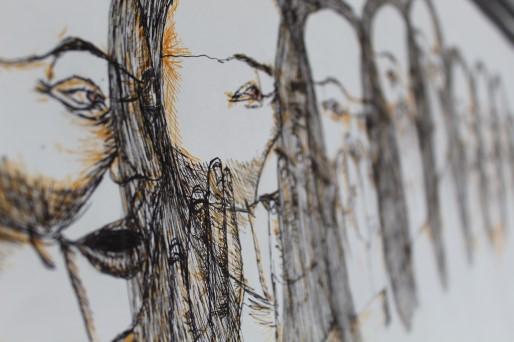
Drawing is central to our work, being a good way of collecting information, as well as helping us to understand what we see around us and develop our responses to it. We also study the work of artists from all periods and cultures so we can better understand their techniques, how it expresses both their own individuality and the context in which it was made. To this end, we arrange visits to art galleries. We have visited London, Barcelona and local galleries as well as inviting artists into school to run workshops with students.
We like to encourage students to work in as individual a way as possible, so the work from any one group will cover a whole range of approaches and styles. Noone is forced to be a traditional painter if they would rather aspire to be a future Turner Prize winner!
Your work will be assessed using four assessment objectives. The course involves both portfolio work and practically set assignments to be carried out under examination conditions.
You will have regular reviews with your teacher to help and guide your learning.
Component 1 Portfolio 60%
Component 2 Externally set assignment 40%
Art and Design is a demanding course requiring a great deal of independent learning. You will be expected to use study periods to develop your work with greater independence.
To take Art and Design as an A-Level you will be required to have Art GCSE grade 5 or above. If you achieved a GCSE grade 4 in Art, you may be able to take the ALevel on the condition of a consultation with a member of the department.
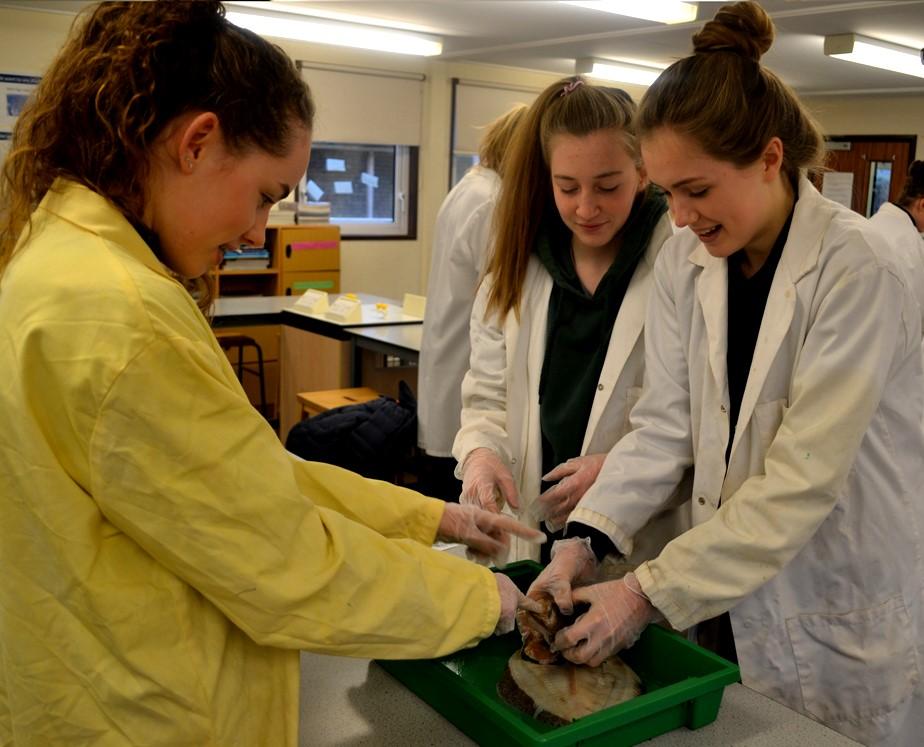
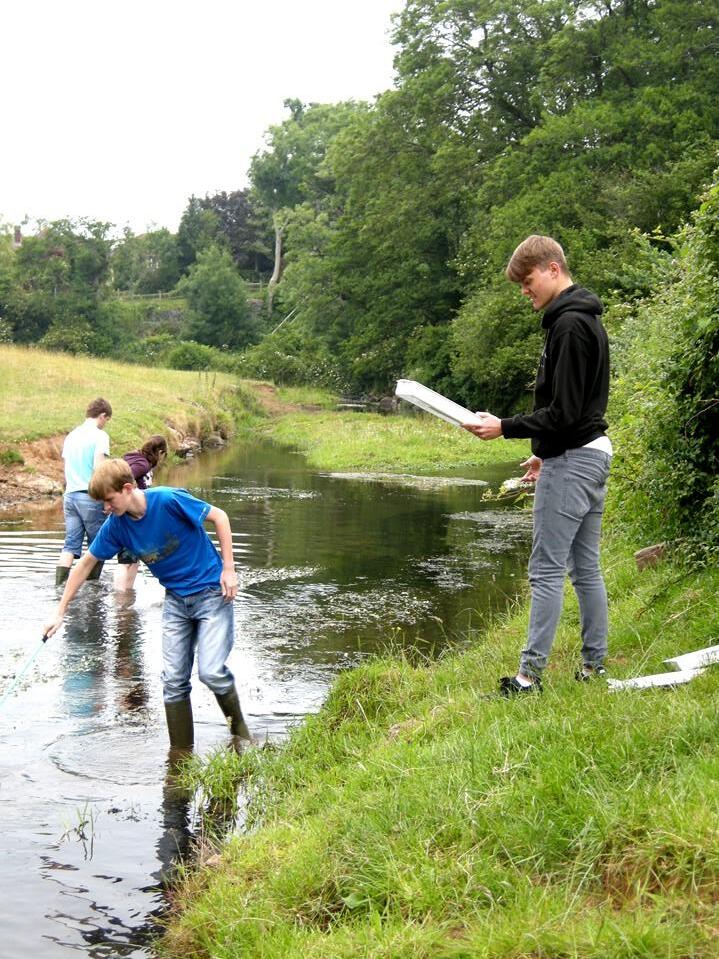
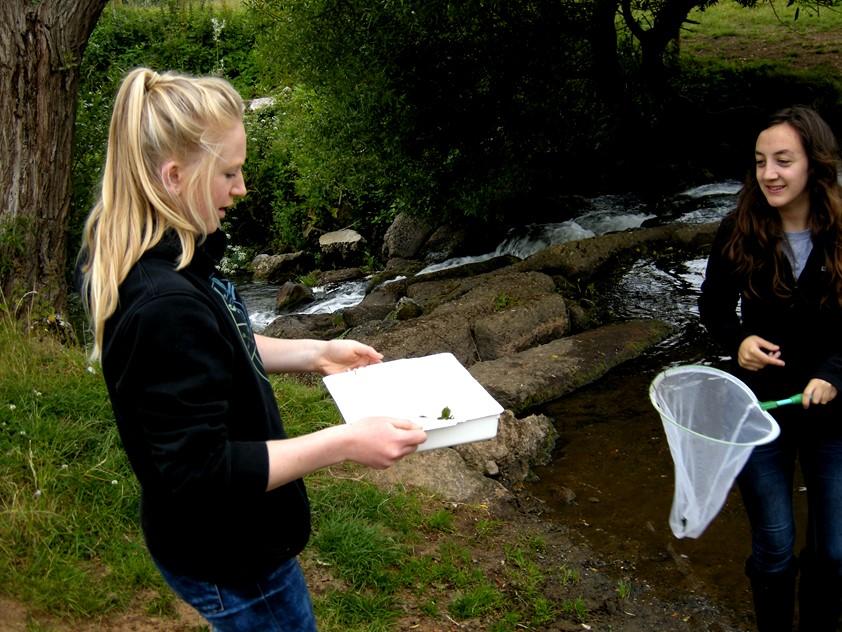
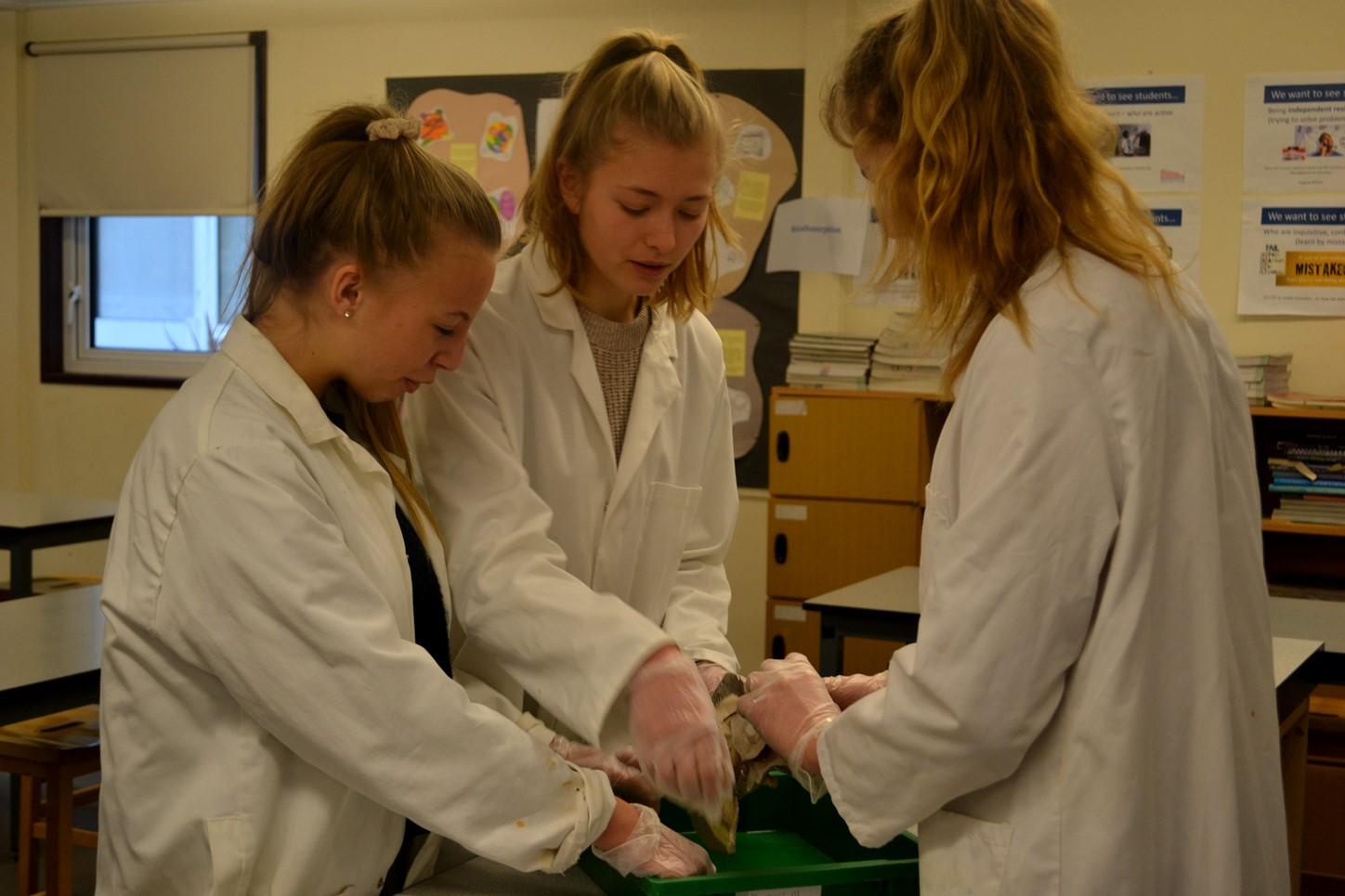
Biology is the study of living things, from cells to ecosystems. If you are fascinated by the huge variety of life on Earth, and wish to gain an insight into how organisms work and interact, then Biology could be for you.
At Sidmouth College we follow the new AQA level qualification. A-Level Biology lasts two years with all examinations taking place at the end of two years. Practical investigations are an essential part of the course.
Biological molecules
Cells
Organisms exchanging substances and energy with each other and their environment
Organisms responding to changes in their internal and external environments
Genetics, populations, evolution and ecosystems and the control of gene expression
Assessment is carried out through examinations only. Students will study modules over the two years, leading to an A-Level qualification in this subject.
To take Biology as an A-Level you will be required to have a minimum of 2 Science GCSEs at grade 6. This can be either double Science or separate Sciences, which must include Biology. If you achieved a GCSE grade 5 in either of these subjects, you may be able to take the A-Level on the condition of a consultation with a member of the department.
A-Level Business Studies provides students with the opportunity to gain a broad understanding of business principles, including Decision Making, Marketing, Finance, Human Resources and Management. The qualification covers a mixture of teaching and learning experiences from the theoretical through to those with a clear problem-solving emphasis.
It provides students with a unique insight into the world of work. Through its study, students discover how businesses operate and learn about their key elements and essential business functions.
This knowledge, and the holistic understanding that develops, is invaluable to those students who are considering either the workplace or university. It offers an excellent foundation for those wishing to pursue careers in management, marketing, project management, business accounting, management consultancy, human resources and business journalism to name but a few!
Assessment is carried out through examinations only; there are a variety of techniques used – multiple choice, case study and essay type questions. Students will study modules over the two years, leading to an A-Level qualification in this subject.
To take Business Studies as an A-Level you will be required to have Business Studies GCSE grade 5 or above. If you achieved a GCSE grade 4 in Business, you may be able to take the A-Level on the condition of a consultation with a member of the department. Students who have not studied GCSE Business before will also be considered on merit.
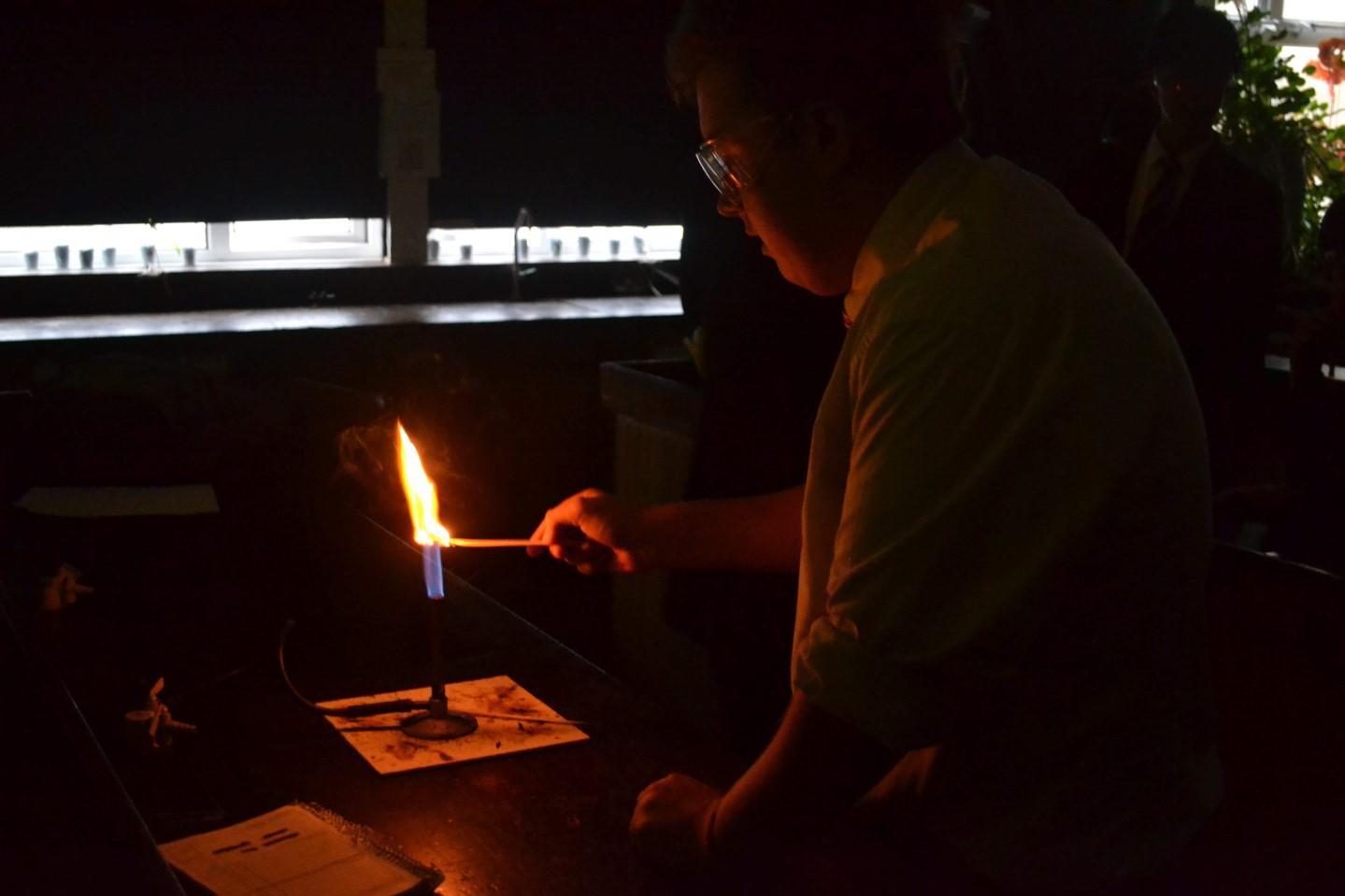
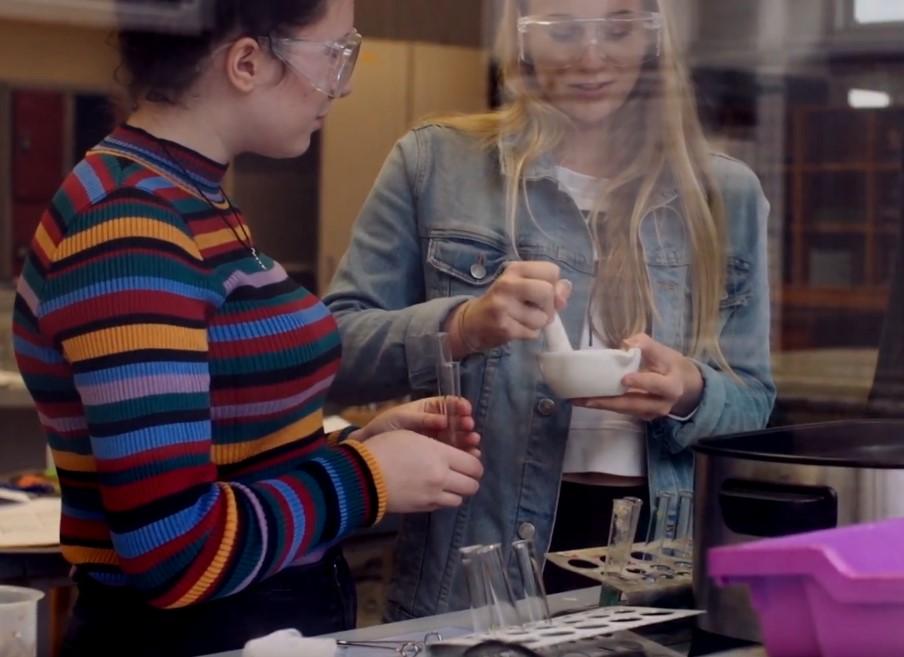
Chemistry is all around us; from our sinks to our medicine cabinets, from our cosmetics to the colour of our clothing, and from our fuels, metals, plastics and polymers to the silicon, vital to the computer hardware that we use every day.
At Sidmouth College, we follow the new AQA A-Level Chemistry course. Many chemical molecules and materials are studied in depth at A-Level because of their importance in our increasingly diverse and technological world. The core content that you will study is listed below.
Physical chemistry— including atomic structure, reaction kinetics and thermodynamics
Organic chemistry— alkanes, alkenes, amines and organic synthesis
Inorganic chemistry— group 1 and 7, transitions metals and ionic bonding and systems
Assessment is carried out through examinations only. Students will study modules over the two years, leading to an A-Level qualification in this subject. Practical investigations are an essential part of the course.
To take Chemistry as an A-Level you will be required to have a minimum of 2 Science GCSEs at grade 6. This can be either double Science or separate Sciences, which must include Chemistry. If you achieved a GCSE grade 5 in either of these subjects, you may be able to take the A-Level on the condition of a consultation with a member of the department.
This modern qualification gives students a general grounding in computing, including an understanding of computer systems, the principles of programming
• The capacity to think creatively, innovatively, analytically, logically and critically
• An understanding of the organisation of computer systems
• The ability to apply skills, knowledge and understanding of computing, including programming, in a range of contexts to solve problems
• The capacity to see relationships between different aspects of the subject
• An understanding of the consequences of using computers, an awareness of emerging technologies and an appreciation of their potential impact on society. It is excellent preparation for students looking to take computing studies at degree level, or for anyone considering any kind of career in computing.
All elements will contain a component which will be a traditionally marked and a structured question paper with a mix of question types: short-answer, longeranswer and levels of response type questions.
Component 1: COMPUTER SYSTEMS
The content covered in this component includes:
• The characteristics of contemporary processors, input, output & storage devices
• Software and software development
• Exchanging data
• Data types, data structures and algorithms
• Legal, moral, ethical and cultural issues
Component 2: ALGORITHMS AND PROGRAMMING
The content covered in this component includes:
• Elements of computational thinking
• Programming and problem solving
• Pattern recognition, abstraction and decomposition
• Algorithm design and efficiency
• Standard algorithms.
There will be a scenario/task contained in the paper, which could be an algorithm or a text page-based task, which will involve problem solving.
Component 3: PROGRAMMING PROJECT
Students will select their own user-driven problem of an appropriate size and complexity to solve. Previous projects include an educational based computer game to help students revise for their exams and a projectile motion simulator teaching tool for a Physics teacher.
Students will need to analyse the problem, design a solution, implement the solution and give a thorough evaluation.
The A-Level examination is made up of a number of externally assessed examinations plus a major project at the end of the second year of the course. This is internally assessed and externally moderated. (OCR board)
To take Computer Science as an A-Level you will be required to have GCSE grade 5 or above. If you achieved a GCSE grade 4 in Computing, you may be able to take the A-Level on the condition of a consultation with a member of the department.
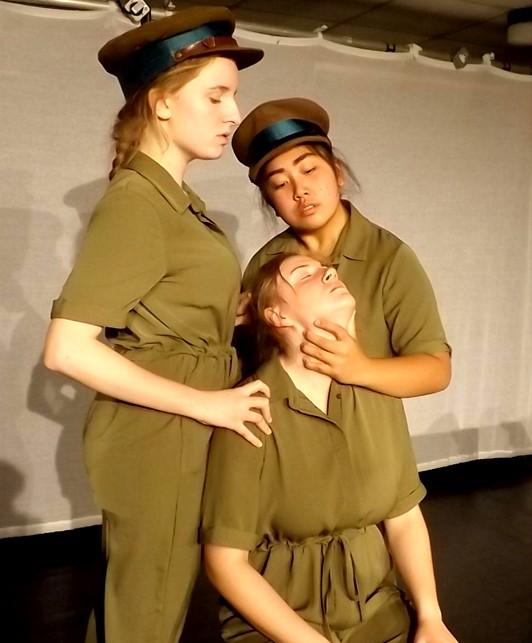
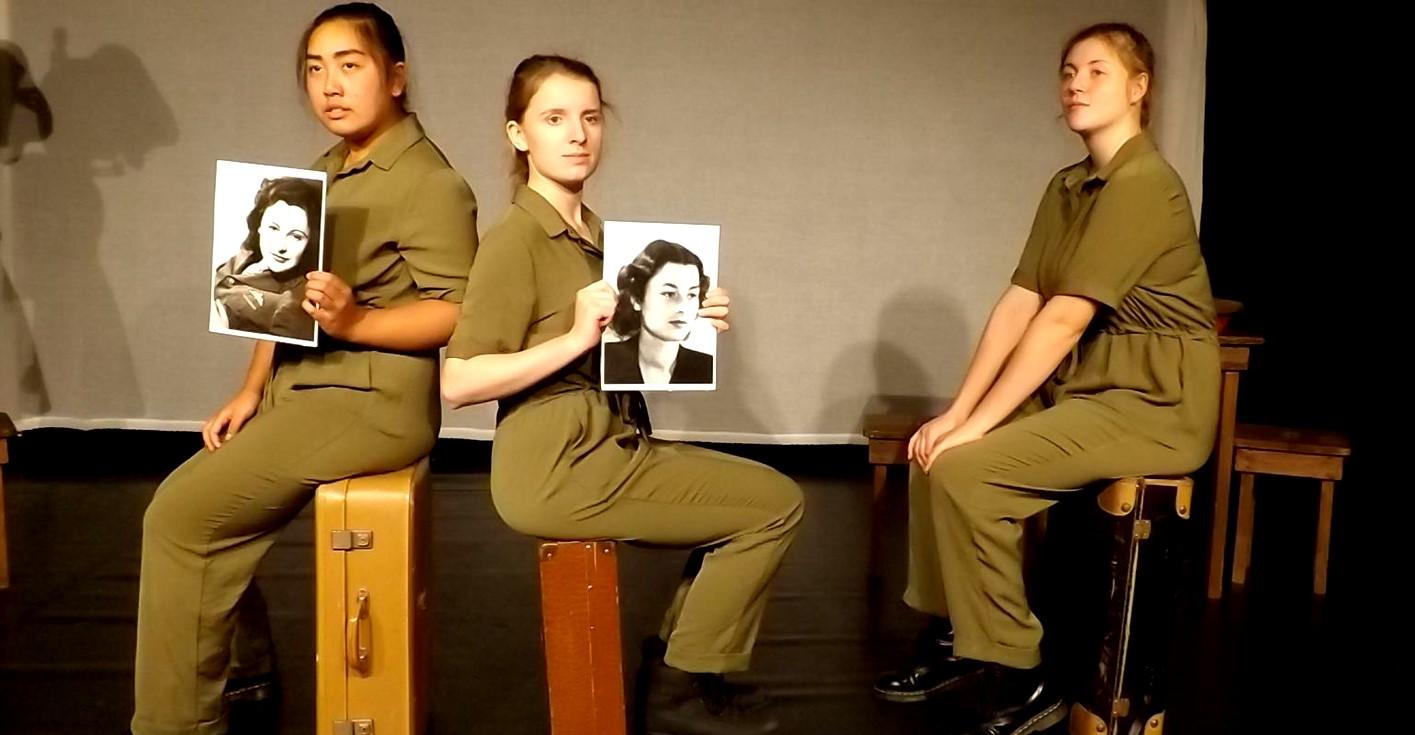
Drama is a challenging and exciting A-Level that provides opportunities for progression to many different courses in Higher Education. It is a distinct subject, complementary to other arts subjects, and is a useful qualification for a career in the media, entertainment and leisure industries. These industries generate £71.4 billion per year to the UK economy generating £8 Million per hour. Drama is also an asset in all areas of employment where people matter, eg, Law, Teaching, Police Service, Social Work, Caring, Journalism, Politics, Sales and Management.
You will develop skills in a range of practical elements
You will work in groups of two to eight to create original theatre and perform extracts from scripted plays
You will research the work of an influential director, designer, theatre company or theatre practitioner
You will study chosen set texts from different periods and genres
You will experience live productions to develop the ability to make critical and evaluative judgements.
A-LevelDrama&TheatreStudies:3Components
Component 1: Drama & Theatre 40% of A-Level
Written exam paper 3 Hours - Study of 2 set texts 80 marks
Section A & B - Answer a question based on the study of a play from list A & B. [55 marks]
Section C- Answer a question about a piece of live theatre seen. [25 marks]
Component 2: Creating Original Drama [Practical] 30% of A-Level
Devised Performance 60 marks
As a group you will devise and perform an original piece of theatre using the specific methodologies of a prescribed practitioner . [20 marks]
You will produce a working notebook outlining the devising process. [40marks]
Component 3 : Making Theatre Performance [practical] 30% of A-Level
Presentation of an extract from a play 60 marks
Practical exploration and theatrical interpretation of three extracts each taken from a different play. Extract 3 is to be performed to an audience. [40 marks]
You will produce a reflective report analysing and interpreting all three extracts
To take Drama as an A-Level you will be required to have Drama GCSE grade 5 or above. If you achieved a GCSE grade 4 in Drama, you may be able to take the ALevel on the condition of a consultation with a member of the department.
By studying English Language A-Level you will have an opportunity to develop your interest in, and appreciation of, language through learning about the language’s structures and its functions, its developments and its variations.
This subject allows you to develop your ability to express yourself in speech and writing, producing texts for different audiences, purposes and in different genres. We will spend time analysing texts in more detail, sharing our opinions with our classmates, doing our own writing and giving presentations. You will enjoy this subject if you take pleasure in creative writing and exploring the finer technical details of texts.
You will study how purposes, audiences and contexts can influence a text and how it is constructed. The texts you study will be a really eclectic collection: one lesson you will be looking at an extract from a biography, the next lesson it could be a bus ticket!
You will explore how our language is influenced by gender, power and technology, which often leads to many heated debates. You will also write one creative piece and an English language investigation research project.
You will be assessed through both examinations and non-examination assessments (N.E.A) . It will involve being tested on your analysis of two texts in detail, using language frameworks and your understanding of language change and acquisition.
You need to be a keen writer and confident in your analysis of texts. You will also be required to have English GCSE grade 5 or above. If you achieved a GCSE grade 4 in English, you may be able to take the A-Level on the condition of a consultation with a member of the department.
English Literature A-Level is about reading and appreciating literature. If you enjoyed GCSE literature, you will probably enjoy A-Level, but expect to find A-Level more challenging. We spend time discussing texts in more detail, sharing our opinions with our classmates, writing, giving presentations and sometimes even acting! You will enjoy this subject if you take pleasure in reading, writing and developing your own ideas and opinions.
You will study both ‘Love through the ages’ and the Literature of the First World War, reading works across gender and the genres. For example, you will read poetry by writers such as the famous Wilfred Owen, novels by authors like Ben Elton and Susan Hill, and you will also read plays, letters and biographies from this period.
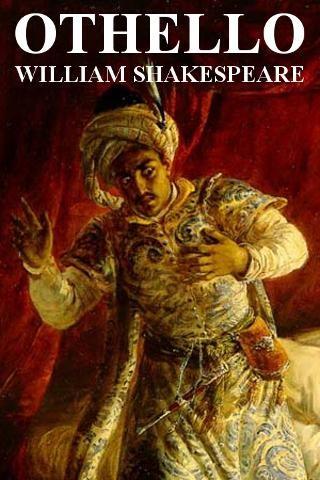
You will read a Shakespeare play, an anthology of poetry and novels such as ‘Rebecca’ and ‘Persuasion.’ In your second year you will investigate an area of your own interest, comparing texts you have chosen for your essay.
You will be assessed through a combination of external examinations and non-examination assessments (N.E.A)
A love of reading will help! To take English Literature as an A-Level you will be required to have English GCSE grade 5 or above. If you achieved a GCSE grade 4 in English, you may be able to take the A-Level on the condition of a consultation with a member of the department.
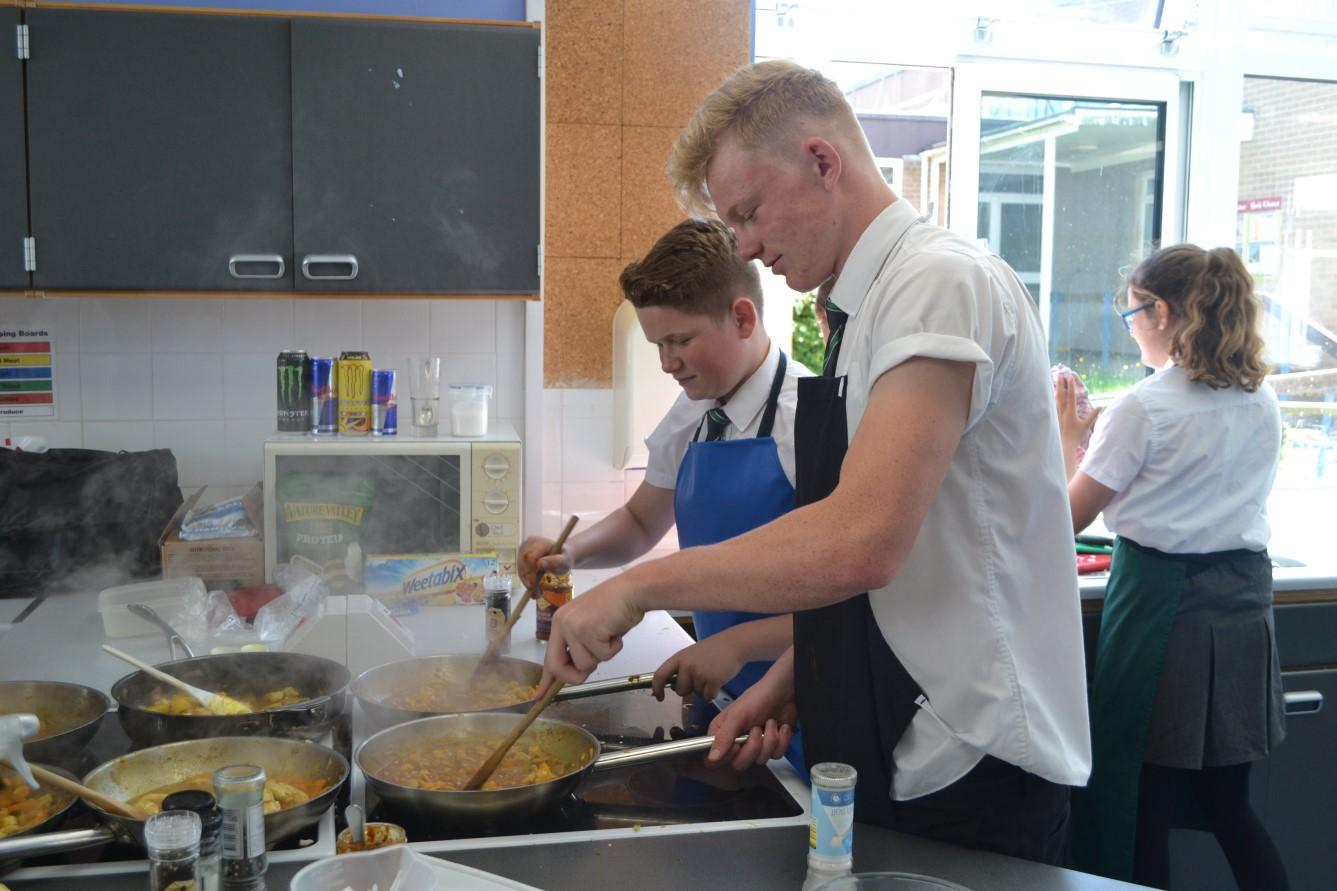
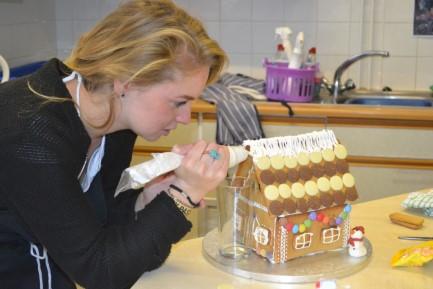
In order to study Food Science and Nutrition at Sidmouth College you must have a interest in food both the practical and scientific aspects. You will have a positive attitude to learning through the completion of work, both experimental and exploratory, skills development and nutritional research.
This course offers exciting and interesting experiences through the focus on applied learning: through the acquisition of knowledge and understanding in purposeful contexts linked to the food production industry. Unit 1 will enable you to demonstrate an understanding of the science of food safety, nutrition and nutritional needs in a wide range of contexts, and through ongoing practical sessions. Unit two allows you to develop your understanding of the science of food safety and hygiene; essential knowledge for anyone involved in food preparation
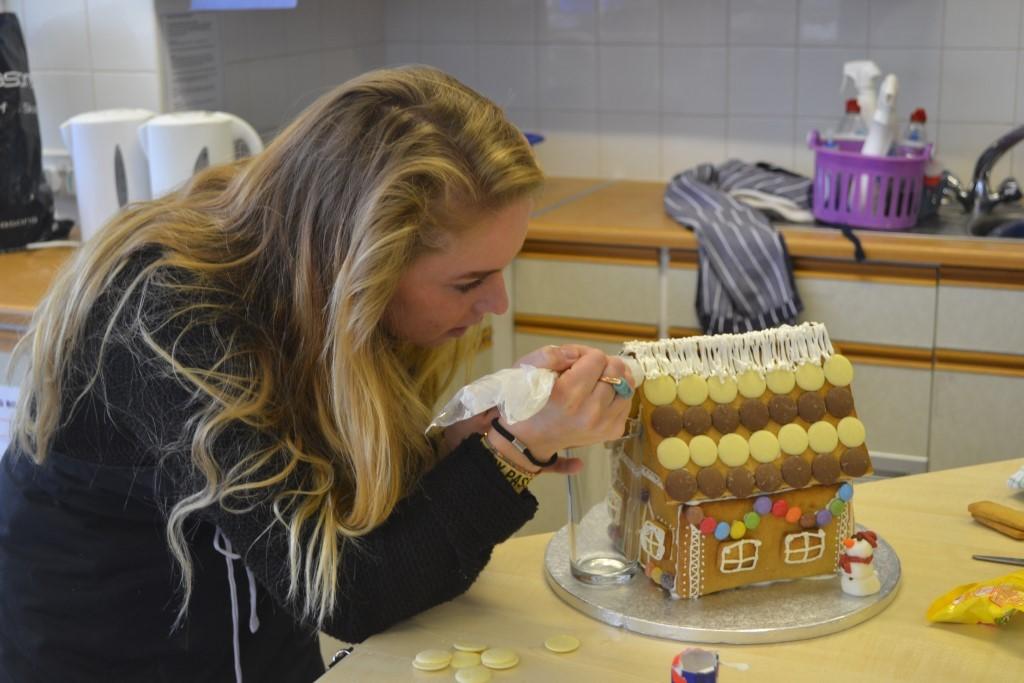


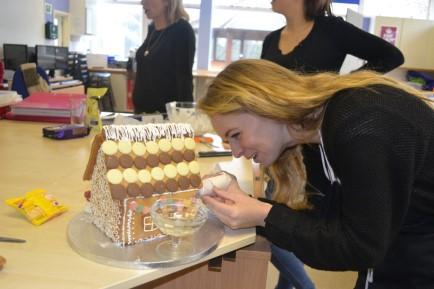
An understanding of food science and nutrition is relevant to many industries and job roles. Care providers and nutritionists in hospitals use this knowledge, as do sports coaches and fitness instructors. Hotels and restaurants, food manufacturers and government agencies also use this understanding to develop menus, food products and policies that that support healthy eating initiatives. Many employment opportunities within the field of food science and nutrition are available to graduates.
It is possible to do the A Level Food Science and Nutrition course without doing GCSE. However, you must have a keen interest in the practical and scientific study of Food.
Geography A-Level provides a diverse and in depth insight into geographical issues of our times. It develops research and communication skills and enables you to understand more about the world in which we live.
In Geography A-Level you will study a variety of topics which will take place in the classroom and out on field trips. The topics include:
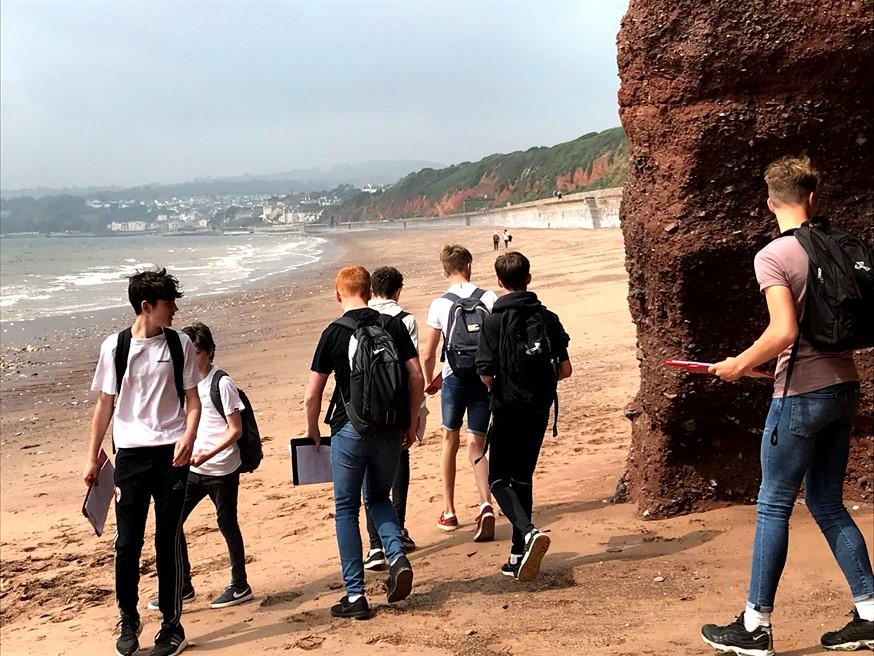
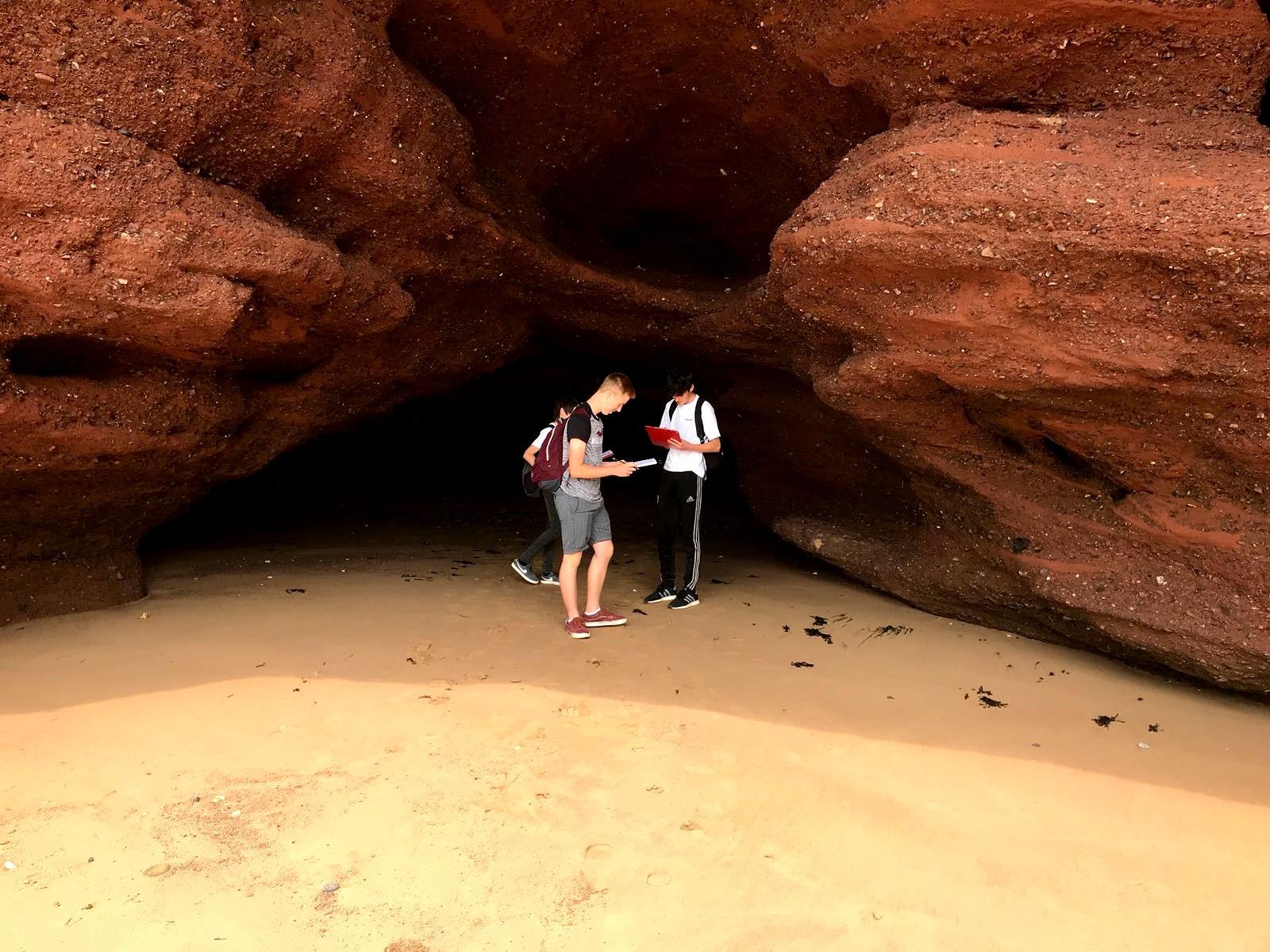
Coastal Landforms and their management
Tectonic processes
Regenerating Places
Globalisation
Superpowers
Migration and Sovereignty
The Carbon Cycle and Climate Change
The Water Cycle and Water issues
Assessment is carried out through examinations and a non-examination assessment (N.E.A) . Students will study a number of areas over the two years, leading to an A-Level qualification in this area. Four areas to study will include: physical and human geography, along with contemporary themes and resources, alongside sustainability issues.
To take Geography as an A-Level you will be required to have Geography GCSE grade 5 or above. If you achieved a GCSE grade 4 in Geography, you may be able to take the A-Level on the condition of a consultation with a member of the department.
History is a challenging, exciting and relevant A-Level subject, which can help make sense of current issues and ideas. The strands of the subject include; the story of events in the past, an appreciation of how historians have interpreted these events, the evaluation of sources, weighing up arguments, using analysis and reaching a conclusion. A variety of approaches to study are involved to help to develop this understanding.
By the end of the course students should have developed their critical and analytical skills plus their ability to produce well directed written answers. History is a respected qualification and future employers recognise what it represents. Nikita Kruschev said “Shoot the historians, they’re dangerous!”
The course involves the study of both British and European History. The paper 1 British element is the breadth study of democracy, protest and reform c1785c1870. It also includes a depth study of historical interpretations of the abolition of the Slave trade. The European part of the course looks at the unification of Germany c1840-1871. This includes a study of the German states in the 1840s, the failure of the revolutions of 1848-49, the decline of Austrian power and the creation of a new German state under the leadership of Prussia in the years to 1871.
Students studying A-Level History will also include a piece of coursework that will be focused upon a historical controversy and the views that different historians take about this part of History. At the same time the students will also study an externally assessed part which looks both in breadth and in depth focused upon the Civil rights and race relations in the USA, 1850 – 2009. This includes a study which focuses upon the changing geography of civil rights issues, changing portrayal of civil rights issues in fiction and film and the emancipation and moves towards greater equality from the end of the American Civil War up until the election of Barack Obama.
Units 1 to 3 are examined externally. The coursework is set internally and then examined internally then moderated by the exam board, Edexcel.
To take History as an A-Level you will be required to have History GCSE grade 5 or above. If you achieved a GCSE grade 4 in History, you may be able to take the ALevel on the condition of a consultation with a member of the department.
The new A-Levels in Mathematics and Further Mathematics started in 2017. Required skills include Mathematical argument, language and proof; Problem solving; Mathematical modelling.
Students are likely to require a graphic calculator and ICT will be used to demonstrate concepts visually and to study large data sets. Students will be given a password to access additional support materials via the internet.
A-Level Mathematics will cover Pure Mathematics, Statistics and Mechanics in the ratio 4:1:1.
Pure Mathematics includes a significant proportion of algebra related work.
Statistics will include the study of large data sets. They will need to become familiar with set data before the examination.
A-Level
Three papers of two hours at the end of year 13.
Coursework
There is no coursework in A-Level Mathematics.
To take Mathematics as an A-Level you will be required to have Mathematics GCSE grade 7 or above. If you achieved a GCSE grade 6 in Mathematics, you may be able to take the ALevel on the condition of a consultation with a member of the department.
Further Mathematics can only be studied by students who are taking Mathematics. It opens up new areas of Mathematics for those that have a passion for the subject. It is now a separate A-Level with entirely different content to A-Level Mathematics.
Core content includes complex numbers, matrices, polar co-ordinates, hyperbolic functions and differential equations.
A-Level: Three papers of two hours taken at the end of year 13. There is no coursework in Further Mathematics.
To take Further Mathematics as an A-Level you will be required to have Mathematics GCSE grade 7 or above. If you achieved a GCSE grade 6 in Mathematics, you may be able to take the A-Level on the condition of a consultation with a member of the department. You should have a genuine desire to expand your mathematical knowledge into new areas. You will then be able to discuss with your teacher studying Further Mathematics.
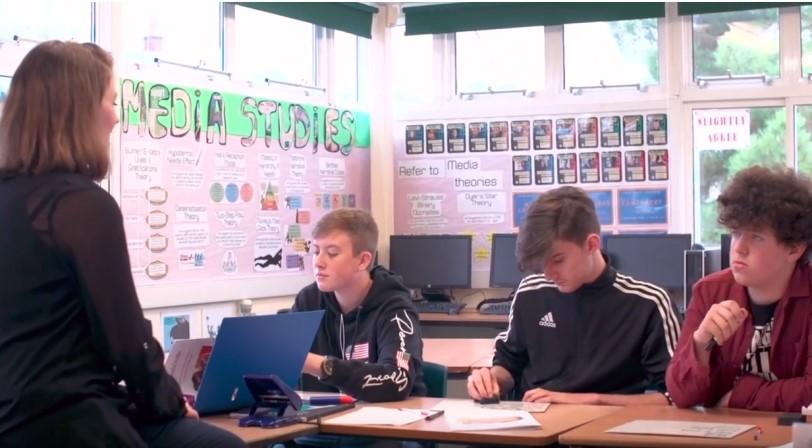
Media Studies is an exciting course in which students analyse films, advertisements, music videos, websites, magazines and radio shows.
The course is also practical; anyone interested in any of the media listed should definitely consider taking it as an A-Level. Media Studies offers you the challenge to get creative and engage your imagination!
You will study a range of media (television, film, newspapers, magazines, websites and social media). You will analyse key features of these media forms and media theories and then apply these, creating your own practical productions which will culminate in an individual portfolio of work.
The exams are about the wider media industry, how texts are produced, how they are understood by audiences and how historical context impacts on the reading of these. You will never watch a film or television programme in the same way again!
Your work will be assessed using four assessment objectives. You will have regular reviews with your teacher to help and guide your learning.
The course involves both non-examined assessment (internally assessed and externally moderated) and external examinations.
Media is a demanding course requiring a great deal of independent learning. You will be expected to use study periods to develop your work with greater independence.
To study Media Studies at A-Level you will be expected to have five GCSEs including a grade 4 or above in English Language.
Philosophy and Ethics is a Religious Studies A-Level. It is a fascinating and stimulating subject, tackling such questions as: Is there a God? Why do we suffer? How do we know right from wrong? Is there Life after Death?
The course is an investigation of the Philosophy of Religion and Ethics. We follow the Edexcel A-Level course. There is a lot of class discussion and you will be asked to investigate issues, present arguments and reach conclusions. Students will be learning to think critically and evaluate and analyse a range of arguments as well as presenting and explaining their own views.
We study arguments for the existence of God, Miracles, Suffering and Evil, Life after Death, Ethical Theories such as Utilitarianism and Deontology, Abortion, War, Environmental and Sexual Ethics. We also look in detail at a religion, doing an in-depth study of beliefs and practices.
Assessment is carried out through examinations only. The papers contain short and essay style questions, based on the following:
Philosophy
Ethics
Deeper study of religion
To take Philosophy and Ethics as an A-Level you will be required to have RE GCSE grade 5 or above. If you achieved a GCSE grade 4 in RE, you may be able to take the A-Level on the condition of a consultation with a member of the department.
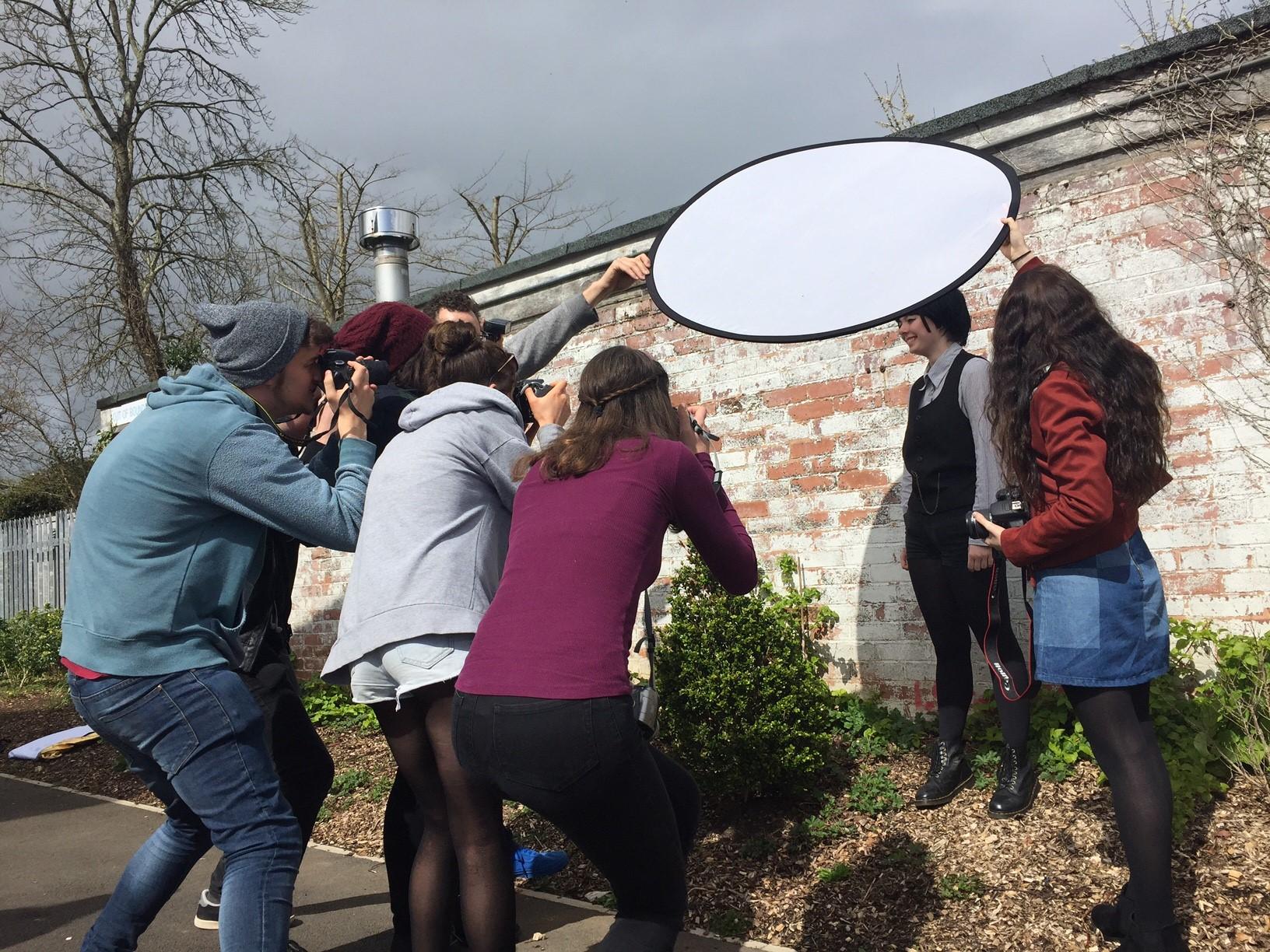
Students will be introduced to photographic & film media and also techniques such as composition, lighting, colour and B&W images. They will get to experiment with state of the art technology such as Adobe Photoshop Creative suite6. Our darkroom facility offers the opportunity to create photography using the traditional darkroom and chemical techniques including making your own pinhole cameras and processing your own photographs and film as well as other mixed media techniques.
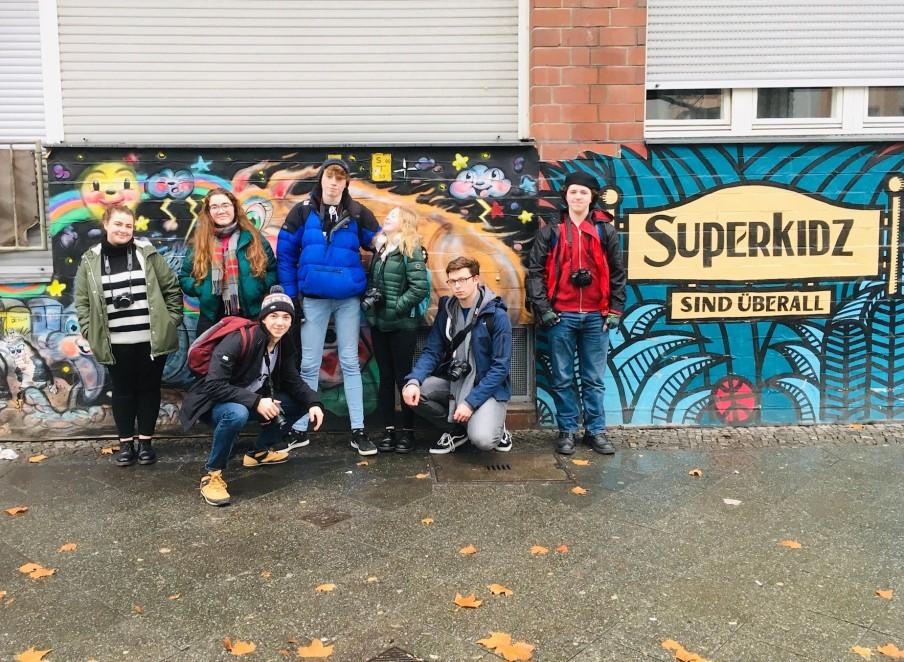
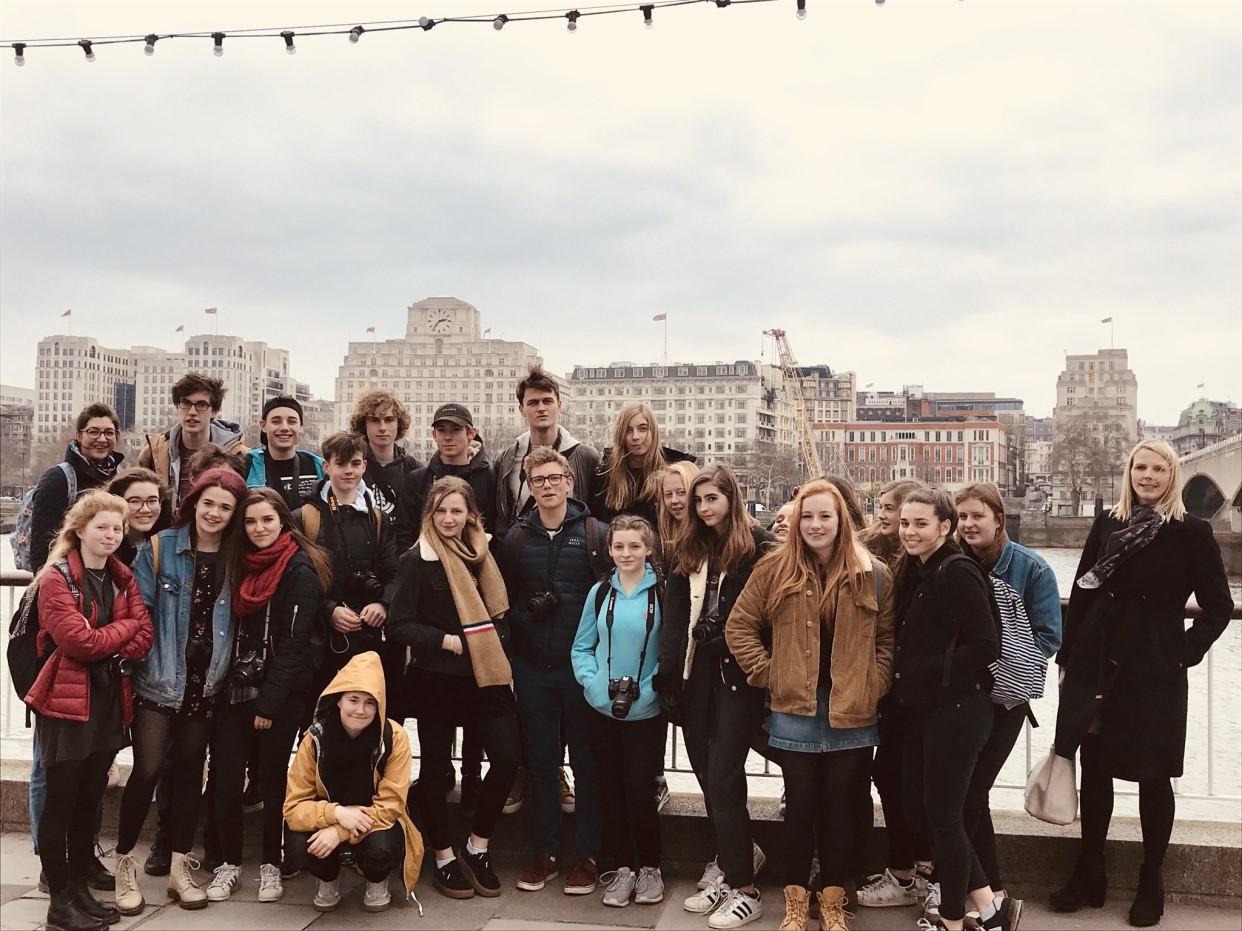
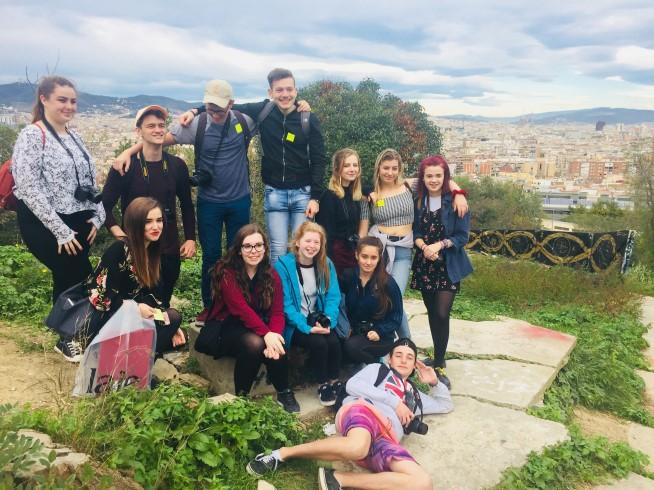
In addition, students will explore relevant images and resources relating to Photography as well as a wide range of Art and Design, both from the past and more recent times. This will all be part of the investigating and making process and will culminate in the production of original photographic works of their own. We will also go to London and on an international trip (such as Paris, Berlin or Barcelona) to better understand the work of leading artists and cement the students understanding of the subject.
This can lead to a career in the UK’s world leading creative industries including careers in film, television, graphics, design, web design, new media, marketing, advertising, lighting backstage careers and many other opportunities.
portraiture
landscape photography (working from the urban, rural and/or coastal environment)
still life photography (working from objects or from the natural world)
documentary photography, photojournalism
fashion photography
experimental imagery
multimedia
photographic installation
moving image (video, film, animation)
Your work will be assessed using four assessment objectives. The A-Level consists of personal study and an externally set assignment of which 15 hours are carried out under examination conditions.
To study Photography at A-Level you will be expected to have five GCSEs at grade 4 or above. A passion for Photography is also essential. Although it is advantageous to have Art or Photography GCSE, a passion for the subject is more valuable.
Physicists explore the fundamental nature of almost everything we know. They probe the furthest reaches of the Earth to study the smallest pieces of matter. Join them to enter a world deep beneath the surface of normal human experience.
Throughout Physics A-Level you will study a variety of topics including:
Imaging
Sensing
Signaling
Testing Materials
Wave behaviour
Quantum behaviour
Mapping Space and Time
Out into Space
Our place in the Universe
Matter
Electromagnetic machines
Charge and Field Probing deep into matter
Ionizing Radiation and Risk
At Sidmouth College we are following the new AQA A Level Physics over two years. Practical investigations are an essential part of the course.
To take Physics as an A-Level you will be required to have a minimum of 2 Science GCSEs at grade 6. This can be either double Science or separate Sciences, which must include Physics. If you achieved a GCSE grade 5 in either of these subjects, you may be able to take the A-Level on the condition of a consultation with a member of the department.
Psychology is the scientific study of how our brain functions and why we behave the way we do. It is as scientific as Biology but without the gory bits! Psychologists formulate theories, test hypotheses and analyse the findings with statistical techniques that help them identify important findings about human behaviour. Psychology contributes to many different disciplines and is valuable in many different careers.
Cognitive Psychology: memory, eye-witness testimony, cognitive interviews, memory improvement strategies
Developmental Psychology: attachment in childhood, effects of deprivation and privation, research into the impact of day care
Biological Psychology: stress, biological responses, physical responses, treatments and therapies
Social Psychology: social influence, obedience, conformity, social change
Individual Differences - psychopathology (abnormality): psychological approaches to mental disorders, treatments and therapies
Scientific research and the scientific method
Psychology in Action: anomalistic psychology – study of the paranormal, psychic healing, superstition and coincidence etc.
Psychological research and scientific method
Topics in Psychology: biological rhythms and sleep, perception, eating behaviour
On this course there will be opportunities to conduct some fun experiments as well as trips linked to specific areas of the course.
By the end of your course, you should have developed a critical approach to scientific methods, evidence and theories, and a knowledge and understanding of how psychology works and its role in society. You will also develop skills including: oral, visual, written communication and problem solving.
The A-Level qualification is linear and will be assessed over two years. The assessment is made up of written examinations, which include multiple choice, short answer and extended writing.
A minimum of English Language grade 6 and Maths or Science at grade 6 are needed to cope with the scientific and written nature of the subject.
One of the most important reasons for studying Sociology today is that it helps make sense of our rapidly changing world. Every year about 31,000 students start A-Level Sociology courses. About 22,000 start a university degree in the subject. It is clearly popular, so what is it? Sociology is the study of society and the social behaviour of the people in it. Everyone knows something about society – they are part of it. However, sociologists look beyond “common sense views” to study society and its structures in a reasoned and disciplined way, trying to explain what lies beneath the surface.
A large part of our Sociology syllabus involves studying our society, both local and global, through news and current affairs. Some of the topics we cover are:
Socialisation– how do we learn and become who we are?
Culture– what ways of living are there?
Identity– who are we and how do others see us?
Families and relationships– what structures exist and how are these evolving?
Social research– how can we find out about society?
Social inequalities– is our society fair and are people treated equally?
Globalisation and the digital social world– how is technology impacting us?
Crime and Deviance– how should society define, monitor and react to crime?
The A-Level qualification is linear and will be assessed over two years. The assessment is made up of written examinations, which include source material, short answer and extended writing.
There are three papers, all equally weighted:
Socialisation, culture and identity
Researching and understanding social inequalities
Debates in contemporary society
You are expected to have at least a grade 5 for English GCSE, however a grade 4 would be considered. An enjoyment of reading and an interest in current events in the media are useful.
For anyone who sees their future career in a science related field, the Applied Science Course is an excellent starting point. It covers a wide range of topics across biology, chemistry and physics and will allow the student to acquire a high level of practical skills.
The course covers a wide range of science topics that allow the student to experience the full breadth of the world of science, helping them to identify areas of interest for further study. Subjects to be studied include: the periodic table and bonding, cell structure and function and the nervous system and waves and communication.
The course have two externally assessed units (principles and applications of science and science investigation skills) and two internally assessed units (practical scientific procedures and an optional science unit). Students will learn by completing laboratory-based practical assignments, supported self-study assignments, presentations and discussions. The assignments are based on real workplace situations, activities and demands.
Entrance requirements: Level 3 qualifications. In all cases, students should have a minimum of 5 GCSE subjects, at level 4 or above. English Language and Mathematics are preferred.
This qualification provides an introduction to the Health and Social Care sector. It supports progression to Higher Education, training, employment or an Apprenticeship. It gives you the opportunity to develop a range of skills and techniques, personal skills and attributes that are needed in the Health and Social Care sector.
Students who take this qualification may progress to further study at university,; including Adult Mental Health Nursing, Midwifery, Teaching, Social Work or Counselling. An apprenticeship in childcare, paediatrics, nutrition, personal training or any other profession in health, social care or early years sector is possible.
Units to be studied include: Human Lifespan Development, Working in Health and Social Care and Meeting Individual Care and support needs. Optional units include Physiological disorders and their care.
Assessment is a combination of internally assessed portfolio work and externally assessed exams. You are supported with the opportunity to resubmit work and resit exams where improvement could be made. Grades are awarded on the basis of Pass, Merit and Distinction Level.
Entrance requirements: Level 3 qualifications. In all cases, students should have a minimum of 5 GCSE subjects, at level 4 or above. English Language, Science and Mathematics are preferred.
The BTEC Level 3 Nationals Sport courses offer qualifications that can be studied alongside other A levels or as the main focus of study.
The BTEC Sport offers students the opportunity to complete either the National Diploma in Sport (2 A Level equivalent) or Extended Diploma in Sport (3 A Level equivalent).
Students can progress on to University to study courses in sport, leisure and physical education. The course is also an excellent pathway towards careers in teaching/ education, leisure management, coaching, physiotherapy and sport psychology.
All students will study anatomy and physiology, fitness and training, the sports industry, sports leadership, sports coaching, research methods, business in sport, skill acquisition, fitness testing and a practical sport unit.
Students on the Extended Diploma also study units in sport psychology, injury management, the development and provision of sport and a second practical unit in sports officiating.
All students will study anatomy and physiology, fitness and training, the sports industry, sports leadership, sports coaching, research methods, business in sport, skill acquisition, fitness testing and a practical sport unit.
Students on the Extended Diploma also study units in sport psychology, injury management, the development and provision of sport and a second practical unit in sports officiating.
In all cases, students should have a minimum of 5 GCSE subjects, at level 4 or above. English Language and Mathematics are preferred. It would also be advantageous to have studied Physical Education at GCSE. Students must participate in either a competitive individual or team sport.
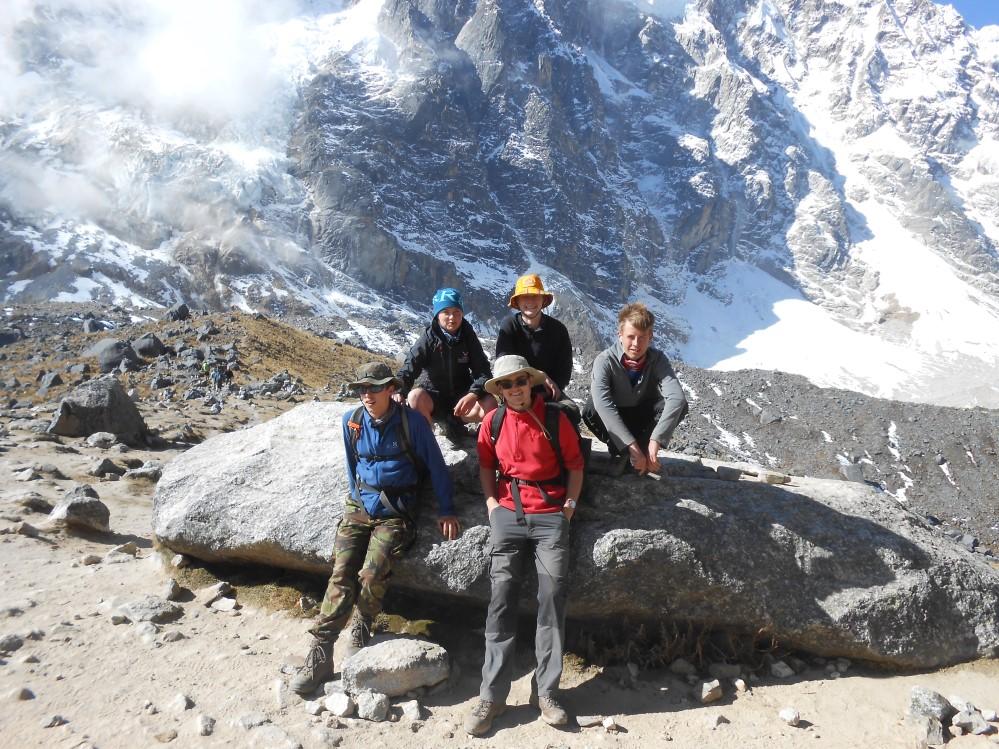
Duke of Edinburgh
Award Scheme
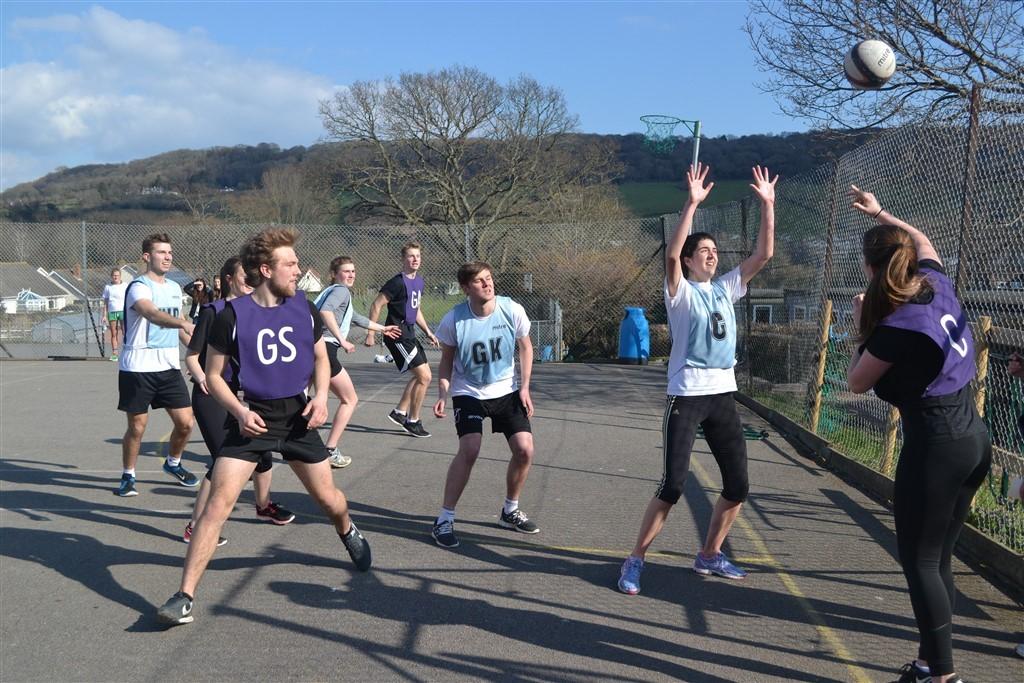
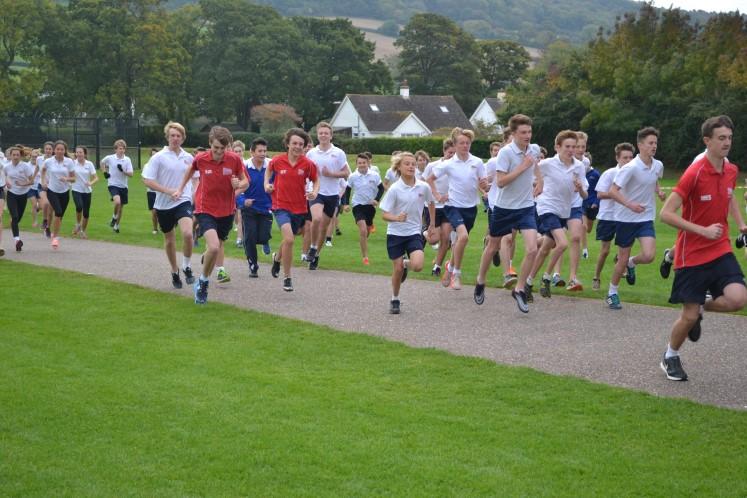
Inter-Tutor Sports Matches
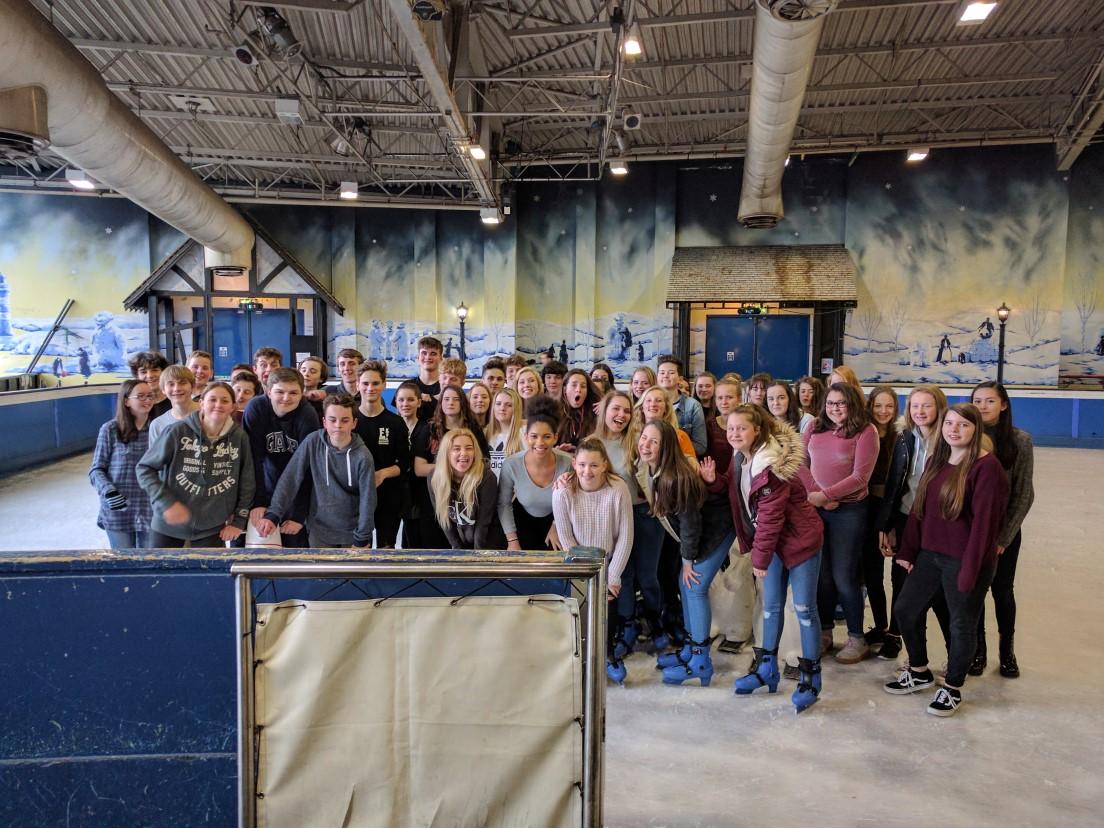
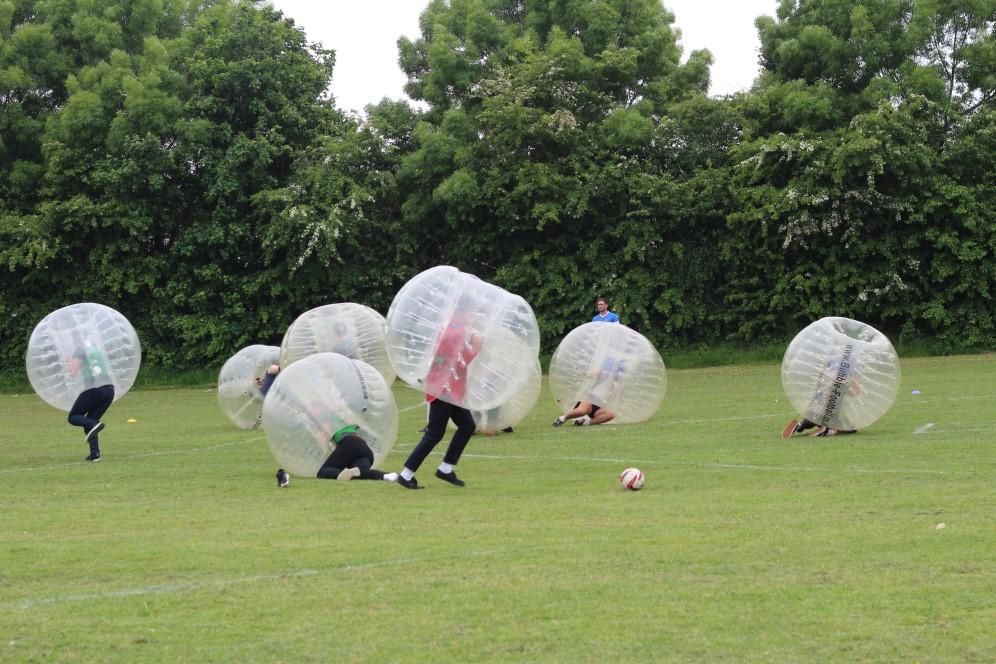
Social Activities - including Ice
Skating and Paint Balling
Theatre Visits
Tutorial Programme
Army Challenge
Charitable Fundraising
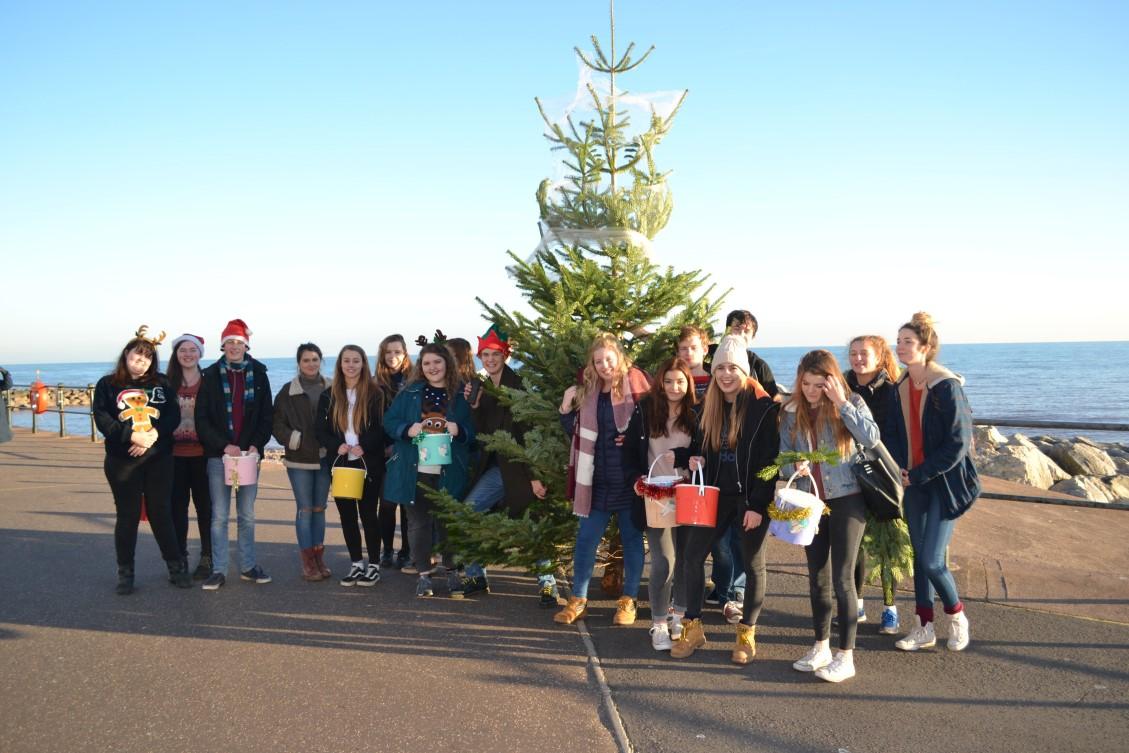
Christmas Tree Carry
Exmoor Challenge
Induction Outing
School Christmas Party
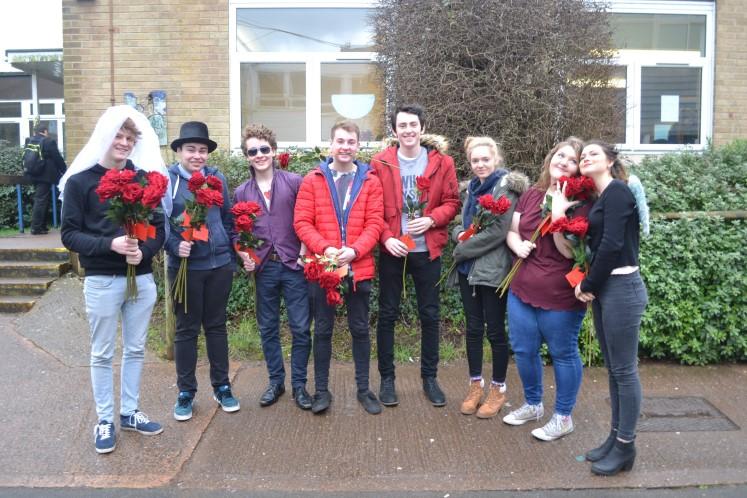
Political Speed Dating
Ten Tors Event
Work Experience Week
“ ”
Happiness, understanding and community: these three words were what I was looking for when deciding my post-16 options and Sidmouth College certainly provides them. I loved the idea of a strong community feel throughout the sixth form, the small class sizes resulting in plenty of teacher-student time and evident success shown by all especially in exam performance.
“ ”
After considering the options available, I chose to stay at Sidmouth College for its smaller class sizes and its excellent pastoral care and support, offered by the sixth form leadership team and subject teachers. One year on, it was the best decision I could have made.
Sophie (Head Girl)
Staying on at Sidmouth College Sixth Form seemed like a no-brainer to me. Here I was supported in taking the 4 A-levels I was passionate about, whilst many other sixth forms I visited would only allow me to study 3 subjects. The fact that the Sixth Form is a small community is a great benefit; I get much more contact and support from the staff, who are able to focus on the personal goals of each student. I don't think I would have managed to cope with the stress A-levels brings in a larger sixth form without that one to one time, so Sidmouth College Sixth Form was definitely the right choice.
Charlotte (Sixth Form Student)
Having attended Sidmouth College since year 7, it just felt right to continue my education here at the Sixth Form. I am very happy I stayed because the staff have been incredibly supportive to me throughout my time here. I also stayed on because the teachers know me and understand my way of learning and how to help me achieve my best. The smaller class sizes and being able to spend more time with teachers are other reasons why I am glad I continued on here.
Harriet (Sixth Form Student)
Toby (Head Boy)