
Focus Without Limits The Freedom to Switch and Shoot
Photography has changed a lot in recent years. Cameras are not only for professionals anymore. People use them for travel, creativity, and everyday memories.
One big change is how easily you can switch lenses. It gives photographers more control. The process feels simple and smooth.
Let’s see why this flexibility matters and how it shapes photography today.
Why Lens Flexibility Matters
Different lenses create different results:
A wide lens captures more of the scene
A telephoto lens brings distant subjects closer
A prime lens creates background blur
A macro lens reveals fine details
Travel Becomes Easier
Older camera systems were often bulky. Carrying multiple lenses felt heavy. But newer systems are lighter and more compact.
That means:
Less strain on your shoulders
More room in your bag
Faster setup time
More comfort during long shoots
When gear feels lighter, you are more likely to carry it. And when you carry it, you shoot more.
Travel photographers often pack two or three lenses. One for wide views. One for portraits. One for distant details. The ability to switch keeps their work fresh without adding too much weight.
Speed and Responsiveness
Photography often depends on timing. A child laughs. A bird takes flight. The sun dips below the horizon.
You do not always get a second chance.
Modern systems focus quickly and allow fast lens changes. That combination matters. You can shift from a wide scene to a close portrait in minutes.
This responsiveness helps in:
Street photography
Sports events
Weddings
Nature shoots
It keeps the creative flow intact.
Learning Through Experimentation
Switching lenses is also a powerful learning tool.
When beginners try different lenses, they understand:
How focal length changes perspective
How aperture affects depth of field
How framing alters emotion
Adapting to Different Shooting Styles
Every photographer has a different style. Some prefer minimal setups. Others enjoy experimenting with many options.
Here are common styles and how lens switching supports them:
Minimalist Style
Carry one body
Switch between two small lenses
Focus on simplicity
Storytelling Style
Use wide lenses for environment
Use telephoto for emotion
Blend perspectives in one story
Detail-Oriented Style
Use macro for texture
Use standard lenses for context
The freedom to switch supports all these approaches.
A Flexible System for Modern Creators
Modern cameras are easy to use. They also have smart features. Autofocus tracks moving subjects. Electronic viewfinders show how the photo will look before you take it. Silent mode helps in quiet places.
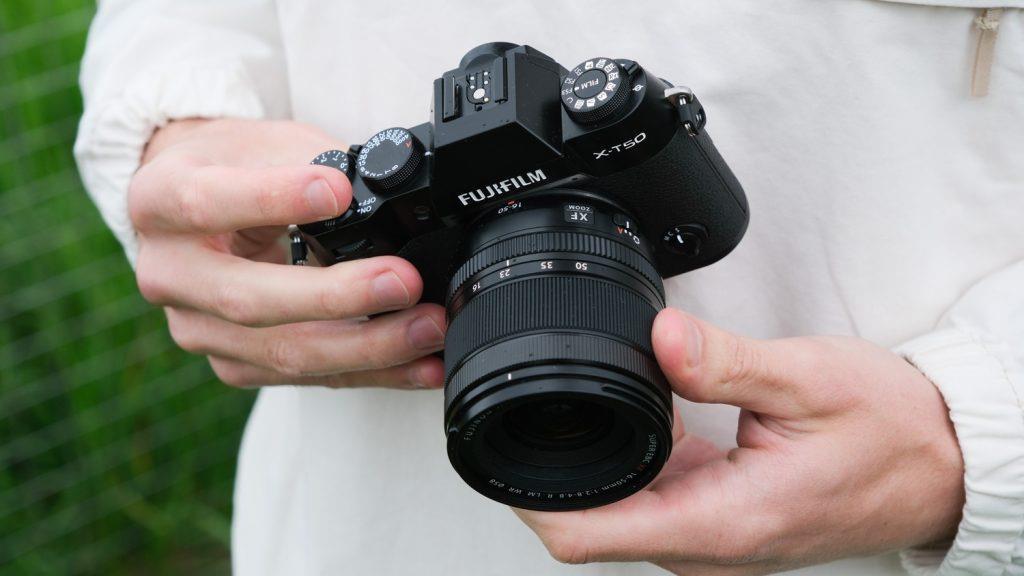
A mirrorless interchangeable lens camera is small and light. You can change lenses quickly. This gives you more ways to shoot without carrying heavy gear.
The lens is very important. The right mirrorless camera lens changes how your photo looks. It affects sharpness, depth, and mood. Even a small change in focal length can make a big difference.
Conclusion
Photography is not just about equipment. It is about seeing. But the right tools make exploration easier.
The freedom to switch lenses means:
You are not limited to one viewpoint
You can adapt to any scene
You can experiment without hesitation
As your skills grow, your lens choices can grow too.
Focus without limits is not just about sharp images. It is about flexibility. It is about choosing how you frame the world.
Sometimes, that simple ability to switch and shoot is what turns an ordinary moment into something unforgettable.
Original Source: https://fortunebn.com/focus-without-limits-thefreedom-to-switch-and-shoot/
fujifilmxshop@fujifilm.com https://fujifilmxindia.com/ 1800 202 3346


