
Camera for Professionals: A Complete Buying Guide
for Professional Photographers
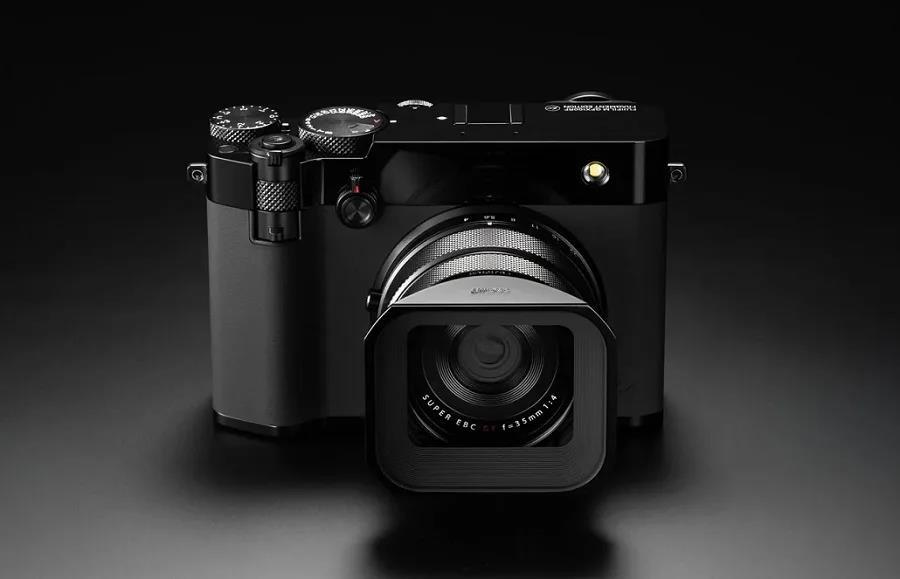
Photography has evolved dramatically in the past two decades. What once required bulky equipment and extensive darkroom work can now be achieved with powerful digital tools and advanced camera technology. For professional photographers, choosing the right camera is one of the most important investments in their career. The ideal camera for professionals should deliver exceptional image quality, reliability, and flexibility to handle a wide range of shooting environments.
Whether you specialize in portrait photography, wildlife, fashion, commercial work, or photojournalism, selecting the right equipment requires careful research. Modern cameras offer numerous features such as high-resolution sensors, advanced autofocus systems, and superior low-light performance. Understanding these features will help photographers make informed purchasing decisions.
Understanding Professional Photography Needs
Professional photography differs significantly; it should be 'casual to hobby' photography. Professionals require equipment that can deliver consistent performance in demanding situations.
Common Types of Professional Photography
Professional photographers often work in areas such as:
Wedding photography
Fashion and editorial photography
Wildlife photography
Sports photography
Commercial product photography
Landscape photography
Event and documentary photography
Each genre requires specific camera capabilities. For example, wildlife and sports photographers prioritize fast autofocus and high burst shooting speeds, while commercial photographers focus on high resolution and color accuracy.
Because professional work often involves client expectations and strict deadlines, photographers must rely on dependable gear that consistently produces high-quality images.
Sensor Size and Image Quality
One of the most critical factors in choosing a professional camera is the sensor size. The sensor determines how much light the camera can capture and how much detail appears in the final image.
Types of Sensors
Full-Frame Sensors
Full-frame cameras are widely used by professionals because they offer excellent dynamic range, superior low-light performance, and shallow depth-of-field capabilities.
Medium Format Sensors
Medium-format cameras provide extremely high resolution and superior color depth, making them popular among fashion, commercial, and studio photographers.
Selecting the right sensor size depends largely on the photographer’s style and subject matter.
Resolution and Megapixels
Megapixels determine the level of detail captured in an image. Professional photographers often prefer higher-resolution cameras because they provide flexibility for cropping and large-scale printing.
Benefits of High Resolution
High-resolution cameras allow photographers to:
Capture intricate textures and details
Produce large prints for exhibitions or advertising
Crop images without losing significant quality
Maintain clarity for commercial projects
However, higher megapixels also produce larger file sizes, which require more storage and processing power.
Autofocus Performance
Autofocus technology is essential for many professional photographers, particularly those shooting moving subjects.
Features to Look for in Autofocus Systems
Multiple focus points across the frame
Eye detection for portraits
Subject tracking for wildlife and sports
Fast focusing speed in low light
Advanced autofocus systems help photographers capture sharp images even in challenging conditions.
Burst Shooting and Speed
Speed is another critical factor for professionals who photograph action scenes.
Cameras with high burst shooting capabilities allow photographers to capture multiple frames per second. This feature is especially useful in sports, wildlife, and event photography, where moments happen quickly.
High-Speed Benefits
High burst rates help photographers:
Capture decisive moments
Increase chances of getting the perfect shot
Track moving subjects effectively
Professional cameras often offer burst speeds ranging upto 40 fps.
Importance of Lens Selection
Even the best camera body cannot perform at its full potential without high-quality lenses.
Choosing the right lens for DSLR camera systems is essential for achieving the desired photographic results.
Different lenses serve different purposes.
Low-Light Performance
Professional photographers often work in challenging lighting environments. Cameras with strong low-light capabilities allow photographers to maintain image quality even in dim conditions.
Key Factors for Low-Light Performance
High ISO sensitivity
Advanced noise reduction
Large sensor size
Wide-aperture lenses
Wedding photographers, event photographers, and photojournalists particularly benefit from cameras that perform well in low light.
Video Capabilities
Modern professional cameras often include advanced video features, making them useful for hybrid photographers who shoot both photos and videos.
Important Video Features
High frame rate options
Log profiles for color grading
External microphone and headphone ports
These capabilities allow photographers to expand their services into videography and multimedia production.
Ergonomics and Usability
Comfort and usability are often overlooked but extremely important for professional photographers.
Cameras designed for professional use typically include:
Comfortable grips
Intuitive menu systems
High-quality electronic viewfinders
Good ergonomics allow photographers to work efficiently during long sessions.
Budget and Investment Planning
Professional photography equipment can be expensive, but it should be viewed as a longterm investment.
Factors That Influence Budget
Camera body price
Lens costs
Accessories such as tripods and lighting
Maintenance and upgrades
Photographers should prioritize equipment that supports their professional goals while remaining within budget.
Conclusion
Selecting the right camera is one of the most important decisions a professional photographer can make. A high-quality camera for professionals must deliver
exceptional image quality, fast performance, and durable construction to meet the demands of professional work.
Equally important is choosing the right lens for DSLR camera systems, as lenses
greatly influence image sharpness, perspective, and creative possibilities.
By carefully considering factors such as sensor size, autofocus capabilities, resolution, and lens compatibility, photographers can build a powerful camera system that supports their creative vision and professional success.
Original Source: https://theomnibuzz.com/camera-forprofessionals-a-complete-buying-guide-for-professionalphotographers


