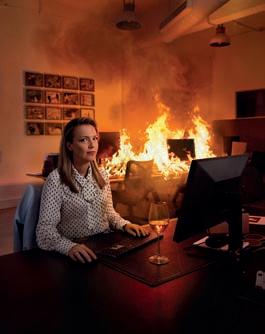
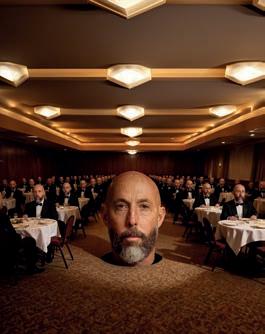
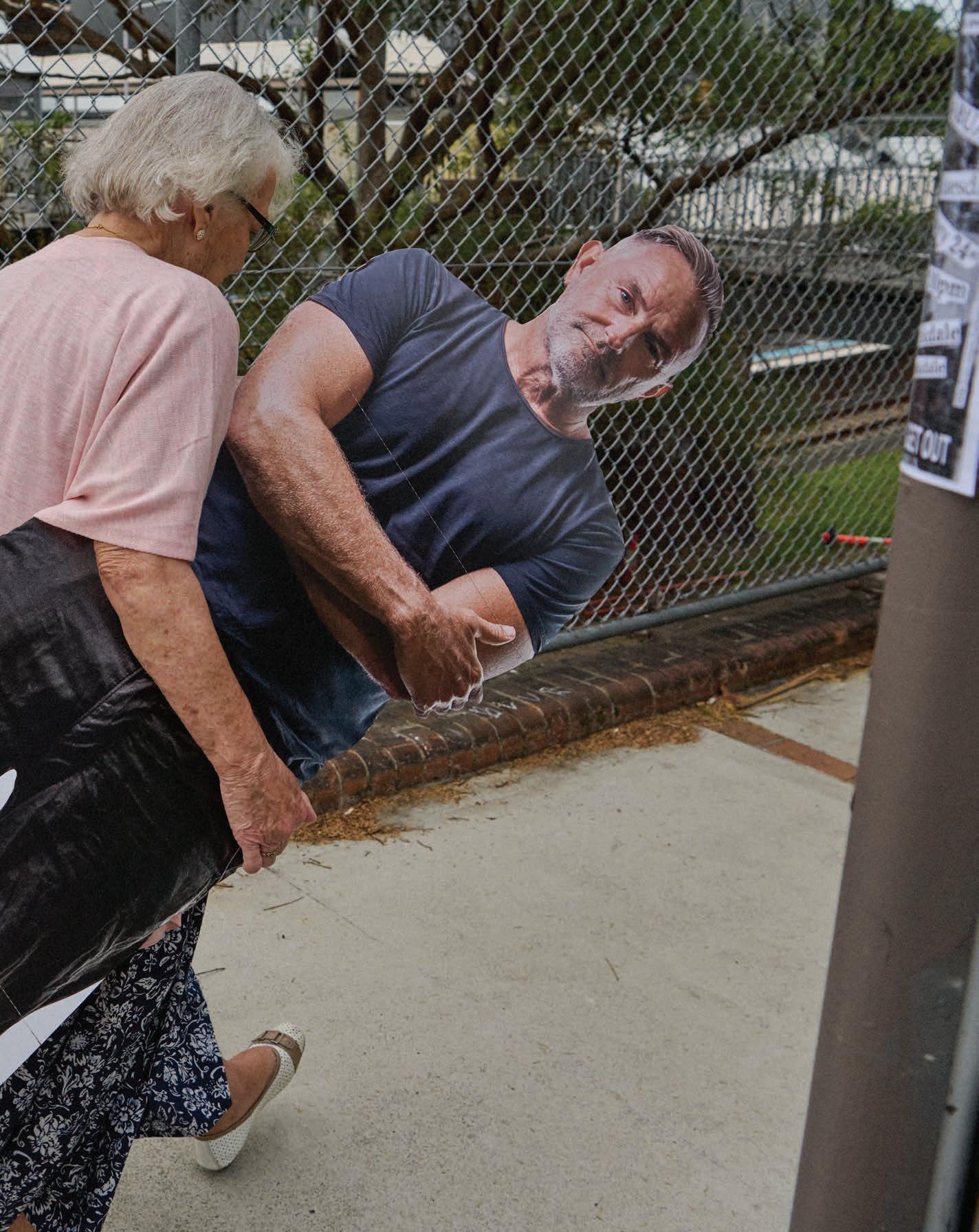
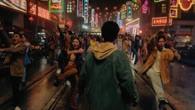
It’s said by some that life is 10% what happens to you and 90% how you handle it. So, whether things go to plan immediately or seem to fall apart at the first hurdle; whether your carefully laid out vision – of career, relationship, life – slips perfectly into place on the first attempt, or requires revision, retrospection and amendment; the fact that you can learn, adapt and not just survive, but thrive, says a lot about you.
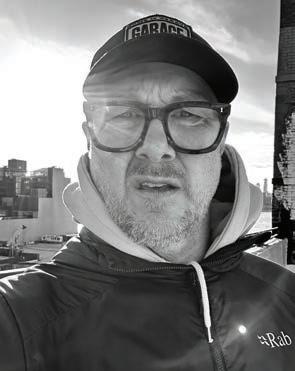
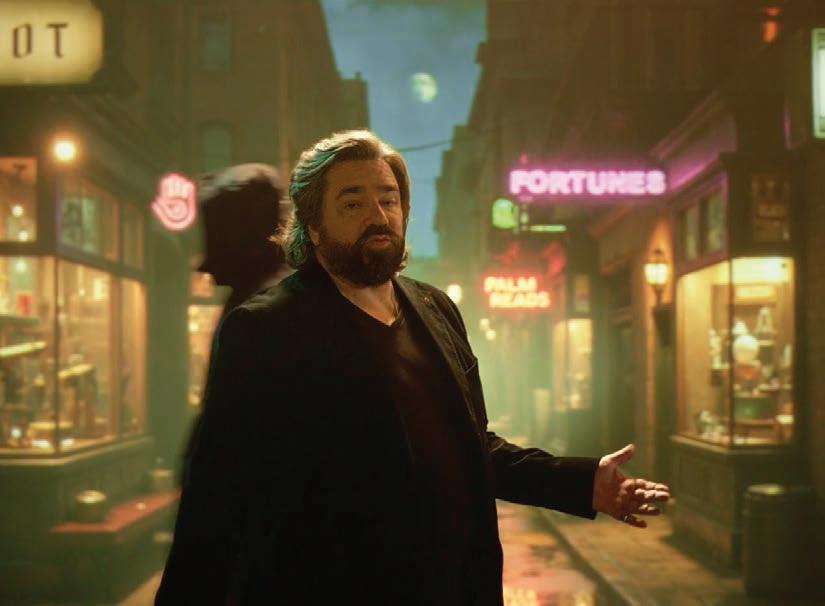
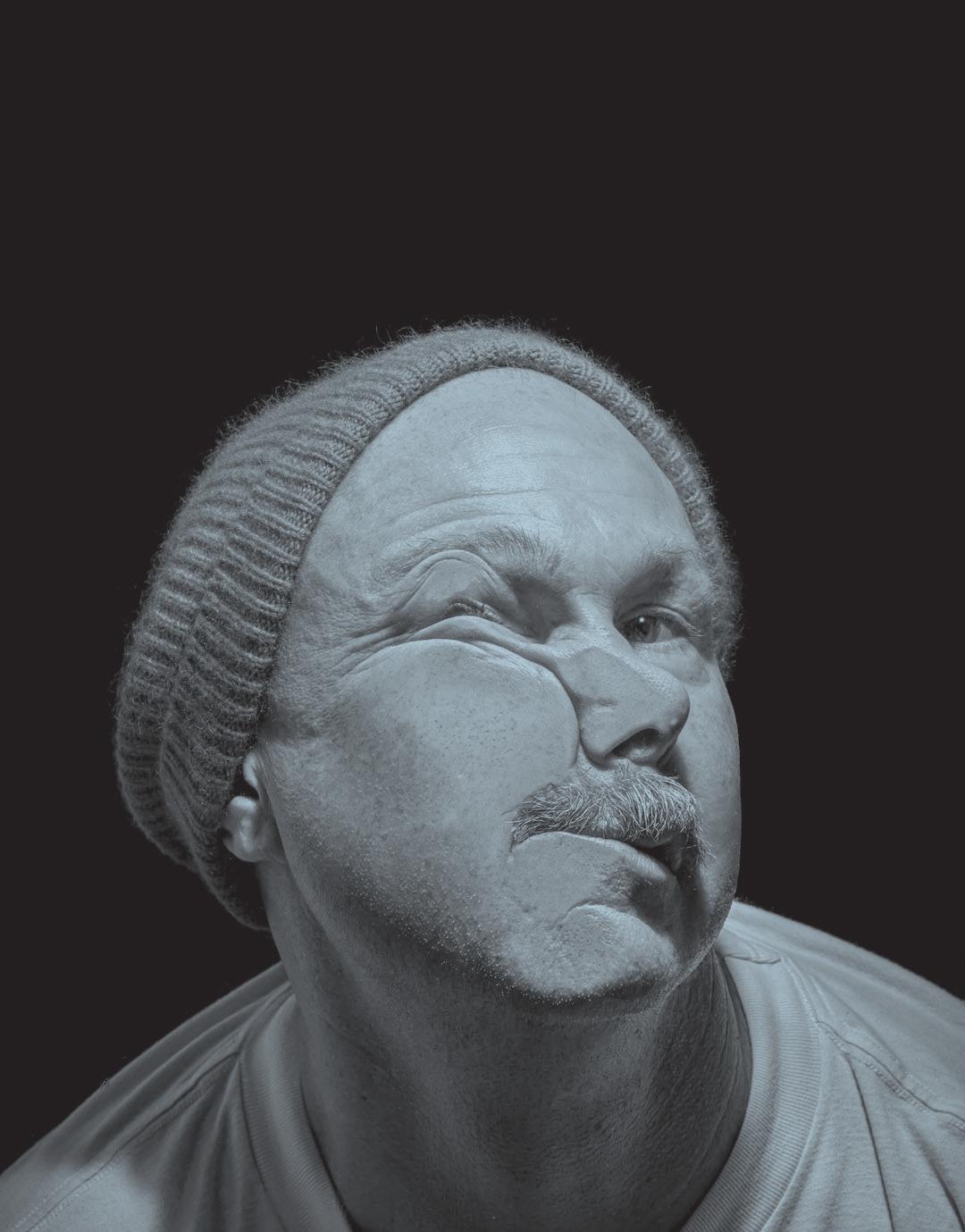
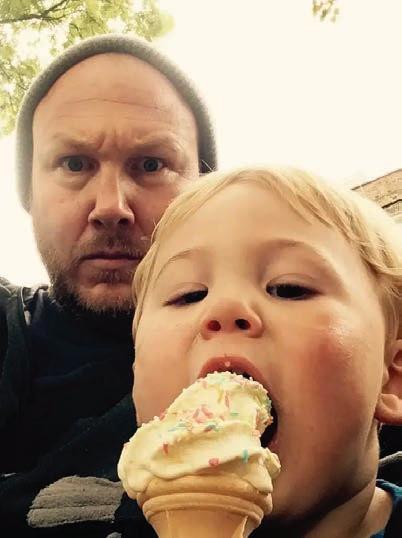
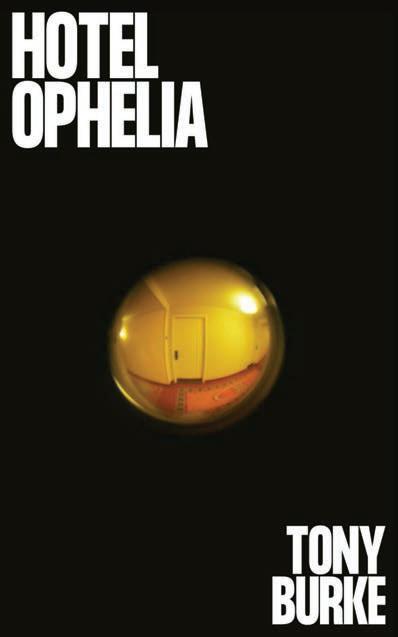
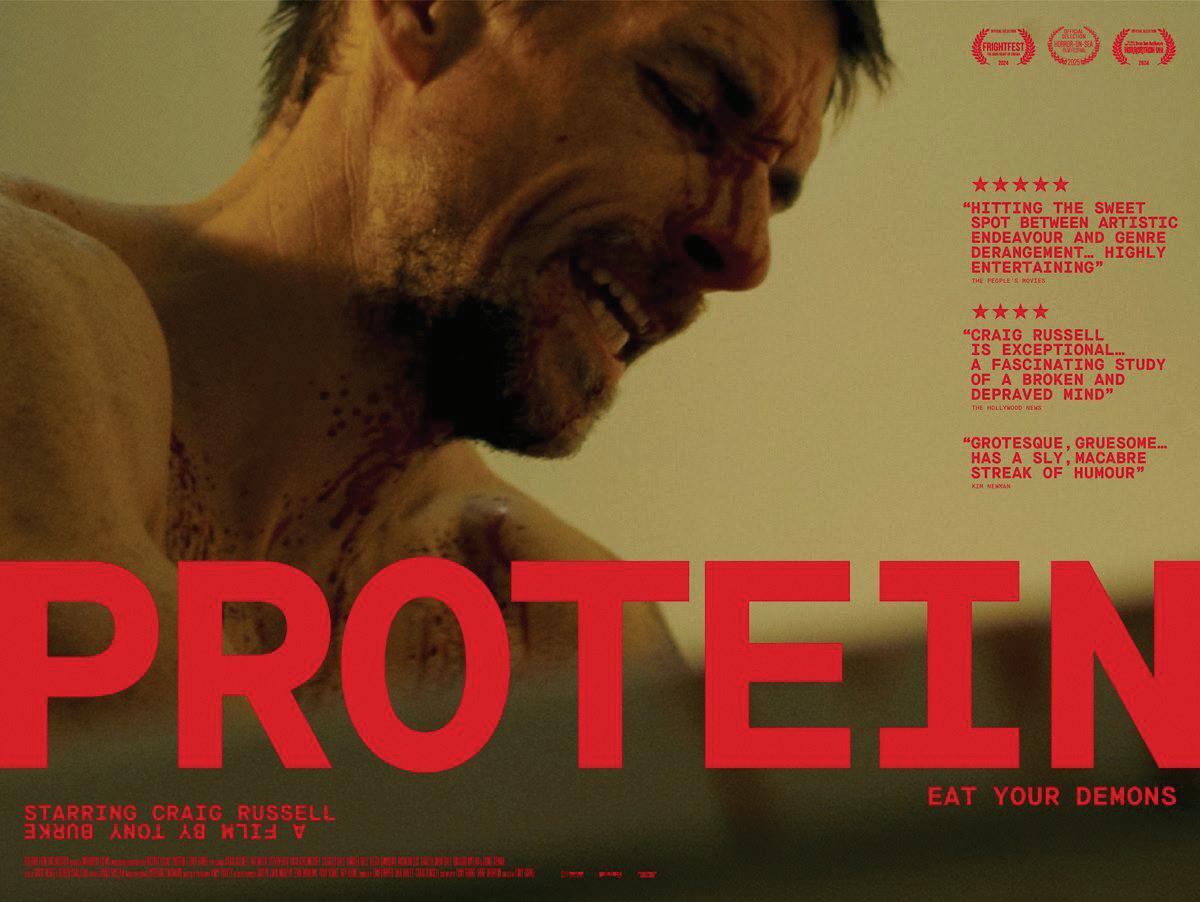
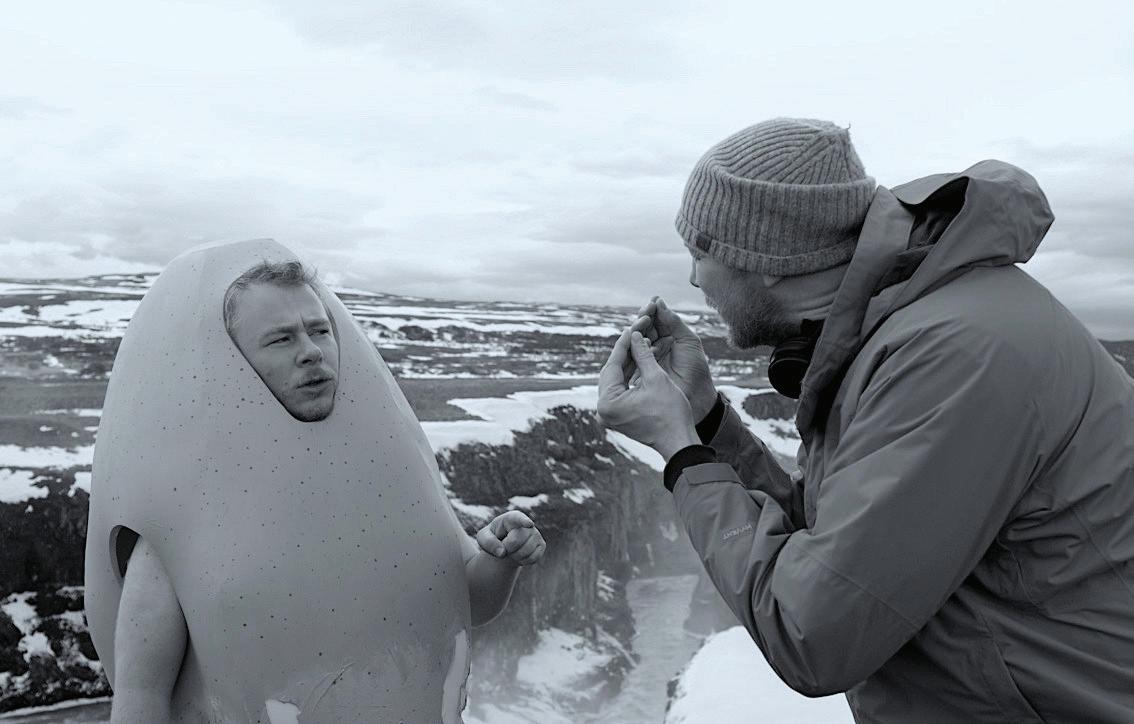
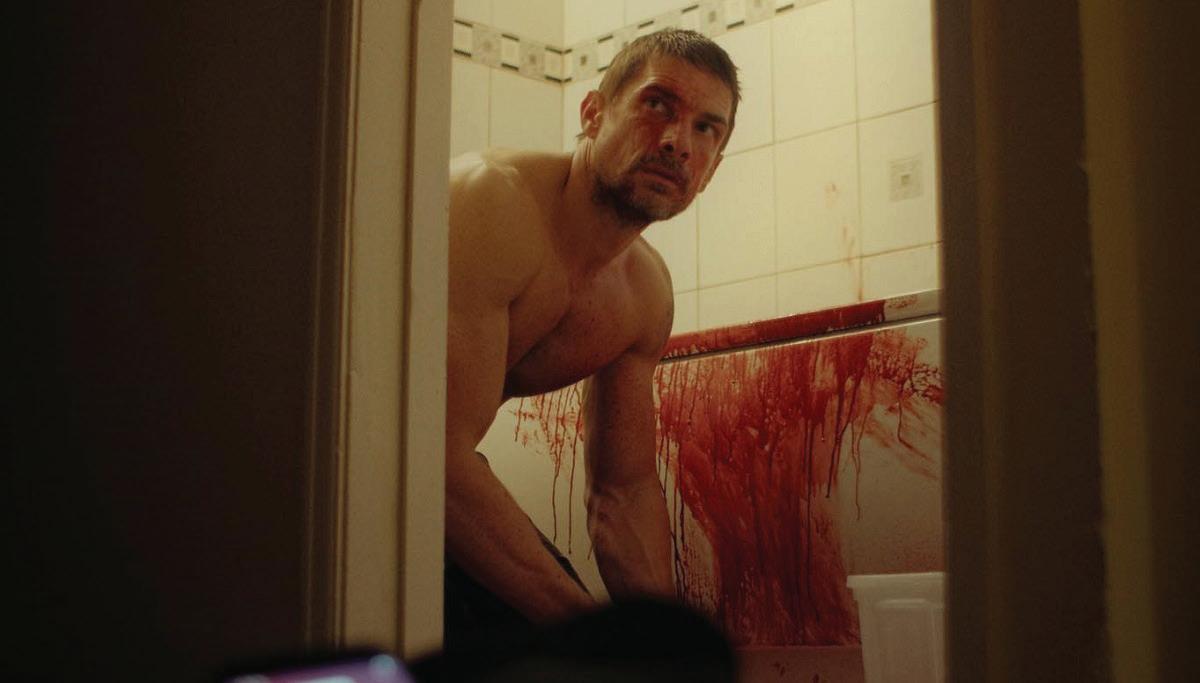
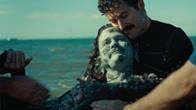
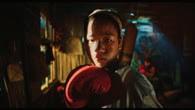
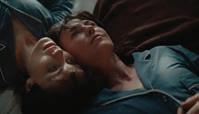
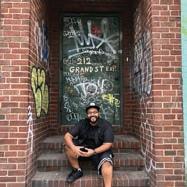
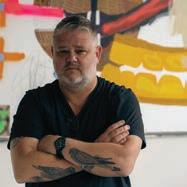
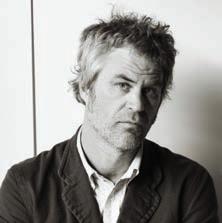
Our interview this issue with creative and director Tony Burke is one such example [page 48]. In a candid and emotional article, Tony talks about his hopes for a stellar career in advertising, an industry where he says he “found his tribe”. But he goes on to discuss his descent into alcoholism and how it a ected not just the job he did, but the people he worked with, his family and his own sense of self. “It got to the point where I wasn’t even thinking about advertising, or about getting a job,” he says. “I was leading this grubby, shadowland existence.” But that 90% We mentioned above came into play, and Tony’s story of how he got sober, reclaimed his life and became an author, the director of a critically acclaimed feature and a sought-after creative and commercials director is honest, insightful and inspiring.
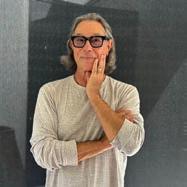
And Tony isn’t the only inspiring individual within these pages; it’s chock full of them, in fact. We have Emma Wright, Senior Producer at Bear Meets Eagle on Fire, the shots Awards Asia Pacific Agency of the Year for the last two years, revealing the secrets and strategies of producing award-winning work [page 24]. Steve Rogers, shots’ Director of the Year, [page 40] and Michael Ritchie [page 28] partners at Revolver, shots’ Production Company of the Year, discuss how they continually aim high – and always seem to hit the target. Arts & Sciences’ Mal Ward talks new technologies and newer talent [page 36], while we also have the list of all the winners from last year’s shots Awards Asia Pacific, a list that is drenched in inspiring ideas and amazing execution.
So, whether life is currently happening to you, or whether you’re handling events of the recent past, be they work-related or otherwise, it’s likely that somewhere in these pages there’s a nugget of wisdom that shows you’re already 90% of the way to an answer.
Danny Edwards & Jamie Madge Co-Editors
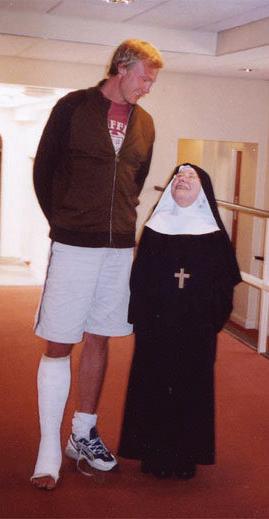
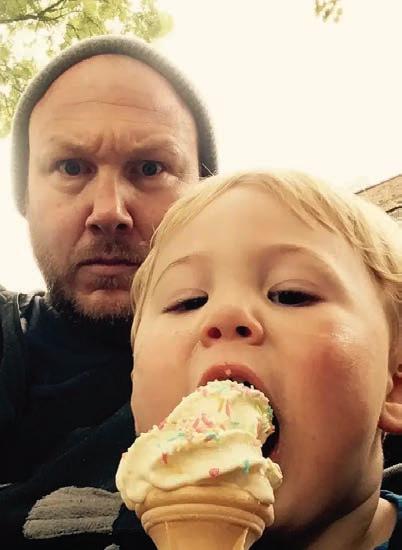
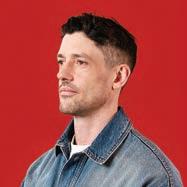
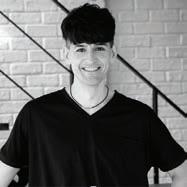
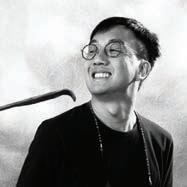
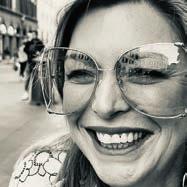
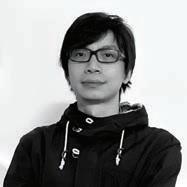
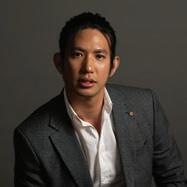
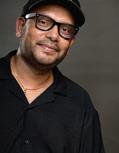
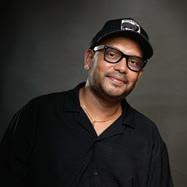
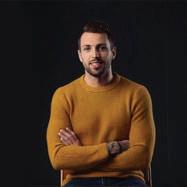
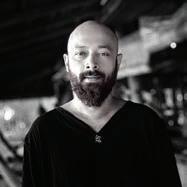
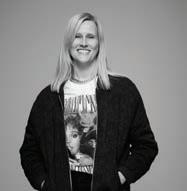
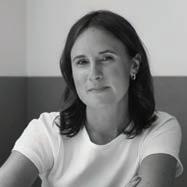
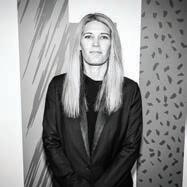
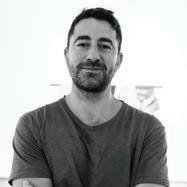
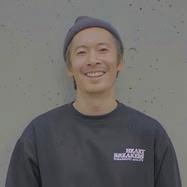
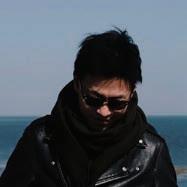
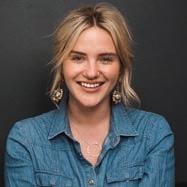
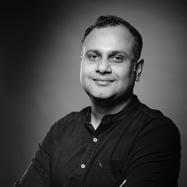
Co-Editors Danny Edwards [top] and Jamie Madge
shots Magazine
Subscribe to the daily newsletter for
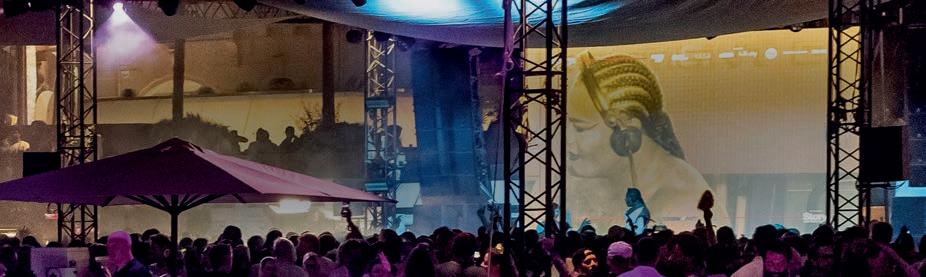
shots Cannes Party 2026
25/06/26
Register for updates about shots annual beach party.
08 ON MY RADAR
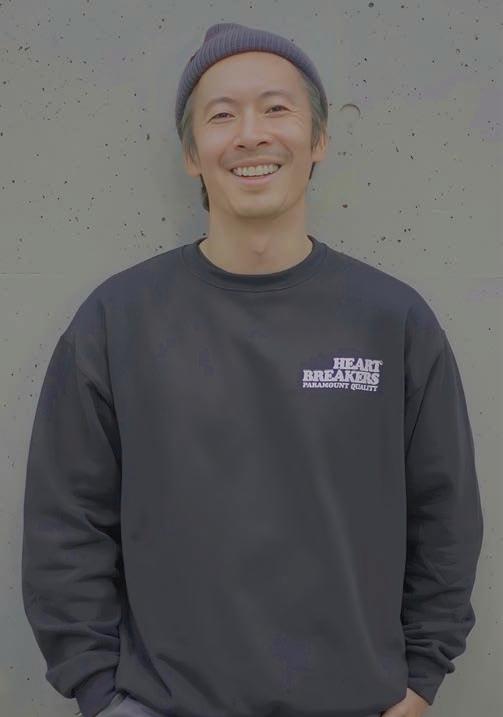
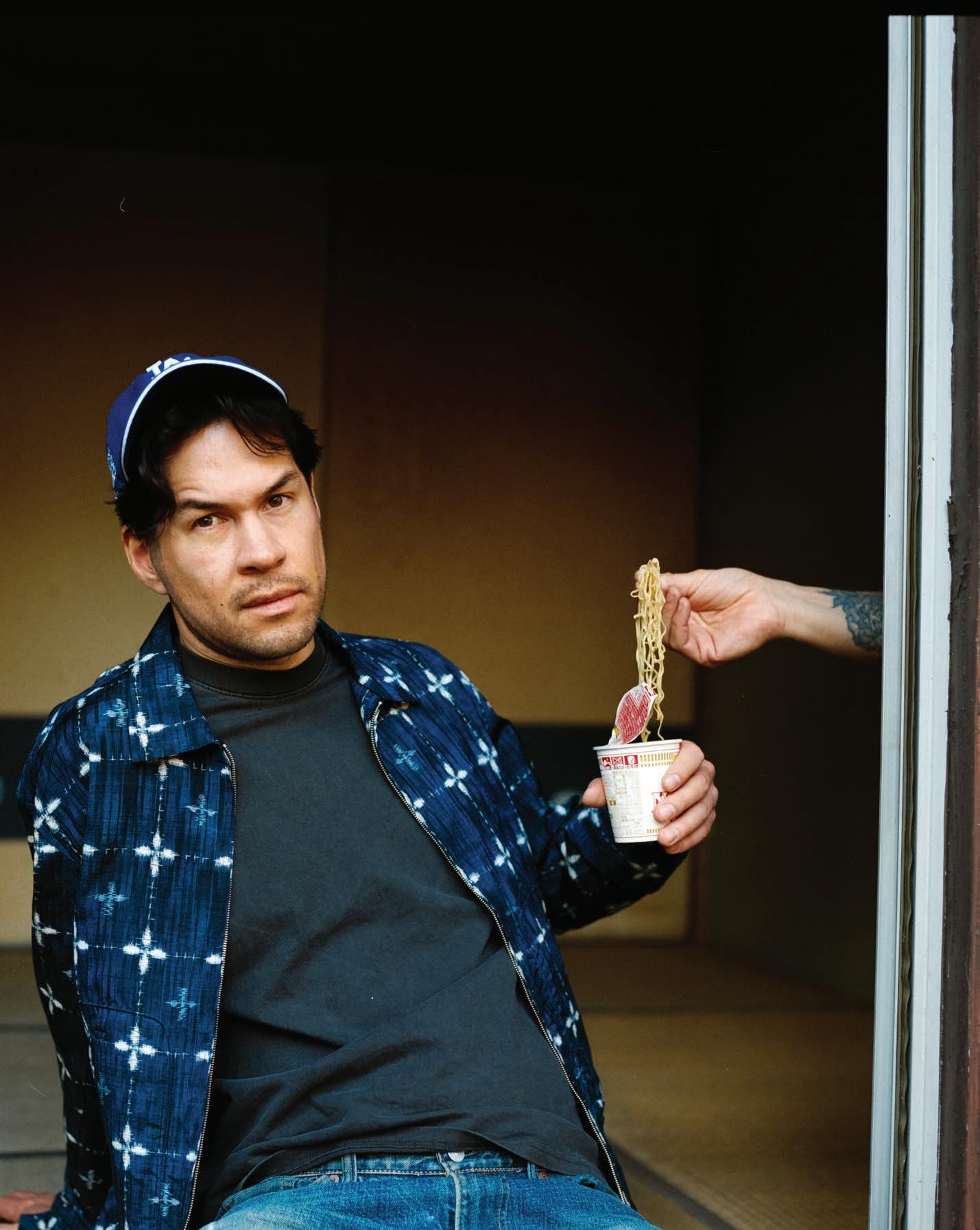
CEO and Music Supervisor at Black Cat White Cat, Seiya Matsumiya discloses his love of vintage cars, history podcasts and popcorn.
shots Awards APAC 2026
The 2026 awards are now open for entries. To find out more, register your interest here.
10 POWER TO THE POSTER
John Phillips tells us why a picture is worth a thousand words, especially when there’s something to really shout about.
14 YUKO SHIMIZU
Amy Hey draws out the insights, inspirations and artistic tendencies of illustrator Yuko Shimizu.
18 PRODUCTION IN 2026
Tim Cumming talks to industry leaders about a production landscape reeling from seismic changes in structure, tech and budgets.
24 EMMA WRIGHT
The lead producer of incendiary indie agency Bear Meets Eagle on Fire, which won shots Awards Asia Pacific Agency of the Year, lets Tim Cumming in on a few secrets.
MICHAEL RITCHIE
The Revolver Co-Founder talks to Lucy Aitken about family values, intentional tech and slow-cooked craft.
32 ANTHONY YANO HAYS
The shots Awards Asia Pacific New Director of the Year 2025 tells Amy Hey about his fondness for the fantastical, fluid genres and fleshy props.
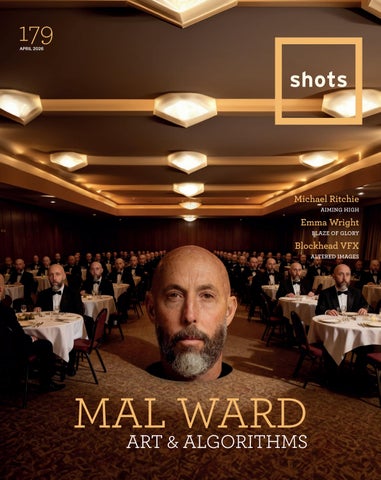
36 MAL WARD
The MD and Partner at Arts & Sciences’ and Jury Chair for YDA 2026, chats to Lucy Aitkin about speedy culture and thrilling talent.
40 STEVE ROGERS
Lucy Aitkin talks to the director and Co-Founder of Revolver about this quest to make ads that aren’t annoying.
44 BLOCKHEAD
Tim Cumming chats to Stefan Coory and Nigel Mortimer, Partners at the Australian VFX company, about craft, creativity and keeping AI in its place.
48 TONY BURKE
The director and creative talks candidly to Danny Edwards about his descent into alcoholism, how he found his way out, and his resurgent career.
57 AWARDS
The campaigns that cut through and claimed top honours at the shots Asia Pacfic Awards 2025.
shots
shots 179
shots_creative
shots-creative
Editorial material for consideration to be submitted to shots@extremereach.com
Many thanks to those companies that submit material for consideration on shots. We welcome work from across the globe and if you feel that your company has produced anything that would complement the shots site please let us know.
All rights reserved. No part of this publication may be reproduced, copied or transmitted, either by conventional means or electronically, without written permission of the publisher.
shots
Floor 7
XR Extreme Reach
Berkshire House
168-173 High Holborn
London WC1V 7AA
+44 (20) 7539 8400
shots sta
Co-Editor
Danny Edwards danny.edwards@extremereach.com
Co-Editor
Jamie Madge jmadge@extremereach.com
Features Editor
Carol Cooper carol.cooper@extremereach.com
Sta Writer Amy Hey amy.hey@extremereach.com
News Editor Daniel Huntley daniel.huntley@extremereach.com
Contributing Editors
Lucy Aitkin liaitken85@gmail.com
Tim Cumming tim.cumming@talk21.com
Selena Schleh selena.schleh@extremereach.com
Communications & Marketing
Chief Marketing O cer
Graham McKenna graham.mckenna@extremereach.com
Louise Lenzi louise.lenzi@extremereach.com
Events
Sara Brady sara.brady@extremereach.com
Renée Forbes renee.forbes@extremereach.com
Production Neil Sinclair neil.sinclair@extremereach.com
What’s the most creative advertising idea you’ve seen recently?
Young Kancils pitch for Marrybrown, MaBro. That was a fun one. The client was there. I really hope he bought that idea.
What website(s) do you use most regularly?
I can’t think of a single website that I use regularly. The internet experience is not what it was before – I hardly look at anything that isn’t social media or its own platform (i.e. Spotify).
What’s the most recent piece of tech that you’ve bought?
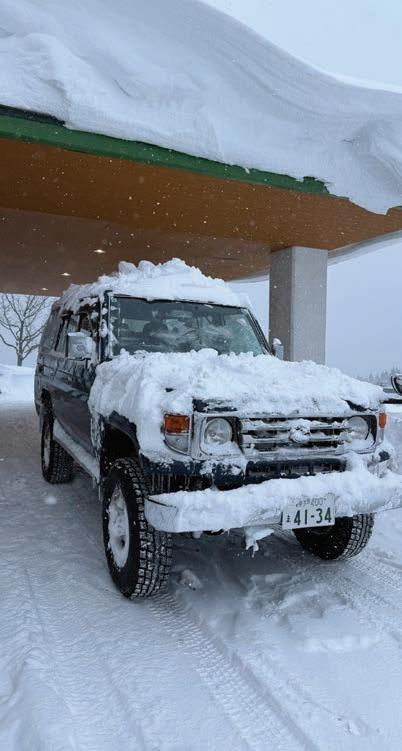
I bought a brand-new set of speakers and a subwoofer for my 30-year-old car. Does that count? I resisted for years because I liked the car’s barebones ruggedness, but I finally got sick of lacking everything below 500hz and decided I deserved a better listening environment, especially during long road trips to find snow.
What product could you not live without?
Whether or not I have Mike Popcorn with 250% butter in stock at home significantly a ects the enjoyment of my weekends. I can live without it, but not well. Look for it if/when you’re in Japan – you will not be disappointed. And also, like everyone else,
On My Radar: Seiya Matsumiya
Seiya Matsumiya, CEO and Music Supervisor at Black Cat White Cat in Tokyo, talks old cars, new experiences and the welcoming nature of his adopted city, as he reveals what’s on his creative radar.
1 The podcast Hardcore History
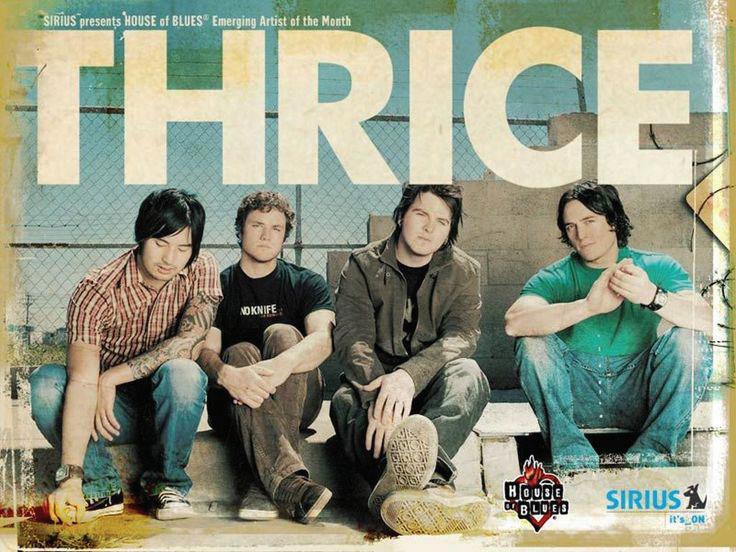
2 Californian band Thrice
3 Severance
4 Mike Popcorn
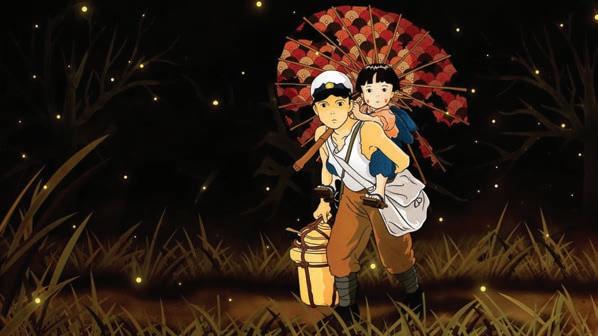
5 Studio Ghibli film Grave of the Fireflies
6 Matsumiya’s 30-year-old truck
without a MacBook Pro and an iPhone I literally would not be able to make a living.
What’s the best film you’ve seen over the last year?
That would be the film I’m working on now that deals with dementia. As I’ve entered my 40s, ‘aging’ is starting to have a whole di erent meaning, and this film hits me right in the feels in both directions — being a younger person figuring out the meaning of family, which I of course remember vividly, and an older person who is forgetting it, which now feels a lot closer and more real.
What film do you think everyone should have seen?
Wong Kar-Wai films. Ghibli films. Kurosawa films. Tarantino films. If I had to pick one I think it might be the animated Studio Ghibli film Grave of the Fireflies. If you haven’t seen it, please do, and you’ll know why this is must-see.
What’s your preferred social media platform? Instagram, I guess. We all know why.
What’s your favourite TV show?
Severance: Annual trips to the same places (looking at you, Royal Cli hotels) can make you feel like you
never left. Repetitive hotel breakfast bu ets, and even all the airport BS… I imagined myself stuck in purgatory that is a permanent business trip and never able to go home, and I could relate to the characters in that show on a whole other level. I’m also currently going through Peacemaker and I love it because I don’t have to think.
What’s your favourite podcast?
The one and only podcast I listen to is Dan Carlin’s Hardcore History. My favourite series are 1) Wrath of the Khans, 2) King of Kings, and 3) Supernova in theEast
What have you been most inspired by recently?
Visiting Colombia and Malaysia in 2025. Colombia for the intense exposure to and greater understanding of the country, and Malaysia for giving me a whole new perspective of Asia and its diversity.
If you could only listen to one music artist from now on, who would it be?
A band called Thrice, hometown heroes from Irvine, CA. No joke, my musical life would have never started without them, and I watched them go from a high school band to seasoned rock veterans over the past 25 years. Following their growth allows me to see
how much I’ve grown—they can make me feel like a 40-year-old or a 15-year-old. I would pick them so that I can continue to both enjoy their music and have a perspective on my own life path.
If there was one thing you could change about the advertising industry, what would it be?
From where I’m sitting, the ad industry is a fun one rich with connection, discovery and creative possibility.
That said, I’d love to see even more openness to risk. A little more of that “F-it, let’s go for it” energy. It’s what allows great ideas to surprise us and move culture forward.
Who or what has most influenced your career? It’s not a single person or thing it’s the entire advertising industry community. Tokyo welcomed me in nine years ago when I moved from LA and nurtured me. As I started to explore di erent markets through great advertising festivals like AdFest it was, again, the community I found there that helped me move forward and continue to push. At the start of my career, I read that you’re the average of the people that you surround yourself with. I’ve been immersed in this industry that is full of incredible people, and they’ve allowed me to grow just by knowing them.
What scares you the most?
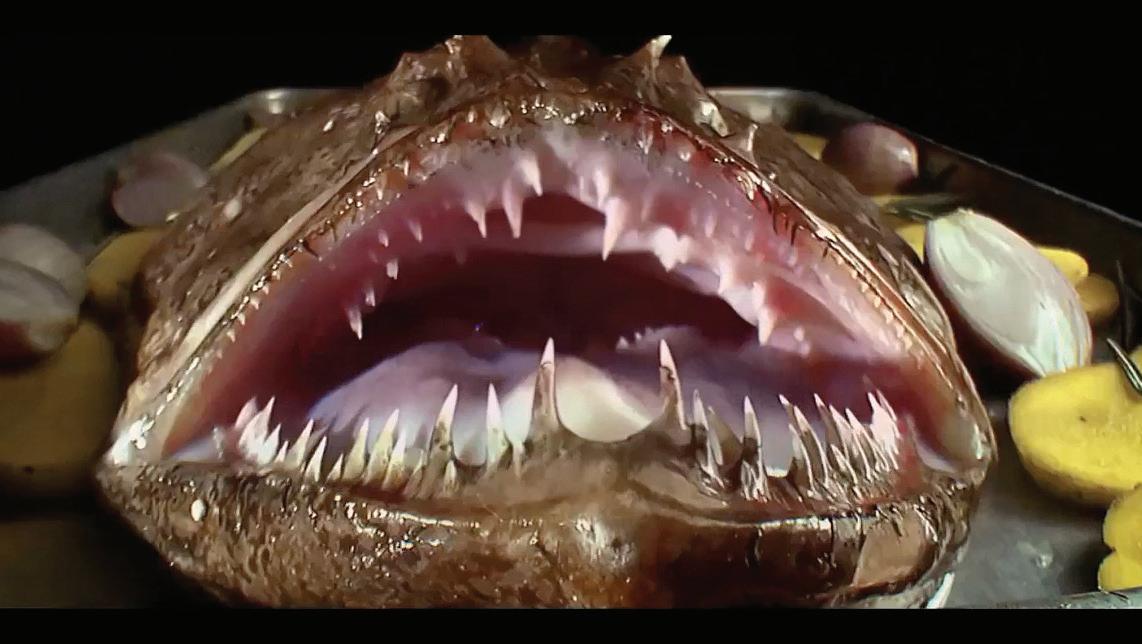
The blueness of the open sea when you’re submerged in it. Lacking any sense of spatial awareness in that emptiness makes me shudder just thinking about it. Honestly, I think seeing a shark or something would help.
What makes you happiest?
Some mornings, when I wake up with my whole family in bed, I imagine myself as a 95-year-old man having a dream about the golden era of his life. Listening to my young children breath is a special thing, and I’ll only have it for a few years of my life.
Tell us one thing about yourself that most people wouldn’t know.
I get a lot of “you’re such an extrovert”, but I’m quite the opposite. I’m more of a shy introvert. I read that Dali had a similar issue, but his aunt told him to just “act social” and it worked for him, and it also works for me. I relied on drinking to do that, but since I quit last year, I’ve been managing it sober, and I’m also leaning into my social awkwardness when it rears its head and I say to myself “yeah man, this is you, too.” Just basking in that self-conscious embarrassment and loving it. I’m learning that acknowledging something helps you let it go. s
THE ART OF UNREST: JOHN PHILLIPS ON POSTER POWER
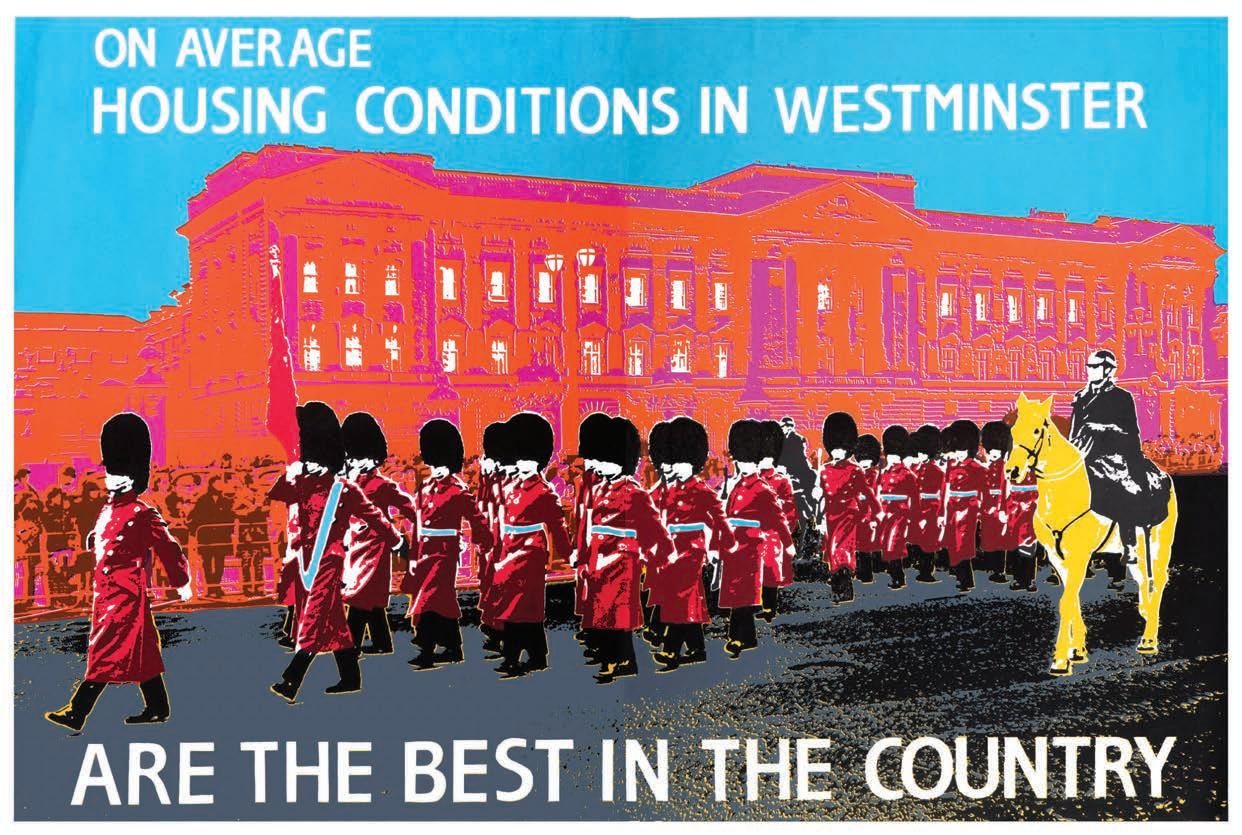
One of Phillips' many emotive, highly satirical posters calling out inequality in housing.
Phillips was tasked with creating a ‘forceful’ look for this poster which aimed to deter the National Front from distributing racist leaflets. Within days of the posters appearing the leaflets disappeared.
Paddington Printshop founder John Phillips, the creative force behind some of the most enduring poster designs that spoke truth to power, has co-founded The Museum of UnRest to tackle social and environmental issues. Lucy Aitken met him at the Museum’s popup exhibition to find out more.
Speak to any art director who’s been around the block a few times and they’ll often go misty-eyed when the conversation turns to posters. They might even recall timeless classics that inspired them when they were starting out, like Saatchi & Saatchi’s Pregnant Man or Oliviero Toscani’s provocative work for Benetton.
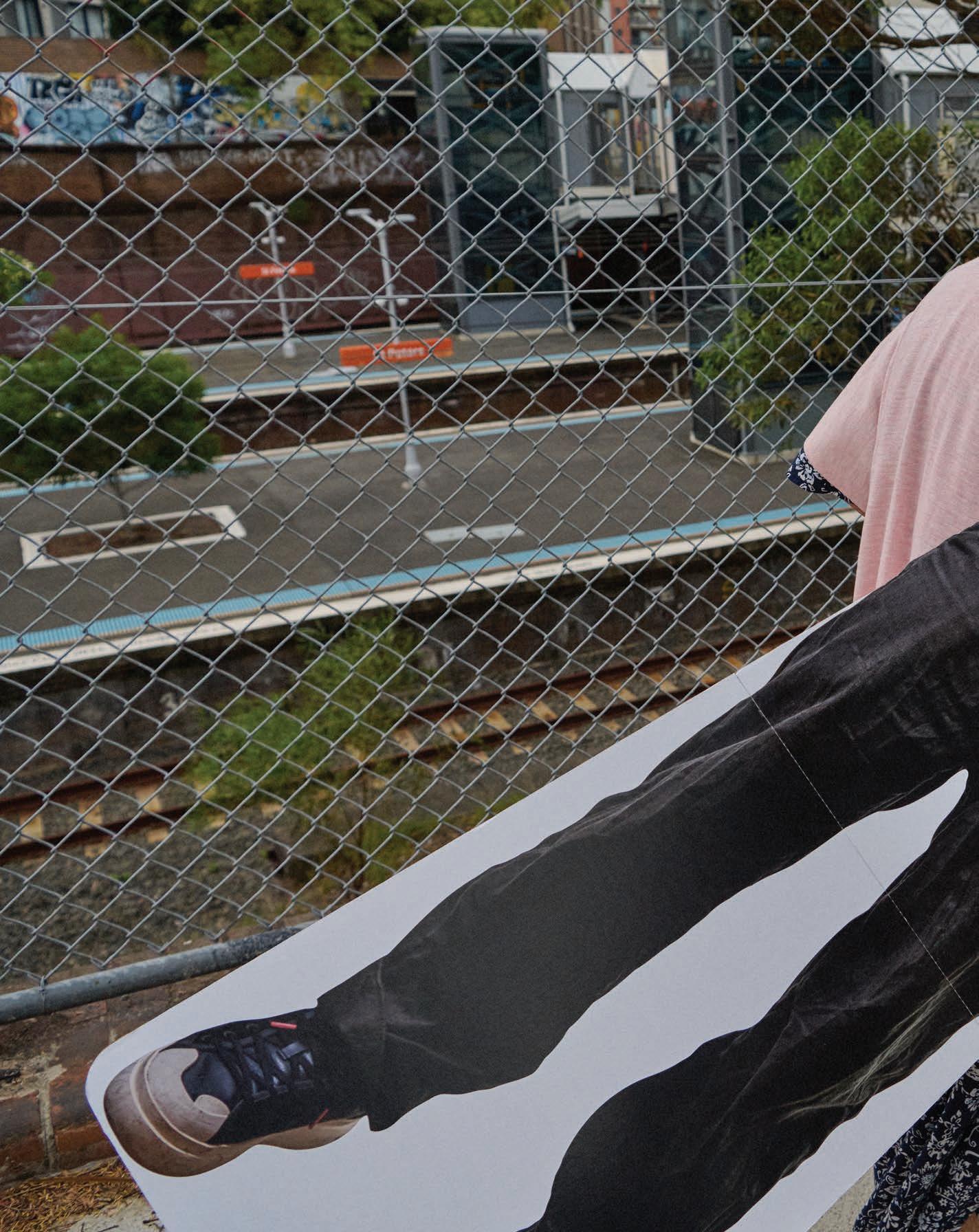
But what about another type of poster that packs a punch? One that’s designed to be held aloft at demonstrations? One that’s about fearlessly confronting authority with the truth?
“The poster opens up a question in a way that engages the viewer in trying to solve a problem,” says the veteran designer John Phillips. “So they’re forced to decide which side they want to stand on.” Phillips was the co-founder of Paddington Printshop in 1975 and has now
co-founded Museum of UnRest, a charity harnessing the power of art and design to address social and environmental issues. Posters can be at the very heart of this, raising awareness and driving change.
“The poster [launches] a proposition, often by having an ambiguity between the image and the text, so there’s an open space for the viewer to step into,” Phillips says. “A poster frightens people you want to frighten and unites the people on the same side. It’s both a unification tool and a confrontational weapon.”
Phillips, a jovial character who was born in She eld in 1951, describes himself as “a cultural activist who tries to support social justice.” Fifty years ago, his kitchen-table designs for local community projects outgrew his kitchen table. So he launched Paddington Printshop with the vision of being “the artist on the high street, like the butcher or the baker.” He was then the Director of London Print Studio between 1989 and 2022. During those five decades, Phillips and his peers created
exhibition, Good Design Collection. Russell, a co-founder of London studio This Ain’t Rock’n’Roll, helped establish a visual identity for environmental activist group Extinction Rebellion.
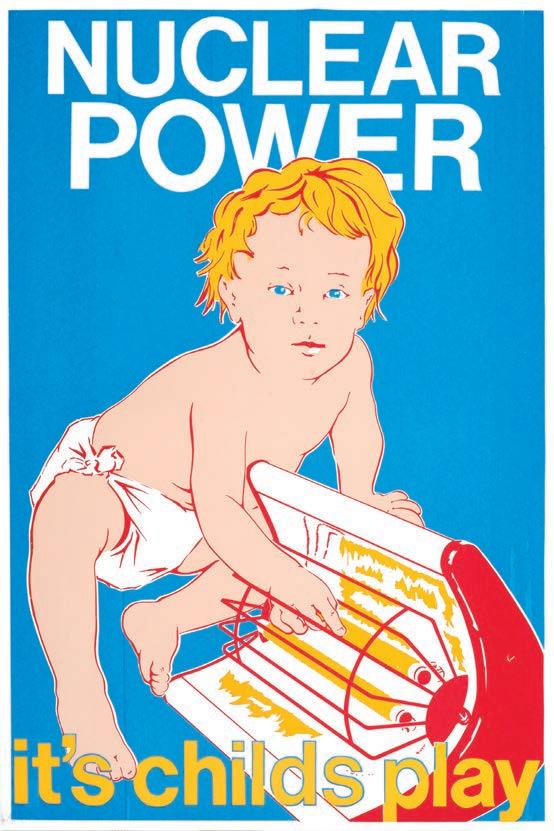
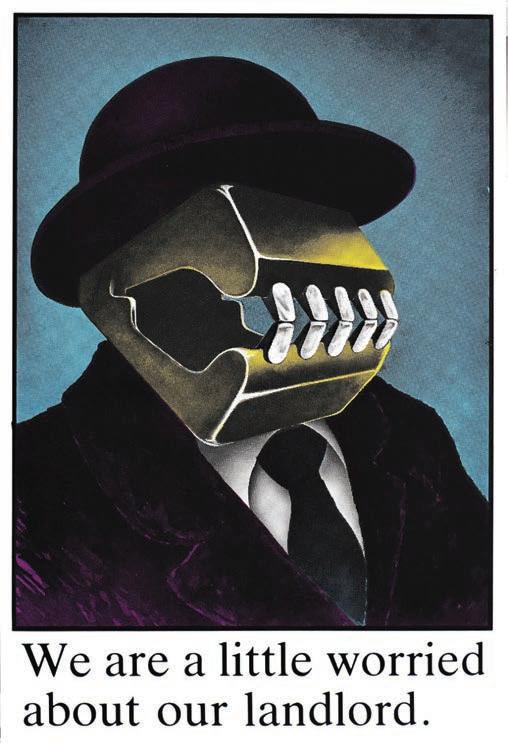
The older posters still hit hard. They may be historical documents but their shock factor endures. A 1979 poster by Phillips featuring a baby touching a three-bar electric fire tells us: ‘Nuclear power: it’s child’s play’. ‘Send the racists home’, written in childlike scrawl, promotes an early Rock Against Racism event. One of the most influential, is ‘We Are A Little Worried About Our Landlord’. Designed by Phillips in 1986, it shows a besuited man with a mechanical digger in place of a face, baring alarming teeth beneath a bowler hat.
unmissable posters to protest around the big issues of the time, including racism, sexism and local housing.
It doesn’t seem like much has changed in those five decades… England flags hang menacingly from motorway bridges, feminists campaign against sexual harassment, and a ordable housing remains in desperately short supply.
I meet Phillips at a pop-up exhibition called When Design Fights Back: The Right to Protest Exhibition, curated by Museum of UnRest and hosted in Pro Radix, an independent arts space in London’s Whitechapel. Recent posters from a range of designers rub shoulders with older creations on the gallery walls. So ‘Bollocks to Boris’ and ‘ICE out of Baltimore’ are sandwiched between a 1977 See Red Women’s Workshop comic strip to highlight instances of everyday oppression and a collection of 1980s anti-apartheid posters.
As we walk around, Phillips is accompanied by Clive Russell, who curated the first Museum of UnRest
This image started life as a postcard, after Westminster tenants told Phillips that Shirley Porter, the leader of Westminster City Council, was planning to sell housing stock to attract more Conservative voters. The Tories had come within 100 votes of losing Westminster and wanted to protect themselves at the next election.
Paddington Printshop produced thousands of postcards featuring the landlord character, and Westminster residents sent them to the council workers thanks to an internal mole hacking the council’s computer system. The Homes for Votes scandal was eventually unveiled on the BBC’s current a airs documentary series Panorama
It’s just one example of how design can play a part in galvanising people to expose corruption and drive change. Phillips reflects: “It was like creating a minor god. He represented something that people wanted to fight against so they made cartoons about him and built e gies of him, and he was a strong presence in that community. He got on the front page of The Guardian and appeared on the front of Private Eye with [Labour leader] Neil Kinnock.” It hangs in the V&A and typifies Paddington Printshop’s output from
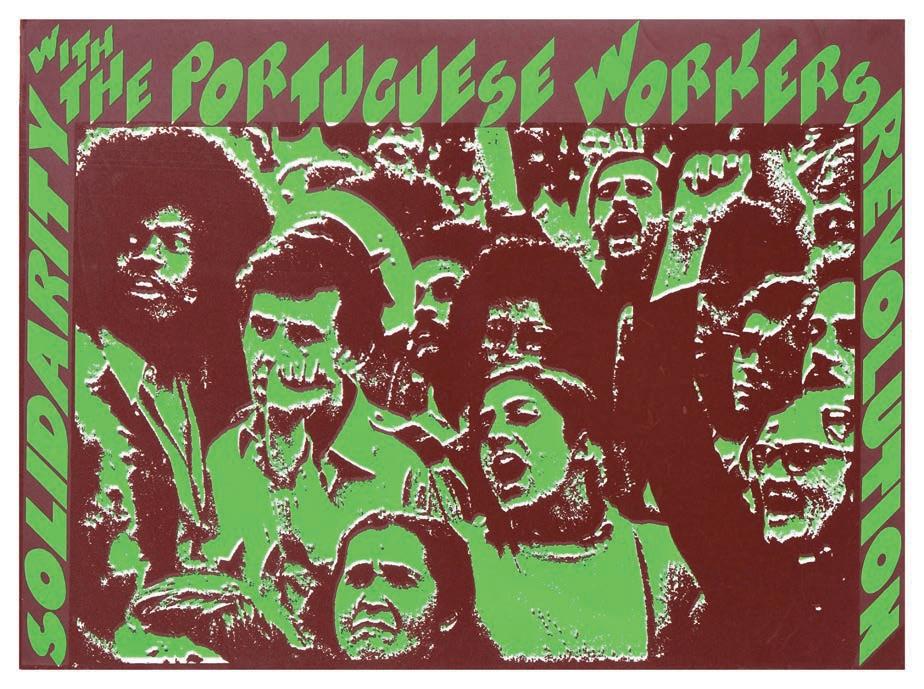
The Paddington Printshop’s output was influenced by civil unrest around the world – from Paris to Portugal to Cuba.
that era, with its explicit nod to Pop Art.
Phillips cites two other sources of inspiration: the protests and civil unrest that rocked Europe in May ’68 and Cuba: “For my generation, these are strong influences,” he says. For someone who has helped draw attention to causes and communities, Phillips is reluctant to talk about Paddington Print Shop and Museum of UnRest in terms of branding. “In the arts, we don’t tend to talk about brands. And in the kind of arts I come from, even less.” So how would he characterise his five-decade career? “My operating motto has been ‘if you know how to do it, why bother?’ I’d like to encourage anyone who’s creative never to get stuck in a rut. I’ve basically leapt from one thing to the next thing that I know nothing
about. That’s made my entire career interesting.”
Museum of UnRest is certainly an interesting concept. Phillips is adept at bringing people together, both IRL and online, to create small, themed collections. “We all live in silos, often with similar ideas but never getting in contact. This is a way for di erent people who have the same concerns about the world to find out about each other, share ideas and find inspiration. Each collection has a di erent person overseeing it, to expand other people’s networks, and invite other people in.”
This is the antithesis to the social media echo chambers that have become such a prevalent — and, in some instances, sinister — force over the last decade, where users sling
verbal punches at people who don’t think like them.
Phillips laments the lost connection between text and imagery, framing it as a missed opportunity. “When you get it right, the relationship between word and image is powerful. We’ve lost that. People make up witty slogans and go on demos. But when you have a combination of image and text, it can be so much more powerful.” He adds: “Some designers recognise there’s an opportunity to put their work online to be downloaded, but most people going on demos, despite feeling strongly, don’t have the skills or resources to make powerful images themselves.” Museum of UnRest, he hopes, can plug the education gap. “We’re absolutely dominated by imagery yet we have poor teaching resources. Museum of UnRest can help with this.”
What’s his advice for designing an e ective poster? “Use the minimum e ort to the maximum e ect.” He points to his design from 1977, Paddington Against Racism which uses a striking black-and-white symmetrical design to symbolise unity. As with all his work, there’s a dramatic story behind it. “The National Front had started to leaflet in the area and people came along and said, ‘John, can you do something that looks forceful and industrial, as though we’re a force to be reckoned with?’ We had them all around the area within days. The National Front leaflets went away.” Does he ever get downcast that the problems he was addressing 50 years ago are still around today? “If you were too sensitive, you’d get depressed. But there’s a great phrase,” he says, smiling broadly. “Forget about the good old days, work with the bad new ones.” s
Phillips’ disarming nuclear disarmament poster from 1979.
The famous ‘Landlord’ poster was instrumental in uncovering the UK public housing ‘Homes for Votes’ scandal.
THE METHODICAL MAGIC OF YUKO SHIMIZU
Whether in film posters, murals or magazine covers, the mythical world of multi awardwinning illustrator Yuko Shimizu bursts with folklore, fantasy creatures and formidable female characters. In conversation with Amy Hey, Shimizu reflects on the logic that drives her creativity, the lessons she carried from corporate PR, and the joy of living her childhood dream.
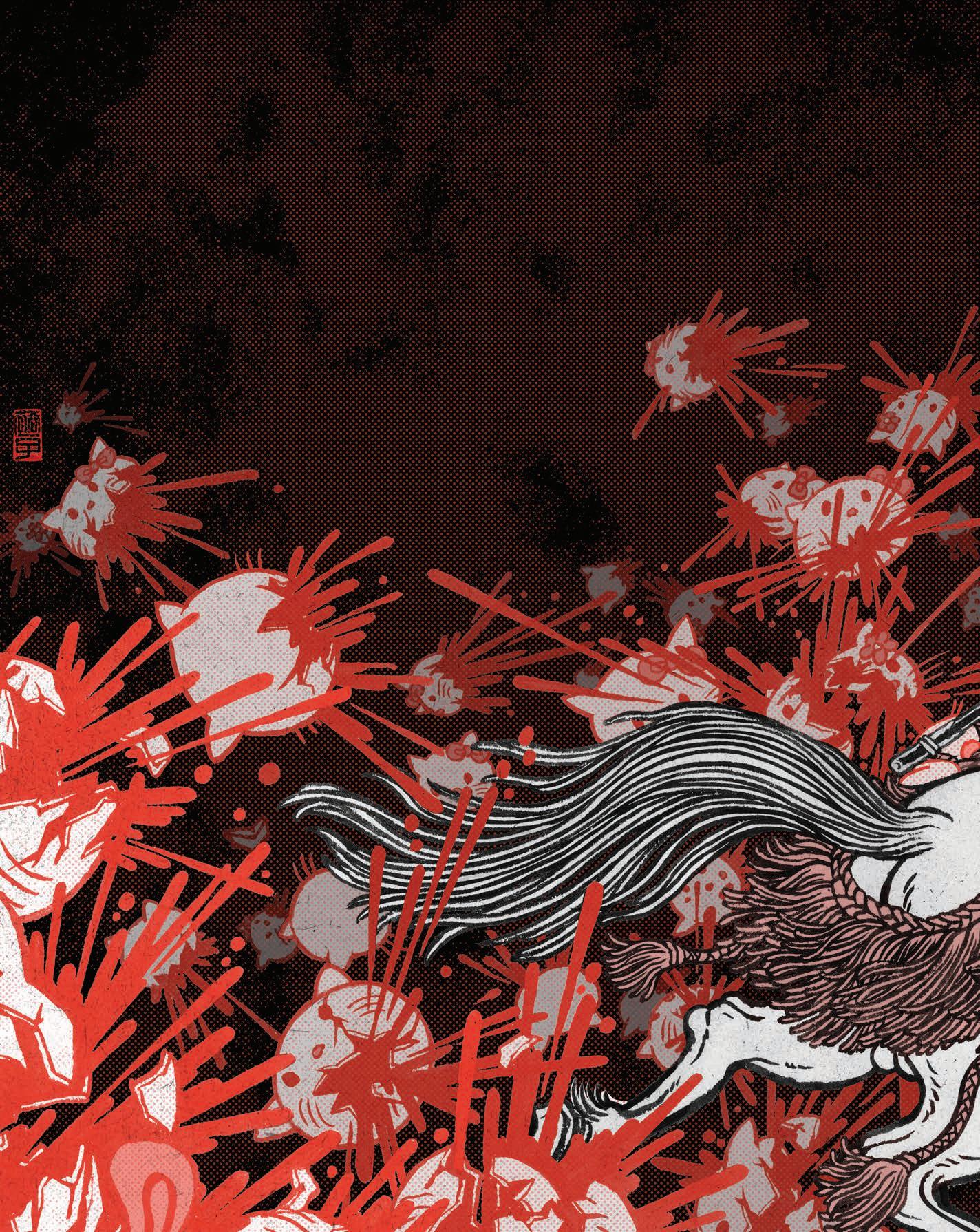
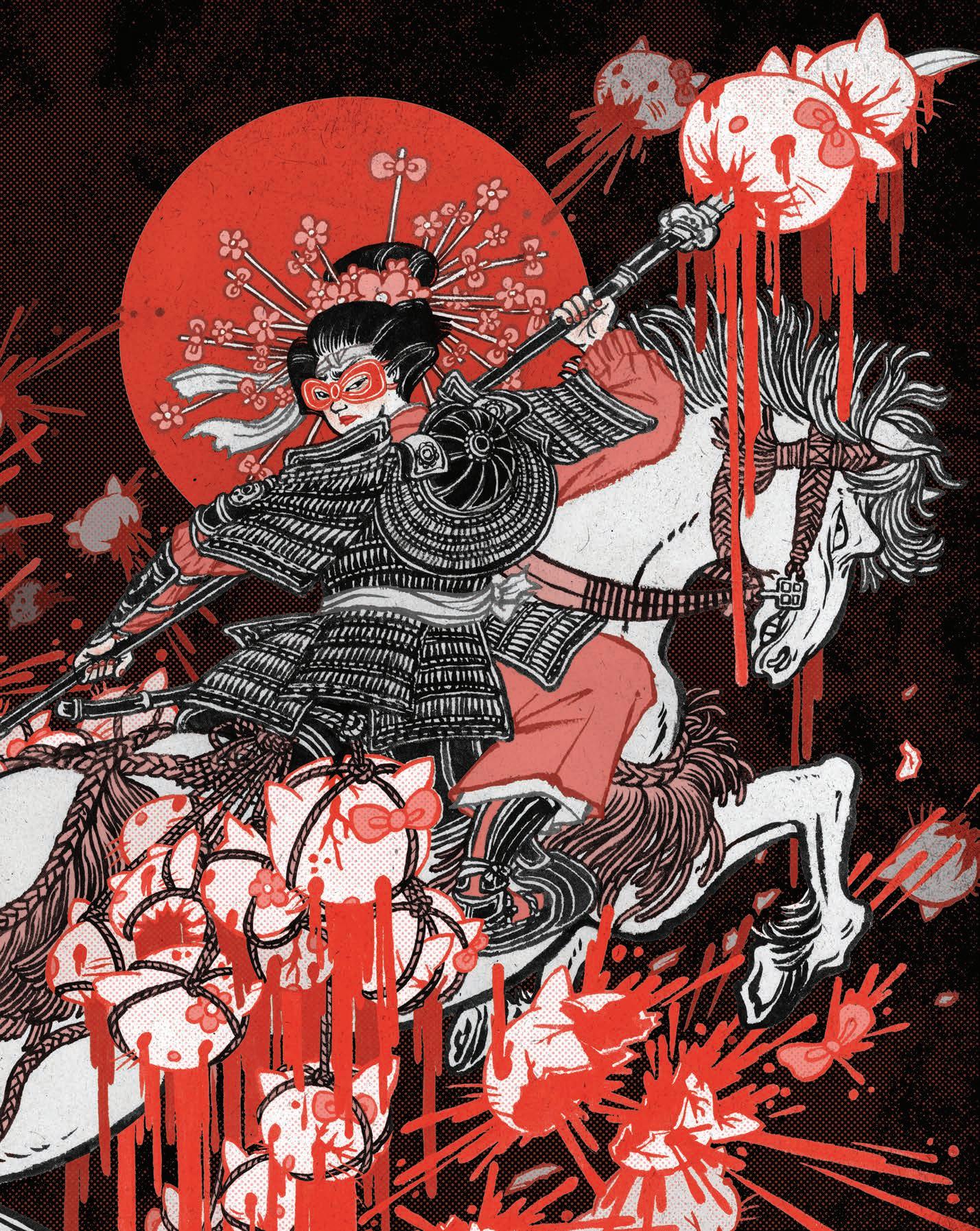
SHIMIZU CREATED HELL-O-KITTY OUT OF FRUSTRATION WITH BEING CONFUSED WITH THE OTHER YUKO SHIMIZU, THE CREATOR OF HELLO KITTY.
Entwining exquisite linework, vivid colour and Japanese influences, multi-awardwinning illustrator Yuko Shimizu renders dynamic characters and stories in intricate pen-and-ink detail across posters, book sleeves, magazine covers, murals and more for clients from The New York Times to DC Comics.
Not to be confused with the creator of Hello Kitty (with whom she shares the same name, as she likes to joke – just see her tongue-in-cheek piece Hell-O-Kitty, created out of frustration with being confused with her namesake), the Japanese-born and New-York-based artist has spent the past two decades forging a distinctive style that blends dark fantasy, strong female characters and the natural world.
In her twenty-year career, she’s scooped prestigious awards including two Caldecott Honors (one of the highest awards for picture books) for The Cat Man of Aleppo (Penguin Putnam, 2020), and Up, Up, Ever Up! (Clarion 2024), has earned multiple Clio Awards (2023), a Hugo Award nomination (2019, 2020), and over fifteen medals from the Society of Illustrators. When she’s not busy winning awards, she can be found teaching at NYC’s School of Visual Art.
Despite being an imaginative child with a love of
drawing, Shimizu, like many young creatives, chose the more ‘practical’ career path of corporate PR in Japan, where she remained for eleven years. Even there, she was known for her drawing abilities; “Whenever someone was retiring, I drew their portrait”. Ultimately, it was the combination of Japanese workplace culture for women and an abusive boss that inspired her to pursue a new adventure. “Around thirty, I realised I wasn’t a kid anymore and started thinking about what I wanted to do with my life. In Japan, work environments for women were very behind compared to the West, and many women quit work after marriage. I didn’t want to follow that path.”
But there was a long road ahead. Shimizu worked tirelessly to save money and build a new illustration portfolio at weekends until she could apply to art school. “It was hard, because I worked all week, then illustrated over the weekend,” she says. “But knowing what I wanted gave me focus and made drawing fun again. My bosses were terrible, but waiting until I was ready to quit worked out – I think it saved my life.”
While Japan lagged behind in women’s rights in the workplace, Shimizu recalls the strong, capable female characters she looked up to in the manga comics she grew up reading in the 70s. “Although our parents’ generation didn’t approve, manga was
educational in its own way – we learned about history, literature and strong women from comics.” For example, the series The Rose of Versailles (Versailles-no-Bara in Japanese) taught her about the French Revolution and Japanese history, and many of the comics she enjoyed, such as Akira, later became popular animations.
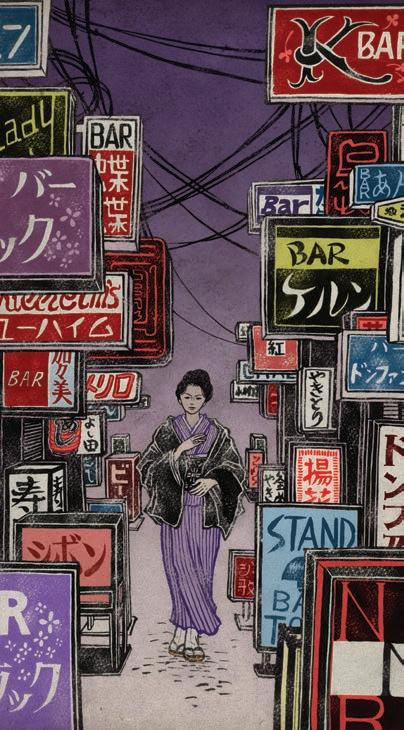
Although she hasn’t read comics since the 1980s, their influence is clearly woven through her work today. Her recent commission for Bloomsbury Publishing features a young Japanese woman walking down a neon-lit street, where crowded business signs set against a purple gradient background create a sense of depth and motion. The piece serves as a contemporary cover for the 1960 Japanese classic When a Woman Ascends the Stairs; one of the first feminist films, exploring the struggle of young women in post-war Japan to achieve financial independence.
An army of other female figures appear across her portfolio, including Madame Butterfly On Her Own Terms for Cincinnati Magazine in 2023 – a bold reimagining of Puccini’s tragic heroine transformed into a symbol of strength and self-assertion, reclaiming a story long defined by passivity and loss. Meanwhile, in her dark and mythical illustration for Masahiro Shinoda’s haunting folk-horror movie Demon Pond, Shimizu
Two-part poster for Red Hot Chili Peppers’ 2024 world tour at Tokyo Dome.
Shimizu’s illustration for the Red Hot Chili Peppers in the hand-drawn, pen-and-ink stage.
channels the film’s ethereal and formidable water-residing female spirit.
With her versatile and eye-catching style, there seems no limit to the type of client seeking a slice of her creative vision, from global brands and museums to music artists. “I’ve worked on lots of different commercial projects, but it’s often not about the type of brand or publisher,” she explains.
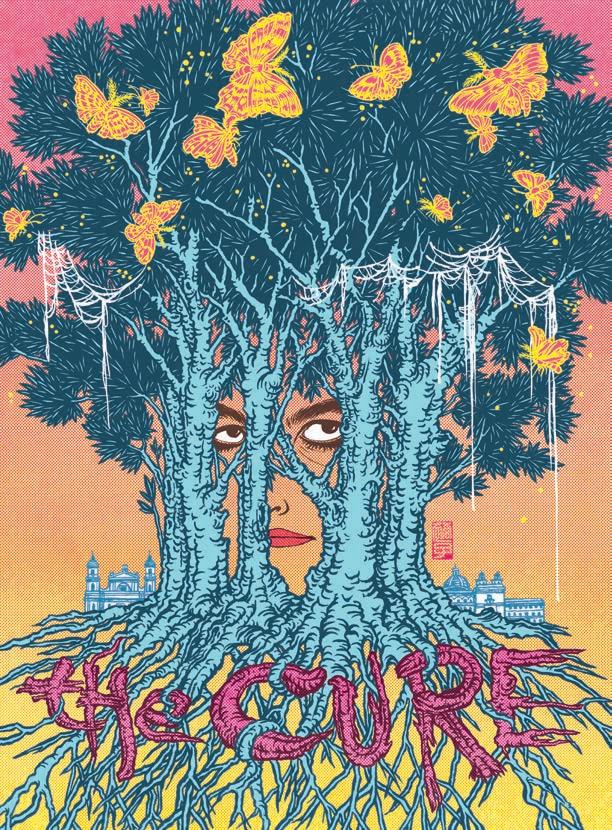
“The best clients trust the artist to do the creative work and only give feedback when something absolutely doesn’t work. That rarely happens, but when it does, it’s great.” Among those best clients is American rock band Red Hot Chili Peppers, for whom she created a psychedelic two-part poster for their 2024 world tour at Tokyo Dome, and British band The Cure, who commissioned a dreamy, screen-printed illustration for their 2023 show in Bogotá, Colombia.
Another significant project for Shimizu was illustrating The Cat Man of Aleppo (written by Irene Latham and Karim Shamsi-Basha), a heartfelt picture book based on the true story of a selfless man who stays in war-torn Aleppo, Syria, to rescue and take care of displaced animals.
“I had no idea why they thought I was the right illustrator”, she says with a laugh, “but I was looking for a project that was completely different and challenging. I’m fascinated by foreign policy and dictatorships –how people cling to power and how others follow along – so Cat Man of Aleppo aligned with my personal interests. I spent six months reading about Syrian dictatorship and how it ruined the country. They told me, ‘You don’t need to research so much!’, but I said, ‘No, I really like the research!’ It was meaningful work.”
It’s her fascination with history, people and politics that inspires
Shimizu’s work the most – far more than studying other illustrators, she explains. “My work reflects everything that influences me in my life. During school and early in my career, I wanted to draw like other artists, which is natural.” Nowadays, she finds travelling, meeting people and reading more inspiring than looking at others’ work. “I’m privileged to be able to travel. It’s not something everyone can do. But what everyone can do is go to the library and pick out a book that has nothing to do with them. That teaches you a lot.”
As with most artists, Shimizu’s creative process and style have evolved over time. Currently, her technique begins with a flurry of rough sketches to explore composition and concepts. “I start with ideas that often feel too obvious,” she says, “then I throw them out again and again, until something clicks that feels unexpected. I’m a very logical person. People might not think that from my work, but I have to come up with combinations of things that make sense, but are slightly off the norm. Until I figure it out, it’s hard work, and every time I start something new, I still think, ‘I’ll mess it up this time’.
The final design is drawn in pencil on paper, then brought to life through intricate and instinctive pen-and-ink work with fluid lines, patterns and mark-making. These monochrome illustrations are then scanned into Photoshop, where she layers contrasting colours and texture. “Starting is the hardest part,” she admits. “Once I go in, it’s not as hard. I try to begin a drawing at night, even just a tiny bit, so when I come back the next day, it’s already been started.”
Looking back, Shimizu sees her years in corporate PR not as a detour, but as training ground, and the place where she learned to communicate and hold her own,
lessons that now support her freelance career. “I learned how to talk to bosses, negotiate and handle disagreements,” she explains. “Those skills are more valuable than the marketing knowledge itself.” As a lecturer at The School of Visual Arts, she often tells her students that every job, even one in a coffee shop, can teach valuable lessons in how to interact with people and manage your own business.
“Being an illustrator is a business,” she says. “Amazing artwork alone isn’t enough. You have to be organised, meet deadlines, send invoices and write nice emails. Treat people the way you want to be treated. Communicate clearly if something isn’t working.” It’s advice
that comes from her own experience; as she tells her students, the more you practice, the more those lessons will click into place.
After two decades in illustration, Shimizu remains both pragmatic and grateful. “It’s hard work, and in ten years I might be doing something else. But for now, I get to make a living by putting paint on paper, living my childhood dream.” Her success could be credited to finding a perfect balance of pragmatism and magic: keeping her feet firmly on the ground when it comes to business, while letting her imagination run free on the page. “Some jobs are just jobs,” she concludes, “but the fact that I can keep doing this for twenty years is incredible.” s
Tour poster for British band
Cure’s 2023 show in Bogotá, Colombia.
PRODUCTION IN 2026: ALL CHANGE
With AI reshaping workflows and agency networks expanding their in-house production capabilities, the commercial production landscape is shifting fast.
Tim Cumming speaks to a range of producers, sifting through the changes and challenges they face in a rapidly evolving present, and looking towards the sector’s possible futures.
How we make stu – an experience, a slogan, an image, a spot, a banner, an earworm – and then combine and repurpose all that stu for campaigns across a plethora of di erent platforms, is the backbone of production in the 2020s.
“It’s a really fascinating time,” says Morgan Whitlock of independent production studio Sweetshop. “The pressure from the huge explosion in deliverables, the always-on content and the shift in how we consume media online and on our phones – that seems to have arrived all together as we came back from Covid.”
Another big driver of change he points to is “the huge increase in in-housing at agency networks. It’s incredibly challenging for indie production; you can either bemoan that and scream at the tide or say, ‘why don’t I make something new in a way I never made it before?’ After all, one great thing about being a producer is that the job is always di erent.”
It’s worth looking around to see how fast the scenery is changing. Industry monolith DDB Worldwide is no more. Its absorption into TBWA this Christmas as part of a restructuring operation by parent company Omnicom (with MullenLowe also rolling into TBWA, and FCB subsumed into BBDO) has led to the loss of 4,000 jobs, a saving for the parent company of $750 million, and a remit to absorb AI methodologies into its creative pipeline.
Without good producers, nothing good gets made, but in 2026, that world of production is seeing the ground shift beneath its feet as it adapts to and
absorbs the structural changes detonating like depth charges – in-housing, budget cuts, platform proliferation. And then there is AI, poised to ring changes that are predicted to transform society.
Jess Ringshall, Chief Production O cer at Saatchi & Saatchi London sums it up as: “More deliverables, more formats, more stakeholders with less time and less margin. Costs rise, timelines compress and production is being asked to solve strategy problems at execution speed.” The result? “They’re killing the comfortable middle. Work either becomes wallpaper, or it gets sharper, simpler and bolder because only the clearest ideas survive the pace.”
Charlene Louise Maningding, a young producer at Uncommon, sees “leaner budgets and tighter timelines” and a tendency to play it safe as obstacles to innovative production. “The people we’re trying to reach are looking for things that are made with intention and have the human touch,” she says. “And our current audience is much more aware and critical of what they’re being sold and how they’re being engaged.”
For Kate Taylor, MD and EP at indie production house Rogue, producers are the bottom line; everything comes their way. “We are the firefighters for the agency and client, the champions of the craft and the executors of the idea. Without producers and production, ideas are simply hallucinations.”
And just as a commercial is interrogated down to milliseconds, so for a producer, time is the most
“ ” We are the firefighters for the agency and client, the champions of the craft and the executors of the idea.
precious commodity. “It’s the one thing we can’t make. Technology means that production is expected to go faster, every day. And lack of time is the single biggest threat to protecting great craft. We can work wonders on a shoestring, but we’ll always need the time to do it.”
Ringshall sees her task as CPO at Saatchi as aligning production to creative, strategy and brand management. “One strong idea, many expressions, no dilution,” she says. “Production being treated as a strategic and creative partner at agencies and in brands’ businesses is key to a positive creative output.”
“Structurally, there’s a shift away from a production company framed around project management, and towards system design,” says Whitlock at Sweetshop. “The one-size-fits-all model is no longer true. I feel more like a systems designer than a project manager.”
Steve Davies, CEO at the Advertising Producers Association, picks at the thread of agencies in-housing production. “If we look at things in terms of threats and opportunities, the threats are AI, the fierce level of competition – which is great for advertisers but tough on production, post, editing, music and sound design companies – and agency in-house production.” That, and the financial tightening of purses across the networks. “They’ve declined in value and market share on a trajectory that must be scary for those charged with their management.”
In-house production may be in the interests of the agency, says Davies, but is it in the interests of the brand? “Free markets are the guarantor of value and having three production companies fight to make your commercial, on expertise and price, is the route to the best work at the best value.”
“It’s the single biggest stressor and threat to our business model,” says Rogue’s Taylor. “It potentially means fewer opportunities for independent production companies and a temptation for directors to leave the security of the roster-based model and try the freelance market, working as a hired gun, without the support or guidance of a production company behind them.”
Over in the US, Brett Alexander of the Martin Agency says that production has never gone through a greater period of change. As well as time, budgetary pressures, platform fragmentation, AI adoption, the rise of insta-creators (hello, Seedance 2.0) and shifting client behaviours, his solution echoes that of Ringshall’s.
“Producers can’t think solely in terms of execution anymore. We must think about content strategically and systemically, anchored in what the client’s business needs are. We’re at an ‘adapt or die’ inflection point. The old rules and norms don’t hold, and staying in that mindset is risky.”
Which means the ground shifting beneath your feet is not to be trusted to support you. “Clients want fast, cost-e ective content, but legacy ways of working and layered decision-making can make that hard for agency
production to deliver,” says Alexander. “Everyone in the chain is under pressure. No one’s the villain, but something must give. The pressure won’t disappear, but how we distribute it through shared accountability and realistic expectations will determine what survives.”
Some things won’t change, believes Taylor. “Any producer worth their salt knows that craft must come before anything else. Protect the craft and you protect the client, the agency and the director. But delivering great craft takes time and money. Clients want far more than they used to and within a time frame that is shorter than ever. So the biggest challenge to producers is to re-frame our own psychological understanding of the job. To be open and willing to be agile and nimble.”
With AI playing the part of a masked intruder padding through a once-familiar workplace turned new and strange, its potential for disruption, as well as production on hitherto unprecedented scales, is still being assessed, and in real time. “We’re using AI in production processes, and embracing it fully in the post production process, where it’s currently at its most useful,” says Taylor. “We aren’t using it in moving image creation, because that’s not what it’s good at.” She points to hilarious Instagram posts
from Emmy-award winning director/writer Sergio Cilli, as he tries to cast AI actors for a commercial. “If you’re a director fearing for your future it’ll make you feel better.”
Whitlock at Sweetshop takes an optimistic view on AI – albeit with caveats. “I’ve had conversations with clients where we’ve declined to create a project entirely synthetically, because we didn’t think it was right from a craft perspective, and we didn’t think it in the client’s best interests.” Long pause. “So they went and did it with someone else.”
“Consumers are particularly averse to synthetic human beings, and no one likes the sense or the feeling you’re being lied to, of something synthetic being presented as authentic,” he adds. “Clients and agencies want to use these tools, but at the same time there is a reticence and concerns about the impact they have, the ethics of it, the potential legal questions. No one has an issue with AI tools being part of the post production process, and we’re working out what the line is and where it sits. It falls on us to help agencies and clients navigate that.”
For Ringshall at Saatchi, AI can liberate us from the repetitive, leaving us to accentuate the creative, without spraying everything in a synthetic sheen. And it will also, hopefully, highlight the crucial role of human creative strategy and instinct. “AI makes the best talent even more valuable,” she says. “Output is faster, but judgement, taste and creative leadership now carry the real premium and should be disproportionately valued. AI fills the gaps for speed and volume, but when brands want meaning, fame and long-term equity, they still back high-end craft.”
Producers can’t think solely in terms of execution anymore. We must think about content strategically and systemically
”Brett Alexander says that the danger in AI is delivering the expected, not the surprising or brilliant. “There’s a constant need to protect against sameness and the ‘good enough’ mentality that creeps in when AI is treated as a shortcut instead of creative multiplier. We run the risk of overoptimising for e ciency at the cost of authenticity, distinctiveness, cultural impact and craft.” The dichotomy is, he says, that while commodifying creative production, it can also push boundaries in meaningful ways. “It allows us to push beyond what we think is possible. But at the same time, it also risks trivialising the artists and the craft behind that work.”
Either way, it’s producers and production houses that will be the squeezed middle. “Clients expect major reductions in cost and time, but the quality of creative craft is still the standard by which agencies and creative companies are judged,” says Alexander.
“There’s no doubt of the time and cost e ciencies with these tools,” adds Whitlock. “If we can build a workflow that allows you to keep delivering highlevel craft but utilising tools that allow for scale – the scale of the creative and the scale of deliverables –then we have the tools to meet these challenges, and that’s new and that’s really exciting. It’s easy to talk about more with less,” he adds, “the key for us as
producers is that it has got to be better by being di erent. And that’s really exciting. And you have to do it now, on the job.”
Brands follow where consumers lead, and producers must keep pace with both, without leaving either of them behind. “Consumer behavior leads and changes more quickly than brand behavior,” says Brett Alexander. “Consumers set cultural norms. They set demand and shape how they want to engage with a brand. At the same time, attention spans have shortened and trust has shifted toward peers, influencers and creators.”
Which means the multi-tiered assembly that producers are increasingly tasked with putting together and putting out there, is the way ahead for many brands and buyers. A suite approach, utilizing automated tech where it helps, and human creativity taking control where it doesn’t.
Which suggests that new talent, being more embedded in life with AI than older, more experienced hands, are in position to take the lead, even as breaking in to the industry becomes more challenging.
“There’s a need for a new skill set for production and producers,” says Whitlock. “And that will reward and benefit emerging producers. But there’s a shift in where the entry points are. They used to be very clear. There were fewer doors, with clearer signposting.” And while there are more pathways of entry, he says, “the signposts are smaller and harder to spot.”
Rogue’s Taylor has a practical remedy. “Great producing takes years of graft, tenacity and determination, and the biggest threat to the talent pipeline is the trend of working from home. Nothing teaches you production like boots on the ground, in the production o ce, on set. And nothing teaches
you better than learning from someone else and learning from their mistakes, before you have to learn from your own.”
Uncommon’s Maningding’s way into the industry was via Arts Council initiatives and a film programme at Tyneside Cinema. She started bouncing around various crew roles to get a toehold, then a foothold, then her first steps into production. “It’s important that producers emerge from the craft side,” she says. “This has given me a good understanding of what it means to be on the ground and making things with my hands. Having spent time being crew-facing and agency-facing, I can see how all the jigsaw puzzles fit together. Getting a holistic point of view early on in my career was invaluable.”
However, she adds, more work is needed to diversify the industry – diversities of class as well as of cultures. “Briefs need regional nuance, as much as global perspectives. And while there are e orts to bring minorities in to the industry, they should be nurtured in their journey. The odds are stacked sometimes as a young Filipino woman who grew up in Newcastle,” she adds. “However, it’s important to try to be the change you want to see. As a young producer, it can be hard to find your voice and speak up in a room where everyone may have more years than you. But we have to do it, especially if we want to create rich, culturally informed work that connects with others.”
To quote the old Allied Dunbar ad, there may be troubles ahead, but that’s what producers are there for. Structural changes, technological shifts, time lines and budgets shrinking in the palm of your hand – all these and more are challenges that will shape the work to come. It really is all change. “The biggest challenge to producers in 2026,” say Kate Taylor, “is Darwinian. Know your worth. Play to your strengths. Adapt to survive. Be nimble, quick thinking and gracious. s
Proud to host
WORLD PRODUCERS SUMMIT
The World Producers Summit is a unique opportunity for producers, agencies and advertisers to discuss the fast changing world of commercials production.
Friday 20 MARCH 13.00 - 15.30
ROOM PATTAYA 3, MEZZANINE FLOOR, PEACH
Pre-registration required
The APA thanks ADFEST for hosting an outstanding commercials festival, that brings together a vibrant community of advertising professionals and offers invaluable insight into the advertising market across Asia.
Bear Meets Eagle on Fire’s lead producer Emma Wright talks to Tim Cumming about the secrets and strategies of producing award-winning campaigns as the shots
Awards Asia Pacfic Agency of the Year
BLAZE OF GLORY
It’s been seven years since Founder Micah Walker opened the doors to bijou, bespoke indie agency Bear Meets Eagle on Fire, and built up a reputation for comedy and surprise with a slew of spots for Australian mobile network, Telstra. They also made a range of funny, smart, relatable spots last year across cinema, broadcast, OOH and social for new client Bankwest. Both contributed to Bear’s second consecutive Agency of the Year awards at the shots Awards Asia Pacfic.
Senior producer Emma Wright joined in 2021, bringing to Bear more than 20 years’ experience at Wieden+Kennedy in London, where she produced award-winning work for brands including Nike, Honda and Lurpak.
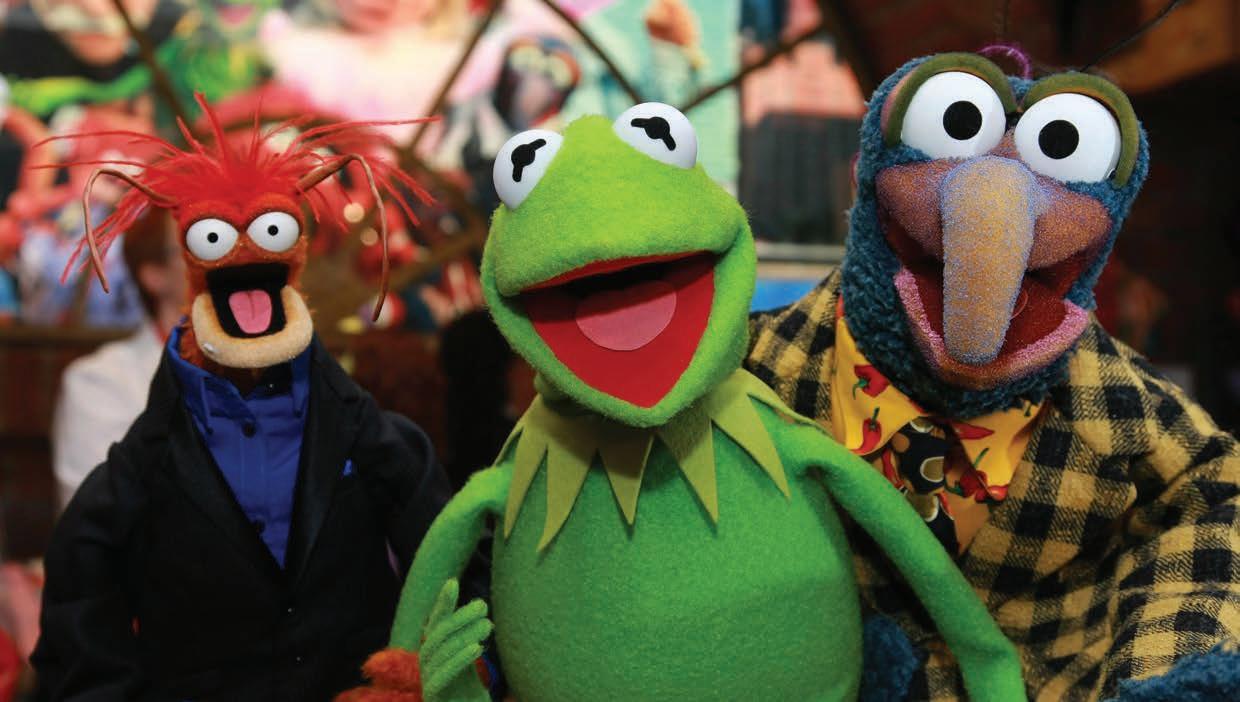
She also worked with The Muppets. “It was many moons ago now,” she laughs, “but it was an incredible experience, getting to peep behind the curtain and witness some of the magic. The puppeteers are so incredibly skilled that you don’t for a second question that the characters aren’t real. And in between takes, they’d stay in character but just go about their everyday conversation, which was a laugh to hear.”
While working with Muppets has to be a career apex, beyond that immortal realm, Wright’s production credits range from Lurpak’s Adventure Awaits campaign, a Cannes Lion winner in 2014, to the Grand Prix 2025 winner for Telstra’s Better Network
“I sort of fell into it, to be honest,” she says of a life
“It’s not a producer’s job to be a gatekeeper, but to be an enabler.”
lived in advertising. “After studying media at university, I really wanted to produce documentaries or children’s television. Advertising wasn’t the dream.”
But it was her destination. After leaving her native Australia for London, she landed a job at W+K, which opened her eyes to what advertising could really do. “I was blown away by the level of craft and creativity that could exist within that world,” she says. “Particularly the work for Honda and Nike. These were like mini-films. And I quickly grew to love the pace and camaraderie of the industry.”
One career milestone was W+K’s winning of the Lurpak account in 2007. Awards soon came a-calling. “This groundbreaking work was always challenging because it constantly continued to redefine its category,” says Wright. “It pushed production to find new solutions to complex requirements, with each campaign proposing a di erent visual feast.” She recalls working on 2014’s award-winning Adventure Awaits with Dougal Wilson while she was eight months pregnant. Cue three gold Lions for direction, cinematography and sound design. “It was hugely rewarding,” says Wright. “He really pushed the technical aspect of the shoot.”
London is an enormous magnet of power and density. Its pull can span hemispheres, and Wright’s time there was a game-changer. “Cutting my teeth in the industry in London gave me an incredible training ground,” she says. “I worked with so many talented people, many of whom I’m still in touch with.” And aside from the challenging weather, London’s multitude of charms proved hard to resist. “I love its
Better on a Better Mobile Network for Telstra
The Muppets. Neilson Barnard via Getty Images Entertainment
energy, its proximity to Europe for holidaying, and its mix of historic charm with contemporary culture,” she says. “And it’s home to the best pubs, curries and roasts in the world.”
After two decades in the saddle, what are the qualities a producer needs to enable teams to achieve great work? Is there a special secret ingredient or two to make it rise and turn golden (with or without the aid of Lurpak) every time? “It’s relentless dedication to helping the team see out their vision,” she replies. “I work side by side with the team – literally, as we don’t have our own separate departments here at Bear. Preparation, research and organisation all help bring that vision to life smoothly, which is evident in the quality of the output. There’s a true sense of collaboration that helps achieve some pretty special work.”
“It’s not a producer’s job to be a gatekeeper,” she adds, “but to be an enabler. A positive yet realistic attitude contributes to the entire production running smoothly. And as budgets become more challenging and schedules more condensed, we need to find a solution, rather than just close down an idea. So some solutions are being inventive about how that might be possible, forging genuine and positive relationships to aid this and, above all, remaining calm under pressure and guiding the production.”
And as well as fostering the kind of creative thinking
that’s not only outside the box, but reimagines what a box might be, production is all about relationships, too. “Good producers thrive on making sure everyone is feeling they are being heard and looked after. I’m probably a bit of a mother hen in that regard.”
When it comes to her tenure at Bear, it was family ties and having a child that brought her back to Australia. “Joining Bear was like finding a second family,” she says. “It’s a joy getting to work alongside a group of people for whom caring about the work is not just an empty promise but an actuality. There aren’t many of us at Bear,” she adds, “which people are sometimes surprised about, given the output of work. But this is intentional, keeping it lean and senior. Bear is not an easy place to get to work, so I really value being part of a small, close team.”
Since joining in 2021, highlights have included not only those two shots Awards, but the Cannes Lion Grand Prix in Film Craft for Telstra’s Better Network campaign, while at Australia’s AWARD Awards, Bear bagged another Agency of the Year, as well as eight Gold, 12 Silver, and 18 Bronze Pencils. That’s a lot of wins. Is there something in the water at Bear’s o ces in Darlington, Sydney?
“Bear is full of smart, imaginative people who really care hard,” says Wright. “Our clients o er us a real sense of trust, something we’ve earned from them knowing and valuing how much we care about our
work. There’s also a distinct diversity in our body of work, from advertising-shaped projects to brand design. And we all love what we do, which I think shines through.”
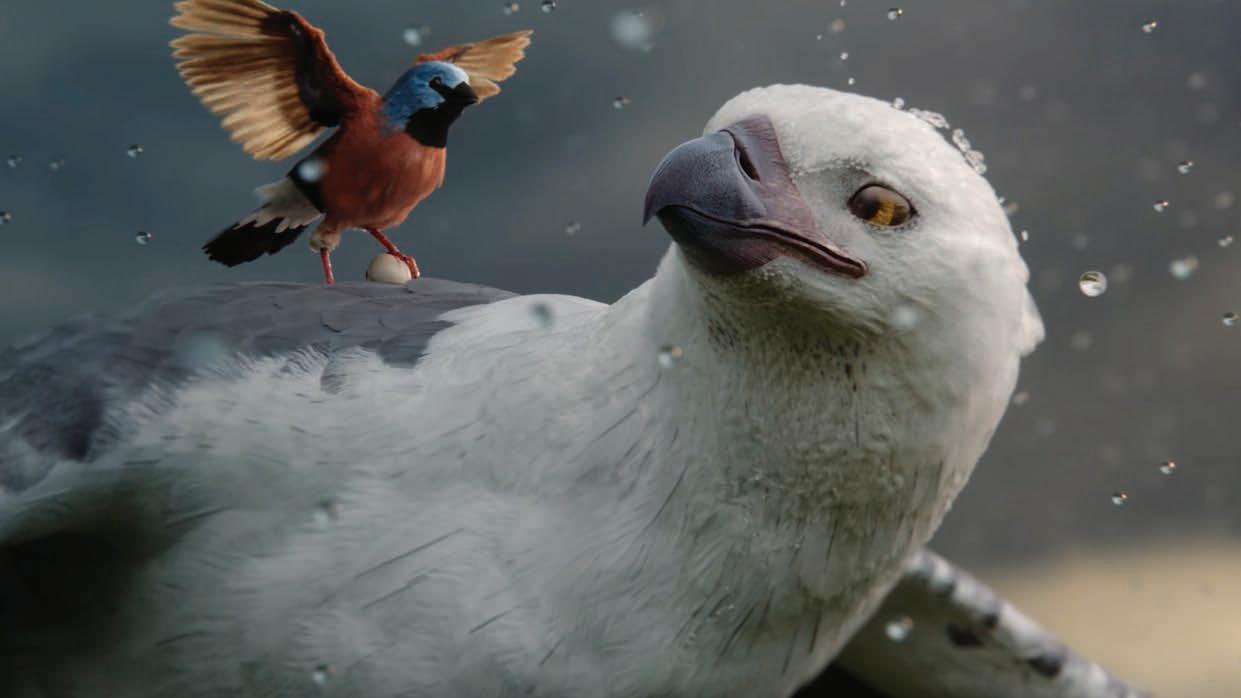
Her own takeaways on working at Bear are a mix of the personal and professional. “It’s the friendships made, creating top-tier work for brands that also has a cultural impact, and the recognition of this work, globally,” she says. “But what I love the most is that being the only producer at Bear means I work across all projects at once, from the glitter float for Pride WA, to the Better Network critters and the ‘naughty’ Christmas napkins we sent out as our Christmas gift one year. It’s hectic and demanding at times but also makes me super-proud to be across it all.”
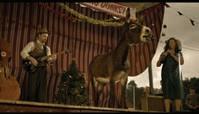
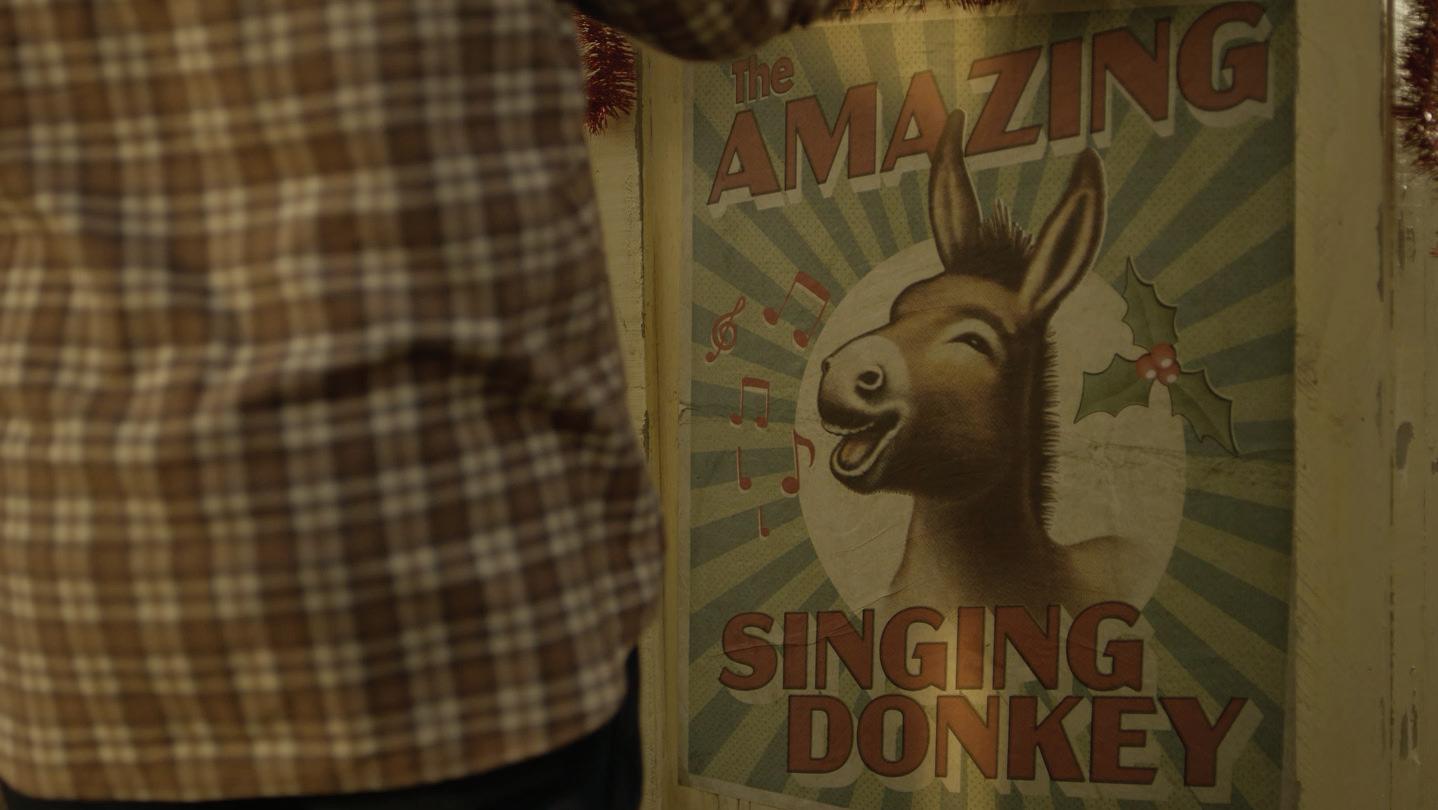
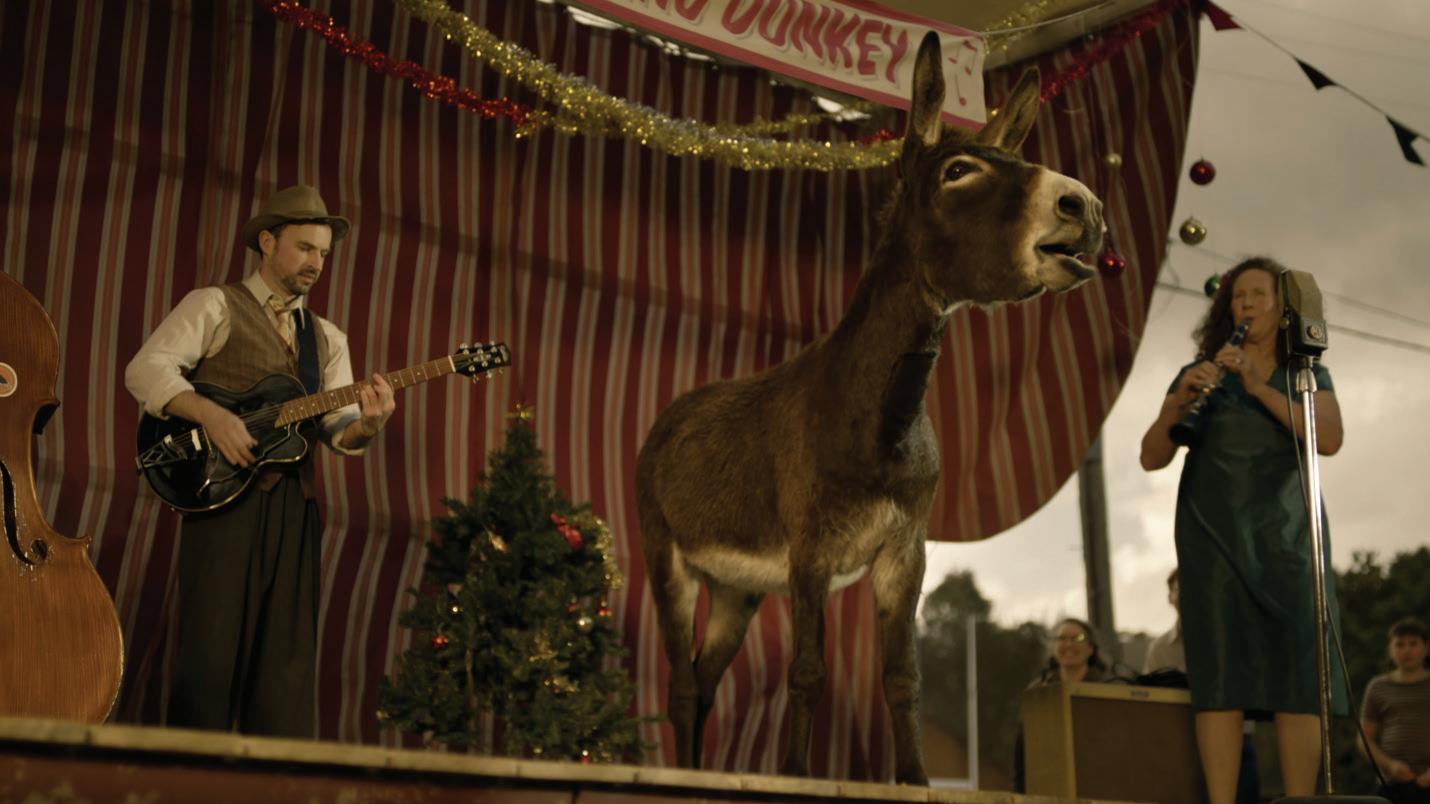
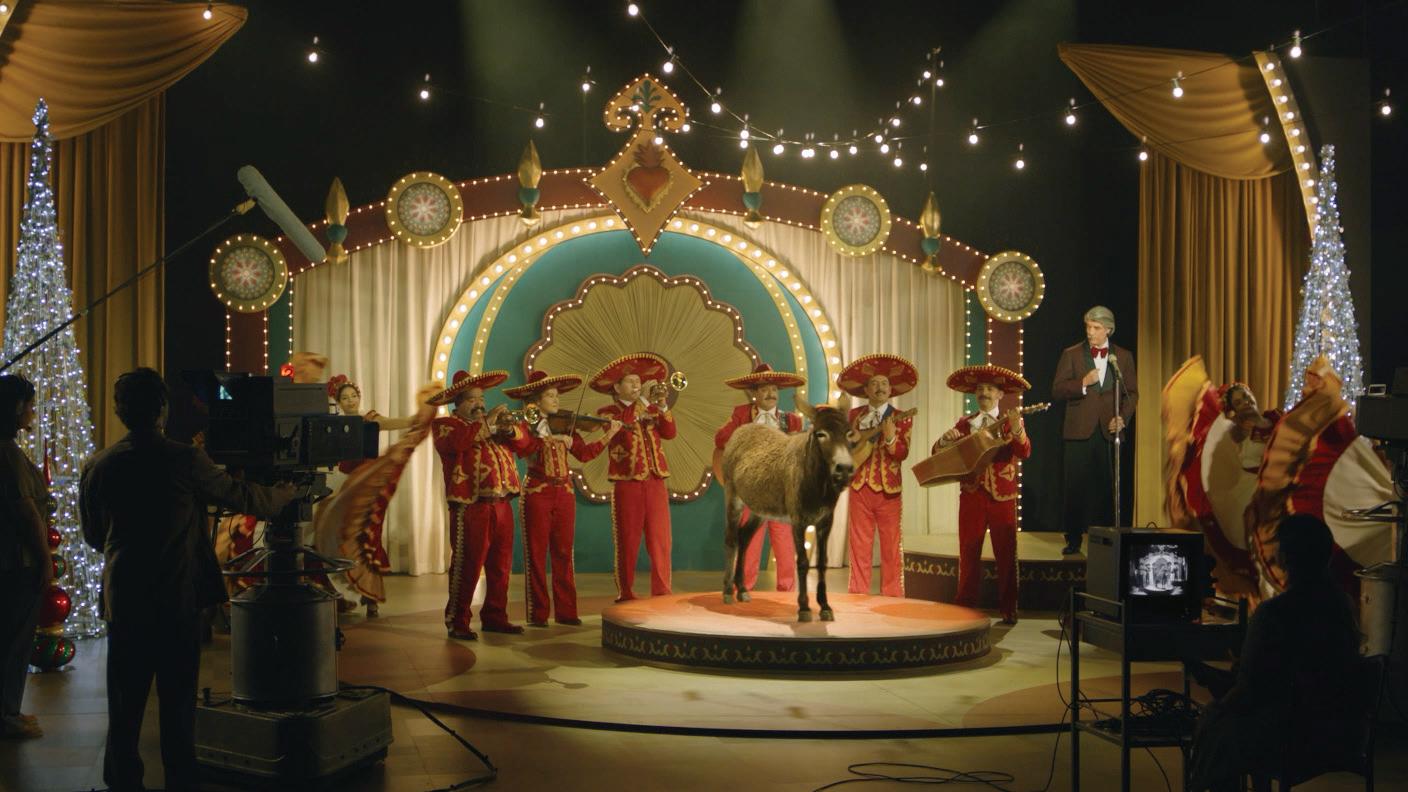
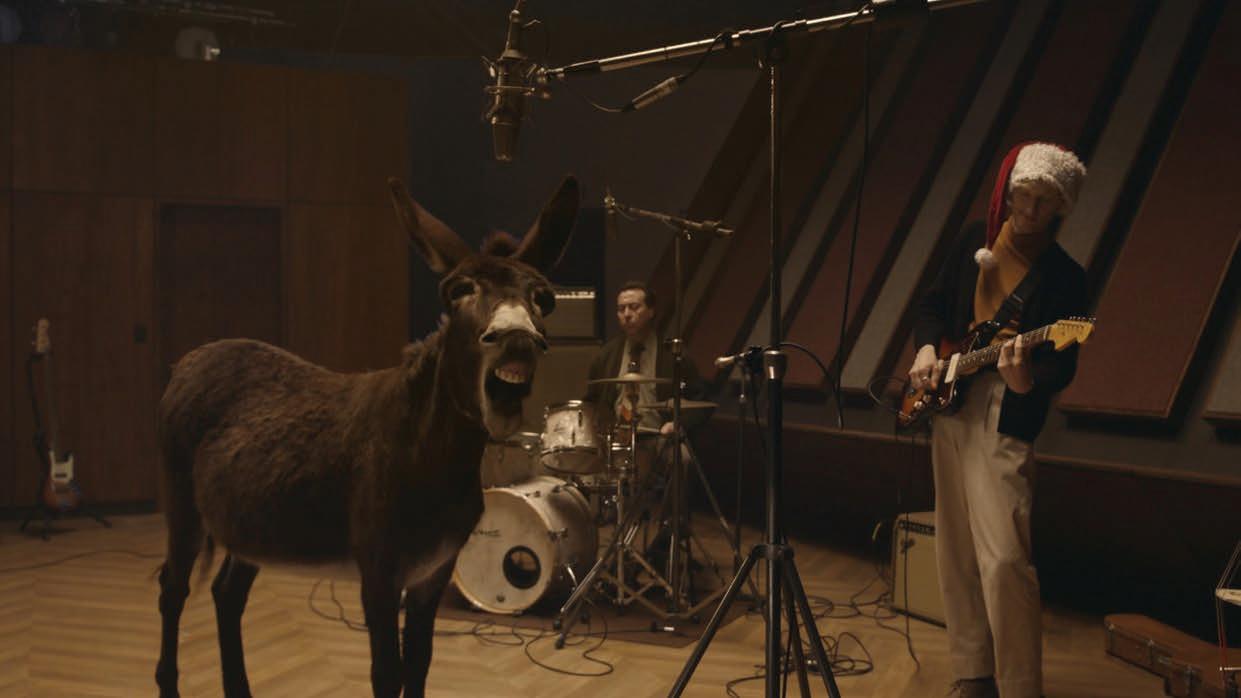
Innovation and experimentation are also ruling spirits at the agency. “So many projects now call for increasingly varied approaches to ‘making’ and it feels this is always a consideration for us – how can we push this in a di erent direction, whether that’s exploring animation, making a donkey sing, creating 10 short films instead of one long one… there’s the ambition to make it unique. The teams at Bear are great at finding a memorable, distinctive way to deliver a brand message. We often struggle to find reference to articulate an idea, which is a plus as it means it’s not been made before.” s
Revolver built on an impressive 2024 with a phenomenal 2025, full of attention-grabbing work and a healthy clutch of prestigious awards. Lucy Aitken spoke with Co-Founder Michael Ritchie to find out what Revolver’s aiming for in 2026.
SIGN OF THE TIMES
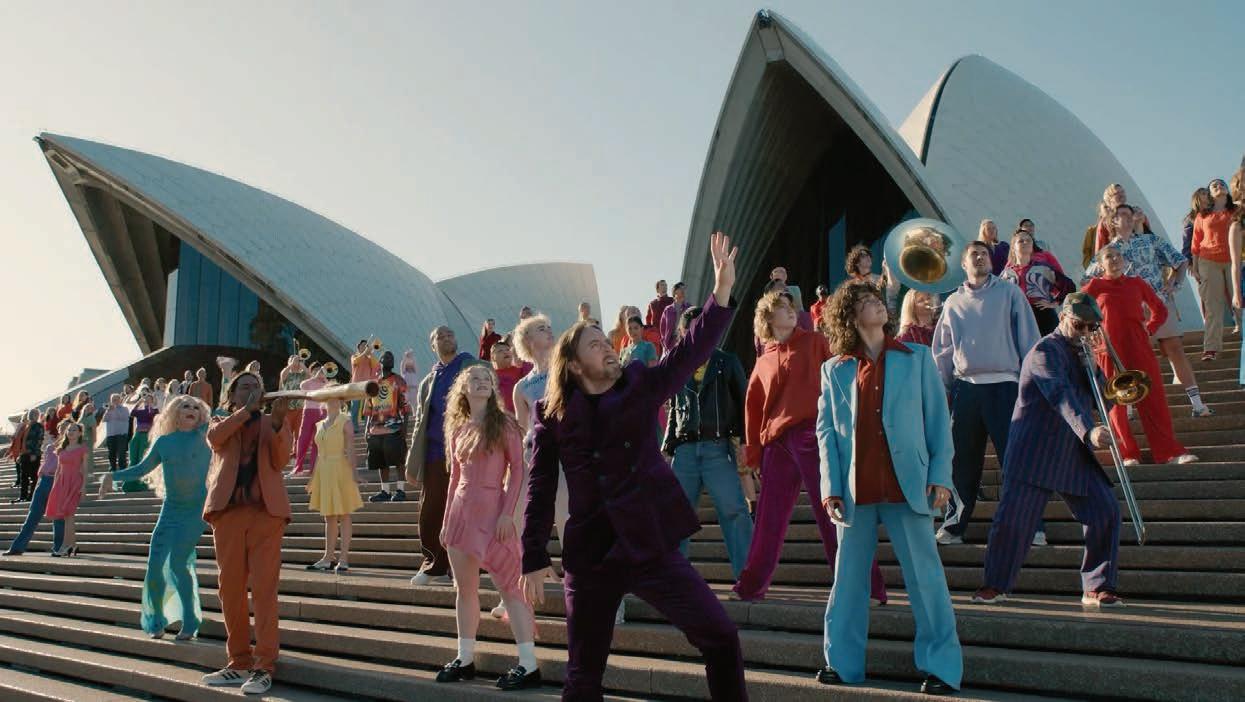
It says a lot about the culture at Revolver that it was flexible enough to take on the mighty task of Play It Safe. This four-minute celebration of the Sydney Opera House’s 50th anniversary in 2023 made no income and, according to the Sydney-based production company’s Co-Founder Michael Ritchie, was “a massive undertaking.” But it was ultimately worth it. “It was a real honour for everyone involved because it’s heartfelt, tactile work with great creative thinking that makes you feel something.”
If you haven’t seen Play It Safe — or even if you haven’t seen it for a while — watch it. Those four minutes are an injection of pure joy, inclusion and exuberance.
Alongside multi-awarded The Square Meter for German DIY chain Hornbach, directed by Ritchie’s Co-Founder at Revolver, Steve Rogers, Play It Safe cued up Revolver for a mighty 2025: having been shortlisted at Cannes 2024, Revolver took the 2025 Palme d’Or as well as Production Company of the Year at the shots Awards Asia Pacific. Rogers scored an impressive hat-trick with Director of the Year accolades at shots APAC, Cannes Lions and Ciclope.
Beyond prolific output and awards success from Rogers (including Channel 4, Coinbase, Amazon, Etsy, Squarespace), Revolver was awarded for its Better on a Better Mobile Network campaign for Australian telco Telstra, shot by Je Low. Other Revolver directors recognised with industry awards last year included Leilani Croucher, Fiona McGee, Richard Bullock and Glue Society.
“It meant we weren’t a flash-in-the-pan,” reflects Ritchie from his o ce in Sydney. “The Palme d’Or is the only way you can gauge a world market in one spot and it was a pat on the back for the entire sta . To win it as an Australian company was a big thing for us.”
From Patts to partners
Ritchie started out in the industry straight from school, joining the dispatch department at George Patterson. This homegrown agency, now part of VML, was a ectionately known as ‘Patts’ and dominated Australia’s ad scene for 50 years. Ritchie studied for his degree there and rose through the ranks before taking a pay cut to join Ogilvy. Then he turned to directing.
He considered himself “a pretty average director” before realising that “my lot in life is to know really good people and make them be the best.” How does he do that at Revolver? “We work hard, care deeply, and treat everyone like they’re family.”
Ritchie and Rogers launched Revolver in 1999.
Ritchie says: “We’ve always been able to move the company on. Steve and I have become closer as friends and we never take each other for granted.” The company also has long-term partnerships in place with Biscuit, Somesuch and Arts & Sciences.
“Biscuit in particular have been incredible partners,” says Ritchie, of a relationship that goes back to 2003. “We’re tied up in more than cross-representation. We talk a lot to Rupert [Reynolds-MacLean, Managing Director, Biscuit Filmworks UK] and Shawn Lacy [Biscuit’s LA-based Co-Founder and Managing Director] and that cross-referencing makes us stronger. From a geographical perspective, it makes sense: rather than Revolver opening up o ces in Europe or America, they know Biscuit has it covered while Australia is tucked up in bed and vice versa.
Ritchie says: “We’re not joined at the hip but the
Play It Safe for Sydney Opera House’s 50th anniversary
success of Biscuit reflects on us and we want to support each other. We co-produce a lot and do it with absolute trust.”
Revolver’s turning 27 this year, but Ritchie never rests on his laurels. “I work really hard and have this thing that we’re not going to be in business in six weeks’ time if I don’t keep up the pressure on myself. It’s annoying for my family and my wife because I never take it for granted, I never feel comfortable.” He’s less hands-on these days, delegating more to Pip Smart, Executive Producer and Partner and the lead producer on Play It Safe. “She’s really clever,” says Ritchie. “A straight-talking, deep-thinking executive producer. She’s very operational and better at it than me.”
The pull to reality
What kind of work will Revolver be doing in 2026? Ritchie says: “People are craving authenticity and reality. They want to see and experience something, and that only works if it’s highly crafted; you can’t do an experiential thing that’s not beautifully finished from all angles.” A recent case in point: Glue Society’s
In Living Memory for the British Heart Foundation, in which someone who nearly died because of a heart issue talks to a loved one about escaping death while sat on a red bench — a reference to memorial benches that are common in the UK.
[Experiential] is going to be a more potent part of the mix as it transcends the whole AI thing completely “ ”
Ritchie also cites Grave of Thrones, which Glue Society created for broadcaster Foxtel to mark the end of Game of Thrones in May 2019. This 2,000 square metre Sydney-based cemetery with 35 hand-sculpted graves attracted 40,000 fans. Ritchie recalls: “We caused tra c chaos. A lot of experiential stu doesn’t get people there but Glue Society are clever. It’s going to be a more potent part of the mix as it transcends the whole AI thing completely.”
Ah. The whole AI thing. As a company formed at the end of the last millennium — when digital media was known as ‘new media’ and phones weren’t smart — what’s Revolver making of increasing automation? “We ran some breakout sessions with our sta where AI platforms and providers came to talk about it. One of our directors is now winning awards in AI filmmaking, so he’s partnering up as a supercoach with any of our directors who want to work with AI tools. We’re going to be smart and use it at the right time because it has to be director-driven.” He uses a food analogy: “If you put a whole lot of ingredients in front of me and I don’t know how to cook, I’ll make a mess of it.”
One of Revolver’s long-term clients, Telstra, is taking a similar approach. Brent Smart, Telstra’s Chief Marketing O cer, described craft as “the membrane between the brand and its audience”. Ritchie says: “Telstra believes that the audience can see if you’re putting e ort into how you communicate.”
Along with Considering What?, a provocative, high-concept film by Steve Rogers to promote the Paralympic Games on Channel 4, Ritchie cites Je Low’s Better on a Better Mobile Network for Telstra as one of his recent highlights. The campaign took the 2025 Film Craft Lions Grand Prix, with Jury President Ali Ali, Co-Founder of Cairo-based Good
Films describing it as “entirely tactile, made by hand, like a very warm, slow-cooked meal as opposed to fast food.” Ritchie says: “Je kept the quality up on all 26 of those 15-second spots. It created a lot of love for Telstra, Je was amazing and so was the agency [Bear Meets Eagle on Fire, based in Darlinghurst, Sydney]. To see those ads played all through the 2024 Olympics was a fantastic moment in time.”
Talking of the Olympics, Ritchie describes his dream brief as “an Olympic opening ceremony. The one Danny Boyle did [for London 2012] was wonderful.” He adds: “There’s a number of great people out there who do wonderful things, and I’d like us to be in that mix. I don’t want us to come across as chest-beating because we don’t have any aspirations beyond making sure people like us and think about us, and know that we always have their best interests at heart.” s
The Square Meter for Hornbach
On a Better Network for Telstra
Splitting
his time between Tokyo and Los Angeles, bilingual filmmaker and shots Awards Asia Pacific New Director of the Year
2025 Anthony Yano Hays crafts culturally fluid, genre-blurring work that balances surreal spectacle with emotional pull.
Amy Hey caught up with him to talk about props made from human flesh and how he keeps commercial work fun.
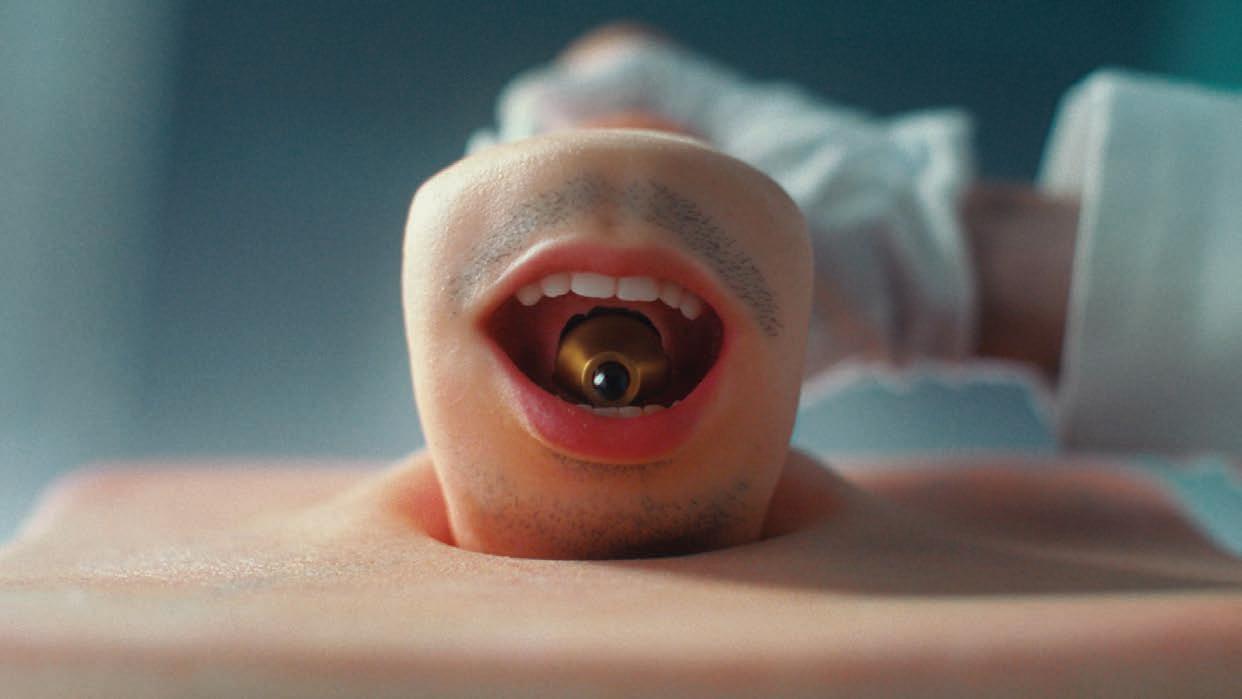
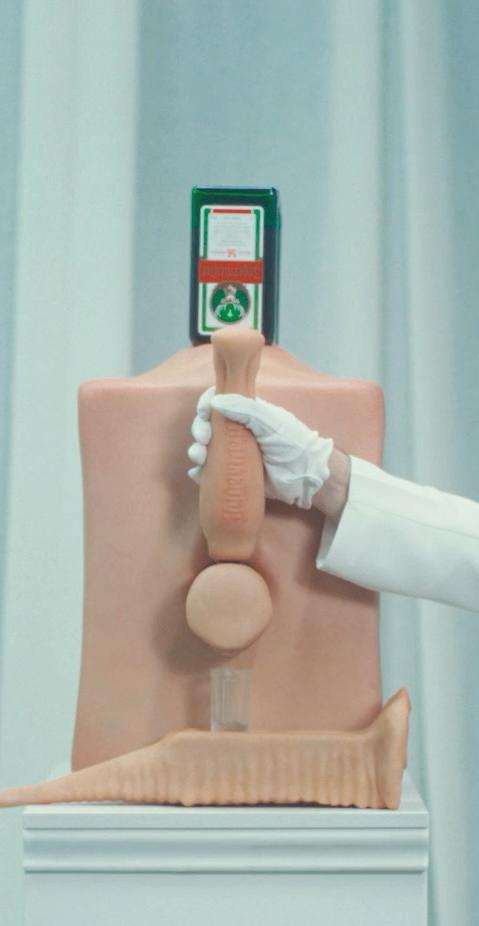
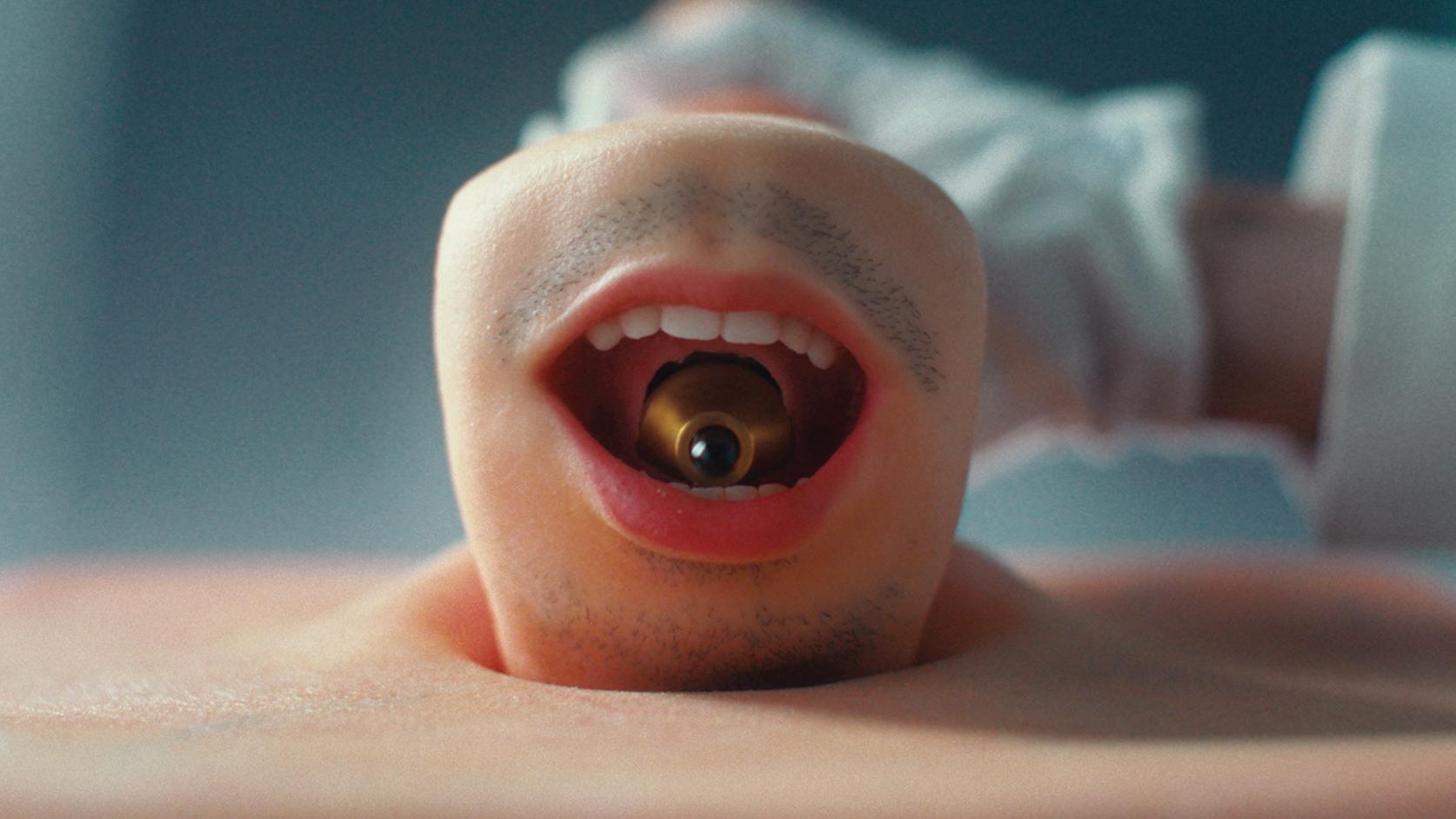
AJapanese man walks into a bar and meets a woman in black, a Jägermeister tap made from human flesh, and… wait. What’s the punchline again?
There isn’t one. It’s the plot of the wonderfully unhinged spot, Awakening, for Jägermeister, that helped Japanese American filmmaker Anthony Yano Hays win New Director of the Year at the shots Awards Asia Pacfic in 2025.
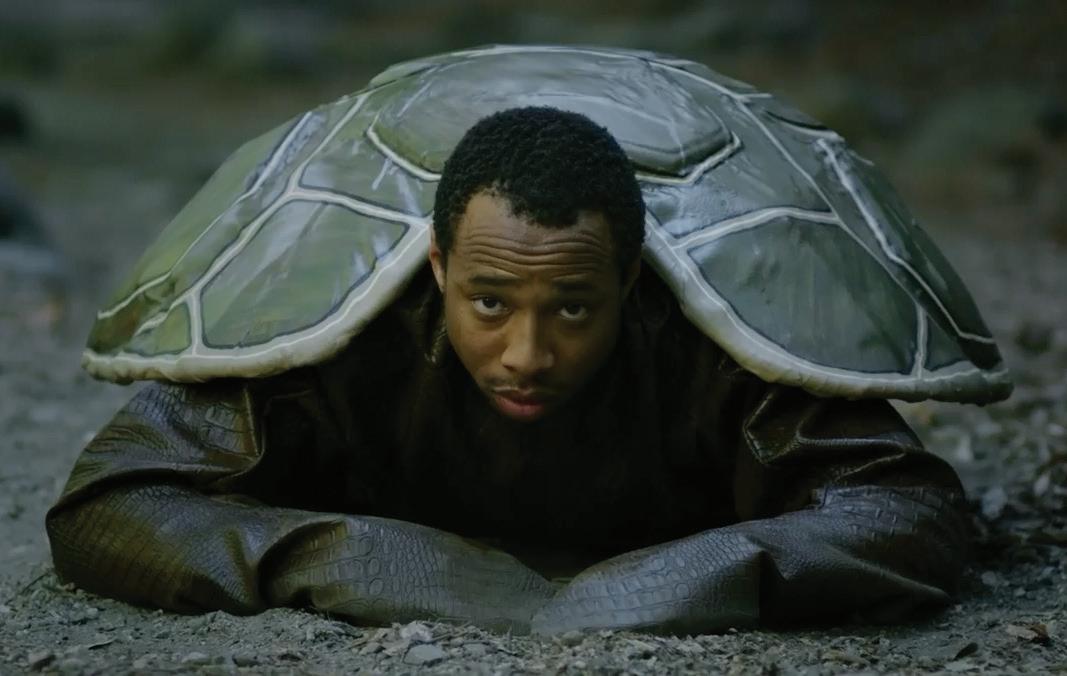
If you had to sum up Hays’ filmmaking in a single word, ‘surreal’ might feel like the obvious choice – human-flesh beer taps, rapping tortoises, sitcom-intro-style promos – but that barely scratches the surface.
While his ads are bold and o eat, his music videos are often passion projects for friends and artists he genuinely believes in, unfolding with an intimacy and narrative pull that sits in contrast to his commercial work. And then, just to keep us guessing, he occasionally veers in the opposite direction entirely with more documentary and design-led films, favouring mood, texture, colour and brand storytelling.
Hays’ films slip fluidly between the absurd, the sensitive and the stylish, stitched together by a bold aesthetic that’s oddly hard to label. “One of the best compliments I’ve had – and I definitely take it as a compliment,” he laughs, when I ask how he’d define his style, “was someone telling me, ‘I don’t know what genre you are’.” Whatever you call it, one thing is certain: he’s clearly having fun.
SKIN IN THE GAME
Growing up in Los Angeles between two cultures – with an American film archivist father and a Japanese commercial producer mother – gave Hays an early fluency in switching languages and a sharp instinct for the humour and sensibilities of both American and Japanese media. It’s this duality and the ease he feels moving between worlds that underpins his work, and his life, today.
While his friends were watching the latest movies in the cinema, Hays was at home devouring the obscure films that his father loved; black and white movies, silent films, 16mm prints of Bride of Frankenstein, quietly building a visual library long before he knew what to call it. That foundation was sharpened when he studied Experimental Film at the University of Colorado, Boulder. “I knew it wasn’t something I’d pursue as a career, but it was something I was deeply interested in. I’d wanted to be a director since I was a kid, so after graduating from the University of Colorado I came back to LA.”
After a short stint shadowing director Anthony Mandler on some music video shoots, he joined Apatow Productions as a VFX coordinator on comedy films produced by Universal Pictures. “I thought it was getting me closer to making films,” he explains. “But I was eventually fired by a boss who told me, ‘You don’t want to do this. This isn’t going to lead you to being a director. It takes too many hours
of your life.’” At the time, just being inside the film industry felt exciting to Hays, and a step closer to becoming a director. In hindsight, his firing was a blessing in disguise.
“I drove Uber for a few months and started making music videos for free, sometimes even paying for them myself. I worked a lot with a rapper friend, Old Man Saxon, and those videos started to get attention.” From there, things gained momentum. Hays picked up more work, initially supporting himself by working as an editor before reaching a point where he could make a living as a director.
And then, Covid happened. Having travelled back and forth between America and Tokyo for several years, he realised he was eligible for a Japanese passport. “It was such a strange time that I thought, why not try this? I got the passport, came out here, and have been living in Tokyo full-time for about three years now.”
One of the first projects he directed in Japan was an intimate short film for Nike, titled What Are You Working On?, which paints a soulful portrait of footballer Shiho Shimoyamada – the first working athlete to come out as a queer in Japan. Realised through a mixture of archival imagery, retro camcorder footage and dynamic shots, Hays depicts the player’s determination to make a positive social impact and pave the way for other LGBTQ+ athletes.
Above, and right, Jägermeister Awakening
Tokyo was the perfect playground for Hays to push his ideas, drawing inspiration from his mash-up of American and Japanese influences. “A lot of global brands want to shoot in Japan but still make work that speaks to a Western audience,” he explains. “Understanding both sensibilities has really helped me.” Being bilingual was also an invaluable skill on set. “I was working with people from all over the world who’d made the same decision to try Tokyo,” he says. “You’d hear French, English and Japanese being spoken side by side.”
Despite having a population four times that of LA, Tokyo’s ad industry felt noticeably closer. “You build relationships that matter,” he says, “and you start to really care about who you have on set and the kind of energy you bring.” In such a tight-knit community, he soon found that every role, and every project, really mattered. “There’s this kind of run-and-gun spirit of, ‘hey, the budgets aren’t as high as they are in the States, but if we’re going to be doing this, we might as well make something cool’.” That, he emphasises, is what keeps it fun.
As a filmmaker shaped by two very di erent cultures, it makes sense that Tokyo – a place itself defined by corporate and creative extremes – feels like home to Hays. And no project captures this divide better than his branded film for Jägermeister, which evolved from a collaboration between the liquor brand and Japanese artist Doooo, who specialises in making fake human skin.
Awakening follows a young man who feels a sudden urge to escape from the corporate grind. It opens with him drinking with his colleagues in a local bar, feeling dejected by the routine of his lifestyle, until something calls to him – a human-flesh tap machine. He ‘drinks the Kool-Aid’ – or the Jäger – and falls into a dream.
“The story came from something I find really interesting about Japan culturally,” he explains. “On one side you have salaryman culture – suits every day, early mornings, late nights, drinking all evening, waking up and doing it all again. And on the other side, you have people like Doooo, who makes things out of human skin. Japan doesn’t really ask you to choose one or the other, but there’s no in-between”.
It turned out to be one of the most seamless client collaborations he’d ever experienced. “Every cut, they just said, ‘This is crazy, but we like it. Let’s see what’s next.’ When you’re making something like a human-flesh tap machine, the client understands it’s going to be a little strange. But we still wanted to tell a real story. For me, any time a brand gives you money, it’s an opportunity to make a short film with purpose and a voice.”
Awakening stands as a rare example of a brand fully backing a director’s vision and being rewarded for the risk. “It’s probably the work I get recognised for the most, and it started as an assignment from a client, which I think is really special.” He hopes more brands will take that kind of leap and recognise that audiences want to see work, and stories, that feels di erent.
Music video o ers a di erent format for Hays to explore new themes and storytelling with more creative freedom between branded projects, he explains. “I made a music video out here for a band called Japanese Super Rats. The lead singer is a professional skateboarder, and I genuinely thought the band was great. I really missed making something where I had total control. So, I told them I’d pay for the video myself.”
With a stripped back crew of around six people and a tight turnaround of three days, the story was inspired by the remote island location the producer took them to. “It was especially meaningful because the lead singer, Kento, really wanted to make it. It was also the first time I’d ever written something starting with the location. That’s how I want to start making everything now.”
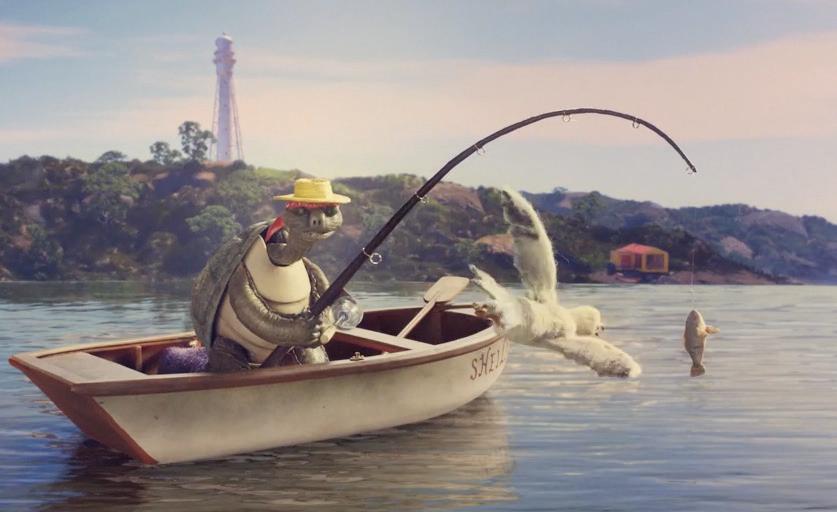
The creative freedom of music videos allows Hays to lean into more emotive, narrative-driven storytelling, and his directorial style proves just as suited to quieter human moments as it is to his commercial work. Take his funny, yet strangely tender promo for Old Man Saxon’s Sunday Saxon, which sees the artist dressed as a tortoise, o ering advice to a young boy as he shu es rhythmically across the earth.
While music videos let him experiment without
limits, branded work comes with its own set of challenges. Clients who hire directors for their unique vision, hoping to do something di erent, can often lose their nerve, he explains, and the project loses its edge as it moves through layers of approval. “Little by little, the risk gets stripped away, and you end up making something that feels like everything else. That happens more often than not.”
Over time, learning to recognise when that erosion is likely to occur has become a kind of self-preservation. “It can be pretty dejecting,” he admits. “You get excited about a project, believing a client wants to take a risk, and then the final product ends up playing it safe. It’s eye-opening.”
Looking ahead, he’s keen to widen his creative orbit. Though he works with multiple production companies, he isn’t formally represented – something he’s now actively looking to change. With momentum on his side, he feels the timing is right, particularly with Europe in his sights.
While Hays hopes to make feature films one day, his current sense of accomplishment comes from something more incremental: building a body of work distinct enough that clients now trust him to bring his voice into the room. For him, the appeal of the industry was never about “perfecting close-ups of a spoon in a yoghurt ad”.
“What I’m most proud of is being part of enough projects that people understand what my voice is, and then being hired for that voice,” he says. “That’s what makes it fun. Commercials and music videos still feel like a sandbox. You get to collaborate with loads of people. Honestly, I think it’s the best job ever.” s
Old Man Saxon’s Sunday Saxon
WARD’S
Mal Ward is Jury Chair for this year’s Young Director Award. He talks to Lucy Aitken about the thrill of sharing new talent, overcoming his existential dread of AI, and how the streamers are rewriting the production playbook.
WORLD
“Breaking new talent is the hardest thing to do,” says Mal Ward. He’s in a good position to know: the Managing Director and Partner at Arts & Sciences was a directors rep until co-founding the LA-based production company in 2011. He still relishes the challenge of getting new talent noticed: “It’s easy to sell an established director, but showing a director no one’s never seen before to an agency, a producer, a client or a creative team, that’s always the most exciting thing.”
This year, Ward’s enthusiasm for championing new talent is being channeled into the Young Director Awards (YDA) where he is Jury Chair. Ward’s credentials could not be more fitting. Prior to Arts & Sciences launching, he was rubbing shoulders with some incredible talent who would help shape the industry. That talent included Biscuit co-founder Noam Murro, who directed Saturn’s 2002 gamechanger Sheet Metal, and Tom Kuntz, who shot the 2010 Old Spice Super Bowl juggernaut The Man Your Man Could Smell Like. Kuntz continues to delight us: his latest is an upbeat 2026 Super Bowl spot, Sweet Sandwich Time through MJZ for Hellmann’s that ri s on Neil Diamond, courtesy of Andy Samberg.
Ward also got to know Co-Founder Matt Aselton, whose 90-second homage to the legendary New York Yankee Derek Jeter on his retirement from baseball helped Nike’s Jordan Brand take a Titanium Grand Prix in 2015. By then, Aselton and Ward had teamed up with executive producer Marc Marrie to launch Arts & Sciences, which now has o ces in London and New York as well as the mothership in Los Angeles.
“I was fortunate to work with some iconic directors, and saw all the possibilities in their early work,” Ward reflects. “They had something to say, and they really understood the world they were getting into. Watching them blossom was satisfying.”
From long-form to commercial
More recently, Ward has been working with feature film directors on how they translate their talent into commercial content. “So much good talent comes from film. When you find the ones whose voice and style can resonate
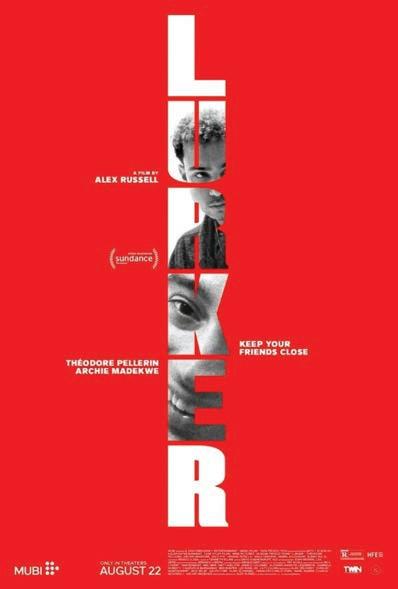
with our world, it’s exciting to introduce them.” Arts & Sciences signed Alex Russell, formerly a writer on TV shows including Beef and The Bear (he wrote Forks, the Emmy-nominated episode where Richie dons a suit and grows up). Ward worked with Russell on his debut feature, the psychological thriller Lurker, which premiered at the 2025 Sundance Film Festival and was acquired by MUBI. Russell was recently nominated for the Director Guild’s Best First-Time Theatrical Feature Award. “It’s a real testament to Alex’s filmmaking ability and craft as a director and writer,” says Ward.
Meanwhile, Hannah Pearl Utt, whose feature films include Before You Know It and Cora Bora, shot four commercial projects in 2025. Ward says: “What we saw in Hannah’s work was someone who knew how to tell a story and to create emotional and comedic performances. Her tone felt like it would really resonate in the commercial space.”
Ubiquitous screens means ubiquitous content
Ward appreciates the flexibility that enables modern directors to be less pigeon-holed.
“There was a time when filmmakers were either commercial directors, TV directors or feature directors. It was rare for them to cross over, except for iconic ones like Ridley Scott.” Streaming has opened things up, he thinks.
“We will see Netflix, HBO, Amazon Prime and Apple investing in brand partnerships because one of their largest growing sectors is ad-supported tiers. At the back end of 2025,
Arts & Sciences’ director Hanna Pearl Utt’s spot for Betterment, Tax-cident
Above: Ward worked with director Alex Russell on the latter’s debut feature, Lurker.
there were already multiple projects for Netflix in partnership with shows and brands from all kinds of sectors including automotive, financial services and packaged goods. These platforms bring more opportunities because people are looking at advertising content on their phones, laptops or tablets: there are screens everywhere so there’s a need for content everywhere.”
The challenge in such content-saturated times is standing out. Which brand does he think achieves that? “What makes Apple’s advertising so incredible is simple ideas that are crafted in a way that respects viewers. They don’t over-egg the pudding: whether it’s a brand piece or a security feature within a hardware device, they come up with a concise idea and beautifully crafted execution.”
Planting the AI flag
Ask Ward for his thoughts on AI and he laughs. “How much time do you have?” Arts & Sciences launched a dedicated division, Arts & Intelligence (A&I), in December 2025 to deliver AI-enhanced creative and production services and to represent a select group of AI-first creators. Ward says: “We’ve planted our flag in that space. A year ago, I felt existential dread about the threat from the evolution of
GenAI and how it will potentially a ect film. Like any hot topic, so much of it has been about doom and gloom versus conversation that takes all sides into account. AI’s threat to people’s livelihoods is the reason for such strong reactions, along with denial about AI and how it relates to our business, and a ‘sky is falling’ mentality. There’s this dread that our industry as we know it will be over and gone in the near future, and that’s fully understandable. But the capital investment in this tech from governments, startups and every major tech brand informed us as a company to take it seriously.”
What did that look like in practice? “We educated ourselves about AI as it relates to filmmaking: anything from full GenAI to hybrid productions with GenAI support. We o ered AI filmmaking training to all our directors and started to think about our place in this new evolving space. I went from really dreading AI and feeling the threat of it at the beginning of 2025 to educating myself and taking a deep dive into the evolution of this tech. It’s only getting better and it’s already an incredible tool for creation. I don’t believe at this moment in time it’s going to replace our jobs; it’s only going to make us better and stronger.”
So, if 2025 kicked o with dread, how has 2026
There’s this dread that our industry as we know it will be over and gone in the near future “
”
been so far? “I feel in a much stronger position of power to use AI as a tool and to incorporate it into our filmmaking process. The world is wide open: you can write the script and the future as you want in that space. I’m also in talks with François [Chilot, YDA’s Founder and President] about a YDA AI category which accepts this new form of filmmaking.”
Work at the speed of culture
What else is Ward seeing in the industry right now? “More work happening at the speed of culture that exists on every platform. There’s also a lot more leveraging of celebrities and athletes within brand communications, as well as more brands building out their own internal marketing departments where they’ll create content internally.”
This, he thinks, represents considerable opportunities for up-and-coming directors. “Traditionally, directors had to be very polished. Now, it’s actually the opposite because there are so many platforms. Smaller bits of content on social media, or an activation on a screen in an experiential form, can create more paths for younger directors to come into the business.” He adds: “Every agency in the world is on a quest to grab people’s attention. Everyone’s vying for eyeballs.” s
ROGERS ON A ROLL
Steve Rogers, director at and Co-Founder of Revolver, claims he’s not a fan of commercials. Lucy Aitken met him to find out how, on his quest to make ads that aren’t ‘annoying’, he’s shot some of the most popular spots of recent times.
Steve Rogers, the director behind some of the most awarded ads of 2025, doesn’t like to tell people what he does for a living. “I just avoid the question and tell them I’m a schoolteacher,” he says, speaking to shots from his home in Sydney, cradling a glass of red wine.
Why do you tell people you’re a schoolteacher? “Commercials annoy most people,” he says in his characteristically blunt, no-nonsense way. “So I look for collaborators who are good at their craft. I look for people whose work I like and try to make stu that has some empathy to it, whether it’s comedy or drama, or something surprising that feels like it hasn’t been told before.” There’s another crucial component: “And I look for scripts that aren’t going to be annoying.”
His dedication to making ads that aren’t annoying is clearly paying o : Rogers had a barnstorming 2025. He took Director of the Year in the shots Awards in the Americas and Asia, as well as at Cannes. His production company Revolver, co-founded with Michael Ritchie in 1999, became the first Australian company to take the Palme d’Or. In January, he was nominated for the Directors Guild of America (DGA) Outstanding Directorial Achievement in Commercial Award. Two ads in particular have been awardmagnets: Considering What?, for Channel 4’s Paralympics coverage for the 2024 Paris Games, and A Tale As Old As Websites, the 2025 Super Bowl spot for content management system Squarespace.
Considering What? continued Channel 4’s mission to use the Paralympics as a platform to encourage Brits to reframe their attitudes towards disabled people.
The fourth ad since Channel 4 won the bid for the Paralympics in time for London 2012, it was the first not to use the term ‘Superhumans’. Instead, this high-concept treatment showed how Paralympians confront exactly the same pressures as everyone else while also coming up against condescending comments from able-bodied spectators. “The athletes wanted something tougher and more physical. Tonally, we all agreed on what it should be,” says Rogers.
Budget pressures forced some di cult decisions. “We knew we didn’t have enormous resources and that allowed us to make creative choices that were better in the end. Orson Welles said ‘the absence of limitations is the enemy of art’ and that’s true.”
Rogers gives the example of how the initial scene was supposed to be a rotating set but that was too expensive. It ended up being a room built upside down with items tethered to the ceiling and then let go. “It was cheaper as a set and more e ective as a result when those things drop.”
Rogers also insisted on not using music, a departure from the convention established by the previous three Paralympic films. “I had an idea of building up repeated sounds in the action.” The ad starts with the soundtrack of Paul Hollywood on The Great British Bake O talking about biscotti and then finds its own rhythm of ticking clocks, smashing glass, drums and whoops to build a mighty wall of sound.
Rogers says: “We had a great crew and the athletes were wonderful and really invested. It’s not funny but there is humour and emotion. That really came through by bringing humanity into it.”
Humanity and humour
There’s often a juxtaposition of light and shade in ads directed by Rogers. He’s not a fan of jokes or obvious humour, preferring the black comedy of Hal Ashby’s 1971 film Harold and Maude, or the satire and surrealism of Monty Python. “Comedy and tragedy are di erent sides of the same coin,” he says. “The comedy that I like has a certain darkness to it. I don’t like that kind of ‘ad comedy’ where it’s knowingly a joke. It’s better when it’s born out of human behaviour that can be funny or tragic.”
“Having the decisionmakers on set allows you to make braver decisions with greater confidence ”
A Tale As Old As Websites for Squarespace.
Take Coinbase’s Everything’s Just Fine. This two-minute musical depicts energy bills and food prices soaring out of control, an unstable job market, and rubbish and rodents piling up in the road — in other words, life in modern Britain. Yet the Brits grin and bear it in spectacular style: they dance in the gruesome streets, all jazz hands and toothy smiles. “Casting has a lot to do with that,” says Rogers. “The guy we cast for Coinbase came from musical theatre and had this wonderful enthusiasm for life. You counter the grimness with unbridled optimism.” He adds: “You become so conditioned by people wanting to sanitise things that it’s surprising when people are happy to embrace the comedy and tragedy.”
Another case in point is Squarespace’s 2025 Super Bowl spot, A Tale As Old As Websites. It’s about as far from shiny tech advertising as it’s possible to get. It’s set in rural Ireland over a century ago, a callback to the 2022 feature film The Banshees of Inisherin. Cue Barry Keoghan, who played the troubled and hapless Dominic in that film and stars in this ad as ‘Squarespace Man’. Astride a donkey with saddlebags bearing laptops, Squarespace Man identifies the needs of the locals, then chucks them a laptop open at a website that would help them. The laptops arrive on muddy banks, in fields, or smashing through pub windows. The end of the ad sees him still on his donkey, trotting o a cli , but not falling.
“It was a stupid idea of mine to shoot it on the west coast of Ireland in December,” laughs Rogers. “It was very di cult with the cast and the weather. But the wonderful thing about film production is that when you have the right people around you, you can overcome incredible adversities: the more di cult the obstacles, the more interesting the end result. If you’re prepared to push through the di culties, the film might turn out di erently to what you’d originally imagined.” The perseverance of the cast and crew paid o : it won three Film Craft Lions and one Film Lion at Cannes 2025, and was recognised at
the shots Awards the Americas too.
Same, but different
The Rogers reel shows an incredible variety of styles. As well as musicals for Apple and Coinbase, there’s the lush cinematic treatment of Bring a Book To Life for Amazon Books and tearjerkers for Cadbury with Memory and Homesick. An emotional animation for Australian telco Telstra for its Christmas 2025 campaign called The Girl and The Ghost, the sequel to Telstra’s 2024 fable of the donkey who swallows a phone and becomes an unlikely Christmas superstar. How does he move so deftly between such di erent projects with such varied tones? “I always approach them the same way: I try to make them believable to me, irrespective of whether it’s comedy or drama.”
He cites a 90-second commercial he shot ten years ago for Rustlers microwavable burgers. Working with Orchard’s David Kolbusz, then Chief Creative O cer at Droga5, Rogers directed a spot that subverted nostalgia. It made one man’s past look so dire that it was made bearable only by a burger that takes just 90 seconds to prep.
Kolbusz and Rogers were aligned on the Rustlers idea and Rogers is a firm believer in having key decision makers on set to maintain momentum. On Considering What? he worked so closely with Lynsey Atkin, who was ECD at 4Creative before she co-founded creative startup Baby Teeth, that his Co-Founder at Revolver, Michael Ritchie, says they “became really good mates and could go through anything together.”
Rogers believes: “You make better work if you know you have the support of the people who are creatively in control. The great benefit of working with Channel 4 is that there are no tiers of approval: the people are there on set, so if something doesn’t work out — and there are always situations where it
“The comedy that I like has a certain darkness to it. I don’t like that kind of ‘ad comedy’ where it’s knowingly a joke.
”doesn’t — you can talk about it and find a way through. It was the same with Squarespace. Having the decision-makers on set allows you to make braver decisions with greater confidence.”
What would his advice be now for anyone launching a production company? “Run away!” he jokes, before reflecting: “The benefit that we had in starting Revolver was that we were young and stupid and didn’t think too much about it because there was nothing at stake. The only reason we started Revolver was because no one would work with me as a director and I hadn’t really directed anything, so I was naive enough to start a company.”
Where does he think Revolver will go in 2026? “You never know. I don’t know what next week is going to look like, let alone next year. I hate it when people say stu like ‘the golden years are behind us.’ There’s obviously great work being done, clever directors, great writers and agencies. It’s competitive but there are still plenty of opportunities.” s
IMAGES ALTERED
Stefan Coory and Nigel Mortimer, partners at Australian VFX company Blockhead, talk to Tim Cumming about campaigns and creativity and the tactics to ensure that AI is your servant, and not your master.
After bagging silver in the 2022 shots Asia Pacfic Awards [VFX category] the Sydney-based Blockhead took the gold as Post Production/VFX Company of the Year 2025 for its stellar work on the likes of In a Pickle for Toyota HiLux, and Stay Normal for Heaps Normal alco-free beer.
From the poetic wonder of Murmuration for Sky through the creepy, dystopian thriller I Am Mother for Netflix, to an array of brilliant Telstra spots (Founders and Creative Directors Stefan Coory and Nigel Mortimer pick out Scamageddon and The Shoemaker as their favourites) Blockhead stands at the intersection where craft meets VFX, goes forth and then multiplies. A whole lot of love for craft, tech and artistry emanates from the Blockhead studios in Paddington, Sydney. Here, talking as one entity, the dynamic duo of Coory and Mortimer talk to shots about the true story of Blockhead, and their take on the evolution and future of VFX in the age of AI.
The story begins in the late 1990s, when they were runners at a post house in Auckland. “This was back in the early days, when one-inch machines and Grass Valley mixing desks ruled the room,” they say. Hundreds of hours of retail ads came their way, spread over tens of thousands of working hours, letting them hone their skills and expand their technical repertoire of tools. “There’d always something new to learn, a better way to approach a
shot, or a clever trick to discover. And that constant challenge is exactly what makes this work one of the best jobs in the world.”
They would soon go on to work as VFX artists and supervisors at studios across New Zealand, Australia, the UK and US. “These were experiences that showed us the kind of studio we wanted Blockhead to be: creatively-driven and artist-led. In the end, after years of travel, we both returned home to make it happen.”
They opened a studio in Auckland, intent on bringing the level of craft they were used to seeing on the world stage back to the Antipodes. “New Zealand has always been a hub of creativity, and we cut our teeth there alongside many of the talented directors we still work with today.” Ideas, however, were often more ambitious than budgets. Cue the true mother of invention: “That challenge required creative solutions and taught us to squeeze the very best out of what we were given.”
In 2017, they opened a second studio in Sydney. “There were bigger budgets and more projects in Australia, which meant bigger competition.” A lot of the New Zealand directors they’d already built up relationships with also worked “across the ditch” in Australia, so their first Australian projects were largely with familiar faces.
Blockhead has since shifted most of its work to Sydney, while retaining a footing in the Auckland scene, and over the past decade, there has been a lot of growth and a lot of change chez Blockhead. “Di erent types of projects started going through the studio very quickly.” That included their first feature film, I Am Mother for Netflix, as well as episodic work for Apple and others. “Bigger commercial budgets also started happening, with some pretty incredible directors from Australia, Europe and the US. We love commercials – one day you’re reading a script with CG animals, the next you’re building entire sci-fi worlds. The variety keeps every project full of challenges and opportunities, and that’s what makes the VFX industry so exciting.”
Today, that excitement is being turbocharged by AI’s continuing evolution. Some see it as akin to the invention of fire, or electricity. What does it mean for Blockhead? “Over the years, we’ve embraced developments such as real-time engines, cloud collaboration and AI/machine learning that have completely expanded what’s possible. But we never see new tech as a gimmick; it’s a way to push creative boundaries, streamline workflows, and explore ideas that would have been impossible just a few years ago.”
In times of change, the worst thing to do is freeze. Survival is about adaptability. “Stop experimenting, and you risk falling behind,” they say. “For us, embracing tech as it emerges is part of the thrill of making VFX. Tools may change, but the fundamentals of craft remain constant and we believe VFX artists will always drive the vision.” Among their own pick of personal favourites, Watch for Sky may be the sweetest, with its sassy, smarttalking farm animals, while Rollin’ for IAG blends funky downtown vibes with a giant furry orange ball that raps and turns out to be everybody’s friend. It’s human, familiar, but out there, too. It’s VFX that’s not about novelty but recognition.
“When crafted VFX meets clever ideas that are beautifully directed you sense a ripple happen in the industry,” they say. Sometimes, that ripple is a wave, and you have to ride it. “VFX has seen continuous change, from render technology to new creative platforms, but prior to last year nothing really jumped out as a transformational development in how we do things.”
That’s changed. “The biggest shift lately has been AI. It’s a powerful addition to the pipeline, fundamentally changing how we tackle tasks without replacing the artist’s hand.” But they see it more as an upgrade than an all-singing, all-dancing one-click solution. “It’s handy for repetitive tasks
Telstra’s Scamageddon, for which Blockhead provided the VFX.
like rotoscoping, matchmoving or object removal, freeing artists to focus on higher-level creative decisions.”
But sometimes, they add, clients have other ideas. “Almost every conversation, clients want to know if there is a solution using it. Often they’re using o -the-shelf tools back at their o ce. They can get a pretty good result but struggle to get something actually finalled. “Turns out that last bit requires a tonne of work.”
To illustrate that point they take me through the funny, surreal, eye-popping but curiously grounded The Future spot with Finch for investment company MLC. From its classic sci-fi opening, through various fourth walls to a tarot card ally that conjures a range of exotic retirement futures, Blockhead fully utilised AI tools and VFX to novel and convincing e ect.
“The key is controlled, artist-led integration,” they explain. “While o -the-shelf AI solutions can get you some great, fast results, achieving nuanced results and consistent quality requires custom solutions. The futuristic city opening is a strong example of how we blend AI with a traditional VFX pipeline. We began with a simple CG model to block out composition, camera movement and light direction, establishing the creative intent. From there, AI was used to design and generate the city itself – handling up-rezing, texturing and final lighting – while staying within those established parameters. We then layered in fully animated CG flying cars, with the final
composite of the filmed plates completed in Flame.”
The question of AI and its integration into VFX is a burning one, especially as its capabilities expand. “From what we’ve seen so far, AI is likely to become an indispensable tool in our industry,” they say, “allowing us to do more with less, much like every major technological shift before it. So, as the tools grow more controllable and e cient, complex shots that once felt out of reach will become achievable.”
As technological shifts go, the fear is that AI is shaping up to be an o -the-Richter scale earthquake of a shift, with a mega-tsunami attached. That’s if its own makers’ predictions come true. It’s a technology that inspires both fervent belief and deep paranoia. No one knows what the borders are.
So, the question isn’t if AI will integrate into VFX, but by how much, and will it then devour its host? Here are the positives: “It’s proving incredibly useful for automation and analysis. AI is incredibly useful in the early conception of ideas. It can happily hallucinate for hours, throwing out endless visual directions and possibilities.” But one of the current limitations is the ‘black box’ nature of some AI tools, where control and predictability are not on the menu. “That’s where human judgement remains essential –VFX artists will always shape the final image, and that input is what elevates the work.”
The other side of the equation is what clients and the viewing public think about it. “The initial wave of
When crafted VFX meets clever ideas that are beautifully directed you sense a ripple happen in the industry “ ”
paranoia around AI does seem to be easing”, say Coory and Mortimer of public perceptions around machine learning. “But there’s been a noticeable public backlash toward brands that have gone all-in on AI. Audiences are left feeling that the advertiser didn’t care enough to create something thoughtful or genuine – and that reflects poorly on the brand itself.”
Recent fails include the McDonald’s Norway Most Terrible Time spot from TBWA/Neboko that was so hated it was pulled like a rotten tooth. Blockhead aims for the centre ground, a middle way that stitches together human contact with AI’s never-ending sleights of hand.
“People are already stepping away from social platforms because they’re tired of being fed AIgenerated content,” they say. “While the tools and capabilities will only continue to improve, the challenge is ensuring we don’t contribute to the growing tide of AI slop. Preserving the humanity of the craft is essential – because humanity in the work is what ultimately makes brands feel authentic too.” s
MLC The Future, staring comic actor Matt Berry.
Tony Burke is a filmmaker, author, advertising creative and recovering alcoholic. In this extended TWISI, he talks frankly to Danny Edwards about his descent into alcoholism and how family, friendship and an unusual brush with faith helped him get sober, write his debut novel, and write and direct the acclaimed 2025 feature film, PROTEIN.
TonyBurke THE WAY I SEE IT
I was born in Leigh-on-Sea in Essex, about 50 miles from London. My dad was a builder. My mum was a stay-at-home mum. I had a very ordinary, drama-free childhood.
I always had this innate desire to write, but wasn’t sure it was something I could pursue.
In my teens I got into drinking and girls and smoking fags and all the things that you shouldn’t do, and that became much more interesting to me than anything else. Though I still always wanted to write.
I did an NCTJ in Newspaper Journalism and worked briefly at [local newspaper] the Harrow Observer as a junior reporter. I think I was paid eight-and-a-half grand per year, and I just didn’t feel it was sustainable, so I gave it up.
I ended up getting a job at a business-tobusiness PR agency, writing press releases about roofing products because it paid more. I think that’s probably my first regret, not sticking with journalism as a proper profession. I gave up really quickly.
Even back then, at 18- or 19-years old, I was drinking a lot. Alcohol was already interfering with my life, my productivity, my mental health.
I don’t think I was trying to hide from anything or bury anything. I was just fascinated with the idea of drinking and pubs and being drunk. I knew it was an issue. I knew that it was an accident waiting to happen.
“There was a time where I went out for a big night and ended up getting arrested at gunpoint and locked up. I had to get the agency to send a car.”
Photographer: Alex Bamford
“He said, ‘Look, this is an invitation to my wedding in Majorca. Please don’t come’.”
I gave up the job writing press releases and took a job on the money markets in London. Big characters, lots of drinking, early mornings, late nights. I enjoyed it as an experience but, once again, I decided it wasn’t for me.
I was unemployed for a while; 22-years-old and living at home, and that was di cult for my parents. My relationship with them su ered at that point because they had this economically inactive, piss-head giant [Burke is 6’ 10”] living in their house.
My dad gave me an ultimatum; “Find yourself something to do or leave.” So, to keep him happy, I went to the library, and I looked up jobs in a book. Advertising was near the front. It was as simple as that.
There was this place called Watford College. I wrote o to this guy, [courser leader] Tony
Cullingham and told my dad, “Look, I’ve applied for this college course. Now leave me alone. I’m trying.”
I think Tony Cullingham had the ability to see potential in people. I think he was a bit of a weirdo and a misfit himself, maybe he saw that reflected back at him.
At Watford I felt I’d found a tribe. I’d found somewhere I felt I belonged, and I found something which I could do.
I’d go to college, and then go to the pub most nights, get drunk, get the last Tube, and then wake up half pissed or hungover, and go back to college the following morning.
When I hit ad land, it was like washing up on t his wonderfully dysfunctional, crazy, rock ‘n’ roll beach, having been adrift at sea my entire life. I had placements at M&C Saatchi, Saatchis and Y&R. Then, I got hired at CDP London in Soho Square.
CDP was a great place to work, not necessarily from a creative point of view, but from a social point of view. It was a great culture. Everyone was in the Nelly Dean [pub] most nights. I really enjoyed being there. Probably for the wrong reasons.
Little did I know at the time, but the best days of the agency were well and truly over. It was about to lose Honda, so there were a lot of people rattling around with not a huge amount to do. And when people in advertising rattle around with not that much to do, they tend to go to the pub.
I was this cocky, Soho wideboy. I drank a lot and didn’t do what I was told, and thought there was nothing anyone could really do about it, that I was somehow in control of that situation, which of course, I wasn’t.
There was a time where I went out for a big night and ended up getting arrested at gunpoint and locked up. I had to get the agency to send a car.
I didn’t really think I was doing anything wrong. I thought it was just like, ‘This is advertising, it’s a bit rock ‘n’ roll, everyone makes mistakes; can you send an Addison Lee please? I’m at Stoke Newington Police Station, and I’m not really in a fit state to get the Underground’.
A couple of weeks later I was arrested at work by the riot police, who stormed the agency and dragged me out one Tuesday afternoon after causing more havoc and mayhem after a bit of a drinking session in Soho.
The only person who ever said anything to me was my creative partner at the time. I remember a very sobering moment in my life when he was going to get married in Majorca. He sat me down, shut our o ce door and he gave me this envelope. He said, “Look, this is an invitation to my wedding in Majorca. Please don’t come.”
I realised that there was a man in front of me who loved me, respected me creatively, liked me as a person, knew my strengths and weaknesses, and who really didn’t want to be delivering the news that he was approaching the happiest day of his life and, because he wanted it to be the happiest day of his life, didn’t want me there. That was probably the first time that I thought, ‘Well, this is a problem, isn’t it?’.
I was on the ropes at that point. Deep down, I was in a desperate situation. People talk about mental health now, no one did then. I was very lost, I was very sad, and I didn’t know how to deal with it.
I had a secret group of drinking buddies, and we were all glued together by this one thing, which was alcoholism. And we were all functioning at that point. But obviously, I stopped functioning.
I’d been made redundant and couldn’t get a job, and I just went on a rampage for a few months with my redundancy money.
It got to the point where I wasn’t even thinking about advertising, or about getting a job. I was
Burke with his son, Joe.
Burke’s 2023 novel, Hotel Ophelia.
“That was probably the first time that I thought,
‘Well, this is a problem, isn’t it?’.”
leading this grubby, shadowland existence, descending further into chronic alcoholism. I didn’t even have the distraction of a nine-to-five job anymore.
I would go on a massive bender every single day. I would wake up and check to see if I still had keys, phone, wallet, fags. If I had three out of four of those, it was a bonus. And, whether it was night or day, 2am or 2pm, I would just start drinking again.
This went on for a few months. I went back home for a bit, but I was still drinking. Then one day I came back to London without telling anybody.
I don’t think anyone knew the full extent of my behaviour. Unless you’re an alcoholic, unless you’re an addict, you can’t fully understand the depths to which an addict will stoop, and how you just stop caring about yourself.
What is important to point out is, when it comes to alcohol and drugs, people see the bad behaviour. They see the dickhead. They see the mess. They see the damage. They see the piss. They see the ruined evenings, the parties that you have to be thrown out of, or the weddings that you aren’t invited to. But what people don’t see is the source of all that. And the source is an illness, just like any other illness. And a profound sadness.
For quite a long time, people are not sympathetic towards you. They just see an idiot who’s squandering an incredible opportunity. I think, maybe these days, you’re more likely to say you’re ill and that you need help. Back then, you think you’re getting what you deserve. And I felt I was getting what I deserved.
I thought, ‘Let me disappear. Let me spiral down into this fucking sordid, horrible, disgusting, dirty burrow, and let me stay there, and you guys can all just get on with your nice little lives. Don’t worry about me, there’s nothing to see.’
My best friend Dave, who I’ve known since primary school, eventually came and found me in London and said, “Come on, this has to end.”
It was love, really, that solved the problem. It was having people that cared about me, because I’d stopped caring about myself. I don’t want to be melodramatic and say it was going to end in death, but, you know, it was not going to end well.
Without love and support, you’re a hair’s breadth away from sleeping on a park bench. I was essentially a tramp, that’s where it got to, and if it wasn’t for the fact that I had family, that I was loved, that people thought I was worth saving, then no one would have come forward.
I’ve worked with the homeless since, because although I wasn’t really homeless, I was definitely down and out. And the only reason people are on the streets is because they don’t have anyone that cares about them. That was the only di erence between me and them at that point.
Dave took me home to my parents’, who took me to hospital. But there was nowhere for me in the hospital, so they found me a bed in a rehab facility in West London.
When I got inside that place and they shut the door, I knew I couldn’t get out, and no one could get in. I knew that for the first time in a long time I was in a safe place, and I was really, really grateful for that.
I was in rehab with people who couldn’t wait to get out and start drinking again, or start smoking weed again, or doing coke again. They felt that they were there against their will. I felt sorry for them because I knew that it wasn’t over for them, whereas it was for me. I knew that I was going to get sober, and stay sober.
I came out after two weeks and the world opened up to me in a way that it hadn’t done before. I did have to put my advertising career on the backburner, because I knew that I couldn’t let anything consume me like advertising had, to the
Above: Burke’s critically acclaimed debut feature was released in 2025.
point that I was not able to look after myself. That was the compromise.
The danger is when sobriety becomes normal, and you get complacent. Your life, your family, your responsibilities become the reason you’re not drinking and the structure of your sobriety. In other words, you stop having to try to be sober because you’ve designed your life around it. That’s when you’re most vulnerable, because something could derail that at any moment, and you’d have no way of coping.
When I left rehab I was 29 and I had nothing. No job, no money. Then, somehow, I embarked upon the most surreal year of my life.
I got a job working for a soft porn film company. I wasn’t even thinking about advertising at that point. I was just thinking about living and functioning.
I ended up surrounded by porn actresses, essentially writing, co-directing and producing this quite low-rent lesbian porno content inside a fairly hedonistic organisation, which revolved around lots of partying and drugs.
When you give up drinking, the first year or two are almost the easiest, because you’re so focused on it. I’m quite obsessive, and sobriety became a bit of an obsession, and being obsessed with not
drinking was almost as easy as being obsessed with drinking.
Sobriety creates as many problems as it solves. You feel isolated and socially awkward. You live in a world and work in an industry where booze is used to celebrate, commiserate, bring people together and relax. You haven’t just given up alcohol, you’re now stood with your nose against the glass watching a life continue that you’re no longer part of.
The sober you is not the authentic you. You are an addict. A tramp on a bench. A pissed-up streetwalker. Sobriety might be more comfortable and overwhelmingly better for you and everyone in your orbit, but that beast is not dead because, deep down, you know what and who you are.
Sometimes I wake up in my bed in my nice clean house, with my beautiful family – I have two kids, Joe and Elsie, and a beautiful partner, Anna, who’s supported me every step of the way – and it feels like it’s someone else’s life because the addict in me is still there, waiting for an opportunity to fuck everything up and burn everything down.
When I gave up alcohol I felt like a new person. I had a real appetite for life, and I worked at it. The porn job wasn’t necessarily what I wanted to do for the rest of my life, but it was six very interesting months.
“The addict in me is still there, waiting for an opportunity to fuck everything up and burn everything down.”
The girls I was working with were flawed, and not the happiest people, but they were interesting, and I had a lot of respect for them. I certainly wasn’t going to become some seedy porn baron. I was also trying to keep myself out of trouble.
In the middle of this, I saw that a TV company was looking for five people to go and live in a Benedictine monastery for six weeks. No alcohol involved in this decision, but my ego, my sense of self, was like, ‘Yeah, I’ll do that’.
The TV company were storytellers, and they had this recovering alcoholic, media tosspot, who’d fallen into soft porn and could potentially find redemption in a Benedictine monastery. It was a no-brainer for them.
This was 2004. I’d literally been out of rehab for a few months, and I found myself, via porn, in a crumbling, 500-year-old monastery. I think I took it on through ego. When it comes to alcoholics there’s this model; high ego, low self-esteem. You hate yourself, but you also have this incredible sense of grandiosity.
Above: Burke on location for this 2018 spot for Iceland Air, Mikey the Egg
At the monastery, I found myself surrounded by this incredible community of monks, and it just slowed everything down for me, living at their pace. I’m not a Christian, or certainly wasn’t a Christian, but it’s not about God and it’s not about Christianity. It’s about humility. It’s about silence. It’s about introspection.
It was exactly what I needed. My brain was still. I didn’t need to be anywhere. I didn’t need to pay rent. It was like being in rehab really, but just a di erent version. A spiritual rehab, I suppose.
Sobriety was probably not going to be enough. The monastery really gave me a sense of selfforgiveness. A sense that I had a relevance, that I was not a bad person, and that I had some people in my corner. And I took that back out into the world.
Eventually I got another job in advertising. I went to work for a direct marketing agency. I felt that, after everything that had happened, I needed to get serious again and start thinking about my career.
I accepted I was never going to have the advertising career that I’d wanted, because
I’d fucked it up, and I didn’t think there was a way back.
I didn’t think I deserved that career, anyway. I felt I’d had my chance and I’d blown it. I was, for that moment in time, happy to sit in the middle lane, take a breath, enjoy the fact that I was still alive, not in prison, and sober and clean. For the first time in my life I felt I had some control.
It was a DM agency, and I remember on my first day there, I spoke to the ECD and she said, “You won’t find anyone here writing screenplays or trying to write novels. They know what their job is, and they get on with it.”
I just remember thinking, ‘you poor fuckers’. You’ve got no creative ambition. Even on my first day I was wondering how quickly I could get out.
Two years on in that job I was sort of up to my old tricks a little bit, without the booze, but rattling the bars, pissing people o , rowing with people, not doing what I’m told. So, it wasn’t just the alcohol. I’ve got that in me, a bit of an agent provocateur, I suppose, especially 20 years ago. I left and I went freelance, and I’ve been freelancing ever since.
I made another contract with myself that I didn’t want to break, and that was to make a feature film. Cinema as my sanctuary. At weekends I’d be going to see two or three films a day, because I felt safe in the dark, watching a film. Again, a bit like rehab, no one could get to me.
About 15 years ago I made my first short film, The Fox, which won some awards and did quite well. I said I wouldn’t make another one. But then, you know, I went again.
I ended up making about seven or eight shorts. I started directing music videos. I started directing commercials. This is all while I was a freelance creative.
I’ve written lots of feature films over the years, and about six years ago, I got a bit of traction on a script that I’d written [PROTEIN], which I went and directed in South Wales. It came out last year in cinemas, on Amazon and Apple TV, and was then released in America. I think it’s just been voted Empire’s 24th best horror film of 2025. I don’t know if that’s good or bad.
There’s been an incredible, crushing low since finishing PROTEIN. I was on a high when people were reviewing it. It was in The Guardian, Mark Kermode was bigging it up on his podcast. Then… nothing. Six years of work, over. And the only option is to start again. It’s like you’ve climbed
Everest and, at the top of that mountain is another, much bigger, mountain to climb.
When freelancing went a bit dry in 2018, I decided to sit down and write a novel.
Hotel Ophelia took me five years. Well, it took me four months to write a fairly flabby 130,000word first draft, and then I spent four-and-a-half years editing and rewriting it. It came out in 2023.
It was my childhood ambition to be a writer, and to me, that meant being an author, and I’ve been able to tick that box. I don’t expect it to sell millions of copies. It’s not Fifty Shades of Grey, but it’s art, isn’t it?
I think we have a responsibility to create for the sake of creating. That’s what I love about advertising and human creativity in general. You start with a completely blank sheet of paper and you have an opportunity to create something beautiful, or intriguing, or complex, or brilliant.
I think the most disappointing thing about my advertising career is that I was always so much more capable than I ever really gave evidence of. When I came out of rehab, I felt people wrote me o as simply not being very good. I know that not to be true.
The ad business is obsessed with talent. But talent means nothing without determination, grit, resilience, obsession and the idiot irrationality to take on something as big as a feature film or a novel that will probably fail. Unless talent is prepared to walk into the unknown, climb the mountain or walk into a burning building, it’s just vanity and ego.
I’m proud of myself for seeing it through. Of delivering on the promises I made to myself when I was young. But the piece of work I’m proudest of is Hotel Ophelia, and I’m trying really hard to bring that to the screen.
My biggest fear is failure, even though failure is a massive part of what I do. Which means I’m scared a lot of the time, but there’s an energy that comes from that, and I’ve never had it any other way.
My ambitions for this year? Pay my tax bill, make another film, maybe. I’m hoping to go to Wales in October and shoot a movie I’ve written called Bunny. And I’m setting up a company called Solid Gold Bones, writing and directing direct-to-client, because that’s what I love the most; coming up with an idea and making it. I want to show people what I’ve got. That’s all you can do. Take it a day at a time. Whether that’s sobriety or anything else.
Tony Burke is a filmmaker, author, advertising creative and recovering alcoholic. In this extended TWISI, he talks frankly to Danny Edwards about his descent into alcoholism and how family, friendship and an unusual brush with faith helped him get sober, write his debut novel, and write and direct the acclaimed 2025 feature film, PROTEIN.
TonyBurke THE WAY I SEE IT
I was born in Leigh-on-Sea in Essex, about 50 miles from London. My dad was a builder. My mum was a stay-at-home mum. I had a very ordinary, drama-free childhood.
I always had this innate desire to write, but wasn’t sure it was something I could pursue.
In my teens I got into drinking and girls and smoking fags and all the things that you shouldn’t do, and that became much more interesting to me than anything else. Though I still always wanted to write.
I did an NCTJ in Newspaper Journalism and worked briefly at [local newspaper] the Harrow Observer as a junior reporter. I think I was paid eight-and-a-half grand per year, and I just didn’t feel it was sustainable, so I gave it up.
I ended up getting a job at a business-tobusiness PR agency, writing press releases about roofing products because it paid more. I think that’s probably my first regret, not sticking with journalism as a proper profession. I gave up really quickly.
Even back then, at 18- or 19-years old, I was drinking a lot. Alcohol was already interfering with my life, my productivity, my mental health.
I don’t think I was trying to hide from anything or bury anything. I was just fascinated with the idea of drinking and pubs and being drunk. I knew it was an issue. I knew that it was an accident waiting to happen.
“There was a time where I went out for a big night and ended up getting arrested at gunpoint and locked up. I had to get the agency to send a car.”
Photographer: Alex Bamford
“He said, ‘Look, this is an invitation to my wedding in Majorca. Please don’t come’.”
There was this place called Watford College. I wrote o to this guy, [courser leader] Tony Cullingham and told my dad, “Look, I’ve applied for this college course. Now leave me alone. I’m trying.”
I think Tony Cullingham had the ability to see potential in people. I think he was a bit of a weirdo and a misfit himself, maybe he saw that reflected back at him.
At Watford I felt I’d found a tribe. I’d found somewhere I felt I belonged, and I found something which I could do.
I’d go to college, and then go to the pub most nights, get drunk, get the last Tube, and then wake up half pissed or hungover, and go back to college the following morning.
that much to do, they tend to go to the pub.
I was this cocky, Soho wideboy. I drank a lot and didn’t do what I was told, and thought there was nothing anyone could really do about it, that I was somehow in control of that situation, which of course, I wasn’t.
There was a time where I went out for a big night and ended up getting arrested at gunpoint and locked up. I had to get the agency to send a car.
I didn’t really think I was doing anything wrong. I thought it was just like, ‘This is advertising, it’s a bit rock ‘n’ roll, everyone makes mistakes; can you send an Addison Lee please? I’m at Stoke Newington Police Station, and I’m not really in a fit state to get the Underground’.
I gave up the job writing press releases and took a job on the money markets in London. Big characters, lots of drinking, early mornings, late nights. I enjoyed it as an experience but, once again, I decided it wasn’t for me.
I was unemployed for a while; 22-years-old and living at home, and that was di cult for my parents. My relationship with them su ered at that point because they had this economically inactive, piss-head giant [Burke is 6’ 10”] living in their house.
My dad gave me an ultimatum; “Find yourself something to do or leave.” So, to keep him happy, I went to the library, and I looked up jobs in a book. Advertising was near the front. It was as simple as that.
When I hit ad land, it was like washing up on t his wonderfully dysfunctional, crazy, rock ‘n’ roll beach, having been adrift at sea my entire life. I had placements at M&C Saatchi, Saatchis and Y&R. Then, I got hired at CDP London in Soho Square.
CDP was a great place to work, not necessarily from a creative point of view, but from a social point of view. It was a great culture. Everyone was in the Nelly Dean [pub] most nights. I really enjoyed being there. Probably for the wrong reasons.
Little did I know at the time, but the best days of the agency were well and truly over. It was about to lose Honda, so there were a lot of people rattling around with not a huge amount to do. And when people in advertising rattle around with not
A couple of weeks later I was arrested at work by the riot police, who stormed the agency and dragged me out one Tuesday afternoon after causing more havoc and mayhem after a bit of a drinking session in Soho.
The only person who ever said anything to me was my creative partner at the time. I remember a very sobering moment in my life when he was going to get married in Majorca. He sat me down, shut our o ce door and he gave me this envelope. He said, “Look, this is an invitation to my wedding in Majorca. Please don’t come.”
I realised that there was a man in front of me who loved me, respected me creatively, liked me as a person, knew my strengths and weaknesses, and who really didn’t want to be delivering the news that he was approaching the happiest day of
Burke with his son, Joe.
his life and, because he wanted it to be the happiest day of his life, didn’t want me there. That was probably the first time that I thought, ‘Well, this is a problem, isn’t it?’.
I was on the ropes at that point. Deep down, I was in a desperate situation. People talk about mental health now, no one did then. I was very lost, I was very sad, and I didn’t know how to deal with it.
I had a secret group of drinking buddies, and we
“That was probably the first time that I thought, ‘Well, this is a problem, isn’t it?’.”
were all glued together by this one thing, which was alcoholism. And we were all functioning at that point. But obviously, I stopped functioning.
I’d been made redundant and couldn’t get a job, and I just went on a rampage for a few months with my redundancy money.
It got to the point where I wasn’t even thinking about advertising, or about getting a job. I was leading this grubby, shadowland existence, descending further into chronic alcoholism. I didn’t even have the distraction of a nine-to-five job anymore.
I would go on a massive bender every single day. I would wake up and check to see if I still had keys, phone, wallet, fags. If I had three out of four of those, it was a bonus. And, whether it was night or day, 2am or 2pm, I would just start drinking again.
This went on for a few months. I went back home for a bit, but I was still drinking. Then one day I came back to London without telling anybody.
I don’t think anyone knew the full extent of my behaviour. Unless you’re an alcoholic, unless you’re an addict, you can’t fully understand the depths to which an addict will stoop, and how you just stop caring about yourself.
What is important to point out is, when it comes to alcohol and drugs, people see the bad behaviour. They see the dickhead. They see the mess. They see the damage. They see the piss. They see the ruined evenings, the parties that you have to be thrown out of, or the weddings that you aren’t invited to. But what people don’t see is the
source of all that. And the source is an illness, just like any other illness. And a profound sadness.
For quite a long time, people are not sympathetic towards you. They just see an idiot who’s squandering an incredible opportunity. I think, maybe these days, you’re more likely to say you’re ill and that you need help. Back then, you think you’re getting what you deserve. And I felt I was getting what I deserved.
I thought, ‘Let me disappear. Let me spiral down into this fucking sordid, horrible, disgusting, dirty burrow, and let me stay there, and you guys can all just get on with your nice little lives. Don’t worry about me, there’s nothing to see.’
My best friend Dave, who I’ve known since primary school, eventually came and found me in London and said, “Come on, this has to end.”
It was love, really, that solved the problem. It was having people that cared about me, because I’d stopped caring about myself. I don’t want to be melodramatic and say it was going to end in death, but, you know, it was not going to end well.
Without love and support, you’re a hair’s breadth away from sleeping on a park bench. I was essentially a tramp, that’s where it got to, and if it wasn’t for the fact that I had family, that I was loved, that people thought I was worth saving, then no one would have come forward.
I’ve worked with the homeless since, because although I wasn’t really homeless, I was definitely down and out. And the only reason people are on the streets is because they don’t have anyone that
Burke’s 2023 novel, Hotel Ophelia.
cares about them. That was the only di erence between me and them at that point.
“The addict in me is still there, waiting for an opportunity to fuck everything up and burn everything down.”
Dave took me home to my parents’, who took me to hospital. But there was nowhere for me in the hospital, so they found me a bed in a rehab facility in West London.
When I got inside that place and they shut the door, I knew I couldn’t get out, and no one could get in. I knew that for the first time in a long time I was in a safe place, and I was really, really grateful for that.
I was in rehab with people who couldn’t wait to get out and start drinking again, or start smoking weed again, or doing coke again. They felt that they were there against their will. I felt sorry for them because I knew that it wasn’t over for them, whereas it was for me. I knew that I was going to get sober, and stay sober.
I came out after two weeks and the world opened up to me in a way that it hadn’t done before. I did have to put my advertising career on the backburner, because I knew that I couldn’t let anything consume me like advertising had, to the
Above: Burke on location for this 2018 spot for Iceland Air, Mikey the Egg.
point that I was not able to look after myself. That was the compromise.
The danger is when sobriety becomes normal, and you get complacent. Your life, your family, your responsibilities become the reason you’re not drinking and the structure of your sobriety. In other words, you stop having to try to be sober because you’ve designed your life around it. That’s when you’re most vulnerable, because something could derail that at any moment, and you’d have no way of coping.
When I left rehab I was 29 and I had nothing. No job, no money. Then, somehow, I embarked upon the most surreal year of my life.
I got a job working for a soft porn film company. I wasn’t even thinking about advertising at that point. I was just thinking about living and functioning.
I ended up surrounded by porn actresses, essentially writing, co-directing and producing this quite low-rent lesbian porno content inside a fairly hedonistic organisation, which revolved around lots of partying and drugs.
When you give up drinking, the first year or two are almost the easiest, because you’re so focused on it. I’m quite obsessive, and sobriety became a
bit of an obsession, and being obsessed with not drinking was almost as easy as being obsessed with drinking.
Sobriety creates as many problems as it solves. You feel isolated and socially awkward. You live in a world and work in an industry where booze is used to celebrate, commiserate, bring people together and relax. You haven’t just given up alcohol, you’re now stood with your nose against the glass watching a life continue that you’re no longer part of.
The sober you is not the authentic you. You are an addict. A tramp on a bench. A pissed-up streetwalker. Sobriety might be more comfortable and overwhelmingly better for you and everyone in your orbit, but that beast is not dead because, deep down, you know what and who you are.
Sometimes I wake up in my bed in my nice clean house, with my beautiful family – I have two kids, Joe and Elsie, and a beautiful partner, Anna, who’s supported me every step of the way – and it feels like it’s someone else’s life because the addict in me is still there, waiting for an opportunity to fuck everything up and burn everything down.
When I gave up alcohol I felt like a new person. I had a real appetite for life, and I worked at it. The porn job wasn’t necessarily what I wanted to
“Sobriety creates as many problems as it solves”
An image from PROTEIN starring Craig Russell
do for the rest of my life, but it was six very interesting months.
The girls I was working with were flawed, and not the happiest people, but they were interesting, and I had a lot of respect for them. I certainly wasn’t going to become some seedy porn baron. I was also trying to keep myself out of trouble.
In the middle of this, I saw that a TV company was looking for five people to go and live in a Benedictine monastery for six weeks. No alcohol involved in this decision, but my ego, my sense of self, was like, ‘Yeah, I’ll do that’.
The TV company were storytellers, and they had this recovering alcoholic, media tosspot, who’d fallen into soft porn and could potentially find redemption in a Benedictine monastery. It was a
no-brainer for them.
This was 2004. I’d literally been out of rehab for a few months, and I found myself, via porn, in a crumbling, 500-year-old monastery. I think I took it on through ego. When it comes to alcoholics there’s this model; high ego, low self-esteem. You hate yourself, but you also have this incredible sense of grandiosity.
At the monastery, I found myself surrounded by this incredible community of monks, and it just slowed everything down for me, living at their pace. I’m not a Christian, or certainly wasn’t a Christian, but it’s not about God and it’s not about Christianity. It’s about humility. It’s about silence. It’s about introspection.
It was exactly what I needed. My brain was still. I didn’t need to be anywhere. I didn’t need to pay
rent. It was like being in rehab really, but just a di erent version. A spiritual rehab, I suppose.
Sobriety was probably not going to be enough. The monastery really gave me a sense of selfforgiveness. A sense that I had a relevance, that I was not a bad person, and that I had some people in my corner. And I took that back out into the world.
Eventually I got another job in advertising. I went to work for a direct marketing agency. I felt that, after everything that had happened, I needed to get serious again and start thinking about my career.
I accepted I was never going to have the advertising career that I’d wanted, because I’d fucked it up, and I didn’t think there was a way back.
Above: Burke’s critically acclaimed debut feature was released in 2025.
I didn’t think I deserved that career, anyway. I felt I’d had my chance and I’d blown it. I was, for that moment in time, happy to sit in the middle lane, take a breath, enjoy the fact that I was still alive, not in prison, and sober and clean. For the first time in my life I felt I had some control.
It was a DM agency, and I remember on my first day there, I spoke to the ECD and she said, “You won’t find anyone here writing screenplays or trying to write novels. They know what their job is, and they get on with it.”
I just remember thinking, ‘you poor fuckers’. You’ve got no creative ambition. Even on my first day I was wondering how quickly I could get out.
Two years on in that job I was sort of up to my old tricks a little bit, without the booze, but rattling the bars, pissing people o , rowing with people, not doing what I’m told. So, it wasn’t just the alcohol. I’ve got that in me, a bit of an agent provocateur, I suppose, especially 20 years ago. I left and I went freelance, and I’ve been freelancing ever since.
I made another contract with myself that I didn’t want to break, and that was to make a feature film. Cinema as my sanctuary. At
“It was love, really, that solved the problem. It was having people that cared about me”
weekends I’d be going to see two or three films a day, because I felt safe in the dark, watching a film. Again, a bit like rehab, no one could get to me.
About 15 years ago I made my first short film, The Fox, which won some awards and did quite well. I said I wouldn’t make another one. But then, you know, I went again.
I ended up making about seven or eight shorts. I started directing music videos. I started directing commercials. This is all while I was a freelance creative.
I’ve written lots of feature films over the years, and about six years ago, I got a bit of traction on a script that I’d written [PROTEIN], which I went and directed in South Wales. It came out last year in cinemas, on Amazon and Apple TV, and was then released in America. I think it’s just been voted Empire’s 24th best horror film of 2025. I don’t know if that’s good or bad.
There’s been an incredible, crushing low since finishing PROTEIN. I was on a high when people were reviewing it. It was in The Guardian, Mark Kermode was bigging it up on his podcast. Then… nothing. Six years of work, over. And the only option is to start again. It’s like you’ve climbed Everest and, at the top of that mountain is another, much bigger, mountain to climb.
When freelancing went a bit dry in 2018, I decided to sit down and write a novel.
Hotel Ophelia took me five years. Well, it took me four months to write a fairly flabby 130,000word first draft, and then I spent four-and-a-half years editing and rewriting it. It came out in 2023.
It was my childhood ambition to be a writer, and to me, that meant being an author, and I’ve been able to tick that box. I don’t expect it to sell millions of copies. It’s not Fifty Shades of Grey, but it’s art, isn’t it?
I think we have a responsibility to create for the sake of creating. That’s what I love about advertising and human creativity in general. You start with a completely blank sheet of paper and you have an opportunity to create something beautiful, or intriguing, or complex, or brilliant.
I think the most disappointing thing about my advertising career is that I was always so much more capable than I ever really gave evidence of. When I came out of rehab, I felt people wrote me o as simply not being very good. I know that not to be true.
The ad business is obsessed with talent. But talent means nothing without determination, grit, resilience, obsession and the idiot irrationality to take on something as big as a feature film or a novel that will probably fail. Unless talent is prepared to walk into the unknown, climb the mountain or walk into a burning building, it’s just vanity and ego.
I’m proud of myself for seeing it through. Of delivering on the promises I made to myself when I was young. But the piece of work I’m proudest of is Hotel Ophelia, and I’m trying really hard to bring that to the screen.
My biggest fear is failure, even though failure is a massive part of what I do. Which means I’m scared a lot of the time, but there’s an energy that comes from that, and I’ve never had it any other way.
My ambitions for this year? Pay my tax bill, make another film, maybe. I’m hoping to go to Wales in October and shoot a movie I’ve written called Bunny. And I’m setting up a company called Solid Gold Bones, writing and directing direct-to-client, because that’s what I love the most; coming up with an idea and making it. I want to show people what I’ve got. That’s all you can do. Take it a day at a time. Whether that’s sobriety or anything else. s
Born to create drama
Submit your work for the 2026 edition
Founded in 1998, the Young Director Award is a global, producer-driven award for emerging directors.
CONGRATULATIONS TO THE 2025 WINNERS
The shots Awards Asia Pacific annually celebrate the most inspirational creative work, talented people, pioneering teams & successful companies from across the region.
Casting, Production Design and Styling
On the following pages you’ll find a comprehensive list of the 2025 finalists, and a look at 2025’s expert panel of judges who pored over each entry to seek out the finest work.
Monica G Gambhir Cutawayy Films
Nidhhi Gambhir Freelancer
Natalie Jane Harvie Citizen Jane Casting
Kelly Hoang Freelancer
Gustavo Karam Final Frontier
Eric Hu Republic Studios Joseph Lau OPPO
Nahuel Salcedo Onesal
Lucas Brooking BUCK
Animation and VFX
Nicholas Ye The Secret Little Agency
Tan Wen Hao Method & Madness
Lily Li Heckler Singapore
Tanya Curnow Artists in Motion
Claire Teng BLOOM FILM DESIGN
Terence Leong MullenLowe Singapore
Shilpa Jaikrishna Bhanushali FOLKS VFX
Cinematography
Brant Fraser Production Designer
Loh Ken Loong Flying Monkeys Studio
Jason Heller electriclime°
Kate Roydhouse The Sweetshop
Vishwesh Krishnamoorthy Corcoise Films
HEAD JUDGE
JUDGE
Concept, Copywriting and Charity/PSA
Direction
Tapan Basu, ISC
Nimish Kotwal The Silverback Design Studio
Nicola Gasparri Studio Skwer
Vikram Kalra Good Morning Films
Jin Ito CONNECTION
Shirsha Guha Thakurta Oink Films
Zhiyun Yee Smallshop
Barbara Humphries Droga5 NZ
Loren Bradley FINCH
Ellie Dunn Clemenger BBDO
Merlee Jayme Jayme Headquarters
Mariko Fukuoka DENTSU INC.
Alejandro Canciobello DDB
Micah Walker Bear Meets Eagle On Fire
Stephen de Wolf BMF Australia
Sally Shi Stink Shanghai
HEAD JUDGE
HEAD JUDGE
HEAD JUDGE
HEAD JUDGE
Alexandre de Franceschi The Editors
Jack Hutchings Freelance
Pete Sciberras ARC
Michael Ahmadzadeh electriclime°
Steve Rogers Revolver
Ashok Karkala Ogilvy
Flavien Rousé NKFR (No Kidding For Real)
Leilani Croucher Revolver AU, RSA US, Merchant CA
Leisa Wall FCB Aotearoa
Kim Wildenburg Sedona Productions
Nicola Eliot BBC Studios
Scan here if you’d like to be considered as a judge for the 2026 awards.
Paul Leaning 72andSunny
Yuya Mimasu Media Arts Lab
Afeeq Nadzrin Seven Sunday Films
Josie Fox BMF Australia
Llew Gri ths MOFA
Seiya Matsumiya Black Cat White Cat Music
Kurt Cheng Media Arts Lab
Shin Yamaguchi KNOCKONWOOD
Kyungsin Pablo Kim Paulus
Subhajit Mukherjee
Rick Sakurai MassiveMusic Tokyo
Haley Lee LEEWAY Music & Media
Lydia Davies Squeak E Clean
Sophie Haydon Sonar Music
Tamara O’Neill Liquid Studios
Dr. Alison Cole Signature Sound
Leila Gaabi The Editors
Phoebe Taylor ARC
Jin Di Freelance
Yau Thelma
Shahnawaz Mosani
Nat Taylor Poppet
Gemma Lee Honor Society
Lizzy Bailey Poppet
Yukika Tasaki Mr+Positive Tokyo
Dharam Valia Hungry Films
Jess Wheeler SICKDOGWOLFMAN
HEAD JUDGE
HEAD JUDGE
Bronze Winner Headway Diary of a Head Injury Animation 2D
Agency The Tuesday Club, Auckland
Production Company Assembly
Director Jonny Kofoed
Writer Nick Worthington
Executive Producer Jane Oak
Finalists
Aflac Life Insurance, You’re Not Alone
Agency Sendenkaigi Co, Tokyo
Production Co TAIYO KIKAKU, Tokyo
Director Wakana Mishima
Greenpeace, Oceans
Production Company Photoplay, Sydney
Director Dropbear
MARO, Nail It from the Top
Agency CAJ, Tokyo
Production Co Mappa/Geek Pictures
Director Takeshi Sato
Executive Producer Matt von Trott
Executive Producer Nik Beachman
Editor Jonny Kofoed
Editing/Post Company Assembly
Animation Company Assembly
Animator GarySullivan
Animator ElliotStronge
Animator FrankiePrincipe
Animator Josh Fourt-Wells
Animator William Bardebes
Animator Jonny Kofoed
Sound Design James Hayday
Sound Design Jonny Kofoed
Music Lachlan Anderson
Animation 3D & Stop-Motion
Gold Winner Centre for Pastoralism Desi Oon
Production Co Studio Eeksaurus
Director Suresh Eriyat
Executive Producer Nilima Eriyat
Art Director Aman Gupta
Production Designer Studio Eeksaurus
Concept/Storyboard Suresh Eriyat
DP Arun Kumar Roongta
DP Bilu Tom Matthew
DP Aman Gupta
Silver & Bronze Winners
Telstra Wherever We Go / Duet
Agency Bear Meets Eagle on Fire
Production Company Ri Ra
Director Smith & Foulkes
Allianz Flight of the Finch
Agency Howatson+Company, Sydney
Production Company Finch
Director Michael Gracey
Post Production Lead Toash Bhat
Animation Company Studio Eeksaurus
Animation Director Aman Gupta
Animatics/Character Design
Adithi Krishnadas
Colour Layouts/Title Design
Nijin Nazeem
Animator Maithili Desai
Animator Utkarsh Bankar
Finalists
Sprout, Homegrown Sound
Agency +61 with Bear Meets Eagle on Fire
Production Company Scoundrel
Director Tom Noakes
Telstra, Silent Films - Four Legged Friend
Agency Bear Meets Eagle on Fire
Production Company Finch
Director Dougal Wilson
Tencent Games, Dungeon Fighter Mobile
Agency Tencent Games, Shenzhen
Production Co Final Frontier, Shanghai
Director HanzoHanzo, Le Cube
Animator Sanjay Patkar
Visual Design/Lead Prop Designer
Isha Gupta
Set Design Nikhil Patil
Set Designer Neel Ranadive
Technical Director/Animator/Set
Designer Aman Gupta
Color Company After Studio
Senior Colorist Avinash Shukla
Colorist Sourav Negi
Sound Design Canaries Post Sound
Sound Design/Supervising Sound
Editor/Mixer Resul Pookutty
Sound Design/Sound Editor/Mixer
Vijay Kumar
Foley Studio Foley Walkers
Music Director Rajat Dholakia
Gold Winner Heaps Normal Stay Normal Casting
Production Company Scoundrel
Director Tim Bullock
Production Company Groundglass
Executive Producer Janette De Villiers
Executive Producer Adrian Shapiro
Silver & Bronze Winners
The New Zealand Herpes Foundation,
Make New Zealand the Best Place in the World to Have Herpes
Agency Motion Sickness
Production Company Finch
Director Alex Roberts
St. Jude India Childcare Centres, Renu vs The City
Agency Ogilvy, Mumbai
Production Co Hungry Films, India
Director Mahesh Gharat
Executive Producer Kate Gooden
Producer Trish Wheeler
Producer Jared Malin
Producer Tessa Simpson
Production Designer Ninon de Klerk
Finalists
Australian Unity, Real Wellbeing Is Being in Balance
Agency The Royals, Sydney
Production Company Photoplay
Director Tim Georgeson
Carlton Dry, Embrace the Mid
Agency Clemenger BBDO, Melbourne
Production Company MOFA
Director Hayden Somerville
Dan Murphy’s, Surprise Guests
Agency Thinkerbell, Melbourne
Production Company MOFA
Director Yianni Warnock
Koala, Hibernating Bears
Production Company Collider
Director Dylan Duclos
Casting Company The Casting Co
Casting Company Groundglass
Costume/Stylist Sylvia van Heerden
DP Antonio Paladino
Editor Adam Wills
Perfetti Van Melle - Happydent, Petromax
Agency McCann, New Delhi
Production Co Breathless Films India
Director Vinil Mathew
Toyota HiLux, In a Pickle
Agency Saatchi & Saatchi, Sydney
Production Company Scoundrel
Director Tim Bullock
VFX/Post Production Blockhead VFX
Colourist Ben Eagleton
Sound Squeak E Clean Studios
Sound Designer Simon Lister
Music FunkUncle
Charity/PSA
Gold Winner
The New Zealand Herpes Foundation
Make New Zealand the Best Place in the World to Have Herpes
Agency Motion Sickness, Auckland
Production Company Finch
Director Alex Roberts
ECD Sam Stuchbury
Senior Creative Will MacDonald
Creative Director Melina Fiolitakis
Head of Production Joseph McAlpine
Silver & Bronze Winners
Headway Diary of a Head Injury
Agency The Tuesday Club, Auckland
Production Company Assembly Ltd
Director Jonny Kofoed
Breast Cancer Foundation NZ,
Normal for Me
Agency Ogilvy, Auckland
Production Company Revolver
Director Fiona McGee
Centre for Pastoralism, Desi Oon
Production Company
Studio Eeksaurus
Director Suresh Eriyat
Copywriter Chris Ames
Art Director Hamish Steptoe
Creative Director Elliot Schultz
Creative Freddy Riddiford
Executive Producer Corey Esse
Executive Producer Rebekah Kelly
Producer Duncan Bernard
Finalists
Greenpeace Oceans
Production Company Photoplay
Director Dropbear
Kidney Health Australia
End Dialysis by 2050
Production Company Eric Tom & Bruce
Director Samantha Haines
Save Our Sons Duchenne Foundation,
Connor’s Story
Agency M&C Saatchi, Sydney
Production Company Finch
Director Matt Sav
Production Designer Joseph Leary
Casting Company Motion Sickness
Costume/Stylist Olivia Dobson
DP Marty Williams
DP Devan Narsai
Editor Julian Currin
Editor Luka Turjak
Lead VFX Artist Stuart Bedford
VFX/Post Company Atticus
Colourist Pete Ritchie
Music Company Big Pop Studios
Cinematography Up to and including two minutes
Gold Winner Apple Rick’s Rescue
Agency TBWA\MediaArtsLab,
Sydney
Production Company Scoundrel
Director Michael Spiccia
Copywriter Zac Blakemore
Silver & Bronze Winners
Telstra Together Is for Christmas
Agency Bear Meets Eagle on Fire
Production Company Revolver
Director Steve Rogers
Waka Kotahi | NZ Transport Agency
Don’t Let the Drugs Drive
Agency FCB, Auckland
Production Company
The Sweetshop, Auckland
Director Tom Gould
Art Director Filipe Oliveira
Creative Director Stuart Alexander
Executive Producer Adrian Shapiro
Executive Producer Kate Gooden
Producer Claire Kelly
Finalists
Apple Lessons
Agency TBWA\Media Arts Lab, New Dehli
Production Company Early Man Film
Director Ayappa KM
Modibodi Fear Not
Agency Fabric TBWA, Sydney
Production Company Finch
Director Kyra Bartley
Perfetti Van Melle - Happydent Petromax
Agency McCann, New Delhi
Production Co. Breathless Films India
Director Vinil Mathew
Sapporo So, Pour a Sapporo
Agency Sunday Gravy
Production Company Collider
Director Dylan Duclos
DP Steve Annis
Editing ARC EDIT
Editor Simon Price
VFX/Post Prod Fin Design + E ects
Sound Design MassiveMusic, Sydney
Sapporo Win This Fish
Agency Sunday Gravy
Production Company Collider
Director Dylan Duclos
Shogun Burger Tokyo Bites
Production Company Soon Global
Director Hideto Hotta
Steinlager New Zealand’s Finest
Agency The Tuesday Club
Production Co. Exit Aoteroa
Director Noah Marshall
Telstra Silent Films - Mirror Mirror
Agency Bear Meets Eagle on Fire
Production Company Finch
Director Dougal Wilson
Sound Designer Elliott Wheeler
Sound Design Turning Studios
Composer Elliott Wheeler
Music Turning Studios
Cinematography Above two minutes
Gold Winner Samsung Neeraj
Agency Cheil Worldwide, Mumbai
Production Company Loud Mouth
Director Aakash Bhatia
DP Konrad Losch
DP Saurabh Monga
Joint Bronze Winners
St. Jude India Childcare Centres
Renu vs The City
Agency Ogilvy, Mumbai
Production Co Hungry Films, India
Director Mahesh Gharat
Apple x Wren Evans CứuLấyÂmNhạc
Agency
TBWA\Media Arts Lab, Ho Chi Minh City
Production Company SMUGGLER, USA
Director C Prinz
Sound Design
Tuneinn & Cruzinn Studios
Sound Designer Chester Misquitta
Music Company The Jamroom
Composer Rahul Pias
Finalists
KFC Thailand Let There Be Cake
Agency Bananas, Johannesburg
Production Company Carbon Films
Director Bruno Bossi
Concept Up to and including two minutes
Gold Winner Special Broadcasting Service (SBS) The Ad that Can Only Be Seen on SBS
Agency Droga5, Sydney
Production Company The Sweetshop
Director Damien Shatford
Chief Creative O cer Tara Ford
ECD Barbara Humphries
Associate CD Lennie Galloway
Senior Producer Elliot Liebermann
Silver & Bronze Winners
Toyota HiLux In A Pickle
Agency Saatchi & Saatchi, Sydney
Production Company Scoundrel
Director Tim Bullock
Telstra
Silent Films - Four Legged Friend
Agency Bear Meets Eagle on Fire
Production Company Finch
Director Dougal Wilson
Telstra Together Is for Christmas
Agency Bear Meets Eagle on Fire
Production Company Revolver
Director Steve Rogers
Creative Director Sam Dickson
Creative Director Cameron Bell
Association CD Thomas Gledhill
Head of Production Penny Brown
Producer Allison Lockwood
Art Director Miles Pitt
Executive Producer Kate Roydhouse
Finalists
Bankwest Just Enough Bank - Best Friend
Agency Bear Meets Eagle on Fire
Production Company 3&7
Director Steve Ayson
Bankwest Just Enough Bank - Cheese
Listed above
Bankwest Just Enough Bank - Romance
Listed above
Lotto NZ Powerball Imagine The Promise
Agency DDB/Auckland
Production Company Good Oil
Director Joel Kefali
Managing Director Edward Pontifex
Managing Director Greg Fyson
Casting Director Danny Long
DP Ross Giardina
Executive Prod Daniel Bradford Fry
Editor Lucas Baynes
Assistant Editor Amelia Pieri
Edit Producer Sally Quade
Online Artist Richard Lambert
Colorist Fergus Rotherham
Sound Design MassiveMusic/Sydney
Executive Producer Katrina Aquilia
Sound Designer Simon Kane
Music CD Adrian Sergovich
OPPO Find X8 Series Blurry Cat
Agency DDB/Auckland
Production Company Good Oil
Director Joel Kefali
Perfetti Van Melle - Happydent Petromax
Agency McCann/New Delhi
Production Co Breathless Films India
Director Vinil Mathew
Telstra Silent Films - Magnetic Boy
Agency Bear Meets Eagle on Fire
Production Company Finch
Director Dougal Wilson
Telstra Silent Films - Mirror Mirror
Listed above
Telstra The Shoemaker
Agency Bear Meets Eagle on Fire
Production Company Revolver
Director Steve Rogers
Telstra Wherever We Go / Duet
Agency Bear Meets Eagle on Fire
Production Company Ri Ra
Director Smith & Foulkes
Concept Above two minutes
Gold Winner Meat & Livestock Australia The Comments Section
Agency Droga5, Sydney
Production Company The Sweetshop
Director Max Barden
Chief Creative O cer Tara Ford
Copywriter Ewan Harvey
Art Director Aicha Wijland
Creative Director Hugh Gurney
Bronze Winner
Apple I Made a Mixtape for You
Agency
TBWA\Media Arts Lab, Shanghai
Production Company Partizan, USA
Director Michael Gracey
Creative Director Joe Sibley
Head of Production Penny Brown
Senior Producer Simone O’Connor
Producer Jane Smith
Managing Director Edward Pontifex
Managing Director Greg Fyson
Executive Producer Kate Roydhouse
Finalists
Honor Ready to Honor the Challenger?
Agency BBC StoryWorks, APAC
Production Company Square Elephant
Director Parag Sankhe
Casting Director Danny Long
Art Director BenjaminFesselet
DP CrightonBone
Editing The Editors
Editor Joe Morris
VFX Alt.vfx, Brisbane
Executive Producer Eyvonne Carfora
Producer Malinda McGuire
VFX Supervisor Dave Edwards
Colorist Fergus Rotherham
Music MassiveMusic, Sydney
Sound Designer Simon Kane
Exec Music Producer Katrina Aquilia
Composer Haydn Walker
Copywriting
Gold Winner Meat & Livestock Australia The Comments Section
Agency Droga5, Sydney
Production Company The Sweetshop
Director Max Barden
Chief Creative O cer Tara Ford
Copywriter Ewan Harvey
Art Director Aicha Wijland
Creative Director Hugh Gurney
Creative Director Joe Sibley
Head of Production Penny Brown
Senior Producer Simone O’Connor
Producer Jane Smith
Managing Director Edward Pontifex
Managing Director Greg Fyson
Executive Producer Kate Roydhouse
Finalists Silver & Bronze Winners
Bankwest
Just Enough Bank - Romance
Agency Bear Meets Eagle on Fire
Production Company 3&7
Director Steve Ayson
Toyota HiLux In a Pickle
Agency Saatchi & Saatchi, Sydney
Production Company Scoundrel
Director Tim Bullock
Bankwest Just Enough Bank - Best Friend
Agency Bear Meets Eagle on Fire
Production Company 3&7
Director Steve Ayson
Bankwest Just Enough Bank - Cheese Listed above
Casting Director Danny Long
Art Director BenjaminFesselet
DP CrightonBone
Editing The Editors
Editor Joe Morris
VFX Alt.vfx, Brisbane
Executive Producer Eyvonne Carfora
Producer Malinda McGuire
VFX Supervisor Dave Edwards
Colorist Fergus Rotherham
Music MassiveMusic, Sydney
Sound Designer Simon Kane
Exec Music Producer Katrina Aquilia
Composer Haydn Walker
Direction Up to and including 60-seconds
Gold Winner Telstra The Shoemaker
Agency Bear Meets Eagle on Fire
Production Company Revolver
Director Steve Rogers
Art Director Thomas Barker
Creative Director Paul Gregson
Creative Director Ian Williamson
Silver & Bronze Winners
Telstra Silent Films - Magnetic Boy
Agency Bear Meets Eagle on Fire
Production Company Finch
Director Dougal Wilson
Toyota HiLux In A Pickle
Agency Saatchi & Saatchi, Sydney
Production Company Scoundrel
Director Tim Bullock
Chief Creative O cer Micah Walker
Senior Producer Emma Wright
Executive Producer/Partner Pip Smart
Producer Caroline Kruck
Production Designer Alex Holmes
Casting Company Mullinars Casting
Finalists
ALDI Go a Little Extra
Agency BMF
Production Company Good Oil
Director Hamish Rothwell
Bankwest Just Enough Bank - Best Friend
Agency Bear Meets Eagle on Fire
Production Company 3&7
Director Steve Ayson
Bankwest Just Enough Bank - Cheese
Listed above
Bankwest Just Enough Bank - Romance
Listed above
Bonds Made for Down Under
Agency Special Group/Sydney
Production Company Exit Australia
Director Stefan Hunt
Costume/Stylist Eliza Godwin
DP Nicolas Karakatsanis
Editing The Editors
Editor Jack Hutchings
VFX/Post Production Blockhead VFX
Sound Rumble Studios
Telstra Silent Films - Four Legged Friend
Agency Bear Meets Eagle on Fire
Production Company Finch
Director Dougal Wilson
Telstra Silent Films - Mirror Mirror
Listed above
Special Broadcasting Service (SBS)
The Ad that Can Only Be Seen on SBS
Agency Droga5, Sydney
Production Company The Sweetshop
Director Damien Shatford
Uber Turn Back Time
Agency Special Group, Sydney
Production Co Exit Aoteroa/New Zealand
Director Mark Molloy
Sound Designer/Founder Tone Aston
EP/Partner Michael Gie
Music Manderley Music
Music Producer Sean Craigie-Atherton
Composer David Etherington
Direction From 61-seconds to three-minutes inc
Gold Winner Telstra Together Is for Christmas
Agency Bear Meets Eagle on Fire
Production Company Revolver
Director Steve Rogers
Chief Creative O cer Micah Walker
Creative Director Ian Williamson
Creative Director Paul Gregson
Senior Producer Emma Wright
MD/Co-Owner Michael Ritchie
EP/Partner Pip Smart
Production Designer Steven JonesEvans
Casting Director Peta Einberg
Costume/Stylist Margot Wilson
DP Nicolas Karakatsanis
Silver & Bronze Winners Finalists
KFC Thailand Let There Be Cake
Agency Bananas, Johannesburg
Production Company Carbon Films
Director Bruno Bossi
The New Zealand Herpes
Foundation
How to Not Make Herpes Awkward
Agency Motion Sickness, Auckland
Production Company Finch
Director Alex Roberts
Allianz Flight of the Finch
Agency Howatson+Company
Production Company Finch
Director Michael Gracey
Apple Rick’s Rescue
Agency TBWA\MediaArtsLab, Sydney
Production Company Scoundrel
Director Michael Spiccia
Modibodi Fear Not
Agency Fabric TBWA, Sydney
Production Company Finch
Director Kyra Bartley
Sprout Homegrown Sound
Agency +61
Production Company Scoundrel
Director Tom Noakes
Editing The Editors
EP/Partner Nicoletta Rousianos
Editor Jack Hutchings
Post Production Blockhead
EP Charlotte Plowman
VFX Supervisor Nigel Mortimer
Sound Rumble Studios
The New Zealand Herpes Foundation Is Herpes Scary?
Agency Motion Sickness, Auckland
Production Company Finch
Director Alex Roberts
The New Zealand Herpes Foundation What is Herpes?
Listed above
The New Zealand Herpes Foundation Make New Zealand the Best Place in the World to Have Herpes Listed above
Lead Sound Designer Tone Aston
Sound Designer Renee Park
Sound Designer Daniel William
Arranging Jeremy Richmond
Executive Producer Michael Gie
Music Supervision Trailer Media
Music Supervisor Anton Trailer
Direction Above three minutes inc
Gold Winner Headway Diary of a Head Injury
Agency The Tuesday Club, Auckland
Production Company Assembly
Director Jonny Kofoed
Writer Nick Worthington
Executive Producer Jane Oak
Bronze Winner
Centre for Pastoralism, Desi Oon
Production Company
Studio Eeksaurus
Director Suresh Eriyat
Executive Producer Matt von Trott
Executive Producer Nik Beachman
Editor Jonny Kofoed
Editing/Post Company Assembly
Animation Company Assembly
Finalists
Apple I Made a Mixtape for You
Agency TBWA\Media Arts Lab, Shanghai
Production Company Partizan
Director Michael Gracey
Apple x Wren Evans CứuLấyÂmNhạc
Agency TBWA\Media Arts Lab, Ho Chi
Minh City
Production Company SMUGGLER, USA
Director C Prinz
Income CLS Sara
Agency BBH, Singapore
Production Company Se7en Sunday Films
Director Patrick Fileti
Meat & Livestock Australia
The Comments Section
Agency Droga5, Sydney
Production Company The Sweetshop
Director Max Barden
Animator Gary Sullivan
Animator Elliot Stronge
Animator Frankie Principe
Animator Josh Fourt-Wells
Animator William Bardebes
Save Our Sons Duchenne Foundation
(SOS) Connor’s Story
Agency M&C Saatchi, Sydney
Production Company Finch
Director Matt Sav
St. Jude India Childcare Centres
Renu vs The City
Agency Ogilvy, Mumbai
Production Company Hungry Films
Director Mahesh Gharat
Animator Jonny Kofoed
Sound Design James Hayday
Sound Design Jonny Kofoed
Music Lachlan Anderson
Editing Up to and including 60-seconds
Gold Winner Sapporo So, Pour a Sapporo
Agency Sunday Gravy
Production Company Collider
Director Dylan Duclos
Creative Director Ant White
Creative Sam Whatley
Silver & Bronze Winners
Sapporo Win This Fish
Agency Sunday Gravy
Production Company Collider
Director Dylan Duclos
Meat & Livestock Australia The Greatest
Agency Droga5, Sydney
Production Company The Sweetshop
Director Damien Shatford
Creative Max Kennedy
Producer Cinnamon Darvall
EP Rachel Ford Davies
Producer Autumn Loveday
DP Christopher Miles
Finalists
ALDI Go a Little Extra
Agency BMF
Production Company Good Oil
Director Hamish Rothwell
Australian Unity
Real Wellbeing Is Being in Balance
Agency The Royals
Production Company Photoplay
Director Tim Georgeson
Bankwest Just Enough Bank - Cheese
Agency Bear Meets Eagle on Fire
Production Company 3&7
Director Steve Ayson
Medical Assurance Society (MAS)
The Overthinker
Agency EightyOne
Production Company Scoundrel
Director Ariel Martin
Editor Adam Wills
Colorist Matt Fezz
Sound Designer Georgia Collins
Sound Design Electric Sheep
Telstra The Shoemaker
Agency Bear Meets Eagle on Fire
Production Company Revolver
Director Steve Rogers
Toyota HiLux In a Pickle
Agency Saatchi & Saatchi, Sydney
Production Company Scoundrel
Director Tim Bullock
Editing 61-seconds and Above
Gold Winner Apple Rick’s Rescue
Agency
TBWA\MediaArtsLab, Sydney
Production Company Scoundrel
Director Michael Spiccia
Copywriter Zac Blakemore
Art Director Filipe Oliveira
Creative Director Stuart Alexander
Executive Producer Adrian Shapiro
Executive Producer Kate Gooden
Producer Claire Kelly
Finalists Silver &
KFC Thailand Let There Be Cake
Agency Bananas, Johannesburg
Production Company Carbon Films
Director Bruno Bossi
RMIT University What the Future?
Agency Dentsu Creative, Sydney
Production Company Revolver
Director Leilani Croucher
Apple x Wren Evans CứuLấyÂmNhạc
Agency TBWA\Media Arts Lab, Ho Chi
Minh City
Production Company SMUGGLER, USA
Director C Prinz
Boiler Room x Absolut The Gioi
Production Company Booncha
Director Anh Phi Tran
Telstra Together Is for Christmas
Agency Bear Meets Eagle on Fire
Production Company Revolver
Director Steve Rogers
DP Steve Annis
Editing ARC EDIT
Editor Simon Price
VFX/Post Prod Fin Design + E ects
Sound Design MassiveMusic, Sydney
Sound Designer Elliott Wheeler
Sound Design Turning Studios
Composer Elliott Wheeler
Music Turning Studios
Gold Winner Telstra Together Is for Christmas Production Design
Agency Bear Meets Eagle on Fire
Production Company Revolver
Director Steve Rogers
Chief Creative O cer Micah Walker
Creative Director Ian Williamson
Creative Director Paul Gregson
Senior Producer Emma Wright
MD/Co-Owner Michael Ritchie
EP/Partner Pip Smart
Production Designer Steven JonesEvans
Casting Director Peta Einberg
Costume/Stylist Margot Wilson
DP Nicolas Karakatsanis
Editing The Editors
EP/Partner Nicoletta Rousianos
Editor Jack Hutchings
Post Production Blockhead
EP Charlotte Plowman
VFX Supervisor Nigel Mortimer
Sound Rumble Studios
Telstra The Shoemaker
Agency Bear Meets Eagle on Fire
Production Company Revolver
Director Steve Rogers
Telstra
Silent Films - Four Legged Friend
Agency Bear Meets Eagle on Fire
Production Company Finch
Director Dougal Wilson
ALDI Go a Little Extra
Agency BMF
Production Company Good Oil
Director Hamish Rothwell
Apple I Made a Mixtape for You
Agency TBWA\Media Arts Lab, Shanghai
Production Company Partizan
Director Michael Gracey
Centre for Pastoralism, Desi Oon
Production Company Studio Eeksaurus
Director Suresh Eriyat
KFC Thailand Let There Be Cake
Agency Bananas, Johannesburg
Production Company Carbon Films
Director Bruno Bossi
Telstra Silent Films - Magnetic Boy
Agency Bear Meets Eagle on Fire
Production Company Finch
Director Dougal Wilson
Lead Sound Designer Tone Aston
Sound Designer Renee Park
Sound Designer Daniel William
Arranging Jeremy Richmond
Executive Producer Michael Gie
Music Supervision Trailer Media
Music Supervisor Anton Trailer
Sound Design
Gold Winner Headway Diary of a Head Injury
Agency The Tuesday Club, Auckland
Production Company Assembly
Director Jonny Kofoed
Writer Nick Worthington
Executive Producer Jane Oak
Silver & Bronze Winners
Fantl Sport One Shot at Life
Production Company Supernormal
Director Reagen Butler
HUAWEI HUAWEI Care+
Agency Ogilvy, Shanghai
Production Company
VST (Visual Signal.Tao)
Director Yue Hu
Executive Producer Matt von Trott
Executive Producer Nik Beachman
Editor Jonny Kofoed
Editing/Post Company Assembly
Animation Company Assembly
Finalists
HUAWEI Have Success Within One’s Grasp
Production Company Key Point Production
Director Adam Liu
HUAWEI The Moon Made of Iron
Production Company GWANTSI
Director Adam Liu
Samsung Neeraj
Agency Cheil Worldwide, Mumbai
Production Company Loud Mouth
Director Aakash Bhatia
Samsung Uncovered
Agency Clemenger BBDO, Sydney
Production Company Larchmont
Director Dan Emmerson
Animator Gary Sullivan
Animator Elliot Stronge
Animator Frankie Principe
Animator Josh Fourt-Wells
Animator William Bardebes
Sprout Homegrown Sound
Agency +61
Production Company Scoundrel
Director Tom Noakes
Star Cement
Har Ghar Mein Star - Lovelina Borgohain
Agency VML/Kolkata
Production Company Hogarth
Director Gaurav Gupta
Umi Nori Umi Nori Collection VII
Production Company Division, Australia
Director Harry Welsh
Animator Jonny Kofoed
Sound Design James Hayday
Sound Design Jonny Kofoed
Music Lachlan Anderson
Gold Winner Telstra Together Is for Christmas
Agency Bear Meets Eagle on Fire
Production Company Revolver
Director Steve Rogers
Chief Creative O cer Micah Walker
Creative Director Ian Williamson
Creative Director Paul Gregson
Senior Producer Emma Wright
MD/Co-Owner Michael Ritchie
EP/Partner Pip Smart
Production Designer Steven JonesEvans
Casting Director Peta Einberg
Costume/Stylist Margot Wilson
DP Nicolas Karakatsanis
Telstra The Shoemaker
Agency Bear Meets Eagle on Fire
Production Company Revolver
Director Steve Rogers
Apple I Made a Mixtape for You
Agency TBWA\Media Arts Lab, Shanghai
Production Company Partizan
Director Michael Gracey
Heaps Normal Stay Normal
Production Company Scoundrel
Director Tim Bullock
McDonald’s McSmart - Choose Your Side
Agency DDB, Sydney
Production Company Photoplay
Director Sarah Adamson
Toyota HiLux In a Pickle
Agency Saatchi & Saatchi, Sydney
Production Company Scoundrel
Director Tim Bullock
Editing The Editors
EP/Partner Nicoletta Rousianos
Editor Jack Hutchings
Post Production Blockhead
EP Charlotte Plowman
VFX Supervisor Nigel Mortimer
Sound Rumble Studios
Lead Sound Designer Tone Aston
Sound Designer Renee Park
Sound Designer Daniel William Arranging Jeremy Richmond
Executive Producer Michael Gie
Music Supervision Trailer Media
Music Supervisor Anton Trailer
The jury decided not to award a Bronze in this category
Use of Music Licensed
Gold Winner Sprout Homegrown Sound
Agency +61
Production Company Scoundrel
Director Tom Noakes
Chief Creative O cer Micah Walker
Creative Director Chris Cheeseman
Creative Director Doug Hamilton
Co-Founder/EP Adrian Shapiro
Executive Producer Kate Gooden
Producer Alex Tizzard
Production Designer Annie Beauchamp
Production Designer Loretta Cosgrove
Silver & Bronze Winners Finalists
Telstra Together Is for Christmas
Agency Bear Meets Eagle on Fire
Production Company Revolver
Director Steve Rogers
Paramount+ Stream On!
Production Company Fort York VFX
Director Mikki Katz
Apple I Made a Mixtape for You
Agency TBWA\Media Arts Lab, Shanghai
Production Company Partizan
Director Michael Gracey
Powerball Imagine The Promise
Agency DDB, Auckland
Production Company Good Oil
Director Joel Kefali
realestate.com.au Keep Moving
Agency 72andSunny, Sydney
Production Company Finch
Director Nick Ball
The Shane Warne Legacy Foundation
Don’t Waste a Beat
Agency Thinkerbell, Sydney
Production Company Finch
Director Michael Hili
DP Aaron McLisky
Editing ARC EDIT
Editor Lucas Baynes
Animation/VFX/Post Production
Fin Design + E ects
Sound Design/Audio Post Otis Studios
Sound Designer Will Thackray
Music Company Otis Studios
Music Supervisor Anton Trailer
Music Licensing Adam Briggs
Music Licensing Steven Smith
Use of Music Original Composition
Gold Winner Star Cement Har Ghar Mein Star - Lovelina Borgohain
Agency VML, Kolkata
Production Company Hogarth
Director Gaurav Gupta
Sound Designer Subhajit Mukherjee
Sound Designer Shommi Chatterjee
Silver & Bronze Winners
Samsung Neeraj
Agency Cheil Worldwide, Mumbai
Production Company Loud Mouth
Director Aakash Bhatia
Destination NSW Feel New in Sydney
Agency Leo Burnett, Sydney
Production Company Finch
Director Michael Hili
Finalists
Apple I Made a Mixtape for You
Agency TBWA\Media Arts Lab, Shanghai
Production Company Partizan
Director Michael Gracey
Bras N Things This Is Where I Change
Agency Fabric TBWA, Sydney
Production Company Revolver
Director Leilani Croucher
Star Alliance Rhythm of Excellence
Agency The Secret Little Agency
Production Co Small Shop Communications
Director Caleb Huang
The Westerman Jilya Institute for
Indigenous Mental Health Change Direction
Agency Apparent
Production Company Photoplay
Director Warwick Thornton
Composer Subhajit Mukherjee
Gold Winner Allianz Flight of the Finch
Agency Howatson+Company
Production Company Finch
Director Michael Gracey
Producer Vivienne Jaspers
Executive Producer Loren Bradley
AMAN, HAkA, & Global Alliance
Earth Defender
Production Company Studio
Birthplace
Director Jorik Dozy
Director Kynan Tegar
Director Sil Van Der Woerd
Sprout Homegrown Sound
Agency +61
Production Company Scoundrel
Director Tom Noakes
Production Designer Loretta Cosgove
DP Jeremy Rouse
Editing The Editors
Editor Patrick Correll
VFX Alt.vfx, Brisbane
Finalists
Google Shopping
Diwali Shopping with Dadi
Agency MullenLowe Lintas, Mumbai
Production Company Chalk & Cheese
Director Naruttam Achowe
Myer Humbug Christmas
Agency Clemenger BBDO, Sydney
Production Company MOFA
Director Yianni Warnock
Telstra Silent Films - Mirror Mirror
Agency Bear Meets Eagle on Fire
Production Company Finch
Director Dougal Wilson
VFX Director Colin Renshaw
VFX Senior Producer Celeste Fairlie
Online Artist Antony Newton
Animation Company Alt.vfx, Brisbane
Director of Animation Chris Rentoul
Animator Brendan Jacquin
Animator Ruben Mkhitaryan
Colorist Ben Eagleton
Sound and Music
Mosaic Music & Sound
Music Video of the Year
Gold Winner King Gizzard and the Lizard Wizard Grow Wings and Fly
Production Company MOFA
Director Hayden Somerville
Producer Ruby Thomas
Production Designer Shanahbelle Macdonald
Silver & Bronze Winners
ANARCHY SKATERS
Production Company NION
Director Tomoyuki Kujirai
Cosmo’s Midnight Eating Heartache
Production Company SUIKA Studios
Director Jason Tran
Costume/Stylist Steph Hooke
DP Marcus Cropp
Editor Bella Walker
VFX Artist Patrick Campbell
Finalists
Apple x Wren Evans CứuLấyÂmNhạc
Agency TBWA\Media Arts Lab, Ho Chi
Minh City
Production Company SMUGGLER, USA
Director C Prinz
STILLZ, Yuki Chiba 流れる
Production Company We Own The City
Director Stillz
New Director of the Year
Gold Winner Anthony Yano Hays
Crocs Ridiculously Cool from Head to Toe Agency Shokupan Inc Production Company Cekai
Silver & Bronze Winners
Haruna Takahara ICE Production Company Hat
Mayuka Kawamura OBSTACLE Production Company AOI Pro. Inc.
Vinod Ravi BGMI : Live the Battlegrounds Production Company Brown Crew Productions
Jagermeister Awakening Production Company Powered By Tokyo
Finalists
Tomoya Matsushita YOUR DADDY Production Company AOI Pro. Inc.
Mika Sasaki TYO Inc. Production Company IM PERFECTION
Jason Tran Eating Heartache Production Company SUIKA Studios
Agency of the Year
Gold Winner Bear Meets Eagle on Fire
Production Company of the Year
Gold Winner Revolver
Bras N Things This Is Where I Change
Silver & Bronze Winners
Breast Cancer Foundation NZ Normal for Me [above]
Telstra - The Shoemaker - Together Is for Christmas
RMIT University What the Future? Finch
Allianz Flight of the Finch
Destination NSW Feel New in Sydney
Modibodi Fear Not
Save Our Sons Duchenne Foundation (SOS) Connor’s Story
Telstra
- Silent Films - Four Legged Friend - Silent Films - Magnetic Boy - Silent Films - Mirror Mirror
The New Zealand Herpes Foundation - How to Not Make Herpes Awkward - Is Herpes Scary?
- Make New Zealand the Best Place in the World to Have Herpes
- What is Herpes?
Scoundrel Apple Rick’s Rescue
Heaps Normal Stay Normal
Medical Assurance Society (MAS)
• The Overthinker
Homegrown Sound
Sprout
Toyota HiLux In a Pickle
Editing House of the Year
Winner The Editors
Music / Sound Design Company of
Gold Winner Rumble
ALDI Go a Little Extra
Dan Murphy’s Surprise Guests
The Shane Warne Legacy Foundation Don’t Waste a Beat [above]
Umi Nori
Umi Nori Collection VII
Director of the Year
Gold Winner Steve
Silver & Bronze Winners
Tim Bullock
Toyota HiLux In A Pickle
Heaps Normal Stay Normal
Jonny Kofoed Assembly
Headway
Diary Of A Head Injury
Telstra
The Shoemaker [above]
Together Is For Christmas
Rogers, Revolver
Editor of the Year
Gold Winner Jack Hutchings
Silver & Bronze Winners
Adam Wills
Heaps Normal
Normal
Koala Hibernating Bears
Sapporo So, Pour A Sapporo
This Fish
Toyota HiLux In A Pickle
Lucas Baynes, ARC ALDI
Little Extra Powerball Imagine
Sprout Homegrown Sound
Telstra
Shoemaker
A FEW OF MY FAVOURITE THINGS DIANA GANEA Art
The UltraSuperNew Art
Director talks us through the doodles, design tools and Daruma doll that keep her creativity on track in her Tokyo work space that’s a shrine to focus, failure and prototypes.
1 The Doll
Director, UltraSuperNew
This Daruma doll sits on my desk as a quiet but constant reminder of a promise I made to myself. In Japanese tradition, you fill in one eye when you set a goal and the second when it comes true. Mine has only one eye. I haven’t fulfilled it yet. Darumas symbolise perseverance and resilience. They are weighted at the bottom, so no matter how many times they are knocked over, they stand back up again. I love that metaphor, especially in a creative industry where rejection, iteration and uncertainty are part of the process. Every morning it looks back at me, asking if I am doing the work required to deserve that second eye.
2 The Headphones
My headphones from Nothing were genuinely an eye-opener.There is a misconception that art direction is purely visual,but sound shapes emotion just as much as image does, sometimes more.Getting proper headphones sharpened my relationship with sound. It made me realise how much nuance I had been missing.Now I think more intentionally about sonic worlds, what they communicate subconsciously and how they support or contrast the visual narrative.Having a vocabulary around sound feels like unlocking an extra dimension in my work.
3 The 3D Printer
My Anycubic Kobra Go is not the fanciest printer. What it is, is relatively a ordable, prints in PLA and occasionally tests my patience, but I built an entire exhibition using it.There is something empowering about producing physical outcomes from digital ideas, especially in an industry that often lives on screens.Teaching myself 3D and pushing my skills in Blender has become a parallel practice to advertising.
4 The Book
A senior creative I really admired used to carry this book everywhere.She was one of those enigmatic creatives who made Photoshop look e ortless and ideas look easy.I remember thinking it must carry all her secrets.A few years later, I finally got my own copy of Palette Perfect.It turns out it does not contain any magic formulas, but it is an incredible source of colour inspiration and something I constantly return to.It challenges me to work with palettes I would not instinctively choose.
5 The Clock
I have a special talent for quick breaks that turn into something much longer.I get distracted at times.I procrastinate at times too.As a creative, that is important, especially when you need space to come up with good ideas.Creativity needs freedom, but it also needs discipline.This small, tactile Pomodoro timer helps me protect deep focus.I rotate it to set a specific time block, 25 minutes, 45 minutes or an hour, and commit fully to a single task.What I like most is that it is physical.
6 The Whiteboard
Right now, my whiteboard is covered in sketches and some Japanese characters.I am preparing for an izakaya night at home, building a noren curtain and a standing bar with my boyfriend and his family, and designing a poster for the evening.The whiteboard is where everything starts messy.Drafts, mistakes and half-formed thoughts.That in-between space is often where the most interesting ideas begin.
shots
News Insight Inspiration
Since 1990, shots has been the gateway to the global advertising industry, delivering insight, inspiration, news and features on creativity, while spotlighting the people behind it.
Alongside its cutting-edge editorial, becoming a member unlocks a powerful suite of tools designed to transform your workflow and help you compete in today’s global advertising market.
Sign-up to the newsletter to start your journey with shots.