Introduction to Hybrid Modernization in Manufacturing: Balancing Legacy Systems with New Technologies
Navigating the Integration of Traditional and Cutting-Edge Solutions in Manufacturing
Navigating the Integration of Traditional and Cutting-Edge Solutions in Manufacturing
Overview
Hybrid modernization represents a transformative approach in the manufacturing sector, blending traditional practices with cutting-edge technologies. This integration is crucial for manufacturers aiming to stay competitive in a rapidly evolving market.
Significance
Adaptation to change: As technology advances, manufacturers must adapt to remain relevant. Market demands: Meeting the increasing demands for efficiency and innovation is essential for success.
Phased Approach
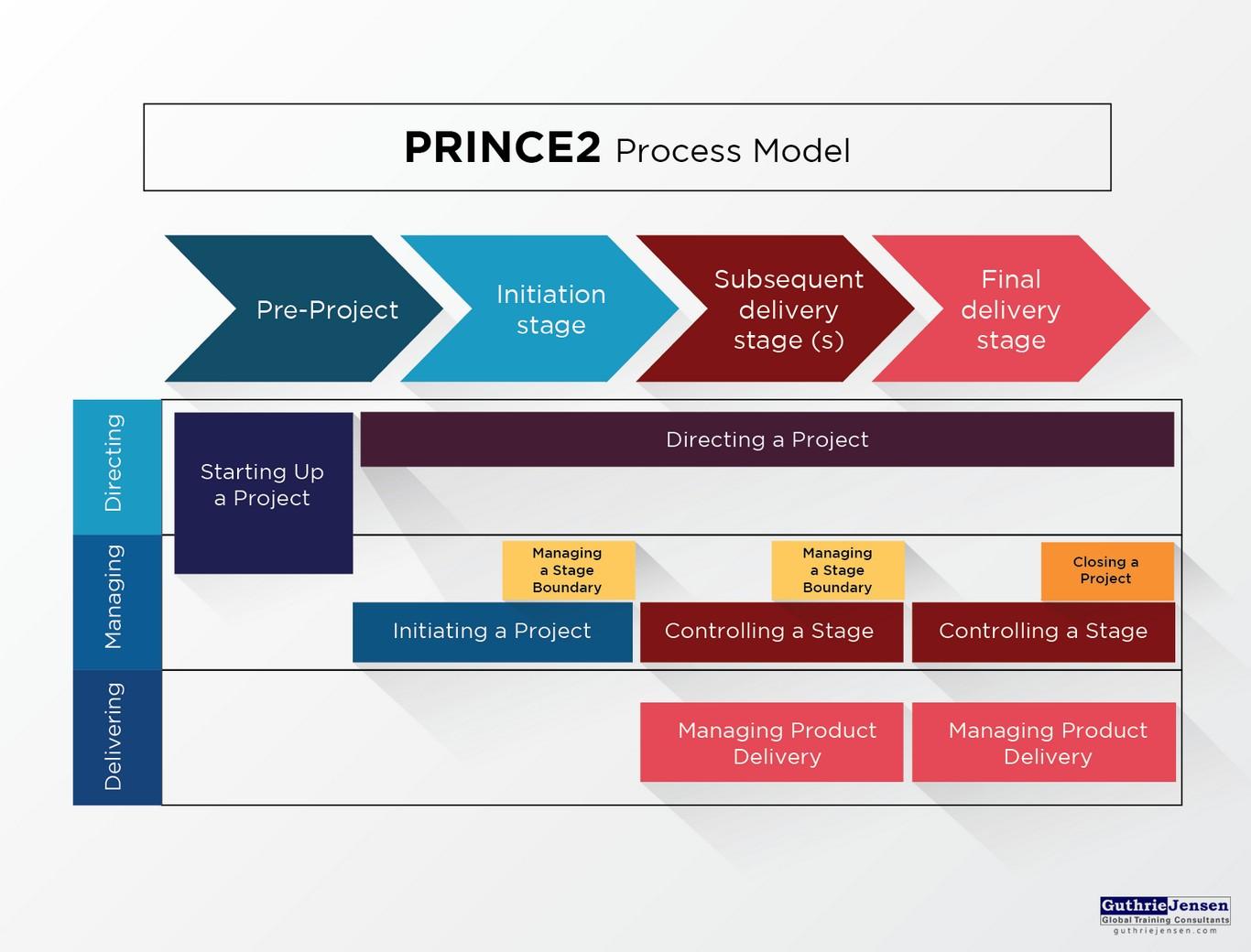
The hybrid modernization project will be executed in a phased manner to minimize disruption to manufacturing operations.
Timeline: The project will follow a structured timeline, with specific milestones for each phase. Regular Progress Updates: Keeping stakeholders informed through regular updates ensures transparency and allows for timely adjustments.
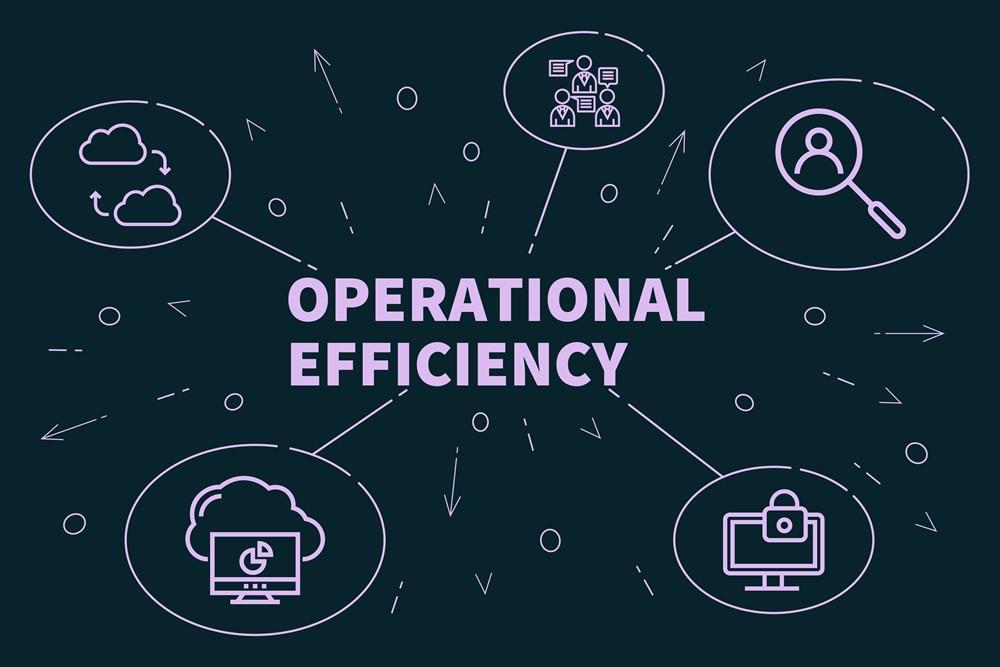
Main Objective: The primary goal of hybrid modernization is to seamlessly integrate new technologies with existing legacy systems. This integration is vital for enhancing operational efficiency, boosting competitiveness, and achieving significant cost savings.
● Efficiency: Streamlining processes to reduce waste and improve productivity.
● Competitiveness: Leveraging technology to gain an edge over competitors.
● Cost savings: Reducing operational costs through improved resource management.
Assessment Phase
Assessment: Evaluating current systems and identifying areas for improvement.
Planning Phase
Planning: Developing a strategic plan for technology integration.
Implementation Phase
Implementation: Executing the integration of new technologies, followed by Testing and Deployment to ensure functionality and reliability.
Key Technologies: Two pivotal technologies in hybrid modernization are edge computing and Internet of Things (IoT) integration.
● Edge Computing: This technology processes data closer to the source, reducing latency and improving response times.
● IoT Integration: Connecting devices and systems allows for real-time data collection and analysis, enhancing decision-making processes.
● Improved operations: Both technologies contribute to more efficient manufacturing operations by enabling smarter resource management and real-time monitoring.
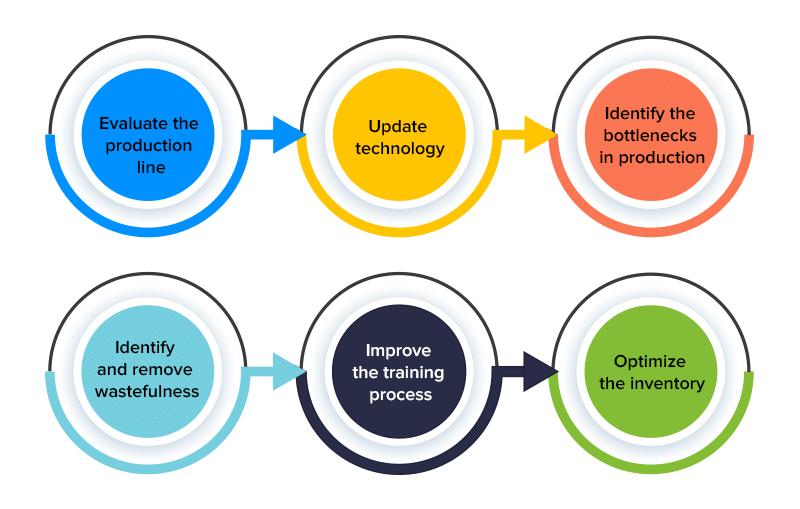
Anticipated Benefits: The implementation of hybrid modernization is expected to yield several significant benefits for manufacturing operations.
● Improved Efficiency: Streamlined processes lead to faster production times and reduced downtime.
● Increased Competitiveness: Enhanced capabilities allow manufacturers to respond more effectively to market demands.
● Cost Savings: Optimized resource usage and reduced operational costs contribute to overall financial health.
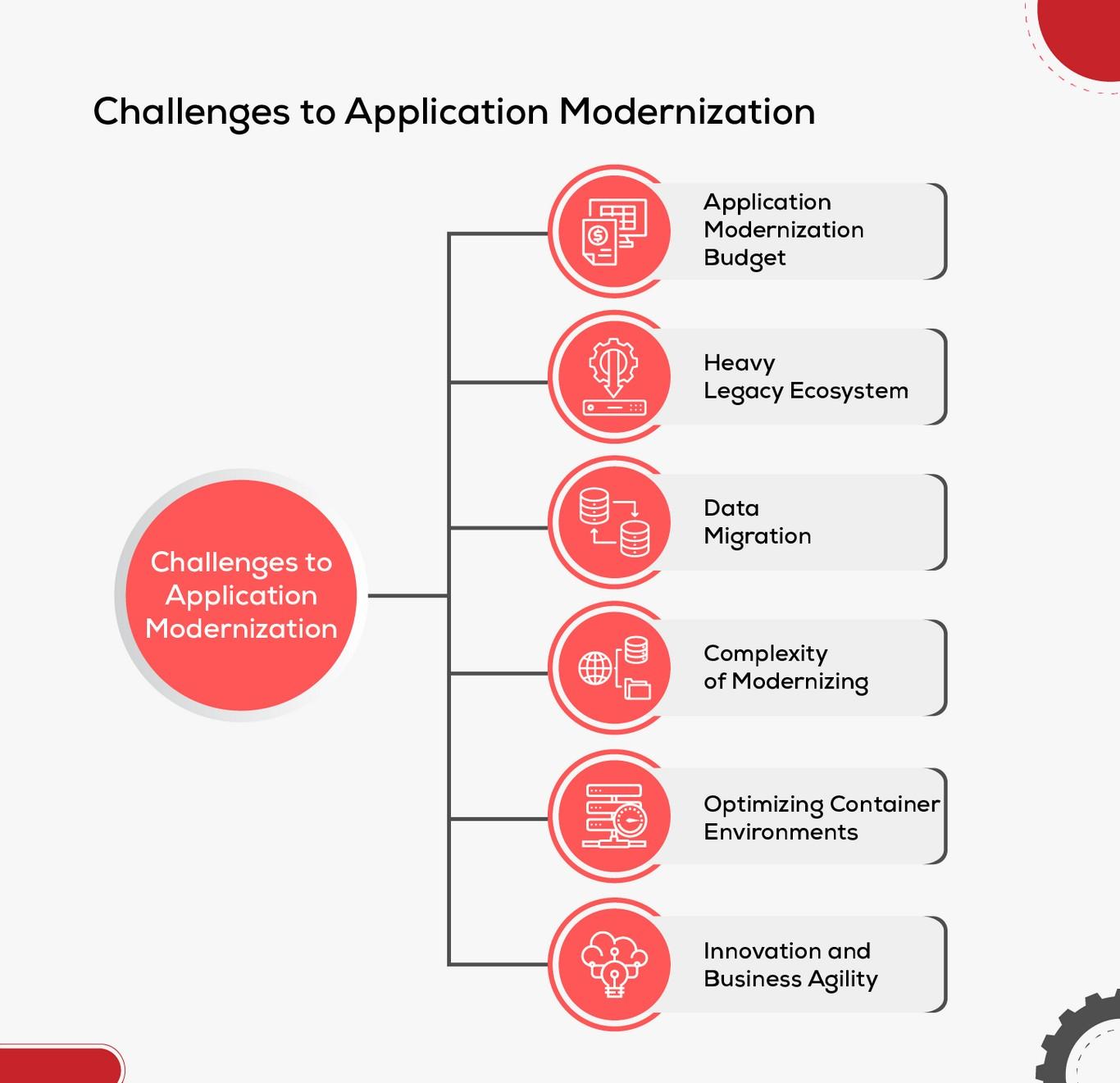
Potential Challenges: While hybrid modernization offers numerous benefits, it also presents challenges and risks that must be addressed.
● Data Compatibility Issues: Integrating new technologies with legacy systems can lead to data inconsistencies.
● Security Concerns: Increased connectivity raises the risk of cyber threats and data breaches.
● Need for Middleware and Adapters: Ensuring seamless communication between different systems requires additional tools and resources.
Identifying and Mitigating Risks: To successfully navigate the challenges associated with hybrid modernization, proactive strategies are essential.
● Middleware Solutions: Implementing middleware can facilitate communication between legacy systems and new technologies.
● Security Protocols: Establishing robust security measures to protect data and systems from potential threats.
● Regular Assessments: Continuously evaluating the integration process to identify and address issues promptly.
Engaging Message: As we look to the future, hybrid modernization stands as a beacon of opportunity for the manufacturing sector. Embracing these changes is not just about keeping pace with technology; it’s about leading the way toward a more efficient and competitive industry.
● Encouragement: Manufacturers and stakeholders are encouraged to embrace hybrid modernization as a pathway to innovation and success.
● Collective Effort: Together, we can shape the future of manufacturing, ensuring sustainability and growth in an ever-changing landscape.