DEPARTMENT OF ARCHITECTURE







P O R T F O L I O
2019.09-2023.07
TAMKANG UNIVERSITY 56th YU-HSIANG LO





01 03 17 09 23 29 02 03 04 05 EA4 EA4 EA3 EA3 EA2 COHOUSING CHICKEN X HOTEL URBAN TAMSUI ART GALLERY CULTURE HALL 01 03 05 02 04 CONTENTS
Technical skills







ABOUT ME ABOUT ME





Autodesk Adobe Modeling render AutoCAD Revit Illustrator Photoshop Sketch Up Rhino Enscape Twinmotion 2015 2019 2021 2022 台北市立華江高級中學 巴西交換學生一年 淡江大學建築學系 參與淡水在地構築實作課程 寒假恒昇營造公司實習 2022 2023 暑假邱煥祥建築事務所實習 暑假羅東基地模製作 台日建築工作營 2023 2024 大五開始 淡江建築畢業 20162017 Shiang881010@gmail.com Banqiao Dist., New Taipei City , Taiwan 0912-255-487 1999/10/10 MANDARIN ENGLISH PORTUGUESE DEPARTMENT OF ARCHITECTURE TAMKANG UNIVERSITY
Yu - Hsiang LO
01
EXPERIENCE
MODEL




01 02 03 04 05 02
EA4 URBAN


03
COLLAGE INSTRUCTION
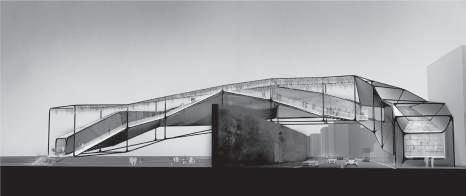
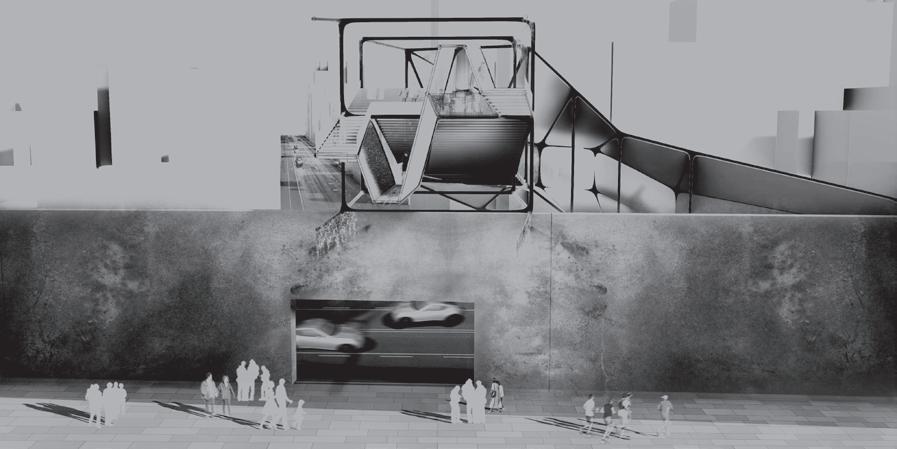
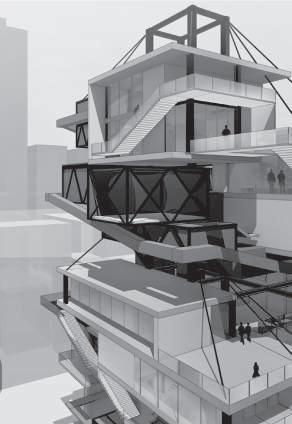
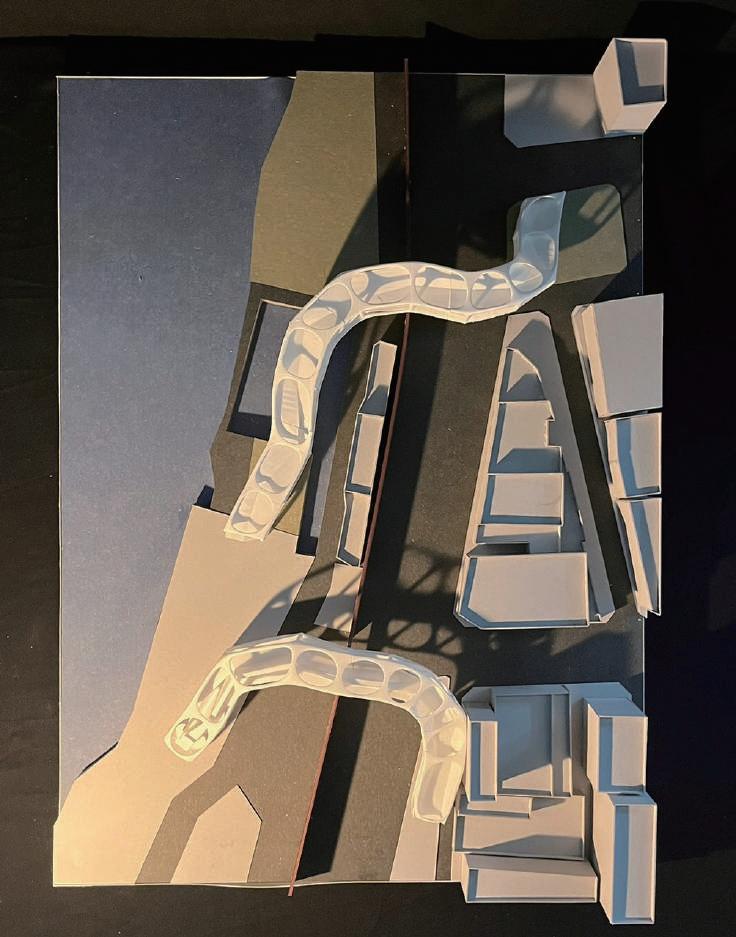
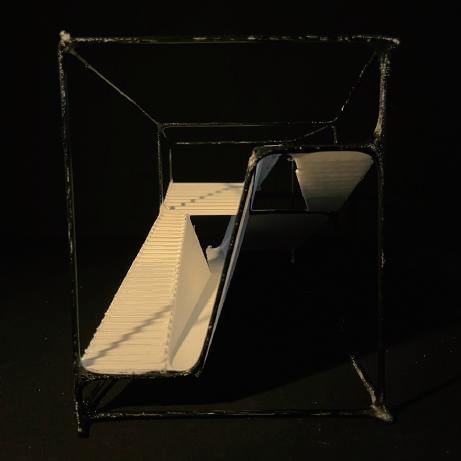
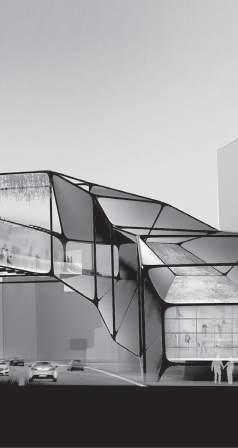
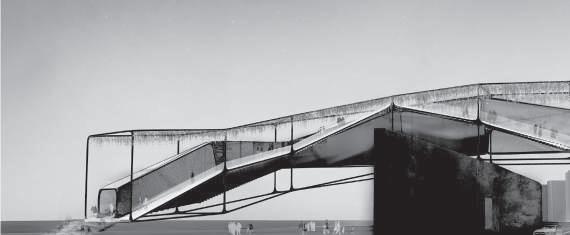
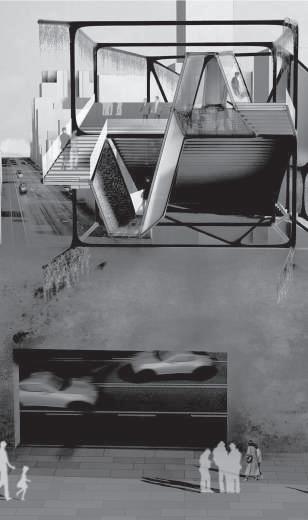
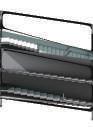
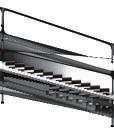
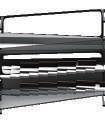
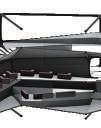
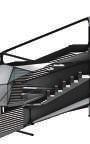
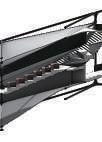
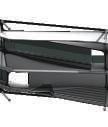
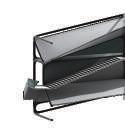
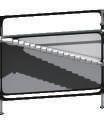
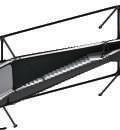
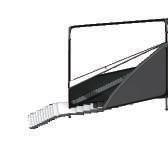
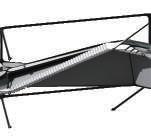
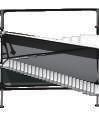
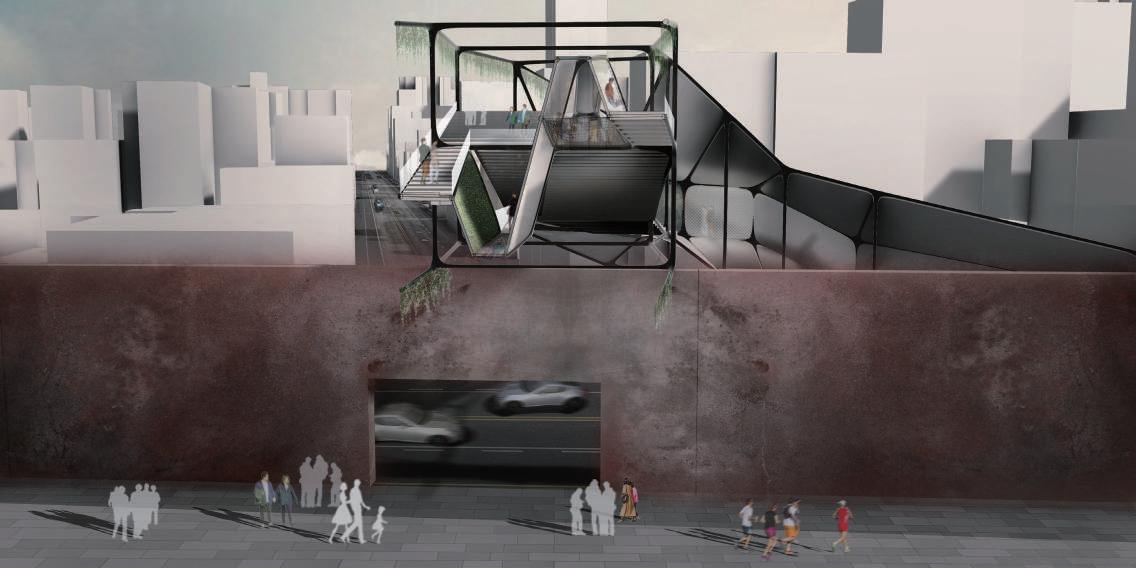
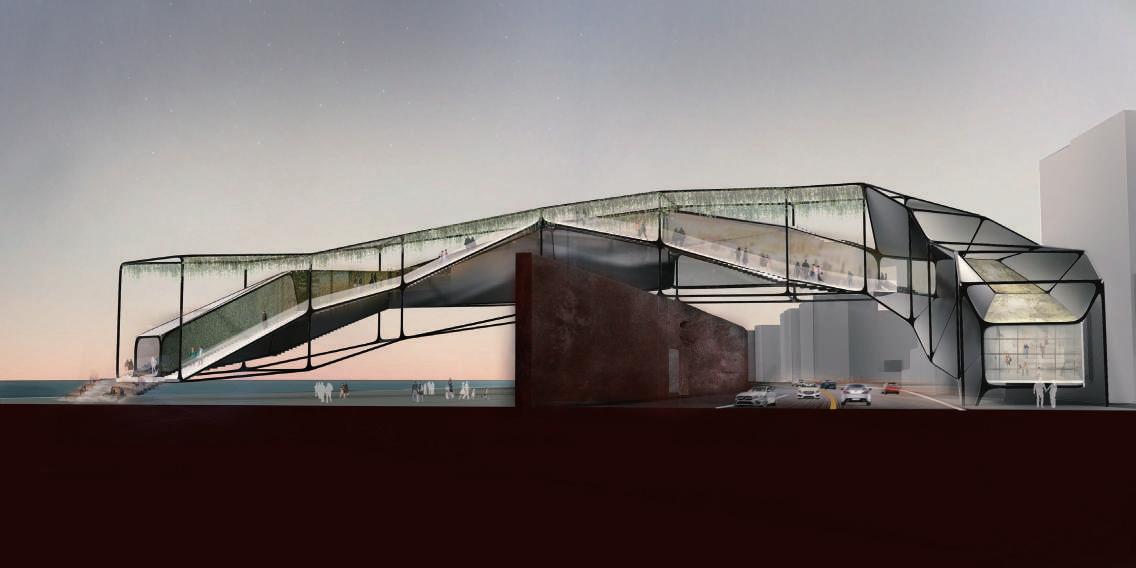
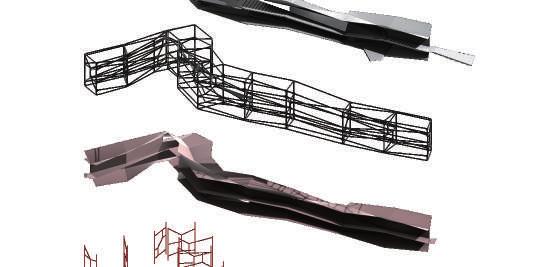
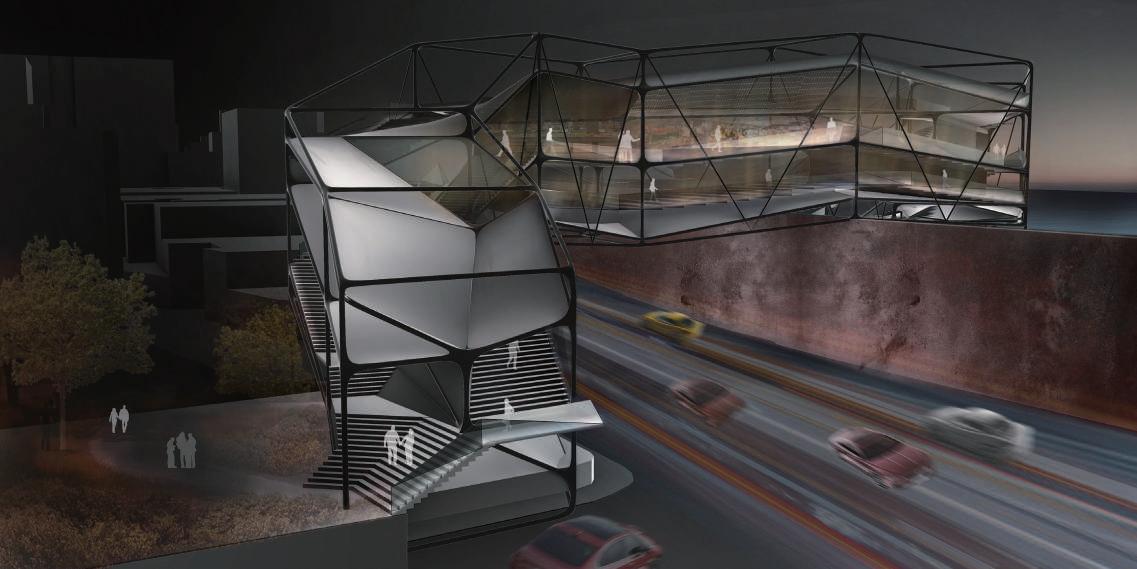
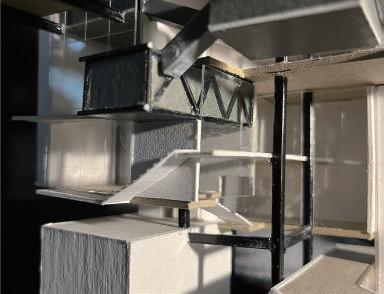
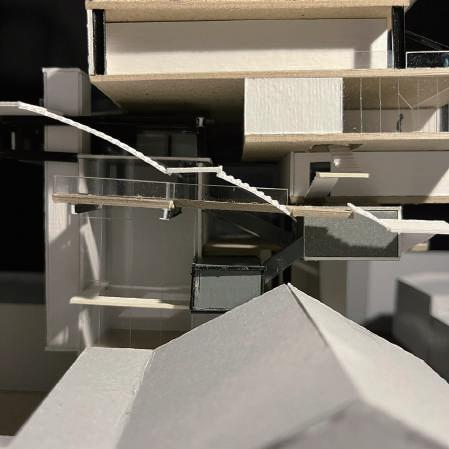
Observing from the site, it can be observed that the Dadaocheng riverbank and the urban area are separated by a highway and embankment, resulting in starkly different characteristics on either side of the embankment.
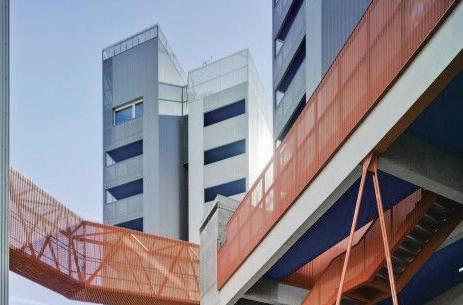
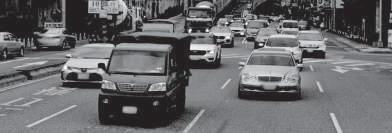
On both sides, the large volume of traffic on the highway and the presence of only one surface-level intersection for connectivity make entering and exiting highly inconvenient.

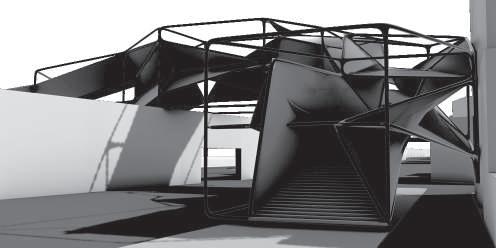
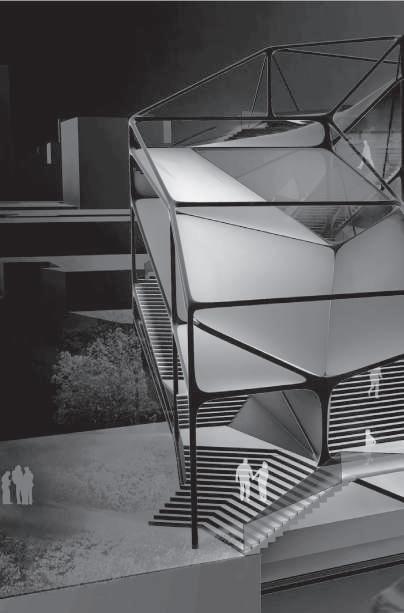
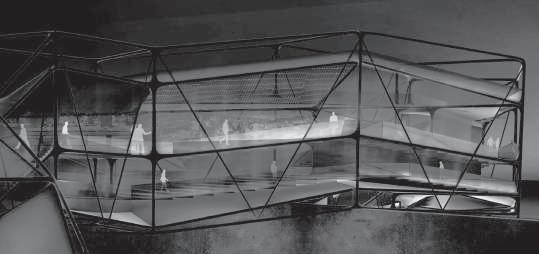
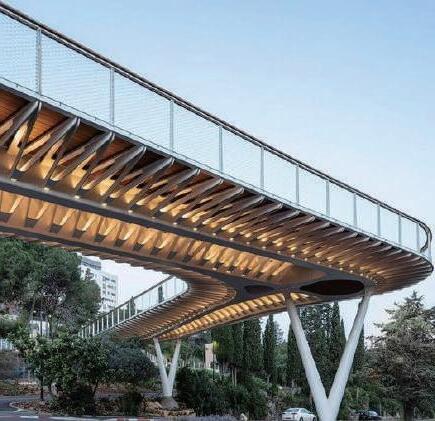
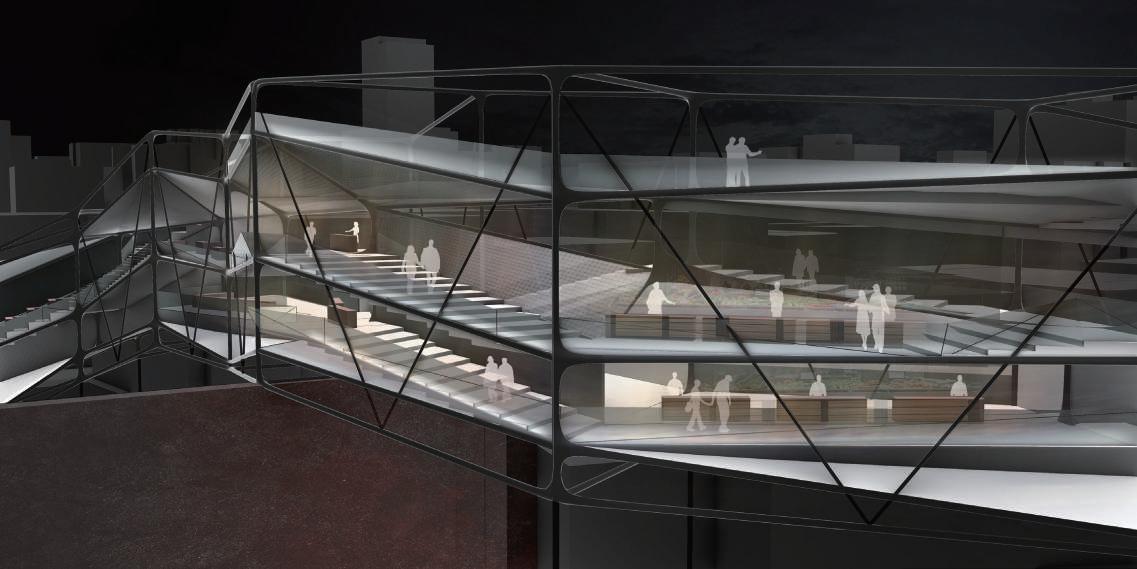
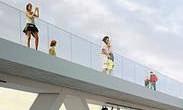
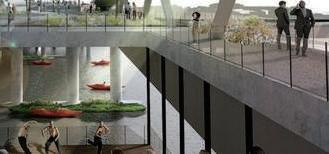
Therefore, I hope to incorporate bridge connections based on the current situation in order to reduce the sense of division created by the wall.


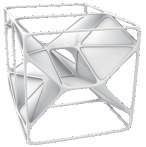
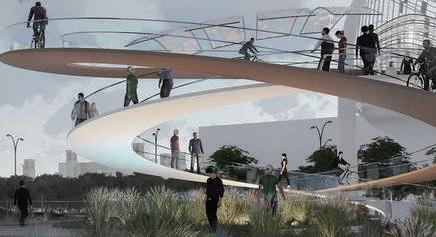
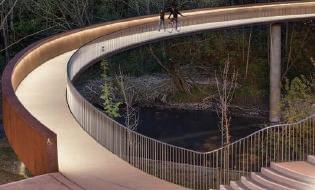
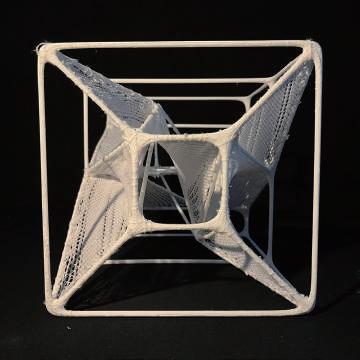
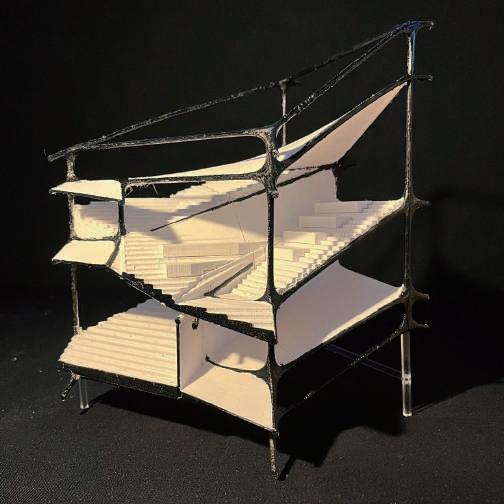
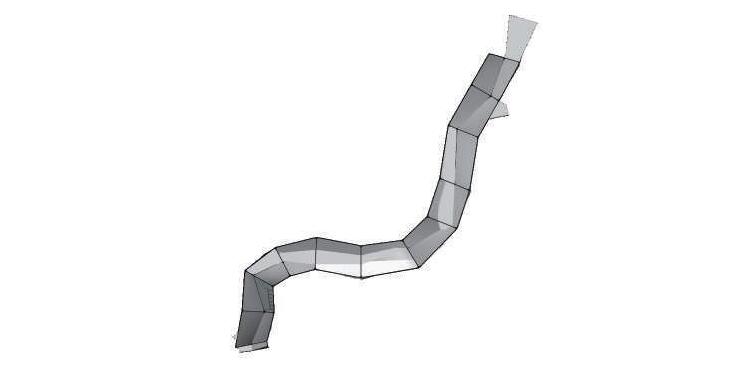
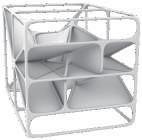
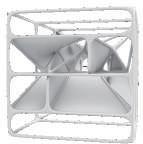
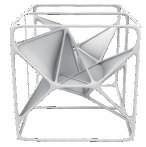
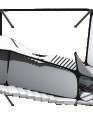
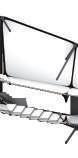
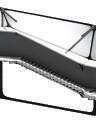
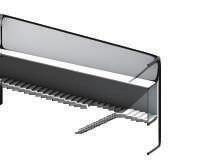
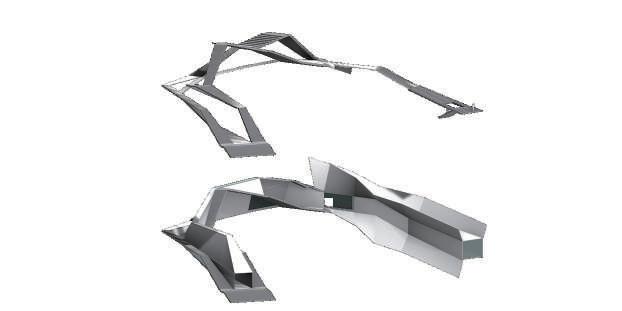
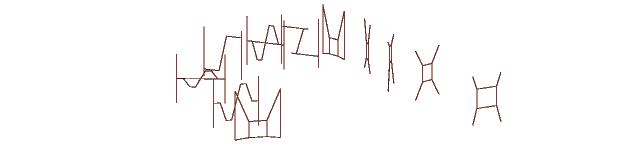
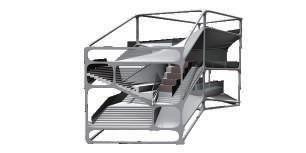
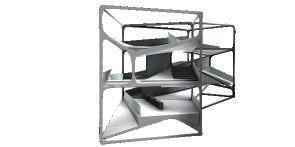
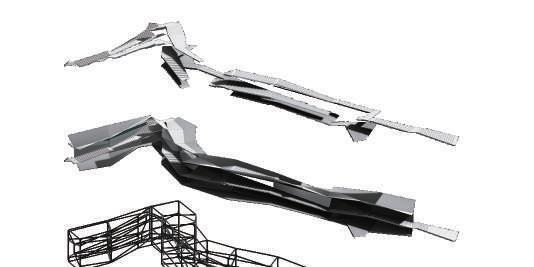
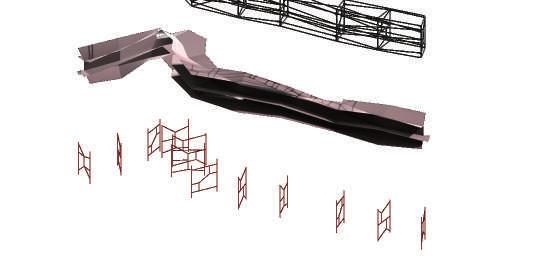
Initially, the analysis focused on the connectivity between the embankment and the urban interfaces using a comparative conceptual approach. Then, the spatial typology was developed based on the patterns observed in the plan. I placed two patterns in sequence and connected the intermediate spaces between the two patterns to form various prototypes.
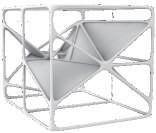
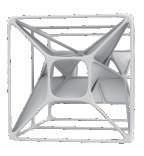
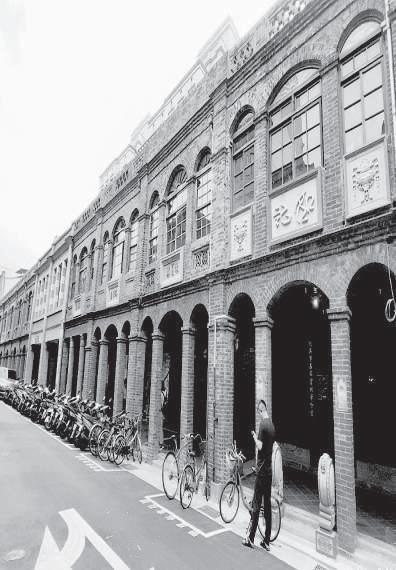
I hope to increase the functionality by incorporating programs, thereby improving the utilization by people.
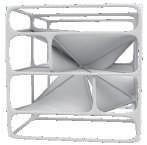
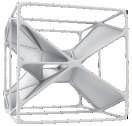
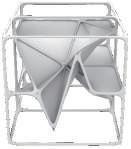
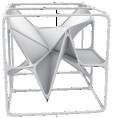
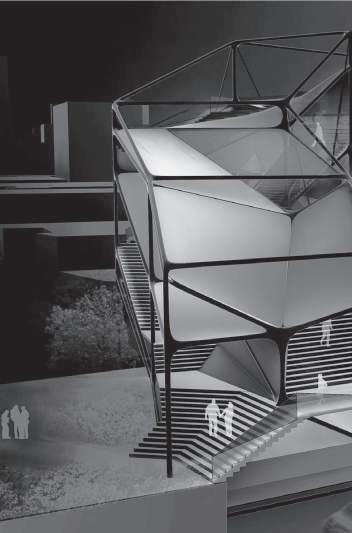
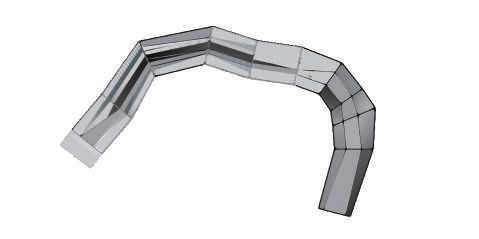
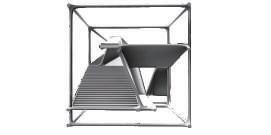
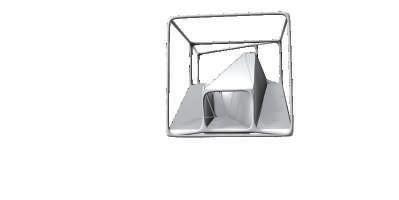
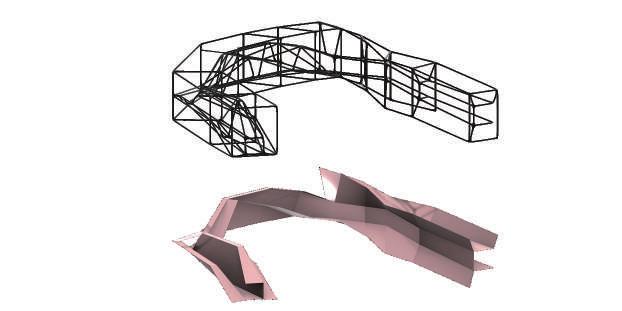
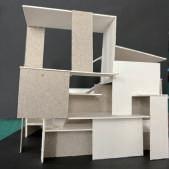
In the final stage, I selected two primary locations for studying the cross-embankment connections. I then experimented with several variations within these sections, aiming to establish a set of standardized designs that could be replicated. This approach allows for better control over the spatial variations and forms of the bridges.
PATTERN




-平台 -平台 -斜面 -分隔牆 -分隔牆 -分隔牆 -斜面 -斜面 -垂直動線 -垂直動線 -斜面 -垂直動線 -分隔牆 -分隔牆 -斜面 -平台 -斜面 -平台 -斜面 -高台 -垂直動線 -垂直動線 -垂直動線 -垂直動線
04
MARKET



1 2 3 4 5 6 7 8 9 10 2 3 4 5 6 7 8 9 10 11 11 1 2 3 4 5 6 7 8 9 10 1 2 3 4 5 6 7 8 9 10
REST
1 05
REST

COMPARE
06
A
COMPARE MARKET

B 07
MODEL



08 01 02 03 04 05
CHICKEN X
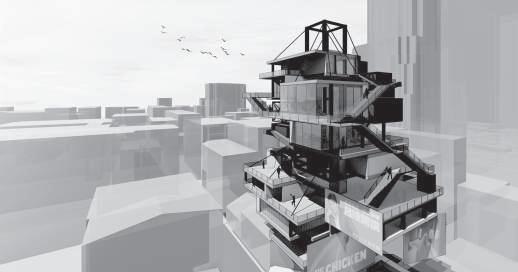
CHICKEN X HOTEL


09
02
EA4
活動空間大防止打架
蛋雞生活、寬敞高
區分蛋雞、肉雞
注射健康疫苗
與中雞區分
不健康的小雞區分
等待雞蛋孵化
注射健康疫苗

挑選壞蛋處理

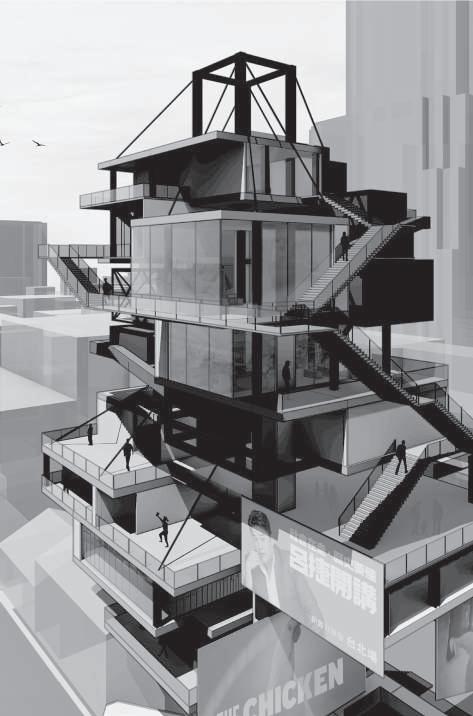
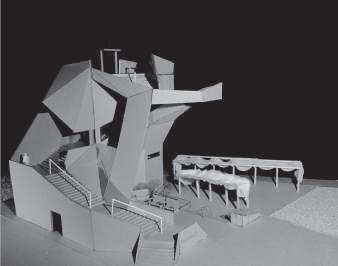
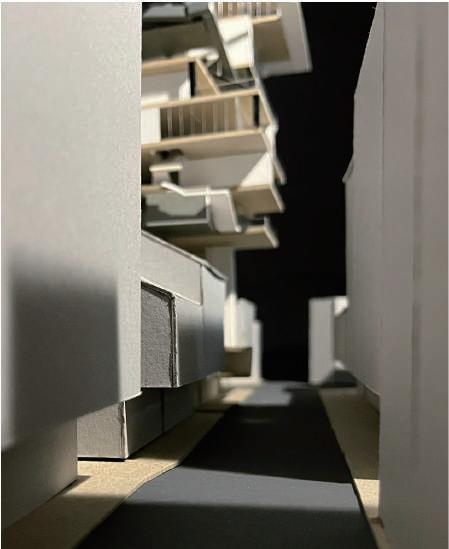
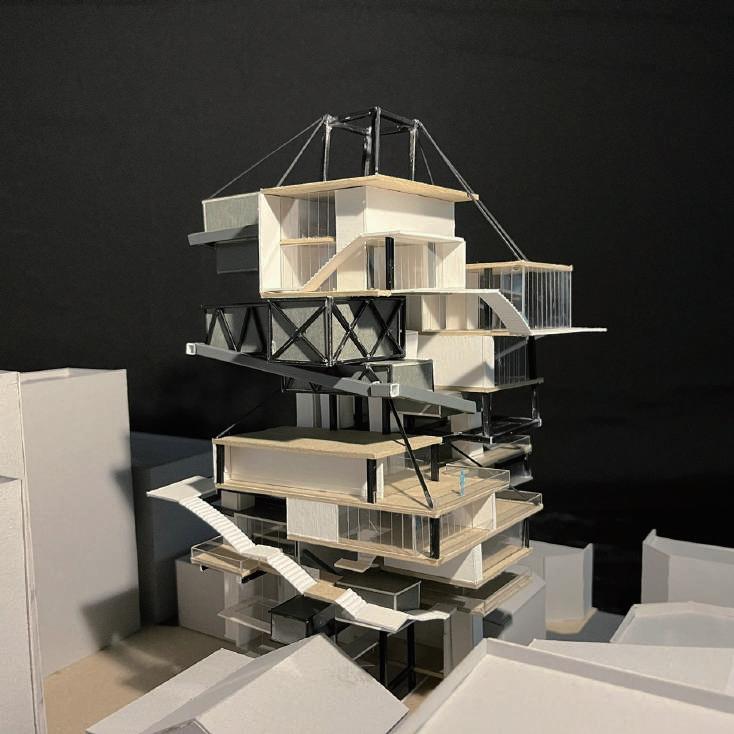
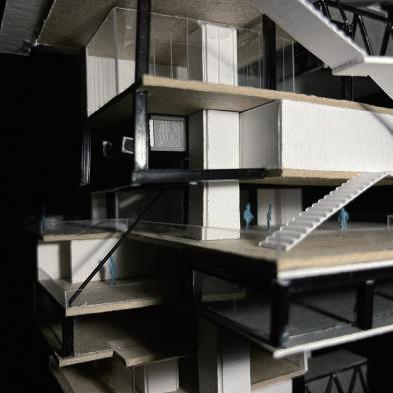
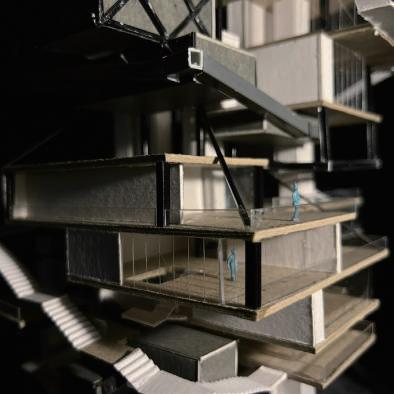
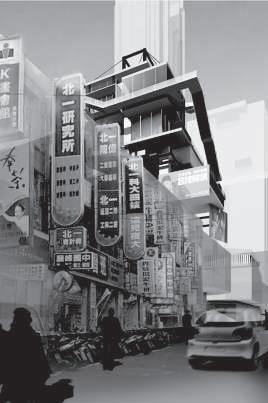
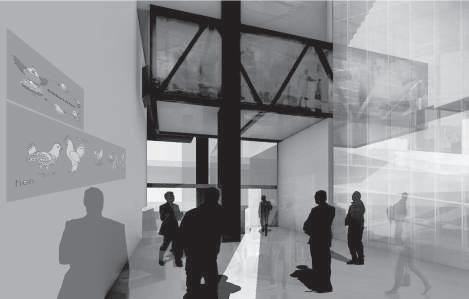
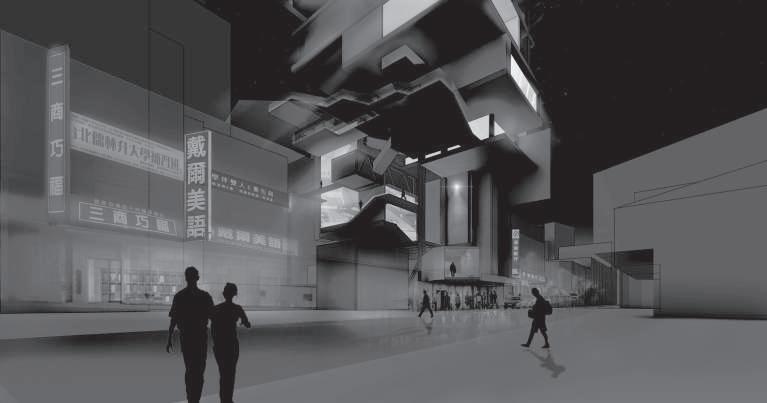
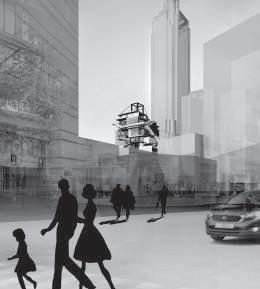
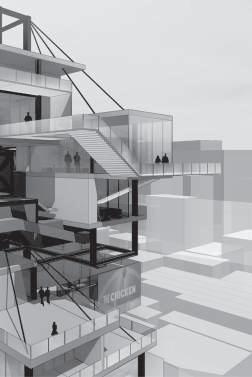
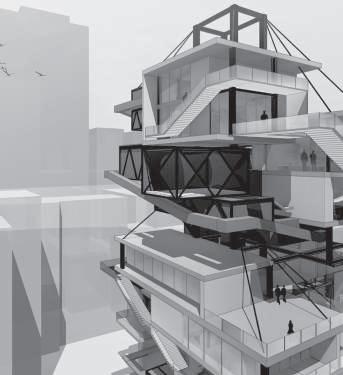
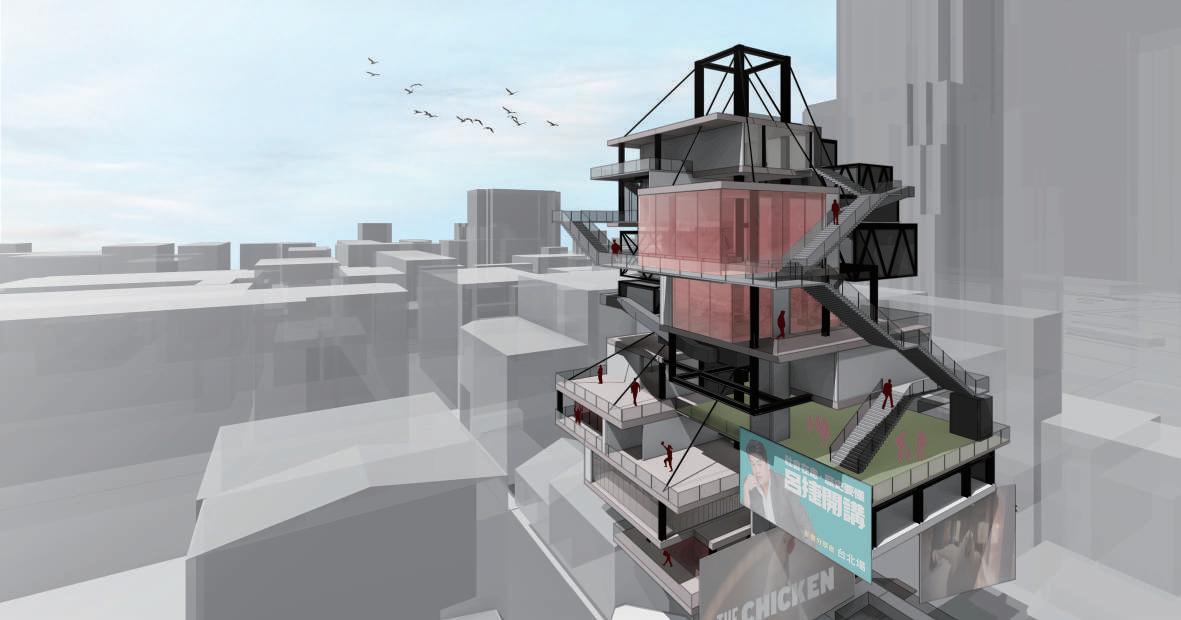
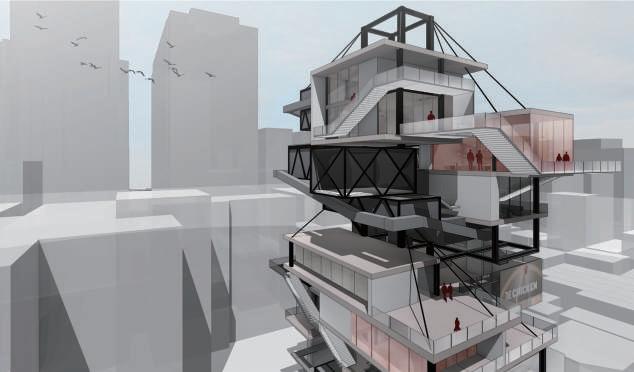
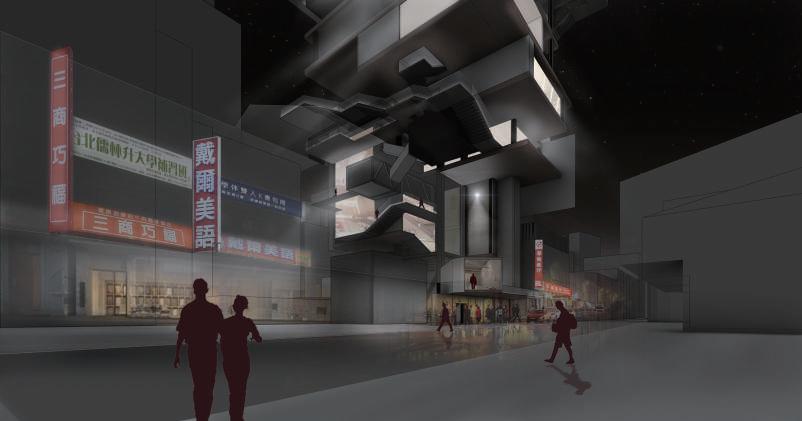
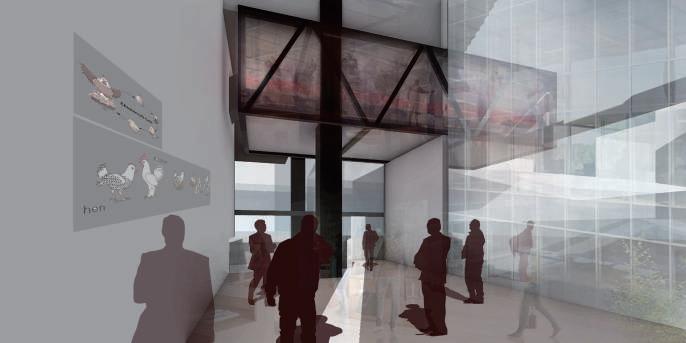
In the UK, an increasing number of people are keeping chickens at home. Urban chicken-keeping provides an opportunity for individuals to slow down their pace and aligns with the desire of many to return to a more natural way of living. It offers a means to "escape" the fast-paced and hectic nature of city life, allowing people to reconnect with nature.



Therefore, I would like to incorporate a slow living space in the busy city as a test.




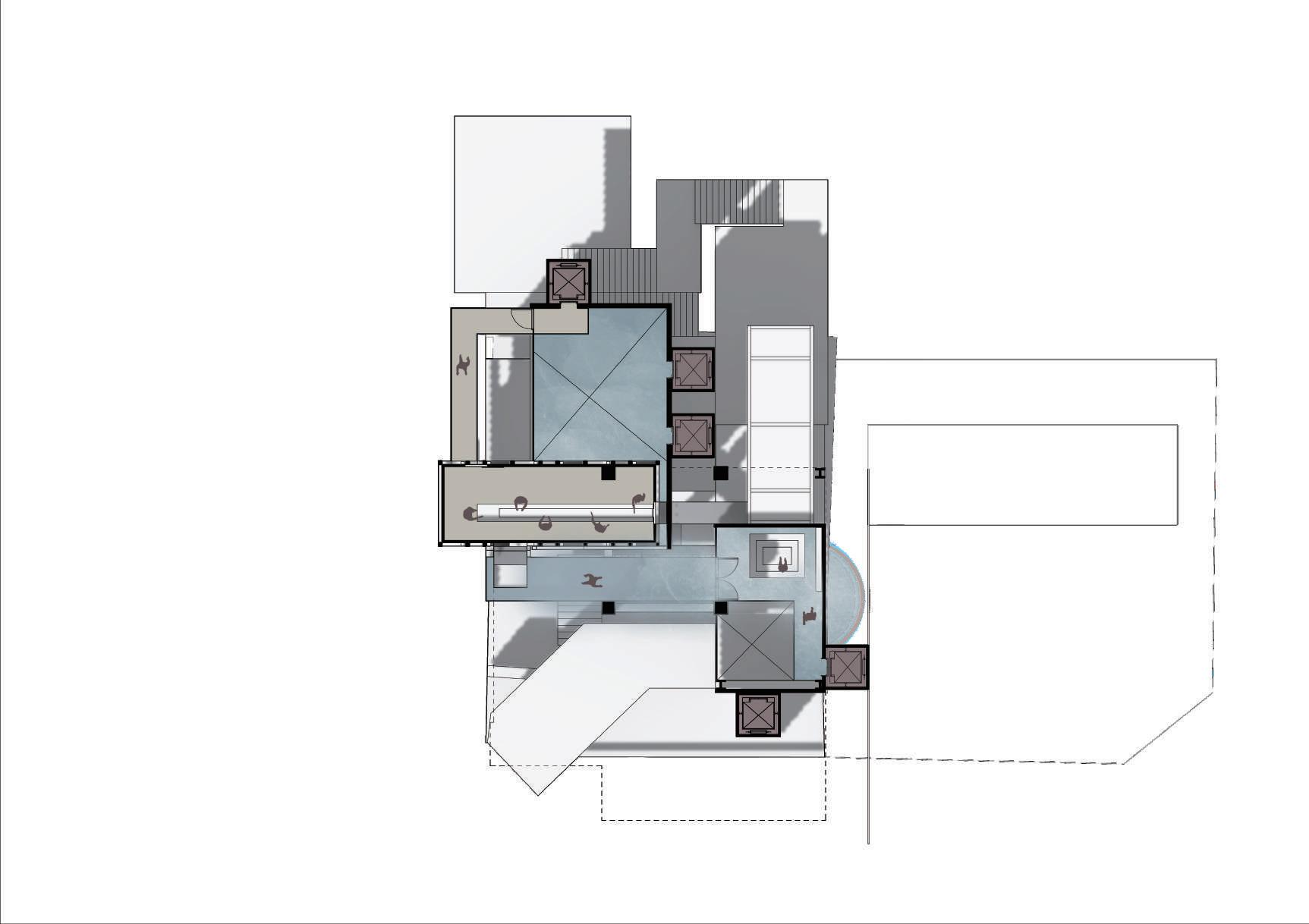
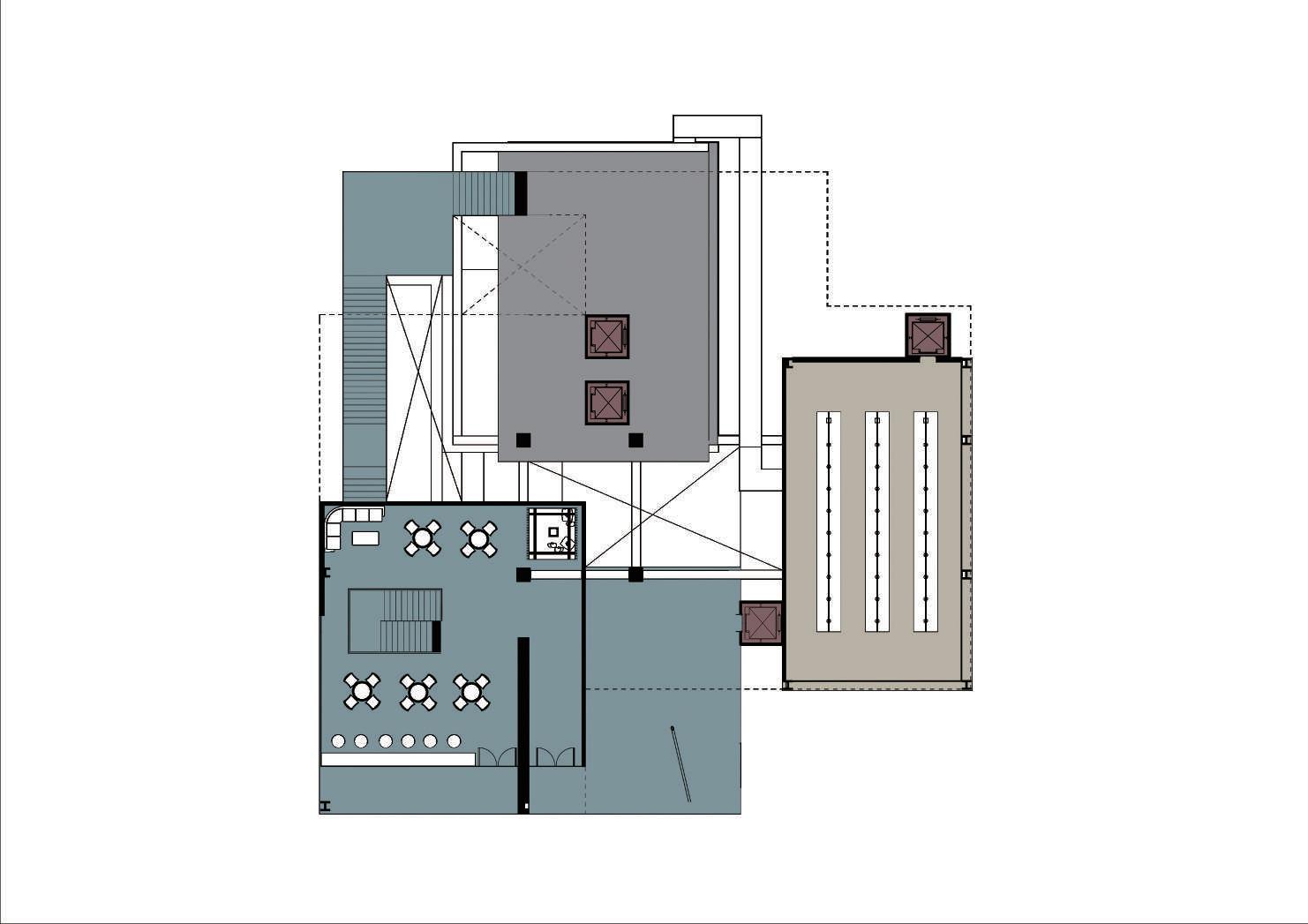
INSTRUCTION 10 進出貨 蛋掃描 孵化區 挑選小雞 小雞農場 中雞農場 中雞打針 大雞區分 肉雞生活區 肉雞處理區 肉雞包裝區 蛋雞生活區 電梯 電梯 電梯 電梯 樓梯 樓梯 樓梯 樓梯 樓梯 電梯、樓梯 電梯、樓梯 電梯、樓梯 樓梯 運輸帶 運輸帶 電梯 電梯 運輸帶 運輸帶 運輸帶 電梯 電梯 運輸帶 運輸帶 蛋存放 蛋打針 CONCEPT 餐廳 換鞋區 過道 入口 入住大廳 飯店 休息區 用餐 大廳 展覽區 青旅住宿 青旅住宿 青旅住宿 觀賞平台 體驗、娛樂 孵化場 種雞場 中雞場 蛋、肉雞場 交配 蛋存放 掃描 蛋打針 餐廳 孵化區 挑選小雞 小雞農場 中雞農場 中雞打針 大雞區分 肉雞 蛋雞生活區 展覽區 入口 check in 觀賞平台 飯店 休息區 體驗、娛樂 用餐 大廳 青旅住宿 青旅住宿 處理過的蛋 回歸自然感受 入住第一站 觀賞雞蛋孵化 安靜空間 安靜空間 與雞互動 處理過的雞 分開前的空間 結束 結束
存放18天
放養、回歸自然
開放、自然生長
乾淨通道廢棄物通道
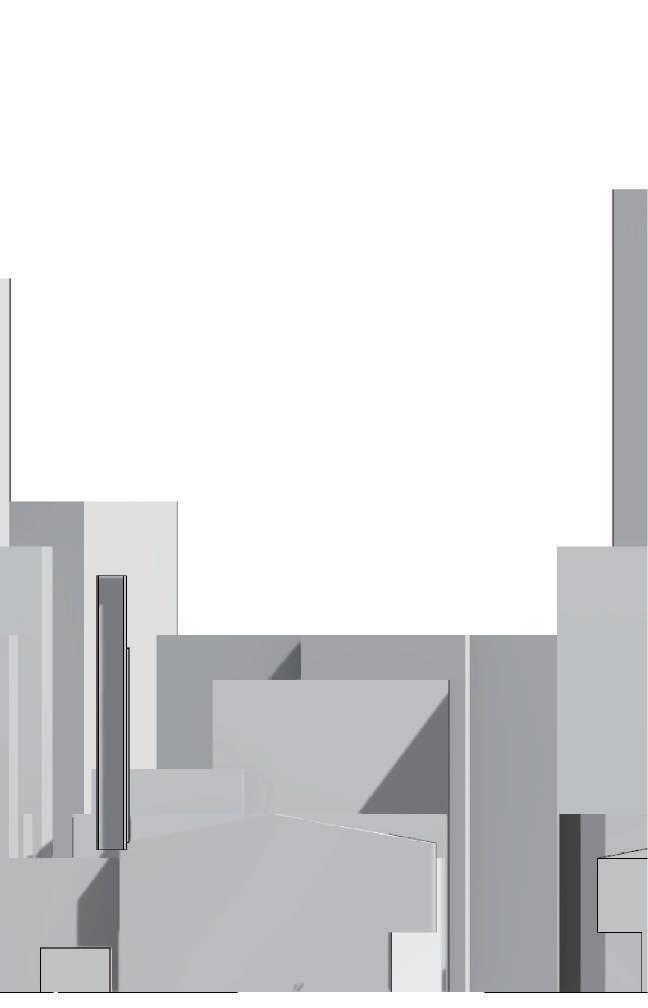












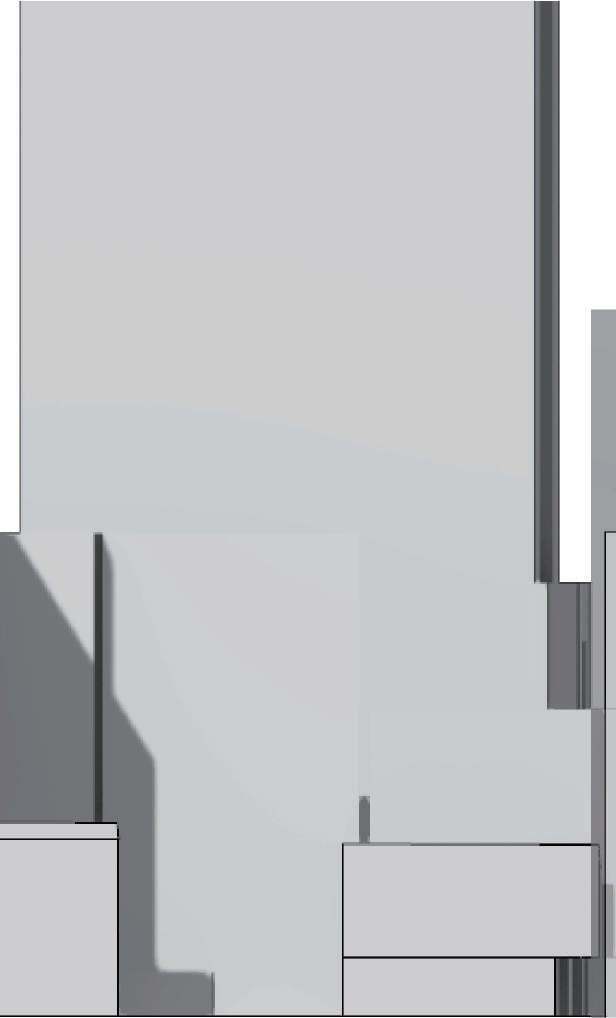


















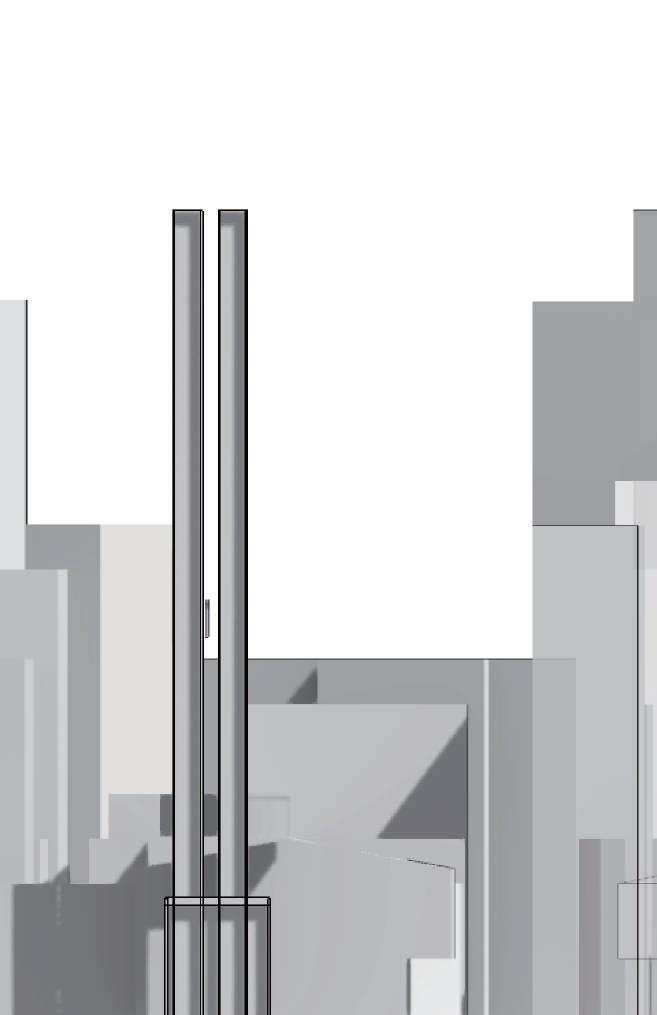











SECTION 0 100 300 600(CM ) C C’ SECTION C C’ HOSTEL ROOM HOTEL TEA SHOP check in HOSTEL ROOM A TEA SHOP CHANGING AREA RESTAURANT CHICK FARM MEDIUM CHICKEN FARM PLAYING ROOM HOSTEL ROOM HOSTEL ROOM HOSTEL ROOM check in A A’ SECTION 0 100 300 600(CM ) B B’ TEA SHOP RESTAURANT DINING ROOM SELECT CHICKEN LIVING ROOM HOTEL HOSTEL ROOM 0 100 300 600(CM ) B B’ SECTION 11



12
+1425 +1000 +1205 SCANNING ROOM LOBBY CHANGING AREA 0 200 600 1200 LOBBY
PLAN


0 100 300 600
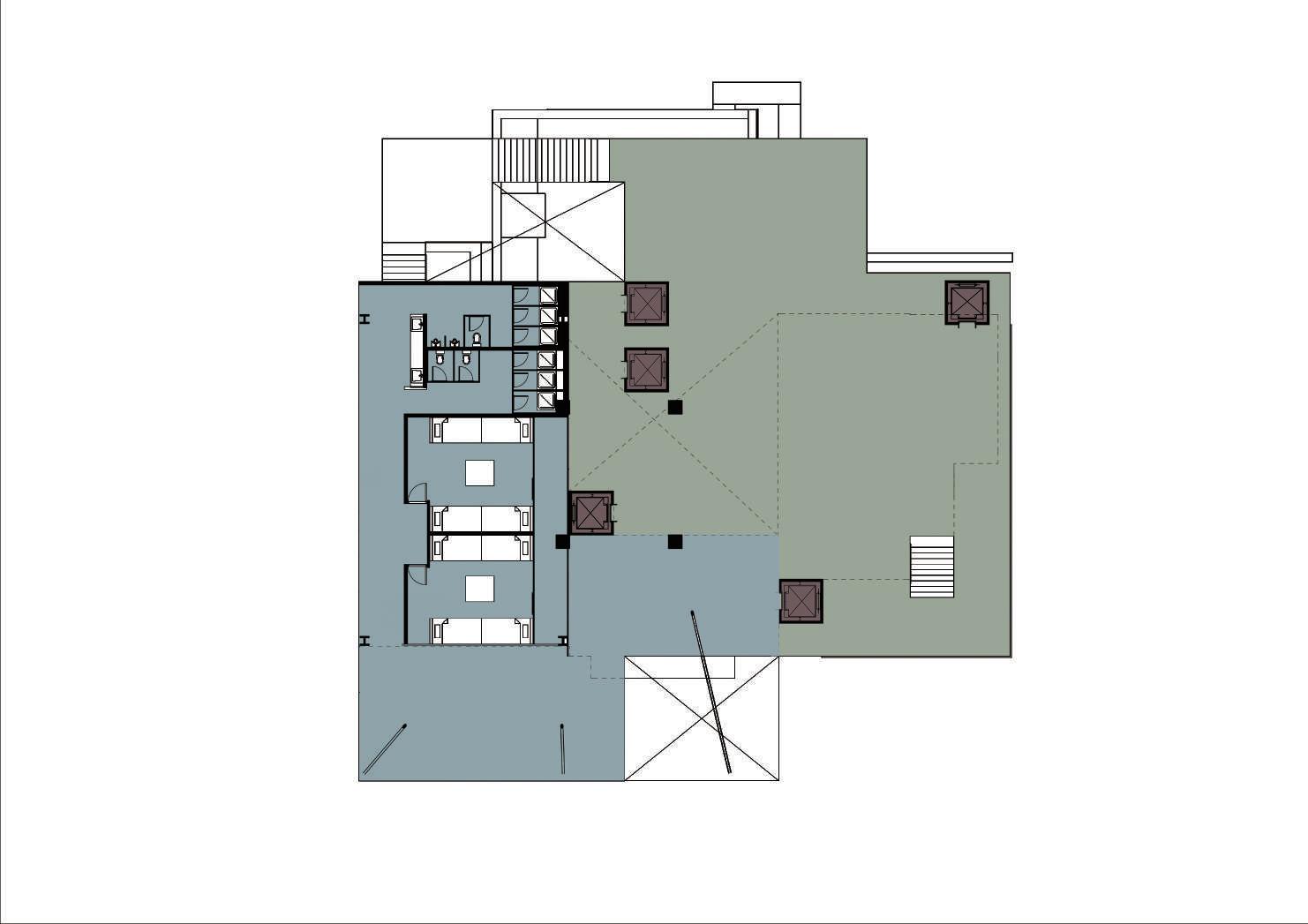
HOSTEL PLAN
+2560
UP
+2455
LOUNGE
+2820
+2820 HOSTEL ROOM UP
MEDIUM CHICKEN FARM DN 13




14
RENDERING
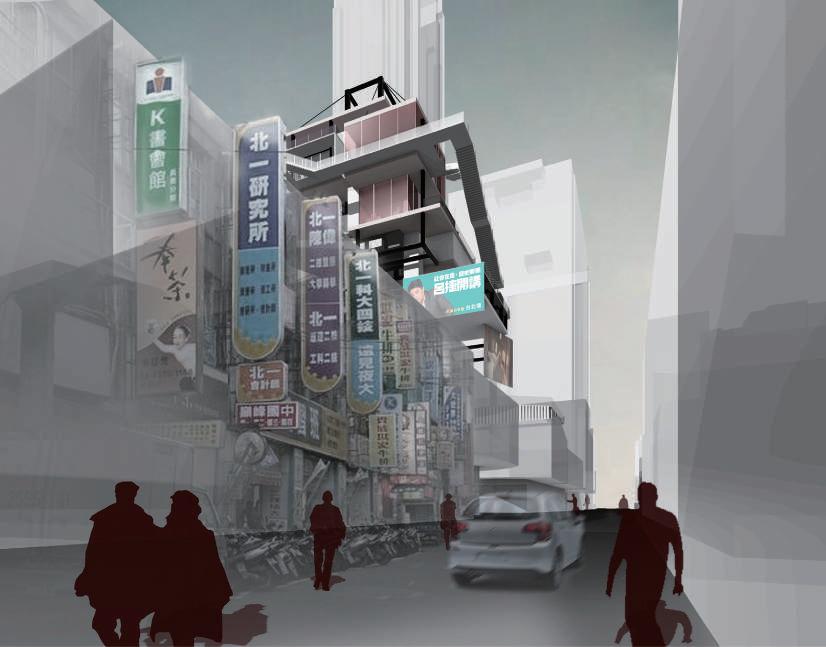
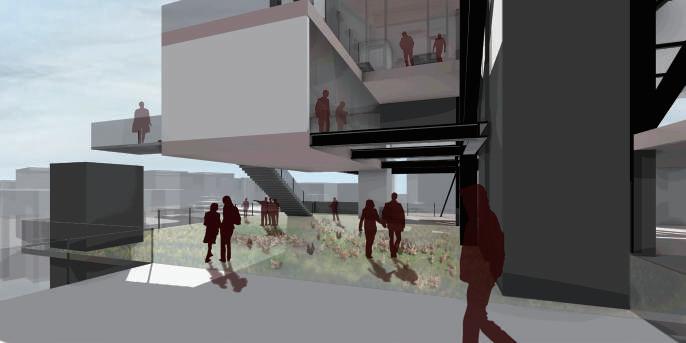
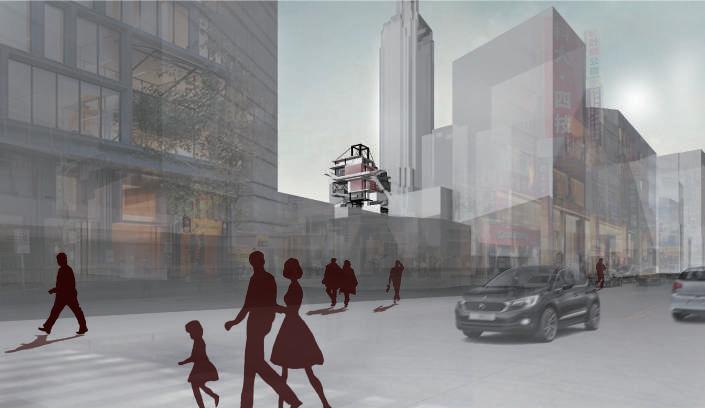

15
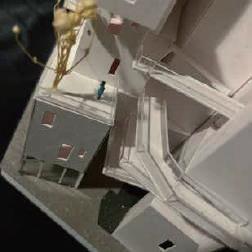
MODEL
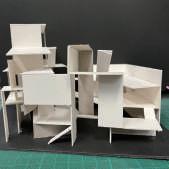
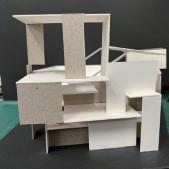
COHOUSING





16 01 02 03 04 05


03 EA3 CO-
17
HOUSING
100%私人
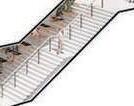

70%私人 30%共享
大家各自獨居,彼此沒有交集 每戶釋放20%公共空間 大家共享部分空間




70%私人 30%共享 20%私人80%共享
每戶釋放30%公共空間 每戶可輪流劃分使用公用空間


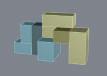

2~3戶共居,加強內部互動 全部人群居,除私密空間全共享


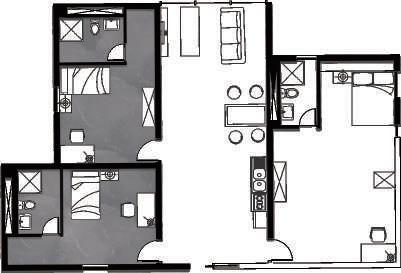
TYPE A 20坪 *3 TYPE B 20坪 *2 10坪 *1 TYPE C 20坪 *1 10坪 *2 TYPE A * 6 TYPE B * 4 TYPE C * 3
COLLAGE
0%共享 80%私人 20%共享
CONCEPT PROTOTYPE 18
INSTRUCTION
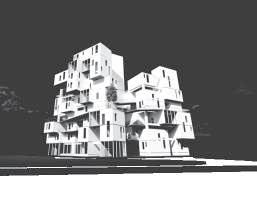
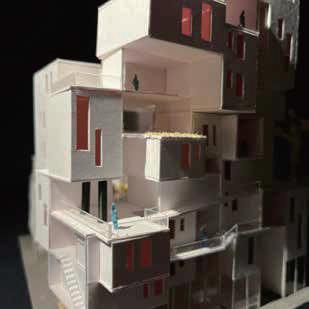
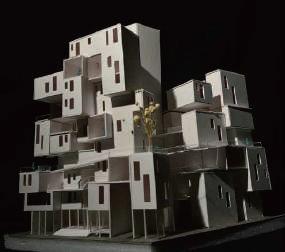
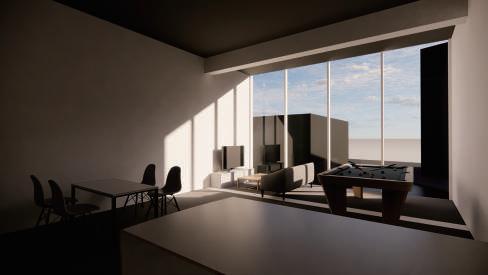
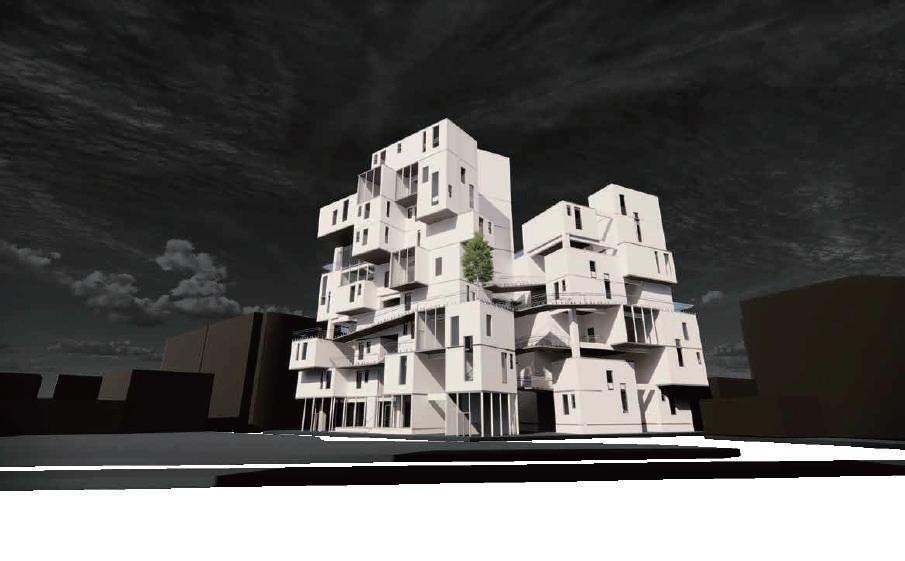
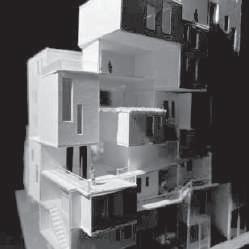
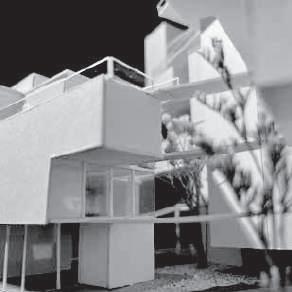
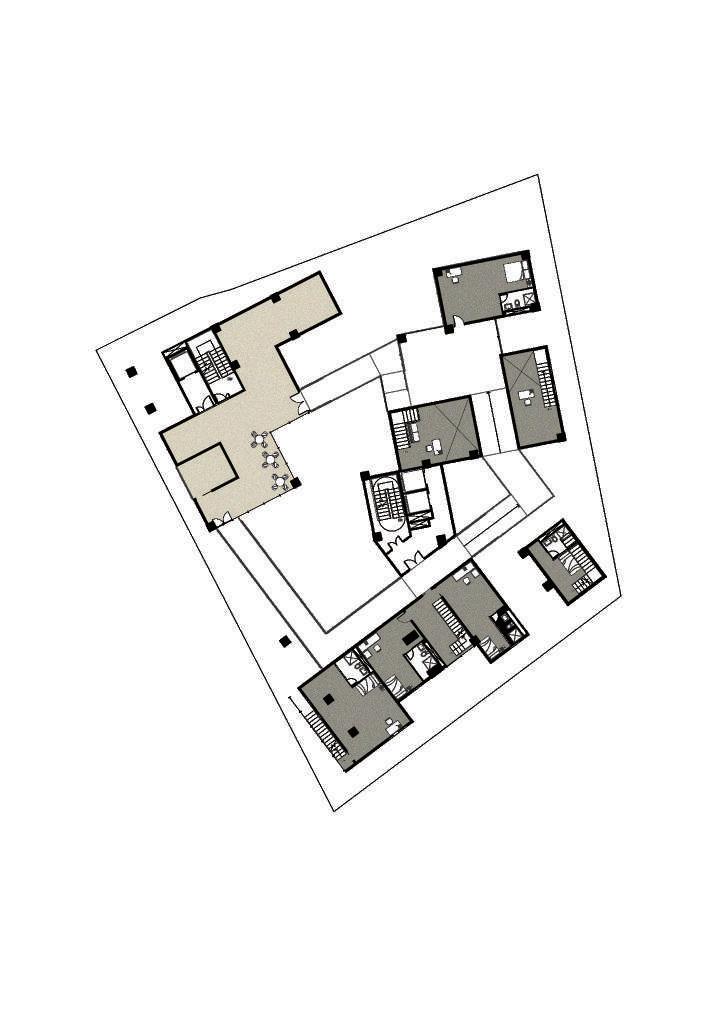
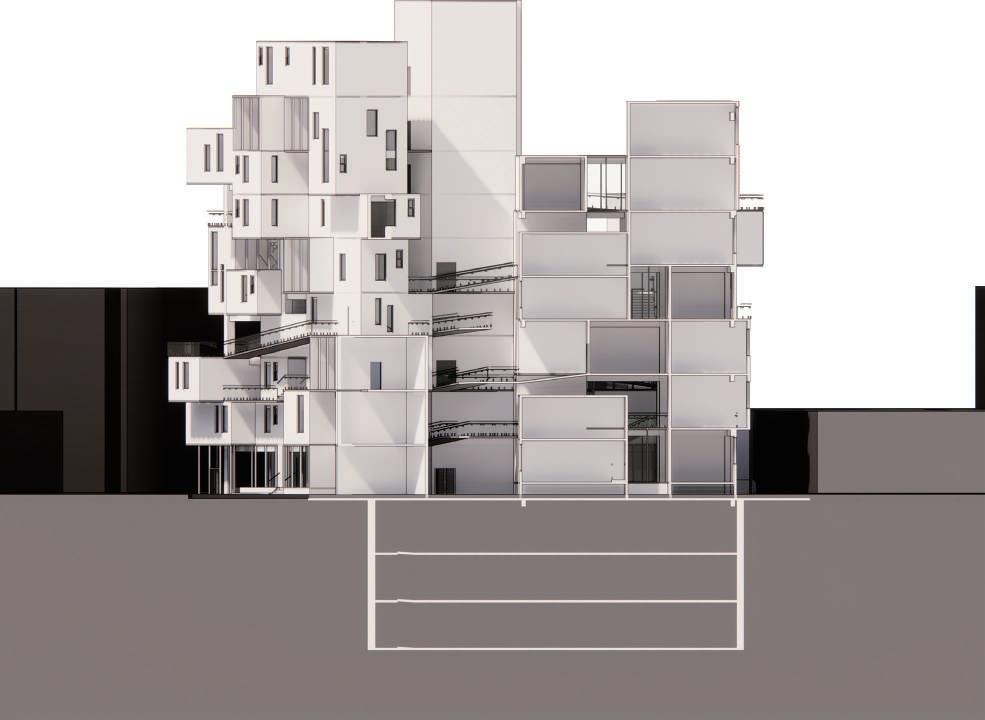
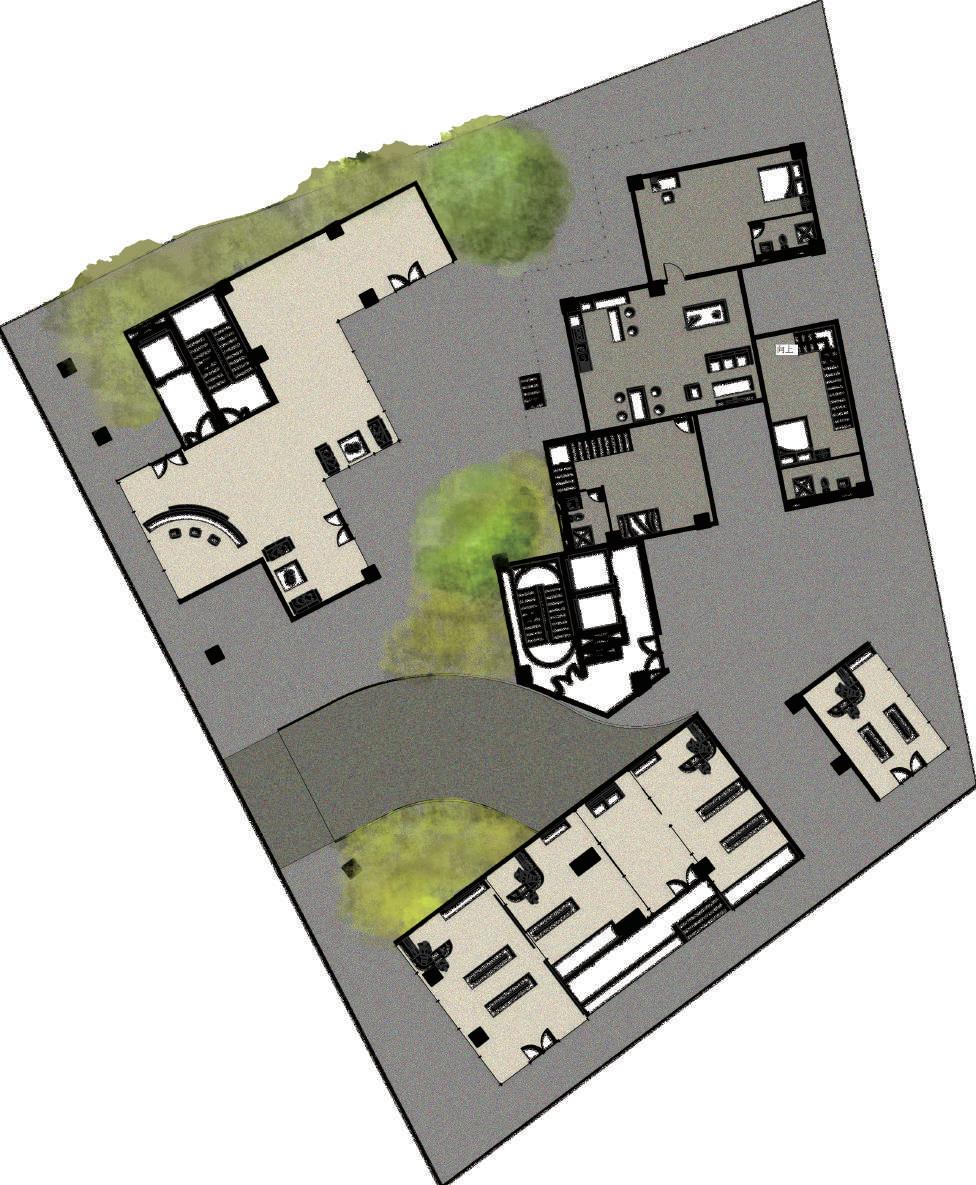
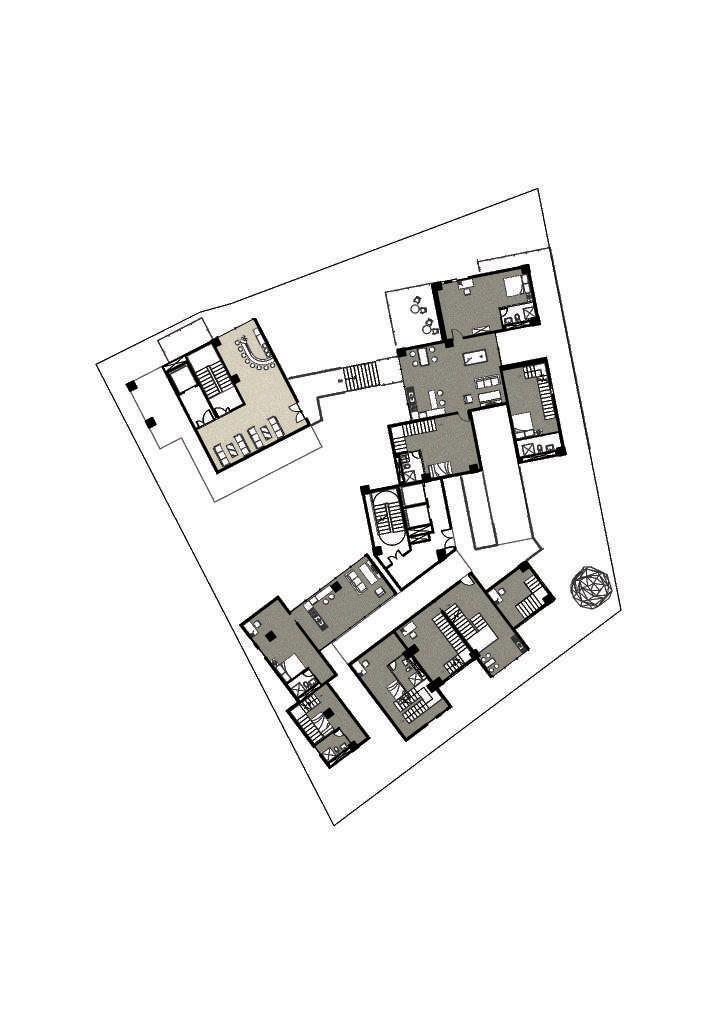
The current site is located in the Shilin District, which offers convenient transportation and amenities, making it suitable for out-of-town workers to reside in. However, the rising property prices in the northern region make it increasingly challenging for them to afford housing. Therefore, if there is a shared residential space where they can collectively share the rent, utilize common areas, and support each other in an unfamiliar environment, it would significantly improve their quality of life.
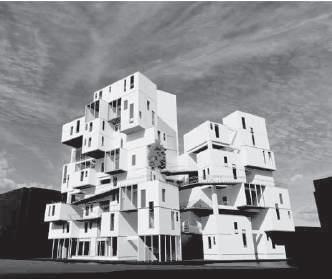
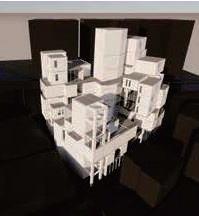
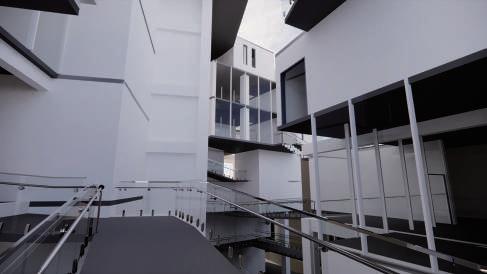
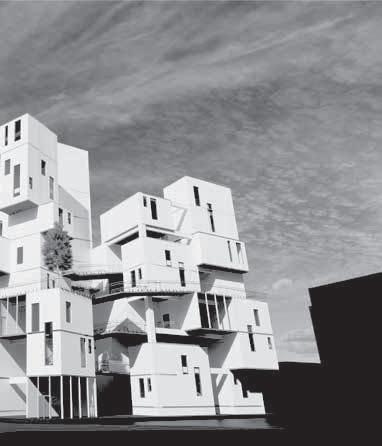
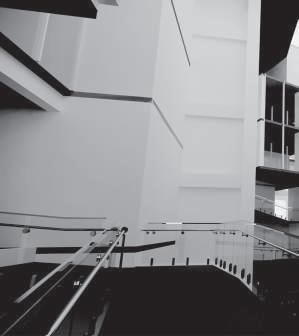
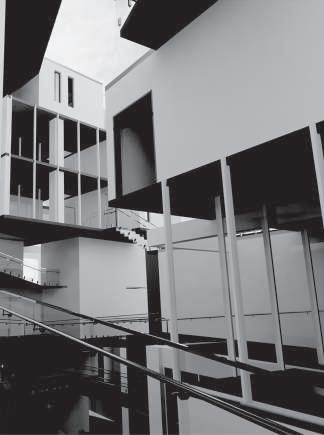
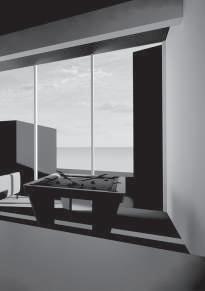
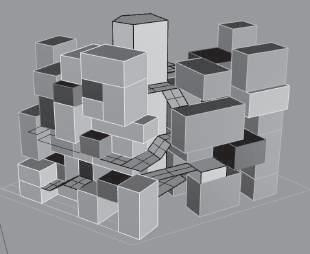
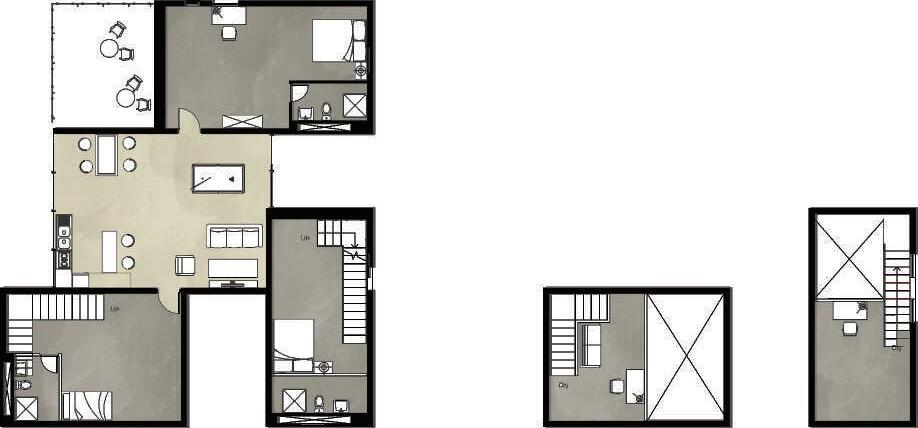
Transitioning from living alone to communal living depends on the degree of openness in private spaces, which determines the ratio of communal units. Once the ratio of each housing unit is determined, three types of unit combinations can be established. To enhance interactions among residents, I aim to create more platforms and walkways that facilitate intersect- ing spaces. Therefore, by stacking and offsetting units vertically and horizontally, additional pathways connecting various units can be created. This idea of multiple pathways leading to different spaces reminds me of an anthill, which is a cohesive spatial typology that requires a central axis. In this design, the public space serves as the axis, and residential units revolve around and envelop the public space. Simultane- ously, natural factors and the height differences between residential and public areas generate three-dimensional cohesion, fostering interactions, dialogue, and a relationship between the tangible and intangible elements.
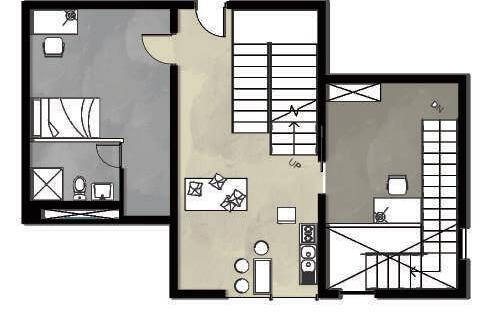
PROTOTYPE PLAN

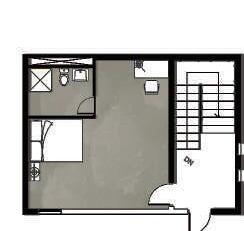
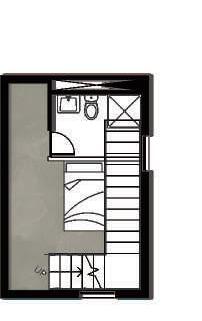

單元A 2a+b 單元B 3a 單元C a+2b 1F 1F 1F 2F 2F
19
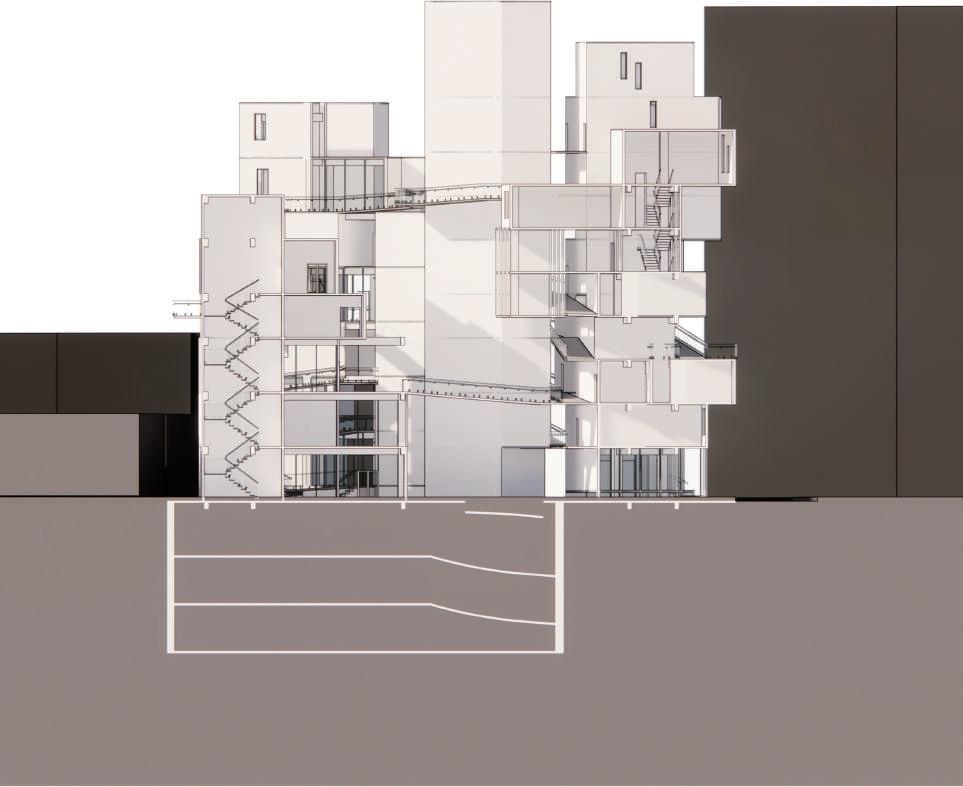

SECTION
0 1 3 6 (M) 0 1 3 6 (M)
A - A’section
20
B - B’section


2F PLAN 5F PLAN 1F PLAN 21
PLAN
RENDERING






22 01 02 03 04 05
EA3

TAMSUI ART GALLERY
04
23
COLLAGE
期待 對於作品、展區 (對於每個轉角的作品都是期待) 小徑(猜不到下一步、 沒辦法一眼看展區)
INSTRUCTION
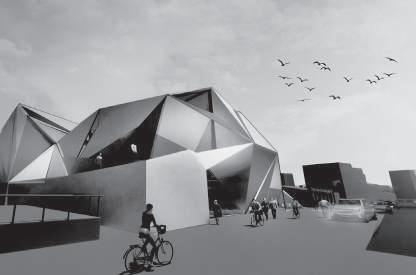
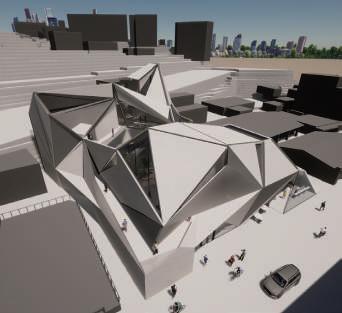
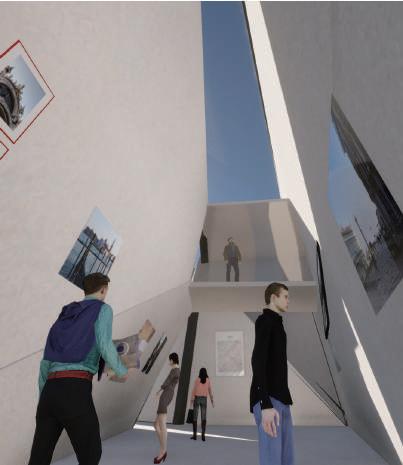
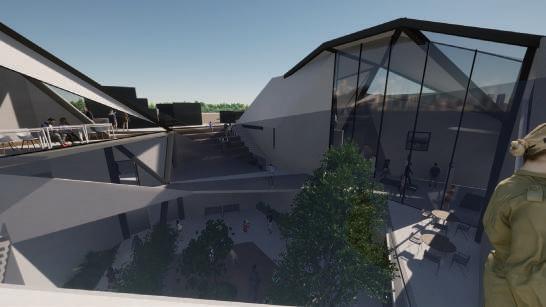
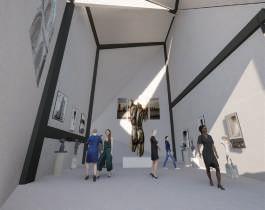
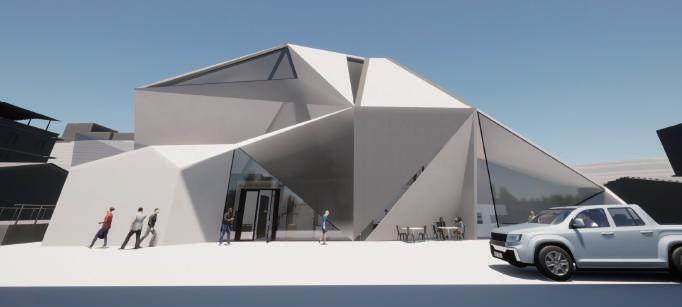
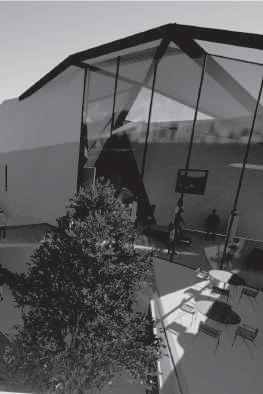
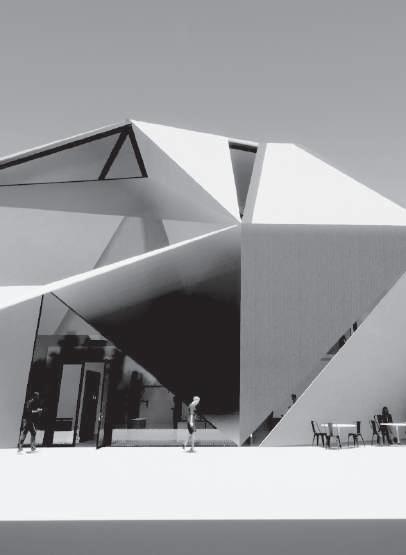
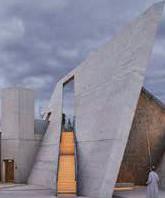
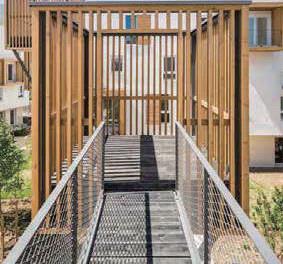
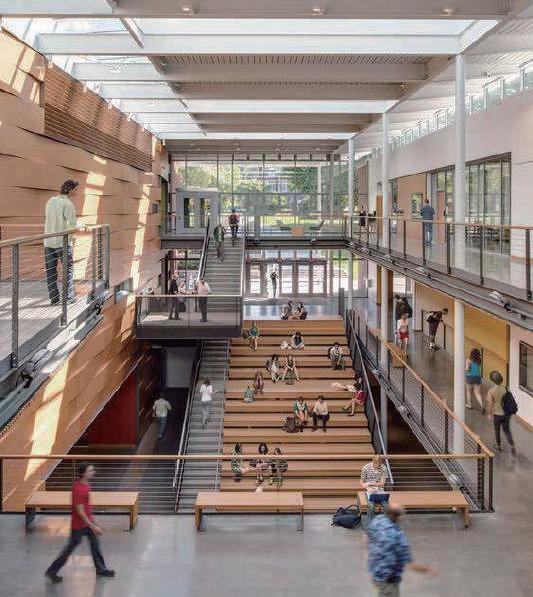
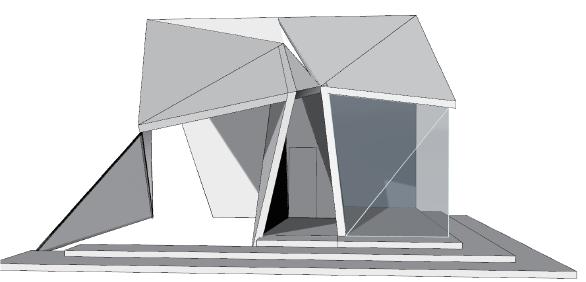
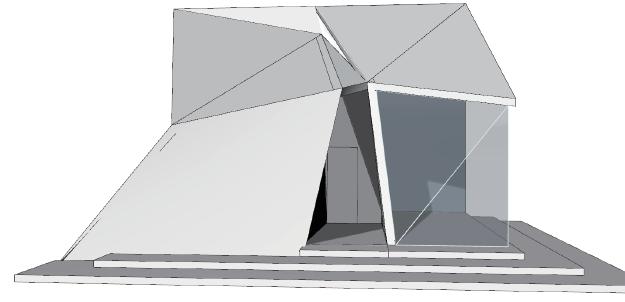
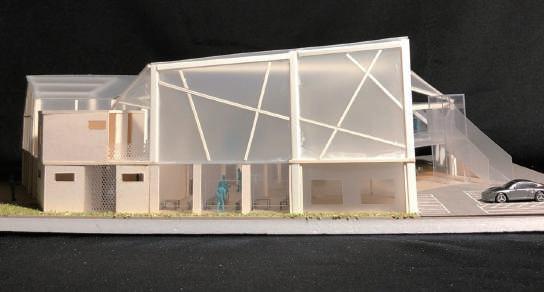
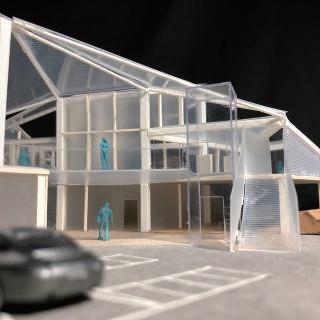
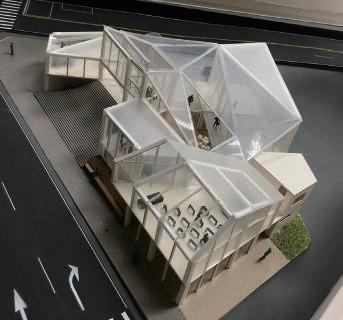
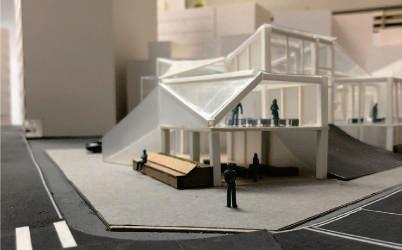
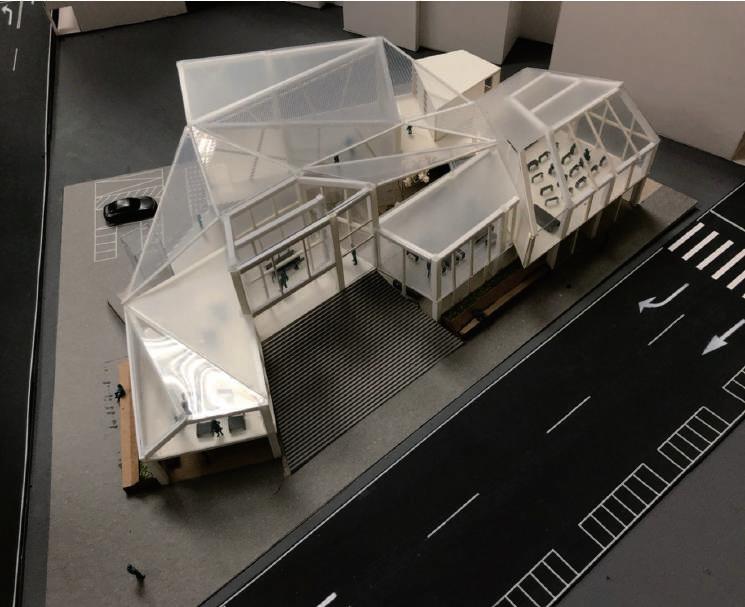
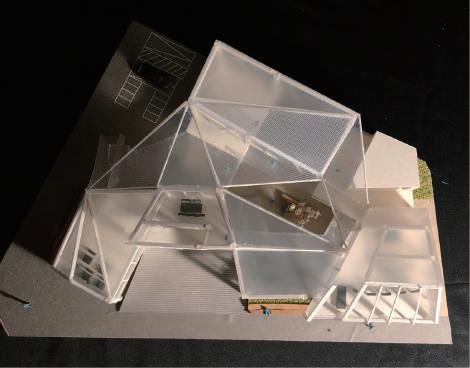
Starting from the impressions evoked by Tamsui, three emotions were identified:
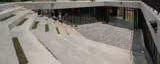


1. Anticipation, 2. Relaxation, 3. Solace.

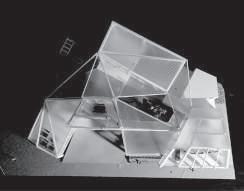
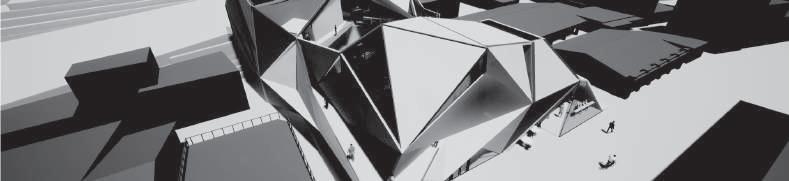
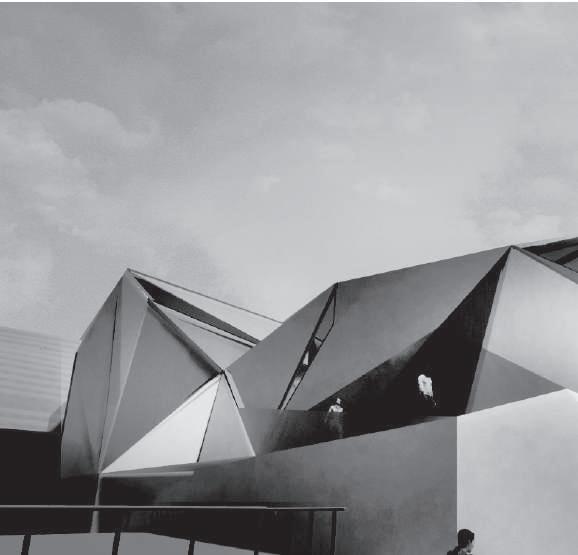
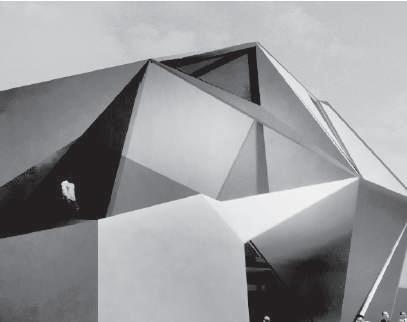
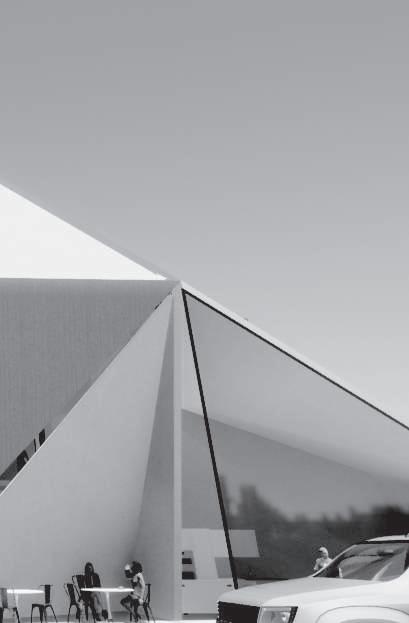
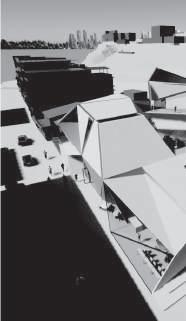
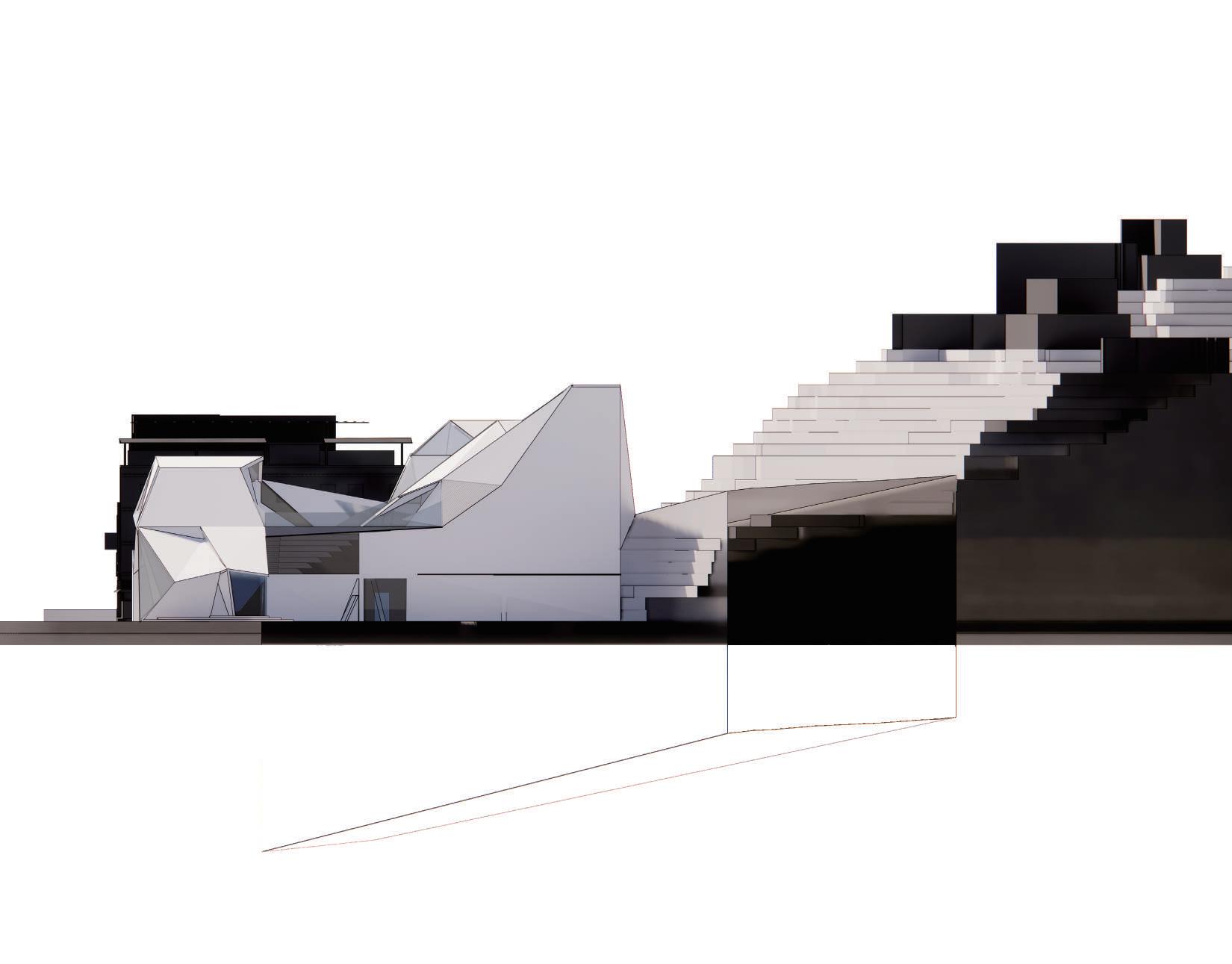
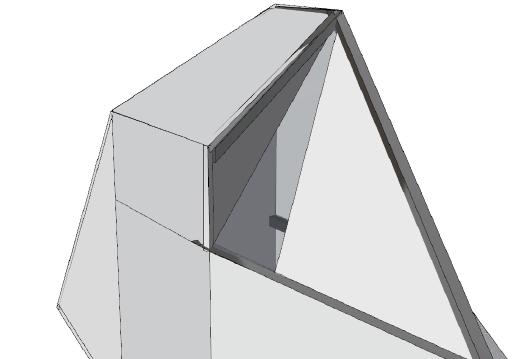
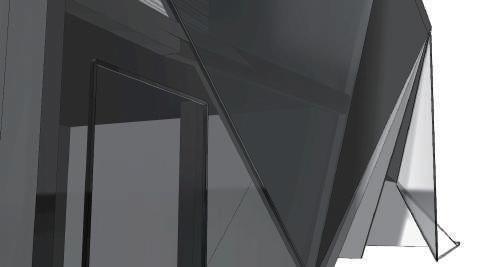
These emotions were then translated into spatial design, creating a continuous flow of movement that elicits different feelings as one enters various spaces. Finally, the external volume of the building is adjusted to incorporate folded walls, enhancing the usability of the space.
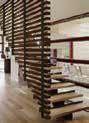
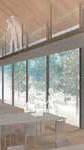
放鬆氛圍、大自然環境
半戶外空間、空間開放
複雜性、柔和、光線

紓解 慰藉 看到美的作品、感覺受到洗滌
24
CONCEPT

25





1F PLAN 0 1 3 6 (M) 大廳 特別展覽區 小型影音空間 行政辦公區 戶外庭院 工作坊 咖啡廳 販賣區 等待區 +0 +0 +45 +45 26
PLAN

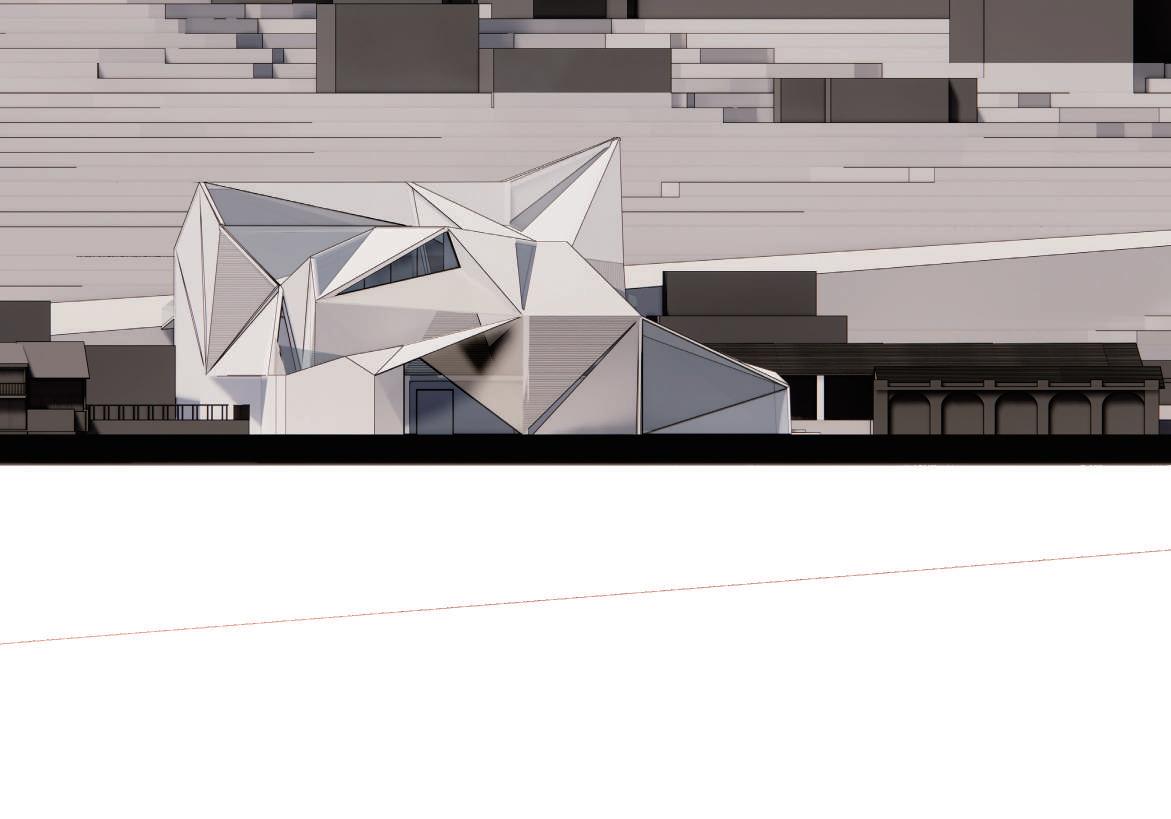
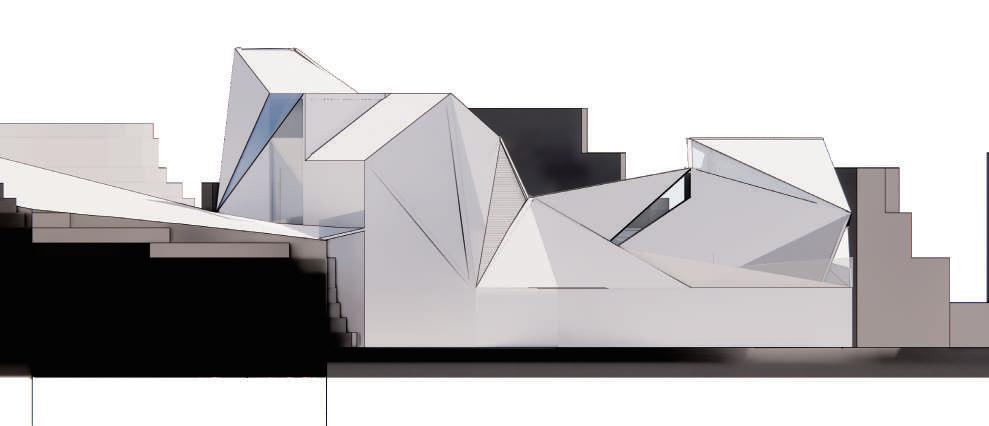
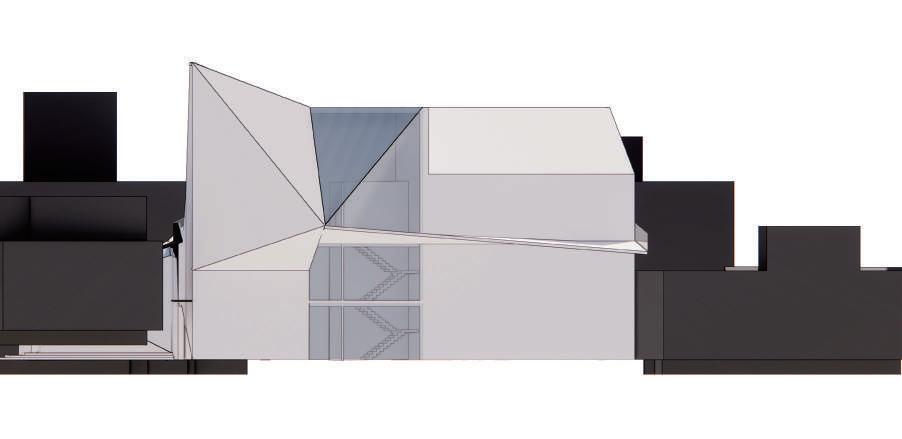



south elevation west elevation 0 1 3 6 (M) 0 1 3 6 (M) 0 1 3 6 (M) 0 1 3 6 (M) nor th elevation east elevation 27
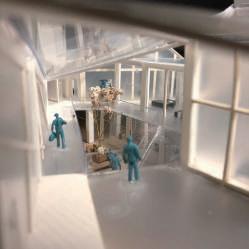
MODEL





28 01 02 03 04 05
EA2 CULTURE HALL


05
29
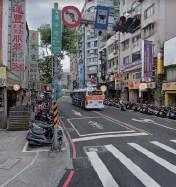
以框景、穿透的視線
INSTRUCTION
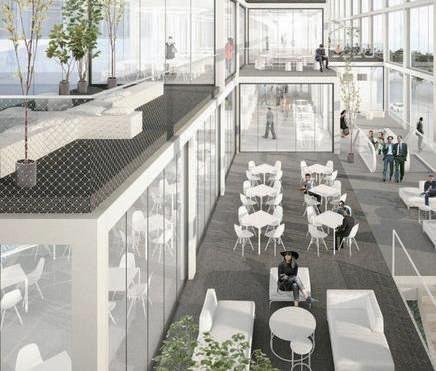
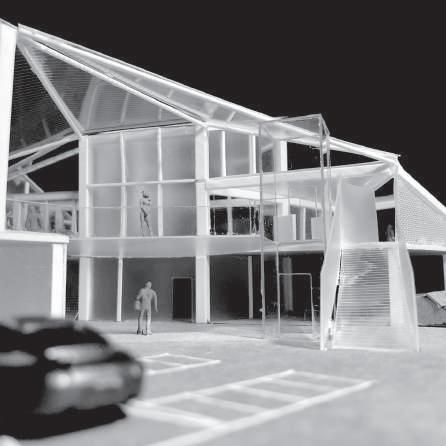
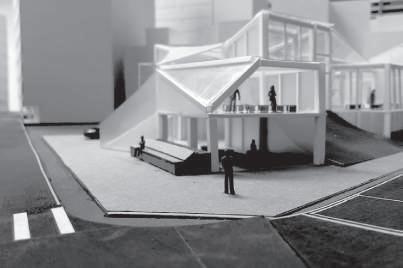
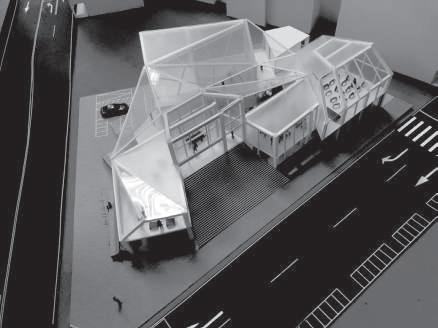
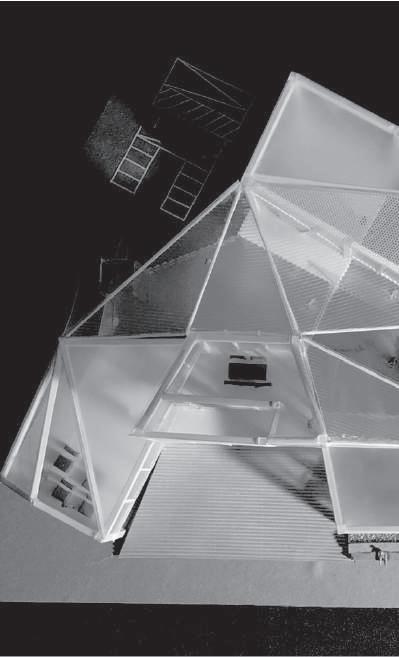
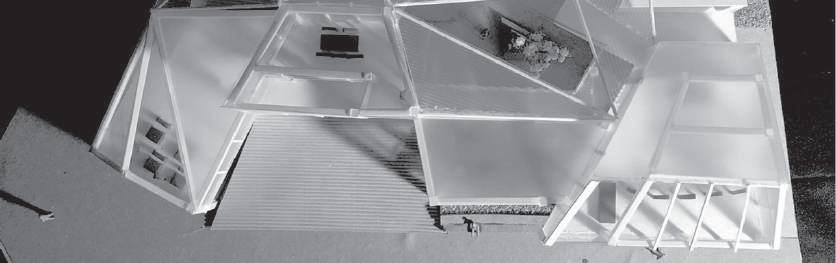
The continuity of the imagery is translated into a continuous flow of movement and visual connections that penetrate through spaces.


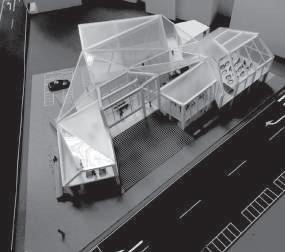
A coherent sequence of guided visits is established along the movement paths. Visitors start by ascending to the second floor through the main staircase, entering the lobby and observation deck. They then proceed to the historical and themed exhibition areas. Afterward, they visit the service information station before returning to the first floor, where the creative center and workshops provide opportunities for hands-on experiences for the visitors.
一格一格的畫面連接,形成電影
CONCEPT
由空間隱私程度設定空間透明程度 透明度 0% 20% 50% 70% 100% 廁所、哺乳室 辦公室、館長室 、展場 小型集會場、創 藝中心、工作坊 大廳、服務資訊站 簡易用餐區 實牆 霧面玻璃 洞洞板+ 霧面、透明玻璃 透明玻璃 無牆(半戶外)
30




引導想要呈現的景 畫面的連續性 視線 動線
建築空間前後關係,讓外部的人看到建築內 人的活動與行為,像是穿透後看到的影像呈現。
空間透明度
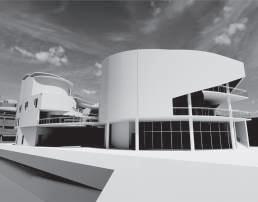
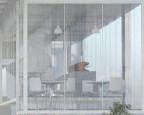
In terms of visual connectivity, the areas with higher foot traffic, particularly on the ground floor where people move around more, are designed to have transparent spaces in the foreground.(The level of transparency is carefully balanced with the need for privacy.) This allows people to see through the framework and experience the layered views created within the building. These views showcase the activities and behaviors of people within the architecture, attracting and inviting visitors to explore further, thereby creating new iconic landmarks.
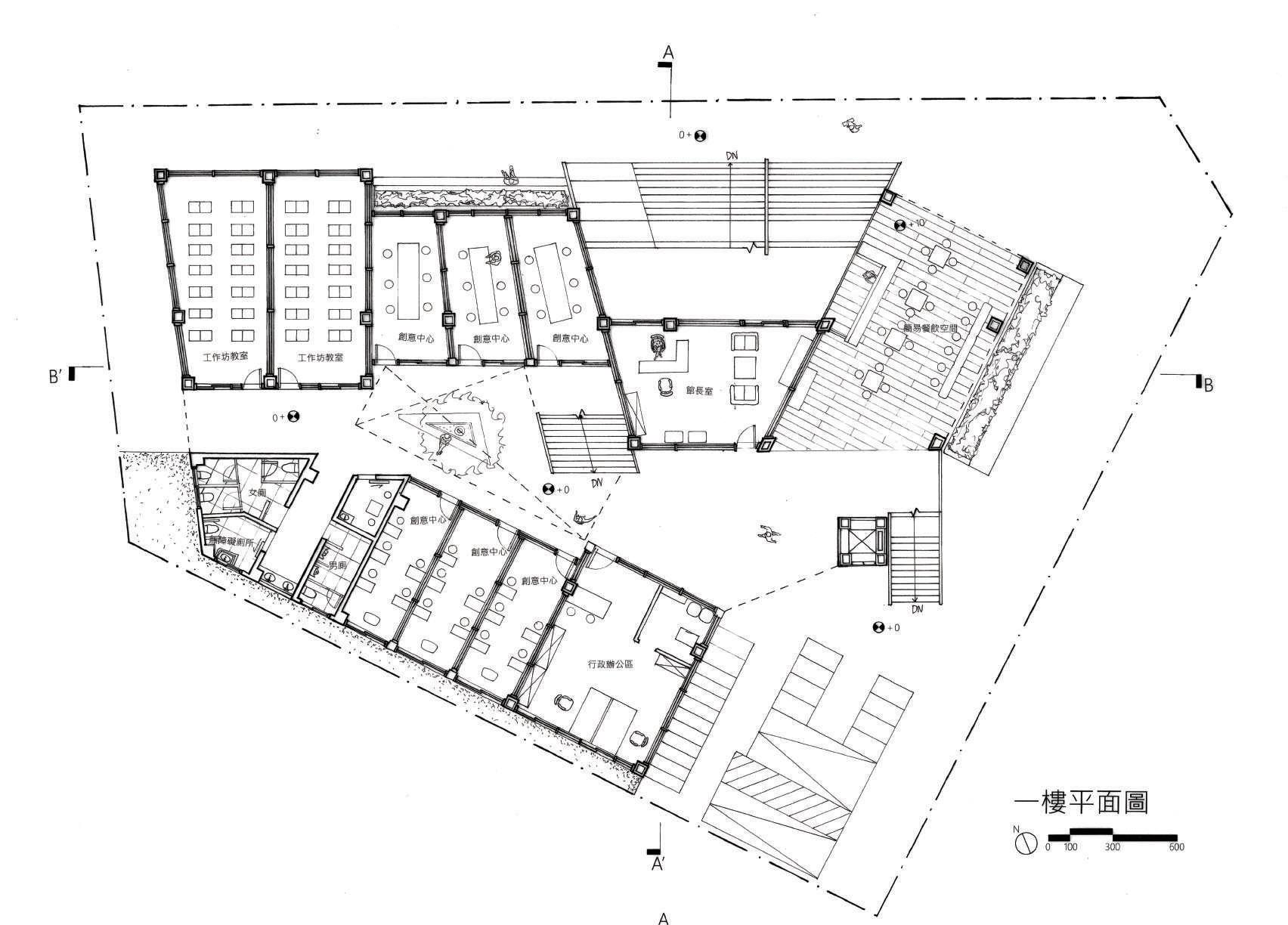

0 1 3 6 (M) 1F PLAN 31
PLAN
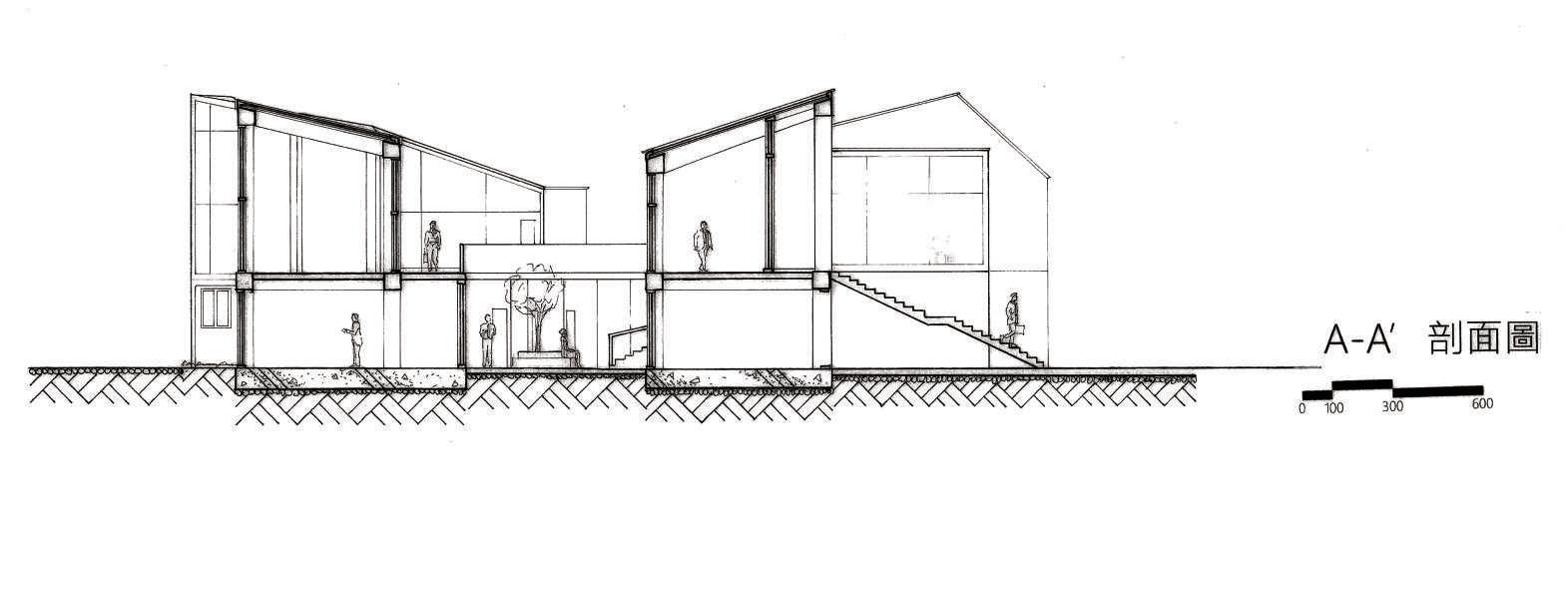
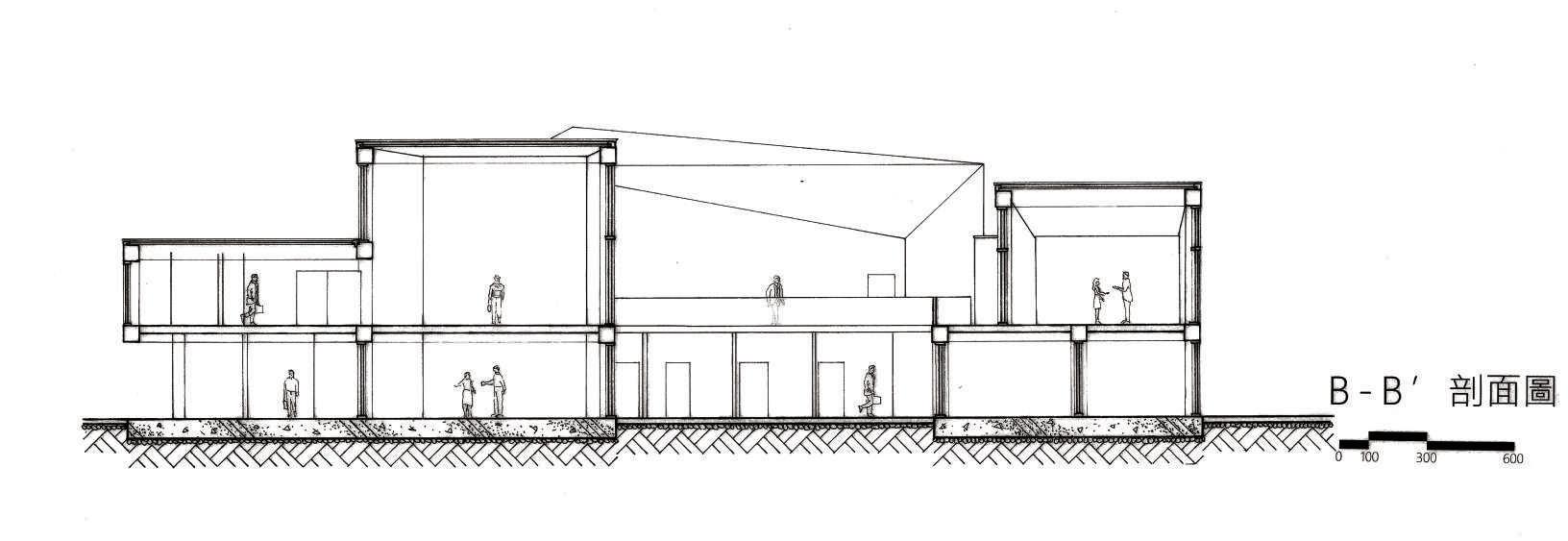


32 SECTION 0 1 3 6 (M)
0 1 3 6 (M)
A - A’section
B - B’section
THANKS FOR READING