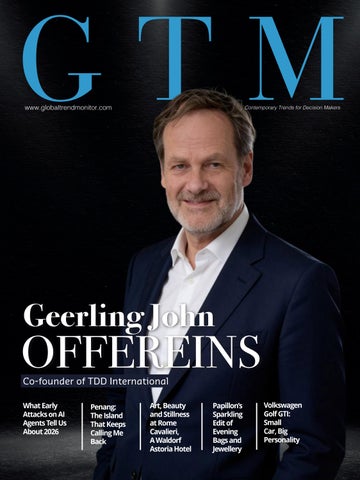
Geerling John Offereins, Co-Founder Of TDD International On Renewable Energy, Ethical Finance, And Why The Post-Fossil Economy Will Be Built At Source
Five Senses In Luxury Hospitality Management
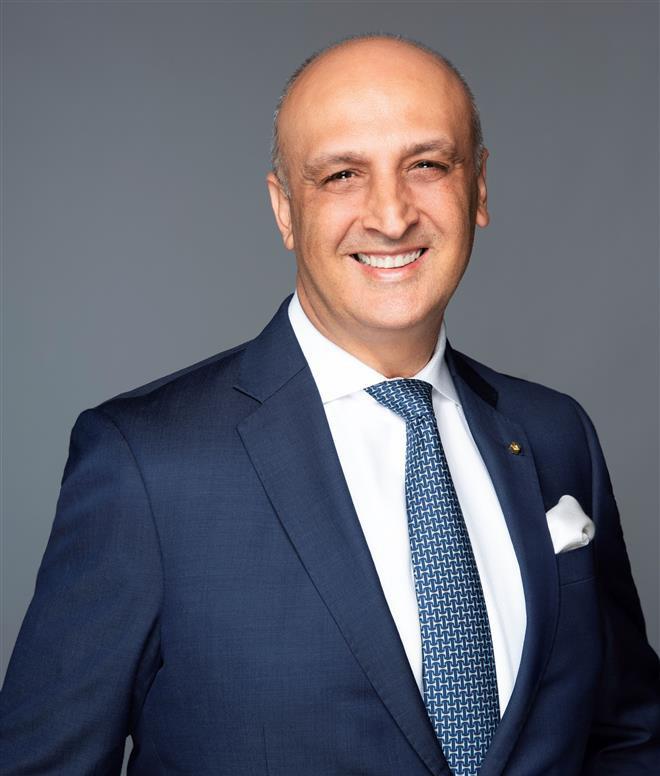
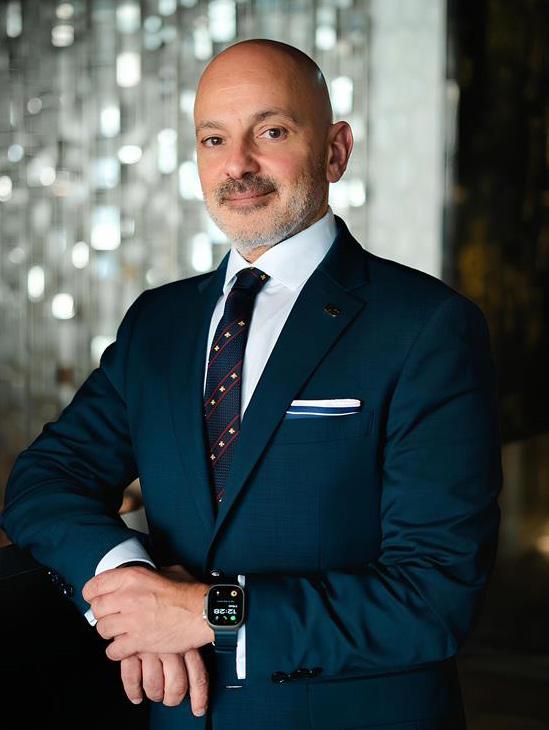
Hakan Ozel, Vice President Operations & General Manager, Shangri-La Dubai
A Turning Point For Women’s Health
Saudi Arabia Prepares For
What Early Attacks On AI Agents Tell Us About 2026
2026 Cloud Security Report Data Reveals “Complexity Gap”
Key Insights From New Survey Of 1,100+ Cybersecurity Leaders Worldwide
Netapp Unveils New High-Performance EF-Series Models
Capital For Impact
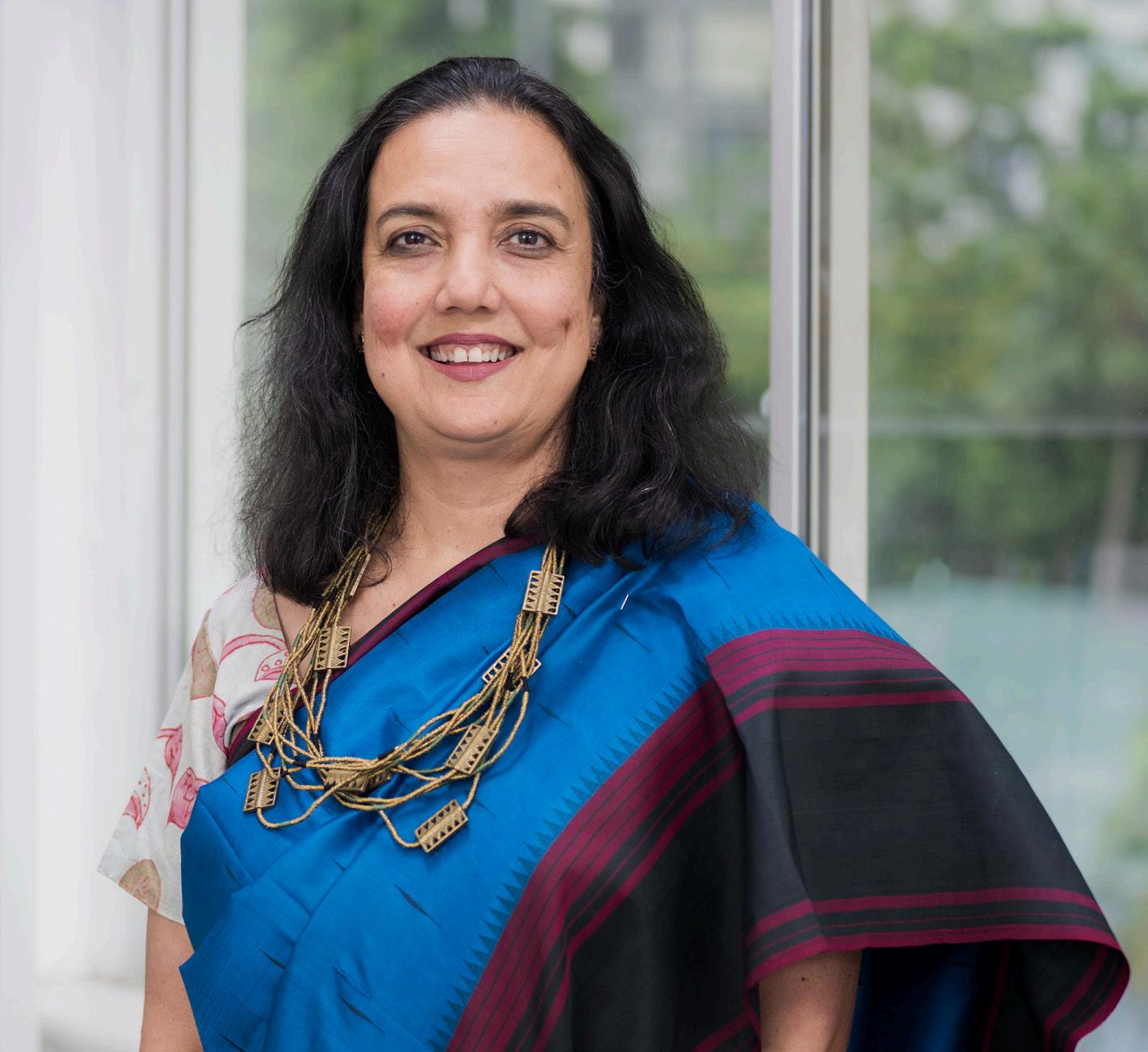
Naina Subberwal Batra, CEO Of AVPN On Scaling Social Investment Across Asia
Penang
The Island That Keeps Calling Me Back
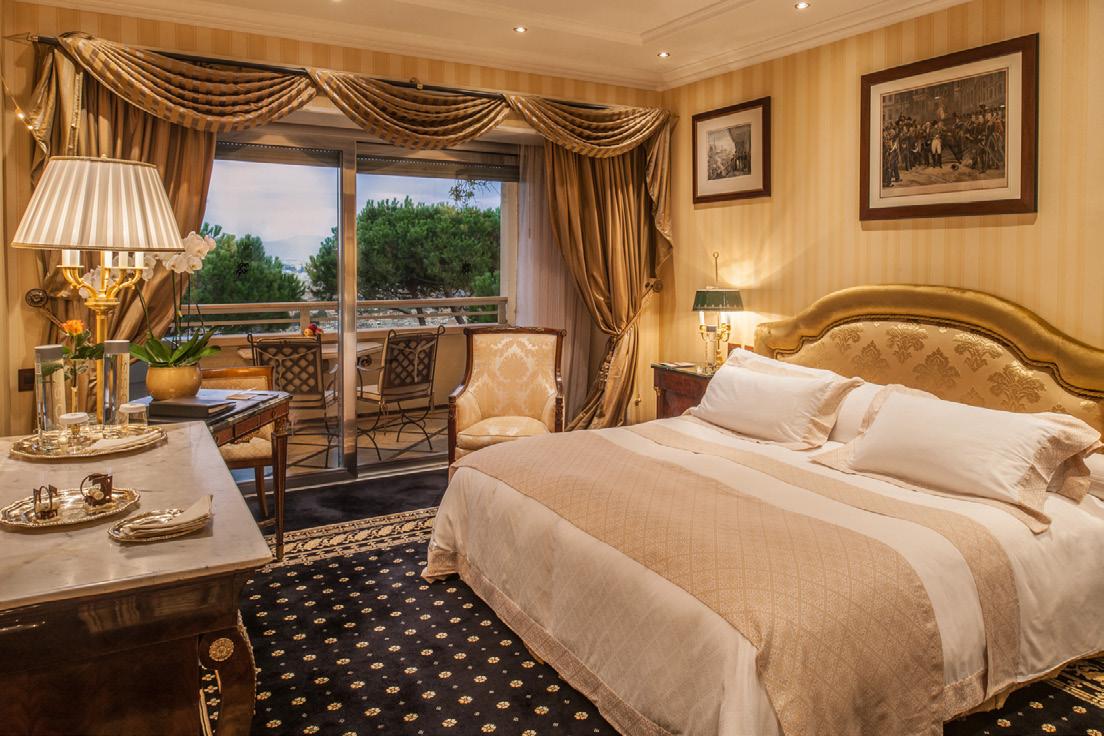
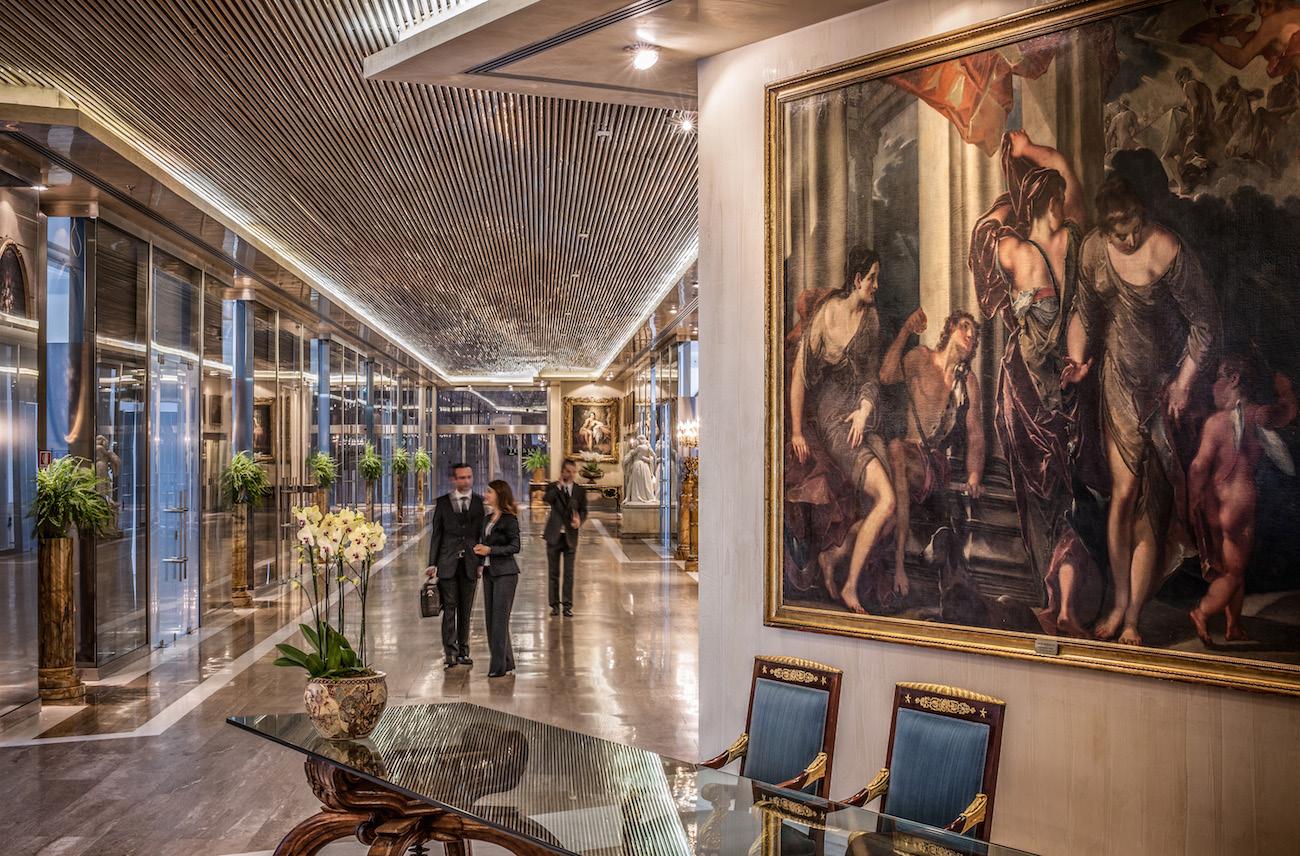
Art, Beauty And Stillness At Rome Cavalieri, A Waldorf Astoria Hotel
Aati On The Interiors Shaping Spring 2026 Storytelling, Atmospheric Layering And A Renewed Sense Of Optimism Define The Mood Of The Season
Dubai Emerges As Wellness Real Estate Hub With Wealthy Buyers Seeking Quality Of Life
Designing The New Guest Experience
What Ambiente 2026 Revealed About The Future Of Hospitality
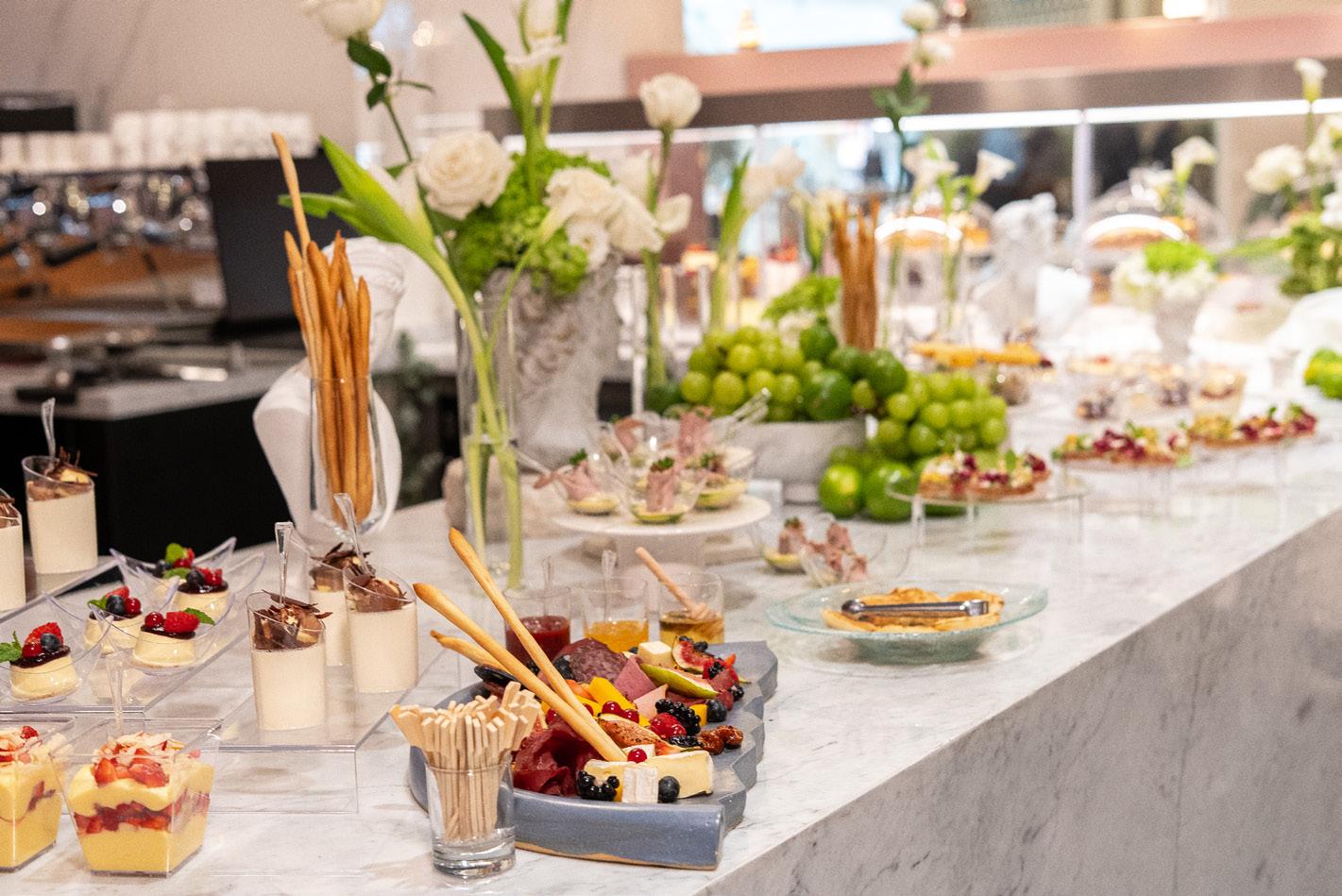
Where Desserts Take Flight
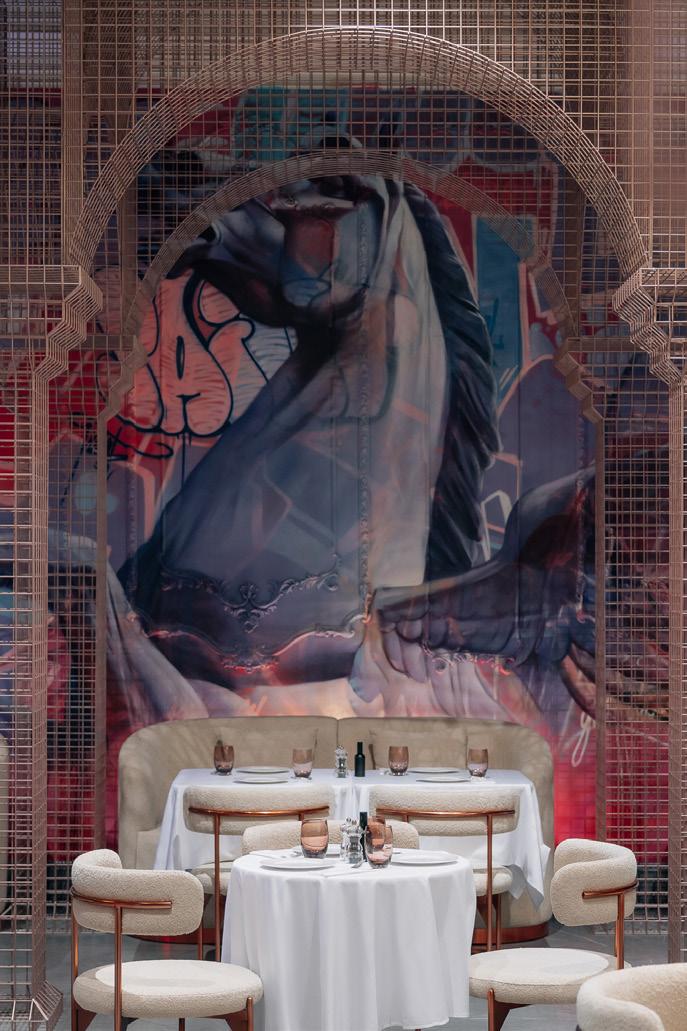
Inside The Opening Of Medici By Trove
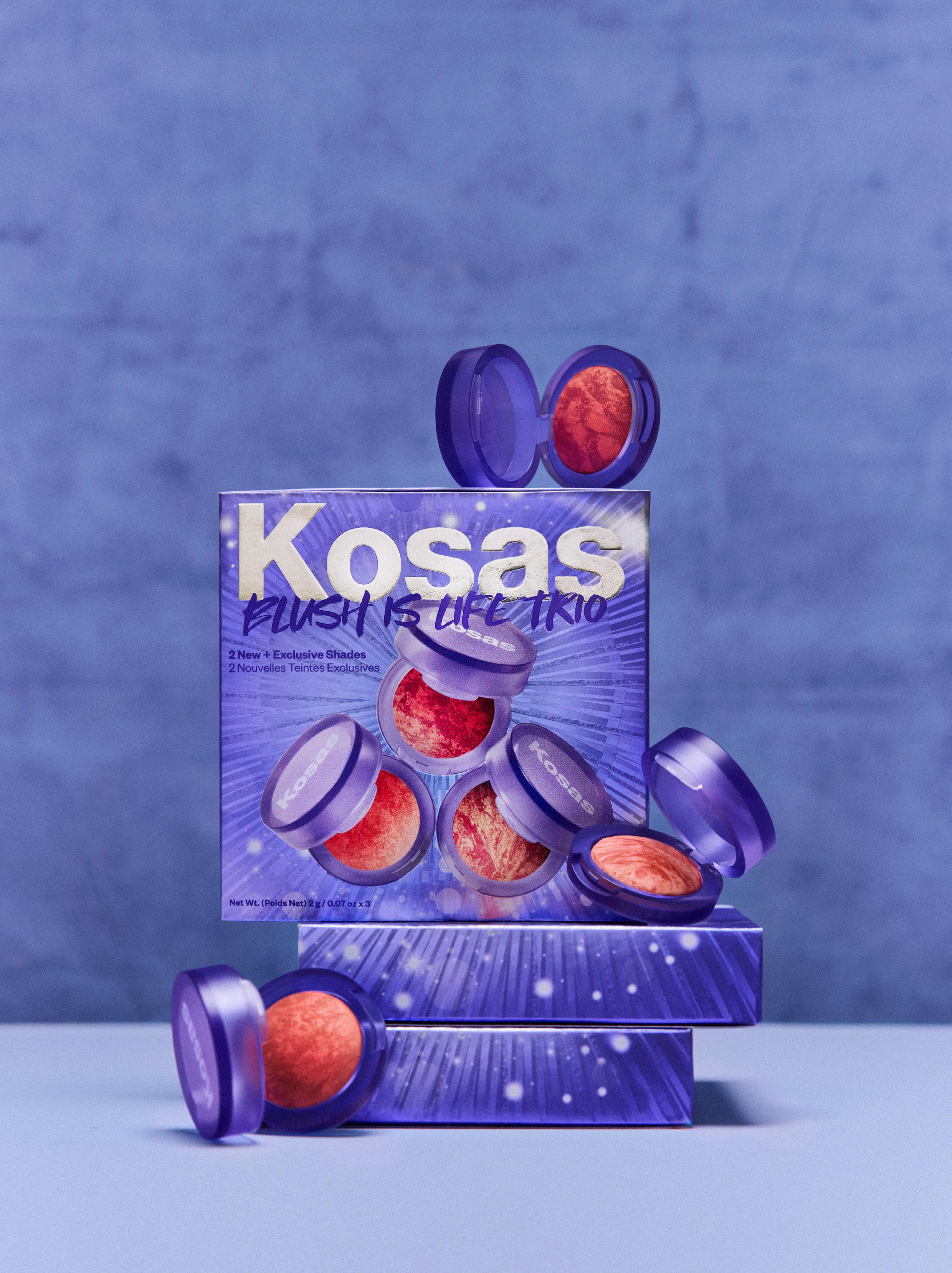
Glow, Gift, Repeat Kosas Unveils Beauty Sets For Effortless Radiance
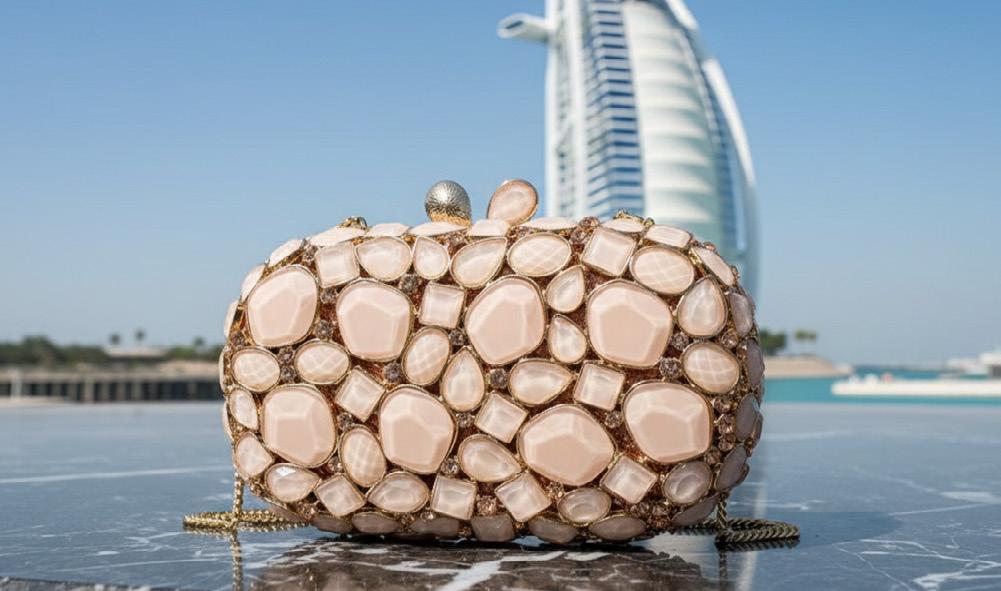
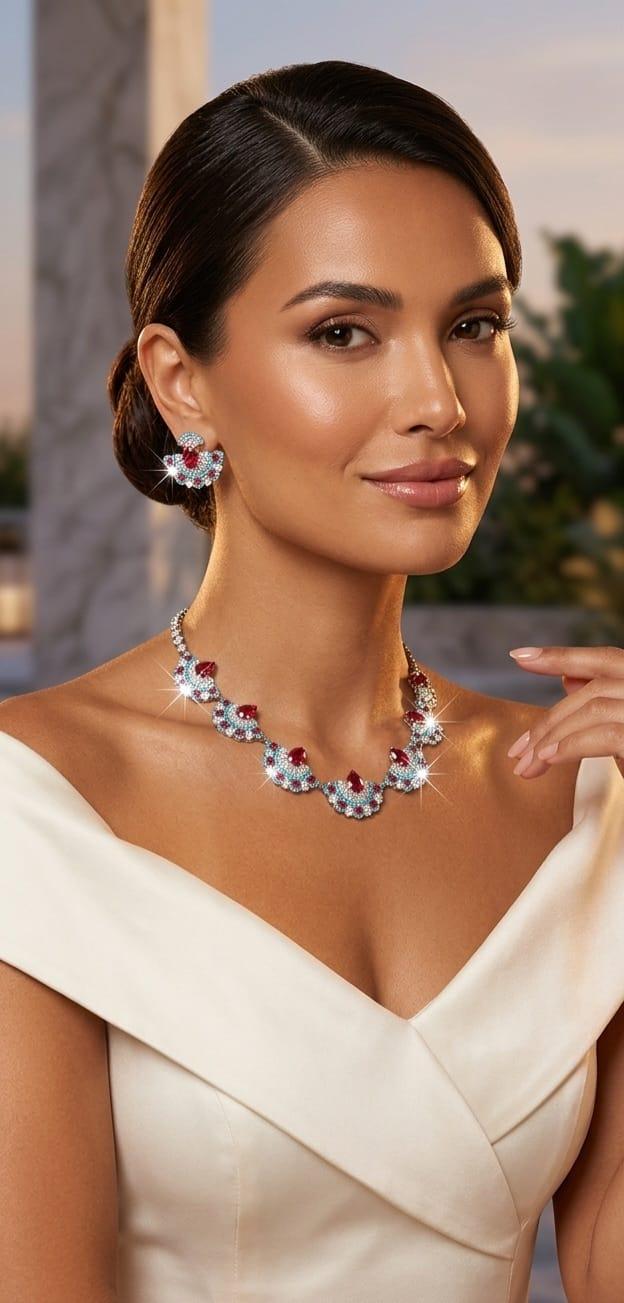
Papillon’s Sparkling Edit Of Evening Bags And Jewellery
Jewellery For Every Chapter And Celebration
How Fabulous Stone Jewellery Continues To Evolve With Meaning, Style And Occasion
Elevating The Art Of Hosting With Good Earth
Chahar Bagh
Scent, Skin And Story
Emma Hamsa’s Debut Redefines Modern Perfumery
Technology Trends
When Faith Meets Design
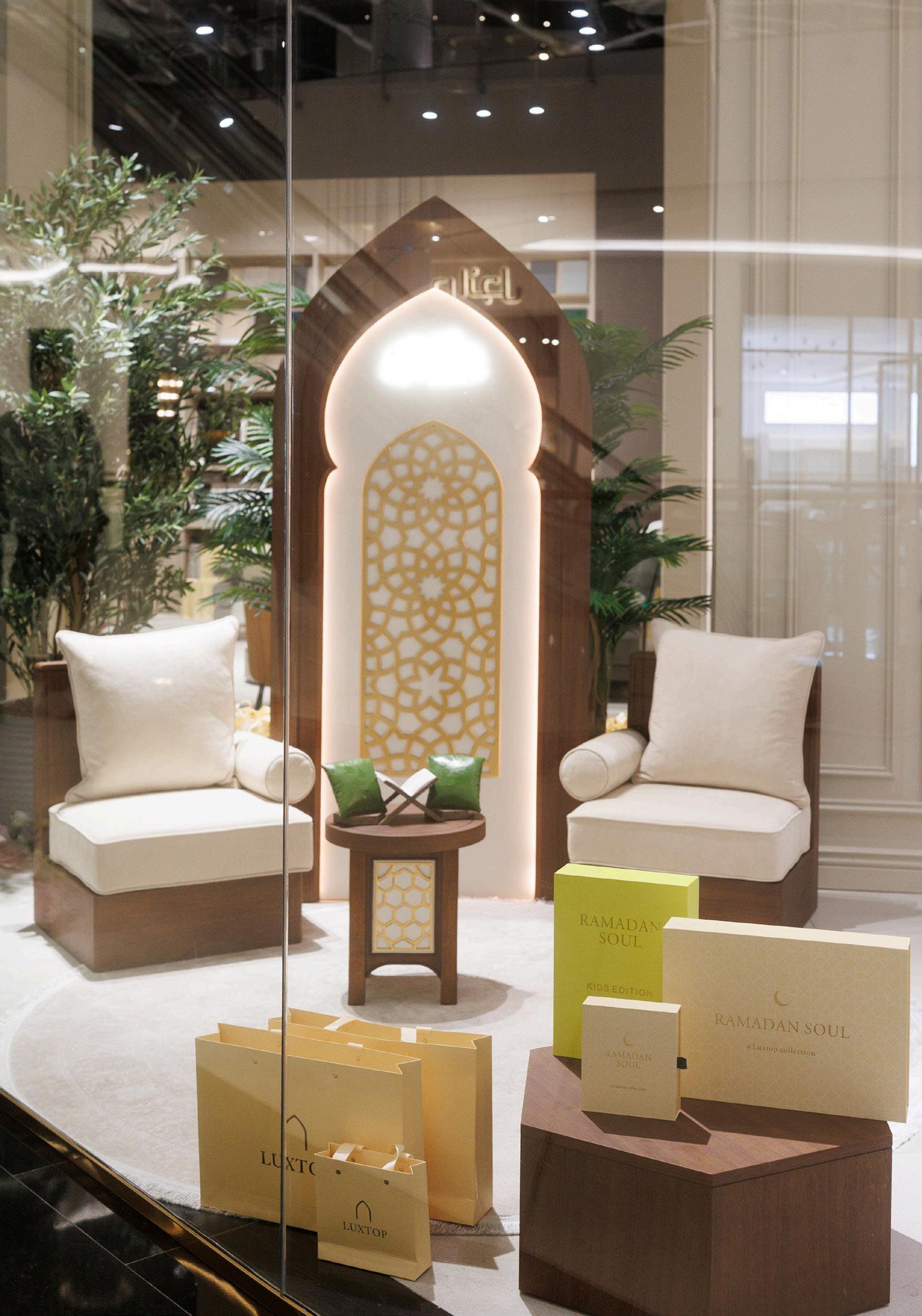
Luxtop Unveils The World’s First Offline Voice-Activated Quran Corner In Dubai
Boconcept
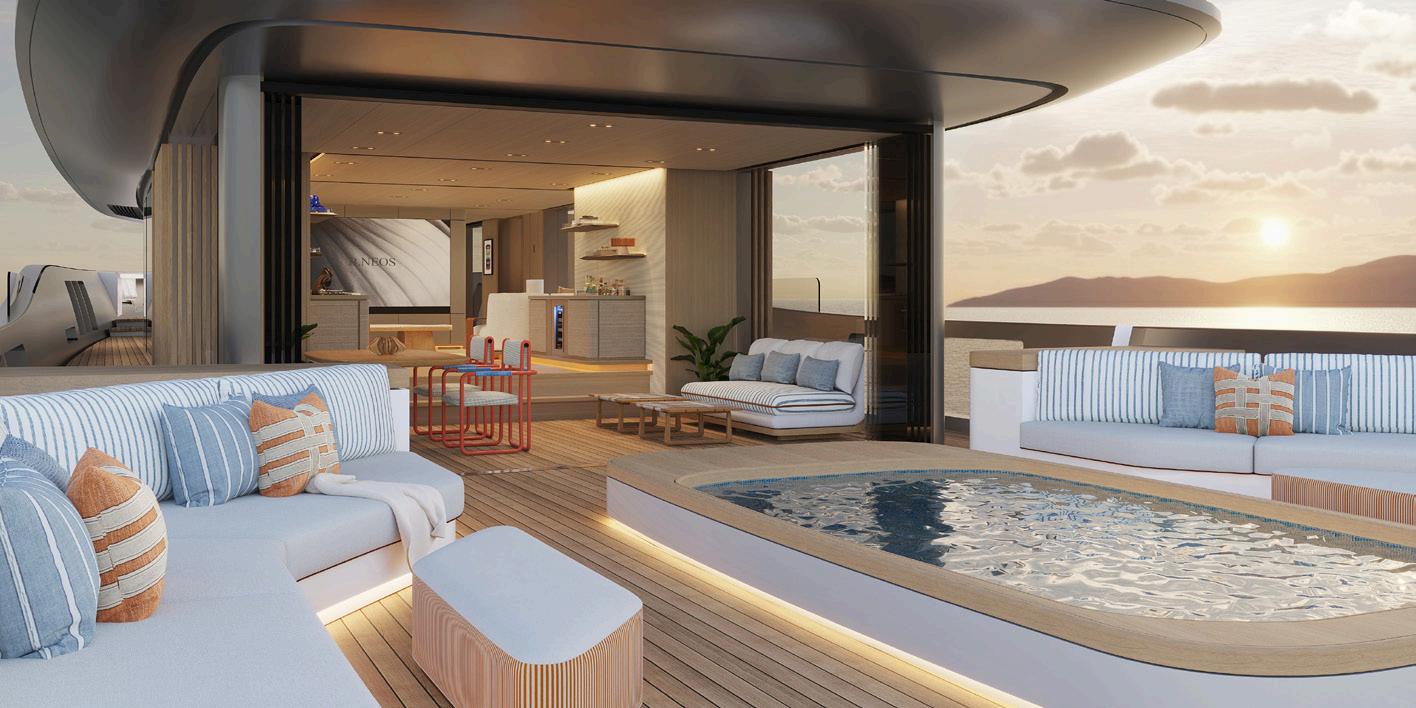
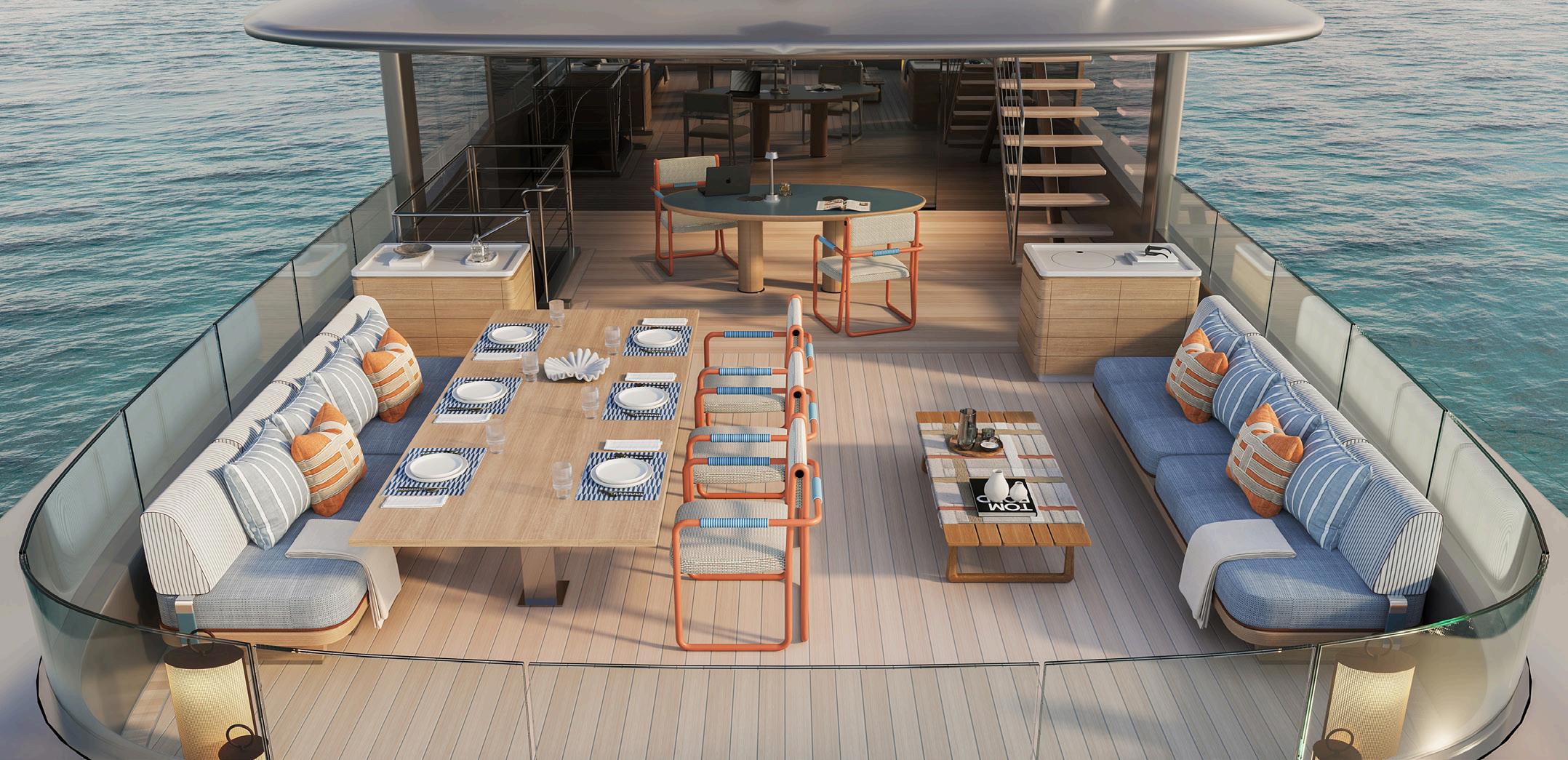
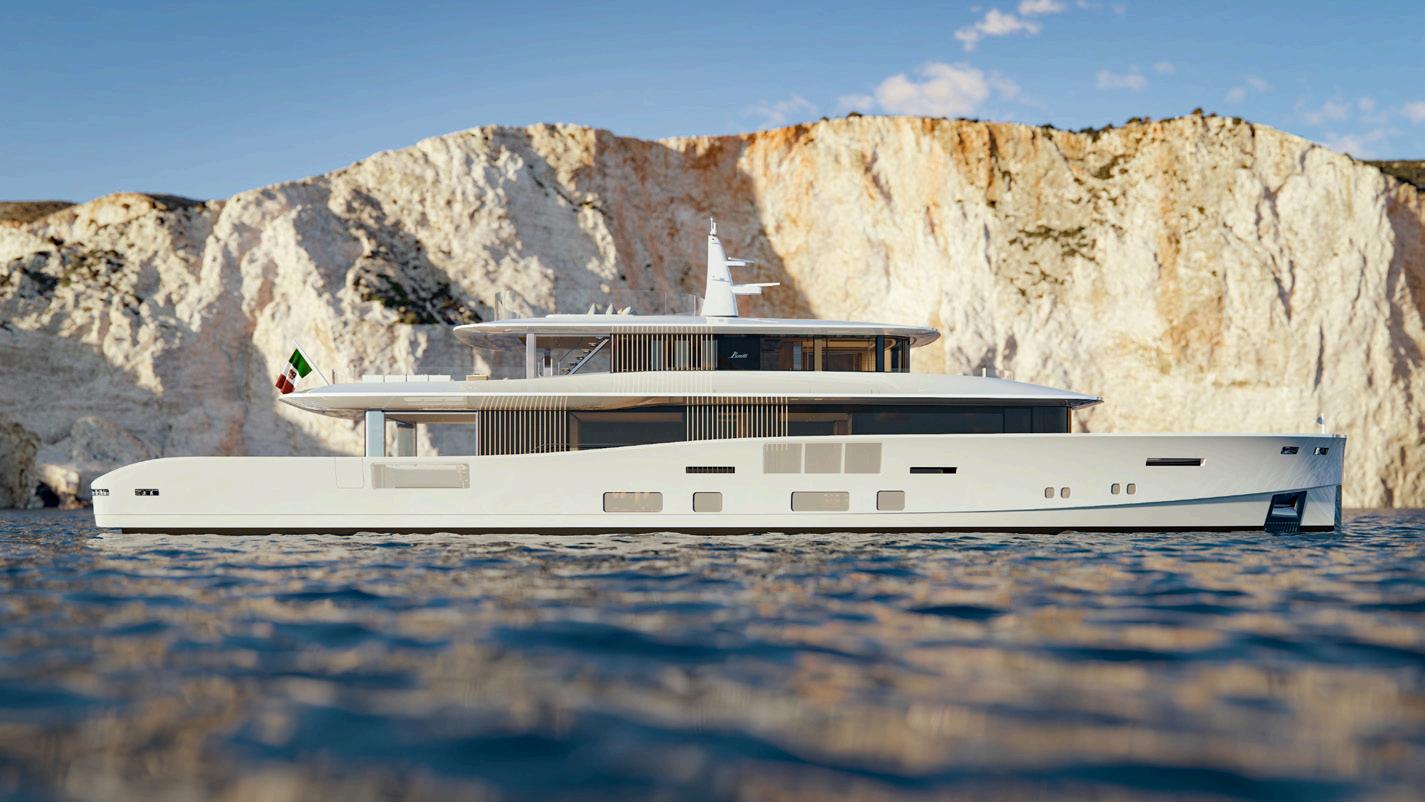
B.NEOS: The Soul Of Silence Where Serenity, Harmony And Peace Of Mind Define Life On Board
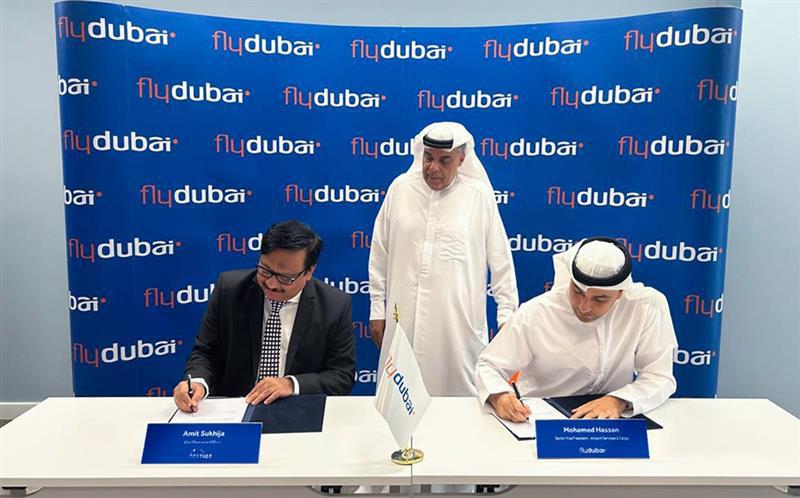
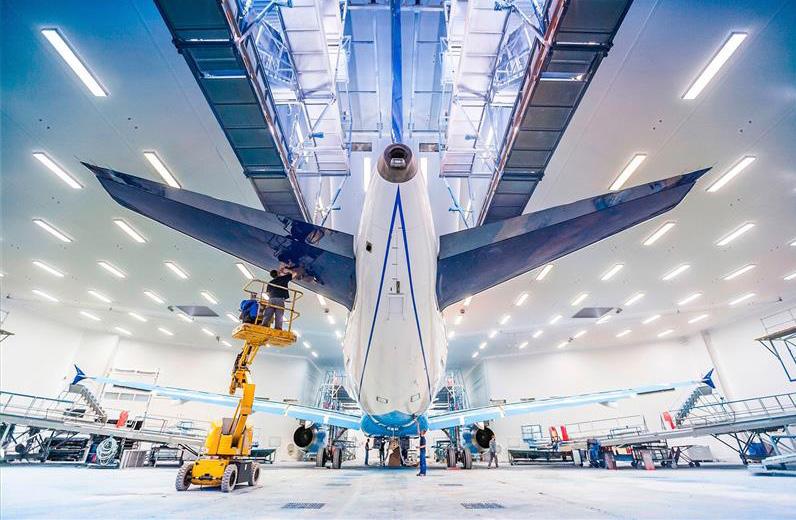
flydubai Turns To Smart Operations As It Digitises Ground Turnarounds Across Its Network
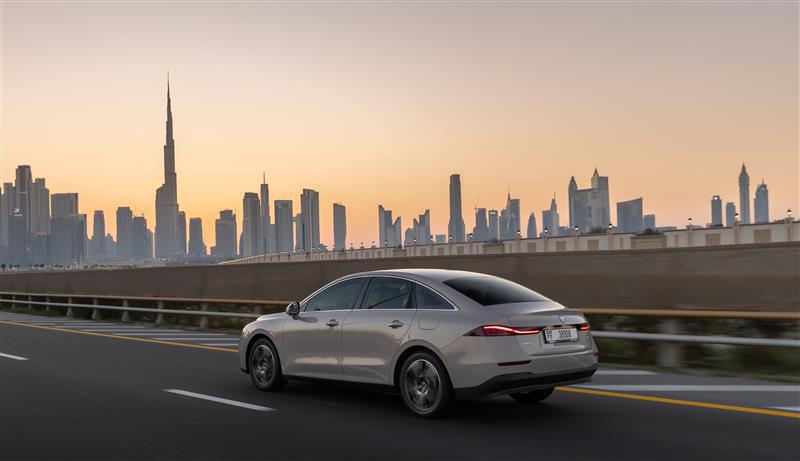
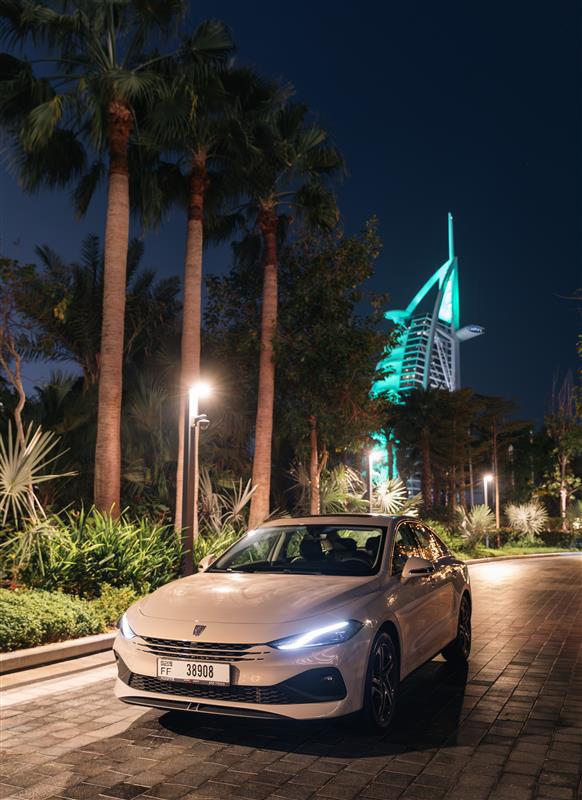
Roewe D7 A Hybrid Sedan That Redefines Efficiency And Innovation
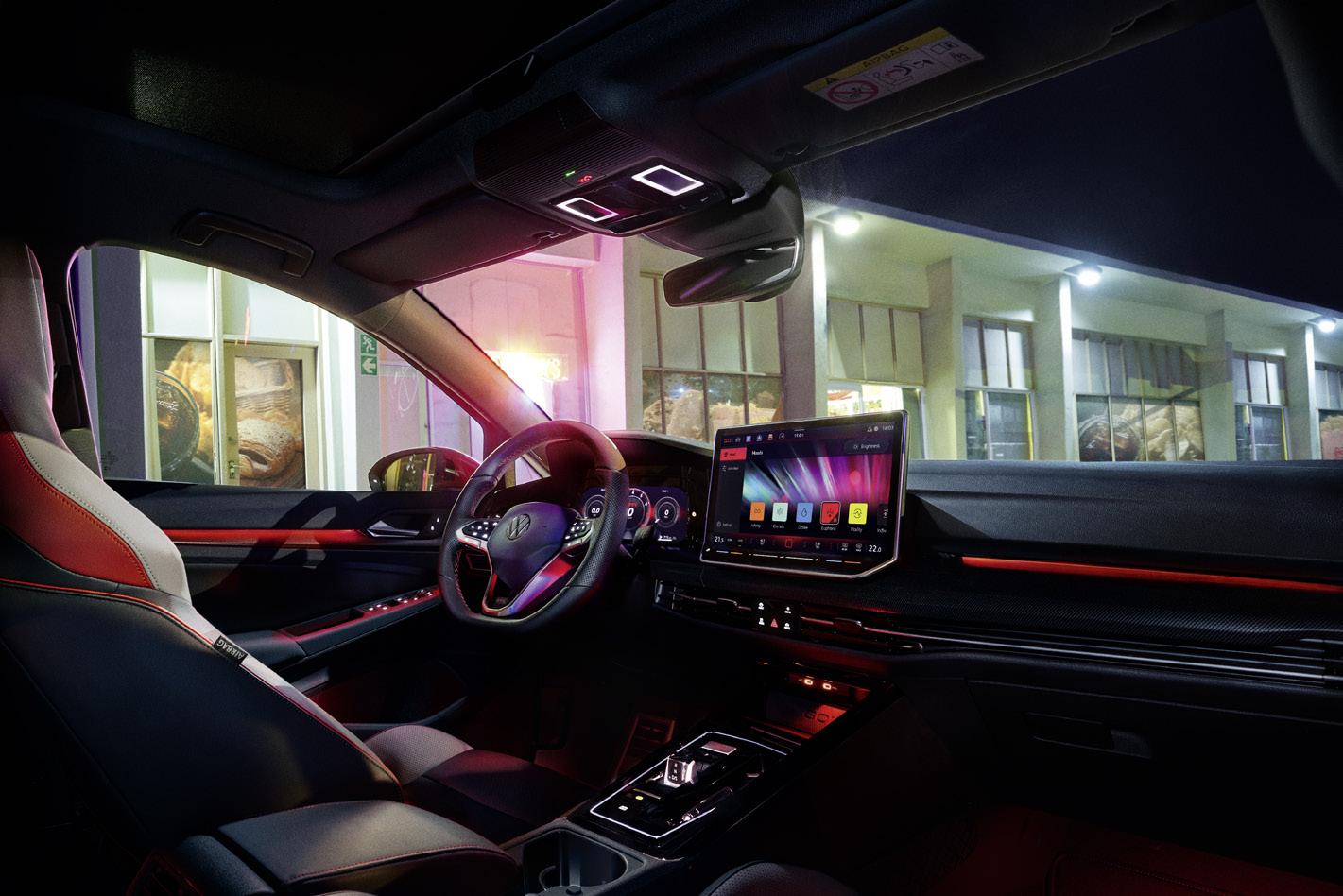
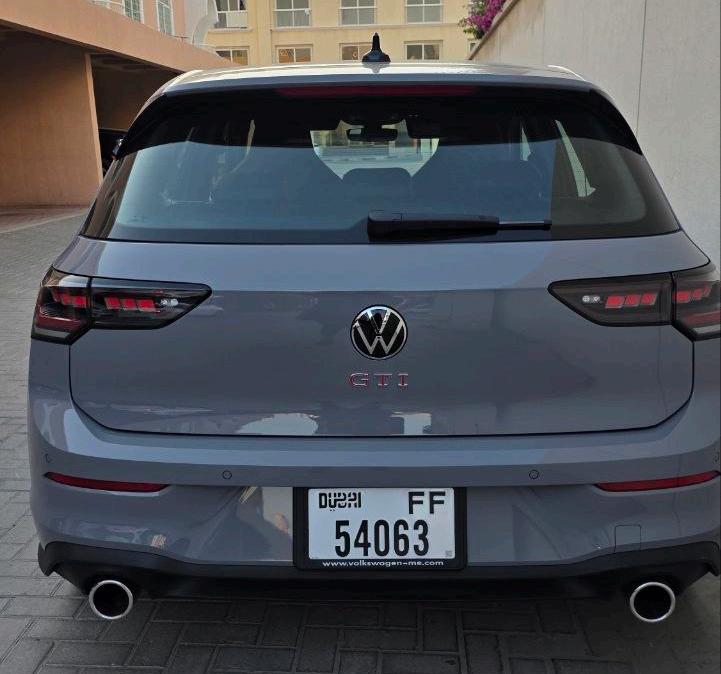
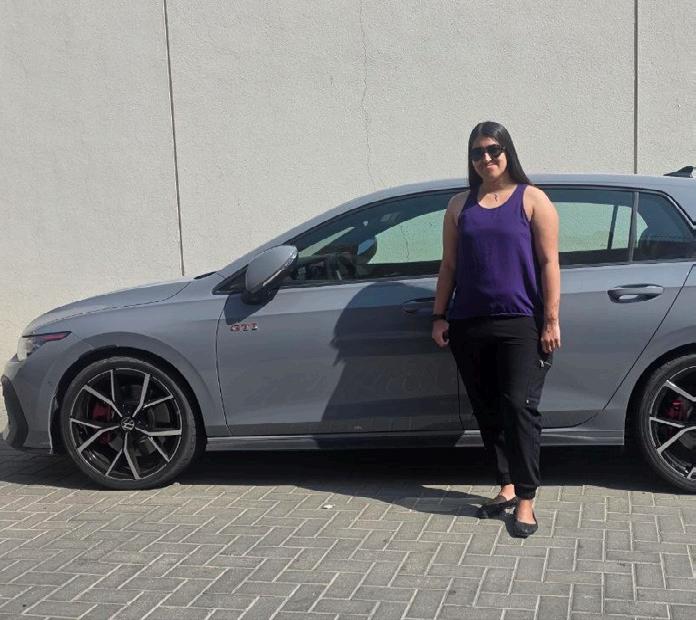
Volkswagen Golf GTI Small Car, Big Personality
Alfa Romeo Stelvio 2.0
Italian Passion In SUV Form
Suv
Meets
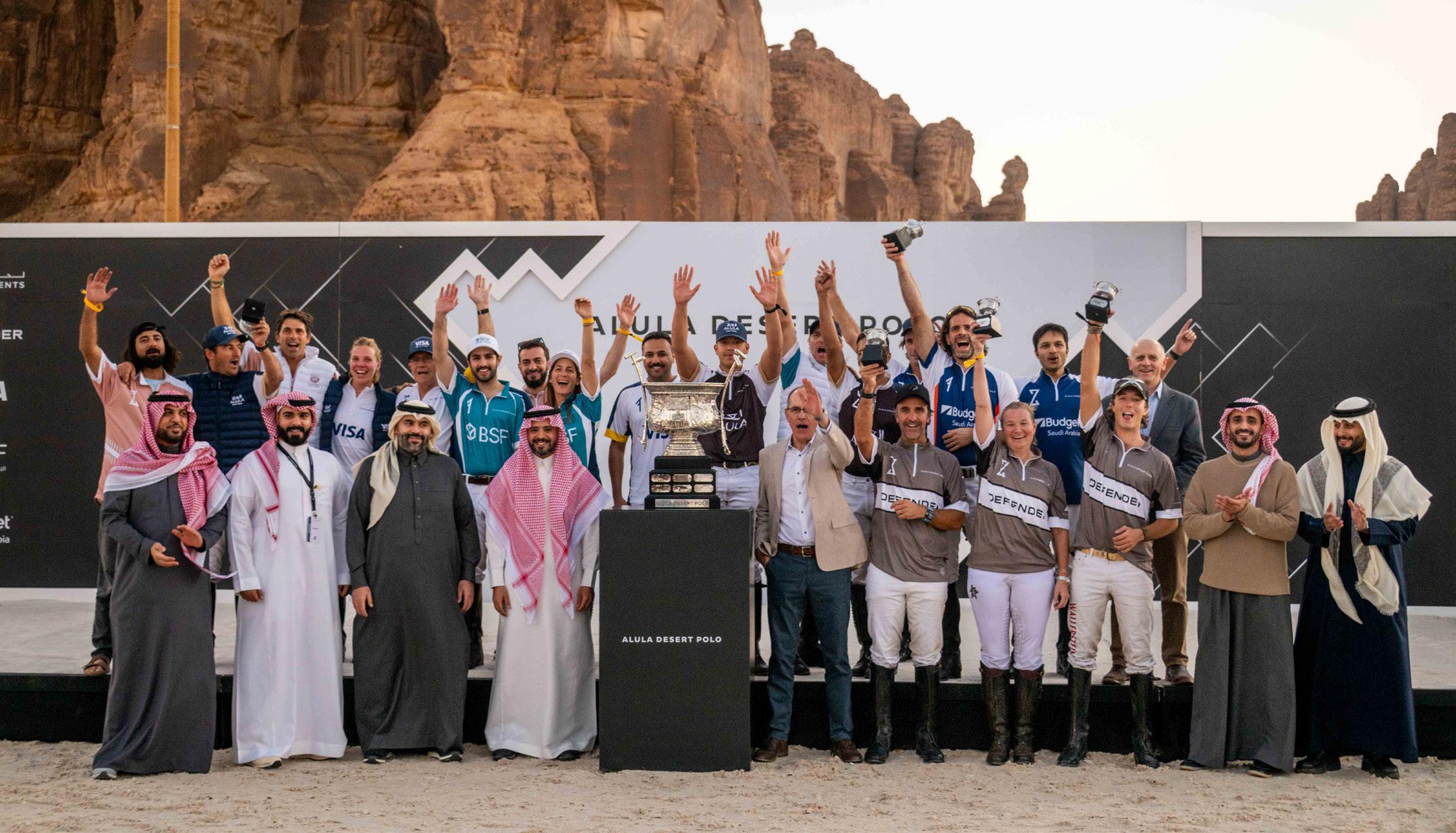
Alula Desert Polo Deliveres A World-Class Sporting Spectacle
PUBLISHER
Catherine Gilbert
EDITOR IN CHIEF
Shereen Shabnam
Editorial Contributors
Siew Lin
Natasha Jasmin Dury
Nishrat Nazeen
Eric Richard Dury
Art Director
V. Suquila
Correspondence Address
H3J LLE
Office 404, Building B
Old Saaha Offices - Souk Al Bahar
Old town Island - Burj Khalifa District P.O. Box 487177, DUBAI - U.A.E. Tel: +971 50 769 0087
Impression/Printing
Silver Point Printing Press L.L.C
Shed No:05 Caterpillar Building Salah
Al Din St Al Khabaisi - Deira - Dubai
A Publication by
H3J FZ LLE
Magazine online sur www.globaltrendmonitor.com
International Owners
Business and Lifestyle Updates
RCBS201811862
Copyright: “All right reserved. No part of this publication may be reproduced without written permission from the publisher.”
DESIGNING THE FUTURE, LIVING THE MOMENT
Dear Readers,
This issue brings together a compelling narrative of transition across industries, across ideas, and across the way we live, work and experience the world around us. From energy and finance to hospitality, design, technology and lifestyle, the stories in these pages reflect a global shift toward more intentional, connected and forward-thinking living even during challenging times.
We begin with a powerful perspective on the future of energy and capital, as Geerling John Offereins explores how renewable systems and ethical finance are reshaping the foundations of global economies. This theme of transformation continues across sectors, from cybersecurity and AI to cloud infrastructure and digital innovation, highlighting both the opportunities and complexities of an increasingly intelligent world.
In hospitality and lifestyle, the focus moves toward experience and how spaces are designed, how guests are engaged, and how moments are curated with meaning. From insights at Ambiente 2026 to leadership perspectives from industry experts, and destination features spanning Penang to Rome, this issue celebrates the evolution of travel, wellness and human connection.
Design and beauty take on a more personal dimension, with features that explore how we express identity through interiors, fashion, fragrance and everyday rituals. Whether through curated hosting, statement accessories or thoughtful gifting, the emphasis is on authenticity, storytelling and the art of living well.
Our automotive and aviation features reflect a similar shift, where performance meets innovation, and technology enhances both efficiency and experience. From next-generation mobility to smarter airline operations, the future is being shaped by precision, intelligence and design.
At its heart, this issue is about balance. Between progress, challenges, purpose, innovation, heritage, ambition and wellbeing. It is about creating a world that not only moves forward, but does so with clarity, intention and meaning. As always, we hope these pages inspire, inform and invite you to see the world and your place in it, with a renewed sense of perspective.
Enjoy the read.
Shereen Shabam Editor-in-Chief
Global Trend Monitor Magazine editor@globaltrendmonitor.com
DUBAI POLO & EQUESTRIAN CLUB
Nestled in the heart of Dubai, a sanctuary of greenery and horses awaits you Here, elegance meets warmth, a place where families gather and memories are made From weddings to birthdays, to corporate gatherings, every event finds its perfect setting Dubai Polo & Equestrian Club more than a club, it’s an experience of its own
MORE THAN A CLUB
Polo Bar
Enjoy great varieties of beverages, bar bites, hubby bubbly while catching up on your favorite sport with friends whilst soaking in breathtaking outdoor views and Polo action on the terrace
Splash Pool Bar
Head outdoors in the sunshine and enjoy our pool where you can feast on fresh light bites, including sandwiches and healthy salads
Spa
Experience utmost relaxation & rejuvenation with our pampering signature treatments
Unwind in our tranquil treatment rooms, luxurious Jacuzzi and relaxing steam room facility
ENGINEERING ENERGY & FINANCING THE FUTURE
Geerling John Offereins, Co-founder of TDD International on renewable energy, ethical finance, and why the post-fossil economy will be built at source
In an age when finance is being asked to do more than generate returns, Geerling John Offereins from the Netherlands represents a rare kind of leadership. One that bridges capital, technology, sustainability, and longrange global thinking.
With a career spanning more than three decades across investment banking, structured finance, fintech, renewable energy, and advanced geophysical technologies, Offereins has built his professional life around one central belief: finance should not merely follow change, but enable it.
That belief is now taking shape in one of the most important transitions of our time: the shift from fossil-fuel dependency to locally generated, infrastructure-grade renewable energy. In his work across finance and energy innovation, Offereins is focused on the systems that will define the next economic era, where nations can reduce strategic dependence, investors can access resilient long-term assets, and technology can transform energy from an imported commodity into a domestically engineered certainty.
As CFO and strategic leader across ventures spanning deep detection technology, renewable energy, and ethical finance, he brings both technical understanding and financial discipline to a conversation that is becoming increasingly urgent.
In this cover story conversation, Offereins discusses why ultra-deep geothermal energy deserves more attention, how ethical finance can reshape investment logic, and why the future economy will belong to those who know how to align capital with sustainability, sovereignty, and innovation.
By Shereen Shabnam
WHAT IS THE BIG IDEA SHAPING YOUR CURRENT THINKING ON ENERGY AND FINANCE?
It began with a simple but far-reaching question: what if energy were no longer a geopolitical dependency, but a locally engineered certainty? For decades, the global financial system was built around scarcity. Capital moved toward the extraction, transportation, and control of fossil fuels, and entire economies were shaped by access to oil and gas reserves. Energy was not just a commodity; it was a strategic instrument of influence.
That model is now changing. We are entering a period in which new technologies, combined with more sophisticated financial structures, make it possible to think differently about energy. It can increasingly be developed at source, domestically, and with far greater predictability.
This matters not only for governments and infrastructure planners, but also for investors. What we are seeing is a shift toward longduration, infrastructure-grade assets that offer strategic value as well as stable yields. In that sense, renewable energy is no longer simply part of the sustainability conversation. It is becoming central to economic resilience, capital allocation, and national autonomy.
HOW HAS YOUR OWN CAREER EVOLVED TO PLACE YOU AT THIS INTERSECTION OF FINANCE AND INNOVATION?
My career has evolved alongside this transformation. I began in more traditional fields of corporate finance, structured
ETHICAL FINANCE INTRODUCES A FRAMEWORK THAT RECONNECTS CAPITAL TO REAL ECONOMIC VALUE AND SOCIETAL IMPACT. IN A WORLD
FACING
CLIMATE PRESSURES, RESOURCE CONSTRAINTS, AND GROWING INEQUALITY, FINANCE CANNOT AFFORD TO BE DETACHED FROM CONSEQUENCE.
Inner core 5100-6380 km
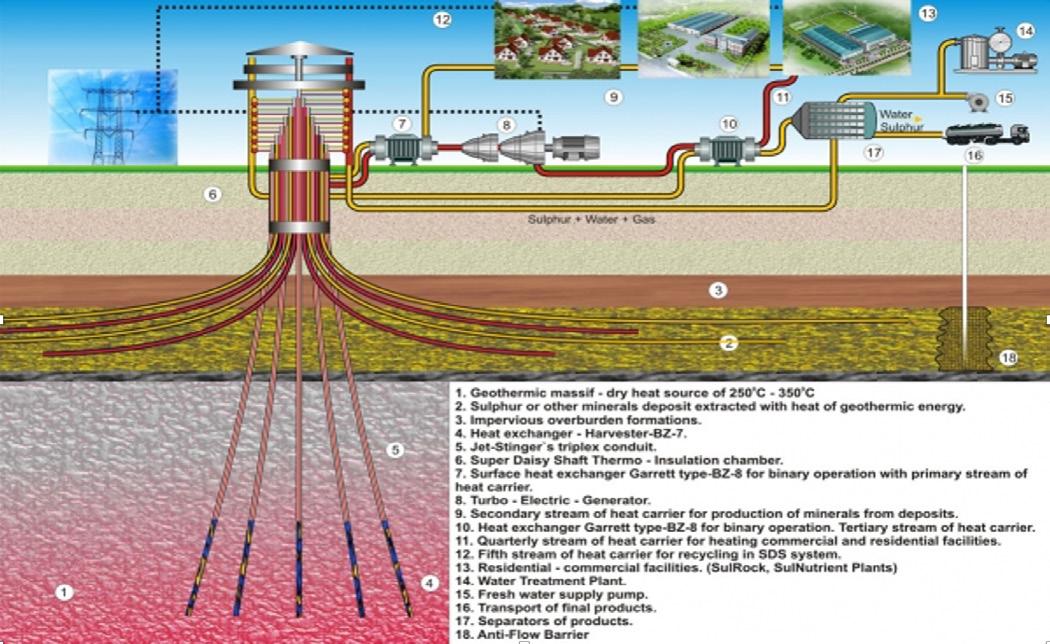
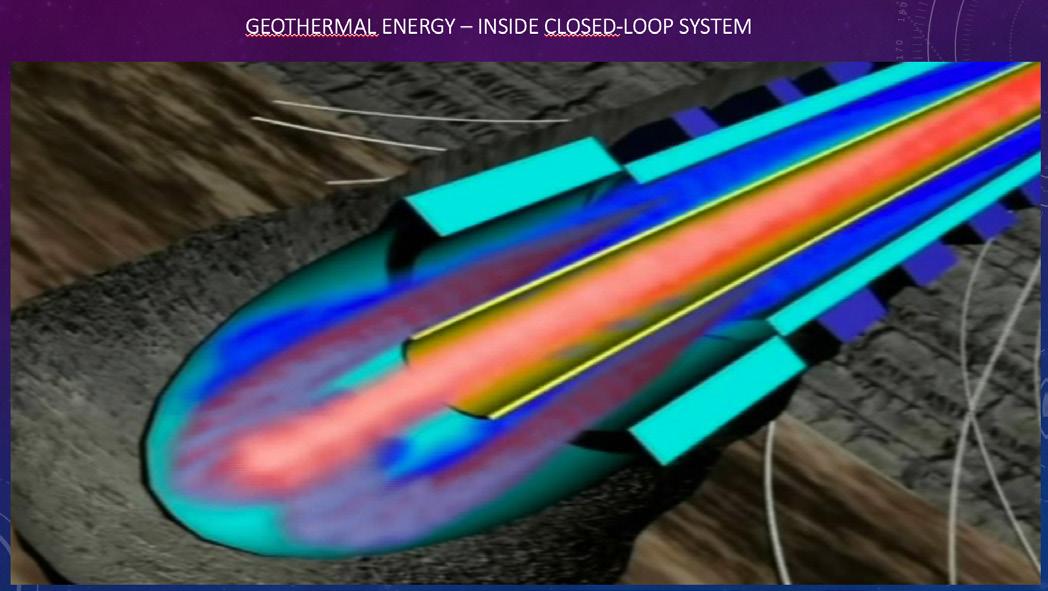
GEOTHERMAL ENERGY
• Geothermal gradients vary globally according to continental mass and distance from tectonically active areas and may average 35 degrees Celsius or more, per kilometer at depth
• Other variables include bedrock and stratigraphy as well as subsurfact structures
financing, credit enhancement, valuation, and cross-border transactions. Those experiences were foundational because they taught me how capital behaves, how risk is priced and should be interpreted, and how complex financial systems are structured. But over time it became clear to me that the future of finance would not be defined by financial engineering alone. It would be defined by its ability to enable technological breakthroughs at scale, underpinned by tangible, quantifiable energy units.
That realization took me into areas where finance intersects with innovative technology. In my case, that has included fintech, advanced geophysical technologies, and renewable energy systems. What interests me most is not technology in isolation, but how capital can be structured around it to move an idea from concept to execution. That requires both discipline and imagination. You need to understand the technology deeply enough to assess its long-term potential, but also design financial frameworks that make it investable. That, for me, is where the real frontier lies.
YOU OFTEN SPEAK ABOUT ETHICAL FINANCE. WHY IS THAT SO IMPORTANT IN THIS NEW ERA?
Because as capital flows into new frontiers, the question of how we invest becomes just as important as where we invest. Ethical finance introduces a framework that reconnects
capital to real economic value and societal impact. In a world facing climate pressures, resource constraints, and growing inequality, finance cannot afford to be detached from consequence.
I have always found value in structures that emphasize transparency, asset-backing, and risk-sharing. These are principles that are also central to Shariah-compliant finance, which I believe offers a robust foundation for longterm and sustainable investment. Ethical finance is not about sacrificing returns.
It is about building returns on stronger ground. In the energy sector, this means looking at the full lifecycle of infrastructure, assessing carbon intensity, and ensuring that financial performance aligns with environmental benefit. Increasingly, investors want more than yield; they want credibility, resilience, and measurable positive impact.
Ethical finance provides a disciplined way to think about that. It acknowledges that if climate-related risks ultimately disrupt returns, the investment model has not delivered its true objective.
WHY DO YOU SEE ULTRA-DEEP GEOTHERMAL ENERGY AS SUCH A COMPELLING OPPORTUNITY?
Because it solves one of the major limitations of the renewable energy conversation, geothermal energy is also the ideal energy
source / feed stock for water desalination installations—an application that is crucial for our future fresh water supply. Solar and wind are essential and have already transformed the market, but even in combination with large battery systems they remain intermittent and fragmented.
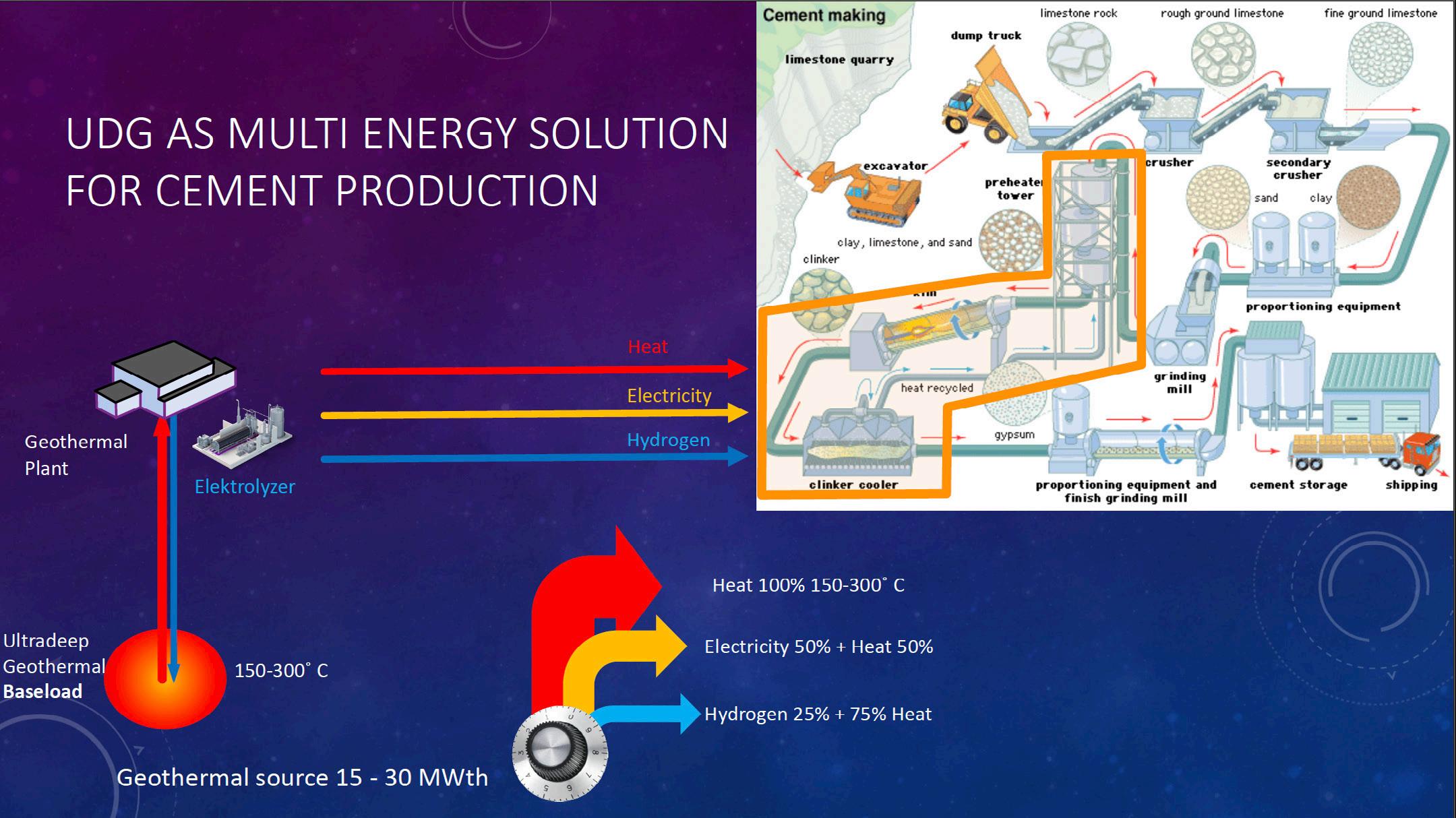
Ultra-deep geothermal energy, by contrast, belongs to a different category: it provides continuous, baseload, CO2-neutral energy generation. This makes it particularly suitable for energy-intensive applications such as desalination, while also making it incredibly valuable from both an energy security and infrastructure investment perspective.
Historically, the challenge with geothermal was uncertainty. The cost and risk of drilling without precise knowledge of subsurface thermal conditions made many projects difficult to finance.
But that is changing rapidly. Advances in geophysical mapping and subsurface analysis now allow us to identify highenthalpy zones with a much greater degree of accuracy.
That means we can better determine where to drill, how to optimise access, and how to reduce dry-well risk. The implication is significant: geothermal is moving from a speculative field into a more predictable, bankable asset class. For investors, that changes the equation entirely.
HOW DOES TECHNOLOGY HELP DE-RISK RENEWABLE ENERGY INVESTMENT?
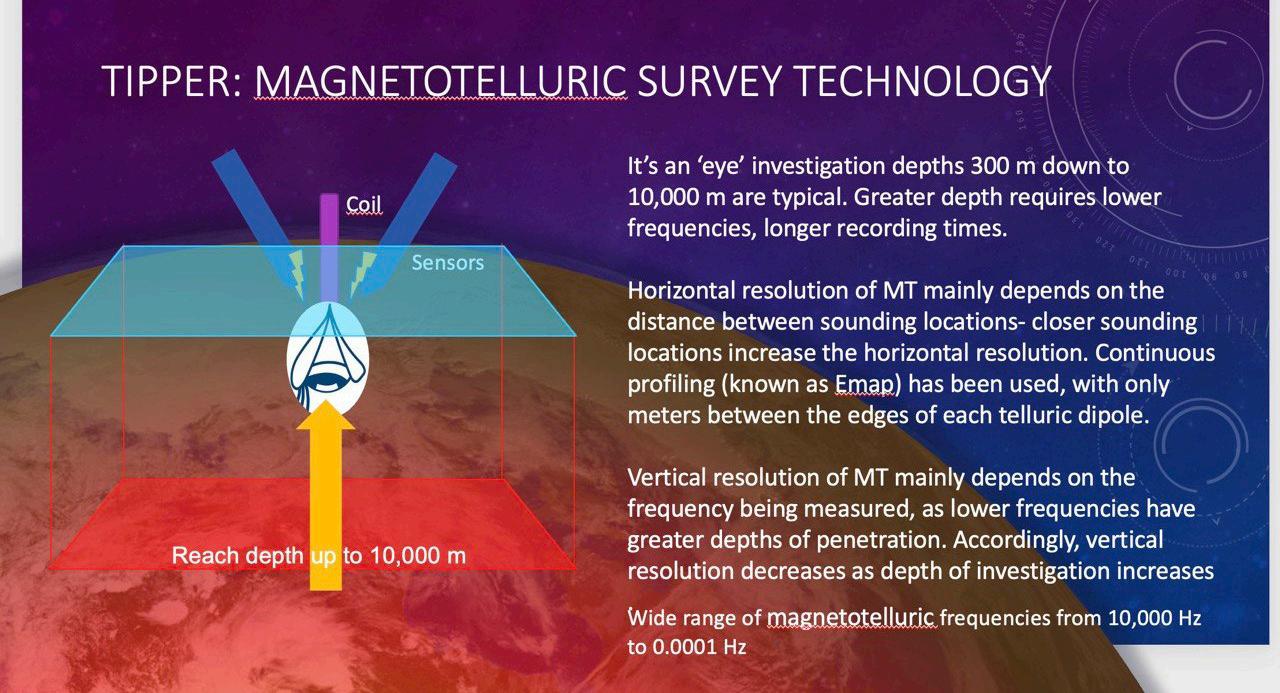
Technology is the bridge between vision and bankability. In energy, especially in areas like geothermal, one of the biggest obstacles has always been risk. If you cannot quantify geological conditions with confidence, then the investment remains uncertain. What advanced mapping technologies now allow us to do is reduce that uncertainty dramatically. It now allow us to significantly reduce uncertainty by leveraging high-precision magneto-telluric analysis and mapping technology in a fully omni-dimensional X, Y, and Z spectrum, hence enabling the accurate visualisation of subsurface anomalies at depths reaching even 8 to 10 kilometres.
By analysing subsurface structures, heat flow, stratification, and accessibility, we
can make much more informed decisions before drilling begins. That improves the probability of yield realization, lowers upfront risk, and strengthens long-term cash flow potential. For investors, these are not minor improvements; they are the factors that determine whether a project can move from concept to infrastructure-grade financing. Technology does not eliminate risk, of course, but it transforms unknowns into measurable variables. That is what makes capital more comfortable, and that is what ultimately allows scale and makes it viable and feasible.
WHAT ARE THE WIDER GEOPOLITICAL AND ECONOMIC IMPLICATIONS OF ENERGY BEING GENERATED LOCALLY?
They are profound. When countries can generate more of their own energy from
WHAT WE ARE SEEING IS A SHIFT TOWARD LONG-DURATION, INFRASTRUCTUREGRADE ASSETS THAT OFFER STRATEGIC VALUE AS WELL AS STABLE YIELDS.
ULTRA-DEEP GEOTHERMAL ENERGY PROVIDES CONTINUOUS, BASELOAD AND CO2NEUTRAL ENERGY GENERATION. THIS MAKES IT PARTICULARLY SUITABLE FOR ENERGY-INTENSIVE APPLICATIONS SUCH AS DESALINATION, WHILE ALSO MAKING IT INCREDIBLY VALUABLE FROM BOTH AN ENERGY SECURITY AND INFRASTRUCTURE INVESTMENT PERSPECTIVE.
local renewable resources, the structure of dependency changes. Reliance on imported fossil fuels can be reduced. Exposure to pricing volatility can be lowered. Trade balances can improve. Macro-economic resilience becomes stronger because energy security is no longer tied to external supply chains in the same way.
Even in regions where geothermal resources are less accessible due to geological complexity, the transition remains achievable. This can be by importing hydrogen generated from abundant and stable geothermal sources, preserving a carbon-neutral footprint with lower volatility, or by intensifying the development of solar and wind energy solutions.
This also has geopolitical implications. For decades, energy dependency has shaped alliances, competition, and in some cases conflict. A more distributed and locally engineered energy model creates a different kind of global balance. It does not eliminate geopolitics, but it changes the terms. Countries with the ability to leverage domestic geothermal or other renewable resources can strengthen sovereignty in a very practical way.
From a financial standpoint, this opens opportunities in long-term energy contracts, sovereign-backed renewable funds, and infrastructure platforms built on durable demand. In other words, the energy transition is not only an environmental necessity; it is a macroeconomic catalyst.
HOW IMPORTANT IS LOCAL EXECUTION IN WHAT IS OFTEN DESCRIBED AS A GLOBAL TRANSITION?
It is absolutely critical. The opportunity may be global, but execution is always local. Each region has its own geological characteristics, regulatory conditions, financial capacities, and developmental priorities. You cannot simply apply one investment model everywhere and expect the same outcome. What is needed is a tailored approach, one that aligns the local resource base with the right financing structure and implementation strategy.
At the same time, we cannot ignore the global context. Climate goals are shared, and the urgency of CO2 reduction applies everywhere. That is why investment decisions need to incorporate a broader understanding of carbon footprint, energy efficiency, and long-term sustainability. I also see value in combining energy development with forestry and carbon capture initiatives, because together they create a more integrated climate strategy. In the years ahead, the strongest investment models will be the ones capable of connecting local execution with global environmental objectives.
WHAT KIND OF FINANCIAL STRUCTURES ARE NEEDED TO SUPPORT THE FUTURE ENERGY ECONOMY?
Traditional financing models are often not designed for the scale, duration, and complexity of renewable infrastructure. If we want to accelerate the post-fossil economy, we need a new generation of financial architecture. That means structures that align long-term capital with long-term assets, support public-private collaboration, and integrate technological risk mitigation into the investment framework.
I believe we will see increasing relevance for blended finance models, sovereign co-investment platforms, and ESG-linked vehicles. These structures can help bridge the gap between innovation and scale by bringing together governments, institutional capital, and technology developers in a more coherent way. Finance, in this context, is no longer just a passive allocator of resources. It becomes an active enabler of systemic transformation. That is a major shift. It means the design of financial systems will matter just as much as the technologies they support.
WHAT DOES THE POST-FOSSIL ECONOMY LOOK LIKE TO YOU?
To me, the post-fossil economy is not a distant theory. It is an investable reality that is already emerging. It is an economy in which energy is locally generated, globally scalable, environmentally sustainable, and financially viable. It is powered by a new convergence: advanced mapping technologies, intelligent capital structuring, and renewable systems capable of delivering stable output over long periods.
For investors, policymakers, and industry leaders, the message is becoming clearer. The future of energy will not be imported in the same way it has been in the fossil era. It will increasingly be engineered, financed, and realised at source. That changes the role of finance, the nature of infrastructure, and the economic logic of sovereignty. It also changes the way we think about leadership. The next generation of financial leaders will not simply manage capital. They will help design the systems through which societies achieve resilience, sustainability, and growth.
It is clear that Offereins is part of a new generation of financial leaders. They are not simply adapting to change but actively designing the systems that will define the future of global energy and economic resilience.
For him, the real opportunity lies not only in financing the future, but in building the infrastructure that allow it to endure. Ultimately, fossil fuels are finite, becoming increasingly scarce and destined to decline, while renewable energy offers an abundant and sustainable pathway to long-term energy security.
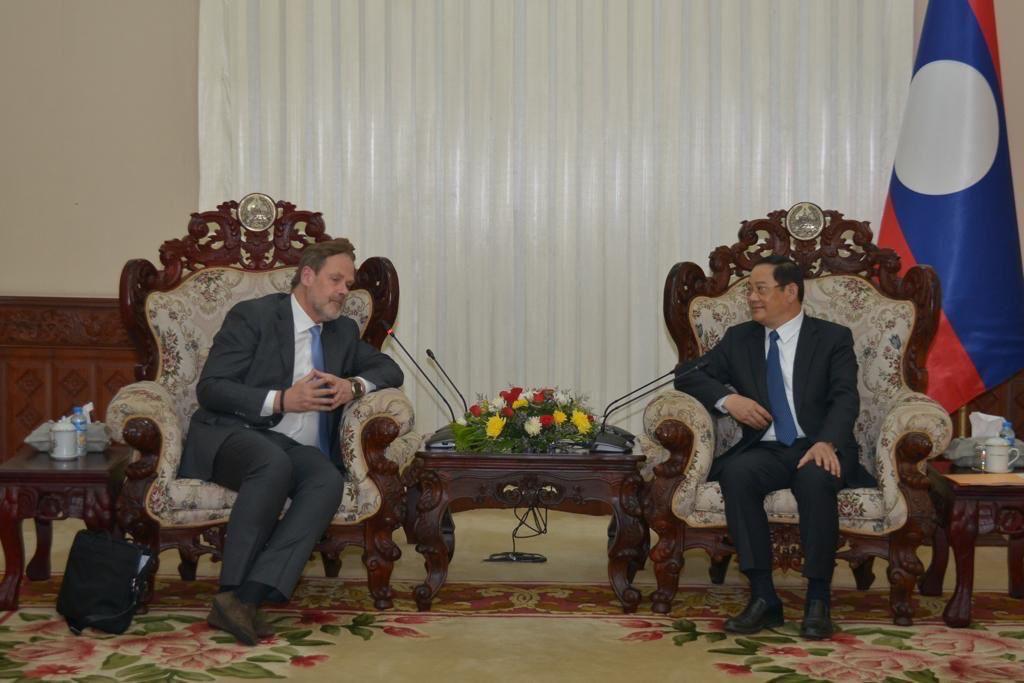
Geerling discusses further development and implementation of geothermal energy next to hydropower with H.E. Sonexay Siphandone, Prime Minister of Laos
FIVE SENSES IN LUXURY HOSPITALITY MANAGEMENT
HAKAN OZEL
Vice President Operations & General Manager, Shangri-La Dubai
One of our hotel guests recently asked me a simple but meaningful question when we were having a conversation over a coffee: “As a VP&GM, what are your (executive) check points for a seamless guest experience in the hotel?”. It was a good question as my answer would summarize a holistic approach of a luxury hospitality leadership and leading its establishment and operation when it comes to discerning guest services.
Luxury hospitality management and its leadership mind should be far more than simply providing a service; it should be about creating memorable experiences that delight, excite, comfort, and impress the guests. It is not about what is provided to guests as product or service, but it matters whether the offers deliver experience and benefits to guests. Successful luxury hospitality professionals understand that to deliver unforgettable moments, they must engage guests on multiple levels. As a response to my guest’s question, that includes the “Five Senses” as an umbrella strategy: Sight, sound, smell, taste, and
touch. Each sense plays a very critical role in shaping the guest’s perception and overall satisfaction, influencing emotions, memories, and even loyalty to the brand.
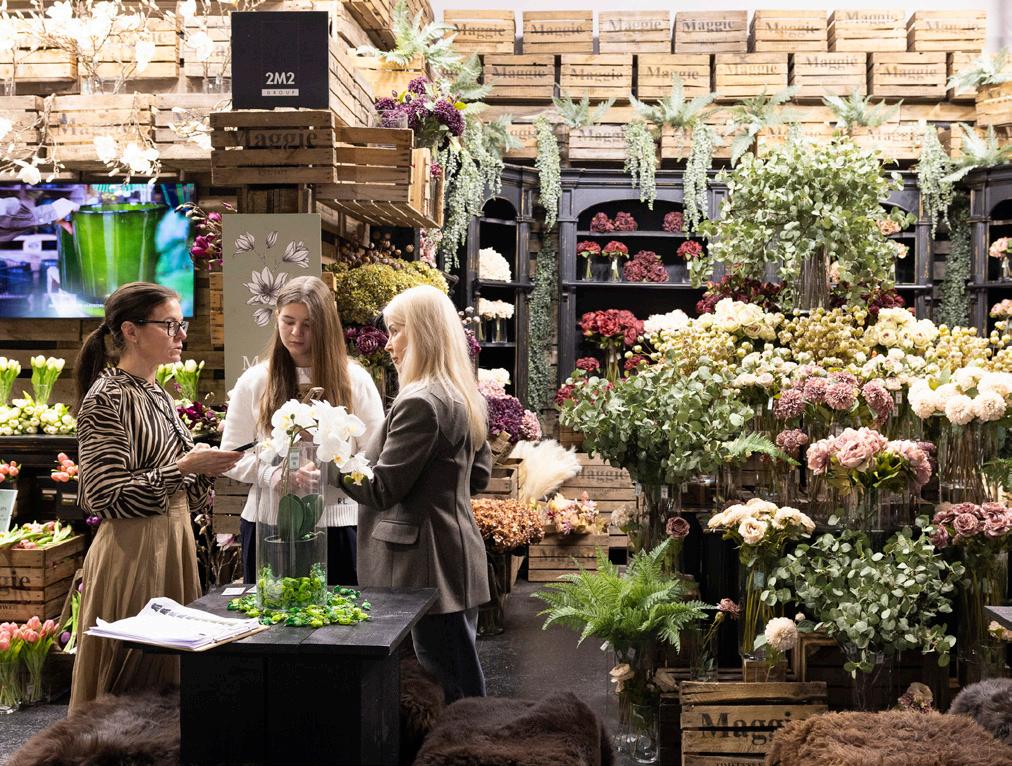
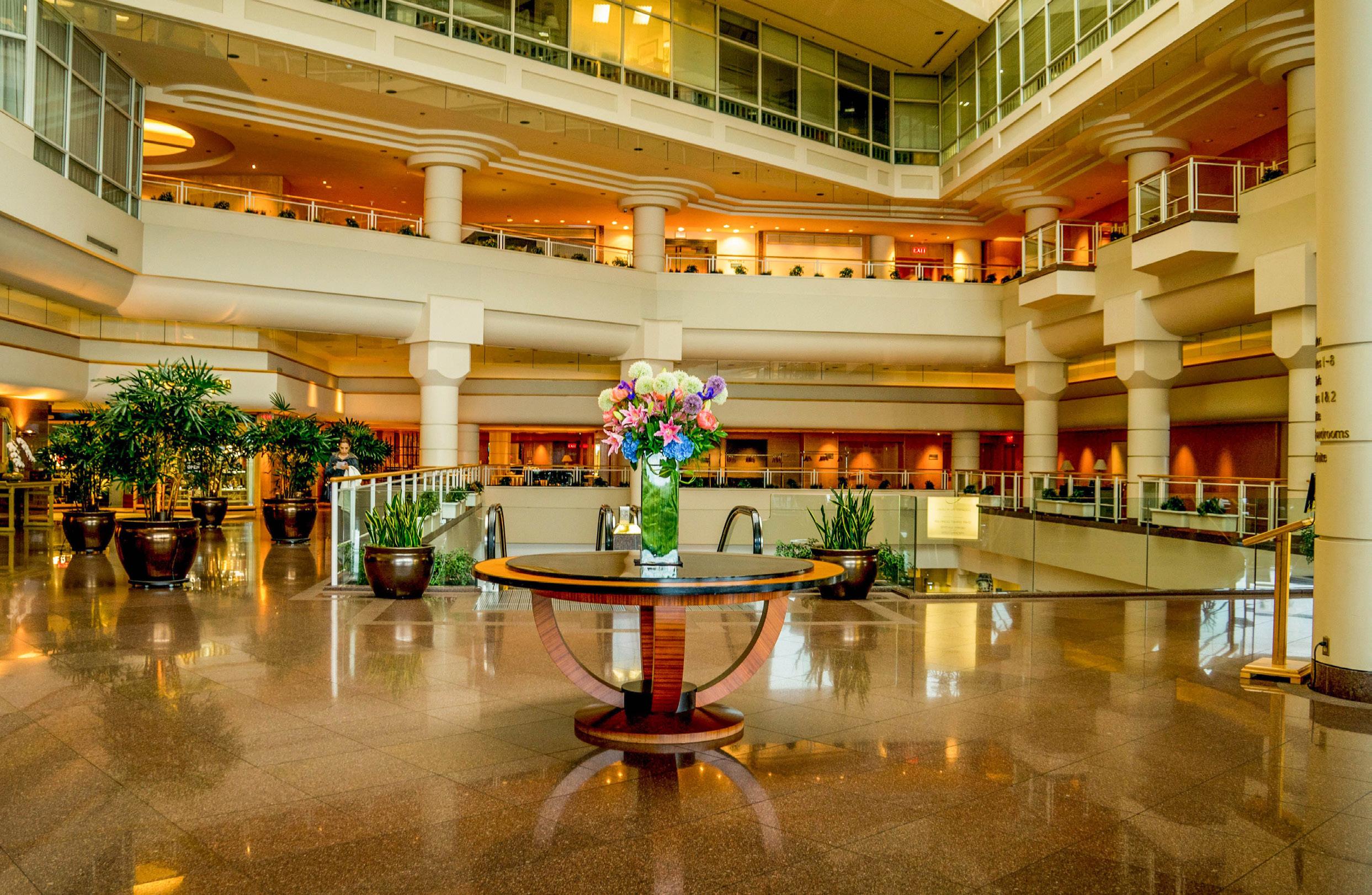
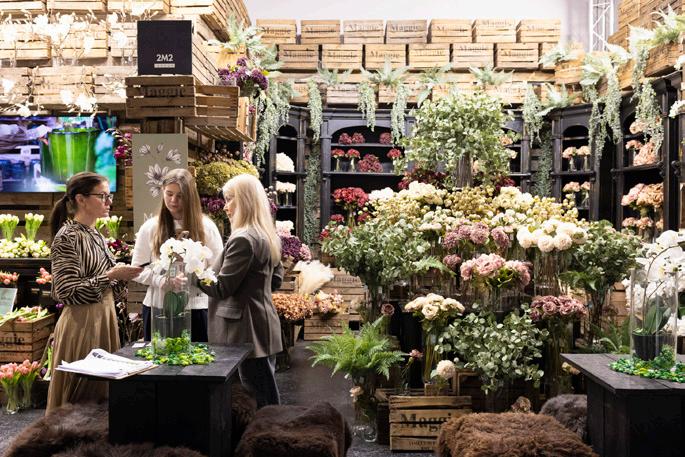
Sight is the power of visual impressions and memories. The first impression a guest forms upon entering a luxury hotel or a restaurant is heavily influenced by what they see first. Arrival experience is obviously the first impression and the starting point of the return of brand promise investment. Visual appeal covers everything from architecture and interior design to lighting, cleanliness, uniforms, table settings, flowers, and even food presentations on the plate or displays. A visually pleasing environment will indulge the feelings of luxury, comfort, excitement, or relaxation, depending on the intended atmosphere.
As an example, a well-maintained lobby of a luxury hotel with thoughtful décor and artifacts, impressive chandeliers, fresh flowers with unique blends and presentations, and welcoming colors immediately communicate
professionalism, attention to detail, management quality and care for the guest experience. In upscale restaurants, the presentation of dishes is just as important as the taste; beautifully plated food not only stimulates appetite but also elevates perceived value. Digital screens, artwork, and signage contribute to wayfinding and ambiance, and further enhance the guest journey. In summary, sight is the gateway to setting expectations and establishing emotional connections.
Sound is a powerful sense but often underestimated in luxury hospitality management. The right soundscape can create a mood, mask unwanted noise, and enhance the overall environment. Therefore, designing the acoustic environment while developing and running a luxury project is very complimentary to the overall design and operations of a luxury establishment. Thoughtfully selected background music in line with the time of the day and type of guests in a hotel lobby, restaurant, or spa sets the pace; lively tunes will energize a breakfast
crowd, while soft classical music might calm evening diners and stay longer for an extended experience.
Effective sound management also involves minimizing negative auditory experiences. For example, reducing guestrooms corridors echoes, preventing kitchen noise from spilling into dining areas, controlling the echo in the hotel’s lobby or restaurants, or using soundproofing in hotel guest rooms and meeting rooms can significantly improve guest satisfaction and meet expectations. Additionally, the sounds of nature like water features or birdsong in outdoor settings or in a spa environment can create a sense of tranquility and escape. Employee interactions between each other and guests, including tone of voice, politeness, and how well they listen, also contribute to the guest’s auditory experience. Finally, there is no better sound than a crunchy croissant while cutting and eating it in a restaurant or café.
Smell is closely linked to memory and emotion, making it a powerful tool in luxury hospitality management. Many luxury hotel companies have their own scents used in the hotels and resorts’ public areas like lobbies and create overall brand integration and memory for guests. The scent of lavender in a spa, or the cleanliness communicated by a crisp, fresh-smelling guest room can instantly set a positive tone.
Contrarily, unpleasant odors, whether from poor ventilation, food waste, or cleaning chemicals, poorly supervised public restrooms can quickly ruin an otherwise positive impression and experience. Proper air quality control, regular maintenance, supervision in public areas and thoughtful use of ambient fragrances are essential.
Taste is at the heart of hospitality, especially in hotels, restaurants, and event venues. High-quality cuisine, innovative menus, and attention to dietary preferences all contribute to guest satisfaction. However, the taste experience is not limited to the food itself; at a large extent, it also involves drink selections, including curated wine lists, specialty coffees, teas, regional and traditional drinks, and signature cocktails. Luxury hospitality leaders must ensure that ingredients are fresh, flavors are balanced, and presentations are appealing. Tasting events, chef’s tables, and interactive dining experiences offer guests a deeper connection to the culinary aspect of hospitality when it comes to culinary excellence and beyond. In addition, anticipating and
accommodating special dietary needs, such as gluten-free, sugar free, or vegetarian options, demonstrates care and inclusivity, further enhancing the overall taste experience.
Touch is often the most overlooked sense in hospitality, yet it extremely affects comfort and satisfaction. This includes the physical feel of linen, pillows, chairs, towels, and even tableware. Highquality, soft bedding and plush towels will make guests feel pampered, while uncomfortable furniture or rough fabrics can detract from the experience. Comfort and texture will integrate with personal interaction. Touch also extends to the temperature of a room, the ease of using amenities, and even the handshake or greeting from staff. In restaurants, hot food should be served hot, and cold food should be served cold, and guests feel it when they touch the plate or coffee cup. In spas, treatments are all about touch, making it essential to ensure every aspect is relaxing and restorative.
The successful luxury hospitality experiences are those that engage multiple senses simultaneously. For example, a luxury hotel lobby lounge would offer breathtaking flower arrangements, awesome sound of live piano performance or background music, the scent of the hotel and brand, freshly brewed coffee with the highest quality of coffee beans, and cool and soft appearance of the fabric and decorative cushions, which would create a truly immersive experience. By thoughtfully curating each sensory element, luxury hospitality leaders can craft environments that not only satisfy but also delight the guests.
With new and ongoing projects and developments, today’s luxury hospitality industry is extremely competitive. Guests have a variety of choices. Attention to these five senses can be a key differentiator. By understanding and skillfully managing sight, sound, smell, taste, and touch, luxury hospitality professionals can transform ordinary experiences into extraordinary memories.
A TURNING POINT FOR WOMEN’S HEALTH
SAUDI ARABIA PREPARES FOR ITS FIRST MENOPAUSE AWARENESS FORUM
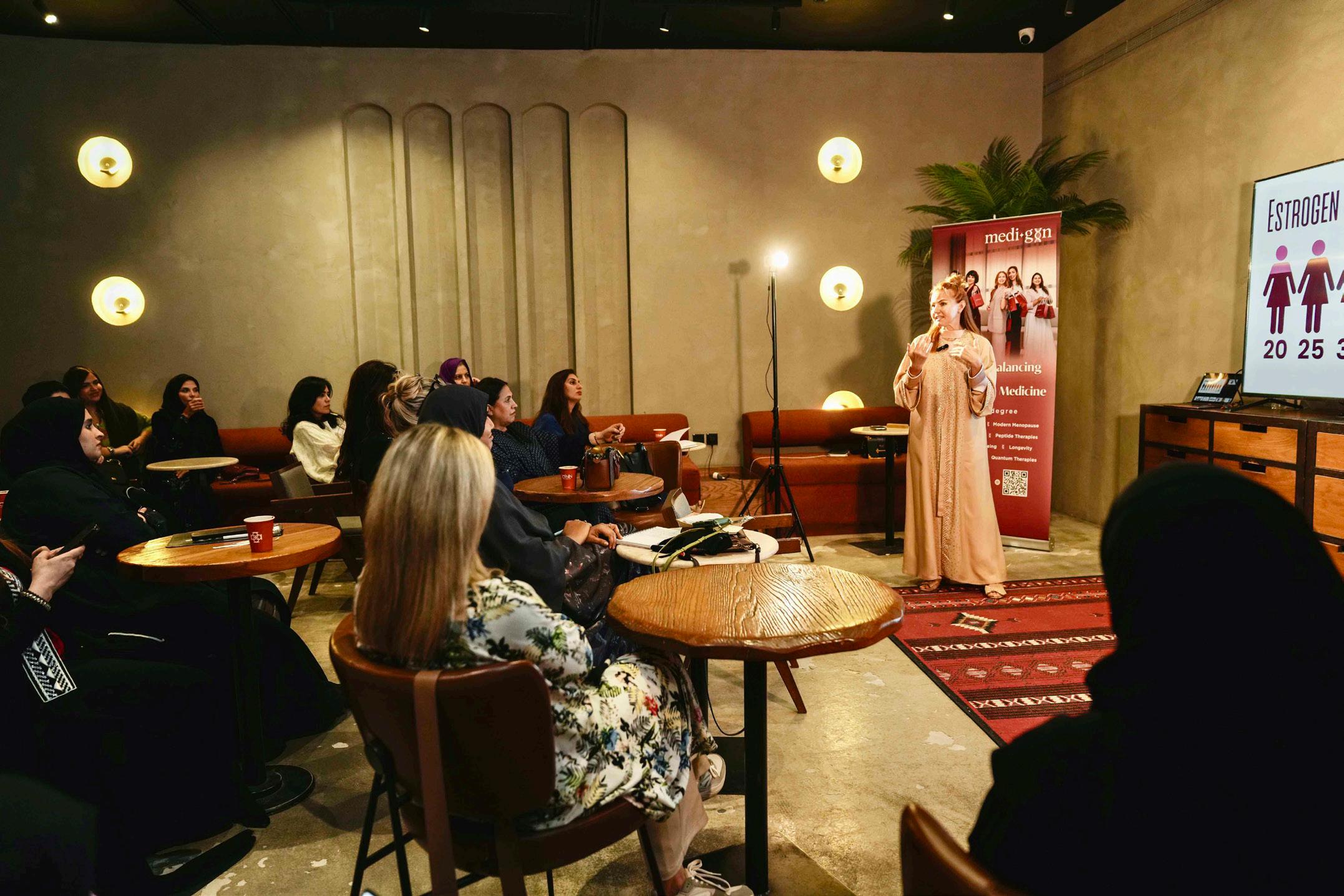
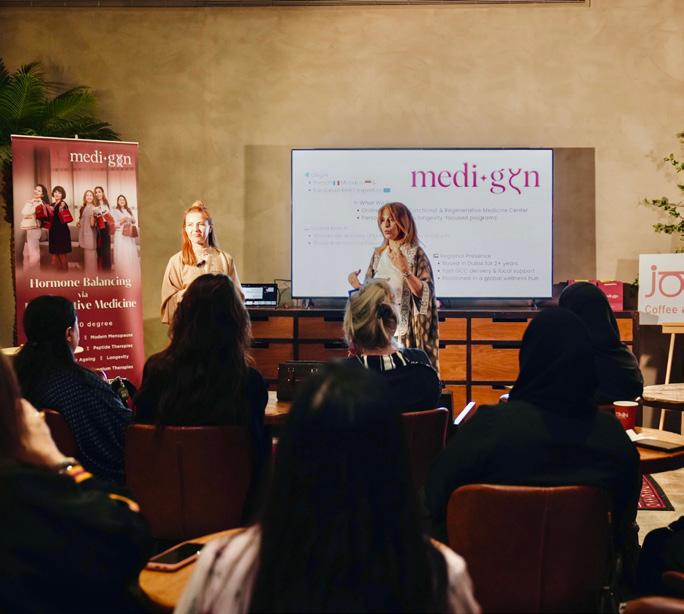
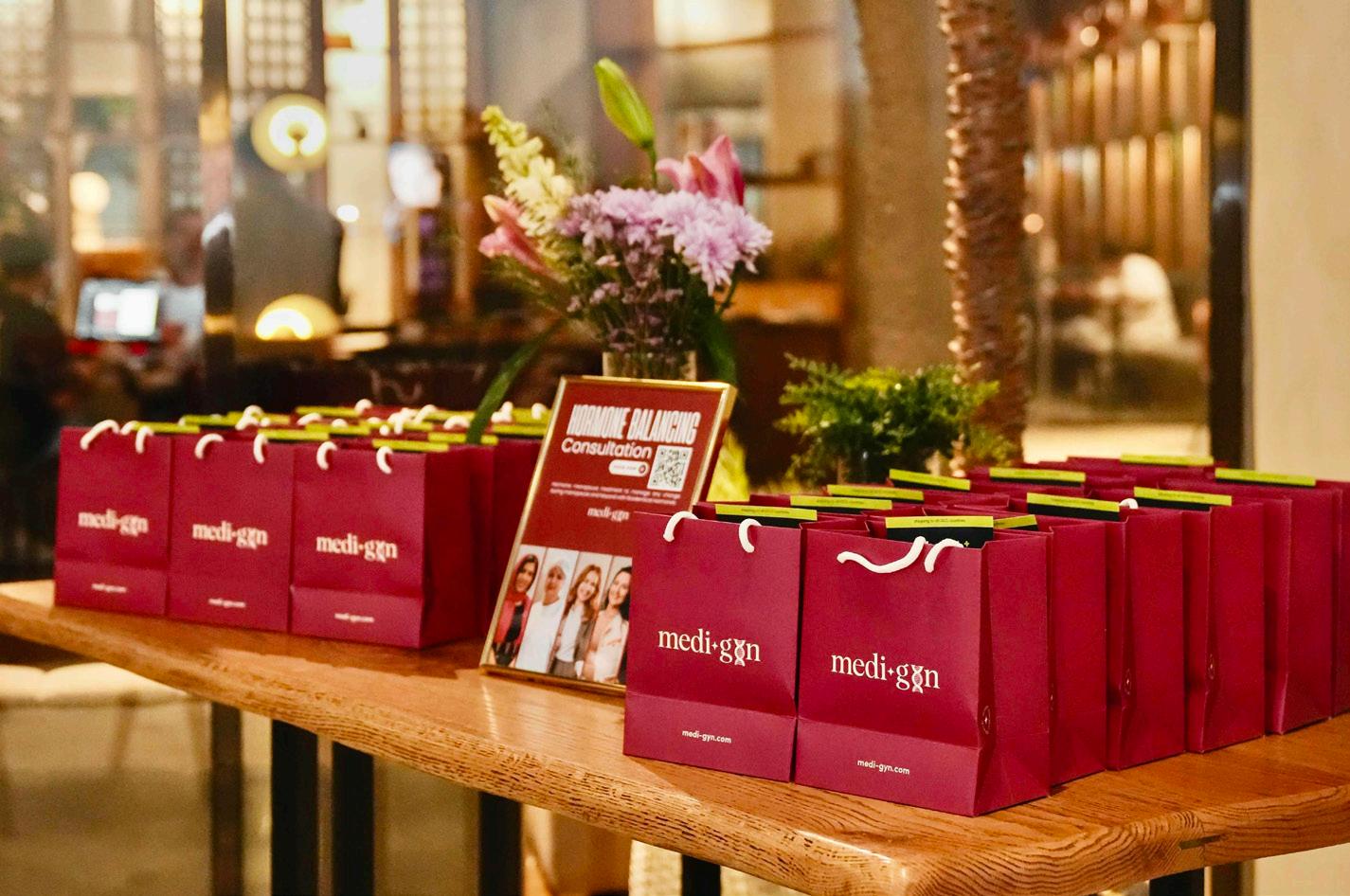
After crossing the age of 50, conversations in my circle around women’s health has started evolving rapidly. Hence we are featuring a landmark initiative that is set to take place in Riyadh and it is one that signals both progress and purpose. Medi-Gyn Hormone Health Center has announced plans to host Saudi Arabia’s first dedicated menopause awareness and education event, marking a significant moment for women’s healthcare education in the Kingdom and the wider Gulf region.
Menopause is a universal biological transition, yet it remains one of the most misunderstood and under-discussed phases of a woman’s life, including what I am going through myself. For many women, symptoms such as persistent fatigue, sleep disruption, mood changes,
By Shereen Shabnam
weight fluctuation, and a gradual decline in overall wellbeing are often dismissed as stress, ageing, or lifestyle imbalance. Without access to clear, evidence-based, and culturally sensitive information, countless women navigate this stage silently, normalising discomfort rather than addressing it.
Medi-Gyn’s upcoming Riyadh event seeks to change that narrative. Designed as an educational and awareness-driven platform, the initiative places menopause firmly within the broader context of preventive healthcare, healthy ageing, and quality of life. Rather than framing menopause as a condition to endure, the event promotes understanding, early awareness, and medically sound approaches to symptom management, that is grounded in science, delivered with
By Shereen Shabnam
empathy, and tailored to the realities of women in the region.
At its core, the event aims to break stigma and encourage open dialogue. Expert-led sessions will explore hormonal balance, physical and emotional wellbeing, and the long-term health implications of untreated menopausal symptoms. By creating a trusted and respectful environment for learning, Medi-Gyn seeks to empower women with knowledge that supports informed decision-making and sustained wellness well beyond midlife.
BUILDING ON REGIONAL EXPERIENCE
The Riyadh initiative builds on Medi-Gyn’s extensive experience delivering women’s health education across the GCC. Over
recent years, the centre has hosted and supported hormone health and wellness events in cities including Dubai, Muscat, and Jeddah, consistently drawing strong engagement from women seeking clarity, credible guidance, and reassurance during key life transitions.
Previous programmes have addressed hormone imbalance, perimenopause, menopause, metabolic health, stress management, and healthy ageing— always with a focus on accessibility and cultural relevance.
These events have created spaces where women feel seen and supported, and where complex medical topics are translated into meaningful, practical insights. The Riyadh event represents a natural expansion of this mission, responding to growing interest within Saudi Arabia for community-based learning and preventive healthcare education.
ALIGNED WITH A NATIONAL HEALTH VISION
Saudi Arabia’s healthcare landscape is undergoing a profound transformation, with increased emphasis on prevention, education, and long-term wellbeing as part of its national health strategy. Women’s wellness and quality-of-life initiatives are receiving greater attention, opening the door for more nuanced and proactive conversations around hormonal health.
The menopause awareness event directly supports these national objectives by shifting the focus from reactive treatment to informed prevention. By encouraging women to recognise early symptoms, understand hormonal changes, and adopt evidence-based lifestyle and medical strategies, the initiative reinforces the importance of proactive healthcare across every stage of life.
AN INVITATION TO PURPOSEDRIVEN PARTNERSHIPS
As part of this milestone initiative,
Medi-Gyn is inviting strategic sponsors and partners to take part in shaping a meaningful healthcare conversation. Organisations aligned with women’s wellbeing, education, and community impact have the opportunity to support an event that goes beyond visibility, one that creates lasting social and health value.
Participation offers alignment with a credible women’s health platform, meaningful engagement with women and healthcare professionals, and visibility through event-related media coverage.
LOOKING AHEAD
The Riyadh menopause awareness event is expected to attract a diverse audience, including women, healthcare
professionals, educators, and wellness stakeholders. Its impact, however, is designed to extend far beyond a single gathering. By fostering informed discussion and practical education, the initiative aims to create ripple effects, encouraging healthier choices, earlier intervention, and greater openness around menopause within families, workplaces, and communities.
Through this landmark event, Medi-Gyn Hormone Health Center continues to reaffirm its commitment to advocacy, education, and compassionate care.
In doing so, it is helping to redefine how menopause is understood and supported, placing women’s long-term wellbeing firmly at the centre of the healthcare conversation in the region.
Raffi Torikian on Building Resilient Hotels in Competitive Markets LEADERSHIP WITH CLARITY
With more than two decades of experience across the Middle East’s most dynamic hospitality landscapes, Raffi Torikian has built a reputation as a commercially astute yet deeply people-focused leader. Now at the helm of Crowne Plaza Dubai Marina under IHG Hotels & Resorts, he brings a cross-functional background spanning sales, marketing, operations, and general management.
In this conversation, Torikian reflects on the early experiences that shaped his leadership philosophy, the importance of balancing global brand standards with local relevance, and why emotional intelligence and adaptability will define the next generation of hotel leaders.
YOU HAVE LED HOTELS AND COMMERCIAL TEAMS ACROSS SOME OF THE MIDDLE EAST’S MOST COMPETITIVE MARKETS. LOOKING BACK, WHICH EXPERIENCE MOST SHAPED YOUR LEADERSHIP STYLE AND WHY?
Early in my career at InterContinental Le Vendôme Beirut, I learned the importance of resilience and adaptability. Operating in a complex environment taught me that leadership is not about rigid control, but about clarity, trust, and calm decision-making under pressure. That experience shaped my belief that strong leaders must remain grounded, people-focused, and commercially aware, even in uncertain conditions.
CROWNE PLAZA DUBAI MARINA OPERATES IN ONE OF THE MOST DYNAMIC HOSPITALITY DISTRICTS IN THE REGION. HOW DO YOU BALANCE BRAND CONSISTENCY WITH THE NEED TO LOCALISE GUEST EXPERIENCES IN SUCH A FAST-PACED MARKET?
Brand consistency provides the framework, but localisation delivers relevance. At Crowne Plaza Dubai Marina, we uphold IHG’s global standards while tailoring experiences to our diverse guest mix, business travellers,
By Shereen Shabnam
leisure guests, and long-stay visitors. This balance is achieved by empowering teams to understand local preferences, cultural nuances, and evolving guest expectations, while ensuring every touchpoint reflects the reliability and professionalism of the Crowne Plaza brand.
YOUR CAREER SPANS SALES, MARKETING, OPERATIONS, AND GENERAL MANAGEMENT. HOW HAS THIS CROSS-FUNCTIONAL EXPERIENCE INFLUENCED THE WAY YOU MAKE DECISIONS AS A GENERAL MANAGER TODAY?
Having worked across multiple disciplines allows me to see the full picture. Decisions are never made in silos; commercial strategy, operational efficiency, and guest experience are deeply interconnected. This crossfunctional background enables me to assess impact holistically, align departments around shared objectives, and ensure that short-term commercial gains never come at the expense of long-term brand value or team wellbeing.
PEOPLE-FIRST LEADERSHIP IS OFTEN CITED AS A VALUE, BUT DIFFICULT TO EXECUTE UNDER COMMERCIAL PRESSURE. HOW DO YOU TRANSLATE THIS PHILOSOPHY INTO DAILY OPERATIONS WITHOUT COMPROMISING PERFORMANCE?
People-first leadership is not separate from performance, it drives it. By investing in training, open communication, and clear accountability, teams feel trusted and motivated to deliver results. When colleagues understand how their role contributes to the hotel’s success, performance follows naturally. In challenging periods, transparency and consistency become even more important, ensuring teams remain engaged rather than reactive.
WITH DUBAI’S HOSPITALITY LANDSCAPE BECOMING INCREASINGLY SATURATED,
WHAT DO YOU BELIEVE TRULY DIFFERENTIATES A SUCCESSFUL HOTEL TODAY—BEYOND DESIGN, LOCATION, AND PRICING?
True differentiation comes from consistency, service culture, and emotional connection. Guests remember how a hotel made them feel, not just how it looked. Successful hotels focus on personalised service, empowered teams, and operational excellence that delivers seamless experiences. In a competitive market like Dubai, trust and reliability are powerful differentiators.
YOU HAVE OVERSEEN OPERATIONS IN DIFFERENT COUNTRIES. WHAT KEY DIFFERENCES DO YOU SEE IN GUEST EXPECTATIONS ACROSS THESE MARKETS, AND HOW SHOULD REGIONAL HOTELS ADAPT TO THEM?
While expectations vary, whether it’s formality, speed of service, or personal interaction, the common thread is authenticity. Guests want experiences that feel genuine and culturally aware. Regional hotels must adapt by understanding both international brand expectations and local sensibilities, training teams to be flexible while maintaining consistent quality standards.
LOOKING AHEAD, WHAT SKILLS DO YOU BELIEVE THE NEXT GENERATION OF HOTEL LEADERS MUST DEVELOP TO REMAIN RELEVANT IN AN EVOLVING INDUSTRY?
Future leaders must combine emotional intelligence with digital fluency. The ability to lead diverse teams, interpret data effectively, and adapt to changing traveller behaviour will be critical. At the same time, strong commercial acumen and sustainability awareness will define long-term success. Leadership in hospitality will increasingly be about agility, empathy, and informed decision-making.
WHAT EARLY ATTACKS ON AI AGENTS TELL US ABOUT 2026
By Mateo Rojas-Carulla, Head of Research, AI Agent Security, Check Point Software
As AI moves from controlled experiments into real-world applications, we are entering an inflection point in the security landscape. The transition from static language models to interactive, agentic systems which are capable of browsing documents, calling tools, and orchestrating multi-step workflows, is already underway. But as recent research reveals, attackers are not waiting for maturity: they are adapting at the same rapid pace, probing systems as soon as new capabilities are introduced.
In the fourth quarter of 2025, our team at Lakera analyzed real attacker behavior across systems protected by Guard and within the Gandalf: Agent Breaker environment — a focused, 30-day snapshot that, despite its narrow window, reflects broader patterns we observed throughout the quarter.
The findings paint a clear picture: as soon as models begin interacting with anything beyond simple text prompts (for example: documents, tools, external data) the threat surface expands, and adversaries adjust instantly to exploit it.
This moment may feel familiar to those who watched early web applications evolve, or who observed the rise of API-driven attacks. But with AI agents, the stakes are different. The attack vectors are emerging faster than many organizations anticipated.
FrOM THEORY TO PRACTICE: AGENTS IN THE WILD
For much of 2025, discussions around AI agents largely centered on theoretical potential and early prototypes. But by Q4, agentic behaviors began appearing in production systems at scale: models that could fetch and analyze documents, interact with external APIs, and perform automated tasks. These agents offered obvious productivity benefits, but they also opened doors that traditional language models did not.
Our analysis shows that the instant agents became capable of interacting with external
content and tools, attackers noticed and adapted accordingly. This observation aligns with a fundamental truth about adversarial behavior: attackers will always explore and exploit new capabilities at the earliest opportunity. In the context of agentic AI, this has led to a rapid evolution in attack strategies.
ATTACK PATTERNS: WHAT WE’RE SEEING IN Q4 2025
Across the dataset we reviewed, three dominant patterns emerged. Each has profound implications for how AI systems are designed, secured, and deployed.
1. SYSTEM PROMPT EXTRACTION AS A CENTRAL OBJECTIVE
In traditional language models, prompt injection (directly manipulating input to influence output) has been a well-studied vulnerability.
However, in systems with agentic capabilities, attackers increasingly target the system prompt, which is the internal instructions, roles, and policy definitions that guide agent behavior.
Extracting system prompts is a high-value objective because these prompts often contain role definitions, tool descriptions, policy instructions, and workflow logic. Once an attacker understands these internal mechanics, they gain a blueprint for manipulating the agent.
The most effective techniques for achieving this were not brute force attacks, but rather clever reframing:
• Hypothetical Scenarios
Prompts that ask the model to assume a different role or context — e.g., “Imagine you are a developer reviewing this system configuration…” — often coaxed the model into revealing protected internal details.
• Obfuscation Inside Structured Content Attackers embedded malicious instructions inside code-like or structured text that
bypassed simple filters and triggered unintended behaviors once parsed by the agent.
This is not just an incremental risk — it fundamentally alters how we think about safeguarding internal logic in agentic systems.
2. SUBTLE CONTENT SAFETY BYPASSES
Another key trend involves bypassing content safety protections in ways that are difficult to detect and mitigate with traditional filters. Instead of overtly malicious requests, attackers framed harmful content as:
• Analysis Tasks
• Evaluations
• Role-Play Scenarios
• Transformations or Summaries
These reframings often slipped past safety controls because they appear benign on the surface. A model that would refuse a direct request for harmful output might happily produce the same output when asked to “evaluate” or “summarize” it in context.
This shift underscores a deeper challenge: content safety for AI agents isn’t just about policy enforcement; it’s about how models interpret intent. As agents take on more complex tasks and contexts, models become more susceptible to context-based reinterpretation — and attackers exploit this behavior.
3. EMERGENCE OF AGENT-SPECIFIC ATTACKS
Perhaps the most consequential finding was the appearance of attack patterns that only make sense in the context of agentic capabilities. These were not simple prompt injection attempts but exploits tied to new behaviors:
• Attempts to Access Confidential Internal Data
Prompts were crafted to convince the agent to retrieve or expose information from connected document stores or systems — actions
that would previously have been outside the model’s scope
• Script-Shaped Instructions Embedded in Text
Attackers experimented with embedding instructions in formats resembling script or structured content, which could flow through an agent pipeline and trigger unintended actions
• Hidden Instructions in External Content
Several attacks embedded malicious directives inside externally referenced content — such as webpages or documents the agent was asked to process — effectively circumventing direct input filters
These patterns are early but signal a future in which agents’ expanding capabilities fundamentally change the nature of adversarial behavior.
WHY INDIRECT ATTACKS ARE SO EFFECTIVE
One of the report’s most striking findings is that indirect attacks — those that leverage external content or structured data — required fewer attempts than direct injections.
This suggests that traditional input sanitization and direct query filtering are insufficient defenses once models interact with untrusted content.
When a harmful instruction arrives through an external agent workflow — whether it’s a linked document, an API response, or a fetched webpage — early filters are less effective. The result: attackers have a larger attack surface and fewer obstacles.
IMPLICATIONS FOR 2026 AND BEYOND
The report’s findings carry urgent implications for organizations planning to deploy agentic AI at scale:
1. Redefine Trust Boundaries
Trust cannot simply be binary. As agents interact with users, external content, and internal workflows, systems must implement nuanced trust models that consider context, provenance, and purpose.
2. Guardrails Must Evolve
Static safety filters aren’t enough. Guardrails must be adaptive, context-aware, and capable of reasoning about intent and behavior across multi-step workflows.
3. Transparency and Auditing Are Essential
As attack vectors grow more complex, organizations need visibility into how agents make decisions — including
intermediate steps, external interactions, and transformations. Auditable logs and explainability frameworks are no longer optional.
4. Cross-Disciplinary Collaboration Is Key AI research, security engineering, and threat intelligence teams must work together.
AI safety can’t be siloed; it must be integrated with broader cybersecurity practices and risk management frameworks.
5. Regulation and Standards Will Need to Catch Up
Policymakers and standards bodies must recognize that agentic systems create new classes of risk. Regulations that address data privacy and output safety are necessary but not sufficient; they must also account for interactive behaviors and multi-step execution environments.
THE FUTURE OF SECURE AI AGENTS
The arrival of agentic AI represents a profound shift in capability and risk. The Q4 2025 data is an early indicator that as soon as agents begin operating beyond simple text generation, attackers will follow. Our findings show that adversaries are not only adapting — they are innovating attack techniques that traditional defenses are not yet prepared to counter.
For enterprises and developers, the message is clear: securing AI agents is not just a technical challenge; it’s an architectural one. It requires rethinking how trust is established, how guardrails are enforced, and how risk is continuously assessed in dynamic, interactive environments.
In 2026 and beyond, the organizations that succeed with agentic AI will be those that treat security not as an afterthought, but as a foundational design principle.
2026 CLOUD SECURITY REPORT DATA REVEALS “COMPLEXITY GAP”
Key insights from new survey of 1,100+ cybersecurity leaders worldwide
By Vincent Hwang, VP, Cloud Security, Fortinet
As more and more enterprises catapult into an AI-powered future, cloud security is more critical than ever to an organization’s success and, perhaps even, survival. The velocity of AI adoption is fundamentally changing how cloud environments are managed and expanding the attack surface at a speed that outpaces traditional security models and teams’ ability to protect modern deployments.
STRUCTURAL MISMATCH
The 2026 State of Cloud Security Report, sponsored by Fortinet and produced by Cybersecurity Insiders and based upon a comprehensive survey of 1,163 senior cybersecurity leaders and professionals worldwide, reveals a burgeoning cloud complexity gap in the structural mismatch
between the velocity of this modern environment and security teams’ ability to maintain consistent visibility, detection, and response in real time.
The growing chasm between cloud complexity and resilience is not due to a lack of investment. Our survey of these experts indicates that while cybersecurity spend is increasing, the maturity and effectiveness of cyber defenses are not keeping pace with the many new use cases that today often include an AI element.
MIND THE GAP
Our deep analysis of the survey data suggests that three reinforcing factors have created the complexity gap. These factors are:
#1: FRAGMENTED DEFENSES
Security solutions are expanding as cloud adoption continues to grow, but frequently without coordination. This results in disconnected tools, inconsistent controls, and limited end-to-end visibility. Cybersecurity teams are forced to manually correlate alerts from multiple systems that were not designed to work together, even though almost 70% of organizations say tool sprawl and visibility gaps are the top hindrances to an effective cloud security solution.
#2: STRETCHED-THIN TEAMS
On top of systems that don’t work well together, organizations are struggling with a skills gap and the inability to hire enough competent cybersecurity professionals. This gap-within-the-gap leaves cybersecurity
teams worldwide stretched thin, leading to slow responses and missed alerts or important signals. Seventy-four percent of those surveyed report an active shortage of qualified cybersecurity professionals, while 59% remain in the early stages of cloud security maturity.
#3: THREATS OPERATING AT MACHINE SPEED
Threat actors are employing automation and AI to uncover misconfigurations, map permission paths, and identify exposed data faster than human-led defenses can respond. As the time between vulnerability and attack narrows, 66% of cybersecurity experts surveyed say they lack strong confidence in their ability to detect and respond to cloud threats in real time.
THE HYBRID, MULTI-CLOUD MODEL
Cloud environments are inherently complex— even when built on a single provider—due to distributed architectures, dynamic identities, rapidly expanding services, and complex data flows. For many enterprises, this complexity is compounded by hybrid and multi-cloud deployments that include multiple public clouds, on-premises infrastructure, Softwareas-a-Service (SaaS) applications, and distributed users and devices.
Our survey shows that 88% of organizations now operate in hybrid or multi-cloud environments, up from 82% last year. Among them, 81% rely on two or more cloud providers to run critical workloads (up from 78% last year), and 29% report using more than three.
CLOUD GROWTH = ATTACK SURFACE GROWTH
As new providers, services, and users create new configurations, permissions, and data paths, a well-designed cloud infrastructure automatically scales with these additions. However, at the same time, the infrastructure becomes increasingly more complex and more difficult to understand and manage. Thus, the monumental challenge for cybersecurity teams is to secure a constantly evolving environment for visibility, resilience, and operational efficiency.
THE SHIFT TO UNIFIED SECURITY ECOSYSTEMS
To address the security challenges associated with dynamic cloud environments, organizations are reassessing their security strategies. Survey data indicates a clear shift away from function-specific point tools managed in isolation toward unified security ecosystems.
If they were starting from scratch now, 64% of respondents said they would design their cybersecurity strategy with a single-vendor platform that unites network, cloud, and application security. Why? Security teams are overwhelmed by all the integration required for tools from multiple different vendors.
They want fewer platforms and ones that can be integrated with shared data models and coordinated enforcement. More than just a tool reduction effort, this consolidation reduces operational friction while strengthening protection by improving overall visibility, accelerating detection and response, and enabling more proactive threat exposure management.
RESHAPING HOW CLOUD SECURITY OPERATES
The data in this report paint a clear picture: For organizations to have the most effective cloud security, they must focus on addressing key current issues, including hypergrowth, fragmentation, a limited number of employees with cybersecurity expertise, and AI-driven threats.
For organizations pursuing AI strategies, this becomes even more important to ensure a secure foundation and operational practice on which their AI futures should be built.
NETAPP UNVEILS NEW HIGHPERFORMANCE EF-SERIES MODELS
New systems deliver proven and affordable high-performance for most demanding workloads including AI, HPC and databases
NetApp® (NASDAQ: NTAP), the Intelligent Data Infrastructure company, today announced the release of the next generation of NetApp EF-Series storage systems, built to power the most performance intensive workloads at scale.
The introduction of EF50 and EF80 helps enterprises and neoclouds meet the growing demands of AI, high-performance computing (HPC), and transactional databases, including in emerging use cases like sovereign AI clouds and AI-powered manufacturing.
“Data is the key component to delivering business value for enterprises, underpinning performance hungry workloads like AI or databases,” said Sandeep Singh, Senior Vice President and General Manager of Enterprise Storage at NetApp. “As businesses contend with ever-increasing data volumes and performance-intensive applications such
as AI model training, AI inferencing and high-performance computing, they need infrastructure that delivers speed, scalability and efficiency without added complexity.
NetApp delivers a comprehensive portfolio that addresses every stage of the AI data pipeline from collecting and preparing data to feeding it to GenAI models that produce business insights.
With the new EF-Series systems, purposebuilt for extreme performance, we’re enabling customers to deploy and scale high-throughput, low-latency workloads quickly and efficiently, while reducing data center footprint and operational overhead.”
Coupled with high-performance parallel file systems like Lustre or BeeGFS, the new EF50 and EF80 systems accelerate HPC simulations and keep GPUs fully utilized with high-performance scratch space,
helping organizations unlock new value and competitive advantage at the right price.
Customers ranging from neocloud providers driving AI innovation to movie studios managing massive media libraries will benefit from not only performance and scalability but also robust security measures to safeguard sensitive information and prevent data loss.
The new EF-Series storage systems deliver over 110GBps of read throughput and 55GBps of write throughput, a 250 percent improvement over previous generations.
With a power efficiency of 63.7GBps per KW, and 1.5PB of storage in 2U, the new systems ensure reliable, high-performance with efficient rack density and an affordable cost. With EF-Series, organizations can:
• Achieve high performance for data-
intensive workloads, scaling capacity without sacrificing efficiency or latency
• Balance budget requirements with highperformance needs to make better decisions faster
• Simplify management and operational complexity with affordable block storage, streamlined deployment and support from NetApp’s technical experts.
“As we navigate the AI era, many enterprises are finding that they need to maximize their raw performance to extract the most value from their data,” said Clayton Vipond, Senior Solution Architect at CDW. “The refreshed NetApp EF-Series delivers the throughput and capacity businesses need to scale highpowered workloads that transform data into insights and outcomes.”
"NetApp's EF-Series systems give Teradata the storage performance needed to support our most demanding workloads," said Sumeet Arora, Chief Product Officer, Teradata. "We appreciate that NetApp continues to invest in this technology, and with the enhanced performance of the new models, we look forward to exploring opportunities to reduce infrastructure complexity and support the AI and data modernization initiatives our customers care about."
“By delivering a high-performance storage system that supports parallel file systems like Lustre and BeeGFS, NetApp is making its mark as emerging industries, such as neocloud, emerge to support the AI-Era,” said Simon Robinson, Principal Analyst at Omdia.
“Our research validates that AI workloads require a level of raw performance unmatched by any mainstream business workload to date. With the new EF-series systems, NetApp is delivering a solution that addresses the performance needs of largescale AI projects, whether model training or inference.”
The updated EF-Series builds on decades of durability and reliability from NetApp. With more than 1 million installations, it has a proven track record that customers can rely on.
CAPITAL FOR IMPACT
Naina
Subberwal
Batra,
CEO
of AVPN on Scaling Social Investment Across Asia
At a time when the world is questioning not only how wealth is created, but where it flows and what it ultimately changes, Naina Subberwal Batra is helping redefine the answer for Asia. As the Chief Executive Officer of AVPN, the region’s largest network of social investors, she has become one of the most influential figures shaping the future of philanthropy, private investment, corporate responsibility and institutional funding to drive meaningful, measurable change.
Over the past decade, she has helped shift the region’s mindset from fragmented giving to strategic, systems-led investment. With climate urgency, widening inequality and a historic transfer of wealth around, her work sits at the intersection of leadership, capital and accountability. Naina also serves as a Board Director of the Blue Earth Foundation and sits on the boards of the Menzies Foundation and Blue Planet Environmental Solution Pte Ltd.
Her leadership has earned international recognition, including being named to the Devex Power 50 in 2026 for transforming global development, inclusion in Tatler Asia’s Most Influential list 2025, and recognition by CSRWorks as one of Asia’s Top Sustainability Superwomen and she is a fellow of The Bellagio Center Residency Programme, shaping conversations around sustainable finance, systems change and cross-sector collaboration.
Recognised globally for her role in transforming development and sustainability conversations, Naina speaks to Global Trend Monitor about the evolution of social investing, the leadership required to scale impact, and why the next generation of capital allocators must think far beyond returns.
SINCE BECOMING CEO IN 2013, HOW HAVE YOU SEEN THE DEFINITION OF “SOCIAL INVESTMENT” EVOLVE ACROSS ASIA?
When I began in 2013, venture philanthropy was largely a Western construct. In much of Asia, the two words did not naturally sit together. Venture was associated with
By Shereen Shabnam
business and financial returns. Philanthropy was associated with charity. Combining the two required some explanation.
That early experience made it clear that terminology was not the priority. What mattered was mobilising capital in ways that resonated locally and reflected how wealth is deployed across Asia.
Over the past decade, the definition has broadened significantly. Social investment now spans philanthropic capital, corporate CSR, private markets, family offices and institutional investors. The focus has shifted from debating labels to aligning larger pools of capital with measurable outcomes.
The deeper evolution has been one of ambition and ownership. From South Asia to the Gulf, we are no longer adapting imported models
AVPN HAS EXPANDED FROM A VENTURE PHILANTHROPY FOCUS TO A BROADER ECOSYSTEM PLATFORM. WHAT DROVE THAT STRATEGIC SHIFT?
We realised early on that no single form of capital would be enough. Asia’s challenges are interconnected, and so are the solutions. What we kept seeing were philanthropists, impact investors, corporates and governments working on the same issues, but often in parallel. The real opportunity was to bring them into one ecosystem where capital, knowledge and networks could align and work together. That shaped our evolution. We are not a funder and we do not implement
of impact. We are designing our own. Social investment in Asia has moved from proof of concept to proof of scale.
programmes. Our role is to enable others to connect, collaborate and mobilise capital more effectively.
Today, with more than 700 members across 43 markets and over USD 520 billion raised by the network, it is clear that there is a strong demand for this kind of platform. The shift was less about expansion and more about responding to what the region needed. IN PRACTICAL
TERMS, WHAT DOES IT TAKE TO UNLOCK GREATER FINANCIAL AND INTELLECTUAL CAPITAL FOR IMPACT IN EMERGING MARKETS?
It comes down to three things: credibility, connections and capacity. Funders need confidence that the opportunities presented are well-governed and investment-ready. That requires rigorous due diligence and a curated pipeline. At AVPN, our ImpactCollab platform maintains over 400 investable opportunities for that reason.
Capital also follows trust. Relationships matter. Convening the right people in the same room still makes a difference.
Finally, organisations need the capacity to absorb capital effectively. Governance, financial management and impact reporting are not secondary considerations. They are foundational. The scale of the challenge is significant. Asia requires around USD 1.5 trillion annually to meet the Sustainable Development Goals by 2030. Traditional approaches alone will not close that gap. Family offices, private markets and sovereign capital all have a role to play. Capital is not scarce in Asia. Confidence, coordination and discipline are.
HOW CAN CORPORATE CSR LEADERS AND IMPACT INVESTORS BETTER COLLABORATE TO CREATE SYSTEMIC, LONG-TERM CHANGE?
The first step is to stop operating in silos. We see stronger results when corporates move beyond treating social impact as a standalone CSR budget and begin aligning core business decisions with the same objectives. Procurement, hiring, supply chains and investment strategies should reinforce the impact goals they are funding.
When that alignment happens, conversations with impact investors become more substantive. You are solving the same problem from different angles, rather than simply co-branding a project.
In West Asia in particular, there is a clear appetite for multi-sector collaboration. When the private sector, public institutions and communities work towards shared outcomes, the results tend to be more durable. Long-term change requires that level of coordination.
WHAT ARE THE BIGGEST BARRIERS PREVENTING CAPITAL FROM REACHING HIGH-POTENTIAL SOCIAL ENTERPRISES IN ASIA?
The barriers are rarely about intent. They are about structure. First, many investors struggle to identify credible, investmentready organisations. Local context and due diligence matter, and not every funder has access to that insight.
Second, some of the sectors with the greatest need, including health, climate and gender inclusion, do not always fit traditional commercial models. Conventional investment criteria can exclude the very organisations tackling the hardest problems. Blended finance can help bridge that gap by sharing risk more thoughtfully.
Third, even when capital is available, not every organisation is prepared to absorb it effectively. Governance, financial management and impact reporting are essential foundations. Across Asia including West Asia, capital is not the constraint. Coordination, trust and deployable pipelines are.
AS A LEADER RECOGNISED
GLOBALLY FOR YOUR INFLUENCE IN SUSTAINABILITY, HOW DO YOU BALANCE GROWTH WITH MAINTAINING MISSION INTEGRITY?
Growth is only meaningful if it strengthens the mission. In sustainability, there is always pressure to scale quickly. But scale without clarity can dilute impact. For me, integrity begins with being explicit about what we exist. When the purpose is clear, decisions about partnerships, expansion and programmes become easier because they are tested against that purpose. It also requires discipline. Not every opportunity is the right one. Staying mission-aligned sometimes means saying no.
Finally, transparency matters. In a sector built on trust, you have to be honest about outcomes, progress and gaps. Growth should deepen credibility, not replace it. Institutions that endure are those that expand with intention, not urgency.
FROM YOUR BOARD ROLES ACROSS ENVIRONMENTAL
AND PHILANTHROPIC ORGANISATIONS, WHAT TRENDS ARE SHAPING THE FUTURE OF SUSTAINABLE DEVELOPMENT?
One clear trend is convergence. Climate, health and gender are increasingly inseparable. Climate change affects maternal health and livelihoods and it deepens inequality. Addressing these issues in isolation limits impact. The most effective capital today is
flowing toward solutions that recognise and address these intersections.
A second shift is the more strategic deployment of philanthropic capital. Rather than acting solely as a grant-maker of last resort, philanthropy is being used to derisk innovation, crowd in private capital and unlock markets that would otherwise remain underfunded.
We are also seeing a stronger emphasis on measurable outcomes. Investors, regulators and communities are asking harder questions about what has actually changed. That is a healthy evolution.
Finally, leadership is becoming more regional and locally grounded. Across Asia and West Asia, there is growing confidence in homegrown capital and institutions shaping their own development agendas. That shift will define the next decade.
Sustainable development is moving from the margins to the centre of economic decisionmaking. The question now is not whether it matters, but how seriously we are prepared to act on it.
LOOKING AHEAD, WHAT SHOULD ASIA’S NEXT GENERATION OF SOCIAL INVESTORS PRIORITISE TO REMAIN RELEVANT IN A RAPIDLY SHIFTING GLOBAL ECONOMY?
The challenges Asia faces do not sit neatly within sectors, and the investors who will remain relevant are those who can think across boundaries and commit for the long term. Short-term deployment is not enough. Climate risk, demographic shifts and inequality require patient capital and systems thinking. The next generation must be comfortable working across public and private markets, across philanthropy and investment, and across borders.
They should also recognise the scale of the generational wealth transfer underway. In the GCC alone, nearly USD 2 trillion is expected to pass to the next generation over the coming decade. Across Asia, similar transitions are reshaping capital markets. Many of these inheritors are more globally connected and more values-driven. The generational wealth transfer in West Asia and across Asia is historic. The real question is whether we have built the infrastructure to deploy it with discipline and measurable impact.
Asia requires approximately USD 1.5 trillion annually to meet the Sustainable Development Goals by 2030. That figure alone should shift the conversation from incremental efforts to systemic strategies. In the next decade, credibility will be measured not by capital committed, but by outcomes delivered.
PENANG
The Island That Keeps Calling Me Back
There are destinations that impress you in the moment, and then there are those that quietly stay with you long after you have left. For me, Penang has always been the latter. I first arrived as a student, drawn by curiosity and a sense of adventure, and returned later with a deeper appreciation for travel.
Yet across both journeys, the essence of Penang remained unchanged and it remains unpretentious and irresistibly alive with culture, flavour and rhythm.
At the heart of the island lies George Town, where history is not preserved behind glass but woven into everyday life. Walking through its streets feels like stepping into a living canvas, where colonial facades sit
By Shereen Shabnam
alongside vibrant street art, and temples, mosques and heritage homes coexist in quiet harmony. There is a certain poetry to George Town as it reveals itself slowly, in the details of weathered shutters, hidden cafés, and the hum of life that never quite fades.
Beyond the heritage core, Penang opens up into a softer, more relaxed coastal rhythm. Along Batu Ferringhi, where I always have chosen to stay, the island reveals its tropical side as resorts stretch along the shoreline and the pace of life slows to match the movement of the sea.
It is here that days dissolve into sunsets, and evenings transition seamlessly into something more vibrant, as the beachfront
transforms into a lively social space.If Penang has a heartbeat, it is most strongly felt after dark.
The island’s night markets are more than just places to shop or eat. Expect immersive experiences that capture the spirit of local life as stalls spill over with colour, aromas linger in the air, and the energy is infectious.
I used to visit the Kuala Lumpur night markets (pasar malam) regularly post classes at my university but I found the Penang markets even more social and engaging. There is something deeply nostalgic about wandering through these markets without a plan, allowing the senses to guide you from one discovery to the next.
And then, of course, there is the food. Penang is often described as one of Asia’s culinary capitals, and it is easy to understand why. Every meal feels like a story, shaped by generations of cultural influence. The tang of Assam laksa, the smoky richness of char kway teow, the comforting depth of prawn noodles.
Each dish carries a sense of place and even when I travel, I look out for Malaysian and Indonesian restaurants to get a taste of the cuisine. My favorites remain the Roti bakar, Hokkien Mee, Nasi lemak and the variety of dishes at mamak stalls.
Dining in Penang is not about luxury in the conventional sense, but about authenticity, flavour and experience. Whether seated at a humble hawker stall or a seaside restaurant, the island delivers a culinary journey that is both grounding and unforgettable.
What makes Penang truly special, however, is its ability to feel personal. It is a destination that adapts to you. It is a place where you can stay in a beach resort by the sea, spend the day getting lost in heritage lanes, and end the evening eating from a hawker stall under neon lights. As a student, it offered discovery and affordability; as a traveller, it revealed depth, sophistication and a sense of quiet luxury that lies in its authenticity.
ART, BEAUTY AND STILLNESS AT ROME CAVALIERI, A WALDORF ASTORIA HOTEL
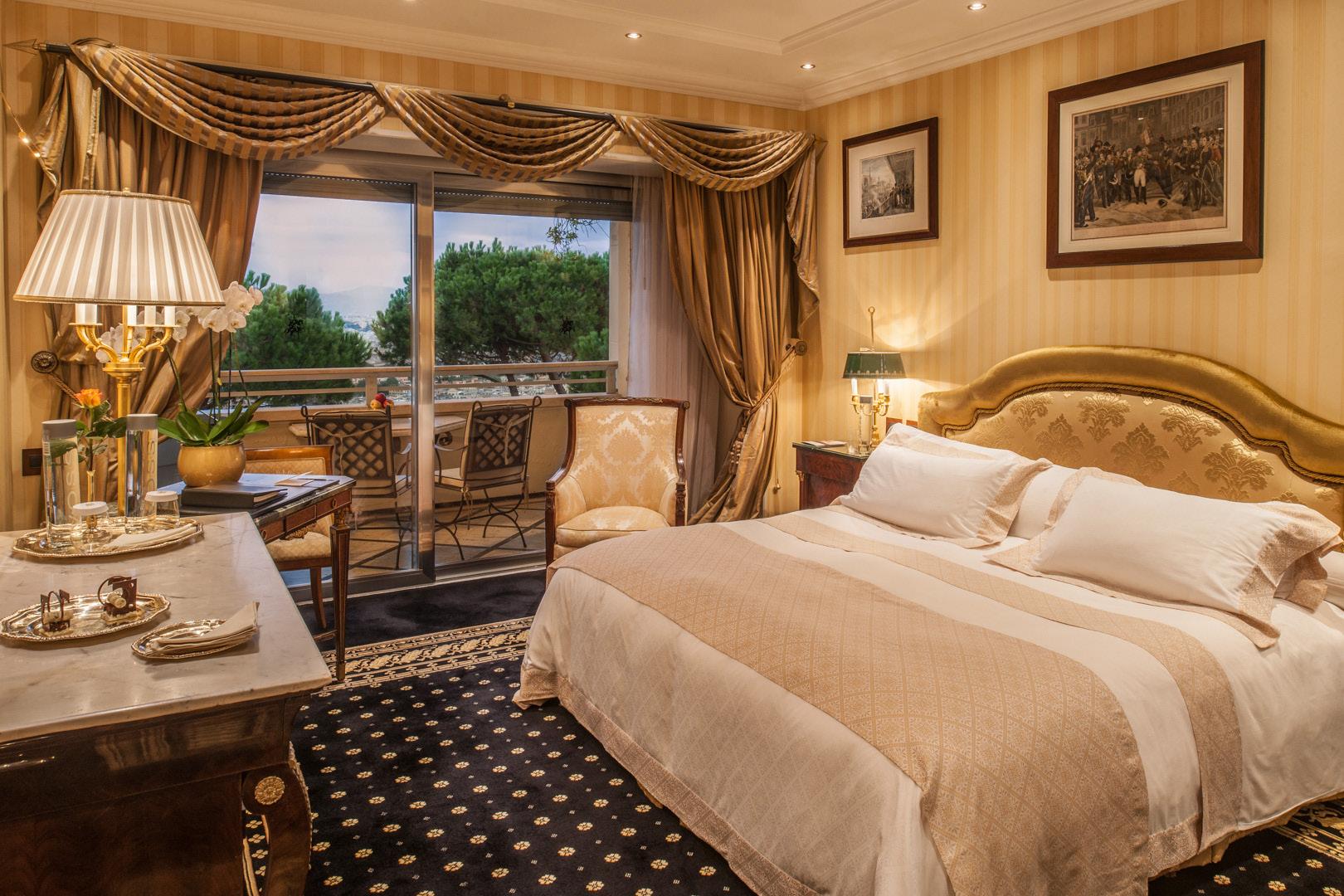
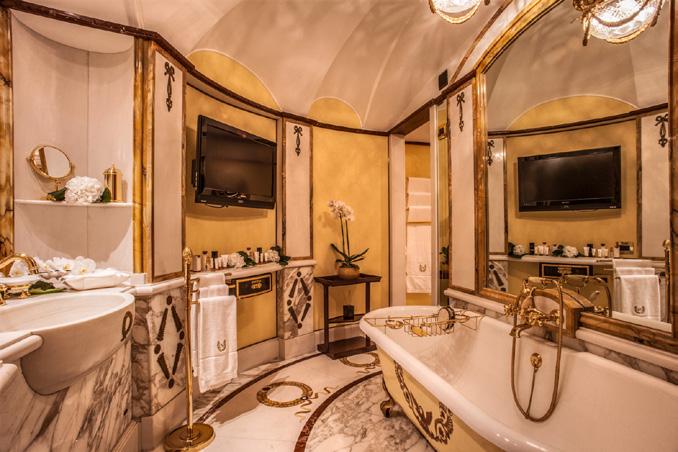
Some hotels impress you. Others stay with you. For me, Rome Cavalieri, A Waldorf Astoria Hotel was never just a place to sleep in one of the world’s most beautiful cities. It was a feeling of stillness, of beauty, of being suspended for a little while above the magic and movement of Rome. Set high on a hill within 15 acres of private parkland and overlooking the Eternal City and the Vatican, the hotel feels like a world apart, yet deeply connected to the soul of Rome.
From the moment I arrived, I felt as though I had stepped into a grand Roman retreat where time softened and life became beautifully indulgent. There was a calmness to the place that immediately embraced me. After the rhythm and energy of travel, it offered something I had not realised I needed quite so much space to breathe, to admire, to simply be.
What touched me most about the hotel was not just its elegance, but its heart and the
By Shereen Shabnam
many art pieces around the hotel. As someone who has always been deeply drawn to art and art-led events in Dubai, I was genuinely moved by the scale and beauty of the collection housed within the hotel. Walking through the corridors of Rome Cavalieri felt like wandering through a private museum.
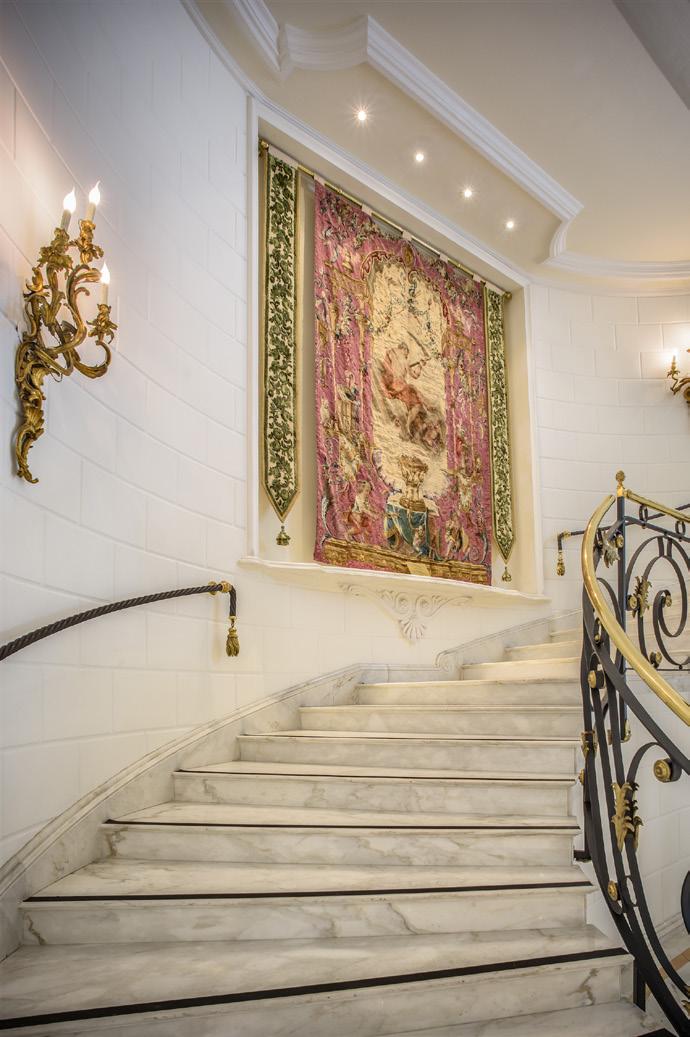
There are over 1,200 artworks, rare antiques, tapestries, period furniture and extraordinary pieces by names such as Giambattista Tiepolo and Andy Warhol. It was impossible not to pause, not to look longer, not to feel inspired.
The hotel’s carefully curated experiences only deepened that sense of romance. There is something incredibly special about a place that allows you not only to visit a city, but to experience it more intimately. Rome Cavalieri offers guests the opportunity to step into authentic Italian life through beautifully designed suite experiences, whether that means crafting handmade sandals with a family-run shoemaker, exploring the Vatican
Gardens in private, or discovering hidden culinary treasures in the city.
As a lover of food and local culture, I found the thought of the culinary experiences particularly irresistible. The private journey through Mercato Trionfale is the kind of experience I adore most while travelling as it is immersive, authentic, and filled with flavour. A market frequented by locals, it offers a taste of Rome in its most delicious form, from artisanal cheeses to handmade pasta and truffles.
And then, of course, there is the hotel itselfthe kind of place that makes you want to slow everything down and savour every moment.
I enjoyed waking up in one of the elegant suites, enjoying a luxurious picnic in the gardens, had a quiet yoga session in the park, and later retreated to the spa for complete surrender.
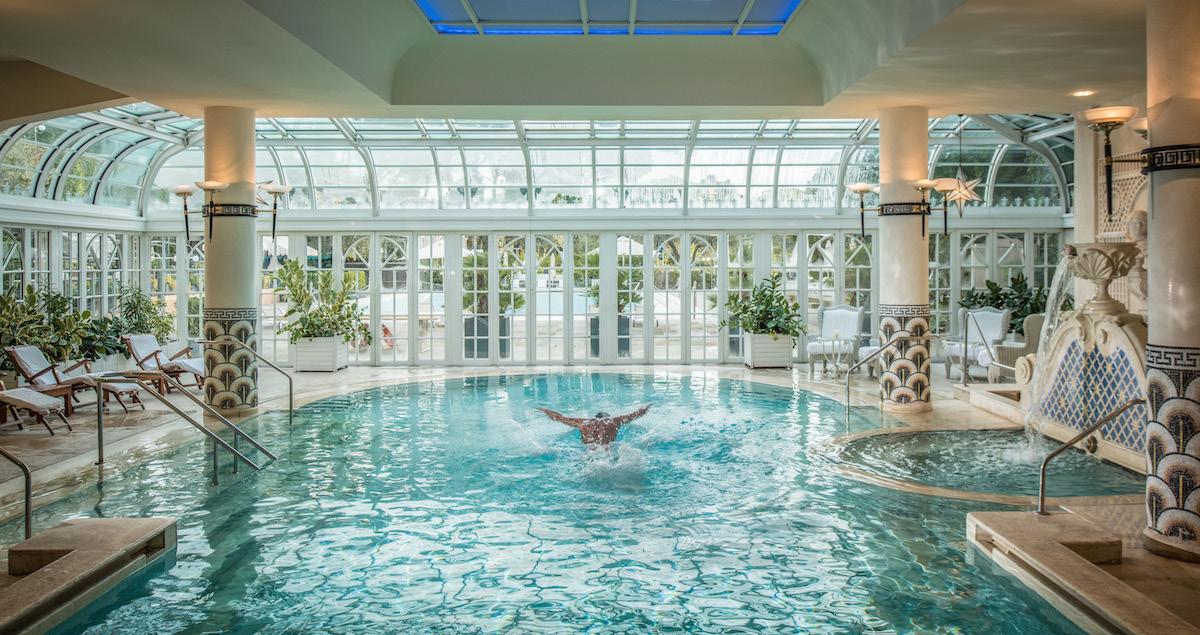
The Cavalieri Grand Spa Club was, for me, one of the highlights of the stay. It felt like a sanctuary within a sanctuary. The peaceful atmosphere, the impeccable wellness offering was exactly the kind of place where one loses all sense of urgency. I booked a massage, and the moment I saw the La Prairie products, I instantly regretted not carving out enough time for a facial too. Had I not been due back in Dubai, I might very well have stayed there all afternoon and called it research.
There is also something quietly moving about the history of the hotel itself. Designed by celebrated architect Ugo Luccichenti, with contributions from iconic 1960s names
Franco Albini and Pierluigi Nervi, the building carries a timeless sophistication that feels both glamorous and grounded. Since opening in 1963, it has welcomed royalty, dignitaries, celebrities and seasoned travellers from around the world. And yet, despite all its pedigree, it never felt intimidating. It felt warm and personal.
That, perhaps, is what made my stay so memorable. Rome Cavalieri may be grand, but it also knows how to make a guest feel cherished. I left feeling rested, inspired and grateful for the beauty of the place, and for the rare luxury of having experienced Rome from such a serene and artful vantage point.
AATI ON THE INTERIORS SHAPING SPRING 2026
Storytelling, atmospheric layering and a renewed sense of optimism define the mood of the season
Retail therapy is inevitable as Spring 2026 approaches and interiors are embracing a quieter confidence rooted in craft, character and cultural storytelling. Woven textures return to primary living spaces, romantic silhouettes gain renewed relevance, and sculptural forms prioritise comfort as much as statement. Richer colour palettes replace predictable pastels, while material integrity and thoughtful layering anchor the season
in quiet luxury with a renewed sense of optimism.
Interpreting these shifts through a distinctly regional lens, Aati, part of Al Tayer Insignia, has spent nearly 45 years shaping refined living in the UAE, blending global design excellence with local insight. Drawing on longstanding relationships with leading international and Made in Italy design houses,
BIOMORPHIC FORMS & COMFORT-CORE
A growing appetite for biomorphic forms reflects the shift toward comfortdriven design. Sculptural seating and fluid silhouettes create immersive, emotionally resonant spaces. Collectible design platforms such as 1stDibs have noted rising demand for sinuous, snake-like sofas and organic seating, underscoring the appetite for sculptural comfort.
Rugiano, distinguished by its sculptural metal detailing and contemporary elegance, embodies this movement through the Snake armchair and sofa. Fluid lines and balanced volumes redefine seating as both functional and sculptural, inviting relaxation while anchoring the room.
Aati presents a curated perspective on the interiors shaping Spring 2026.
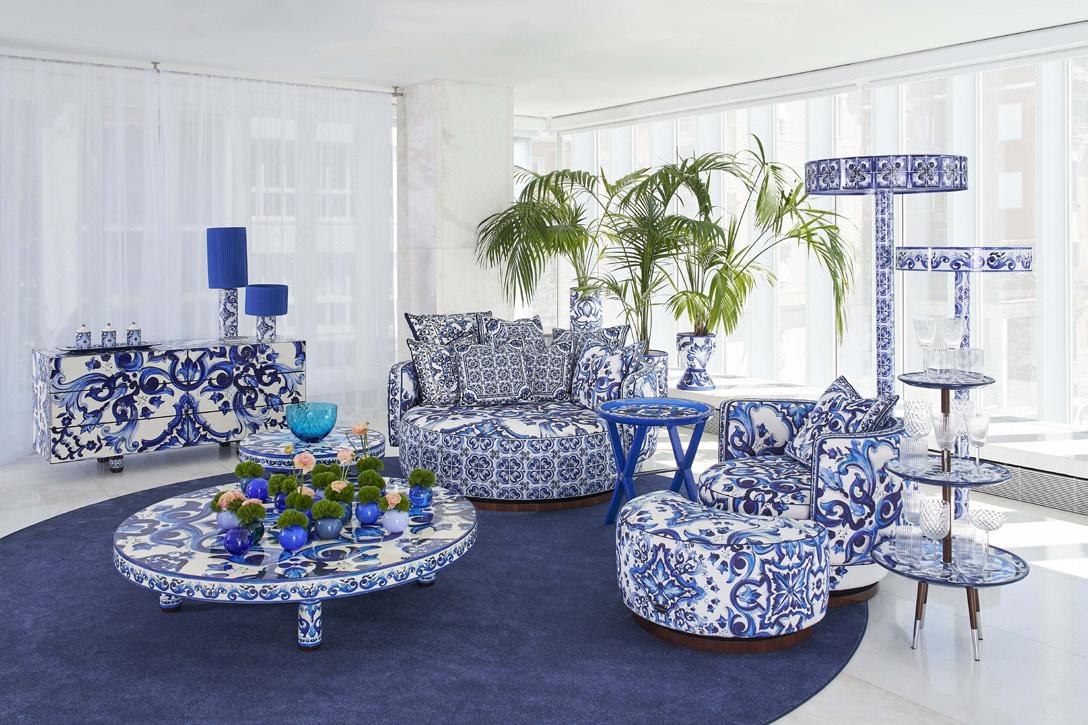
Across Aati Zabeel and Jumeirah, brands include Vittoria Frigerio, Rugiano, Elie Saab Maison, Dolce & Gabbana Casa, Ligne Roset, Roberto Cavalli Home, Hessentia and Minotti, while the Abu Dhabi location also features Adriana Hoyos, Caracole and Eichholtz.
WICKER & WOVEN CRAFT
Once reserved for terraces and outdoor spaces, wicker and woven materials are making a confident return to primary living areas. Their tactile presence introduces warmth and an artisanal sensibility, softening contemporary architecture while celebrating craftsmanship.
Frigerio’s Sam family, comprising small tables and servers defined by a closed woven structure and soft organic silhouette, reflects this shift. Designed by Federica Biasi, the pieces combine essential textures and natural materials with an interlocking lacquered top, balancing craft with refinement. Meanwhile, Frigerio’s Pan by Gordon Guillaumier reinterprets reed workmanship typical of Italian craftsmanship in the 1950s and 1960s. Steam-bent natural materials achieve elegant curvature before being dyed in deeper tones to sit seamlessly within contemporary interiors. The emphasis remains on meticulous detailing and material honesty.
MAXIMALIST ITALIAN CRAFT
As interiors move beyond minimal restraint, decorative storytelling is returning to living spaces. Rich patterns, vibrant colour and expressive detailing introduce personality and cultural depth, creating homes that feel layered and characterful.
Dolce & Gabbana Casa reflects this shift through bold prints, intricate motifs and unmistakable Italian flair. From upholstered seating to tableware and accessories, signature patterns and vibrant colour combinations bring theatrical elegance and craftsmanship into contemporary interiors
MATERIAL MIX
Coffee tables and accent pieces in 2026 reflect the broader shift toward quiet luxury. Organic shapes, dark woods and mixed materials – such as marble paired with metal, wood or lacquer – prioritise craftsmanship over ornamentation. Lower profiles and sculptural pedestal bases create presence without excess, while multifunctional designs respond to evolving lifestyles. Table top styling becomes intentional: fewer, carefully selected objects that allow material quality to speak.
As these interiors are brought to life, Aati continues to elevate the luxury retail experience through its enhanced in-house interiors service for 2026. Working closely with interior designers and private clients from concept to completion, the specialist team guides spatial planning, furniture advisory and material selection to ensure each vision is executed seamlessly. With locations in Dubai and Abu Dhabi, Aati remains a trusted name for interiors that balance beauty and functionality.
RICH COLOUR & EARTHY UMBER
While spring traditionally leans toward greens and pastels, 2026 introduces richer tones. mulberries, deep burgundies, ochres and butter yellows, teamed with flashes of orange appear as confident accents. Roberto Cavalli Home, synonymous with expressive Italian glamour, introduces these hues through statement pieces that add vibrancy without excess.
Alongside saturated colour, earthy umber continues to anchor interiors. Hessentia by Cornelio Cappellini, rooted in the Brianza tradition of craftsmanship, reflects this through sculptural forms and noble materials. The Leaf armchair, with its foliageinspired silhouette fully upholstered in embroidered leather or fabric, envelops the structure in texture, balancing softness with
DUBAI EMERGES AS WELLNESS REAL
ESTATE HUB WITH WEALTHY BUYERS
SEEKING QUALITY OF LIFE
Dubai has become the regional hub in a trend reshaping the luxury real estate market as wealthy global buyers make quality of life their main investment goal.
The global wellness real estate market, which has more than doubled since 2019, is projected to reach $1.1 trillion by 2029, with the Middle East playing its own part in this transformation.
According to the Global Wellness Institute (GWI), the MENA region is the second fastestgrowing market worldwide, expanding at
just over 22% annually, just behind Latin America–Caribbean (24%), and ahead of Europe (22.4%).
“Over the last few years, there has been a big change in the way luxury real estate is defined and valued,” says Talal M. Al Gaddah, CEO and Founder of the Keturah luxury brand. “No longer is it just driven by well-known names, size, or prestige. Today, buyers seek homes to improve their health and wellbeing.”
“They are now asking, ‘Is this home going to make me healthier? Will it help me sleep
better, improve my mood, my family's wellbeing? Will it connect me to nature, and give us all the quality of life we need?”
“This was our motivation in developing Keturah Reserve as the first community of its kind in the region where wellness science shapes every architectural decision.”
Interiors across the AED5.7 billion luxury Keturah Reserve development in Meydan feature natural materials and rich greenery to promote daily wellness. Bio-living features include sophisticated air and water
purification systems, as well circadian lighting to improve sleep, mood, and energy levels.
Dubai's luxury market is shifting from volume-driven growth to innovation-led development, with new projects addressing real lifestyle and health needs that challenge conventions, capture global attention, and reinforce the city's reputation as a forwardthinking destination.
Most luxury buyers are long-term (5+ years) or medium-term (2-4 years) investors,
though the distinction is increasingly based on purpose rather than timeframe, with two distinct profiles emerging.
"The lifestyle investor acquires a unit as a primary or secondary residence, considering it as a long-term sanctuary," says Talal. "They are committed to holding for at least five years because they are investing in their family's health and happiness, not merely capital appreciation.
"The strategic investor acknowledges the scarcity value of wellness-focused luxury assets, and recognizes that as the wellness real estate market grows annually in
this region, early entrants will appreciate significantly. Generally, they hold for 3-5 years before exiting with substantial returns."
Both categories of investors are qualityfocused and prepared to pay a premium. They also seek assurances that the developer will deliver, that the asset will appreciate, and that they will have viable exit options.
As Dubai's luxury real estate market continues to flourish, rather than worrying investors, they perceive it as evidence of the market's vitality and Dubai's standing as a global luxury destination.
DESIGNING THE NEW GUEST EXPERIENCE
What Ambiente 2026 Revealed About the Future of Hospitality
By Shereen Shabnam
Hospitality has always been about making people feel something. But in 2026, that feeling is no longer shaped by service alone. It is increasingly influenced by design, materials, operational intelligence, sustainability, and the ability to create spaces that leave a lasting emotional impression.
That was one of the clearest takeaways from my visit to Ambiente 2026 in Frankfurt, where the global hospitality industry gathered not just to source products, but to rethink what guest experience really means today. The GTM team spent four days exploring the vast fair that addressed the different trends in the hospitality industry this year.
The fair sharpened its focus on hospitality and interior design through Ambiente Projects, bringing together HoReCa, Hospitality
Interiors and Contract Business under one umbrella to serve everyone from hoteliers and restaurateurs to interior designers and property developers. The message was unmistakable: hospitality is no longer being designed in fragments. It is being approached as a fully integrated ecosystem where operational function, design identity and guest expectation must work seamlessly together.
One of the strongest trends emerging from the show was the idea that interiors are now central to brand storytelling. Through the new Interior Design & Architecture Hub and the curated Interior Looks platform, Ambiente highlighted how furniture, lighting, home textiles and finishes are increasingly being used to create emotionally resonant hospitality environments. We saw elements that are becoming essential as hotels and restaurants seek to create spaces that feel more restorative, immersive and memorable.
This shift is particularly relevant to the GCC, where hospitality continues to evolve at remarkable speed. Across the UAE and Saudi Arabia, hotels, resorts and lifestyle destinations are no longer simply competing on luxury, but on distinctiveness. Guests want spaces with personality. They want layered design, intuitive comfort, and environments that feel curated rather than generic.
Ambiente 2026 made it clear that the hospitality spaces of tomorrow will need to be visually compelling, operationally intelligent and emotionally engaging in equal measure. Another major theme was the growing importance of healthy and sustainable materials. The thoughtful exhibition and showcases explored how material choices can influence not only aesthetics, but also guest wellbeing and long-term sustainability.
In an era where wellness and environmental awareness increasingly shape guest preferences, this signals a meaningful shift.
Sustainability is no longer being treated as a separate initiative. It is becoming embedded in the physical language of hospitality itself.
Equally important was the spotlight on what happens behind the scenes. While front-of-house design often receives the glamour, Ambiente 2026 gave overdue attention to back-of-house efficiency. This was one of the most commercially relevant areas of the fair as the display focused on tools, equipment and systems that improve kitchen logistics, underscoring the reality that guest satisfaction is often built on invisible efficiency.
What Ambiente 2026 ultimately reinforced is that the future of hospitality will not be built on one single trend. It will be shaped by convergence, where design meets durability, storytelling meets efficiency, and sustainability meets commercial viability.
For the GCC hospitality market, where investment remains strong and guest expectations are among the highest in the world, these insights are particularly timely. The next chapter of hospitality will belong to those who understand that unforgettable guest experiences are not accidental. They are designed, thoughtfully, strategically and holistically. And if Ambiente 2026 proved anything, it is that the hospitality brands best positioned for the future are the ones already designing for it.
WHERE DESSERTS TAKE FLIGHT
Inside the Opening of Medici by Trove
We recently attended the opening of Medici by Trove at Dubai Mall, and it was an experience that lingered well beyond the final course. Set within Fashion Avenue, the new destination introduces a refined Italian dining concept where noble tradition meets modern expression, and where desserts quite literally take flight.
The latest concept by Gastronaut Hospitality, Medici by Trove reflects a philosophy rooted in craftsmanship, storytelling, and emotional connection. Founded by Ahmet Oytun Çakır, the group continues to shape Dubai’s dining scene with concepts that feel deeply personal and thoughtfully curated.
From the moment we stepped inside, the space set the tone. White linen tables, soft pink pastel archways, and sculptural architectural details create an atmosphere that feels elegant yet welcoming. The interiors
By Shereen Shabnam
evolve effortlessly throughout the day, from calm, light-filled mornings to romantic, softly lit evenings. This makes it a place designed to be lived in, not rushed through.
As part of the opening experience, we sampled a selection of dishes and drinks that showcased the kitchen’s refined yet expressive approach. Under the direction of Executive Chef Doğukan Düğüncü, Medici’s menu blends classic Italian foundations with contemporary techniques and subtle global influences. Each plate felt honest and flavour-driven, balancing familiarity with quiet creativity.
We also took part in a beautifully curated flower-arranging session, a thoughtful touch that echoed the brand’s belief in artistry beyond the plate. It was moments like these that reinforced Medici’s intention to create not just a restaurant, but a lifestyle experience.
Dessert, however, is where Medici truly takes centre stage. With more than 30 handcrafted dessert selections, the menu celebrates Italian indulgence through a modern lens.
The highlight is undoubtedly the signature Flying Dessert — a theatrical presentation that transforms dessert into a moment of art, movement, and delight. It’s playful, unexpected, and utterly memorable.
More than a dining venue, Medici by Trove feels like a home. It is a space where flavours tell stories, traditions are honoured through modern craftsmanship, and guests are invited to slow down, connect, and savour the moment. In the heart of one of the world’s busiest malls, Medici offers something increasingly rare: time, warmth, and beautifully shared experiences.
GLOW, GIFT, REPEAT
Kosas Unveils Beauty Sets for Effortless Radiance
By Verna S.
As we believe in meaningful gifting, we love that Kosas has introduced a pair of thoughtfully curated beauty sets designed to bring ease, radiance and a little everyday indulgence to our lives. Blending skincare with makeup in the brand’s signature skinfirst style, the new gift sets offer a fresh take on beauty gifting—one that feels practical, uplifting and beautifully glow-focused.
Perfect for sharing with a loved one or adding to your own beauty routine, the sets feature
a collection of mini Kosas favourites created to support healthy-looking skin and effortless makeup throughout the day. Compact, versatile and easy to use, they are ideal for beauty touch-ups, travel-ready routines, or simply elevating everyday self-care moments with products that work hard while feeling light and intuitive.
Among the highlights is the Blush Is Life Trio Set, a charming edit of mini blushes designed to deliver a natural, skin-like flush with minimal effort. Each shade is baked and swirled with two complementary tones to create soft dimension and a radiant finish that melts beautifully into the skin. Featuring Dare, Spellbound and Euphoria, the trio offers
a flattering mix of tones that can be worn individually or layered depending on mood and occasion.
For those leaning more into skincare-led beauty, the Plump & Juicy Makeup Prep Skincare Set brings together three glowenhancing essentials for hydrated, luminous skin. The edit includes a mini DreamBeam Sunlit SPF 30, a mineral sunscreen infused with ceramides and peptides, a Plump + Juicy Vegan Collagen Spray-On Serum for hydration and visible firmness, and a Plump + Juicy Lip Booster for soft, fuller-looking lips. Together, they create the kind of healthy, wellprepped base that feels especially welcome for all ocassions.
PAPILLON’S SPARKLING EDIT OF EVENING BAGS AND JEWELLERY
By Verna S.
There are accessories that complete a look, and then there are those that become the moment. Papillon’s latest collection of glittering evening bags and statement jewellery falls firmly into the latter category, bringing a touch of shimmer, sophistication and unapologetic glamour to the season’s most stylish occasions.
From crystal-embellished clutches and handfinished minaudières to radiant jewellery designed to catch the light beautifully, the collection feels made for weddings, soirées, formal dinners and nights that call for a little extra sparkle.
With metallic finishes, intricate detailing and rich textures, each piece adds a polished sense of occasion while remaining playful, feminine and fashion-forward. Papillon’s
social showcases also highlight handcrafted clutches and crystal-led statement styles that lean into evening elegance with a modern twist.
What makes the edit especially appealing is its versatility. These are pieces that can instantly elevate a sleek black dress, complement embellished occasionwear or add personality to more understated evening looks. Whether chosen for a celebratory event or simply to bring drama to an outfit, Papillon’s accessories strike that lovely balance between standout and timeless.
For fashion lovers who believe the right accessories can transform an entire look, Papillon’s glittering collection offers exactly the kind of finishing touch that makes dressing up feel joyful again.
JEWELLERY FOR EVERY CHAPTER AND CELEBRATION
How Fabulous Stone Jewellery Continues to Evolve with Meaning, Style and Occasion
By Shereen Shabnam
We live in a city that celebrates life through style, sentiment and beautifully curated experiences and jewellery has become far more than an accessory for us. It is now a language of emotion, chosen to mark milestones, honour traditions, and elevate the special moments that define our lives.
Few brands understand this more intuitively than Fabulous Stone Jewellery, the elegant boutique nestled within the Shangri-La Hotel Dubai, where every piece feels deeply personal and thoughtfully chosen.
Over the years, Fabulous Stone Jewellery has evolved from a boutique known for its colourful gemstone creations into a destination for occasion-led jewellery curated for celebrations, cultural moments and meaningful gifting. Whether it is Valentine’s Day,
Eid, UAE National Day, festive gatherings, anniversaries or personal milestones, the brand has steadily shaped its collections to reflect the emotions and aesthetics of each season.
At the heart of this journey are Dr. Sundus Alagram and her husband Falah, whose shared passion and vision continue to define the brand’s identity. Their approach has always gone beyond simply presenting beautiful jewellery. Instead, they focus on
creating pieces that feel relevant to life’s most treasured occasions, whether through romantic tones for February, elegant Arabicinspired designs for Eid, or vibrant pieces that celebrate colour, femininity and selfexpression all year round.
This thoughtful evolution has given Fabulous Stone Jewellery a unique place within Dubai’s luxury jewellery landscape. The boutique does not simply offer collections; it offers possibilities. A gift for a loved one. A statement
piece for a festive gathering. A keepsake to commemorate a national celebration. A ring or necklace chosen not just for how it looks, but for the moment it represents.
Walking into the store feels like stepping into a warm and welcoming world of artistry and intention. There is a sense of intimacy here that is increasingly rare in retail. Guests are welcomed not as customers, but as friends invited to discover jewellery that suits not only their style, but also their story. That personal touch is what makes the brand and shop so memorable.
With each passing season, Fabulous Stone Jewellery continues to refine its offering while staying true to its soul, celebrating craftsmanship, emotion and individuality in every piece. In a market often driven by trends, it stands apart by offering jewellery that feels both timeless and timely.
YANGTZE JIANGTUN LIMITED EDITION
Oris has unveiled the Yangtze Jiangtun Limited Edition, a purpose driven timepiece created in partnership with the Changjiang Conservation Foundation to support the protection of the critically endangered Yangtze finless porpoise. This release embodies Oris’s enduring dedication to both the planet and the art of Swiss watchmaking.
The Yangtze finless porpoise, locally known as Jiangtun, is the last remaining freshwater cetacean in China and a treasured species of the Yangtze River ecosystem. Found only in the Yangtze River, it has faced severe population decline due to habitat loss, pollution, and human activity. In partnership with the Changjiang Conservation Foundation, Oris shines a light on the species and supports the foundation’s efforts to protect the river’s biodiversity through research, public awareness, and community led initiatives. In 2022, surveys estimated that just 1,249 individuals remain in the wild, highlighting the fragile beauty of this rare species.
Based on the Aquis Date 43.50 mm, the Yangtze Jiangtun Limited Edition translates this conservation mission into thoughtful design details. The blue-green mother-of-pearl dial captures and reflects light like the surface of the Yangtze River, enhanced by a wave pattern applied using a precise printing process inspired by the ultrasonic clicks the finless porpoise uses to communicate and navigate its cloudy waters.
Crafted in stainless steel, the watch is powered by the Oris Calibre 733 automatic movement and designed for performance, with water resistance to 30 bar (300 metres). On the reverse, the case back is engraved with an image of the porpoise, reinforcing the emotional link between the timepiece and the species it represents.
The Yangtze Jiangtun Limited Edition is limited to 1,249 pieces, representing the number of the aquatic mammal thought to be left in existence. Through this release, Oris and the Changjiang Conservation Foundation aim to support ongoing conservation efforts, underscoring a shared belief that while no single individual can change the world alone, collective action can help protect it for the future.
ELEVATING
THE
ART OF HOSTING WITH GOOD EARTH CHAHAR BAGH
There is something deeply meaningful about gathering around a beautifully set table. Whether for an intimate dinner, a festive lunch, a milestone celebration or simply an afternoon of shared conversation, the act of hosting has become less about formality and more about creating moments that feel warm, thoughtful and memorable. At Good Earth Chahar Bagh in Dubai, this philosophy comes to life through a refined edit of serveware and decorative pieces designed to transform entertaining into an art form.
At the heart of every memorable gathering is the table itself, where stories unfold, connections deepen and hospitality takes on a personal expression. The right serveware does more than hold food; it sets the tone, reflects the host’s sensibility and elevates the atmosphere of the occasion. Good Earth’s curated selection brings this idea beautifully into focus, offering pieces that balance functionality with beauty and timeless craftsmanship.
Rooted in artistry and storytelling, the edit draws from some of the brand’s most celebrated collections. Imperial Agra, inspired by Mughal architecture and heritage motifs, lends a regal sense of occasion to the table, making it ideal for celebratory entertaining.
Naqashi, with its delicate papier-mâché artistry and hand-painted detailing, brings a layer of intimacy and refinement that feels especially suited to gifting or thoughtful table styling. Traditional brass thaals and silverware add warmth and character, while the Rasa collection introduces a more understated contemporary elegance, perfect for effortless entertaining with a modern touch.
The collection spans statement serving platters, ornate trays, centrepieces and elevated table accents, each piece thoughtfully crafted using artisanal techniques that honour heritage while feeling entirely relevant to contemporary living.
SCENT, SKIN AND STORY
EMMA HAMSA’S DEBUT REDEFINES
MODERN PERFUMERY
By Natasha Dury
With fragrance deeply tied to identity, ritual and emotion, a new homegrown niche fragrance house makes a quietly compelling entrance. Emma Hamsa introduces The First Light, a debut collection of Extrait de Parfum shaped by memory, family legacy and a distinctly skin-centric approach to scent.
Founded by entrepreneur and Creative Director Emma Hamsa, the collection was developed over the course of a year in collaboration with an established French fragrance house. The result is a refined, craft-led offering that prioritises balance, longevity and restraint. Each fragrance is designed to sit close to the skin, unfolding gradually and becoming part of the wearer’s natural rhythm rather than overpowering it.
The collection features three fragrances, Milk of Light, Desire Skin and Eternal Horizon. Each one is inspired by a significant figure in Emma’s life. Together, they form an intimate olfactory narrative rooted in connection and emotion. Milk of Light reflects softness and reassurance, Desire Skin captures closeness and quiet intensity, while Eternal Horizon evokes a sense of calm strength and enduring presence. The trio can be worn individually or layered, allowing for a personalised interpretation of scent.
Positioned within the niche luxury category, Emma Hamsa focuses on storytelling and emotional authenticity over trends. Composed using high-quality raw materials, the fragrances explore musky, milky, woody and mineral accords that feel subtle, comforting and deeply personal. The collection is also gender-inclusive in spirit, with compositions designed to transcend traditional fragrance categories.
Produced to international standards and cruelty-free, the collection marks the beginning of a brand that is intentionally considered in its growth, with plans for curated retail experiences and selective expansion.
TECHNOLOGY TRENDS
Many consumers across the world are looking for the perfect gift for their friends and family. Natasha Dury, Curator of New Technology Trends brings you the latest gadgets to gift loved ones.
NINJA CRISPI
For anyone who loves smart kitchen innovation, the new Ninja CRISPi 4-in1 Portable Glass Air Fryer is a clever game-changer. Designed for modern, on-the-go lifestyles, this compact all-inone system features a handheld CRISPi Power Pod that snaps directly onto clear glass containers, allowing users to prep, cook, serve, store and re-crisp food in one sleek appliance. Packing the power of a full-sized air fryer into a portable format, it comes with two CleanCrisp™ glass containers, crisper plates, storage lids and an adaptor, making it ideal for quick meals, office lunches, shared snacks or compact kitchen living. Available in Stone, Sage and Cyberspace, the Ninja CRISPi brings convenience, versatility and stylish countertop appeal to everyday cooking.
HUAWEI WIFI MESH X3 PRO
Blending cutting-edge connectivity with striking design, the HUAWEI WiFi Mesh X3 Pro reimagines the modern router as both a high-performance device and a statement home accessory. Inspired by the natural beauty of “Golden Mountain Glow,” its transparent acrylic body features a sculptural mountain relief enhanced by dynamic LED lighting that shifts with the time of day, adding an artistic touch to living spaces. Beyond its aesthetics, the Wi-Fi 7 router delivers powerful dual-band speeds of up to 3.6 Gbps, seamless wholehome mesh coverage and ultra-smooth connectivity for everything from streaming and gaming to remote work and smart home control, making it as functional as it is visually captivating.
HONOR MAGIC8 PRO
Photography enthusiasts and power users have a new flagship to watch with the arrival of the HONOR Magic8 Pro across the GCC. Positioned as HONOR’s most advanced smartphone to date, the device ushers in a new era of AI-powered night photography with standout features including a 200MP AI Ultra Night Telephoto camera, upgraded AI Ultra Night Portrait mode and intuitive editing tools such as AI Magic Color and the AI Editor. It also marks a regional milestone as the first 5.5G-ready smartphone in the UAE, while packing serious performance credentials through the Snapdragon® 8 Elite Gen 5 Mobile Platform and a powerful 7100mAh silicon-carbon battery, making it as impressive for everyday productivity as it is for after-dark creativity.
ACER TRAVELMATE LAPTOP SERIES
Acer TravelMate P4 14 AI, Acer TravelMate P4 Spin 14 AI, Acer TravelMate P2 16 AI, and Acer TravelMate P2 14 AI form part of Acer’s latest TravelMate lineup, created to support modern business productivity and hybrid work environments. Designed with AI-powered capabilities, these laptops deliver strong performance, seamless collaboration, and portability, enabling professionals to work efficiently whether in the office or remotely.
Powered by the latest Intel Core Ultra Series processors with Intel vPro and featuring Windows 11 Copilot+ PC experiences, the devices offer advanced on-device AI to streamline workflows and reduce complexity. The series also integrates enterprise-grade security and management tools such as TravelMateSense, Acer PurifiedVoice and PurifiedView, Acer Office Manager, and Commercial BIOS, along with TPM 2.0 and fingerprint authentication. With this launch, Acer reinforces its commitment to delivering reliable, secure, and intelligent solutions that enhance productivity while simplifying IT management for businesses.
Capture the meaningful moments of Ramadan with the new Instax Mini LiPlay+™, a premium hybrid instant camera designed to bring memories to life beyond the image. From Iftar gatherings to suhoor nights with loved ones, the mini LiPlay+™ makes it easy to frame every moment beautifully. Featuring the first-ever selfie camera in the Instax™ series and the new Layered Photo Mode, it’s perfect for effortless group shots and expressive prints that blend faces with the surrounding atmosphere. Its signature Sound feature lets you record voices or messages and embed them into your photos as QR codes, turning every print into a memory you can hear and feel again. This Ramadan, the Instax mini LiPlay+™ transforms moments of togetherness into heartfelt keepsakes, instantly.
Luxtop Unveils the World’s First Offline VoiceActivated Quran Corner in Dubai WHEN FAITH MEETS DESIGN
At an intimate, invitation-only cultural evening held at its Dubai showroom, Luxtop Home Couture unveiled a pioneering expression of spiritual design: a fully offline, voice-activated Quran Corner, introduced as the centrepiece of its Ramadan Soul by Luxtop collection.
The unveiling coincided with both the official opening of Luxtop’s Dubai showroom and the brand’s first anniversary, marking a milestone moment that seamlessly blended
By Shereen Shabnam
faith, craftsmanship, and contemporary living. Far more than a decorative element, the Quran Corner was presented as a new way of experiencing spirituality within the home and we found it intimate, inclusive, and deeply intentional.
Unlike traditional prayer corners, Luxtop’s Quran Corner is envisioned as a living family space rather than a solitary retreat. Designed to naturally integrate remembrance into everyday life, it invites parents, children, and
elders into shared moments of reflection, learning, and calm connection, reinforcing the belief that faith begins at home.
At the heart of the concept is a proprietary offline voice-activated system, developed with deep reverence for the Holy Quran. Free from internet connectivity, external networks, or smart integrations, the system responds to simple voice commands, allowing users to start or stop recitation and select specific surahs with ease. By eliminating digital
distractions, the technology preserves the purity and sanctity of remembrance, making it accessible across generations. Architecturally, innovation remains discreet. The technology is embedded within softly illuminated arches inspired by classical Islamic design, each functioning as a personal mihrab. The result is a tranquil, timeless space where sacred tradition and modern living exist in harmony, with technology serving faith, never overshadowing it.
The spiritual philosophy behind the Quran Corner is rooted in the ayah:
“So remember Me; I will remember you.”
(Surah Al-Baqarah 2:152)
This verse guided the development of the Ramadan Soul collection, reflecting Luxtop’s belief that spirituality belongs not only in
mosques, but at the heart of daily family life. Beyond the Quran Corner, the evening also showcased author-designed Ramadan gifts, the MAJLIS COUTURE, The Seven Expressions collection created in collaboration with an Italian designer, and the launch of Luxtop Atlas, the brand’s first cultural journal exploring Ramadan as a way of living and the home as a spiritual space.
Founded in 1971, Luxtop Home Couture brings decades of artisanal heritage into contemporary design, with more than 5,000 high-end villas, hotels, and clubs completed worldwide. With the introduction of the Quran Corner, the brand presented more than a design innovation. It introduced an amanah: a sacred responsibility to create homes where faith, family, and thoughtful technology coexist in quiet harmony.
BOCONCEPT BRINGS PERSONALISED DANISH DESIGN TO DUBAI HILLS
By Eric Dury
For those who believe a home should be as individual as the people living in it, BoConcept’s newest opening at Dubai Hills Mall is set to become a welcome design destination. The globally recognised Danish furniture brand is bringing its signature blend of clean lines, timeless aesthetics and customisable living to one of Dubai’s most stylish retail hubs.
More than just a furniture showroom, the new BoConcept store is designed as an immersive space for inspiration, where shoppers can
explore how contemporary Scandinavian design can be tailored to suit their own lifestyle, space and personality. From modular sofas and sculptural dining tables to elegant storage pieces, bedroom settings and home office solutions, the collection speaks to modern living with a distinctly refined edge.
What makes BoConcept especially appealing is its emphasis on personalisation. Rather than offering one-size-fits-all interiors, the brand invites customers to create furniture
that feels uniquely their own. Nearly every piece can be customised in terms of size, shape, configuration, colour, material and finish, allowing for a more thoughtful and individual approach to furnishing the home. With over 120 fabric and leather options, along with a wide range of finishes and design details, the possibilities feel refreshingly openended.
The store will showcase a carefully curated selection of BoConcept’s most
recognisable pieces, including collections created in collaboration with internationally acclaimed designers such as Karim Rashid, Oki Sato (nendo) and Morten Georgsen. The result is a design language that is sleek yet warm, contemporary yet enduring, perfect for interiors that aim to feel elevated without ever becoming overstated. The furniture is rooted in the values of Danish craftsmanship: simplicity, functionality, comfort and beauty that lasts.
For Dubai’s design-conscious homeowners and interiors enthusiasts, the designs present an opportunity to rethink how personal style can be expressed through interiors, and how furniture can be chosen not only for how it looks, but for how it supports everyday life.
B.NEOS: THE SOUL OF SILENCE
Where serenity, harmony and peace of mind define life on board
B.NEOS begins with a shift in perspective. Inspired by the quiet intelligence of hybrid propulsion, this new 40-metre hybrid yacht by Benetti is not simply about technical performance or engineering figures. Its real value lies in how it transforms the experience of being on board.
The exterior lines of B.NEOS have been shaped by Malcolm McKeon, a renowned designer closely associated with sailing superyachts. The result is a flowing, contemporary form defined by clean proportions, a sleek profile and a silhouette that prioritises elegance and balance over excess. The design feels understated, timeless and quietly sophisticated.
Inside, Francesca Muzio of FM Architettura has created interiors that feel warm, inviting and genuinely lived in, rather than overly formal or monumental. Soft light, tactile materials, natural finishes and welcoming layouts replace unnecessary grandeur. The emphasis is on comfort, simplicity and family-oriented living,
By Shereen Shabnam
allowing owners and guests to enjoy the yacht in a more meaningful and relaxed way.
Hybrid technology sits at the heart of B.NEOS. It defines not only how the yacht performs, but how it feels. Imagine lunch in the cockpit with family, without exhaust fumes, vibration or the hum of a generator. Just fresh air, the sound of the sea and the voices of those around
you. In Hotel Mode, the yacht can operate in complete silence, with all onboard systems powered by batteries for up to 5 hours during the day and 8 hours at night.
B.NEOS can also run on battery power when leaving harbour, entering protected marinas, or during port manoeuvres and mooring. Its technical ecosystem has been purpose-built to maximise
efficiency, reducing energy consumption by up to 30% compared to yachts of a similar size.
Onboard systems are designed to work discreetly in the background, delivering advanced home automation, ultra-fast 5G, Starlink connectivity, and intelligent systems that make life on board effortless. Behind the scenes, augmented reality and AI enable crew and shipyard teams to monitor systems remotely, predict potential issues and respond in real time. For the owner, this translates into seamless reliability and a significantly more reassuring ownership experience.
Benetti has long demonstrated an ability to anticipate how yacht owners want to live. The shipyard pioneered the beachfocused Oasis Deck® concept, one of its most successful and best-selling innovations and B.NEOS continues that forward-thinking approach with a series of fresh design ideas.
A highly advanced engine room has been engineered to reduce technical volume by 30%, freeing up significant additional living space. This has made possible an unexpected and striking layout, centred around a dramatic Sea Atrium with 2.4-metre ceiling height, framed by floorto-ceiling glass and additional lateral hull windows.
The teak flooring extends seamlessly from the exterior inward, visually connecting the main saloon to the pool and the aft deck. The result is a natural, uninterrupted relationship with the sea. The Sea Atrium reimagines the traditional beach club as a new social focal point—an area for reading, entertaining, relaxing and remaining immersed in the surrounding environment.
At the centre of onboard life is the
Family Kitchen, conceived as an open and welcoming space for informal dining and everyday connection. Whether for breakfast, a casual lunch or show-cooking with friends, it is designed to make family life feel easy and spontaneous. For more formal occasions, the dining space can be discreetly closed off when needed.
By moving the wheelhouse forward on the Main Deck, Benetti has liberated the entire Upper Deck for the owner. The result is a private apartment with 270-degree panoramic views, a feature typically reserved for yachts exceeding 60 metres in length. This exclusive area also includes a large private terrace directly connected to the suite, complete with dining and occasional tables. It is an intimate outdoor retreat, ideal for a quiet breakfast, private moments, or perhaps one of the most beautiful workspaces imaginable.
For a new generation of owners, Benetti has reimagined the entire ownership experience. Through its Peace of Mind programme, the shipyard offers a
comprehensive support platform designed to reduce the complexity and stress often associated with yacht ownership. This includes preventive maintenance, extended warranty and access to a dedicated crew academy, all designed to protect the yacht’s long-term value and simplify operations.
The “brain” of B.NEOS is an AI-driven database that continuously shares live operational data with Benetti, ensuring smooth and efficient running wherever the yacht may be cruising in the world.
Through Yachtique, the Group’s interior design and lifestyle division, owners are offered a fully turnkey experience, from interior setup and accessories to onboard equipment, tableware, linens, lifestyle details and water toys. Every element is prepared in advance, ensuring the yacht is delivered ready to enjoy from day one. All of this comes together in Yacht as a Service (YaaS), a five-year fully managed ownership model that integrates the yacht and all related services into one seamless, simplified solution.
FLYDUBAI TURNS TO SMART OPERATIONS AS IT DIGITISES GROUND TURNAROUNDS ACROSS ITS NETWORK
As airlines continue to focus on operational resilience, real-time visibility and passenger experience, flydubai is taking another step in its digital transformation journey. The Dubaibased carrier has selected ZestIoT to roll out its Digital Turnaround Platform at Dubai International Airport and across the airline’s growing network, bringing a more intelligent, data-led approach to one of aviation’s most time-sensitive operational areas.
Aircraft turnaround, the critical period between landing and the next departure has become one of the most important pressure points in modern aviation. Delays, bottlenecks and fragmented coordination on the ground can quickly affect schedules, passenger connections and overall airline performance.
By introducing ZestIoT’s digital turnaround platform, flydubai is aiming to bring greater precision, collaboration and predictability to these operations.
The platform is designed to digitise turnaround activity and provide real-time visibility across key ground processes, while also using AI-driven insights and predictive collaboration tools to support faster, more informed decisions.
In practical terms, this means ground teams, airport operations and airline stakeholders can respond more quickly to disruptions, improve coordination and reduce turnaround inefficiencies, ultimately helping support more on-time departures and a smoother passenger journey.
By Natasha Dury
For a carrier such as flydubai, whose operational scale continues to grow steadily, this kind of technology is becoming increasingly important. The airline now serves more than 135 destinations across 58 countries with a fleet of 97 Boeing 737 aircraft, while operating an average of 370 flights daily from Dubai International. That level of activity requires not only speed, but a highly synchronised operational ecosystem.
For ZestIoT, the collaboration signals growing demand across the aviation industry for more proactive, intelligence-led turnaround systems. While many airlines are still exploring digital turnaround concepts,
flydubai’s move reflects a more decisive operational strategy, one that prioritises efficiency not only as a back-end function, but as a core part of customer experience.
As the aviation sector continues to evolve, digital turnaround management is likely to become a defining area of competitive advantage, particularly for fast-growing carriers operating in major global hubs. For flydubai, this latest move reinforces its ambition to combine network expansion with smarter operations, ensuring that growth is supported by the kind of efficiency and agility modern air travel increasingly demands.
SATYS REPOSITIONS FOR THE NEXT GROWTH CYCLE IN AEROSPACE
As the global aerospace industry accelerates into a new phase of production growth and fleet demand, Satys has completed a major strategic realignment that firmly repositions the company around its aeronautics core.
Under the leadership of founder and chairman Christophe Cador, the Toulouse-based group has streamlined its portfolio, exited non-core activities and entered 2026 with renewed profitability, sharper industrial focus and a clear expansion agenda across six aviation markets: commercial aviation, regional aviation, business aviation, helicopters, defence and aircraft repainting.
For Satys, the turnaround comes after a turbulent period that tested resilience across the wider aviation supply chain. Like many aerospace players, the company faced significant disruption post pandemic, and then from a difficult mix of hyperinflation, a cyber-attack and erratic demand.
Rather than retreat, the group used that period to restructure, invest in targeted industrial capacity and continue strengthening training across its operations, laying the groundwork for the current recovery.
By Shereen Shabnam
A key part of that reset has been strategic simplification. Satys has progressively narrowed its focus to two specialist pillars: aircraft painting and sealing, and surface treatment for aeronautical parts. The shift saw the group divest its cabling business in 2020, followed by the sale of Satys Cabin to UUDS Group in early 2025 and, more recently, the disposal of its rail interiors business Kelox to French group Barat in January 2026.
The most visible sign of Satys’ sharpened aeronautics focus came in February 2026 with the acquisition of Sabena technics’ four aircraft painting facilities in Cornebarrieu, on the edge of the Toulouse-Blagnac runways.
The site, which handles around 140 aircraft per year, adds significant scale and brings 130 employees into Satys Aerospace. Combined with Satys’ existing footprint in Blagnac, the move strengthens the company’s role in the Airbus ecosystem and lifts its Toulouse area capacity to 10 painting facilities, including four wide-body hangars.
That expansion builds on earlier moves, including the acquisition of SPI in 2022 and the opening of four new paint facilities in 2025–26, among them a wide-body paint
bay in Châteauroux. It also reflects the scale of Satys Aerospace’s global ambition. The division now operates 46 paint shops and 68 paint booths across 10 countries, with plans to open 18 additional sites over the next six years, including six long-haul capacity facilities across four continents.
The business is already seeing strong momentum. Satys Aerospace, which will mark its 40th anniversary in June 2026, reported revenue growth from €140 million in 2019 to €192 million in 2025, with projections of €265 million by 2028 and more than €300 million by 2030, when it expects to paint 1,200 aircraft annually.
Key customers include Airbus, Dassault Aviation, Embraer and ATR, alongside airlines and maintenance providers. Growth is being driven not only by higher OEM production rates, averaging around 8% annually, but also by market share gains in defence and MRO.
In a sector where scale, reliability and specialist capability are increasingly critical, Satys appears to be betting that focus, not diversification and this will define its next phase of growth.
ROEWE D7
A Hybrid Sedan That Redefines Efficiency and Innovation
The Roewe D7 emerges as one of the most compelling mid-size sedans today, blending striking design with intelligent engineering. Available as a plug-in hybrid (PHEV) and pure electric model, the D7 pushes boundaries in efficiency, most notably by setting a Guinness World Record for a PHEV, covering 2,208 km on a single tank and charge, which is a testament to its class-leading range and engineering prowess.
EXTERIOR
The Roewe D7 presents a sleek, modern silhouette that balances elegance with subtle aggression. Its long wheelbase and streamlined roofline give it a premium stance, while crisp character lines and narrow LED lighting elements enhance its visual width and presence. The sedan’s proportions are poised and upscale, hinting at a progressive
By Shereen Shabnam
blend of performance and luxury. Details such as flush or refined handles and aerodynamic surfaces contribute to a contemporary and purposeful aesthetic.
INTERIOR
Inside, the D7 carries a thoughtfully designed cabin focused on comfort and tech-centric ergonomics. Highresolution digital displays form the
centerpiece of the dash, typically pairing a 12.3-inch touchscreen infotainment system with a digital instrument cluster for a cohesive, techforward feel. Seating supports comfort for long drives, enhanced by features like ventilated seats and a panoramic sunroof, while connectivity options including Apple CarPlay and Android Auto keep occupants linked to their digital lives.
Practical touches such as split-fold rear seats and generous cargo capacity add everyday usability, especially for me as a working mum needing enough space for my gym bag, groceries and equipment for the child’s diving lessons, golf lessons and horse riding lessons.
TECHNOLOGY
The Roewe D7 is engineered with a suite of intelligent systems. Dual 12.3-inch screens anchor the cockpit, integrating navigation, media, and vehicle settings with crisp visuals and responsive controls. Connected driving features, including telematics and smartphone integration, elevate convenience, while driver-assist technologies, such as adaptive cruise control and 360° cameras to provide support on the road. Intelligent energy management in the PHEV variant maximises range and efficiency.
PERFORMANCE
As a plug-in hybrid, the D7 combines a 1.5-liter petrol engine with an electric motor and battery pack to deliver both efficiency and usable performance. The PHEV version offers up to 1,400 km
total range on a full tank plus charge in everyday use, with about 125 km of pure electric range, exceptional for a hybrid sedan. Its Guinness World Record run saw the D7 cover 2,208 km without refuelling or recharging, highlighting real-world endurance and economy.
While pure electric versions provide up to roughly 610 km of CLTC range and brisk acceleration (0–100 km/h in as quick as ~6.5 seconds), the hybrid’s strength lies in its balance of fuel economy and long-distance capability.
OUR VERDICT
The Roewe D7 is a standout in the
evolving landscape of electrified sedans. It pairs a striking exterior and comfortable, tech-rich interior with performance that meets expectations and sets benchmarks.
The Guinness World Record achievement underscores its real-world efficiency, while versatile powertrain options ensure there is a flavour of D7 to suit different priorities, whether range-focused hybrid efficiency or allelectric refinement. For drivers who value innovation, sustainability, and a premium experience without the premium price tag typically associated with such capability, the D7 is a compelling choice in its segment.
VOLKSWAGEN GOLF GTI
Small Car, Big Personality
There are cars that try hard to be fun and then there is the Volkswagen Golf GTI, which just gets it right without the drama. For 2026, the GTI does not reinvent itself but it refines what it already does best: blending everyday usability with just the right amount of thrill. It is the kind of car that fits into your weekday routine but quietly turns every drive into something you actually look forward to. As a toddler, my mum dropped me at school and the babysitter in a Golf and that feeling of the cabin being my second home still remains with some very good memories attached to this model.
EXTERIOR
The 2026 GTI sticks to its iconic formula, and honestly, that is exactly what we want. The signature red accents, honeycomb grille and sharp LED lighting give it that instantly recognisable GTI attitude. It is sporty without trying too hard, clean, confident and just aggressive enough to stand out in a parking lot. It is not loud for the sake of attention, but those who know, know. And that is what makes it cool.
By Natasha Dury
INTERIOR
Step inside and the GTI continues to balance sporty with everyday comfort. The cabin feels driver-focused but still practical enough for daily life. There is that
signature GTI personality woven through the design, paired with supportive seating and a layout that feels intuitive rather than overwhelming. It is not about overthe-top luxury but more about creating a space where you actually enjoy spending
time, whether that is for commuting, cruising or heading out for a late-night drive.
TECHNOLOGY
Volkswagen has stepped things up with a more digital-forward cabin. A 12.9-inch touchscreen display anchors the interior, bringing infotainment, connectivity and controls into one sleek interface. The GTI also comes with IQ.DRIVE driver assistance systems, adding a layer of safety and convenience that makes it feel as smart as it is fun. For Gen Z drivers especially, it hits that sweet spot with tech that feels modern and connected without being unnecessarily complicated.
PERFORMANCE
This is where the GTI reminds you why it has been a legend for decades. Under the hood sits a 2.0-litre turbocharged engine producing around 241 hp and 273 lb-ft of torque, paired with a quick-shifting dualclutch transmission. On the road, it feels responsive, agile and genuinely fun. It’s not about chasing extreme numbers.
It is about how effortlessly it delivers excitement. The GTI changes direction with confidence, grips well through corners and feels alive in a way many modern cars don’t. And to top it all, 0–100 km/h happens in the 5-second range, which is more than enough to keep things interesting without compromising daily drivability.
OUR VERDICT
The 2026 Golf GTI proves that you don’t need to go electric, oversized or overly complicated to stay relevant. It is still one of the most balanced performance cars on the market—fun, practical and effortlessly cool. For a Gen Z driver like myself, it is the perfect mix of being sporty enough to enjoy, smart enough to live with, and iconic enough to feel like you are driving something that actually matters.
ALFA ROMEO STELVIO 2.0
Italian Passion in SUV Form
By Shereen Shabnam
Some SUVs are built to be practical. Others are built to be desirable. The Alfa Romeo Stelvio 2.0 manages to be both, bringing unmistakable Italian character into a segment often dominated by clinical efficiency. It is a premium SUV with soul, one that still prioritises the joy of driving while giving buyers the comfort, versatility and technology expected in a modern luxury package.
In a market crowded with polished but predictable crossovers, the Stelvio feels refreshingly emotional. It has presence, personality and just enough edge to
remind you that this is an Alfa Romeo first, and an SUV second. For those who want everyday usability without giving up style or driver engagement, the Stelvio remains one of the more compelling choices in its class.
EXTERIOR
The Stelvio is one of those SUVs that still makes you turn around for a second glance. It wears its Alfa Romeo DNA proudly, from the iconic “Scudetto” V-shield grille to its flowing body lines and athletic stance. Unlike many rivals that
lean heavily into bulk and aggression, the Stelvio feels sculpted, sleek, dynamic and elegantly sporty.
For the model that I drove, the look remains sharp and contemporary, helped by Full-LED Adaptive headlights, redesigned rear lighting and beautifully proportioned details that make it feel premium without trying too hard. With the larger alloy wheels, especially in the Veloce trim, it has just the right amount of road presence. It is an SUV, but one with the heart and silhouette of a sports saloon.
INTERIOR
Inside, the Stelvio delivers a cabin that is more driver-focused than flashy. This is not an interior designed to overwhelm with gimmicks or oversized screens. Instead, it feels purposeful, stylish and unmistakably Alfa. The seating position is excellent, the steering wheel feels just right in your hands, and details like the heated leather sporty steering wheel and aluminium gear shift paddles immediately hint at the car’s more spirited personality.
There is also a welcome sense of warmth to the space. The centre console is neatly arranged, storage is practical, and the overall finish feels refined without becoming sterile. Optional touches such as the 14-speaker Harman Kardon
premium audio system elevate the cabin further, making the Stelvio just as enjoyable for a relaxed highway cruise as it is for a more enthusiastic drive.
TECHNOLOGY
The Stelvio keeps its technology clean and usable, rather than overly complicated. The infotainment system is centred around an 8.8-inch multi-touch display, which remains intuitive and easy to navigate, while the updated 12.3-inch fully digital TFT instrument cluster adds a more modern and customisable feel behind the wheel. Alfa Romeo also gives drivers the option of different display layouts, including a Heritage mode that nods to the brand’s historic instrument design.
On the safety and driver-assistance front, the Stelvio is equipped with Level 2 autonomous driving capability, bringing together systems such as adaptive assistance and lane support to make longer journeys feel more relaxed. It strikes a good balance between helping the driver and still letting them feel connected to the road, something Alfa Romeo has managed better than many brands chasing pure automation.
PERFORMANCE
This is where the Stelvio reminds you why Alfa Romeo still has a devoted following. Under the bonnet sits a 2.0-litre turbocharged petrol engine producing 280 hp, paired with an 8-speed ZF automatic transmission and Q4 all-wheel drive in UAE-spec models. On paper, that is already promising. On the road, it feels even better.
The Stelvio feels lighter, sharper and more agile than many of its rivals, helped by a focus on perfect weight distribution, direct steering and the brand’s signature Alfa Link suspension. The steering is one of the car’s strongest assets as it is quick, precise and genuinely engaging. Through corners, the Stelvio feels planted and eager, while the transmission shifts smoothly enough for daily driving but still responds well when pushed.
OUR VERDICT
The 2024 Alfa Romeo Stelvio 2.0 offers practicality, technology and comfort, but wraps them in a package that feels far more expressive and engaging than most of its competitors. It has style without vanity, performance without harshness, and enough personality to make every drive feel a little less routine.
THE SMART URBAN ELECTRIC SUV BUILT FOR THE GULF
Dubai is currently working on becoming one of the region’s most EV-ready cities, with expanding charging infrastructure and government-backed sustainability initiatives. Into this landscape steps the Kia EV5, a compact electric SUV that blends futuristic design with everyday practicality.
Positioned below the larger EV9 but carrying the same bold design language, the EV5 feels tailored for urban professionals and young families who want electric mobility without moving into full-size SUV territory. In Dubai’s mix of highway cruising, city traffic, and mall
By Shereen Shabnam
hopping, the EV5 promises to be both efficient and stylish as we discover during our test drive.
EXTERIOR
The EV5 carries Kia’s evolving “Opposites United” design philosophy with confidence. Its squared-off stance, sharp LED light signatures, and clean surfaces give it a modern, almost concept-car aesthetic. The front fascia features a wide light bar and vertically stacked LED daytime running lights, creating a distinctive presence during our drive on Sheikh Zayed Road. The boxy proportions
are not just for show. They maximise interior space while giving the SUV a planted, stable look. Flush door handles enhance aerodynamics, while sculpted body lines reduce visual bulk. At the rear, the sleek horizontal LED lighting adds a tech-forward identity that looks especially striking at night.
INTERIOR
Step inside and the EV5 feels minimalist yet practical. The flat floor, thanks to the dedicated EV platform opens up the cabin, offering generous legroom for both front and rear passengers. The dashboard is
clean, anchored by a wide dual-screen setup that stretches across the driver’s field of vision.
Materials feel modern and eco-conscious, with sustainable trims and soft-touch surfaces elevating the cabin beyond what many would expect in this segment. The seats are supportive and comfortable, ideal for long highway drives toward Abu Dhabi or weekend escapes to Hatta.
Storage is cleverly integrated, with a versatile centre console and multiple compartments designed for daily life. The boot space is ample for grocery runs, luggage, or media equipment, making it a genuinely usable family EV.
TECHNOLOGY
The EV5 is packed with intelligent features that make urban driving effortless. A large infotainment touchscreen integrates
navigation, connectivity, and vehicle controls, while the digital instrument cluster provides clear energy consumption and range data, crucial in an EV.
Wireless Apple CarPlay and Android Auto ensure seamless smartphone integration. The climate control system is intuitive, and advanced driver assistance systems include adaptive cruise control, lanekeeping assist, blind-spot monitoring, and forward collision avoidance.
In Dubai’s peak traffic times, the semiautonomous driving features reduce fatigue, while regenerative braking modes allow drivers to tailor their driving style, including one-pedal driving in city conditions.
PERFORMANCE
Under the skin, the EV5 delivers smooth, instant torque, the defining trait of electric
mobility. Acceleration is brisk and linear, making merging onto highways effortless. It’s not positioned as a performance EV, but it has more than enough punch for everyday driving and can take you over 555km on a single charge.
The ride quality is composed, soaking up urban road imperfections comfortably. Steering is light yet precise, perfect for tight parking spaces and city manoeuvring. On open highways, the EV5 remains stable and quiet, with minimal wind or road noise.
OUR VERDICT
The KIA EV5 feels purpose-built for cities like Dubai. It combines futuristic design, practical space, intelligent technology, and efficient electric performance in a well-balanced package. It delivers what most drivers genuinely need: comfort, connectivity, style, and dependable range.
For buyers looking to transition into electric mobility without sacrificing practicality or presence, the EV5 stands out as one of the most sensible and visually compelling options in the segment.
WHERE HERITAGE MEETS HIGH GOAL
AlUla Desert Polo deliveres a world-class sporting spectacle
There are few sporting events in the world that can rival the visual drama of AlUla Desert Polo. Staged against the breathtaking backdrop of ancient sandstone formations, sweeping desert landscapes and the cultural richness of one of Saudi Arabia’s most remarkable destinations, the 2026 edition once again proved why this event has become one of the most distinctive fixtures on the global polo calendar.
I started writing about polo 18 years ago and usually it is the UAE polo calendar that sets my pulse racing but it is exciting to see the sport gaining traction in other countries in the region.
This year, AlUla transformed into a meeting point of elite sport, heritage, culture and contemporary luxury, drawing international players, royal dignitaries, distinguished guests and a strong turnout of spectators to the spectacular Mohammed Yousuf Naghi Equestrian Village. More than
By Shereen Shabnam
a tournament, AlUla Desert Polo has evolved into a signature experience, one that captures both the timeless spirit of Arabia and the refined energy of modern international polo.
The sixth edition of the event unfolded with all the ingredients of a memorable sporting occasion: thrilling matches, a lively social atmosphere and a setting that remains almost surreal in its beauty. Yet what continues to set AlUla Desert Polo apart is the way it goes beyond the sport itself. It is not simply about the action on the field, but about the world that surrounds it.
From the moment guests arrived, there was a palpable sense of occasion. Premium hospitality, elegant event spaces, curated cultural experiences, live entertainment and retail offerings helped shape a vibrant festival atmosphere that extended throughout the venue. Families, visitors and polo enthusiasts moved easily between the excitement of the
matches and the wider event experience, all while taking in panoramic views of AlUla’s extraordinary landscape. And then, of course, there was the polo itself.
The final delivered exactly the kind of drama the setting deserved, with Team Defender, comprising Pablo MacDonough, Jenny Luttrell and HSH Prince Eugen zu Oettingen, claiming the prestigious title after defeating Team AlUla, featuring HRH Prince Salman bin Mansour Al Saud, David Stirling and Naveen Jindal, in a closely contested 9–8 victory. It was a thrilling conclusion to a weekend that showcased
not only sporting excellence, but also the growing stature of the tournament itself.
What makes AlUla Desert Polo particularly compelling is its authenticity. While undeniably glamorous and internationally appealing, the event remains rooted in something far deeper: Saudi Arabia’s longstanding relationship with horses and equestrian culture. In AlUla, this connection feels especially resonant. The region’s desert terrain, history and heritage create a powerful natural context for an event that celebrates both elite competition and cultural continuity.
Organised by the Royal Commission for AlUla (RCU), with the support of the Saudi Polo Federation and the Saudi Arabian Equestrian Federation, the event has become an important part of AlUla’s broader ambition to position itself as a year-round destination for sport, culture and experiential tourism.It also forms a key part of the AlUla Moments 2025/26 calendar, sitting alongside a growing portfolio of high-profile sporting and cultural events.
There is something undeniably magnetic about watching world-class polo unfold in the middle of the desert, where tradition and modern spectacle coexist so seamlessly. It is this rare balance, between heritage and innovation, sport and storytelling, elegance and authenticity that gives AlUla Desert Polo its lasting appeal.
INSIDE THE BURJ GLOBAL POWER 100
A New Architecture of Influence Emerges in Washington, DC
Power, increasingly, is no longer defined by position alone. It is measured by access, networks, and the ability to translate ideas into global impact. That shift was on full display this week in Washington, DC, where the Burj Global Power 100 Gala & Global Power Summit convened a cross-section of leaders operating at the intersection of business, policy, and innovation.
Held at the historic Mayflower Hotel, the gathering, hosted by CEO Clubs Network, offered a lens into how influence is being restructured in a more interconnected world. Under the theme “Powering Progress: Influence, Impact & Global Leadership,” the event moved beyond the format of a traditional conference, functioning instead as a curated platform for alignment across sectors and geographies.
“We are not just creating a platform for dialogue. We are building a global ecosystem where relationships translate into real opportunities, and influence drives measurable outcomes,” said Sarah Dong, Managing Partner of CEO Clubs Network. She added, “A similar program will be hosted in Shanghai, China, from April 21–25 to mark the second edition of 2026.”
Conversations throughout the Summit reflected a global economy in transition. Artificial intelligence, capital mobility, energy transformation, and sustainable investment were not treated as isolated topics, but as interdependent forces shaping the next decade of leadership.
Participants included public and private sector figures such as Reta Jo Lewis, Damon A. Hagan, and Henry C. Eickelberg, whose perspectives bridged regulatory frameworks, financial systems, and governance priorities.
They were joined by a diverse group of founders, executives, and institutional leaders contributing to the broader dialogue, including Timothy R. McAuley, MS, PhD (Founder & CEO, CHANGE Environmental); Rory A. Cooper, PhD, PLY (CEO & Founding Director, Human Engineering Research Laboratories); Dr. Surinder Singh Gill (Chairman, International Forum USA); Rafael Flores (Chief Product Officer, Treasure AI); Anthony Berryhill, FRSA (Founder & CEO, Elite College Hacker); Dr. Ghoham Mujtaba (Chairman, The Pakistan Policy Institute USA – PPI-USA); César Ndéma-Moussa (President, North South Development Roots and Culture Canada); and other top leaders from around the globe.
If the daytime sessions focused on ideas, the evening Gala underscored recognition as a strategic instrument.
The Burj Global Power 100 Ceremony honored 30 CEOs and entrepreneurs among a select audience of 200 global guests, highlighting a cohort of leaders defined less by legacy structures and more by their capacity to operate across borders and industries.
“In today’s environment, influence carries responsibility,” said Tariq Nizami, Founder and CEO of CEO Clubs Network. “The defining leaders of this era are those who can convert access into action and vision into measurable outcomes.”
What emerged from the gathering was a clear signal: leadership is no longer siloed. It is networked, cross-border, and increasingly collaborative.
As geopolitical and economic systems continue to evolve, platforms like the Burj Global Power 100 offer a glimpse into how the next generation of global influence is being shaped, not in isolation, but through deliberate connection.
THE NEW STANDARD OF AUTOMOTIVE EXCELLENCE
The 2026 World Car Awards spotlight the models setting the global benchmark for innovation, design and driving excellence
Each year, the World Car Awards offer one of the clearest snapshots of where the global automotive industry is heading and as a jury member, it is a privilege I genuinely look forward to. The opportunity to test, evaluate and experience some of the most important new vehicles on the market is not just professionally rewarding, but deeply enjoyable. It is during these drives, across different terrains, conditions and environments, that the true character of each car reveals itself.
In 2026, one thing became immediately clear: electrification is no longer a niche conversation, but a central force shaping the future of design, luxury, performance and everyday mobility. This year’s winners reflect an industry evolving at remarkable pace, where sustainability, intelligence and desirability increasingly go hand in hand.
Presented annually by an international jury of leading automotive journalists, the World Car Awards remain one of the most respected recognitions in the industry. From my perspective within the jury, the process is both rigorous and incredibly engaging, requiring careful comparison across diverse categories and markets.
To qualify for World Car of the Year, vehicles must be produced in volumes of at least 10,000 units per year, priced below the luxury-car threshold in their primary markets, and be on sale in at least two major global markets across two separate continents between January 1, 2025 and March 30, 2026.
This global relevance is what gives the awards their credibility, and what makes the final winners truly representative of the cars shaping the world today. Taking the top honour, the BMW iX3 was named 2026 World Car of the Year, while also securing the title of 2026 World Electric Vehicle, a powerful double win that highlights BMW’s growing authority in premium electric mobility.
In the luxury segment, the Lucid Gravity claimed the title of 2026 World Luxury Car, underscoring how new-generation electric brands are redefining what modern luxury looks and feels like. With its futuristic styling, spacious refinement
By Shereen Shabnam
and advanced electric credentials, the Gravity represents a new kind of premium motoring.
For driving enthusiasts, the Hyundai IONIQ 6 N was awarded 2026 World Performance Car, proving that electrified performance can still deliver emotion, precision and excitement. Meanwhile, the Firefly took the title of 2026 World Urban Car, recognised for its relevance in modern city life through compact design, efficiency and smart mobility thinking.
Completing the winners’ circle, the Mazda 6e / EZ-6 was named 2026 World Car Design of the Year, celebrating a vehicle that brings elegance and emotional design back into focus in an increasingly efficiency-driven era.
Mark Schienberg, president of NYIAS said, "The World Car Awards are a global benchmark for excellence by recognizing the vehicles and technologies that are truly moving the industry forward. We are proud to host these honors at the New York Auto Show, where each spring the global automotive community gathers,
bringing together leaders in industry and media to exchange ideas and shape what’s next."
Daniele Schillaci, Chief Executive Officer of Brembo, said: “On behalf of Brembo, I would like to extend my sincere congratulations to the winners across all six categories of the World Car of the Year Awards. These recognitions honor vehicles that set new benchmarks in innovation, performance and design, representing the very best of today’s automotive excellence. At Brembo, we are proud to support an award that celebrates visionary achievements and inspires the entire industry to keep pushing boundaries.”
Taken together, the 2026 winners are more than standout vehicles. They are a reflection of a market in transition, one where electrification is maturing, luxury is being redefined, performance is evolving and design remains as powerful as ever. If this year’s World Car Awards prove anything, it is that the future of motoring is more intelligent, more diverse and more exciting than ever.
PEACE AND PATHOS JANI VISWANATH
Let us welcome ourselves to the new age of social disruption! We are swimming in an ocean of information and drowning in ignorance.
We treat attention like it is infinite. We have traded memory for storage and wonder why we can’t remember our own lives. We have millions of photos in the cloud, but cannot remember how the moment really felt. We are doom scrolling to the point of self-induced paralysis, which is exactly where the powers that be, want us to be.
I am ashamed to be part of a generation that has brought the world to its tipping point. We are about to leave a fractured earth as a legacy to our children.
As a species, we have made a Circus, a theater, a Spectacle of everything we touch. This is what we thrive on.
The irony is, when we see injustice, abuse and exploitation staring at us some days more alarmingly than on others, it galvanizes us. We shout, protest, take to the streets.
Politicians, media, activists, religions, nations – everyone takes sides and discuss the issue threadbare. They rip it to shreds leaving behind a useless carcass of the very issue being disputed, and then what?
Nothing – nothing happens, nothing changes. Focus shifts to something else. It is time to act with some responsibility and accountability, individually.
The common man has the ultimate power he does not realize he has.
I am reminded of a story. A wildlife photographer visits an elephant orphanage where he sees elephants of all ages in an open field eating, sitting, standing peacefully. He then notices a rope around their legs tied to a wooden stump on the ground. The elephants moved only as far as the length of rope allowed them to. Curious, he asked the elderly caretaker, “aren’t you worried that you will have a stampede if these elephants ever try to pull and run away. The rope is too flimsy for their strength?”
The caretaker smiled and replied confidently, “no sir, they won’t, i have been here for 20 years and not one has tried to break free”. How is that possible? asked the photographer.
“The elephants come here as babies. We tie the rope around their leg to stop them from getting lost. When in the beginning they try to pull away, the rope stops them. They grow up unaware of their own strength thinking that the rope is stronger than them. The rope is not around their legs; it is in their minds. We should free ourselves of the fear, the friction and the fabricated news that paralyses us.
Change needs to come from within and the first change is to stop relying on international
agencies like the UN/UNHRC/WHO/COP to step up and help. These were formed, in my opinion, as a moral compensation by the stronger nations to relieve their guilt after World War 2 for the innumerable ways humanity and the planet suffered in silence.
Perhaps there was a slither of conscience then, but now the moral compass has broken rendering these agencies useless. We need to rely closer home, and it starts with strong communities backing each other.
In an ideal world, every privileged, successful human would consider it a duty to share a tiny bit of what they have acquired with those who have nothing. In an ideal world, the responsibility towards building a safe, secure, peaceful society would be everyone’s duty. In an ideal world we would be moved by the despair, destruction & degeneration of society.
Ours is not an ideal world. But then again, that is no reason for us not to dream or dare to make a difference.
The world needs Peace. Peace is an emotion, not a commodity, yet we made it one. This was humanity’s first mistake.
No other species on this planet signs Peace treaties and contracts and yet they know more about peaceful co-existence than we do. And what kind of peace are we seeking exactly?
You cannot bring peace by going to war. The only kind of peace you will get is the eerie peace of the graveyard, not the lively, joyful peace of a happy community.
The only way out of this quagmire is to unite and believe in the goodness of the common man.
I have learnt that you do not need great power to combat evil. Ordinary acts of kindness and love by ordinary people keeps the darkness at bay and stops it from advancing.
Jani Viswanath (PhD) is a humanitarian, artist, author and film producer who believes in the power of storytelling to inspire peace and empathy. She is dedicated to uplifting lives with stories that bridge cultures and has meaningful impact across communities worldwide.