Interviews, Articles, Competitions, Concerts and more!
Sherborne Boys’ Music Magazine

Interviews, Articles, Competitions, Concerts and more!
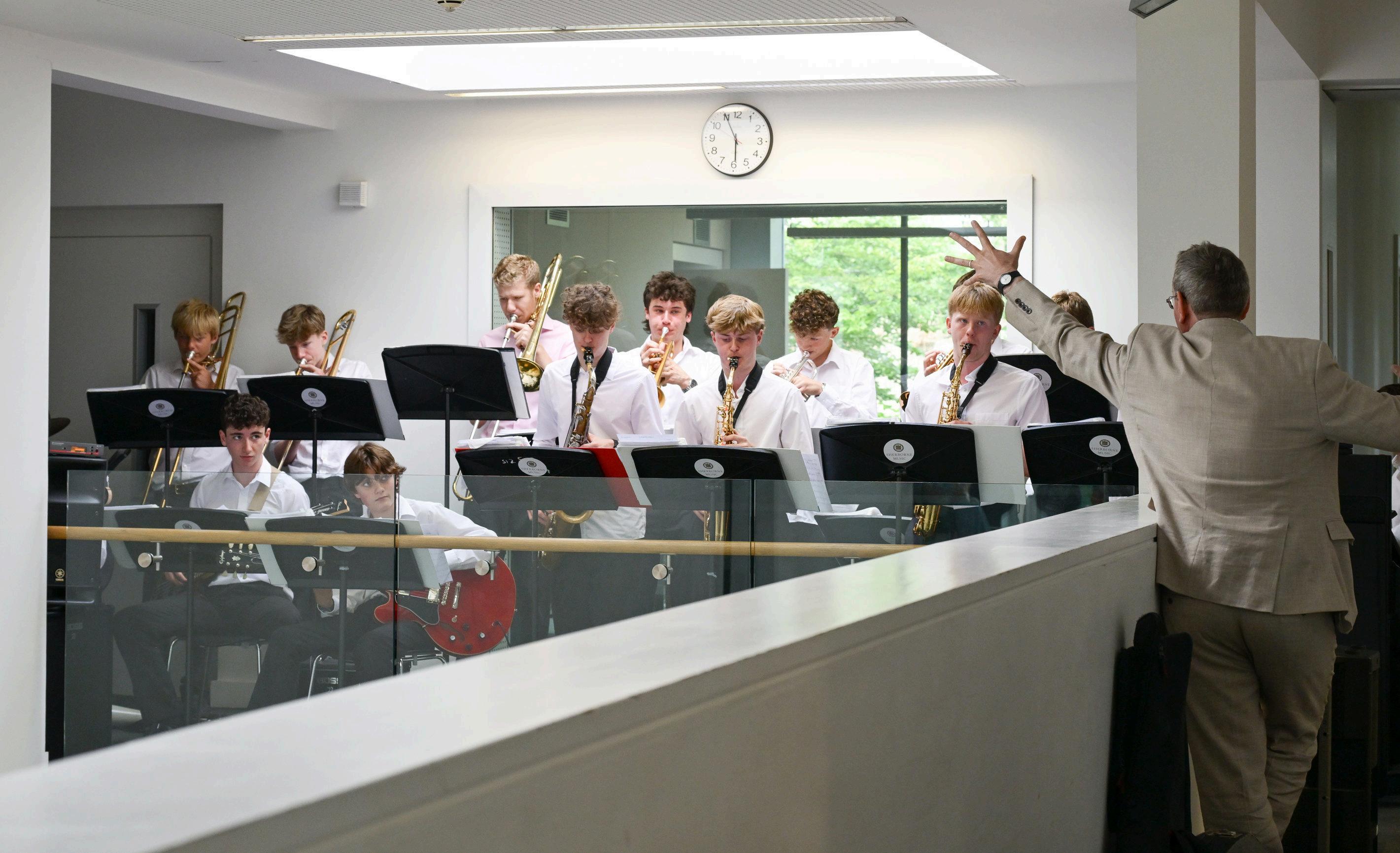
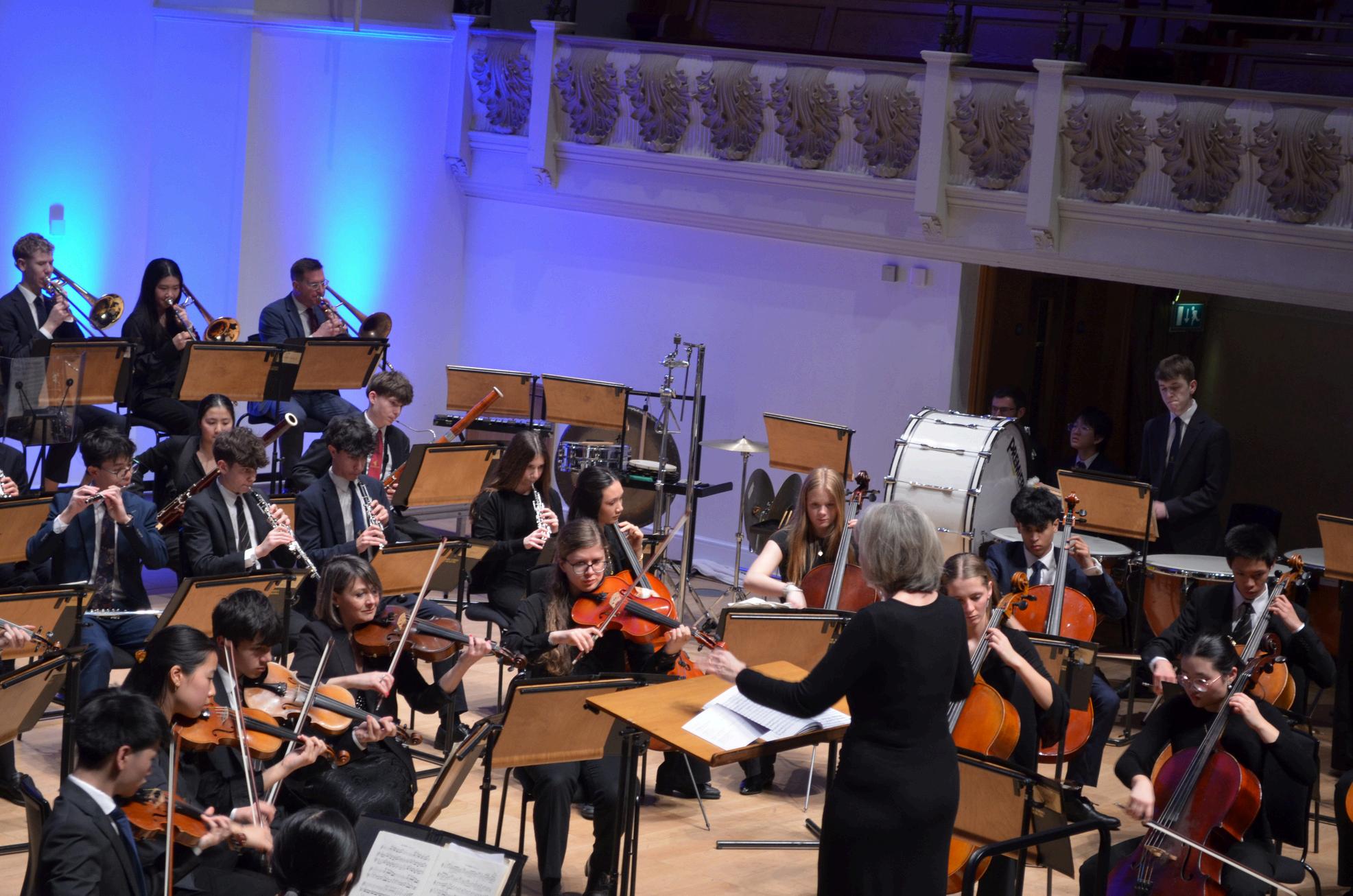
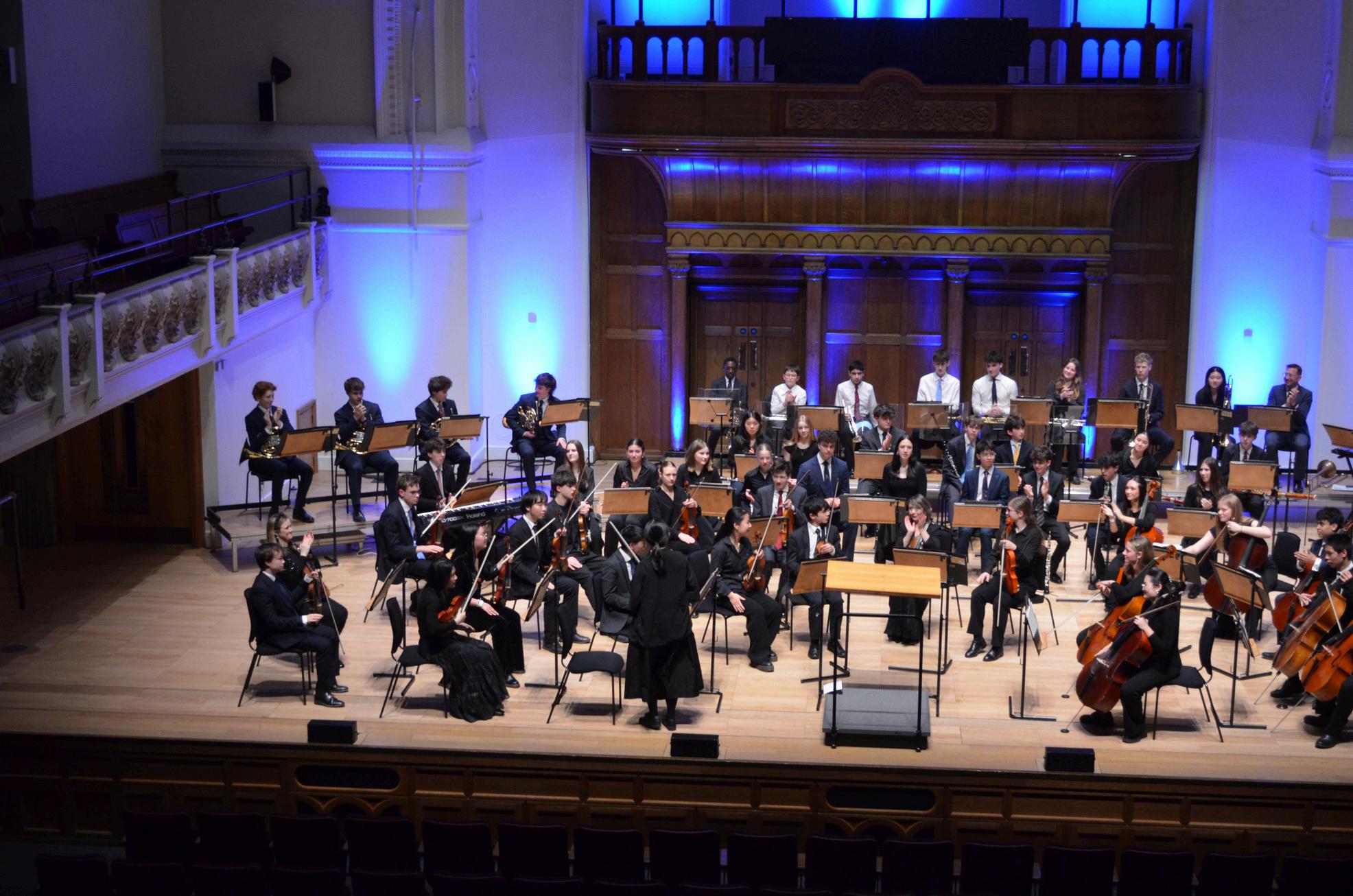
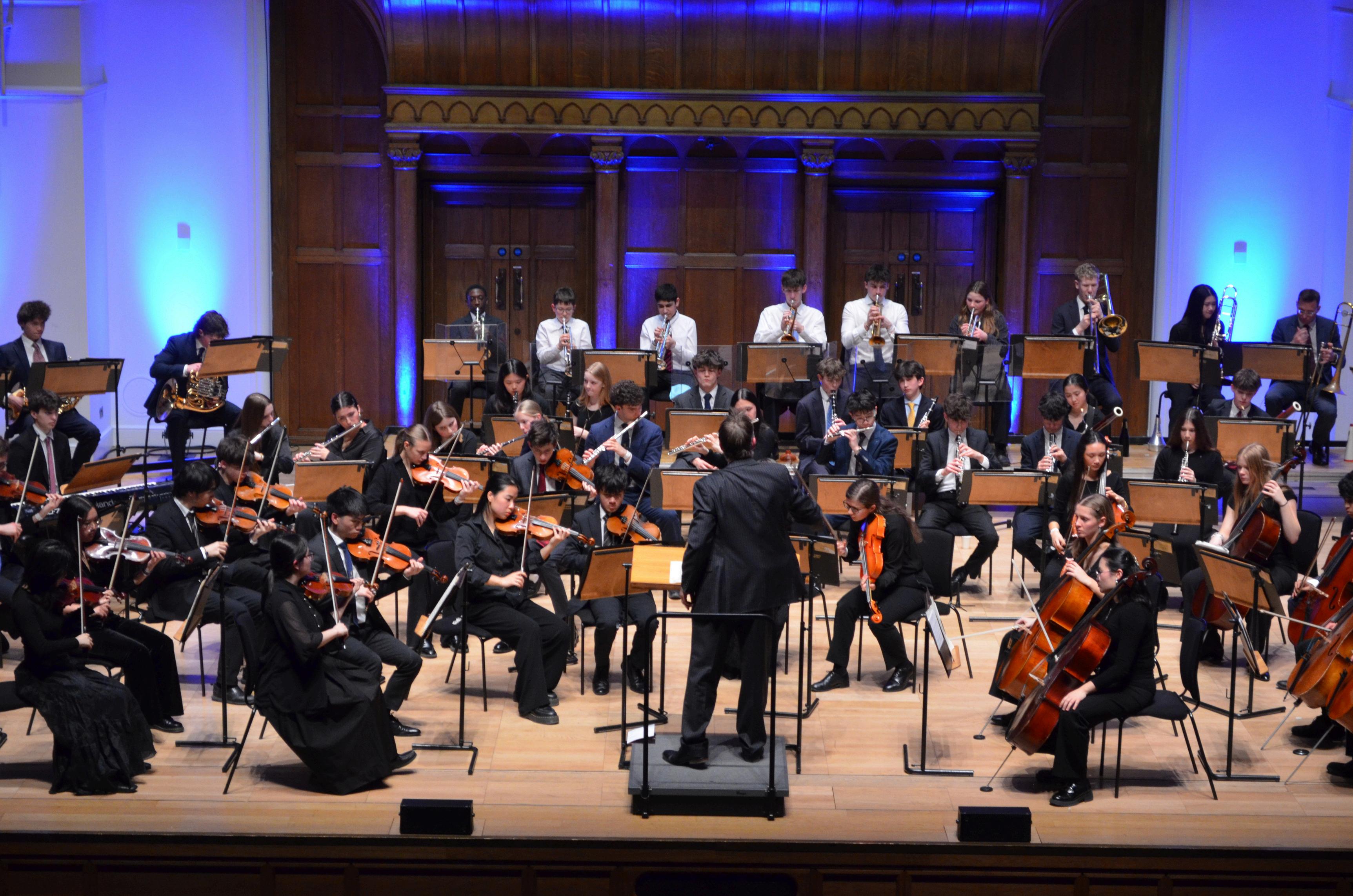
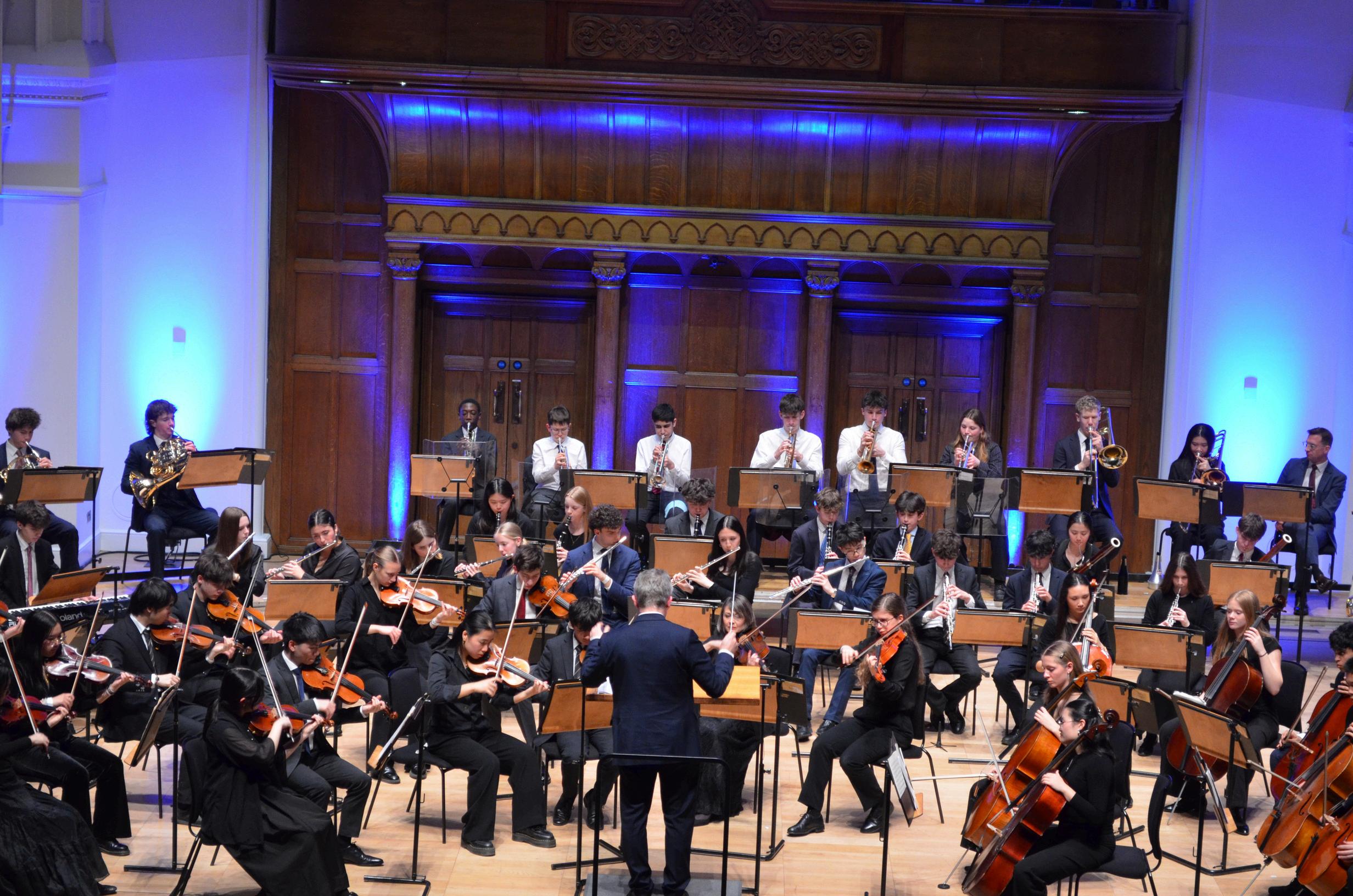
Welcome back to another edition of The Blue Notes. I am currently writing as we sit on the bus after a very exciting and successful concert at Cadogan Hall. With another rewarding half-term in the Music School, collectively all the staff and pupils have coped well with delivering some excellent music for you all to read about in this publication. Standout events include the Sherborne Schools’ Symphony Orchestra performing in Cadogan Hall, the annual Dinner and Jazz delivered by the renowned Swing Band, the continuous lunchtime concerts in Cheap Street Church, Choral Evensongs and much more.
As always, I am excited to share with you some new articles and interviews, including one from Sherborne Girls’ Assistant Director of Music, marking the first jointschools article the magazine has seen. I hope you enjoy this edition as much as I have enjoyed producing it. I wish you all a happy break and happy reading!
Sirtaaj G (4a) Editor-in-Chief
Interview by Sirtaaj G (4a)
If you had to choose a favourite composer, who would it be? –and why?
If you could only listen to one era of classical music for the rest of your life, which would it be?
Interview by Sirtaaj G (4a)
Are there any works you feel are misunderstood or unfairly overlooked by audiences today?
Which composer would you most like to have dinner with, and what would you ask them?
Is there a piece that you once disliked but grew to love over time?
How do you approach listening to a new piece for the first time – do you look for anything in particular?
Interview by Sirtaaj G (4a)
If you could design a concert programme that reflects your personality, which pieces would you include?
What performance – live or recorded – has stuck with you the most?
Interview by Sirtaaj G (4a)
How does the way in which you look and teach history tie in with classical music when you first listen to it?
What role do you think classical music should play in modern education?
Cheap Street Church, 1.45pm
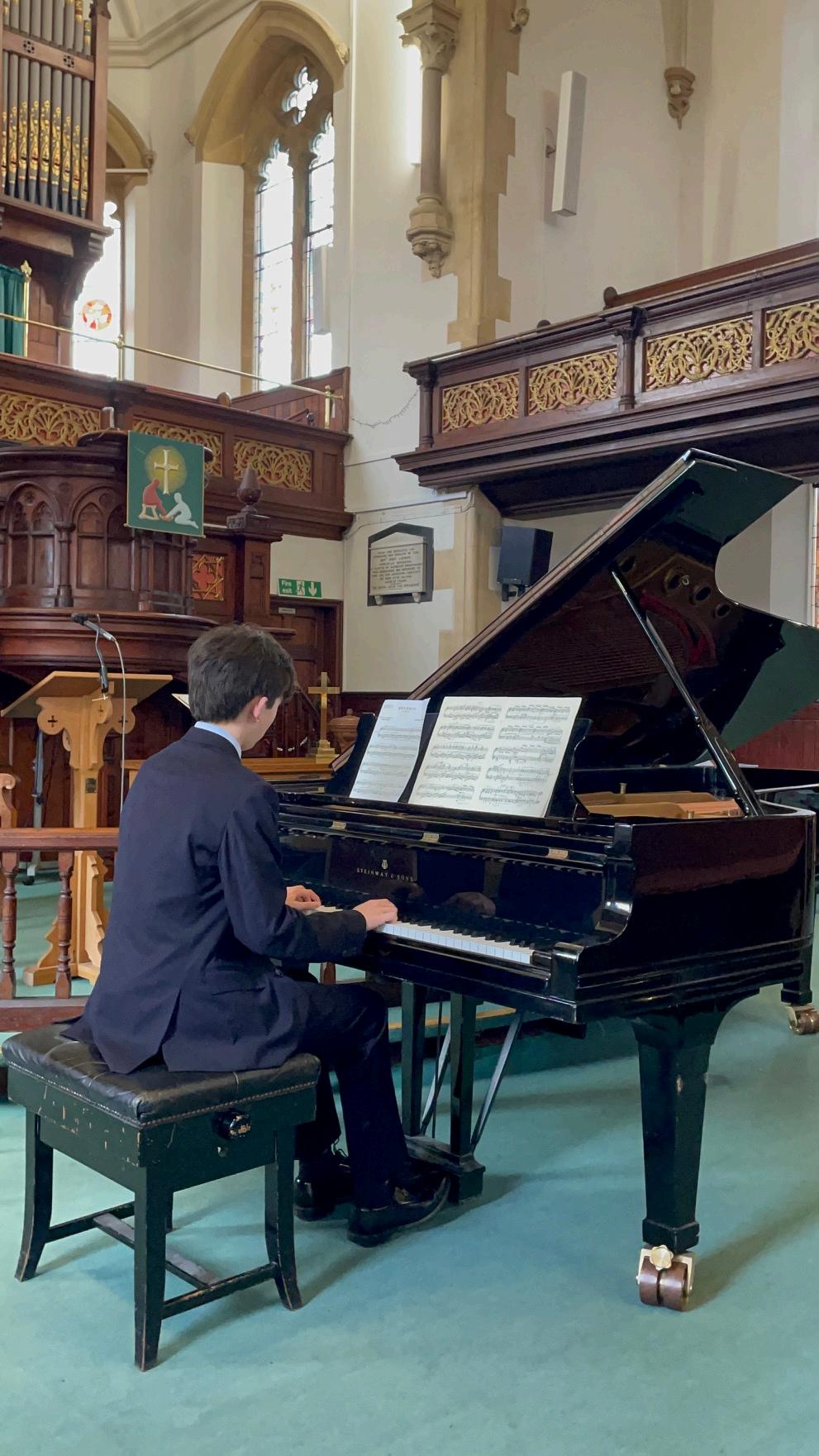
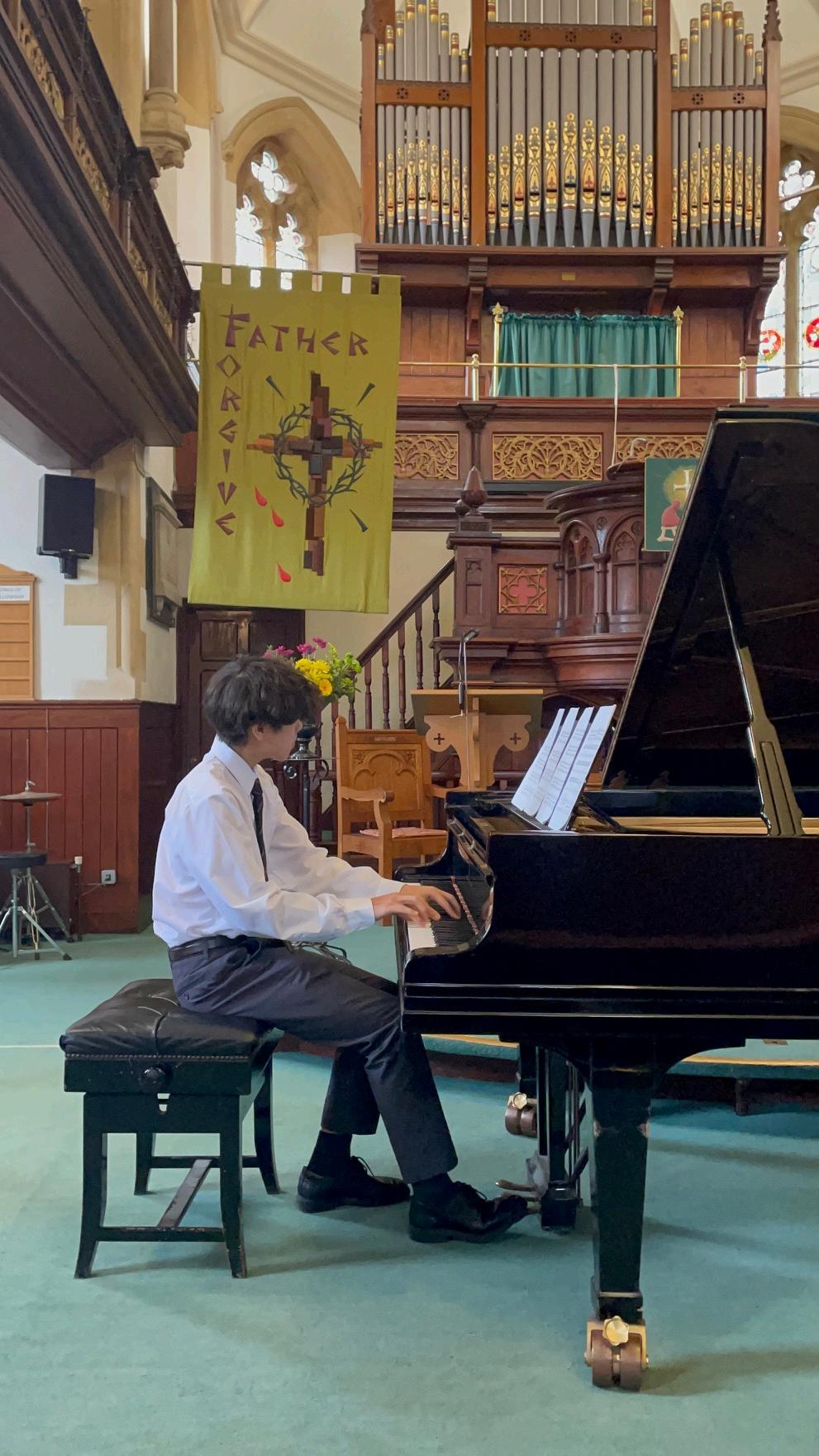
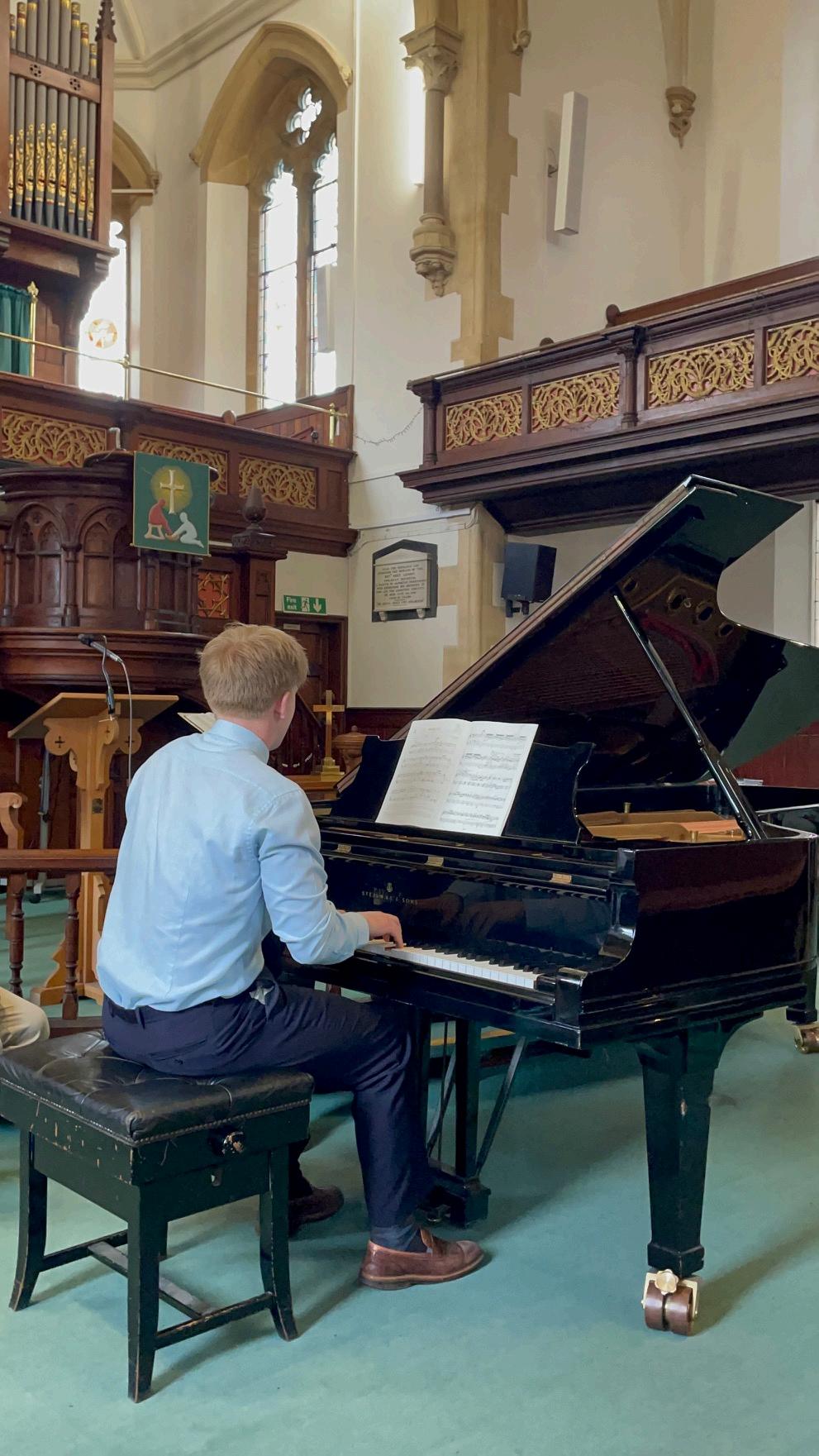
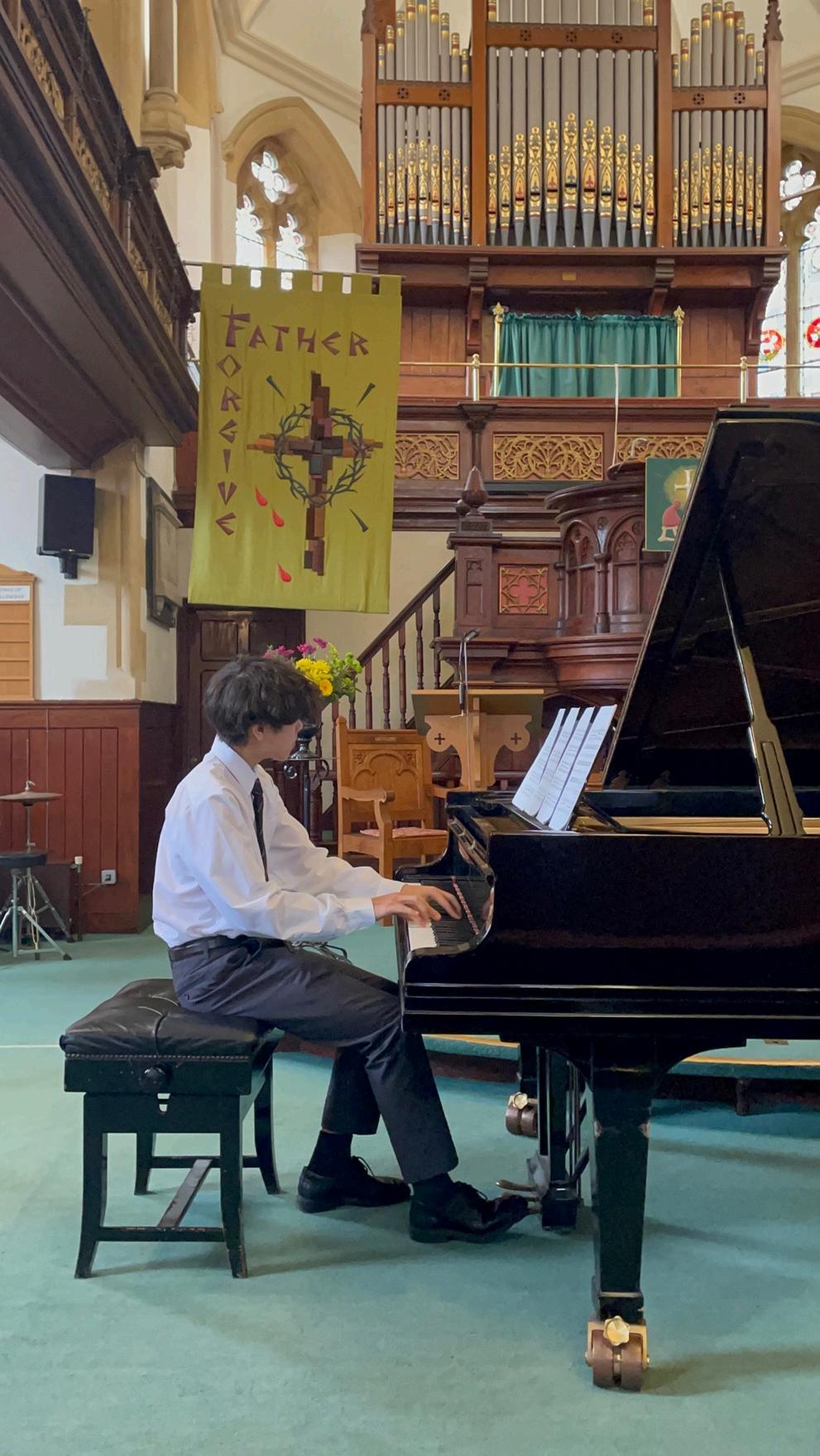
We then heard from Perseus W (4c) as he played Mozart’s Sonata in A K 331 (iii) Perseus gave an exciting and upbeat performance, showing great enjoyment for his piece. Luke A-D (4b) then gave an exciting performance of Shostakovich’s Fantastic Dance No 1, showing off his technical ability and control. As we came to the end of our concert, we heard from Ian L (L6d) ATCL LTCL as he performed Szymanowski’s Metopy Op 29 (i) Wyspa Syren. Ian performed with great control and provided the audience, as ever, with a spectacular performance. A wonderful way to end a short snippet into what would be seen at the Halliday Cup Competition.
Before the Halliday Cup Competition for Pianists, we were delighted to hear a selection of boys who showed off their pieces to a full audience in Cheap Street Church. To kick off the concert, we first heard from Kotaro T (5e) as he performed Bill Withers’ Just the two of us. Kotaro showed that he had a great feel for this piece and executed a well learnt performance. We then heard from Nathaniel B (4e) as he played Clementi’s Sonatina in C, Op 36, No.3, 1 Mov. Nathaniel gave a strong performance and showed great technical ability throughout. We then heard from James T (3e) as he played Schumann’s * (No 30 from Album für die Jugend, Op 68) James’s performance provided a great sense of shape and structure, as well as including some great dynamics throughout. We then moved on to Patrick R (U6e) as he played Domenico Scarlatti’s Sonata in C Kp 513 Patrick’s piece included some great dynamics as well as some beautiful melodic lines. Benji R (L6c) then took to the stage with Debussy’s Rêverie Benji gave a well-executed and polished performance.
Cheap Street Church, 1.45pm
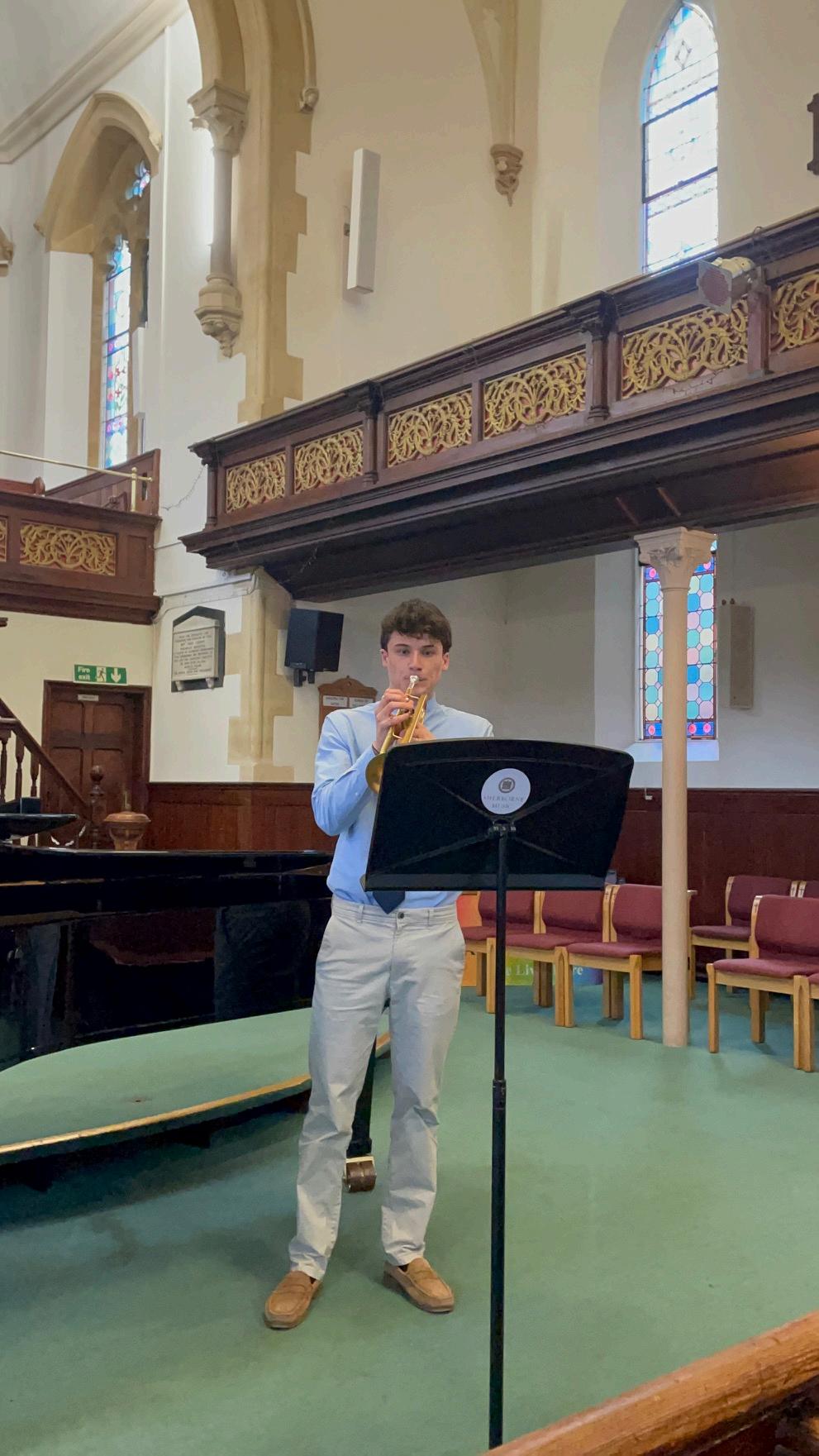
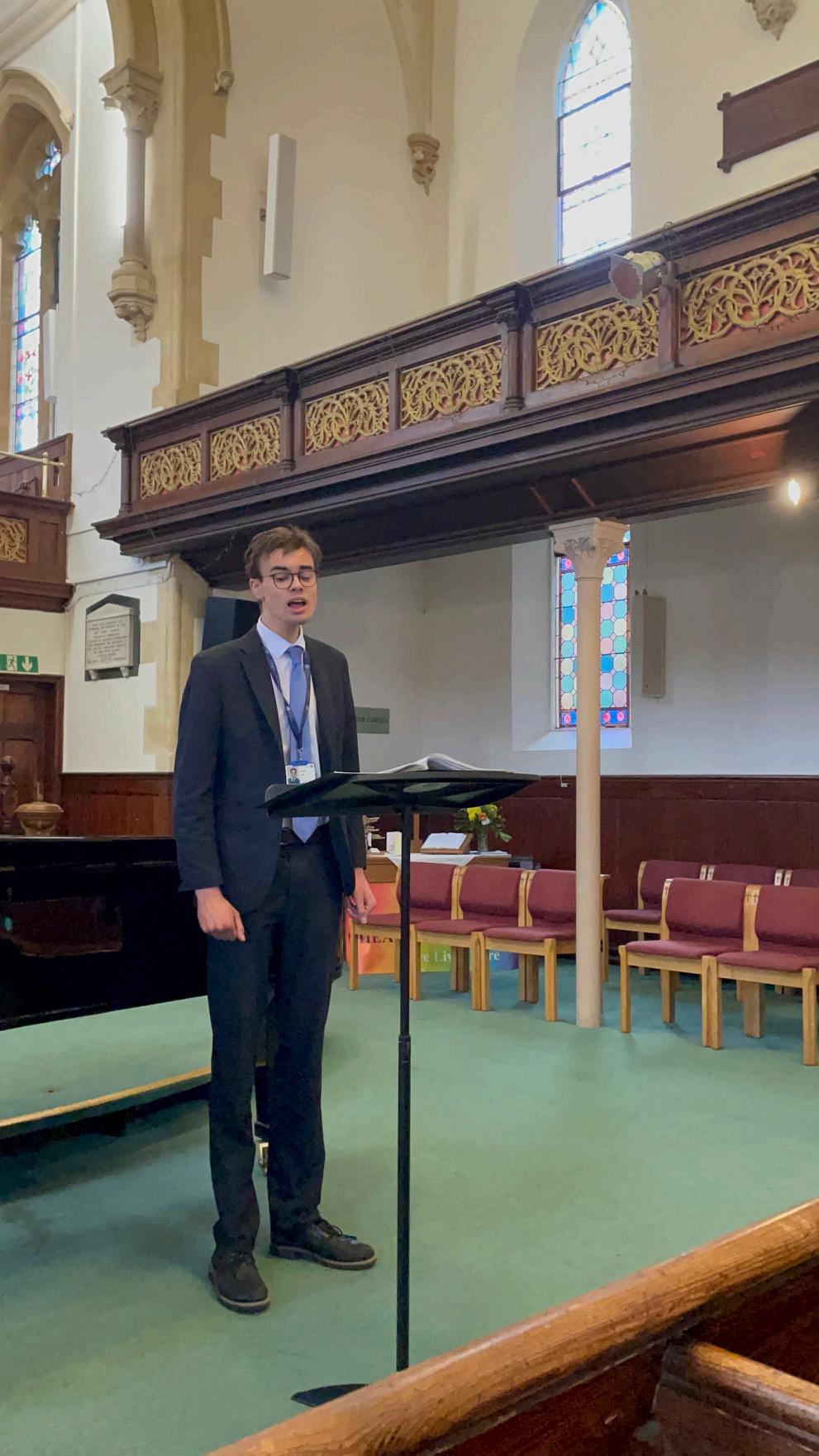
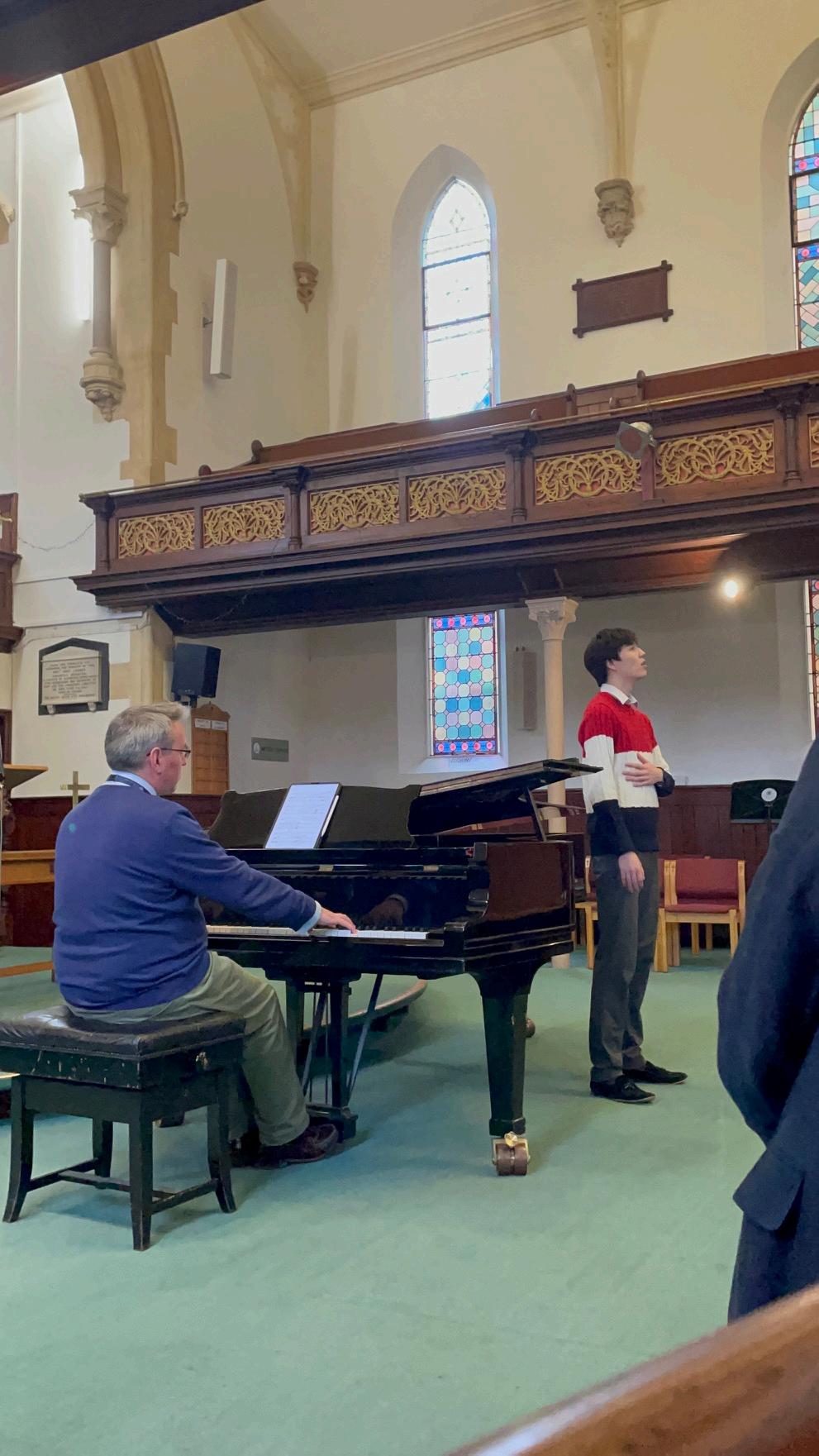
Choral Scholars and Upper Sixth Formers - 06 March
Cheap Street Church, 1.45pm
Instrumental and Vocal Soloists III - 13 March
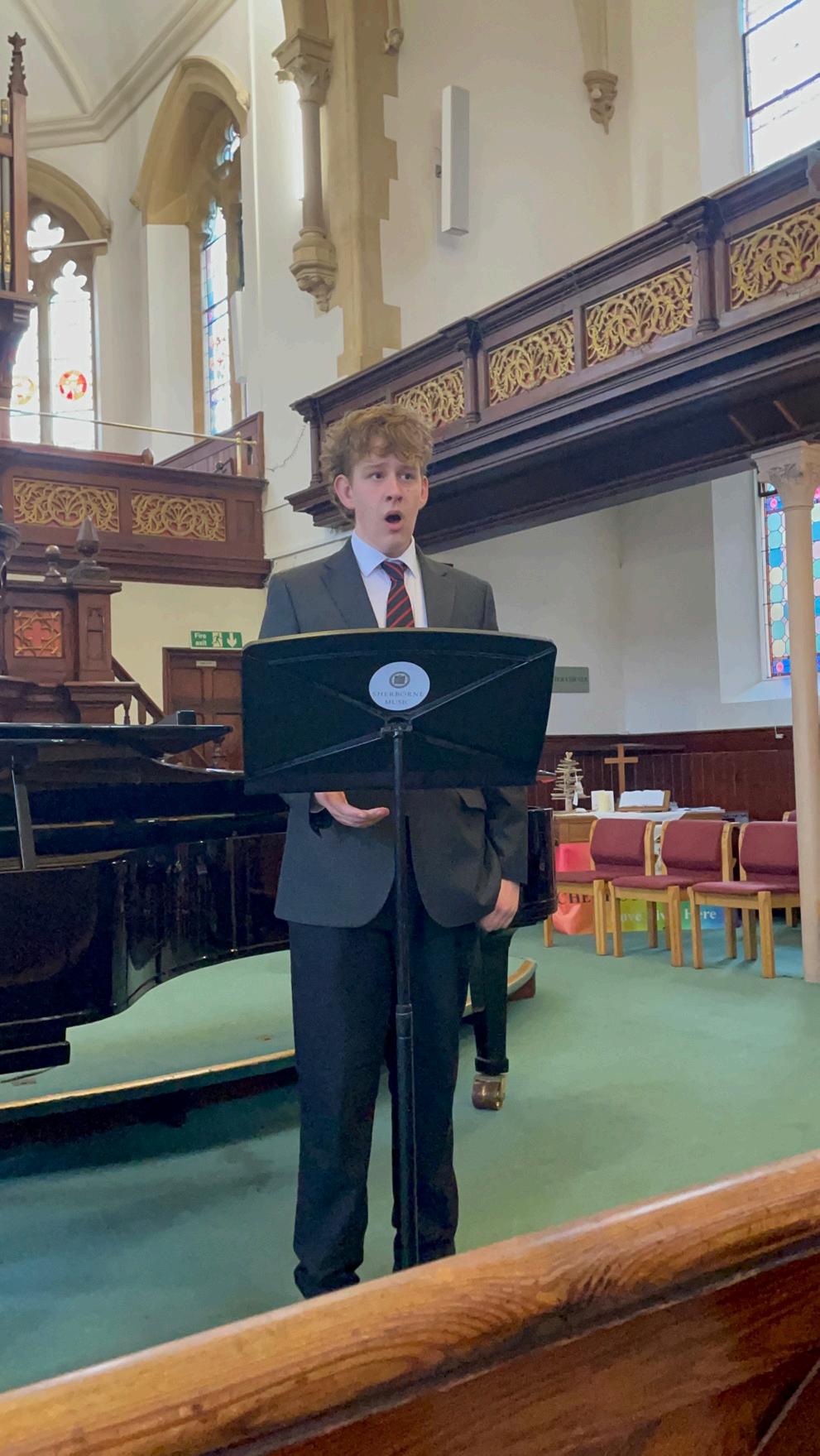
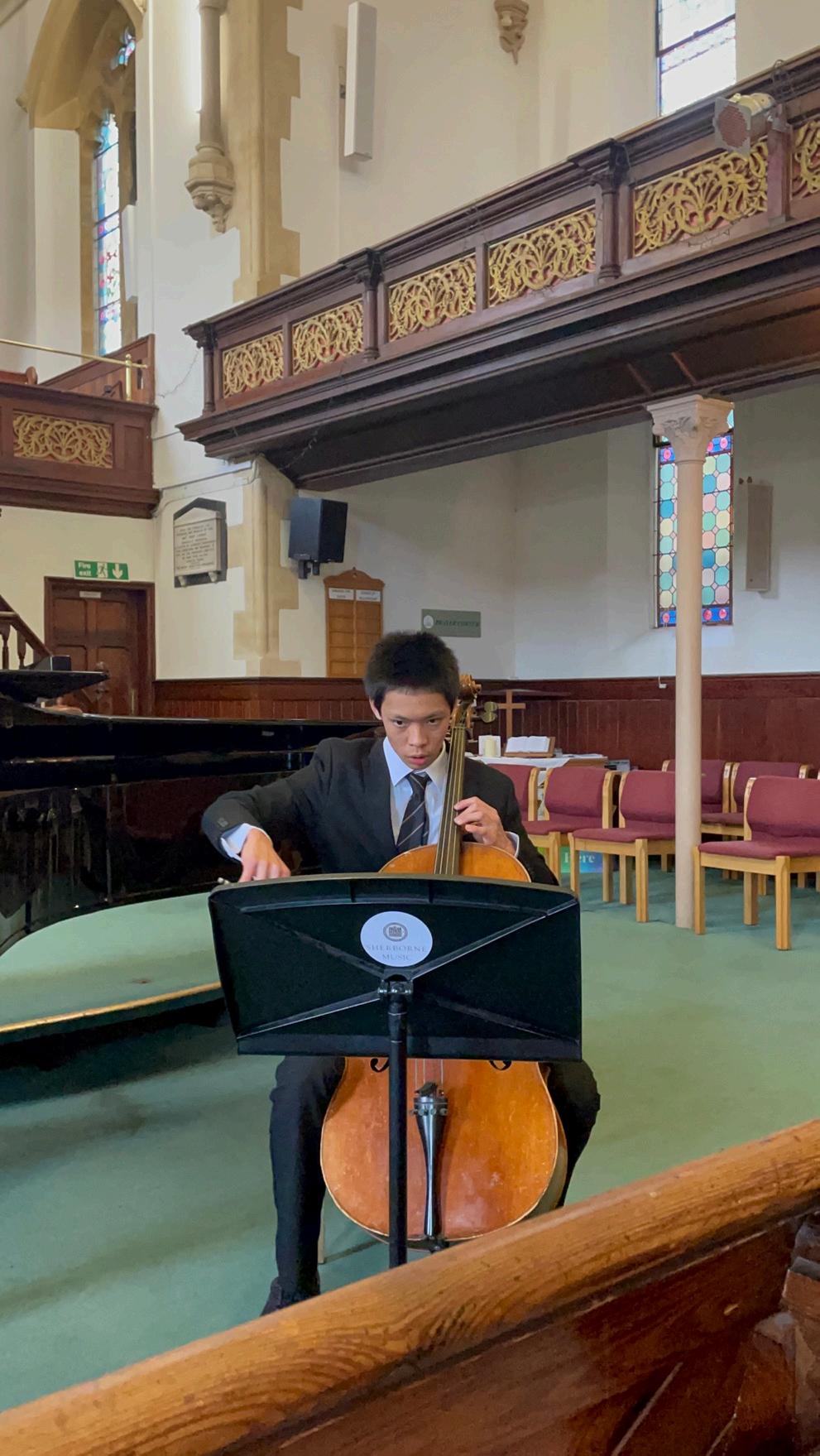
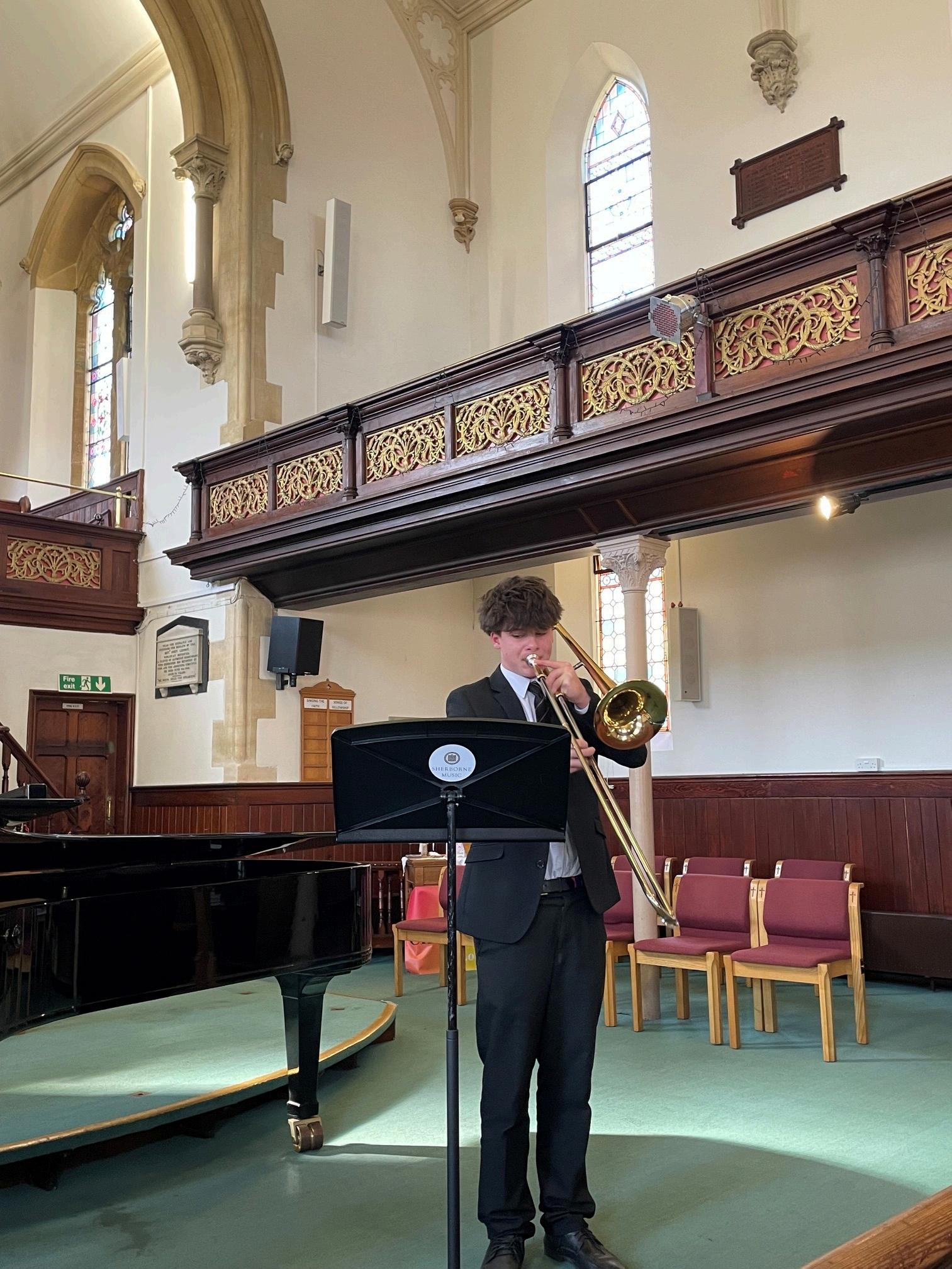
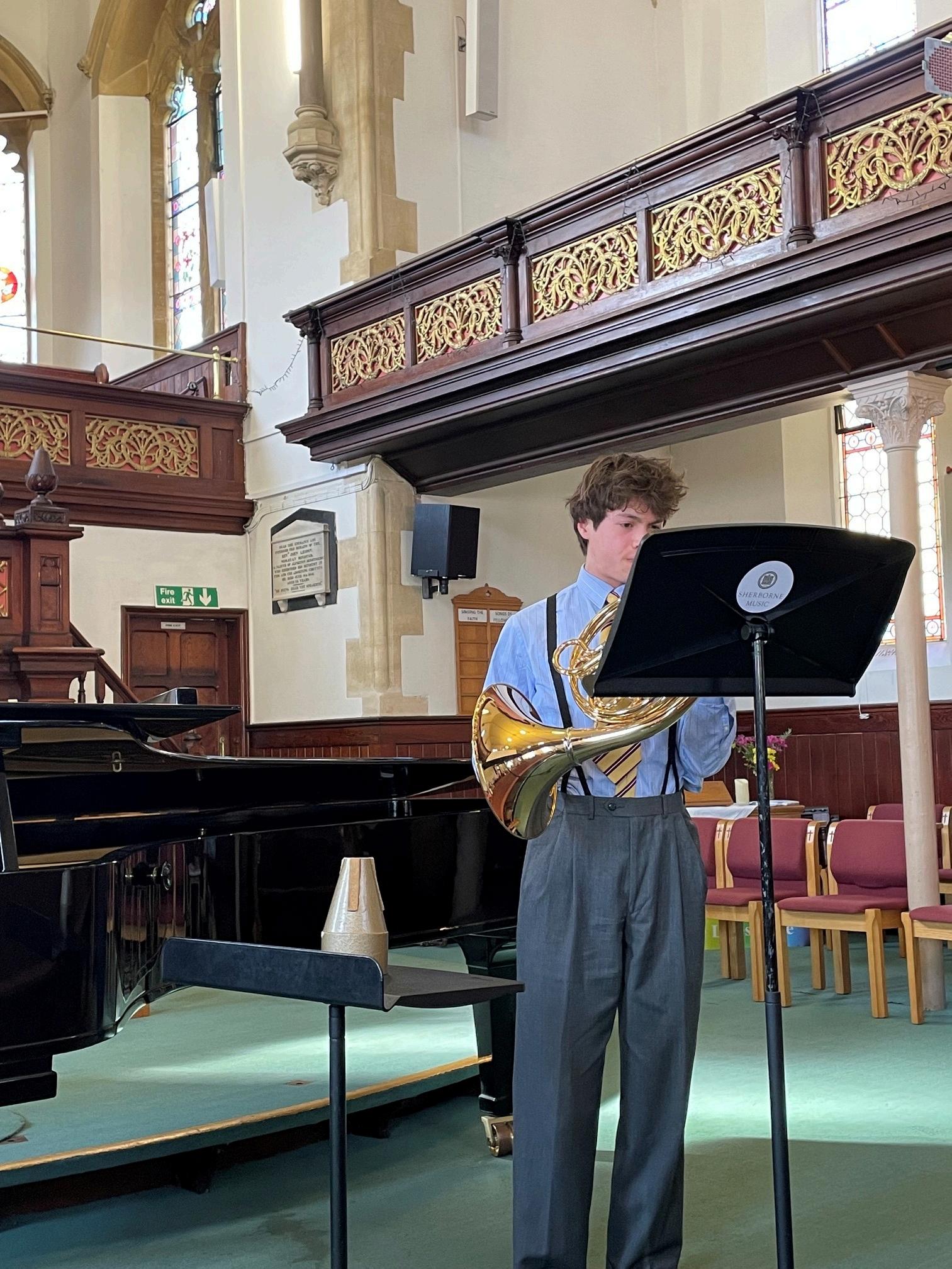
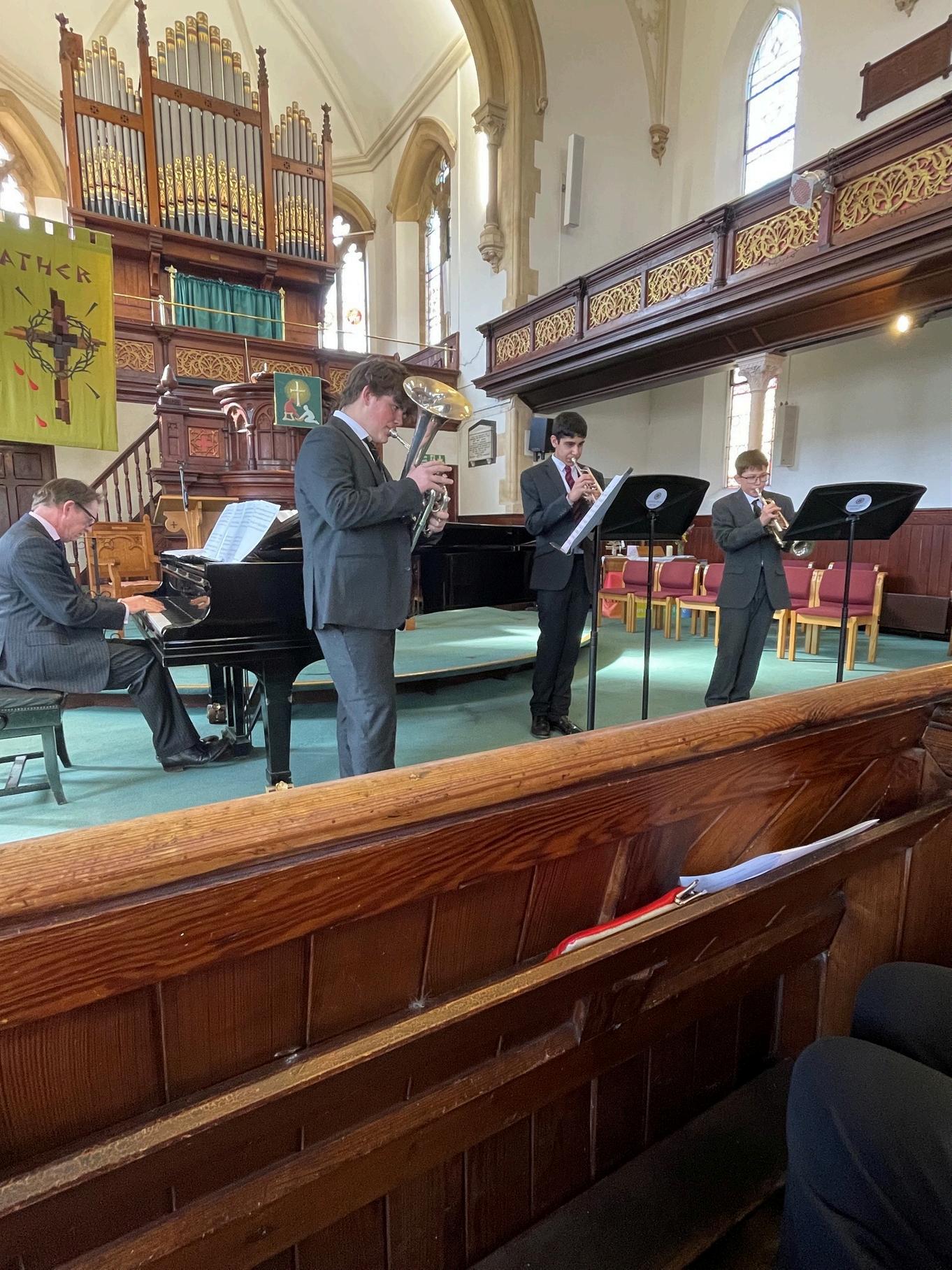
We then heard Haydn’s Trumpet Concerto from two pupils, both accompanied by Mr Davey. We first heard James T (3e) on the trumpet as he played the first movement. James played some clear and strong cadenzas throughout his performance which led nicely into the second movement of the concerto played by Ben T (5f). Ben was able to capture the slow nature of this moment, delivering an allaround great performance. Louis R (L6e) then took to the stage with Madsen’s The Dream of the Rhinoceros Louis’s performance was executed well and showed great technical control and ability. Sirtaaj G (4a) then performed William Boyce’s Trumpet Voluntary which was closely followed by Luke A-D’s (4b) rendition of Himes’ Concertino for Flugelhorn. Luke created a beautiful sound on the trumpet and was expertly accompanied by Mr Walker on the piano. Our last solo performance was delivered by Sam O-B (3e) on the trombone as he executed a lively rendition of Mark Nightingale’s The Turkey The end of this term’s Brass Concert came all too soon as the Brass Band closed the show with Holst’s’ Second Suite for Military Band, (iv) Fantasia on the Dargason, which was arranged and conducted by Mr Costin. Collectively, the group performed well and supported each other in all areas ending another successful Lunchtime Recital.
As the final Friday Lunchtime Recital of the term crept up on us, we were delighted to hear some of Sherborne Boys’ finest Brass players. With a concert of trio, solo and ensemble performances all fifteen boys performed beautifully. The concert started off with our Brass Trio consisting of three Fourth Form pupils - Luke A-D (3b), Sirtaaj G (4a) and Ianto D (4f)as they performed Peter Younghusband’s Carry on Trumpets and Art Dedrick’s March of the Missilemen. Both performances were strong and were greatly supported by Mr Davey on the piano. Charlie S (L6f) then took to the stage as our first solo performer of the afternoon playing Bernstein’s Red, White and Blues on the trumpet. Charlie’s performance provided a smoky tone throughout as he was accompanied expertly by Mr Walker. Edward K (5g) was next on the programme and he delivered a beautiful rendition of Jerome Kern’s Smoke gets in your eyes with some beautifully smooth liquid lines throughout
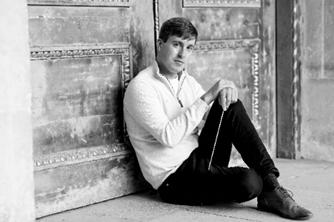
Alex is a West End Musical Director, with a national reputation as an outstanding conductor, pianist, organist, writer and educationalist.He maintains an extensive, slightly-too-busy, and hugely varied schedule working with the UK’s most eminent musicians, ensembles and organisations, as well as with choral groups and schools around the UK, and is in demand as a pianist for auditions and masterclasses.
He is the Music Associate at Cameron Mackintosh Ltd, and works across Les Miserables, Oliver! and Mary Poppins, having also been Children’s Musical Director and Cover Conductor on the London production of Mary Poppins for three years. Alex also played on Jamie Lloyd and Nicole Scherzinger’s acclaimed production of Sunset Boulevard at the Savoy Theatre in London, and was Music Director and pianist for William Hanson’s 2025 Solitary Refinement tour. He is currently the Children’s Rehearsal Music Director for the UK and Ireland tour of Mary Poppins
He has performed with, or accompanied, for the BBC Proms, the Lucerne Festival, Military Wives Choirs, Chichester Festival Theatre, Cambridge Music Festival, Eton Choral Courses, National Brass Player’s Championships and Cambridge Chorale, and also composed scores to numerous short films that have premiered at both BAFTA and the London Film Academy.
Formerly Head of Academic Music and Choirmaster at Stowe School, as an undergraduate, Alex was the composer, Musical Director and orchestrator for the Cambridge Footlights, and the Assistant Director of Music at Little St Mary’s, whilst reading Music and holding the organ scholarship at St Catherine’s College, Cambridge. He graduated with the Martin Steele Memorial Prize, a first in musical analysis, diplomas in piano performance from the Royal Schools of Music and Trinity College of Music and the Associateship Diploma of the Royal College of Organists.
As a pianist Alex has also repetiteured for a significant number of large choral works around the UK, including Elgar’s Dream of Gerontius, Vaughan Williams’ A Sea Symphony, the Duruflé, Mozart, Brahms and Fauré Requiems, Schoenberg’s Gurrelieder, Walton’s Belshazzar’s Feast, Britten’s War Requiem, Bernstein’s Chichester Psalms, Bach’s St John Passion and Monteverdi’s Vespers.

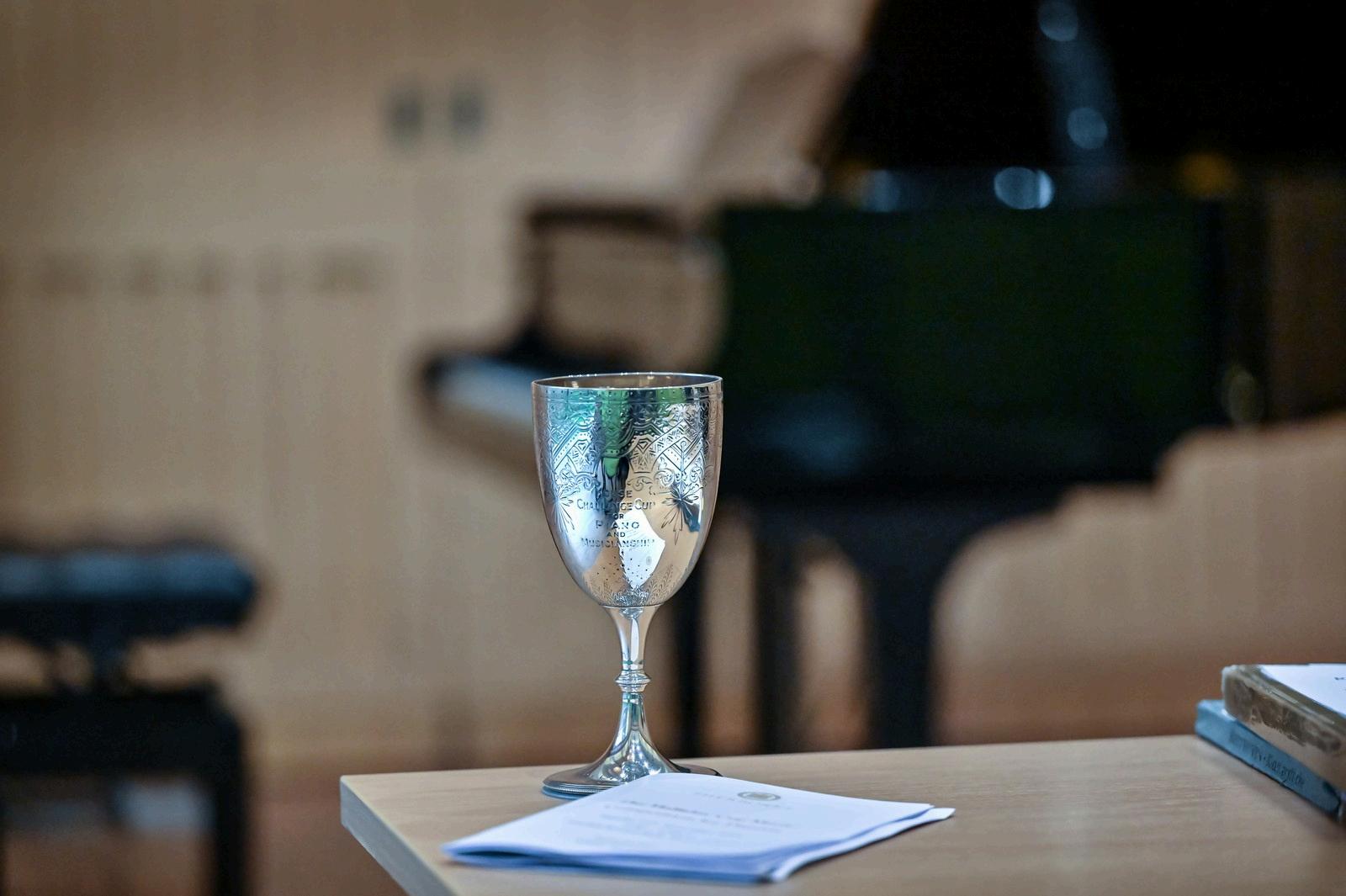
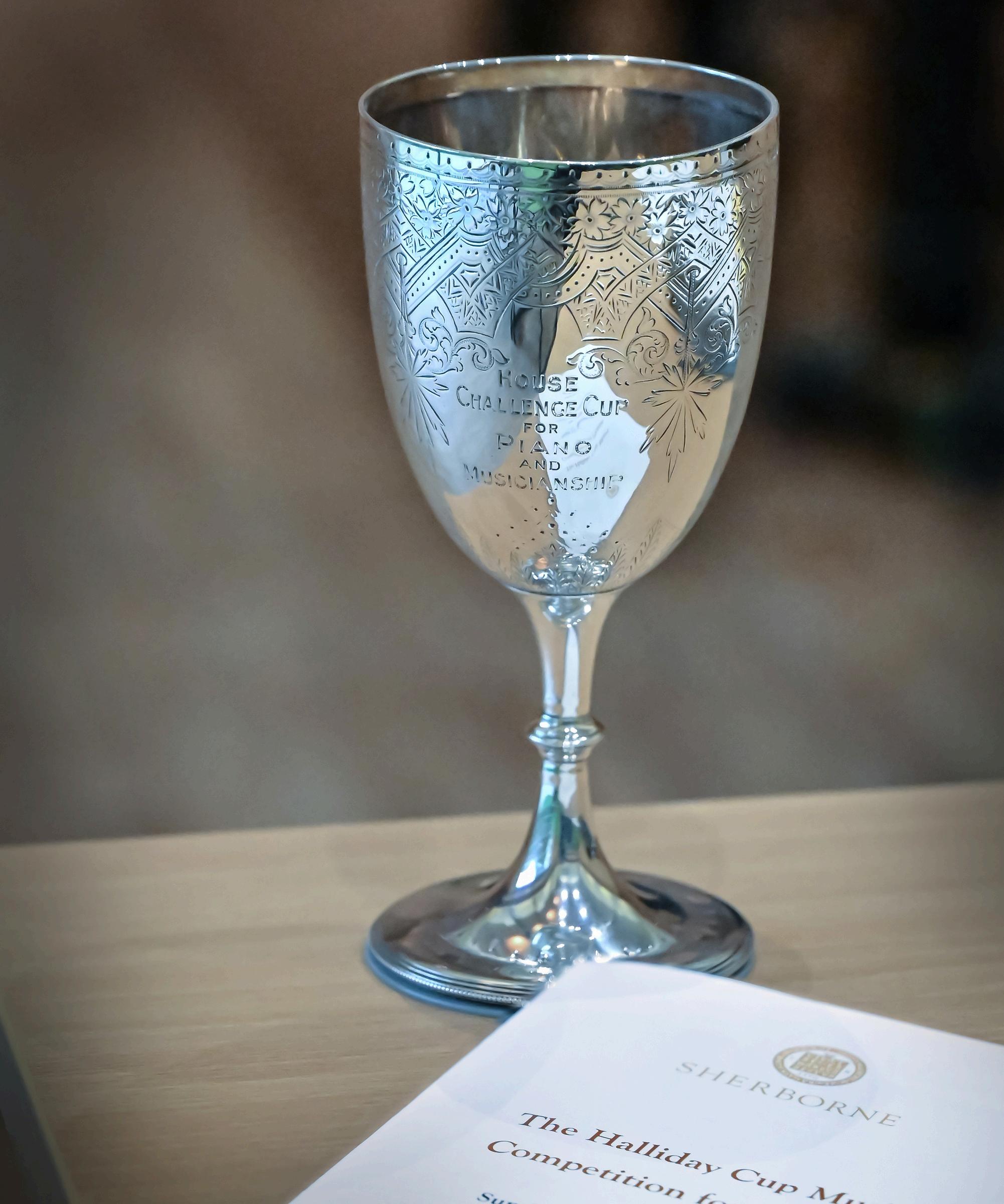
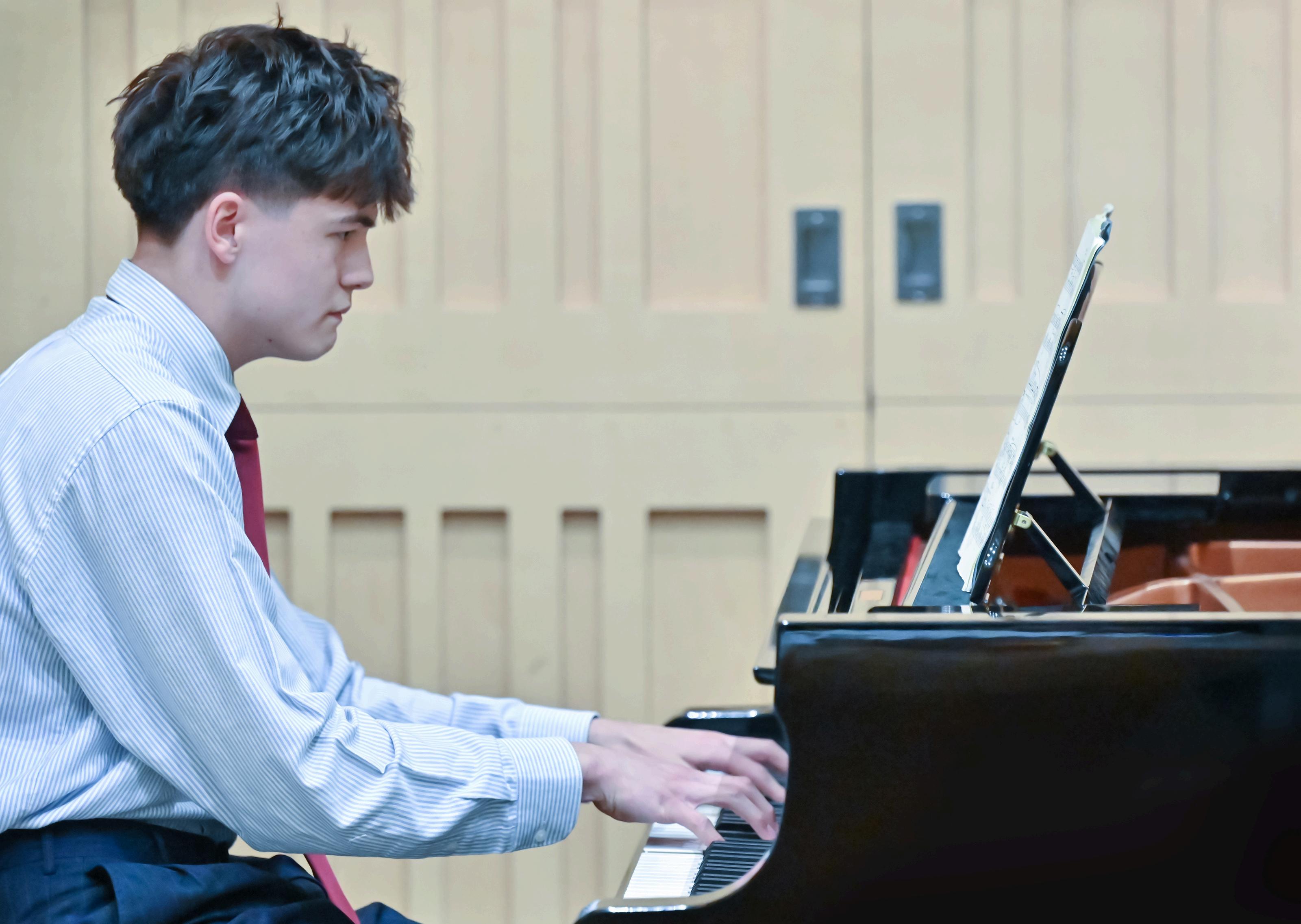
This year’s Halliday Cup Competition, judged by Alex Aitken, offered pianists and organists of all abilities the chance to perform in categorised classes and showcase their repertoire.
The day of music began in the School’s Chapel, where three boys performed in the Organ category. Opening was Archie S‑B (U6f) with Buxtehude’s Praeludium in D, BuxWV 139. Archie was followed by Frazer F (5f), who delivered a thoughtful performance of Howells’ Psalm Prelude Set 1, No 2 Concluding the class was Manu M (4g), who played Hurford’s Meditation (Suite: Laudate Dominium). After a difficult decision, the adjudicator awarded first place in the Organ Class to Frazer F (5f).
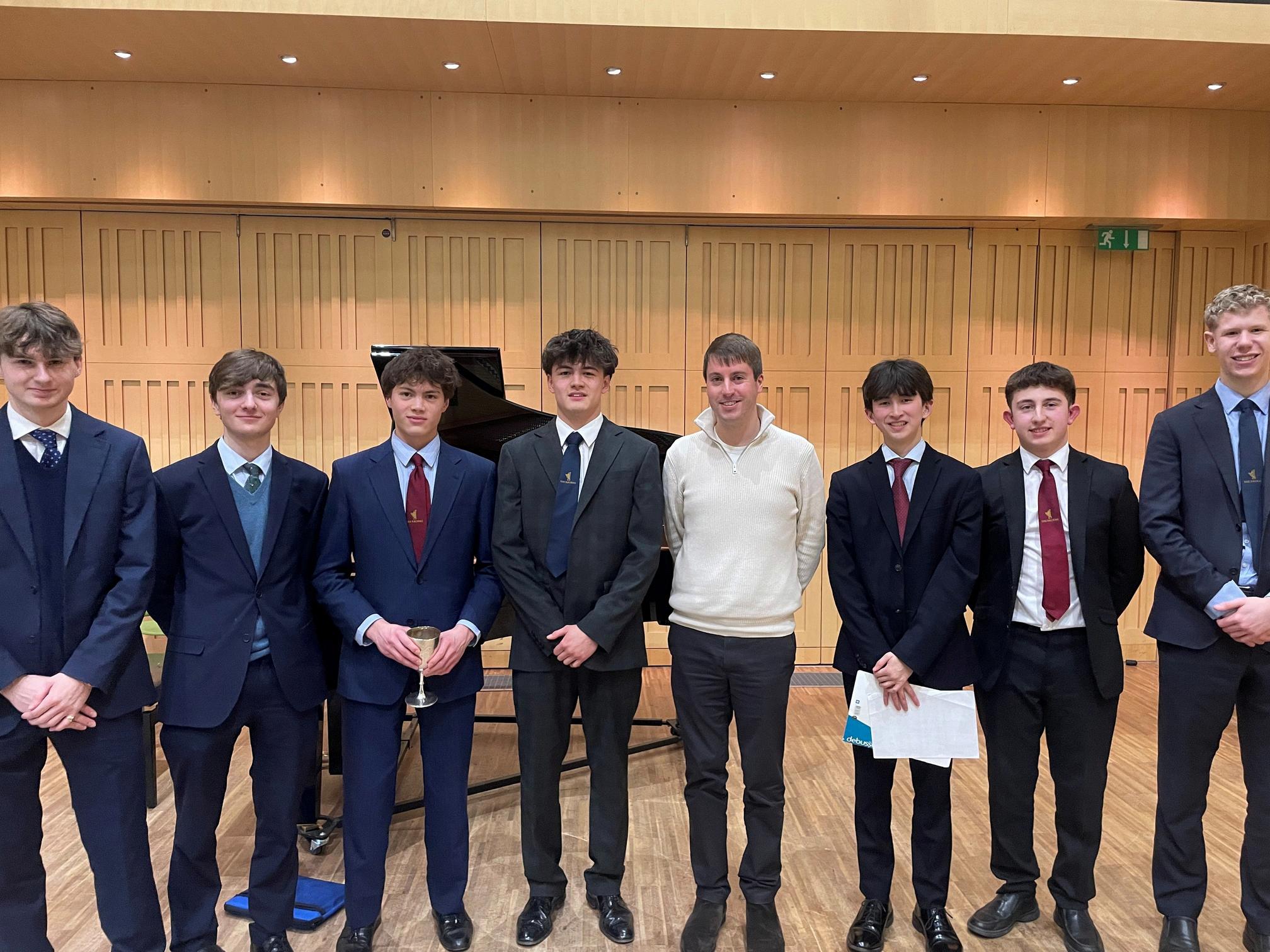
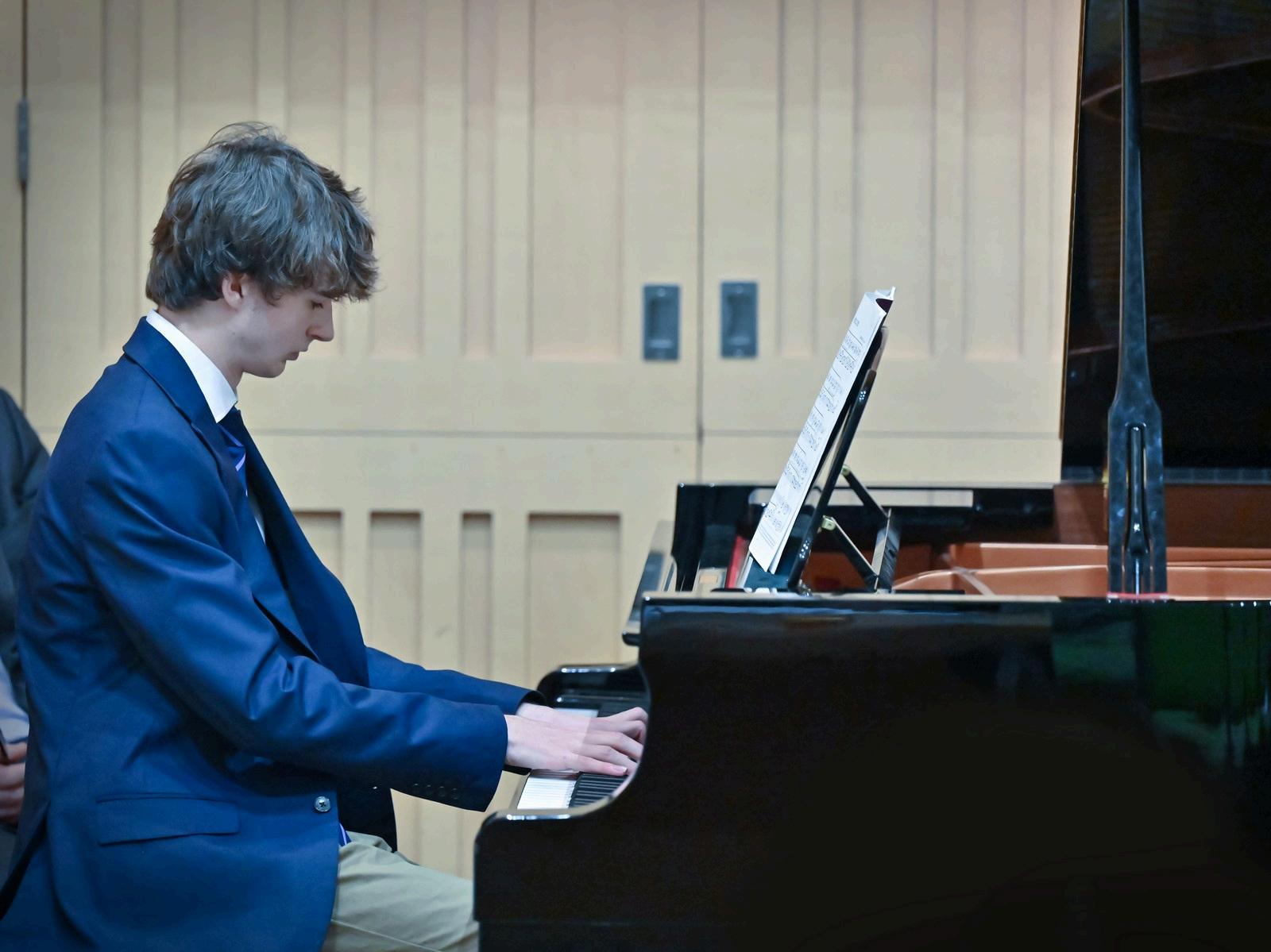
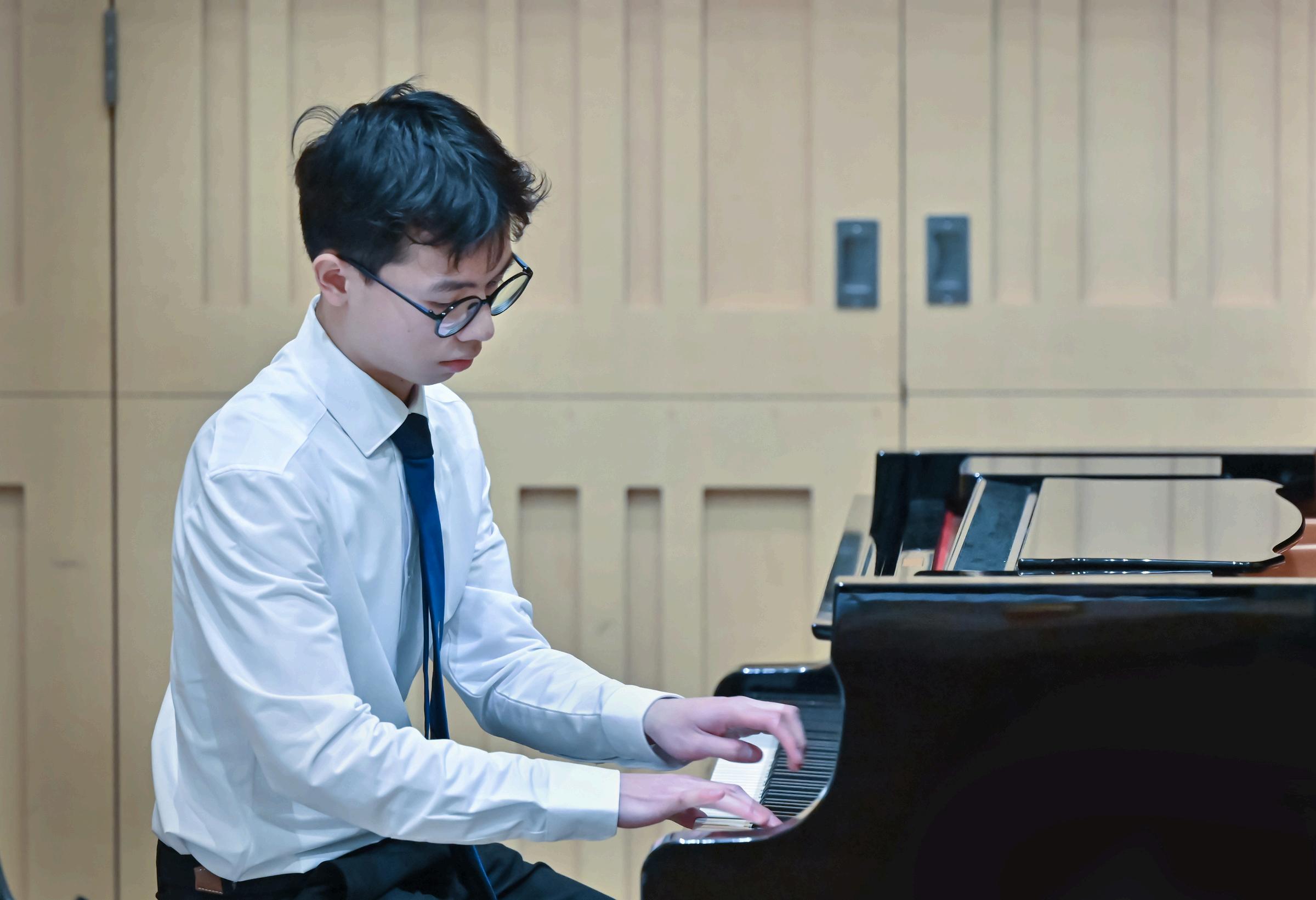
After a short break, we moved to the Music School for the first of the three Piano classes. The Junior Class featured three performers: Tommy P (4g) opened with Carroll’s Sunrise, followed by Tom H (4f) performing Einaudi’s Snow Prelude. The class concluded with Ian H (5g), who played Rollin’s Love Theme. After some constructive feedback from the adjudicator, the Junior Class prize was awarded to Ian H (5g).
The Intermediate Class followed and featured eleven boys performing an impressive range of repertoire from Schumann to Miles Davis. Nathaniel B (4e) began with the first movement of Clementi’s Sonatina in C, Op 36 No 3 He was followed by James T (3e) performing Schumann’s *** (No 30 from Album für die Jugend, Op 68). Sebastian N‑M (4g) then played Einaudi’s Nuvole Bianche, before Kotaro T (5e) offered a stylish rendition of Bill Withers’ Just the two of us. Emerson P (5b) continued the Einaudi theme with Elegy for the Arctic. Sirtaaj G (4a) performed Miles Davis’ All Blues, followed by a lively interpretation of Villa‑Lobos’ O Polichinelo. Perseus W (4c) then delivered an exciting and technically demanding performance of the third movemnet of Mozart’s Sonata in A, K 331 Nearing the end of the class, Luke A‑D presented a vibrant and well‑articulated rendition of Yuyama’s Popcorn. Finally, Manu M (4g) closed with an energetic performance of Zoe Rahman’s The Bounce, rounding off the session with flair.
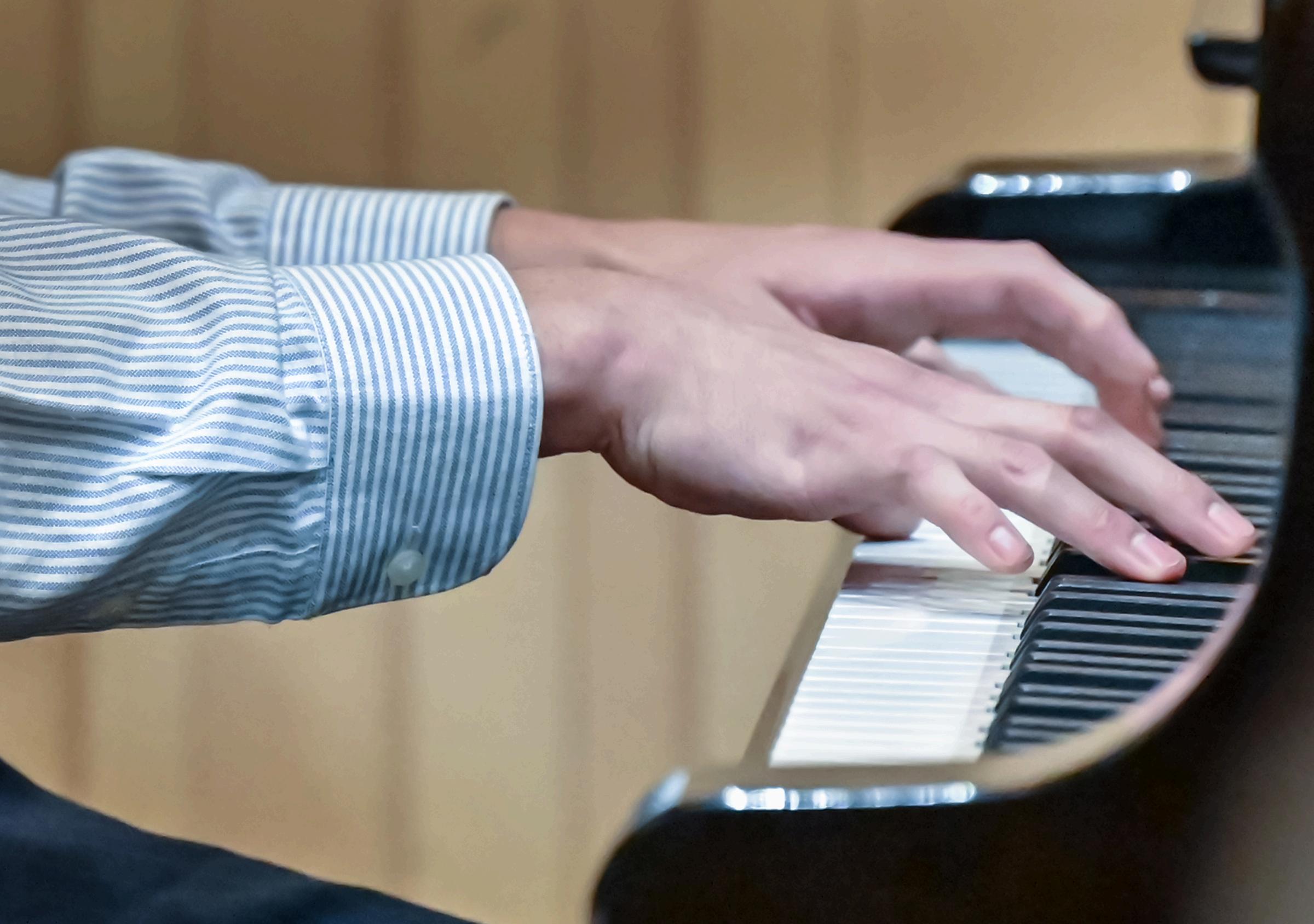
The afternoon concluded with the Advanced Cla performers. Daniel G (L6b) opened with a lively third movement of Mozart’s Sonata in A, K 331. followed with a warm and well‑prepared rendition Solstice Song. Frazer F (5f) then performed Debu Engloutie, offering a polished and atmospheric inte (L6e) delivered Brahms’ Rhapsody in G Minor, O impressive depth and understanding. Benji R (L6 Debussy’s Rêverie, before Sam R (U6e) brought en to Copland’s The Cat and the Mouse: Scherzo Humo rewarding afternoon of music‑making, Sebastian K Ravel’s Pavane de la Belle au Bois Dormant from Ma M a poised and elegant conclusion to the day.
Article written by Mr Lehnert
In March of the Lent term, the Joint Schools Unplugged concert returned for another evening of stripped-back, acoustic performances. Open to Upper and Lower Sixth students, with two Fifth Form performers also taking the stage, the event once again celebrated contemporary music in its most authentic form, prioritising raw musicianship over amplification. This year's concert was hosted by James W (U6b) and Lily N.
The evening featured a varied programme, with highlights that demonstrated the depth of musical talent across the upper school. Forest P delivered a memorable set, performing Jim Croce's Time in a Bottle followed by Radiohead's Creep, two songs that demanded very different qualities and showed genuine range. Jonah W also impressed, taking on Unchained Melody by The Righteous Brothers and Wondering Why by the Red Clay Strays, both performed with real confidence and vocal control.
One of the evening's most accomplished performances came from a five-piece band featuring Solomon M (L6a), Ibraheem S (L6e), Thomas M (L6b) on bass, and Seb Q (L6b), who delivered a powerful rendition of The Smiths' There Is a Light That Never Goes Out The band's energy and cohesion on stage made for one of the most complete ensemble performances of the night, with the rhythm section providing a particularly strong foundation.
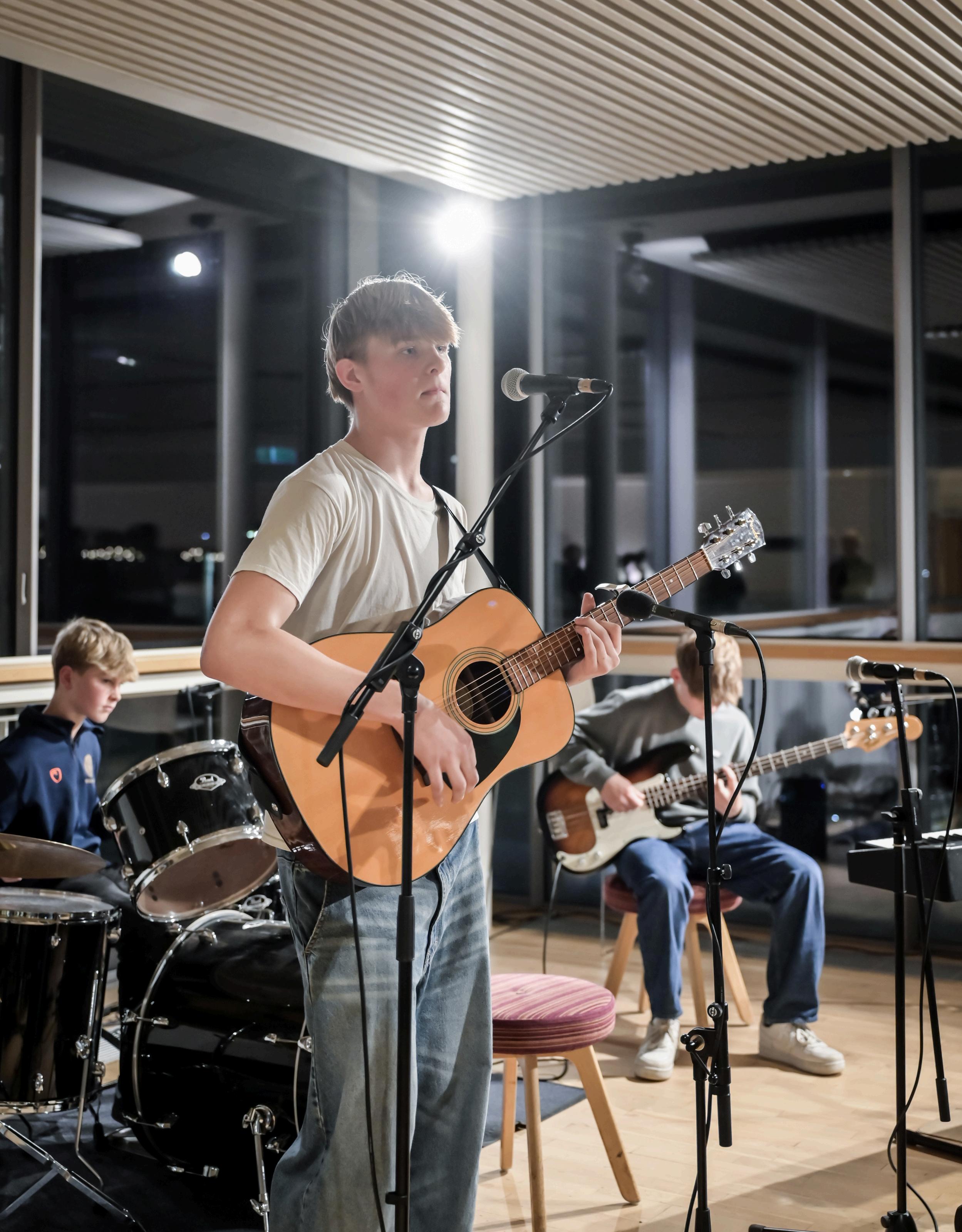
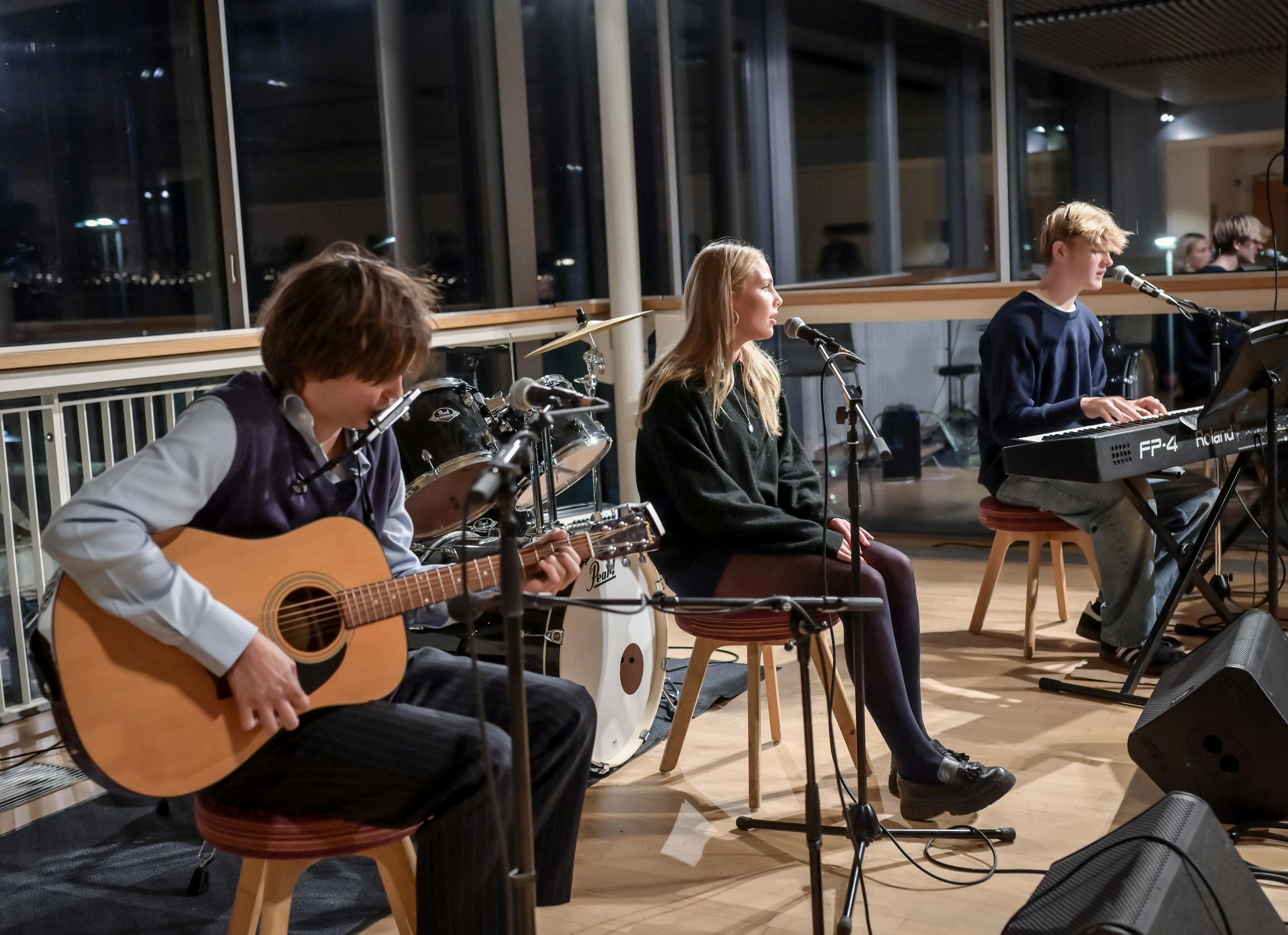
The undisputed highlight, however, came from Charlie S (L6f) and Esme A, who closed the evening with James Arthur's Say You Won't Let Go followed by Ed Sheeran's Castle on the Hill. Their musical talent on stage was immediately apparent, and the performance built to a rousing finish that left the audience on a genuine high, exactly the note on which an Unplugged concert should end.
Gauge The Room, one of the more established bands of the school, also took to the stage, delivering a solid if understated set. With the longest history of playing together among the evening's acts, they remain a welcome fixture at Unplugged.
The Blue Notes Pg. 17
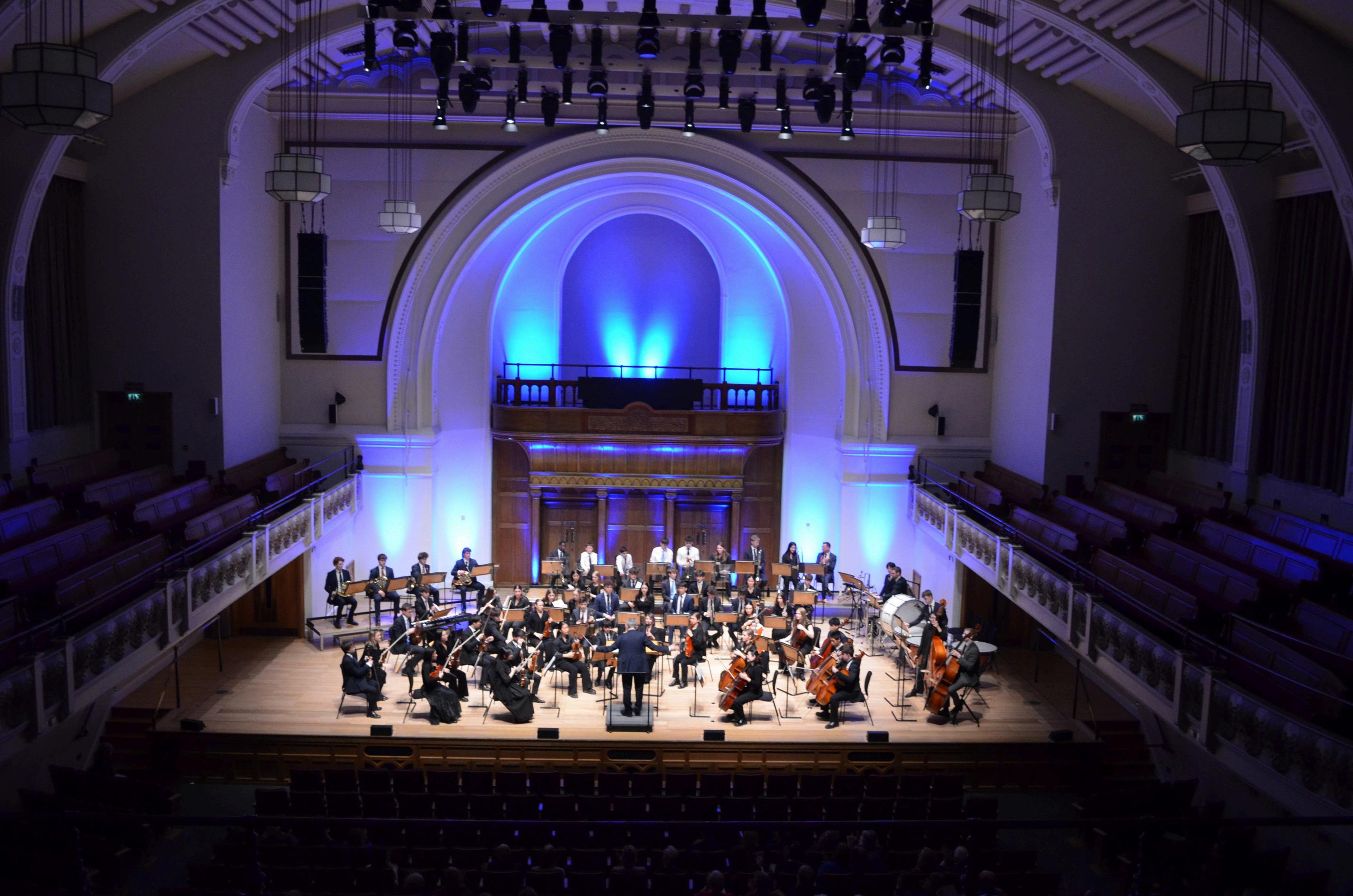
Tuesday 10 March, 5.30 pm, Cadogan Hall
Article input from Mr Eadon, Mr Costin, Mrs Jackson and Mr Davey
Director of Music: Mr Eadon - London Suite, Eric Coates
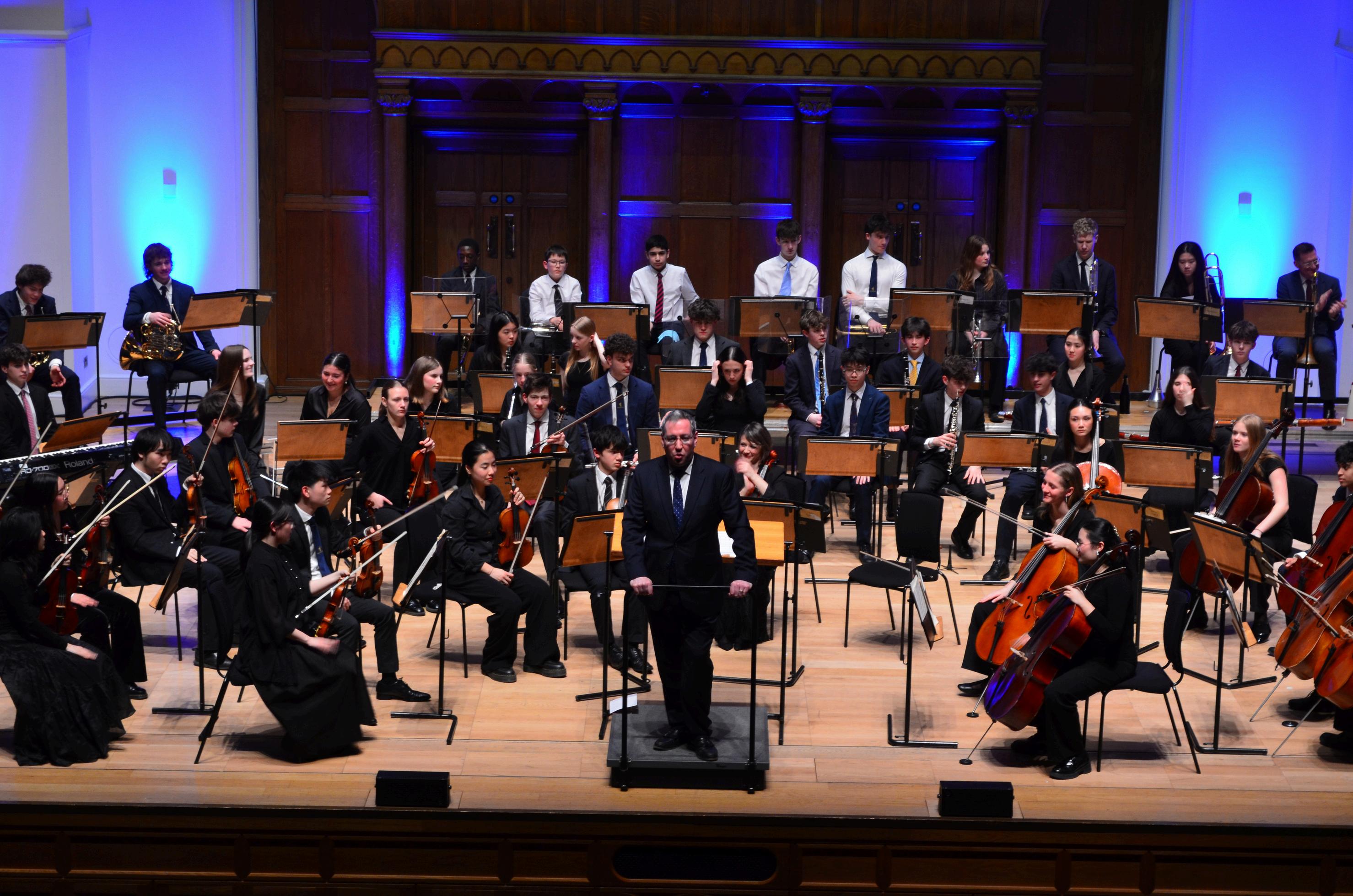
Eric Coates (1886-1957) wrote London Suite (London Every Day) in 1933 when he was forty-seven. The three movements take us on a brief tour of the West End. The first movement is Covent Garden and takes us into a Covent Garden from well before tourism was its principle raison d’être. It was a fruit and vegetable market and, as a result of this, through the chaos of the frenetic tempo and 6/8 time signature, the old Middlesex folk tune Cherry Ripe makes an appearance – initially as a sub-melody to the movement’s main tune, but eventually taking over as the dominant theme. The second movement, Westminster, takes us to 4am near the Houses of Parliament. The Westminster Chimes are heard amidst the mist of an early start – perhaps a tug boat chugs underneath the bridge as we walk over to the north of the River Thames. There is an eerie, mystical quality through various evocations that perhaps mimic Dvorak’s slow movement in his From the New World Symphony, as well as a gorgeously rich ‘cello solo at the start of the movement. The final movement takes us to Knightsbridge. The busy nature of buses and black cabs, perhaps avoiding Harrods’ customers, is evident through this march-like movement which was used as the title music for a radio magazine show called In Town Tonight between 1933-1960. Coates’ skill as an orchestrator (having started out as a violist in the middle of the orchestra) gives every instrument really satisfyingly idiomatic parts to play – strings often have the tune, woodwinds lend colour, the brass often play fanfares – which ensures all the players have their “moment” at some point.
The Blue Notes
at Cadogan Hall
Tuesday 10 March, 5.30 pm, Cadogan Hall
Article input from Mr Eadon, Mr Costin, Mrs Jackson and Mr Davey
Head of Keyboard Studies and Accompaniments:
Mr Davey - A Night on a Bare Mountain, Modest Mussorgsky
The music of Modest Mussorgsky’s A Night on a Bare Mountain evolved through several incarnations, none of which were performed during his lifetime. The version performed is the well-known reworking of the composer’s ideas by Nicolai Rimsky-Korsakov published in 1886. It depicts a witches’ sabbath – it is Saint John’s Eve and evil spirits gather on the mountain for the demonic and debauched worship of Satan. Rimsky-Korsakov’s orchestration is a tour-deforce and each section of the orchestra met its considerable challenges with virtuosic gusto. All quietens in the closing minutes as the church bell heralds the dawn and the frightened spirits scurry back to the underworld.
Head of Instrumental Studies and Music School Timetables:
Mrs Jackson - Merry Wives of Windsor, Otto Nicolai The Overture to The Merry Wives of Windsor by Otto Nicolai was first performed in the year of the composer’s death. The opera is based upon Shakespeare’s Falstaff and is light and Italian in style. The piece is a good concert opener with terrific interplay between the strings and some technically challenging scales passages for both strings and woodwind in the Allegro section, alongside some impressive writing for brass.
In such an impressive concert hall, the Sherborne Schools’ Symphony Orchestra produced a performance that was rich and exciting to our obviously appreciative audience. Well done to all.
The Blue Notes
Tuesday 10 March, 5.30 pm, Cadogan Hall
Article input from Mr Eadon, Mr Costin, Mrs Jackson and Mr Davey
Head of Academic Music and Brass Co-Ordinator: Mr Costin - Serenade, William Mathias
The Sherborne Schools’ Symphony Orchestra gave a confident and engaging performance of William Mathias’ Serenade, with every section contributing strongly, the woodwind section particularly shining. This pastoral work, cast in three contrasting movements, was shaped with clarity and musical assurance throughout.
The opening Allegretto had a light, sparkling character, with the playful oboe theme passing gracefully between woodwind and strings above a flowing piano accompaniment, warmly supported by the brass. The second movement captured beautifully the work’s wistful and reflective mood, evoking something of the English pastoral sound world associated with Vaughan Williams and Holst.
The third movement provided a lively contrast, its rhythmic, dance-like character bringing a sense of energy and momentum. Bright trumpets and the festive colour of the tambourine helped propel the music towards a jubilant and uplifting conclusion.
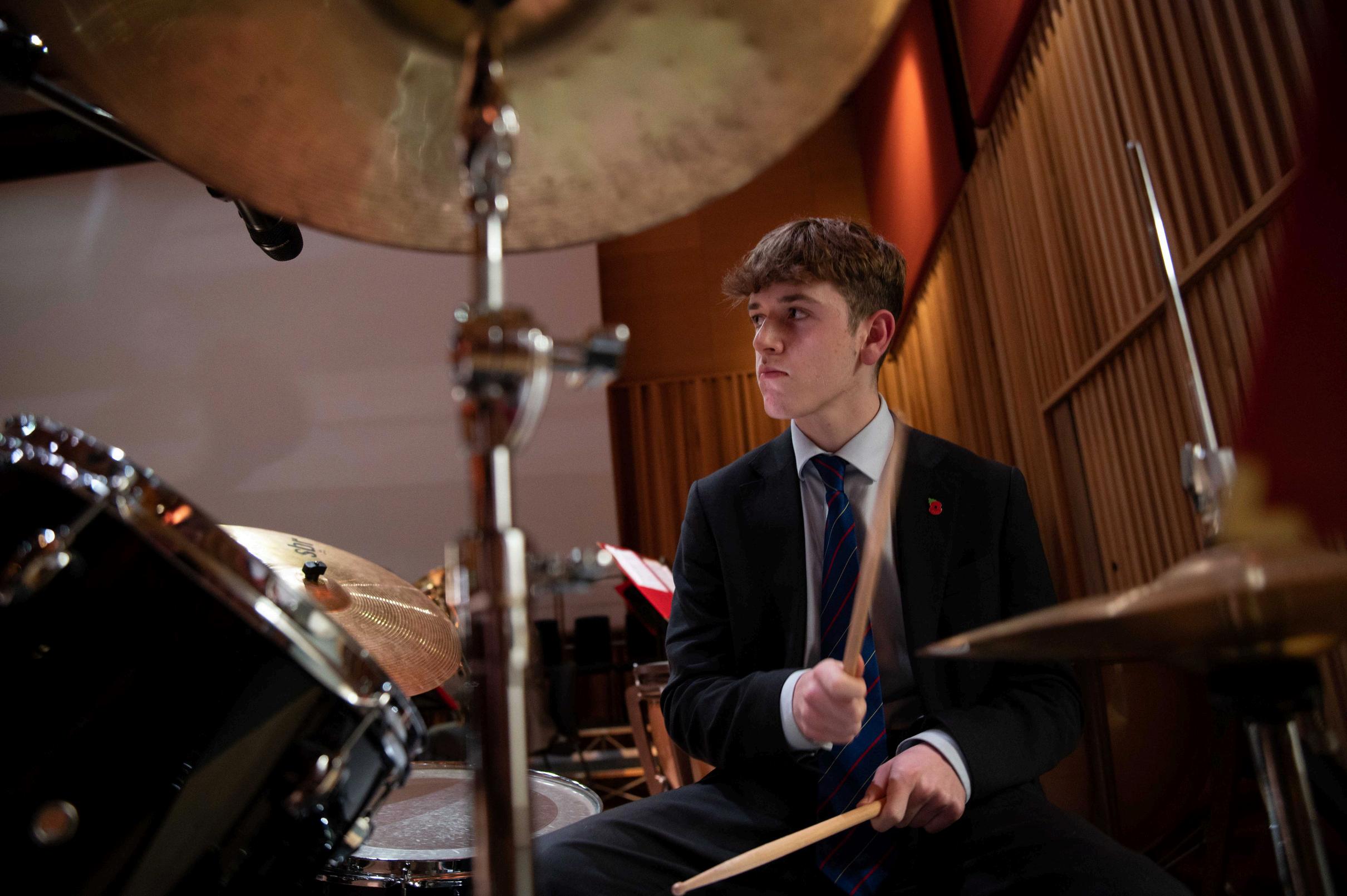
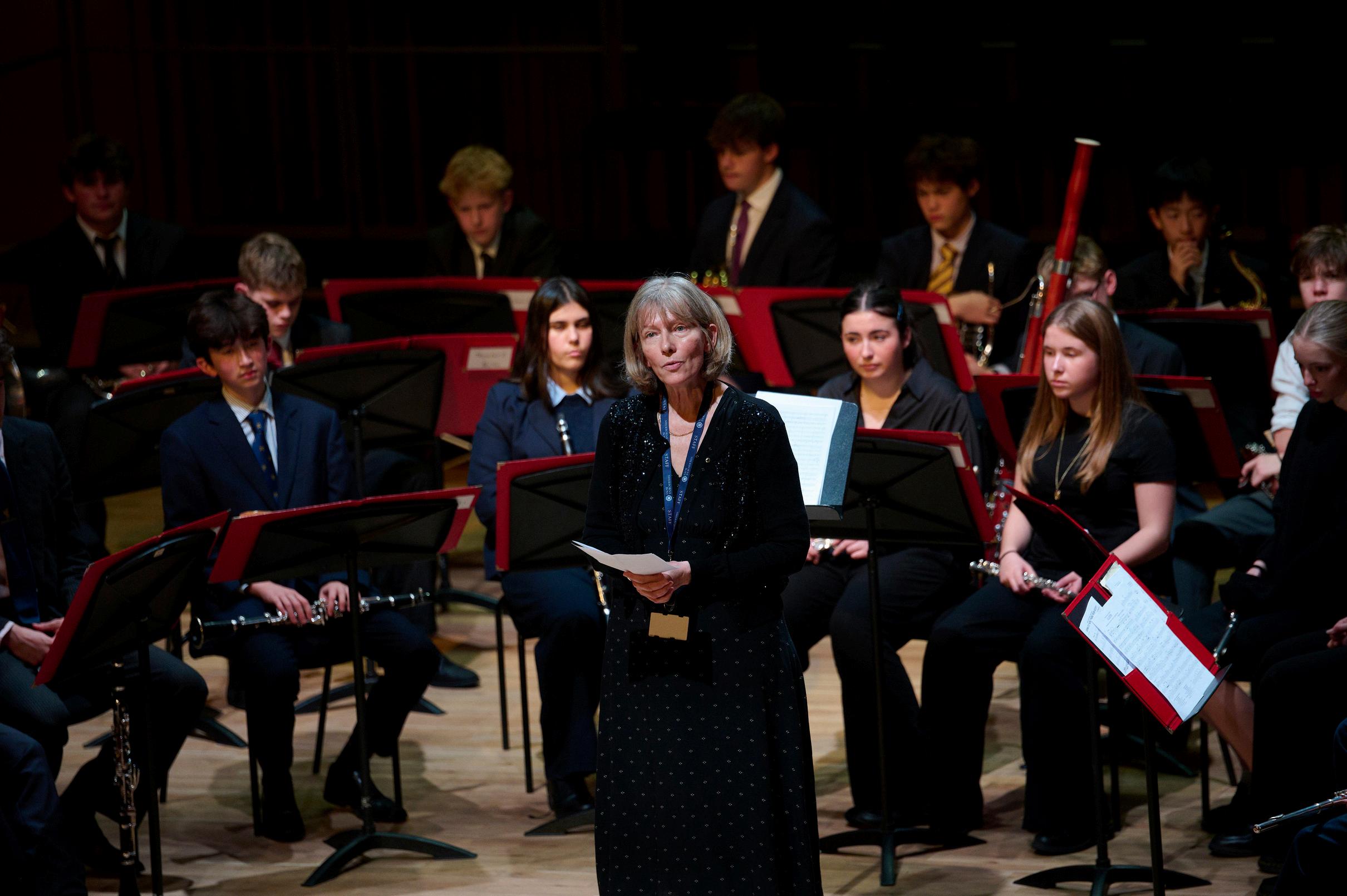
On Tuesday 17 March, the Joint Schools’ Wind Band and Sherborne Schools’ Sinfonia Concert took place at Sherborne Girls, where both ensembles were able to showcase what they have been working on so far this year.
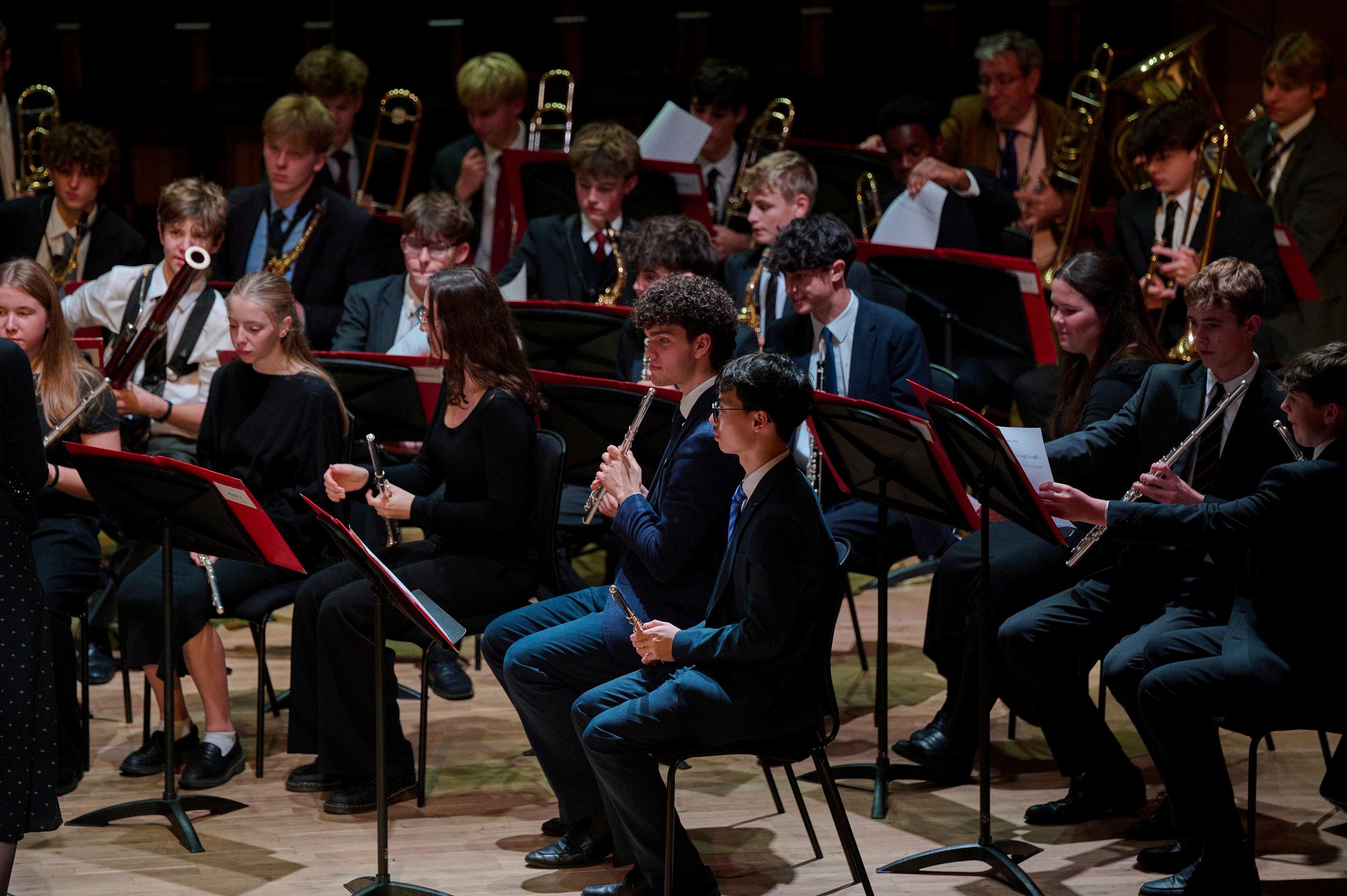
To begin the concert, the Sinfonia Orchestra took to the stage. Under the direction of Mrs Jackson and Mr Eadon, the orchestra performed a variety of pieces ranging from John Williams, Beethoven and Saint Saëns. To kick off the concert, the orchestra performed Beethoven’s Excerpt from Pastoral Symphony (i). We then heard an arrangement of the traditional melody Greensleeves under the great direction of Mr Eadon. Saint Saëns’ Danse Macabre brought great colour to concert before the orchestra closed with a loud bang with John Williams’ Main Title Theme from Star Wars
The Joint Schools’ Wind Band, comprising members from both Sherborne Boys and Girls, took to the stage under the batons of Mr Marks and Mrs Jackson. The band started off with Frank Panella’s On the Square - a march the band had been preparing for the upcoming CCF Biennial inspection. Mr Marks took to the stage with some jazz. The ensemble performed Nestico’s arrangement of A Tribute to Harry James. The group played with great style pouring some groove into the concert. As we neared the end of the concert, Mrs Jackson came back with a lively rendition of James Swearingen’s Celebration for Winds and Percussion
To end the concert, and a lifelong dream of Mrs Jackson's. The Joint Schools’ Wind Band joined with the Sherborne Prep Digby Big Band as they performed Adele’s Rolling in the Deep. As a whole, the ensemble played wonderfully and closed off another successful concert for all.
Wednesday 18 March, 5.15pm, Wells Cathedral
Article written by Mr Eadon
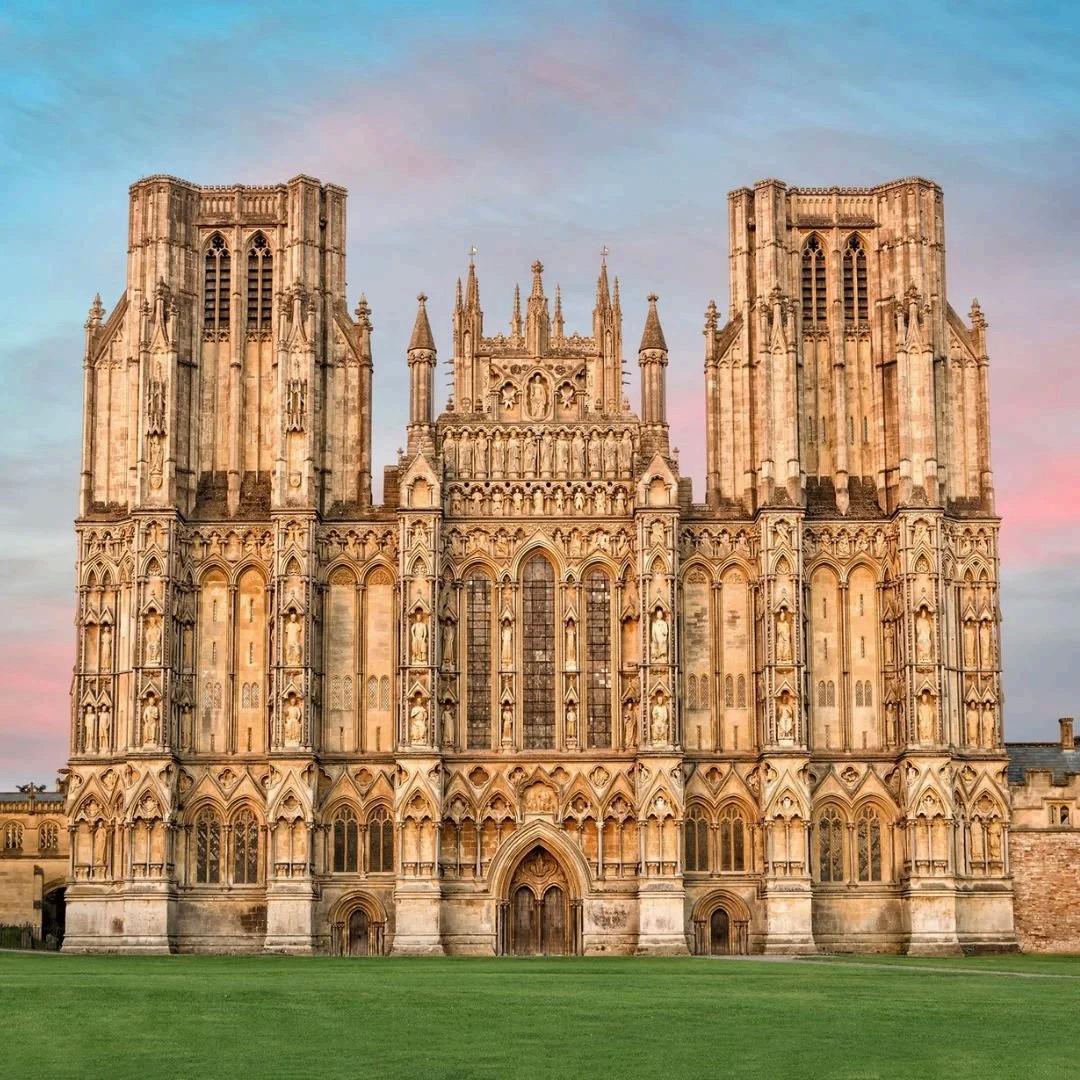
Wells Cathedral is one of those places that belies its beauty by being placed in England’s smallest city. In spite of this, the building is among one of the most architecturally significant Cathedrals in the country with its famed scissor arches, historic stained glass and the Chapter House’s particularly fine fan-vaulted ceiling (rivalling even our own beloved Abbey’s high vaults).
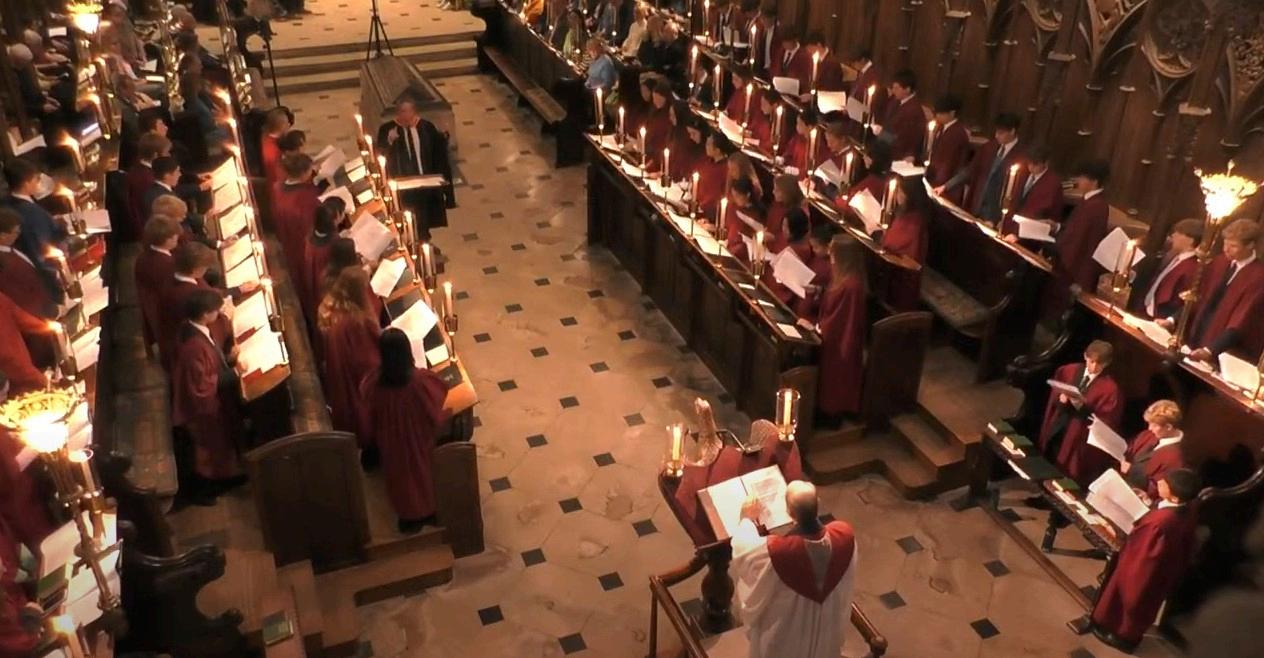
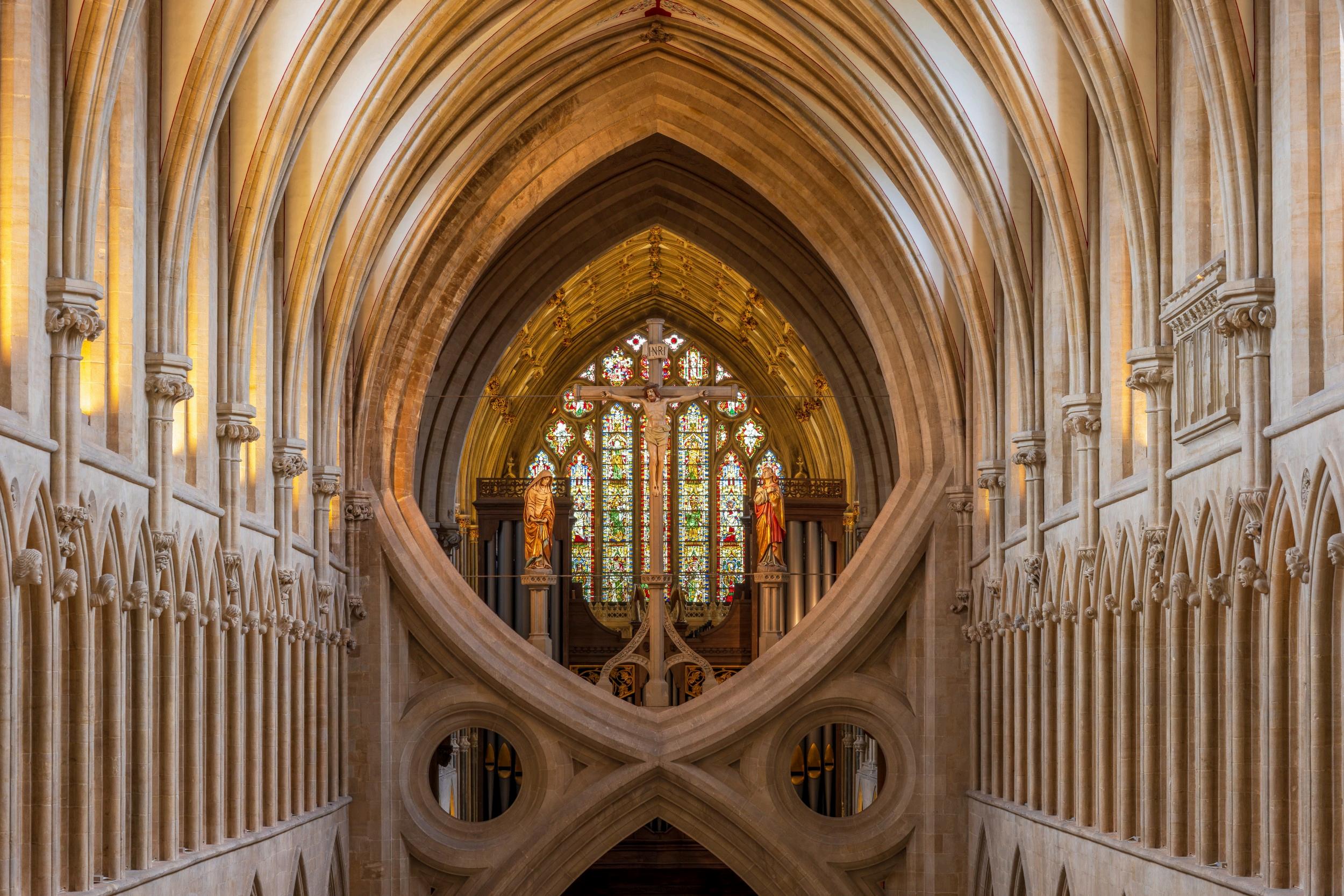
The Boys’ Chamber Choir and Girls’ Madrigal Society were privileged to lead the worship at Choral Evensong on Wednesday 18 March. The Choirs sang George Dyson’s Canticles set in D Major and Wesley’s anthem Wash me thoroughly. Wesley was a famous choir trainer and composer in his time (famously starting to write one of his greatest anthems Ascribe unto the Lord in the same year in which Wagner commenced work on The Ring cycle); whilst Dyson was best known in his lifetime for authoring the First World War infantryman’s manual on hand grenade usage. His affinity with the bombastic certainly makes its presence known in the grandiose phrasing and large-scale nature of this famed setting of the Magnificat and Nunc Dimittis. The Choirs combined, as ever, really well and were especially assured in their psalm-singing. Mr Costin accompanied on the temporary digital organ – sadly not Wells’ usual instrument as the cases are currently empty while undergoing a oncein-a-generation restoration (it makes for an eerie view as, between the front pipes which have been left in place, one can see straight through the instrument).
Friday 27 March, 7.30 pm, Sherborne Boys
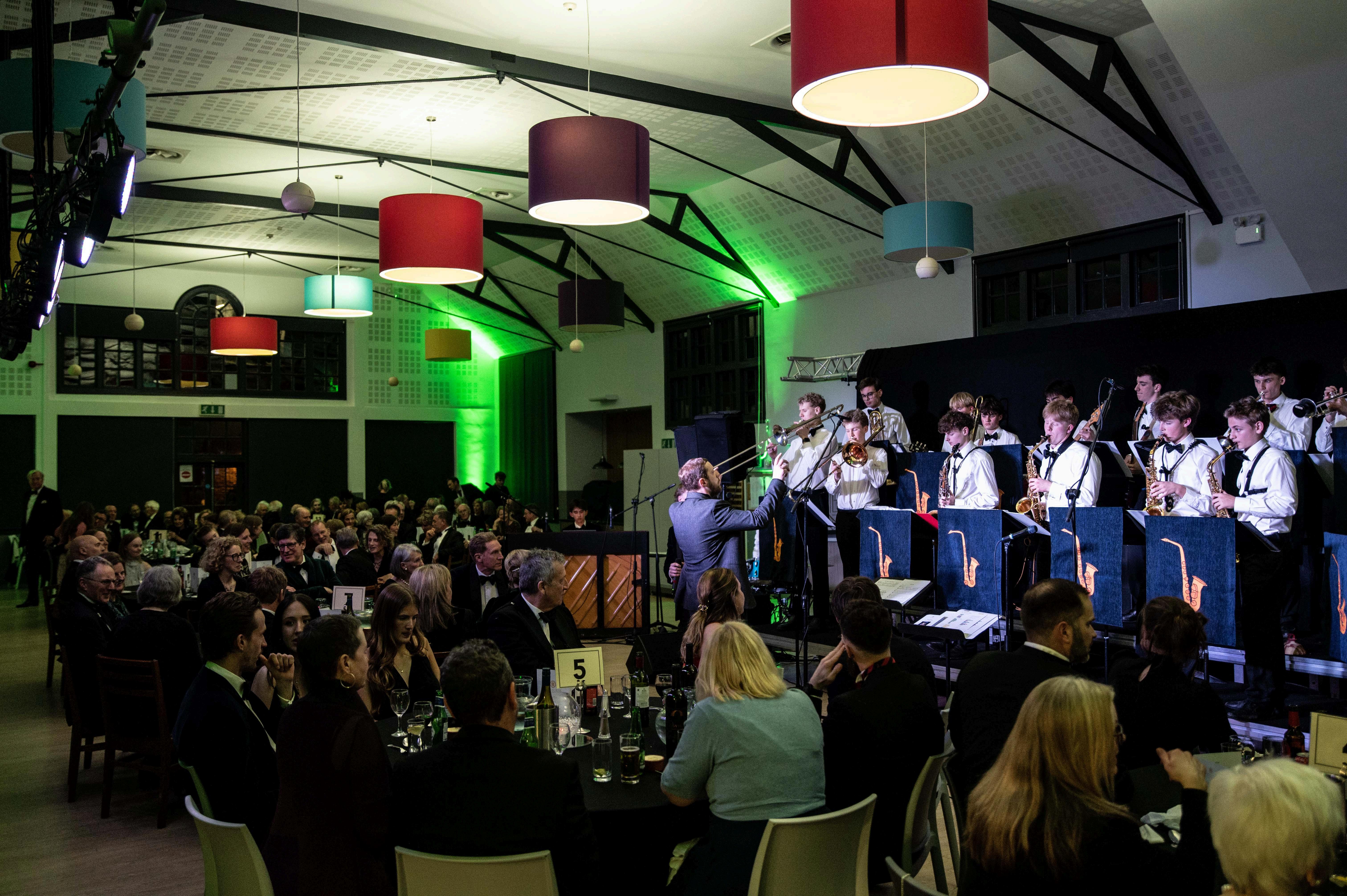
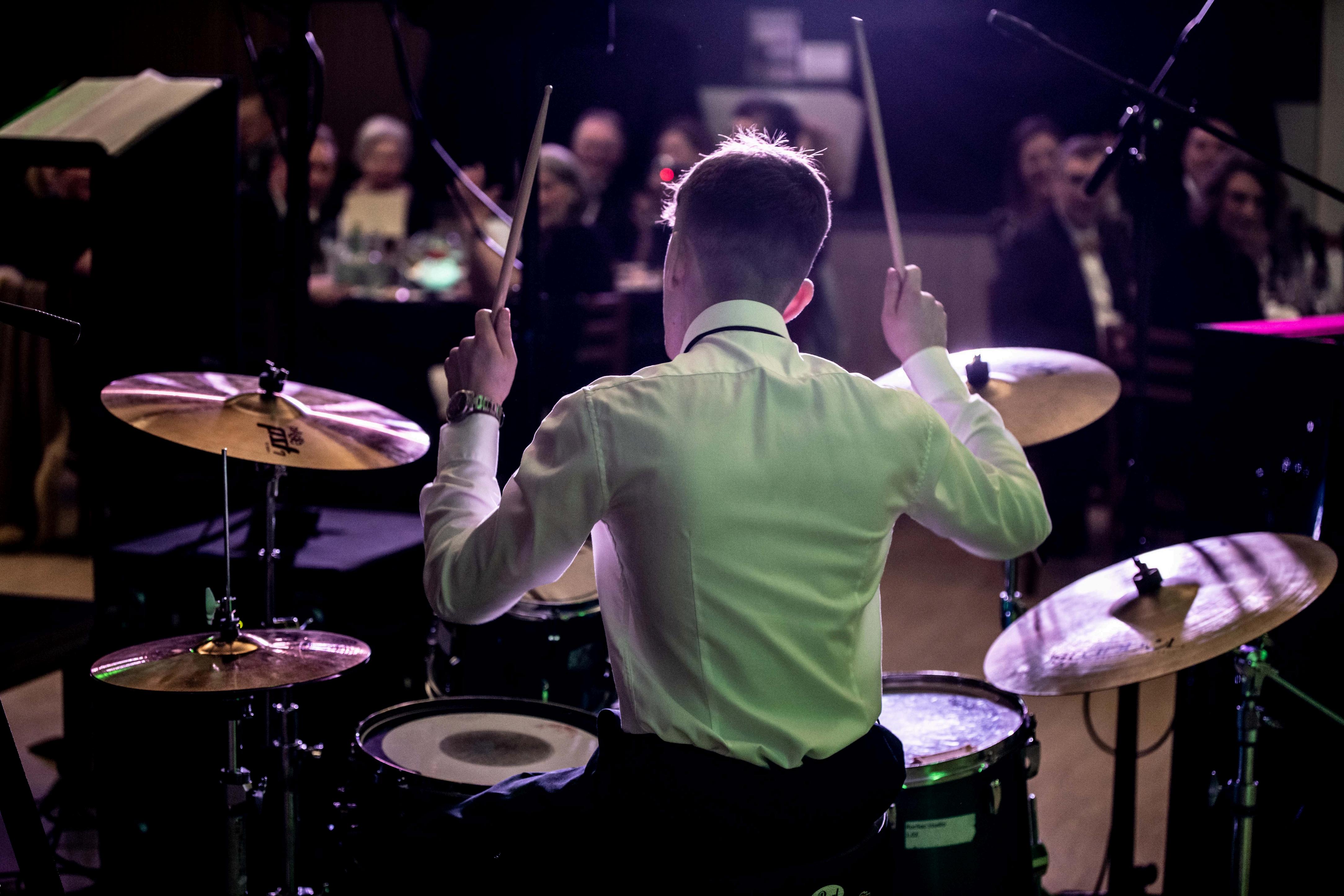
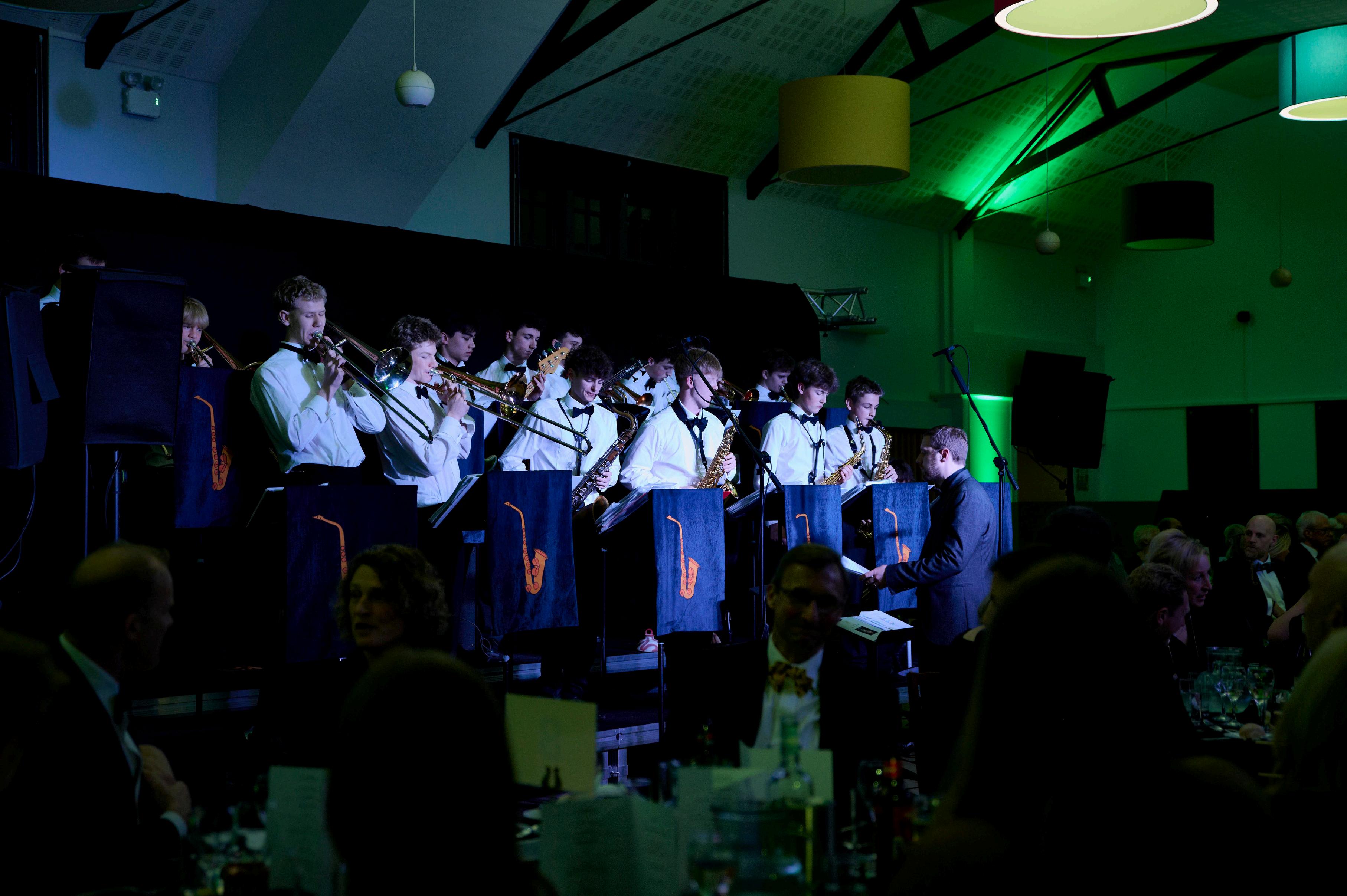
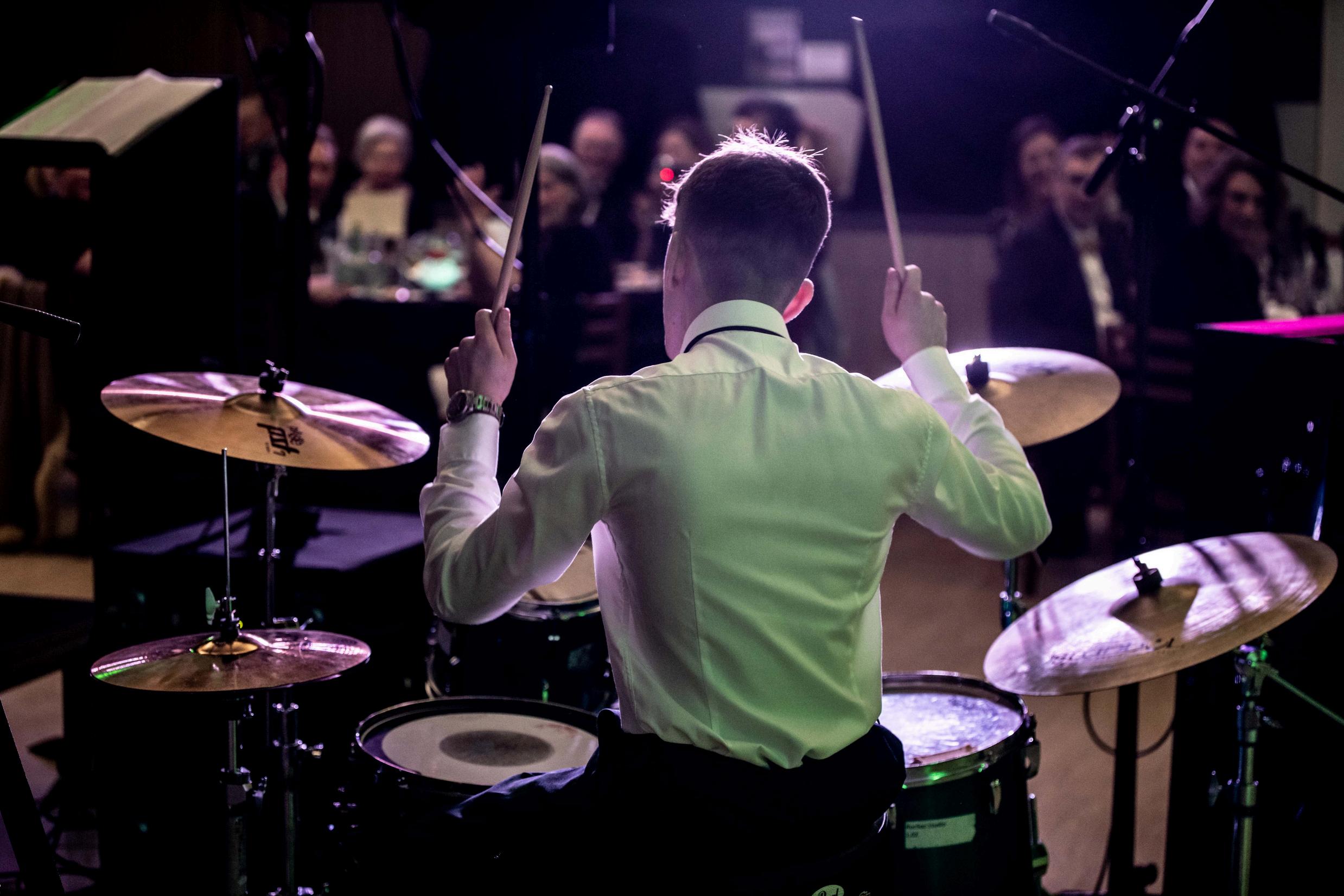
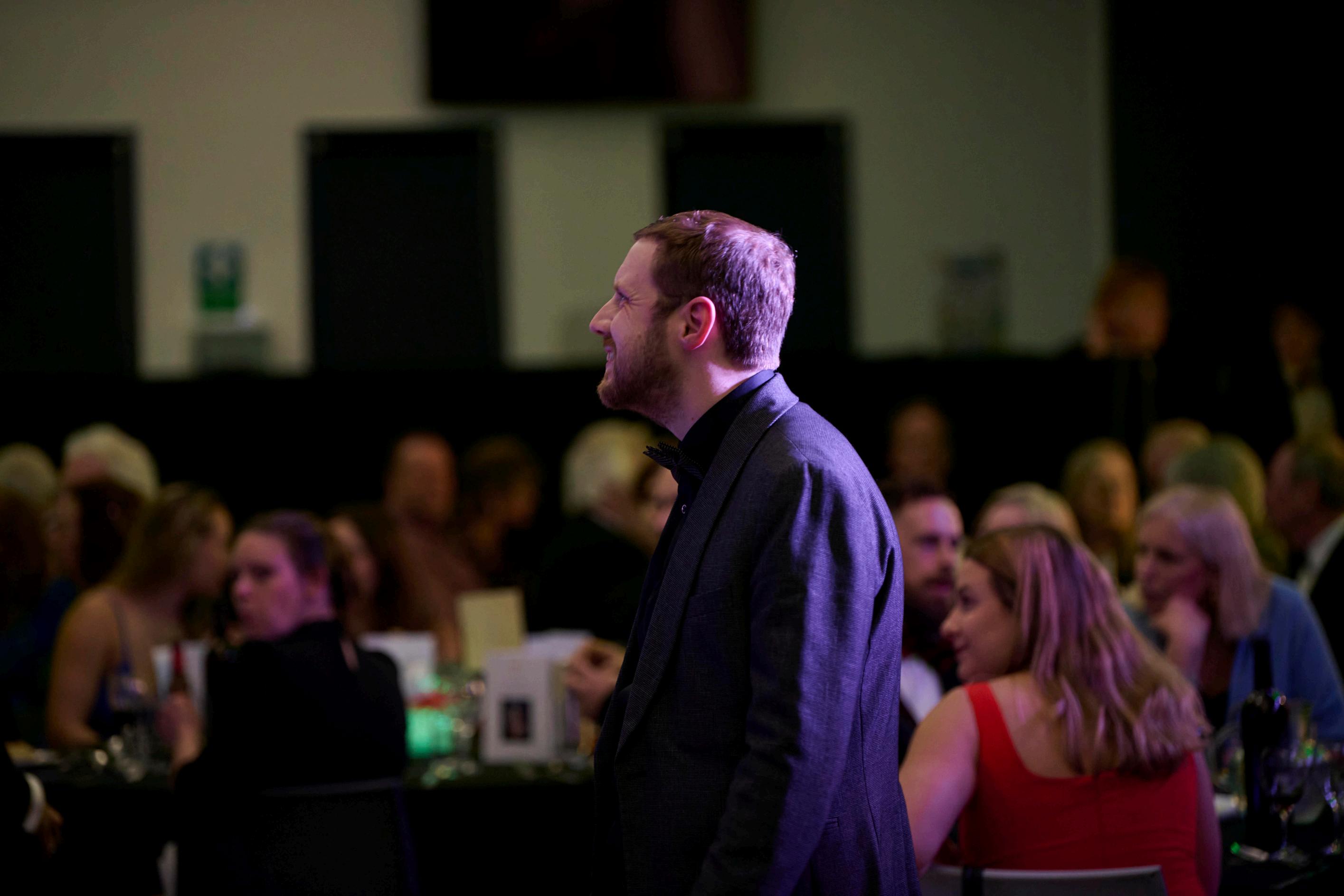
Under the direction of the Deputy Director of Music, Mr Marks, the annual Dinner and Jazz event lit up the evening of Friday 27 March with style, swing, and an impressive display of musical talent.
The night opened with a vibrant first set from the Sherborne Boys Swing Band. Their programme moved effortlessly through classics such as Cotton Tail, Killer Joe, Autumn Leaves, A Fine Romance, Take the A Train, Salt Peanuts, Birdland, Spain, and Sir Duke
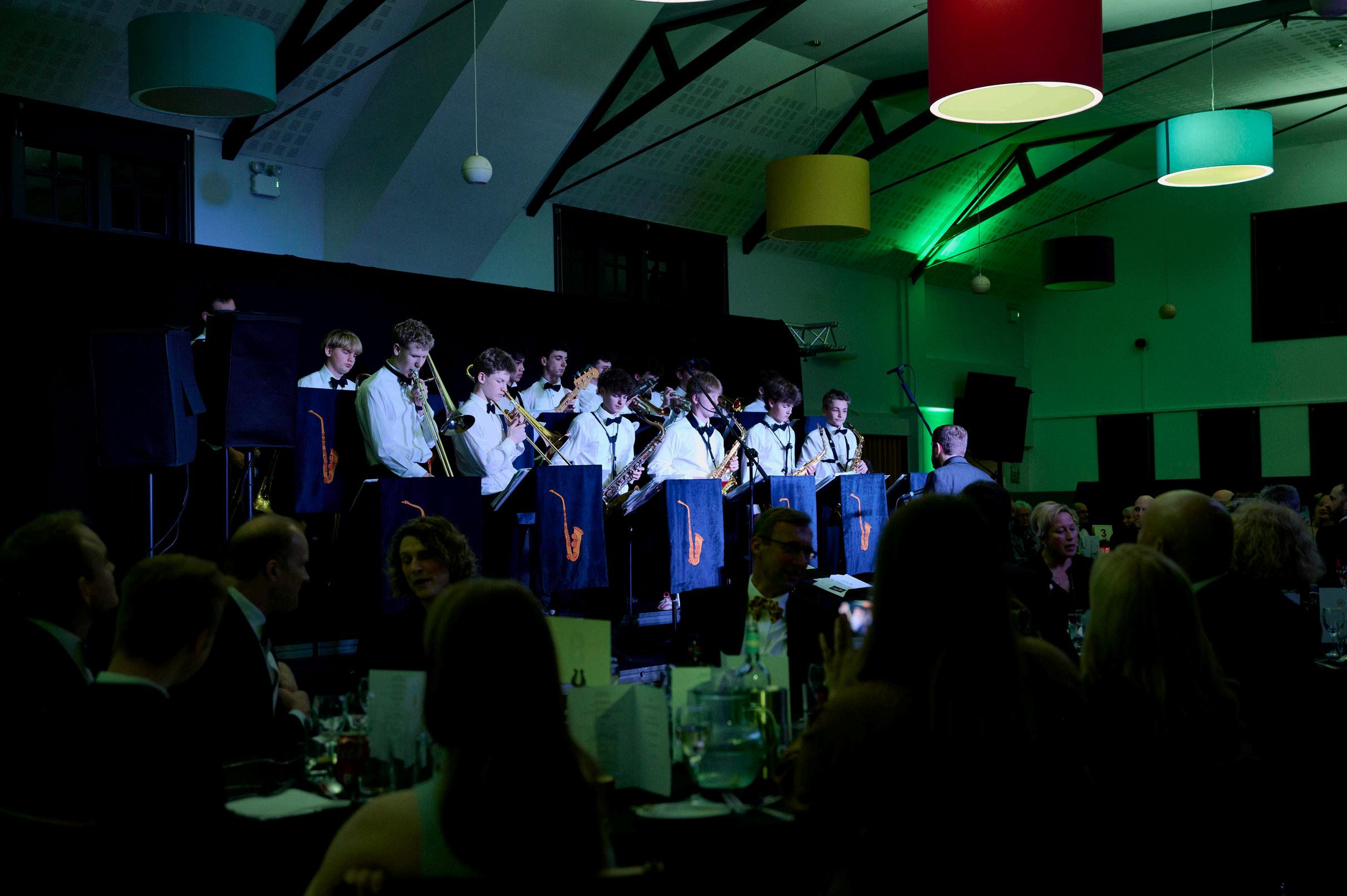
With spirits high, guests enjoyed the first course of their four-course meal before the second set introduced a line‑up of vocal soloists. Sam B (U6f) opened with a rendition of Ain’t That a Kick in the Head, followed by Forest P (U6f), who delivered five classics, Fly Me to the Moon, The Lady is a Tramp, Just in Time, Beyond the Sea, and When You’re Smiling. Sam B then returned to the stage with Nice ’ n ’ Easy, Mr Success, and Mr Zoot Suit, rounding off the set with great character.
The final set of the evening combined instrumental and vocal numbers, showcasing both singers and instrumentalists. The band kicked things off with an energetic Caravan before Forest P returned with a stylish performance of Cheek to Cheek. Sam B followed with Irving Berlin’s Let’s Face the Music and Dance, and both nicely led into two numbers from Hector S (5m): Have You Met Miss Jones? and Save the Last Dance for Me. Edward K (5g) charmed the audience with Sway, and Archie G (U6f) kept the night going with Straighten Up and Fly Right
As the evening drew to a close, Sam B offered two final numbers, I Like This One and Gigolo, before the Swing Band closed the night of with a classic of Pennsylvania 65000 and a newly polished rendition of Sing, Sing, Sing
Across all three sets, the event showcased the huge talent within the Swing Band and celebrated the hard work achieved over the past two terms. It was an evening full of energy, charm, and genuine musical joy.
Pg. 24
Article written by Mr Willetts
“Music is enough for a lifetime, but a lifetime is not enough for music”
Sergei Rachmaninov
Those who know me well will be aware that I could not function without music in my life. I’ve sung in choirs since I was seven years old, but my first serious music studies began when I started secondary school at the age of eleven. Around that time, I was lent a guitar by a friend and within a week I was hooked, but strumming chords was not for me. I wanted to play real music, and I began having classical guitar lessons with the late Peter Oram, an extraordinary scholar of music and languages, who happened to live nearby, and who spotted the inner musical nerd in me, opening my eyes and ears to repertoire spanning over 400 years. I will be forever grateful to him.
I have a strong memory of being introduced to the music of John Dowland, the legendary sixteenth century English lutenist and master of melancholy, particularly his famous Lachrimae Pavan, a piece now firmly embedded in muscle memory. Recognising my budding interest in such music, one day Peter recommended that I get hold of a volume entitled “Hispanæ Citharæ Ars Viva: Antologia de música selecta para guitarra transcrita de la tablature antigua por Emilio Pujol”. For those whose Latin and Spanish may be a little rusty, a rough translation is “The Living Art of Spanish Guitars: an anthology of selected music for guitar transcribed from old tablature by Emilio Pujol” . With hindsight, this turned out to be a rather pivotal moment in my musical journey.
Contained within its rather beautiful cover was music by several mid-sixteenth century Spanish composers previously unknown to me, such as Luys Milán and Alonso Mudarra. These works were originally written for the vihuela, an early guitar-like instrument with five courses (or pairs) of strings. Playing this music involved tuning my guitar differently, but the result was a harmonic and rhythmic sound world that drew me in. Most intriguing of all, though, were the references in the preface to the mysterious original manuscripts, though there were no clues to what these might look like. I was aware, of course, of modern guitar TAB, but it was never something I used, since classical guitar repertoire is written standard musical notation.
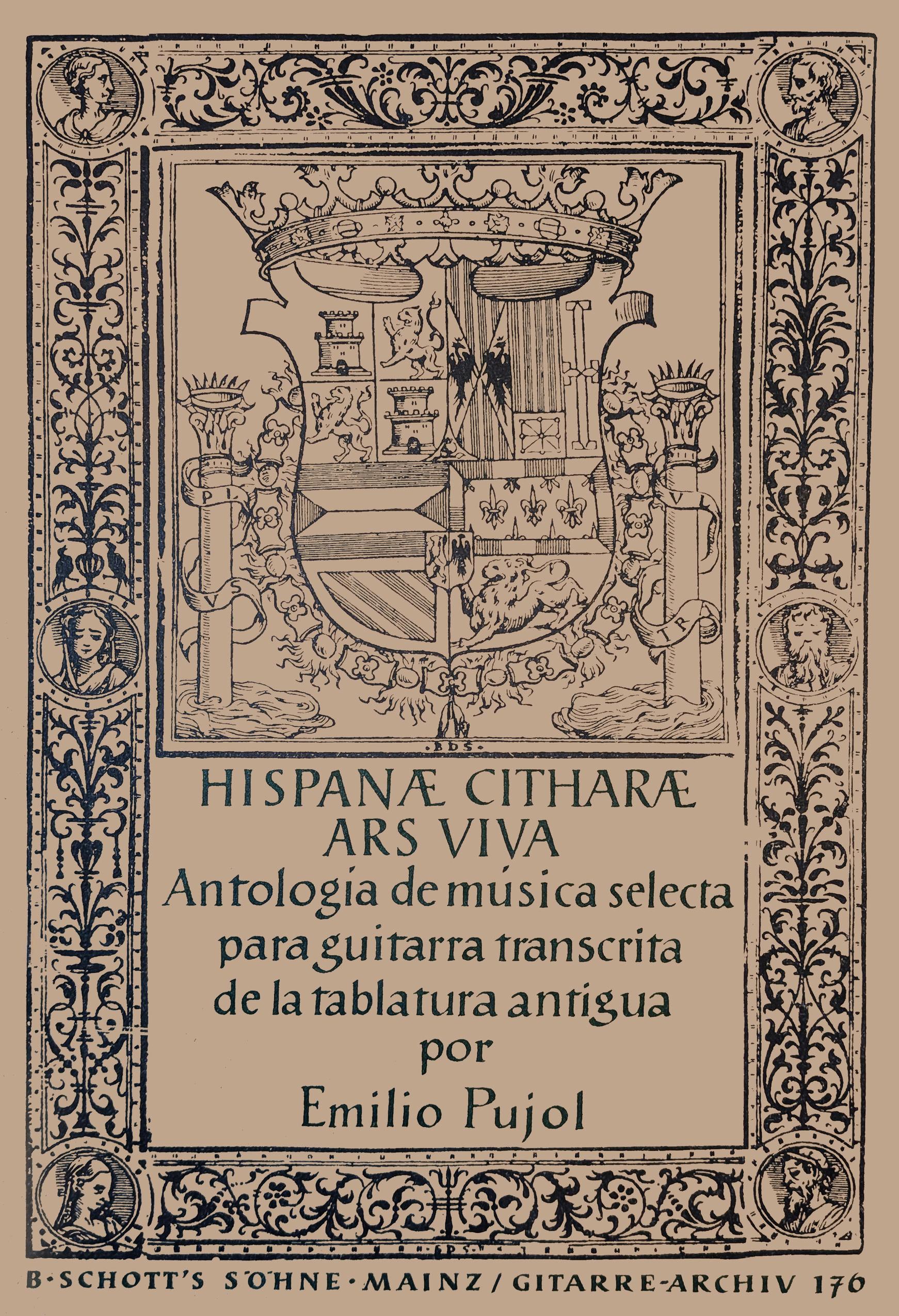
Anthology Cover
Fast forward a few decades and the internet has now become my new trove of musical treasures. Many original manuscripts and tablatures are now freely available in facsimile for musicians to study. Having acquired a renaissance lute and a baroque guitar, I have been learning to decipher some of these ‘ancient tablatures’, and it is a rather complicated business. However, I have found it really interesting to see how modern guitar notations like TAB and chord charts can trace their origins back to systems in common use centuries ago.
The basic principles of lute tablature are relatively easy to understand. Horizontal lines are used to represent the strings of the instrument. The positions for the fingers on the strings are then indicated by symbols placed on these lines, and the rhythm of the music is indicated with other symbols over the top. There is usually some kind of time signature and bar lines. Anyone familiar with modern guitar TAB will be familiar with all of this.
However, two totally different systems developed from these principles during the Renaissance. In French tablature, the bottom horizontal line represents the lowest pitched (and thickest) string, and the symbols for figure placement are letters, with ‘ a ’ representing an open string, ‘b’ the first fret, ‘ c ’ the second, and so on.
In Italian tablature the strings are reversed, so the highest pitched string is at the bottom. This sounds simple, but it can be very odd to see an ascending run of notes descending on the page. To add to the fun, the Italian system also uses numbers in place of letters to indicate finger placements. It is quite confusing, especially when looking at original publications.
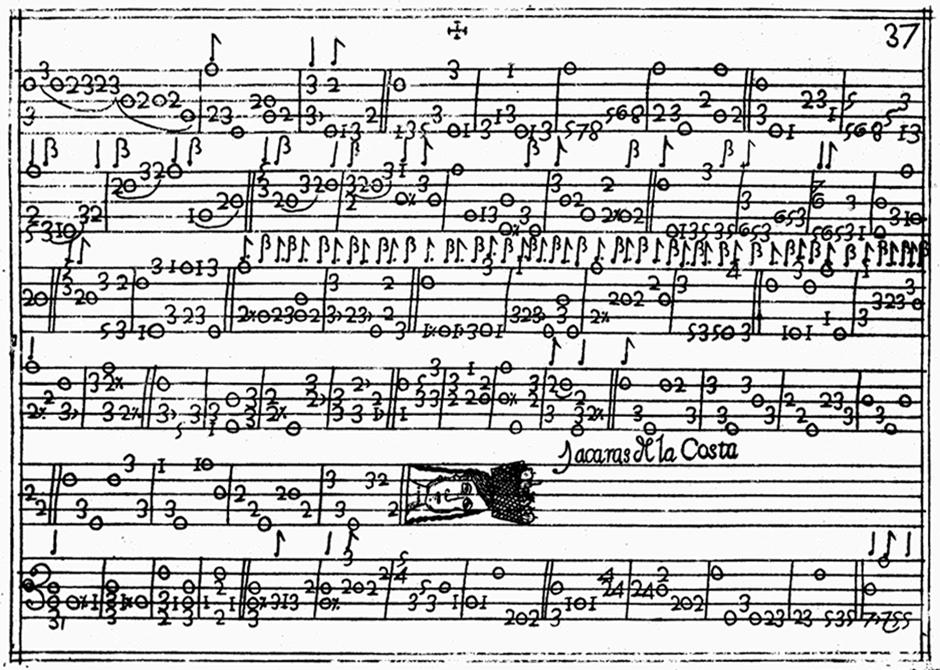
One of the amusing features in some of the manuscripts are the little ‘doodles’ that appear to indicate the end of one piece and the start of the next. Paper was expensive and the separate pieces are often crammed together, so these markings are useful. Often just a few squiggles or curls appear, but in some works the copywriters got carried away, and you might see a complete portrait or elaborate geometric pattern.
As if the differences between the French and Italian systems were not sufficiently confusing, there is yet another to learn when you study the Baroque guitar, known as Alfabeto. This system assigns chords to the letters of the alphabet (and a few extra symbols thrown in for good measure), in an apparently random manner that varies by composer and era. To the modern player, it can be baffling, for example, to see the letters A, B, C, D, E, and F being used to indicate chords of G major, C major, D major, A minor, D minor, and E major respectively, but that is what composers like Francesco Corbetta used. Other composers opted for totally different assignments of chords. Thankfully, they would usually include a guide to their system at the start of their publications, so at least players had something to go on.
So, modern players of fretted instruments (guitar, bass, banjo, mandolin, etc.) who read chords or TAB, rather than stave, are using notation systems that have evolved over the last four centuries. Modern TAB has the horizontal lines for strings with the lowest pitch at the bottom (like the old French system) but with numbers for finger placements (like the old Italian system). This feels like a sensible compromise to me. Also, modern chord notation is, thankfully, much more intuitive than the Alfabeto system and it is widely used in many genres of music.
Many other instrument families have tablature systems. Systems exist for various woodwind instruments, including NAF TAB for the Native American flute! Accordion and concertina players may use tablature, as will many percussionists and players of certain types of bagpipes. There is even a tablature system for the humble harmonica, with numbers representing the holes and a minus sign used to indicate when the player should draw rather than blow.
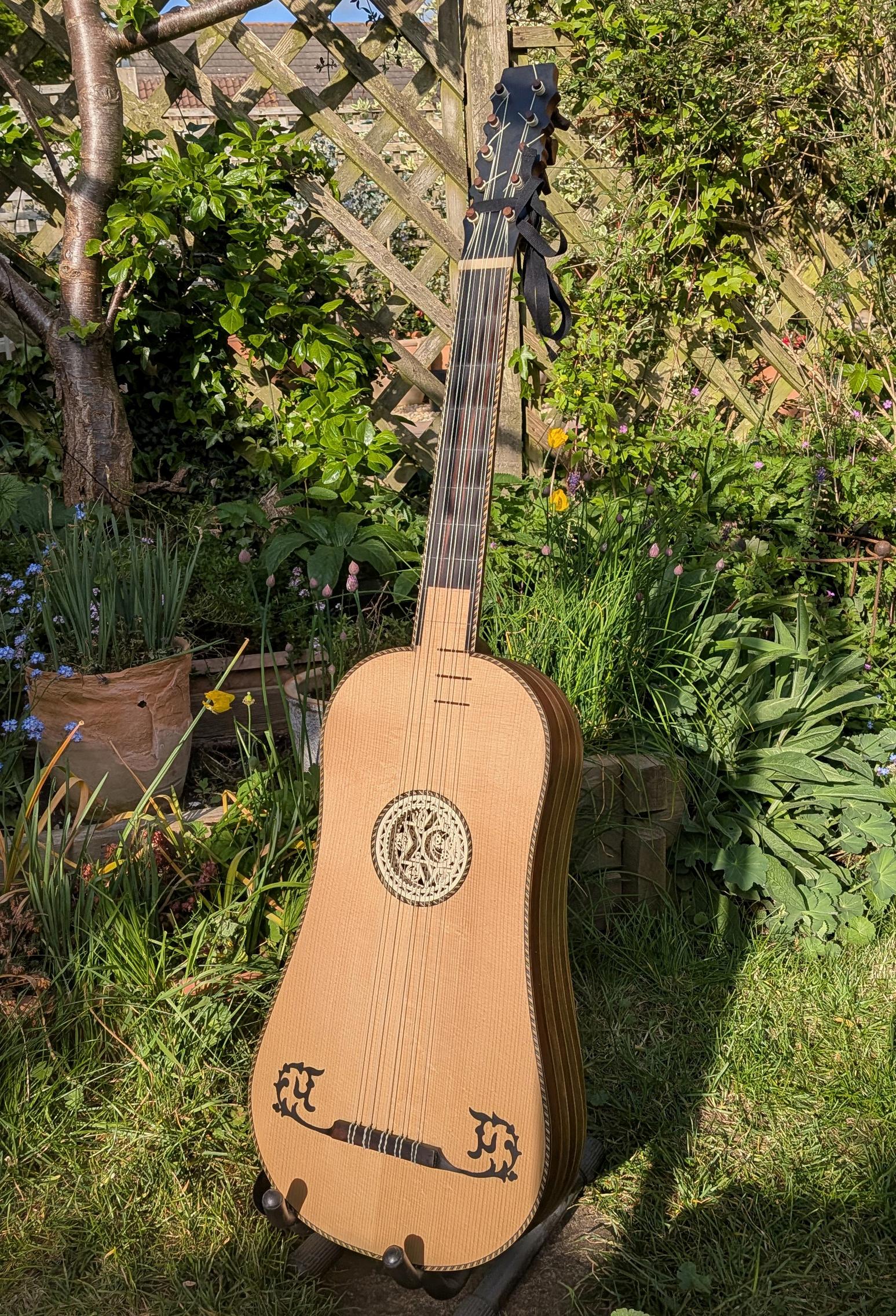
Baroque Guitar
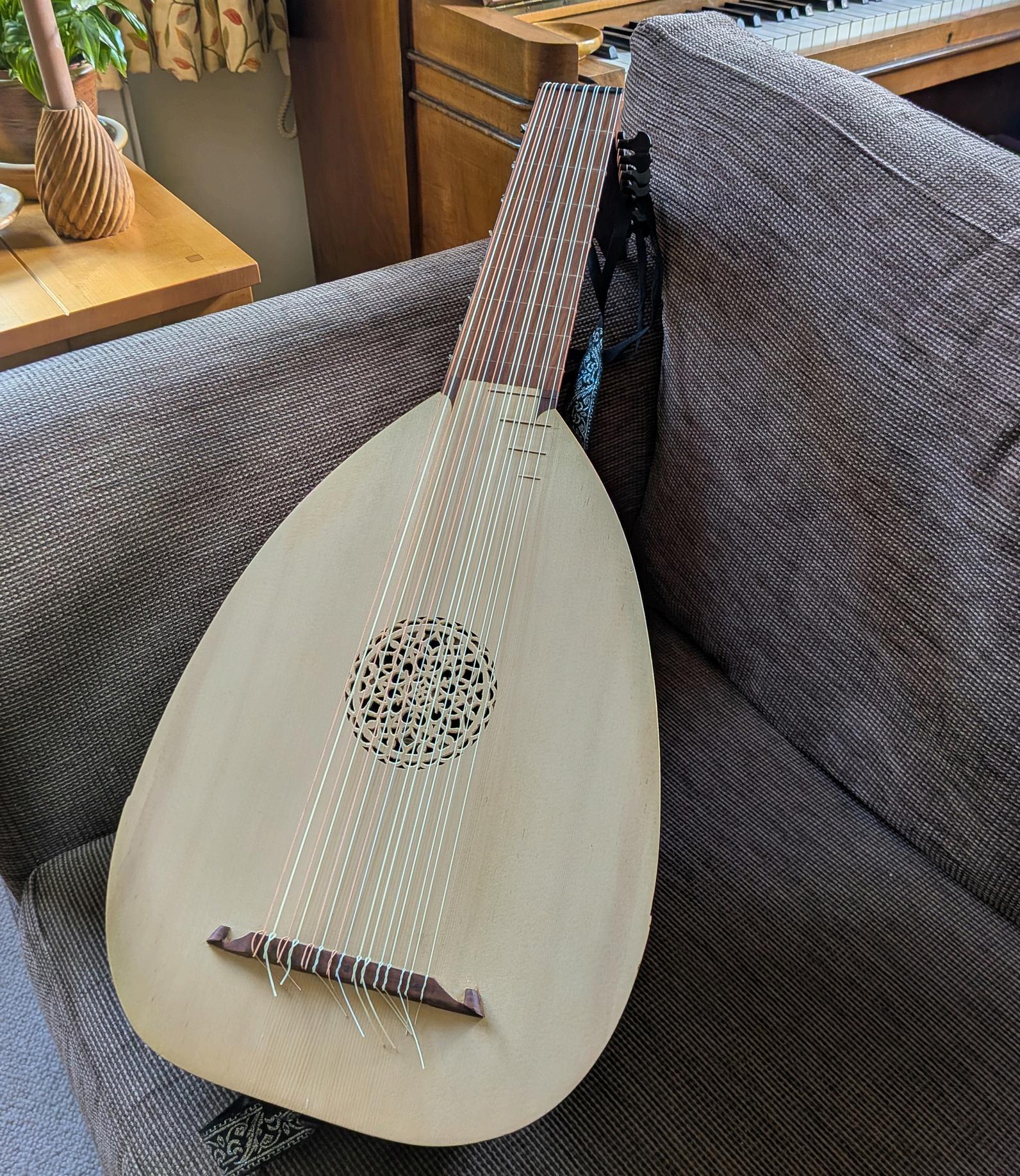
fundamental point of tablature is that it tells the player what ical actions to make on the instrument, rather than representing c primarily as abstract pitch relationships on a stave. Tablature ms can therefore make an instrument accessible to players who may have studied the fundamentals of musical theory, and that broadens s. I have come to realise just how fortunate I am to have had such xcellent musical grounding in my youth, which set me on this lifejourney. Sadly, music education is being marginalised at a national , so if you are lucky enough to get the chance to learn, don’t squander it. You won’t regret it.
Article written by Mr Robinson
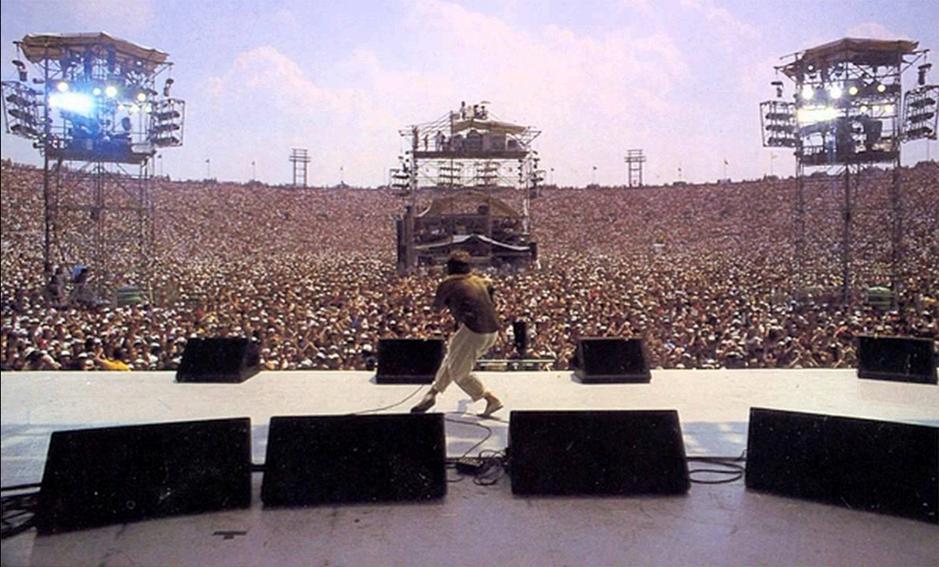
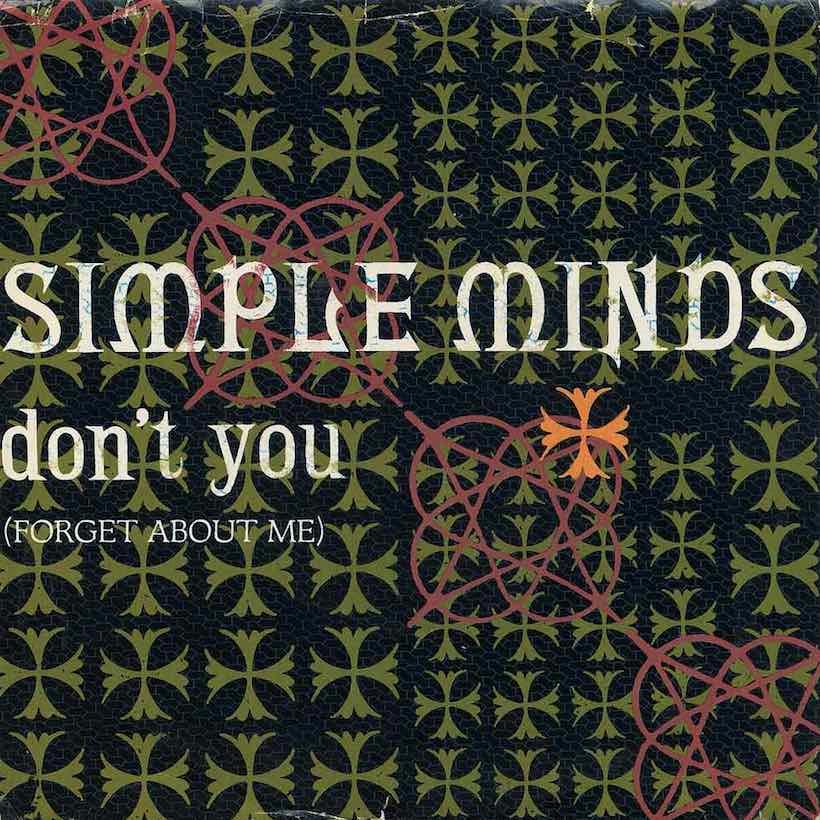
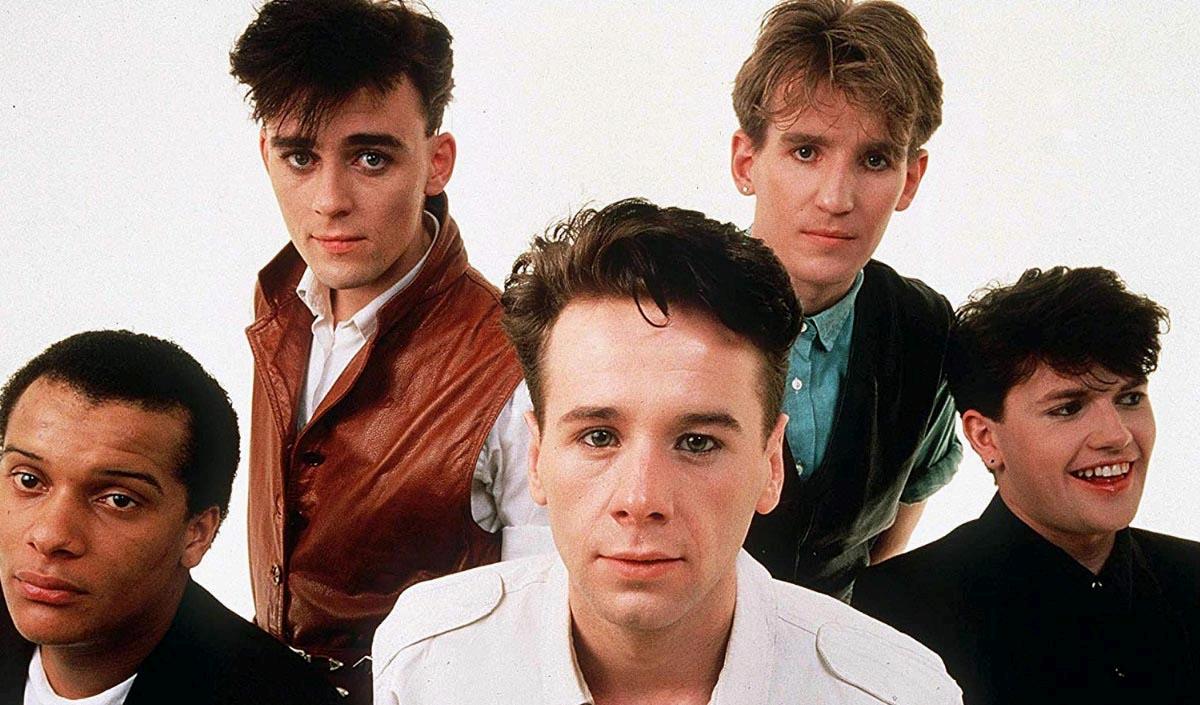
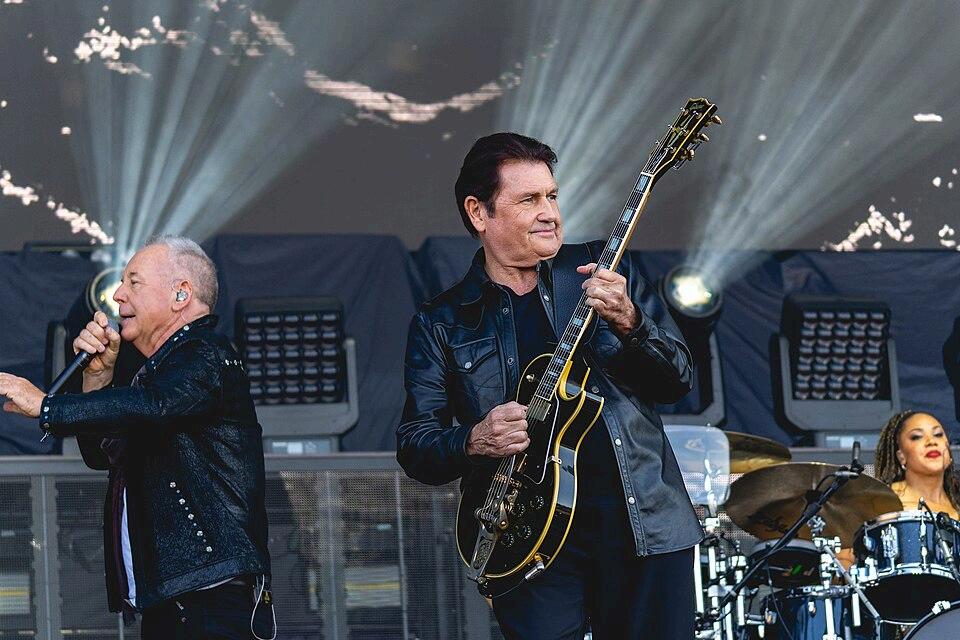
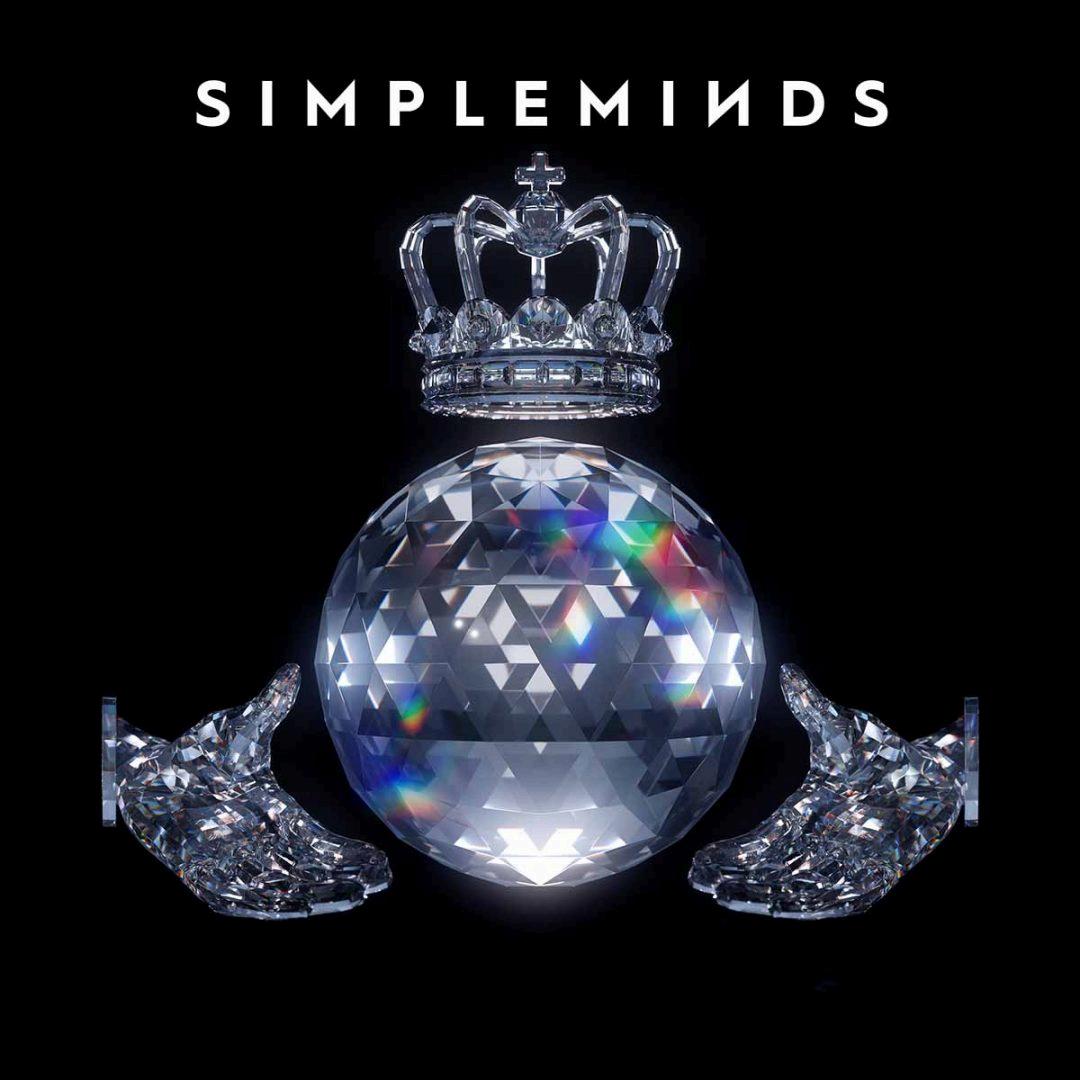
April 1985 was the beginning of my final term at school. It was also the month that Simple Minds released the single Don’t You Forget About Me. My group of eighteen-year-old friends who had been together pretty much 24:7 for five years was about to go separate ways. This song captured a zeitgeist moment for us. I was confident we would remain friends, but how? What would it feel or be like? Simple Minds had been introduced to me by my room-mate, Peter. I had discovered U2 and Prince for myself, Duran Duran, Spandau Ballet, Wham! and Madonna were ubiquitous on the radio, and Dire Straits was, seemingly, a staple requirement in any schoolboy’s record collection at the time. But Peter’s musical tastes were a bit more eclectic. Through him I had come across A Flock of Seagulls, Talk Talk, The Smiths and Julian Cope, and it was Peter who first played me Simple Minds’ Promised You a Miracle. I loved the keyboard heavy rhythm and Jim Kerr’s raw yet resonant vocals; he demanded your attention. Waterfront followed from the next album which began to cement their reputation, but we still felt we belonged to quite a selective, niche group. Not everyone listened to Simple Minds. Then came Don’t You Forget About Me.
After a simple two chord guitar intro Kerr launches into an impassioned ‘Hey, hey, hey, hey’ – instinctively demanding a unison response. But almost immediately his voice becomes quieter, almost meditative and confessional.
Won't you come see about me
I'll be alone, dancing, you know it, baby,
Tell me your troubles and doubts
Giving me everything inside and out
He seems to be talking to one person but we become listeners, and therefore participants, in this one-sided conversation. Gradually the intensity and a sense of anguish builds,
Slow change may pull us apart
When the light gets into your heart.. Will you recognise me
Call my name or walk on by? briefly abated by the more optimistic assertion
Don't you try to pretend It's my feeling, we'll win in the end before reaching the agonised highpoint,
As you walk on by
Will you call my name?
As you walk on by
Will you call my name
When you walk away?
The closing chorus is the easiest thing in the world to join in to, nothing more than
‘La la la la la la la la la’ for about a minute. And sing along we did. Endlessly.
Pg. 29
Article written by Mr Morrow
That Spanish language music is having a moment has become a cliché. That “moment” has lasted for at least five years. Puerto Rico’s Bad Bunny headlining the 2026 Super Bowl followed the 2020 show in which Shakira and Jennifer Lopez performed alongside J Balvin and Bad Bunny. Latin American artists have become mainstays of the Spotify Global 50, and Spanish has effectively become the second language of the 21st‑century global pop charts. It helps that half a billion people are native Spanish speakers and a lot of them now live in the key market of the USA, but many of the listeners propelling these hits into the most-listened-to lists don’t speak the language at all. The idea that audiences will only engage with music in their own language has been thoroughly disproved.
Despite the predominance of Spanish on the charts, Spain lagged behind Latin America in its global musical influence until November 2025, when Rosalía released her new opus Lux. It became the most streamed album in a single day by a Spanish language female artist on Spotify. Opus is the right word here: this is a work which has more in common with multi-act classical masterpieces or prog rock concept albums than with the ultra‑processed output of modern pop. Its commercial success is all the more striking because of the challenges it poses to the listener whether they are conceptual, linguistic or philosophical. While global audiences may happily dance to reggaeton in Spanish, would they embrace a concept album sung in thirteen languages and accompanied by the London Symphony Orchestra? Whether Rosalía was confident of a positive answer, she made the music all the same.

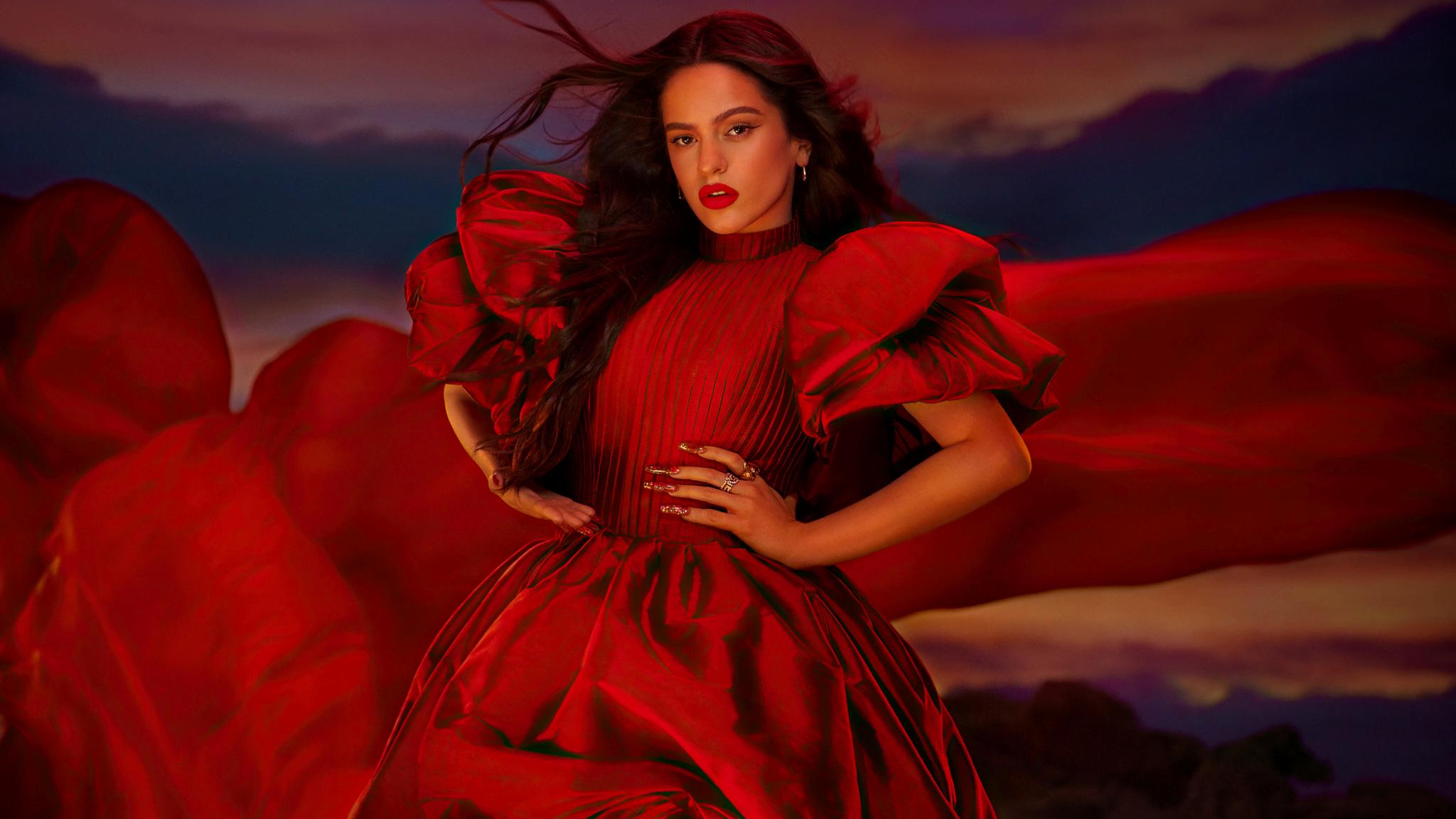
Through lyrics in Spanish, Catalan, English, Latin, Sicilian, Ukrainian, Arabic, German, Hebrew, French, Chinese, Japanese, and Portuguese, Lux explores themes of faith, spirituality, feminine mysticism, and the tension between the worldly and the divine. Inspired nominally by the lives of female saints, the album marks a sharp turn away from the reggaeton infused swagger of Motomami and moves closer to the conceptual ambition of her debut, El Mal Querer. It is also a joy for listeners who grew up in the pre‑Spotify era, when albums were designed to be listened to from start to finish as unified works.
The opening track launches straight into one of the album’s recurring questions: how to live between the physical world and the divine?
Quién pudiera vivir entre los dos Primero amar el mundo y luego amar a Dios Who could live between the two, First to love the world and then to love God.
Later, in Mundo Nuevo, she wonders whether abandoning the world entirely might allow one to find a deeper truth:
Por ver si en un mundo nuevo Yo encontraba más verdad
To see if in a new world, I would find more truth.
This philosophical engagement is set alongside moments of grounded cosmopolitanism. On Reliquia, she lists the various cities she has known and what each has taken from her, noting wryly that she lost her smile in the UK:
Yo que perdí mis manos en Jerez y mis ojos en Roma Crecí y el descaro lo aprendí por ahí por Barcelona Perdí mi lengua en París, mi tiempo en LA Los heels en Milán, la sonrisa en UK I lost my hands in Jerez and my eyes in Rome, I grew and I learned my audacity in Barcelona. I lost my tongue in Paris, my time in LA My heels in Milan and my smile in the UK
The linguistic and cultural range of the album is astonishing. In Divinize, she switches to Catalan to reference biblical forbidden fruit:
Fruita roja i rodona… òbviament és la poma que està prohibida. Red and round fruit, obviously it is the apple which is forbidden.
In Porcelona, she becomes surely one of the only pop artists to rap in Latin:
Ego sum nihil, ego sum lux mundo I am nothing, I am the light of the world.
On the same track she sings in Japanese, declaring herself the Queen of Chaos:
Watashi wa kaosu no joō datte kamisama ga kimeta koto
With Berghain, she duets in German and Spanish with Björk and the London Symphony Orchestra:
Seine Angst ist meine Angst… Sein Blut ist mein Blut
His fear is my fear, his blood is my blood
In De Magrugá, a flamenco inspired song originally written for her first album, she turns to Ukrainian:
шукаю помсти, помста шукаємене
I don’t seek revenge; revenge seeks me
In La Yugular, she shifts to Arabic to express unconditional devotion:
For you I would destroy the heavens, for you I would demolish hell, no promises, no threats.
And in Memória, she sings in Portuguese alongside fado star Carminho:
Ainda te lembras de mim?
Ainda sabes quem sou?
Do you still remember me?
Do you still know who I am?
Standing up against the homogenous monolingual levelling of global music by the all-knowing AI algorithm, Lux is a raucous palimpsest, what in Spanish you might call an algarabía, a vibrant jumble of voices, languages, and identities. In an age when many listeners rely on algorithm to feed them more of the same, Lux stands out as a thrilling reminder of what art can be, and what an album can be: ambitious, demanding, multilingual and borderless.
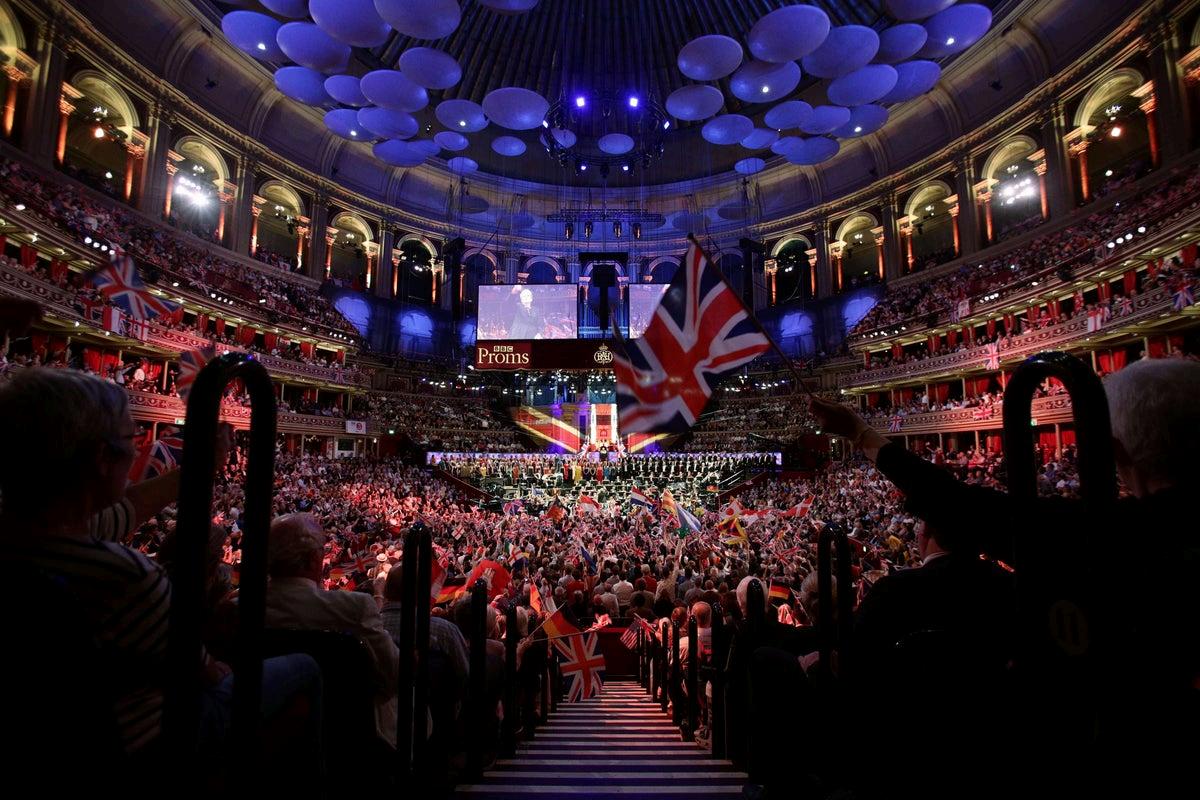
Article written by Mrs Morgan (SG)
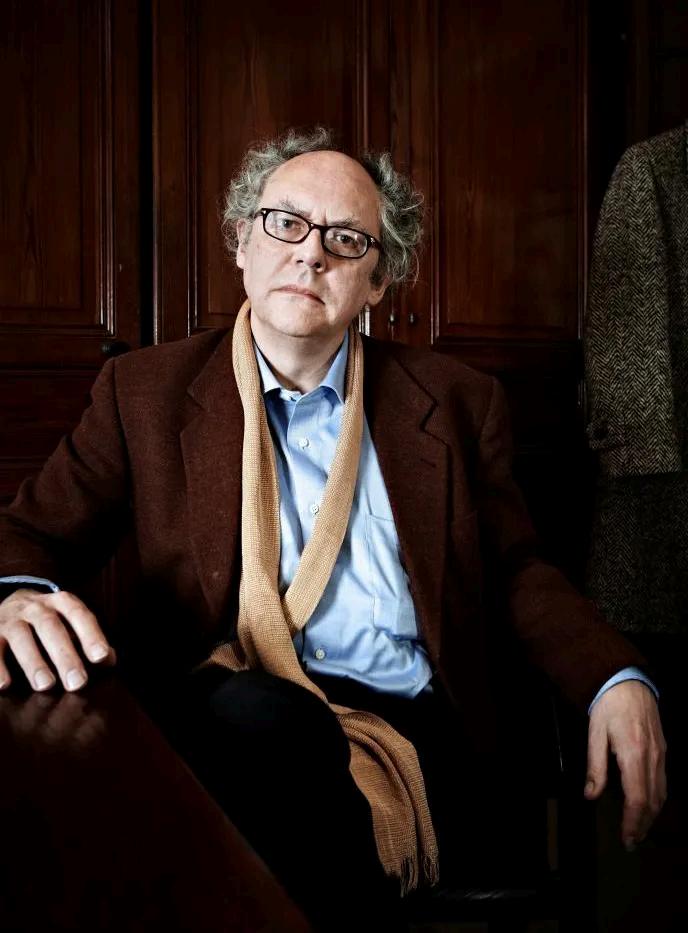
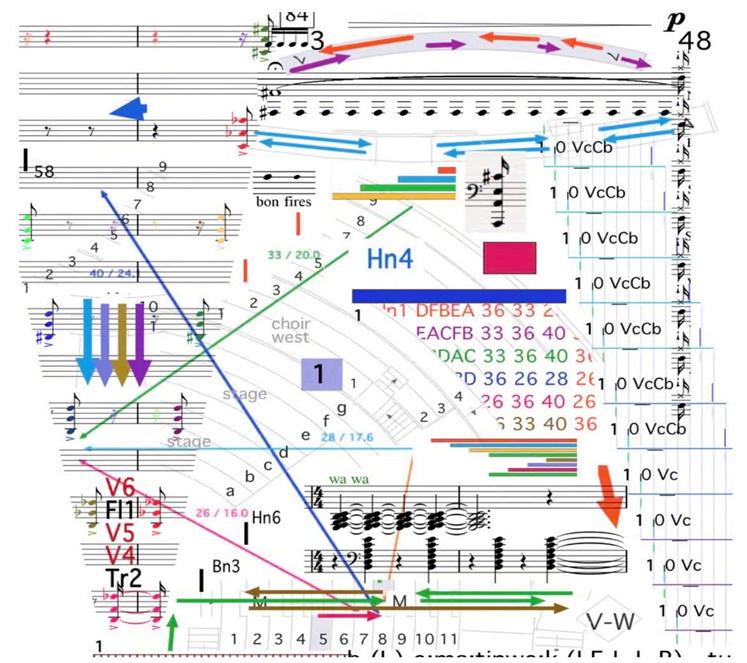
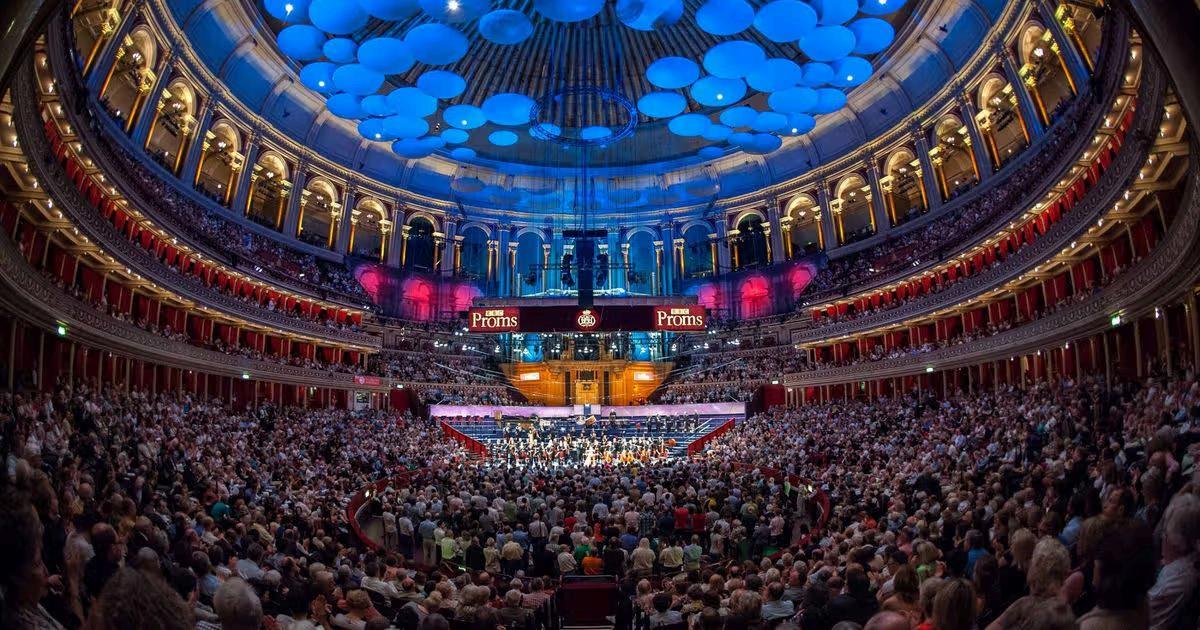
Article written by John H (4e)
Come and hear:
Friday 1 May 2026, 1.30pm, Sherborne Abbey
Musicians from Sherborne Boys will perform a variety of chamber ensembles and solos as part of the annual Sherborne Abbey Festival.
Thursday 14 May 2026, 7.00pm, St Andrew’s Church, Trent, DT9 4SL
Don’t miss this opportunity to hear the fantastic talent of Lower Sixth pianist and Music Scholar Ian Liu ATCL LTCL as he performs in his very own concert, rasing funds for St Andrew’s Church, Trent.
Come and enjoy some:
Sunday 21 June, 5.45pm ,Sherborne Boys, Music School Amphitheatre
Join us for an evening of music from the Swing Band and Jazz Ensemble in an open-air concert outside the Music School.
Come and enjoy the:
Battle of the Organs featuring the Sherborne Boys Chamber Choir
Wednesday 24 June, 7.30 pm, Sherborne Boys Chapel
The Chamber Choir is joined by pupil organists in a ‘Battle of the Organs’ featuring the School’s two instruments.
Come and enjoy the:
Thursday 25 June 2026, 7.30 pm, Sherborne Boys, Music School
The Sherborne Boys’ leavers of 2026 present a final evening of wonderful solo and ensemble performances.
Come to the annual:
Friday 26 June 2026, 7.30 pm, BSR, Sherborne Boys
Come and listen to ensembles including the Concert Orchestra, Wind Band, Chamber Choir, Symphonic Strings, Close Harmony, Chamber Ensembles and more...
Mr Eadon
Mr Marks
Miss McCormick
Mrs Jackson
Mr Davey
Mr Costin
Mr Lehnert
Miss Tucker
Ms McKay
Mrs Jarrett
Mr Heord
Mr Robinson
Mr Willetts
Mr Morrow
Mr Garland
Mrs Morgan (SG)
John H (4e)
Nathaniel B (4e)
Photograph Credit: Miss McCormick, Mr O’Neill (Sch.Org)
Katharine Davies, Len Copland and Josie Sturgess-Mills