Comprehensive Guide to Bending Machines and Presses for Industrial Applications
Introduction
In the world of metalworking, precision, power, and reliability are key. Whether it’s bending profiles, shaping pipes, or pressing metal sheets, having the right tools can make all the difference. Bending machines and hydraulic presses are integral to industries like construction, automotive, aerospace, and electrical manufacturing. These machines allow for seamless and accurate manipulation of metal components, ensuring that complex designs and specifications are met efficiently. Let’s dive into the different types of bending machines and presses and explore how they’re used in various industrial applications.
Profile Bending Machines
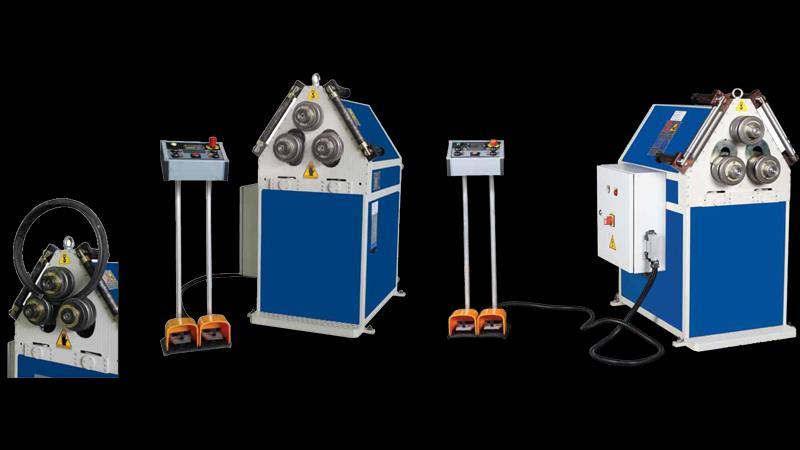
A Profile Bending Machine is designed to bend metal profiles, such as angles, T-profiles, Uprofiles, and more, into curved shapes. These machines are crucial for industries that require specific curved metal components, such as construction and automotive manufacturing. They can handle various sizes and thicknesses of metal profiles, ensuring precision in every bend.
Hydraulic Profile Bending Machine
A Hydraulic Profile Bending Machine utilizes the power of hydraulics to bend metal profiles. The hydraulic system provides more force and allows for smoother, more controlled bending compared to purely mechanical systems. This makes hydraulic bending machines ideal for heavier profiles or materials that require more precision and force during the bending process.
Pipe Bender
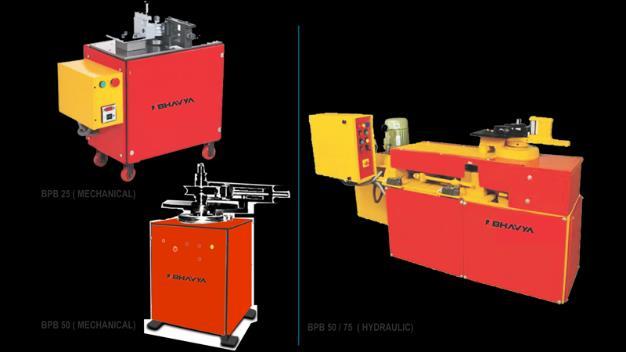
A Pipe Bender is an essential tool for industries such as plumbing, HVAC, and automotive, where precise bends in metal pipes are required. Pipe benders are used to create bends without the need for welding, maintaining the integrity of the pipe. They can be manual, electric, or hydraulic, depending on the scale and precision required for the task.
Pipe Bending Machine
Unlike manual pipe benders, a Pipe Bending Machine automates the bending process, ensuring uniformity and precision in each bend. These machines are widely used in industries where high volumes of bent pipes are needed, such as in the production of exhaust systems or frames for heavy machinery.
Fly Press Machines
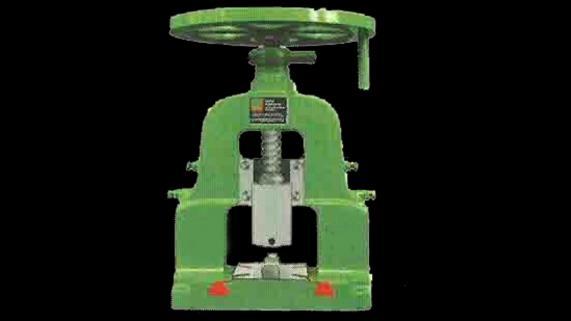
Fly Presses are manually operated machines used to press or shape materials, typically metals. They are known for their simplicity, reliability, and precision. There are several types of fly presses, each designed for different applications:
Double Body Fly Press
The Double Body Fly Press is a robust machine designed for heavier operations. It provides more stability and power, making it ideal for tasks that require more force, such as stamping or punching thicker metal sheets.
Single Body Fly Press
The Single Body Fly Press is more compact and lightweight compared to its double-body counterpart. It's ideal for light metalworking tasks that don’t require as much force, such as small stamping or light embossing jobs.
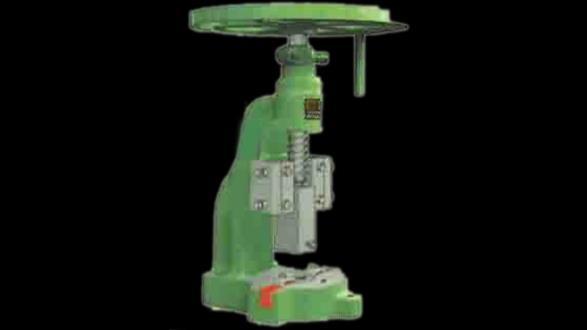
Steel Body Fly Press
A Steel Body Fly Press is built entirely from steel, offering superior durability and strength. It’s favored in industries that require prolonged use and consistent performance under demanding conditions.
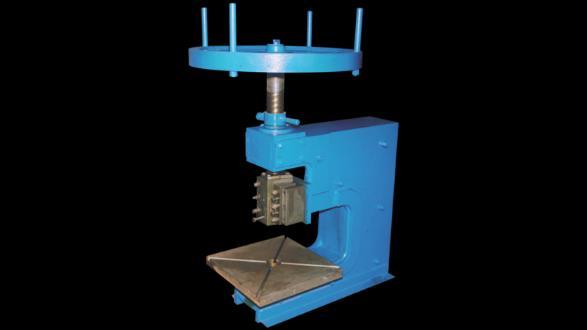
Mechanical Profile Bending Machine
A Mechanical Profile Bending Machine operates using mechanical systems to bend metal profiles. These machines are typically manual but can be automated in some models. They are suitable for simpler bending tasks where less force is required compared to hydraulic models.
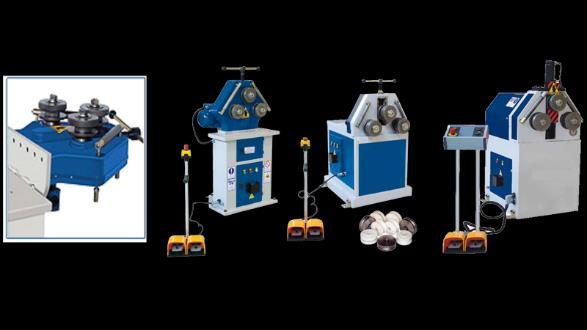
Pyramid Type Bending Roller
A Pyramid Type Bending Roller is a specific type of bending machine where the metal is passed through three rollers arranged in a pyramid formation. This setup allows for gradual bending, ideal for creating smooth curves in metal sheets or profiles.
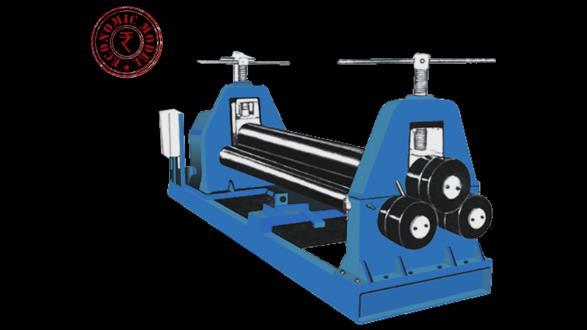
Hydro-Mechanical Plate Bending Machines
Combining both hydraulic and mechanical systems, Hydro-Mechanical Plate Bending Machines are used for bending thick metal plates. The hydraulic system provides the power, while the mechanical system ensures precision. These machines are commonly used in industries that deal with large, heavy metal sheets.
3 Roll Plate Bending Hydro-Mechanical Double Pre-Pinch
The 3 Roll Plate Bending Hydro-Mechanical Double Pre-Pinch machine offers the advantage of pre-pinch bending, meaning the material is pre-bent at the edges before the final bend is made. This feature allows for more precise control over the shape and prevents unwanted deformation.
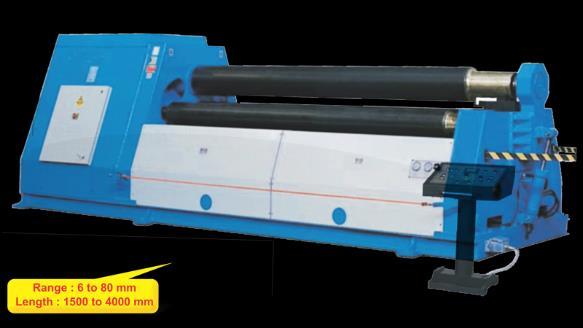
Plate Bending Machines
A Plate Bending Machine is designed specifically for bending metal plates. Whether it's rolling, forming, or curving, plate bending machines are critical in shipbuilding, automotive, and heavy machinery manufacturing. These machines ensure uniform bending, reducing the risk of cracks or splits.
3 Roll Pyramid Type Hydro-Mechanical Plate Bending
This machine uses a three-roll pyramid configuration to bend metal plates. The addition of hydraulic systems allows for more precise bending of larger, thicker plates, making it ideal for heavy-duty applications.
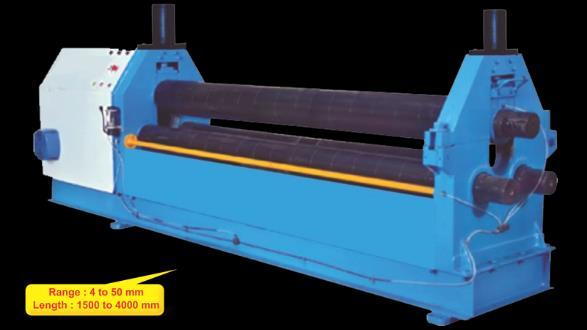
Mechanical Plate Bending Machine
The Mechanical Plate Bending Machine is driven entirely by mechanical systems, making it ideal for smaller, less complex bending tasks. It’s typically used for lighter materials where high precision is still required.
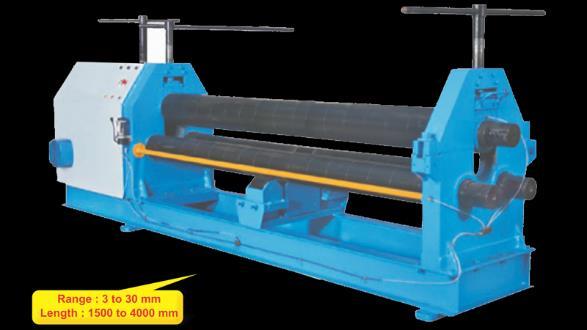
Bus Bar Bending-Cutting-Punching Machine
A Bus Bar Bending-Cutting-Punching Machine is a versatile machine that allows for the bending, cutting, and punching of bus bars, which are used in electrical applications to distribute power. This multifunctionality makes it a time-saving solution in electrical fabrication.
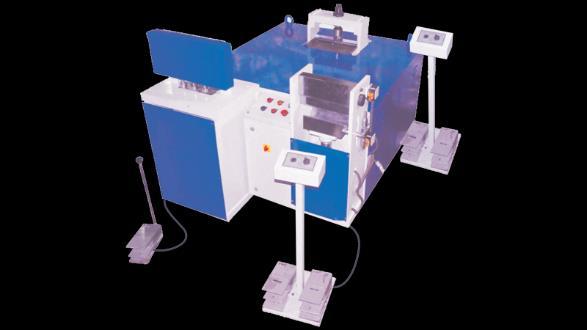
Bus Bar in Electrical Applications
Bus Bars are conductive strips used in electrical distribution systems to manage and distribute power. They are essential in industries that require large-scale power distribution, such as manufacturing plants and power stations.
Metal Sheet Bending Machine
A Metal Sheet Bending Machine is used to bend or shape flat metal sheets into various forms. These machines are vital in producing metal housings, frames, and other components used in countless industrial and commercial products.
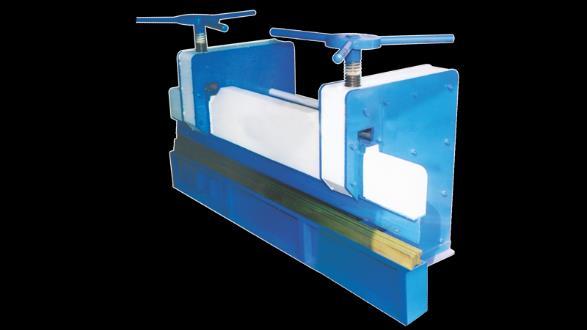
Folding Machines and Trunk Folding Machines
Folding Machines are specialized tools for folding metal sheets along a straight line. Trunk Folding Machines are a subset of these machines designed for more complex folding tasks, such as creating seams or intricate bends in metal sheets used in vehicle trunks or containers.
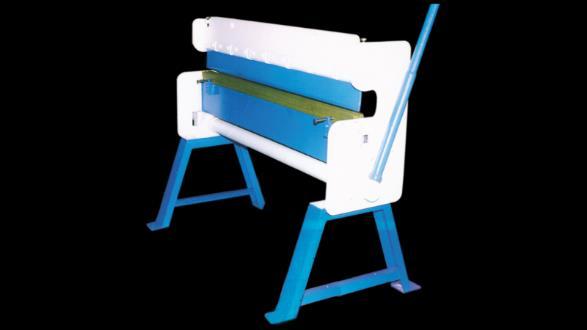
Hydraulic Presses
A Hydraulic Press uses hydraulic pressure to exert force on a material, making it ideal for tasks that require a lot of power, such as stamping, pressing, or forging metal components. They are more versatile than mechanical presses and can handle a wider range of tasks.
H Type Power Operated Hydraulic Press
The H Type Power Operated Hydraulic Press is a heavy-duty press designed for industrial applications that require significant force. Its H-frame construction ensures stability and precision during operation.
H Type and C Type Hydraulic Presses
Both H Type and C Type Hydraulic Presses are commonly used in metalworking. The main difference is in their construction: H Type presses offer more support and are better suited for larger tasks, while C Type presses are more compact, making them ideal for smaller tasks.
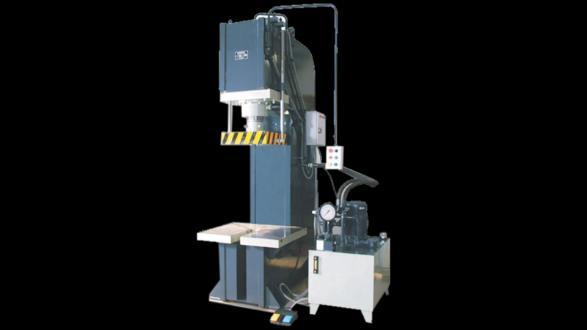
Iron Workers and Hydraulic Iron Workers
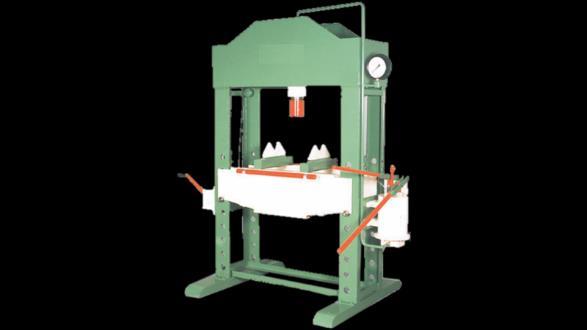
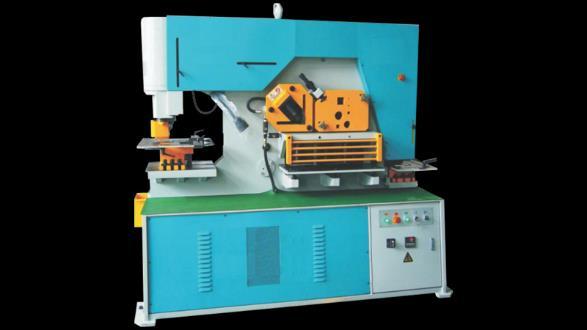
Iron Workers are machines used for cutting, punching, bending, and shaping metal. Hydraulic Iron Workers use hydraulic power for these tasks, offering more force and precision, which is essential for thicker or tougher materials.
Nibbling Machines
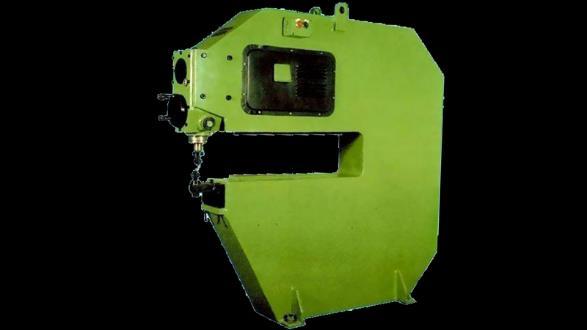
A Nibbling Machine is used to make small cuts in metal sheets, creating intricate shapes or patterns. These machines are particularly useful for tasks that require precision and detail, such as cutting out complex designs in metal plates.
Conclusion
Choosing the right bending machine or press depends on the specific requirements of your project. Whether you're working with large metal plates, delicate bus bars, or intricate profiles, there is a machine tailored to meet your needs. Understanding the various types of bending and pressing machines available can significantly improve efficiency, precision, and thequality of your final product.