




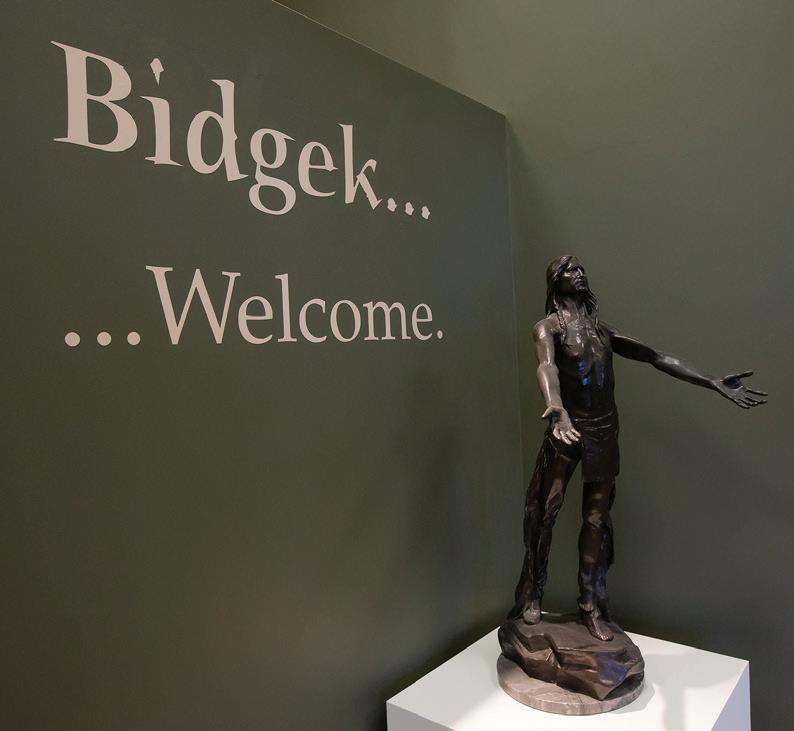
• Promotes the health and well-being of Native youth who represent the future health of their communities.
• Helps American Indian and Alaska Native (AI/AN) communities identify and address behavioral health needs of our Native youth.
• Supports grantees in reducing suicidal behavior and substance use among Native youth up to age 24, and supporting youth as they transition into adulthood.

• Promotes suicide and substance abuse prevention resources to our tribal members as well as our community.
• Encourages youth to develop strong bonds by arranging activity schedules around the AI/ AN youth and provide consistency (regularly scheduled activities).
• Plans monthly events for AI/AN youth and their families to attend. The grant has reached out for Native Instructors to teach our AI/AN youth traditional, native skills.





recently saw statistics that indicated holding onto things “just in case” creates an upkeep cost that we do not tend to take into consideration. Now, typically this upkeep cost is less financial and more mental, but that mental cost is not something to be discounted. Every item that comes into your home requires energy from you — in figuring out where to store it, in maintaining the item, in keeping it in the right place and keeping that place tidy.

Often, the items that seemed so important to take home with us are quickly forgotten. They don’t come to mind when needed, or if they do, there is time spent in locating the item. Sometimes, that time is worth it. The reality is the fewer items we keep, the more use we are likely to find in the items we own — and the easier it is to find them when needed.
All of these aspects ought to be considered as we declutter our homes. Is the use or attachment we associate with an item truly worth the cost of maintaining and storing it? Do you even remember you have it when you need it? If you do remember it exists, do you find yourself really wanting to use it?
If the answer is yes, then great. Keep that item and be sure it has a home where it can be found later.
If you’re not sure, then likely that means no. Feel free to toss it. You probably won’t even remember you ever owned it.
Don’t fall for the sunk cost fallacy either. Yes, you likely paid for that item, but that money is already gone and won’t magically come back just because you held on to it longer than necessary. Just be more careful the next time you’re spending.
Rowland is an OBU graduate and a stay-at-home mother of four. She enjoys finding new ways to stretch the paycheck and sharing her favorite tips and deals.


Added sugar is found in many foods we eat every day from flavored coffee drinks and cereals to sauces, snacks and desserts. One common source of added sugar is cane sugar, which is often listed on food labels as cane sugar, evaporated cane juice, raw cane sugar or just sugar. While small amounts can fit into a balanced diet, regularly consuming too much added sugar may negatively affect overall health.
One reason to pay attention to cane sugar on food labels is because it can add up quickly without providing important nutrients. Unlike natural sugars found in whole fruits and dairy products, added sugars contain little to no fiber, vitamins or minerals. This means they provide calories without helping you feel full or nourished.
Too much added sugar can also contribute to blood sugar spikes and crashes, leaving you feeling tired, hungry and craving more sweets. Over time, high sugar intake has been linked
to weight gain, increased risk of type 2 diabetes, heart disease, fatty liver disease and tooth decay.
Reading food labels can help you become more aware of how much added sugar you are consuming. The Nutrition Facts label now includes an Added Sugars section, making it easier to identify products high in added sweeteners.
The American Heart Association recommends limiting added sugar to no more than:
25 grams (6 teaspoons) per day for women and children
36 grams (9 teaspoons) per day for men
One of the best ways to reduce added sugar is by choosing more whole foods and naturally sweet options — such as fruit or dates — when cravings hit. Making small swaps over time can help improve energy, blood sugar balance and overall health without feeling deprived.
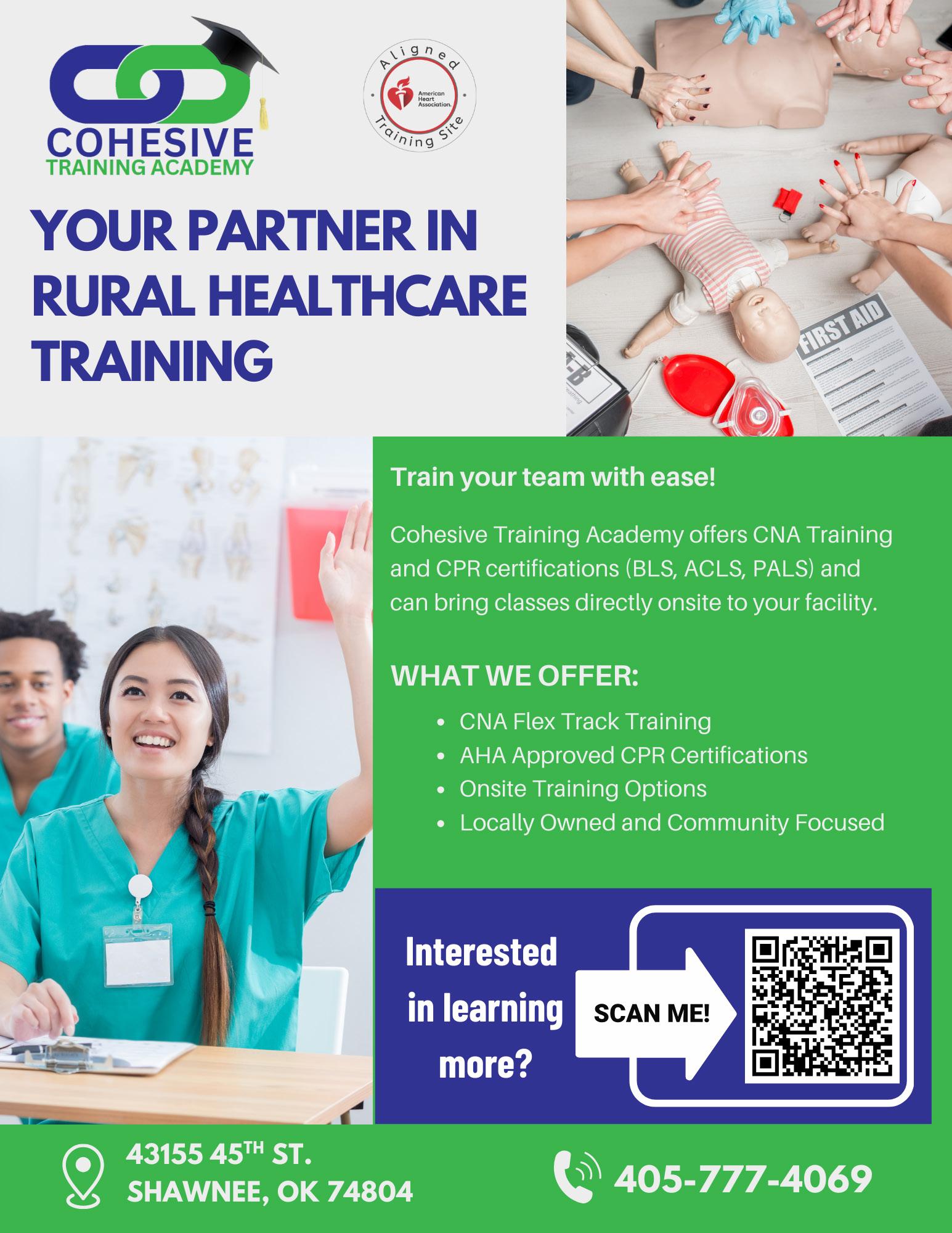
Below is a really yummy way to use dates as a dessert. Dark Chocolate Covered Dates
I love dates, and I love dark chocolate. So the combination of these two things is a big win for me. I highly suggest having these on hand ready to go when that sugar craving hits.
Ingredients:
20 Medjool dates ½ cup peanut butter
3 Tbsp
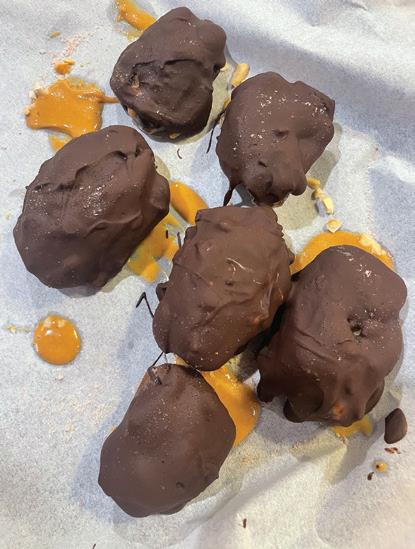
Directions: Line a small baking sheet with parchment paper. With a knife, make a lengthwise slit in each date, slicing about halfway down. Pry the date open to remove the pit. Fill each date with a spoonful of peanut butter — about ½ tablespoon per date. Add several peanuts on top of the peanut butter and place dates on the baking sheet. Place dates in the freezer to firm up until completely solid; at least 1 hour. Add chocolate chips to a pot over medium low heat, stirring occasionally as the chocolate melts. Add oil to make the chocolate thinner and easier to work with. Take the dates from the freezer. Drop the dates one by one
into the melted chocolate, flipping it with a fork to get it entirely coated. Place the dates on parchment paper and sprinkle with flaky sea salt while the chocolate is still wet and warm. Store in an airtight container in the fridge for two weeks or up to four months in the freezer.
Makes: 20 dates Nutritional Information per serving; 1 date per serving Calories: 147 Total Fat: 5g Sodium: 11g Fiber: 3g Carbohydrates: 26g Cholesterol: 0mg Protein: 2g
Nutrition 101 Tip: Dates are a naturally sweet food that are highly beneficial for gut health, provide sustained natural energy and deliver a wealth of antioxidants. Their high natural sugar content makes them an ideal pre-workout snack or a quick pick-me-up to sustain daily energy levels.
Andrea Beck, a registered dietitian and personal trainer, received her master’s degree in nutrition and dietetics from the University of Central Oklahoma in Edmond. She offers personal training and nutrition education through an online platform, StrongHER along with functional nutrition and labs through Laser Focus. For inquiries, visit strongherwithandrea.com, or the Facebook page, Nutrition and Exercise 101 with Andrea.


SUBMITTED BY
DELAYNNA TRIM, CURATOR OF COLLECTIONS AT MABEEGERRER MUSEUM OF ART
ith the return of Concerts in the Courtyard for the fourth year, I was thinking about the musical instruments in the Mabee-Gerrer Museum of Art collection. We have a collection of reproduction Medieval, Renaissance and Baroque instruments created by Stan Hess.
Stan was born in Oklahoma and known for his paintings and lithographs. He earned a Master of Fine Arts degree from the University of Oklahoma and had a long and distinguished career as a professor of art at Drake University in Des Moines, Iowa. Some of his later works were described as magic realism.
In the 1970s, he started creating musical instruments based on Medieval, Renaissance and Baroque designs. What started out as a hobby became much more. In all, he created more than 60 instruments over two decades. He gave his collection of instruments to the MGMoA in 1996. The instruments include a harpsichord,
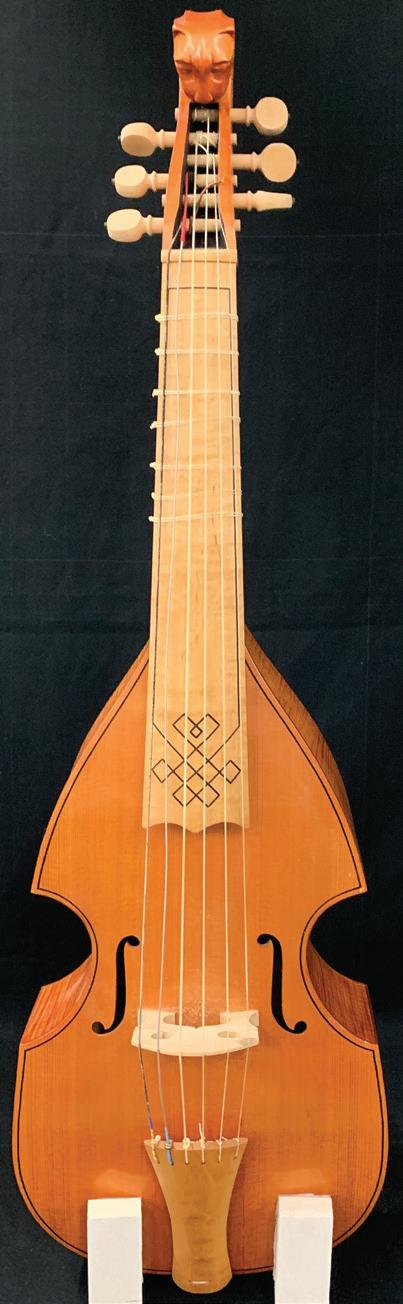
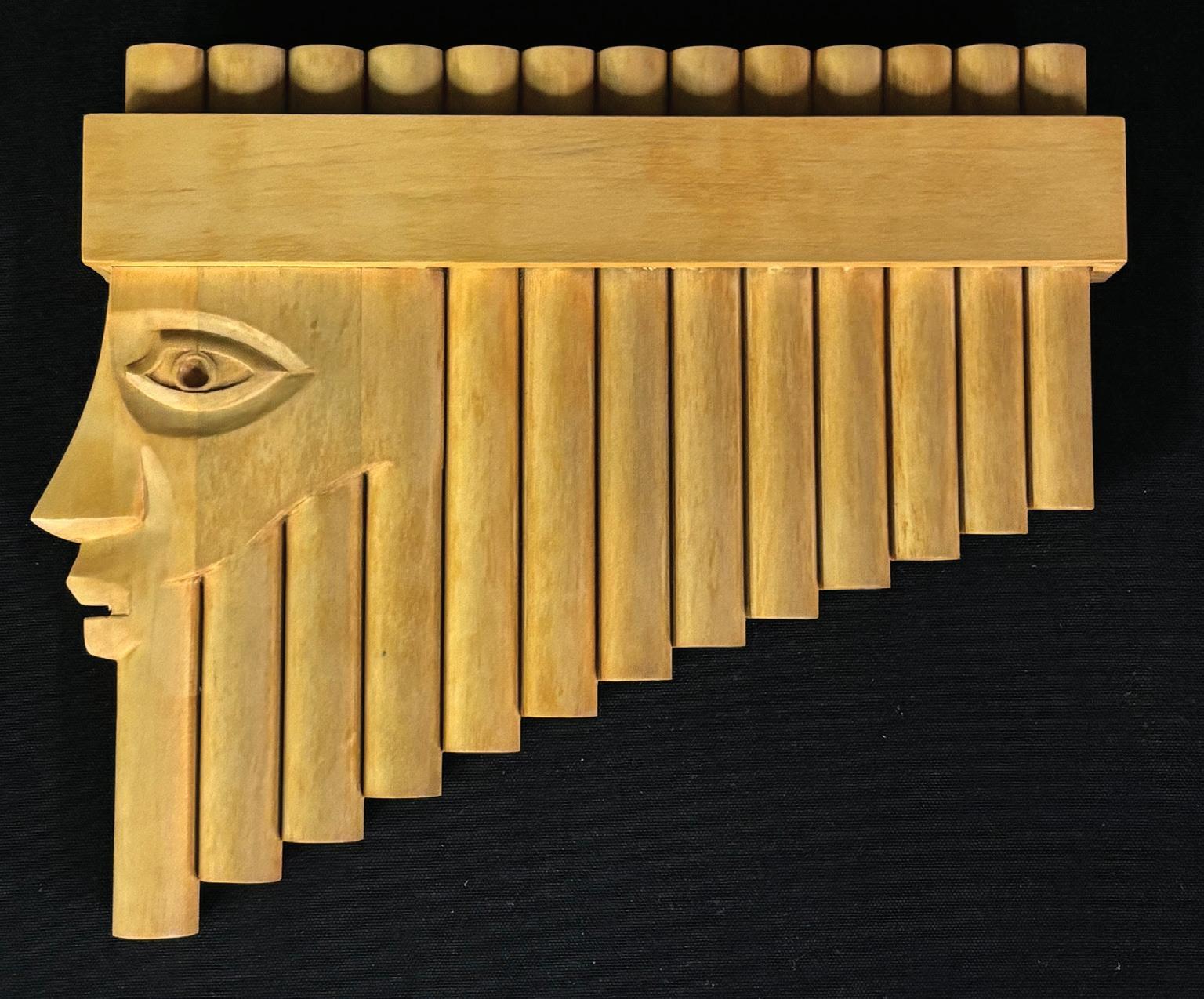
The craftsmanship of musical instruments make them artful representations of the cultures that used them before they ever play their first sound, and the Mabee-Gerrer’s collection includes recreations from different times and places.
a pan flute, recorders, viols, dulcimers and rebec among others.
So, what are some of these instruments? While the viol looks like a violin, there are some differences in how it is held and played. It is played with the bottom of the instrument on the lap or between the knees and the top upwards. The viol has a flat back and sloped shoulders. It was popular in Renaissance and Baroque music. The viol was originally plucked, but in the 15th century, people started playing it with a bow.
A rebec is popular in Arabic music and has existed since the 9th century. It is often rested in the lap and held from below. The rebec has a more nasal sound.
A dulcimer has a shallow hourglass shaped body. It is sometimes referred to as the Appalachian dulcimer as opposed to the hammered dulcimer, which is played with wooden mallets. The Appalachian dulcimer is typically played lying flat on the lap, plucking the strings with the right hand and fretting with the left hand.
Most of us have played a recorder — at least in elementary school. The recorder dates to the Middle Ages. Stan created several alto recorders out of wood, each with a different design carved onto them.
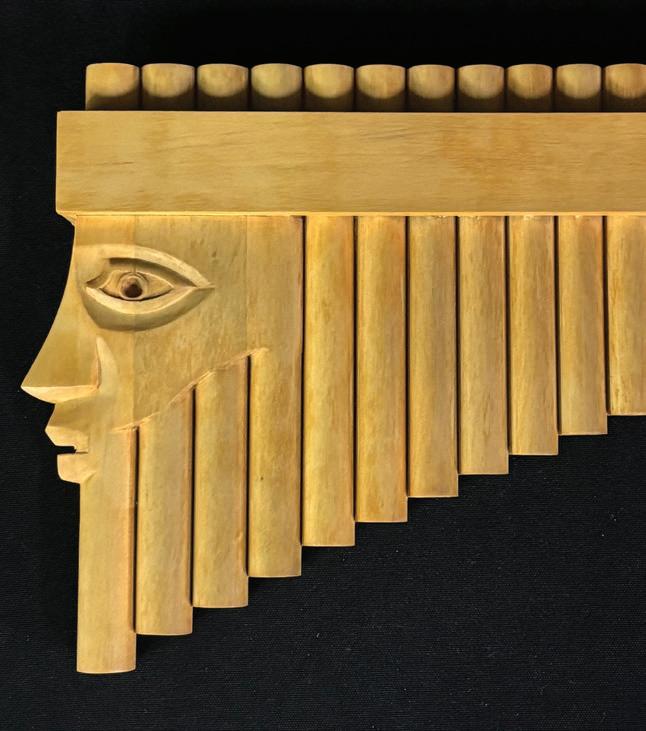
We even have a pan flute. A pan flute is a series of reeds or tubes in decreasing length bound together and are stopped at one end. It is played by blowing air across the holes. The pan flute gets its name from the Greek god Pan who was the god of nature and shepherds. Pan has the horns, legs and hooves of a goat with the torso of a man.
Join us each Thursday in June at 6:30 p.m. for Concerts in the Courtyard. June 4 features St. Paul’s Methodist Church’s handbells. Atlas Quirk and Friends plays on June 11. June 18 features Joseph Craven and Friends. Jennifer Peck will play on June 25.
For videos and instructions on how to make a pan flute and other musical instruments, visit www.mgmoa.org/ art-projects or scan the QR included here.
Make your own pan flute Supplies: Paper, thick marker, glue, tape
1. Cut the paper into rectangles with increasingly shorter lengths.
2. Wrap the paper around a fat marker or other cylindrical object.

3. Glue the end of the paper to create a tube.
4. Cut a small circle the size of the marker to fit on the end of each of the paper tubes.
5. Glue the circles to the bottom of the tubes.
6. Place the tubes in size order and wrap a long piece of tape around all the tubes lying flat.
7. Now place the pan flute up to your mouth and blow air across the tubes to make music.







BY BRANDON DYER, EXECUTIVE DIRECTOR COMMUNITY RENEWAL OF POTTAWATOMIE COUNTY
It happened three times in one afternoon. The first was in front of Dutch Bros. Coffee, the second on 45th by Gordon Cooper Technology Center and the third was 30 feet outside of Wal-Mart. It had been years since something like this had happened and then three times in a single afternoon? I admit, I was frustrated, but I also realized there was nothing I could do but laugh a little and perhaps be more alert.
Twenty five years earlier, while I was in college another series of threes occurred. In one week, I locked my keys in my truck three times. Three times, I had to spend money to have someone come fiddle with my door to unlock it for me. As a poor college kid, not only was I frustrated, but I was also broke. I had never locked my keys in my truck before, and I haven’t since. It has only happened three times in my life and all within a week. However, unlike what happened a few weeks ago, each of these experiences were my own doing. So, what happened exactly that afternoon? Three times I was nearly hit by a car. The first time a person failed to look right as they were pulling out of Dutch Bros. I was turning left, and they took a really wide right turn. Fortunately, they saw me at the very last second and slammed on their brakes missing my truck by inches. It was an honest mistake. We’ve all had close calls that were our fault. I was a little spooked but no big deal.

Dyer
us think we can control others? When someone wrongs us, we often feel like we need to pay them back. Sure, I could have chased that car down and said a few choice words. Who knows what kind of scene might have developed? Nothing good would have come from it. That much I know.
The second was a few hours later as I was on my way to WalMart headed west on 45th in front of Gordon Cooper. An eastbound car began to cross the centerline. I let off the gas a little expecting the driver to look up from their phone and course correct. As the car drew closer and closer it was moving further into my lane. Realizing what was about to happen, I yanked the wheel right and veered into the ditch to avoid a collision then back onto the road.
Finally, as I was exiting Wal-Mart and walking across the pedestrian crossing, a car to my right either didn’t see me or didn’t care to slow down. Like in the movies, I literally had to dive out of the way to avoid being hit. You can’t make this stuff up. Fortunately, I didn’t listen to my retaliatory instincts. Although my heart was racing, three close calls in one afternoon had me happy to simply walk away unscathed.
One of the hardest truths to accept in life is that we can’t control the actions or choices of others. We can’t make anybody do anything. Attempting to control other people — or anything outside our circle of control really — only leads to more frustration. It’s hard enough to control ourselves at times. What makes
This is the myth of redemptive violence. Think of the Hatfields and McCoys or the Montagues and Capulets. We think that if we get somebody back for what they have done that we will somehow win. The truth is revenge only leads to trouble, even tragedy at times. I am not suggesting people ought not be held accountable for terrible choices, but justice is different than revenge. Justice follows a process, though we might not always agree that the outcome is fair. Revenge, however, is birthed in passion, often with little thought of consequences.
There are certainly larger, very important issues this brings up, but for the purposes of this article I would like for us to consider what it would look like to simply dust ourselves off and walk away from the majority of our petty conflicts.
Do we really need to speed ahead to cut off the person who just cut us off? Who wins when we post a snarky comment after reading an opinion we don’t agree with? Which of us has ever truly “won” a Facebook argument? When was the last time you convinced someone that you were right by being ugly, particularly in a public forum? Don’t these things typically lead to more ugliness?
We need to learn how to control our emotions and become more mature human beings. Isn’t this what we try to teach our children? Bono said that the purpose of art is to chase ugliness away. Controlling our passions is most definitely a form of art because it replaces ugliness with beauty, something our world needs more of.

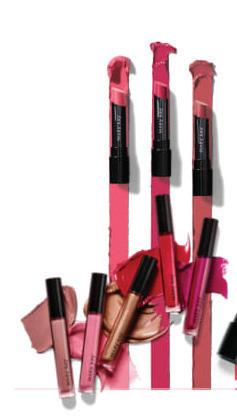
What’s better than fun and free? When you host a Mary Kay® party, you could earn FREE* Mary Kay® products! Whether in person or virtually, get some friends together, and you could score some serious swag, such as Mary Kay® products women love.
Contact me to get started.
David Conway Independent Beauty Consultant www.marykay.com/dconway5 405-788-6353




BY CITIZEN POTAWATOMI NATION NEWS SERVICE
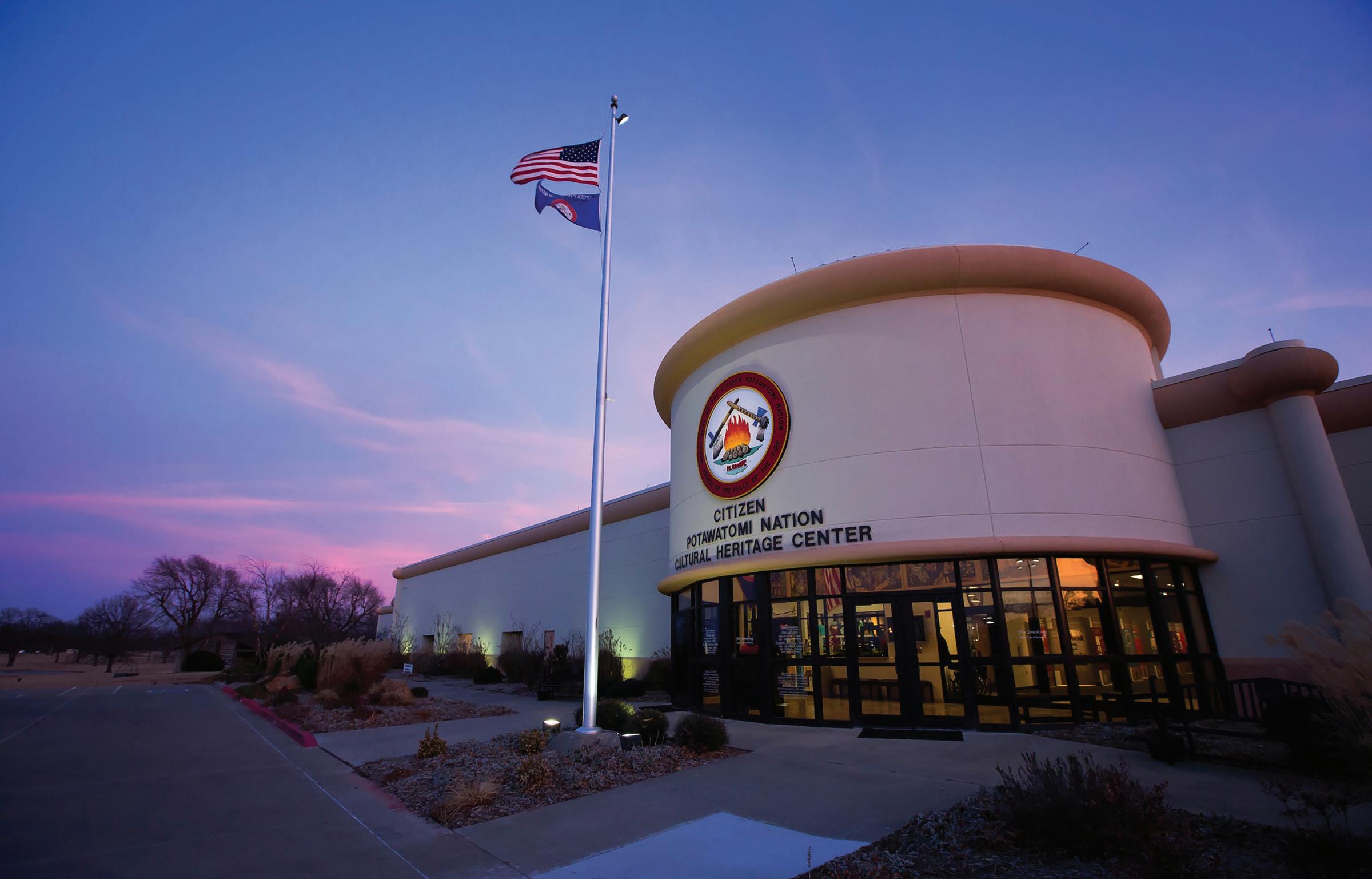
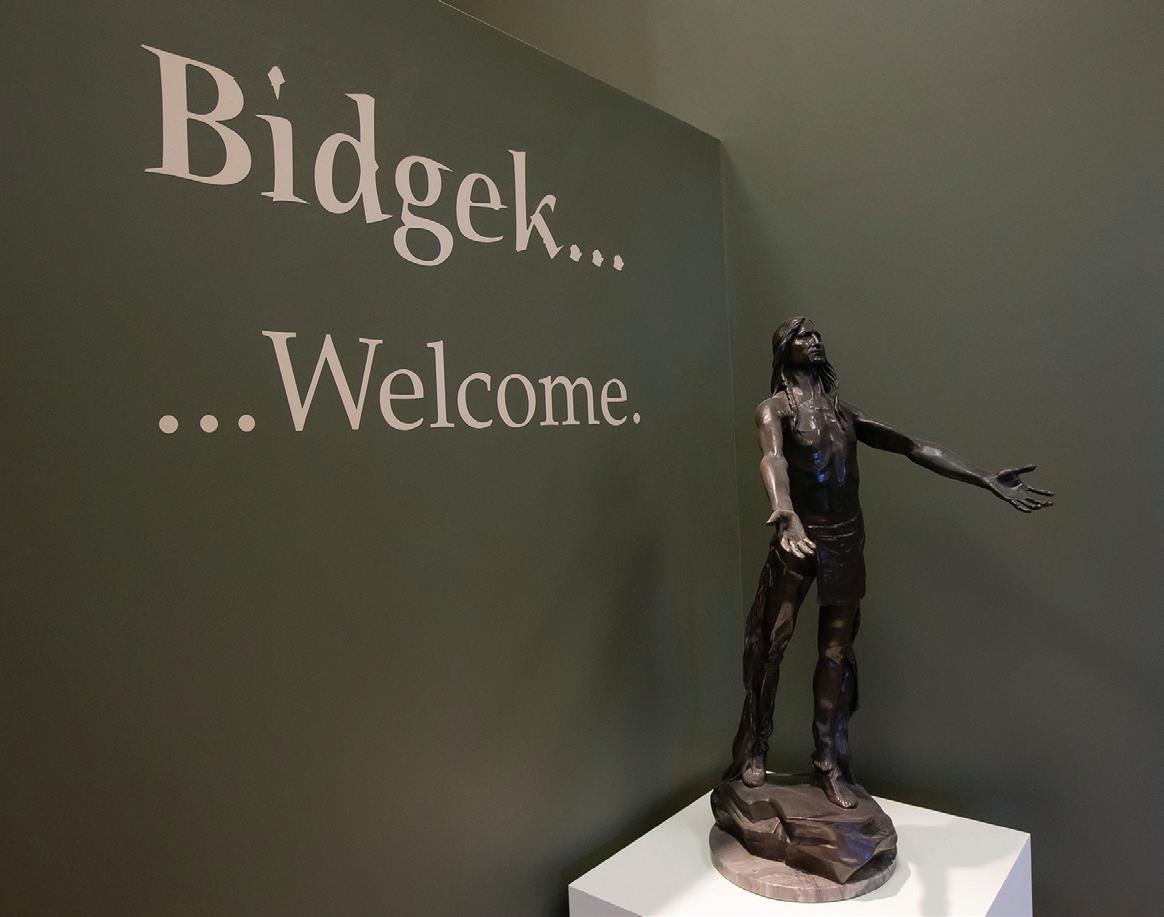
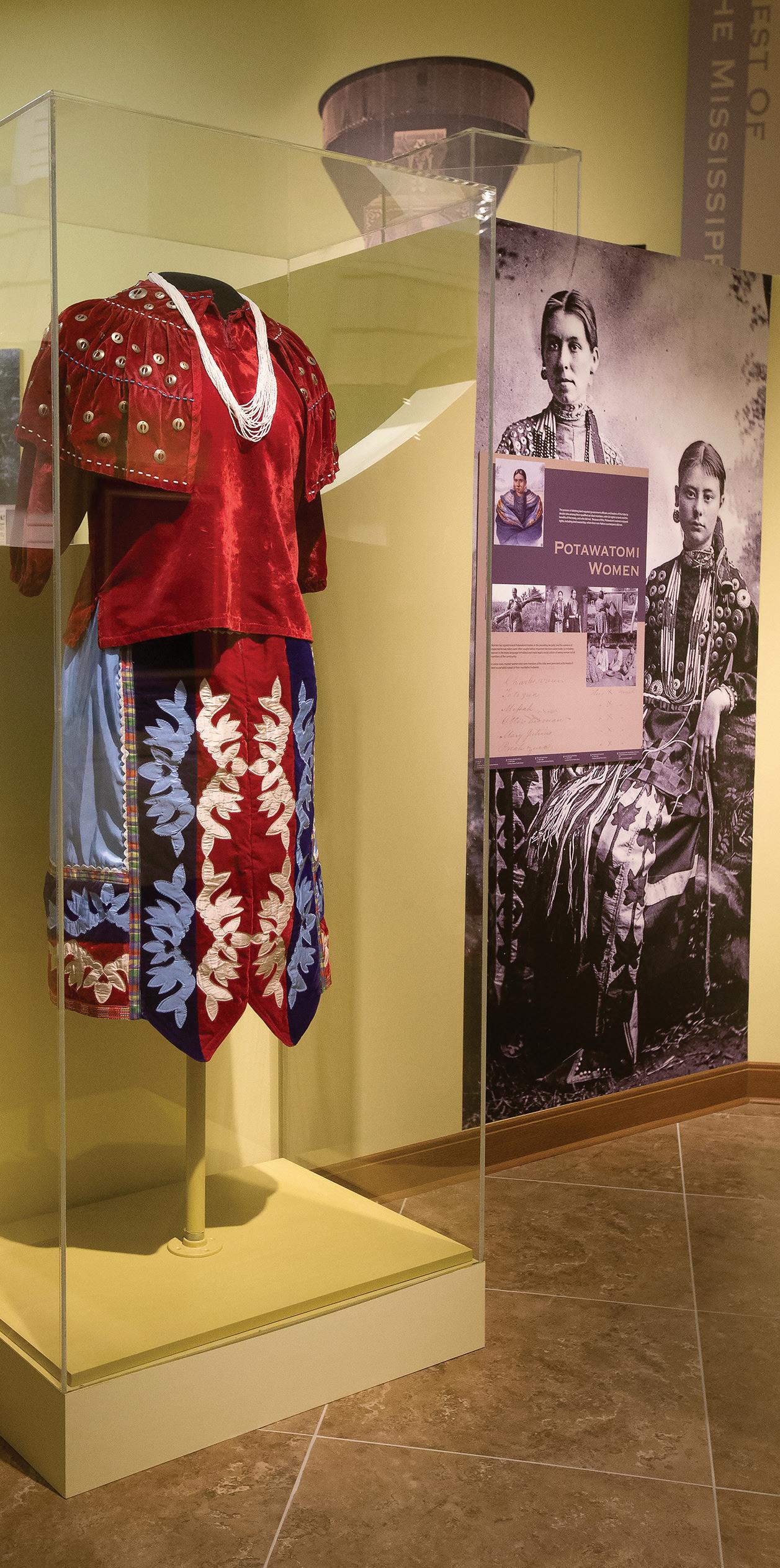
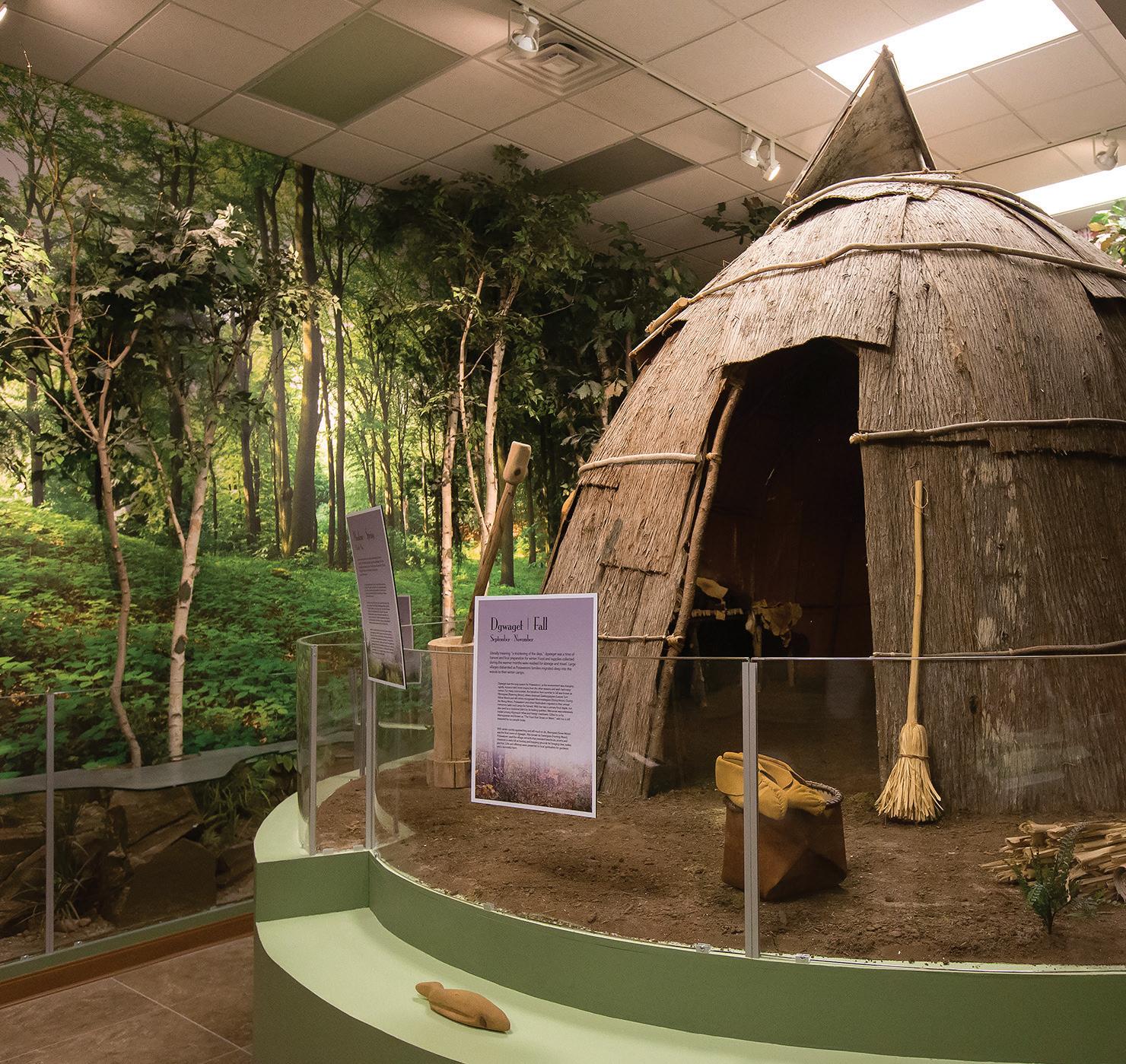
Citizen Potawatomi Nation’s Cultural Heritage Center received the 2025 National Medal for Museum and Library Service from the Institute of Museum and Library Services.
The award, first given out in 1994, recognizes institutions for “significant and exceptional contributions to their communities.” For 2025, five libraries and five museums, including the CHC, were honored across the country. CHC Director Blake Norton said CPN is the fourth Indigenous community to have received the medal since its inception.
“It’s a very prestigious award,” Norton said. “It’s the highest recognition that an institution can receive in the United States. It is a very big deal for us, and I’m extremely grateful. I’m so proud of what we’ve been able to achieve, CHC staff, past and present, as well as our collaborative
departments throughout CPN. We are very appreciative of leadership and administration for their unwavering support and confidence.”
To be considered for the award, an institution must first be nominated, and from there, Norton said it is a rigorous process that takes about a year and a half from nomination to the announcement of the awards. Institutions must advance through three stages of peer review, where professionals and specialists from all over the country evaluate and determine the final nominees.
Norton said even to be nominated and advance the first review stage was a big deal.
Once in the running, they had to go through a multi-step evaluation that required an intensive screening process, including letters of support from the community, CPN leadership and even congressional leadership.
Institutions must also submit photos of their facilities. Fortunately, Norton said, the CHC’s website includes a virtual tour that enhances visibility to reviewers.
“Visitors can virtually tour all aspects of the museum,” he said. “It’s kind of funny that we’ve won awards for our website and online programs, and those same resources were used to fulfill and improve our evaluation for the National Medal.”
Along with the medal, the CHC also received a financial award that Norton said they will be able to use to
apply to programming such as language education and community resource development.
While Norton said it is nice to be recognized and celebrated by peers on a national level, the real benefits of receiving awards like this one are the resulting impact.
“The most valuable part of being recognized is the exposure and showing the world what a community can do when working together to achieve a common good. This highlights the power other Indigenous communities have to develop cultural, communal and educational spaces for their people. We are often asked by other tribal communities to assist in their development of institutional and educational programs and facilities. It’s an awesome way to pay it forward,” Norton said.
For more information about the award, go to cpn.news/nationalmedal.
See more about the CHC at potawatomiheritage.com. S






BY MACY MUIRHEAD
Green stalks of corn are shooting up along the roadsides, school bells have gone quiet and the heat index is already making its presence known. It can only mean one thing: summer has arrived in Shawnee.
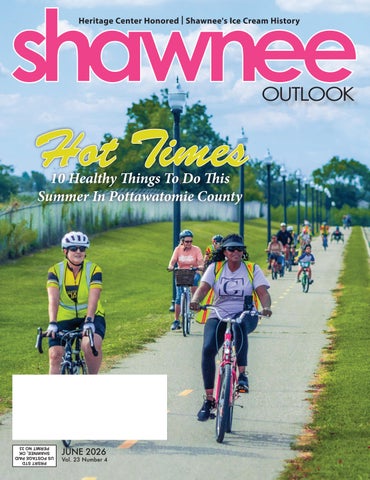
The good news is that Pottawatomie County is packed with ways to get out and about — and turns out, doing just that is more important than you might think.
Data from the Pottawatomie County Community Health Needs Assessment (2024) shows that adults who feel connected to others are significantly more likely to stay active, with socially
connected adults nearly 50 percent more likely to hit the recommended weekly exercise minimums than those who feel isolated.
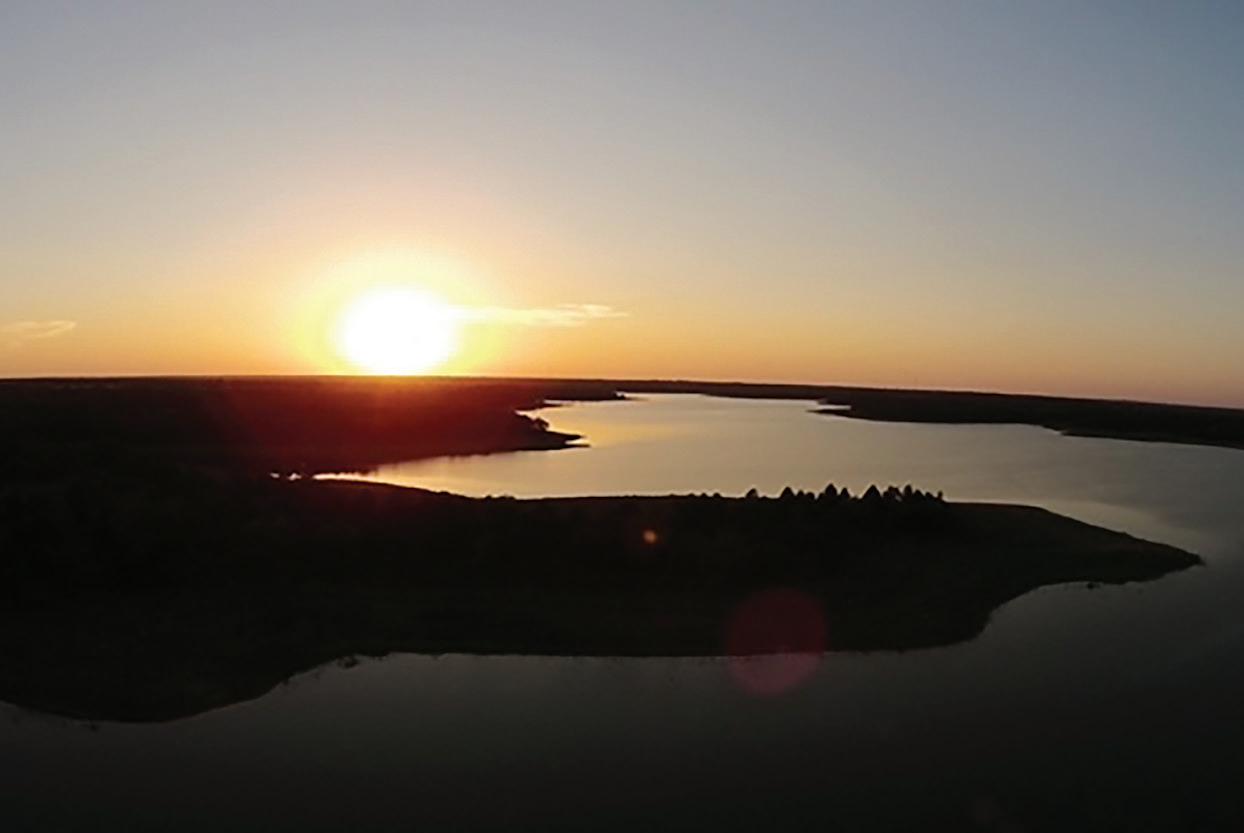
So grab somebody and get moving. Whether you're swimming Twin Lakes at sunrise, bowling on a Tuesday night or soaking up the sun at a splash pad,
here are some of Pogo's favorite ways to have a good-for-you summer right here at home.
Turns out, grandma was right. Outside time does wonders for the mind, body and soul. The two lakes offer 25 combined miles of shoreline and more ways to spend a Saturday than you've got Saturdays. Swimming is free in designated areas on Lake 1. If you have a boat then tubing, skiing or just jumping right in are sure to get the heart pumping too. If fishing is more your speed, cast a line for bass, crappie, sand bass or channel catfish. There's
even a fully enclosed fishing dock for a little shade on those scorcher days.
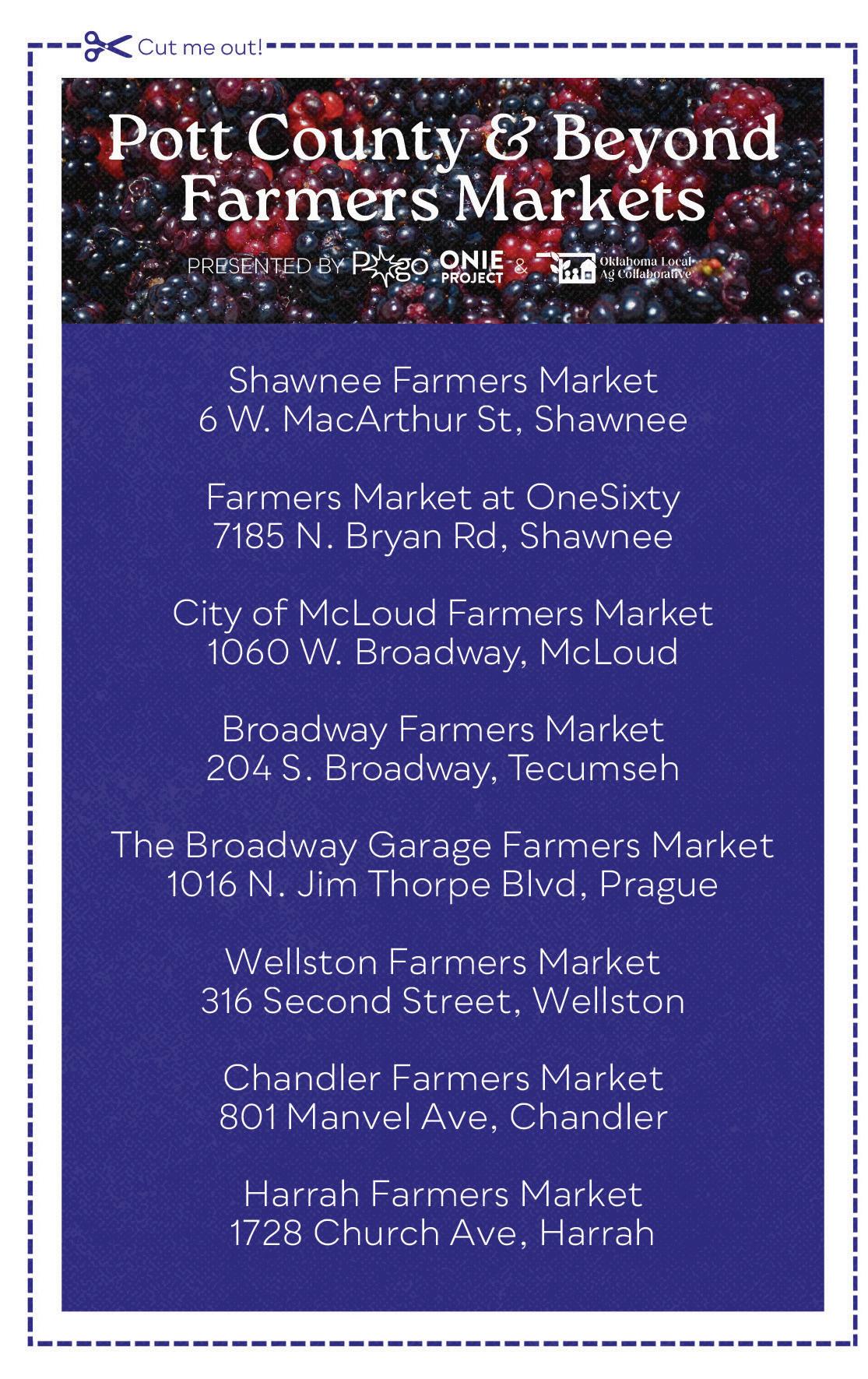
Few things say summer like the taste of farm fresh tomato … or okra or sweet corn or watermelon. Luckily, Pottawatomie County has a bushel of farmers markets worth your weekend mornings.
The Shawnee Farmers Market runs 8 a.m. to 2 p.m. every Saturday on MacArthur, and markets have kicked up across McLoud and Tecumseh too. For something truly local, the Monks' Marketplace at St. Gregory's sells raw honey, grass-fed beef and free-range eggs raised right on the abbey grounds.
There's a real difference between a pepper that traveled 1,500 miles and one that was picked yesterday, and buying from neighbors connects your plate to the place you live in a way unlike any other..
Tip: Cut out and save our farmers market guide on page 28 of this issue!
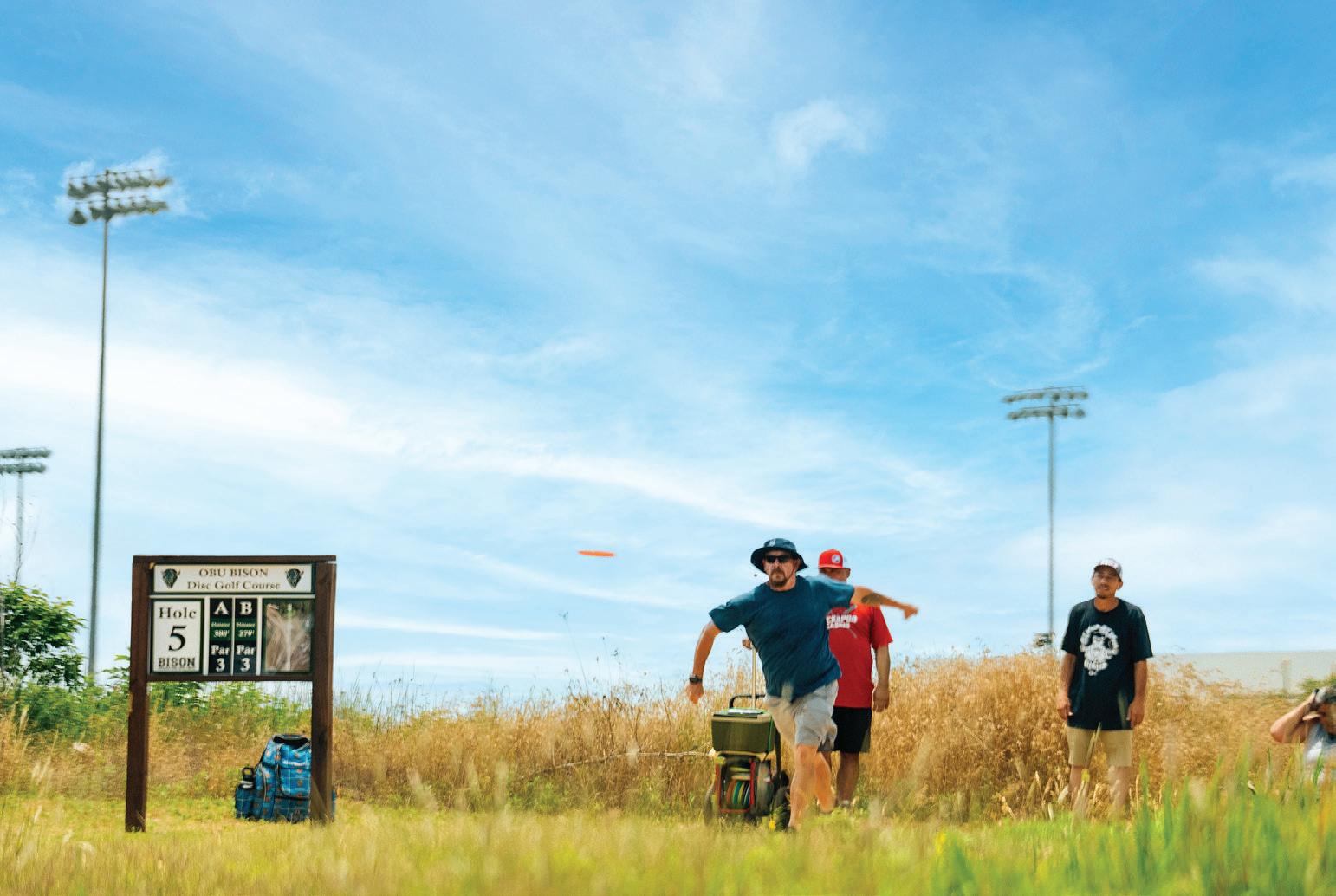
Ranked among the top disc golf cities in Oklahoma, Shawnee is a lowkey mecca for the sport. Four courses are open to the public, so if you've ever wanted to give it a whirl, you're in the right zip codes. The Immanuel Baptist Church course on East 45th Street is a local favorite, with heavily wooded fairways and elevation changes to keep you on your toes. The 18-hole course at Oklahoma Baptist University is one of the more scenic rounds you'll find in central Oklahoma. For beginners or a quick round after work, the shorter courses at Boy Scout Park and Barrett's Birdie Run are the move. Best of all, disc golf is free — and by the end of a round you'll have walked a couple of miles without thinking twice about it.
Hit the Greens
Golf gets undersold as exercise, and Pogo is here to make a case for it. You’re getting some Vitamin D, you’re
walking around four miles and every hole gives your brain something to chew on. FireLake Golf Course has been Shawnee's only public course since 1983, owned and operated by the Citizen Potawatomi Nation. The fairways are lined with native grass and old-growth pecan orchards, and water comes into play on 13 of the 18 holes. If you have an in, Shawnee Country Club and Elks Lodge are worth a round too.
When the heat index nears triple
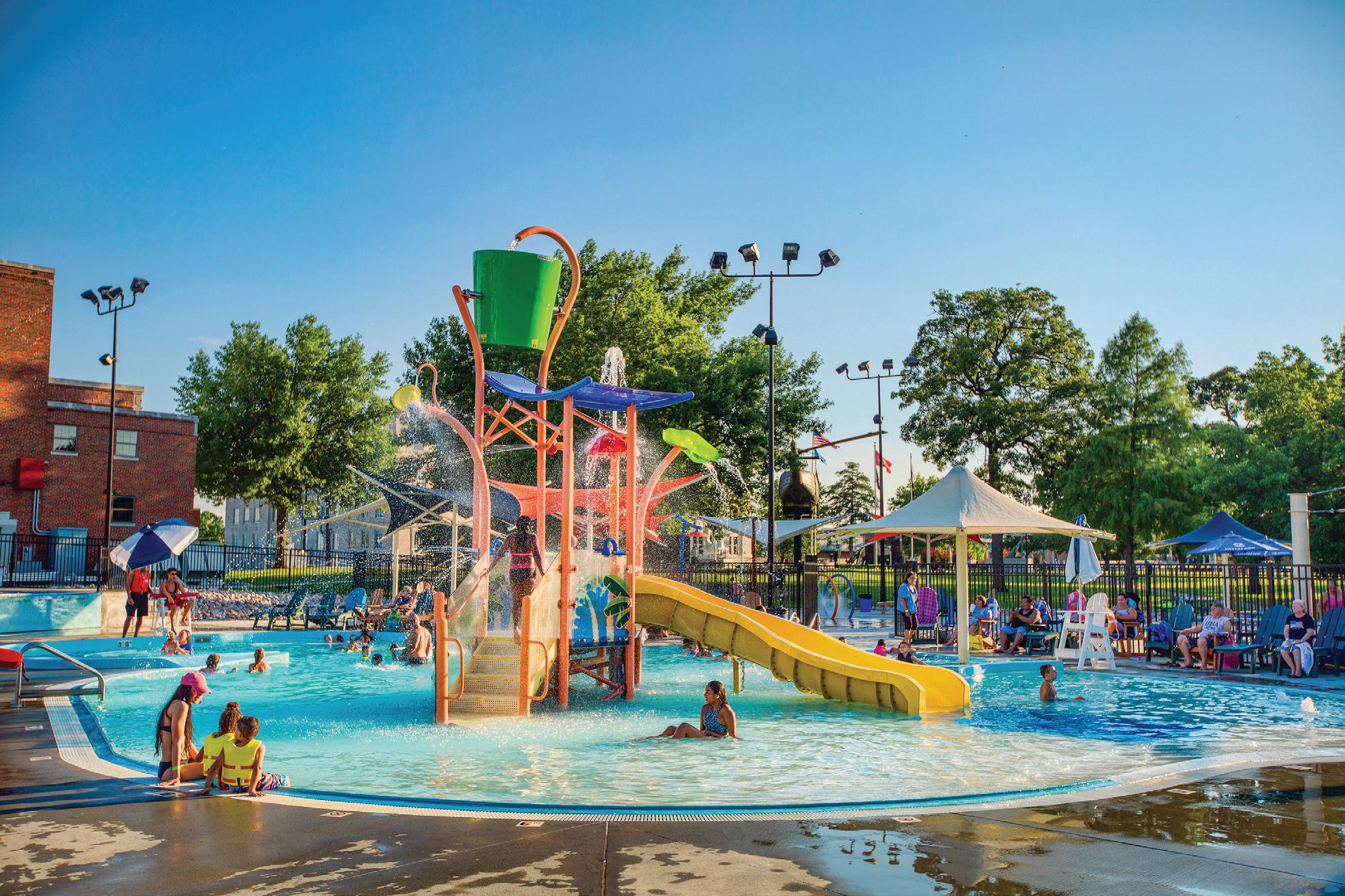
digits, nothing cools you down like good old H2O. Shawnee Splash Water Park downtown has everything you need to stay active on a summer afternoon through mid-August. Get some laps in the regulation-size pool, let the kids burn some energy on the spray ground or brave the diving zone. Swim lessons run for ages 6 months and up, and adult programming includes water aerobics, water walking and lap swim. Swimming burns more calories than running, and just a few bucks gets you through the gate. If the budget's tight, the splash pads at
Rotary Park and Slick Humphrey Park in Tecumseh are free and open daily. Just don’t forget the sunscreen.
A little extra free time is the perfect time to flex those mental muscles, and the Pioneer Library System makes it easy. With branches across the county, the opportunities are genuinely endless. Take on the Summer Learning Challenge. Last summer, more than 9,500 kids and adults logged 22 million minutes of reading across the system’s footprint.
Check out a cookbook full of healthy recipes you've never tried. Get to know your neighbors through arts and crafts lessons, recipe demos and even fitness classes, all right there next to the New York Times bestsellers. There’s a whole lot more going on than just knowledge around here.
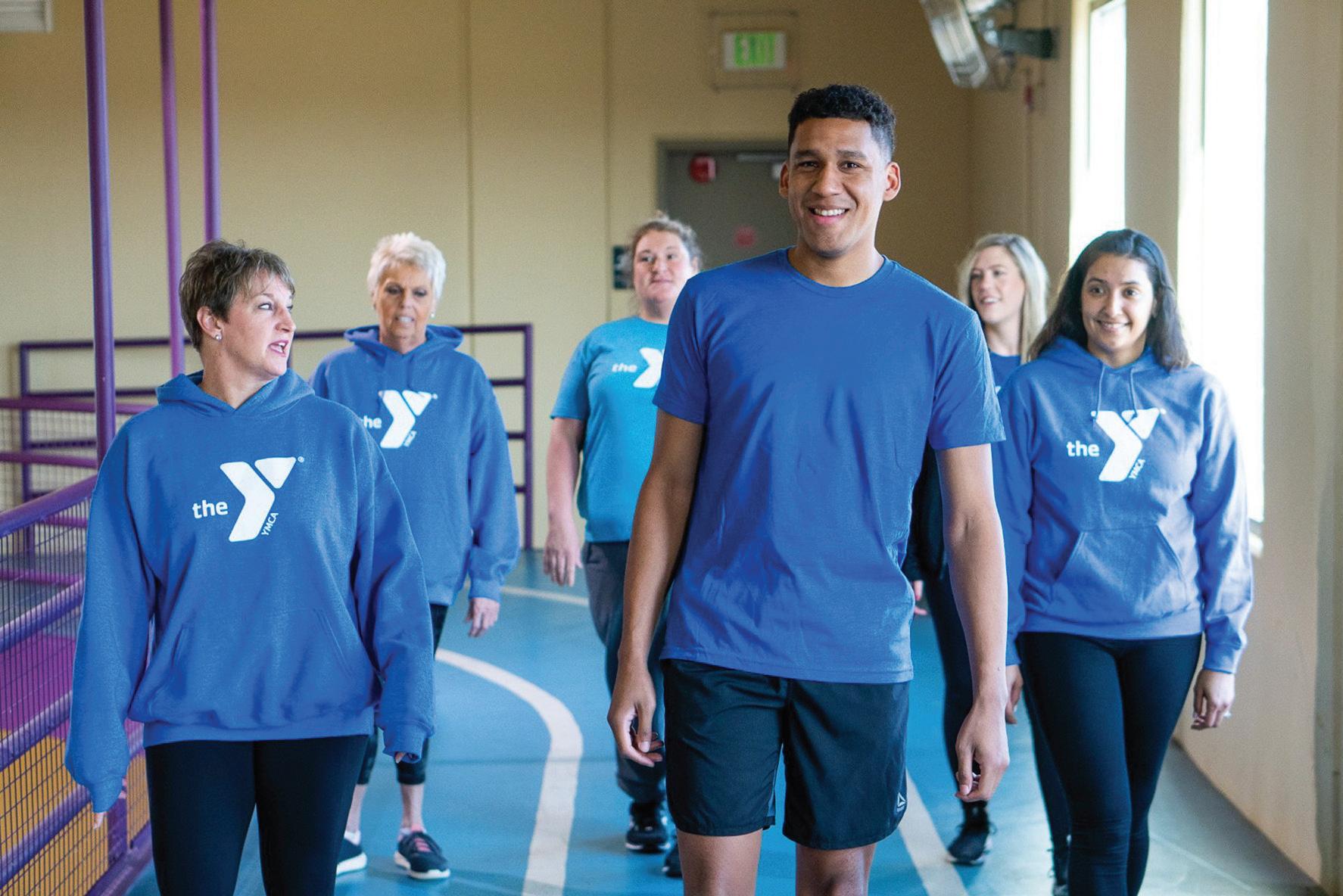
The Shawnee Family YMCA is a community staple for good reason. The indoor aquatics center is open yearround with a five-lane pool, lazy river, splash pad, hot tub and waterslide —
not to mention swim lessons. More than 20 fitness classes run on a rotating schedule — from water aerobics and yoga to Silver Sneakers and Dance Fit — all included with membership. There's also an elevated indoor walking track, basketball courts and a full fitness floor when the sun gets too hot for outdoor activity. Keep the kids active with Summer Day Camp for ages 5–12, and summer basketball and baseball leagues through July.
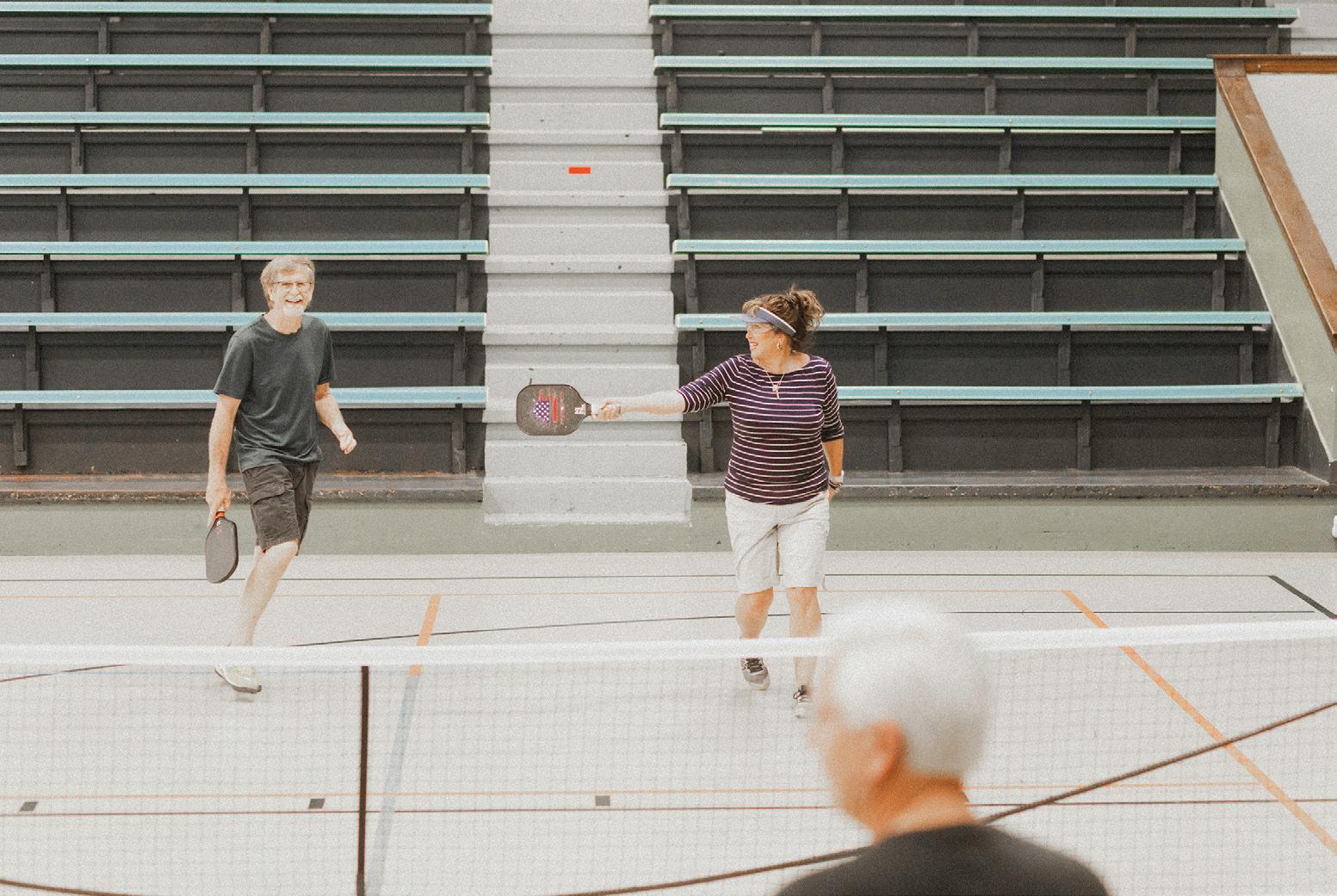
Pickleball is the fastest-growing sport in the country, and Shawnee is staying ahead of the curve. The best part? It works for almost any age or fitness level. KidSpace Park has two outdoor courts, and the Recreation Center on North Bell runs indoor and outdoor games regularly. You can even take lessons or join a league. It's easy on the joints, fun to play and a good hour of it burns more calories than you think. If you've been looking for a reason to try pickleball, make this the summer you get in the kitchen.
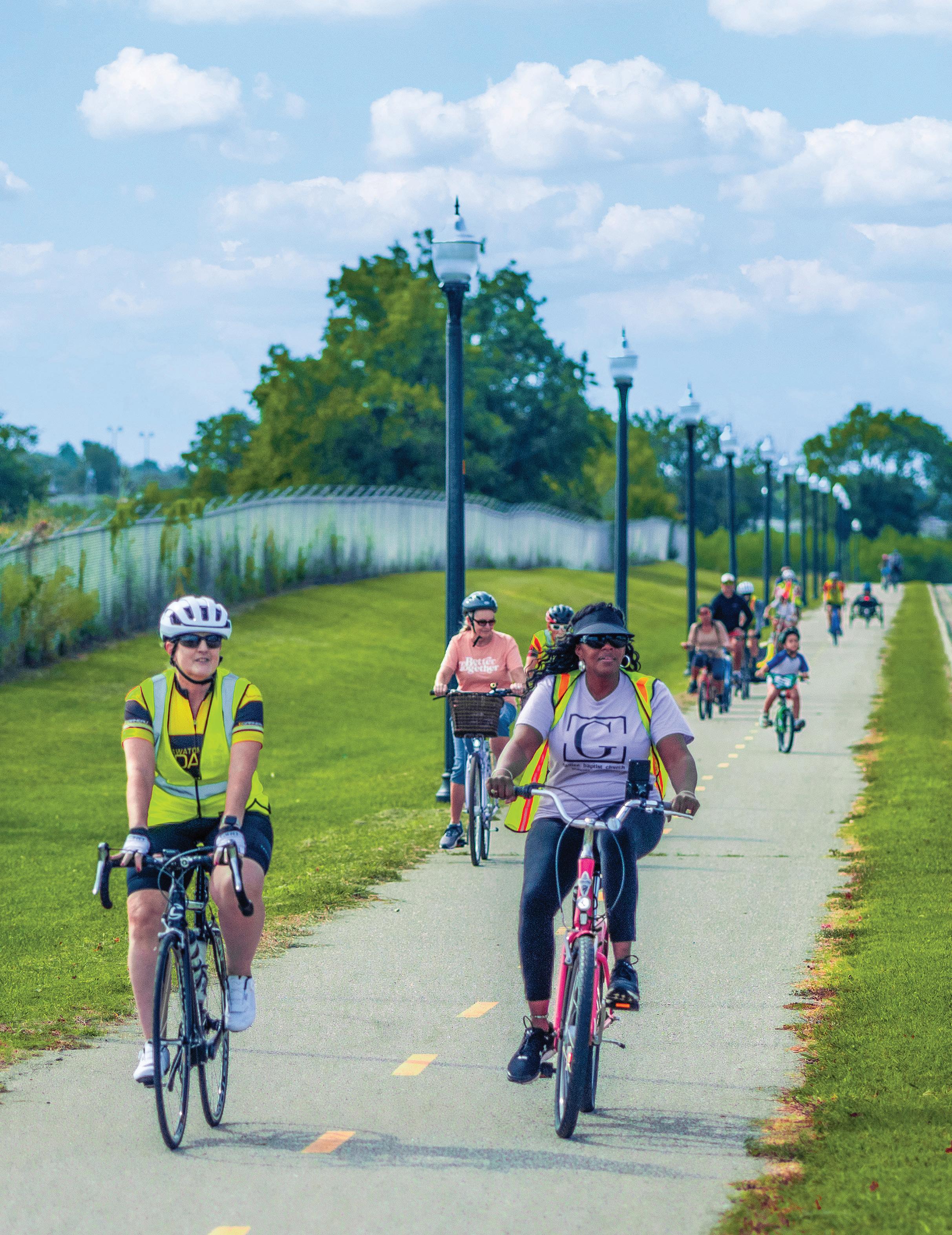
It doe sn't get more beautiful in Shawnee than this time of year, and the easiest way to take it all in is on foot or two wheels. Shawnee is home to several public paved trails for running, walking or cycling — including Airport Trail, Avedis Park Trail, Bryan Street Trail, Highland Trail and Boy Scout Park Trail — in addition to 30 parks ready for a jog or a walk with the dog. For something a little different, the walking labyrinth at St. Gregory's is a true hidden gem. Beyond Shawnee, Tecumseh Lake, McLoud's Joe Taron Park and Earlsboro City Park offer quiet, scenic paths worth the drive. If trails aren't your thing, an early morning walk around your neighborhood or a bike ride down a quiet backroad gets the job done just as well. And when the >
heat wins the day, the air-conditioned hallways of Shawnee Mall have been a local walking staple for years.
Go Bowling
Bowling gets written off as a casual night out, but it's a legitimate workout. Just ask the muscles you forgot you had after a game or two. Shawnee has two great options. Shawnee Bowl on North Harrison has been a community staple for decades, and FireLake Bowling Center on Hardesty Road is a 24-lane facility with glow bowl on Friday and Saturday nights. Both run open bowling and sanctioned leagues if you want to make it a regular thing, and both are a great call for the days when the heat makes everything else unappealing.
Check Out Shawnee Recreation Center
Last but definitely not least, Shawnee Recreation Center is one of Shawnee's best community assets. Located at 401






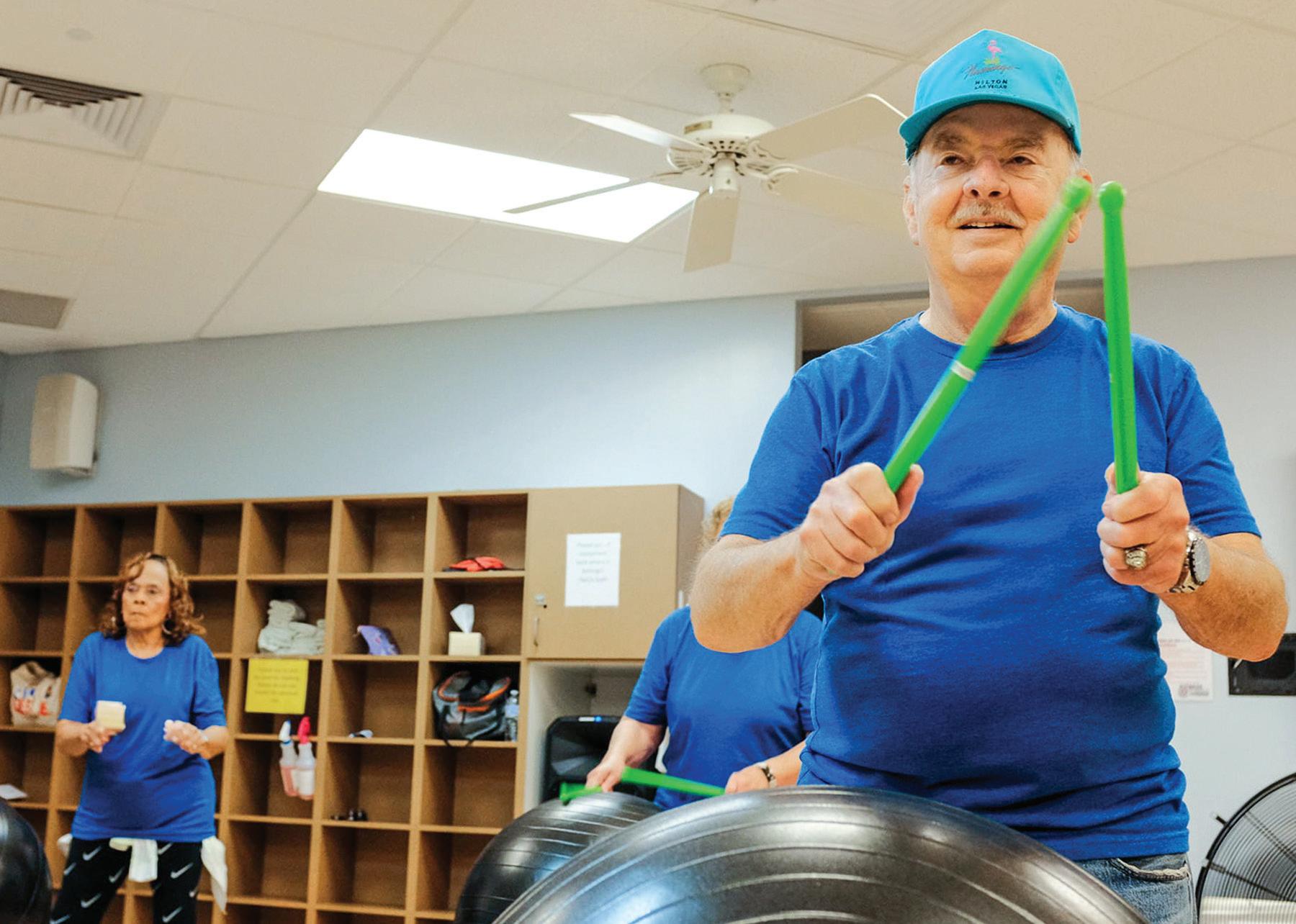
N. Bell, you’ll find fitness classes for all ages — including Zumba, Pound Cardio and line dancing — along with pickleball, billiards, walking groups and more. For residents 55 and up, the programming goes even deeper. Think
bingo, bunco, quilting, tai chi classes and yoga, just to name a few. It's easy on the wallet, gets you off the couch and puts you around other people in your town — one of the best things you can do for yourself all summer long. S
















































































































BY ANN MCDONALD, COURTESY POTT CO HISTORICAL SOCIETY MEMBER
Shawnee could be known as something of an early adopter of well-known places to order a popular treat.
This particular establishment came to town almost 80 years ago, and customers at the time didn’t know that it was the beginning of an era. They just knew the place that served delicious ice cream.
It was 1946, and a young man — working as a cashier at American National Bank — and his wife decided to venture into a business of their own. They were aware of a new ice cream stand in Elk City that opened in 1940 on busy Highway 66. It appeared to be a profitable venture, and there was nothing to compare with it in Shawnee.
So Charles and Dorothy Deem decided it was worth taking a chance on bringing a Dairy Queen into town. They found the perfect spot on U.S. Highway 270 (now Kickapoo Street) not too far from downtown and across the street from a grade school.
and Shawnee’s was the second in Oklahoma. It wasn’t long before they became popular in many other communities, particularly in Oklahoma. Dunn’s Dairy Queen was soon a major feature in Oklahoma City, branching out across several locations.
In those first years, a small cone sold for a nickel. A customer could upgrade to a large cone for ten cents or have the small one dipped in chocolate. A small sundae was 20 cents, or a customer could take home a pint for 30 cents.
A newspaper ad pointed out their quick service with plenty of drive up space. Some evenings, it wasn’t unusual to see 15 or 20 cars parked around the little building with customers lined up at both windows. The school children simply walked up those underpass steps and laid their nickel on the counter to purchase their afterschool treat.
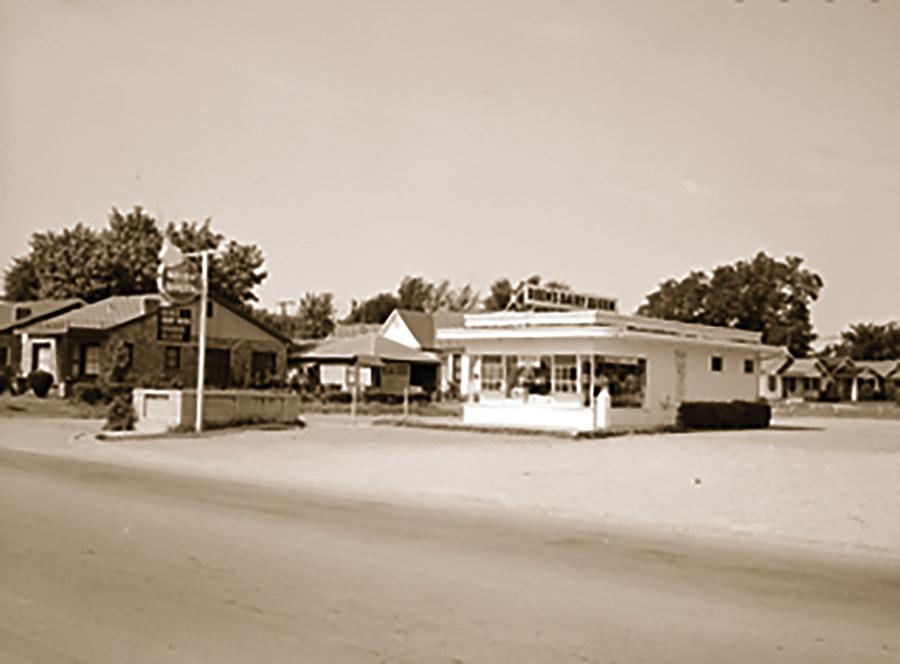
A little building was constructed on the corner of Kickapoo and Ford Streets with a large parking area where youngsters came up from the familiar “underpass” that tunneled under the highway for Jefferson school children. Deem purchased a couple of the large ice cream machines and the supplies needed to open a Dairy Queen. He hired high school boys and trained them to be conscientious about their job. Customers talked of the workers, how they dressed in their crisp white shirts and went about their jobs.
Shawnee was the home of the secondever Dairy Queen location in Oklahoma, making it one of about 15 stores in the fledgling franchise ice cream chain that later became a fast food giant. — Photo submitted
It was 1946 — not long after World War II — and Shawnee could hardly wait for the opportunity to test this new and special treat. Advertised as the “cone with the curl on top,” customers watched for announcements in the newspaper and drove by hoping to find it open. Jefferson students came up from the underpass peering in the windows anticipating the treats. Neighbors sat on their porches hoping to see the lights come on indicating they were ready for customers.
The opening in May was worth the wait. From the beginning, Deem’s Dairy Queen was the most popular place in town – over the years simply becoming known as Deem’s. In those early years, there were only 15 of the little ice cream stores in the whole U.S.,
In 1952, Deem’s helped celebrate the 12th birthday of the first Dairy Queen by adding malts, shakes and floats. The menu had changed some but still featured the same ice cream that helped the name become popular. It was described as “delicious … fresh, whole milk, sweet cream frozen seconds before you eat it.” Ads noted it was “Nationally Known — Locally Owned.”
Shawnee loved Deem’s. Boys came by from nearby football and baseball fields. Birthday parties were held on the grassy bank. Cub Scout and Blue Bird groups met there. Moms brought their kids over from other schools if they got a good report card.
As the country began to change, prices went up. More families and individuals ate out, and by the 1960s, fast food places filled the landscape.
Most Dairy Queens added food items, but Charles Deem was an ice cream man and would have had to totally change his little place by adding cooking grills.
He was approaching retirement age after 25 years in the ice cream business, so in the early 1970s, Deem’s closed.
A local entrepreneur acquired the site and built a larger building on the north edge of the parking lot for a Dairy Queen that offered hamburgers and other modern menu items. It was a Dairy Queen like most others at that time, but it wasn’t Deem’s — where Shawnee folks could go simply for a cone with a curl on top.

BY PAULANN CANTY, MARRIAGE & FAMILY THERAPIST, MS, LMFT
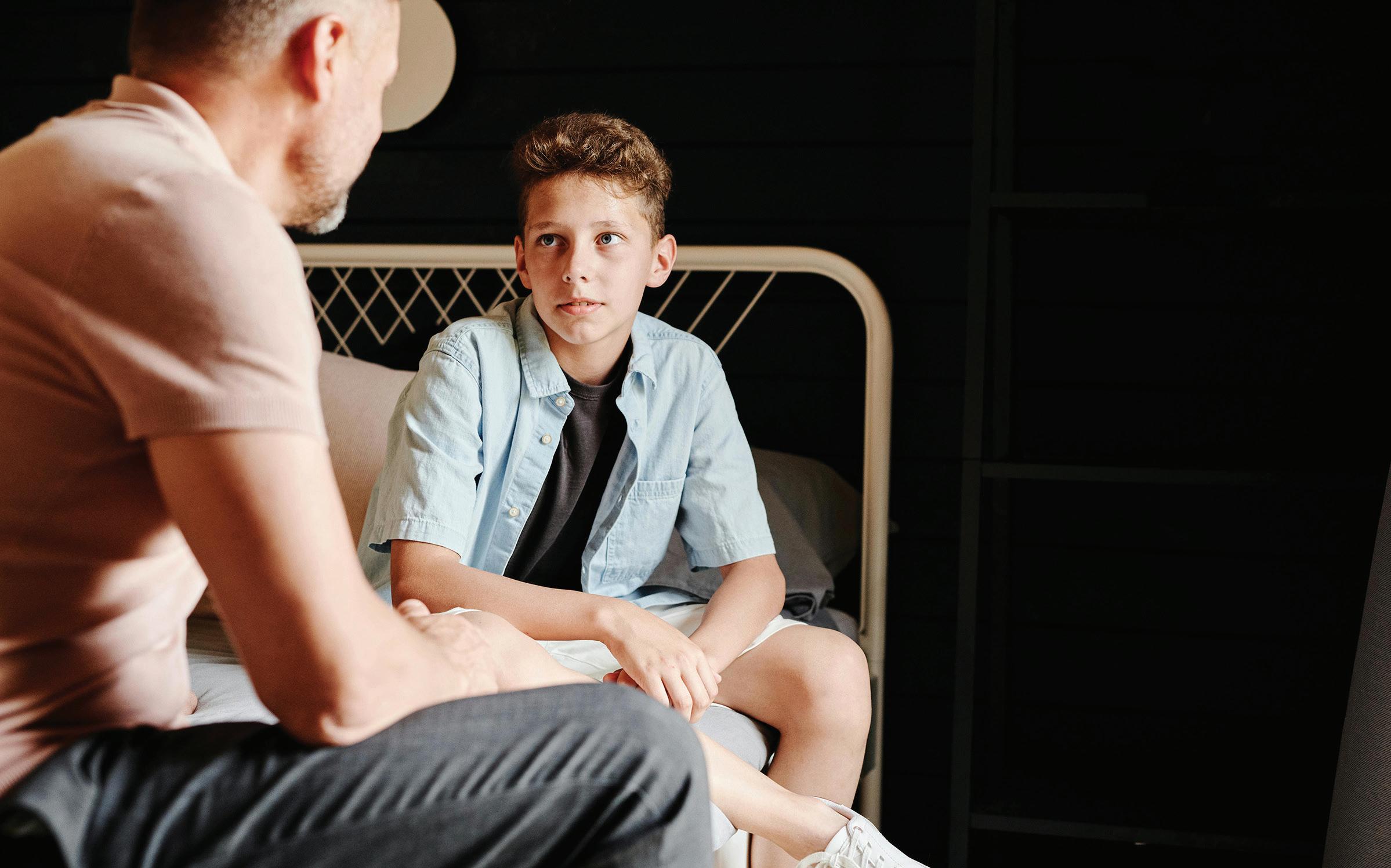
Dear Paulann, my husband and I are worried about our 15-year-old son. He is our oldest, and he really is a good kid in so many ways. Over the last year, he has become more and more angry to the point we have a hard time spending time with him or even having a pleasant conversation. We have been pretty close, but lately he seems to work at avoiding us. He does well in school and is pretty responsible in getting his chores done without being told, but his Dad and I can’t seem to do anything right. We try to give him space, but that feels like we’re losing him. Trying to connect just seems to make him mad. We feel like failures as parents. What are we doing wrong?
Dear Mom and Dad,

you are not alone.
Most of us raising children are caught between wanting to be outstanding parents and being imperfect human beings. There is a parental learning curve with every child, and there is no complete policy and procedure manual to guide us. Our growth as parents comes more through grace than self blame. I know when our children push back against us it feels — and often sounds — personal. I hope you will take a moment to consider
that for your child, repeatedly pushing against the boundaries is about clarity and security, and your job is to be the consistent keeper of the line.
There are two valuable things I learned early in my life as a therapist that may be helpful as you hold the line for your son. The first lesson came from a community mental health center psychiatrist as we talked about medication management for clients with severe mental illness.
“I always start with the lowest dose” she would say. “It is easier to increase the dose as needed than to taper off from the most powerful.”
It didn’t take long for me to see the value of that perspective in many of life’s situations.
I hope you will hear me when I say:
What would the lowest dose response to your son’s expression of anger look like? First, feed the behaviors you want.
Give encouraging energy to what he’s doing well, no matter how small. If he isn’t giving you a lot of options to focus on the things he’s doing well, give active energy to the moments when he just isn’t doing anything wrong.
Second, be consistent in giving age-appropriate consequences for his negative or inappropriate behaviors. You don’t need to give a lecture. Let the consequences do the talking. Your job as lineholders is to move the line in and out — sometimes with more flexibility, sometimes more firmly — as he shows what he is ready for and what he is not. This offers your son the security of knowing you will hold the line even when it’s unpopular,and the power of knowing he has a lot of control over his freedom of movement by showing you he can make good choices.
The second lesson came while working with adolescents in an inpatient treatment hospital. In meeting with their families, I discovered the importance of understanding the difference between a mountain and a mole hill. Both have to be dealt with but in different ways. Chaos was often the norm in these families, and parents tended to see all their child’s behavior through a lens of catastrophe. From that perspective, all behaviors were evidence of damage and brokenness. Mountains can be difficult and dangerous to climb. I realized that many of those same experiences and behaviors would have also been present in the most calm circumstances. Molehills in contrast are the behaviors and experiences that represent healthy moments of adolescence. I learned the value of asking families, “What would be happening anyway?” What behaviors — present in this moment of chaos or disruption — would also be present in the calm because they are normal behaviors in the process of growing through adolescence to adulthood.
Let’s begin with a molehill look at your son’s anger. Perhaps the most important overall job in adolescence is Preparation to Launch. The teenage years are a messy intersection where kids begin to take greater ownership in decision making and management of their lives while parents hit the learning curve of parenting from a still present but progressively hands-off position. Your child’s job is to become more clear about who he is apart from who you are. Your job is to make space for both roots and wings as he finds his way along the trail to self-sustaining adulthood.
As you guide your son and embrace your own growth as parents, I encourage you to create an intentional climate of open communication. Take time to talk about not just what’s happening, but how it’s happening. Model and encourage building each family member’s feeling vocabulary. Learn to love rough draft language, however uncomfortable and bulky it may seem in the beginning. Allowing conversation to be a process, instead of a one and done speech makes it more possible to feel seen and known by each other and to establish true relationship.
I hope you feel more hopeful about your role as parents and your relationship with your son. Sometimes with renewed hope, we dive in to implement new behaviors, make new rules and anticipate a quick turnaround. So, I want to mention one last thing to consider. The value of parallel play. We typically think
of parallel play in regard to children between 18 months and 3 years when kids can play in a shared space but just not directly with each other. Working with teens in both inpatient and public school settings taught me the value of side-by-side connection. We make a big deal about eye contact in the therapy and relationship world, and that is important. I’m suggesting that sometimes side-by-side creates a less pressured way to connect.
In my work as a therapist, that often looked like walking together inside or on the grounds of the hospital or school. I discovered the rhythm of walking and the reduced eye contact seemed to create a great space for talking and listening. The power of side-by-side is why parents have the sometimes frustrating experience of kids declining, avoiding or shutting down to single word answers when asked to join us for a sit down, face-to-face conversation. Then they show up at our side when we are busy doing something else or chatter like magpies when we’re in the car. If your son shows up in a side-by-side way — even for a moment — first listen and then invite him to tell you more. You may be surprised at the connection waiting for you. He may use distance to distinguish himself from you. Don’t assume that he doesn’t also want and need moments of closeness.
Paulann Canty is a licensed marriage and family therapist and longtime Shawnee resident whose practice, Growthlines LLC, has decades of experience helping community members with a range of issues. She believes seeking therapy takes courage, and she will be answering questions from the community in the Shawnee Outlook every month. S







Eating with the season is one of the simplest things you can do to feel like a million bucks, and you’ll find some of the freshest produce picks here in Shawnee. Pogo teamed up with the Pottawatomie County OSU Extension office so you know what to keep an eye out for on your next trip to the farmers market, which we’ve also included here to help you snack happily this summer.
• Onions
• New Potatoes
• Leafy Greens
• Blueberries
• Strawberries
• Blackberries
• Green Beans
• Tomatoes
• Peppers
• Summer Squash
• Cucumbers





June 5: Omaha-based Eagles tribute band Hotel Desperado with a show starting at 8 p.m. at the Historic Ritz Theater at 10 W. Main St. Information: ritzshawnee.com
June 6-Aug. 30: The Mabee-Gerrer Museum of Art will host a specially curated exhibit Echoes of Time and Place: Sauk Art and Culture featuring selections by Indigenous artists and educators Tony A. Tiger and Janae Grass with an opening reception at 7 p.m. on June 6. Information: mgmoa. org/echoes-of-time-and-place
June 6: The Shawnee Peace & Praise Community Choir presents And So We Sing Spring Concert to wrap its first year finale at 7:30 p.m. the St. Gregory’s Abbey church at 1900 W. MacArthur. Information: shawneepeaceandpraise.com
June 6: Missouri rock outfit T.R.O.Y. (The Reality of Yourself) will showcase their sound honed by the greats of the genre during a show starting at 8 p.m. at the Historic Ritz Theater at 10 W. Main St. Information: ritzshawnee.com
OBU Basketball with two sessions focused on footwork, balance, agility, court vision, and other skills for boys and girls. June
June 11, 18, 25: Enjoy fun, family-friendly concerts in the Mabee-Gerrer Museum of Art courtyard on Thursday evenings at 6:30 p.m., featuring St. Paul’s Methodists Handbells, Atlas Quirk and friends, Joseph Craven and friends and Jennifer Peck. Bring a lawn chair as courtyard seating is limited. Concerts will be moved indoors in the event of inclement weather. Information: mgmoa.org/ concerts
June 18: The Third Thursday Poetry Reading will begin at 7 p.m. at the Lunch Box at 217 E. Main St. with a reading by a featured guest followed by an open mic session for attendees to read up to two poems of their own or from a favorite poet. The Lunch Box will open at 6 p.m. with desserts and drinks available.
June 18: Bikes & Rods of Shawnee — formerly Bikes on Bell Bike Nights — returns at 6 p.m. in downtown Shawnee. This monthly family-friendly gathering/celebration of motorcycle enthusiasts, riders and their friends and family features events, vendors, giveaways and charity fundraising, A portion of the proceeds will benefit Shawnee High School band boosters. Information: facebook.com/ToolboxLLC >

grade. June 8-10 will bring in kids grades 5-8. Information: bisonwomensbasketballcamps.totalcamps.com/shop/event or
from 1-3 p.m. every Tuesday in June at the Mabee-Gerrer Museum of Art at 1900 W. MacArthur











July 3: Songwriter Night @ Music Unlimited is back with a collection of featured artists every month starting at 7 p.m. at 1109 W. Kickapoo Spur. Information: www.mu1978.com
July 5: Locomotive Operators of Central Oklahoma will host its monthly public run 1-4 p.m. at 29626 Lake Drive in McLoud. Ride the rails on powered ⅛-scale locomotives right outside of Shawnee Twin Lakes. Information: locotrains.org
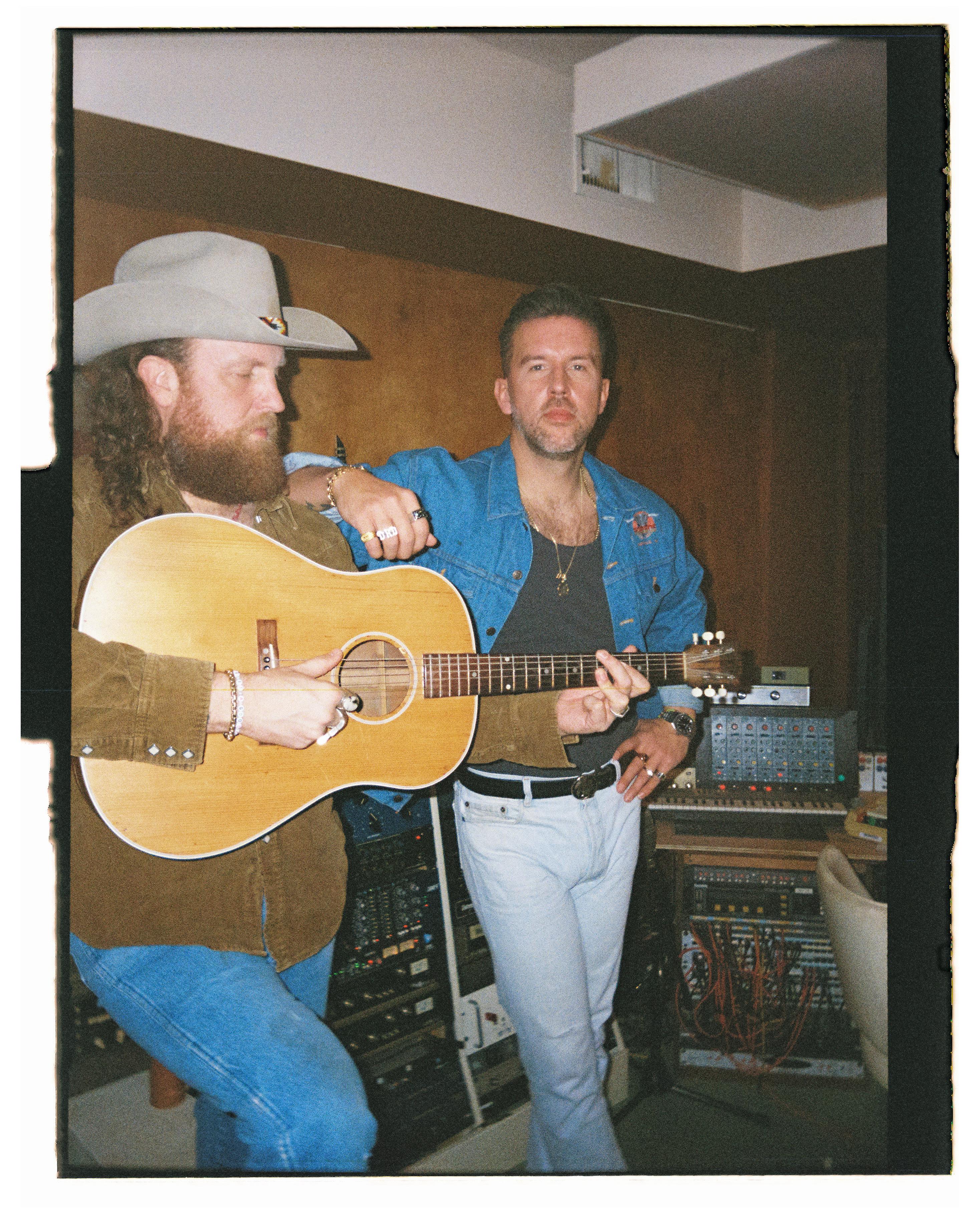
June 13: Singer-songwriter John Allen with special guest Cali Sickler will take the stage for a show starting at 8 p.m. at the Historic Ritz Theater at 10 W. Main St. Information: ritzshawnee.com
June 26: Elvis impersonator Trent Smith returns to the Historic Ritz Theater with an unforgettable Elvis tribute starting at 7 p.m. at 10 W. Main St. Information: ritzshawnee.com
June 27: Temple 202 will be performing their tribute to Scott Weiland with special guests Jukebox Hero with a show starting at 8 p.m. at the Historic Ritz Theater at 10 W. Main St. Information: ritzshawnee.com
July 2-4: Blast into Independence Day with a series of free fireworks shows across three nights. Kickapoo Casino will host its show after dark on July 2 at 38900 W. MacArthur and Grand Casino will cap it off on July 4 at 777 Grand Casino Blvd.
July 10: The Women Of Music concert featuring Dani Carson, Cali Sickler, Miranda Mulkey and Alana will take the stage at 8 p.m. at the Historic Ritz Theater at 10 W. Main St. Information: ritzshawnee.com
July 11: American Slang blends '90s grit with Red Dirt influence and rock energy that will be on display with a show
starting at 8 p.m. at the Historic Ritz Theater at 10 W. Main St. Information: ritzshawnee.com
July 12-17: The International Finals Youth Rodeo is the ultimate rodeo event for up-and-coming cowboys and cowgirls. This six-day event features two performances each day by contestants from all over the United States. Bring the whole family out to the Heart of Oklahoma Expo Center at 1700 W. Independence to watch this exciting youth rodeo that includes barrel racing, pole bending, breakaway roping, goat tying, team roping, calf roping, steer wrestling, bull riding, saddle bronc riding and bareback riding. Information: ifyr.com
July 12: Join Mabee-Gerrer Museum of Art for its inaugural Shawnee Indie Author Showcase from 1-4 p.m. at 1900 W. MacArthur. Attendees can find their next favorite summer read as they meet independent and small-press authors, browse a variety of genres, purchase books directly from the writers and get copies signed. Information: mgmoa.org
If you know of any events you would like to see featured, email editor@shawneeoutlook.com.






Earn 20 points every Tuesday from 1–4 PM or Wednesday from 4–7 PM and get a Thunder gift item while supplies last. If no gift is available, you get a $10 Bonus Play.