DISTRICT 3
Conversations, Concerns, and Community News from District 3
KITCHEN TABLE POLITICS
ABOUT THIS PUBLICATION
This publication is built on the idea of kitchen table politics, the conversations families have at home, with friends, with neighbors, and after church about the issues that affect their daily lives. These are the concerns thatmattermosttoourcommunity,frompublicsafetyandeducationtojobs, housing, infrastructure, and opportunities for our children. Our goal is to share useful information, highlight local opportunities, and help residents better understand and access the resources available through local
government and community organizations. I believe an informed community is an empowered community. By sharing knowledge, encouraging involvement, and working together, we can strengthen District 3,supportoneanother,andcontinuebuildingabetterWaycrossforeveryone.
By Shawn Sanders Waycross
ELECTED to Do a Job
Understanding the Role of Your District Commissioner
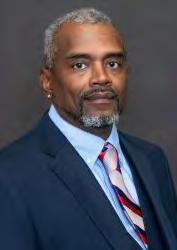
One of the questions I hear most often is, "What exactly does a City Commissioner do?" It is a fair question, and one that deserves a clear answer.
First and foremost, my responsibility as your District 3 Commissioner is to represent the people, businesses, organizations, institutions, and neighborhoods within District 3. I was elected by the residents of this district to be your voice in local government, to listen to your concerns, advocate for your interests, and ensure that your perspectives are considered when decisions are made.
While each commissioner represents a specific district, no commissioner serves alone. The City Commission functions as a governing body, and meaningful progress is achieved when commissioners work together to address the needs of the entire City of Waycross. Every vote we cast and every decision we make should balance the needs of our individual districts with the overall well-being of the city as a whole.
One of the most important responsibilities of the City Commission is establishing policy and adopting local laws, commonly known as ordinances. The Commission approves the city's budget, sets priorities, allocates resources, and provides direction on matters that affect public safety, infrastructure, economic development, utilities, parks, housing, and many other services residents rely on every day.
It is equally important to understand what the Commission does not do.
Commissioners do not manage the day-to-day operations of city government. We do not supervise employees, direct department staff, assign work orders, hire or fire personnel, or manage daily city services. Those responsibilities belong to the City Manager and the professional staff who operate our departments.
City Commissioner, District 3
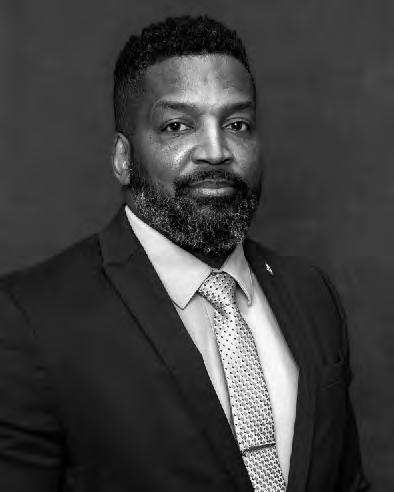
Shawn Sanders District 3 Commissioner
MONEY Matters
many other programs that residents rely on every day.
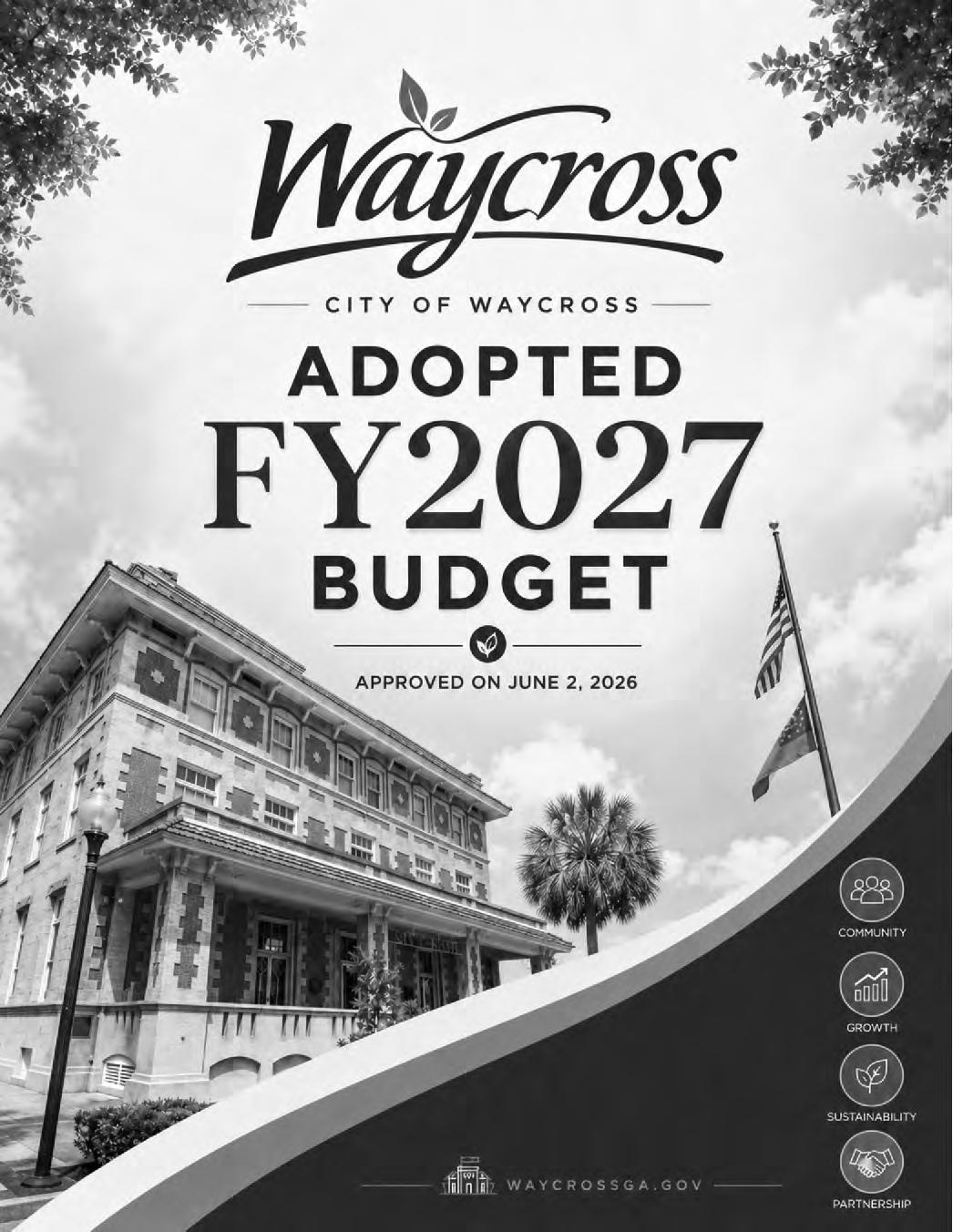
2027 Budget
When most people hear the word "budget," they think about numbers. In reality, a city budget is about priorities, services, and people.
Every year, the City Commission reviews and adopts a budget that helps determine how your tax dollars and service fees are used. The budget funds essential services such as police and fire protection, road maintenance, drainage improvements, parks, code enforcement, sanitation, water and sewer services, and
ELECTED to Do a Job
PAGE 1
The City Manager serves as the chief administrative officer of the city and is responsible for carrying out the policies adopted by the Commission.
One of the most important roles of a commissioner is helping establish those priorities. The City Manager and staff prepare budget recommendations based on operational needs, financial forecasts, and service demands. The Commission then reviews those recommendations, asks questions, considers alternatives, receives public input, and ultimately votes on the budget.
As your District 3 Commissioner, my work on the budget does not begin when the first draft is presented at a public meeting.
Department heads and city employees report through the administrative structure established by the City Manager. This system helps ensure that city services are delivered consistently, professionally, and fairly.
As commissioners, our role is oversight, governance, and accountability. We establish goals, review performance, evaluate results, and ensure taxpayer resources are used responsibly. We ask questions, seek information, and advocate for our constituents, but we must also respect the administrative roles of the City Manager, department
heads, and city staff. In many ways, local government functions much like a board of directors. The Commission sets the vision and direction, while the City Manager and staff handle the day-to-day operations needed to achieve those goals.
I believe one of the most important parts of this job is communication.A commissioner should not only vote on issues but also help residents understand how local government works, what services are available, and how they can participate in shaping the future of their community Whether you are a
homeowner, renter, business owner, pastor, teacher, nonprofit leader, or simply someone who cares about the future of Waycross, your voice matters. My commitment is to listen, learn, and work alongside my fellow commissioners, city staff, and community partners to help build a stronger District 3 and a stronger City of Waycross.
Local government works best when citizens are informed, engaged, and involved. Together, we can continue creating opportunities, solving problems, and moving our community forward.
Ulysses D. Rayford Waycross City Manager
MONEYMatters
Throughout the year, I review financial reports, analyze spending trends, ask questions, raise concerns, and discuss ideas with city leadership and fellow commissioners. Much of that work happens outside of regular commission meetings as we prepare for the budget process.
I believe it is important to understand where taxpayer dollars have been spent in the past, what services residents expect today, and what challenges we may face in the future. By reviewing previous budgets, operational costs, and community needs, I work to ensure that decisions are based on facts, not assumptions.
During this year's budget process, I introduced ideas, raised questions, and advocated for priorities that I believe are important to District 3 and the City as a whole. While no commissioner gets everything they want in a budget, it is my responsibility to make sure the voices, concerns, and interests of District 3 residents are represented throughout the process. The final budget is the result of discussion, compromise, and collaboration among the entire Commission, City Manager, and staff, all working toward the common goal of serving our community responsibly.
What many people may not realize is that budgeting is rarely about finding a perfect solution. More often, it is about making difficult choices and reasonable predictions based on uncertain conditions. Inflation, fuel prices, insurance costs, construction materials, labor expenses, economic activity, and even weatherrelated emergencies can all affect a city's finances. Like families planning their household budgets, local governments must make decisions based on what they know today while preparing for what may happen tomorrow.
Citizens play an important role in this process.
Budget meetings and public hearings are open to the public, and residents have the opportunity to ask questions, share concerns, and provide input before decisions are made. Your voice matters because the budget is ultimately a reflection of the community's priorities.
It is also important to understand that increasing taxes, utility rates, or service fees is not a decision anyone wants to make. No commissioner enjoys asking residents to pay more. However, the cost of providing services continues to rise. Police vehicles cost more. Fire equipment costs more. Fuel costs more.
Infrastructure repairs cost more. Recruiting and retaining qualified employees costs more. The challenge for local government is finding the right balance between affordability and maintaining the services our community depends on. Sometimes that means making cuts. Sometimes it means finding efficiencies. Sometimes it means delaying projects.And sometimes it means making responsible adjustments to revenues so that public safety, infrastructure, and essential services can continue operating effectively.
At the end of the day, the budget is more than a financial document. It is a plan for how we serve our community today while preparing for tomorrow. While there may not always be agreement on every decision, I believe residents deserve transparency, honest communication, and the opportunity to participate in the process.
Because when it comes to your city government, money matters to all of us.

Who Let the Dogs Out?
"A Community Solution to a Growing Problem”
If you have driven through our neighborhoods, visited a local park, or simply taken a walk around the city, you have likely noticed something many residents have brought to our attention. Stray dogs and cats are becoming an increasing concern throughout Waycross.
While many people see the problem, fewer realize how complex it truly is.
This is not just a District 3 issue. It is a citywide challenge that affects every neighborhood. It impacts public safety, animal welfare, city resources, and the quality of life for both residents and pets.
Our local animal shelter is currently operating at or near capacity with unclaimed animals.
Unfortunately, animals are not being reclaimed by their owners or adopted at a rate that allows space for new arrivals. Once an animal enters the shelter, taxpayer dollars are used to provide food, housing, medical treatment, and daily care. These animals deserve compassion and proper treatment while awaiting a second chance at a loving home.
Euthanasia is always considered a last resort and is avoided whenever

possible. However, when shelter space becomes limited and no alternatives exist, difficult decisions sometimes must be made. Our goal is to reduce the number of animals entering the shelter, not increase the number leaving it through euthanasia.
The challenge becomes even greater when stray animals remain at large. While city staff responds immediately to reports of aggressive or dangerous animals, the reality is that available shelter space is limited. Without room to safely house captured animals, our options become increasingly difficult.
What Can We Do?
Communities across the country have successfully reduced stray populations through a combination of responsible pet ownership, registration, microchippi ng, spay and neuter programs, and
Rethinking Local Codes to Encourage Growth
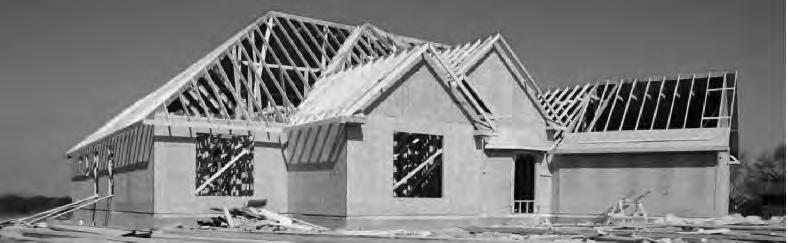
Across District 3, and Waycross residents, builders, and business owners are voicing a clear and consistent message: our local codes and ordinances are too restrictive. Many say these regulations create unnecessary barriers for homeowners trying to make improvements, contractors seeking to build, and investors considering new projects.As a result, several developers have openly stated they prefer to invest in surrounding communities where the process is simpler, faster, and more business-friendly.
Citizens Call for Change:
adoption efforts. Waycross can do the same, but it will require community participation.
RegisterYour Pets
The City of Waycross is considering ways that all pet owners can register their pets. We are identifying ways registration can be completely free.
This simple step can dramatically increase the chances of a lost pet being reunited with its owner. The faster we can identify ownership, the faster we can return pets home and free up valuable shelter space.
Microchip Your Pets
Acollar can fall off.Atag can become unreadable. Microchips provide a permanent form of identification and have proven to be one of the most effective tools for reuniting lost pets with their families. The city is exploring opportunities to assist residents with affordable microchipping programs and community events in the future.
This feedback highlights a growing concern that Waycross may be losing valuable opportunities for growth and revitalization because our rules haven't kept pace with the needs of those who want to build here.
What citizens of District 3 are asking for is a thoughtful review and update of these codes. The goal is not to abandon safety or oversight but to strike a better balance, one that protects the character and integrity of our neighborhoods while making it easier to improve homes, launch new construction, and attract investment.
This is the conversation the community is calling for: codes that work with us, not against us, unlock the potential of our city, and create an environment where progress isn't stalled by unnecessary red tape.
District 3 contains many homes that were built 50 or more years ago, often on lots that were developed long before today's building standards existed. In many cases, aging or dilapidated structures sit on properties where rebuilding or redevelopment has been difficult due to conflicts between current regulations and the realities of older neighborhoods.
6 Months on the Job
Recognizing these challenges, the Waycross Commission took action on June 16, 2026 by approving text amendments to local ordinances designed to create new opportunities for homeowners, builders, and investors. These changes help remove barriers that have prevented the redevelopment of vacant and deteriorated properties while still maintaining safety and compliance with state requirements.
This action represents an important step toward encouraging residential housing development, supporting local contractors and construction workers, expanding business opportunities, and bringing new investment into our community. By modernizing our ordinances, we are creating pathways for progress while preserving the character of the neighborhoods we call home.
If You Want it?
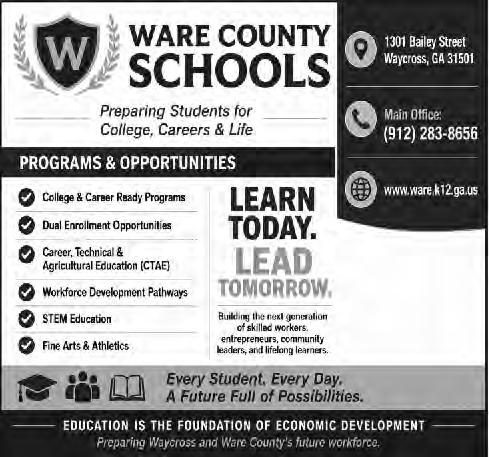
One of the greatest privileges I have as your District 3 Commissioner is the opportunity to sit in rooms with leaders from many different backgrounds. I regularly meet with county officials, educational leaders, workforce development professionals, business owners, economic development representatives, and community advocates.
While each may have different responsibilities and goals, there is one common thread that connects them all.
They are driven by a desire to move forward.
Whether they are working to improve education, recruit new businesses, expand housing opportunities, create jobs, or strengthen our local economy, they all share a commitment to growth and success. They understand that progress does not happen by accident. It requires preparation, dedication, and a willingness to invest in the future.
That same mindset is what will determine the future of Waycross.
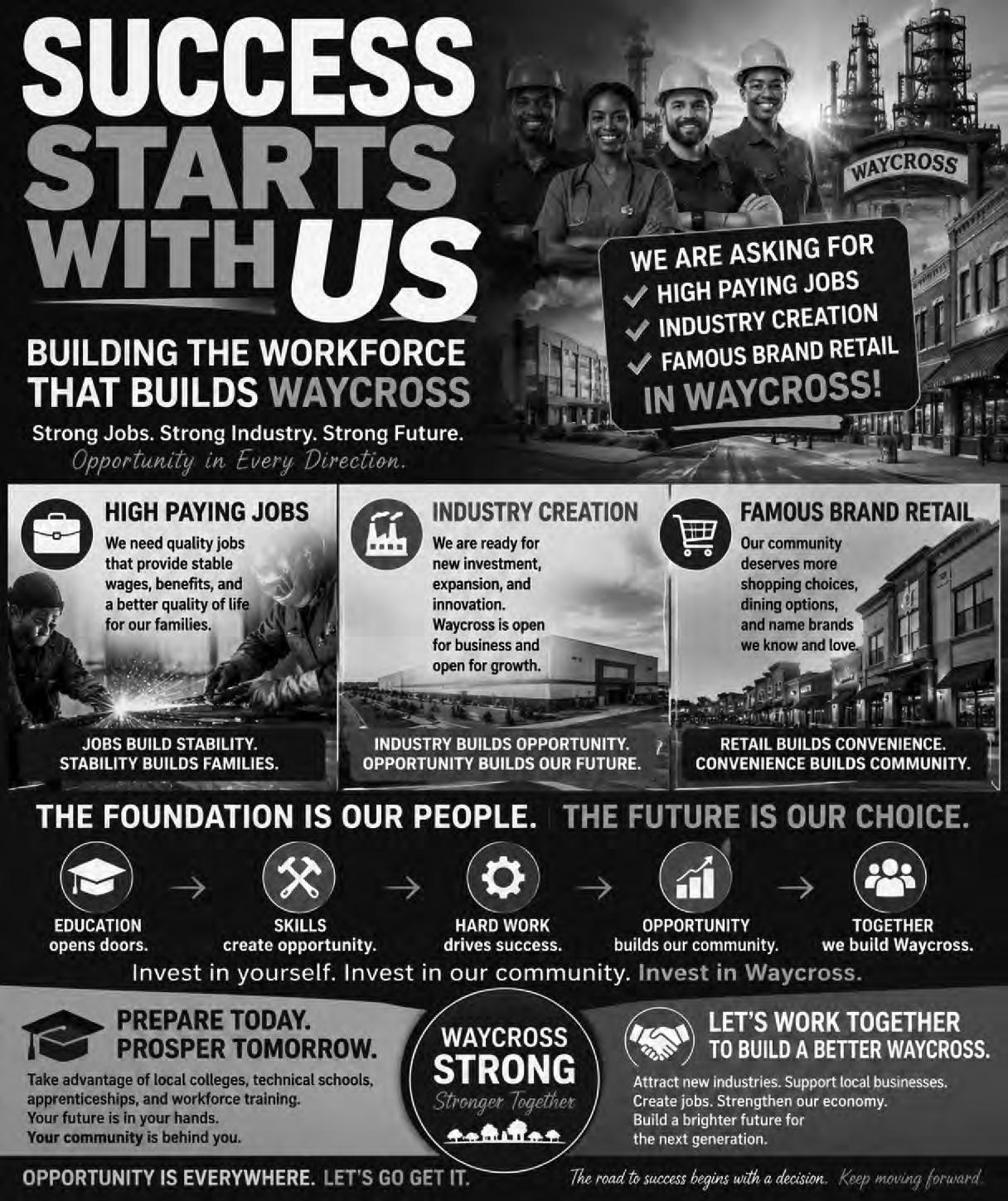
When we talk about economic development, many people think about new industries/jobs, new buildings, or new investments. Those things are important, but the true foundation of economic growth is people. Companies do not simply invest in locations. They invest in communities that have a skilled, dependable, and motivated workforce.
The opportunities of tomorrow are being shaped by the decisions we make today.
Industries across Georgia and throughout the Southeast are seeking qualified workers in electrical trades, plumbing, HVAC, welding, industrial maintenance, logistics, manufacturing technology, construction, healthcare, information technology, and many other fields. These careers
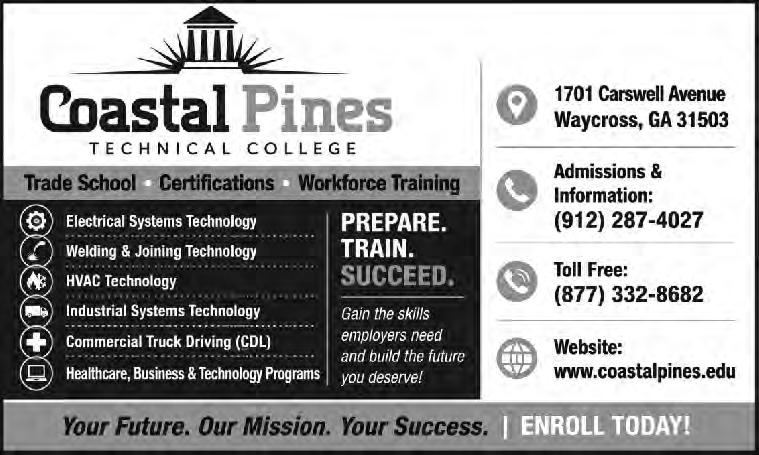
provide opportunities for good wages, long-term stability, and personal growth.
The question is not whether opportunities exist.
The question is whether we are preparing ourselves to seize them.
Success has never been guaranteed to anyone. It belongs to those who are willing to pursue it. Every certification earned, every trade learned, every degree completed, and every skill developed is an investment in yourself and your future.
No one can create motivation for another person. It must come from within.
The most successful people I know did not wait for the perfect opportunity. They prepared themselves so they would be ready when opportunity arrived. They understood that personal responsibility, discipline, and continuous learning are often the difference between wishing for success and achieving it.
That is why I encourage our citizens to take advantage of the educational resources available through our local colleges, technical schools, apprenticeship programs, and workforce training initiatives. Whether you are a high school student planning your future, a working adult seeking advancement, or someone considering a career change, there are opportunities available to help you reach your goals.
When the Rain Falls
Addressing Flooding Concerns Across District 3
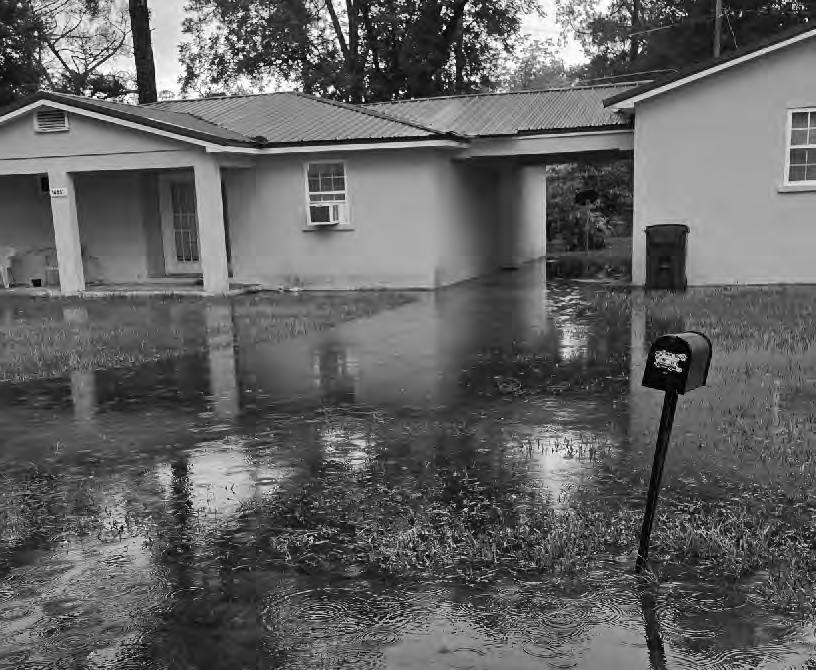
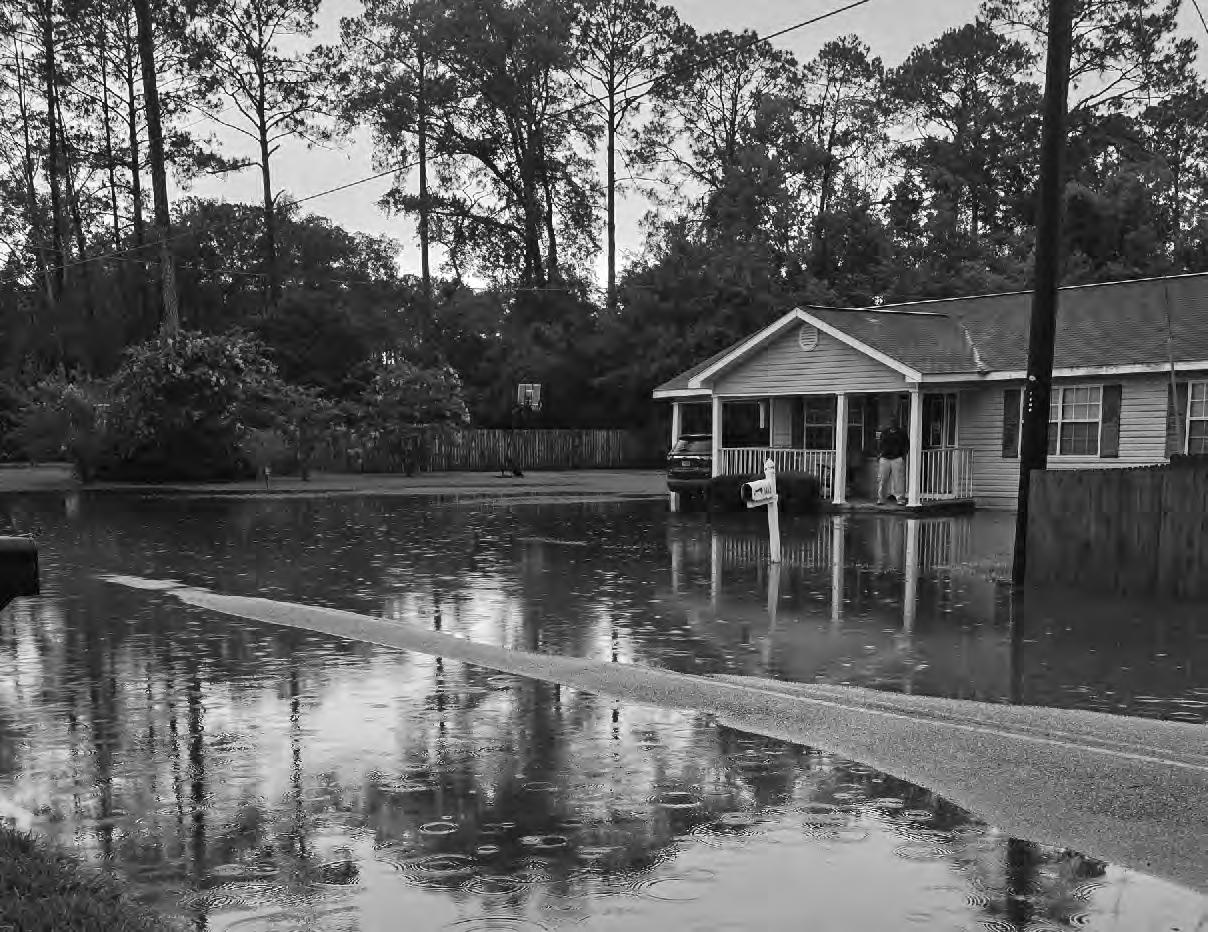
One of the most common concerns I hear from residents throughout District 3 is flooding after heavy rainfall. Standing water in yards, flooded roadways, overflowing ditches, and drainage systems that struggle to keep up with heavy rain affect neighborhoods across our community.
I want residents to know that I am aware of these concerns and understand the frustration they create. Flooding is more than an inconvenience. It impacts public safety, property, transportation, and quality of life for many families. When water remains in neighborhoods for extended periods, it creates hazards for motorists, pedestrians, and homeowners alike.
Flooding is not a new challenge for Waycross. Our flat terrain, aging drainage infrastructure, and increasingly intense rainfall events create conditions where water can remain in some areas for 6 to
12 hours after a storm. While city crews continue maintaining ditches, canals, culverts, and other stormwater infrastructure, residents have made it clear that additional improvements are needed.
It is important to recognize that work is already underway. City staff and Public Works personnel routinely maintain drainage infrastructure, remove debris, and address stormwater deficiencies throughout the city. These efforts have produced improvements in many locations, but recurring flooding demonstrates that additional investment and long-term planning remain necessary.
In July, the City Commission, approved the investment in advanced roadway asset mapping technology designed to collect detailed data on roadway conditions and critical infrastructure features. This technology will help identify drainage-related
deficiencies, document roadway and stormwater assets, and provide data that supports infrastructure assessments, maintenance planning, and future capital improvement projects. Having accurate, data-driven information will improve our ability to prioritize projects and make informed decisions about stormwater improvements.
While attending the Georgia MunicipalAssociation Conference this month, I made flooding and stormwater management a priority topic in discussions with city officials, engineers, and public works professionals from across Georgia. My goal was simple: learn what solutions have worked in other communities and identify practical strategies that may benefit Waycross.
Many cities facing similar challenges have found success through improved drainage mapping, routine maintenance programs, targeted infrastructure upgrades, and data-driven planning. I am particularly interested in practical short-term measures that can provide relief while
larger capital projects are evaluated and funded. These include additional ditch and culvert maintenance, removal of drainage bottlenecks, strategic stormwater inlet improvements, temporary retention areas, portable pumping systems during significant rain events, and improved reporting of recurring problem locations.
I also believe we must continue documenting floodprone areas and collecting information after major rain events. Understanding where flooding occurs, its severity, and how long water remains allows us to prioritize resources where they will have the greatest impact.As your District 3 Commissioner, I believe we must continue
pursuing both immediate and long-term solutions. Flooding was not created overnight, and it will not be solved overnight, but I remain committed to identifying proven strategies, advocating for responsible investments, and supporting improvements that protect our neighborhoods and enhance public safety.
The concerns of our residents are being heard, and I will continue working to ensure this issue remains a priority. By combining community input, sound engineering practices, data-driven decision making, and proven solutions from other communities, we can make meaningful progress toward reducing flooding throughout District 3 and the City of Waycross.
If You Want it?
I also encourage our educational institutions and workforce partners to continue developing short-term training programs and certifications that align with the needs of current and future employers. Flexible programs, evening classes, accelerated certifications, and industry partnerships can help more citizens gain the skills needed to enter high-demand careers.
The future of Waycross will not be determined by a single business, a single project, or a single elected official. It will be determined by the collective efforts of people who choose to invest in themselves, their families, and their community.
I firmly believe there is opportunity in every direction for those willing to pursue it.
The future belongs to those who prepare for it. Let us continue building a community where education is valued, skills are developed, hard work is respected, and success is achievable for anyone willing to put in the effort.
Together, we can create a stronger workforce, attract new industries, support local businesses, and build a brighter future for the next generation.
The road to success begins with a decision. The decision to learn, to grow, and to keep moving forward.
AFinal Thought on Job Creation
Many people ask whether it is the government's responsibility to create jobs. The truth is that
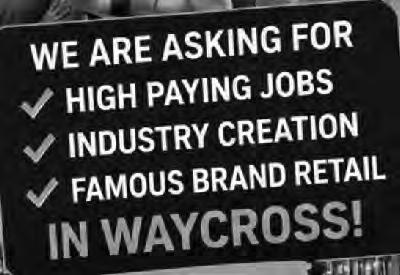
government does not create lasting private-sector jobs. Businesses, entrepreneurs, investors, and innovators create jobs. The role of government is to create the conditions that make job creation possible. Government should focus on maintaining safe communities, reliable infrastructure, quality utilities, effective public services, reasonable regulations, and a business climate that encourages investment rather than discourages it. We should support education, workforce training, and partnerships that prepare our citizens for the opportunities employers need filled.
When government, education, workforce development, and the private sector work together, we create an environment where businesses want to invest, industries want to expand, and retailers want to serve our community. The result is more jobs, stronger wages, greater opportunity, and a higher quality of life for everyone.
The future of Waycross will not be built by waiting for opportunity to arrive. It will be built by preparing ourselves to attract it. If we develop the workforce, strengthen our community, and maintain a vision for growth, industry and investment will follow.
Success starts with us. Opportunity follows preparation.And the future of Waycross depends on what we choose to build today.
Downtown Waycross Success Built
by Those Who Believe in It
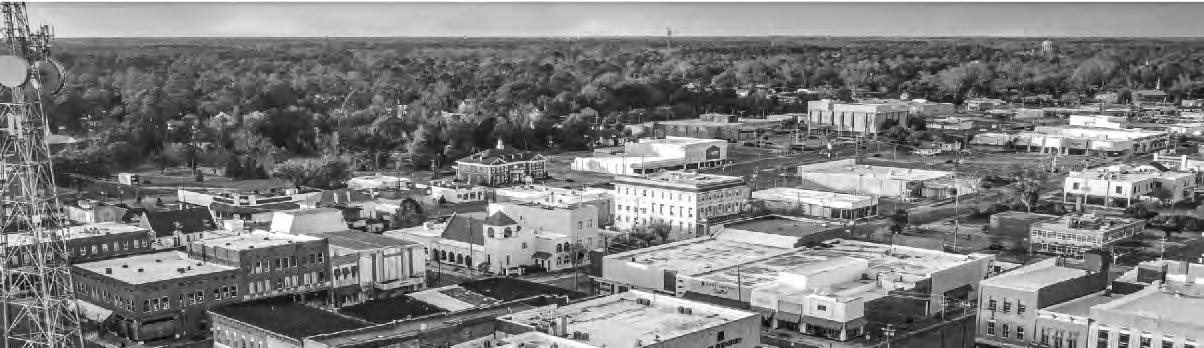
One of the brightest signs of progress in our community is the continued growth and energy taking place in Downtown Waycross.
I want to recognize the people making that happen. The revitalization we are seeing is being driven by business owners, property owners, entrepreneurs, investors, and community members who have chosen to invest their time, talent, and resources into our
downtown. Their vision, determination, and willingness to take risks deserve the credit.
As your District 3 Commissioner, I believe government should know the difference between leading and getting in the way. Successful businesses do not need unnecessary interference. They need a local government that listens, removes obstacles where possible, and responds when assistance is needed.
My commitment is simple: I will continue supporting policies that
encourage investment, promote responsible growth, and help create an environment where businesses can succeed. When our downtown succeeds, our entire city benefits through new jobs, increased property values, expanded opportunities, and a stronger local economy.
To every business owner, property owner, employee, and investor helping shape the future of Downtown Waycross, thank you. Your hard work is making a lasting difference, and I stand ready to support your efforts whenever I can.
Who Let the Dogs Out?
"A Community Solution to a Growing Problem”
Be a Responsible Pet Owner
Support Spay and Neuter Programs
Communities that have invested in spay and neuter initiatives consistently report reductions in shelter intake and stray populations. Preventing unwanted litters is one of the most effective long term solutions available.
Adopt, Foster, or Volunteer
Every adoption opens a space for another animal in need. Every foster home provides temporary relief for an overcrowded shelter. Every volunteer contributes to the care and well being of animals waiting for a second chance. If you have considered adding a pet to your family, please visit our local shelter first.
In the coming months, the City will continue enforcing ordinances regarding abandoned animals and pets allowed to roam freely. Responsible pet ownership protects both animals and residents.
Pet owners are encouraged to:
• Keep pets safely contained.
• Maintain current identification.
• Register and microchip pets.
• Provide proper food, water, shelter, and medical care.
• Never abandon an animal.
ACommunity Responsibility
The solution to our stray animal problem will not come from government alone. It will take neighbors helping neighbors, pet owners taking responsibility, and our
community working together to protect the animals that depend on us.
Every registered pet, every adoption, every microchip, and every act of responsible ownership moves us one step closer to a safer and more compassionate Waycross.
Together, we can reduce the stray population, improve public safety, and ensure that more animals find their way back home or into loving new homes.

The City of