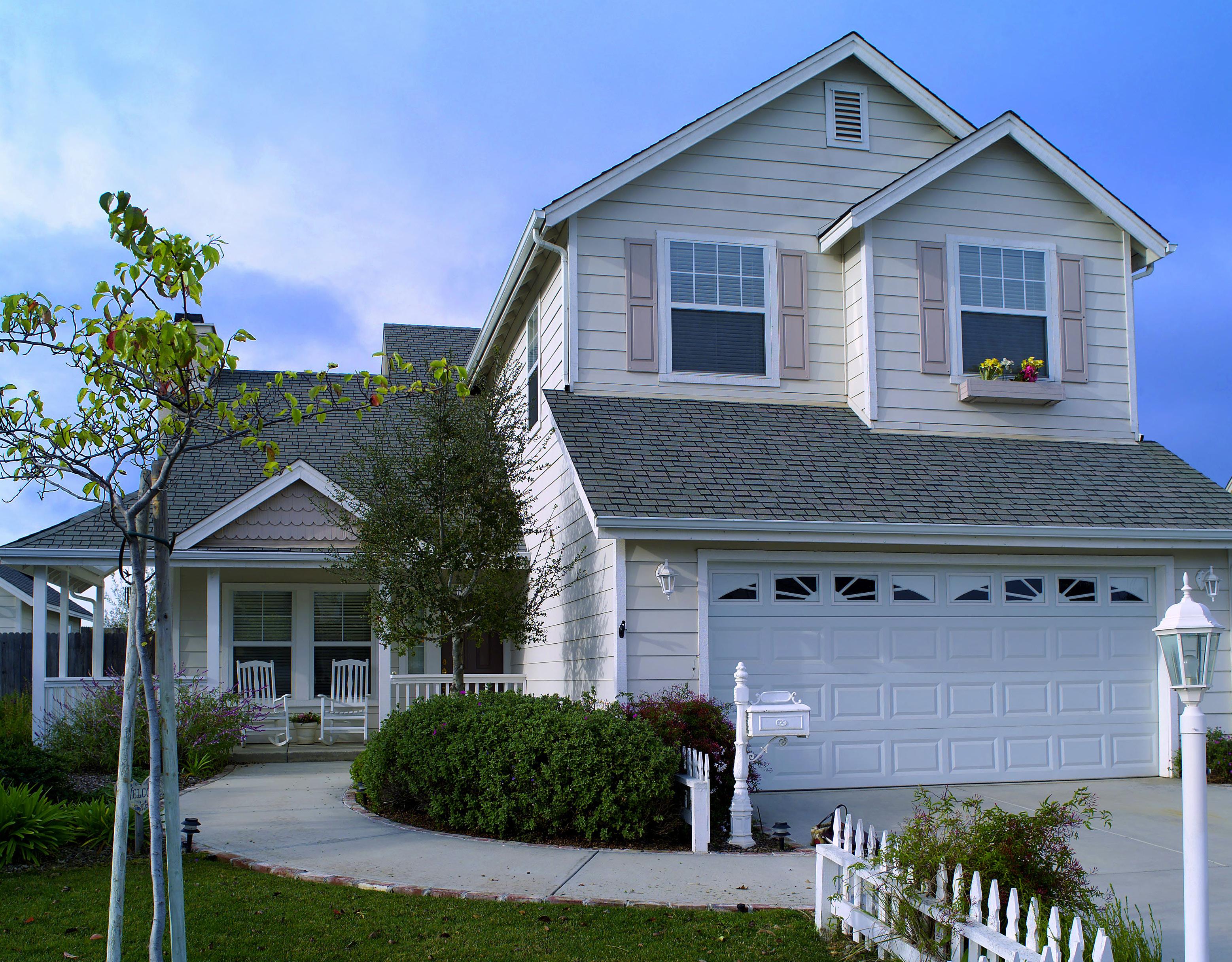


Buying a home is one of the most significant financial commitments a person can make. Individuals may wonder when is the right time to jump in to the real estate market. The answer may boil down to affordability.
The housing market is continually evolving. Buying a home now is a little bit different than it was even a few years ago, as inventory is starting to recover from a lengthy period with limited offerings, according to Realtor. com. But even though inventory may have increased, home prices have not come down. The median home price now sits at around $410,000 in the United States, and interests rates hover around 6% for a 30-year fixed rate. Before it’s time to sign a contract and get the keys, potential buyers can
follow this guide as they navigate buying a home for the first time.
• Know your buying power. Before browsing home listings, buyers should conduct a financial audit to see how they stack up. It’s worthwhile to sit down with a mortgage broker who can run your numbers. Credit score is a significant variable that will be checked during such consultations. If necessary, identify ways to boost that score in the months before applying for a mortgage.
• Follow the 30% rule. Rocket Mortgage says the 30% rule dictates that total monthly housing costs, including principal, interest, taxes, and insurance (PITI) should not exceed 30% of a borrower’s gross monthly income to maintain financial stability.
• Budget for the extra costs. Buyers should concern themselves with all of
the costs that go into buying a home. In addition to the down payment, closing costs can come in at around 2% to 5% of the home’s price. An inspection and appraisal can run around $1,000. Additional costs may include termite inspection, and other out-of-pocket costs to get the home up to code.
• Lower your costs. A rising trend in home buying is a surge in down payment assistance. Bankrate says DPAs provide eligible individuals, typically first-time or low-to-moderate-income buyers, with assistance that covers costs like down payments and closing fees. These programs may be offered by the government, nonprofits or private lenders.
• Utilize a reputable inspector. A home may seem like a dream until a person pulls back the curtain on some hidden red flags. It’s always worth the
expense to have a housing inspector or a trusted contractor walk through the property prior to making an offer to ensure that the home is in good condition.
• Choose a value market. First-time homebuyers may want to select metro areas that offer the best balance of earnings versus home prices. According to a 2026 report from Realtor.com, areas that provide the best value in the U.S. are largely concentrated in the Northeast and Midwest. Hartford, Connecticut; Rochester, New York; Worcester, Massachusetts; Toledo, Ohio; and Providence, Rhode Island, are some of the top housing markets for the year.
First-time homebuyers must consider a range of variables as they inch closer to making their home ownership dreams a reality.
Homeowners know that the next home renovation project is always right around the corner. And that means finding ways to finance such undertakings.
When planning for renovations, the average homeowner underestimates their project cost by approximately 22%, according to the 2026 Remodeling Impact Report. Establishing a pre-project budget can help avoid such surprises.
A common mistake homeowners make is over-improving a home beyond the neighborhood value. A good rule of thumb is to employ the average percentage-of-home-value approach in an effort to stay within range of what’s acceptable. Budget a kitchen renovation or finished basement at 10% to 15% of the home value. A master bedroom will come in at 5% to 10% of home value, while a small bedroom or office falls between 1% and 3% of home value. These benchmarks are supported by the National Association of the Remodeling Industry and the National Association of Realtors. Historically, a functional, modern kitchen is the top driver of home value, says Remodeling Magazine.
Homeowners should understand that materials, fixtures, appliances, and flooring, otherwise known as “hard costs,” will eat up 50% to 60% of their renovation budgets. Labor, permits and design fees will comprise the next largest chunk, typically coming in between 25% and 35%. Homeowners also should factor about 15% to 20% of a budget to a safety net to cover unforeseen expenses, like mold remediation or structural issues.
It’s important for homeowners to get several estimates before establishing a budget. Experts advise working with contractors that offer fixed-price contracts rather than those that list time and materials; otherwise, there may be a mid-project price hike that comes out of the blue. A person also can ask contractors for a line-item bid so it’s possible to see where money can be trimmed through different material choices. With a list of desired items in hand, and
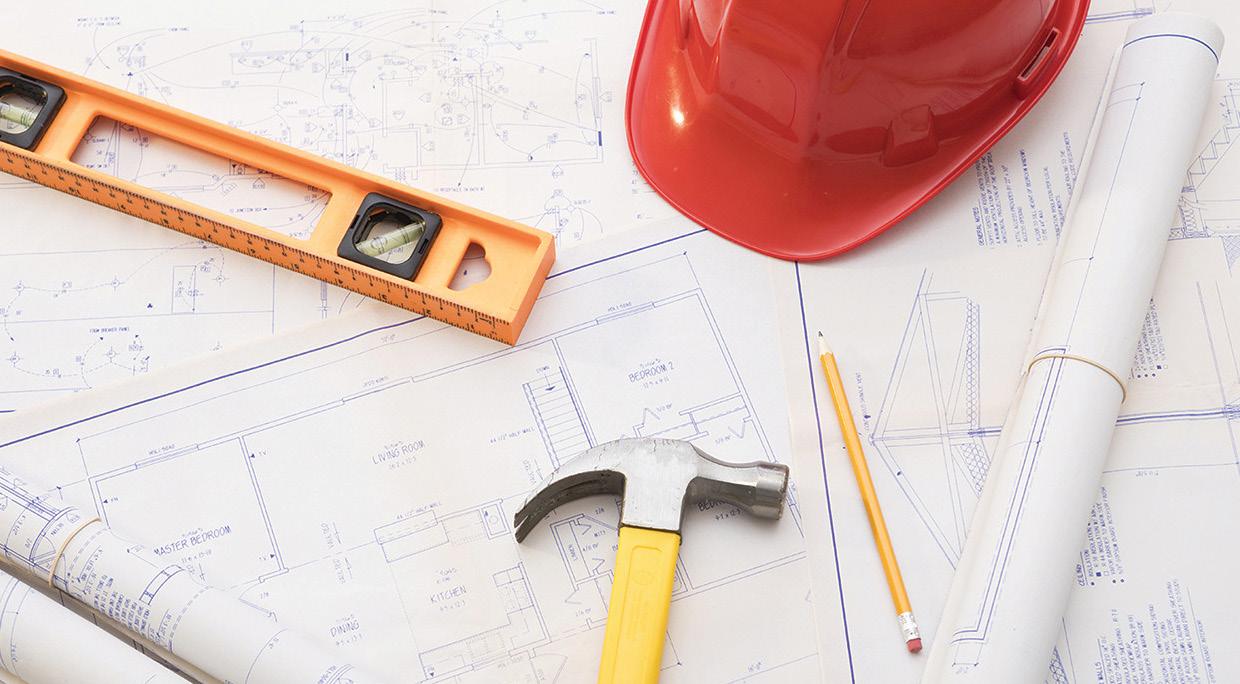
acceptable substitutions if the cost comes in too high, homeowners can create a budget that works.
It’s important for homeowners to be realistic about their renovations. They can splurge on items that are seen or touched every day, like door handles, cabinet pulls and faucets. Other items, like lighting fixtures or backsplashes, can be replaced down the road. It may be better to direct funds to structural elements or those “invisible renovations” like upgrading insulation or smart systems that save on energy costs and improve efficiency.
Homeowners can determine the affordability if a proposed project ends up costing 20% more or takes a few months longer. If the answer is no, homeowners should scale back the project budget until they have that financial safety net. Alliant Credit Union says experts strongly recommend adding a 20% contingency cushion to a remodeling budget.
A home remodeling project is a big commitment of time and money. Budgeting correctly ensures that there are few, if any, surprises along the way.
In the market for a doctor?

From checkups to specialty care, Riverside Medical Group is here for your family—every step of the way.
The doctor is in.
Find yours at (855) 404-DOCS or visit myrhc.net/acceptingnew.

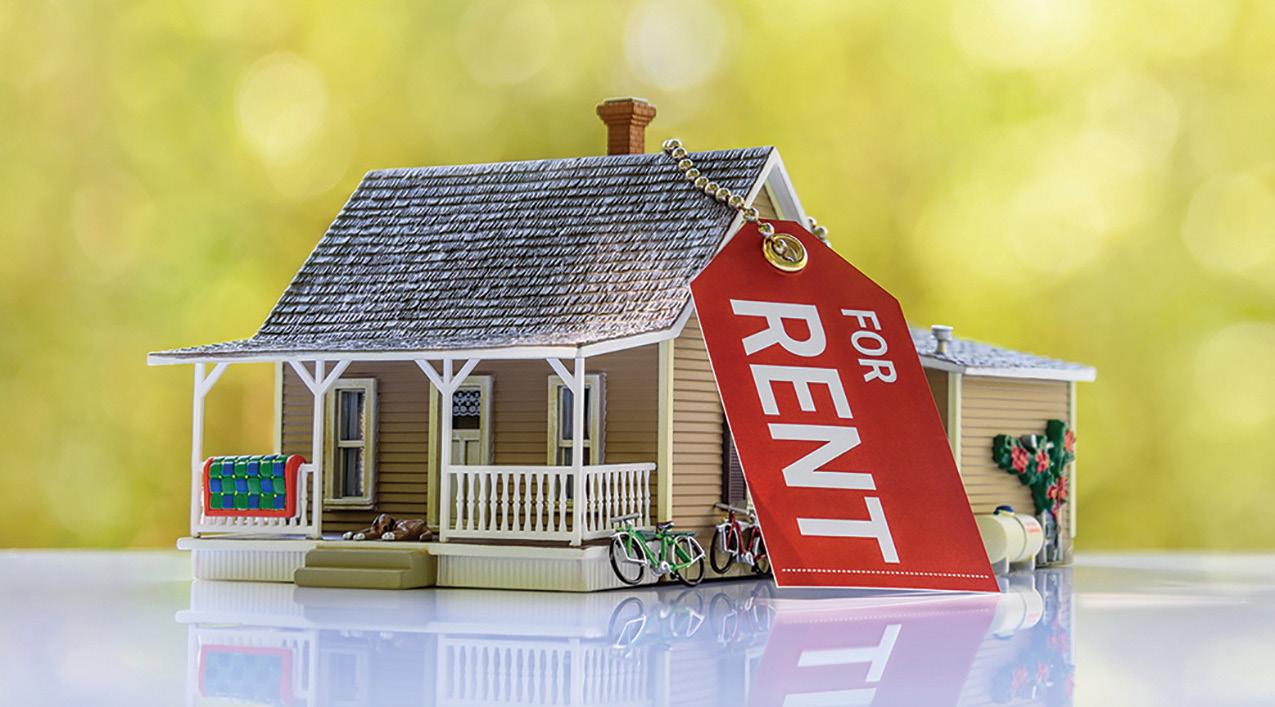
The sharp increase in home prices has been well documented in recent years. Though price increases have varied from market to market, the National Association of Home Builders reports that the average home price increased by 55% between the first quarter of 2020 and the third quarter of 2025.
Many adults who otherwise would be in the market to buy a home have felt priced out by the sharp increase in prices. That’s led many to the rental market, where more and more adults are looking for long-term solutions. Much like the process of buying a home, finding a long-term rental requires would-be renters to be diligent, patient and honest with themselves about what they’re looking for. With that in mind, adults looking for a long-term rental property can keep these tips in mind during their search.
• Get a clear idea of all costs associated
with a property. Monthly rent is the primary expense associated with a rental property, but there might be ancillary costs as well. In addition to the rent, a property might include fees for parking, trash, fitness facilities, recreational facilities like a community pool, and other expenses. These fees can quickly add up, but it’s good to note that some of them might remove additional expenses. For example, a property with an on-site fitness facility may come with a monthly access fee, but that fee could be less than an expensive membership at a nearby gym. Take note of all expenses associated with a property and if some of them will cancel out other monthly bills.
• Get a handle on a potential landlord. Many renters prefer a responsive landlord who takes their concerns seriously and is quick to act when an issue arises. Long-term renters who find a property they like will be dealing with the landlord for years to come, so pri-
oritize finding a landlord with a strong reputation among past and current renters. Many landlords do not have direct access with tenants but communicate through property management firms. Ask the rental listing agent which type of arrangement exists at each property and, if possible, speak with current tenants to get an idea of the dynamic between the landlord/ property manager and residents.
• Consider the location. A low monthly rent might be hard to resist, but if a property is far away from the office, those cost savings could be erased by expenses related to getting to and from work each day. It’s also worth noting that a big advantage to renting is the smaller time commitment related to renting a property as opposed to owning one. Rental maintenance and routine property upkeep like mowing is typically left to a landlord or property manager, allowing renters to use that extra time for recreational pursuits or
other endeavors. But that advantage can quickly vanish if renters are spending much of their free time commuting.
• Inquire about rent control. Rent control laws, if they exist, vary by municipality. Many renters consider finding a rent-controlled property akin to finding a needle in a haystack, but it can be done. Rent control laws often regulate how much a landlord can increase rent at the end of each lease, and those allowable increases tend to be much smaller than the increases that have characterized much of the rental market in recent years. Prospective longterm renters are urged to work with a real estate agent or realtor to find a rent-controlled property in their desired location.
Long-term renting is a viable option for many people. Some patience, research and even a little luck can help individuals find a long-term rental that makes them happy.


















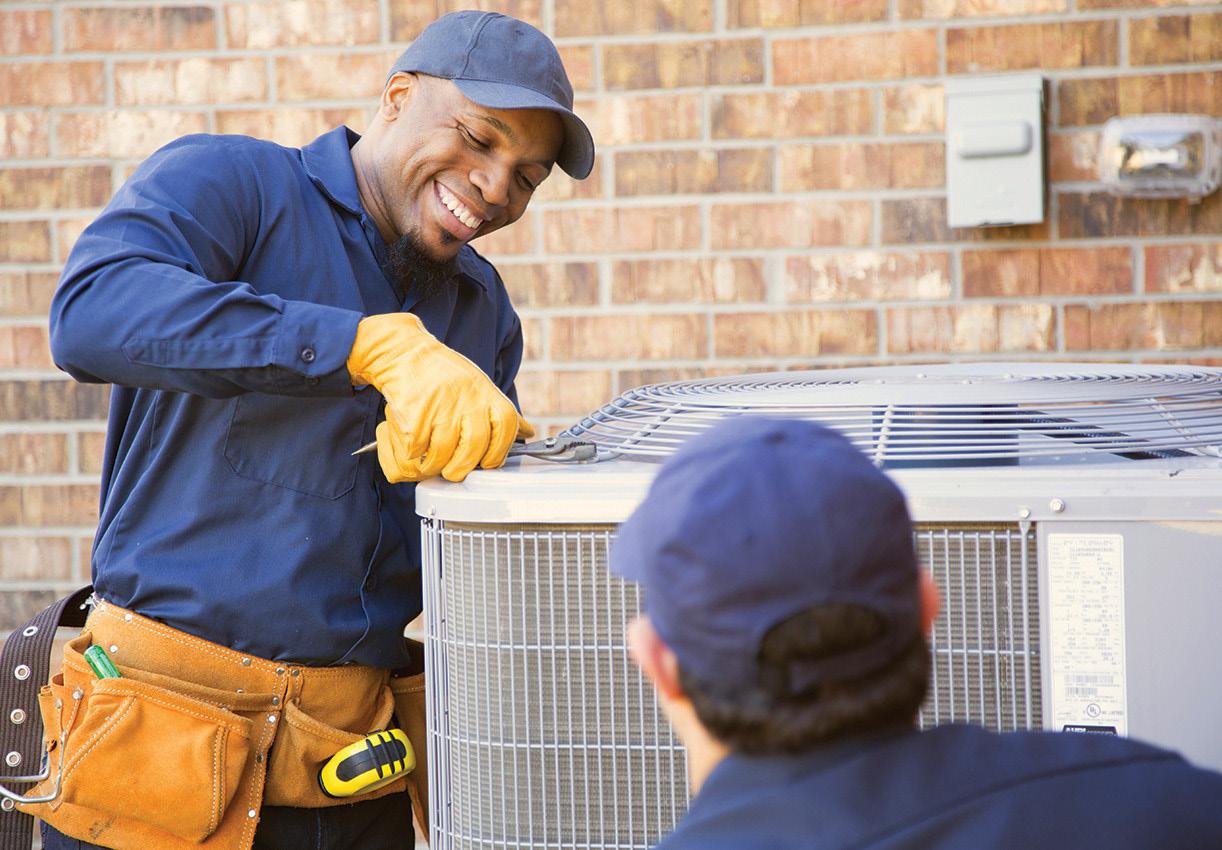
Upon the arrival of the dog days of summer, few things can be as welcoming as a cool home. Air conditioned interior spaces offer a much-needed respite from summer heat, but that relief is not guaranteed. Indeed, a summer heat wave can be just as taxing on an HVAC unit as it can be on people. But some simple pre- and in-season maintenance tips can go a long way toward ensuring an HVAC unit provides ample relief once the mercury rises.
• Replace the air filter. Prior to summer, replace the filter on your HVAC unit. Doing so ensures dust, dirt and allergens won’t affect the efficiency of the unit. An inefficient HVAC unit will make it harder to cool the home, and that may force the unit to work harder, which in turn can lead to a higher energy bill.
• Don’t forget the condenser. The condenser is the unit on the outside of your home. Over time, debris from the landscape, including dirt, grass, and leaves, can get inside the condenser and potentially affect the performance of the unit. While it’s inevitable that some landscape debris will get into the condenser, routine checkups and removal of debris can ensure that the buildup is not excessive.
• Lend a hand inside. For people who live in areas where summer can get
especially hot, there may come a point in time when even the most well-maintained HVAC unit can use a hand. Homeowners can take certain steps during heat waves to improve the efficiency of their HVAC unit with an eye toward saving money and preventing the unit from overheating. Closing curtains and blinds during times of day when the heat is peaking or particular rooms in a home are drenched in sun can naturally lower the temperature inside a home, thus alleviating the burden on the HVAC system. Ceiling fans also can be employed while the air conditioner is running to circulate cool air more effectively. That can prevent the HVAC unit from working extra hard to cool the home.
• Take a different approach to dinnertime If you’re accustomed to turning on the stove each night at dinnertime, recognize that doing so will increase the interior temperature of your home. As the temperature inside increases, the air conditioner will work harder to keep interior spaces cool and comfortable. That can be taxing on the HVAC unit and lead to higher energy costs. When it comes to dinnertime during the dog days of summer, consider cold dishes like salads and/or grilling so the stove can stay off as much as possible.
Some simple maintenance tips and strategies can ensure an HVAC unit provides ample relief come the dog days of summer.


H. Ryan.
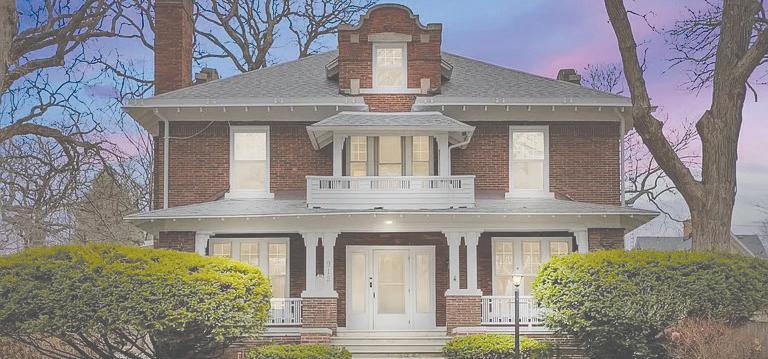
• A welcoming front porch leads into a gracious entry foyer, where the home’s timeless character immediately shines. The family room showcases beautiful stained glass windows, a brick fireplace, and custom built-in shelving, creating a warm and elegant gathering space. The expansive living and dining rooms are richly appointed with large windows, additional stained glass details, and original pocket doors that separate the two spaces.
• The kitchen offers excellent functionality with a spacious butler’s pantry pass-through to the dining room, an additional walk-in pantry, and a convenient rear staircase leading to the second floor. A grand frontstaircase leads up to an open gallery landing, four bedrooms, and access to two covered balconies that provide inviting spaces to relax while overlooking the mature trees and surrounding historic neighborhood.
• Walk up to the finished attic that provides the option for a fifth bedroom, guest space, or flex room.
• The finished basement expands the living and entertaining space with a full wet bar and lounge.
• This is a rare opportunity to own a landmark home in one of the area’s most admired historic neighborhoods. MLS# 12584488
912 S. Greenwood Ave., Kankakee, IL | $410,000


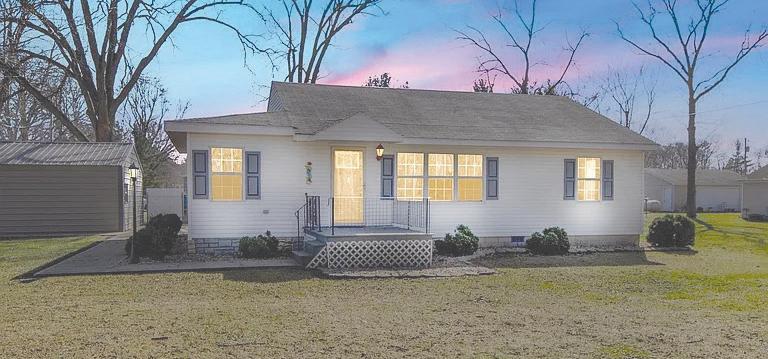
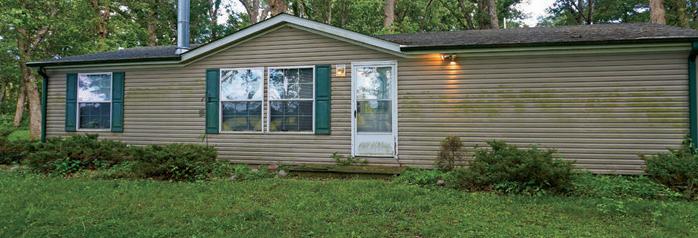
• Detached 2-Car Garage! • Welcome to this charming home situated on a spacious corner lot in Momence!
• This inviting property features an eat-in kitchen with a unique built-in table-perfect for casual meals, morning coffee, or gathering with friends and family. The kitchen also includes a convenient laundry closet, and all appliances stay, making your move even easier.
• Step outside and enjoy the generous .3-acre lot offering plenty of room for outdoor living. The backyard patio is ideal for relaxing or entertaining, while the storage shed provides extra space for tools and lawn equipment.
• The detached two-car garagefeatures durable steel siding and offers ample room for parking, storage, or hobbies.
• With its practical layout, great outdoor space, and desirable corner location, this property offers a wonderful opportunity to enjoy small-town living with room to spread out.
• MLS# 12586121
3478 N 17240e Rd., Momence, IL | $164,900


•
•
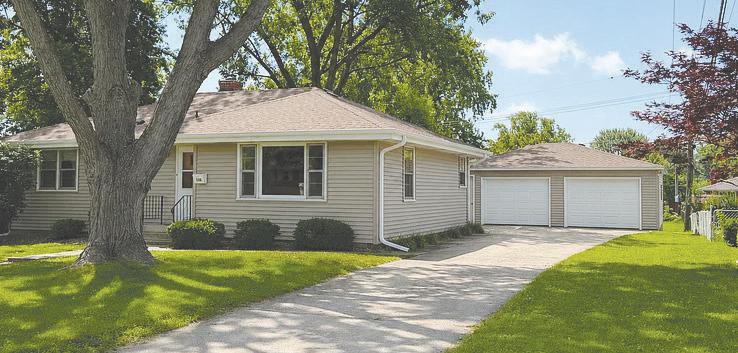
• A great kitchen offering ample cabinetry for excellent storage.
• Full basement professionally Perma-Sealed, newly epoxied floor and provides a great, open layout with abundant storage space and endless potential.
• Nice dream backyard with plenty of room to relax, entertain or play.
• Many updates inside and out.
•




Landscaping goes a long way toward how residents, guests and even prospective buyers view a property. A 2023 Thumbtack survey conducted in partnership with Nextdoor found that 73% of homeowners feel a well-kept lawn dramatically improves curb appeal.
Maintaining a lawn involves more than mowing once every week or two weeks. While it’s important that grass be cut consistently and at a height that helps to prevent weed infestation, homeowners also need to go further if they hope to produce a lawn they can be proud of.
Watering a lawn promotes strong roots and produces that lush, green look that can quickly become the envy of a neighborhood. Hand watering is effective but also labor-intensive, while watering with lawn sprinklers may
require frequent repositioning and lead to substantial runoff. That’s why many homeowners look to irrigation systems to preserve their lawns and other areas of the landscape outside their homes. Homeowners considering such a system for their homes can take note of some of the basics of home irrigation systems.
Homeowners may be surprised to learn there are various types of irrigation systems. When considering an irrigation system, homeowners may settle on two of the more common types.
• Sprinkler systems: These might be the most familiar home irrigation systems. A sprinkler irrigation system positions various sprinklers around a property and allows homeowners to water large areas in a relatively brief period of time.
• Drip irrigation systems: Drip systems
are installed underground and provide water directly to the roots, which builds a stronger lawn and reduces the risk of weed infestation. Drip systems also can help to conserve water, which is important for homeowners who live in areas with arid climates. And because they’re underground, drip systems do not lose a lot of water to evaporation, which is another notable factor for homeowners to note if they live in areas with high temperatures and substantial summertime humidity.
Cost is a chief consideration for any home improvement project, and irrigation systems are no exception. The cost of a system will depend on a number of variables unique to each property, including the size of the grounds, the soil conditions, and the layout of the lawn. A drip irrigation system is considered affordable, with the experts at
LawnStarter estimating homeowners spend between $310 and $815 on such systems. A sprinkler system can cost anywhere from $0.90 to $1.70 per square foot, according to LawnStarter. So homeowners interested in such systems can expect to spend thousands of dollars to install one.
It’s generally a good idea to leave irrigation system installation to the professionals. However, various resources indicate that drip irrigation systems are DIY-friendly for people with ample DIY experience. Sprinkler systems are more difficult to install than drip systems, and these projects should be trusted to experienced local professionals.
A well-maintained law can be a show stopper, and an irrigation system can help homeowners get the most out of their lawns.

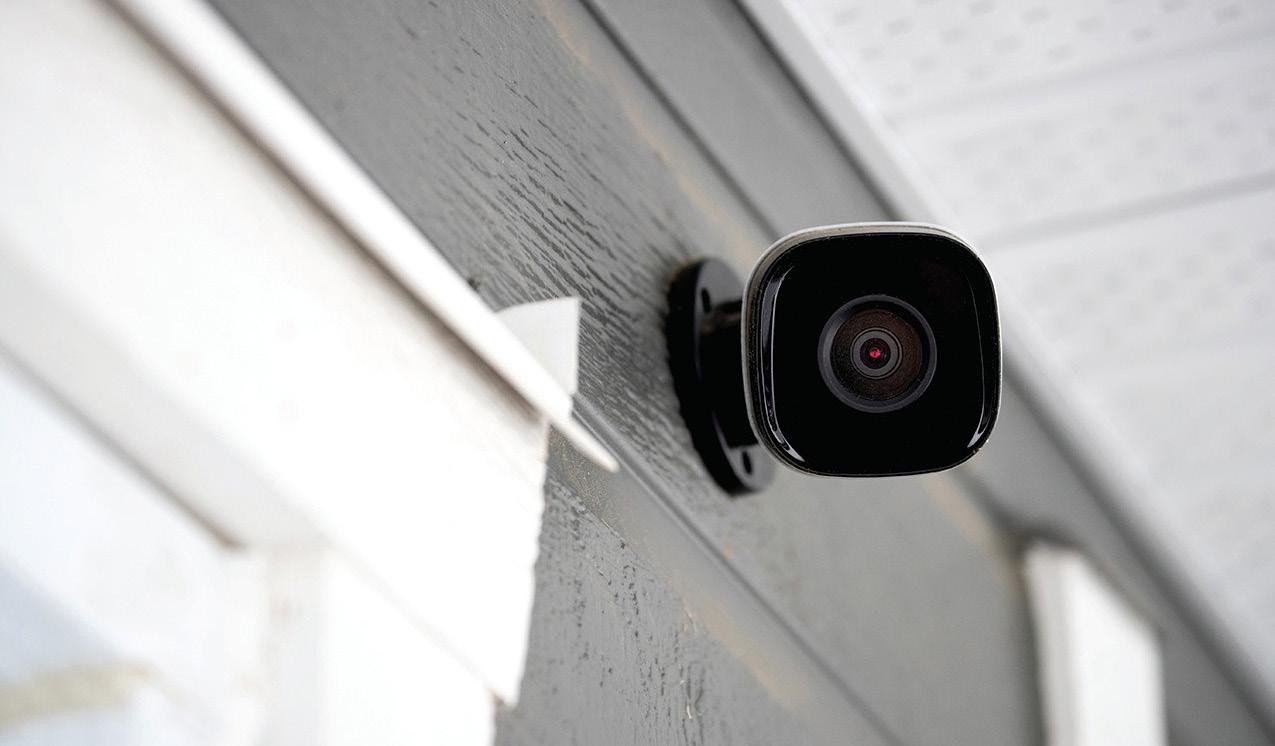
A home can never be too safe or secure. When residents of a home leave or go to bed at night, a wide range of safety and security features can protect them and their belongings. In-home amenities also can make homes safer for residents with mobility issues or other limitations.
Homeowners indeed have no shortage of options when seeking to make their homes safer and more secure. An assortment of safety and security features can help homeowners plan for nearly every situation that could put residents in jeopardy.
• Age-related safety features: Various features can help seniors age in place. The National Institute on Aging recommends installing grab bars in showers and bathtubs to reduce the risk of falls when bathing. Such features also can
help seniors balance themselves while they bathe and get in and out of showers and tubs. Nonslip strips can be installed on bathroom and kitchen floors in areas that might be vulnerable to spills or puddling. The NIA also recommends fixing all carpets firmly on the floors, which may necessitate the removal of all area rugs. Adding handrails on staircases so there’s something to grab onto on each side the staircase also can enhance the safety of these potentially risky spaces in a home.
• Entry point security features: Deadbolts, security cameras and/or smart doorbells make it easier to keep strangers out and monitor entryways. Smart doorbells may deter criminals from approaching a property. Locks and sensors also can be installed on all windows, and especially those on the first floor that can be accessed from the ground. Locks on sliding doors can be reinforced with second-
ary locks that further prevent the door from being opened from the outside once the locks are engaged.
• Fire safety features: The National Fire Protection Association notes that the death rate in home structure fires is approximately 60 percent lower in homes with working smoke alarms than in homes with no alarms or in homes where alarms are not working. The NFPA adds that smoke alarms monitor for smoke and control the speaker that emits the sounds that notify occupants of the presence of smoke. The NFPA recommends both ionization smoke alarms and photoelectric smoke alarms, as each employs a different type of sensor. The combination of both in a home ensures people are alerted in the case of both flaming fires (ionization alarms) and smoking, smoldering fires (photoelectric alarms).
A functioning fire extinguisher also is a
must (disposable extinguishers typically last between 10 and 12 years), as is a carbon monoxide detector.
• Lighting: Sufficient lighting in a home and around the exterior of a home and even the property can be another important safety and security measure. Exterior lighting deters intruders because it makes them more visible to residents while they’re awake and makes them easier to see on overnight security cameras, which can be enough to keep them away. Interior lighting makes it easier to navigate a home at twilight and at night. Hallway night lights can make trips to the bathroom safer, and lighting alongside stairways can make these spaces easier to navigate when the rest of the home is dark. There’s no shortage of ways to make homes safer and more secure, which should be a priority for homeowners of all ages.







73 acres more or less Yellowhead Twp
$11,500/ACRE
NEW 114 acres +/- Martinton- Excellent Tenant $11,250/ACRE
NEW 120 acres +/- Martinton - Excellent Tenant ...................................................................... $12,500/ACRE
NEW 102+/- acres Sullivan Twp - $11,000/ACRE
NEW 159.57 acres Sumner Twp Excellent Tenant........................................................... $2,060,000
3.32 Acres Commercial Corner - Elwood CALL
3.5 acres on Rt. 113 (Division St) Diamond $399,000 LOCATION, LOCATION, LOCATION
5 Acres Manteno - Good Location - Commercial Land CALL
7.4 ac. Industrial Dr Momence CALL
12.32 ACRES-1-57 frontage close to Ricky Rockets PENDING CALL
13.79 Acres corner of Eames and Bluff Channahon CALL
32 acres Manteno-Development
Commercial lots right on Rt. 52 north of Manhattan
2
$599,900
3 $324,900
4
5 PENDING $399,000 11 Acres - Rivers Plaza Channahon CALL
1
2
3
4
NEW Herscher -- Rt 115 Frontage - Commercial Lots CALL 40 acres Richton Park across from Walmart CALL 51 acres Manteno - Rt 50 Frontage- Development Potential CALL 7 commercial lots I-55 and Rt 47 -- Dwight CALL Great lot on Rt 50 in Manteno REDUCED CALL 2.82 acres corner of Rt 53 and Peotone/Wilmington Rd CALL
acres - Momence Development-93 lots
CALL
acres - Elwood- right on Mississippi CALL
ac+/- Development Rt 45/24 Gilman CALL