





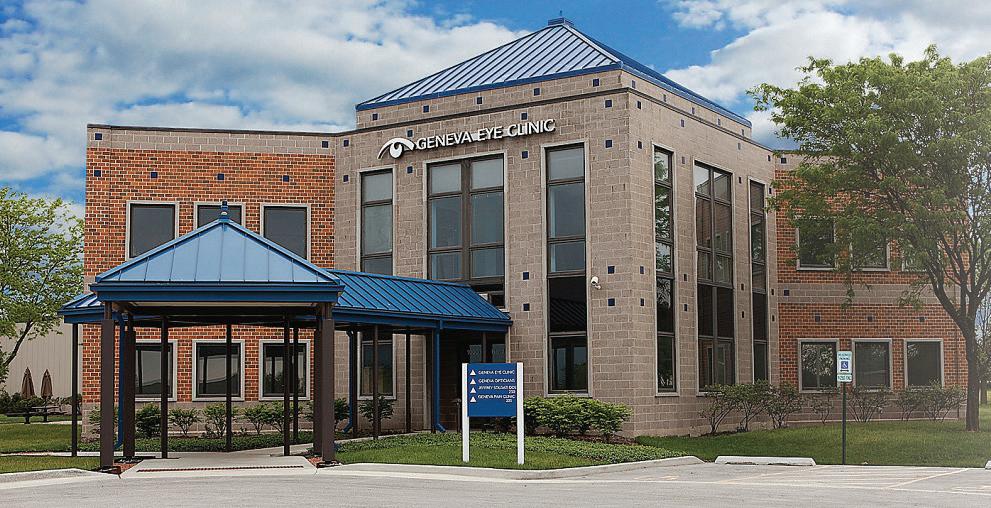

Our 6 Board-Certified Ophthalmologists, specialize in the medical and surgical treatment of many eye disorders including Cataract Surgery, Macular Degeneration, Glaucoma, Diabetes, Dry Eye treatment, Retina Disorders, Oculoplastics and more.











Our 6 Board-Certified Ophthalmologists, specialize in the medical and surgical treatment of many eye disorders including Cataract Surgery, Macular Degeneration, Glaucoma, Diabetes, Dry Eye treatment, Retina Disorders, Oculoplastics and more.
As a professional adjacent to the creative arts, this month’s edition of Kane County Magazine is one of my favorites.
Of course, I am a little biased, but when we delve deeper into the colorfully creative side of our cities, there is always something new to discover, and a little excitement goes a long way. Arts and entertainment not only play a vital role in society as a whole, but they have also manifested as vibrant and tenacious threads woven richly through the history and foundational culture of this region in particular. This year, we’ve chosen to lean a little more into the stories we’ve unearthed on those whose place isn’t necessarily in the spotlight. Though, we made sure to include some local stars as well.
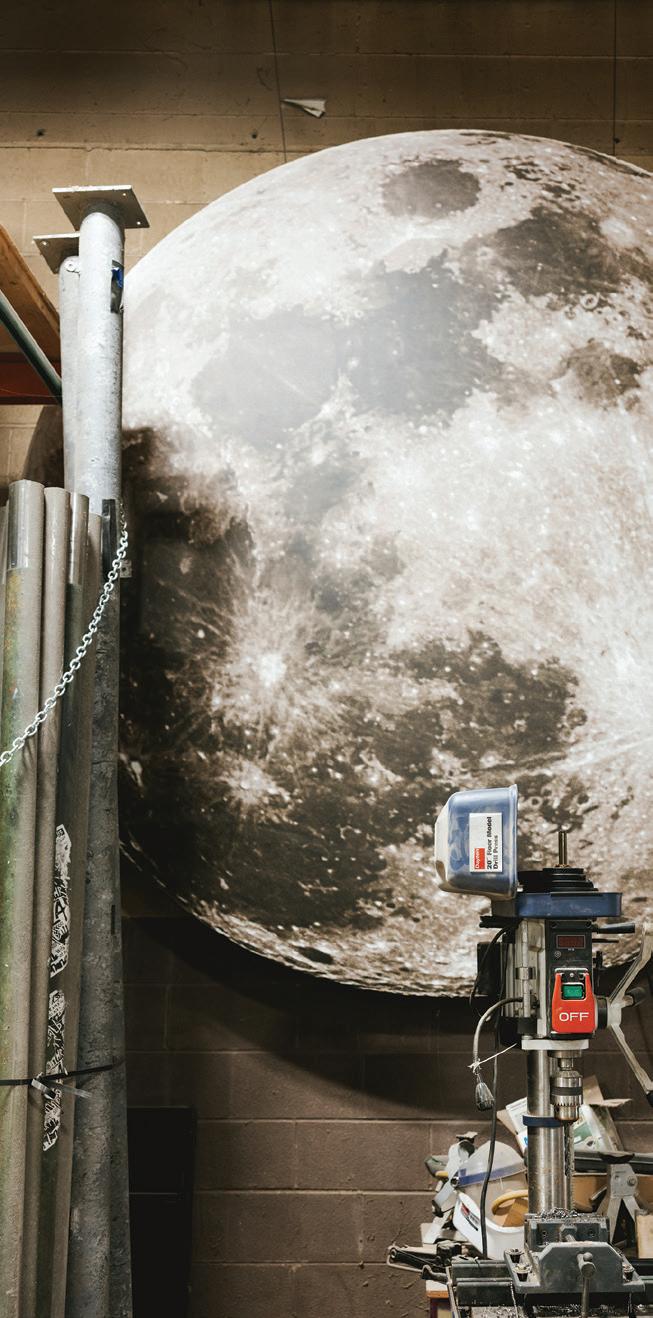
For a fascinating peek behind the curtain at one of the most prolific theaters in our area, check out the costume and prop shops at the Paramount, where one of our writers took an informative tour through gadgets, gizmos, full moons and yards of fabric (page 7).
One of the more exceptional ladies I’ve had a chance to meet, Katie O’Brien, is a pillar of the arts in Kane County, often snapping dazzling headshots for performers and artists alike while producing her own scintillating brand of artistry in every shot. Peruse a Q&A
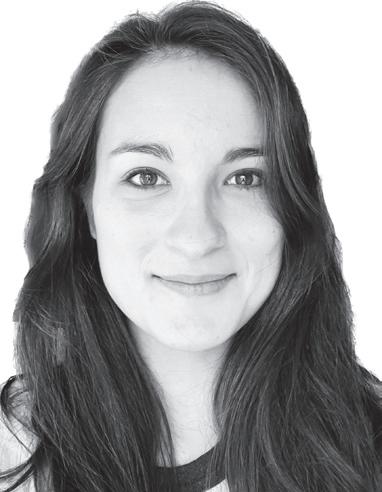
featuring her perspective on art, success and becoming a powerhouse in the shutterbug industry (page 16).
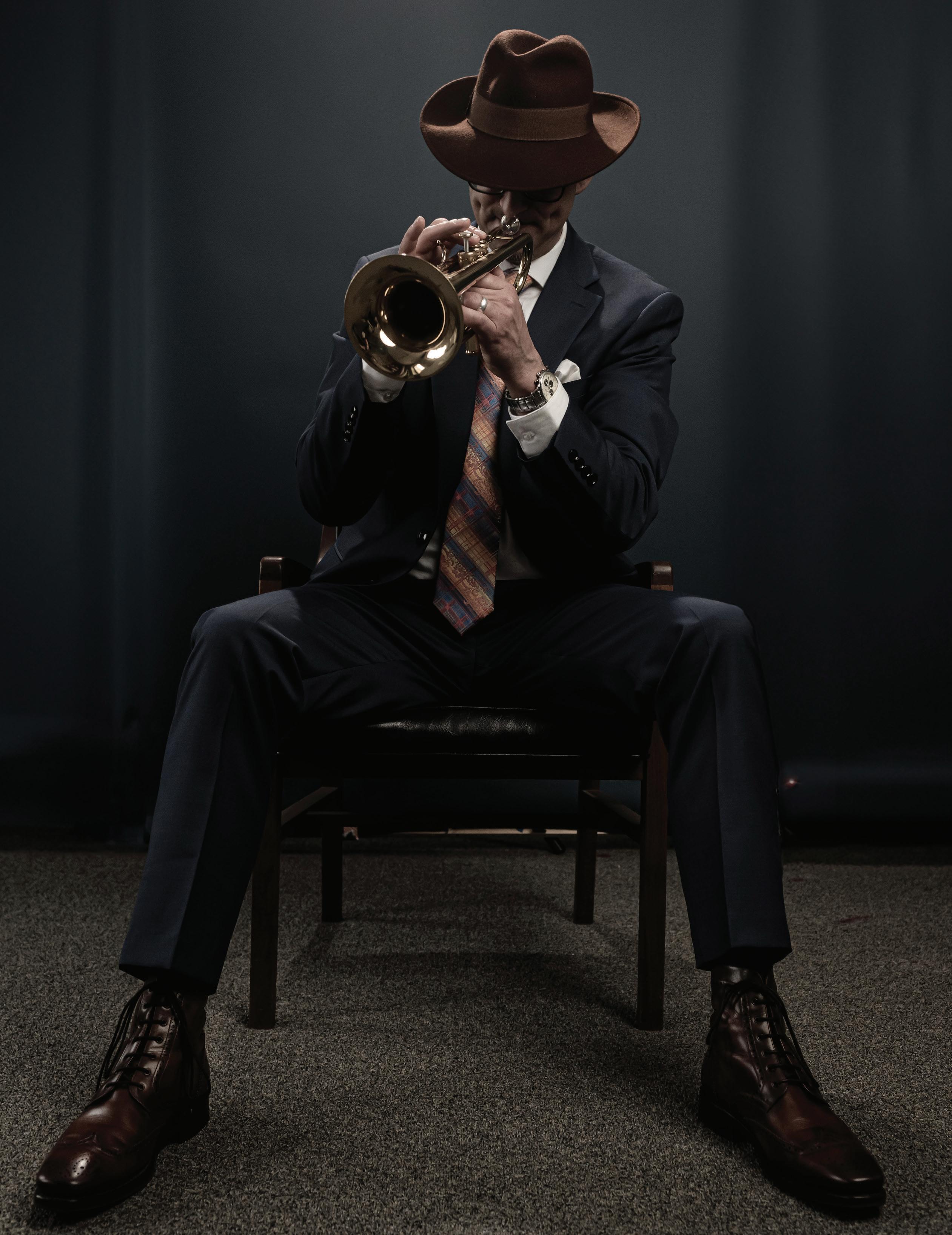
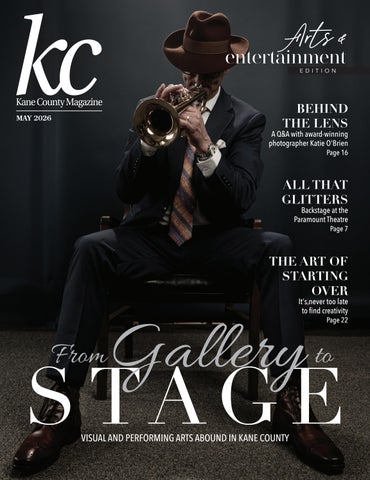
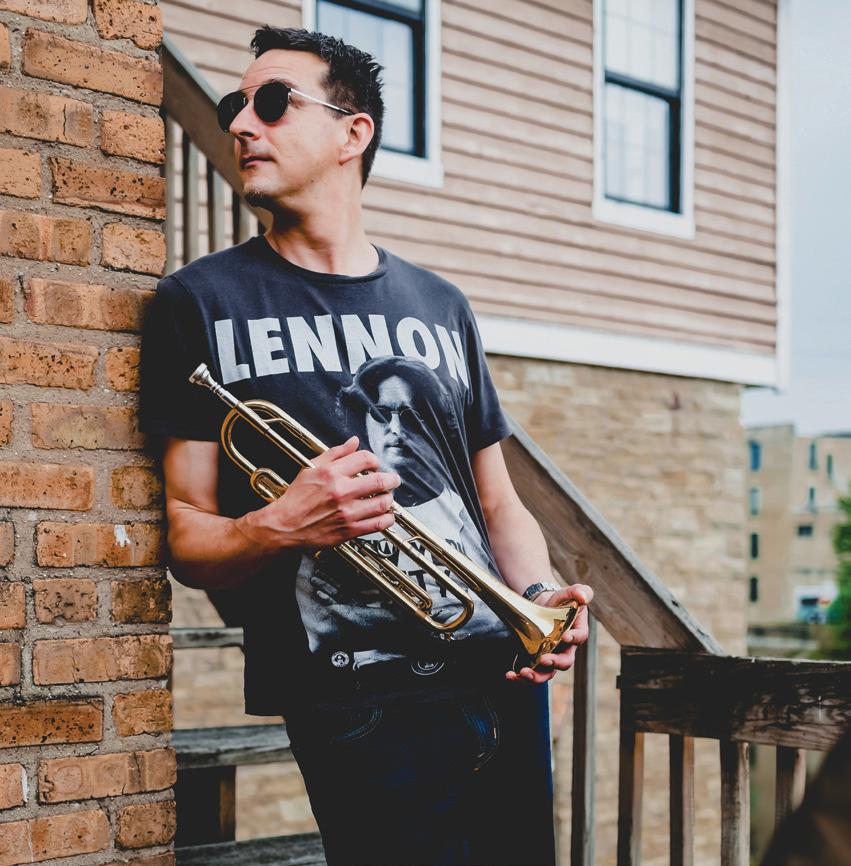
Speaking of Katie, we’ve included spotlights on two cool cat musicians I think you’ll be interested to know. Katie was still nurturing the true beginnings of her creative roots when she met them, and now all three masters of their craft have strong ties to the county and beyond (pages 19 and 25). Not to mention, trumpeter Joshua Jern is featured on our cover in a snazzy portrait taken by Katie herself.
However you view the arts, whether you’re a creative, a supporter, an admirer, or all of the above, this month’s edition of Kane County Magazine is a vivid exploration of what it means to give something magical back to the place you call home. And that’s something that matters to everyone.
Thank you for reading, and don’t forget to view your favorite stories online!
Kane County Chronicle & Northwest Herald
Laura Shaw 630-709-4497
lshaw@shawmedia.com
EDITOR
Kelley White kwhite@shawmedia.com
Julie Barichello 815-431-4072
jbarichello@shawmedia.com
Kane County Chronicle & Niche Publishing Tricia Walter 630-345-0066
twalter@shawmedia.com
Yanira Garcia Andel, Jonathan Bilyk, Kevin Druley, Vicki Martinka Petersen, Melissa Rubalcaba Riske, Grace Rosati, Patricia Spekowski, Diane Krieger Spivak, Chris Walker and Cayden Wells
Kelley White, Editor

Musician Joshua Jern has traveled the world, building a legacy as a professional trumpet player. Learn more on page 19!
Photo by Katie O'Brien — check out a Q&A with Katie on page 16.
Next month: Get out and about this summer! Plan a season of personal and family fun with the Outdoors & Recreation issue of Kane County Magazine.
This magazine is available by subscription for $24 a year. If you would like each month’s edition mailed to your home, send your request with payment information to Shaw Media, 7717 S. Route 31, Crystal Lake, IL 60014 or via email at subscriptions@shawmedia.com.

Published by Shaw Media
7717 S. Route 31, Crystal Lake, IL 60014





































7 ALL THAT GLITTERS
29 PRIME CUT
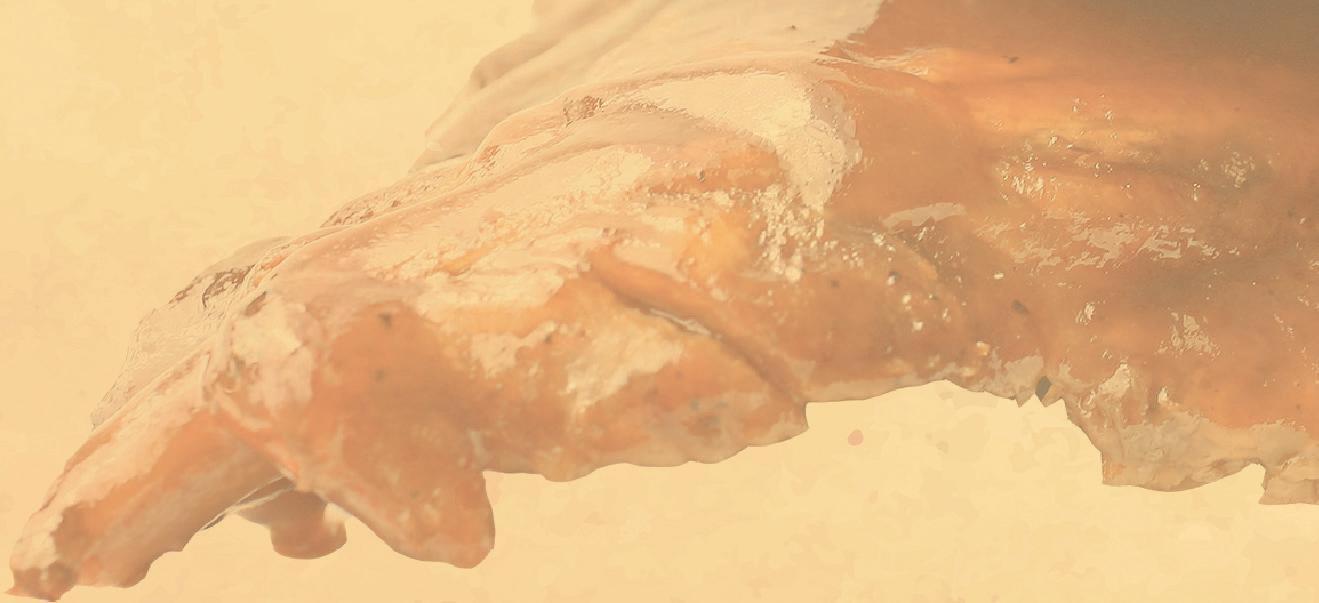
Culinary craftsmanship makes this Geneva restaurant stand out
Take a peek backstage at Paramount Theatre
10 ARTIST OF THE MONTH
Sarah Reaves shapes from the heart
12 INK & IDENTITY
How four area tattoo artists found their start in the industry
14 LEADERSHIP IN THE ARTS
St. Charles Art Council advocates for all forms of creative expression
16 BEHIND THE LENS
A Q&A with Katie O’Brien
18 THE MAN BEHIND THE MUSIC
All about the hidden heroes of live music and broadcast
19 JOSHUA JERN
Finding life, love and rhythm
20 INSIDE FINE LINE CREATIVE ARTS CENTER
Where inspiration thrives
22 THE ART OF STARTING OVER
Artists say it’s never too late to find creativity
24 WHEN WORDS AREN’T ENOUGH
The power of healing through art
25 DESTINED FOR THE STAGE
Casey Fitzpatrick lives his passion for music
26 BEHIND THE SIGHTS AND SOUNDS
The festival organizers engineering joy year after year
30 IS “EFFORTLESS BEAUTY” A LIE?
A glimpse behind the illusion
31 THE POWER OF CONSISTENCY IN WELLNESS
Build a routine that lasts with Elements
Massage
32 MULTI-GEN TRAVEL WITHOUT THE STRESS
How to please everyone in one fell swoop
34 MILES OF SMILES
St. Charles Park District keeps wheels in motion for cyclists looking to enjoy the outdoors
36 SUBURBAN SUPERDAD LAYS IT DOWN
Some words and actions are universally understandable
38 STRATEGIC ASSET ALLOCATION
The steady hand your portfolio deserves
By Grace Rosati • Photos by Wendy Greenslade of Locked In Photography

Aurora’s Paramount Theatre is known nationally for their Broadway-sized performances. But there are hundreds more faces working behind the Playbill that you may not have seen before.
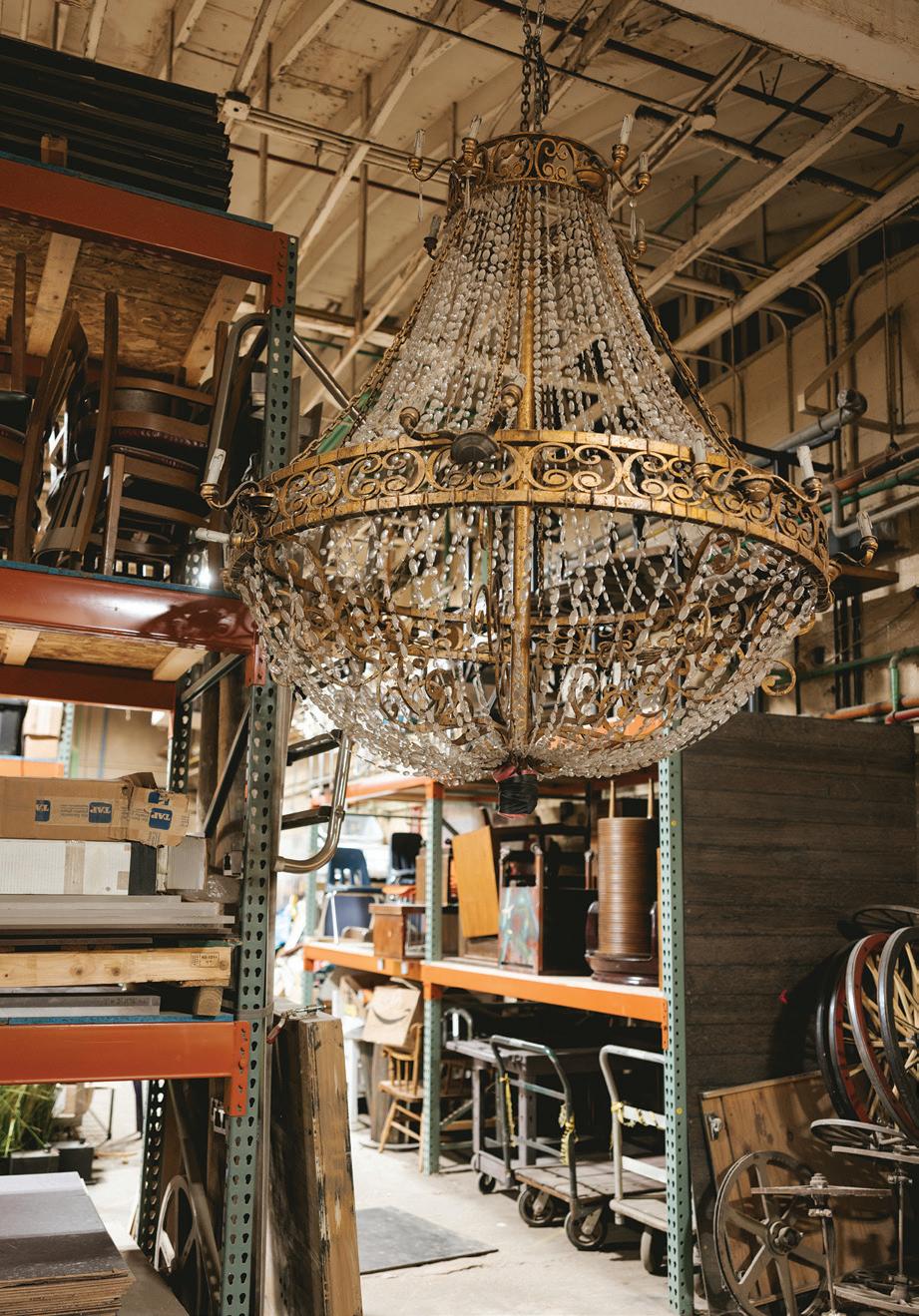
Many hands make the Paramount shine, and the hands of Properties Director Aimee Plant brings each show’s setting to life through props.
Properties, or "props," are the objects actors use in a production. “The easiest distinction between props and scenic
is if you're moving into a house, a prop is something you're going to put on the moving truck, but scenic would be something the house came with,” explains Plant. “So, all of your furniture, all of your pots and pans, all of those are props. But the walls and such are scenic.”
Known for their larger-than-life scale (what they call “Paramount-sized”), the props department have been responsible for all sorts of wacky items throughout the years. Take the enormous 30-inch-long stuffed cod made for “Come From Away,” for example!
For their current show “South Pacific,” Plant is super excited for audiences to see their new array of oddities.
“Our directors had this idea where our characters make shrunken heads out of dried oranges to sell to tourists. If we didn't have a 3D printer, we probably would have sculpted them. But instead, I printed them and then melted them some more to make them look a little different. I think they’re going to be super cool, and we're making about 70 of them, so it will be really impactful,” says Plant.
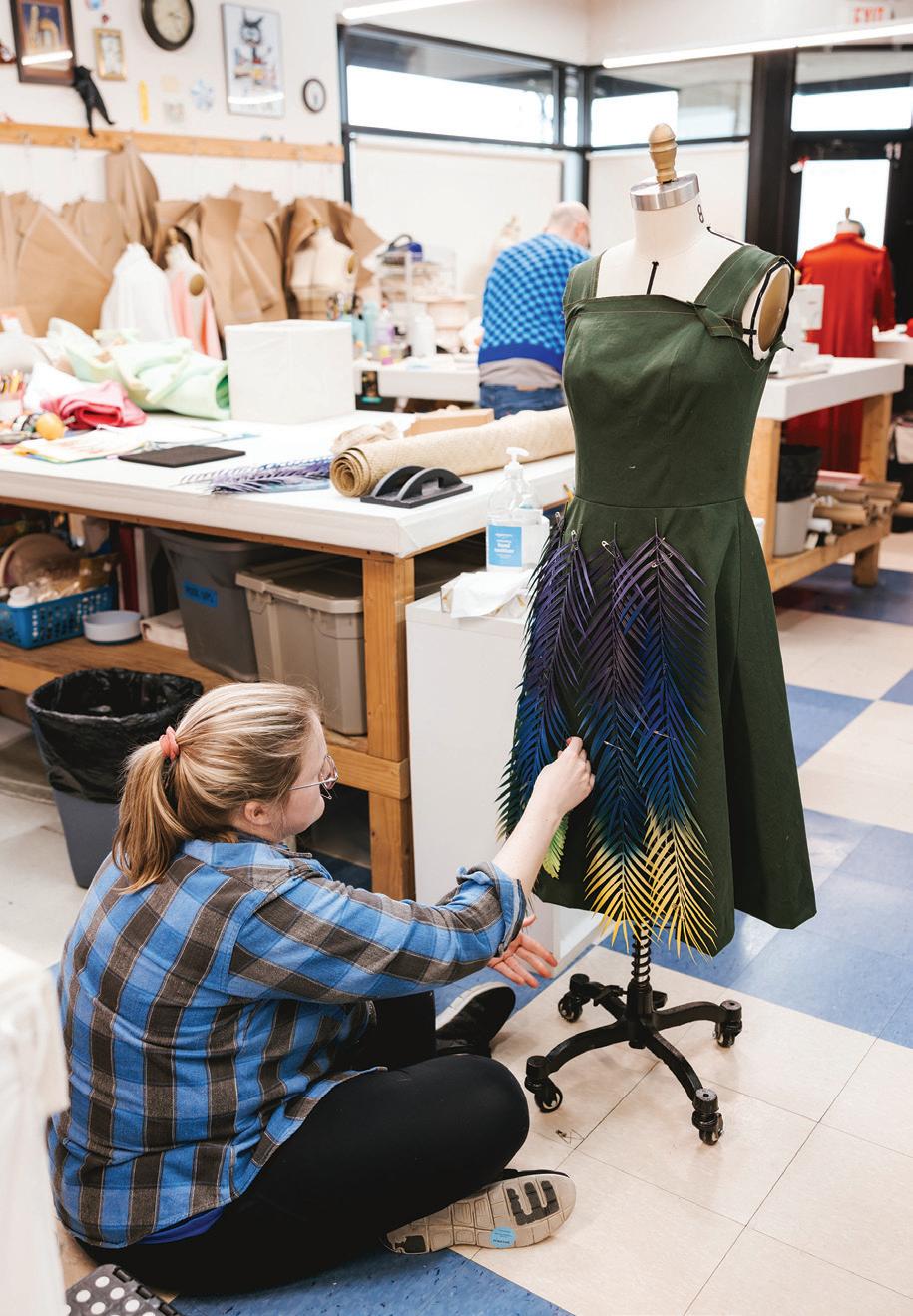
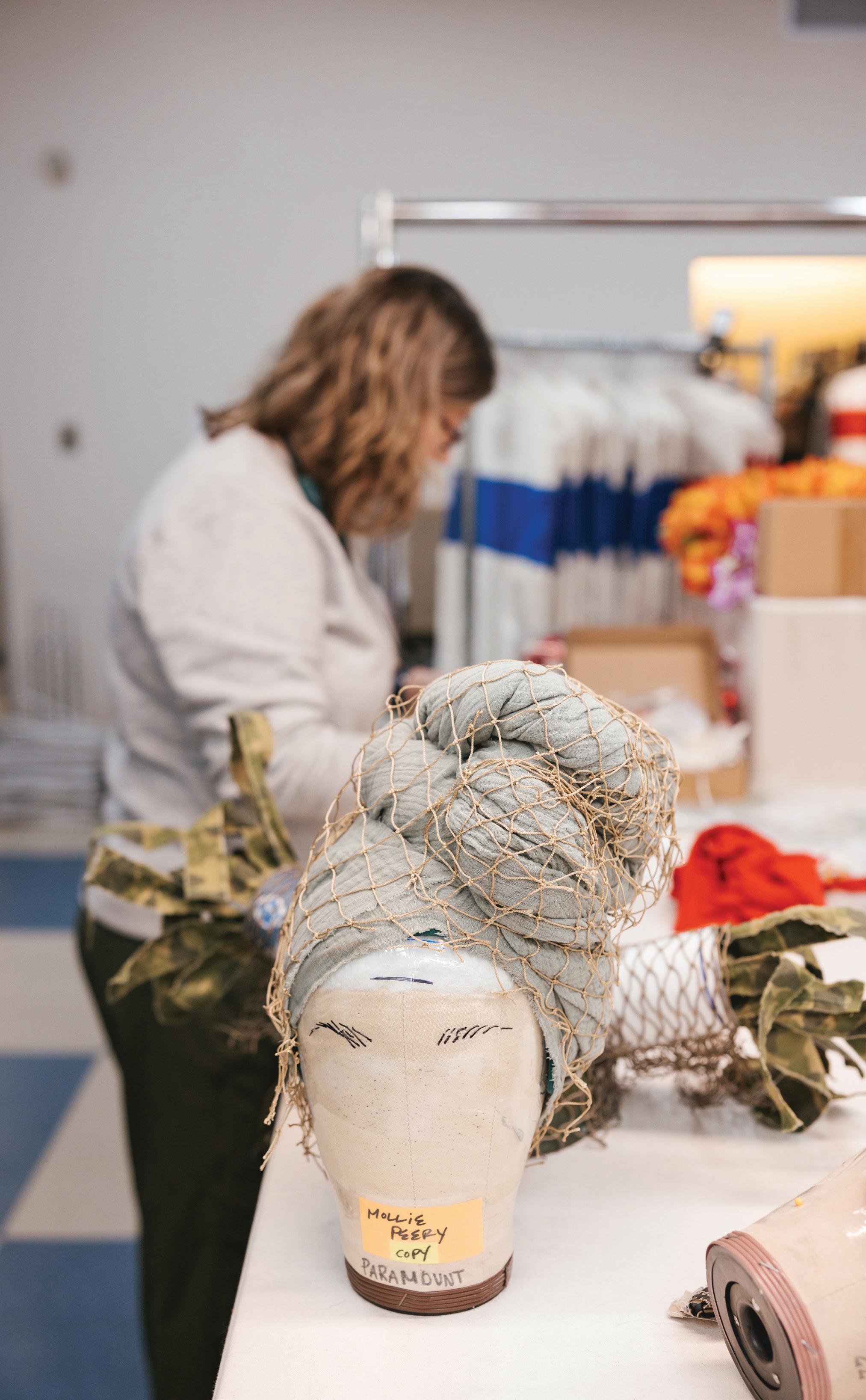
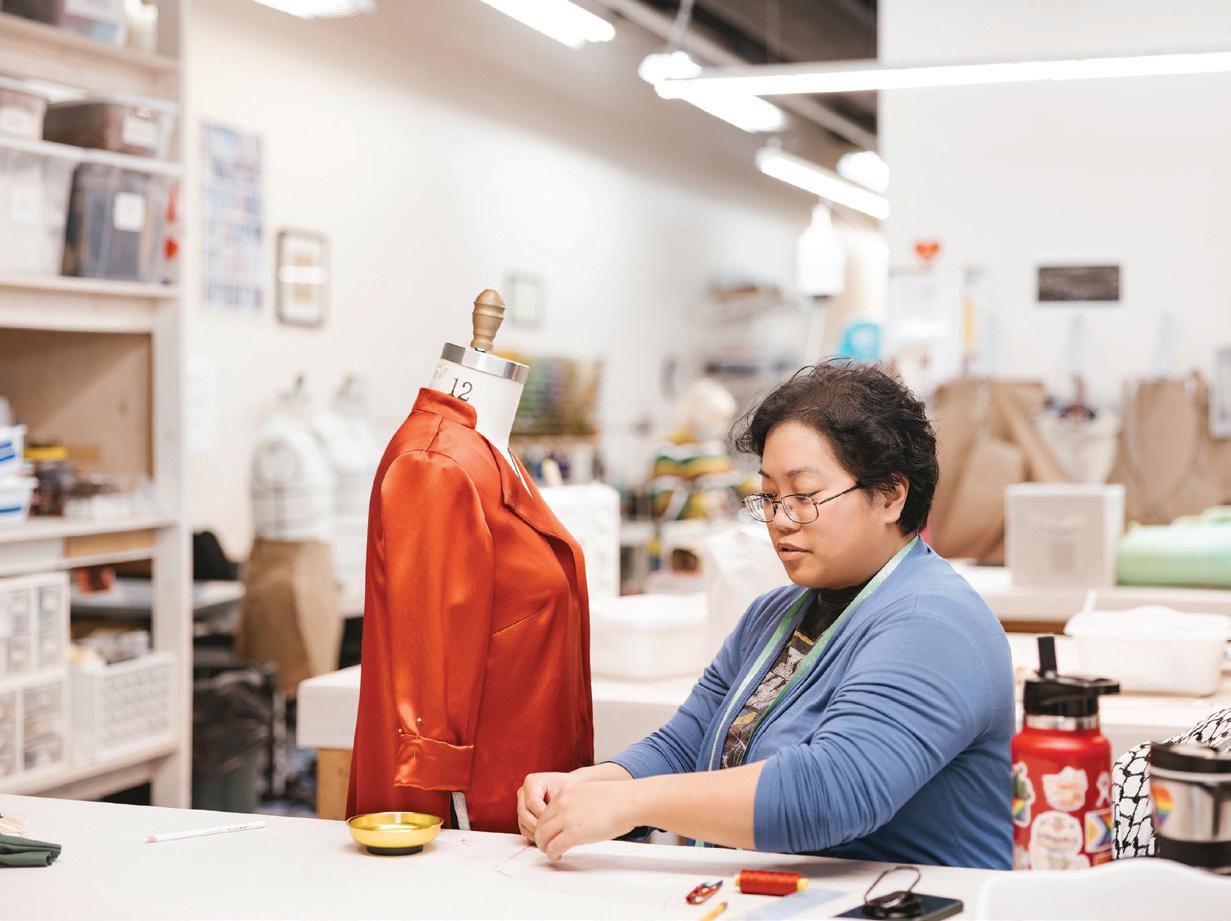
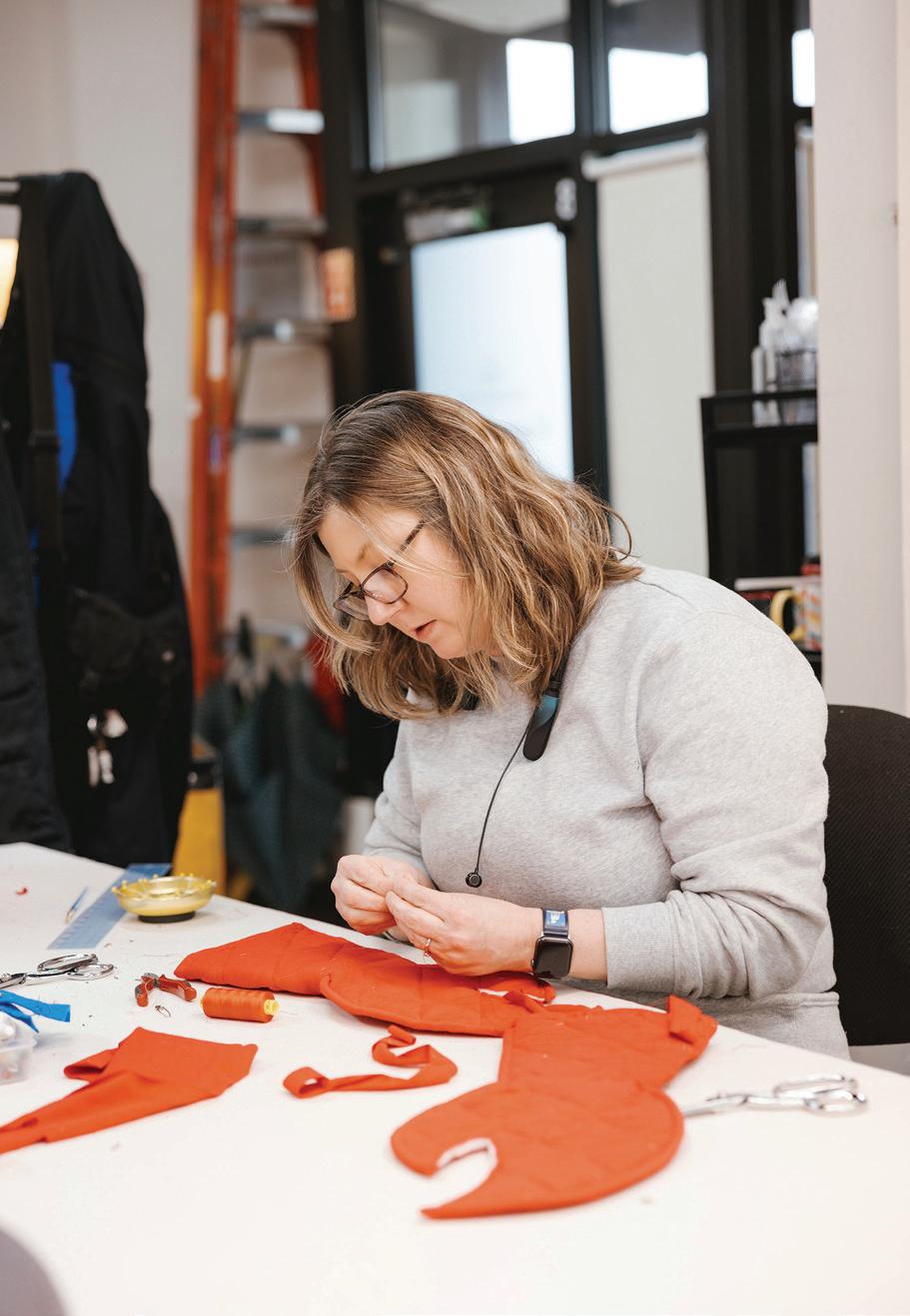
Outside of props, Paramount’s costume shop helps set the scene through the medium of clothing. Under the direction of Costume Director Matt Guthier, every Paramount costume is perfectly tailored and fully thought out before it hits the stage, from the mockup drawings to fittings.
And one of the most important aspects is color. “The designer will set the color palette strongly. That’s the part that I pay most attention to, because it’s important to see how all the colors blend together,” says
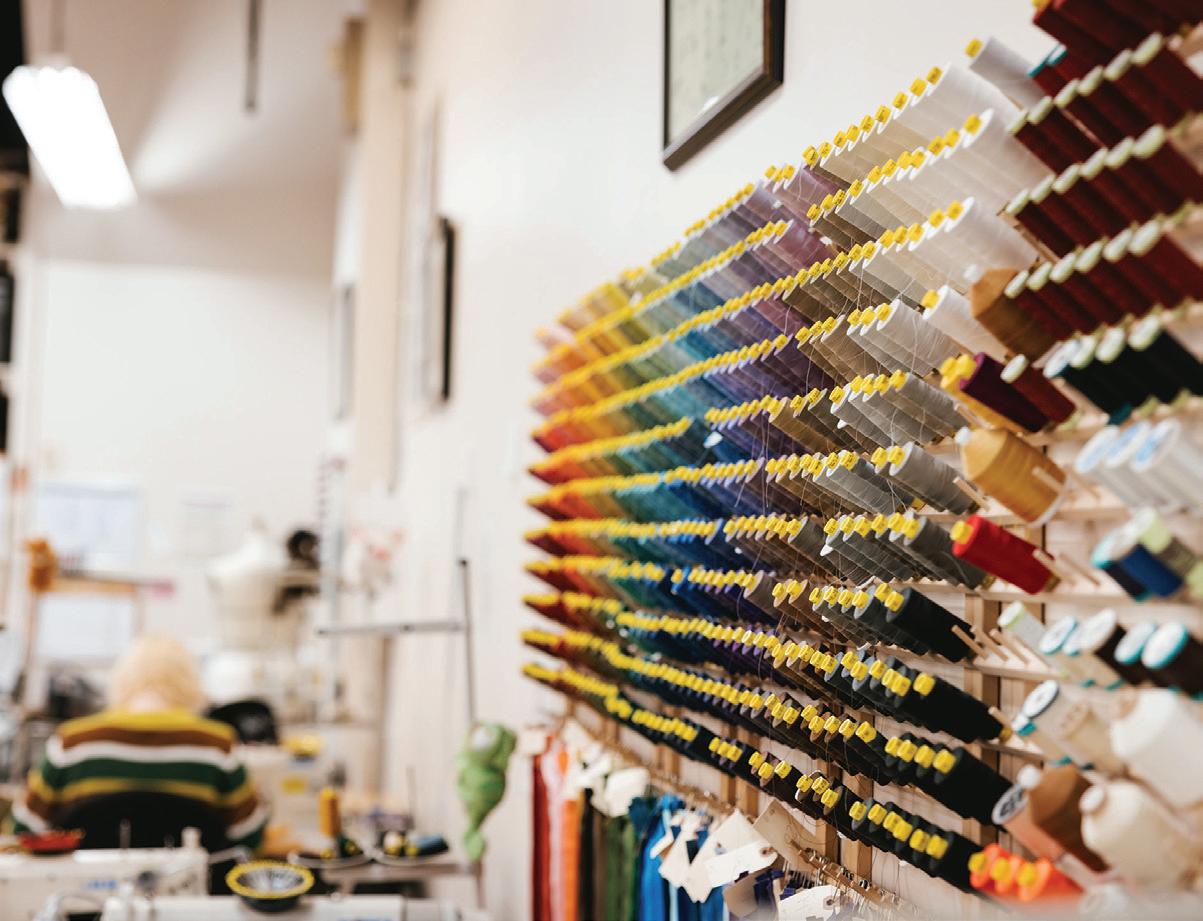
Guthier. “If needed, you'll generally sacrifice period for color because our audience is so far away that we can get away with a detail not being correct.”
That being said, the costume department has worked tirelessly for “South Pacific” to ensure every uniform fits World War II standards. “All four branches of the military are represented at some point in the show, so the challenge was finding the correct items: all the patches, the medals that signify


rank, uniform style, and what year it came in all play a part,” says Guthier. In fact, there are a select number of pieces that are actually from that era, including a set of Navy dress uniforms donated by a local donor.
There are so many moving parts in a musical, but every aspect of a Paramount show is completed with the utmost precision and care. Don’t miss your chance to see the props and costumes live as the Paramount presents their rendition of “South Pacific” from now until June 14.




















The Tri-Cities are booming with arts and artists — perhaps nowhere more vibrantly than Batavia’s Water Street Studios, which hosts events, galleries and up to 25 artists in residence. Each month, Kane County Magazine and Water Street Studios are partnering to highlight artists and their work.
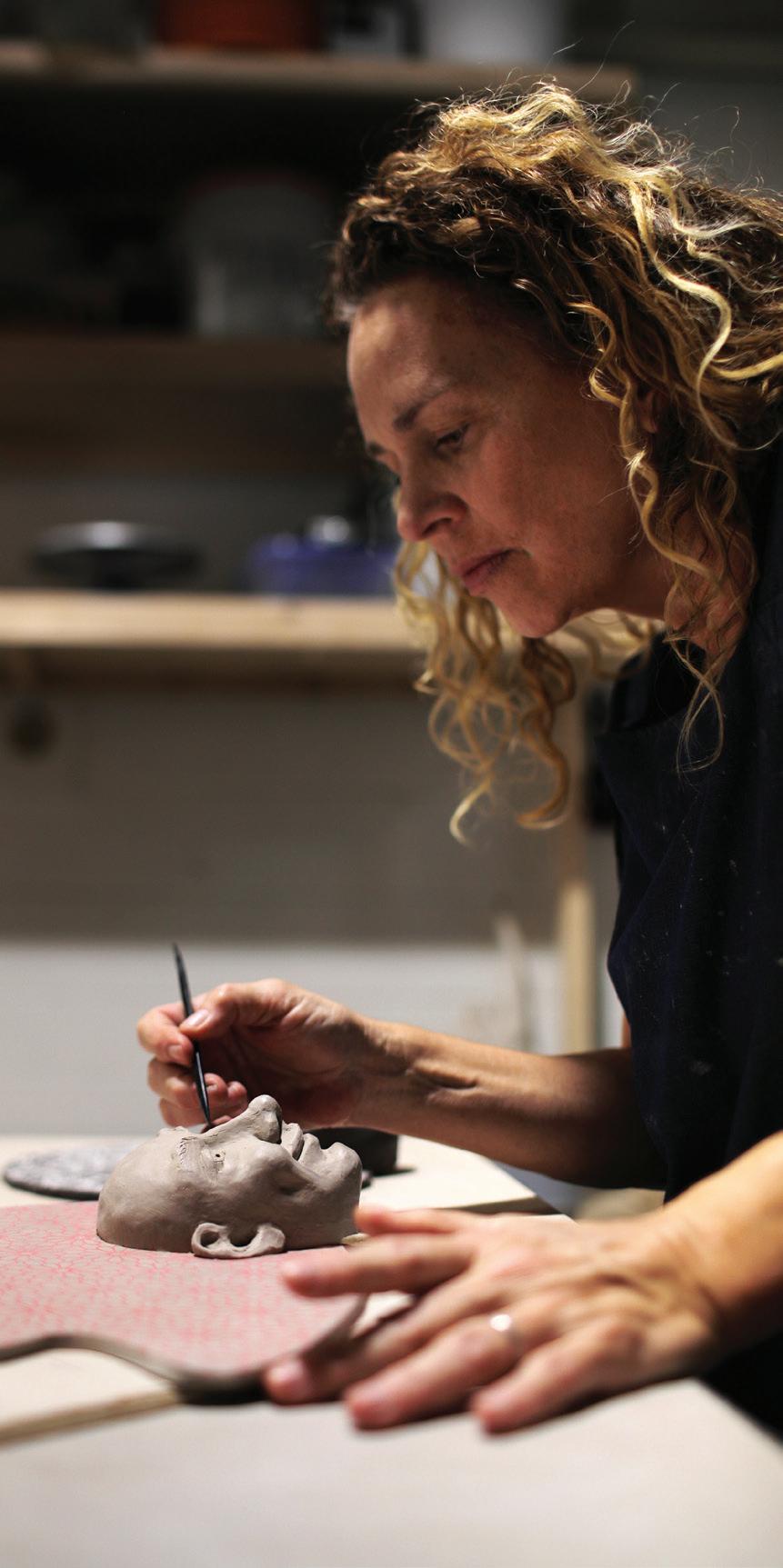
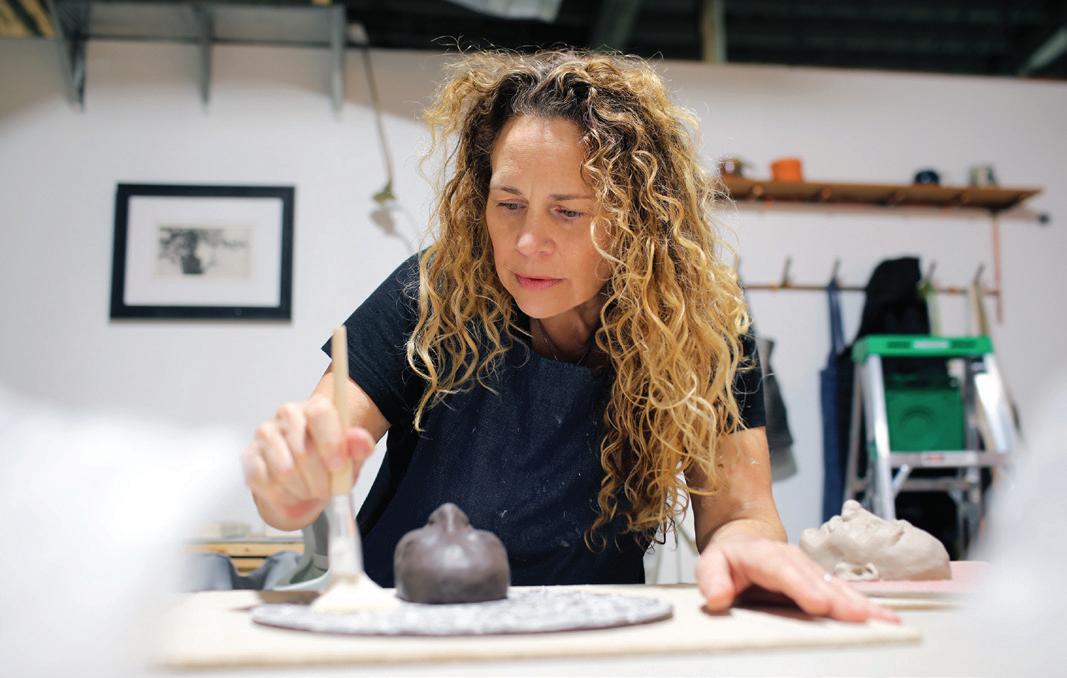
Artist Sarah Reaves pulls inspiration from life’s quiet currents, shaping her work with instinct and raw emotion to evoke the demonstrative nature of even the most subtle of human mannerisms.
“I create figurative sculptures inspired by a lifelong fascination with human expression — the gesture, the presence, and the fleeting moments that connect us,” she says. “A genuine laugh, a subtle smile, a spark in the eyes — these are the moments I aim to capture. My process begins with a sketch, an idea, and a block of clay. I shape intuitively, pushing and pulling until the form feels resolved, then hollowing and refining.”
Reaves’ work ebbs and flows in scale based on each series she creates, showcasing her unique style that marries insight and imagination.
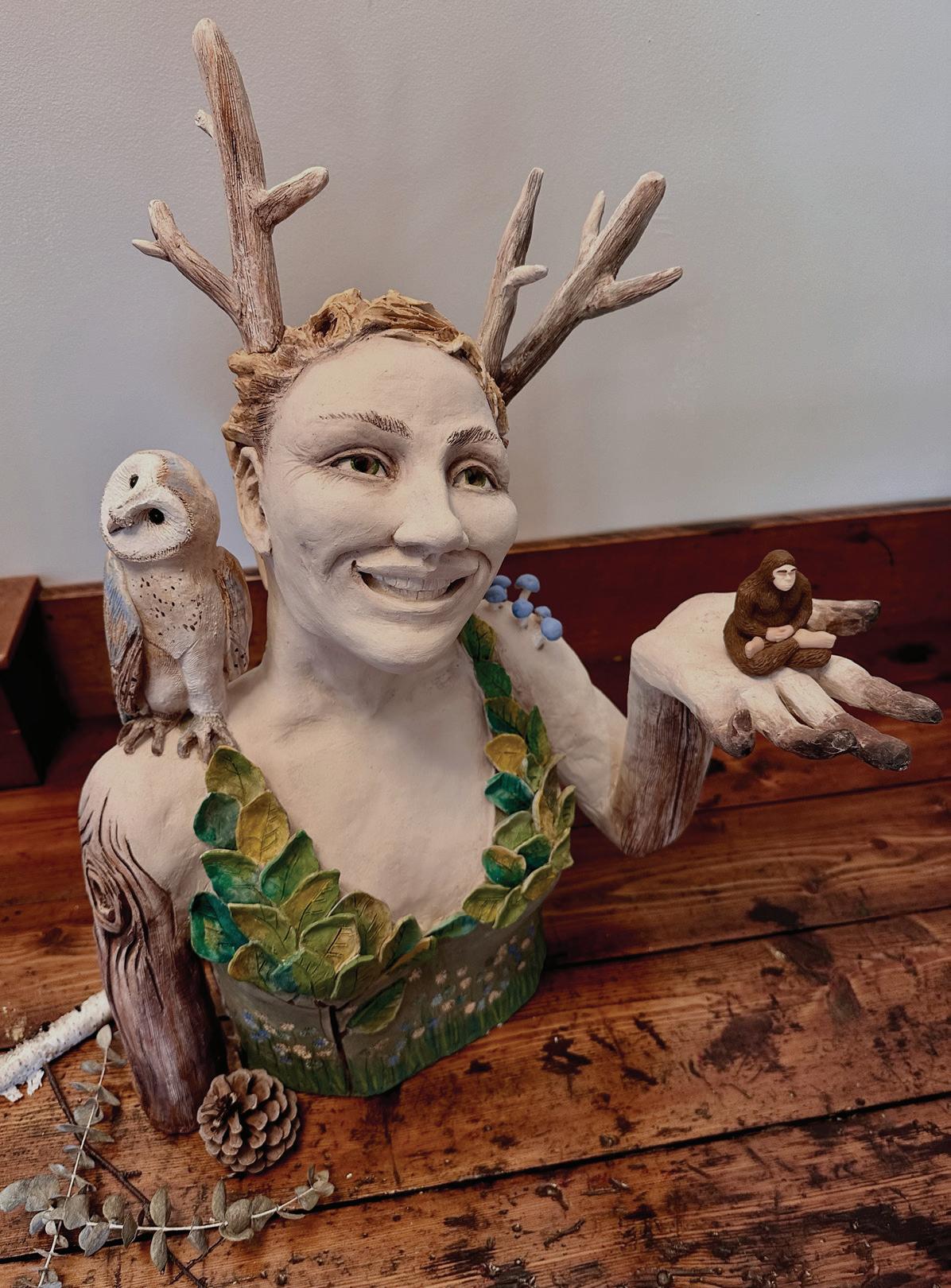
“One of the most challenging projects I’ve worked on is a series called ‘ELEMENTS,’ where I personified earth, air, fire, and water as human figures,” she says. “I wanted each one to physically embody its element, so I pushed myself to incorporate those characteristics into the forms — like giving Earth a flowing, woodlike textured dress or making Water’s hair feel weightless and fluid.”
Incorporated into each piece within the "ELEMENTS" series is a symbol of its corresponding elemental sign, with one of the sculpts featuring a hidden compartment.
Beyond her personal work, Reaves has been a resident artist with Water Street Studios since 2025 and co-founded the Batavia Art
League. “I’ve…studied with some incredible sculptors, including a recent 10-day workshop in a medieval, 15th century walled village (Monte Castello di Vibio) in central Italy," she says. "Teaching at Water Street is something I’d love to step into eventually.”
Water Street is naturally a large part of Reaves’ artistic world, especially since it was a ceramics class she attended at the studio that first ignited her passion for sculpting clay. “The creative energy there is palpable — it’s welcoming, inspiring, and deeply rooted in community,” she says. “Living in Batavia, it always felt like a place I was meant to land.”
Recently, Reaves has been working on a new series of pieces that reflect a variety of features and facets. “One is a wall series that combines three-dimensional faces with flatter, patterned hair using underglaze transfers, stencils, and water etching,” she says. “They’re a bit playful and interact with each other. The other series is more focused on realistic faces — I’ve started one piece called Greta. I do tend to name my sculptures. Once you’ve created a face, it feels like they need an identity. All of my work comes from imagination — I don’t use reference photos — so each piece really develops its own personality.”
Within the community, Reaves recognizes the impact of art as a necessary connection between individuals and society. “It reflects what’s happening around us and gives us a way to express things that words sometimes can’t,” she says. “It can challenge ideas, tell stories, and create connection. And honestly, if it can make someone smile or feel something unexpected — that’s everything.”
Originally from California, Sarah Reaves grew up in New Mexico, studied at Virginia Commonwealth University in Richmond, Virginia, and spent over 25 years in Chicago as an art director and creative director. In 2020, she shifted fully to ceramics, studying at Water Street Studios and then for five years at Waubonsee Community College. Reaves lives in Batavia with her husband, their dogs Auggie and Merle, and sculpts at Water Street Studios.
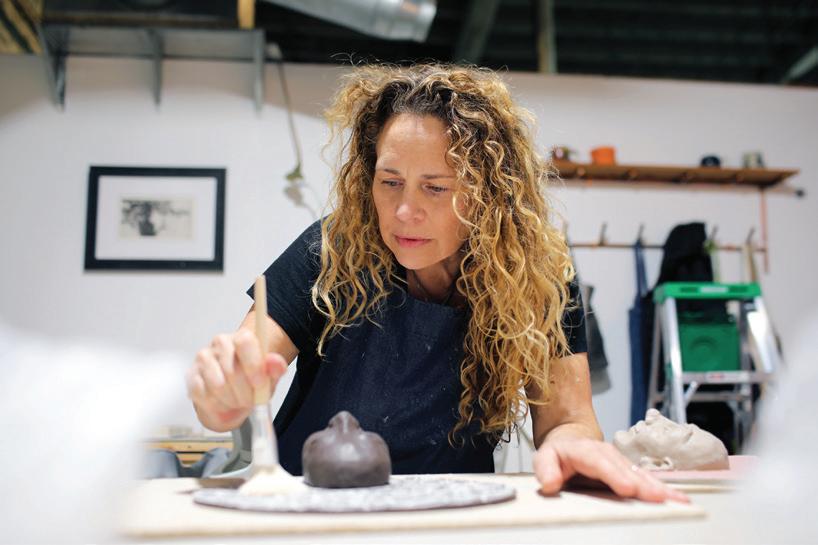
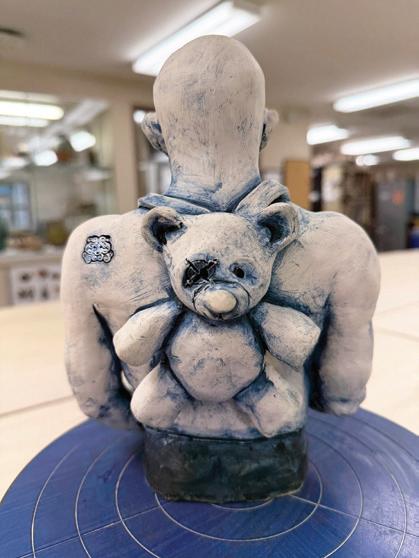
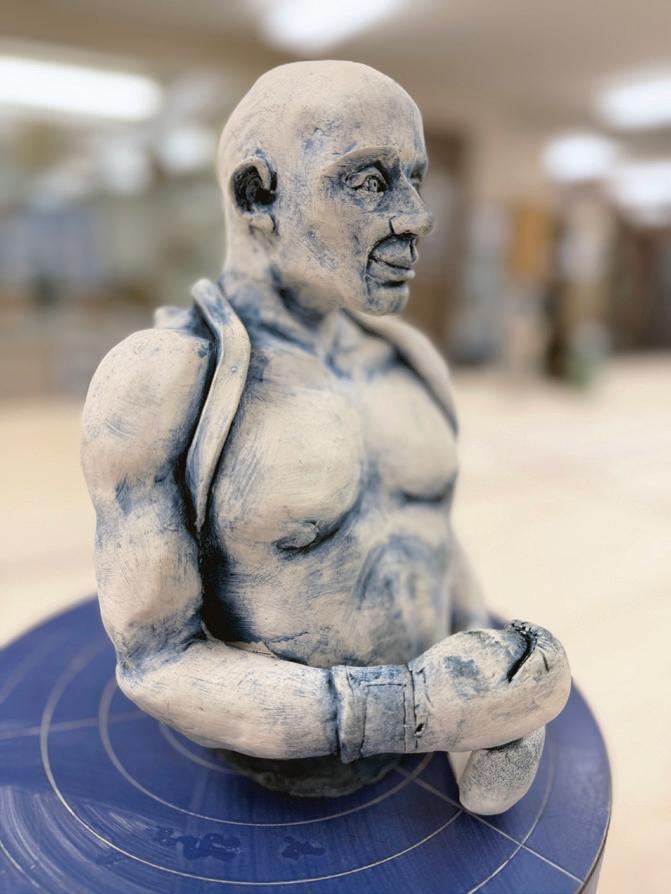
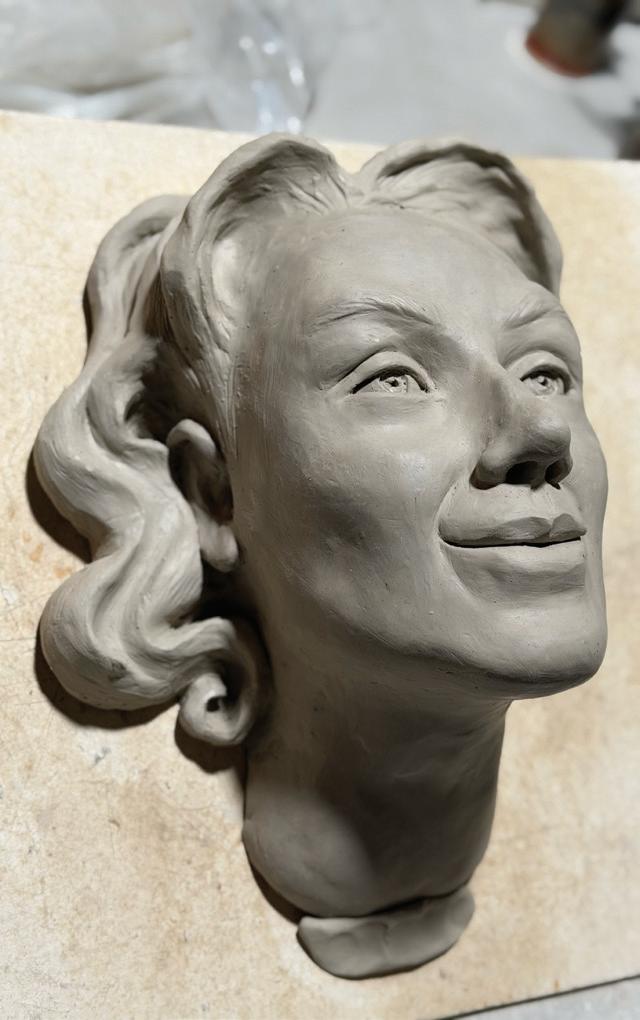
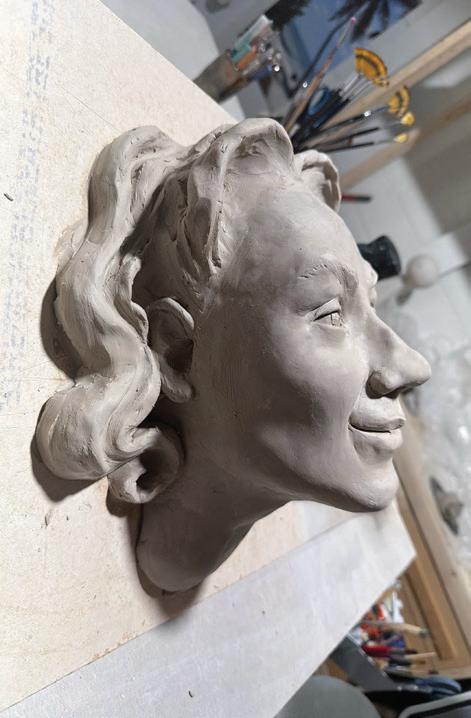
For more information on the artist of the month, head to waterstreetstudios.org or the studio’s social media pages. DETAILS OF
Find Sarah Reaves in Studio #4 at Water Street Studios (in the 3D-wing) or on Instagram @CurlyHeadedGirl_Ceramics2.
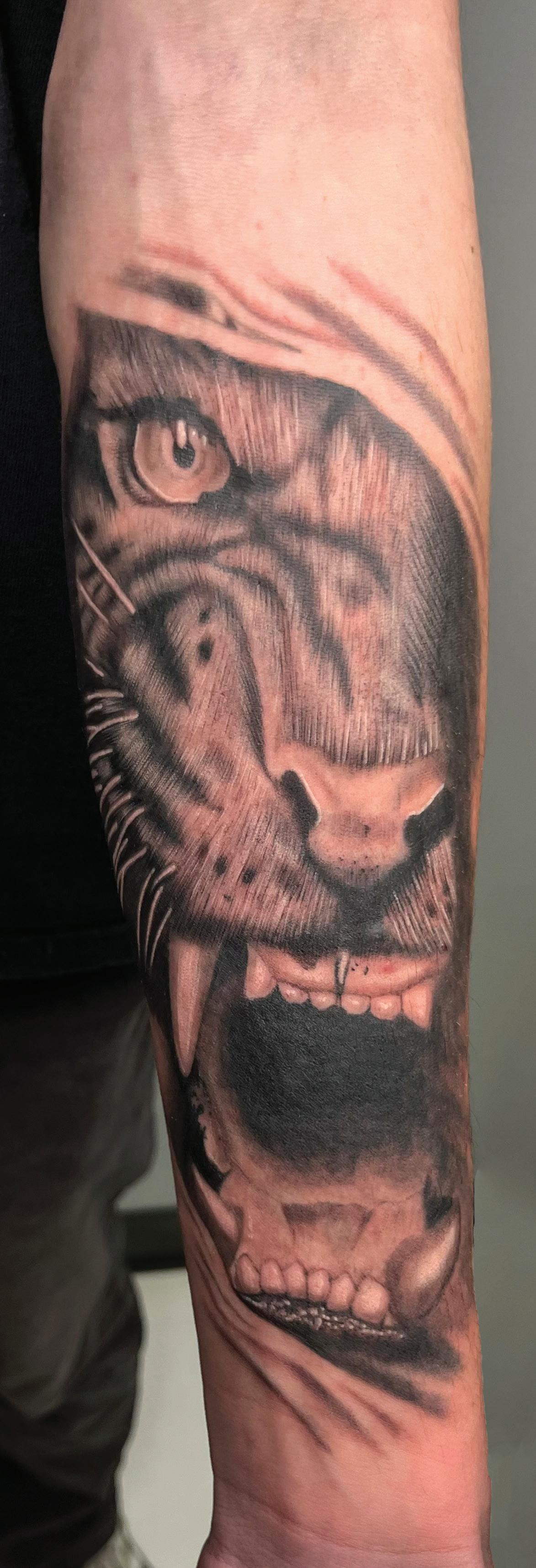
How
Abel Ramirez will tell you he was chosen by the gods to be a tattoo artist.
The owner of Ink Bar Tattoo in North Aurora earned a Fine and Applied Arts degree from the University of Illinois and had taken film classes at Columbia College, but was still trying to find his path.
During his search, Ramirez scored an apprenticeship at a tattoo shop through a connection he had made with a friend from art school.
“That’s the actual factual, but not as cool answer of how I became a tattoo artist,” he says.
After completing his apprenticeship in 1998, Ramirez worked in video production in Los Angeles with a crew from
Chicago until the Sept. 11 attacks happened.
He returned to Illinois after his L.A. stint went belly up and has been tattooing in various capacities ever since.
Ramirez’s story is as unique as the thousands of designs he and other area tattoo artists have inked.
As unfortunate as it was for Alexis Pitts to get COVID-19 during finals week at Waubonsee Community College in 2020, the disease helped her become a tattoo artist.
After receiving a failing grade due to missing a final exam because of her illness, Pitts turned frustration into motivation as she began her tattoo apprenticeship the following year.
“It ended up being the best decision I could’ve made,” she says.
Her decision to get her first tattoo was life-changing. Today she’s the owner of Obsidian Ink in Batavia.
“The experience itself was far from meaningful,” she says. “I was 18, in Florida, and walked into a shop that felt cold and unwelcoming. I was treated more like a number than a person, and it stuck with me.”
The experience helped shape the way she interacts with her clients today.
“I wanted to create something different,” she says. “A safe, welcoming space where every person who walks through the door feels heard, respected and generally cared for.”
Tattoo artist Brian Pinto began his apprenticeship in 2012, a year after his son was born.
“I have always been a creative whether it be random drawing with all mediums, graffiti, graphic design or making music,” he says. “Almost 16 years later, I own and operate a four-time award-winning tattoo studio,
The South Elgin Tattoo Company, located in South Elgin.”
Pinto did his first tattoo when he was just 16, using a homemade tattoo machine on his forearm.
“That didn’t work out and the tattoo didn’t stick,” he says. “I think it was a four-leaf clover. I started collecting since, and still collect today at age 41.”
Batavia tattoo artist Chris Toms got his first tattoo – a skull with bat wings – also when he was 16. In a garage.
“Looking back, it wasn’t the best decision,” Toms says. “But at that age you don’t always think about things like that.”
Just a year later, Toms began tattooing in Berwyn.
“I began by helping around the shop answering phones, helping with customers and the artists while gradually learning how to tattoo,” he says. “My apprenticeship lasted about a year. After that, I wasn’t taking on everything right away. I was limited in what I could do and built up over time.”
He’s built that into a 20-year career.
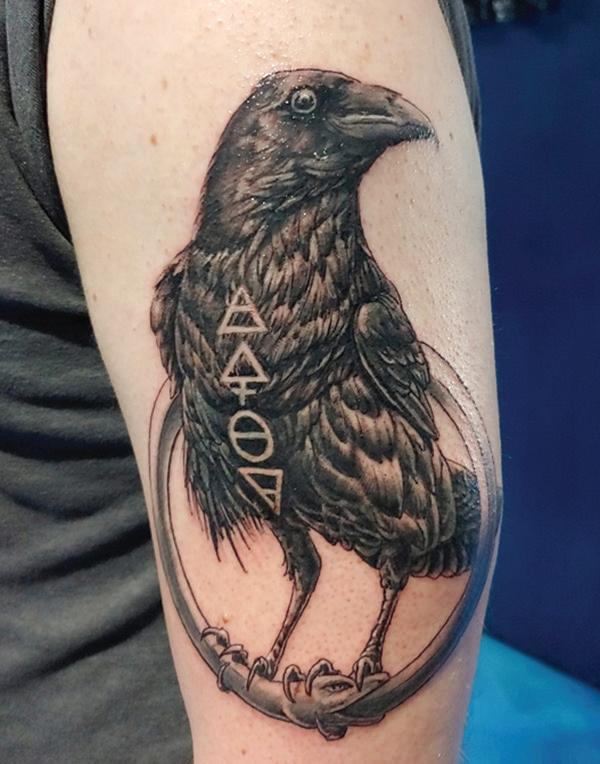
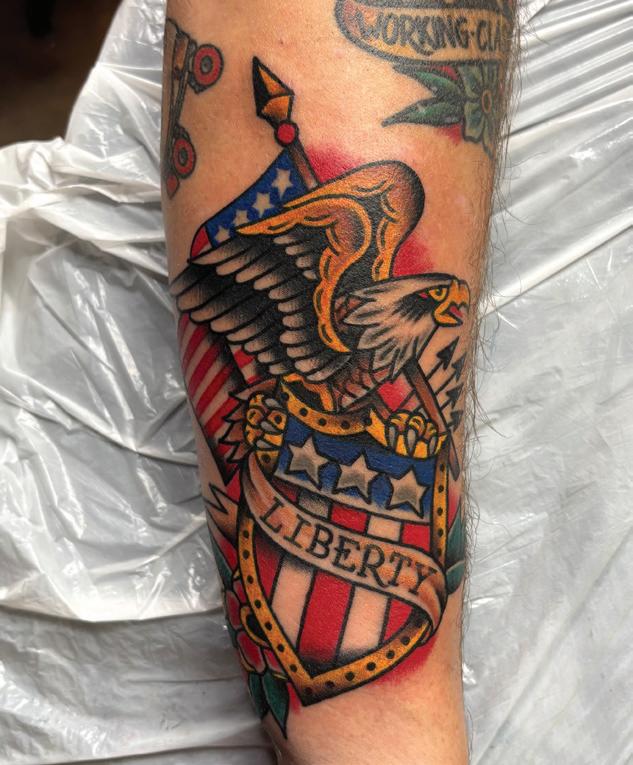

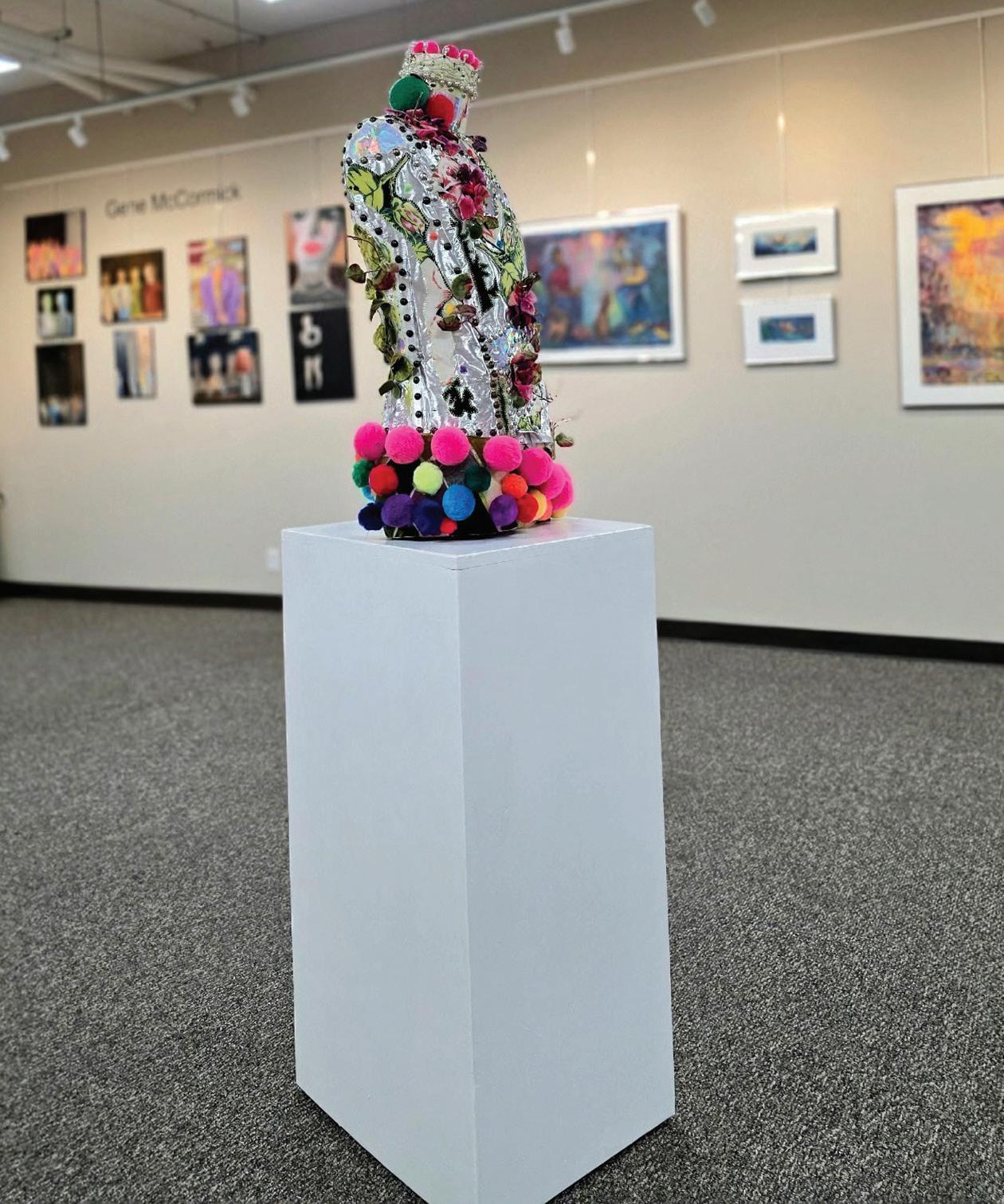
Sue McDowell and Sharon Powers followed different paths to the St. Charles Arts Council and the art world at large.
Like the painters and other artists they strive to support, the duo finds that varied backgrounds can help create depth.
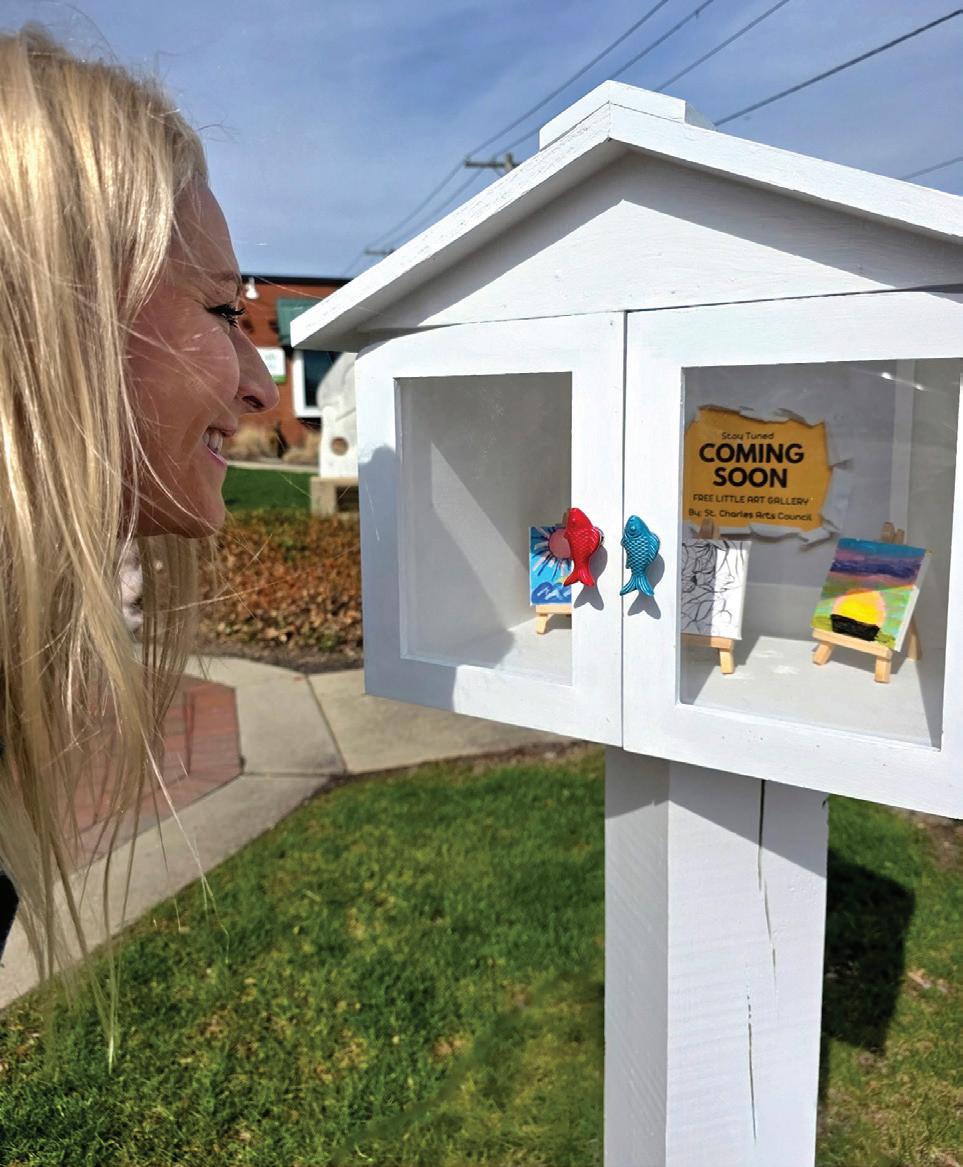
Formed in 2011, the council aims to promote and advocate for art events and opportunities in St. Charles and the Fox Valley and also works with the Geneva Foundation for the Arts and Batavia’s Water Street Studios.
By Kevin Druley
“We’re all about growing all of the arts, not just the Arts Council,” McDowell, president of the SCAC Board of Directors, said. “But by us growing, that’s bringing
more awareness to the whole arts community in our area. So that’s the real mission and goal.”
SCAC marked a significant milestone to that end in February 2025, when the Council opened its first physical location with a studio at 121 N. Second St., Suite H, adjacent to Breadsmithof St. Charles, downtown.
“Having a space to call home is just such a draw,” said Powers, council executive director, “because now we can host workshops. We have artist coffee talks.
“Having a home base is really amazing.
… A space that’s open to the public with art available is such a high level of enrichment that I don’t know is known as
much. It’s like having a library available, having books. It’s kind of the same level of enrichment that it’s amazing to be able to offer this to the public for free.”
The gallery is open from 11 a.m. to 3 p.m. Wednesday through Sunday with rotating exhibits. Class offerings are available at additional times. For more information, visit www.stcharlesartscouncil.org.
As summer nears, the council also is gearing up for multiple established events that highlight the communal impact of art and expression.
On the morning of May 9, SCAC will sponsor the annual Paint the Riverside activity at the intersection of Walnut and Riverside avenues. Community members

of all ages are welcome to help paint a public mural on the pavement, with paint and rollers provided at the site.
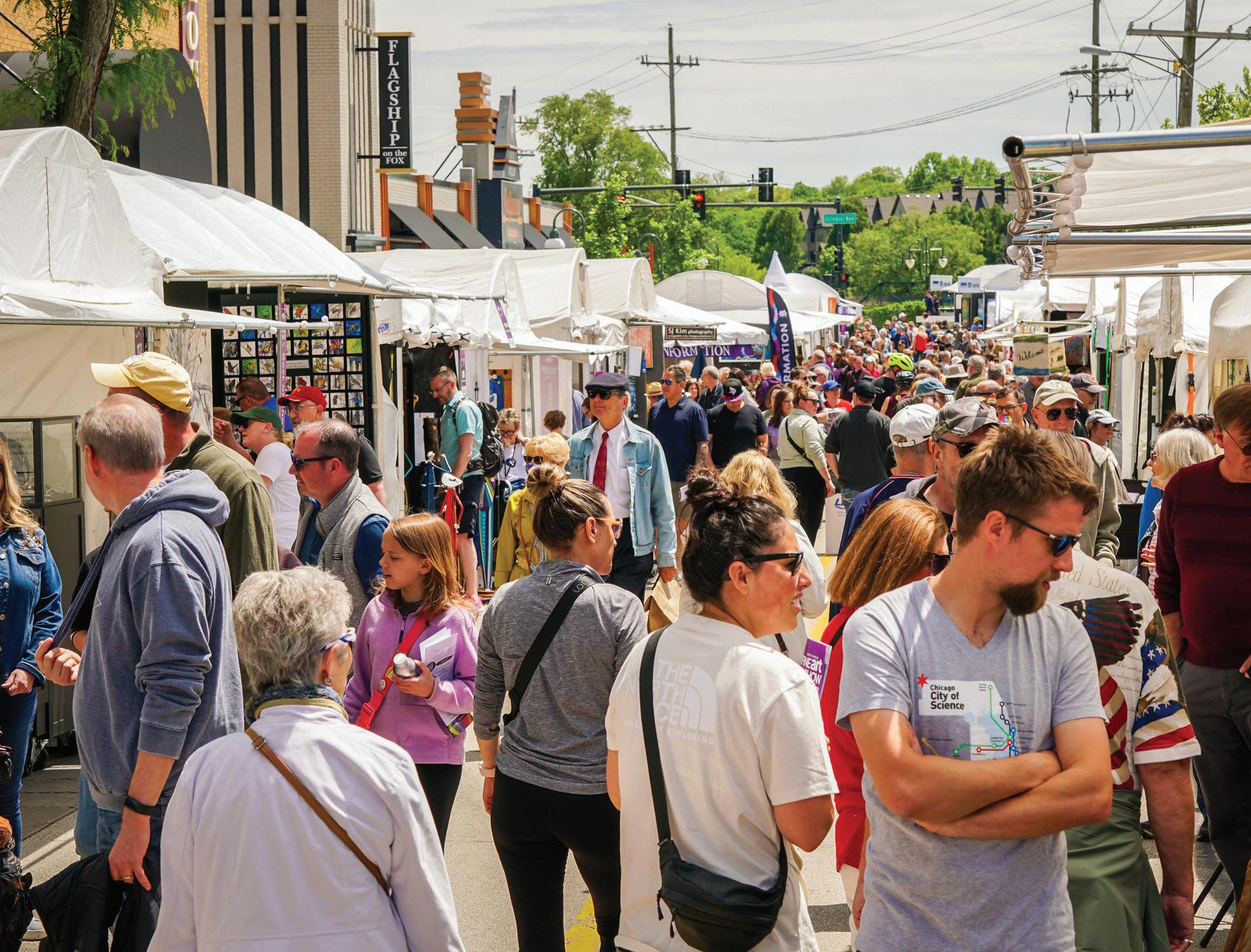
Riverside Avenue also is home base for the 28th annual St. Charles Fine Art Show, an event led by the St. Charles Business Alliance set for May 23-24 on Riverside between Main Street (Route 64) and Illinois Avenue. Free and open to the public, the juried show features over 110 fine artists. Art is available for purchase.
Additionally, the show kicks off the purchase window for artists interested in participating in the Council’s Community Banner Art exhibit. Painters and doodlers of all ages



and skill levels can buy a banner to take home and decorate before it’s displayed around the skate park fencing at Mt. St. Mary Park during the summer.
To Powers – an experienced floral artist – and McDowell – a self-described “complete novice” who developed enough affinity for art to help co-found SCAC – there’s something for everyone to embrace and enjoy.
Not to mention a future bursting at the seams as conversation and good vibes grow.
“I think there’s tons more potential as we go forward,” McDowell said.

















Commercial photographer
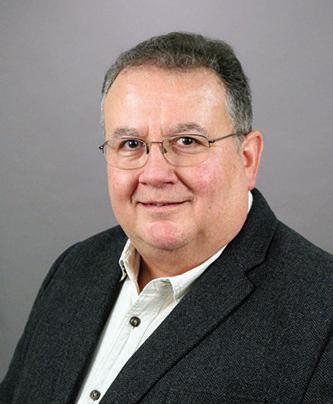
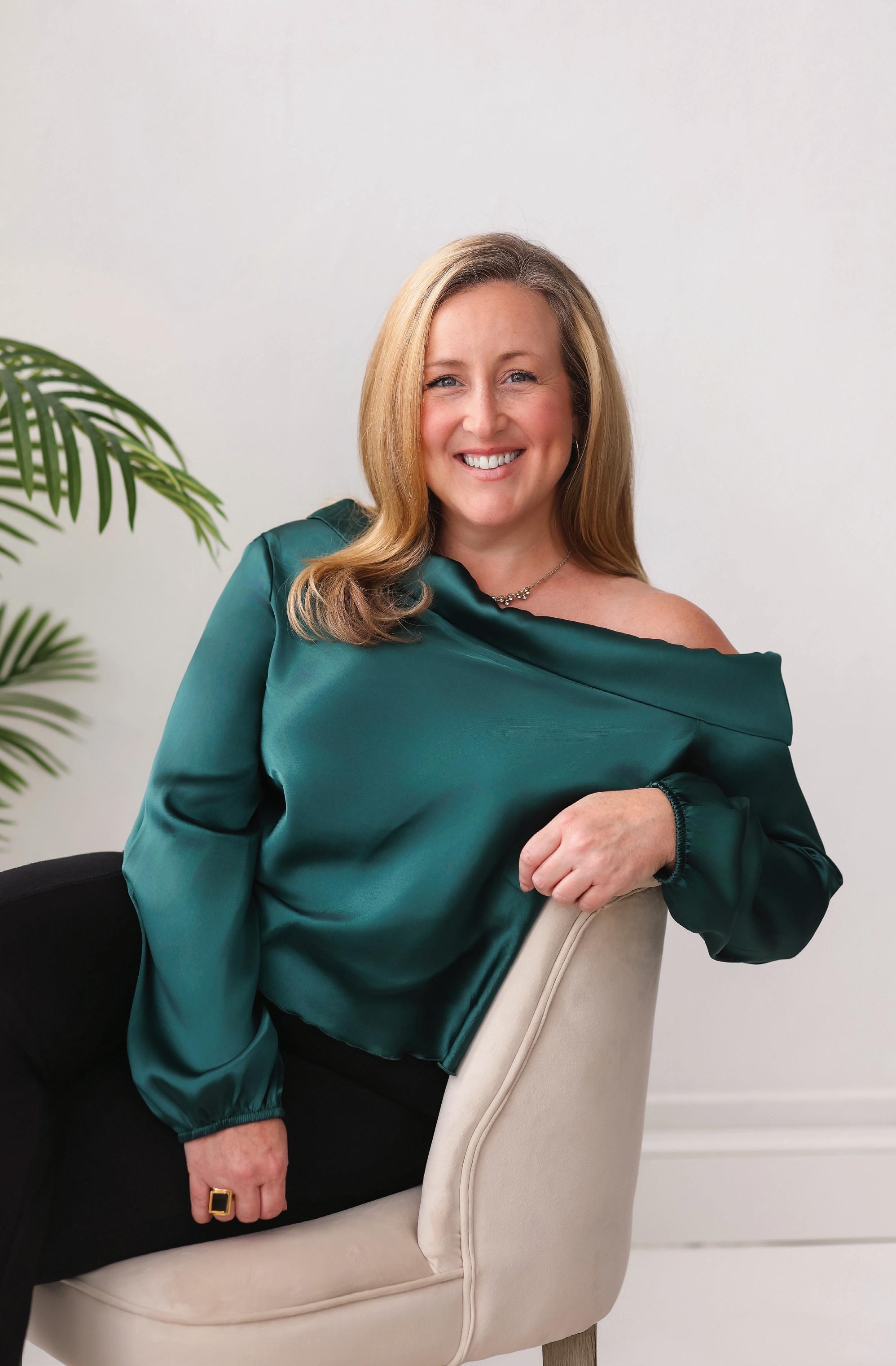
Katie O'Brien brings polish & professionalism to marketing, event coverage and studio shots Kane County Magazine connected with Katie O'Brien, owner and artist behind the Batavia-based company Katie O'Brien Photography. O'Brien is a professional headshot and commercial photographer who has been voted among the best in her field every year since 2021 in the Best of the Fox Awards.
In this interview, O'Brien shares her background in photography, her artistic philosophy and what it's like working in commercial and business landscape.


Kane County Magazine: What originally drew you to the world of photography?
Katie O'Brien: For me, photography is a way to communicate a perspective. When I was younger, I wanted to show what I saw; and now as a professional, I like supporting my client’s vision. My first professional use of photography was when I was working marketing for Hewlett-Packard and they were making some of the first consumer digital cameras. After that, I worked at an ad agency and I sometimes acted as the “in-house photographer” when a client needed low-budget (and low-skill) photography like product and catalogue work.
KCM: Have there been any twists or turns in your career journey that surprised you? What was your original goal when choosing this path, and how has that goal evolved as you’ve built such a strong career?
KO: Ha, when have there not been surprising twists and turns? Owning a business, especially a creative one, is a test of flexibility and endurance. When I started my business, my goal was to sustain my household with photography, and that goal remains. When things change (divorce, economic market, the pandemic, AI), I tend to react strongly, leaning in to what I can do to keep paying my bills. Something I’ve been working on is to slow down and make thoughtful plans. But flexibility and the ability to pivot when your plans get ruined are so important in any business.
KCM: How would you describe your visual style to someone seeing your work for the first time?
KO: Clean, classic, authentic. In a world of filters, endless editing software and AI I think people crave authenticity. I’m always disappointed to find out
something I like (maybe a video, image or song) was cranked out by a robot pandering to what it thinks I like. But even before AI, I valued a clean look. I was able to work under master photographers who really pressed the importance of “getting it right in camera.” Filters and heavy editing don’t age well and feel like a blanket of pretty fondant on a dry cake or fresh paint on a crumbling wall. Clean edits translate well to commercial photography where a main requirement of my job is to convey the organization’s brand, not mine.
KCM: In today’s digital-first world, what makes a strong commercial image?
KO: Wow, great question. Images are competing in a noisy arena and we move fast. A strong commercial image needs to send a clear, simple message in the client’s voice. Although, on a higher level, I can absolutely appreciate nuance and subtlety.
KCM: Does AI play a role in your career? How does it affect your everyday work?
KO: Totally. I use it. It has sped up editing, but also made it more expensive. It has lowered the barrier to entry to the industry by simplifying some aspects and allowing incredible post-production adjustments. Mostly, I use it to make the non-creative part of my business easier. It's not creative as it cannot create original ideas only take from what it has been fed. But do I use it to help me optimize my website, respond to emails, organize my thoughts? Heck yeah.
KCM: How do you help clients feel comfortable in front of the camera?
KO: Communication is really important. They have usually seen my work and know what to expect, that’s a good foundation for trust. From there, listening
to their needs and concerns and asking follow up questions help. Showing them that I’m listening and am open to their thoughts.
KCM: What makes a strong headshot, and how have you refined those elements to bring out the best results for your clients?
KO: A good headshot shows a clear representation of who the person is today, at their best. Good lighting, good posing and gentle edits are the base then coaching away the things that concern them. Helping them connect through the camera.
KCM: How do you support local artists?
KO: These are my colleagues. We are family! Staying active in the creative community keeps us all stay relevant (and sane). I budget $300 each year for art purchases. It isn’t much and sometimes I go over if I’m compelled, but just having it there reminds me to use it. Going to shows and events is fun and I offer my services at a huge discount for artists.
KCM: What do your clients say about you and your work?
KO: We’re huge fans of each other. They’ve left over 100 5-star Google reviews and I’m really grateful for that support.
KCM: What are your strengths? Is there anything you wish you had known when you were starting out — and do you have any regrets?
KO: My marketing degree and business background are huge strengths. There are definitely better photographers out there but it's hard to be an artist and good at business. Regrets? Sure, we make mistakes all the time, but hopefully we learn from them.
By Cayden Wells | Photos provided by Richard Peck
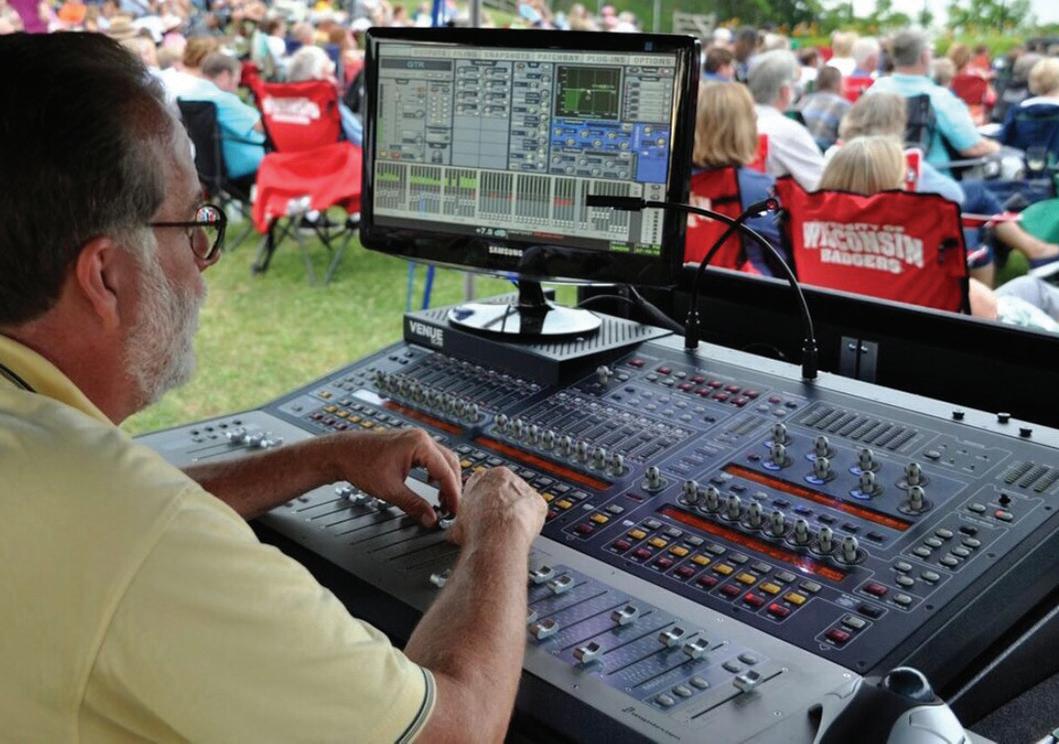
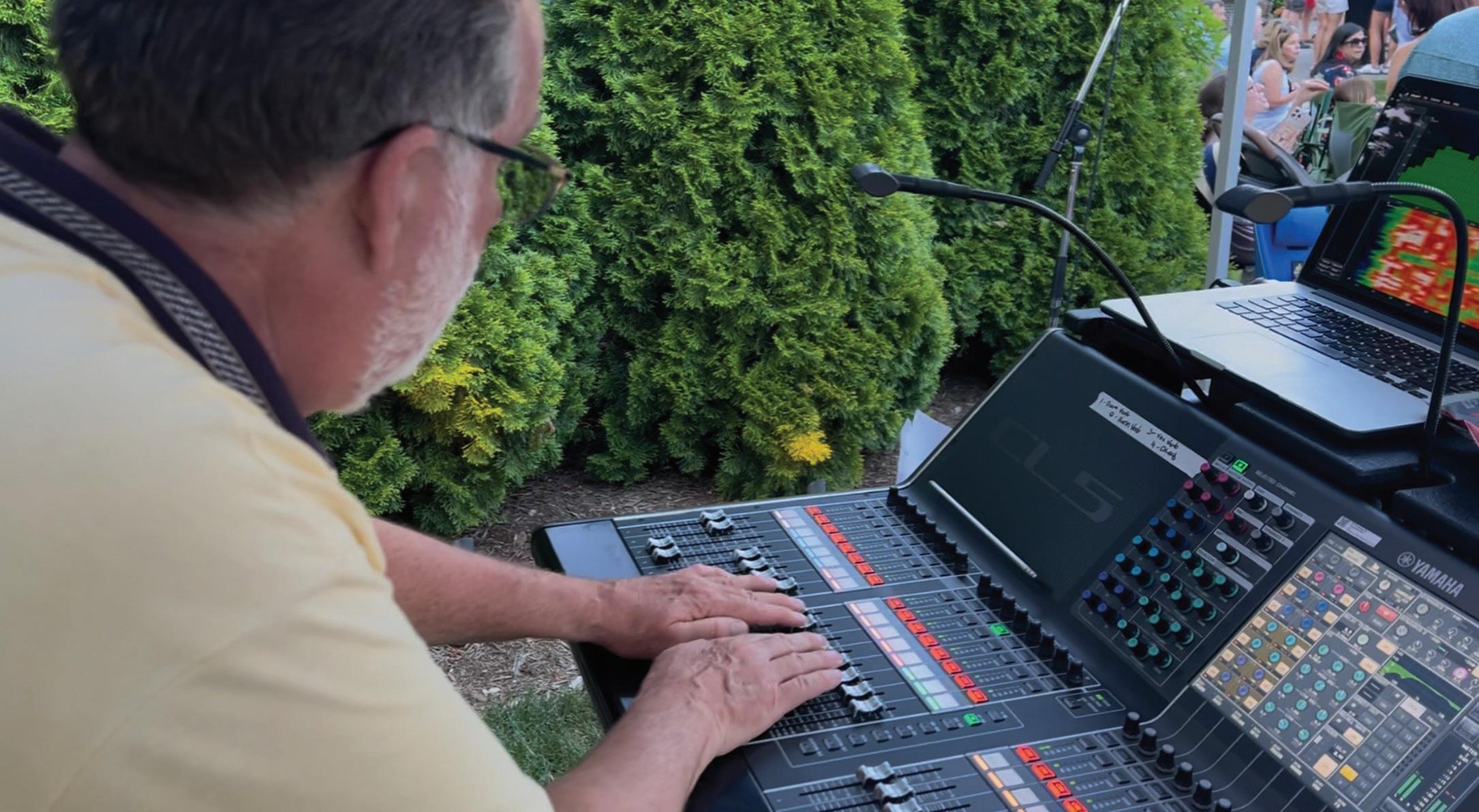
Behind every broadcast and concert sits a sound engineer: the technical architect responsible for the behind-the-scenes art of audio. For Richard Peck, owner of Geneva-based R/J Recording and Sound, this craft has been a 50-year journey of balancing sound frequencies and the soul of a live or recorded performance.
At its core, sound engineering is the management of audio signals. Engineers use mixing consoles to manipulate “faders,” which control volume, and “EQ,” which adjusts the balance between bass, midrange and treble frequencies.
“I call myself an audio engineer because I do both live sound and recording,” Peck said. “I mix audio for either people to listen to later for recording, or live at concerts.”
The technical challenge lies in the medium. While modern digital boards are smaller and more efficient, Peck notes a distinct difference in the “analog” sound. Analog consoles offer a dynamic range and detail that digital sometimes lacks, requiring a skilled ear to translate and work with.
The career path for a sound engineer is varied, ranging from live to studio production. In the world of live sound, engineers manage the “front-of-house” for concerts or the “audio booth” for news broadcasts. In live TV, the lead mixer handles the countdown to air, managing “mix-minus” feeds so anchors can hear producers without hearing their own voices.
Recording engineers focus on “sound sculpting.” They work in studios to capture and refine an artist’s performance. They meticulously place microphones to capture an instrument’s sound and manage multi-track sessions where every layer must be distinct and editable. Their work often involves adjusting compression and reverb to build a cohesive soundscape, often balancing the technical demands of the equipment with the creative atmosphere to foster the artist’s specific vision. For Peck, who has mixed for legends like Judy Collins and The Ides of March, the career is sustained by the rush of a successful show.
“When the bands are really, really good, you can just feel it,” Peck said. “That’s the main reason I’m still here 50 years later.”
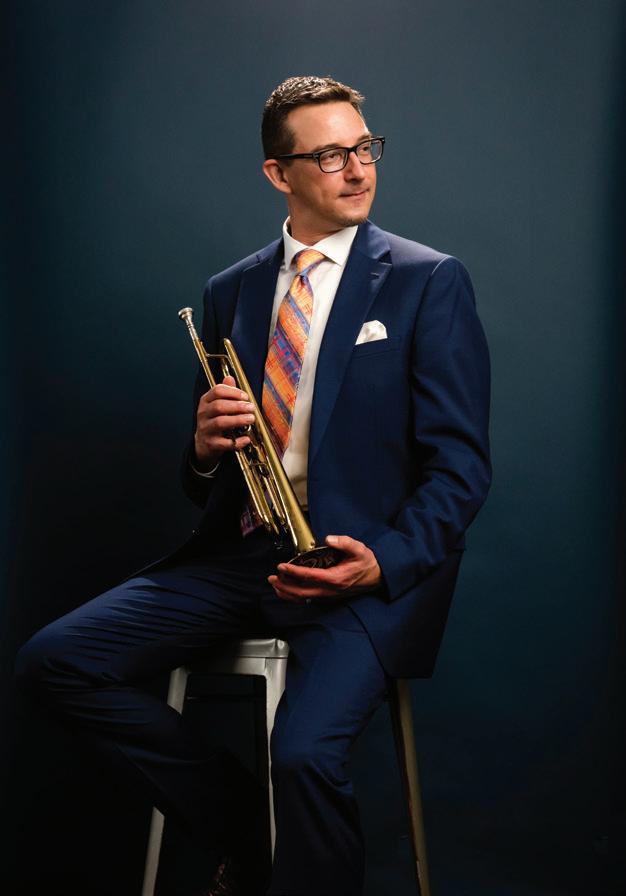
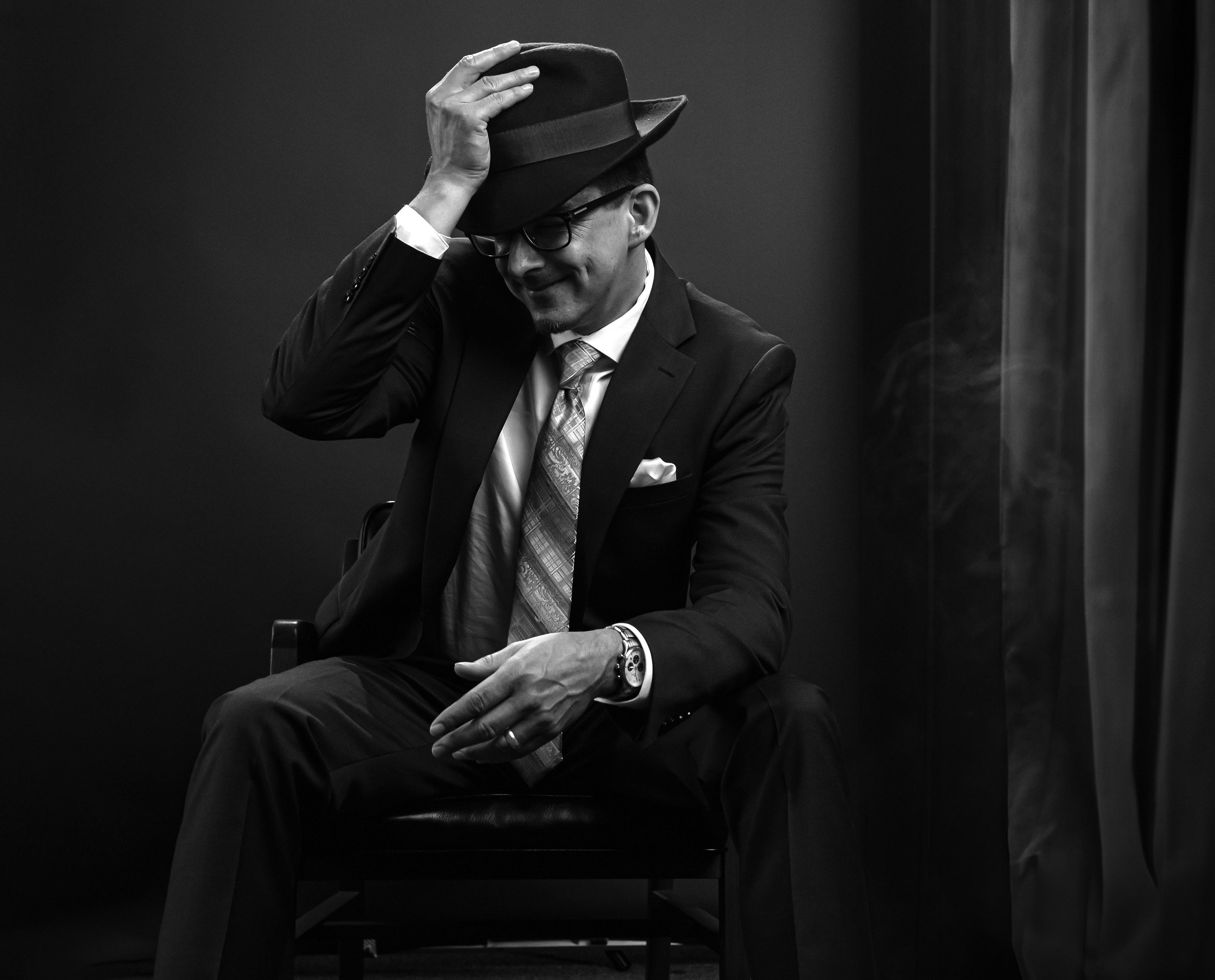
It took Chicago-based trumpeter/composer/educator Joshua Jern to all seven continents as he worked on cruise ships with an in-house orchestra playing in a variety of acts and shows.
Music can lead you to love.
Jern, who started playing the trumpet in fifth grade, would meet his wife while working for one of the cruise lines.
Music can lead you to a life you couldn’t have imagined.
“Once I finished working with the cruise ships, I moved back to Chicago and began doing all sorts of stuff,” he says. “Music theater, rock music, anything trumpet.”
He’s performed with countless acts and ensembles, including the Buddy Rich Band, The Tommy Dorsey Orchestra and The Temptations.
Jern’s played trumpet on international rock tours.
He’s played for Illinois Gov. J.B. Pritzker.
Jern has been an integral part of numerous local Chicago and national Broadway tour musical theater productions, performing in the orchestra pit.
He’s formed two orchestras.
The Joshua Jern Swing Orchestra is a 1930s-1940s era swing band that has played at Sturdy Shelter Brewing in Batavia.
The Joshua Jern Jazz Orchestra plays modern compositions and arrangements that highlight stunning and inventive ensemble work alongside world-class improvised solo artistry. Featuring some of the finest musicians in the world, the orchestra has released a pair of albums to critical acclaim.
Jern also plays the trumpet and serves as musical director for Front Of House, one of Chicago’s premier dance bands.
“I like a wide variety of stuff and there’s good and bad things to that if you specialize in one thing and are hyper-focused as a musician,” he says. “I have a lot of different interests. I’m a big fan of musical theater. It was easy for me to come to love jazz, and swing music more recently. I learned to swing dance as an extension of the musician’s life.”
When away from the stage, Jern serves as a clinician and adjudicator to help music students. He also maintains a private studio for upcoming trumpeters. Amongst it all, Jern still finds time to write arrangements and original music for his own big band and others.
“By the time I turned 21 in my senior year of college I was able to go out and see live music in bars and got hooked,” he says. “That’s when I became an audience member and could see that energy exchanged more clearly, something beyond the academic experience and it’s really magic when it’s done right.”
And he’s been magical ever since.

By Kevin Druley
Eileen Collins serves as center director at Fine Line Creative Arts Center in St. Charles.
In the late 20th century, another person by that name became the first woman to command a U.S. space flight.
Still another is a doctor of internal medicine in Lombard.
To Fine Line’s Eileen Collins, creating art transcends such a concept and ascends well beyond it, reaching whatever level the artist feels destined to approach. Members of a class might begin with the same materials under the same roof at 37W570 Bolcum Road, but the similarities stop there.
“No two days are the same,” Collins said. “You never know what’s going to happen. You never know who’s going to walk through the door. You never know what art is going to be created in one of the studios.”
The website for the nonprofit, www.fineline.org, makes effective use of its drop-down menus. While Fine Line started as a gallery on James
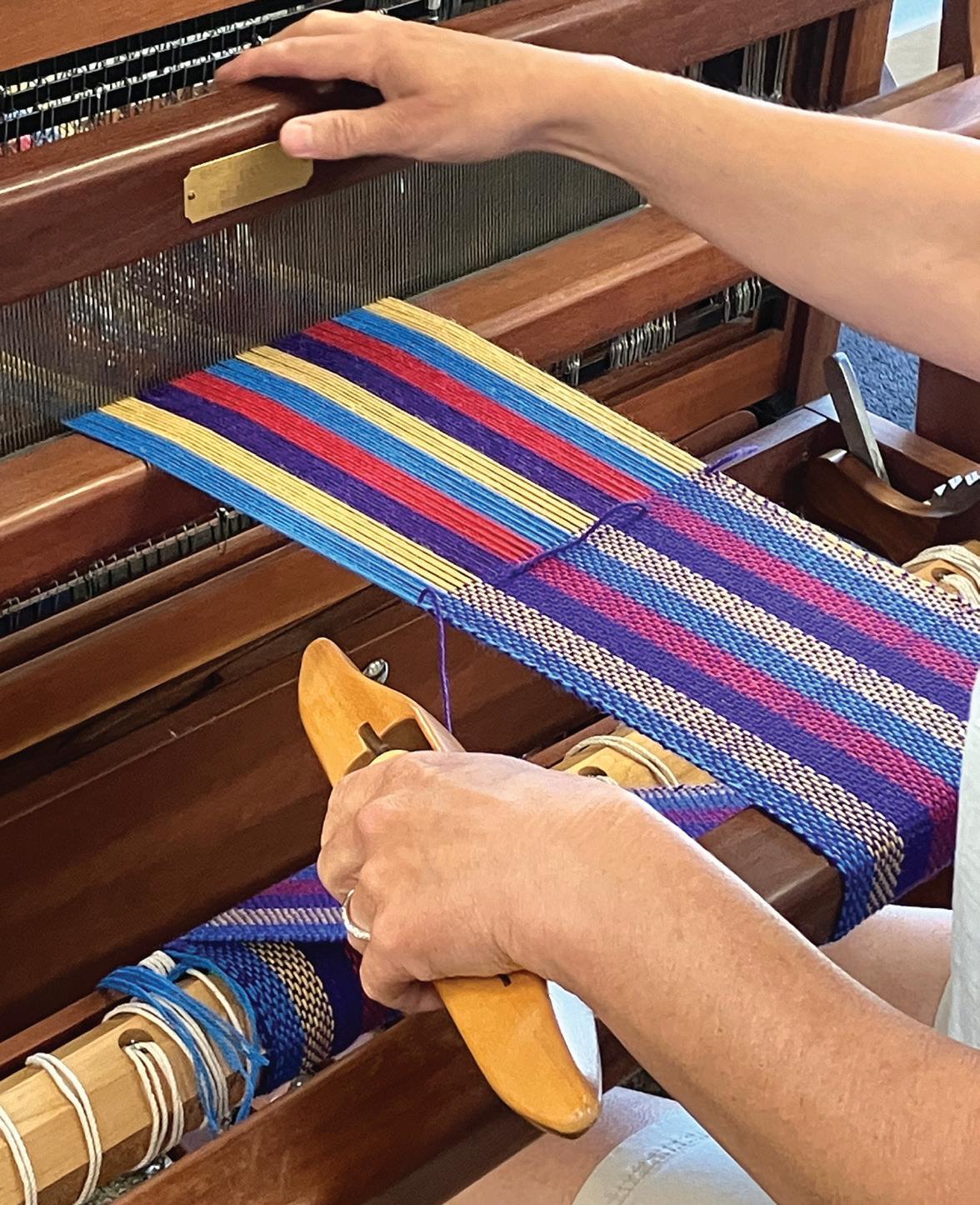
Street in Geneva in 1979 and still houses regular exhibits in St. Charles, the center offers a multitude of adult art classes and workshop opportunities in two- and three-dimensional media as well as textiles.
Among them: blacksmithing; collage; drawing; glass; jewelry/fine metalwork; metal clay; painting; sewing; weaving; and wood.
Some might call that list “exhaustive,” which is not to be confused with “exhausting.”
Collins estimates that around 30 percent of regular students enthusiastically jump from art form to art form as their schedules allow.
“There’s certainly a lot of interest from people in doing art again,” she said. “Obviously, the word has gotten out about us more and more. I think people are looking for some creative outlet.
“Some people say it’s better than seeing a therapist; I don’t know. I just think people want to do something creative, something with their hands.”
Of course, observing art can offer its own release, too. Fine Line’s Kavanagh Gallery, named after the late center founder, Sister Denise Kavanagh, is open from 10 a.m. to 5 p.m. Monday through Saturday.
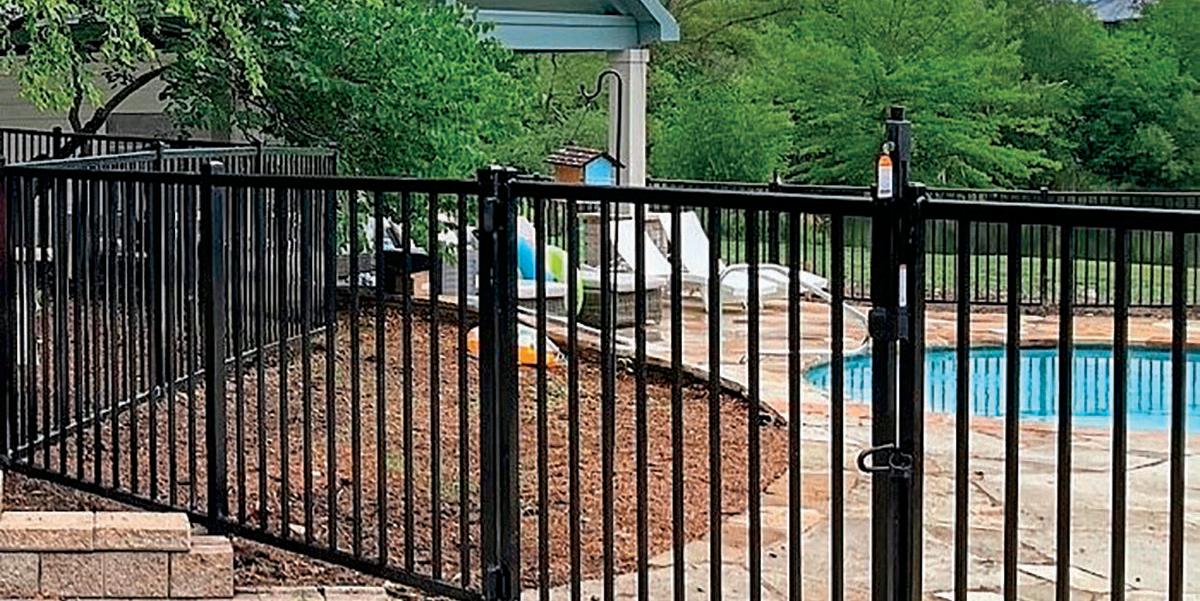


At press time, an exhibit of functional art, entitled “Home Improvements,” was set to run through May 8. Pieces include rocking chairs, lamps, ceramic bowls and a chest of drawers.
An annual showing of student creations was slated to follow, with the next exhibit, “Pick a Color,” to begin in midJune. While submitted art may include many shades of one color, it must not contain any other color.
Fine Line receives submissions from artists from around the western suburbs and United States.
“So, you’re going to get a wide range of work and you’re going to see artists that you wouldn’t see anywhere else,” Collins said.
“Come out. Take a look around,” she added. “There’s normally classes going on. You’re more than welcome to go into the classes. Talk to the instructors. Talk to the people taking the classes. Talk to the staff. And just get a feel for the space.
“We welcome visitors; there’s nowhere on the campus, really, that you can’t go and take a look.”
Whether you fancy perusing art or creating it, at Fine Line, the proverbial canvas is open.









By Jonathan Bilyk
This pair of artists say it's never too late to branch into creative roles
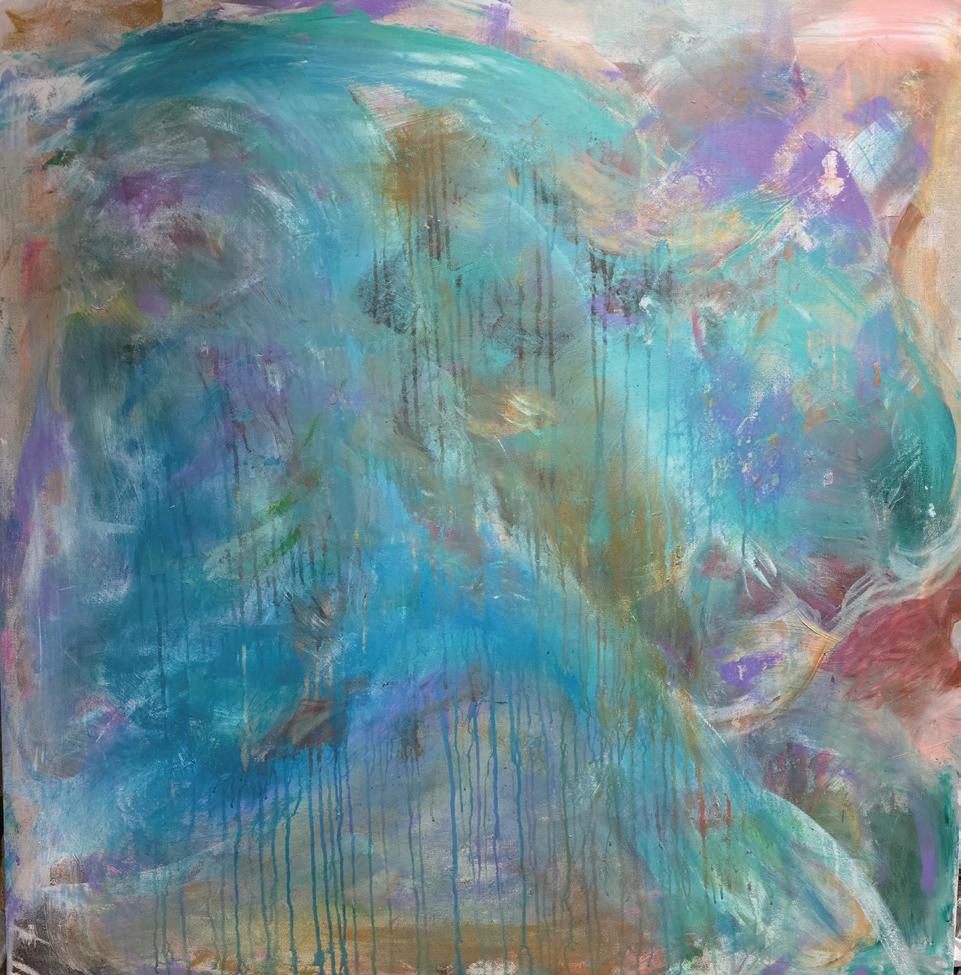
For Rosalie White, the breakthrough came when she silenced the voices and pushed ahead.
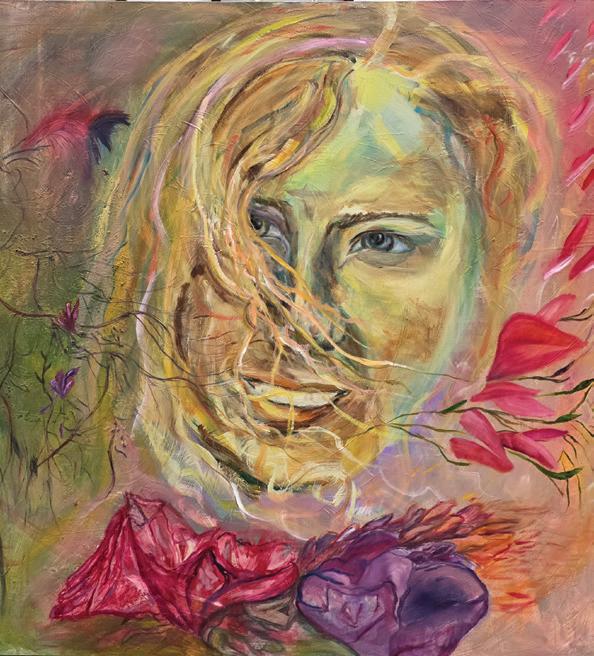
For Caitlin Palagi, it arrived when she decided to pick up the brush and just let the paint do the talking.
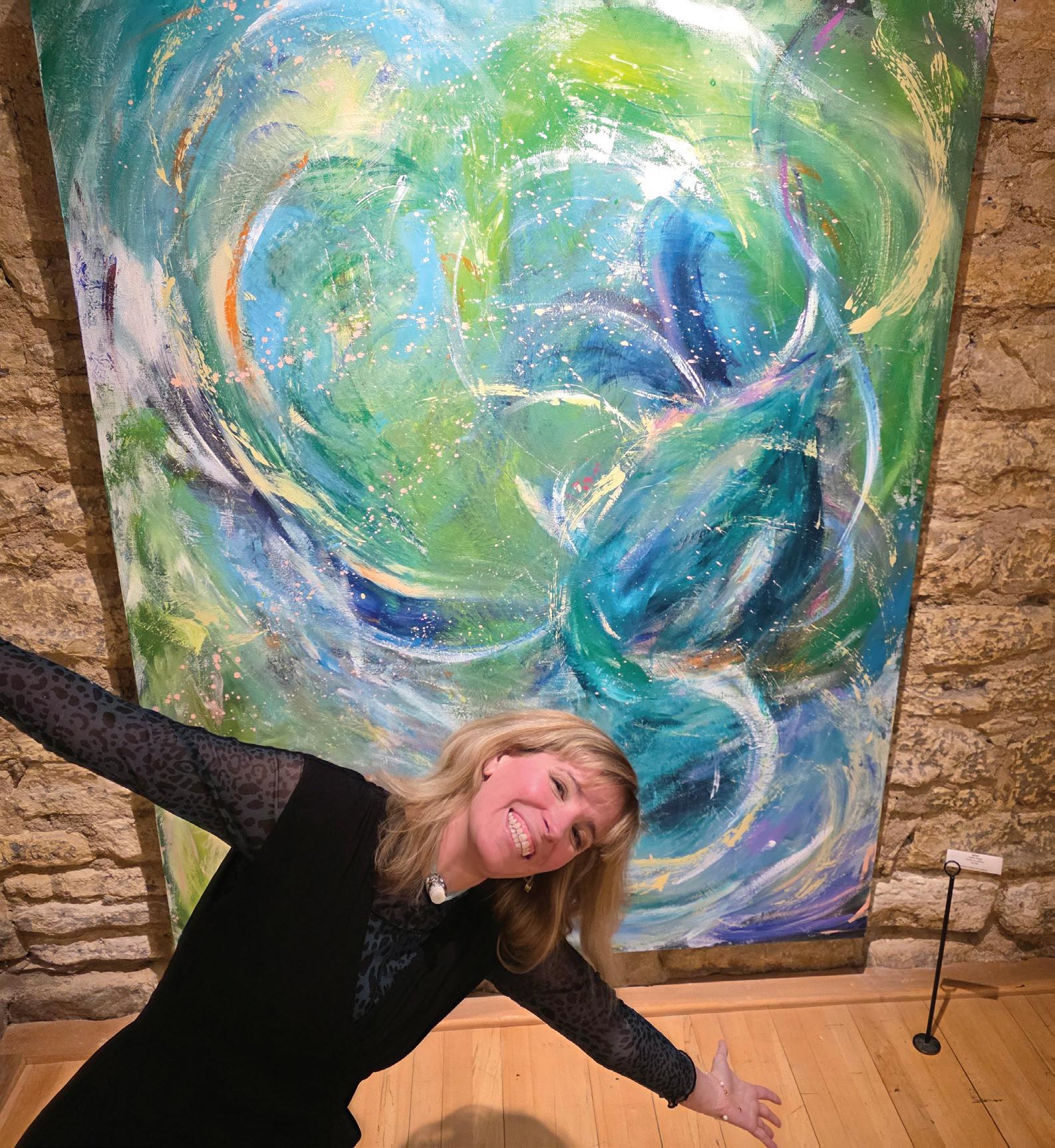
For both White and Palagi, however, the result was the same: A new career launched later in life, but this time, doing what they loved most, expressing themselves in art.
"I tell my students: 'Paint's not permanent,'" Palagi said. "Meaning there's always a way to move forward. And it's never too late. It's all in what you make of it."
For Palagi, 38, of Geneva, the problem was a kind of psychological paralysis. While she had created art since a child and studied art in school, Palagi opted instead for a career in the corporate business world, with the thought to continue to pursue art as a hobby.
But Palagi said those plans took a back seat when she became a parent, and her son presented special needs, which demanded her sole focus for years.
Years later, she realized she couldn't return to the corporate role she held before. But she soon realized she also couldn't easily restore the creative flow, either.
She said she would go through the traditional planning approach she had learned, but would be gripped by indecision, which quickly translated into a freezing fear that none of her ideas were "good enough" to be brought to life on canvas.
"I had to retrain my brain and my approach to creativity," Palagi said.
That retraining resulted in a fresh way to create, a process she likens to calling out shapes and patterns seen while gazing up at passing clouds in the sky.
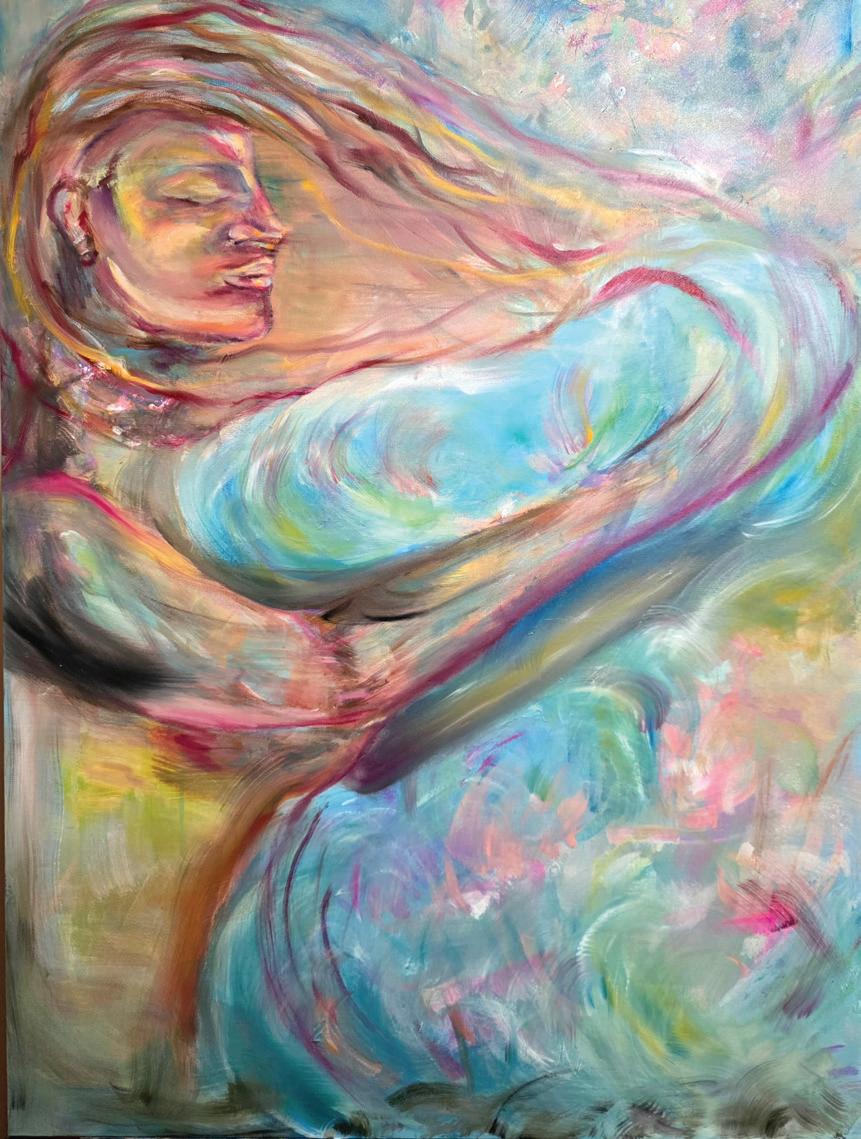
"I know, for me, if I just start painting, a composition will eventually shine through," Palagi said.
Today, that approach has translated into a whimsical, emotive, "intuitive" signature style that has, in turn, translated into a full-time art career since 2023 and invitations to show her creations in solo and group exhibitions in galleries in the Tri-Cities and even beyond Illinois.
White's plunge into her art career came after her retirement from a successful, 40-year-long career in education.
Throughout that time, however, White said she always felt there was something missing. And she had a strong hunch those feelings were connected to words spoken decades ago by two of her fellow art students at Columbia College in Chicago, words that still echoed in her mind.
"I overheard two students say I would 'never make it as a successful artist,'" White said. "They said I was 'too normal.'
"And it stuck in my head, really made me think that maybe I wasn't cut out to be a 'serious artist.'"
In retirement, however, White moved to St. Charles and at the age of 60 decided to get behind the canvas once more.
"I said, 'What am I doing? I'm old enough now that I'm just going to do my thing and create what inspires me,'" White said.
That decision has translated into a steady stream of fine art creations, and a series of awards and recognitions,

Find the 2026 Fox River Trail Guide at local park districts and most retail locations noted below.


beginning in 2025 with an award for Best Emerging Artist, at the St. Charles Plein Air Festival, sponsored by the St. Charles Art Council.
The festival annually invites dozens of artists from throughout the U.S. to set up outside and paint what they see in the "open-air" in St. Charles.
White, now "a young 62" said that recognition not only shocked her, but also further fueled her, lending confidence to "delve more into my art life."
Like Palagi, White's work has now landed in a number of galleries and exhibitions in the Tri-Cities, other suburbs and in Chicago.
Both White and Palagi said they hope their stories can help inspire artists, no matter their current state, to "keep going" and "keep creating."
"There are going to be outside voices that talk about your work," White said. "But what you paint, and what you create, it shouldn't be for anybody else.
"It's about this thing you've created and brought into the world."
Palagi agreed.
"Paint in the present," she said. "Paint what you feel. Use it in your art. But make it reflective of you."
And White and Palagi said, there is no time better to start — or restart — than right now.







"Let your creativity out," said White. "And don't wait 40 years like I did to do it." Ride, Hike, & Play in Fox Valley

























By Diane Krieger Spivak
hen a person experiences trauma, anxiety, or any number of other mental health issues, therapy can help to get through the pain. But not everyone is able, or willing, to express their challenges verbally. For them, art therapy can often open the door to healing.
“Art therapy is about helping facilitate being able to get out emotions in a way that doesn’t require having to use words,” says Kaina Arias, a mental health therapist at Prism Point Counseling, in St. Charles. “This is a way to help people describe how they’re feeling in a way that maybe words are not sufficient. Some people might be more visual learners, and can see things better visually but maybe verbally are struggling. So, we’re really using art therapy as a form of communication, practicing how we can be able to express ourselves when words just fail us.”
Introduced in mental health facilities in the 1940s, art therapy has become mainstream, says Arias.
“Now we’re seeing it utilized more in everyday functioning. You don't have to have a severe mental health issue in order to engage in art therapy now.”
Persons of any age can benefit, while the way different age groups engage with it is different, notes Arias.
“Children and teens are typically more open to art therapy in my practice. They're the ones who are instantly attracted to it. But it also helps with older adults. We just utilize it very differently. They may not want to engage in art during the session, but I might give them a homework assignment to create a project. I tell them they can bring it in or bring a picture of it. Then I say, ‘Let’s talk about it.’”
Arias stresses that one doesn’t have to be an artist to take advantage of art therapy. “It’s a process,” she says, and it comes in many forms. Aside from drawing, painting and sculpture, any visually creative process that serves as a bridge to trust can work and often leads to verbalizing issues. Some of her clients do woodworking, quilting, even painting miniature figures for board games.
“With someone dealing with anxiety, I utilize a wrap doll project, where you have fabric and string and try to create a doll by wrapping them together,” says Arias. “That can be really helpful because of the repetition of it, being able to get out of your mind and back into your body. People with anxiety are often in their heads, and it’s very hard to get connected with the body and ground yourself in the space around you.”
People struggling with identity and self esteem often benefit from art therapy, adds Arias. “Art is a way of being able to express themselves and have some control in their lives, where they feel they have a loss of control. There are a lot of things in life that we can’t control, but with art therapy, this is your own thing. No one else has a say about what goes on here. This is your show and you get to run this show.”

By Chris Walker
message from a mutual friend in 2019 introduced Chicago’s Casey Fitzpatrick to Two Friends, a Los Angeles-based American DJ/producer duo that was looking for a saxophonist.
That connection has been a life changer for the saxophonist, a graduate of Millikin University’s School of Music who has toured the U.S. and abroad extensively while also working as a woodwind and brass repair technician.
Now he’s a rock star, too.
“I’ve been full-time with Two Friends since right after the pandemic and when everything opened up it just kind of fell into place,” he says. “I was just playing for them when they came through Milwaukee and Chicago. Eventually they asked me to do it full-time,
and it opened all these doors and everything. I haven’t done too much else around Chicago other than taking on that commitment to play once a month at Andy’s Jazz Club. That’s the only thing I have been doing here consistently and heading to the airport every weekend.”
Last August at Grant Park in Chicago, Best Friends headlined Perry’s Stage at Lollapalooza. On May 16, Fitzpatrick will be at it again as “Two Friends Present Big Bootie Land Chicago” at Huntington Bank Pavilion at Northerly Island in Chicago. Best Friends have had residencies at some of the top nightclubs in the world and sold out iconic venues like Huntington Bank Pavillion and Red Rocks in Denver. Huge stages, big audiences.
“My lifestyle hasn’t changed drastically,” he says. “It’s easier in some ways and more difficult in some ways.
It’s been really cool to be a part of something scaling up and growing since I started with it, and I get to claim a little bit of ownership, but I’m mostly happy that I got to hitch a ride with guys who are really serious about doing it at the highest level and are not afraid.”
By his sophomore year in high school, Fitzpatrick knew he was destined for a career in music, he just didn’t know where.
“At that point I didn’t see myself not being involved in music, but I guess more or less knew that I was going to major in music,” he says. “I was taking lessons from the sax professor at Millikin as a high school student, so I went straight to Millikin and then continued to study at the University of Illinois in Champaign for grad school and did a jazz master’s program and then set off after that.”
By


When it’s time to kick back and relish the joys of local community events, the Fox Valley area is filled with family-friendly things to do. Whether you enjoy the vibes of live bands, thrilling carnival rides, sparkling wines, or touring holiday homes, that’s just the start of fun-filled escapades to fill your calendars.
Producing this year’s favorite events like Swedish Days (June 24-28), Kane County Fair (July 15-19), and Elburn Days (Aug. 21-23) takes a lot of time and effort. They’re steeped in deep traditions. Their dedicated event producers start planning for this year’s events immediately after the previous year's events have wrapped up. Lining
up vendors and entertainment and attracting the help of hundreds of volunteers is only the beginning of ensuring their success.
The Geneva Chamber of Commerce produces a wide variety of established events including Swedish Days, Festival of the Vine, the Holiday House Tour and more.
“We work really hard all year long to bring our events together and to keep them fresh,” says Paula Schmidt, president, Geneva Chamber of Commerce. “Our small staff includes five full-time people and one part-time person. We brainstorm ideas to bring new life to our events and are always challenged by the costs and

expenses of everything going up. We are grateful for our supportive sponsors and volunteers.”
The Holiday House Tour has a rich history. According to Terry Emma, executive director of the Geneva History Museum, “The house tours started in 1967 by the Woman’s Auxiliary of Community Hospital. The Geneva Garden Club started their house tours in 1981 and the Geneva Chamber took it over in 1986. This year’s Christmas Walk in Geneva will be celebrating its 50th anniversary.”
Schmidt adds “we’re a different type of Chamber as we have both a tourist side and a chamber business side, which includes planning another whole set of different events, such as ribbon cuttings,
after hours events, meetings, lunches, and our golf outing.”
Another beloved event is the 157th Annual Kane County Fair brought to the community by the Kane County Fair board of directors. “The Kane County Fair is a favorite tradition that spans generations of families in the Fox Valley area,” says Larry Breon, Kane County Fair board president, “and we take pride in honoring and celebrating our agricultural community. 4-H families remain as a cherished and main component of the Kane County Fair.”
The Fair board oversees the coordination of many aspects of the Fair and the Kane County Fairgrounds staff makes sure every inch of the site is prepped
Coming up are three popular summertime festivals in the Fox Valley area. Mark your calendar for:
u Swedish Days: June 24-28, brought to you by the Geneva Chamber of Commerce
u Kane County Fair: July 15-19, brought to you by the Kane County Fair board of directors
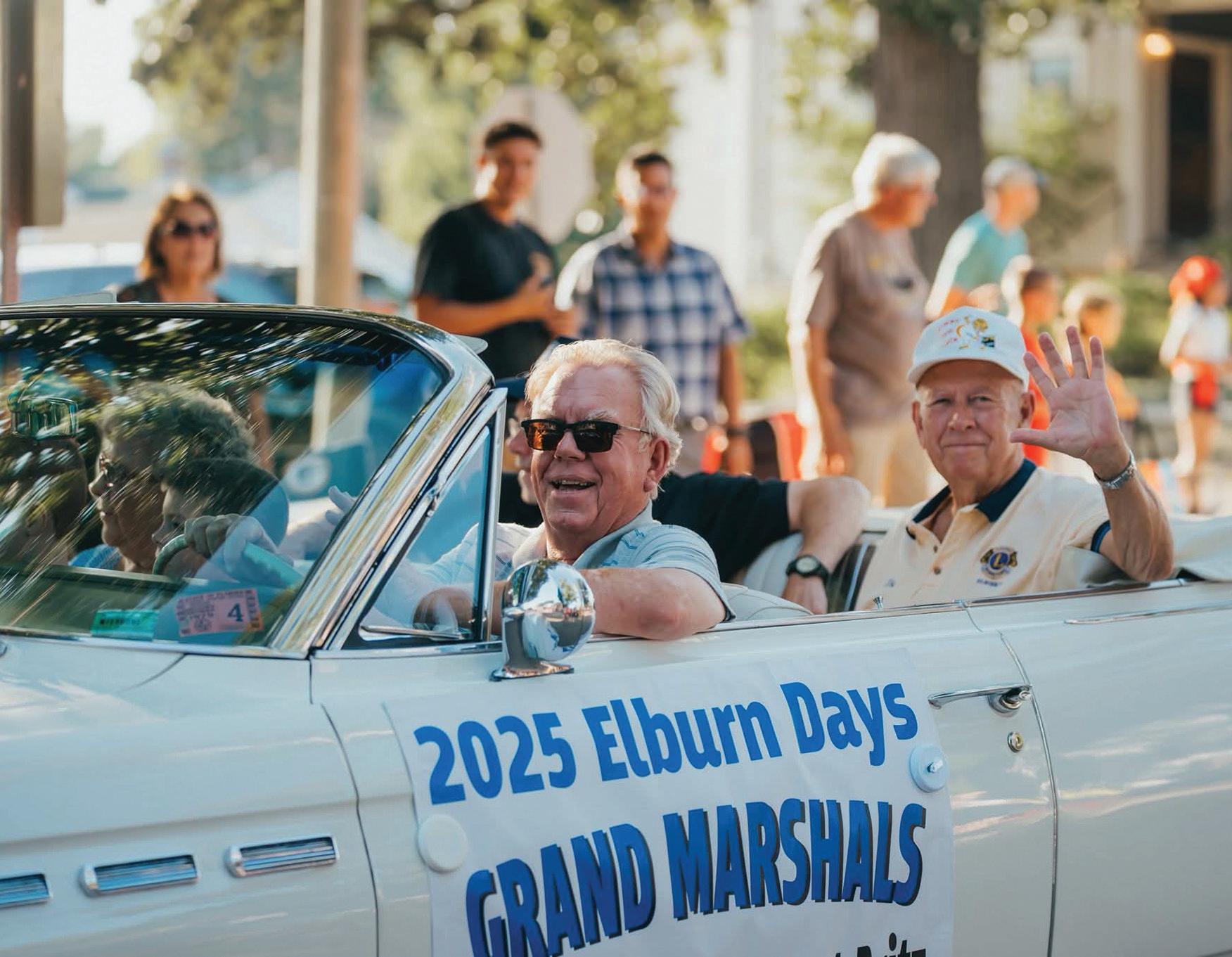
u Elburn Days: Aug. 21-23, brought to you by the Elburn Lions Club
and prepared to keep the thousands of fairgoers comfortable. That includes the parking lot, grandstand area, meticulous landscaping, agricultural barns, and the entire carnival area. This work begins as soon as the snow thaws.
Elburn Days is the Elburn Lions Club’s largest annual fundraiser for the Elburn Lions Park and Elburn Lions Charities. Tom Reynolds, long-time Elburn Lions Club member, has been involved with this event for over 50 years and credits the club’s members, their family members, and over 100 volunteers for making it a very special community event. “We start planning our next Elburn Days right after this year is complete. Between our big parade on Friday night, our food, carnival and beer tent,”
Reynolds says, “we are able to bring the community together for a few days of fun. Plus, our proceeds help us accomplish the charitable projects we support, like eye screenings, programs aiding the visually and hearing impaired, and more.”
Reynolds is involved in other volunteer activities, including Swedish Days and the Kane County Fair. He offered one quick tip on how to remember when these events take place each year. “These events take place the third full week of the month,” Reynolds said. “Swedish Days in June; the Kane County Fair in July; and Elburn Days in August.”
Mark your calendars today and enjoy these events. They make living in the Fox Valley area a very special treat.
As the weather gets warmer, local music and art festivals will once again showcase a hub of creativity. From fine art shows to concert series, these gatherings bring the community together to celebrate local talent.
Hosted by Drugan’s Drums & Guitars, the 35th Annual Chicago Drum Show will be held from 10 a.m. to 5 p.m. Saturday and Sunday, May 16-17, at the Prairie Events Center at the Kane County Fairgrounds in St. Charles. This premier expo features vintage drums, custom gear and accessories along with live performances from renowned drummers. Learn more at www.chicagodrumshow.com.
The 28th annual St. Charles Fine Art Show will feature over 110 fine artists, each hand-selected by a jury for their talent and style. Artisans will line Riverside Avenue between Main Street and Illinois Avenue showcasing their artwork in a variety of mediums including ceramics, digital art, glass, jewelry, photography, wood, painting and more.
Hours are 10 a.m. to 6 p.m. Saturday, May 23, and 10 a.m. to 5 p.m. Sunday, May 24. Admission is free. Learn more at www. stcharlesfineartshow.com.
Bring a chair and snacks to enjoy during this weekly BYOB concert series at Blackberry Farm in Aurora. This event for
By Vicki Martinka Petersen • Photo provided by Fox Valley Park District
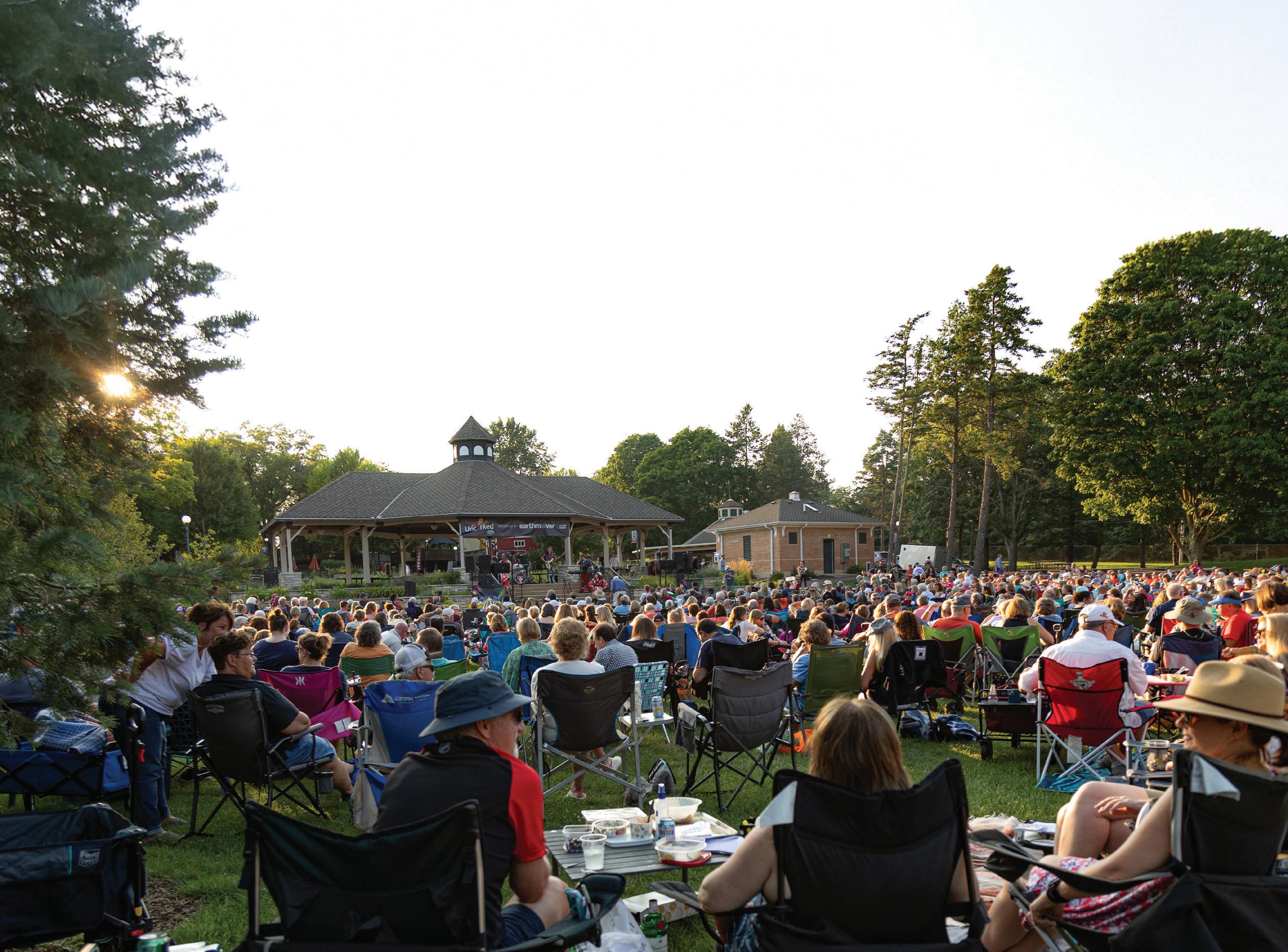
adults 21 and over features local bands spanning genres like classic rock, pop, country and more. Bands performing this year include The Simple Remedy, Billy Elton, The Wayouts and Bon Journeyed.
The Live & Uncorked concerts begin at 7 p.m. on Thursdays in June and July. Tickets cost $10 in advance and $12 at the door. For more information, visit www. blackberryfarm.info/special-events/liveuncorked-concert-series.
The Village of North Aurora’s Creativity at the Crossroads will take place from 10 a.m. to 4 p.m. Saturday, June 13 at North Aurora Riverfront Park, located at 25 E. State St.
Last year, over 60 local artists and crafters showcased their items for sale. Visit www.northaurora.org/community/creativityat-the-crossroads closer to the event for a complete list of this year’s artists.
This free summer cultural arts concert series features a variety of musical acts. This year’s lineup includes The Throwbacks, Chicago Rockhouse and Stevie McVie celebrating the
timeless classics of Fleetwood Mac. Bring your lawn chairs and blankets to enjoy the concert. Wine, beer and food will be available for purchase.
The series will be held on Wednesdays, June 17-Aug. 5 at Peg Bond Center, 151 N. Island Ave. in Batavia. No concert is scheduled July 8. Concerts begin at 7 p.m. For more information, visit www.bataviaparks.org/event/river-rhapsody.
For more than 20 years, this juried arts fair has featured artists from throughout the country in a variety of mediums. Stroll along Third Street in downtown Geneva during this year’s fine arts show from 10 a.m. to 5 p.m. Saturday and Sunday, July 25-26.
The Plandscape Inc.’s Arts Garden at Third and Franklin showcases an amazing display of trees, shrubs and plants. You won’t want to miss the live acoustic music both days from noon to 2 p.m. For more information, visit www.genevachamber. com/events/arts-fair.


Come out to the Geneva Commons and visit Prime Cut, a restaurant that provides an out of the ordinary, extraordinary dining experience.
Prime Cut, which opened last October, strives to provide delicious food in a welcoming atmosphere at an affordable price. Those looking to enjoy steak and cocktails without spending hundreds of dollars may find exactly what they are looking for here, which is certainly uncommon nowadays.
“At Prime Cut, we take pride in our kitchen and the art of culinary craftsmanship,” says owner Joseph Nam. “Our chefs are dedicated to creating tantalizing dishes that delight the senses. We source the finest ingredients and blend traditional flavors with innovative techniques to bring you a memorable dining experience. Whether it's a classic American favorite or a modern twist on a timeless dish, each creation is prepared with passion and precision.”
As a contemporary-style restaurant which focuses on creating exceptional food from scratch, Prime Cut has a regular menu and a sushi menu.
Those craving the varied, delicious taste of sushi have
By Chris Walker | Photos provided by Prime Cut
a variety of rolls, specialty rolls and more to consider on Prime Cut’s sushi menu.
Those looking for something other than sushi will find it on a main menu with starters that include baked French onion soup, lobster bisque, Maryland crab cakes, Wagyu meatballs, baked goat cheese and crispy fried fresh calamari.
Small plates, which go well with cocktails, include poke nachos, crostini goat cheese and fig, Mediterranean chicken kebabs, crispy rice salmon and a mini seafood tower.
There are also salads on the menu, including Greek, a prime cut Caesar and chicken Cobb.
Diners seeking an uncommon plate contrast will certainly find a few wonderful options on the Surf & Turf menu, which features a Twin Filet, 2 Lobsters - two, 3-oz. filets served with herb butters alongside two, 5-oz. cold lobster tails. Other selection include Twin Filets, Crab Cakes, Scallops and Twin Filets & Shrimp Scampi.
Prime Cut favorites on the menu include coconut shrimp, hibachi filet mignon, fettuccine Alfredo, roasted chicken and Frutti Di Mare, an assortment of
seafood, marinara sauce and pasta.
Those craving a well-marbled, expertly seasoned steak can choose from three options of dry aged prime cuts, including filet mignon, New York and the rib eye.
Sandwich options include a grilled chicken sandwich, BLT and Wagyu cheeseburgers.
Fresh catches of the day on the menu include pistachio-crusted halibut, tuna tataki and teriyaki salmon.
The Raw Bar features Oyster by the Half, shrimp cocktails and finally girls best friends, which includes two glasses of Rosé, tuna tartar green scallions, won ton chips and house sauce.
In addition to onion rings, truffle fresh cut fries and seasonal vegetables, Prime Cut’s fourth side is mashed potatoes.
Lastly, the menu features Value Bites such as steak frites, double cut Berkshire pork, au Poivre flank steak and Korean fired chicken.
Banana splits, cheese cake, carrot cake and chocolate ice cream are among the desserts.
By Yanira Garcia Andel
"Effortless beauty" is the ultimate performance. It's sold to us as the gold standard – dewy skin that never creases, hair that falls into place without heat or hesitation, a face that reads as fresh, natural and completely untouched. The beauty equivalent of hitting your mark under perfect lighting without ever rehearsing.
Except, of course, there's always a rehearsal.
Because behind every "I just threw this on" is a quiet, calculated effort most of us have come to accept as baseline. The skincare routine that's anything but simple. The product layering that only looks invisible when done right. The subtle edits-blend, tap, smooth-that happen almost unconsciously. Effortless beauty isn't the absence of effort. It's the art of concealing it.
And in a place like Kane County, where life plays out in a steady rotation of school events, local performances, gallery nights, and community
fundraisers, that performance takes on a very specific tone. You're not getting ready for a red carpet, but you are getting ready to be seen. At the high school auditorium. At a small theater production. At an opening reception where someone inevitably runs into someone they know. The expectation isn't glamour. It's polish that doesn't ask for attention.
Something that says: I care, but not too much. Which, ironically, takes a lot of care.
Talk to the women who seem to have mastered it — the ones who show up looking consistently put together under fluorescent lights and stage lights alike — and you'll start to see the structure behind the illusion. The standing appointments. The go-to products. The mental checklist running quietly in the
background: touch up, blend, adjust. It's not highmaintenance in the obvious sense. It's just constant.
And like any good production, there's a cost.
Not always dramatic, but cumulative. The serum that promises glow. The foundation that disappears just right. The mascara that holds through a twohour performance or a windy Friday night on the bleachers. Effortless beauty may look minimal, but it's often built on a carefully edited rotation of things that work-and the time it took to find them.
Still, we chase it. Because there's something undeniably appealing about the idea that you can move through your day-through carpools and curtain calls-looking like the best version of yourself without signaling how much went into it. There's a kind of social ease in that illusion. A quiet confidence in not appearing to try too hard.
But there's also something compelling happening just beneath that surface, especially in suburban creative spaces.

At local performances, you'll see it. A bold lip that doesn't apologize. A graphic liner at a gallery opening. A teenager treating their face like a canvas instead of a correction. In these moments, beauty shifts-away from effortlessness and toward expression. Less about blending in, more about showing up.
Less performance. More presence.
So maybe the goal isn't to look effortless.
Maybe it's to be intentional.
To know when you want to fade into the background-and when you want to take the stage. To build a version of beauty that works for your life, whether that's under harsh overhead lighting or the soft glow of a theater dimming before a show.
Because the truth is, there's nothing inherently better about looking like you didn't try.
And in a place where life itself is a series of small, everyday performances, there's something refreshingmaybe even a little rebellious-about letting the effort show.

Our bodies and skin are constantly responding to daily stress, environmental factors and lifestyle habits. Muscle tension builds gradually from repetitive movements, posture and stress. Similarly, the skin is continuously exposed to elements like sun, pollution and changing seasons.
Monthly massage therapy helps manage this buildup before it becomes chronic. Regular sessions can improve circulation, reduce inflammation and support the nervous system, leading to better sleep, reduced stress and improved overall function.
The same applies to skincare. Consistent, customized facials help maintain balance, support cell turnover and address concerns like dehydration, sensitivity or signs of aging more effectively over time. Rather than starting over with each visit, your skin continues to improve with each treatment.
An occasional service often provides short-term relief, but the effects can fade quickly if underlying patterns
When it comes to wellness, many people take an “as-needed” approach, booking a massage when tension becomes overwhelming or scheduling a facial before a special event. While these one-time services can provide immediate relief, the real transformation happens with consistency.
Wellness is not a one-time fix. It is a lifestyle built through small, intentional habits over time. Just like exercise or healthy eating, the benefits of massage therapy and skincare are amplified when they are part of a regular routine rather than an occasional treat.
are not addressed. Consistency allows practitioners to understand your body and skin more deeply, adjust treatments as your needs evolve and build on previous progress.
Over time, clients who commit to regular care often notice:
• Reduced frequency and intensity of muscle tension
• Improved flexibility and mobility
• Healthier, more resilient skin
• A greater sense of overall well-being
It becomes less about reacting to discomfort and more about maintaining a balanced, proactive approach to health.
The key to consistency is simplicity. A sustainable wellness routine does not have to be complicated or time-consuming. It can start with something as manageable as one service per month.
Many clients find success by combining services, such as alternating between massage and facial appointments or pairing them together for a


more comprehensive experience. Adding assisted stretching can further enhance results by improving mobility and supporting long-term muscle health.
At home, simple habits can extend the benefits of professional care. Using quality skincare products, staying hydrated and incorporating light stretching into your daily routine all contribute to lasting results between visits.
One of the most impactful mindset shifts is viewing wellness services not as occasional indulgences, but as essential maintenance. When care becomes consistent, it supports not only how you feel in the moment, but how you function every day.
Investing in regular wellness is an investment in longterm health, energy and quality of life. It allows you to show up as your best self, not just on special occasions, but in the everyday moments that matter most.


In the Fox Valley, family is the heartbeat of our community. Whether it’s a milestone 50th anniversary or a long-awaited reunion, Kane County families are increasingly looking for ways to gather. I know this because I live it. As a longtime Kane County resident and a parent of Burlington Central grads, I’ve spent years navigating the beautiful complexity of local life — and I’ve spent just as much time navigating the decks of the world’s best ships.
Anyone who has tried to coordinate a dinner reservation for 10 people at a local spot in Geneva or St. Charles knows the drill. Now, imagine doing that for 20 people with ages ranging from 6 to 86 for seven days straight. Without a plan, "vacationing together" quickly feels like "working together."
The secret to a successful multigenerational trip isn't just the destination — it’s the diversity of experience. This is why Royal Caribbean’s newest class of ships has become my personal gold standard for families in 2026. They have effectively mastered the neighborhood concept, ensuring that while the family stays together; no one is forced to compromise.
The challenge of multi-generational travel is often the pace. Grandparents may want a quiet morning with a book and a view of the ocean, while teenagers are hunting for the next adrenaline rush. On the new Icon-class ships, these worlds coexist seamlessly.

In my own family travels with groups of 15 to 20, I’ve seen this magic work firsthand. While the grandkids are conquering record-breaking waterslides at Thrill Island, the "Active Empty-Nester" generation can retreat to The Hideaway — a beach club-inspired neighborhood with a suspended infinity pool. For the parents in the middle? You get the rarest luxury of all: The "Surfside" Neighborhood. You can relax at a nearby eatery while staying within eyesight of the kids’ splash park. Everyone is "together," but everyone is happy.
For the family patriarch or matriarch looking to host a truly elevated experience, the Royal Suite Class is a game-changer. These accommodations provide the space and privacy a large family needs.
But the real secret sauce for my clients is the Royal Genie. Think of the Genie as your family’s personal fixer and magicmaker. In 2026, the complexity of travel
has increased, but a Genie handles the stress: securing front-row seats for shows at the AquaDome or ensuring the grandparents never have to wait in a line.
l WHY AN EXPERT IS NON-NEGOTIABLE
As someone with a Master’s in Education and a seat on the Mast Travel Consortia Board of Directors, I look at travel through a different lens. Coordinating a group of 12 or 20 across different cabins and dietary needs is a logistical puzzle. My role is to solve that puzzle before you even leave Kane County. From navigating the 2026 Mediterranean debut of Legend of the Seas to ensuring your cabins are perfectly situated for those with limited mobility, I handle the "how" so you can focus on the "who."
In 2026, the best family memories shouldn't be overshadowed by the stress of planning them. Let’s make your next journey the one where everyone finally gets exactly the vacation they’ve been dreaming of.
EXPERTISE YOU CAN TRUST: Kelly Ortiz is a Kane County-based travel authority and the owner of Guru Travel. With an M.Ed and a seat on the Mast Travel Consortia Board of Directors, she combines educational precision with industry leadership. A "Master of Adventure" with Royal Caribbean, Kelly has personally sailed on more than 45 cruises, gaining firsthand experience on every class of ship in the fleet. Whether you are navigating the new Icon class or planning a milestone reunion for 20+ guests, Kelly uses her decades of local residency and global expertise to ensure your family’s investment is protected and your experience is planned to perfection. kelly@thewdwguru.com | 630-885-3999 | thewdwguru.com




12–18 Months Out: The Vision. Select your ship. For 2026 or 2027, the Icon Class is the gold standard for multi-gen excellence.
11 Months Out: Strategic Cabin Locations. In the Fox Valley, Spring Break and Summer dates sell out fast. I ensure your rooms are perfectly situated so the family can gather effortlessly while maintaining the privacy every generation deserves.
9 Months Out: The VIP Strategy. For suite guests, we start mapping out your “front-of-the-line” access to the AquaDome and Thrill Island.
6 Months Out: Culinary Coordination. I manage your 10+ person dinner rotations so you always have the best table in the house without the wait.
3 Months Out: Island Exclusives. We secure your private overwater cabanas at Perfect Day at CocoCay before they reach capacity.
1 Month Out: Seamless Integration. I guide the entire family through the Royal App, ensuring everyone from the grandkids to the grandparents is tech-ready and “boarding-pass” prepared.


Most travel agents book a room. I engineer an experience. As your Kane County Royal Caribbean expert, I handle the 1,001 details so you can focus on what matters most: your family.


The St. Charles area offers more than 20 miles of scenic trails, inviting residents and visitors to explore everything from quiet neighborhood loops to expansive regional routes. Whether you’re cycling along the Randall Road Trail or setting out for a longer ride on the Fox River or Great Western Trails, there’s no shortage of ways to enjoy the outdoors and stay active.
Biking has become an increasingly popular way for the community to stay active and connected. On any given day, the trails are filled with riders of all ages — families with young children, seasoned cyclists logging miles and casual riders simply enjoying a leisurely cruise. The accessibility and variety of trails make it easy for everyone to find a route that fits their pace and comfort level.
Several major regional trails pass through multiple communities, including the Fox River and Great Western Trails, giving cyclists the opportunity to travel between towns. Locally, trails such as Peck Road, Randall Road and River Bend provide convenient connections throughout St. Charles.
St. Charles Park District keeps wheels in motion for cyclists looking to enjoy the outdoors
By Melissa Rubalcaba Riske
For the sections that run through St. Charles, the St. Charles Park District plays a key role in keeping trails safe and accessible. Crews routinely inspect paths, clear debris and respond to issues reported by trail users.
“We have a rotating service program for all of our bike paths,” said Laura Rudow, Superintendent of Parks and Planning.
“Our staff also responds as needs arise, like clearing fallen limbs after a storm.”
Part of the appeal is the peaceful experience the trails provide. Riders can glide through shaded parks, along winding river views, and beneath a canopy of mature trees that offer a welcome escape from the busyness of daily life. It’s not uncommon to spot wildlife along the way or pause for a quiet moment surrounded by nature, making each ride feel like a mini getaway close to home.
There are also plenty of favorite neighborhood spots perfect for a quick outing. Popular options include the loop at James O. Breen Community Park, Fox Chase Park, and the East Side Sports Complex — where trails were refreshed with a new layer of asphalt in 2025.
“These trails are great whether you’re biking or just getting your steps in,” Rudow said. “They’re wide, wellmaintained, and designed to keep people connected.”
St. Charles is home to miles of trails for cyclists to enjoy. Highlights include:
Great Western

The trail system also makes for an ideal family activity. Parents can ride alongside their kids on safe, paved paths while enjoying quality time together outdoors. Whether it’s a short after-dinner ride, a weekend adventure, or a stop along the way for a playground break or picnic, the trails offer an easy and enjoyable way for families to be active together.
Cyclists can also take advantage of the free bike plaza at Pottawatomie Park, which offers an easy place to pump tires, make minor repairs and refill water bottles before heading back out on the trail.
To help plan a ride, the Park District website provides trail listings with mileage, along with access to the latest Kane and Kendall County Bicycle Map. Printed copies are also available at Pottawatomie Community Center.
Virgil L. Gilman
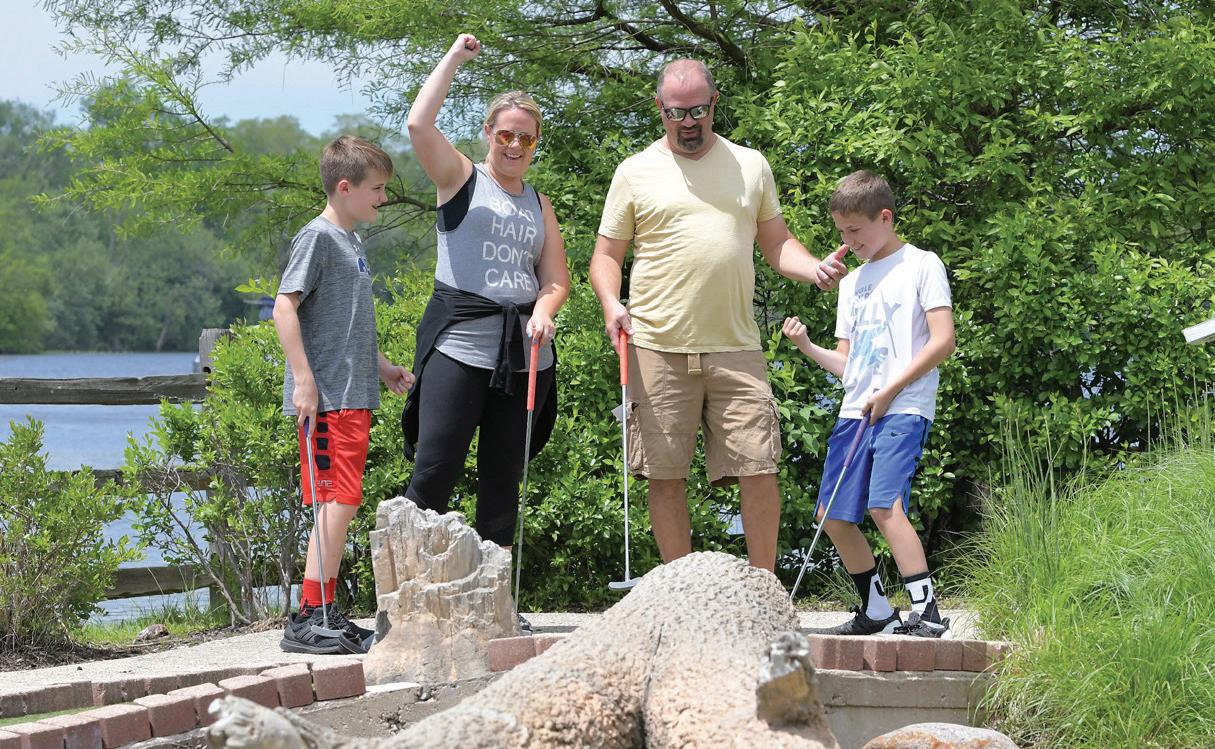
As always, safety is a priority. The Park District encourages riders of all ages to wear helmets, follow the rules of the road and practice proper bike safety.
Community feedback also plays an important role in trail upkeep. Residents are encouraged to report maintenance needs by texting 630-513-3331.
“With so many miles of trails, it’s easy to miss something,” Rudow said. “We truly appreciate when people take the time to let us know.”
Beyond the physical benefits, the trail system offers something even greater — a chance to slow down and connect. Whether it’s a peaceful solo ride, a family outing or a trip to a neighboring town for coffee or lunch, St. Charles’ trails provide the perfect setting to enjoy fresh air, movement and time together under a canopy of trees.


























































As a kid growing up in the Chicago area, I confess I was spoiled in many ways.
Just think about the food, for starters. Not many places in the country, if not the world, can rival not only the quality, but also sheer variety of cuisine selections awaiting our palates on local restaurant menus.
And the regional favorites? Good luck beating the foursome of Italian beef, Chicago dogs, gyros and Chicago-style pizzas (Notice: Plural. As in more than one "Chicago-style." If you know, you know.)
And sports? Walter Payton and the Bears of the 1980s gave way to Michael Jordan and the Bulls of the '90s. Not too shabby.

Culture? Music? Architecture? Check. Check. And check.
As one of the best follows on TikTok, Sherman Dilla Thomas puts it: "Everything dope about America comes from Chicago." Scenery? OK, we can't win every category. But it's always fun to exchange a knowing glance when the jaws of first-timers drop when they realize what we mean by "the lake."
But what was truly spoiling growing up here was the accent. As in, many of us never thought we had one. And why should we? For generations, when we'd flip on the TV or a national radio broadcast, what did we hear spoken back to us?











Our own way of speaking, that good ol' generic Midwestern dialect, known in the business as "General American" for its ability to be readily understood by English speakers everywhere.
So, you can imagine my surprise the first time I traveled to the South as a young man, and was asked by a child: "Why'd y'all talk so funny?"
His parents kindly shooshed him and apologized (bless their heart), and I told them it was no big deal, but I'm certain the look on my face said, "Who the (bleep) are you saying talks funny?" more clearly than even a TV diction coach could convey.
But upon my return, and the more travels taken since, the easier it is to hear the nasal intonations that define our "General American" dialect.
Well, that and the words you use and the way we pronounce them.
Traveling has, for instance, taught me that no one outside of the Chicago area refers to athletic footwear as "gym shoes." And most of the rest of the English speaking world calls sweet, fizzy drinks "soda," not "pop."
We Midwesterners, however, appear to be in much better, or at least, larger, company when it comes to other lexical vagaries.
Such as, how we here in this part of the world pronounce the word "aunt."
Growing up in the Midwest, it was always understood that the word was pronounced just like the colonizing, hardworking, ground-dwelling insect that, thankfully, hasn't realized its full potential as a species for world domination.
But then, one day, a chance childhood encounter with another family's visiting uppity East Coast relatives introduced me to what they assured me was the "correct" way to say the word. You know, like "taunt." Just like the tone of their voice.
Then, later, a racial diversification in my friend base allowed me to learn that some people of darker skin tones refer to such relatives using a word most closely phoneticized as "un-ty."
But through the years, no matter what others may call them, what I have really been spoiled by are the women who I have had the honor of calling my aunts.
While my mother shouldered the primary, laborious task of raising me and my siblings, these amazing women came alongside and added so many blessings to our lives. In many ways, they took us raw lumps of potential and added their own touches in refining us into the (mostly) civilized and (hopefully) responsible adults.

And they kept coming back, time and again, even when we were ungrateful and uncouth brats, putting in the work of imparting enduring lessons on etiquette and protocol in an adult world; inculcating a love for the arts; for individual sports, like bicycling and cross country skiing; igniting a love for reading, by constantly supplying great books, whether we knew it or not; and otherwise exposing us to a swath of life-altering experiences that opened our eyes to the possibilities offered in this great big world.
And through it all, they taught us perhaps the most important lesson of all, sometimes missed, but always understood in any dialect:
There is no such thing as "spoiling" a kid with too much love.
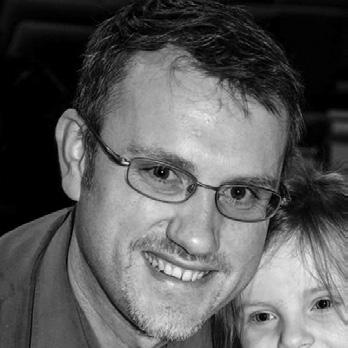
n Jonathan Bilyk writes about the triumphs and travails of being a modernday dad who legitimately enjoys time with his family, while tolerating a dog that seems to adore him. He also doesn’t really like the moniker “Superdad” because it makes it sound like he wants to wear his undergarments on the outside of his pants. (Also,the cape remains on back order.)





For those of you who have read my articles over these past many years, you know I often refer to my background as a fourthgeneration Wisconsin farm boy. If you’ve ever watched a seasoned farmer work a field, you know there’s a quiet confidence in the way they move. They don’t rush. They don’t chase every cloud. They trust the land, the seasons and the plan they laid out long before the first seed hit the soil.
That’s the spirit of strategic asset allocation — and it’s the backbone of a healthy investment portfolio.
Sure, there’s also the weather-watcher type: the one who’s always scanning the horizon for a sudden shift. That’s tactical allocation, and it has its place. But when it comes to building long-term wealth, the steady farmer wins far more often than the sky-gazer.
Let’s dig into why.
Strategic asset allocation is your long-term blueprint — the thoughtful mix of stocks, bonds, cash and other investments that matches your goals and your tolerance for risk. It’s the plan you set with care and revisit only occasionally, usually when your life changes more than the markets do.
This approach assumes something simple but powerful: over time, markets reward patience. They wobble, they surge, they scare you half to death
some years — but they tend to climb. And if you stay invested in a disciplined way, you get to enjoy that climb.
Strategic allocation is the part of your portfolio that keeps you grounded when headlines get loud. It’s the voice that says, “We’ve planned for this. Stick with the strategy.” And history shows that most of your long-term returns come from this steady, thoughtful mix — not from darting in and out of the market.
It’s not flashy, but it works.
The Tactical Weather‑Watcher: Helpful, but Not the Main Act
Now, tactical allocation has its charms. It’s the part of the portfolio that lets you make small, temporary adjustments when the economic weather looks unusually sunny or stormy. Maybe valuations look stretched. Maybe interest rates are shifting. Maybe a recession seems to be forming on the horizon.
Tactical moves can help you lean into opportunity or sidestep risk. But they require skill, discipline and a willingness to be wrong. And even the pros, armed with research teams and mountains of data, don’t always get the timing right.
Used sparingly, tactical allocation can complement your long-term plan. Used too aggressively, it can turn into market chasing, which is about as productive as planting tomatoes in December because the forecast looked warm for a day.
The beauty of strategic allocation is that it doesn’t rely on perfect timing or gut feelings. It relies on math, planning and the long arc of market history.
It keeps you from overreacting when markets drop. It keeps you from getting greedy when markets soar. It keeps you focused on what actually matters: your goals.
And perhaps most importantly, it reduces the emotional noise that leads investors astray. When you have a clear strategic plan, you’re far less likely to panic-sell at the bottom or pile in at the top.
Tactical allocation can add value, but it should be the seasoning, not the stew.
The best portfolios look a lot like a well-managed farm:
• The strategic plan is the layout of the fields — the long-term structure that doesn’t change much.
• The tactical tweaks are the small adjustments you make when the weather shifts — helpful, but never the main driver of success.
You wouldn’t rebuild your entire farm every time the wind changes direction. And you shouldn’t rebuild your portfolio every time the market hiccups.
Strategic asset allocation is the steady hand, the reliable compass, the long-term plan that keeps your financial life moving in the right direction.
Tactical allocation can help around the edges, but it’s strategic allocation that does the heavy lifting.
Plant wisely. Stick to the plan. Let time and discipline do their work. That’s how real financial gardens grow.
The information contained in this material does not purport to be a complete description of the securities, markets, or developments referred to in this material. Any information is not a complete summary or statement of all available data necessary for making an investment decision and does not constitute a recommendation. Past performance may not be indicative of future results. Future investment performance cannot be guaranteed, investment yields will fluctuate with market conditions. Investing involves risk and you may incur a profit or loss regardless of strategy selected.
This material is intended for informational purposes only and should not be construed as legal or tax advice and is not intended to replace the advice of a qualified attorney, tax advisor, or plan provider. The information has been obtained from sources considered to be reliable, but we do not guarantee that the foregoing material is accurate or complete. Any opinions are those of Tom McCartney and not necessarily those of Raymond James. Expressions of opinion are as of this date and are subject to change without notice. Raymond James is not responsible for the content of any website or the collection or use of information regarding any website's users and/or members.
Authored by Tom McCartney, founding principal of My Advisor & Planner and a wealth manager, RJFS. Pictured left to right with his team are co-founder and wealth manager Sharon Piet, Tom, and Michael Holevas, CFA, wealth manager. Any opinions are those of My Advisor & Planner and not necessarily those of Raymond James. Every investor’s situation is unique, and you should consider your investment objectives, risks and costs before making an investment. Investing involves risk and you may incur a profit or loss regardless of strategy selected, including diversification and asset allocation. Securities offered through Raymond James Financial Services, Inc., member FINRA/SIPC. Investment advisory services are offered through Raymond James Financial Services Advisors, Inc. My Advisor & Planner is not a registered broker/dealer and is independent of Raymond James Financial Services. Their office is at 107 S. 2nd Street, Geneva, IL 60134. Call 630-457-4068.
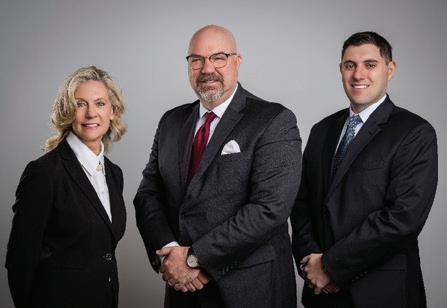

Understanding what people are passionate about is how we help them plan for what’s most important. Backed by sophisticated resources, a Raymond James financial advisor gets to know you and everything that makes your life uniquely complex. That’s Life Well Planned.