When Chest Pain Isn’t Heart-Related:
Understanding Musculoskeletal Causes
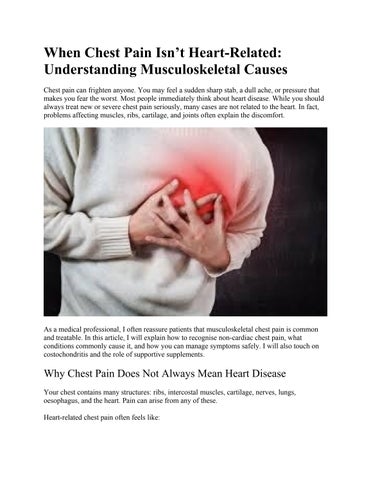
Chest pain can frighten anyone. You may feel a sudden sharp stab, a dull ache, or pressure that makes you fear the worst. Most people immediately think about heart disease. While you should always treat new or severe chest pain seriously, many cases are not related to the heart. In fact, problems affecting muscles, ribs, cartilage, and joints often explain the discomfort.
As a medical professional, I often reassure patients that musculoskeletal chest pain is common and treatable. In this article, I will explain how to recognise non-cardiac chest pain, what conditions commonly cause it, and how you can manage symptoms safely. I will also touch on costochondritis and the role of supportive supplements.
Why Chest Pain Does Not Always Mean Heart Disease
Your chest contains many structures: ribs, intercostal muscles, cartilage, nerves, lungs, oesophagus, and the heart. Pain can arise from any of these.
Heart-related chest pain often feels like:
Heavy pressure or tightness
Pain spreading to the left arm, jaw, or back
Associated breathlessness, sweating, or nausea
Musculoskeletal chest pain usually behaves differently. It often:
Worsens when you move, twist, or press on the area
Feels sharp or localised
Changes with posture
Improves with rest
However, you should always seek urgent medical help if chest pain is severe, new, or accompanied by worrying symptoms. Never assume pain is “just muscular” without proper assessment.
What Is Musculoskeletal Chest Pain?
Musculoskeletal chest pain arises from the bones, muscles, cartilage, or joints of the chest wall. Doctors often refer to it as “chest wall pain.”
Common causes include:
Costochondritis
Muscle strain
Rib injury or inflammation
Poor posture
Overuse during exercise
Arthritis affecting rib joints
This type of pain can affect anyone. Athletes, office workers, manual labourers, and even teenagers can experience it.
Costochondritis: A Frequent Cause of Chest Wall Pain
Costochondritis refers to inflammation of the cartilage that connects your ribs to your breastbone (sternum). These areas are called costochondral joints.
When this cartilage becomes inflamed, you may notice:
Sharp pain near the breastbone
Tenderness when pressing on the ribs
Pain that worsens with deep breathing
Discomfort during coughing or movement
The pain can feel alarming and may mimic heart-related discomfort. However, costochondritis does not involve the heart.
What Triggers Costochondritis?
Common triggers include:
Repetitive upper body strain
Heavy lifting
Severe coughing
Minor chest trauma
Viral infections
Poor posture
In many cases, no clear cause appears.
How Long Does It Last?
For most people, costochondritis improves within weeks. Some cases persist for months, especially if you continue activities that irritate the chest wall.
If you want to explore supportive options, you can read more about Costochondritis Natural Supplements in our related guide, where I discuss ingredients that may support joint and cartilage health.
Muscle Strain in the Chest
You can strain chest muscles just as easily as you strain a calf or shoulder muscle.
Common scenarios include:
Intense gym workouts
Heavy lifting
Sudden twisting movements
Persistent coughing
Poor desk posture
Muscle-related chest pain usually:
Feels worse when you stretch or move the affected muscle
Improves with rest
Feels tender to touch
Simple measures such as rest, gentle stretching, and anti-inflammatory treatment often help.
Rib Joint Dysfunction
Your ribs attach to your spine at the back and to the sternum at the front. These joints can become stiff or irritated.
Rib joint dysfunction often causes:
Sharp pain at the back or side of the chest
Pain with deep breathing
Discomfort when twisting
Local tenderness
Physiotherapy, posture correction, and targeted exercises can reduce symptoms.
Postural Chest Pain
Modern lifestyles contribute to chest wall pain more than many people realise.
If you spend long hours:
Sitting at a desk
Looking down at a phone
Driving
Leaning forward
You place strain on chest and shoulder muscles. Over time, tight pectoral muscles and weak upper back muscles create imbalance. This imbalance can trigger persistent aching or sharp twinges.
Correcting posture often provides significant relief. Focus on:
Sitting upright with shoulders relaxed
Adjusting screen height
Taking breaks every 30–60 minutes
Strengthening upper back muscles
Arthritis and Inflammatory Conditions
Arthritis can affect rib joints, particularly in people with:
Rheumatoid arthritis
Ankylosing spondylitis
Psoriatic arthritis
These conditions may cause stiffness, swelling, and chest discomfort. Pain may feel worse in the morning and improve with movement.
If you live with inflammatory arthritis, discuss chest symptoms with your rheumatology team.
How Doctors Diagnose Musculoskeletal Chest Pain
When you visit a doctor with chest pain, they will prioritise ruling out serious conditions first.
You can expect:
Detailed history
Physical examination
ECG (heart tracing) if needed
Blood tests in some cases
Chest X-ray if indicated
If pressing on the chest reproduces the pain and heart tests appear normal, doctors often diagnose chest wall pain.
Never feel embarrassed about seeking help. It is always better to check.
Treatment Options for Musculoskeletal Chest Pain
1. Rest and Activity Modification
Avoid activities that worsen pain. You do not need complete bed rest, but reduce strain on the chest.
2. Pain Relief
Doctors may suggest:
Paracetamol
Non-steroidal anti-inflammatory drugs (NSAIDs)
Topical anti-inflammatory gels
Always follow dosing instructions and consult your GP if you have stomach, kidney, or heart conditions.
3. Physiotherapy
A physiotherapist can:
Identify muscle imbalance
Provide stretching routines
Strengthen weak muscles
Improve posture
Structured rehabilitation often prevents recurrence.
4. Heat or Ice
Ice helps during the first 48 hours of acute injury.
Heat works well for muscle tension and stiffness.
Apply for 15–20 minutes at a time.
Supportive Role of Supplements in Costochondritis
While supplements cannot replace medical care, some may support joint and cartilage health in people with inflammatory chest wall pain.
Common options include:
Omega-3 fatty acids
Turmeric (curcumin)
Vitamin D
Glucosamine and chondroitin
If you are exploring options, you may find our article on Natural Remedies for Costochondritis helpful for lifestyle and dietary strategies.
When purchasing supplements, choose reputable suppliers. Many patients look for the Best Vitamins and Supplements Products Online UK to ensure quality standards and appropriate labelling.
Always check with your GP before starting supplements, especially if you take blood thinners or other prescription medicines.
Red Flags: When to Seek Urgent Help
Even if pain feels muscular, seek emergency care if you experience:
Crushing chest pressure
Pain spreading to the arm, jaw, or back
Severe breathlessness
Fainting
Sweating with nausea
Sudden severe chest pain
Trust your instincts. If something feels different or severe, call emergency services.
Living With Recurrent Chest Wall Pain
Some people experience repeated episodes of chest wall pain. If this happens, focus on prevention.
Strengthen Supporting Muscles
Regular exercises that target:
Upper back
Core
Shoulders can reduce strain on rib joints.
Improve Ergonomics
Set up your workstation properly:
Screen at eye level
Feet flat on the floor
Chair supporting your lower back
Manage Stress
Stress often increases muscle tension in the chest and shoulders. Techniques such as:
Deep breathing
Yoga
Mindfulness
Regular walking can reduce flare-ups.
Chest Pain and Anxiety
Anxiety can cause:
Chest tightness
Rapid breathing
Muscle tension
Hyperventilation can create sharp chest discomfort and tingling sensations. If tests show your heart is healthy, addressing anxiety through therapy or relaxation techniques can significantly reduce symptoms.
Can Exercise Help?
Yes, once serious causes are excluded.
Gentle activities such as:
Walking
Swimming
Stretching
Light resistance training
can improve circulation and muscle balance.
Avoid high-impact or heavy lifting during active inflammation.
What About Tietze Syndrome?
Tietze syndrome resembles costochondritis but includes visible swelling at the rib cartilage. It is less common and usually affects younger individuals.
Management is similar: pain relief, rest, and monitoring.
Frequently Asked Questions
Can musculoskeletal chest pain last for months?
Yes. If inflammation persists or posture remains poor, symptoms can continue. Address underlying causes early.
Is it safe to exercise with chest wall pain?
Light activity is usually safe after serious conditions are excluded. Avoid movements that trigger sharp pain.
Can poor sleep affect chest pain?
Yes. Poor sleep increases pain sensitivity and muscle tension.
Do supplements cure costochondritis?
No supplement cures it. However, certain nutrients may support inflammation control and cartilage health when used appropriately.
Key Takeaways
Many cases of chest pain are not heart-related.
Musculoskeletal causes such as costochondritis and muscle strain are common.
Always rule out serious conditions first.
Posture, physiotherapy, and targeted exercises play a major role in recovery.
Supplements may support recovery but should complement medical advice.
Seek urgent care if symptoms suggest heart involvement.
Final Thoughts
Chest pain can cause understandable fear. However, once your doctor excludes heart and lung conditions, you can focus on practical steps to reduce musculoskeletal pain.
Pay attention to posture. Modify activities that strain your chest. Use appropriate pain relief. Consider supportive supplements carefully. And most importantly, never ignore severe or unusual symptoms.
With the right approach, most chest wall pain improves, allowing you to return to daily activities with confidence and peace of mind.