
Improve Hazardous Conditions With Explosion-Proof LED Lights
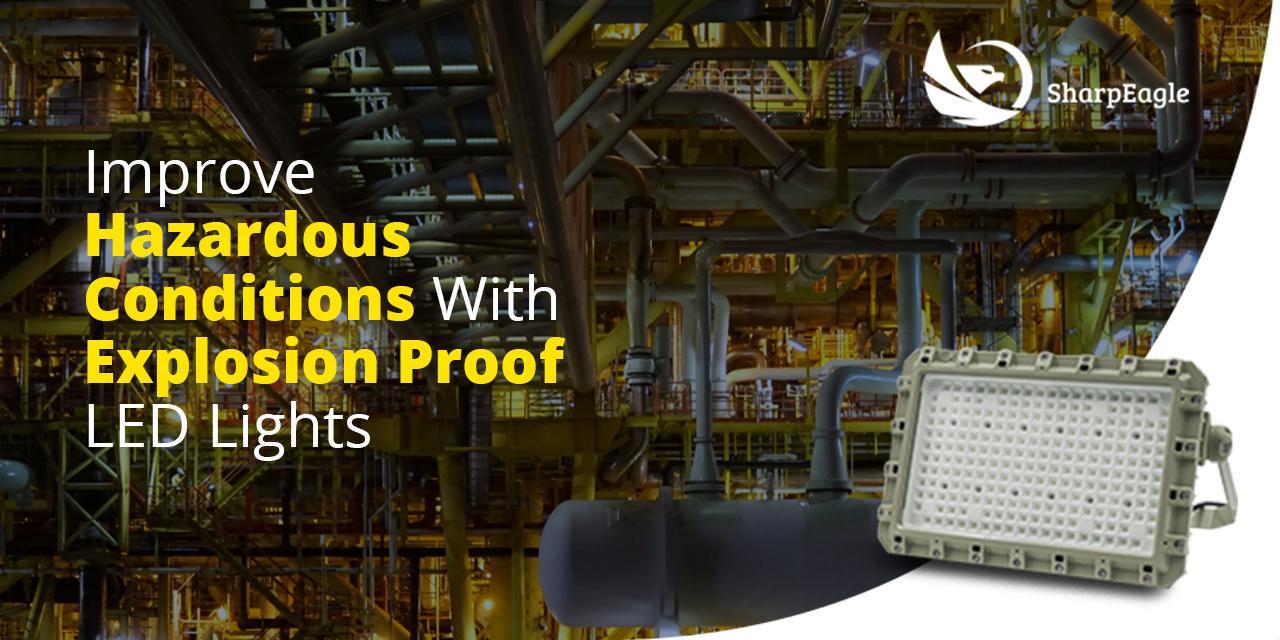
Low lighting in an industrial setting can create hazardous conditions for workers Poor lighting can lead to accidents, injuries, and reduced productivity and efficiency. This blog will explore the risks associated with low lighting in industries and discuss ways to improve lighting conditions to promote safety and productivity.
One of the most obvious risks of low lighting in an industrial setting is the potential for accidents and injuries. Poor lighting can make it difficult for workers to see their surroundings, leading to slips, trips, and falls. It can also make it difficult for workers to see hazards and other potential dangers, such as machinery or chemicals. In addition, low lighting can make it difficult for workers to accurately gauge the distance between themselves and other objects, increasing the risk of collisions or other accidents This can lead to low productivity and efficiency. Poor lighting can make it difficult for workers to see what they are doing, leading to mistakes and errors.
Basics of Improving Lighting Conditions
So, what can be done to improve lighting conditions in industries to promote safety and productivity? Here are a few tips:
● Conduct regular lighting assessments: It is essential to regularly assess lighting conditions in your industrial setting to identify areas that may be poorly lit. This can help you identify areas where additional lighting may be needed and allow you to take steps to improve lighting conditions.
● Use natural light whenever possible: Natural light can be a great source of lighting in an industrial setting, primarily if it can be directed to where it is needed most Consider using skylights or other methods to bring natural light to your facility.
● Use task lighting: In some cases, it may be necessary to supplement natural light with artificial lighting. In these cases, it is essential to use task lighting designed to provide the right amount of light for specific tasks This can help workers see what they are doing more clearly and reduce the risk of mistakes and errors.
● Upgrade lighting systems: If your facility's lighting system is outdated or insufficient, it may be time to upgrade. Investing in a new, energy-efficient lighting system can improve lighting conditions and save money on energy costs in the long run.
Thus, by conducting regular lighting assessments, using natural light whenever possible, using task lighting, and upgrading lighting systems as needed, you can improve lighting conditions in your facility and promote safety and productivity
Explosion-Proof LED Lights for Enhanced Safety
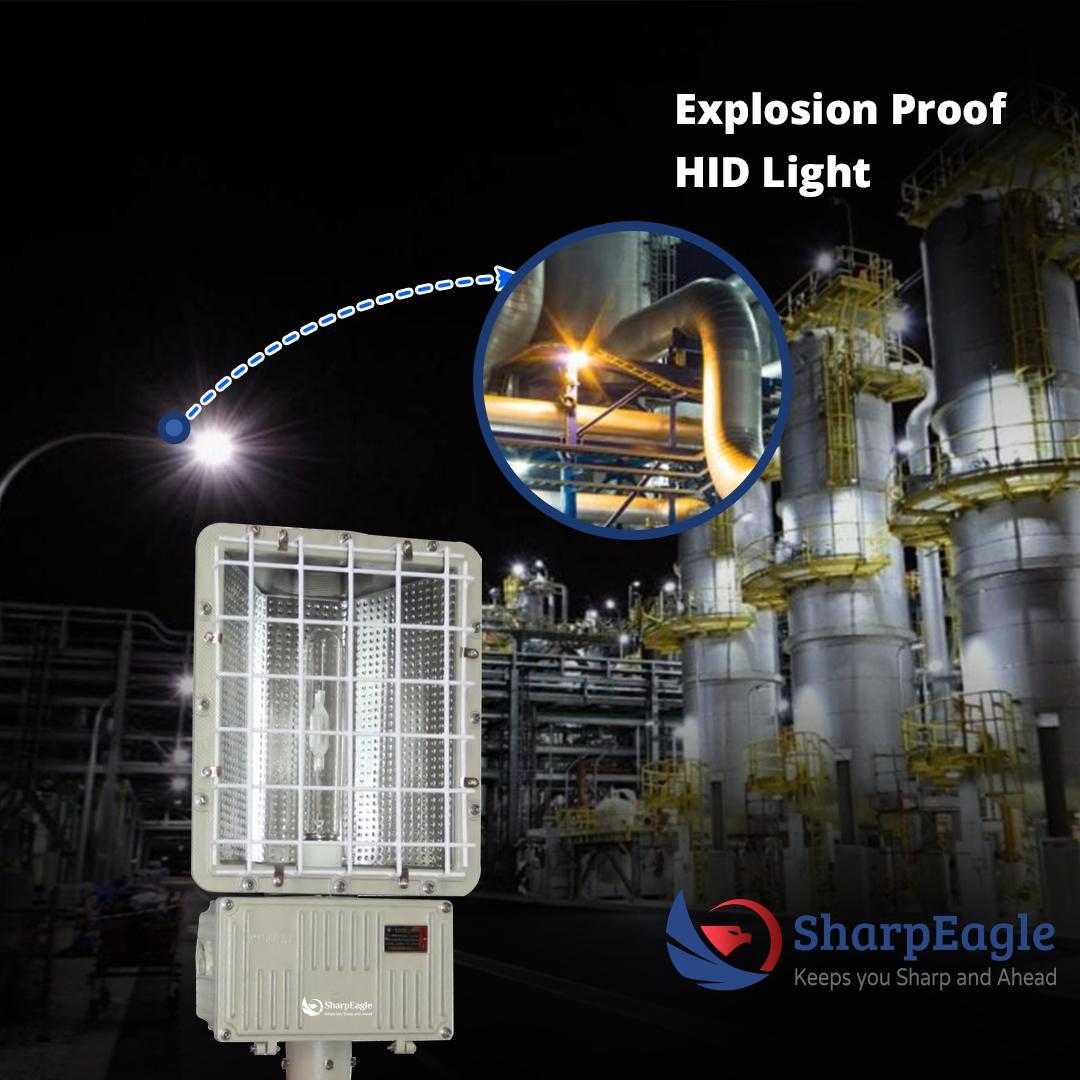
Explosion-proof LED lights are vital for improving hazardous conditions in industries where explosive gases, vapors, or dust may be present These specialized lights are designed to prevent the ignition of these dangerous materials, making them a critical safety feature in various industries, including oil and gas, chemical processing, and pharmaceuticals In this blog, we will explore the benefits of using explosion-proof LED lights in industries and discuss ways to improve safety using these specialized lights.
One of the key benefits of using explosion-proof LED lights in industries is that they can help prevent the ignition of hazardous materials. These lights are designed with special enclosures and materials that can withstand high temperatures and contain any sparks or flames that may occur. This makes them ideal for use in areas where explosive gases, vapors, or dust may be present, as they can help prevent fires and explosions
In addition to their safety benefits, explosion-proof LED lights are more energy-efficient than traditional lighting options, such as incandescent or halogen bulbs. This can reduce
energy costs and contribute to a more sustainable operation. LED lights are also longer-lasting than traditional bulbs, which can result in cost savings in maintenance and replacement.
Get Certified Safety
Sharp Eagle is a company that specializes in the production of ATEX LED lights for hazardous industrial environments. ATEX is a set of standards and regulations that apply to equipment and protective systems in potentially explosive atmospheres
SharpEagle's ATEX LED lights are designed to meet these stringent safety standards. They suit various industries, including oil and gas, chemical processing, and pharmaceuticals. These lights are designed with special enclosures and materials that can withstand high temperatures and contain any sparks or flames that may occur, making them an ideal choice for use in areas where explosive gases, vapours, or dust may be present.
In addition to their safety features, Sharp Eagle's ATEX LED lights are also energy-efficient and have a long lifespan, making them a cost-effective choice for industrial applications. They are available in various sizes and styles, including floodlights, high bays, and spotlights, making them suitable for different lighting needs Overall, Sharp Eagle's ATEX LED lights are a reliable and safe choice for hazardous industrial environments where the risk of explosions or fires is a concern. They are designed to meet the highest safety standards They can help improve safety and reduce the risk of accidents and injuries in these environments.
The Light That Safeguards Your Workforce
In conclusion, using explosion-proof LED lights effectively improves safety in industrial environments where explosive gases, vapors, or dust may be present These specialized
lights are designed with special enclosures and materials that can withstand high temperatures and contain any sparks or flames that may occur, making them an ideal choice for use in these environments.
As a leading provider of these specialized lights, Sharp Eagle can offer a range of options to suit your needs and help improve safety in your facility. If you need any assistance with explosion-proof Lighting and its equipment, You can e-mail us at sales@sharpeagle.uk, and we'll help you with all the details, you can also visit our website at SharpEagle: Top Exproof CCTV and safety solutions provider for all the latest updates and products
For more details visit the website https://www.sharpeagle.uk/ or contact us on +97144541054