THE BIG SHARK PLEDGE OUR BIGGEST CAMPAIGN YET ISSUE 69 WINTER 2022
WELCOME The second of our special editions of Shark Focus for 2022. Issue 69 is a bumper issue. Celebrating our biggest campaign yet – The Big Shark Pledge! We’ve been working hard behind the scenes over the last year to create a campaign that is exciting, engaging and impactful. This issue features a deep dive into the campaign. A behind-the-scenes of what it took to put together the campaign film. And looks at how you can get involved with the Big Shark Pledge.
This issue also features a discussion around how art plays an important role in conservation And sees the launch of Oceanic 31 –our amazing art project that will tour the UK in 2023/24. We also dive into the world of biofluorescence. And share a Day in the Life with a photographer who specialises in this unusual phenomenon.
We hope this issue gets you as excited as we are for The Big Shark Pledge. This campaign is a huge undertaking. One we believe will allow us to achieve even greater protections for sharks, skates and rays around the world. We look forward to you joining us on this new journey.
ADDRESS: 4 Creykes Court, The Millfields, Plymouth, PL1 3JB, UK
PHONE: +44 (0)1752 672008
EMAIL: focus@sharktrust.org
WEBSITE: www.sharktrust.org
TRUSTEES: Jayne Ensell-Bowen, Roger Covey, Dan Fairweather, Sarah Fowler OBE, Charles Hood, Dean Martin, David Elliott and Richard Peirce.
This year sees the Shark Trust celebrating 25 wonderful years in shark conservation. A truly amazing milestone which we have all worked tirelessly to achieve. I hope you all enjoyed reading the last celebratory issue, it certainly was a great edition. We couldn’t do it without the support of our membership and
fundraisers. We remain very grateful for all the support you continue to give to the Trust, to allow us to continue with our work and projects. We all thank you so much.
We have some wondeful news to share!

Heather Carstens, our Fundraising Officer, who many of you will have spoken to in relation
to all our fundraising events, is currently on maternity leave. Heather and her family welcomed a beautiful baby girl in the summer. We send our huge congratulations to them all and wish them much happiness in this new chapter of their lives.
On an admin noteplease remember to let us know if you change
address. We really don’t want anyone missing out on Shark Focus! Update your details by emailing me: glenys@ sharktrust.org.
I hope the coming months are good for you all and you have a wonderful holiday season when it arrives. We look forward to another 25 years of helping sharks.
PATRONS: Steve Backshall, Nick Baker, John Boyle, Leonard Compagno, Marc Dando, Bob Earll, Paul Rose, Ian Fergusson, Mariella Frostrup, Loyd Grossman, John Gummer MP, Monty Halls, Martha Holmes, Kate Humble, Sir David Jason OBE, Gordon Ramsay OBE, Simon Rogerson, Jeremy Stafford-Deitsch, Michaela Strachan and Valerie Taylor.
© Shark Trust 2022 Shark Focus is copyright of Shark Trust. Those wishing to reproduce articles must first contact the Shark Trust. The views and opinions expressed by the authors are not necessarily those of the Shark Trust.
EDITOR: Conor John DESIGN: Hazel Graham
Send your questions, comments and photos to focus@sharktrust.org and you may appear in our next issue.
NOVEMBER SAW us hosting Sharks International 2022! The two-week hybrid conference hosted the most shark talks in history. The conference saw 597 delegates attend, from 69 countries. There were over 270 talks on shark science and conservation. Along with 150 poster presentations.
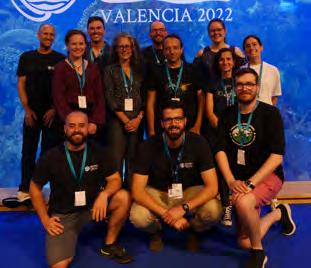
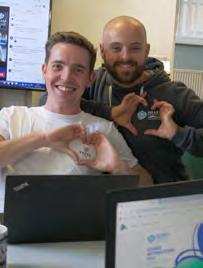
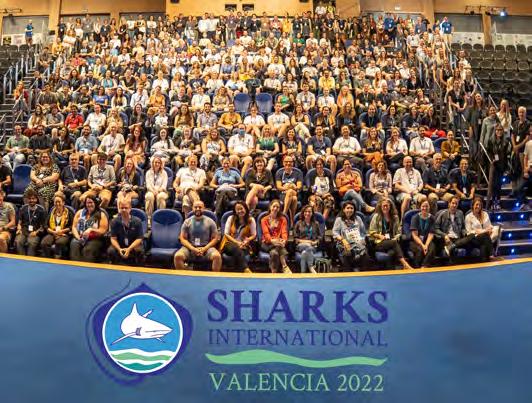
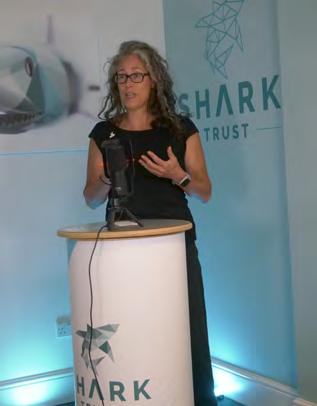
The Shark Trust team along with Lamna and SUBMON were responsible for organising the conference and we had an amazing time! We hosted the virtual conference from our office-turnedbroadcast-studio in Plymouth. And then we headed to Valencia to run the in-person conference. It was an event we will never forget!
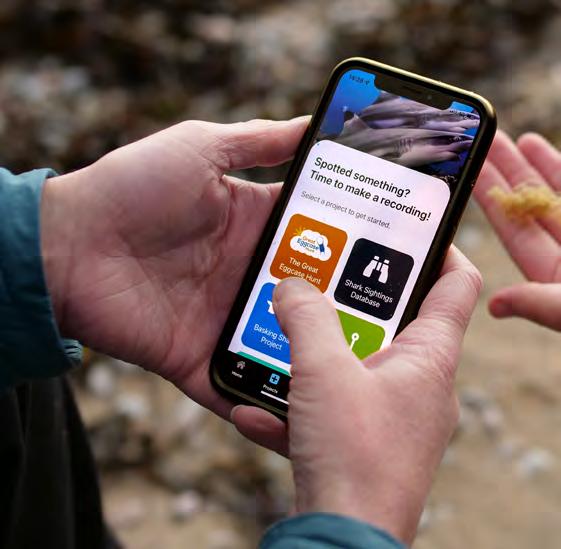
WE ARE excited to announce that our brand-new mobile app is available to download from IOS and Android app stores today! The new “Shark Trust App” has been in development for over a year and replaces our “Great Eggcase Hunt” app. But it’s more than just an update – it’s much bigger and better than ever before.
If you are interested in sharks and want to help move forward research and conservation, the Shark Trust App is for you. Everyone from the occasional beachgoer to seasoned anglers can get involved.
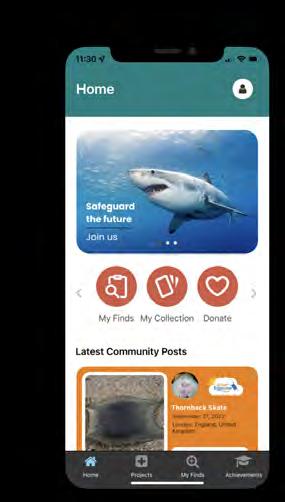

As users submit their findings across the five projects, they build a record of their research contributions. These are saved in their profile and shared with the wider community, so users can see what other people are discovering.
Alongside this important citizen science, there are also 50 collectible shark cards to unlock: 30 bronze cards, 15 silver cards, and 5 rare gold cards. Submitting to a project reveals a card at random. Who knows what you’re going to find!?




You may have heard of “citizen/ community science”, where the general public helps collect data for scientific projects. The Shark Trust App brings together five community science projects in one place. Allowing users to report: shark
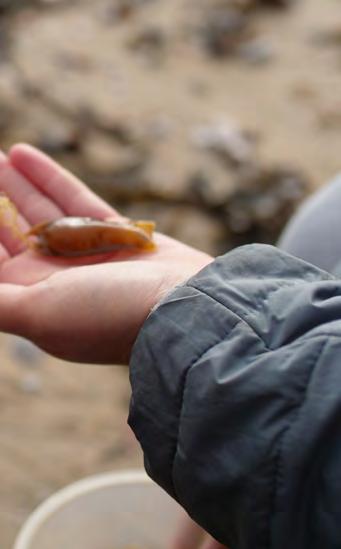

sightings, eggcases, basking sharks, angling catches, and entanglement incidents. Through these projects, anyone with an interest in sharks can contribute to important research. Learn all about sharks. And have fun along the way!
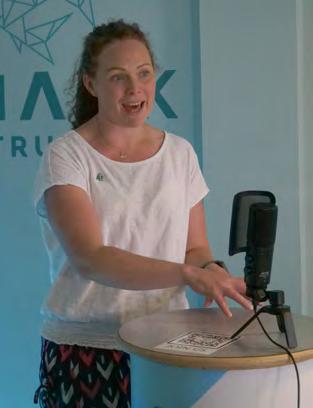
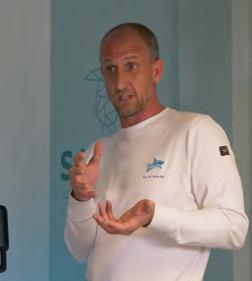
Our member’s Q&A held a few months ago was a great success. We had some amazing questions from our members. And we really enjoyed bringing the team together to talk all things Shark Trust.
We’re always looking for ways to give back more to our members. So, if you have any ideas of events or virtual sessions you’d like to see, drop us an email at focus@sharktrust.org
Middle:
Bottom:
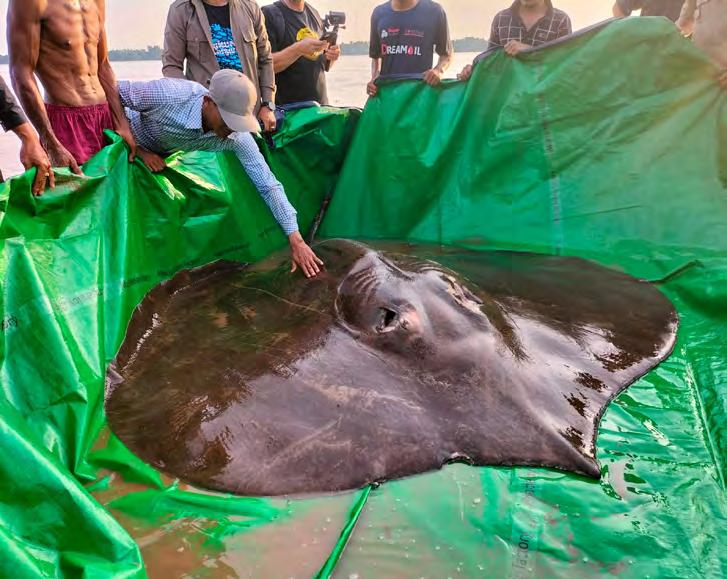
Scientists have recorded the world’s largest freshwater fish. A 13-foot-long, 661-pound (299kg) stingray, has been discovered in the Mekong River in Cambodia. Scientists say the animal is a hopeful sign for the river, which faces threats from human encroachment and development, damming and climate change.
A new approach to collecting data on the Critically Endangered and elusive Angelshark around the Welsh coast has proven successful. Crucial data is being sourced by commercial, recreational and charter fishers across Wales and the Irish Sea in an approach co-designed by the fishing community and Angel Shark Project: Wales - a project led by Natural Resources Wales (NRW) and ZSL (Zoological Society of London). This data has lead to greater understanding of the species in Welsh waters.

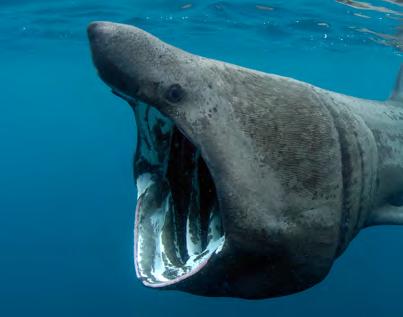
Rarely observed circling formations of basking sharks in Irish waters have been explained as ‘speed dating’ displays in a new study. Research by marine biologists from the UK’s Marine Biological Association (MBA) and the Irish Basking Shark Group reveals that the circles of basking sharks seen in recent years off the County Clare coast are animals engaged in courtship behaviour, the first place in the world where this has been verified.
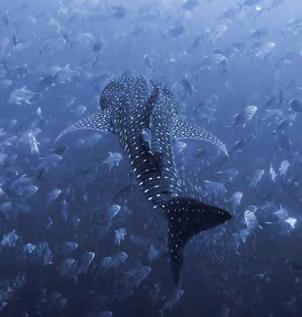
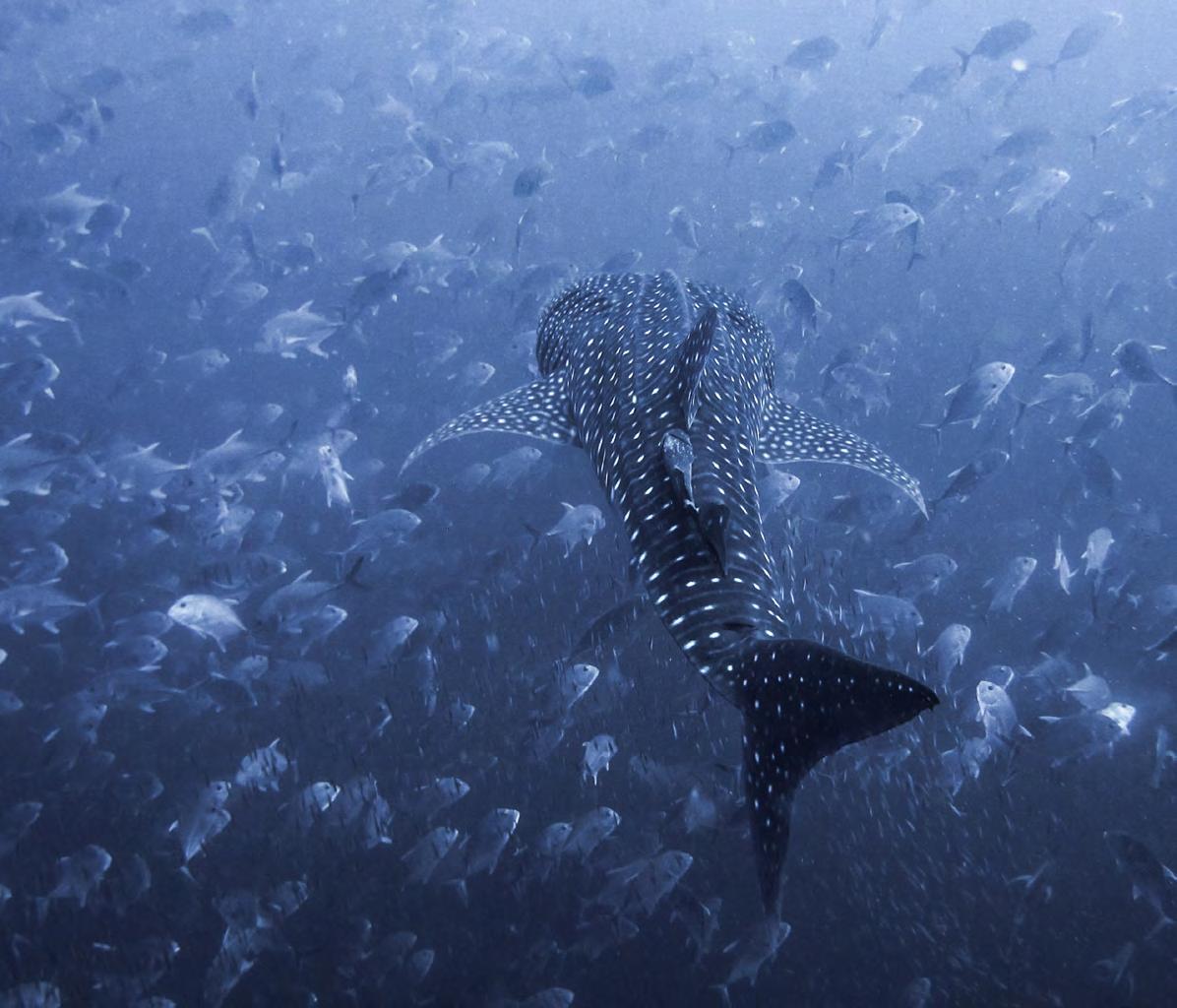
The whale shark has dethroned Kodiak bears (Ursus arctos middendorffi) to now claim the title as the ‘largest omnivorous animal.’ Scientists from the Australian Institute of Marine Science (AIMS), CSIRO and University of Tasmania, recently analysed biopsy samples from these star-covered visitors and discovered they are not just eating plankton and krill, but plant material too!
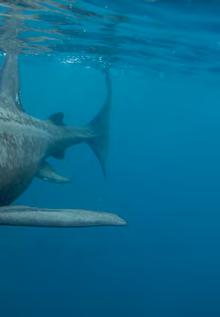
Following the news of Basking Sharks displaying courtship behaviour… Basking sharks gained special protection under new regulations that have been introduced in the Republic of Ireland. They are now protected under Ireland’s Wildlife Act.
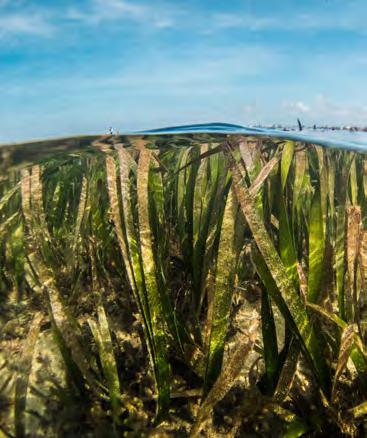
Footage from camera-equipped tiger sharks have helped scientists discover the worlds largest seagrass meadow. Non-profit ocean research organization Beneath the Waves (BTW), learned that these sharks were spending a lot of time in seagrass habitats that had never been mapped before!


This is it. Our biggest campaign yet. We debuted the campaign at For the Love of Sharks 2022. Now we give you a deeper insight into The Big Shark Pledge. Exploreing the aims and purpose of the campaign. There’s also a behind-the-scenes look at the campaign video. From storyboarding and scripting. To animation and narration. Creating an effective and engaging campaign video is a real science. Finally, we’ve got a discussion of how art and conservation can come together to inspire change. And introduce our very own art project - Oceanics 31. And some of the amazing artists and pieces behind the project.
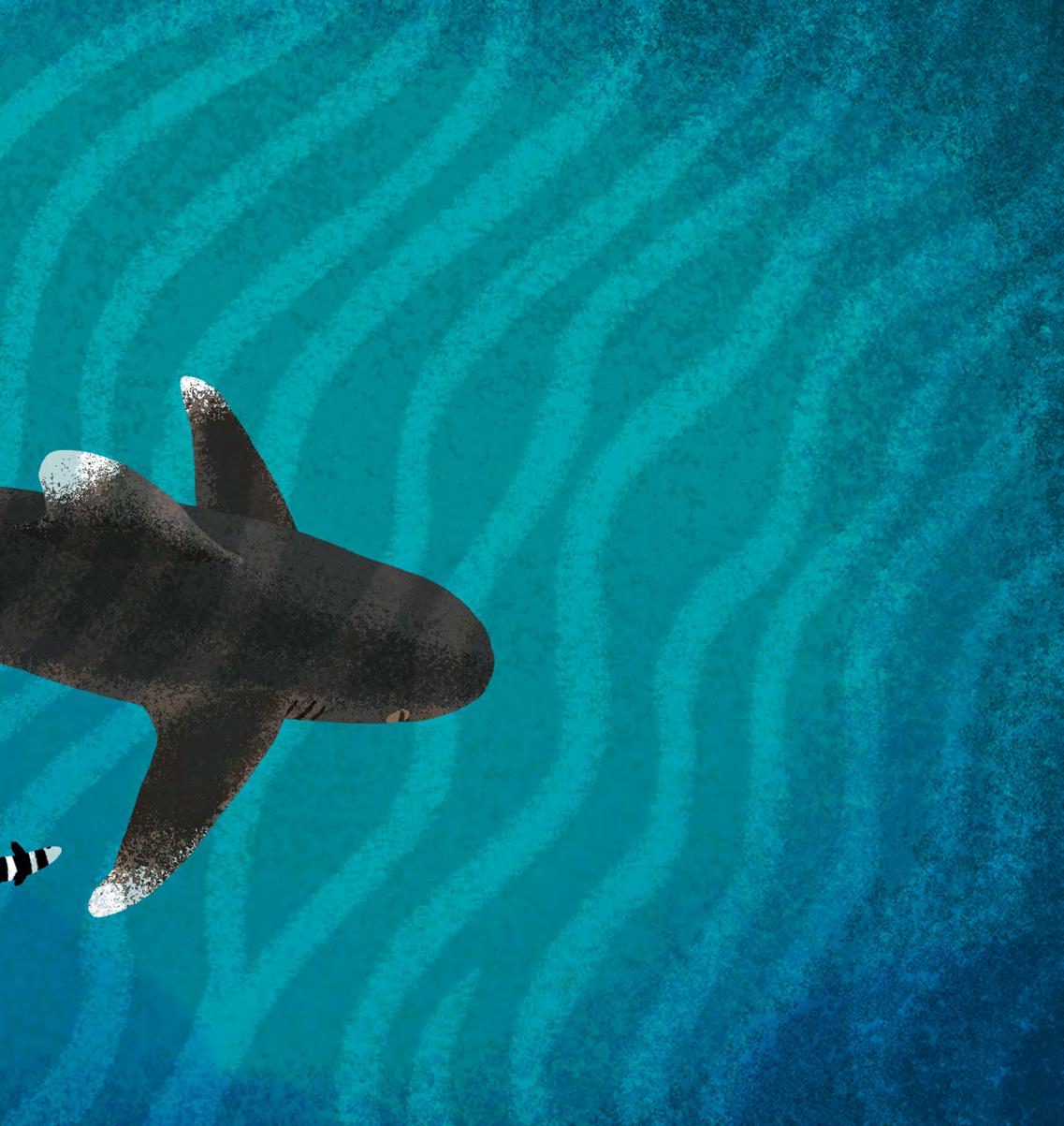
Our science communicator, Dr Conor John, explores the development of our Big Shark Pledge campaign. And explains to you, our members and those closest to our work, why this approach might feel a bit different for the Shark Trust.
For 25 years we’ve worked to conserve and protect rays across the world. We’ve been at the forefront of some of the biggest policy changes for sharks on the planet. We’ve been inspired and enthused by the support of our members, patrons, corporate partners and the wider public since our inception in 1997.
We’ve worked to secure a seat at the table to some of the most important fisheries management meetings and decision-making forums, in the world. Often, one voice in a room of one hundred.
We’ve learnt that the world of shark conservation is constantly shifting. Decisions can take years to secure. Conversely, crucial changes can happen overnight or at surprising moments. So our campaign actions need to be adaptive, flexible and opportunistic.
But one thing that doesn’t change is the value of public support. When speaking with a unified voice at key moments, collective action is a powerful tool to support advocacy.
So, for this latest campaign we decided to build a large, flexible and adaptable global community of support. This means reaching out beyond our usual base. Generating support that we can activate at key moments over the course of our campaign. Strengthening our drive for stronger and more effective fisheries management.
I’ve written extensively in the past about the importance of communication. You can look at my article “25 Years of Communicating Shark Conservation” in the anniversary special of Shark Focus (Issue 68) for more on
that. But messaging and communication is critical to successfully gain support for a campaign.
Obviously, it’s too early to see how successful the Big Shark Pledge will be. But we’re confident that we’ve created something that will work. For starters, our campaign video uses all the crucial ingredients needed to reach a broad audience… which are startingly similar to the ingredients for a successful Christmas advert.
An obvious one. We couldn’t really get away with not including pictures of animals in a campaign all about sharks and rays. But research has proved that including images of animals, particularly cute ones, leads to higher engagement and greater enjoyment for viewers.
Another ingredient for success is family. Well, more broadly, a close relationship. Viewers can relate to close relationships. As people can see themselves within the characters. In our video the little girl also adds in a dimension of emotion. Her confidence that change can happen is powerful. And hopefully people will relate to the passion and enthusiasm of a small child.
As with the Christmas adverts, a strong musical score is essential. We are lucky that musician Novo Amor was kind enough to grant us permission to use “Carry You” as the backdrop for our campaign video.
And by extension, a problem. Our campaign
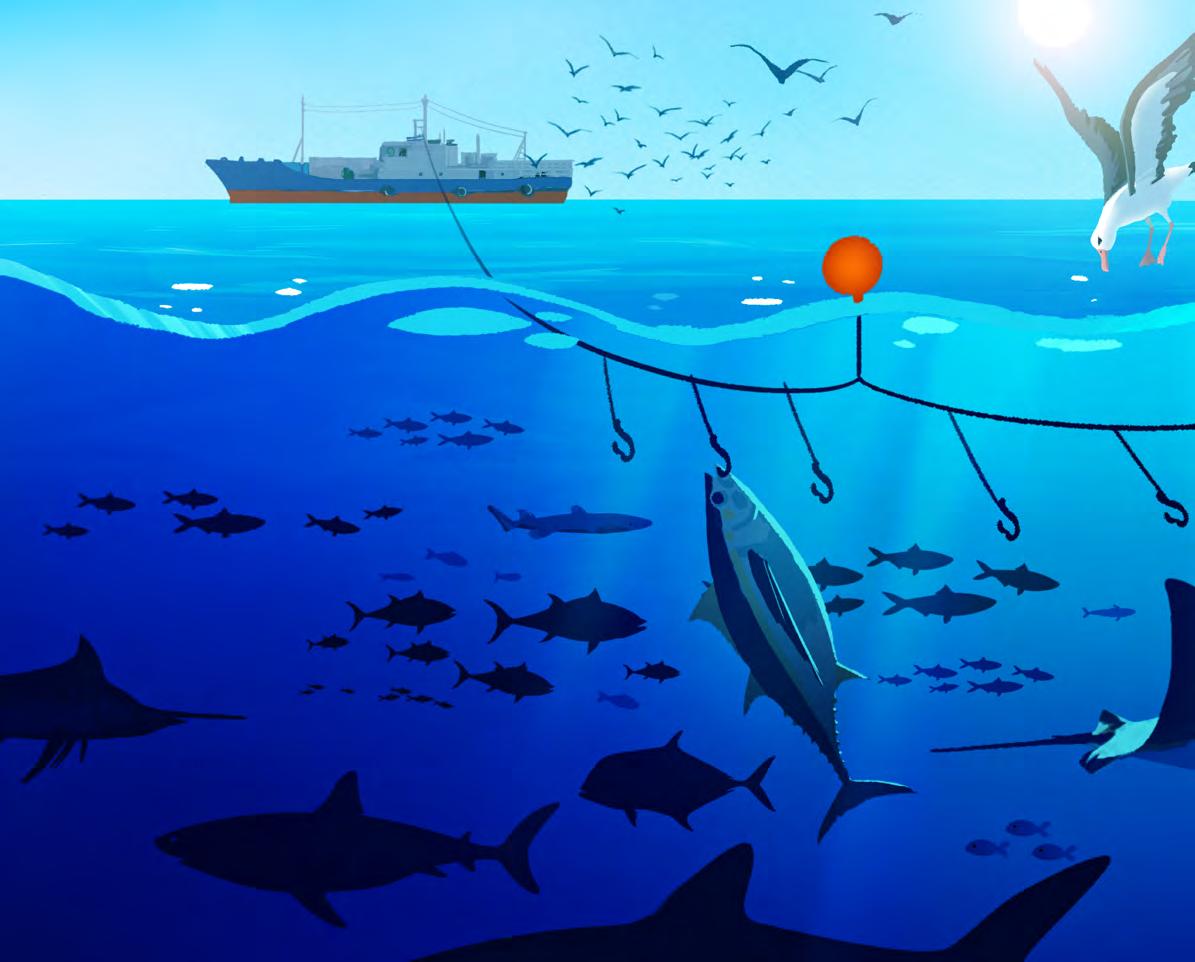
video showcases the perils that high seas species face. Crucially though, it doesn’t just end there. You’d be surprised how many campaign videos we watched during our research that actually didn’t feature a solution. They focused almost entirely on the problem. Which not only leaves a complete sense of doom and gloom. But also leaves viewers thinking “what next?”. Our Big Shark Pledge campaign video shifts direction midway through. Showcasing our genuine belief that
things will change. We also show how bringing people together is important for positive change. Another sure-fire way to increase engagement – make it social.
Moving on from the video – the main campaign also features social elements. #BigSharkPledge is an easy way for pledgers to share the campaign on social media. It also gives us a great way to monitor engagement across social media.
The Big Shark Pledge offers different level of engagement and attention. Depending on how focused or interested pledgers are. From signing the pledge and sharing on socials. To diving deeper into the policy information and updates we’ll be sharing. Whatever level of engagement, every pledge is having a positive impact for shark conservation. And all pledgers join a community passionate about shark conservation.
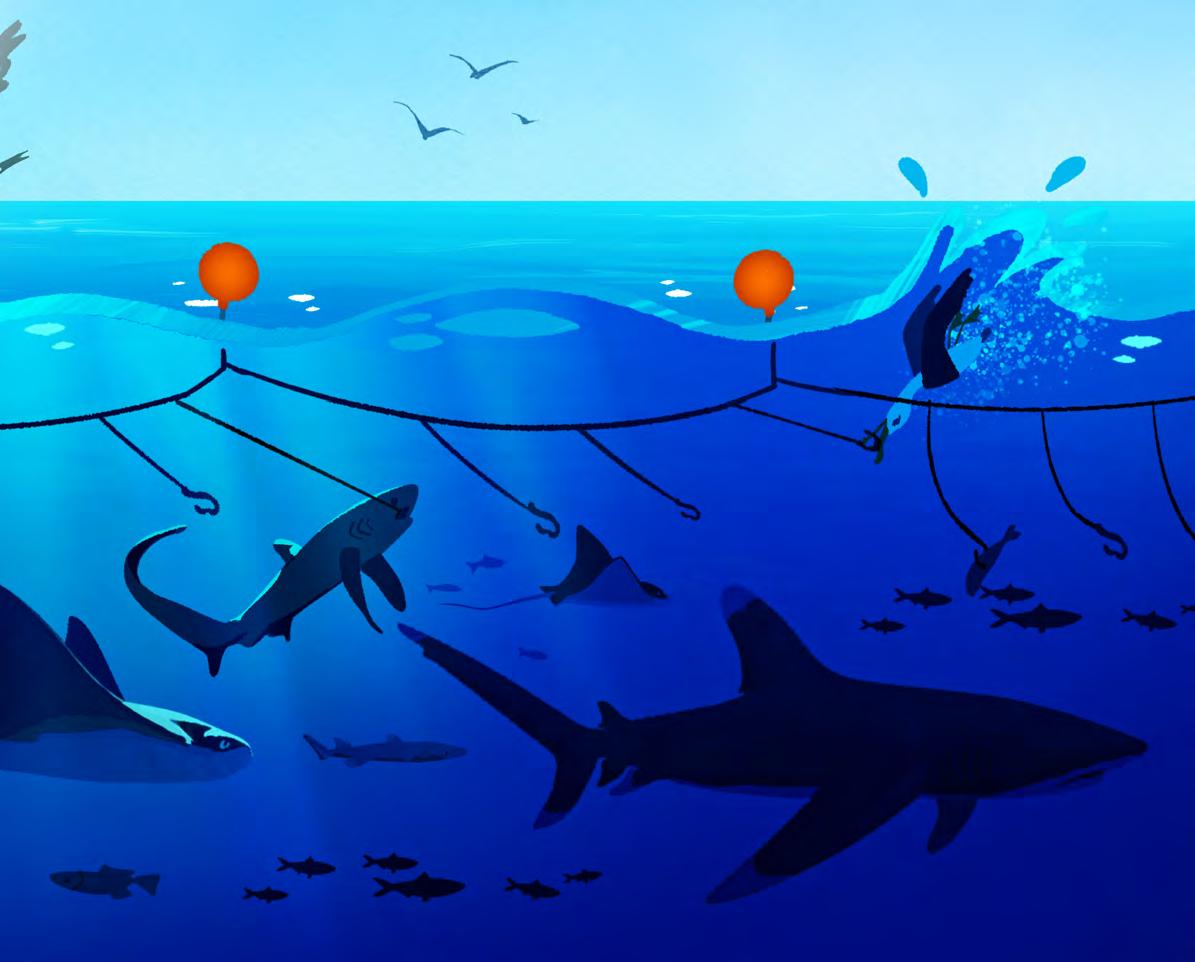
A COMMUITY THAT CAN HELP US IN MAKING POSITIVE CHANGE FOR HIGH SEAS SHARKS
Sowhile you, as a dedicated shark conservation supporter, might not be the primary target for the Big Shark Pledge, we need you to get involved by signing up AND sharing widely with your friends and networks.
We aren’t reinventing the wheel. I won’t claim this is a completely novel idea. But. We know it feels different to anything we’ve done before. It’s not been an easy process. We’ve had to, literally, go back to the drawing board so many times I’ve lost count. But we know that this campaign has the potential to take the Shark Trust to new heights.
We’ve always relied on the support of the public to help us with our cause. But this is the first time that we’ve put social science
insights at the heart of planning campaign communication. And it feels different.
It gives people the chance to join a community. This won’t be a single-use signature. Each pledge means that we can activate that support in times of need. Creating a community that can be called upon during critical decisions and crucial campaign moments. Being ready to mobilise at the sending of an email. Rather than us having to gain new signatures and support for every
individual stage. It also means we can contact and stay-in-touch with our pledgers. Giving them updates, new content, and information about campaign successes.
We know that now is the right time to do so. We’ve spent 25 years building trust and respect from scientists, governments, the public, researchers and fishers. And, hopefully, you.
Our supporters, partners and patrons are what make us the Shark Trust. The energy, enthusiasm and passion is what has allowed us to grow into the organisation we are now. And now you can help us in our newest journey…
Sign the Big Shark Pledge. A united voice for high seas sharks.
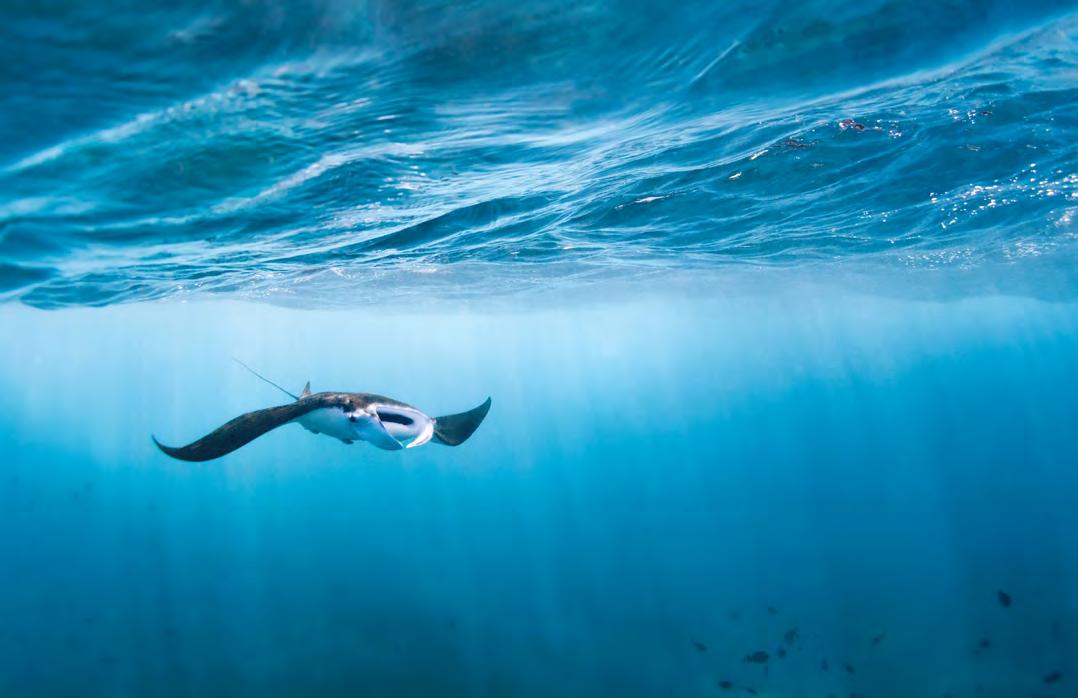
CREATING THE Shark Trust’s Big Shark Pledge campaign video was a new challenge for us. We knew from the get-go that the video had to be special. It had to showcase the aims, call-to-action and importance of the campaign. It had to be engaging. It had to be beuatiful. And all of that. In 90 seconds.
Initial meetings led to a quick decision that the video was going to be animated. As much as we love live-action sharks, skates and rays – filming original footage that fit the tone we needed would have taken years. Finding footage is harder than you think, and we would have been hugely constrained by live-action.
Animation, as with art, also allows for more flexibility. You can show different species that may not actually be seen together in the real-world. Swoop from aerial views and dive into the open ocean. And showcase the issues around excessive fishing without being too gruesome and gory.
We’ve only lightly dabbled in animation in the past. And we knew we’d need to find a production house that could bring expertise and flair. So, we hired Nucco. A production house specialising in creating captivating content. Who also have a real knack for animation.
During initial meetings we gave Nucco insights into the Shark Trust. And an idea of what we wanted from a campaign video. Sharing some of our favourite campaign videos. And giving them an idea of the tone we wanted to set.
Nucco came back with mood boards, which showcased some of the art styles we could

animation would look and how the story would unfold. During this process, minor tweaks to the script and some adjustments to scenes were sorted.

use. As well as a template for us to create a script which they could tweak and adapt to ensure the story flowed and would translate well into animation. We went with an art style because it allowed us to reflect the beauty of species whilst also telling a realistic and engaging story.
After the scripting was done and the music secured, it was time for storyboarding. These single frames offered a glimpse into how the


We then needed to find some music. We wanted music that would reflect the beautiful animation. We worried that royalty freestock music wouldn’t create the emotion we needed. So, we took a chance and contacted one of my favourite musical artists – Novo Amor. He has done some great work in the past for marine conservation. And has a real passion for the ocean. We were incredibly pleased and grateful when he agreed to allow us to use “Carry You” as the track for our campaign video. The music fits our story perfectly. Starting with a melancholy, before gaining traction and driving the message that collective action can turn the tides.
For the final stretch we received some stills from the animation. And we used these as a last check that everything was how we wanted. At this point we also decided on a voiceover artist to bring the characters and story to life.
We received the video and character assets a few weeks later. Adding them to this magazine and other marketing. And finally, showcased the film at For the Love of Sharks.
Communicating and promoting conservation isn’t an easy task. But art offers an exciting opportunity for new perspectives. And for species to be showcased in unique and beautiful ways.
e’re going to need a bigger van,” I say jokingly to Mark as he sits next the huge 1.5 x 2.5m plywood board outside his South London studio. On it, is a beautiful recreation of an Oceanic Whitetip. It is only just short of life-size (this species averages around 150 – 250cm). It dominates the pavement. And my attention.
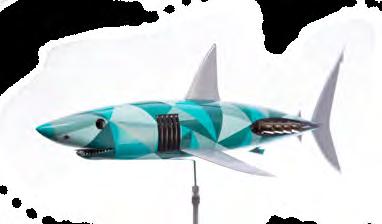
WMark works under the street name ATM. And is no stranger to creating large pieces. In fact, the piece he’s created for Shark Trust’s Oceanic 31 is very much on the smaller side. His backdrop is more commonly the side of a building. Where his spray paint cans are used to create huge pieces, many meters across. His usual canvas; bricks and mortar, concrete and metal.
As I struggle to carefully place the plywood board into
the back of the van, I’m grateful he decided not to use a brick wall for this piece. This piece is one of 31. And Mark is one of 31 artists who has kindly agreed to take part in the Shark Trust’s Oceanic 31 project. And I’m on a week-long road trip, with fundraising assistant Mark Packer, to collect some of the pieces from artists based in the UK.
Art is something we’ve dabbled in before at the
Trust. The Carbon Shark from Alastair Gibson provided us with a beautiful way to grab attention and kickstart conversations about the conservation of the Shortfin Mako Shark. After touring with the Trust for a number of years it was auctioned off. Helping to raise vital funds for our No Limits? No Future campaign.
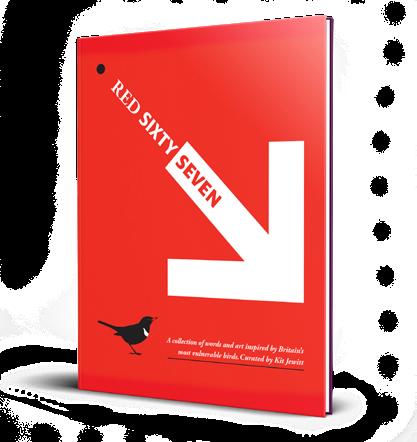
We aren’t the first to use art for conservation, of course. In recent years, The British Trust for Ornithology produced Red 67, for example. A curated book of artwork from artists across the UK - it focused on the 67 Red List British bird species. And was a huge success. So much so, the BTO have just announced a sequel Into the Red. The success shows the need for NGOs to work with artists to produce exciting and original content.
And in fact, some science-focused organisations have put art at the front and centre of their work. Current Conservation are a not-for-profit magazine focused on making conservation more accessible. All articles are written by scientists and science writers. They go through a detailed art editing process. This means all pieces have rich, perceptive illustrations that amplify stories.
And now, after many hours of painting, many miles travelled to collect, and many packages delivered. . We have an amazing collection of pieces that we will use to amplify the Shark Trust’s story.
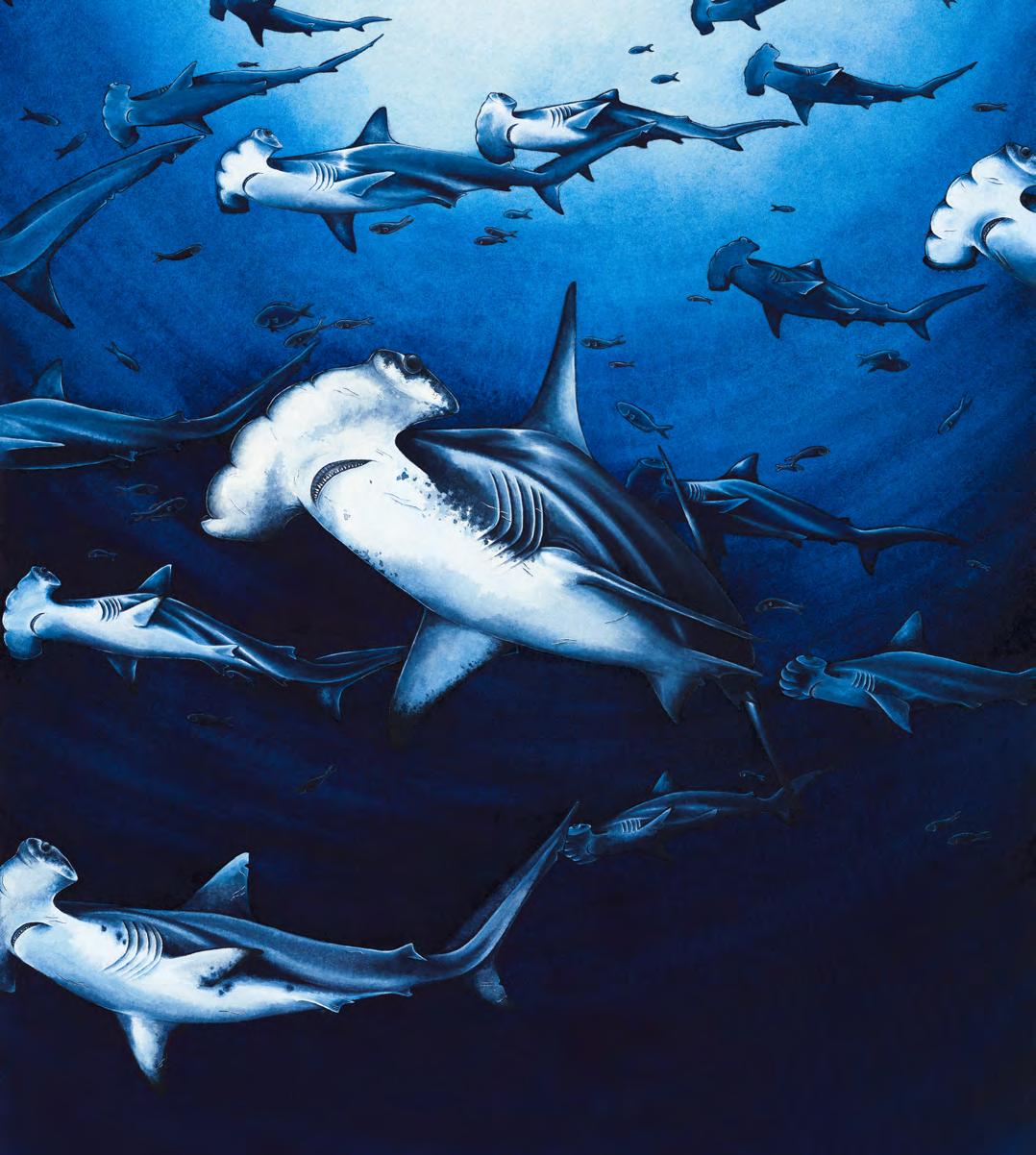
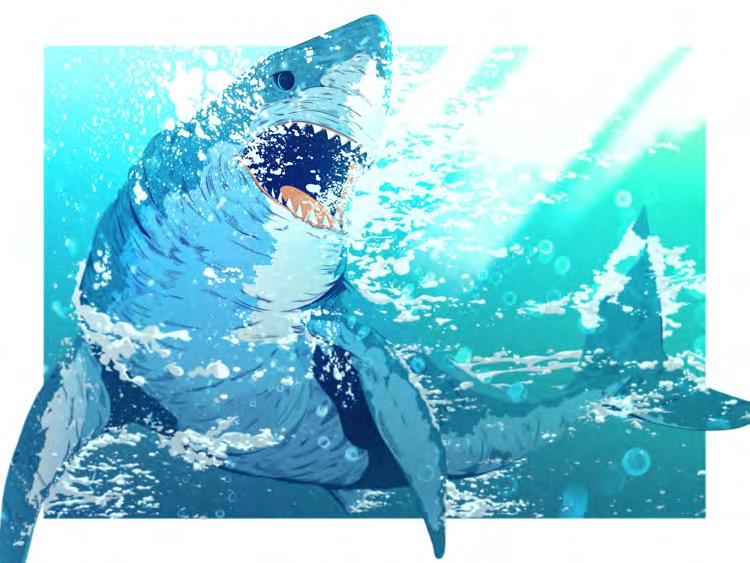
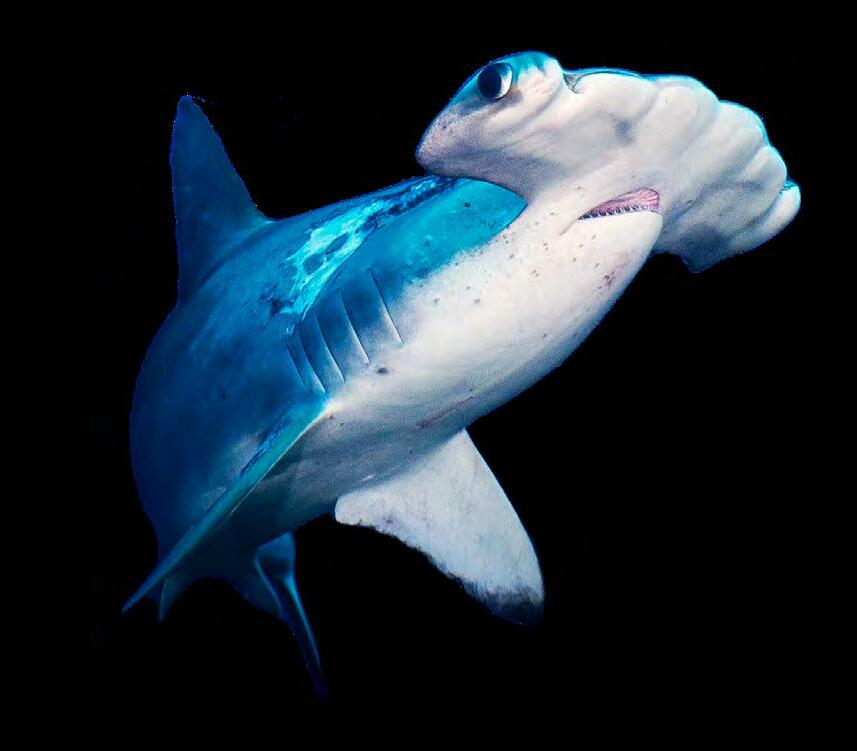
ABOVE: Jimmy Higgs’ White Shark OPPOSITE: Janavi Kramer’s Scalloped Hammerheads
BELOW: BTO’s Red 67 curated 67 pieces from artists all over the UK
BRINGING TOGETHER 31 artists from all over the world – Oceanic 31 sees us take on our biggest collaboration with artists yet. At For the Love of Sharks we were absolutely delighted to showcase a few pieces from the project. And we cannot wait to bring together all the pieces in summer 2023.
The brilliant artists have each kindly donated an original piece for the project. Each piece depicting one of 31 oceanic species of shark or ray. Through the project we hope to raise vital funds for our Big Shark Pledge. But we also hope to engage and excite new audiences.
In 2023/2024 we’re taking the exhibition on tour. With events planned across the UK. There’ll also be a 360° virtual exhibition. So, anyone can explore the artwork from anywhere in the world. The exhibition tour will end with a raffle and auction evening. Where supporters will have the chance to bid on the pieces. Some of the pieces will also be raffled off, with tickets sold at accessible prices. We’ll also be selling limited edition prints of some pieces. Giving people the chance to support the project by purchasing their favourite pieces at an affordable price.
Finally, the project will culminate with the release of a book – Oceanic 31. Which is planned for release in early 2025. Having all the pieces bound together in one place. The book will not only explore the pieces and artists behind them. But also, the species of focus and shark conservation more broadly.
For more information about the artists, species featured in the project and to find out more about the project in general –scan or click the QR code.
SCAN THE QR CODE
To find out more about Oceanic 31

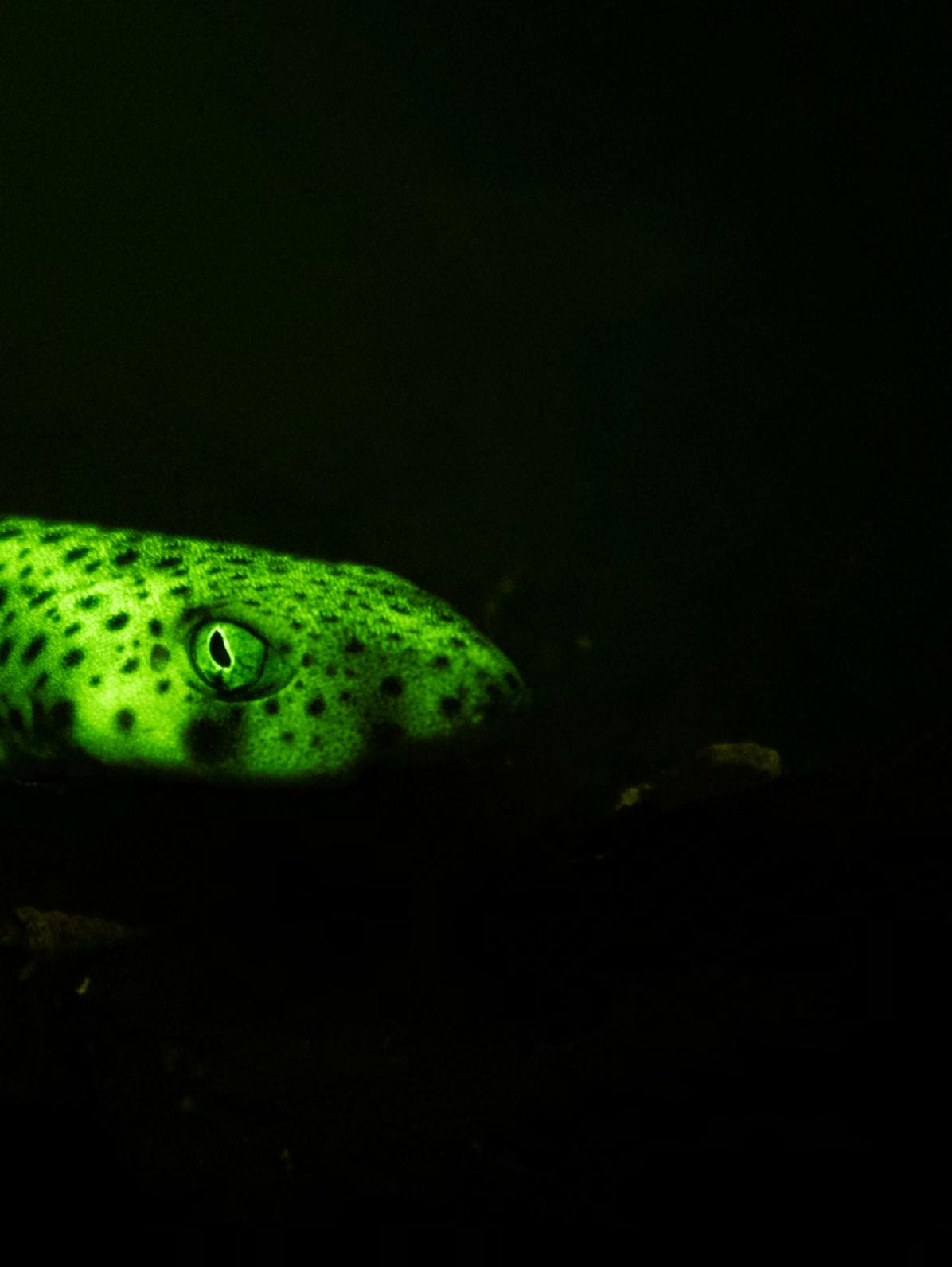
SCIENTIFIC NAME: Scyliohinus canicula
MAXIMUM SIZE: 70cm
DIET: Gastropod molluscs, cephalopods, crustaceans, worms and small fish
DISTRIBUTION: Northeast Atlantic, Norway & UK to
Mediterranean, Morrocco to Ivory Coast
HABITAT: Sandy and muddy sediment from nearshore to 800m offshore. Usually found at depths shallower than 450m
STATUS: Least Concern
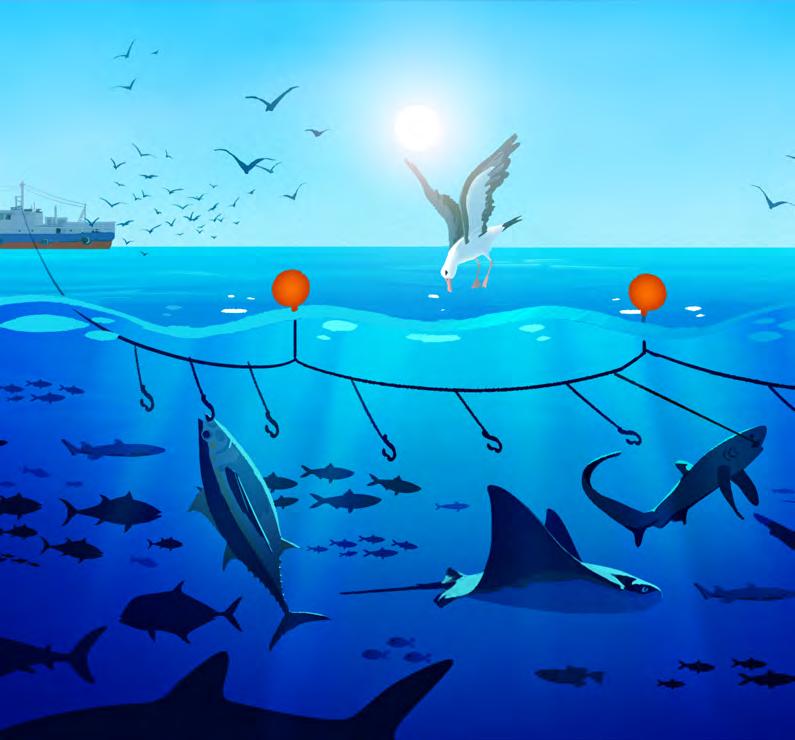
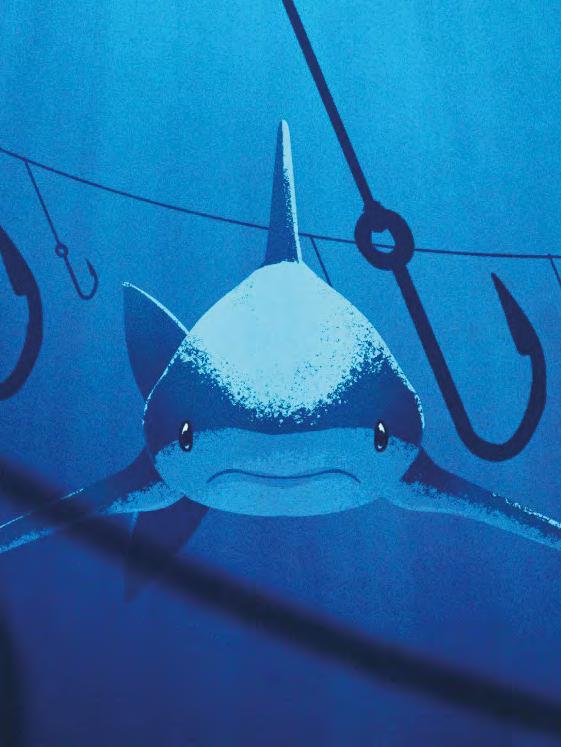
The Shark Trust’s biggest-ever campaign needs you! The amazing sharks and rays that live in the open-ocean are at risk from irresponsible fishing. Add your voice to our call for stronger conservation and fisheries management. Sign the Big Shark Pledge and join us on our mission to secure the future for high-seas sharks.

OVER THE PAST 25 years at the Shark Trust we’ve been on quite a journey! From our beginnings with a focus on UK domestic waters, through European concerns, and out into high seas waters. A trip that now sees us tackle shark [and ray!] conservation issues on a truly oceanic scale!
The launch of our latest and arguably most ambitious campaign to date – the Big Shark Pledge – is reflective of this. Creating a platform from which we can tackle challenging high seas conservation issues, secure in the knowledge that a committed constituency of supporters and members have our back.
Take the next two weeks as an example. As I write this in early November, we’re on the brink of two large international meetings. Both of which have high seas sharks clearly on their agendas.
On one side of the Atlantic, we have the annual meeting of ICCAT, the Atlantic high seas management body. While Tuna is the first thing on the minds of most ICCAT member countries – sharks are also highly valued, and there are proposals for South Atlantic Mako and tighter shark finning regulation. Plus a need to deliver on existing measures for North Atlantic Mako and Blue Shark. It’s a meeting with great potential – and we’ll be there in Portugal to see things through.
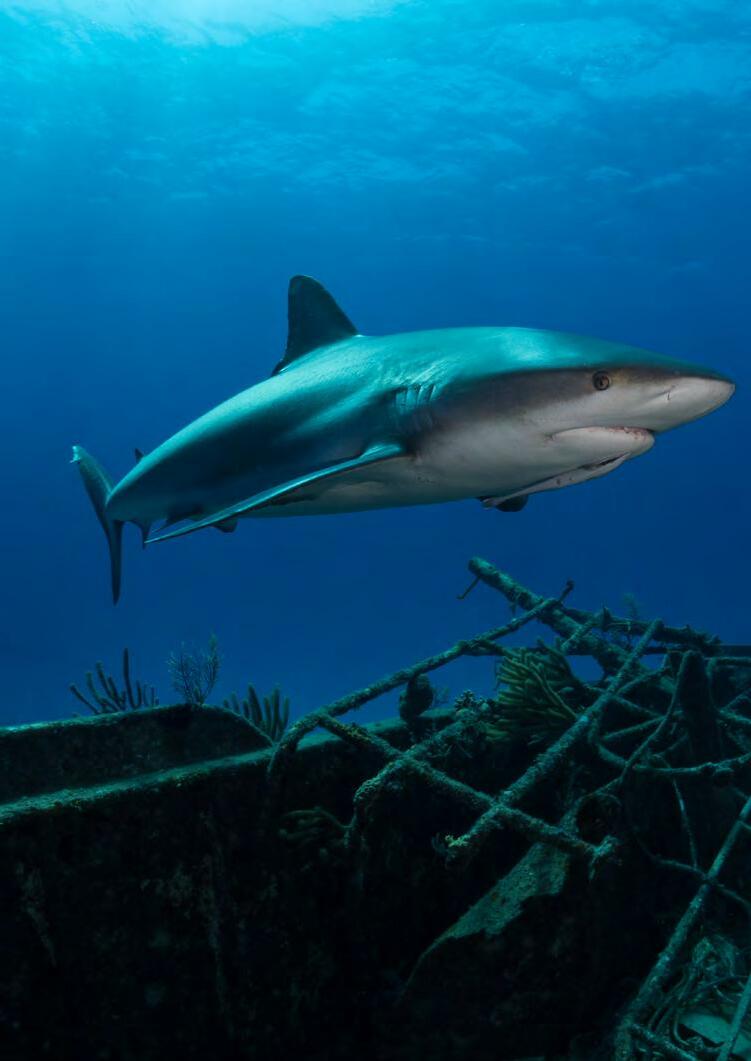
Meanwhile, across the Atlantic in Panama, the CITES Conference of Parties (CoP19) will tackle the trade in endangered species – with four proposals addressing over 60 species of sharks and rays on the table, including a number of high seas species! The proposals to list the requiem sharks and additional hammerheads on CITES Appendix II would be a game changer: providing tools to address unregulated international trade especially in the context of the fin trade.
So by the time this edition of Shark Focus
slides through your letterbox, for right or wrong, the ink will just be drying on those decisions, and the future direction of high seas shark fisheries will likely be altered –but the question is: will it be enough?
Please support the Big Shark Pledge and join us on this journey, on the pathway to securing a positive future for these high seas species.
WE ARE ON THE BRINK OF TWO LARGE INTERNATIONAL MEETINGS... [FOR] HIGH SEAS SHARKS

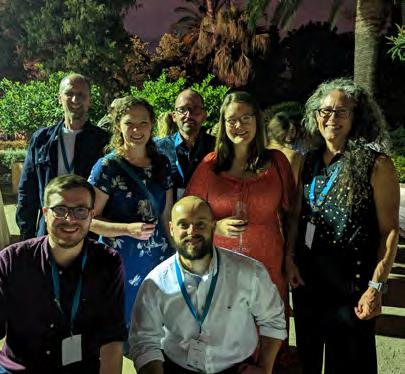
IT SAYS A LOT about the journey of the Trust over the last 25 years to sit back and reflect on the success of the Sharks International conference that we hosted in October. Now that I’ve caught up on sleep, after probably the busiest few days of my time at the Shark Trust, I can look back with immense pride at what we were able to deliver for the world’s shark science community.
And it goes right to the heart of what we’re all about. If you read the small print on the Shark Trust, you’ll find a statement of our guiding principles. These include a commitment to science, to effective conservation and to collaboration and sharing. That desire to see more, and better, collaboration was really the driving force behind us deciding to take on this huge endeavour.
Conservation can only truly deliver if people work together. The skills and insights that scientists bring are invaluable. But those insights need to be translated through the work of skilled communicators. And put to use for conservation by experienced advocates. Like a well-drilled team, we all have a specific role to play and it’s the sum of the parts that will deliver the victories that we strive for.
You too have a vital role to play. In our 25 years, we’ve always strived to provide opportunities for everyone to get involved in shark conservation. As I write this, we’re on the verge of launching two big initiatives. Our new and much improved smartphone app that will bring our citizen science projects to more people around the world. And our latest, and biggest, campaign that will bring together a
huge community of support for oceanic sharks.

The success of both of these initiatives rests entirely on the power of collective action. As a member, you help give us a voice. In turn, we work to bring together as many voices as we can to keep pushing for change and a better future for sharks and rays.
And so, on we go to the next 25 years! Thank you for your support.
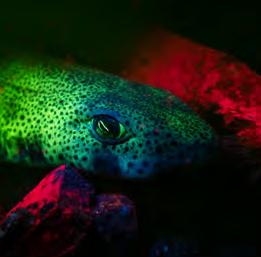
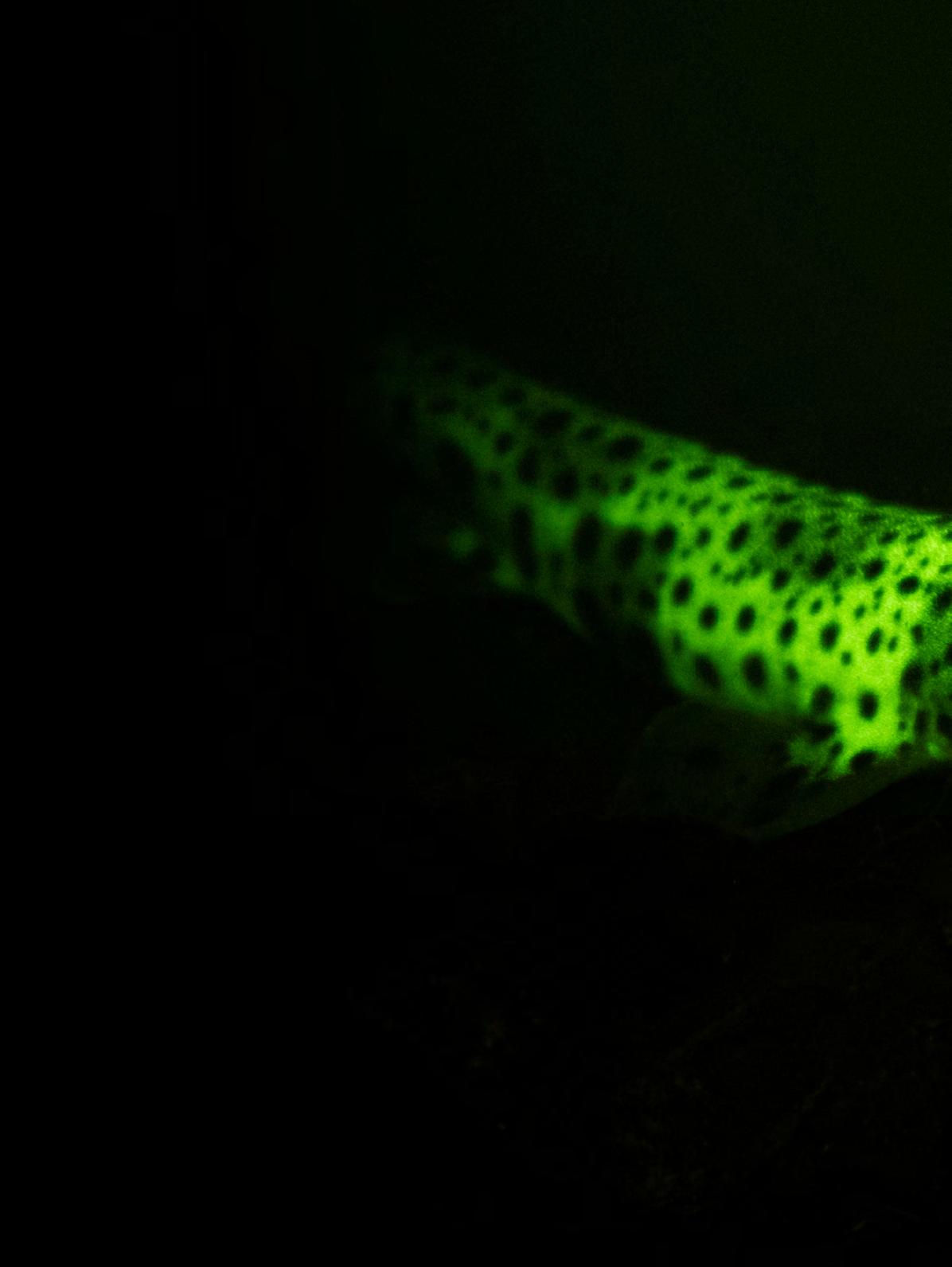
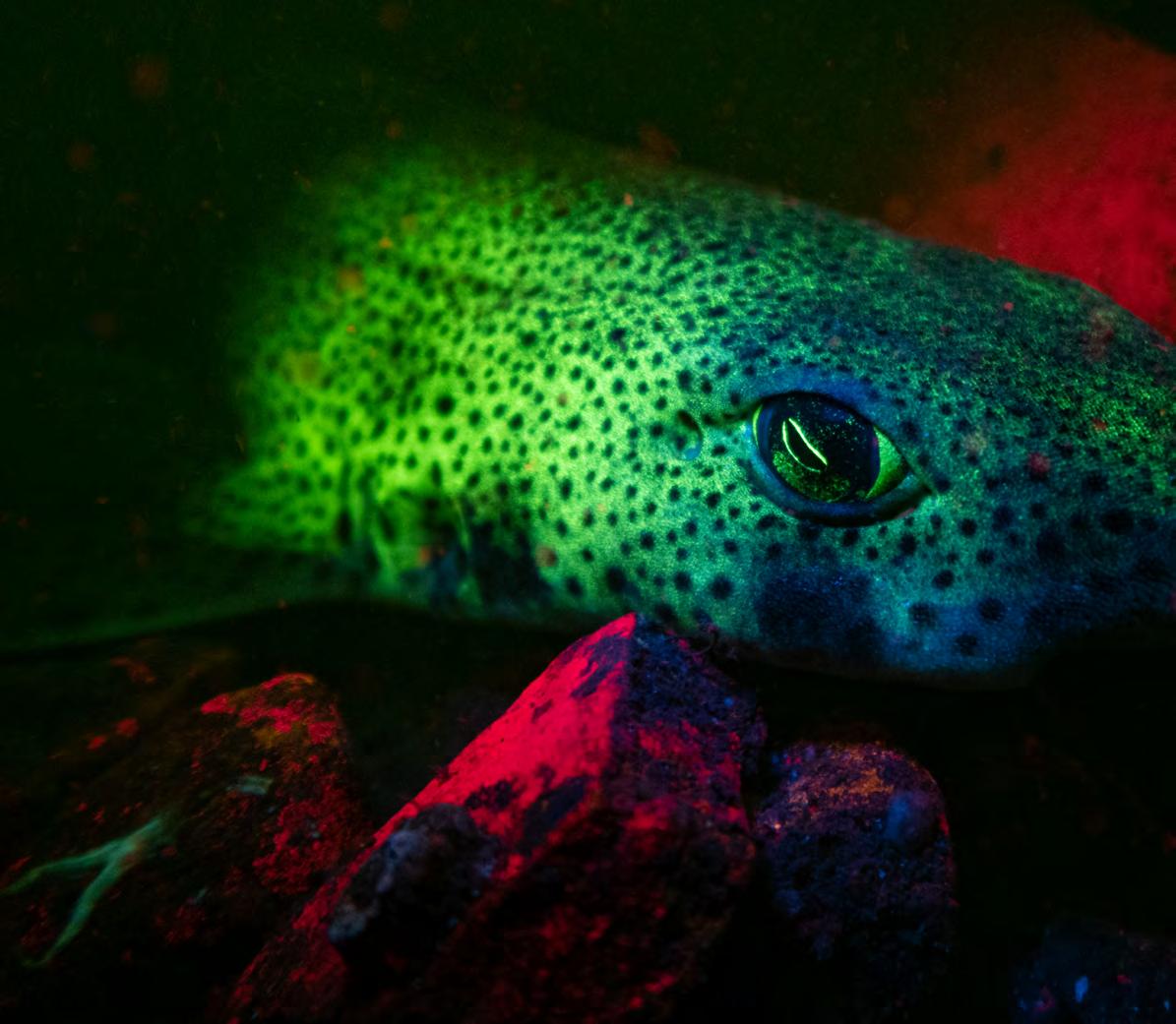
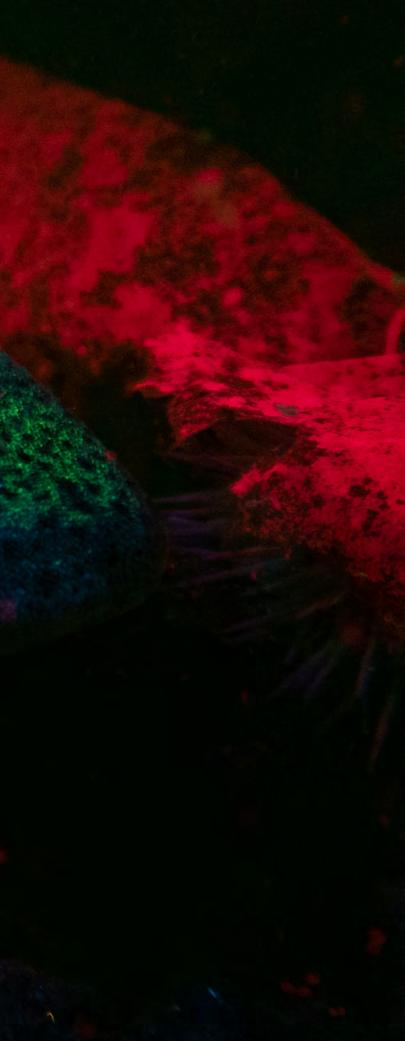
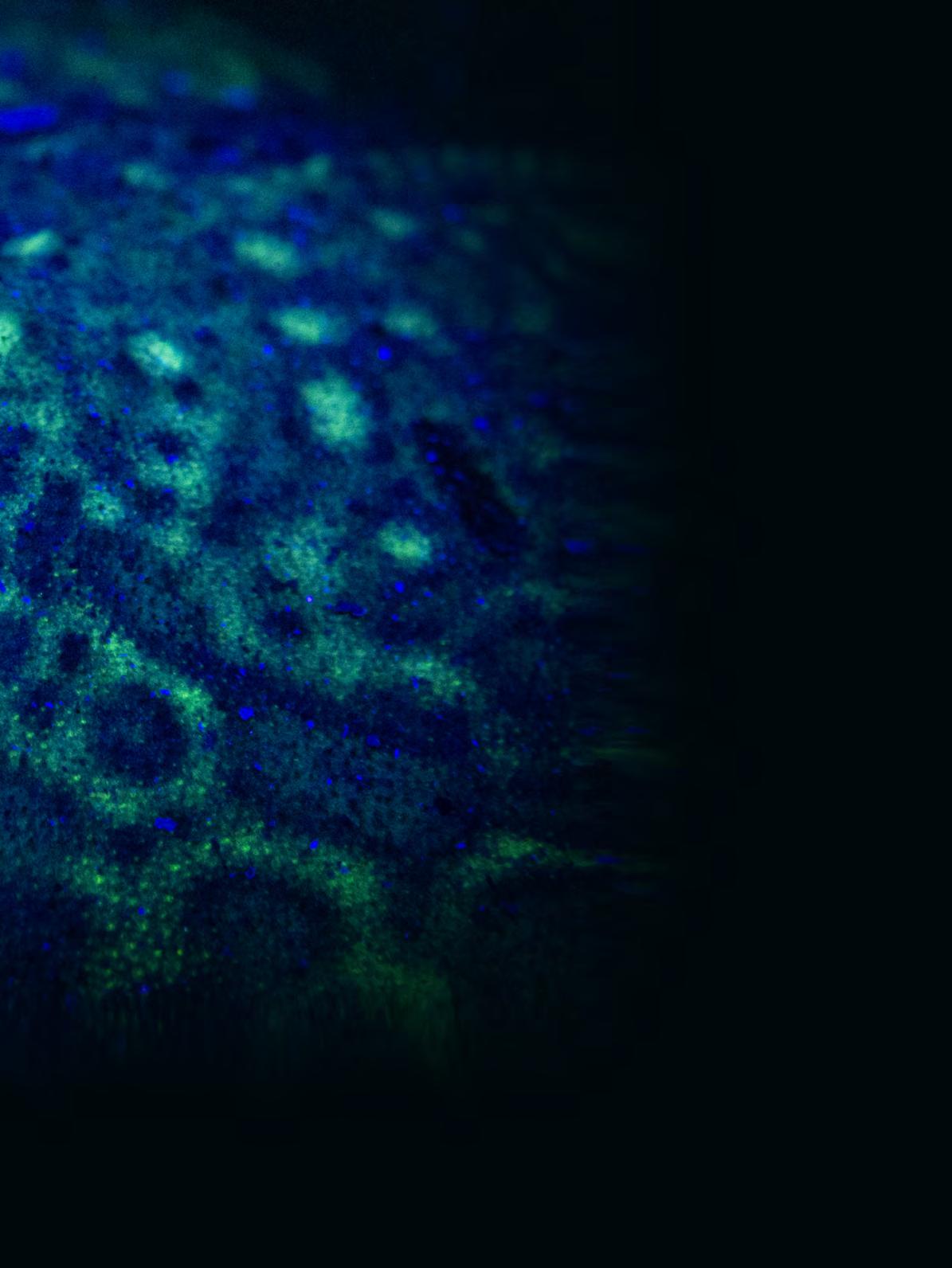
Not to be confused with bioluminescence. Biofluorescence offers similarly beautiful colours. But is a very different phenomenon.
Alot of us will be accustomed with bioluminescence. Animals that emit light – like fireflies and glow worms, are bioluminescent. Bioluminance is the product of a chemical reaction. These animals can emit light in total darkness. Glow worms, for example, have a special organ in the base of their abdomens. This organ produces light through a chemical reaction. Some species of glow worm use this light to attract prey or potential mates. There’s even bioluminescent plankton. Which glow bright blue when moved by the sea.
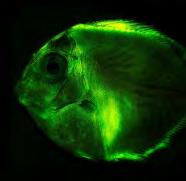
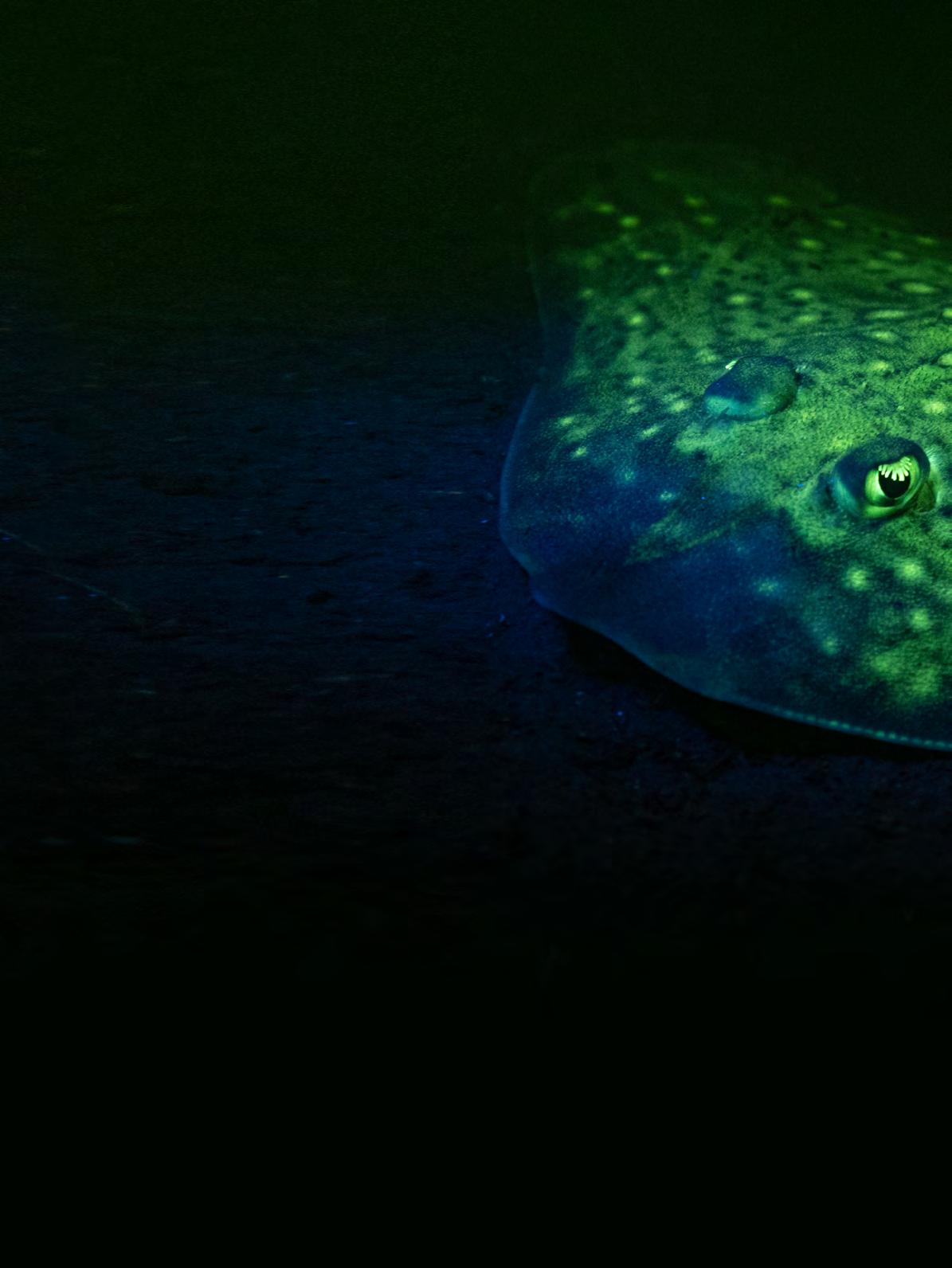
Biofluorescence is quite different. Have you ever stood under a blacklight (a.k.a. a UV light) at a bowling alley or party? And noticed white clothes or shoe laces glow brightly. This is fluorescence. When it occurs naturally in an animal, it’s called biofluorescence.
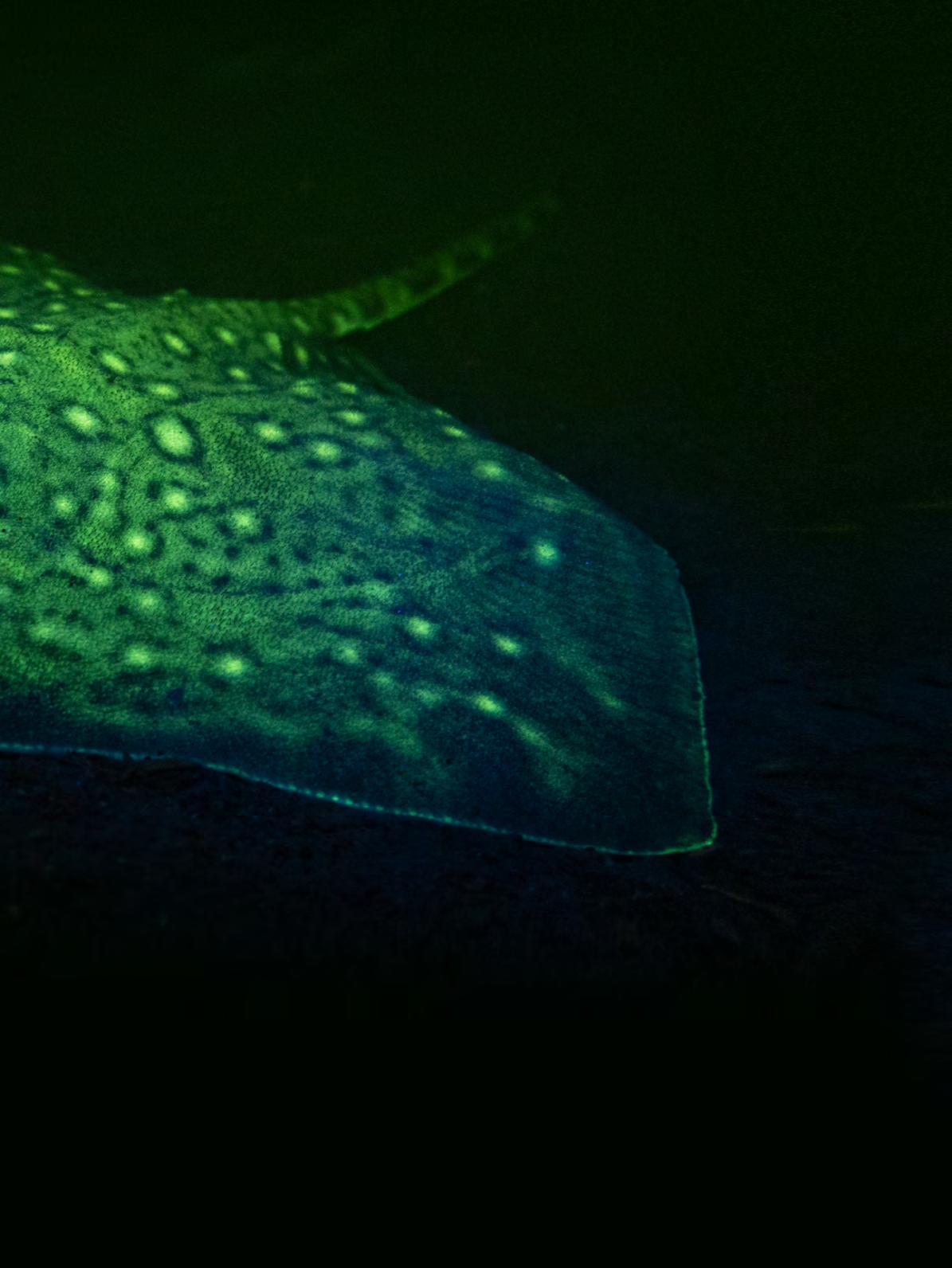
It occurs when an animal absorbs energy from light and reemits it as a different colour. Biofluorescent animals have special chemicals in their skin (called fluorophores) which absorb light. In contrast to bioluminescence, biofluorescence requires the presence of light. Atoms within the chemicals are ‘excited’ when light hits them. As the atoms stop being excited (become depressed), they emit light in
different colours. This cycle of excitation and depression leads to wonderful glows of green, red and other colours.
There’s another big difference between bioluminescence and biofluorescence. Bioluminance can be seen with the naked eye. But biofluorescence often requires special filters and lights to be seen. This is because certain wavelengths of light that we can see need to be blocked. Or else they’d interfere and stop us from seeing the fluorescence. Fluorescing animals on the other hand, have different eye structures to us. They can see the glow.
Because it requires certain conditions
and equipment, biofluorescence has gone unnoticed in some species for many years. In fact, it was only discovered in sharks around 10 years ago. When researchers found that Swell Shark and Chain Catshark off the coast of Florida glowed bright green. Since then. It’s been discovered in a variety of shark and ray species.
There is no denying that it’s beautiful. But. What’s the point? Well. Researchers believe that it’s used by species to communicate. Colours and patterns differ between species. And even sexes. Sharks can then differentiate between sexes and other species. Useful when in deeper, darker parts of the ocean.
The researchers also found that the molecules responsible for the glowing, have anti-microbial properties. Meaning that they may also be acting as a defensive shield. Protecting the sharks from infections!
Biofluorescence showcases that there is still so much more we have to learn about our oceans. And that the next exciting discovery may be just around the corner.
You can find out more about the photographer behind the amazing photo featured here. James Lynott specialises in photographing biofluorescence and is our featured guest for A Day in the Life.
Our new fundraising assistant, Mark, takes us through some of your latest achievements...
Thank you to all our fundraisers. We have been inspired by the diversity of the fundraising that has been completed since Issue 68 of Shark Focus. With beach cleans, cake sales, art fairs, reselling golf balls, climbing mountains and 100km ultra marathons – really showing that you can do anything to support sharks!

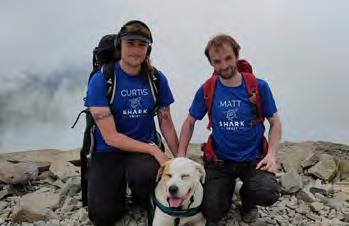
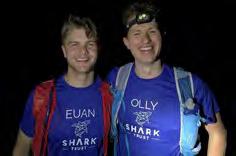
It’s always amazing to see the variety of activities undertaken to help raise money and awareness for our cause! Now that we’ve launched our brand new Big Shark Pledge campaign, we are on the look out for fundraisers more than ever.
We’re also working away behind the scenes to find exciting ways to engage with our fundraisers. And keep an eye our for our new fundraising promo video coming in the new year, which will show all the ways people can fundraise for us.
We are so thankful for all the support from our fundraisers. You make a huge difference you make to the work we do. We couldn’t do it without you.
Euan and
completing the 100-mile Beacons Ultra Marathon.
Raising £1804

Tikki completing the Thames Path Ultra Challenge.
Raising £595

Matt,
We have a brand-new fundraising assistant who has taken over fundraising whilst Heather is on maternity leave. Mark’s background is in mental health nursing. And he’s just completed an MSc in Marine Conservation at Plymouth University. Mark has been a longtime member of the Shark Trust and has fundraised for us in the past too!

Raising £222
If you would like to get involved in fundraising for the Shark Trust, you can contact our new Fundraising Assistant, Mark, by emailing fundraising@sharktrust. org . For other tips, advice and ideas, head to our Fundraising Page by scanning the QR code above:



It’s almost holiday season! Whatever you’re celebrating , there are a wide selection of gifts available for the shark lover! And the best part?


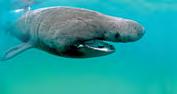

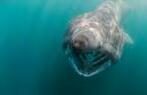
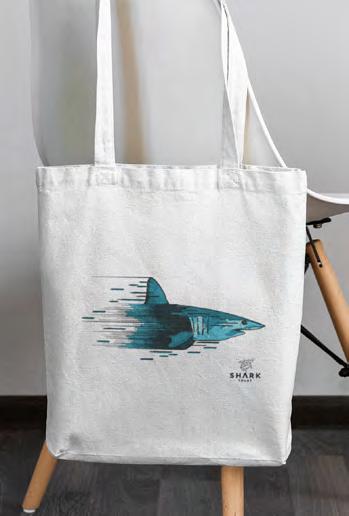
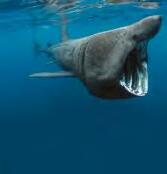






By purchasing our products or from our supporting businesses, you’ll be helping support the vital work of the Shark Trust. So scan the QR code (or click it if you’re on digital) to shop!
WE’VE RECENTLY launched our brand-new digital adoption packs. These packs can be sent out via email to anyone, anywhere in the world. Saving paper and postage emissions!
For UK customers we still have some of the final printed adoption packs available too!
OUR CLOTHES are made in Tee Mill’s carbon-neutral factory. We have a huge range of designs available. For both kids and adults. Our Tee Mill shop also has posters, puzzles, towels, stickers and other accessories!
WE’LL BE shutting up shop for customers outside the UK on December 6th – as wwe will not be able to guarantee that products will arrive in time for Christmas after this.
For UK customers to have items before 25th Decemberlast orders are 16th December . This includes digital adoption packs.


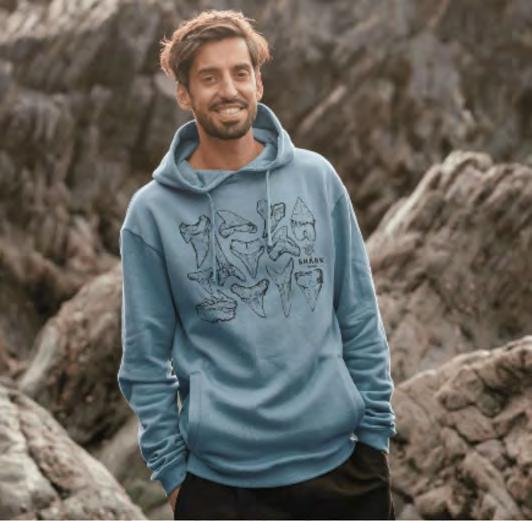




SHARK SUP are corporate partners – donating to our cause with every sale. Each boards unique design is inspired by a shark species.
With all this talk of oceanic species, we can’t ignore this legendary shark - the Oceanic Whitetip. This species was once most abundant oceanic-pelagic shark on the planet.
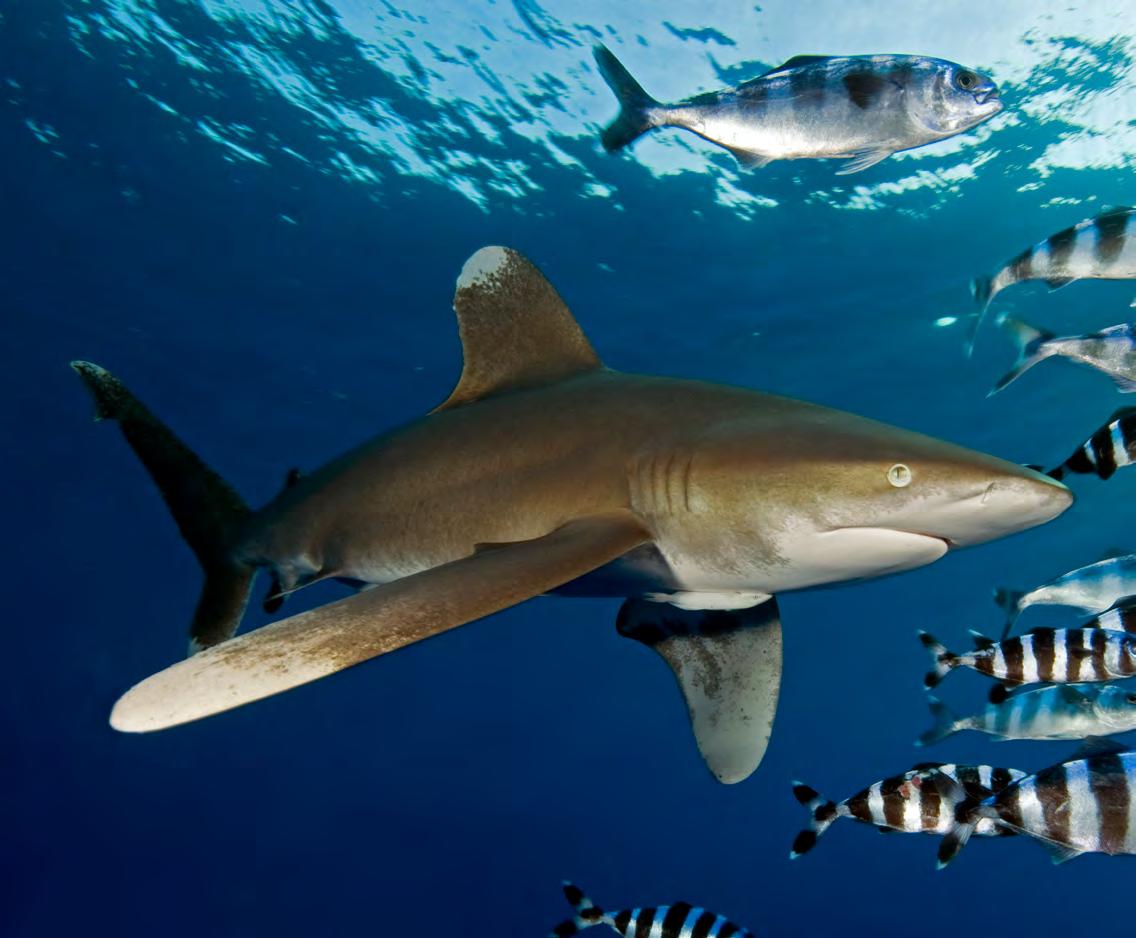
The Oceanic Whitetip is a species of shark in the same family (Carcharhinidae) as the Blacktip, Bull and Spinner Sharks, amongst others. Sharks in this family are also known as “requiem” sharks. “Requiem” is said to derive from the ancient Norman French word “reschignier” –to bare teeth or grimace.
Stocky and large, they are grey or brown above, and white below. Oceanic Whitetips are famous for their huge rounded first dorsal fin and paddle-like pectoral fins. Their fins have distinctive mottled white tips. They are slow moving, and active at day and night. Their huge pectoral fins spread out as they cruise at the surface.
They typically feed on oceanic bony fishes and cephalopods. However, they also eat stingrays, sea turtles, birds and crustaceans. They feed by biting into schools of fish or by swimming through schools with their mouth
open. When feeding with other species, like Silky sharks, Whitetips can be aggressive. Peter Benchley, author of Jaws observed Whitetip sharks eating the faeces of Pilot Whales!
Like all sharks in the Charcharhinidae family, Oceanic Whitetips are viviparous. Embryos develop in utero and are fed by a placental sac. Mating season is in early summer for those in the Atlantic Ocean and southwest Indian ocean. Females in the Pacific have been found with embryos year round – suggesting a longer mating season. The gestation period is one year. Sexual maturity is
reached at 4-9 years depending on location.
Whilst they are mostly solitary, Oceanic Whitetips do occasionally hunt in groups. These organised group hunts, during which Whitetips cooperate in hunts and strategically take turns in attacking prey.
Whitetips are incredibly inquisitive. Unfortunately, this means they are easy to catch. Combined with their low reproductive rate, they are incredibly at risk from population depletion. Previously listed as vulnerable, the Oceanic Whitetip was reclassified to critically endangered in 2019. Populations are declining across the globe, with declines of up to 99% reported in in the northwest and central Atlantic, for example.
Conservation efforts to help the species bounce back include listing on CITES Appendix II and CMS Appendix I, for example. However, with populations declining at such a high rate, further protections need to be implemented to ensure that the species can recover.
MAXIMUM SIZE: 380cm long DIET: Oceanic bony fishes and cephalopods. But also on stingrays, sea birds, turtles, marine gastropods, crustaceans, marine mammal carrion and garbage.



Your chance to support our campaign with brand-new adoptions!
As part of the launch of our new campaign we are rolling out five brand-new adoptions! All the money raised through adoptions will go directly into the Big Shark Pledge campaign. Helping to support our vital work for sharks and rays around the world. Five new adoptions will be released over the coming months:
• Mako Shark



• Hammerheads
• Oceanic Whitetip
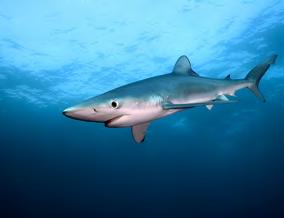
• Manta Ray Blue Shark
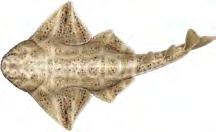
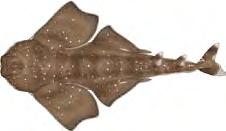
We’ve made our ID guides available online! We’ll be releasing more over the coming months. But for now we have Project SIARC ID guide in both Welsh and English. Which feature the sharks, skates and rays of Wales. But we’ll be uploading and releasing our British Isles guide very soon… We’ve also got a specific ID guide just for angel sharks. There are 23 described species of angel sharks - many of which are often misidentified around the world. We’ve developed an identification guide for this unique group of sharks. Which we hope will help shine a spotlight on this threatened family. And help improve accuracy of identification and reporting across the globe.
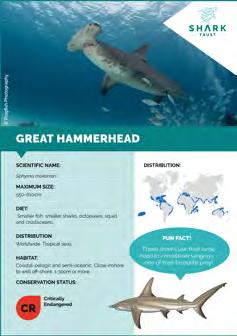
We’re steadily filling in our Fact Files page. Which features downloadable factsheets for loads of different species. Each Fact File has a stunning image, distribution map and scientific illustration from Marc Dando. As well as information about size, habitat etc.
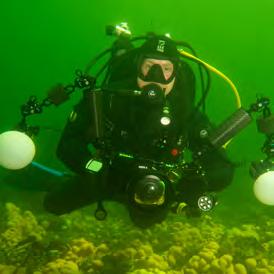
IN THIS DAY IN THE LIFE WE TALK TO HOBBYIST UNDERWATER PHOTOGRAPHER JAMES LYNOTT. WHO PROVIDED THE AMAZING IMAGES FOR OUR POSTER AND BIOLUMINESCENCE ARTICLE!
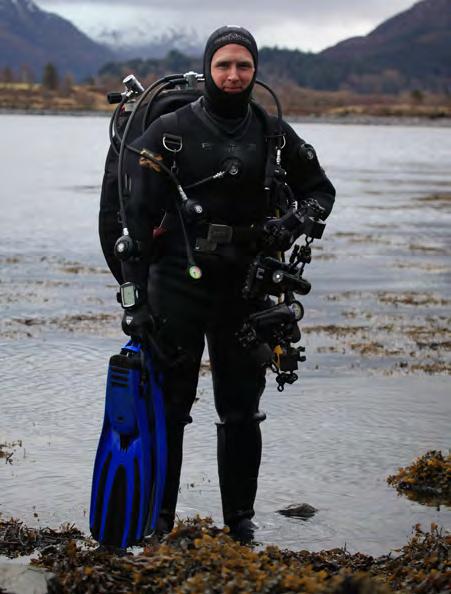
In my job as a plant pathologist at the James Hutton Institute near Dundee, a typical day will involve a mix of laboratory, glasshouse, and field work studying a variety of potato diseases, primarily late blight. When it comes to underwater photography, since most of my diving is done on the west coast of Scotland, this usually means a 2-3hr drive
to the divesite, then at least 2 separate dives either looking for specific subjects or just photographic what I find, before the drive home again.
Just being able to go underwater and see all of the amazing habitats and incredible marine life we have in our seas is the main reason I dive. A huge highlight for me is being able to show people images and video of the marine life we have in our seas. I have also learnt a great deal and met many friends/ dive buddies in the SCUBA diving and underwater photography community.
I absolutely love diving and capturing images underwater so there are not many lows at all. The only one that comes to mind really
“
BEING ABLE TO GO UNDERWATER AND SEE INCREDIBLE MARINE LIFE IS THE MAIN REASON I DIVENAME: James Lynott JOB TITLE & ORGANISATION: Plant Pathologist at The
and that is seeing the human impact on the underwater world, whether that be evidence of commercial fishing (e.g. dredging/waste), general litter or discarded fishing line/ equipment etc. Unfortunately for many it is a case of ‘out of sight – out of mind’.
For as long as I can remember I was interested in wildlife and always, with a particular fascination with the underwater world and marine life. I always loved being in the water and always had an interest in learning to SCUBA dive as soon as the opportunity arose.
WHAT’S ONE THING YOU WISH YOU’D KNOWN BEFORE STARTING OUT?
This is tricky, I have enjoyed my journey as a diver and how I have learnt along the way with underwater photography as well. In terms of underwater photography I think one thing that I perhaps didn’t appreciate immediately when using a basic camera in ‘auto’ mode to begin with, was the importance of camera exposure settings and making the move to composing images manually.
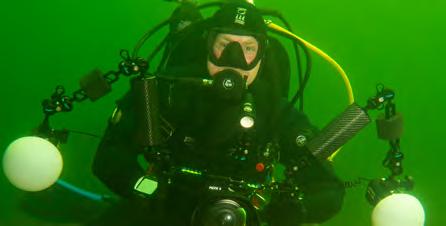
I would say to make use of the fantastic resources out there. There are lots of fantastic books on underwater photography, and what I have found really valuable in recent years are the groups around the country and on social media. I have found the best way to learn is to meet and dive with others and discuss issues with them.
*Underwater content creation comes with obvious risks. The Shark Trust does not take responsibility for any damage caused by undertaking activities or tips suggested in this article.
Getting to know your camera settings and features is super important! Practice makes perfect, so get to grips with capturing content in dry land. This will help you to not miss the moment when trying to capture wildlife.
2ROCKPOOLS
There is so much life in rock pools that you don’t need to go diving to find exciting wildlife! Taking photos in rockpools is a great way to capture the underwater world! There’s also lots of life that comes out of the water – mussels, anemones and crabs are often visible out of the water.
GoPros and waterproof pointand-shoots can be a great way to capture content underwater. You can pick-up old models secondhand for around £50. You can also get waterproof phone cases, for the camera you already own!
You may have heard of bioluminescence before. It’s when an animal uses special chemicals in its body to glow. A well-known example of this is the Glow Worm. The female glow worm can actually make it’s butt glow to show males where it is… yes you read that right! Other bioluminescent creatures include glowing mushrooms, jellyfish and mushrooms!
Bioluminescence is when an animal or plant uses special chemicals to create light.
Biofluorescence, on the hand, is more like reflecting light. Have you ever been under a UV light at a disco or bowling alley? And your white shoelaces or teeth seem to glow? Well that’s fluorescence!
In some sharks and rays, special chemicals in their skin reflect light in an unusual way. When light hits their skin, it gives energy to special chemicals. And with that energy – light is reflected back as wonderful colours.
Bioluminescence humans can see with
their naked eye. But biofluorescence requires special lights and equipment to see. Because of this, we didn’t even know that some sharks and rays showed biofluorescence until about 10 years ago!
What’s the point? Well the sharks and rays can see their glowing – because their eyes are different to ours. Scientists think that the colours help them to see the difference between males and females. And that it may also help them see each other more easily in
We’ve got a brand-new fact file section on our website! We’ll be updating these fact files regularly to add new species. The best part? You can download them and keep them for yourself! So you’ll always be ready with shark facts to wow your friends and family.
SCAN THE QR CODE To check out more fact files!

the darkness of deeper waters. Which can be super super dark. This glow means that they don’t end up bumping into each other!
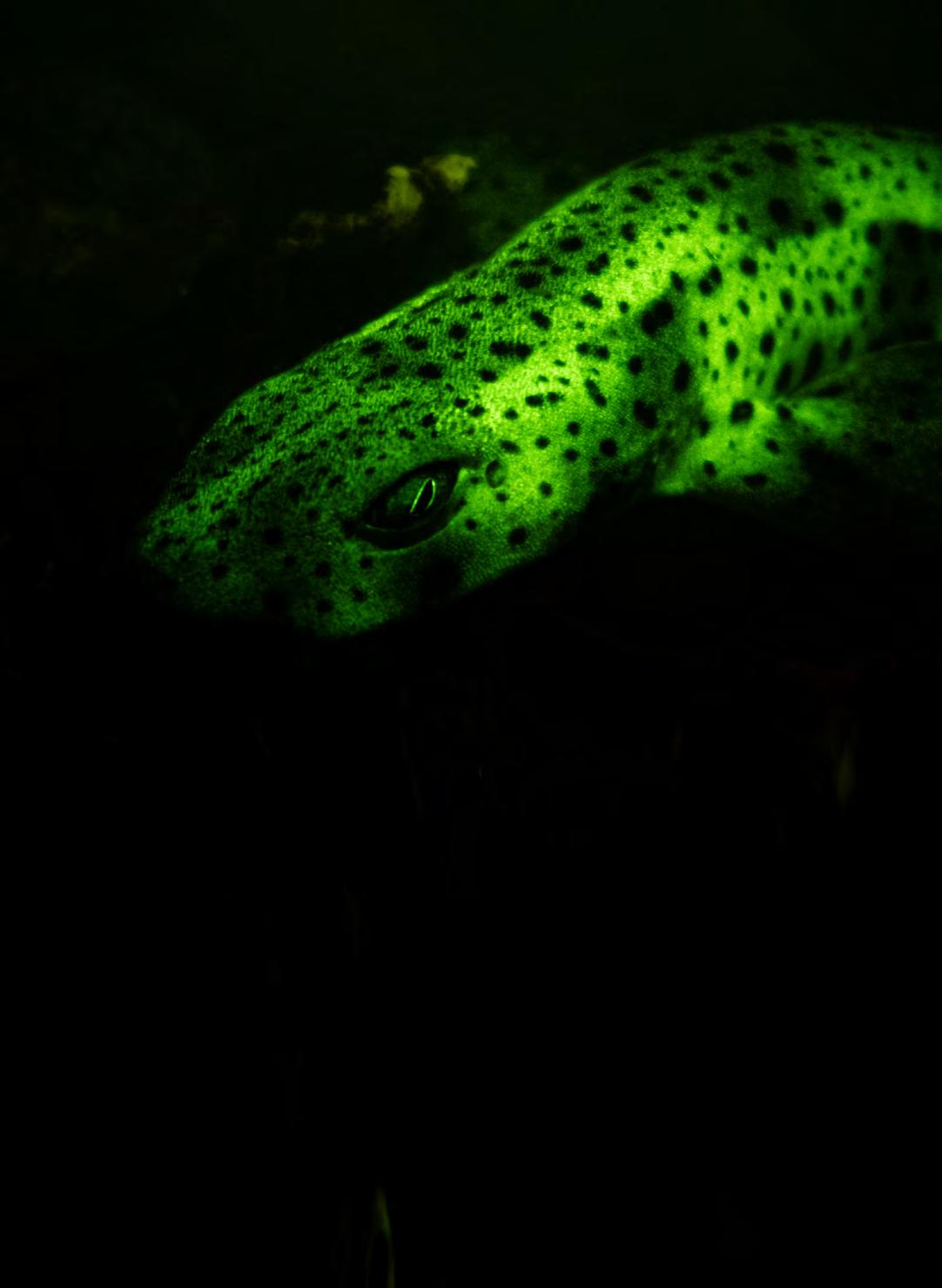
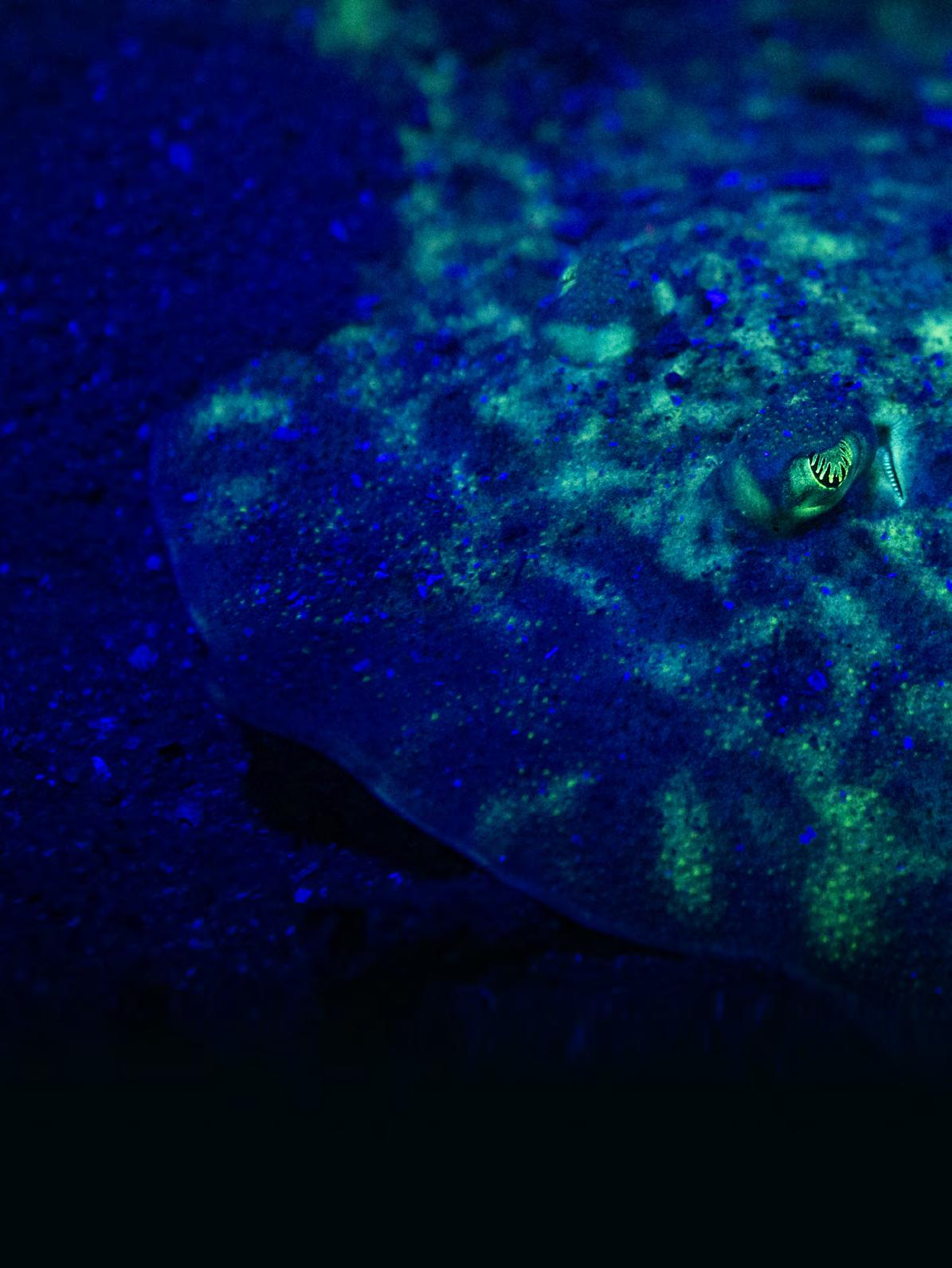
Underwater photographer James Lynnot is a pro when it comes to taking pics of biofluorescence. He took this awesome photo of a Thornback Skate in Scotland, UK! You can check out his photo of a small-spotted catshark. Which is the poster for this issue! And find more about what it takes to be an underwater photographer on pages 30-31!
the absorption and reemission of light from living organisms.
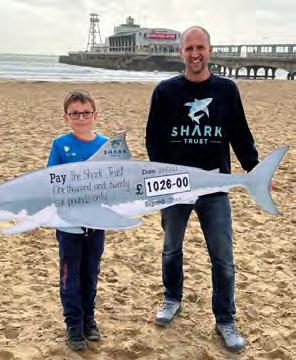
MAX has completed 24hrs worth of beach cleans across the UK coast! Raising a mahoosive £1026! Max gave his sharky cheque to our CEO, Paul, on the beach in Bournemouth.
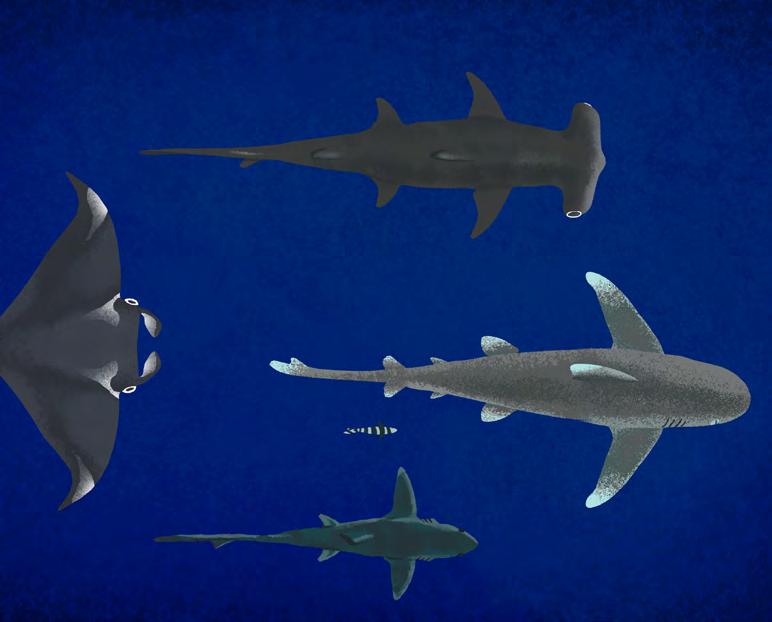
THE BIG SHARK PLEDGE is here! Our brandnew campaign is looking to bring together people from all over the world to pledge their support for high seas sharks, skates and rays!
When you pledge you’ll become part of a huge community of shark lovers. When we need people to fundraise, tweet support, send letters to their government or just shout for sharks – we’ll let our pledgers know. Once you’ve pledged you’ll also receive updates on our campaign with exciting activities, projects
and ideas on how to get involved.
You can watch our amazing campaign video and find out more by scanning the QR code.
SCAN THE QR CODE To watch our campaign!
Thank you to SOPHIE and ALICE . They searched for old golf balls, cleaning them and reselling them to golfers – raising £24.48! That is certainly above par!

We have launched an exciting campaign… and we need your help!
We’ve got a bumper edition of Pup’s Club Stars this issue! We’ve had so many of you out and about fundraising for us! To be in with a chance of featuring, why not send us your fundraising story, or an example of something you’ve done to help shark conservation – speak to a parent or guardian and get them to email focus@sharktrust.org.
We’ve got a brilliant and exciting art project –Oceanic 31 – which has just launched.
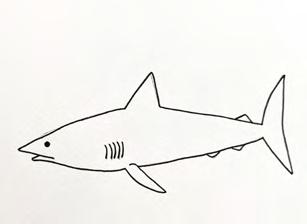
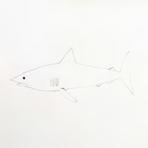
WE’RE WORKING with artists from all over the world. And they’ve created amazing artwork to help bring attention to some of the most amazing creatures on the planet! We think that art is a really great way to show off sharks and rays. So why not give it ago yourself? Here’s our quick guide on how to draw a shark! You can use this as a basis for drawing different kinds of sharks too.
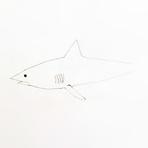
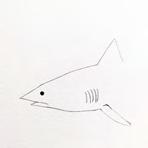



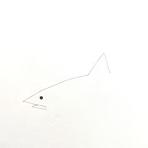
First draw the pointy snout. Think of a letter “V” on its side.
RUIS - LU (Age 5) made ocean themed art for her stall at a local makers market! Raising a whopping £60. Amazing!
Now draw a long curved line for the back of the shark. At the end of the back line draw a triangle shaped dorsal fin. Continue your back and belly lines. These need to narrow towards each other at the end.
In the middle of the snout add a small eye. Draw another smaller triangle along the bottom of the snout. This makes the bottom jaw. Now to add the pectoral fins. Draw a longer fin on the bottom, below your dorsal fin. Now make sure to add 5 gills (most sharks have 5 gills). Making sure the gills go from top to bottom and not sideways.
SAM DRAPER is walking a huge 800km during 2022! He’s currently at 624km! He’s aiming to raise £200!
Add your tail. And finally add the final fins – two smaller, fins on the bottom of the shark near the tail. And a final fin on the top of the shark just after the tail.