
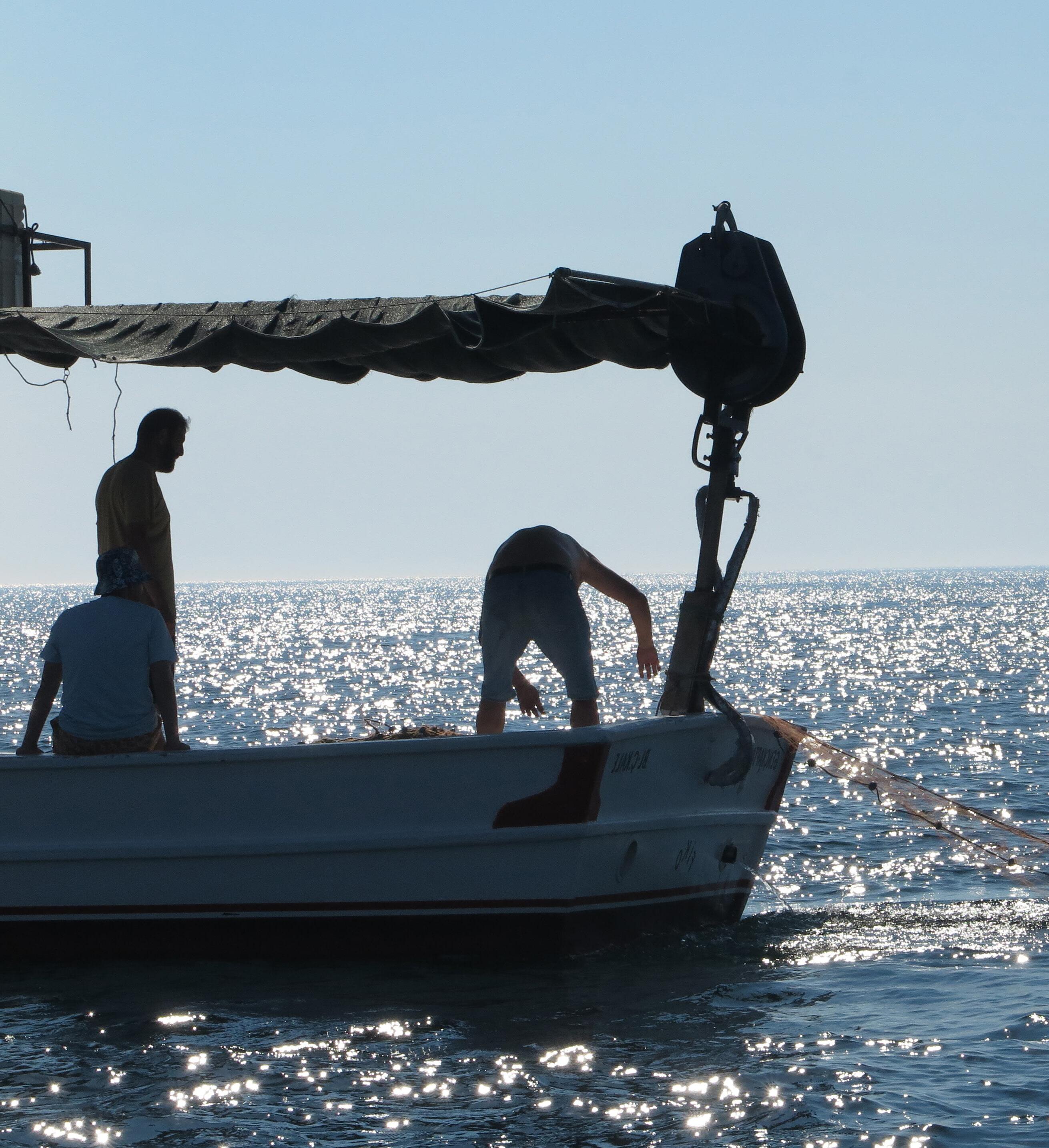
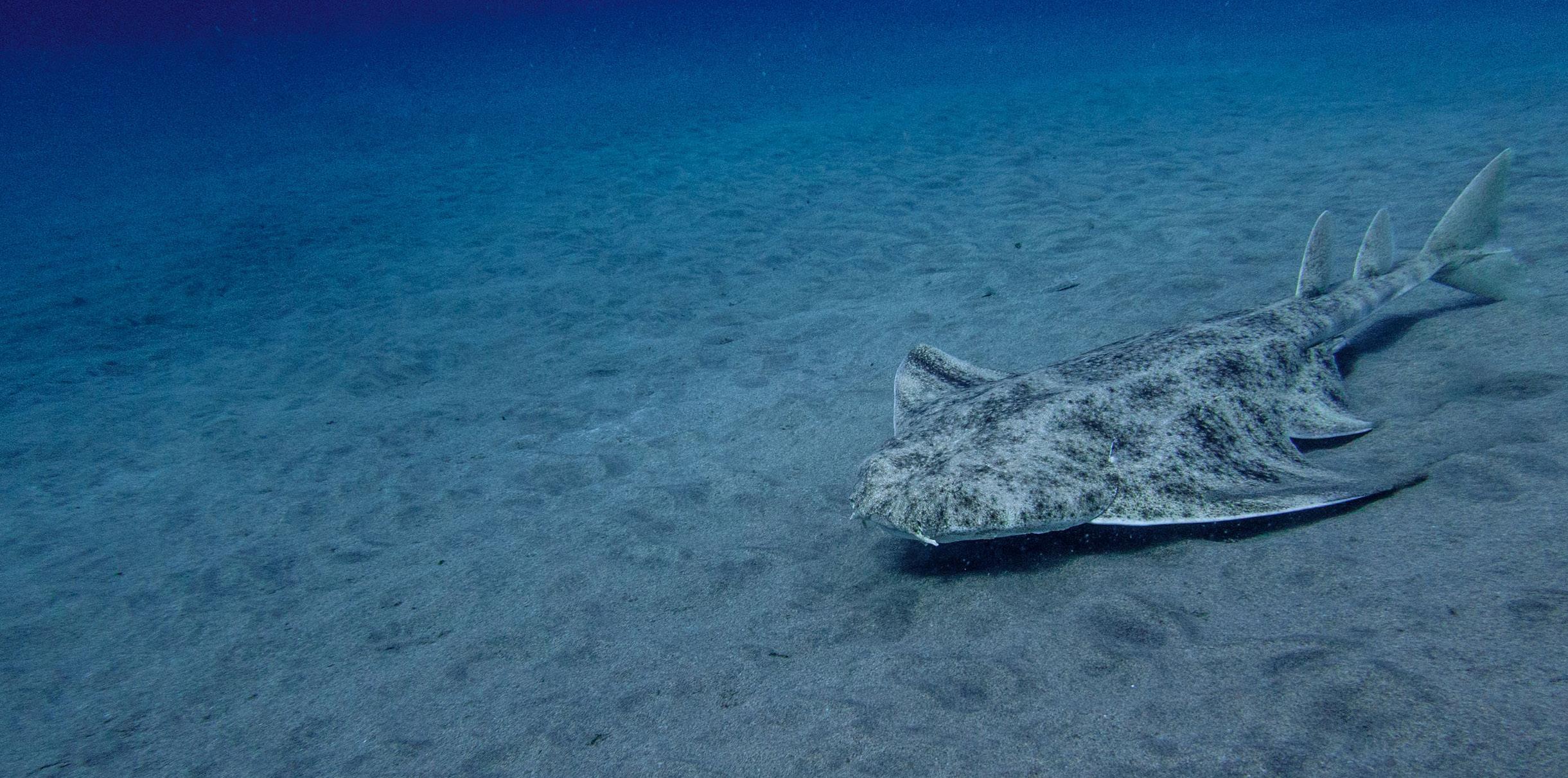
ANGEL SHARKS IN THE EASTERN AND CENTRAL MEDITERRANEAN
THREE YEARS ON
Brown, H; Bartolí, À; Beton, D; Ciprian, M; Enajjar, S; Giovos, I; Gordon, C; Papageorgiou, M; Snape, R; Ulman, A; Hood, A. 2026. Angel Sharks in the Eastern and Central Mediterranean: Three years on. The Shark Trust. United Kingdom. 16 pp.
CONTENTS
Executive summary .................................................. 1 Background .............................................................. 2-3
of Cyprus............................................... 4-5 Northern Cyprus .................................................... 6-7
Türkiye ..........................................................................8-9
Tunisia....................................................................... 10-11
Resources .............................................................. 12-13
PARTNERS


Enalia Physis Environmental Research Centre's projects cover a wide range of fields, such as fisheries science, marine benthic and cave ecology, marine protected areas, invasive species, marine litter, coastal ecology, and social sciences.
iSea is an Environmental Organisation founded in 2016 in Thessaloniki, Greece. Their goal is to preserve the aquatic habitats, including the fauna and flora, which inhabit them through research, raising awareness and the promotion of conservation policies.

ASCOB Syrtis, l’Association pour la Conservation de la Biodiversité aims to further our understanding of marine and terrestrial biodiversity in the Gulf of Gabès and other ecosystems. Whilst promoting their conservation and contributing to their protection.
The Society for the Protection of Turtles’ (SPOT) work includes monitoring bycatch of all vulnerable species, examining fishery impacts, identifying and protecting marine habitats and understanding and mitigating marine pollution.
Mersea Consulting aims to improve the marine realm through completing scientific research on marine fisheries and ecology, focusing on marine conservation with the aim of improving gaps in policy.

The Shark Trust is safeguarding the future of sharks and rays through positive change. Realised through science, education, influence and action. Advocating for political change and generating collective action.
The vision of the Angel Shark Conservation Network (ASCN) is to see angel sharks restored to robust populations and safeguarded throughout their natural range.
FUNDERS

© Shutterstock
|
Luis Miguel Estevez
EXECUTIVE SUMMARY
MEDITERRANEAN ANGEL SHARKS
Regional Action Plan Phase 2: Implementation
Angel sharks rank as one of the most threatened families of elasmobranchs. Three species are present in the Mediterranean, a highly complex region facing myriad threats, with overfishing the key threat and the lack of and/or slow implementation of current regulation the main stopper.
Building on the Mediterranean Angel Sharks: Regional Action Plan (MedRAP) and associated SubRegional Action Plans (SubRAPs) (2018-2021) this report represents the second phase of work delivered by a team of well-connected and experienced NGOs and Institutes in Türkiye, Cyprus and Tunisia. This publication highlights the outputs of the Shark Conservation Fund (SCF)-funded project (2023-2026) supporting the delivery of priority in-country SubRAP objectives for angel sharks, creating evidential change on the water.
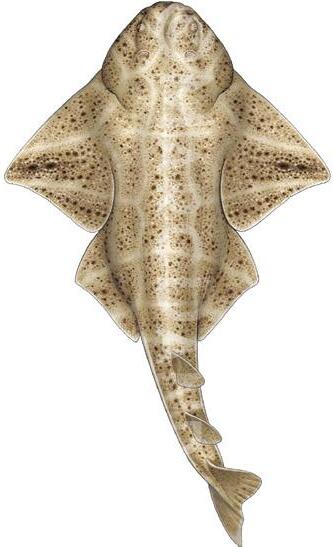
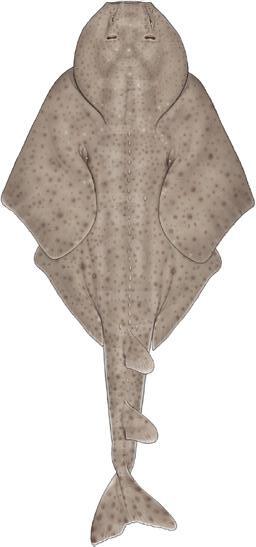
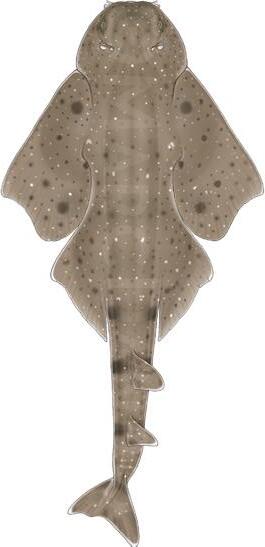
Squatina squatina Squatina aculeata Squatina oculata
This report presents an analysis of the situation, the context and progress towards project specific deliverables for each country, as well as wider SubRAP activities, and recommendations on next steps to improve the conservation status of these species. Among other key achievements, over 1500 fishers have been engaged across four regions, with over 30 workshops held, and three potential Critical Angel Shark Areas (CASAs) identified, as reflected in Figure 1 below.
CYPRUS
REPUBLIC OF CYPRUS
PROJECT BACKGROUND
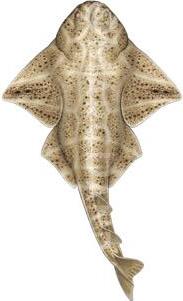
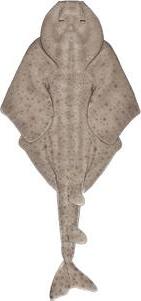
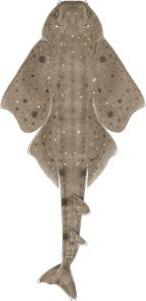
The Mediterranean, a highly complex, multijurisdictional region, is a hotspot of extinction risk for elasmobranchs. In the Mediterranean, there are three species of angel shark, the Angelshark (Squatina squatina), the Sawback Angelshark (Squatina aculeata) and the Smoothback Angelshark (Squatina oculata). All three are listed as Critically Endangered in the Mediterranean according to the IUCN Red List of Threatened Species.
REGIONAL OBLIGATIONS
All three Mediterranean Squatina species are listed under the Annex II of the Barcelona Convention requiring strict protective measures across the Mediterranean. The General Fisheries Commission for the Mediterranean (GFCM) translates these into legally binding obligations for member states through the Recommendation (GFCM/42/2018/2, amending GFCM/36/2012/3) which was adopted by the 24
parties of the GFCM and prohibits the retention and sale of 30 elasmobranchs listed on Annex II of the Barcelona Convention.
In 2019, the Shark Trust convened regional experts for a workshop in Tunis, Tunisia, to develop the MedRAP. Subsequently, a series of SubRAPs have been developed, allowing for focused, objective-led work in priority countries.
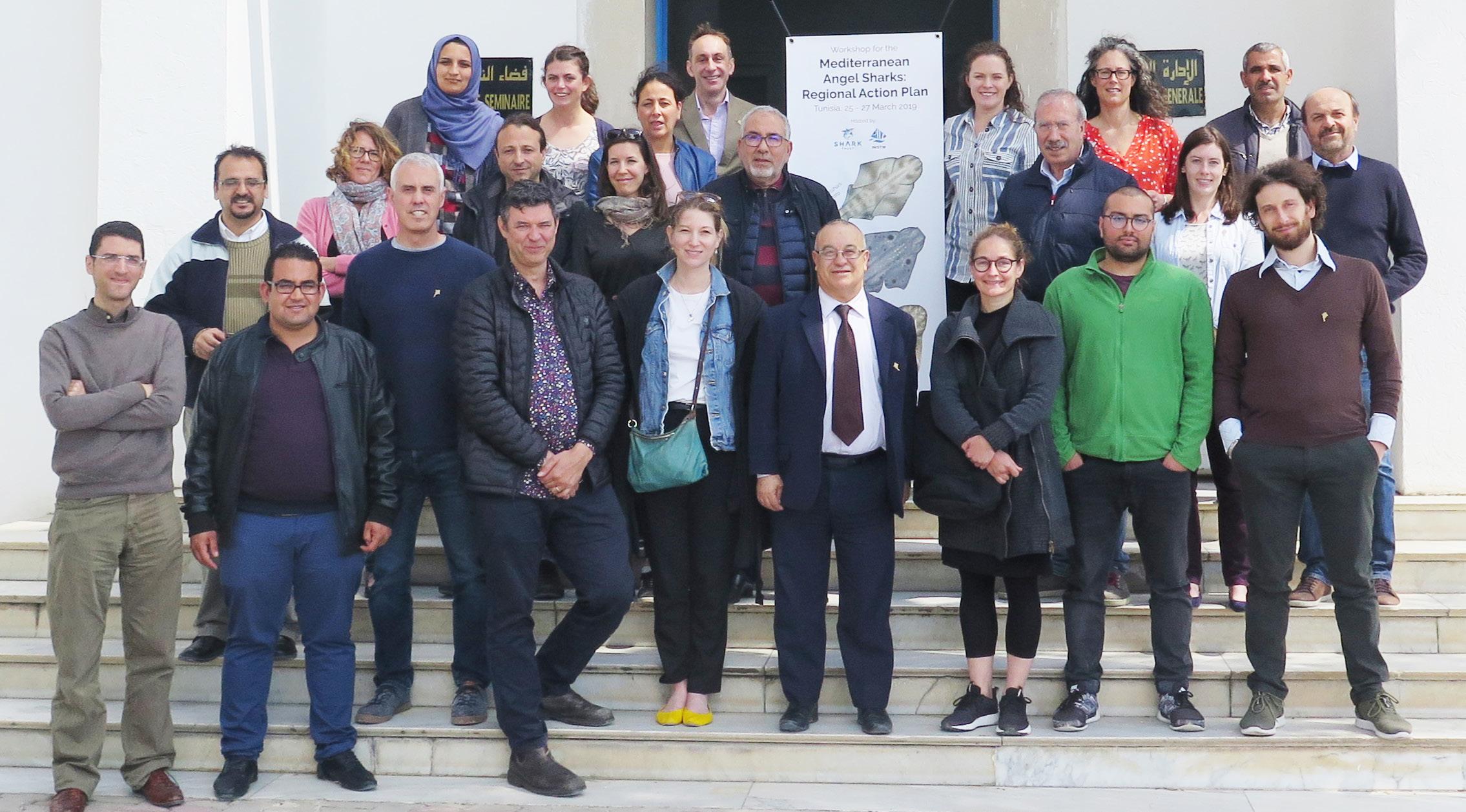
MedRAP Workshop.
Squatina squatina
ANGELSHARK
Squatina aculeata
SAWBACK ANGELSHARK
Squatina oculata
SMOOTHBACK ANGELSHARK
THE PROJECT
Mediterranean Angel Sharks: Regional Action Plan Phase 2: Implementation
The Shark Trust, ASCOB Syrtis, Enalia Physis Environmental Research Centre, iSea Environmental Organisation, Mersea Marine Consulting and the Society for the Protection of Turtles (SPOT), set out to facilitate further coordinated action in priority regions for angel sharks in the Eastern and Central Mediterranean, focal countries being Tunisia (GSAs 12, 13, 14), Cyprus (GSA 25) and Türkiye (GSAs 22, 24 & 28).
Ligurian Sea and northern Tyrrhenian Sea
10. Southern and central Tyrrhenian Sea
11.1. Western Sardinia
11.2. Eastern Sardinia
Aegean Sea
Crete
Marmara Sea
29. Black Sea 30. Azov Sea
Figure 2. Map of geographical subareas.
Map and list of the GFCM geographical subareas (GSAs)
01. Northern Alboran Sea
REPUBLIC OF CYPRUS

The Republic of Cyprus faces a series of key challenges for angel shark conservation. As a country dominated by a small-scale fleet and many differing gear types, enforcement of existing legislation can be challenging.
REGION SUMMARY
The legislative report3 produced in 2025 revealed a general lack in the enforcement of legislation aimed at prohibiting the capture and retention of angel sharks.
There have been a series of cases of non-compliance over the last decade. There is also a general absence of reports on angel sharks, this is likely due to a combination of factors: identification issues, whether due to lack of knowledge or due to the species being already processed upon landing, as well as a lack of knowledge among fishers regarding legislation protecting the species.
There is also a lack of knowledge on the habitat preferences of angel sharks in the region, and habitat degradation is likely a challenge to their conservation.
REGION CHARACTERISTICS
Species present
1. Squatina squatina
2. Squatina aculeata
3. Squatina oculata
Vessels
1 2 3
f 781 licensed fishing vessels, of which 728 (or 93%) are small-scale1
f Small-scale inshore fishery represents the majority of licensed vessels.
f Small-scale fleet uses primarily bottom set nets (such as trammel nets and gill nets), demersal longlines and traps
Protections
f As an EU Member State, GFCM 42/2018/2 is applicable in the Republic of Cyprus.
f S. squatina is a prohibited species under the Technical Measure, Regulation (EU) 2019/1241.
f Appendix I and II, CMS.
f Annex 1, CMS MoU.
KEY DELIVERABLES ACHIEVED
✔ Spatial distribution model (SDM) for Angel Sharks in Cyprus2 published.
✔ Legislative Framework for the Protection of Angel Sharks in the Republic of Cyprus published3
✔ 70 fishers trained through eight workshops, including training on safe release and identification.
✔ 120 onboard observation trips conducted.
✔ 60 interviews conducted with small-scale fishers.
✔ Identification and reporting materials for all three species of angel sharks developed and distributed.
✔ 50 observers and monitoring officers working at the Department of Fisheries and Marine Research of the Republic of Cyprus (DFMR) were trained on identification of sharks and rays, with a particular focus on angel sharks and legislation.
✔ Safe release animation for angel sharks produced in Greek.
© Bruna Casas
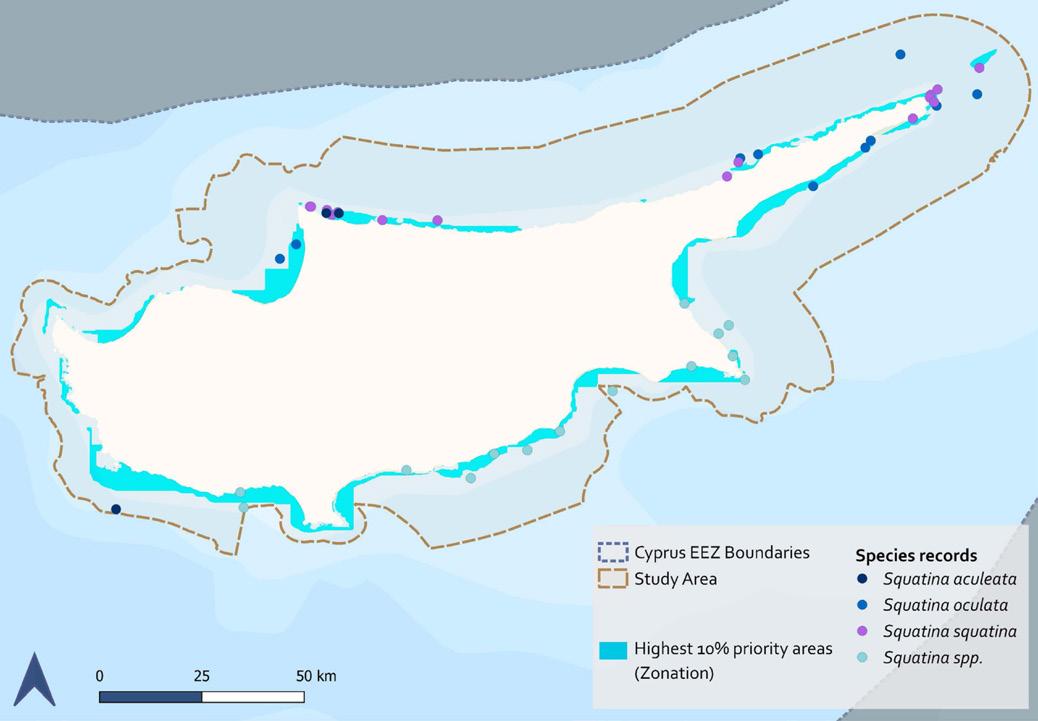
Figure 3. The highest 10% fraction defining top priority areas for angel sharks in Cyprus based on the SDM applied in the context of this work.
ACTION PROGRESS FOR SubRAP OBJECTIVES
Reporting and monitoring in all segments of coastline is improved for the three species of angel shark.
Incidental catch of angel sharks by all fisheries is minimised.
Retention is reduced, and post release survival enhanced, through information, training, and education for fishers.
The extent of interaction between marine recreational fishing activities and angel sharks is ascertained and minimised.
Angel shark distribution is better understood.
The impact of non-fishing activities on angel sharks in the area is better understood.
Angel shark habitat is identified, specifically Critical Angel Shark Areas (CASAs).
Angel shark habitat is reflected in marine spatial planning and coastal development.
Angel sharks are protected by regional and national management measures. 3.1 Management measures are implemented and enforced. 3.2
CASAs are protected through appropriate spatial and/or temporal management of non-fishing as well as fishing activities. 3.3
NEXT STEPS
f Increased effort to collect fisheries dependent and independent data in areas that, based on the SDM model, higher probability of angel shark presence.
f Extend coverage of bycatch network and further encourage bycatch reporting.
f Improve species-specific landings reporting.
f eDNA to help better understand the spatial (and seasonal if possible) distribution of angel sharks in Cyprus.
f Increase the application of Convention on Migratory Species (CMS) objectives and improved governance.
f Prioritisation of improved enforcement of national and EU laws.
f Continued engagement with local fishing community (including professional and recreational fishers).
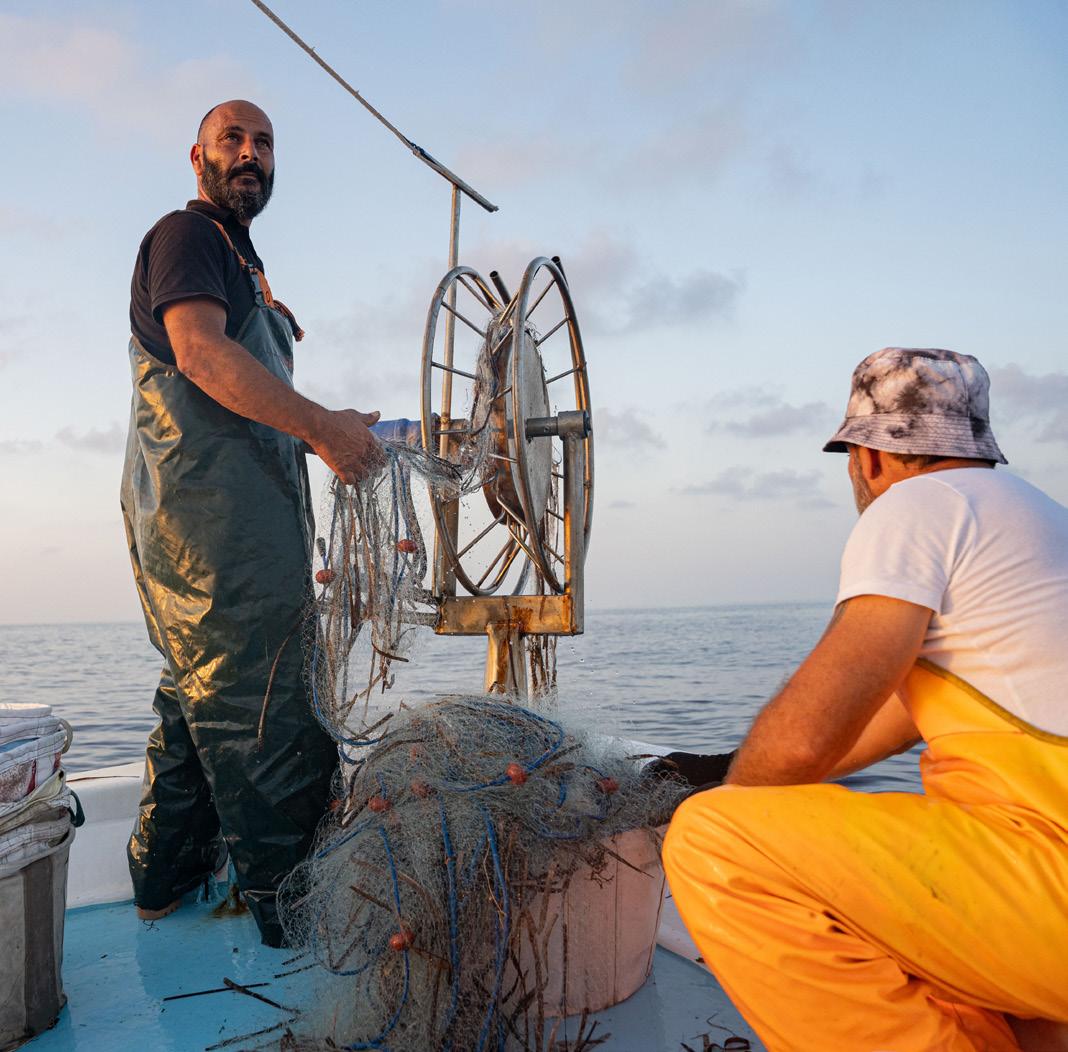
© Bruna Casas
NORTHERN CYPRUS
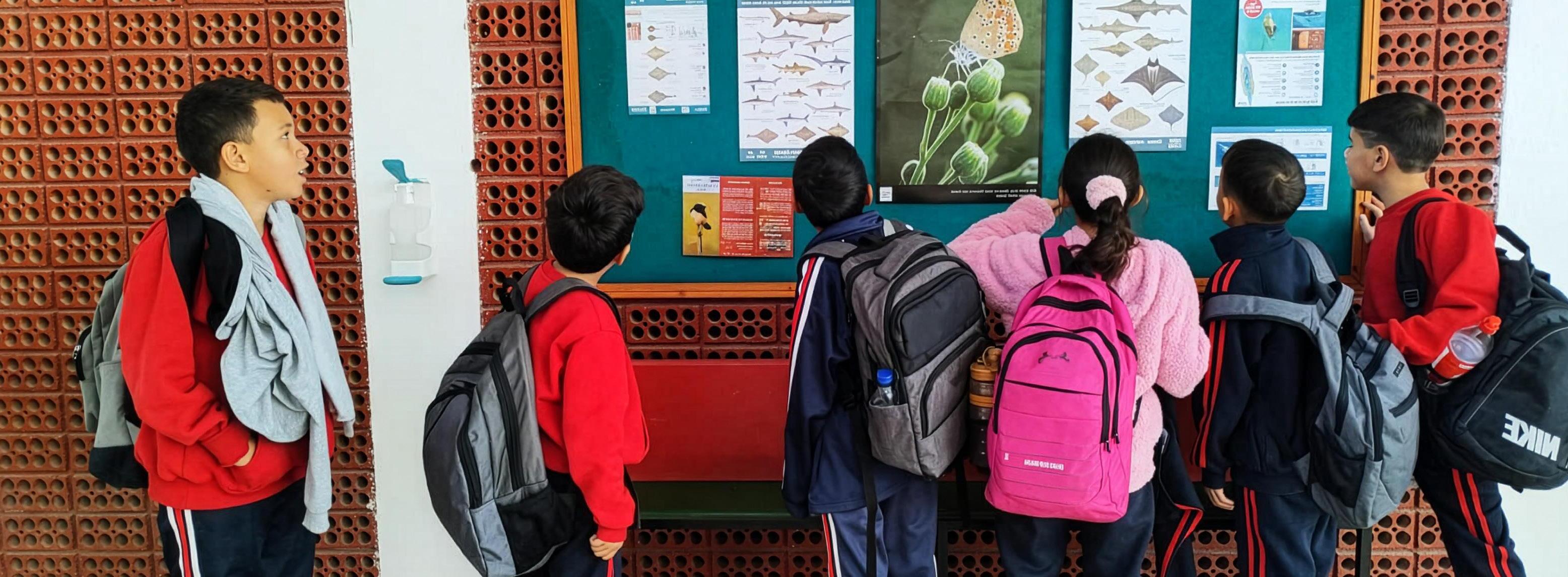
Northern Cyprus presents a unique set of geopolitical challenges for angel shark conservation, while the entire island is legally considered EU territory, EU law and benefits are suspended in the north.
REGION SUMMARY
Towards end of 2023, the trade of angel sharks was banned. Coupled with efforts of awareness raising through the project, there has been a relatively high level of engagement of fishers in best practice handling and release.
Alongside this, there has been a dramatic transition from open trade, with most angel sharks being retained for food or used for baiting longlines, to a wide recognition among fishers of their importance in fishery ecosystems and broad acceptance of safe handling and release.
Given the low mortality rates and a regional trawling ban, further spatial fishery restriction measures may not be needed providing that fishers can continue to disclose information confirming safe release.
Other threats, such as marine resource exploration, coastal development and pollution become more prevalent threats.
REGION CHARACTERISTICS
Species present
1. Squatina squatina
2. Squatina aculeata
3. Squatina oculata
Vessels
1 2 3
f 300-400 small-scale fishing vessels.
f Predominantly gill nets, trammel nets and longlines.
f Trawl and purse seine fishing are not permitted and there are no industrialised longline vessels.
Protections
f Various spatial protections (see technical report2).
f GFCM 42/2018/2.
KEY DELIVERABLES ACHIEVED
✔ Report published in collaboration with Enalia Physis and iSea NGO on critical habitats for angel sharks in Cyprus1
✔ Technical report on angel sharks caught in fisheries in Northern Cyprus published2
✔ Policy brief published and disseminated to the Department of Animal Husbandry3
✔ Advisory text and maps for marine areas of Akdeniz, Alagadi, Tatlısu, Karpaz North and Karpaz South Special Environment Protection Areas.
✔ Social media group for sharks and rays in North Cyprus developed.
✔ Records collected through the project underpinning the establishment of the Candidate Important Shark and Ray Area (ISRA) to full ISRA status in North Cyprus.
✔ Identification and reporting materials for all three species of angel sharks developed and distributed.
✔ Safe Release Animation for Angel Sharks produced in Turkish.
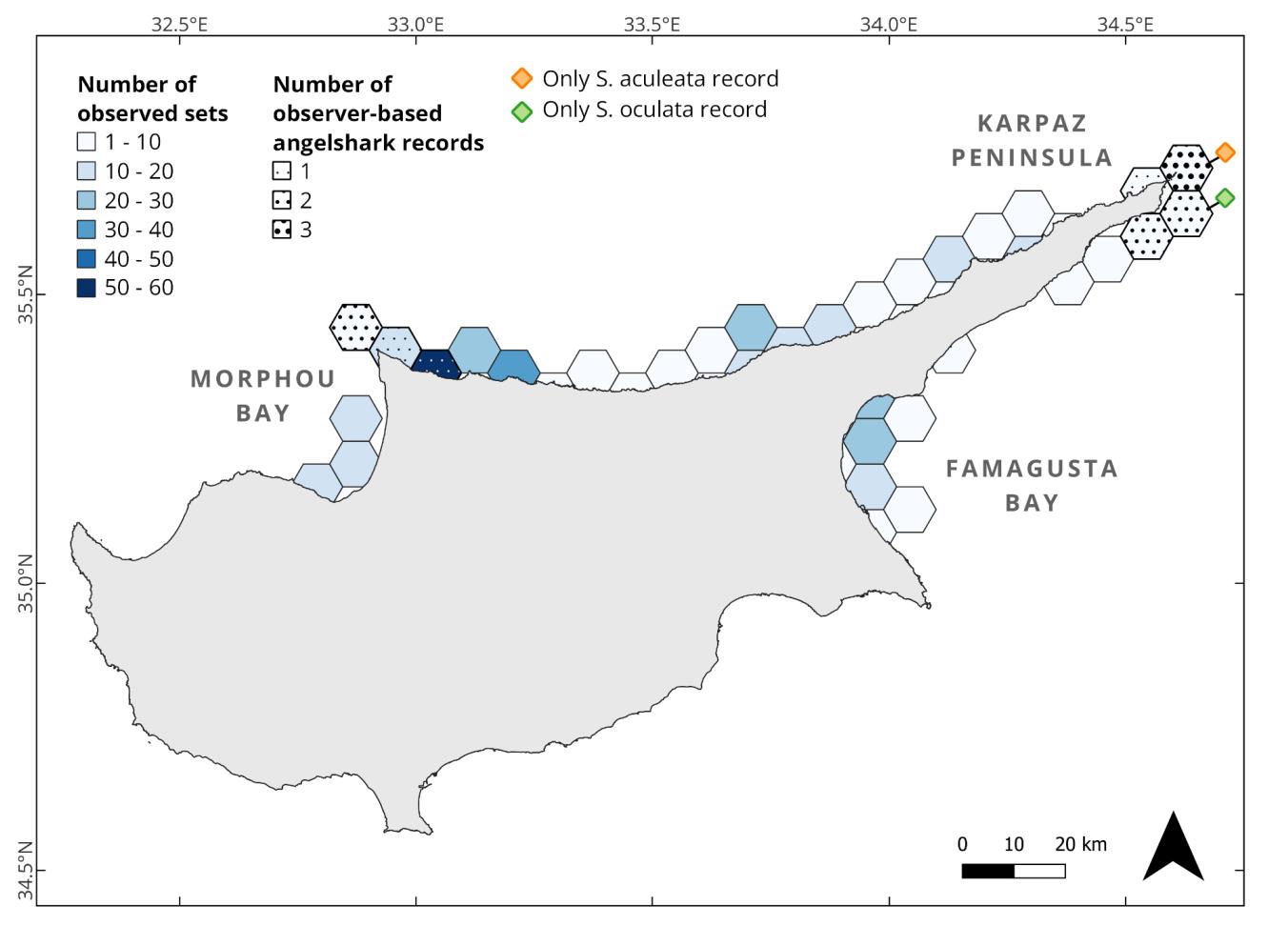
Figure 4. Observed sets and angel shark records. Yellow and green diamonds indicate single S. aculeata and S. oculata sightings by the onboard team.
© SPOT
| Damla Beton
ACTION PROGRESS FOR SubRAP OBJECTIVES
Reporting and monitoring in all segments of coastline is improved for the three species of angel shark.
Incidental catch of angel sharks by all fisheries is minimised. 1.2
Retention is reduced, and post release survival enhanced, through information, training, and education for fishers. 1.3
The extent of interaction between marine recreational fishing activities and angel sharks is ascertained and minimised.
Angel shark distribution is better understood.
The impact of non-fishing activities on angel sharks in the area is better understood.
Angel shark habitat is identified, specifically Critical Angel Shark Areas (CASAs).
Angel shark habitat is reflected in marine spatial planning and coastal development.
Angel sharks are protected by regional and national management measures. 3.1 Management measures are implemented and enforced. 3.2
CASAs are protected through appropriate spatial and/or temporal management of non-fishing as well as fishing activities. 3.3
NEXT STEPS
f Extend coverage of bycatch networks to areas without intensive fishing.
f New methods and technologies to be integrated with fisheries-dependent techniques to improve understanding of the species’ habitat use and conservation needs.
f Expansion of Special Environment Protection Area (SEPA) management plans and zones to protect angel sharks from wider threats, such as industry and marine resource exploitation.
f A potential mark-recapture and telemetry programme to determine survivorship and more detailed habitat use.
f Conservation planning should make use of angel shark records to inform updates to Restricted Fishing Area (RFA), ISRA and SEPA networks.
f Extend habitat survey coverage to undersurveyed areas, such as Kyrenia.
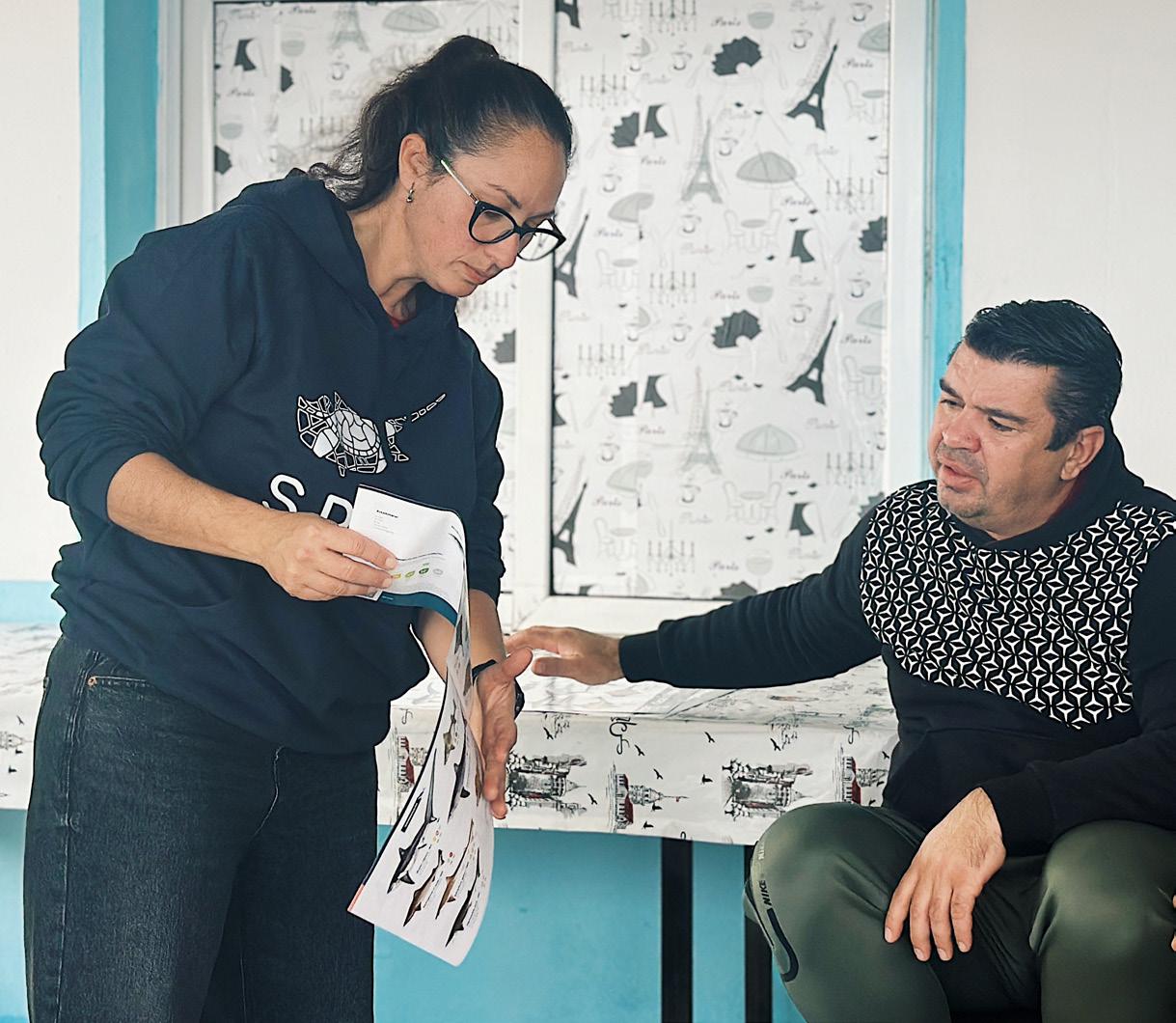
© Damla Beton
TÜRKIYE

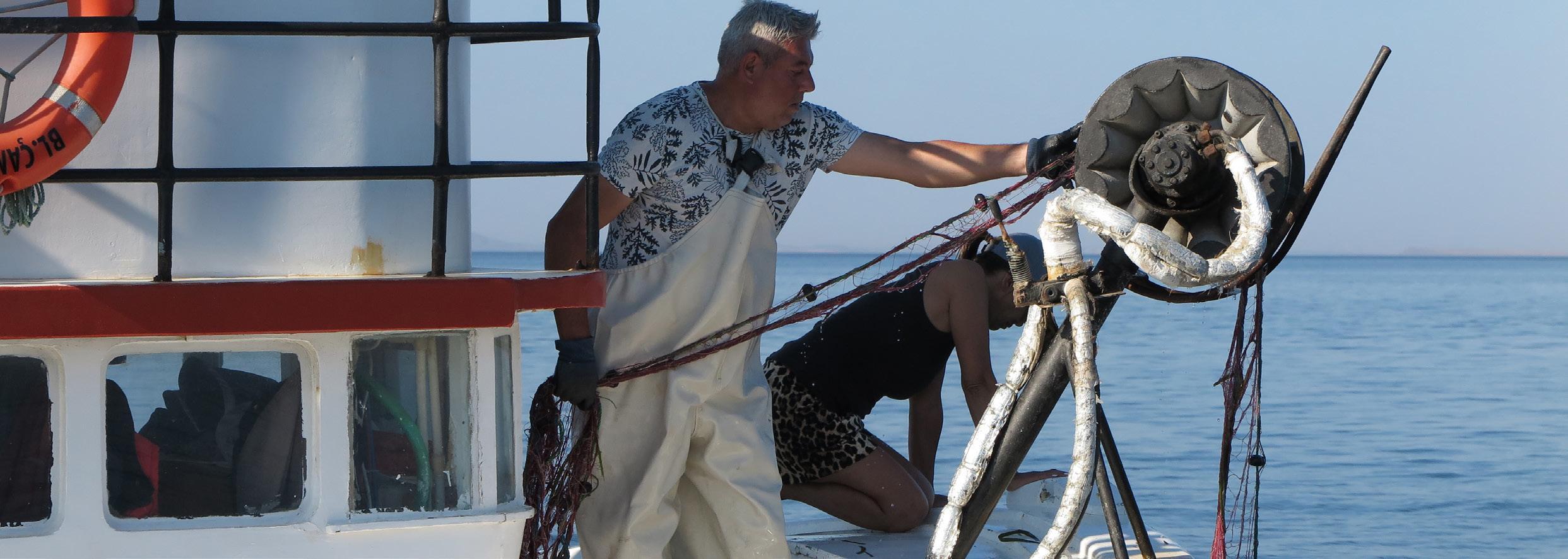
All three species of angel shark found in the Mediterranean have been shown to be present in Turkish waters, with three potential CASAs identified through the project.
REGION SUMMARY
Angel sharks began to be reported as a separate family in 1967; the remaining families of elasmobranchs are recorded under the umbrella terms ‘Köpek Balığı’ (‘dogfish’), or ‘vatoz’ (‘stingrays’). Angel shark records, however, are not species-specific, thus ongoing identification issues, and confusion with other look-alike species, such as guitarfishes, likely compound existing gaps in knowledge.
The Turkish coastline is an extensive area, covering the North Levant Sea (GSA 24), the Aegean Sea (GSA 22), the Sea of Marmara (GSA 28) and the Black Sea (GSA 29). This vast coastline, together with the large number of boats, and widespread landing sites makes monitoring and enforcement challenging.
Additionally, limited resources and lack of capacity of the authorities responsible for implementing, monitoring and enforcement has resulted in ineffective implementation of existing management measures.
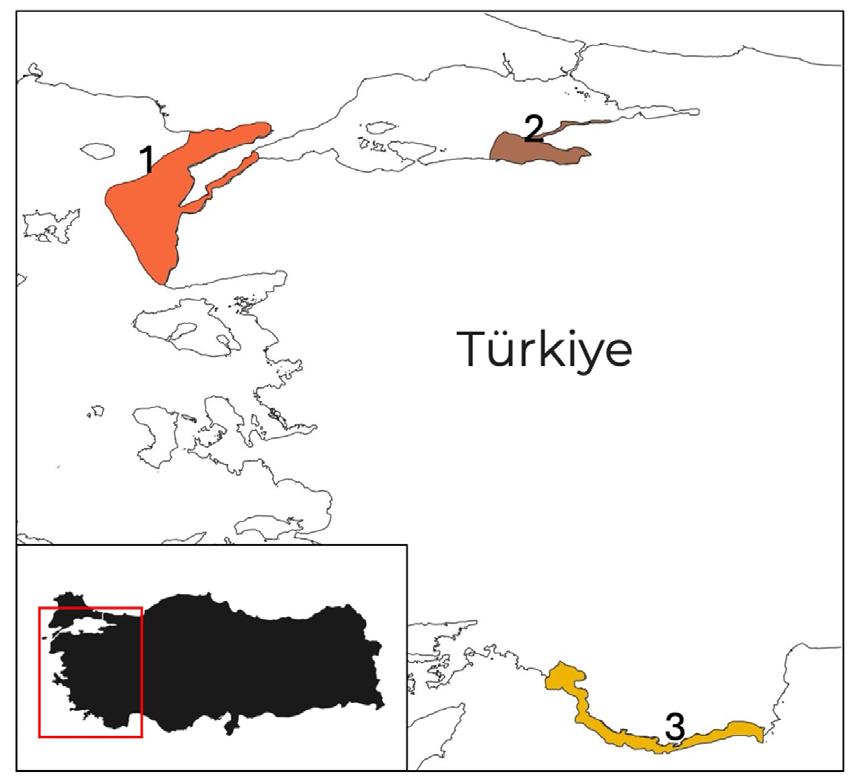
Figure 5. Locations of the three potential CASAs identified throughout the course of the project.
REGION CHARACTERISTICS
Species present
1. Squatina squatina
2. Squatina aculeata
3. Squatina oculata
Vessels
f Small-scale fleet consists of ~13,200 vessels1
f 90% of the Turkish fishing fleet is small-scale.
f Sector is shrinking. 1 2 3
Protections
f Fisheries Law No: 1380 of 1971.
f Communiqué 2018/19 updated Article 5 of the Turkish Prohibited Species lists (Communiqué 2016/35), prohibiting targeting and retention of all three species.
f GFCM 42/2018/2.
KEY DELIVERABLES ACHIEVED
✔ All three Squatina species listed on national legislation.
✔ Commercial fishers training programme delivered, with over 432 workshop attendees.
✔ Identification and reporting materials for all three species of angel sharks developed and distributed.
✔ Safe-release animation for angel sharks produced in Turkish.
✔ 82 fisheries observer trips undertaken.
✔ Three potential CASAs identified2,3
✔ Report on the extent and nature of interactions between recreational users and angel sharks produced4
✔ Critical analysis on each of the CASA areas conducted (report)5.
ACTION PROGRESS FOR SubRAP OBJECTIVES
Reporting and monitoring in all segments of coastline is improved for the three species of angel shark.
Incidental catch of angel sharks by all fisheries is minimised. 1.2
Retention is reduced, and post release survival enhanced, through information, training, and education for fishers. 1.3
The extent of interaction between marine recreational fishing activities and angel sharks is ascertained and minimised.
Angel shark distribution is better understood.
The impact of non-fishing activities on angel sharks in the area is better understood.
Angel shark habitat is identified, specifically Critical Angel Shark Areas (CASAs).
Angel shark habitat is reflected in marine spatial planning and coastal development.
Angel sharks are protected by regional and national management measures. 3.1 Management measures are implemented and enforced. 3.2
CASAs are protected through appropriate spatial and/or temporal management of non-fishing as well as fishing activities. 3.3
NEXT STEPS
f Ground truth potential CASAs identified throughout the course of the project, with continued engagement with small-scale fishers, and the spearfishing and recreational diver communities.
f Better understand connectivity between potential CASAs.
f Develop and publish SubRAP for the Sea of Marmara (GSA 28).
f Honour and enforce existing commitments, including recent expansion of Türkiye’s marine protected area network in the Aegean and Mediterranean.
f Investigate the level of alleged black market trade of angel sharks to Greece in the Aegean Sea.
f Hold meetings with relevant national fisheries ministers to present findings of the CASAs.
f Continued engagement with industry.
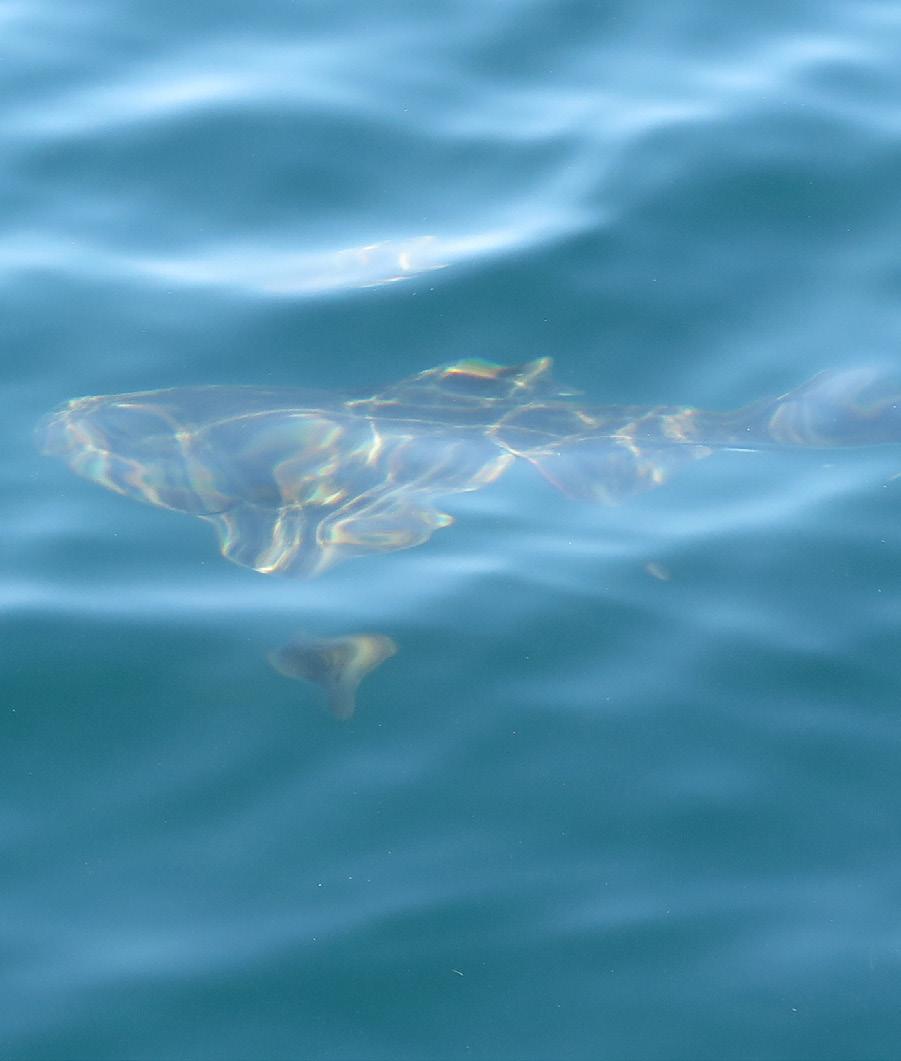
Squatina squatina © Àlex Bartolí
TUNISIA
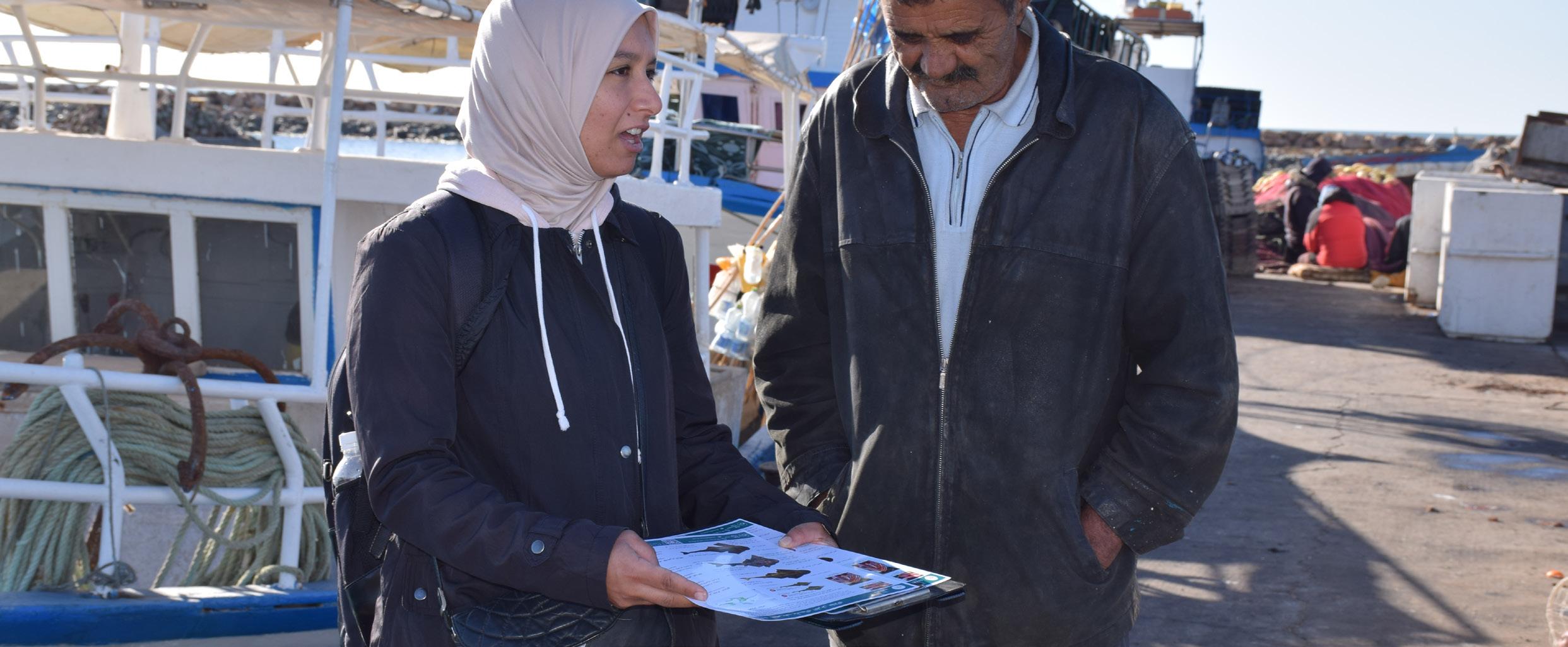
With 2,290 km of coastline, Tunisia has ten fishing ports where industrial vessels can be based, 23 coastal ports and eight additional landing points for artisanal fishing boats.
REGION SUMMARY
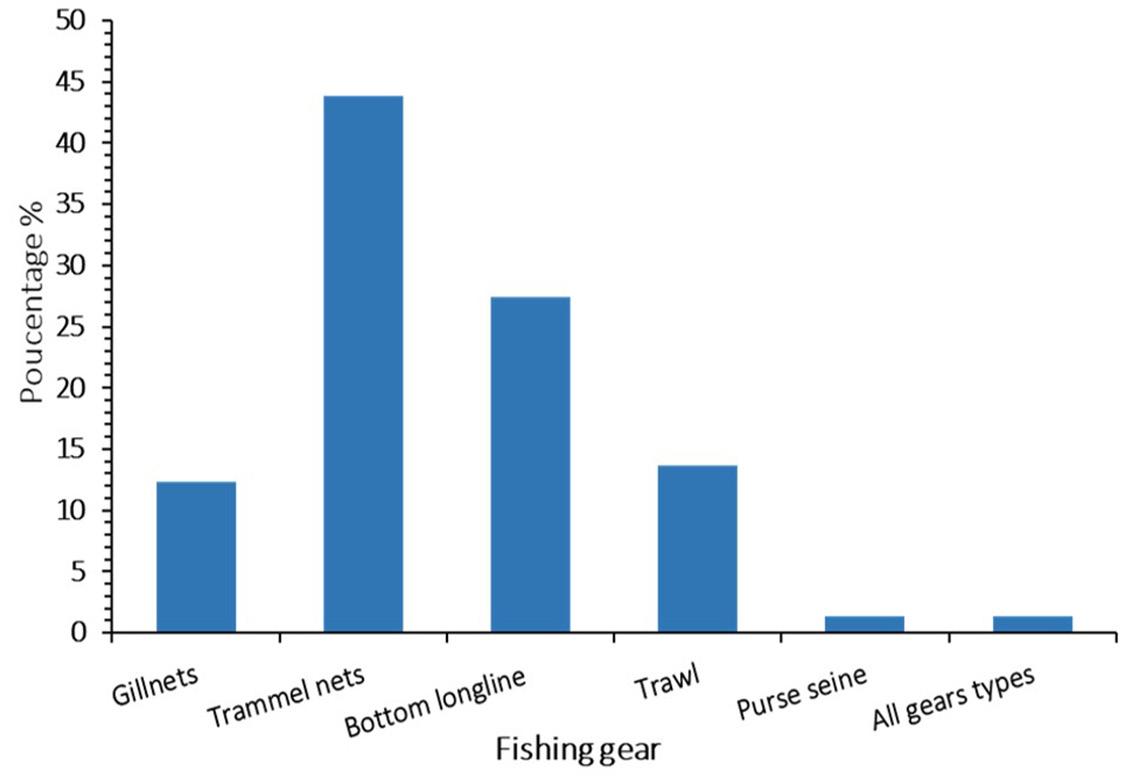
The Tunisian coastline is also home to numerous informal landing sites, which makes monitoring and enforcement challenging. Angel sharks are caught accidentally by all fleet segments, however most elasmobranchs are landed by small-scale vessels using gillnets, trammel nets and longlines, followed by bottom trawl1
Information on fishing activities, catch data, or incidental catches that should be recorded by the ship owner in the logbook are generally overlooked for angel sharks or placed in the miscellaneous categories. In addition, Arabic angel shark name “Sfen” is used also for other cartilaginous species such as guitarfish and rays, as such, increasing the unreliability of statistics registered in the landing ports. The monitoring of angel shark bycatch is further complicated by each of the three species’ overlapping ranges and morphological similarities.
REGION CHARACTERISTICS
Species present
1. Squatina squatina
2. Squatina aculeata
Vessels
3. Squatina oculata 1 2 3
f ~92% of the fishing fleet is made up of small-scale vessels.
f A variety of static and towed gear are used including trammel nets, gillnets, longlines, bottom trawls and purse seine2. Angel sharks are caught accidentally by all fleet segments.
Protections
f The protection of some species is ensured on a national level by the declaration of Law No. 94-13 of July 1994, and the Order of the Minister of Agriculture of September 28, 1995, regulating the practice of fishing activities.
f The only existing rule concerning elasmobranchs is the prohibition of landing rays (Raja spp.) below 40 cm length.
f GFCM 42/2018/2 still to be transposed into national legislation (see final point below).
KEY DELIVERABLES ACHIEVED
✔ Identification and reporting materials for all three species of angel sharks developed and distributed.
✔ Safe Release Animation for Angel Sharks produced in French and Arabic.
✔ Best practice handling guide for angel sharks and other elasmobranchs produced.
✔ SubRegional Action Plan for the Central Mediterranean Sea (GSAs 12/13/14) published in English, French and Arabic3
✔ Publication of report on the LEK data4
✔ 203 questionnaires completed with local fishers.
✔ Four workshops held for fishers and other local stakeholders, with a total of 250 attendees.
✔ 70 fishers engaged with the project.
✔ 90 onboard observation trips conducted (this may be removed) sharks and legislation.
✔ Ratification of national legislation: significant progress has been made on this issue following several discussions with the Directorate-General for Fisheries and Aquaculture. A specific decree concerning all species of sharks and rays will be published as soon as the administrative procedure is finalised.
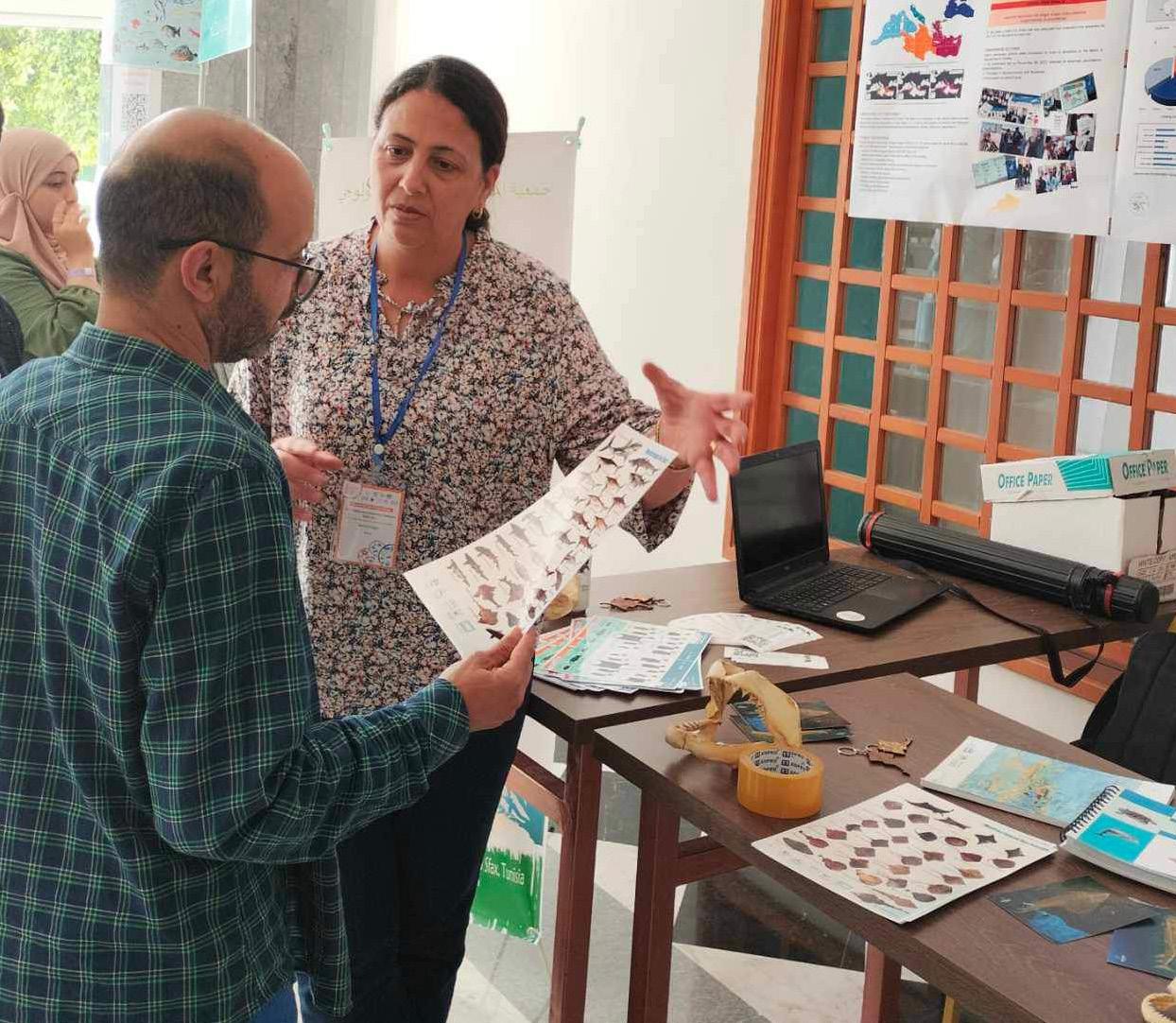
© Samira
Enajjar
Berioul
Figure 6. Fishing gears reported to cause angel shark captures, extracted from LEK Report.
ACTION PROGRESS FOR SubRAP OBJECTIVES
Reporting and monitoring in all segments of coastline is improved for the three species of angel shark.
Incidental catch of angel sharks by all fisheries is minimised.
Retention is reduced, and post release survival enhanced, through information, training, and education for fishers.
The extent of interaction between marine recreational fishing activities and angel sharks is ascertained and minimised.
Angel shark distribution is better understood.
The impact of non-fishing activities on angel sharks in the area is better understood.
Angel shark habitat is identified, specifically Critical Angel Shark Areas (CASAs).
Angel shark habitat is reflected in marine spatial planning and coastal development.
Angel sharks are protected by regional and national management measures.
Management measures are implemented and enforced.
CASAs are protected through appropriate spatial and/or temporal management of non-fishing as well as fishing activities.
NEXT STEPS
f Transpose GFCM/42/2018/2 into national legislation.
f Implement and enforce transposed legislation.
f Fulfil and implement obligations under CMS Appendix I and II listing and the CMS sharks MoU Annex 1.
f Encourage bycatch reporting.
f Improve species-specific landings reporting.
f Use fisheries data and other reporting methods to improve spatial data on distribution.
f Continued engagement with industry.
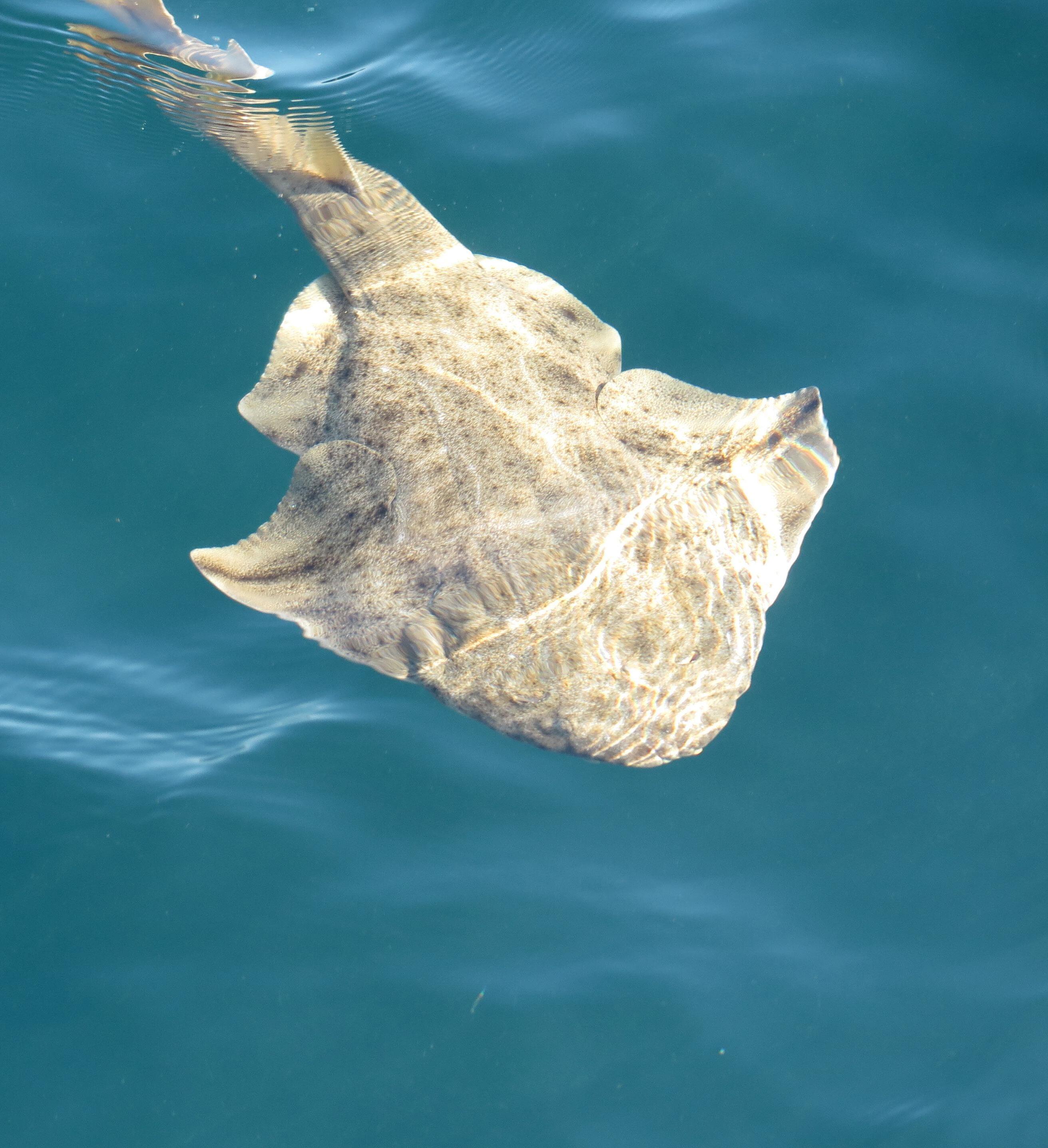
© Samira Enajjar
PUBLICATIONS/REPORTS
Giovos, I., Ciprian, M., Bartoli, A., Beton, D., Broderick, A.C, Brown, H., Bousquet, C., Charilaou, C., Giatroudaki, I., Gordon, C., Hood, A.R.,Kleitou, P., Meyers, E.K.M., Michail, C., Naasan Aga Spyridopoulou, R., Papageorgiou, M., Poursanidis, D., Snape, R.T.E. (2025). Spatial Distribution of Angel Sharks in Cyprus. iSea, Thessaloniki. Pp.36
McCann, A., Ciprian, M., Hood, A.R, Papageorgiou, M., Giovos, I. (2024) Legislative Framework for the Protection of Angel Sharks in the Republic of Cyprus. iSea, Greece, 33pp.
Beton, D., Oy, S., Snape., R (2026) Technical Report on Angel Sharks Caught in Fisheries in Northern Cyprus. Society for the Protection of Turtles (SPOT). Beton, D., Oy, S., Snape., R (2026) Policy brief for Northern Cyprus. Society for the Protection of Turtles (SPOT).
Ulman, A., Serin., B, Yildiz., T, Brown, H., Bartolí, A. (2025) Identifying Potential Critical Angel Shark Areas and perceived population shifts in the Sea of Marmara Using Local Ecological Knowledge & Shifting Baselines. (Submitted for review to Mediterranean Marine Science)
Ulman, A., Brown., H, Bartolí, A. (2026) Critical analysis on each of the CASA areas (Türkiye) At the Interface of Humans and Angel Sharks: An analysis of the nature of encounters between angel sharks and various marine user groups in Türkiye, excluding commercial fishers. Mersea Consulting.
Ulman, A., Yildiz., T., Brown., H, Bartolí, A. Properties of the Potential Critical Angel Shark Areas (CASAs) Found in Türkiye
Enajjar, S., Saidi, B., Mohamed Nejemeddine., B., Brown., H, Bartolí., A., Hood., A. (2025) Mediterranean Angel Sharks: SubRegional Action Plan (SubRAP), GSAs 12/13/14 (Central Mediterranean Sea)
Enajjar., S (2026) Assessment of Angel Sharks’ Status along the Tunisian Coast, based on Local Ecological Knowledge (LEK)
ARCHIVE
Mediterranean Angel Sharks: Regional Action Plan and SubRegional Action Plans
Gordon, C.A., Hood, A.R., Al Mabruk, S. A. A., Barker, J., Bartolí, A., Ben Abdelhamid, S., Bradai, M.N., Dulvy, N.K., Fortibuoni, T., Giovos, I., Jimenez Alvarado, D., Meyers, E.K.M., Morey, G., Niedermuller, S., Pauly, A., Serena, F. and Vacchi, M. (2019). Mediterranean Angel Sharks: Regional Action Plan. The Shark Trust, United Kingdom. 36 pp.
Gordon, C., Hood, A., Giovos, I., Naasan Aga-Spyridopoulou, R., Öztürk, A., Cahide, Cigdem & Yigin., Fakıoğlu, E., Ibrahim, D., Oruc, A., Niedermüller, S. (2020). Mediterranean Angel Sharks: SubRegional Action Plan (SubRAP) GSAs 22/23 (Aegean Sea and Crete).
Bengil, E., Godley, B., Gillham., R., Hood, A., Snape, R. (2021). Mediterranean Angel Sharks: SubRegional Action Plan (SubRAP) GSA 25 (Cyprus – Northern Cyprus).
Giovos, I., Gillham., R., Hadjioannou, L., Hood, A., Kleitou, P., Naasan Aga – Spyridopoulou, R., Papageorgiou, M., (2021). Mediterranean Angel Sharks: SubRegional Action Plan (SubRAP) GSA 25 (Cyprus – Republic of Cyprus).
Al Mabruk, S., Barker., J., Gillham, R., Giovos, I., Hood, A., Jiménez-Alvarado, D., Meyers, E. (2021). Mediterranean Angel Sharks: SubRegional Action Plan (SubRAP) GSA 21 (Southern Ionian Sea).
Fakıoğlu, E., Gillham, R., Hood, A., Kabasakal, H., Oruc, A., Ozturk, A., Ulman, A. (2021). Mediterranean Angel Sharks: SubRegional Action Plan (SubRAP) GSA 24 (Northern Levant Sea).
Enajjar, S., Bechir, S., Nejemeddine, B.M., Brown, H., Bartolí, À., Hood, A. (2025). Mediterranean Angel Sharks: SubRegional Action Plan (SubRAP) GSAs 12/13/14 (Central Mediterranean Sea).
FOOTNOTES
Republic of Cyprus
1FAO. 2025. The State of Mediterranean and Black Sea Fisheries 2025. General Fisheries Commission for the Mediterranean. Rome. https://doi.org/10.4060/cd7701en
2Giovos, I., Ciprian, M., Bartoli, A., Beton, D., Broderick, A.C, Brown, H., Bousquet, C., Charilaou, C., Giatroudaki, I., Gordon, C., Hood, A.R., Kleitou, P., Meyers, E.K.M., Michail, C., Naasan Aga Spyridopoulou, R., Papageorgiou, M., Poursanidis, D., Snape, R.T.E. (2025). Spatial Distribution of Angel Sharks in Cyprus. iSea, Thessaloniki. Pp.36
3McCann, A., Ciprian, M., Hood, A.R, Papageorgiou, M., Giovos, I. (2024) Legislative Framework for the Protection of Angel Sharks in the Republic of Cyprus. iSea, Greece, 33pp.
Northern Cyprus
1Giovos, I., Ciprian, M., Bartoli, A., Beton, D., Broderick, A.C, Brown, H., Bousquet, C., Charilaou, C., Giatroudaki, I., Gordon, C., Hood, A.R., Kleitou, P., Meyers, E.K.M., Michail, C., Naasan Aga Spyridopoulou, R., Papageorgiou, M., Poursanidis, D., Snape, R.T.E. (2025). Spatial Distribution of Angel Sharks in Cyprus. iSea, Thessaloniki. Pp.36
2Beton, D., Oy, S., Snape., R (2026) Technical Report on Angel Sharks Caught in Fisheries in Northern Cyprus. Society for the Protection of Turtles (SPOT). Beton, D., Oy, S., Snape., R (2026) Policy brief for Northern Cyprus. Society for the Protection of Turtles (SPOT).
3Beton, D., Snape., R. (2026) Policy Brief, A Haven for Angel Sharks In the Mediterranean: Safeguarding the angels of Northern Cyprus. Türkiye
1FAO. 2025. The State of Mediterranean and Black Sea Fisheries 2025. General Fisheries Commission for the Mediterranean. Rome. https://doi.org/10.4060/cd7701en
2Ulman et al., 2024. Identifying Potential Critical Angel Shark Areas in Türkiye, Eastern Mediterranean Based on New Records of Squatina spp. Identified through Fisher Engagement
3Ulman et al., 2025. Identifying Potential Critical Angel Shark Areas and perceived population shifts in the Sea of Marmara Using Local Ecological Knowledge & Shifting Baselines (In Press)
4Ulman et al., 2025. At the Interface of Humans and Angel Sharks: An analysis of the nature of encounters between angel sharks and various marine user groups in Türkiye, excluding commercial fishers.
5Ulman et al., 2026. Properties of the Potential Critical Angel Shark Areas (CASAs) Found in Türkiye
Tunisia
1Samira Enajjar, Bechir Saidi and Mohamed Nejmeddine Bradai, 2022, Chapter: Elasmobranchs in Tunisia: Status, Ecology, and Biology. https://www.intechopen.com/chapters/84781
2Enajjar S., Bradai M.N. and Saidi B. 2024. Mediterranean and Black Seas: Tunisia section. In: Jabado, R.W., A.Z.A. Morata, R., Bennett, B., Finucci, J., Elllis, S., Fowler, M., Grant, A.P.B., Martins and S., Sinclair (Eds.). The Global Status of Sharks, Rays, and Chimaeras. IUCN/SSC Shark Specialist Group. IUCN, Gland, Switzerland and Cambridge, UK.
3Enajjar, S., Saidi, B., Mohamed Nejemeddine., B., Brown., H, Bartolí., A., Hood., A. (2025) Mediterranean Angel Sharks: SubRegional Action Plan (SubRAP), GSAs 12/13/14 (Central Mediterranean Sea)
4Enajjar., S. 2026. Assessment of Angel Sharks status along Tunisian coast based on local ecological knowledge (LEK)
THE SHARK TRUST
4 Creykes Court, The Millfields, Plymouth, PL1 3JB, UK
www.sharktrust.org enquiries@sharktrust.org Charity No. 1064185 / Company No. 3396164
Illustrations by Marc Dando: Squatina squatina, Squatina aculeata, Squatina oculata.
Squatina squatina © Àlex
Bartolí