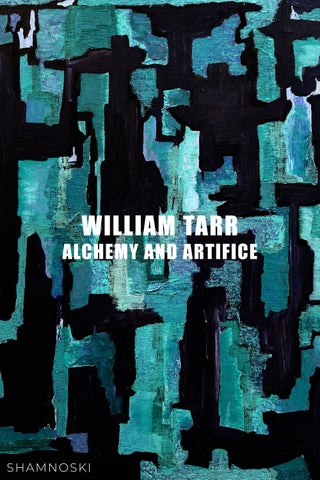
WILLIAM TARR ALCHEMY AND ARTIFICE
WILLIAM TARR ALCHEMY AND ARTIFICE
May 14th to June 20th, 2026
SHAMNOSKI
I first encountered the work of William Tarr at the 2024 Hamptons Fine Art Fair, where his son, Nick Tarr, had mounted a booth with a clear and ambitious aim of reintroducing his father’s work to the public, and to begin correcting what could only be described as a significant oversight. The presentation was thoughtful, rigorous, and, above all, convincing. It made an immediate case, not only for the strength of the work itself, but for the urgency of its reexamination.
I was introduced to Nick by Regina Cherry, who is known to be a steadfast advocate for artists and their estates. She is also someone whose instincts I trust. After a brief conversation and an initial look at the work, I agreed to visit and see more. As is often the case in the wake of a fair, that intention was temporarily lost in the shuffle, but resurfaced months later when I ran into Nick again at an exhibition at Ashawagh Hall. We made a point to reconnect. Not long after, on an otherwise unrelated trip out to Montauk, I called Nick on short notice to see if he might be available for a visit. Fortunately for me, he was. What I encountered upon arriving was far more than I expected. His garage had been transformed into a dense, carefully organized presentation of Tarr’s work. Spanning decades and media, from works on paper to monumental sculpture. Seen as a body of work, the scope of William Tarr’s practice became immediately clear. The throughline, the consistency of vision, and the seriousness of the work lingered in my mind for weeks after.
After that visit, I told Nick that I was sufficiently impressed, and that I would be interested in working together. Though at the time, I was uncertain in what capacity, but I offered what I could; to present the work online, bring it to art fairs, and to see where things might lead.
That was nearly two years ago. Since then, after a serious of fair booths and continued collaboration, that initial conversation has evolved into the exhibition presented here –the first solo presentation of William Tarr’s work in decades.
Getting to know Tarr’s work alongsinde Nick and his wife, Maria, has been a true pleasure. More than that, it has been a reminder that the stewardship of an artist’s legacy is not an abstract exercise, but a personal one. To me, there are few things more rewarding than witnessing the response of those closest to an artist as the work begins to find its audience again. All those years of effort begin to cohere into momentum. I am grateful not only for their trust and support of me and my gallery, but for their friendship. Some of the most memorable evenings over the past two years have been spent in their company – most often with Regina Cherry as well – talking late into the night about art, artists, and the history of the East End. Relaunching the career of an artist is never straightforward. It requires persistence, belief, and above all, the commitmenet of those who have carried the work forward. In the case of William Tarr, that effort has been both visible and deeply felt. Alchemy and Artifice is not simply a presentation of mere paintings and sculpture, but the culmination of that ongoing process.
- Matthew Shamnoski
William Tarr
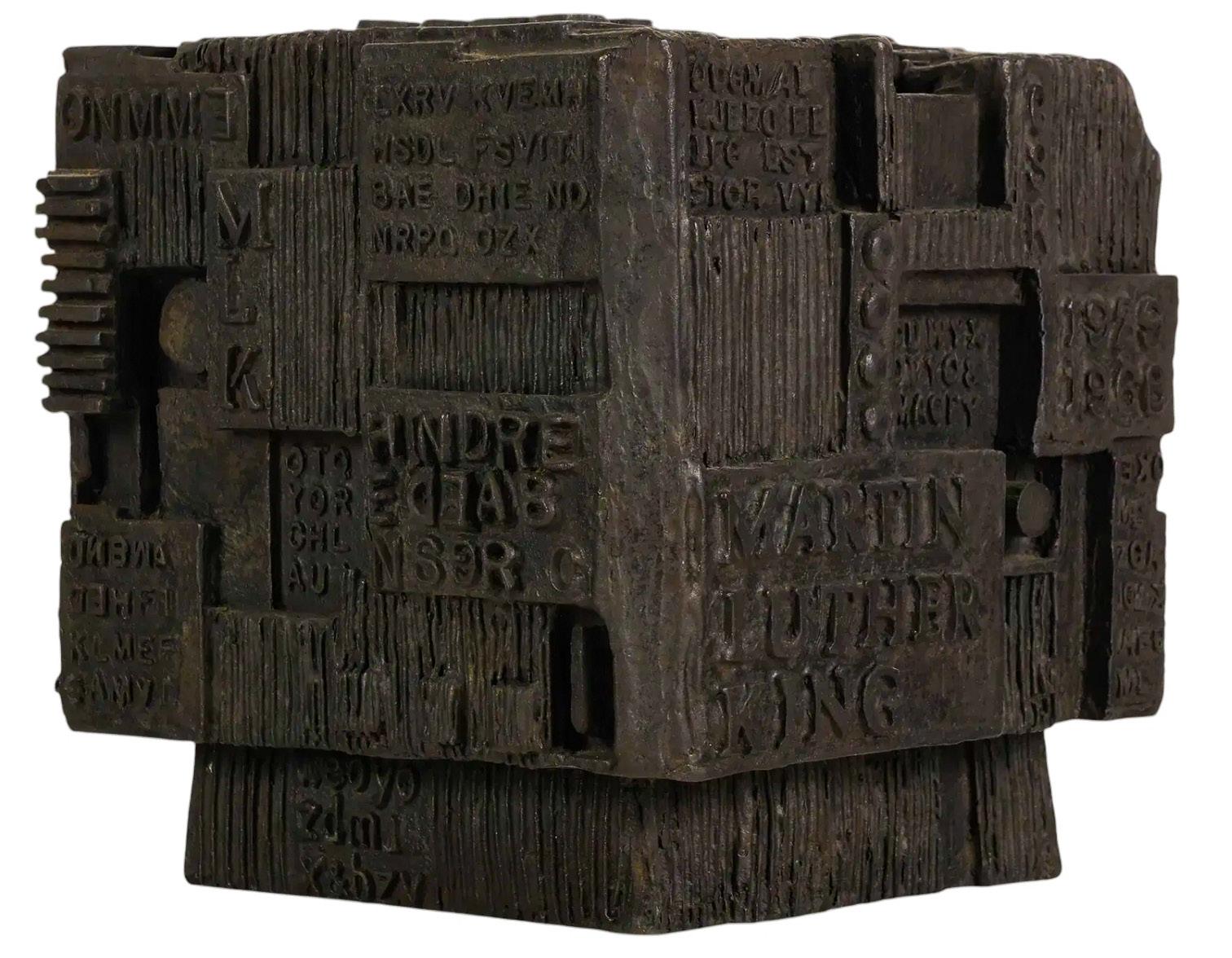
Martin Luther King Jr. Memorial Maquette, 1970
Cast bronze
7 1/2 x 7 x 7 in
ALCHEMY AND ARTIFICE
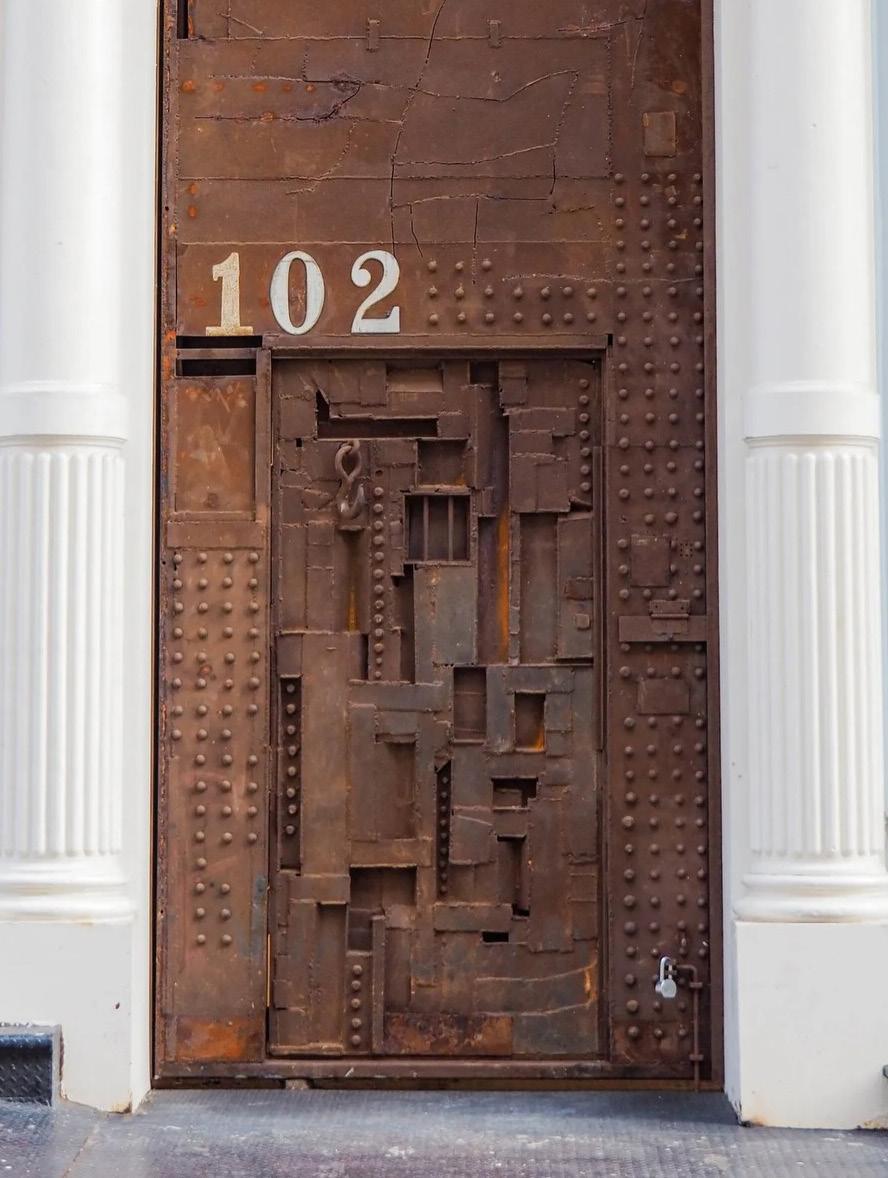
William Tarr’s (1925 - 2006) work is inseparable from New York. The city was not simply a site of exhibition, but a site of labor, invention, and a part of Tarr’s fascinating and varied lived experience. In the late 1960s, Tarr established his studio at 102 Greene Street in SoHo, then a neighborhood defined less by galleries than by fabrication, storage, and industrial use. The building itself was essentially rebuilt by Tarr’s hand. Electricity was rewired, floors and walls restructured, and the space adapted, in a way collapsing any clear distinction between studio and sculpture. This is not incidental. Tarr’s work consistently resists the idea of sculpture as a discrete object, instead situating it within a broader logic of construction.
His early inclusion in the Whitney’s 1962 Annual Exhibition places him within the immediate orbit of postwar American abstraction, yet his work does not comfortably align with its dominant trajectories. Where Abstract Expressionism privileged gesture, and Minimalism later embraced reduction, Tarr remained committed to a more resistant model of making, in which form is not declared, but wrestled into existence. He noted, a work of art must “abrade against something” in order to hold meaning.
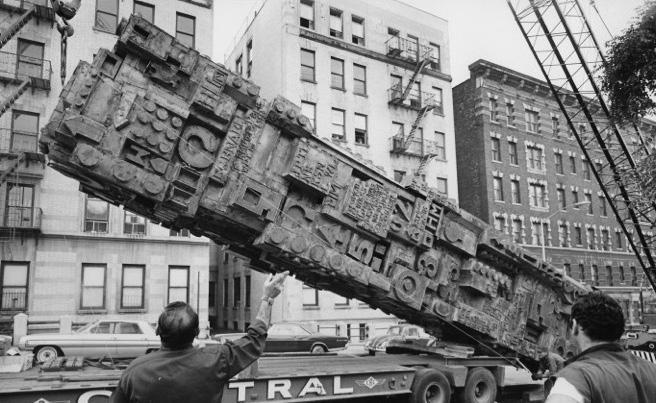
One of the clearest expressions of this approach is Morningside Heights (1967), one of Tarr’s most significant public works. Installed in Upper Manhattan, the sculpture entered into direct contact with its environment, accumulating use and interaction over time. It was climbed by children, occupied by pigeons, and absorbed into the life of the neighborhood. Rather than resisting these conditions, Tarr both anticipated and, in a way, encouraged it. The work does not present itself as autonomous, but rather functions instead as a structure within a social field that is activated through proximity and interaction.
That engagement extended beyond the work itself. During his years living and working in Harlem, Tarr became deeply embedded in the surrounding community, frequently employing local Harlem residents and forming direct relationships that informed both his life and his work. Tarr made a point to not be peripheral, but participatory in the surrounding area. He was an artist working within the world around him.
Materially, Tarr’s sculptures operate through accumulation and tension. Welded steel elements which are often salvaged or industrial in origin, are assembled into vertical, and sometimes precarious configurations that resist immediate legibility. These pylons and do not resolve into singular forms so much as hold together competing forces of weight and balance, compression and extension, mass and void. At times they can read as architectural fragments. At others, they read as totemic constructions or hybridized bodies. Like the method of collage, Tarr’s act of joining carries similar effect with each weld being a structural decision as much as a compositional one.
Tarr’s later development does not so much shift mediums as it intensifies his engagement with structure and material. The works included are primarily steel and bronze, alongside paintings and works on paper. They underscore a consistent logic across scale and medium.
In the sculptures, form is achieved through accumulation and balance with each welded joint registering as both a structural necessity and a compositional decision. At times, these accumulations push the material beyond its expected limits, producing surfaces and configurations that feel unexpectedly fluid or malleable, as though the steel itself were in a state of transformation. In the two-dimensional works, that same thinking is translated into line and geometry: jagged strokes, cones, and rectilinear forms recur as organizing elements, suggesting ecosystems and interconnectivity. Across media, Tarr approaches form as something constructed rather than conceived which he arrives at through adjustment, resolution, and sometimes force.
The exhibition’s title, Alchemy and Artifice, points to a tension within Tarr’s practice that is more dialectical than descriptive. His work is undeniably alchemical in its transformation of raw material—steel into structure, weld into fluid—but more importantly, into something that resists its own material identity. Tarr’s steel does not always read as steel. Through the use of continuous weld and acetylene torch cuts it appears to gather, fold, and pool in ways that suggest liquidity, density, or even organic growth, destabilizing the viewer’s expectation of the medium. Tarr’s background as a former professional magician and authority on the subject seems to have not aligned him with illusion but rather it appears to have produced the opposite effect: a skepticism toward it. And yet, paradoxically, it is precisely this skepticism that allows for a different kind of magic to emerge, rooted not in deception, but in transformation. His sculptures do not disguise their construction, but rather underline it. The seams are visible, the joins explicit, the labor undeniable. The “magic,” if there is any, lies not in concealment, but in the artist’s ability to transmute industrial material into something that feels at times fluid or even improbable. Tarr’s sculptures are an alchemy achieved through process rather than illusion.
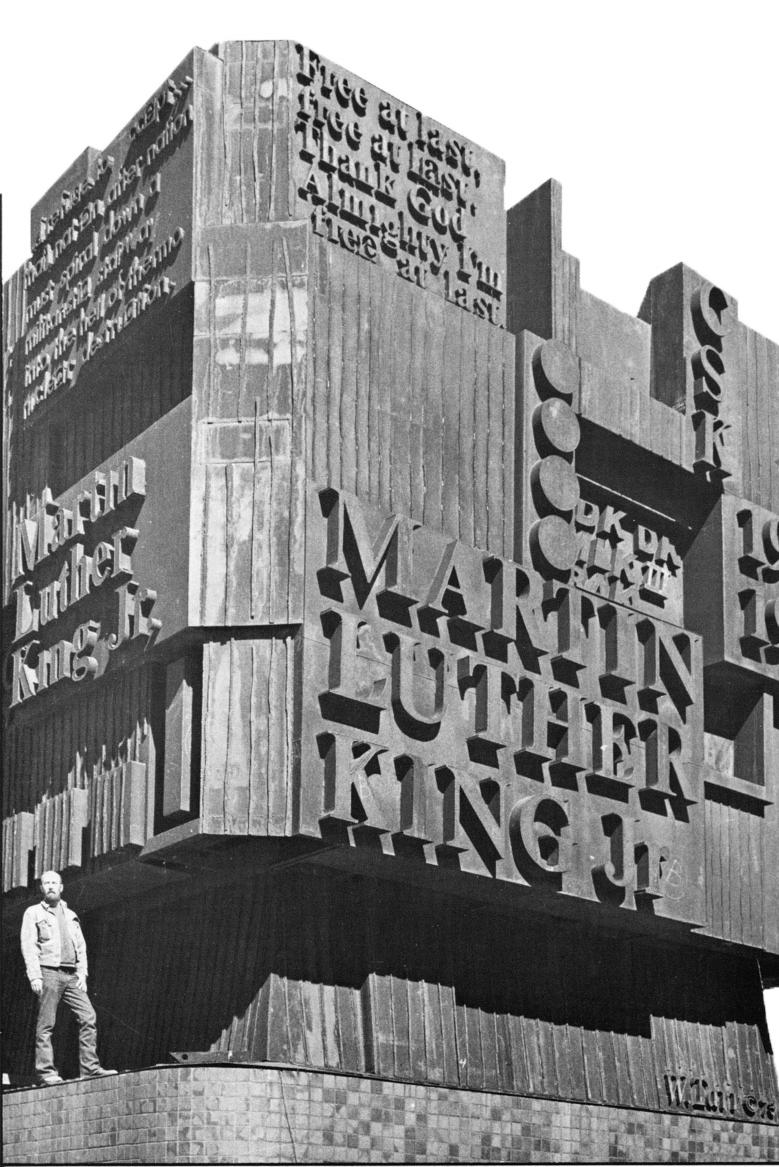
At the center of the exhibition are maquettes for Gates and the MLK Jr. Memorial, both of which extend Tarr’s concerns into the realm of monumentality. In each case, Tarr is faced with the challenge of how to render historical and social significance through structure, as opposed to only image.
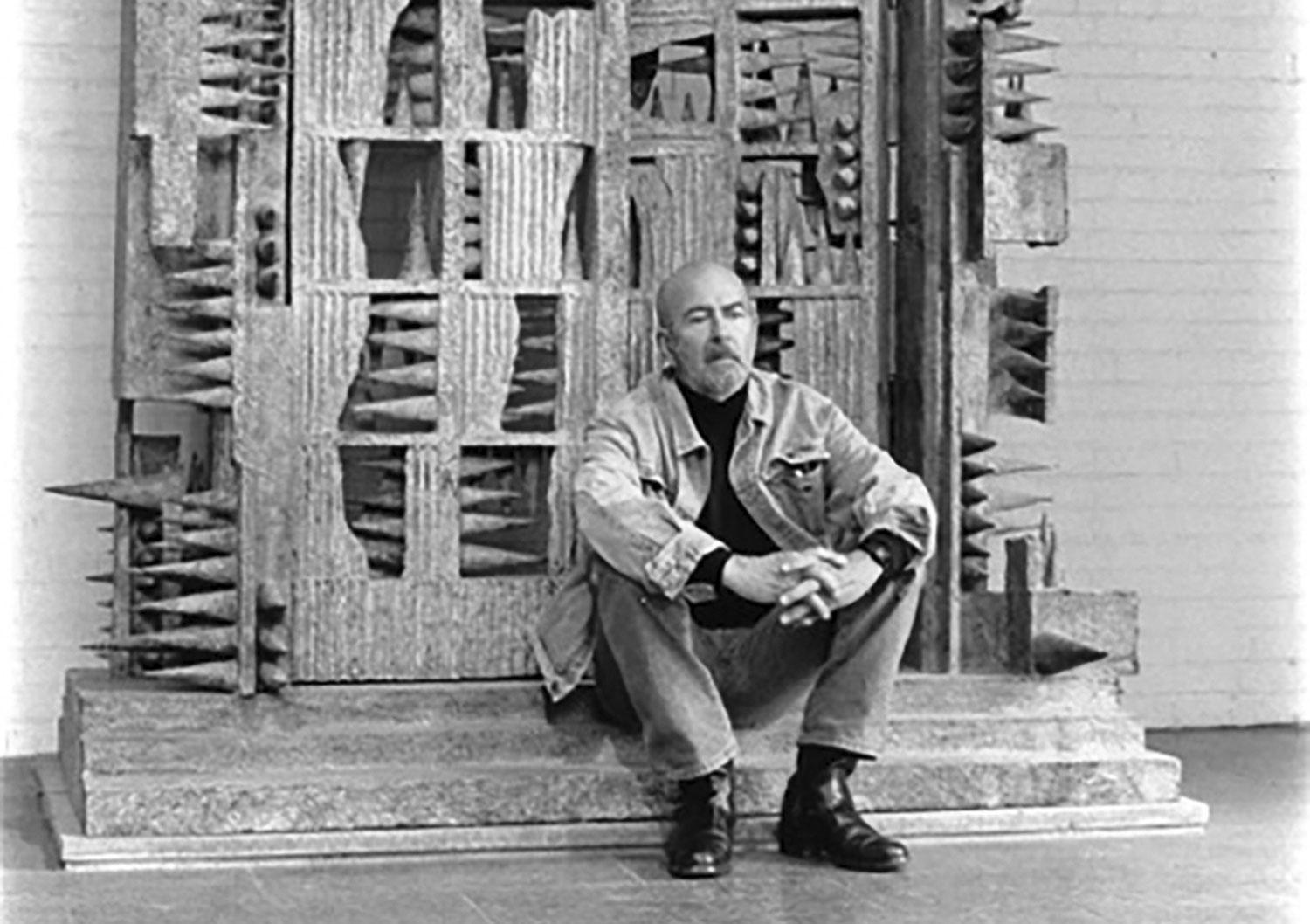
The Gates, in particular, engage a long sculptural lineage of Rodin’s Gates of Hell while rejecting its figurative strategies, producing instead a field of tension and obstruction. The MLK Jr. memorial operates through accumulation and affixion of inscriptions, meaningful letters and numerals, and massive structural density.
Tarr’s eventual move to East Hampton marked a shift in environment, but not in method. With greater space and distance from the the city, his work continued to evolve while maintaining its core principles. The change in setting allowed for new approaches to scale and configuration, but his underlying commitment to process, resistance, and material truth remained constant.
If William Tarr’s work has remained peripheral to dominant art historical narratives, it is not due to a lack of coherence or ambition, but to its own refusal to align with the frameworks through which those narratives are typically constructed. Tarr’s practice operates in a space that is at once adjacent to and independent from movements that defined his era. What emerges instead is a body of work that insists on its own terms: materially grounded, structurally rigorous, and shaped by a sustained engagement with the conditions of its making.
-Matthew Shamnoski
“I have always believed that during the course of its birth, a work of art has to abrade against something. When it happens too easily, too effortlessly, it tends to be vacuous... a drama that has no conflict.”
- William Tarr
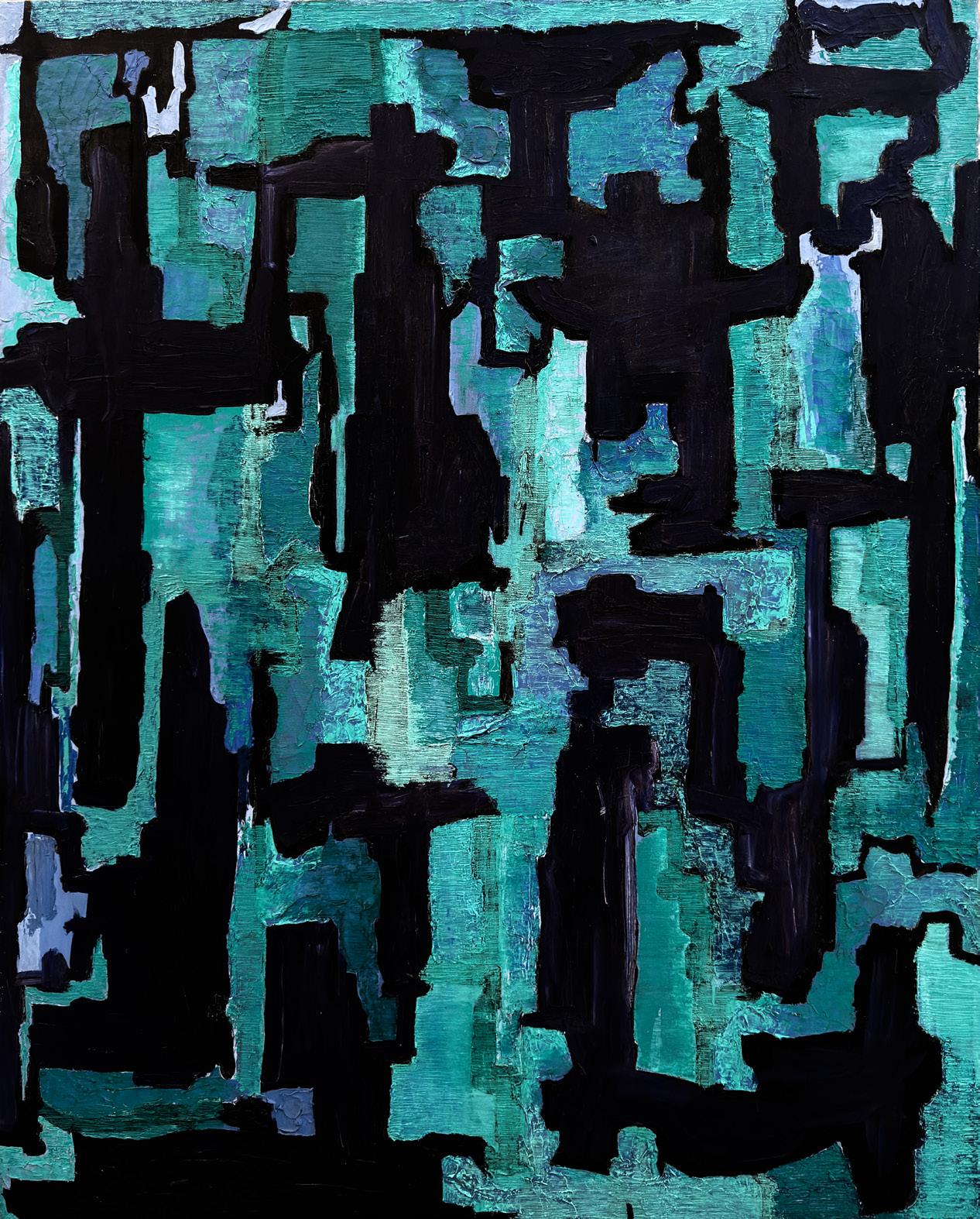
60 x 48 in
William Tarr
Untitled, 1959
Oil on canvas
“...art is a personal manifestation, and contorting or compromising one’s feelings to conform to another’s ideas is the antithesis of how art is made.
- William Tarr
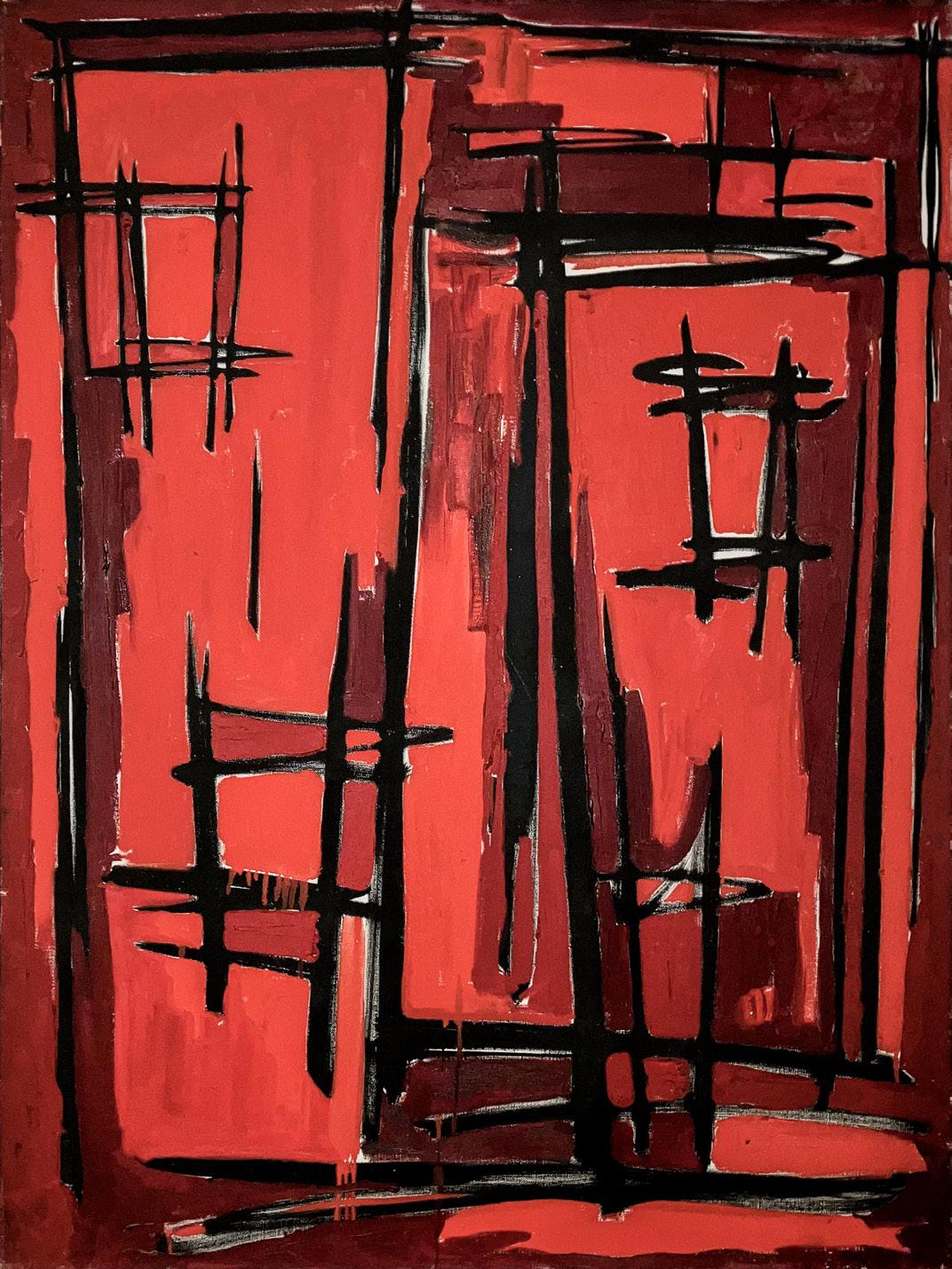
40 1/4 x 30 in
William Tarr
Untitled, 1959
Oil on canvas
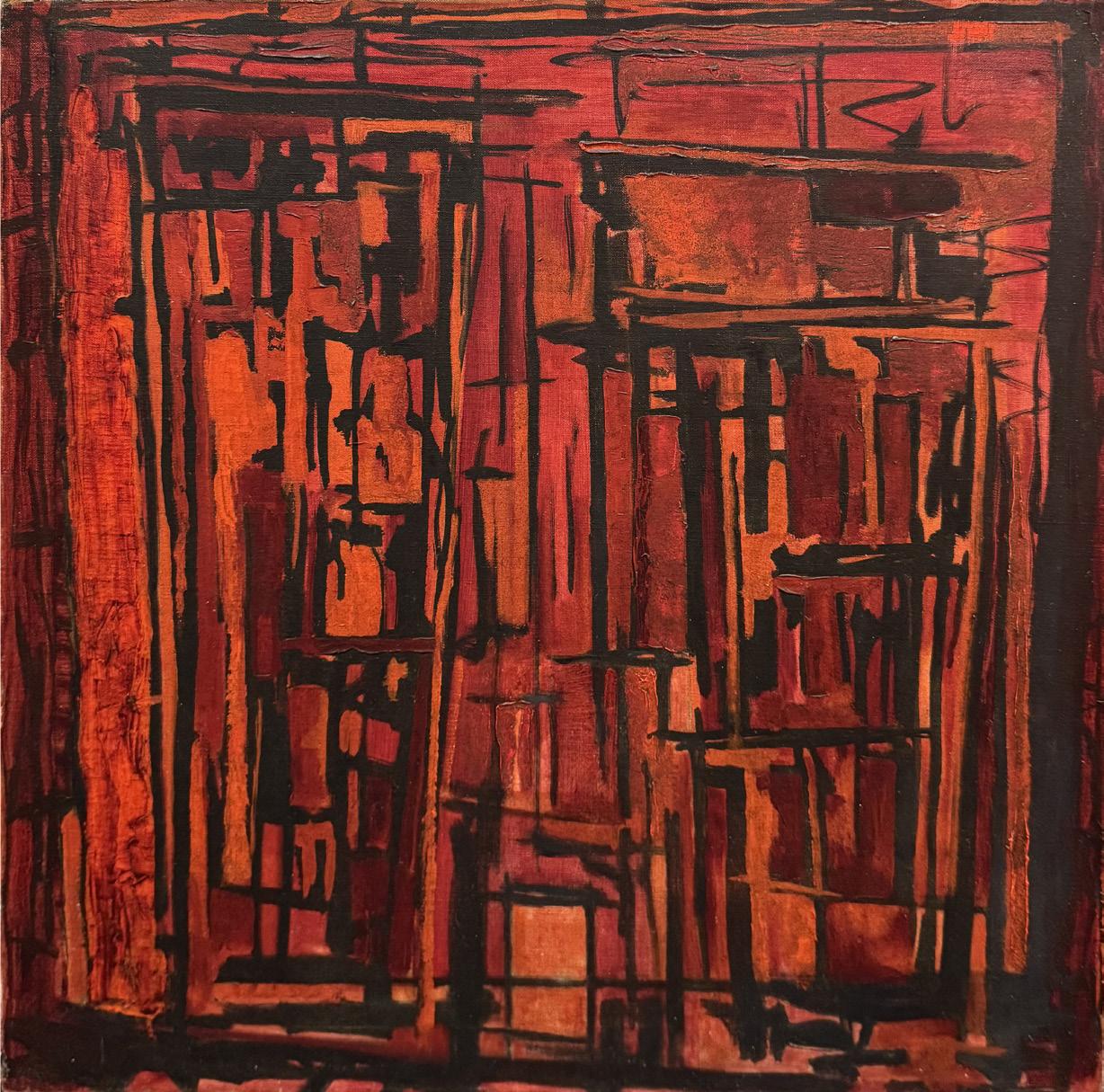
23 7/8 x 23 7/8 in
William Tarr
Untitled, 1957
Oil on canvas
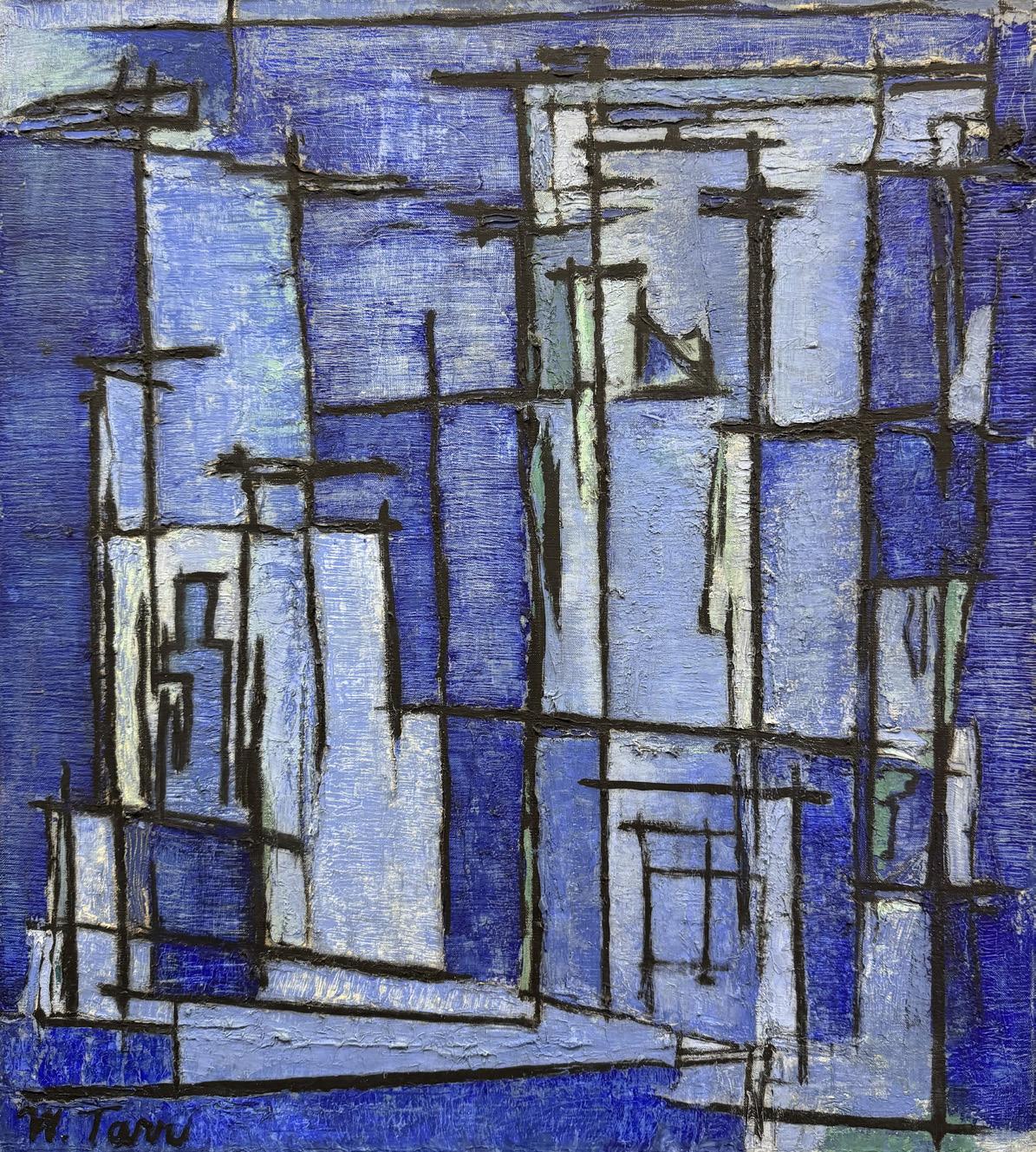
26 1/8 x 24 1/8 in
William Tarr
Untitled, 1958
Oil on canvas
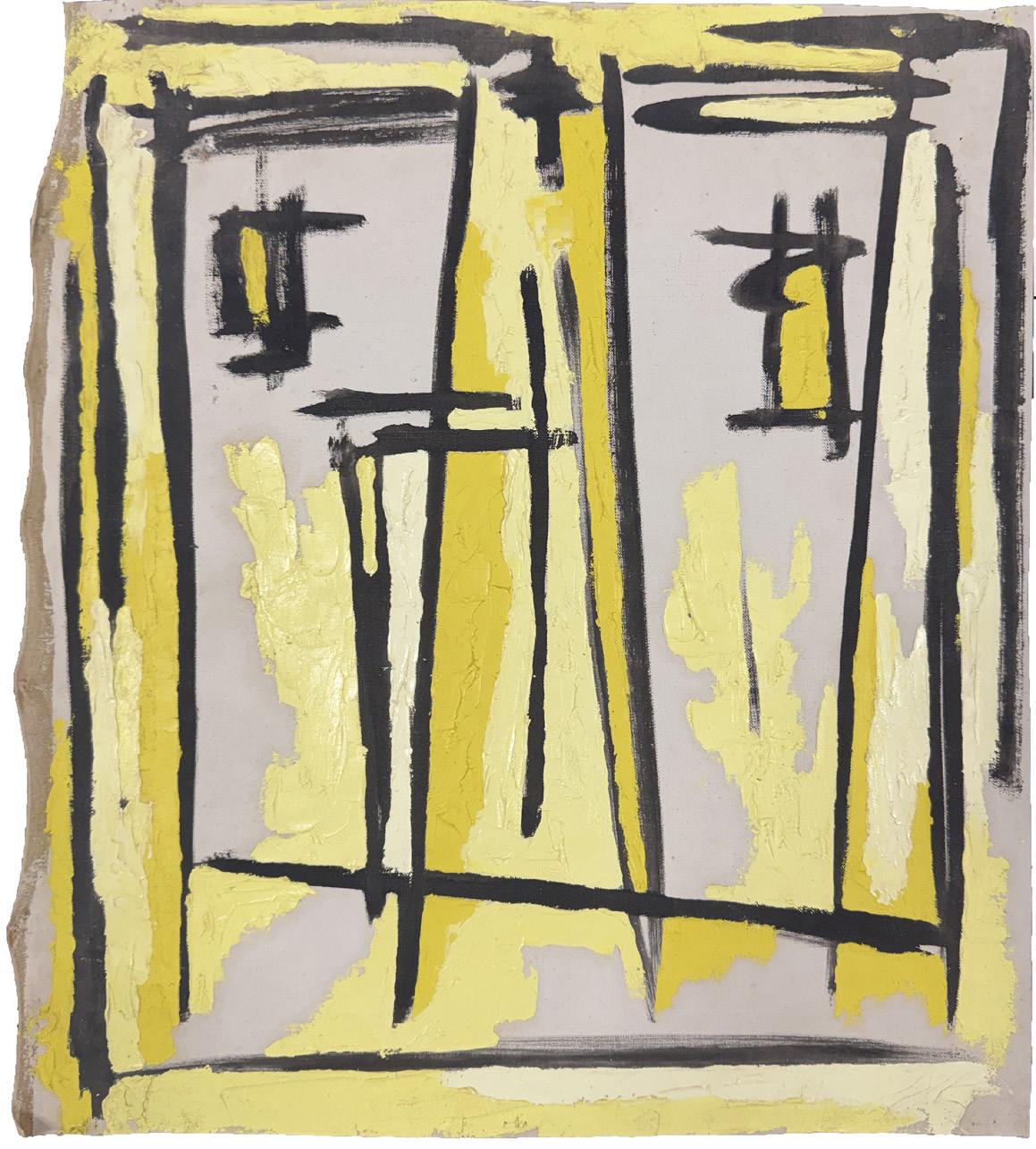
Oil on unstretched canvas
22 1/2 x 19 1/2 in
William Tarr
Untitled, 1960
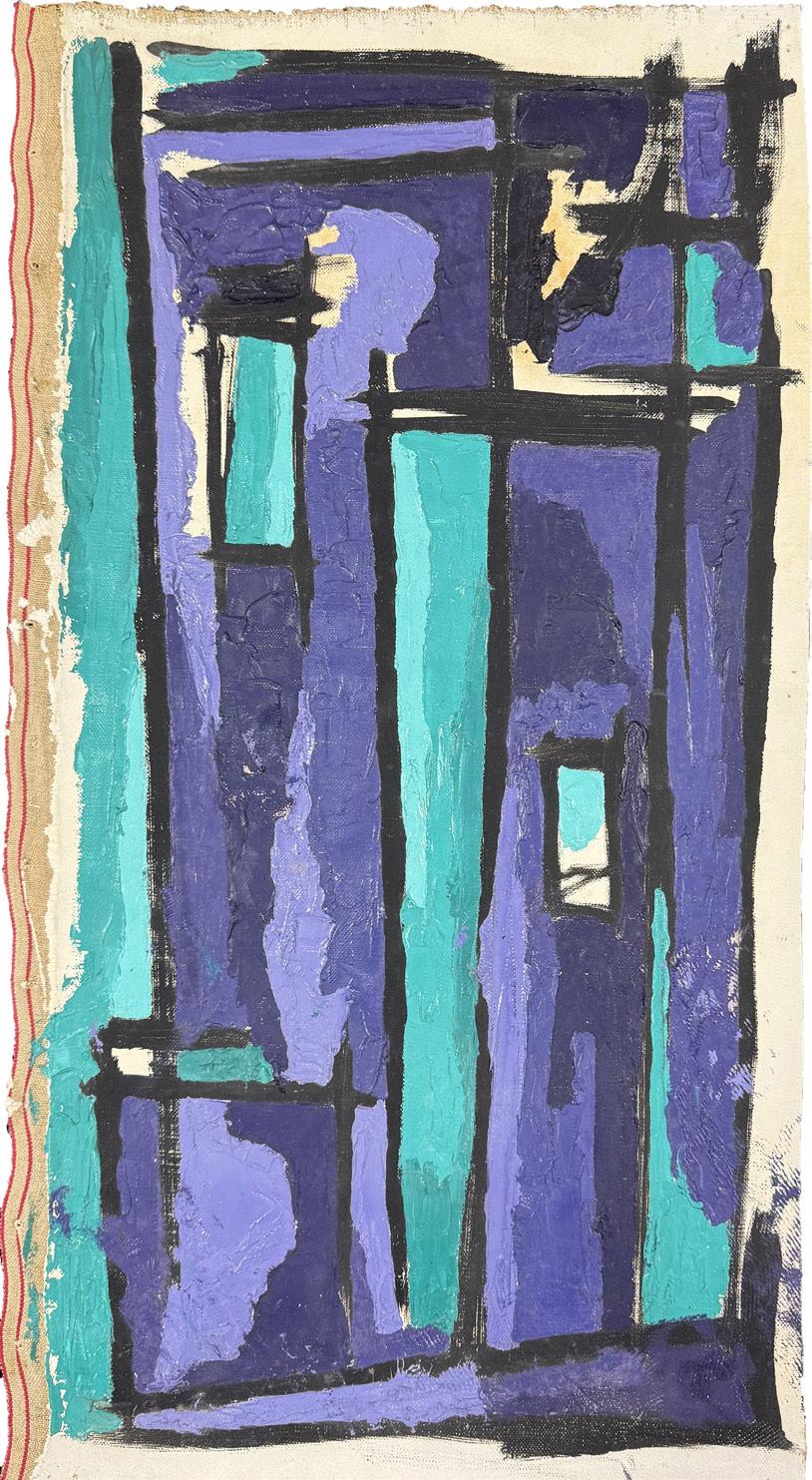
William Tarr Untitled, 1960
Oil on unstretched canvas
25 x 13 in
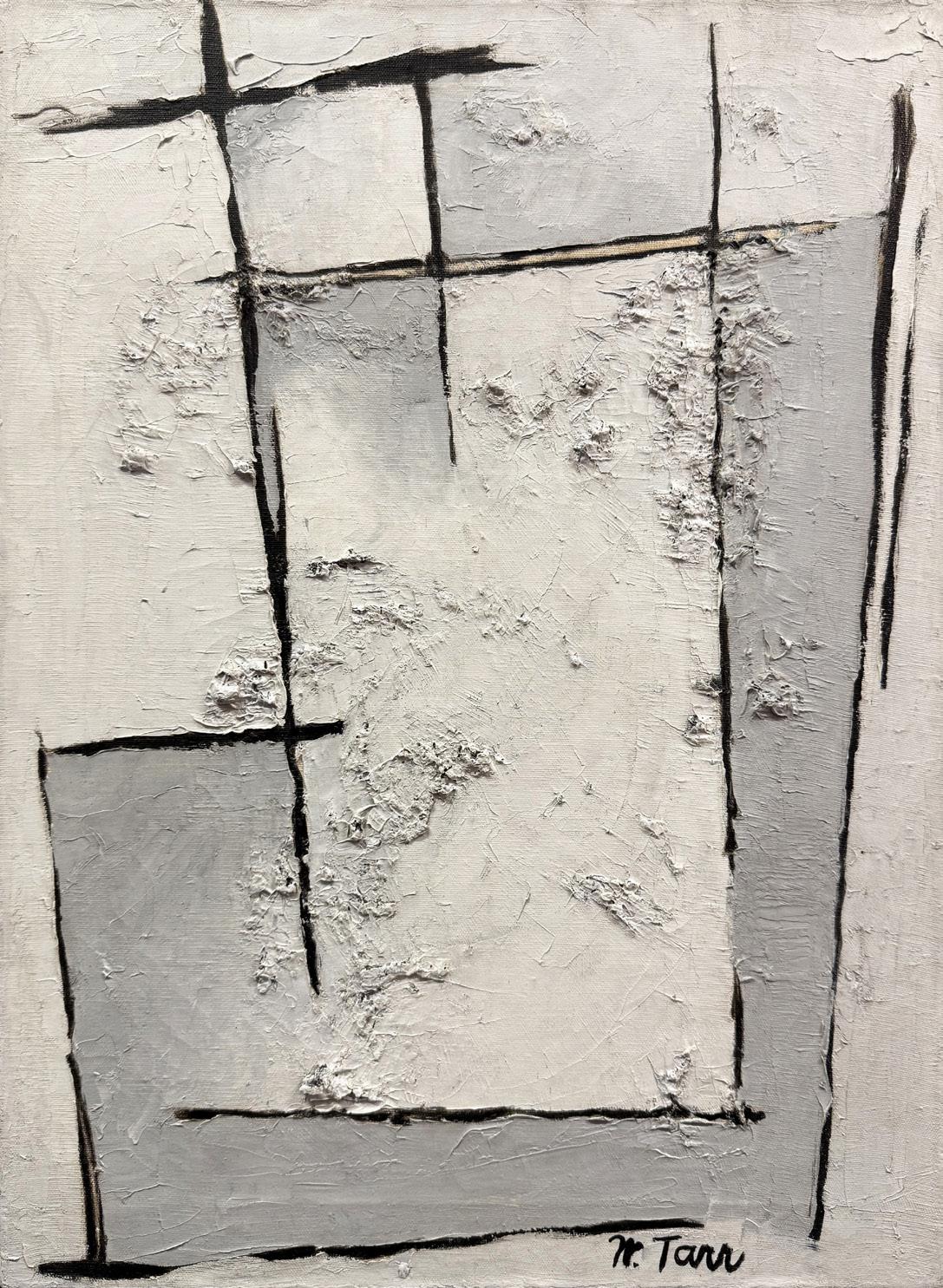
Untitled, 1960
Oil and fiber on canvas
24 x 18 in
William Tarr
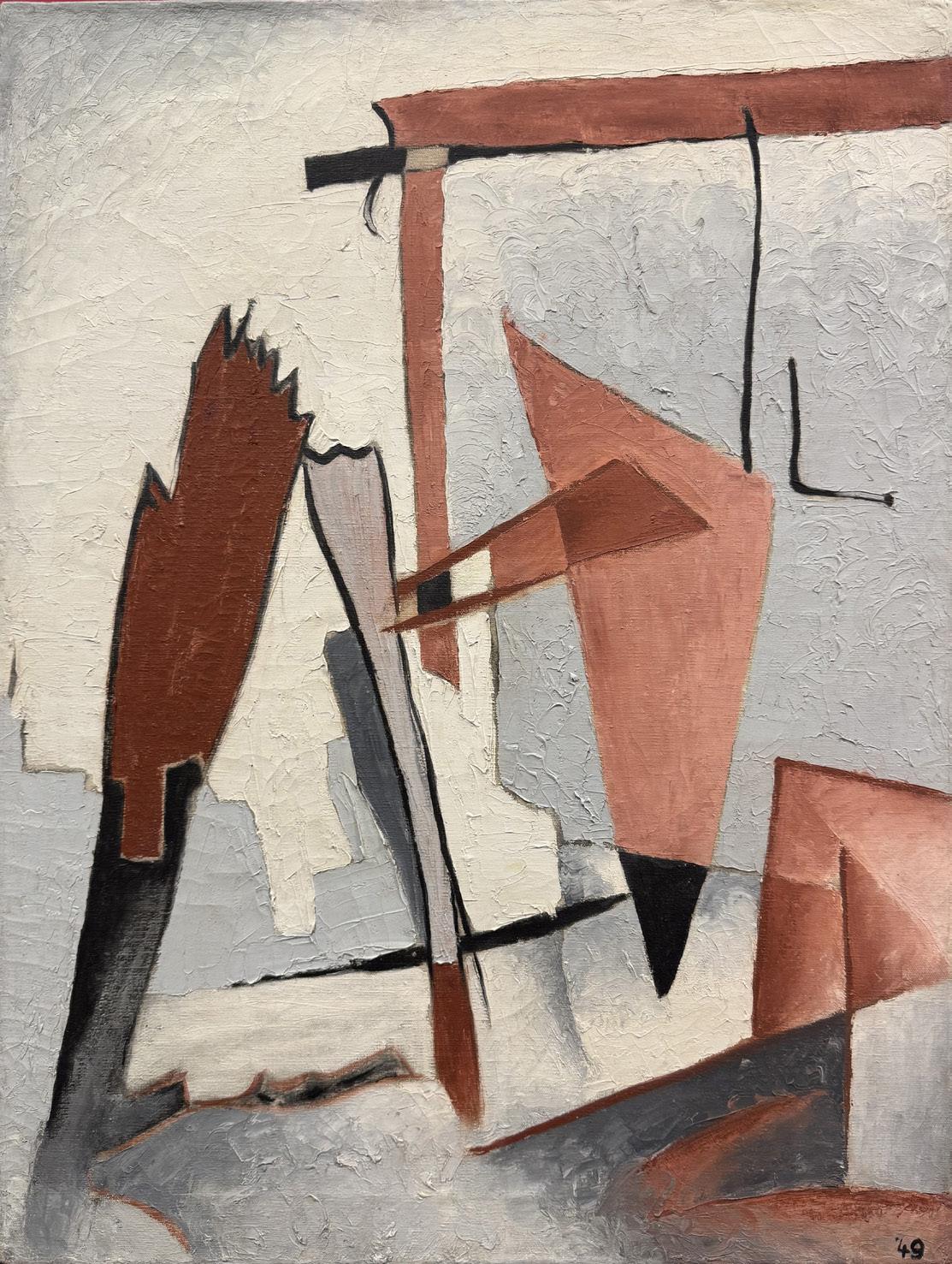
William Tarr Abstract, 1949
Oil on canvas
30 x 24 in
“...I
am, nevertheless, a dedicated sculptor. As such, my objectives are simple and straightforward. I am trying to produce works of art, or more precisely, works that conform to my conception of what art really is.”
- William Tarr
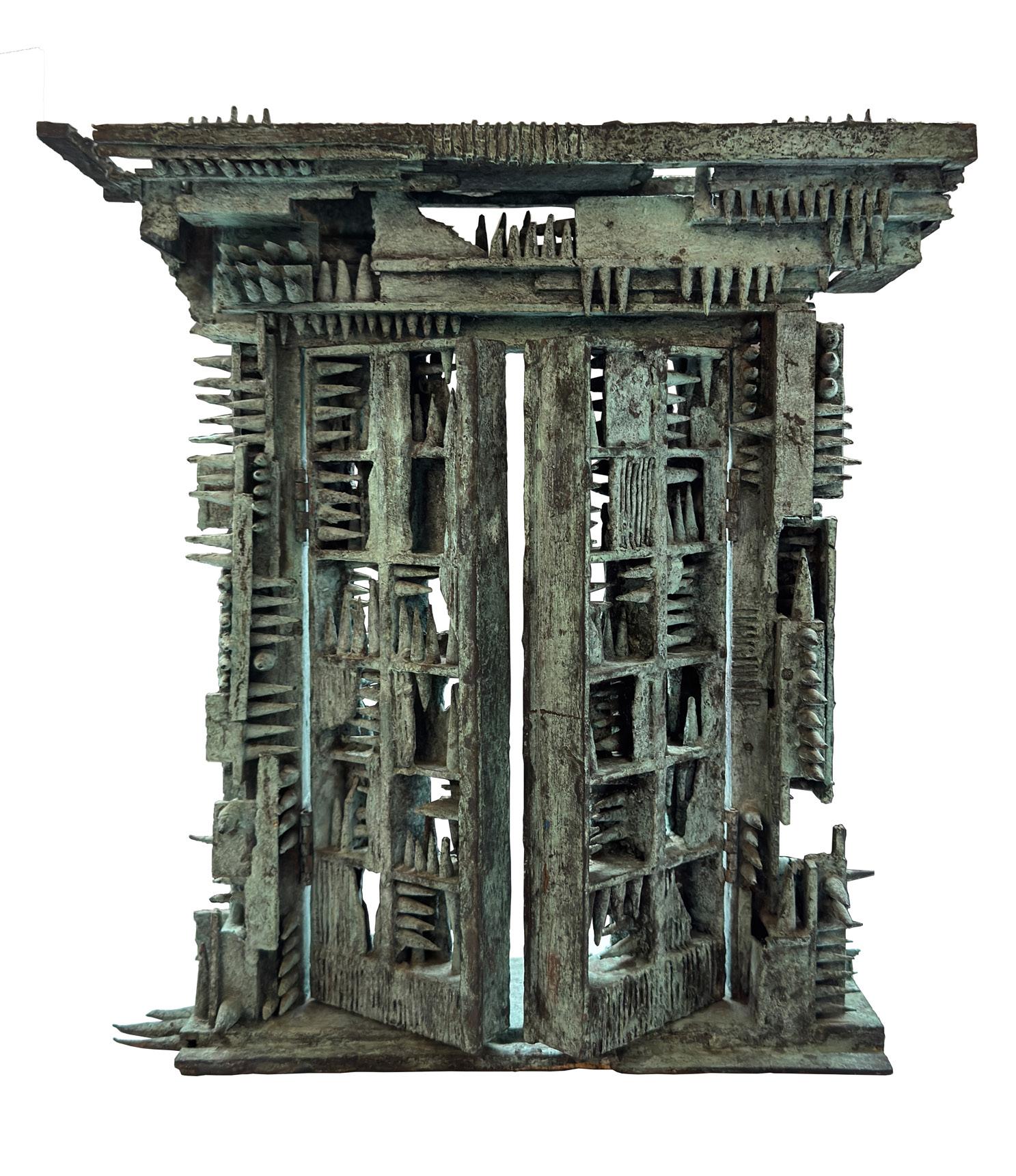
15 3/4 x 15 x 5 in
William Tarr
Gates of the Six Million, 1993
Cast Bronze
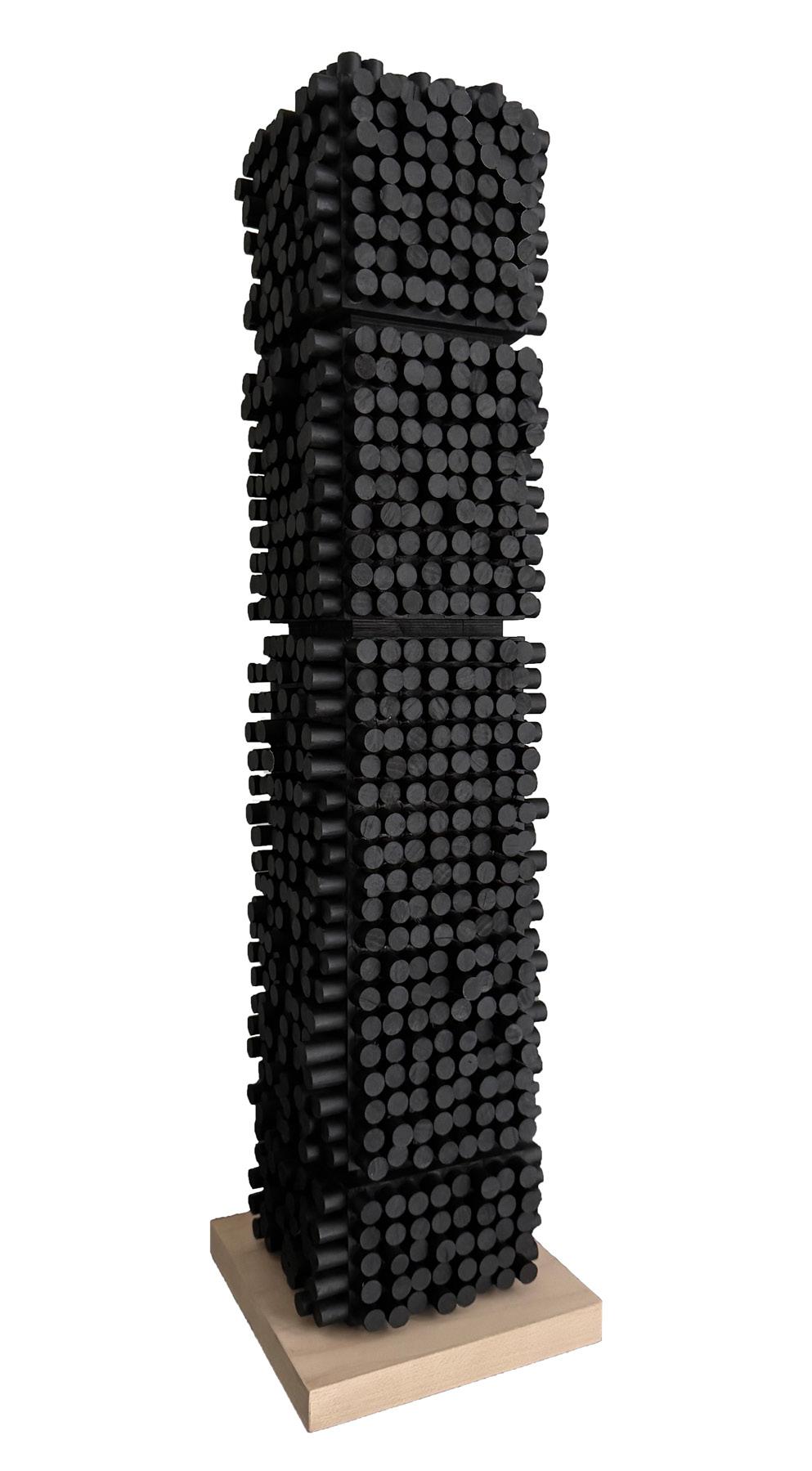
20 3/4 x 5 x 5 in
William Tarr Untitled, c. 1965 Wood
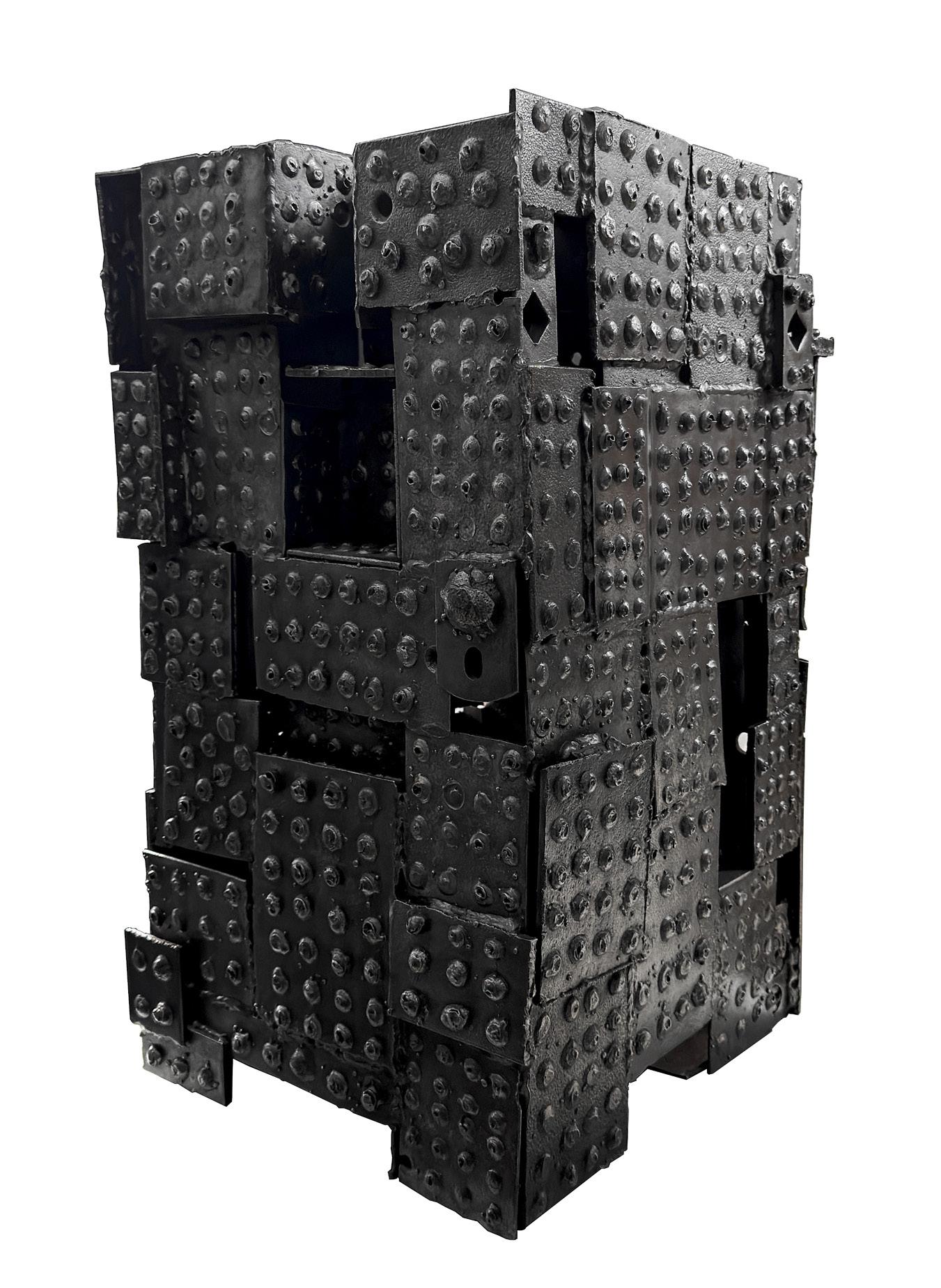
26 x 15 x 15 in
William Tarr Steel on Steel, 1962
Welded steel
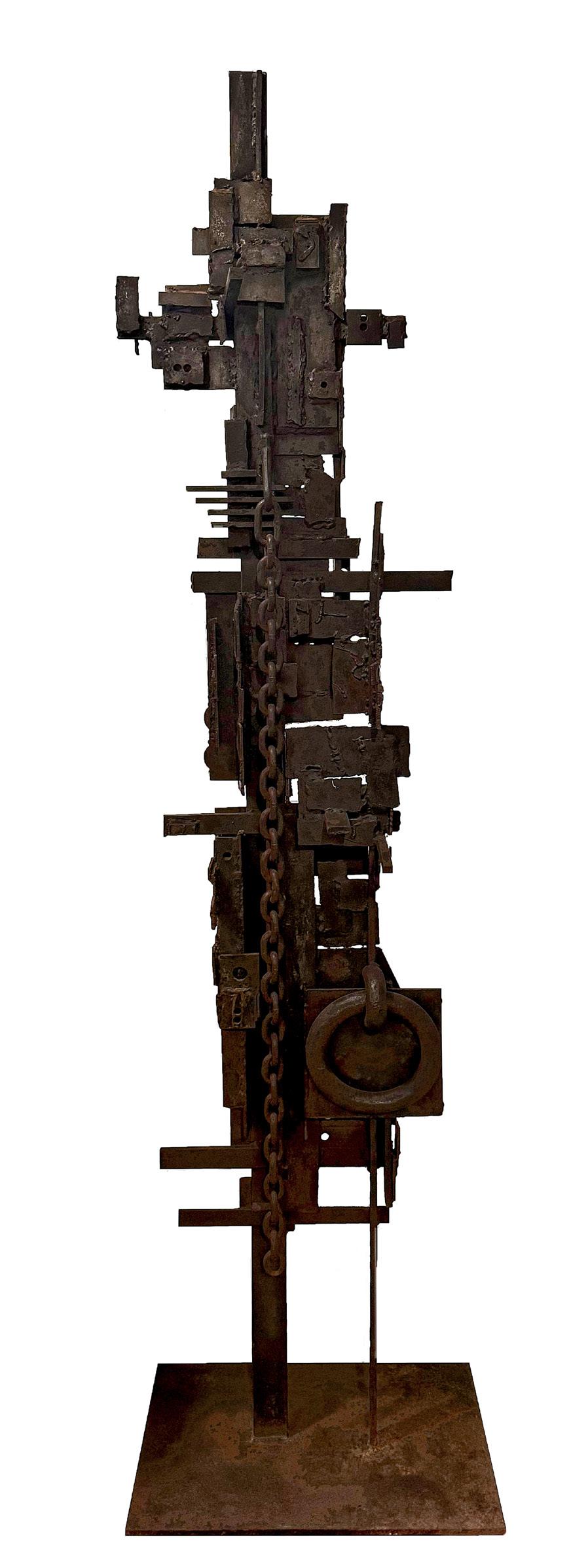
William Tarr
Ring and Chain, 1960
Welded steel
82 x 20 x 18 in
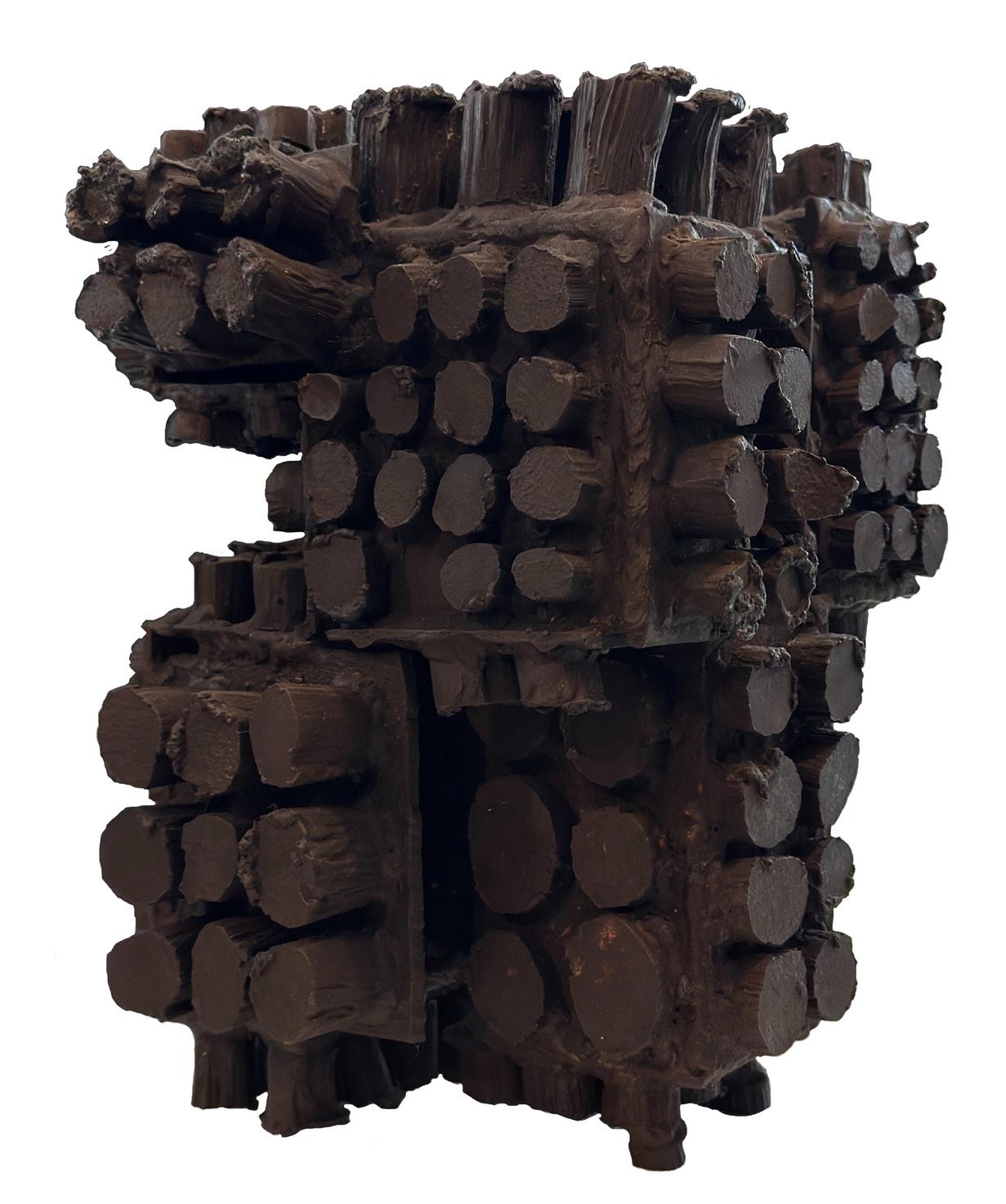
21 x 14 x 12 in
William Tarr Untitled, 1964
Welded steel
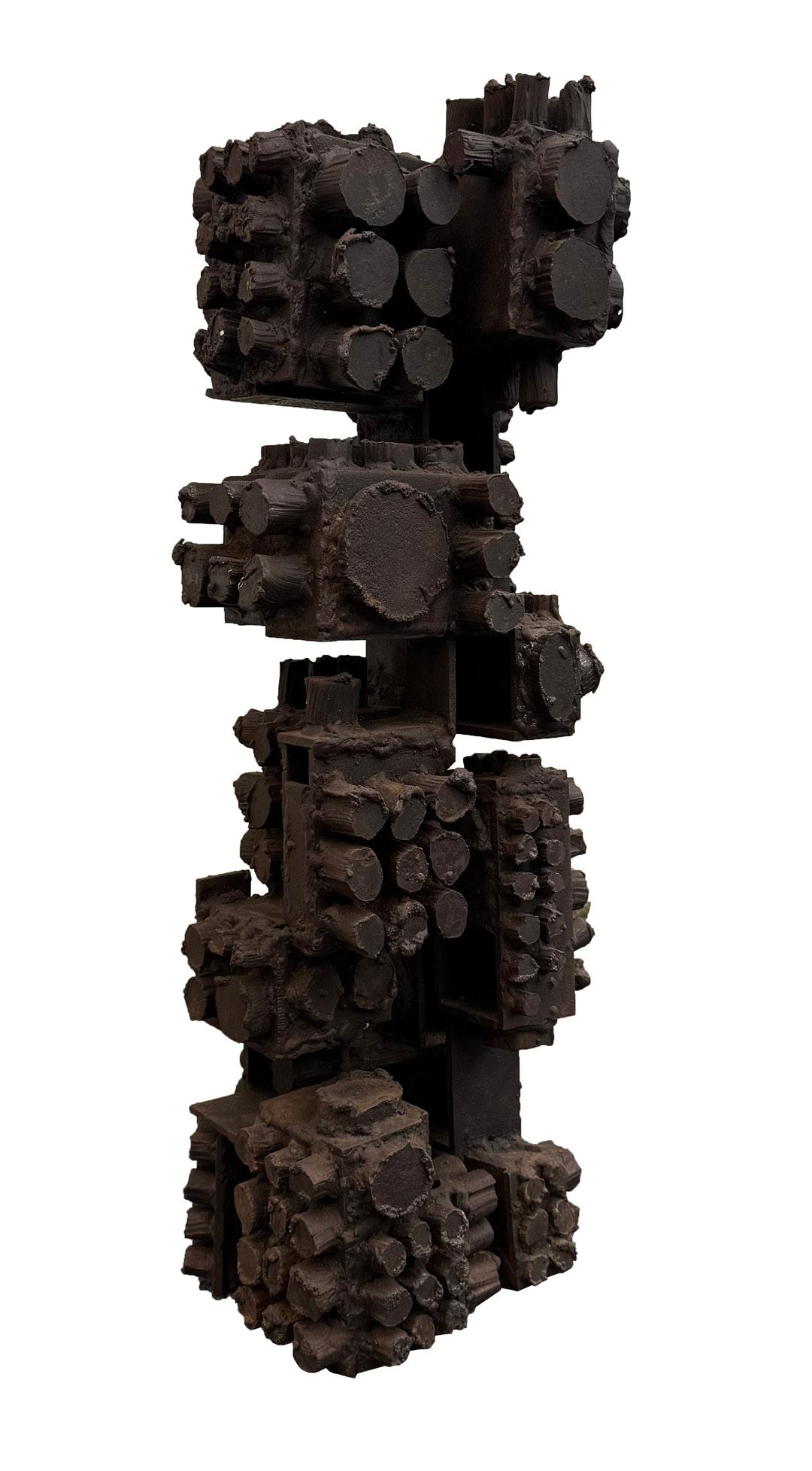
25 x 8 1/2 x 6 in
William Tarr Model for a Large Piece, 1962
Welded steel
“In any case, I’m not opposed to Minimalism. I can accept it for art’s sake. I just hate Minimalism for Minimalism’s sake.”
- William Tarr
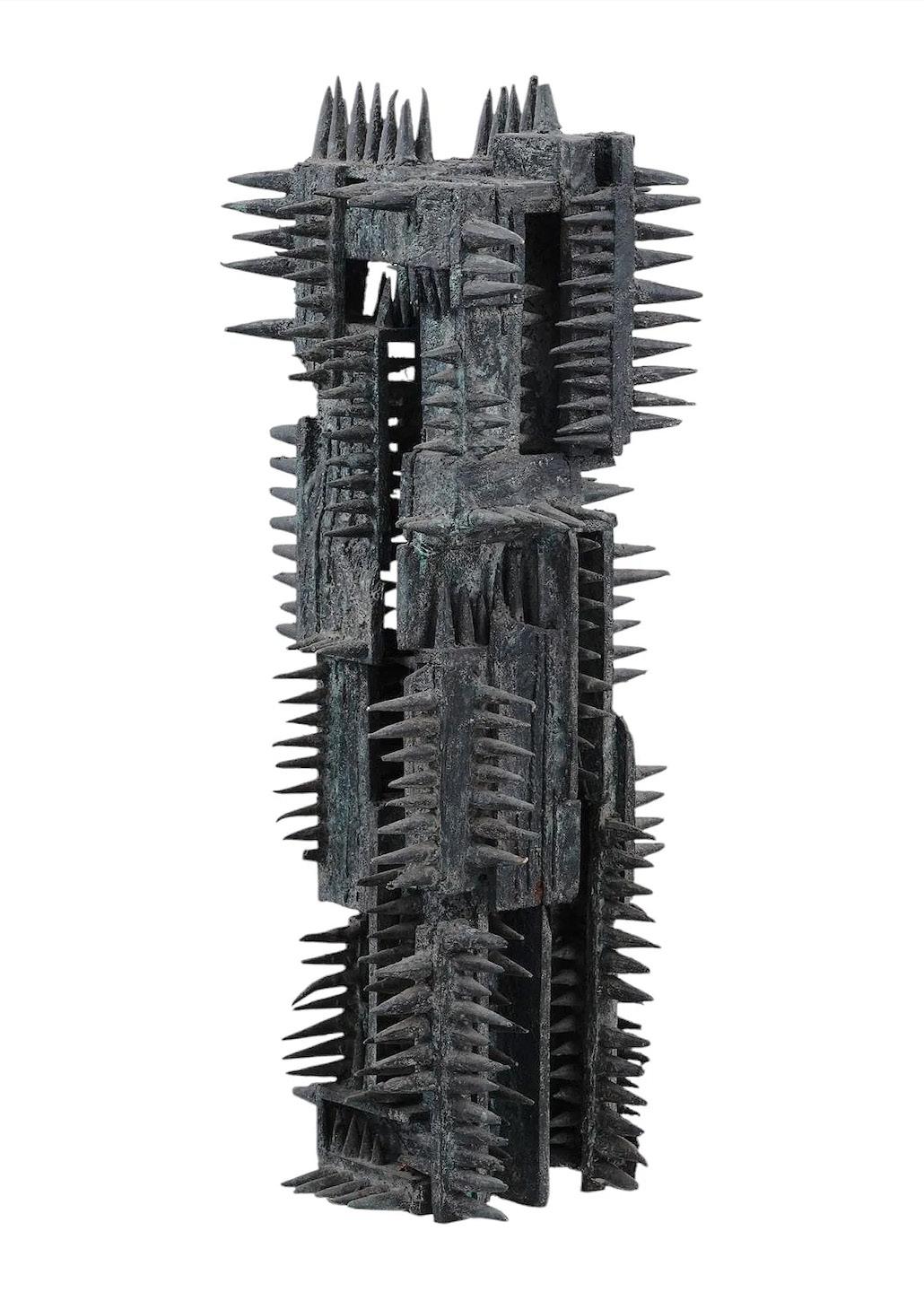
Bronze
16 x 5 x 5 in
William Tarr
Untitled, c. 1963
“I believe, for example, that art is ultimate, inviolable, truth, and hence transcends the microcosm of the now for the vastness of eternity.”
- William Tarr
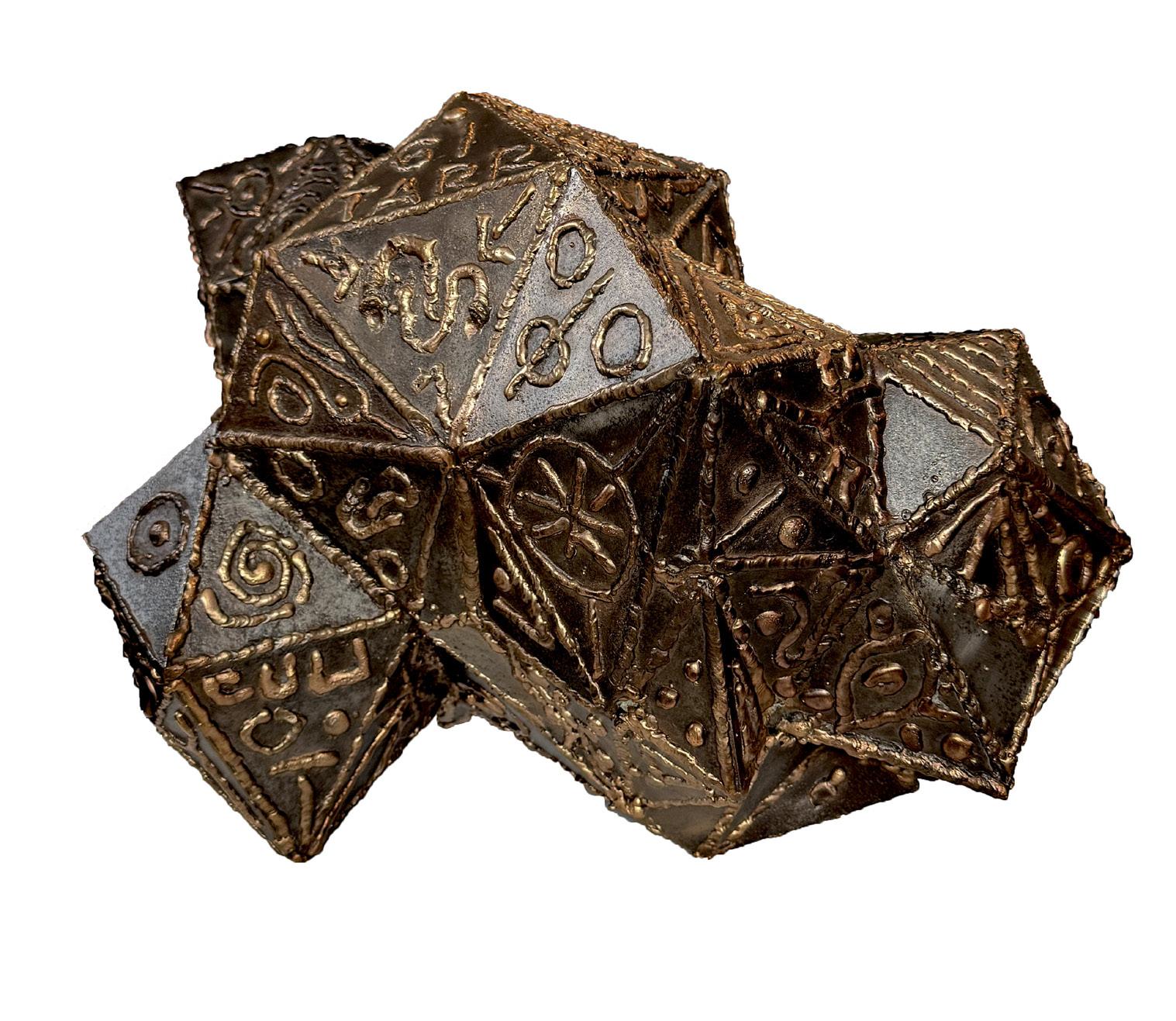
William Tarr Rock, 1961
Welded steel
15 x 22 x 15 in
“...being the ultimate truth, a work of art is boundless, at home anywhere, and in any area... that it would have been valid a thousand years ago as it will be a thousand years from now.”
- William Tarr
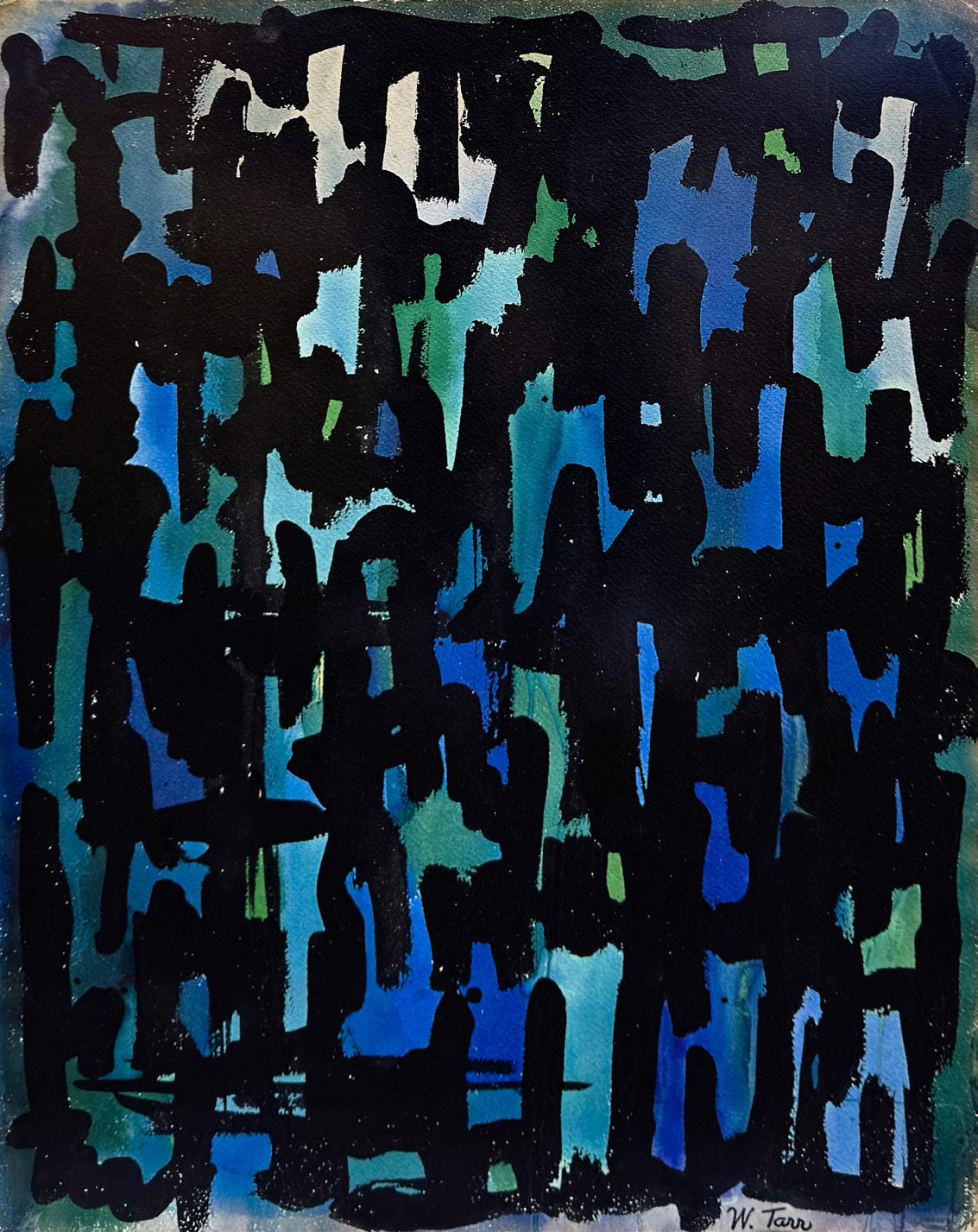
William Tarr
Untitled, 1958
Ink and watercolor on paper
30 x 22 1/2 in
“Success in the dictionary sense... that is “the attainment of wealth, favor or eminence” is fine if you are running an advertising agency or manufacturing shoes, but if you are making sculpture you don’t need any accolades to ascertain whether or not you are a success. All you have to do is make good sculpture.”
-William Tarr
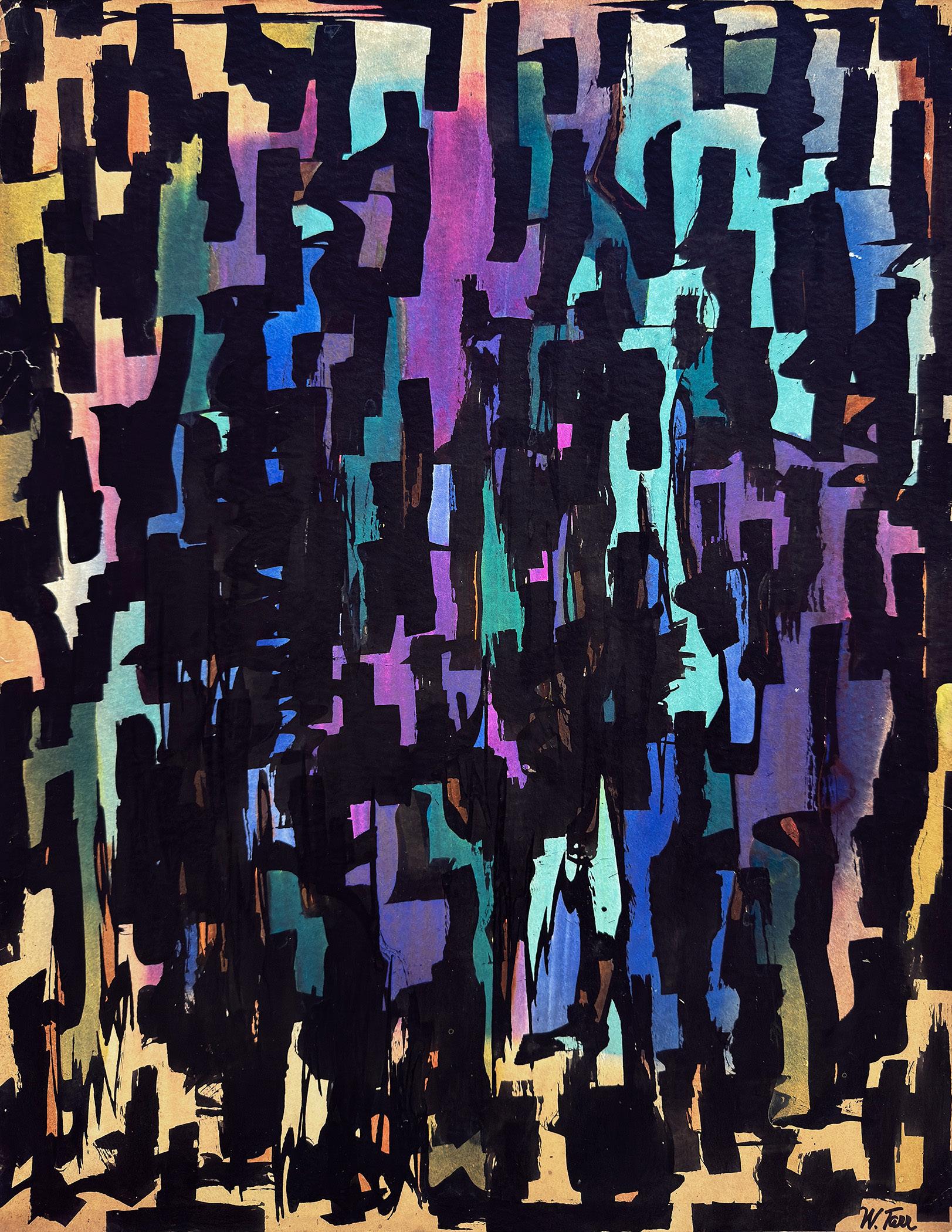
Untitled, 1959
Watercolor and ink on paper
28 1/2 x 22 in
William Tarr
“Art
is, to a considerable extent, an obsession, and you don’t satisfy obsessions by compromising with others... art is a personal manifestation and contorting or compromising one’s feelings to conform to another’s ideas is the antithesis of how art is made.”
- William Tarr
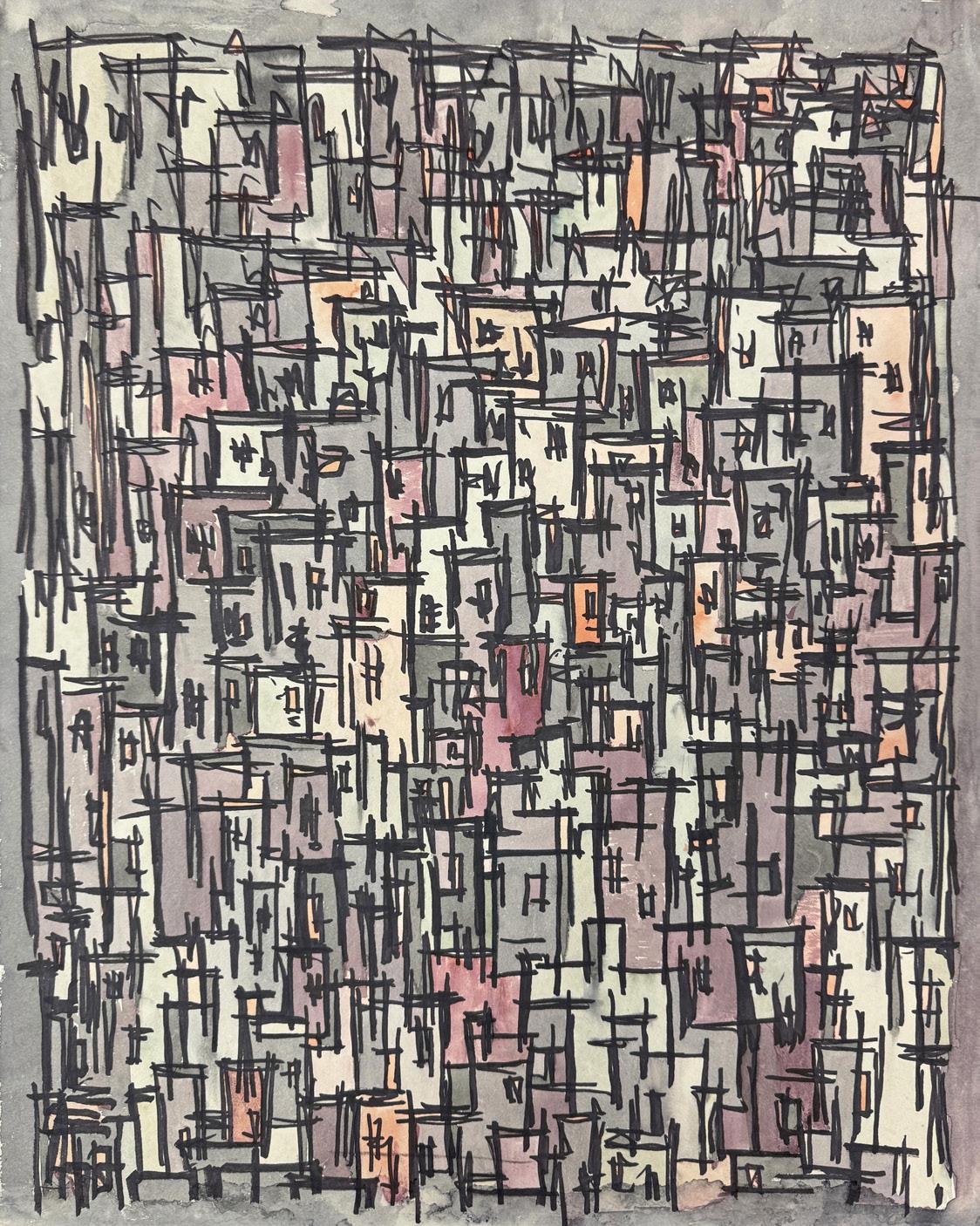
Watercolor on paper 23 x 18 1/2 in
William Tarr Untitled, 1959
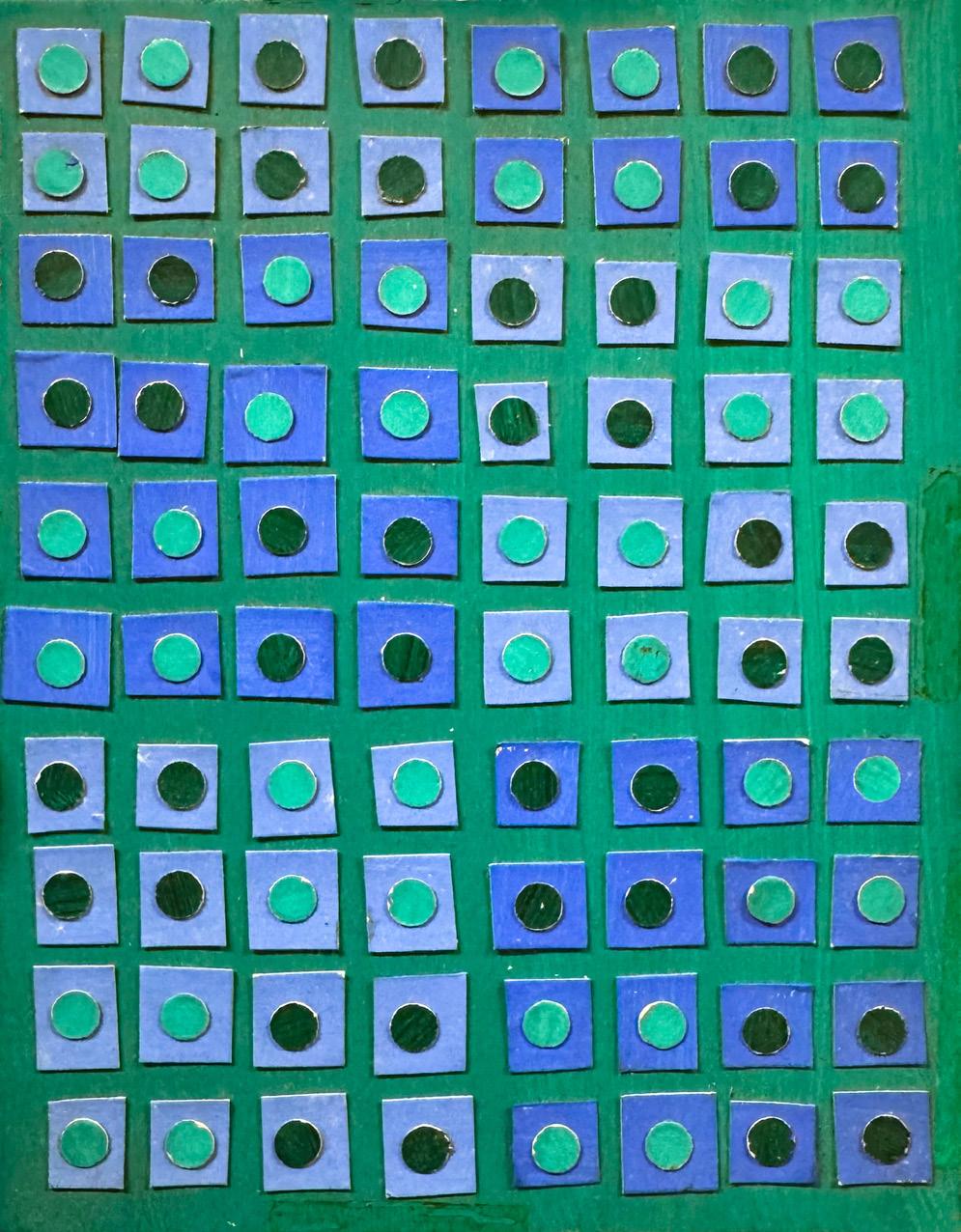
Untitled, c. 1965
Painted and cut paper collage
6 3/4 x 5 1/4 in
William Tarr
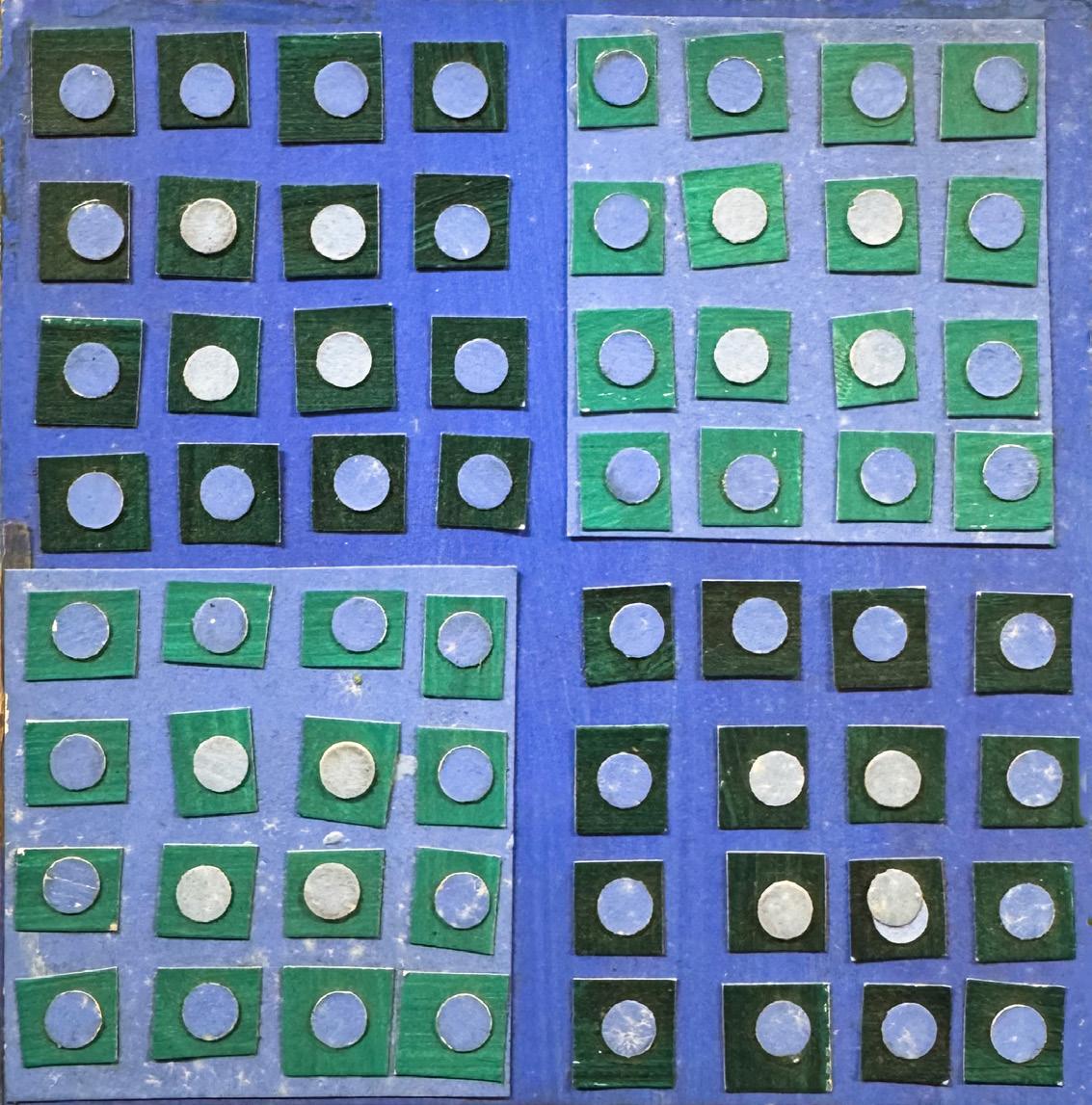
Untitled, c. 1965
Painted and cut paper collage
5 1/8 x 5 1/8 in
William Tarr
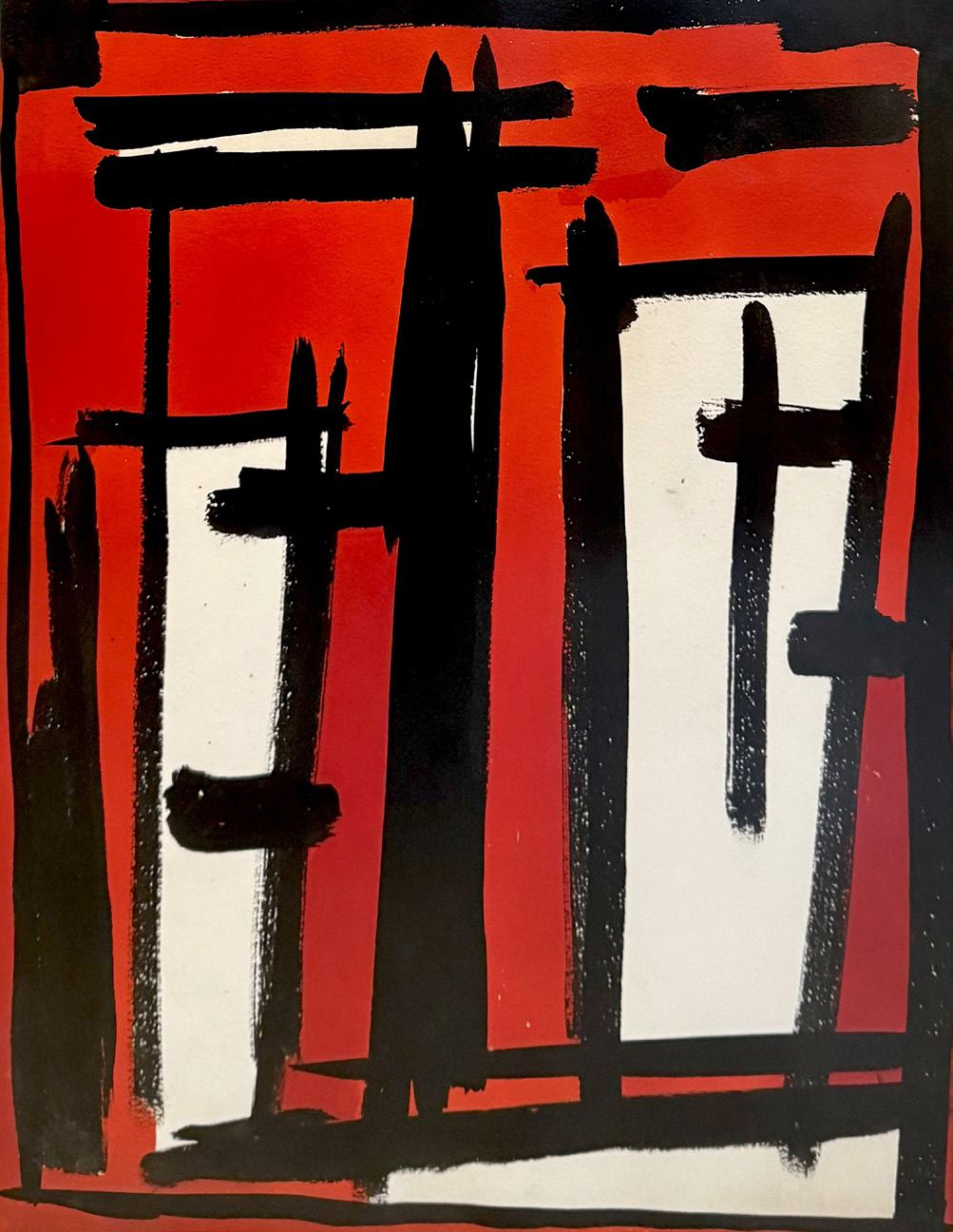
William Tarr Red, Black, & White, 1959
Watercolor and ink on paper
20 x 16 in
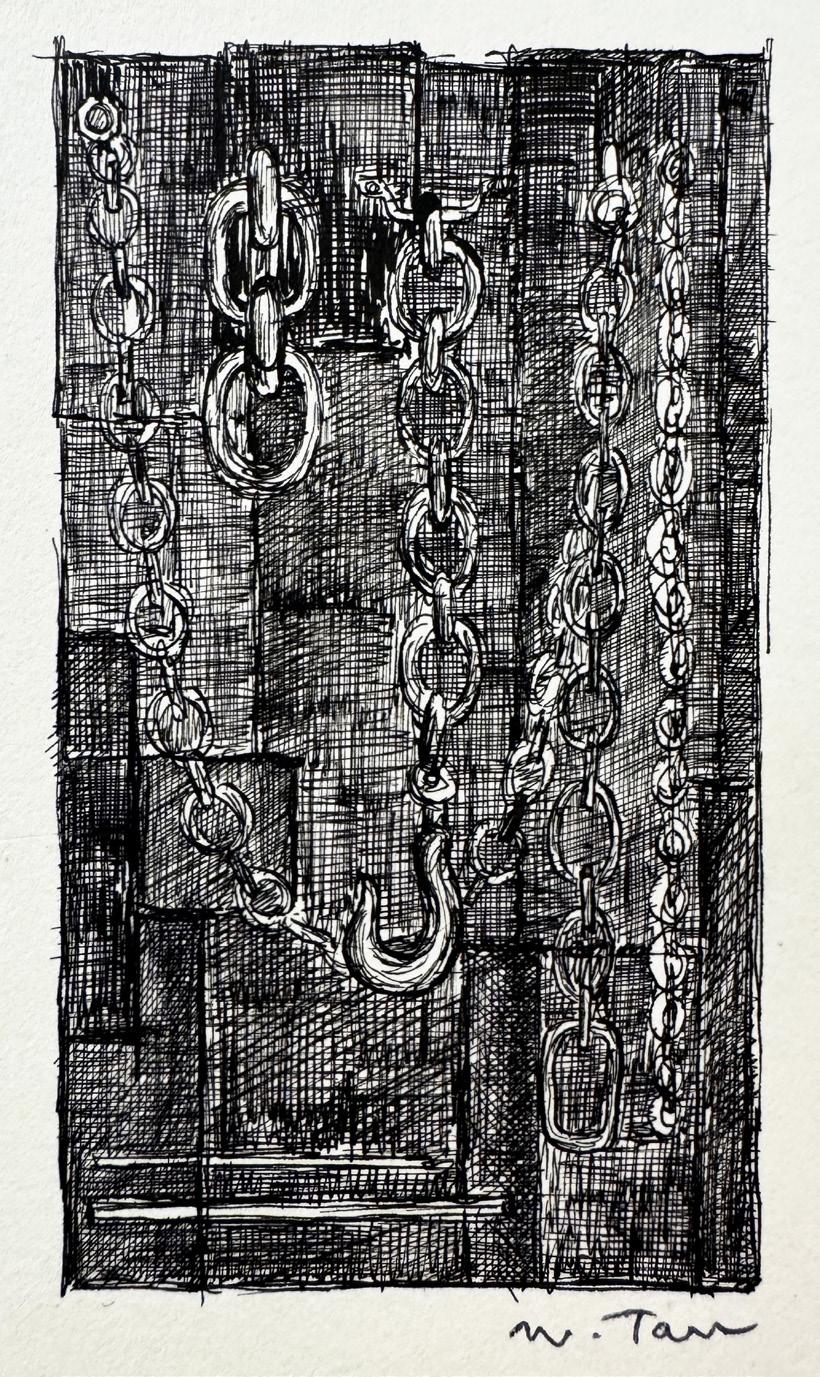
4 1/2 x 3 1/4 in
William Tarr
Untitled, c. 1960
Ink on paper
SOLO EXHIBITIONS
Stephen Radich Gallery, NYC, 1963
Guild Hall Museum, East Hampton, NY, 1982
112 Greene St. Gallery, NYC, 1982
Benton Gallery, South Hampton, NY, 1986, ’88
SELECTED GROUP EXHIBITIONS
Sculpture Biennial, Whitney Museum, NY, 1962, ’64, ’66
Stephen Radich Gallery, N.Y.C., 1962, ’63, ’64
Bundy Art Gallery, Waitsfield, VT, 1963
Seven Sculptors, Hayden Gallery, MIT, Cambridge, Mass., 1965
Westchester Art Society, White Plains, N.Y., 1965
American Sculpture Exhibition 1900–1965, Flint Institute, MI, 1965
Flint Invitational, Flint Institute of Fine Arts, MI, 1966
O.K. Harris Gallery, NY, 1969
Sculpture in the Park, Van Saun Park, NJ, 1971, ’74
Elaine Benson Gallery, NY, 1979
Annual Exhibition, Springs Art Society, N.Y., 1979, ’80, ’81, ’82, ’83, ’84, ’85, ’86, ’87
Annual Artist Members’ Exhibition, Guild Hall Museum, NY, 1978, ’81
Bologna Landi Gallery, NY, 1982, ’83, ’84
Essie Gallery, NY, 1983
Vered Gallery, NY, 1984, ’87
Center for Contemporary Art, NY, 1985, ’86
Benton Gallery, NY, 1987
PUBLIC COLLECTIONS
The Art Institute of Chicago, Chicago, IL (deaccessioned 2017)
Whitney Museum of American Art, NY
Aldrich Museum of Contemporary Art, CT
Archer M. Huntington Art Gallery, TX
The Jewish Center, East Hampton, NY
Guild Hall, NY
Bridgehampton Museum, NY
The Holocaust Museum, Washington D.C.
The Blanton Museum, TX
PUBLIC COMMISSIONS
Riis Plaza, NYC, 6 sculptures, 1966
Public School 36, NYC, 3 sculptures, 1967
Queens Plaza North NYC, 2 sculptures, 1967
Vest Pocket Playground, Mulberry St and 102nd St, NYC, 1968
Buchanan School, Washington, D.C., 1968
77 Water St, NYC, rooftop, Sopwith Camel, 1969
Segunfo Ruiz Belvis Community Center, East 142nd Street, NYC 1972
St. Francis Family Day Care Center, Bronx, NY, 1972
Martin Luther King, Jr., Memorial, NYC, 1973
James Felt Memorial, NYC, 1973
1962 - First sculpture shown publicly at the Whitney Museum Sculpture Biennial and is one of 6 purchased that year by the Ford Foundation, now in the permanent collection of the Chicago Art Institute.
1963 - In first award show wins prize, Bundy Art Museum, Waitsfield, VT.
1964 - In lead N.Y. Times article on the Whitney Sculpture Biennial, 1964, John Canaday runs large photo of sculpture, picks it as the “Centerpiece of the show”.
Whitney Museum acquires sculpture for permanent collection.
1965 - Invited to show in Seven Sculptors Show, Hayden Gallery, MIT, Cambridge, MA.
1966 - Sculpture is bought off floor at Whitney Sculpture Biennial, 1966, by renowned collector, Armand Erpf.
First public commission, 6 concrete sculptures for Riis Plaza, NYC.
1967 - Builds and installs “Morningside Heights”, 40’ x 8’ x 8’, 13 ton, weldedsteel sculpture, NYC.
Municipal Art Society award for “Morningside Heights”.
1968 - Builds one of the largest molds ever for 18 feet tall poured-in-place, concrete sculpture, Washington, D.C.
1969 - Builds and installs full-scale, welded steel Sopwith Camel WWI Biplane on 27th floor roof-top of 77 Water St, NYC.
1973 - Finishes and installs Martin Luther King, Jr. Memorial in NYC, becoming one of world’s largest welded-steel sculptures at 120 feet in width, 63 tons.
1974 - Guggenheim Fellowship for Sculpture, 1974–75.
1978 - Best sculpture, Guild Hall Museum, East Hampton, NY.
1981 - Best In Show, Guild Hall Museum, East Hampton, NY.
1985 - Martin Luther King, Jr. Memorial selected as Best Monument in NYC by New York Magazine, Dec. 85.
1990 - Finishes Gates of the 6 Million, full-scale cast bronze for Holocaust Museum, Washington, D.C.
1994 - Finishes “Broken Victory”, 10 ft. tall cast bronze, Vietnam War Memorial.
1998 - City of Sarasota selects in open competition first outdoor public sculpture “Spirit of Sarasota” to stand in front of its Administration Center.
2000 - Finishes and installs “Spirit of Sarasota” 17’ x 4’ x 4’ welded bronze sculpture, Sarasota, FL.
2006 - “Broken Victory” installed on campus of Vanderbilt University, TN.
2007 - Welded steel facade at 102 Greene St., NYC, officially recognized as “Integral part of Historic SoHo District” by Architectural Digest Magazine.
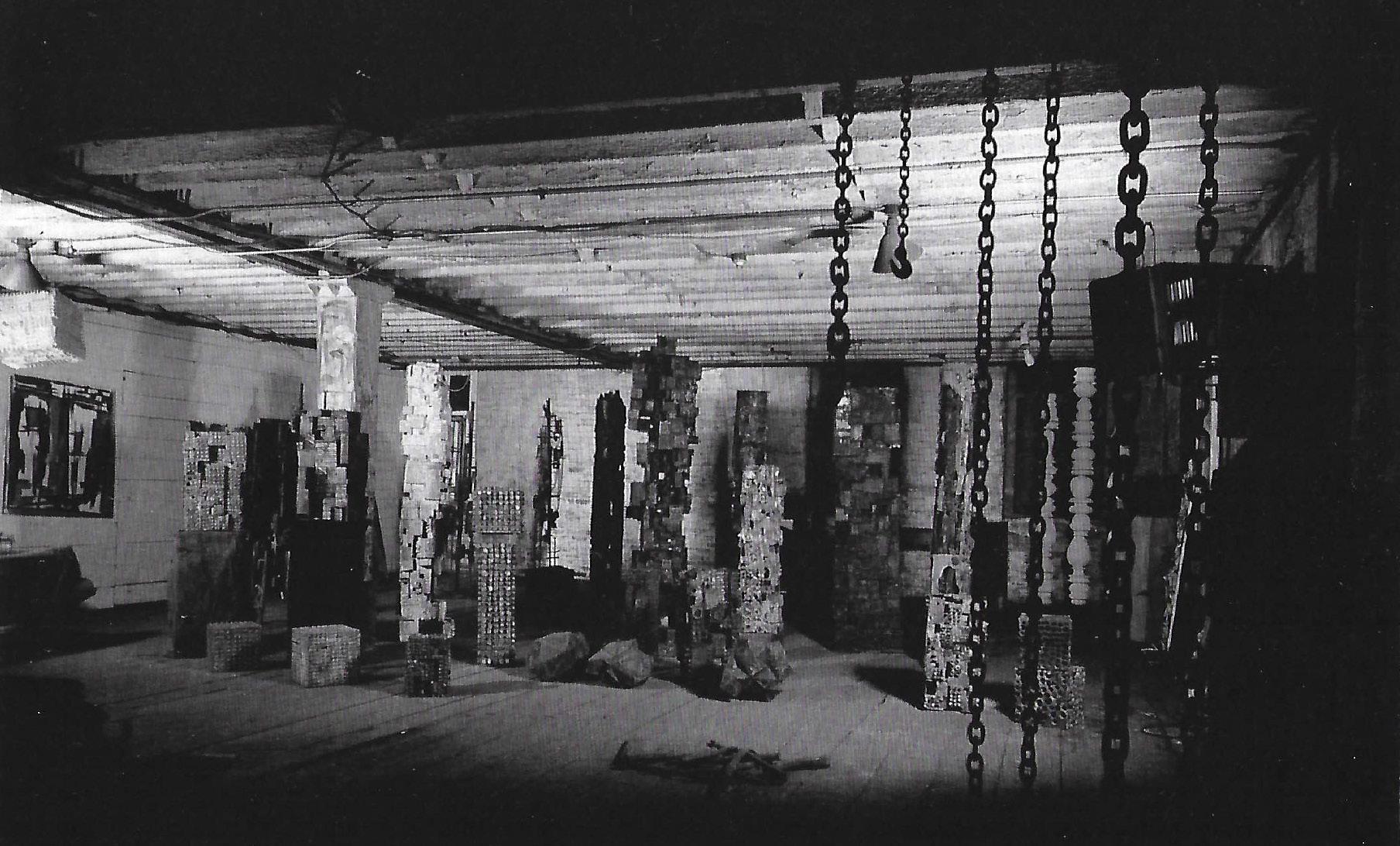
IMAGE DETAILS
Above: William Tarr’s studio.
Page 2: William Tarr in front of MLK Jr. Monument. Photo credit: Nick Tarr.
Page 6: William Tarr’s welded door at 102 Greene Street.
Page 7: “Morningside Heights” sculpture in transit, 1967. Photo credit: Peter Moore.
Page 9: William Tarr in front of “Gates of the Six Million”, Washington, D.C. Photo credit: Yvonne Tarr.
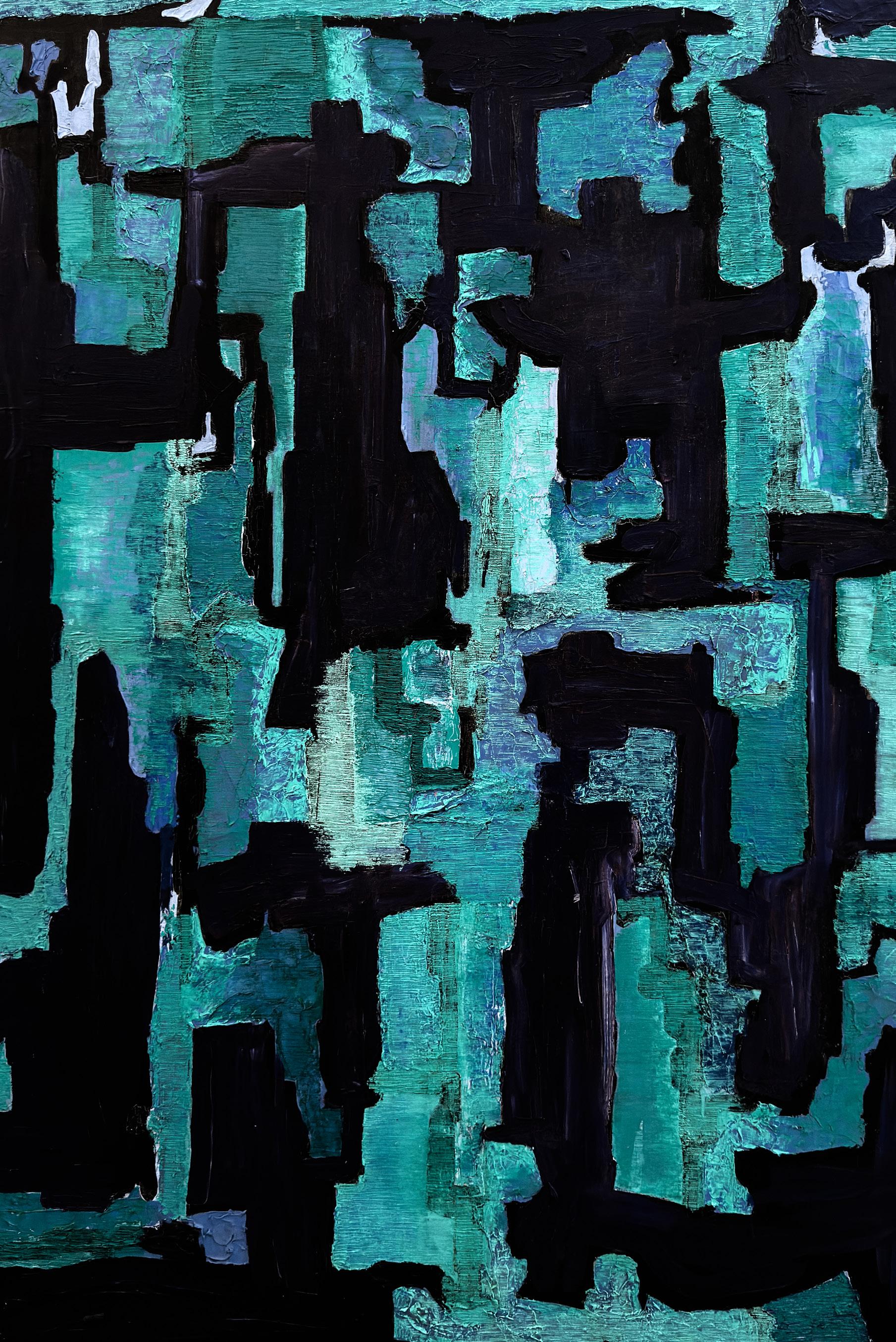
Cover: William Tarr, “Untitled,” 1959, (detail)
This catalogue has been produced on the occasion of the exhibition of “William Tarr: Alchemy and Artifice,” May 14th to June 20th, 2026.
All images © copyright the Estate of William Tarr.
Essay and introduction by Matthew Shamnoski.
Publication © Shamnoski Gallery. All rights reserved.
Reproduction of contents prohibited.
Shamnoski Gallery 115 East 72nd Street, #1B New York, NY 10021
Matthew@shamnoski.com
570.362.4207 www.shamnoski.com
“For me, the making of art has always been more of a journey than an arrival, a process more of seek than of find, and so, in the final analysis, a substantial portion of the rewards are in the doing.
That is what I believe, and if some artists or most artists want to spend their life making lightweight or frivolous things, certainly that’s their privilege. Personally, I’ll settle for one really great work”
-William Tarr