The Shakopee Mdewakanton Sioux Community (SMSC) continues to celebrate new achievements in pursuit of our mission and values. We would like to take this opportunity to reflect on some of the many successes that occurred in 2025. We hope this inspires our friends and neighbors to join in all the great work that still remains.
Our Mission
Caring for Uŋci Mak a (Grandmother Earth) is at the heart of what the SMSC strives to do—now and for future generations. We are fully dedicated to serving our members, supporting other tribes and organizations across the globe, creating strong partnerships, and protecting our natural resources for the benefit of everyone.
NativeGreen
NativeGreen unifies all of our past accomplishments and future work together in a public forum. To bring Uŋci Mak a back to the path of balance with modern life will take extraordinary commitments to sustainability by communities like ours. As others chart their own paths, our friends and neighbors can look to NativeGreen for the bold leadership and innovation happening throughout the SMSC.
Sustainability is not just a goal—it is a responsibility we carry forward for future generations. Through initiatives like NativeGreen, we are reinforcing our commitment to environmental stewardship and supporting meaningful progress toward carbon neutrality. We believe economic growth and climate leadership must go hand in hand, and we are proud to invest in solutions that reflect our values and protect our lands, communities, and shared future.
-SMSC Business Council
SUSTAINABLE STRATEGIES:
Preserve Traditions and Culture; Ensure Long-Term Food Security; Be a Good Neighbor; Expand Sustainable Education
CARBON NEUTRALITY STRATEGIES:
Building Decarbonization; Carbon-Free Energy; Transportation and Mobility; Waste and Wastewater; Carbon Sequestration and Offsets; Climate Adaptation Strategies
“ ”
The SMSC Gaming Commission recognizes that sustainability is essential to responsible operations and long-term community well-being. Supporting NativeGreen aligns with our commitment to environmental leadership and our broader vision for a carbon-neutral future. Together, we are taking important steps to ensure that our work today reflects respect for the earth and responsibility to future generations.
-SMSC Gaming Commission
A GLIMPSE AT THE SMSC’S LEADERSHIP IN ENVIRONMENTAL SUSTAINABILITY AND STEWARDSHIP
NATURAL RESOURCES
I think sometimes people don’t think that our cultural experiences can be scientific but there are great examples of how Indigenous people have traditional knowledge and are applying this knowledge in what we might consider contemporary scientific settings. We have always been observational and learned from our surroundings. Others are just catching up and understanding this.
-SMSC Natural Resources Manager Ferin Davis Anderson
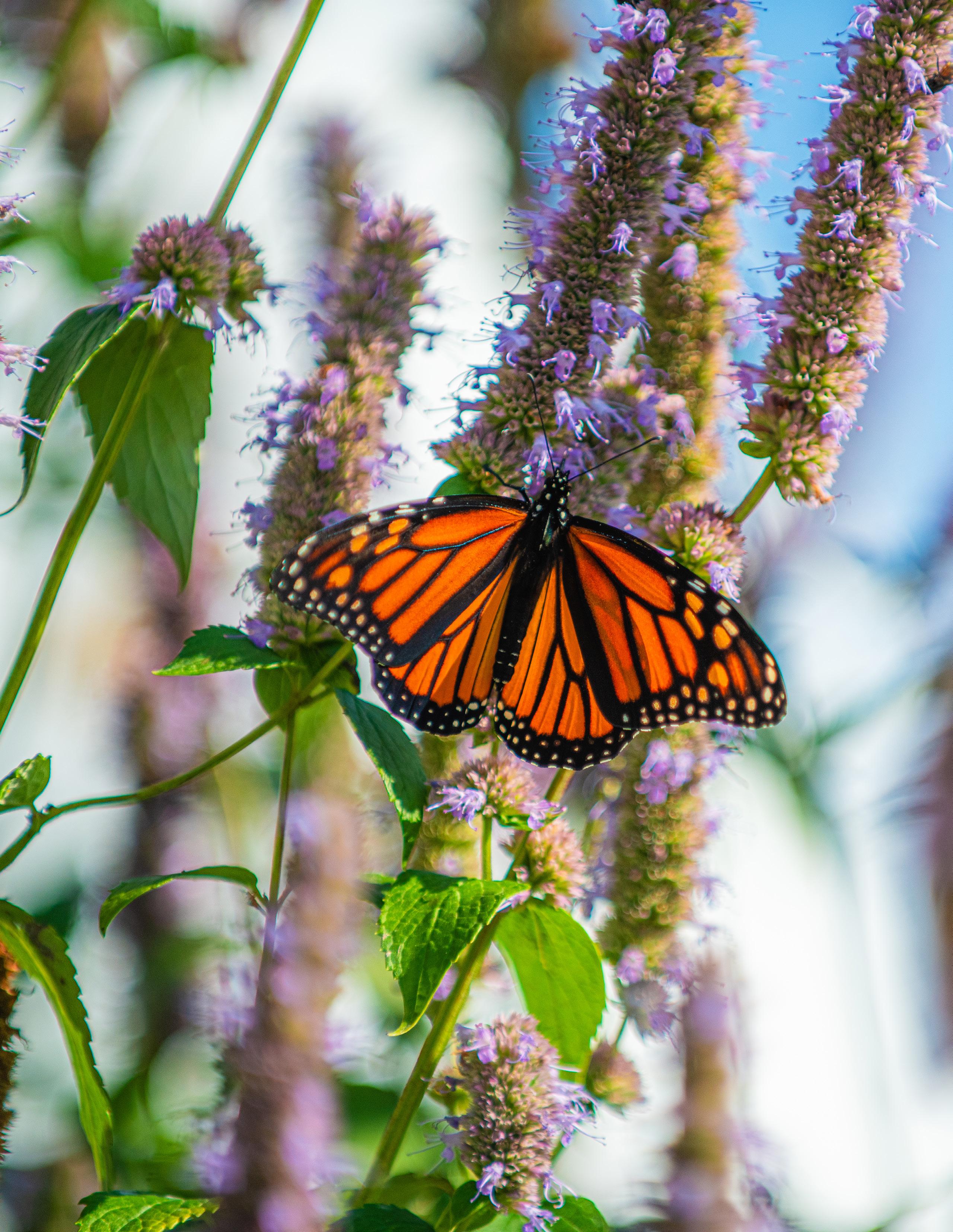
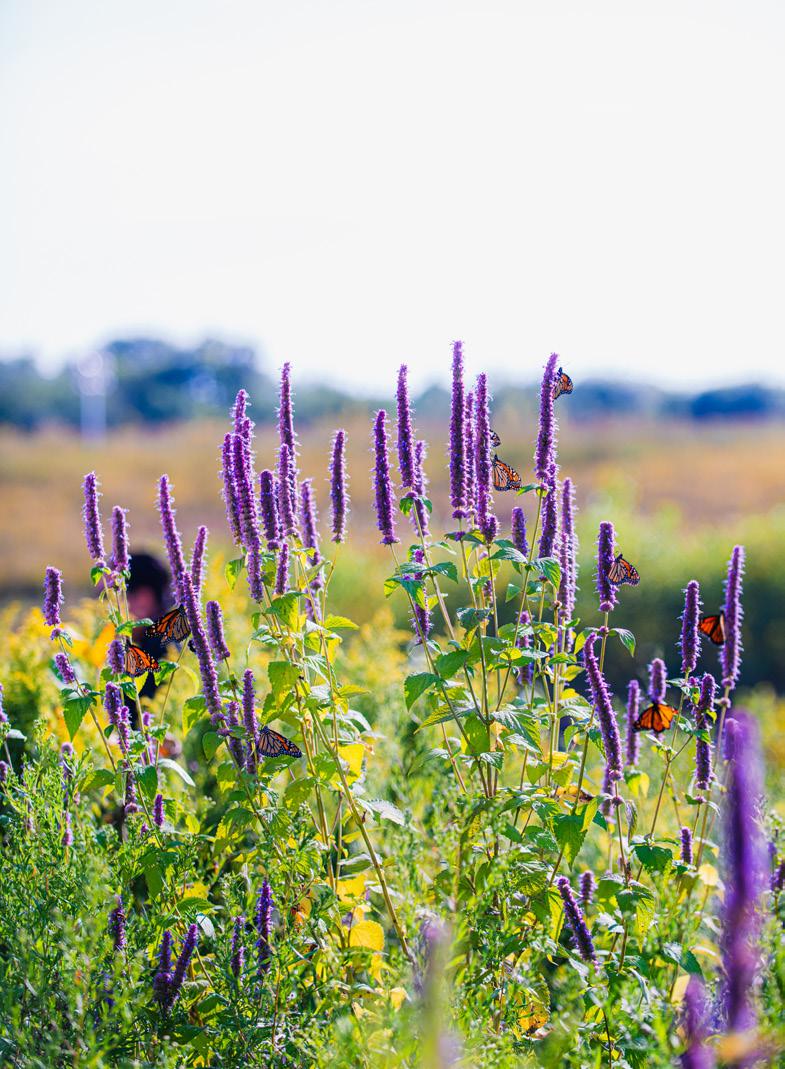
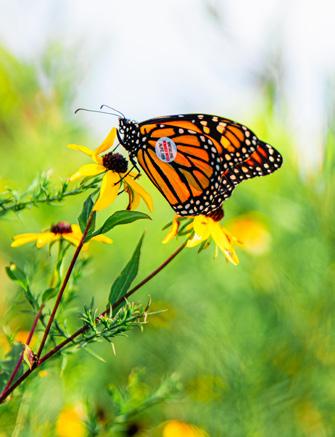
20 monarchs tagged: This involves catching monarchs with nets and tagging their wing with a sticker to help scientists understand their annual migration patterns. This information supports the development of effective conservation strategies to protect and restore monarch populations.
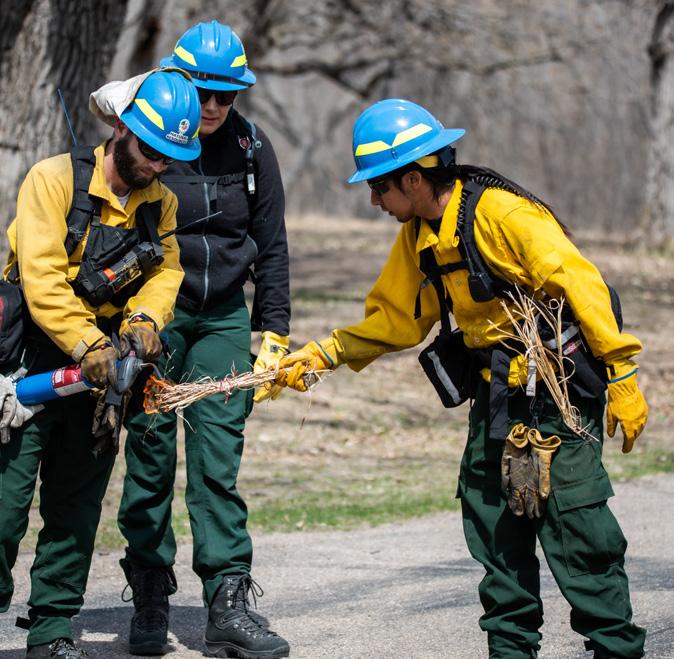
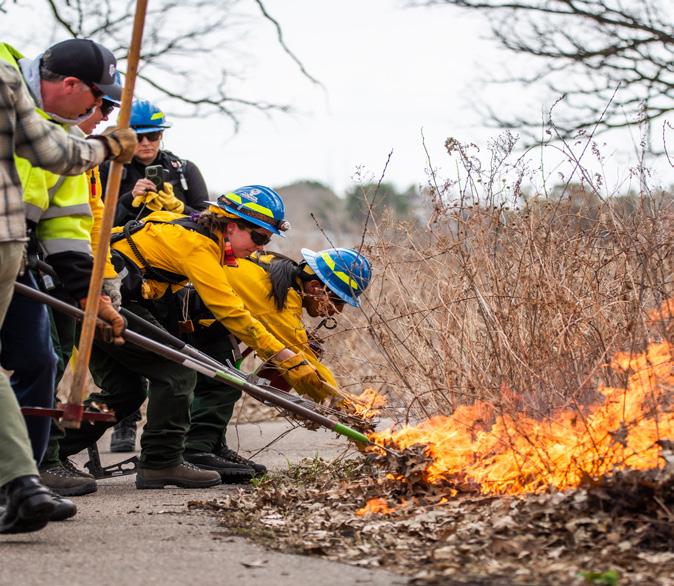
Several SMSC employees are certified wildland firefighters. They conduct prescribed—or controlled—burns on SMSC lands and neighboring communities to control invasive species, support native species that evolved with low-intensity fires, and protect against high-intensity wildfires. Because of climate change, wildfires are ever worsening from the Arctic to Brazil. Our team assists in fighting wildfires across the country.
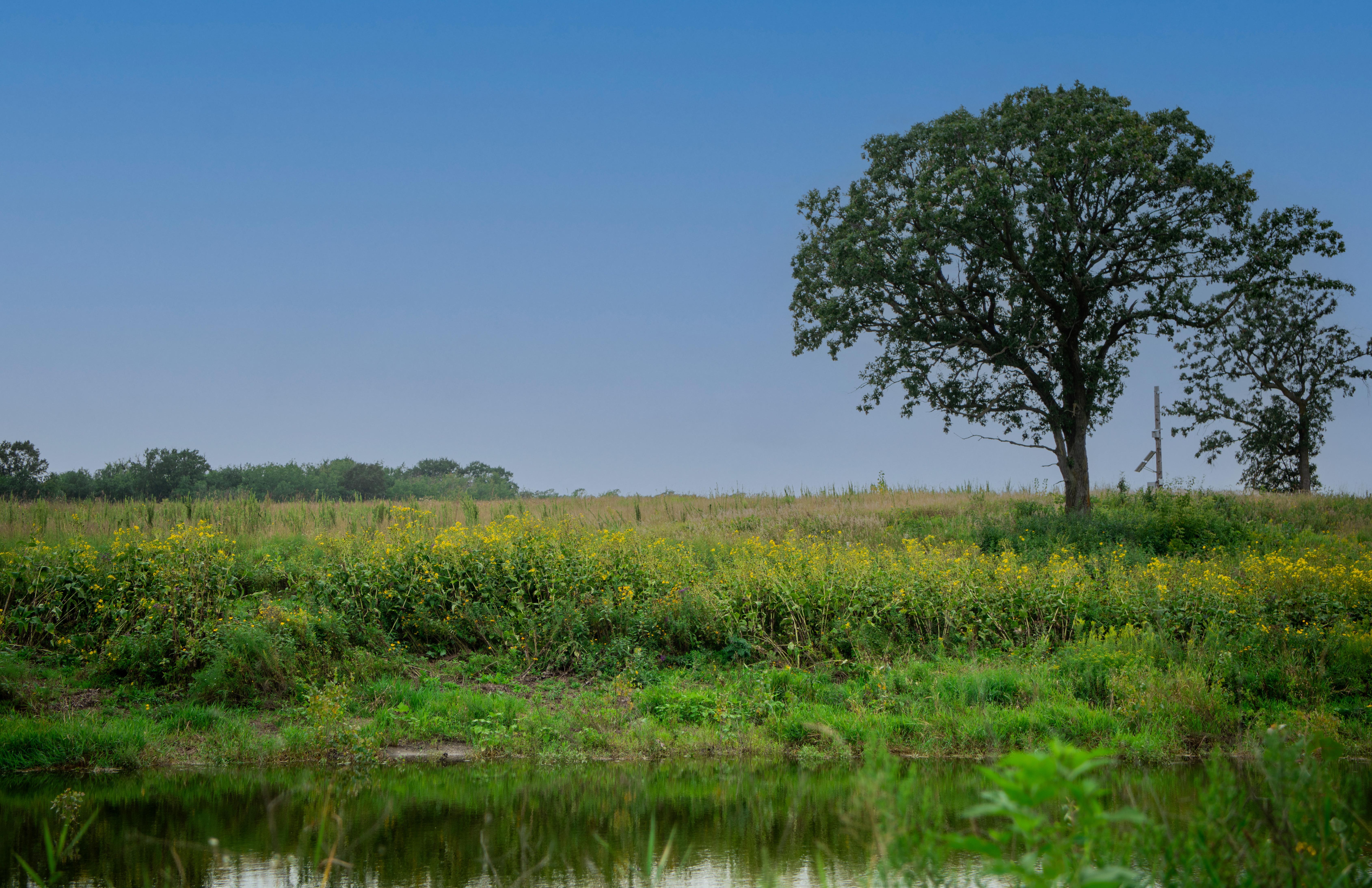
Prescribed fire has been used in the SMSC’s natural areas since 2001. Prescribed fire is an intentionally lit fire used to replicate a beneficial natural disturbance. Péta (fire) helps native plants in prairies, oak savannas, and wetlands stay healthy and vigorous. Fire is also an excellent tool to reduce weeds and other invasive woody species that outcompete native plants for resources.
REDUCE/REUSE/RECYcle
The reuse shelf was utilized more than 19 times tons of waste sent to Certified Recycling
The Horticulture Team intentionally reuses pots and trays reducing the reliance on new products
8,674 5-gallon jugs sold at SMSC Water Bottling the equivalent of
277,568 20-ounce bottles
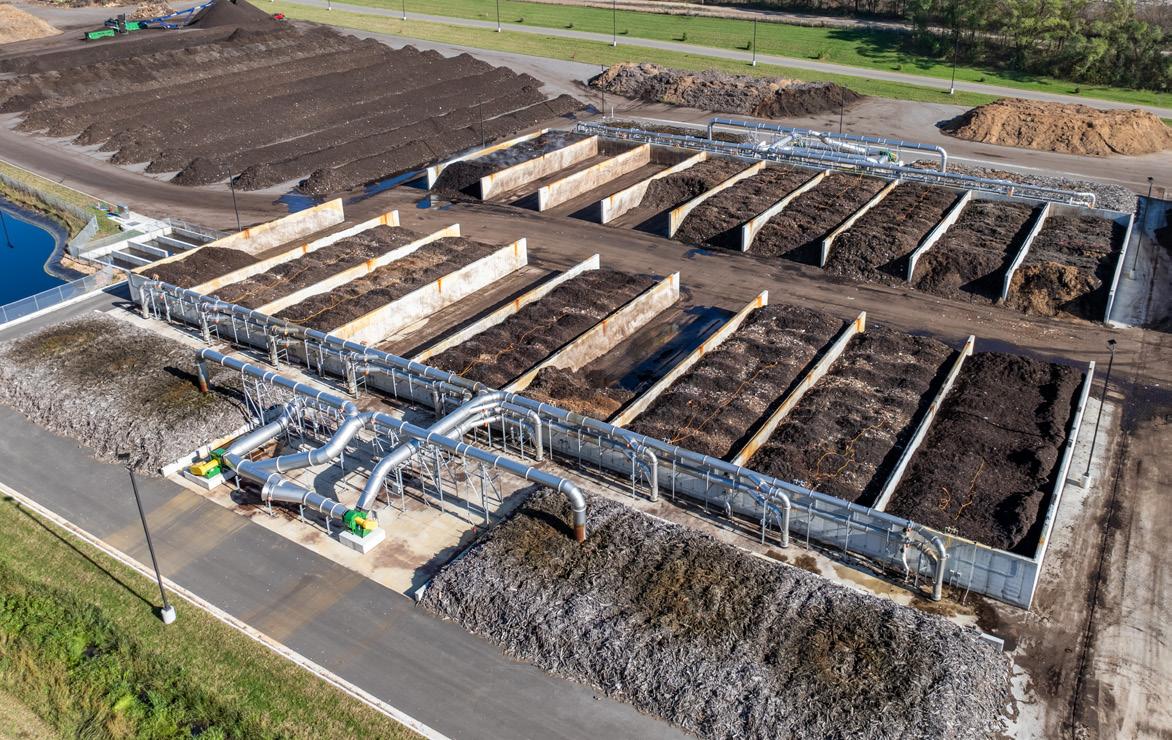
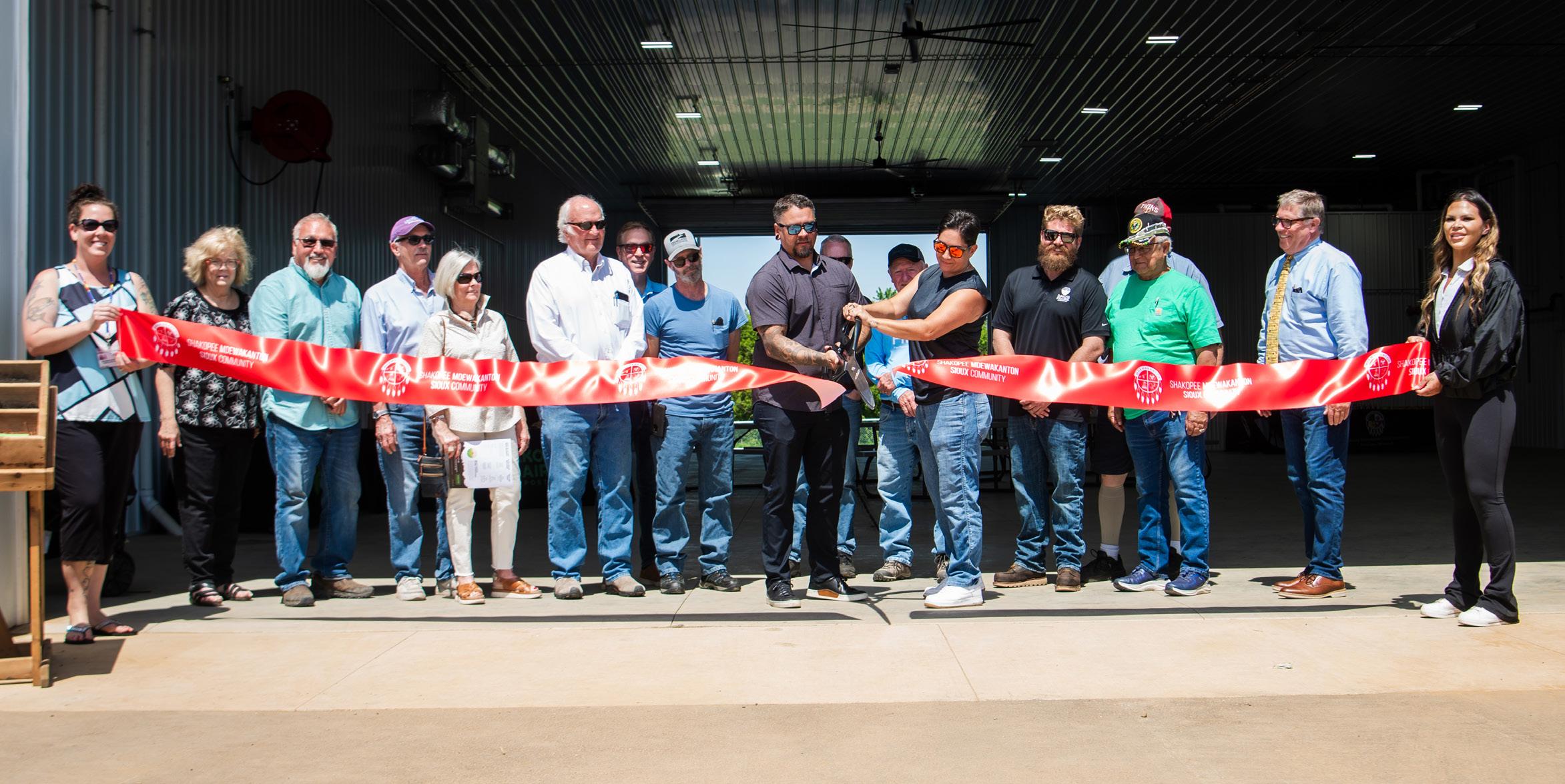
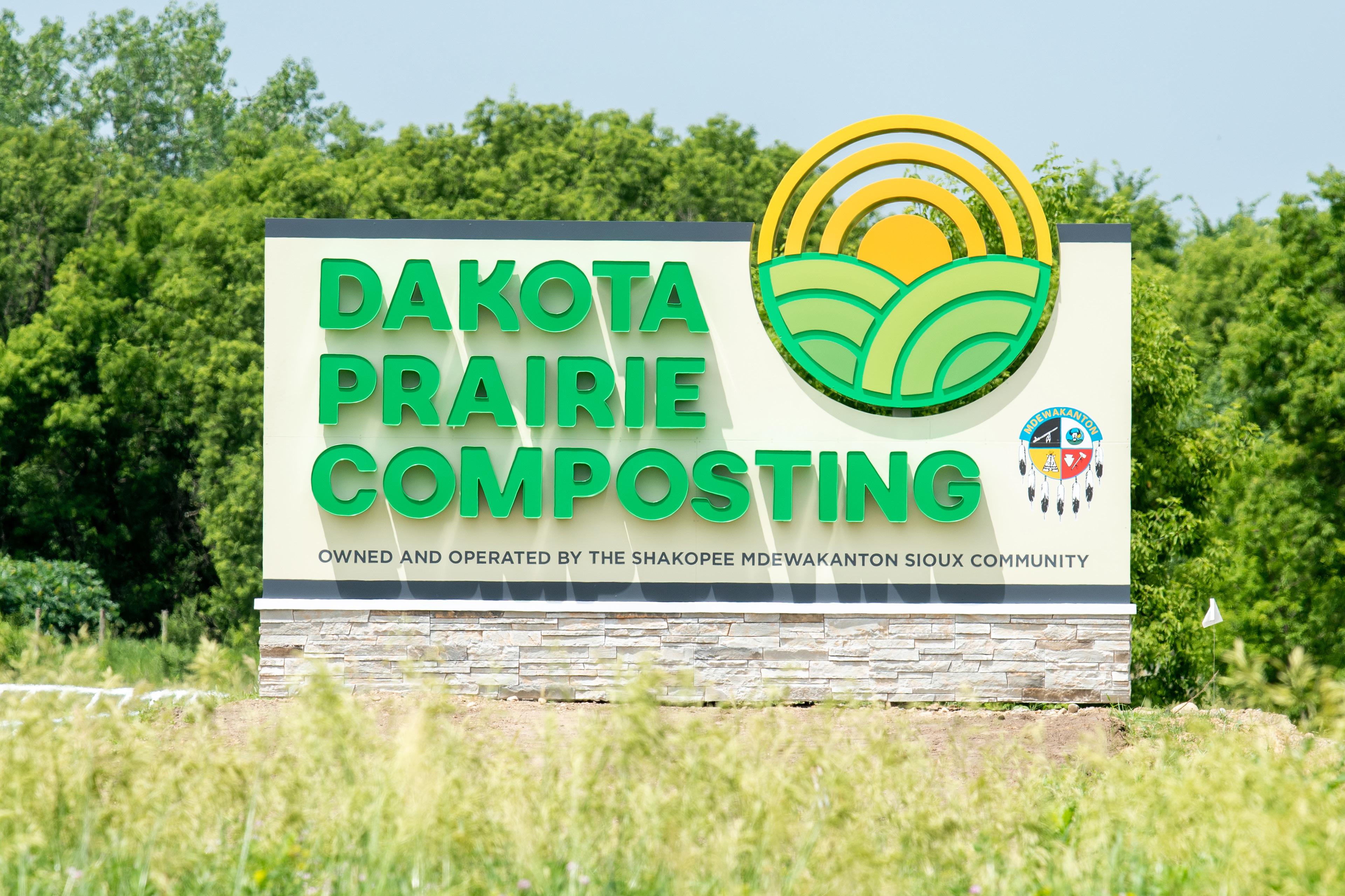
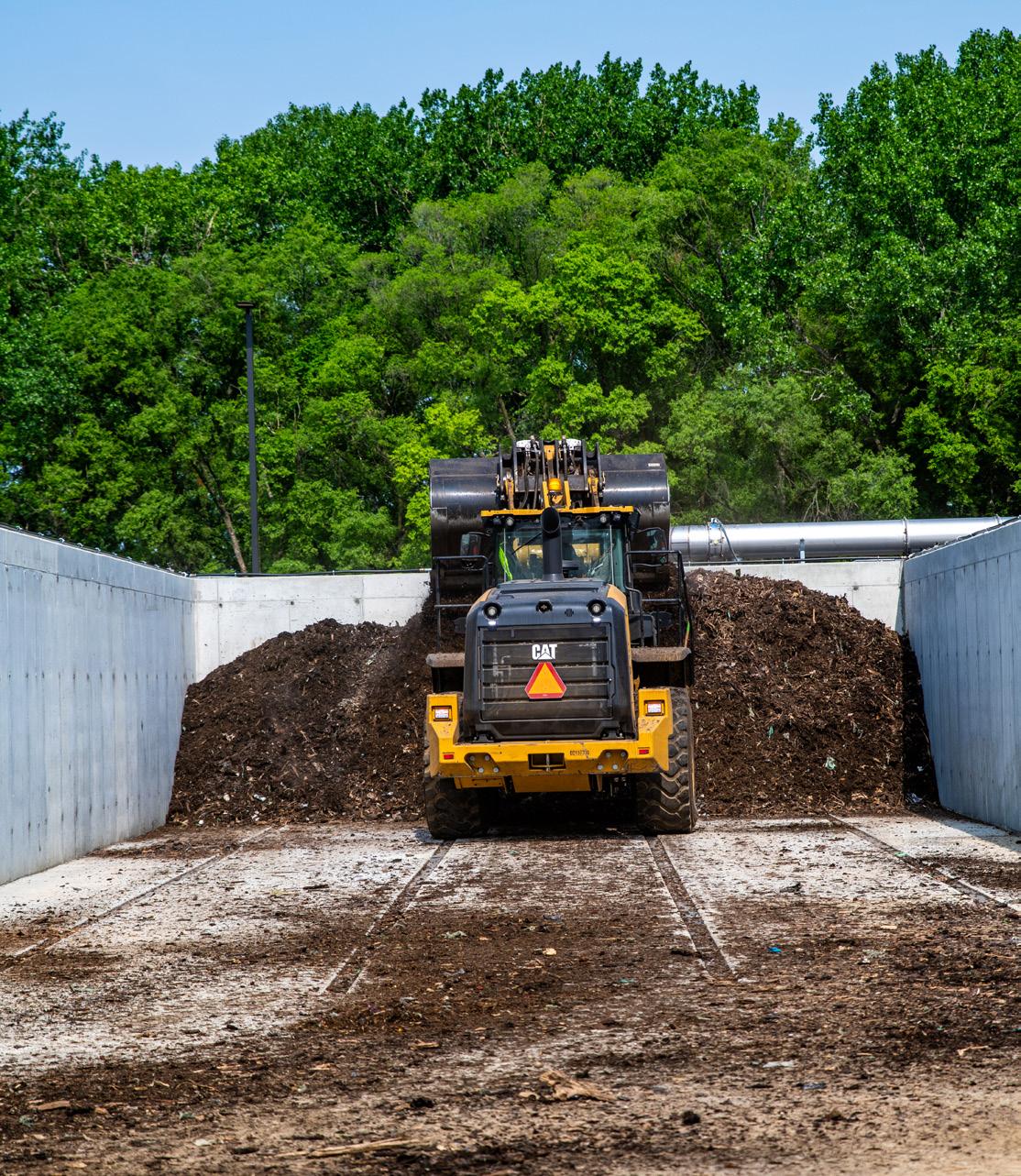
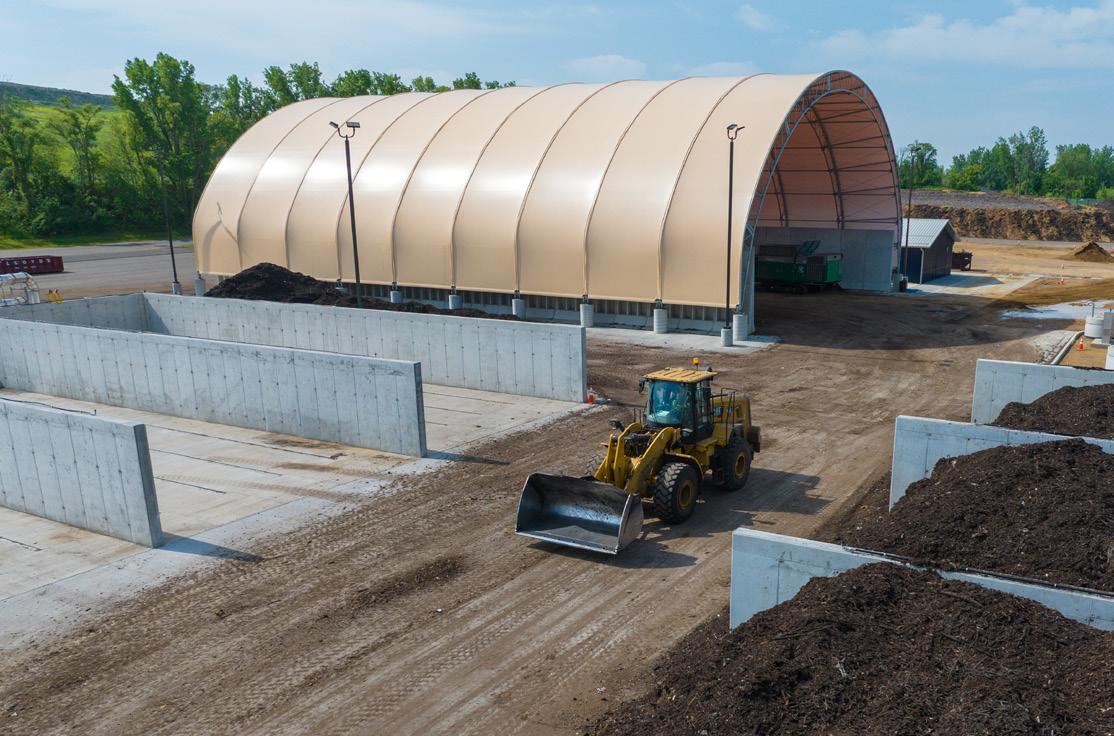
Dakota Prairie Composting held its longawaited grand opening in June. With a permitted capacity of 212,500 tons of organic material per year, this facility is the largest food waste composting facility in the Midwest region, turning organic material into valuable soil amendments to restore soil health.
–Manager of Compost Operations Erin Skelly
Opened Dakota Prairie Composting in 2025, the largest organics composting facility in the Midwest
Dakota Prairie Composting's state of the art CASP (Covered Aerated Static Pile) composting system. This technology cuts composting time in half, breaking material down efficiently and with minimal odor.
Ribbon cutting at the Dakota Prairie Composting opening in 2025.
Materials Stewardship
Dakota Prairie Composting and Organics Recycling Facility
TOTAL INCOMING MATERIAL: 92,190 TONS
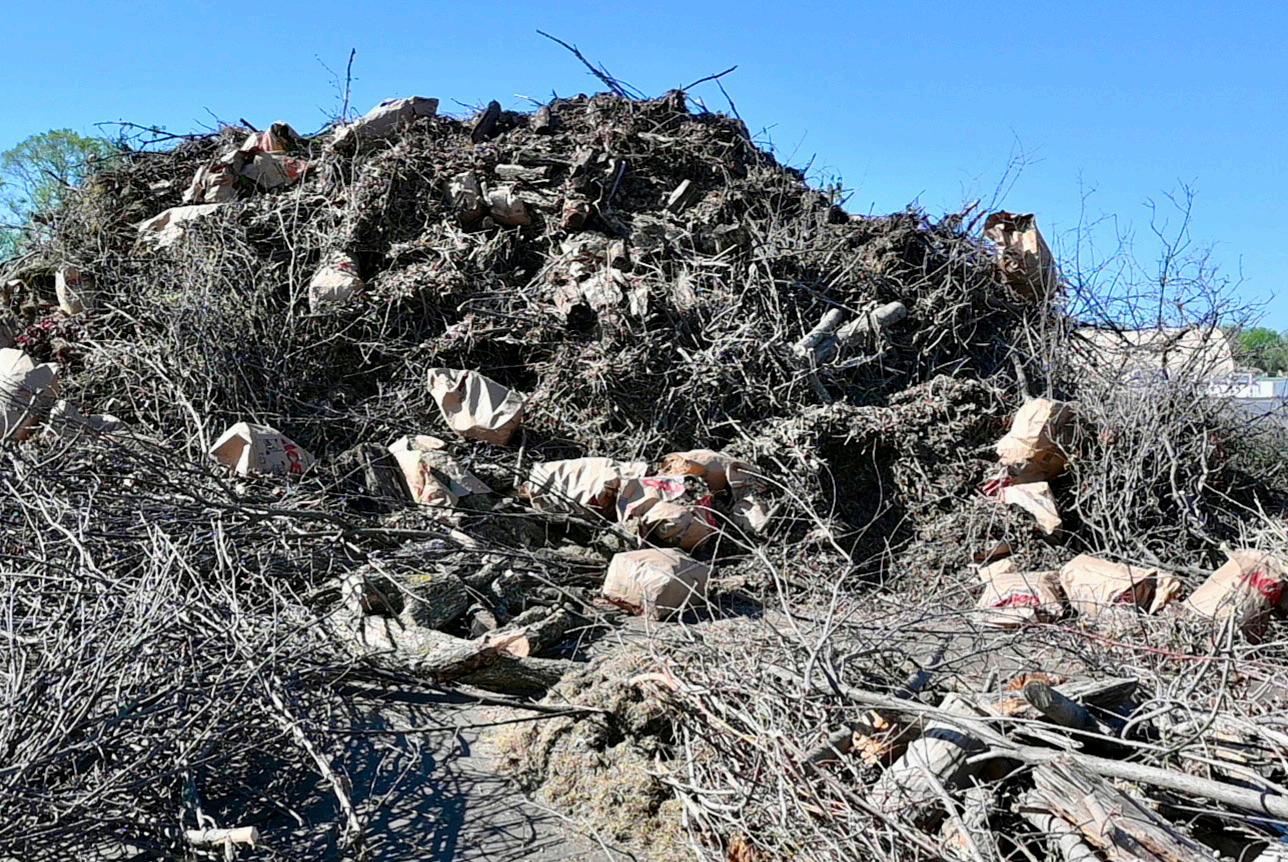
• 27,043 tons of wood (logs/brush/chips)
• 20,223 tons of food
• 27,574 tons of yard waste
5,668 residents participated in the free spring/fall yard waste collection events
• 4,264 tons of manure from Canterbury Park’s
• 14,844 tons of sod/dirt
The SMSC sent
1,478 tons of organic material to Dakota Prairie Composting which is equivalent to 1.6% of the total incoming material
• 158 tons of yard waste
• 76 tons of residential yard waste
• 671 tons of wood (logs/brush)
• 148 tons of sod/dirt
• 313 tons of source-separated organics
• 112 tons of biosolids
I was challenged to figure out how to make the Sustainability Program at Little Six Casino work for separating the trash and doing what is best for the environment, keeping as much as possible out of the landfill. I took a lot of pride in making this program work and had to dig into learning myself first. I came up with the picture board to help grab team members’ attention to which trash bin to toss items into and it worked. I was continually checking all trash bins throughout the building with supervisors and kitchen staff, pointing out anything that was in the wrong basket. It was something new for all of us to learn—separating everything that’s discarded. Pictures and signage continue to help educate team members. It’s amazing to see how far the enterprise has expanded in this effort.
–Bonnie Brunkow, Environmental Services Manager
6.83 tons of pumpkins collected and composted
Bonnie Brunkow
343
Natural Resources Department
You may notice updated bin labels and signage throughout the Community. The Sustainability Team is updating all bin labels across the Community and also are conducting trainings on proper waste disposal for team members.
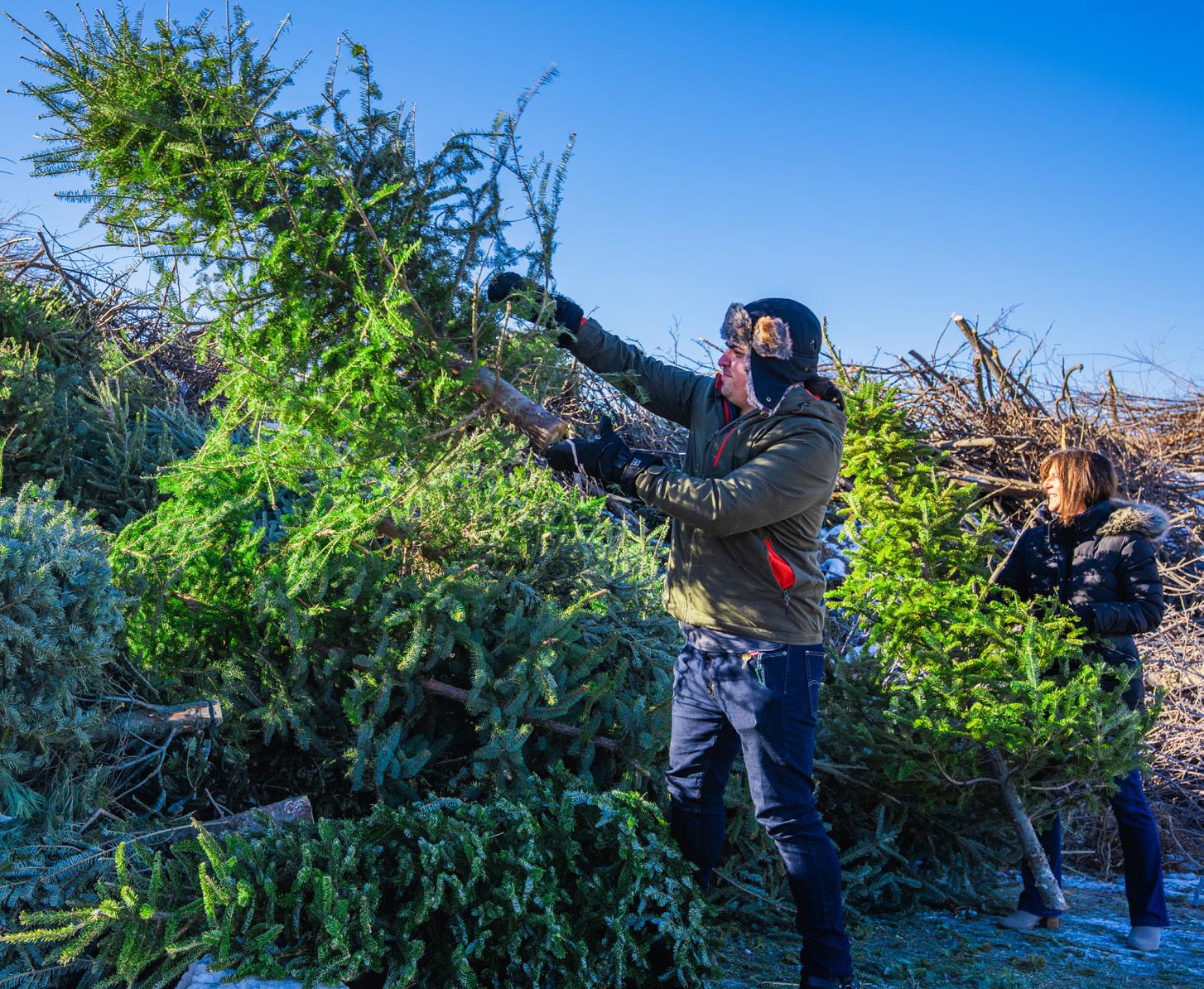
Christmas trees collected from area residents
Buildings AND Energy Bison
Introduced the first bull to SMSC’s bison herd (pteoptaye)
356 fence checks
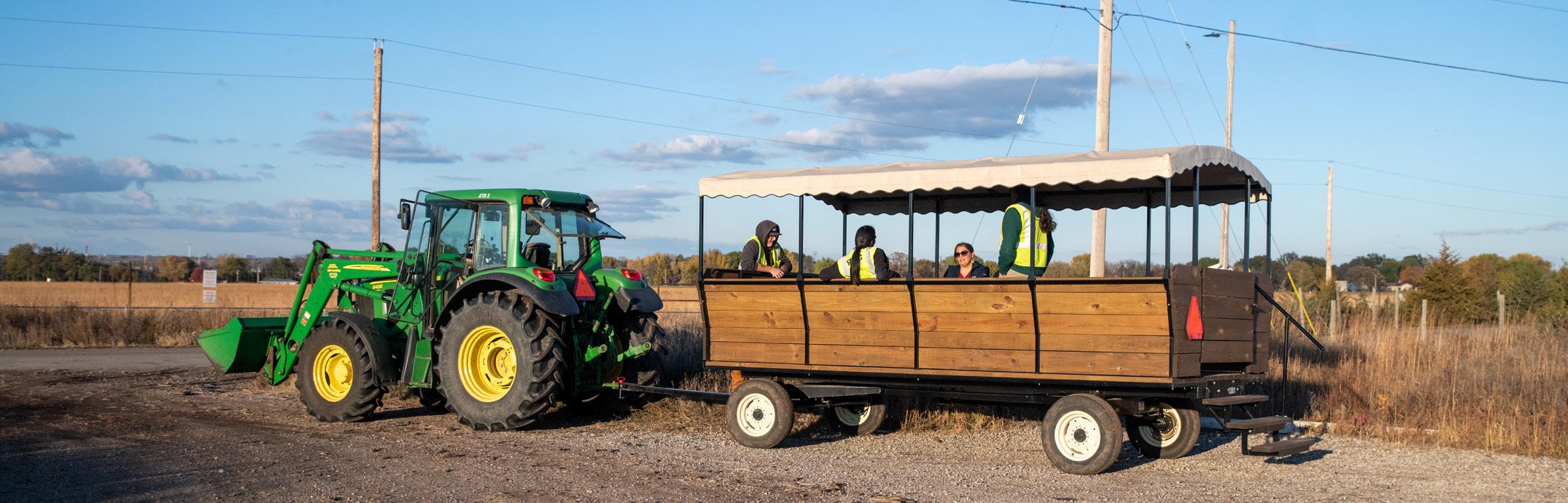
13 bison buggy tours
80,000 RECs were purchased in 2025 27% reduction compared to 2024
109,000 RECs were purchased in 2024
A decrease in renewable energy credits (RECs) driven by reduced electricity usage and increased investments in energy-efficient systems and technologies 13%
CO2 emissions compared to previous year and 2018 baseline
RESIDENTIAL ENERGY USE
Hydronics was in full operation in November 2025
Reduction of electricity use compared to the 2018 baseline
SMSC COMMERCIAL ENERGY REDUCTIONS
The SMSC continues to offset of electricity needs to wind farms in North and South Dakota 100%
DONATIONS Gaming Enterprise
2,000
home good items donated to the nonprofit Bridging, including chairs, ottomans, tables, couches, and artwork
300 items donated to Open Arms of Minnesota including coffee makers, irons, mini fridges, and blankets
I’m in my kitchen right now. Most of the stuff came from Bridging, it’s all fantastic and usable. I have what I need to cook properly. ...We have a dining room table where we eat together. ...This is what normalcy looks like for me and my family. When I come home, it feels like a home. When my kids come home, they have a home. It’s not just bare bones. There is a substance here. … We’re back to living in our own place. My kids are happy. I’m at peace.
-Charles, Bridging client
2,947
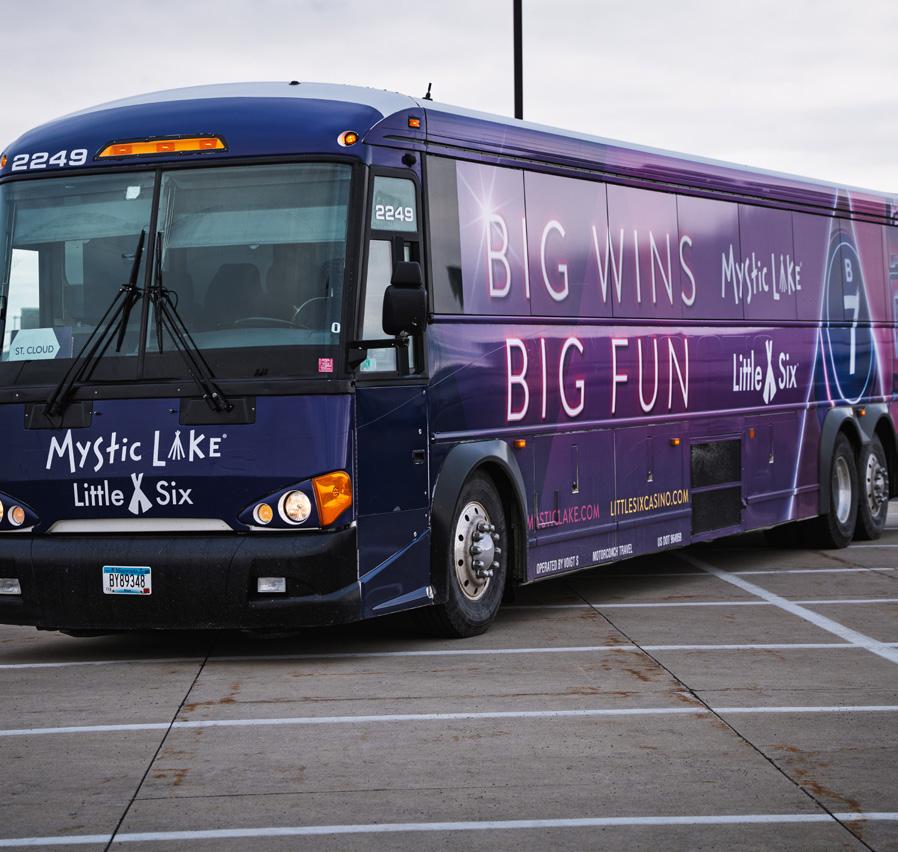
Electric Vehicle (EV) Fleet: The SMSC added a EV Buzz, Ford Lightning, and EV Box truck
In April, the SMSC hosted the annual Earth Week Extravaganza event, which educated SMSC members and team members on the tribe’s environmental initiatives. Topics included organic recycling, salad for all seasons, lead tackle drop-off, water cycle, growing herbs, macroinvertebrate ID, chronic wasting disease, drones, bison in the prairie, and more!
1,173
erosion and sediment control inspections were completed on construction sites across the SMSC
254 people attended
1,143 people completed Earth Week Extravaganza quizzes online
The SMSC received a Clean Water Legacy Partners grant, funded by Minnesota’s Clean Water, Land and Legacy Amendment, for purchasing a new street sweeper. It is specifically designed for sweeping year-round (including winter months) in order to reduce road salt and other road debris from entering SMSC waterbodies.
7 4 2 4 FOR
Mystic Lake met all water quality standards and the average chloride concentration decreased from 2024 to 2025
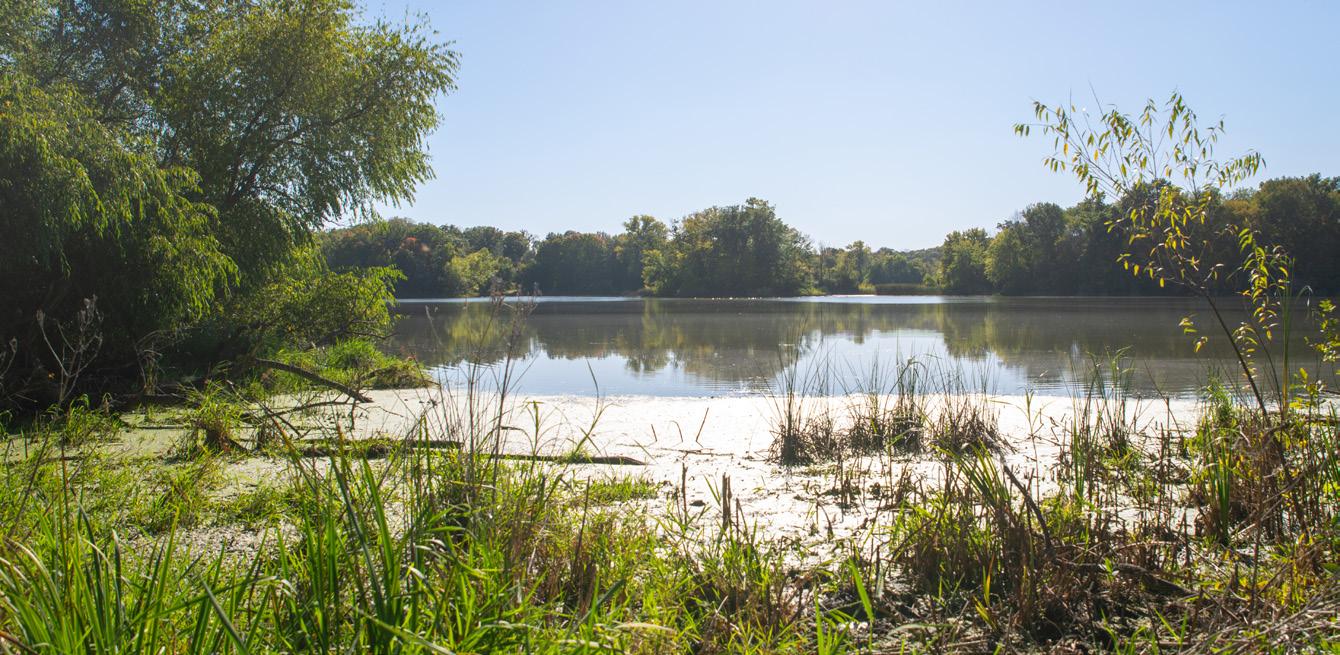
The SMSC deployed three continuous water quality sensors at Arctic Lake and Pike Lake that can send data via the SMSC LoRa network. This ability to monitor water quality remotely—and at a greater frequency—allows any changes in the waterbodies to be noticed earlier.
Sampled 4 wetlands for macroinvertebrates, an indicator for long-term aquatic health
The SMSC hired a contractor to conduct fish surveys of SMSC lakes, which included assessing invasive fisheries and removing 85 invasive common carp from Arctic Lake and Pike Lake.
82
Playworks Educare Center youth were educated at 4 events. Topics included macroinvertebrate ID, make-your-own macroinvertebrates, importance of the water cycle, and water conservation.