
Children need good places to play — to develop muscles and social interaction skills, to breathe fresh air and experience the natural world, to make friends and learn life lessons. But it’s adults who consciously plan, build, and maintain those spaces for them. Our tribe’s IndigeFit Kids campaign — a philanthropic initiative to improve the physical fitness, health and wellness of Native American youth in Minnesota — has partnered with KABOOM! to build five new playspaces in Native communities in Minnesota in 2026 and 2027.
But as valuable as those new facilities will be in their individual communities, it’s even more valuable that adult leaders have the benefit of expert assessment of the adequacy of the playspaces in and near their communities. For that reason, IndigeFit Kids commissioned this report as a resource for tribal leaders, Native organizations, youth workers, and funders when they think about the infrastructure needed for the good health of Native kids.
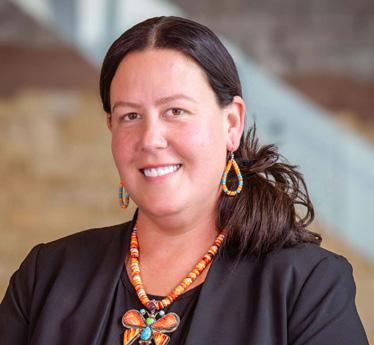
Natasha Hacker
Vice-Chairwoman, Shakopee Mdewakanton
Sioux Community Co-Chair, IndigeFit Kids
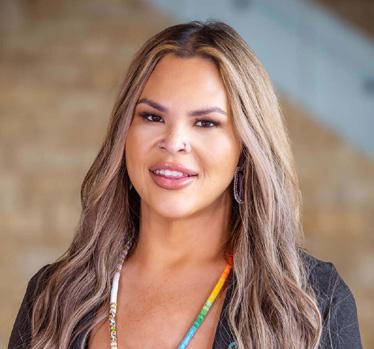
Ashley Cornforth
Secretary/Treasurer, Shakopee Mdewakanton Sioux Community Co-Chair, IndigeFit Kids
IndigeFit Kids is a philanthropic campaign of the Shakopee Mdewakanton Sioux Community (SMSC) to support the health and well-being of Native youth in Minnesota. IndigeFit Kids partnered with KABOOM! to identify playgrounds needing improvement throughout Minnesota’s Native communities.
At KABOOM!, we believe every child deserves access to safe, joyful places to play, but good intentions alone don’t ensure resources reach the kids who need them the most. We need clear, actionable insight into where gaps exist and where investment can have the greatest impact. Data and mapping make visible what is too often overlooked, particularly in Native communities that have been historically underfunded and systemically excluded from public infrastructure decisions.
This report is designed to help prioritize our investment, so that resources go where they are needed most. When data leads the way, all children can have a place to play, thrive, and belong — something every Native child deserves.
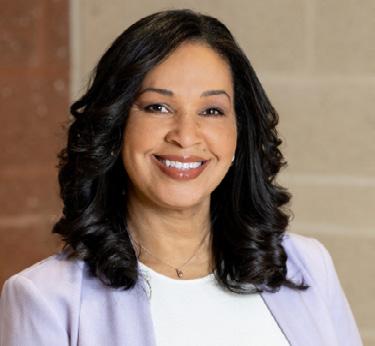
Lysa Ratliff CEO, KABOOM!
ABOUT KABOOM!
KABOOM! unites with kids, communities, and diverse partners to build playspaces in places where we know from data that access has been historically denied. Together, we work to ensure every playspace reflects the unique needs, desires, cultures, and strengths of kids and their communities.
In an effort to respect the Indigenous data sovereignty of each tribal nation in Minnesota, KABOOM! spoke with tribal representatives multiple times throughout the process. We sought permission to visit and assess playgrounds and obtained this permission from 9 of the 11 tribal nations in Minnesota.*
In addition, we also obtained permission from each tribal nation to include the location and status of each of their playgrounds in this report. In instances where a tribal nation did not want the names or locations of their playgrounds to be made public, we have anonymized the data. Each participating tribal nation was also provided a full set of data on each of their playgrounds to use as they see fit. We appreciate the efforts by each tribal nation to make this project possible and affirm that each participating tribal nation can utilize and govern their own data that was generated as part of this report.
With 87 counties and over 1,500 census tracts in Minnesota, any attempt to map and visit every playground in the state would have been costprohibitive. Therefore, we focused our analysis on areas of the state that are home to Native and Indigenous youth on and near tribal reservations and in urban settings. We utilized a three-step process to identify high-priority communities and high-priority playgrounds.
For the first step, KABOOM! used several types of data to identify communities most in need of new playgrounds and that contained a large number or percentage of Native and Indigenous youth. We began by focusing on all communities within or next to reservations or tribal lands, and then we also identified all urban and suburban census tracts that had 40 or more Native or Indigenous children. This resulted in a list of high-priority communities — which are areas that have a large number or percentage of Native youth that tend to have lower household incomes, lower access to playgrounds and parks, and concerning child health outcomes.
Second, KABOOM! used satellite images and GIS tools to identify and map public playgrounds in each high-priority community. We also spoke with representatives from 9 of the 11 recognized tribes in Minnesota to help identify playground areas that might not be identifiable using satellite images. Tribal leaders also identified many playgrounds used by children that were near, but not in, highpriority communities. Using this process, we identified and mapped 433 playgrounds across Minnesota that are on tribal lands or are close to large populations of Native youth.

3
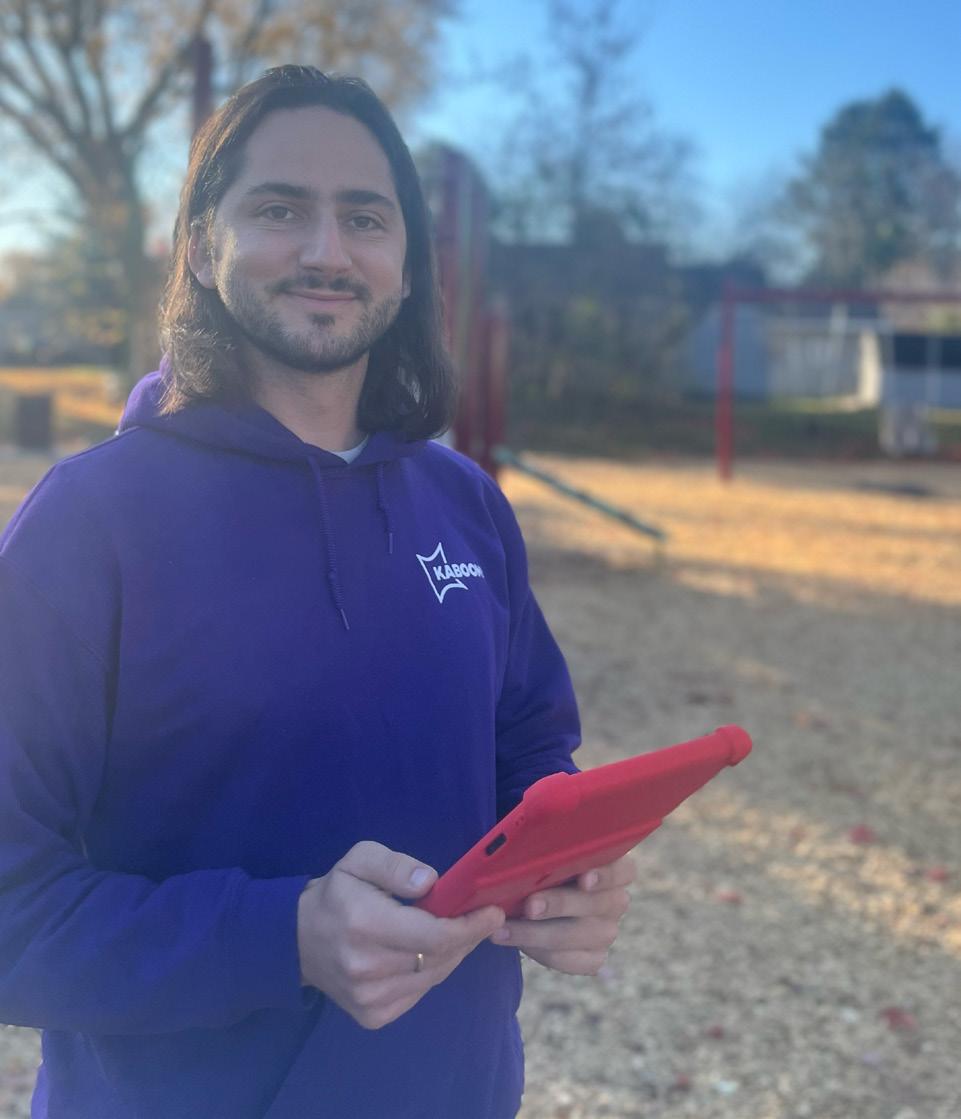
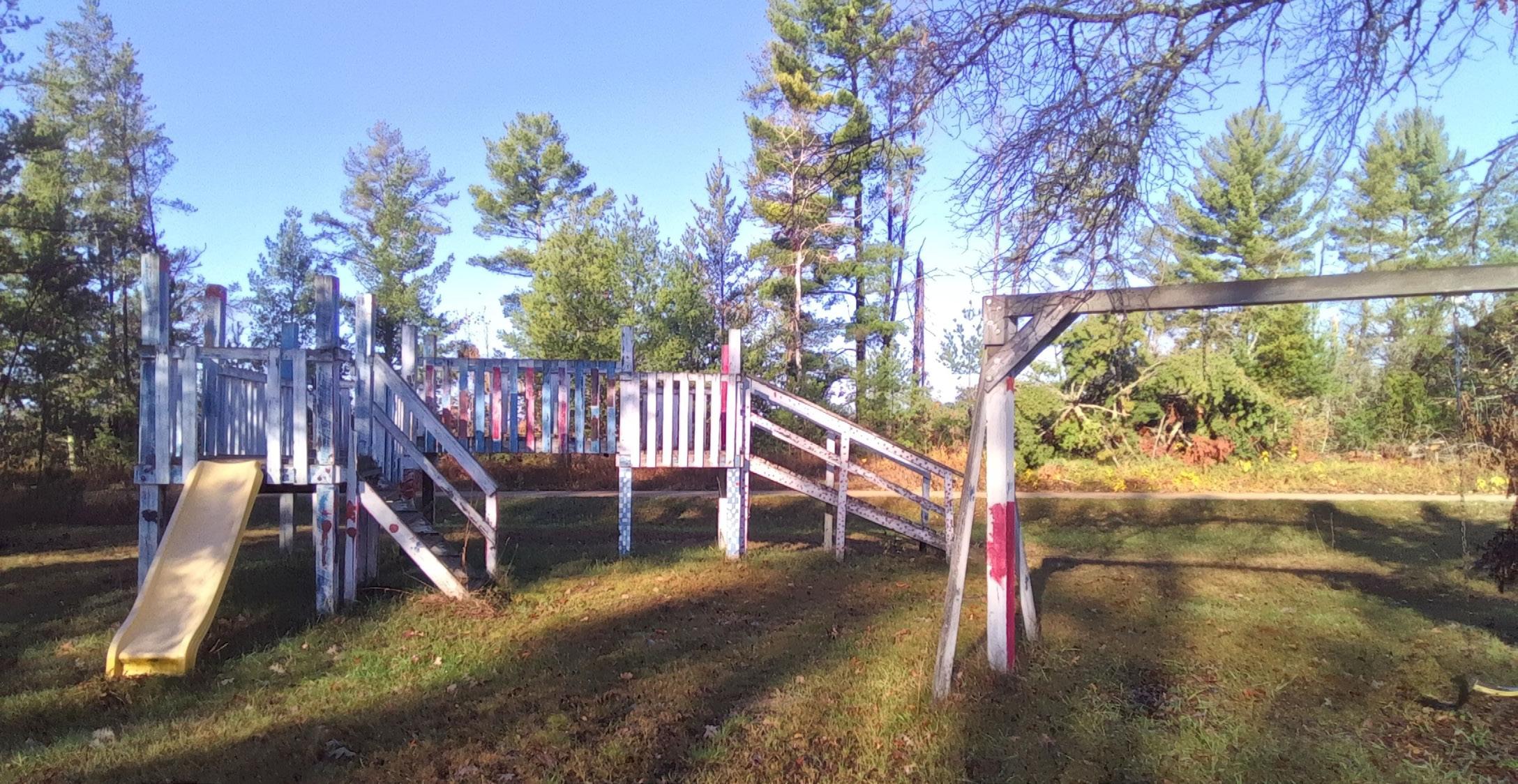
The third and final step took place in October 2025, when KABOOM! staff visited 237 playgrounds in-person and documented their condition. Using the KABOOM! Playground Quality Assessment Tool, we assigned a numerical playground quality score to each playground. This playground quality score was then used to rank each playground and determine which were most in need of immediate replacement. We identified the highest-priority playgrounds — a total of 51 playgrounds throughout the state that have multiple playground components (slides, swings, climbers, safety surfacing, etc.) that are in immediate need of replacement or that present a safety hazard to children. In most cases, these playgrounds are also the only play opportunities for certain ages of children in the immediate area.
KABOOM! Identified 51 high-priority playground locations out of the 237 we assessed during the IndigeFit Kids Playground Assessment process.
Playgrounds Assessed
When looking at all 237 playgrounds that were assessed during the IndigeFit Kids Playground Assessment process, KABOOM! found that 35% contained one or more unsafe components, and 11% of assessed playgrounds were in immediate need of repair or replacement due to significant safety concerns. While unsafe playgrounds were found across the entire state, some communities had more high-priority playgrounds than others.
The vast majority of the high-priority playgrounds are located on tribal land (63%) and in federally
designated rural census tracts (88%). Additionally, 29 of the high-priority playgrounds (56%) were located both on tribal lands and in rural census tracts. KABOOM! found that only four of the 51 high-priority playgrounds are located in the greater Twin Cities area.
Out of all communities included in the assessment, White Earth and Leech Lake had the largest number of playgrounds assessed (24 each) and also the largest percentage of high-priority playgrounds. Despite having many playgrounds, these findings indicate that children in both communities lack access to high-quality play environments. In each community, 14 playgrounds were classified as highpriority sites. Notably, Leech Lake contains both the single highest- and lowest-priority playgrounds in the entire assessment. In contrast, of the 21 playgrounds assessed on Fond du Lac tribal land, only one was deemed high-priority, reflecting the tribe’s sustained, multi-year investment in improving recreational infrastructure.
35%
11% of assessed playgrounds contained at least one unsafe component of assessed playgrounds in need of immediate replacement or repair
These findings mirror what KABOOM! and others have found with similar analyses. A simple count of the number of playgrounds located in a community does not tell the full story. In many instances, communities will have several playgrounds, but those playgrounds will have older equipment and unsafe components that need to be replaced.
Listed in alphabetical order.
High-priority playgrounds in high-priority communities
Allborn Community Center, Fond du Lac
Bill Tauton Stadium, Willmar
Boy Lake, Leech Lake
Cedar Square Apartment, St. Cloud
Cherry Point Park, Worthington
Cougar Park, White Earth
Ehlers Park, Worthington
Giwanikimin Housing, White Earth
Harmon Park, South St. Paul
Headstart, White Earth
Kego Lake Park, Leech Lake
Leech Lake Housing Authority, Leech Lake
Ludlow Park, Worthington
Maple Lawn Park, Faribault
Manhomen Elementary, White Earth
Mii-ingaan Park, Leech Lake
Mirage Commons, Frogtown
Nena Park, Leech Lake
Noopiming Community Center, Leech Lake
Oak Point Center, Leech Lake
Oaks at Bentoshire, St. Cloud
Old Agency Park, Leech Lake
Onamia City Park, Onamia
Onigum Park, Leech Lake
Pine Point Community Center, White Earth
Pine Point Elementary, White Earth
Pine Point School, White Earth
Porcupine Lane, Leech Lake
Rice Lake, St. Philips Episcopal Church, White Earth
River Land Apartments, White Earth
Saint Michael's Catholic School, White Earth
Salvation Army Community Center, Saint Cloud
Sugar Point, Leech Lake
Track 34 Park Leech Lake
Tract 33 Park, Leech Lake
Veteran Memorial Ground, Leech Lake
White Earth Community Center, White Earth
White Earth Congregate Housing, White Earth
White Earth East Projects, White Earth
White Earth South Projects, White Earth
High-priority playgrounds in lower-priority communities
Bristol Park, Worthington
Canigo Park, Willmar
Garfield Park, Faribault
Garrison City Park, Garrison
Hilltop Park, Cloquet, MN
Northside Park, Willmar
Observation Park, Duluth
Playground 1, Tribal Nation A^
Playground 1, Tribal Nation B^
Playground 2, Tribal Nation A^
Rock Creek Lions Project, Pine City
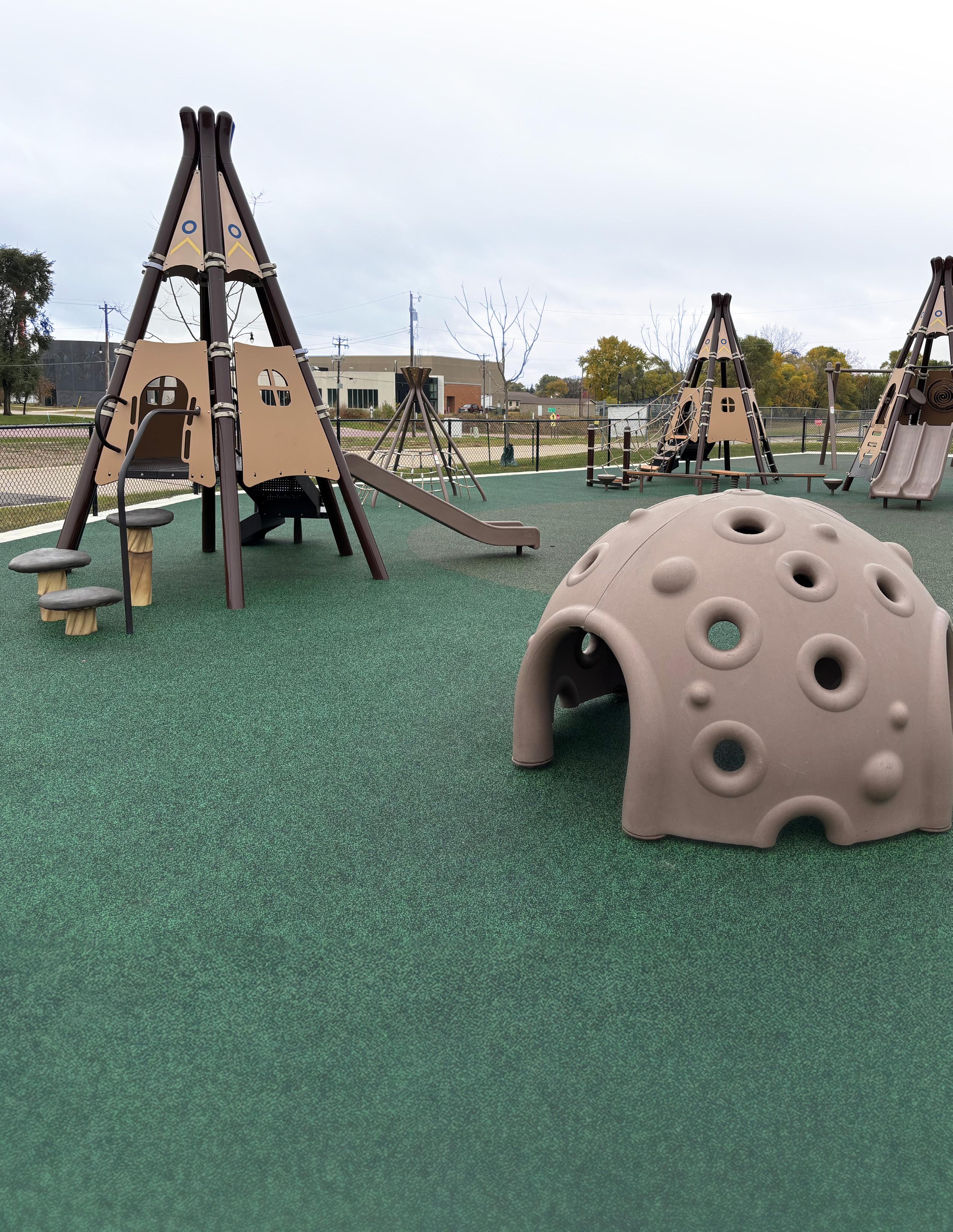
Using the Playground Priority List, IndigeFit Kids and KABOOM! have committed to building five new playgrounds by the end of 2027.
With 51 playgrounds on the priority list, the need for new playgrounds is large and we are committed to working with local, state, and national funders to secure additional funding.
SEE ALSO
Prioritizing Play for Minnesota's Native Youth: Technical Report
Prioritizing Play for Minnesota's Native Youth: Maps and Tables