
NATIONAL INSTITUTE OF DIGITAL MARKETING
NATIONAL INSTITUTE OF DIGITAL MARKETING
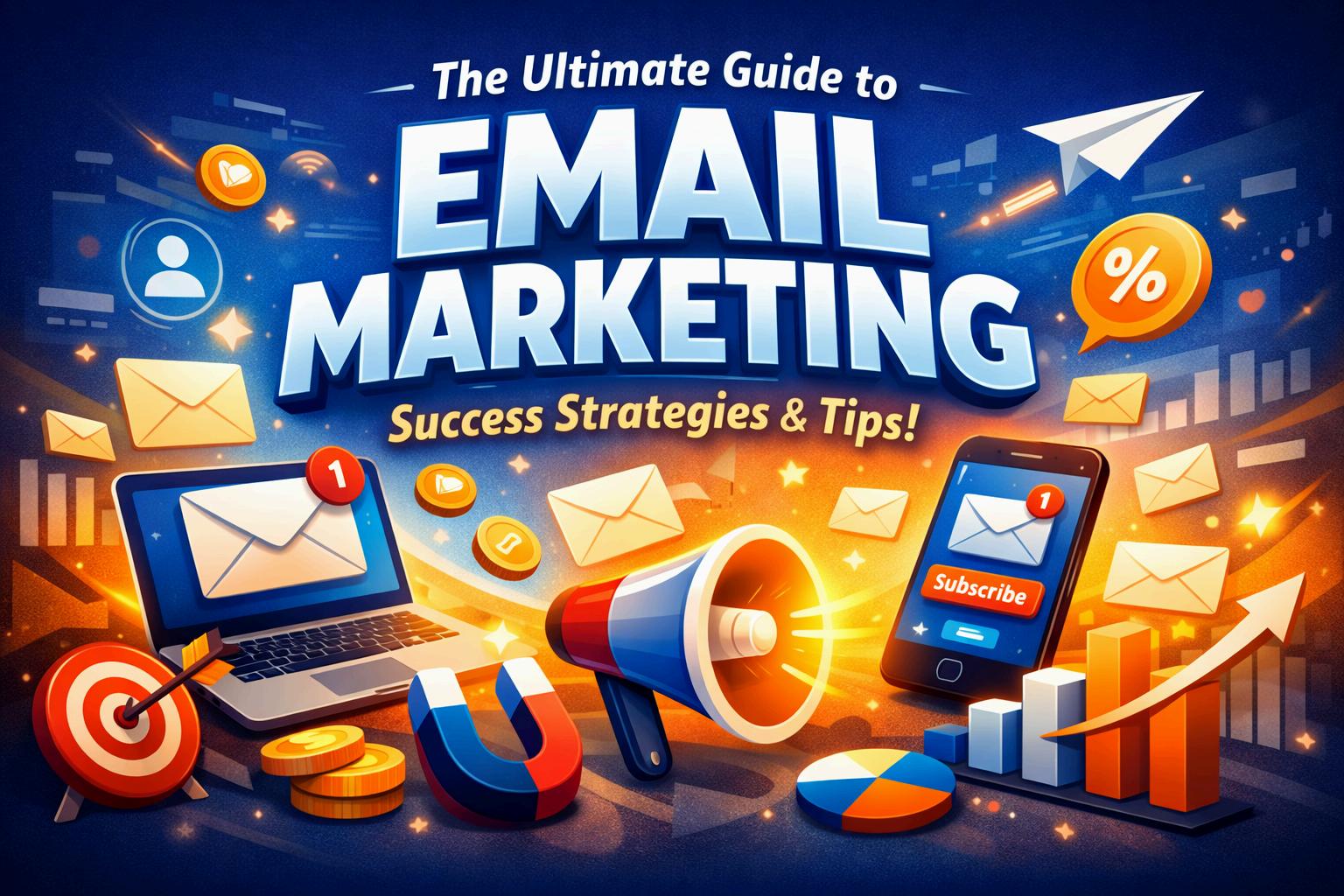
Email Marketing is a digital marketing strategy that involves sending emails to potential and existing customers to promote products, services, and brand messages. It is one of the most effective online marketing channels because it allows businesses to communicate directly with their audience.
Email marketing helps organizations build relationships, increase brand awareness, generate leads, and drive sales Unlike many other marketing methods, email marketing enables businesses to deliver personalized content based on customer interests and behavior.
● Direct communication with customers
● Personalized messaging
● Cost-effective promotion
● Measurable performance
● High return on investment
Businesses of all sizes use email marketing to maintain customer engagement and achieve their marketing goals
Email marketing remains one of the most valuable digital marketing tools It helps businesses connect with customers, share updates, and promote products effectively.
1 Builds strong customer relationships
2. Increases brand awareness.
3. Generates leads and sales.
4 Encourages repeat purchases
5. Delivers personalized experiences.
6. Supports customer retention.
Benefits
● Low marketing cost
● Global audience reach
● Easy campaign management
● Fast communication
● Detailed performance tracking
Because of its effectiveness and affordability, email marketing continues to be a key component of modern digital marketing strategies.
Businesses use different types of email campaigns depending on their objectives.
Welcome Emails
Sent to new subscribers to introduce the brand and establish a positive first impression.
Promotional Emails
Used to advertise products, services, discounts, and special offers.
Newsletter Emails
Provide valuable information, industry updates, company news, and educational content.
Transactional Emails
Automatically sent after purchases, registrations, or account activities
Re-engagement Emails
Encourage inactive subscribers to reconnect with the brand.
Survey Emails
Collect customer feedback and opinions to improve products and services.
Each email type serves a unique purpose in the customer journey
A successful email marketing campaign follows a structured process.
Step 1: Define Goals
Identify campaign objectives such as increasing sales, generating leads, or improving engagement.
Step 2: Build an Email List
Collect subscriber information through websites, landing pages, and sign-up forms
Step 3: Segment the Audience
Group subscribers based on demographics, interests, and behavior.
Step 4: Create Engaging Content
Develop valuable and relevant email content
Step 5: Design the Email
Use attractive layouts, images, and clear call-to-action buttons.
Step 6: Send the Campaign
Choose the best time and schedule emails.
Step 7: Analyze Results
Track campaign performance and make improvements
Following these steps helps maximize campaign success.
An effective email should be informative, attractive, and action-oriented
Subject Line
The first thing recipients see. It should be short, clear, and engaging.
Using the recipient's name makes emails feel more personal.
Valuable Content
Provide useful information that addresses customer needs
Visual Design
Use clean layouts, images, and branding elements.
Call-to-Action (CTA)
Encourage readers to take action such as:
● Buy Now
● Learn More
● Register Today
● Download Free Guide
Mobile Optimization
Emails should display properly on smartphones and tablets.
Combining these elements increases engagement and conversion rates.
Email marketing tools help businesses manage campaigns efficiently
Popular Email Marketing Tools
● Mailchimp
● Brevo (Sendinblue)
● Constant Contact
● GetResponse
● HubSpot
● ActiveCampaign
Benefits of Automation
Email automation allows businesses to send emails automatically based on customer actions.
Examples include:
● Welcome email series
● Birthday emails
● Cart abandonment emails
● Follow-up messages
● Customer retention campaigns
Automation saves time, improves consistency, and enhances customer experiences.
Tracking performance is essential for optimizing email campaigns.
Measures the percentage of recipients who open the email
Click-Through Rate
Measures how many recipients click links within the email.
Conversion Rate
Tracks the number of users who complete a desired action.
Bounce Rate
Measures failed email deliveries
Unsubscribe Rate
Shows how many recipients opt out of future emails.
Evaluates the profitability of email marketing efforts
Regular analysis helps businesses improve campaign performance and achieve better results.
● Low open rates
● Spam complaints
● Poor email list quality
● Lack of personalization
● High unsubscribe rates
1. Build permission-based email lists.
2. Create engaging subject lines.
3 Personalize email content
4. Provide value to subscribers.
5. Optimize emails for mobile devices.
6. Test and improve campaigns regularly.
7 Monitor performance metrics
Email Marketing is one of the most effective and affordable digital marketing strategies available today It enables businesses to build strong customer relationships, increase sales, improve brand awareness, and achieve measurable results.
By combining high-quality content, audience segmentation, automation, and performance analysis, businesses can create successful email marketing campaigns that contribute to long-term growth and customer satisfaction.
Thank You