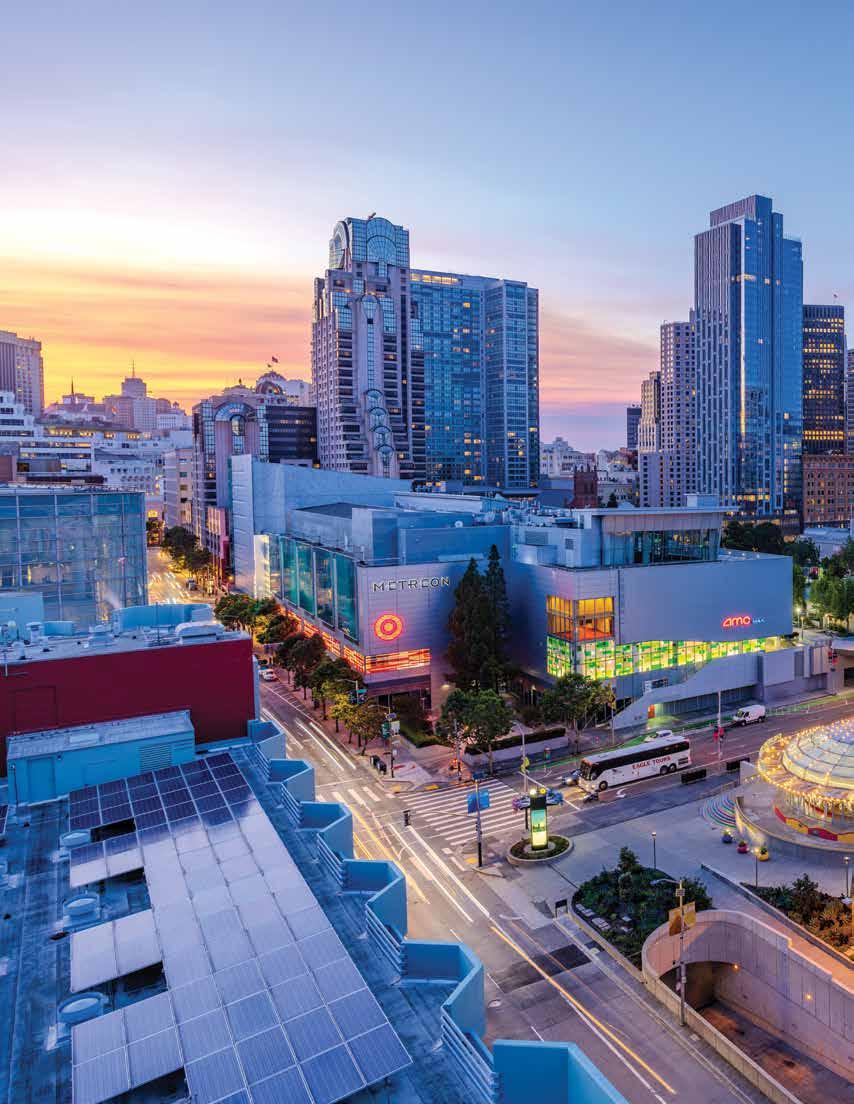



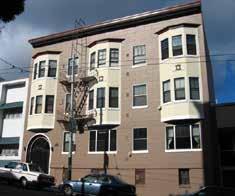
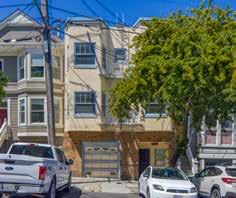



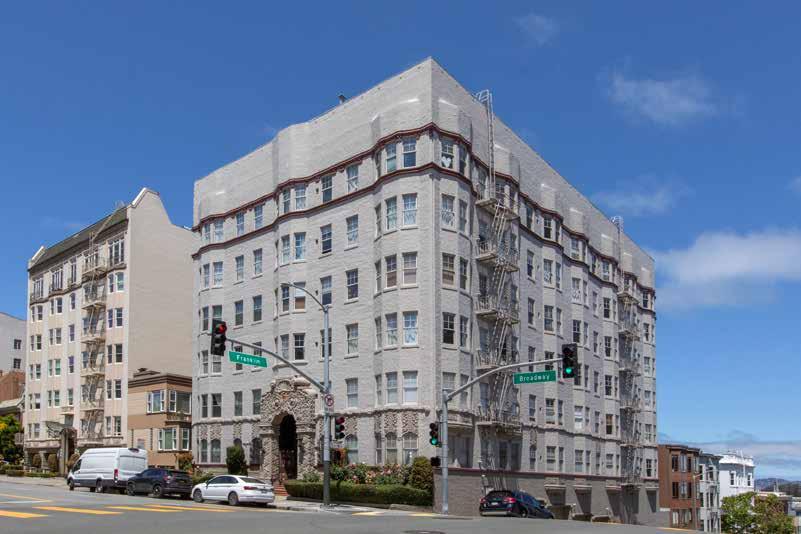
Lower Nob Hill
Nob Hill


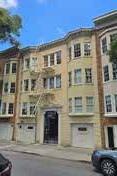
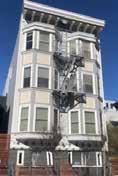

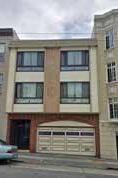
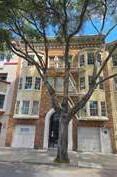







San Francisco Apartment Association Office 265 Ivy Street
San Francisco, CA 94102
Tel 415-255-2288 Fax 415-255-1112
Email memberquestions@sfaa.org Web www.sfaa.org
SFAA Staff
Executive Director Janan New
Deputy Director Vanessa Khaleel
Administrative & Technical Manager Stephanie Alonzo
Government and Community Affairs Charley Goss
Marketing Lara Kisich
Member Services Gershay Castaneda
Education & Member Services Maria Shea
Accountant Crystal Wang
SFAA Officers
President J.J. Panzer
Vice President Robert Link
Treasurer Paul Gaetani
Secretary Kent Mar
SFAA Directors
Eric Andresen, Oz Erickson, Craig Greenwood, Andrew Long, Craig Lipton, James Sangiacomo, Dave Wasserman
Published by
San Francisco Apartment Association
Publisher Vanessa Khaleel
Editor Pam McElroy
Art Director Jéna Safai
Production Manager Stephanie Alonzo
Tel 415-255-2288
Web www.sfaa.org
SF Apartment Magazine (ISSN 1539-8161) Periodicals Postage Paid at San Francisco, California and at additional mailing offices. POSTMASTER: Send address changes to the SF APARTMENT MAGAZINE, 265 Ivy Street, San Francisco, CA 94102.
The SF Apartment Magazine is published monthly for $84 per year by the San Francisco Apartment Association (SFAA), 265 Ivy Street, San Francisco, CA 94102. The SF Apartment Magazine is not responsible for the return or loss of submissions or artwork. The magazine does not consider unsolicited articles. The opinions expressed in any signed article in the SF Apartment Magazine are those of the author and do not necessarily reflect the viewpoint of the SFAA or SF Apartment Magazine. This publication is designed to provide accurate and authoritative information in regard to the subject matter covered. It is sold with the understanding that the publisher is not engaged in rendering legal, accounting or other professional services. If legal service or other expert assistance is required, the services of a competent person should be sought. Acceptance of an advertisement by this magazine does not necessarily constitute any endorsement or recommendation by the SFAA, express or implied, of the advertiser or any goods or services offered. Published monthly, the SF Apartment Magazine is distributed to the entire membership of the SFAA. The contents of this magazine may not be reproduced without permission. Publisher disclaims any liability for published articles. Printed by Printing Partners Copyright @2026 by SFAA.

San Francisco is repositioning the downtown office market through a growing package of adaptive-reuse incentives aimed at converting underutilized commercial buildings into housing.
City planners have identified roughly forty-eight downtown office buildings that may be suitable for residential conversion, potentially yielding approximately 4,400 housing units if projects move forward, according to the Chronicle.
The city has introduced multiple measures intended to make conversions more financially feasible, including proposed transfer-tax relief, fee waivers, financing tools, and adjustments to affordability requirements for qualifying projects. Officials argue
that without intervention, many aging office buildings may continue sitting partially vacant for years.
Supporters of the effort view conversions as an opportunity to simultaneously address downtown vacancy and long-term housing supply shortages. Critics, however, note that conversions remain expensive and structurally difficult, particularly for larger office towers with deep floorplates and limited access to natural light.
While San Francisco has discussed office conversions for several years, the city is now placing far greater emphasis on implementation as hybrid work patterns appear increasingly permanent.
For housing providers and developers, the city’s conversion strategy could
influence downtown land values, redevelopment opportunities, neighborhood density, and future residential demand patterns across the urban core.
Mayor Daniel Lurie has introduced legislation to reduce transfer taxes on certain large real estate transactions related to housing development. The proposal targets portions of San Francisco’s transfer tax structure that developers and investors argue have become significant barriers to largescale residential projects, particularly in a high-interest-rate environment already challenged by elevated construction costs.
Transfer taxes on large transactions can add millions of dollars to acquisition and financing costs for multifamily and mixed-use projects. Industry groups have increasingly pointed to the taxes as one factor discouraging new housing investment in San Francisco.
The transfer tax would be reduced for properties sold for $10 million and over.
Supporters argue that reducing barriers to housing production is necessary if San Francisco hopes to meet longterm state housing requirements and revitalize underused portions of downtown. Opponents have raised concerns about reducing city revenue at a time when San Francisco continues facing budget pressures.
The City is exploring a proposal to relocate San Francisco’s Hall of Justice operations to underutilized office space in Mid-Market. The concept would create a centralized “vertical justice center” bringing court functions, city agencies, and related services into a downtown office tower. Supporters















argue the move could help reactivate a corridor that has struggled with vacancy, street conditions, and reduced foot traffic since the pandemic.
The proposal also reflects the city’s growing willingness to reconsider how downtown commercial buildings are used as office demand remains below pre-pandemic levels.
While still in early stages, the discussion highlights how adaptive reuse conversations are expanding beyond residential conversion alone. Policymakers are increasingly evaluating civic, educational, and institutional uses for downtown office inventory.
For surrounding property owners and businesses, additional daytime activity generated by public agencies and court operations could potentially increase pedestrian traffic and support nearby commercial corridors.
Questions remain regarding financing, logistics, security considerations, and whether the proposed office space could adequately accommodate justice-related operations.
San Francisco is expanding entertainment and activation efforts throughout downtown neighborhoods as part of broader economic recovery initiatives. Entertainment zones in areas including Union Square, Yerba Buena Lane, and portions of Mid-Market are allowing more flexible permitting for outdoor events, performances, food vendors, and public programming.
The city is increasingly viewing entertainment infrastructure as an economic development tool that can support local businesses, increase foot traffic, and improve perceptions of downtown activity.
Recurring events such as Downtown First Thursdays are drawing large crowds into the Financial District and surrounding corridors during evening hours. Officials have also expanded support for
cultural programming, public concerts, and neighborhood activation events in partnership with organizations including the Civic Joy Fund. Recurring night markets throughout San Francisco continue attracting residents and visitors through food vendors, music, retail booths, and cultural performances. For a calendar of events, turn to pages 32 and 44.
The City is striving for a more active mixed-use environment supported by entertainment, tourism, and residential activity throughout the week, considering that downtown recovery can no longer depend exclusively on weekday office workers.
San Francisco continues moving forward with PermitSF, the city’s broader initiative aimed at streamlining permitting and reducing administrative delays. The effort includes expanded online permit tracking, longer service hours, improved coordination between departments, and proposals aimed at consolidating permitting functions under a more centralized structure.
Permitting delays have long been a major source of frustration for housing providers, contractors, retailers, and small business operators in San Francisco. Industry groups have consistently argued that the city’s fragmented approval system contributes to project uncertainty, higher soft costs, and delayed housing production.
The reforms are intended to improve transparency and predictability while reducing unnecessary administrative complexity.
Additional proposed changes would simplify approvals for sidewalk seating, façade improvements, signage, and entertainment-related permits, particularly in downtown commercial corridors.
While many of the reforms remain in progress, the city’s increased focus on permitting efficiency reflects a broader push to reduce barriers to investment and business activation.
San Francisco has begun implementation of its recently approved Family Zoning Plan, a major component of the city’s broader Housing Element strategy. The plan allows increased residential density along key commercial and transit corridors, particularly in historically lower-density western and northern neighborhoods.
The plan is intended to expand housing opportunities for families, workforce residents, and multigenerational households while encouraging development near transit infrastructure and neighborhood services. Implementation will occur gradually over several years as zoning updates, neighborhood planning efforts, and permitting changes move forward.
For housing providers and developers, the changes may eventually influence redevelopment opportunities, allowable densities, and long-term investment strategies across multiple San Francisco neighborhoods.
San Francisco continues developing a new housing vacancy reporting system tied to the city’s state-mandated Housing Element obligations. The reporting program is separate from the city’s previously overturned vacancy tax but is intended to provide officials with better data regarding housing utilization and long-term vacancies.
Reporting requirements are still being finalized, including which property types will be required to participate and how frequently information must be submitted. Early proposals suggest annual reporting requirements for certain residential properties, though details remain under review.
As implementation discussions continue, property owners and housing providers are closely watching for clarification regarding compliance obligations, reporting





From leasing trends to electrification incentives and infrastructure costs, SFAA’s April Member Meeting focused on operational challenges and emerging opportunities for San Francisco housing providers.
Presented by Dave Chesnosky of Rentals Inc.
Dave Chesnosky of Rentals Inc. shared an overview of San Francisco’s current rental market, describing demand as exceptionally strong across a wide range of property types and neighborhoods. Leasing activity has accelerated citywide, with continued demand for everything from Tenderloin studios to luxury homes in Pacific Heights.
Chesnosky also highlighted the importance of responsive leasing operations, professional marketing, guided tours, and flexible leasing support for owners and management companies navigating today’s competitive environment. Social media visibility, virtual tours, and streamlined scheduling tools were also discussed as increasingly important leasing tools.
Presented by Bryce Nesbitt of EV Plug Box
Bryce Nesbitt, co-founder of EV Plug Box, presented strategies for simplifying EV charging installations in multifamily buildings. The presentation focused on connecting chargers directly to resident electrical meters, avoiding many of the operational and infrastructure challenges associated with shared charging systems.
Nesbitt noted that while some housing providers report limited tenant demand today, electric vehicle adoption continues to rise rapidly across California. The session also explored available incentive programs, including San Francisco rebates covering up to 80% of qualifying installation costs for certain multifamily properties.
Presented by Environmental Safety Training Professionals
Environmental Safety Training Professionals delivered a presentation on mold prevention, identification, and remediation in rental housing. The discussion covered common moisture sources, health concerns associated with mold exposure, and practical steps housing providers can take when mold issues are reported.
Presenters emphasized the importance of early investigation, proper ventilation, and addressing underlying moisture problems before mold spreads further. The session also reviewed common remediation approaches, including cleaning, material removal, and professional testing when necessary.
Presented by the San Francisco Public Utilities Commission
Representatives from the San Francisco Public Utilities Commission provided an overview of proposed water and sewer rate increases scheduled for the next two fiscal years. Officials cited aging infrastructure, environmental compliance requirements, and major wastewater system upgrades as primary drivers behind the proposed adjustments.
The presentation outlined projected increases for both residential and multifamily customers, while also discussing financing strategies, conservation programs, rebates, and customer assistance resources designed to help offset costs where possible. Speakers also addressed questions from housing providers regarding rent-controlled pass-through limitations and infrastructure funding challenges facing utilities statewide.
Members who were unable to attend can view the meeting recording and access presentation materials through SFAA’s website.





written by MICHAEL L. MOORE II
Why unauthorized subtenants stay protected under San Francisco’s Rent Ordinance despite lease violations.
In the good old days, if a tenant subleased a room in their unit, without prior approval as required by the lease, the landlord could serve an eviction notice and recover possession. The same result would follow if the tenant subleased the entire unit.
The times have changed.
Today, the San Francisco Rent Ordinance allows tenants to replace departing roommates and/or to increase the number of occupants living in the unit, even when prohibited by a lease.
Not a day goes by without a landlord asking our attorneys if they can evict subtenants when the original tenant no longer lives in the unit. Our answer is typically “no” because subtenants are protected by the Rent Ordinance as a subspecies of tenants.
But there are situations where the eviction of subtenants may be possible:
• Nothing in the Rent Ordinance allows a tenant to sublet or assign the entire unit to a new tenant in violation of a lease.
• Nor may a tenant sublet the unit for tourist or transient use as defined in the Short-Term Rental Ordinance for a period of less than thirty days.
• Some leases require prior written consent before a sublease can take place. Tenants with written leases that limit their ability to sublet must follow strict procedures to obtain the landlord’s approval before moving a new occupant into the unit.
• The most controversial exception to the no eviction rule is when the subtenants remaining in possession at the end of a tenancy have not been approved by the landlord. This is the 7th grounds for eviction in the Rent Ordinance.
Each of these situations involves complicated laws that are applied based on years of judicial and Rent Board determinations. Attempts to evict subtenants when prohibited by law can lead to failed unlawful detainer actions and costly lawsuits for wrongful eviction. Consult with an experienced landlord attorney before trying to evict a subtenant.
An assignment of a lease occurs when the original tenant vacates and assigns all rights to a new tenant. Most leases prohibit assignments, and the Rent Ordinance appears not to protect unauthorized assignments from eviction action. They are distinct from the replacement of roommates that is protected by the law.
However, if there is no written lease agreement for the tenancy, or if the agreement is silent on the issue of assignments and does not include a limit on the number of occupants, a tenant is not required to obtain the landlord’s approval before moving a new occupant into the unit.
Tenants may not sublet their units for tourist or transient use for a period of less than thirty days. Tenants who violate San Francisco’s short-term rental laws by using Airbnb or similar services might be subject to eviction.
Tenants wishing to sublease under a lease that requires the landlord’s prior consent must follow rules established by the law. The tenant must make a written request to the landlord for permission to move the new occupant into the unit.
Within five days of receipt of the tenant’s written request, the landlord may require the tenant to submit a completed standard form application for the proposed new occupant (or to provide sufficient information about the new occupant to allow the landlord to conduct a typical background check), including full name, date of birth, and references.
If the landlord makes a timely request for information from the proposed new occupant, the tenant then has five calendar days after receipt of the landlord’s request to provide the landlord with the proposed new occupant’s application or typical background










check information. The landlord then has fourteen days from receipt of the tenant’s written request to approve or deny the request. If the landlord does not respond to the tenant’s request within fourteen days, or unreasonably denies the tenant’s request, the request is deemed approved by law, and the tenant cannot be evicted for moving the new occupant into the unit without the landlord’s prior consent.
A landlord must have a reasonable basis to deny a tenant’s request for a new occupant in the unit. If the landlord denies the request, the denial must be in writing, and include both a description of the reasons for the denial and specific facts supporting the reasons for the denial. Failure to include specific facts supporting the reasons for the denial in the written denial is equivalent to unreasonably denying the tenant’s request.
Denial by the landlord of the tenant’s written request for a new occupant may be considered reasonable only if:
• the proposed new occupant will be legally obligated to pay some or all the rent and the landlord can establish that the new occupant lacks creditworthiness;
• the proposed new occupant fails to complete the landlord’s standard application or fails to provide sufficient information to allow a background check;
• the landlord can establish that the proposed new occupant has misrepresented significant facts on the application;
• the landlord can establish that the new occupant is a direct threat to the health, safety, or security of other tenants or to the building; or
• the addition of the new occupant will exceed the number of occupants permitted by the lease or the number of occupants previously allowed by the landlord in the unit, in certain situations.
If the written lease limits or prohibits subletting and the tenant moves a new occupant into the unit without the landlord’s consent, the landlord may serve the tenant with written notice that the lease has been violated and must allow the tenant at least ten (10) days to cure the lease violation before proceeding with an eviction.
The tenant may cure the violation by making a written request to the landlord for the additional occupant or by removing the unapproved occupant from the unit. The tenant’s written request would start the 14-day timeline described above. Most tenants cure the violation by making a proper request. For this reason, evictions based on failure to obtain prior consent are rare.
A landlord is permitted to recover possession from a tenant holding at the end of the term of the oral or written agreement who is a subtenant not approved by the landlord. This is known as the 7th cause for eviction under the Rent Ordinance. Many judges refuse to enforce this ground for terminating a tenancy because it is unclear what it means exactly. Leases in SF never have an “end of term.” Tenancies continue month-to-month unless terminated by the tenant giving notice or the landlord having just cause to evict.
What Sec. 37.9(a)(7) probably means is that when a lease ends and the tenant vacates, if other occupants remain behind in the unit, they can be evicted if they were never approved by the landlord. Landlord approval can be express as set forth in the request for consent process described above. But it can also be implied by the conduct of the landlord. If the landlord knows there are subtenants in possession and never objects, the landlord has given tacit consent. Any objection to subletting that could have been given is waived if the landlord has knowledge of other people living in the unit and thereafter accepts rent.
Because of ambiguity in the meaning of this 7th just cause for eviction and the
ease with which landlords can give approval to subtenants without intending to, terminations for unapproved subtenants are extremely rare.
A better alternative where the master tenant who originally signed the lease no longer resides in the unit, is to do a Costa-Hawkins rent increase under State law. The Costa-Hawkins Rental Act permits a landlord to set the rent to fair market value to subtenants after the original tenant has permanently vacated.
A Costa-Hawkins rent increase will typically raise the rent to fair market value. While the law permits a rent increase of any amount, raising rent above market value could be characterized as a wrongful endeavor to recover possession. In reality, subtenants often vacate after rent is legally raised to market levels.
The information contained in this article is general in nature. Consult the advice of an attorney for any specific problem. This article was written by Michael L. Moore II of Fried, Williams & Grice Conner LLP.

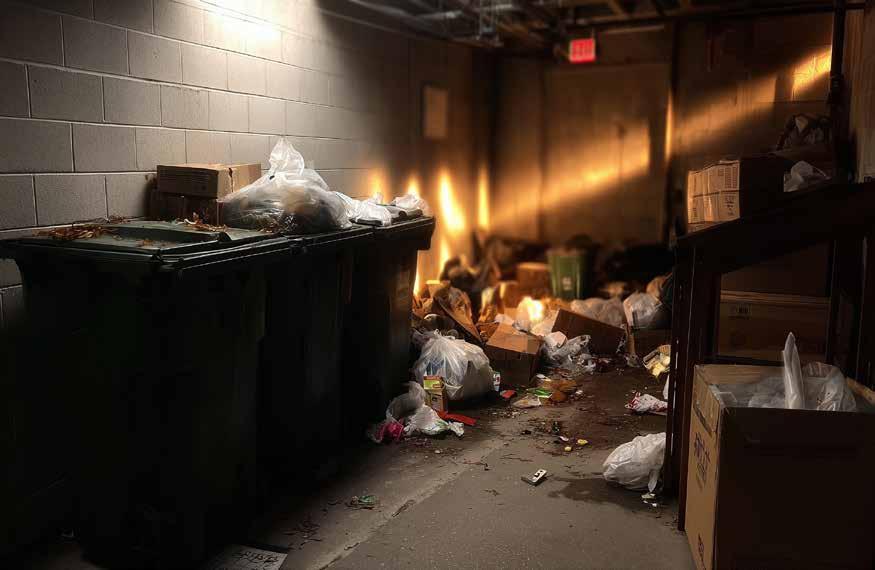













You’re tired of paying exorbitant overflow, push-pull and contamination fees to your waste hauler.
Illegal dumping, abandoned mattresses, and trash on the floor is wreaking havoc at your property.
You want to eliminate tenant complaints about messy, smelly enclosures and create a community people are proud to call home.
Your tenants are happy with the cleanliness and lingering odors coming from your trash enclosures.
You aren’t worried about the risk of city citations for improper sorting & overflow under SB 1383 regulations.
You prefer your maintenance team to spend their time cleaning chute rooms, moving bins, and managing missed pickups rather than handling high value repairs.
written by VARIOUS AUTHORS
Unauthorized appliances can create safety risks, lease violations, and costly disputes.
Q. A tenant has installed an unauthorized washer/dryer and a second refrigerator in my 1900 four-plex. I’m worried they may overload electrical circuits and increase utility costs. If possible, I’d like to avoid this turning into a big dispute. Advice?
A. It seems that this problem is becoming more prevalent, as residents increasingly believe that they are entitled to unilaterally supplement their housing services with additional appliances. And while many newly refurbished apartments do now contain such amenities, there is no requirement in local or state law that entitles tenants to install a second refrigerator or to add a washer and dryer to their unit.
Presumably, the operative lease agreement in question contains restrictions on one’s ability to alter the rental housing without the owner’s express consent. Even rental contracts that are older and inferior to the gold standard SFAA Residential Tenancy Agreement (RTA) set forth basic prohibitions against this type of conduct. As for the RTA, it leaves no room for ambiguity:
32. ALTERATIONS, CHANGES, and PROHIBITIONS: Tenant shall not remodel, renovate, paint, refinish floors, or otherwise alter or
change the Premises, common areas, or any other parts of the Building. Tenant shall not apply adhesive paper to any cabinets, walls, or doors; nor shall Tenant hang any plants, planters or lighting fixtures from ceilings or walls; nor shall Tenant tack, nail or glue any coverings to floors or walls without prior written consent of Owner. Tenant shall not install or operate any large appliances like washing machines, clothes dryers, saunas, portable dishwashers, deepfreeze units, or other appliances, pianos, or outside antennae on the Premises without prior written consent of Owner. Tenant may not install, place, or affix audio or video equipment or cameras outside of the Premises except as permitted by law. No plants, planters or plant boxes may be placed directly on floors, carpets, window ledges or on fire escapes….
The question then becomes how you address this clear breach of a lease covenant, assuming your agreement mirrors the RTA’s admonition. If your lease does not contain a no-alterations clause, you could be stuck. However, your attorney may be able to help you to establish that even absent such an expressly stated prohibition, this activity poses a fire and life safety risk
to the building and its inhabitants, and should therefore be curtailed on that basis.
Yet even with concise lease language, most legal practitioners have grown wary of serving and pursuing formal notices that require prompt compliance coupled with a threat to terminate the tenancy if such compliance is not forthcoming, as modern trends in case law and statutory enactments make such endeavors challenging. However, here, the transgression is material and substantial enough, and therefore worthy of such drastic action if less formal attempts to convince your residents to permanently remove the unauthorized appliances have been futile. Indeed, allowing the objectionable installations to remain unchecked not only waives your future ability to compel appropriate behavior but also invites the other three households in this building to install their own unauthorized appliances. Thus, act quickly by first asking politely and in writing that these items be ousted. If you don’t see immediate rectification, have your attorney prepare a notice to cure or quit. Should such measures fail, consider going to court to seek judicial help. Most of these cases never see a trial date, as settlements remain the overwhelmingly probable outcome. But do take timely action. By staying silent, you might very well be faced with damaging water leaks or, worse yet, a devastating electrical fire.
—Dave Wasserman
Q. A long-term tenant smokes in his unit, and his lease predates our no-smoking policy. His smoking triggers the fire alarm,






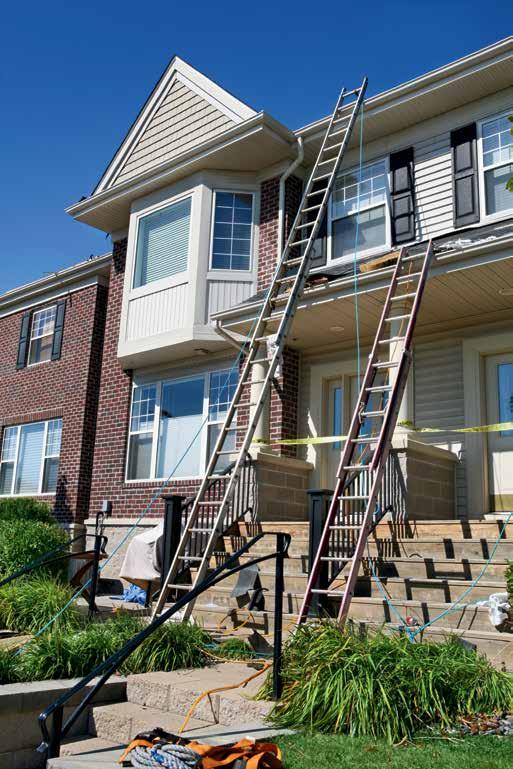

Don’t defer your tenants safety! Call us today to schedule your inspection.
Pacific Coast Real Estate Inspections
The premier provider of SB-721 and Section 604 compliance inspections in the Bay Area. With over 9,000 inspections performed! Save time, money, and inspector visits with our Combo 604/721 Inspection package.
Licensed General Contractor Licensed Home Inspectors
NACHI Certified Professional Inspectors
NACHI Certified Deck Inspectors
Over 30 years of Building Expertise 415-516-8110 PCREInspections.com




resulting in SFFD false-alarm fines. Can the tenant be held responsible? What enforcement options do I have?
A. A landlord is not stuck just because a tenant’s lease is old. California nuisance law focuses on what the tenant is doing now, not just what the lease said years ago. If smoking in a unit repeatedly sets off the fire alarm, disturbs other residents, and leads to false alarm charges, that conduct can start to look like a nuisance even though smoking was not originally banned.
The basic nuisance rule is simple. A nuisance exists when someone creates a condition that is harmful to health, offensive to the senses, or interferes with another person’s comfortable use of property, and the interference is both substantial and unreasonable.
In plain terms, one-time annoyance is usually not enough. Repeated smoke, repeated alarms, and repeated disruption are much stronger facts. The covenant of quiet enjoyment, which is a landlord’s responsibility to maintain, points in the same direction.
In Andrews v. Mobile Aire Estates, the court required a landlord to do what the rental agreement assumes must be done so the tenancy works as promised. The case is useful because it shows courts look at whether the interference is serious enough to affect a tenant’s real use and enjoyment of the property, not whether the problem is merely irritating.
If one tenant’s conduct keeps setting off alarms and affecting neighbors, a landlord may need to act to protect other tenants’ quiet enjoyment. That does not mean the first step should be eviction. The safer first move is a clear written demand to stop.
For nuisance-based unlawful detainer, California Code of Civil Procedure section 1161(4) allows a 3-day notice to quit





Written by RYAN DAROCA
A neighborhood-by-neighborhood analysis of where San Francisco’s multifamily leasing market is repricing fastest, and what this means for owners.
Walk into almost any apartment open house in San Francisco this spring, and you’ll see something that would have been unlikely eighteen months ago: lines at the door, multiple applications in the first hour, and units leasing within days, sometimes hours. The winter slowdown that once defined the October-through-March cycle largely disappeared. The summer bidding wars never let up, and the acceleration of AI hiring has only intensified demand in select neighborhoods.
But while the headlines focus on rising asking rents and faster leasing velocity, the more important story for multifamily owners may be happening quietly inside their existing rent rolls. Loss-to-lease has widened materially over the past year, and natural turnovers have become far more strategic moments than they were even twelve months ago.
In a recovering market, every rent-controlled multifamily building in San Francisco effectively runs two rent schedules: rents on units that have turned recently, and rents on units held by long-tenured residents. When market rents rise quickly, the gap widens fast, particularly in neighborhoods benefiting directly from technology and AI employment growth. Understanding where that demand is concentrated has become essential to asset strategy, capital planning, and long-term net operating income (NOI) growth.
San Francisco’s multifamily leasing market has strengthened considerably this year. Occupancy has tightened to 95%, and concessions have declined materially from post-pandemic peaks. The drivers are well known: AI and technology hiring growth, return-to-office momentum, limited new apartment deliveries, continued barriers to homeownership, and a

renewed preference for walkable urban neighborhoods. The most dramatic change is leasing velocity. In core neighborhoods, units that previously sat on the market for several weeks are now leasing after the first open house.
That velocity creates a strategic question every owner should be asking: if market rents are moving this quickly, what does that mean for the rents already being collected on long-held units? The answer is substantial unrealized value. The opportunity is no longer simply about raising rents modestly when a unit turns. It is about rethinking unit positioning, renovation strategy, and long-term capital planning.
Marina, Cow Hollow, Pacific Heights, and Nob Hill
These northern neighborhoods remain San Francisco’s most stable and defensive multifamily markets. High-income renter demographics, limited supply, and low turnover continue supporting strong occupancy and pricing power. Multifamily along Union, Chestnut, and Fillmore Streets continues to benefit from affluent corridor activity and a stable neighborhood profile.
At the top end, premium renovated units are achieving rents that would have been hard to underwrite two years ago. A recent example from our portfolio: our team led the repositioning of a Nob Hill trophy asset, which is currently undergoing a substantial capital improvement program. Our asset manager, construction manager, and head of leasing meticulously planned and executed every phase: scope of work, capital allocation, finishes, pricing, marketing, and tenant targeting. The result was an eleventh-floor two-bedroom unit that leased to a Meta AI employee at approximately $15,000 per month.
That outcome was the product of an integrated team executing in concert, with every key stakeholder at the table from day one.
North Beach and Telegraph Hill have emerged as some of the clearest examples of AI-driven leasing demand reshaping microneighborhood pricing.
Earlier this year, our team led the repositioning of a one-bedroom on Kearny Street that had previously been leased for nearly $2,700. Our asset manager, construction manager, and head of leasing worked together to scope the renovation, sequence the work, and design a targeted marketing strategy built around the neighborhood’s AI-driven tenant profile. The unit leased at $3,800 after a single open house. Five prospects who walked through worked at OpenAI; the renter who signed had relocated to Austin during COVID and was returning to San Francisco for a new role in AI.
Hayes Valley continues to outperform due to its walkability, retail amenities, and limited housing supply. Boutique multifamily
remains especially competitive among younger professional renters seeking neighborhood identity and lifestyle over larger unit sizes. Owners who have invested in renovations, modernized finishes, in-unit laundry, and upgraded common areas continue achieving meaningful rent premiums, with professionally designed studios and one-bedrooms often outperforming larger but outdated layouts elsewhere in the city.
Dogpatch and Potrero Hill are attracting affluent renters seeking neighborhood-oriented urban living outside the downtown high-rise environment. Demand is especially strong for adaptivereuse multifamily, newer apartment developments, and units with outdoor space. Renters relocating from Austin, Miami, and New York are targeting these neighborhoods for their lower-density feel and proximity to both downtown and biotech employment hubs. Leasing velocity remains strong for upgraded units with modern finishes and parking.
Russian Hill is reaching numbers we have not seen before, driven by spillover from the Marina, Cow Hollow, and North Beach. As rents in those neighborhoods push higher, renters are moving inward. Our team recently leased a junior two-bedroom above Hot Cookie at $4,200, up from approximately $2,695.
SoMa is one of San Francisco’s strongest leasing submarkets entering mid-2026, fueled by AI, fintech, and startup expansion. Demand has accelerated around office corridors tied to firms such as Anthropic, with many renters prioritizing proximity to work over traditional neighborhood preferences.
Our team recently leased a two-bedroom, two-bathroom on Howard Street at $4,695, up from roughly $3,500 a year ago. At 529 Stevenson, our studios that previously leased at $1,795 are now signing at $2,295, a particularly striking number given the still-challenging dynamics of the immediate surrounding blocks. The opportunity for SoMa owners today is operational responsiveness; the market is repricing quickly, and older assumptions about achievable rents may already be outdated.
The downtown recovery is moving the needle. Increased returnto-office activity has driven stronger foot traffic, renewed neighborhood energy, and improved residential demand, while many of the quality-of-life challenges that previously impacted the area have gradually shifted further south.
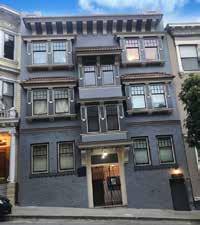
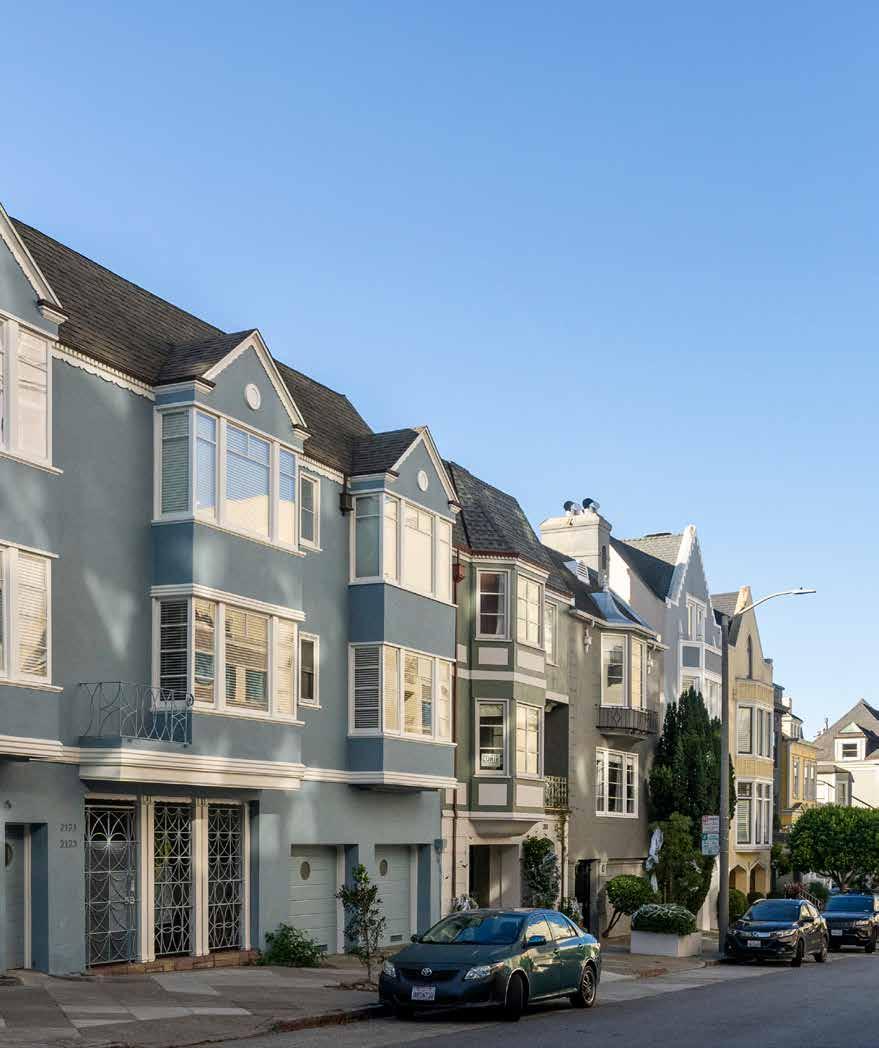
Our leasing team rented a one-bedroom on Pine Street at $4,400, up from roughly $3,295 a year ago. At 535 Taylor in Lower Nob Hill, we leased a studio for $2,695 that would have gone for $1,995 a year ago and roughly $1,900 just twenty months prior. The trajectory at 535 Taylor reflects Lower Nob Hill’s adjacency to a recovering downtown core.


The Mission is one of San Francisco’s deepest and most resilient leasing markets. Demand is strong due to transit connectivity, restaurant and nightlife activity, walkability, and relative affordability—especially multifamily along Valencia, Mission, and 24th Street.
The neighborhood increasingly reflects the citywide two-rent problem. Long-tenured units often sit materially below current market levels, while renovated turnover inventory leases aggressively. Turnover events in the Mission have become strategic opportunities rather than routine operational moments, and well-executed renovations continue to materially outperform older unrenovated inventory.
Three themes are increasingly defining successful multifamily ownership strategies in San Francisco today.
A unit turnover is no longer an operational task. Owners should evaluate competitive inventory, renovation opportunities, layout updates, appliance upgrades, in-unit laundry feasibility, and long-term payback periods. In many older San Francisco buildings, particularly pre-war assets, modest renovation scopes are now generating materially stronger returns than they did even two years ago.
Most owners have a general sense of their loss-to-lease position; far fewer have quantified it precisely. As market rents accelerate, the spread between in-place and achievable market rents represents substantial future value creation through natural turnover alone. Understanding that spread is becoming increasingly important to refinance strategy, renovation planning, asset repositioning, and long-term valuation analysis.
The strongest-performing assets succeed when ownership pairs targeted renovations, amenity modernization, and strategic pricing with long-term capital planning, and when the asset manager, construction manager, and head of leasing align from the start. Every key stakeholder should be in the room from day one.
San Francisco’s multifamily leasing market is expected to remain on stable footing through the remainder of 2026, with the strongest performance concentrated in SoMa; the Financial District; Lower Nob Hill; Hayes Valley; the Mission, Dogpatch and Potrero Hill; the Marina and Pacific Heights; and North Beach and Telegraph Hill. AI hiring, limited supply, and renewed urban demand continue supporting occupancy and rent growth.
Two patterns are worth flagging. North of Pine Street, two-bedroom, two-bathroom units are leasing almost as quickly as we
list them, with little price resistance at materially elevated rents. And demand is building for compact efficiency units: co-living units that previously leased near $1,100 are now signing around $1,400, suggesting New York-style efficiency living may be a meaningful forward product type for San Francisco owners.
Across our portfolio, the data tells a consistent story: long-held units are quietly sitting on significant unrealized value, and turnovers this year are repricing materially higher than prior assumptions. If you have a turnover this year, now is the time to drive NOI and fully optimize your return. The owners who perform best will be those who already know exactly what they plan to do when the moment comes, with an integrated team ready to execute.
How is AI hiring affecting San Francisco apartment rents?
Expanded hiring by AI, including OpenAI, Anthropic, and Meta, is concentrating renter demand in neighborhoods adjacent to their offices, producing measurable leasing pressure in North Beach, Telegraph Hill, SoMa, and Nob Hill.
What is loss-to-lease, and why does it matter for SF multifamily owners?
Loss-to-lease is the gap between achievable market rent and the rent currently being collected on a unit. In rent-controlled San Francisco multifamily, that gap has widened materially in 2026, meaning long-held units often sit on substantial unrealized NOI upside that is only captured when natural turnover occurs.
How should owners approach a unit turnover in today’s San Francisco market?
A turnover should be treated as a strategic capital event, not an operational task. Owners should evaluate competitive inventory, renovation scope, layout updates, in-unit laundry feasibility, and long-term payback, ideally with the asset manager, construction manager, and head of leasing aligned before the unit goes vacant.
Ryan Daroca is Director of Business Development at Structure Properties, a San Franciscobased asset and property management firm specializing in rent-controlled multifamily. Structure Properties pairs an asset-management mindset with integrated construction and leasing execution to drive forced appreciation, NOI growth, and value for owners. Ryan can be reached at rdaroca@structureproperties.com or 415-452-3602.







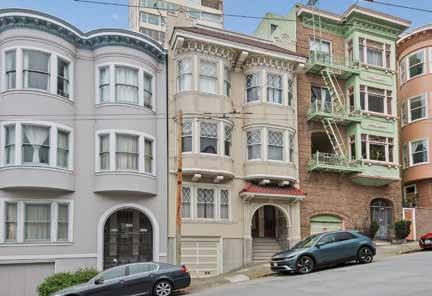
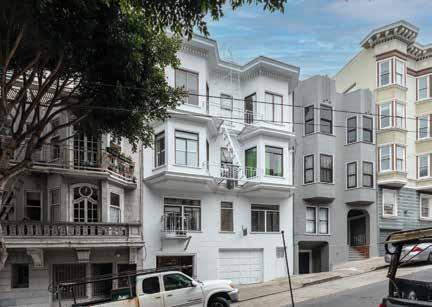
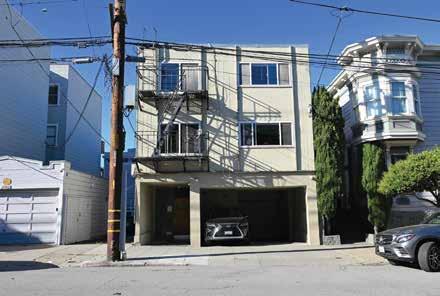
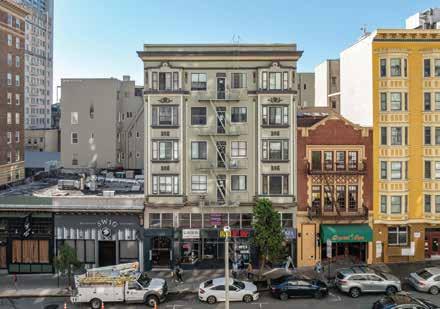
Rising interest rates have had a significant impact on the San Francisco sales market. Experience and first hand knowledge navigating these tricky times matters most. We are not guessing… You shouldn’t be either!

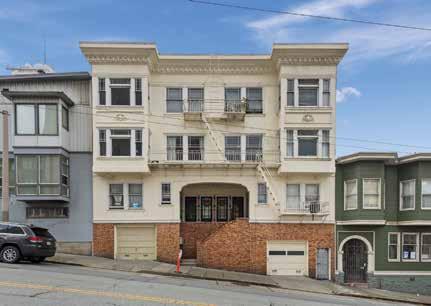

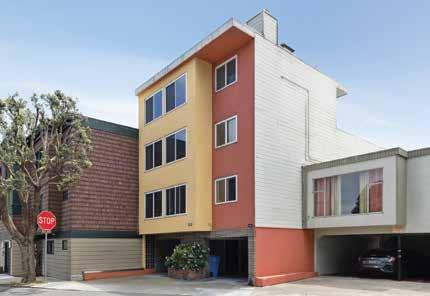

Clinton.Textor@marcusmillichap.com License: CA: 01318639
Senior
(415) 625-2153
Sandy.Skeie@marcusmillichap.com License: CA: 00982336
Written by PAM MCELROY
office workers, retailers, conventions, foot traffic, and investor confidence. This summer, however, the conversation is beginning to shift from stabilization toward momentum. That does not mean downtown has fully recovered. Office vacancy is historically high, hybrid work is here to stay, and quality-of-life concerns persist in several neighborhoods. But across Union Square, Mid-Market, Yerba Buena, and the Financial District, San Francisco is now pursuing a far more aggressive and coordinated strategy to transform downtown into a denser, more active, mixed-use urban core.
The city’s approach this summer is notably different from the post-pandemic recovery efforts of previous years. Rather than focusing narrowly on office reoccupancy, San Francisco is increasingly investing in street-level activation, entertainment programming, institutional partnerships, permitting reform, public realm improvements, and infrastructure upgrades designed to support a downtown economy less dependent on the traditional five-day workweek.
Downtown recovery remains deeply tied to San Francisco’s broader economic stability, tourism sector, public transit systems, and long-term investment outlook.
One of the most significant shifts underway is conceptual. For decades, downtown San Francisco primarily functioned as a daytime employment center. The pandemic exposed the vulnerability of that model. As remote and hybrid work reduced daily commuter volume, city leaders increasingly recognized that downtown could no longer rely almost exclusively on office workers to support retail corridors, restaurants, transit systems, and public activity.
The current strategy instead emphasizes diversification. City initiatives are increasingly designed to support a downtown that functions simultaneously as an employment center, entertainment district, residential neighborhood, tourism destination, educational hub, and cultural corridor.

San Francisco doubles down on activation, infrastructure, and public space as the city works to sustain downtown momentum.

SECOND STREET BETWEEN MARKET & HOWARD
First Thursday of Each Month
What began as a post-pandemic activation effort has evolved into one of downtown’s largest recurring events. DFT now draws thousands of attendees for DJs, outdoor bars, food vendors, live performances, and late-night retail programming, helping reactivate the Financial District and surrounding corridors after work hours.
BHANGRA & BEATS NIGHT MARKET
YERBA BUENA GARDENS & JESSIE SQUARE
July 24
The fast-growing South Asian night market returns downtown this summer with live music, dance performances, food vendors, and cultural programming. The event has become one of San Francisco’s clearest examples of how cultural activation is driving renewed foot traffic in the city center.
Second Friday of Each Month
The Chinatown Night Market continues drawing residents and visitors alike with food vendors, lion dancing, live entertainment, shopping, and community programming. The event has become a major driver of evening activity and small business visibility in the neighborhood.
FORT MASON CENTER
Monthly Fridays
Throughout Summer
While outside the downtown core, the Fort Mason Night Market reflects the citywide momentum behind outdoor evening activations. The market combines local retail vendors, Off the Grid food programming, live music, and waterfront gathering spaces that continue attracting large summer crowds.
That transition is already becoming visible. More outdoor programming is extending activity into evenings and weekends. Hospitality operators are reporting stronger summer bookings. Ground-floor retail activation has accelerated in several corridors. And institutions ranging from universities to nonprofit organizations are expanding their physical presence downtown.
The result is not a return to the pre-2020 downtown model. It is something structurally different.
Entertainment has become one of the city’s primary economic development strategies.
Expanded entertainment zones throughout San Francisco are allowing neighborhoods to host concerts, live performances, food activations, public art events, and outdoor programming with simplified permitting requirements. Areas including Yerba Buena Lane, Union Square, and portions of Mid-Market are increasingly being programmed not simply as commercial corridors, but as destinations.
The city’s growing partnership with organizations like the Civic Joy Fund reflects this broader emphasis on activation. Public concerts, cultural festivals, street performances, and neighborhood events are increasingly viewed as infrastructure rather than amenities—tools capable of driving foot traffic, supporting small businesses, and reshaping public perception.
That shift matters because downtown recovery is no longer solely tied to weekday office occupancy. Increasingly, the city is trying to create reasons for residents and visitors to spend time downtown outside traditional work hours.
The strategy appears particularly focused on consistency. Rather than relying on occasional marquee events, the city is investing in recurring programming designed to normalize downtown activity throughout the week.
For mixed-use corridors still recovering from storefront vacancy and reduced commuter traffic, that consistency may prove more important than any individual event.
Few initiatives better capture San Francisco’s current downtown strategy than the rapid expansion of night markets. What began as occasional cultural events has evolved into one of the city’s most visible activation tools. Across San Francisco, recurring night markets are drawing large crowds through combinations of food vendors, local retail, live music, art programming, and community events.
The city increasingly sees these markets as efficient mechanisms for activating underutilized public spaces while simultaneously supporting local entrepreneurs and small businesses.
This summer, expanded night market programming is expected throughout downtown and surrounding neighborhoods.
The appeal is both practical and psychological. Night markets generate pedestrian traffic during hours that downtown historically struggled to activate, while also reinforcing the perception that the city center remains socially and culturally vibrant.
For commercial corridors still adapting to hybrid work patterns, those optics matter.

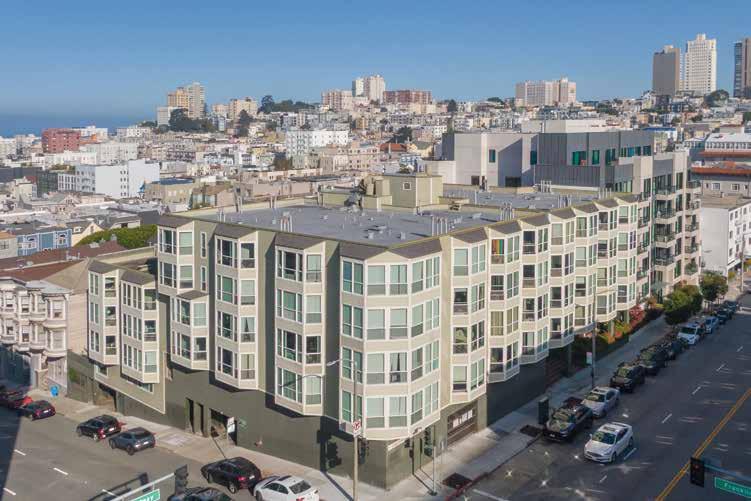






The markets also create lower-barrier entry points for smaller operators who may not yet be positioned for long-term brickand-mortar leases. In that sense, the events function not only as entertainment, but as economic incubation.
San Francisco is also pursuing institutional investment as part of its long-term downtown recovery strategy.
One of the most significant developments this year is San Francisco State University’s expansion into UC Law San Francisco’s Academic Village near Civic Center. The partnership will bring additional graduate students, faculty, and educational programming into downtown beginning this summer. The move reflects a broader recognition that universities can provide stable, longterm activity capable of supporting nearby retail, transit, and housing demand.
At the same time, the city continues evaluating opportunities to repurpose underutilized office inventory for civic and institutional use. Proposals under discussion include relocating public agencies and services into existing commercial buildings, particularly along struggling downtown corridors.
This type of adaptive reuse has become increasingly important as San Francisco confronts the long-term reality of elevated office vacancy. Rather than waiting for full office demand to return, policymakers appear more willing to rethink how downtown buildings are used altogether.
Public safety and visible street conditions remain central to downtown recovery efforts.
This summer, the city continues concentrating enforcement and cleanup operations in neighborhoods including Mid-Market, SoMa, and the Tenderloin. Efforts targeting open-air drug activity, illegal dumping, graffiti, and corridor maintenance remain highly visible components of the administration’s broader downtown strategy.
The city has also expanded sidewalk cleaning and street maintenance operations in heavily trafficked commercial and tourism areas.
These efforts are not merely cosmetic. Public perception continues playing an outsized role in downtown recovery, particularly for visitors, retailers, office tenants, and prospective residents deciding whether to spend time or invest in the urban core.
The administration’s broader challenge is balancing enforcement-based stabilization efforts with long-term behavioral health and homelessness strategies. While visible street conditions have improved in portions of downtown, the city continues facing
substantial pressure surrounding homelessness, addiction, and mental health infrastructure.
Still, few issues are more directly tied to downtown confidence than perceptions of safety and cleanliness.
San Francisco’s permitting system has long been viewed as a barrier to investment, particularly for restaurants, retailers, and small business operators attempting to open or expand downtown.
The city is now attempting to reduce some of that friction.
Through PermitSF and related reforms, officials are working to streamline portions of the permitting process through improved digital tracking systems, expanded service access, and proposals aimed at consolidating approval functions.
At the same time, the city has continued extending programs designed to reduce startup costs for small businesses, including fee waivers and streamlined approvals for sidewalk seating, signage, façade improvements, and entertainment programming.
The broader objective appears straightforward: reduce the time and complexity required to activate vacant commercial space. That focus is particularly important downtown, where groundfloor vacancy remains one of the clearest visible indicators of economic distress.
The Downtown Development Corporation (DDC), a nonprofitpublic partnership created to support downtown investment and infrastructure improvements, is expected to play a growing role in coordinating these revitalization efforts moving forward.
Public spaces are increasingly functioning as economic assets in San Francisco’s downtown recovery strategy. Throughout the summer, parks and plazas across the city are hosting expanded programming ranging from concerts and movie nights to fitness classes, cultural festivals, and family-oriented events. Union Square, Civic Center Plaza, and waterfront gathering spaces continue serving as focal points for activation efforts.
The Recreation and Park Department’s expanded calendar reflects a broader shift in urban planning priorities. Public spaces are no longer viewed solely as passive amenities; they are increasingly being programmed to drive tourism, neighborhood engagement, and local business activity.
The city is also continuing discussions around long-term redesign concepts for Market Street and surrounding corridors, including changes tied to pedestrian circulation, curb management, transit access, and autonomous vehicle integration.

Zacks & Freedman is proud to announce its official rebranding as Zacks, Freedman & Chernev, PC.
Our name change recognizes the continued contributions of Mark Chernev and reflects the firm’s continued growth as a dominant force in Bay Area real estate and real property law Since our founding over 25 years ago by Andrew Zacks, Zacks, Freedman & Chernev has earned a reputation as the "voice of property owners" in California.
We are also pleased to announce that our digital identity is evolving alongside our firm. While our name and web address have changed, our commitment to providing legal counsel in Bay Area real estate and real property law remains steadfast. We invite you to visit the new site to explore our updated profiles and expanded resources at www.zfcpc.com.
180 Montgomery Street • Suite 1950 San Francisco, CA • 94104 info@zfcpc.com • zfcpc.com 415.956.8100
San Francisco’s premier real estate law firm has been advancing the rights of property owners for over two decades. Contact us for your real estate legal needs, and scan the QR code to subscribe to our monthly newsletter.




Together, these efforts reflect a broader
pressures continue affecting residents and have not disappeared. At the same time,
exact pre-pandemic condition and more urban core altogether—one supported by -
Whether that transition fully succeeds remains uncertain. But the city’s direction is increasingly clear. San Francisco is no longer waiting for downtown to recover on its own. It is actively attempting to redesign how downtown functions.
For housing providers, developers, and commercial operators, understanding that shift will remain increasingly important as the city continues shaping the next phase of its urban recovery.






written by JAY H. GREENBERG
Rising rents, tightening vacancies, and renewed investor confidence are fueling San Francisco multifamily’s rebound.
After several years of volatility, the San Francisco multifamily market has continued to evolve through the first quarter of 2026, reflecting a notable shift in momentum. After peaking in 2020 and experiencing a broad correction through most of 2024, the market is now showing encouraging signs of recovery.
Value indicators present a more constructive outlook, with pricing metrics in both the 5-9-unit and 10-plusunit segments beginning to stabilize and, in many cases, trend upward. Transaction volume and dollar activity increased significantly, signaling renewed investor confidence and stronger market participation.
With limited new construction, strengthening rental demand, and improving leasing fundamentals, the multifamily market has shifted from defensive positioning to renewed momentum. Sales activity accelerated meaningfully in early 2026, pricing stabilized across several key metrics, and investor sentiment improved as operating performance strengthened.
Beyond transactional activity, broader sentiment around San Francisco has also improved. Increased emphasis on
public safety, street conditions, and quality-of-life issues under the city’s new administration has contributed to a more stable and orderly urban environment. These qualitative improvements have played an important role in restoring confidence among residents, owners, and investors alike.
The rental market has also strengthened considerably over the past twelve months. Leasing agents throughout the city are reporting competitive activity, with many units receiving multiple applications after only one or two showings. Vacancy rates have tightened meaningfully, and owners are increasingly seeing market-rate units lease at pricing levels that would have seemed aggressive just two years ago. Rising rents have become one of the primary drivers supporting improved investor sentiment and renewed acquisition activity.
The following sections compare firstquarter 2026 metrics against prior years and highlight trends currently shaping San Francisco’s multifamily investment market.
The average Q1 price per square foot was $578 in 2020, declining to $540
in 2021 and $507 in 2022. In 2023, values remained relatively stable at $502 per square foot before falling 16% in 2024 to $420. In 2025, pricing held at $422 per square foot. In 2026, pricing improved, with the average increasing approximately 7% to $451 per square foot.
The average GRM was 17.17 in 2020, declining to 14.70 in 2021 before increasing slightly to 14.85 in 2022. In 2023, the average declined 9.83% to 13.39 and fell another 7.45% in Q1 2024 to 12.33. In 2025, the GRM declined further to 11.77 before settling at 11.55 in 2026.
The average cost per unit was $533,000 in 2020, declining to $423,000 in 2021 before rebounding to $479,000 in 2022. In 2023, pricing fell 24.84% to $360,000 per unit and declined another 5.83% in Q1 2024 to $339,000. In 2025, pricing remained relatively stable at $334,000 per unit. In 2026, values rebounded significantly, increasing approximately 19.5% to $400,000 per unit.
Total dollar volume was $82 million in 2020, declining to $49 million in Q1 2021 before rebounding to $84 million in 2022. In 2023, volume fell sharply to $28 million, representing a 66.67% year-over-year decline. Activity recovered in 2024, increasing to $43 million, and continued upward in 2025 to $57 million. In 2026, dollar volume increased another 48% to $85 million.



There were 25 transactions in 2020. Transactions declined to 19 in 2021, then increased to 28 in 2022. In 2023, activity fell sharply to 13 closings, which then rebounded to 21 transactions in 2024. Momentum continued in Q1 2025 with 26 closings. In 2026, transactions increased another 27% year over year to 33 closings.
The smaller-building segment has continued to attract substantial investor attention entering 2026. Many buyers remain drawn to 5-9-unit properties because of their relative affordability compared to larger assets, as well as the flexibility they offer for owner-users, family offices, and private investors. Strong rental demand and improving operational performance have helped support pricing stabilization after several years of downward pressure.
The average price per square foot peaked at $621 in Q1 2020, declining to $480 in 2021 and $453 in 2022. In 2023, values remained relatively stable at $448 per square foot before falling 25% in Q1 2024 to $333. Pricing improved in Q1 2025 to $370 per square foot and continued upward in Q1 2026, increasing 13.78% to $421 per square foot.
The average GRM was 17.02 in Q1 2020 before dropping to 13.38 in 2021. This number increased slightly to 14.01 in 2022, dropped 15% to 11.94 in 2023, and then increased to 12.67 in 2024. In Q1 2025, the GRM declined to 10.77 and settled slightly lower at 10.35 in 2026.
The average cost per unit was $488,000 in 2020, declining to $365,000 in 2021 and $325,000 in 2022. In 2023, pricing remained relatively stable at $329,000 per unit before falling sharply in Q1 2024 to $227,000, a 31% year-over-year decline. In Q1 2025, pricing rebounded 28% to $291,000 per unit. In Q1 2026,


values declined another 8.61% to $266,000 per unit.
Total dollar volume was $236 million in Q1 2020, declining to $100 million in 2021, $77 million in 2022, and $54 million in 2023, a 30% year-over-year decline. The downturn continued in Q1 2024, with volume dropping another 53% to $25 million. Activity rebounded sharply in Q1 2025 to $76 million and accelerated further in 2026 to $180 million, representing a 137% year-overyear increase.
Transactions totaled 22 in 2020, then declined to 11 in 2021 before increasing modestly to 13 in both 2022 and 2023. Transactions dropped again to 7 in 2024 before increasing again to 16 in 2025, representing a 128% year-over-year increase. The momentum accelerated significantly in Q1 2026, with transactions rising to 43 closings, up 168% year over year.
The larger-building sector has experienced some of the strongest recovery momentum entering 2026. Investors have increasingly returned to the market as improving rent growth and lower vacancy rates strengthened underwriting assumptions. Well-positioned assets, particularly those with operational upside or renovation potential, are attracting substantial interest and competitive bidding activity. Transaction levels within the 10-plus-unit category reflect growing confidence that San Francisco multifamily fundamentals are improving meaningfully after several difficult years.
The sales dynamics have shifted meaningfully from a buyers’ market through much of 2024 to a far more competitive environment entering 2026. While value indicators remain somewhat mixed, transaction activity tells a much clearer story. Across both categories combined, dollar volume increased approximately 99% year over year, while total closings increased roughly 81%. The numbers





Looking for one of San Francisco’s tried-and-true summer traditions? From the iconic Stern Grove Festival to longtime Golden Gate Park concert series favorites, the city’s free outdoor music calendar remains one of the best ways to spend a summer weekend in San Francisco.
GROVE FESTIVAL 2026 LINEUP
JUNE 14 – Peter Cat Recording Co. + Marinero
JUNE 21 – Bomba Estéreo + La Misa Negra
JUNE 28 – Japanese Breakfast
JULY 5 – Major Lazer + Fijiana + DJ Bad Juuju
JULY 19 – Charley Crockett + Nicki Bluhm
JULY 26 – Suki Waterhouse
AUGUST 2 – Violent Femmes + Tune-Yards
AUGUST 9 – Patti LaBelle + Destini Wolf
AUGUST 15 – Public Enemy
AUGUST 16 – Al Green + Goapele + The GLIDE Ensemble
SPRECKELS TEMPLE OF MUSIC IN GOLDEN GATE PARK 2026 LINEUP
JUNE 7 – A Celebration of Pride and Community
JUNE 14 – Trombonology!
JUNE 21 – Juneteenth and Father’s Day
JUNE 28 – Around the World in 90 Minutes
JULY 4 – Happy 250th America!
JULY 5 – Musical Landscapes
JULY 12 – The Magic of Disney
JULY 19 – Musical Treasures
JULY 26 – A Bonnie Scottish Celebration
AUGUST 2 – Say Thank You to Our First Responders!
AUGUST 9 – Tune Town
AUGUST 16 – Celebrating Hungarian Culture
AUGUST 23 – Celebrating Ukrainian Culture
AUGUST 30 – ¡Ole! The Heart of Spain 1:00 PM 2:30 PM
The concerts take place at the Spreckels Temple of Music (also known as the Bandshell). Location: Spreckels Temple of Music (AKA the Bandshell), Golden Gate Park, 75 Hagiwara Tea Garden Drive. For details, visit goldengateparkband.org
are even more impressive within the 10-plus-unit sector, where dollar volume increased 137% and transactions rose 168% year over year.
Well-priced offerings are moving quickly, and multiple-offer situations have become increasingly common. The downtown sales market remains in recovery mode, but activity has improved materially over the past twelve months. Buyers appear far more willing to move aggressively on opportunities that are priced correctly and offer operational upside.
Last year at this time, I wrote about rapidly escalating rents on the Peninsula beginning to work their way into San Francisco. That trend has continued and, in many neighborhoods, accelerated. Leasing agents are reporting competitive bidding activity after only one or two showings. One property manager recently shared that his leasing agent gathers recent rent comparables and simply adds $500 to the asking rent.
Within the past thirty days, two of my clients rented studio apartments in the North Panhandle neighborhood for $3,495 without parking or in-unit laundry. Just twenty-four months ago, that pricing would have been associated with a one-bedroom apartment. These types of rental increases are becoming increasingly common throughout many San Francisco neighborhoods and are materially improving property income potential.
Rising rents, improving occupancy, stronger investor confidence, and increasing transaction activity have all contributed to a much healthier investment environment entering 2026. While challenges remain, the overall trajectory of the market has improved significantly compared to the conditions owners faced between 2020 and 2024.
If you’d like to discuss how current trends may affect your property or if you’re considering buying, selling, or want to talk strategy—feel free to reach out to me directly at jay@jayhgreenberg.com. I’m here as a resource and I’d be happy to connect.


Post Your Job Openings with SF Apartment Magazine! Our brand-new job posting page is launching soon, and it’s the perfect place to connect with San Francisco’s rental housing industry, including top talent in property management, leasing, maintenance, contractors, real estate law, and more.
Targeted Audience : Connect with individuals already invested in the San Francisco apartment market. Professional Reach : Attract top talent with the skills and experience your business needs.
Easy Process : Posting your job opening is quick and simple, and your listing will be seen by the right people.

How to keep your CCRM current:

Twelve units CAA Network Continuing Education Credit (CEC); a minimum of two units must be in Fair Housing.
CCRM Recertification Application must be completed prior to the expiration date, which is 2 years from the certification date and is noted on the bottom left on the certificate.
Submit a fully completed CCRM Recertification Application (www.caanet.org/CCRMRecert), and pay the $75 application fee.
Provide verification that the required number of CECs were completed prior to the certificate expiration date.
If your CCRM isn’t re-certified within the two (2) year period:
0-3 months expired – Student must be in the process of taking the required 12 hours of CEC and must complete the standard recertification requirements.
Over 3 months expired; the student must take the full CCRM series. (one-time extension)
For Questions or Comments contact: Maria@sfaa.org
MONDAY, JUNE 1
Board of Directors Meeting
11:30 a.m.
MONDAY, JULY 6
Board of Directors Meeting
11:30 a.m.
TUESDAY, JUNE 2
California Primary Election
WEDNESDAY, JUNE 17
Pre-Recorded
Member Meeting
Do’s and Don’ts of Maintenance Requests Sponsors: Gaetani Real Estate & Watchtower Security
SFAA office will be closed Friday, June 19, 2026 in observance of Juneteenth National Independence Day.
WEDNESDAY, JULY 15
Pre-Recorded
Member Meeting
Rent Board Updates The Nitty-Gritty of Multifamily Electrification Case Studies from the Field
Sponsors: Greentree Property Maintenance
SFAA office will be closed Friday, July 3, 2026 in observance of Fourth of July.
THROUGH INTELLIRENT
STEP 1:
Create a free account at sfaa. myintellirent.com/agent-signup
STEP 2:
Invite an applicant to apply via an online application customized to SFAA’s criteria. You can also publish your available rental on Intellirent across mulitple ILSs.
RATES
Intellirent is your free, online rental application and property marketing tool, partnered with Transunion to instantly return complete credit reports and nationwide eviction notices. Renters pay the $40 application fee, which covers your costs. For more information, simply create your free account or go to sfaa.org and choose the “Resources” tab. Then select “Tenant Screening.”
Please note that the maximum you can charge a tenant for screening services is $65.86.
CONTACT INTELLIRENT FOR MORE INFORMATION:
415-849-4400
SAN FRANCISCO’S
The capital improvement interest rates for 3/1/24 through 2/28/25 are listed below:
Effective March 1, 2026 through February 28, 2027, the allowable annual rent increase is 1.4%. This amount is based on 60% of the increase in the Consumer Price Index for all urban consumers in the Bay Area. A history of all allowable increases and their effective periods is provided.
Deposits include all tenant monies that the owner holds, regardless of what they are called. At the landlord’s option, the payment may be made directly to the tenant or by allowing the tenant to deduct the amount of interest due from the rental payment.
INTEREST ON DEPOSITS PERIOD AMOUNT
03/1/26 - 02/28/27 4.2%
03/1/25 - 02/28/26 5.0%
03/01/24 - 02/29/25 5.2%
03/01/23 - 02/29/24 2.3%
03/01/22 - 02/28/23 0.1%
$29.50
Chapter 37A of San Francisco’s Administrative Code allows the city to collect a per-unit fee for each residential dwelling unit that is subject to the San Francisco Rent Ordinance. This fee defrays the entire cost of operation of the Rent Board. If you are an owner of a residential dwelling unit or guest unit, you must pay a Rent Board Fee by March 1 of each year unless you have a current exemption on file with the Rent Board or a Homeowners’ Exemption on file with the Office of the Assessor-Recorder.
7
03/01/26 - 02/28/27 1.6%
03/01/25 - 02/28/26 1.4%
03/01/24 - 02/28/25 1.7%
03/01/23 - 02/29/24 3.6%
03/01/22 - 02/28/23 2.3%
03/01/21 - 02/28/22 .7%
03/01/20 - 02/28/21 1.8%
03/01/19 - 02/29/20 2.6%
03/01/18 - 02/28/19 1.6%
03/01/17 - 02/28/18 2.2%
03/01/16 - 02/29/17 1.6%
03/01/15 - 02/29/16 1.9%
03/01/14 - 02/28/15 1.0%
03/01/13 - 02/28/14 1.9%
03/01/12 - 02/28/13 1.9%
03/01/11 - 02/29/12 0.5%
03/01/10 - 02/28/11 0.1%
03/01/09 - 02/28/10 2.2%
03/01/08 - 02/28/09 2.0%
03/01/07 - 02/29/08 1.5%
03/01/06 - 02/28/07 1.7%
SAN FRANCISCO RENT BOARD
25 Van Ness Avenue #700 San Francisco, CA 94102 415-252-4600 www.sfgov.org/rentboard
03/01/21 - 02/28/22 0.6%
03/01/20 - 02/28/21 2.2%
03/01/19 - 02/29/20 2.2%
03/01/18 - 02/28/19 1.2%
03/01/17 - 02/28/18 0.6%
03/01/16 - 02/28/17 0.2%
03/01/15 - 02/29/16 0.1%
03/01/14 - 02/28/15 0.3%
03/01/13 - 02/28/14 0.4%
03/01/12 - 02/28/13 0.4%
03/01/11 - 02/29/12 0.4%
03/01/10 - 02/28/11 0.9%
03/01/09 - 02/28/10 3.1%
03/01/08 - 02/28/09 5.2%
03/01/07 - 02/29/08 5.2%
While this fee was previously collected on the property tax bill, owners must pay this fee to the Rent Board directly as of 2022. Payment can be made through the Rent Board Portal. ALLOWABLE RENT BOARD FEE COLLECTABLE FROM TENANTS
HAMILTON ZANZE
Aaron Sagin 415-539-0084 aaron.sagin@hamiltonzanze.com
SEQUENT
Eric Scaff 415-834-1031 sequent-rewm.com escaff@sequent-rewm.com
SHWIFF, LEVY & POLO LLP
Elizabeth Shwiff 415-291-8600 x232 www.slpconsults.com
AEC ALARMS
Yat-Cheong Au 408-298-8888 Ext: 188 sales@aec-alarms.com
APPLIANCES
FIXWELL APPLIANCE REPAIR
Dan Semonov 415-999-8128 fixwellco@gmail.com www.fixwellco.com
WITHME
Kaileen Santos 714-476-6059 kaileen.santos@withme.com
OPENSCOPE STUDIO ARCHITECTS
Mark Hogan 415-891-0954 www.openscopestudio.com
Q ARCHITECTURE
Dawn Ma 415-695-2700 www.que-arch.com
PROFESSIONAL PROPERTY MANAGEMENT ASSOCIATION
Renee A. Engelen www.ppmaofsf.org renee@hrhrealestate.com
ATTORNEYS
BORNSTEIN LAW
Daniel Bornstein, Esq. 415-409-7611 www.bornstein.law
BRETT GLADSTONE
Brett Gladstone 415-3945188 bgladstone@g3mh.com
CHONG LAW
Dolores Chong 415-437-7807 chongdolores@earthlink.net
EDWARD MCDONALD LAW CORPORATION
Edward McDonald (408) 728-9528 ed@mcdonaldlawinc.com
FRANK KIM ESQ., EVICTION ASSISTANCE
Jo Biel 415-752-6070
Spanish, Korean, Cantonese and Mandarin
FRIED, WILLIAMS & GRICE CONNER, LLP
David Semel 415-421-0100 dsemel@friedwilliams.com
Clifford Fried
cfried@friedwilliams.com
Farsi, French, Portuguese, Spanish
ILENE M. HOCHSTEIN, ATTORNEY AT LAW Ilene Hochstein 650-877-8288 ilene@hochsteinlaw.net
KIMBALL, TIREY & ST. JOHN LLP
Kelli Dodson 800-525-1690 kelli.dodson@kts-law.com www.kts-law.com
LAW OFFICE OF A. THOMAS KOSTER
Thomas Koster 415-680-0023 Thomas@Koster-Law.com
LAW OFFICE OF JULIANA E. PISANI
Juliana Pisani 415-800-7562 Juliana@jpisanilaw.com
Italian
LAW OFFICES OF LAWRENCE M. SCANCARELLI
Lawrence M. Scancarelli 415-398-1644 www.sfrealestatelaw.com
LAW OFFICE OF MICHAEL C. JOHNSTON
Michael Johnston 650-343-5050 johnston-gomez@msn.com
MASTROMONACO REAL PROPERTY LAW GROUP
Leonard Mastromonaco 415-354-2702 len@mastrolawgroup.com
MICHAEL MCLAUGHLIN
Michael McLaughlin 415-655-9753 onboarding@msllp.law
NIXON PEABODY
Ashley Klein 415-984-8390 aklein@nixonpeabody.com nixonpeabody.com
NIVEN & SMITH
Leo M. LaRocca 415-981-5451 leo@nivensmith.com
REUBEN, JUNIUS & ROSE, LLP
Kevin Rose 415-567-9000 www.reubenlaw.com
ROTHBARD LAW GROUP, LP
Ryan Mayberry 408-244-4200 ryan@toddrothbardlaw.com
SHEPPARD-UZIEL LAW FIRM
Jaime Uziel 415-296-0900 ju@sheppardlaw.com
SINGER & SCOTT, P.C.
Edward Singer 650-393-5862 www.edsinger.net
SJR LAW CORPORATION
Shoshana Raphael 415-408-6044 shoshana@sjrlawfirm.com
STEINER LAW OFFICE
Howard Olsen 415-931-4207 howard@steinerstreetlaw.com
STEVEN ADAIR MACDONALD & ASSOCIATES, PC
Steven Adair MacDonald 415-956-6488 www.samlaw.net sam@samlaw.net
Mandarin, Cantonese & Spanish
TRN LAW ASSOCIATES
Tiffany R. Norman 415-823-4566 tiffany@trnlaw.com www.trnlaw.com
UTRECHT & LENVIN, LLP
Patrick Connolly 415-357-0600 pconnolly@ullawfirm.com www.ullawfirm.com
WASSERMAN Dave Wasserman 415-567-9600 Dave@wassermanoffices.com www.davewassermansf.com
WIEGEL LAW GROUP
Andrew J. Wiegel 415-552-8230 www.wiegellawgroup.com
ZACKS & FREEDMAN, PC
Andrew M. Zacks 415-956-8100 www.zfplaw.com
ZACKS & FREEDMAN, PC
Denise Leadbetter 415-719-8680 denise@zfplaw.com
ZANGHI TORRES ARSHAWSKY, LLP
John P. Zanghi 415-977-0444 www.zatlaw.com
CROWN & SHIELD PEST
SOLUTIONS-PREMIER
Aurora Garcia-Vidaca 415-893-9551 www.crownandshieldpestsolutions.com
PREMIER CANINE DETECTION
Jordan Garcia 415-612-6645 www.premiercaninedectection.com
BLATTEIS REALTY CO.
David Blatteis 415-981-2844 www.sfretail.net
AMY HULL CONSULTING LLC
Amy Hull 415-450-5809 amyhullconsults@gmail.com
CODE 403 LLC
Ken Cofflin 415-793-6702 ken@code403llc.com www.code403llc.com
EDRINGTON AND ASSOCIATES
Steven Edrington 510-749-4880 steve@edringtonandassociates.com
CONTRACTORS
ALT GROUP US
Zachary Altorfer 707-628-7046 connect@altgroupus.com
C & J’S CUSTOM BUILDS INC.
Caleb Wyman 415-209-8439 caleb@c-jcustombuilds.com www.c-jcustombuilds.com
GIULIANI CONSTRUCTION & RESTORATION
Alicia Perez 650-422-1685 aperez@giulianiconstruction.com
AMSI
Robb Fleischer 415-447-2020 www.amsires.com
INTELLIRENT
Cassandra Joachim 415-849-4400 www.myintellirent.com
EMERGENCY SERVICES
THE GREENSPAN CO./ ADJUSTERS INTERNATIONAL
Rebecca Holloway 707-540-5584 rebecca@greenspan-ai.com
ENERGY CONSERVATION
PEALX INFASTRUCTURE, LLC
Patrick Sterns 480-269-9222 ps@pearlxinfra.com www.pearlx.com
ENVIRONMENTAL CONSULTING
FUTURE FIT PARTNERS
David Chanin david@futurefit.partners www.futurefit.partners
SOL ENVIRONMENTAL, INC.
Raul Solorzano Nuno 925-895-6546 jackson@solenvironmental.com
EV CHARGING SERVICE
EV PLUGBOX, LLC
Sven Thesen sventhesen@evplugbox.com www.evplugbox.com
FAÇADE INSPECTIONS
Katherine Kim Consultants
Katherine Kim 415-846-2574 kathi.kim@mcconsultants.com www.mcconsultants.com
FACADE INSPECTIONS
BORNE CONSULTING
Cade Osborne 415-319-4789 cade@borne-consulting.com borne-consulting.com/
ESCAPE ARTISTS
Ben Maxon 415-279-6113 www.sfescapeartists.com
GREAT ESCAPE SERVICES
Terry Walsh 415-566-1479 www.greatescapeservice.com
FIRE PROTECTION CONTRACTORS
A-TOTAL FIRE PROTECTION COMPANY, INC.
Monte L. Osborn, CEO
Tyler Osborn, CFO 530-672-8495 accounting@atotalfireprotection.com www.atotalfireprotection.com
AEC ALARMS
SFfire@aec-alarms.com
AURA FIRE SAFETY
628-208-0188
Lo Choe 415-333-2588 lo@aurafiresafety.com
ROUSSOS CONSTRUCTION
Lupita Orozco 916-927-6200 lupita@roussoconstruction.com www.roussosconstruction.com
BAY AREA BIN SUPPORT
Nancy Fiame 888-920-2467 customerservice@bayareabinsupport.com www.bayareabinsupport.com
CLEAN COMPOSTING COMPANY
Michelle Horneff-Cohen Michelle@cleancomposting.com
RECOLOGY GOLDEN GATE RECYCLING Minna Tao 415-575-2423 recologysf.com
RECOLOGY SUNSET SCAVENGER Dan Negron 415-330-2911 recologysf.com
VALET LIVING
Tia LaNae Chambers 707-912-5153 tia.chambers@valetliving.com
GRADIENT
Peter Dumanian 650-533-4430 peter.dumanian@gradientcomfort.com www.gradientcomfort.com
HARVEST
Janes Melia 408-597-7152 jane@harvest-thermal.com
INTERSOLTUTIONS, LLC jhong@intersolutions.com
DECK CHECK WOOD BALCONY & STAIRS INSPECTIONS
Vincenzo Melchiorre 415-407-4640 vin@deck-check.com www.deck-check.com
PACIFIC COAST REAL ESTATE INSPECTIONS
Christopher D. Hesson 415-516-8110 PCREinspections@gmail.com
ACRISURE INSURANCE
P.J. Tradelius 415-436-9800 ptradelius@acrisure.com www.acrisure.com
ARM MULTI INSURANCE SERVICES
Lisa Isom 866-913-6293 www.arm-i.com
BARBARY INSURANCE BROKERAGE
Gerald Becerra 415-788-4700 www.barbaryinsurance.com
GORDON ASSOCIATES INSURANCE SERVICES
Dave Gordon, CLU 650-654-5555x6972 David.gordon@gordoninsurance.com
INCLINE INSURANCE SERVICES INC. Michael Moritz 650-413-7522 michael@inclineinsurance.com www.inclineinsurance.com
MISSION LAUNDRY EQUIPMENT, INC. Curt Dragomanovich 831-801-3318 wdguru@yahoo.com
WASH MULTIFAMILY LAUNDRY SYSTEMS Adrian Gomez 650-340-8054 adriang@washlaundry.com
SERVICES
CHASE
Michelle Li 415-794-2176 www.ff-inc.com
EAST WEST BANK
Rita Kwan 628-249-6641 rita.kwan@eastwestbank.com
JPMORGAN CHASE
Ingrid Marlow 415-722-0050 ingrid.marlow@chase.com
CROWN LOCK & HARDWARE
Joe Schoepp 415-221-9086
MAINTENANCE REPAIR SERVICE
GREENTREE MAINTENANCE
Yvonne Figueroa 415-854-9495 Figueroa@veritasinv.com
MAVEN MAINTENANCE, INC.
Craig Lipton 415-829-2207 www.mavenmaintenance.com
WEST COAST PROPERTY MANAGEMENT
Joseph Keng 415-885-6970 ext. 101 www.wcpm.com
OPINIION
Evan Reyne 855-330-9980 evanr@opiniion.com
SPEEDPRO SF WATERFRONT
Zoran Basich 415-987-8405 zbasich@speedpro.com www.speedpro.com
DUNN-EDWARDS CORPORATION
Daniela Franco 415-656-9951
daniela.franco@dunnedwards.com
JH PAINTING LLC
Jesus Hernandez 415-531-7033 dezpainting@gmail.com
KRUIT PAINTING, INC.
Pieter Kruit 415-254-7818 www.kruitpainting.com
MURAL VIEW PAINTING
Blake Westrate 415-480-2801 muralviewpainting@gmail.com www.muralviewpainting.com
PAC WEST PAINTING INC.
Brian Beaulieu 415-457-0724 www.pacwestpaintinginc.com
PETERS PAINTING SERVICES
Peter Pantazelos 415-647-4722 www.peterspainting.com
SFAF PAINT
Steven Lacy 415-926-1900 stevo.lacy@gmail.com
TARA PRO PAINTING INC.
Brian Layden 415-822-2011 www.tarapropainting.com
DUNN-EDWARDS CORPORATION
Daniela Franco 415-656-9951 daniela.franco@dunnedwards.com
SHERWIN WILLIAMS
Aaron Frimkess 925-464-0261 aaron.n.frimkess@sherwin.com
ATCO PEST & TERMITE CONTROL & HOME RESTORATION
Richard Estrada 415-898-2282 www.atcopestcontrol.com
BANNER PEST CONTROL
Mitch Gay 650-678-2300 mitchg@bannerpc.com
CROWN & SHIELD PEST SOLUTIONS-PREMIER
Aurora Garcia-Vidaca 415-893-9551 www.crownandshieldpestsolutions.com
PESTEC
Diane McCorriston 415-671-0300 partners@pestecipm.com
PLUMBING & HEATING
ARCH PLUMBING INC.
Elif Baskalayci 415-715-7837 elif@archplumbinginc.com
C.R. REICHEL ENGINEERING CO. INC. Tim Lordier 415-431-7100 www.crreichel.com
DIABLO PLUMBING
Derek Ontiveros 925-255-1340 service@diabloplumbing.com
FAST RESPONSE PLUMBING & ROOTER
Joseph Tinsley 415-596-6115 frpservicesf@gmail.com www.fastresponseplumbingsf.com
FLOW MASTERS PLUMBING, INC
Fergal McMahon 415-751-1933 fergal@flowmastersplumbing.com
PRIBUSS ENGINEERING, INC.
Selina Pribuss 650-588-0447 selina.p@pribuss.com www.pribuss.com
Nick Capurro 650-737-4554 nick.c@pribuss.com
R&L PLUMBING
Lrry Bustillos 415- 651-4977 larry@rl.plumbing www.rlplumbingsanfrancisco.com
URGENT ROOTER AND PLUMBING INC.
Albert Lee 415-387-8163 urgentrtr@gmail.com
MELGAR REAL ESTATE SERVICES
Suzy Melgar 650-745-8186 info@mresbayareahomes.com
STONE AND STRYDER, LLC
Erik Leuteneker 510-406-9484 erik@stoneandstryder.com www.stoneandstryder.com
PROPERTY MANAGEMENT
1424 JONES STREET LLC
Jeffrey D. Figone 650-445-5720
AMC, LLC
Damaris Blair 408-882-7882 damaris.blair@liveamc.com
2B LIVING
Brooks Baskin 650-763-8552 brooks@twobliving.com www.twobliving.com
ABACUS PROPERTY MANAGEMENT
Timothy Cannon 415-841-2105 tim@sanfranrealestate.com www.abacuspropertymanagement.com
ADVENT PROPERTIES
Benjamin Scott 510-500-7531 team@adventpropertiesinc.com www.adventpropertiesinc.com
ALCHEMY BY HOLLAND RESIDENTIAL
James Guzek 415-413-7845 alchemy@hollandpartnergroup.com www.hollandresidential.com
ALEXANDERSON PROPERTIES
Eric Alexanderson 415-285-3737 alexandersonproperties.com alexanderson08@yahoo.com
ALPINE MANAGEMENT
Anna Palileo 650-515-5483 anna@alpine-mgt.com
ALTA PROPERTY MANAGEMENT
Mark Lowell Haller 510-859-4194 Mark@alta-Property-management.com
ALTOS REALTY ADVISORS, INC.
Jake Jefferies 408-720-0920 jake@goaltos.com
AMERICAN CAMPUS COMMUNITIES
Hannah Lawson (415) 413-7845 lroos@hollandpartnergroup.com www.hollandresidential.com
AMORE REAL ESTATE, INC
Jerry Hsieh 415-567-4800 www.amoresf.com
ANCHOR PROPERTIES MANAGEMENT LLC
Anton Qiu 415-722-6452 anton@apcap.us
ANCHOR REALTY
Mark Campana 415-621-2700 mark@anchorealtyinc.com www.anchorealtyinc.com
ARTAL PROPERTIES
John Artal 415-647-4400 artalproperties@gmail.com www.artalproperties.com
AYS MANAGEMENT
Kevin Newsome 510-708-0165 ayspropertymanager@gmail.com
BANCAL PROPERTY MANAGEMENT
Tammy McNaught (415) 397-1044 accountingoperations@bancalsf.com tammy@bancalsf.com
BAY PROPERTY GROUP
Anna Katz 510-836-0110
anna@baypropertygroup.com www.baypropertygroup.com
BAYVIEW PROPERTY MANAGERS James Blanding 415-822-8793 xt.4 bayview60@comcast.net www.bayviewpropertymanagers.com
BEAM PROPERTIES, INC. Darius Chan 415-254-8679 darius@sfbeam.com
BELL PROPERTIES, INC. Brian LeBow 415-406-2000 admin@bellprop.com
BETTER PROPERTY MANAGEMENT Steven Brown 415-861-9980 sbrown@bpm-re.com www.bpm-re.com
BLVD RESIDENTIAL
Debbie Brackett 650-328-5050 dbrackett@blvdresidential.com www.blvdresidential.com
BOARDWALK INVESTMENTS
Marilyn Andrews 650-355-5556 ma@boardwalkrents.com
BRIDGES PROPERTY MANAGEMENT GROUP Patricia Lee 415-205-7401 pleehomes@gmail.com
BROOKFIELD PROPERTY GROUPPRESIDIO LANDMARK Jon King 855-327-5376 jon.king@brookfieldproperties.com
CAL-AMERICAN CORP. C/O LAKEWOOD APTS Jessica Vazquez 415-586-0100 jessicav@calamerican.com www.calamerican.com
CANNIZZARO REALTY
John Cannizaro 415-795-2360 john@cannizzaro-realty.com
CANTRELL ASSOCIATES CORPORATION Jim Cantrell 415-956-6000 jimcha@pacbell.net
CARLA WEBSTER MANAGEMENT Carla Webster 415-885-6097 crepetto@aol.com
CECCHINI REALTY Dante Cecchini (650) 255-5273 info@cecchinirealty.com
CENTERSTONE PROPERTY MANAGEMENT Ron Erickson 415-626-9944 rjerickson@sbcglobal.net
CIRRUS ASSET MANAGEMENT Paolo Pedrazzoli 818-808-3530 ppedrazzoli@Cirrusami.com
CITIBROKERS REAL ESTATE, INC. Jason Abbey (415) 221-5000 Jason@citibrokersrealestate.com
CITYWIDE PROPERTY MANAGEMENT Carol Cosgrove 415-552-7300 www.citywidesf.com
CLARK & CROONER REAL ESTATE GROUP Jules Clark 415-938-8838 Jules@ClarkandCrooner.com
COIT TOWER PROPERTIES
Yoshi Yamada 415-447-6834 Yoshicoit@yahoo.com
CONSOLIDATED PROPERTY MANAGEMENT EIC GROUP, INC. Penny Pan 415-682-0708 office@cpmbayarea.com
DAVIS STIRLING MANAGEMENT CORP.
Chris Behling 650-288-1880 Chrisbeme@gmail.com
DEBBIE LAMICA MANAGEMENT
Debbie Lamica 415-215-7594 drlamica@yahoo.com
DEWOLF REALTY COMPANY
William Talmage 415-340-3880 btalmage@dewolfsf.com
ECLIPSE PROPERTY MANAGEMENT
Terence Tom 510-865-8700 ttom@eclipsepm.net
EUGENE BURGER MANAGEMENT CORP.
Stefan Calic 415-981-5780 steveburger@ebmc.com
FOGCITI REAL ESTATE INC. PROPERTY MANAGEMENT
Paul Mora 415-674-1440 pmora@fogciti.com
FOUNDATION RENTALS & RELOCATION, INC. Christopher Barrow 415-507-9600 cb@foundationhomes.com
GAETANI REAL ESTATE
Paul Gaetani 415-668-1202 www.gaetanirealestate.com
GEARY REAL ESTATE, INC.
Melissa Geary melissa@gearyrealestateinc.com
GEORGE GOODWIN REALTY, INC.
Chris Galassi 415-681-1265 cgalassi@goodwin-realty.com www.goodwin-realty.com
GOLDEN GATE PORTAL Paul Emami 408-320-6565 pemami@gmail.com
GOLDEN GATE PROPERTIES
Ferdinand Piano 415-498-0066 ferdinand@g2properties.com
GREENTREE PROPERTY MANAGEMENT
Scott Moore 415-828-8757 www.greentreepmco.com
GM GREEN REAL ESTATE INC. George Green 415-608-6485 ggreen@gmgreen.com www.gmgreen.com
GREENE REALTY GROUP
Brian Greene 415-613-2776 brian@go-greene.com www.go-green.com
GORDON CLIFFORD PROPERTIES, INC.
Patrick Clifford 415-613-7694 patrick@gcpropertiessf.com
HANFORD FRUEND & COMPANY
Stefan Calic 415-981-5780 SCalic@hanfordfreund.com www.hanfordfreund.com
HAWTHORNE/STONE
Rob Cassil 415-441-8400 rob@hawthornestone.com www.hawthornestone.com
HRH REAL ESTATE SERVICES CORPORATION
Renee A. Engelen 415-810-6020 www.hrhrealestate.com
INCOME PROPERTY SPECIALISTS
Clayton Llewellyn 408-446-0848 www.ipsmanagement.cc
JACKSON GROUP
PROPERTY MANGEMENT, INC.
Raymond Scarabosio 415-608-8300 ray@jacksongroup.net
KEYOPP PROPERTY MANAGEMENT
Melanie Leung 628-888-6650 support@keyopp.net
LAUREL PROPERTIES
Julie Aviles 415-922-2178 julieaviles1971@gmail.com
LEGACY PROPERTY MANAGEMENT OF SILICON VALLEY
Eric Lozano 925-940-7626 eric@llrpm.com
LINGSCH REALTY
Natalie M. Drees 415-648-1516 www.lingschrealty.com
LITKE PROPERTIES, INC.
Jeff Litke 415-922-0179 jeff@litkeproperties.com www.litkeproperties.com
LUCAS & COMPANY
Susan Lucas 415-722-4724 susan@thelucascompany.com
LUMINOR REAL ESTATE
Steven Zhang 415-577-2958 steven@luminorsf.com www.luminorsf.com
M PROPERTIES
Mark Mangampat mark@mproperties.com
MAG MANAGEMENT
Lana August lanaml@gaehwiler.com
MARSHALL & CO. PROPERTY MANAGEMENT
Marshall Jainchill marshall@marshallproperty.com
MAVEN MAINTENANCE, INC.
Craig Lipton 415-305-7506 lipton@maveninvestments.com www.mavenmaintenance.com
MCKEEVER REALTY
Chuck Lewkowitz chucklewkowitz@gmail.com
MERIDIAN MANAGEMENT GROUP
Randall Chapman 415-434-9700 www.mmgprop.com
MORLEY FREDERICKS
REAL ESTATE SERVICES
Steve Crane 415-847-1224 steve@morleyfredericks.com www.morleyfredericks.com
NICE VENTURES INC
Laurie Thomas laurie@niceventures.com
NORTHPOINT APARTMENTS
Taylor Ownes-Kees 415-989-2007 towenskees@northpointsf.com www.thenorthpointapartments.com
ORBELIAN PROPERTIES
Helen Burns 415-810-4402 burnsho@aol.com
ORVICK MANAGEMENT GROUP
David Orvick 408-497-1880 david@orvprop.com
PACIFIC REALTY
Kristine Delagnes 415-923-1100 kristine@pacificrealtyco.com www.pacificrealtyco.com
PAUL LANGLEY COMPANY
Misha Langley 415-431-9104 x 301 misha@plco.net
PDC REAL ESTATE & RENTALS
Pamela Dela Cruz 415-234-7454 pamela@pdcrealestate.com www.pdcrealestate.com
PEAK REALTY GROUP
James C. Keighran 415-474-7325
info@peakrealtygroup.com www.peakrealtygroup.com
PILLAR CAPITAL REAL ESTATE
Jonathan Ng 415-885-9584 jonathan@thepillarcapital.com
PIP INC./SFRENT
Sarosh Kumana 415-861-4554 sarosh@sfrent.net www.sfrent.net
PODESTO PROPERTIES
Gina Enriquez 415-794-7125 gandpofsf@aol.com
PONTAR REAL ESTATE Merri Pontar 415-421-2877 www.pontarrealestate.com
THE PRADO GROUP, INC. Andrea Hayes 415-395-0880 frontdesk@pradogroup.com
PRIME METROPOLIS PROPERTIES, INC. Tom Chan 415-731-0303 tomchan@pmp1988.com
PRIME RESIDENTIAL-BRICK & IRON Elif Kimyacioglu 415-445-2577 Elif.Kimyacioglu@primegrp.com
PRO EQUITY AM Tori Linnell 916-838-2804 vlinnell@proequityam.com
PROGRESSIVE PROPERTY GROUP Dace Dislere 415-794-9727 www.progressivesf.com
PROPERTY MANAGEMENT ONE Karen Katz 415-674-1595 info@pm1sf.com www.pm1sf.com
RAJ PROPERTIES
Jennifer Mayo 559-587-1318 mainoffice2@rajproperties.com www.rajproperties.com
RALSTON MANAGEMENT GROUP Keith Jurcazak 650-303-3182 kj@ralstonmanagementgroup.com www.ralstonmanagementgroup.com
REAL MANAGEMENT COMPANY J.J. Panzer 415-821-3167 www.RMCsf.com
RELISTO RESIDENTIAL LEASING & PROPERTY MANAGEMENT Eric Baird 415-237-1819 eric@relisto.com www.relisto.com
RENTWISE PROPERTY MANAGEMENT Brandon Temple 650-346-2006 Brandon@gorentwise.com
ROCKAWAY RESIDENTIAL MANAGEMENT Kristine Abbey 650-290-3084 kristine@rockawayresidential.com
ROCKWELL PROPERTIES
Mark Kaplan 415-398-2400 propertymanagement@rockwellproperties.com
RUTHERFORD MANAGEMENT COMPANY Jenesys Rodriguez 925-286-7750 jrodriguez@rutherfordliving.com
RYEBREAD PROPERTIES, INC. Ryan Siu 415-385-8891 ryan@ryebreadproperties.com www.ryebreadproperties.com
SALMA & COMPANY
Ryan Salma 415-931-8259 propertymanager@salma-co.com www.salma-co.com
SAVAGE REALTY GROUP
Norma or John Sayage 650-346-9480 sayagerealtygroup@compass.com
SAWYER PROPERTIES
Alex Wall 650-704-3588 support@sawyer-prop.com
SHAREVEST PROPERTY MANAGEMENT, LLC
Timothy D. Gilmartin 650-347-2020 tim@thegilmartins.com
SIGNATURE REALTY
PROPERTY MANAGEMENT
Paul Montalvo 650-364-3167 paul@paulmontalvo.com www.paulmontalvo.com
SIERRA PROPERTY PROFESSIONALS
Sonali Herrera sierrappinc@gmail.com
SILVER CREEK PROPERTY MANAGEMENT
Jonathan Arguello 925-600-1818 jmsilvercreek@sbcglobal.net www.teamsilvercreek.com
SKYLINE PMG, INC.
Nicholas Bowers 415-968-9903 Nicholas@skylinepmg.com
STRUCTURE PROPERTIES
Corey Eckert 415-794-0064 www.structureproperties.com
SUTRO PROPERTY MANAGEMENT, INC.
Salman Shariat 415-341-8774 www.SutroProperties.com
TAPESTRY PROPERTIES
Roger Fong 415-334-6120 tapproperties2010@gmail.com
TOWER RENTS
Anthony Harkins 415-377-7571 tony@towerrents.com
UNITY HOMES
Sherry Brown (520) 338-7731 sbrown@unityhomes.org
VERTEX PROPERTY GROUP
Craig Berendt 415-608-3050 csb@vertexsf.com www.vertexsf.com
VESTA ASSET MANAGEMENT
Paul Griffiths 415-994-3033 paul@vesta-assetmanagement.com
VIVE REAL ESTATE
Mharla Ortega 415-495-4739 x1010 mharla@letsvive.com www.letsvive.com
W2 PROPERTY MANAGEMENT
Noe De La Cruz 415-316-4369 noe@w2propertymgt.com
WEST COAST PROPERTY MANAGEMENT
Eric Andresen 415-885-6970 www.wcpm.com
WEST & PRASZKER REALTORS
Michael Klestoff 415-699-3266 www.wprealtors.com
WICKLOW MANAGEMENT
Mike O’Neill 415-928-7377 wicklowmanagement@gmail.com www.wicklowsf.com
WILLIAM BOGGS
William Boggs 415-269-0689 sfboggsz@yahoo.com
WOODS FAMILY INVESTEMENTS LP James Ward 415-725-2981 jw@woodsfamilyinvestmentslp.com
YMPG
Yelena Gelzer 415-260-6325 yglezer@ympg-management.com
YOHO PROPERTY MANAGEMENT INC. Lyman Chao 415-840-5699 lyman@lymanchao.com
ZIPRENT
Arvand Sabetian 415-688-6660 admin@ziprent.com www.ziprent.com
PROPERTY MANAGEMENT SOFTWARE APPFOLIO
Mindy Sorenson 888-700-8299 mindy.sorenson@appfolio,com
PROPERTY ATLAS
Serina Calhoun 415-419-8842 serina@mypropertyatlas.com www.mypropertyatlas.com
YARDI
Kelly Krier 805-699-2040 kelly.krier@yardi.com
WATTS, COHN & PARTNERS, INC
Mark Watts 415-990-0025 mark@wattscohn.com
BERKSHIRE HATHAWAY
FRANCISCAN PROPERTIES
Edward Milestone 415-994-5969 MilestoneRealEstateSF@gmail.com
BIG TREE PROPERTIES
Evan Matteo 415-305-4931 evan@bigtreeproperties.com
BRICK & MORTAR REAL ESTATE SERVICES Eyal Katz 415-990-6762 eyal@brickandmortarsf.com
CALIFORNIA STREET REALTY
Shaban Shakoori 415-518-9269 shaban@calstreet.com
CHUCK & ASSOCIATES Kevin Chuck 415-595-5832 chuckassoc@gmail.com
COLDWELL BANKER COMMERCIAL NRT Steven Caravelli 415-229-1367 steven.caravelli@cbnorcal.com
COLLIERS INTERNATIONAL Dustin Dolby 415-788-3100 dustin.dolby@colliers.com
COMPASS
Tim Johnson 415-710-9000 tim.johnson@compass.com www.timjohnsonsf.com
COMPASS
Allison Chapleau 415-516-0648 allison@allisonchapleau.com www.allisonchapleau.com
COMPASS COMMERCIAL BROKERAGE John Antonini 415-794-9510 john@antoninisf.com
COMPASS
Chris O’Connor 415-246-9764 chris.oconnor@compass.com www.sfrealproperties.com
COMPASS COMMERCIAL BROKERAGE Adam Filly 415-516-9843 adam@adamfilly.com
COMPASS COMMERCIAL BROKERAGE Jay Greenberg 415-378-6755 jay@jayhgreenberg.com
COMPASS COMMERCIAL Mirella Webb 415-640-4133 mirella.webb@compass.com
COMPASS-NOB HILL Terrence Jones 415-786-2216 terrence@terrencejonesSF.com www.terrencejones.com
ENGEL & VOLKERS COMMERCIAL Stephen Pugh 415-497-8307 steve@pacwestcre.com www.pacwestcre.com
FERRIGNO REAL ESTATE Chris Ferrigno 415-641-0661 www.ferrignorealestate.com
HRH REAL ESTATE SERVICES CORPORATION Renee A. Engelen 415-810-6020 www.hrhrealestate.com
ICON REAL ESTATE INC. Jason Quashnofsky 415-370-7077 jason@iconsf.com
KENNEY & EVEREST REAL ESTATE, INC. Everest Mwamba 415-902-3411 maureen@kenneyrealestate.com
MARCUS & MILLICHAP
Sanford Skeie 415-625-2153 www.marcusmillichap.com
MAVEN COMMERCIAL
Matthew Sheridan 415-867-7711 matt@mavenproperties.com
PDC REAL ESTATE & RENTALS Pamela Dela Cruz 415-234-7454 pamela@pdcrealestate.com www.pdcrealestate.com
PRIME METROPOLIS PROPERTIES, INC. Tom Chan 415-731-0303 tomchan@pmp1988.com
S&L REALTY Robert Link 415-386-3111 www.slrealty-sf.com
SF BAY RENTAL COMPANY
Leslie Burnley 415-717-8709 leslie@sfbayrentalco.com www.sfbayrentalco.com
SOTHEBY’S INTERNATIONAL REALTY Clara Laines-Welch 415-516-0648 clara.laineswelch@sothebys.realty
TERRENCE CHAN
Terrence Chan 415-317-7011 tchanhomes@gmail.com
URBAN LIFE REAL ESTATE
Artie Kramer 415-290-7080 artiekramer@gmail.com www.urbanliferealestate.com
WEST & PRASZKER REALTORS
Michael Klestoff 415-312-2245 klestoffmre@aol.com
REAL ESTATE INVESTMENTS
CHUCK & ASSOCIATES Kevin Chuck 415-595-5832 chuckassoc@gmail.com
CITY REAL ESTATE
Arthur Tom 415-987-6788 art@cityrealestatesf.com cityrealestatesf.com
KENNEY & EVEREST REAL ESTATE, INC. Everest Mwamba 415-902-3411 maureen@kenneyrealestate.com




Confused about local and statewide rental housing laws? Take advantage of SFAA’s legal information network. Before every SFAA General Membership Meeting, a diverse panel of San Francisco landlord attorneys answers your questions about your property, your tenants, and the San Francisco Rent Ordinance. SFAA monthly meetings and legal panels are a benefit just for members, so make sure you are getting the most out of your membership and be sure to attend the next meeting. Email Maria with questions for the panel: maria@sfaa.org

WEDNESDAY AUGUST 19
PRERECORDED MEETING 10:00 a.m. to 11:00 a.m. TOPICS: TBA
MEETING SPONSORS: TBA
WEDNESDAY SEPTEMBER 16
PRERECORDED MEETING 10:00 a.m. to 11:00 a.m. TOPICS: TBA
& PATKI INC. Mahesh Patki 415-513-2989 mahesh@brownpatki.com www.brownpatki.com
HRH REAL ESTATE SERVICES CORPORATION Renee A. Engelen 415-810-6020 www.hrhrealestate.com
J.

VERTEX PROPERTY GROUP
Craig Berendt 415-608-3050
csb@vertexsf.com www.vertexsf.com
ROOFING
CAL STATE ROOFING
Noah Choi 415-954-2278 calstateroof@gmail.com
SECURITY
KASTLE SYSTEMS
Timothy Norkol 415-524-3623 Timothy.Norkol@Kastle.com www.kastle.com
MARINA SECURITY SERCVICES, INC.
Sam Tadesse 415-722-1168 stadesse@marinasecurityservices.com www.marinasecurities.com
SWIFTLANE
Jennifer Torres 888-292-1394 jtorres@swiftlane.com www.swiftlane.com
WATCHTOWER SECURITY
Ryan Golomski 720-585-9127 rgolomski@watchtower-security.com
SWIFTLANE
Jennifer Torres 888-292-1394 jtorres@swiftlane.com www.swiftlane.com
SEISMIC RETROFIT & STRUCTURAL ENGINEERING
BAI CONSTRUCTION
Behnam Afshar 510-595-1994 x101 www.baiconstruction.com
CONNOR DALY CONSTRUCTION
Connor Daniel Daly 415-205-0346 connor@connordalyconstruction.com www.connordalyconstruction.com
HCG ASSOCIATES, INC.
Darrel W. Harris 415-722-9290 darrel@hcgassociates.com www.hcgassociates.com
ONE DESIGN, INC.
Erevan O’Neill 415-828-4412 simone@onedesignsf.com www.onedesignsf.com
WEST COAST PREMIER CONSTRUCTION, INC.
Homy Sikaroudi, PhD, PE 510-271-0950 www.wcpc-inc.com
STAFFING
BG MULTI-FAMILY
Shannon Valentino 714-654-9498 svalentino@bgmultifamily.com
INTERSOLUTIONS LLC
Janet Mondani 628-682-5574 jmondani@intersolutions.com www.intersolutions.com
STUDENT HOUSING
AMERICAN CAMPUS COMMUNITIES
Hannah Lawson 415-310-2388 hlawson@americancampus.com
SUBMETERS
LIVABLE
Daniel Sharabi 415-937-7283 www.livable.com
LISTING
STRUCTURE PROPERTIES
Corey Eckert 415-794-0064 www.structureproperties.com
BLUCAL
Mitch Winslow 415-578-4848 mitch@blucalinc.com www.blucalinc.com
BLUSKY RESTORATION CONTRACTORS Noelle Airey 925-440-2074 noelle.airey@goblusky.com www.goblusky.com
DRYFAST PROPERTY RESTORATION LLC
Ivan Angelov 415-861-8003 info@dryfast.net https://www.dryfast.net/
FIRE & WATER DAMAGE RECOVERY
Maria Nuemann 800-886-1801
maria@waterdamagerecovery.net www.waterdamagerecovery.net
PRO-CARE RESTORATION INC. Jesse Nuno 510-807-2473 jnuno@pro-carerestoration.com www.pro-carerestoration.com
Please note that acceptance of associate membership does not necessarily constitute any
If you or your tenants need help with any part of the application pro
cesses, turn to SFAA for assistance at no charge.
SFAA is available to help underresourced tenants and housing providers navigate the application process with counseling, translation services, and with completing and submitting the application.
San Francisco
Apartment Association (415) 255-2288 www.sfaa.org renthelp@sfaa.org
Thank you for joining the San Francisco Apartment Association. SFAA is dedicated to educating, advocating for and supporting the Rental Housing Community so that its members operate ethically, fairly and profitably. Please consult a tax preparer in advance to determine deductibility for your tax situation. Membership fees are subject to change.
for nuisance, but that remedy is usually treated as serious and is best supported by a record demonstrating misconduct.
The landlord should send detailed warnings describing the conduct, dates, alarm events, any fire department charges, any effects on other tenants, and a demand that the conduct cease. The keys are detail and communication.
A notice or warning should say what happened, when it happened, why it violates the tenant’s duties, and what must change. Vague claims like “stop causing problems” are weak. Specific claims like “your smoking on March 3, April 9, and April 27 triggered building fire alarms and caused false-alarm charges” give the tenant fair notice and give the landlord a record if the behavior continues.
For a San Francisco landlord, the lesson is this: an old lease is not a free pass. If the smoking is serious, repeated, and disruptive, nuisance and quiet enjoyment doctrines may support enforcement, and a careful paper trail will matter as much as the legal theory.
The information contained in this article is general in nature. Consult the advice of an attorney for any specific problem. Dave Wasserman is with Wasserman Offices and can be reached at 415-567-9600. Ken



Course Name
Preparing to Rent: Intro to Ethical Prop Mgmt
Renting the Property: Marketing-to-Move-In
Beginning and Maintaining the Tenancy Renewal of Tenancy and End of the Tenancy
Maintenance Management: Maintaining a Property
Liability & Risk Mgmt.: Protecting the Investment
Budget Development and Implementation
Fair Housing: It’s the Law
Professional Skills for Supervisors
CCRM Final Exam
Zoom Webinar System
5/4/2026
5/11/2026
5/18/2026
5/25/2026
6/1/2026
6/8/2026
6/15/2026
6/22/2026
6/15/2026
6/29/2026
Pre-Recorded
Pre-Recorded
Pre-Recorded
Pre-Recorded
Pre-Recorded
Pre-Recorded
Pre-Recorded
Pre-Recorded
Pre-Recorded
Call: 415-255-2288 x110
Email: maria@sfaa.org



Support SFAA’s legal challenges to unjust legislation by donating to the SFAA Legal Fund. SFAA needs to stay relevant to remain effective. Help to further grow the legal fund. It will make a difference. Check out sfaa.org/Public/Fundraising/Give_Now to find out more.
*SFAA Legal Fund donations are tax deductible.
Follow SFAA on Twitter at www.twitter.com/SFAptAssoc.
thresholds, enforcement mechanisms, and potential administrative burdens.
Assessor-Recorder Torres Launches Online Portal
San Francisco Assessor-Recorder Joaquín Torres has introduced a new online portal designed to streamline services for property owners. The platform allows users to access property records, file certain documents, and manage transactions more efficiently without visiting City Hall.
The initiative is part of a broader effort to modernize the office’s systems, improve transparency, and reduce processing times. For housing providers and property owners, the portal offers a more accessible way to navigate administrative requirements and stay current with propertyrelated filings.
To access the online portal, visit sf.gov/ asr-community-portal
SFAA Office Update
SFAA’s office is open Monday through Friday. Members are welcome to come into the office to pick up rental forms or for counseling services between the hours of 10:00 a.m. and 5:00 p.m. Please call the SFAA office to confirm your lease order, and make an appointment for counseling whenever possible.
Reach 6,000 multifamily owners monthly!
Mention this ad for a 6-month 10% discount!

All SFAA staff members are available to assist you every day of the week. Rental forms can be accessed online at sfaa. org. The best way to have your questions answered is by calling the office at 415255-2288 and, if needed, selecting a staff member’s extension. Questions can also be submitted via email to MemberQuestions@sfaa.org
And just a friendly reminder: Timely payment of membership dues is the best way to help the association help you.