SF APARTMENT POWER MOVES
PRAGMATISM OVER POLITICS

San Francisco





















San Francisco Apartment
Association Office
265 Ivy Street
San Francisco, CA 94102
Tel 415-255-2288 Fax 415-255-1112
Email memberquestions@sfaa.org Web www.sfaa.org
SFAA Staff
Executive Director Janan New
Deputy Director Vanessa Khaleel
Administrative & Technical Manager Stephanie Alonzo
Government and Community Affairs Charley Goss
Marketing Lara Kisich
Member Services Gershay Castaneda
Education & Member Services Maria Shea
Accountant Crystal Wang
SFAA Officers
President J.J. Panzer
Vice President Robert Link
Treasurer Paul Gaetani
Secretary Kent Mar
SFAA Directors
Eric Andresen, Oz Erickson, Craig Greenwood, Andrew Long, Craig Lipton, James Sangiacomo, Dave Wasserman
VOLUME XXXVII NUMBER 8 AUGUST 2026
Published by
San Francisco Apartment Association
Publisher Vanessa Khaleel
Editor Pam McElroy
Art Director Jéna Safai
Production Manager Stephanie Alonzo
Tel 415-255-2288
Web www.sfaa.org
SF Apartment Magazine (ISSN 1539-8161) Periodicals Postage Paid at San Francisco, California and at additional mailing offices. POSTMASTER: Send address changes to the SF APARTMENT MAGAZINE, 265 Ivy Street, San Francisco, CA 94102.
The SF Apartment Magazine is published monthly for $84 per year by the San Francisco Apartment Association (SFAA), 265 Ivy Street, San Francisco, CA 94102. The SF Apartment Magazine is not responsible for the return or loss of submissions or artwork. The magazine does not consider unsolicited articles. The opinions expressed in any signed article in the SF Apartment Magazine are those of the author and do not necessarily reflect the viewpoint of the SFAA or SF Apartment Magazine. This publication is designed to provide accurate and authoritative information in regard to the subject matter covered. It is sold with the understanding that the publisher is not engaged in rendering legal, accounting or other professional services. If legal service or other expert assistance is required, the services of a competent person should be sought. Acceptance of an advertisement by this magazine does not necessarily constitute any endorsement or recommendation by the SFAA, express or implied, of the advertiser or any goods or services offered. Published monthly, the SF Apartment Magazine is distributed to the entire membership of the SFAA. The contents of this magazine may not be reproduced without permission. Publisher disclaims any liability for published articles. Printed by Printing Partners Copyright @2026 by SFAA.

drones to AI-powered 311 reporting, technology is changing how San Francisco tackles public safety and City services.
The San Francisco Police Department’s growing use of drones and automated license plate readers is back in the spotlight following the release of an internal audit that found nearly three hundred improper searches of Flock Safety camera data on behalf of federal and out-of-state agencies. The department said it has suspended that access, implemented additional oversight measures, and emphasized that the improper queries represented a small fraction of total searches.
The findings come as SFPD continues expanding its use of technology under Proposition E, which was approved by voters in 2024. The department has increasingly relied on Flock Safety license plate readers, drones, and its Real-Time Investigation Center to assist with investigations of robberies, burglaries, vehicle thefts, and other crimes.
City officials say the technology has produced measurable benefits.
According to SFPD, automated license plate readers have helped officers identify suspect vehicles more quickly, while drone deployments have increased significantly, improving situational awareness during critical incidents. The City has also pointed to recent declines in both violent and property crime.
Privacy advocates continue to question the expansion of surveillance technology, citing concerns about data sharing, retention, and oversight. Supporters counter that these tools help address ongoing staffing shortages, and enable officers to respond more efficiently while improving public safety.
Property owners planning major renovation projects should be aware of a significant change to San Francisco’s building code. Effective July 1, many projects that qualify as “major renovations” must be designed or converted as all-electric buildings. The new requirements apply to
permit applications submitted on or after that date.
The rule generally applies to extensive renovations that replace major building systems and involve substantial structural work or additions. For projects that qualify, new space-heating, water-heating, cooking, and clothes-drying equipment must be electric, and new natural-gas infrastructure for those uses is generally prohibited. Several exceptions remain, including certain commercial kitchens and projects where electrification is technically infeasible.
The City estimates that the ordinance will affect a relatively small number of properties each year—roughly 293 multifamily units and 261 single-family homes. Supporters say converting during major renovations is more costeffective than electrifying later, and can reduce emissions while improving indoor air quality. Some property owners and contractors, however, have expressed concern about the potential cost of electrical service upgrades in older buildings, though the City notes that load-management strategies may reduce the need for panel upgrades.
Owners considering significant renovation projects should review the new requirements early in the planning process to determine whether their project qualifies, and how the rules may affect project design and permitting.
The next major chapter in the legal battle over San Francisco’s Residential Vacancy Tax is set for September 1, when the California Court of Appeal will hear oral arguments in the City’s appeal of a 2024 Superior Court ruling that invalidated the tax.
The appeal follows a significant victory for SFAA and its co-plaintiffs. In October 2024, San Francisco Superior Court Judge Charles Haines ruled that

















Mark November 12 on your calendar for the 20th Anniversary of the SFAA Trophy Awards at the St. Regis Hotel San Francisco.
The Trophy Awards honor the firms, employees, and properties leading San Francisco’s rental housing community.
Looking for a memorable way to kick off the holiday season? Celebrate a year well done by treating your staff to an evening at the Trophy Awards. The event offers the perfect opportunity to recognize your team’s accomplishments while celebrating with other industry professionals.
Purchase tickets at sfaa.org/events
A limited exclusive sponsorship is available in honor of the Trophy Awards’ 20th anniversary. For sponsorship opportunities, contact Vanessa Khaleel at vanessa@sfaa.org.
And don’t forget to nominate your standout employees. The Trophy Awards are an opportunity to recognize the individuals whose hard work, professionalism, and dedication contribute to your company’s success. You can even nominate yourself— no need to be modest. Submit nominations to Stephanie Alonzo at stephanie@sfaa.org
the Residential Vacancy Tax was invalid and unenforceable. The following month, the court issued an order prohibiting the City from implementing or collecting the tax. The City and County of San Francisco subsequently appealed that decision.
The outcome of the appeal will determine whether the City can revive Proposition M, the voter-approved measure that would have imposed substantial taxes on residential units deemed vacant for more than half the year.
The stakes remain high for housing providers. SFAA estimates that the lawsuit
saved San Francisco property owners approximately $30 million in vacancy taxes in 2025 alone. Beyond the direct financial impact, the case could influence future vacancy-tax proposals and propertyrights disputes throughout California.
Although SFAA prevailed at the trial court level, defending that victory on appeal requires substantial legal resources. Appellate litigation is both lengthy and expensive, and SFAA continues to raise funds through the SFAA Legal Fund to support its efforts. Contributions help ensure the association can continue defending the favorable ruling and advocating on behalf of San Francisco housing providers as the case moves toward its next critical stage.
For more information on how to donate to the SFAA Legal Fund, turn to page 48.
Reporting potholes, graffiti, illegal dumping, and other neighborhood issues to San Francisco’s 311 system may soon become much easier thanks to SolveSF, a new AI-powered app promoted by Supervisor Danny Sauter.
Instead of navigating multiple menus, users simply take a photo of the problem. The app uses AI to identify the issue, determine its location, and generate a 311 service request in seconds. Residents can also track the status of their reports through the app.
Sauter has championed the technology as a tool to make civic engagement easier and to encourage more residents to report quality-of-life concerns, from broken sidewalks and streetlights to overflowing trash and graffiti. The goal is to increase participation and help City departments respond more quickly to neighborhood maintenance issues.
The app is not an official City product, but works alongside San Francisco’s existing 311 system, which remains the City’s primary platform for reporting non-emergency service requests.
San Francisco has launched StopScams SF, a citywide initiative aimed at helping residents avoid scams and recover from financial fraud. Mayor Daniel Lurie and Treasurer José Cisneros announced the program on July 7, calling it the first coordinated, City-led anti-scam effort of its kind in the country.
Funded by a three-year, $3 million grant from JPMorganChase, the program combines free financial counseling for scam victims, multilingual public alerts about emerging scams, and a new Payment Verification Directory designed to help residents confirm whether requests for City payments are legitimate. The initiative will also monitor scam trends, recommend policy changes, and develop resources that other cities can adopt.
The program responds to a sharp increase in government impersonation scams and other forms of fraud, which have disproportionately affected seniors, immigrants, and young adults. Residents can access free counseling, scam alerts, and additional resources through StopScams SF.
SFAA’s office is open Monday through Friday. Members are welcome to come into the office to pick up rental forms or for counseling services between the hours of 10:00 a.m. and 5:00 p.m. Please call the SFAA office to confirm your lease order, and make an appointment for counseling whenever possible.
All SFAA staff members are available to assist you every business day of the week. Rental forms can be accessed online at sfaa.org. The best way to have your questions answered is by calling the office at 415- 255-2288 and, if needed, selecting a staff member’s extension. Questions can also be submitted via email to MemberQuestions@sfaa.org.
And just a friendly reminder: Timely payment of membership dues is the best way to help the association help you.










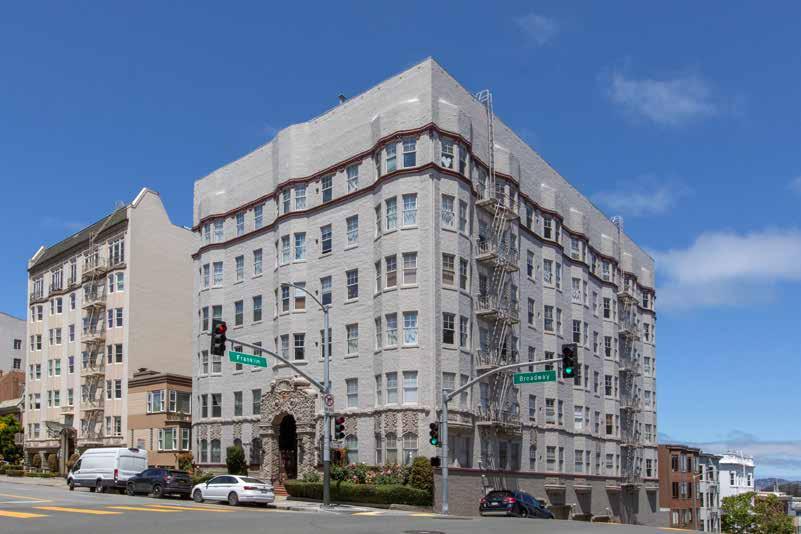
From a rapidly tightening rental market and building electrification requirements to rent increases, replacement roommates, and parking, SFAA’s July Membership Meeting provided housing providers with timely guidance on the market, regulatory, and legal issues shaping San Francisco rental housing.
Presented by Kevin Greenquist, Zanghi Torres Adams, LLP; Thomas Koster, Law Office of A. Thomas Koster; and Jaimie Bombard, Nixon Peabody
The legal panel addressed a range of common landlord-tenant issues, including AB 1482 exemptions and rent increases, tenant-installed locks and owner access, replacement roommates, parking as a housing service, habitual late rent payments, and determining whether a rent-controlled tenant continues to occupy a unit as a principal residence.
Panelists emphasized careful documentation and consultation with counsel when pursuing significant rent increases or other actions that could affect a tenancy.
Presented by Dave Chesnosky, Rentals Inc.; Corey Eckert, Structure Properties; and Selma Bushell and Levi Hancock, Related
The panel of San Francisco leasing professionals reviewed rental market conditions during the first half of 2026 and offered their outlook for the remainder of the year.
Panelists described a strong rental market characterized by rising rents, limited inventory, and robust demand across nearly every neighborhood. An influx of employees from AI and technology companies has been a significant driver, particularly in SoMa, Mission Bay, Dogpatch, and Potrero Hill, while several northern neighborhoods are also performing well.
Vacancies are filling quickly, with many desirable units leasing within twenty-four to forty-eight hours. Prospective residents are increasingly willing to pre-lease apartments or sign leases sight unseen after reviewing photographs, floor plans, and virtual tours.
Existing tenants, meanwhile, are increasingly staying put as they encounter significantly higher asking rents when considering a move. Some renters have even withdrawn notices to vacate after searching the market. Looking ahead, panelists expect demand to remain strong and rents to continue rising, citing limited housing supply, continued hiring, and growth in San Francisco’s AI sector.
Presented by the San Francisco Environment Department, Harvest Thermal, and the Association for Energy Affordability
Building electrification experts provided an overview of upcoming regulations, financial incentives, and technologies available to help multifamily housing providers transition from gas-powered equipment.
Presenters reviewed Bay Area regulations requiring certain gas water heaters to be replaced with zeroemission equipment beginning in 2027, followed by residential furnaces and additional equipment in later years. Proposed changes could provide additional time or exemptions for some properties facing space, electrical, or financial constraints.
Housing providers were encouraged to plan ahead rather than wait for equipment failure. Modern heatpump technology can often be installed without extensive electrical upgrades and may provide benefits including improved efficiency, indoor air quality, and cooling.
The Bay Area Multifamily Building Enhancements program offers no-cost technical assistance and rebates for qualifying energy upgrades, with incentives ranging from $500 to more than $6,000 per unit. Presenters encouraged owners to consult an electrification advisor when planning equipment replacements or capital improvements.
Members who were unable to attend can view the meeting recording and access presentation materials through SFAA’s website.








written by DAVE WASSERMAN
When rents soar, regulation follows. Here’s what the last three decades have taught us.
“The point is, ladies and gentlemen, that greed, for lack of a better word, is good. Greed is right. Greed works. Greed clarifies, cuts through and captures the essence of the evolutionary spirit. Greed, in all of its forms—greed for life, for money, for love, knowledge— has marked the upward surge of mankind….”
—Gordon Gekko, Oliver Stone’s Wall Street (1987)
Here we find ourselves in mid-2026, with an unprecedented upswing in rents across the spectrum. To celebrate this economic boom, many of us are eagerly marching toward the trough of greed, determined to extract every last dollar in rent. There are bidding wars and cattle calls for the highest and best offers. Leasing agents are even encouraged to slightly underprice the asking rent to spark frenzied record-setting auctions.
But is this greed “good?” To answer that question, we need to look no further than the recent past to see how voters and governments have responded to these inflationary runups. In so doing, we may discover that the fictional villain of Wall Street was wrong when he extolled the virtues of greed. And perhaps we should wise up before we stumble and fall, just like Gordon Gekko did.
Let’s begin with a stroll down memory lane. Recall the first dot-com run-up of the late 1990s. Rents skyrocketed alongside Silicon Valley’s IPO boom while vacancy rates plummeted. A local newspaper ran the headline, “There’s No Room at the Inn.”
Because of perceived incentives to evict tenants, both the Board of Supervisors and the electorate responded with a series of attacks on the owner and relative move-in (OMI/RMI) laws, which continue to sting us to this day. For starters, the rules changed overnight to allow just one OMI per building, and that selected unit—with limited exceptions—becomes the designated owner’s housing for the life of the building.
While multiple RMIs are sometimes permitted, the owner must be either living in, or simultaneously seeking to live in, the same building as the owner’s principal place of residence. In addition, a series of protections was afforded to elderly, disabled, and catastrophically ill tenants, meaning they generally could be displaced and instead received lifelong protections.
Then came the ongoing assault on subletting prohibitions. It began with the right to replace departing roommates, even when the operative rental agreement prohibited subleasing. Soon
thereafter, immediate family members were permitted to take residency regardless of stated occupancy restrictions. Eventually, the rules evolved to allow at least two people per habitable room, period.
By the end of the day, we lost the ability to freely move ourselves and our close family members into our own buildings, and we had also forfeited any meaningful ability to restrict the number of roommates and subtenants our tenants could bring in. This erosion of rights may have been inevitable over time, but there is no doubt that these changes were fueled in large part by market pressures—whether in the form of rent hikes, evictions, or a combination of the two—that agitated both the politicians and the voters.
Once the tech bubble burst, rents stabilized, but remained high due to limited supply. Accordingly, we kept charging what we would bear, and the renter side responded in kind. First came a series of assaults on the ability to pass through capital improvement expenditures, resulting in a courtsupervised settlement that the City has since abrogated. Operating and maintenance (O&M) passthroughs were also substantially curtailed, and today the ability to recover these costs has been essentially gutted.
In 2004, owners were required to provide duplicate key sets to virtually anyone on the tenant’s guest list, further hampering the ability to effectively carry out property management functions. In 2006, we lost the ability to eliminate certain housing services such as parking and storage, again limiting our ability to use and
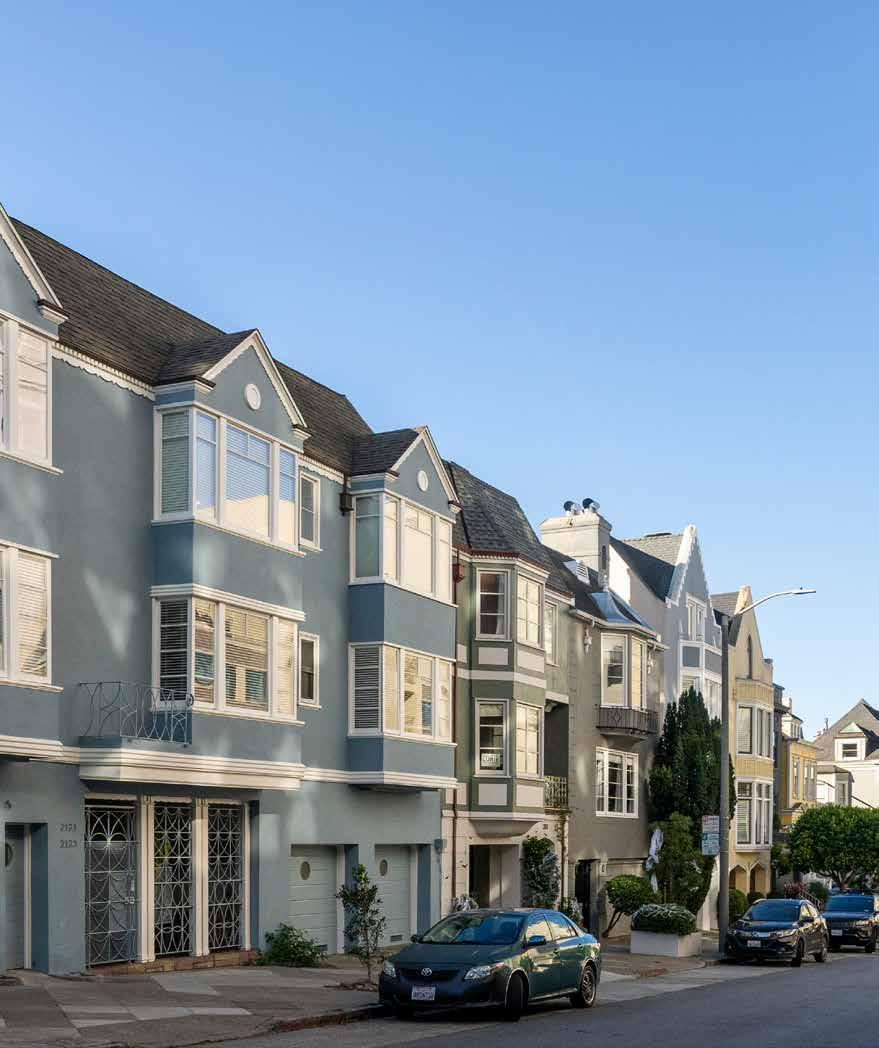


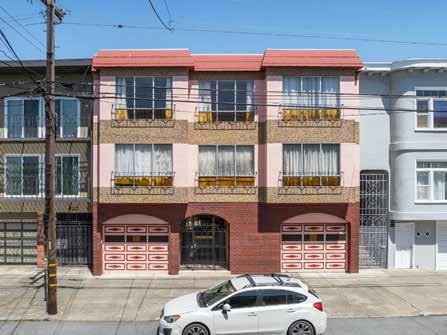
Every major rent boom over the past three decades has been followed by another wave of regulation. As housing becomes less affordable, lawmakers and voters respond with policies designed to protect tenants, often at the expense of property owners’ rights.
The lesson is simple: aggressive rent increases, bidding wars, and highly publicized abuses can intensify political pressure for additional regulation. Maximizing every possible dollar during boom times may produce short-term gains, but it can also create long-term consequences for the industry as a whole.
manage our own properties. Later that year, the voters passed a comprehensive relocation law, setting the stage for what now amounts to herculean relocation payments to tenants displaced either permanently or temporarily. Indeed, under this measure, many households are entitled to well over $30,000 if the owner needs the rental unit for owner occupancy or even to temporarily displace folks to complete repair work.
The 2008 financial crisis temporarily cooled rent escalations, but the legislative attacks never subsided. Proposition M changed the business landscape by introducing the concept of “tenant harassment,” which invigorated tenant lawsuits and expanded monetary recoveries against owners who engaged in a laundry list of “actionable conduct,” ranging from failing to make repairs quickly enough to using language a tenant perceived as offensive. Now, instead of suing solely over alleged defective housing conditions, residents could also cash in if they believed they had been harassed by the actions or inactions of their landlord. This law was expanded in 2014 to permit the Rent Board to investigate situations in which a tenant claimed to have vacated because of
such harassment, with possible referrals to the City Attorney or District Attorney.
Beginning in 2015, a series of laws imposed restrictions on tenant buyouts, requiring owners to serve disclosures, file declarations with the Rent Board, and use precisely worded buyout contracts to lawfully effectuate a payment in exchange for a tenant’s voluntary departure. The Rent Board annually tracks buyout amounts and publishes this data, which has had the intended effect of steadily increasing average buyout payments over the past eleven years. Today, the average household can expect a buyout of at least $60,000.
In 2016, the City halted no-fault evictions during the school year for any household with school-aged children or in which a family member was employed by a school. Consequently, owners seeking to pursue an OMI or RMI, or needing to do capital improvement work, are now straddled with this calendaring quagmire.
2017 brought yet another wave of changes, and not for the better. Both City Hall and the Rent Board Commission further strengthened the OMI/ RMI restrictions by broadening the definition of bad faith, extending the statute of limitations for wrongful eviction lawsuits arising from OMI/RMI displacements, imposing a five-year rent freeze following an OMI/RMI notice, and creating reporting requirements backed by fines and penalties for noncompliance. Consequently, the number of these and other types of no-fault evictions began to decline citywide.
With a strong rental market in 2018, the City passed laws prohibiting O&M rent adjustments for debt service and property tax assessments resulting from changes in ownership. It also further curtailed most O&M rent increases based on increased property management expenses. In addition, the Rent Board stopped certifying capital passthrough petitions for costs attributable to compliance with Fire Life Safety Notices and Orders issued by DBI or SFFD.
In early 2019, as the economy continued to roar, the tenant harassment laws were bolstered with a direct attack against Costa-Hawkins by creating a new cause of action for tenants who moved out after receiving an unlimited, but otherwise lawful, rent increase notice. Specifically, any rent increase “intended to defraud, intimidate, or coerce a tenant into vacating” their housing would now qualify as actionable harassment, entitling the aggrieved parties to wrongful and constructive eviction damages that could be trebled, along with awards for emotional distress and attorney’s fees.
By early 2020, the City enacted a law that brought virtually all rental units in San Francisco under the Rent Ordinance. The lone exception was that buildings built after June 13, 1979 remained exempt from rent increase limitations under the protections of Costa-Hawkins. Suddenly, all post-1979 housing became subject to the OMI/RMI rules, tenant harassment prohibitions, and just-cause-toevict restrictions. As a result, even newly constructed projects became mired in this web of endless regulations.
Then COVID struck, and the market cratered. Both San Francisco and the state erected a two-plus-year barrier that affected housing providers’ ability to collect rent, even as operating expenses continued unabated. Once the Real Property Court reopened and lease obligations again became enforceable, the market slowly began to recover. But an even more consequential threat soon emerged.
Spurred by an activist in Los Angeles, statewide efforts to repeal Costa-Hawkins became a recurring feature of California election cycles. Led by CAA, we defeated all three attempts to roll back CostaHawkins, but at a major financial cost. Nevertheless, the tenants movement’s goal of eliminating the law that prohibits vacancy control remains alive. Indeed, California enacted statewide rent control in 2020 and has since expanded it, affecting nearly all rental housing not already












written by VARIOUS AUTHORS
Know the rules before tossing or tackling tenant clutter.
Q. My tenants moved out unexpectedly, leaving behind furniture, clothing, and several boxes of personal property. They have not responded to my calls or emails. Can I dispose of their belongings?
A. No, you cannot immediately dispose of the left-behind property. The first essential step is sending a written notice to the former tenants that complies with Civil Code section 1983. This law imposes the following requirements:
The notice shall describe the property in a manner reasonably adequate to permit the owner of the property to identify it. The notice may describe all or a portion of the property, but the … landlord [is not protected] from any liability arising from the disposition of property not described in the notice except that a trunk, valise, box, or other container which is locked, fastened, or tied in a manner which deters immediate access to its contents may be described as such without describing its contents. The notice shall advise the person to be notified that reasonable costs of storage may be charged before the property is returned, where the property may be claimed, and the date before which the claim must be made. The date specified in the notice
shall be a date not less than 15 days after the notice is personally delivered or, if mailed, not less than 18 days after the notice is deposited in the mail.
The notice shall be personally delivered to the person to be notified or sent by first-class mail, postage prepaid, to the person to be notified at his or her last known address and, if there is reason to believe that the notice sent to that address will not be received by that person, also to any other address known to the landlord where the person may reasonably be expected to receive the notice. If the notice is sent by mail to the former tenant, one copy shall be sent to the premises vacated by the tenant. If the former tenant provided the landlord with the tenant’s email address, the landlord may also send the notice by email.
Let’s summarize this rule. Draft and deliver in person or by regular mail, and also email a written itemization of the property left behind. Attaching a photographic log to the notice is a good idea, and always make sure that all non-boxed items are listed and described. Be thorough and complete! Most importantly, calculate the days correctly: Allow at least 15 days for notices personally served and 18 days for notices that are mailed/emailed to lapse before you take the next step.
Civil Code section 1984 provides the acceptable template for these notices:
To: (name of former tenant) (address of former tenant)
If you fail to reclaim the property, it will be sold at a public sale after notice of the sale has been given by publication. You have the right to bid on the property at this sale. After the property is sold and the cost of storage, advertising, and sale is deducted, the remaining money will be paid over to the county. You may claim the remaining money at any time within one year after the county receives the money.
Because this property is believed to be worth less than $700, it may be kept, sold, or destroyed without further notice if you fail to reclaim it within the time indicated above.
This requirement to reasonably assess the worth of the items is also critical. If the garage sale cumulative value of the left-behind items is less than $700, you can dispose of them however you want after the notice period expires. Otherwise, for property worth $700 or more, you must conduct a public auction. The auction process is somewhat complex, so please confer with legal counsel to ensure that it is adequately noticed and properly conducted.
Lastly, while waiting for the notice period to expire, you have two options. You may either leave the possessions inside the unit, or you may safely store them elsewhere so you can begin the









process of re-renting the premises. You may also impose reasonable storage fees, and the property must be released upon payment of those charges. You may not, these succinct mandates before you clean
—Dave Wasserman
sonal belongings on their balcony and in the hallway outside of their plained, and I’m concerned about should I address the situation while
tenants who store or place their personal to their unit or in the common areas of the property such as hallways, parking spaces, or yard areas. Sometimes these situations are described as “hoarding” or the excessive accumulation of items.
Landlords have a duty to ensure that the property is habitable and safe. This duty includes providing a property that complies with fire safety requirements, such as clear entry and exit ways that are not blocked by tenants’ personal belongings, furniture, or furnishings which can hinder rescue efforts or escaping from a fire. Landlords also have a duty to provide a property free of pests and infestation which may occur due to excessive clutter that provides pests with abundant food, moisture, and undisturbed hiding spots. Common invaders in hoarded environments include rodents, cockroaches, flies, and bed bugs, which thrive due to unsanitary conditions and blocked access for routine cleaning. Furthermore, landlords have a duty of quiet enjoyment which includes taking reasonable action














You’re tired of paying exorbitant overflow, push-pull and contamination fees to your waste hauler.
Illegal dumping, abandoned mattresses, and trash on the floor is wreaking havoc at your property.
You want to eliminate tenant complaints about messy, smelly enclosures and create a community people are proud to call home.
Your tenants are happy with the cleanliness and lingering odors coming from your trash enclosures.
You aren’t worried about the risk of city citations for improper sorting & overflow under SB 1383 regulations.
You prefer your maintenance team to spend their time cleaning chute rooms, moving bins, and managing missed pickups rather than handling high value repairs.
Written by PAM MCELROY
A
Pam McElroy: The Board of Supervisors has been marked by divisive politics and bitter political infighting over the past ten-plus years. That seems to have changed recently. Can you speak to the current Board’s apparent collegiality and whether that tone shift is lending itself to more effective governing from City Hall?
Supervisor Rafael Mandelman: I do think the atmosphere has changed. That doesn’t mean there aren’t real disagreements—there are, and there should be. The Board is made up of people with different constituencies and different philosophies. But I think there’s a greater willingness today to sit down, work through issues, and look for areas where we can make progress.
Part of that is being willing to give each other—and the Mayor—a certain amount of grace and trust. That doesn’t mean abandoning oversight or agreeing on everything. It means assuming people are acting in good faith, giving ideas a fair hearing, and recognizing that we’re all ultimately trying to solve the same problems. I think that’s made it easier to have productive conversations, even when we disagree.
Ultimately, people expect City Hall to produce results. They care about whether housing gets built, whether businesses can open, whether streets are cleaner, and whether government works. I think there’s a broader recognition that we’re more likely to deliver on those things if we’re spending our time solving problems instead of fighting with each other.

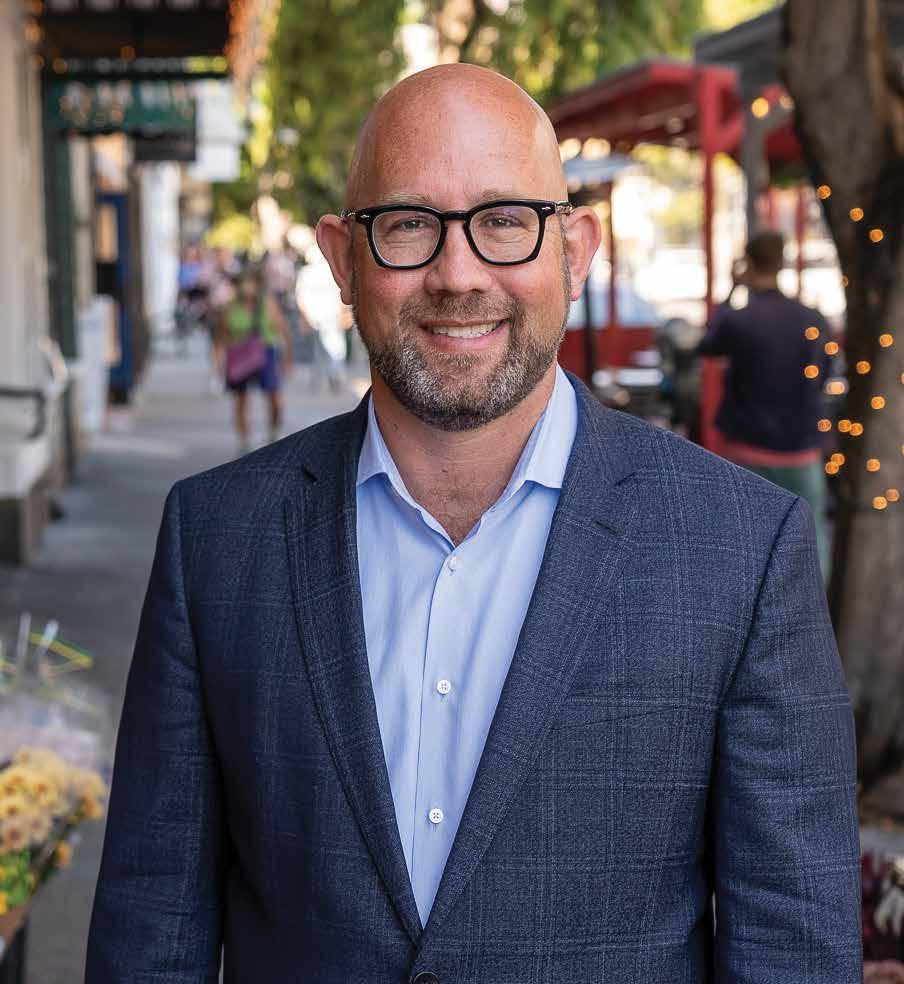
McElroy: In partnership with Mayor Lurie, you’ve supported efforts to streamline San Francisco’s boards, commissions, and City processes. How can the City reduce bureaucracy without losing accountability?
Sup. Mandelman: One thing I’ve come to appreciate is that regulations tend to accumulate. Every reporting requirement, every hearing, every additional review is usually started because someone identified a real problem and thought another layer of oversight would help.
The difficulty is what happens over decades. In the aggregate, you end up with an enormous amount of regulation, tracking, reporting, and process. That often means City employees spend more time checking boxes than solving problems.
I don’t think the answer is less accountability. We absolutely need transparency and public oversight. But we should periodically ask whether every requirement is actually accomplishing what we intended. If it’s adding months to a process without producing a better outcome, we ought to be willing to rethink it.
McElroy: San Francisco frequently hears that permitting, contracting, and administrative delays make it harder to build housing, open businesses, and deliver services. What reforms would make the biggest practical difference for residents and small property owners?
Sup. Mandelman: If I had to identify one thing, I’d say predictability. People generally understand that projects need review. They don’t necessarily expect every permit to be approved. What they do expect is to know what the process is, what standards apply, and roughly how long it’s going to take.
Too often, projects move through multiple departments and commissions with overlapping responsibilities and uncertain timelines. That creates delay, but it also creates uncertainty, and uncertainty drives up costs.
I think continuing to simplify permitting, better coordinating agency review, and giving applicants more certainty would make a meaningful difference—not just for larger housing projects, but for homeowners, small property owners, and neighborhood businesses.
McElroy: San Francisco is under significant pressure to meet state housing goals, including planning for tens of thousands of new homes. What does responsible housing growth look like in established neighborhoods like those in District 8?
Sup. Mandelman: I think that now the majority opinion is that San Francisco needs to build substantially more housing than we’ve built over the last several decades. Our
affordability problems didn’t happen overnight, and they’re tied in large part to years of underproduction.
The question isn’t really whether we need more housing. It’s how we add it.
I think there are many places in San Francisco where somewhat greater density would actually strengthen existing neighborhoods. More residents can support neighborhood businesses, improve commercial corridors, and make better use of existing transit and infrastructure.
That doesn’t mean every project belongs everywhere, and it doesn’t mean neighborhood concerns aren’t legitimate. Design matters. Infrastructure matters. But I don’t think preserving neighborhood character and building more housing are mutually exclusive goals.
McElroy: You’ve recently landmarked several buildings in District 8. How do you balance the need for more housing with concerns about neighborhood character, displacement, and infrastructure?
Sup. Mandelman: Those are exactly the kinds of tradeoffs local government has to wrestle with.
Historic preservation is important. Once you lose a significant historic resource, you can’t get it back. At the same time, San Francisco has an obligation to build more housing, and we have to recognize that neighborhoods will continue to evolve.
For me, the question is whether we’re making thoughtful decisions about both. We should preserve buildings that truly have historic or cultural significance, while also identifying opportunities to add housing in places where it strengthens neighborhoods and supports the city’s long-term needs.
It’s rarely an either-or proposition.
McElroy: The Family Zoning Plan has raised major questions about density, affordability, and local control. What do you think property owners and rental housing providers should understand about the City’s long-term housing strategy?
Sup. Mandelman: One important reality is that state housing law has changed significantly. Cities have much less discretion than they did even a few years ago, and San Francisco has legal obligations to plan for and accommodate substantially more housing.
So I think the discussion increasingly becomes one of implementation. Where does additional housing make the most sense? How do we create more certainty in the approval process? How do we make sure new housing works well within existing















Rising



Clinton.Textor@marcusmillichap.com


Senior
Sandy.Skeie@marcusmillichap.com License: CA: 00982336
neighborhoods? Those are really the questions I come back to when evaluating any proposal for new housing. I don’t think there’s a one-size-fits-all answer, but those are the considerations that guide my thinking.
Those conversations aren’t always easy, but I don’t think continuing to underproduce housing is a realistic option.
I also think predictability is important for property owners. Clear rules and a permitting process that people can understand benefit everyone involved.
McElroy: As SF’s rent control ordinance approaches its fiftieth year, thousands of elderly residents have aged in place in their apartments. What can the City do to provide support to these residents, and how can the City support landlords to ensure these elderly residents can continue to live independently?
Sup Mandelman: I think everybody benefits when older adults are able to remain safely and independently in their homes. A lot of these situations are more complicated than they appear. They often involve health care providers, social service agencies, family members, and landlords who may be the first to recognize that a tenant is struggling, but they don’t necessarily know where to turn for help.
One of the City’s biggest opportunities is improving coordination among those systems I just mentioned. We should make it easier for seniors to access services, but we should also make it easier for housing providers to connect residents with the right resources before a situation reaches a crisis point. Too often, landlords are trying to navigate multiple departments with no clear path to getting someone the help they need.
I appreciate the work SFAA has done to bring these issues to City Hall. Janan [New] and Charley [Goss] have been part of ongoing conversations about creating a more coordinated response across City agencies so housing providers have a clear point of contact when they’re trying to help a vulnerable resident remain housed. I think that’s a productive conversation, and I’d like to see us continue building on it.
These partnerships are important. Helping seniors age in place isn’t just the responsibility of families or landlords or government alone—it requires all of those partners working together.
McElroy: You have been outspoken about San Francisco’s behavioral health and homelessness crises, particularly the need for more effective treatment options. What is working, what is still missing, and what should the city prioritize next?
Sup Mandelman: I think we’ve made meaningful progress over the last couple of years, but I also think it’s important to be honest about the fact that these remain
extraordinarily difficult challenges. They’re problems that developed over decades, and they aren’t going to be solved overnight.
One thing I’ve become increasingly convinced of is that this can’t simply be San Francisco’s responsibility. We need a much stronger behavioral health system across California. Every county should have the capacity to provide treatment for people experiencing serious mental illness or substance use disorders. If only a handful of jurisdictions are building that capacity, we’re never going to have a system that works particularly well.
Within San Francisco, I think we’ve gotten better at coordinating across departments, and I think we’ve expanded treatment options compared to where we were a few years ago. But there’s still a great deal of work to do. We need more treatment capacity, better coordination between outreach teams and providers, and clearer pathways that move people from the street into treatment and then into stable housing.
The goal shouldn’t simply be managing visible homelessness. It should be helping people recover and stabilize. That’s better for the individual, it’s better for neighborhoods, and it’s ultimately a much more effective use of public resources.
McElroy: If you had a full day off in District 8, how would you spend it? What are your favorite small businesses in District 8?
Sup. Mandelman: I’d probably start with coffee and a good book at one of my favorite neighborhood cafés, like Thorough Bread or Cafe Poesia, then spend the day walking around the neighborhood. I’d stop into Fabulosa Books, browse a few local shops, and finish with a meal at one of District 8’s great neighborhood restaurants.
One of the best things about District 8 is that every neighborhood has locally owned businesses that give it its own character. Whether it’s a coffee shop, bookstore, restaurant, or corner market, those businesses are a big part of what makes our neighborhoods such great places to live, and I always encourage people to support them whenever they can.
The rules and regulations in San Francisco are always changing. Stay up to date!
The California Certified Residential Manager (CCRM) series is a must. This ten-session course dives deep into critical topics like ethical property management, risk management, and fair housing laws.
Stay sharp and legal. Visit the SFAA website or turn to pages 53 and 59 to explore current class offerings and take the next step in your professional growth!




While some have talked about the ongoing moderate Democrat vs. progressive Democrat battles, the influence of tech and labor money in politics, and the changing demographics of San Francisco voters, it’s hard to read the results of San Francisco’s June 2026 election as anything other than a resounding expression of support for Mayor Daniel Lurie and his priorities.
Because SFAA’s endorsed candidates and ballot measure positions largely aligned with Mayor Lurie’s recommendations, the June election was also a successful one for SFAA, and welcome news for SFAA members. June’s election results also offer important insight about what we can expect in November.
The Candidates
But first, let’s recap who and what were on the ballot. District 2 Supervisor Stephen Sherrill was on his first-ever ballot after being appointed by Mayor London Breed in December of 2024. By all accounts, Sherill has been a productive and well-liked Supervisor in the district, but he faced a challenge from neighborhood activist Lori Brooke. The race became a proxy battle over housing policy: whether San Francisco should build more housing, where the city should build it, and at what scale.
Sherill had walked a fine line on this issue, helping approve Mayor Lurie’s Family Zoning Plan to increase height limits and residential zoning capacity on commercial corridors while also vehemently opposing a proposal to develop twenty-five stories of housing on the current site of the Marina Safeway. Lori Brooke had gained citywide name recognition organizing residents against the Family Zoning Plan, and agreed that the Safeway proposal was out of line. Because not much housing

June’s results showed voters backing Mayor Lurie’s agenda, building momentum for SFAA and November.

Written by CHARLEY GOSS
has recently been built in San Francisco’s Marina District, and observers didn’t have much information about how District 2 residents feel about new housing, it was believed that the election for District 2 Supervisor would be a close one.
However, in the end, voters overwhelmingly elected incumbent Stephen Sherrill, who had Lurie’s endorsement (and SFAA’s!). The race was declared on the night of the election, a rarity these days in San Francisco, and Sherill ultimately coasted to victory by almost 39 percentage points.
District 4’s sleepy Sunset District has become a political battleground of late, beginning in November of 2024, when neighbors became embroiled in a bitter dispute over Prop K, which proposed closing the Great Highway to vehicles. Prop K was approved by voters citywide but rejected by those living closest to the Great Highway, and less than one year later, Supervisor Joel Engardio was recalled for his role in closing the road.
In December 2025, Mayor Daniel Lurie appointed Supervisor Alan Wong as Engardio’s replacement. With only six months in office, Wong did not have much opportunity to develop an extensive legislative track record, but he quickly aligned himself with Mayor Lurie and the more moderate bloc on the Board of Supervisors, casting a vote in favor of the Mayor’s Family Zoning Plan in his first Board of Supervisors meeting. Wong also had citywide name recognition after previously being elected by citywide voters to the City College Board of Trustees. Nonetheless, he faced a polished challenger in Natalie Gee, who had served as Chief of Staff for District 10 Supervisor Shamann Walton for several years, as well as Albert Chow, who successfully led the recall of Joel Engardio.
progress on his priorities is that he has a majority on the Board of Supervisors that is politically aligned with him and, more often than not, votes in favor of his initiatives. The successful campaigns for both Stephen Sherrill and Alan Wong, boosted by endorsements from Mayor Lurie, have ensured that this majority at the Board and the progress we have made as a city will continue—at least until November, when five of the eleven seats at the Board of Supervisors are up for election.
Also on the ballot were a seat on the Board of Education and a seat on the Superior Court. In each race, the more moderate, Lurie-endorsed candidate was victorious, with Phil Kim winning his School Board race by 33 percentage points and Phoebe Maffei winning Seat 16 as Judge on the San Francisco Superior Court by 13 percentage points. In the end, candidates endorsed by Mayor Lurie went four for four on the June ballot, underscoring his 74% approval rating among voters. While all these candidates were well qualified and well positioned to run for elected office and serve in the positions they sought, each undoubtedly also benefited from the Mayor’s endorsement.
“ The June election was an important indication that San Francisco voters agree City Hall should be focused on economic recovery, supporting small businesses, and improving public safety. ”
The good news for SFAA members is that Mayor Lurie is generally politically aligned with SFAA. The SFAA PAC or SFAA staff interviewed each candidate prior to making an endorsement, and SFAA also went four for four, with each SFAA-endorsed candidate mentioned above successfully winning the election.
During the campaign, Wong closely associated himself with Mayor Lurie, and independent expenditures benefiting Wong ensured voters knew he was Mayor Lurie’s preferred candidate. While Wong himself is well-qualified, thoughtful, and has goals and priorities that align well with Sunset voters, it appears that ultimately Mayor Lurie’s support, more than anything else, is what carried the day for Alan Wong. After factoring in rankedchoice voting, Wong prevailed by 22 percentage points.
Each of these elections was crucial for both Mayor Lurie’s agenda and SFAA members. For the first time in years, residents feel like the city is headed in the right direction. A major reason Mayor Lurie has been able to advance his agenda and make
Voters also considered four ballot measures in June. Proposition A, the Earthquake Safety and Emergency Response Bond, was a $535 million bond measure to fund improvements and seismic upgrades to City infrastructure used for emergency response and safety. While SFAA did not take a position on the measure, largely because the City has recently reduced the passthrough most members can receive on general obligation bonds, voters overwhelmingly approved it. While Lurie endorsed and campaigned for Prop A, it would have passed no matter what. San Francisco voters have not rejected a bond measure in many, many years, and almost 81% of voters voted “yes.”
Proposition B, titled Lifetime Term Limits for Mayor and Members of the Board of Supervisors, proposed term limits of two terms for all members of the Board of Supervisors and the Mayor. Under existing law, members of the Board of Supervisors could serve two consecutive terms, sit out one term, and then serve two consecutive terms again, without limitation. The

























measure’s author met with the SFAA Board of Directors and PAC prior to drafting it, and SFAA endorsed it when it qualified for the June ballot. Some elected officials came out in opposition to the measure (Jerry Brown, Willie Brown), while others came out to support it (Nancy Pelosi, Daniel Lurie). The measure passed 53-47%.
Propositions C and D were competing measures dealing with gross receipts taxes and the Top Executive Pay Tax. Prop D was placed on the ballot by SEIU 1021, or the local Service Employees International Union. It was labeled a “CEO tax” but was actually a substantial increase in business taxes on companies where the top executive earns more than 100 times the median compensation paid to all employees. The Chamber of Commerce and Advance SF wrote and qualified Prop C as a competing measure in response to Prop D. If both measures were approved by voters, only the one with more votes would take effect. Prop C proposed to expand business tax exemptions for small businesses and accelerate the implementation of alreadyscheduled increases to the existing Top Executive Pay Tax. SFAA endorsed a No position on Prop D, fearing it would harm San Francisco’s economic recovery, and a Yes position on Prop C, hoping that if both measures passed, Prop C could garner more votes and defeat the Prop D business tax.
Mayor Lurie came out early and endorsed a No position on both measures, arguing that each was an abuse of San Francisco’s ballot-measure process. As it became clear that Prop C was unlikely to pass, the “Yes on C, No on D” campaign shifted its resources toward defeating Prop D, which undoubtedly would have hurt San Francisco’s economy. The No on D campaign featured Mayor Lurie prominently in campaign ads in the days and weeks leading up to the election.
Ultimately, the voters agreed with Mayor Lurie again, and Prop C failed by 30% while Prop D was defeated by about 5%, or 14,000 votes. Prop D was widely expected to pass, and its defeat in June was perhaps the strongest indication of Mayor Lurie’s coattails and the support he has among San Francisco voters.
From SFAA’s perspective, this was an extremely successful election and, hopefully, an indication of good things to come. All SFAA’s endorsed candidates won the election, and voters agreed with SFAA’s endorsed position on two of the three ballot measures that the SFAA PAC took a position on.
June’s results speak to the progress made in the city’s politics in recent years. SFAA members may have noticed—we are no longer sending out constant announcements about yet another piece of harmful legislation that punishes and scapegoats San Francisco’s landlords. This is the direct result of a Board of Supervisors and mayor who are working together to focus on economic recovery, supporting small businesses, and improving public safety rather than wading into the already over-regulated world
of San Francisco’s landlord-tenant law and rent regulations. The June election was an important indication that San Francisco voters agree that City Hall should focus on the former rather than the latter. And, in analyzing the results, it is clear there was no greater winner on election night than Mayor Daniel Lurie, even though he didn’t appear on the ballot.
June’s results are heartening news as we (already) are headed toward another election in November. The complete list of ballot measures has not been finalized as of the writing of this article, but we know we’ll see approximately four charter reform ballot measures, two transfer tax proposals, and, most importantly, five of the eleven seats on the Board of Supervisors. How those five races go is incredibly important for SFAA members, Mayor Lurie, and for building on the city’s progress as a whole.
In two of the races, Districts Two and Four, Stephen Sherrill and Alan Wong won so resoundingly in June that they are unlikely to face significant opposition in November. The other races, in Districts 6 (SoMa), 8 (the Castro), and 10 (the Bayview), will be fiercely contested. They will determine whether moderate Supervisors who are aligned with Mayor Lurie will maintain a slight majority on the Board.
We’ve seen the progress that can be made when the Mayor and a supportive Board of Supervisors work together: The economy is improving, small businesses are opening, residents feel safer, and people believe the city is headed in the right direction. June’s election suggests that voters want to continue moving in that direction by supporting Mayor Lurie’s agenda. Now it’s up to SFAA as an organization—and each of us as SFAA members—to help elect SFAA-endorsed candidates who will continue that progress.
Charley Goss is the San Francisco Apartment Association’s Director of Government Affairs. He can be reached at charley@sfaa.org.
The best way to protect yourself and your investment is to stay informed. SFAA offers monthly member meetings and frequent educational webinars packed with vital information to help members manage their rental properties efficiently, legally, and ethically. For a full list of classes and member meetings, turn to the calendar on page 60.


becoming a competitive advantage in
Electric vehicles (EVs) are no longer a niche product in the Bay Area. California continues to lead the nation in EV adoption, and a growing percentage of residents now expect access to EV charging where they live.
For owners and managers of multifamily properties, this shift presents both a challenge and an opportunity.
In San Francisco, only a fraction of apartment communities currently offer on-site EV charging, while renter demand continues to grow. Property owners who address that demand today will be better positioned to attract and retain residents in the years ahead.
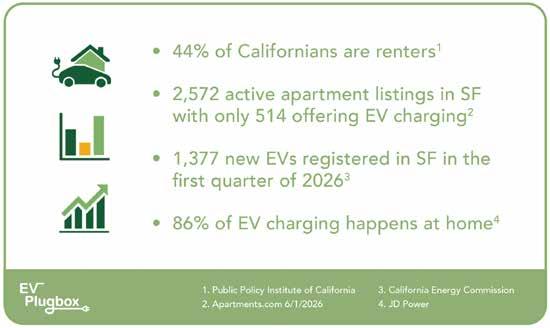
San Francisco’s transition toward electric vehicles is well underway. In Q1 2026, 5,054 new vehicles were registered in San Francisco County: 1,377 were plug-in (27%). That’s down from the 35% of the year before with Federal subsidies, but still substantial.* The vast majority of these new vehicle owners will want to charge at home. In addition, a large surge of used EVs is hitting the market due to expiring leases, falling prices, and improved technology, offering a compelling new entry point for EV adoption.
At the same time, 44% of Californians are renters, with an estimated 65% of those in multifamily residences. Charging in a rental is often unavailable, awkward, and expensive.
More renters are driving electric vehicles, yet relatively few multifamily properties provide convenient charging options. In San Francisco, only a fraction of apartment communities currently offer on-site EV charging. Consider that Apartments.com showed 2,572 active apartment listings in San Francisco with only 514 offering EV charging as of June 1, 2026.
Written by BRYCE NESBITT & SVEN THESEN
Even among properties that advertise charging, many rely on a small number of shared chargers that may not adequately serve residents as EV ownership grows.
This creates an opportunity for property owners. Charging is steadily moving from a luxury amenity toward an expected feature as EV adoption increases.
*California Energy Commission Dashboard, New ZEV Sales in California. Data last updated March 31, 2026. Retrieved July 8th, 2026 from energy.ca.gov/zevstats
Property managers often assume residents will request EV charging if they want it. In practice, that does not always happen.
Current renters are reluctant to request charging access because they believe installation is too complicated or expensive, or they are simply afraid to do so. Prospective renters simply focus their apartment search on properties that already offer charging.
Many rental search platforms now allow prospective tenants to filter specifically for EV-friendly housing. Properties without charging may never appear in those searches.
As a result, owners may not realize how many prospective residents they are missing. Further, JD Power reports that 86% of EV owners charge at home, preferring the convenience of home charging over using public infrastructure, as it dramatically lowers cost and avoids public infrastructure hassles.
For environmentally conscious or technology-oriented renters, access to EV charging can be a deciding factor when choosing between otherwise similar properties. Renters simply want to charge their EVs at home.


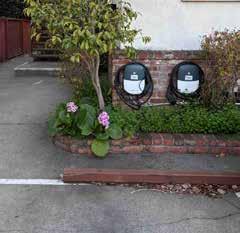
SIMPLE DIRECT-TO-METER EXAMPLE (EV PLUGBOX)
1. Three units, two chargers installed
2. Each apartment’s electrical meter is connected to the Plugbox
3. Each charger is installed at a designated parking space
4. When not in use, chargers remain disconnected at no cost to owners or residents
1. Apartment management can connect any meter to any EVcharger–enabled parking spot
2. Residents charge like singlefamily homeowners and pay only for their own electricity —Still no ongoing fees
“My
One of the most common misconceptions about multifamily EV charging is that older buildings lack the electrical capacity to support it. In reality, many older properties can accommodate charging without major electrical upgrades. The key is understanding how residents actually use their vehicles and how EV charging technology is deployed.
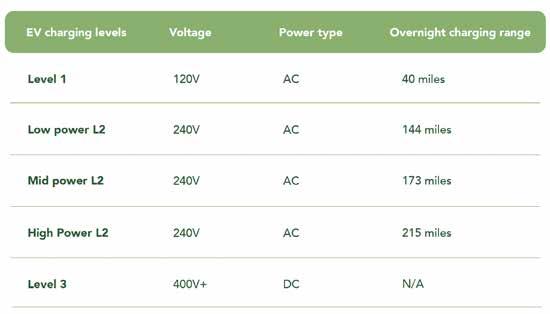
For example, many Bay Area EV drivers find that overnight charging at slow speeds provides more than enough energy to meet daily transportation needs. Even charging from a standard household outlet (Level 1 charging) can deliver meaningful range when vehicles are parked overnight for eight to ten hours. In fact, nearly one third of all EV drivers rely primarily on this method of charging.
In addition, most apartment buildings have unused electrical capacity that can often be leveraged for EV charging. This available capacity can be identified by analyzing actual electricity usage data from the utility provider. Some charging systems also use dynamic load management technology to continuously monitor building demand and automatically adjust charging rates to ensure the electrical system remains within safe operating limits. These “smart” systems can redirect unused electrical capacity to EV charging midday or overnight.
Lastly, many vendors offer free electrical assessments to identify strategic upgrades that support not only EV charging but also broader building modernization goals, electrification mandates, or electric water heater readiness. The important point is that assumptions should not replace analysis. A building’s age alone does not determine whether EV charging is feasible.
As property owners explore EV charging, they typically encounter two approaches: shared charging and dedicated charging.
Shared charging has traditionally been the most common model in multifamily housing. Under this approach, several residents share one or more charging stations located in common areas. While shared charging can be an effective starting point, it introduces several operational challenges.
First, residents must compete for access to limited charging stations, often leading to scheduling challenges, waiting periods, and frustration. This “musical chairs” syndrome creates access conflicts, can lead to overtime fees for renters, and can inconvenience other tenants trying to charge. Property managers may also find themselves responding to complaints about vehicles occupying chargers for extended periods.
Second, shared charging systems also rely on relatively expensive networked EV chargers, software platforms, user accounts,
payment processing systems, and ongoing network management. These features can provide useful functionality, but they increase the installation costs and introduce recurring fees and administrative complexity.
Shared chargers draw power from the “common” or “house” electrical circuit. As this circuit was generally not designed to serve EV chargers; it can only supply electricity to a limited number of chargers. The electricity is billed via the “common” electrical meter and paid for by the landlord. The landlord must manage, or hire someone to manage, the resale of electricity to the residents.
Widely available management services cost $10-$30 per charger per month ($120-$360 annually), either paid by users as markups on electricity or subsidized by the landowner. These systems are typically operated by Electric Vehicle Service Providers (EVSPs), which collect revenue from EV drivers and reimburse the landlord for electricity costs.
Third, shared charging causes parking loss. California requires the addition of new accessible (ADA-compliant) spaces when shared or public-use chargers are installed at multifamily buildings. At a minimum, two parking spots are converted to one to meet this requirement.
With dedicated, direct-wired charging, residents charge at their assigned parking spaces rather than competing for access to a shared charger. Because charging occurs at dedicated/assigned parking spaces, there are no new ADA requirements and no loss of parking spaces.
Residents simply park, plug in, and charge overnight.
With direct wiring, the electricity used to charge the EV is drawn from the resident’s unit meter, which generally has significant excess capacity. And, because the resident pays for the electricity used on their own regular utility bill, no new EV charging billing system is required.
Further, dedicated charging solutions allow residents to schedule charging during lower-cost periods. For example, in San Francisco, electricity rates are typically highest between 4:00 p.m. and 9:00 p.m., often costing two to three times more than off-peak rates.
In summary, dedicated, direct-wiring EV charging offer convenient, low-cost, reliable charging for the resident while minimizing the initial and ongoing costs for the property owners/managers. Advertising dedicated direct-to-meter charging to prospective renters showcases a highly valued amenity that can help differentiate a property, even amongst those with shared charging.

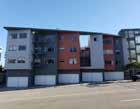
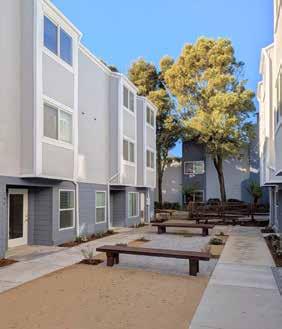
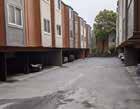


Cost remains one of the primary concerns for multifamily owners considering EV charging. Fortunately, several programs are designed specifically to support charging infrastructure for San Francisco multifamily properties.
The SF Water Power Sewer EV Charging Incentive (sfpuc.gov/programs/cleanenergy/ev-charge-sf ) helps customers offset a significant portion of EV charging installation costs. For eligible projects, financial incentives of up to $120,000 are available.
Additionally, the state-backed Communities in Charge program (thecommunitiesincharge.org ) is designed specifically to bring EV charging infrastructure to multifamily residential complexes and commercial and multifamily projects.

These incentives are designed to cover a significant portion of the required electrical installation work and associated equipment, which can significantly improve project economics and shorten payback periods.
Property owners should work with an experienced EV charging contractor or vendor that offers free electrical assessments and turnkey project management. By handling permitting, installation, and incentive applications from start to finish, the right partner can simplify the process, reduce project risk, and improve the chances of securing available rebates.
Many multifamily owners are already dealing with increased scrutiny from insurance providers regarding electrical systems.
Older electrical panels, outdated wiring, and other aging infrastructure have become common points of concern during insurance reviews. The most common red flags include blacklisted electrical panels, for example, those by Federal Pacific Electric, past unpermitted work, or wires damaged by renovations.

Zacks & Freedman is proud to announce its official rebranding as Zacks, Freedman & Chernev, PC.
Our name change recognizes the continued contributions of Mark Chernev and reflects the firm’s continued growth as a dominant force in Bay Area real estate and real property law Since our founding over 25 years ago by Andrew Zacks, Zacks, Freedman & Chernev has earned a reputation as the "voice of property owners" in California.
We are also pleased to announce that our digital identity is evolving alongside our firm. While our name and web address have changed, our commitment to providing legal counsel in Bay Area real estate and real property law remains steadfast. We invite you to visit the new site to explore our updated profiles and expanded resources at www.zfcpc.com.
180 Montgomery Street • Suite 1950 San Francisco, CA • 94104 info@zfcpc.com • zfcpc.com 415.956.8100
San Francisco’s premier real estate law firm has been advancing the rights of property owners for over two decades. Contact us for your real estate legal needs, and scan the QR code to subscribe to our monthly newsletter.

No loss of parking spaces
No apps, credit cards, monthly fees
Direct from meter charging — no billing platform required

Compatible with older electrical systems 86% of
2,572 active apartment listings in SF—only 514 offer EV charging*





Don’t defer your tenants safety! Call us today to schedule your inspection.
Pacific
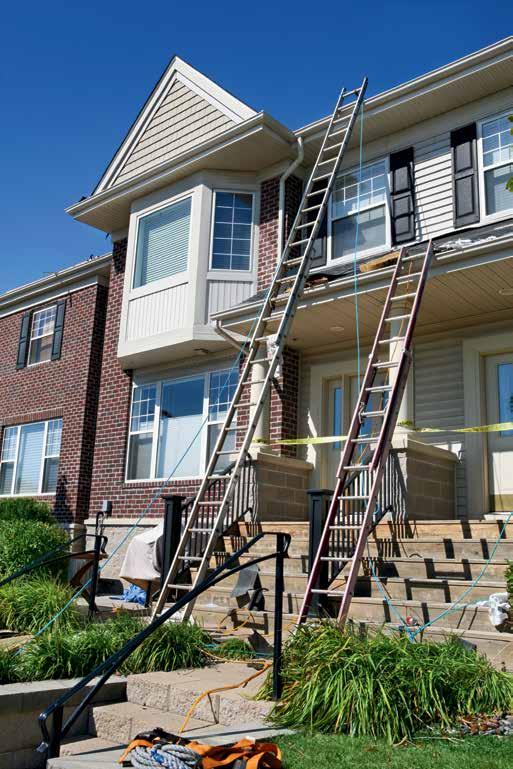
General Contractor
Licensed Home Inspectors
NACHI Certified Professional Inspectors
NACHI Certified Deck Inspectors
Over 30 years of Building Expertise
415-516-8110 PCREInspections.com


“I manage an older four-unit building in Oakland, and I’m always looking for ways to help the property stand out. I had a unit that just wasn’t attracting a tenant—until I advertised that it had EV charging. The next prospect told me they’d been struggling to find a place with charging, and they moved in right away, and use the charger regularly.
My building doesn’t have a common-area meter, so the EV Plugbox solution was ideal because the resident pays directly from their own electric meter. I don’t have to track usage, get involved in the details, or add another meter.”


In some cases, owners receive non-renewal notices, sometimes with implausibly short deadlines to make corrections.
However, when electrical improvements are necessary, combining them with an EV charging project will often qualify for the incentives previously mentioned.
This overlap may allow owners to address multiple objectives at the same time: improving safety, supporting insurance requirements, modernizing infrastructure, attracting and retaining residents and preparing the property for future transportation trends, including electric water heater mandates. EV incentive money can also help pay for engineering and permit costs, and combined projects are almost certainly more affordable.
Property managers often ask, “Will it cost me more or raise my insurance rates?” To date, our experience has shown that the presence of EV charging itself has not proven to be a trigger for insurance rate increases.
As more renters drive EVs, demand for convenient, low cost, and reliable home charging will grow. For multifamily owners, the conversation is shifting
from whether EV charging is needed to how it can be implemented effectively and economically.
The good news is that today’s charging solutions are far more flexible than many owners realize. Older buildings can often support charging, smart load management can maximize existing electrical capacity, and incentive programs can help significantly reduce installation costs.
For San Francisco landlords and property managers, EV charging is no longer simply an environmental initiative. It is a practical amenity that enhances resident satisfaction, supports leasing efforts, and helps properties stay competitive in an ever-evolving market.
Bryce Nesbitt and Sven Thesen co-founded EV Plugbox in 2024. Sven brings more than 25 years of EV industry experience, including roles with PG&E and Peninsula Clean Energy, co-founding Orange Charger and the National Charging Access Coalition, and serving as an angel investor. Bryce is an electrical engineer and commercial property inspector whose long history of San Francisco accomplishments include serving as IT director for City Car Share, as co-founder of the NextBus tracking system used by MUNI, and as an advocate for building code cost reduction. They can be reached via EVplugbox.com.


• Email SFAA at MemberQuestions@sfaa.org
• Follow SFAA on Linkedin
• Call SFAA at 415-255-2288
• Visit SFAA at 265 Ivy St. Email SFAA at MemberQuestions@sfaa.org to have your questions and concerns promptly addressed, or call the office at 415-255-2288. You can also follow the happenings of your fellow SFAA members and find out the latest in the industry by connecting with SFAA.


Looking for one of San Francisco’s tried-and-true summer traditions? From the iconic Stern Grove Festival to longtime Golden Gate Park concert series favorites, the city’s free outdoor music calendar remains one of the best ways to spend a summer weekend in San Francisco.
GROVE FESTIVAL 2026 LINEUP
AUGUST 2 – Violent Femmes + Tune-Yards
AUGUST 9 – Patti LaBelle + Destini Wolf
AUGUST 15 – Public Enemy
AUGUST 16 – Al Green + Goapele + The GLIDE Ensemble
SPRECKELS TEMPLE OF MUSIC IN GOLDEN GATE PARK 2026 LINEUP
AUGUST 2 – Say Thank You to Our First Responders!
AUGUST 9 – Tune Town
AUGUST 16 – Celebrating Hungarian Culture
AUGUST 23 – Celebrating Ukrainian Culture
AUGUST 30 – ¡Ole! The Heart of Spain
The concerts take place at the Spreckels Temple of Music (also known as the Bandshell).
LOCATION:
Spreckels Temple of Music (AKA the Bandshell) Golden Gate Park
75 Hagiwara Tea Garden Drive.
FOR DETAILS, VISIT: goldengateparkband.org

regulated by a more restrictive local ordinance. Today, with legislative seats changing hands and a new governor on the horizon, weakening Costa-Hawkins may prove easier than mounting another statewide campaign.
If greed is good, then why have our property rights been trampled since the 1990s? Perhaps we are standing on the precipice of a disaster akin to what our counterparts in New York City have suffered since the passage of the Housing Stability and Tenant Protection Act of 2019, which expanded rent stabilization statewide, eliminated vacancy decontrol, and imposed limits on rent increases across the Big Apple. Is this what we want?
The past quarter-century has taught us that these laws grow increasingly aggressive as rent escalations make housing even less affordable. Yes, the underlying problem is that construction costs and regulatory burdens in California make new housing projects extraordinarily difficult to build, but that problem is not likely to subside anytime soon. Thus, it may be up to each of us to restrain our greed for the betterment of the industry. Otherwise, the alternative may be the same tragic downfall that Gordon Gekko suffered in Wall Street’s final scene.
Dave Wasserman is with Wasserman Offices and can be reached at 415-567-9600. Do This, Not That…







Support SFAA’s legal challenges to unjust legislation by donating to the SFAA Legal Fund. SFAA needs to stay relevant to remain effective. Help to further grow the legal fund. It will make a difference. Check out sfaa.org/Public/Fundraising/Give_Now to find out more.
*SFAA Legal Fund donations are tax deductible.
Reach 6,000 multifamily owners monthly!
Mention this ad for a 6-month 10% discount!

to stop disruptions or nuisances caused by other tenants.
For tenants, under California Civil Code 1941.2, they are legally required to keep their units clean, sanitary, and free of hazardous clutter. When dealing with a tenant who accumulate excessive items, take the following steps: Identify the specific lease violations such as blocked fire escapes, smells, pests and not storing items in balconies or common areas of the property.
Begin by documenting the hazards with photos such as blocked exits, pest issues, and and structural strain. You may discuss your concerns with a tenant by focusing on safety rather than the clutter. If the tenant provided information about a disability, such as hoarding disorder, individuals with such a disorder are protected under the California Fair Housing Act, and may qualify for reasonable accommodations if they are facing lease violations or eviction due to the condition. The landlord is required to engage in an interactive process with the tenant to provide reasonable accommodations, which may include agreed-upon timeframes and goals for cleaning, before moving to evict.
The San Francisco Rent Board has information on its website dedicated to addressing tenants who exhibit hoarding and cluttering behaviors (sf.gov/ information-information-hoarding-and-cluttering). This includes working with Adult Protective Services, the Mental Health Association of San Francisco, and Legal Assistance to the Elderly, as well as how to explor alternative dispute resolution before initiating an eviction. If these measures are not successful and the tenant fails to remove the items, landlords may serve a Notice to Cure or Quit, citing lease violations and fire or health codes.
In the meantime, in order to ensure the safety of the tenants and property, confirm that the smoke alarms are in working condition and test them monthly.

Join us as a Sponsor!
November 12th, 2026
5:00-9:00 pm
St. Regis Hotel
San Francisco PLATINUM $10,000
10 event tickets
Premium seating
Hosted bar and premium wine service
Present awards to winners
Company video shown during Awards presentation
Full-page color advertisement in event program
Recognition in SF Apartment Magazine
One free 2027 member-meeting sponsorship
Recognition on SFAA social media
Recognition on SFAA website
homepage
Recognition on event marketing

GOLD $5,000
5 event tickets
Premium seating
Premium wine service
1/2-page color advertisement in event program
Company acknowledged during Awards presentation
Recognition in SF Apartment Magazine
Recognition on SFAA social media
Recognition on SFAA website
Recognition on event marketing SILVER $3,000
2 event tickets
1/4-page color advertisement in event program
Company acknowledged during Awards presentation
Recognition in SF Apartment Magazine
Recognition on SFAA social media
Recognition on SFAA website
Recognition on event marketing



WEDNESDAY AUGUST 19
VIRTUAL-ON DEMAND MEETING
TOPICS: Are You Ready to Compete in Today’s Technology-Driven Rental Market?
MEETING SPONSORS: Hamilton Zanze
WEDNESDAY OCTOBER 7
IN-PERSON MEETING
Jewish Community Center
5:30 p.m. to 7:30 p.m.
TOPICS: Candidates and Issues Night
MEETING SPONSORS: ATI Restoration, Dunn Edwards Paints, Maven Properties
WEDNESDAY SEPTEMBER 16
VIRTUAL-ON DEMAND MEETING
TOPICS: Don’t Fumble the Fundamentals: Roommates, Security Deposits, and the Move-Out Process.
MEETING SPONSORS: Watchtower Security and Miracle Method
THURSDAY NOVEMBER 12
SFAA TROPHY AWARDS
St. Regis Hotel 5:00 p.m. to 9:00 p.m.
For more information, see pages 10, 49, and 51.

You may also help the tenants make a home safety and escape plan.
—Rowena Gargalicana
Q. Tenants must be temporarily relocated for required lead paint remediation in a pre-1978 building. Can I extend the relocation period to perform additional renovations? Is there anything I should be wary of?
A. A landlord may not extend a temporary relocation beyond the period reasonably necessary to remediate lead hazards and complete necessary repairs. San Francisco’s Rent Ordinance includes tenants’ rights to reoccupy after habitability work is complete. Further, San Francisco’s administrative code grants tenants the right of first refusal to return to their unit and entitles them to a 30-day notice signaling that their opportunity to return is imminent.
Using statutorily required repair or remediation to effect a relocation for a collateral or ulterior purpose is ill-advised. A landlord’s authority to do necessary work comes from their obligation to correct substandard conditions and avoid creating or maintaining lead hazards. Holding tenants out of their unit beyond that necessity involves unnecessary risk, because the same obligations require a landlord to inform the tenants when work is done and give them the opportunity to return.
Pre-1978 structures are presumed to contain lead-based paint. Deteriorated or disturbed paint in these buildings is a “lead hazard,” and any portion of the building with such hazards is in violation of the law. Because your building is pre-1978, any deteriorated paint or uncontrolled disturbance of paint is probably a “lead hazard” that makes the unit statutorily substandard until abated, which is the core justification for both the abatement work and the tenants’ relocation.

san francisco apartment association

Nominate yourself, peers, building, or company...
Nominate Your Peers
Accounting Professional
Administrative Professional
Assistant Property Manager
General Manager
Independent Owner
Industry Professional
Leasing Agent
Leasing Consultant
Leasing Manager
Maintenance Manager
Maintenance Technician
Multi-Site Manager
Onsite Leasing Consultant
Porter
Property Manager
Resident Manager
Nominate Your Business
Best Amenities
Green Building
Industry Achievement
Innovative Marketing
New Development
Property Management Firm
Scan to Nominate your Peers

Scan to Nominate a Business

November 12th, 2026 5:00-9:00 pm
St. Regis Hotel San Francisco


Thank you for joining the San Francisco Apartment Association. SFAA is dedicated to educating, advocating for and supporting the Rental Housing Community so that its members operate ethically, fairly and profitably. Please consult a tax preparer in advance to determine deductibility for your tax situation. Membership fees are subject to change.
Creating or failing to correct such hazards violates Health & Safety Code § 105256. Temporary relocation is required if tenants cannot safely use essential portions of their home. Landlords must temporarily relocate tenants when renovation or related work makes the unit uninhabitable or exposes tenants to toxic materials such as lead - based paint. Landlords may keep tenants out of the unit for as long as is reasonably necessary to complete the lead hazard reduction and any repair work required to restore the unit to a habitable, lead - safe condition.
There is no California statute that explicitly authorizes extending the relocation time for unnecessary and/or elective renovations. Any extension of tenants’ time out of their units should either be explicitly tied to necessary habitability concerns or be explicitly consensual, documented, and protective of tenants’ right to return. If landlords keep tenants out of a unit beyond the necessary time for repairs, they risk having their conduct characterized as an attempt to use repair work as a false pretense for other motives.
There is nothing preventing a landlord from negotiating permissible circumstances for elective renovations or desirable repairs, so long as the process does not create an uninhabitable condition. Tenants can agree to grant entry to the unit at scheduled times. Landlords can offer to pay for a temporary relocation under negotiated conditions so long as those conditions explicitly preserve tenants’ right to return. Documentation in writing of any such agreement is key to protecting a landlord’s interests.

—Michael L. Moore II
The information contained in this article is general in nature. Consult the advice of an attorney for any specific problem. Dave Wasserman is with Wasserman Offices and can be reached at 415-567-9600. Rowena Gargalicana and Michael L. Moore II are with Fried, Williams & Grice Conner LLP and can be reached at 415-421-0100.
How to keep your CCRM current:


Twelve units CAA Network Continuing Education Credit (CEC); a minimum of two units must be in Fair Housing.
CCRM Recertification Application must be completed prior to the expiration date, which is 2 years from the certification date and is noted on the bottom left on the certificate.
Submit a fully completed CCRM Recertification Application (www.caanet.org/CCRMRecert), and pay the $75 application fee.
Provide verification that the required number of CECs were completed prior to the certificate expiration date.
If your CCRM isn’t re-certified within the two (2) year period:
0-3 months expired – Student must be in the process of taking the required 12 hours of CEC and must complete the standard recertification requirements.
Over 3 months expired; the student must take the full CCRM series. (one-time extension)
For Questions or Comments contact: Maria@sfaa.org


Our On-Demand classes gives rental housing provider s the flexibility to access expert education anytime, any where. Whether you're looking to strengthen your leasing knowledge, stay compliant with housing laws, or tac kle challenging tenant situations, our on-demand classe s provide practical guidance from industry-leading profession als.
Fair Housing: It's the Law
Bed Bug Regulations & Management
Tackling the Challenges of a Hoarding Tenant
Roommates & Revolving Doors
Understanding & Executing the 2026 Residential Tenancy Agreement- FREE for members
Scan QR code to start learning
www.sfaa.org


The Honorable Daniel Lurie
Mayor, City and County of San Francisco
The Honorable Members of the San Francisco Board of Supervisors
The Honorable Scott Wiener
California State Senator, District 11
The Honorable Matt Haney
California State Assemblymember, District 17
The Honorable Catherine Stefani
California State Assemblymember, District 19
Dear Mayor Lurie, Members of the Board of Supervisors, Senator Wiener, Assemblymember Haney, and Assemblymember Stefani:
I write with great respect for the difficult responsibilities you carry in addressing the housing challenges facing San Francisco and California.
I recognize that reasonable people can disagree about housing policy. Many of the policies adopted over the past several decades were enacted with sincere intentions and in response to legitimate concerns about affordability, displacement, and neighborhood stability. My purpose is not to criticize those intentions or diminish the importance of protecting tenants. Rather, after more than 45 years of living and working in San Francisco, I believe it is time to reexamine whether some of the assumptions underlying our housing policies continue to produce the outcomes originally intended, and whether the burdens created by those policies remain appropriately balanced.
I have been a San Francisco resident for more than 45 years. During that same period, I have devoted my professional life to the property management industry, working with both tenants and housing providers throughout the city.
I am not writing as an advocate for the real estate industry or on behalf of a trade association. I am writing from the perspective of a longtime San Francisco resident and a property management professional who has spent more than four decades observing how housing policy operates in practice.
Throughout my career, I have witnessed the financial hardship experienced by tenants struggling to remain in the city they call home. I have also witnessed the growing financial hardship experienced by housing providers struggling to preserve and maintain the housing they already provide.
Good public policy should recognize both realities. Protecting tenants and preserving the long-term viability of rental housing should not be treated as opposing objectives. They are mutually dependent.
During my first three decades in property management, I observed recessions, inflation, changing interest rates, shifting demographics, and numerous housing-market cycles. The past decade, however, has been markedly different.
I have never witnessed so many landlords and housing providers experiencing such sustained financial strain. This strain is not attributable to a single law, regulation, or economic event. It results from the cumulative effect of rapidly increasing insurance premiums, escalating contractor and construction costs, higher labor expenses, expanding building and life-safety requirements, seismic mandates, environmental obligations, growing codecompliance costs, property taxes and assessments, professional fees, litigation exposure, and an increasingly complex body of local and state regulations governing rental housing.
Many of these expenses have increased at rates bearing little relationship to the general Consumer Price Index.
Nevertheless, annual allowable rent adjustments under San Francisco’s rent stabilization system are based on only a fraction of the Consumer Price Index. In practice, that formula does not adequately reflect the operating costs landlords actually experience.
The cost of a contractor does not necessarily increase at the general rate of consumer inflation. Neither do insurance premiums, building materials, major repairs, code-mandated improvements, legal services, or regulatory compliance expenses. In many cases, these costs have risen substantially faster than the allowable adjustments in rental income.
The result is a widening gap between the cost of responsibly owning, operating, repairing, and improving rental housing and the revenue legally available to support those obligations.
Over time, that gap has consequences. It places smaller housing providers under increasing pressure. It discourages reinvestment in existing buildings. It reduces the attractiveness of providing rental housing. It encourages some owners to withdraw their properties from the rental market whenever legally possible. It also discourages future investment in San Francisco.
Every housing policy carries a cost.
The question is not whether affordable housing should exist. Affordable housing is unquestionably an important public objective. The question is who should bear the cost of providing it.
Our society ordinarily finances public priorities broadly. Roads, schools, public transportation, parks, emergency services, and other public benefits are supported through taxation and public investment because society has determined that both their benefits and their costs should be shared.
Affordable housing is also a public priority. Yet our present system increasingly places the financial burden of that priority on a relatively limited class of private property owners by restricting the income their properties may generate, while requiring them to absorb continually increasing ownership and operating expenses.
If affordable housing provides a benefit to society as a whole, then it is reasonable to ask whether its cost should also be shared by society as a whole.
Throughout my career, I have observed that supply and demand provide the healthiest long-term means of establishing pricing, encouraging investment, and bringing additional housing into the market.
In my experience, many landlords traditionally did not raise rents automatically each year. They often adjusted rents only when operating costs or market conditions made an increase necessary. Rent control changed those incentives.
When landlords know that their ability to adjust rents in the future will be severely restricted, they are encouraged to raise rents whenever a lawful opportunity arises. An owner who might otherwise postpone or forgo an increase may conclude that failing to impose one today could permanently impair the property’s ability to meet future expenses.
As a result, a system intended to restrain rent increases may unintentionally encourage housing providers to make every permissible increase because they cannot predict whether future income will keep pace with future costs.
This does not mean that every landlord behaves in the same manner, or that rent regulation is the only factor affecting rents. It does mean that public policy should examine the incentives it creates, not merely the intentions behind it.
In my observation, San Francisco’s most persistent housing problem has not been a lack of demand. It has been an inadequate supply of housing.
For decades, the City has made housing production unusually lengthy, costly, complex, and uncertain. The permitting process can be slow and expensive. Construction and financing costs are high. Approval timelines are difficult to predict. Projects face extensive procedural, regulatory, neighborhood, and political obstacles.
At the same time, San Francisco’s complex rent ordinances and broader regulatory environment make the city less attractive to those considering long-term investment in rental housing.
Capital is mobile. Investors and housing providers compare San Francisco with other markets offering clearer regulations, shorter approval periods, lower development costs, and greater certainty regarding future operations.
When San Francisco becomes less predictable and more bureaucratic than competing markets, investment moves elsewhere. When investment moves elsewhere, fewer homes are constructed. When housing production fails to keep pace with demand, housing becomes more expensive.
Regulating the price of an inadequate supply does not, by itself, create additional housing. In some circumstances, it may further discourage the very investment required to expand that supply.
For this reason, I respectfully suggest that increasing housing production, simplifying permitting, reducing unnecessary regulatory delay, and creating a predictable environment for responsible investment deserve at least as much attention as regulating the price of existing housing.
The Constitutional Question
My concerns extend beyond economics and housing policy. They also raise a constitutional question.
The Fifth Amendment to the United States Constitution provides that private property shall not be taken for public use without just compensation.
I recognize that courts have historically upheld rent control as a permissible exercise of governmental police power. I also recognize that existing legal precedent does not generally treat conventional rent control as a compensable taking merely because regulated rent is lower than market rent.
Nevertheless, I believe the cumulative effect of modern rent regulation deserves renewed constitutional examination. One frequently hears that a landlord continues to receive “some compensation” because rent is still being collected. Respectfully, that does not fully answer the concern. The Constitution does not refer to “some compensation.” It requires just compensation when private property is taken for public use.
When government restricts the price an owner may charge for the use of private property, while simultaneously imposing increasing financial, maintenance, safety, and regulatory obligations upon that owner, it is fair to ask whether the government is merely regulating property or compelling the owner to provide an ongoing private subsidy in support of a public objective.
A landlord may continue receiving rent while still suffering a substantial loss in the economic value of the property interest being regulated. Reduced income can reduce net operating income. Reduced net operating income can reduce market value. Restrictions can also impair an owner’s ability to fund repairs, improvements, reserves, and long-term preservation of the building.
Receiving something is not necessarily the same as receiving the value that would exist in a competitive market. That distinction deserves serious legal, economic, and legislative consideration.
Affordable housing serves an important public purpose. Tenant stability benefits families, neighborhoods, employers, schools, and the broader community. But when a policy benefits the public, we must still ask how its cost should be allocated.
Should the cost be supported broadly through public funding, rental assistance, tax credits, housing vouchers, development incentives, public-private partnerships, and other programs financed by society as a whole? Or should the cost be imposed primarily on individual property owners through limitations on the economic use and value of their private property?
This is not an argument against tenants. It is not an argument against affordable housing. It is not an argument against reasonable regulation.
It is an argument that an important public responsibility should not be financed disproportionately through compelled private subsidization without a candid examination of the fairness, economic sustainability, and constitutional implications of doing so.
San Francisco’s current rental housing system does not operate in the environment that existed when rent control was first adopted.
Housing providers now face substantially more extensive code requirements, disclosure obligations, eviction restrictions, registration requirements, relocation obligations, safety mandates, environmental rules, administrative procedures, legal risks, and compliance costs.
Insurance markets have also changed. Construction and contractor expenses have changed. The permitting system has become more complex. The cumulative regulatory burden has expanded significantly.
A policy that may once have been evaluated as one limited form of price regulation must now be considered within this much broader system of financial and operational restrictions.
The question is not whether each individual regulation can be justified in isolation. The question is whether their cumulative effect remains economically sustainable, appropriately balanced, and consistent with the constitutional principle that a limited group of citizens should not be required to bear public burdens that, in fairness, should be shared by the public as a whole.
I respectfully ask the City and the State to undertake a serious reexamination of these issues.
That examination should include:
• Whether allowable rent adjustments bear a meaningful relationship to the actual operating costs experienced by housing providers.
• Whether insurance, contractor, capital-improvement, and code-compliance costs should receive greater consideration.
• Whether the cumulative impact of housing regulations is discouraging responsible investment and reducing rental supply.
• Whether existing permitting and approval processes unnecessarily restrict new housing production.
• Whether affordable housing obligations should be financed more broadly through public resources rather than imposed primarily on individual property owners.
• Whether long-term rent regulation has produced economic and behavioral consequences that were not originally intended.
• Whether modern rent-control systems deserve renewed constitutional scrutiny in light of their cumulative effects on income, value, investment, and the practical use of private property.
I am currently preparing a more comprehensive paper examining the historical, economic, ethical, and constitutional dimensions of modern rent regulation. My purpose is not to declare that all rent control is unconstitutional or to advocate the wholesale elimination of tenant protections.
My purpose is to ask whether our present system has evolved to the point that its assumptions, incentives, burdens, and results deserve a fresh and intellectually honest examination.
For more than forty-five years, I have watched San Francisco evolve into one of the world’s most extraordinary cities. I have also watched many individuals and families who invested their savings, labor, and lives in providing housing become increasingly discouraged by an environment they experience as financially unsustainable, bureaucratically overwhelming, and legally uncertain.
I believe we are capable of protecting tenants while also respecting private property, encouraging investment, increasing housing supply, and preserving the economic viability of those who provide rental housing.
I respectfully ask that we begin this conversation not as adversaries divided between landlords and tenants, but as citizens sharing a commitment to the future of San Francisco. Thank you for your public service and your thoughtful consideration of these concerns.
Respectfully,
Robb Fleischer


Post Your Job Openings with SF Apartment Magazine!
Our brand-new job posting page is launching soon, and it’s the perfect place to connect with San Francisco’s rental housing industry, including top talent in property management, leasing, maintenance, contractors, real estate law, and more.
Why post with us?
Targeted Audience : Connect with individuals already invested in the San Francisco apartment market.
Professional Reach : Attract top talent with the skills and experience your business needs.
Easy Process : Posting your job opening is quick and simple, and your listing will be seen by the right people.

Get prepared and be involved. NERT is a communitybased training program that takes a neighbor-helping-neighbor approach, creating lifelines between families, neighbors, and San Francisco’s emergency responders.
NERT is a free training program for individuals, neighborhood groups, and community-based organizations in San Francisco. Individuals learn the basics of personal preparedness and prevention. Participants learn hands-on disaster skills that will help them as members of an emergency response team and/or as a leader directing untrained volunteers during an emergency, allowing them to act independently or as an adjunct to City emergency services.
Enrollment is easy! Want to host a NERT training in your San Francisco building or neighborhood? Classes will be scheduled based on program need and location. To request a class, you must have thirty sign-ups and an ADA compliant space able to accommodate at least eighty people.
Neighborhood Emergency Response Team (NERT) (415) 970-2022
SFFDNERT@sfgov.org
NERT Class Sign-Up Hotline (415) 970-2024


Course Name
Preparing to Rent: Intro to Ethical Prop Mgmt
Renting the Property: Marketing-to-Move-In
Beginning and Maintaining the Tenancy Renewal of Tenancy and End of the Tenancy
Maintenance Management: Maintaining a Property
Liability & Risk Mgmt.: Protecting the Investment
Budget Development and Implementation
Fair Housing: It’s the Law
Professional Skills for Supervisors
CCRM Final Exam EXAM
Zoom Webinar System
9/14/2026
9/21/2026
9/28/2026
10/5/2026
10/19/2026
10/26/2026
11/2/2026
11/9/2026
11/16/2026
11/23/2026
Pre-Recorded
Pre-Recorded
Pre-Recorded
Pre-Recorded
Pre-Recorded
Pre-Recorded
Pre-Recorded
Pre-Recorded
Pre-Recorded
Call: 415-255-2288 x110
Email: maria@sfaa.org


MONDAY, AUGUST 3
Board of Directors Meeting 11:30 a.m.
MONDAY, SEPTEMBER 7
Board of Directors Meeting 11:30 a.m.
THURSDAY, AUGUST 13
Landlord 101 Part I
Zoom
10:00 a.m. to 1:00 p.m.
$65 Members
$135 Non-Members
WEDNESDAY, AUGUST 19
Previously Recorded Member Meeting
Emerging Technologies in the Rental Housing Industry
Sponsors: Hamilton Zanze
WEDNESDAY, SEPTEMBER 16
Previously Recorded Member Meeting
How to Collect, Document, Deduct, and Return Tenant Security Deposits
Sponsors: Watch Tower Security & Miracle Method
THURSDAY, AUGUST 20
Landlord 101 Part II
Zoom
10:00 a.m. to 1:00 p.m.
$65 Members
$135 Non-Members
SFAA office will be closed Monday September 7, 2026 in observance of Labor Day.
THROUGH INTELLIRENT
STEP 1:
Create a free account at sfaa. myintellirent.com/agent-signup
STEP 2:
Invite an applicant to apply via an online application customized to SFAA’s criteria. You can also publish your available rental on Intellirent across mulitple ILSs.
RATES
Intellirent is your free, online rental application and property marketing tool, partnered with Transunion to instantly return complete credit reports and nationwide eviction notices. Renters pay the $40 application fee, which covers your costs. For more information, simply create your free account or go to sfaa.org and choose the “Resources” tab. Then select “Tenant Screening.”
Please note that the maximum you can charge a tenant for screening services is $65.86.
CONTACT INTELLIRENT FOR MORE INFORMATION:
415-849-4400
SAN FRANCISCO’S
The capital improvement interest rates for 3/1/24 through 2/28/25 are listed below:
Effective March 1, 2026 through February 28, 2027, the allowable annual rent increase is 1.4%. This amount is based on 60% of the increase in the Consumer Price Index for all urban consumers in the Bay Area. A history of all allowable increases and their effective periods is provided.
Deposits include all tenant monies that the owner holds, regardless of what they are called. At the landlord’s option, the payment may be made directly to the tenant or by allowing the tenant to deduct the amount of interest due from the rental payment.
INTEREST ON DEPOSITS PERIOD AMOUNT
03/1/26 - 02/28/27 4.2%
03/1/25 - 02/28/26 5.0%
03/01/24 - 02/29/25 5.2%
03/01/23 - 02/29/24 2.3%
03/01/22 - 02/28/23 0.1%
$29.50
Chapter 37A of San Francisco’s Administrative Code allows the city to collect a per-unit fee for each residential dwelling unit that is subject to the San Francisco Rent Ordinance. This fee defrays the entire cost of operation of the Rent Board. If you are an owner of a residential dwelling unit or guest unit, you must pay a Rent Board Fee by March 1 of each year unless you have a current exemption on file with the Rent Board or a Homeowners’ Exemption on file with the Office of the Assessor-Recorder.
7
03/01/26 - 02/28/27 1.6%
03/01/25 - 02/28/26 1.4%
03/01/24 - 02/28/25 1.7%
03/01/23 - 02/29/24 3.6%
03/01/22 - 02/28/23 2.3%
03/01/21 - 02/28/22 0.7%
03/01/20 - 02/28/21 1.8%
03/01/19 - 02/29/20 2.6%
03/01/18 - 02/28/19 1.6%
03/01/17 - 02/28/18 2.2%
03/01/16 - 02/29/17 1.6%
03/01/15 - 02/29/16 1.9%
03/01/14 - 02/28/15 1.0%
03/01/13 - 02/28/14 1.9%
03/01/12 - 02/28/13 1.9%
03/01/11 - 02/29/12 0.5%
03/01/10 - 02/28/11 0.1%
03/01/09 - 02/28/10 2.2%
03/01/08 - 02/28/09 2.0%
03/01/07 - 02/29/08 1.5%
03/01/06 - 02/28/07 1.7%
SAN FRANCISCO RENT BOARD
25 Van Ness Avenue #700 San Francisco, CA 94102 415-252-4600 www.sfgov.org/rentboard
03/01/21 - 02/28/22 0.6%
03/01/20 - 02/28/21 2.2%
03/01/19 - 02/29/20 2.2%
03/01/18 - 02/28/19 1.2%
03/01/17 - 02/28/18 0.6%
03/01/16 - 02/28/17 0.2%
03/01/15 - 02/29/16 0.1%
03/01/14 - 02/28/15 0.3%
03/01/13 - 02/28/14 0.4%
03/01/12 - 02/28/13 0.4%
03/01/11 - 02/29/12 0.4%
03/01/10 - 02/28/11 0.9%
03/01/09 - 02/28/10 3.1%
03/01/08 - 02/28/09 5.2%
03/01/07 - 02/29/08 5.2%
While this fee was previously collected on the property tax bill, owners must pay this fee to the Rent Board directly as of 2022. Payment can be made through the Rent Board Portal.
ALLOWABLE RENT BOARD FEE COLLECTABLE FROM TENANTS
HAMILTON ZANZE
Aaron Sagin 415-539-0084 aaron.sagin@hamiltonzanze.com
SEQUENT
Eric Scaff 415-834-1031 sequent-rewm.com escaff@sequent-rewm.com
SHWIFF, LEVY & POLO LLP
Elizabeth Shwiff 415-291-8600 x232 www.slpconsults.com
AEC ALARMS
Yat-Cheong Au 408-298-8888 Ext: 188 sales@aec-alarms.com
APPLIANCES
FIXWELL APPLIANCE REPAIR
Dan Semonov 415-999-8128 fixwellco@gmail.com www.fixwellco.com
WITHME
Kaileen Santos 714-476-6059 kaileen.santos@withme.com
OPENSCOPE STUDIO ARCHITECTS
Mark Hogan 415-891-0954 www.openscopestudio.com
Q ARCHITECTURE
Dawn Ma 415-695-2700 www.que-arch.com
PROFESSIONAL PROPERTY MANAGEMENT ASSOCIATION
Renee A. Engelen www.ppmaofsf.org renee@hrhrealestate.com
ATTORNEYS
BORNSTEIN LAW
Daniel Bornstein, Esq. 415-409-7611 www.bornstein.law
BRETT GLADSTONE
Brett Gladstone 415-3945188 bgladstone@g3mh.com
EDWARD MCDONALD LAW CORPORATION
Edward McDonald (408) 728-9528 ed@mcdonaldlawinc.com
FRANK KIM ESQ., EVICTION ASSISTANCE
Jo Biel 415-752-6070 Spanish, Korean, Cantonese and Mandarin
FRIED, WILLIAMS & GRICE CONNER, LLP
David Semel 415-421-0100 dsemel@friedwilliams.com
Clifford Fried cfried@friedwilliams.com Farsi, French, Portuguese, Spanish
ILENE M. HOCHSTEIN, ATTORNEY AT LAW
Ilene Hochstein 650-877-8288 ilene@hochsteinlaw.net
KIMBALL, TIREY & ST. JOHN LLP
Kelli Dodson 800-525-1690 kelli.dodson@kts-law.com www.kts-law.com
LAW OFFICE OF A. THOMAS KOSTER
Thomas Koster 415-680-0023 Thomas@Koster-Law.com
LAW OFFICE OF JULIANA E. PISANI
Juliana Pisani 415-800-7562 Juliana@jpisanilaw.com
Italian
LAW OFFICES OF LAWRENCE M. SCANCARELLI
Lawrence M. Scancarelli 415-398-1644 www.sfrealestatelaw.com
LAW OFFICE OF MICHAEL C. JOHNSTON Michael Johnston 650-343-5050 johnston-gomez@msn.com
MASTROMONACO REAL PROPERTY LAW GROUP
Leonard Mastromonaco 415-354-2702 len@mastrolawgroup.com
MICHAEL MCLAUGHLIN
Michael McLaughlin 415-655-9753 onboarding@msllp.law
NIXON PEABODY
Ashley Klein 415-984-8390 aklein@nixonpeabody.com nixonpeabody.com
NIVEN & SMITH
Leo M. LaRocca 415-981-5451 leo@nivensmith.com
REUBEN, JUNIUS & ROSE, LLP
Kevin Rose 415-567-9000 www.reubenlaw.com
ROTHBARD LAW GROUP, LP
Ryan Mayberry 408-244-4200 ryan@toddrothbardlaw.com
SHEPPARD-UZIEL LAW FIRM
Jaime Uziel 415-296-0900 ju@sheppardlaw.com
SINGER & SCOTT, P.C. Edward Singer 650-393-5862 www.edsinger.net
SJR LAW CORPORATION
Shoshana Raphael 415-408-6044 shoshana@sjrlawfirm.com
STEINER LAW OFFICE
Howard Olsen 415-931-4207 howard@steinerstreetlaw.com
STEVEN ADAIR MACDONALD & ASSOCIATES, PC
Steven Adair MacDonald 415-956-6488 www.samlaw.net sam@samlaw.net
Mandarin, Cantonese & Spanish
TRN LAW ASSOCIATES
Tiffany R. Norman 415-823-4566 tiffany@trnlaw.com www.trnlaw.com
UTRECHT & LENVIN, LLP
Patrick Connolly 415-357-0600 pconnolly@ullawfirm.com www.ullawfirm.com
WASSERMAN
Dave Wasserman 415-567-9600 Dave@wassermanoffices.com www.davewassermansf.com
WIEGEL LAW GROUP
Andrew J. Wiegel 415-552-8230 www.wiegellawgroup.com
ZACKS, FREEDMAN & CHERNEV Andrew M. Zacks 415-956-8100 www.zfplaw.com
ZACKS, FREEDMAN & CHERNEV Denise Leadbetter 415-719-8680 denise@zfplaw.com
ZANGHI TORRES ARSHAWSKY, LLP John P. Zanghi 415-977-0444 www.zatlaw.com
CROWN & SHIELD PEST SOLUTIONS-PREMIER
Aurora Garcia-Vidaca 415-893-9551 www.crownandshieldpestsolutions.com
PREMIER CANINE DETECTION
Jordan Garcia 415-612-6645 www.premiercaninedectection.com
KATI LLC
Katherine Guzman 415-298-8834 housekeeping@katiclean.com www.katiclean.com
COMMERCIAL/RETAIL LEASING SERVICES
BLATTEIS REALTY CO.
David Blatteis 415-981-2844 www.sfretail.net
AMY HULL CONSULTING LLC
Amy Hull 415-450-5809 amyhullconsults@gmail.com
CODE 403 LLC
Ken Cofflin 415-793-6702 ken@code403llc.com www.code403llc.com
EDRINGTON AND ASSOCIATES
Steven Edrington 510-749-4880 steve@edringtonandassociates.com
CONTRACTORS
ALT GROUP US
Zachary Altorfer 707-628-7046 connect@altgroupus.com
C & J’S CUSTOM BUILDS INC.
Caleb Wyman 415-209-8439 caleb@c-jcustombuilds.com www.c-jcustombuilds.com
GIULIANI CONSTRUCTION & RESTORATION
Alicia Perez 650-422-1685 aperez@giulianiconstruction.com
AMSI
Robb Fleischer 415-447-2020 www.amsires.com
CREDIT REPORTING
INTELLIRENT
Cassandra Joachim 415-849-4400 www.myintellirent.com
EMERGENCY SERVICES
THE GREENSPAN CO./ ADJUSTERS INTERNATIONAL
Rebecca Holloway 707-540-5584 rebecca@greenspan-ai.com
ENERGY CONSERVATION
PEALX INFASTRUCTURE, LLC
Patrick Sterns 480-269-9222 ps@pearlxinfra.com www.pearlx.com
ENVIRONMENTAL CONSULTING
FUTURE FIT PARTNERS
David Chanin david@futurefit.partners www.futurefit.partners
SOL ENVIRONMENTAL, INC.
Raul Solorzano Nuno 925-895-6546 jackson@solenvironmental.com
EV CHARGING SERVICE
EV PLUGBOX, LLC
Sven Thesen sventhesen@evplugbox.com www.evplugbox.com
FAÇADE INSPECTIONS
Katherine Kim Consultants
Katherine Kim 415-846-2574 kathi.kim@mcconsultants.com www.mcconsultants.com
FACADE INSPECTIONS
BORNE CONSULTING
Cade Osborne 415-319-4789 cade@borne-consulting.com borne-consulting.com/
ESCAPE ARTISTS
Ben Maxon 415-279-6113 www.sfescapeartists.com
GREAT ESCAPE SERVICES
Terry Walsh 415-566-1479 www.greatescapeservice.com
FIRE PROTECTION CONTRACTORS
A-TOTAL FIRE PROTECTION COMPANY, INC.
Monte L. Osborn, CEO
Tyler Osborn, CFO 530-672-8495 accounting@atotalfireprotection.com www.atotalfireprotection.com
AEC ALARMS
SFfire@aec-alarms.com
AURA FIRE SAFETY
628-208-0188
Lo Choe 415-333-2588 lo@aurafiresafety.com
ROUSSOS CONSTRUCTION
Lupita Orozco 916-927-6200 lupita@roussoconstruction.com www.roussosconstruction.com
BAY AREA BIN SUPPORT
Nancy Fiame 888-920-2467 customerservice@bayareabinsupport.com www.bayareabinsupport.com
CLEAN COMPOSTING COMPANY
Michelle Horneff-Cohen Michelle@cleancomposting.com
RECOLOGY GOLDEN GATE RECYCLING Minna Tao 415-575-2423 recologysf.com
RECOLOGY SUNSET SCAVENGER Dan Negron 415-330-2911 recologysf.com
VALET LIVING
Tia LaNae Chambers 707-912-5153 tia.chambers@valetliving.com
GRADIENT
Peter Dumanian 650-533-4430 peter.dumanian@gradientcomfort.com www.gradientcomfort.com
HARVEST
Janes Melia 408-597-7152 jane@harvest-thermal.com
INTERSOLTUTIONS, LLC jhong@intersolutions.com
DECK CHECK WOOD BALCONY & STAIRS INSPECTIONS
Vincenzo Melchiorre 415-407-4640 vin@deck-check.com www.deck-check.com
PACIFIC COAST REAL ESTATE INSPECTIONS
Christopher D. Hesson 415-516-8110 PCREinspections@gmail.com
ACRISURE INSURANCE
P.J. Tradelius 415-436-9800 ptradelius@acrisure.com www.acrisure.com
ARM MULTI INSURANCE SERVICES
Lisa Isom 866-913-6293 www.arm-i.com
BARBARY INSURANCE BROKERAGE
Gerald Becerra 415-788-4700 www.barbaryinsurance.com
GORDON ASSOCIATES INSURANCE SERVICES
Dave Gordon, CLU 650-654-5555x6972 David.gordon@gordoninsurance.com
INCLINE INSURANCE SERVICES INC. Michael Moritz 650-413-7522 michael@inclineinsurance.com www.inclineinsurance.com
MISSION LAUNDRY EQUIPMENT, INC. Curt Dragomanovich 831-801-3318 wdguru@yahoo.com
WASH MULTIFAMILY LAUNDRY SYSTEMS Adrian Gomez 650-340-8054 adriang@washlaundry.com
SERVICES
CHASE
Michelle Li 415-794-2176 www.ff-inc.com
EAST WEST BANK
Rita Kwan 628-249-6641 rita.kwan@eastwestbank.com
JPMORGAN CHASE
Ingrid Marlow 415-722-0050 ingrid.marlow@chase.com
CROWN LOCK & HARDWARE
Joe Schoepp 415-221-9086
FRIENDLY LOCKSMITH AND SECURITY Vsevolod Kantor 628-241-5226 friendly.lock12@gmail.com
MAINTENANCE REPAIR SERVICE
GREENTREE MAINTENANCE Yvonne Figueroa 415-854-9495 Figueroa@veritasinv.com
MAVEN MAINTENANCE, INC. Craig Lipton 415-829-2207 www.mavenmaintenance.com
WEST COAST PROPERTY MANAGEMENT Joseph Keng 415-885-6970 ext. 101 www.wcpm.com
OPINIION
Evan Reyne 855-330-9980 evanr@opiniion.com
SPEEDPRO SF WATERFRONT
Zoran Basich 415-987-8405 zbasich@speedpro.com www.speedpro.com
DUNN-EDWARDS CORPORATION
Daniela Franco 415-656-9951 daniela.franco@dunnedwards.com
JH PAINTING LLC
Jesus Hernandez 415-531-7033 dezpainting@gmail.com
KRUIT PAINTING, INC.
Pieter Kruit 415-254-7818 www.kruitpainting.com
MURAL VIEW PAINTING
Blake Westrate 415-480-2801 muralviewpainting@gmail.com www.muralviewpainting.com
PAC WEST PAINTING INC.
Brian Beaulieu 415-457-0724 www.pacwestpaintinginc.com
PETERS PAINTING SERVICES
Peter Pantazelos 415-647-4722 www.peterspainting.com
SFAF PAINT
Steven Lacy 415-926-1900 stevo.lacy@gmail.com
TARA PRO PAINTING INC.
Brian Layden 415-822-2011 www.tarapropainting.com
PAINTING SUPPLIES
DUNN-EDWARDS CORPORATION
Daniela Franco 415-656-9951 daniela.franco@dunnedwards.com
SHERWIN WILLIAMS
Aaron Frimkess 925-464-0261 aaron.n.frimkess@sherwin.com
ATCO PEST & TERMITE CONTROL & HOME RESTORATION
Richard Estrada 415-898-2282 www.atcopestcontrol.com
BANNER PEST CONTROL
Mitch Gay 650-678-2300 mitchg@bannerpc.com
CROWN & SHIELD PEST
SOLUTIONS-PREMIER
Aurora Garcia-Vidaca 415-893-9551 www.crownandshieldpestsolutions.com
PESTEC
Diane McCorriston 415-671-0300 partners@pestecipm.com
PLUMBING & HEATING
ARCH PLUMBING INC.
Elif Baskalayci 415-715-7837 elif@archplumbinginc.com
C.R. REICHEL ENGINEERING CO. INC. Tim Lordier 415-431-7100 www.crreichel.com
FAST RESPONSE PLUMBING & ROOTER
Joseph Tinsley 415-596-6115 frpservicesf@gmail.com www.fastresponseplumbingsf.com
FLOW MASTERS PLUMBING, INC
Fergal McMahon 415-751-1933 fergal@flowmastersplumbing.com
PRIBUSS ENGINEERING, INC.
Selina Pribuss 650-588-0447 selina.p@pribuss.com www.pribuss.com
Nick Capurro 650-737-4554 nick.c@pribuss.com
R&L PLUMBING
Lrry Bustillos 415- 651-4977 larry@rl.plumbing www.rlplumbingsanfrancisco.com
URGENT ROOTER AND PLUMBING INC. Albert Lee 415-387-8163 urgentrtr@gmail.com
MELGAR REAL ESTATE SERVICES
Suzy Melgar 650-745-8186 info@mresbayareahomes.com
STONE AND STRYDER, LLC
Erik Leuteneker 510-406-9484 erik@stoneandstryder.com www.stoneandstryder.com
PROPERTY
1424 JONES STREET LLC
Jeffrey D. Figone 650-445-5720 AMC, LLC
Damaris Blair 408-882-7882 damaris.blair@liveamc.com
2B LIVING
Brooks Baskin 650-763-8552 brooks@twobliving.com www.twobliving.com
ABACUS PROPERTY MANAGEMENT
Timothy Cannon 415-841-2105 tim@sanfranrealestate.com www.abacuspropertymanagement.com
ADVENT PROPERTIES
Benjamin Scott 510-500-7531 team@adventpropertiesinc.com www.adventpropertiesinc.com
ALCHEMY BY HOLLAND RESIDENTIAL
James Guzek 415-413-7845 alchemy@hollandpartnergroup.com www.hollandresidential.com
ALEXANDERSON PROPERTIES
Eric Alexanderson 415-285-3737 alexandersonproperties.com alexanderson08@yahoo.com
ALPINE MANAGEMENT
Anna Palileo 650-515-5483 anna@alpine-mgt.com
ALTA PROPERTY MANAGEMENT
Mark Lowell Haller 510-859-4194 Mark@alta-Property-management.com
ALTOS REALTY ADVISORS, INC.
Jake Jefferies 408-720-0920 jake@goaltos.com
AMERICAN CAMPUS COMMUNITIES
Hannah Lawson (415) 413-7845 lroos@hollandpartnergroup.com www.hollandresidential.com
AMORE REAL ESTATE, INC Jerry Hsieh 415-567-4800 www.amoresf.com
ANCHOR PROPERTIES MANAGEMENT LLC
Anton Qiu 415-722-6452 anton@apcap.us
ANCHOR REALTY
Mark Campana 415-621-2700 mark@anchorealtyinc.com www.anchorealtyinc.com
ARTAL PROPERTIES
John Artal 415-647-4400 artalproperties@gmail.com www.artalproperties.com
ATHOS ASSET MANAGEMENT LLC
Yannis Arvanditidis 844-948-2281 info@athosassetmanagement.com
AYS MANAGEMENT
Kevin Newsome 510-708-0165 ayspropertymanager@gmail.com
BANCAL PROPERTY MANAGEMENT
Tammy McNaught (415) 397-1044 accountingoperations@bancalsf.com tammy@bancalsf.com
BAY PROPERTY GROUP
Anna Katz 510-836-0110
anna@baypropertygroup.com www.baypropertygroup.com
BAYVIEW PROPERTY MANAGERS James Blanding 415-822-8793 xt.4 bayview60@comcast.net www.bayviewpropertymanagers.com
BEAM PROPERTIES, INC. Darius Chan 415-254-8679 darius@sfbeam.com
BELL PROPERTIES, INC. Brian LeBow 415-406-2000 admin@bellprop.com
BETTER PROPERTY MANAGEMENT Steven Brown 415-861-9980 sbrown@bpm-re.com www.bpm-re.com
BLVD RESIDENTIAL
Debbie Brackett 650-328-5050 dbrackett@blvdresidential.com www.blvdresidential.com
BOARDWALK INVESTMENTS Marilyn Andrews 650-355-5556 ma@boardwalkrents.com
BRIDGES PROPERTY MANAGEMENT GROUP Patricia Lee 415-205-7401 pleehomes@gmail.com
BROOKFIELD PROPERTY GROUPPRESIDIO LANDMARK Jon King 855-327-5376 jon.king@brookfieldproperties.com
CAL-AMERICAN CORP. C/O LAKEWOOD APTS Jessica Vazquez 415-586-0100 jessicav@calamerican.com www.calamerican.com
CALIFORNIA STREET REALTY Shaban Shakoori 415-518-9269 shaban@calstreet.com
CANNIZZARO REALTY John Cannizaro 415-795-2360 john@cannizzaro-realty.com
CANTRELL ASSOCIATES CORPORATION Jim Cantrell 415-956-6000 jimcha@pacbell.net
CARLA WEBSTER MANAGEMENT Carla Webster 415-885-6097 crepetto@aol.com
CECCHINI REALTY Dante Cecchini (650) 255-5273 info@cecchinirealty.com
CENTERSTONE PROPERTY MANAGEMENT Ron Erickson 415-626-9944 rjerickson@sbcglobal.net
CIRRUS ASSET MANAGEMENT Paolo Pedrazzoli 818-808-3530 ppedrazzoli@Cirrusami.com
CITIBROKERS REAL ESTATE, INC. Jason Abbey (415) 221-5000 Jason@citibrokersrealestate.com
CITYWIDE PROPERTY MANAGEMENT Carol Cosgrove 415-552-7300 www.citywidesf.com
CLARK & CROONER REAL ESTATE GROUP Jules Clark 415-938-8838 Jules@ClarkandCrooner.com
COIT TOWER PROPERTIES Yoshi Yamada 415-447-6834 Yoshicoit@yahoo.com
CONSOLIDATED PROPERTY MANAGEMENT
EIC GROUP, INC.
Penny Pan 415-682-0708 office@cpmbayarea.com
DAVIS STIRLING MANAGEMENT CORP.
Chris Behling 650-288-1880 Chrisbeme@gmail.com
DEBBIE LAMICA MANAGEMENT
Debbie Lamica 415-215-7594 drlamica@yahoo.com
DEWOLF REALTY COMPANY
William Talmage 415-340-3880 btalmage@dewolfsf.com
ECLIPSE PROPERTY MANAGEMENT
Terence Tom 510-865-8700 ttom@eclipsepm.net
EUGENE BURGER MANAGEMENT CORP.
Stefan Calic 415-981-5780 steveburger@ebmc.com
FOGCITI REAL ESTATE INC. PROPERTY MANAGEMENT
Paul Mora 415-674-1440 pmora@fogciti.com
FOUNDATION RENTALS & RELOCATION, INC.
Christopher Barrow 415-507-9600 cb@foundationhomes.com
GAETANI REAL ESTATE
Paul Gaetani 415-668-1202 www.gaetanirealestate.com
GEARY REAL ESTATE, INC.
Melissa Geary melissa@gearyrealestateinc.com
GEORGE GOODWIN REALTY, INC.
Chris Galassi 415-681-1265 cgalassi@goodwin-realty.com www.goodwin-realty.com
GOLDEN GATE PORTAL
Paul Emami 408-320-6565 pemami@gmail.com
GOLDEN GATE PROPERTIES
Ferdinand Piano 415-498-0066 ferdinand@g2properties.com
GREENTREE PROPERTY MANAGEMENT
Scott Moore 415-828-8757 www.greentreepmco.com
GM GREEN REAL ESTATE INC.
George Green 415-608-6485 ggreen@gmgreen.com www.gmgreen.com
GREENE REALTY GROUP
Brian Greene 415-613-2776 brian@go-greene.com www.go-green.com
GORDON CLIFFORD PROPERTIES, INC.
Patrick Clifford 415-613-7694 patrick@gcpropertiessf.com
HANFORD FRUEND & COMPANY
Stefan Calic 415-981-5780 SCalic@hanfordfreund.com www.hanfordfreund.com
HAWTHORNE/STONE
Rob Cassil 415-441-8400 rob@hawthornestone.com www.hawthornestone.com
HRH REAL ESTATE SERVICES CORPORATION
Renee A. Engelen 415-810-6020 www.hrhrealestate.com
INCOME PROPERTY SPECIALISTS
Clayton Llewellyn 408-446-0848 www.ipsmanagement.cc
JACKSON GROUP PROPERTY MANGEMENT, INC.
Raymond Scarabosio 415-608-8300 ray@jacksongroup.net
KEYOPP PROPERTY MANAGEMENT
Melanie Leung 628-888-6650 support@keyopp.net
LAUREL PROPERTIES
Julie Aviles 415-922-2178 julieaviles1971@gmail.com
LEGACY PROPERTY MANAGEMENT OF SILICON VALLEY
Eric Lozano 925-940-7626 eric@llrpm.com
LINGSCH REALTY
Natalie M. Drees 415-648-1516 www.lingschrealty.com
LITKE PROPERTIES, INC.
Jeff Litke 415-922-0179 jeff@litkeproperties.com www.litkeproperties.com
LUCAS & COMPANY
Susan Lucas 415-722-4724 susan@thelucascompany.com
LUMINOR REAL ESTATE
Steven Zhang 415-577-2958 steven@luminorsf.com www.luminorsf.com
M PROPERTIES
Mark Mangampat mark@mproperties.com
MAG MANAGEMENT
Lana August lanaml@gaehwiler.com
MARSHALL & CO. PROPERTY MANAGEMENT
Marshall Jainchill marshall@marshallproperty.com
MAVEN MAINTENANCE, INC.
Craig Lipton 415-305-7506 lipton@maveninvestments.com www.mavenmaintenance.com
MCKEEVER REALTY
Chuck Lewkowitz chucklewkowitz@gmail.com
MERIDIAN MANAGEMENT GROUP
Randall Chapman 415-434-9700 www.mmgprop.com
MORLEY FREDERICKS
REAL ESTATE SERVICES
Steve Crane 415-847-1224 steve@morleyfredericks.com www.morleyfredericks.com
NICE VENTURES INC
Laurie Thomas laurie@niceventures.com
NORTHPOINT APARTMENTS
Taylor Ownes-Kees 415-989-2007 towenskees@northpointsf.com www.thenorthpointapartments.com
ORBELIAN PROPERTIES
Helen Burns 415-810-4402 burnsho@aol.com
ORVICK MANAGEMENT GROUP
David Orvick 408-497-1880 david@orvprop.com
PACIFIC REALTY
Kristine Delagnes 415-923-1100 kristine@pacificrealtyco.com www.pacificrealtyco.com
PAUL LANGLEY COMPANY
Misha Langley 415-431-9104 x 301 misha@plco.net
PDC REAL ESTATE & RENTALS
Pamela Dela Cruz 415-234-7454
pamela@pdcrealestate.com www.pdcrealestate.com
PEAK REALTY GROUP
James C. Keighran 415-474-7325 info@peakrealtygroup.com www.peakrealtygroup.com
PILLAR CAPITAL REAL ESTATE
Jonathan Ng 415-885-9584 jonathan@thepillarcapital.com
PIP INC./SFRENT
Sarosh Kumana 415-861-4554 sarosh@sfrent.net www.sfrent.net
PODESTO PROPERTIES Gina Enriquez 415-794-7125 gandpofsf@aol.com
PONTAR REAL ESTATE
Merri Pontar 415-421-2877 www.pontarrealestate.com
THE PRADO GROUP, INC.
Andrea Hayes 415-395-0880 frontdesk@pradogroup.com
PRIME METROPOLIS PROPERTIES, INC. Tom Chan 415-731-0303 tomchan@pmp1988.com
PRIME RESIDENTIAL-BRICK & IRON Elif Kimyacioglu 415-445-2577 Elif.Kimyacioglu@primegrp.com
PRO EQUITY AM
Tori Linnell 916-838-2804 vlinnell@proequityam.com
PROGRESSIVE PROPERTY GROUP
Dace Dislere 415-794-9727 www.progressivesf.com
PROPERTY MANAGEMENT ONE
Karen Katz 415-674-1595 info@pm1sf.com www.pm1sf.com
RAJ PROPERTIES
Jennifer Mayo 559-587-1318 mainoffice2@rajproperties.com www.rajproperties.com
RALSTON MANAGEMENT GROUP Keith Jurcazak 650-303-3182 kj@ralstonmanagementgroup.com www.ralstonmanagementgroup.com
REAL MANAGEMENT COMPANY J.J. Panzer 415-821-3167 www.RMCsf.com
RELISTO RESIDENTIAL LEASING & PROPERTY MANAGEMENT Eric Baird 415-237-1819 eric@relisto.com www.relisto.com
RENTWISE PROPERTY MANAGEMENT Brandon Temple 650-346-2006 Brandon@gorentwise.com
ROCKAWAY RESIDENTIAL MANAGEMENT Kristine Abbey 650-290-3084 kristine@rockawayresidential.com
ROCKWELL PROPERTIES
Mark Kaplan 415-398-2400 propertymanagement@rockwellproperties.com
RUTHERFORD MANAGEMENT COMPANY Jenesys Rodriguez 925-286-7750 jrodriguez@rutherfordliving.com
RYEBREAD PROPERTIES, INC. Ryan Siu 415-385-8891 ryan@ryebreadproperties.com www.ryebreadproperties.com
SALMA & COMPANY
Ryan Salma 415-931-8259
propertymanager@salma-co.com www.salma-co.com
SAVAGE REALTY GROUP
Norma or John Sayage 650-346-9480 sayagerealtygroup@compass.com
SAWYER PROPERTIES
Alex Wall 650-704-3588 support@sawyer-prop.com
SHAREVEST PROPERTY MANAGEMENT, LLC
Timothy D. Gilmartin 650-347-2020 tim@thegilmartins.com
SIGNATURE REALTY PROPERTY MANAGEMENT
Paul Montalvo 650-364-3167 paul@paulmontalvo.com www.paulmontalvo.com
SIERRA PROPERTY PROFESSIONALS
Sonali Herrera sierrappinc@gmail.com
SILVER CREEK PROPERTY MANAGEMENT
Jonathan Arguello 925-600-1818 jmsilvercreek@sbcglobal.net www.teamsilvercreek.com
SKYLINE PMG, INC.
Nicholas Bowers 415-968-9903 Nicholas@skylinepmg.com
STRUCTURE PROPERTIES
Corey Eckert 415-794-0064 www.structureproperties.com
SUTRO PROPERTY MANAGEMENT, INC.
Salman Shariat 415-341-8774 www.SutroProperties.com
TAPESTRY PROPERTIES
Roger Fong 415-334-6120 tapproperties2010@gmail.com
TOWER RENTS
Anthony Harkins 415-377-7571 tony@towerrents.com
UNITY HOMES
Sherry Brown (520) 338-7731 sbrown@unityhomes.org
VERTEX PROPERTY GROUP
Craig Berendt 415-608-3050 csb@vertexsf.com www.vertexsf.com
VESTA ASSET MANAGEMENT
Paul Griffiths 415-994-3033 paul@vesta-assetmanagement.com
VIVE REAL ESTATE
Mharla Ortega 415-495-4739 x1010 mharla@letsvive.com www.letsvive.com
W2 PROPERTY MANAGEMENT
Noe De La Cruz 415-316-4369 noe@w2propertymgt.com
WEST COAST PROPERTY MANAGEMENT
Eric Andresen 415-885-6970 www.wcpm.com
WEST & PRASZKER REALTORS
Michael Klestoff 415-699-3266 www.wprealtors.com
WICKLOW MANAGEMENT
Mike O’Neill 415-928-7377 wicklowmanagement@gmail.com www.wicklowsf.com
WILLIAM BOGGS
William Boggs 415-269-0689 sfboggsz@yahoo.com
WOODS FAMILY INVESTEMENTS LP
James Ward 415-725-2981
jw@woodsfamilyinvestmentslp.com
YMPG
Yelena Gelzer 415-260-6325 yglezer@ympg-management.com
YOHO PROPERTY MANAGEMENT INC.
Lyman Chao 415-840-5699 lyman@lymanchao.com
ZIPRENT
Arvand Sabetian 415-688-6660 admin@ziprent.com www.ziprent.com
APPFOLIO
Mindy Sorenson 888-700-8299 mindy.sorenson@appfolio,com
PROPERTY ATLAS
Serina Calhoun 415-419-8842 serina@mypropertyatlas.com www.mypropertyatlas.com
YARDI
Kelly Krier 805-699-2040 kelly.krier@yardi.com
WATTS, COHN & PARTNERS, INC
Mark Watts 415-990-0025 mark@wattscohn.com
BERKSHIRE HATHAWAY
FRANCISCAN PROPERTIES
Edward Milestone 415-994-5969
MilestoneRealEstateSF@gmail.com
BIG TREE PROPERTIES
Evan Matteo 415-305-4931 evan@bigtreeproperties.com
BRICK & MORTAR REAL ESTATE SERVICES
Eyal Katz 415-990-6762 eyal@brickandmortarsf.com
CALIFORNIA STREET REALTY Shaban Shakoori 415-518-9269 shaban@calstreet.com
CHUCK & ASSOCIATES
Kevin Chuck 415-595-5832 chuckassoc@gmail.com
COLDWELL BANKER COMMERCIAL NRT Steven Caravelli 415-229-1367 steven.caravelli@cbnorcal.com
COLLIERS INTERNATIONAL
Dustin Dolby 415-788-3100 dustin.dolby@colliers.com
COMPASS Tim Johnson 415-710-9000 tim.johnson@compass.com www.timjohnsonsf.com
COMPASS Allison Chapleau 415-516-0648 allison@allisonchapleau.com www.allisonchapleau.com
COMPASS COMMERCIAL BROKERAGE John Antonini 415-794-9510 john@antoninisf.com
COMPASS Chris O’Connor 415-246-9764 chris.oconnor@compass.com www.sfrealproperties.com
COMPASS COMMERCIAL BROKERAGE Adam Filly 415-516-9843
adam@adamfilly.com
COMPASS COMMERCIAL BROKERAGE Jay Greenberg 415-378-6755 jay@jayhgreenberg.com
COMPASS COMMERCIAL Mirella Webb 415-640-4133 mirella.webb@compass.com
COMPASS-NOB HILL Terrence Jones 415-786-2216 terrence@terrencejonesSF.com www.terrencejones.com
ENGEL & VOLKERS COMMERCIAL Stephen Pugh 415-497-8307 steve@pacwestcre.com www.pacwestcre.com
FERRIGNO REAL ESTATE Chris Ferrigno 415-641-0661 www.ferrignorealestate.com
HRH REAL ESTATE SERVICES CORPORATION Renee A. Engelen 415-810-6020 www.hrhrealestate.com
ICON REAL ESTATE INC. Jason Quashnofsky 415-370-7077 jason@iconsf.com
KENNEY & EVEREST REAL ESTATE, INC. Everest Mwamba 415-902-3411 maureen@kenneyrealestate.com
MARCUS & MILLICHAP
Sanford Skeie 415-625-2153 www.marcusmillichap.com
MAVEN COMMERCIAL
Matthew Sheridan 415-867-7711 matt@mavenproperties.com
PDC REAL ESTATE & RENTALS
Pamela Dela Cruz 415-234-7454 pamela@pdcrealestate.com www.pdcrealestate.com
PRIME METROPOLIS PROPERTIES, INC. Tom Chan 415-731-0303 tomchan@pmp1988.com
S&L REALTY Robert Link 415-386-3111 www.slrealty-sf.com
SF BAY RENTAL COMPANY Leslie Burnley 415-717-8709 leslie@sfbayrentalco.com www.sfbayrentalco.com
SOTHEBY’S INTERNATIONAL REALTY Clara Laines-Welch 415-516-0648 clara.laineswelch@sothebys.realty
TERRENCE CHAN Terrence Chan 415-317-7011 tchanhomes@gmail.com
URBAN LIFE REAL ESTATE Artie Kramer 415-290-7080 artiekramer@gmail.com www.urbanliferealestate.com
WEST & PRASZKER REALTORS Michael Klestoff 415-312-2245 klestoffmre@aol.com
REAL ESTATE INVESTMENTS
CHUCK & ASSOCIATES Kevin Chuck 415-595-5832 chuckassoc@gmail.com
CITY REAL ESTATE
Arthur Tom 415-987-6788 art@cityrealestatesf.com cityrealestatesf.com




Focus on amenities that make everyday life easier. Practical features—connectivity, convenience, parking, and pet-friendly housing—often matter more than flashy common-area amenities.
According to a recent NMHC/Grace Hill Renter Preferences Survey and Zillow’s 2025 Consumer Housing Trends Report:
• 87% of renters say having internet available immediately upon move-in is important or essential.
• 86% say high-speed internet is important or essential. 64% consider broadband internet essential, while 56% say the same about gigabit internet.
• 65% consider allowing pets essential when choosing a rental. Pet amenities are increasingly attractive, including dedicated pet areas, dog parks, and pet-washing stations.
• Listings that advertised in-unit laundry received 76% more saves and 67% more shares than comparable listings.
• Off-street parking is another top draw, associated with 85% more saves and 103% more shares.
• 67% of renters want smart security alarm systems.
• 48% are interested in shared workspaces, up from 35% in the previous NMHC survey.
• 42% are considering or expect to lease or purchase an EV or plug-in hybrid within the next two years, underscoring growing demand for charging access.
Well-chosen services can improve the tenant experience while creating ancillary revenue opportunities.
• Secure Bike Storage: Monthly rental
• Reserved/Premium Parking: Monthly space fee
• EV Charger Access: Usage-based fee
• Laundry: Per-use revenue or vendor share
• Package Lockers: Optional service or building amenity
• Pet Services: Vendor or referral partnership
• Event/Common Space: Reservation or rental fee
• High-Speed Internet: Bulk or managed WiFi package
• Mobile Car Wash/Detailing: Commission or space fee
• Storage Lockers: Monthly rental
• Smart-Home Upgrades: Optional technology package
Know the rules: California law requires transparency around rental pricing and optional housing-service fees. Before adding a mandatory or optional charge, confirm that the fee structure, lease language, and advertising comply with state and local law.
KENNEY & EVEREST REAL ESTATE, INC.
Everest Mwamba 415-902-3411
maureen@kenneyrealestate.com
STEPHEN PUGH 415-497-8307 steve@pacwestcre.com
MIRACLE METHOD OF SAN FRANCISCO NORTH Jaime Munoz 415-673-4211
MiracleMethodSFO@gmail.com www.miraclemethod.com/San-Francisco
RENT RAISERS
Michelle Horneff-Cohen 415-661-3860 michelle@rentraisers.com
REAL MANAGEMENT COMPANY
Melinda Greene 415-230-8895 www.RMCsf.com
RENT BOARD PASSTHROUGHS
Kim Boyd-Bermingham 415-333-8005 www.rentboardpass.com
ABODE SERVICES Jennifer Criddle 510-593-5474 jcriddle@abode.org www.abode.org
HRH REAL ESTATE SERVICES CORPORATION Renee A. Engelen 415-810-6020 www.hrhrealestate.com
INTELLIRENT
Cassandra Joachim 415-849-4400 www.myintellirent.com
MQ INVESTMENTS
Min Qiu 650-336-3568 mqinvestmanage@gmail.com
BROWN & PATKI INC. Mahesh Patki 415-513-2989 mahesh@brownpatki.com www.brownpatki.com
HRH REAL ESTATE SERVICES CORPORATION Renee A. Engelen 415-810-6020 www.hrhrealestate.com
J. WAVRO ASSOCIATES
James Wavro 415-509-3456 www.jwavro.com
KENNEY AND EVEREST REAL ESTATE, INC. Maureen Kenney 415-929-0717 maureen@kenneyrealestate.com
RELISTO Eric Baird 415-236-6116 x101 www.relisto.com eric@relisto.com
RENTALS IN S.F. Jackie
415-409-3263 www.rentalsinsf.com
RENTSFNOW Stephanie Versin sversin@veritasinv.com www.rentsfnow.com
SALMA & COMPANY Laila Salma 415-828-4747 laila@salma-co.com
www.sfcityrents.com
STRUCTURE PROPERTIES
Corey Eckert 415-794-0064 www.structureproperties.com
VERTEX PROPERTY GROUP
Craig Berendt 415-608-3050 csb@vertexsf.com www.vertexsf.com
CAL STATE ROOFING
Noah Choi 415-954-2278 calstateroof@gmail.com
SECURITY
KASTLE SYSTEMS
Timothy Norkol 415-524-3623 Timothy.Norkol@Kastle.com www.kastle.com
MARINA SECURITY SERCVICES, INC.
Sam Tadesse 415-722-1168 stadesse@marinasecurityservices.com www.marinasecurities.com
SWIFTLANE
Jennifer Torres 888-292-1394 jtorres@swiftlane.com www.swiftlane.com
WATCHTOWER SECURITY
Ryan Golomski 720-585-9127 rgolomski@watchtower-security.com
SECURITY DEPOSITS
SWIFTLANE
Jennifer Torres 888-292-1394 jtorres@swiftlane.com www.swiftlane.com
SEISMIC RETROFIT & STRUCTURAL ENGINEERING
BAI CONSTRUCTION
Behnam Afshar 510-595-1994 x101 www.baiconstruction.com
CONNOR DALY CONSTRUCTION
Connor Daniel Daly 415-205-0346 connor@connordalyconstruction.com www.connordalyconstruction.com
HCG ASSOCIATES, INC.
Darrel W. Harris 415-722-9290 darrel@hcgassociates.com www.hcgassociates.com
ONE DESIGN, INC.
Erevan O’Neill 415-828-4412 simone@onedesignsf.com www.onedesignsf.com
WEST COAST PREMIER CONSTRUCTION, INC. Homy Sikaroudi, PhD, PE 510-271-0950 www.wcpc-inc.com
STAFFING
BG MULTI-FAMILY
Shannon Valentino 714-654-9498 svalentino@bgmultifamily.com
INTERSOLUTIONS LLC
Janet Mondani 628-682-5574 jmondani@intersolutions.com www.intersolutions.com
STUDENT HOUSING
AMERICAN CAMPUS COMMUNITIES
Hannah Lawson 415-310-2388 hlawson@americancampus.com
LIVABLE
Daniel Sharabi 415-937-7283 www.livable.com
ATTORNEYS
Fried, Williams & Grice Conner LLP 33
Law Offices of A. Thomas Koster 37 Zacks,
PLACEMENT & LISTING
STRUCTURE PROPERTIES
Corey Eckert 415-794-0064 www.structureproperties.com
WATER DAMAGE SERVICE
BLUCAL
Mitch Winslow 415-578-4848 mitch@blucalinc.com www.blucalinc.com
BLUSKY RESTORATION CONTRACTORS Noelle Airey 925-440-2074 noelle.airey@goblusky.com www.goblusky.com
DRYFAST PROPERTY RESTORATION LLC
Ivan Angelov 415-861-8003 info@dryfast.net https://www.dryfast.net/
FIRE & WATER DAMAGE RECOVERY Maria Nuemann 800-886-1801 maria@waterdamagerecovery.net www.waterdamagerecovery.net
PRO-CARE RESTORATION INC. Jesse Nuno 510-807-2473 jnuno@pro-carerestoration.com www.pro-carerestoration.com

Please tear out and complete this page. Then email it to SFAA Director Janan New (by Wednesday, October 14, 2026) at janan@sfaa.org, or mail it to Chair, Nominating Committee, SFAA at 265 Ivy Street, San Francisco, CA 94102. Thank You! Please feel free to attach a resume to your application.