Teach & Travel – The Official Publication of SYTA may be obtained by filling out the subscription card or calling 866-252-7108. Subscribe online at https://hello.teachtravel.org/teach-travel-subscribe. Teach & Travel is published bimonthly by Serendipity Media, LLC; 519 Ada Dr. SE, Ste 201, Ada, MI 49301. Subscription information may be obtained through the above address, by calling 866-252-7108, or by logging on to www.teachtravel.org.
POSTMASTER: Send address changes to Teach & Travel c/o Serendipity Media, LLC; 519 Ada Dr. SE, Ste 201, Ada, MI 49301.
All rights reserved. Teach & Travel content may not be photocopied or reproduced or redistributed without the consent of the publisher.
DEPARTMENTS
Handling Phones in the Classroom
Together: From Musician to Director
Trip
BRENT IMRIE
SYTA President
Managing Director, Tour Time
inspiresport New Zealand and Australia
AAs we move further into 2026, it continues to be clear that student travel remains one of the most powerful tools we have for learning beyond the classroom. Every journey offers students the opportunity to see the world differently, challenge their assumptions, and build confidence through real experiences.
One of the strengths of the SYTA community is the collective knowledge our members bring to the table. Tour operators, educators, destinations and partners all contribute to shaping programmes that are not only engaging but meaningful. With SYTA members now represented across 23 countries, that shared expertise continues to strengthen the global student travel community and reinforce SYTA’s role as the leading voice for youth travel worldwide.
This issue, we have our annual guide to the current top destinations for student travel around the world, according to SYTA member tour operators. This includes top 10 destinations in the U.S., across North America and around the world, as well as emerging spots and new “bucket list” destinations that educators aspire to visit.
Beyond that, we give tips on preparing and packing for outdoor adventures, ideas for how to handle the epidemic of phone usage in classrooms, and an overview of the benefits of incorporating service work, sometimes known as “voluntourism.”
As always, you’ll also find a conversation with an excellent educator, a look at some special new experiences available to student groups, and an essay from a student on how travel changed the way they look at the world.
As you read through this issue, I encourage you to reflect on the lasting impact that thoughtful travel experiences can have on young people. The destinations may change and the itineraries may evolve, but the goal remains the same: creating experiences that expand horizons, build confidence, and inspire curiosity.
Through collaboration and a commitment to responsible travel, the SYTA community continues to strengthen the role travel plays in education. At its heart, student travel is about creating moments that matter for the students and educators we serve.
It is a privilege to serve this community and to see the impact our members create across classrooms, destinations and cultures around the world.
STRATEGIC PARTNERS
GLOBAL CITIZEN EDUCATION PROGRAM
The SYTA Responsible Travel Committee , Peace Through Tourism , and Your Big Year® have teamed up to offer the Global Citizens Education Program, a ready-to-use curriculum designed to help young travelers develop as global citizens and peacebuilders.
This program requires no extra management from you. At no cost, educators receive curated resources that support learning before, during, and after travel, giving them practical tools to teach sustainable and responsible travel.
Through this four-part program, students will see how travel connects them to the wider world, build real skills for cross-cultural engagement, and explore how their actions can foster peace and understanding both abroad and at home, putting you at the forefront of shaping the next generation of global citizens.
What is the program?
There are 4 parts to the program once an educator has signed up to take a trip with a SYTA Tour Operator:
ENTRY TO EVENT
Automatic entry to the (virtual) Global Citizens Challenge, (Feb 26-Mar 1) a 4-day virtual event with young leaders from 106 countries, helping students approach their journey with intention and purpose. Educators and their classes gain automatic event entry to the Global Citizens Challenge by submitting this form here.
STUDY GUIDE
Access to an educator’s classroom guide with learning activities on global citizenship and fostering peace between communities and cultures. Guide available upon registration.
PEACE ACTIVITIES
Educators can download an activity sheet designed for teens with 4-easy steps their students can take while they travel or in their community to foster peace based on the “Traveling with CARE” framework:
» C uriosity: Approach new places with open minds & questions, not assumptions
» A cceptance: Embrace differences as opportunities for empathy & understanding
» R espect: Honor local environments, communities and culture
» E ngagement: Connect with people meaningfully & share your experiences
CERTIFICATES
When students return, they can submit their impact from their journey to earn a “Peace Ambassador” Certificate for their CARE actions while traveling.
HIDDEN GEMS
Just 30 to 60 minutes from downtown Boston, MetroWest Boston is emerging as a go-to destination for student groups seeking immersive, affordable experiences across STEM, history, and the arts.
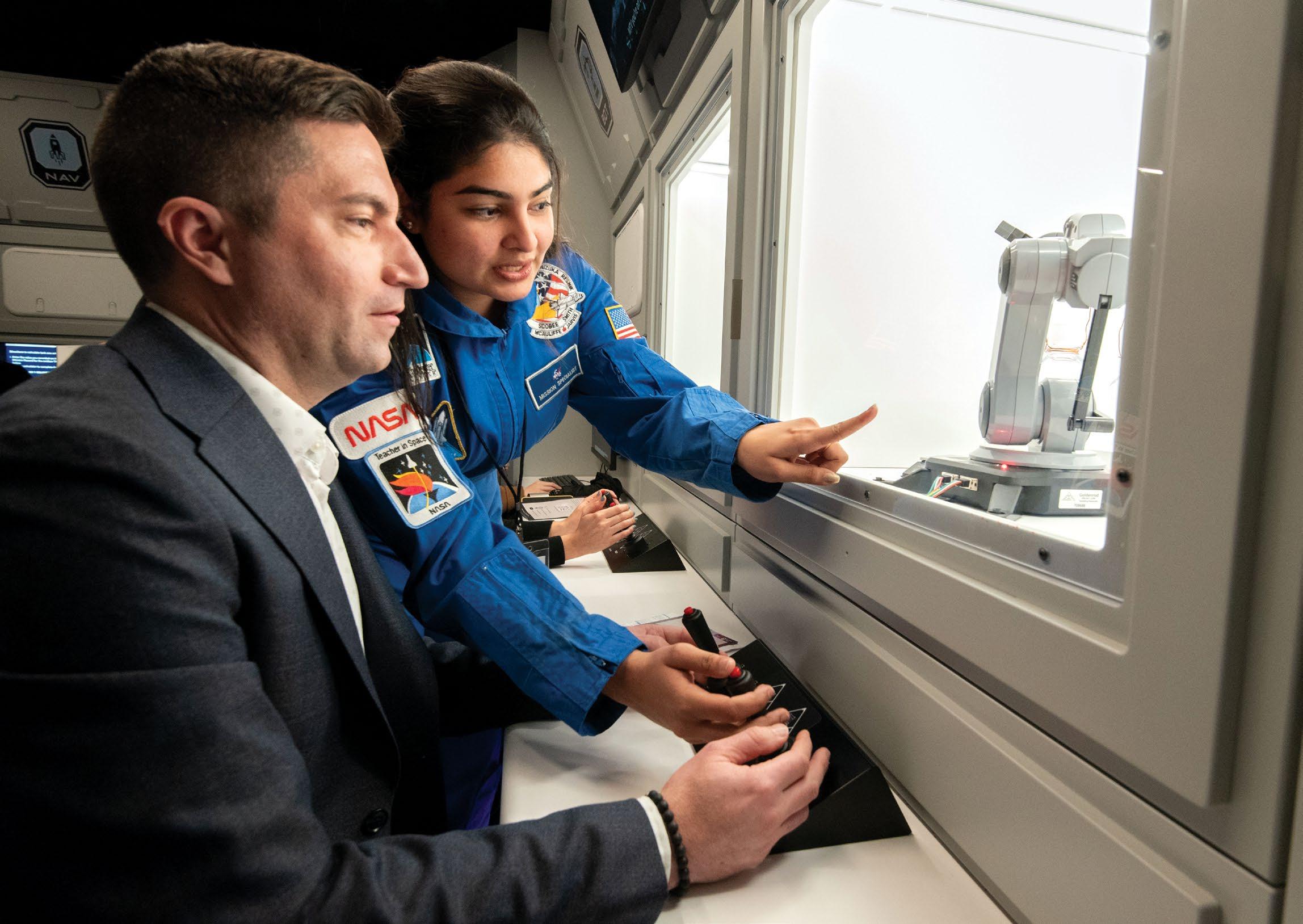
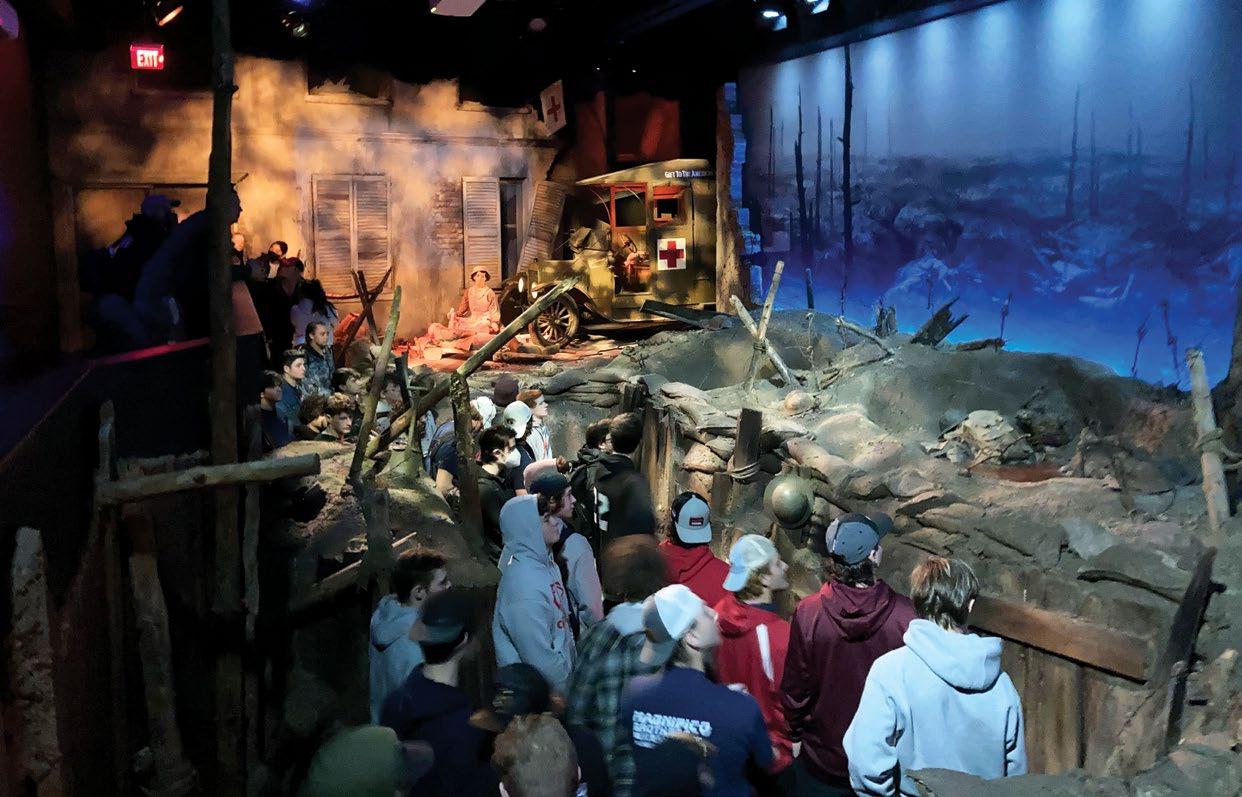
At the Christa McAuliffe Center, students step into the role of scientists and engineers in the Challenger Learning Center, working in teams to complete simulated space missions. For history programs, the American Heritage Museum, recently named one of the world’s top WWII museums, brings global conflicts to life through immersive exhibits and rare artifacts.
A standout option for performing arts groups is the region’s customizable Music Education Tours, offering performance opportunities, master classes, college audition workshops, and behind-the-scenes access through partnerships with professional musicians and institutions. Beyond the classroom, MetroWest offers plenty of group-friendly fun and engaging team-building experiences, from Level99’s interactive challenges and Bosse’s indoor pickleball courts to hightech mini golf at Puttshack and Immersive Gamebox’s gaming worlds.
Newly renovated accommodations include the Renaissance Framingham Hotel & Conference Center and Best Western Royal Plaza Hotel, providing flexible, budget-friendly options designed with student groups in mind. Learn more at metrowestvisitors.org.
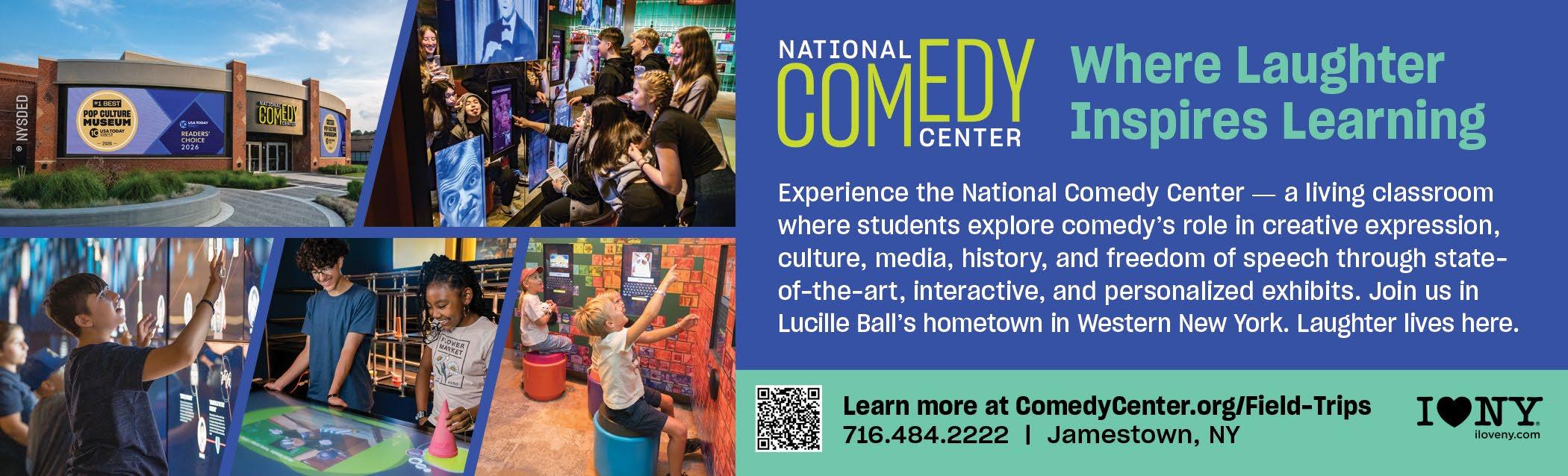
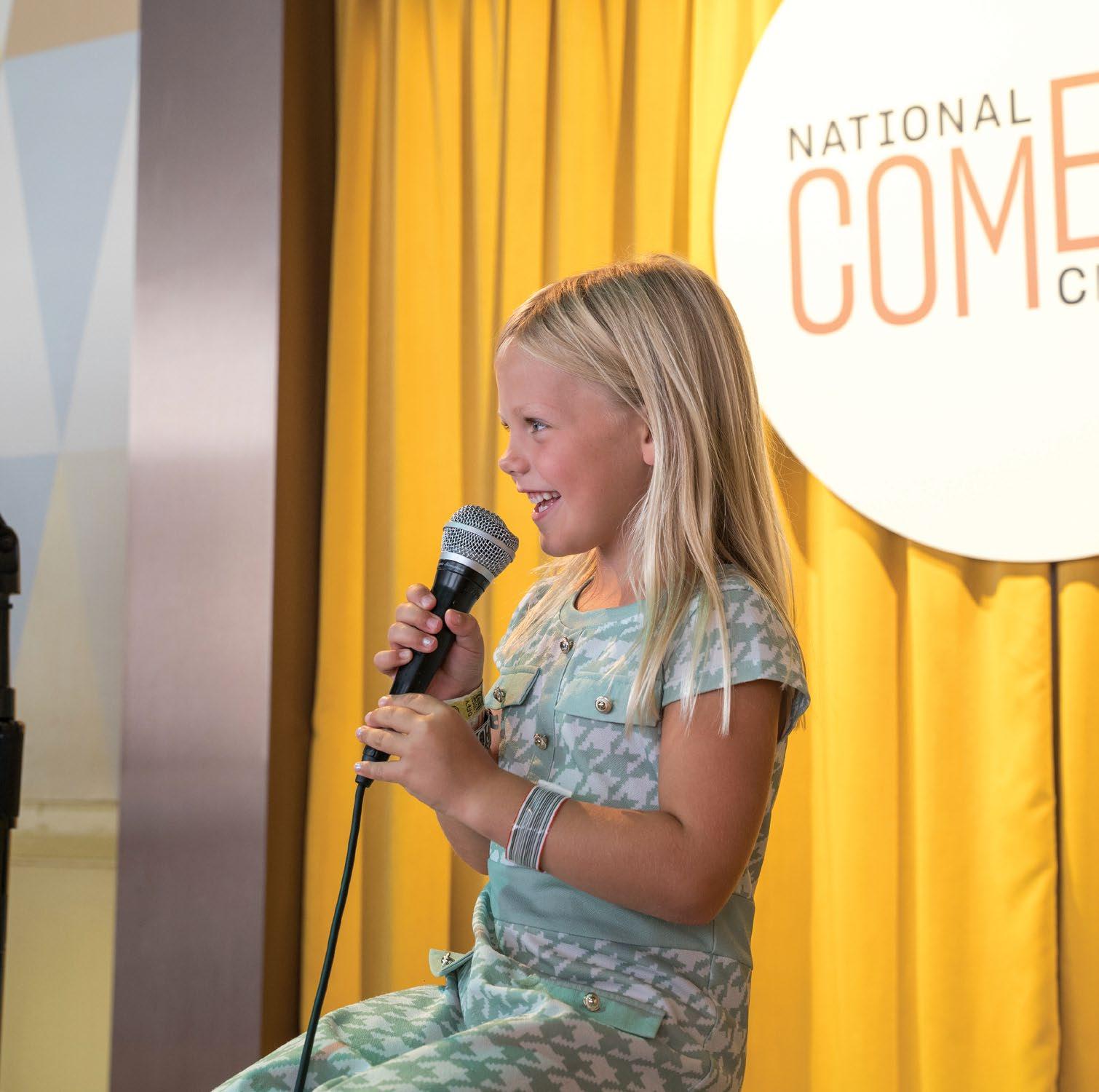
The National Comedy Center in Jamestown, New York—Lucille Ball’s hometown—offers a uniquely engaging destination for school field trips, where laughter becomes a powerful tool for learning. Inspired by Ball’s vision for her hometown to celebrate and preserve the art form of comedy, the Center serves as a “living classroom,” using state-of-the-art, interactive technology to immerse students in the history and impact of comedy.
Through personalized experiences, each student explores exhibits tailored to their individual Sense of Humor Profile, connecting them to comedians, eras, and styles that resonate most. Along the way, students discover how comedy reflects society, shapes cultural conversations, and serves as a form of creative expression and freedom of speech. The experience aligns naturally with English Language Arts, social studies, media literacy, performing arts, and communications. Students engage with storytelling, satire, and visual media while developing critical thinking skills and a deeper understanding of how humor can influence perspectives and public discourse.
In 2026, students can also celebrate the 75th anniversary of I Love Lucy at the Center’s companion museum, the Lucille Ball Desi Arnaz Museum. Group-friendly planning and customizable itineraries make the National Comedy Center an ideal choice. Head to comedycenter.org/field-trips.
LEARNING COMES ALIVE
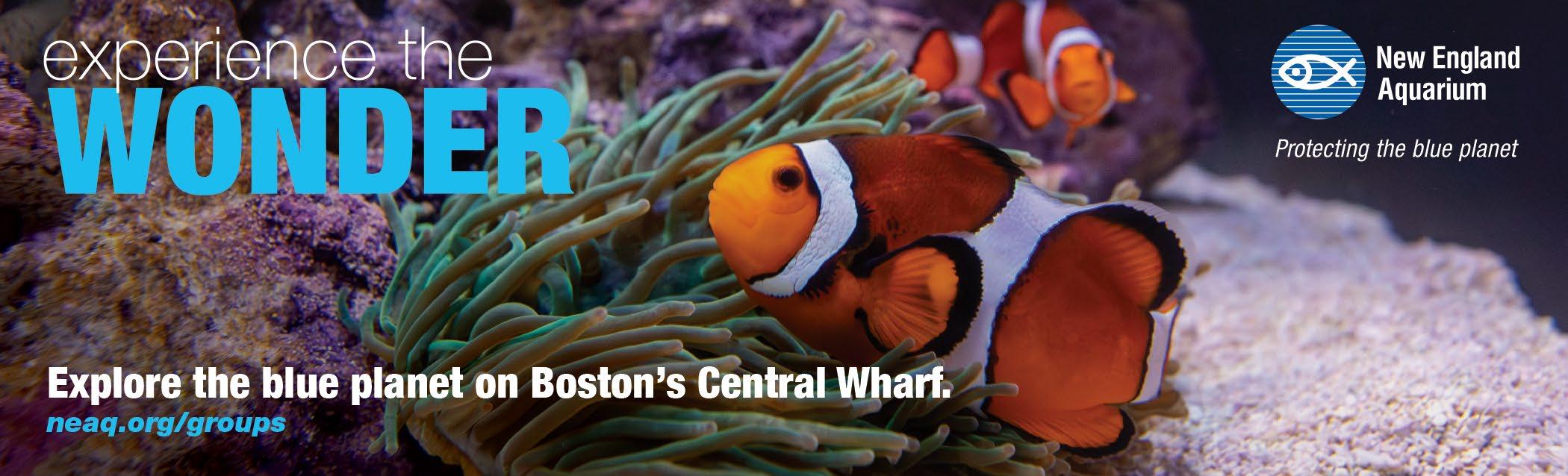
Opened on Boston’s historic waterfront in 1969, the New England Aquarium is one of the world’s first modern aquariums. Today, the Aquarium is home to nearly 10,000 marine animals across 70 exhibits and continues to inspire visitors of all ages to form a deeper connection to the ocean.
A can’t-miss stop on any Boston itinerary, the Aquarium showcases fascinating animals and diverse marine habitats from across the world. Dive into the aquatic world alongside knowledgeable Aquarium team members and learn about the organization’s continued legacy of protecting marine life.
Sharing Boston’s Central Wharf, the New England Aquarium Whale Watch and Simons Theatre offer additional enriching opportunities.
Add an excursion to the Stellwagen Bank National Marine Sanctuary— one of the world’s most active marine sanctuaries—or take in a larger-than-life film and experience the wonders of the natural world in a new way.
Whether interacting with animals at the Shark and Ray Touch Tank or getting up close to a sea turtle in the Giant Ocean Tank, science and learning come to life at the New England Aquarium. A portion of every ticket sold helps support the Aquarium’s work to protect the blue planet. For group pricing and reservations, visit neaq.org/groups.
SPLITTING HAIRS
In the ’70s, Marilyn Abrams and Bruce Jordan, both actors and former teachers, reimagined Paul
Pörtner’s participatory drama “Scherenschnitt” into a comedic phenomenon known as Shear Madness, starting with a summer run in Lake George and evolving into a record-breaking hit from Boston to DC and beyond. With over 3.2 million audience members in DC alone, Shear Madness is more than a play—it’s part of the city’s cultural fabric and a shared local rite of passage.
Now, Shear Madness has carved its name into American theatre history, not only as the Kennedy Center’s longest-running play, but also as the third longest-running nonmusical production in the United States. Each night, audience members become “armchair detectives”—quizzing suspects, catching clues, and ultimately voting for the culprit, ensuring
every show has a different ending and a fresh dose of topical humor. It’s a great way to help students see another side of what theatre has to offer, and how it can be unique every night. Visit shearmadness. com for more information.
FAST TIMES
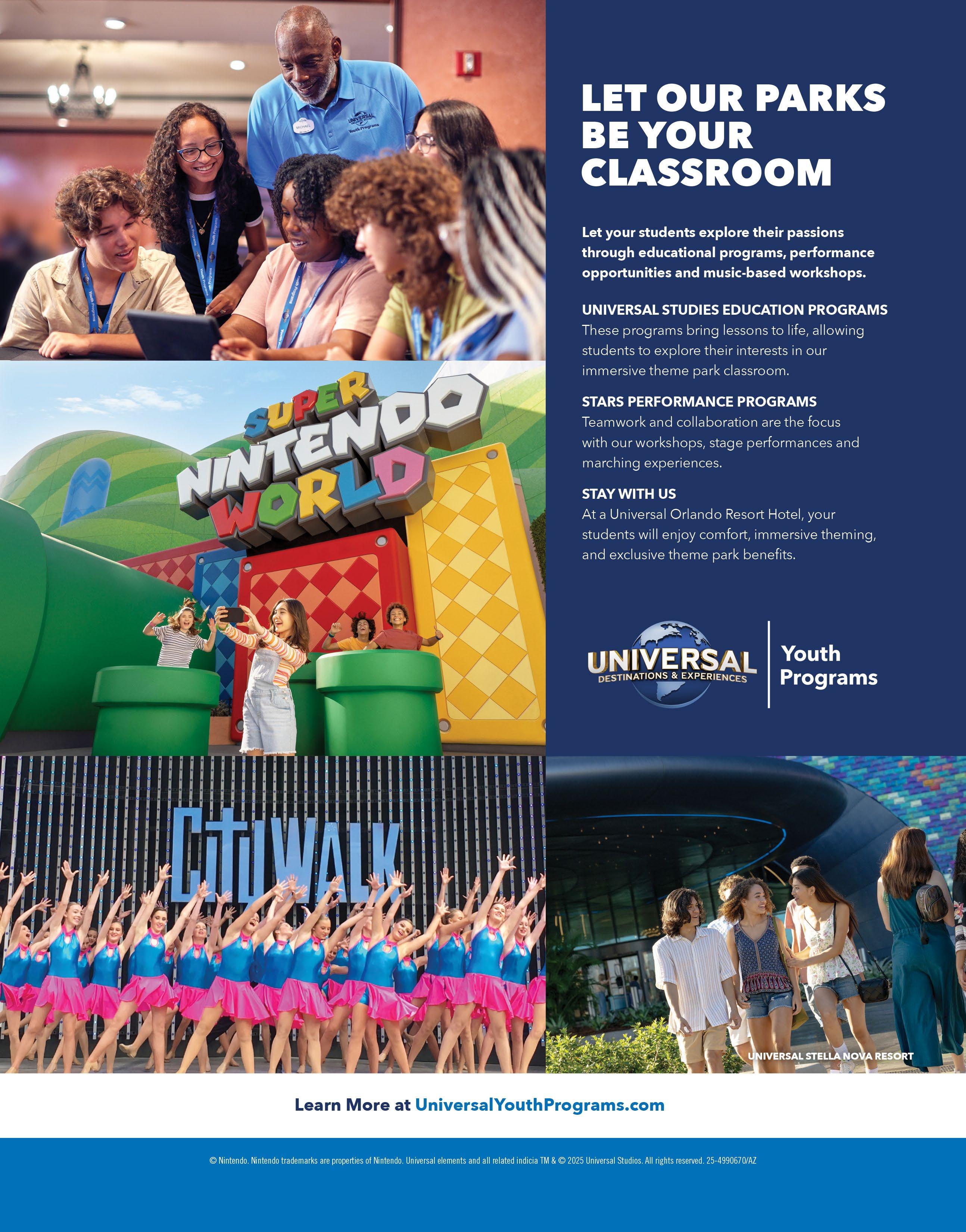
Universal Orlando Resort is revving up for its next big thrill with Fast & Furious: Hollywood Drift—a high-octane outdoor roller coaster that will join the Universal Studios Florida family in 2027. Replacing the former Hollywood Rip Ride Rockit roller coaster, Fast & Furious: Hollywood Drift will put guests and groups in the driver seat of the high-speed thrills of Universal Pictures’ Fast & Furious universe like never before. Riders will experience the exhilarating sensation of 360-degree drifting as they speed through jaw-dropping maneuvers—including a 170-foot vertical “spike” that will send riders nearly 17 stories in the air over the outskirts of Universal CityWalk. To find more information about Universal Orlando Resort Youth Programs, head to universalorlandoyouth.com.
MAGIC, REIMAGINED
At Walt Disney World Resort, several headline attractions are getting substantial updates in 2026: Big Thunder Mountain Railroad reopens in spring following an extensive refurbishment that includes a full track replacement and enhanced storytelling elements tied to Barnabas T. Bullion and the Big Thunder Mining Company. Expect refreshed scenes and updated effects. Buzz Lightyear’s Space Ranger Spin returns with modernized ride vehicles, handheld blasters, responsive targets, and onboard score tracking screens.
CHUTES AND LADDERS
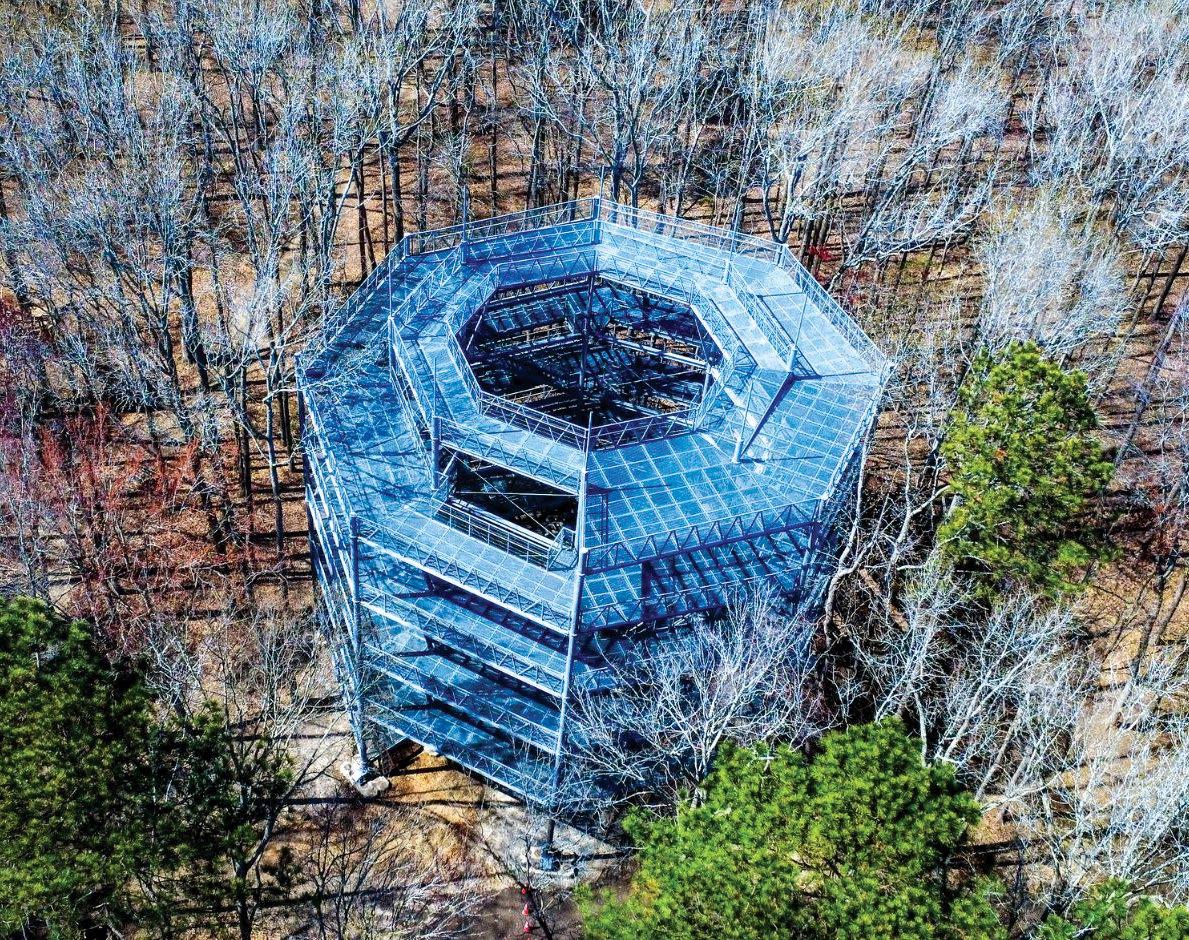
Get ready for the new attraction that revolutionizes adventure and exploration in Virginia Beach! Owl Creek Landing features the Nautilus Tower, a 65-foot-tall observation tower that offers 360-degree panoramic views of the surrounding forest and wildlife. Once you reach the top, you can head down the longest steel slide in America (known as The Whorl), or explore as well as an expansive suspended canopy walk, a children’s treehouse playground and a forest path. The 38 acres of scenic forested land guarantees a breathtaking experience for visitors of all ages and abilities. Located right by the Adventure Park at Virginia Aquarium, it’s a perfect addition to your visit. Find tickets and info at owlcreeklanding.com.
Soarin’ Across America debuts by Memorial Day at Walt Disney World as part of Disney’s 250th anniversary celebration of America, showcasing more than a dozen iconic landscapes and cityscapes. The attraction arrives at Disney California Adventure by July 2. Rock ‘n’ Roller Coaster completes
its transformation in summer 2026 as The Muppets take over. Electric Mayhem provides the soundtrack, and Scooter appears as an AudioAnimatronics figure in the preshow, marking a notable character debut. Learn all about Disney’s student travel experiences at disneycampus.com.
SSmartphones are now a constant presence in students’ lives, which means every teacher eventually faces the same question: What should we do about phones in the classroom?
While there is no single solution that works for every school or age group, educators are finding that a combination of clear expectations, practical storage solutions, and engaging teaching strategies can dramatically reduce phone-related distractions.
One of the most effective starting points is establishing a clear, consistent policy. While some areas, such as entire U.S. states, have sweeping phone bans in place, many educators are left to figure it out on their own. Many teachers find success with simple rules such as requiring phones to be turned off and stored in backpacks during class. If a phone appears during instruction, it may be temporarily held in the office or by the teacher, with escalating consequences outlined for repeat offenses. Systems like these emphasize accountability while remaining predictable and fair.
Some teachers go a step further by involving students in the process of creating a technology code of conduct. When students participate in setting expectations and consequences, they are more
likely to see the rules as fair and take ownership of following them.
Another popular strategy is the use of phone storage systems. Some classrooms rely on “phone hotels,” small organizers with numbered slots where students place their devices at the start of class, often with charging cords available. These systems can be highly effective because they make expectations visible and routine. In many schools, the majority of students comply without issue once the practice becomes part of the daily routine. Other options include calculator-pocket organizers hung at the back of the room, lockable pouches, or designated cubbies.
Communication with parents also plays a key role. Sharing the classroom phone policy at the beginning of the school year helps families understand the expectations and support them at home. Many parents worry that phone restrictions could prevent them from reaching their children during emergencies. However, active phones can complicate emergency response efforts by revealing students’ locations through ringing or notifications.
Equally important is maintaining a calm approach to enforcement Phones should not become the central conflict in the classroom. Instead,
BY JOSH VEAL
they should be treated like any other routine procedure, similar to signing out for the restroom or turning in homework. Keep the focus on learning rather than discipline.
Of course, policy alone cannot solve the problem. One of the best ways to reduce phone use is simply to keep students engaged. Interactive lessons, group discussions, hands-on activities, and collaborative projects make students far less likely to retreat into their screens. Strategies such as gamifying lessons, incorporating movement, or connecting material to real-world problems can capture students’ attention more effectively than lectures alone.
Short, structured breaks can also help. Allowing a few minutes between lessons for students to stretch, use the restroom, or briefly check their phones can reduce the urge to sneak a glance during instruction.
Finally, experts emphasize that restrictions should be paired with digital literacy education. Limiting phone use during the school day can reduce distractions, but students also need guidance on how to use technology responsibly in a digital world. Teaching those skills ensures that students leave the classroom not just with fewer distractions, but with healthier habits around technology.
BANDING TOGETHER: FROM MUSICIAN TO DIRECTOR
WWhile many of the teachers we’ve talked with over the years didn’t start out expecting to be educators, Rachael Urquhart, at age 13, was certain of her life’s dream. She learned to play clarinet in fourth grade and discovered that band was her passion. And every step from then on, particularly after joining jazz band in middle school, reinforced that she was destined to be a music teacher. Not just a music teacher at any school, but at her alma mater: Quakertown Community Senior High School in Pennsylvania. Today, she’s the school’s Director of Bands and loving every minute. It’s surprising to hear of a
teenager who is so sure of their future, but Rachael’s experience in marching band with her peers and friends—and an excellent teacher who was also her mentor—gave her a profound confidence. She was Drum Major for three years in high school and served again in that role in college at West Chester University, outside of Philadelphia.
“I could see that being in band gave young people the tools they needed to be good humans,” Rachael says. “By becoming a music teacher and band director, I would be able to give back and provide the same opportunities I had to as many students as I possibly could.”
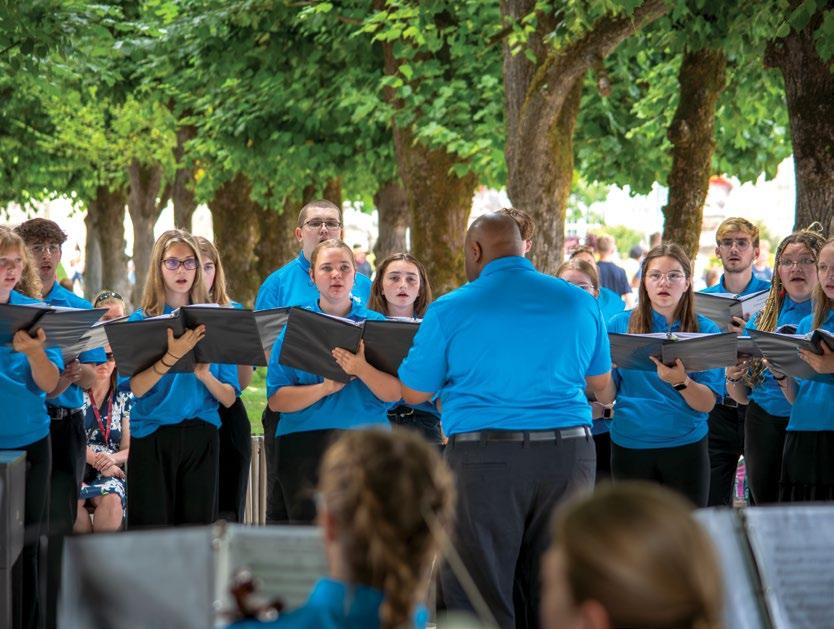
With Rachael at the helm, Quakertown Community Senior High’s Panther Marching Band engages in competitions and travels regularly—both close to home and further afield. Travel is an inherent part of the program, and strongly supported by the school. Though they’re competing locally and regionally regularly, they typically have their big trips in spring, alternating every other year with the choir program.
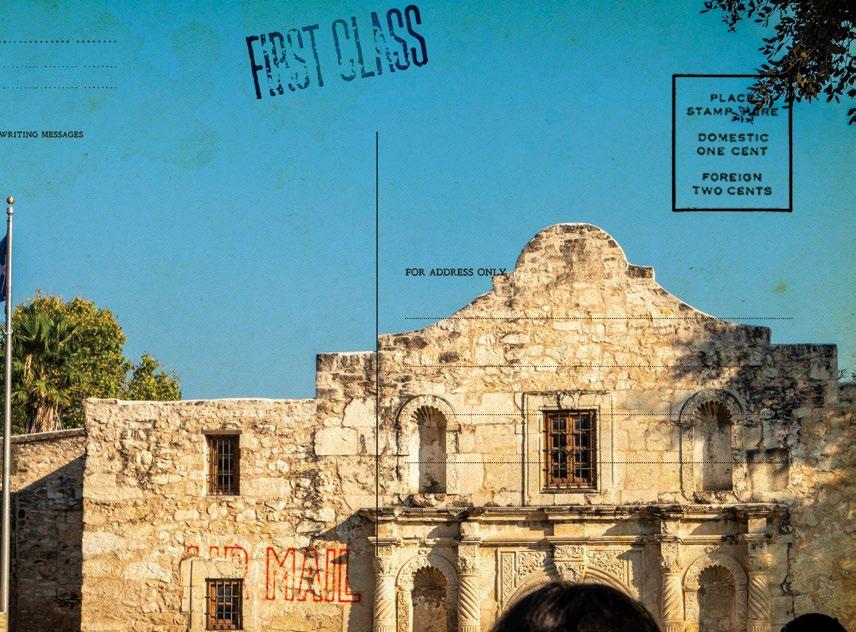
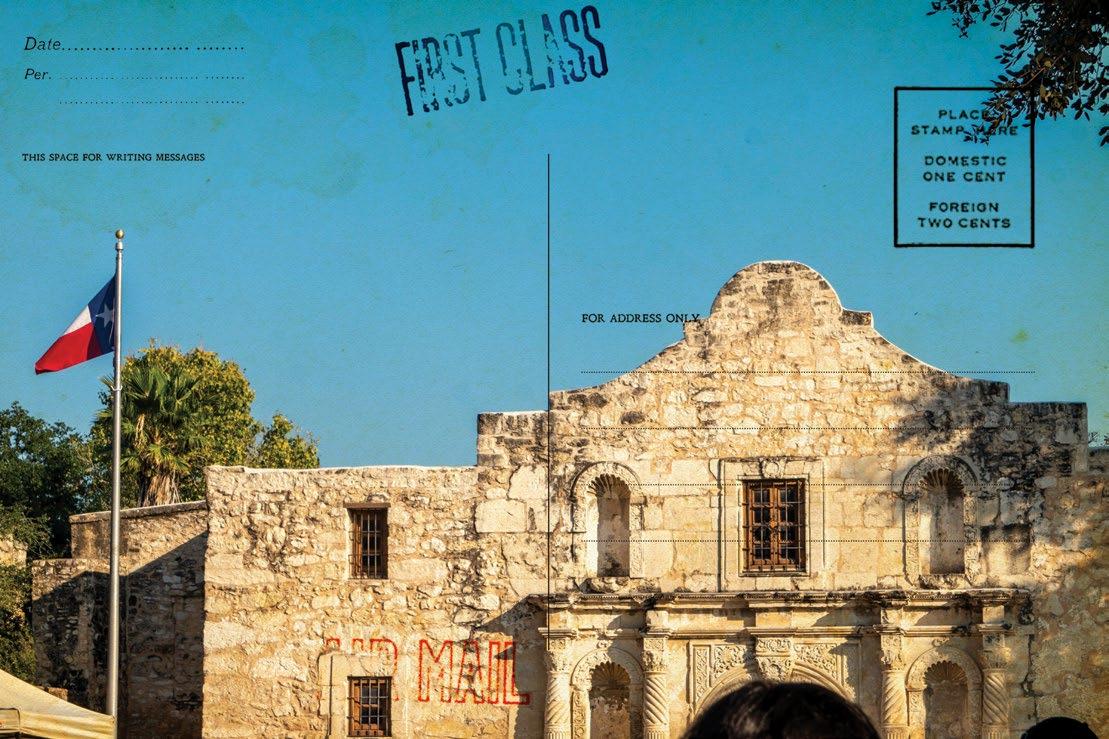
Right now, Rachael is planning their 2027 trip to San Antonio, and looks forward to the possibility of performing at the Alamo! In the past, they’ve performed in Boston
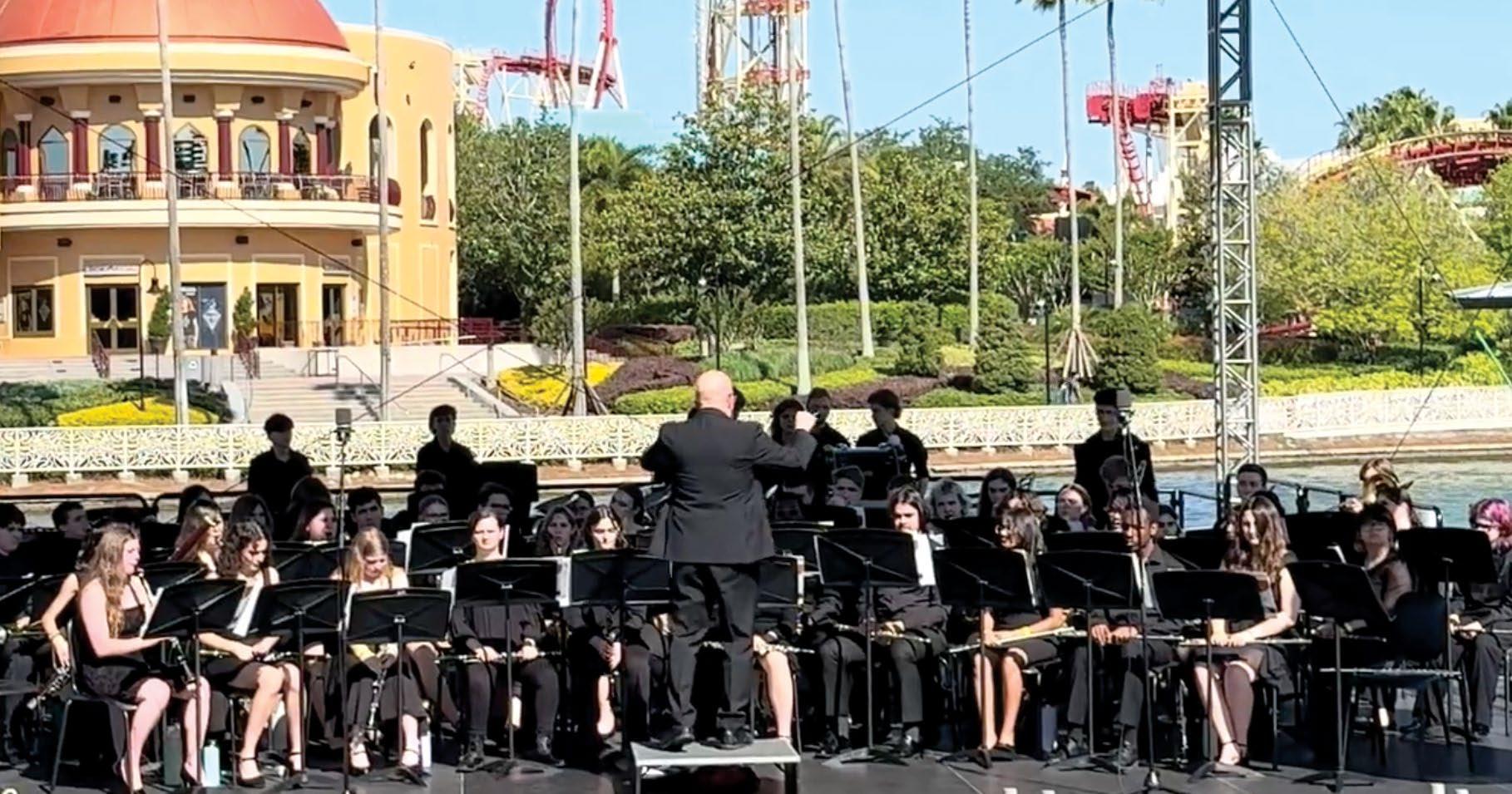
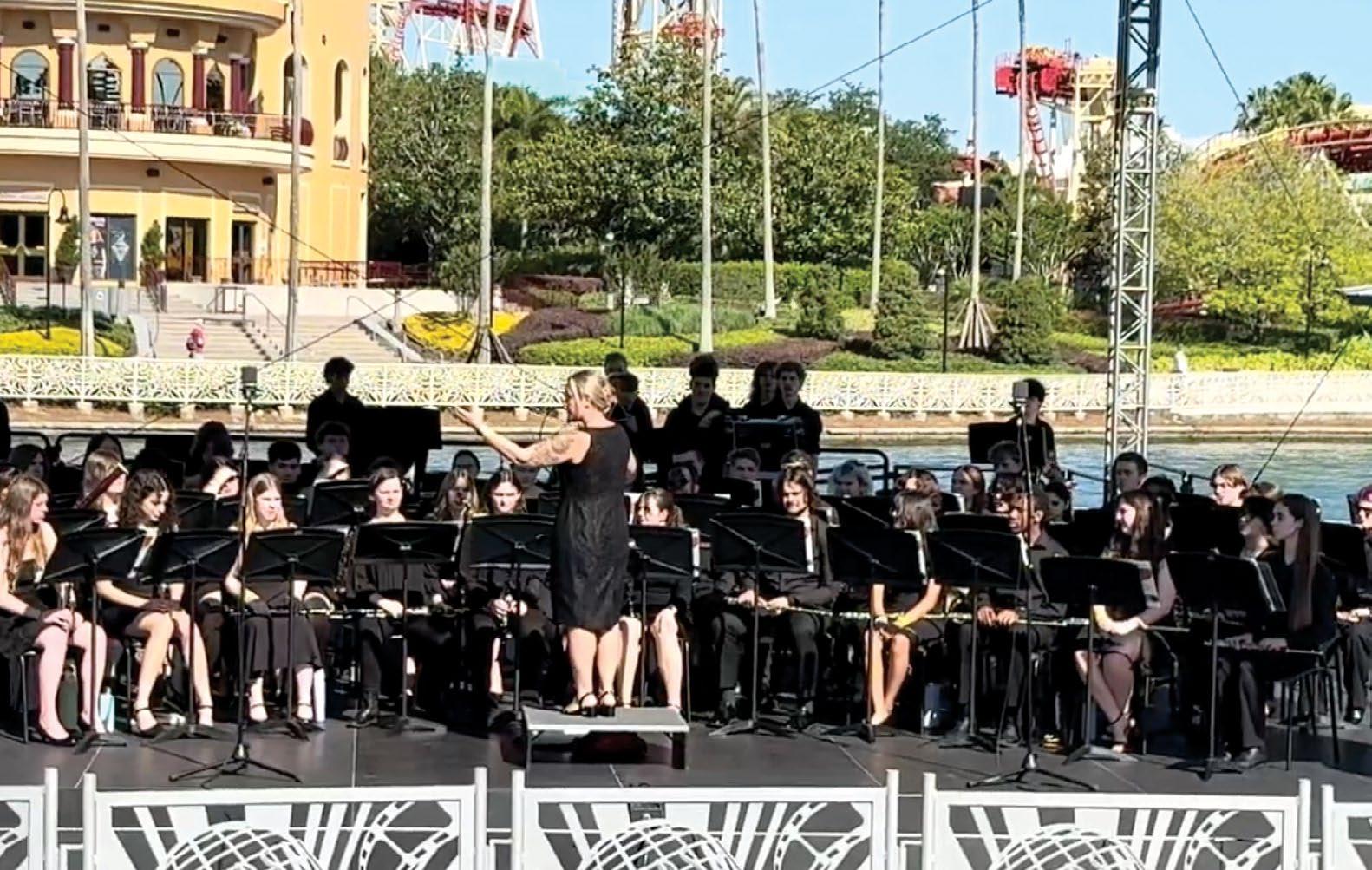
and at Universal Studios, which was a personal favorite of hers. The kids were afforded a couple of days of free time at the theme park, and she got to see them in a different light, having an outlet of celebration and enjoying their time together after working especially hard throughout the year.
“No matter where we go, I always come home really proud of them for how they interact with other people and each other, and how they represent themselves and our school,” Rachael says.
San Antonio will be the first trip she’ll be planning on her own, and the first time she and her students will have been through an airport together. While this adds a whole new dimension, she isn’t that worried. Most of the trips Rachael and the Panther Marching Band have been on have been very smooth—and she credits much of that with the character of her students.
“I’ve just been so fortunate,” she says. “Band kids are the best kids. I’m not afraid to say that band kids are awesome. There’s an element of self-discipline and self-management to playing an instrument. And I think that translates into how they conduct themselves out in the world.”
One of the other elements that makes travel with her students relatively seamless is the culture they’ve built as an entity. Band students spend a lot of time together and consider themselves a family.
Rachael usually sees the same kids year after year through graduation. “I feel like I get to cultivate a really positive community,” she says. “I watch them grow up, from freshmen to seniors. We know each other very well and have developed professional relationships with one another.”
Rachael also works with a group travel planning company that specializes in educational and performance-related excursions, which helps immensely with many of the logistics, liaising, and added challenges of transporting not just people, but instruments. Along with this planning partner, she also relies on trusted parents to serve as her right hands and step in when she’s being pulled in different directions.
Rachael recognizes that her marching band travels have been largely ideal with few incidents, but she encourages other educators who might be considering a trip to not be afraid. “Once you do it once, it becomes way less scary,” she says. “If you’re at all nervous about traveling
with students, just have a little faith in them. These kinds of trips offer so many leadership opportunities; chances for them to step up and chances for them to take ownership of whatever club or program or organization or ensemble they represent. Give them a little trust and they’ll likely surprise you.”
TWEATHERPROOFING YOUR TRIP SURVIVAL 101:
There’s a reason that the Scouting America motto “Be Prepared” has endured for well over a century. It applies to daily life, as well being ready for any type of weather when we’re away from home. Mother Nature throws at us the expected and unexpected, and the best we can do is plan for both. Traveling, especially across the country or overseas, adds a whole extra layer (more on layers in a minute!) and requires some added diligence, since we can’t just run back to the house and grab whatever may be needed. Here, we’ve gathered our best tips for packing for outdoor adventures, whether your destination is balmy or brisk—or subject to change without notice!
BANKING ON THE ESSENTIALS
There are some items that should be on any to-pack list, not matter the forecast. These include:
A Water Receptacle. Hydration is one of the most important elements of taking care of ourselves while traveling. And, while advice varies on how much we need per day, the average is about two liters. Standard water bottles seem like an obvious choice, but they can be cumbersome to carry and bulky to fit in a bag. Collapsible bottles work well because they’re lightweight, can be flattened when not in use, and can usually be clipped to a belt loop to free up hands. Bringing a handful of electrolyte powder packs can be a good idea, too.
Broad-spectrum SPF. We often only think of sunscreen when it’s hot and sunny, but we need protection from exposure even when it’s cloudy or cold. Look for a minimum of SPF 30, which will block roughly 97% of UVB rays. Don’t just pick up any tube off the shelf, though; consider sunscreen sticks instead. Not only are they TSA friendly, they’re also easy to apply, leak proof, and pocket portable. Oh, and remember lip balm, also.
Hearty Snacks. Staying fueled in harsh weather conditions is critical, and nutrient-dense, shelf-stable foods provide the most bang for our buck. So, think trail mix packets, granola bars, nut butters, or jerky. Just read the labels carefully, and avoid high sugar, excessive sodium, and long lists of unpronounceable ingredients.
A Whistle or Personal Alarm. File this under “just in case.”
A First-Aid Kit. Ditto!
BEATING THE HEAT
Heatstroke, dehydration, exhaustion, and sunburns are the most common effects of high temperatures. The top two essentials noted earlier will go a long way. But there’s more:
Breathable Clothing. Wearing as little as possible isn’t really an option here. We need lightweight, loose attire made of natural fibers such as cotton, linen, and merino wool. Choose light colors to not only reflect sun, but also make hitchhiking ticks more noticeable.
Insect Repellant. Ticks, mosquitoes, and other pests thrive in hot, humid environments—and can carry dangerous diseases. Be sure to bring something that contains DEET or picaridin and opt for wipes or stick applicators for ease in transporting.
A Lightweight Hat. A head covering adds extra protection from UVB rays, and there are many foldable options available for compact packing.
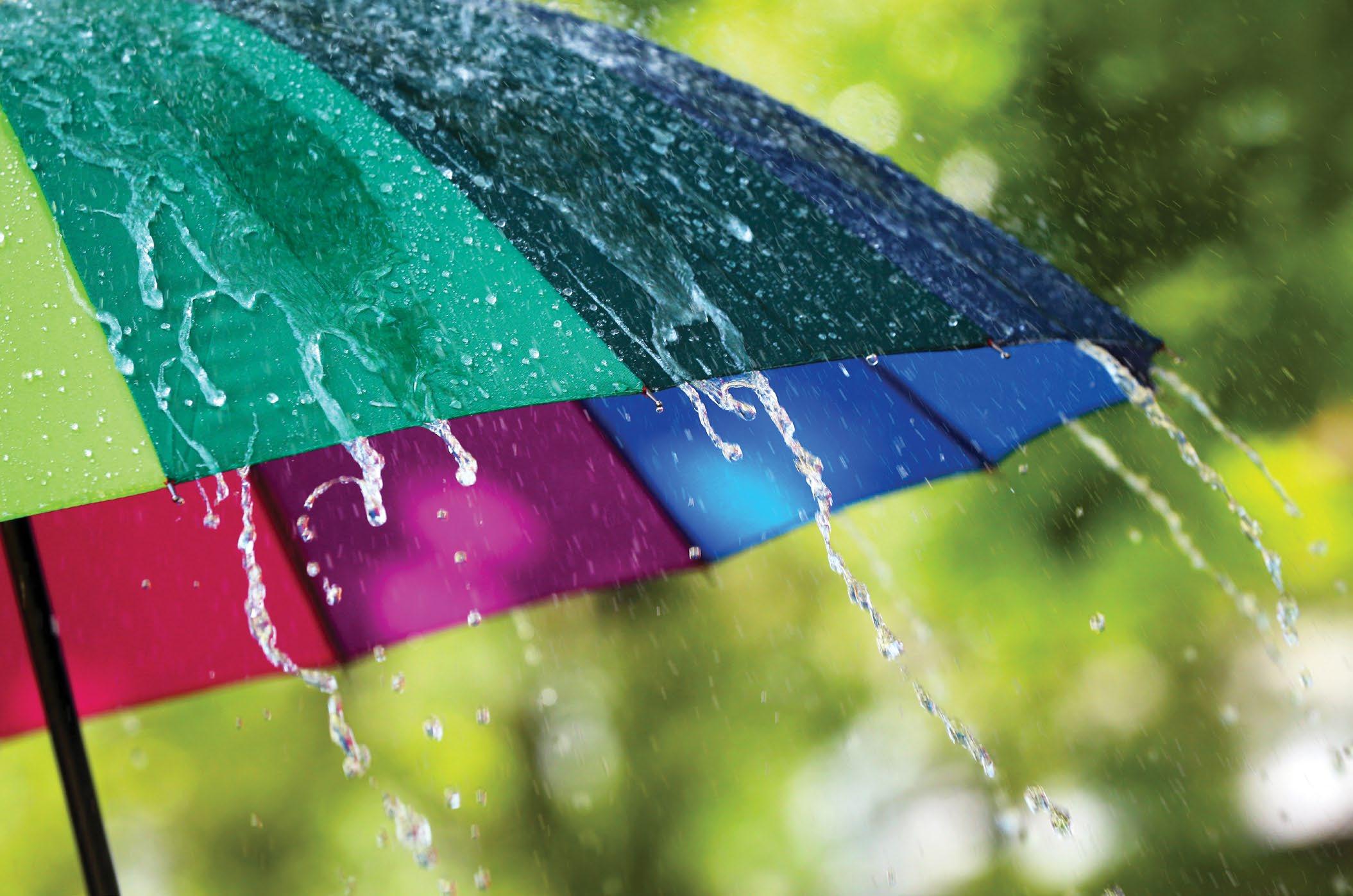
A Rain Poncho. Certain climates are known for their unpredictable weather shifts. We don’t want to be caught in a downpour without any gear! Thin, hooded ponchos are ideal because they fold up, allow for ventilation, and don’t take up the space of an umbrella.
BRAVING THE COLD
Frigid weather can be just as harrowing as blistering, but the good news is there are plenty of options for combating it.
Layers, Layers, Layers. Multiple levels from thin base to fleece middle to insulated outer not only keep us warm, they also prevent overheating, which can lead to sweating. And staying dry is critical. If we’re exerting ourselves, being able remove a layer is also important to adjust our body temperature.
The Right Socks and Footwear. A single pair of thick wool socks can be enough, or combining one thin synthetic with another heavier wool works, too—just as long as we’re allowing for proper circulation in our feet. Insulated, thick-soled, waterproof boots are a must as well.
Hand Warmer Packs. These can be a lifesaver if all of the above aren’t quite enough. They’re typically inexpensive and small enough to tuck in our pockets, and they heat up pretty quickly once activated.
Emergency Blankets. Here’s one last item that can come to the rescue, that’s also lightweight and compact. These waterproof, windproof, mylar thermal sheets protect from hypothermia by retaining up to 90% of body heat. Whew!
EMERGING
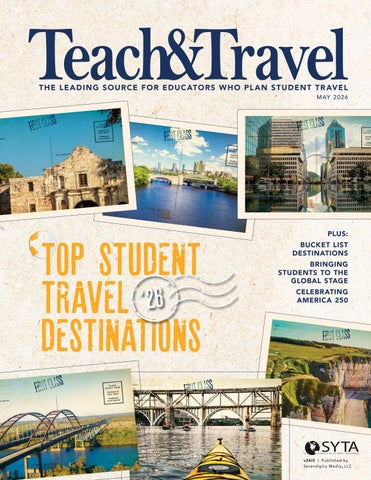
TOP STUDENT DESTINATIONS 2026
For destinations that are on the rise, making names for themselves as top student travel havens, check out this list of emerging cities chosen by SYTA member tour operators.
SAN ANTONIO
Walk in the footsteps of history at The Alamo, cruise along the iconic San Antonio River Walk, explore natural caverns, try horseback riding, and visit the city’s five Spanish colonial missions, which together form a UNESCO World Heritage Site. Beyond its historic landmarks, students can dive into Tex-Mex culinary traditions, vibrant arts scenes, and hands-on cultural experiences that bring Texas heritage to life.
SAVANNAH
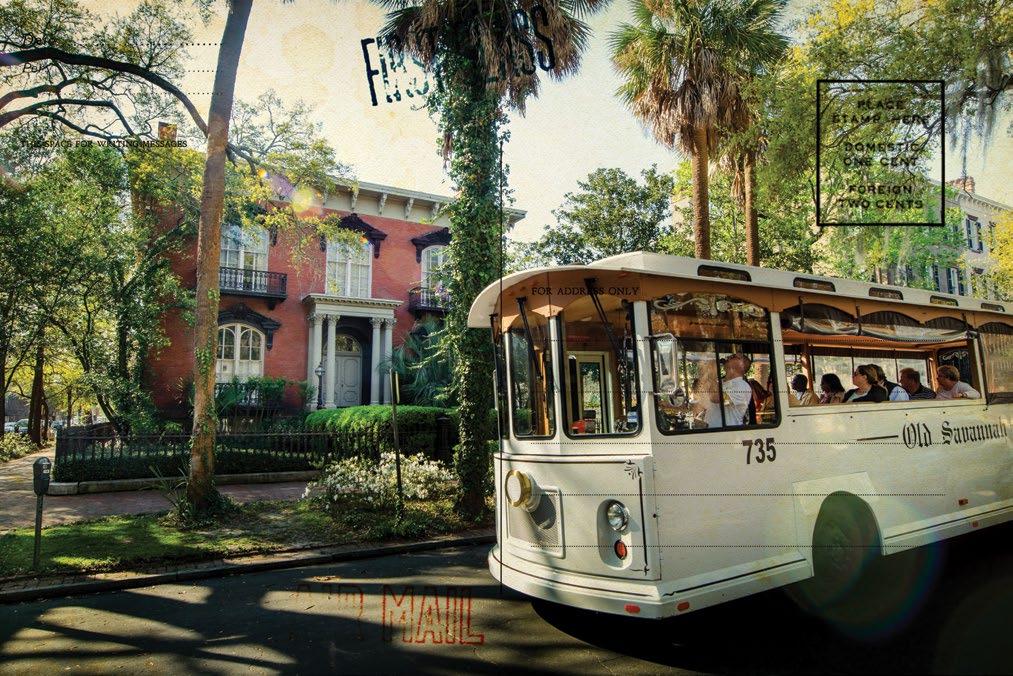
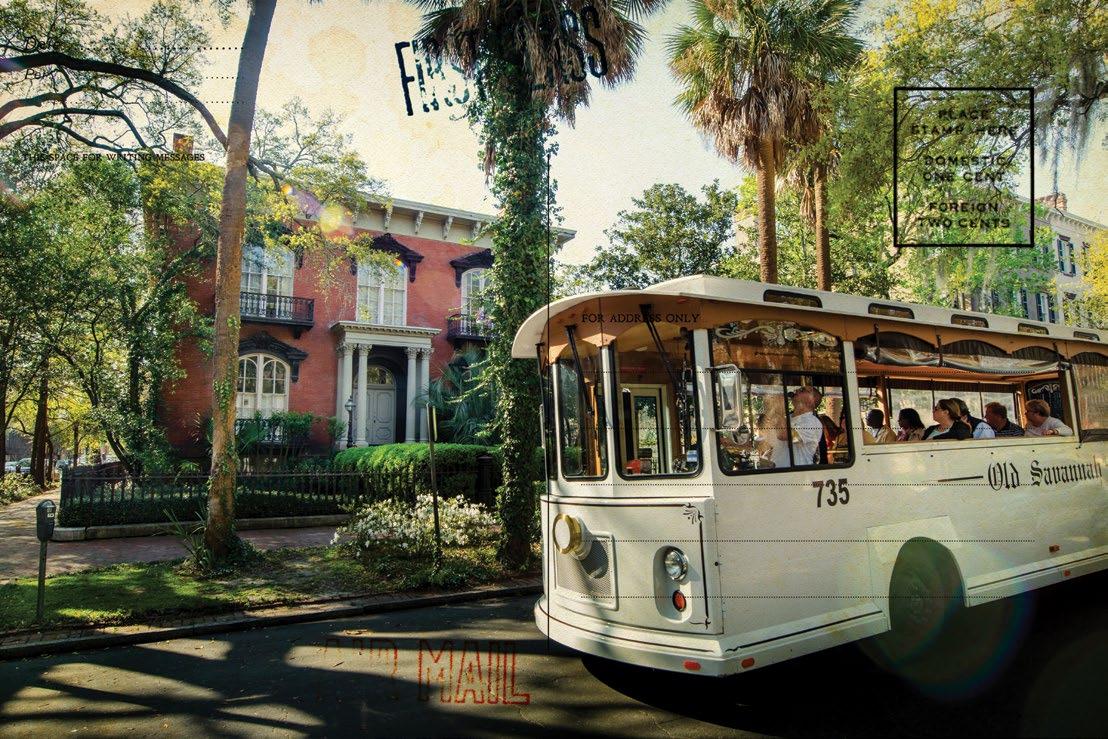
With its moss-draped oaks, cobblestone streets, and storybook squares, Savannah feels like stepping into a living history lesson. Students can explore centuries-old architecture, learn about the city’s role in the American Civil War, and visit hauntingly beautiful landmarks like Bonaventure Cemetery.
The city’s thriving arts scene—anchored by the Savannah College of Art and Design—offers opportunities for creative workshops and gallery visits, making Savannah a perfect blend of history, artistry, and Southern charm.
ALABAMA
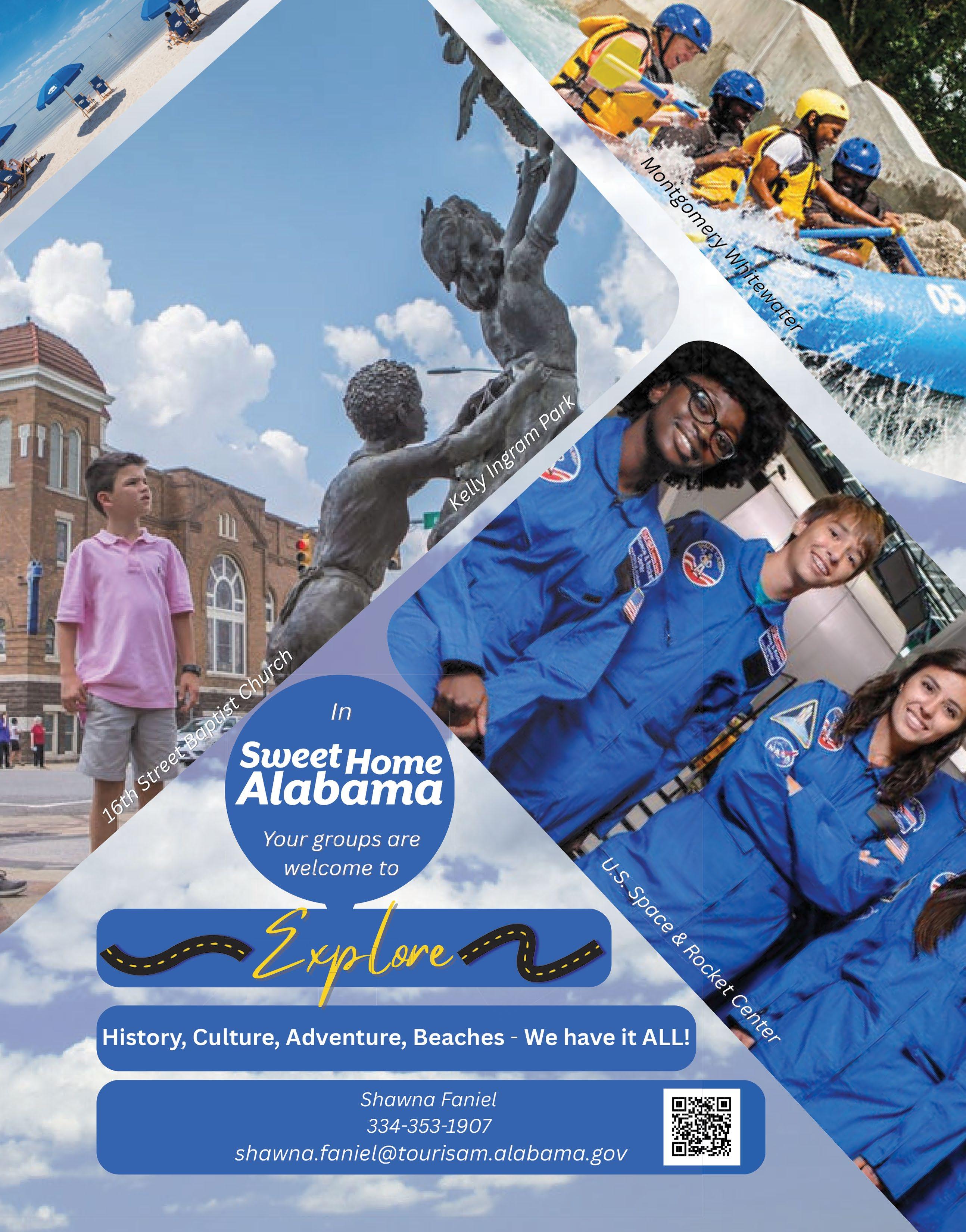
Rich in pivotal history and cultural heritage, Alabama provides powerful, place-based learning experiences for student travelers. Walk the path of the Civil Rights Movement at sites like the Edmund Pettus Bridge and the Birmingham Civil Rights Institute, where stories of courage and change come to life. Beyond its historic significance, Alabama offers natural beauty from Gulf Coast beaches to Appalachian foothills, along with opportunities to explore space and science at the U.S. Space & Rocket Center—creating a wellrounded destination that is as educational as it is inspiring.
NEW ORLEANS
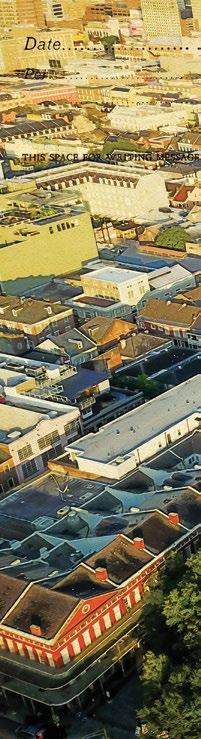
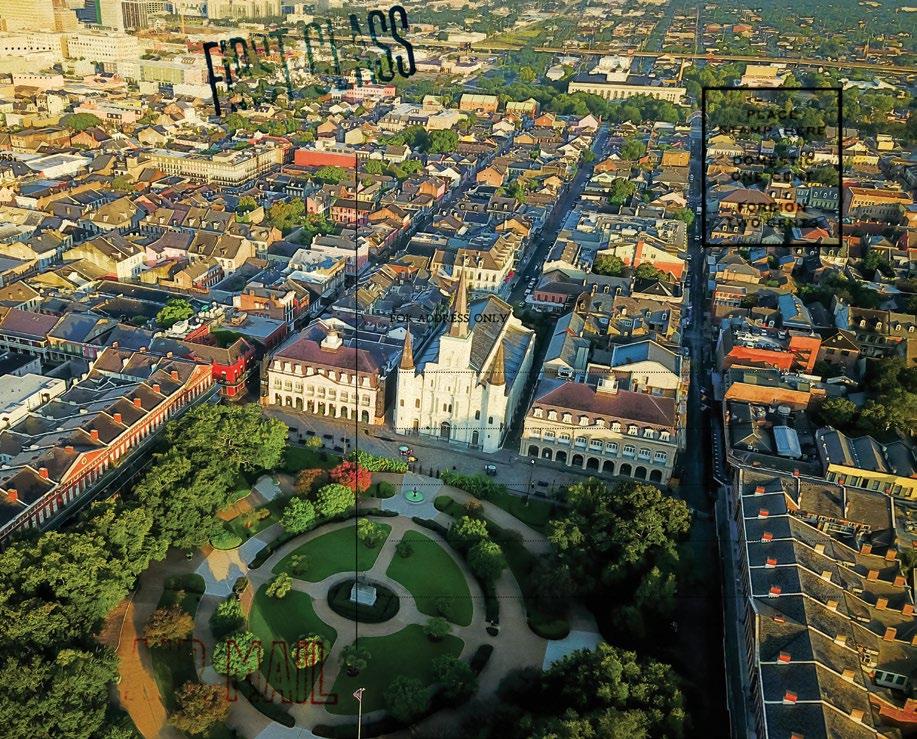
New Orleans teems with rich culture, one-of-akind stories and celebrations coveted worldwide. Students are afforded the opportunity to learn about the French Quarter on foot, the beauty of the natural world on dry land and underwater, and indepth World War II history. Whether you’re seeking exposure to world-class jazz and musical heritage or a chance to perform alongside some of the world’s most renowned musical artists, students are sure to leave feeling inspired.
BRANSON
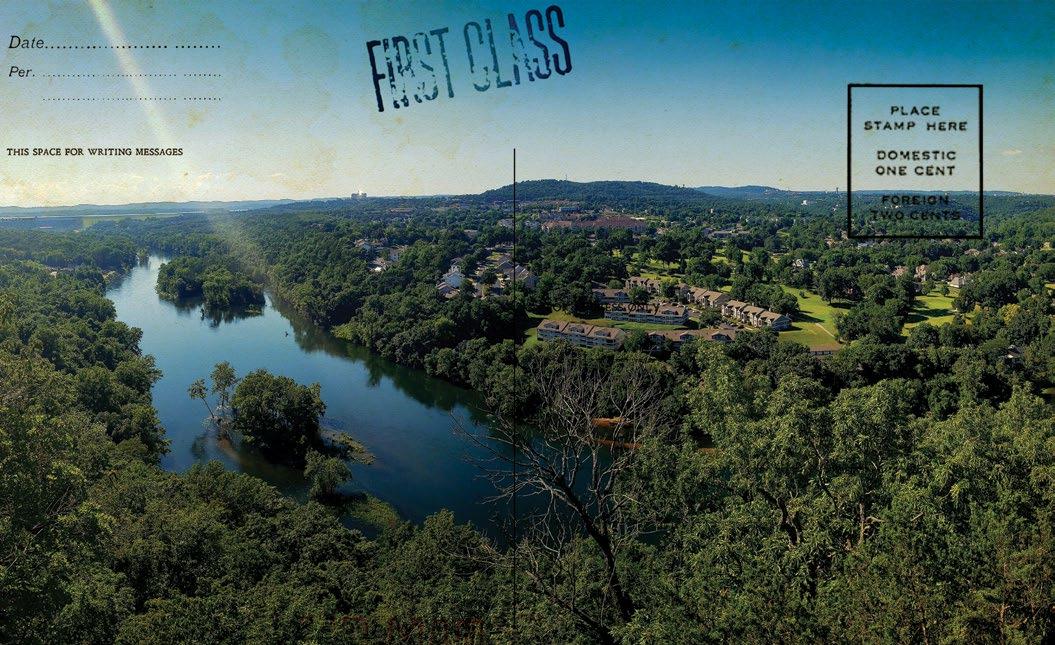
Located in the beautiful Ozark Mountains, Branson, Missouri is filled with live entertainment, the world’s top theme parks, three pristine lakes for swimming and boating, and miles of hiking trails. Best known for live music shows, Branson boasts dozens of theaters featuring American music genres, such as rock ‘n’ roll, magic, comedy, country, gospel and bluegrass. It’s a bursting hub of live entertainment and fun education.
BUCKET LIST DESTINATIONS 2026
For the first time, we asked SYTA member tour operators for their “bucket list” destinations—places they know student groups are eager to visit someday, given the right opportunities and resources. Here are their top 4 answers!
HAWAII
A true bucket-list destination, Hawaii offers students an immersive look at island ecosystems, cultural traditions, and Pacific history. From exploring volcanic landscapes at Hawaii Volcanoes National Park to learning about World War II at Pearl Harbor, the islands provide meaningful, placebased experiences. Cultural activities, including traditional music, dance, and local cuisine, round out a destination that is both educational and unforgettable.
LONDON
As one of the world’s most influential cities, London gives a unique look into the ways a global hub changes over time, blending modern growth with longstanding institutions. Students can visit landmarks like Houses of Parliament and Tower of London, explore renowned museums, and experience live theater in the West End. With its global significance and dense concentration of cultural institutions, London remains a standout choice for groups seeking a classic international experience.
JAPAN
Blending long-standing traditions with modern innovation, Japan offers a truly memorable experience for students. In Tokyo, you can engage with cuttingedge technology and urban culture, while Kyoto provides access to historic temples and traditional practices. Visits to sites like Hiroshima Peace Memorial Park add important historical context. The result is a destination that balances reflection, cultural exchange, and forward-looking perspectives.
GREECE
Widely regarded as the cradle of Western civilization, Greece offers students direct access to ancient history and philosophy. In Athens, landmarks such as the Acropolis and Parthenon bring classical studies to life. Beyond the capital, the country’s islands and coastal landscapes provide opportunities to learn about turtle conservation, or explore geography, mythology, and daily life in a setting that feels both historic and visually striking.
UNITED STATES
TOP STUDENT DESTINATIONS 2026
With bustling metropolises, historical hubs and serene natural wonders, the United States is home to excellent student travel destinations. From the sunny and sight-filled West Coast, to the foundations of our nation on the East Coast, and everything in-between, here are the top 10 locations selected by SYTA member tour operators as the top United States travel destinations favored by students and teachers.
ATLANTA
An “emerging” destination just a few years ago, Atlanta is a city boasting the best of urban life and thousands of acres of serene nature. Check out the brand new Cosm Atlanta, an immersive venue that puts you inside experiences like Cirque du Soleil, movies and live sports events powered by an 87-foot display that wraps around you. Atlanta also has plenty of chances for students to learn about the Civil Rights Movement and African-American culture, explore Midtown museums, learn all about Jimmy Carter’s presidency, and more.
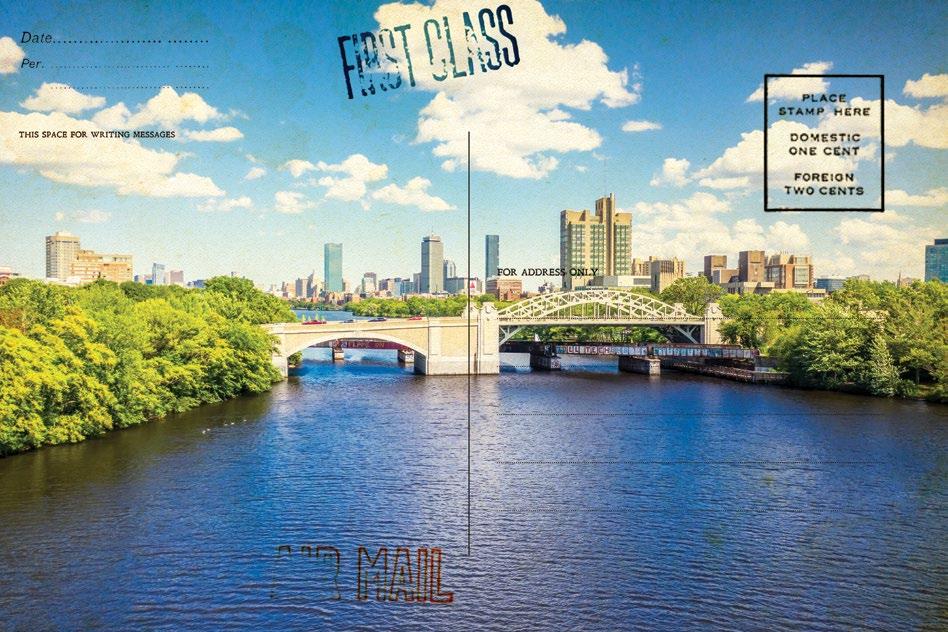
BOSTON
Grounded in Colonial history and full of cutting-edge innovation, Massachusetts is full of personality and options for taking in its burgeoning arts scene. Students can enjoy the expansive New England Aquarium and cruise on the Boston Harbor before learning about the Wampanoag People and the Colonial English community of the 1600s, the American Revolution—right where it was born—and more. Be sure to experience championship sport teams, world-class ballet and a show where students become part of the cast.
ORLANDO
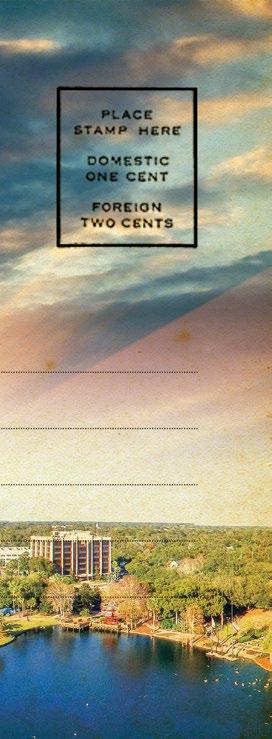
Built for both entertainment and education, Orlando offers a wide range of experiences in one destination. Students can take part in performance programs and interactive learning at Walt Disney World Resort, Universal Orlando Resort, and SeaWorld Orlando. Just outside the city, the Kennedy Space Center Visitor Complex adds a strong STEM component, giving students a chance to explore space science up close. The result is a destination that balances high-energy fun with structured learning.
SOUTHERN CALIFORNIA
TENNESSEE
PHILADELPHIA
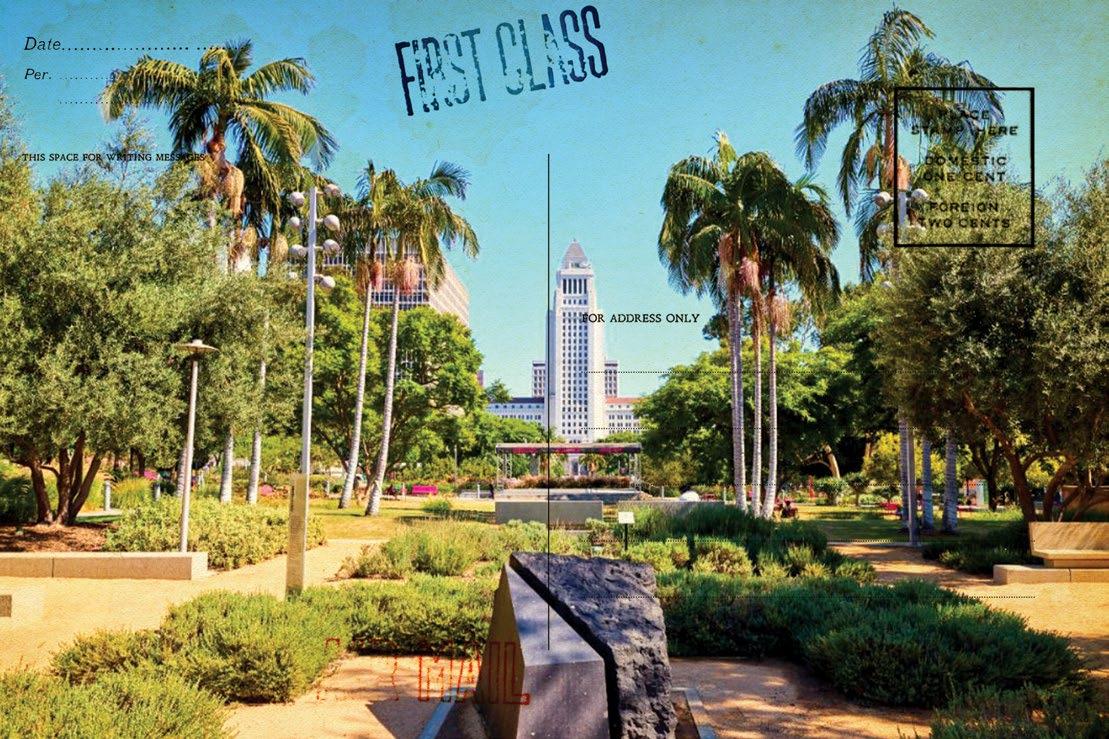
With its mix of cultures, industries, and landscapes, Southern California offers a broad range of student experiences. In Los Angeles and Hollywood, students can explore entertainment history through studio tours, museums, and performance opportunities. Further south, San Diego provides access to nature and science-focused attractions like Balboa Park, the San Diego Zoo, and Torrey Pines State Natural Reserve. Coastal settings and beaches round out a destination that combines urban exploration with the outdoors.
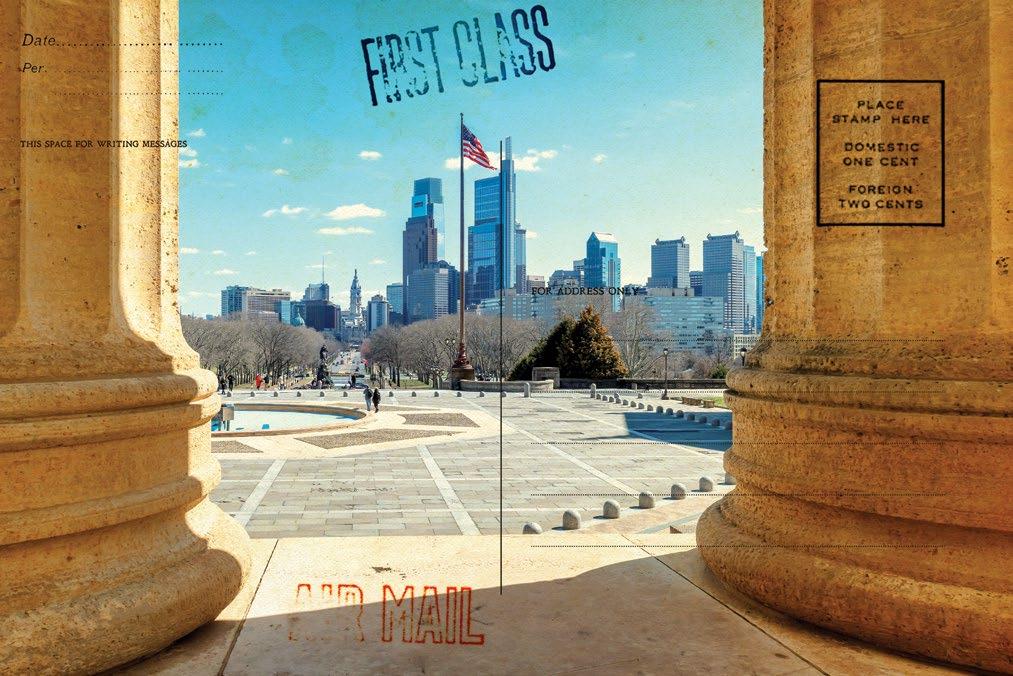
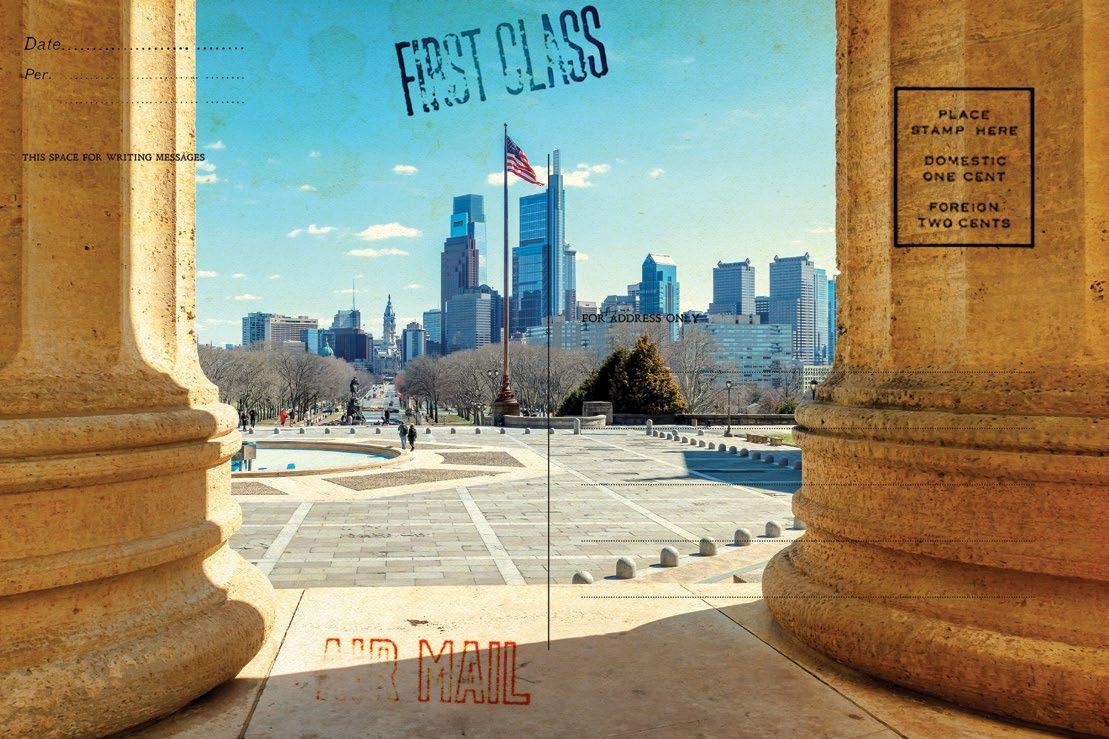
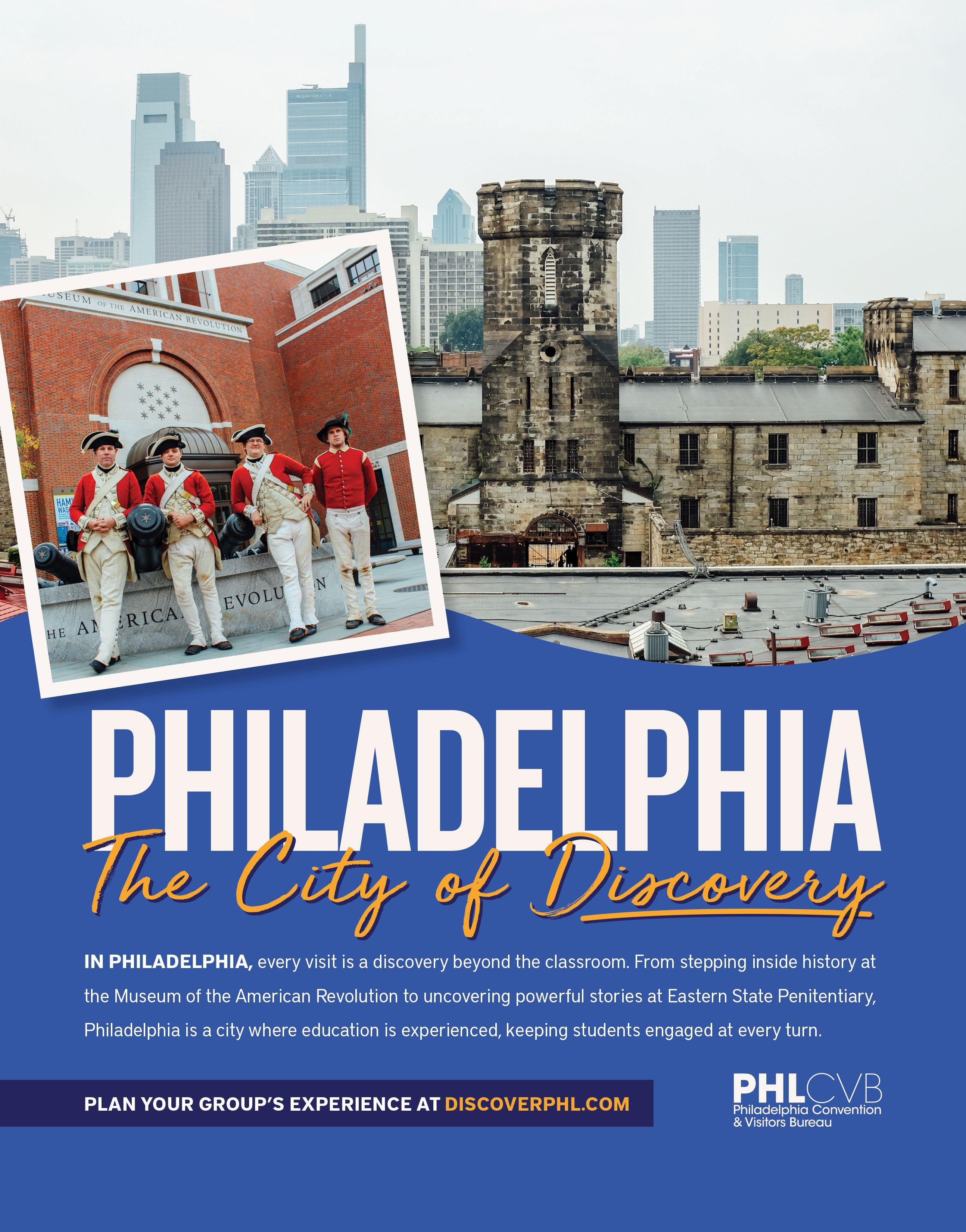
Rich in early American history, Philadelphia offers direct connections to the nation’s founding. Students can visit Independence Hall and the Liberty Bell to better understand the origins of U.S. democracy, while institutions like the Franklin Institute provide hands-on science learning. Stops such as the Betsy Ross House add additional context, making the city a well-rounded destination for both history and STEM exploration.
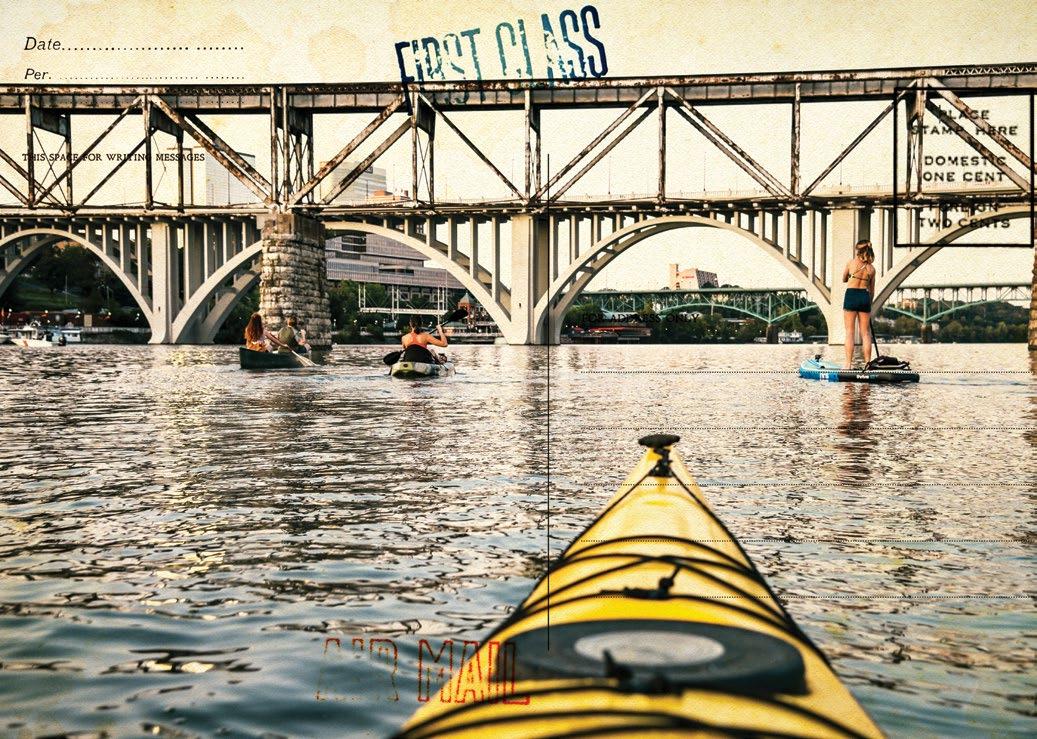
Defined by its musical legacy, Tennessee offers students a strong connection to American sound and culture. In Nashville, often called Music City, students can explore institutions like the Country Music Hall of Fame and Museum and visit working performance venues. In Memphis, the roots of blues, soul, and rock ‘n’ roll come into focus at sites like Beale Street. Historic homes and cultural landmarks throughout the state add further depth to the experience.
Continued on page 24...
...continued from page 21.
NEW YORK
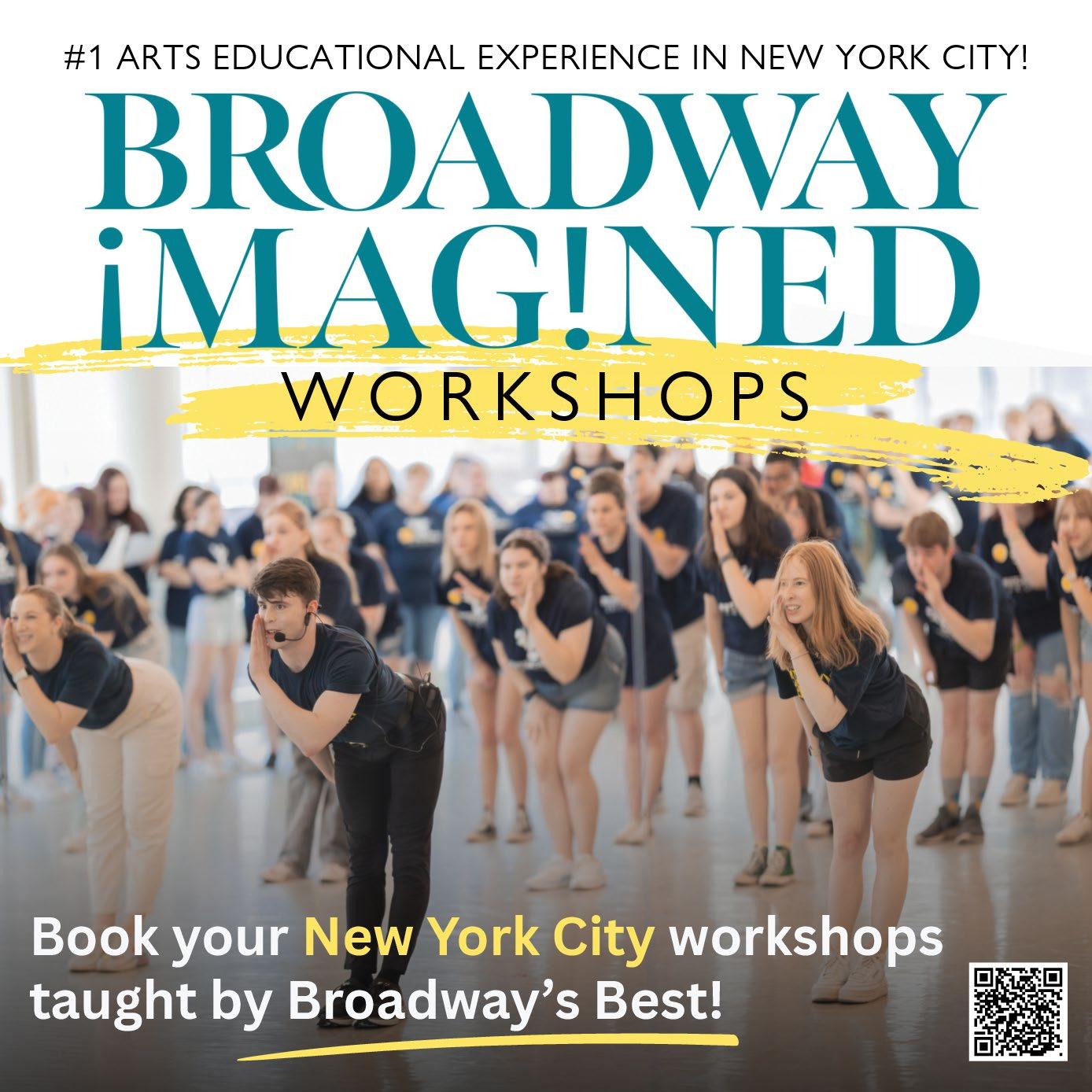
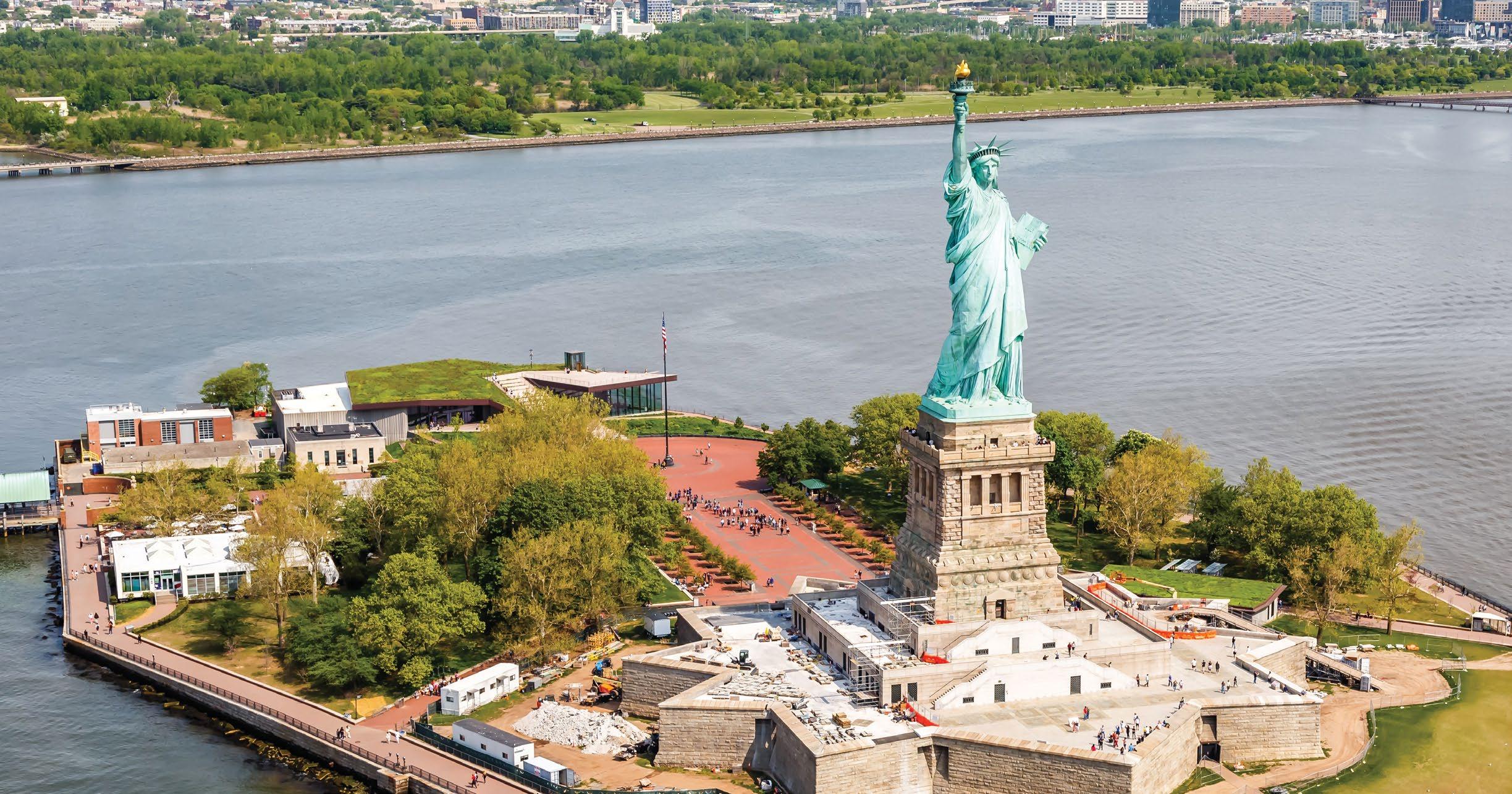
Fast-paced and densely packed with cultural landmarks, New York City offers nearly unlimited opportunities for exploration. Across all five boroughs, students can visit globally recognized sites such as the Statue of Liberty and Empire State Building, explore major museums, and experience live performance on Broadway. Behind-the-scenes workshops from organizations like Broadway Imagined, along with arts programming, add an interactive element, making the city especially appealing for student groups focused on the performing arts.
WASHINGTON, D.C.
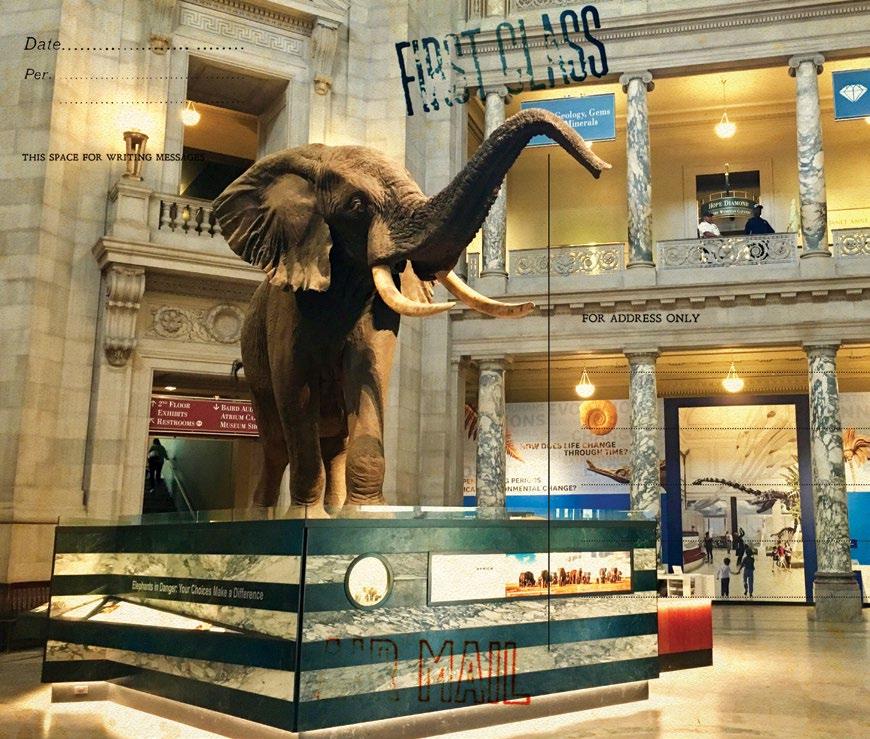
Compact and easy to navigate, Washington, D.C. provides direct access to the institutions that shape the United States. Students can explore the monuments and memorials along the National Mall, visit Smithsonian museums, and engage with topics like government, journalism, and civil rights. Many major attractions are free, making it easier to build a full itinerary, while nearby cultural venues and sporting events add variety to the experience.
VIRGINIA
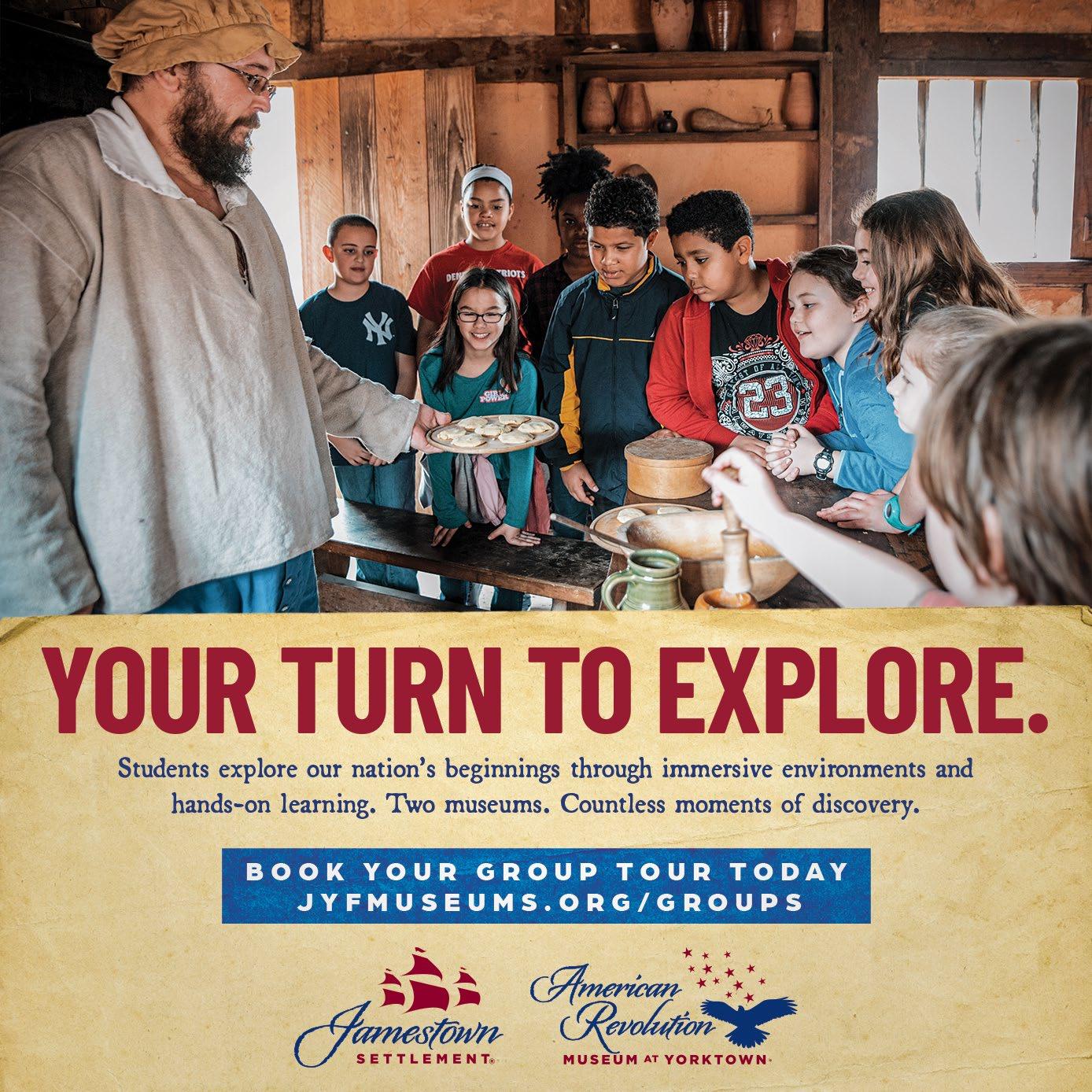
With deep ties to early American history, Virginia offers immersive, place-based learning. Williamsburg—once the capital of the Virginia Colony—is home to Colonial Williamsburg, a living-history site where students can experience 18th-century life firsthand. Elsewhere, cities like Richmond provide a more contemporary perspective with arts, culture, and institutions such as the Virginia Museum of Fine Arts.
CHICAGO
With its striking skyline and strong cultural institutions, Chicago has quickly established itself as a top destination. Students can take in panoramic views from 360 Chicago Observation Deck, visit landmarks like Willis Tower and Millennium Park, and explore world-class collections at the Art Institute of Chicago. Along the lakefront, institutions like the Field Museum and Shedd Aquarium combine science and nature, while the city’s music history adds another engaging layer. Or see a different side of the city with Chicago Crime Tours!
NORTH AMERICA
TOP STUDENT DESTINATIONS 2026
When you want to go beyond the United States without traveling across the pond, consider these 10 locations, selected by SYTA member tour operators as the top North America travel destinations favored by students and teachers.
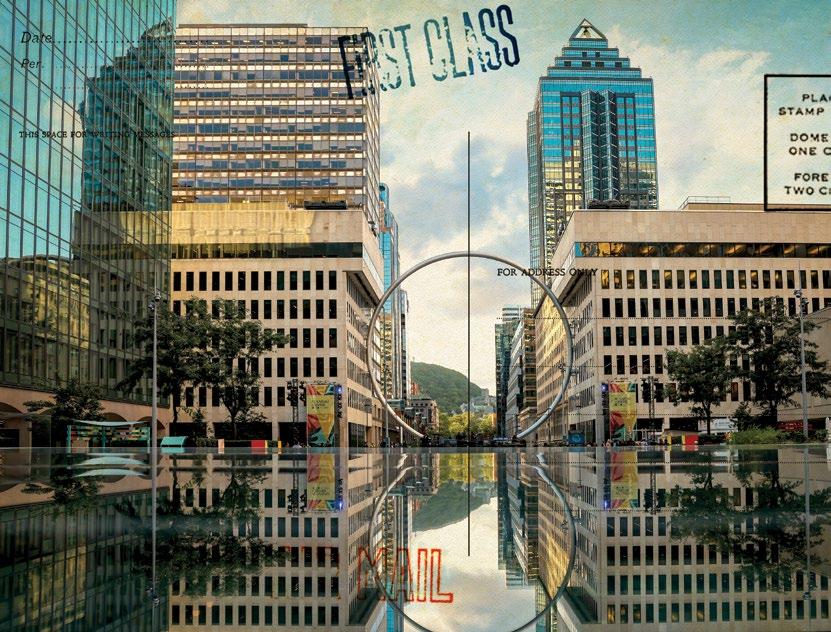
MONTREAL
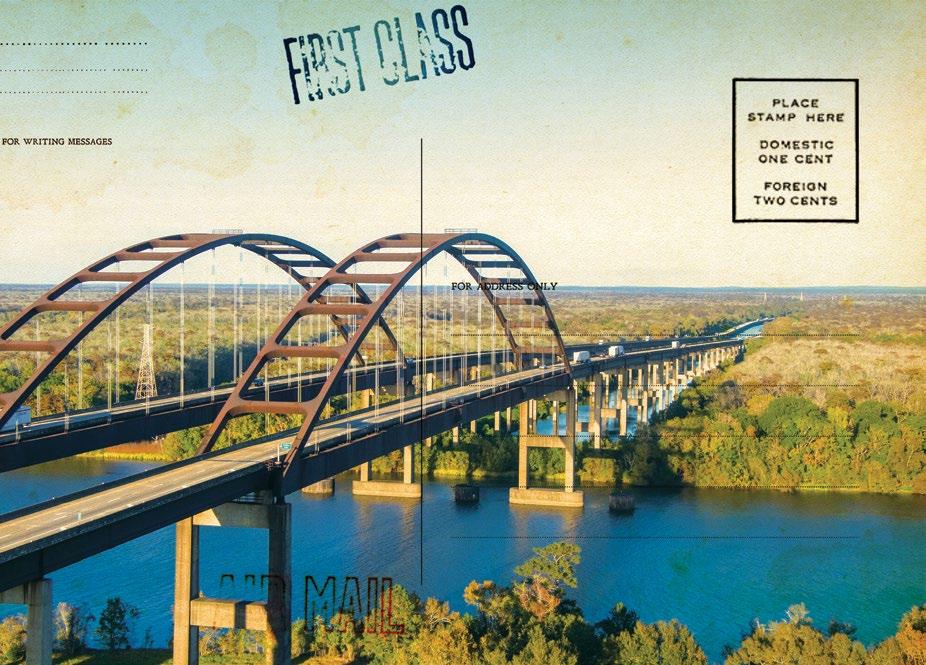
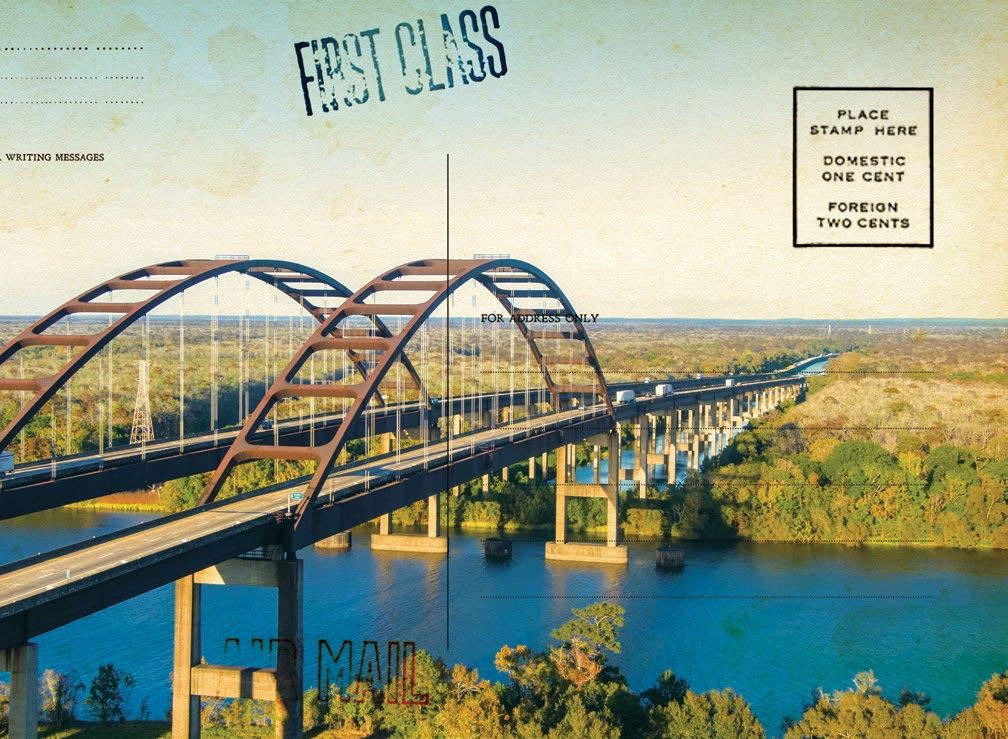
Blending European charm with a distinctly modern energy, Montreal is a city where students can cover a lot of ground with ease. From navigating the efficient metro to strolling historic neighborhoods, the experience is both accessible and varied. Hands-on attractions range from science and nature encounters to immersive exhibits at the Montreal Planetarium. A visit to the expansive Montreal Botanical Garden and a look at innovative infrastructure like the Samuel De Champlain Bridge round out a destination that feels both classic and forward-looking.
NIAGARA FALLS
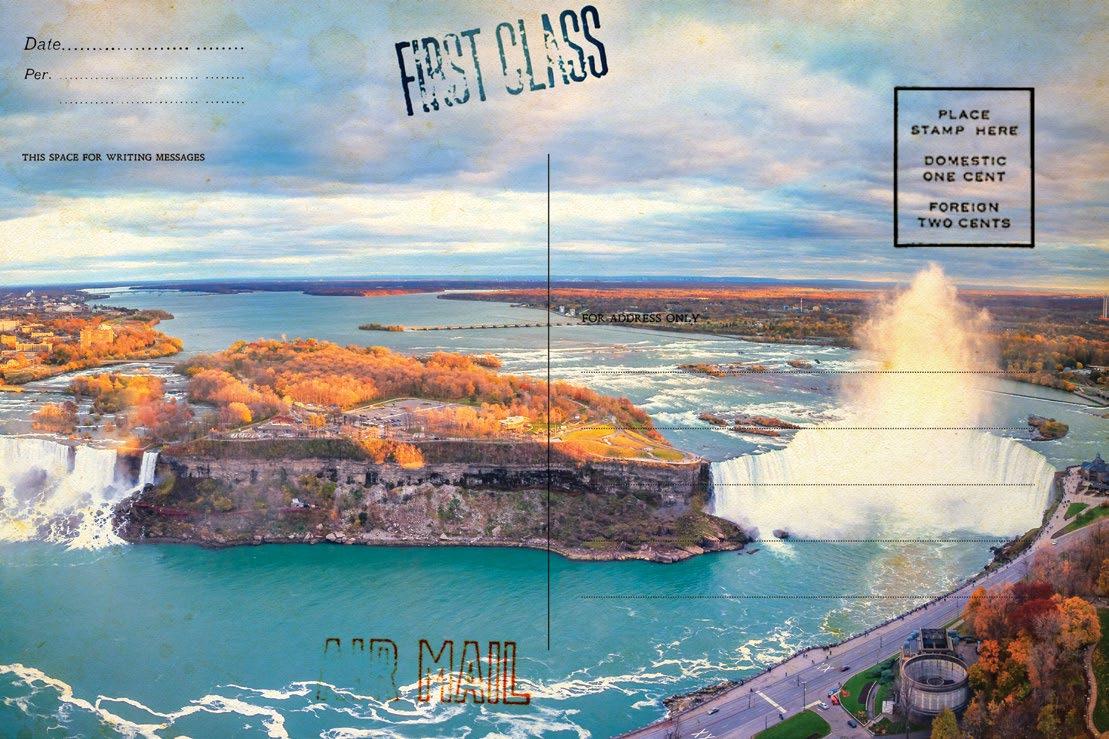
Centered around the powerful spectacle of Niagara Falls, this destination delivers both natural wonder and high-energy attractions. Students can experience the falls up close on a boat tour or take in panoramic views from the Skylon Tower. Beyond the main attraction, the Niagara Parkway offers access to historic landmarks tied to key moments in Canadian history. With interactive museums and lively waterparks, Niagara Falls balances education with a sense of fun that keeps groups engaged.
OTTAWA
As Canada’s capital, Ottawa offers a clear window into government, history, and culture. Students can explore the striking grounds of Parliament Hill before diving into museums that highlight Indigenous perspectives, science, and national identity. The city also mixes in lighter moments, from hands-on tech experiences to seasonal activities along the Rideau Canal—which transforms into a massive and unique skating rink in winter. It’s a destination that keeps learning active and varied.
TORONTO
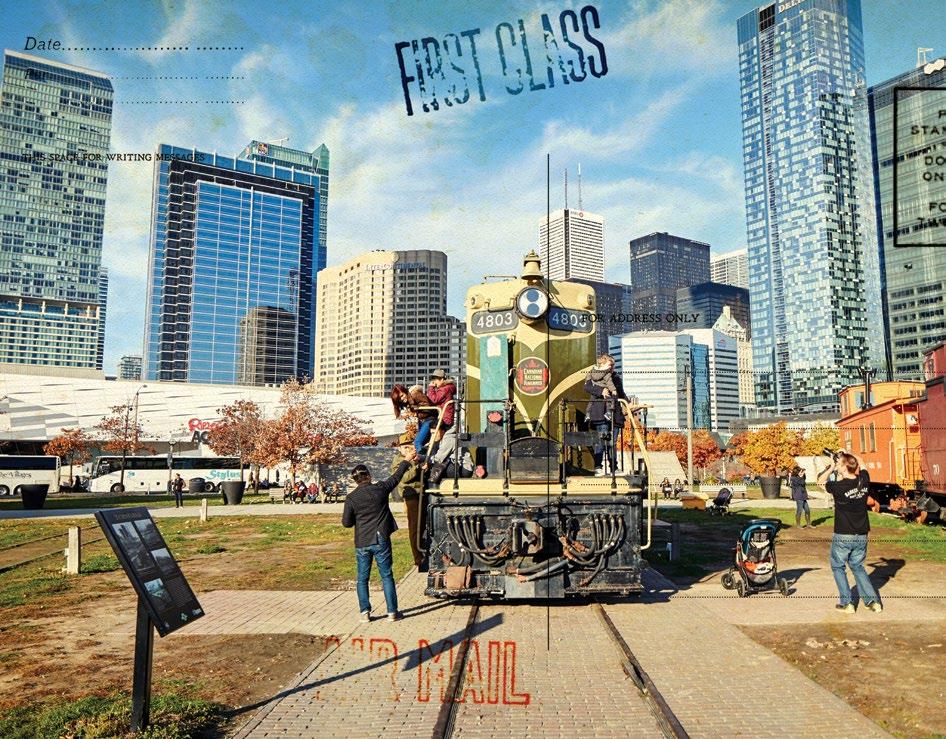
Set along the shores of Lake Ontario, Toronto offers a little bit of everything in one place. Students can explore major cultural institutions, catch live performances, and take in sweeping views from the CN Tower. Despite its urban scale, the city maintains easy access to nature, from waterfront paths to the nearby Toronto Islands. The result is a well-rounded experience that combines big-city energy with space to slow down and explore.
VANCOUVER
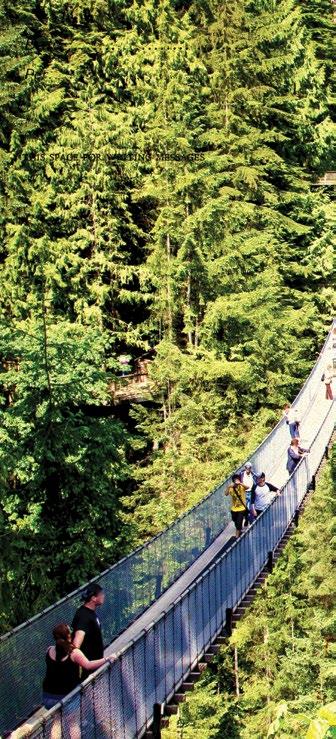
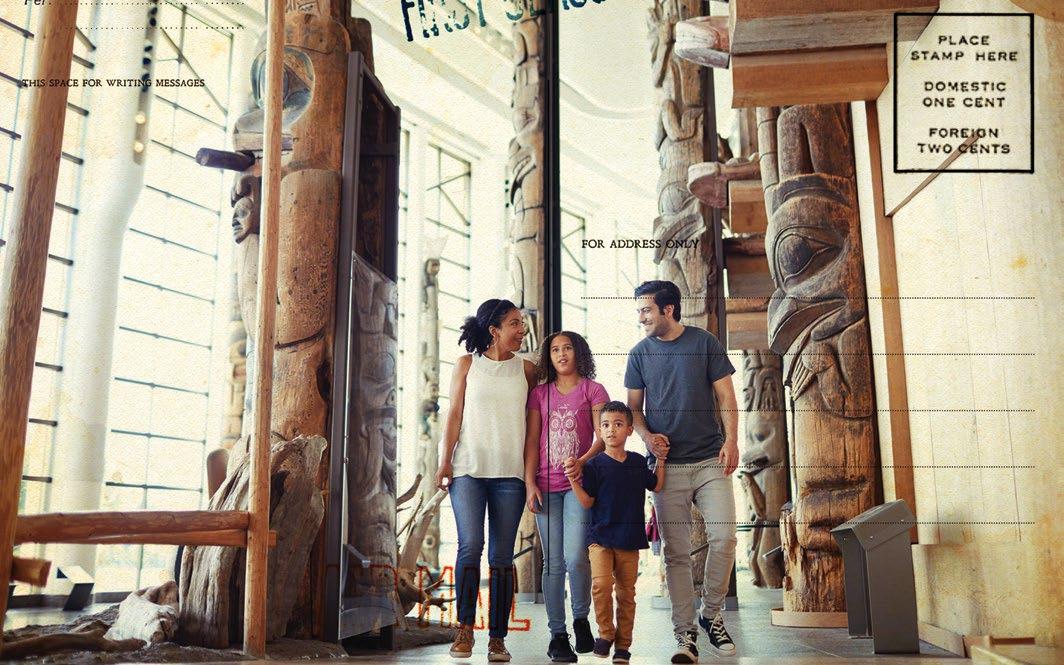
Framed by mountains and water, Vancouver pairs natural beauty with a strong arts and culture scene. Students can walk among the treetops on the Capilano Suspension Bridge, explore museums and galleries, and spend time in vibrant public markets. The city also offers meaningful opportunities to learn about the history and traditions of Indigenous communities, adding important cultural context to its scenic surroundings.
RIVIERA MAYA
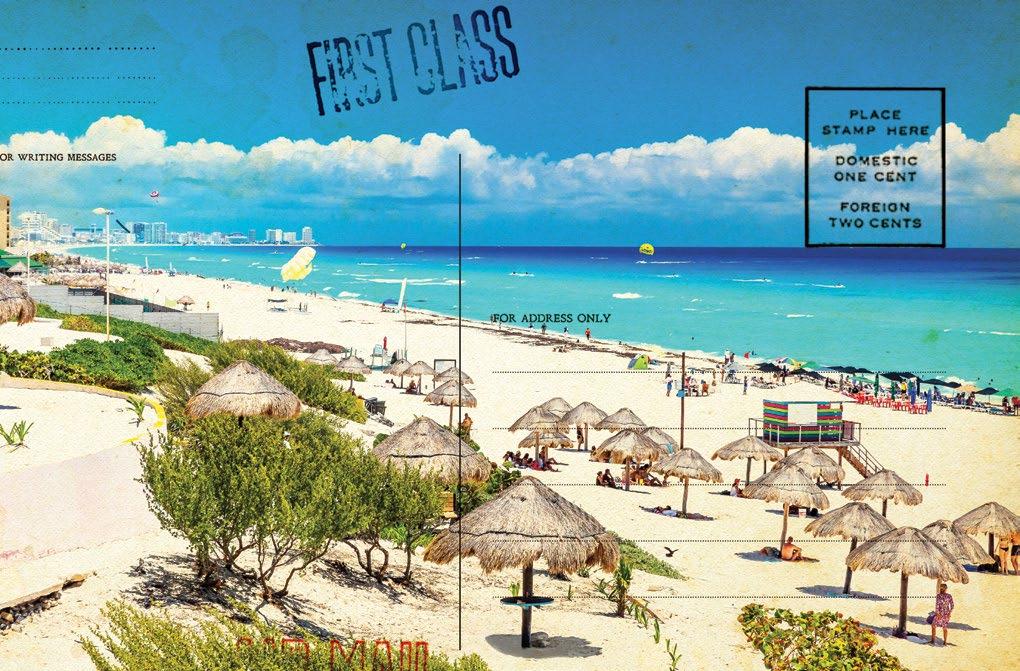
Stretching along Mexico’s Caribbean coastline, Riviera Maya combines natural beauty with deep historical roots. Students can explore ancient sites like Chichen Itza, swim in cenotes, and encounter marine life while snorkeling in clear coastal waters. Eco-parks such as Xcaret and Xel-Ha offer structured, hands-on experiences that blend ecology and culture. Nearby hubs like Playa del Carmen and Cozumel add opportunities to explore local cuisine, markets, and coastal environments.
WINNIPEG
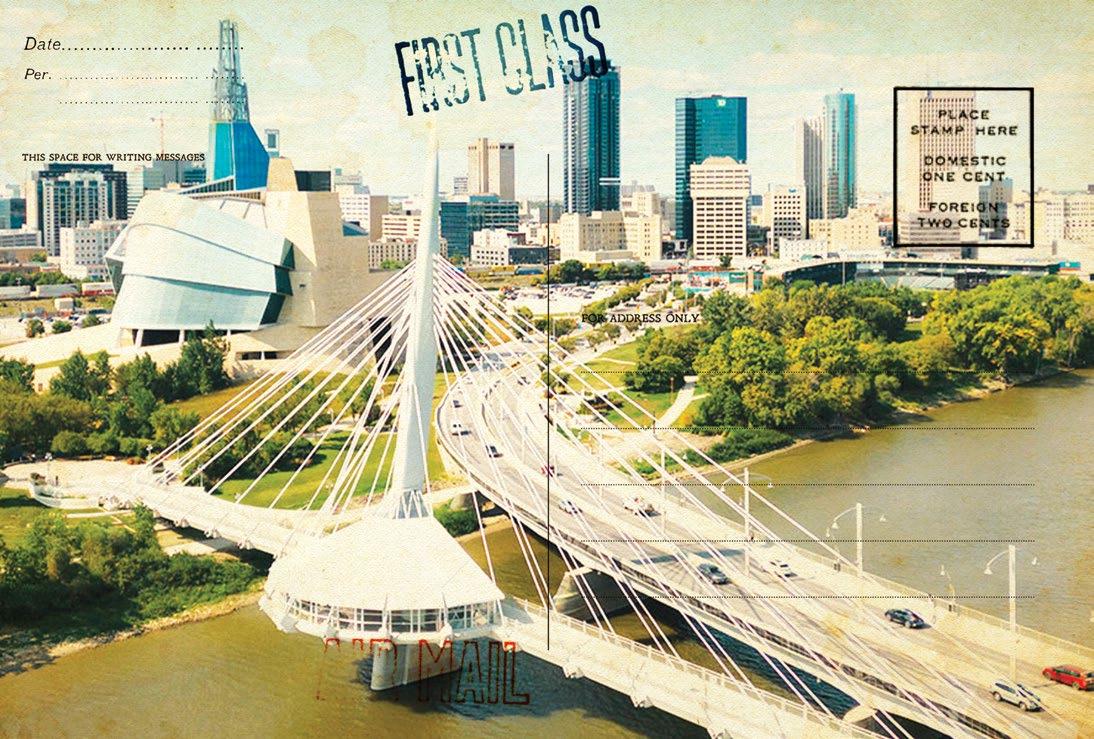
At the center of Canada, Winnipeg offers a mix of arts, history and outdoor exploration. The historic Exchange District provides a backdrop of early 20th-century architecture alongside galleries and performance spaces, while attractions like Assiniboine Park Zoo bring students face-to-face with wildlife. The Canadian Museum for Human Rights adds a powerful educational component, and nearby natural areas offer even more opportunities to connect with the region’s landscapes and Indigenous cultures.
MEXICO CITY
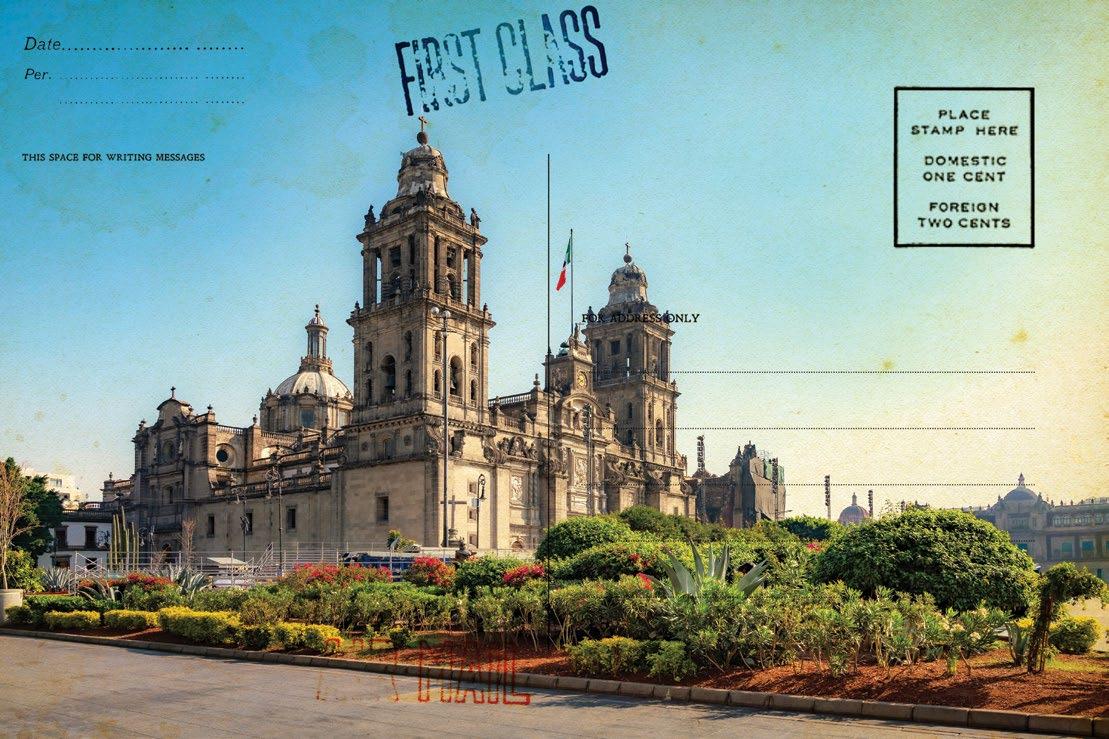
Vast, energetic and layered with history, Mexico City gives students a deep dive into both ancient and modern culture. Explore the remains of the Aztec capital at Templo Mayor, visit world-renowned collections at the National Museum of Anthropology, and take in the scale of Zocalo, one of the largest public squares in the world. With its blend of archaeology, art, cuisine, and daily life, Mexico City is dynamic and immersive.
PUERTO RICO
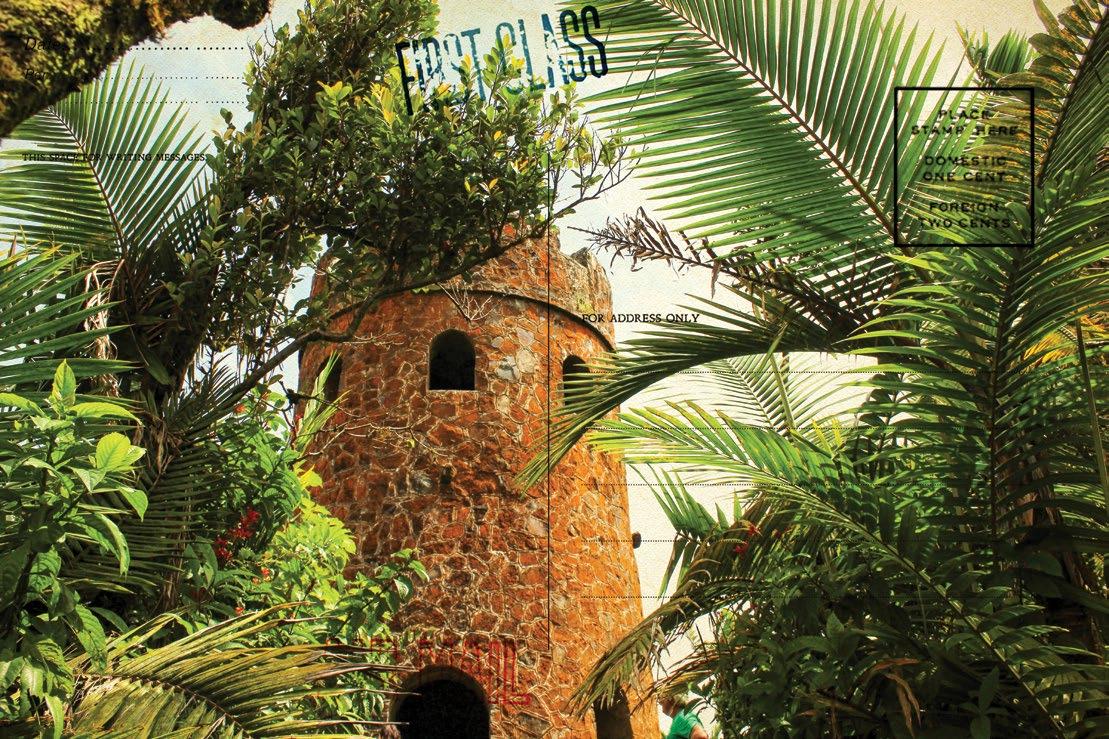
A U.S. territory rich in culture and natural beauty, Puerto Rico offers an accessible yet distinctly global experience for student travelers. In San Juan, students can walk the blue cobblestone streets of Old San Juan and explore historic forts like Castillo San Felipe del Morro. Beyond the city, opportunities include nature reserves, bioluminescent bays, ecosystems in the El Yunque National Forest, and engaging with music, dance, food, and other traditions that reflect the island’s blend of influences.
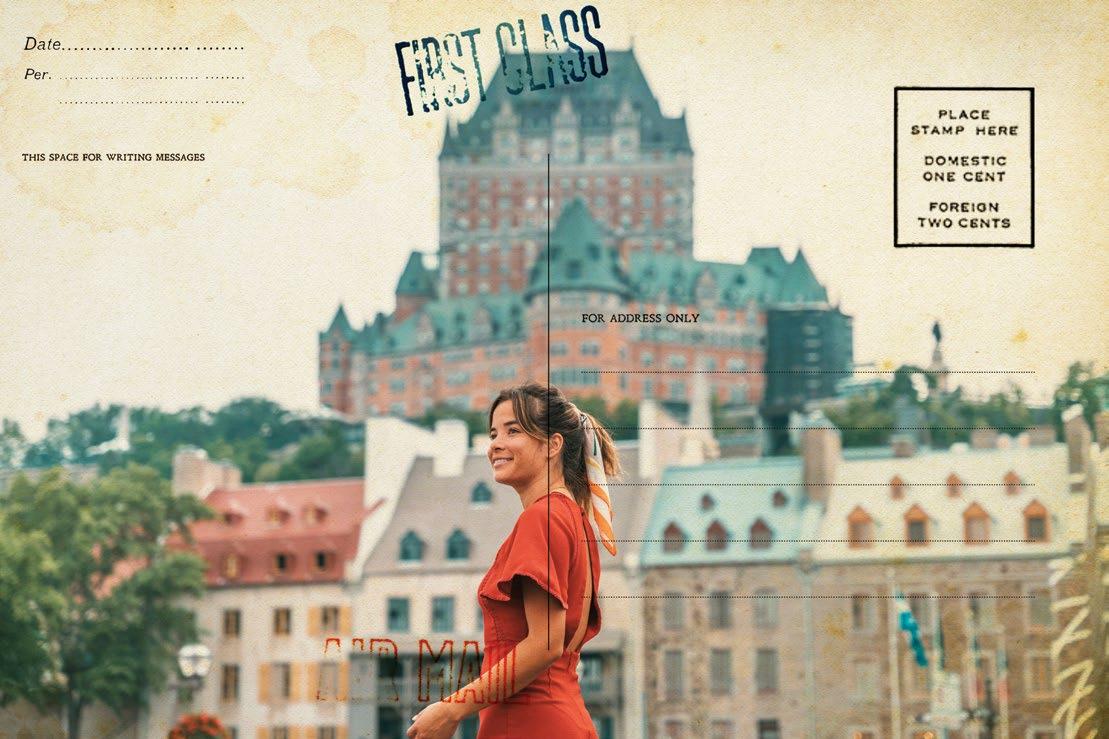
QUEBEC
Steeped in history and defined by its French heritage, Quebec offers a distinctly European feel without leaving North America. In Quebec City, students can explore the fortified walls of Old Quebec, a UNESCO World Heritage Site, and walk streets lined with centuries-old architecture. Cultural experiences—from language immersion to local cuisine—combine with nearby natural attractions to create a destination that is both approachable and rich in character.
INTERNATIONAL
TOP STUDENT DESTINATIONS 2026
When you and your students are ready to explore the world, consider these 10 countries, chosen by SYTA member tour operators as the top international destinations for student travel. These spots offer vibrant culture, immersive learning experiences, and plenty of adventure!
AUSTRALIA
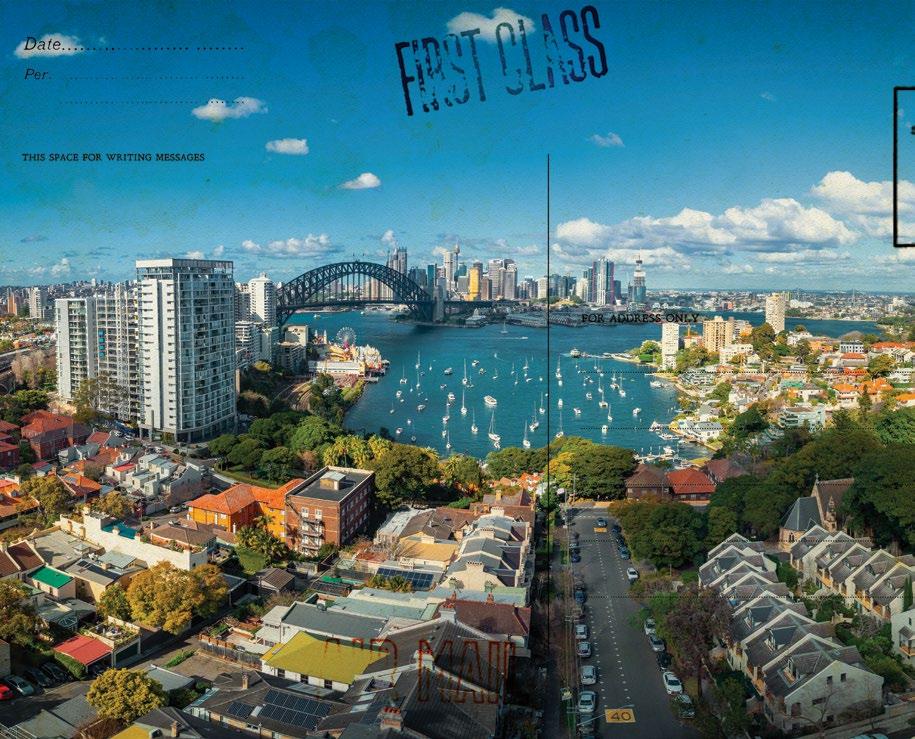
Australia offers a wide range of educational and cultural experiences anchored in its diverse landscapes and modern cities. Students can observe government in action in Canberra, attend performances at the Sydney Opera House, and explore marine ecosystems along the Great Barrier Reef. Opportunities to engage with Indigenous culture and history, particularly in cities like Adelaide, add further depth. The country’s infrastructure and tourism offerings make it a reliable and rewarding destination for student groups.
COSTA RICA
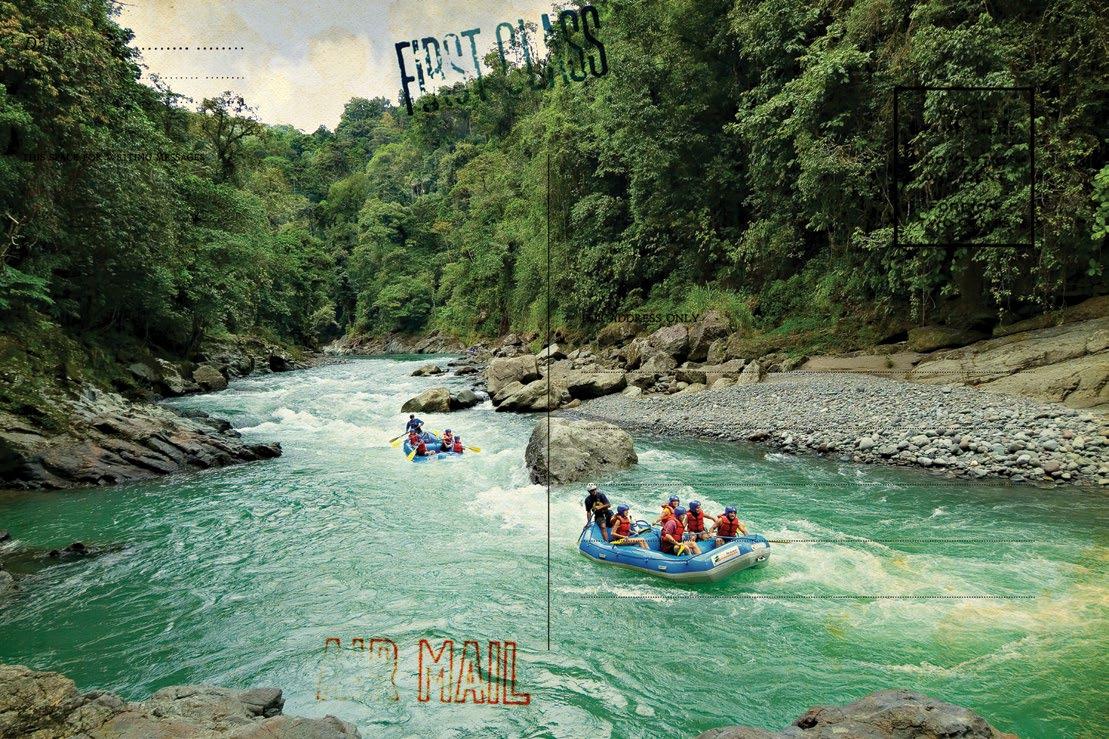
Known for its strong commitment to sustainability, Costa Rica provides a focused introduction to ecology and conservation. Positioned between the Pacific Ocean and Caribbean Sea, it offers access to diverse ecosystems, from rainforests to coastlines. Students can participate in outdoor activities such as rafting, surfing, and hiking, while also engaging with local culture through markets, music, and artisan traditions. Its well-established ecotourism model makes Costa Rica particularly wellsuited for experiential learning.
FRANCE
France remains a cornerstone destination for art, history, and culture. In Paris, students can visit incredibly iconic landmarks and explore world-class museums and performance spaces. Beyond the capital, opportunities include studying historical sites related to major European conflicts and engaging with regional traditions. France’s influence on cuisine, fashion, and the arts provides additional context for a well-rounded educational experience.
ITALY
GERMANY
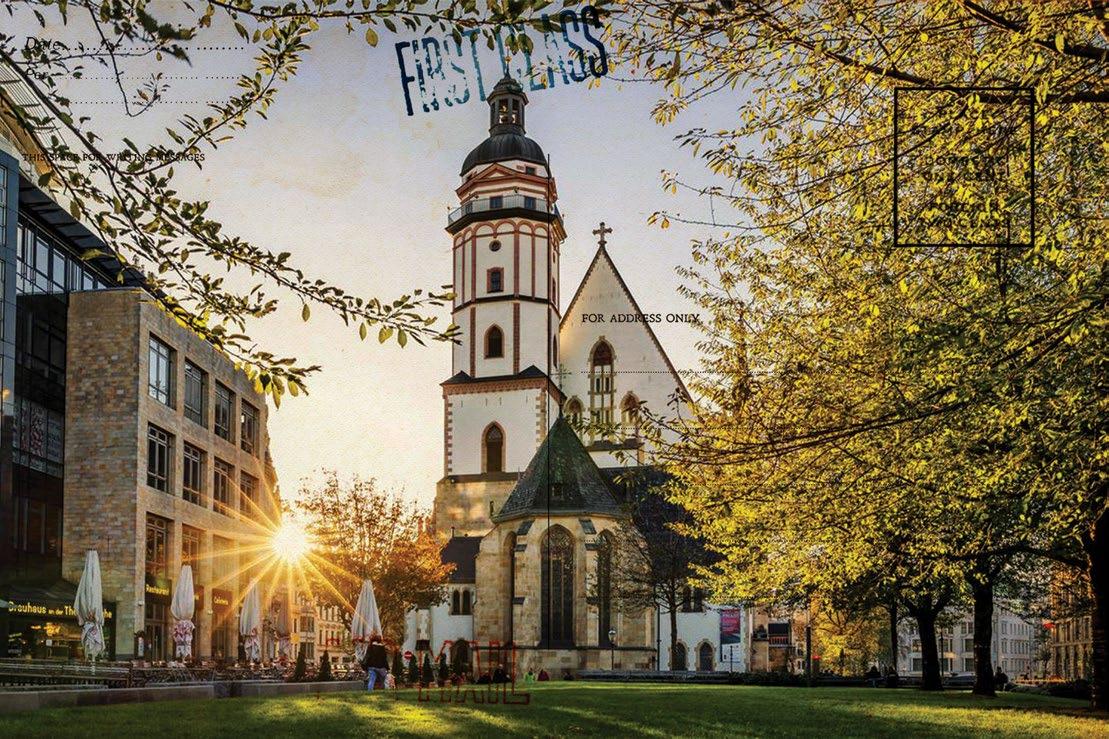
With its combination of historic significance and modern innovation, Germany offers a balanced educational experience. Students can examine 20th-century history in Berlin, including a visit to the Berlin Wall, while cities like Frankfurt and Munich highlight art, finance, and science. The country’s national parks and biosphere reserves also provide opportunities for outdoor study and environmental education.
IRELAND
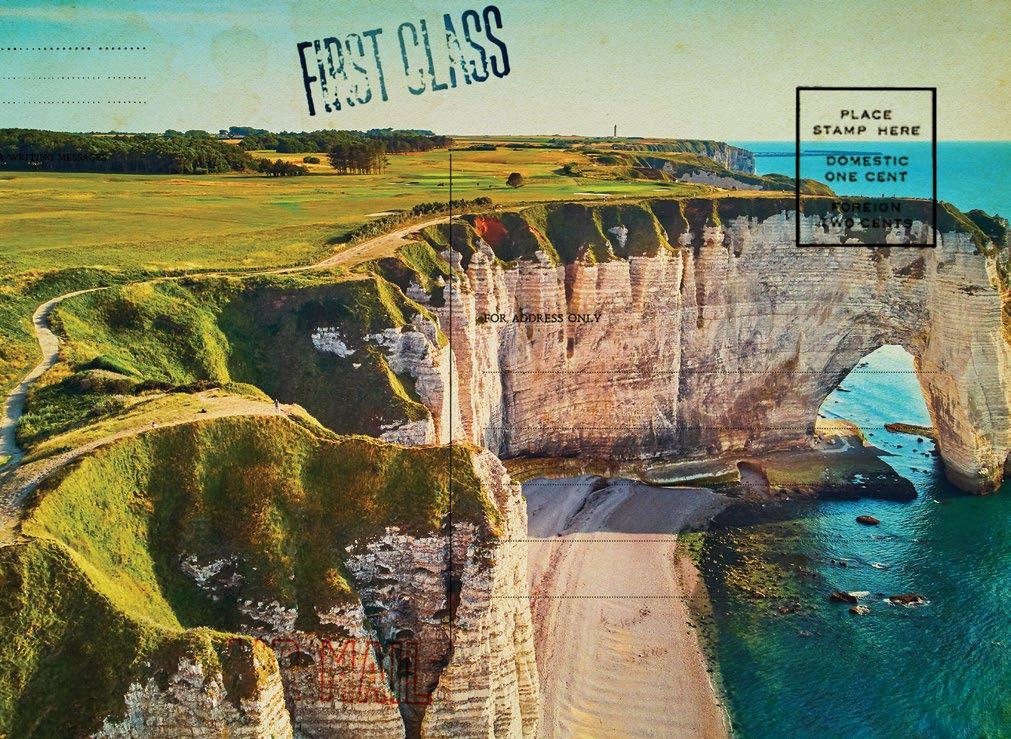
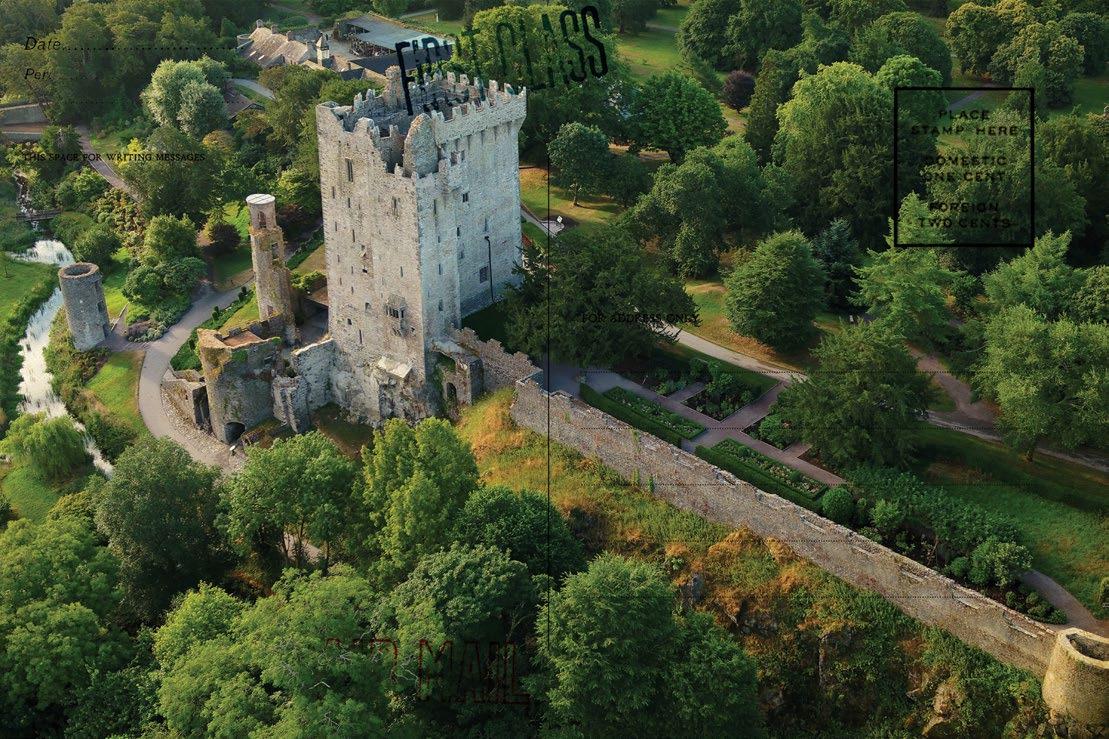
Ireland combines accessible history with strong cultural traditions and varied landscapes. In Dublin, students can explore historic sites and museums focused on Irish heritage, while coastal regions such as Donegal Bay offer outdoor recreation. The country’s active arts scene includes music, theater, and festivals, and locations like the Cliffs of Moher provide opportunities to study unique geological formations.
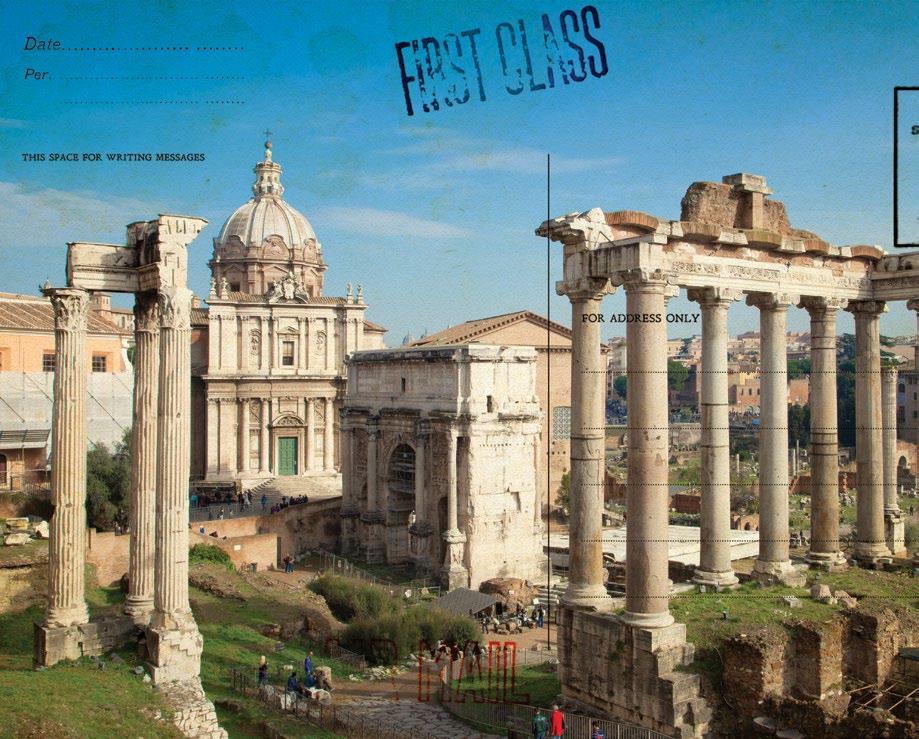
Italy offers extensive opportunities to study art, architecture, and ancient history. Cities such as Rome, Florence, and Venice provide access to major historical landmarks and museum collections. Students can view works by artists including Michelangelo and Leonardo da Vinci, while also exploring well-known sites like the Leaning Tower of Pisa. Italy’s concentration of UNESCO World Heritage Sites supports a wide range of curriculum connections.
SPAIN
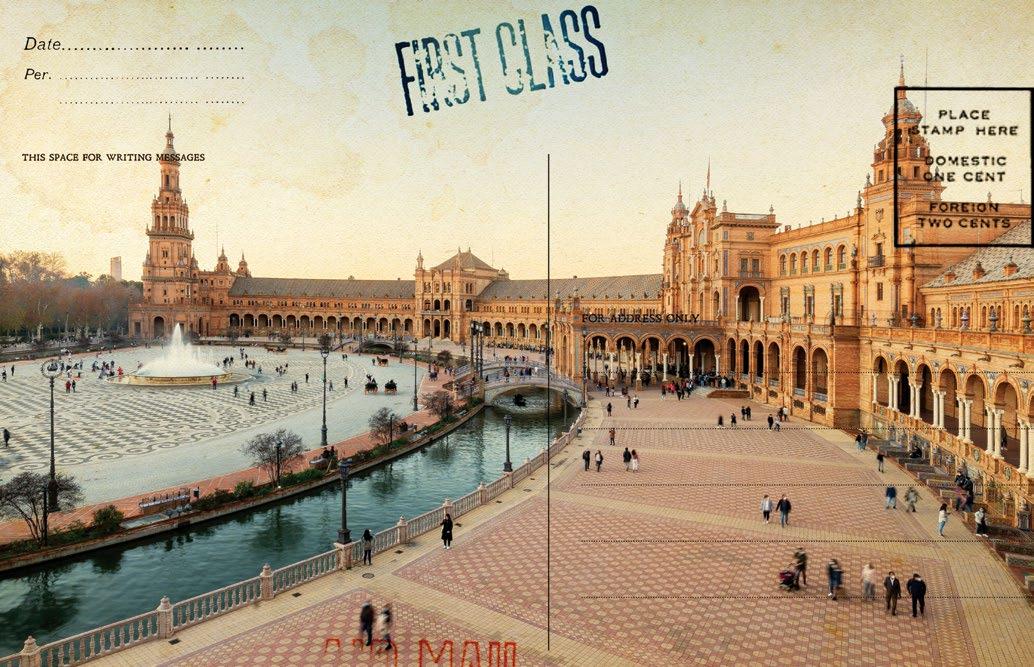
Spain offers a strong mix of cultural, linguistic, and geographic diversity. In Madrid and other major cities, students can engage with art, history, and daily life, while the country’s varied landscapes—from mountains to coastlines— support outdoor exploration. Spain is also a practical destination for language immersion, giving students the opportunity to apply Spanish skills in real-world contexts.
UNITED KINGDOM
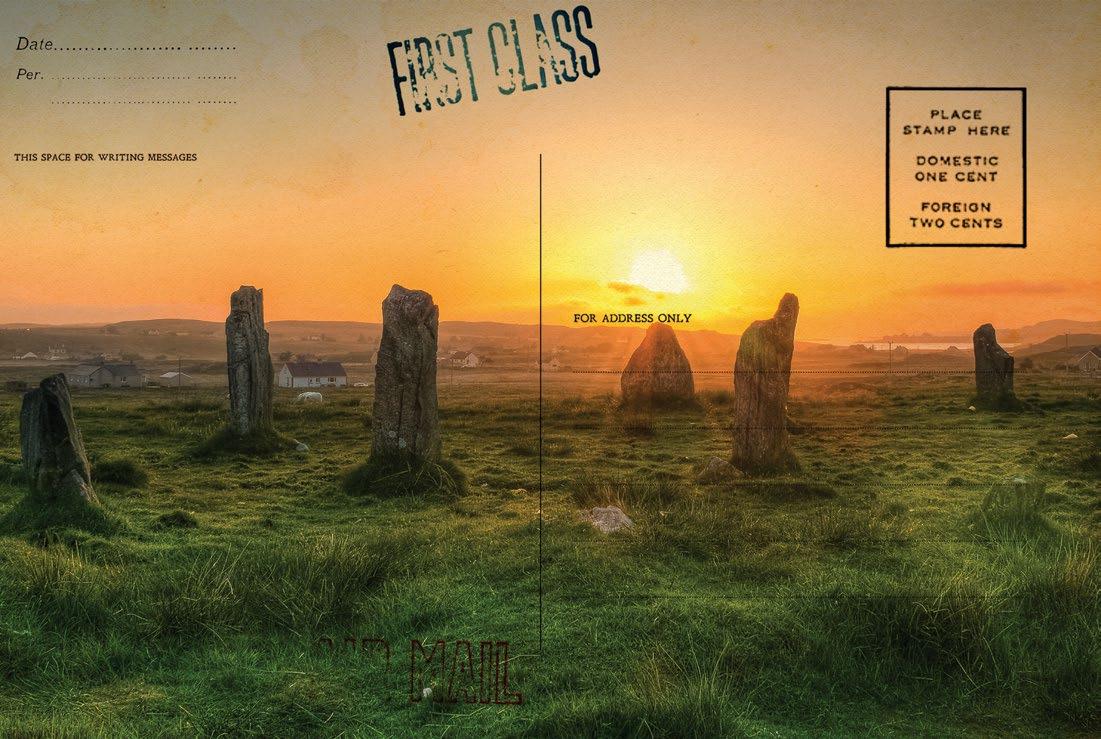
United Kingdom provides a comprehensive introduction to history, literature, and the arts. In London, students can visit landmarks such as Big Ben and explore major museums and theater institutions. Travel throughout Scotland, Wales, and Northern Ireland offers additional perspectives on regional identity and natural landscapes, making the UK a versatile and accessible destination.
JAPAN
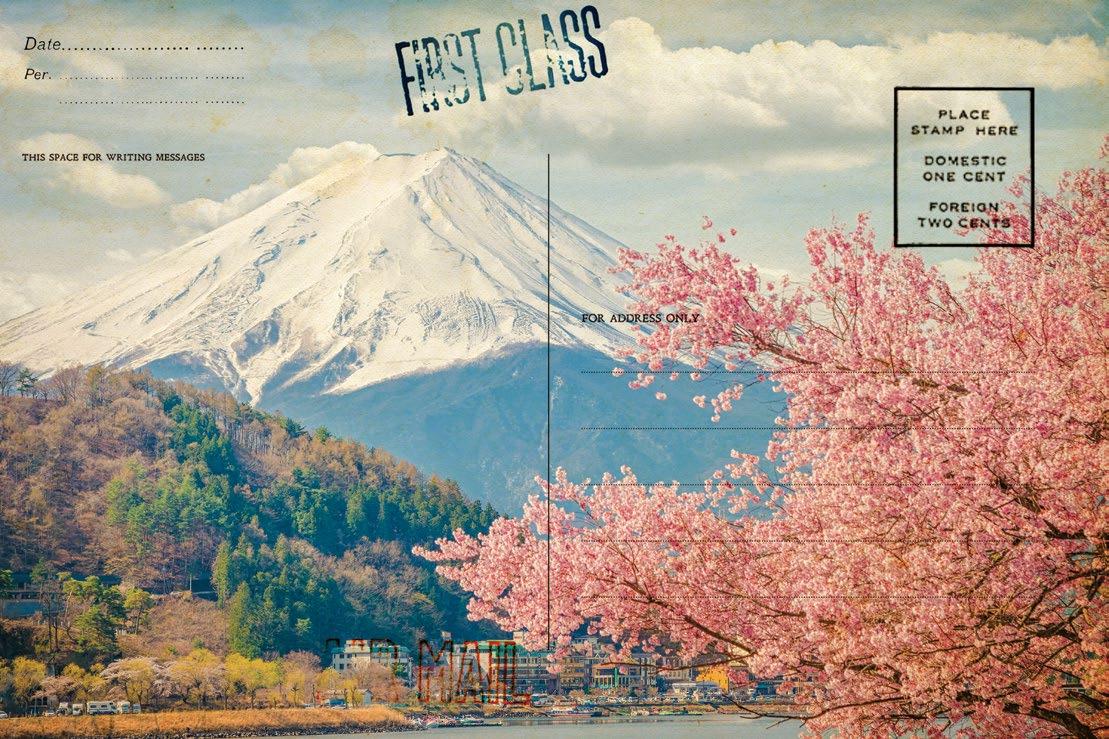
Japan offers students a richly layered cultural experience. Explore centuries-old temples in Kyoto, witness the fast-paced energy of Tokyo, and reflect on history at sites like Hiroshima Peace Memorial Park. From hands-on cultural activities like tea ceremonies and calligraphy to world-renowned cuisine and technological innovation, Japan invites students to engage with a destination that is as thoughtful and reflective as it is dynamic and forward-looking—with more than enough offerings for return trips.
SWITZERLAND
With its storybook landscapes and reputation for precision and innovation, Switzerland offers an inspiring setting for student exploration. Journey through the breathtaking Swiss Alps, explore international diplomacy in Geneva, and discover charming, history-filled cities like Lucerne. Whether engaging with environmental studies, global affairs, or cultural traditions, students benefit from hands-on learning set against some of Europe’s most stunning natural and cultural backdrops.
For young people, travel is an education in itself. It helps them build self-esteem, independence, tolerance and cultural understanding, while breaking down barriers to a child’s personal, educational and social development. Patterns and habits embraced when traveling at an early age are known to influence future decisions. The benefits of travel go beyond education. Increasingly, governments and businesses are recognizing the positive effects of youth travel as a powerful life experience that promotes economic development, job fulfillment and cultural understanding.
CELEBRATING AMERICA
TThe Declaration of Independence, signed on July 4, 1776, is the United States’ founding document, and this year marks the 250th Birthday of its signing—the perfect time to celebrate by taking your students on a trip that highlights America’s vast history.
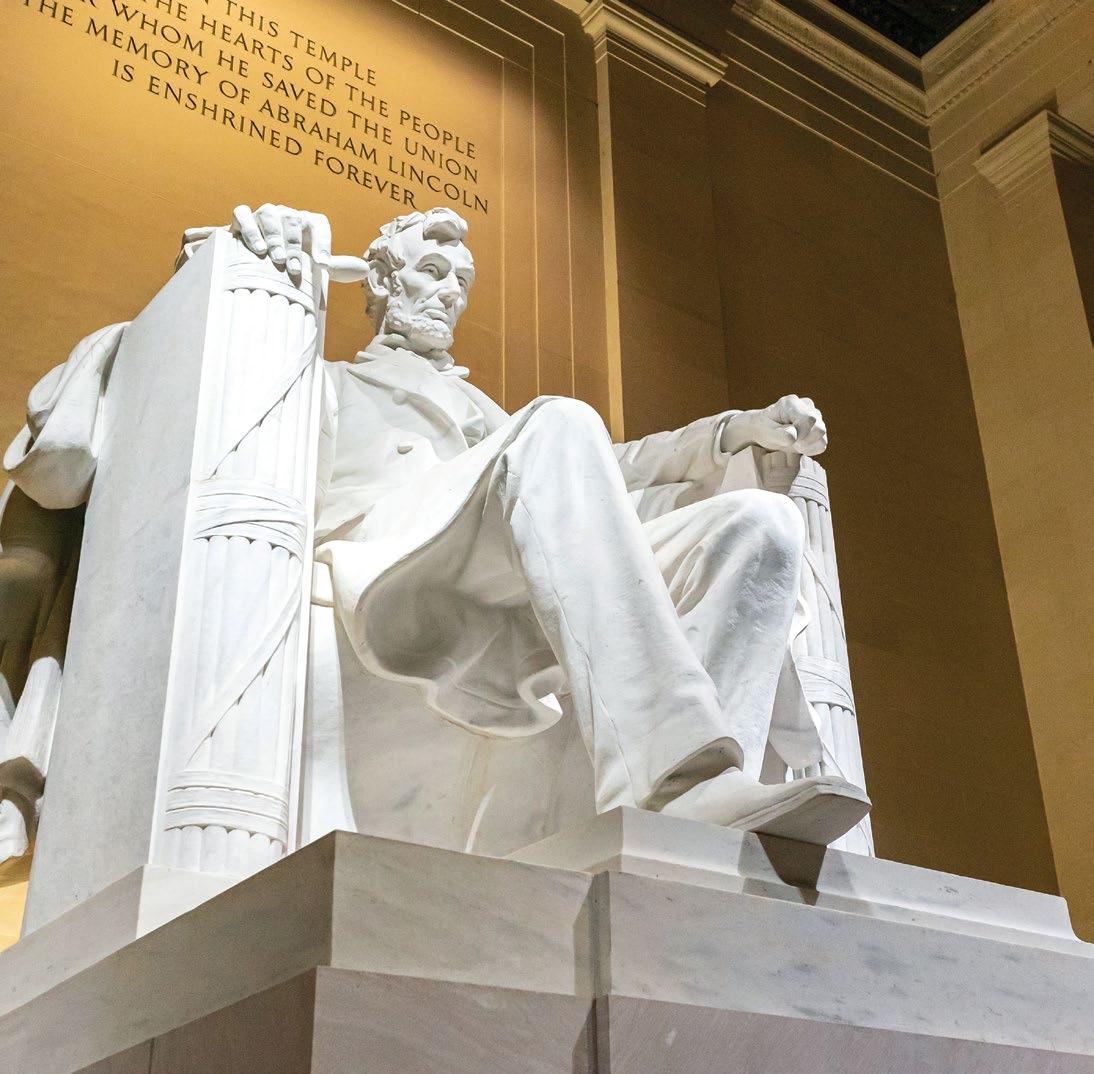
Washington D.C., Philadelphia, and Boston are three destinations to visit with many historical sites related to America’s 250th Birthday. Some suggested places to visit in Washington D.C. include the following: Lincoln Memorial, White House, National Museum of Natural History, Martin Luther King, Jr. Memorial, Capitol Hill, Arlington National Cemetery, Smithsonian Institution, and the War Memorials. Another interesting place to visit is the National Archives Museum where you can view the original Declaration of Independence document, U.S. Constitution, and Bill of Rights. In Philadelphia , the trip must include a visit to Independence Hall. It was in this historic building where the Declaration of Independence (1776), Articles of Confederation (1781), and the U.S. Constitution (1787) were debated and adopted by the Second Continental Congress, making it the “birthplace of the United States.” Independence Hall is also the home of the Liberty Bell. Other important places to visit include the Betsy Ross House (where she created the first American flag), Elfreth’s Alley (America’s oldest continually inhabited residential street), and the Museum of the American Revolution.
Boston , home of the 2.5-mile Freedom Trail, highlights sixteen significant historical sites. Along the trail, you will visit Old North Church, Granary Burying Ground, Faneuil Hall, Paul Revere’s House, the USS Constitution & Museum, Bunker Hill Monument, and the site of the Boston Massacre. Boston is also home to the Boston Common, the oldest park in America which was established in 1634. Another key historic site in Boston is Fenway Park, the oldest Major League Baseball stadium in the United States.
I hope that my quest to share these historical sites with my students IGNITES A FIRE WITHIN THEM TO APPRECIATE AMERICA’S PAST and that they will also DEVELOP A PASSION FOR HISTORY.
In addition to Washington D.C., Philadelphia, and Boston, there are other cities that I recommend educators take their students to visit. These include Charleston, South Carolina; home of Fort Sumter, where the first shots of the Civil War were fired, the Old Slave Mart Museum and Magnolia Plantation. Another suggestion is Savannah, Georgia. Savannah is the birthplace of Juliette Gordon Low, the founder of the Girl Scouts of the USA and many historic sites. Finally, I suggest an educational tour to New Orleans, Louisiana. New Orleans is home to the French Quarter, Jackson Square, and the National WWII Museum. All of these locations provide educational and informative experiences for students.
Historical sites worth visiting that highlight prominent American individuals include George Washington’s Mount Vernon Home in Virginia; the Jimmy Carter Library and Martin Luther King Jr. National Historical Park in Atlanta, Georgia; the George W. Bush Presidential Library in Texas; Henry David Thoreau’s cabin in Massachusetts; and John F. Kennedy’s Presidential Library in Massachusetts or where JFK was shot & killed in Texas. While traveling, teachers can provide students opportunities to participate in re-creations of historic events. Attend a performance of Hamilton, the story of American Founding Father Alexander Hamilton’s rise from an orphan to a key figure in the American Revolution. Participate in a dumping of tea at the Boston Tea Party Ship & Museum. Take a tour through Gettysburg National Military Park. Walk across the Edmund Pettus Bridge in Alabama. Visit the National Civil Rights Museum in Tennessee. Ride a trolley through historic Charleston. Do a ghost tour in Savannah. Experience the Coca-Cola Museum in Georgia. These learning experiences engage students in the history.
My father was a lifelong educator. For 42 years, he taught history at the local middle school and also served as the president of the local historical society. As a child, our family vacations centered on attendance at historical events or sites. I recall visits to national parks, history museums, and educational sites. I appreciate my father for exposing and teaching me the history of America through hands-on experiences. My passion for history definitely grew out of these family vacation. When I started leading college students on study-abroad trips within the United States, I naturally chose historical locations. I recall taking students on the Freedom Trail in Boston.
Each stop on the trail was a reminder of the rich history of our country. It brought the lessons we learned in the textbooks to real life. When I entered the Old North Church, I thought about Paul Revere’s ride, “One if by land, two if by sea” as stated in Henry Wadsworth Longfellow’s poem, to warn that the British was coming. When I took students to New York City, we visited the Statue of Liberty and Ellis Island. I thought about the French who donated this statue and its symbolism and the immigrants who came by ship arriving at Ellis Island and eventually settled in the United States. A visit to Colonial Williamsburg in Virginia educated us about life in the 18th century.
I hope that my quest to share these historical sites with my students ignites a fire within them to appreciate America’s past and that they will also develop a passion for history.
BY JOSH VEAL
BRINGING STUDENTS TO THE GLOBAL STAGE
WWith the creation of All-Stars of Music and Accent Performances, the Chicagobased Guardian Travel Group is going above and beyond to make unique travel experiences accessible for as many students as possible.
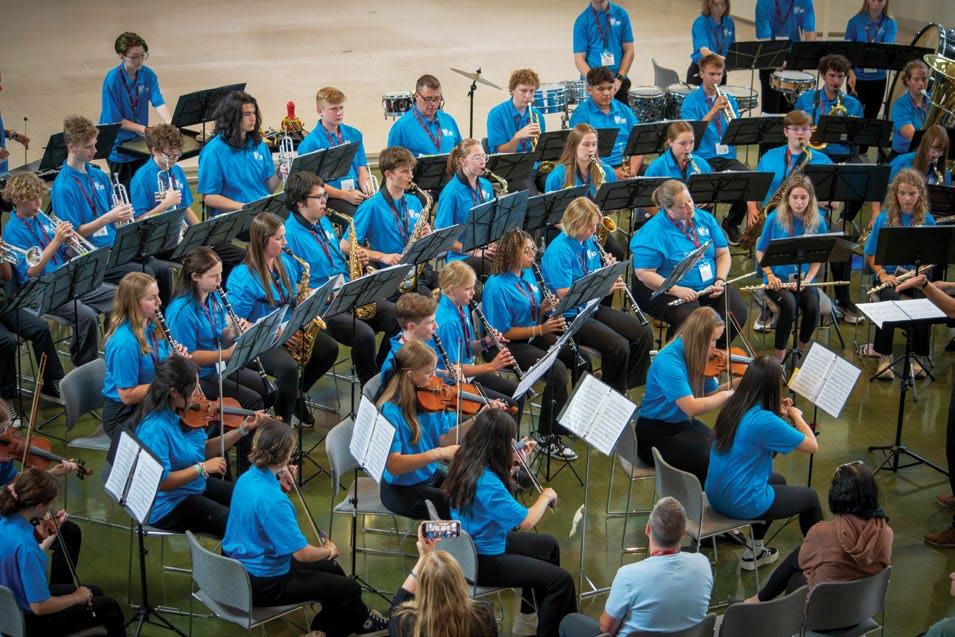
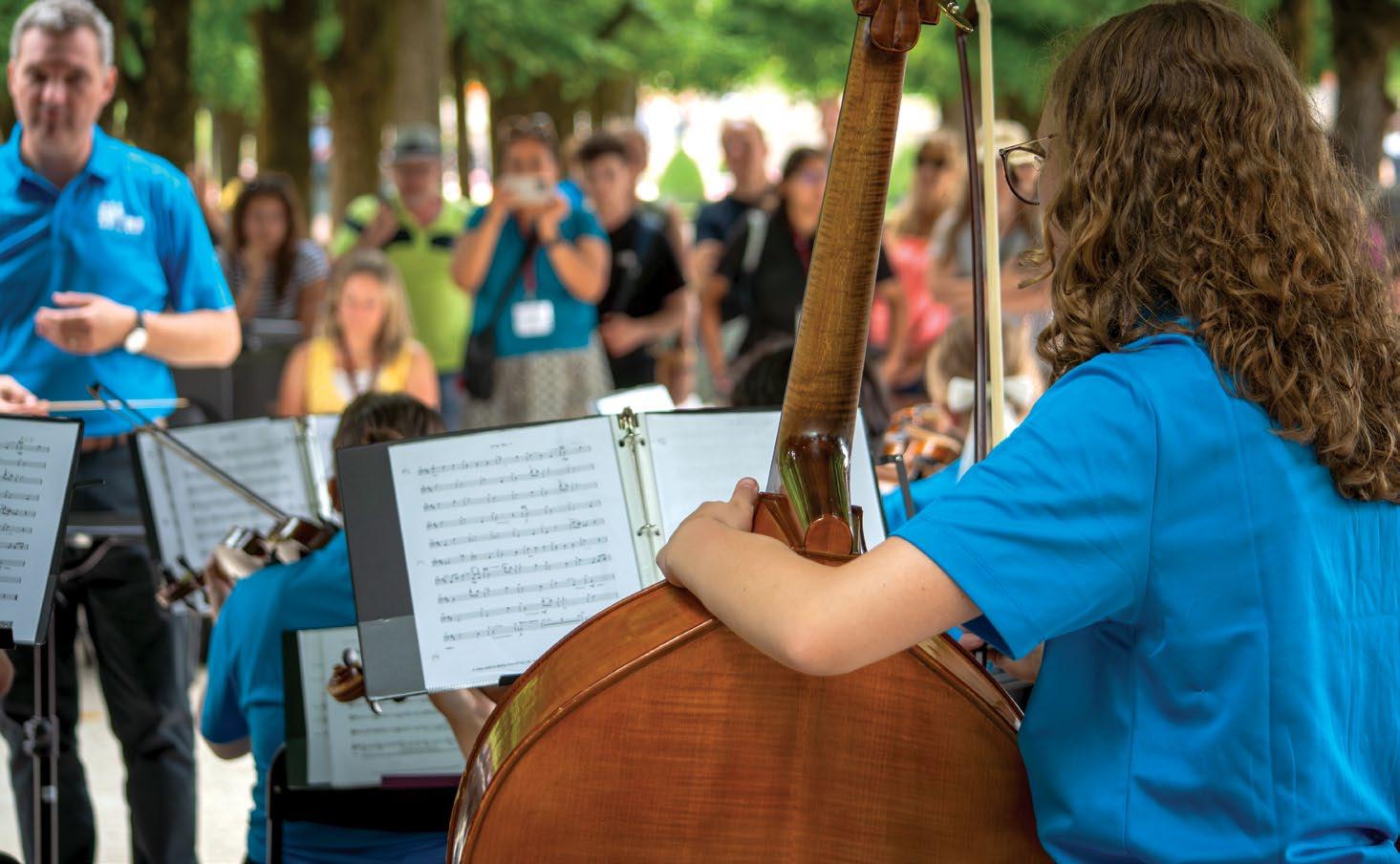
These two programs both work to provide young learners and performers affordable, immersive, once-in-a-lifetime opportunities—and they’re growing. First, Accent Performances is an adjudicated music festival program for bands, orchestras and choirs, launching new festivals next year in Chicago and New Orleans with top-tier venues like the Navy Pier and Jazz Museum.
Meanwhile, All-Stars of Music is a travel program bringing together top music students (chosen by nomination) from across a state to create exceptional ensembles led by collegiate-level conductors for huge performance tours in Hawaii and Europe. We talked with CEO Matthew Granger and Director of Special Projects Zoey Allan for more details.
WHAT HAVE YOU SEEN COME OUT OF ALL-STARS OF MUSIC?
Zoey: At the junior high level, we have a Hawaii performance tour: one week on the island of Oahu, with a couple extra days as an extension on the Big Island of Hawaii. At the high school level, we do a two-week trip to Europe visiting a variety of countries, with the opportunity to extend it to a three-week experience to truly immerse themselves.
There are magical moments that happen that you’re not always expecting. For instance, in Hawaii last summer, we performed at the Battleship Missouri at Pearl Harbor. We had a flag ceremony afterward where a student handed the flag to his grandmother, who was in the first battalion of women to serve at Pearl Harbor. It was a Hallmark-type moment we didn’t know would happen.
Another example: We were in London this past summer seeing “Wicked” on the West End. One student had a connection to the actress playing Elphaba through his voice teacher. Though she doesn’t always come to the stage door, we arranged it so she talked to our students and took pictures. Those little, unforgettable moments are the pieces they remember and hold onto.
ACCENT
PERFORMANCES:
NEW ORLEANS
» Performances followed by clinic at the New Orleans Jazz Museum at the Old US Mint
» Admission to the New Orleans Jazz Museum at the Old US Mint
» Dinner and live entertainment aboard the Steamboat Natchez
ACCENT
PERFORMANCES: CHICAGO
» Performances followed by a clinic at Navy Pier
» Meal card for Navy Pier
» Evening live performance at one of Chicago’s esteemed cultural institutions (Broadway In Chicago, CSO, etc.)
SHENANIGANZ MUSIC FESTIVAL
» Performances followed by clinic at Shenaniganz Entertainment Center
SYMPHONY OF MAGIC INVITATIONAL AT UNIVERSAL ORLANDO RESORT
» Performances followed by clinic or talkback with festival adjudicator
» Park tickets and hotel stay for Universal Orlando Resort
HOW DOES FUNDRAISING WORK FOR THIS?
Matthew: We are big believers in volume over profit per person. I’d rather have a hundred kids on a trip I make less money on than 50 kids on a trip I make far more on. Growing up, I had to fundraise every cent for high school trips. Guardian charges less because we don’t need as much; we aren’t run by venture capitalists or stockholders. We have over a dozen different product lines—tumblers, online donation platforms, physical products.
We also have the Guardian Foundation, which provides scholarships for trips. Our newest passion project is starting our own string instrument company: Guardian Strings. We sell them for 40% less than competitors to get more quality instruments into students’ hands. For every instrument bought, Guardian makes a donation to buy additional instruments for inner-city schools.
HOW ARE YOU BRINGING THE UNIQUE GUARDIAN APPROACH TO THESE ACCENT FESTIVALS?
Matthew: We need understanding and to learn about cultures and histories different from ours. My goal is to do what’s right and beneficial, not just what makes money the fastest. Accent Performances festivals provide opportunities to perform and receive feedback from people who care about music. We don’t view these as throwaway experiences just to go to a theme park. We want students to become better musicians. Creative people—those in band, choir, orchestra, theater—are the ones who change society for the better.
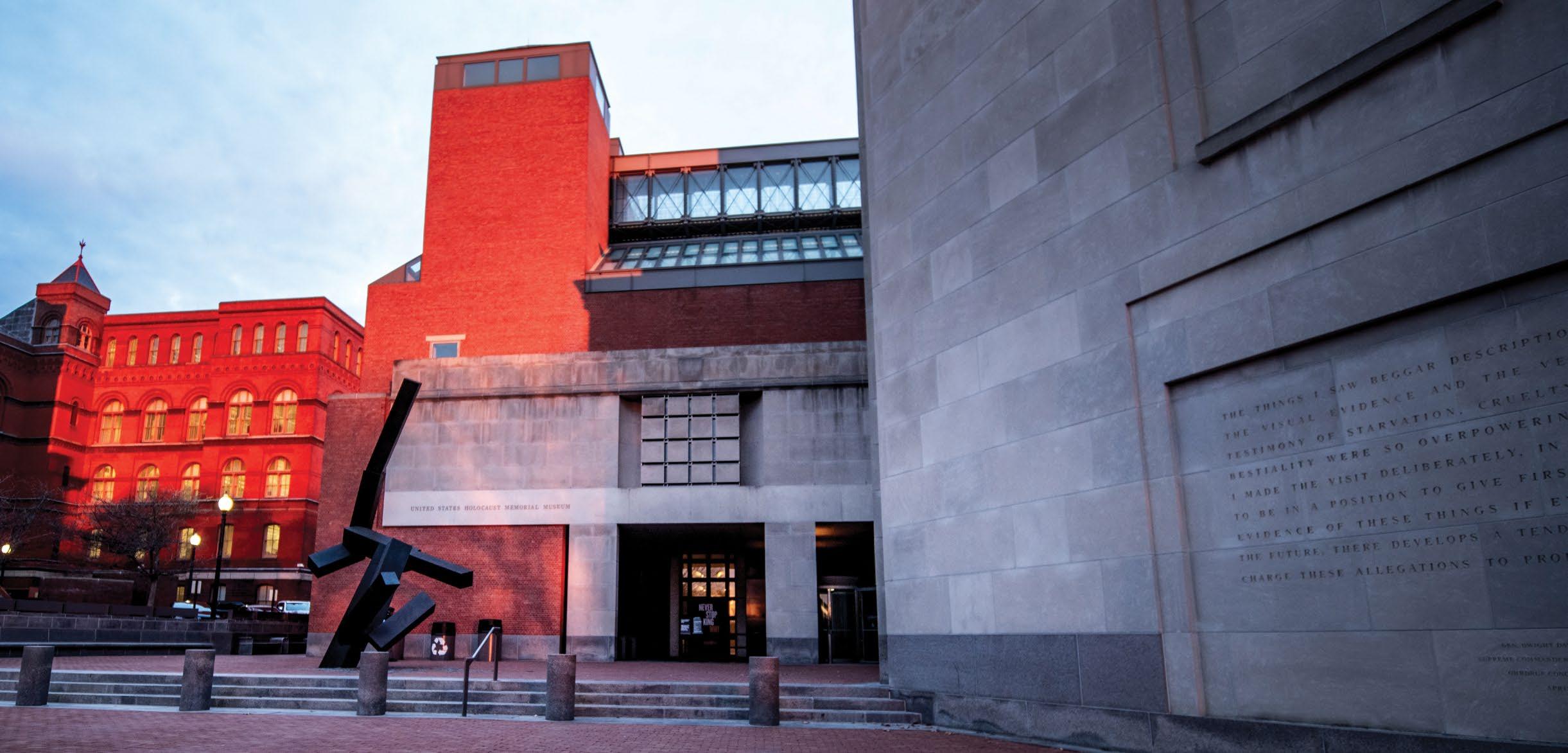
WWalking into the Holocaust Museum felt like encountering a silence that was deeper than anything I had witnessed before. The very air around me felt heavy, and it was as though I could hear millions of voices muffled into one single call begging to be heard. It was not simply a walk through a building; it was rather a collection of lives and a history filled with hurtful sorrow. It was not a casual tour; it was a reckoning with the most grievous period of mankind and it impacted emotionally on a deep level.
A room with nothing but shoes, two exhibits had my heart gripped like no other. Shoes wedged together in a disorderly pile by the hundreds or even thousands. They were the remains of lives taken too soon; they were more than just shoes. Each shoe and strap told a story that would remain untold forever. As I stood at the pile, I felt my eyes tearing up, but was unaware that was them hiding. I could almost hear the faint whispers of the lives these shoes had
THEY WERE TESTIMONY OF THE NEVER-ENDING STRENGTH OF THE HUMAN SPIRIT, even in the context of atrocious monstrosities.
carried. I became cognizant of the multitude of pairs these shoes had walked in. Steps that were filled with anxiety, pity, cruelty and uncalled for outcomes.
As I walked through the museum, I was able to witness the dreams of children from faded photographs, and hoped they would come to fruition.
The present survivors’ accounts shattered and rebuilt me. Each of their stories was hard to listen to, filled with pain, but their courage was equally commendable. They were testimony of the never-ending strength of the human spirit, even in the context of atrocious monstrosities.
The encounter was emotionally taxing. I felt sorrow as I lamented the lives lost to hatred. Anger boiled within me as I thought about how such atrocities were allowed to happen. More than anything, I felt reconsolidated with purpose to make sure this history would not be erased. One visit was enough to make me ask, How would I be able to carry this forward? How do I turn heartache into hope? Sadness into action?
When I travel, I realize its usefulness goes way beyond sightseeing, but to learn, change, and grow as a person. After my visit to the Holocaust Museum, I believe I became a different person, because now it understood taught me everything that empathy and memory is capable of.
It made me realize how deeply I must care about combating hatred of all sorts, and how critical it is to make compassion a reality in our world. The responsibility this voyage offered is a sobering reminder of humanity’s potential for both good and evil. Every one of us has the choice about the legacy we wish to leave behind. This is why the Holocaust Museum for me was not just a place, but a lesson, a call to action and inspiration to take charge of my future with love and understanding at its core.
Stephens, 18, is a senior at Dover High School, in Dover Plains, New York